The Mystery Sherlock Holmes Could Not Solve
Sir Arthur Conan Doyle created literature’s most famous champion of logic and deduction. Yet the celebrated author became convinced that photographs taken by two Yorkshire girls offered genuine evidence of fairies. The strange contradiction has made the Cottingley Fairies one of history’s most enduring hoaxes.
 Elsie Wright, Wikimedia Commons
Two Cousins Found An Escape
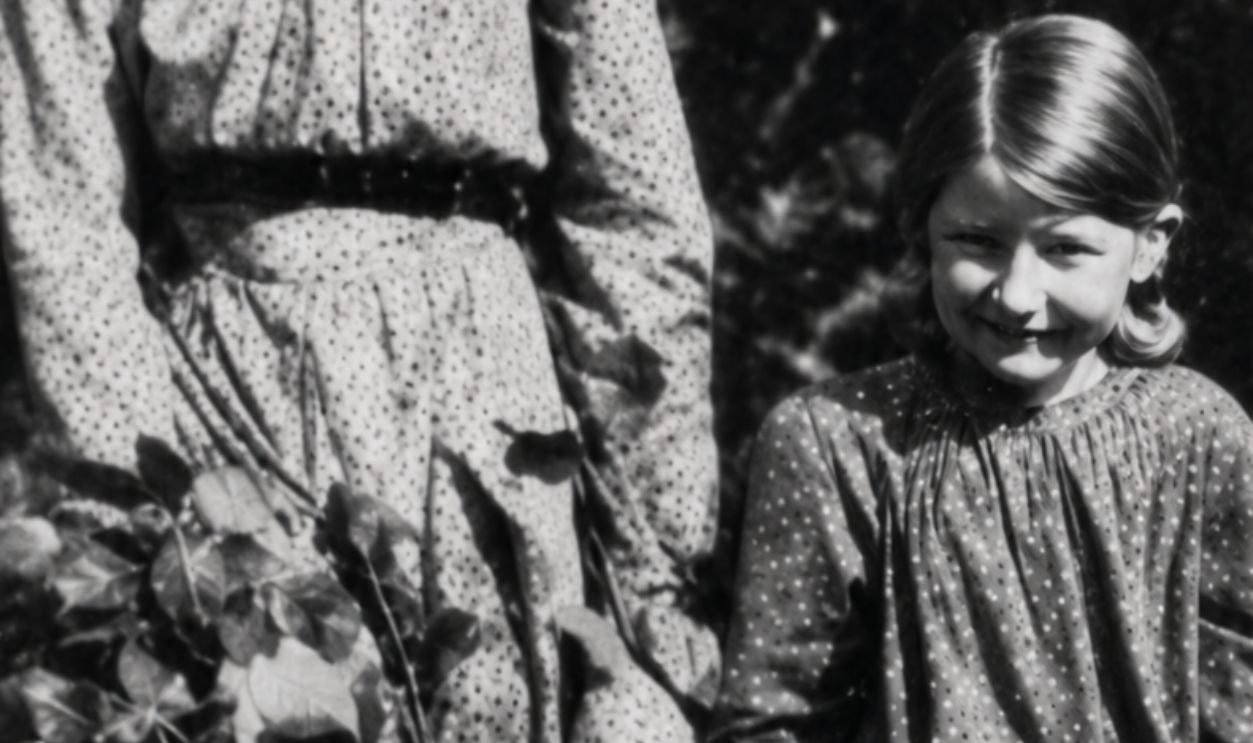
The story began in 1917 in Cottingley, a village near Bradford in West Yorkshire. Nine-year-old Frances Griffiths had recently arrived from South Africa with her mother and was staying with her cousin, 16-year-old Elsie Wright. The girls often played beside the stream at the bottom of the Wright family’s garden.
 Margaret Krupa, Wikimedia Commons
Wet Shoes Inspired A Magical Explanation
Frances and Elsie regularly returned from the stream with wet clothes and muddy shoes. When questioned by their mothers, they claimed that they went there because they could see fairies. The adults were understandably skeptical, so the cousins decided to produce photographic proof.
 Paul Glazzard, Wikimedia Commons
Elsie Borrowed Her Father’s Camera
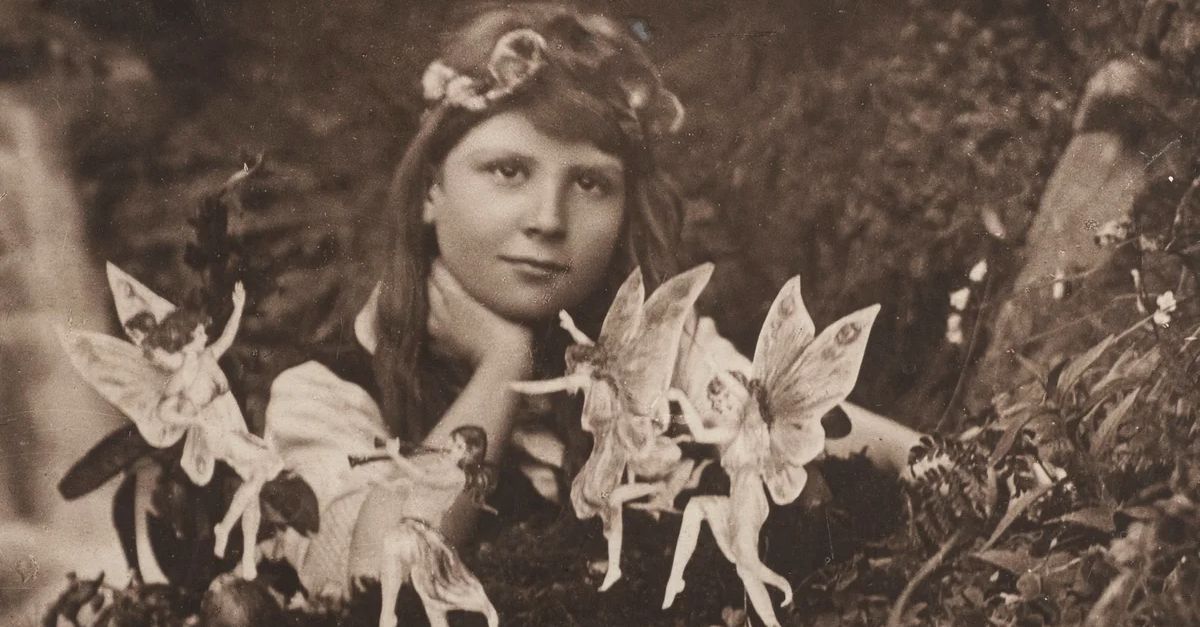
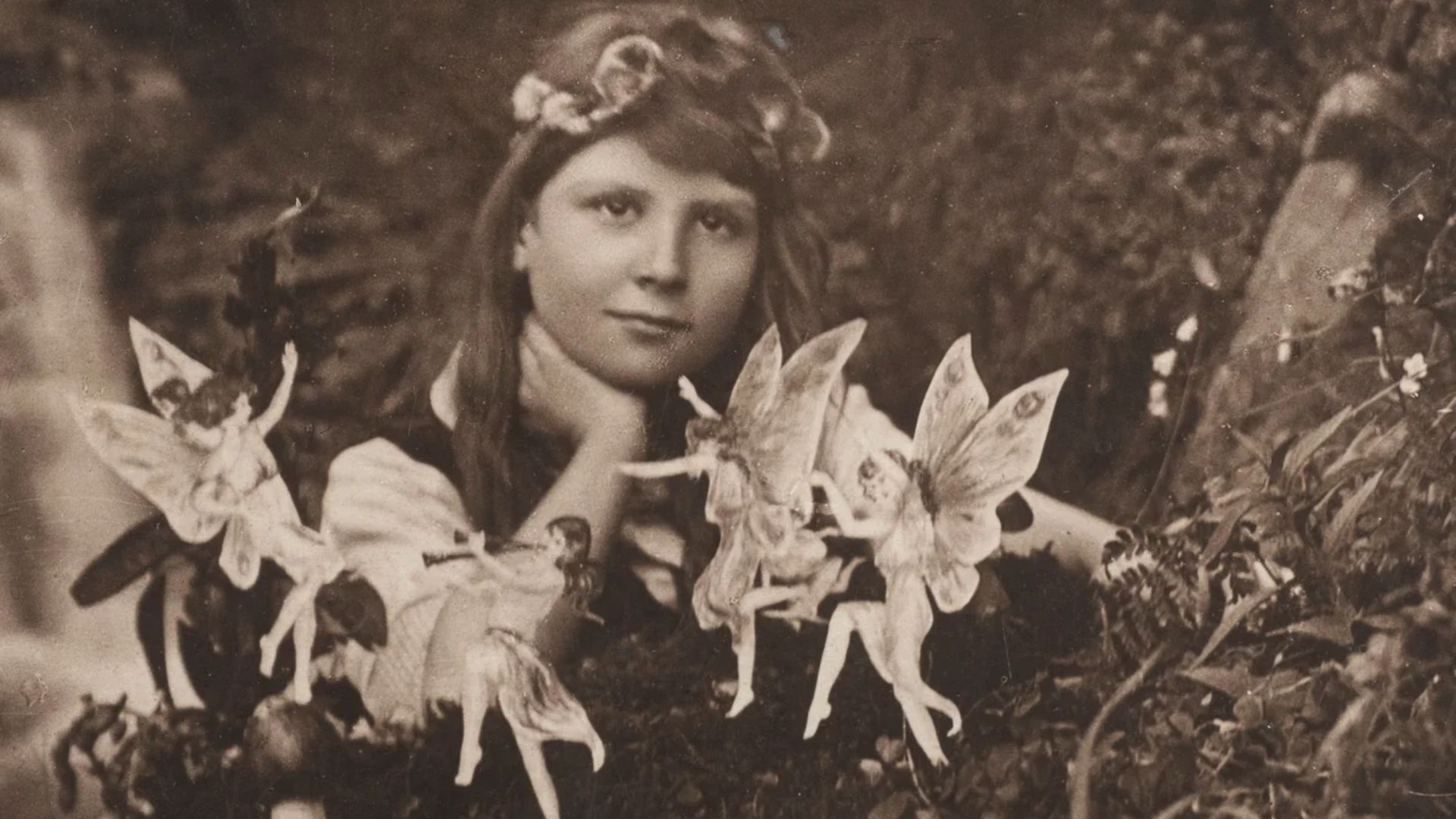
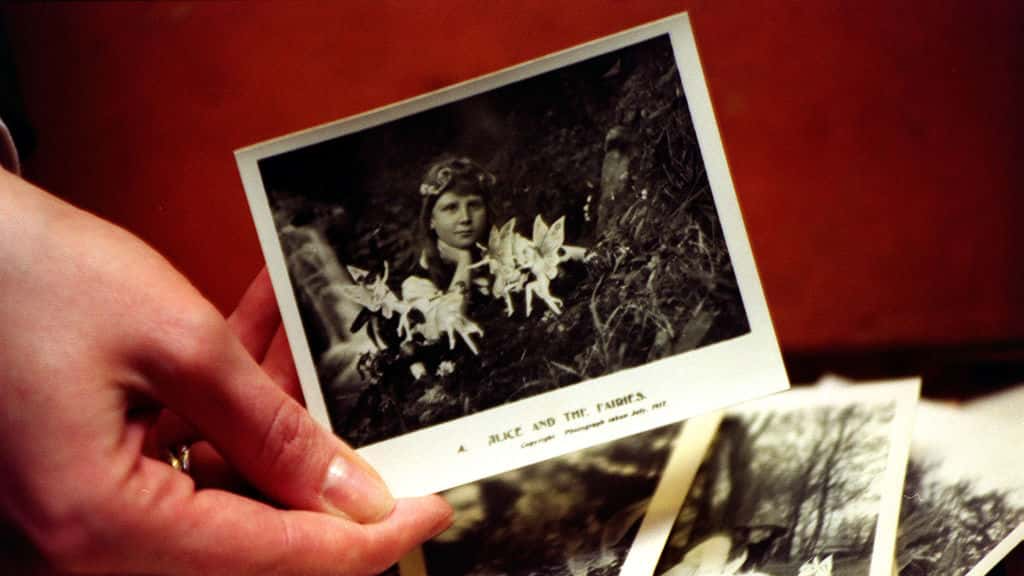
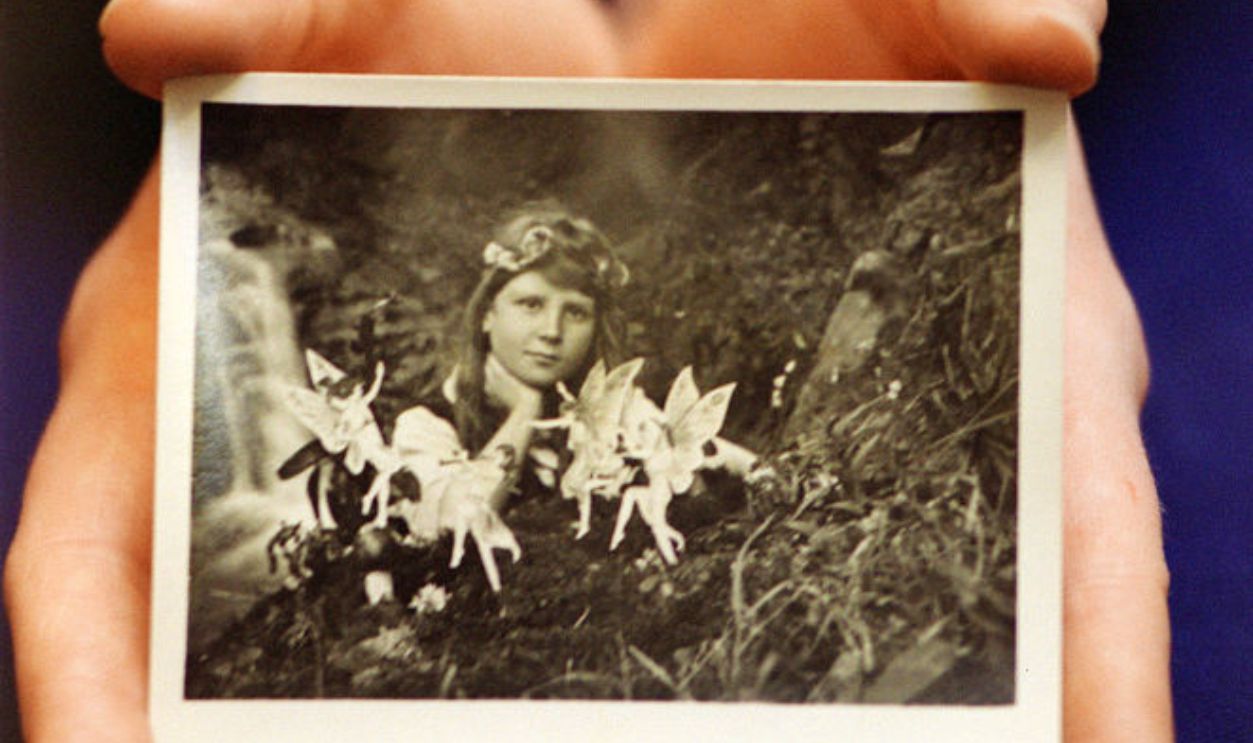
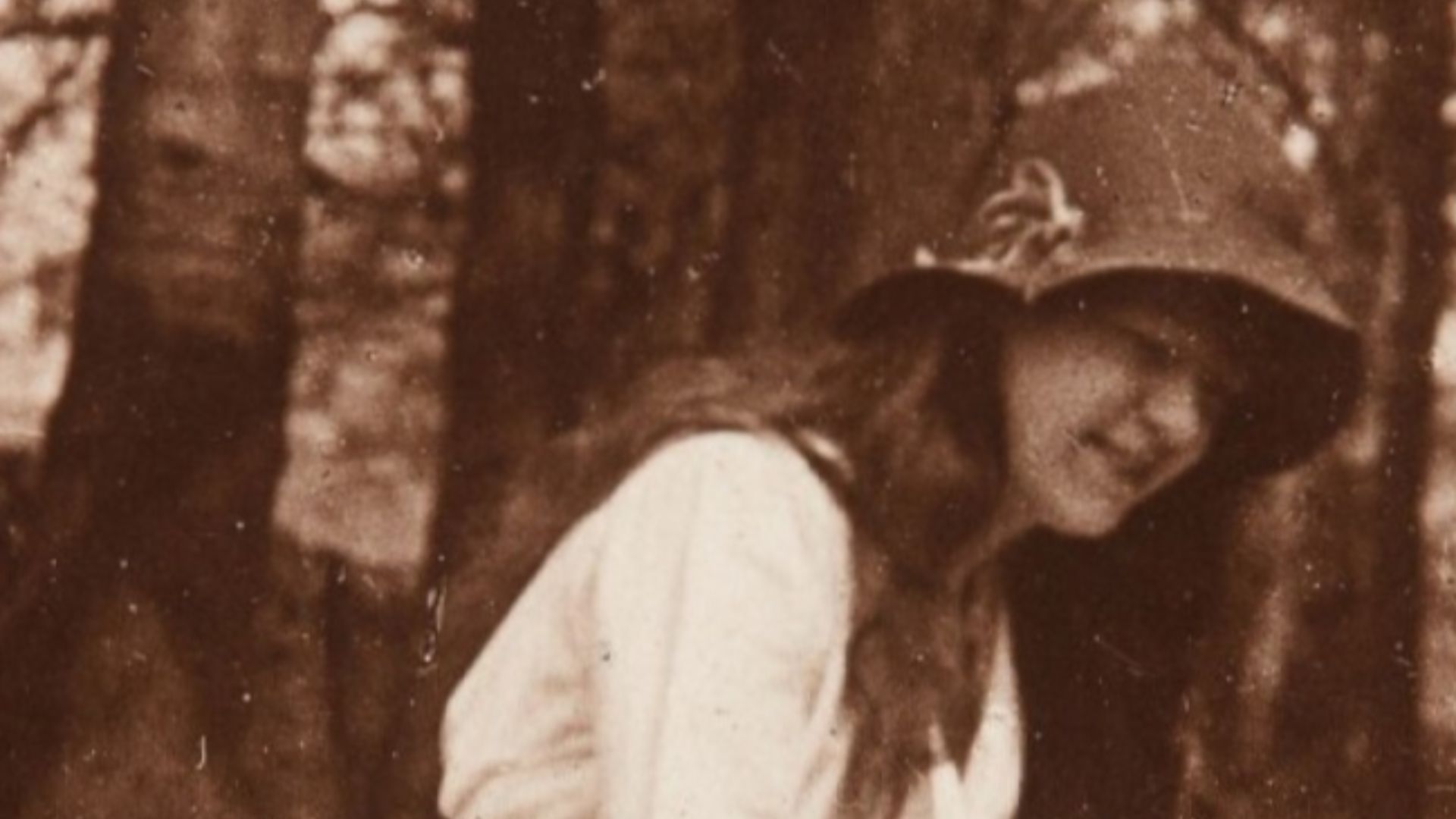
Elsie asked to use a camera belonging to her father, Arthur Wright, who was an enthusiastic amateur photographer. The girls disappeared beside the stream and returned roughly half an hour later. When Arthur developed the plate in his darkroom, it appeared to show Frances watching four tiny fairies dancing in front of her.

History's most fascinating stories and darkest secrets, delivered to your inbox daily.
Arthur Wright Was Not Convinced
Arthur immediately suspected that the supposed fairies were cardboard figures. Elsie was artistically talented and had previously worked in a photographer’s studio, so he knew she could create convincing images. Rather than uncover a supernatural discovery, he believed that he was looking at a clever childhood prank.
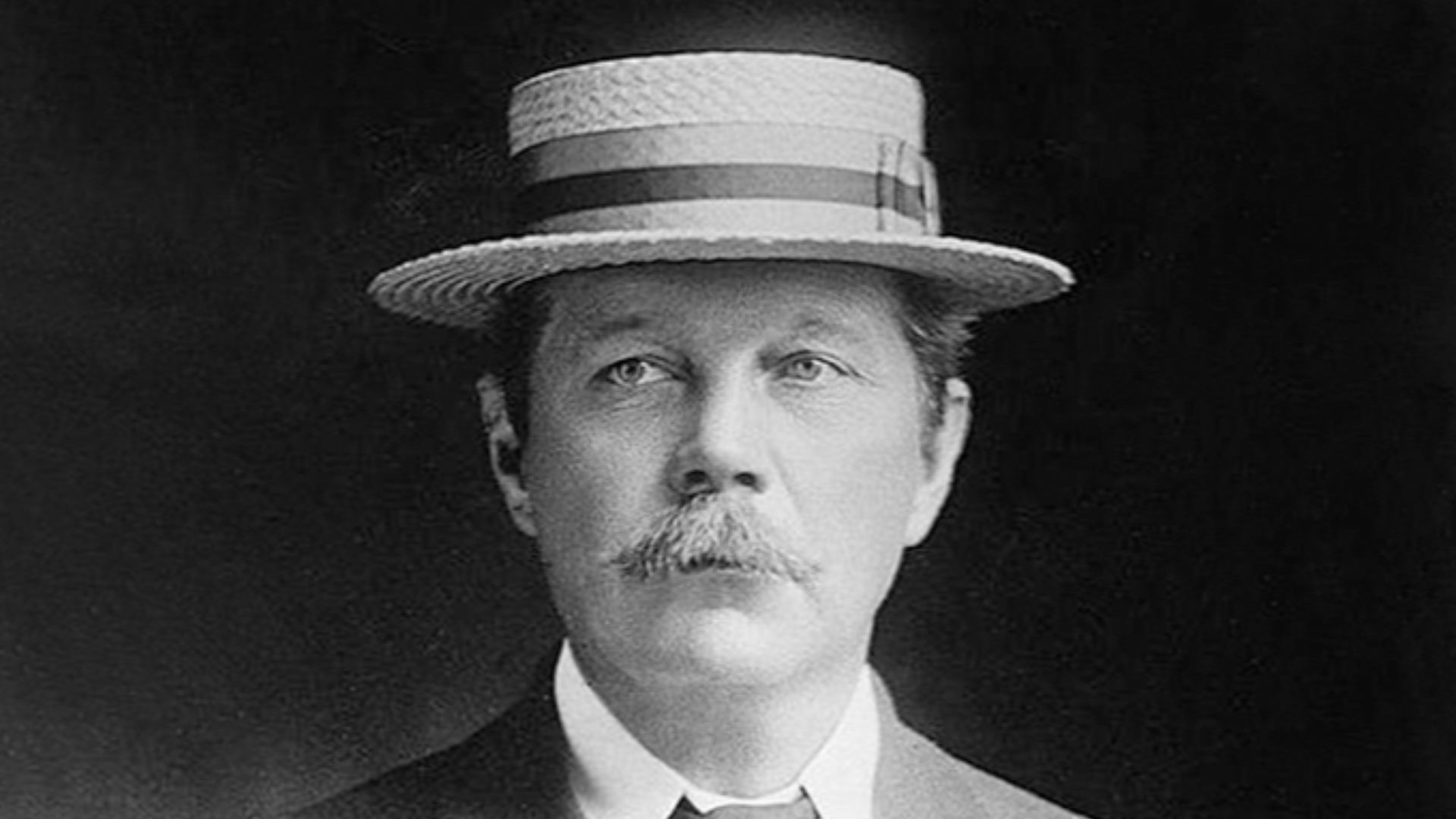 The Library of Congress, Wikimedia Commons
A Gnome Appeared Next
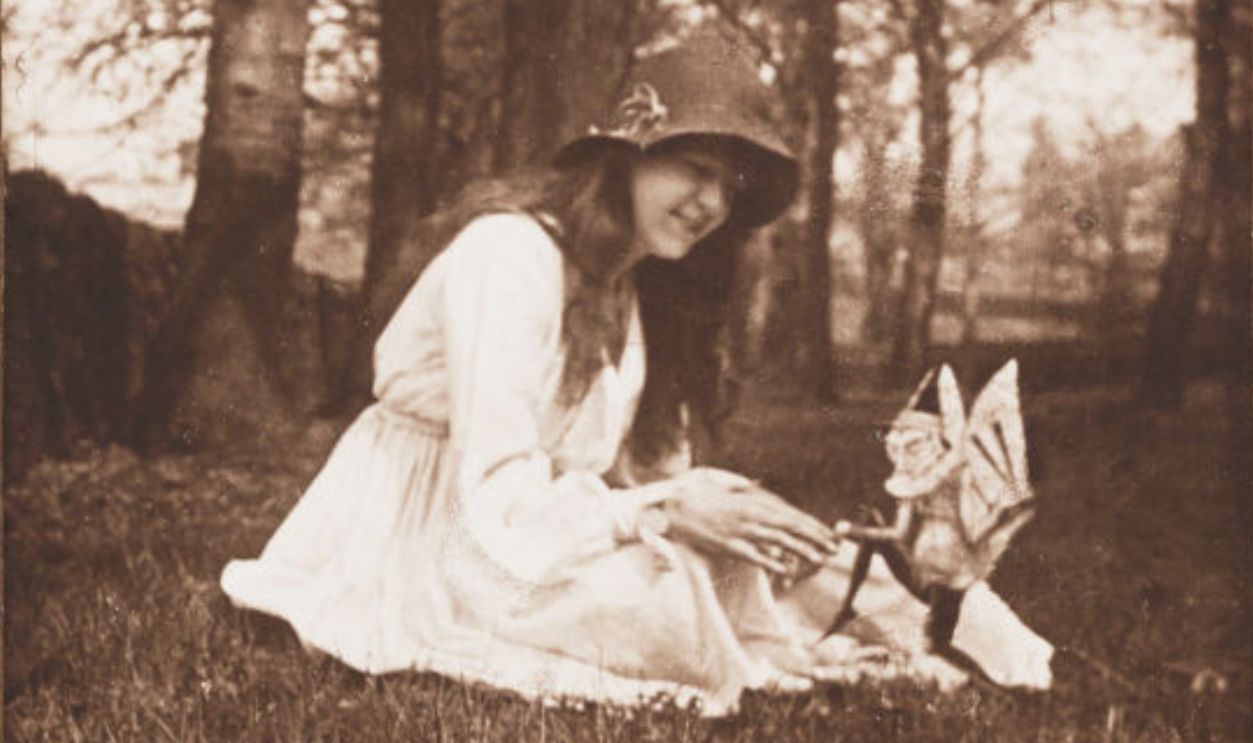
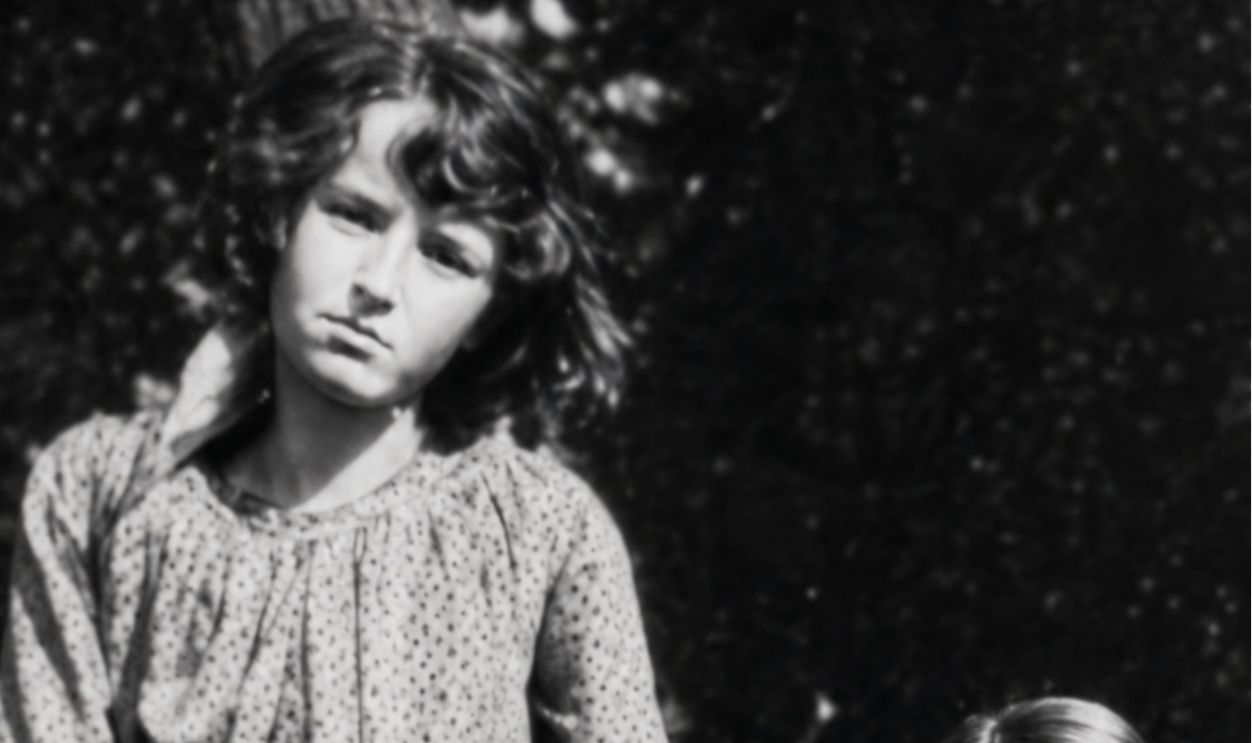
Two months later, the cousins borrowed the camera again. Their second photograph showed Elsie sitting on the grass while a winged gnome appeared to step toward her outstretched hand. Arthur remained unimpressed and refused to lend them his camera again.
Polly Wright Wanted To Believe
Elsie’s mother, Polly Wright, reacted very differently from her husband. She had an interest in spiritualism and accepted the possibility that the photographs showed something extraordinary. Her willingness to take the pictures seriously eventually carried the private joke far beyond the Wright household.
The Pictures Reached The Theosophists
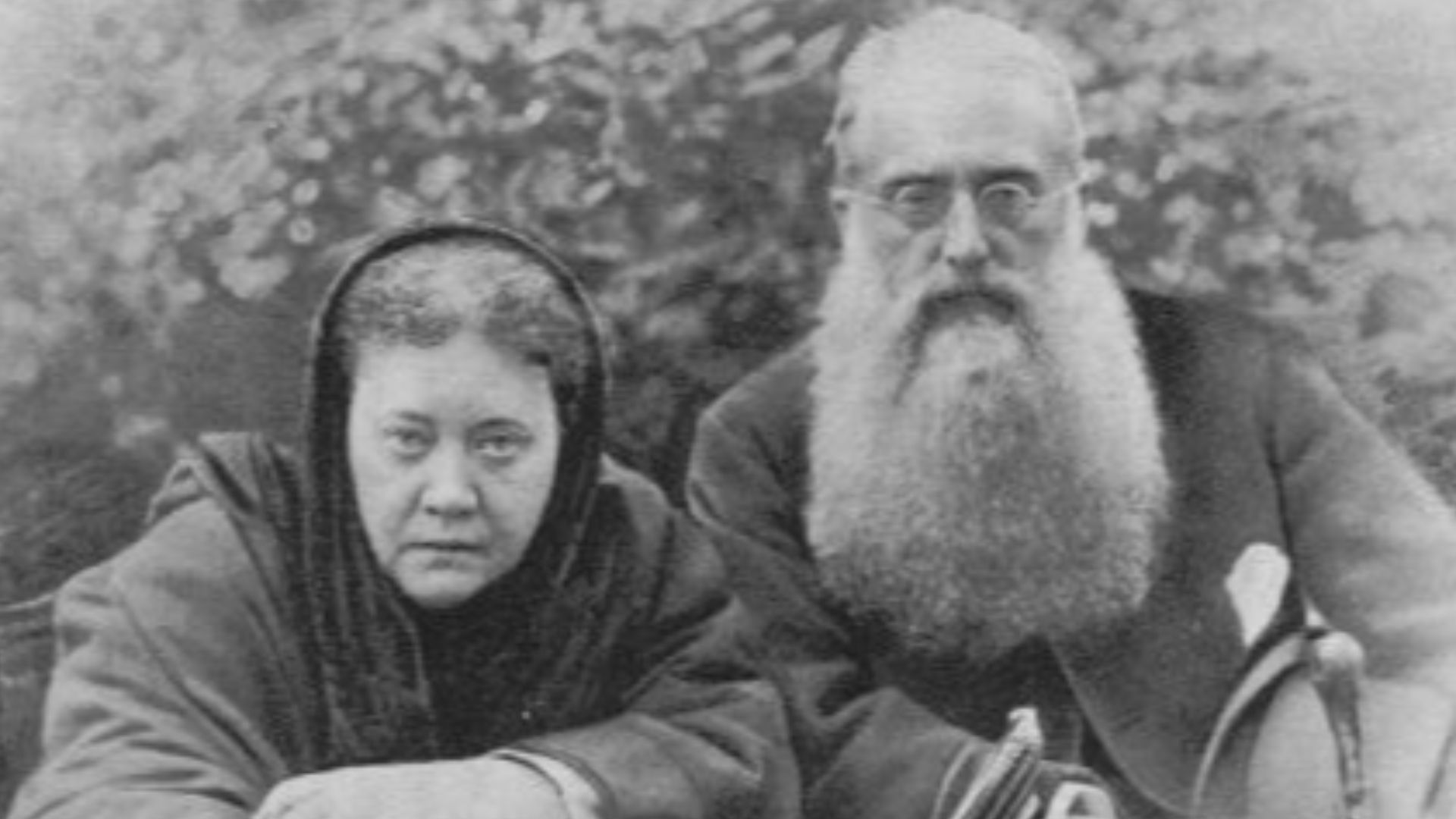
In 1919, Polly attended a lecture held by the Bradford branch of the Theosophical Society. The subject was "fairy life", so she showed the speaker the two photographs taken by Elsie and Frances. The images were later displayed at a Theosophical conference in Harrogate, where they attracted the attention of Edward Gardner.
 Roberto Cruz, Wikimedia Commons
Edward Gardner Saw Important Evidence
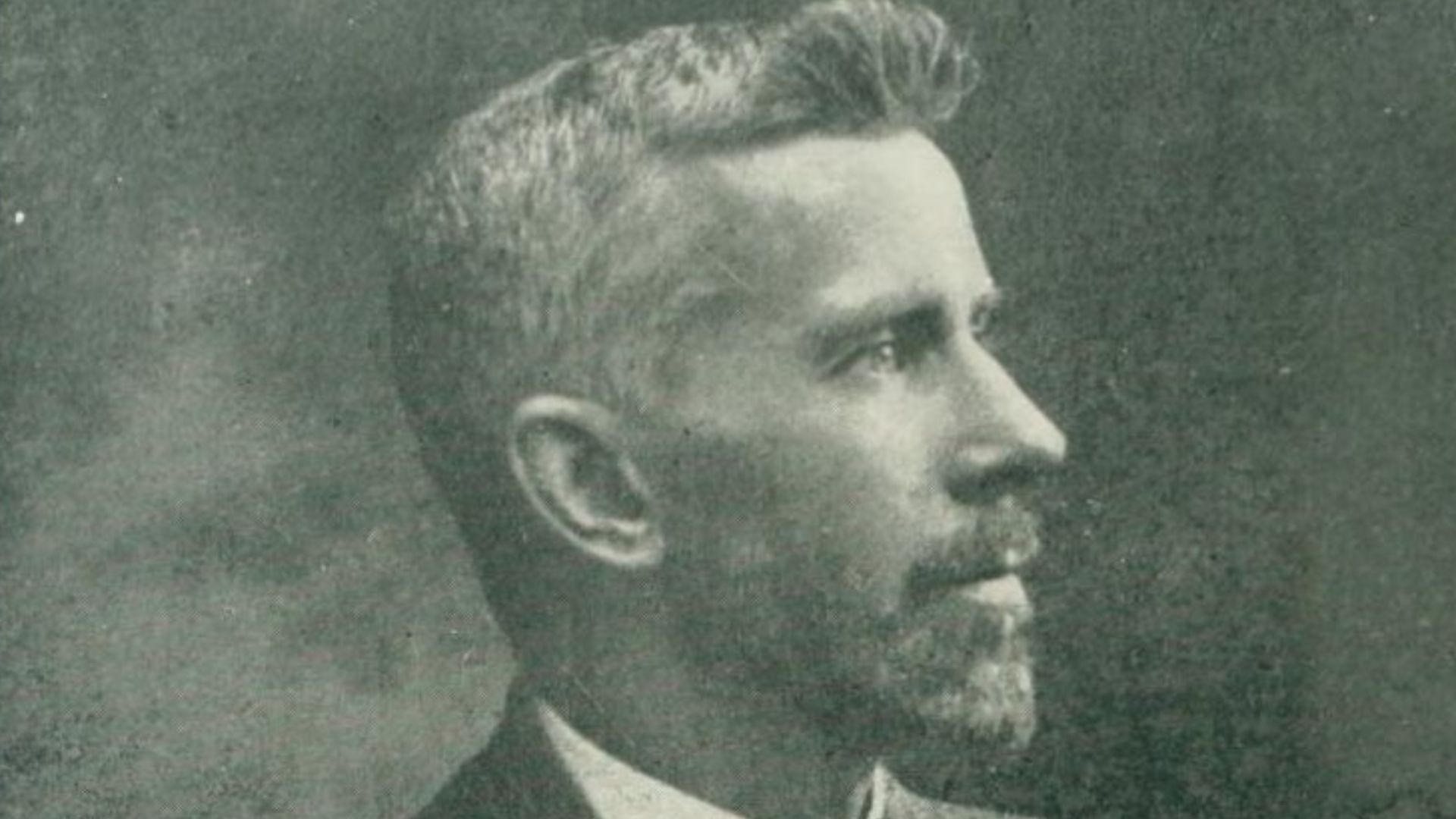
Gardner was a prominent Theosophist who believed that fairies represented forms of life existing beyond ordinary human perception. He contacted the Wright family and began circulating copies of the photographs among fellow believers. Instead of treating them as a family joke, he saw them as possible evidence supporting his spiritual worldview.
 unknown (no precision in the book), Wikimedia Commons
A Photographer Examined The Negatives
Gardner sent the original glass negatives to photographic expert Harold Snelling. Snelling concluded that the negatives showed no signs of darkroom manipulation or double exposure. Crucially, he only established that the camera had recorded objects placed in front of it, not that those objects were living fairies.
 Frances Griffiths, Wikimedia Commons
History's most fascinating stories and darkest secrets, delivered to your inbox daily.
A Limited Finding Became Something Larger
Gardner treated Snelling’s assessment as powerful confirmation of the photographs’ authenticity. The difference between an unaltered negative and a truthful scene was easily overlooked. Since the cardboard figures had been positioned outdoors before the photograph was taken, no darkroom trickery was required.
 Charles Sims, Wikimedia Commons
Conan Doyle Entered The Story
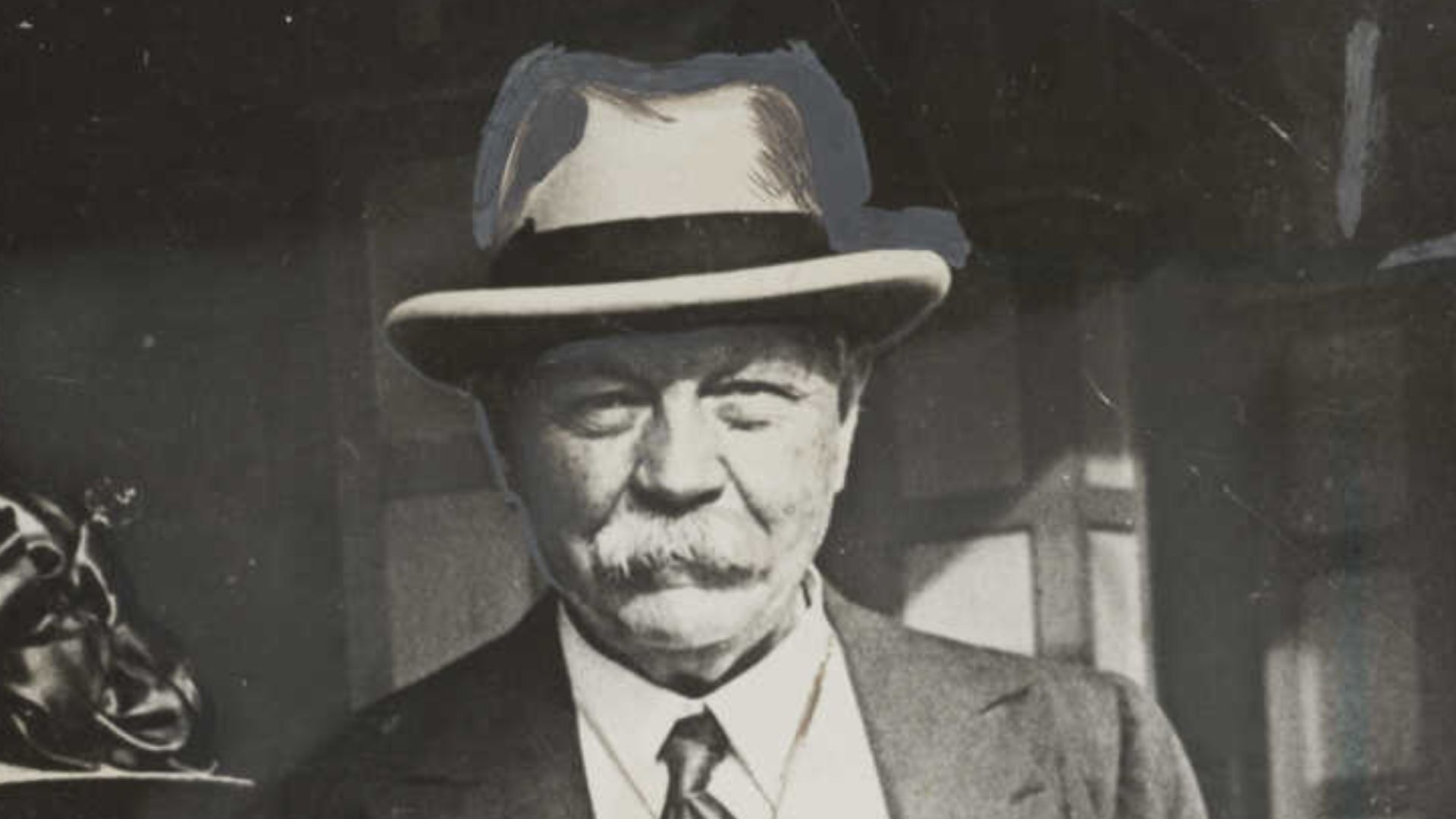
Conan Doyle learned about the photographs through the editor of the spiritualist publication Light. At the time, The Strand Magazine had commissioned him to write an article about fairies for its Christmas issue. The Cottingley pictures appeared to provide the visual evidence that his article needed.
 National Media Museum from UK, Wikimedia Commons
Doyle Already Believed In Spiritualism
Conan Doyle’s interest in the supernatural did not begin with the Cottingley photographs. He had studied reports of séances, psychic communication, and life after death for years before publicly embracing spiritualism during the First World War. By 1920, he was an outspoken campaigner rather than a neutral investigator.
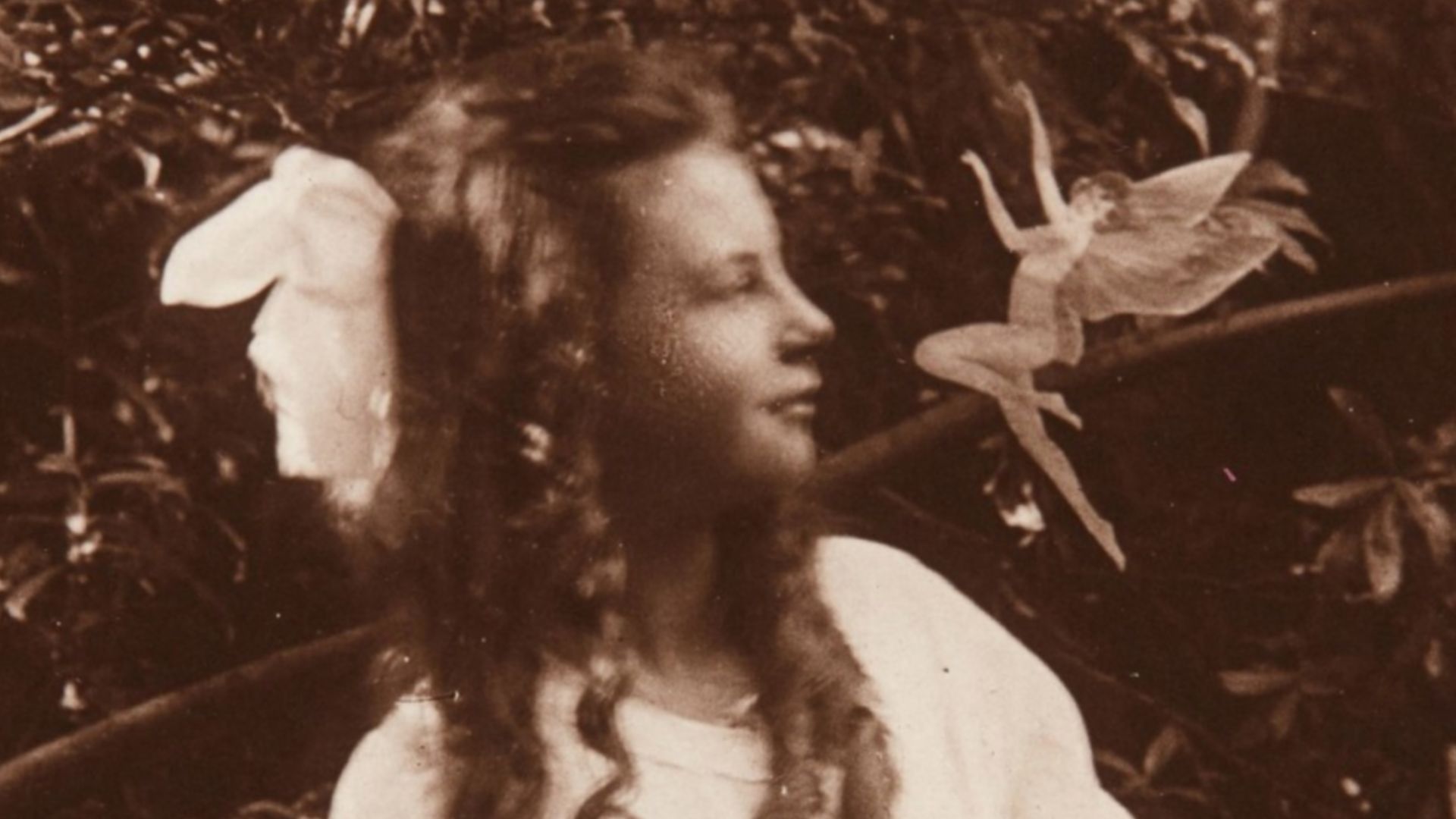 Elsie Wright, Wikimedia Commons
War Had Strengthened His Convictions
The First World War brought Conan Doyle repeated personal losses. His son Kingsley died in 1918 after contracting pneumonia while recovering from wounds suffered during the Battle of the Somme. Conan Doyle also lost his brother, two brothers-in-law, and two nephews during or shortly after the war.
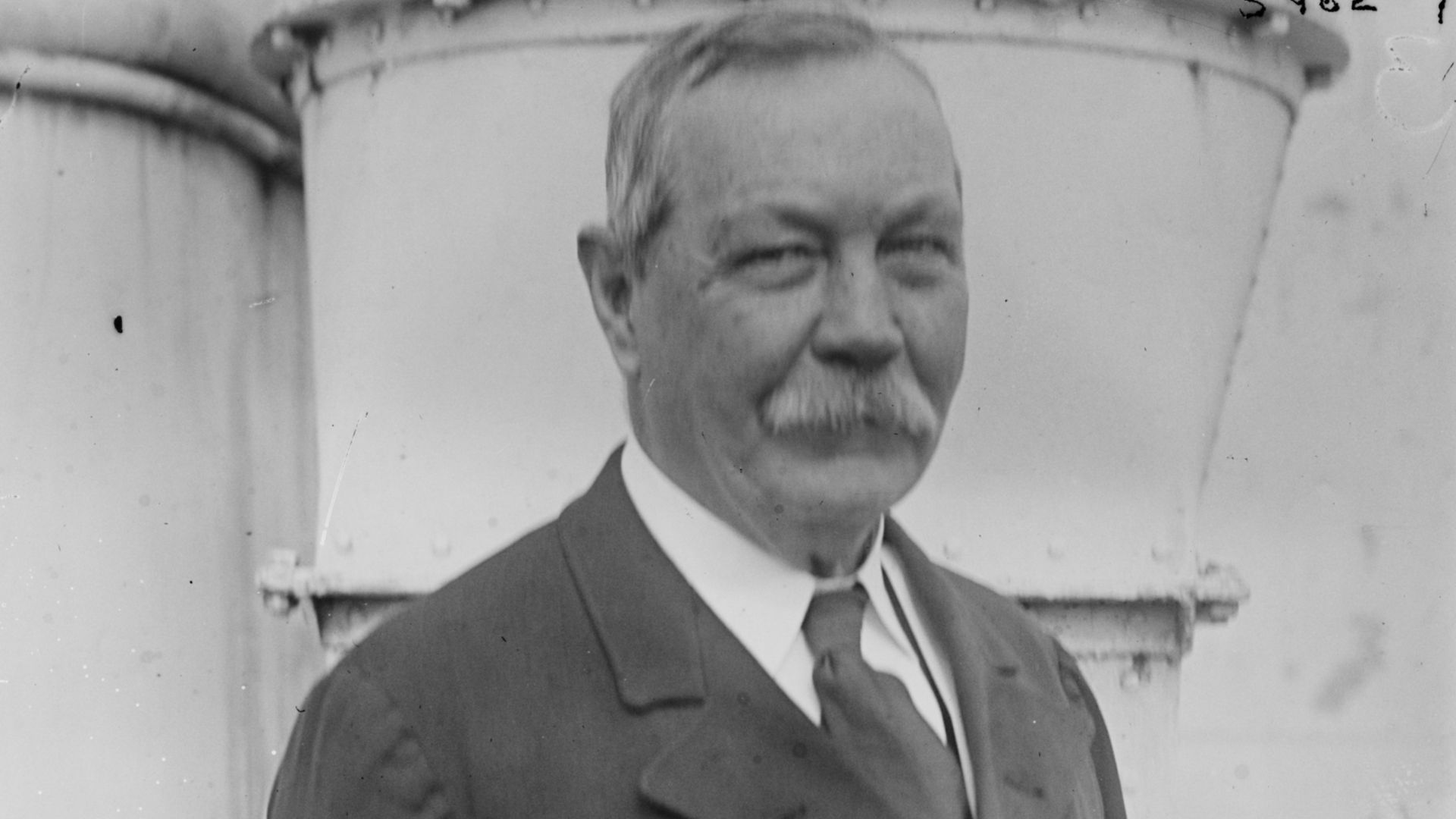
Spiritualism Offered Hope After Death
Conan Doyle believed that communication with the dead could bring comfort to millions of grieving families. He described spiritualism as a new revelation capable of changing humanity’s understanding of death. Evidence of fairies would not directly prove an afterlife, but it could suggest that invisible beings and unseen realms genuinely existed.
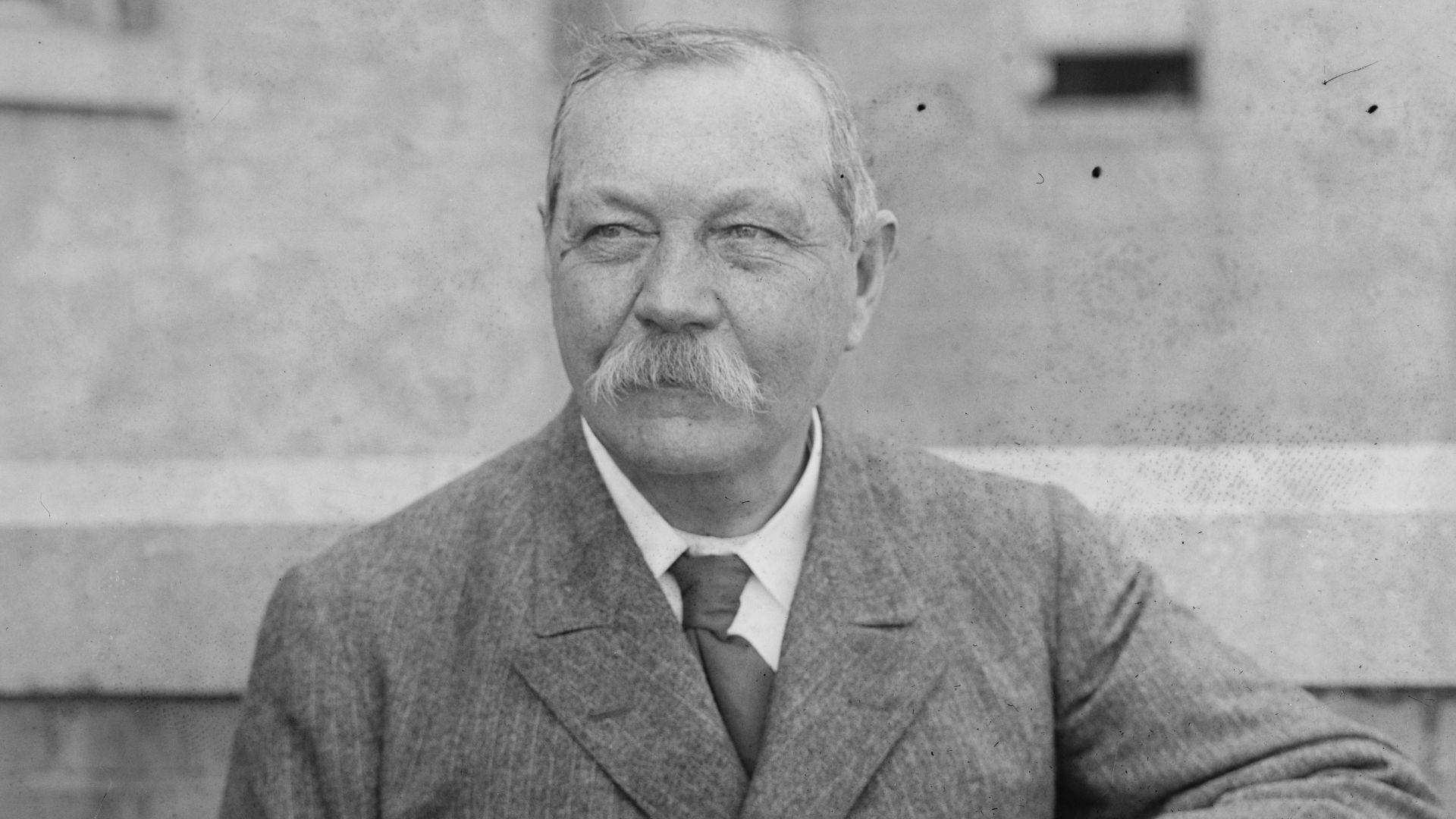 Bain News Service, publisher, Wikimedia Commons
Doyle Delegated The Investigation
Conan Doyle was preparing for a lecture tour of Australia and could not conduct most of the Cottingley inquiry himself. He relied heavily on Gardner, who already believed in fairies and approached the Wright family as a supporter. This meant that the investigation lacked the aggressive skepticism that Sherlock Holmes would have demanded.
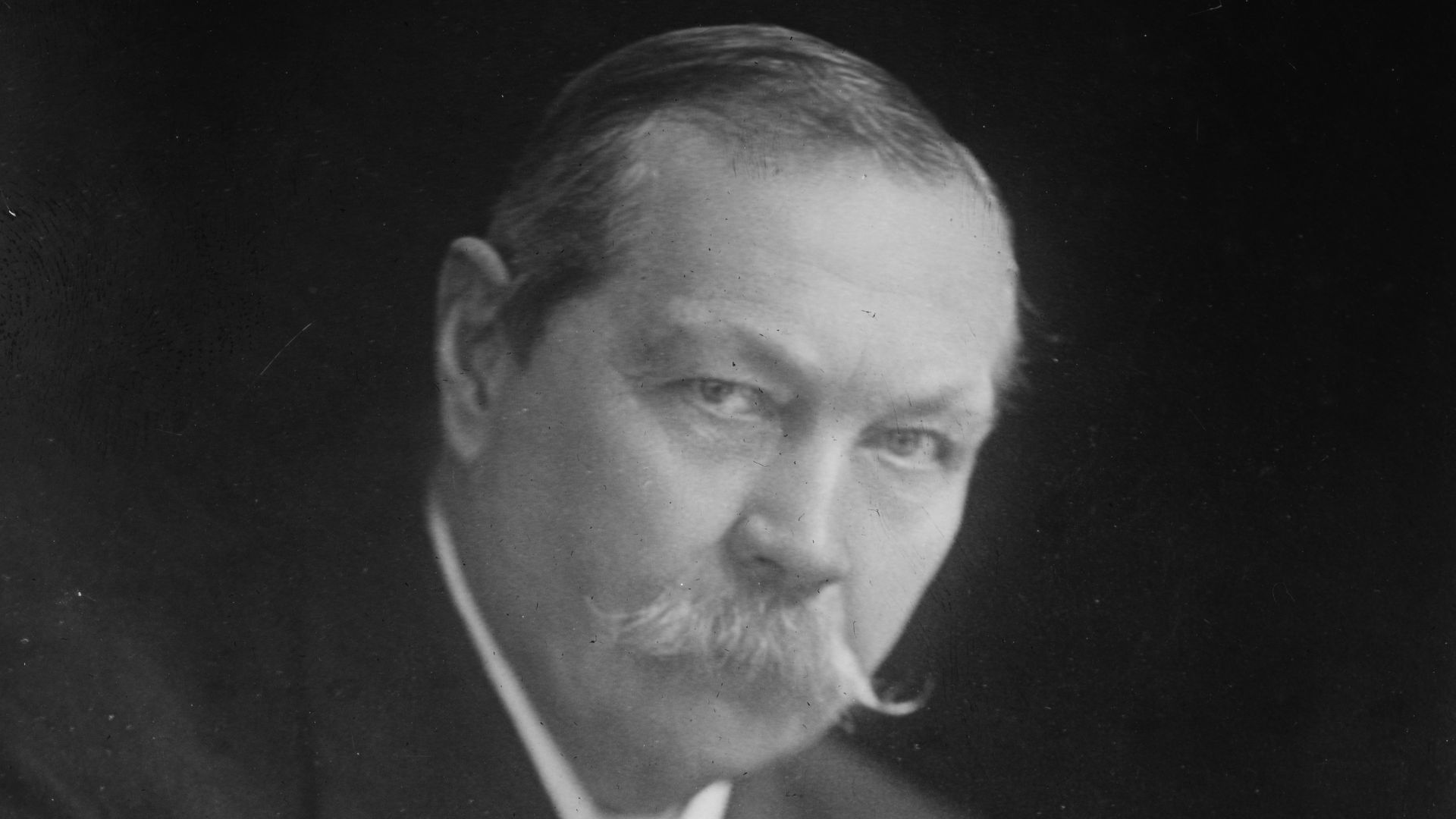 Bain News Service, publisher, Wikimedia Commons
History's most fascinating stories and darkest secrets, delivered to your inbox daily.
Kodak Raised A Warning
Gardner and Conan Doyle also took prints to experts at Kodak’s London offices. The technicians reportedly found no evidence that the negatives had been altered, but they said that a skilled photographer could have produced the scene using cutout figures. Gardner dismissed that possibility because he did not believe the girls possessed the necessary expertise.
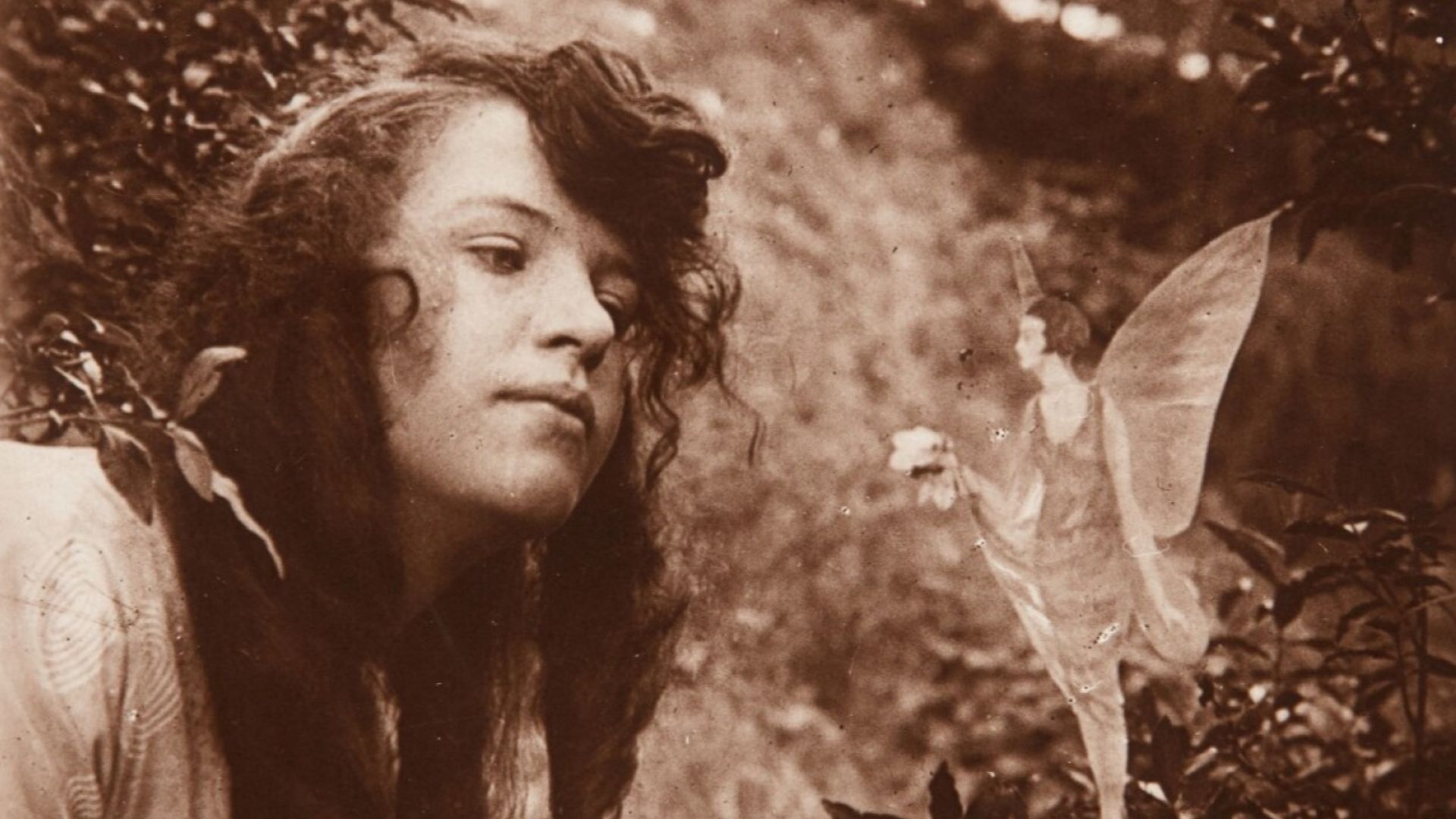 Frances Griffiths, Wikimedia Commons
Elsie’s Abilities Were Underestimated
That assumption ignored the strongest explanation offered by Arthur Wright from the beginning. Elsie could draw, paint, and work with photographic materials. The fairies did not need to be sophisticated creations because the camera softened the details and made flat illustrations appear more convincing.
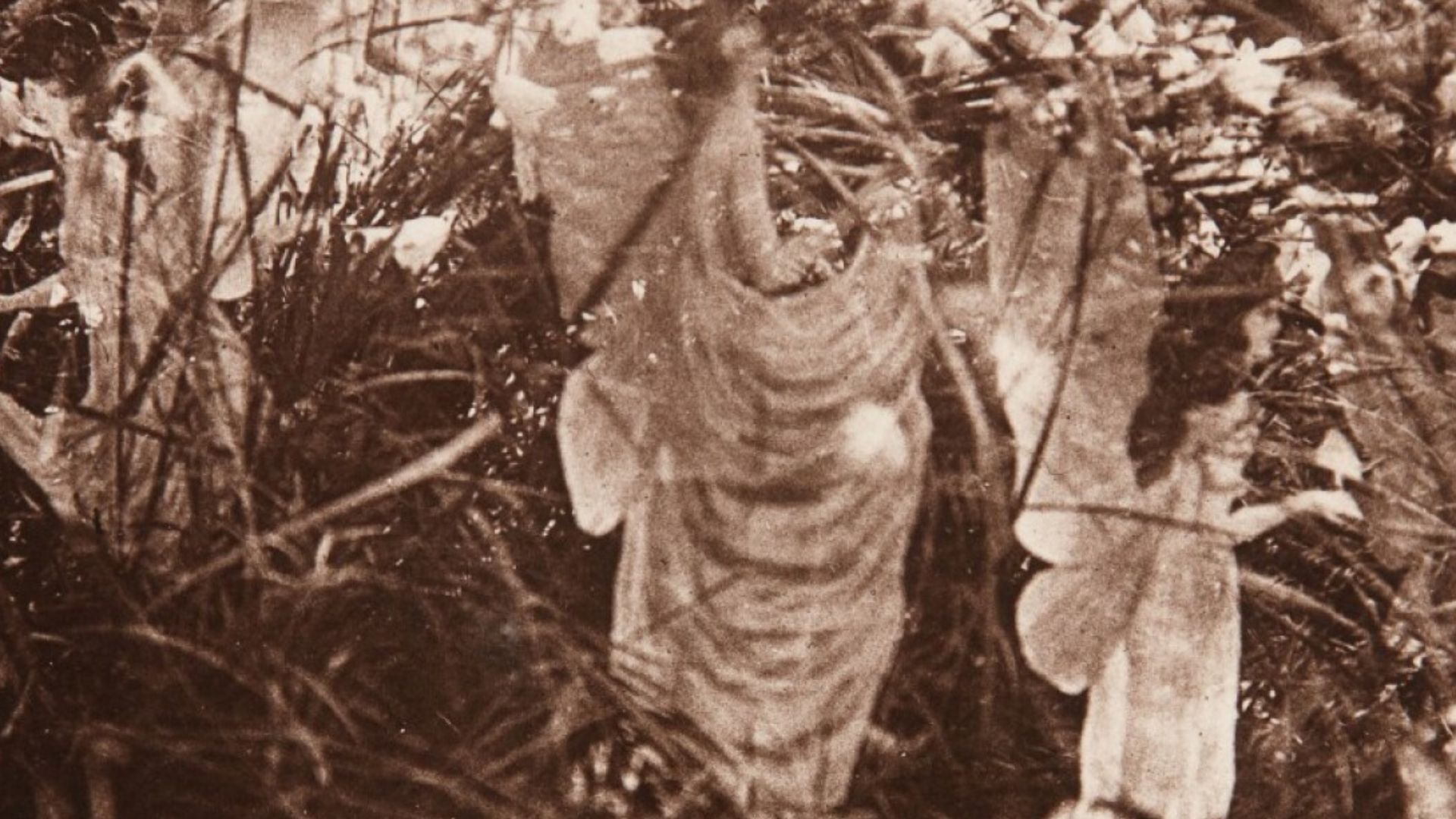 Frances Griffiths and Elsie Wright, Wikimedia Commons
New Cameras Seemed To Remove Doubt
In 1920, Gardner visited Cottingley with two cameras and a supply of photographic plates that had been secretly marked. He hoped the precautions would prevent the girls from substituting or tampering with the plates. Left alone with the equipment, Elsie and Frances produced three more images that appeared to show fairies.
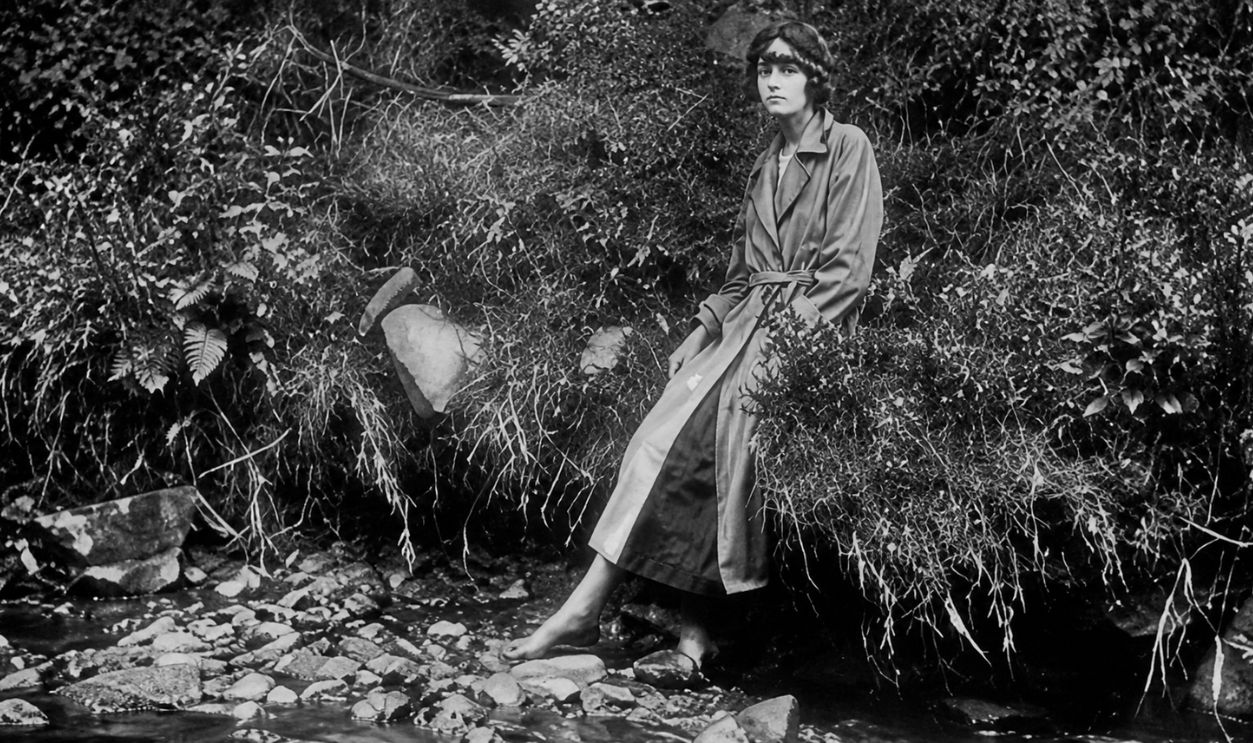 Print in american edition of The Coming of the Fairies, Wikimedia Commons, Modified
The Test Still Had A Fatal Weakness
The marked plates proved only that the girls used the photographic materials Gardner had supplied. They did not prevent the cousins from placing homemade figures in front of the lens. Because the girls insisted that fairies would not appear while adults watched, no independent witness observed the photographs being created.
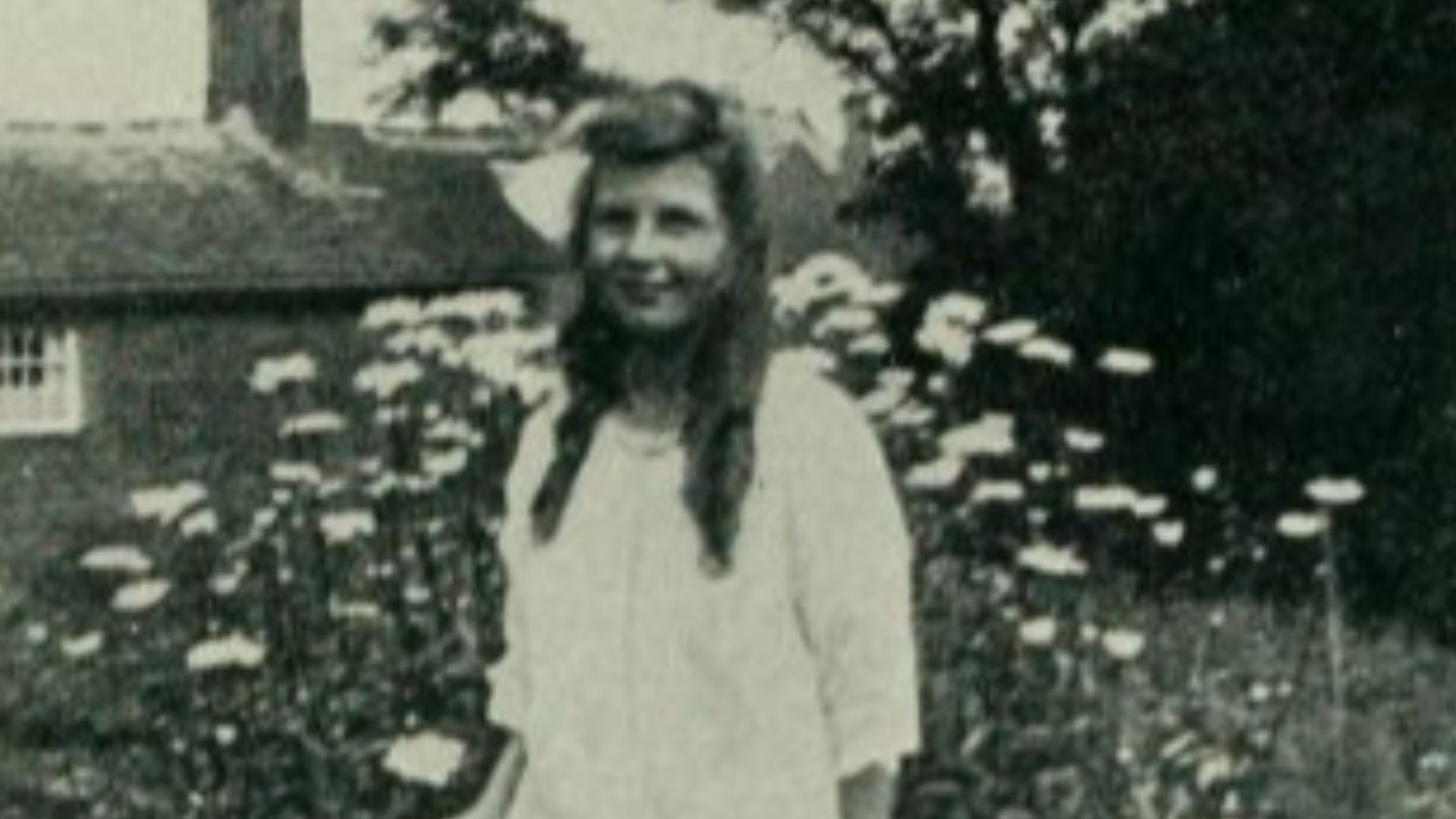 Unknown authorUnknown author, Wikimedia Commons
Doyle Announced An Extraordinary Discovery
While touring Australia, Conan Doyle received news that additional fairy photographs had been taken. He responded enthusiastically and believed that the new plates had settled the question. His excitement reflected how strongly the result matched conclusions he had already reached about the supernatural.
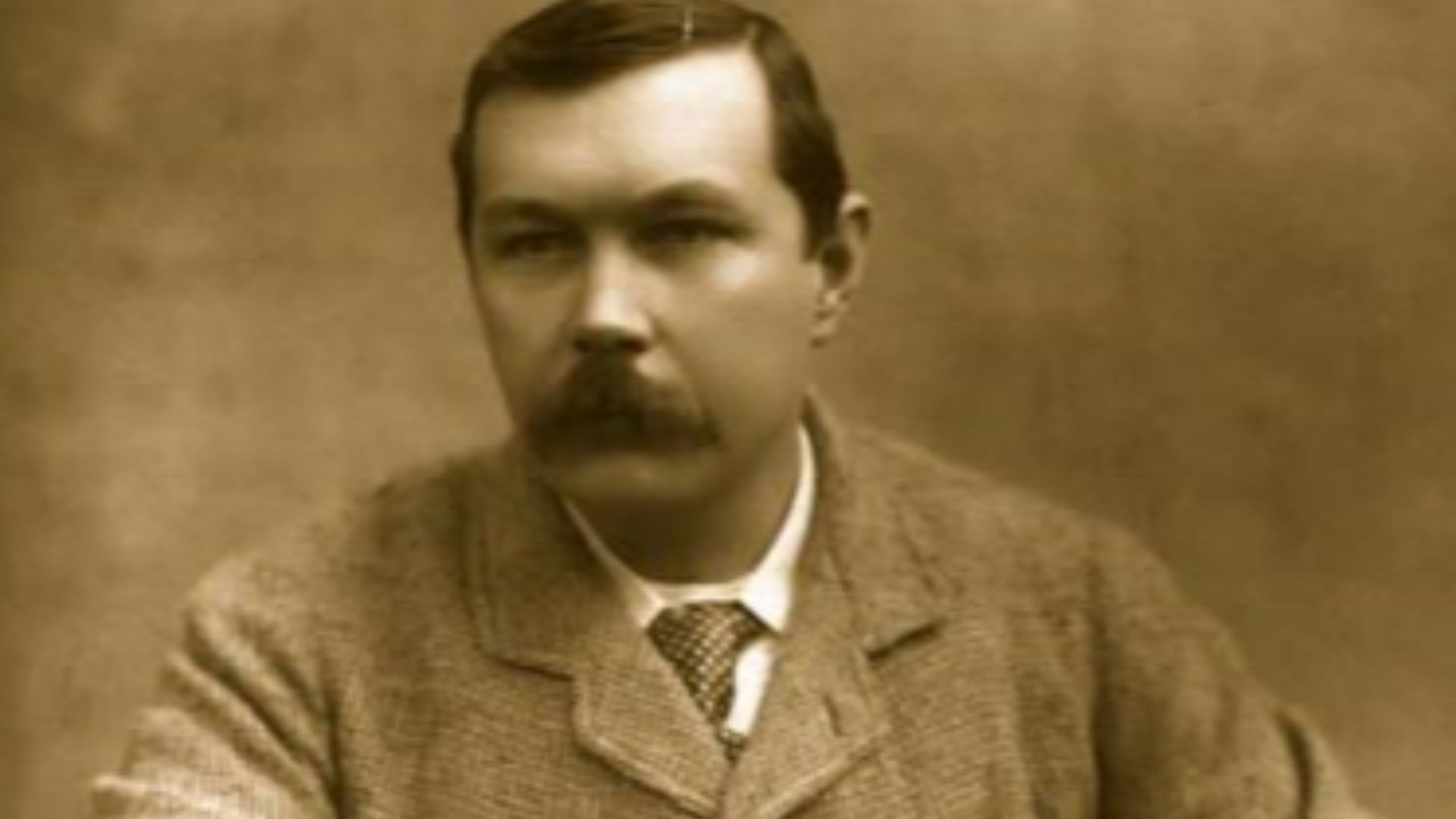 Herbert Rose Barraud (1845-1896), Wikimedia Commons
The Strand Spread The Story
Conan Doyle’s article appeared in the December 1920 issue of The Strand Magazine under the headline “Fairies Photographed.” He described the Cottingley pictures as potentially historic evidence that a new order of life had been discovered. The magazine used altered names for the girls and family, but the photographs quickly became famous.
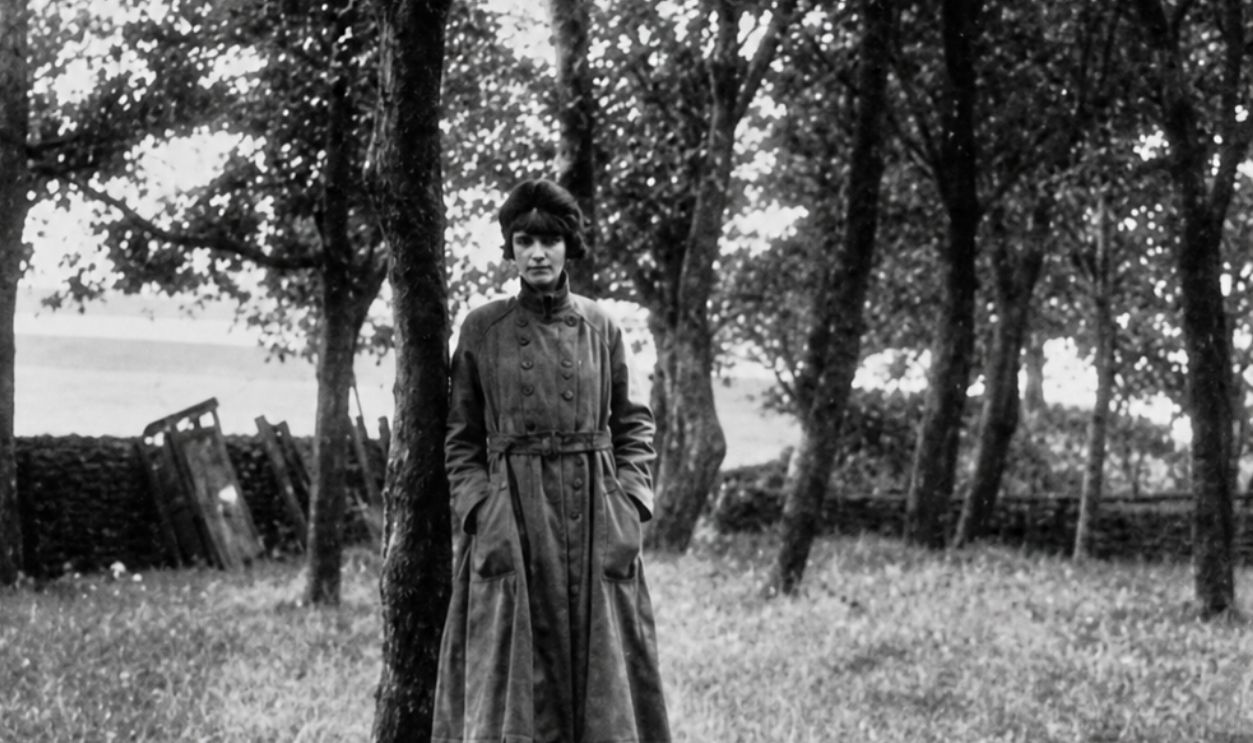 Unknown Author, Wikimedia Commons, Modified
History's most fascinating stories and darkest secrets, delivered to your inbox daily.
Critics Spotted The Obvious Problems
Many readers were unconvinced from the beginning. Skeptics noted that the fairies resembled familiar illustrations from children’s books and wore fashionable hairstyles. Some also questioned why the dancing figures appeared sharply defined even though their movements should have produced photographic blur.
 helena.40proof, Wikimedia Commons
Doyle Defended The Photographs
Conan Doyle remained committed despite the criticism. He expanded his arguments in further articles and in his 1922 book The Coming of the Fairies. He believed that rejecting the images simply because fairies seemed impossible would be less scientific than seriously examining the evidence.
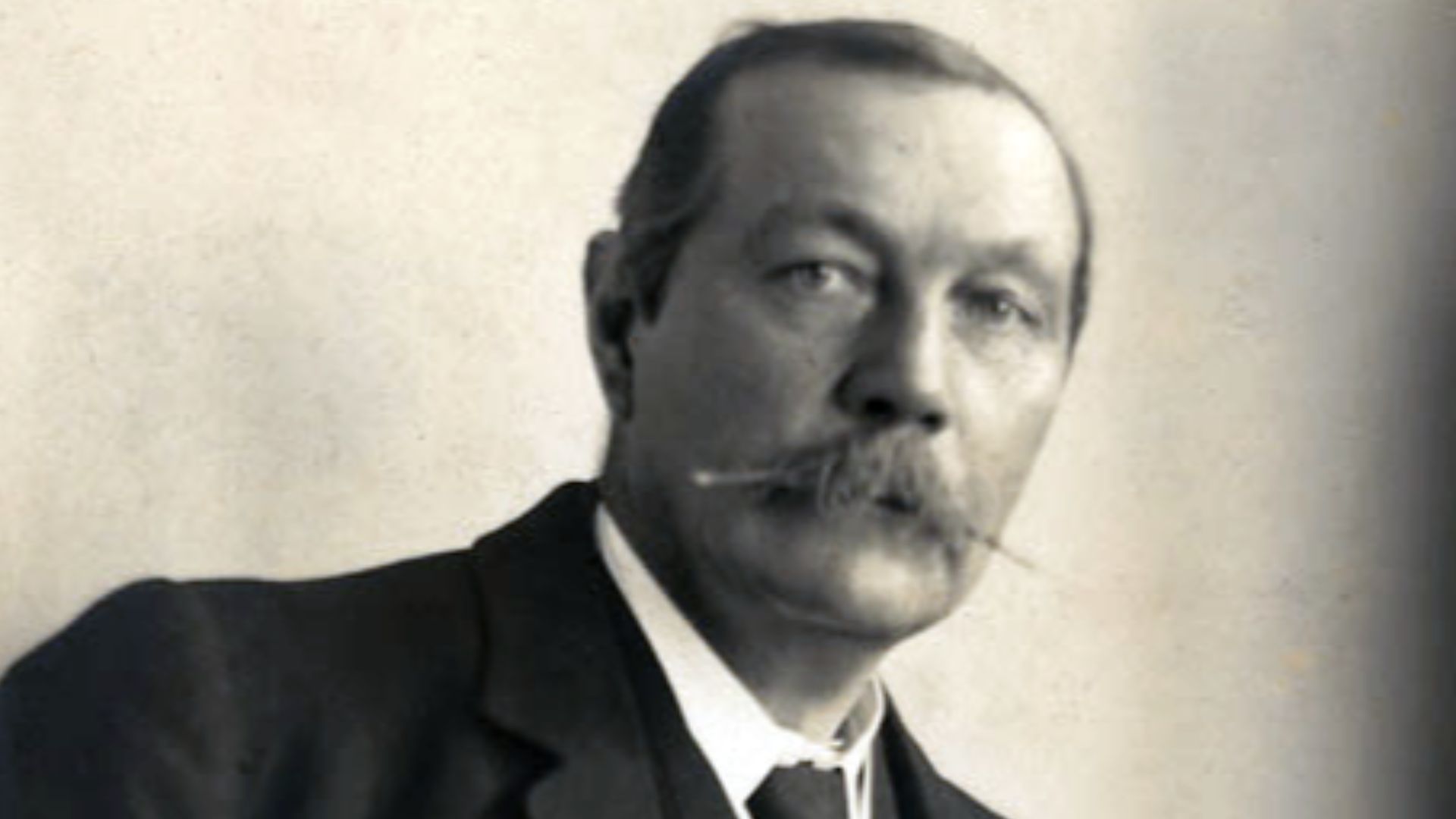 Walter Benington, Wikimedia Commons
The Hoax Slowly Lost Momentum
Gardner returned to Cottingley in 1921 with clairvoyant Geoffrey Hodson, who claimed to see fairies throughout the area. No new photographs were produced, and Elsie and Frances later said they had become tired of the entire affair. Public attention gradually faded, but neither cousin openly revealed how the pictures had been made.
 Arthur Wright (died 1926), Wikimedia Commons, Modified
The Truth Finally Emerged
During the early 1980s, detailed photographic investigations again concluded that the pictures were staged. In 1983, Elsie and Frances admitted that they had used paper or cardboard figures supported with hatpins. Elsie had copied several dancing figures from illustrations in Princess Mary’s Gift Book and added wings to them.
 Arthur Wright (died 1926), Wikimedia Commons, Modified
Conan Doyle Never Learned The Truth
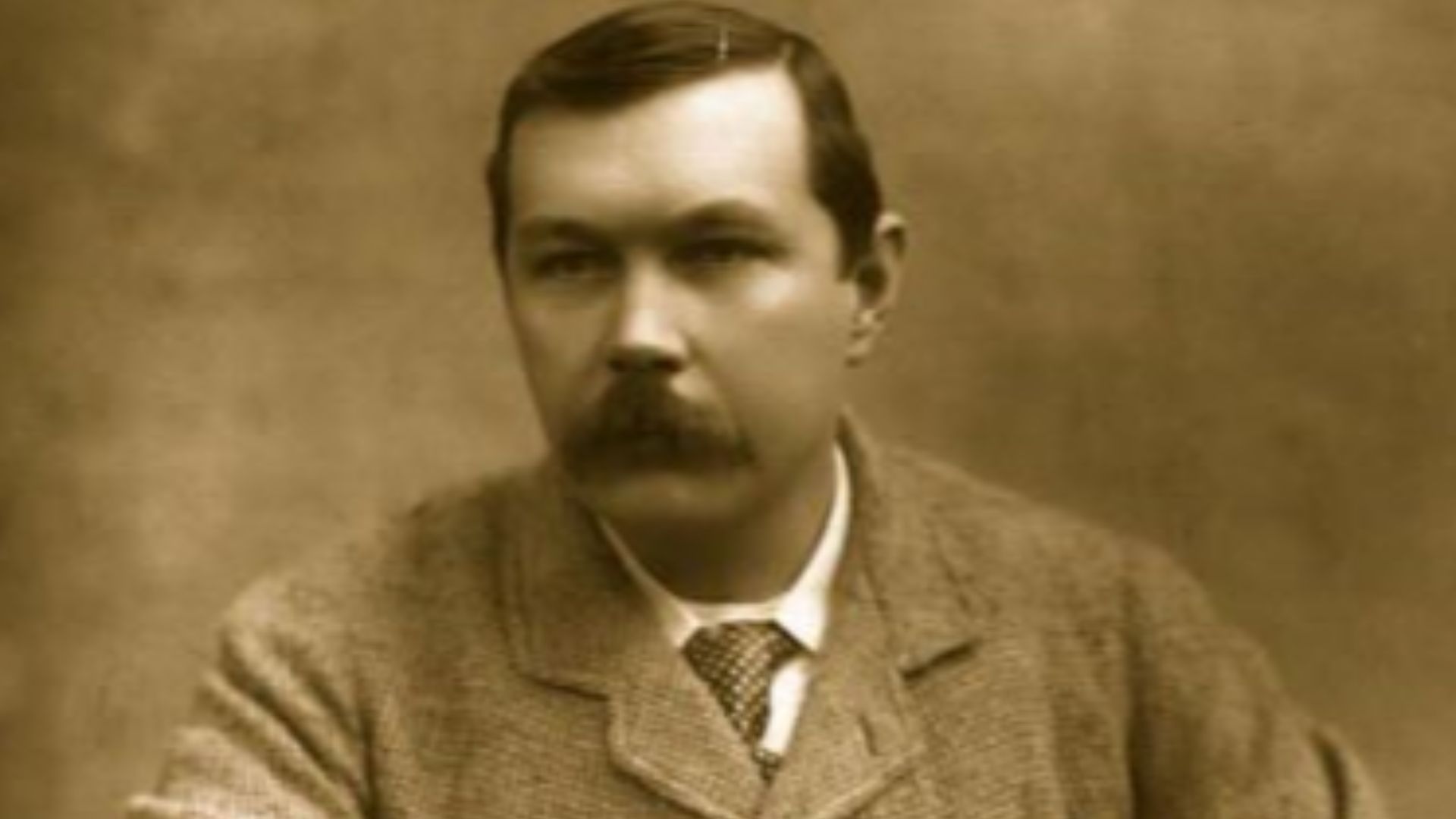
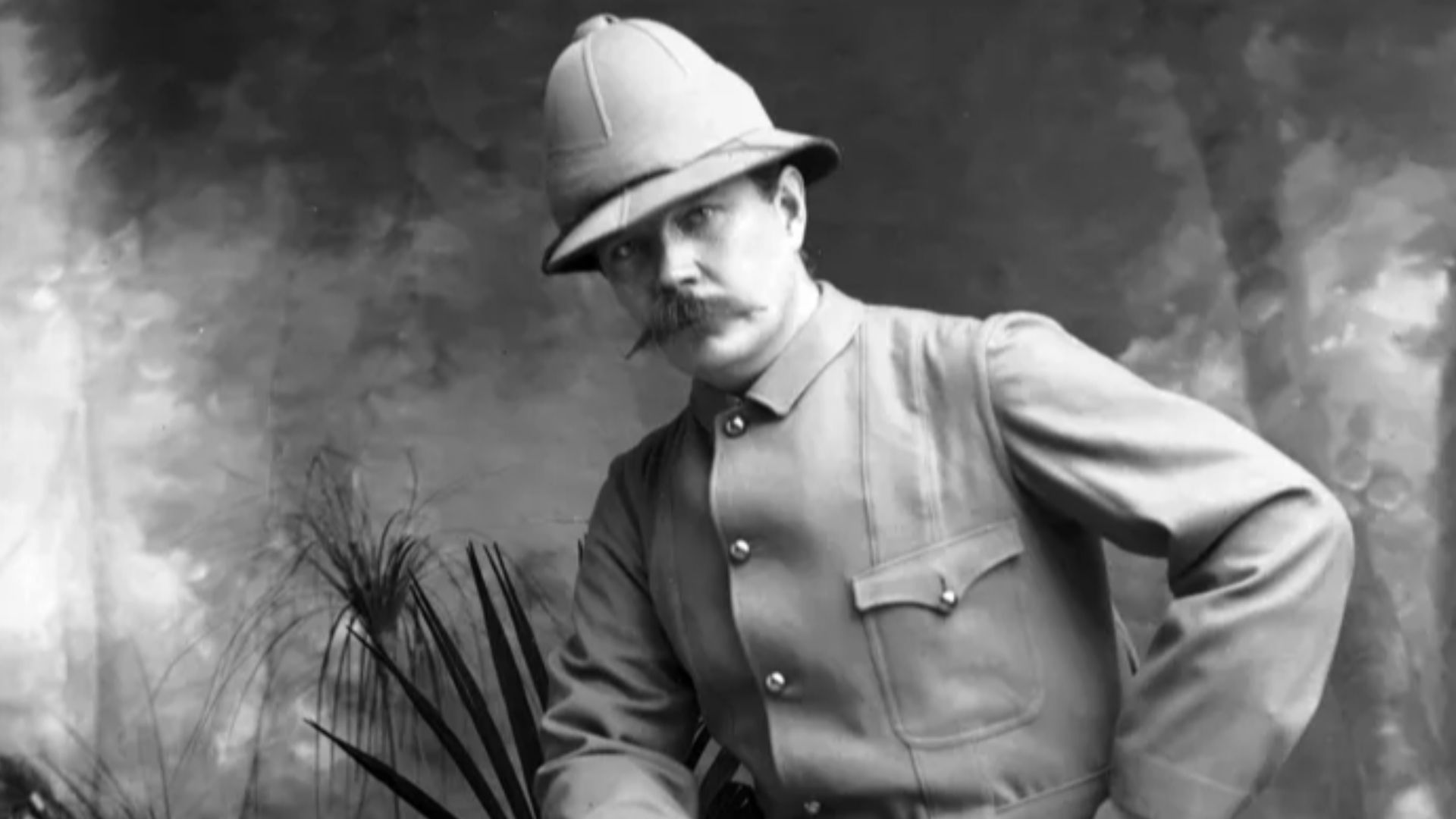
Conan Doyle died in 1930, more than 50 years before Elsie Wright and Frances Griffiths publicly admitted that the photographs were staged. Until the end of his life, he believed the Cottingley Fairies represented genuine evidence that unseen forms of life existed. His lasting faith in the images became one of the most surprising ironies in the life of the man who created Sherlock Holmes.
 Herbert Rose Barraud (1845-1896), Wikimedia Commons
Doyle Believed What He Wanted To Prove
Conan Doyle fell for the Cottingley hoax because the photographs supported beliefs that had become central to his life. Friendly investigators tested the negatives for manipulation but failed to question what had been placed before the camera, while the girls’ artistic abilities were repeatedly underestimated. The result was not the failure of an unintelligent man, but a powerful example of how grief, conviction, and confirmation bias can overwhelm even an experienced investigator.
 London Stereoscopic Company, Wikimedia Commons
You May Also Like:
Ordinary Jobs From The 20th Century That Vanished Faster Than Anyone Expected
The Luddites And The War Against The Machines
Historical Geniuses Who Were Complete Disasters Outside Their Field