A Newspaper Story That Took The World By Storm
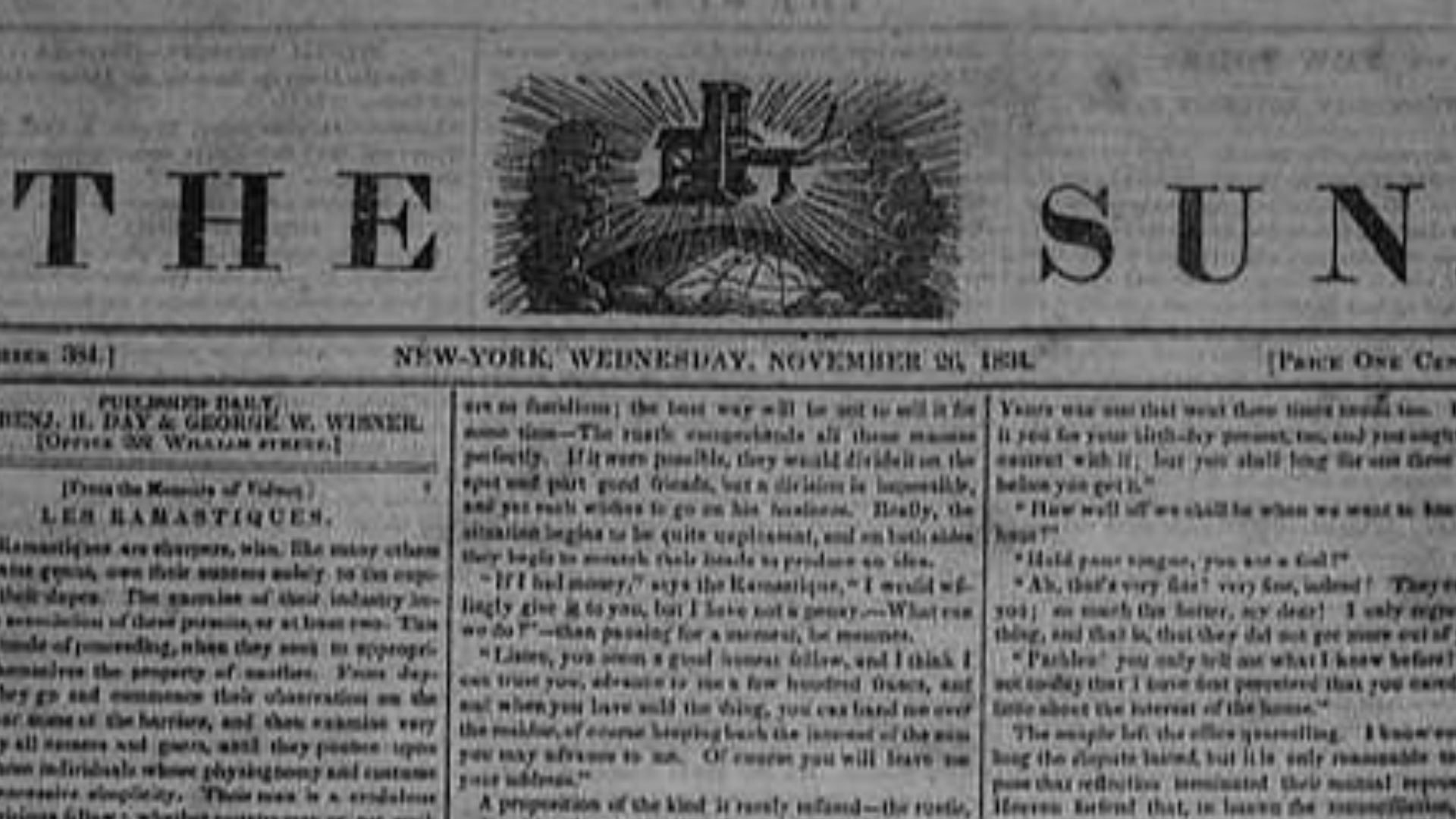
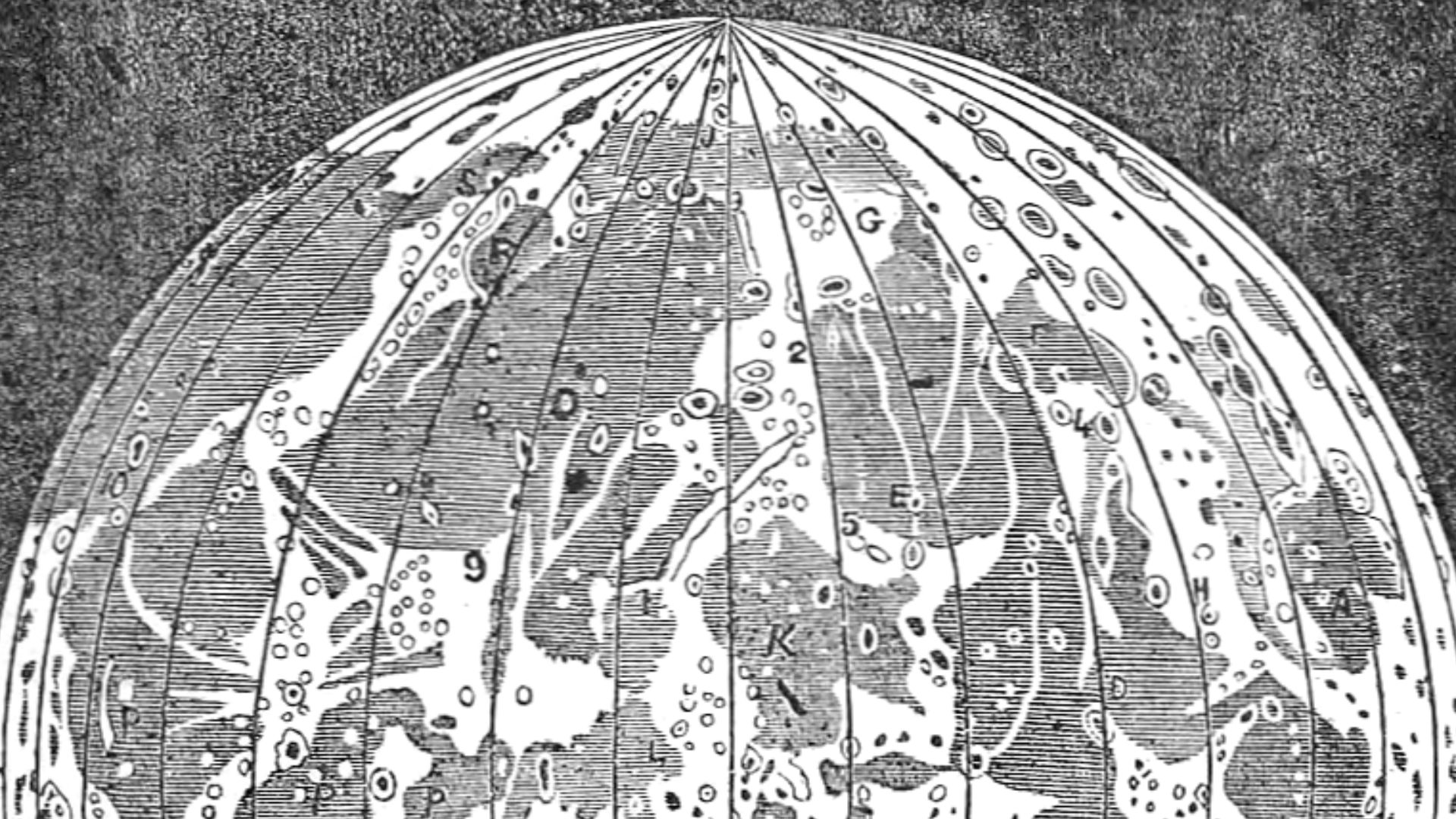
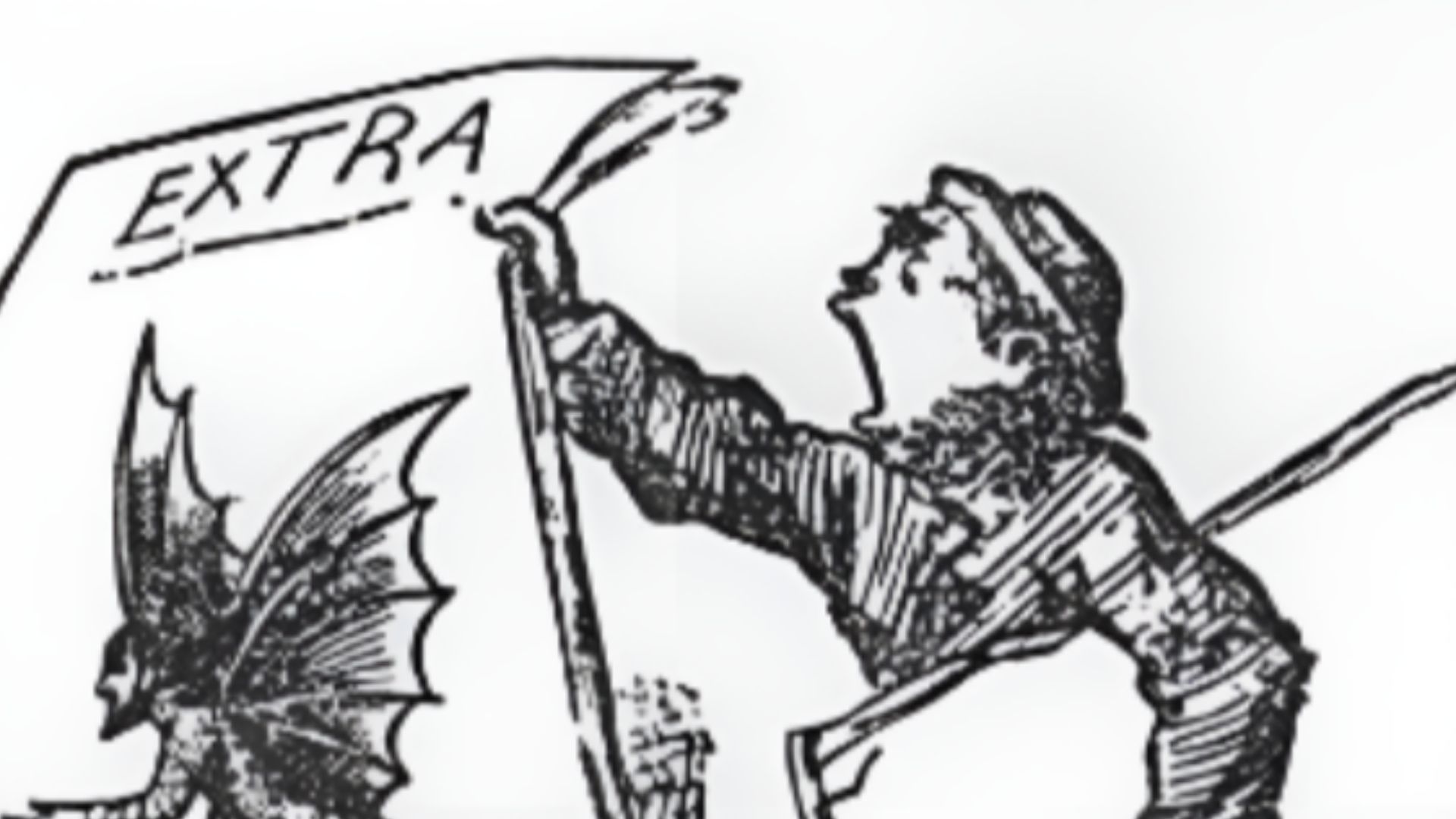
In August 1835, readers of New York's The Sun were stunned by what looked like one of the biggest scientific breakthroughs ever. A series of articles claimed that astronomers had discovered living creatures on the Moon using an incredibly powerful telescope. The reports turned out to be completely fictional, but not before they fooled countless readers and became one of history's most famous media hoaxes.
Cheap Newspapers Changed Everything
The timing of the hoax couldn't have been better. Newspapers known as the penny press were booming because they were affordable and reached a much wider audience than traditional papers. The Sun built its reputation by publishing exciting stories that grabbed attention, and nothing attracted readers quite like the promise of life on the Moon.
 Defunct publishers, Wikimedia Commons
A Real Astronomer Made The Story Believable
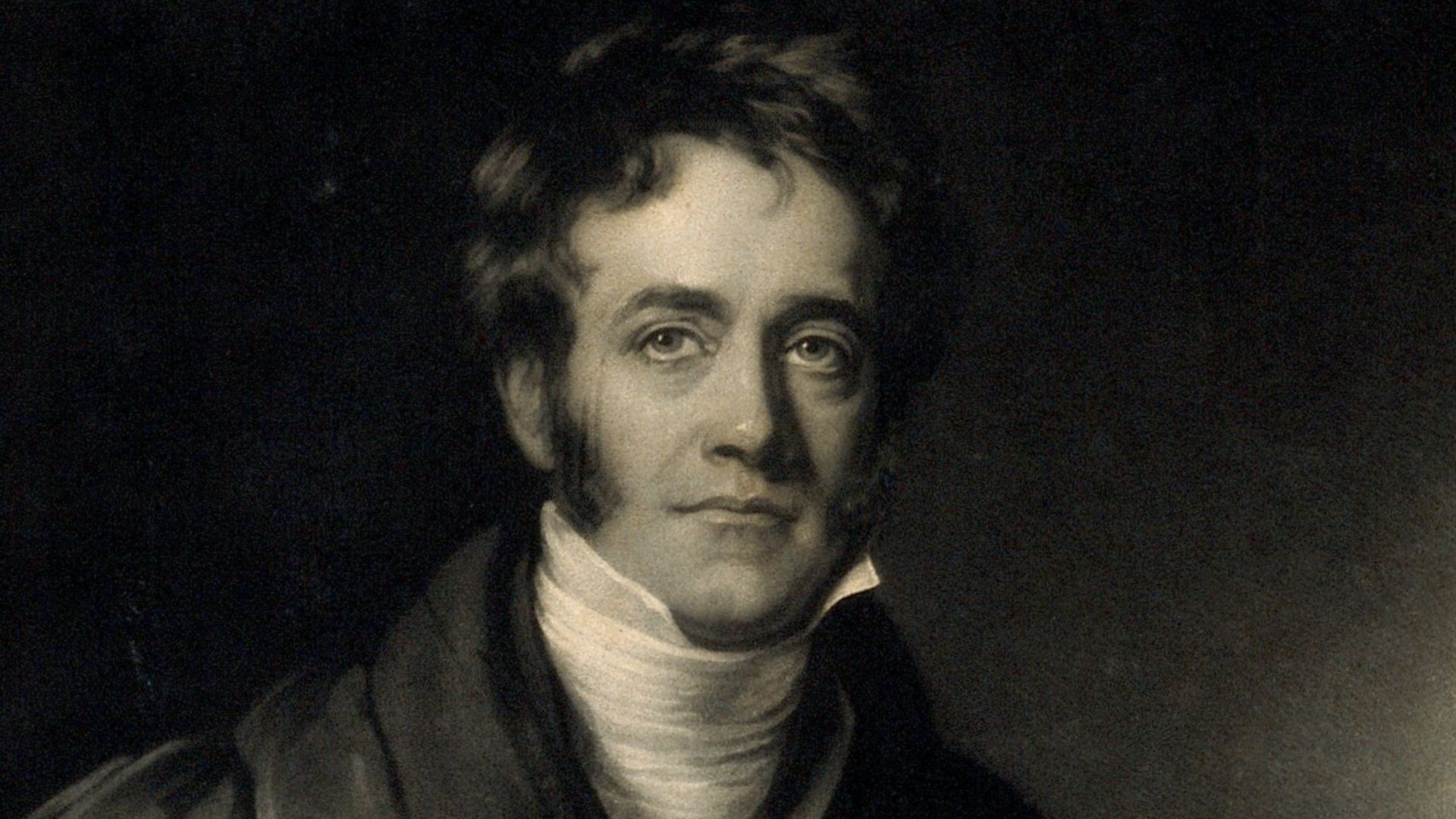
The articles claimed the discoveries had been made by Sir John Herschel, one of the world's most respected astronomers. Herschel really was conducting astronomical work in South Africa at the time, so his name carried enormous credibility. Since communication was slow in the 1830s, there was no easy way for readers to verify whether the reports were true.
 Bodhisattwa, Wikimedia Commons
The Real Author Was A Clever Journalist
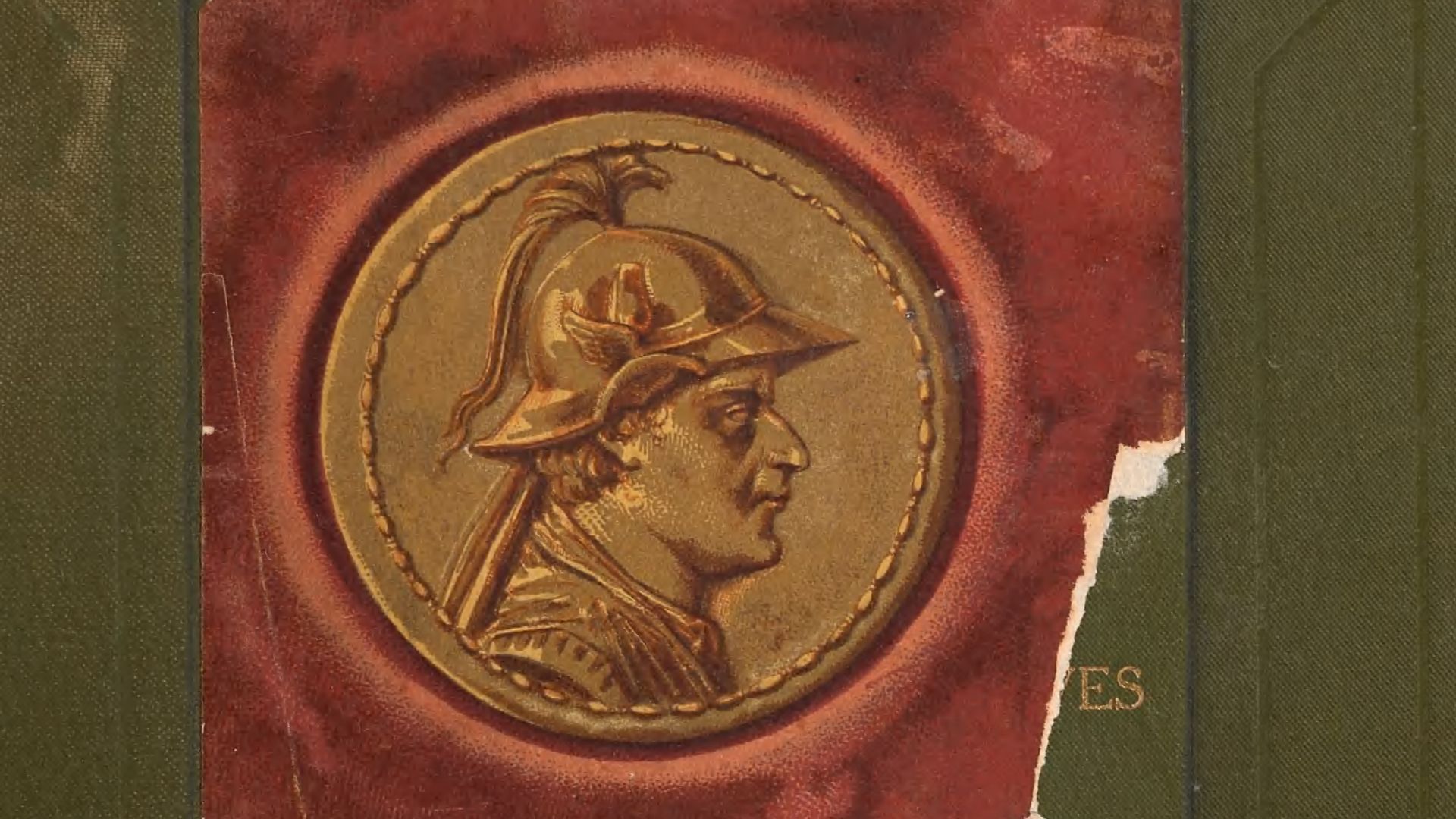
The entire series was written by Richard Adams Locke, a reporter for The Sun. Although many readers initially believed the stories, Locke was eventually identified as the author. Historians generally believe he wasn't just trying to fool people—he was also poking fun at some of the wild scientific theories that were popular during his time.
 Metilsteiner, Wikimedia Commons
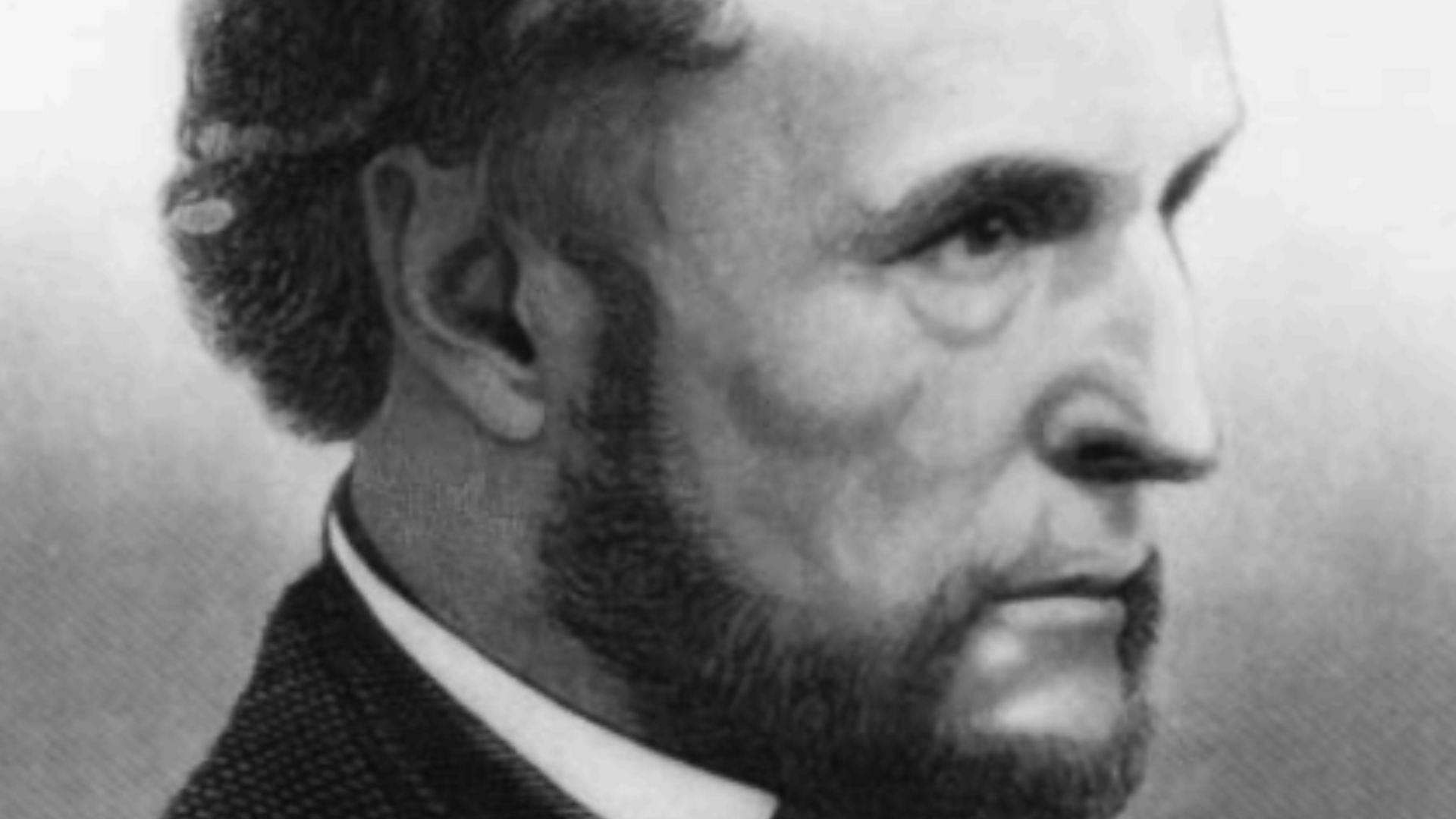
The Telescope Sounded Amazingly Real
One reason the hoax worked so well was that Locke described the telescope in great detail. He wrote about massive lenses and revolutionary technology using technical language that sounded completely convincing. Most readers had no reason to doubt that such an instrument might actually exist.
 Augustus Robin, Wikimedia Commons
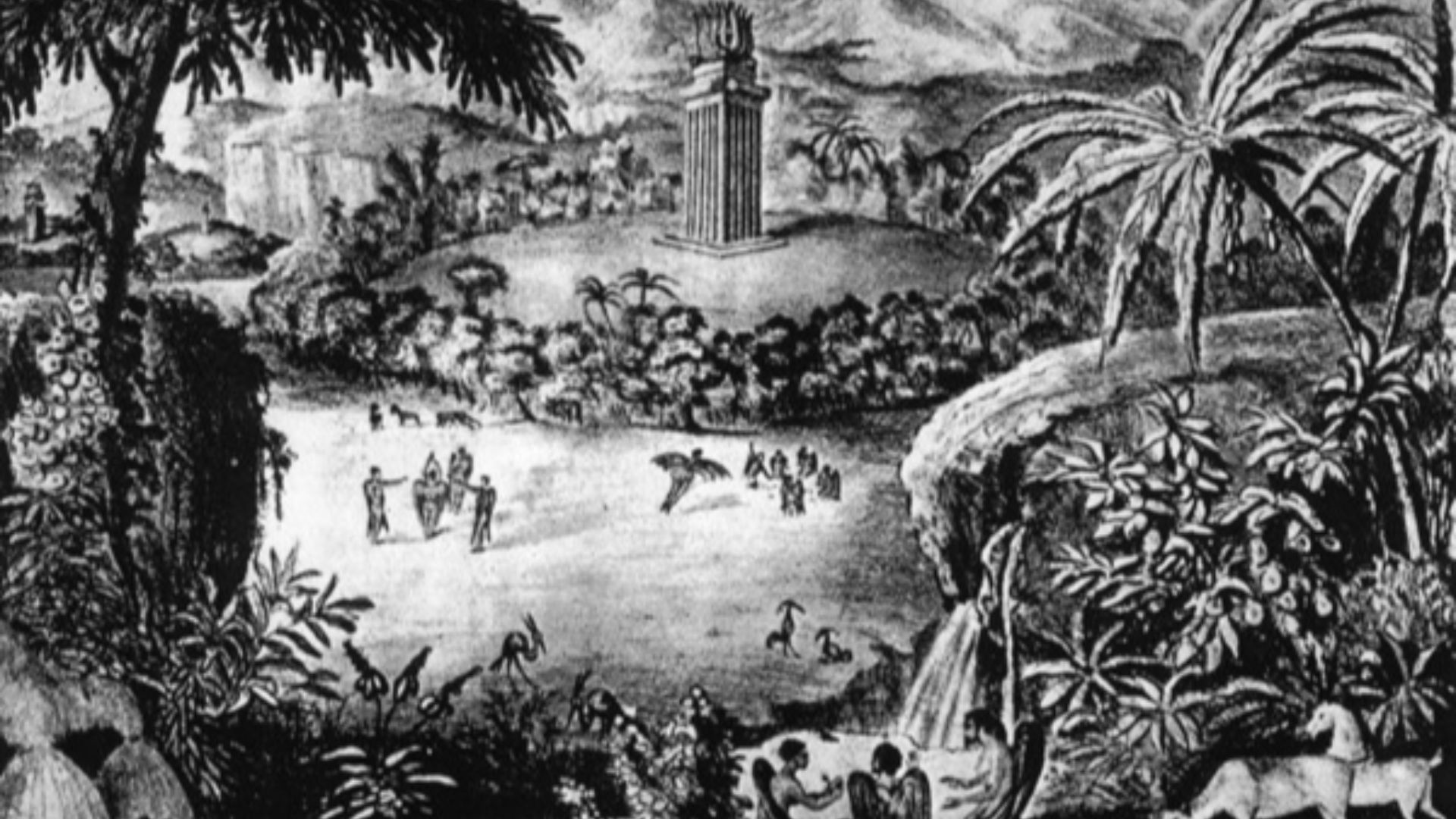
The Moon Suddenly Became A Living World
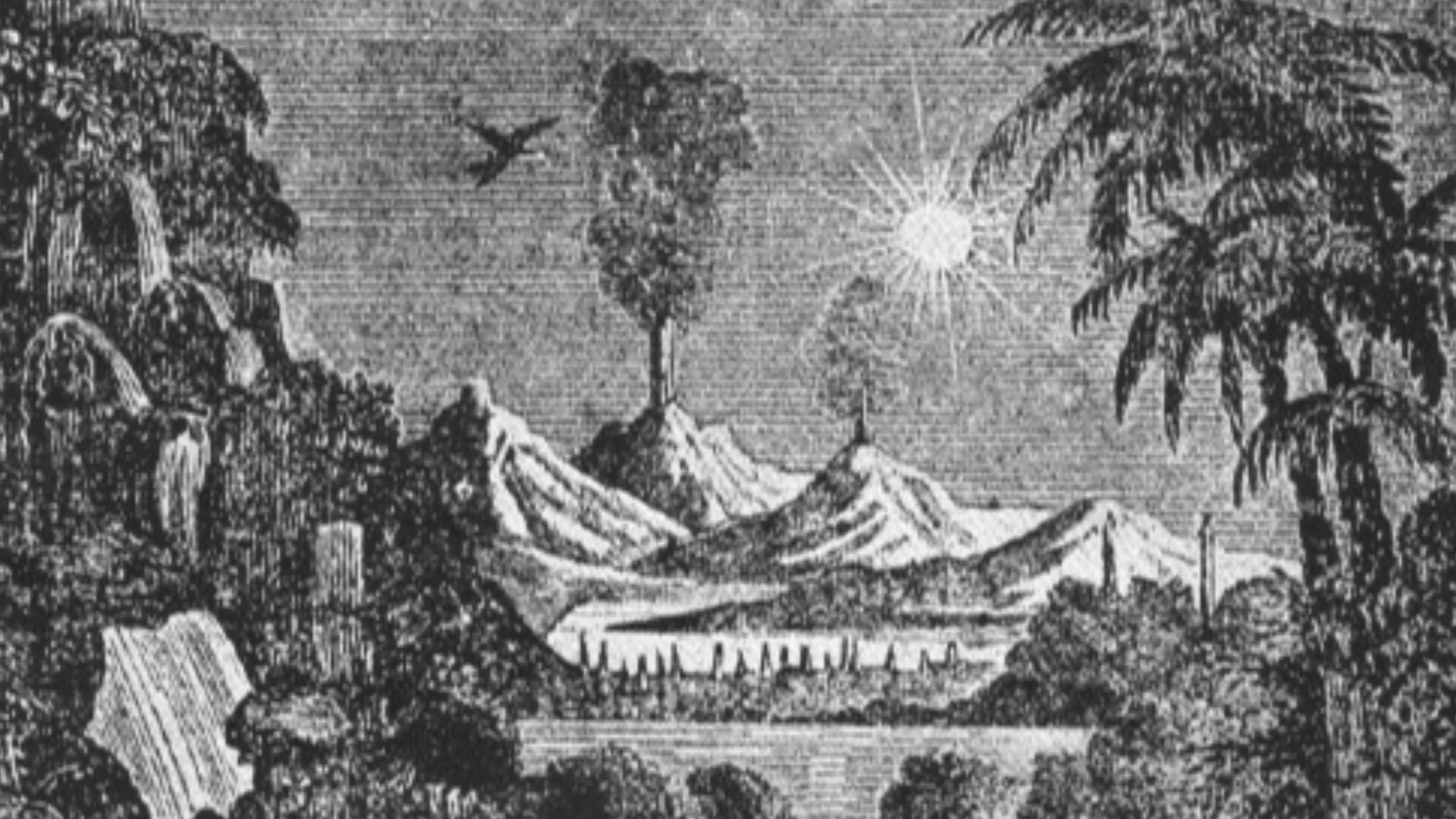
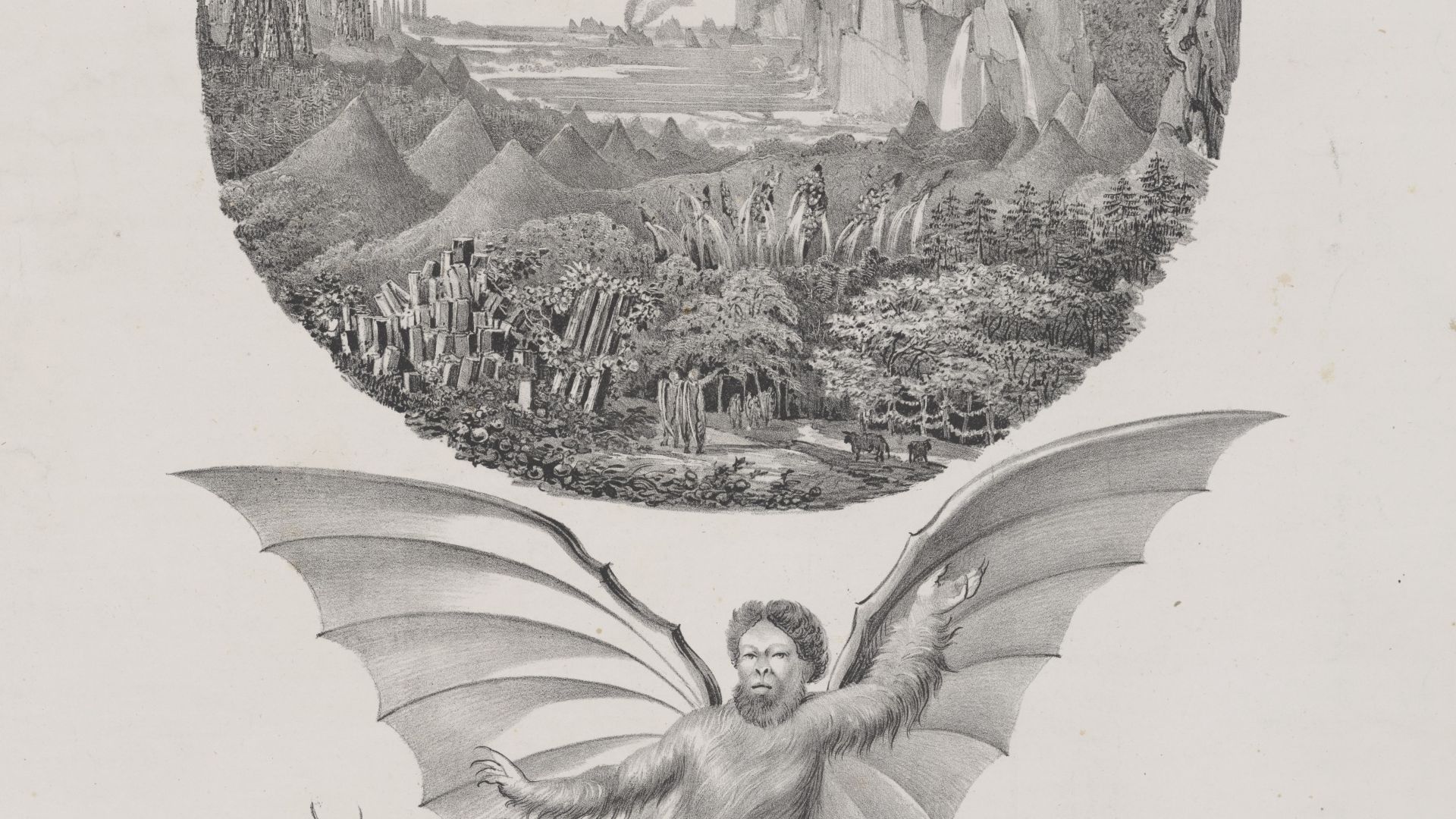
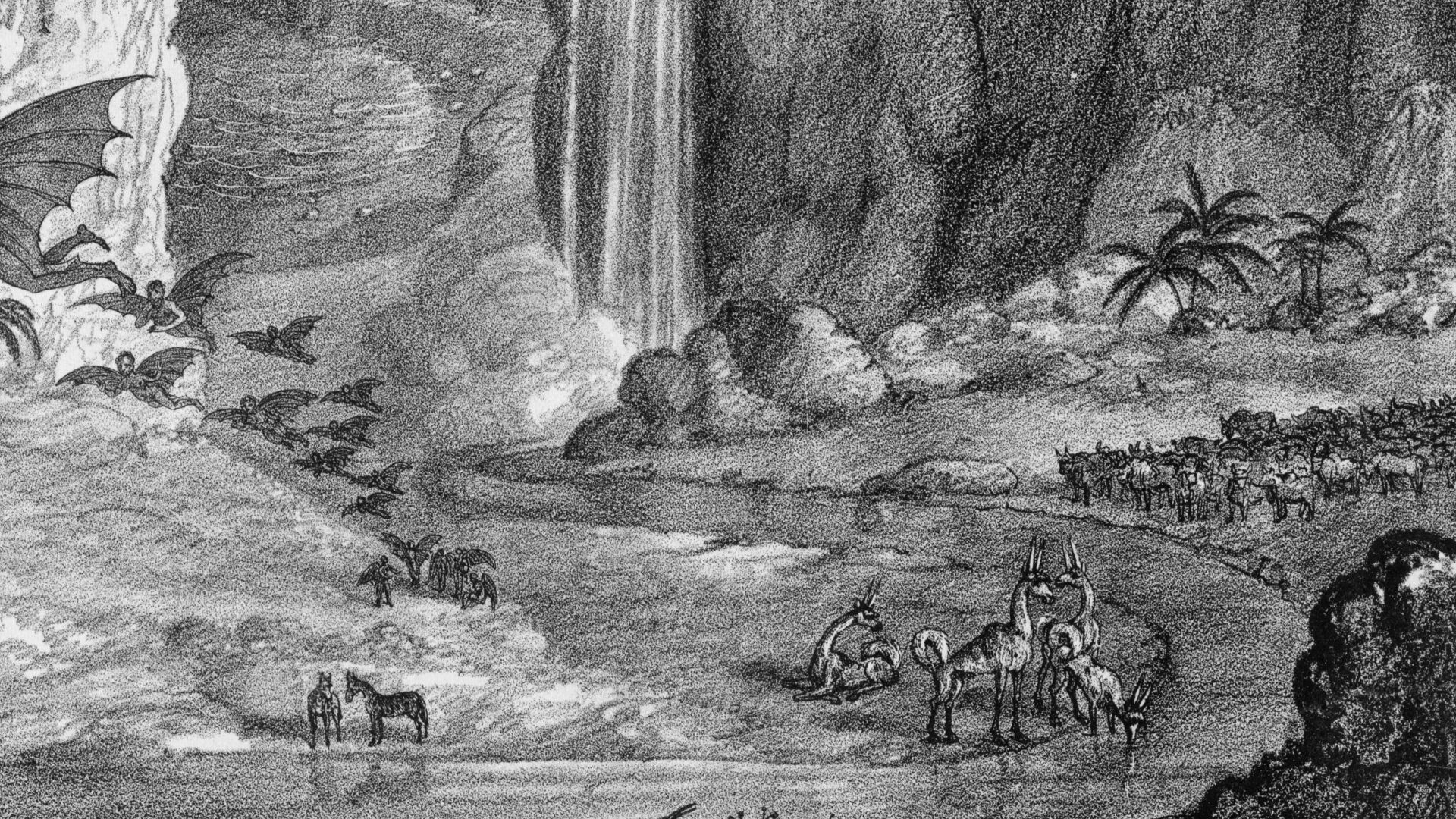
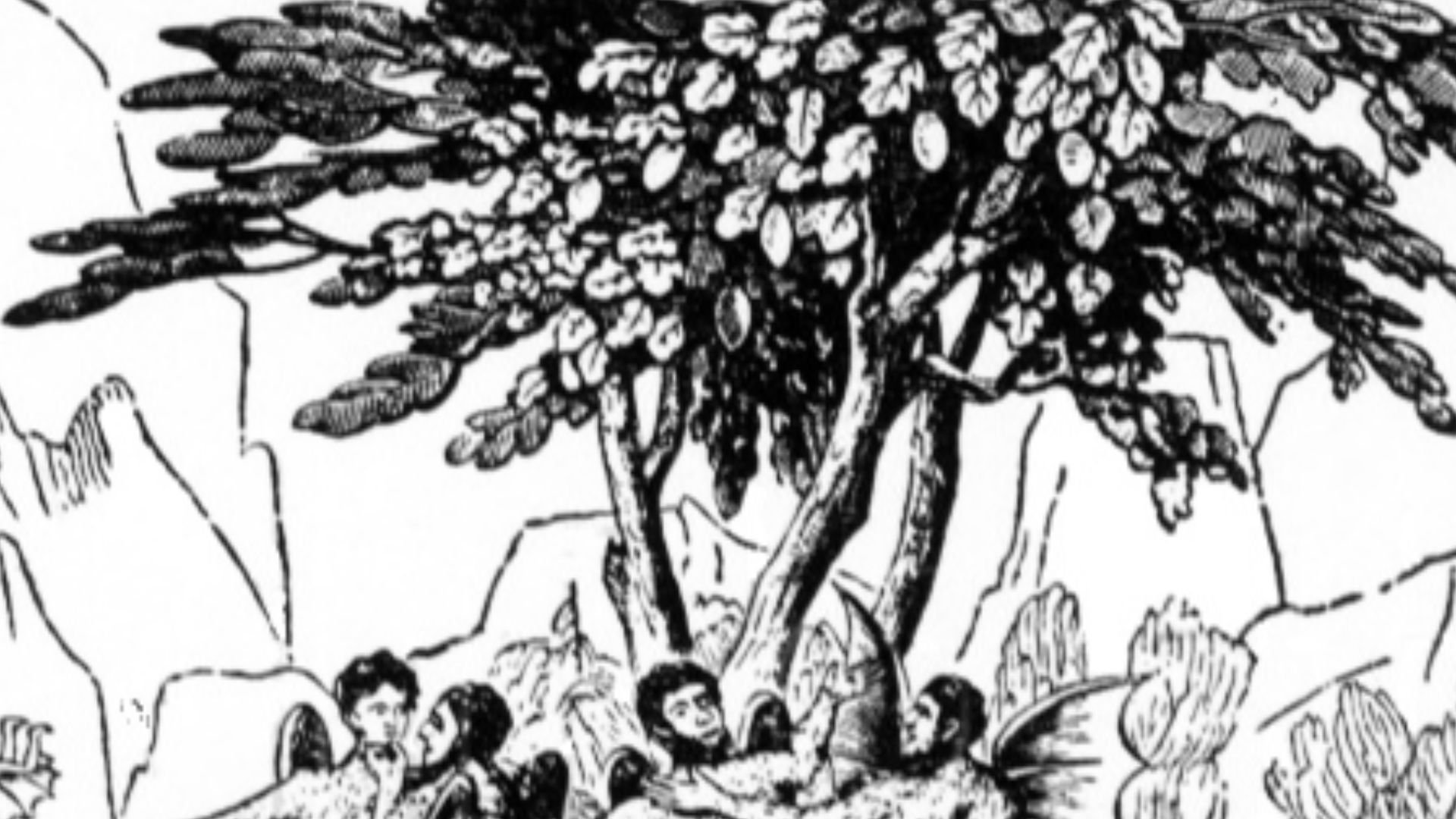
Instead of the rocky, lifeless Moon we know today, the articles described a place filled with forests, beaches, mountains, and sparkling crystal formations. It painted a picture of another world that seemed every bit as alive as Earth. Those vivid descriptions made it easy for readers to imagine that life really could exist there.
 Unknown authorUnknown author, Wikimedia Commons
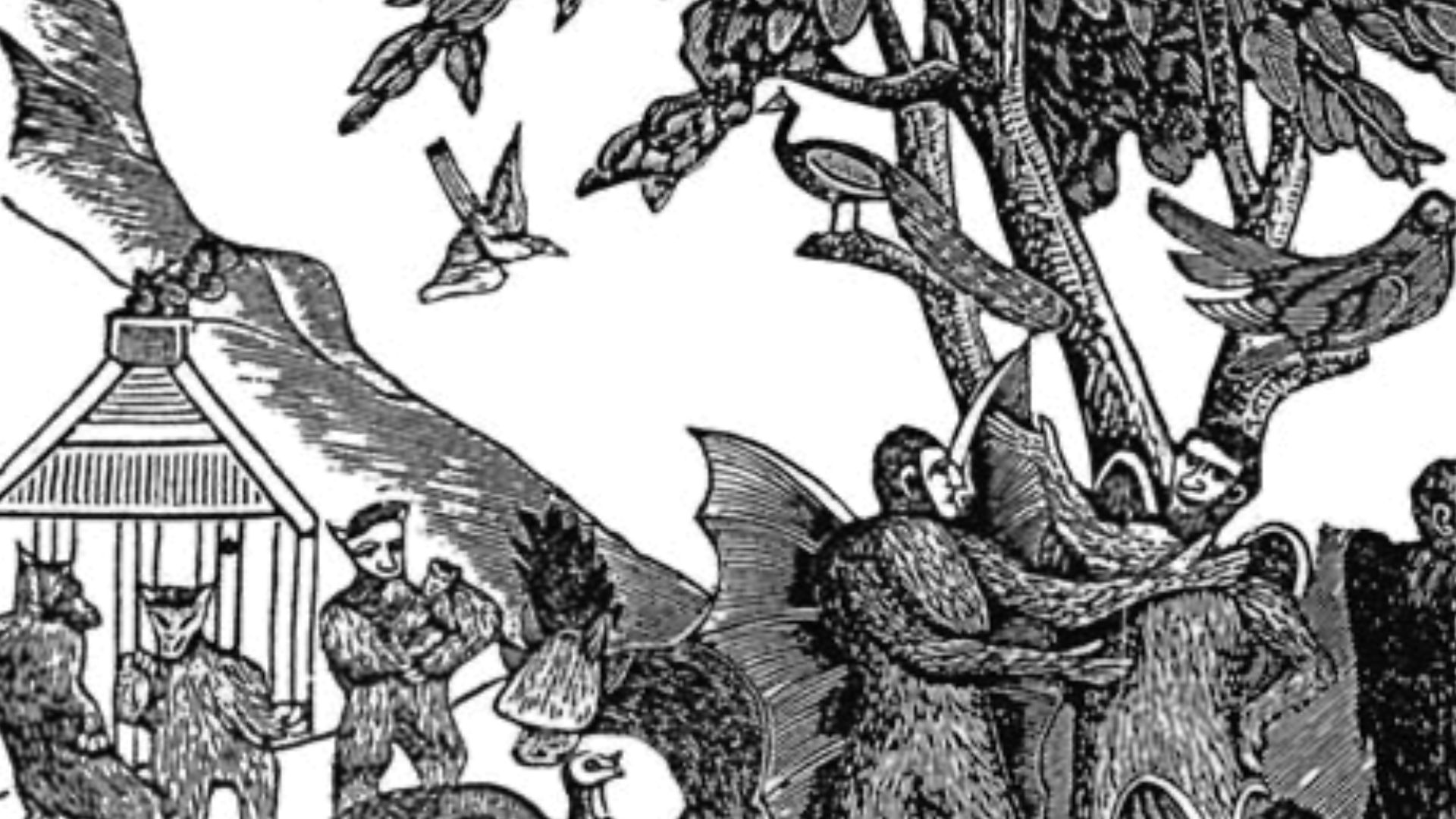
The Moon Was Filled With Strange Animals
The stories didn't stop with beautiful scenery. Readers were introduced to bizarre creatures, including blue goat-like animals with unicorn horns, tiny bison, unusual birds, and beavers that supposedly walked on two legs. Every new installment added another incredible discovery that kept audiences coming back for more.
 Hanes y Lleuad, Wikimedia Commons
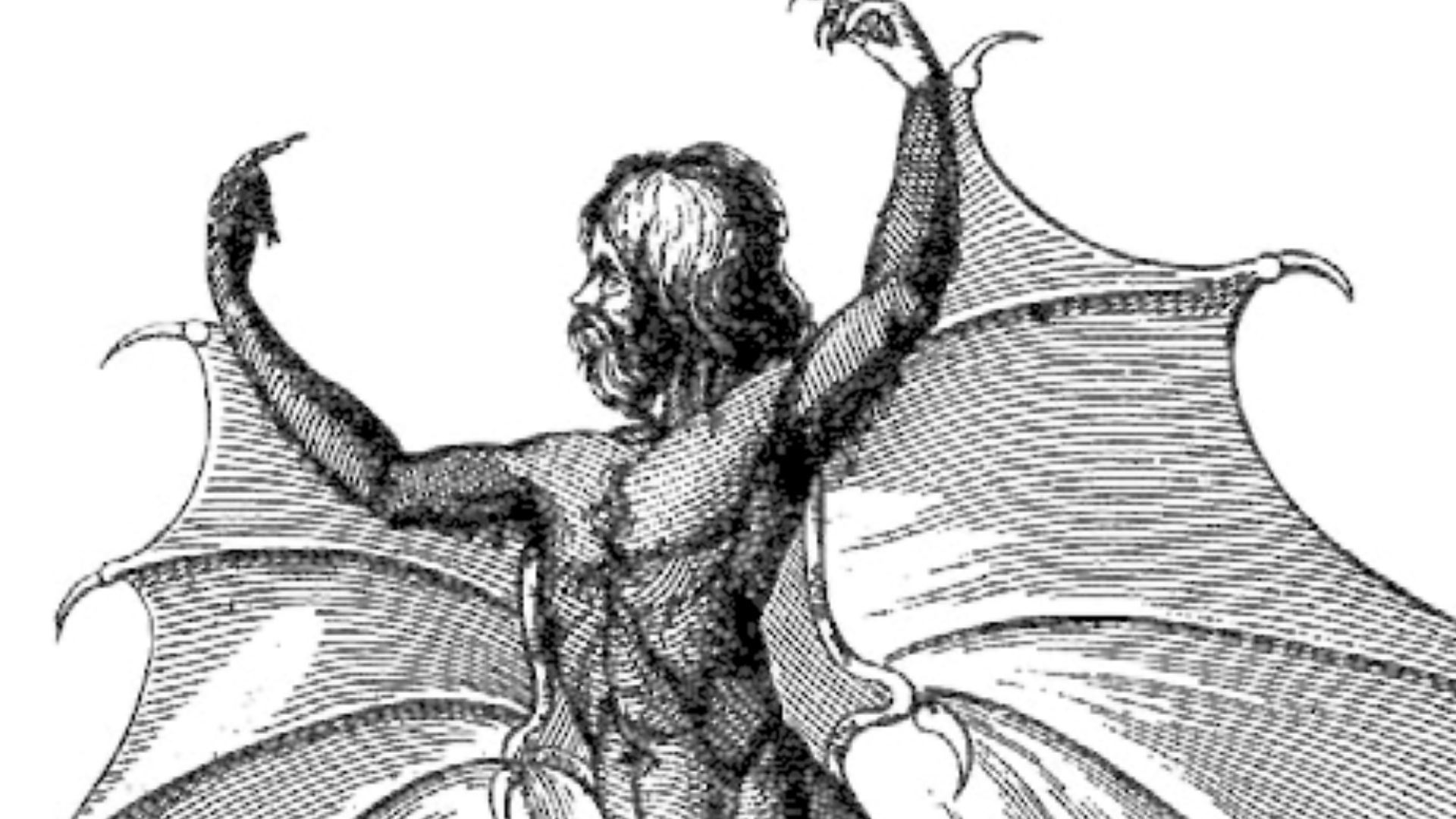
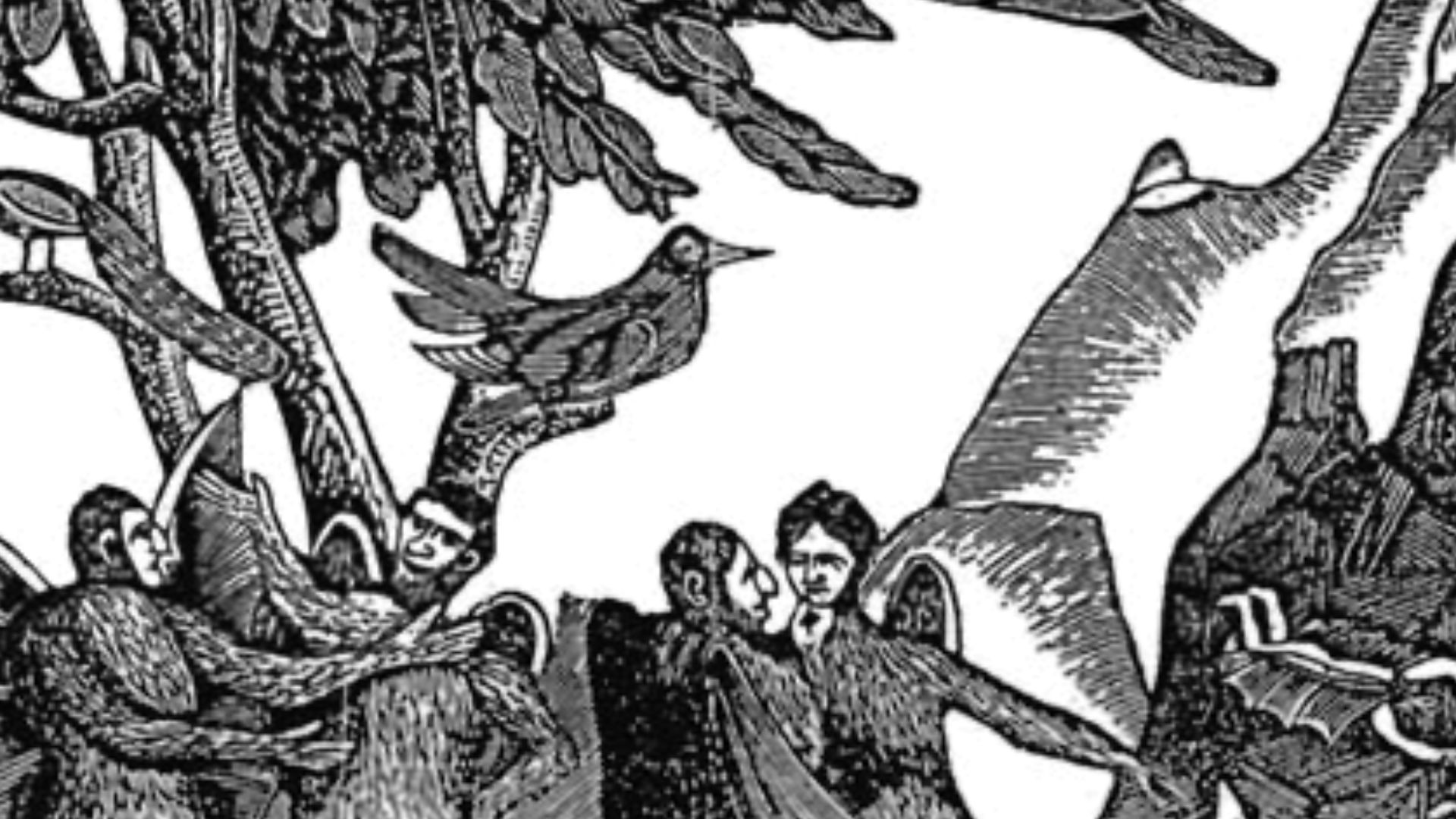
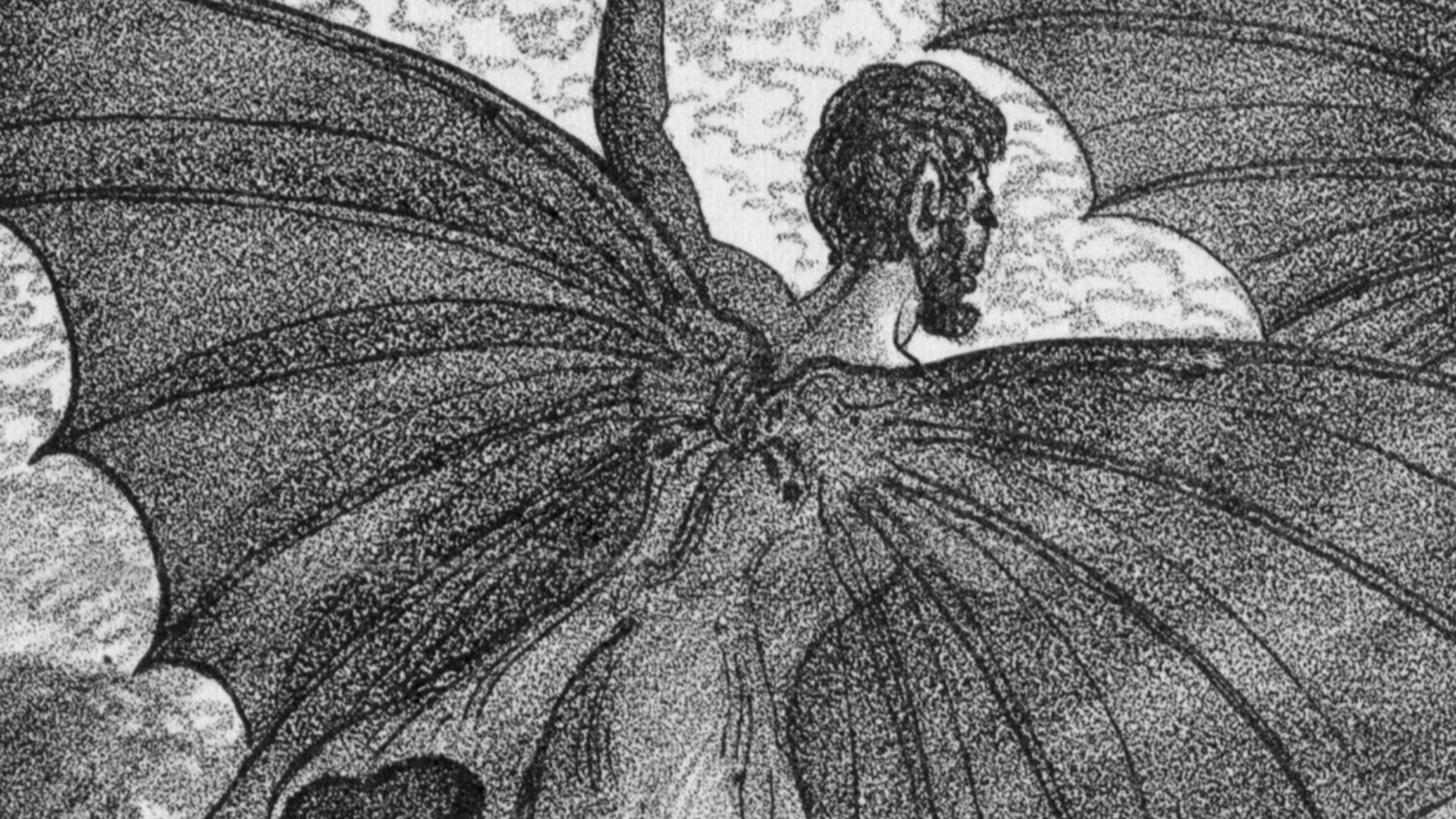
The Bat-People Took The Show
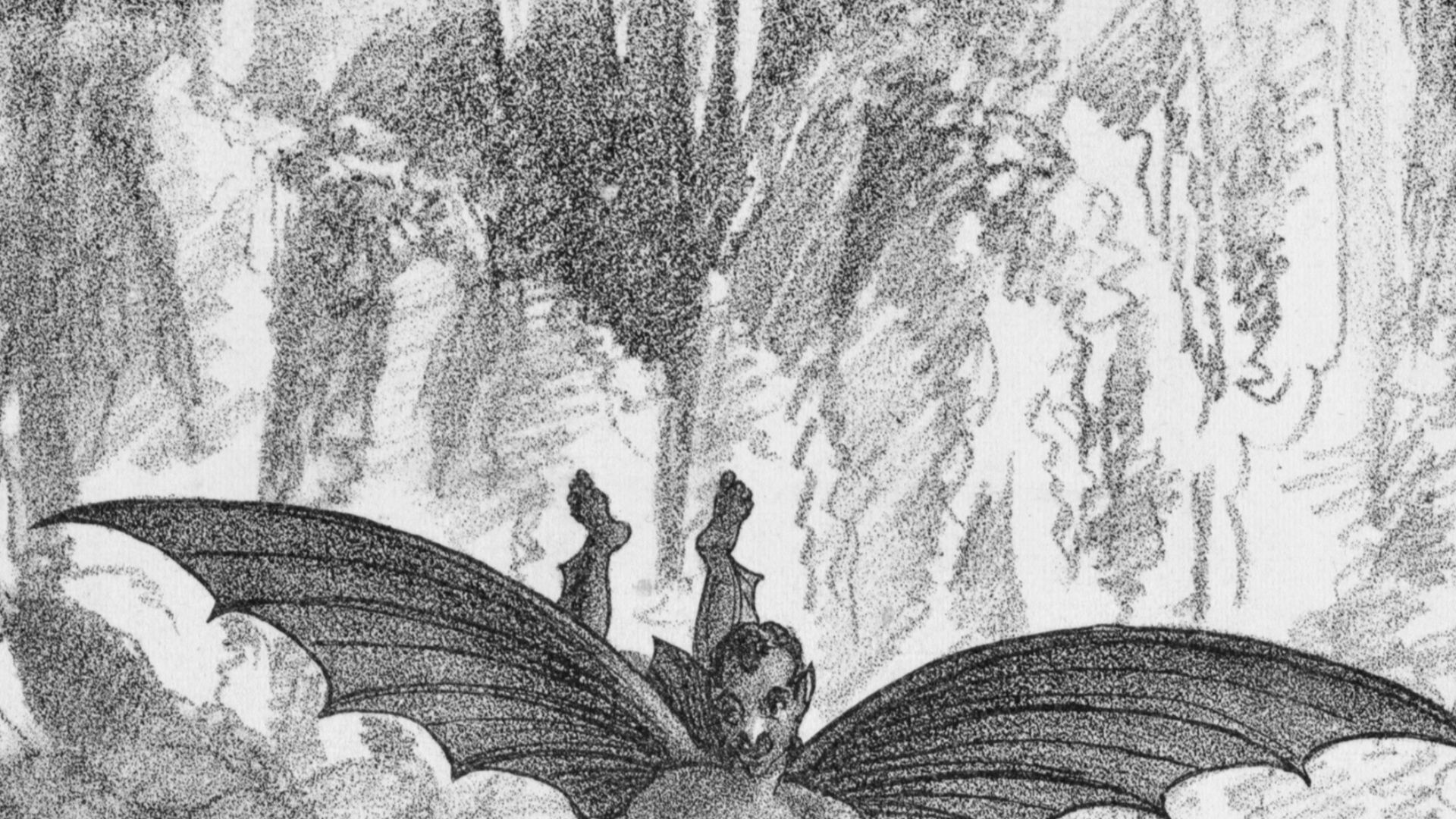
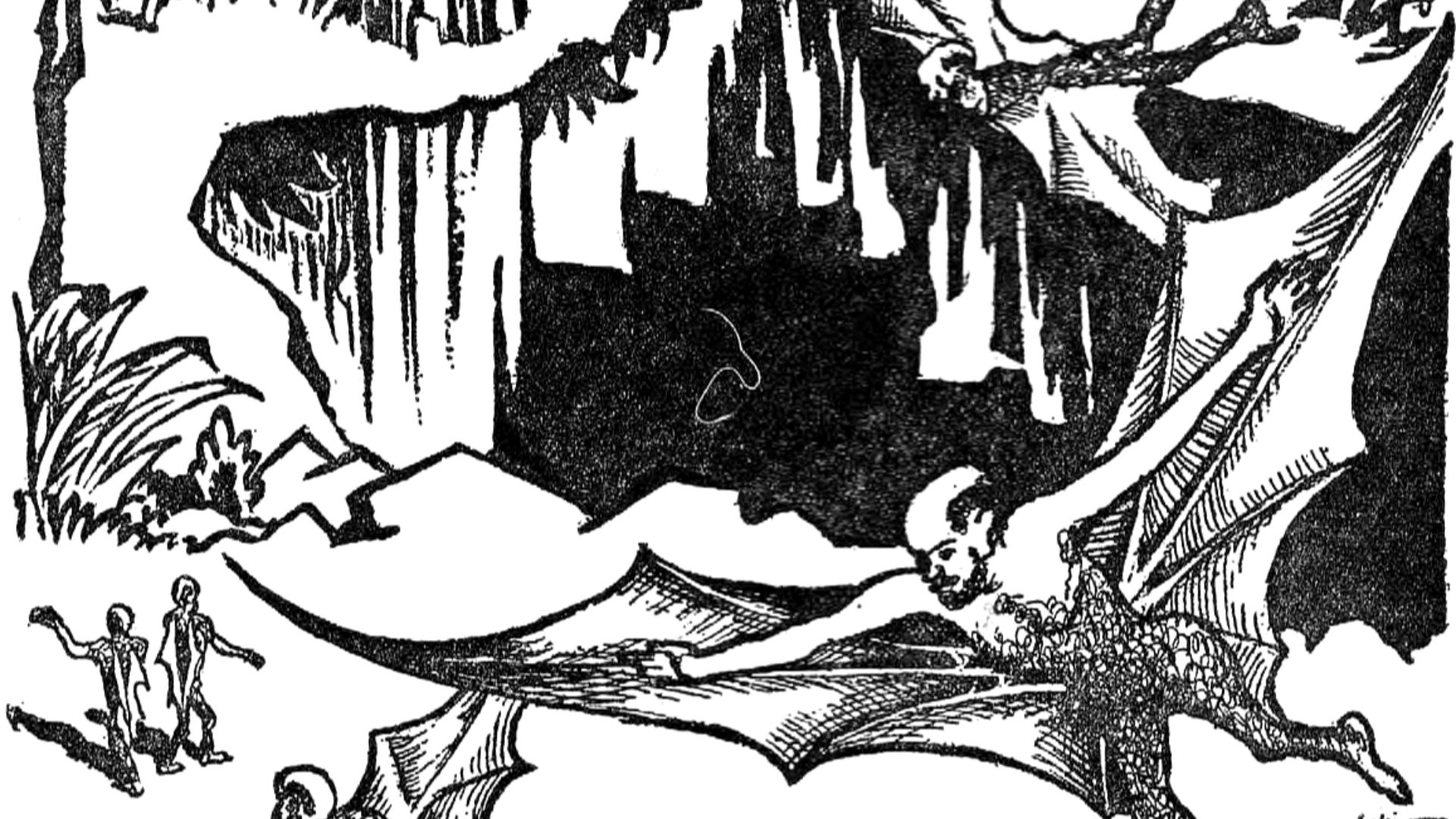
The most unforgettable creatures were the winged humanoids Locke called Vespertilio-homo. These intelligent "bat-people" supposedly lived in temples and had organized societies of their own. Even today, they're the first thing most people think of when they hear about the Great Moon Hoax.
 Lock (?) Naples, Wikimedia Commons
It Read Like A Real Scientific Report
Locke didn't write the articles like fantasy stories. Instead, he packed them with measurements, observations, and scientific-sounding explanations that made everything feel authentic. That realistic style convinced many readers they were looking at legitimate research rather than fiction.
 Richard Adams Locke Publisher W. Gowans, Wikimedia Commons

History's most fascinating stories and darkest secrets, delivered to your inbox daily.
Plenty Of People Believed It
Not everyone fell for the hoax, but a surprising number of people did. Newspapers around the United States and Europe reprinted the articles, and readers eagerly discussed the supposed discoveries. By the time doubts started to appear, the story had already spread far and wide.
 Richard Adams Locke, Joseph Nicolas Nicollet, Wikimedia Commons
A Fake Scientific Journal Helped Sell The Lie
The articles claimed they had originally appeared in a supplement to the Edinburgh Journal of Science. That sounded impressive, but there was one problem: the supplement didn't exist, and the journal itself had already stopped publishing. Since few readers could check the claim, the fake citation helped make the story seem legitimate.
 Unknown authorUnknown author, Wikimedia Commons
Astronomy Was Already Capturing People's Imagination
The hoax also succeeded because people were genuinely fascinated by astronomy. New discoveries were making headlines, telescopes were improving, and scientists were learning more about the universe every year. Against that backdrop, the idea of finding life on the Moon didn't seem completely impossible.
 Unknown authorUnknown author, Wikimedia Commons
People Were Already Talking About Life Beyond Earth
Long before the Great Moon Hoax appeared, some writers and thinkers argued that other planets and moons might be inhabited. Those ideas were surprisingly popular in the early 1800s. Locke cleverly built his story around beliefs that many readers were already willing to consider.
 Benjamin Henry Day (1810-1889), Wikimedia Commons
Some Experts Think It Was Meant As Satire
Many historians believe Locke intended the series as a humorous jab at exaggerated scientific claims, especially popular theories about civilizations on other worlds. If that was his goal, plenty of readers missed the joke. Most people simply enjoyed the articles as exciting news reports.
 Fergola, Salvatore, 1796-1874, lithographer, Wikimedia Commons
The Hoax Was Great For Business
Whether readers believed every word or not, they couldn't stop talking about the story. Sales of The Sun climbed dramatically during the series, helping the newspaper become one of the most successful publications of its time. The Moon hoax proved that sensational stories could be incredibly profitable.
 Richard Adams Locke, Wikimedia Commons
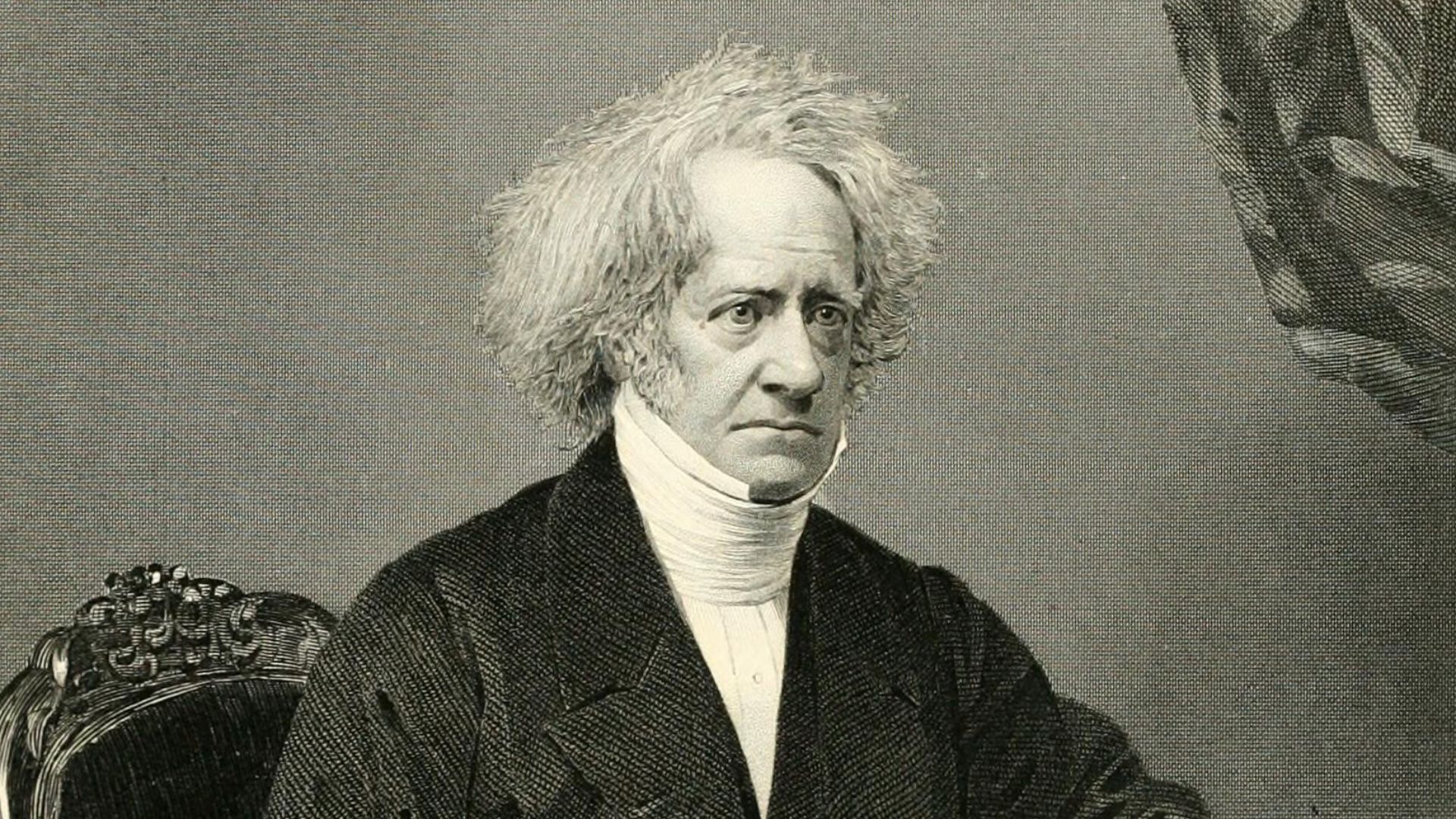
Sir John Herschel Had Nothing To Do With It
Although his name was attached to the articles, Herschel had absolutely no involvement in the hoax. His genuine scientific reputation was simply borrowed to make the fake discoveries sound more convincing. It's no surprise that he eventually grew tired of being connected to the story.
 Internet Archive Book Images, Wikimedia Commons
The Truth Didn't Stay Hidden Forever
As more people looked into the claims, the story quickly fell apart. The imaginary telescope, fake journal, and impossible discoveries couldn't stand up to closer examination. Within weeks, it was clear that the entire series had been invented from start to finish.
 Hanes y Lleuad, Wikimedia Commons
It Became An Early Lesson About Fake News
The Great Moon Hoax showed just how powerful a believable story could be. By combining trusted experts, scientific language, and exciting discoveries, the articles convinced many people to accept extraordinary claims without much evidence. It's a reminder that misinformation didn't begin with the internet.
 Benjamin Henry Day (1810-1889), Wikimedia Commons
It Also Helped Inspire Science Fiction
Even though it was disguised as journalism, the Moon hoax mixed real science with imaginative storytelling in a way that feels familiar today. Many historians see it as an early example of science fiction presented as fact. Its influence can still be seen in later stories about space exploration and alien life.
 Richard Adams Locke Publisher W. Gowans, Wikimedia Commons
Historians Still Find It Fascinating
Nearly two centuries later, the Great Moon Hoax continues to attract attention from historians, journalists, and science writers. It's studied not only because it fooled so many people, but also because it reveals how easily public opinion can be shaped by convincing storytelling.
 Benjamin Henry Day (1810-1889), Wikimedia Commons
The Story Still Feels Surprisingly Relevant
The Great Moon Hoax may have happened in 1835, but its lessons are timeless. It shows how exciting headlines, trusted names, and detailed storytelling can spread misinformation long before the facts catch up. In an age of viral posts and instant news, it's a reminder that checking the evidence is just as important now as it was nearly 200 years ago.
 unknown (?), Wikimedia Commons
You May Also Like:
When Science Accidentally Proved Old Folklore Was Right All Along
Researchers are close to solving the mystery of the 600-year-old Voynich manuscript.