
Thomas Edison Solved The Wrong Problem.
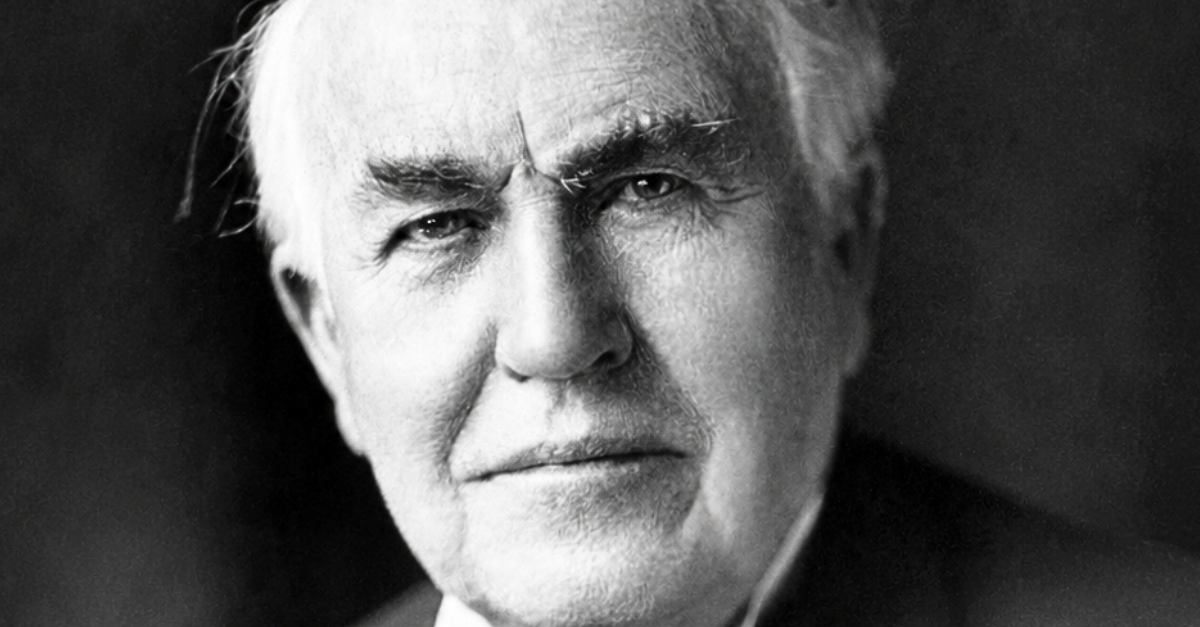
As a young telegraph operator, he designed an ingenious electrical machine that could record legislators’ votes almost instantly, only to discover that some politicians considered slowness a feature rather than a flaw. His failed invention taught him a lesson that shaped the rest of his career: technical brilliance means very little when the people expected to buy an invention do not actually want it.
 Louis Bachrach / Wikimedia Commons
Congress Had Already Rejected Voting Machines
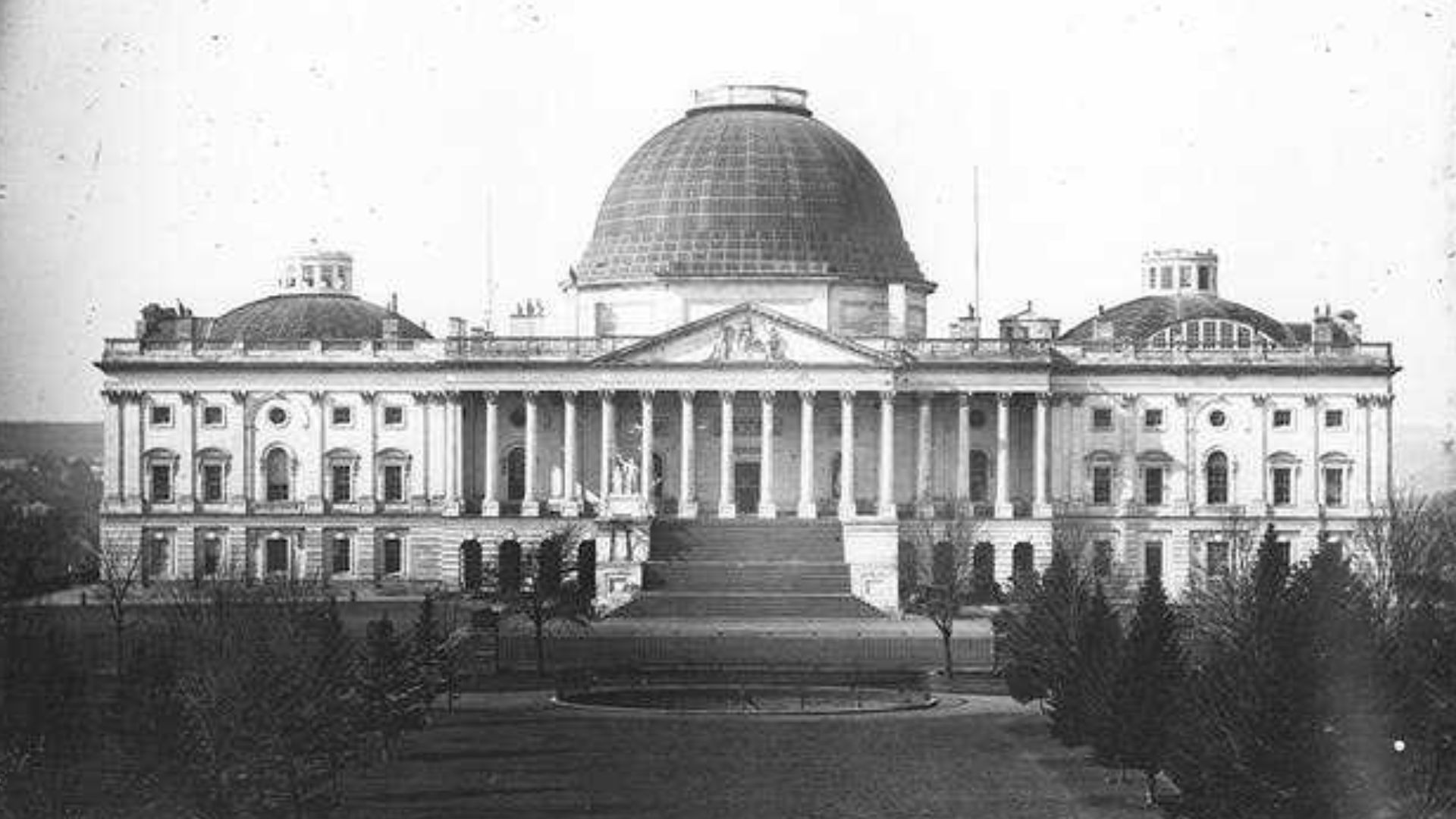
Edison was not the first person to imagine automating a congressional roll call. In 1848, inventors Francis H. Smith, Stephen Bowerman, and R. E. Monaghan separately petitioned the House with proposals for mechanical voting systems. The House Committee on Public Buildings and Grounds decided that the existing voting process did not need modernization and shelved the idea.
 John Plumbe, Wikimedia Commons
Then A Young Telegraph Operator Took A Shot
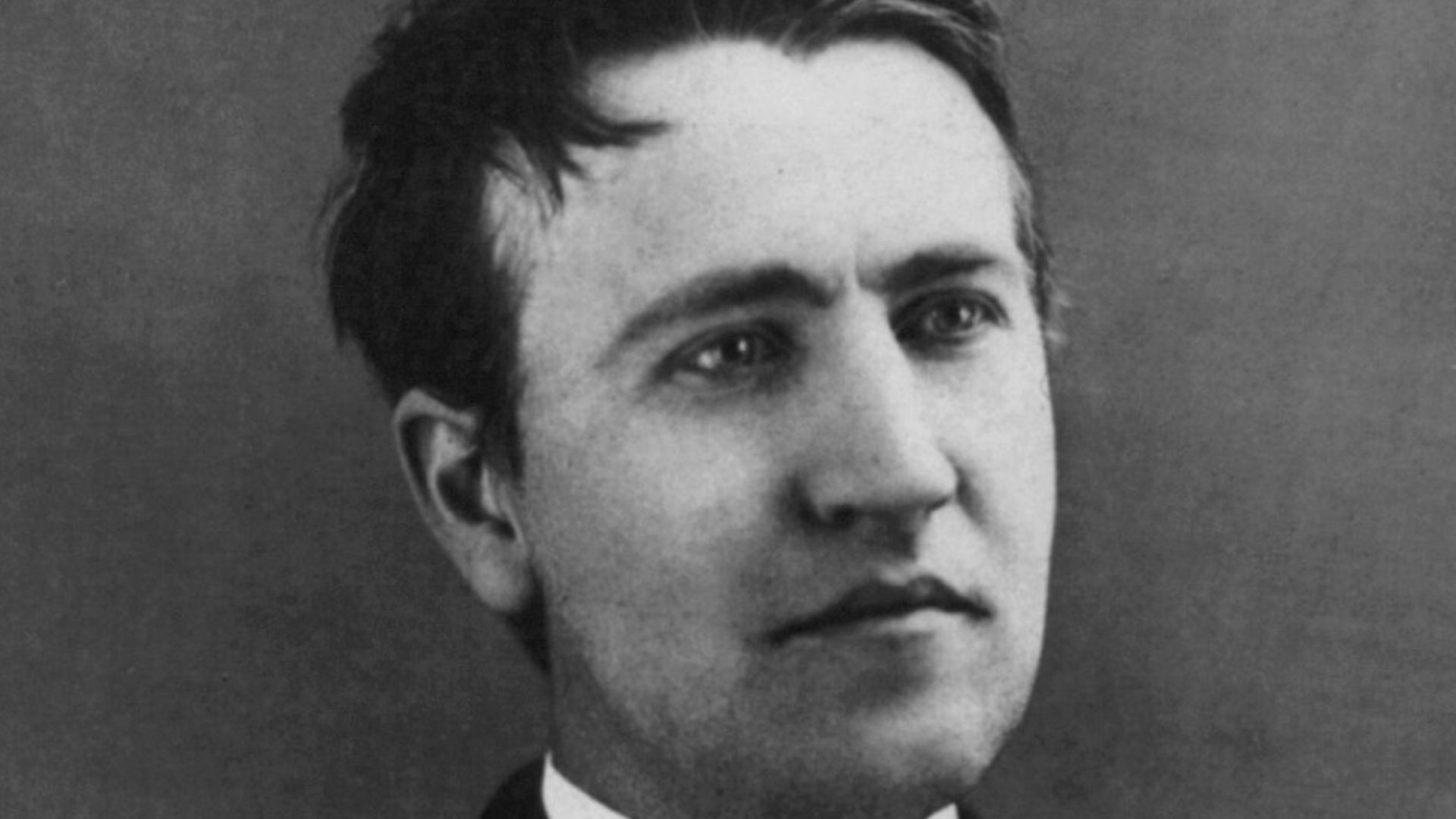
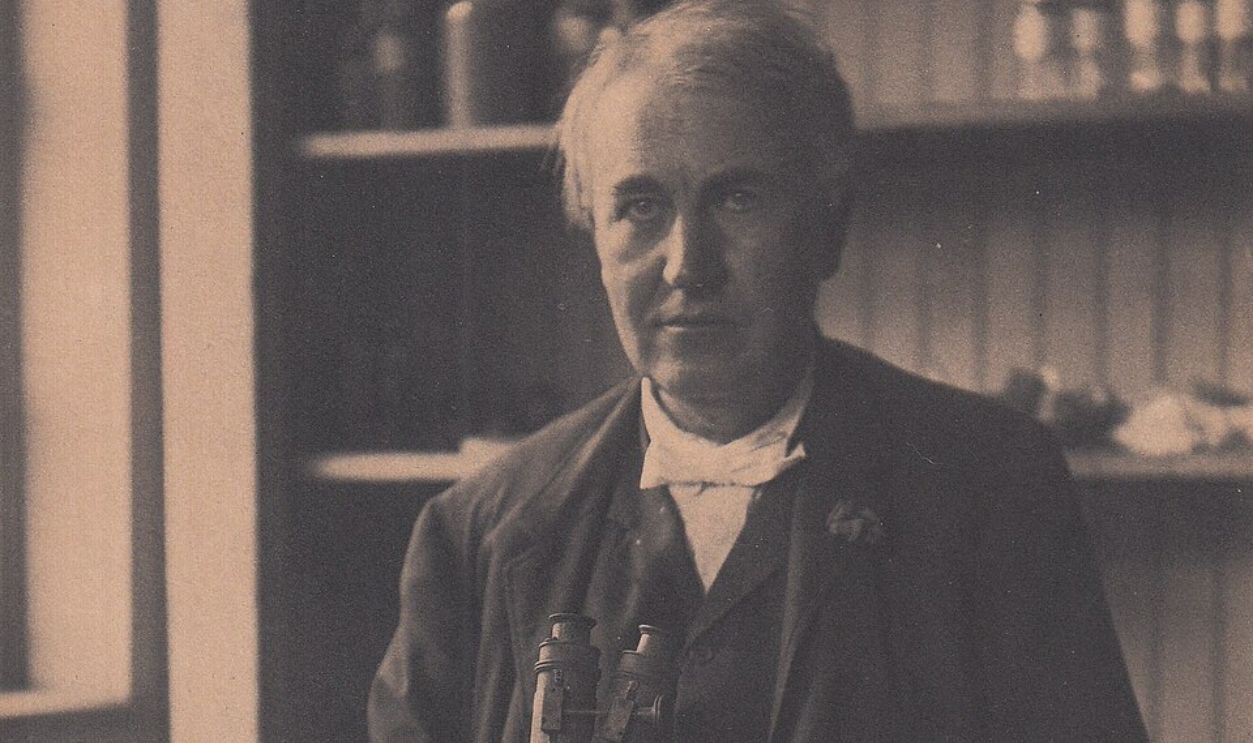
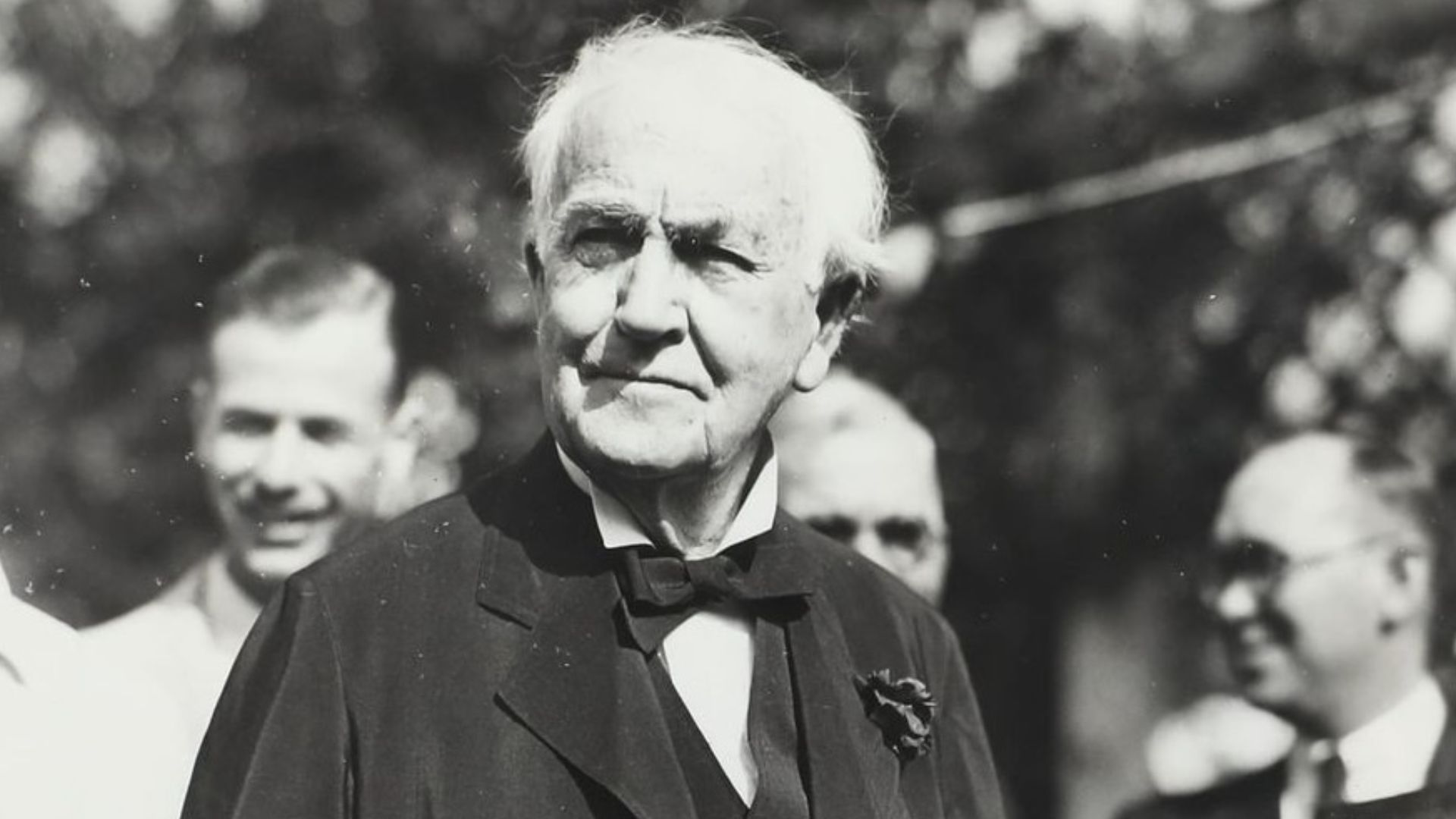
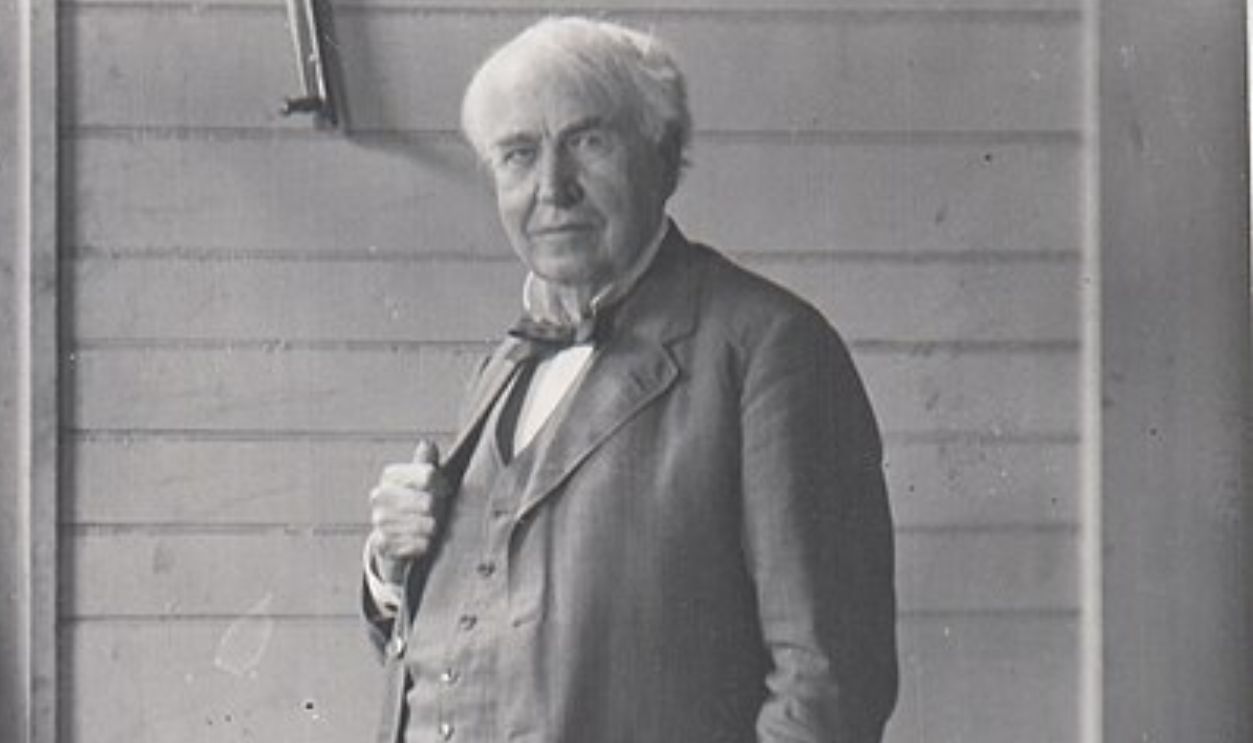
Thomas Edison was still in his early twenties when he tackled the same problem. After years working as a telegraph operator, he had become intimately familiar with sending information rapidly through electrical circuits. In 1868, while living in Boston, he began developing an electrographic system that could transmit and record legislative votes electronically.
 Miscellaneous Items in High Demand, PPOC, Library of Congress, Wikimedia Commons
It Became Edison’s First Patent
Edison executed his patent application for the device on October 13, 1868, and filed it later that month. The U.S. Patent Office granted Patent No. 90,646 on June 1, 1869, under the title “Improvement in Electrographic Vote-Recorder.” It was the first patent of what would eventually become an extraordinary portfolio of more than a thousand Edison patents.
The Problem Seemed Obvious
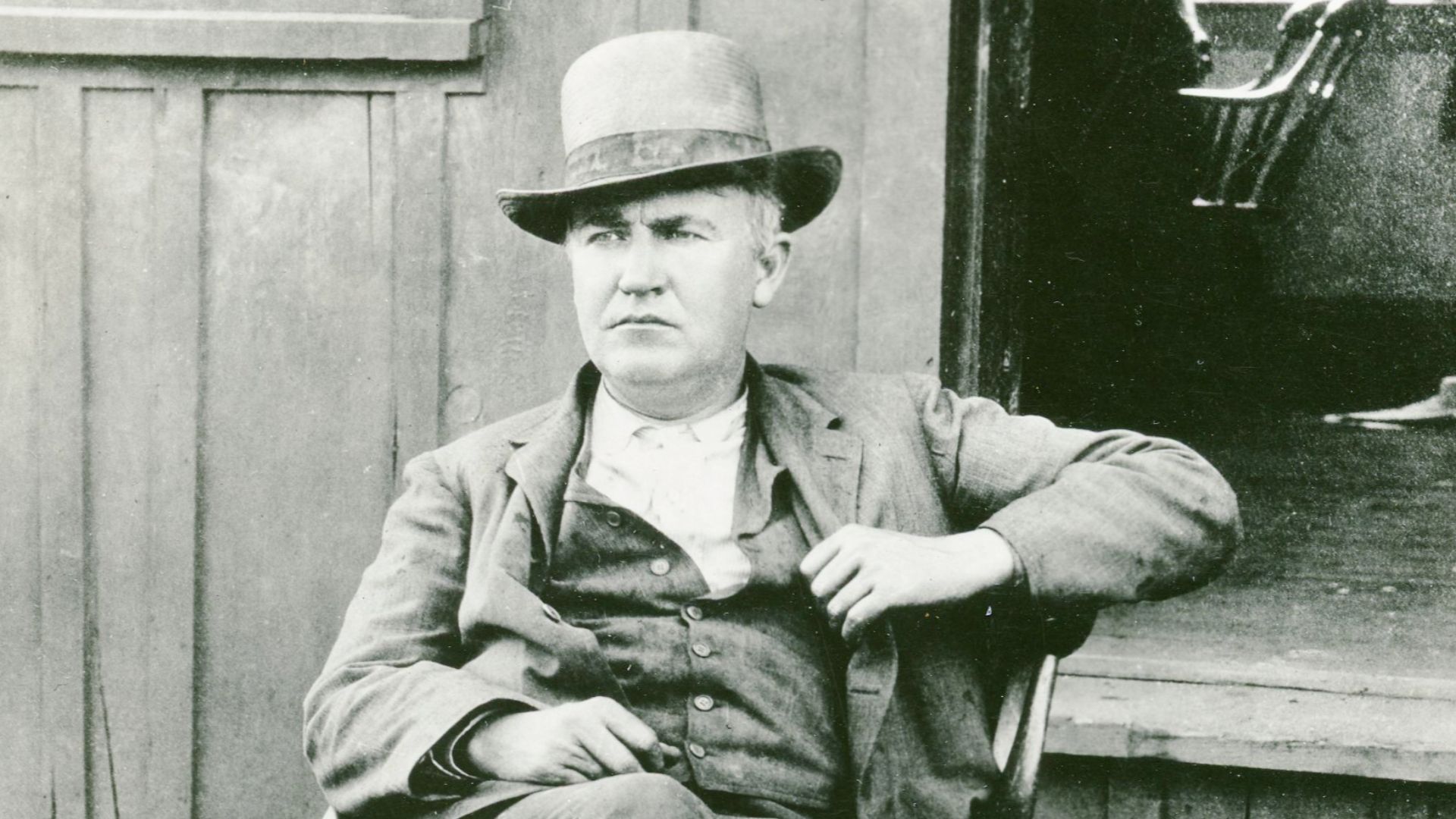
Traditional legislative roll calls were painfully slow. A clerk had to call each member’s name individually, wait for a response, record it, and eventually calculate the totals. Edison’s patent explicitly described his goal as avoiding the valuable time lost while votes and members’ names were counted and recorded manually.
 English: NPGallery, Wikimedia Commons
Every Legislator Got A Switch
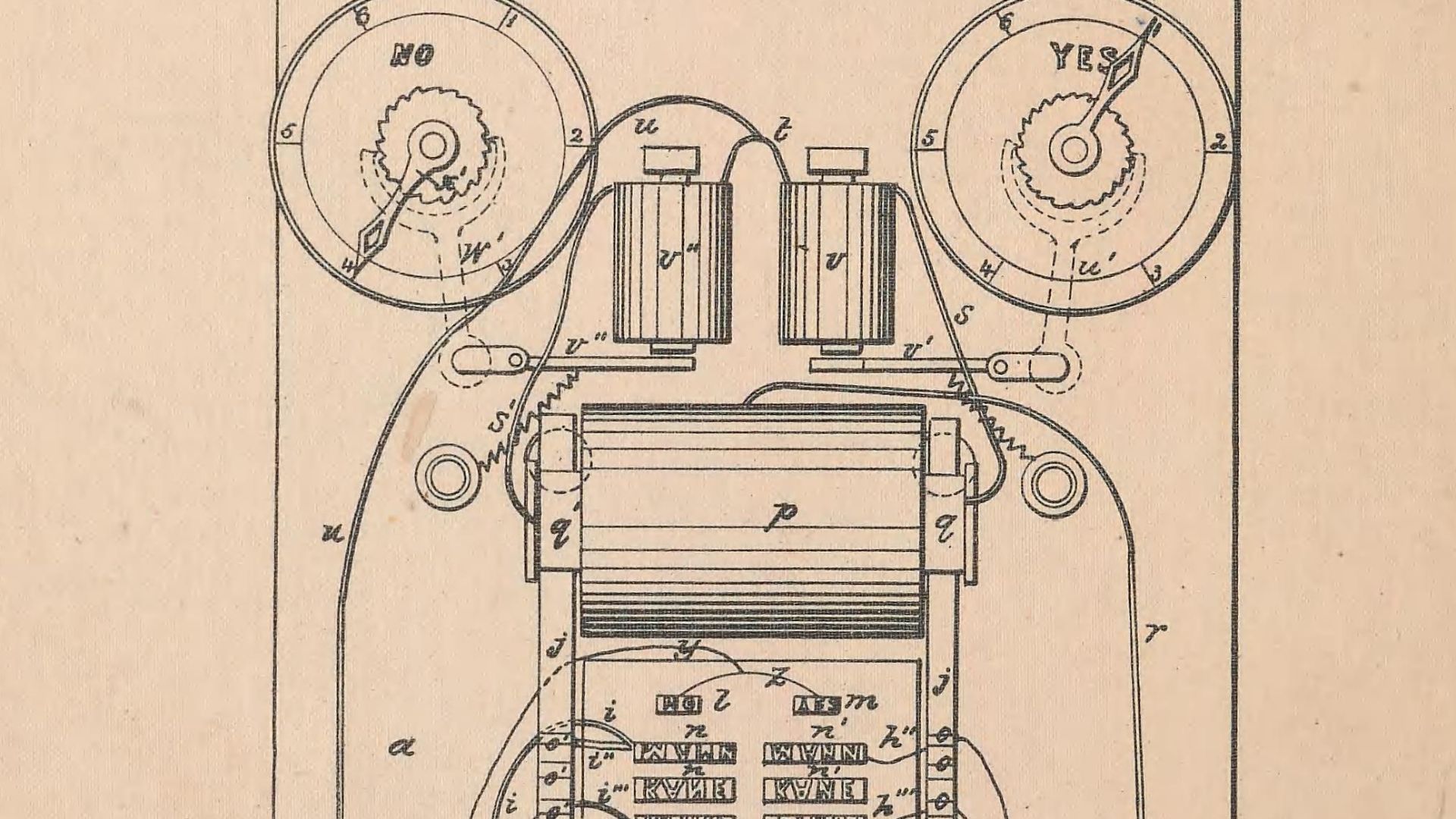
Edison envisioned a switch at each legislator’s desk. A member would move it toward one of two positions representing an affirmative or opposing vote. The electrical signal would travel from that switch to a central recording apparatus rather than relying on a clerk to hear and write down every response.
 Wide World Size, Wikimedia Commons
The Machine Printed The Names
At the recorder, legislators’ names were arranged in metal type beneath “Yes” and “No” headings. A clerk placed chemically treated paper across the type and passed a metal roller over it. Electrical current caused the corresponding names to appear on the paper, producing an immediate written record of who had voted each way.
It Counted The Totals Too
Edison did not stop at recording individual names. Dials on the machine automatically displayed the number of affirmative and negative votes as the legislators used their switches. His patent therefore addressed both major parts of the roll call, identifying members and calculating the final tally.

Edison Promised Speed And Accuracy
The patent described a machine capable of recording legislative votes “in an instant” and with great accuracy. Edison believed that faster counting would eliminate wasted time and reduce opportunities for clerical mistakes. From an engineering perspective, the advantages seemed difficult to argue against.
 English: NPGallery, Wikimedia Commons

History's most fascinating stories and darkest secrets, delivered to your inbox daily.
Someone Even Paid For A Piece Of It
Edison was not the only person who saw commercial potential. Fellow telegraph operator Dewitt C. Roberts bought an interest in the invention for $100. Roberts then took the machine to Washington in hopes of convincing Congress that the young inventor had produced something worth adopting.
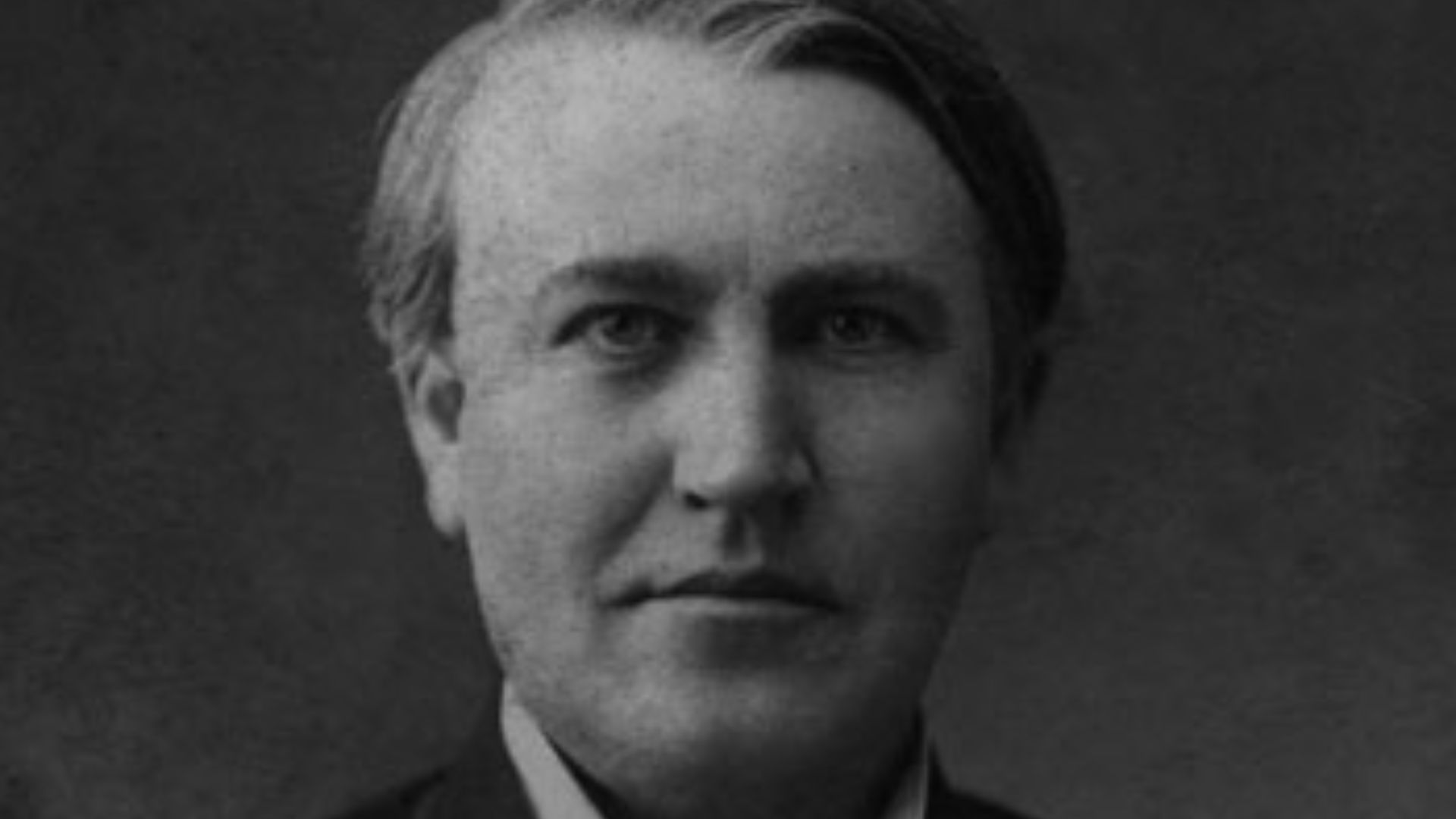 Thomas Edison, Wikimedia Commons
Washington Saw The Machine Work
The vote recorder was demonstrated before a congressional committee. It apparently did what Edison claimed, recording votes far faster than a traditional verbal roll call. The problem was not that legislators thought the technology failed. The problem was that at least some of them disliked exactly what made it useful.
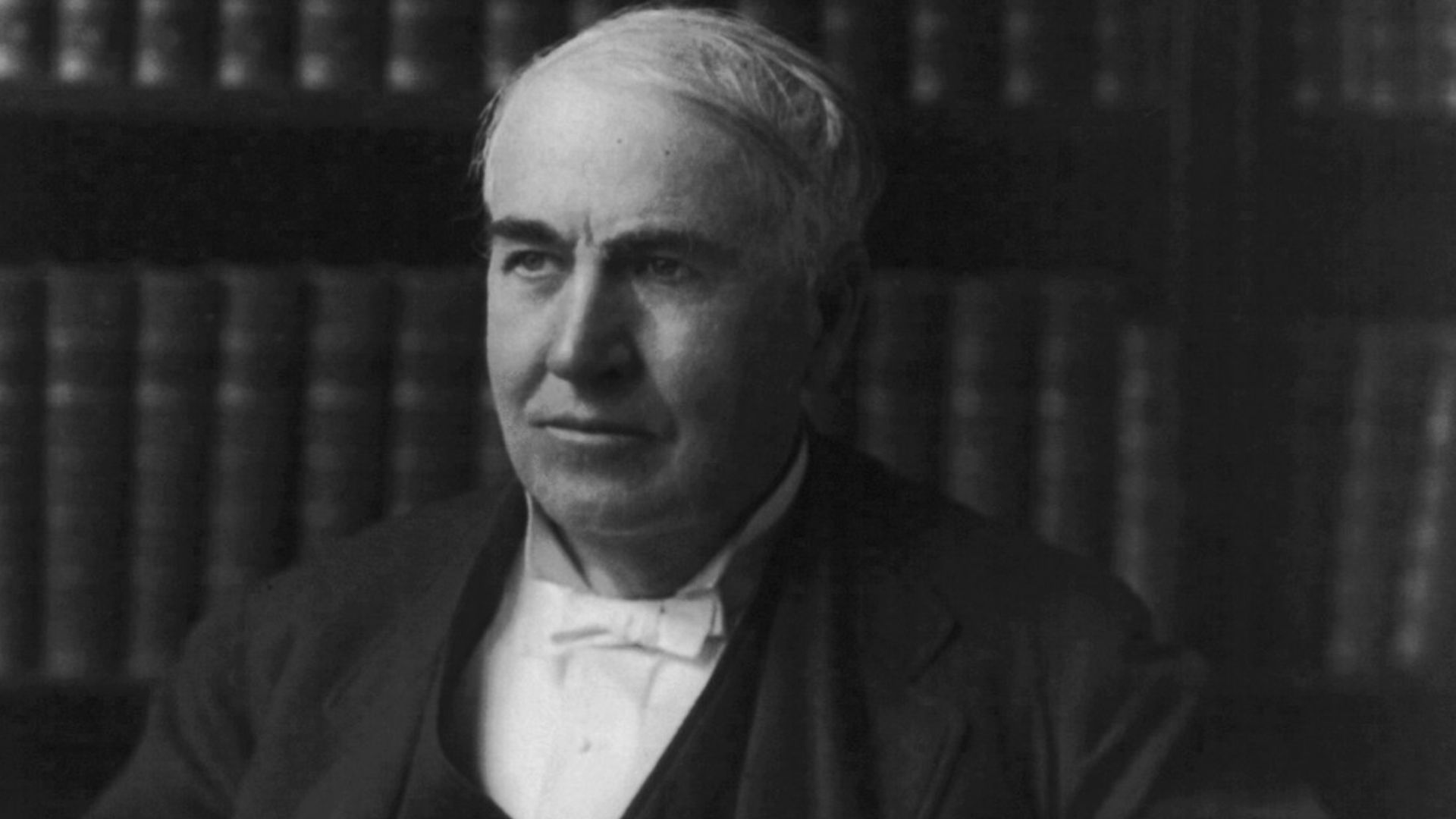 Miscellaneous Items in High Demand, PPOC, Library of Congress, Wikimedia Commons
The Committee Chairman Hated The Speed
According to the Edison Papers at Rutgers, the committee chairman responded that if there was one invention Congress did not want, it was this one. House historians preserve a similar recollection in which Edison was told that rapid voting would push legislation through too quickly. The young inventor had proudly eliminated delays that lawmakers were deliberately using.
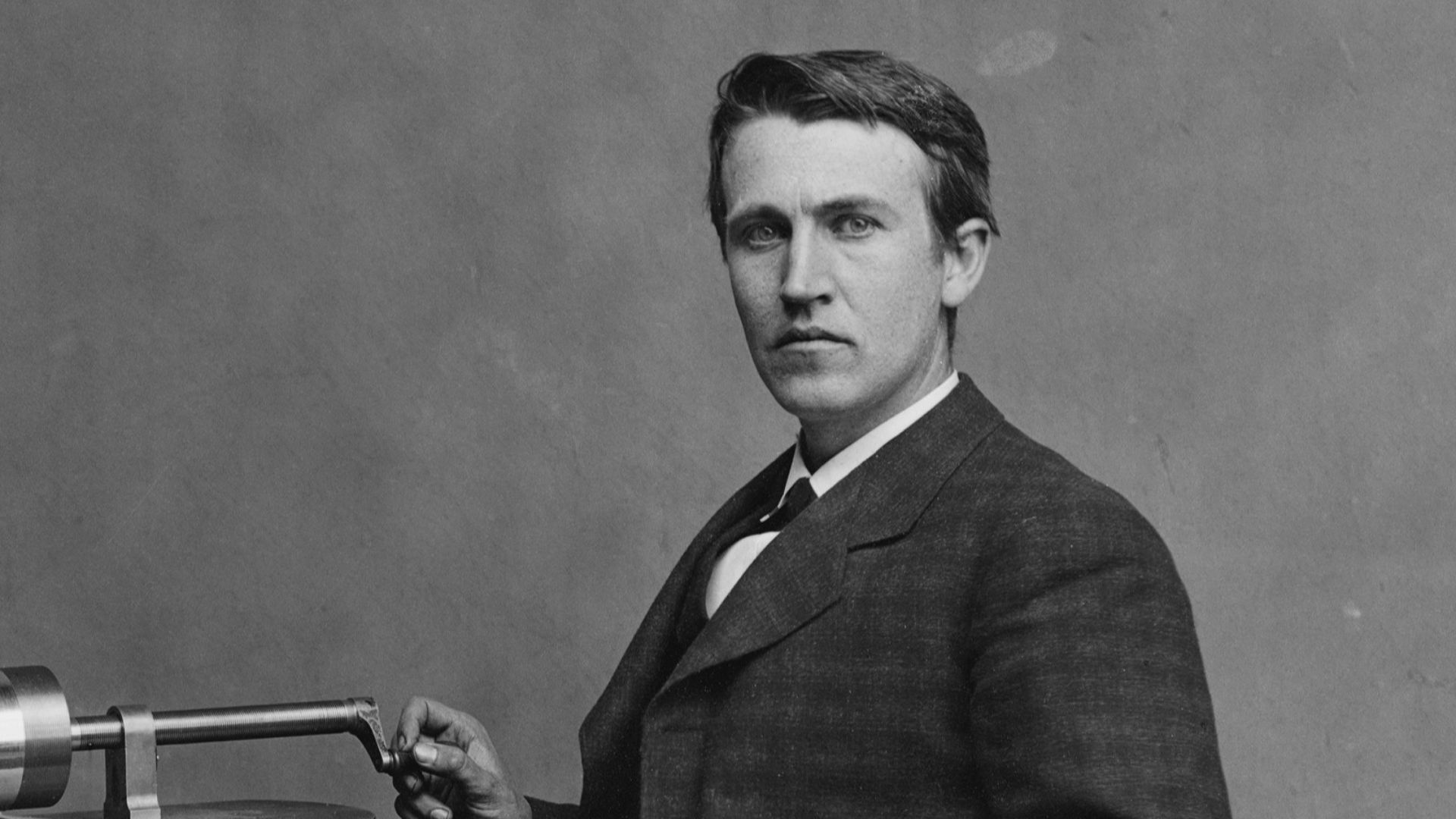 Levin C. Handy (per http://hdl.loc.gov/loc.pnp/cwpbh.04326), Wikimedia Commons
Slow Voting Created Political Opportunities
A long roll call was not necessarily dead time for legislators. As names were called one after another, members could negotiate, persuade colleagues, reconsider positions, or attempt to influence votes that had not yet been cast. Rutgers notes that the leisurely procedure could also aid filibustering and attempts to change votes.
 Collins, Tudor Washington, 1898-1970, photographer, Wikimedia Commons
The Minority Had Something To Lose
The House's official history explains the objection in explicitly political terms. A committee chairman feared that faster voting would weaken the procedural opportunities available to the minority side. Edison had treated voting as an information-processing problem, while Congress viewed it as part of a larger contest over influence and procedure.
 Miscellaneous Items in High Demand, PPOC, Library of Congress, Wikimedia Commons
Efficiency Was Not Automatically Neutral
That distinction mattered. A machine that saved time could also alter when legislators spoke, negotiated, organized, or attempted to slow a bill's progress. What looked like simple efficiency to an inventor could look like lost leverage to a politician. The vote recorder became an early example of technology colliding with incentives that engineering alone could not change.
 Unknown authorUnknown author, Wikimedia Commons
Edison Took The Failure Personally
The rejection reportedly made a lasting impression on Edison. The Library of Congress says he concluded that he should not waste time inventing things that nobody wanted. Rather than merely asking whether an idea could work, he began placing greater emphasis on whether there was a real market for it.
 Miscellaneous Items in High Demand, PPOC, Library of Congress, Wikimedia Commons
It Became One Of His Most Useful Failures
Edison's automatic vote recorder never became a commercial success. Yet the Library of Congress uses the episode as an example of how failure helped shape his approach to innovation. An invention could operate perfectly and still be useless as a business if its intended customers preferred the old problem.
 William Henry Jackson, Wikimedia Commons
Edison Quickly Moved On
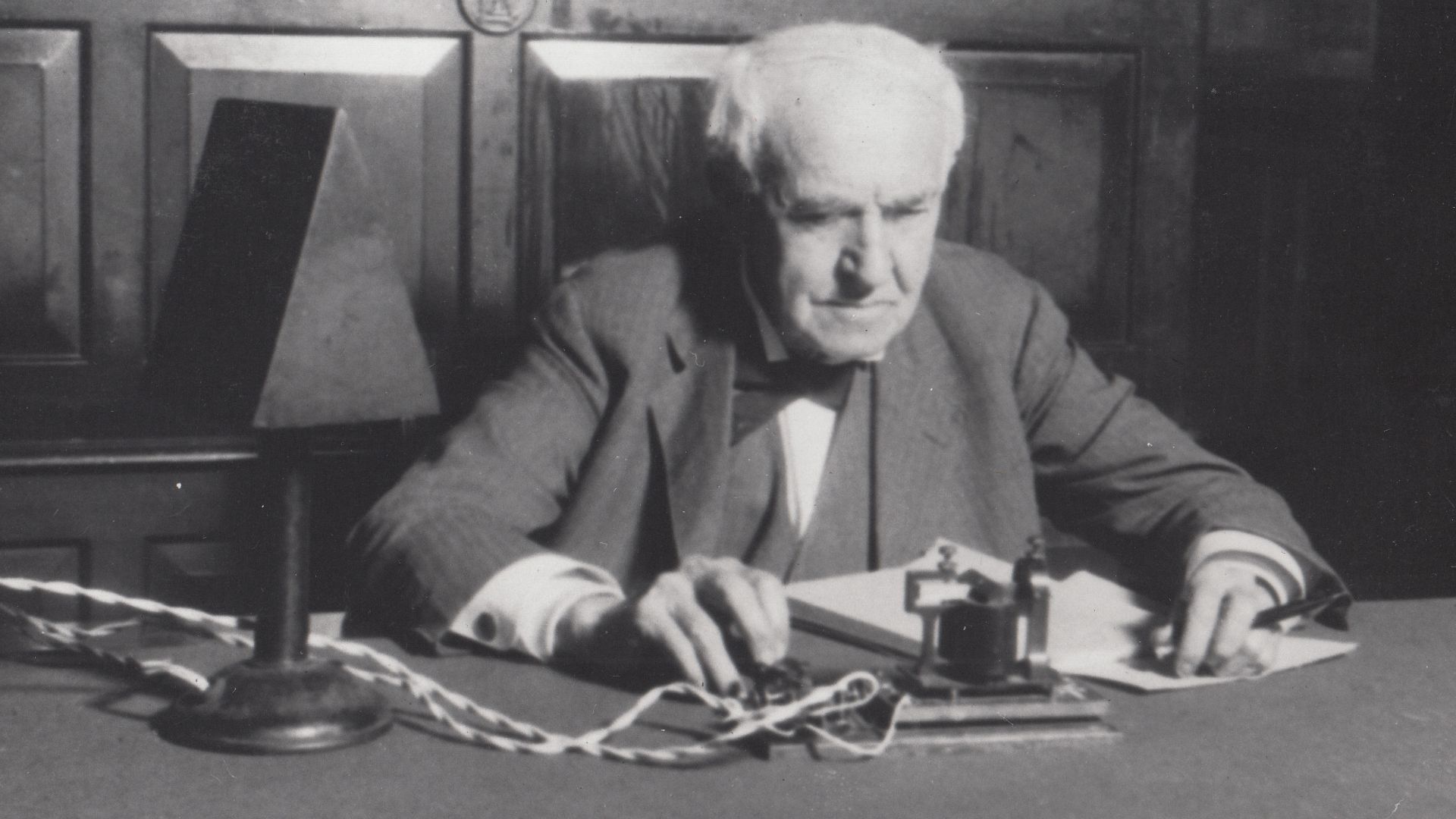
By 1869, Edison had left his regular telegraph job and was trying to become a full-time inventor. His next patents focused heavily on telegraph technology, including printing telegraphs and automatic electrical switches. The rejected vote recorder therefore became an opening chapter rather than an endpoint.
 Unknown authorUnknown author, Wikimedia Commons
His Later Inventions Found Eager Customers
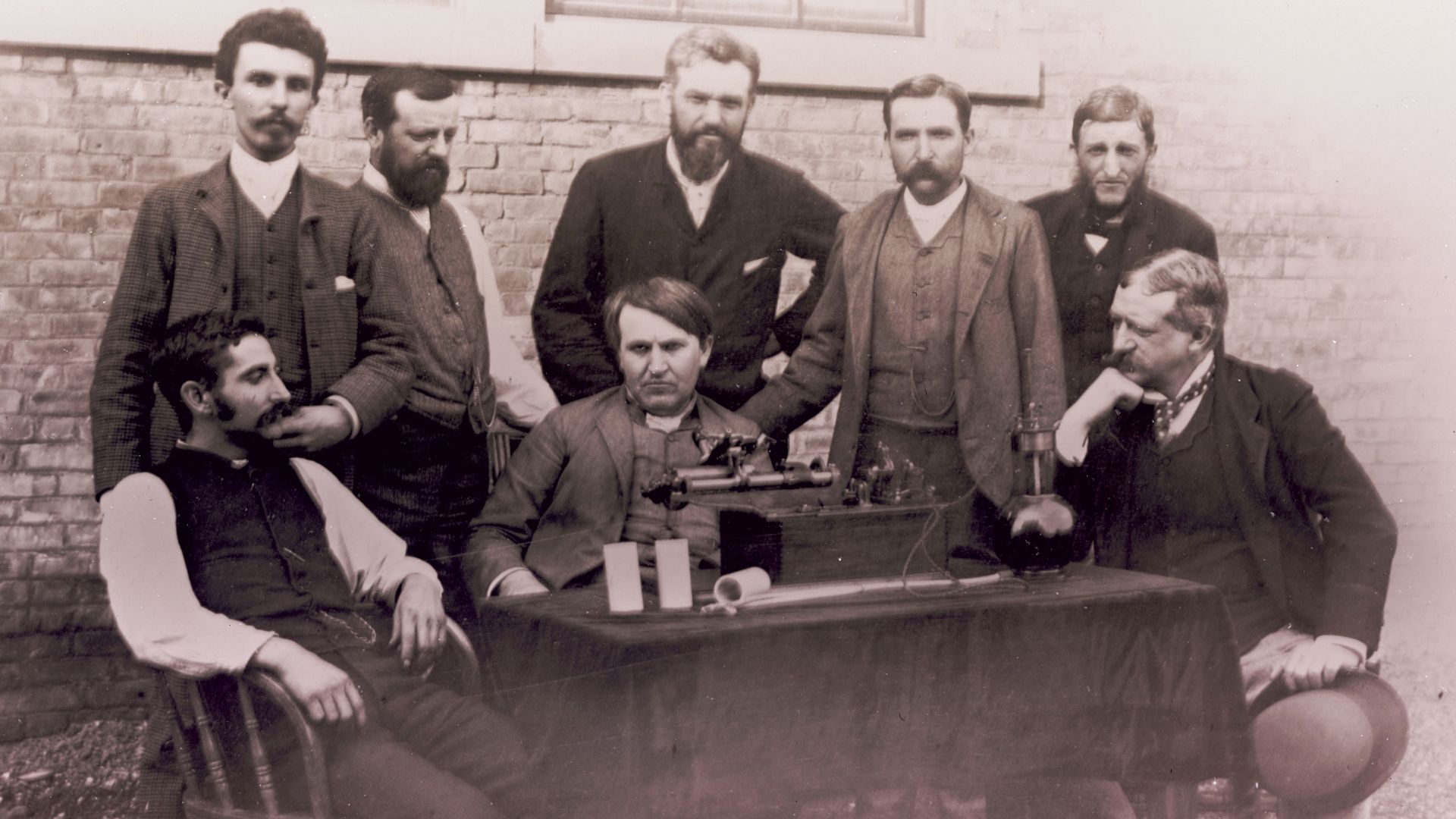
Over the following decade, Edison became associated with the improved telephone transmitter, phonograph, and practical incandescent lighting systems. These inventions addressed communication, entertainment, and illumination needs with obvious commercial markets. The vote recorder had taught him early that solving a technical challenge and selling the solution were two different accomplishments.
 Unknown authorUnknown author, Wikimedia Commons
Congress Kept Revisiting The Same Idea
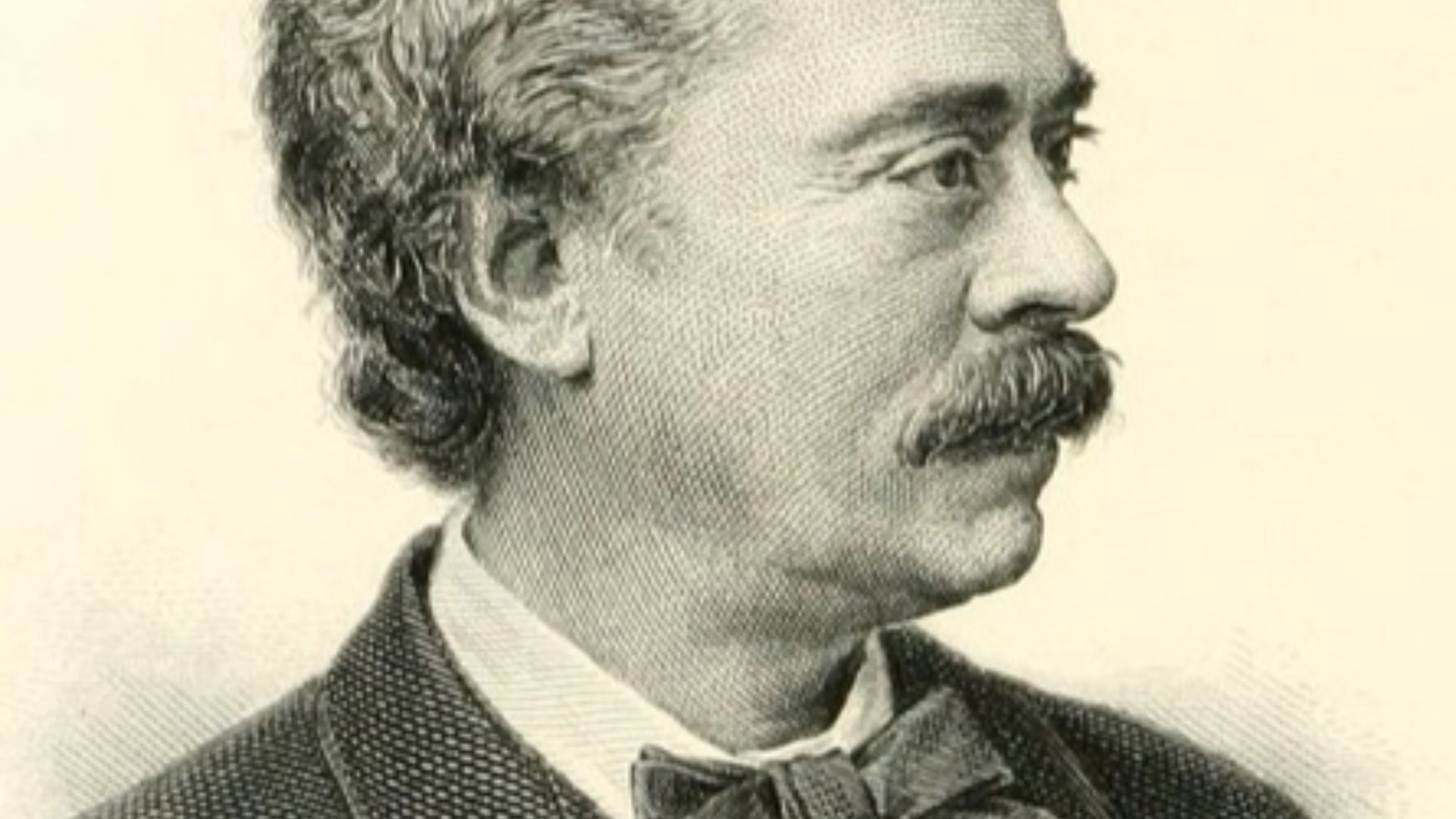
The defeat of Edison's machine did not kill automated voting. Representative Lewis Beach of New York introduced a resolution in 1886 calling for Congress to investigate a system for registering votes mechanically or electrically. It marked the beginning of a long legislative trail filled with repeated proposals and repeated hesitation.
 US Government Printing Office, Wikimedia Commons
Another Serious Push Came In 1916
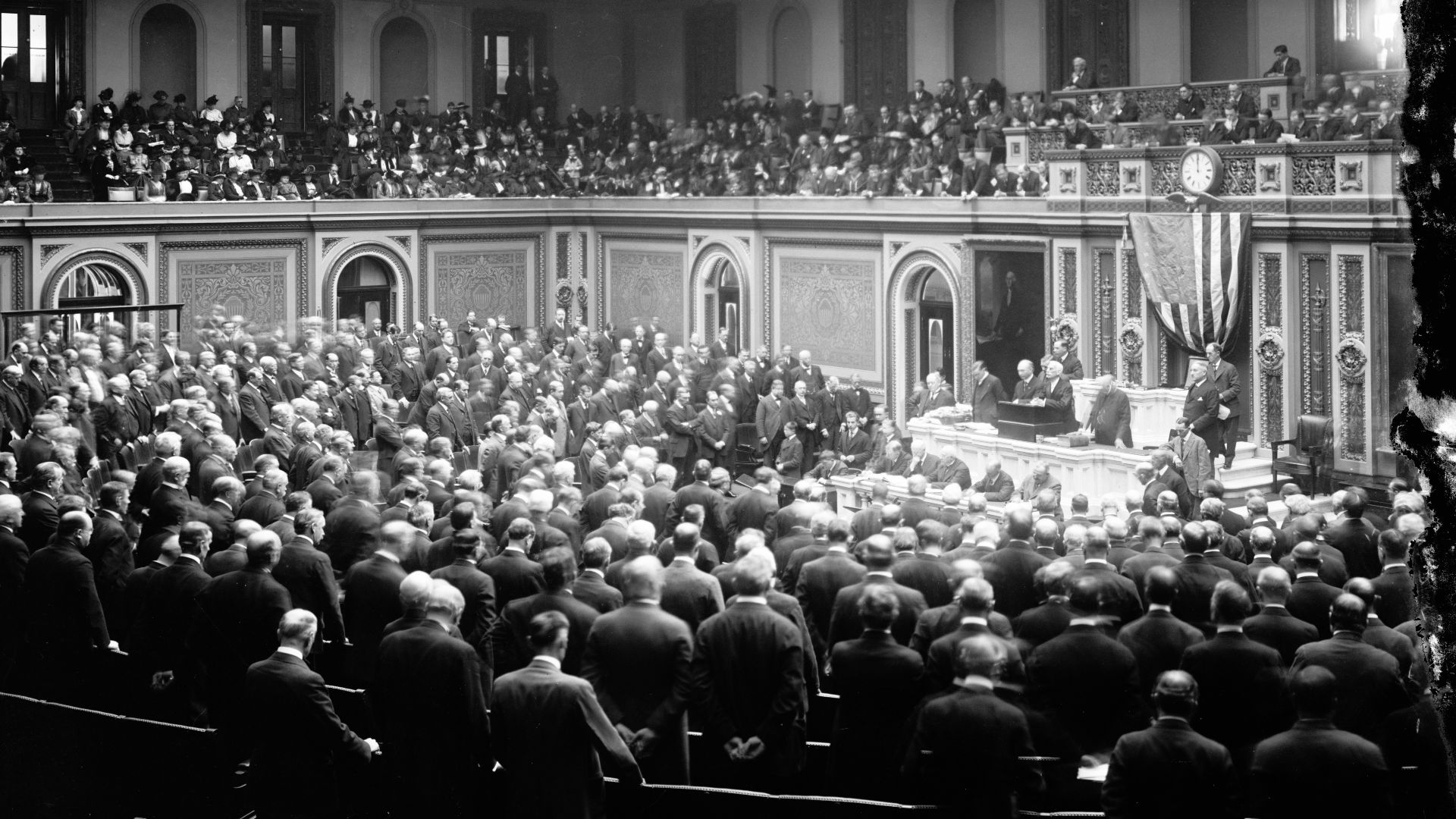
By 1916, the House Committee on Accounts was holding hearings on a proposal to establish a commission involving Members and the Clerk of the House. Its task was to investigate and obtain an automated voting system. Congress even authorized funding, yet the House still did not make electronic voting part of everyday floor procedure.
 Harris & Ewing, photographer, Wikimedia Commons
Dozens Of Proposals Went Nowhere
Between 1886 and 1970, more than 50 bills and resolutions dealing with automatic, mechanical, or electronic voting appeared in the House. Most failed to advance out of committee. Edison's experience was therefore not a strange one-time rejection, but the beginning of a century-long pattern of congressional reluctance.
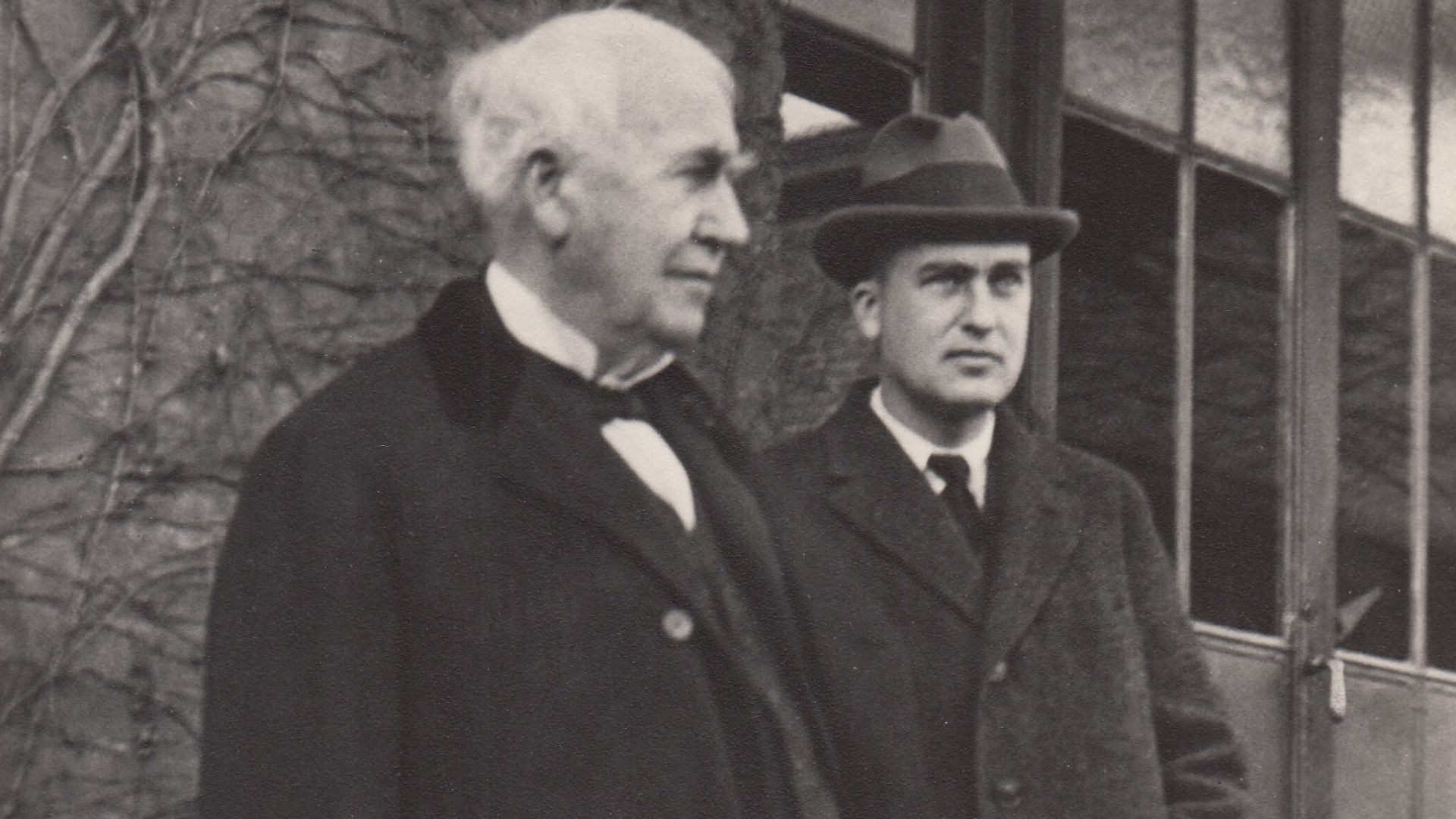 Unknown authorUnknown author, Wikimedia Commons
The House Kept Getting Bigger
The inconvenience of manual voting increased as the institution grew. By the 63rd Congress, beginning in 1913, the House had reached its modern size of 435 voting Representatives. Calling hundreds of names one by one meant that a single recorded vote could consume around half an hour or longer.
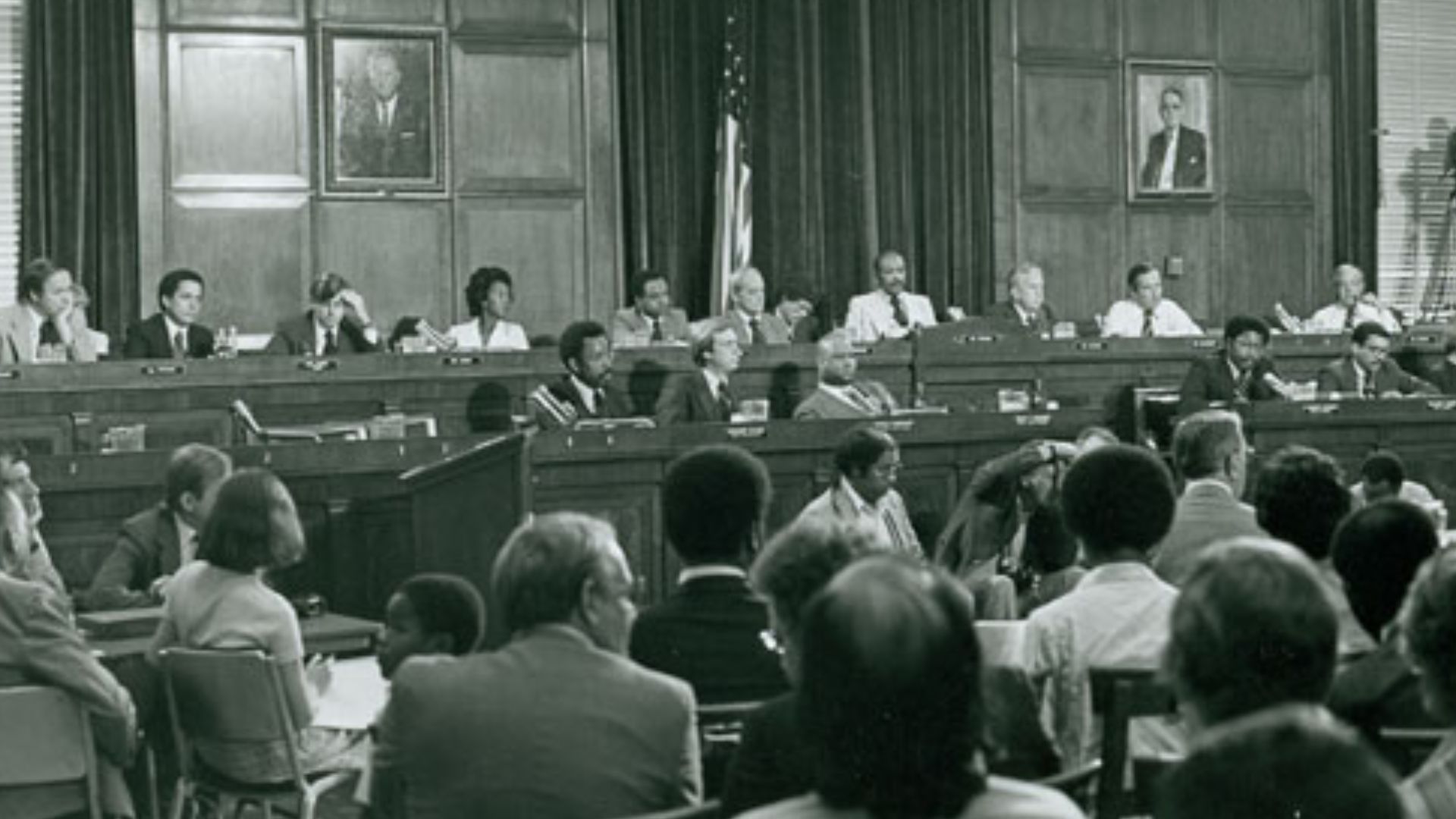 U.S. Congress, Wikimedia Commons
Roll Calls Could Eat Forty-Five Minutes
Before electronic voting, House roll calls commonly required roughly 30 to 45 minutes. Every recorded vote repeated the same laborious process of calling names and recording responses. As congressional workloads increased, those minutes accumulated into a substantial amount of lost floor time.
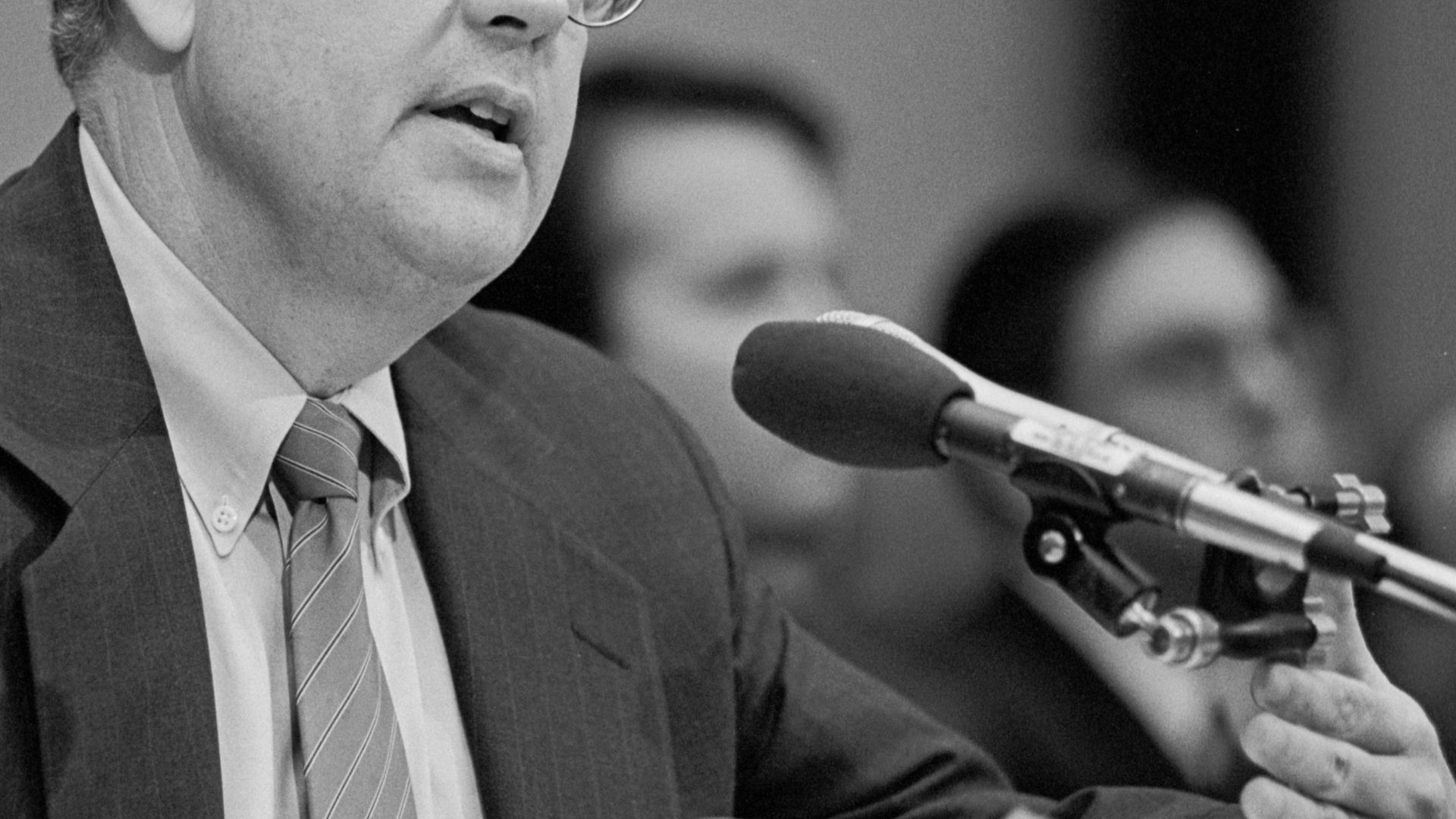 Rebecca Roth, Wikimedia Commons
Charles Bennett Would Not Give Up
Representative Charles E. Bennett of Florida became one of the 20th century's persistent advocates of automatic vote counting. House records show him introducing proposals in 1949, 1953, and again in 1969 for visual recording and automatic counting of votes and quorum calls. None of his bills directly created the final system, but they kept a very old idea alive.
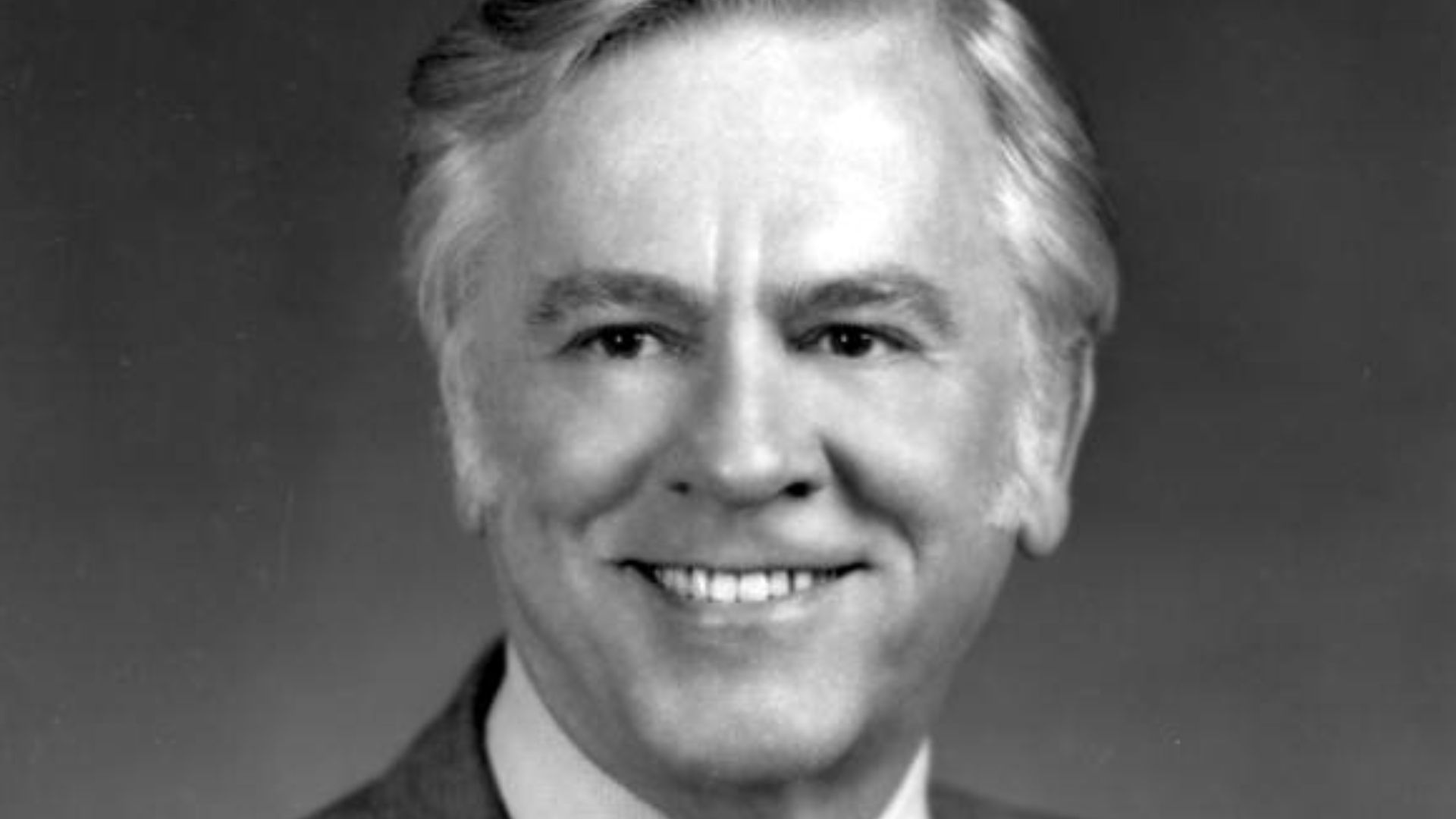 State Archives of Florida, 'Florida Memory', Wikimedia Commons
Congress Finally Started Feeling The Clock
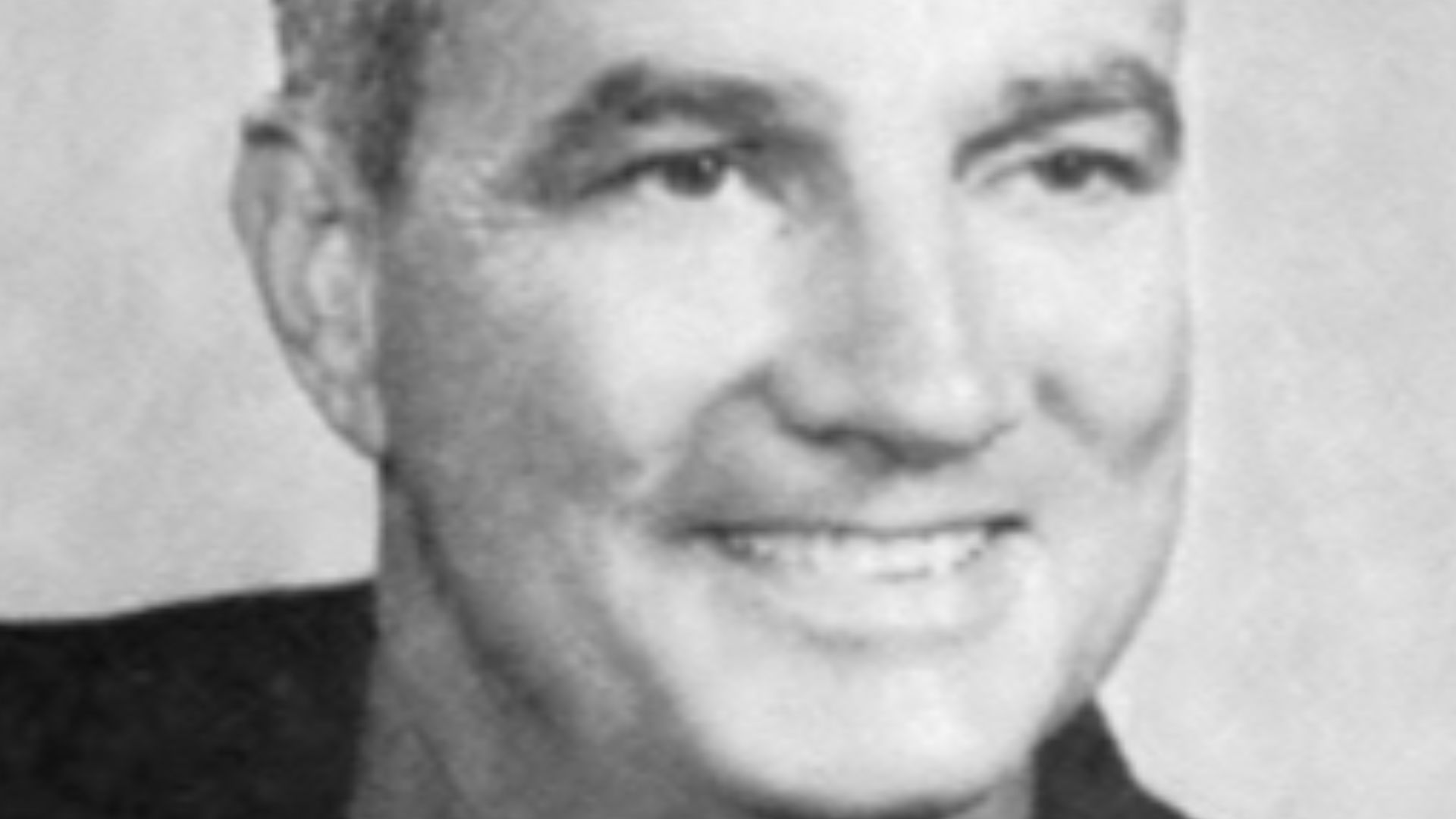
By the late 1960s, the House was handling the demands of a much larger and more complex federal government. Clerk of the House W. Pat Jennings argued that the absence of automation was placing a serious burden on House administration. Efficiency, once dismissed as politically inconvenient, was becoming harder to resist.
 US Government Printing Office, Wikimedia Commons
Reform Finally Arrived In 1970
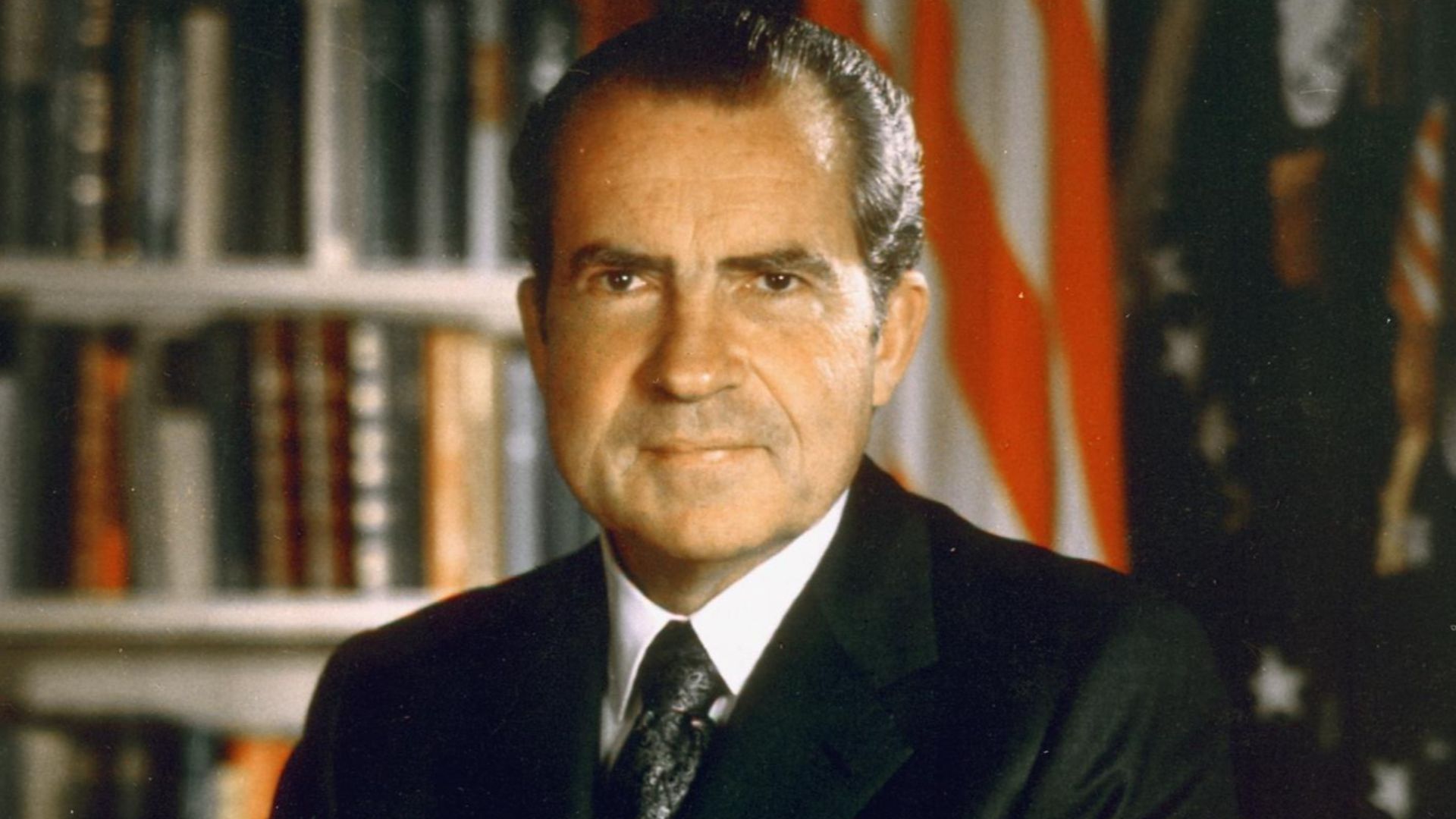
Congress passed the Legislative Reorganization Act of 1970 after years of pressure to modernize its procedures. President Richard Nixon signed it into law on October 26. Among its many reforms was authorization for electronic voting in the House Chamber, finally granting an institutional future to the basic idea Edison had brought to Washington a century earlier.
 United States Federal Government, Wikimedia Commons
This Machine Cost A Million Dollars
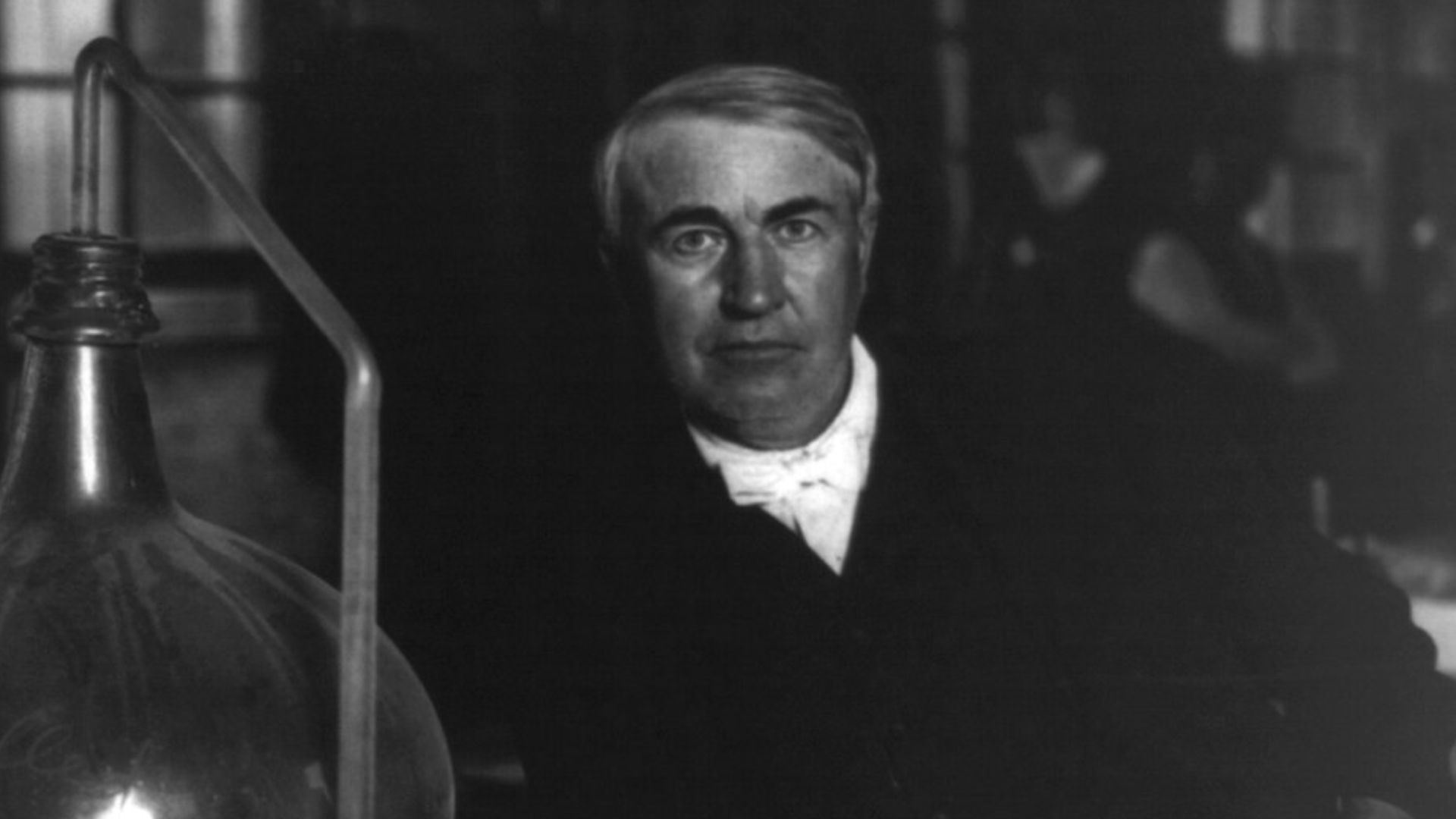
The eventual House system was far more sophisticated than Edison's electrochemical recorder. House historians describe it as a state-of-the-art system costing about $1 million. Designing and installing it required computers, display boards, identification cards, voting stations, and a specialized technical staff.
 Miscellaneous Items in High Demand, PPOC, Library of Congress, Wikimedia Commons
A Former NFL Quarterback Helped Build It
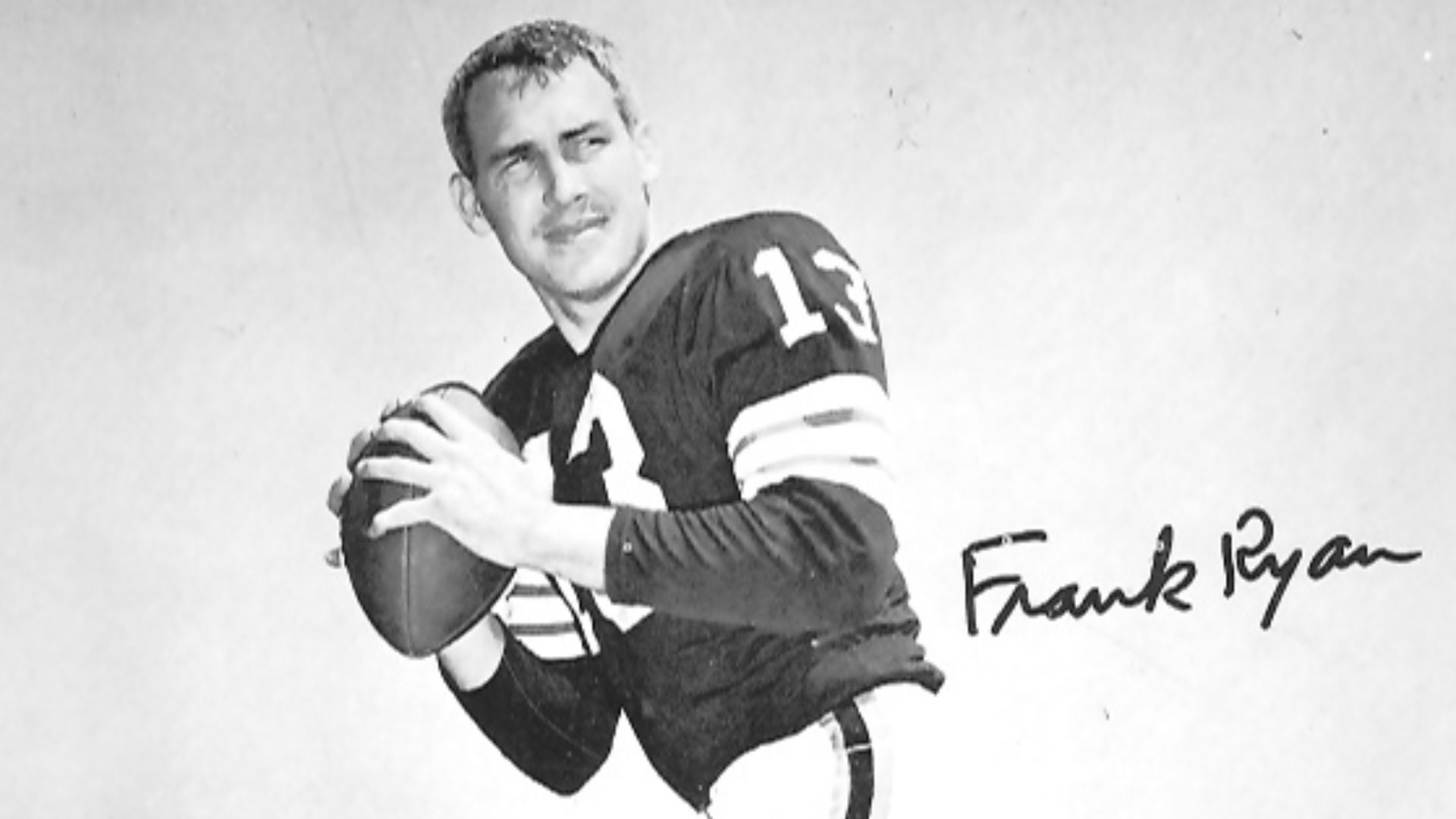
In 1971, the House created a technical operation that evolved into the Office of House Information Systems. Frank Ryan, a mathematics professor who had also been a professional football quarterback, became its director that July. His team oversaw implementation of the electronic voting system that Congress had resisted for generations.
 Unknown authorUnknown author, Wikimedia Commons
Members Finally Got Their Voting Machines
The finished system used pocket-sized identification cards unique to each Representative. Members inserted a card into one of several voting stations around the chamber and selected “yea,” “nay,” or “present.” A central system recorded the choice while electronic boards displayed the evolving totals.
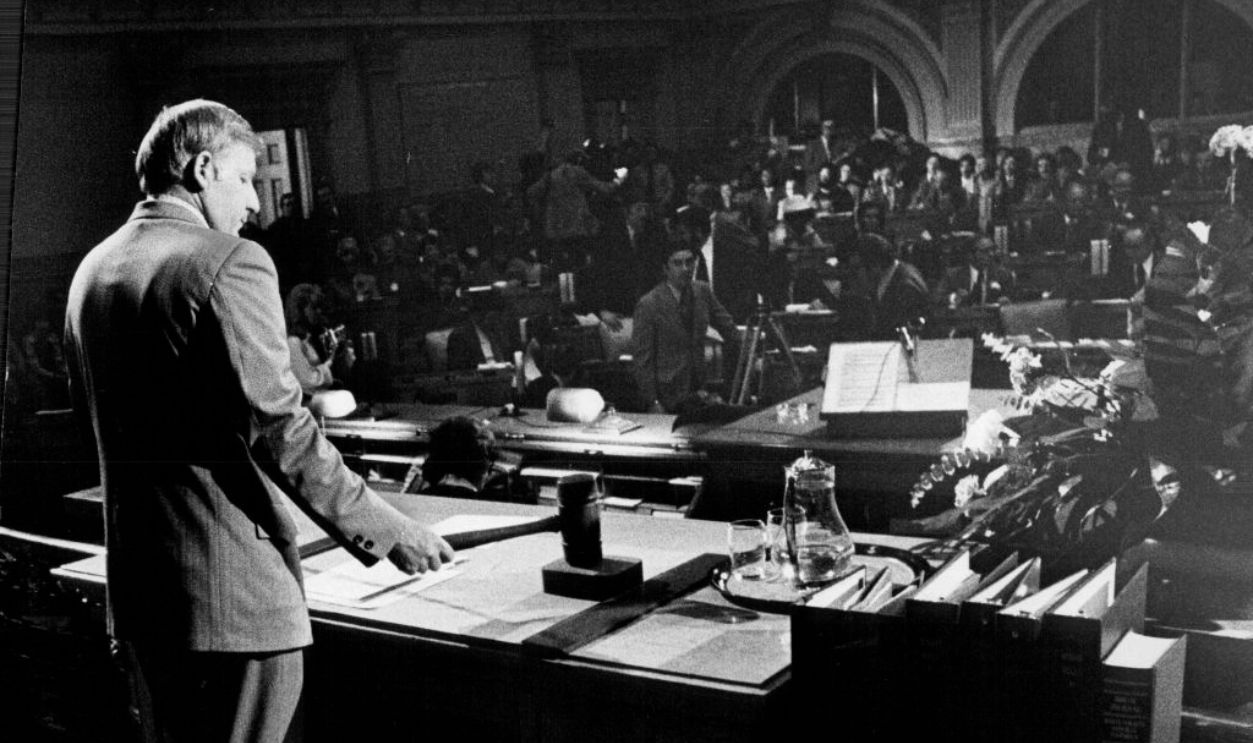
The First Vote Became A Celebration
The House conducted its first electronic vote on January 23, 1973. No legislative vote was scheduled that day, so eager Members tested the system during a quorum call involving 331 Representatives. When the display reached the required quorum of 218 and the clock counted toward zero, Members cheered and counted down the final seconds together.
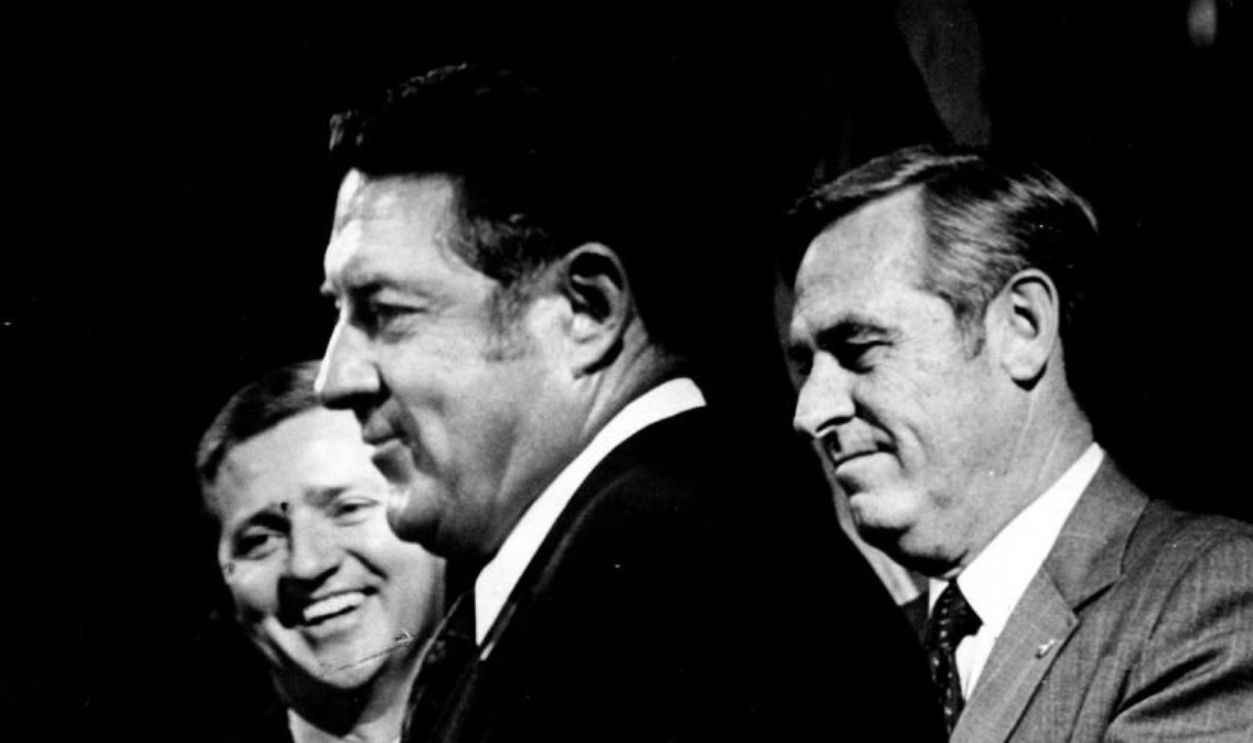
Edison Had Been Right About The Time
That first electronic roll call lasted 15 minutes. The old procedure typically required between 30 and 45 minutes, and estimates suggested the new technology could save more than 90 hours of House time every year. More than a century after Edison designed a machine specifically to stop legislators wasting time counting votes, Congress had finally decided that wasting less time was worth the tradeoff.
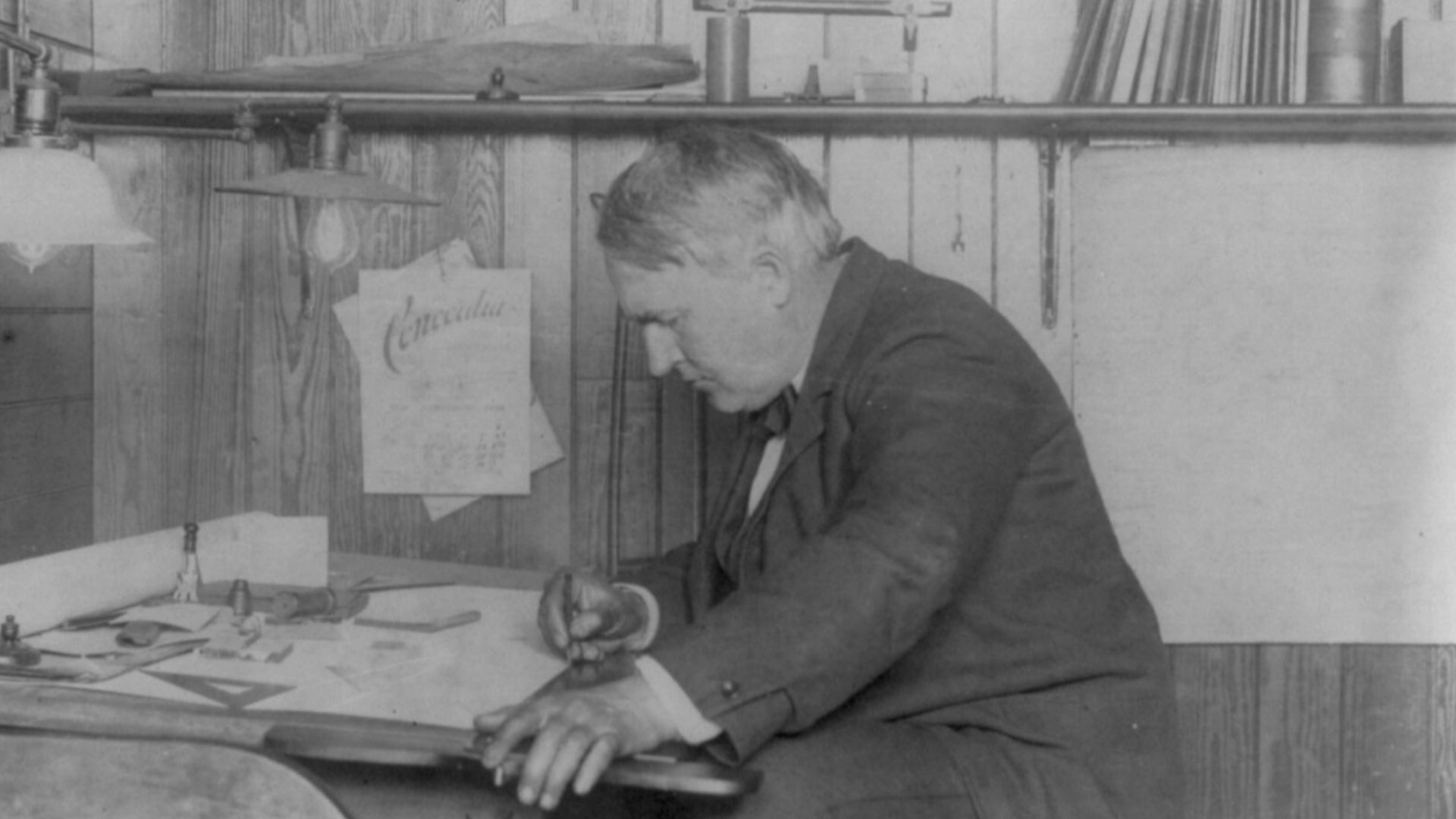 Miscellaneous Items in High Demand, PPOC, Library of Congress, Wikimedia Commons
The Irony Never Completely Disappeared
The House has used electronic voting since 1973, while modern Senate roll calls still involve the clerk calling senators' names and recording each response. Edison's basic dilemma therefore remains recognizable: voting procedures are political institutions, not merely technical systems waiting for an engineer to optimize them. His first patented invention failed because he discovered something inventors still learn today: sometimes the inefficiency is serving somebody's purpose.
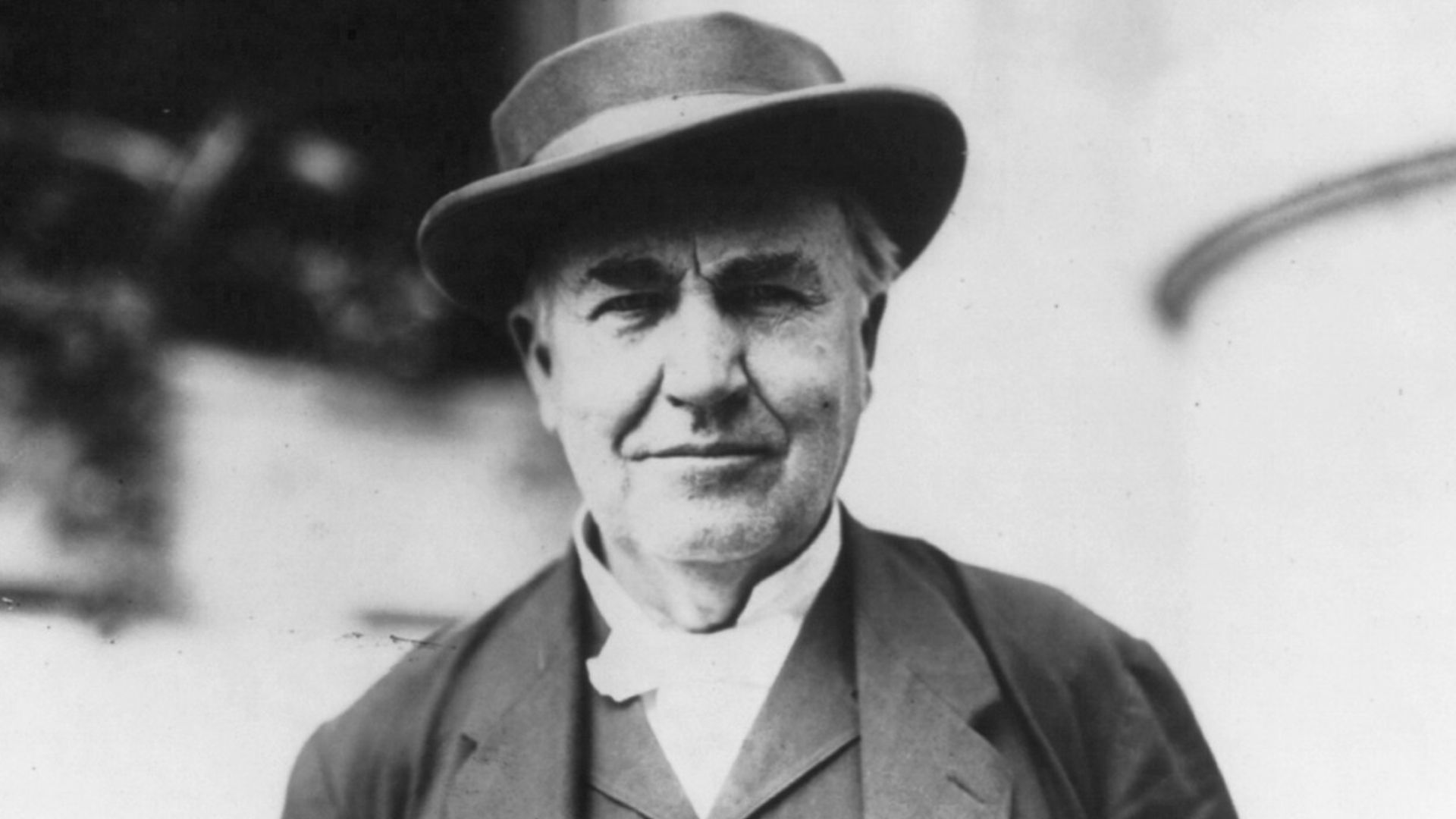 Miscellaneous Items in High Demand, PPOC, Library of Congress, Wikimedia Commons
You May Also Like:
Groundbreaking Facts About The Most Brilliant Women In Science
When Science Accidentally Proved Old Folklore Was Right All Along











.jpg)
.jpg)
.jpg)