
Tomorrow Did Not Last Long
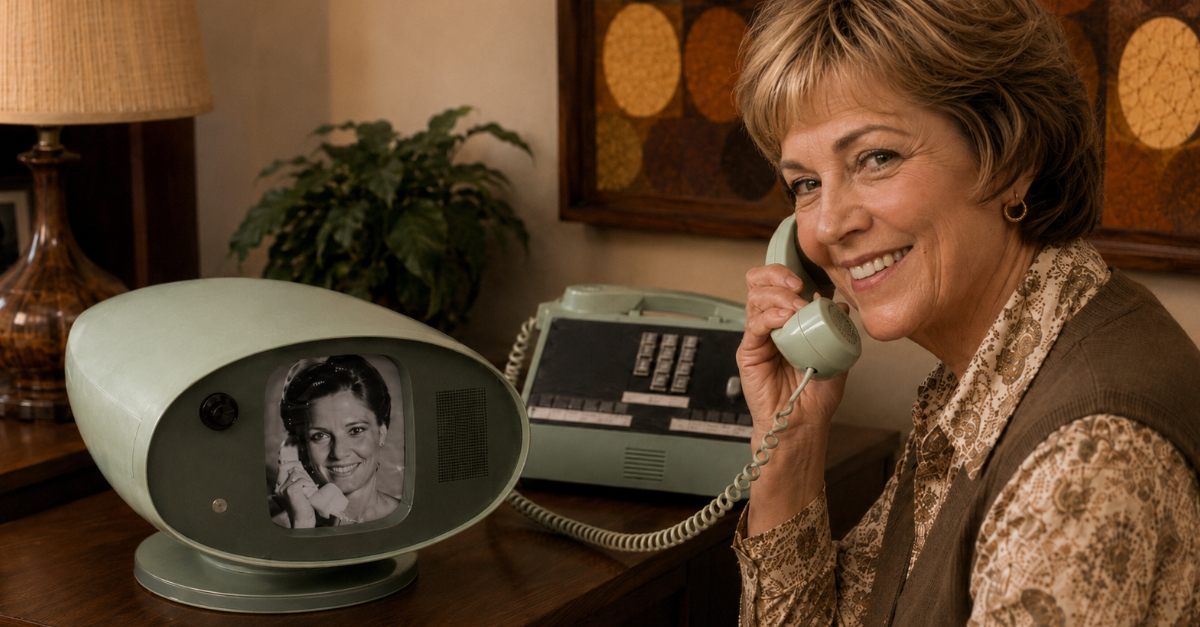
The 70s were obsessed with the future. Everything suddenly had buttons, blinking lights and advertising that made it sound like ordinary life was about to become unrecognizable. Some of those inventions really did seem astonishing. Then the 80s arrived...
Do you remember any of these things?
The Bell Picturephone
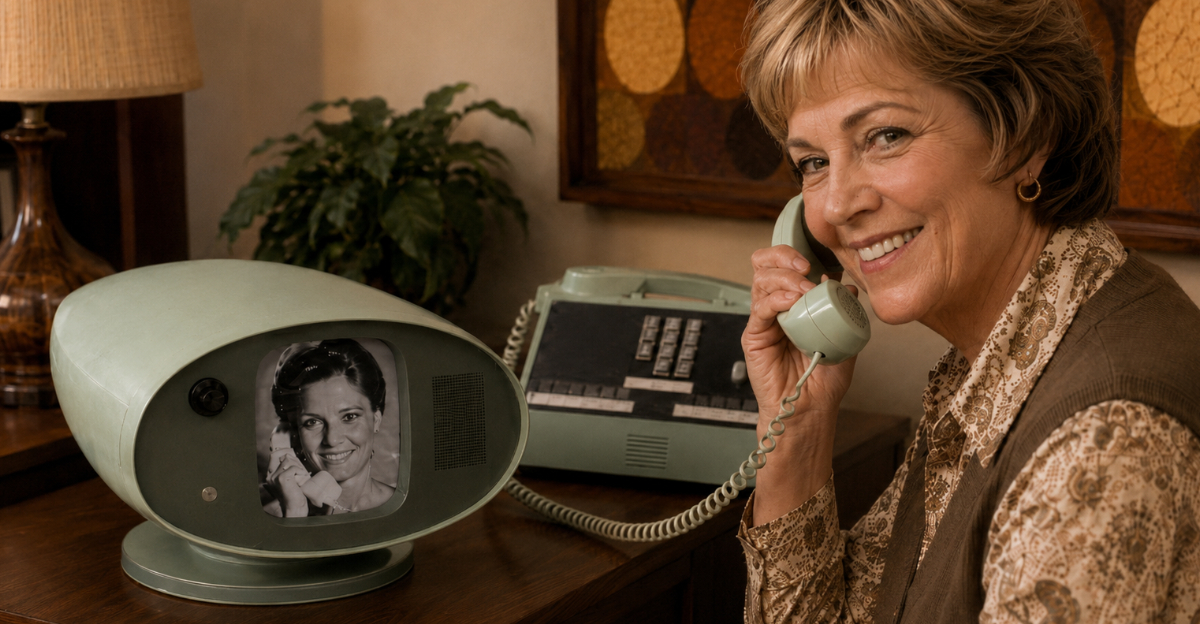
AT&T introduced commercial Picturephone service in Pittsburgh in 1970 and confidently predicted that one million sets would be operating by 1980. Instead, the machines were bulky, the service was expensive and many potential customers found the entire idea strangely intrusive. Sound familiar?
The Presto Hot Dogger
Sold during the early 70s, the Presto Hot Dogger cooked several hot dogs by sending electricity through metal prongs inserted into each end. It was fast, convenient and looked like something dreamed up by a kitchen-appliance engineer having a very strange afternoon. Somehow, it never became a permanent fixture on the kitchen counter.

The CitiCar
With gasoline shortages frightening drivers, the tiny electric CitiCar looked remarkably sensible in 1974. It was designed for short urban trips and shaped a little like a golf cart that had witnessed Star Wars. CitiCar production ended in 1977, although the similar Comuta-Car briefly continued into the early 80s.
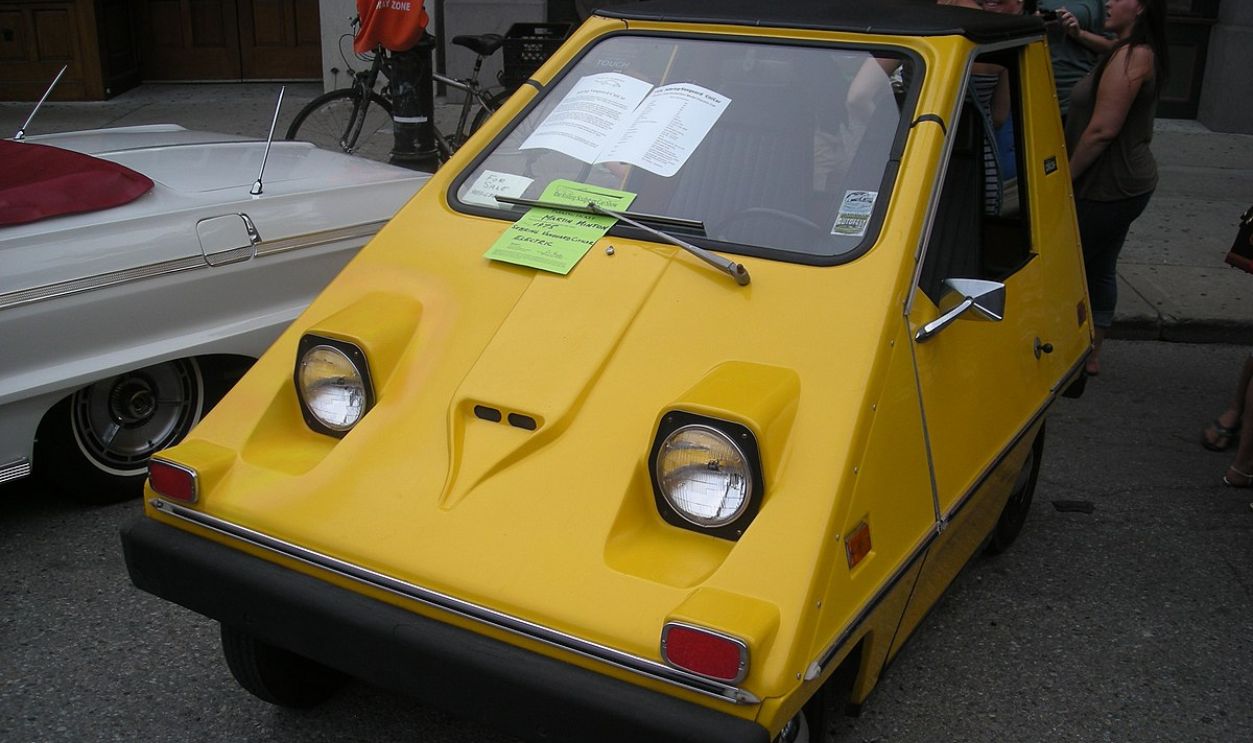 Michael Barera, CC BY-SA 4.0, Wikimedia Commons
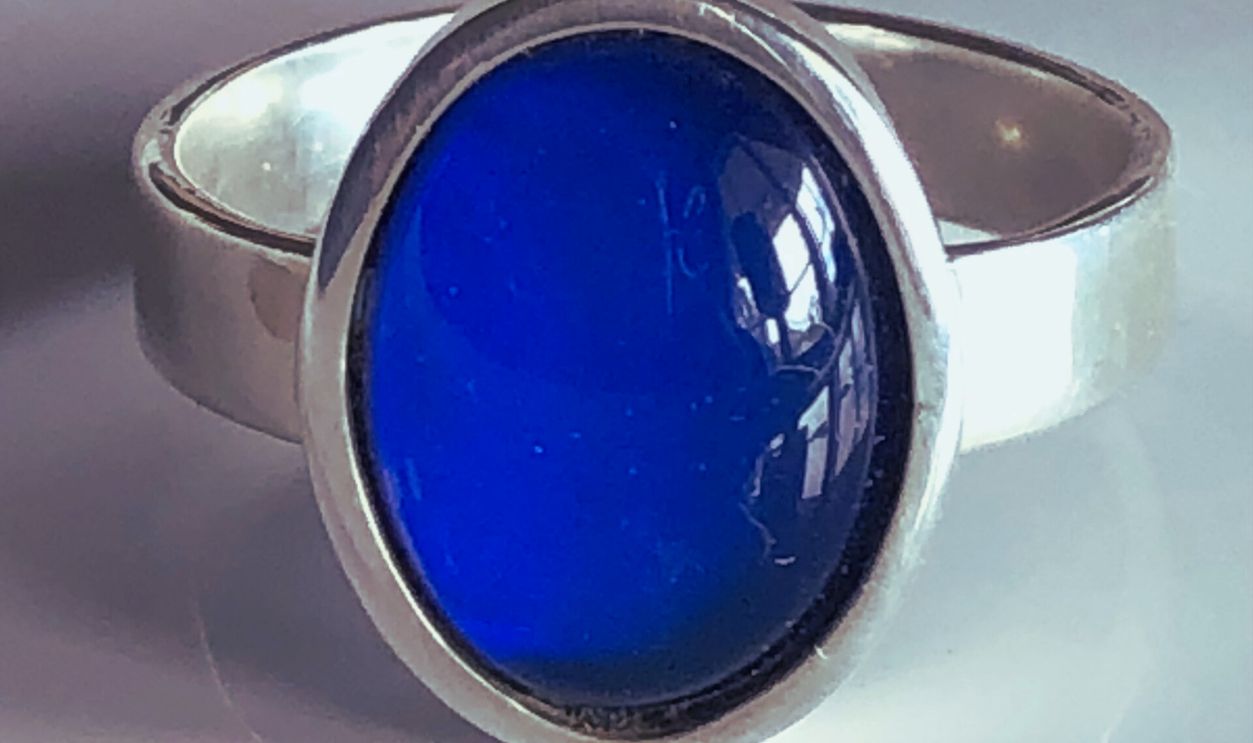
Mood Rings
Mood rings arrived in 1975 with temperature-sensitive liquid crystals that supposedly revealed the wearer’s emotional state. Sales exploded, cheap copies flooded the market and demand collapsed almost as quickly. Before 1975 was even over, the ring that could allegedly read your feelings was probably sensing disappointment.
Polaroid Polavision
Polaroid promised families instant home movies with Polavision in 1977. Unfortunately, each cartridge held less than three minutes of silent footage, could not be erased and offered disappointing image quality. The system was discontinued in 1979, meaning the future lasted roughly as long as one of its movies.
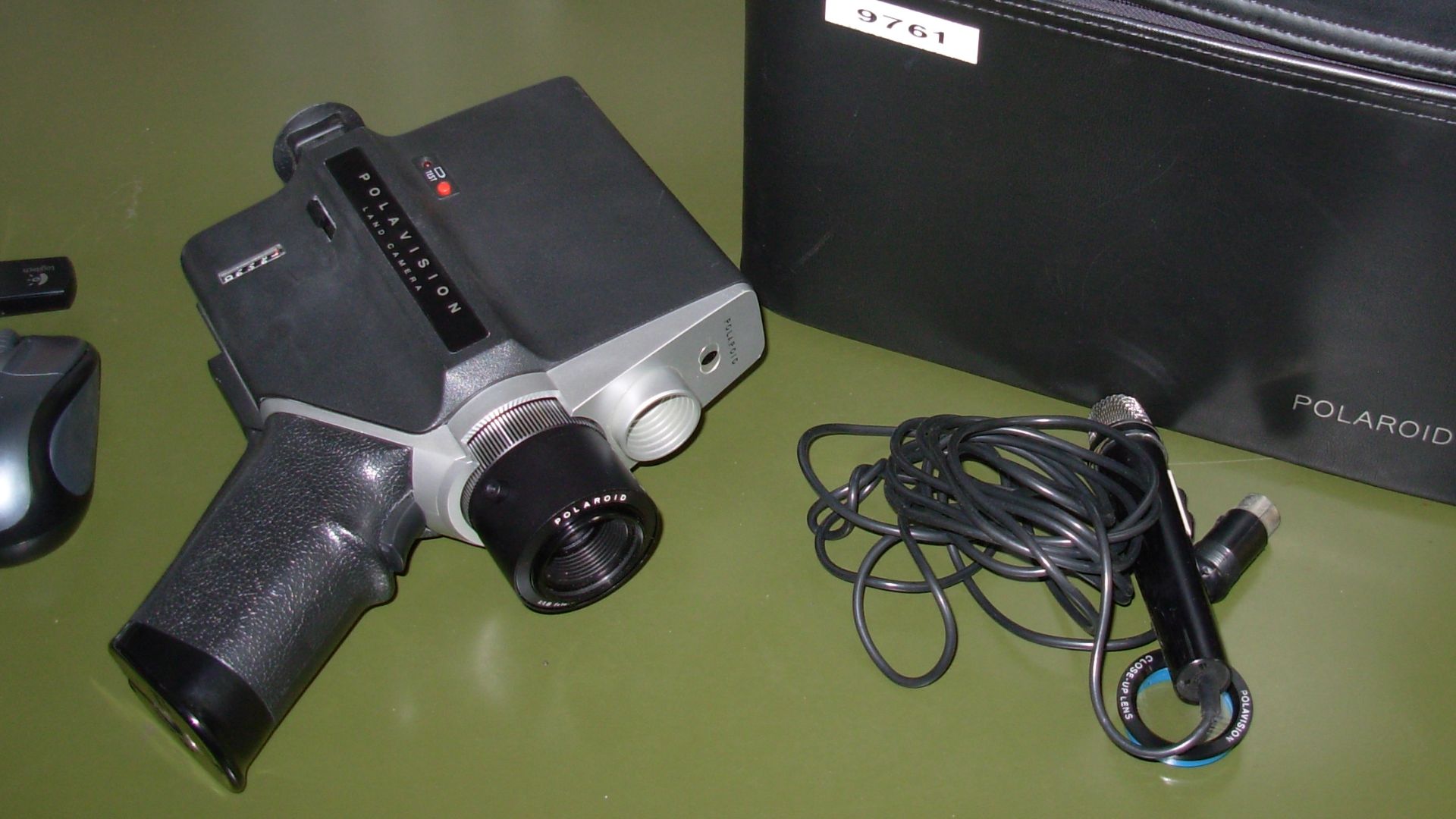 Polaroid Corporation (progettista), Wikimedia Commons
The Venturo House
Designed in 1971, the Venturo was a portable prefabricated house made from fiberglass-reinforced plastic. It looked like a moon base had landed beside the family station wagon. The oil crisis disrupted plans for international mass production, and Polykem manufactured only 19 in Finland, although licensed versions may have been produced elsewhere.
 Bengt Oberger, Wikimedia Commons
Pulsar LED Watches
The Pulsar electronic watch arrived in 1972 looking like something issued to astronauts. Pressing a button illuminated glowing red numbers because displaying the time constantly drained the battery. Cheaper LCD watches soon offered always-visible displays, and the glamorous first generation of LED watches became yesterday’s future remarkably quickly.
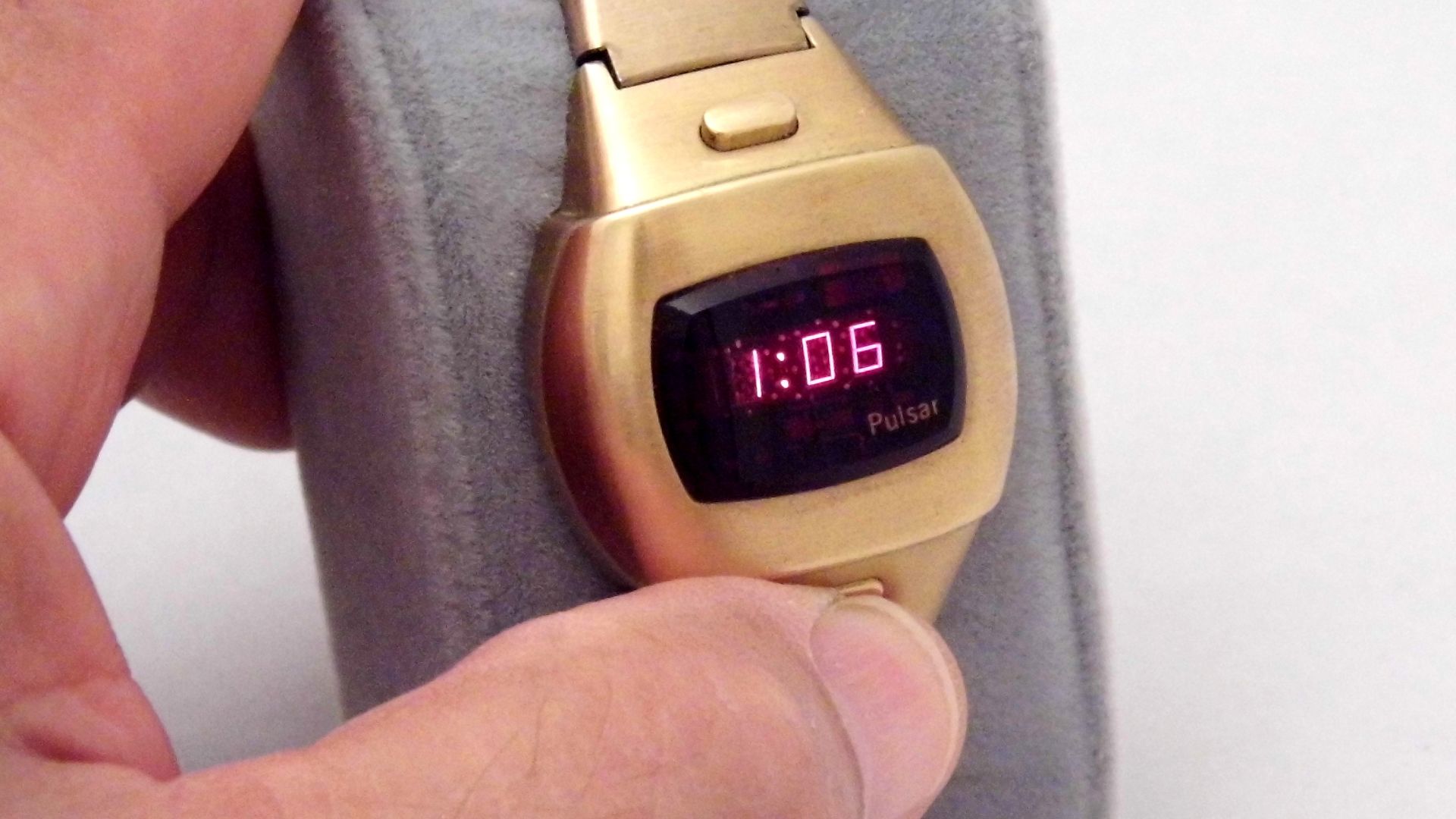 Joe Haupt from USA, Wikimedia Commons
Britain’s Hovertrain
Britain’s experimental hovertrain floated over an elevated concrete track on a cushion of air and was supposed to revolutionize long-distance travel. It reached 104 mph during testing, but government funding was cancelled in 1973. By 1975, its test track was being demolished and ordinary trains had won again.
 Ashley Dace , Wikimedia Commons
Cartrivision
Years before VHS rentals, Cartrivision let people record television and rent prerecorded movies. The catch was that its recorder came built into an expensive television, while rental tapes could not be rewound at home. Introduced at retail in 1972, Cartrivision stopped manufacturing machines just 13 months later.
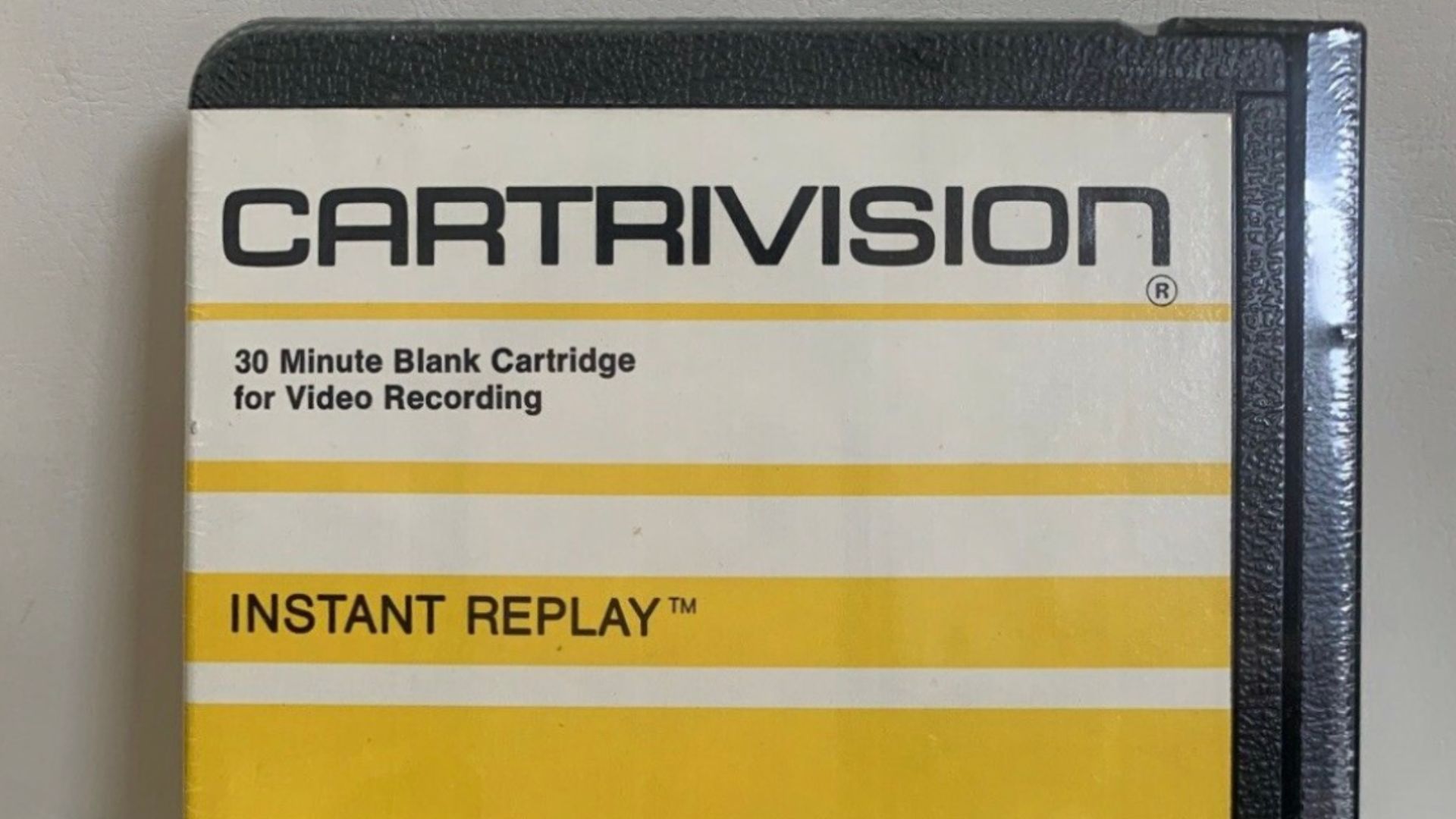 Retrosunshine2006, Wikimedia Commons
The Bricklin SV-1
The Bricklin SV-1 offered gull-wing doors, impact-absorbing bumpers and brightly colored acrylic body panels. It was promoted as a futuristic safety vehicle, although the heavy powered doors occasionally created problems of their own. Production ended after fewer than 3,000 cars, leaving Canada with one extremely expensive automotive souvenir.
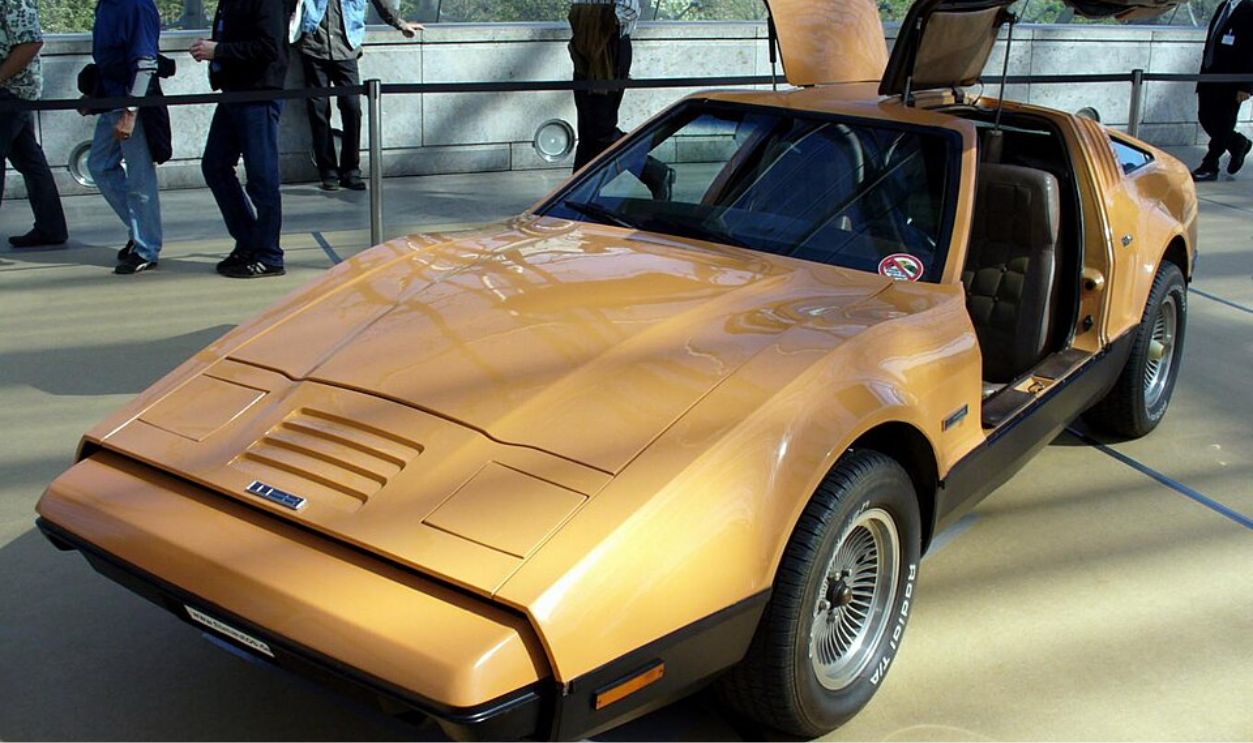 Thomas doerfer, Wikimedia Commons
Quadraphonic Sound
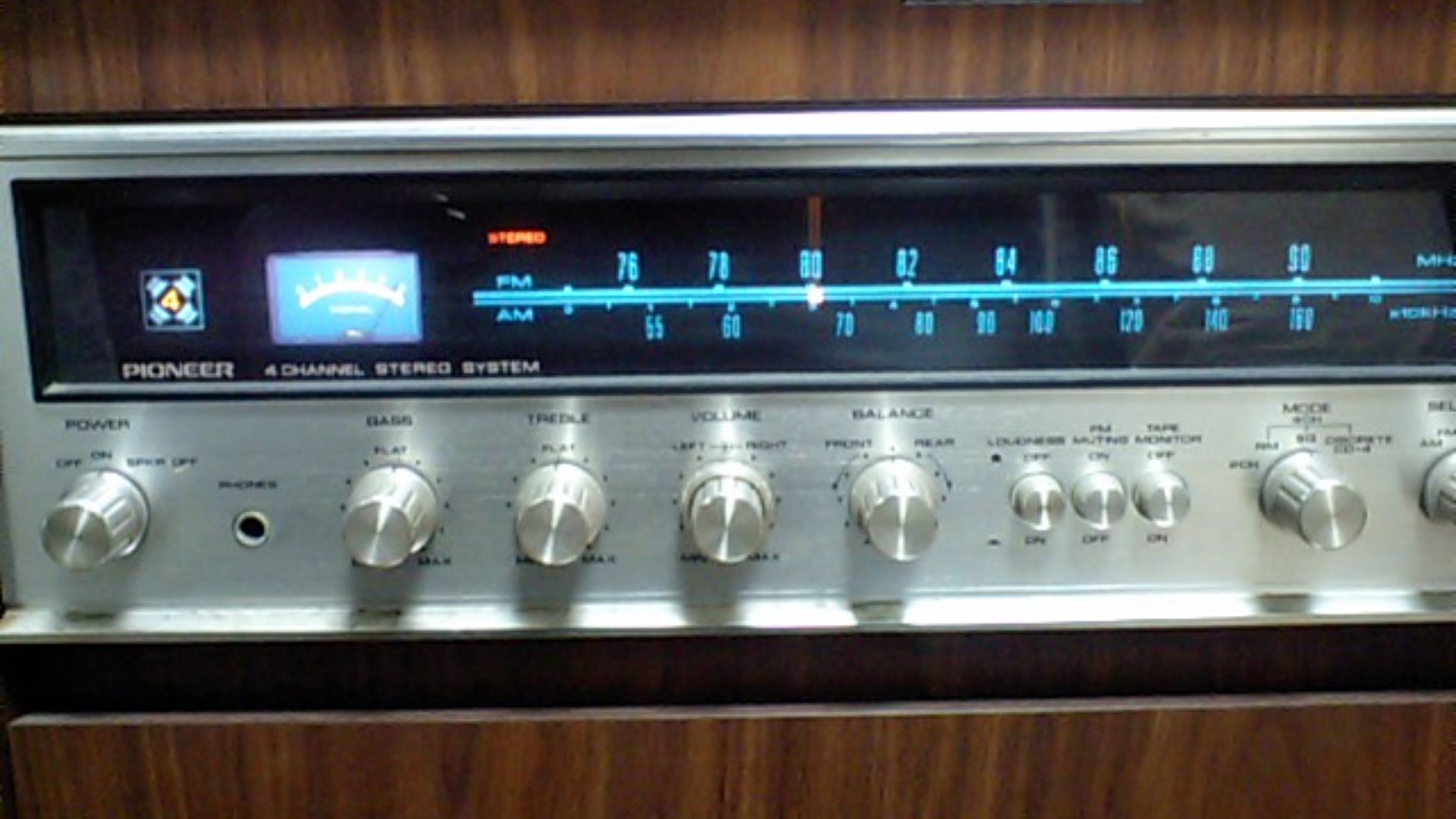
Stereo apparently was not futuristic enough, so manufacturers began selling systems with four channels, four speakers and several incompatible formats. Consumers faced expensive equipment and confusing choices over which records worked with which decoder. Quadraphonic sound faded before the 80s, only for surround sound to return later with fewer format headaches. Mostly.
The 2-XL Talking Robot
Introduced by Mego in 1978, 2-XL appeared to listen, ask questions and respond to a child’s answers. Inside, it was cleverly switching between tracks on special 8-track cartridges. The talking robot disappeared in 1981, although a new version briefly returned in the 90s using ordinary cassette tapes.
 PantheraLeo at English Wikipedia, Wikimedia Commons
The JVC Videosphere
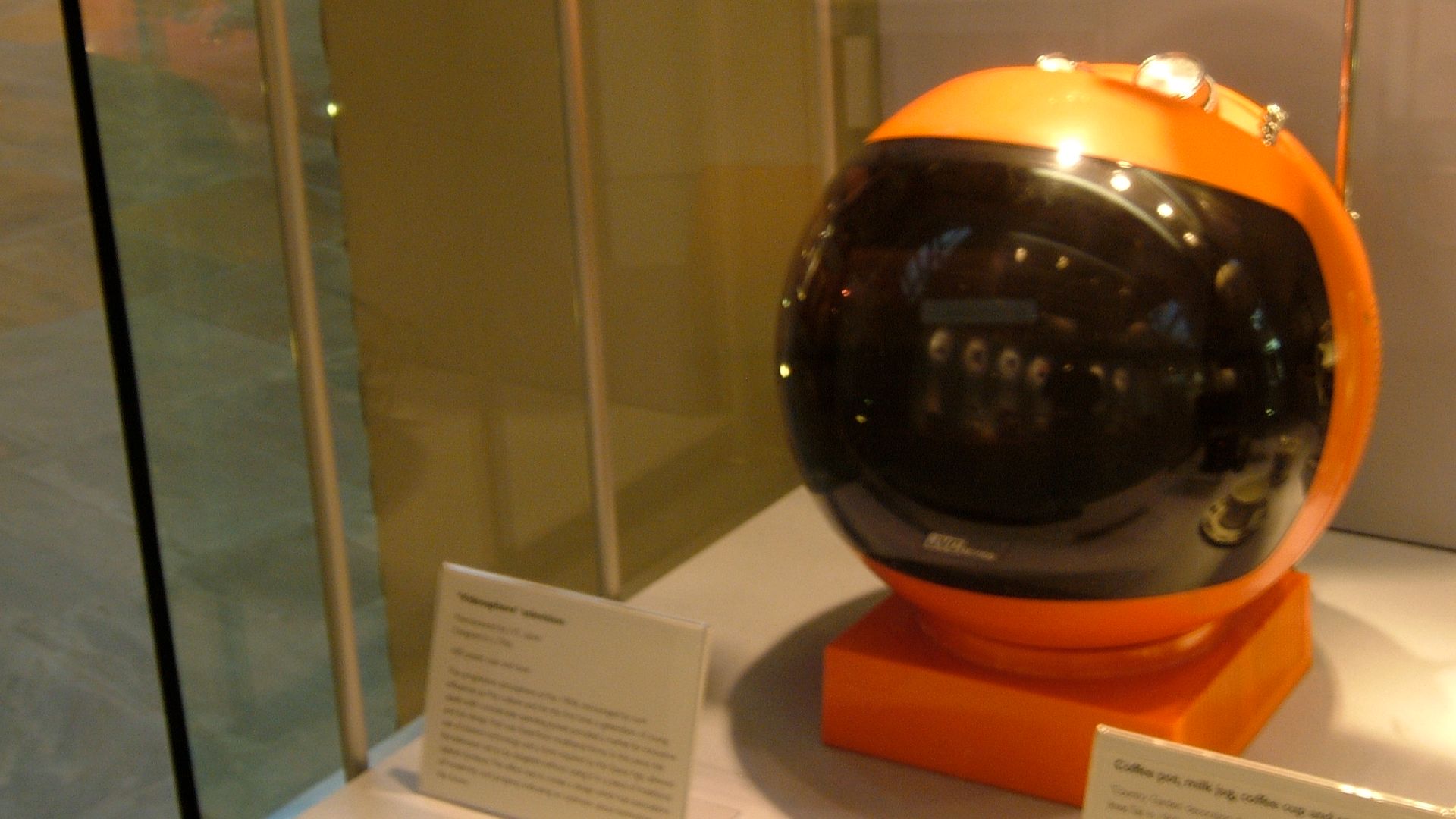
JVC’s Videosphere placed a black-and-white television inside a shell shaped like a space helmet. It even had a chain so owners could carry it or hang it from the ceiling. The set survived into the early 80s, but the future apparently preferred rectangular color televisions sitting firmly on furniture.
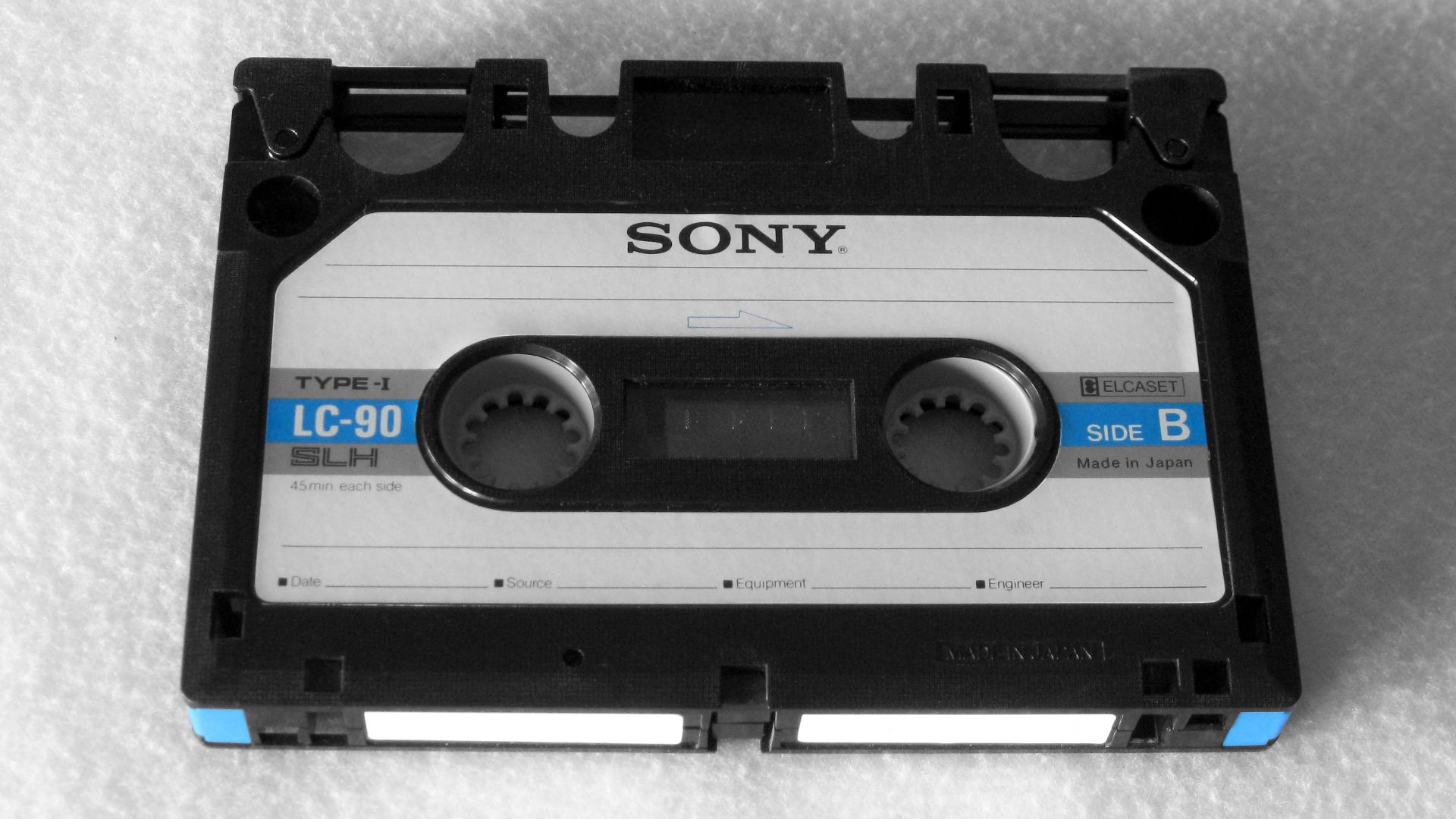
Sony Elcaset
Sony, Panasonic and Teac introduced Elcaset in 1976 as a combination of reel-to-reel sound quality and cassette convenience. The result was essentially a cassette that had eaten another cassette. It sounded excellent, but regular tapes kept improving while Elcaset remained bulky and expensive. The format was abandoned in 1980.
 Santeri Viinamäki, Wikimedia Commons
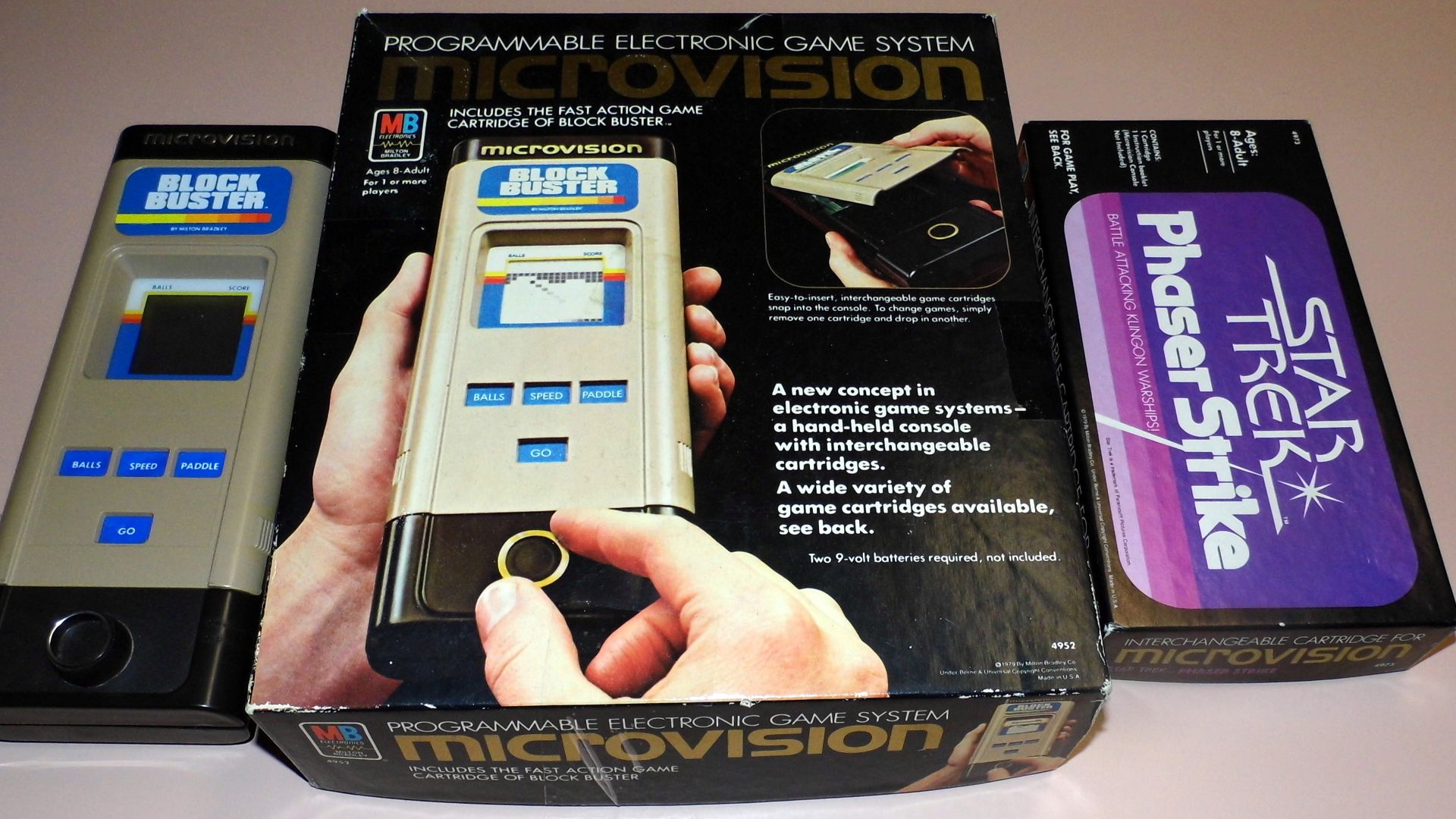
Milton Bradley Microvision
Released in 1979, Microvision was the first handheld game system with interchangeable cartridges—a decade before Nintendo’s Game Boy. Unfortunately, its tiny 16-by-16-pixel screen, small game selection and lack of support from established game companies helped end production in 1981. The idea was brilliant. The technology just needed another decade in the oven.
 Joe Haupt from USA, Wikimedia Commons
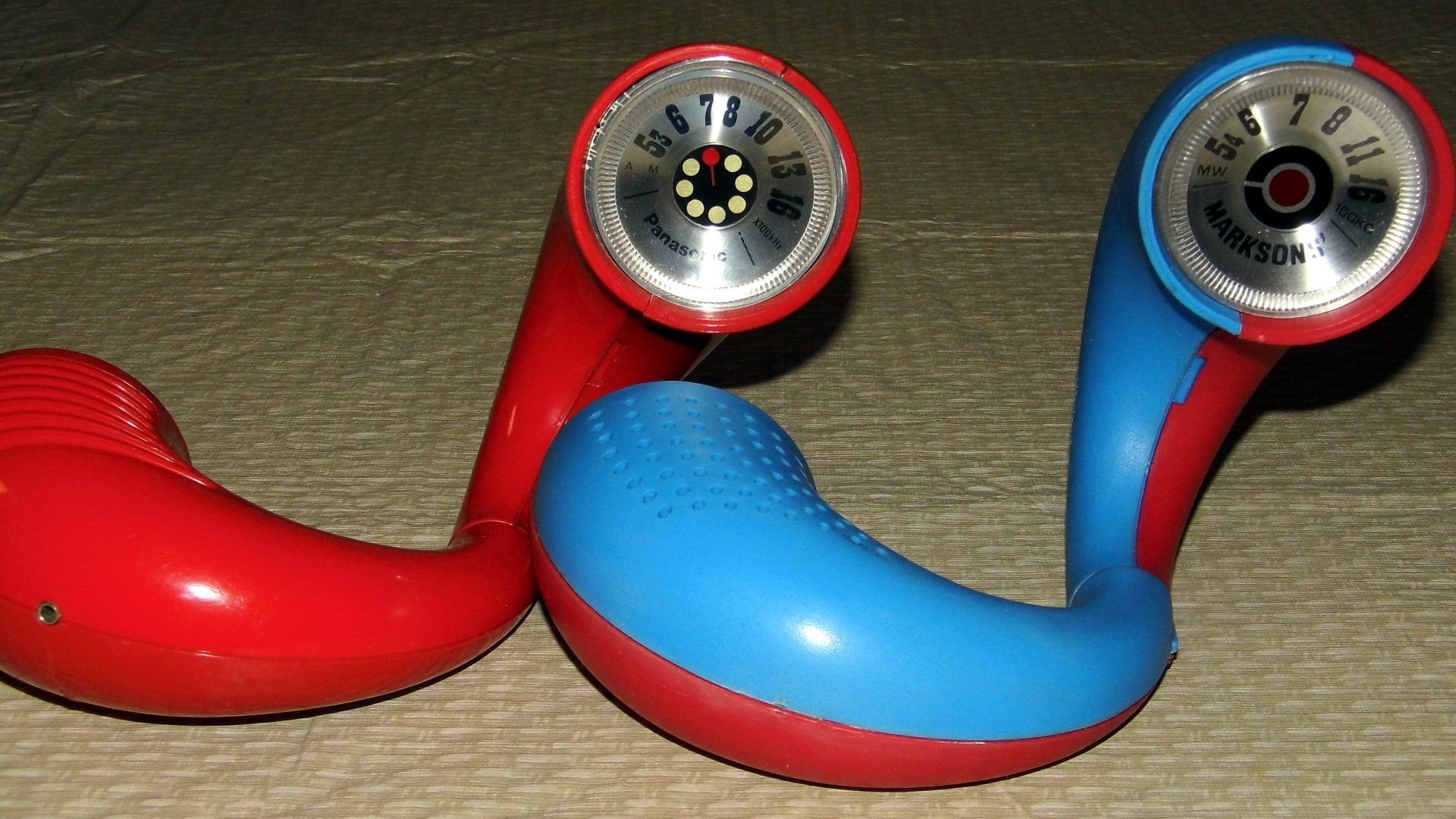
The Panasonic Toot-a-Loop Radio
Panasonic’s Toot-a-Loop twisted open into an S shape and could be slipped around the wrist like an enormous plastic bracelet. The colorful AM radio made wearable technology look both futuristic and slightly ridiculous. It eventually became a prized design collectible rather than the way everyone listened to the morning forecast.
 Joe Haupt from USA, Wikimedia Commons
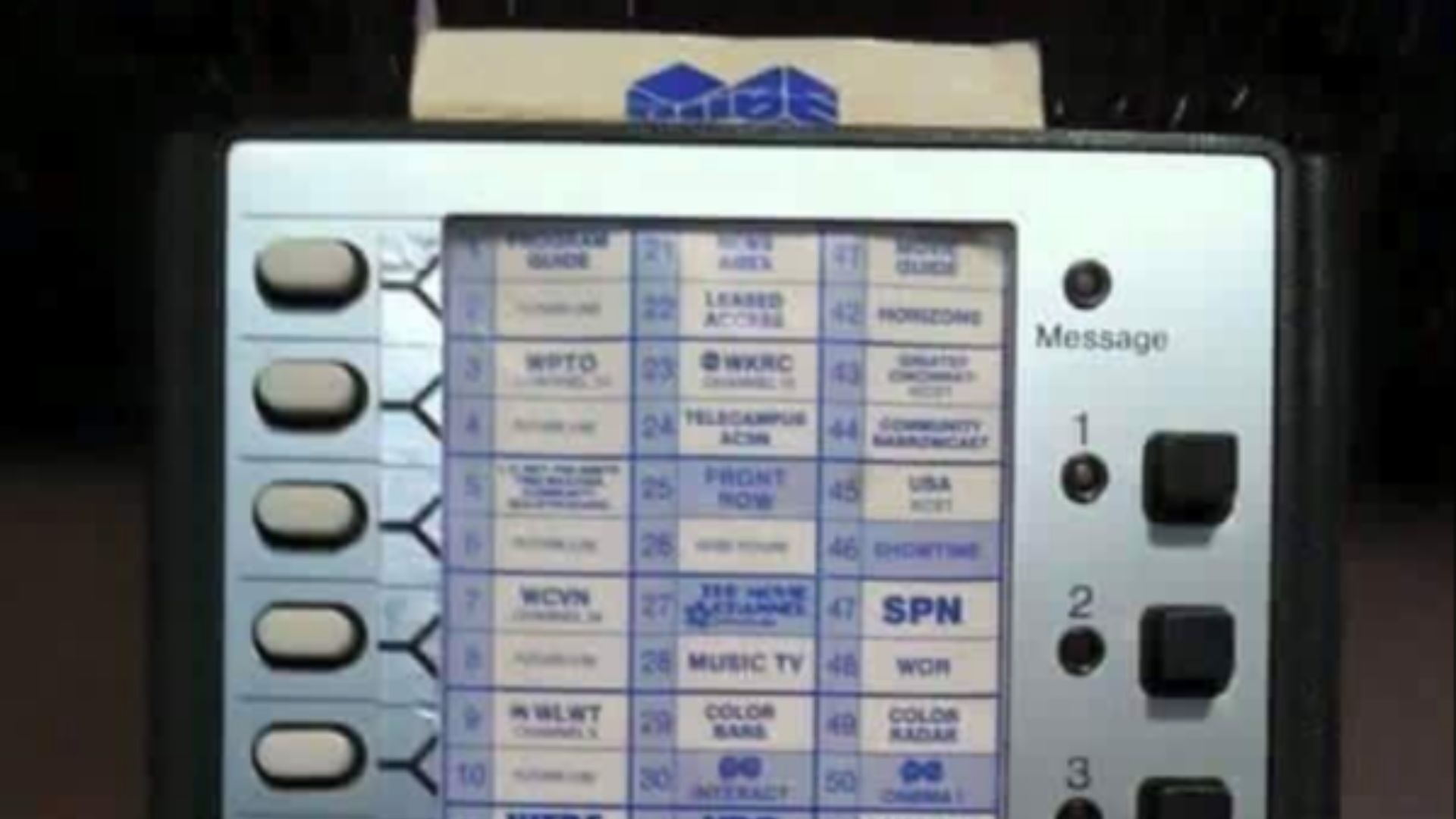
QUBE Interactive Television
Launched in Columbus, Ohio, in 1977, QUBE allowed viewers to order programs, answer questions and vote using buttons on a special remote. It predicted pay-per-view and interactive television remarkably well. Unfortunately, predicting the future and making money from it are two very different things. QUBE closed in 1984.
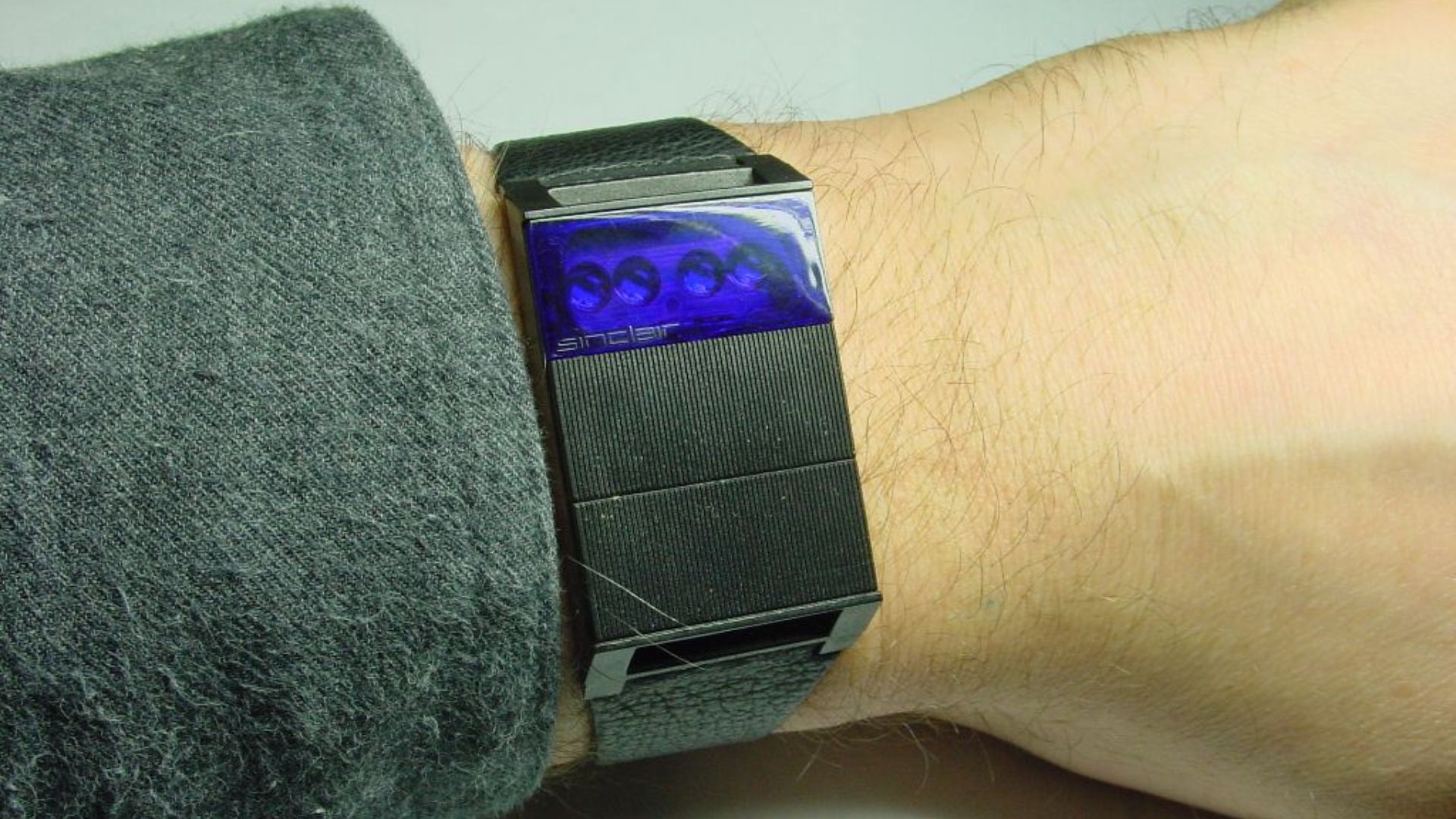
The Sinclair Black Watch
Sinclair’s 1975 Black Watch had no moving parts and displayed glowing red numbers when its case was pressed. It also suffered from short battery life, temperature-related inaccuracies and electronics vulnerable to static electricity. Returns overwhelmed the company so badly that repair work remained backlogged years after the watch disappeared.
The TeD Videodisc
Telefunken’s TeD system stored television programs on thin foil discs spinning at 1,500 rpm over a cushion of air. That sounded spectacularly advanced in 1975. Unfortunately, the discs initially held only around 10 minutes, while videocassettes offered longer recording and playback. By 1978, Telefunken had moved on to VHS.
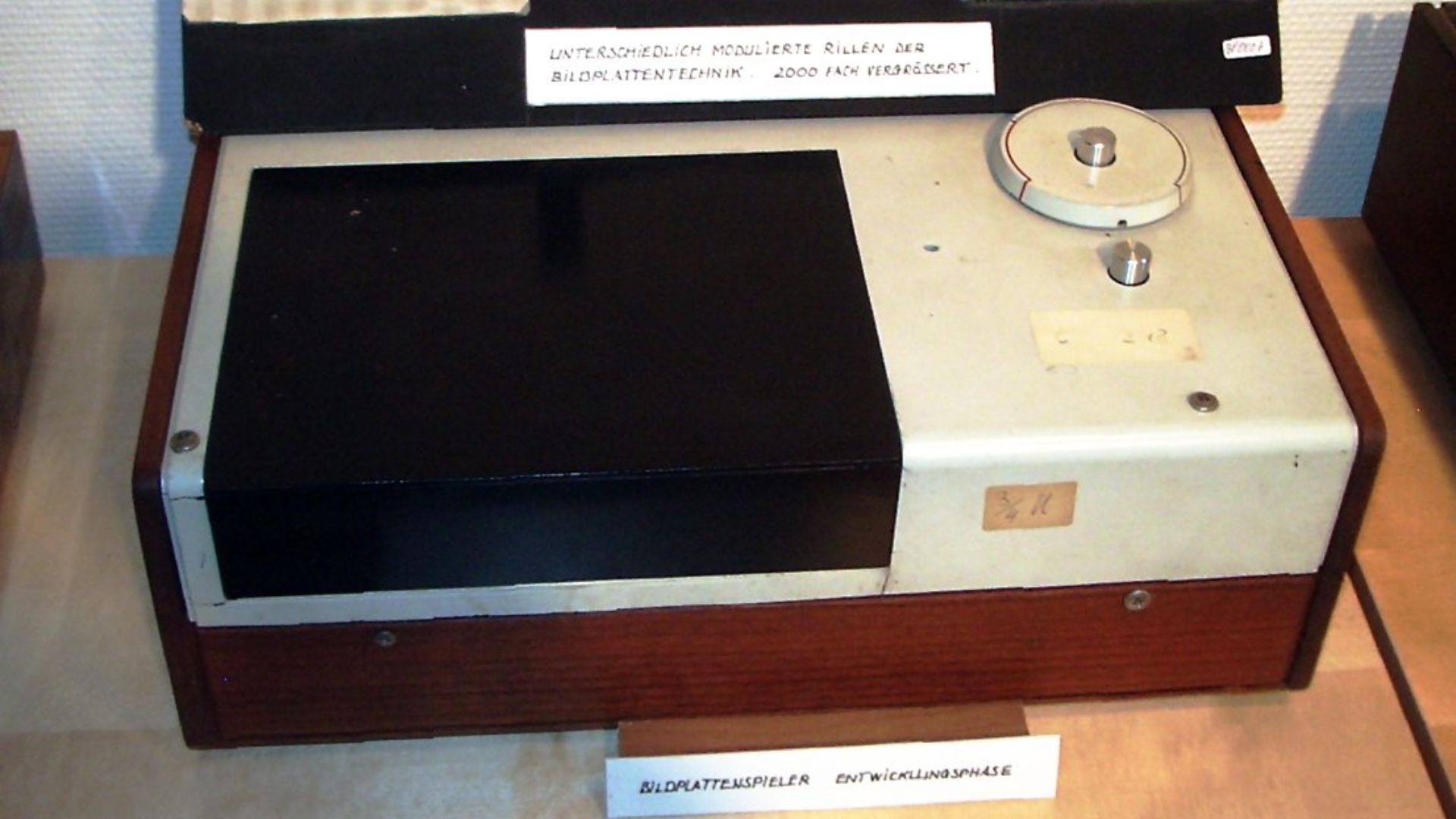 32bitmaschine, Wikimedia Commons
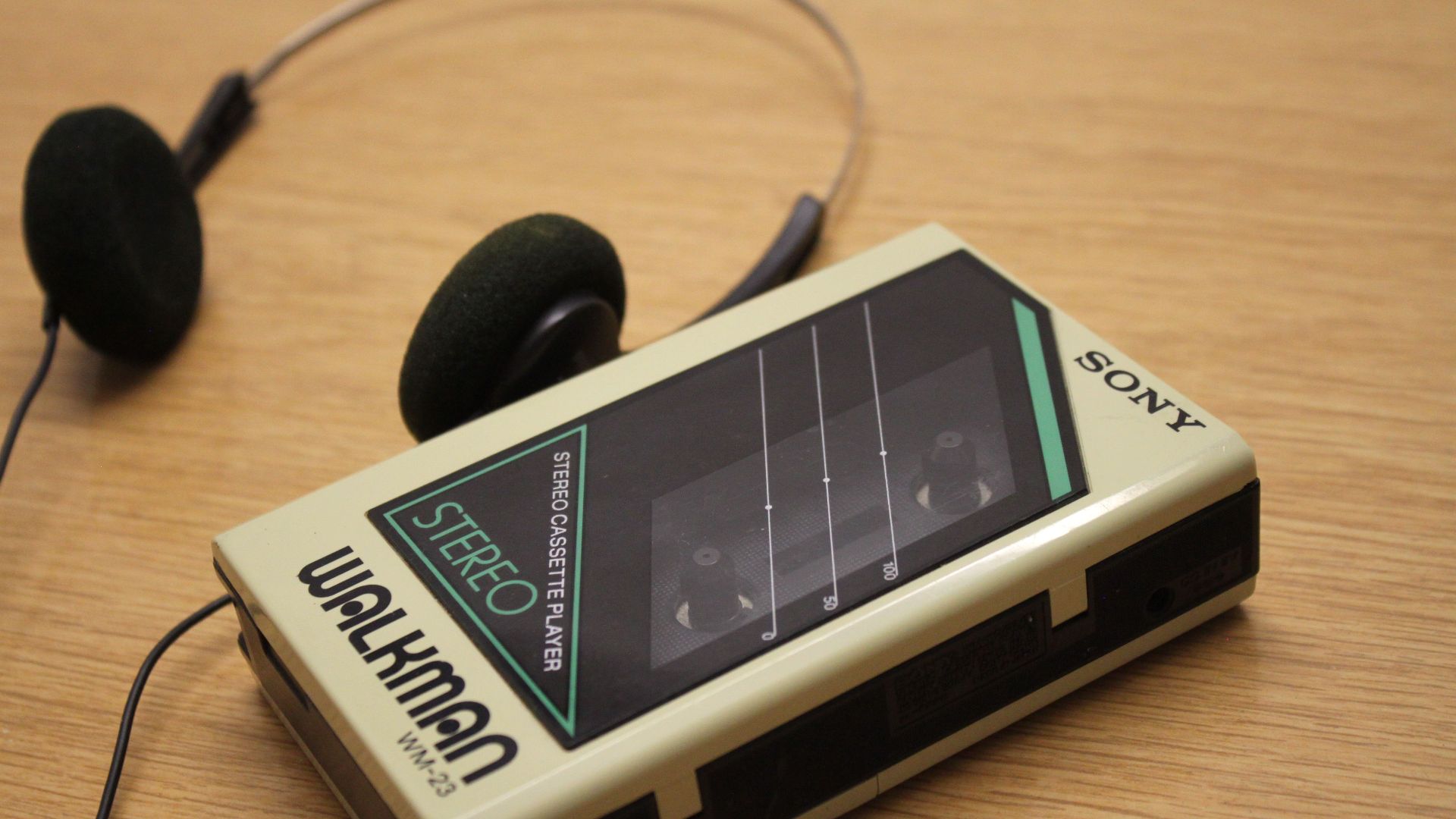
The Bone Fone
Introduced in 1979, the Bone Fone was a radio worn around the neck like a padded scarf. Advertising claimed the sound resonated through the wearer’s bones, while the unusual design left both hands free. Unfortunately for the Bone Fone, Sony’s far more practical Walkman arrived almost immediately—and wearing the radio suddenly seemed much less futuristic.
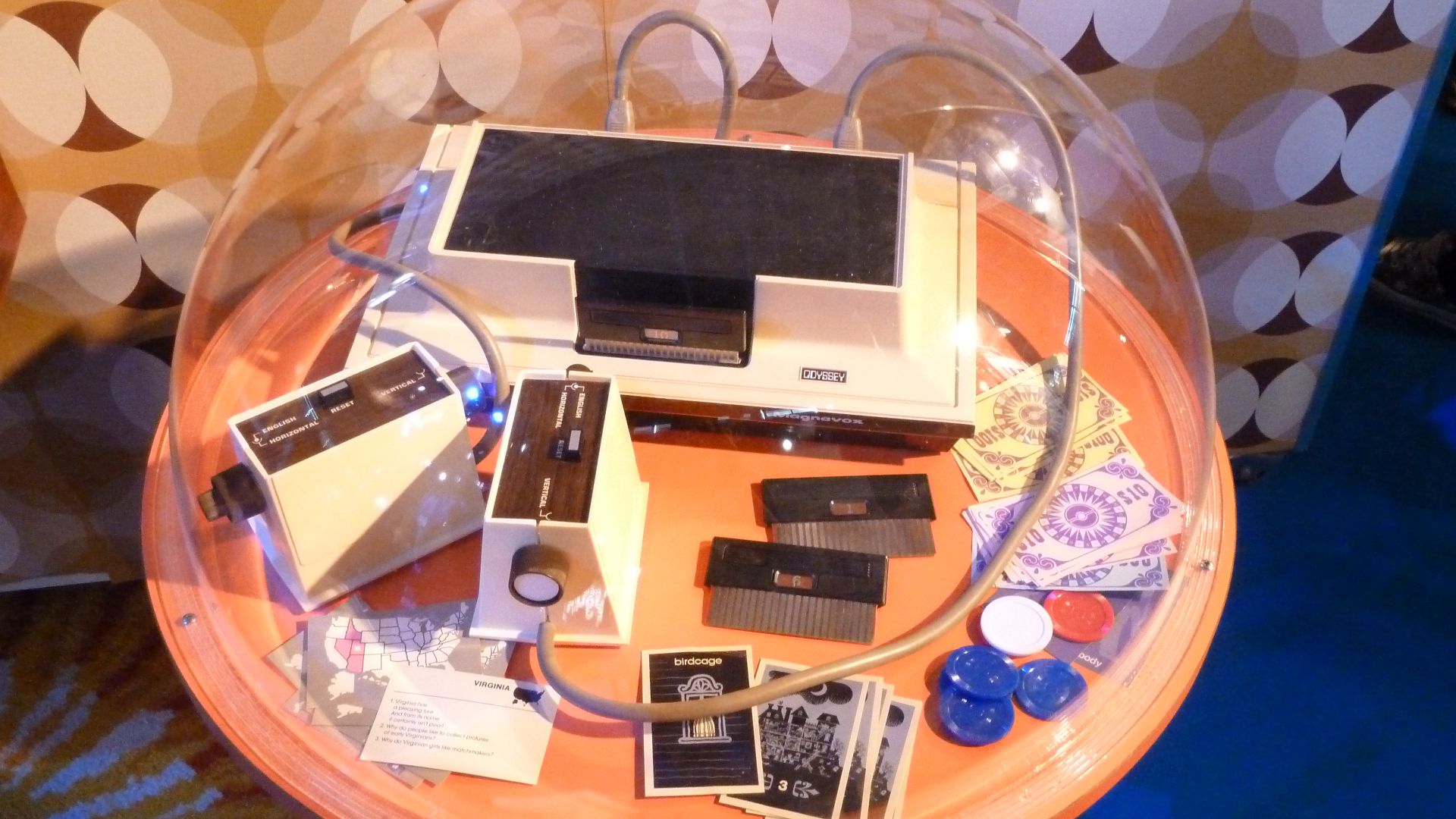
The Magnavox Odyssey
The Magnavox Odyssey arrived in 1972 as the first commercial home video-game console. It produced a few simple dots and required plastic screen overlays, cards and considerable imagination. Production ended in 1975, although the enormous industry it helped create was only beginning to warm up.
MCA DiscoVision
DiscoVision brought laser-read movies into homes in 1978, years before DVDs made shiny movie discs ordinary. The early players were expensive and many discs suffered from manufacturing problems. MCA began abandoning the DiscoVision branding in 1981, although the underlying technology survived after Pioneer developed it into the much better-known LaserDisc format.
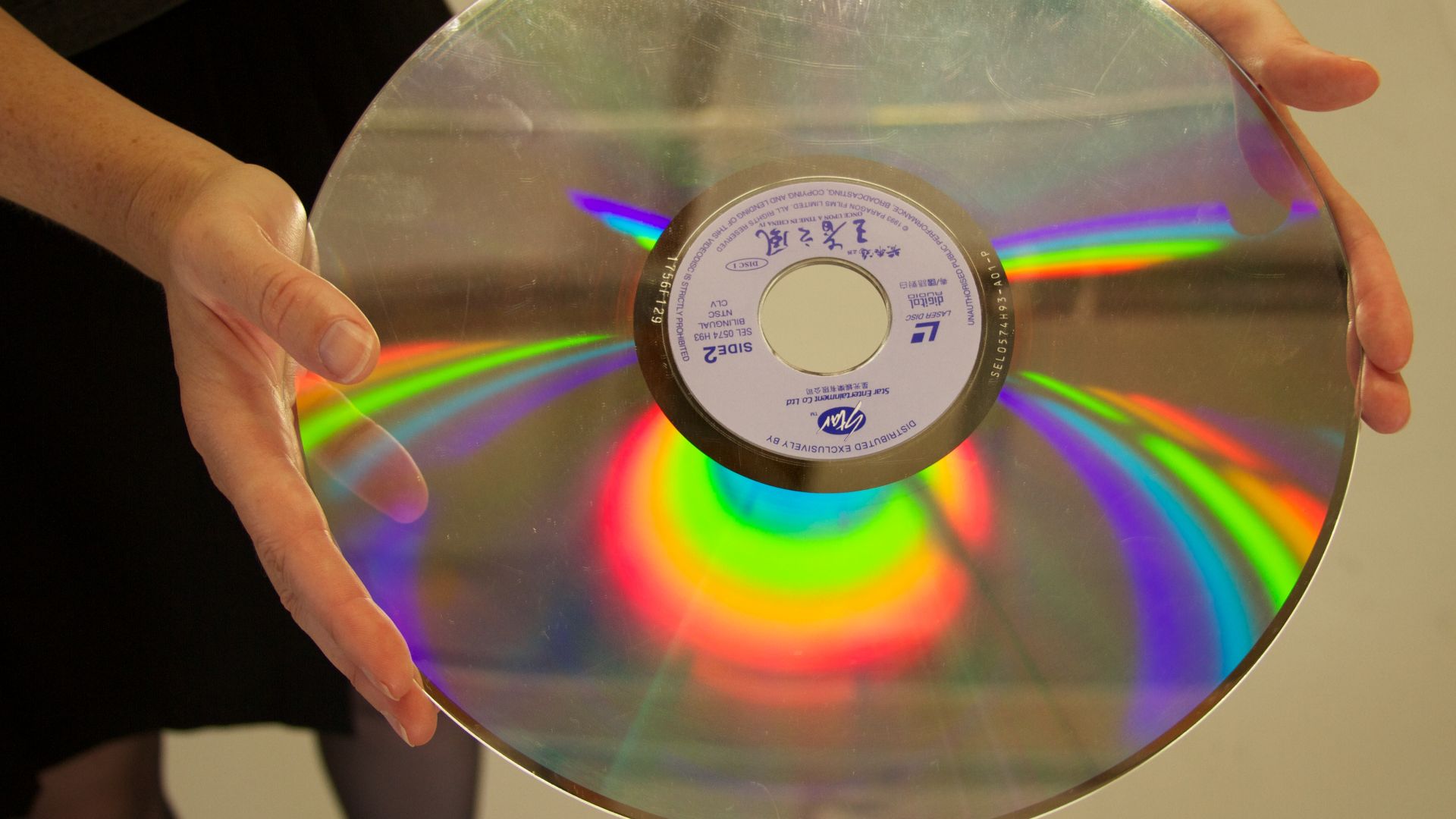 Windell Oskay, Wikimedia Commons
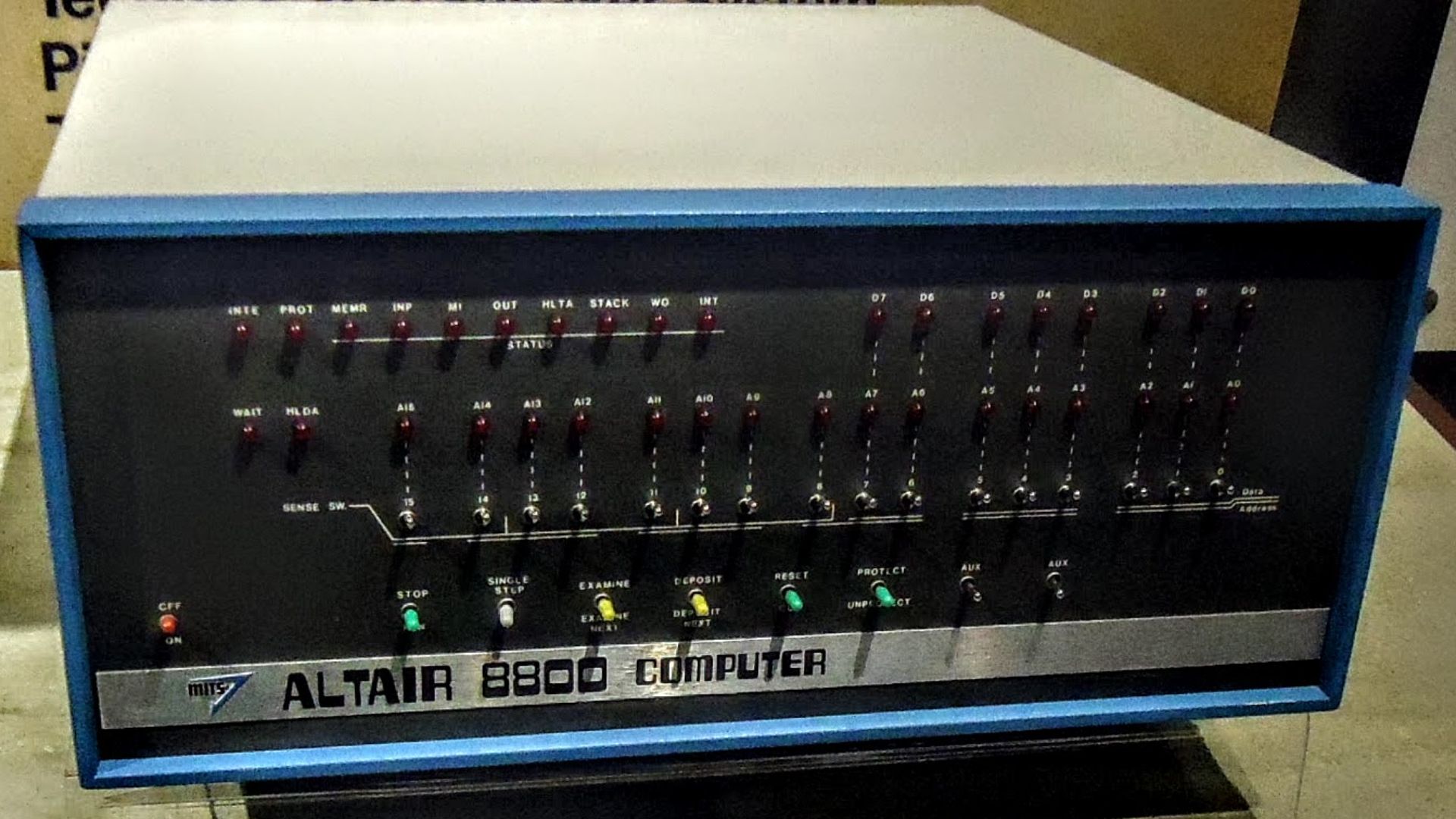
The Altair 8800
The Altair 8800 helped ignite the personal-computer revolution after appearing on the cover of Popular Electronics in 1975. It also arrived without a conventional keyboard or monitor, requiring owners to enter instructions through switches. By the 80s, home computers had become far friendlier—and the Altair belonged to history.
The Kodak Digital Camera
Kodak engineer Steve Sasson created the first self-contained digital camera in 1975. It weighed eight pounds, recorded black-and-white images onto cassette tape and took 23 seconds to save each photograph. Kodak had effectively built the future decades early. The prototype was never sold to the public, however, and practical digital cameras remained years away.
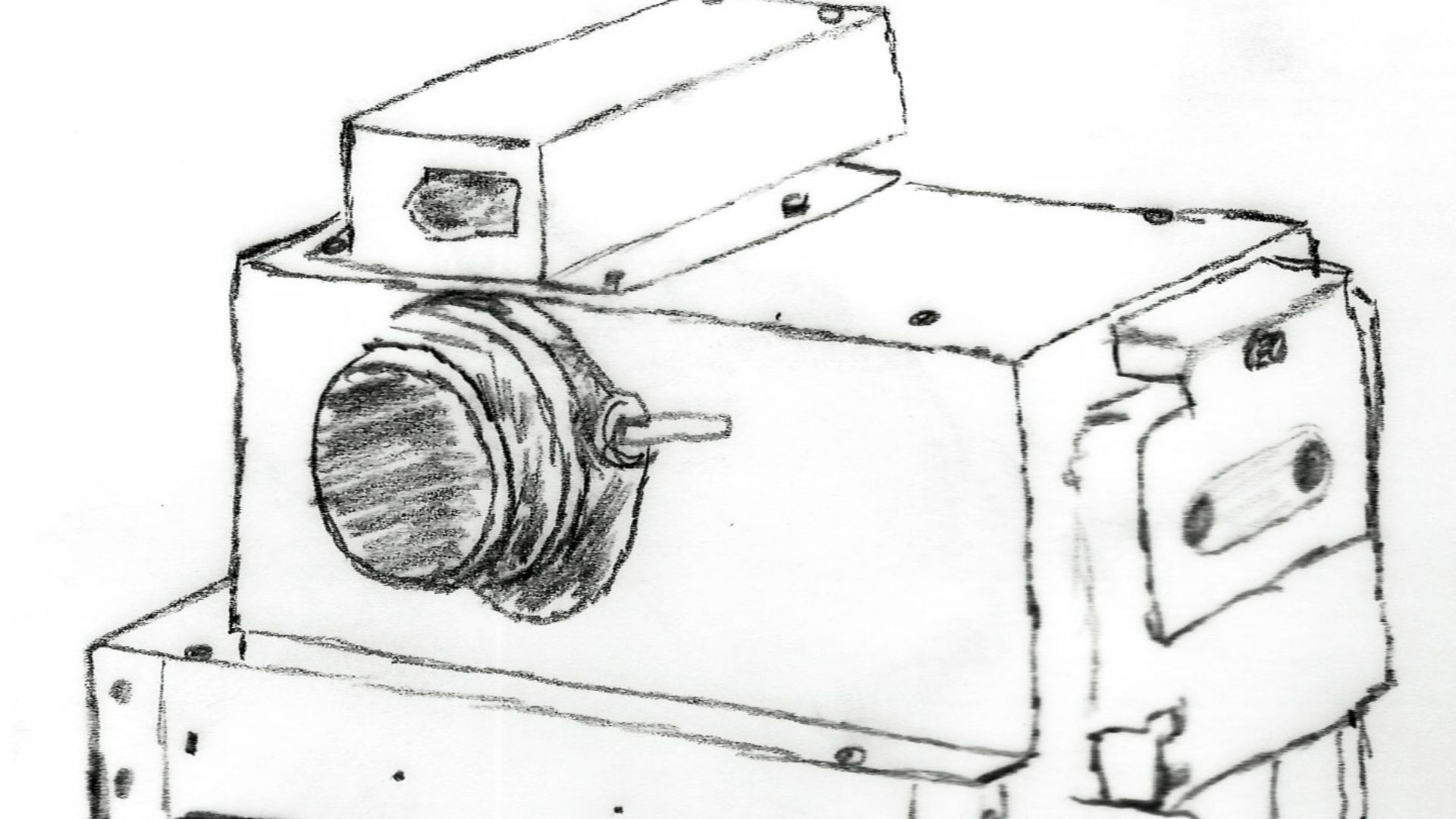 Bertrand Labévue, Wikimedia Commons
Yesterday’s Tomorrow
Most of these inventions did not disappear because their central ideas were ridiculous. Many were simply too expensive, too complicated or years ahead of the technology needed to make them useful. The 70s had correctly imagined much of the future. Unfortunately, that future needed smaller parts, lower prices and far fewer household objects shaped like space helmets.
You Might Also Like:
Modern Conveniences That People Fiercely Opposed When They Were Introduced
The Bizarre Inventions People Thought Would Change The World










.jpg)
