

When Tomorrow Looked Really Weird
Human history is full of inventors who were absolutely convinced they had created the next big thing. While many of these inventions were undeniably creative, they never quite delivered on their world-changing promises. Here are 20 of the strangest inventions that once seemed destined to transform society.
 Radio-Electronics staff, Avery Slack photographer, Wikimedia Commons
The Dymaxion Car
Designed by Buckminster Fuller in 1933, the Dymaxion Car looked unlike anything on the road. The three-wheeled vehicle could carry up to 11 passengers and was designed to be aerodynamic long before that became fashionable. Fuller believed it represented a step toward future flying cars. Despite impressive speed and fuel-efficiency claims, handling problems and safety concerns prevented it from becoming a commercial success.
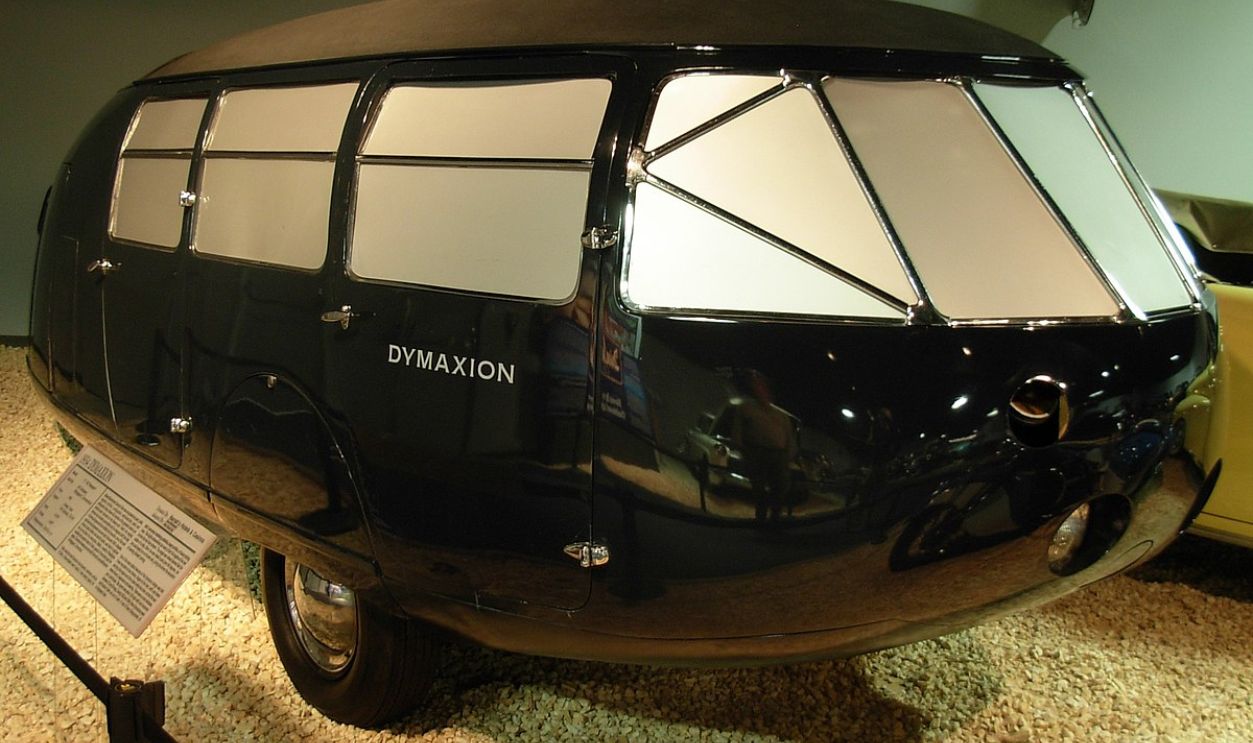 brewbooks from near Seattle, USA, CC BY-SA 2.0, Wikimedia Commons
The Monowheel
For decades, inventors believed transportation could be simplified into a single giant wheel with the rider sitting inside it. Monowheels appeared throughout the late nineteenth and early twentieth centuries and were promoted as practical alternatives to automobiles. In reality, they were difficult to control and often uncomfortable to ride, making them more of a curiosity than a transportation revolution.
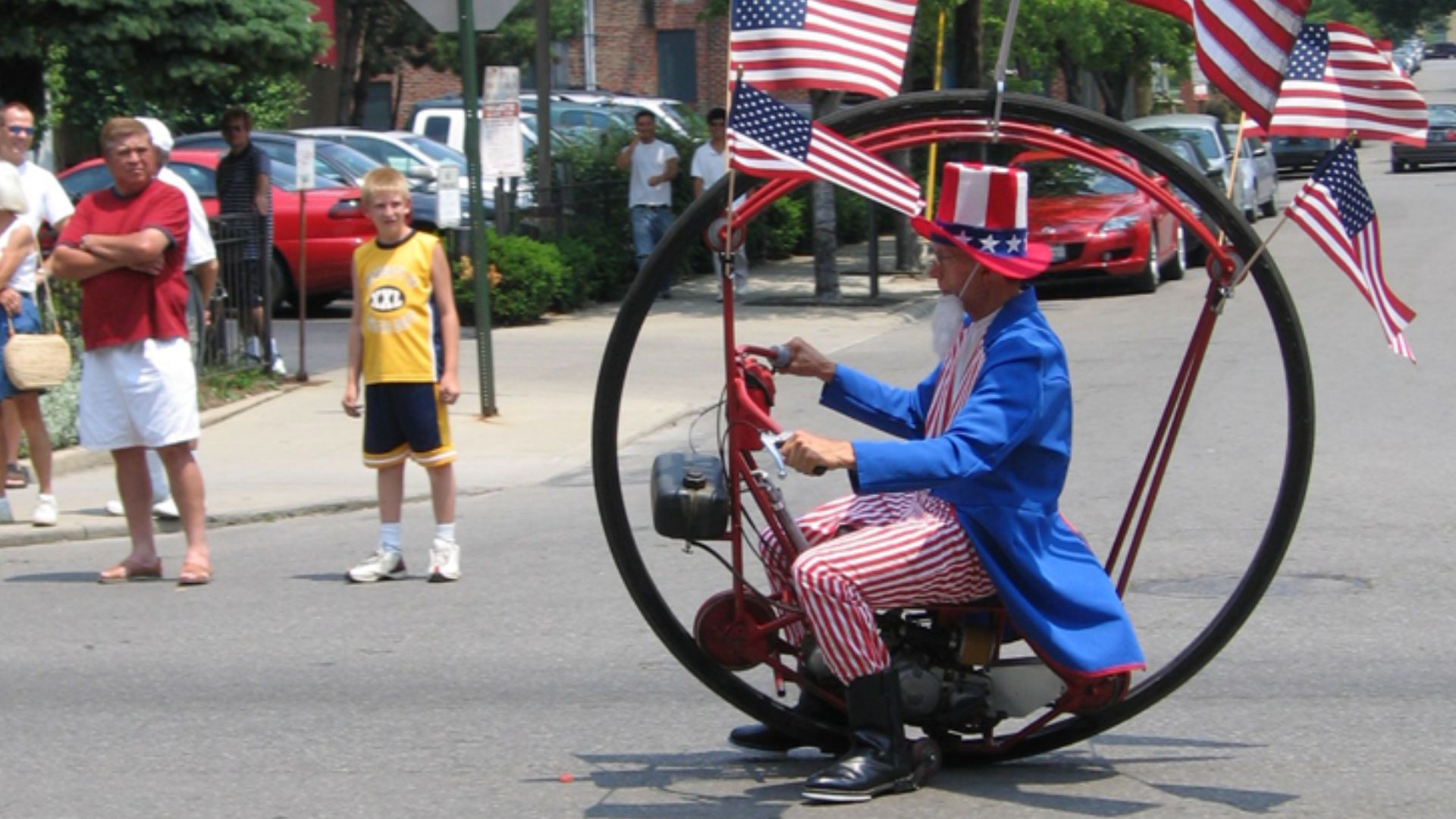 User:Postdlf, Wikimedia Commons
The Dymaxion House
Buckminster Fuller also envisioned a housing revolution. His Dymaxion House was a lightweight, factory-produced aluminum home designed to be shipped anywhere and assembled quickly. It featured innovative ideas about efficiency and resource conservation. Although prototypes were built, mass production never materialized, and the concept remained largely experimental.
 Marion Post Wolcott, Wikimedia Commons
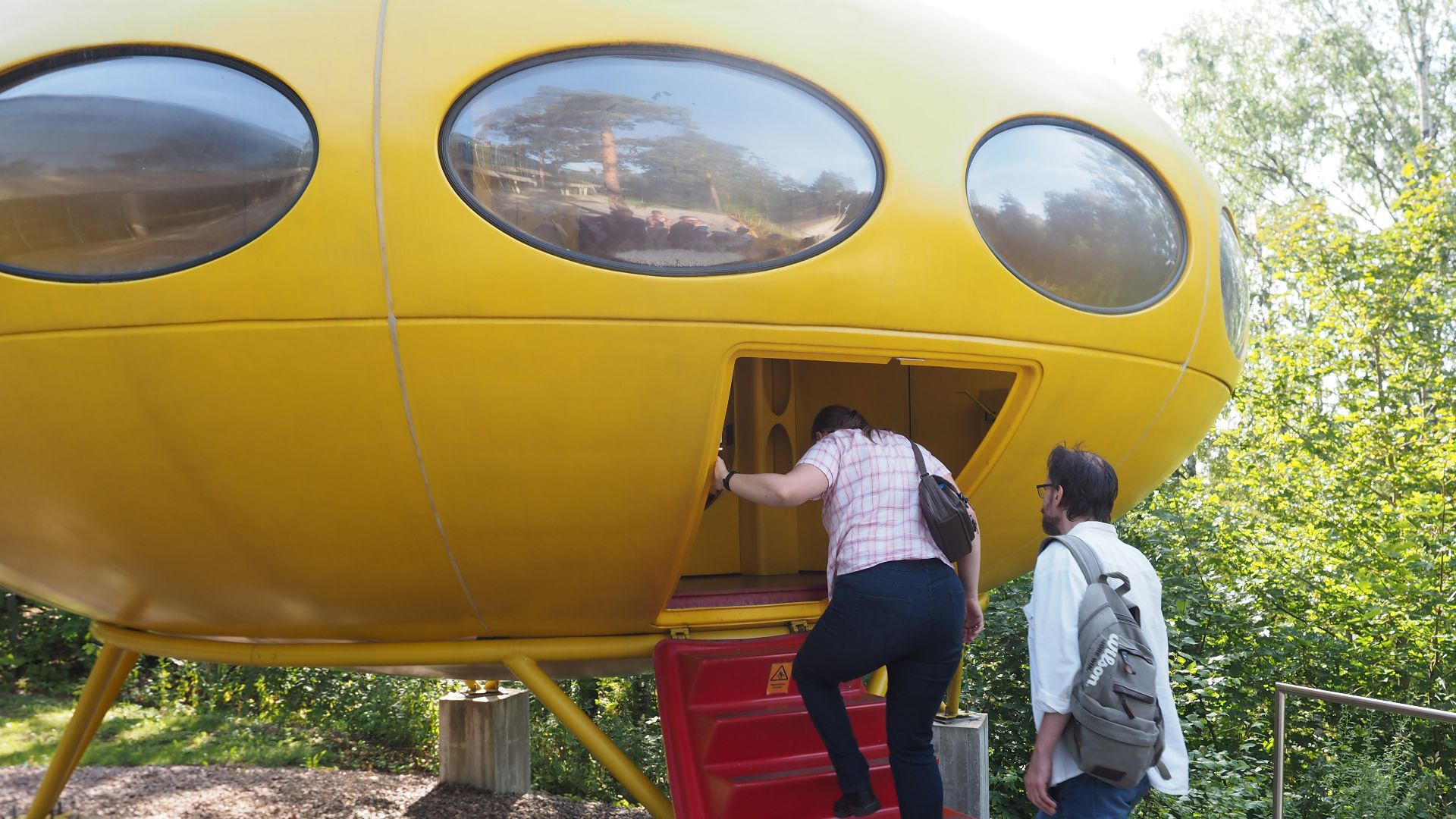
The Futuro House
Created by Finnish architect Matti Suuronen in the late 1960s, the Futuro House looked exactly like a flying saucer. Made from reinforced plastic, it was intended to be a portable vacation home that could be transported by helicopter. While its futuristic appearance attracted attention worldwide, high production costs and changing economic conditions limited its popularity.
The Segway
When the Segway debuted in 2001, some technology leaders predicted it would reshape cities and replace many short car trips. The self-balancing scooter was certainly innovative, but practical issues quickly emerged. It was too expensive for many consumers and did not fit comfortably into existing transportation infrastructure.
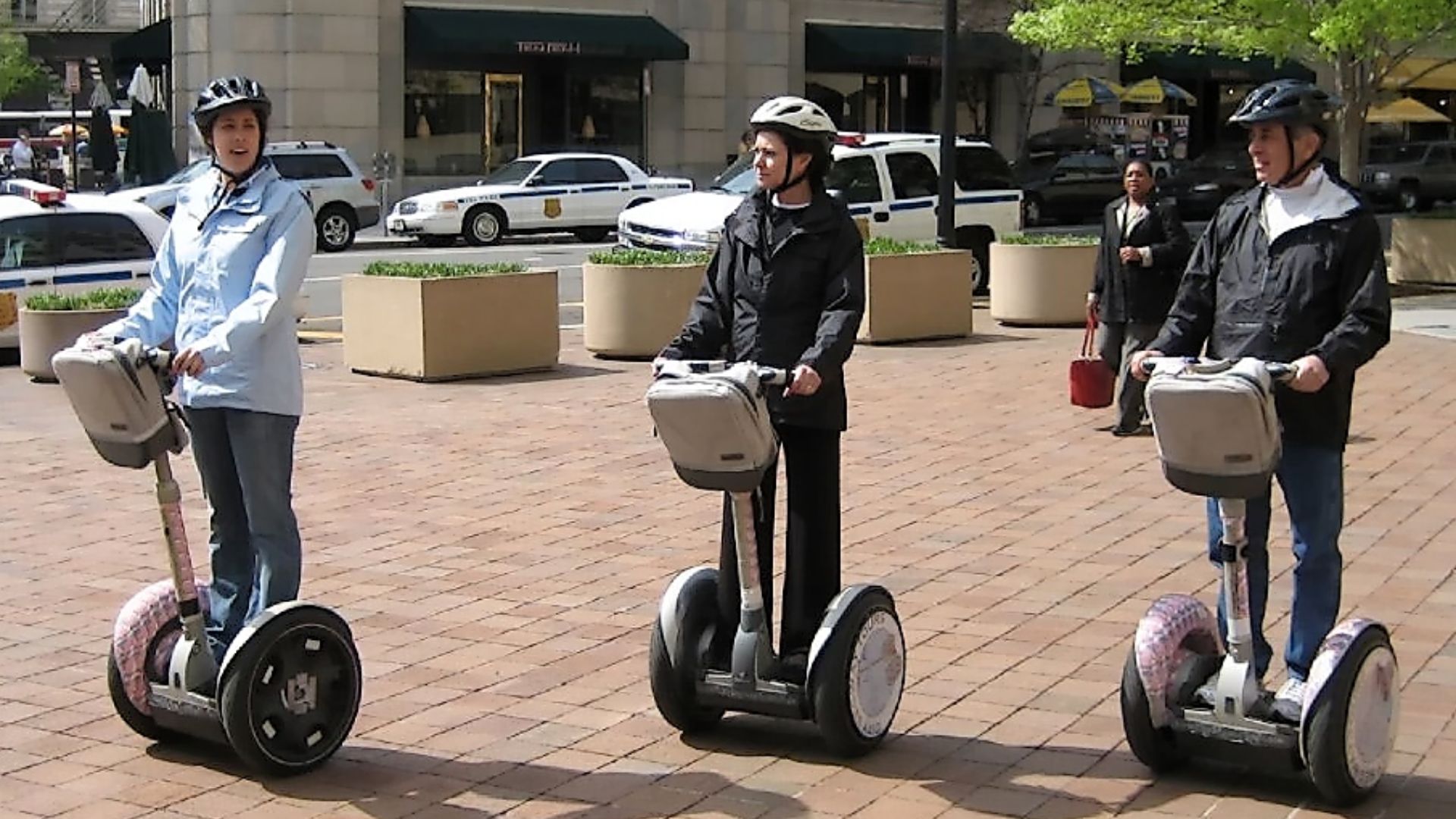 Richard from DC, US, Wikimedia Commons
Google Glass
Google introduced Google Glass in 2013 as a glimpse into the future of wearable computing. The device displayed information directly in the user's field of vision and offered hands-free access to digital content. While technologically impressive, privacy concerns and social resistance kept it from achieving widespread consumer adoption.
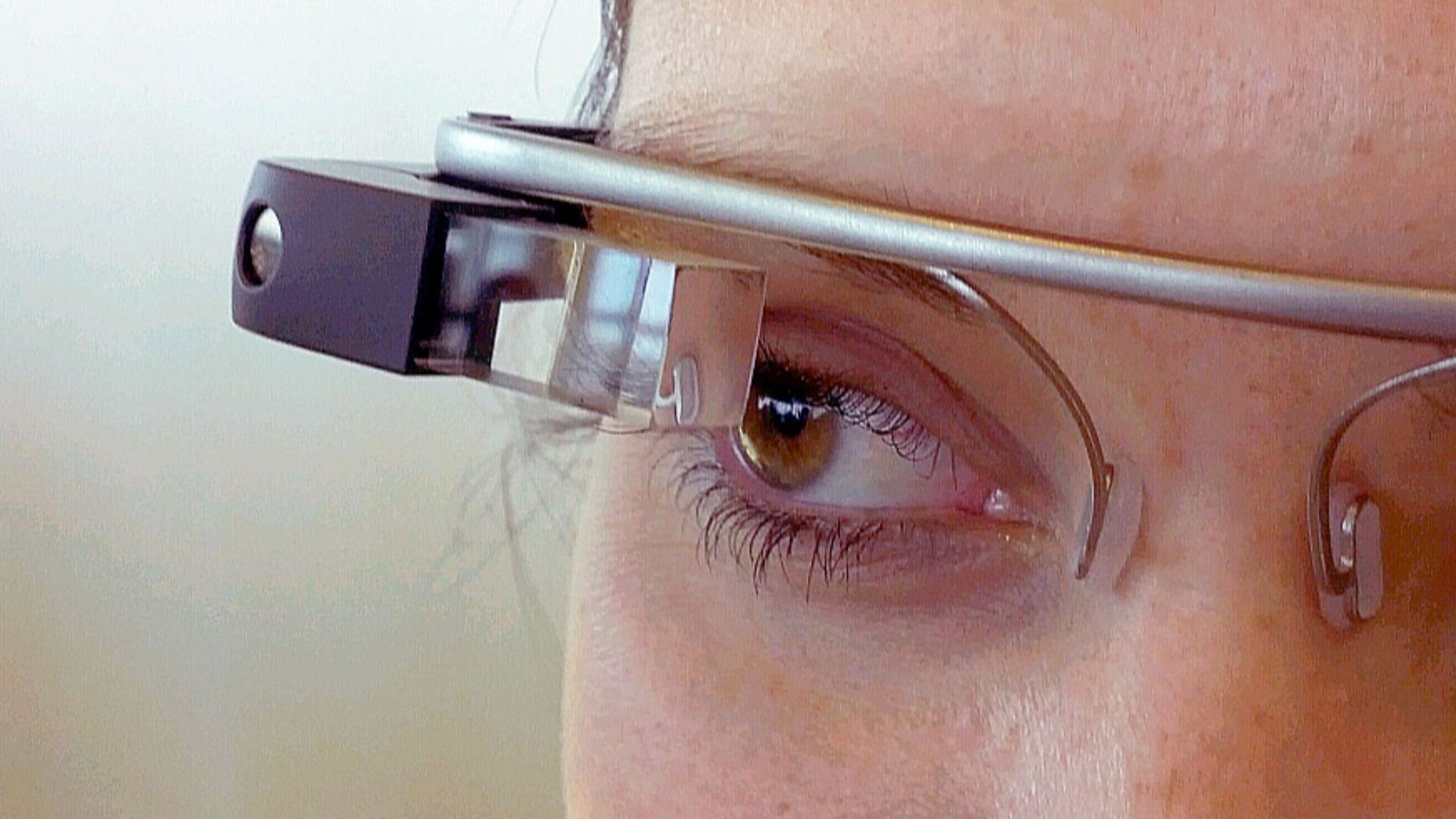 Antonio Zugaldia, Wikimedia Commons
The Personal Helicopter
Throughout the twentieth century, inventors repeatedly predicted that personal helicopters would become as common as family cars. Numerous prototypes appeared, promising easy flight for ordinary people. However, high costs, safety challenges, and complex regulations prevented personal helicopters from becoming mainstream transportation.
 Eirik Haugen, ambulanse-norge, Wikimedia Commons
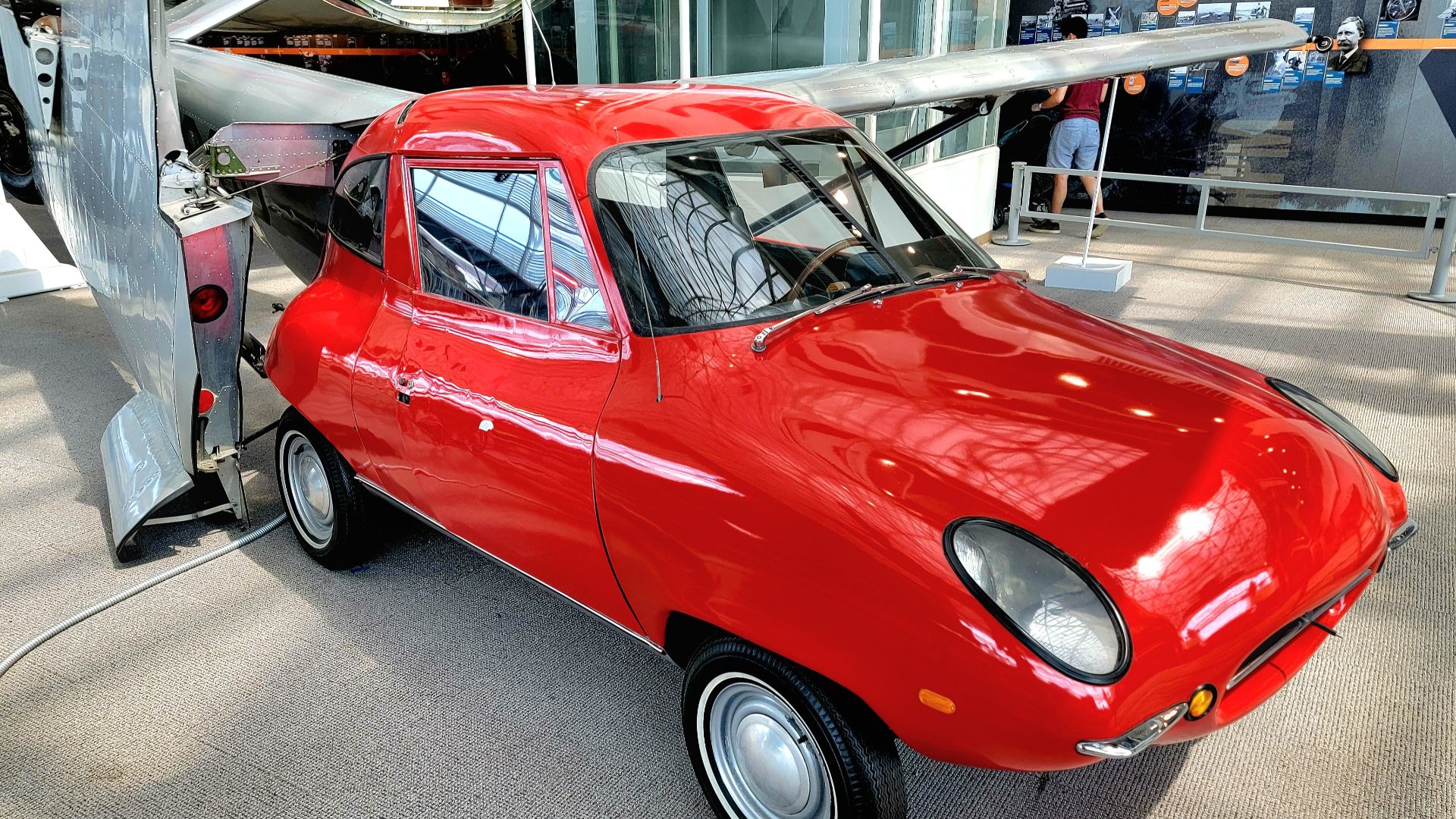
The Aerocar
The Aerocar, developed by Moulton Taylor in the late 1940s, was one of the most serious attempts at creating a practical flying car. Drivers could convert it from an automobile into an aircraft. Despite successful test flights and significant publicity, insufficient market demand prevented full-scale production.

History's most fascinating stories and darkest secrets, delivered to your inbox daily.
The Amphicar
The Amphicar combined a car and a boat into a single vehicle. Produced during the 1960s, it could drive on roads and travel across water. Although it captured the public imagination, it was never quite as effective as either a conventional automobile or a dedicated boat.

The Nuclear-Powered Car
During the atomic age, some designers believed nuclear energy would eventually power everyday vehicles. One famous example was Ford's Nucleon concept, unveiled in 1958. The idea envisioned a car running on a small nuclear reactor. Practical safety concerns ensured it never progressed beyond the concept stage.
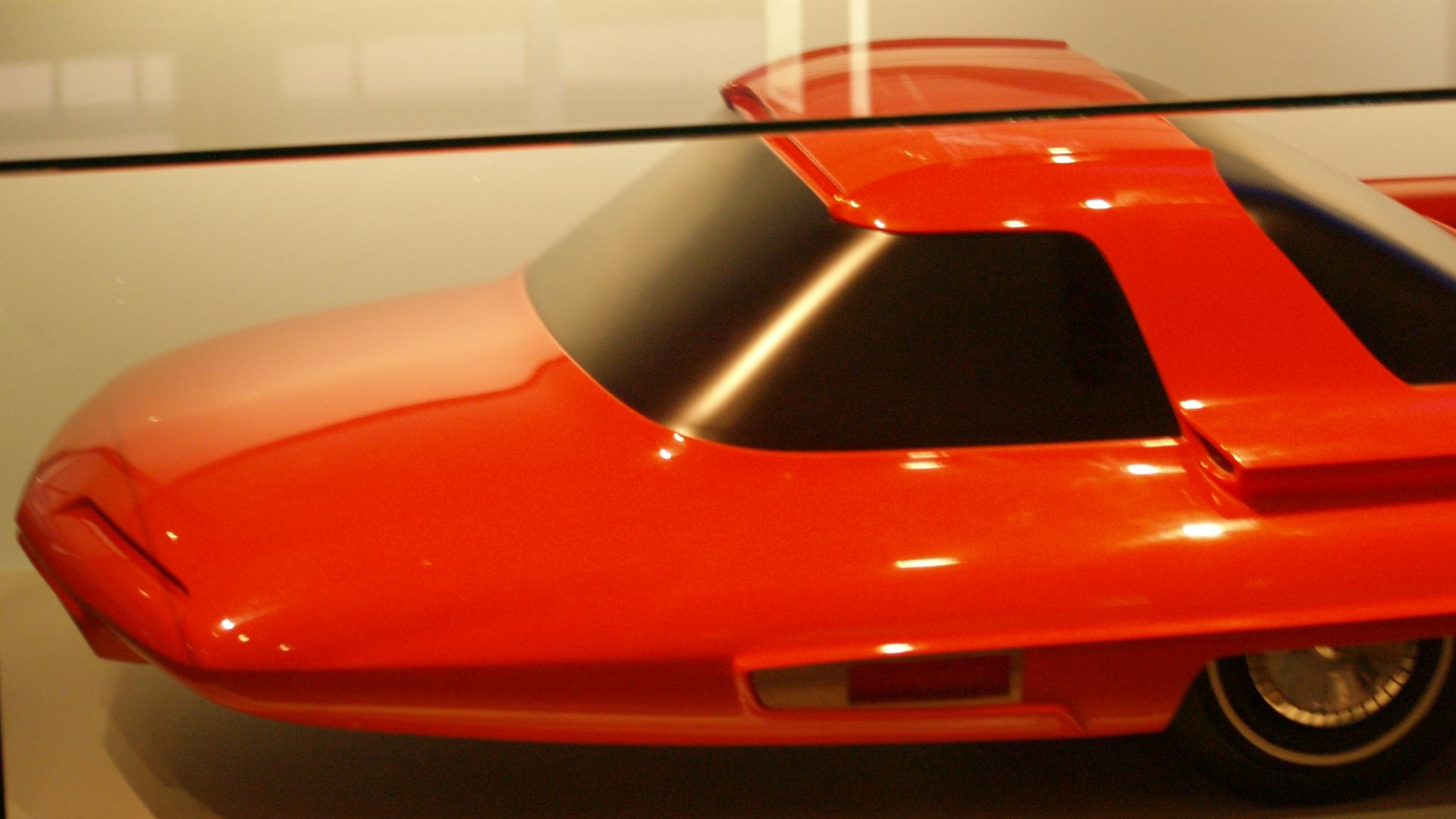 User:EmptyTerms, Wikimedia Commons
The Jetpack
For generations, inventors promised a future where people would commute through the air using jetpacks. Working jetpacks were developed and demonstrated publicly, proving the concept was technically possible. Unfortunately, limited flight times, fuel requirements, and safety concerns prevented widespread adoption.
 fir0002 flagstaffotos [at] gmail.com Canon 20D + Tamron 28-75mm f/2.8
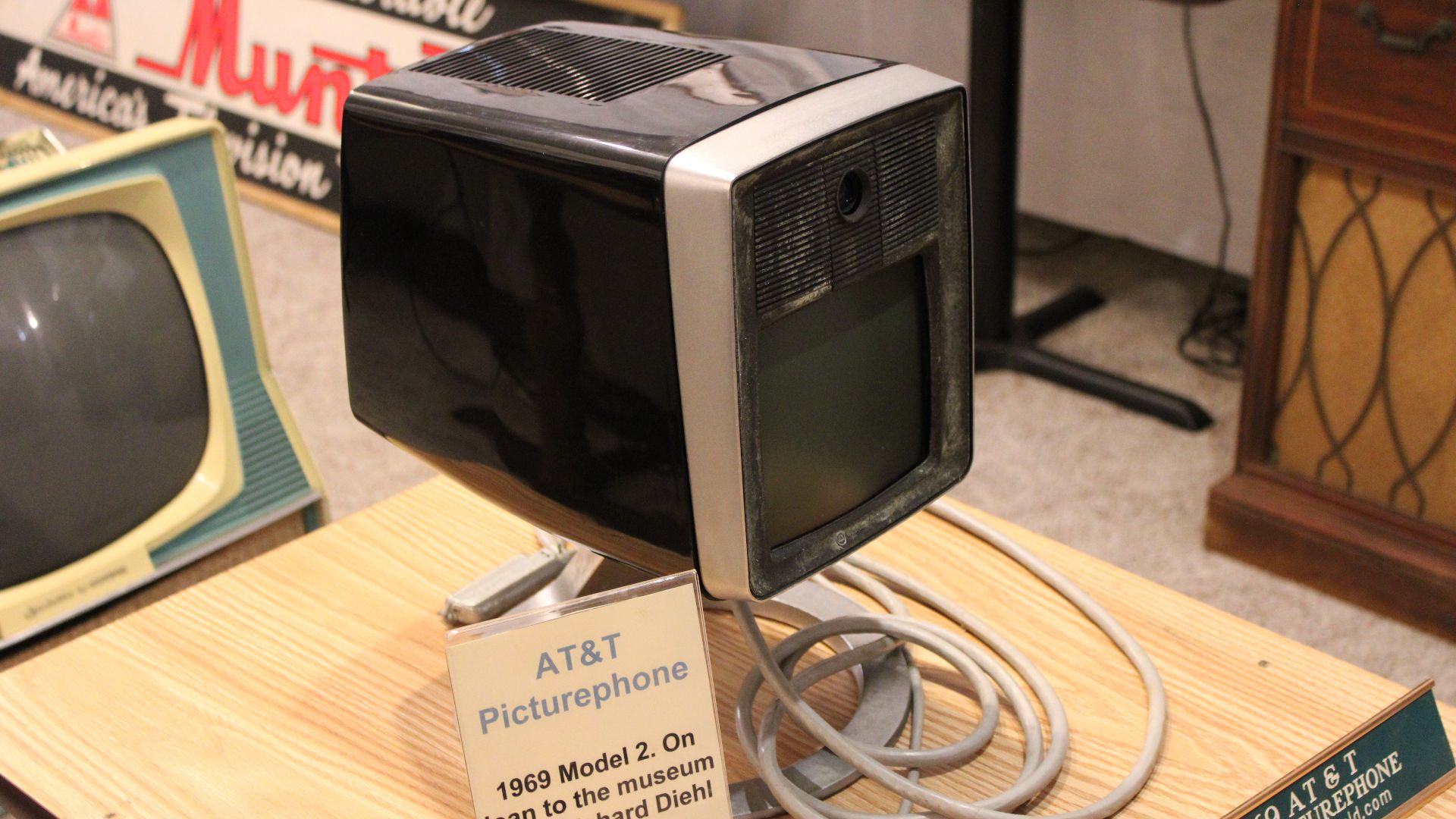
The Picturephone
AT&T introduced its Picturephone in the 1960s, allowing users to see each other during calls. The technology worked, but consumers were not particularly interested at the time. Decades later, video calling would become commonplace through smartphones and computers, but the original Picturephone arrived far too early.
The Airship Revival
Before airplanes dominated commercial aviation, giant airships were viewed as the future of long-distance travel. Their ability to carry passengers comfortably across continents generated enormous excitement. After several high-profile disasters and advances in airplane technology, the dream of airship-dominated transportation largely disappeared.
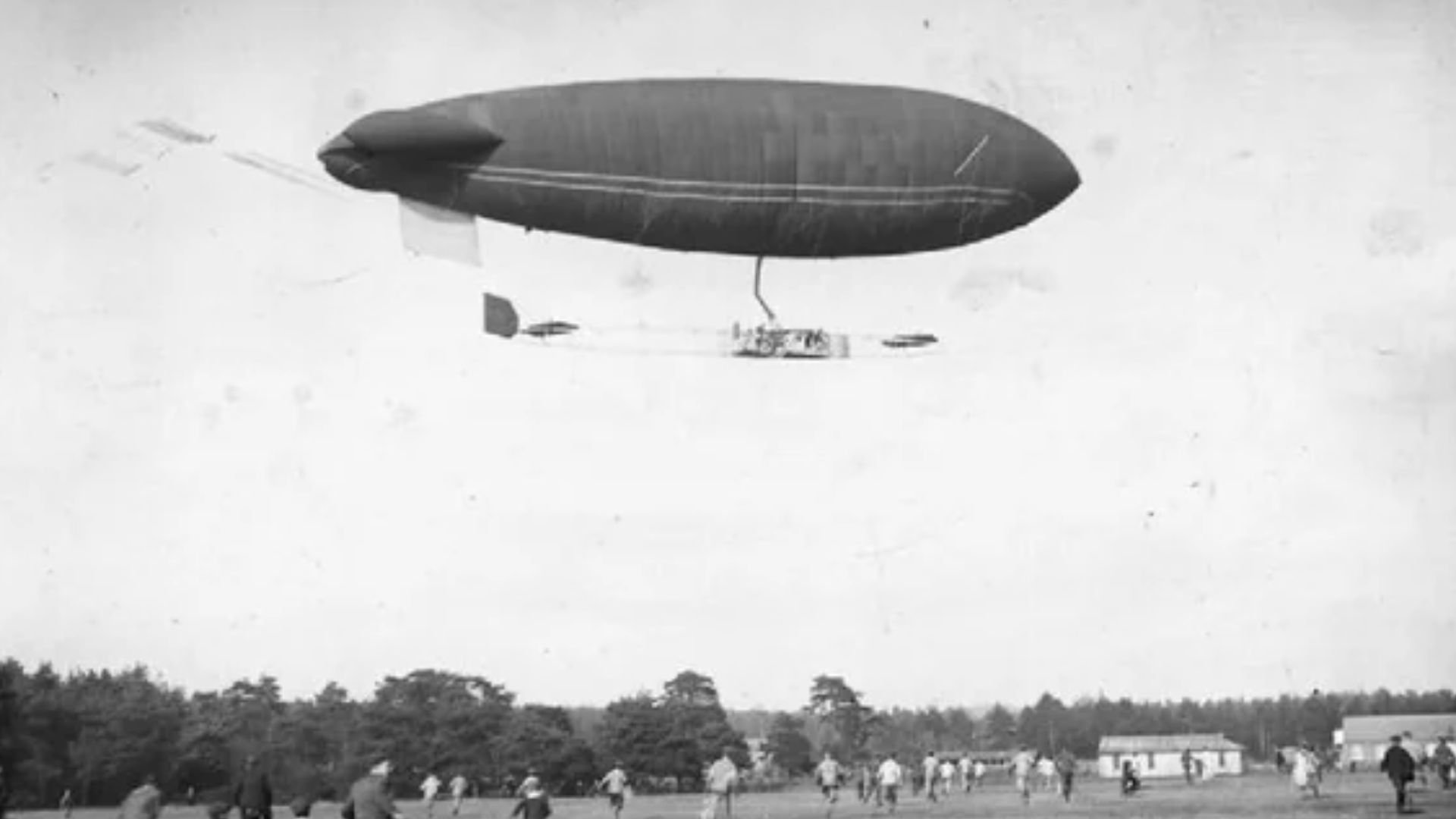 Unknown authorUnknown author, Wikimedia Commons
The Electric Corset
In the late nineteenth and early twentieth centuries, inventors marketed electrically powered corsets that supposedly improved health and vitality. These devices reflected the era's fascination with electricity as a cure-all technology. Scientific evidence never supported most of the claims made by manufacturers.
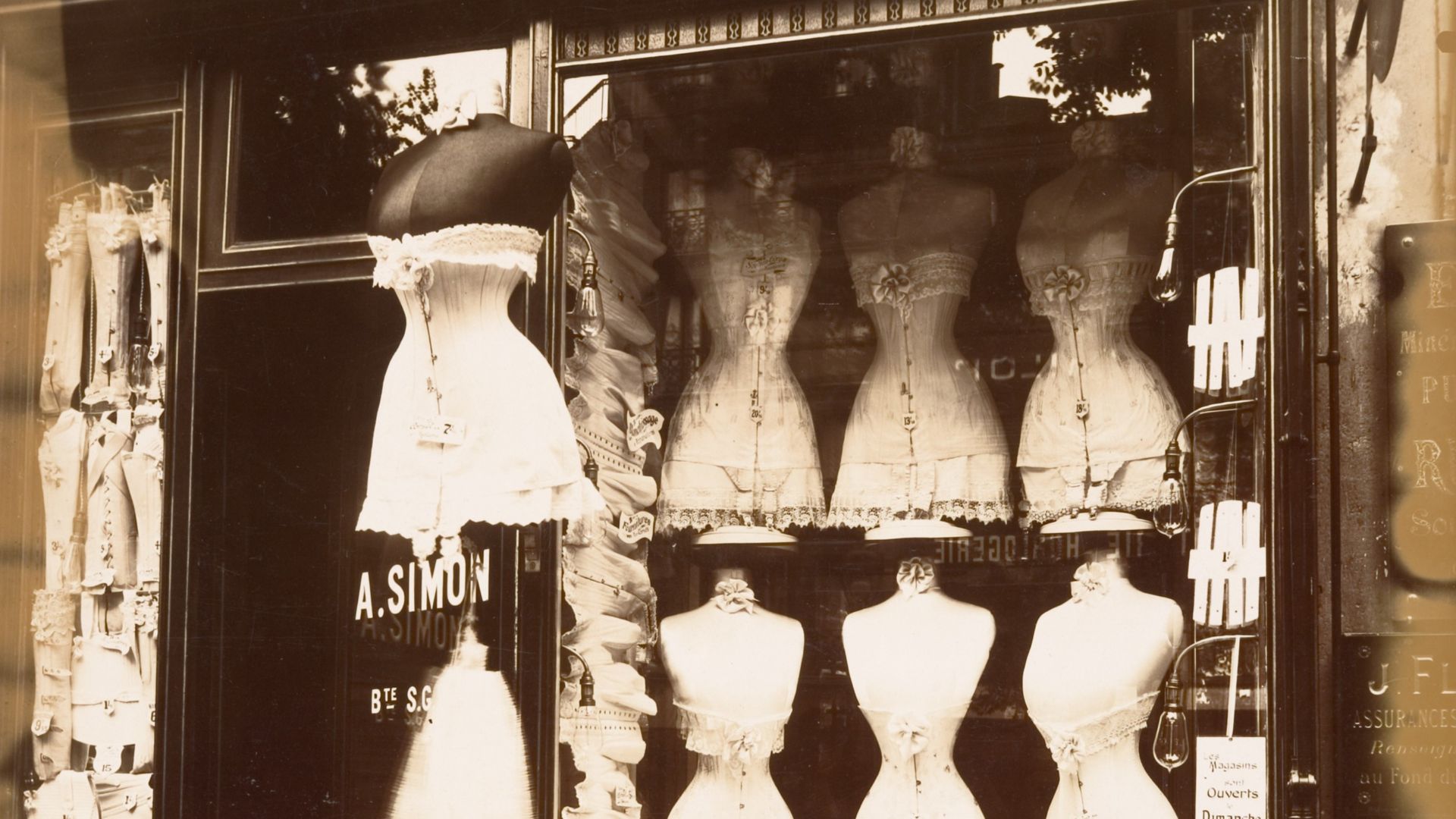 Eugene Atget, Wikimedia Commons
The Radio Hat
In 1949, inventor Victor Hoeflich introduced a helmet with a built-in radio. The Radio Hat allowed wearers to listen to broadcasts while walking around. While it generated publicity and sales, most people preferred less conspicuous ways to enjoy music and news.
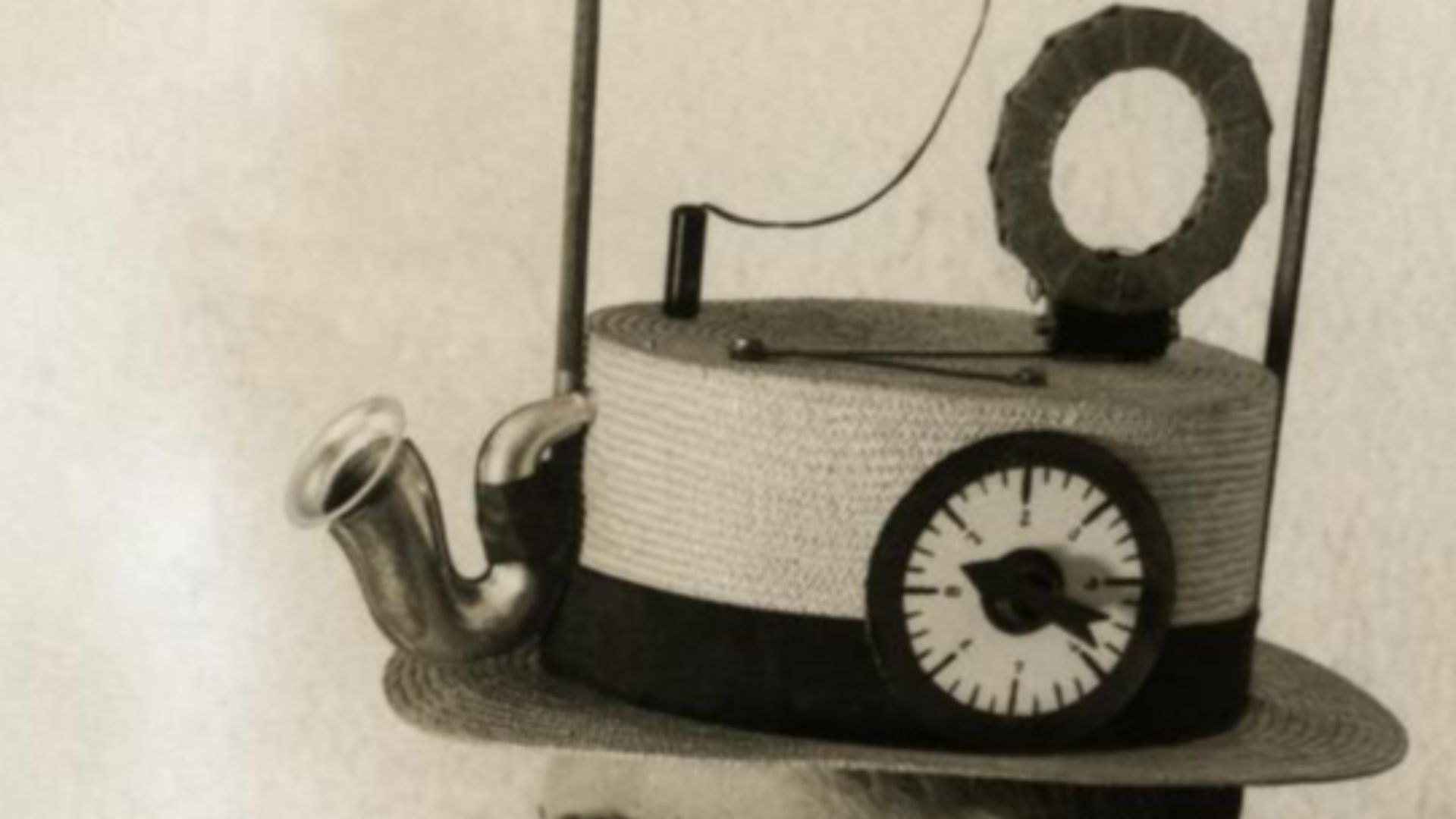 Nationaal Archief, Wikimedia Commons
The Rocket Belt
The Rocket Belt became famous through demonstrations and appearances in popular culture. It allowed users to make short flights using rocket propulsion. Although visually spectacular, its extremely limited flight duration made it impractical for everyday transportation.
 Juan Manuel Lozano, Wikimedia Commons
The Dynasphere
Invented by Dr JA Purves in the 1930s, the Dynasphere was a giant motorized wheel with the driver seated inside. Supporters believed its unusual design would be more efficient than traditional automobiles. In practice, steering difficulties and stability problems limited its usefulness.
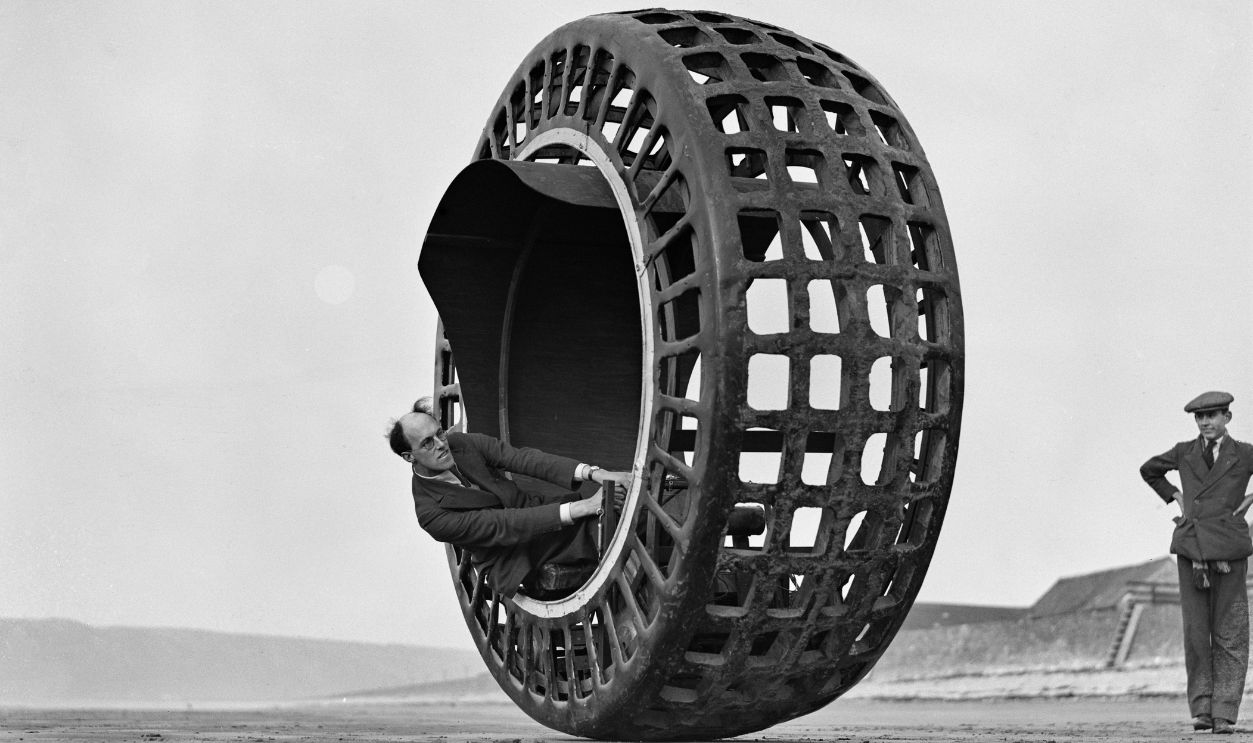
The Monsanto House Of The Future
Opened at Disneyland in 1957, the Monsanto House of the Future showcased a vision of plastic-based living. Designers believed synthetic materials would dominate future home construction. While some concepts proved influential, fully plastic homes never became the standard housing solution.
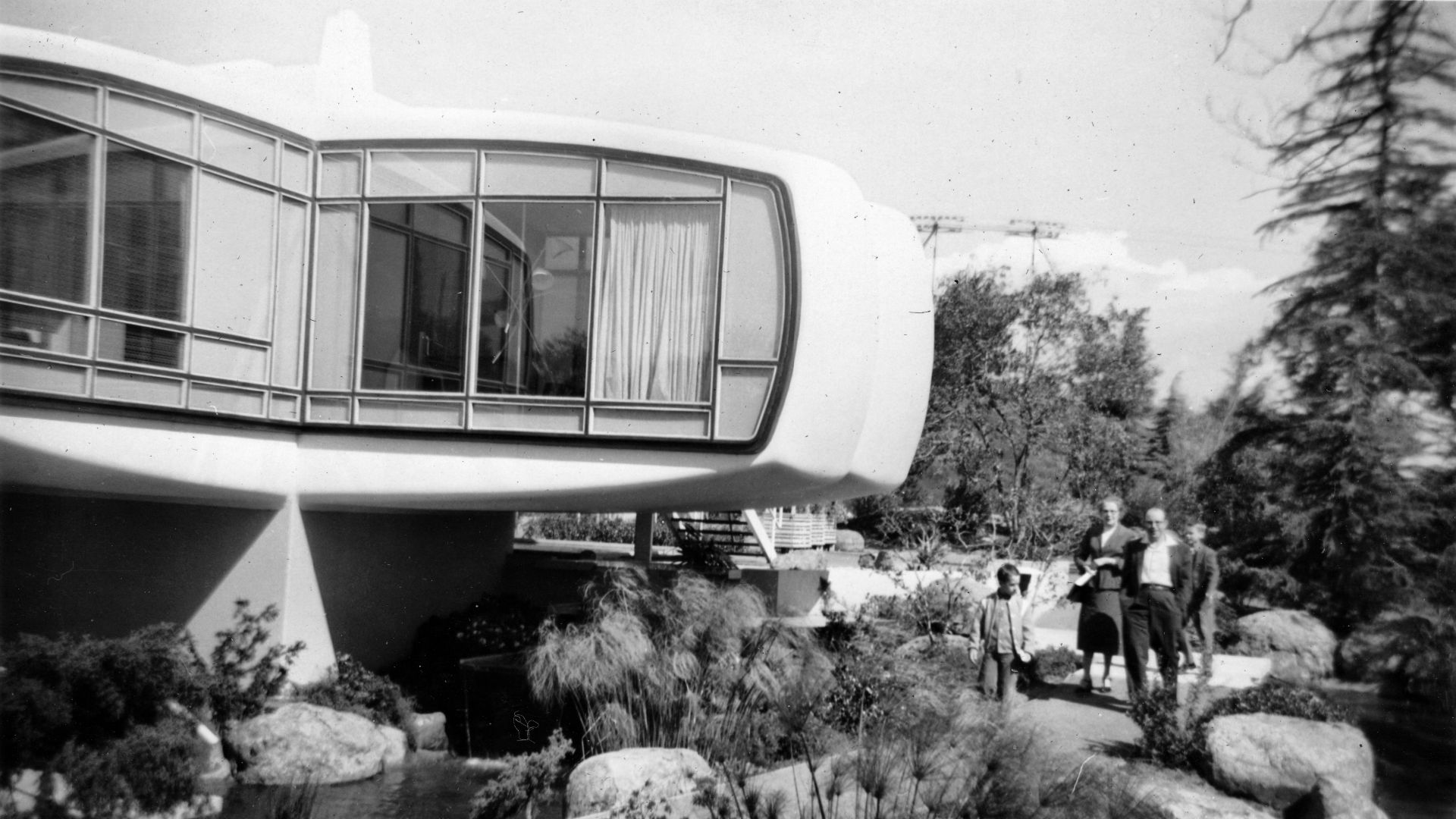 Orange County Archives from Orange County, California, United States of America, Wikimedia Commons
The Mechanical Television
Before electronic television became dominant, engineers experimented with mechanical systems using spinning disks and moving parts. These early televisions represented an important technological milestone. However, electronic systems quickly proved superior and replaced mechanical designs entirely.
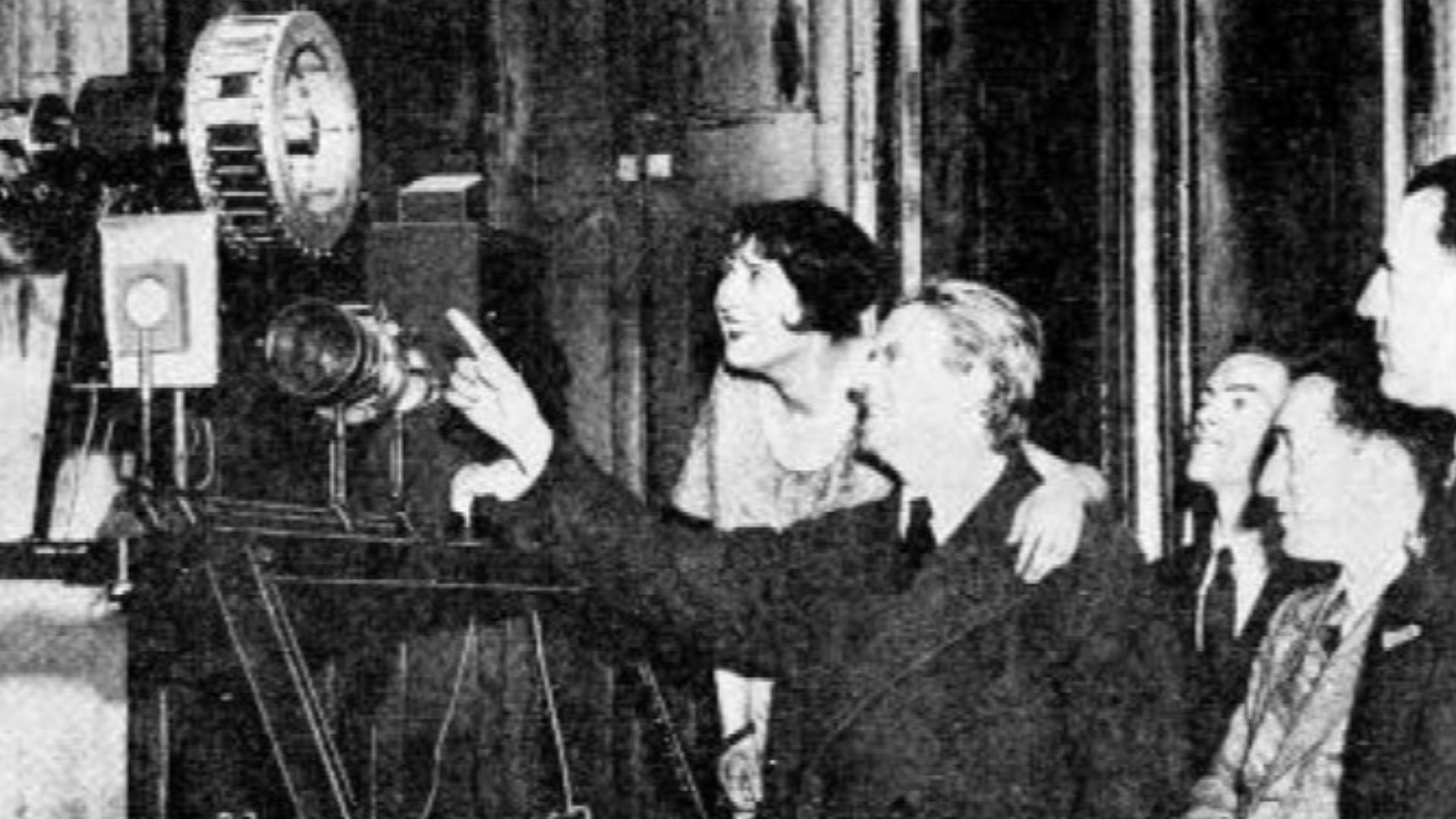 H. Winfield Secor, Wikimedia Commons
The Hovercar Dreams
Throughout the twentieth century, inventors repeatedly promised that hovercars would soon eliminate traffic and transform transportation. Various prototypes demonstrated limited success, particularly on specially designed surfaces. Yet technical complexity and infrastructure requirements prevented hovercars from becoming an everyday reality.
 Andrew Berridge, Wikimedia Commons
Conclusion
Many of these inventions failed commercially, but that does not mean they were pointless. Some introduced ideas that influenced future technologies, while others demonstrated what would not work. Together, they reveal something fascinating about innovation: predicting the future is much harder than inventing it. The next world-changing invention may look just as strange as some of these forgotten creations once did.
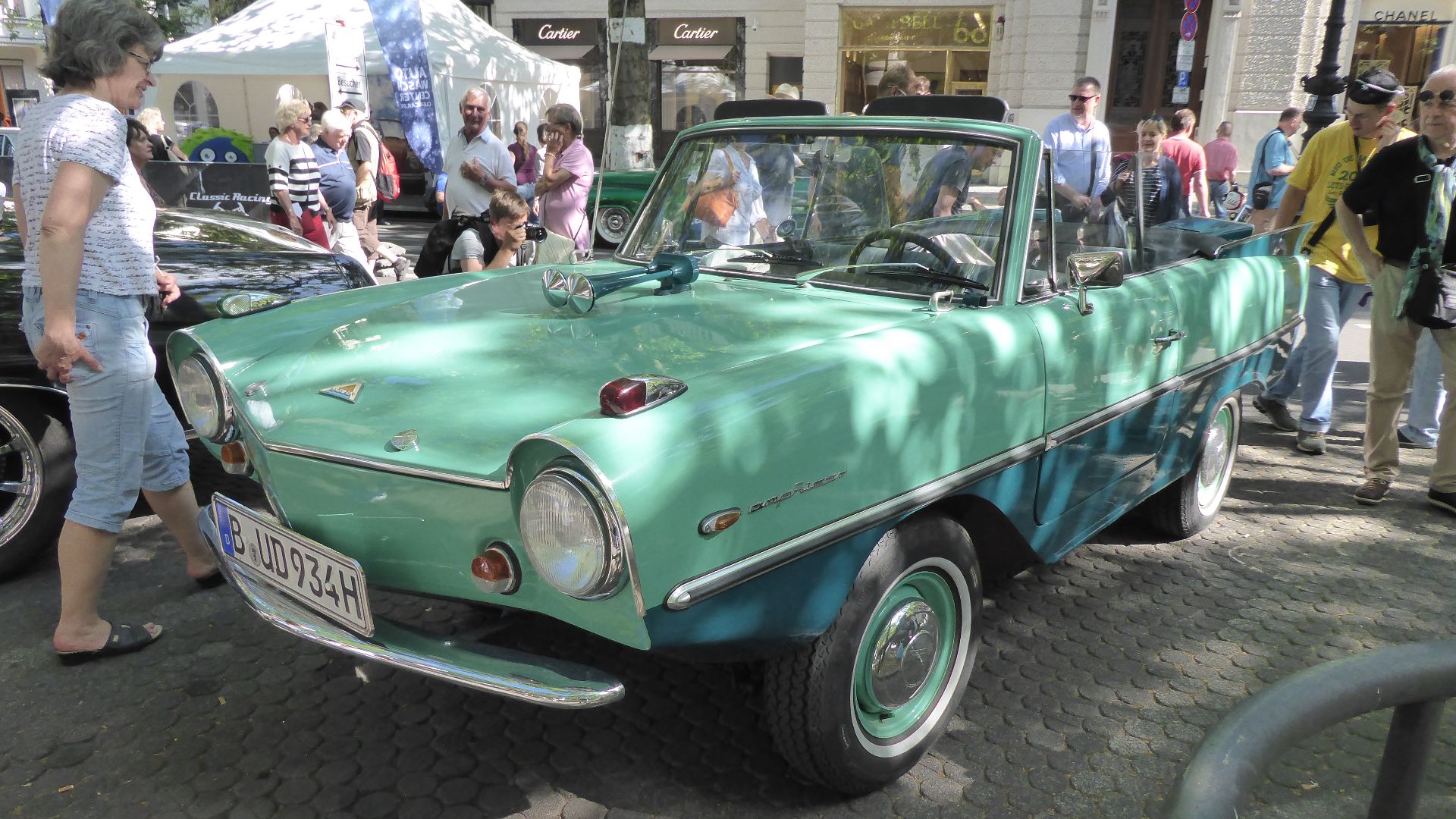 Fridolin freudenfett, Wikimedia Commons
You May Also Like:
The Weird And Wonderful World Of Animal Romance











.jpg)