A Determined City
The Siege of Leningrad is one of the great under-recognized tragedies of WWII and, indeed, of history. Lasting almost two-and-a-half years, the heroic people of the Soviet city held on against a relentless onslaught from German forces.
And though their survival is the stuff of legend, life under siege was far from easy, and it forced the Leningrad residents and defenders into drastic and grisly measures to survive…
 Unknown author, Wikimedia Commons
1. The Setting
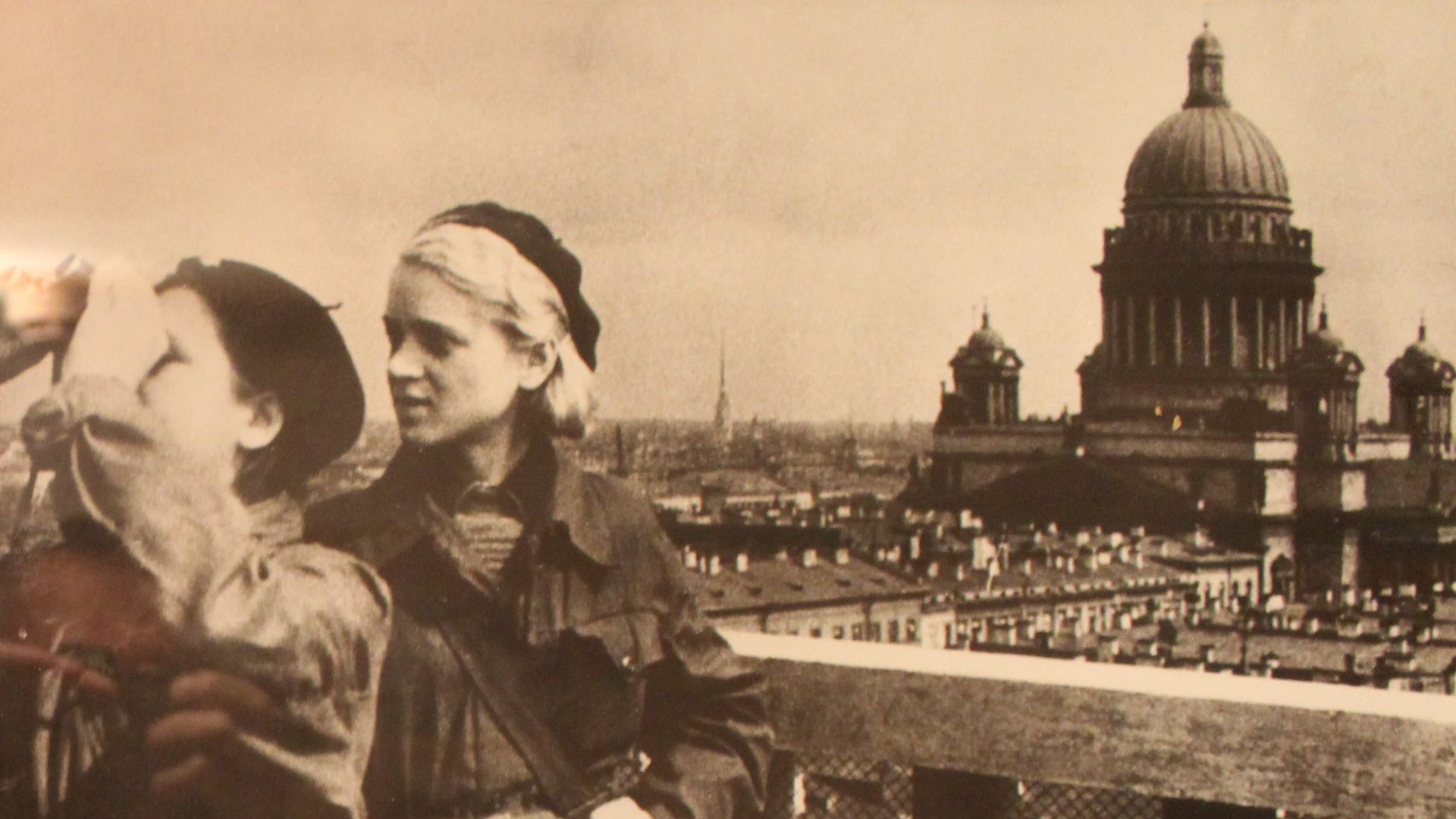
The Axis powers, namely Germany and Finland, carried out the Siege of Leningrad against the city today known as Saint Petersburg, on the Eastern Front of WWII within the borders of the then Soviet Union. Leningrad was the second-largest city in the USSR, and as the battle for the Eastern Front raged on, it was clear that the Axis powers were closing in on this strategically important metropolis.
2. The Axis Closes In
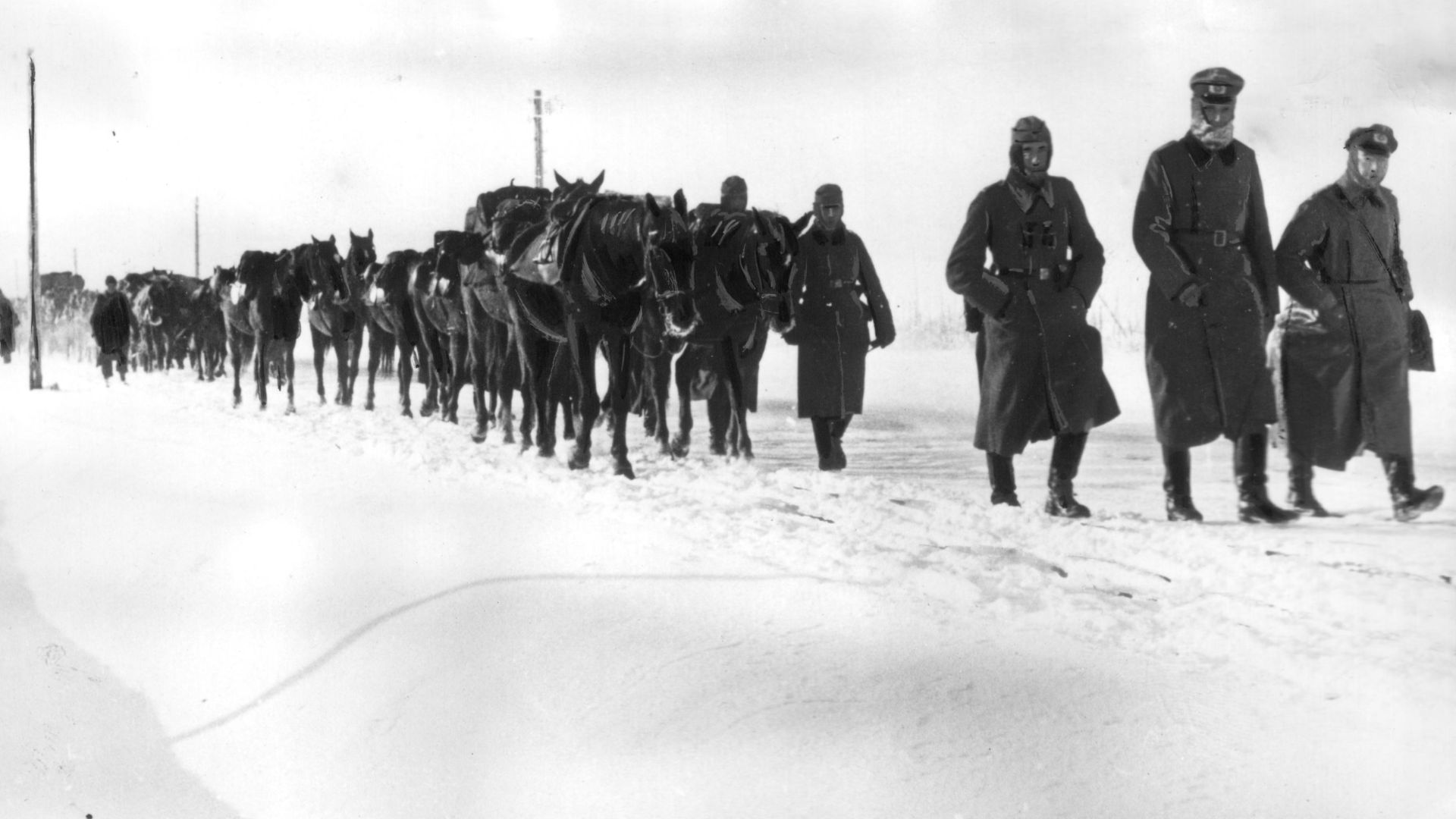
Preparations for the siege began in 1941, as the Germans were barreling through Russia, leaving nothing but destruction in their wake. By August of that year, Germany’s Army Group North had finally reached Leningrad’s suburbs. From the other side, their allies in the Finnish forces were encircling the city from the North, leaving little option for the residents but to stand and fight. They would face an enemy determined like no other.
3. The German Plan
Operation Barbarossa was the name for the German invasion of the Soviet Union, and the capture of Leningrad was one of the three main strategic objectives of the operation. 3.8 million Axis troops deployed for the mission, making it the largest and most costly military offensive in human history. But why was Leningrad, in particular, so key to the Germans’ goals?
4. Stamping Out A Threat
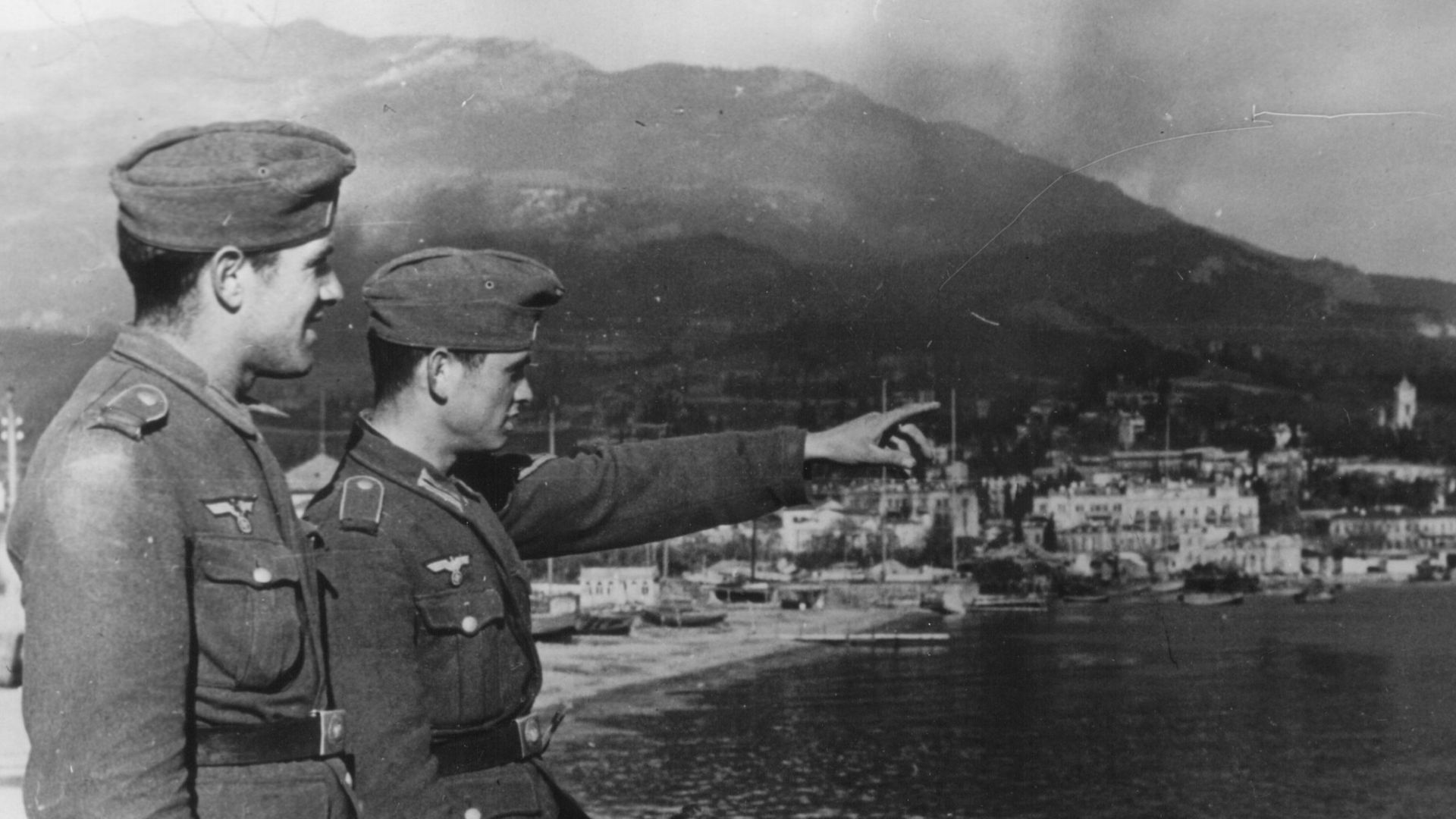
There were several reasons that motivated the Germans’ strategy as it regarded Leningrad. For one, the city held high political status as Russia’s former capital. Furthermore, it held military and industrial importance as the main base of the Soviet Baltic Fleet and the location of several key arms factories.
Most crucially, however, was its political significance: Leningrad had been the birthplace of the Russian Revolution and the ideological center of Bolshevism, the current of political thought that proved the biggest threat to Nazism, fascism, and, indeed, capitalism at large. So, it was no wonder that the German leader was overly enthusiastic about the project…
5. German Hubris
Reports claim that Germany’s despotic leader was excessively confident that the attack on Leningrad would be successful. So strong was his faith that he planned a victory celebration in the city’s Hotel Astoria for a specific date, before the siege had even begun, and went so far as to have flyers printed. This would not come to pass, but what were the Führer’s plans beyond a lavish party?
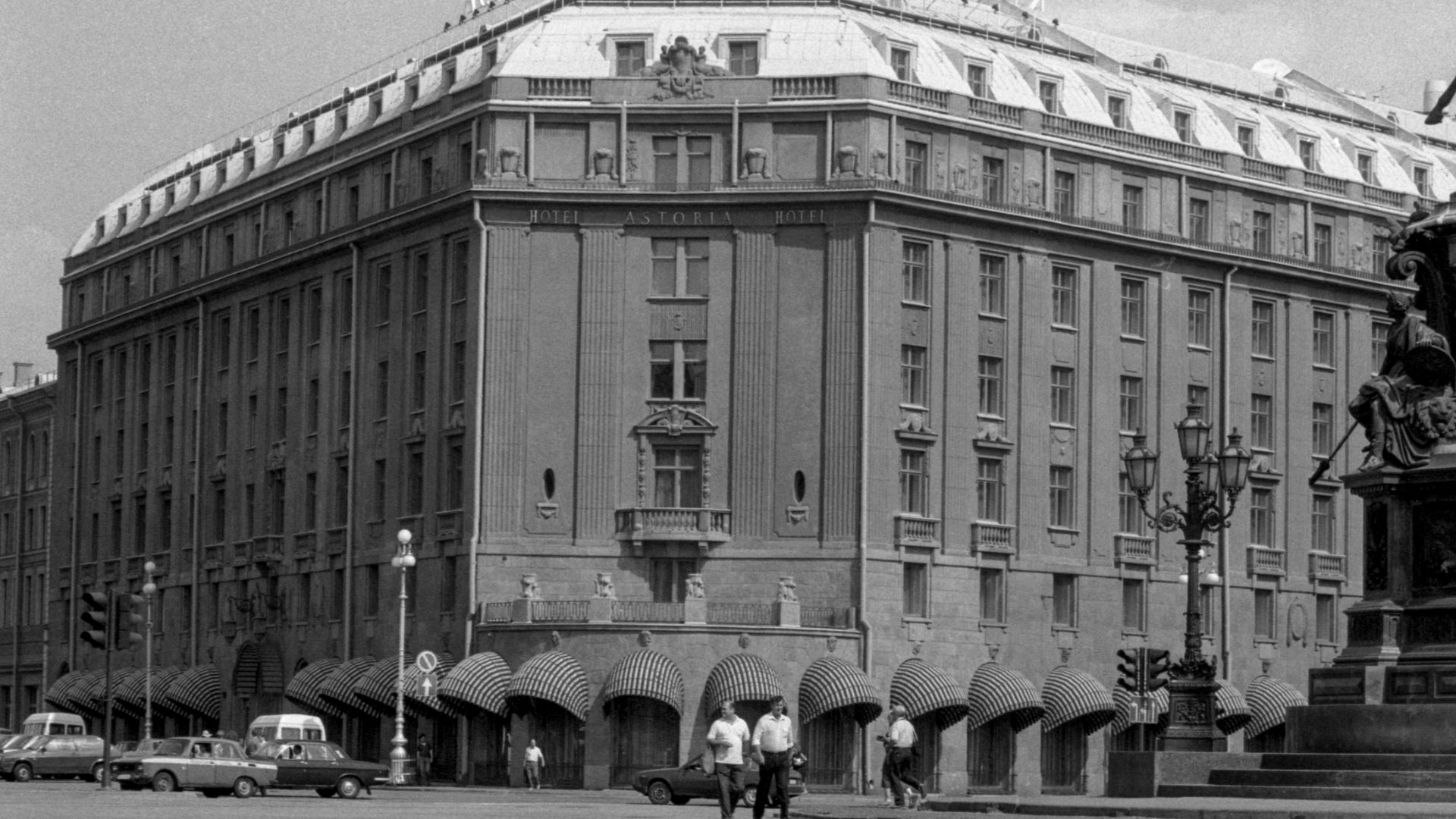 Leo Medvedev / Lev Leonidovich Medvedev, Wikimedia Commons
6. Theories Of Expansion
Some historians have theorized that the Führer had expansionist plans for Leningrad after the Germans finished with the takeover. A few have suggested that Germany planned to incorporate the city as the new capital of the Ingermanland province of the Reich, part of Generalplan Ost. There is little evidence to back up this theory, however. The reality is much grimmer.
7. Genocidal Plans
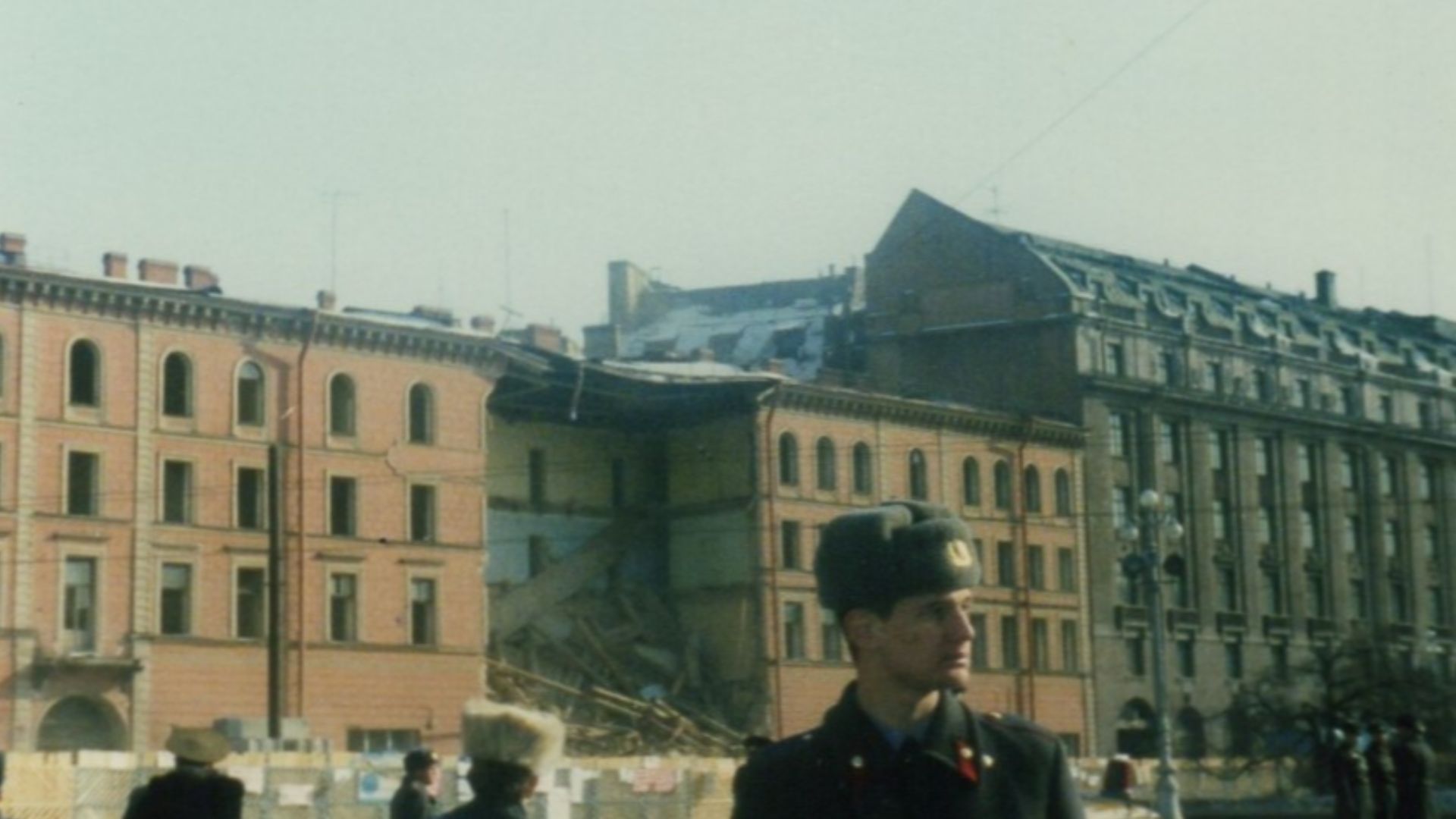
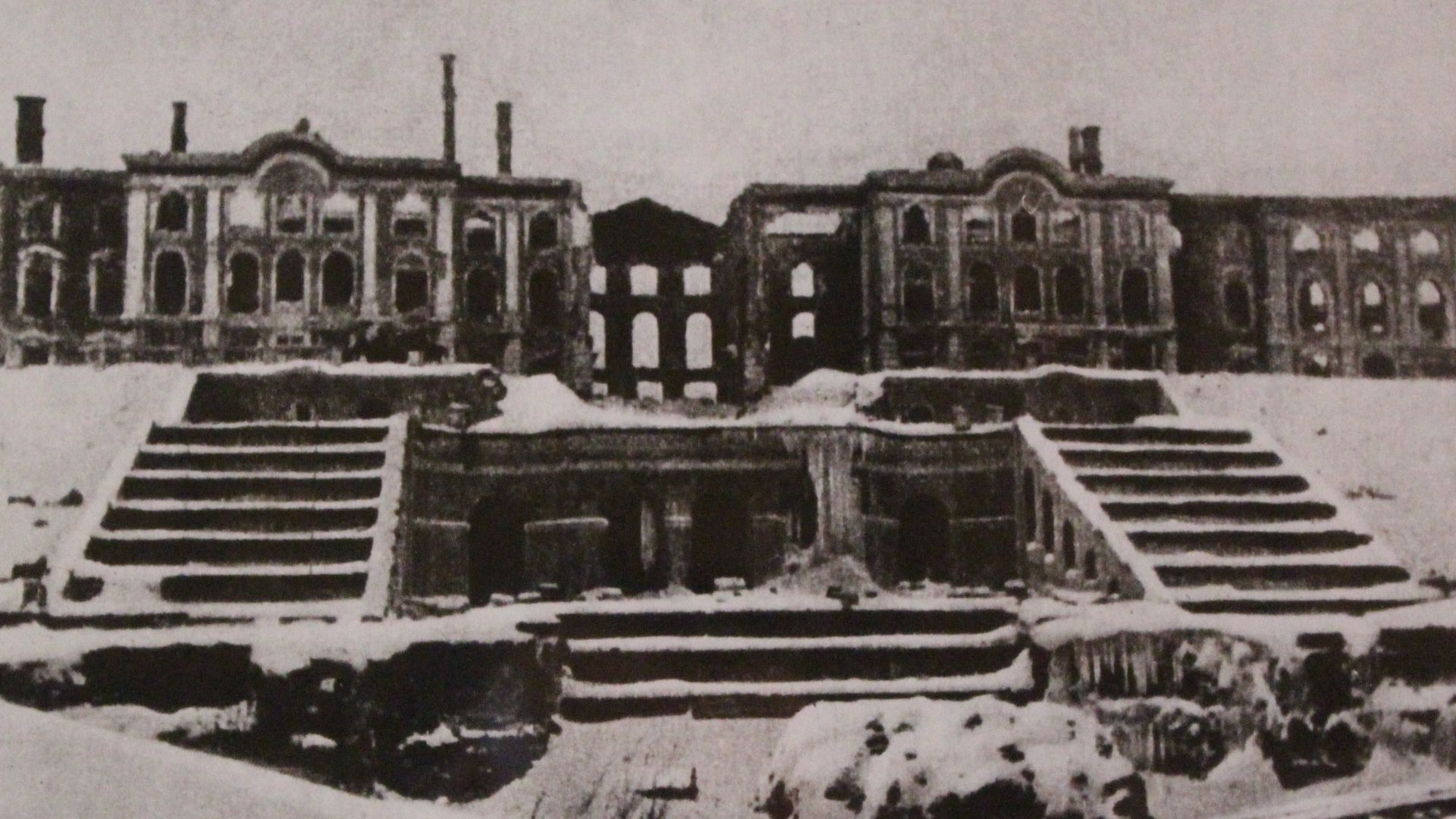
The Führer’s actual intentions for Leningrad were completely insane: he wanted to level the city to the ground and wipe out its entire population. The German High Command laid out the plans for their occupation, intending, once they had captured the city, to “lead those still alive into inner Russia or into captivity [and] wipe Leningrad from the face of the earth through demolitions”.
Unfortunately for the Germans, however, they suffered a shaky start.
8. Cracks In The Offense
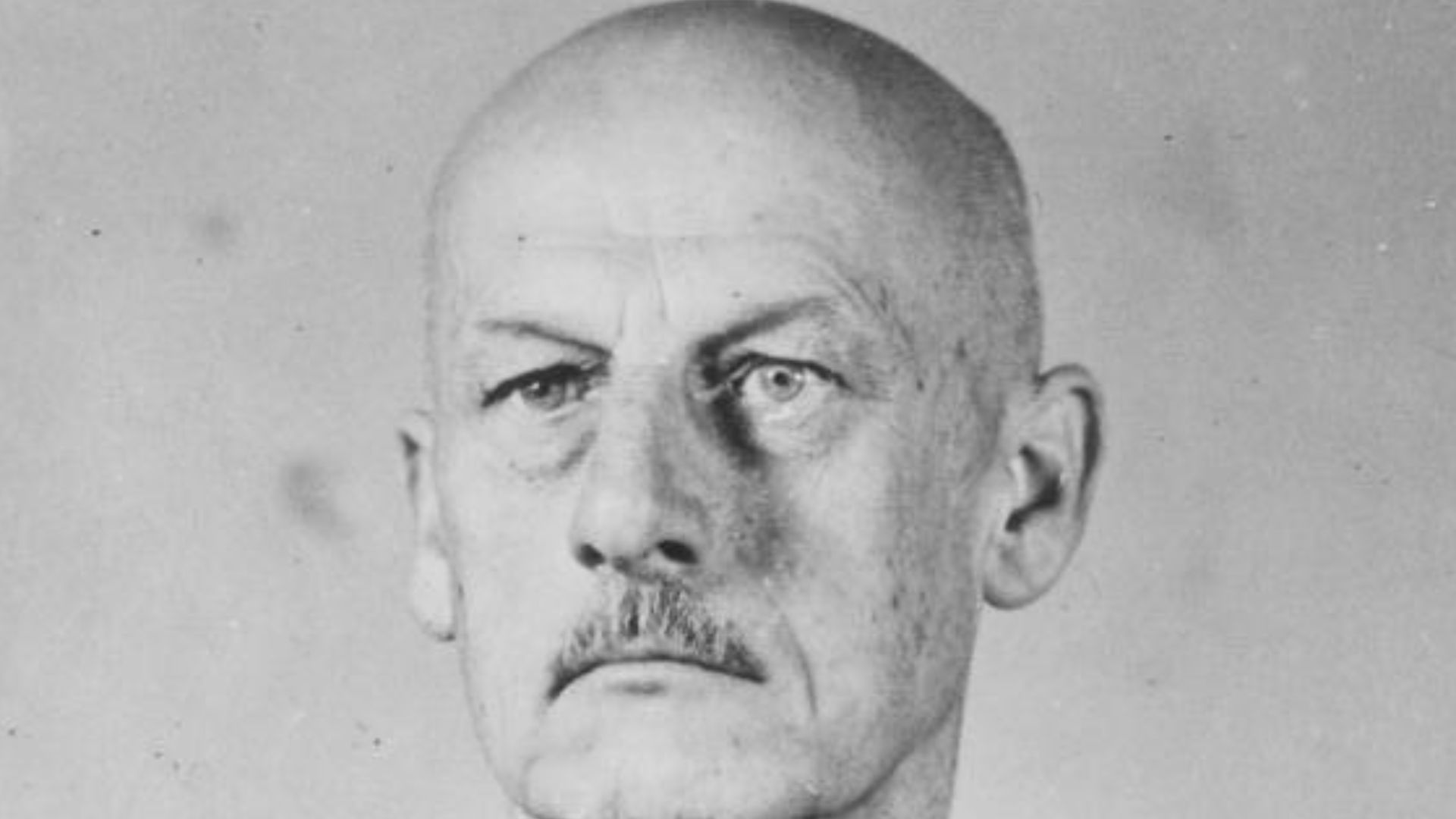
Field Marshal Wilhelm Ritter von Leeb led the German forces marching toward the city, with the siege of Leningrad being his primary objective. But in early August, Leeb’s confidence was shook: the German forces found themselves seriously overextended after their eventful march through the USSR. To achieve his objectives, Leeb believed he needed 35 divisions of men; he currently had only 26.
Meanwhile, spirits on the other side remained cautiously high.
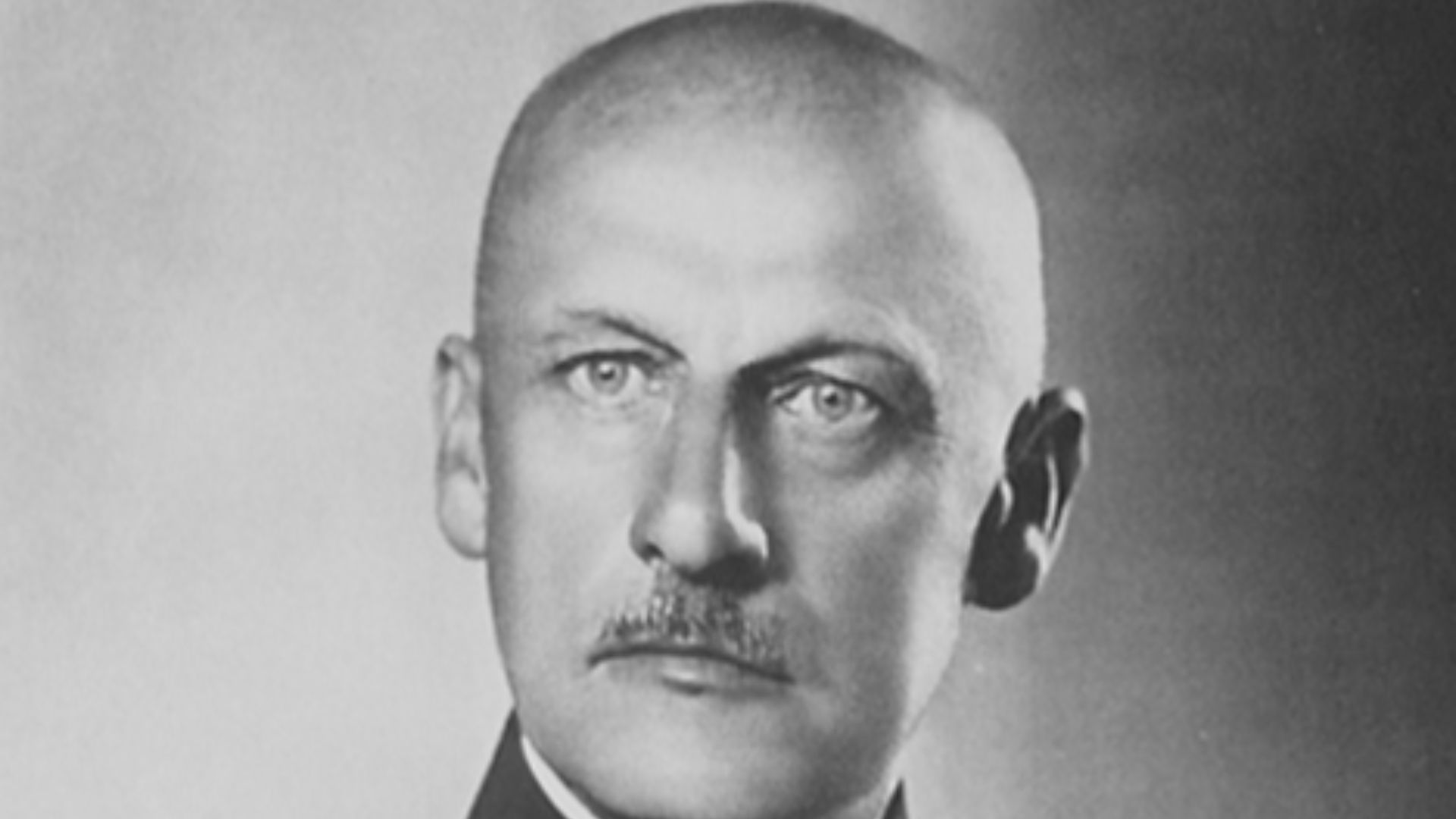 Unknown authorUnknown author, Wikimedia Commons

History's most fascinating stories and darkest secrets, delivered to your inbox daily.
9. Heroic Mobilizing
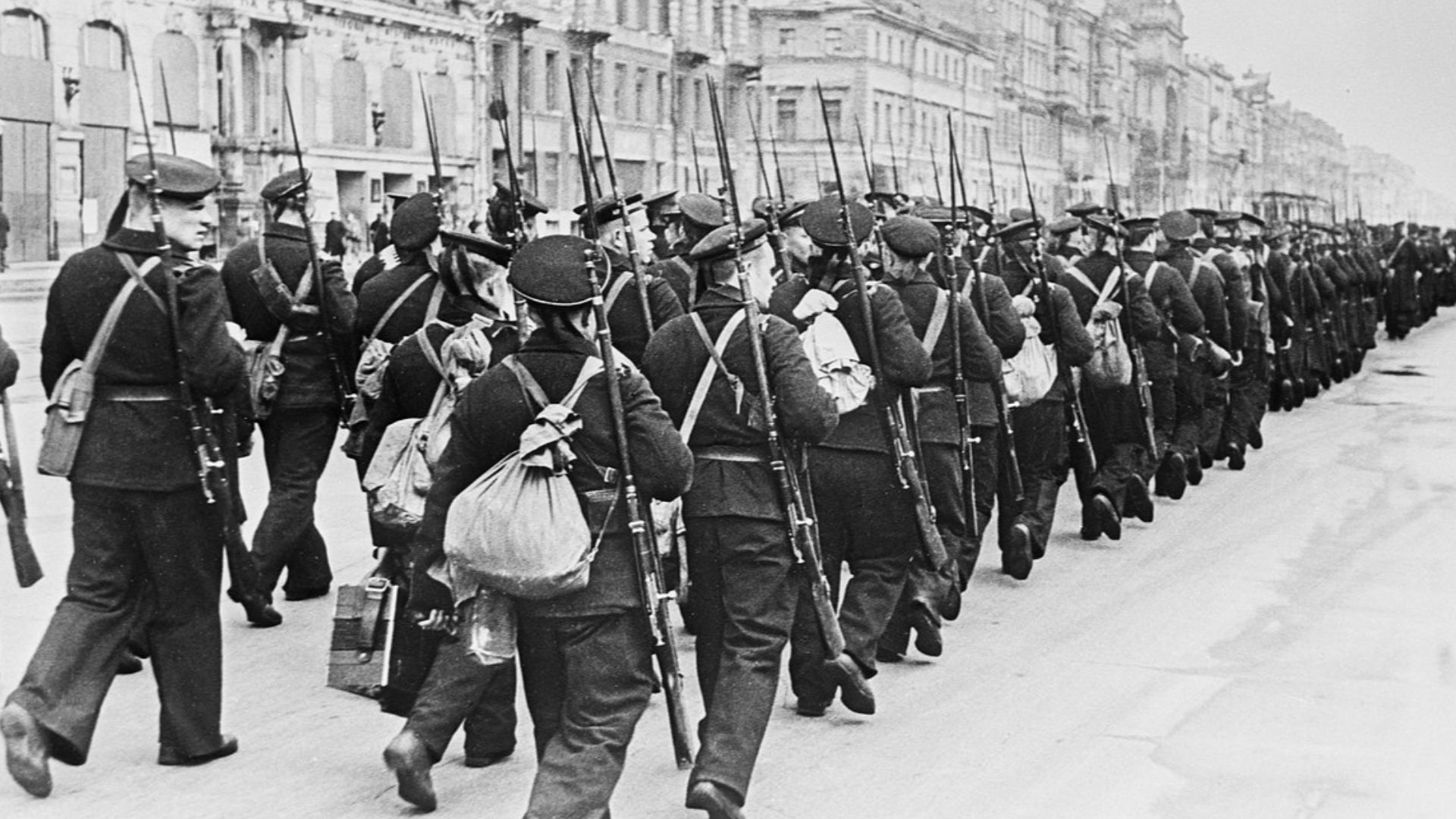
Despite the Stalinist degeneration of the Soviet Union following Lenin’s demise in 1924, the city legislature, the Leningrad Soviet, still enjoyed considerable influence among the city’s population. Upon learning of the German advance, their Council of Deputies organized civilian groups of first responders, and the citizens of the city heroically mobilized to construct fortifications. The defenses were impressive.
 Boris Kudoyarov / Boris Kudoyarov, Wikimedia Commons
10. The Best Offense Is…
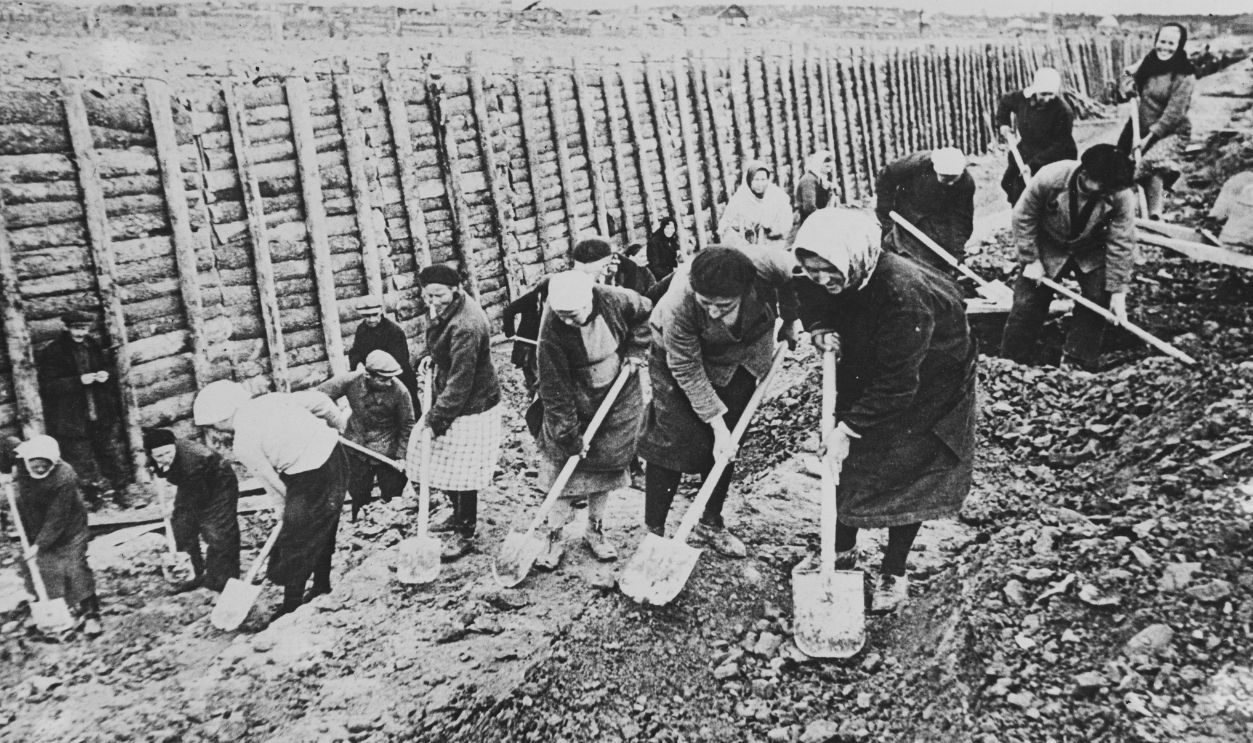
The Leningrad civilian resistance constructed several lines of defense along the city’s north and south perimeters. Many fortifications, which had fallen into disrepair from misuse, got restored, and other defensive measures included timber barricades, wire entanglements, anti-tank ditches, reinforced concrete weapon emplacements, and open trenches. The Germans, however, had their own tactics.
11. Derailed
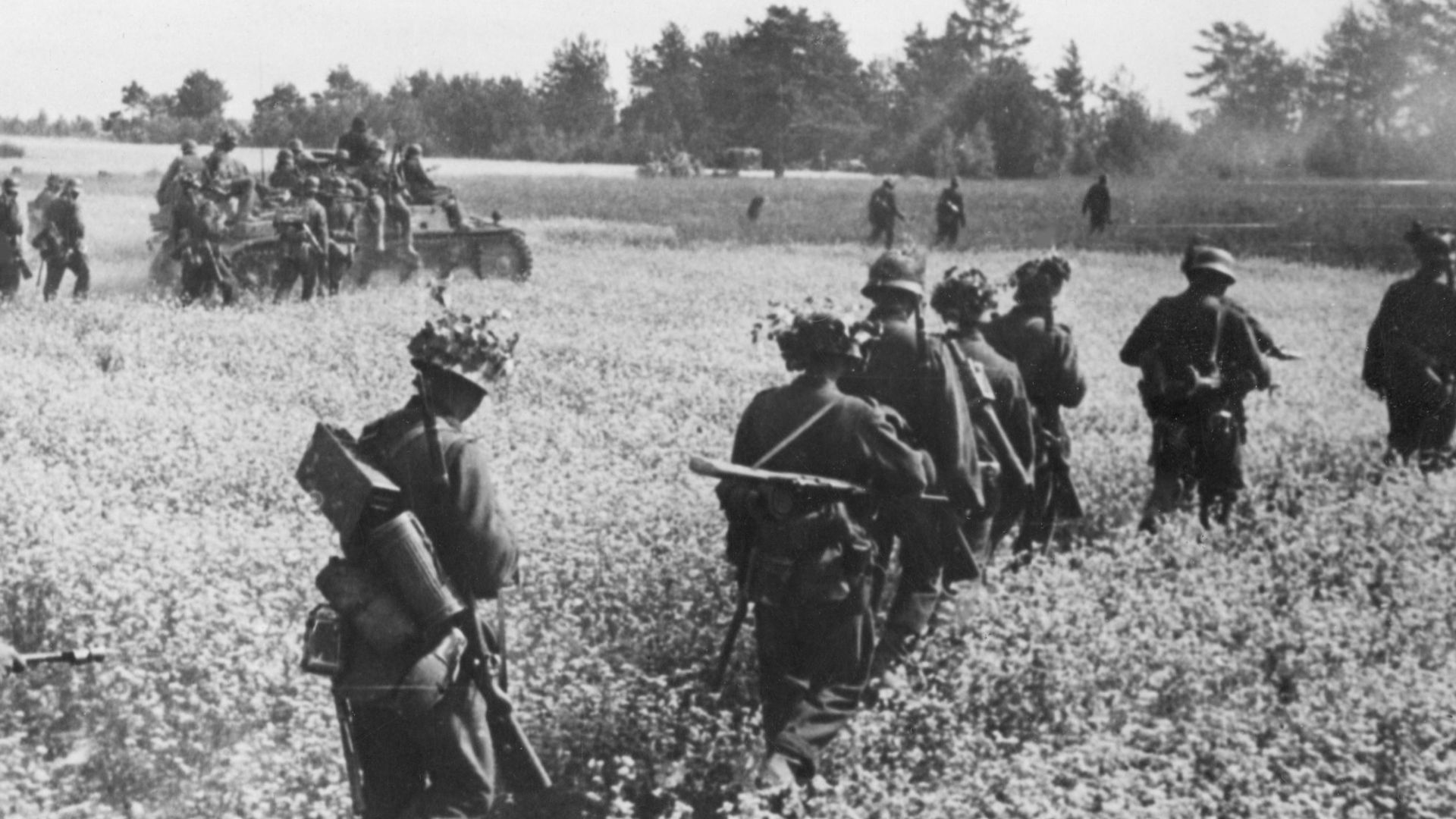
Beginning their systematic tactics of cutting Leningrad off from all outside help, the Germans severed rail links to the city, crucial supply lines that connected the inhabitants with other industrial centers like Moscow. The final rail connection to Leningrad got severed on August 30, 1941. The Germans hoped this would crush the morale of the Soviet people, but they didn’t know what they were dealing with.
 Meyer Fritz, Wikimedia Commons
12. Soviet Grit
With Soviet supply lines now seriously hindered by early September, Leeb was confident the Red Army would surrender or abandon the city entirely. This never materialized, however, which made the German commander nervous—despite the Germans’ success in isolating Leningrad, Leeb was not confident he had the forces to actually take the city. His boss insisted he press on, however.
![For documentary purposes the German Federal Archive often retained the original image captions, which may be erroneous, biased, obsolete or politically extreme. Wilhelm Ritter von Leeb
Generalleutnant Ritter Wilhelm von Leeb wird mit 1. Februar [1930] zum](https://www.factinate.com/storage/app/media/factinate/2026/8/13/1786608259ad629a023334392f42f274381161162019b16619.jpg) Schroter, Albert, Wikimedia Commons
Schroter, Albert, Wikimedia Commons
13. Phase One
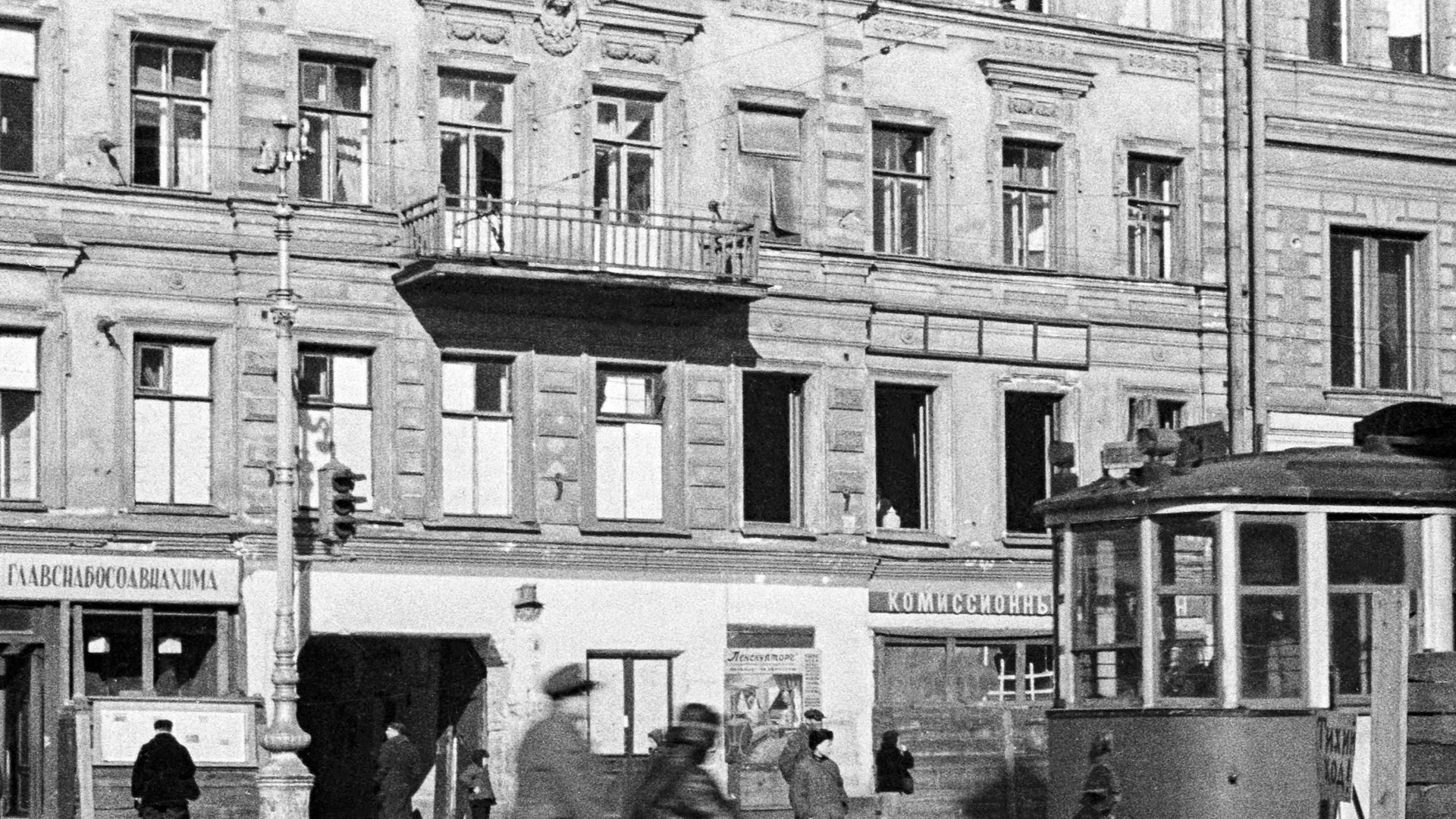
Despite the Soviets’ refusal to capitulate, the Führer was adamant that the mission continue. Indeed, the German leader saw Leningrad as the first significant chess piece in the larger goal of taking Russia entirely. He repeated his orders in no uncertain terms: “Leningrad first, Donetsk Basin second, Moscow third”. Nothing less would suffice.
 Moscow Main Archive Directorate, Wikimedia Commons
14. No Prisoners
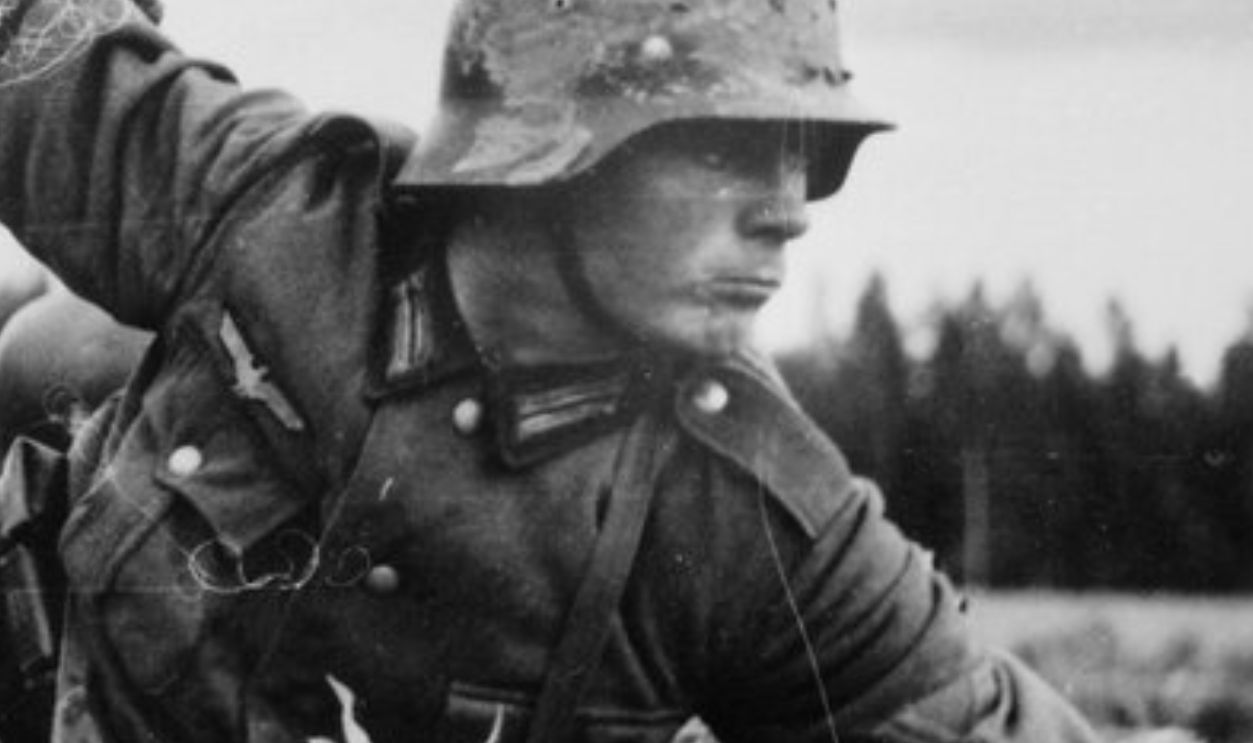
Despite the Führer’s genocidal ambitions, there were practical reasons why the Germans did not want to take Leningrad too. With their forces and resources already stretched pretty thin, the idea of occupying the city was out of the question because, in the words of one German High Command officer, “it would make us responsible for food supply”.
To that end, the Army Group North was ordered once again to accept no capitulation from the residents of Leningrad. With orders crystal clear, the siege finally began.
 National Archives at College Park, Wikimedia Commons
15. Opening Shots
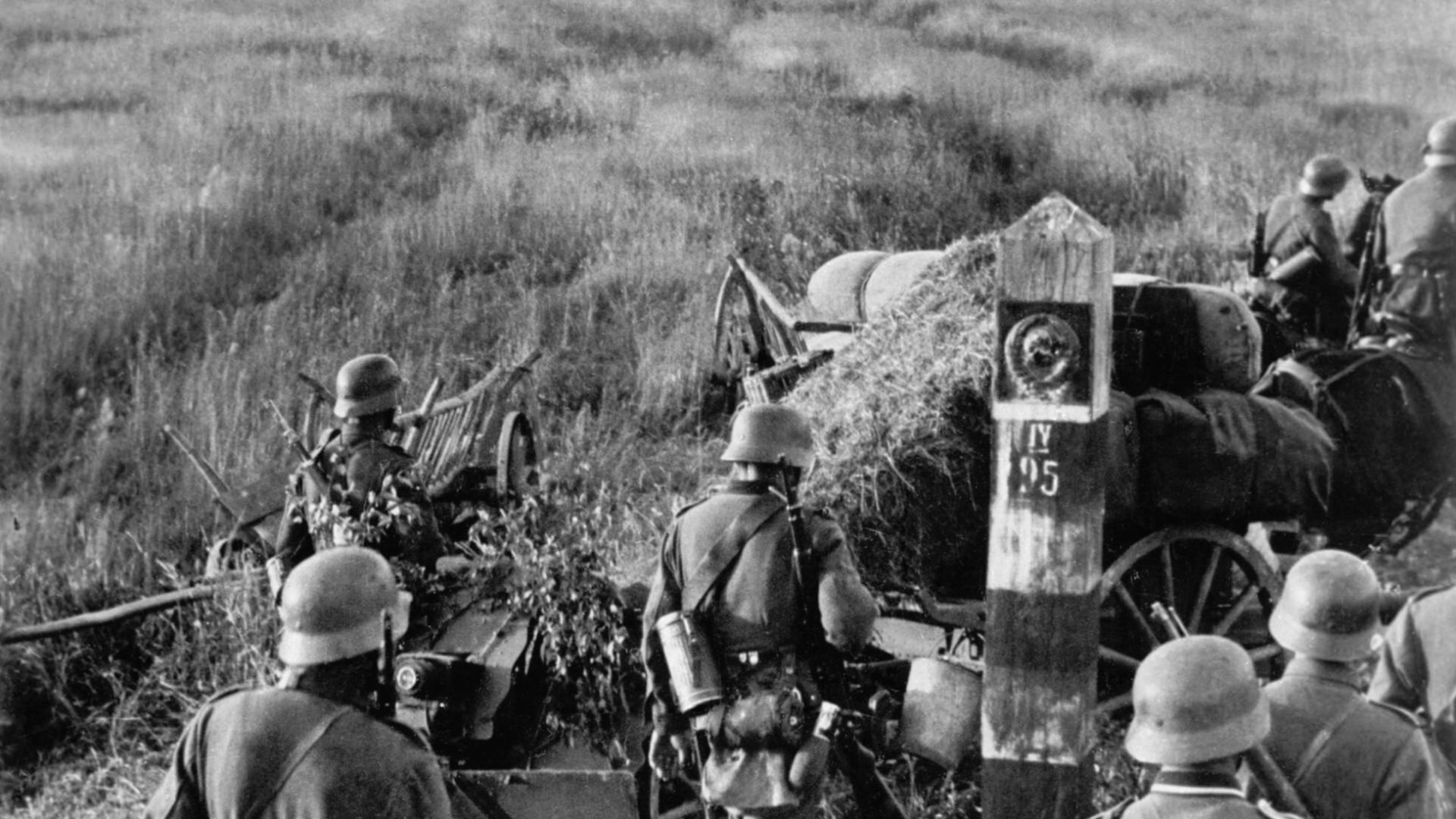
With the final severing of all remaining land routes on September 8, 1941, the Siege of Leningrad officially begun. The Germans proceeded to shell the city relentlessly, with a debatable (more on that below) level of support from the Finns. The bombardment had begun, and the Soviet response was swift.
 Johannes Hahle, Wikimedia Commons
16. Assembly Line Of Defense
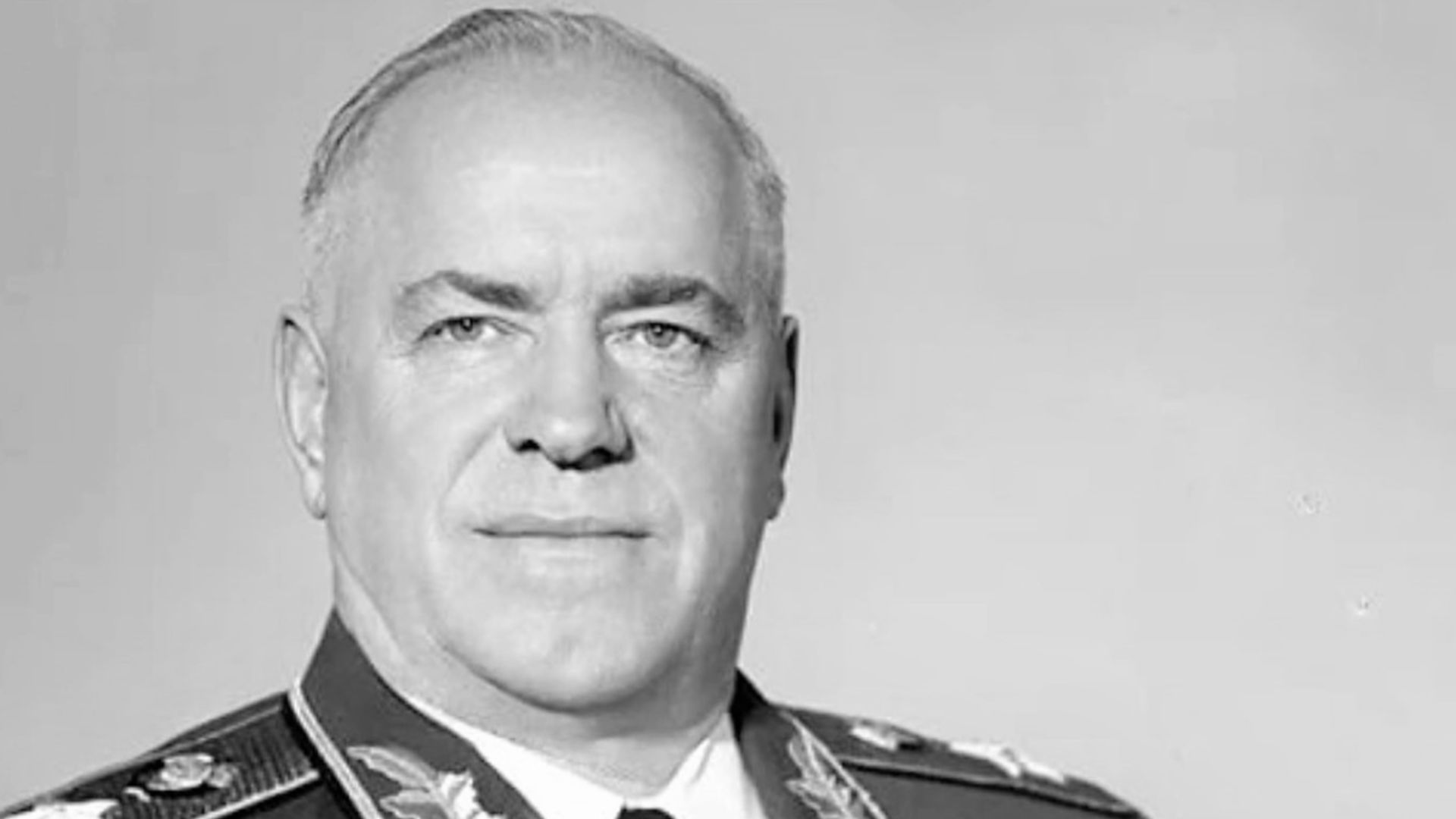
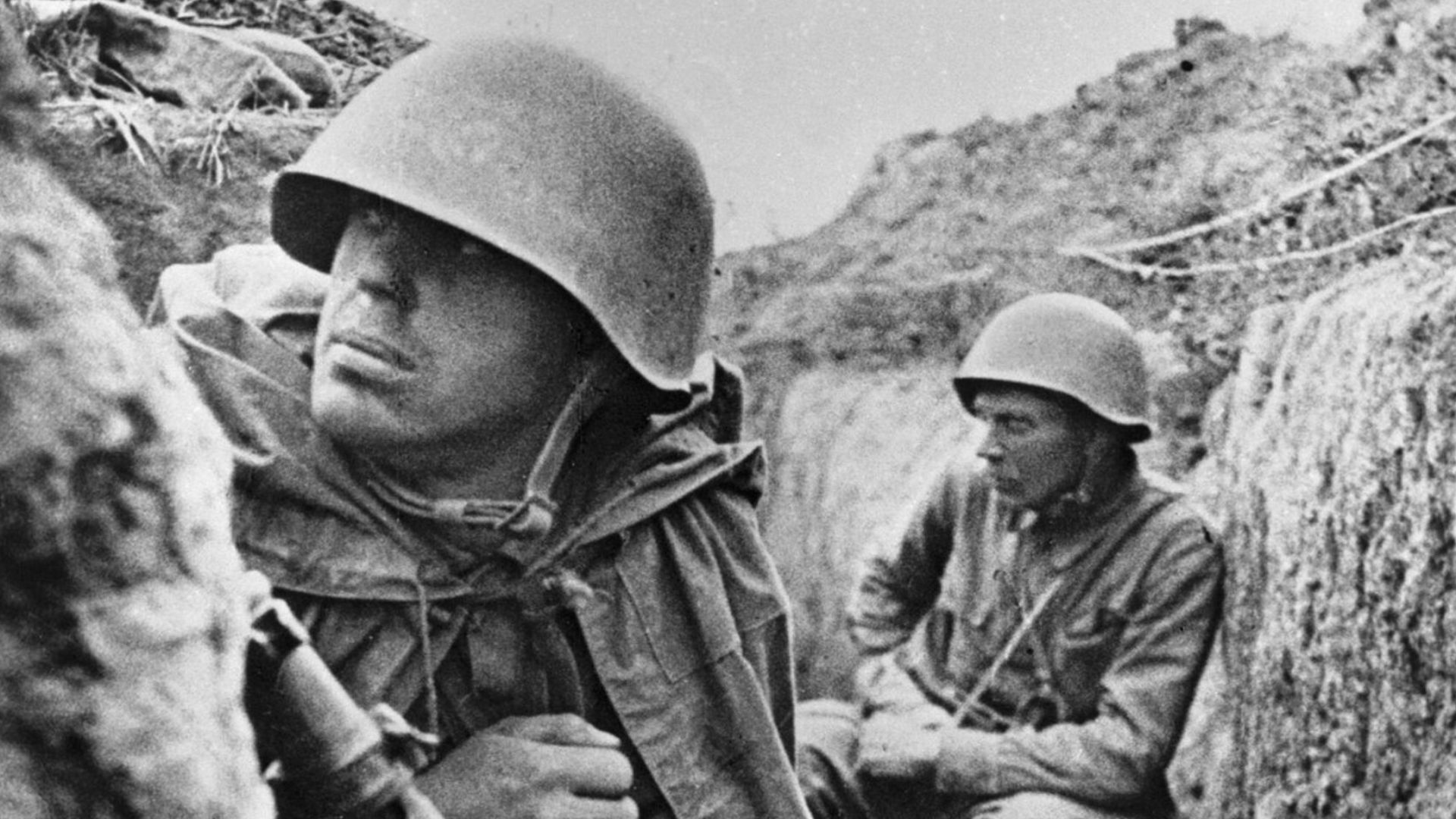
Marshal of the Soviet Union Georgy Zhukov led the Leningrad forces and took desperate measures to halt the final German push into the city’s outskirts. As mentioned, Leningrad was an industrial center, and they put the power of that productive might to full use. The Soviet forces manned heavy tanks as they rolled off the assembly lines! It was enough to hold off ground troops, but the siege carried on relentlessly.
 not specified, Wikimedia Commons
17. Endless Terror From Above
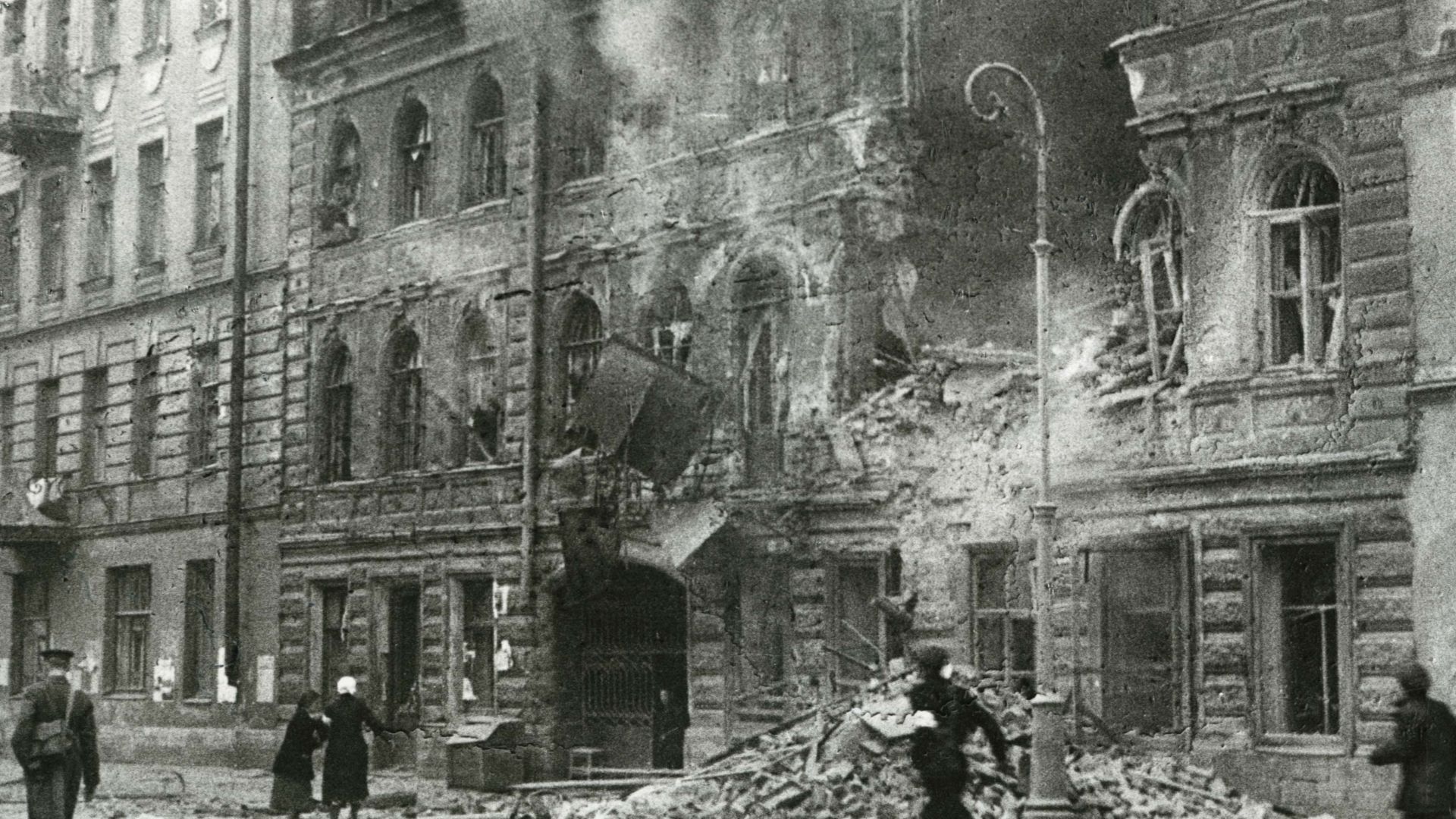
While the Soviets successfully prevented the Germans from pressing their offensive home, the Axis armies nevertheless laid siege to the city—for a very, very long time. Most accounts of the event lament the Axis shelling that lasted “900 days and nights”. That number is pretty accurate.
 Vsevolod Tarasevich / Vsevolod Tarasevich, Wikimedia Commons
18. The Long Haul
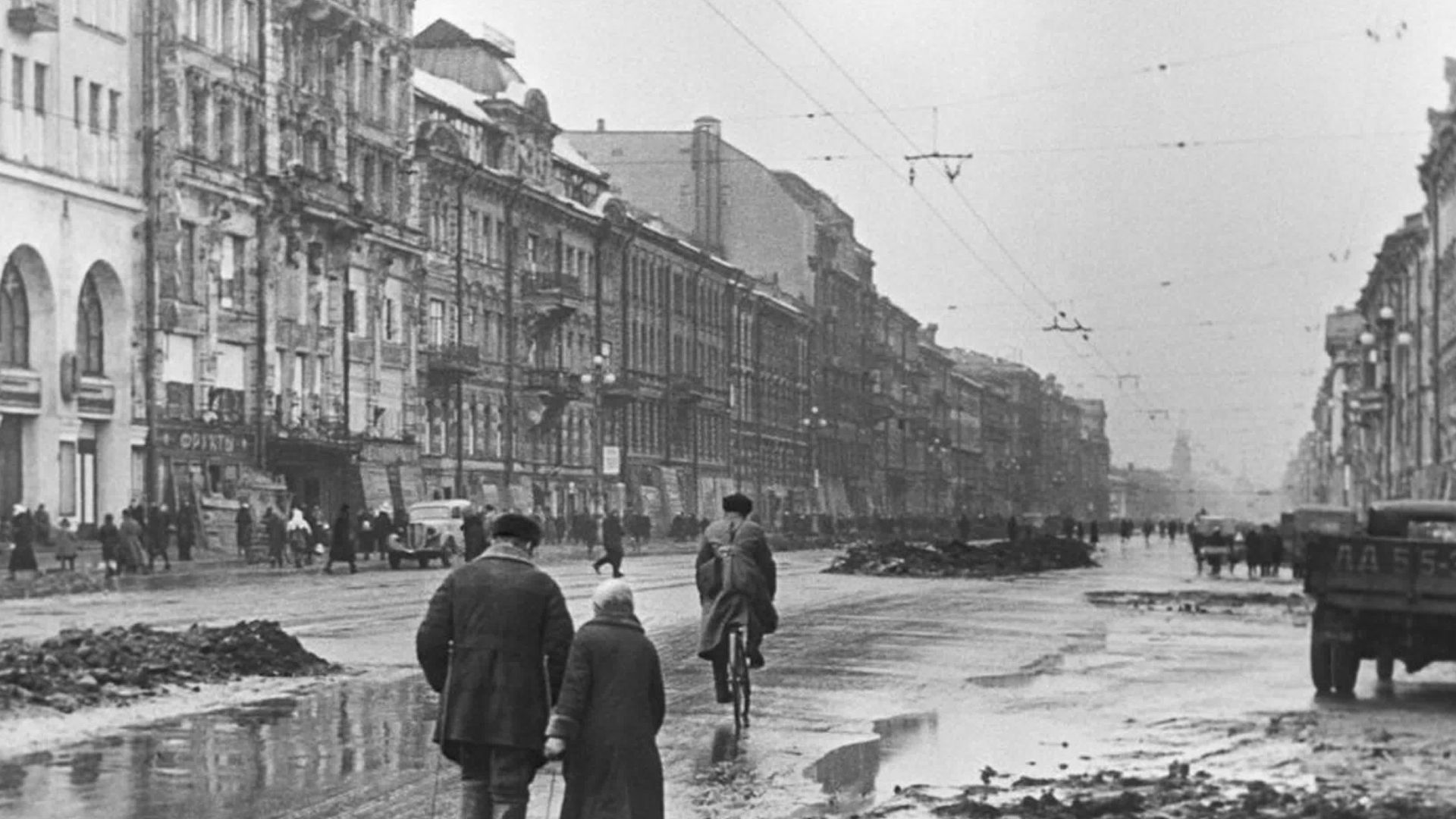
In total, the Siege of Leningrad lasted from September 8, 1941, to January 27, 1944. This totaled a jaw-dropping two years, four months, and 19 days. The intensity of the siege varied across its almost two-and-a-half-year span, and there were some days that were far worse than others…
 Boris Kudoyarov / Boris Kudoyarov, Wikimedia Commons
19. A Dark Day
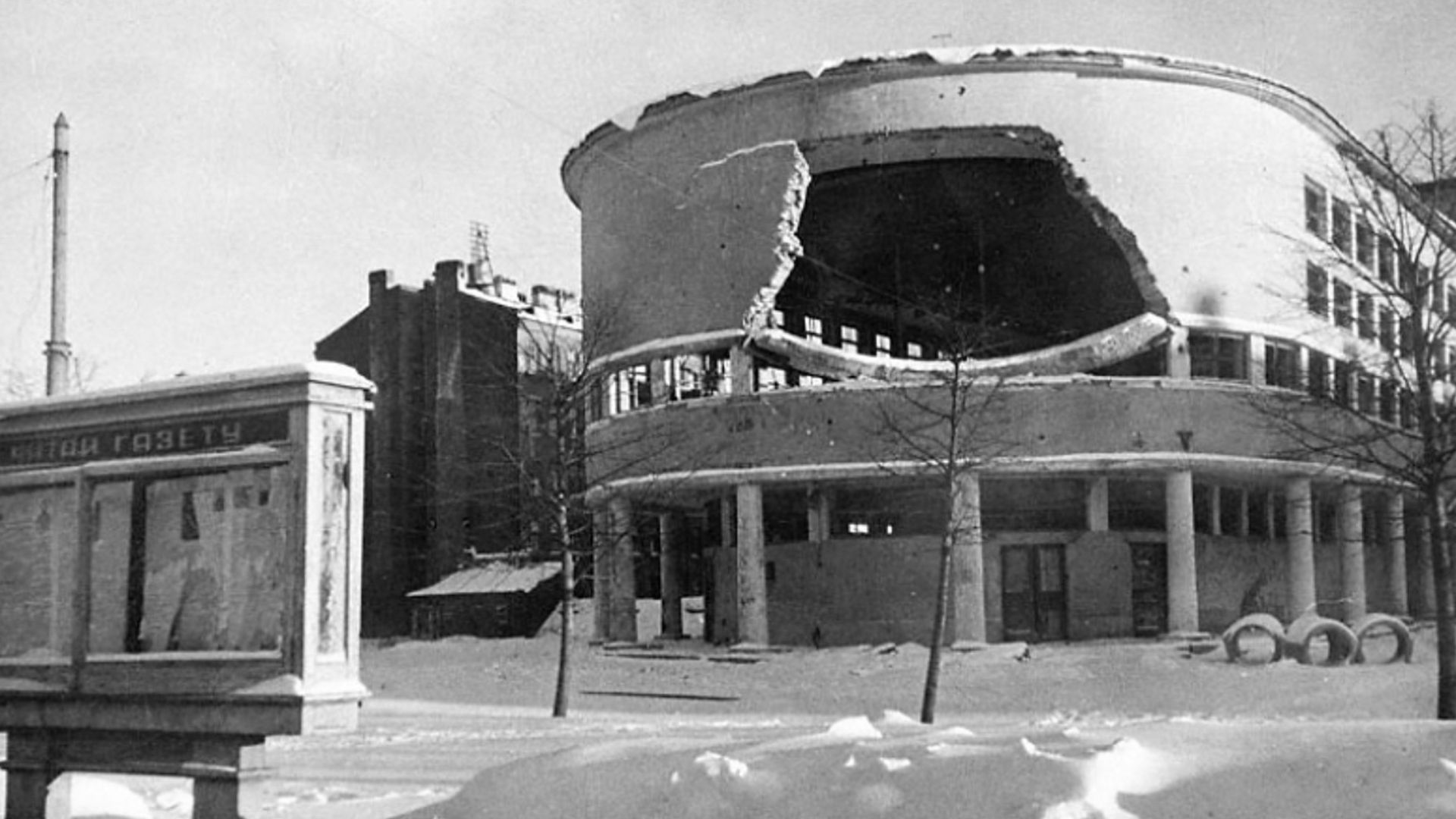
September 19, 1941, a day relatively early in the siege, was particularly brutal for the Soviets. The Germans launched a devastating air raid, the heaviest suffered by Leningrad during all of WWII. 276 bombers hit the city, costing the lives of 1,000 civilians. It was not just the weapons that were brutal, however, but the tactics too.
 Sergey Strunnikov, Wikimedia Commons
20. Horrific Targets
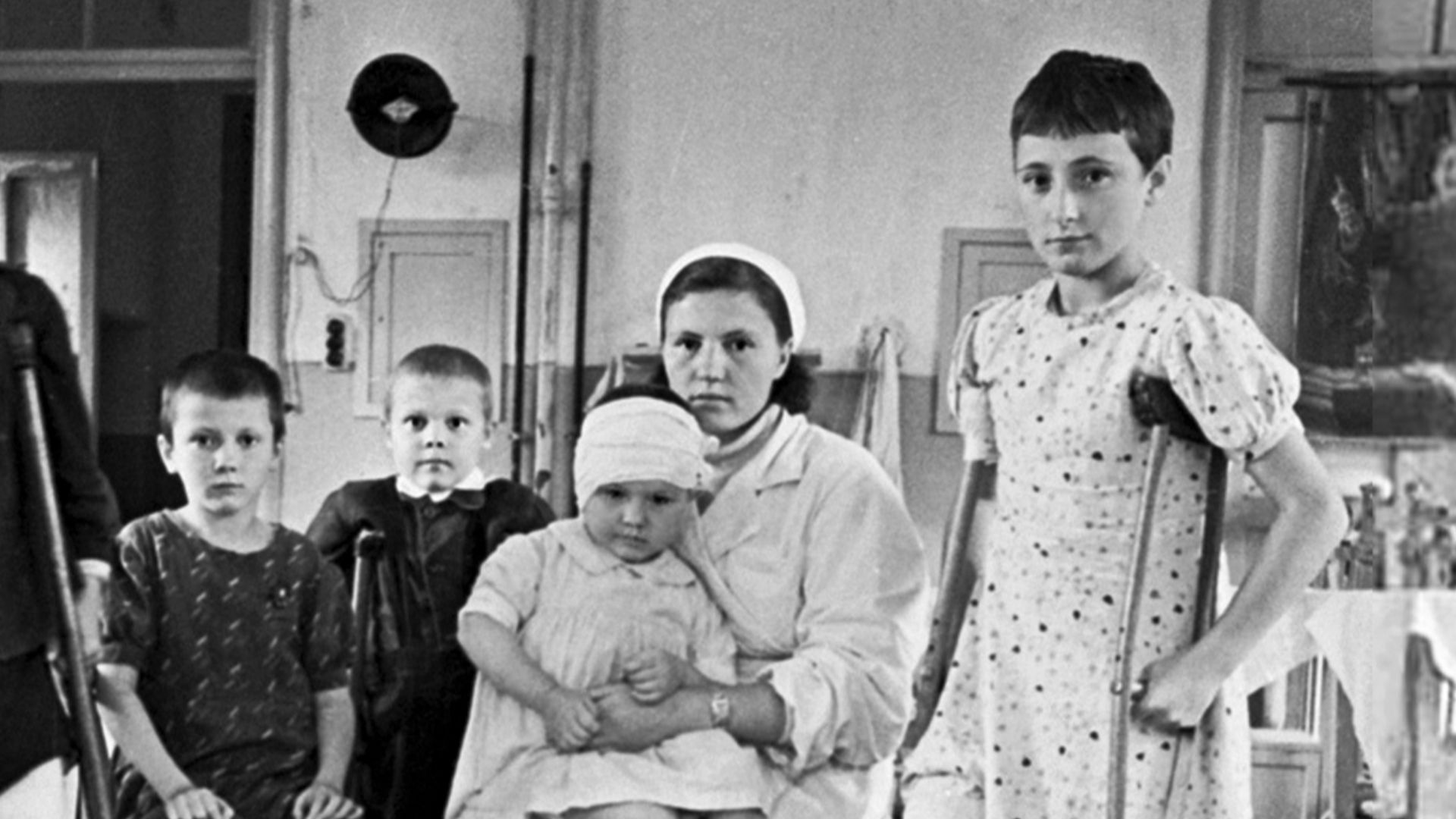
During the September 19 air raid, the Germans deployed deplorable tactics intending to wipe out the Leningrad residents. Many of those lost in the attack were recuperating from battle wounds in hospitals—which the Germans shelled indiscriminately. In total, five hospitals were hit over six air raids that day. With such horrific tactics, were Germany’s allies growing uneasy?
 Boris Kudoyarov / Boris Kudoyarov, Wikimedia Commons
21. Holding Back
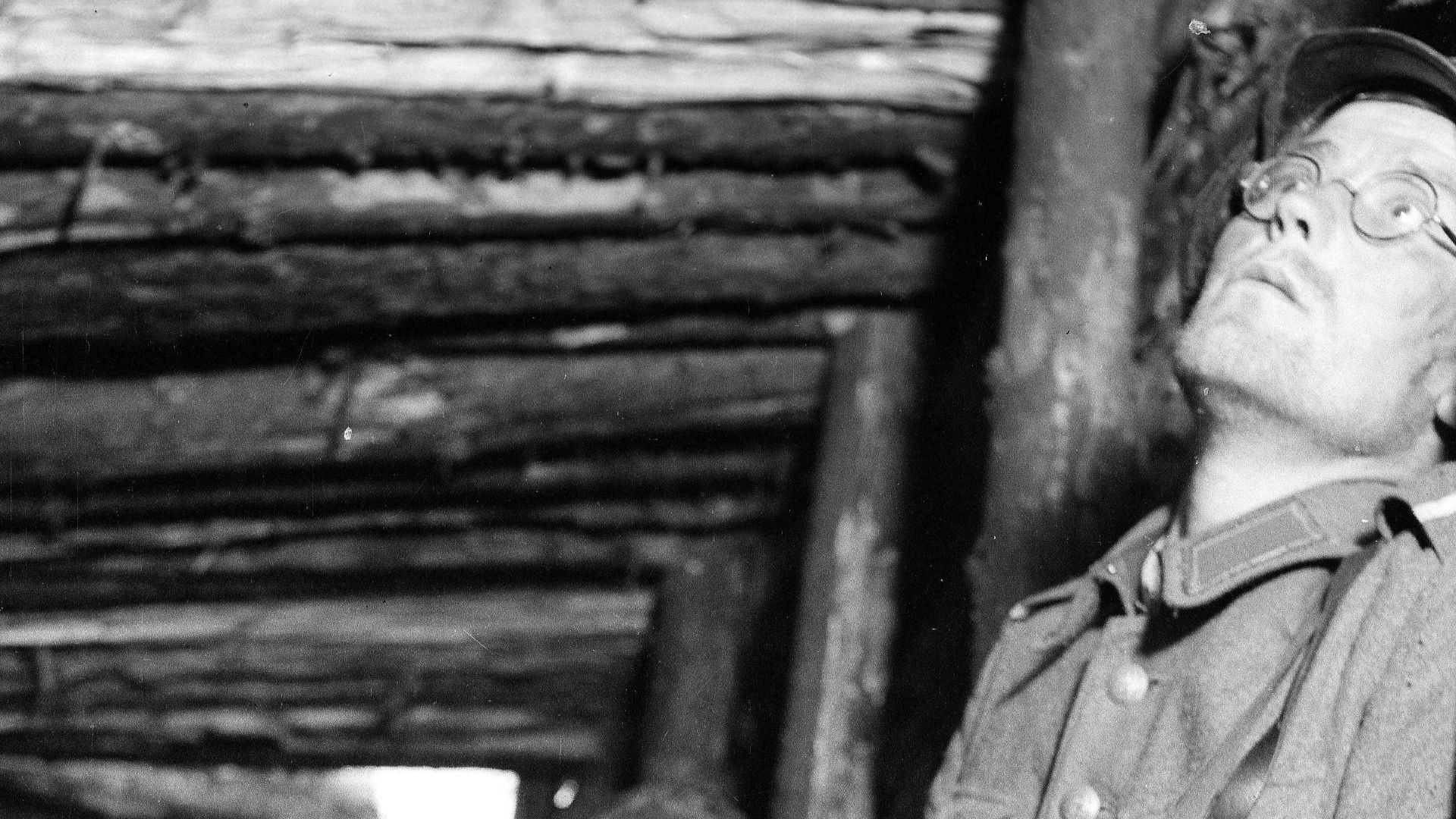
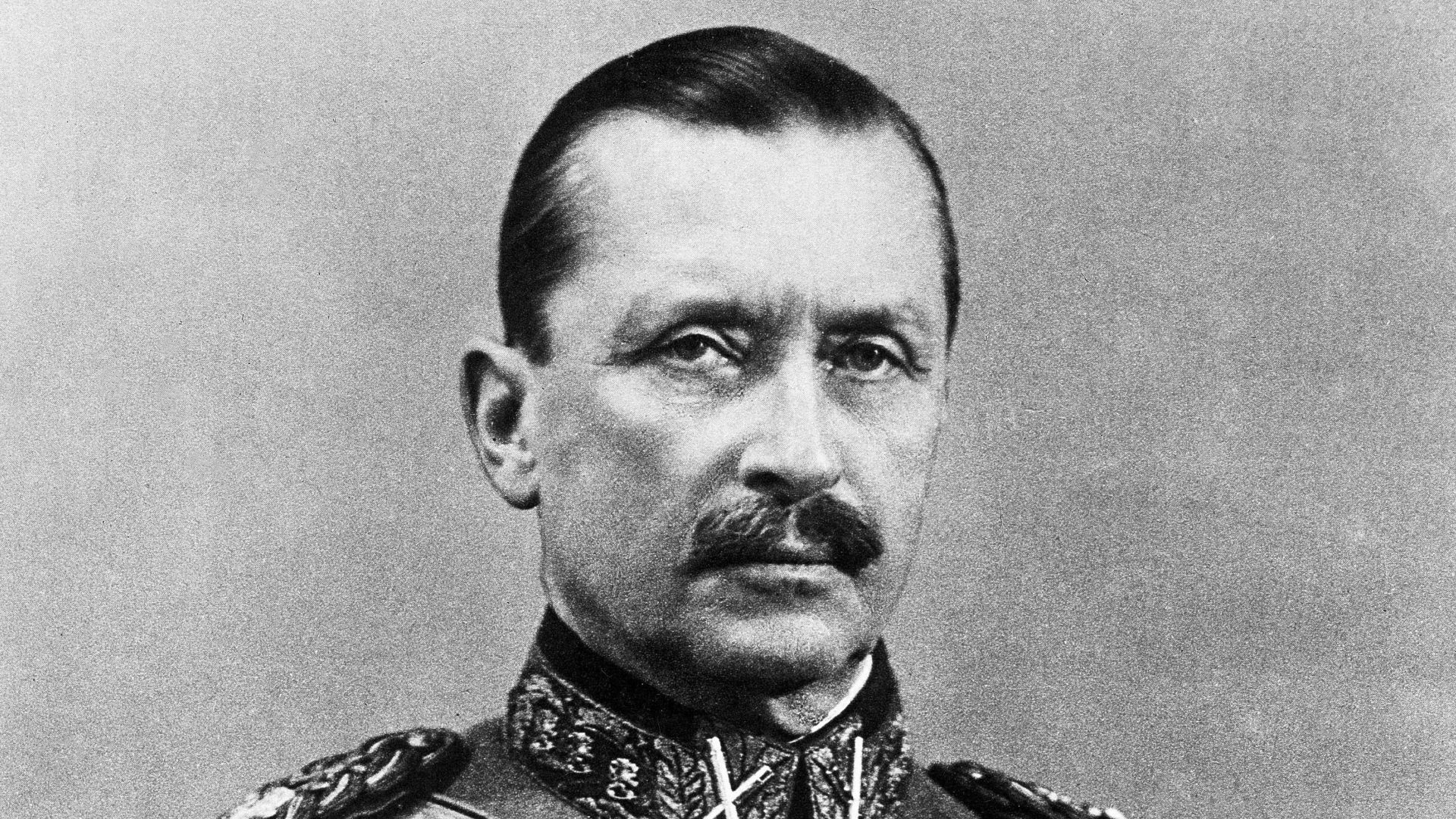
For the almost three years of lead-up, and during the siege itself, the German’s Finnish allies allegedly did little to contribute to the battle. Their participation largely involved recapturing lands lost in a previous conflict with the Soviets, though they also greatly assisted the Führer’s efforts by breaking Soviet military codes. The Germans appealed for further help, of course.
 Sot.virk. Uuno Laukka, Wikimedia Commons
22. Reluctant Allies
German envoys pleaded with the Finns to offer aerial and ground support against Leningrad, but Finnish leaders rejected the requests. The fact of the matter was that the city was simply not a strategic goal for the Finns, whose forces largely remained at the border previously established before their earlier conflict with the Soviets. Some have questioned this narrative, however.
23. A Cover-Up?
While most historians agree that the Finns’ participation had its limits, some have speculated that this is false, and that their active role in the siege of Leningrad underwent a cover-up following improved Soviet-Finnish relations after the conclusion of WWII. And while we may never know the truth, we cannot deny the heroics of the opposing forces.
 Sot.virk. T.Norjavirta, Wikimedia Commons
24. Soviet Heroism
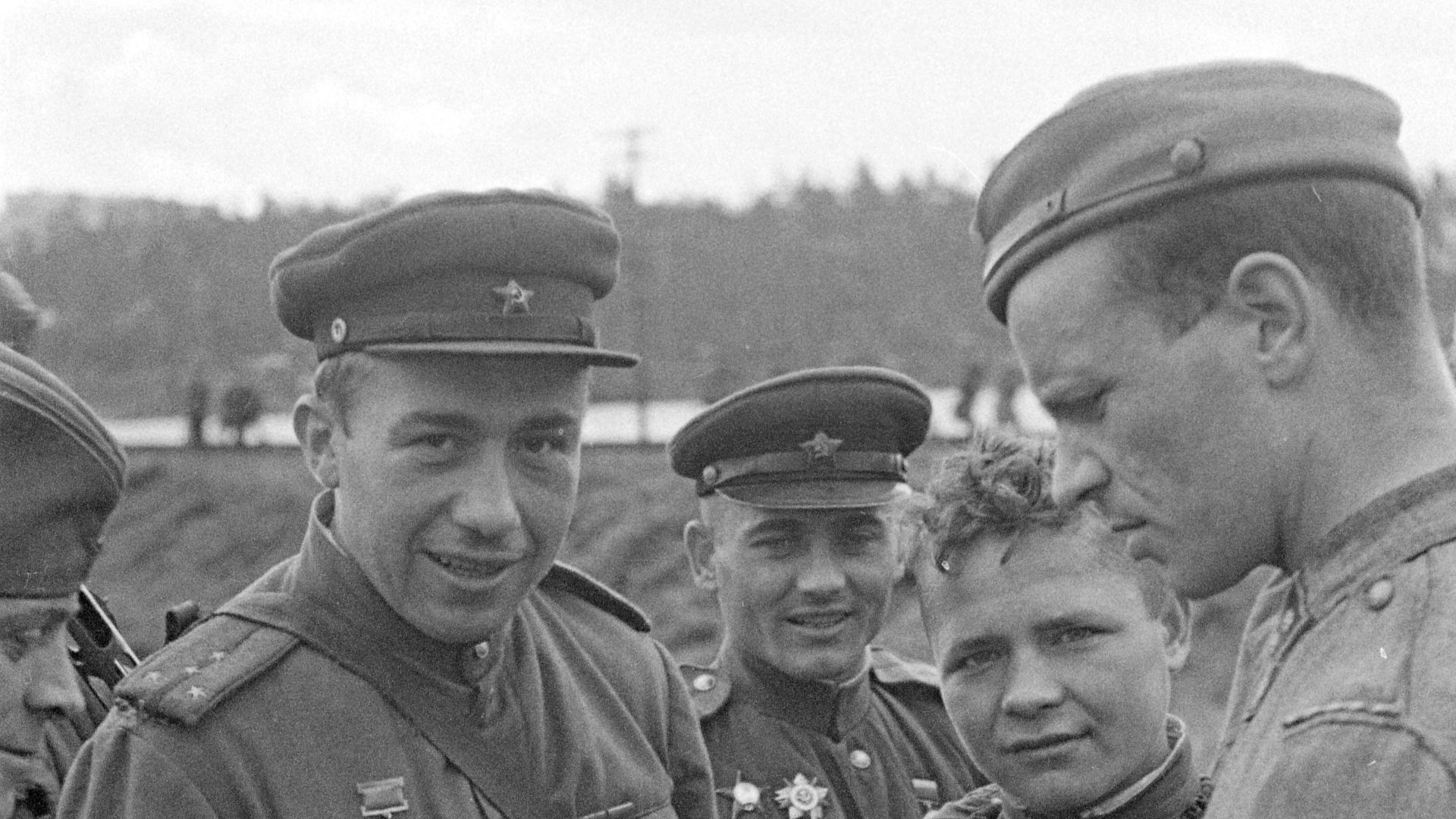
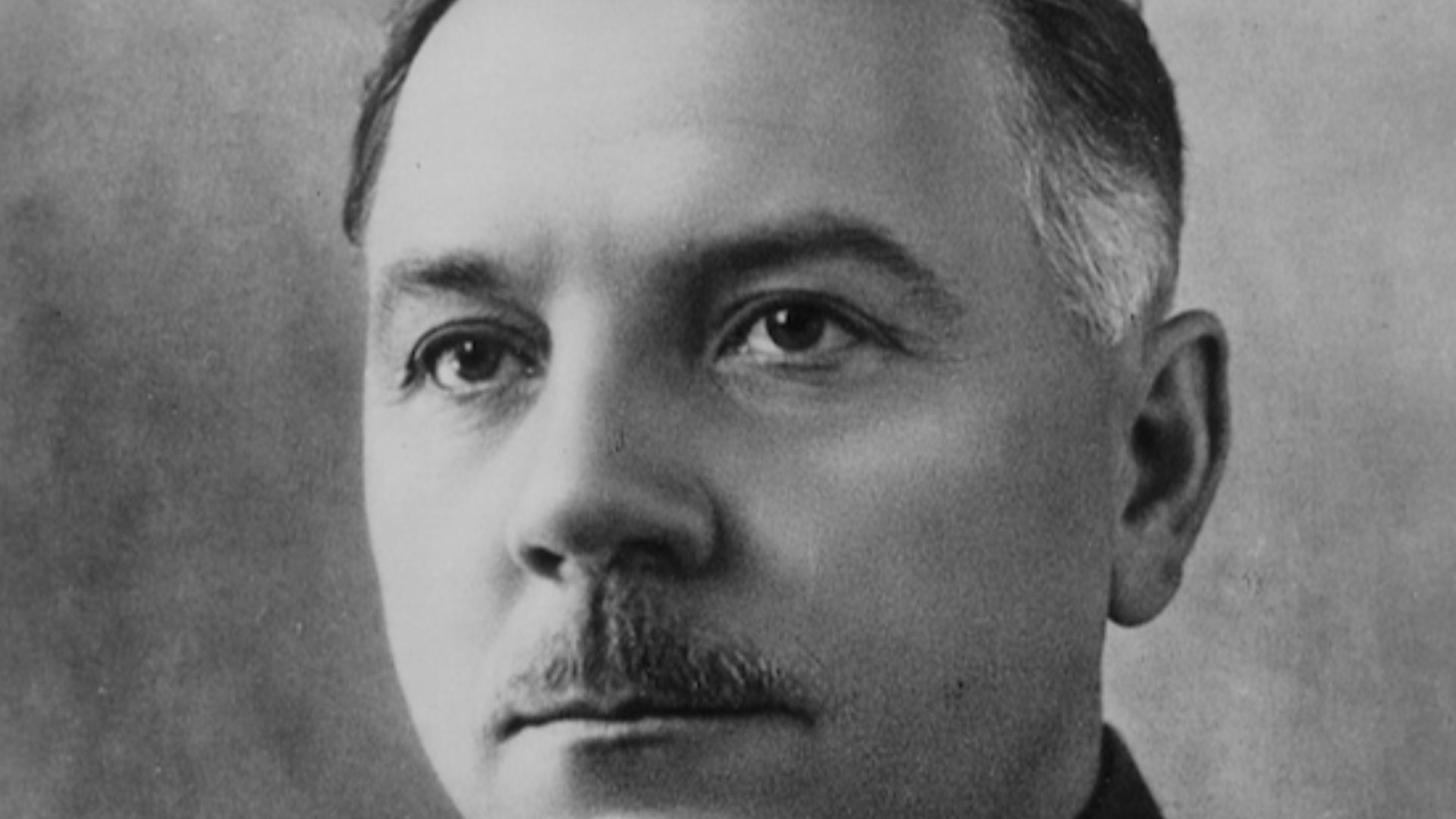
Commanded by Marshal Kliment Voroshilov, the Leningrad Front bravely defended the city for the seemingly never-ending duration of the siege, with only minimal reinforcements at irregular intervals. Their efforts were nothing short of heroic, and it wasn’t just the fighting.
 Unknown authorUnknown author, Wikimedia Commons
25. Civilian Safety
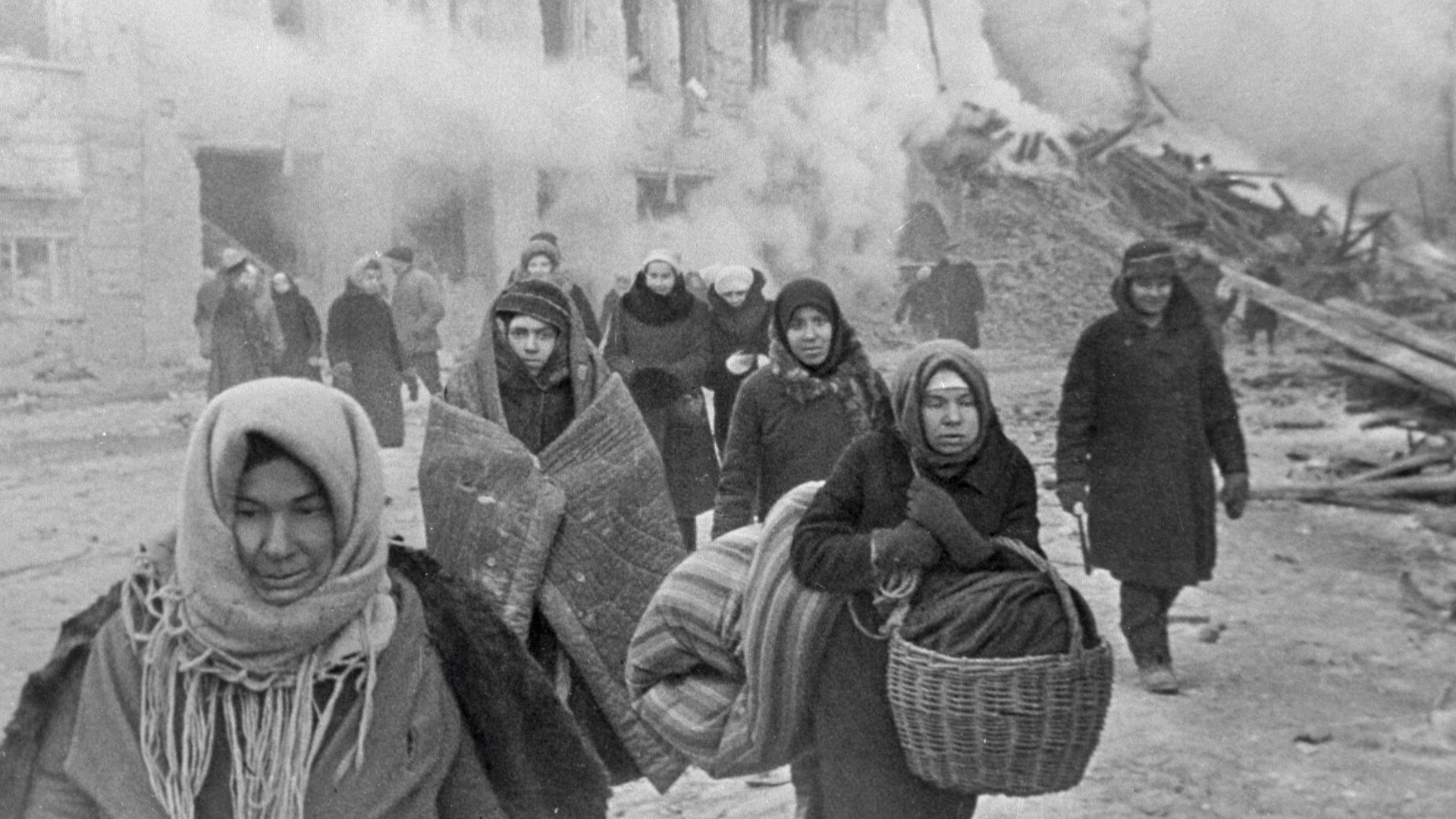
Alongside defending the city from the German onslaught, the Leningrad Front assisted in the defense of the civilians that the Soviets managed to evacuate from the city. It was no easy task, considering the Germans had cut off most land routes from the city, but astonishingly, the Leningrad Soviet successfully smuggled 1.7 million noncombatants out of harm’s way. For the ones that stayed, however, it was a grim existence.
 Boris Kudoyarov / Boris Kudoyarov, Wikimedia Commons
26. Life From Above
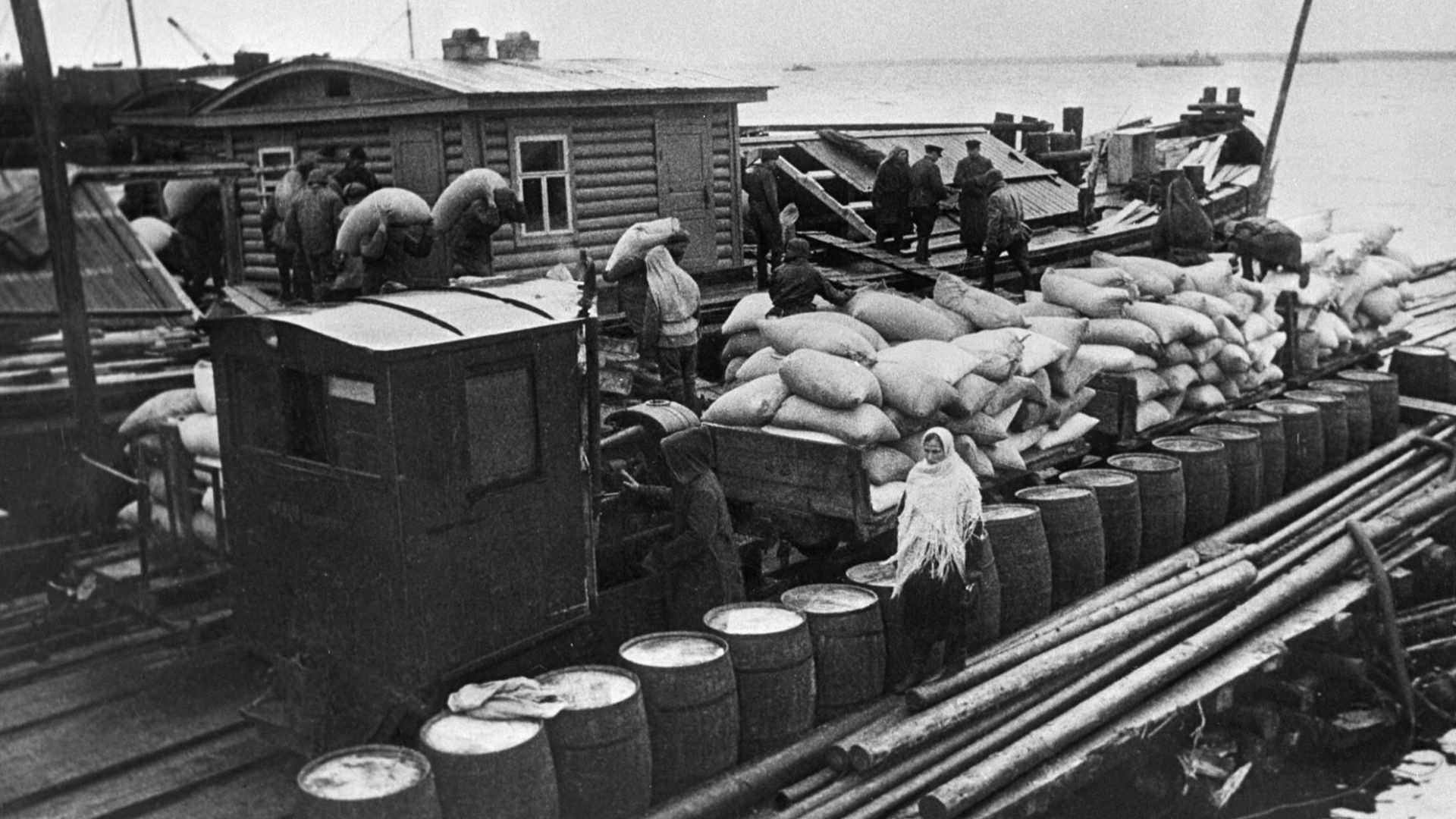
Food shortages in the winter led to intense rationing—which quickly took a dark turn (more on that later). However, eventually, the Soviets finally managed to deliver relief in the form of supplies to the city, easing the burden somewhat. The Soviets delivered these via air and ship over Lake Ladoga. This lake, in particular, soon became the site of another feat of Soviet ingenuity.
 Boris Kudoyarov / Boris Kudoyarov, Wikimedia Commons
27. Daring Rescue
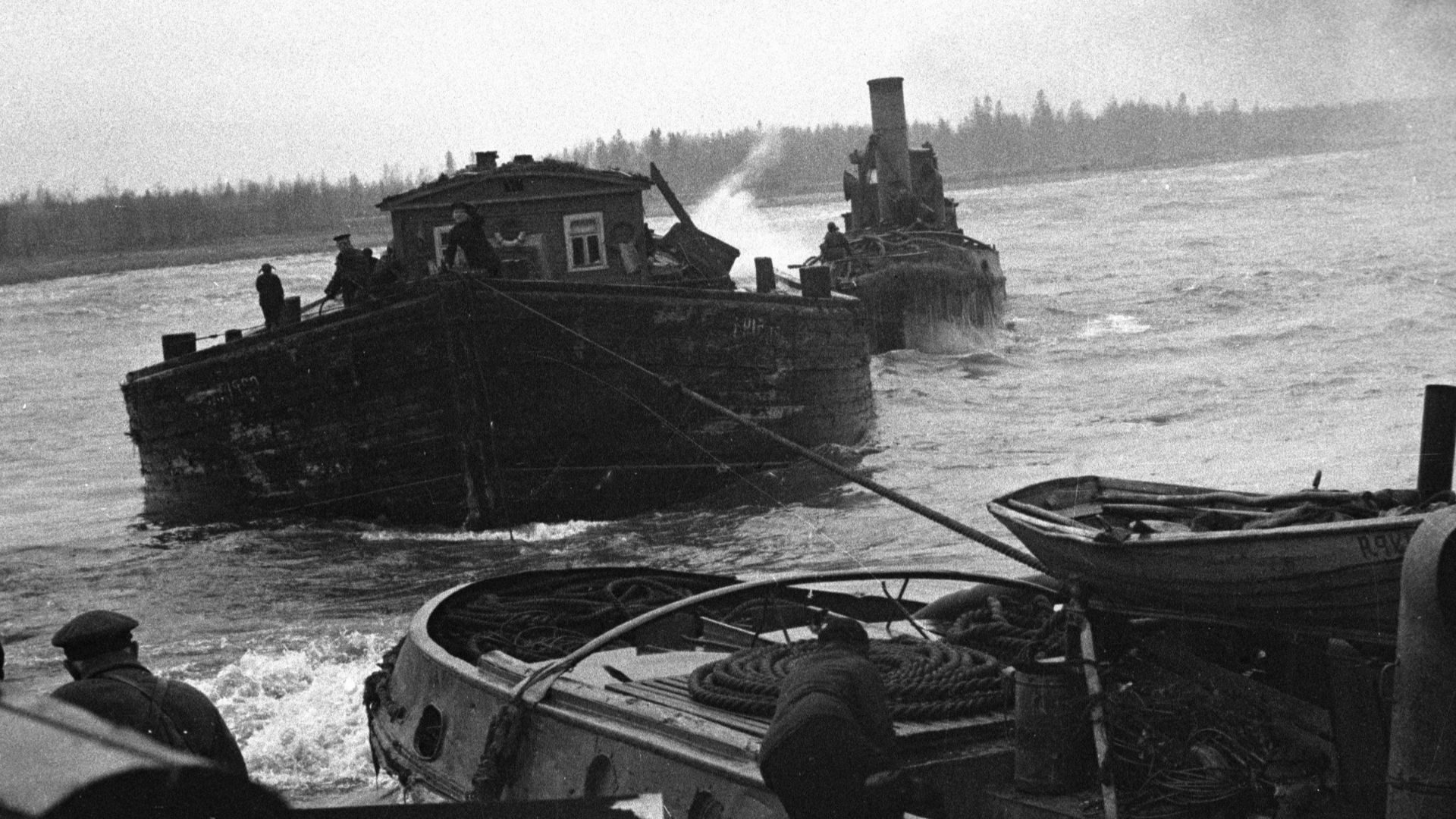
The Red Army desperately needed to establish a supply route for Leningrad, and they came up with an ingenious idea. Soviet forces established a highway built on the frozen Lake Ladoga, which allowed them to get food and defensive supplies into the city. The highway became known as the Road of Life. In the warmer months, they shipped the provisions by watercraft, and traffic on the Road went both ways.
 Boris Kudoyarov / Boris Kudoyarov, Wikimedia Commons
28. Road Of Safety
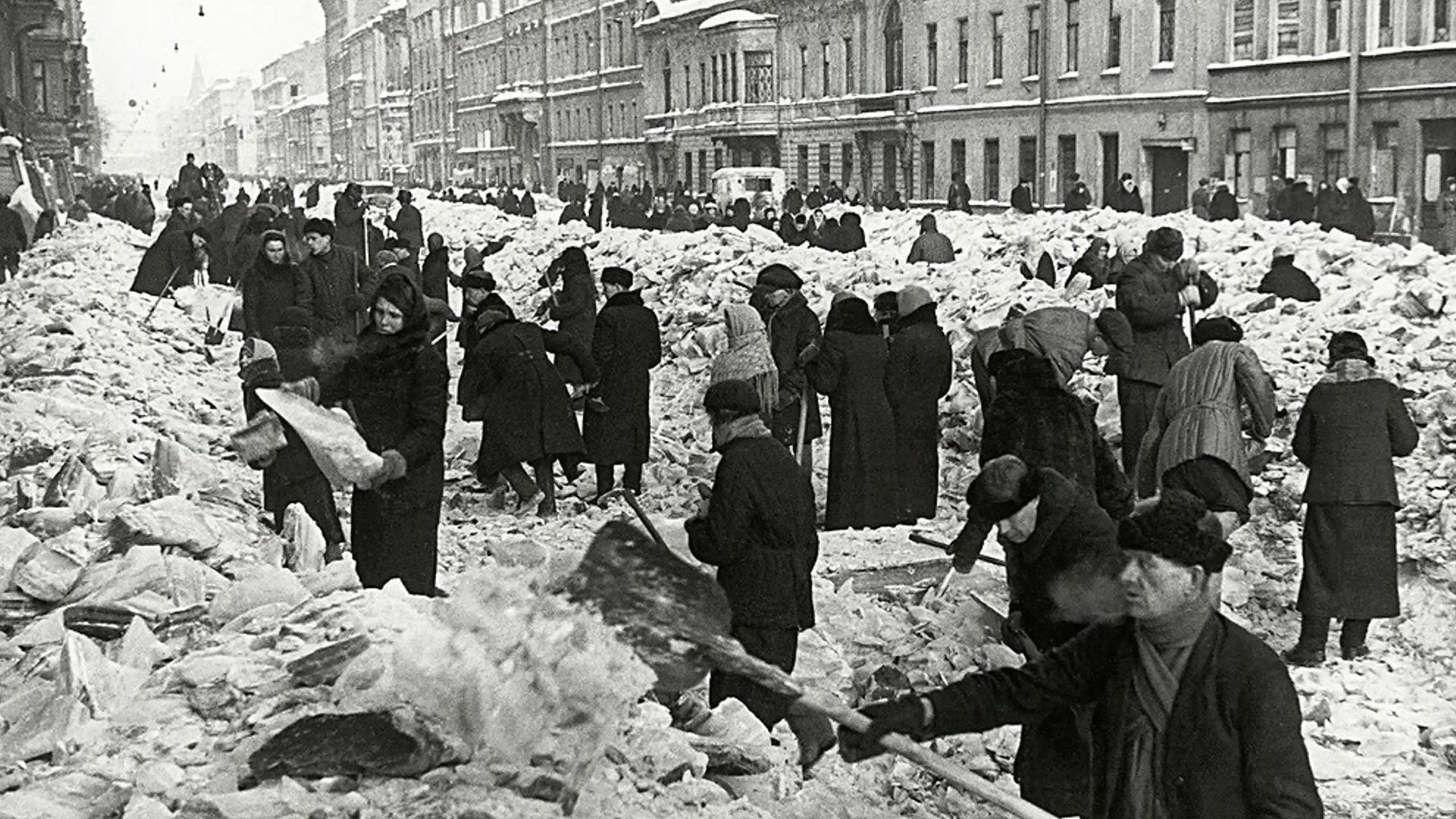
After the initial chaos of the siege’s first winter, no further civilian evacuations were possible with the ongoing German bombardment. The Germans completely isolated the city until November 20, when the Road of Life became operational. Finally, the Soviets could evacuate more civilians from Leningrad. Meanwhile, the Germans were removing things from the city themselves.
 Vsevolod Tarasevich / Vsevolod Tarasevich, Wikimedia Commons
29. Stolen Culture
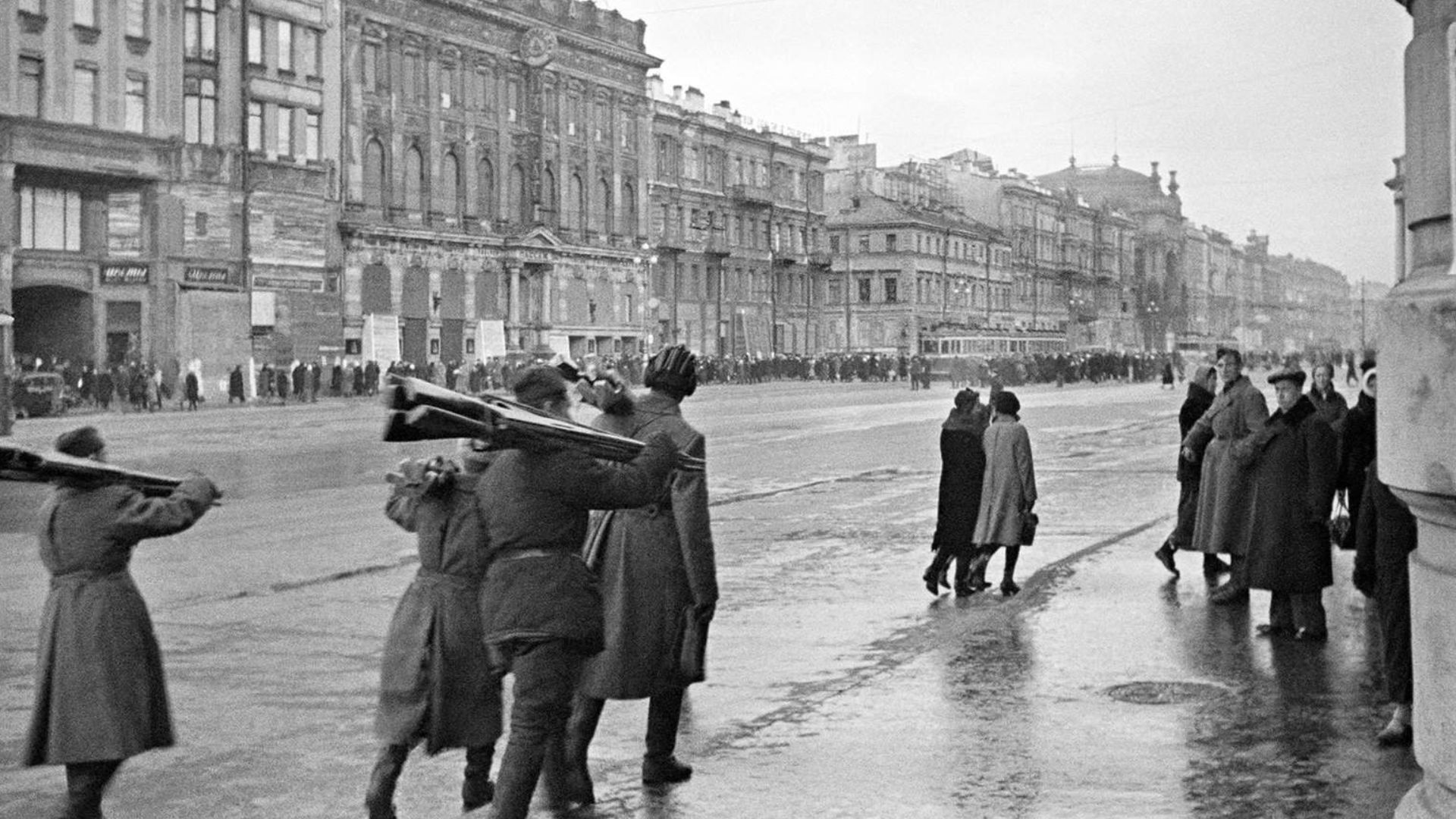
The Germans did not just take lives and infrastructure from Leningrad. The invading forces looted many homes and museums, with valuable art collections seized and moved to Germany. As for the history that they couldn't move, the Germans affected a scorched earth policy.
 Anatoliy Garanin / Anatoly Garanin, Wikimedia Commons
30. Erasing History
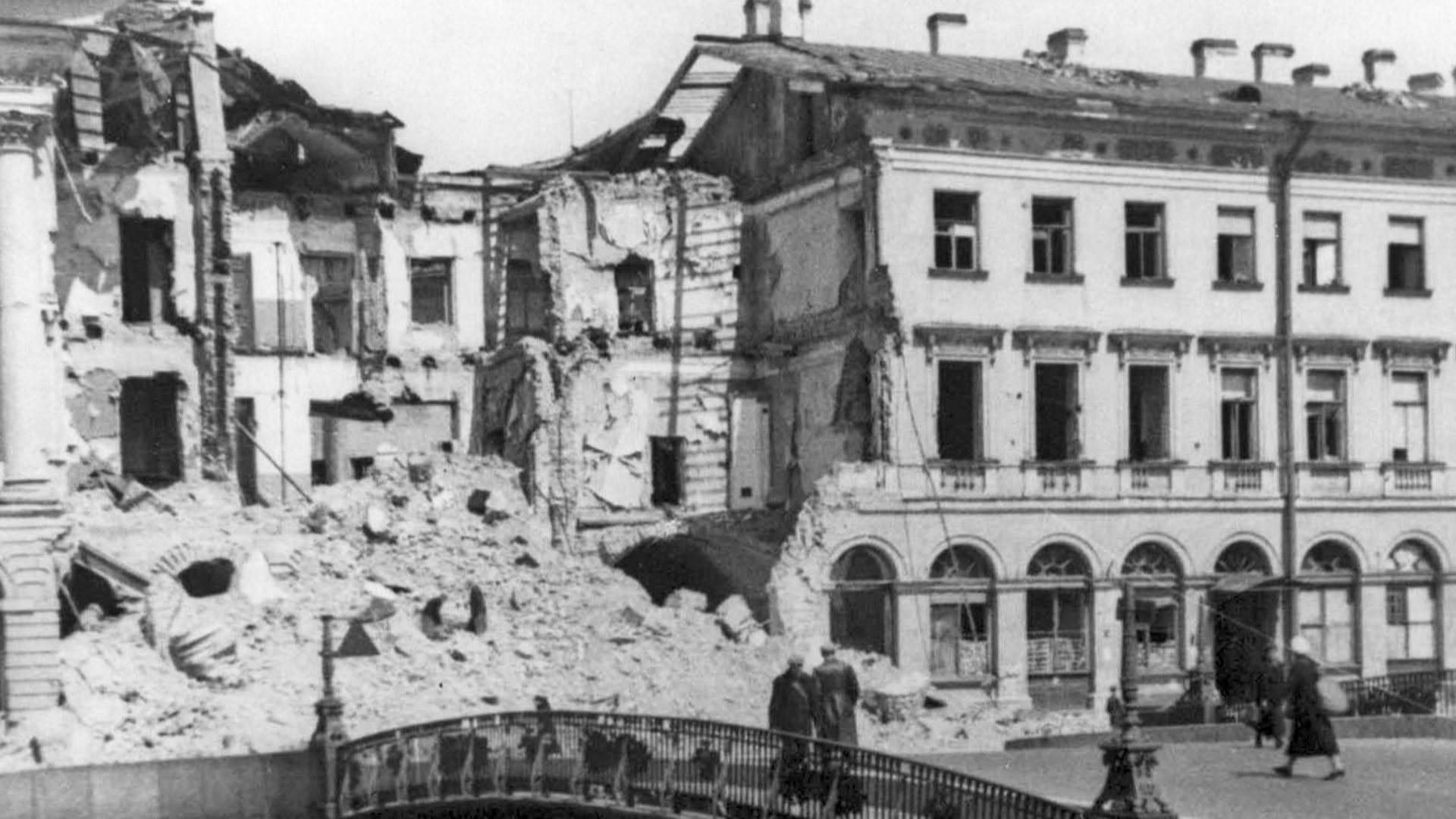
Leningrad was also home to a number of imperial palaces from Russia’s pre-Soviet era. The Führer commanded the German forces to loot and destroy the palaces, along with other historic landmarks. The German onslaught was truly on all fronts, with the goal of complete erasure of Leningrad, physically and culturally. But the city held firm.
 Konovalov Georgiy Fedorovich, Wikimedia Commons
31. Holding Steady
Despite the German siege lasting a staggering 872 days, with all the accompanying horrors inside the city, they never captured Leningrad. It was a truly heroic accomplishment for the residents, especially given the uphill battle against the Germans’ systematic tactics of destruction and starvation. All the credit belongs to the heroic people of the city.
 Vsevolod Tarasevich / Vsevolod Tarasevich, Wikimedia Commons
32. Spirited Citizens
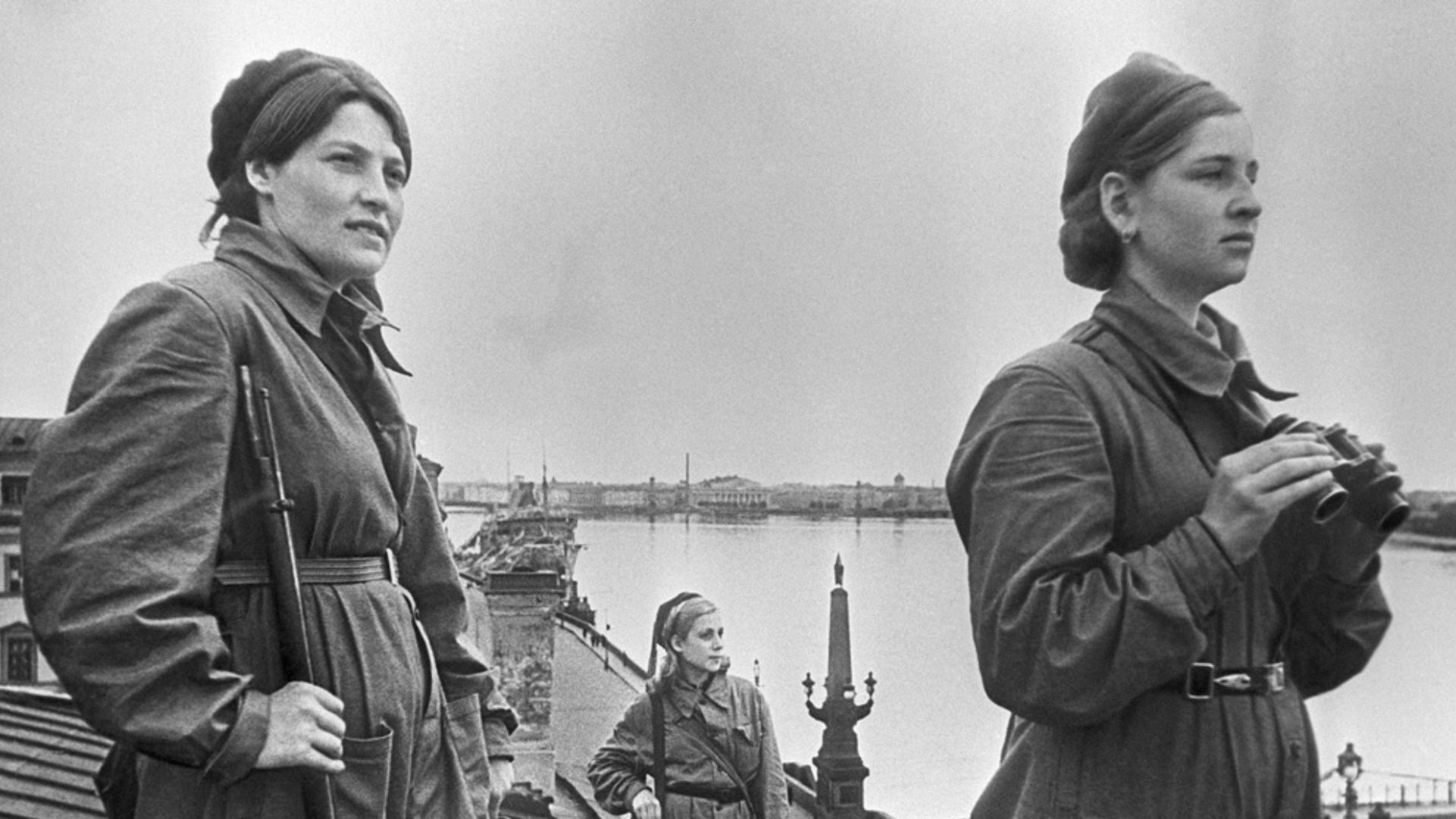
The fighting spirit of the people of Leningrad got summed up perfectly by historian Lisa Kirschenbaum. Writing about the near-insurmountable obstacles they faced and emphasizing the starvation caused by lack of supplies, she cheered that “the majority of Leningraders managed to maintain their cultural norms in the most unimaginable circumstances”. Nowhere was this more evident than one inspiring event.
 Boris Kudoyarov / Boris Kudoyarov, Wikimedia Commons
33. Musical Morale
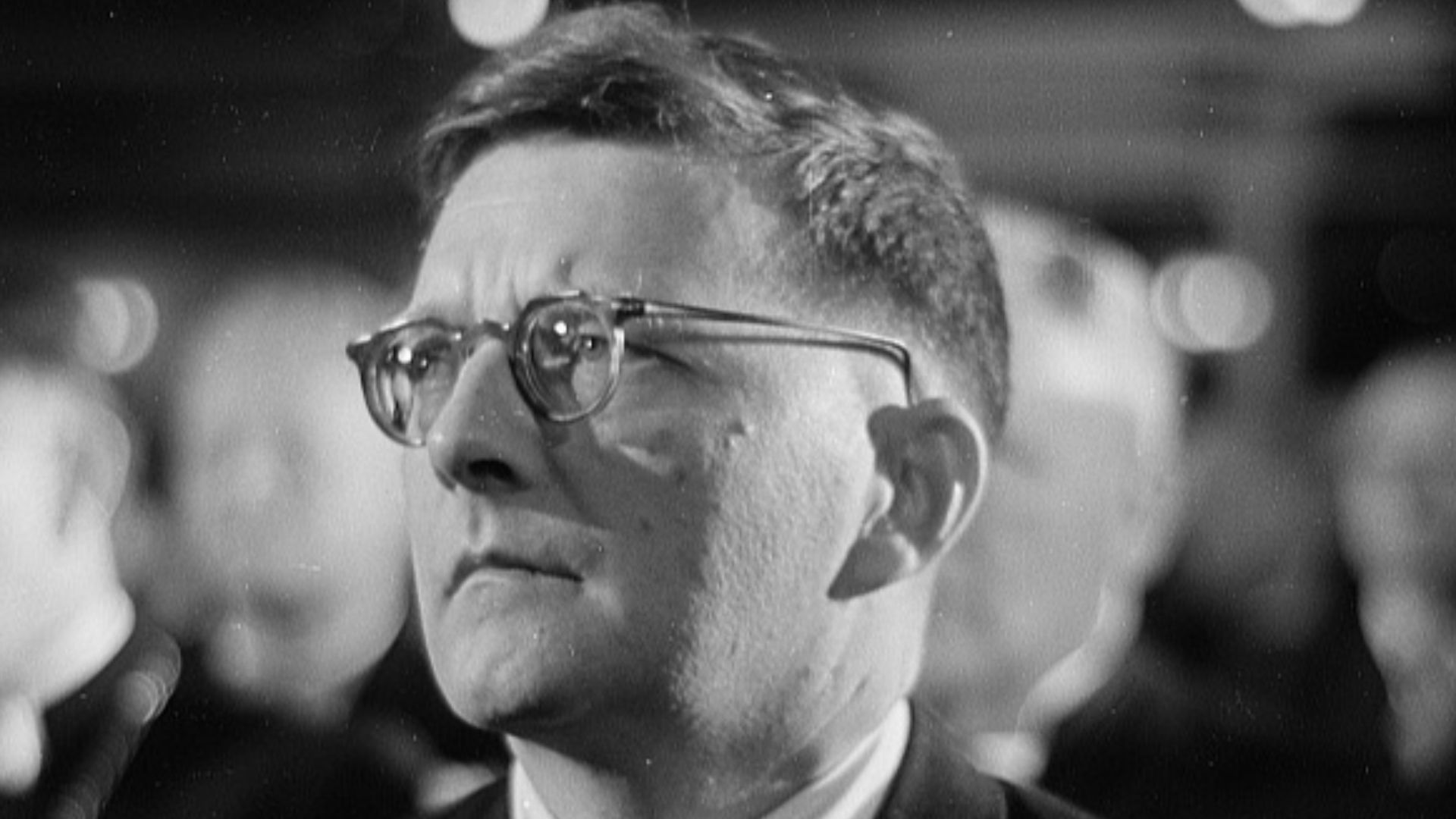
On August 9, 1942, almost one year into the siege, an amazing thing happened in Leningrad: in the face of an endless German onslaught, the Leningrad Radio Orchestra debuted Dmitri Shostakovich’s Symphony No. 7 “Leningrad” in the besieged city. They broadcast the concert on speakers around town, with some even aimed at enemy lines. And as if that wasn’t spirited enough, the day chosen for the performance was significant too: it was the day the Führer had planned his victory party in the Astoria Hotel.
It was an inspiring moment that traced a direct line to the Soviets’ final push.
 Roger Rossing / Renate Rossing, Wikimedia Commons
34. The First Attempt
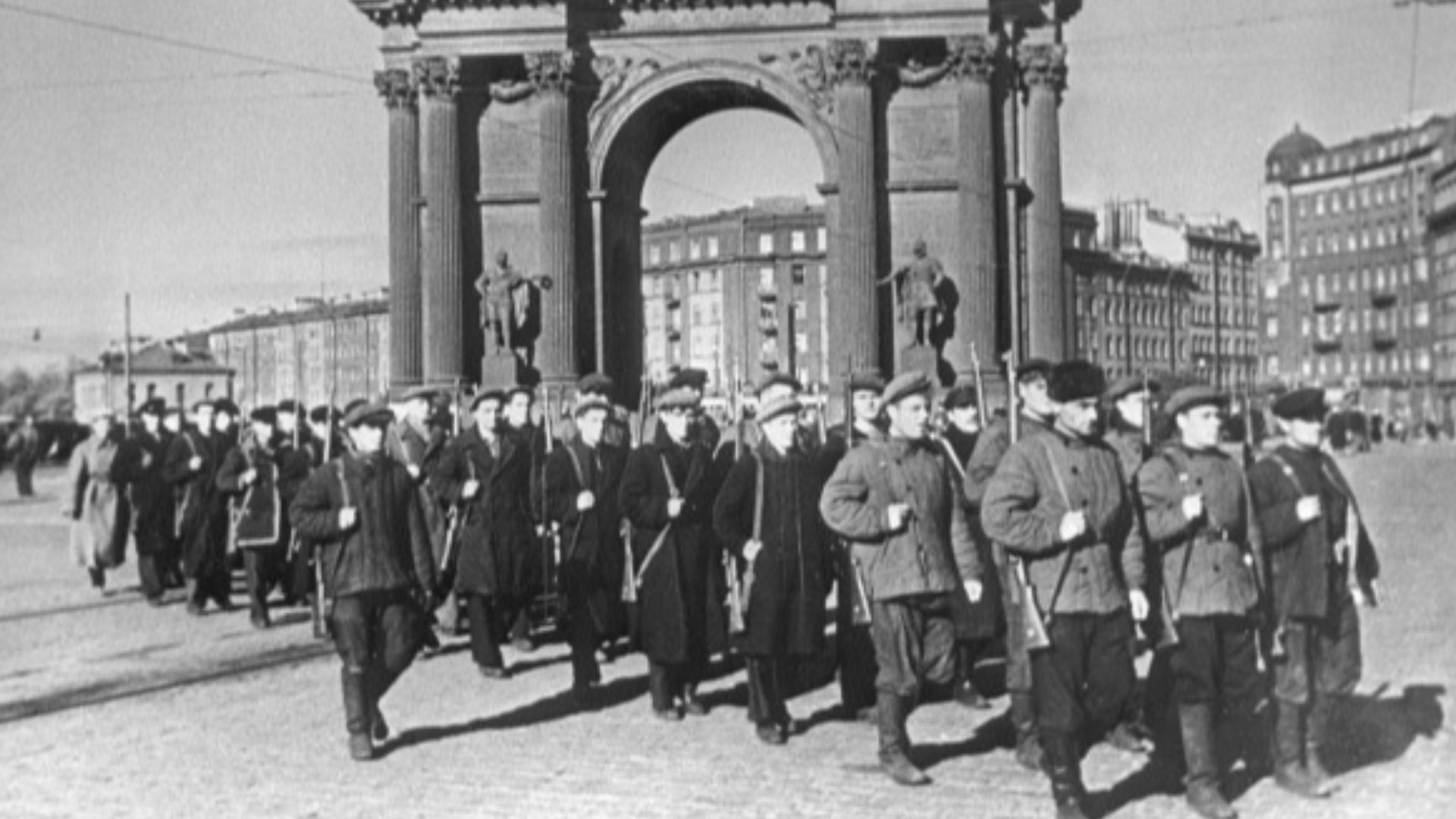
The autumn of 1942 saw the beginning of the Sinyavino Offensive, the first major Soviet attempt to break the siege. It began with small-scale attacks on the Leningrad front, which forced the Germans to redirect troops from a planned attack elsewhere on the Eastern Front. The counteroffensive ended in something of a stalemate: the Soviet forces got encircled and destroyed, but the German offensive also had to be abandoned.
However, it set the stage for phase two of the Red Army’s plan.
 Boris Kudoyarov / Boris Kudoyarov, Wikimedia Commons
35. The Germans Rattled
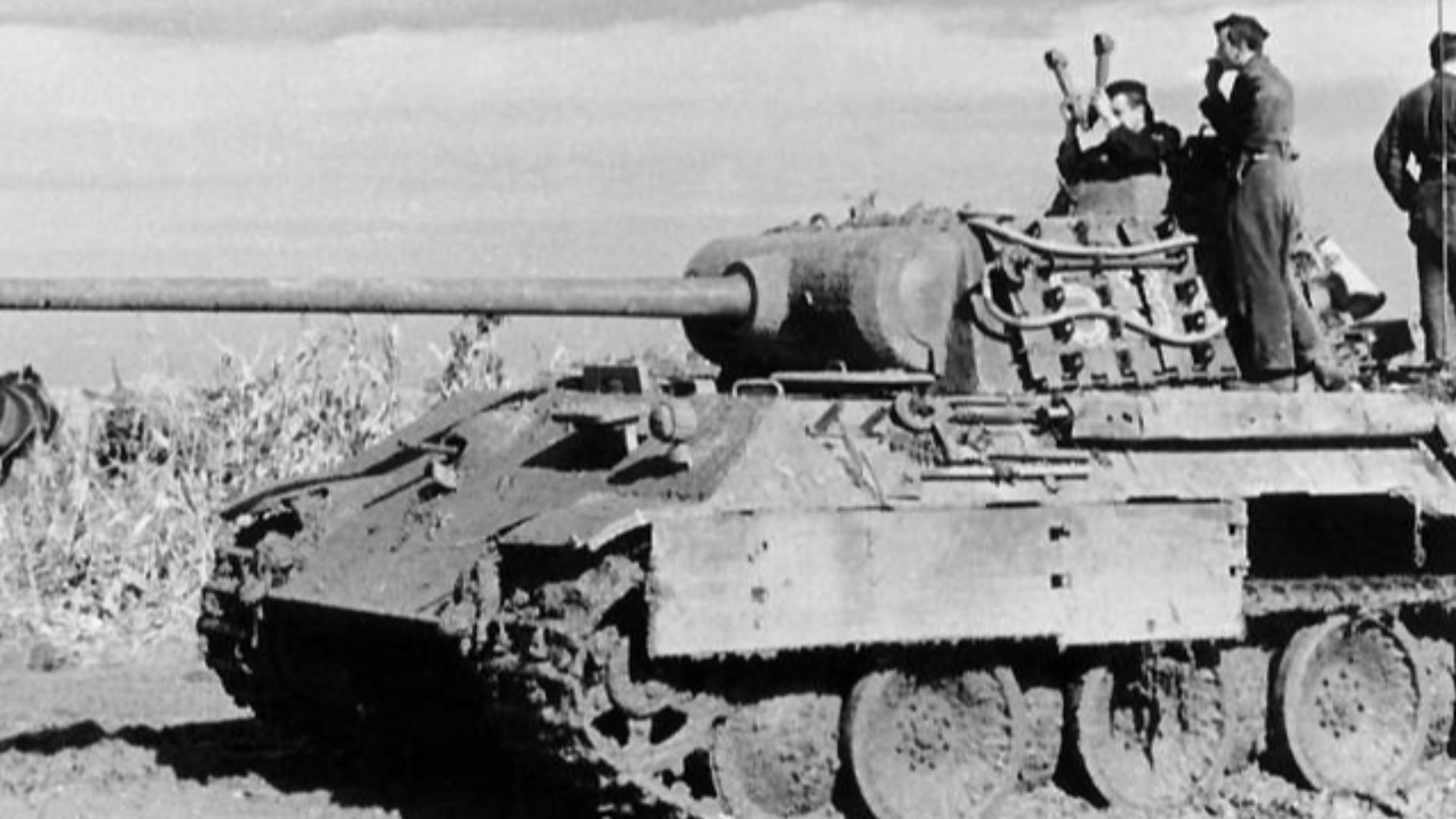
Following the Sinyavino Offensive, the Soviets launched a full-scale offensive on January 12, 1943, known as Operation Iskra. A series of fierce battles across the USSR saw the Red Army make some significant advances, and they even managed to open a narrow land corridor to Leningrad. The residents still had a while to wait, however.
36. Victory
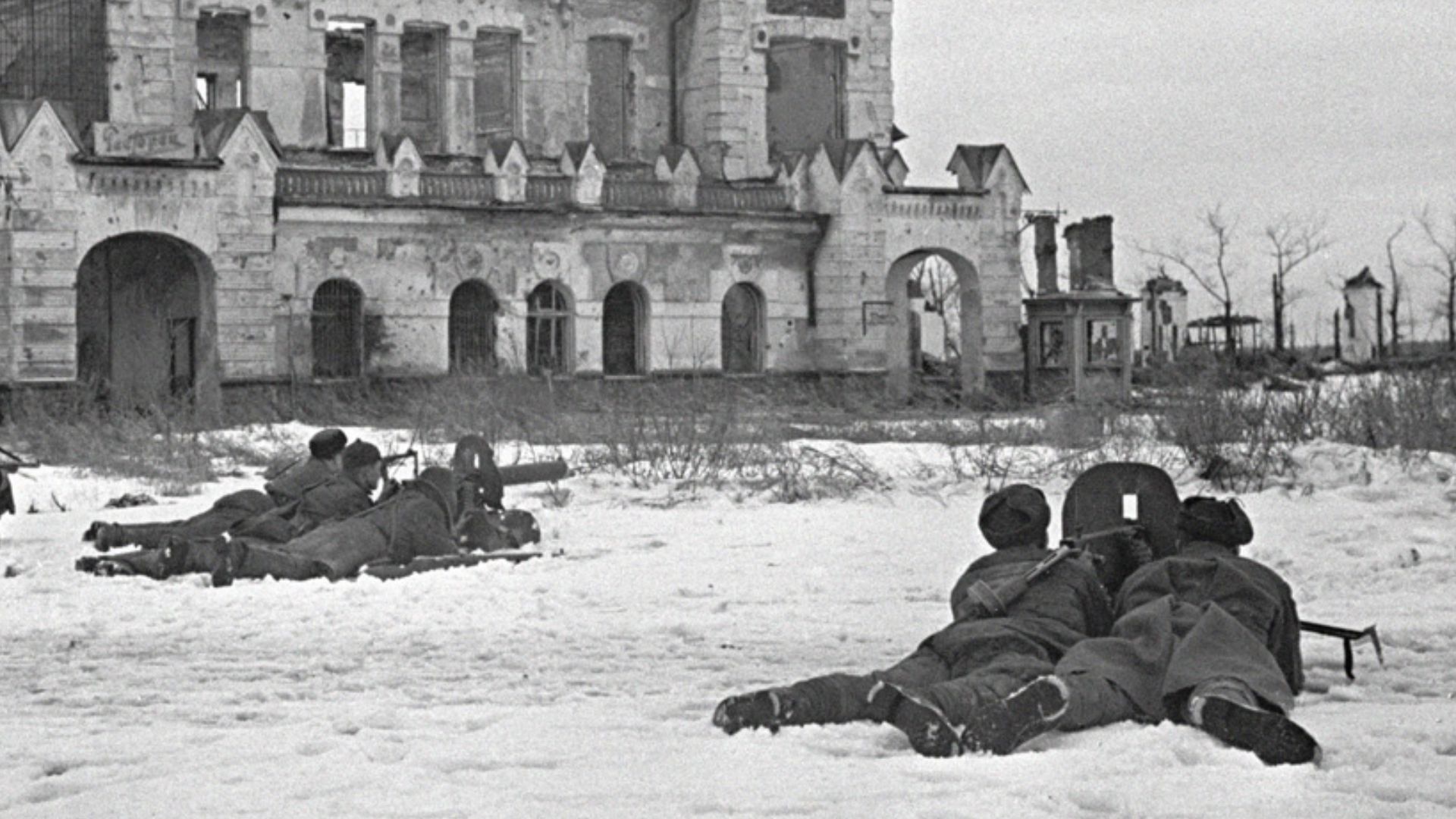
After a long and arduous offensive, the Siege of Leningrad finally broke on January 27, 1944. The Soviets managed to expel the German forces in the Leningrad-Novgorod offensive with support from the Baltic Fleet. They didn’t know it yet, but it was the beginning of the end for the German forces in Europe.
 Boris Kudoyarov / Boris Kudoyarov, Wikimedia Commons
37. The First Domino
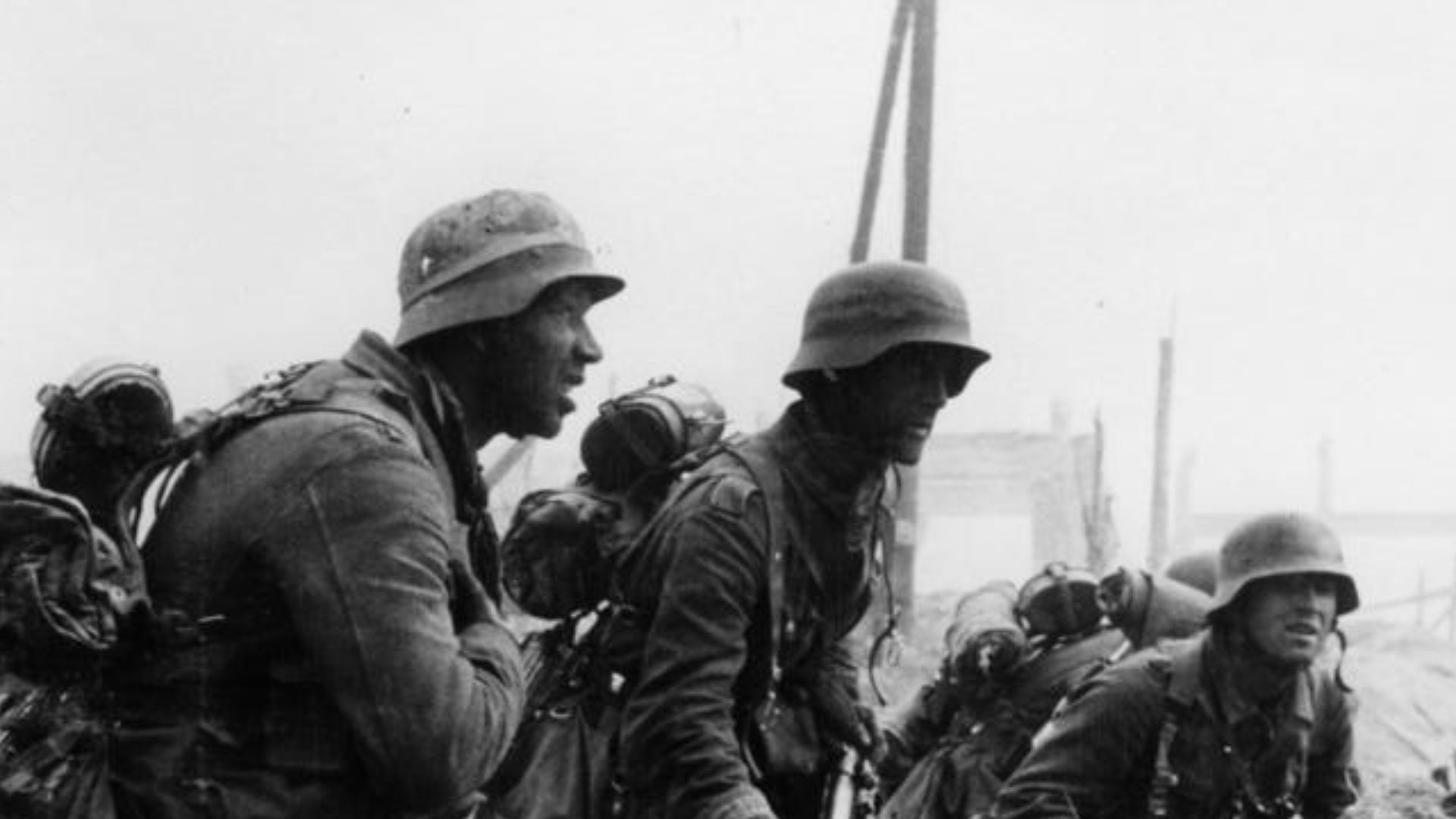
Western propaganda has long held that the capitalist forces were the ones who defeated the Germans in WWII, but the truth is that the Soviet Union were some of the real victors. The breaking of the siege of Leningrad and the subsequent pushing back of German forces were among the first steps in the Soviets’ eventual march on and liberation of Berlin, the final knell for the Führer’s dominance in Europe. But this victory came at a great cost to the USSR.
 Unknown authorUnknown author, Wikimedia Commons
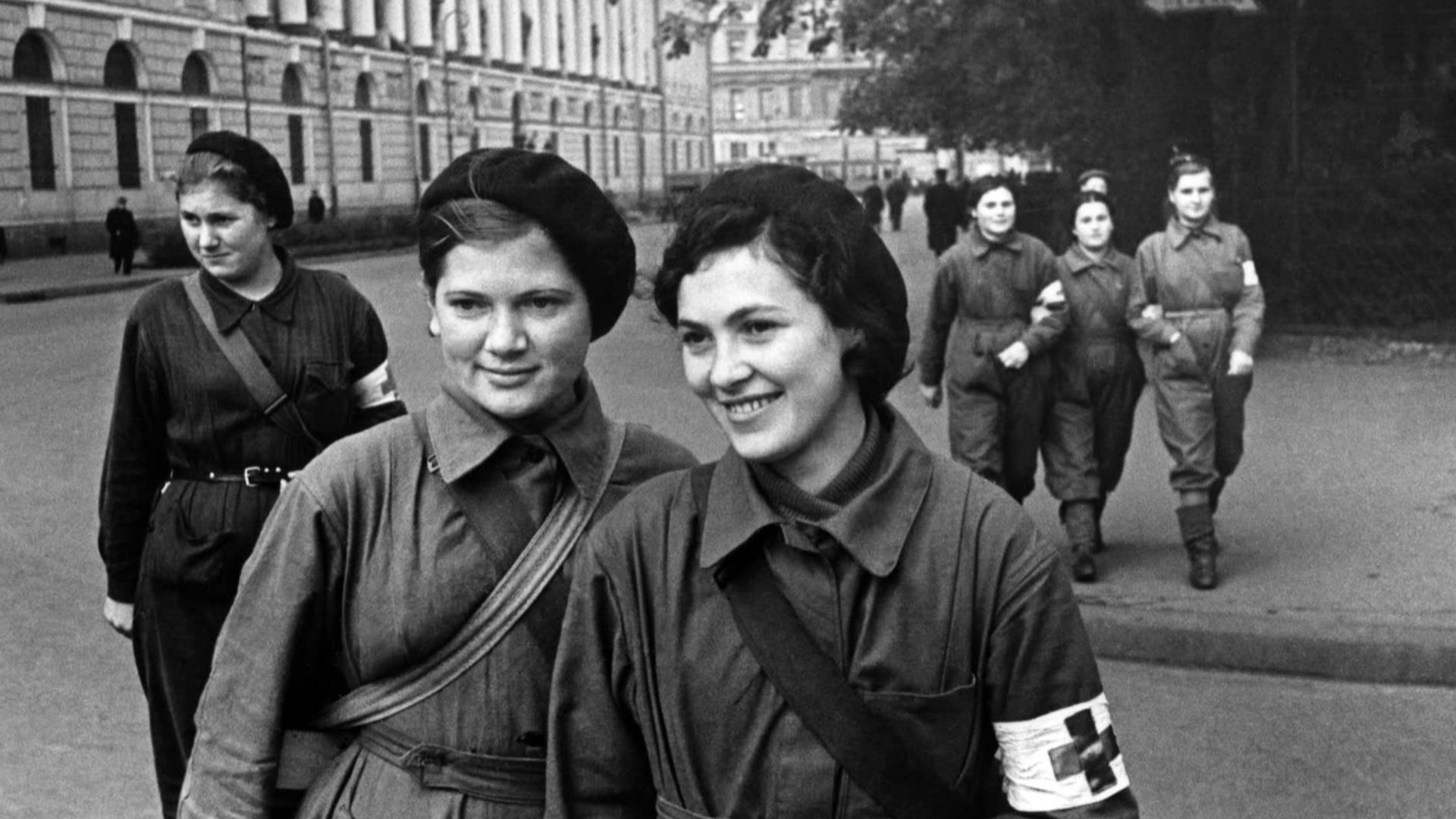
38. It Was Leveled
While Leningrad held on for nearly two-and-a-half years, and the spirits of its citizens never broke, the siege had nonetheless completely devastated the city. The destruction was widespread, rendering the city unrecognizable and prompting historians to name the Siege of Leningrad as the most destructive siege in history. But they paid a higher price still.
 Georgy Konovalov, Wikimedia Commons
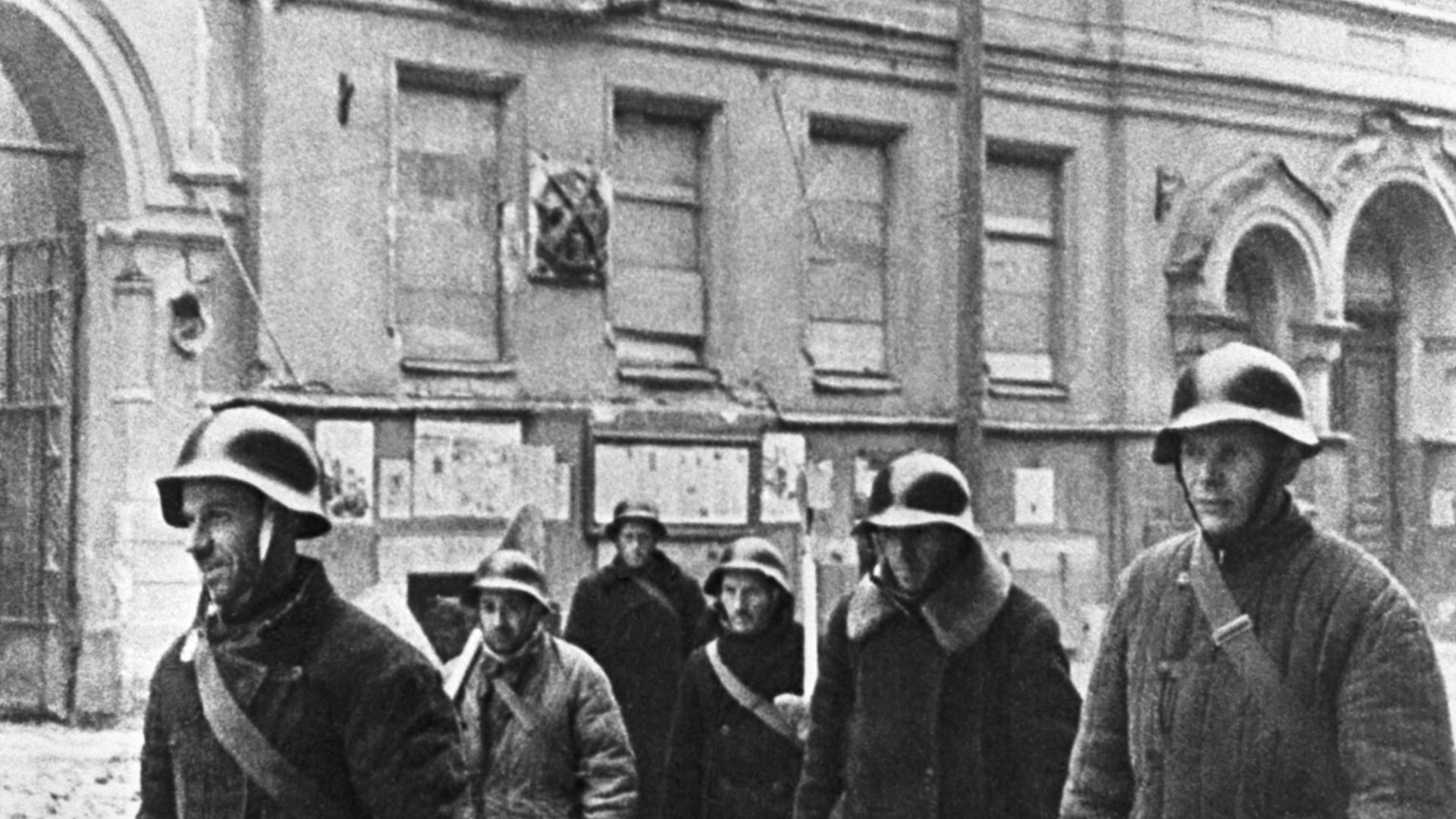
39. There Was Massive Loss
Though there is debate on this, the Siege of Leningrad is quite possibly the deadliest siege in history too. There were nearly 2 million casualties—though some estimates, which include non-civilian casualties, put the loss of life at 3.4 million—which completely devastated a city whose pre-conflict population was 3.2 million.
It was the largest loss of life ever recorded in a modern city, and the numbers were unmatched anywhere else.
 Konovalov Georgiy Fedorovich, Wikimedia Commons
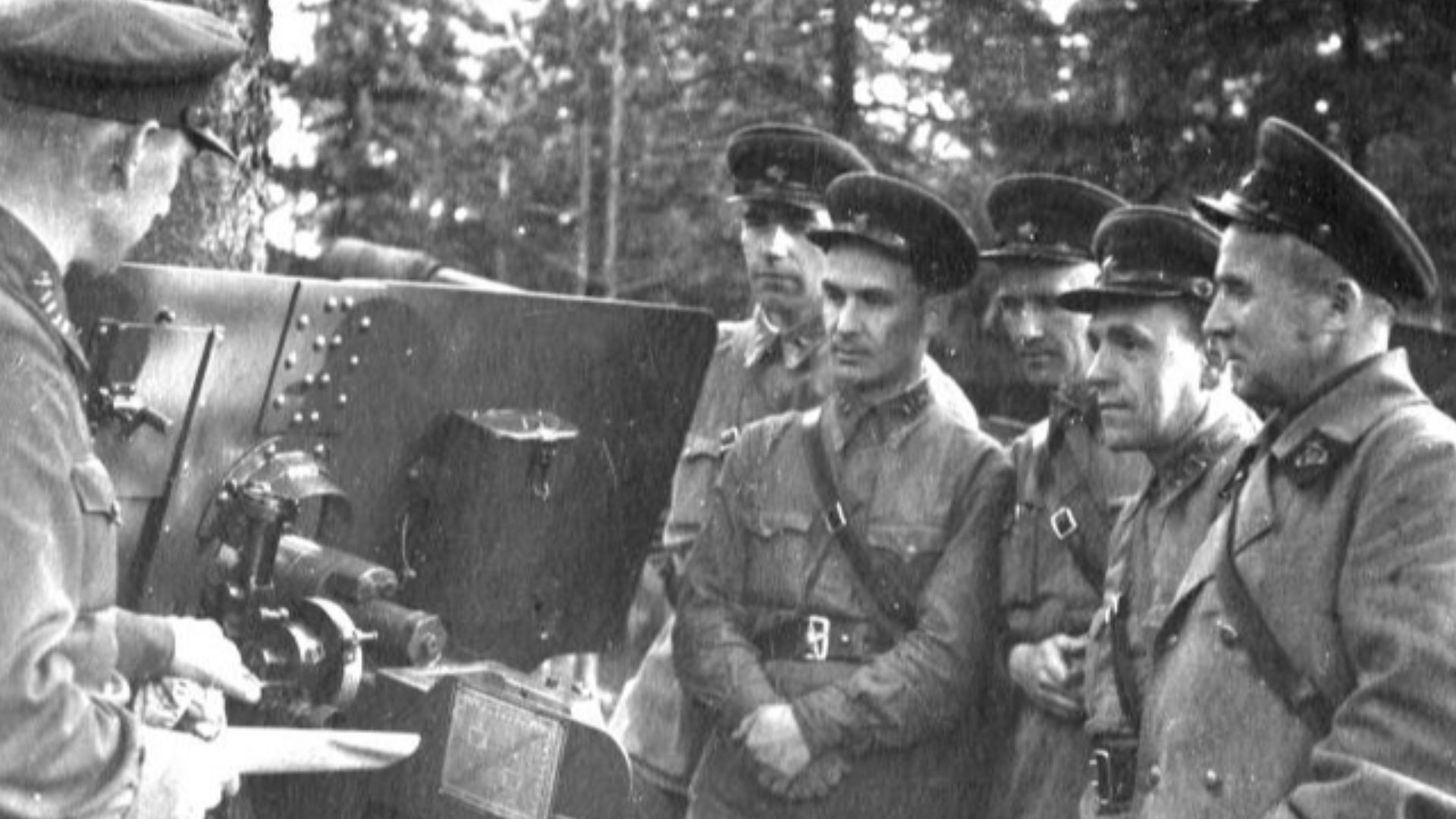
40. Incomparable
The Soviet losses from the siege were astonishing, and no other country experienced anything similar. Indeed, the conservative estimates of between 1.6 and 2 million souls lost amount to a whopping six times more than the United States’ total casualties for the entirety of WWII. Taken with the entire conflict as a whole, the Germans had truly decimated the Soviets.
 Unknown authorUnknown author, Wikimedia Commons
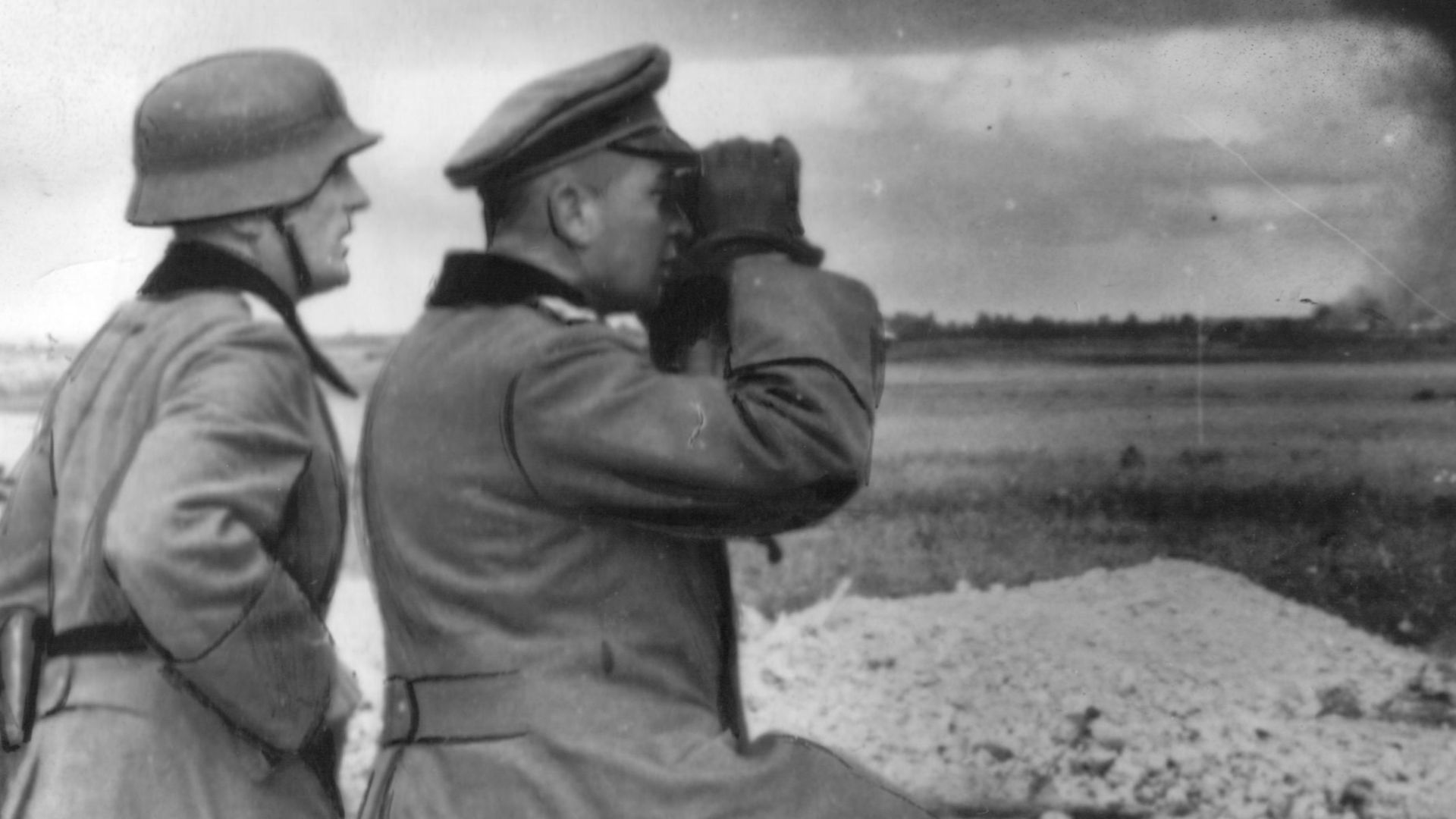
41. The Cost
Under German occupation, approximately 40% of the Soviet population fell, a devastatingly tragic number and a great injustice of history. Alongside that, the occupation cost the nation many of its most productive and agricultural regions, leaving it at a disadvantage for the following decades-long conflict with the West. The people of Leningrad would never forget the sacrifices their fellow citizens made.
42. Remembrance
To this day in Leningrad, now known as Saint Petersburg, has erected countless monuments and tributes to the heroic defense. As well as that, the Leningrad Defense Museum serves as a space in which modern-day residents and tourists alike can learn about and reflect on the heroics of the brave citizens of the siege. Keeping the memory alive has faced some challenges over the years, however.
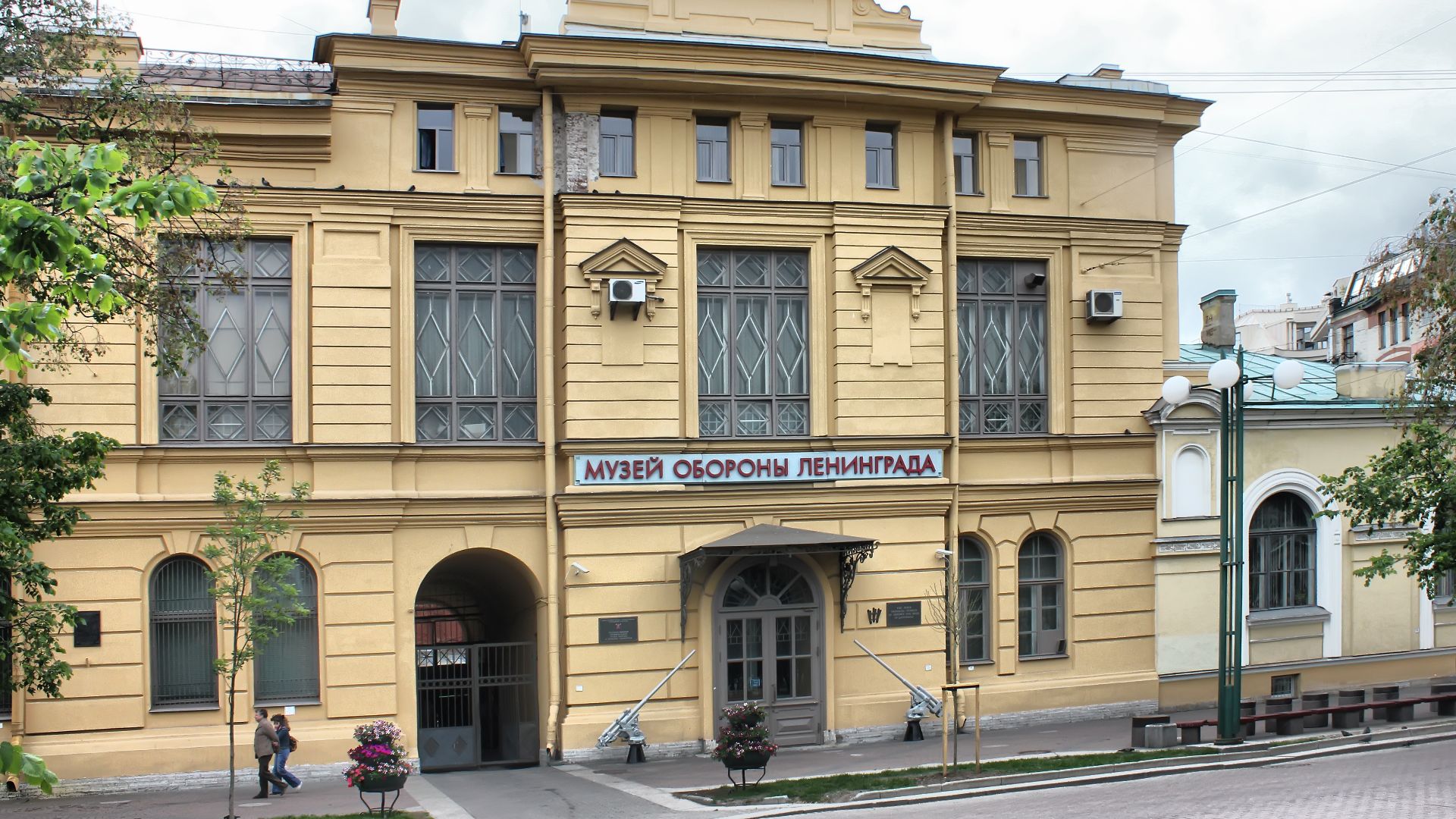 Andris Malygin, Wikimedia Commons
43. A Petty Leader
By the time of the Siege of Leningrad, the Russian Revolution, initially heroically led by Lenin and Trotsky, had undergone a degeneration under the dictatorial rule of Joseph Stalin. Stalin’s unfitness for leadership was never more evident than when, during the late 1940s, he reportedly grew jealous of the praise the Leningrad leaders had rightfully received and staged show trials to prosecute them.
It was just one of many of Stalin’s crimes, but they still paled in comparison to the crimes of Germany.
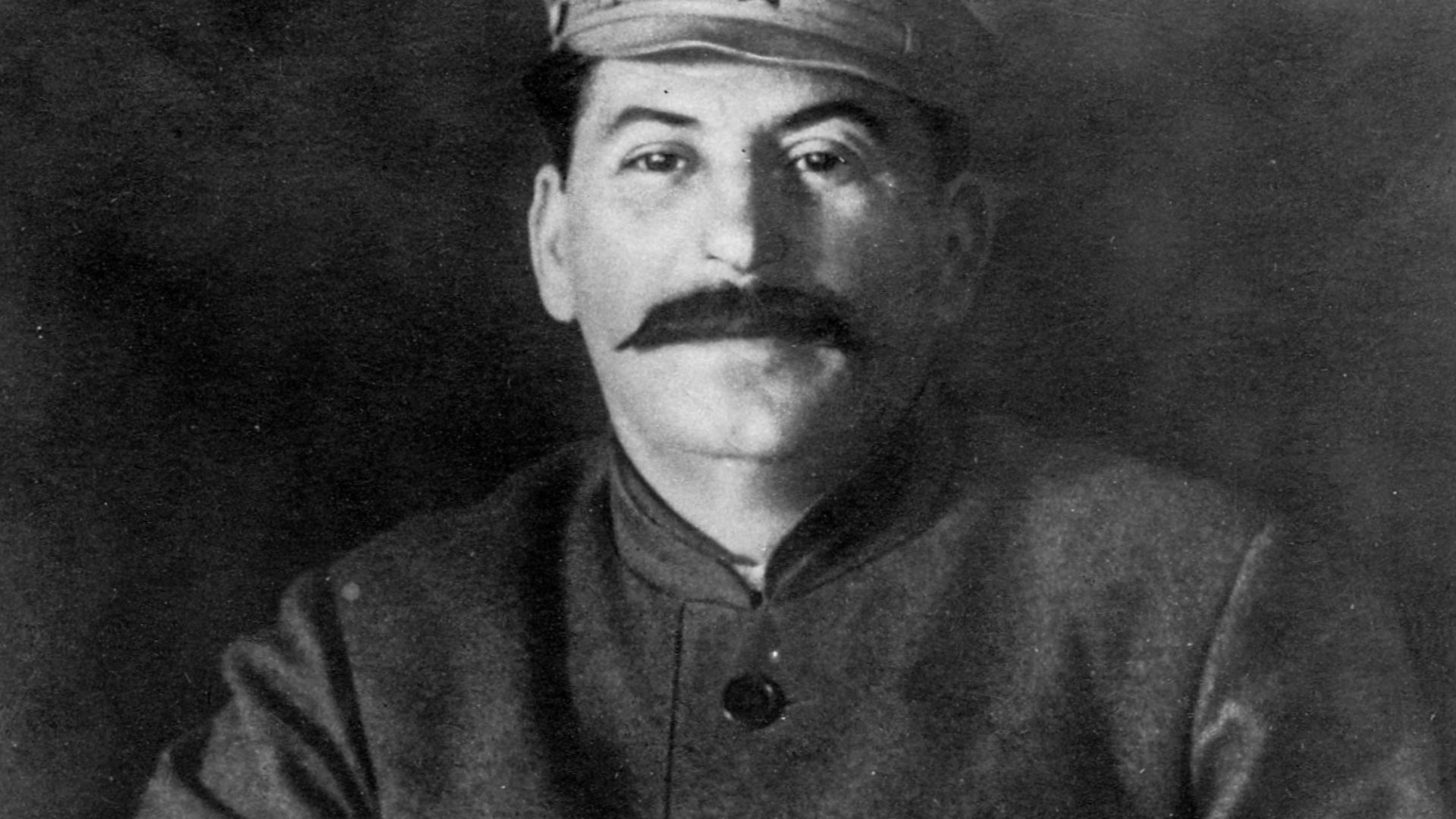 Unknown authorUnknown author, Wikimedia Commons
44. The Hunger Strikes
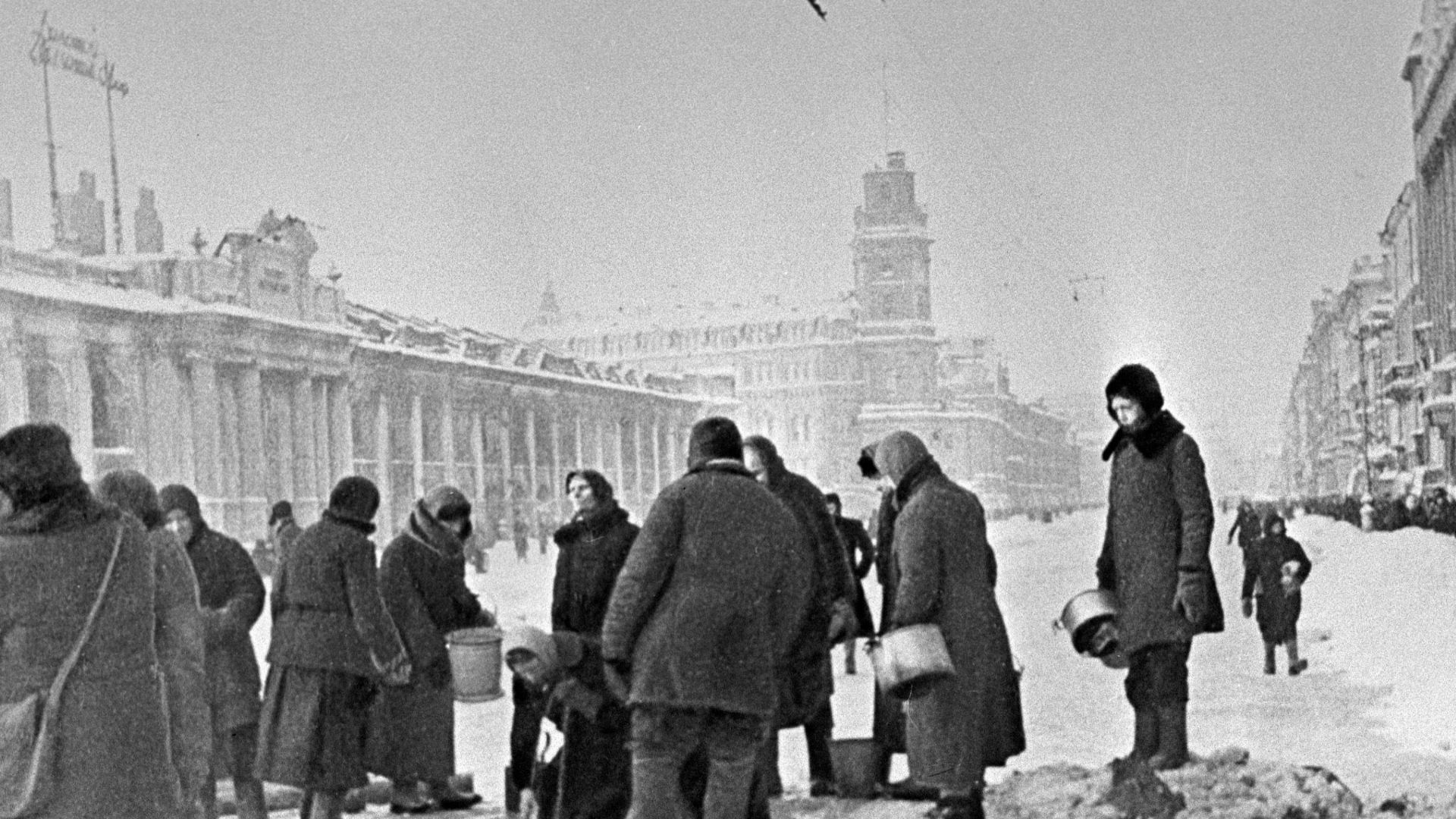
During the worst of the siege of Leningrad, life was unsurprisingly difficult, but most of the trials faced by the residents were all part of the Germans’ plan. The biggest obstacle was hunger: because of the cutting-off of supply chains, the city quickly ran out of food and rationing had to be implemented. This was completely intentional on the Germans’ part; starving the city into surrender was, horrifically, part of their strategy. It had devastating consequences.
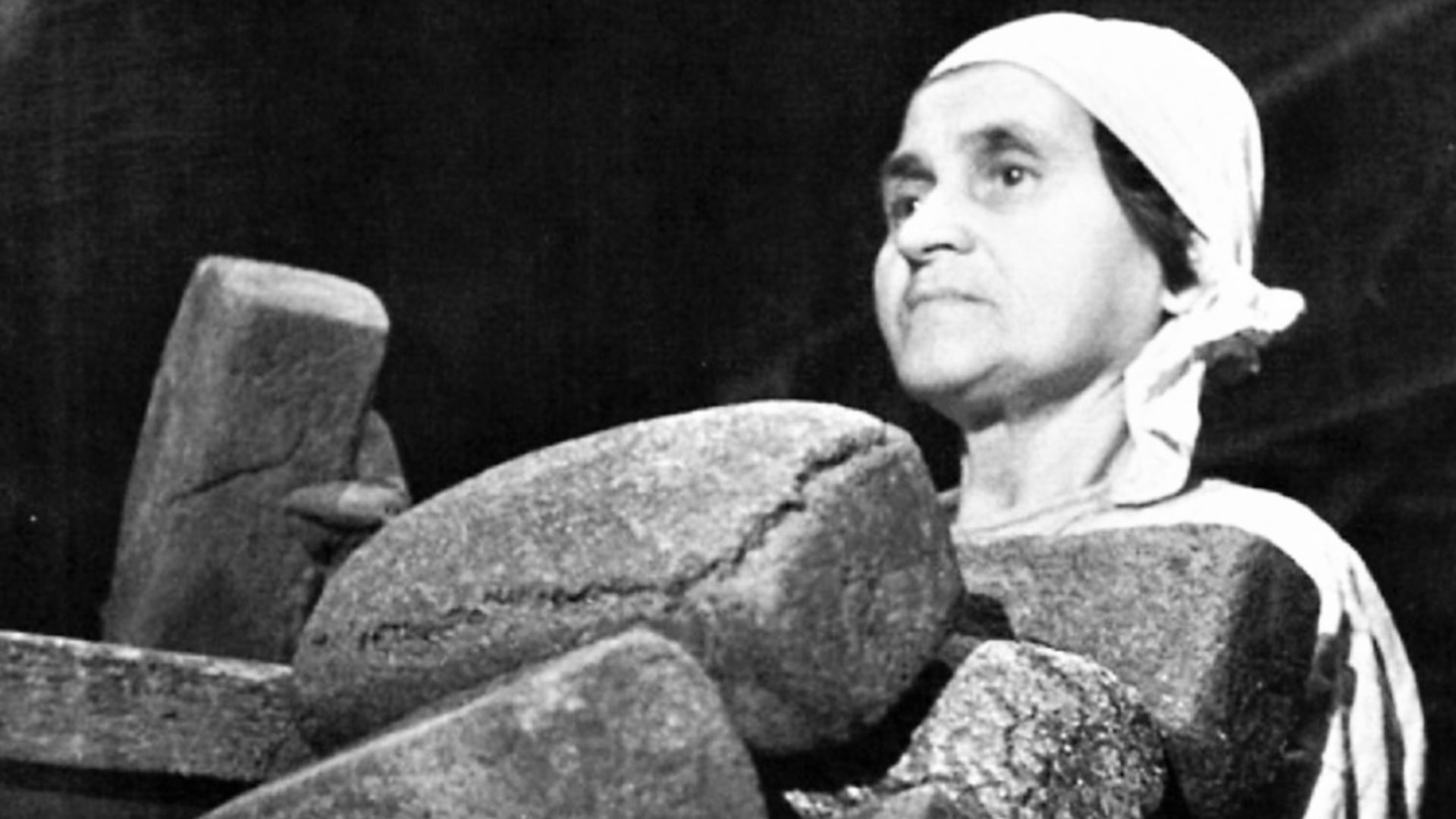 Sergey Strunnikov, Wikimedia Commons
45. Devastation
The widespread hunger within the city hit devastating proportions during the first winter of the siege. Over the cold closing months of 1941 and early 1942, thousands of residents starved in extreme famines. And with rationing now at extreme levels, perhaps those that perished were the lucky ones…
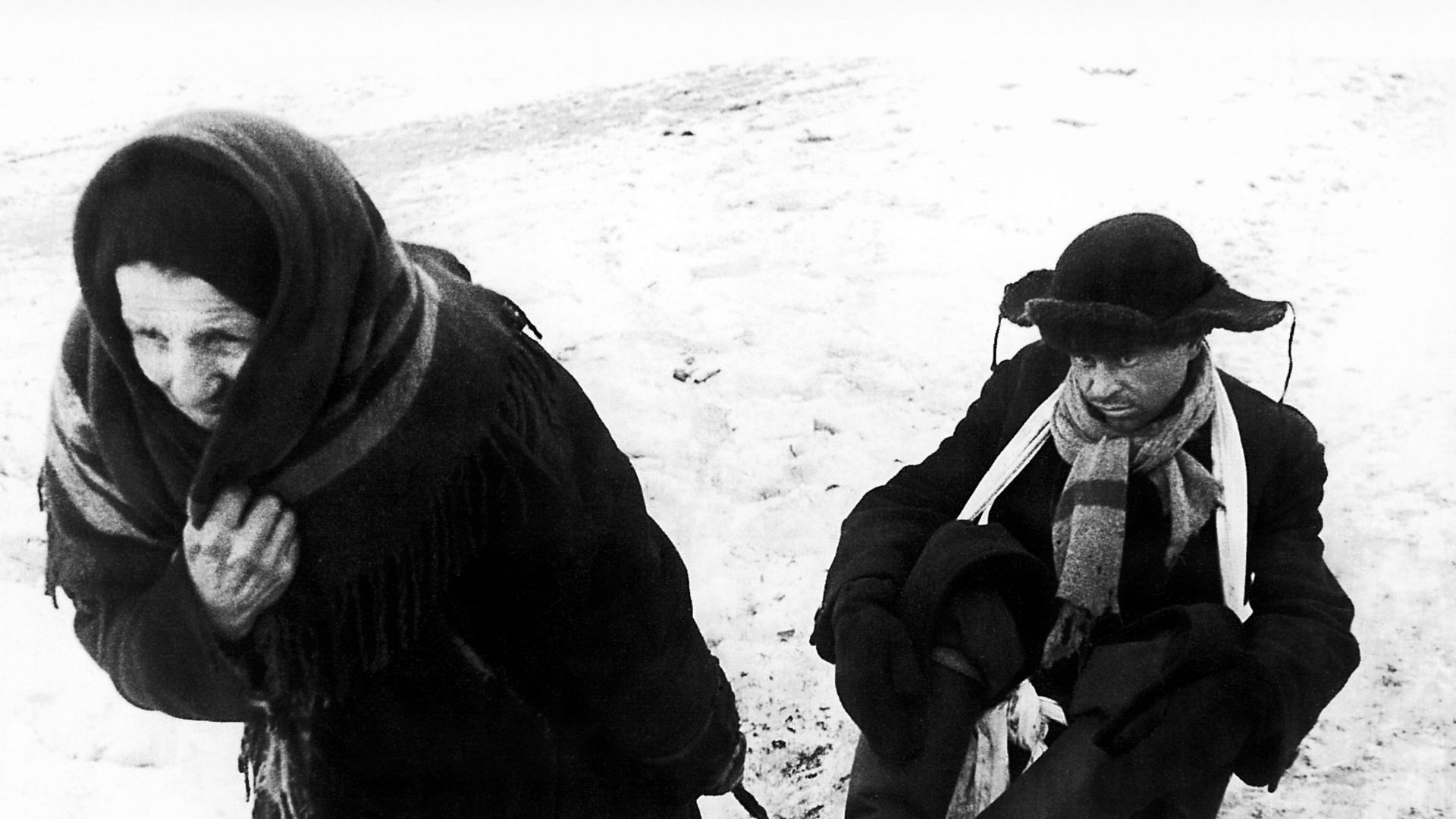 Grigory Konovalov, Wikimedia Commons
46. Desperate Measures
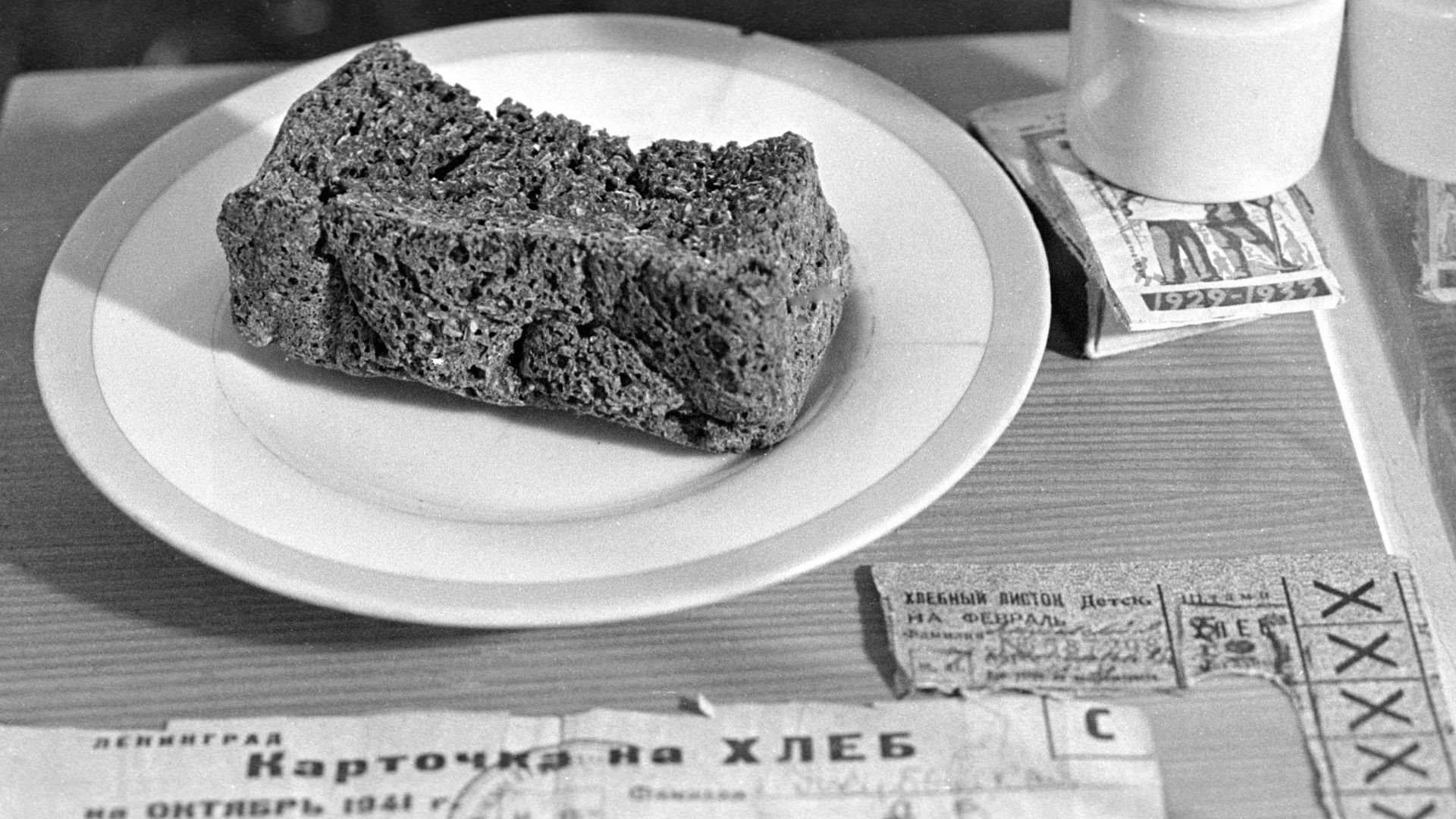
During the worst stages of the winter famine, the rationing of food within Leningrad hardly made life worth living. From November 1941 to February 1942, they gave each resident only 125g of bread a day. As if this wasn’t bad enough, this ration consisted of 50-60% sawdust and other admixtures. With such grim prospects facing the residents, the horrors that followed were inevitable.
 Alexey Varfolomeev / Alexey Varfolomeev, Wikimedia Commons
47. Worst-Case Scenario
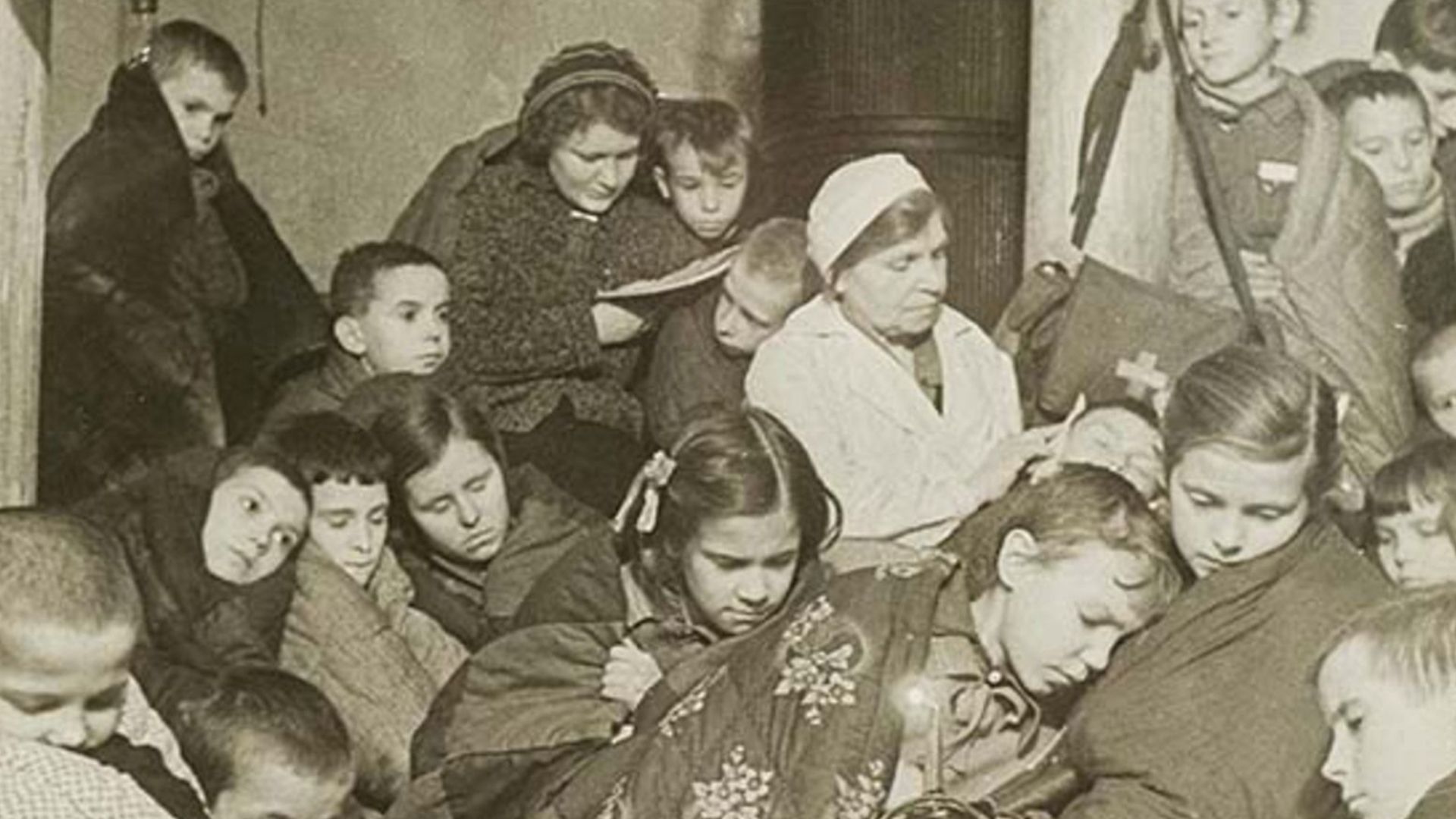
With the horrific systematic starvation inflicted by the Germans, the residents of Leningrad, emaciated beyond recognition, turned to the grisliest option imaginable. There are numerous reports from the siege of instances of cannibalism among residents, speaking to the sheer severity of the circumstances in which the invading German forces had placed the beleaguered Soviets.
Given the scope of the mass starvation, however, the rates of cannibalism were relatively low, speaking to the collective spirit of the Leningrad residents.
 Moscow Main Archive Directorate, Wikimedia Commons
48. Off The Hook
Despite the disgusting tactics and murderous intent of the Germans during the Siege of Leningrad, a United States court, convened to prosecute German leaders after the conflict ended, ruled that the siege did not constitute a war crime. It was a disgusting though unsurprising decision, as the US was gearing up for a political conflict with communism. The charges against the siege should have gone much further.
 Unknown authorUnknown author, Wikimedia Commons
49. Way Worse
Many historians agree that, because of the Germans’ intentional destruction of the city and systematic starvation imposed on its residents, the Siege of Leningrad meets all the requirements to be classed as a genocide. Indeed, this certainly seemed to be the Führer’s intent, based on his writings at the time.
 Boris Kudoyarov / Boris Kudoyarov, Wikimedia Commons
You May Also Like:
Devastating Facts About The Battle of Stalingrad, The Most Brutal Battle In History
Mariya Oktyabrskaya, The Tank Woman