
When Everyday Life Came With A Tool Kit
A century ago, schools and households routinely taught practical abilities that now feel specialized. Home economics covered food, clothing, budgeting, and household management, while manual-training courses taught tool use and woodworking. Technology made life easier, but it also made many once-routine skills optional.
 BearFotos, Shutterstock Images
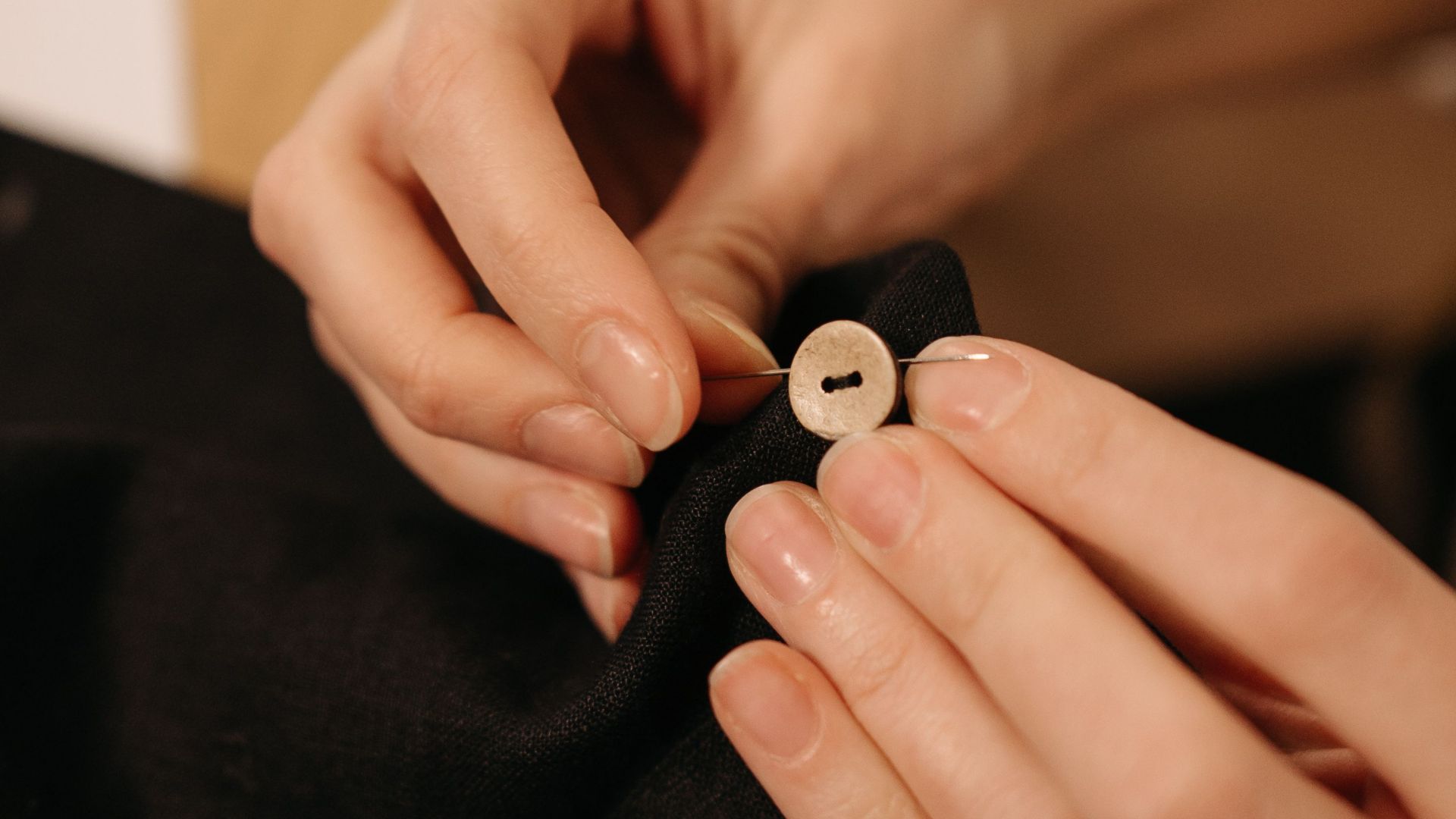
Sewing On A Button
Losing a button once meant reaching for a needle and thread, not replacing the shirt. Sewing was taught through home economics for generations, and simple repairs helped clothing last longer. Today, plenty of people reach adulthood without learning this tiny fix.
Hemming And Patching Clothes
Knowing how to shorten pants, close a tear, or patch worn fabric could keep clothing useful for years. Household-arts programs taught garment construction and repair as practical skills. Modern wardrobes are easier to replace, making basic mending feel more like a hobby.
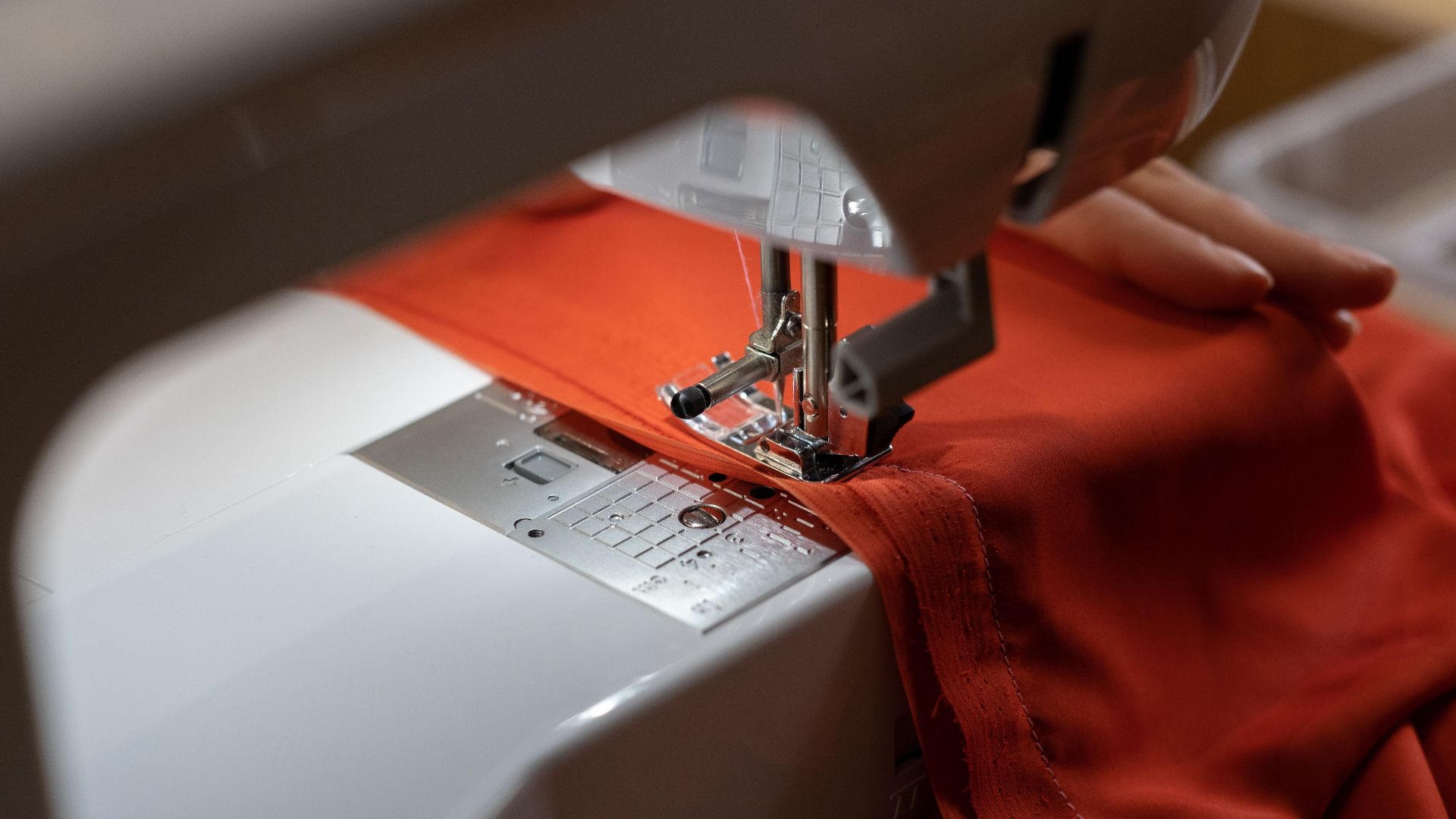
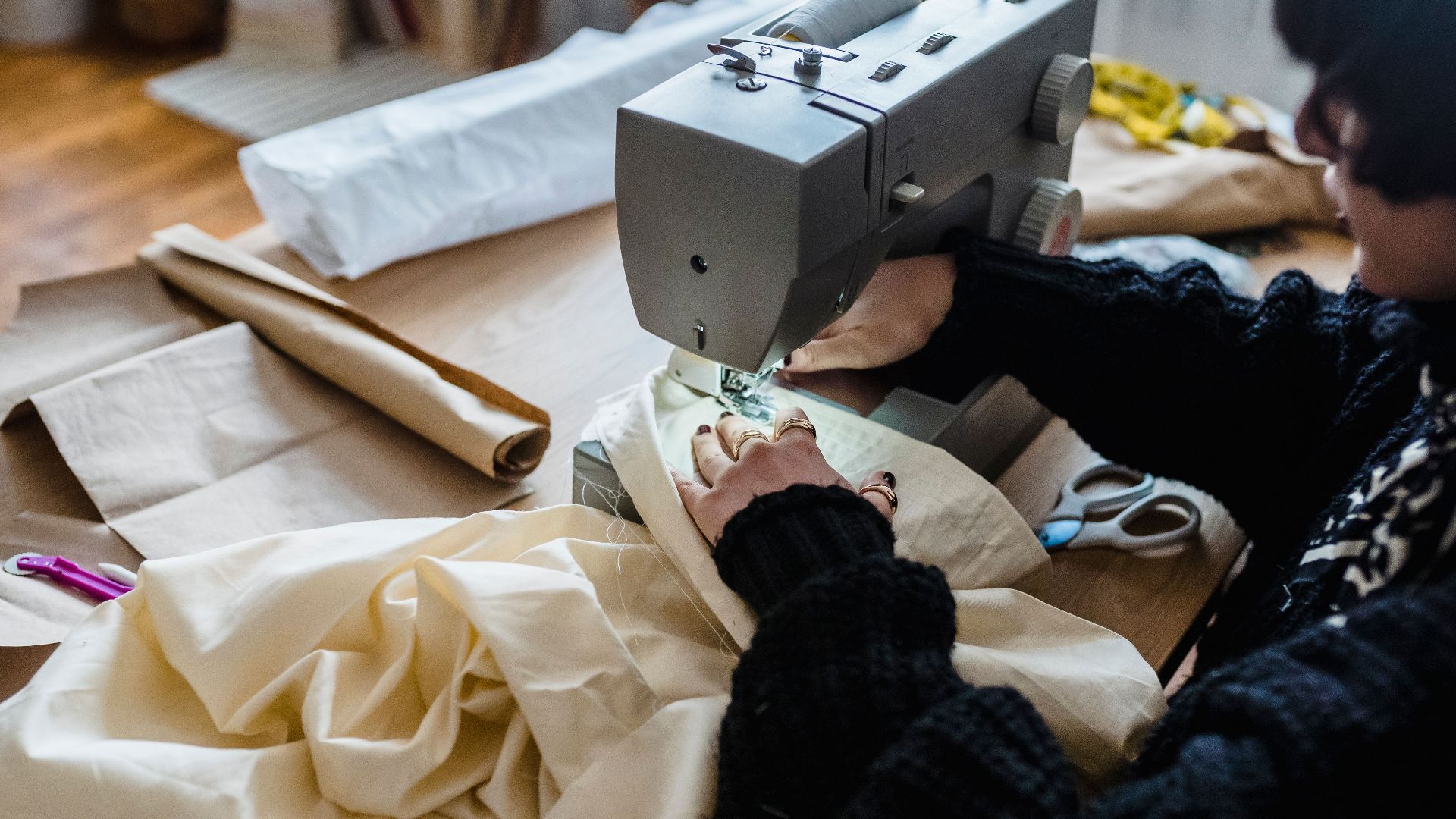
Using A Sewing Machine
Sewing machines were once standard equipment in many homes, and students learned to operate them in school. That mattered when families made or altered more clothing themselves. The machines remain common, but using one is no longer an assumed household skill.

History's most fascinating stories and darkest secrets, delivered to your inbox daily.
Cooking From Basic Ingredients
Home economics treated food preparation, sanitation, and nutrition as skills worth teaching systematically. Convenience foods and prepared meals later reduced the need to build every dinner from raw ingredients. Cooking remains popular, but improvising a full meal from pantry staples is less automatic.

Reading A Recipe Properly
Following a recipe involves measurements, sequence, temperatures, timing, and terms such as simmer, fold, or knead. Those basics were embedded in household instruction. Meal kits, prepared foods, and video tutorials can now guide beginners without requiring the same foundation.

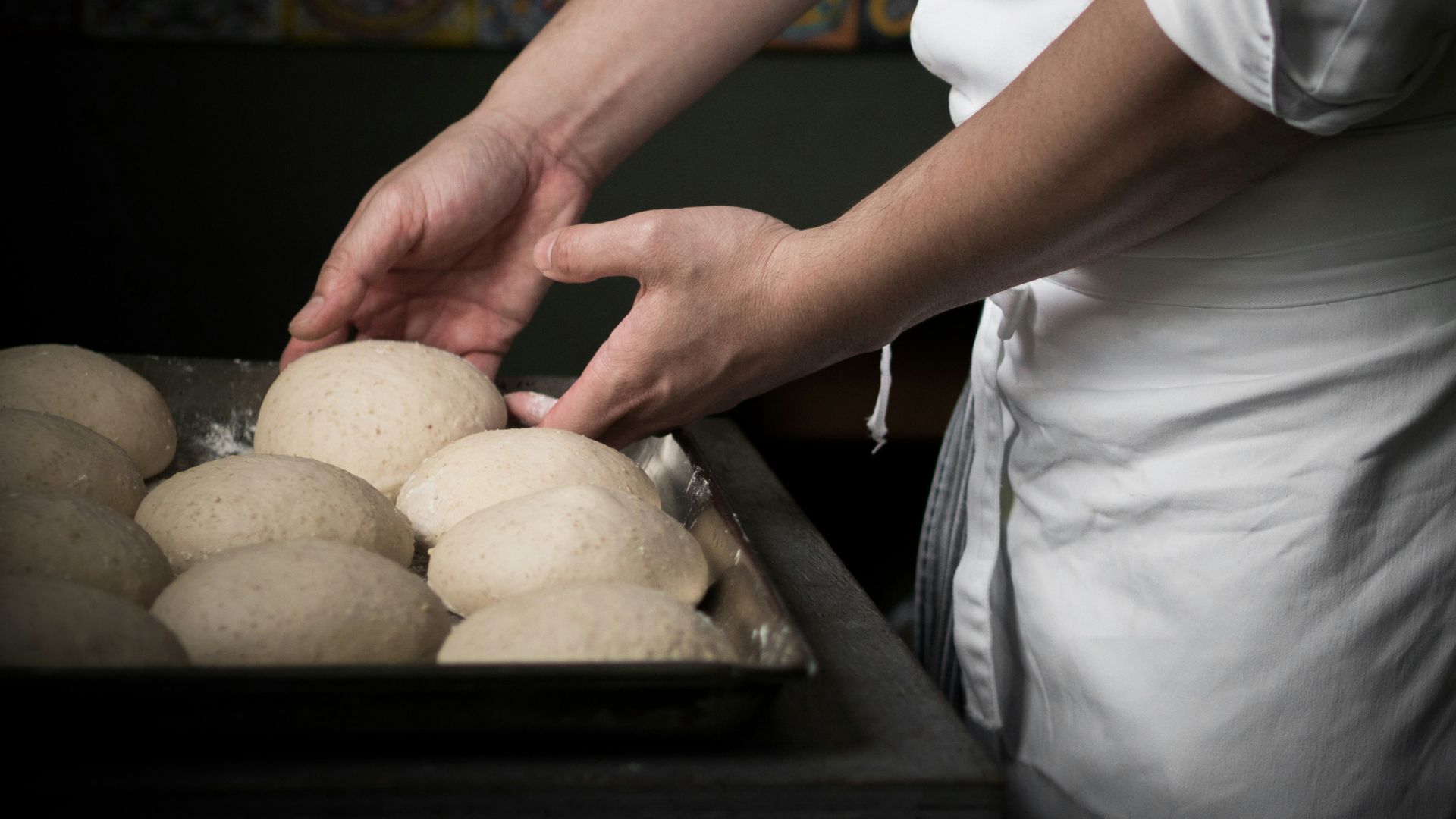
Baking Bread From Scratch
Bread baking once occupied a regular place in domestic life, although commercial bakeries gradually relieved households of the work. Smithsonian reporting has noted a decline in home baking. Managing yeast, kneading dough, and judging fermentation are now often treated as hobby skills.
Canning Seasonal Food
Home canning grew during World War I, remained important through the Depression, and peaked during World War II before declining afterward. It let households preserve seasonal produce for later. Safe canning still requires tested methods because improper processing can create serious food-safety risks.
 PROJETO CAFE GATO-MOURISCO, Unsplash
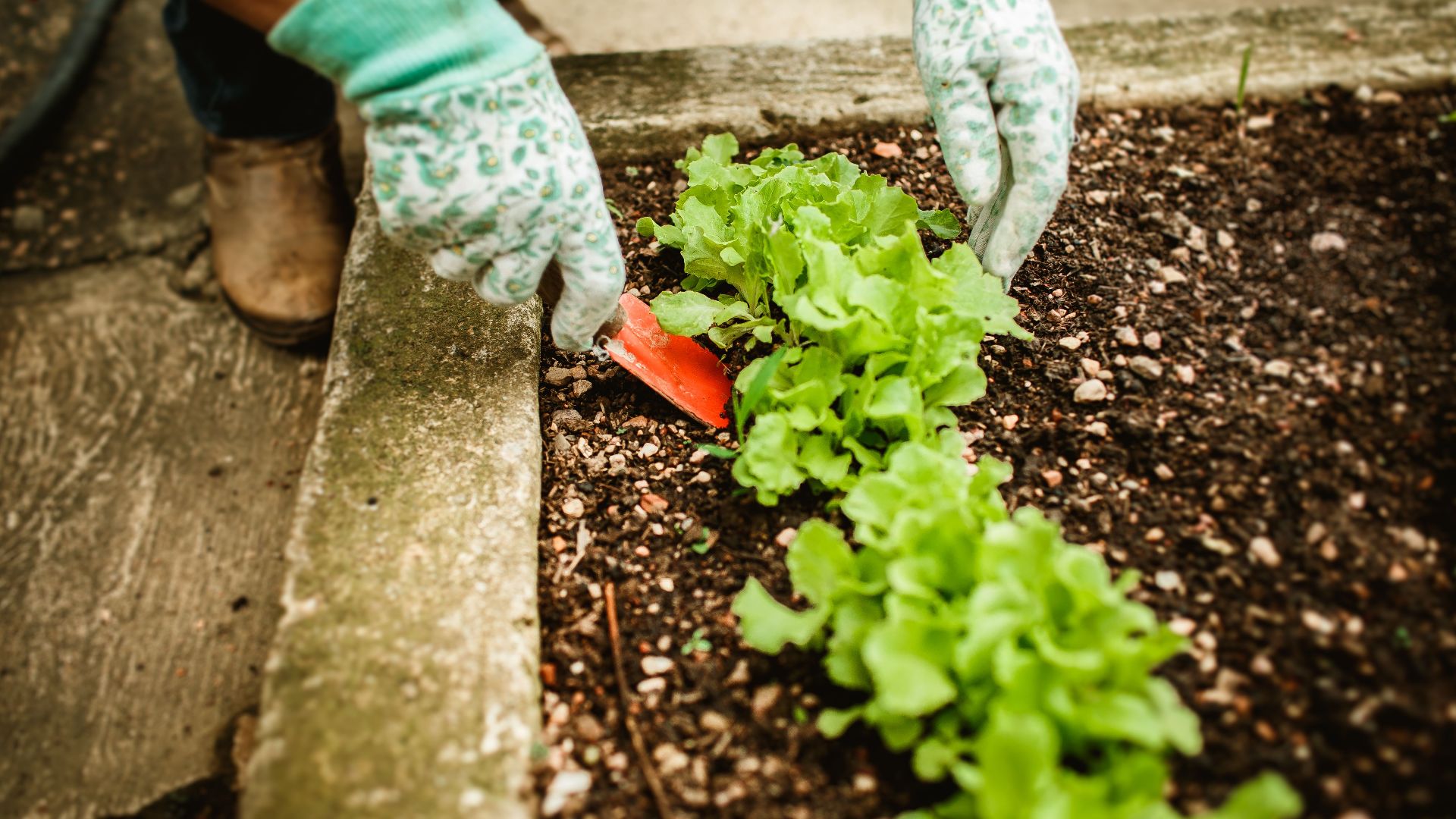
Growing A Vegetable Garden
During World War II, 18.5 million American gardeners participated in Victory Gardens, supplying 40 percent of the nation's fresh vegetables. Gardening demanded knowledge of soil, planting, pests, watering, and harvest timing. Supermarkets made that knowledge less necessary, though home gardening never disappeared.
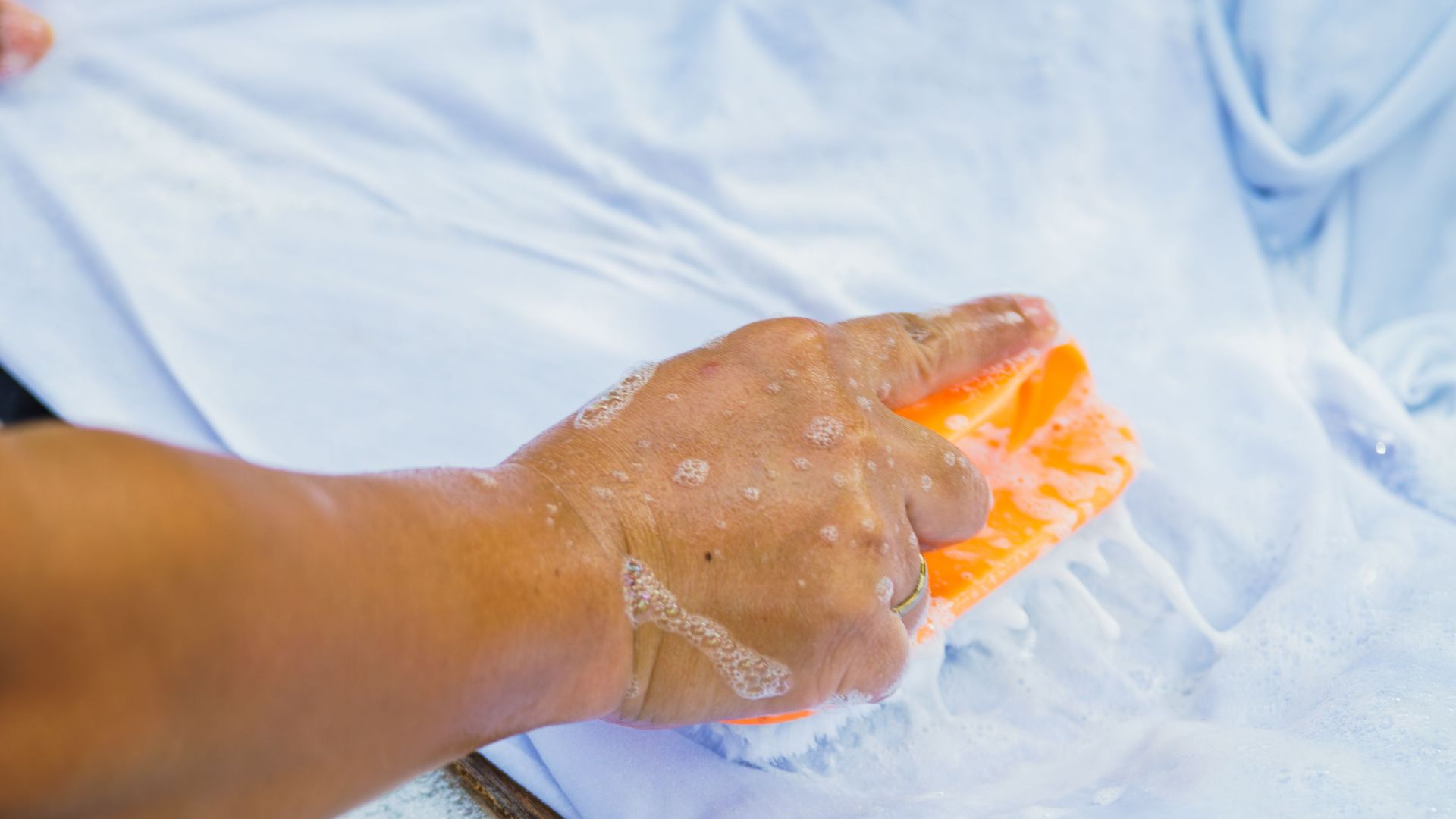
Removing Stains Without Guessing
Laundry once demanded more fabric knowledge because clothing was costly and washing technology was less forgiving. Household education included laundering, sanitation, and textile care. Modern detergents, machines, dry cleaners, and cheaper clothing reduced the pressure to master stain removal.
History's most fascinating stories and darkest secrets, delivered to your inbox daily.
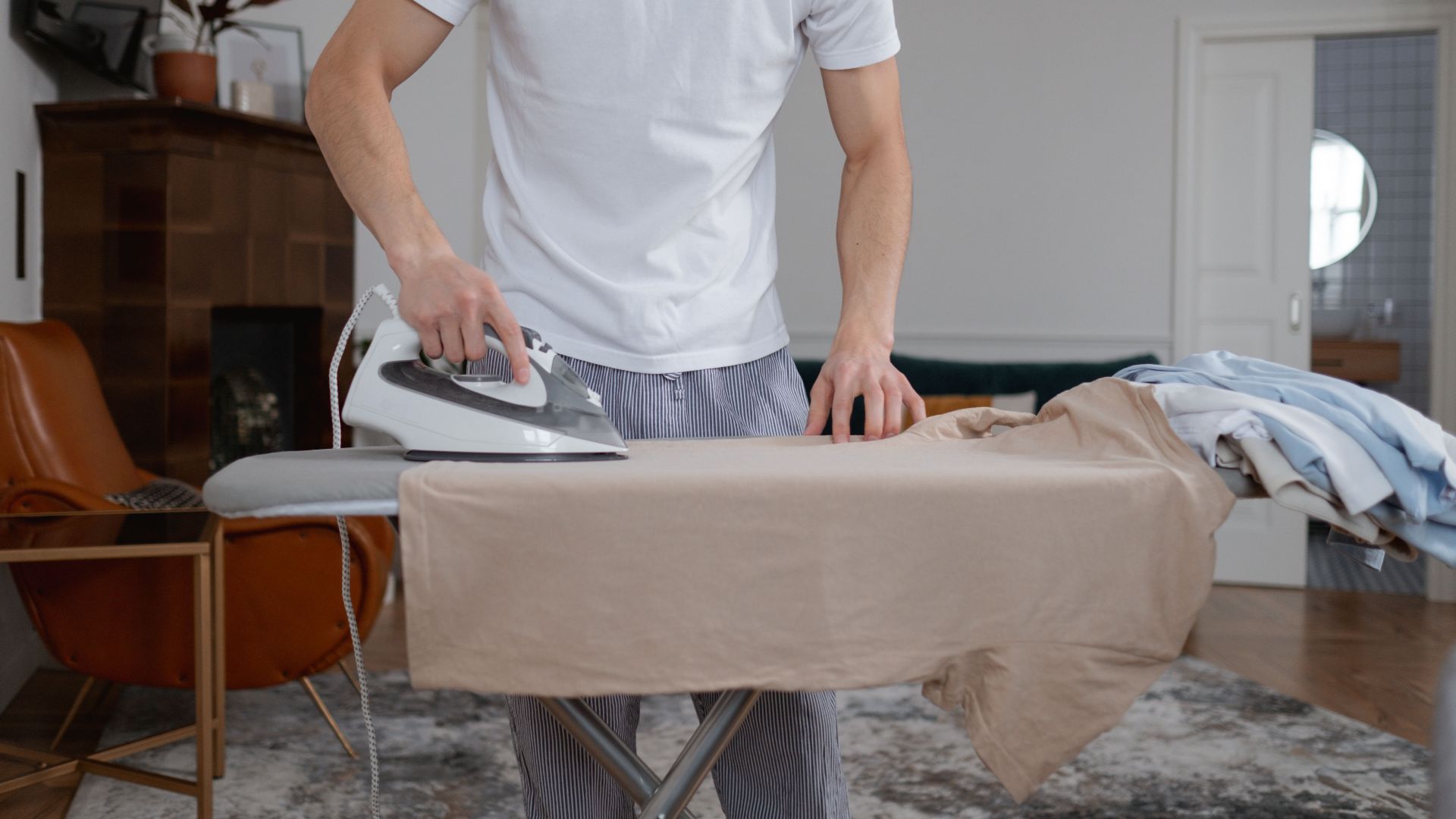
Ironing Clothes Correctly
Before wrinkle-resistant fabrics, dryers, and casual dress codes became widespread, ironing was a regular household chore. Household technology steadily reduced the work involved in clothing care. Plenty of people still own irons, but pressing different fabrics correctly is no longer universal knowledge.
Keeping A Household Budget By Hand
Home economists made household budgeting a central part of practical education in the early twentieth century. Tracking income and expenses on paper made cash flow visible. Banking apps automate much of that work today, often hiding the mechanics behind everyday spending.

Writing And Reading Cursive
Cursive was taught in American schools for more than a century, then declined sharply after Common Core emphasized keyboarding and omitted cursive. By 2026, many states were restoring it. The revival shows how quickly a once-standard classroom skill stopped being universal.

Reading A Paper Map
Travelers once planned routes with printed road and topographic maps. A paper map requires interpreting symbols, scale, direction, landmarks, and distance instead of following spoken instructions. GPS is faster, but the U.S. Geological Survey still teaches the underlying map-reading skills.

Navigating With A Compass
Using a compass requires understanding bearings, cardinal directions, map orientation, and magnetic declination. The National Park Service and USGS still teach these techniques because electronic navigation can fail, especially in remote areas where batteries, devices, or signals become unreliable.

Changing A Flat Tire
Changing a tire was long considered part of roadside self-reliance. The job requires stopping safely, setting the brake, finding the jack point, loosening lug nuts, raising the vehicle, and installing the spare. Roadside assistance helps, but AAA still recommends learning the process.

History's most fascinating stories and darkest secrets, delivered to your inbox daily.
Checking Tire Pressure
Modern vehicles have tire-pressure monitoring systems, but warning lights do not replace routine checks. NHTSA advises checking every tire, including the spare, at least monthly when cold. Many drivers now depend mainly on dashboard alerts or service appointments.

Driving A Manual Transmission
Manual gearboxes were once common enough that operating a clutch and shifting gears were ordinary driving skills. Their market share collapsed as automatics improved and spread. Car and Driver has documented the decline, leaving stick-shift driving increasingly niche.

Using Basic Hand Tools
Manual-training programs once put students in workshops to learn wood and metal work. That meant becoming comfortable with saws, hammers, planes, measuring tools, and other equipment. Many students can now finish school without shop class, leaving small repairs to professionals.
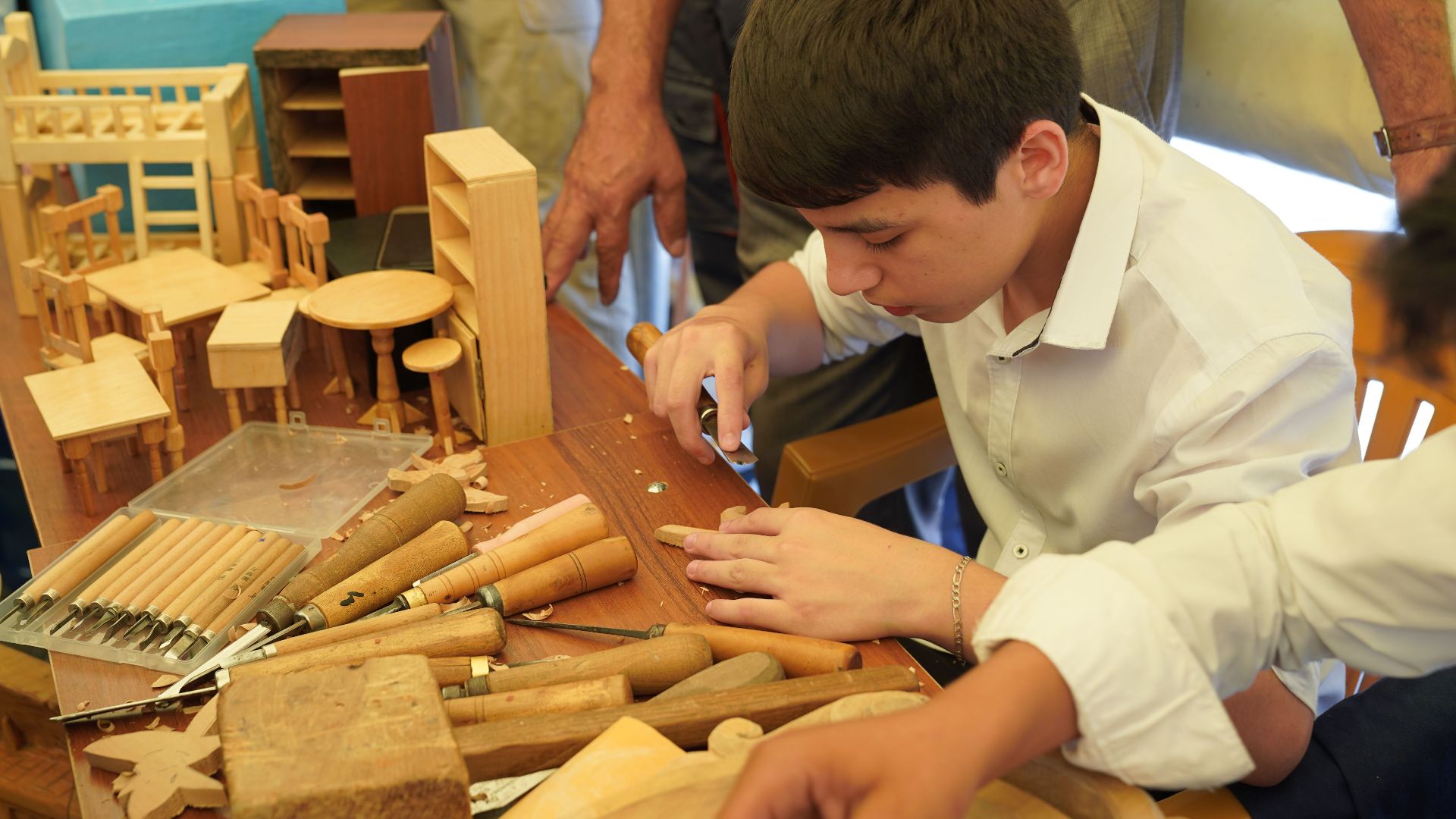
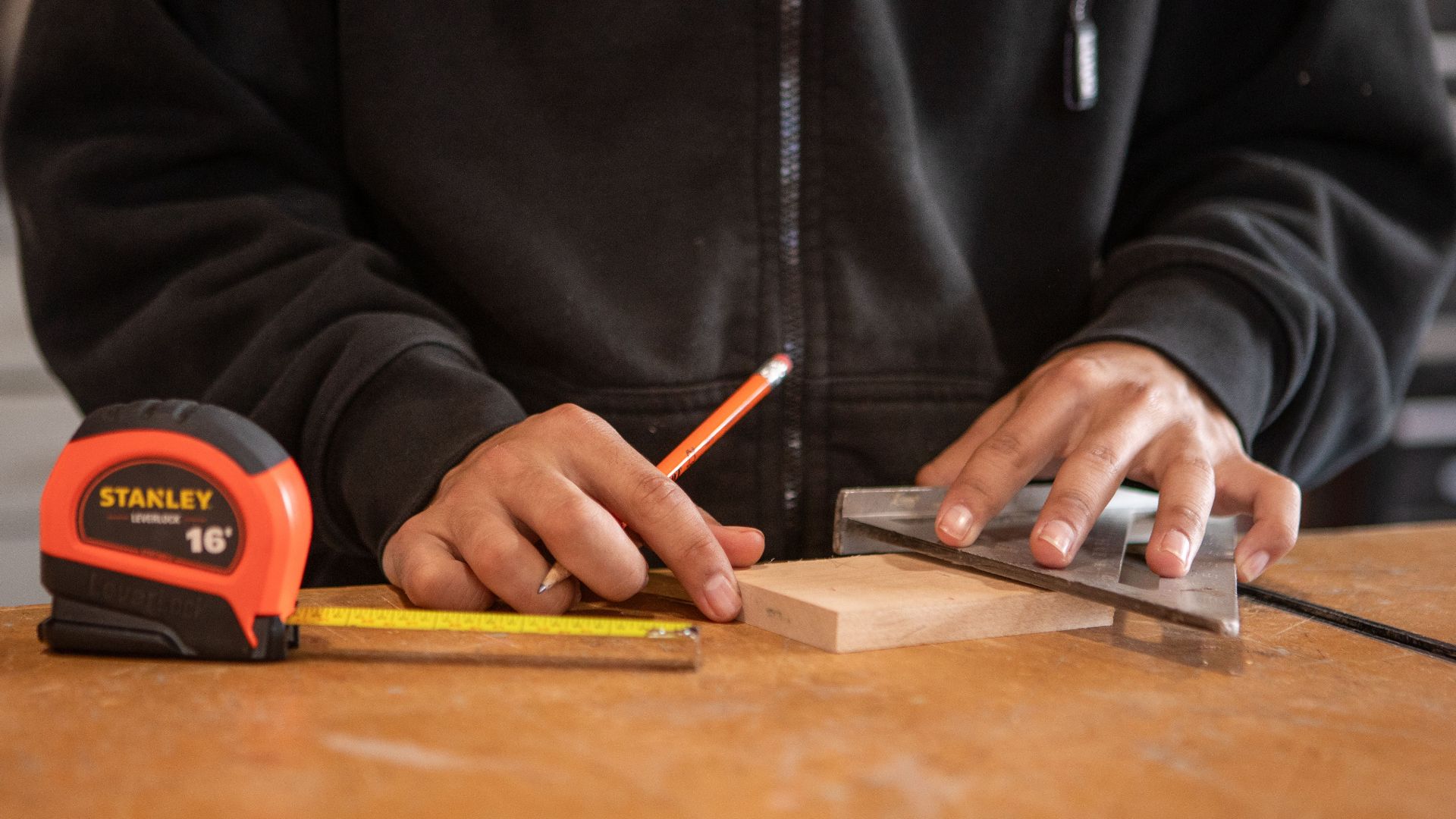
Measuring And Cutting Wood
A simple shelf or repair requires accurate measuring, marking, squaring, and cutting before pieces are joined. Early manual-training courses treated these abilities as general education, not advanced craftsmanship. Flat-pack furniture and cheap replacements have made basic woodworking less necessary.
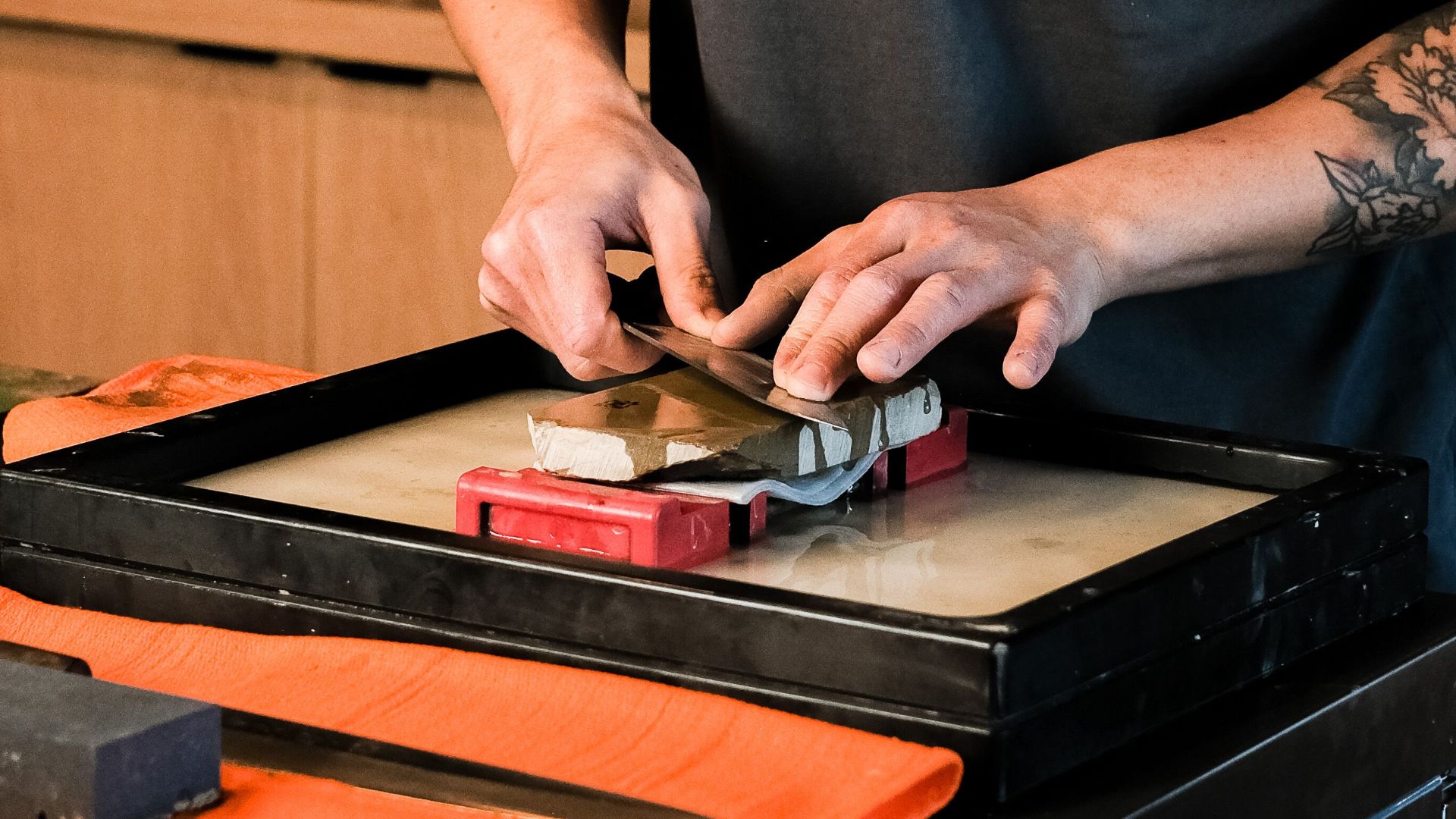
Sharpening A Kitchen Knife
Sharpening a knife properly takes practice and a consistent angle. Serious Eats notes that whetstone sharpening depends heavily on muscle memory. Many home cooks now use pull-through sharpeners, replace inexpensive knives, or send good blades to professionals instead.
Tying Useful Knots
A square knot, bowline, clove hitch, or sheet bend has practical uses in boating, camping, hauling, and household work. Scouting programs still teach knot tying through hands-on challenges. For many adults, tying anything beyond a shoelace is unfamiliar territory.

History's most fascinating stories and darkest secrets, delivered to your inbox daily.
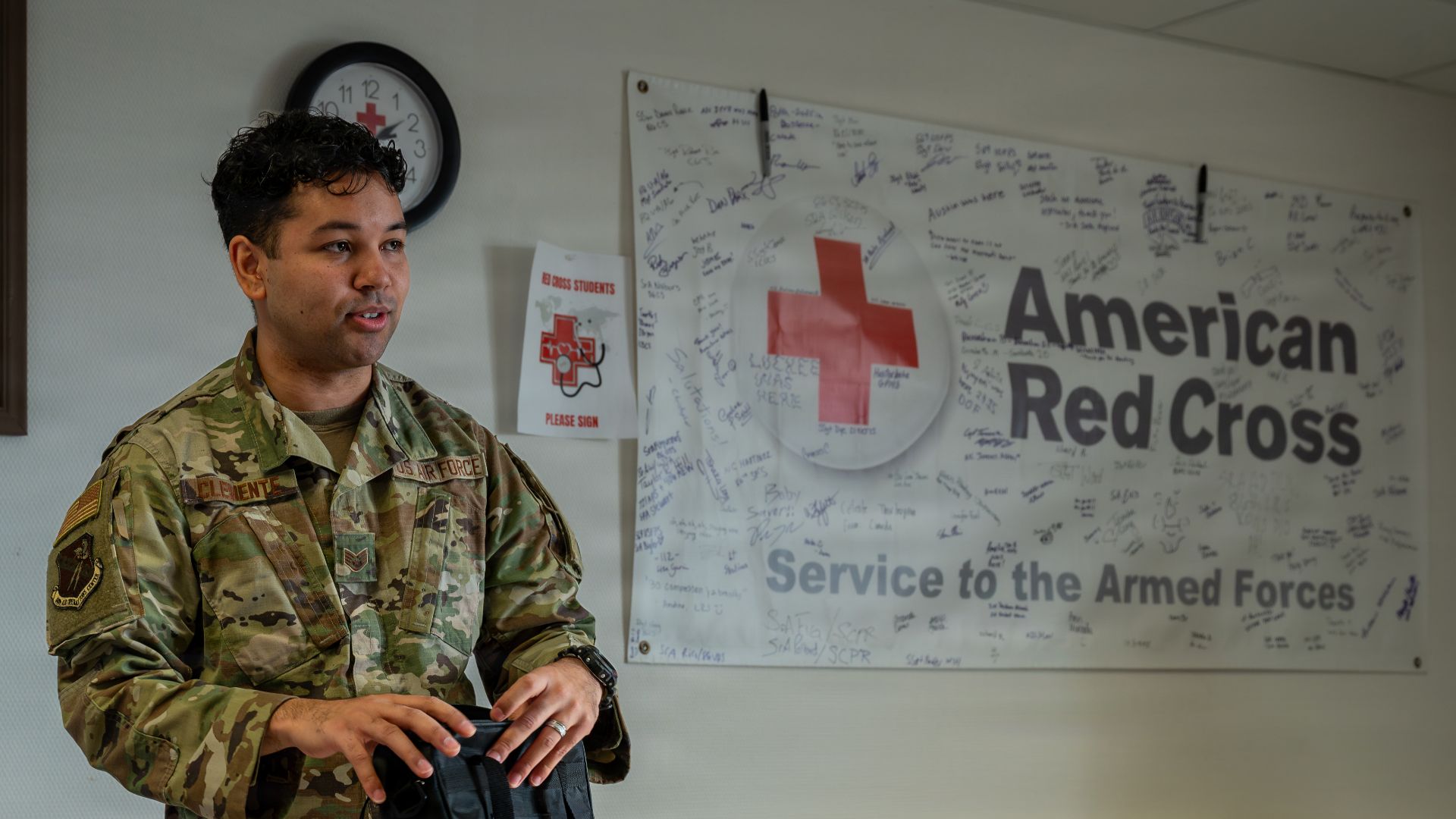
Performing Basic First Aid
First aid was promoted as a public skill long before smartphone instructions existed. The American Red Cross created a First Aid Department in the early twentieth century and has trained millions since. Immediate knowledge still matters because professional help is not always present in the first minutes.
 U.S. Air Force photo by Senior Airman Jared Lovett, Wikimedia Commons
You May Also Like:
Translation Mistakes That Caused Big Historical Problems
Medical Treatments Once Hailed As Breakthroughs Until Everything Went Wrong
Ordinary Household Objects You Would Never Expect To Find In A Museum—Until You Hear Their Stories