
These Everyday Products Disappeared—And Honestly, It’s Probably for the Best
Some products didn’t quietly fade away—they were basically kicked out of everyday life for being way too dangerous. The wild part? People used these things all the time without thinking twice. Looking back now, it’s kind of amazing more chaos didn’t happen.

#25. Lawn Darts
These weren’t really “games”—they were heavy metal spikes you threw into the air and hoped landed near a target instead of someone’s foot. Unsurprisingly, that didn’t always happen. After multiple serious injuries and deaths, they were banned in 1988. Today, handing kids backyard javelins sounds like a terrible idea.
 H. Armstrong Roberts/ClassicStock, Getty Images
#24. Asbestos Insulation
Asbestos was once the go-to material for insulation because it didn’t burn and lasted forever. Unfortunately, breathing in its tiny fibers can cause lung cancer and other serious diseases. Once that became widely known, it was heavily restricted. Today, finding it in your home is less “cool vintage feature” and more “call someone immediately.”

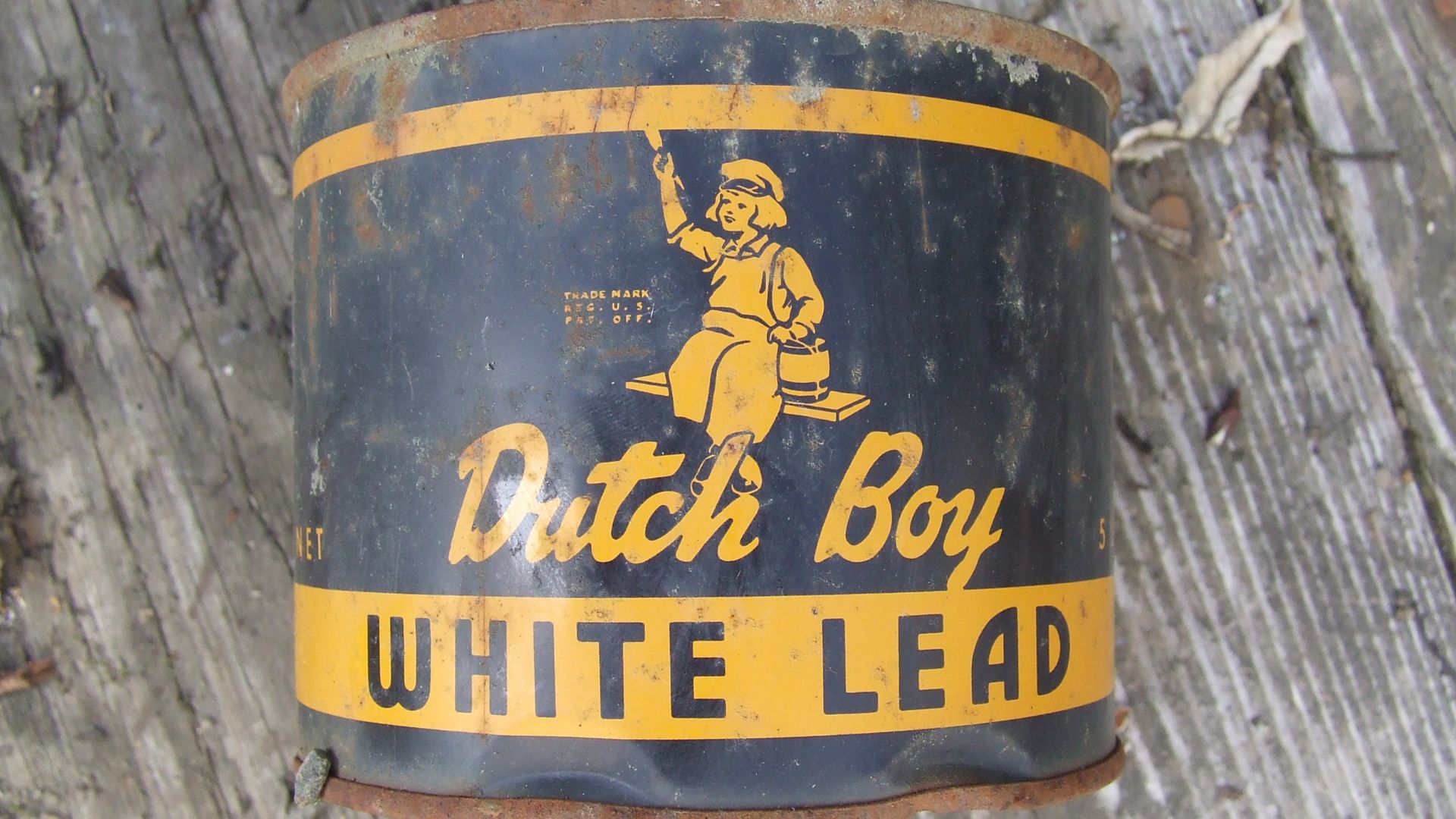
#23. Lead-Based Paint
Lead paint looked great and held up well—but it came with a nasty side effect: it was toxic, especially for kids. Exposure could lead to brain damage and long-term health problems. It was banned for residential use in 1978. Now, it’s something inspectors actively look for, not something you proudly brush onto your walls.
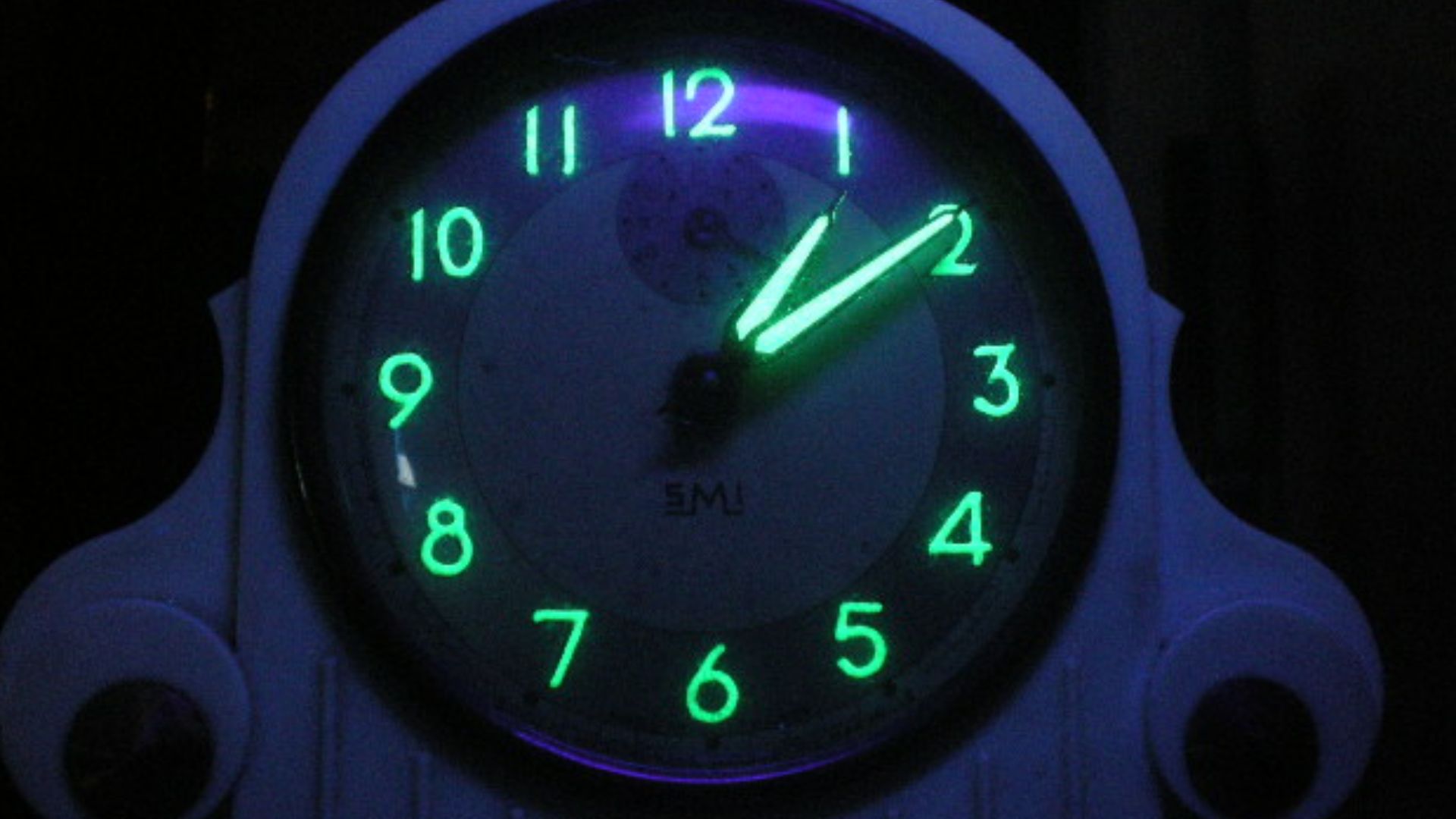
#22. Radium Glow-in-the-Dark Products
Back in the day, glowing watches and clocks used radium, which—fun fact—is radioactive. Workers who handled it got seriously sick, and some even died. The glow was cool, but the radiation part? Not so much. Today’s glow-in-the-dark stuff skips the whole “slowly poisoning you” feature.
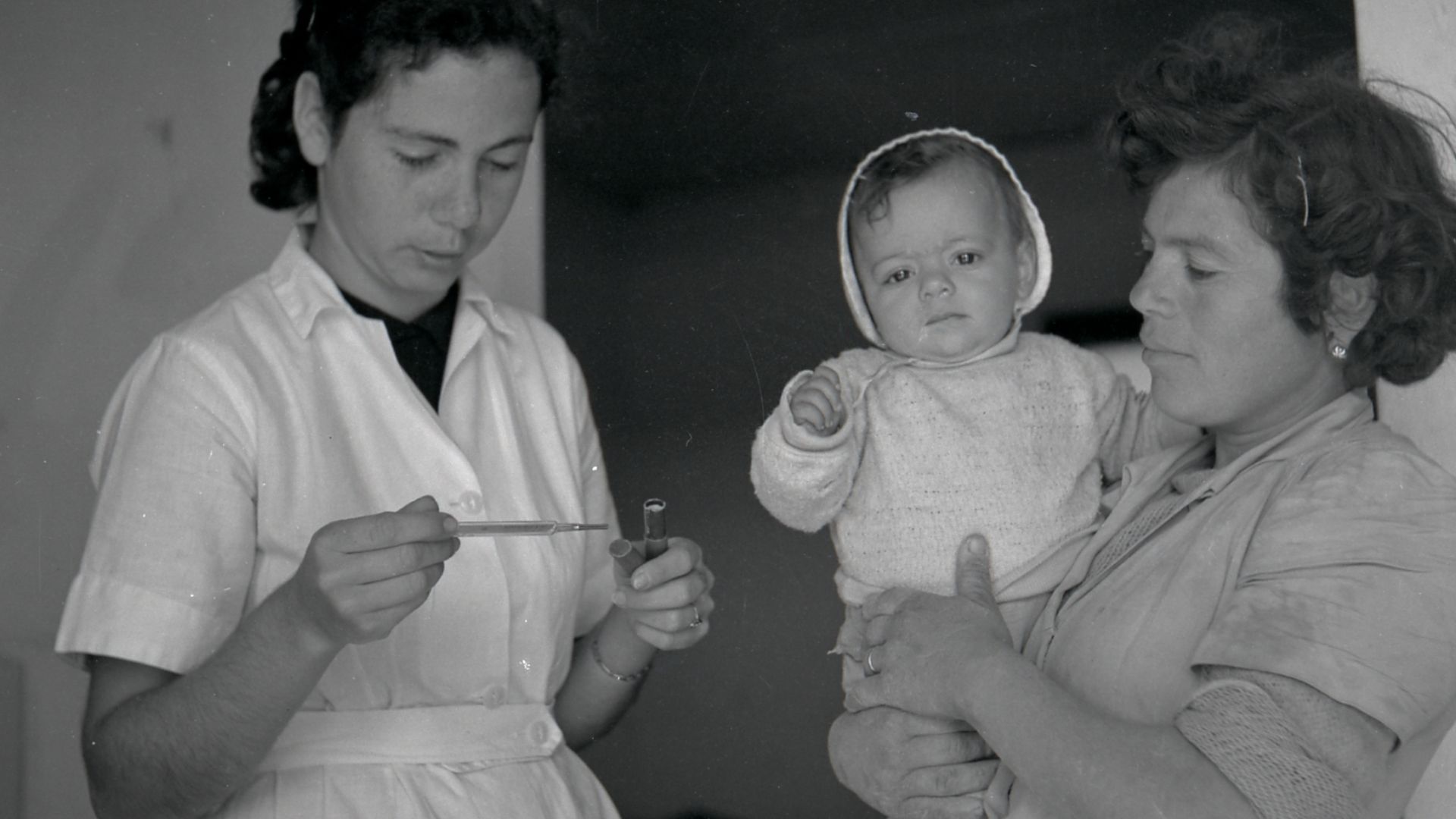
#21. Mercury Thermometers
These were in almost every home, and they worked well—until they broke. Mercury is highly toxic, and even a small spill can be dangerous. Cleaning it up isn’t simple either. That’s why digital thermometers have taken over. No one misses the panic of dropping one on the floor.
 Boris Carmi, Wikimedia Commons
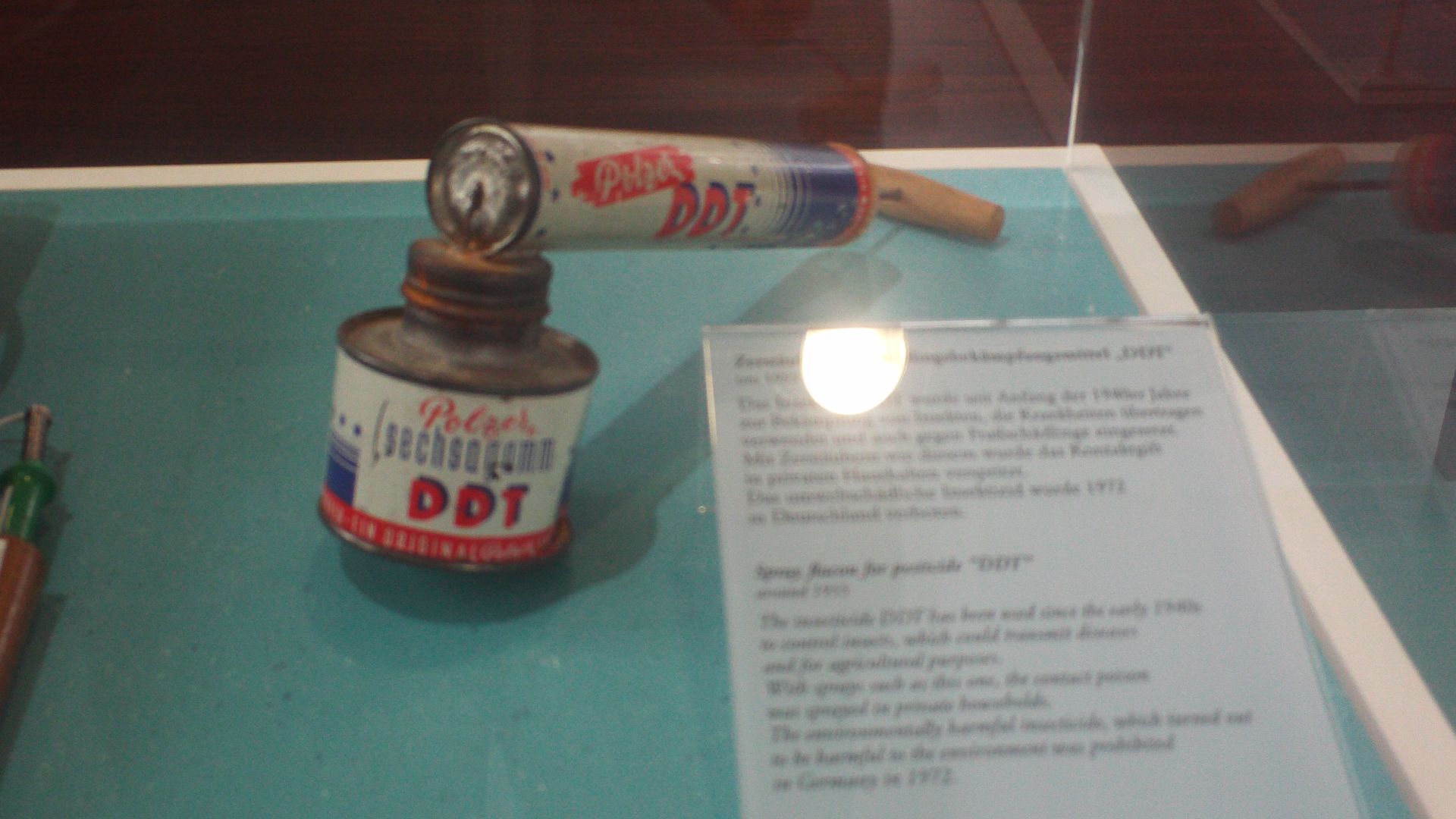
#20. DDT Insecticide
DDT was incredibly effective at killing bugs, which sounds great—until it started wiping out wildlife and damaging ecosystems. Birds, in particular, were heavily affected. It was banned in the U.S. in 1972. Today, pest control still exists, but it doesn’t come with the same environmental fallout.
 Ypsilon from Finland, Wikimedia Commons
#19. Flammable Children’s Pajamas
At one point, kids’ pajamas were made from materials that could catch fire way too easily. Combine that with open flames from heaters or stoves, and you had a serious problem. After tragic incidents, safety standards were tightened. Now, kids’ sleepwear is designed to resist flames—not instantly become one.
 The New York Public Library, Unsplash
#18. Uranium Glassware
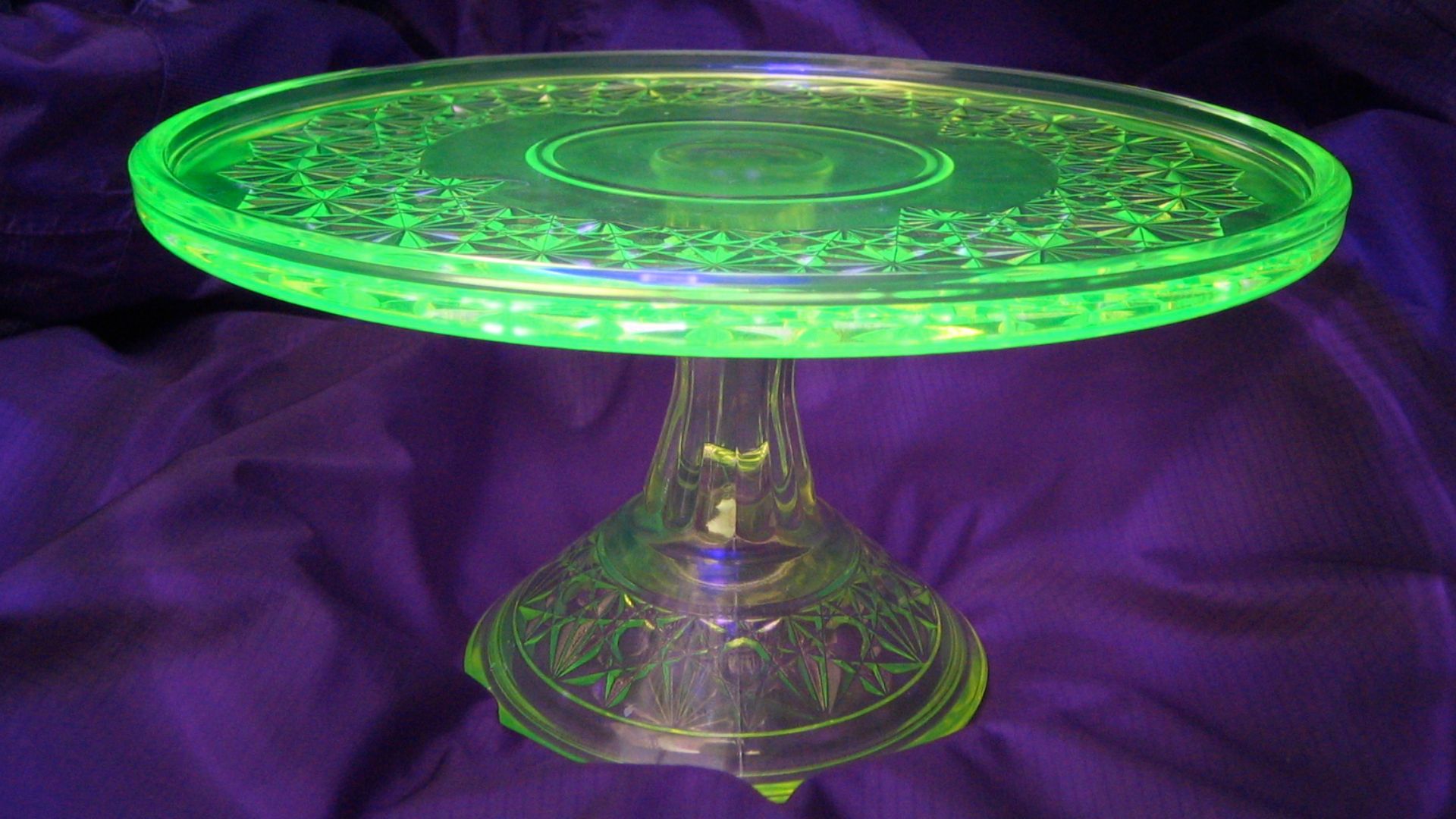
Yes, some dishes and decorative glass actually contained uranium. It gave them a cool glow under UV light, but also… radiation. While the risk wasn’t always immediate, long-term exposure raised concerns. Today, people prefer their dinnerware without a side of radioactive material.
#17. Early Hair Removal Creams
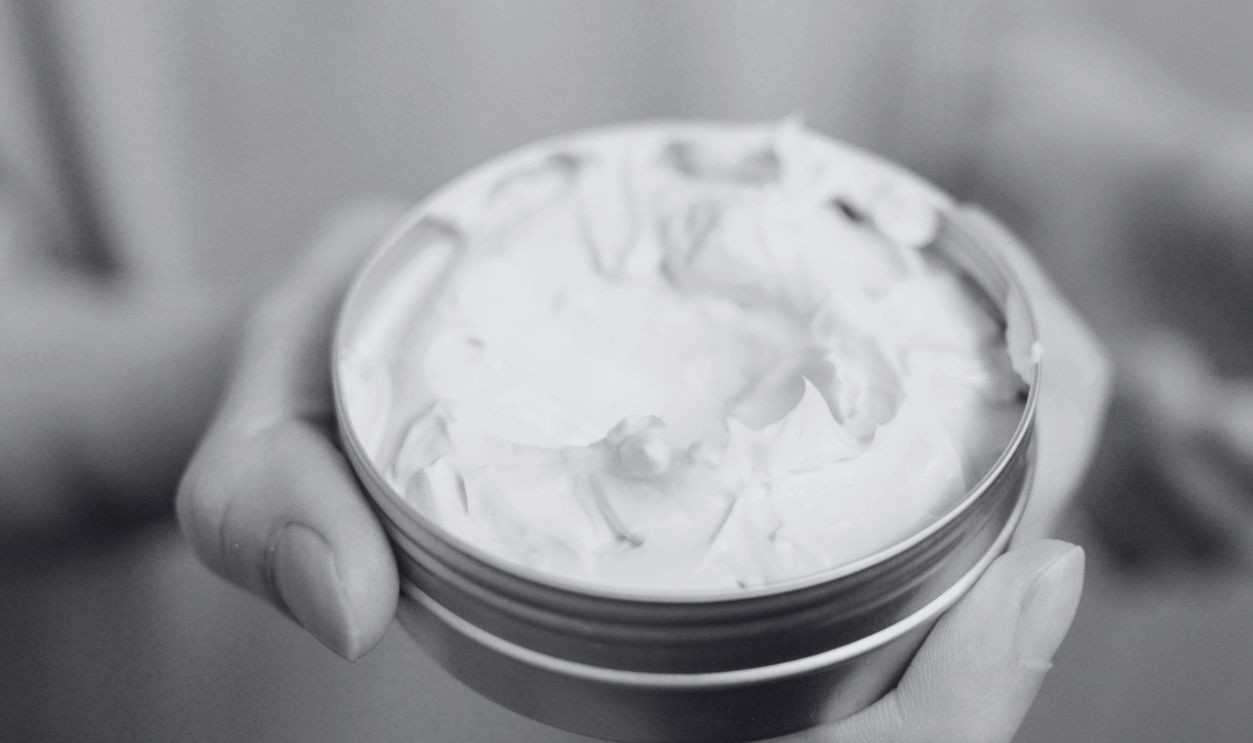
Some early hair removal creams were basically chemical experiments in a jar. They could burn skin, cause irritation, or worse if left on too long. Modern versions are much safer, but back then, using one was a bit of a gamble.
#16. Toxic Refrigerants
Old refrigerators used chemicals like Freon, which could be harmful if they leaked. They also contributed to environmental issues like ozone depletion. Today’s appliances use safer alternatives, but back then, your fridge could technically double as a hazard.

#15. Arsenic-Treated Wallpaper
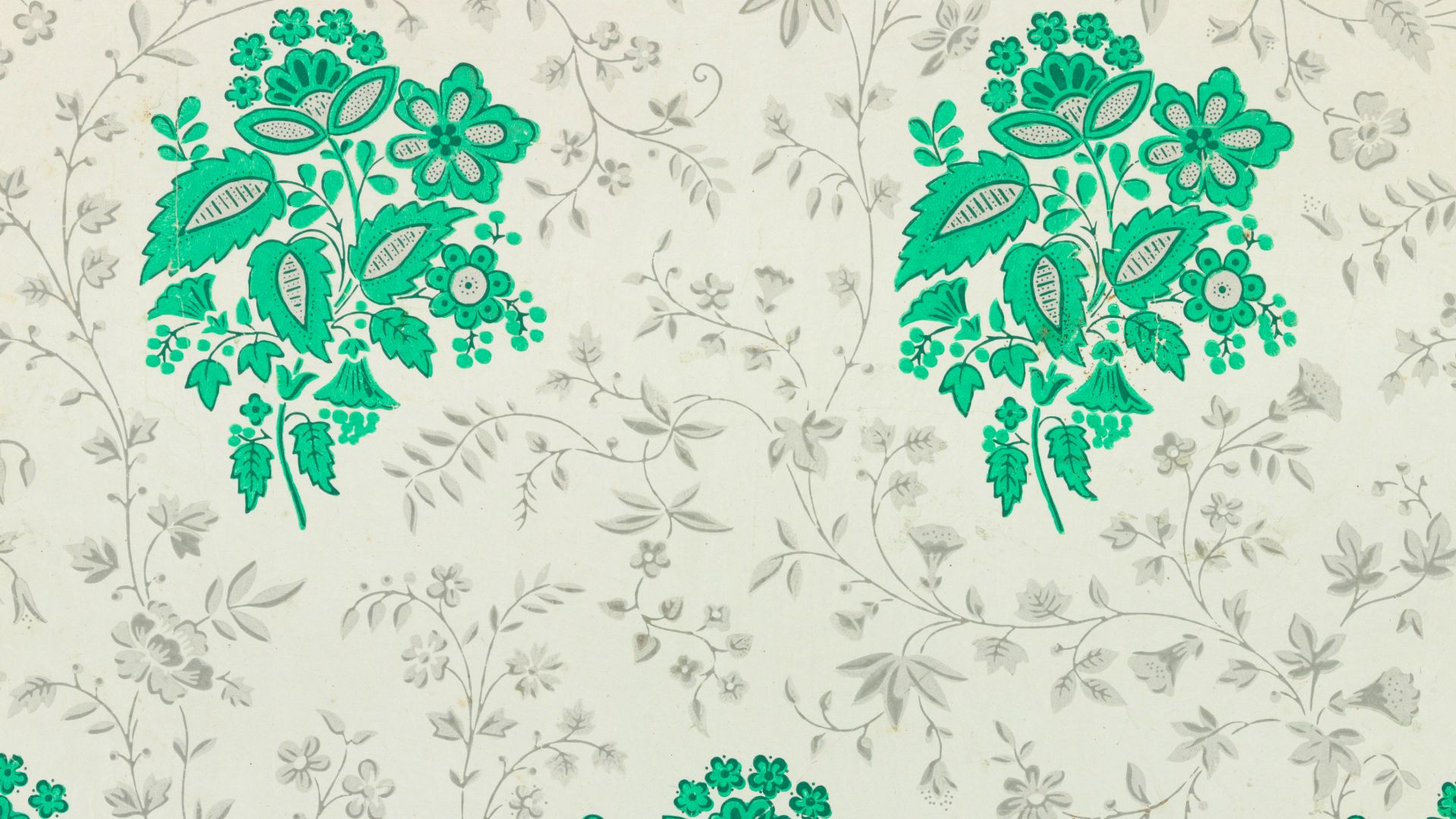
Bright, colorful wallpaper used to contain arsenic-based dyes. Over time, it could release toxic gases into the air. It looked great—until you realized your walls might be slowly poisoning you. That trend didn’t last long once people figured it out.
 Unknown artist, Wikimedia Commons
#14. Unregulated Diet Pills
Early diet pills were the wild west of weight loss. Some contained dangerous stimulants that could mess with your heart or cause addiction. There wasn’t much oversight, so people were basically experimenting on themselves. Today, there are still risks—but way more regulation.

#13. Exploding Soda Bottles
Glass soda bottles under pressure could—and sometimes did—explode. Whether from heat, damage, or manufacturing flaws, the result could be flying glass. Today’s bottles are designed with much stricter safety standards, which is good news for everyone’s hands.

#12. Leaded Gasoline
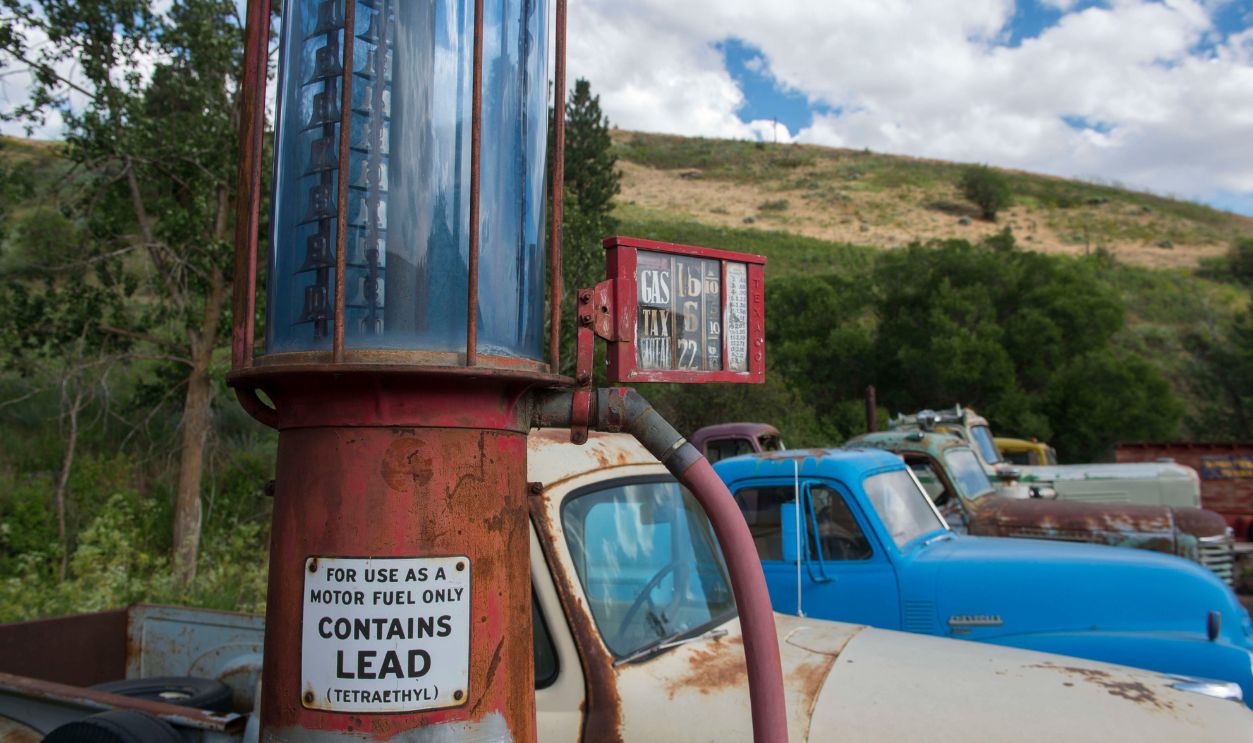
Leaded gasoline made engines run better, but it also released toxic lead into the air. Over time, that exposure caused widespread health problems. It was phased out by the 1990s, and looking back, it’s hard to believe it was ever considered a good idea.
 Wolfgang Kaehler, Getty Images
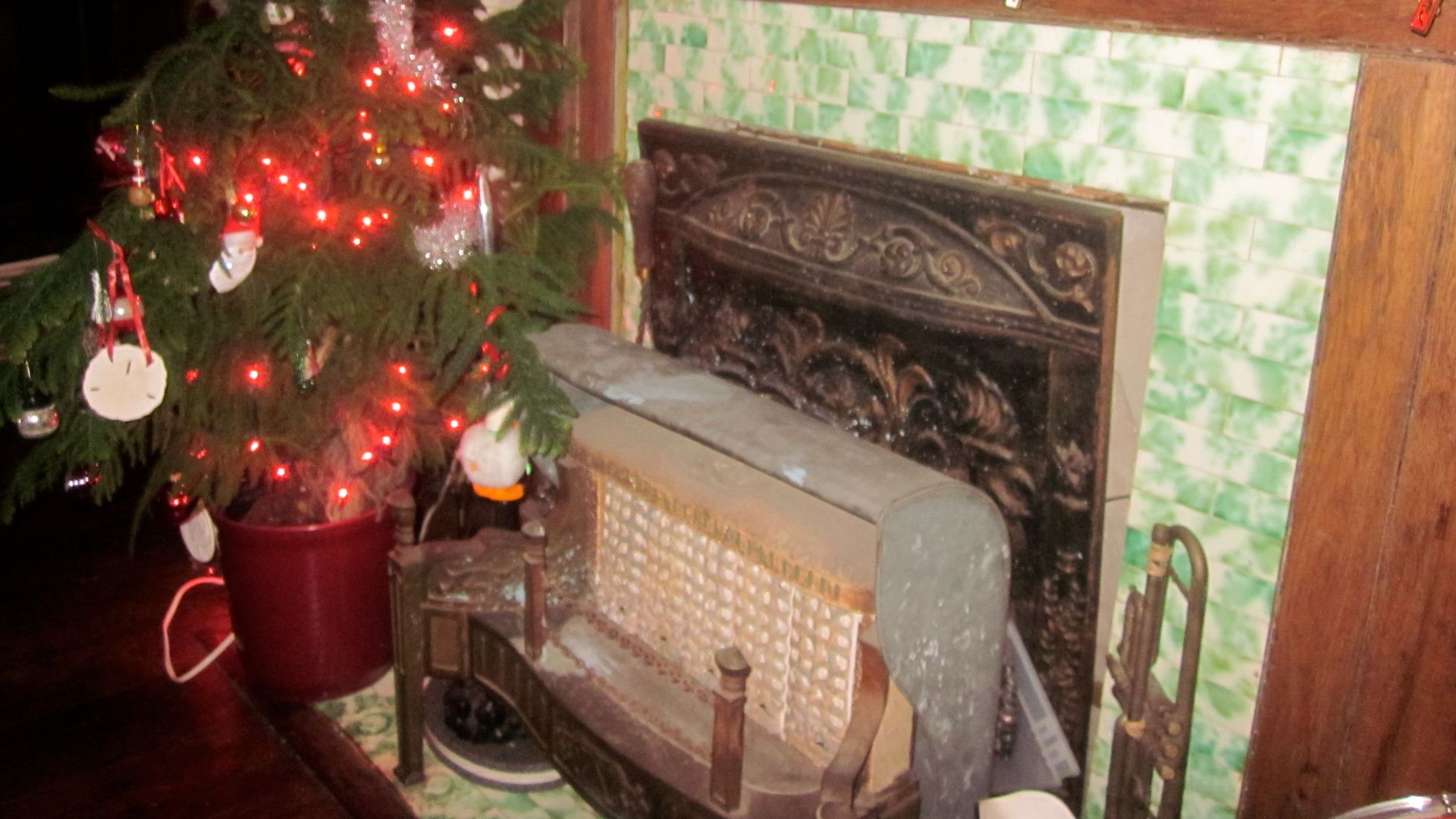
#11. Unvented Gas Heaters
These heaters didn’t always vent harmful gases outside, meaning carbon monoxide could build up indoors. That’s obviously a huge problem. Today’s heating systems are designed with ventilation and safety in mind, because invisible gas poisoning isn’t exactly ideal.
 Infrogmation of New Orleans, Wikimedia Commons
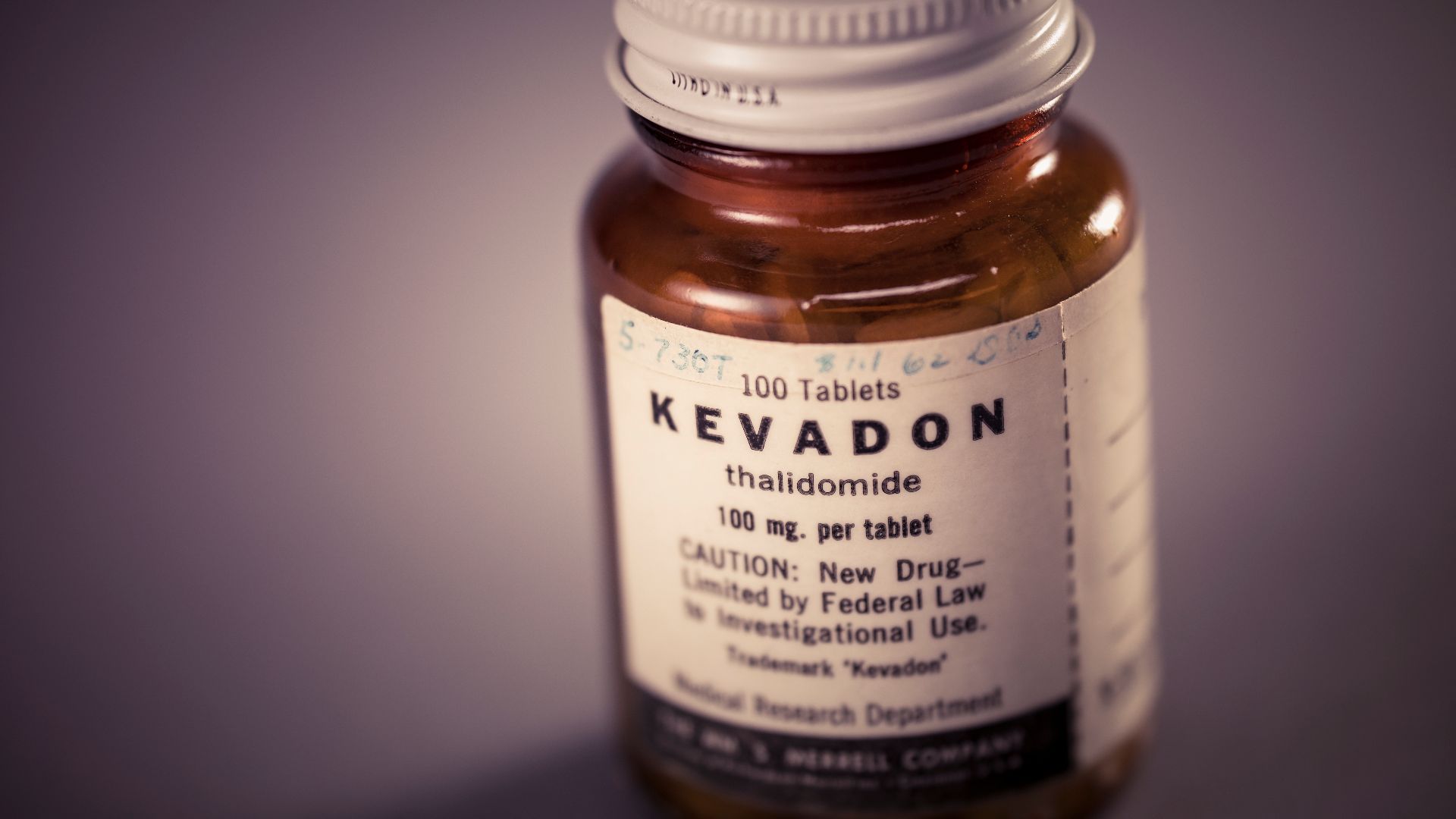
#10. Thalidomide Medication
This drug was given to pregnant women for morning sickness, but it caused severe birth defects. The tragedy led to major changes in how medications are tested and approved. It’s one of the biggest examples of why strict drug regulations exist today.
 The U.S. Food and Drug Administration, Wikimedia Commons
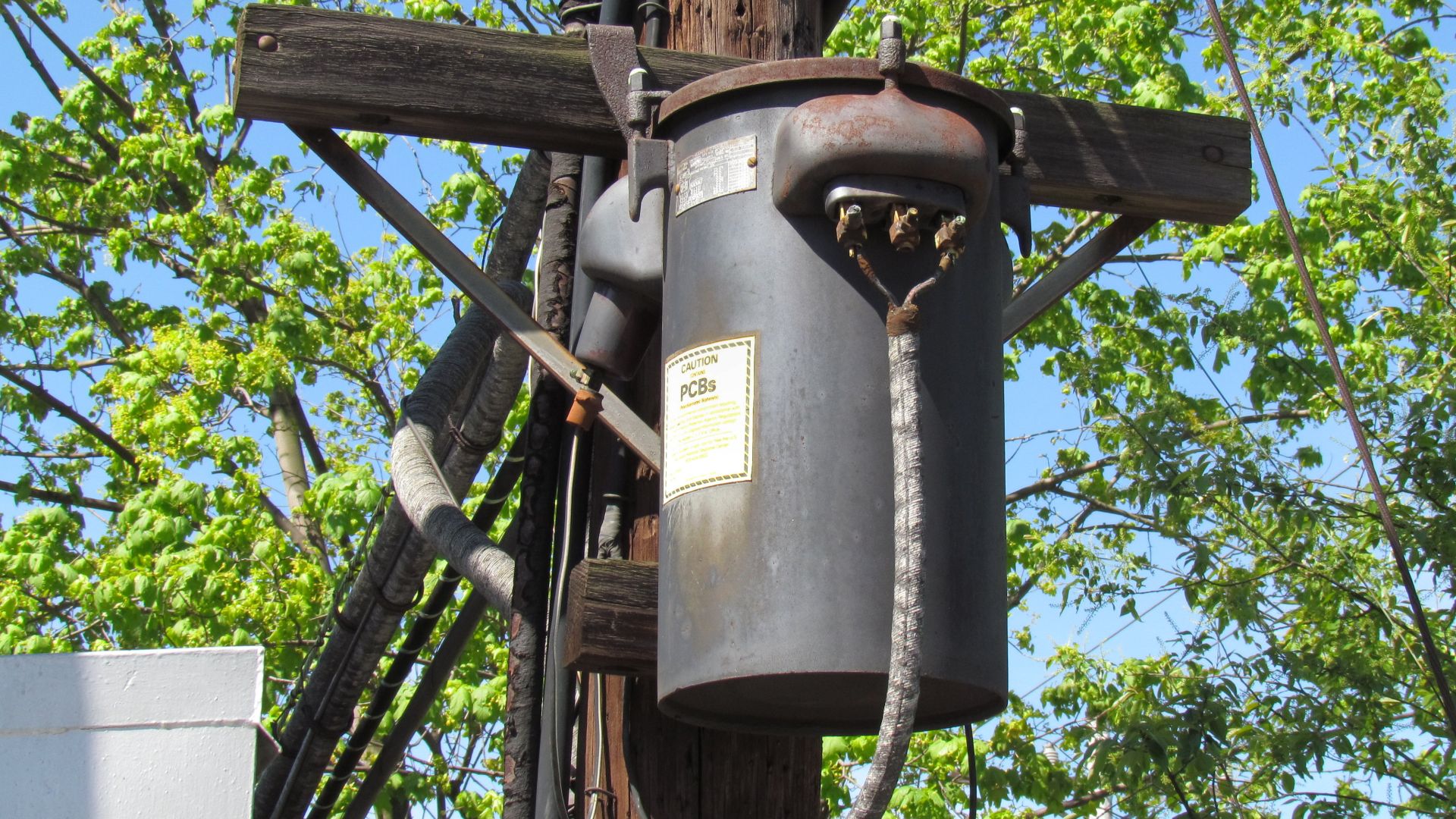
#9. PCBs in Electrical Equipment
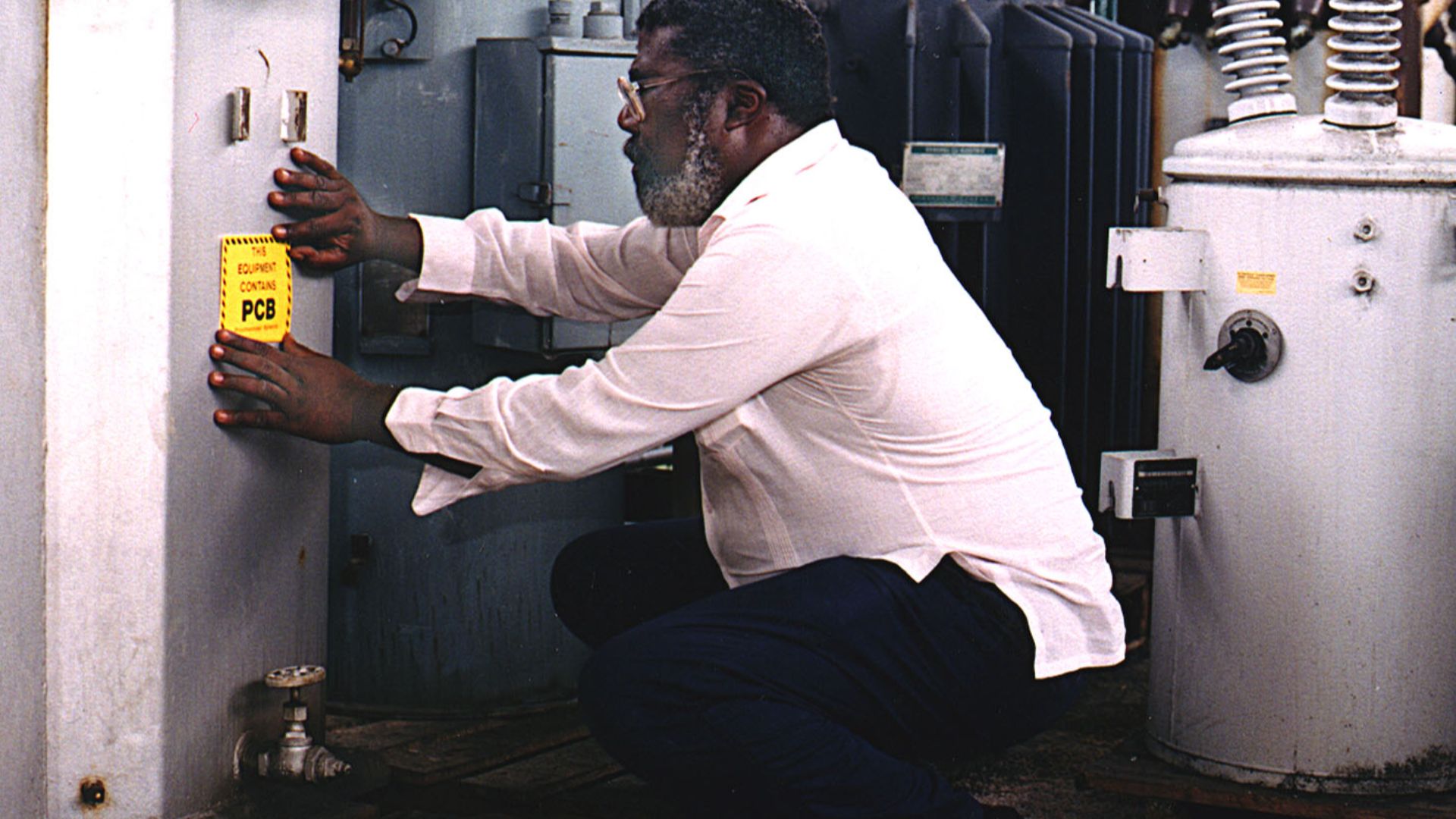
PCBs were used in electronics because they were stable and effective—but they were also toxic and didn’t break down in the environment. Over time, they built up in ecosystems and caused serious health concerns. They were banned in 1979.
#8. Unsafe Baby Walkers
Baby walkers used to let kids zoom around the house—including straight into danger. Stairs, hot surfaces, sharp corners—you name it. Injuries were common, which led to stricter designs and regulations. Today’s versions are much safer (and less chaotic).

#7. Formaldehyde in Household Products
Formaldehyde was used in insulation, furniture, and more—but it releases fumes that can be harmful over time. Long-term exposure has been linked to serious health issues. Today, products are much more regulated to limit that risk.

#6. Unregulated Fireworks
Fireworks used to be way less controlled, which meant more accidents and injuries. Without proper safety standards, things could go wrong quickly. Today, regulations help keep the fun without as much danger—though you still probably shouldn’t hold one in your hand.

#5. Toxic Cosmetics
Some older makeup products contained things like lead and mercury. Yes, people were basically putting toxic metals on their faces. Today, cosmetic ingredients are far more strictly regulated, which is a major upgrade.
 Mayara Caroline Mombelli, Pexels
#4. Carbon Tetrachloride Cleaning Products
This chemical was once used in cleaning fluids but turned out to be extremely toxic. It could damage the liver, kidneys, and nervous system. Once that became clear, it was removed from household products. Probably a good call.

#3. Unshielded Power Tools
Early power tools didn’t come with the safety guards we expect today. That meant a much higher risk of injury during normal use. Modern tools are designed to protect users, which is something people definitely appreciate.

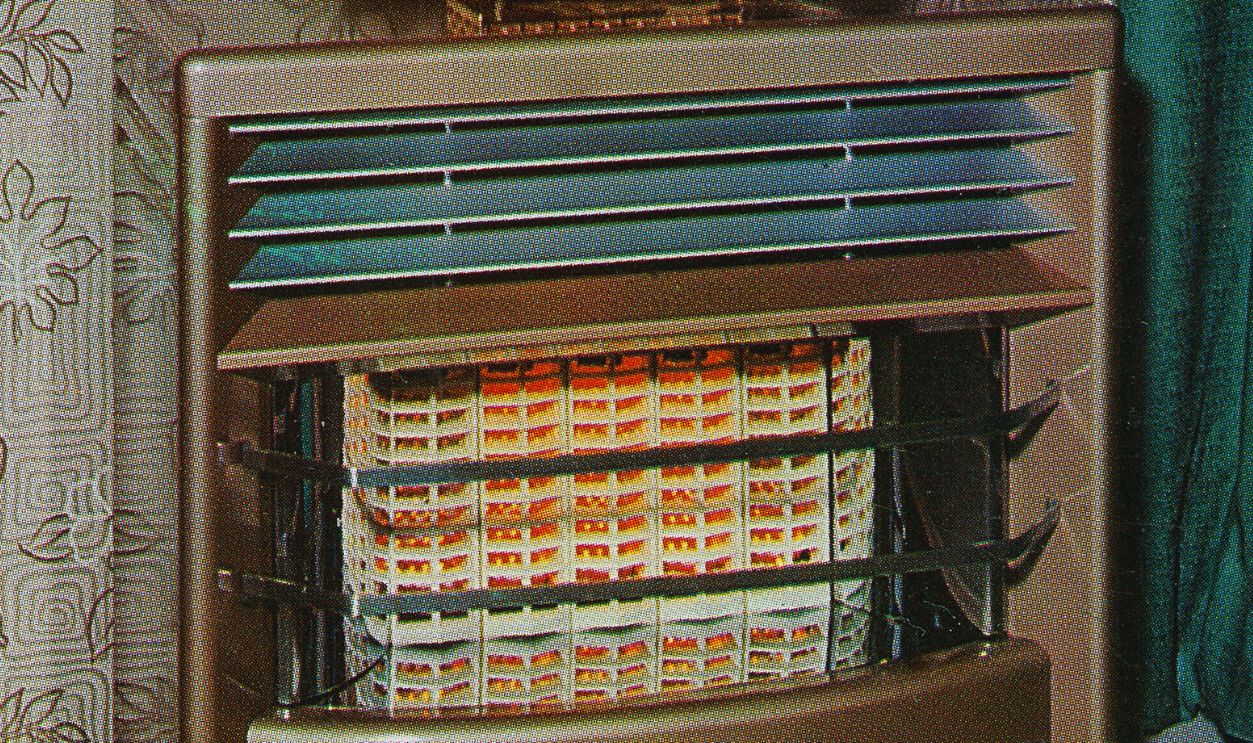
#2. Dangerous Space Heaters
Older space heaters could easily tip over or overheat, leading to house fires. They worked—but they were risky. Today’s versions include automatic shutoffs and other safety features, making them much less of a gamble.
 Found Image Holdings Inc, Getty Images
#1. Cigarette Ads Targeting Kids
This wasn’t a product change—it was a culture shift. Cigarettes were once advertised in ways that appealed to younger audiences, despite the health risks. Once the dangers became undeniable, strict advertising rules were put in place. Looking back, it’s pretty shocking it was ever allowed.
Why These Products Disappeared
Most of these products didn’t vanish because people got bored of them—they disappeared because science finally caught up. As research exposed the risks, regulations stepped in. Turns out, a lot of “normal” products were only normal until we realized how dangerous they actually were.
 US Army corps of Engineers,, Wikimedia Commons
You May Also Like:
Completely Normal American Habits From The 1970s That Would Seem Completely Bizarre Today—Did You Do Any Of These?
The Worst Man-Made Disasters in U.S. History
America’s Most Isolated Town