
Welcome To The House That Time Forgot
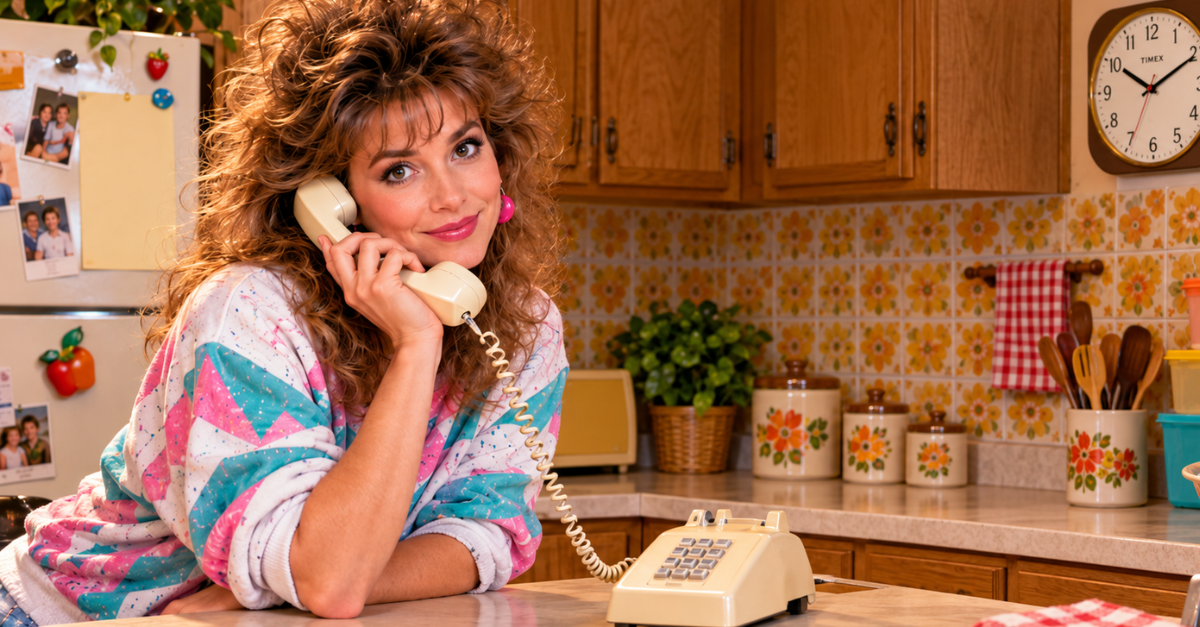
Imagine walking into an ordinary American home in 1985. You'd find enormous electronics, mysterious plastic gadgets, and objects that seem to serve absolutely no purpose today. Before smartphones and streaming services, everyday life required some surprisingly complicated equipment. These household staples once made perfect sense, but younger generations might struggle to figure out what they're supposed to do.
Rotary-Dial Telephones
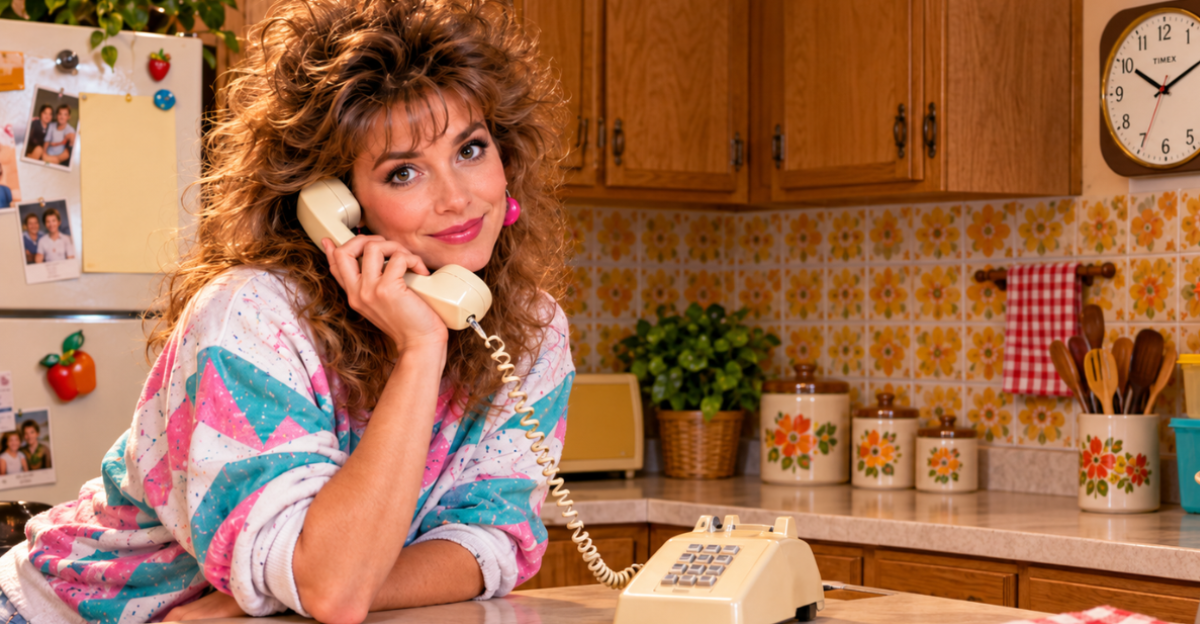
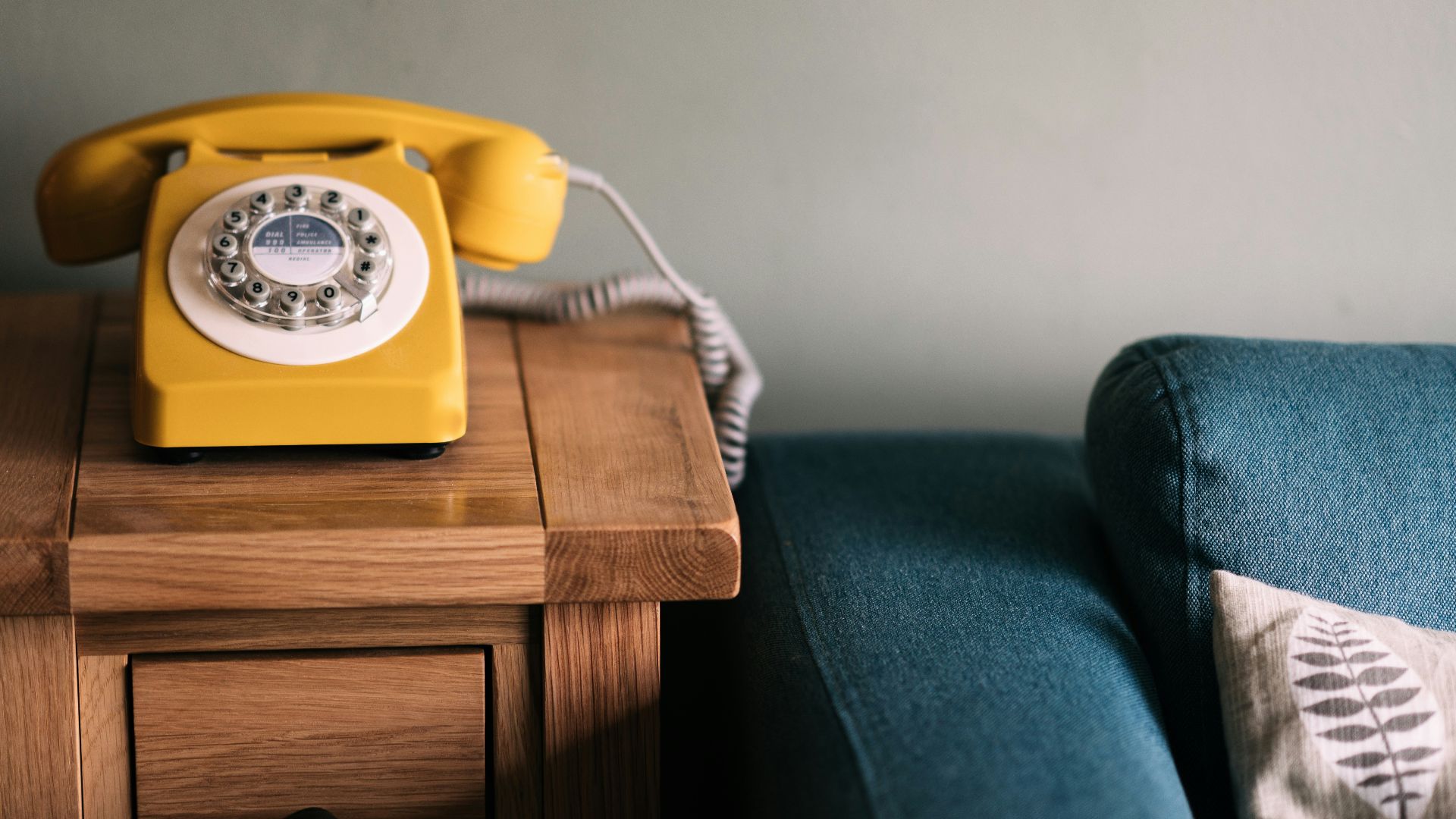
Making a phone call once involved sticking your finger into numbered holes and rotating a mechanical dial. Each digit required its own turn, making longer numbers particularly tedious. Rotary phones remained in many American homes throughout the 1980s, even as push-button models became increasingly popular.
Answering Machines With Cassette Tapes
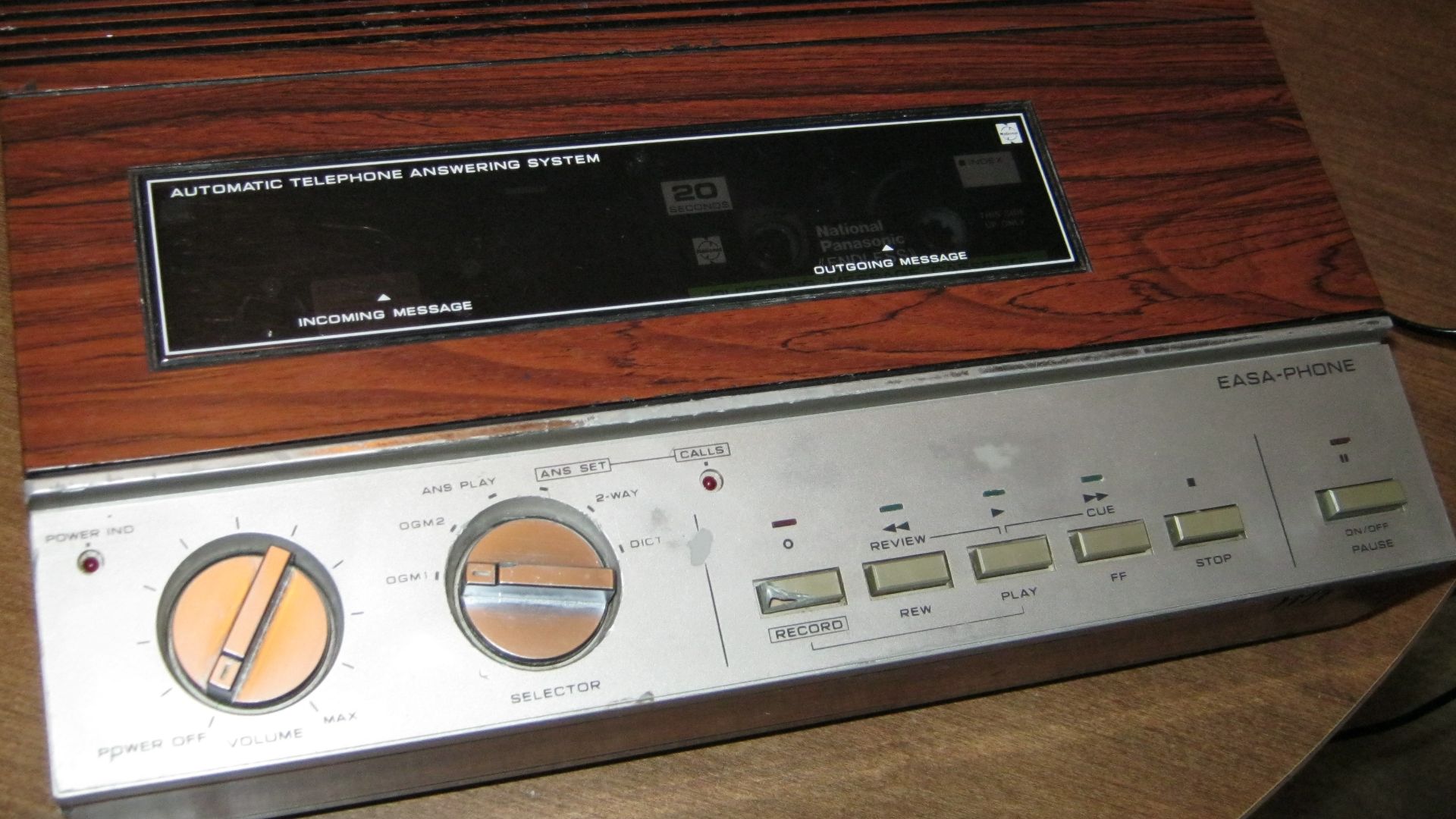
Before digital voicemail, families relied on separate answering machines to record missed calls. Many models used magnetic tapes that could eventually fill up with messages. Some machines even allowed callers to be screened while they spoke, giving households an early version of caller identification without actually knowing who was calling.
 phreakindee, Wikimedia Commons
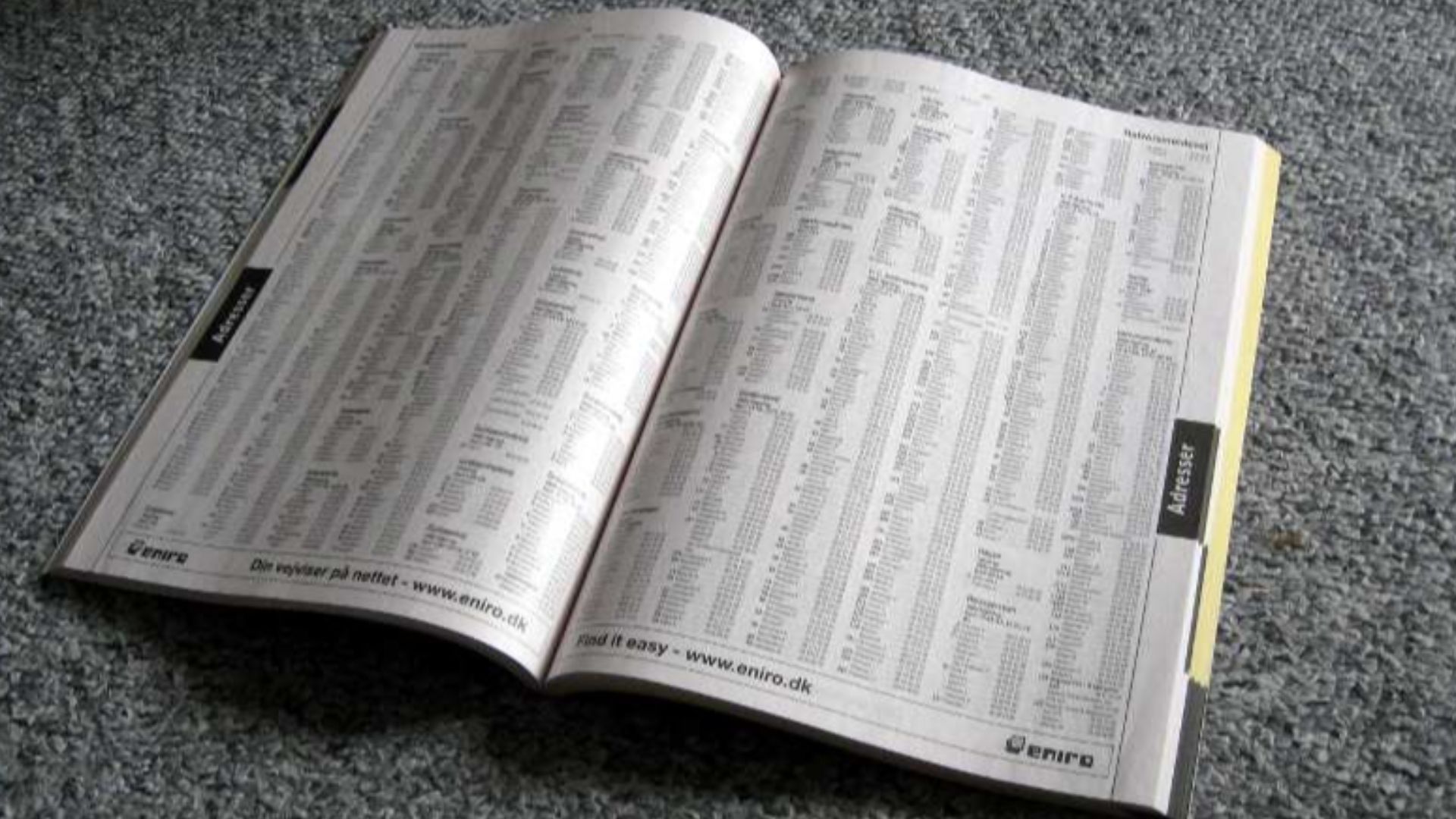
Giant Telephone Directories
Finding someone's number once meant searching through hundreds of printed pages. White Pages listed residential telephone subscribers, while Yellow Pages organized businesses by category. These enormous directories were regularly updated and distributed to households, making them essential reference tools long before online searches became commonplace.
 © 2010 by Tomasz Sienicki [user: tsca, mail: tomasz.sienicki at gmail.com], Wikimedia Commons

History's most fascinating stories and darkest secrets, delivered to your inbox daily.
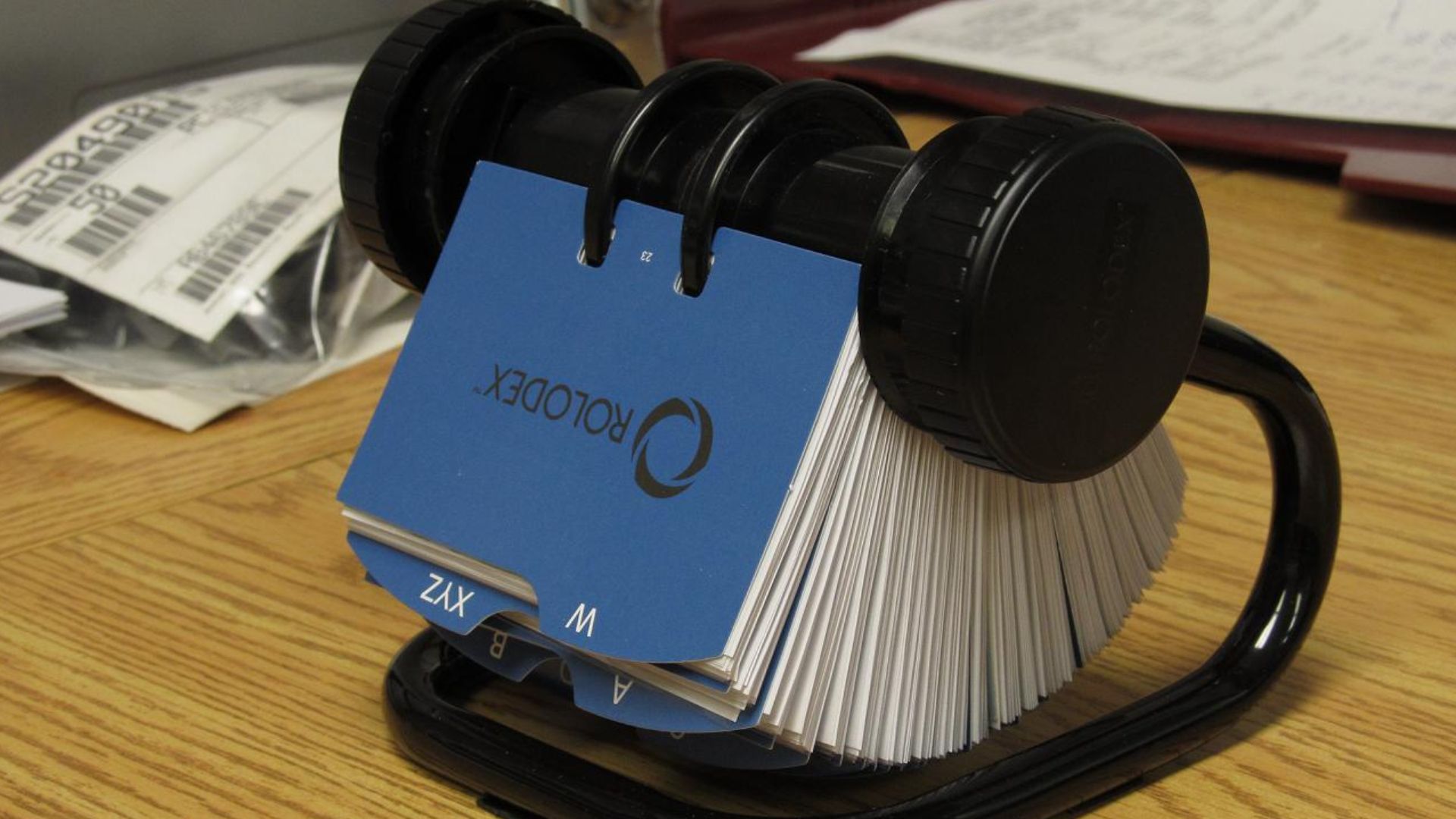
Rolodex Address Files
Long before digital contact lists, some households kept telephone numbers and addresses on cards inside rotating organizers called Rolodexes. Finding someone meant physically flipping through alphabetized cards. When people moved or changed numbers, their information had to be updated by hand or replaced entirely.
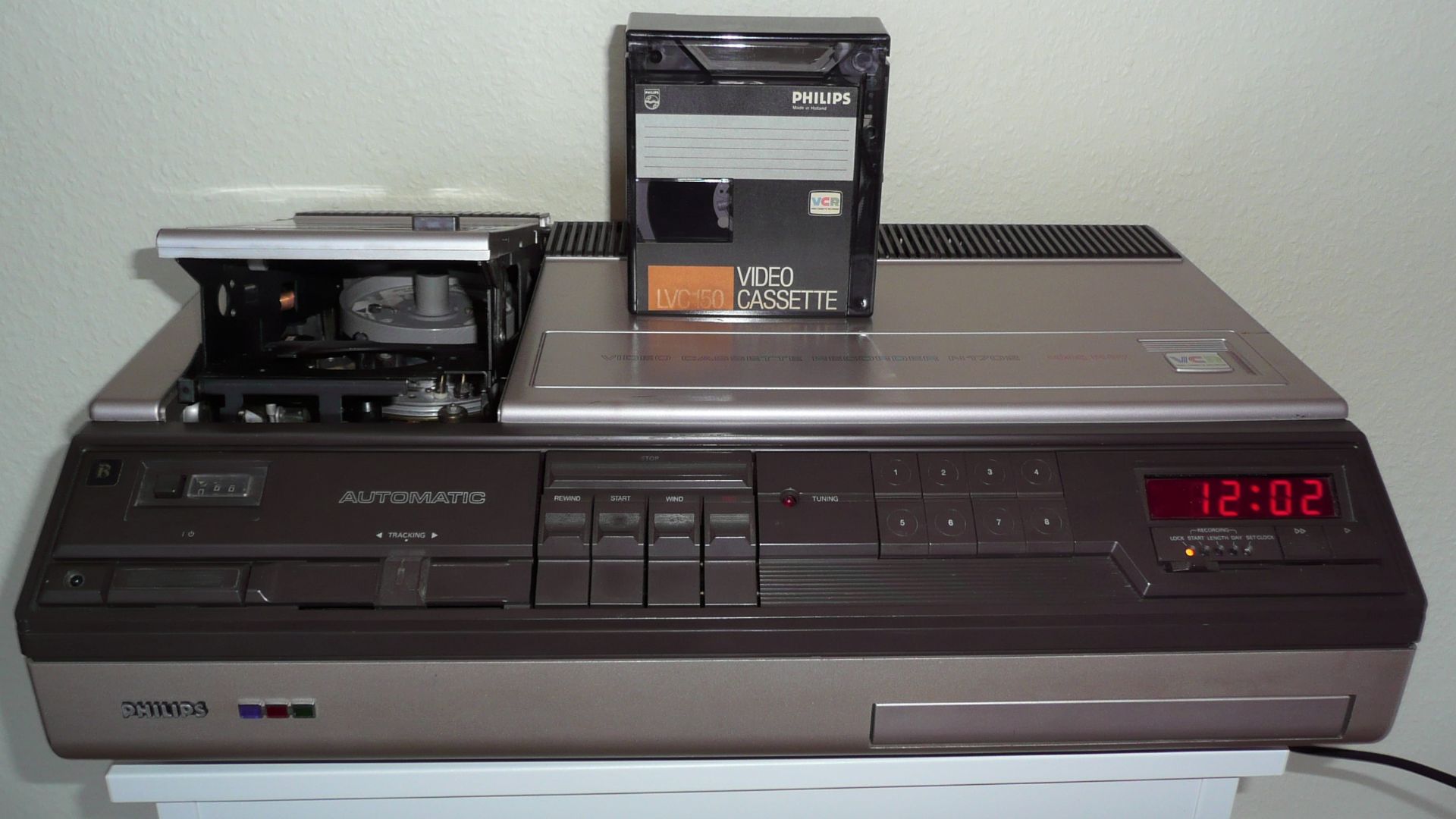
VCRs With Complicated Recording Timers
A videocassette recorder allowed families to record television broadcasts and watch rented movies at home. Programming one to record a future show, however, required entering the correct date, time, and channel. Incorrect settings could result in a completely different program being recorded instead.
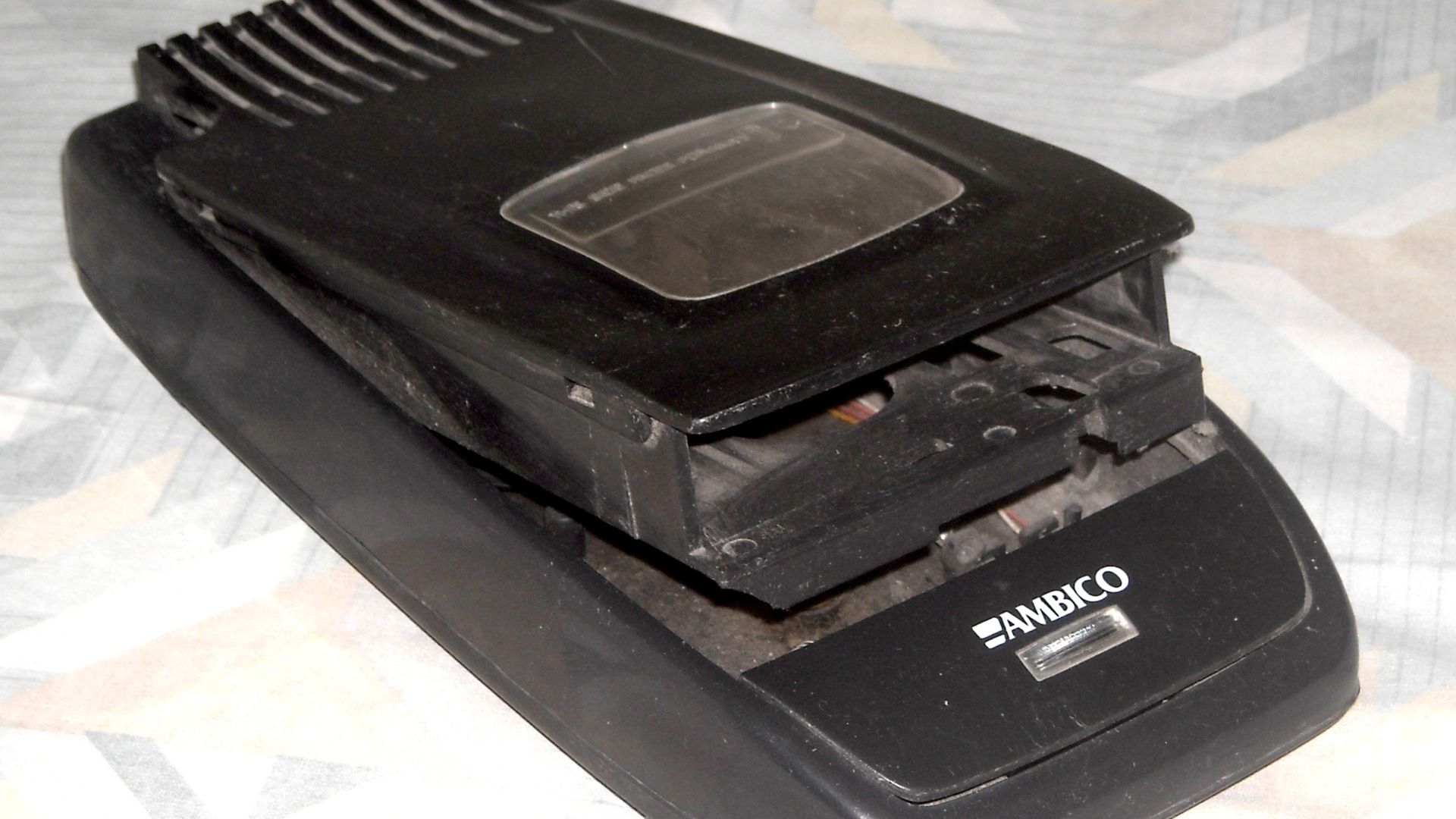
Standalone VHS Tape Rewinders
Believe it or not, manufacturers sold machines dedicated entirely to rewinding videotapes. Instead of using the VCR, households could place a cassette inside a separate rewinder. These gadgets were especially handy when returning movies to rental stores, where customers were routinely reminded to rewind their tapes.
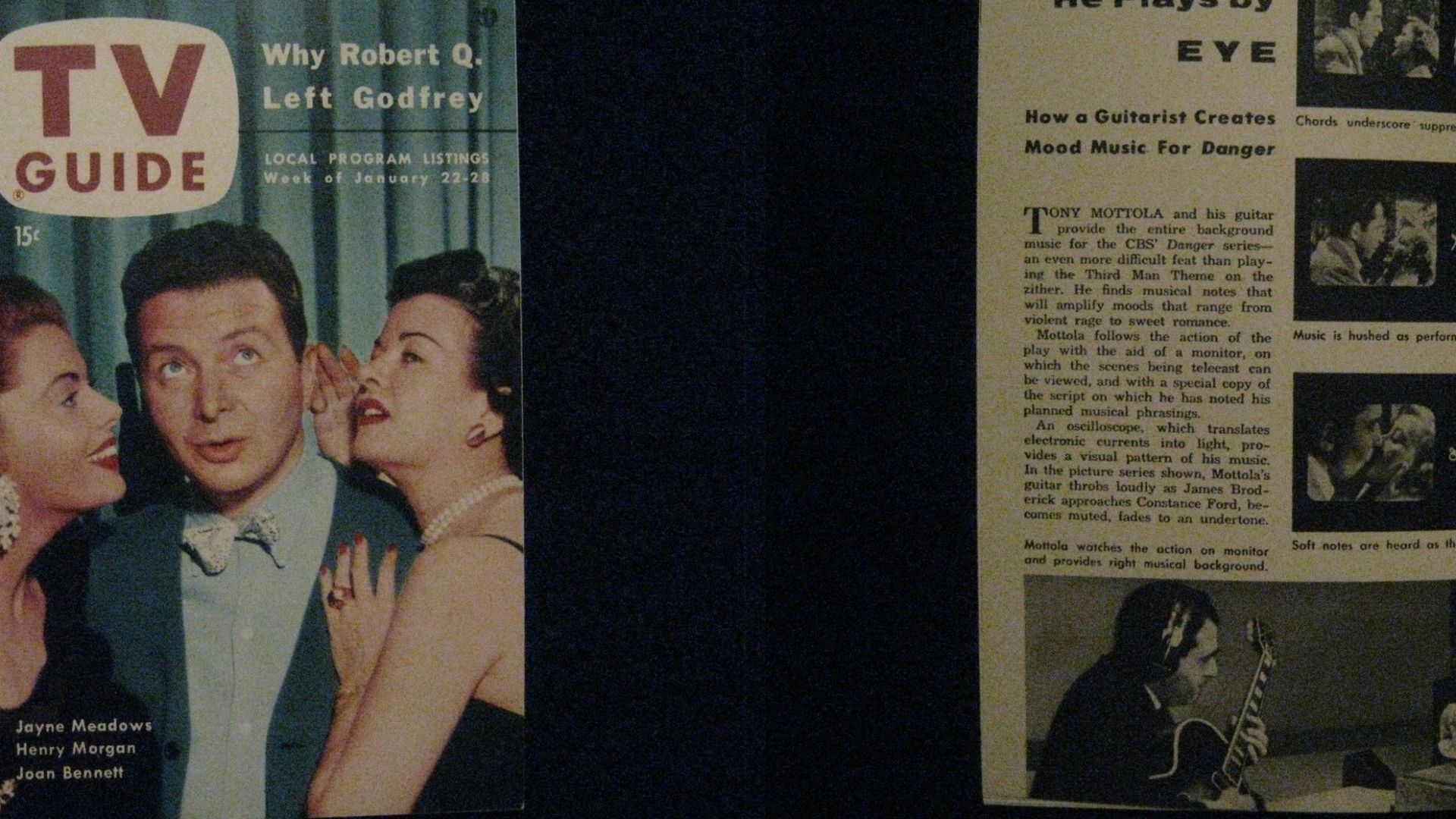
Printed TV Guide Magazines
Before electronic programming guides, viewers depended on printed television schedules to discover what was airing. TV Guide provided weekly listings alongside entertainment reporting and celebrity features. In 1988, its circulation exceeded 17 million copies, demonstrating how important printed schedules remained to American television audiences.
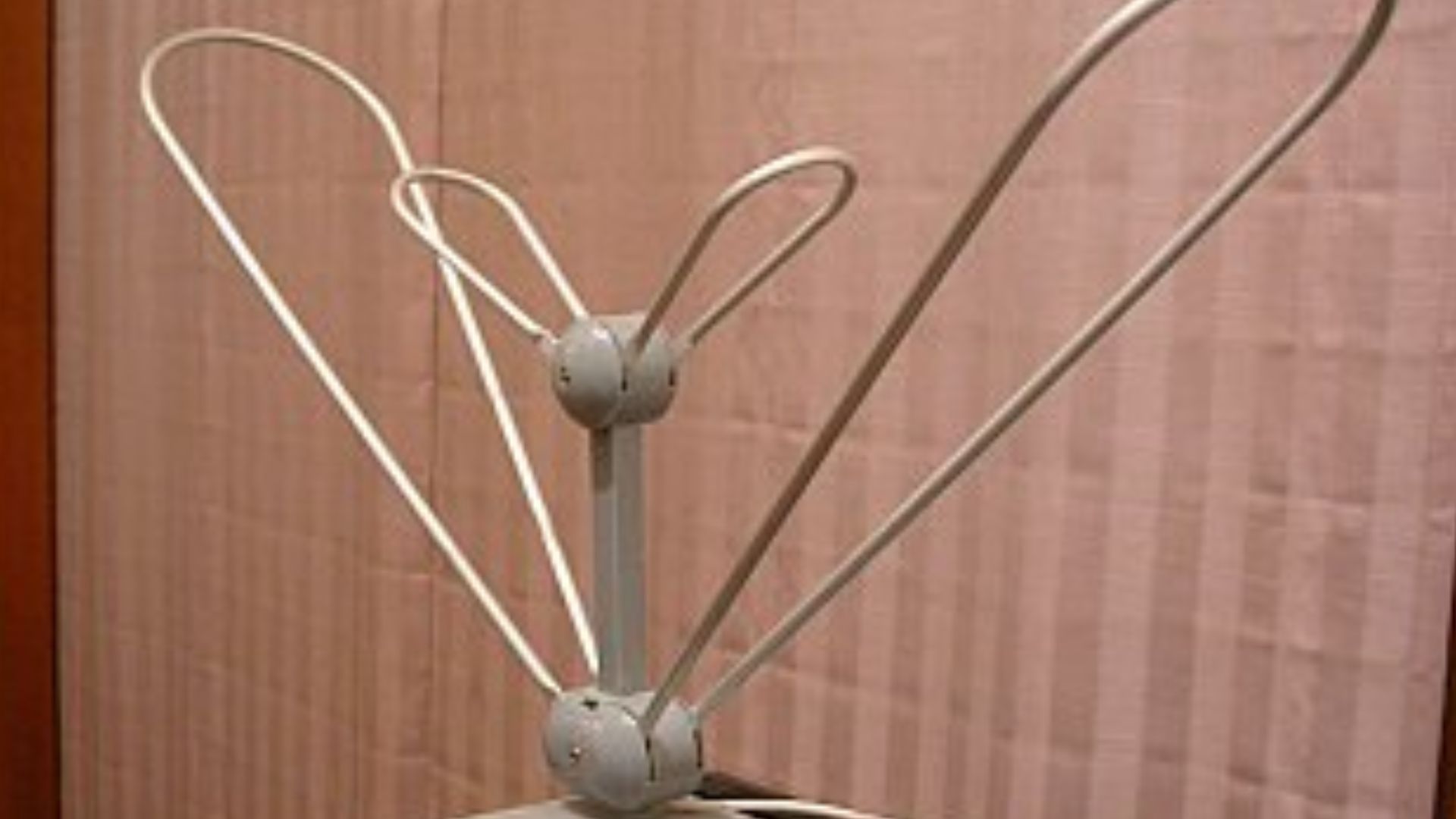
Rabbit-Ear Television Antennas
Televisions once featured adjustable metal antennas resembling rabbit ears. Getting a clear picture sometimes required extending the rods, turning them, or repositioning the antenna entirely. Reception depended on local broadcast signals, and the arrival of cable television gradually reduced many households' dependence on these devices.
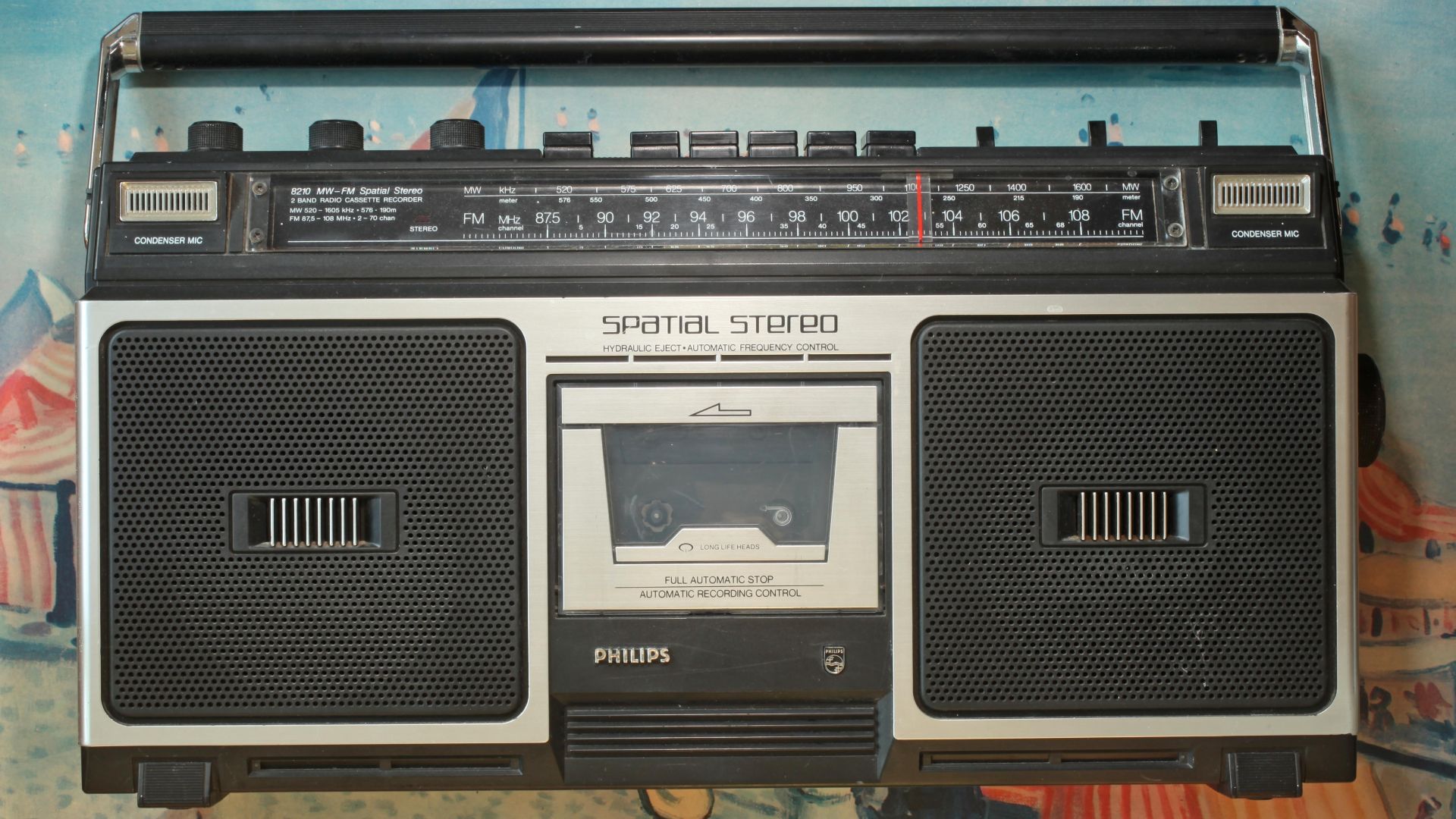
Enormous Boomboxes
Portable music players weren't always particularly portable. Many 1980s boomboxes combined radio receivers, cassette decks, and large speakers inside bulky plastic cabinets. Some offered dual cassette decks and detachable speakers, making them sophisticated entertainment systems that could travel between bedrooms, garages, and backyard gatherings.
 Free Photo Fun, Wikimedia Commons
History's most fascinating stories and darkest secrets, delivered to your inbox daily.
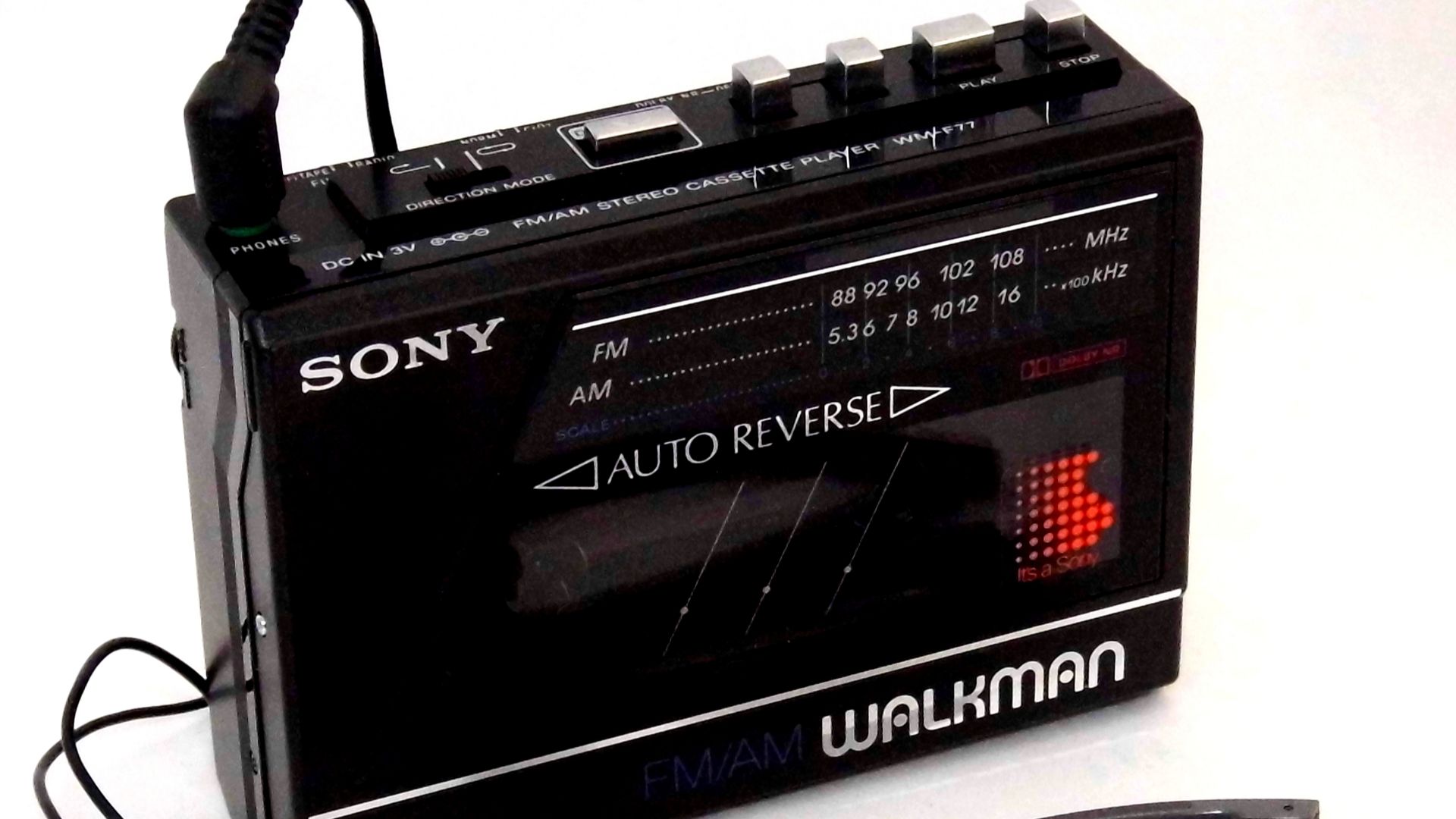
Sony Walkman Cassette Players
Sony introduced its first Walkman in 1979, creating a new way to enjoy recorded music privately. Users inserted cassette tapes and listened through lightweight headphones. Unlike modern streaming devices, these players relied on physical tapes, and skipping directly to a particular song wasn't especially convenient.
 Joe Haupt from USA, Wikimedia Commons
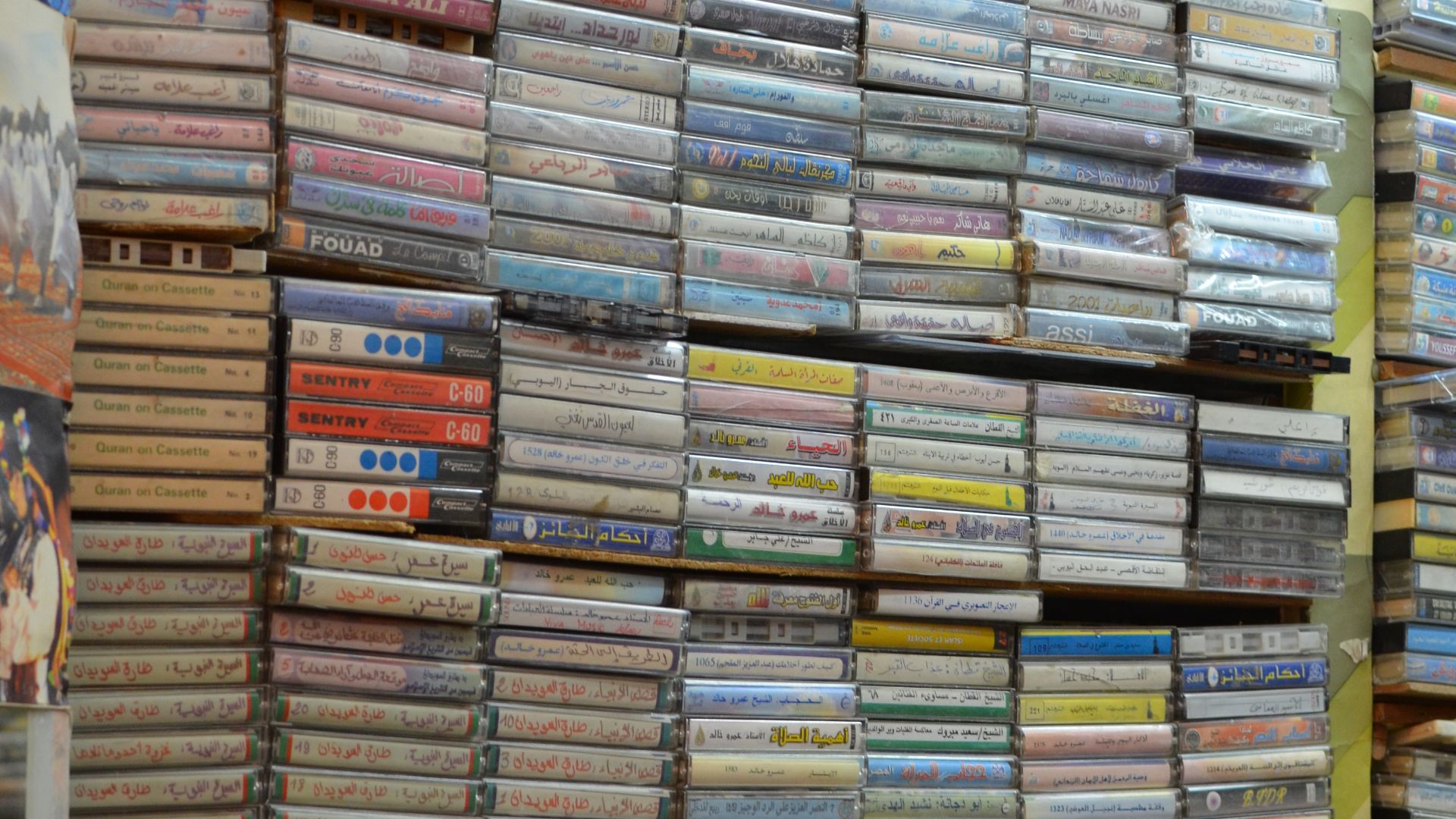
Cassette Storage Racks
A substantial music collection once demanded serious storage space. Households organized cassettes in wooden towers, plastic racks, or specialized carrying cases. Each album occupied its own physical cassette, while homemade mixtapes required labeling and organizing. A missing tape could mean losing access to your favorite songs.
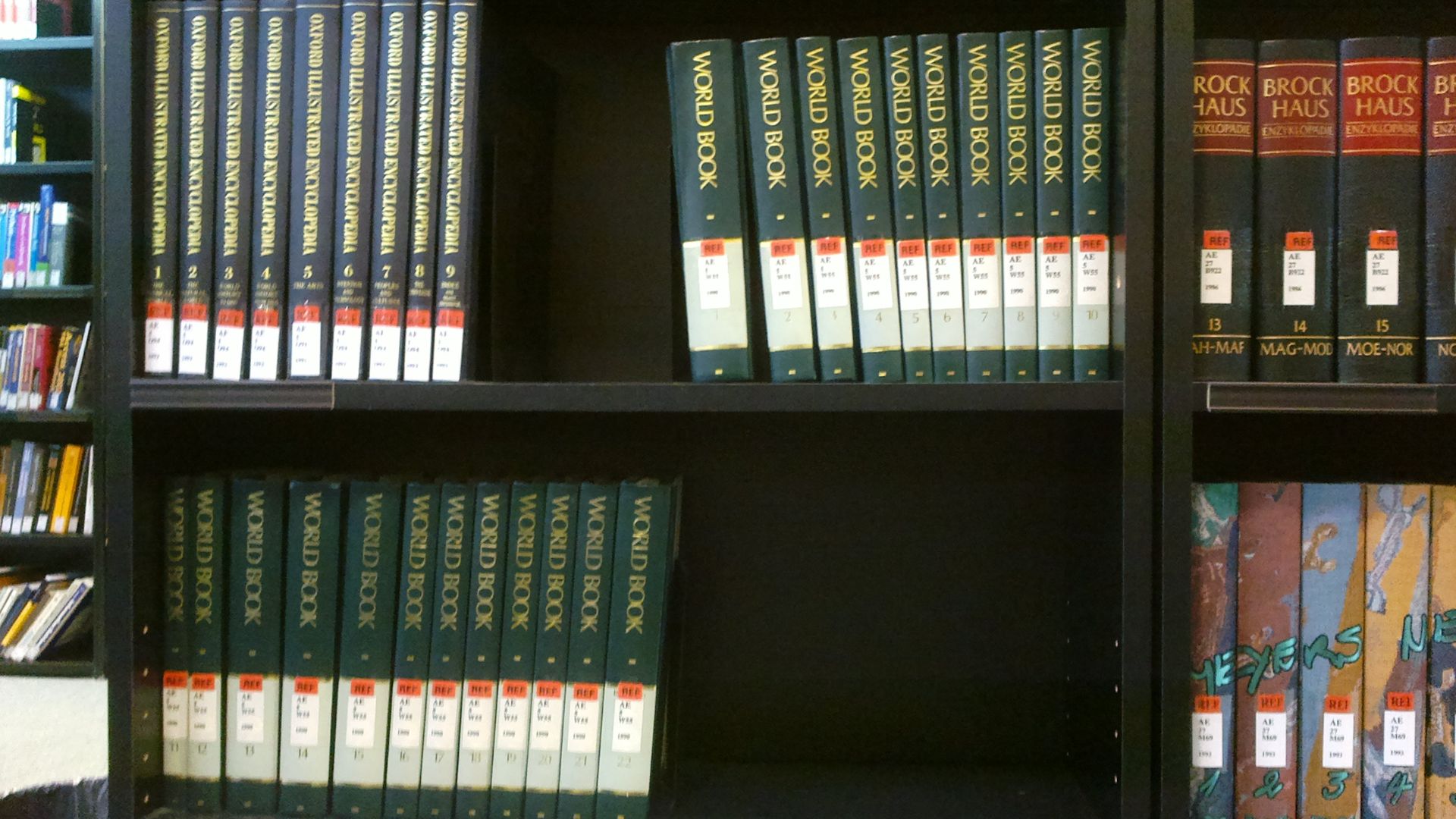
Massive Encyclopedia Collections
Before online reference websites, families sometimes invested in entire encyclopedia sets. These collections could occupy several shelves and provided information for homework assignments and general research. Printed editions eventually became harder to justify, and Encyclopaedia Britannica discontinued its famous 32-volume print edition in 2012.
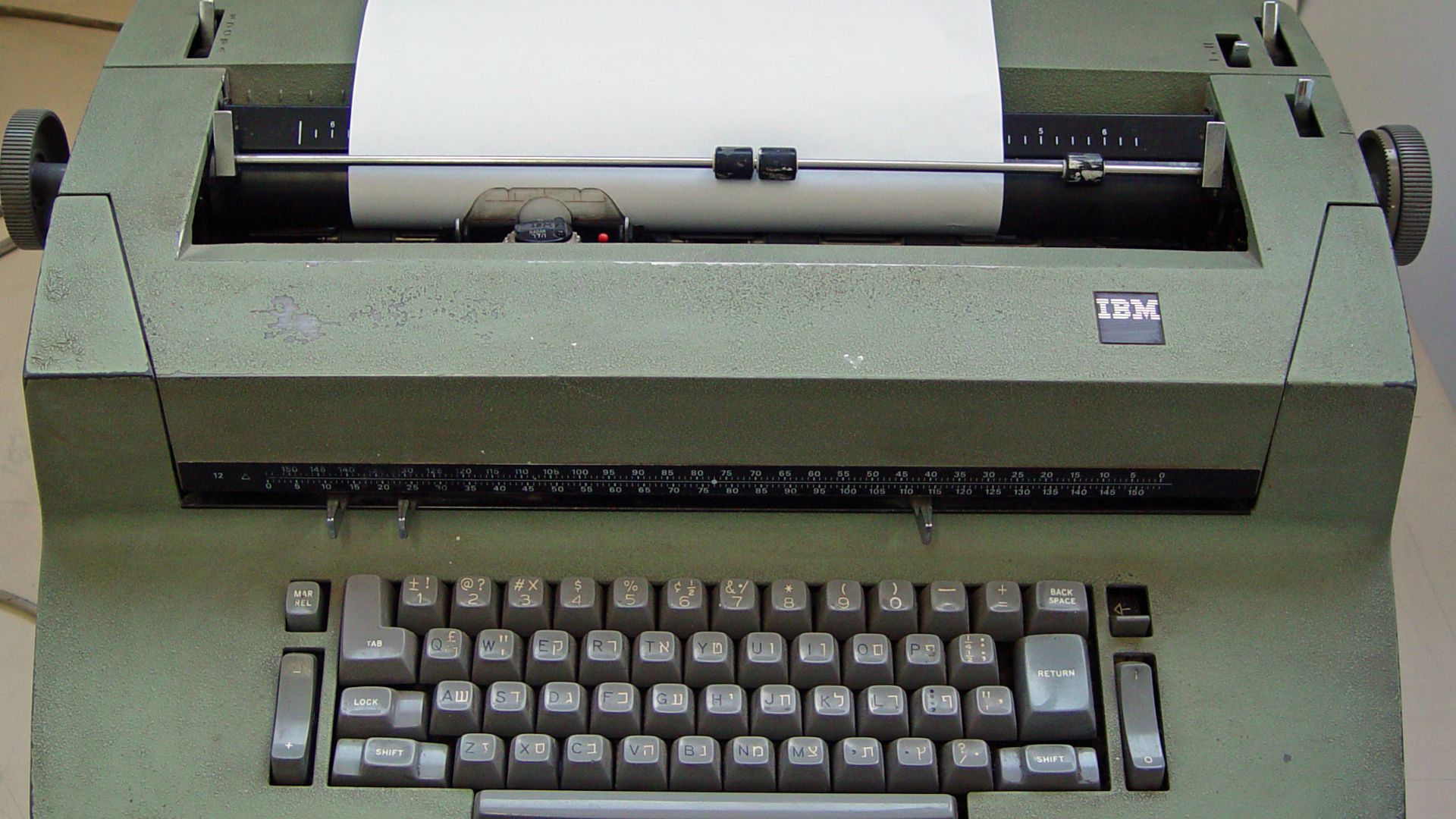
Electric Typewriters
Before word processors became commonplace, typewriters handled everything from correspondence to school assignments. Their mechanical or electronic systems transferred letters onto paper as keys were pressed. Correcting mistakes was considerably more troublesome than using modern editing software, particularly when an entire sentence needed rewriting.
 Etan J. Tal, Wikimedia Commons
Bottles Of Liquid Paper
A typing mistake could once require a tiny bottle of white correction fluid. Originally developed by Bette Nesmith Graham during the 1950s, Liquid Paper allowed typists to conceal errors without recreating entire documents. Users painted over incorrect characters, waited for the coating to dry, and typed over it.
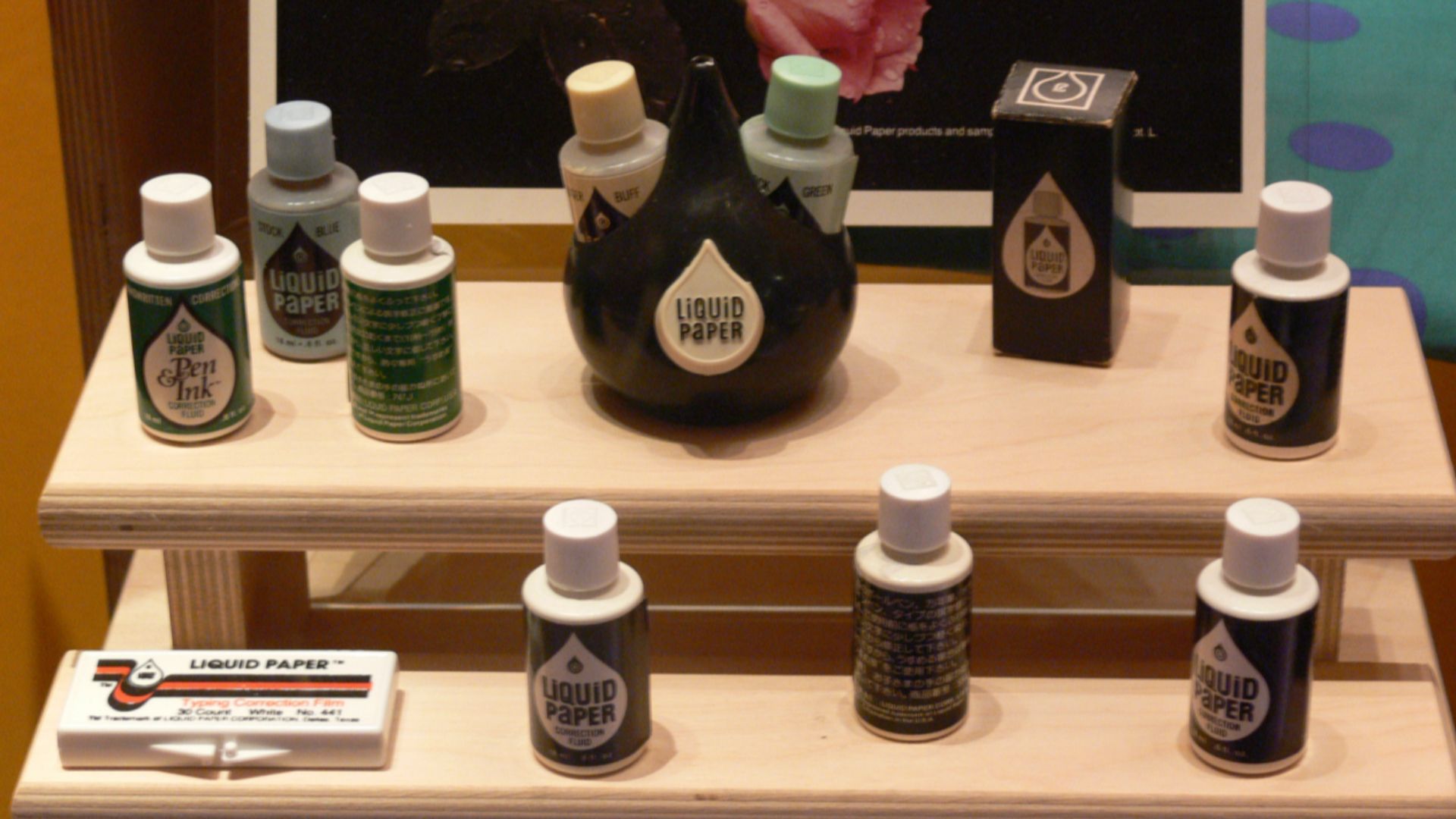 Photo: User:FA2010, Wikimedia Commons
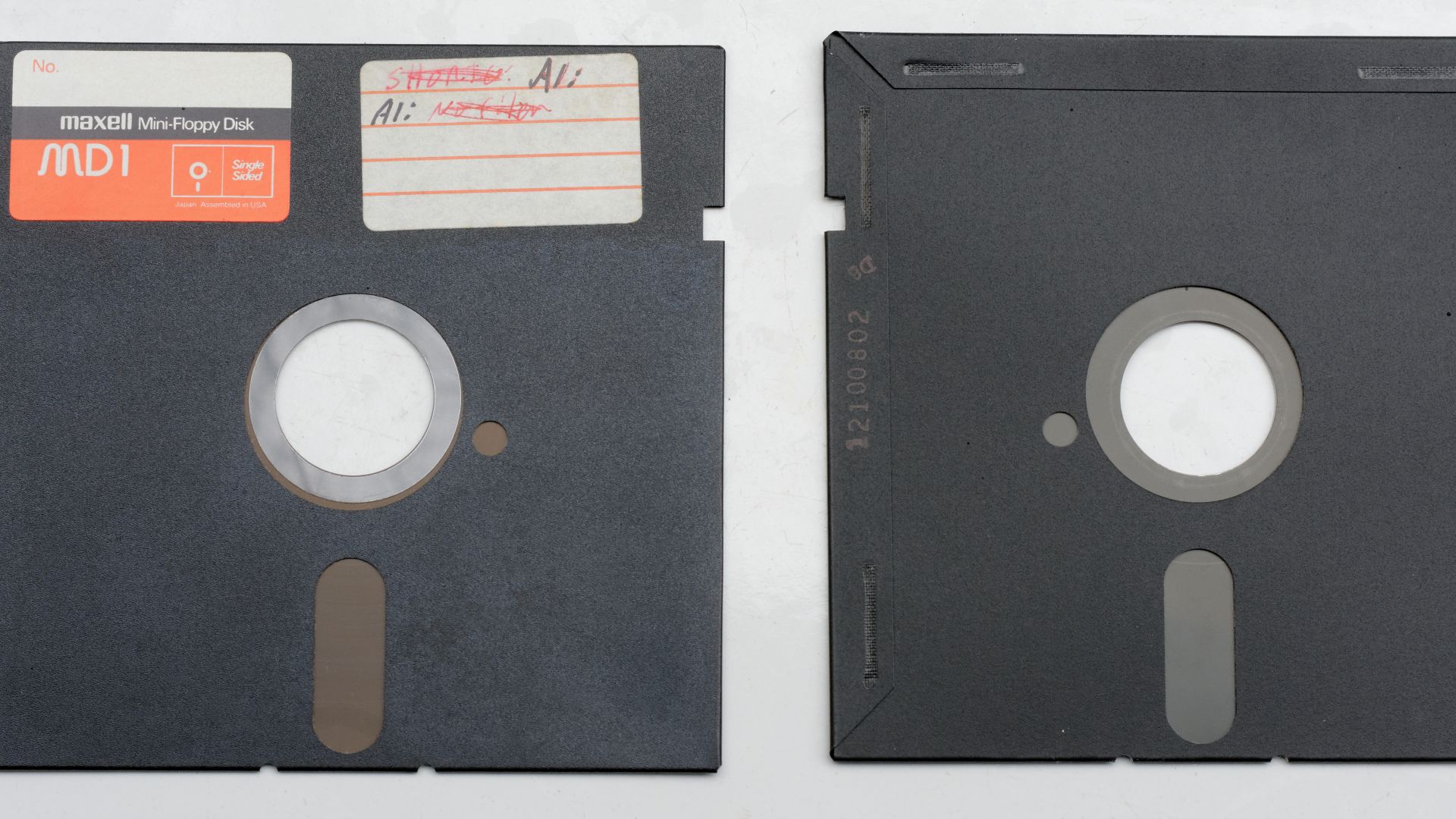
Five-And-A-Quarter-Inch Floppy Disks
Early personal computers frequently relied on flexible magnetic disks for software and document storage. The IBM PC, introduced in 1981, could accommodate two floppy drives. Later disks offered greater capacity, but files still had to be physically transported between machines rather than instantly shared online.
 Jud McCranie, Wikimedia Commons
History's most fascinating stories and darkest secrets, delivered to your inbox daily.
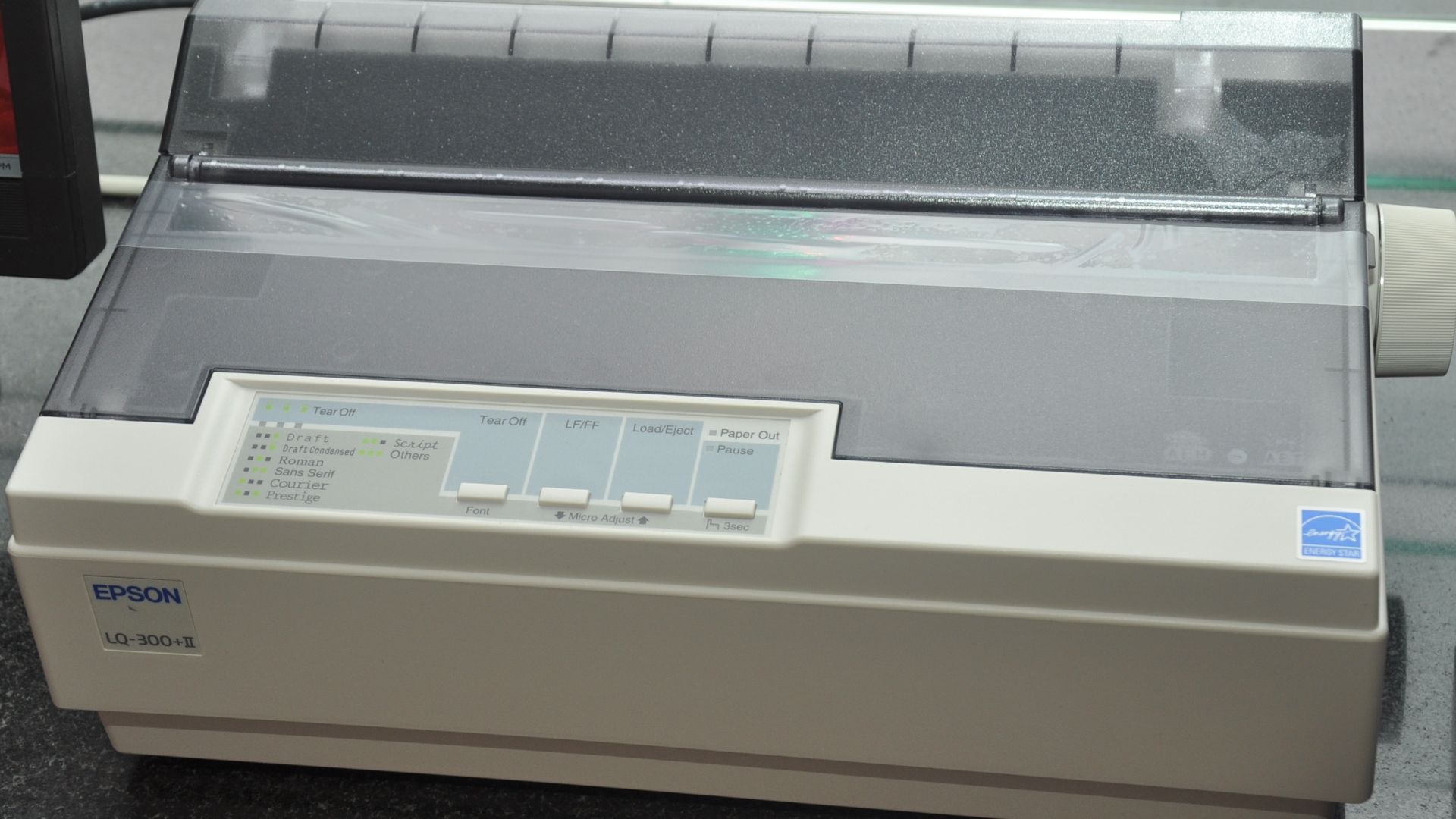
Dot-Matrix Printers
Early home computing often involved printers that produced characters from tiny patterns of dots. Epson supplied the dot-matrix printer for IBM's original PC project. Unlike today's quieter printers, these machines used impact-printing mechanisms, and many relied on continuous sheets of paper connected by perforations.
 Kannanshanmugam,shanmugamstudio,Kollam, Wikimedia Commons
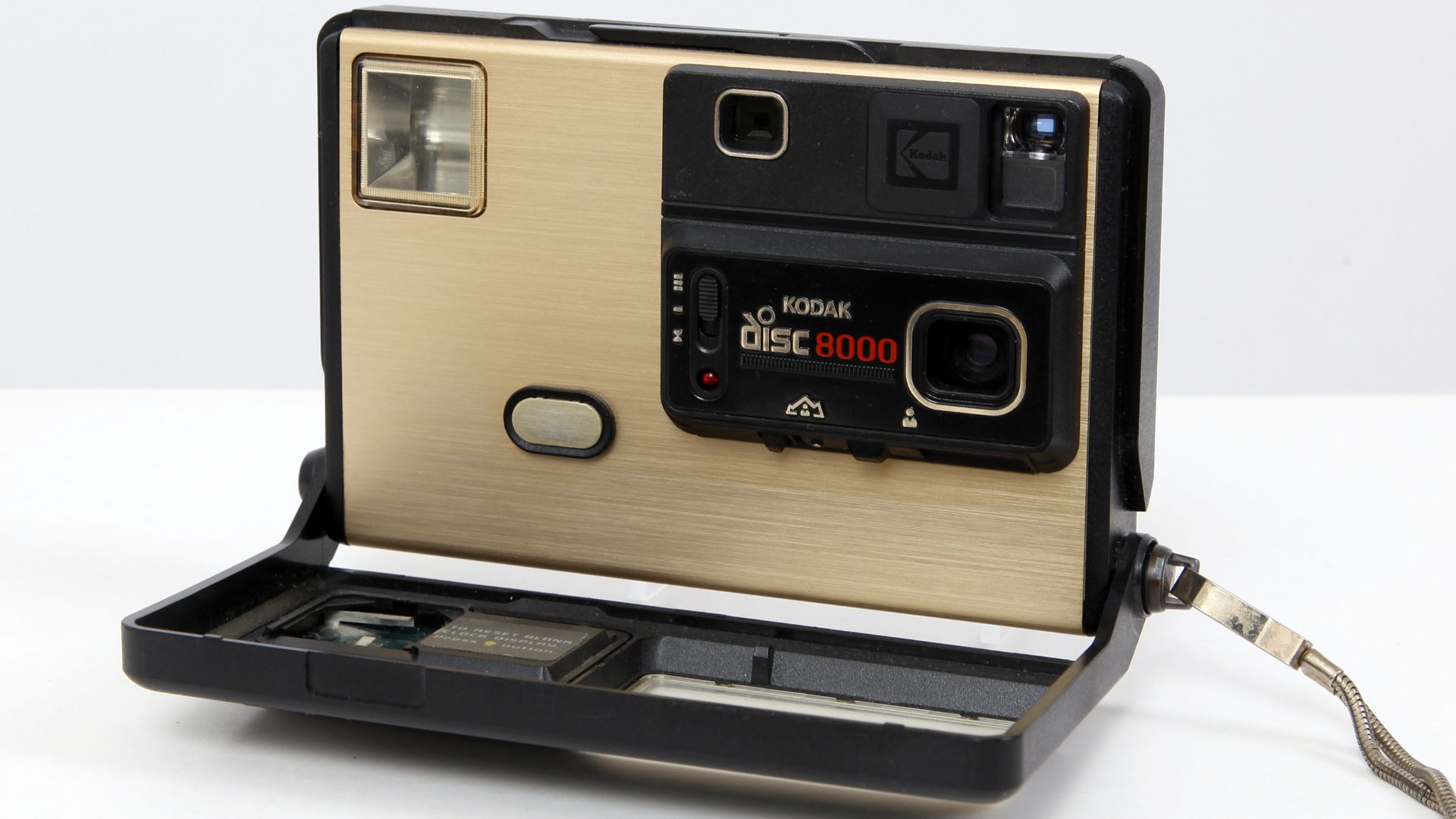
Kodak Disc Cameras
Kodak introduced its Disc camera system in 1982, using circular film cartridges instead of conventional rolls. Each disc contained space for fifteen photographs. The design simplified loading, but taking pictures still required physical film and processing before anyone could see their finished images.
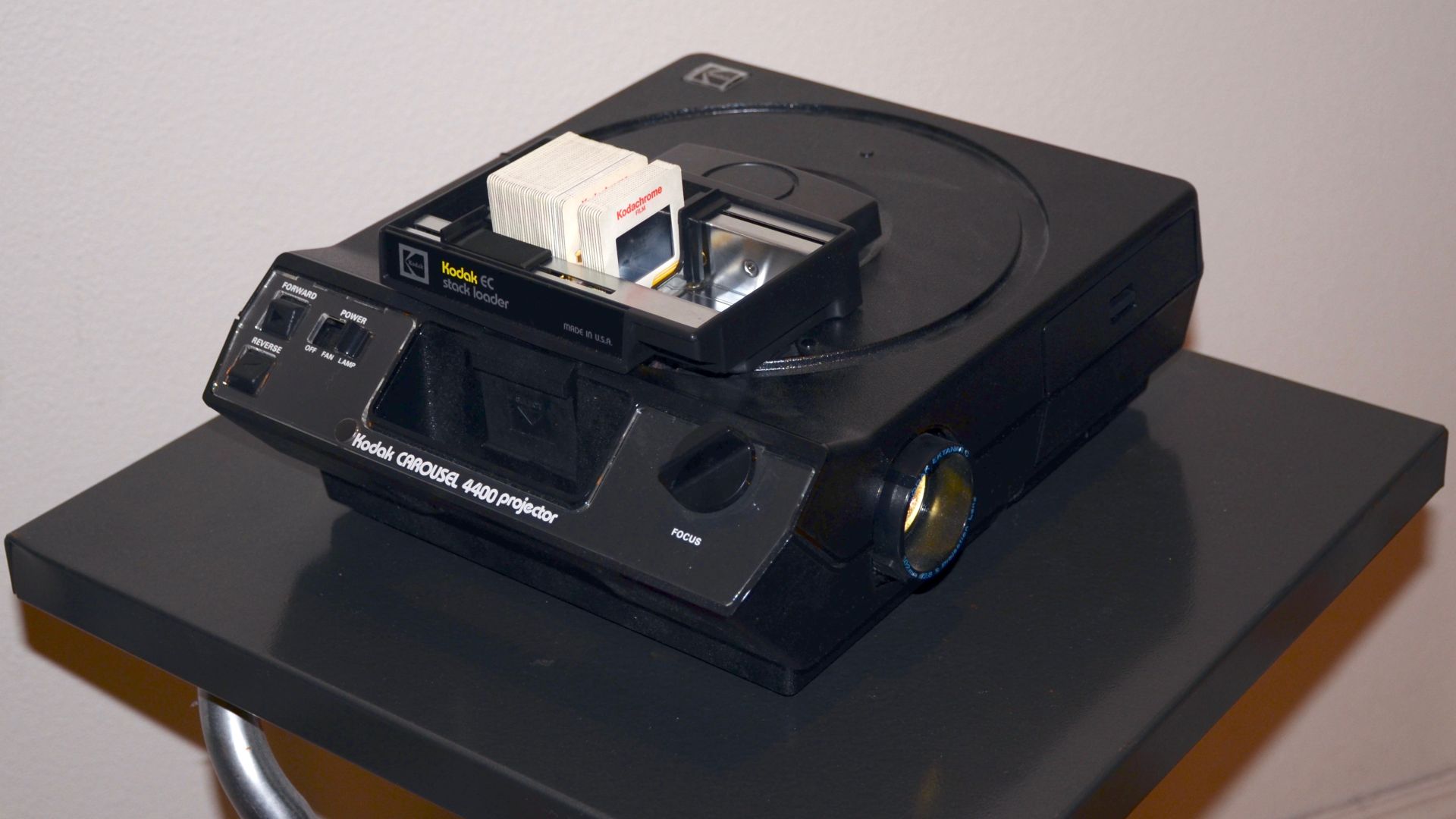
Carousel Slide Projectors
Family photographs could once become evening entertainment through a slide projector. Kodak's Carousel system used circular trays that held mounted photographic slides. The machine projected each picture onto a screen or wall, while the operator advanced through the collection manually or automatically. It was an early household slideshow.
 Steve Morgan, Wikimedia Commons
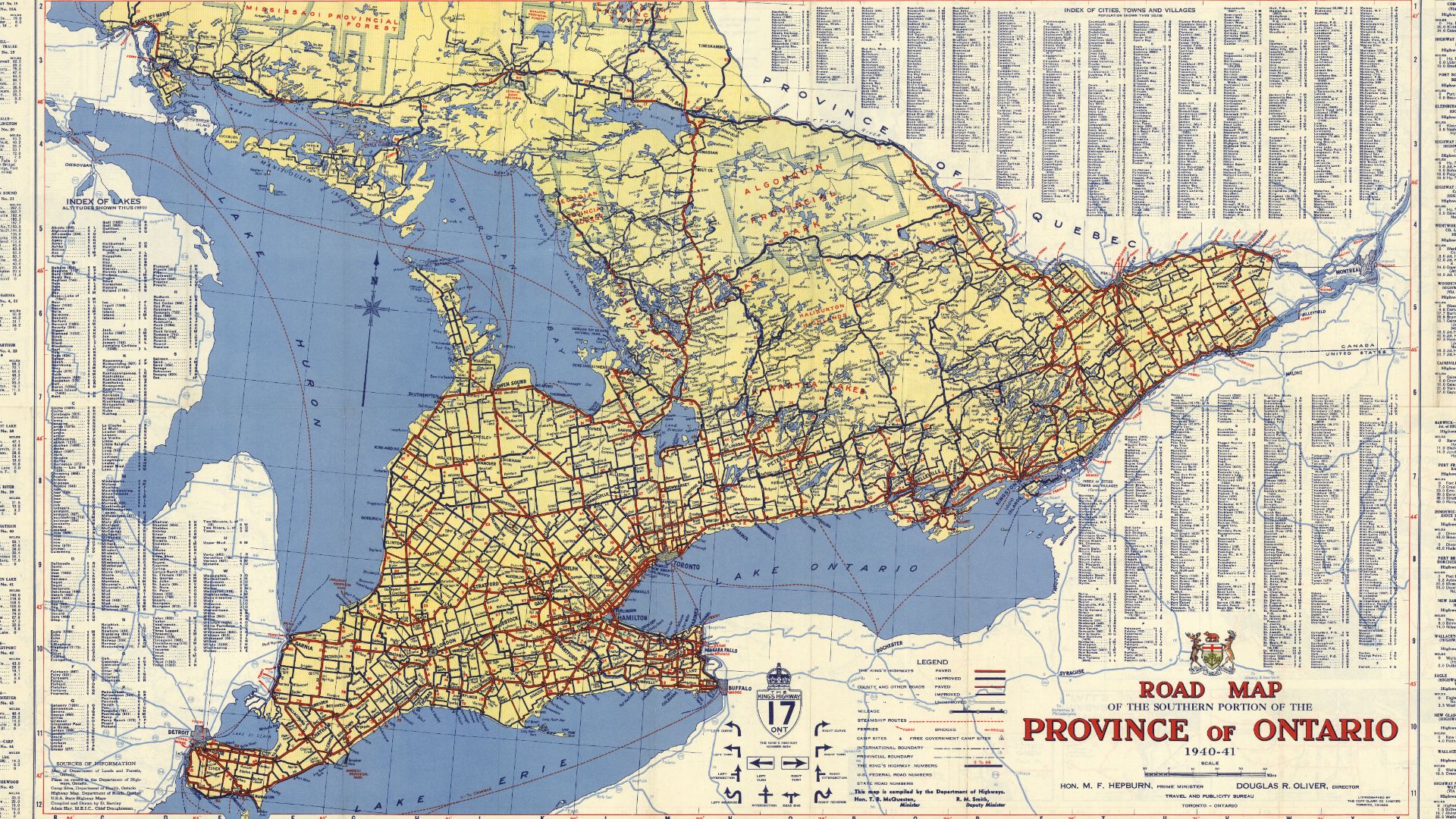
Paper Road Maps
Before smartphone navigation, road trips frequently involved unfolding enormous paper maps or consulting customized route guides. AAA's TripTik service provided travelers with mapped routes, highlighted directions, and useful roadside information. Drivers had to follow the route themselves, without spoken instructions announcing every upcoming turn.
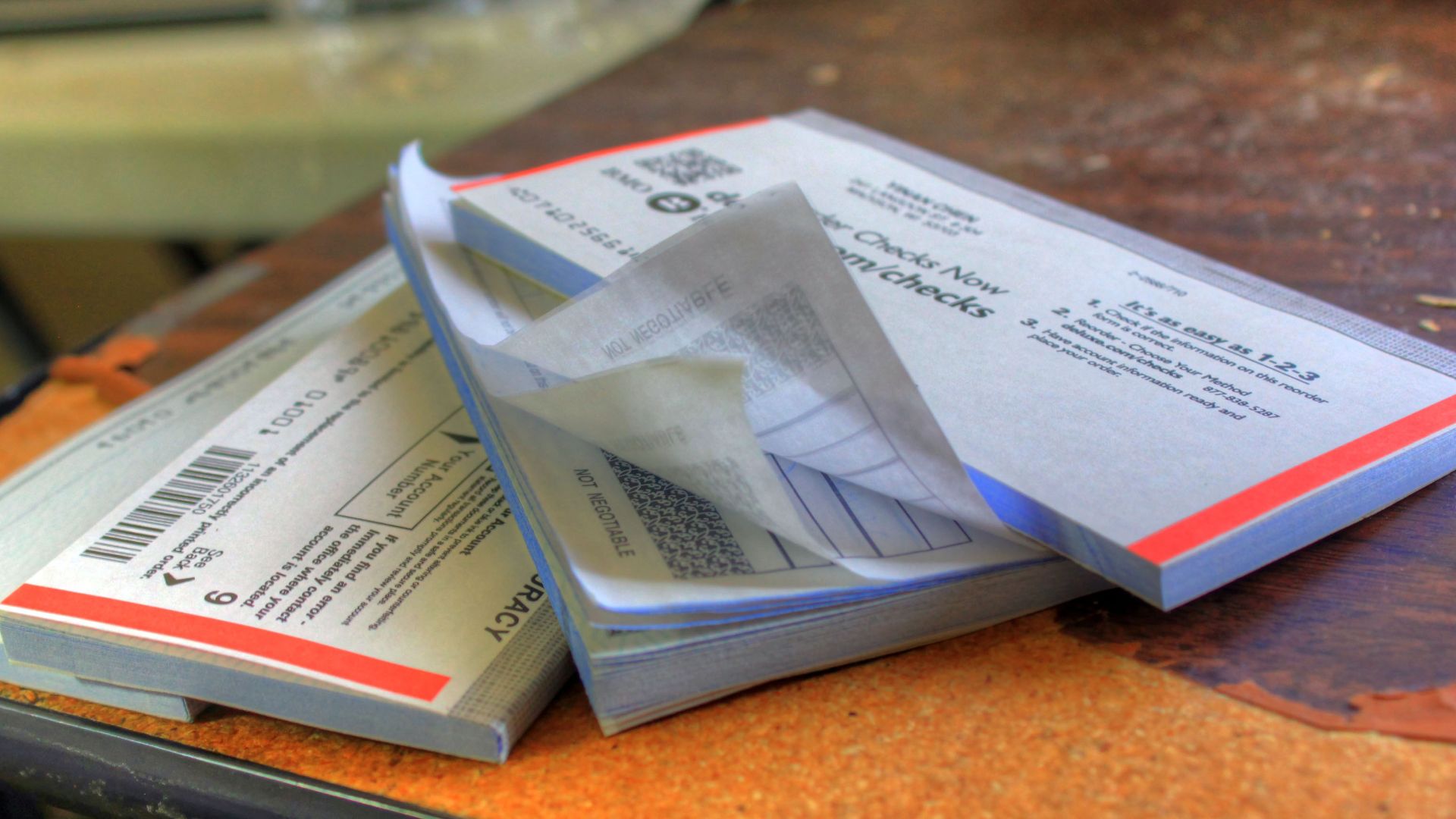
Checkbooks And Transaction Registers
Paying household bills frequently involved writing paper checks and recording transactions in accompanying registers. Check payments were enormously widespread during the 1980s, with the Federal Reserve processing billions annually. Keeping track of withdrawals and deposits required careful recordkeeping rather than simply opening a banking app.
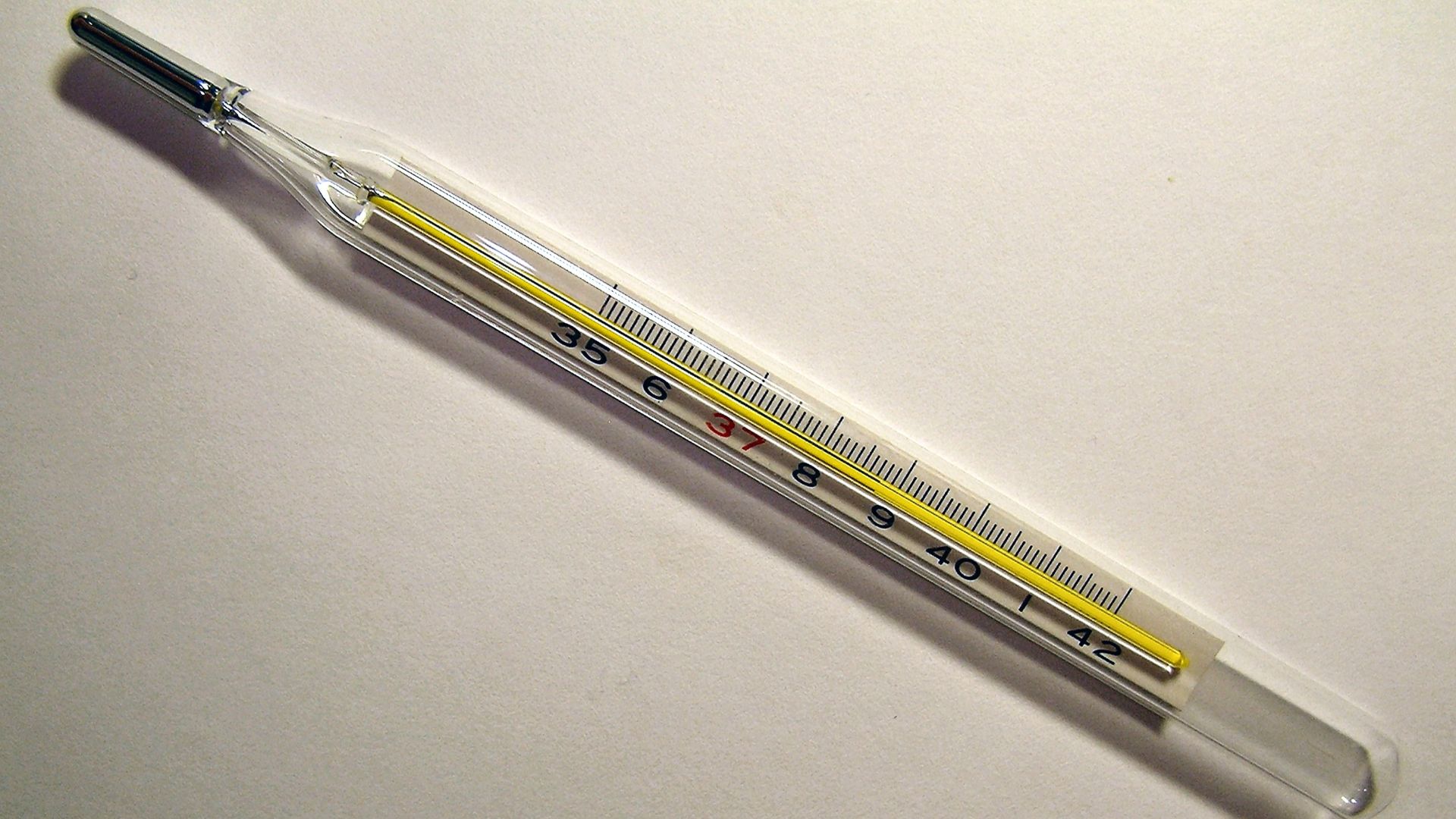
Glass Mercury Thermometers
Checking someone's temperature once meant carefully reading a thin glass thermometer containing silvery mercury. Unlike digital alternatives, these instruments depended on the expansion and contraction of liquid metal. They eventually lost favor partly because broken thermometers could release hazardous mercury, making careful handling essential.
History's most fascinating stories and darkest secrets, delivered to your inbox daily.
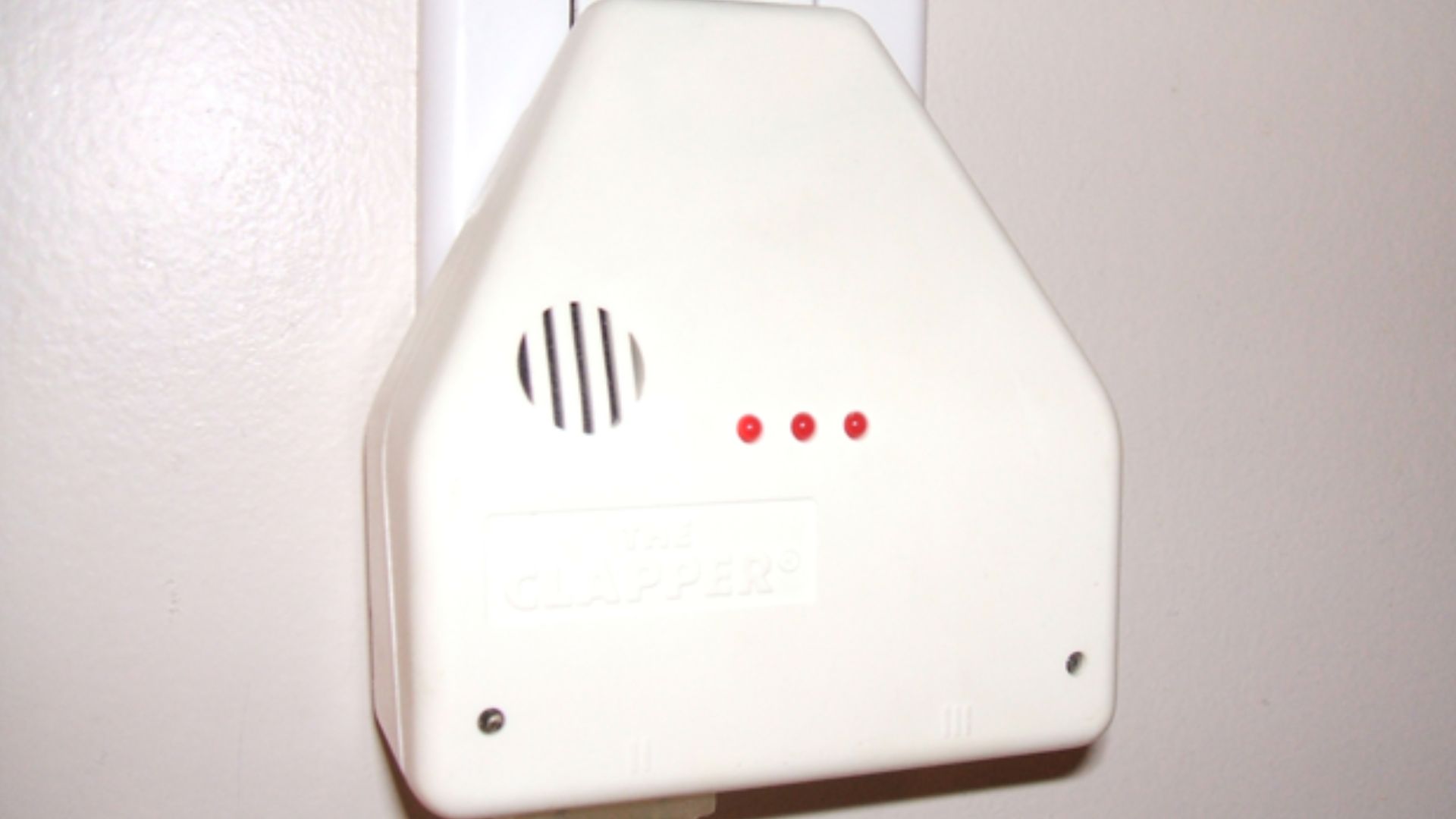
The Clapper
One of the decade's strangest household gadgets allowed people to control electrical appliances simply by clapping. The Clapper plugged into a wall outlet and responded to specific sequences of sounds. Its unforgettable television advertising helped make it famous, although background noises could sometimes trigger unintended responses.
 Charles (talk) (Uploads), Wikimedia Commons
Speak & Spell Learning Toys
Texas Instruments introduced Speak & Spell in 1978, bringing synthesized speech into children's educational toys. The device prompted users to practice spelling words using electronic controls and artificial speech. Its technology was remarkably advanced for its time, even though its robotic voice sounds distinctly old-fashioned today.
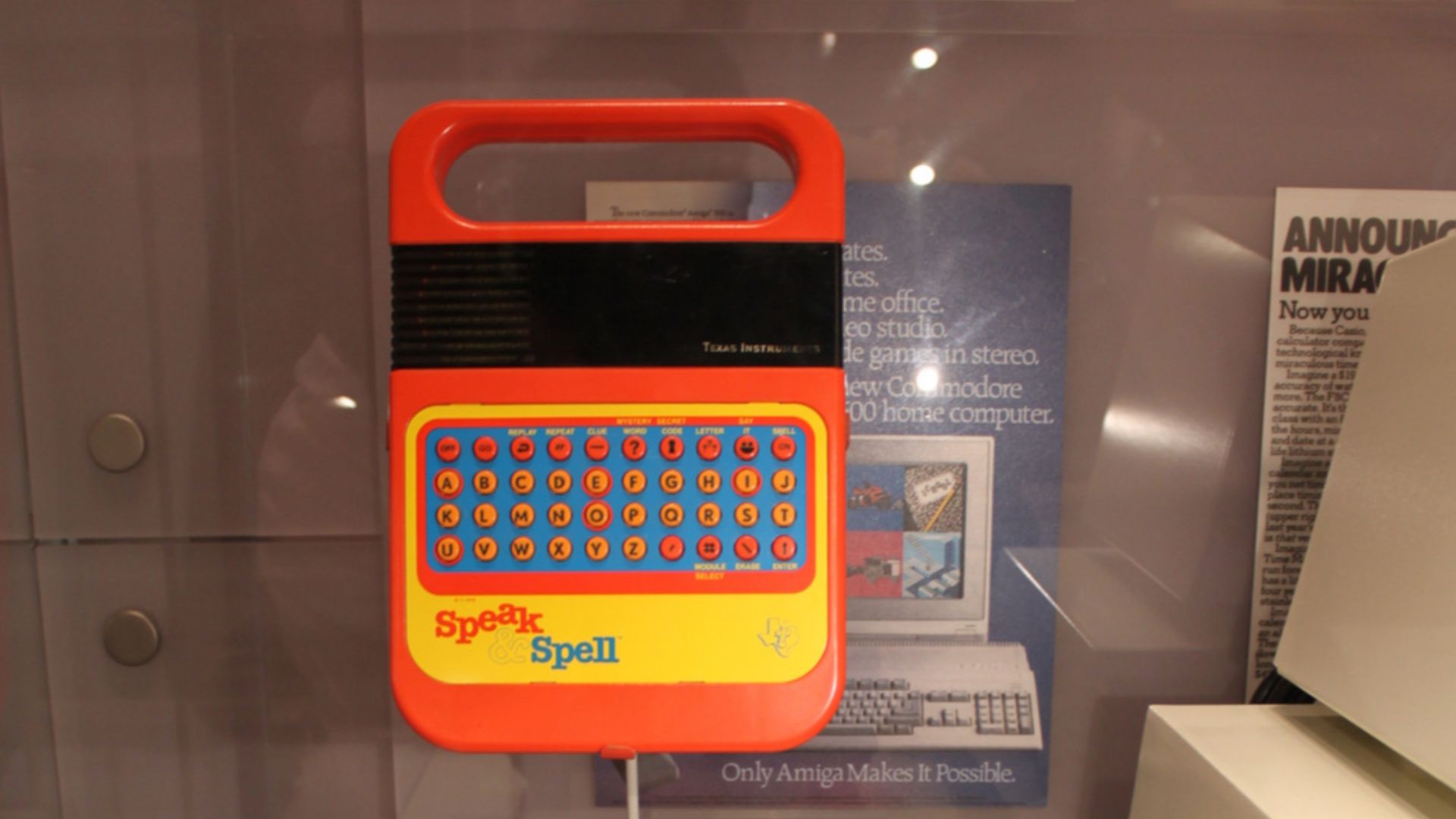 Anton Chiang from Cupertino, CA, USA, Wikimedia Commons
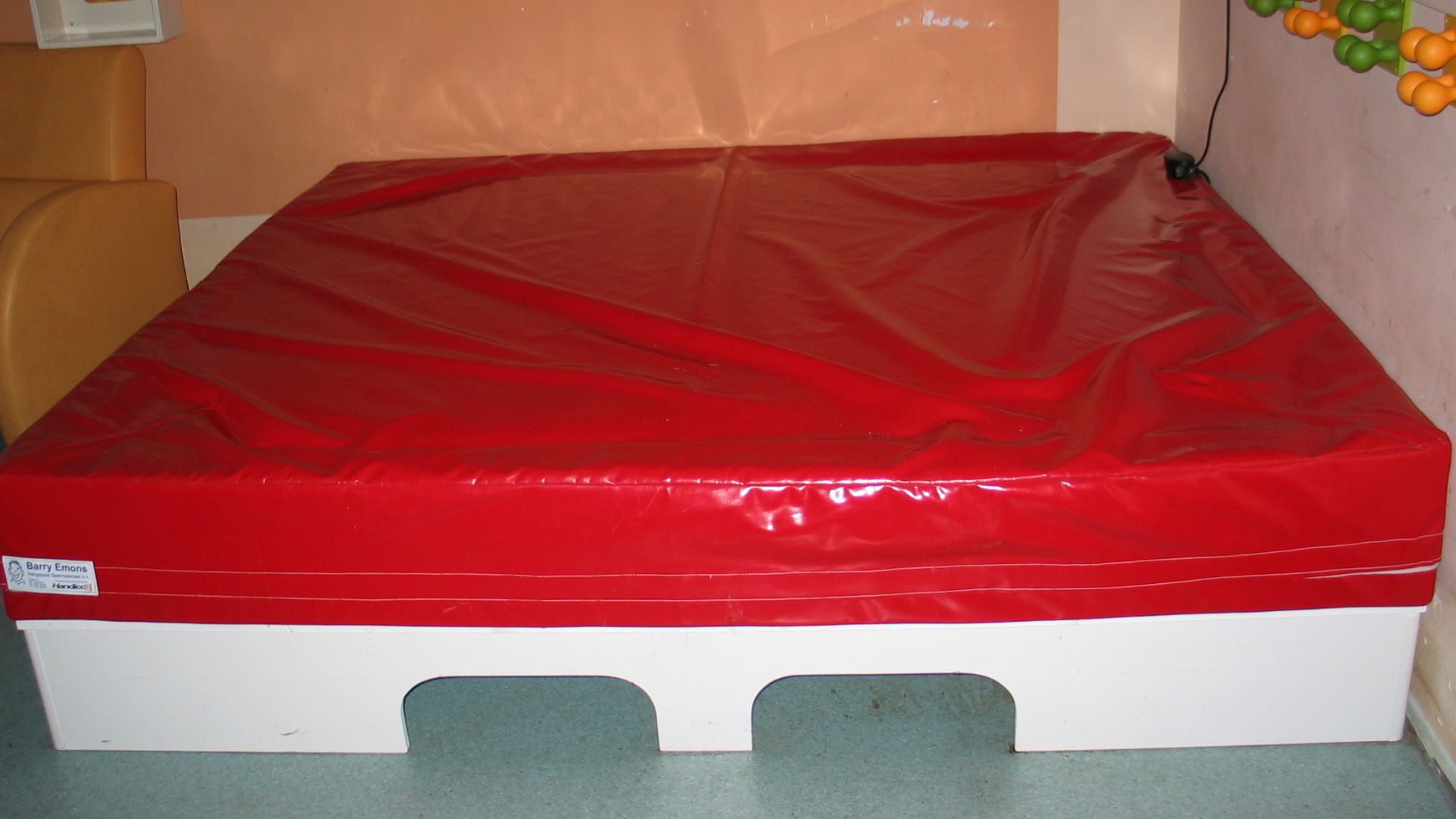
Waterbeds
During the 1980s, water-filled mattresses became a genuine furniture phenomenon. By 1986, waterbeds reportedly represented about one-fifth of the American bed market. Unlike conventional mattresses, they required water-filled chambers and specialized support structures, creating a sleeping experience that could literally move beneath the person lying down.
You May Also Like:
Popular Products From The 1970s That Sound Completely Fake To Younger Generations
Bestselling Novels From The 1970s That Seemed To Define The Era—Then Faded From Memory
Things Americans Bought At The Pharmacy In The 1960s That You'd Never Expect To Find There Today
Sources: 1, 2, 3, 4, 5, 6, 7, 8, 9, 10, 11, 12, 13, 14, 15, 16, 17, 18