Foods Once Fit For A King
Walk through any supermarket today and you'll find shelves full of foods that cost only a few dollars. Yet many of those same ingredients were once reserved for kings, nobles, and the wealthiest merchants. Some inspired wars, launched voyages across oceans, or even served as currency. Here's the surprising history behind 31 everyday foods that used to command astonishing prices.
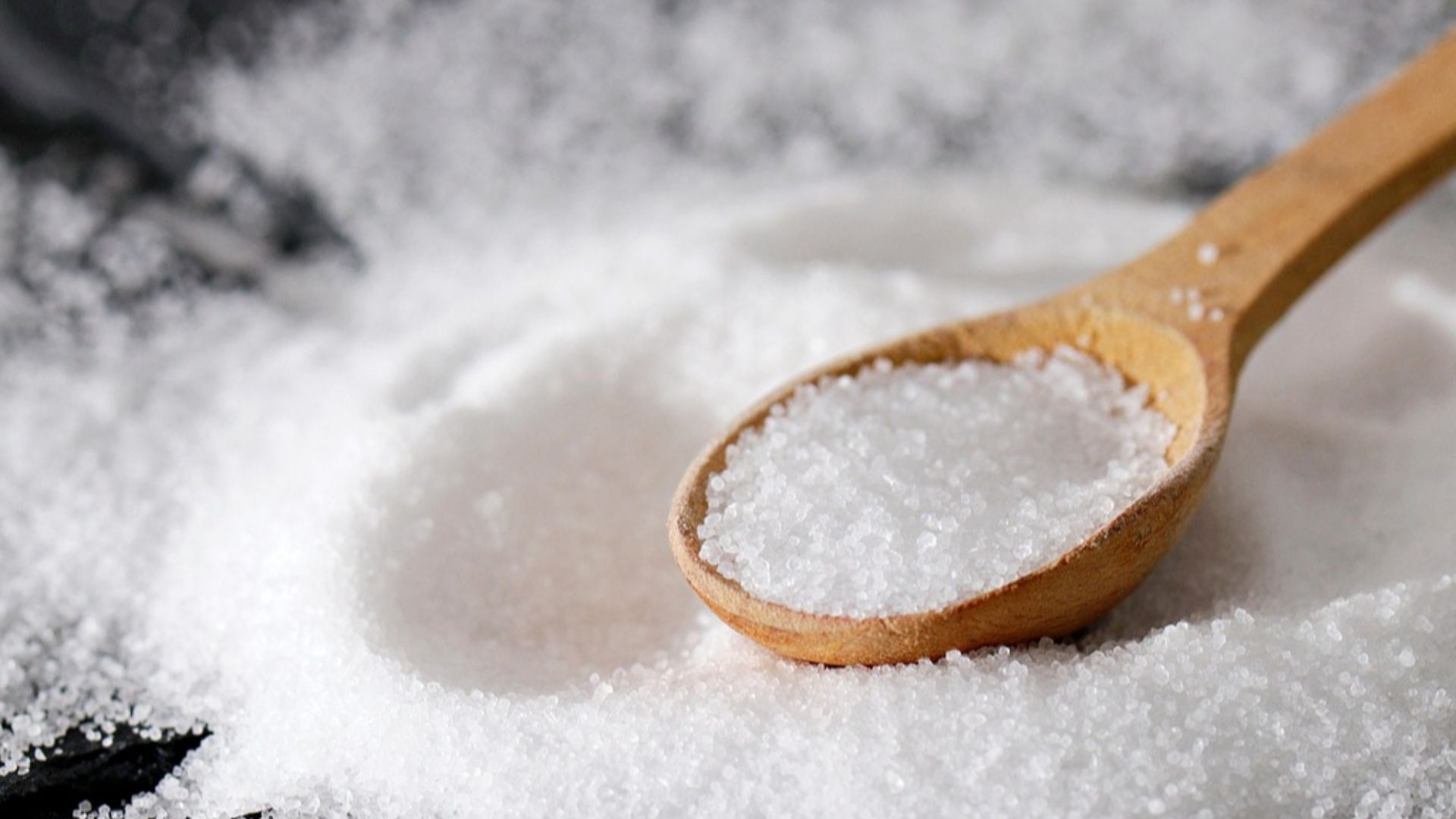
Salt
Today it's one of the cheapest items in any grocery store. For thousands of years, however, salt preserved meat and fish long before refrigeration existed. Entire trade routes, cities, and fortunes depended upon reliable salt supplies, earning it the nickname 'white gold.'
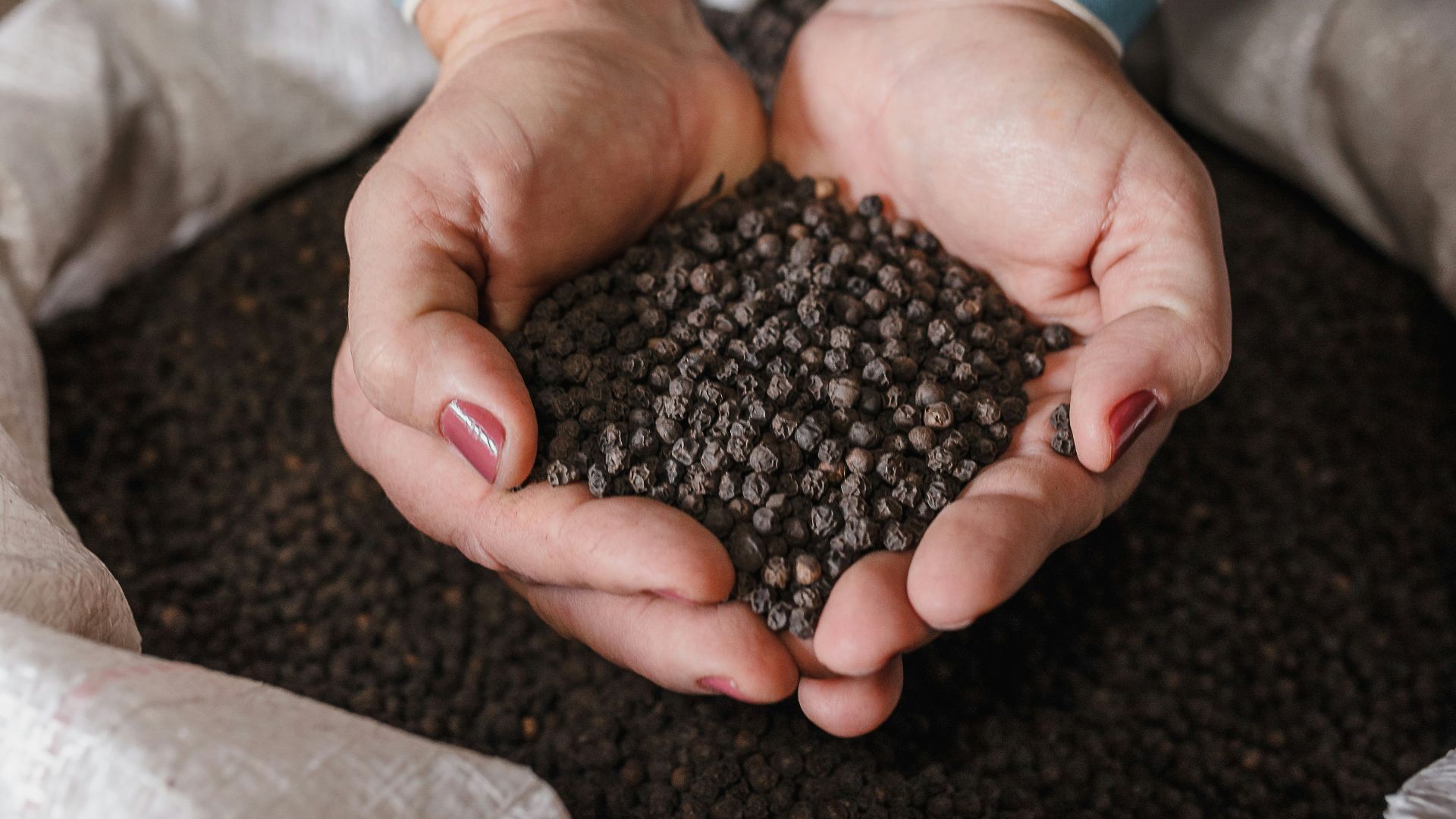
Black Pepper
Black pepper was once so valuable that it was known as 'black gold.' Imported from India's Malabar Coast, it crossed dangerous trade routes before reaching Europe. Wealthy families locked it away, merchants accepted it as payment, and kingdoms searched desperately for direct routes to its source.
Sugar
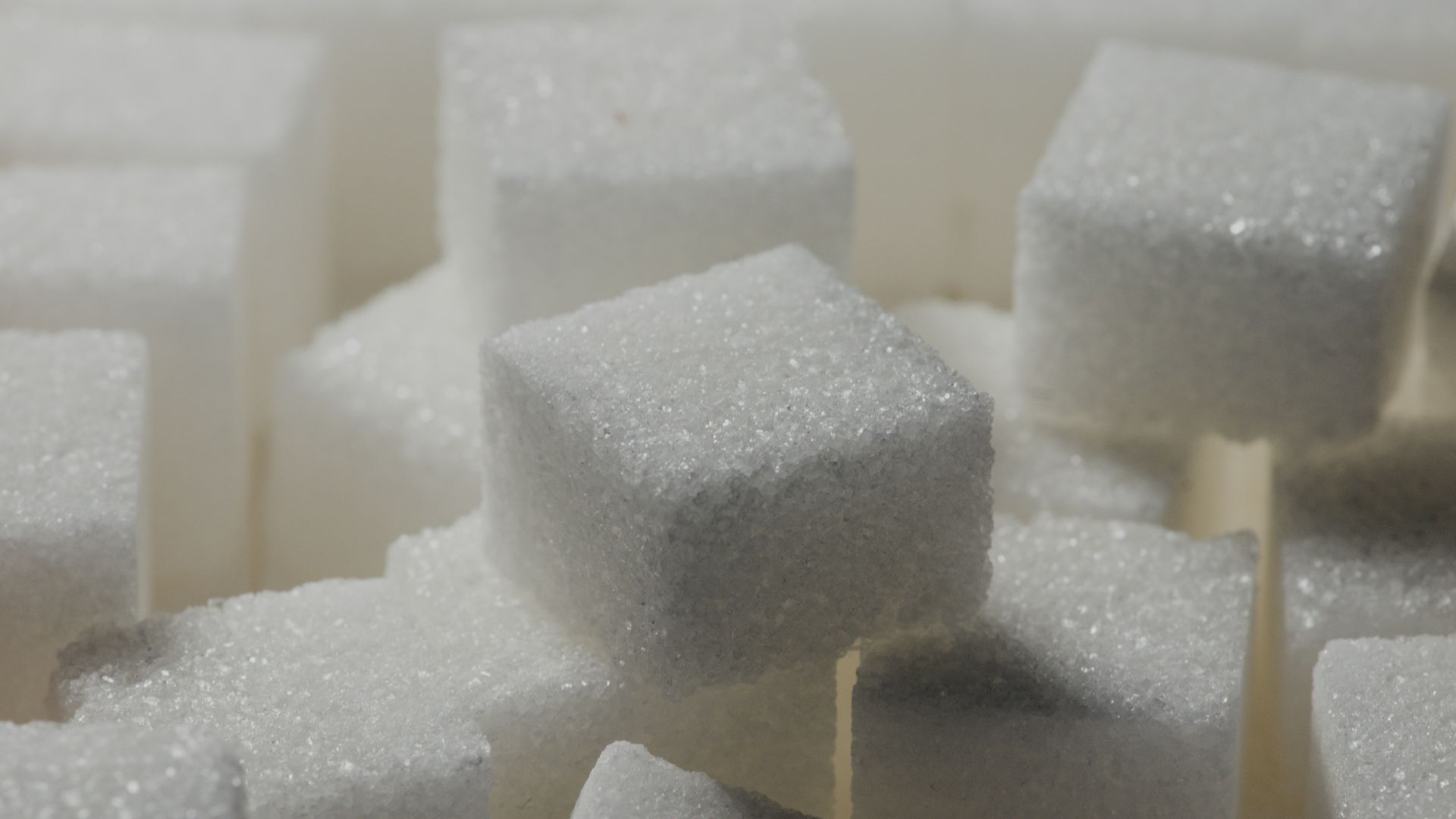
Before Caribbean plantations dramatically increased production, sugar was a rare luxury imported from the Middle East and Asia. Medieval physicians even prescribed it as medicine. Wealthy Europeans proudly displayed elaborate sugar sculptures during banquets to demonstrate both status and wealth.
Cinnamon
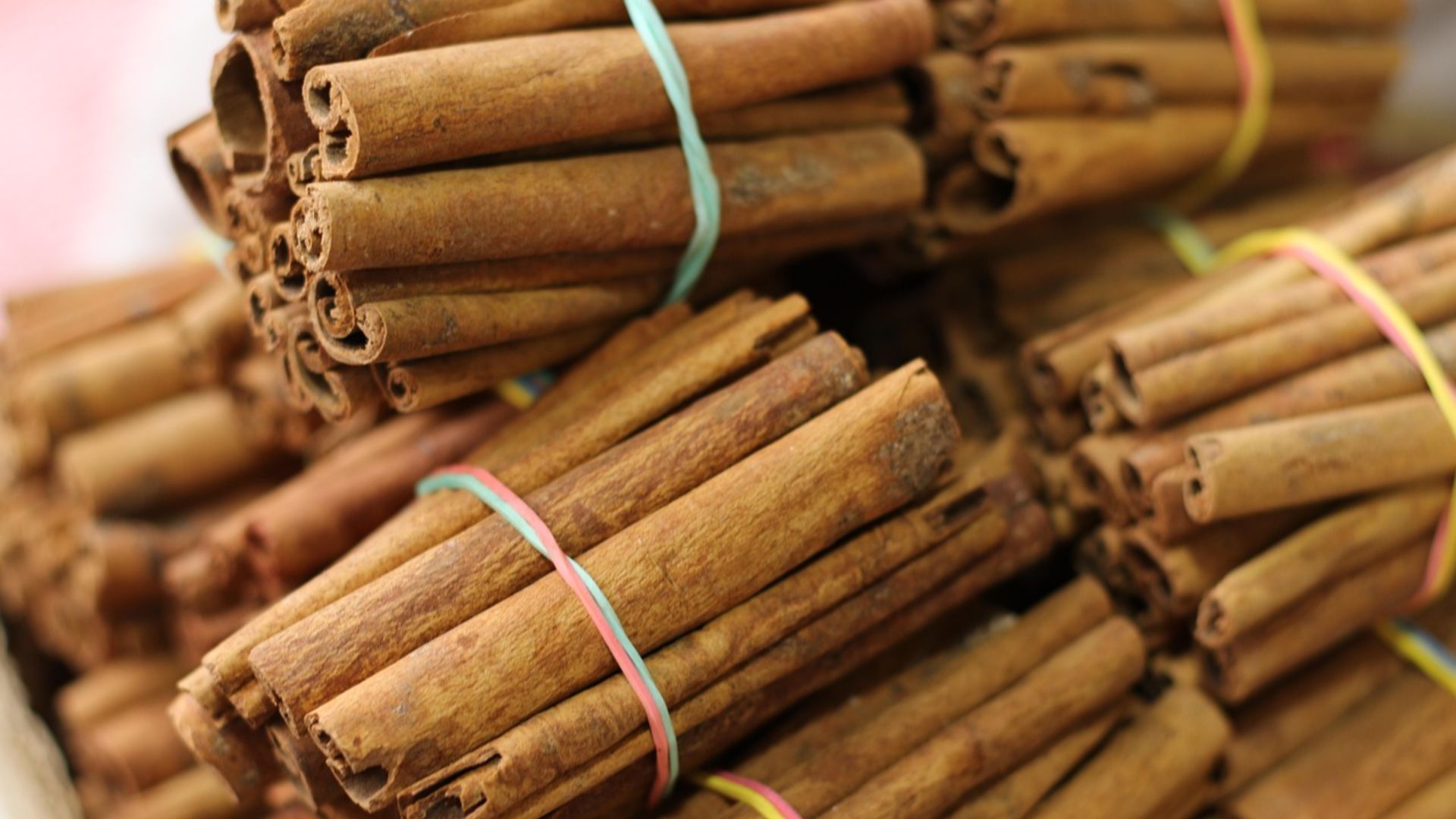
Today cinnamon flavors breakfast pastries and holiday desserts. During the Middle Ages, however, merchants spun fantastic stories about giant birds guarding cinnamon to conceal its true source. The spice's rarity made it one of Europe's most prized culinary treasures.
Nutmeg
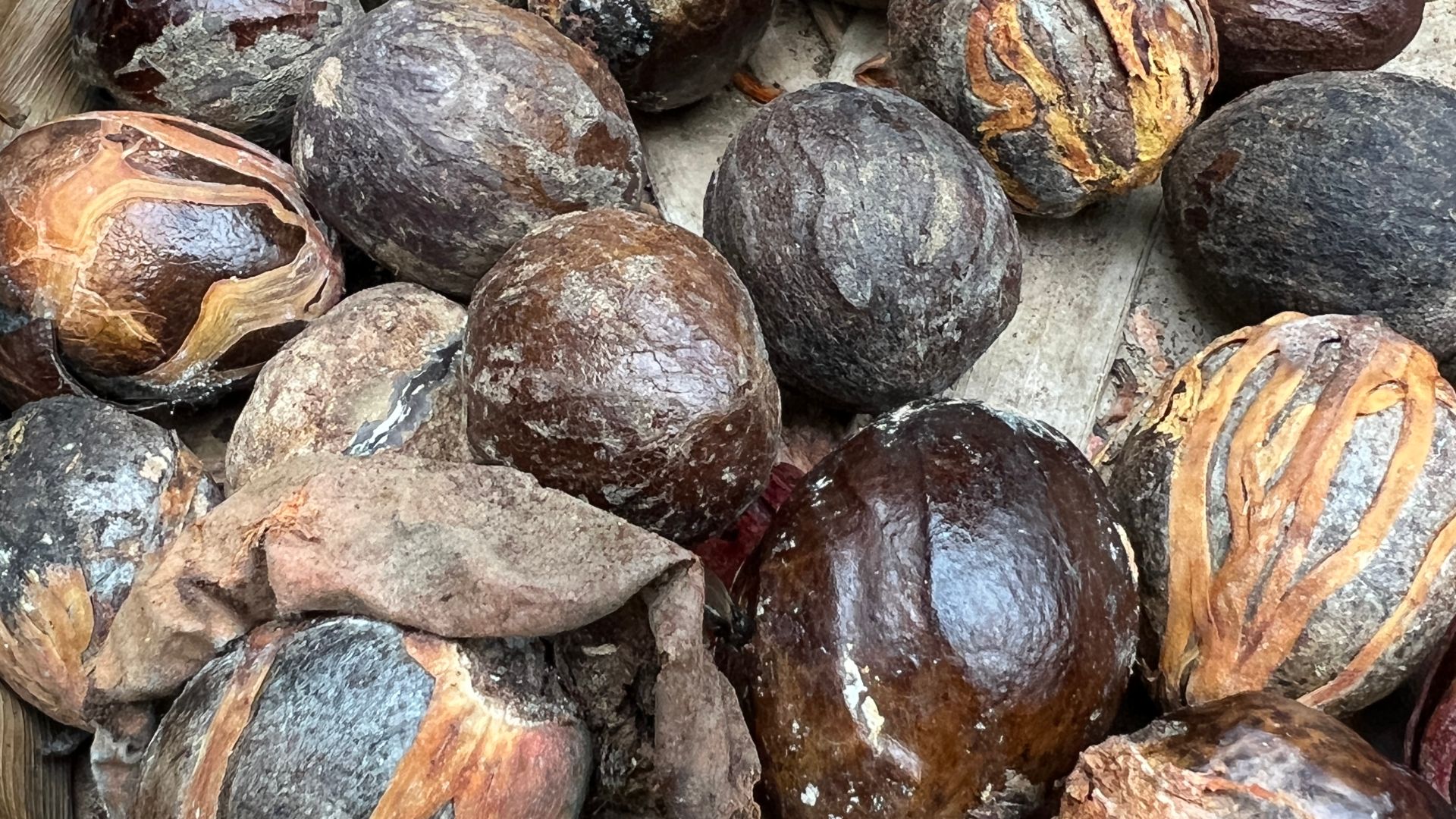
Nutmeg sparked one of history's strangest economic battles. European powers fought over tiny Indonesian islands that produced nearly the world's entire supply. For centuries, a handful of nutmeg could command astonishing prices because people believed it possessed remarkable medicinal powers.
 Mike Dickison, Wikimedia Commons
Cloves
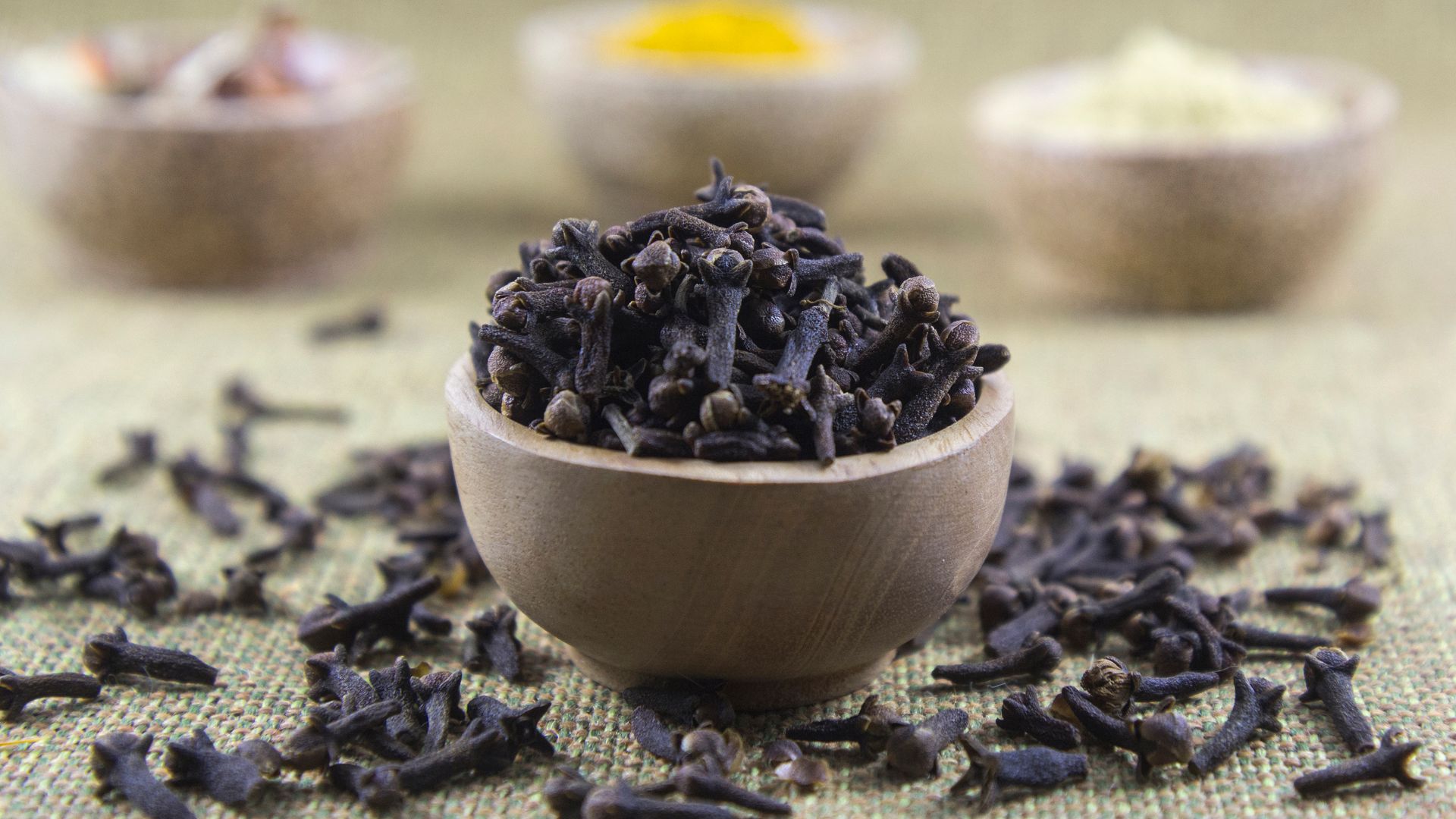
Native almost exclusively to Indonesia's Maluku Islands, cloves traveled thousands of miles before reaching European markets. Their rarity and aromatic qualities made them extraordinarily valuable. Merchants protected their sources so carefully that maps often concealed where cloves actually originated.
 Herusutimbul, Wikimedia Commons
Ginger
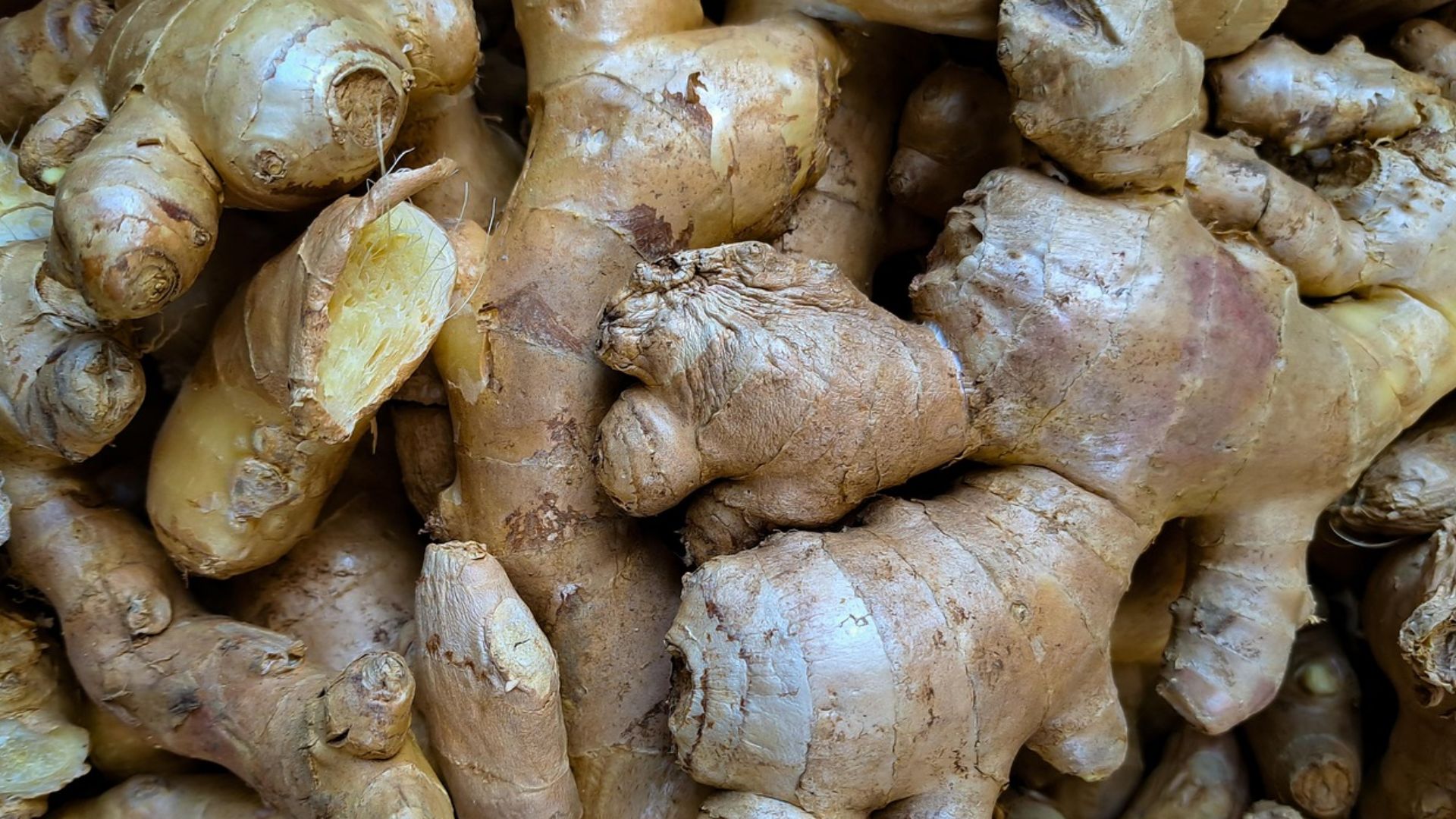
Fresh ginger is now available in nearly every supermarket, but medieval Europeans considered it an exotic luxury. Besides seasoning food, physicians recommended ginger for digestive problems and numerous illnesses, further increasing demand and keeping prices exceptionally high.
Saffron
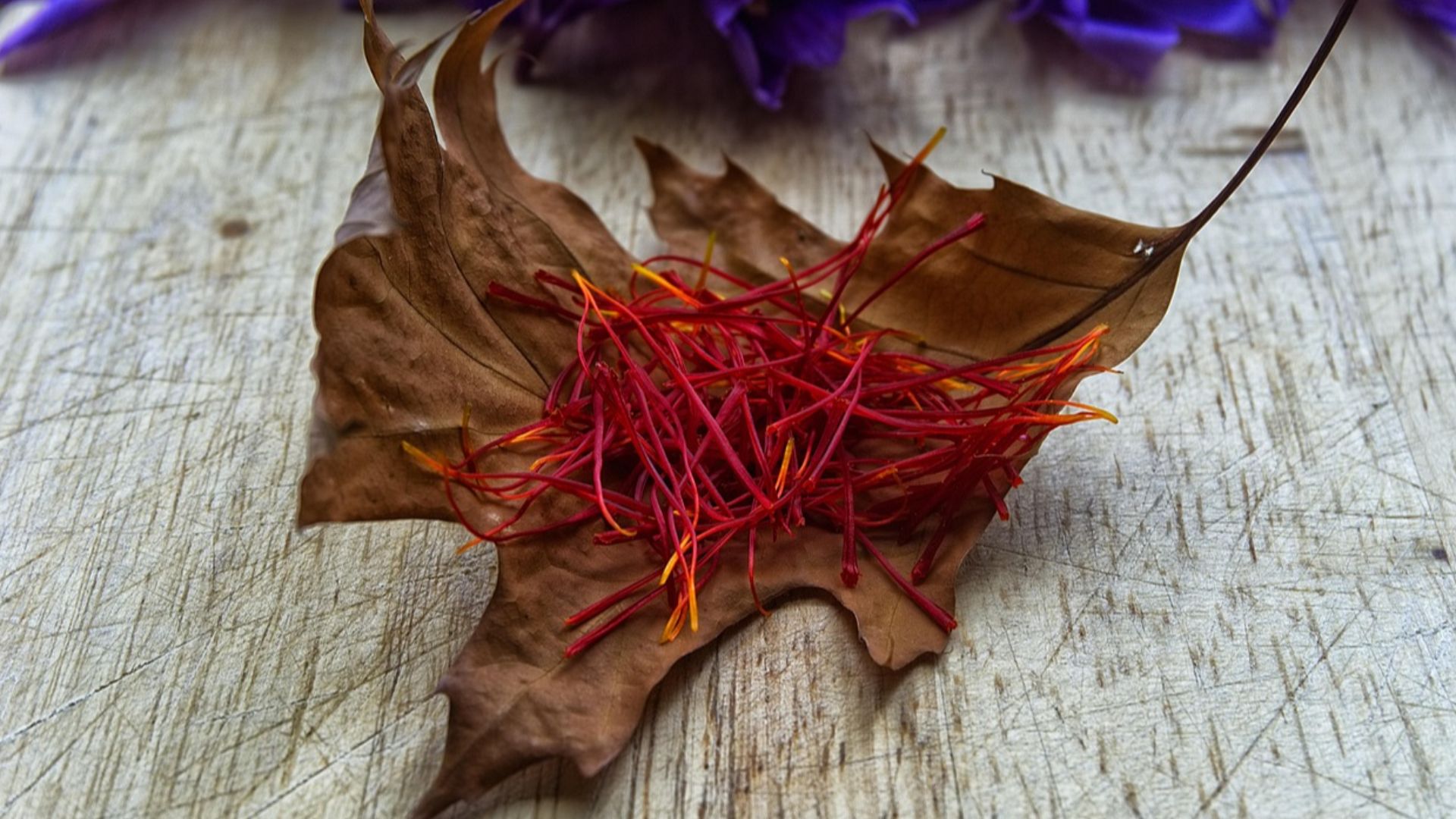
Even today, saffron remains expensive, but centuries ago it was worth even more relative to most people's incomes. Harvesting thousands of delicate crocus flowers by hand made the brilliant yellow spice a favorite among royalty and wealthy households.

History's most fascinating stories and darkest secrets, delivered to your inbox daily.
Vanilla
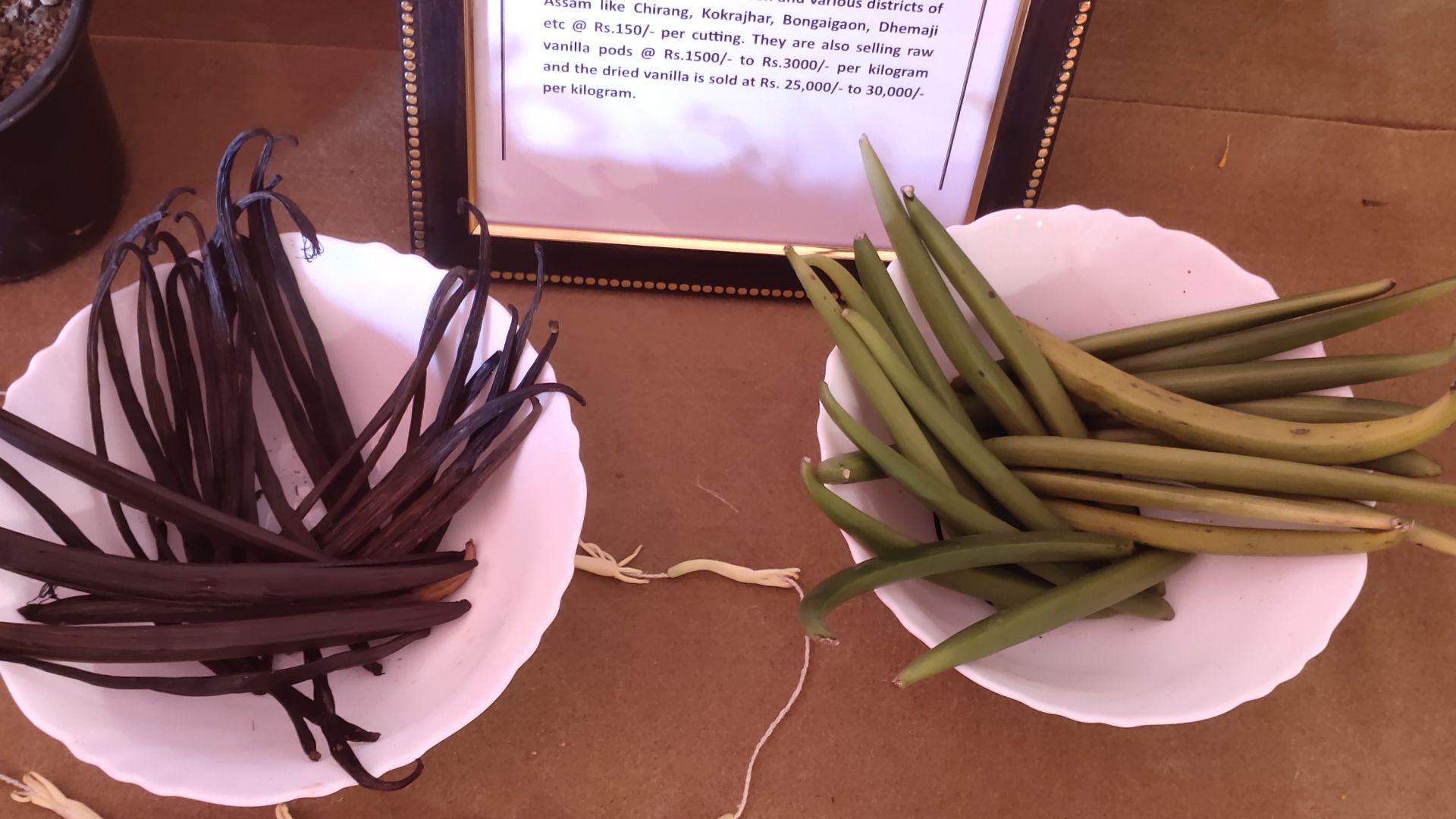
Natural vanilla comes from orchids that require painstaking cultivation and pollination. Before modern agriculture expanded production, vanilla was among the world's rarest flavorings. Only the wealthiest consumers could regularly afford desserts scented with genuine vanilla.
 Medhi jyoti, Wikimedia Commons
Chocolate
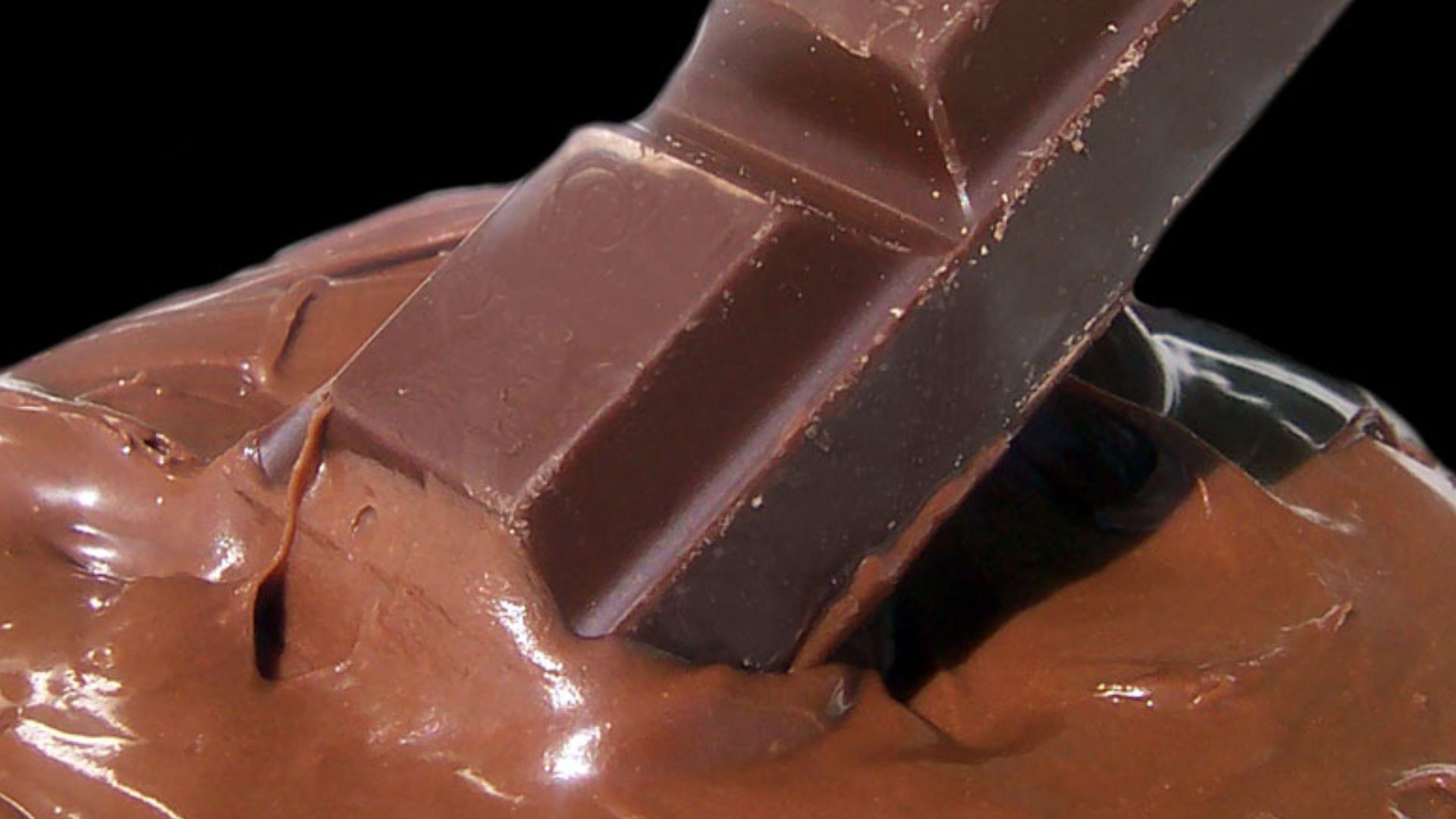
Chocolate began as a sacred drink among Mesoamerican civilizations before becoming a luxury imported into Europe. For generations, only aristocrats could afford chocolate beverages sweetened with equally expensive sugar and flavored with exotic spices.
Coffee
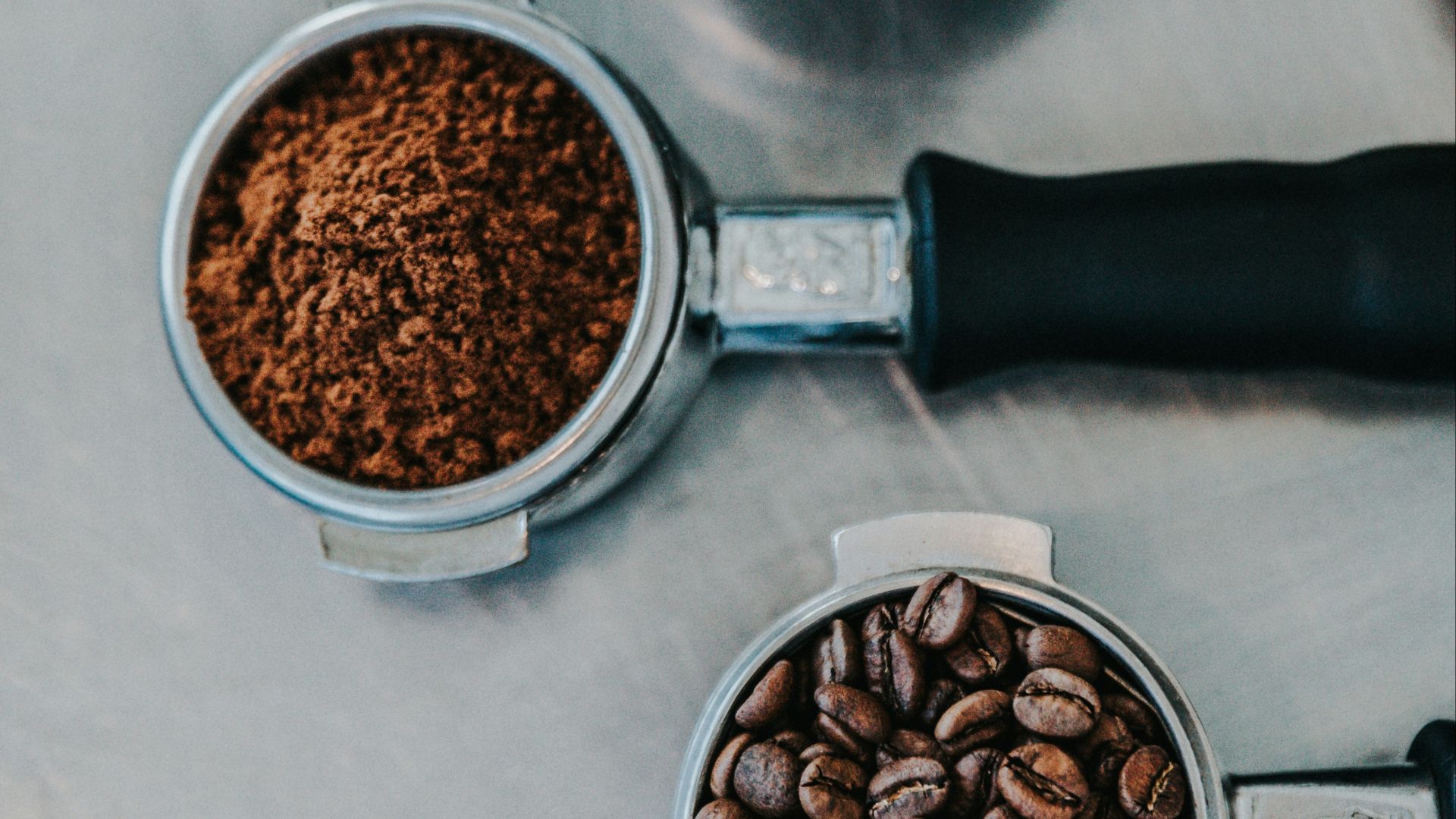
When coffee first arrived in Europe during the seventeenth century, it was a costly novelty imported from distant lands. Coffeehouses initially catered to merchants, scholars, and elites before expanding trade transformed coffee into an affordable everyday beverage.
Tea
Tea was once among Britain's most heavily taxed luxury imports. Wealthy families stored it in locked tea caddies, and servants carefully measured every spoonful. Smuggling became widespread because legitimate tea remained prohibitively expensive for ordinary consumers.
Rice
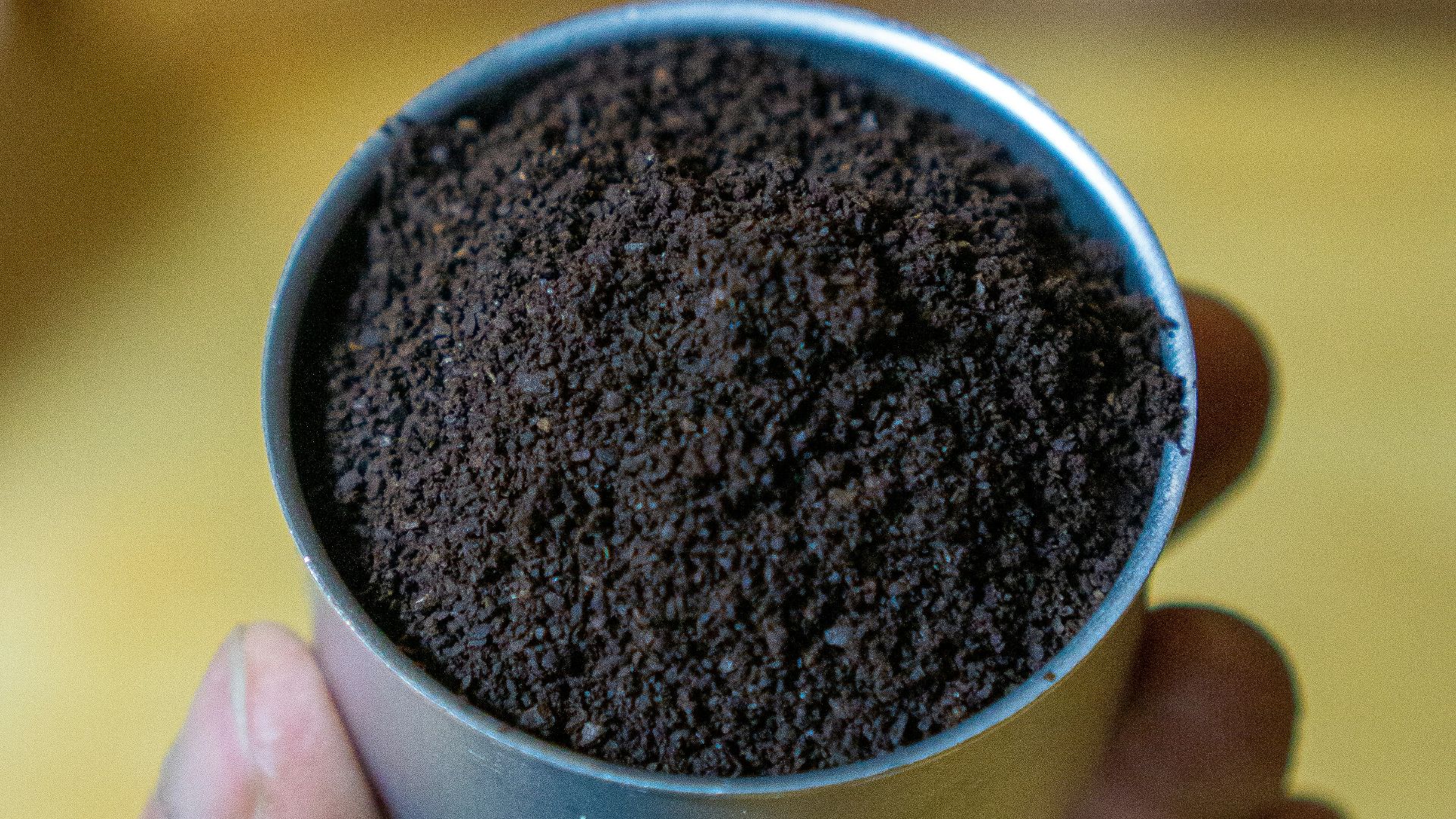
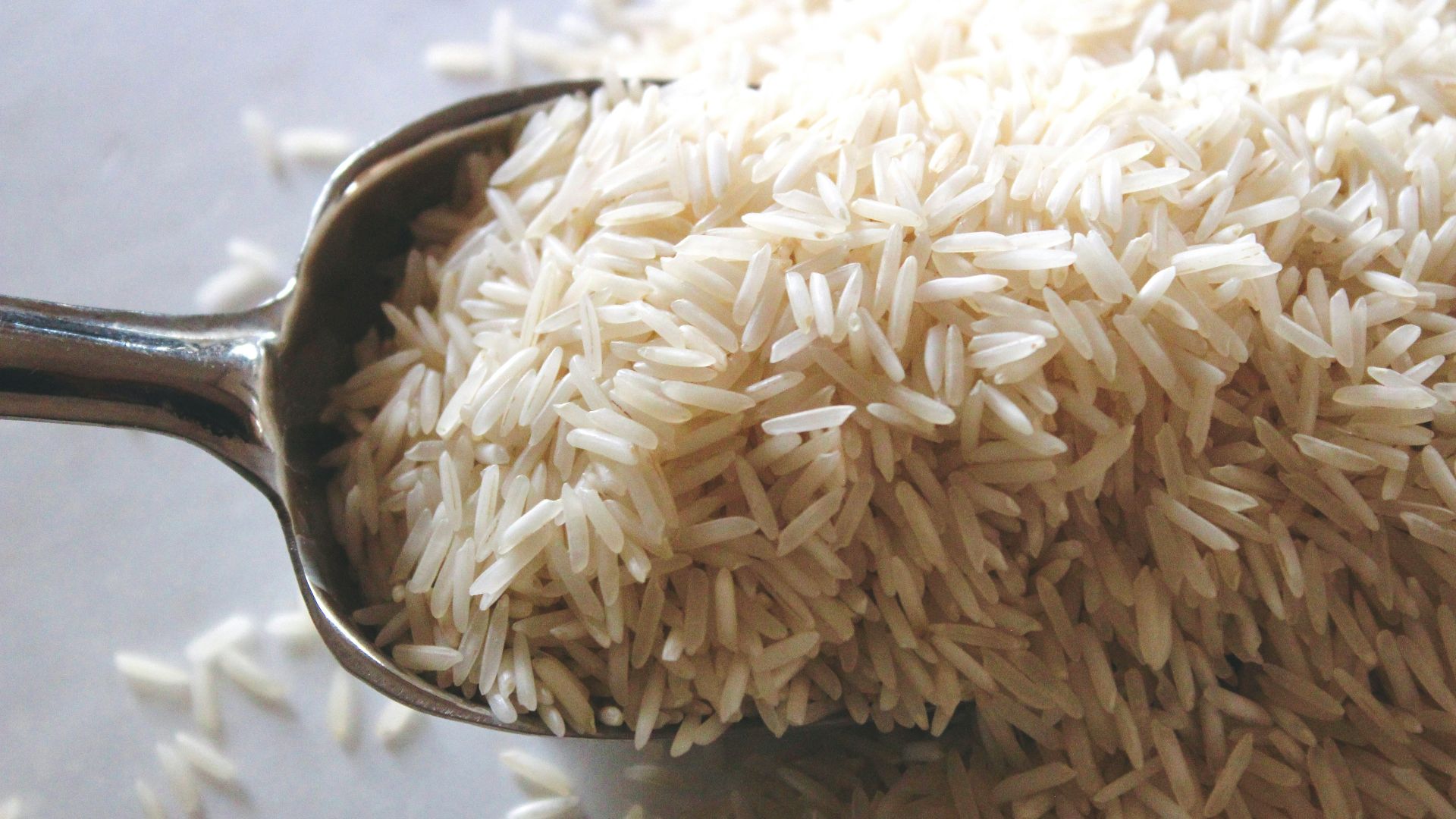
Although common throughout much of Asia, imported rice remained relatively expensive in medieval and early modern Europe. Transportation costs and limited cultivation meant many Europeans regarded rice as an occasional luxury rather than an everyday staple.
White Bread
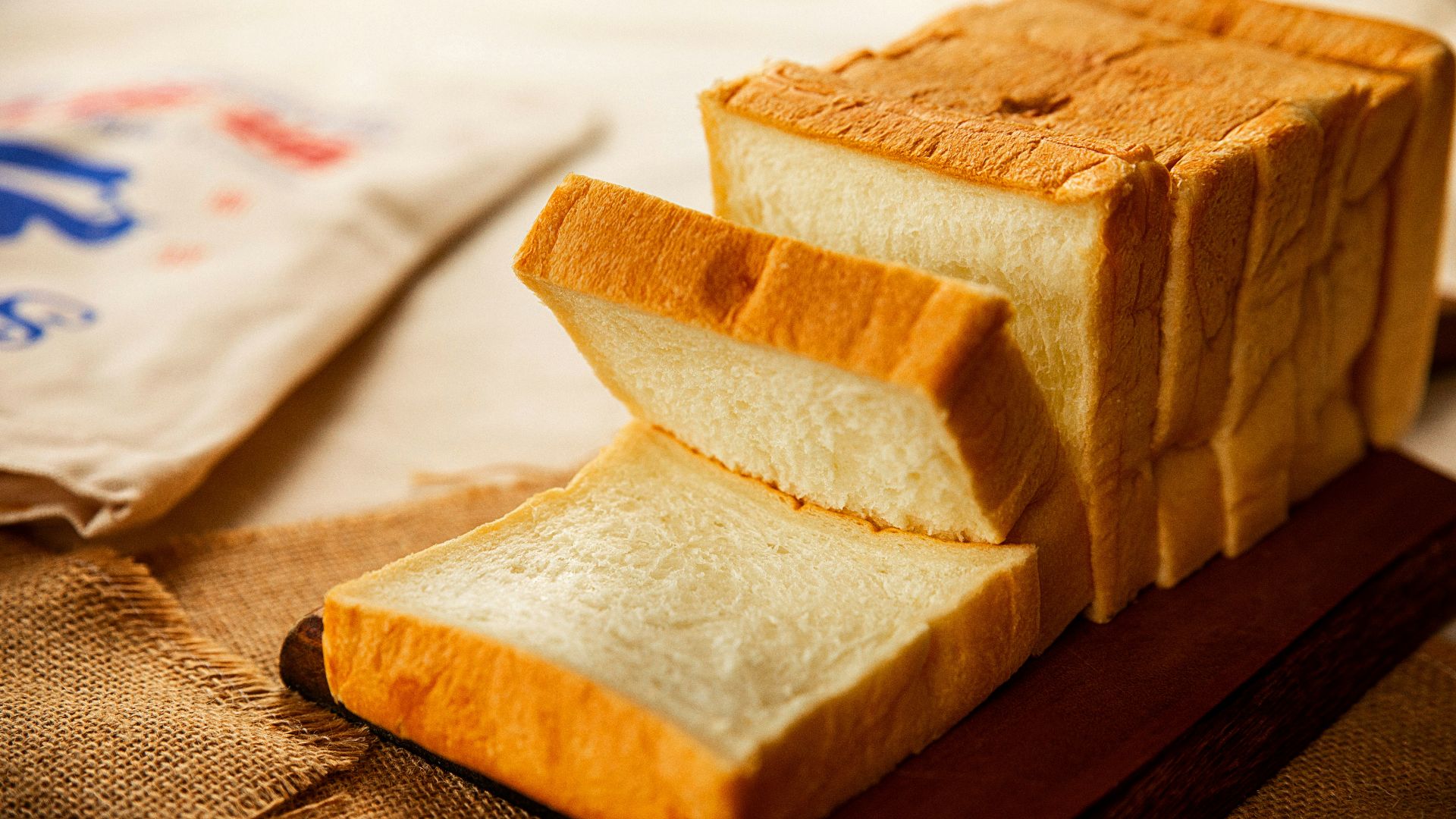
Today white bread is inexpensive, but finely milled white flour required extensive labor before industrial milling. Wealthy families preferred soft white loaves, while poorer people typically ate darker breads made from rye, barley, or whole grains.
Olive Oil
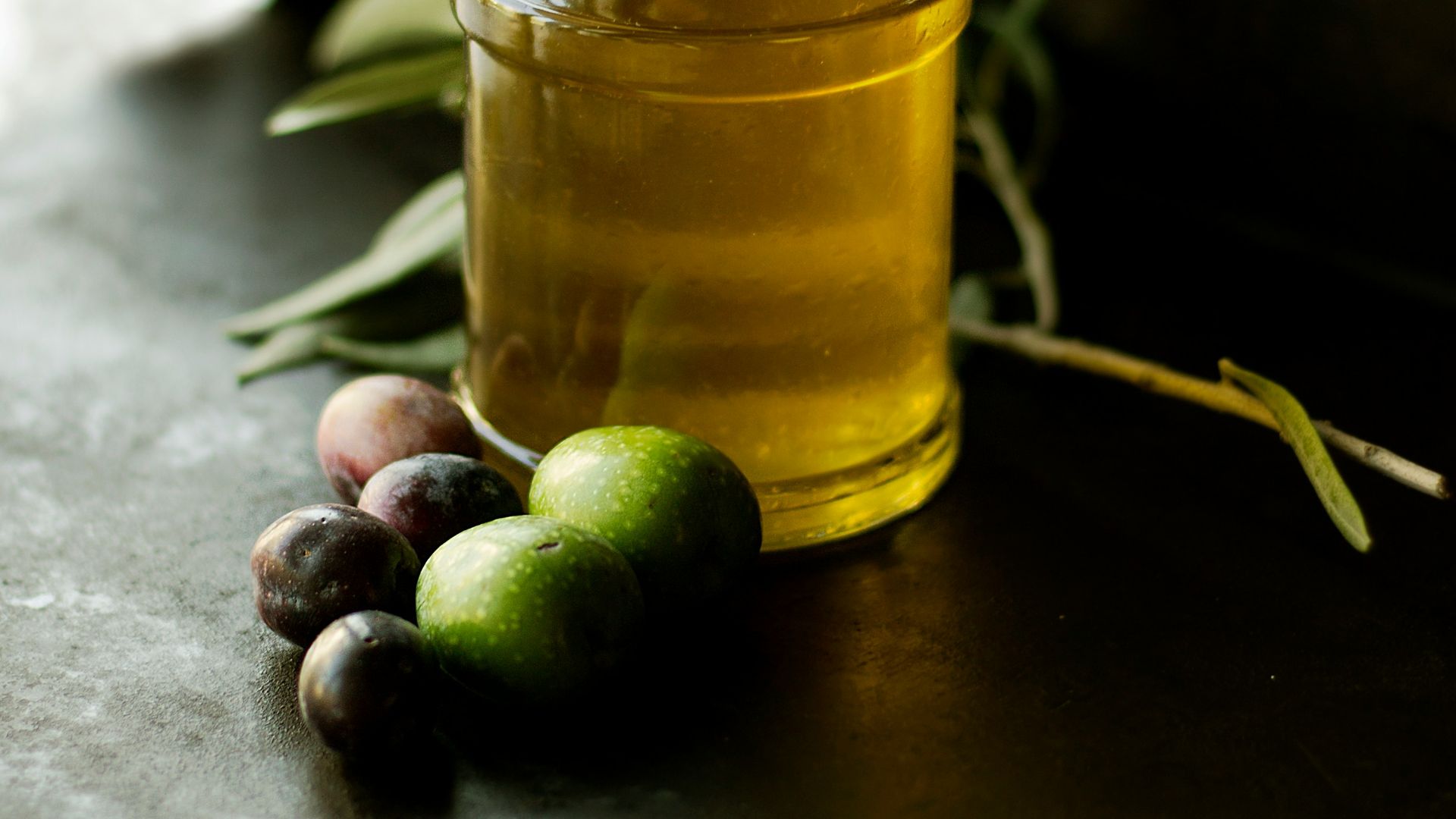
Throughout northern Europe, olive oil had to travel great distances from Mediterranean groves. High transportation costs kept prices elevated, making olive oil a prized ingredient reserved for wealthier households and special religious or medicinal purposes.
Lemons
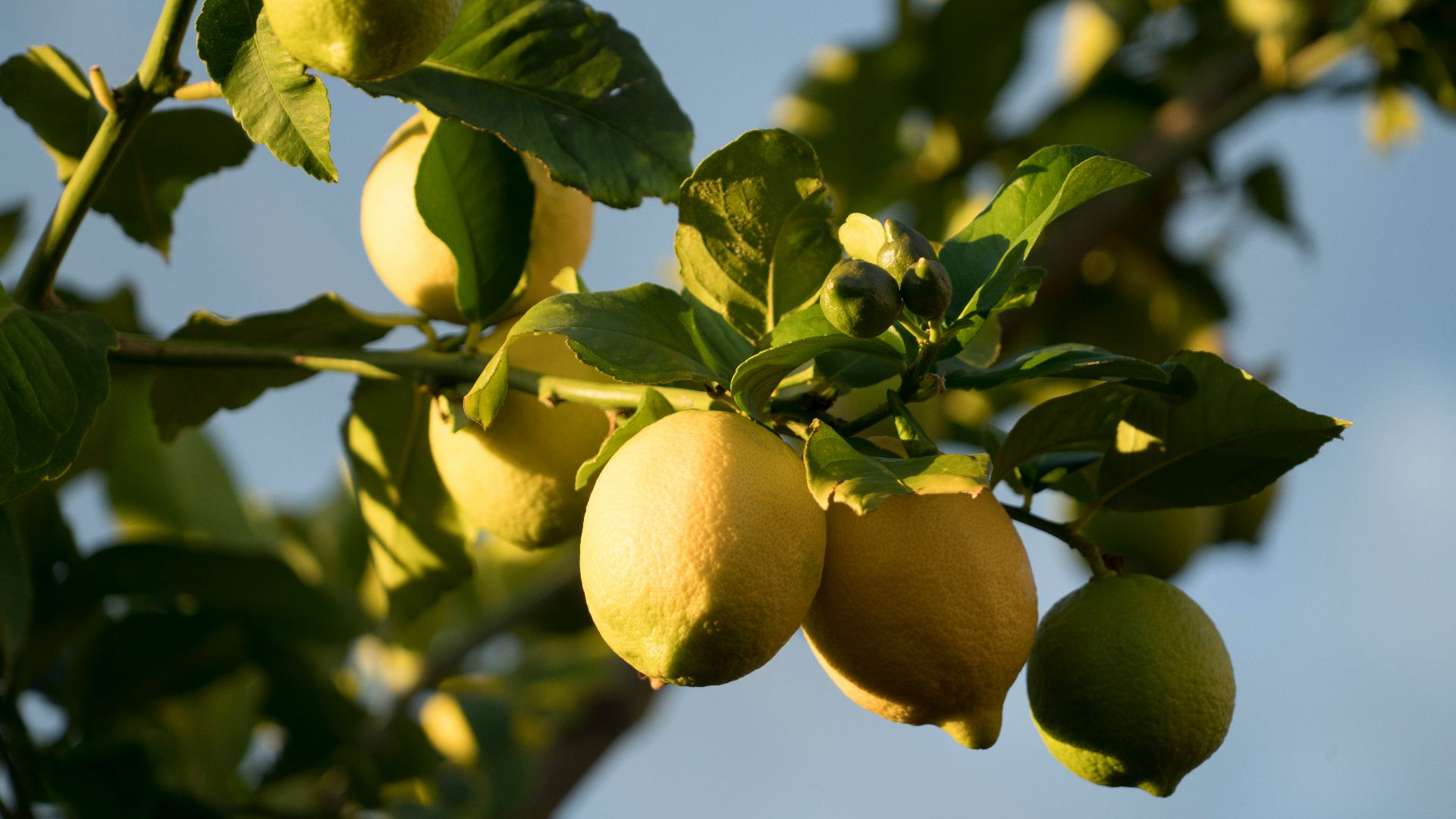
Fresh lemons seem ordinary today thanks to global transportation. Before refrigeration and rapid shipping, however, citrus fruits spoiled easily and were difficult to import. Their scarcity made them expensive luxuries for much of northern Europe.
Oranges
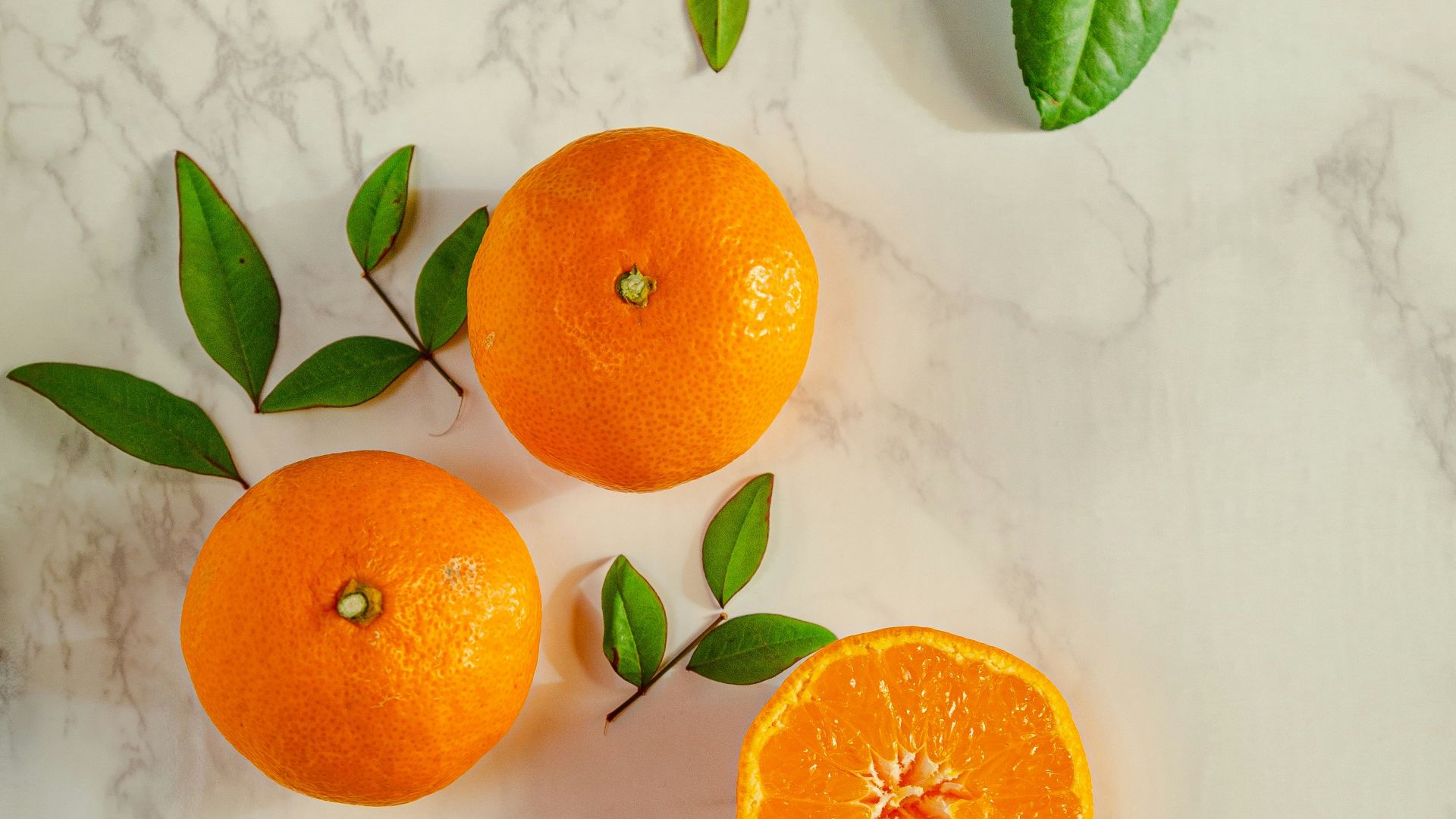
An orange in seventeenth-century England could be an extravagant gift. Wealthy landowners even built elaborate 'orangeries' to cultivate citrus trees. Fresh oranges remained symbols of prestige until expanding global agriculture dramatically lowered prices.
Pineapples
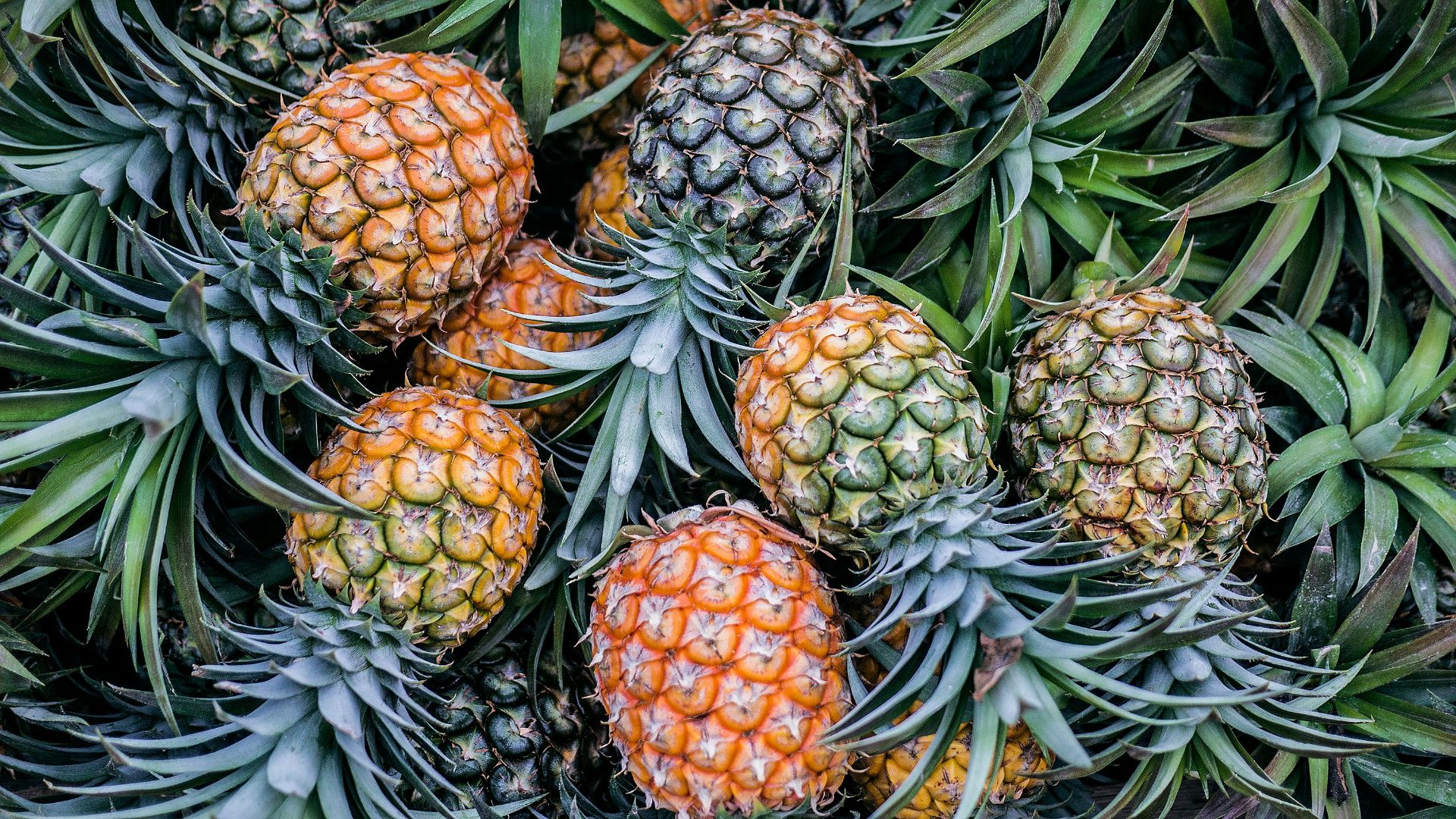
Few foods better symbolized wealth than the pineapple. European aristocrats sometimes rented pineapples merely for display at lavish banquets before returning them unsliced. Owning one demonstrated extraordinary wealth long before anyone actually ate it.
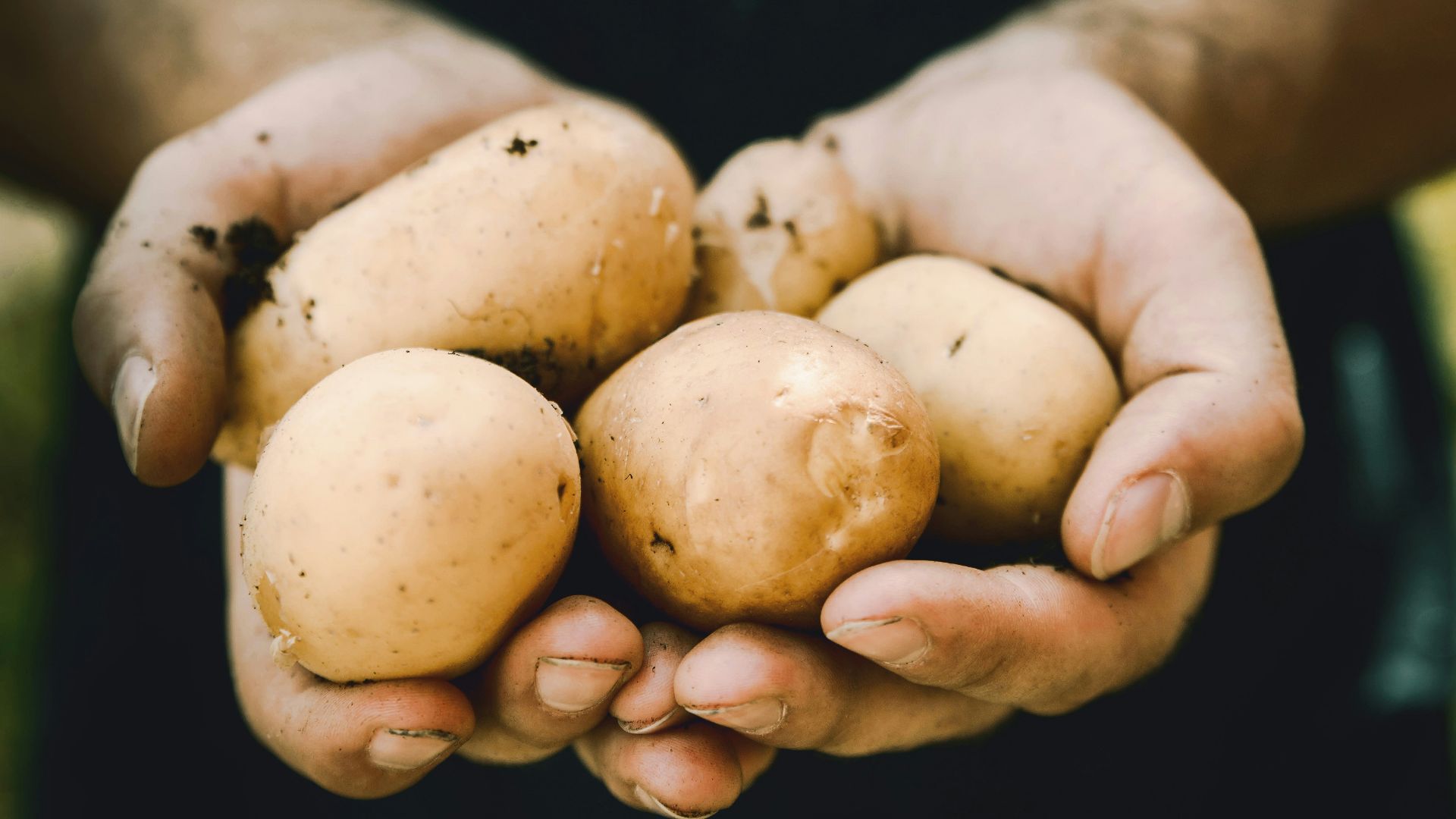
Potatoes
Although potatoes eventually became one of history's cheapest staple foods, they were initially rare curiosities after arriving from South America. Wealthy collectors often grew them in gardens before widespread cultivation transformed European agriculture.
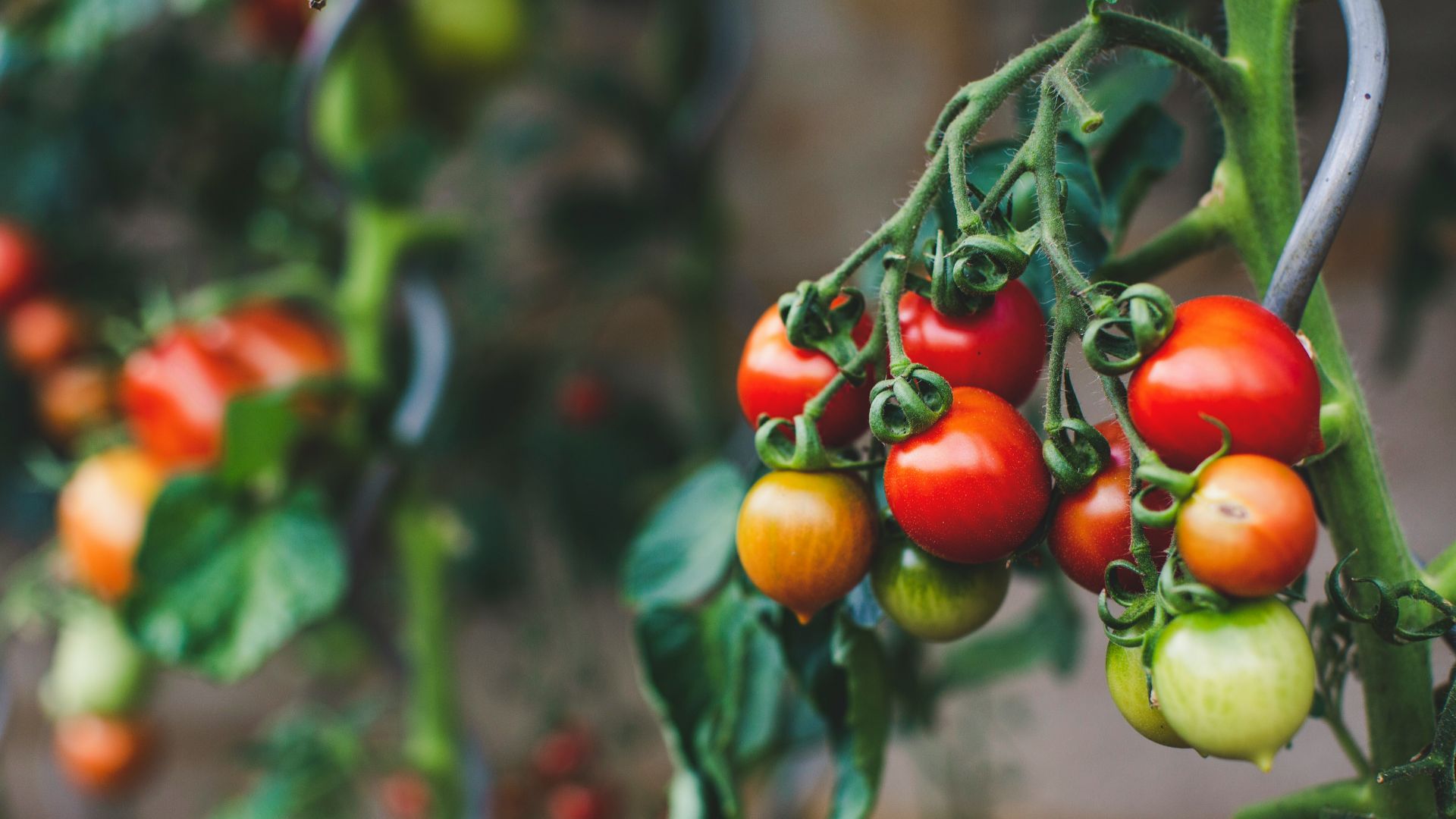
Tomatoes
Europeans initially treated tomatoes as ornamental plants rather than food. Early imported specimens were uncommon and expensive, appearing mainly in botanical collections before gradually becoming central ingredients in Mediterranean cooking.
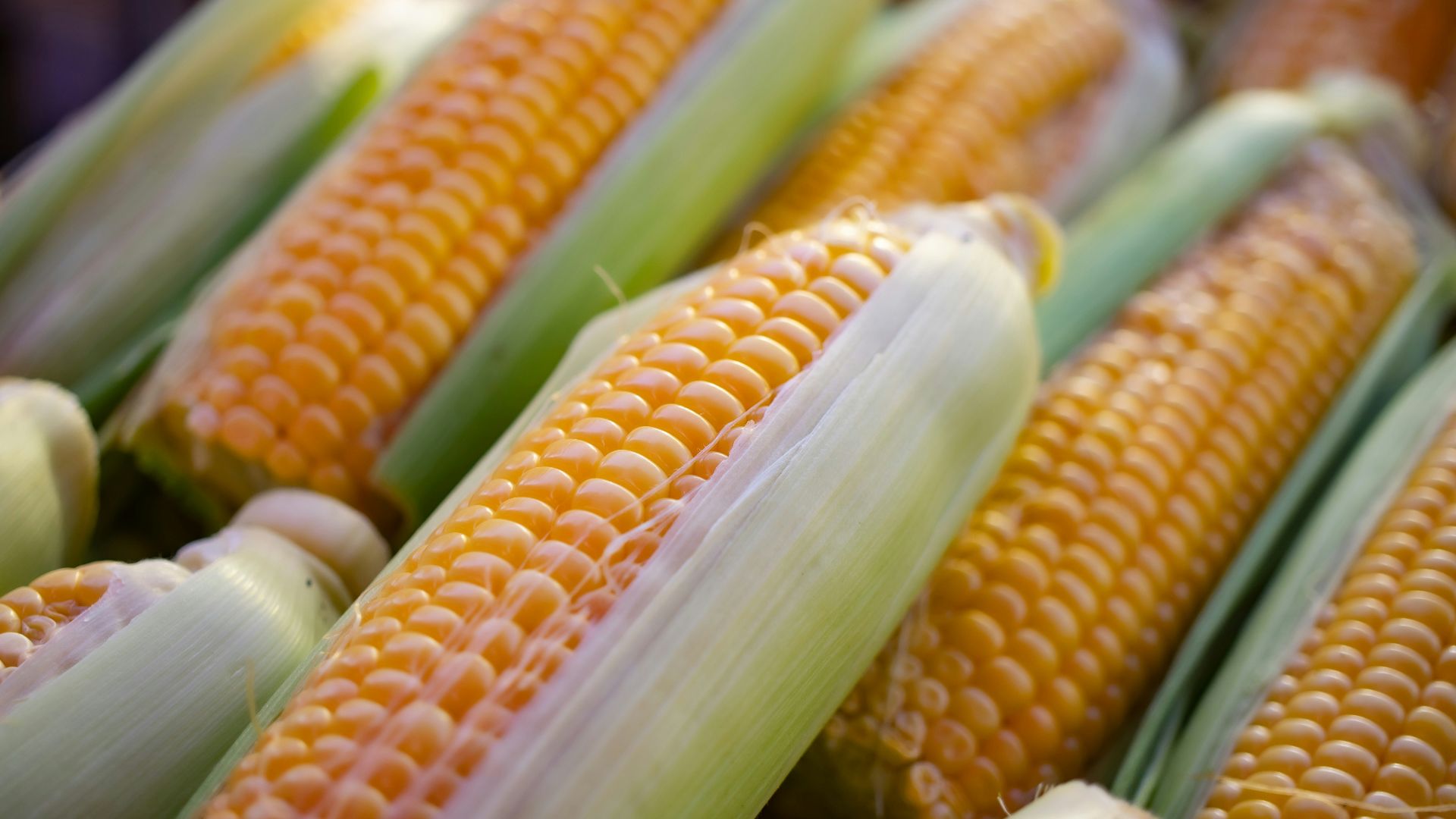
Corn
Maize arrived in Europe after the Columbian Exchange and remained relatively uncommon for generations. As cultivation spread across suitable climates, corn evolved from an exotic New World novelty into one of the world's most important staple crops.
 Wouter Supardi Salari, Unsplash
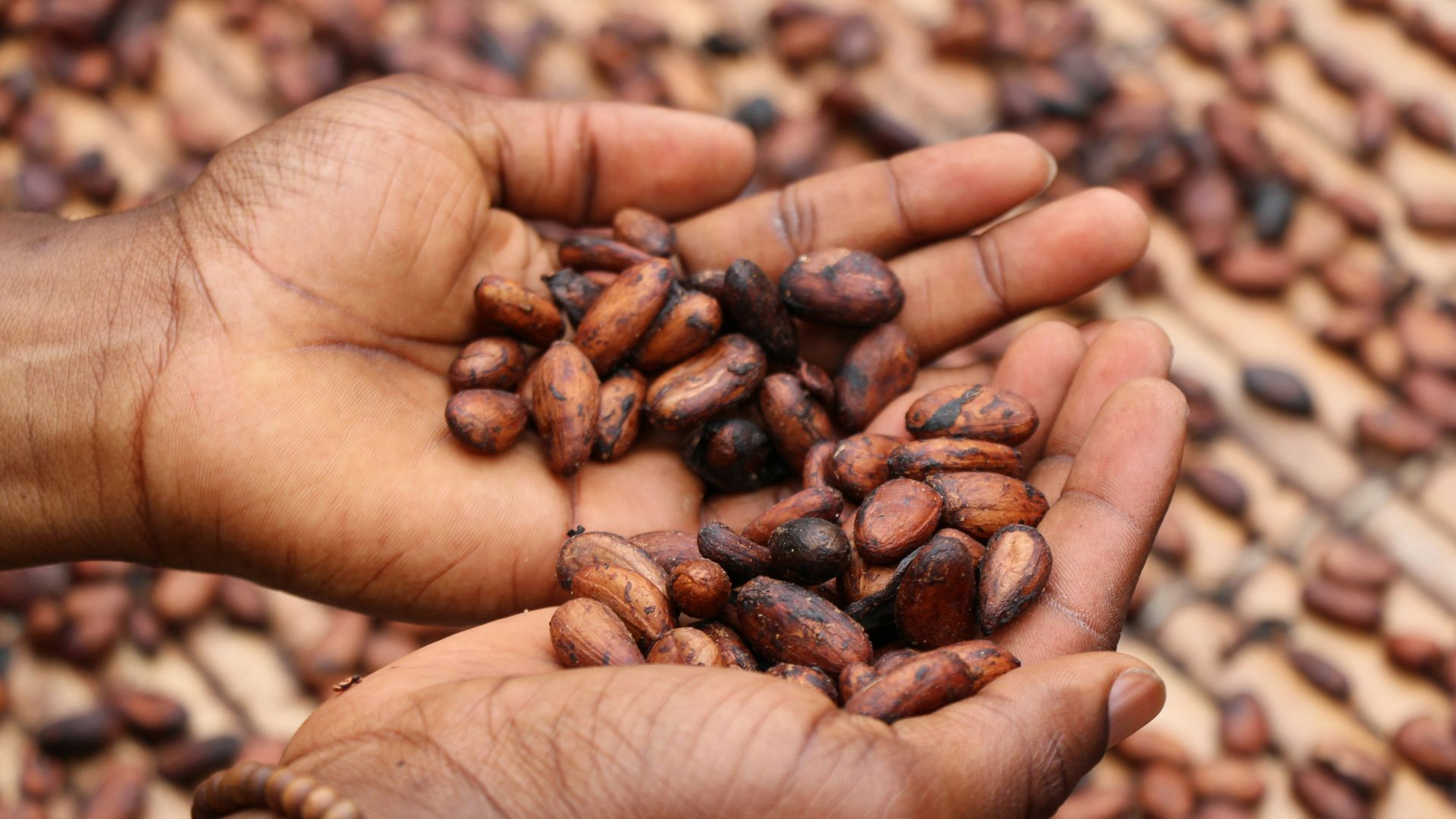
Cocoa
Raw cocoa beans were once so valuable in Mesoamerica that they served as currency. European imports remained costly for centuries, ensuring that cocoa beverages and chocolate remained pleasures enjoyed primarily by affluent households.
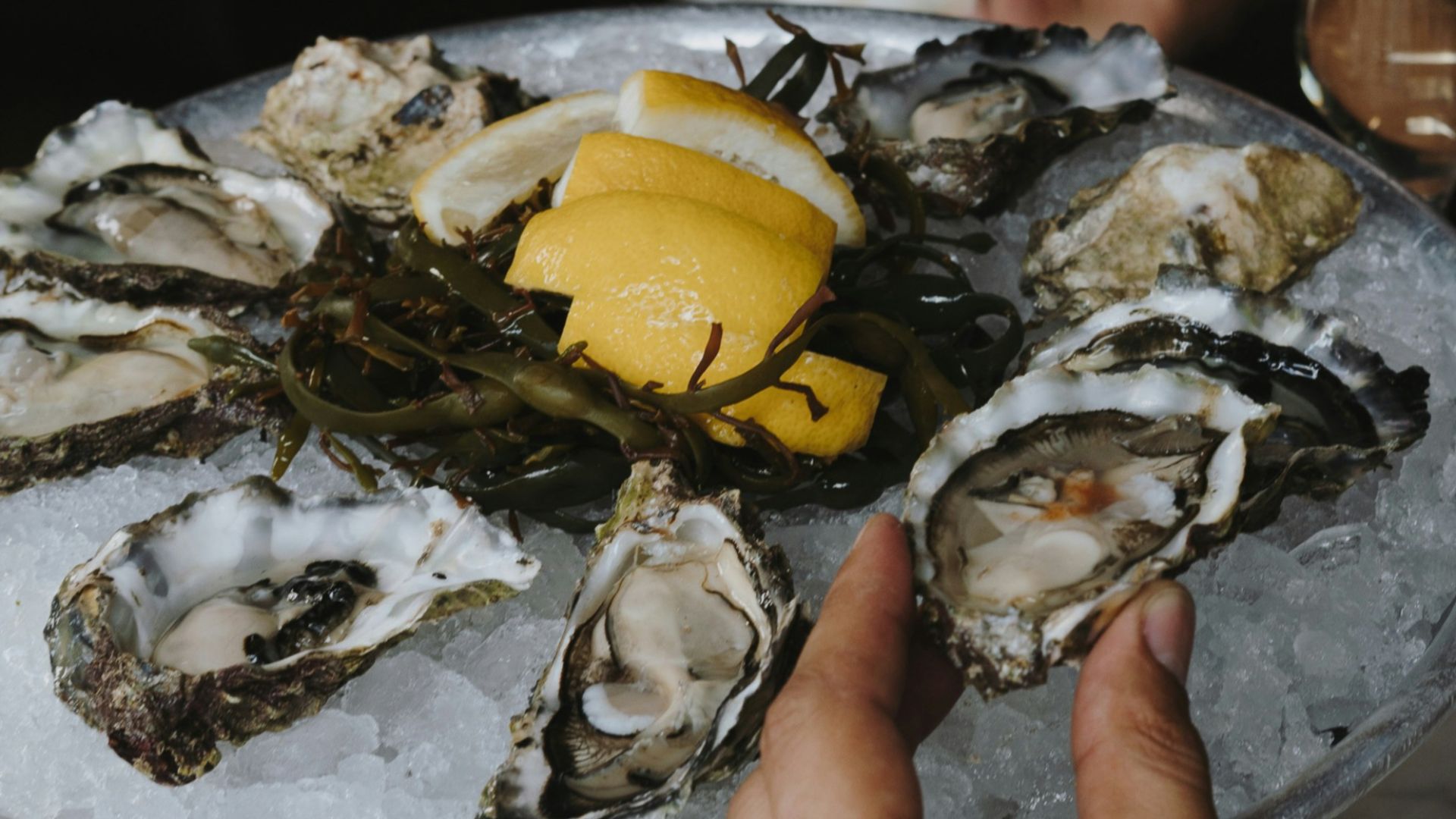
Oysters
Modern diners often associate oysters with luxury restaurants, but historically their story reversed. In many regions they were once abundant and inexpensive before pollution, overharvesting, and changing consumer tastes transformed them into premium seafood once again.
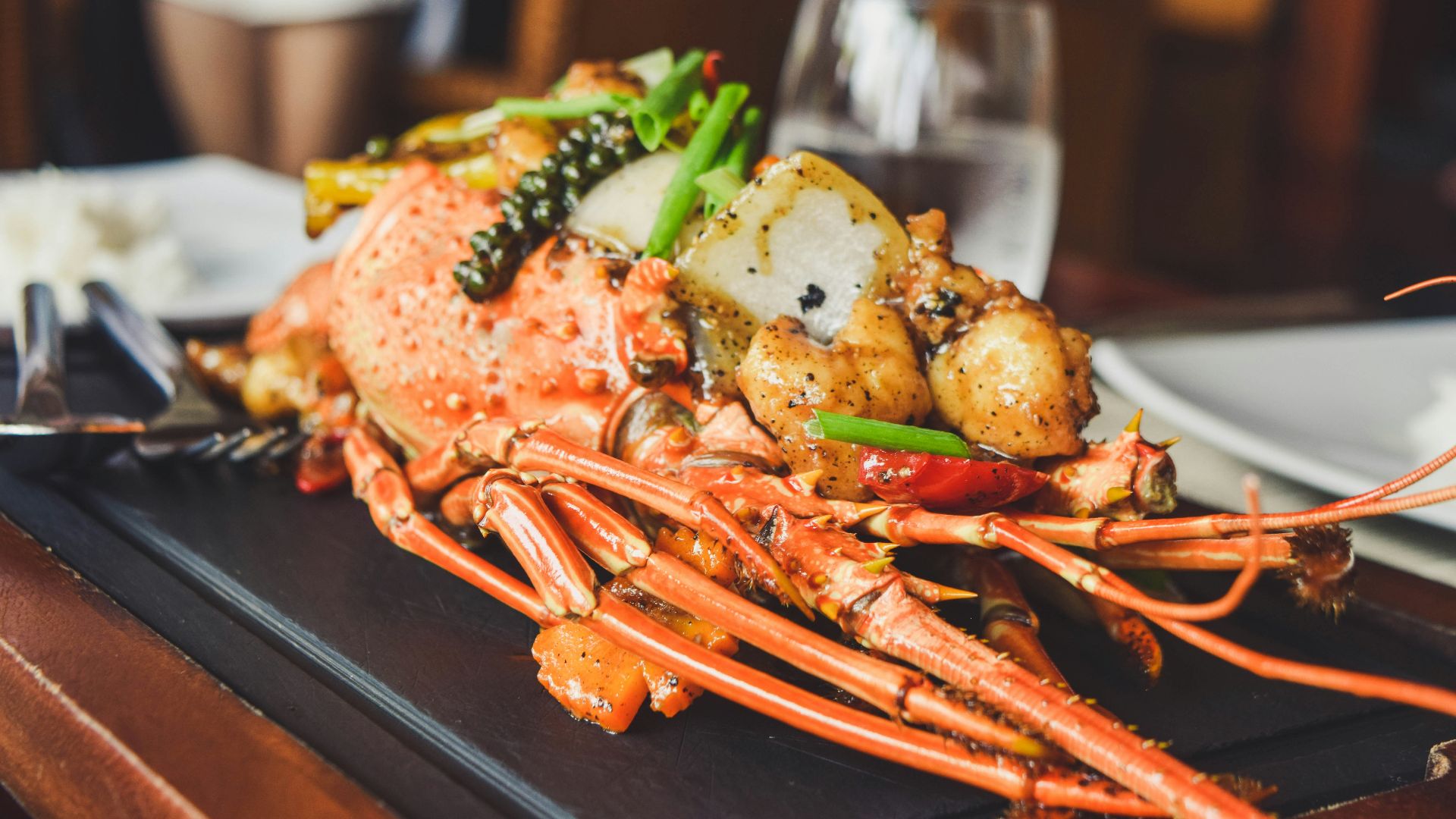
Lobster
Colonial Americans often considered lobster poor people's food because it was so plentiful. As transportation improved and demand increased, lobster gradually transformed into one of the most prestigious seafood dishes served in upscale restaurants.
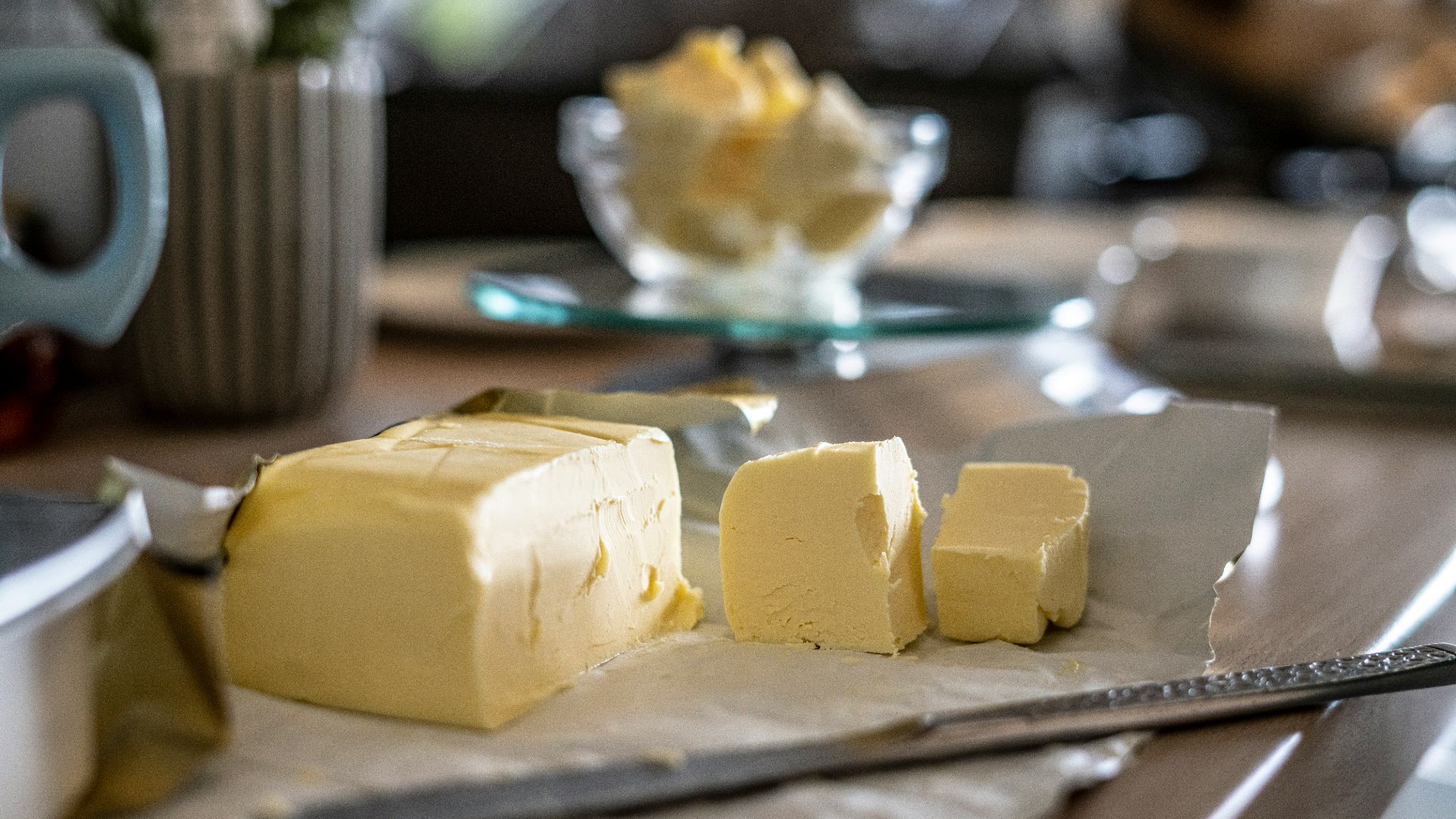
Butter
Producing butter required large quantities of fresh milk and significant labor before mechanized dairies existed. During certain seasons, especially winter, butter became sufficiently scarce that many families reserved it for important meals and celebrations.
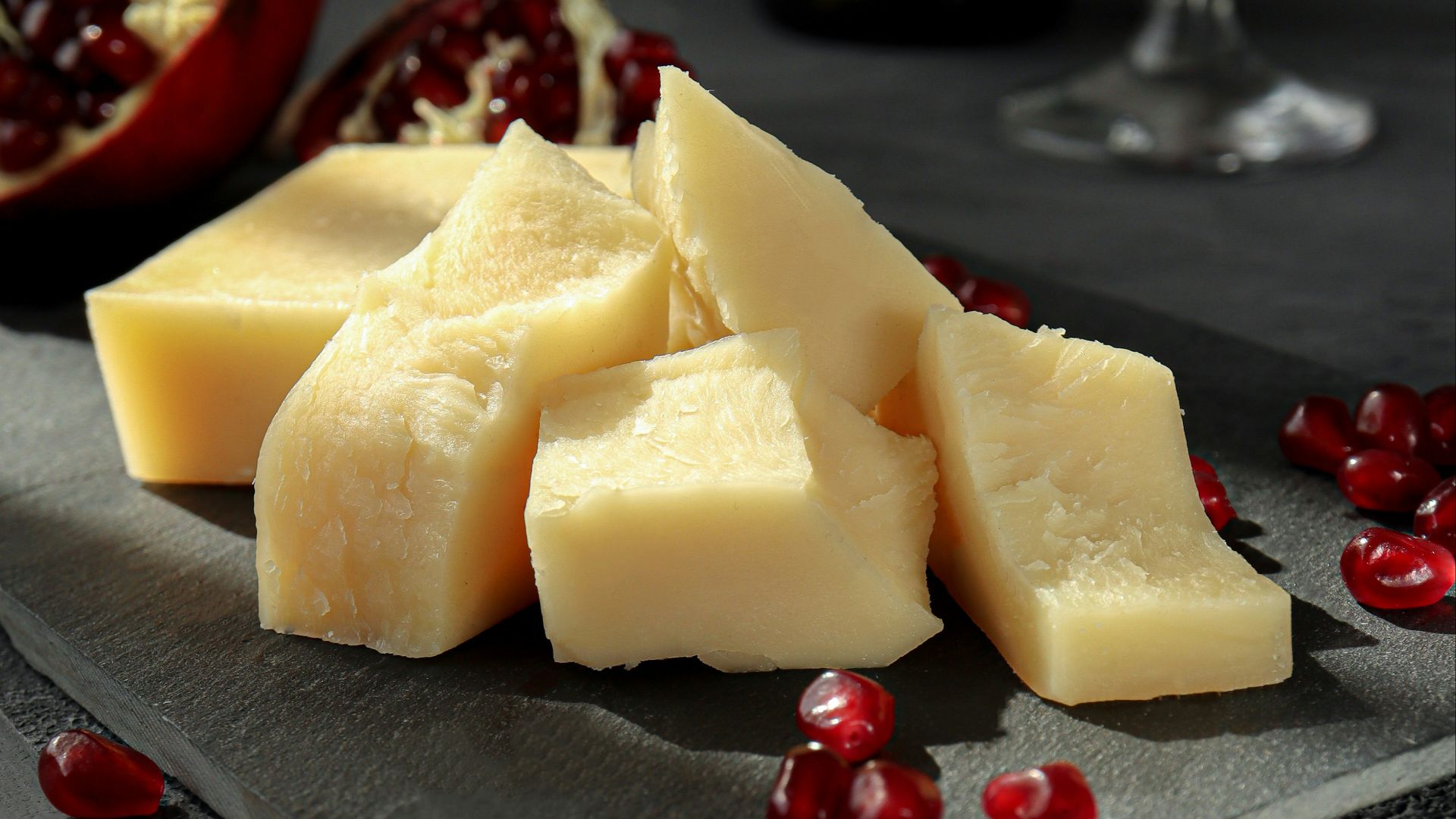
Cheese
Certain cheeses demanded months or years of careful aging, making them expensive luxury foods. Regional specialties often traveled considerable distances, raising prices further and turning premium cheeses into prestigious additions to wealthy dining tables.
Almonds
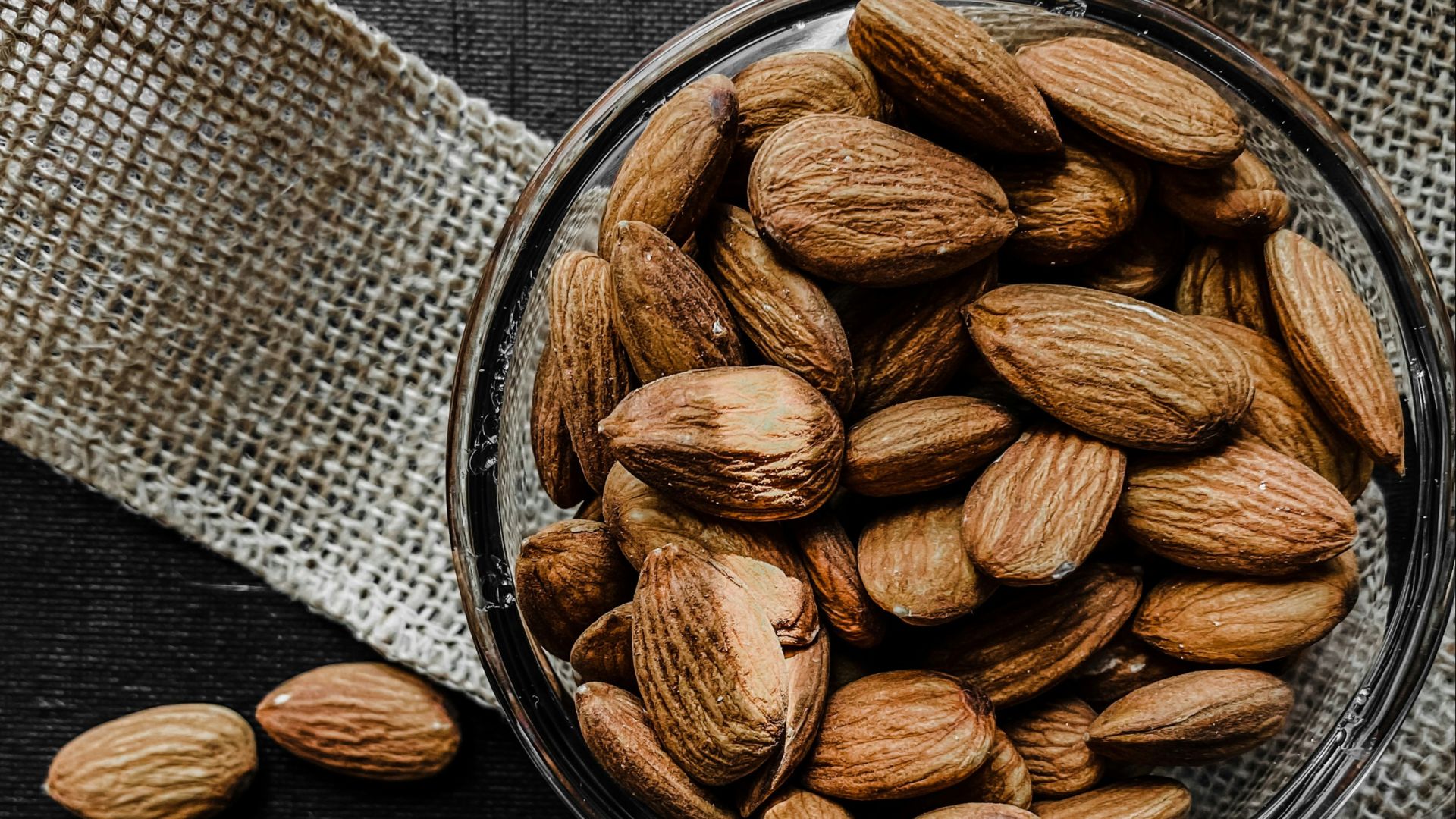
Long before California became a major producer, almonds reached northern Europe through complex Mediterranean trade networks. Their cost made almond pastries, marzipan, and almond milk fashionable treats for aristocratic households and religious feast days.
Raisins
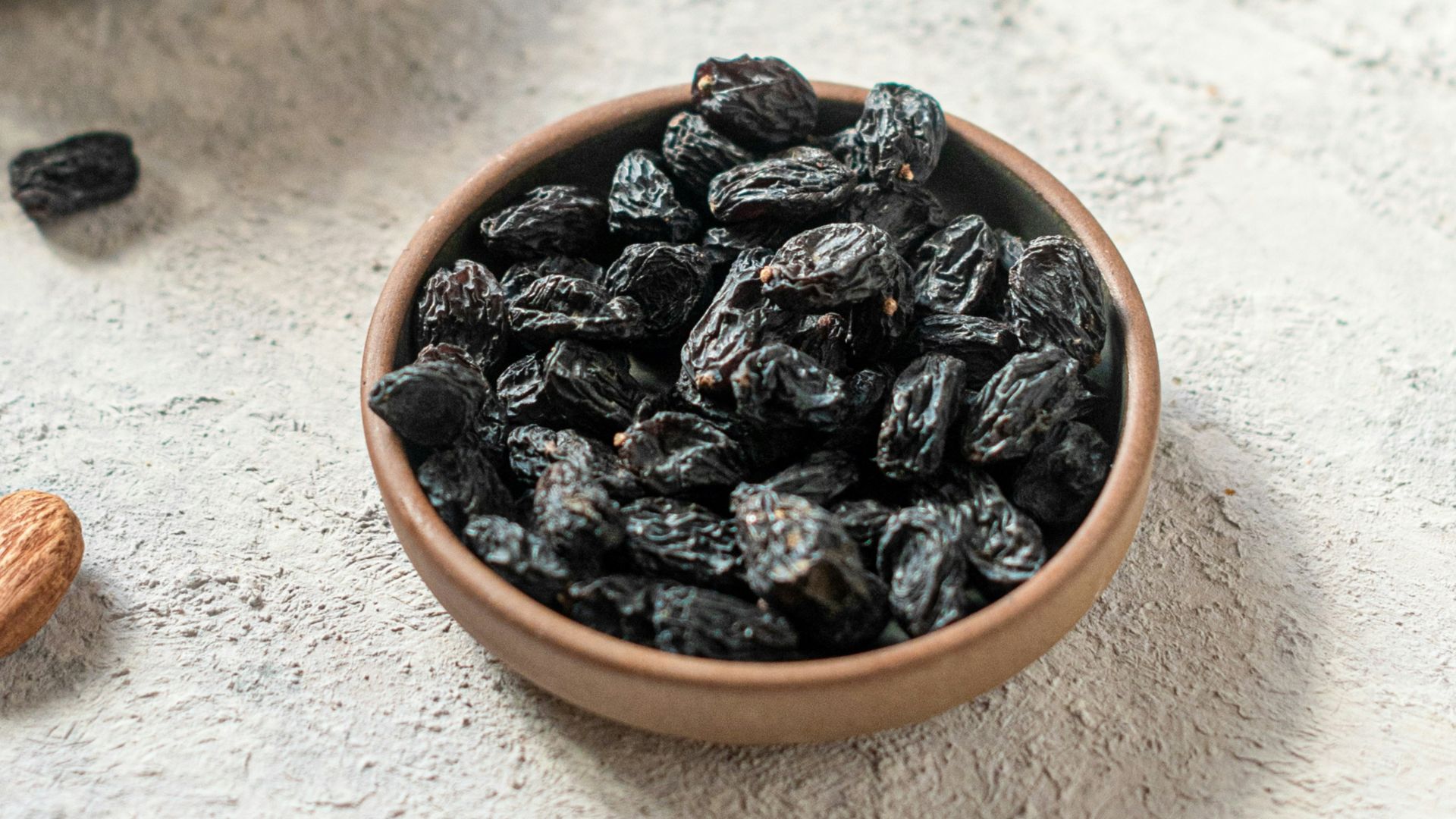
Dried grapes required favorable climates and lengthy transportation across Europe. Wealthy medieval households frequently used raisins in festive dishes, while ordinary people often encountered them only during important holidays or special occasions.
Figs
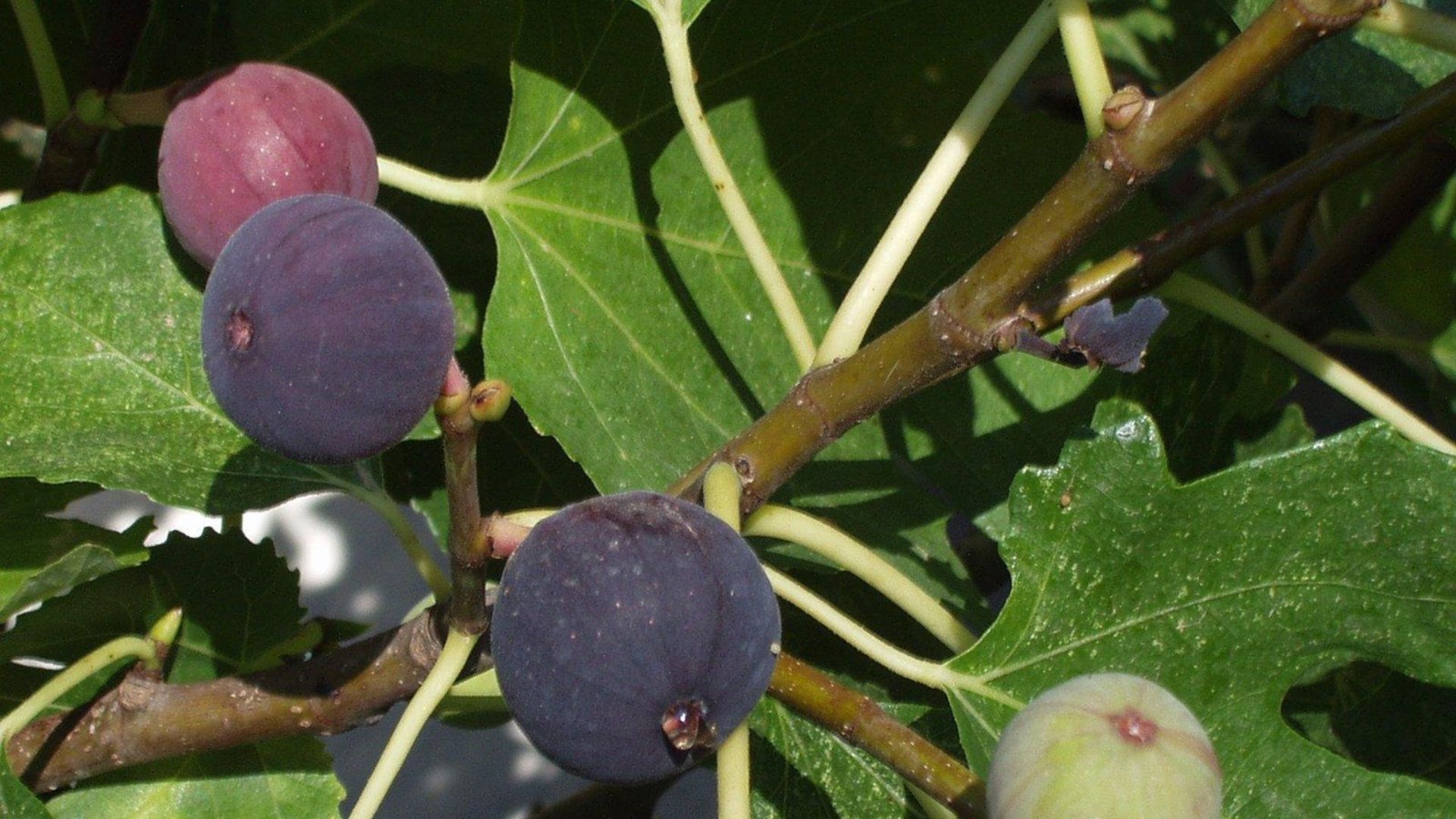
Fresh figs spoiled rapidly, while dried figs required importation from warmer climates. Their sweetness and rarity made them valued ingredients in medieval cuisine, especially among affluent households seeking imported delicacies.
Why Food Was Once So Expensive
Before railroads, refrigeration, steamships, and container shipping, moving food across continents was slow, dangerous, and costly. Storms, pirates, spoilage, taxes, and wars all added enormous expense. Even relatively ordinary ingredients became luxuries simply because transporting them safely was so difficult.
 Richard Brydges Beechey, Wikimedia Commons
How Technology Changed Everything
Modern agriculture, refrigeration, mechanized farming, fertilizers, refrigerated trucks, cargo ships, and international trade have transformed the world's food supply. Ingredients that once required months of hazardous travel now move across continents in days, allowing billions of people to enjoy foods that previous generations of royalty could scarcely afford.
 JardonB, CC BY-SA 4.0, Wikimedia Commons
You May Also Like:
Everyday Expressions From The Middle Ages That People Still Say Today
Everyday Foods That Only Became Popular Because Of WWII