
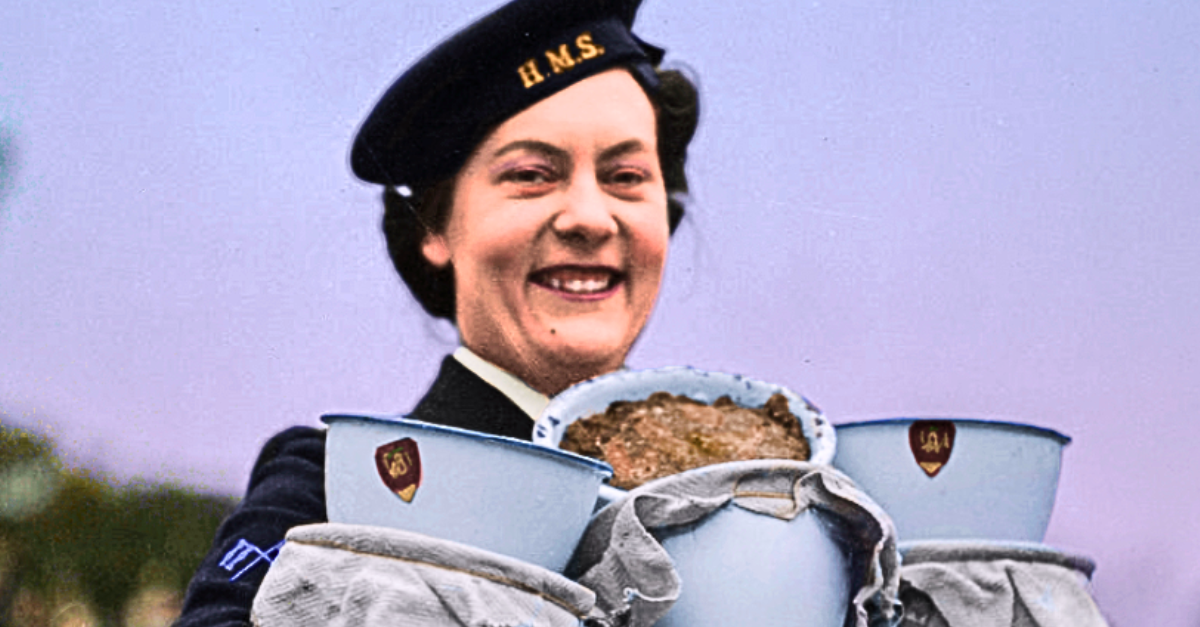
War Changed Dinner.
Many of these foods existed before 1939 or appeared during the hungry years after 1945, but World War II supplied the shortages, military contracts, scientific breakthroughs, and enormous test audiences that made them familiar. From mess kits to ration books, the conflict built a surprisingly direct road to the modern pantry.
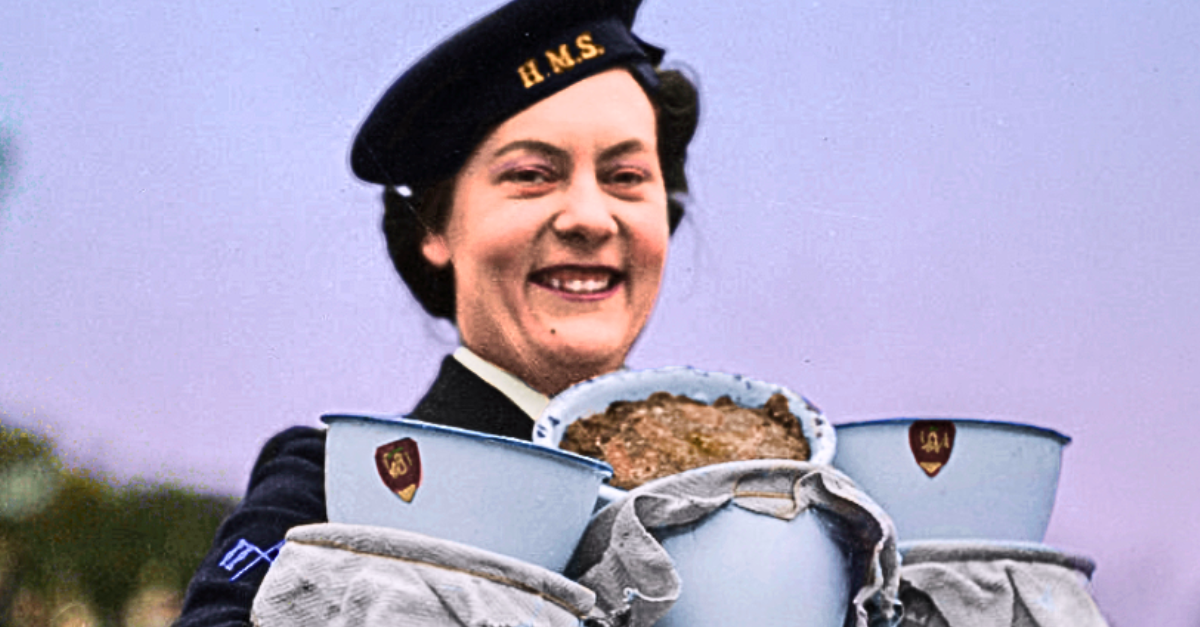 Cassowary Colorizations (Sidney James Beadell)
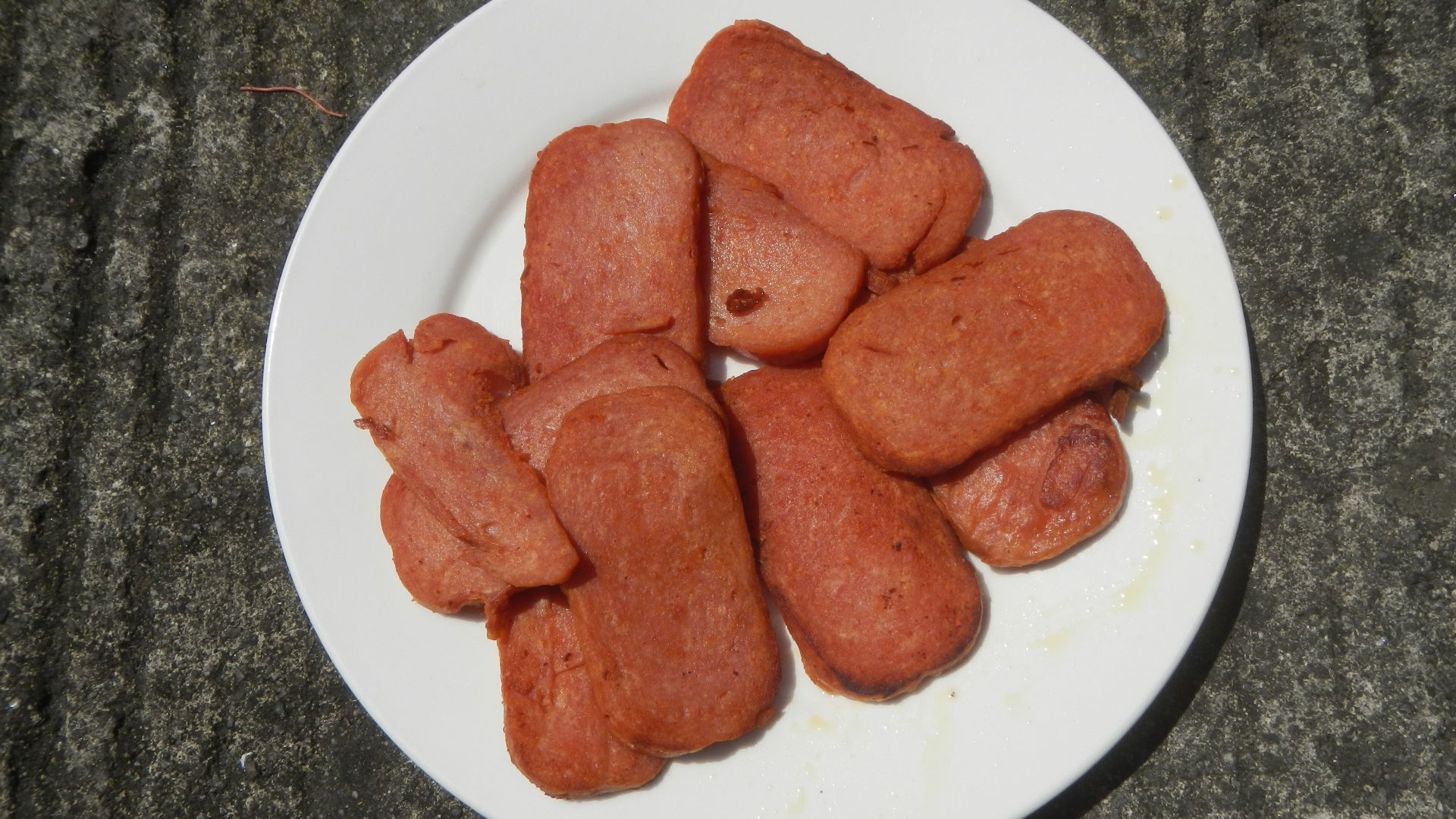
Spam Became The Can That Went Everywhere
Hormel introduced Spam in 1937, but military demand turned it from a new canned meat into a global name. Because the product traveled without refrigeration, the United States used more than 150 million pounds in the war effort. Servicemen carried it across the Pacific and elsewhere, while civilian communities near major American bases incorporated it into local dishes. The war did not invent Spam, but it gave the product the scale and international exposure that made it an enduring staple.
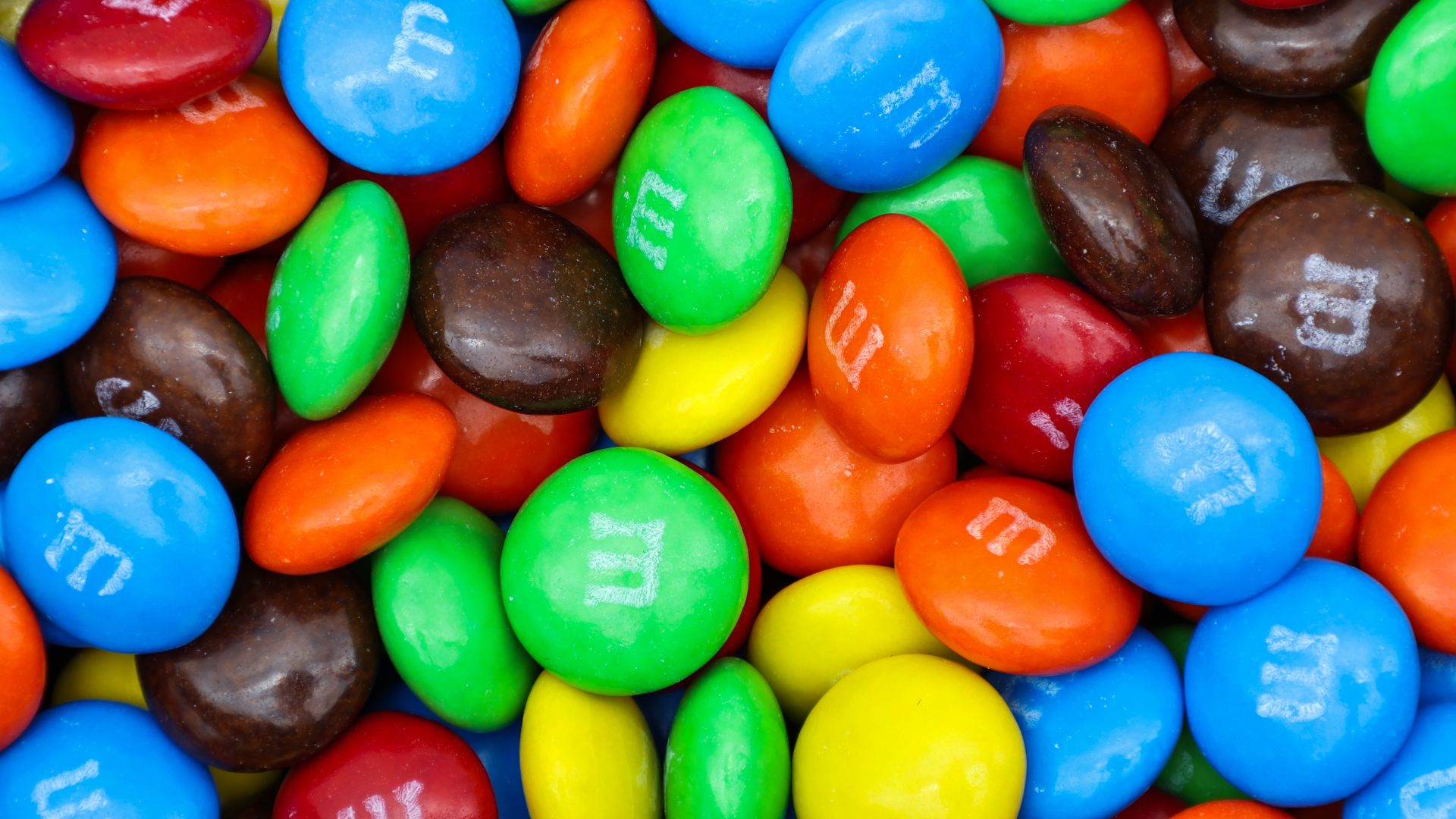
M&M’s Were Made For A War Zone
A sweeter ration followed almost immediately. Mars introduced M&M’s in 1941, and the candy was sold exclusively to the United States military once the country entered the war. Its sugar shell helped the chocolate withstand heat and travel, while millions of servicemen learned to recognize the little candies. Civilian sales expanded after the war, turning a battlefield-friendly treat into an American standard.
 Chris Woodrich, Wikimedia Commons
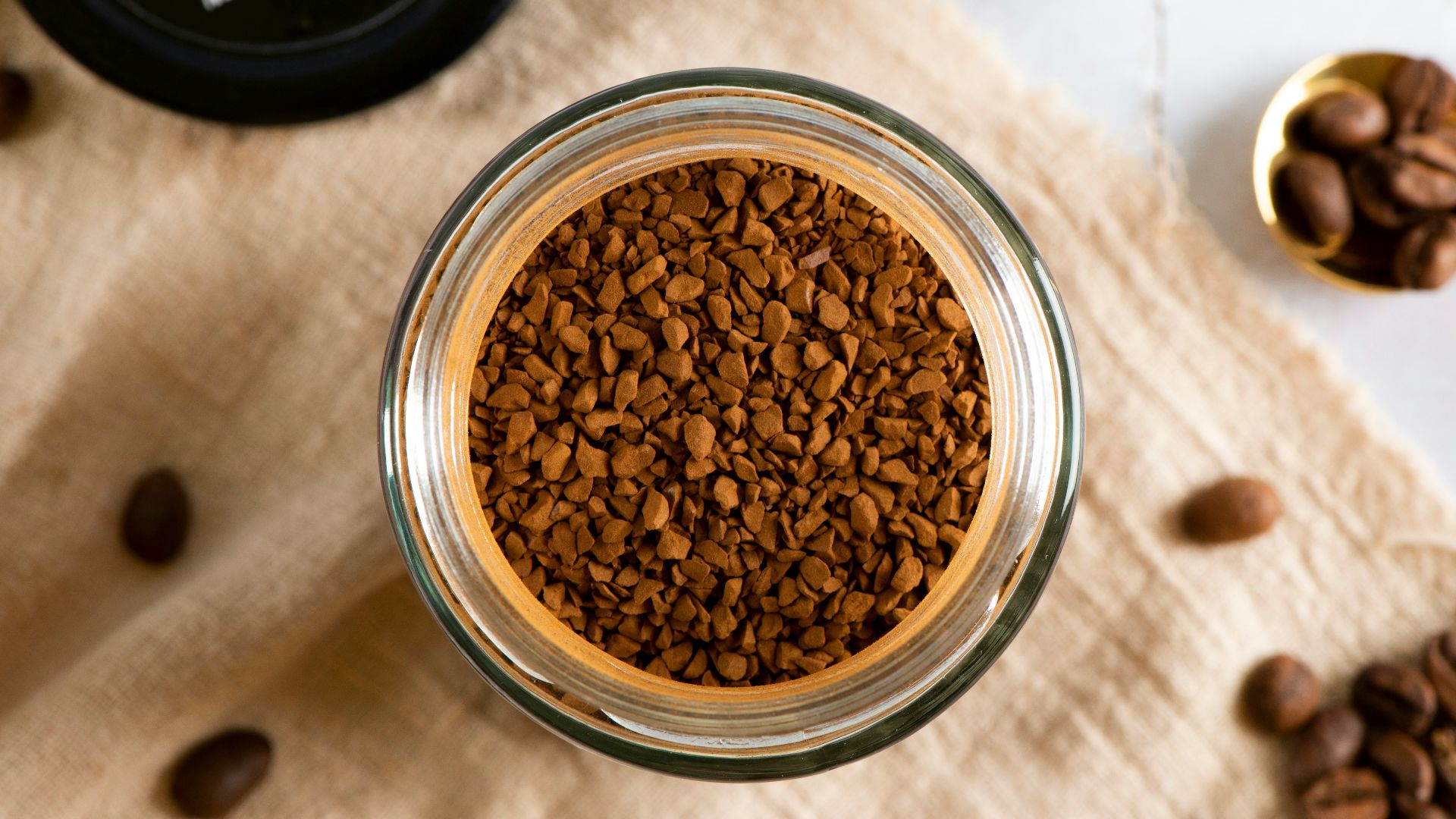
Instant Coffee Found A Captive Audience
Chocolate was not the only quick boost tucked into military supplies. Powdered coffee appeared in C-rations, and K-ration breakfasts included soluble coffee because it was compact and easy to carry. The National Library of Medicine says the war accelerated demand for Nescafé, while Nestlé records that the brand also went into postwar CARE packages. Instant coffee left the conflict with a huge new audience and a reputation for speed that still defines it.
Energy Bars Started As Emergency Chocolate
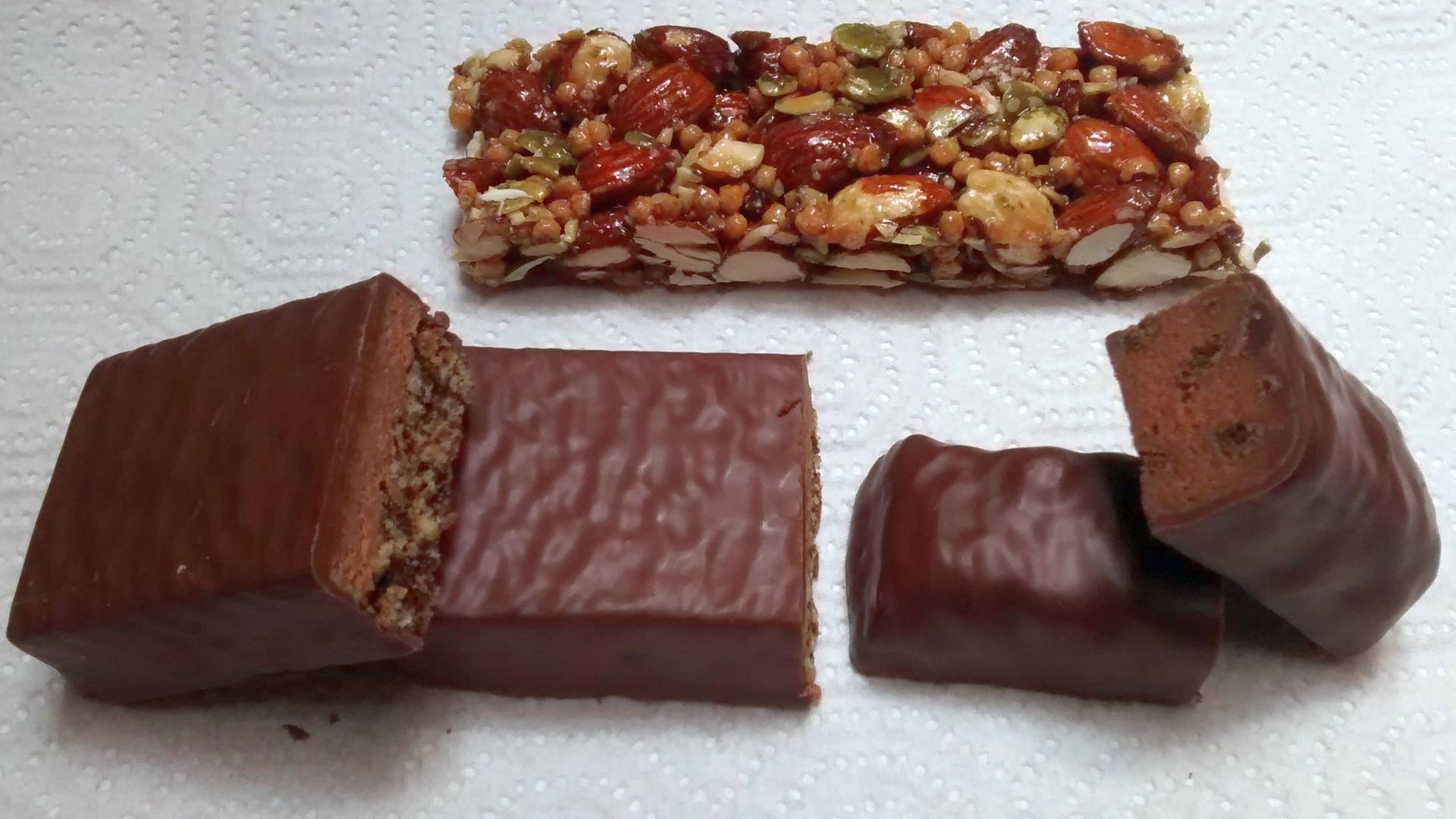
The military also wanted calories that could survive a hot pocket. The United States Army asked Hershey for a dense emergency chocolate bar that resisted heat and tasted plain enough that soldiers would save it for genuine need. Hershey produced the Ration D bar before the war and the better-tasting Tropical Bar in 1943. Wartime experiments with chocolate, oats, and other ingredients formed an early blueprint for the modern energy bar.
 Mx. Granger, Wikimedia Commons
Chewing Gum Traveled With The Troops
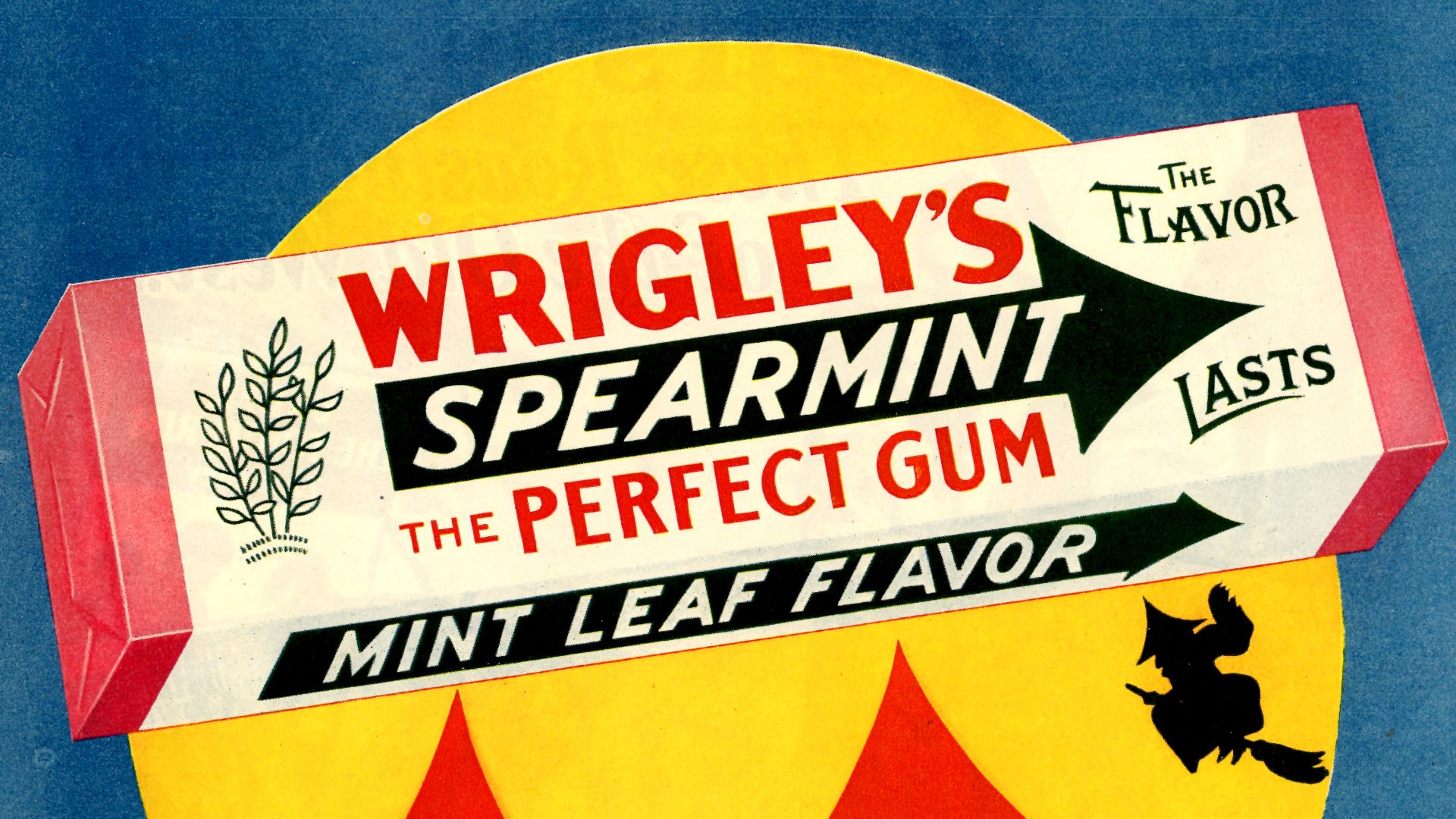
Chewing gum did not supply many calories, but commanders still valued it. The United States military issued gum as a morale booster and thirst reliever, and the Quartermaster Corps even classified it as ammunition. American servicemen handed pieces to civilians across Europe and Asia, giving many people their first taste of the product. That wartime contact helped Wrigley and other manufacturers build an international market after 1945.
 Don O'Brien, Wikimedia Commons
Coca-Cola Built A Global Bottling Map
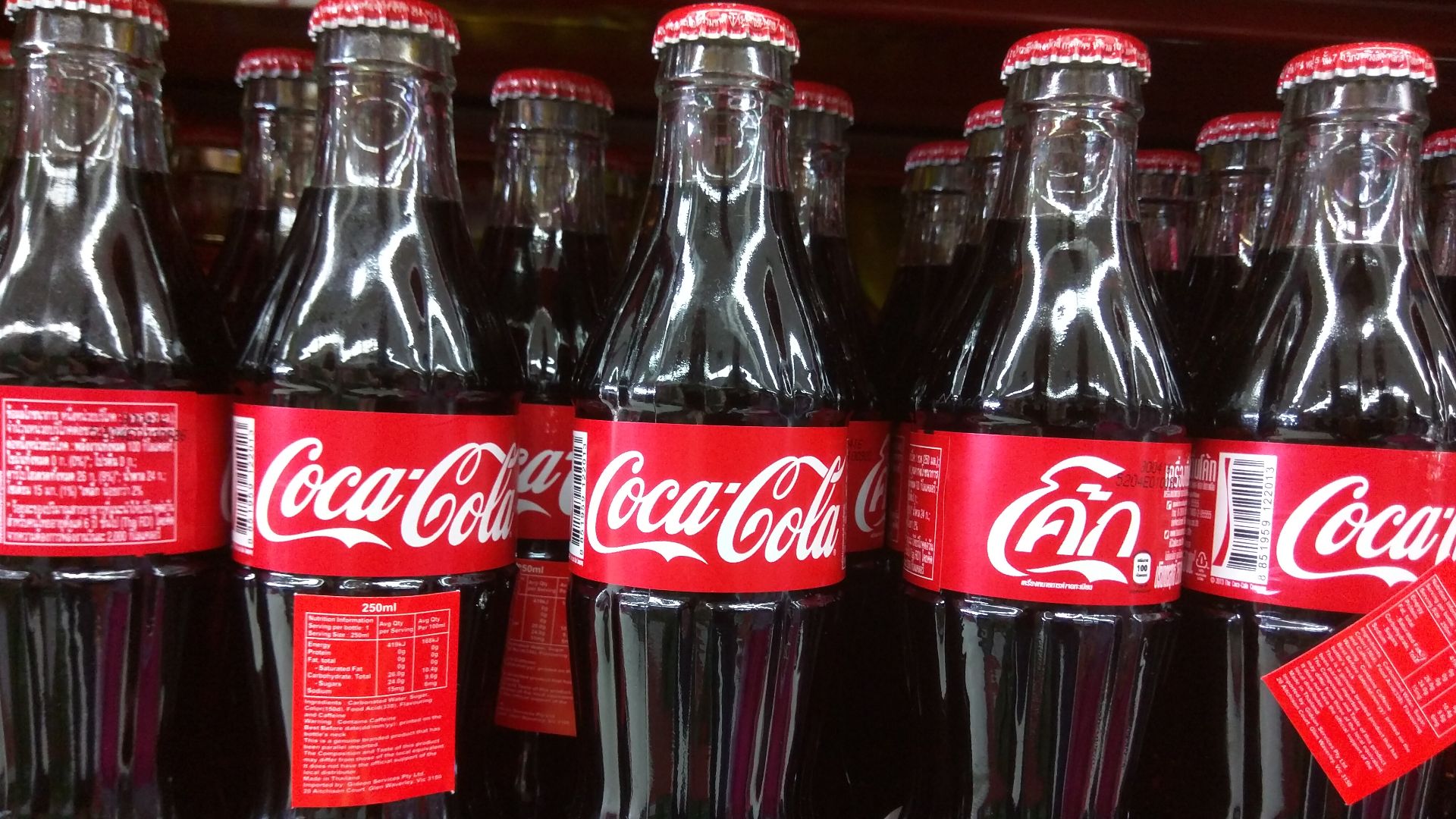
Soft drinks crossed borders through an even larger operation. Coca-Cola was already bottled in 44 countries, but company president Robert Woodruff promised every uniformed American a bottle for five cents wherever that person served. Coca-Cola says it created 64 overseas bottling plants and supplied military personnel with more than five billion bottles during the war. Those plants and millions of wartime servings gave the company a ready-made foundation for postwar expansion.
 Maksym Kozlenko, Wikimedia Commons
Peanut Butter And Jelly Joined The Rations
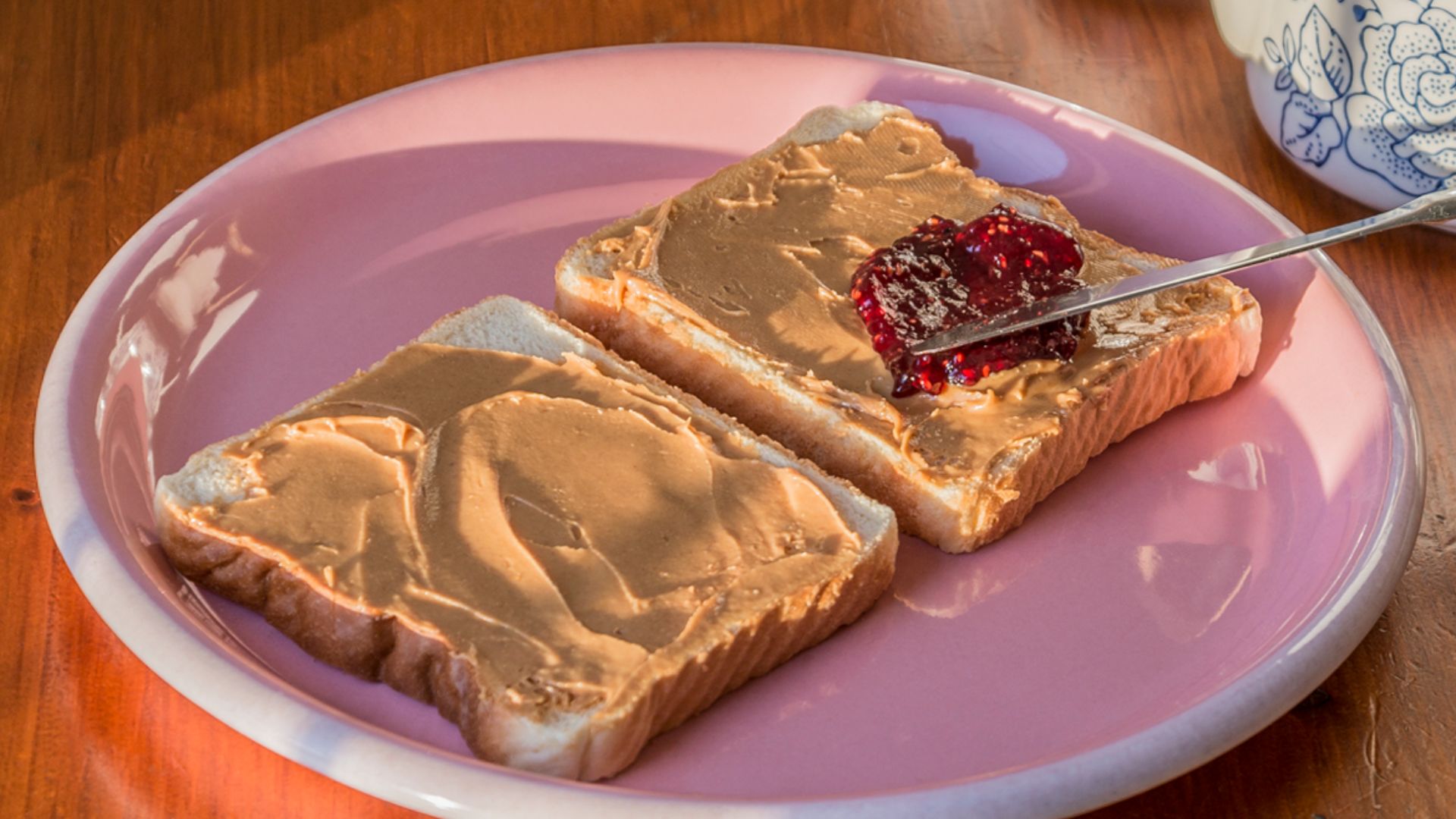
The same ration kit could become a familiar sandwich. American troops had combined peanut butter, jelly, and bread by World War I, then continued making PB&J sandwiches from ration components during World War II. Meat shortages made peanut butter especially useful as an affordable source of protein for civilians, while tins of Skippy traveled overseas with servicemen. The war reinforced a combination that had already begun winning over American children during the Depression.
 Matias Garabedian from Montreal, Canada, Wikimedia Commons
Kraft Dinner Beat The Ration Book
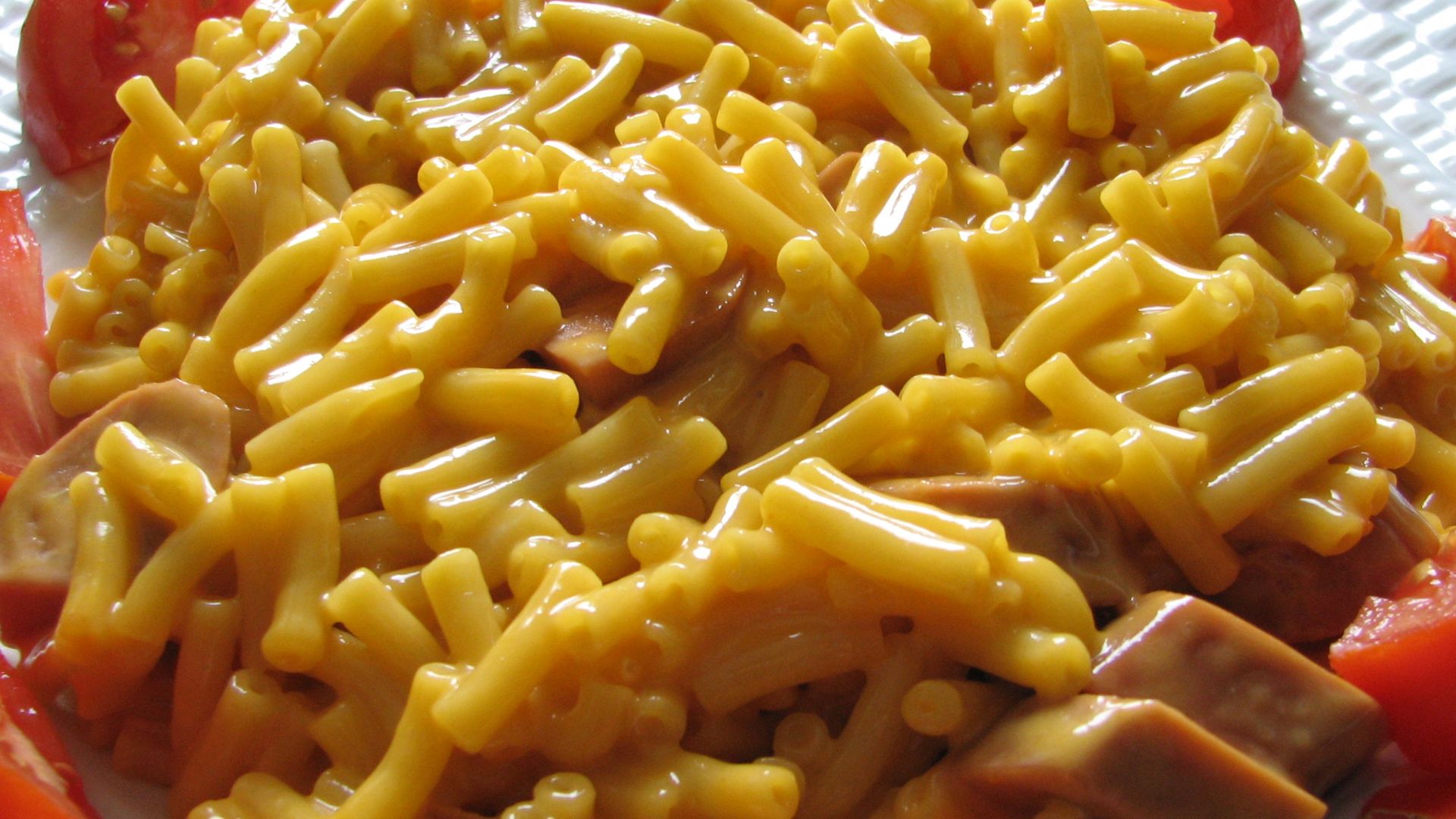
Rationing made another inexpensive meal far more attractive. Kraft Macaroni and Cheese required relatively few ration points, cost little, and offered a filling meatless dinner when meat and dairy products were limited. The National WWII Museum reports that Kraft sold approximately 50 million boxes during the war. A convenience food introduced in 1937 emerged from rationing as a nationally familiar cupboard standby.
 Matt MacGillivray from Toronto, Ontario, Canada, Wikimedia Commons

History's most fascinating stories and darkest secrets, delivered to your inbox daily.
Popcorn Won When Candy Lost Sugar
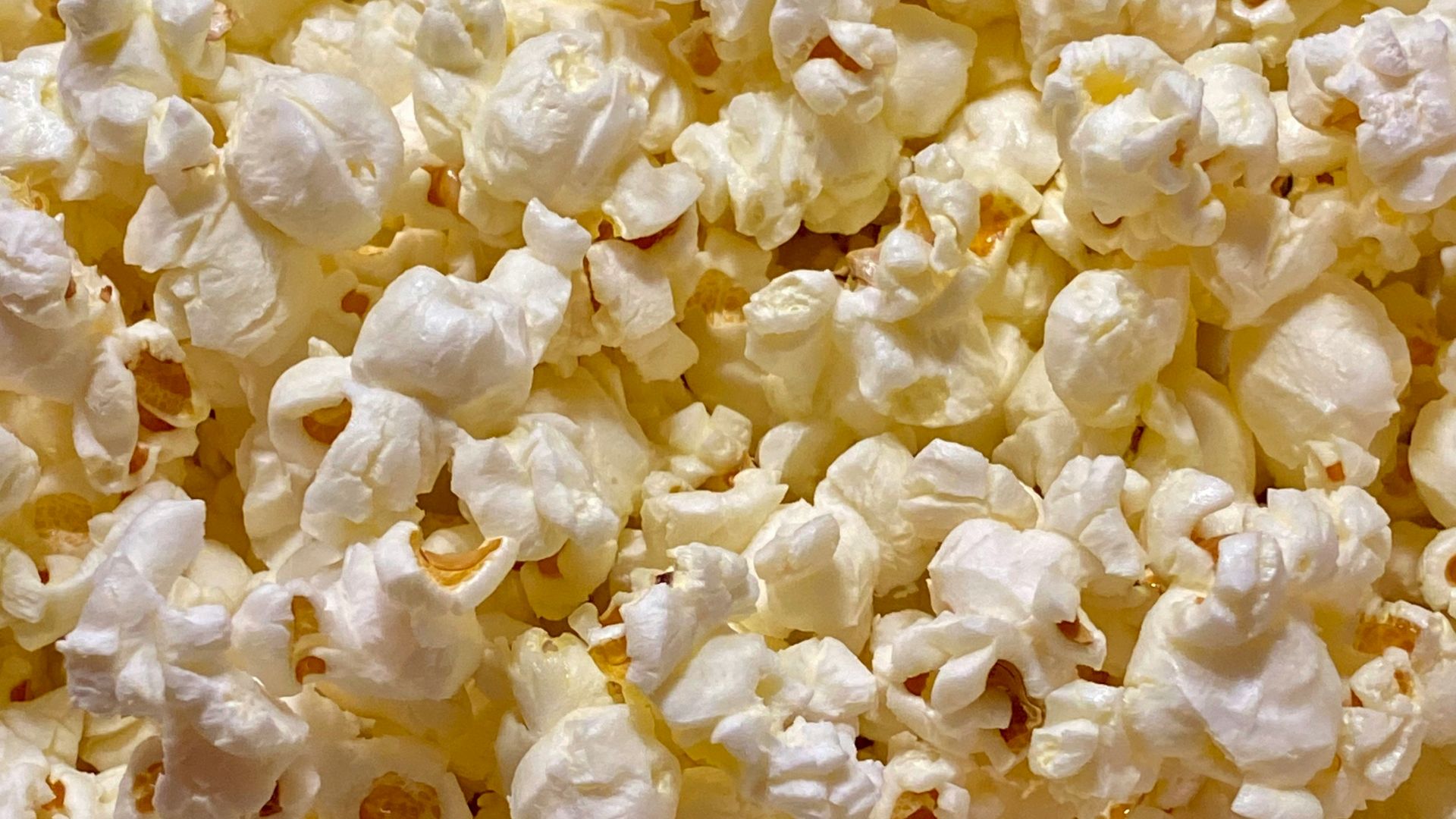
The Depression had brought popcorn into movie theaters, but wartime sugar shortages sealed the partnership. Candy and soda suffered under rationing, while popcorn required no scarce sugar and remained inexpensive. By 1945, more than half of the popcorn eaten in the United States was consumed at movie houses. The war helped turn a cheap snack into part of the standard cinema ritual.
Margarine Finally Lost Its Stigma
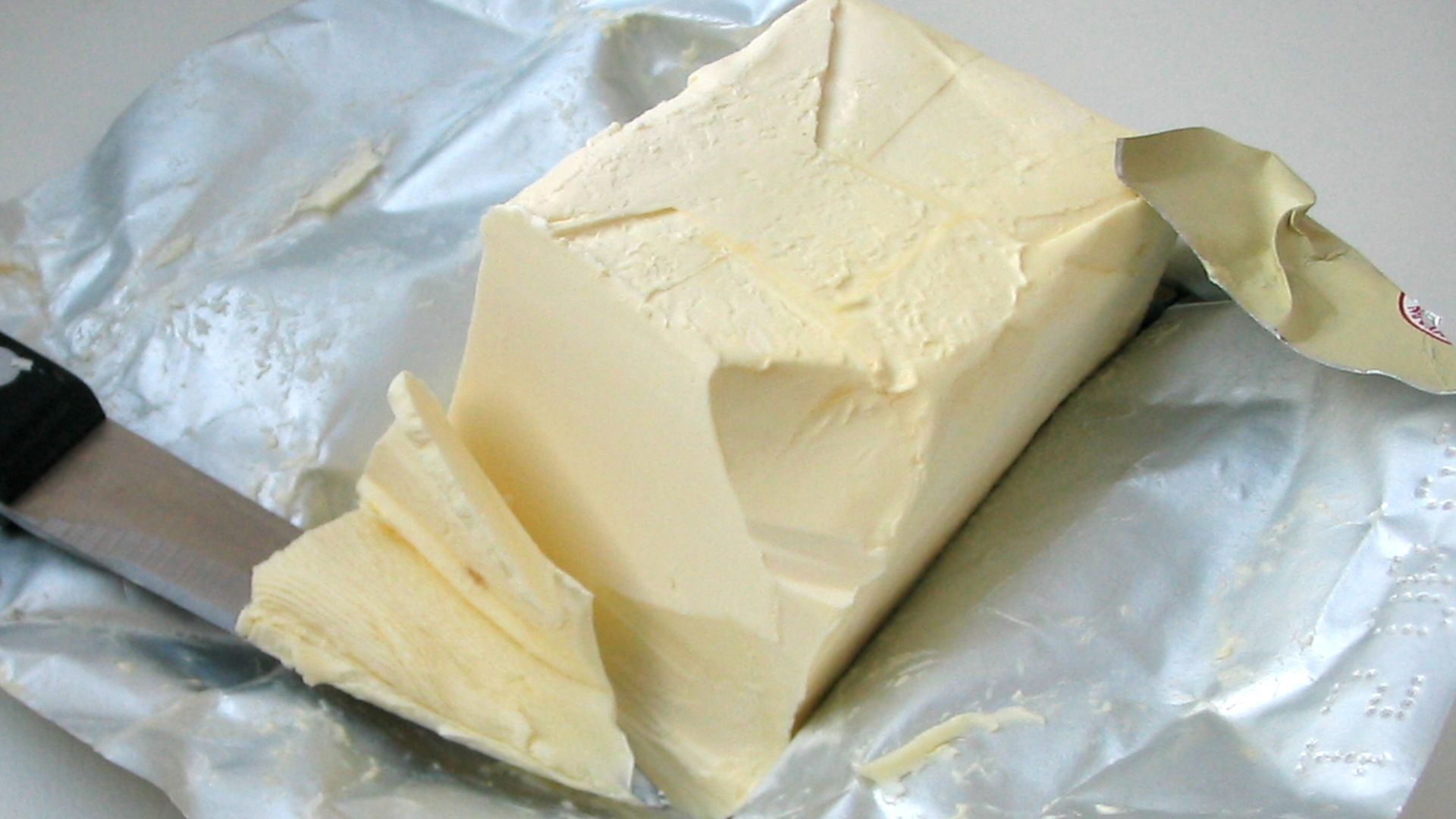
Butter shortages gave an unpopular substitute a rare opening. Rationing pushed American households toward margarine, and the United States Department of Agriculture says wartime use accustomed consumers to buying it. Legal restrictions relaxed after the war as the product became more widely accepted. Per-person availability rose from 2.9 pounds in 1942 to 11.1 pounds in 1972, showing how a forced substitution became an ordinary purchase.
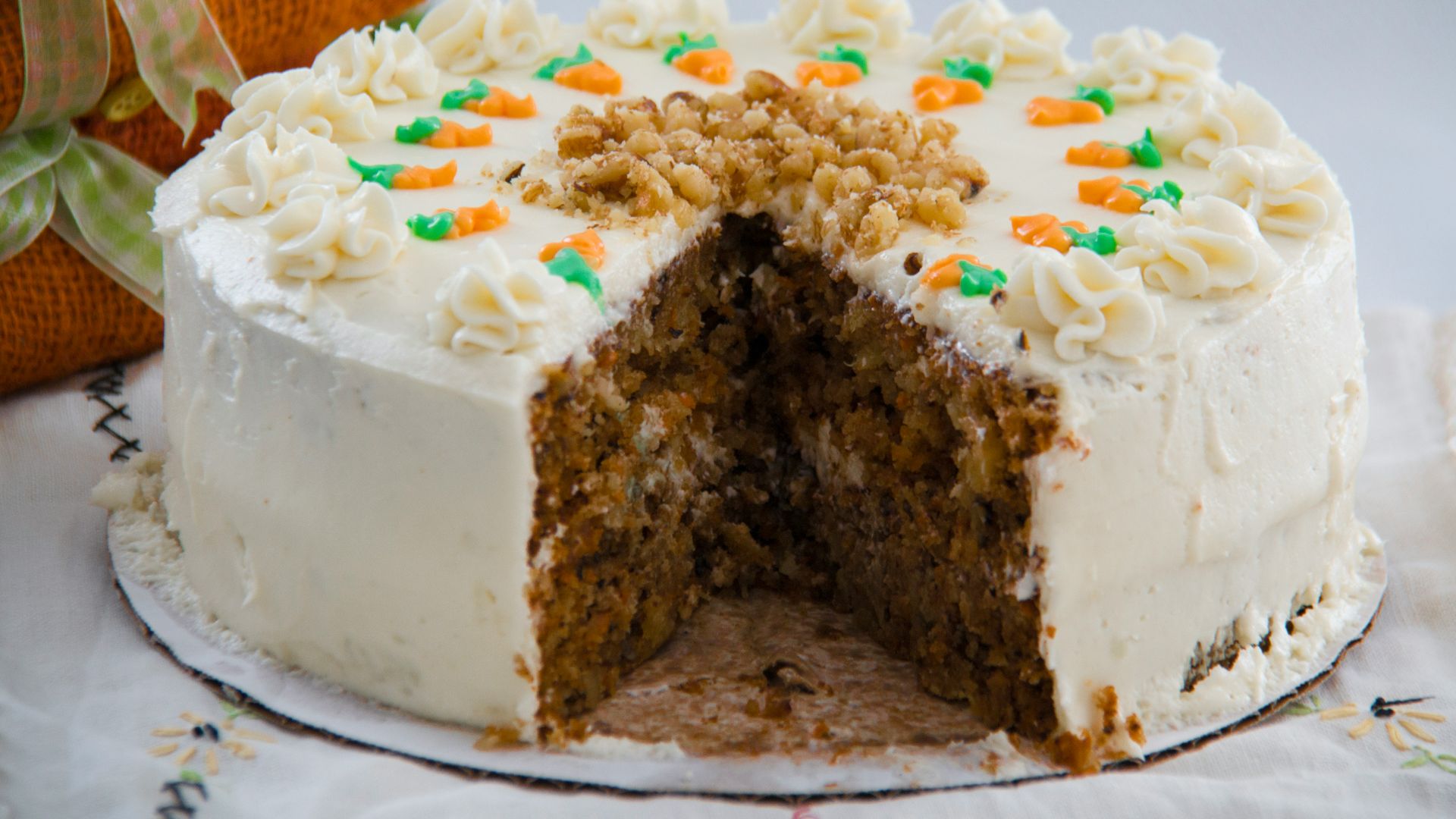
Carrot Cake Got A Wartime Revival
Sugar rationing revived an older dessert rather than creating a new one. Britain’s Ministry of Food promoted carrots through its Doctor Carrot campaign because their natural sweetness could help compensate for limited sugar supplies. Wartime recipes placed grated carrots in cakes, puddings, and other sweets, making the vegetable a practical baking ingredient. Carrot cake existed long before World War II, but rationing brought it before a large new audience.
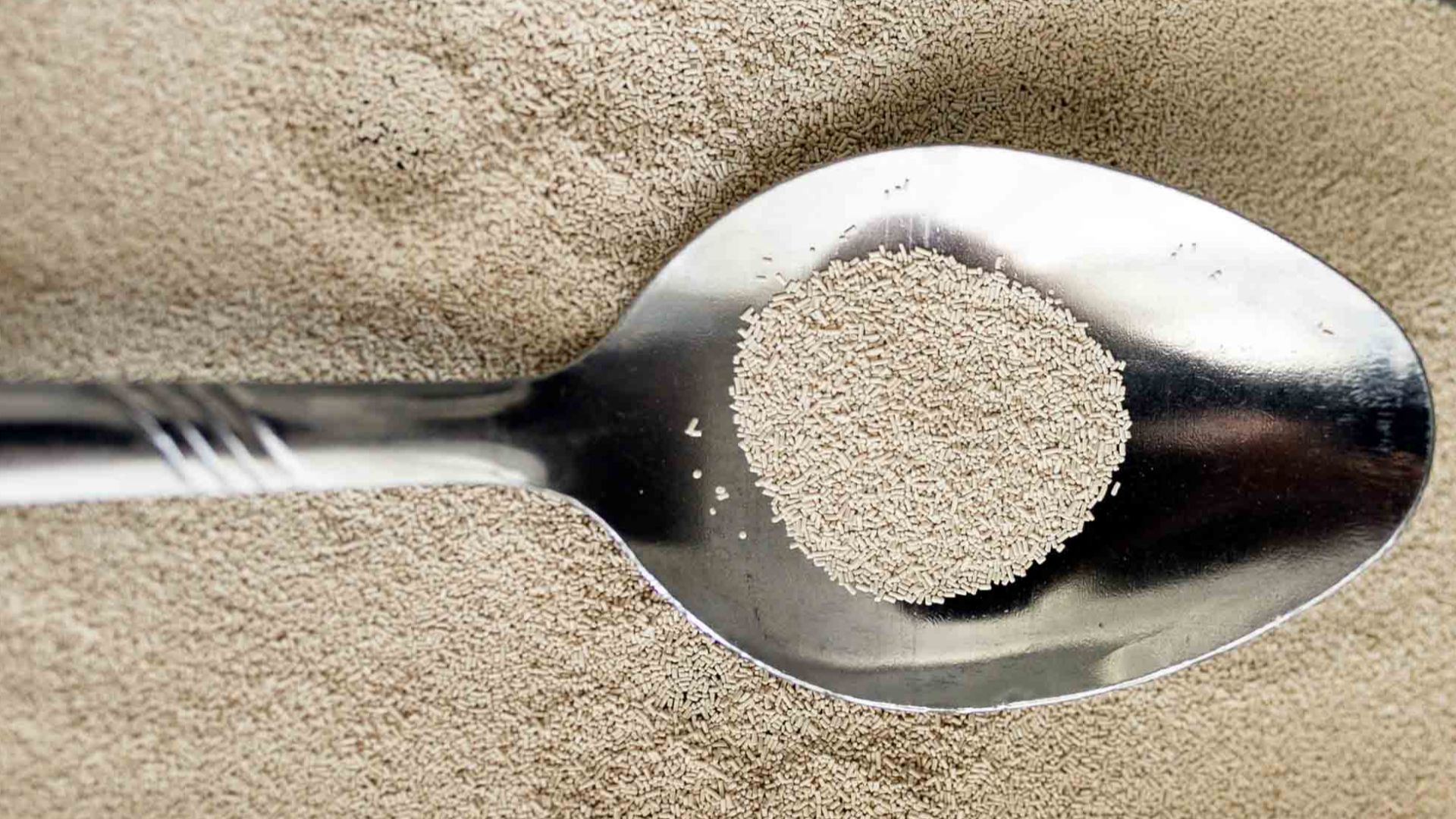
Active Dry Yeast Learned To Travel
Military bakers needed bread without babysitting fragile refrigerated yeast. During World War II, Fleischmann’s developed active dry yeast that could be shipped and stored at room temperature, then revived with warm water. The Science History Institute identifies dry yeast as one of the products created through military-funded food research. After the war, the durable granules moved easily into home kitchens and made packaged yeast much more convenient.
 Your Best Digs, Wikimedia Commons
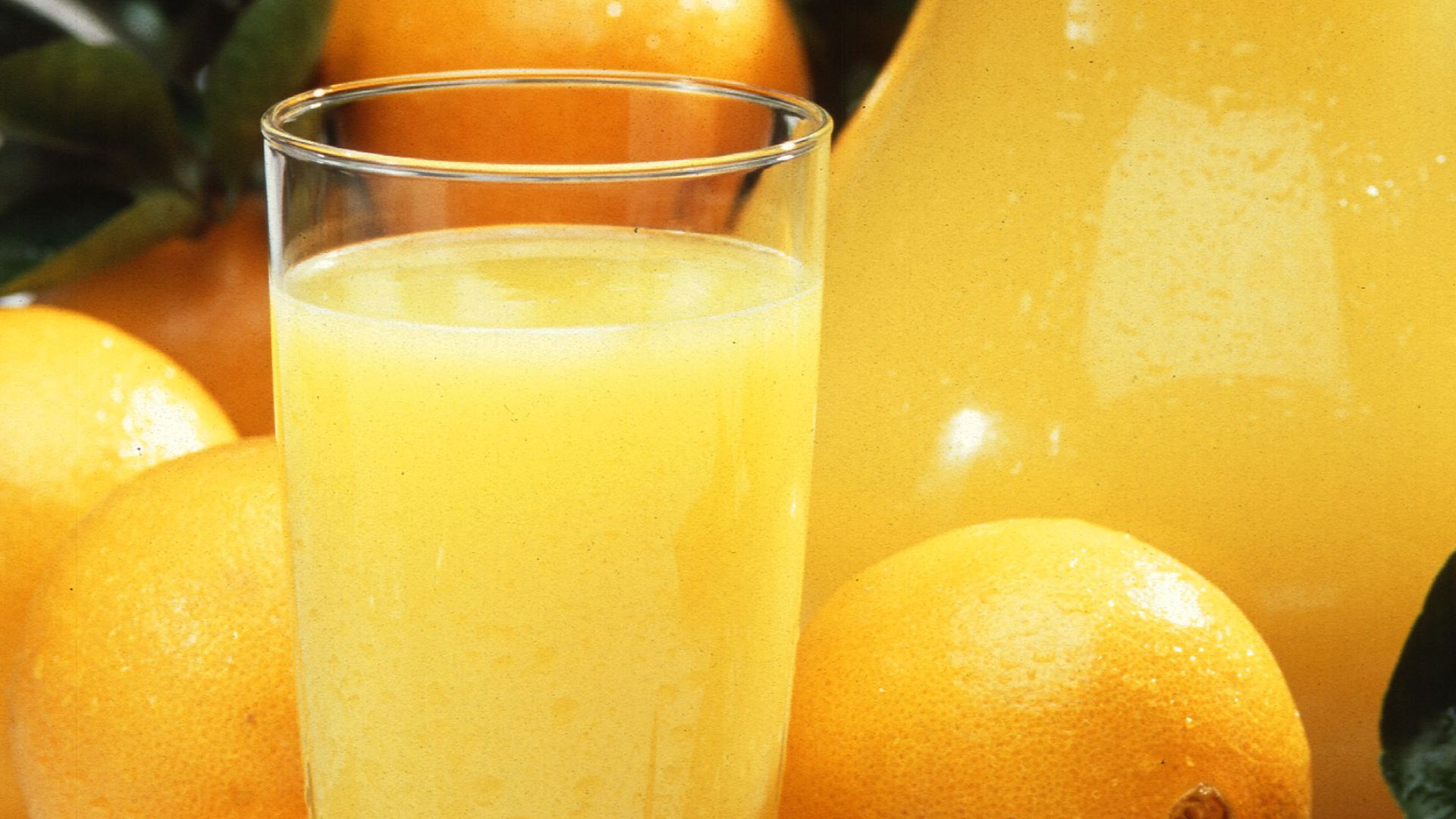
Frozen Orange Juice Began As A Vitamin Mission
Vitamin C created the next freezer staple. Government-backed researchers sought a palatable way to supply troops with orange juice after soldiers disliked an earlier product made from lemon crystals. Their work produced frozen concentrated orange juice, although the war ended before it could reach forces in large quantities. Patented in 1948 and sold to civilians, the concentrate rapidly expanded Florida’s processing industry and made orange juice easier to store and ship.
 USDA photo by Scott Bauer. Image Number K7237-8., Wikimedia Commons
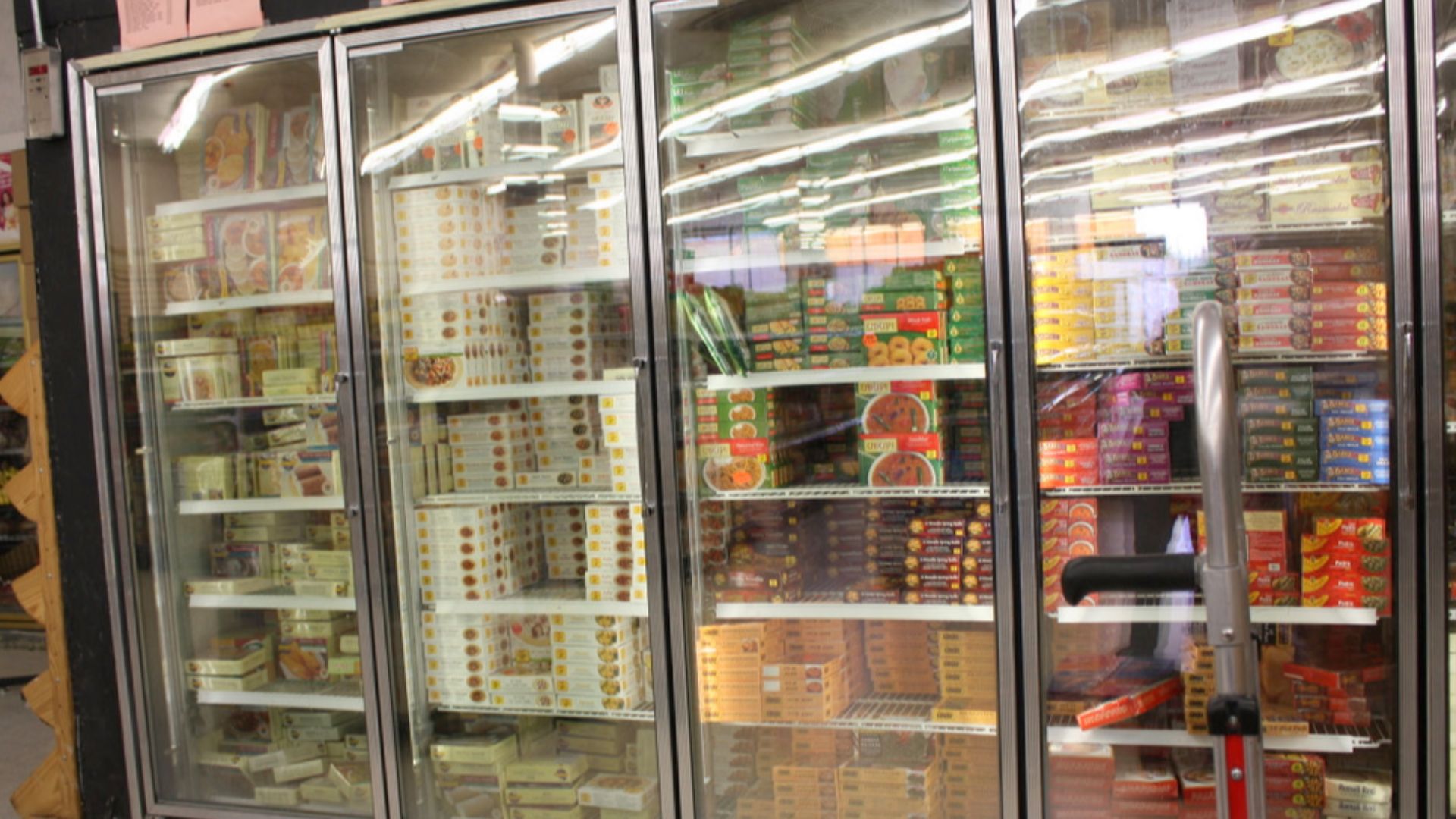
Frozen Food Escaped Its Luxury Niche
The freezer aisle had existed before the war, but many shoppers still treated it as a novelty. A shortage of tin for cans pushed retailers and consumers toward frozen packages, while millions of women working outside the home wanted faster meals. Large numbers of Americans first tried frozen foods during the 1940s. By the following decade, the category had moved from an experiment to a supermarket staple.
 Leslie Seaton from Seattle, WA, USA, Wikimedia Commons
TV Dinners Borrowed A Military Blueprint
Military aviation helped give those frozen foods a recognizable shape. During World War II, Maxson Food Systems supplied complete frozen meals in compartmented trays for military and civilian airline passengers. Swanson later used a similar arrangement for its 1953 TV Dinner, pairing frozen-food technology with television-era marketing. The company sold approximately 10 million dinners in 1954, proving that a military-style serving system worked just as well on a living-room lap.
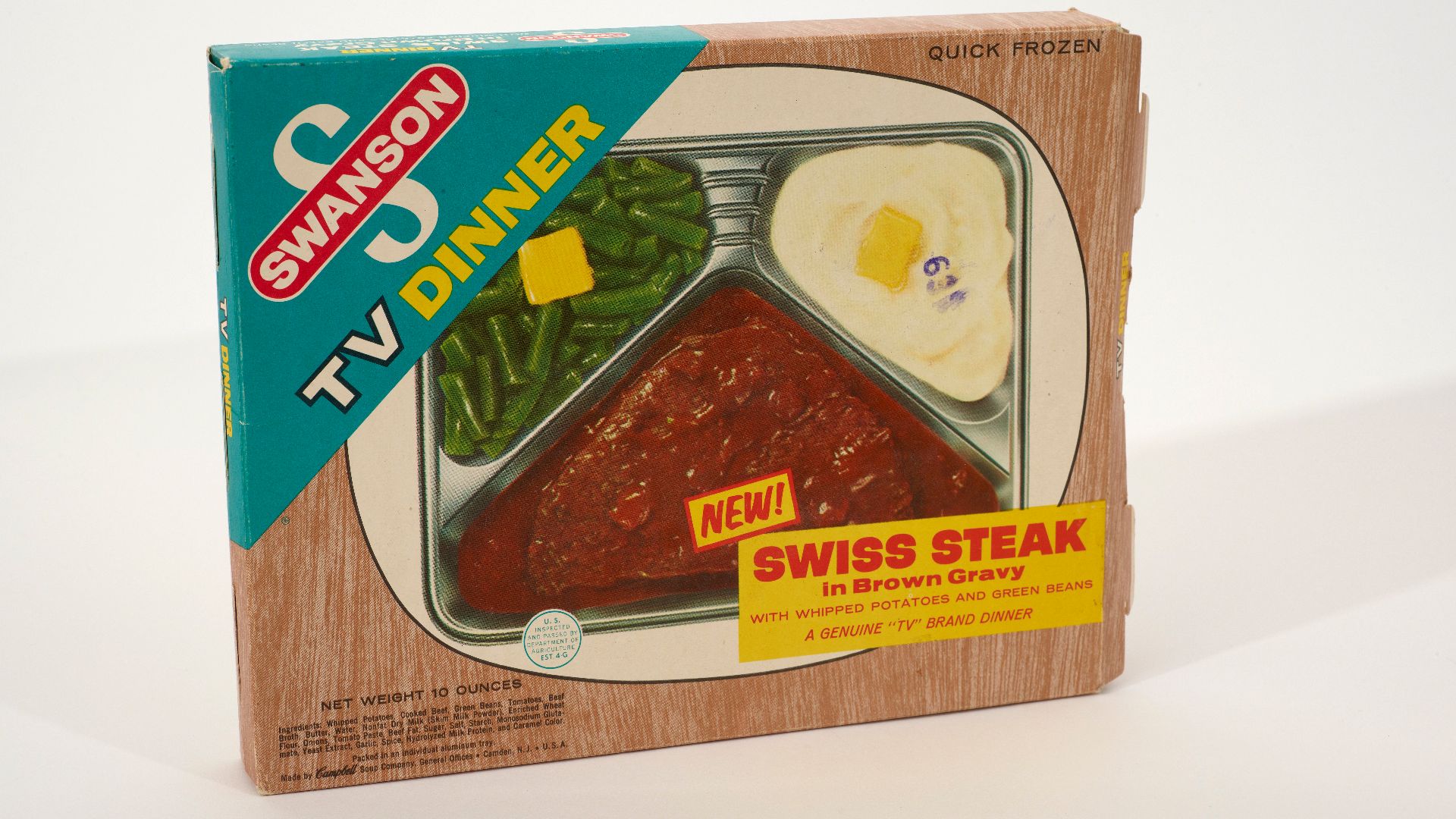 Campbell Soup Company, Wikimedia Commons
Instant Potatoes Fed An Army First
Potatoes also had to become lighter and less perishable. J.R. Simplot began dehydrating potatoes for the military in 1942, as food companies searched for efficient ways to provision troops overseas. The Idaho Potato Museum traces modern potato-processing techniques to those enormous wartime requirements. Improved potato granules followed in the 1950s, turning mashed potatoes into a product that needed little more than hot water.
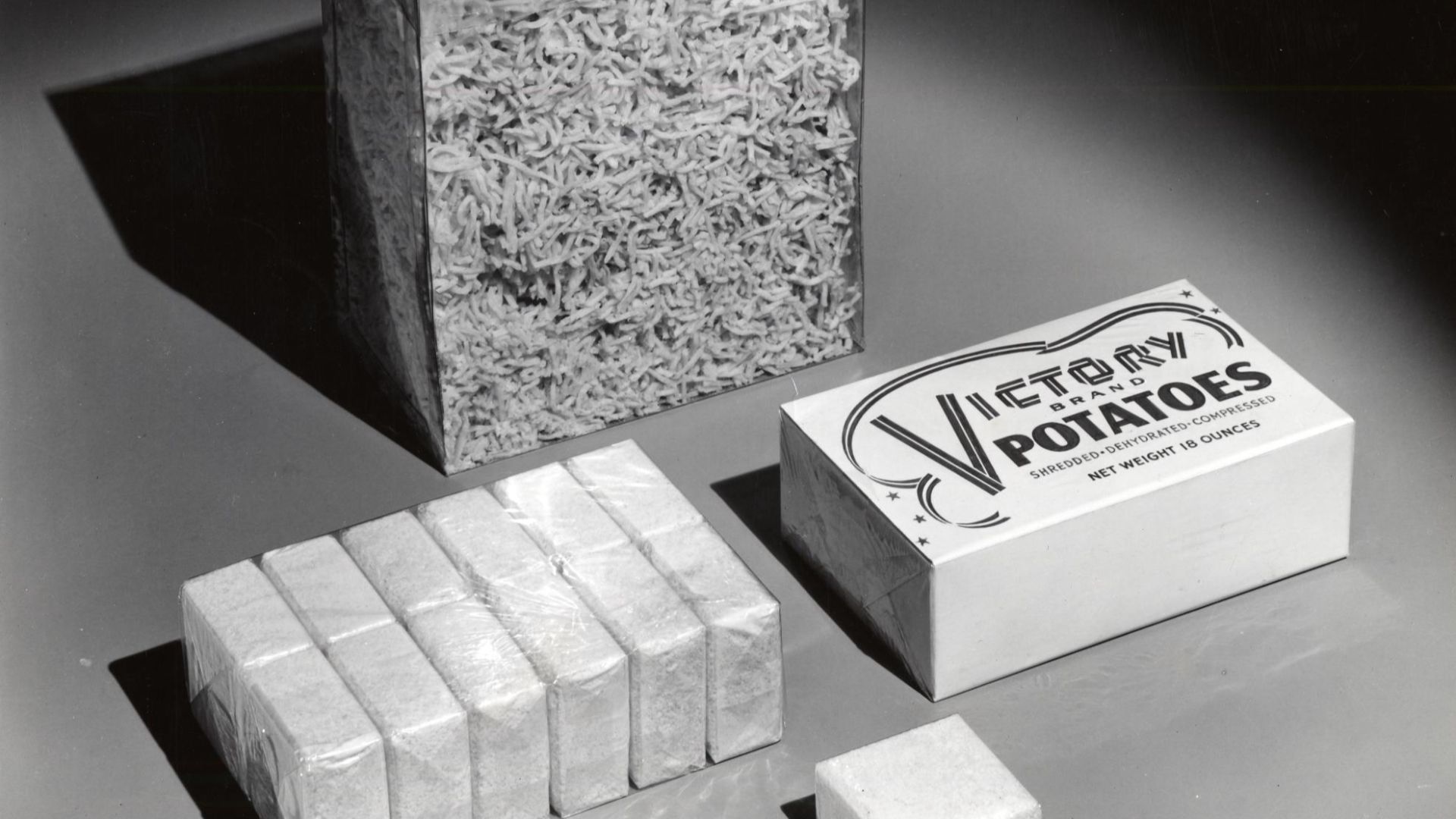 OSU Special Collections & Archives, Wikimedia Commons
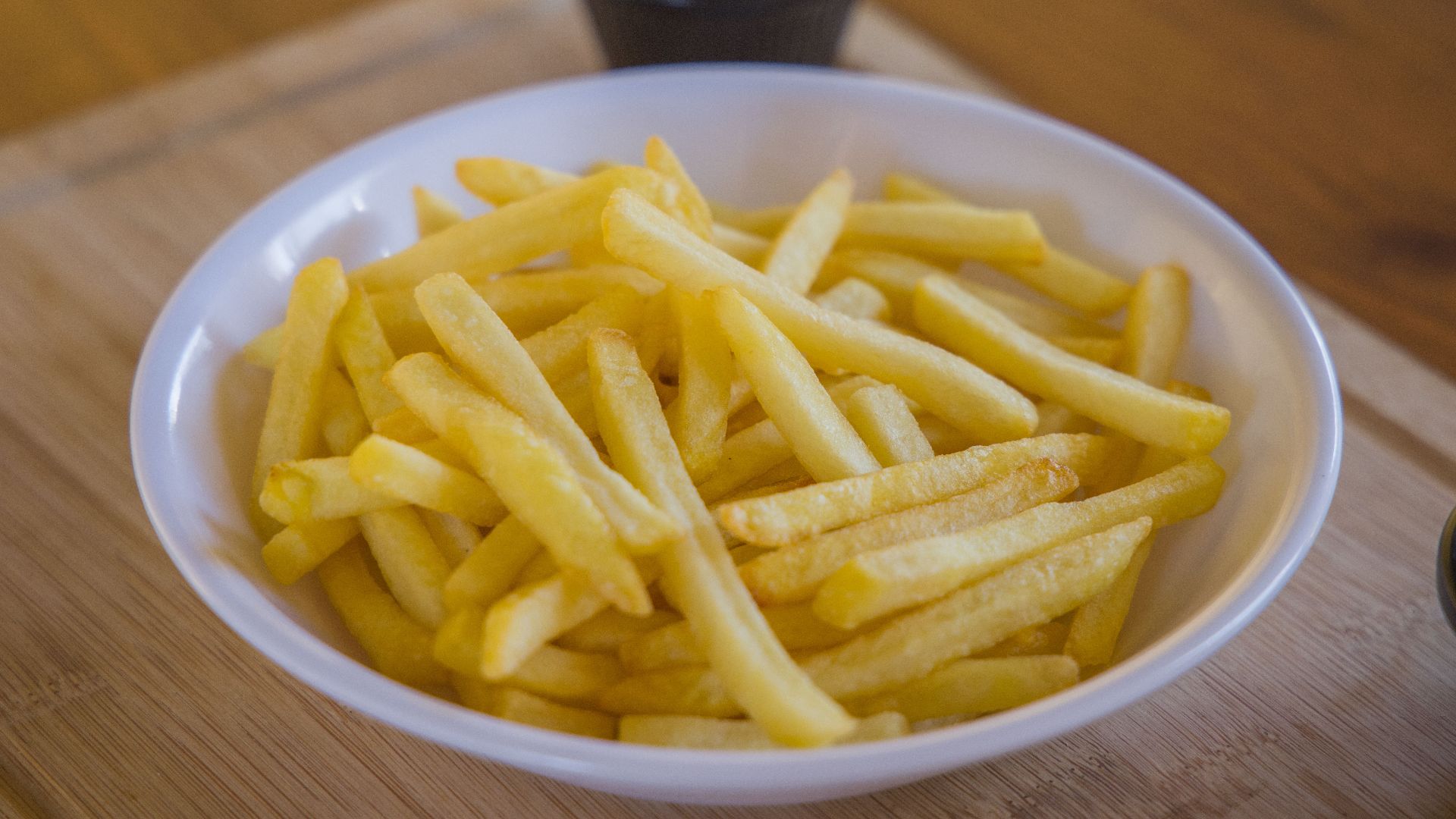
Frozen French Fries Followed Military Processing
Simplot’s wartime factory experience led toward another freezer favorite. By the early years of World War II, his company was shipping large quantities of dehydrated onions and potatoes to the military. In the late 1940s, Simplot developed commercially viable frozen french fries and later became a major supplier to McDonald’s. That transition connected wartime processing expertise to the postwar rise of mass-produced frozen fries.
Cake Mixes Graduated From Wartime Research
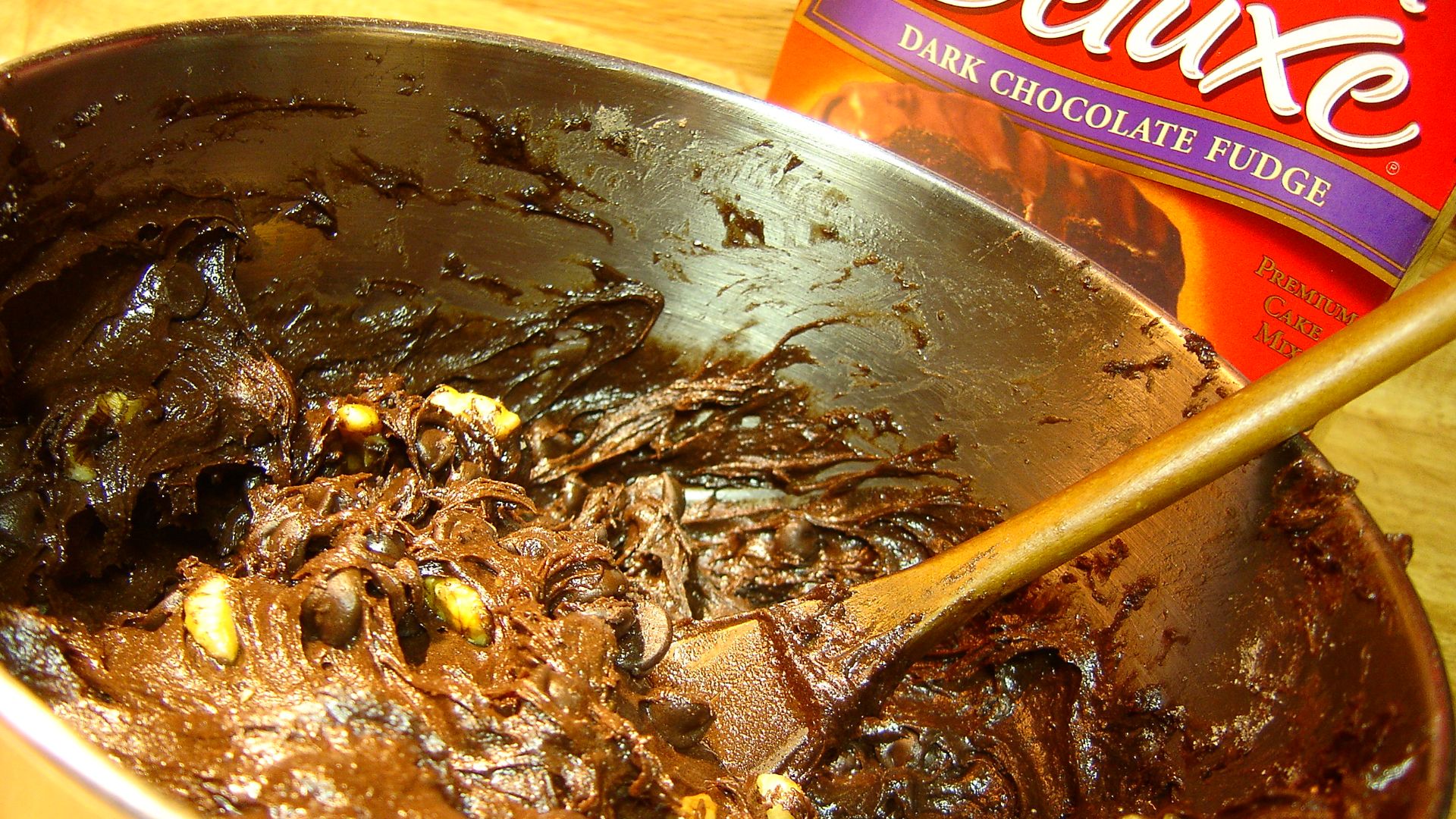
The same food laboratories also worked on dessert. Cake mixes predated World War II, but military-sponsored scientists refined the technology while the conflict increased demand for standardized, shelf-stable food. General Mills released an improved Betty Crocker mix in 1947, and its marketing during the 1950s helped make boxed cake a national pantry staple. Wartime research supplied part of the technical bridge, while postwar working families supplied the market.
 Andy Melton from Boise, ID, USA, Wikimedia Commons
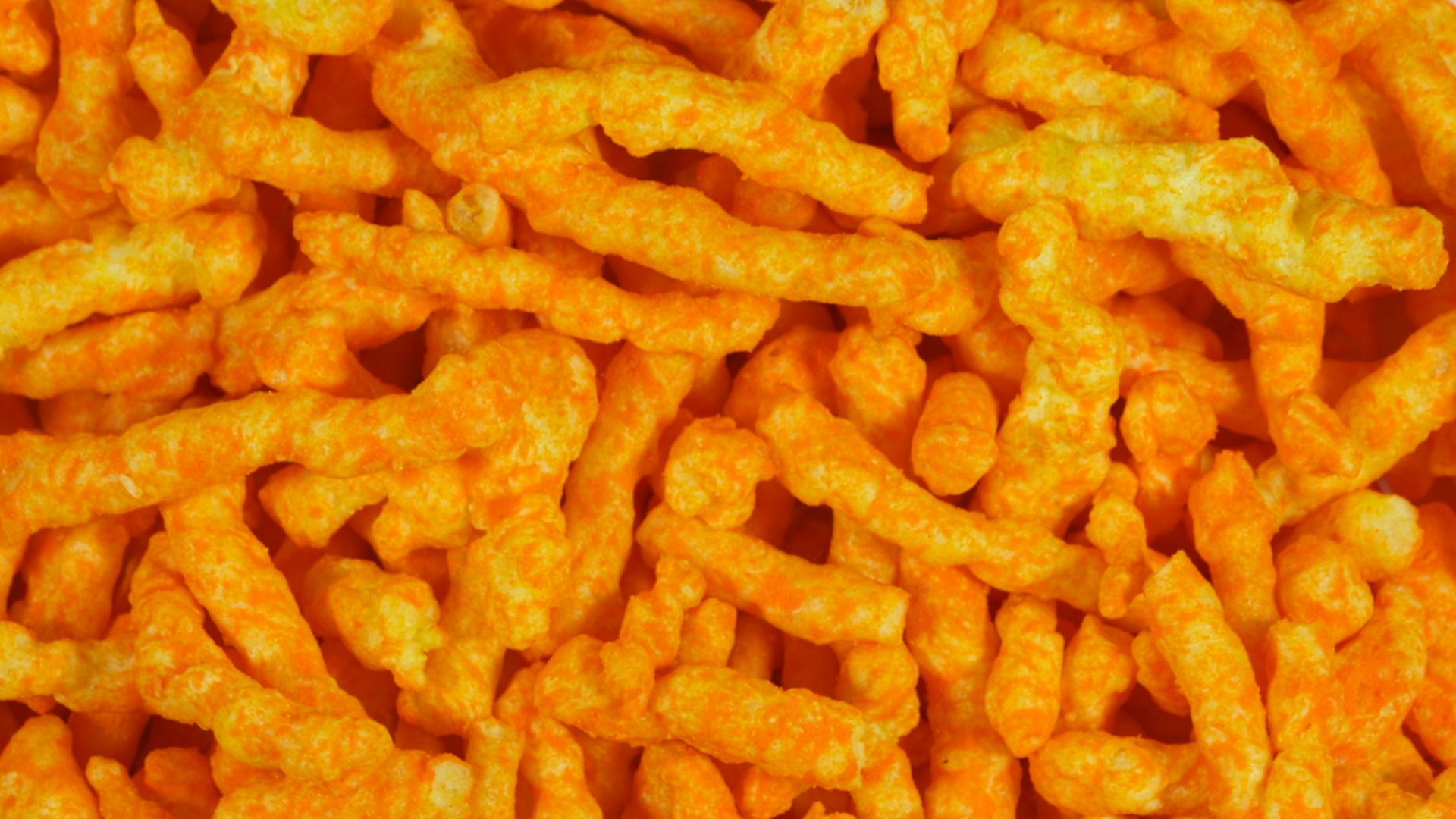
Cheetos Inherited The Army’s Cheese Powder
One Army ingredient soon turned bright orange. Quartermaster Corps research helped perfect a method for drying cheese into a shelf-stable powder that could travel without refrigeration. After the war, the Frito Company blended dehydrated cheese with cornmeal and introduced Cheetos in 1948. A technology improved to feed soldiers became the flavor system behind a rapidly expanding category of packaged snacks.
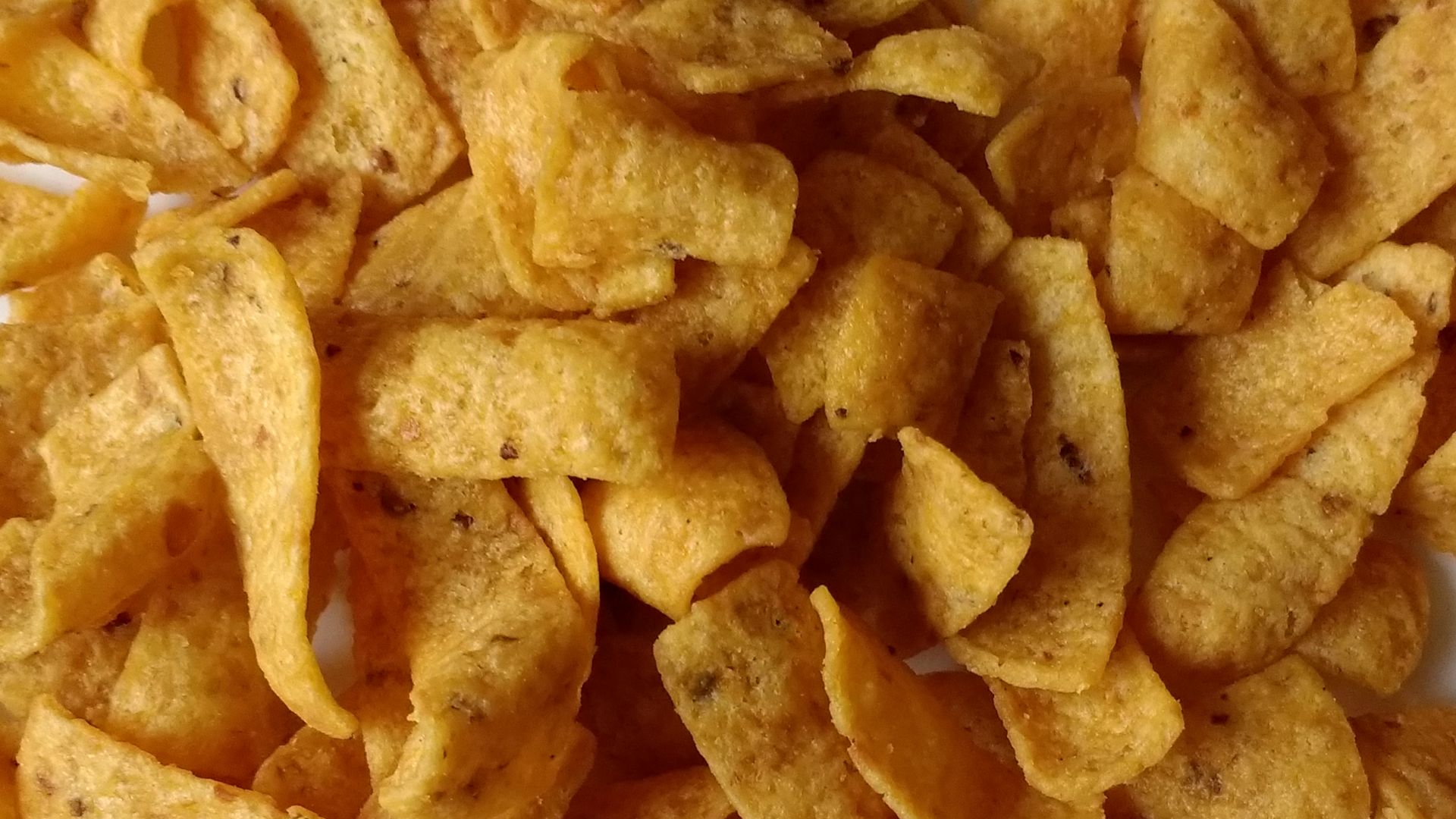
Fritos Won Over The Servicemen
Cheetos joined a company whose original corn chips had already passed a wartime test. The Frito Company was founded in 1932, but its snacks won considerable popularity with servicemen during World War II. In 1948, the business moved into national magazines, radio programs, and early television advertising. That wartime popularity immediately preceded the push that carried the Texas snack to a national audience.
 Mx. Granger, Wikimedia Commons
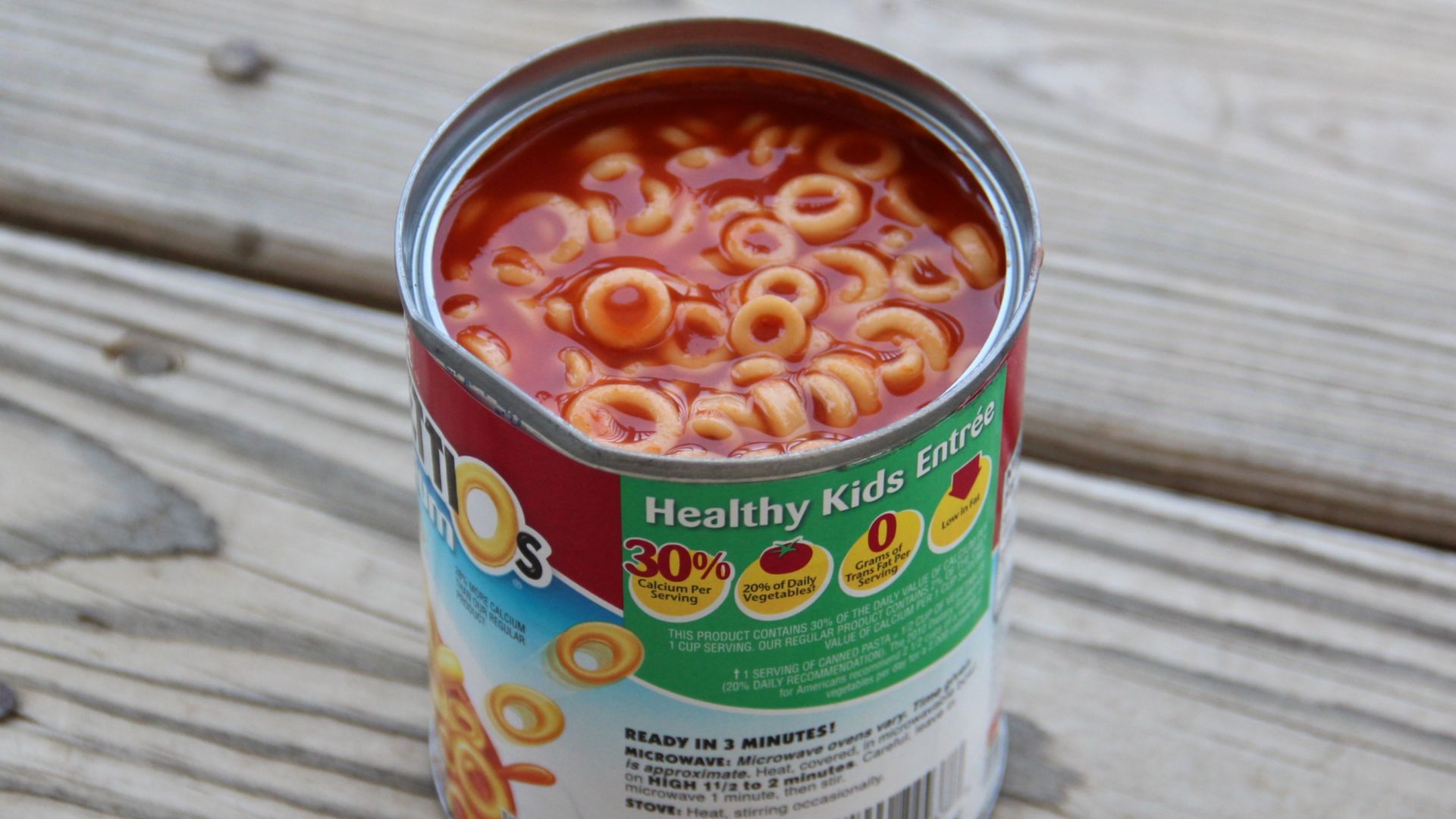
Canned Pasta Grew On Army Contracts
Army contracts also enlarged Chef Boyardee’s kitchen beyond recognition. Hector Boiardi had already turned restaurant recipes into canned pasta, but during World War II his company produced field rations for American forces. The factory expanded dramatically and was reporting approximately $20 million in annual sales by the war’s end. Military-scale production helped transform canned spaghetti and ravioli from a regional enterprise into a major convenience-food business.
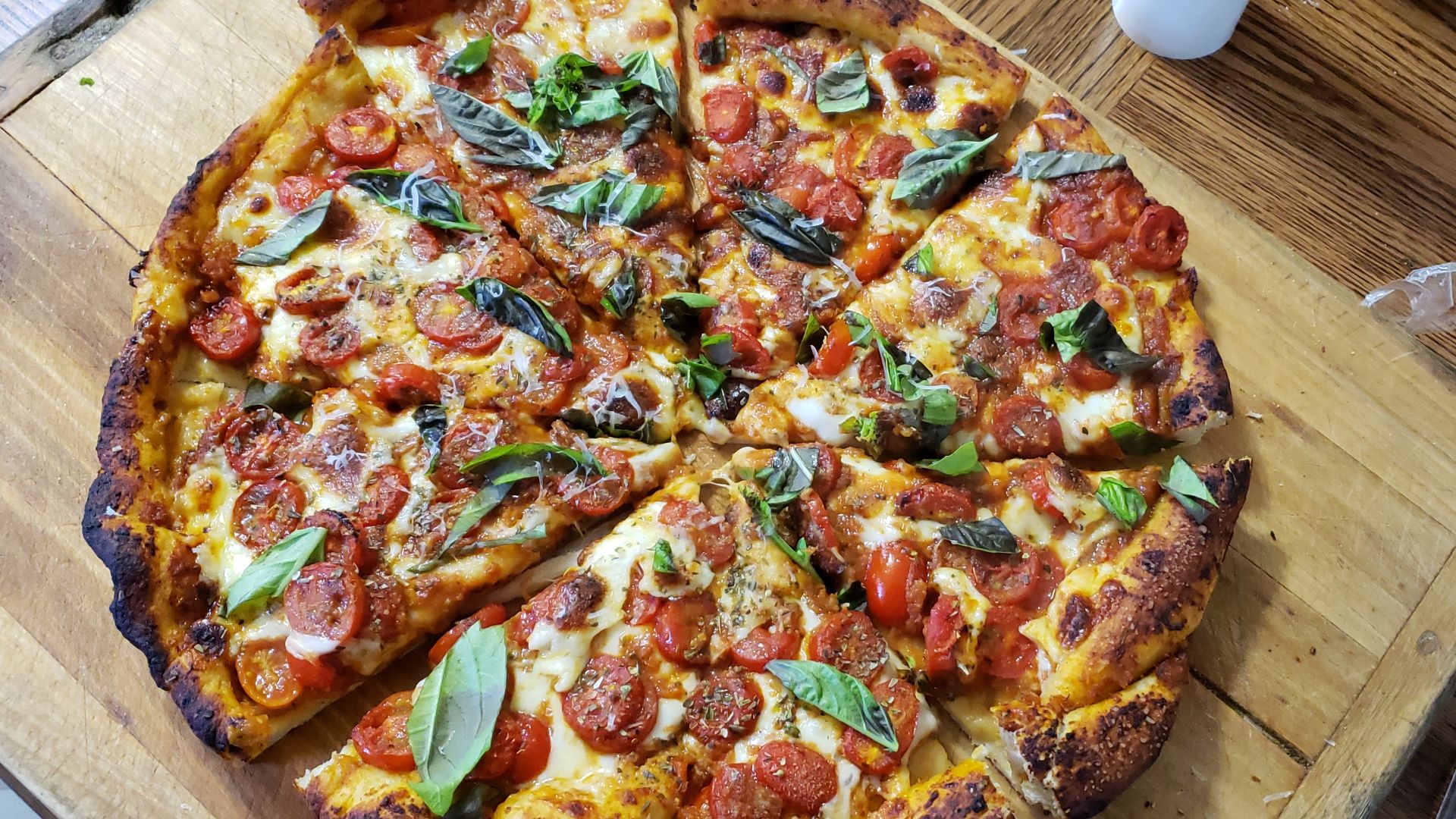
Pizza Became A Postwar American Favorite
Not every wartime food arrived in a can. Before World War II, American pizza was concentrated largely in Italian immigrant neighborhoods and a handful of northeastern cities. After 1945, Italian Americans and their food moved from cities to suburbs and from east to west, causing pizza’s popularity to boom. The conflict’s enormous social reshuffling helped turn a community specialty into fast, casual American food.
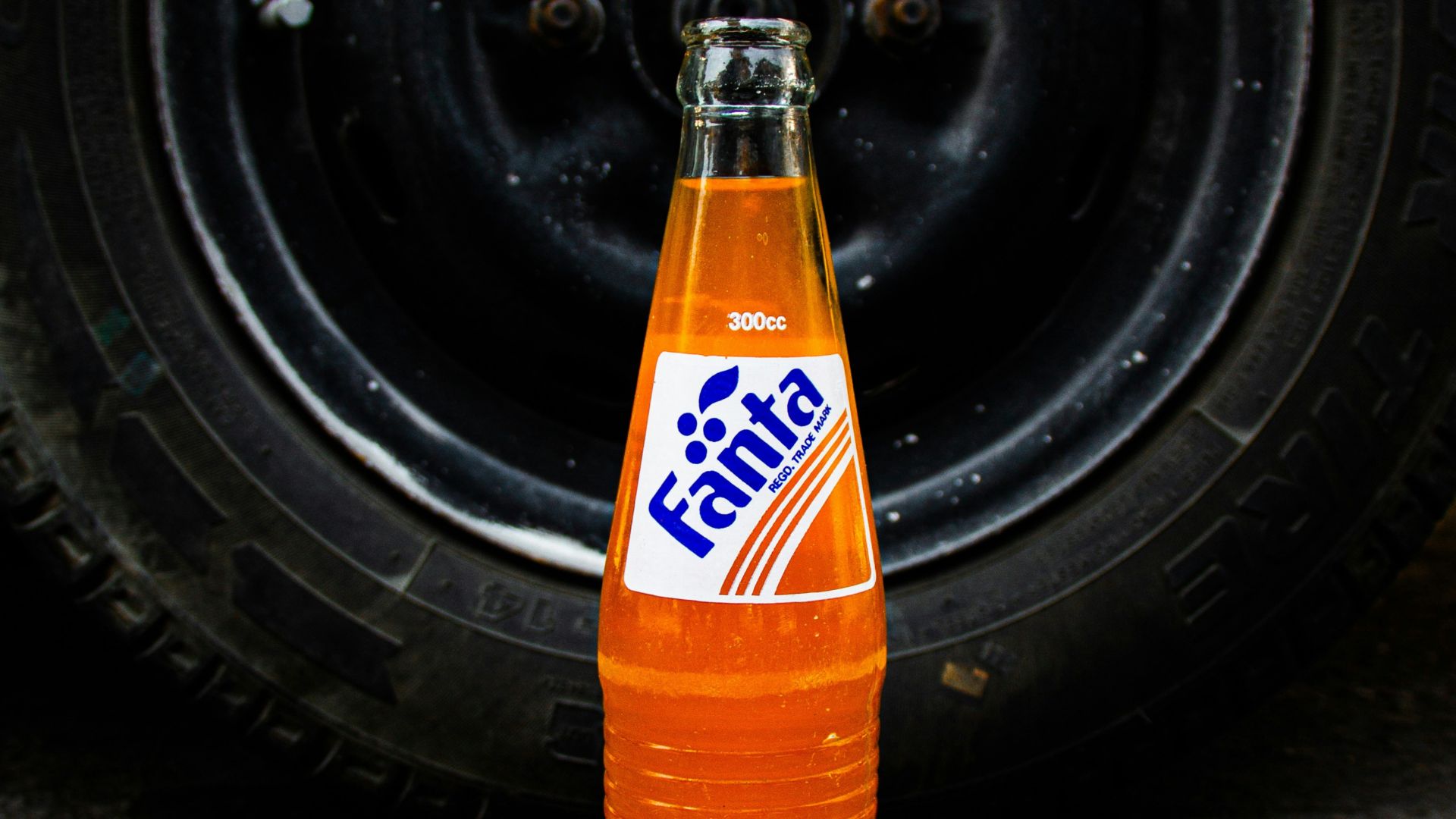
Fanta Was Born From Wartime Scarcity
Scarcity created one global soda outright. When wartime trade cut Coca-Cola’s German subsidiary off from the syrup used to make Coke, employees improvised a beverage from available ingredients that included whey and apple fiber. Approximately three million cases of Fanta were sold in Germany in 1943. Coca-Cola later launched the orange version associated with the brand in Italy in 1955, giving a wartime substitute a second life.
 Khashayar Kouchpeydeh, Unsplash
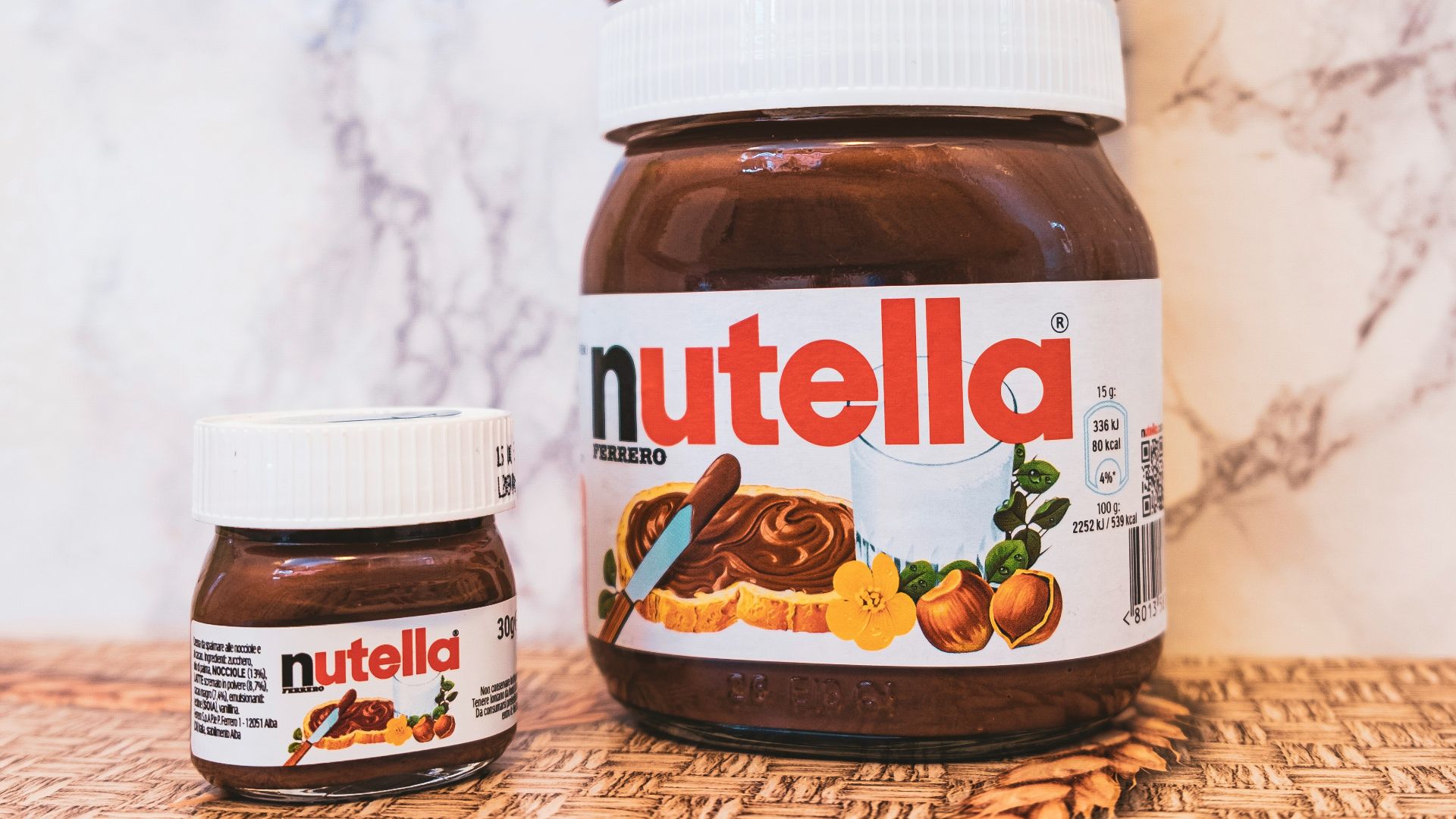
Nutella Stretched A Tiny Cocoa Supply
Postwar Italy had an appetite for chocolate and very little cocoa. Ferrero stretched the scarce and expensive ingredient with Piedmont hazelnuts and sugar, producing the solid Giandujot in 1946. A creamier product called SuperCrema followed in 1951, and the spread took the Nutella name in 1964. The familiar jar grew directly from the improvisations of a country emerging from wartime deprivation.
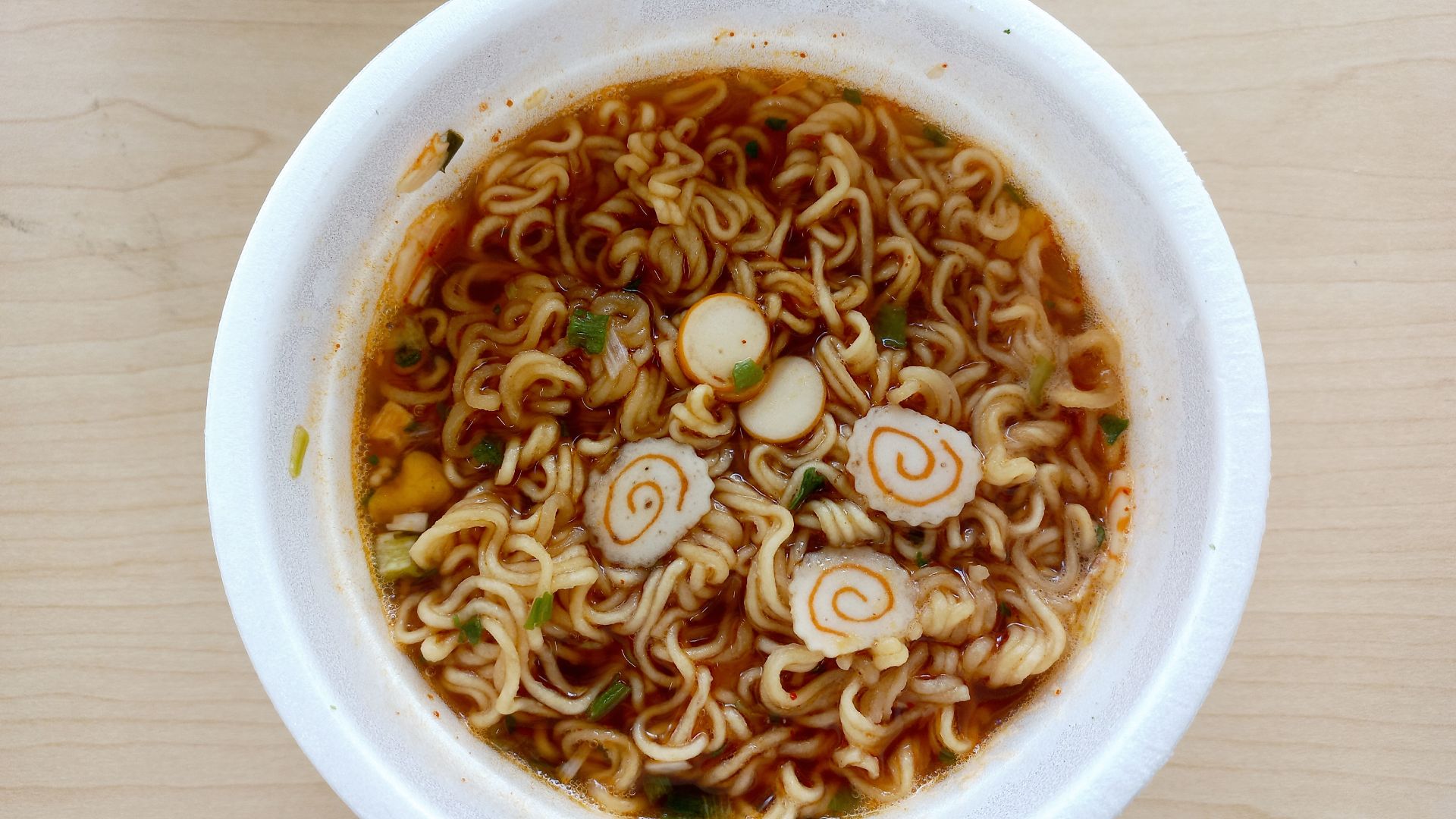
Instant Ramen Grew From Postwar Hunger
Postwar hunger also transformed the noodle bowl. Momofuku Ando developed Chicken Ramen in 1958 after witnessing food shortages in Japan and searching for a shelf-stable meal that people could prepare quickly. The product was initially expensive and met with skepticism, but convenience and mass production gradually widened its audience. Cup Noodles followed in 1971, turning a response to postwar scarcity into one of the world’s most portable meals.
 Kimhs5400 (Nuri Wiki), Wikimedia Commons
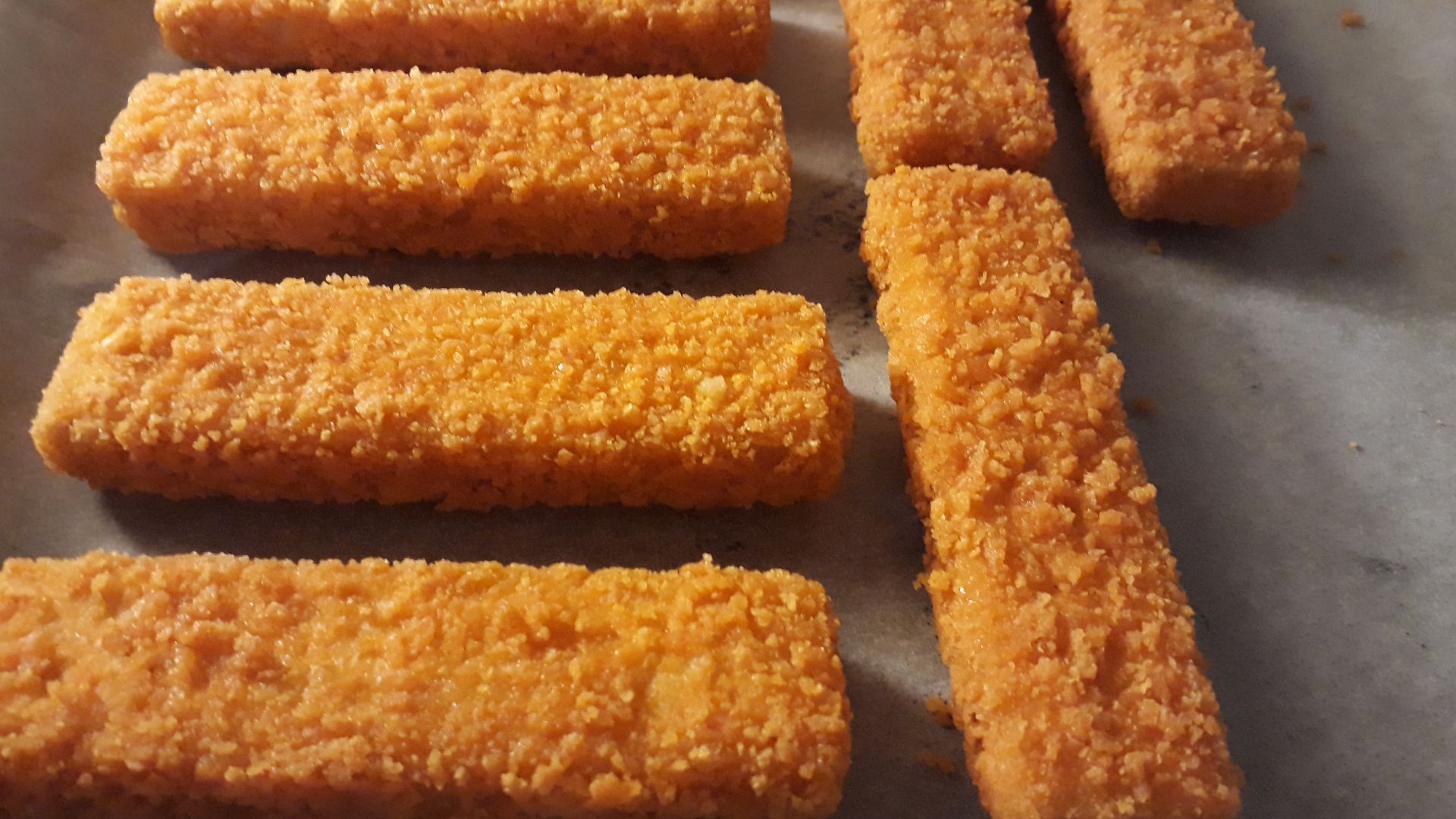
Fish Sticks Solved A Postwar Problem
The final freezer staple came from too much fish rather than too little food. After World War II, stronger engines, bigger boats, and improved preservation methods increased catches, while processors needed a market for unwieldy frozen blocks of fish. Standardized breaded sticks made those blocks easy to portion, cook, and serve to children and families. Fish sticks debuted commercially in 1953 and spread rapidly across competing brands, closing the loop between wartime food technology and the convenience freezer.
 Helen Penjam, Wikimedia Commons
You May Also Like:
Items That Were Rationed In WWII
Facts About The WWII Resistance
Sources: 1, 2, 3, 4, 5, 6, 7, 8, 9, 10, 11, 12, 13, 14, 15, 16, 17, 18, 19, 20, 21, 22, 23, 24, 25, 26, 27, 28, 29, 30








.png)