Some Weird Habits Had A Point
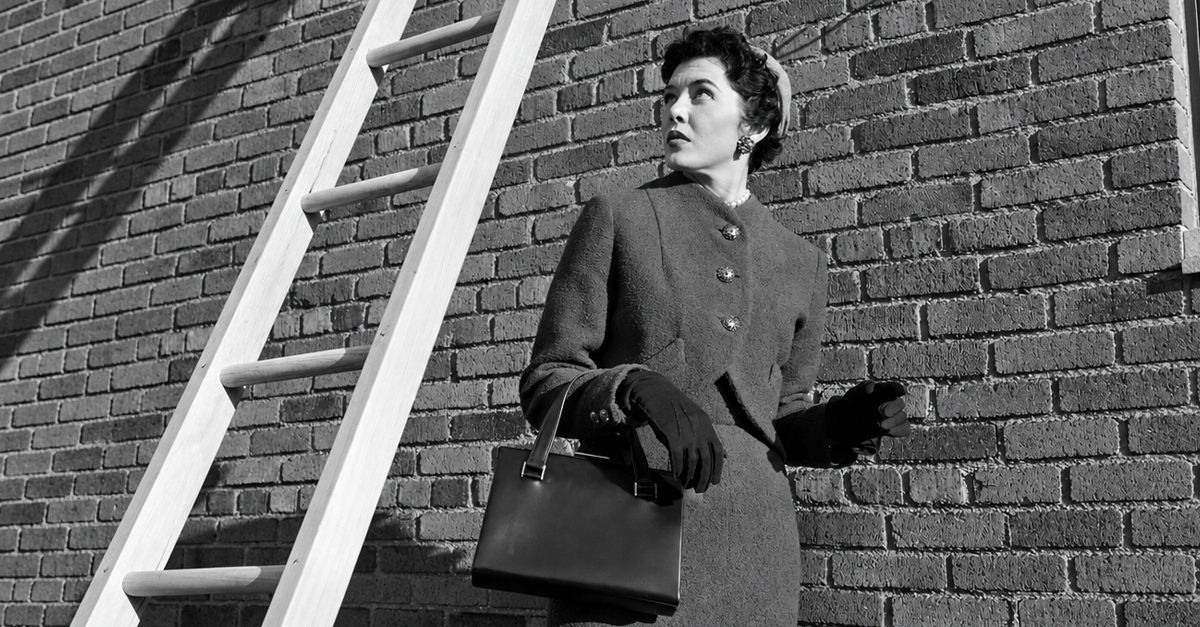
Americans still follow plenty of little rules that sound strange when you say them out loud. Don't walk under ladders. Never open an umbrella inside. Knock on wood. And somehow we feel guilty when we spill salt. Today, they sound like old-fashioned superstitions. But some of these habits started for surprisingly practical reasons, and the real explanations are often stranger than the beliefs themselves.
The Handshake Once Sent A Message
Today, offering your hand is simply a polite greeting. One longstanding explanation for the gesture is much more serious: an open right hand demonstrated that you were not holding a weapon. Ancient art shows handclasps being used to signal trust, alliances, and peaceful intentions thousands of years ago.

It Was A Quick Trust Test
The Smithsonian notes that handshakes in ancient Greek contexts could communicate peaceful intentions among armed men. Extending the right hand gave the other person a visible indication that it was empty. The familiar greeting therefore carried information before it became everyday etiquette.

Americans Made It More Casual
The handshake did not always function as the routine greeting Americans know today. Some historians credit 17th-century Quakers with helping popularize it as a simpler and more egalitarian alternative to bowing or removing a hat. By the 19th century, American and European etiquette guides were already debating exactly how firmly people ought to shake.

Walking Under Ladders Really Is Risky
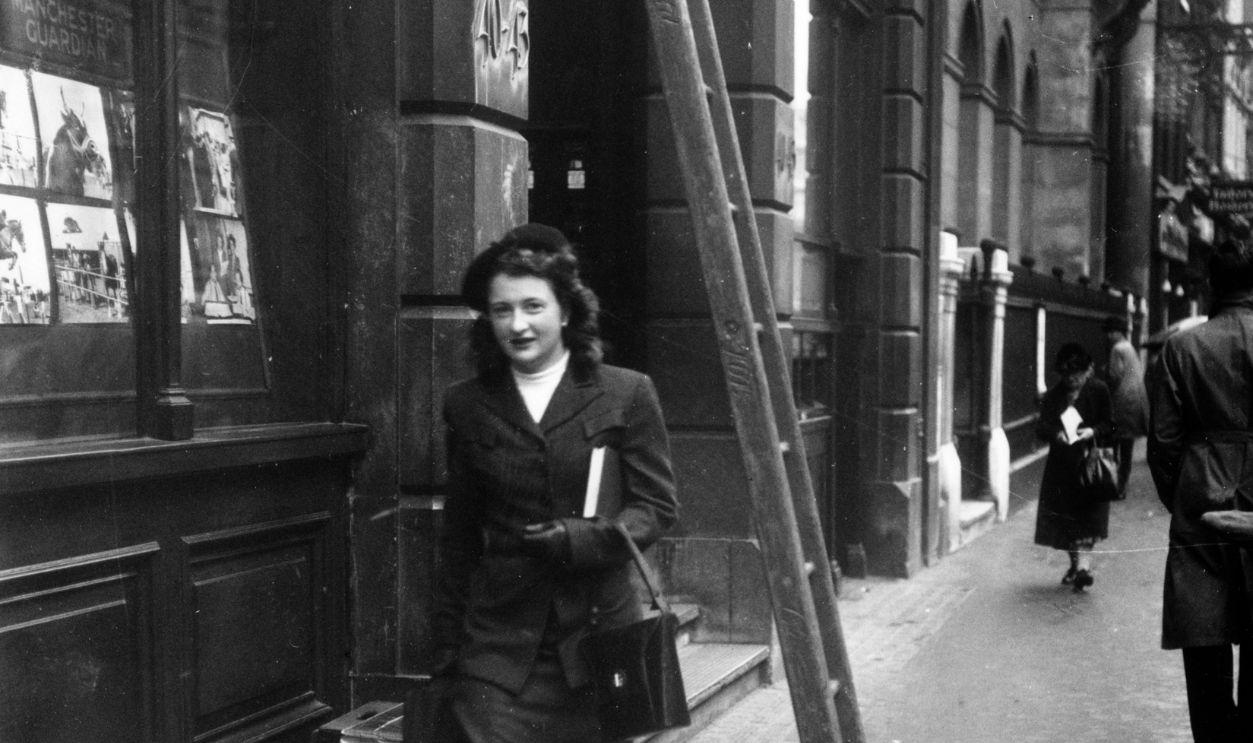
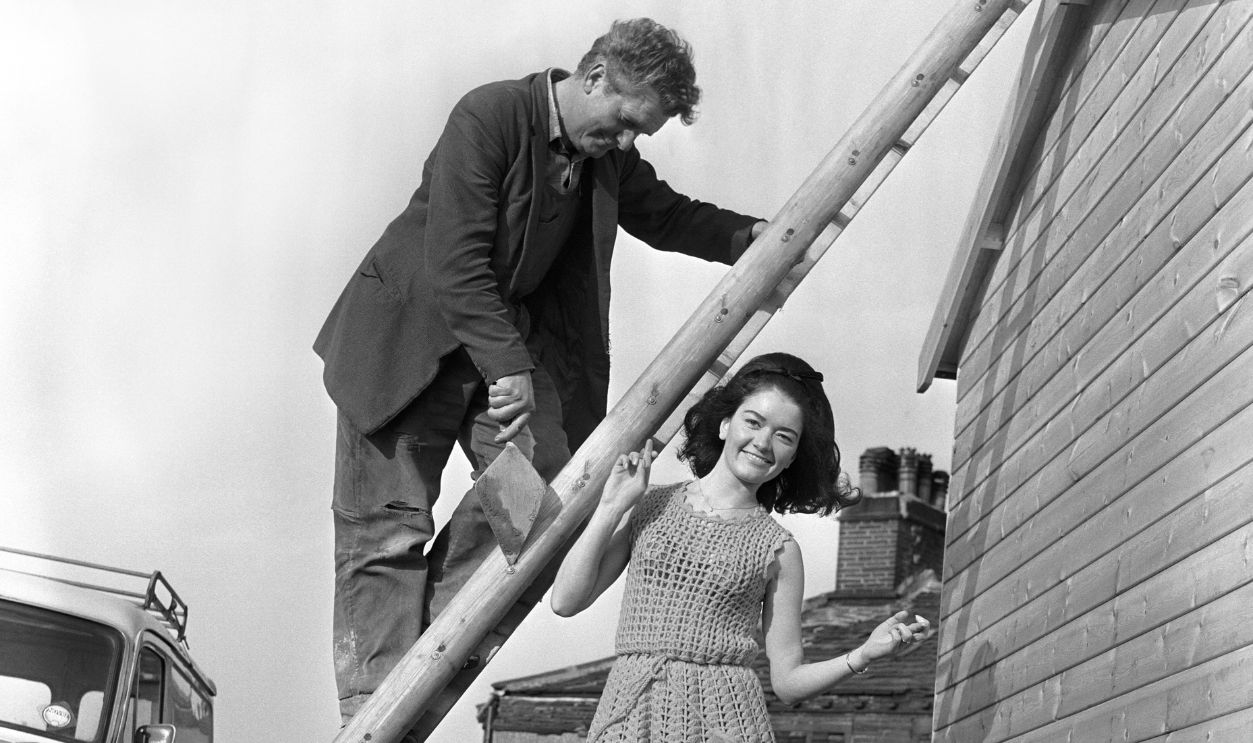
Avoiding a ladder can look like classic superstition, especially when someone insists that passing underneath one brings bad luck. The supernatural explanations are disputed, but the practical danger is obvious. A person working overhead can drop a tool, while someone passing below can bump or destabilize the ladder itself.
The Ancient-Egypt Story Is Shaky
One popular explanation claims that a ladder leaning against a wall creates a sacred triangle and that ancient Egyptians considered walking through it offensive. That tidy story is repeated constantly, but historians have not found solid evidence connecting it directly to the modern superstition. Sometimes folklore acquires an impressive origin story long after the warning itself has become familiar.
The Safety Rule Survived Anyway
The result is a useful warning wrapped in supernatural language. You do not have to believe in bad luck to decide that walking beneath someone working on a ladder is a poor idea. Generations could therefore preserve sensible behavior even as the explanation became increasingly mysterious.

Indoor Umbrellas Were A Bad Idea
Opening an umbrella indoors still makes some people instinctively uncomfortable. There is a practical reason the rule makes sense regardless of superstition. Full-size umbrellas can knock into people, lamps, furniture, and other objects when suddenly opened inside a cramped room.

Older Umbrellas Could Be Awkward
The warning became especially understandable as spring-operated umbrellas became increasingly common during the 19th century. Early versions could be unwieldy, particularly when opened in a confined space. A rule discouraging people from snapping one open in the parlor did not require supernatural forces to be useful.


History's most fascinating stories and darkest secrets, delivered to your inbox daily.
Then Bad Luck Took Over
Folklore eventually supplied all sorts of supernatural explanations for the indoor-umbrella taboo. Records from the late 19th century already describe opening one inside the house as unlucky. Whatever produced the belief originally, the everyday rule also happens to protect faces, furniture, and anything fragile sitting nearby.
 Alexandru Marian, Shutterstock
Driving On The Right Was Not Random
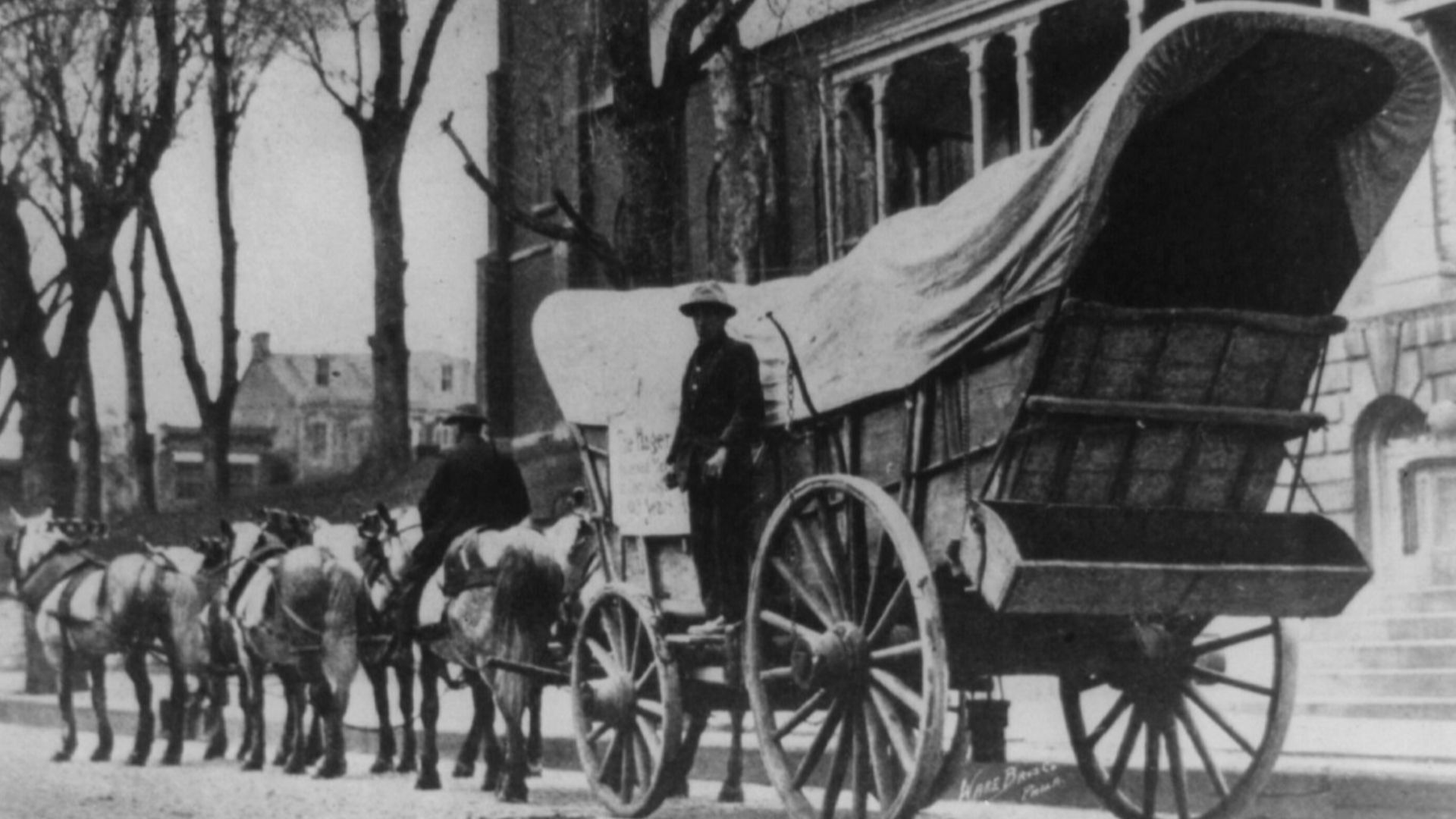
Americans driving on the right side of the road can seem arbitrary when compared with countries that drive on the left. But the habit was already taking shape before automobiles existed. The Federal Highway Administration points to large freight wagons, including Pennsylvania's Conestoga wagons, as an important influence on right-hand travel in the United States.

Wagon Drivers Helped Set The Pattern
Drivers often controlled Conestoga wagons from the left side, sometimes riding the left rear horse or using a board mounted there. That position let them use their right hand to manage the team while keeping a better eye on oncoming traffic. By the time cars arrived, right-hand travel was already a well-established American road habit.
 Ware Bros. Co., photographer, Wikimedia Commons
Saving Wedding Cake Once Made Sense
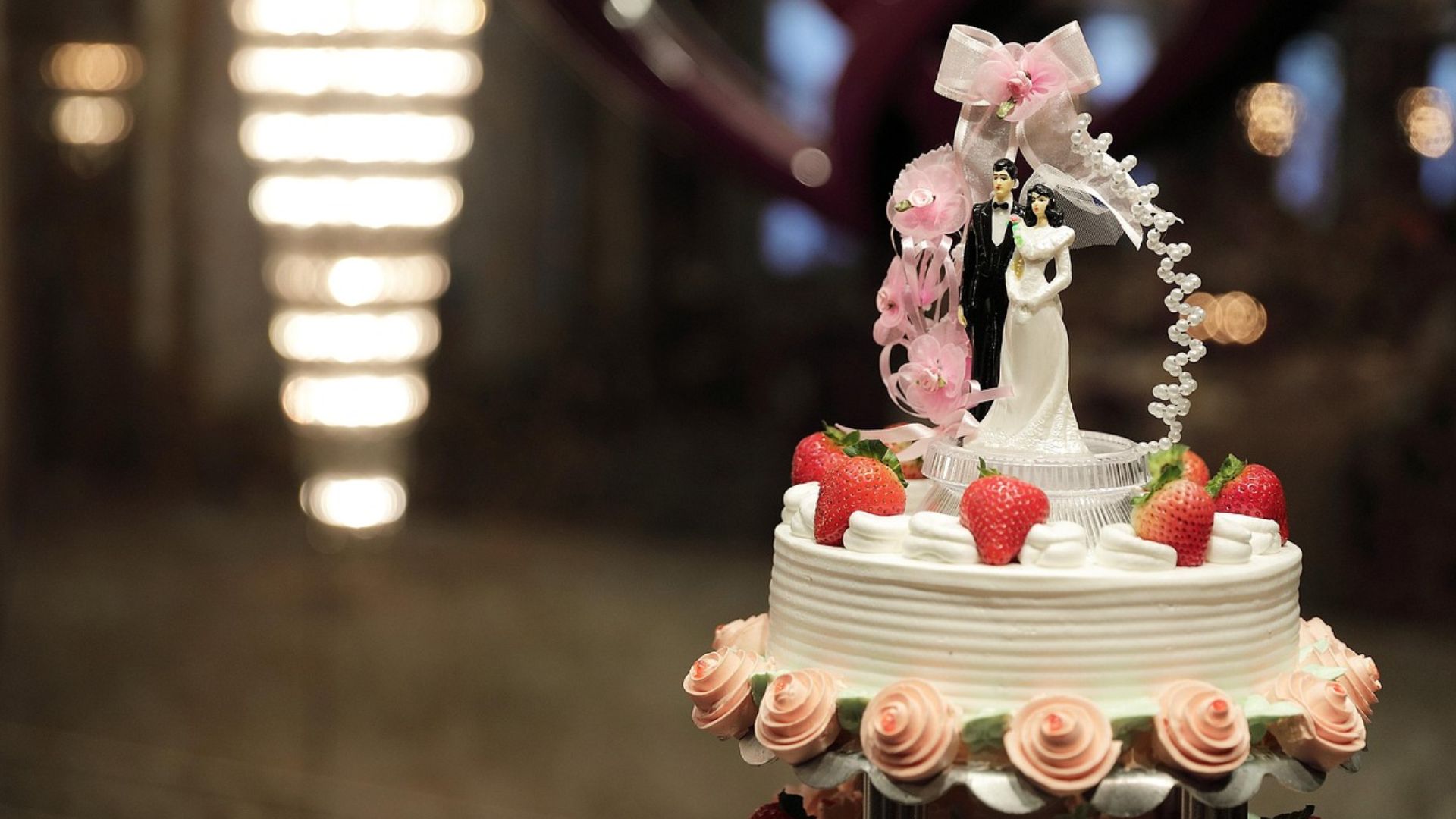
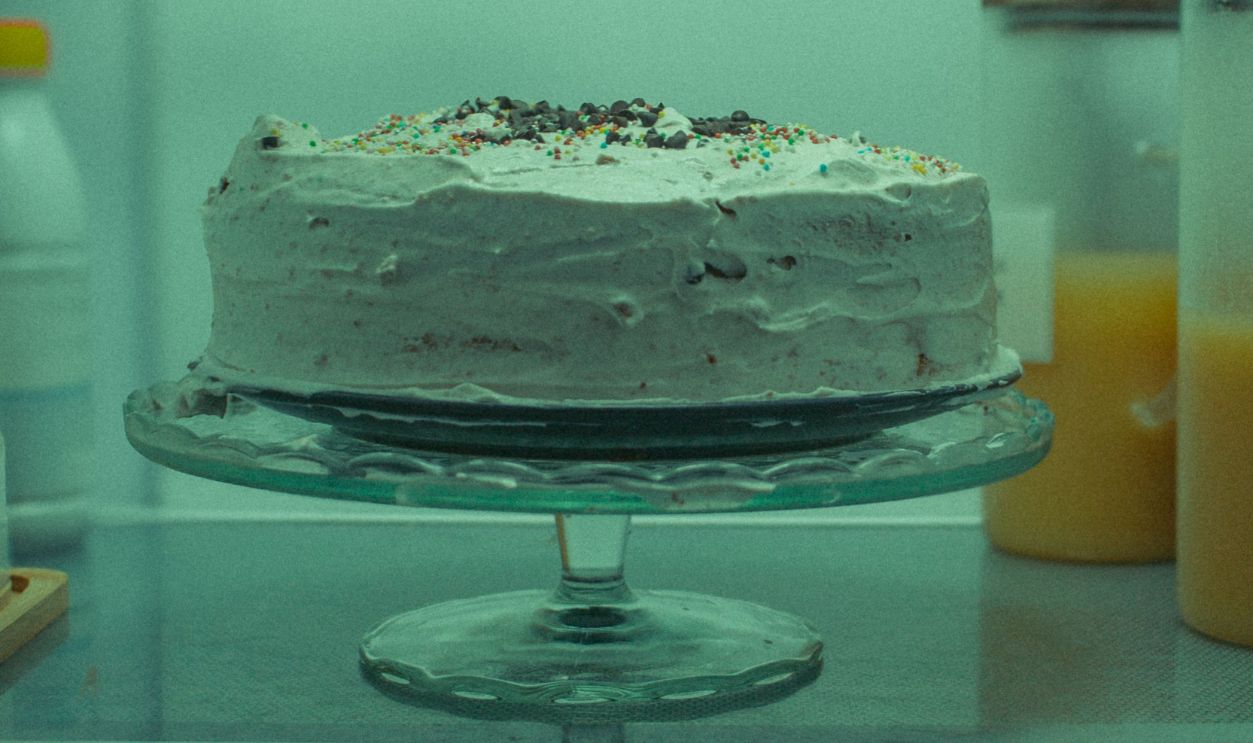
Freezing the top tier of a wedding cake for the first anniversary sounds like a sentimental modern ritual. But the tradition of saving part of the cake originally had a much more specific purpose. In 19th-century England, couples commonly kept some of their wedding cake for the christening of their first child.
The Cakes Were Built To Last
These were not delicate modern cakes covered in soft fillings and fresh cream. Traditional wedding fruitcakes were dense and could be stored for long periods. That made preserving a tier considerably more practical when another family celebration was expected within the following year.
Refrigeration Changed The Meaning
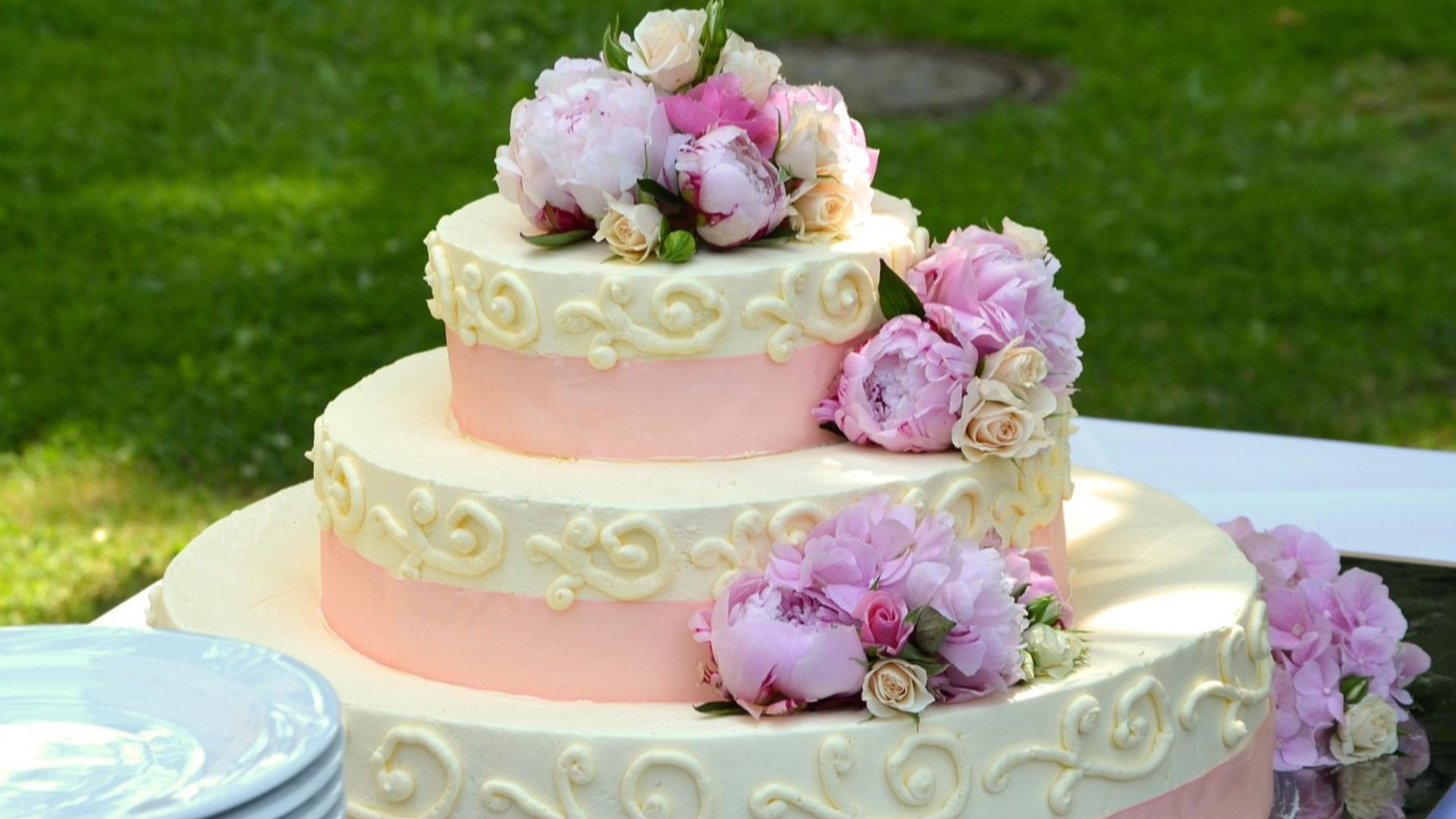
The christening connection gradually faded, while the idea of keeping part of the cake survived. Modern couples are more likely to eat it on their first anniversary, often after freezing it. What now looks like a quirky piece of wedding luck began partly because the cake itself was durable enough to be reused at the family's next major event.
A Toast Once Involved Actual Toast
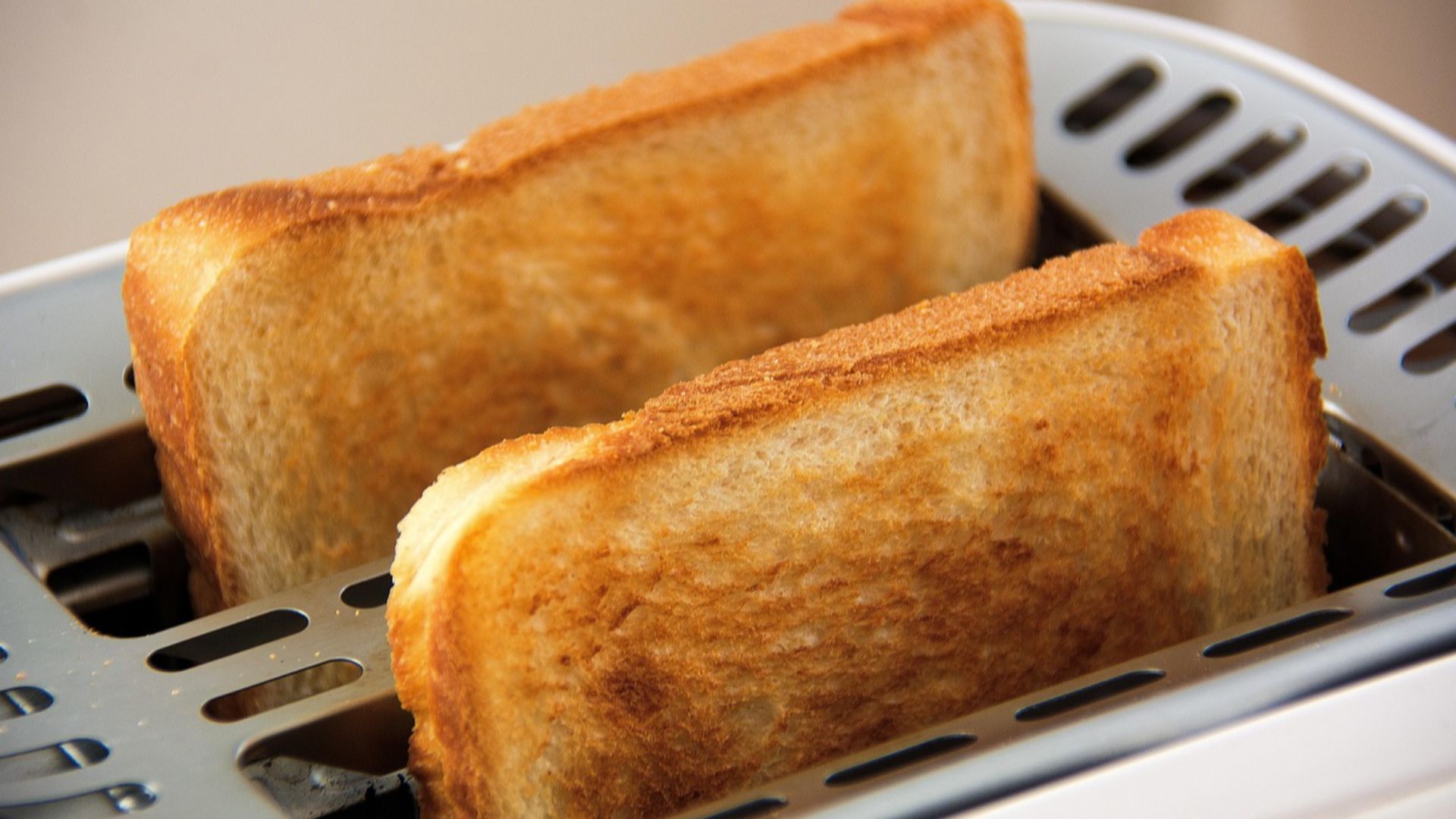
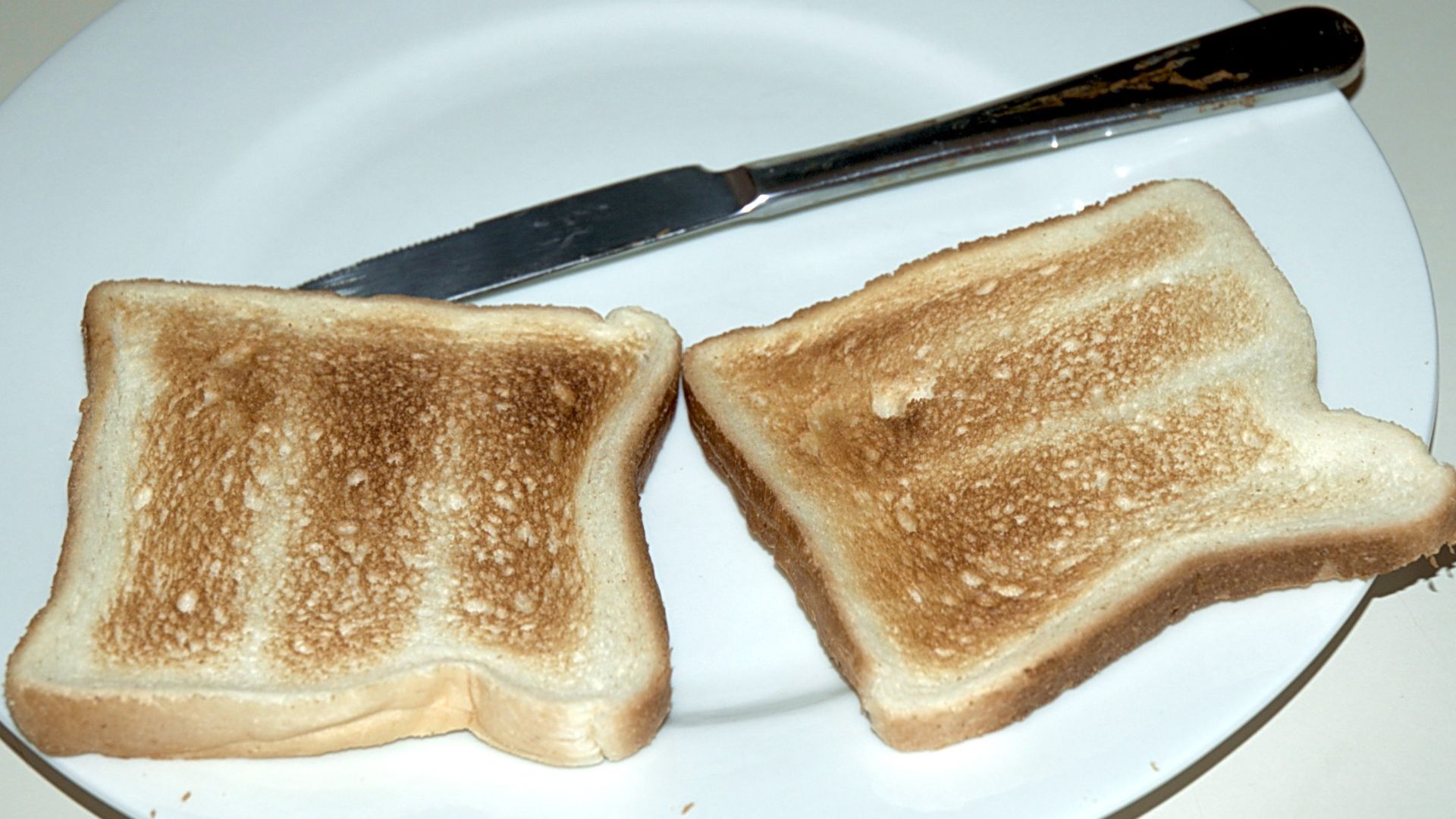
Raising a glass and proposing a toast has become so familiar that the word barely sounds strange. Yet the English term really is connected to toasted bread. By the 16th century, spiced toast could be placed in wine as part of drinking customs.
 CordMediaDigitalServices, Pixabay
The Bread Could Improve The Drink
Accounts of the custom describe toasted or spiced bread being used with wine that could contain sediment or taste unpleasant. The bread could absorb impurities and alter the flavor. Over time, the word moved away from the bread and became associated with drinking in someone's honor.
 Nachoman-au, Wikimedia Commons
The Poison Story Is Probably Wrong
There is also a much more dramatic explanation that refuses to disappear. It claims people began clinking glasses so liquid would splash between cups, proving nobody had poisoned another person's drink. Historians have found no credible evidence for that story, making it a good example of folklore replacing a less cinematic history.
 Bogdan Sonjachnyj, Shutterstock
Sailors Thought Cats Brought Luck
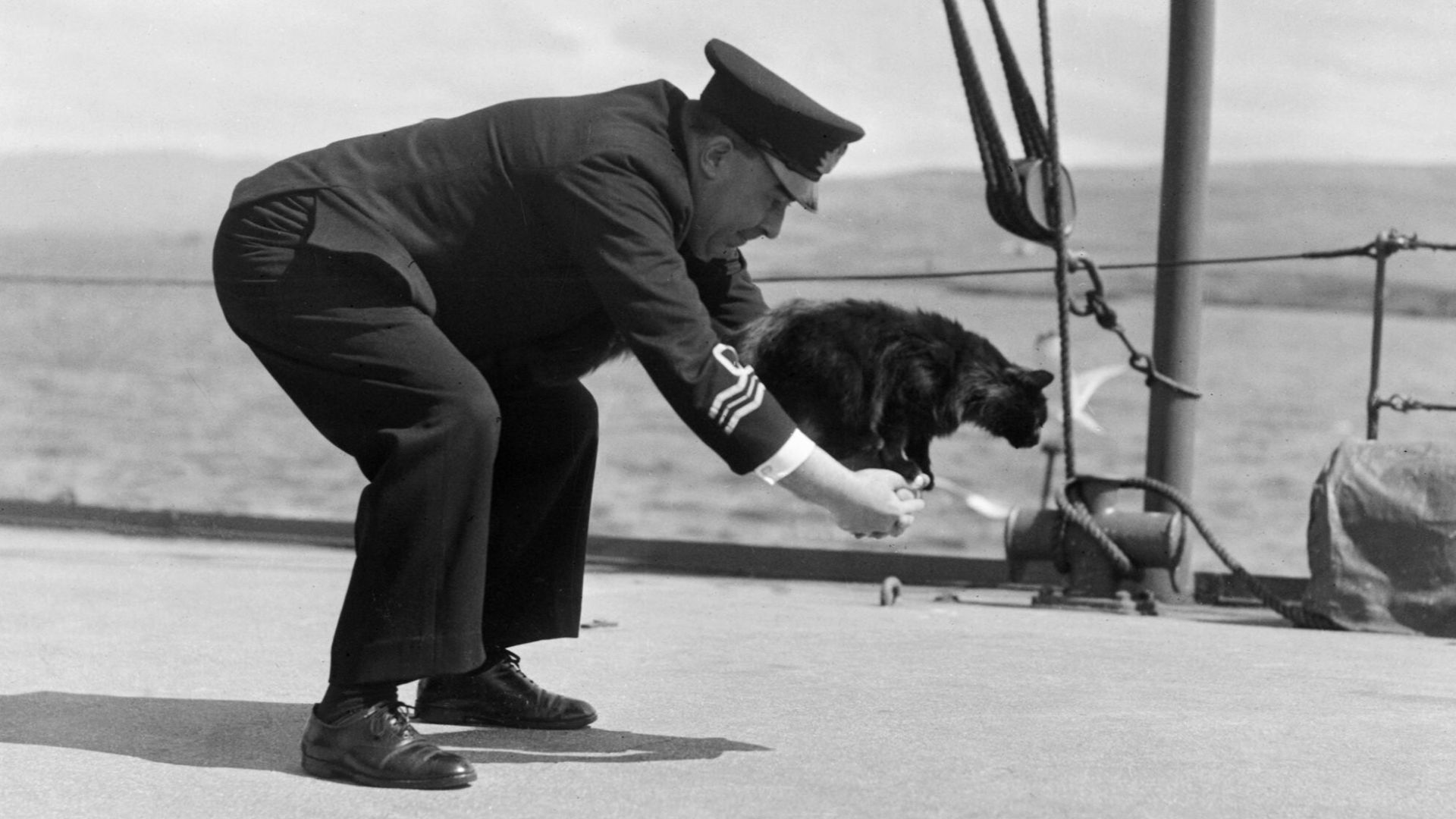
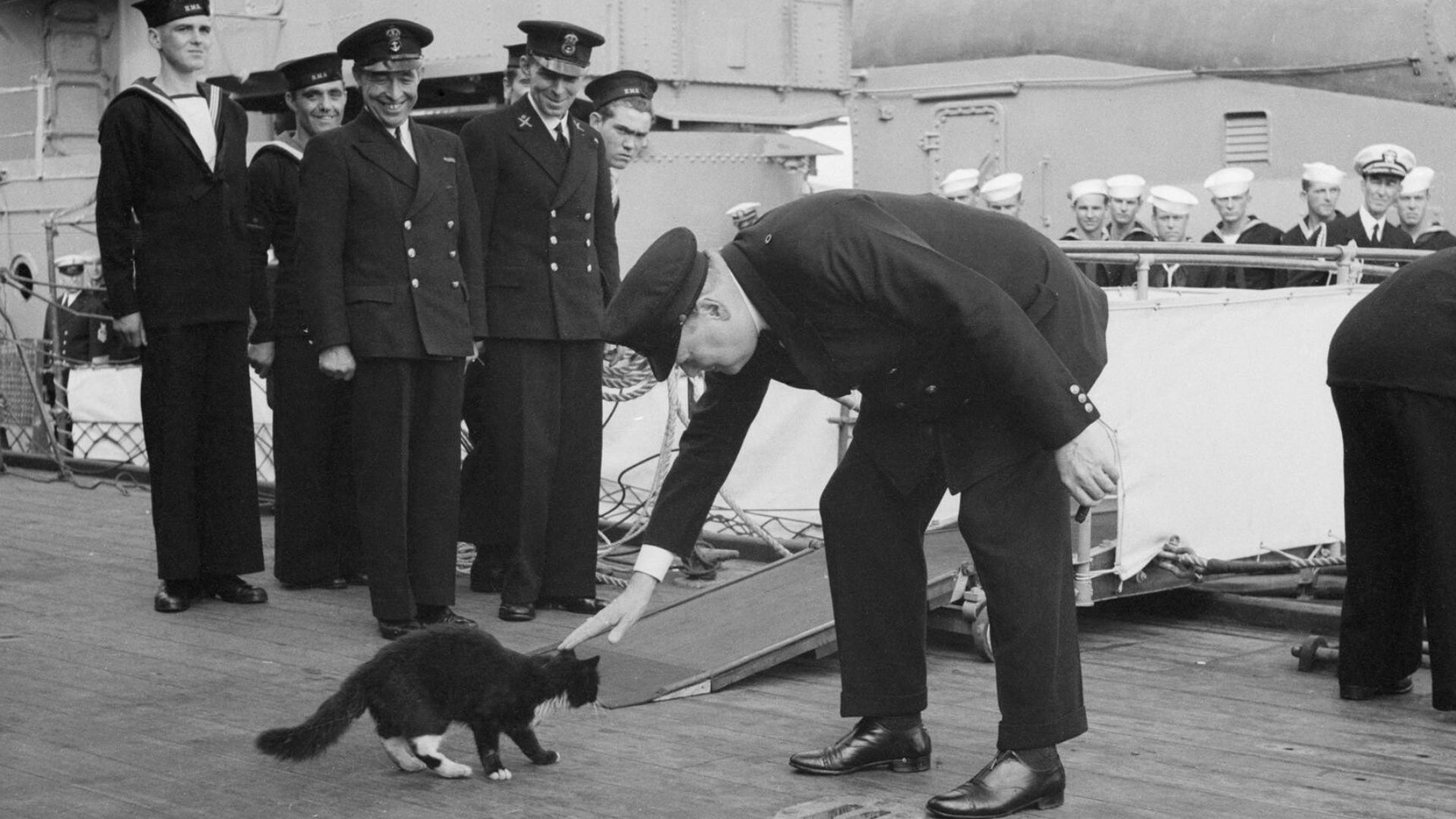
Cats developed an extraordinary amount of maritime folklore. Sailors sometimes treated them as lucky mascots, with black cats receiving especially positive reputations in some seafaring traditions. Unlike many lucky charms, however, shipboard cats also performed an extremely useful job.
 Ministry of Information Photo Division Photographer, Wikimedia Commons
Rats Could Wreck A Voyage
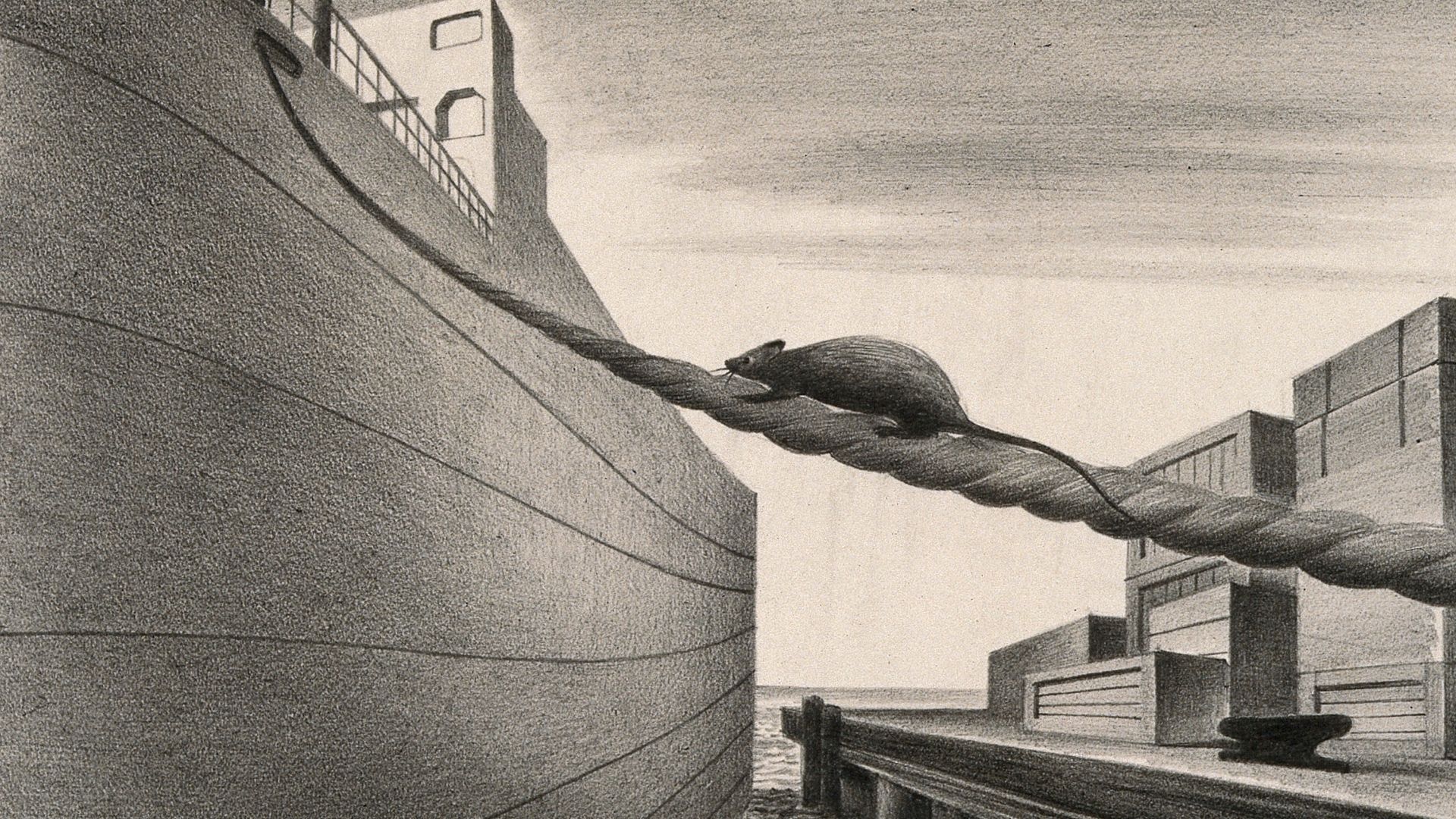
Rodents consumed stored food and damaged ropes, wood, rubber, and other materials aboard ships. They could also contaminate supplies and contribute to disease problems. Cats were natural pest controllers, which gave crews a very practical reason to keep them aboard regardless of what anyone believed about luck.
The Lucky Mascot Earned Its Keep
Ship's cats could become genuine members of the crew rather than decorative pets. Historical accounts describe naval vessels giving cats food, sleeping spaces, and considerable attention. A sailor might call the animal lucky, but a cat that protected food stores from rats did not need magic to improve life aboard ship.
 Horton (Capt), War Office official photographer, Wikimedia Commons
Spilling Salt Once Meant Wasting Something Valuable
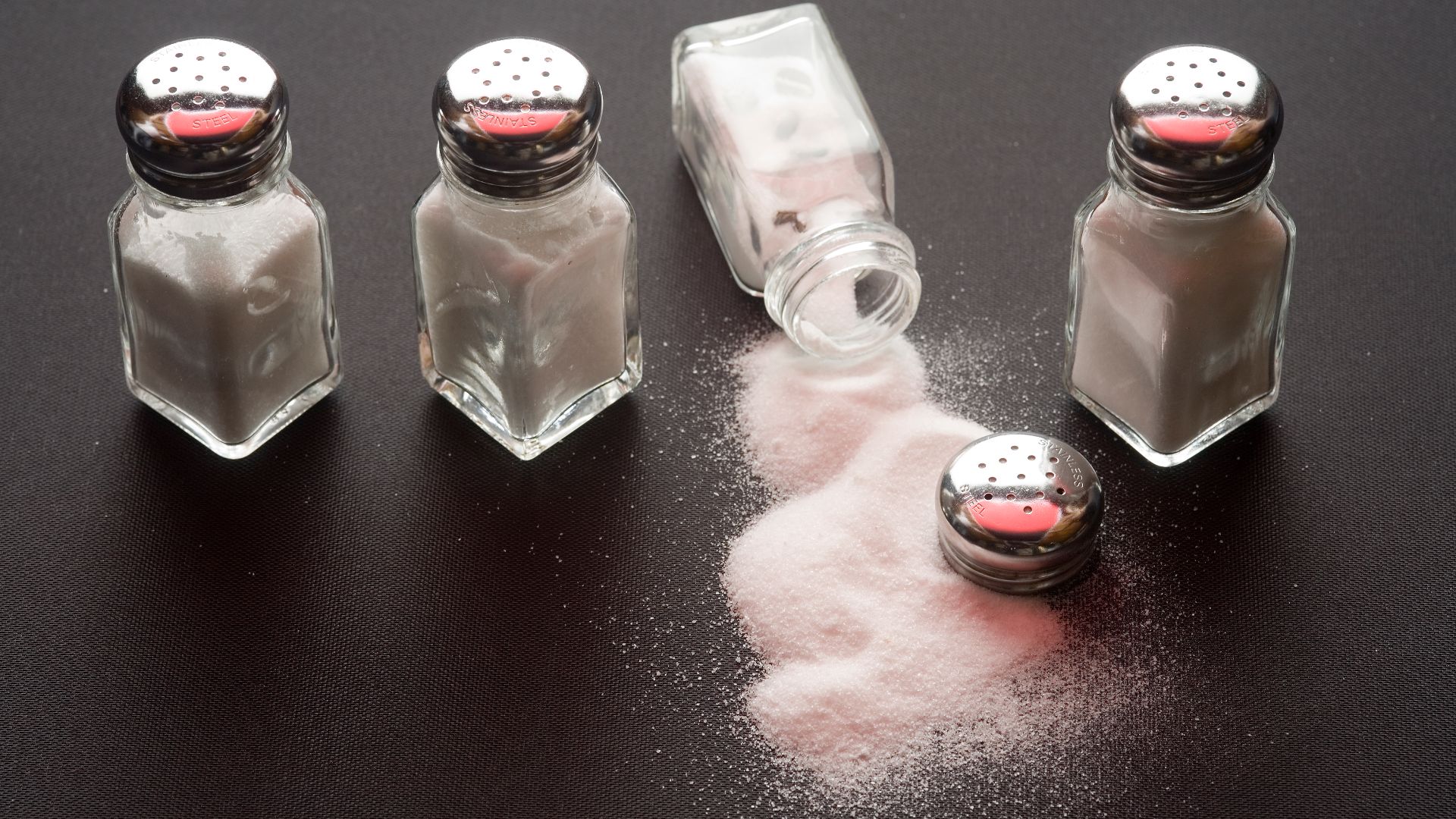
Spilling salt remains one of the most familiar bad-luck superstitions. Historically, though, salt was far more important than the inexpensive table seasoning found in modern kitchens. It was essential for preserving food and could be a valuable household resource, so carelessly spilling it was a genuine waste.
 Jorge Royan, Wikimedia Commons
The Superstition Went Much Further
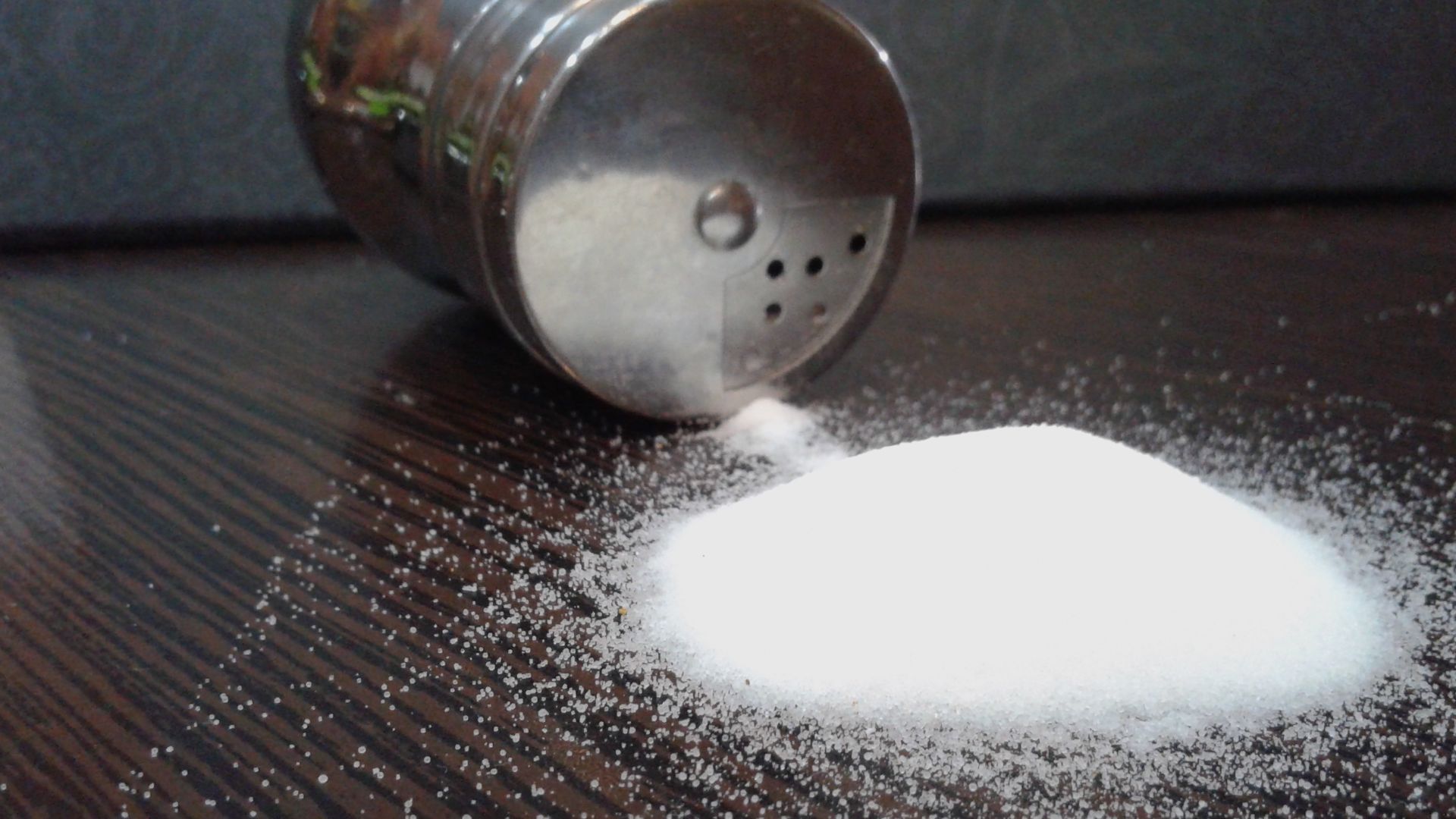
That practical concern does not fully explain the belief that spilled salt brings bad luck. And throwing another pinch over your shoulder obviously wastes more of it. That part belongs firmly to folklore, showing how a sensible dislike of waste could become wrapped in superstition over time.
Breaking Mirrors Was A Genuine Disaster
Breaking a mirror supposedly produces seven years of bad luck, a belief with roots going back thousands of years. Ancient Greek and Roman cultures attributed unusual significance to reflections, helping give damaged mirrors supernatural meaning. Later generations kept repeating the warning long after mirrors became ordinary household objects.
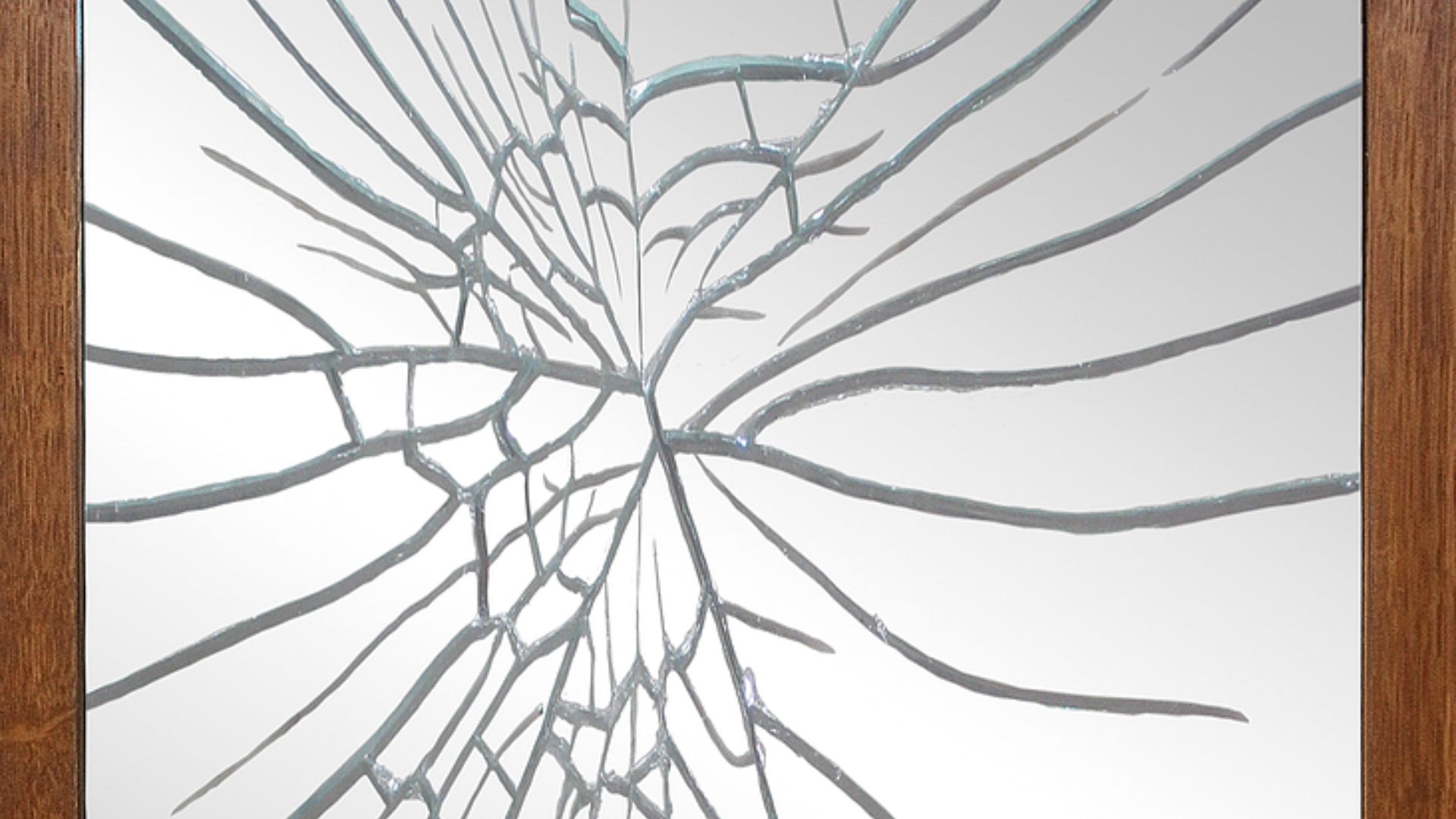
Mirrors Were Also Worth Protecting
There was another perfectly sensible reason to dread hearing glass smash. Mirrors were once difficult and expensive objects to produce, so destroying one could represent a significant financial loss. The mystical explanation may be ancient, but treating a fragile and valuable mirror with extreme caution required no belief in curses.
 Mark de Nijs, Wikimedia Commons
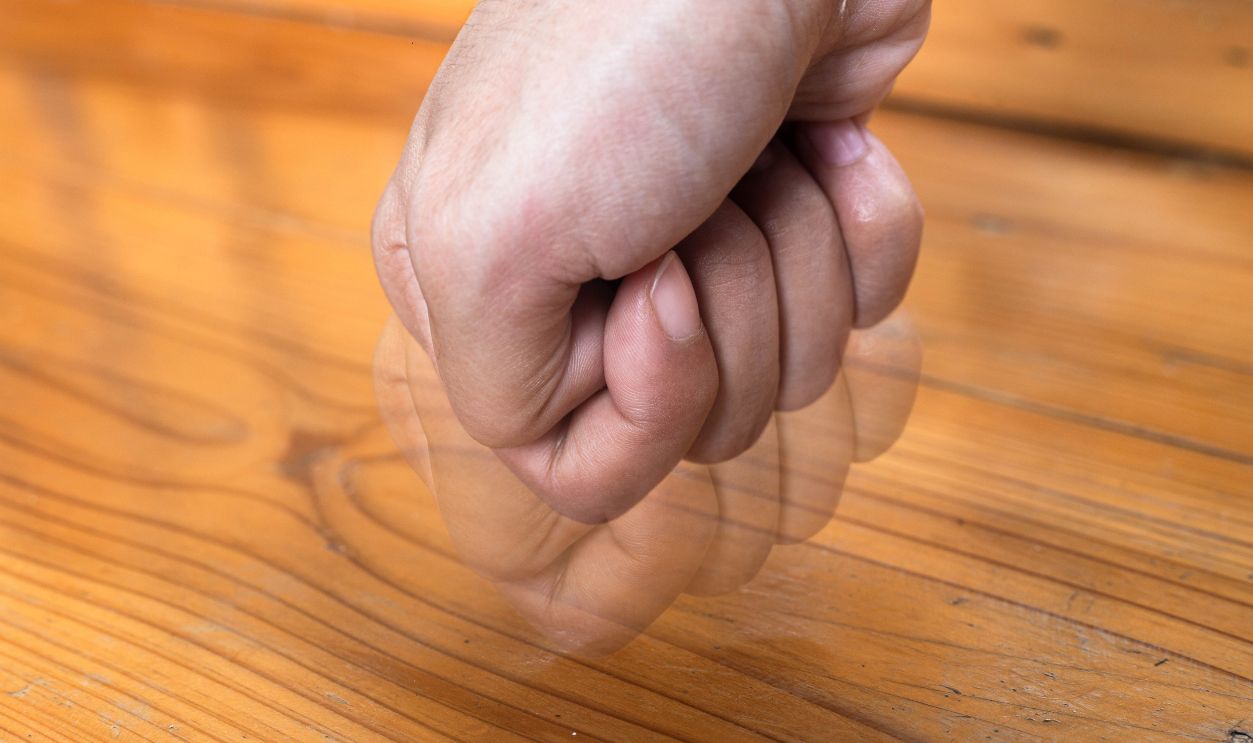
Knocking On Wood May Be Younger Than It Sounds
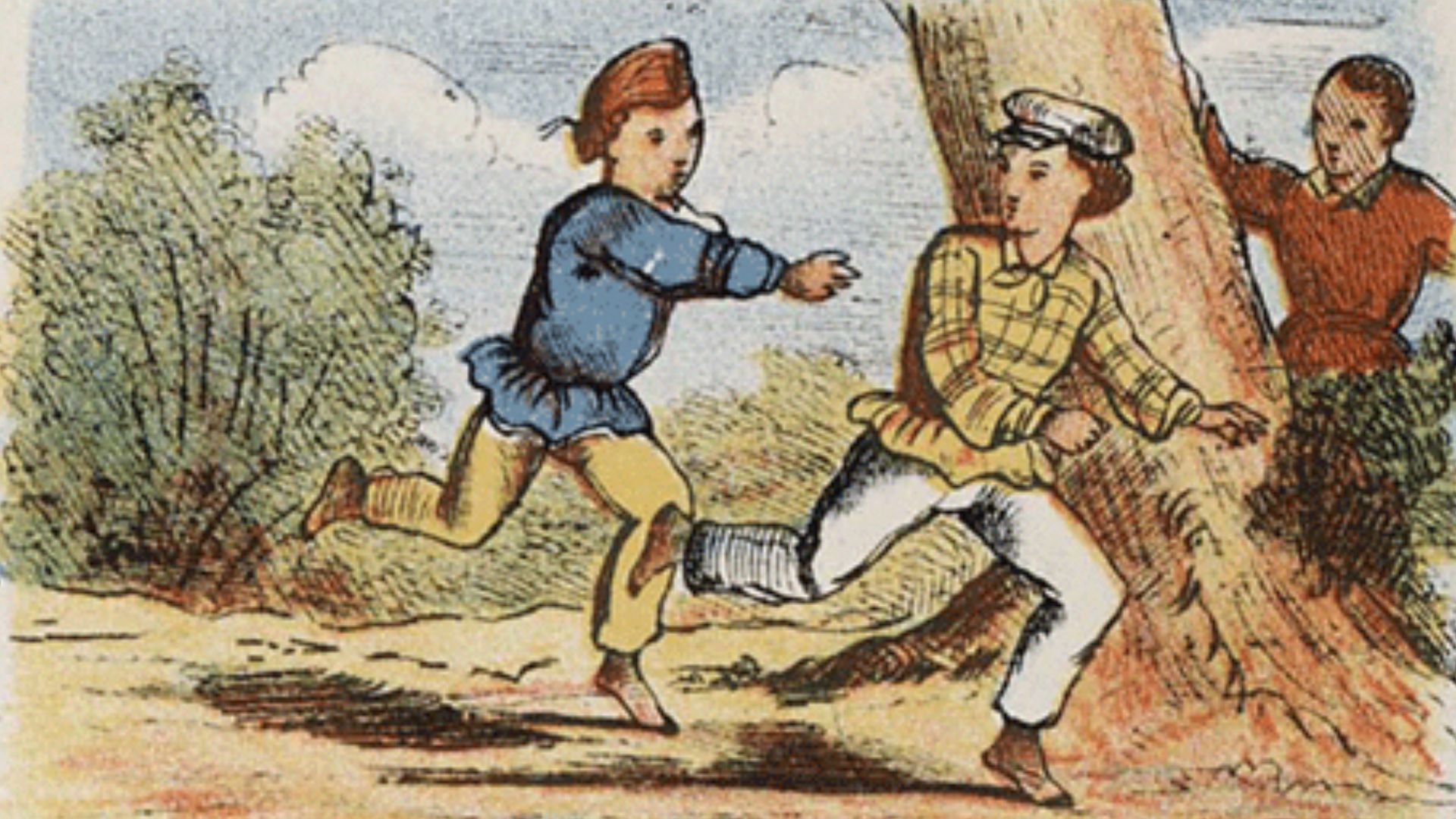
Knocking on wood feels so ancient that explanations often involve pagan tree spirits and forgotten gods. The problem is that historians do not agree on any such origin. Folklorist Steve Roud instead connected the modern British tradition to a 19th-century children's game in which touching wood made a player temporarily safe.
 The White House from Washington, DC, Wikimedia Commons
A Playground Rule Became Protection From Fate
In games such as “Tiggy Touchwood,” reaching wood could literally protect a child from being tagged. Roud argued that this familiar idea of touching wood for protection later fed the expression adults still use when they do not want to tempt fate. Whether or not that explanation settles the question completely, it is better documented than the romantic claim that modern Americans are unknowingly asking ancient tree spirits for help.
 AnonymousUnknown author, Wikimedia Commons
Strange Habits Usually Have A Story
A lot of everyday customs survive long after people forget why they started. Some began as practical solutions, while others picked up layers of superstition over time. Either way, the next time you knock on wood or avoid walking under a ladder, there may be more history behind the habit than you think.
 Parkin Srihawong, Shutterstock
You May Also Like:
Ordinary Jobs From The 20th Century That Vanished Faster Than Anyone Expected
How Sir Arthur Conan Doyle Fell For The Cottingley Fairies Hoax
Historical Figures Who Accidentally Became Everyday Vocabulary