You Say Their Names All The Time
Some historical figures achieved a strange kind of immortality. Their names quietly became words we use for food, clothing, politics, inventions, and even insults. Chances are, you've already said several of them today without realizing you were talking about actual people.
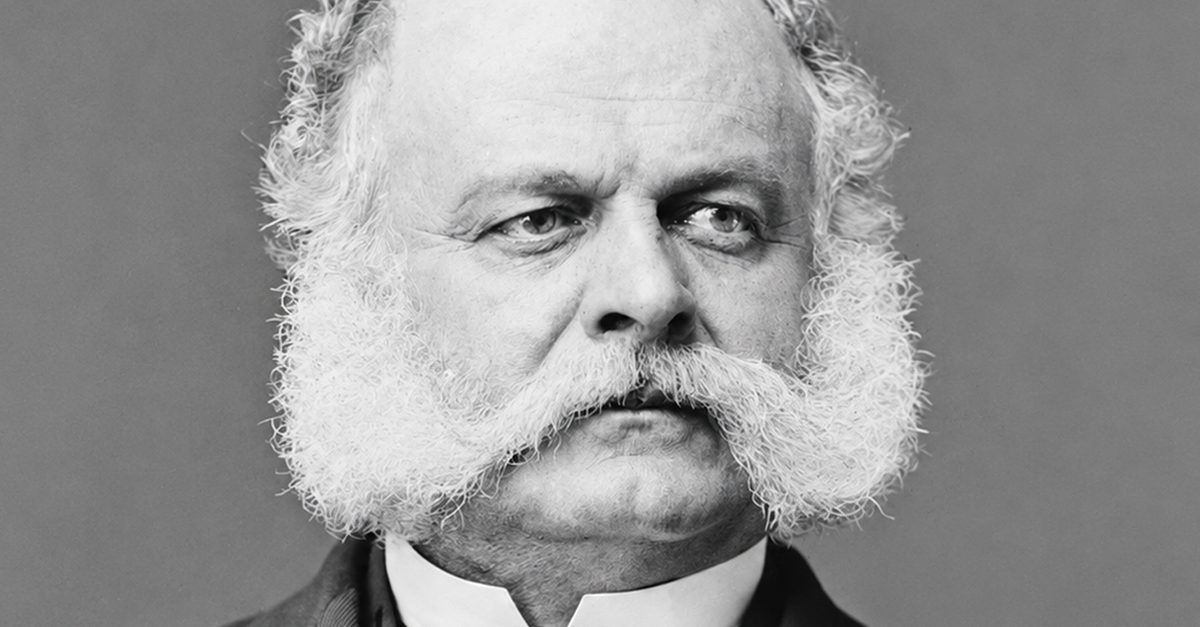
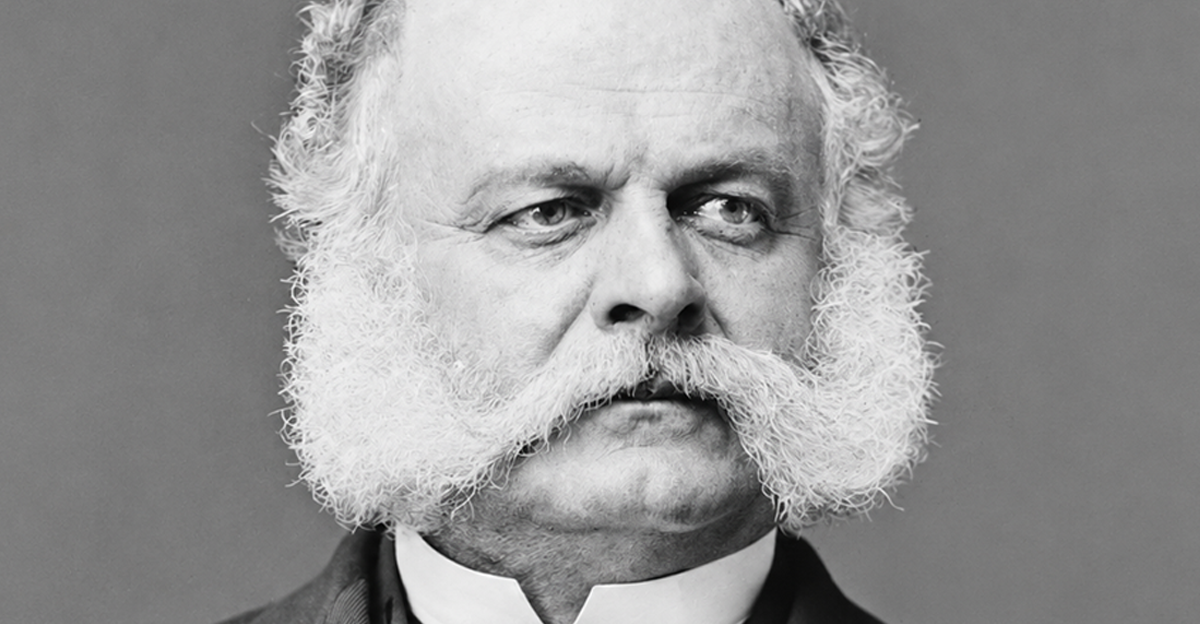 Mathew Benjamin Brady / Levin Corbin Handy, Wikimedia Commons
Earl Of Sandwich
John Montagu, 4th Earl of Sandwich, did not invent the idea of putting food between bread. Still, his title became attached to the meal in 18th-century Britain, with Edward Gibbon using “sandwich” in a diary entry in 1762. The famous story that Montagu ordered one so he could keep gambling is much harder to prove.
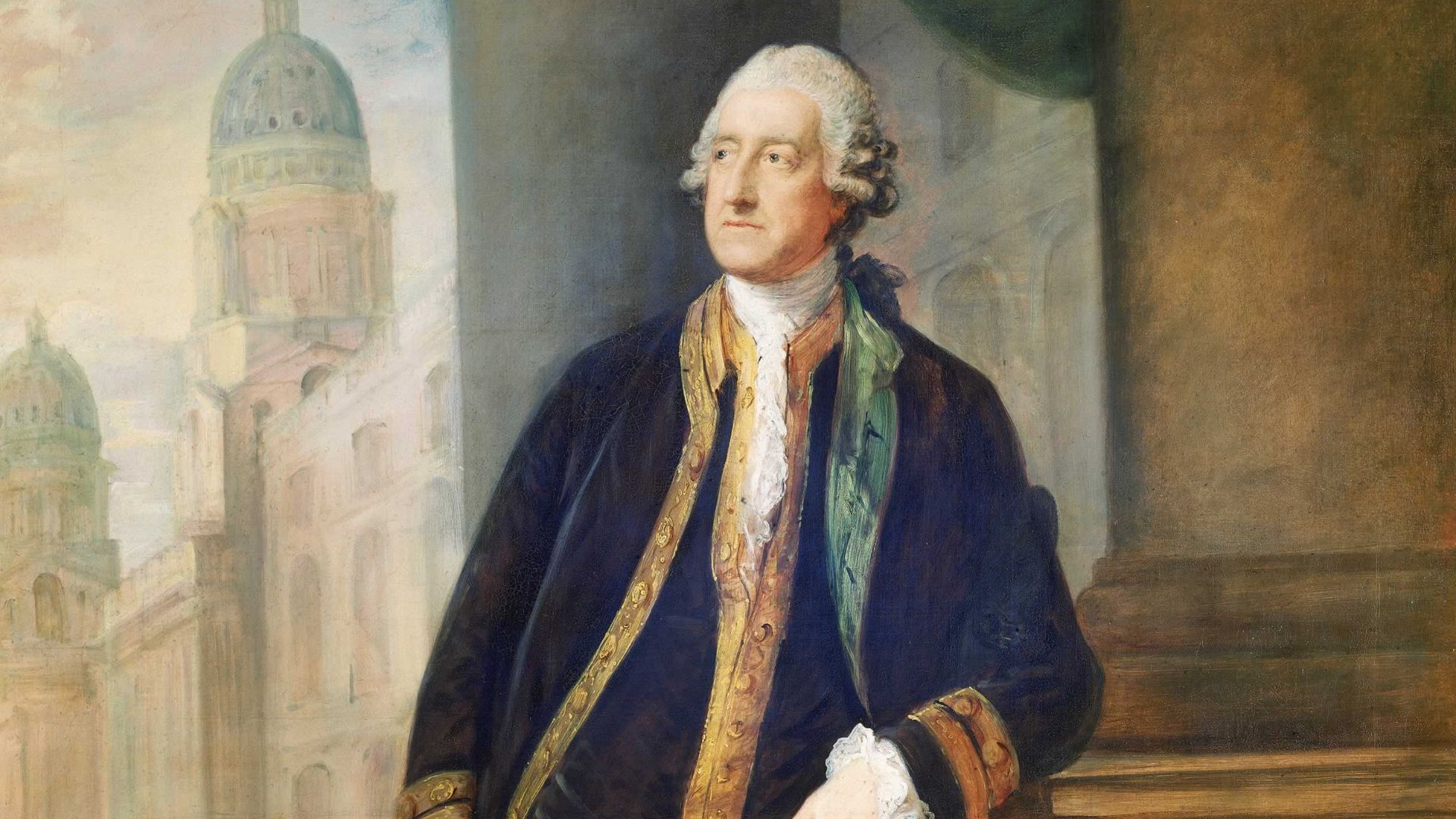 Thomas Gainsborough, Wikimedia Commons
Guy Fawkes
Guy Fawkes helped plot to blow up Parliament in 1605, but his strangest legacy came later. Effigies of Fawkes became known as “guys,” and the word gradually shifted from an odd-looking person to an ordinary man. Millions of people now say “guy” without thinking about the failed Gunpowder Plot.
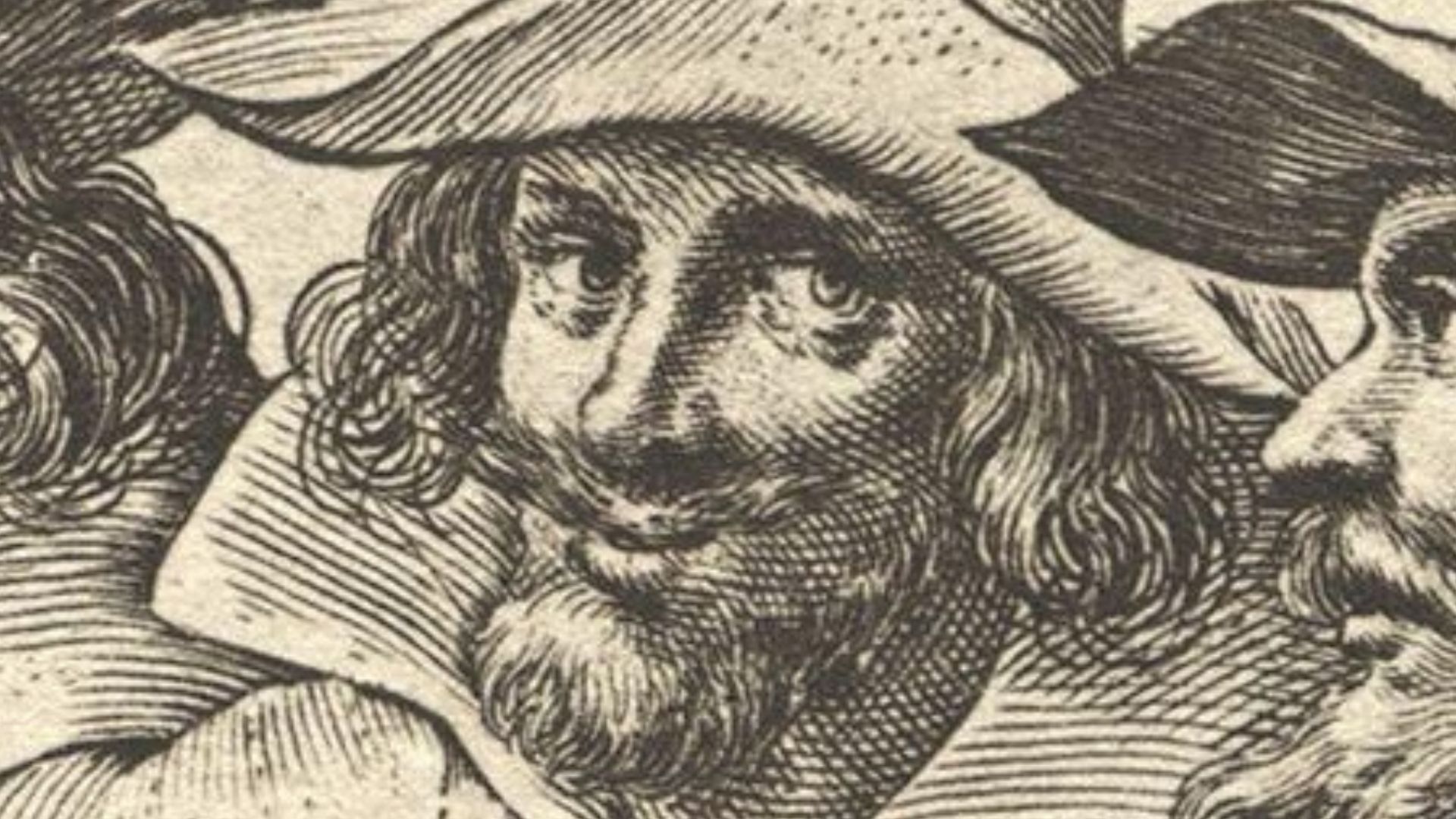 Unknown authorUnknown author, Wikimedia Commons
Charles Boycott
In 1880, Irish tenants and their supporters socially isolated land agent Charles Boycott during a dispute over rents. Workers left him, businesses shunned him, and newspapers spread the story far beyond Ireland. His surname quickly became a word for refusing to deal with someone as a form of protest.
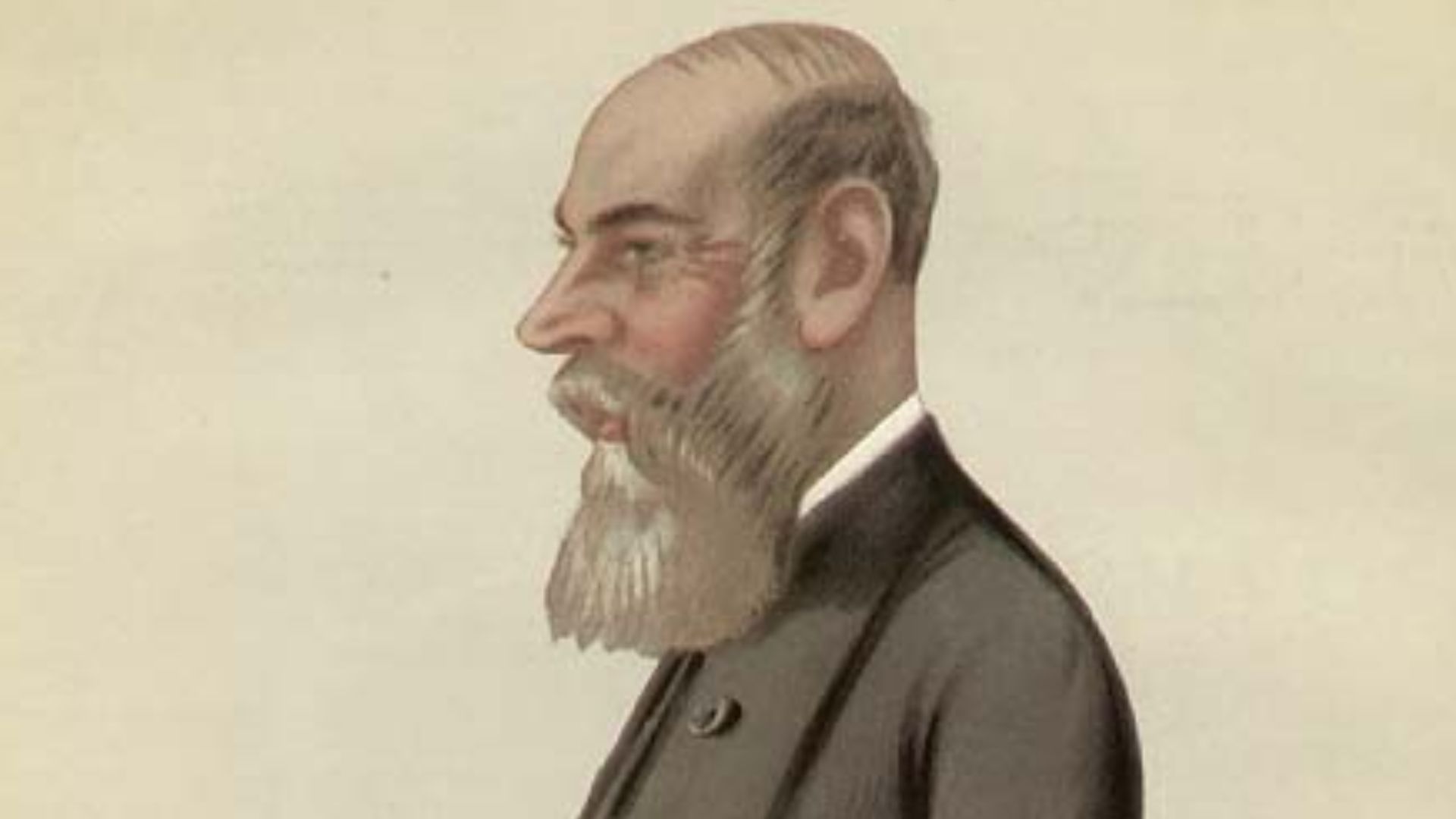 Leslie Ward, Wikimedia Commons
Samuel Maverick
Texas landowner Samuel Maverick became known for leaving much of his cattle unbranded. Unbranded animals associated with him were eventually called “mavericks.” The word later expanded to mean an independent person who refuses to follow the crowd.
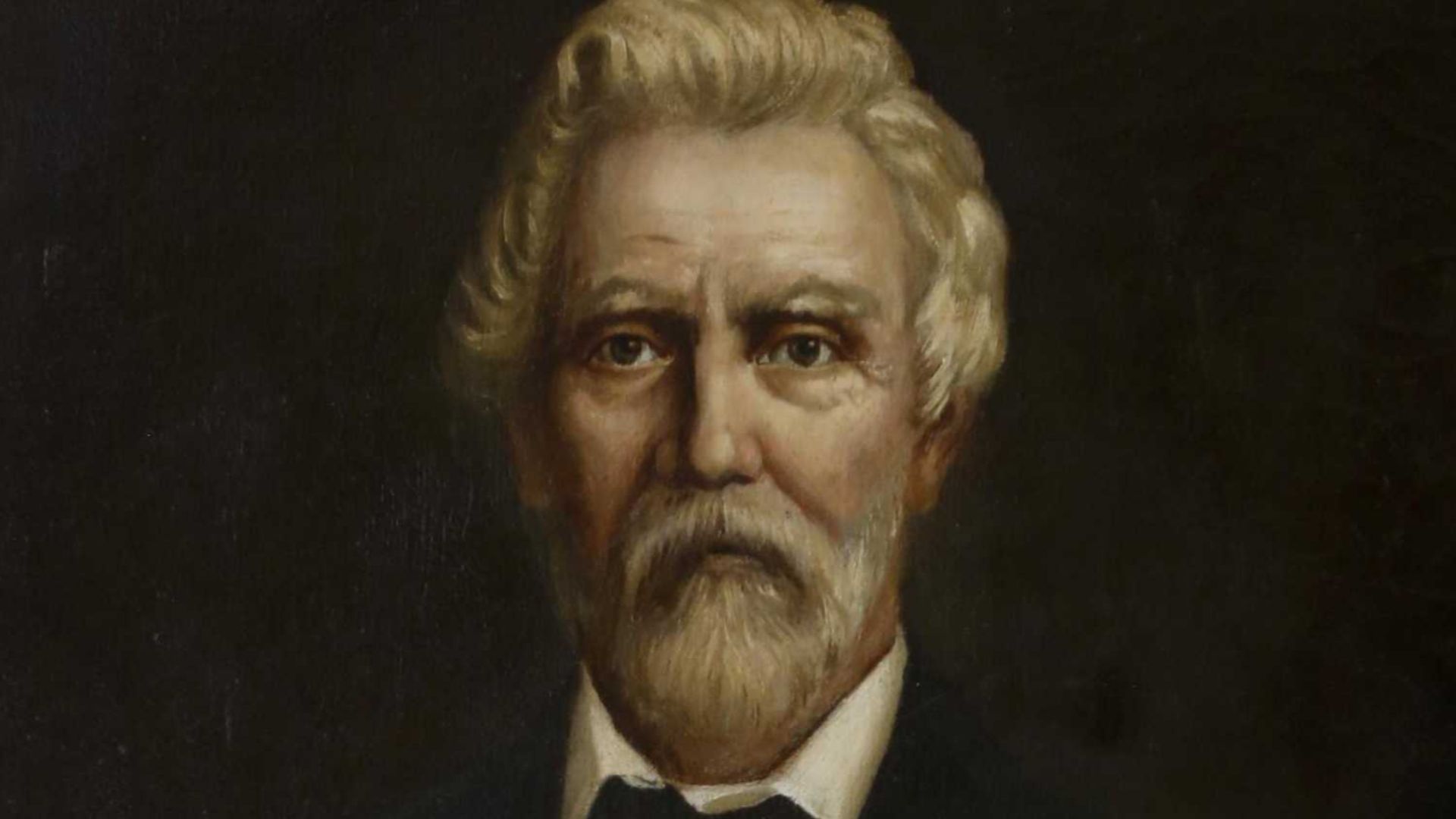 Unknown artistUnknown artist., Wikimedia Commons
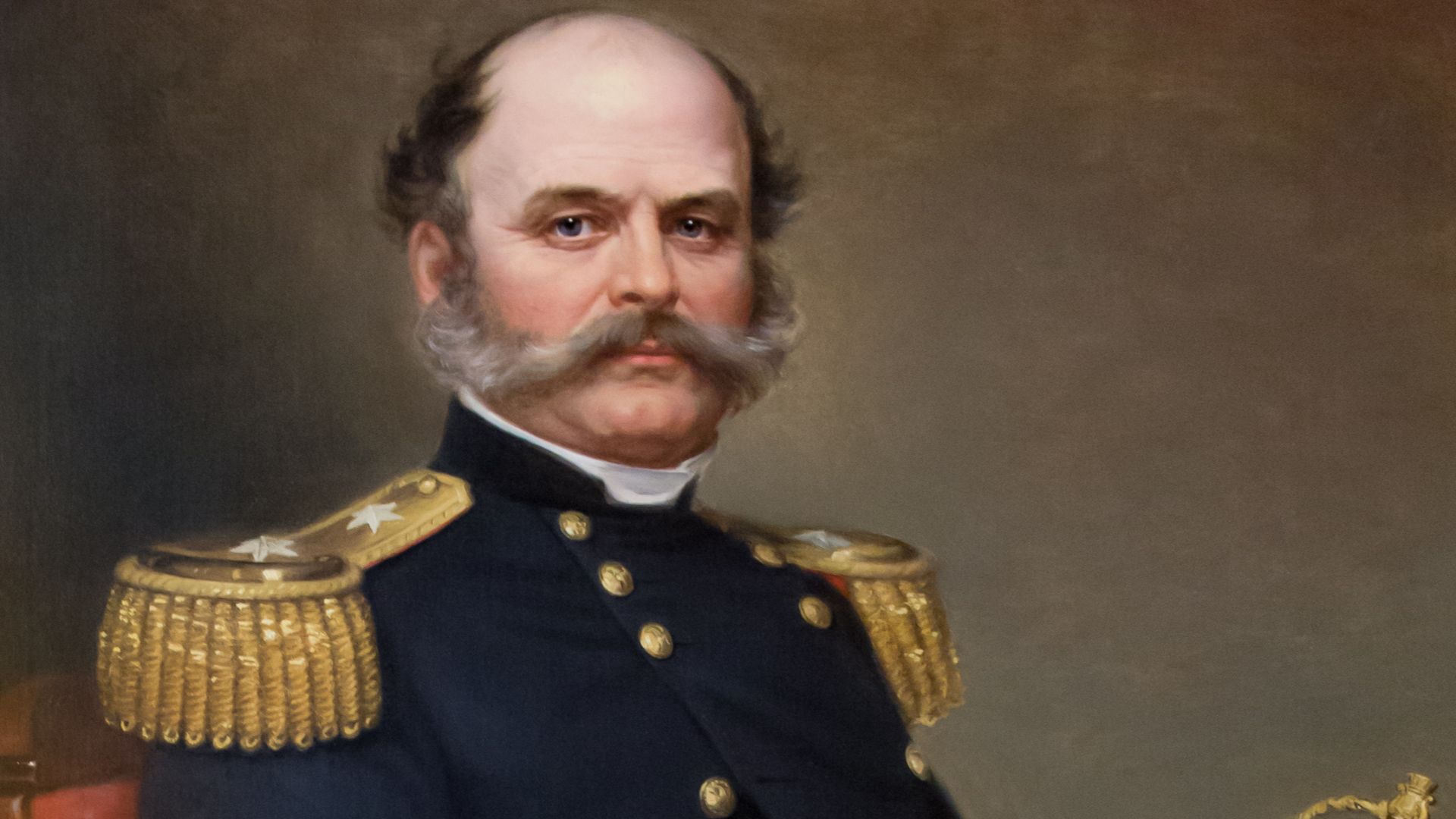
Ambrose Burnside
Union general Ambrose Burnside was famous for the enormous whiskers running down the sides of his face. Similar facial hair became known as “burnsides” before the syllables were flipped into “sideburns.” His military reputation may be complicated, but his beard won linguistic immortality.
 James Sullivan Lincoln, Wikimedia Commons
Étienne De Silhouette
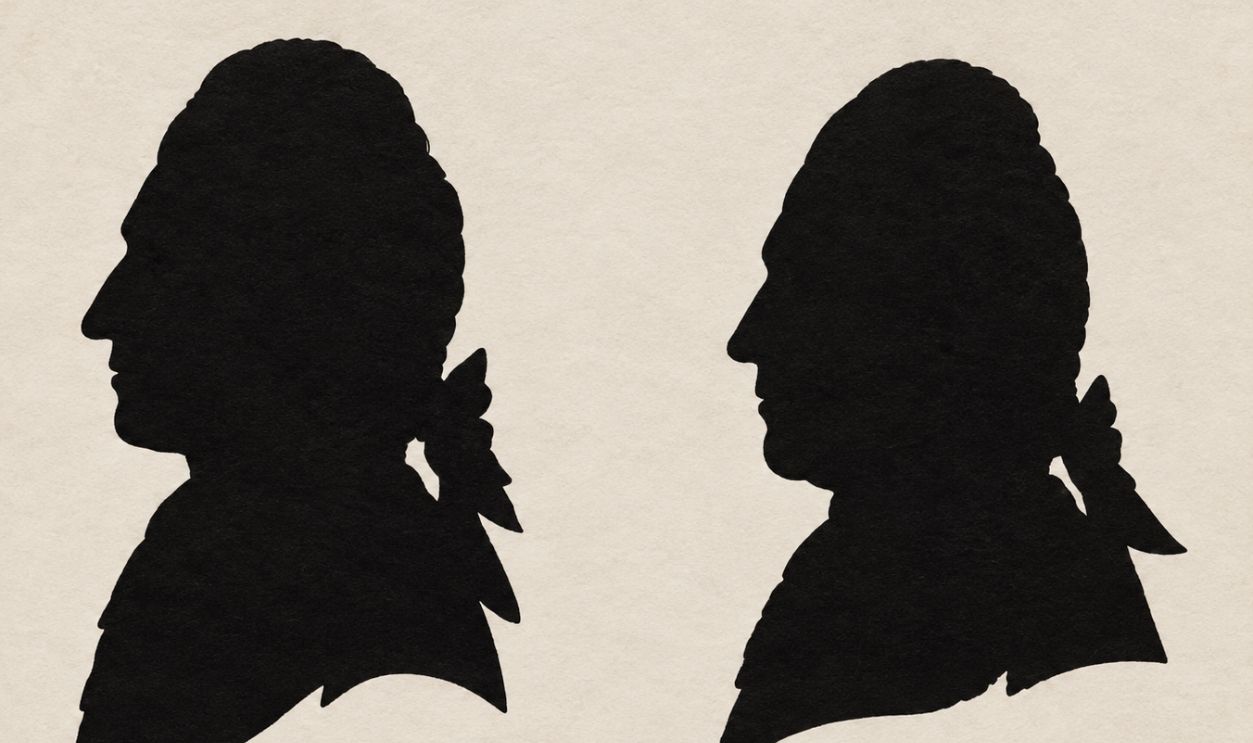
Étienne de Silhouette briefly served as France's controller-general of finances in 1759. His name soon became attached to simple profile portraits and eventually to any dark outline of a person or object. Exactly why remains debated, but “silhouette” long outlived his political career.
 Catherine of Brunswick-Luneburg-Wolfenbuttel (1741-1807), Wikimedia Commons
Lord Cardigan
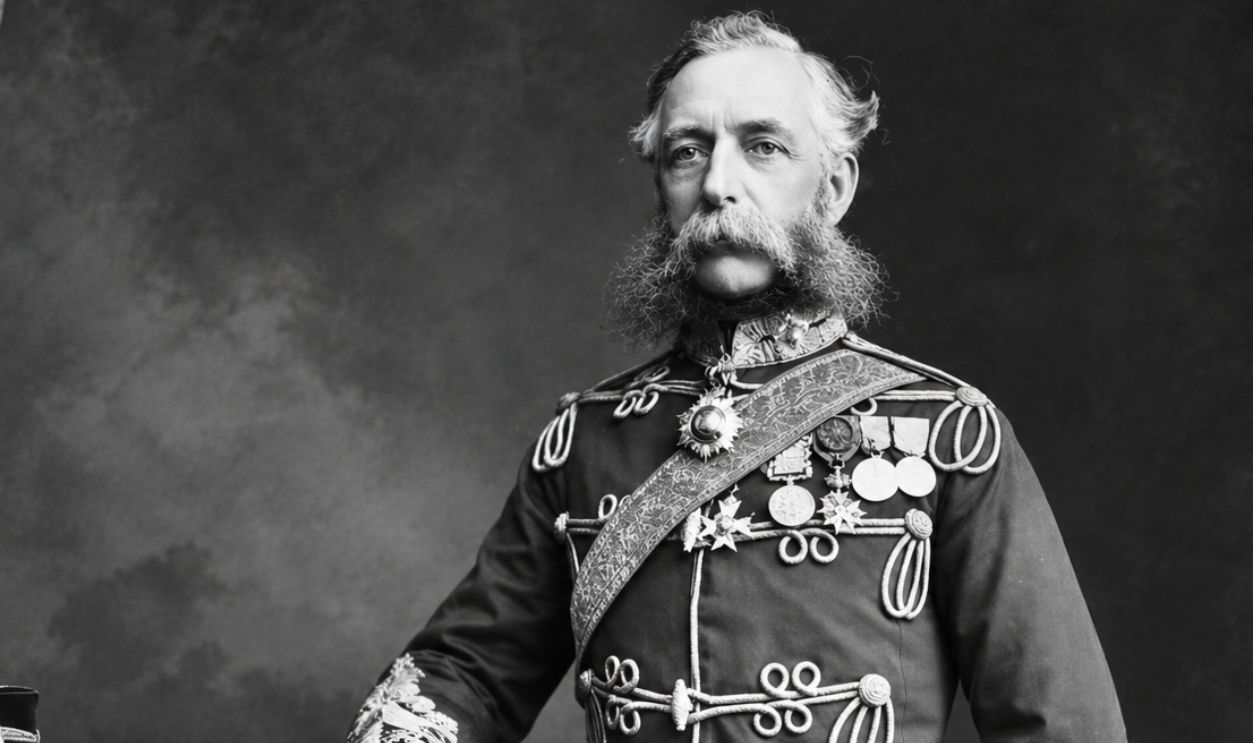
James Brudenell, 7th Earl of Cardigan, led the Charge of the Light Brigade during the Crimean War. His title later became attached to the familiar knitted jacket that opens down the front. Anyone pulling on a cardigan is casually invoking a controversial Victorian cavalry officer.
 Unidentified photographer, Wikimedia Commons, Enhanced
Amelia Bloomer
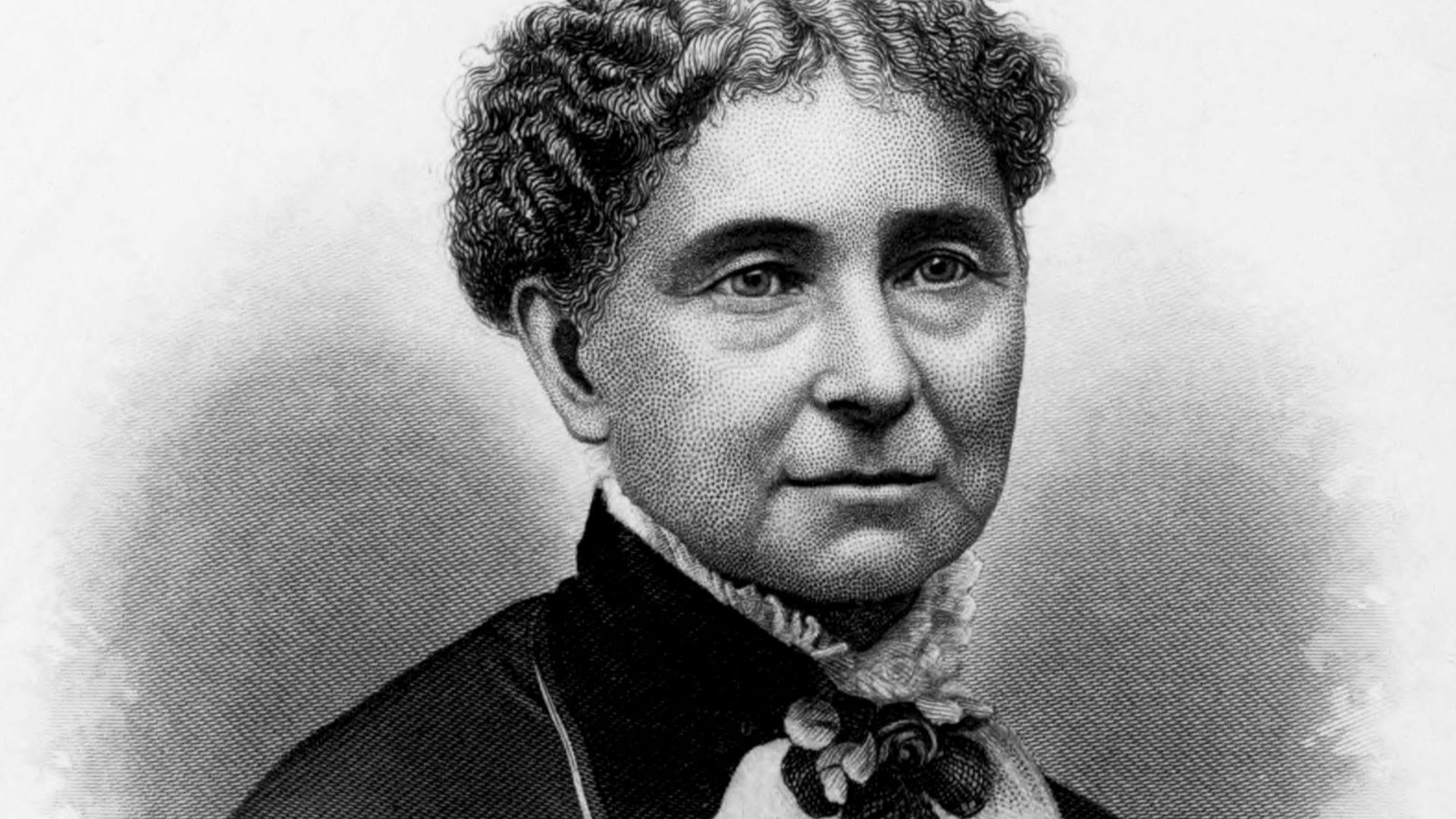
Women's rights activist Amelia Bloomer became closely associated with loose trousers worn beneath a shorter skirt. She did not invent the outfit, but she enthusiastically promoted it in her newspaper, The Lily. Her publicity worked so well that the trousers became known as “bloomers.”
 Elizabeth Cady Stanton, Susan B. Anthony, and Matilda Joslyn Gage., Wikimedia Commons

History's most fascinating stories and darkest secrets, delivered to your inbox daily.
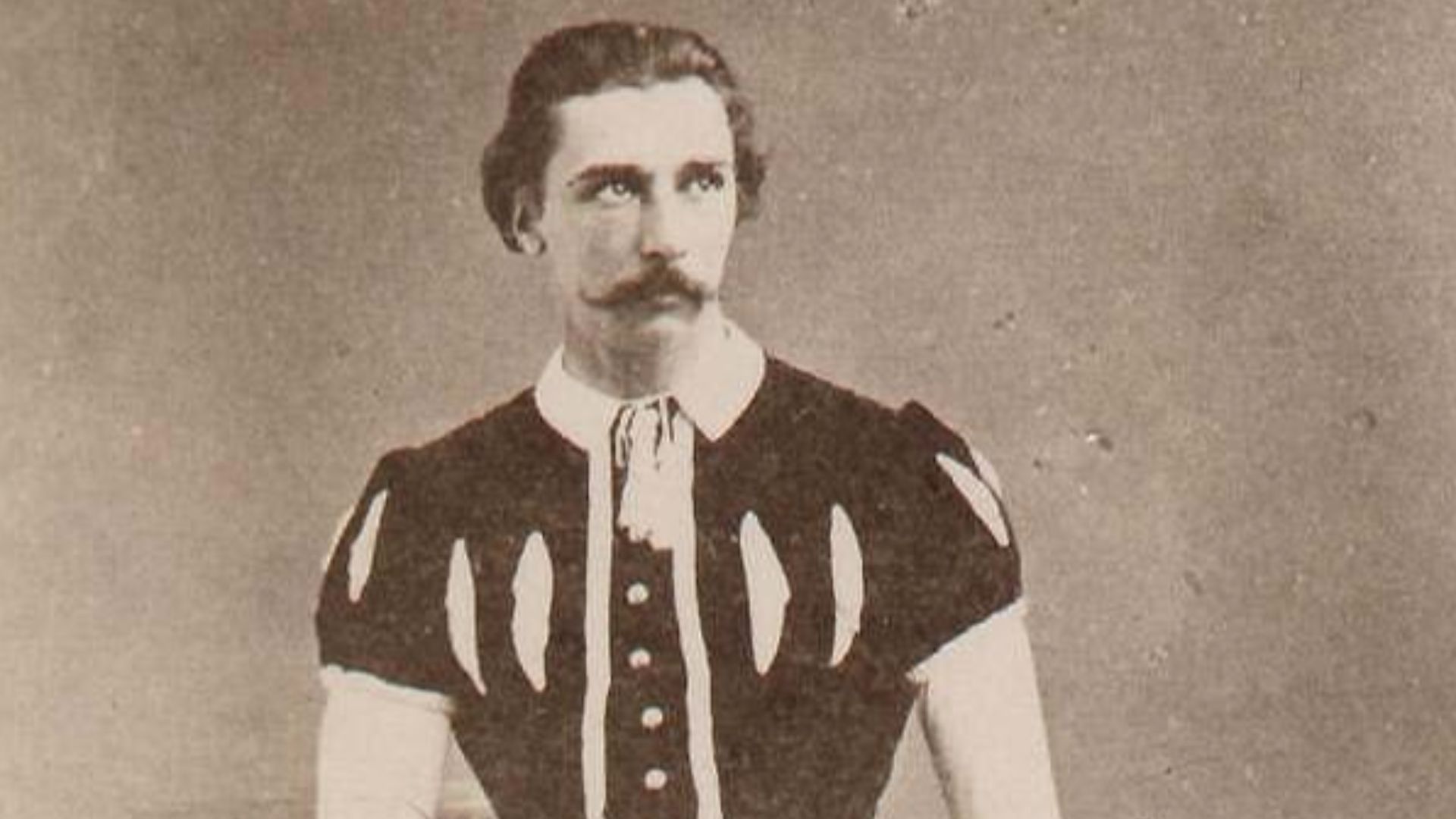
Jules Léotard
French acrobat Jules Léotard became famous for daring trapeze performances in the 19th century. He wore a close-fitting garment that allowed him to move freely while performing. That costume eventually took his surname and became the modern leotard.
 Unknown authorUnknown author, Wikimedia Commons
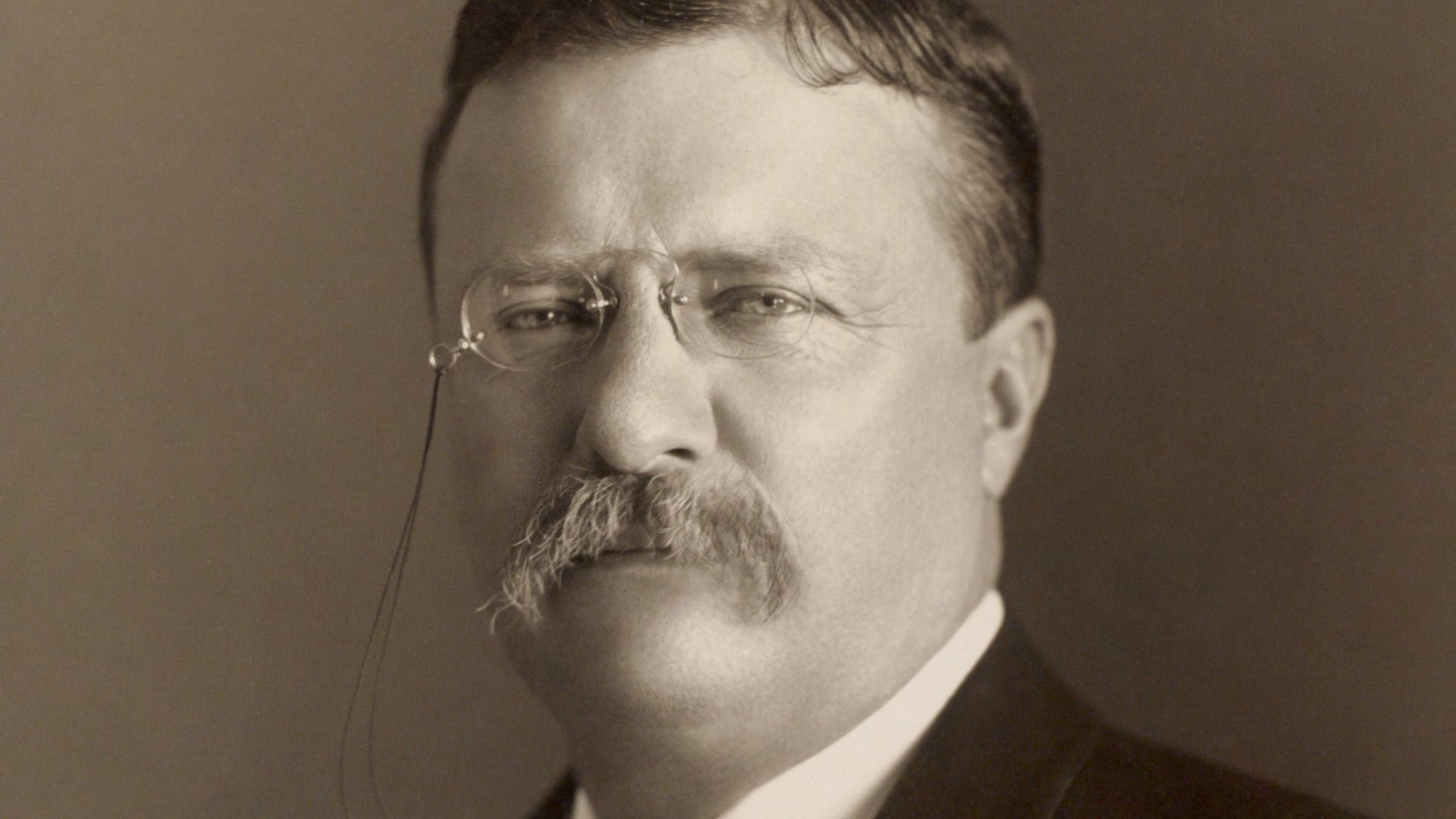
Teddy Roosevelt
During a 1902 hunting trip, President Theodore Roosevelt refused to shoot a black bear that had been tied up for him. The incident inspired a famous cartoon and later a stuffed toy called “Teddy's Bear.” Roosevelt's nickname soon became inseparable from one of the world's most familiar toys.
 Adam Cuerden, Wikimedia Commons
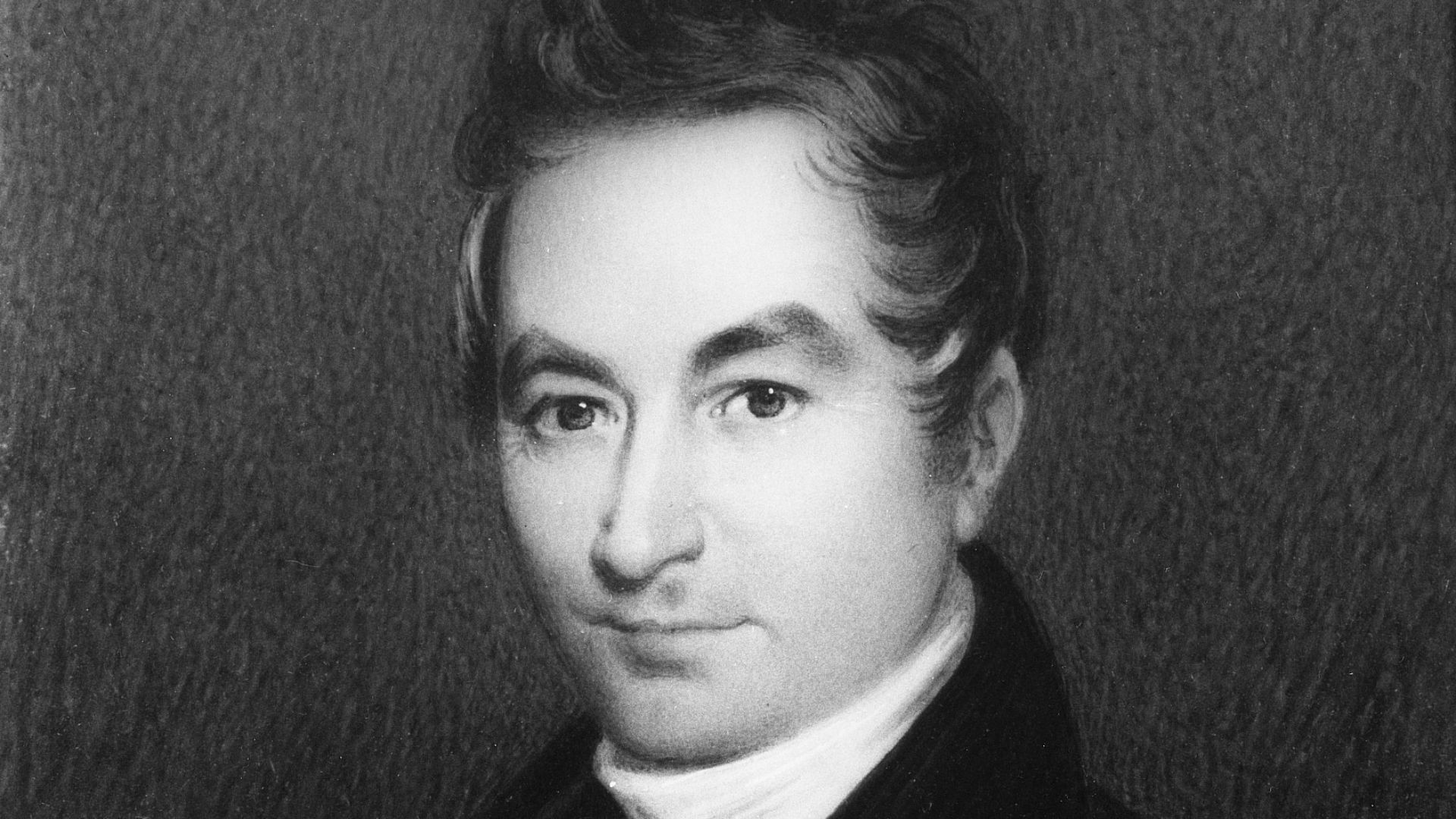
Joel Poinsett
Diplomat Joel Roberts Poinsett encountered a striking red plant while serving as the first U.S. minister to Mexico. He helped introduce it to the United States, where it eventually became known as the poinsettia. His name now appears in homes and stores every Christmas season.
 Hugh Bridport, Wikimedia Commons
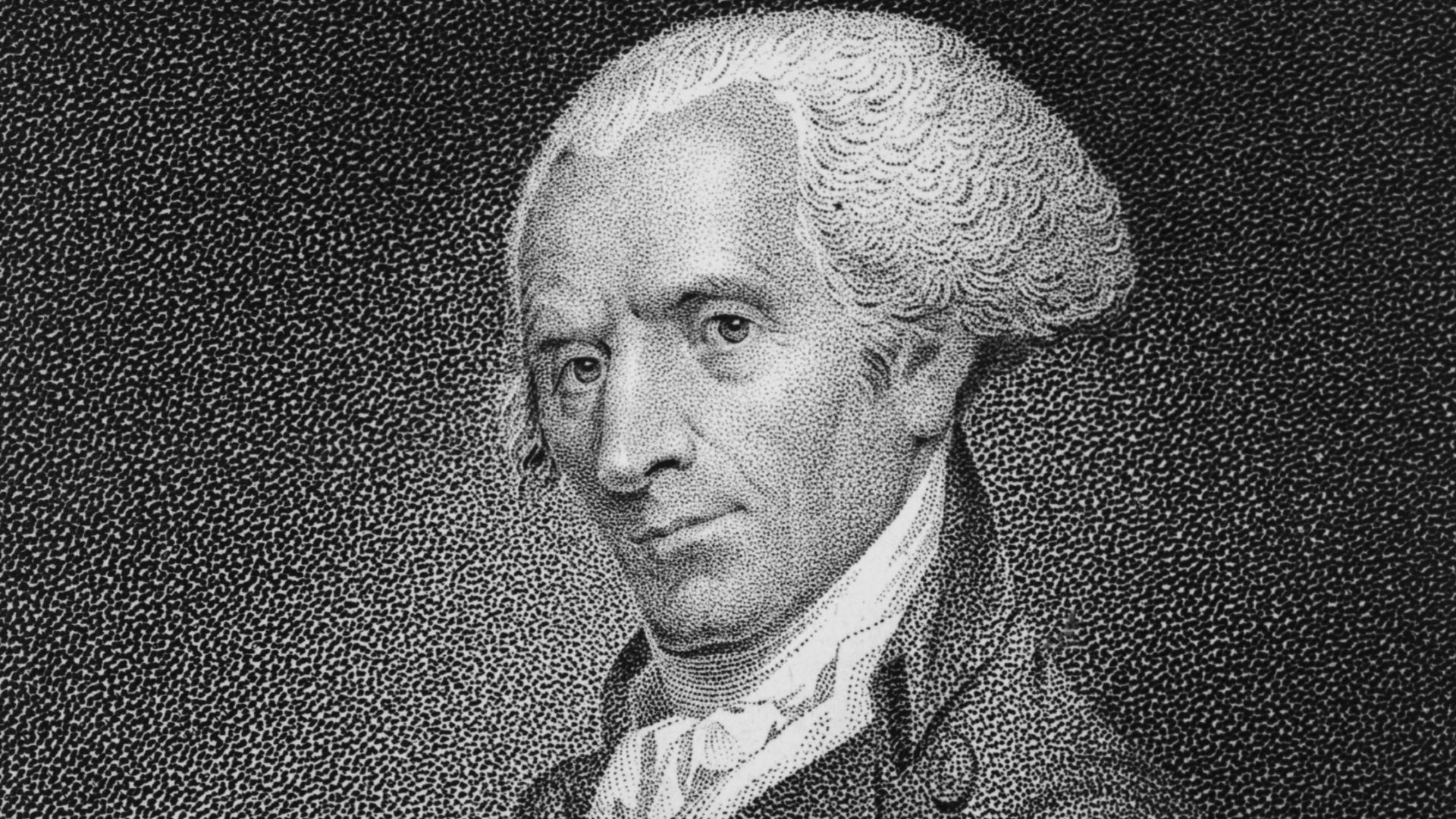
Elbridge Gerry
Massachusetts governor Elbridge Gerry signed a redistricting bill in 1812 that benefited his political party. One strangely shaped district was compared to a salamander, inspiring the word “Gerry-mander.” More than two centuries later, gerrymandering still means manipulating electoral boundaries for political advantage.
 Longacre, James Barton, 1794-1869, engraver, Wikimedia Commons
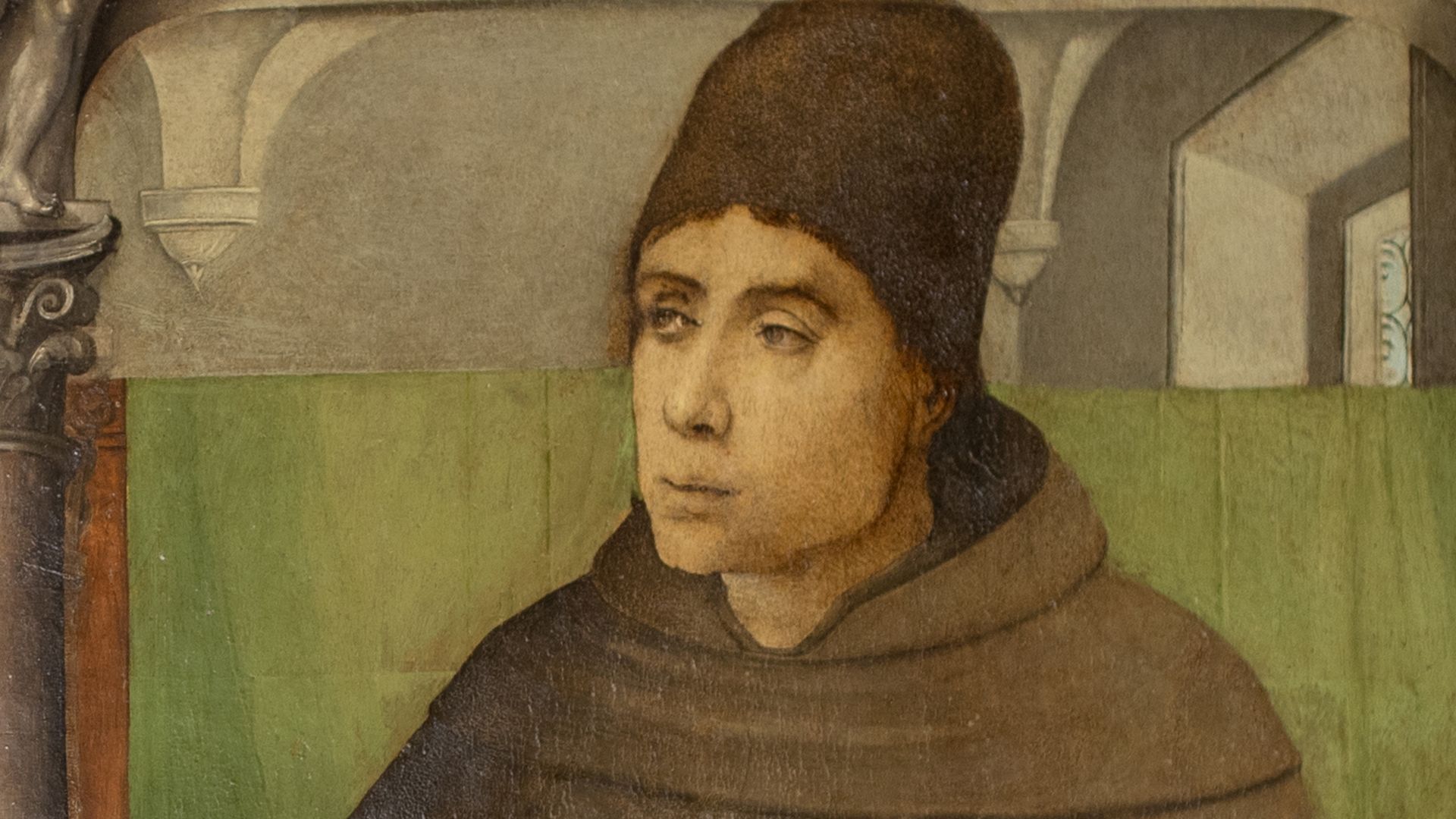
John Duns Scotus
John Duns Scotus was a highly respected medieval philosopher and theologian. His followers became known as “Duns men,” but Renaissance critics began using the term mockingly. Over time, “dunce” came to mean an ignorant or slow-witted person.
 Justus van Gent / Pedro Berruguete, Wikimedia Commons
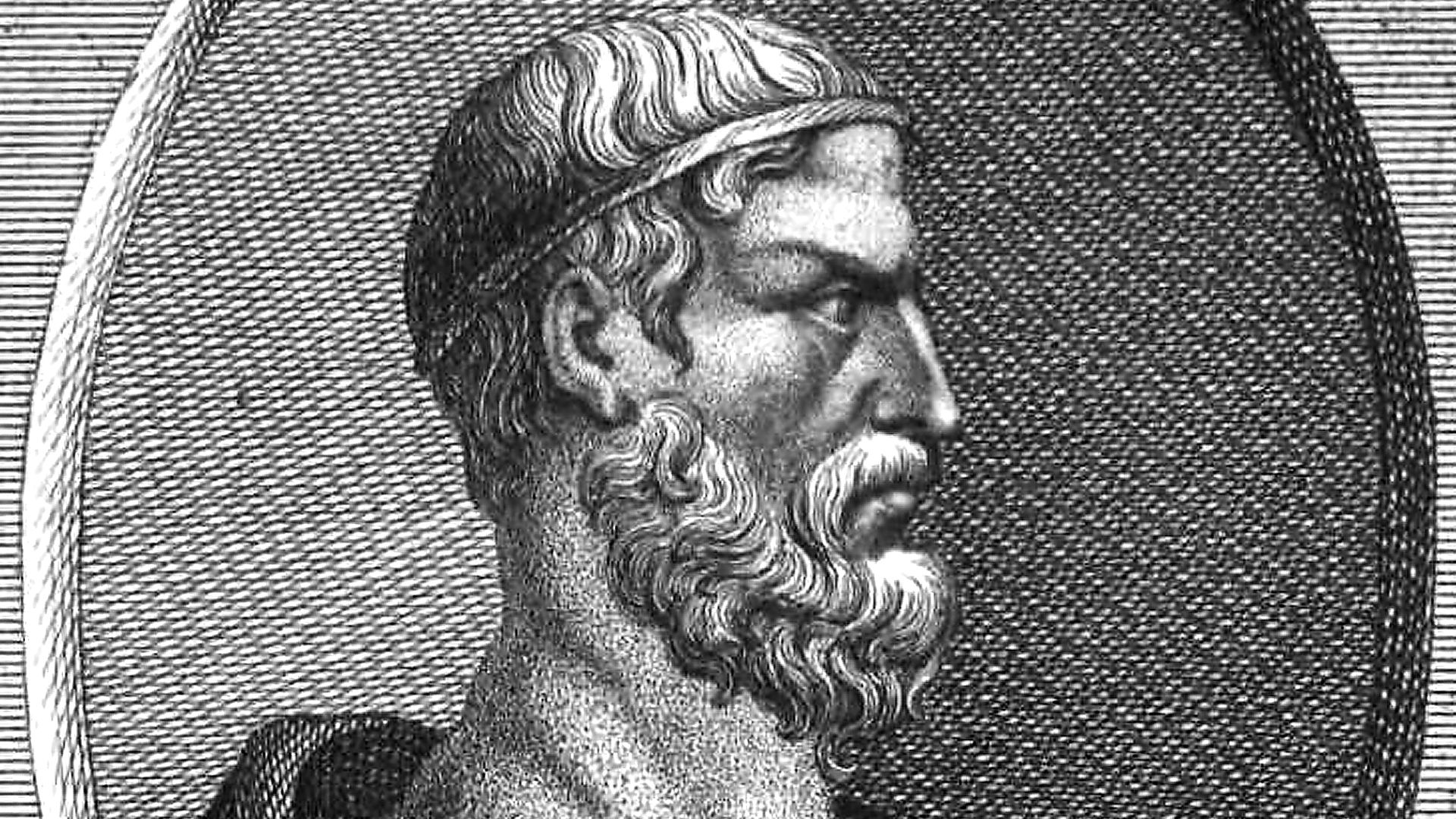
Draco
Draco was an ancient Athenian lawgiver remembered for the extreme severity associated with his legal code. Ancient accounts claimed even minor crimes could receive brutal punishments. His reputation became so strong that “Draconian” still means excessively harsh or severe.
 Max Karl Baldamus, Wikimedia Commons
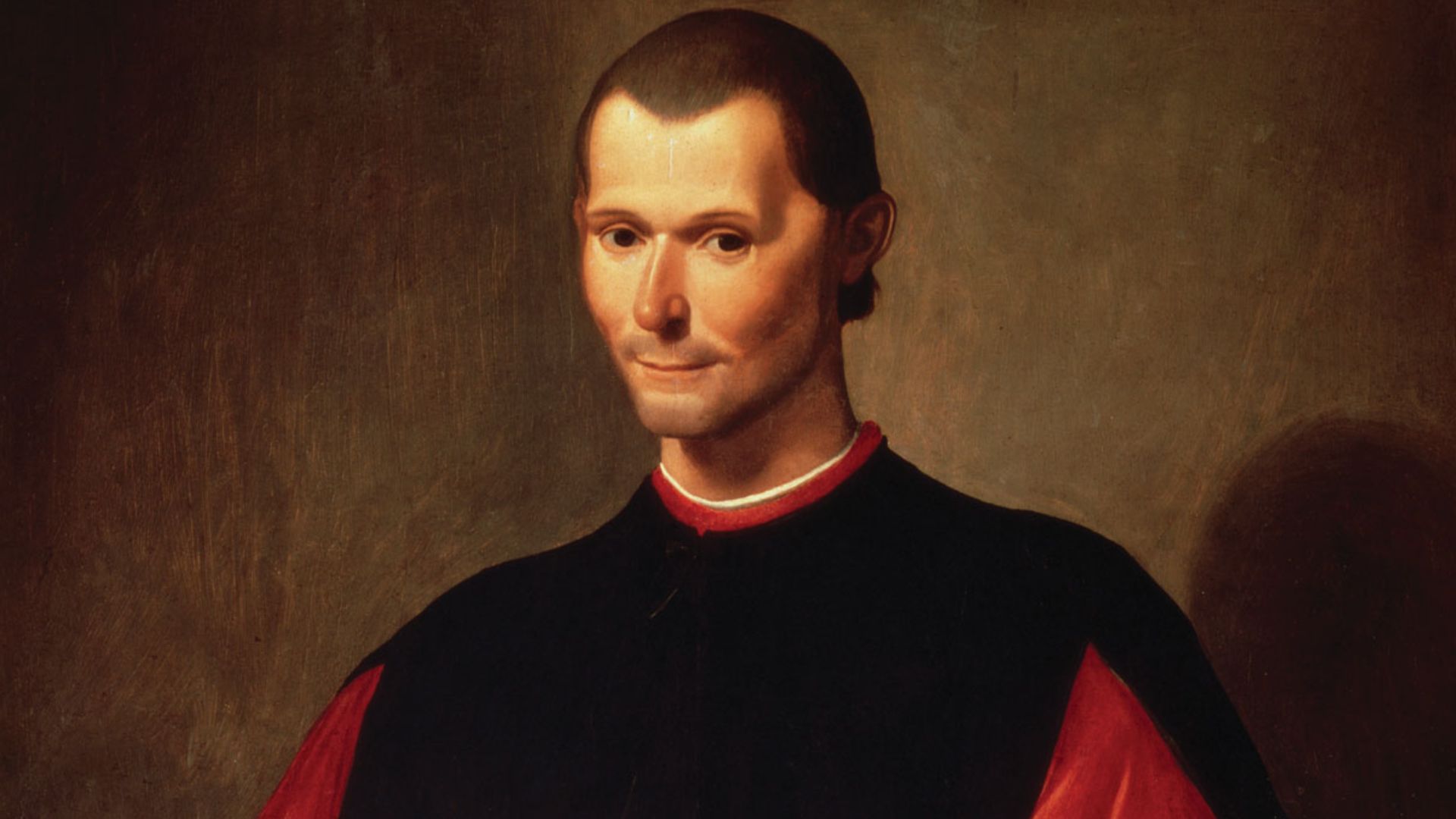
Machiavelli
Niccolò Machiavelli wrote The Prince, his famous examination of political power and leadership. His reputation soon inspired “Machiavellian,” a word for cunning, manipulative, or ruthless behavior. His surname became shorthand for political scheming centuries after his death.
 Santi di Tito, Wikimedia Commons
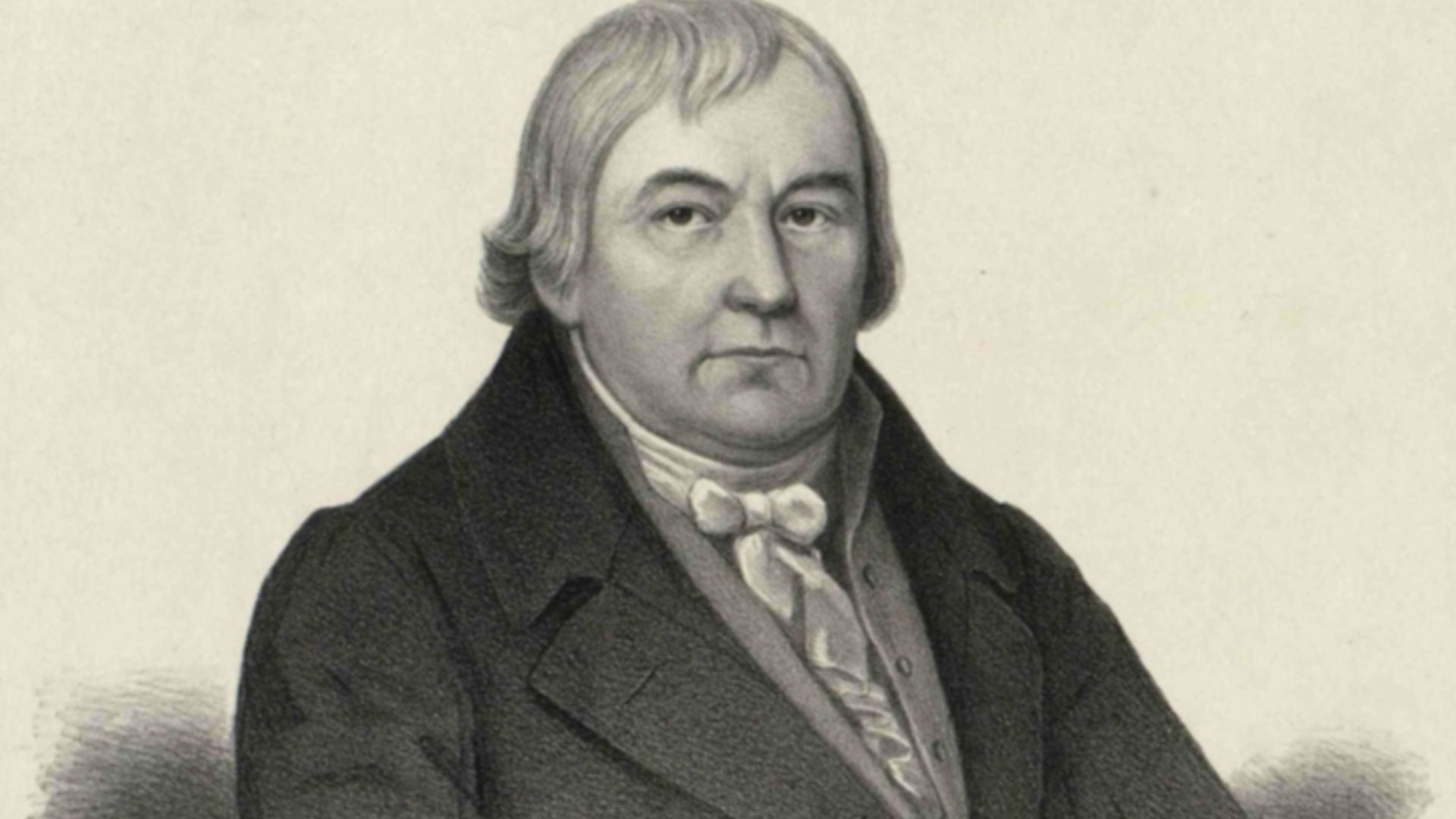
Franz Mesmer
Physician Franz Anton Mesmer promoted the 18th-century theory of “animal magnetism.” His practices inspired the word “mesmerism” and eventually the verb “mesmerize.” Today, someone can be mesmerized by anything captivating, even though Mesmer's medical theories have long disappeared.
 Unknown authorUnknown author, Wikimedia Commons
Luigi Galvani
Italian physician Luigi Galvani studied electrical effects in the muscles of frogs. His surname inspired “galvanism” and later the verb “galvanize.” The word eventually expanded beyond electricity to mean suddenly spurring someone into action.
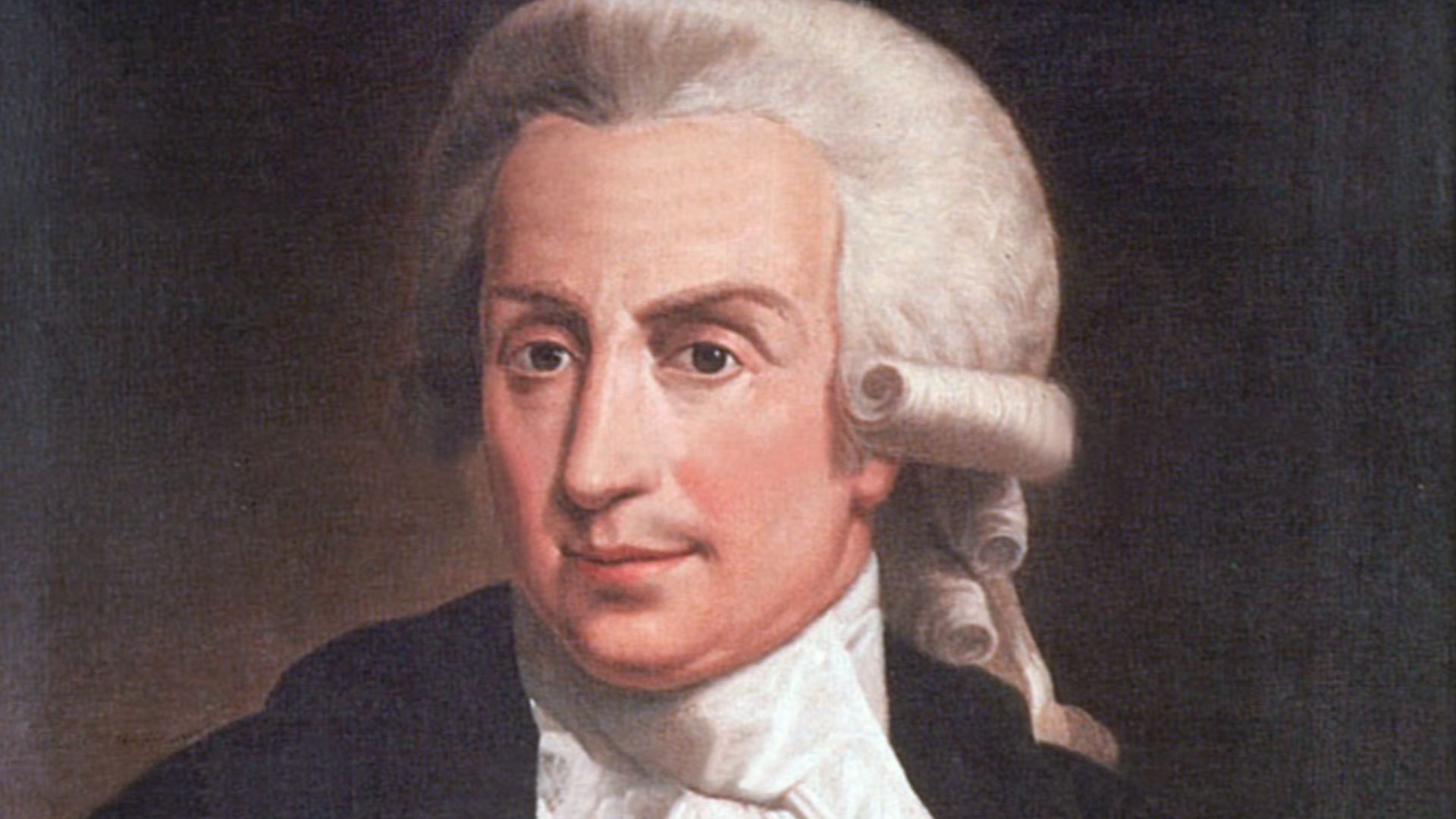 Unidentified painter, Wikimedia Commons
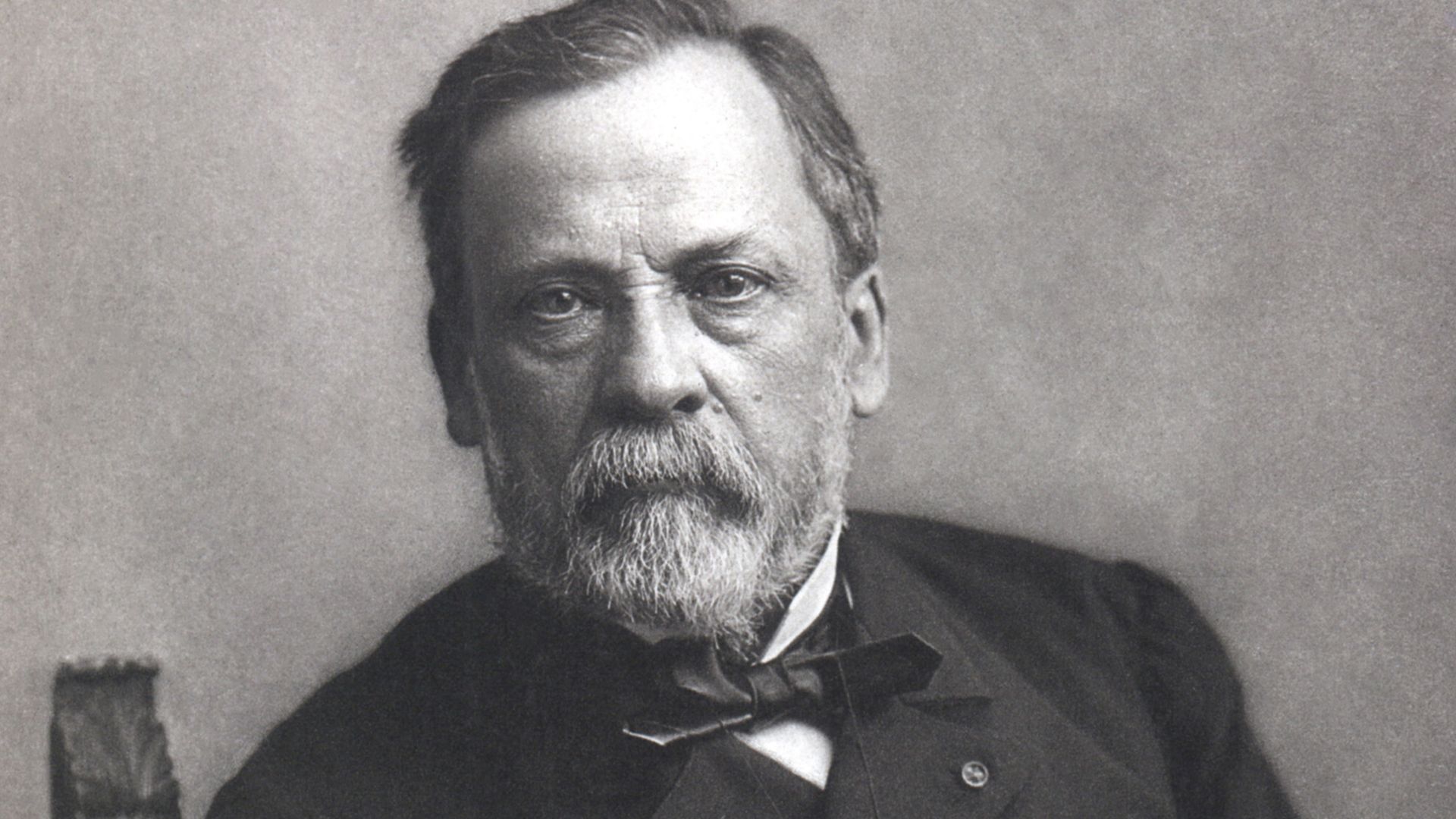
Louis Pasteur
Louis Pasteur showed that carefully heating liquids could help prevent spoilage caused by microorganisms. The process became known as pasteurization and eventually spread to milk, beer, juice, and other products. Few scientists have their surnames printed on grocery labels quite so often.
Jean Nicot
French diplomat Jean Nicot helped promote tobacco in 16th-century France, when Europeans often believed it had medicinal benefits. His surname became part of the botanical name Nicotiana. It later gave us “nicotine,” the name of tobacco's addictive chemical.
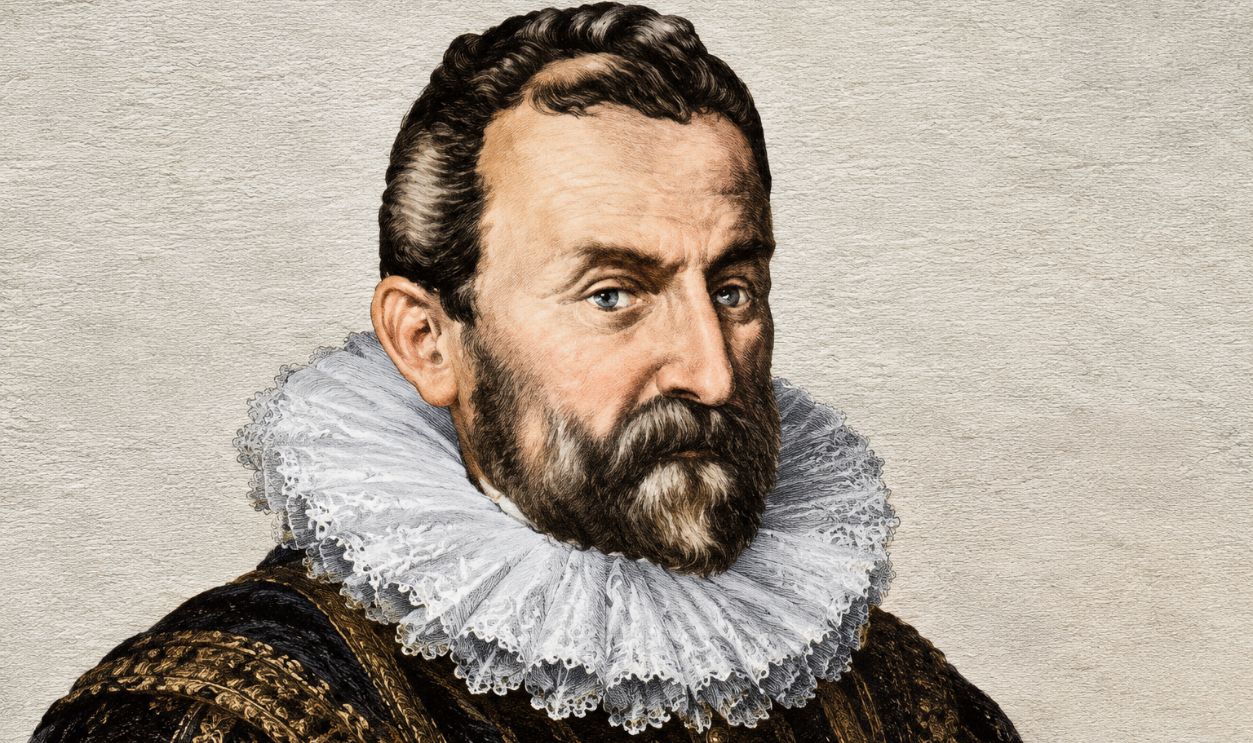 Gravure publiee par l'editeur Albin Michel, Wikimedia Commons, Modified
Adolphe Sax
Belgian instrument maker Adolphe Sax developed a new family of wind instruments in the 19th century. The best-known became the saxophone, combining his surname with a word element relating to sound. Every saxophone still announces its inventor's name before anyone plays a note.
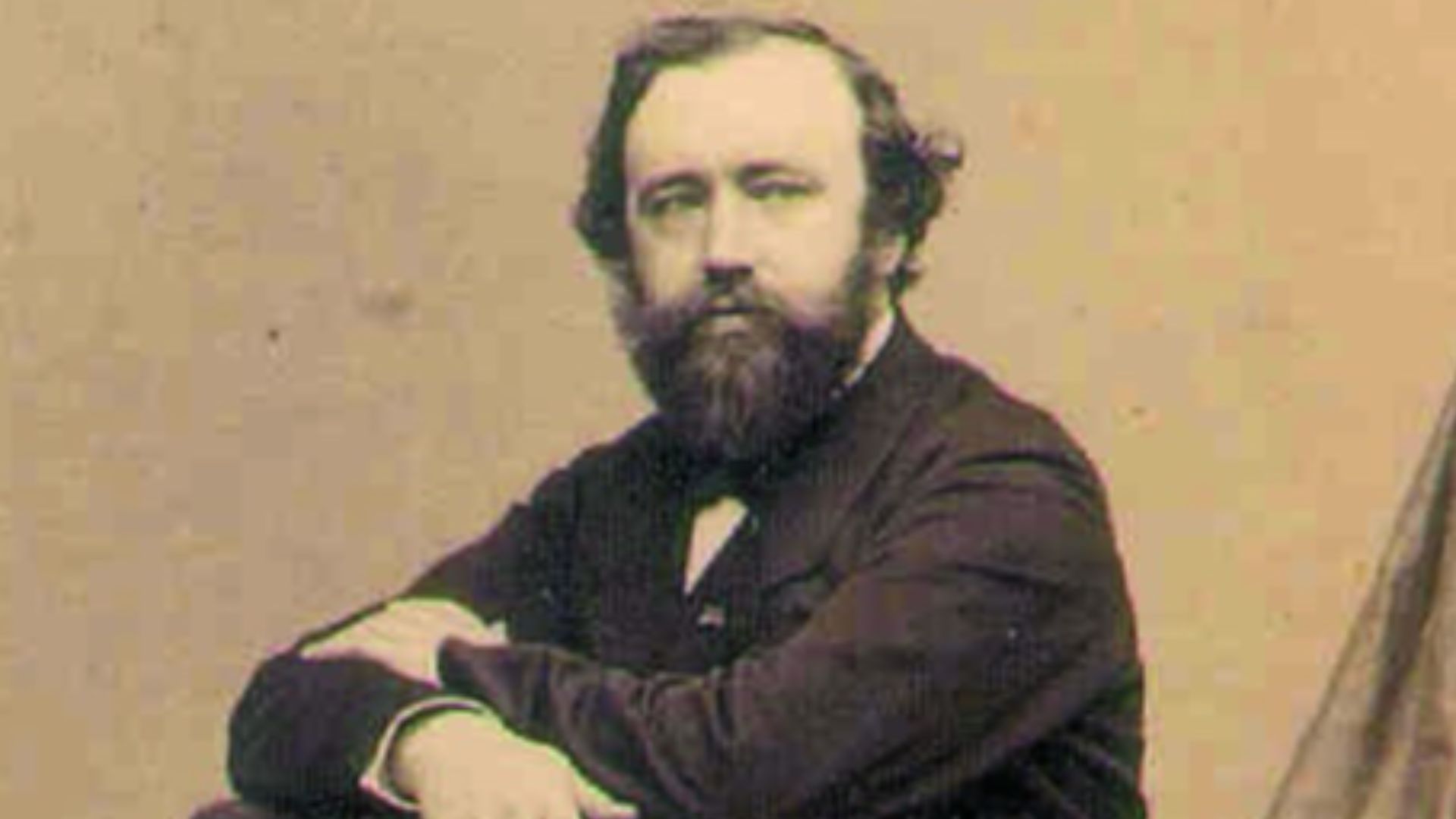 Unknown authorUnknown author, Wikimedia Commons
Rudolf Diesel
German engineer Rudolf Diesel developed the compression-ignition engine that still bears his surname. His engines became widely used in trucks, ships, trains, and heavy machinery. Eventually, his name also became the everyday word for the fuel powering them.
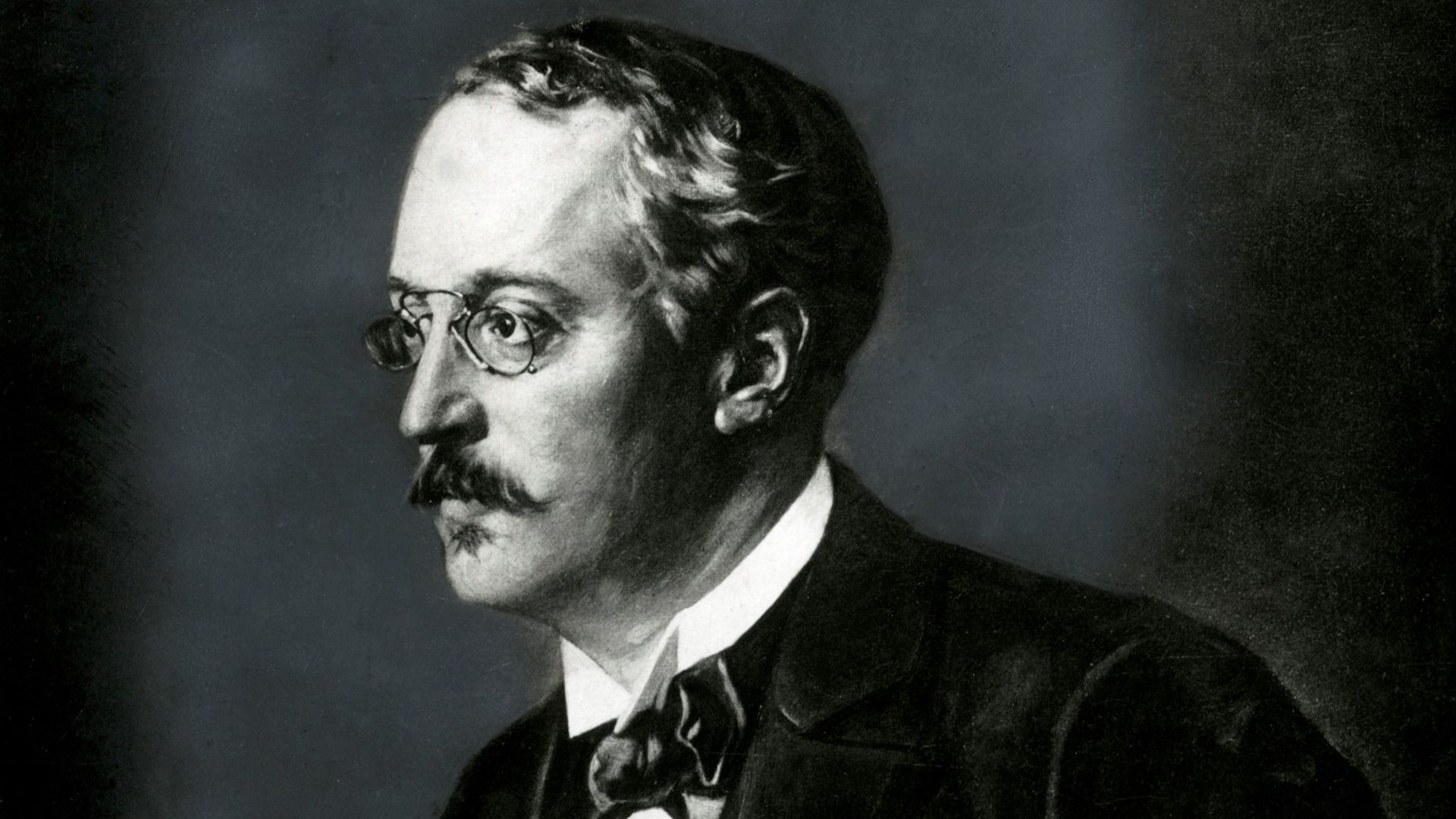 Unknown authorUnknown author, Wikimedia Commons
Louis Braille
Louis Braille began developing his raised-dot reading system while still a teenager in Paris. Inspired by an earlier military communication system, he created a much simpler six-dot code. His surname became the everyday name for a system that transformed literacy for blind people worldwide.
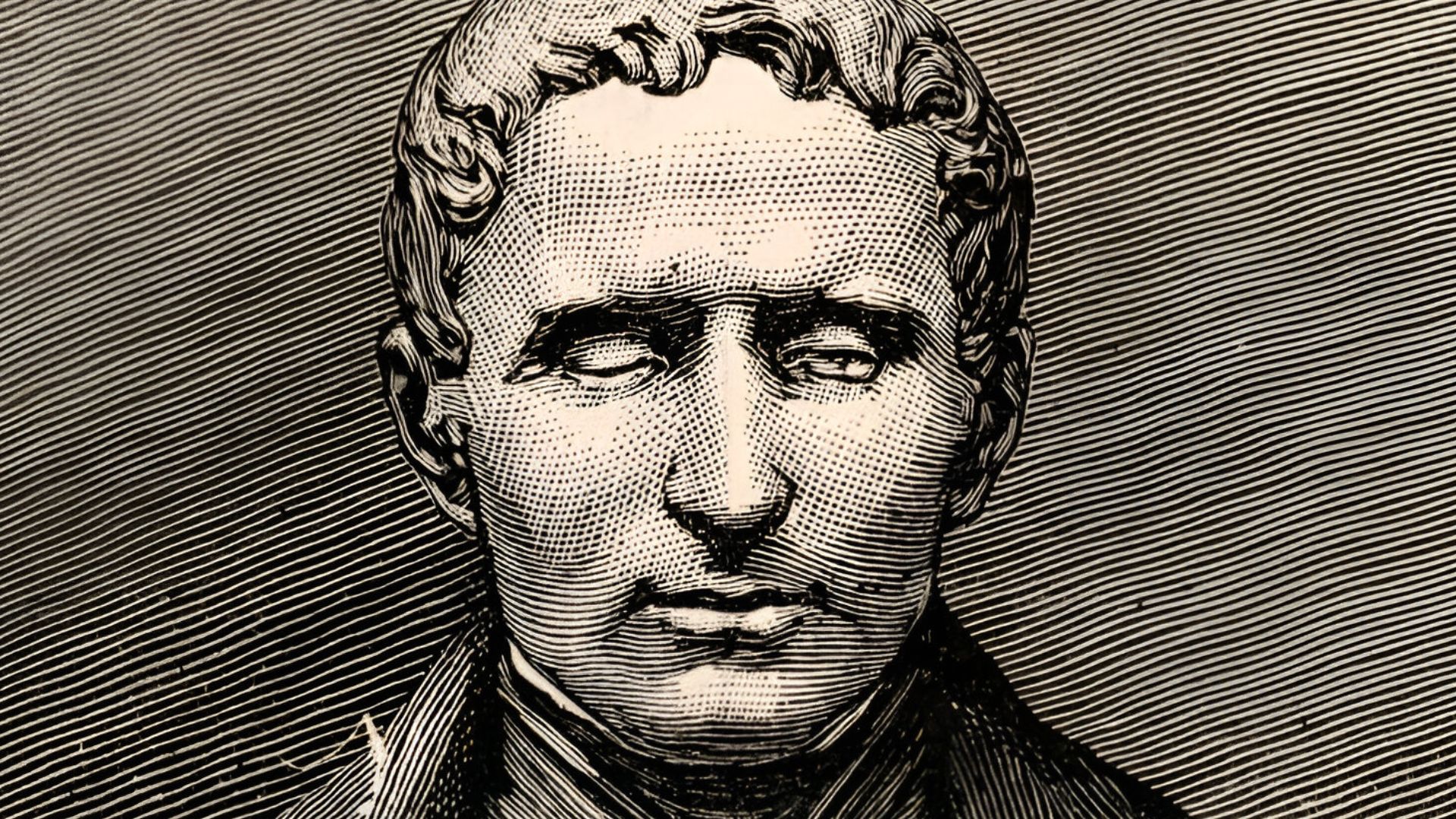 Henri Thiriat, Wikimedia Commons
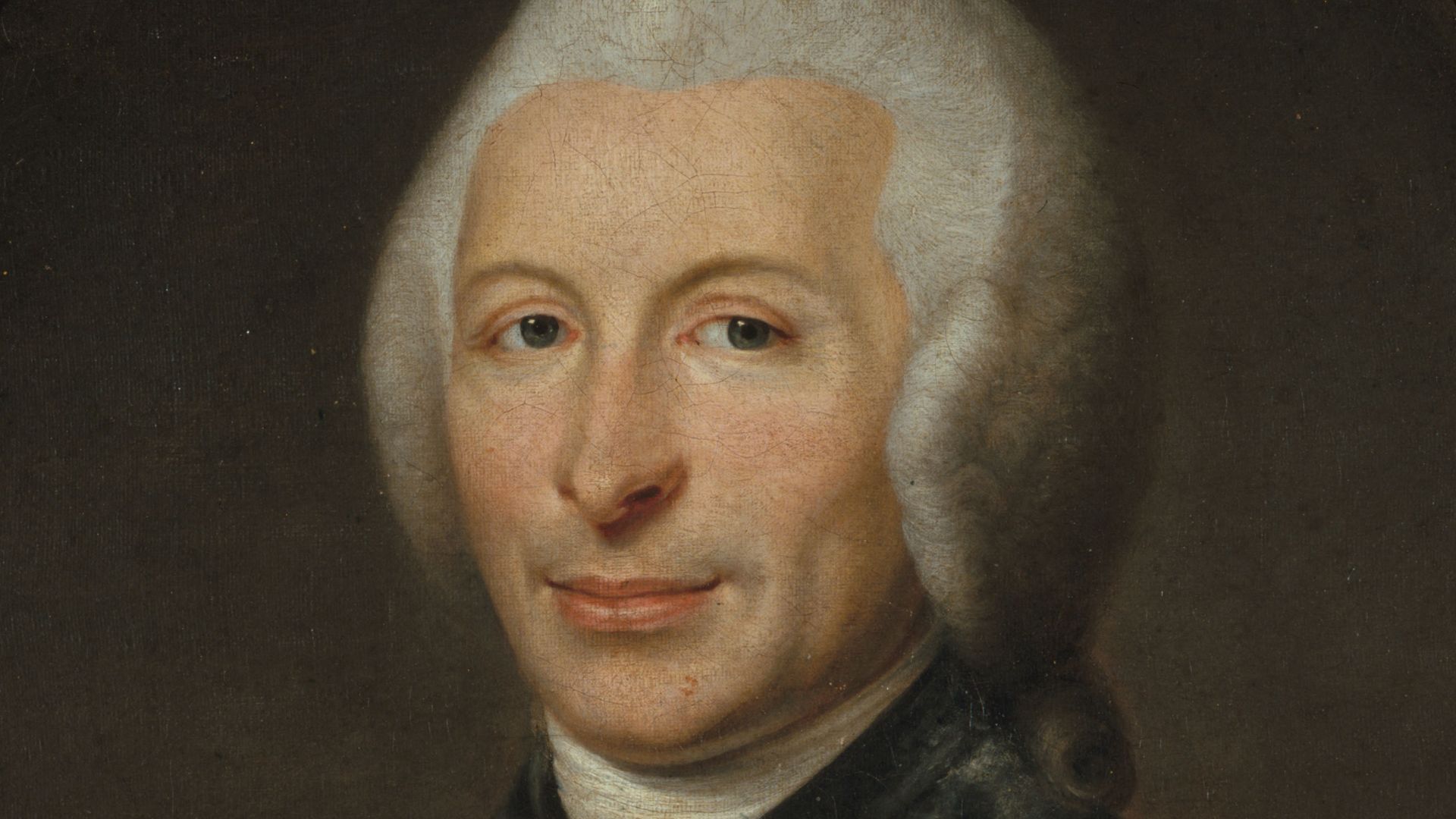
Joseph Guillotin
Joseph-Ignace Guillotin did not invent the guillotine, and he was never executed by one. The French doctor actually opposed capital punishment but supported a standardized, supposedly more humane method of execution. His surname became permanently attached to the machine anyway.
Henry Shrapnel
British artillery officer Henry Shrapnel developed a shell that scattered projectiles over enemy troops. The weapon became known by his surname, and “shrapnel” later expanded to mean fragments thrown by explosions more generally. His name survived long after the original weapon became obsolete.
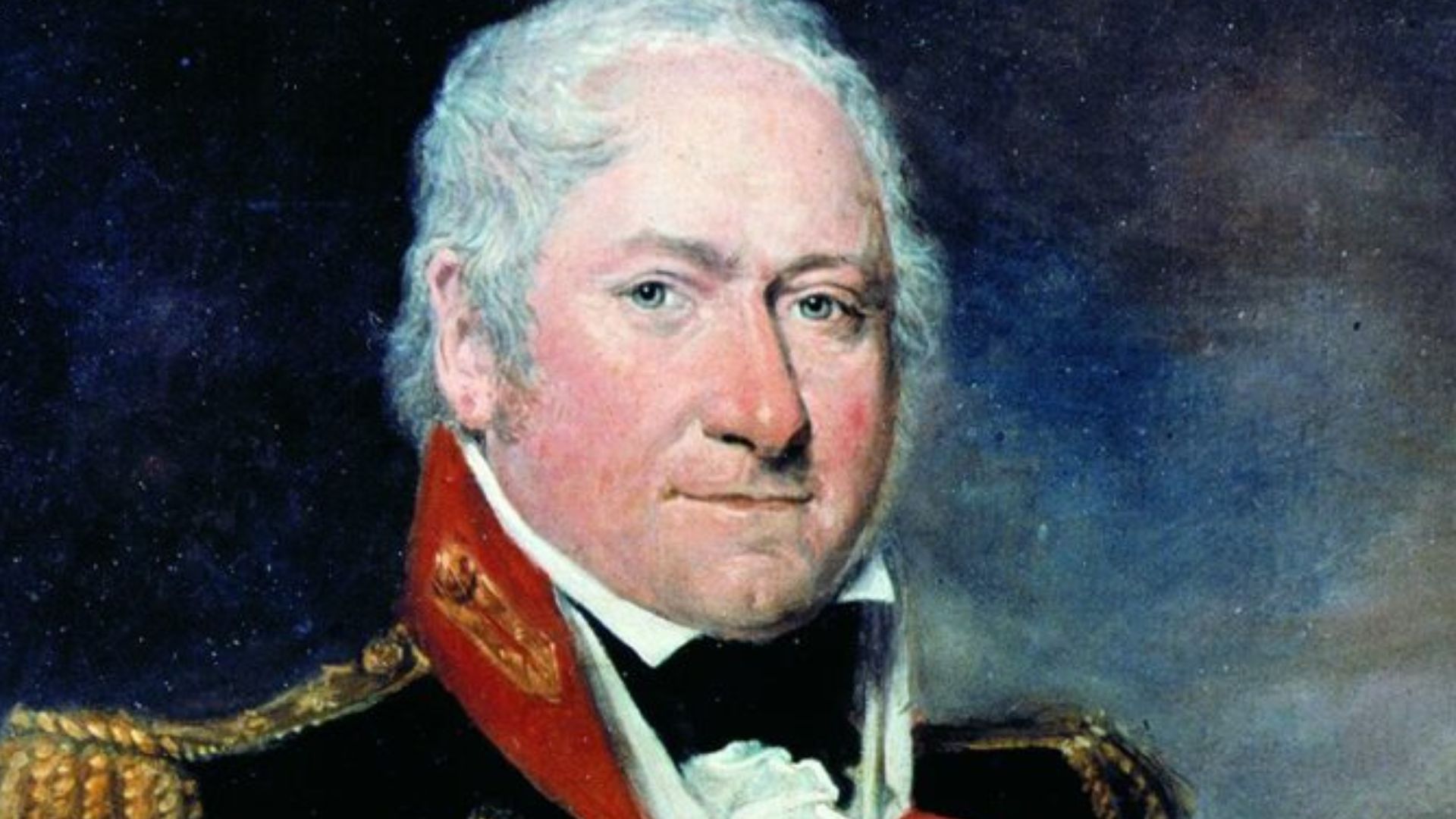 Unknown authorUnknown author, Wikimedia Commons
Thomas Bowdler
Thomas Bowdler published an edited version of Shakespeare that removed material he considered indecent or unsuitable for families. His approach became notorious enough that “bowdlerize” entered the language. It still means removing material considered offensive or inappropriate from a text.
![Adres wydawniczy: London : Longmans, Green, 1872Współtwórcy: Bowdler, Thomas (1754-1825) RedakcjaOpis fizyczny: [2], VIII, [2], 910 s. : il. ; 24 cm](https://www.factinate.com/storage/app/media/factinate/2026/9/16/17895495128dd86c03afe380df52a2bd9e688954a94f9f12da.jpg) William Shakespeare, Wikimedia Commons
William Shakespeare, Wikimedia Commons
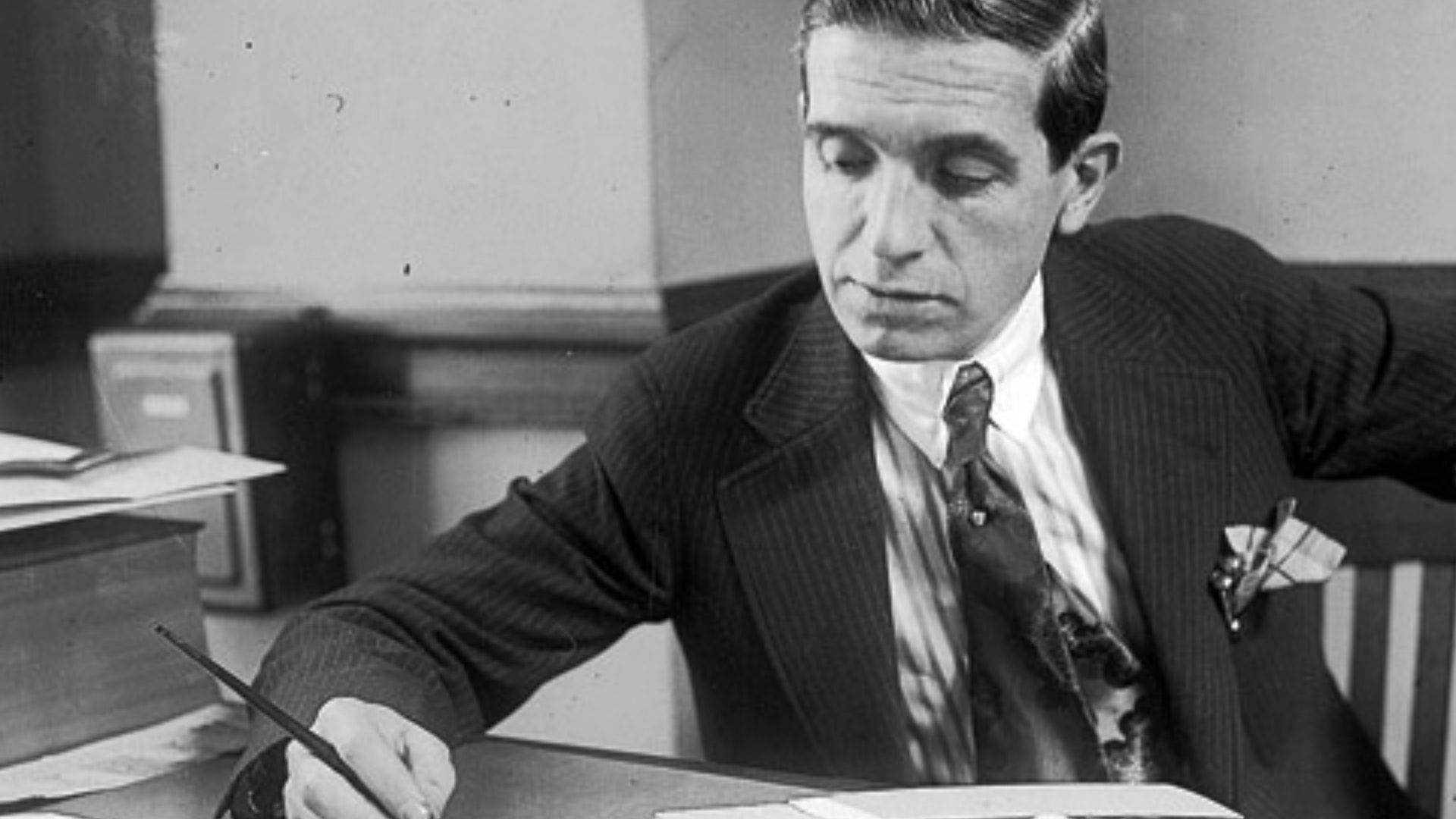
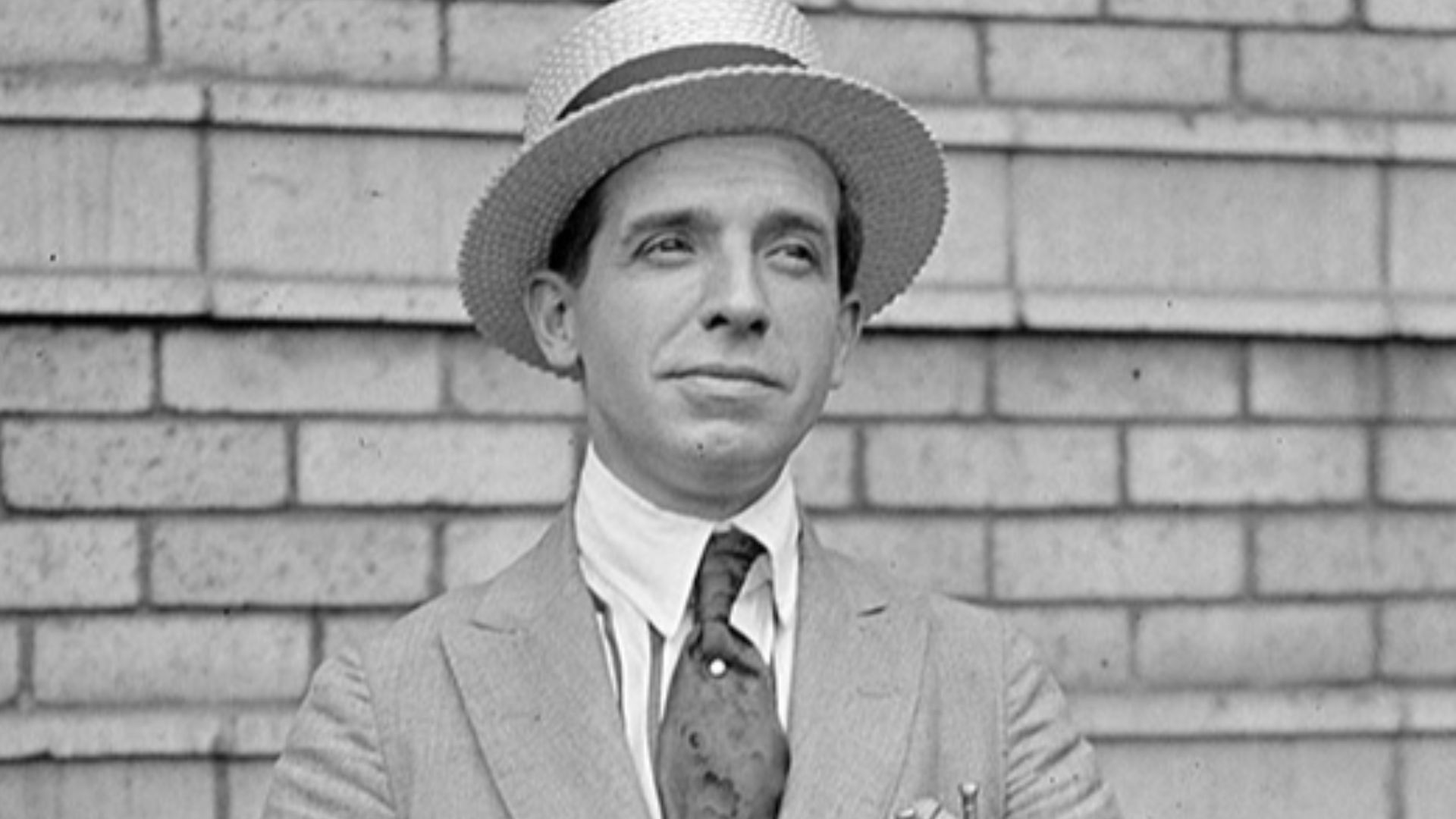
Charles Ponzi
Charles Ponzi was not the first person to run the type of fraud now associated with his name. His hugely publicized investment scheme collapsed in 1920 after using new investors' money to pay earlier investors. “Ponzi scheme” became the standard term for that kind of financial deception.
 Boston Library (NYT); en.wikipedia.org, Wikimedia Commons
Their Names Refused To Die
Most people disappear from everyday conversation not long after they disappear from history. These figures somehow did the opposite, becoming sandwiches, sweaters, scams, insults, inventions, and political tactics. Language may be the strangest monument anyone can leave behind.
 The original uploader was Mgreason at English Wikipedia., Wikimedia Commons
You May Also Like:
Historical Nicknames That Outlived The People Who Hated Them
The Real-Life Scandals That Turned Ordinary Names Into Infamous Words
Historical Figures Who Successfully Built Public Images On Stories That Later Completely Fell Apart
Sources: 1, 2, 3, 4, 5, 6, 7, 8, 9, 10, 11, 12, 13, 14, 15, 16, 17, 18, 19, 20, 21, 22, 23