The People Hiding On Store Shelves
Some brand names are so familiar that we forget they once belonged to real people. From ambitious inventors to unsuspecting children, the namesakes behind Adidas, Barbie, Mercedes, Wendy’s, and countless everyday products have been hiding in plain sight.
 Nelson Tiffany, Los Angeles Times, Wikimedia Commons
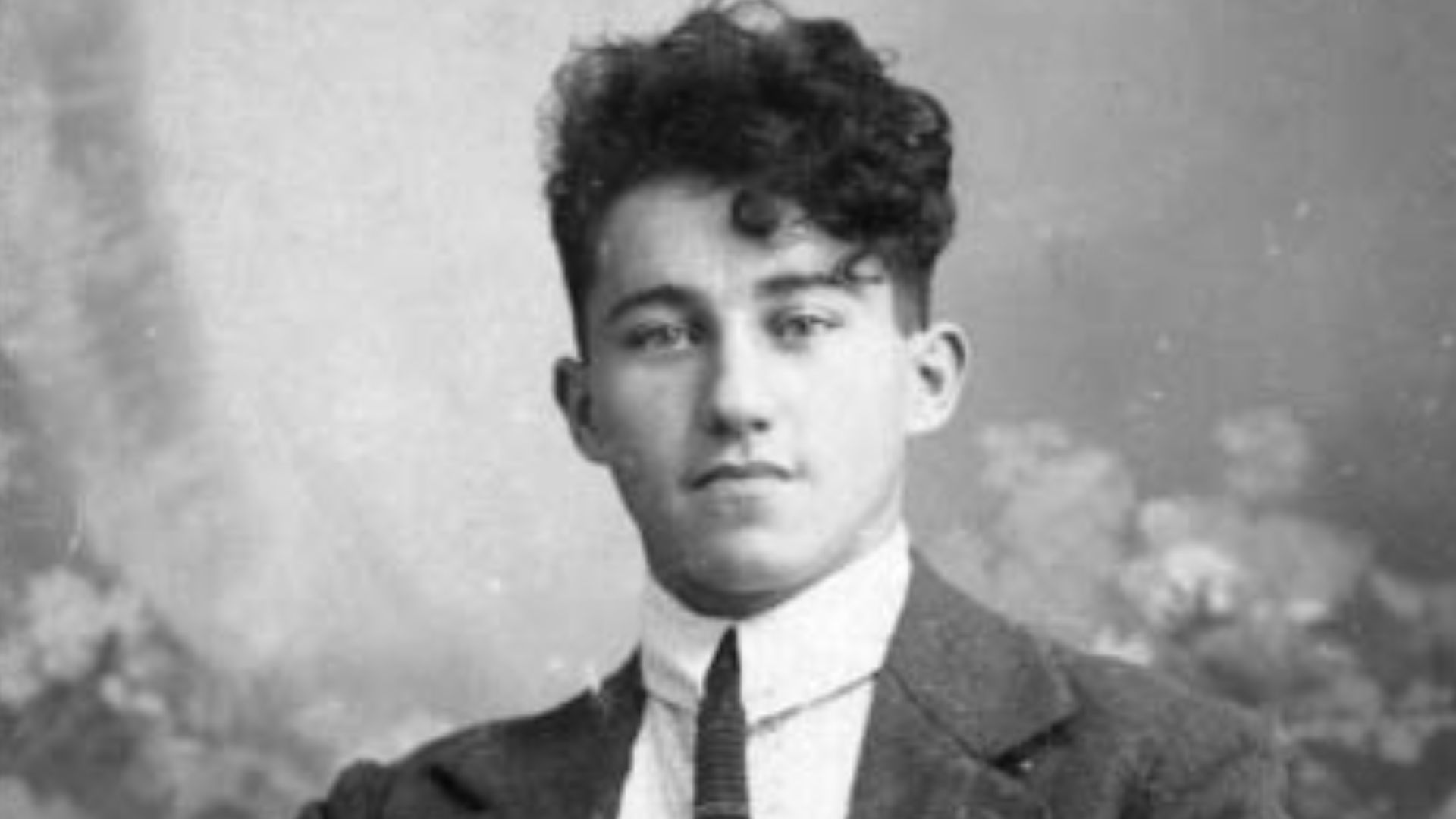
Adidas Came From Adi Dassler
Adidas sounds like a sleek invented word, but it points directly to company founder Adolf Dassler. Friends called him Adi, while Dassler supplied the remaining letters of the brand name. He registered Adolf Dassler adidas Sportschuhfabrik in Germany in 1949, shortly after separating from the shoe business he had operated with his brother Rudolf.
 Unknown authorUnknown author, Wikimedia Commons
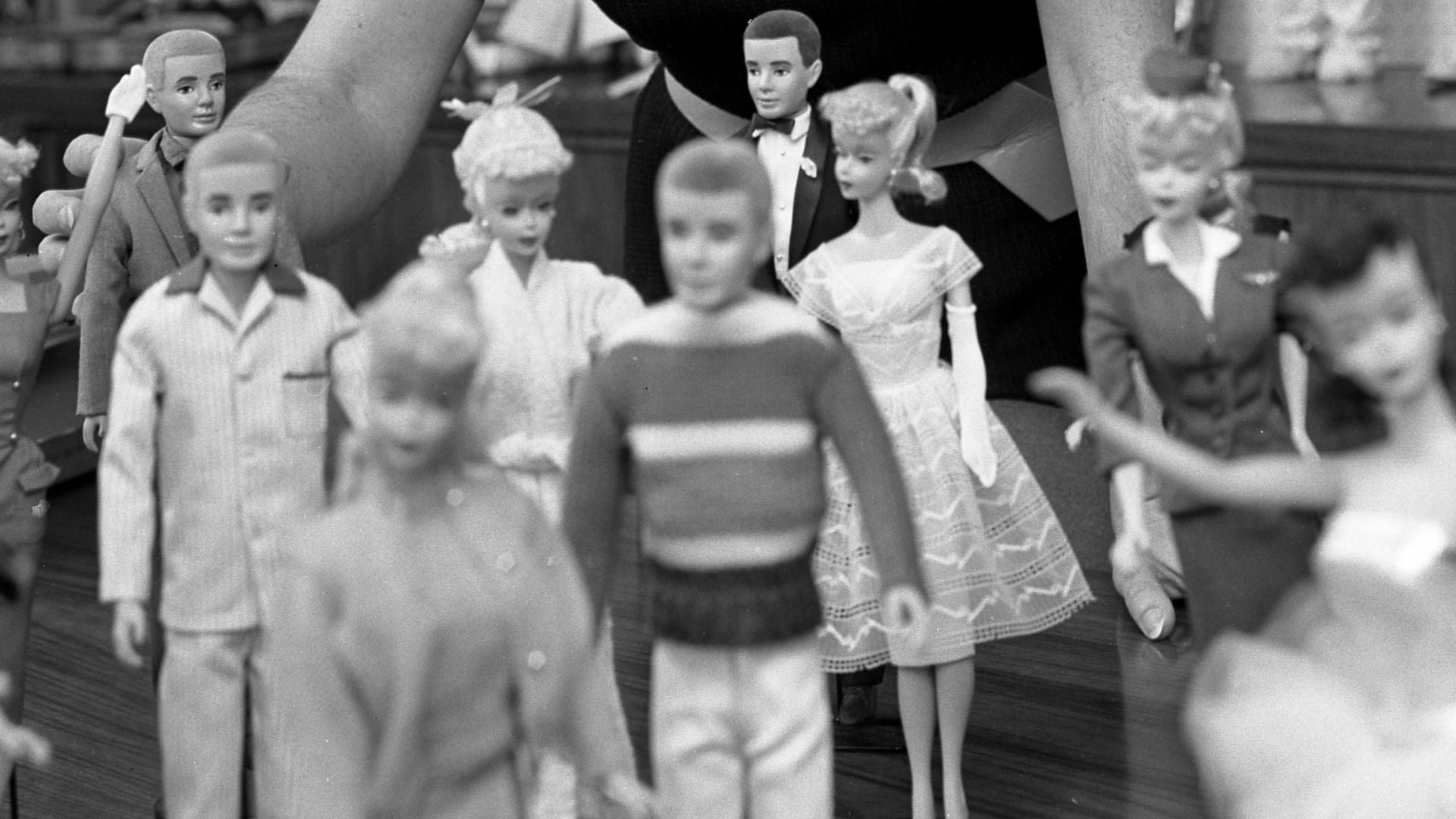
Barbie Was A Real Daughter
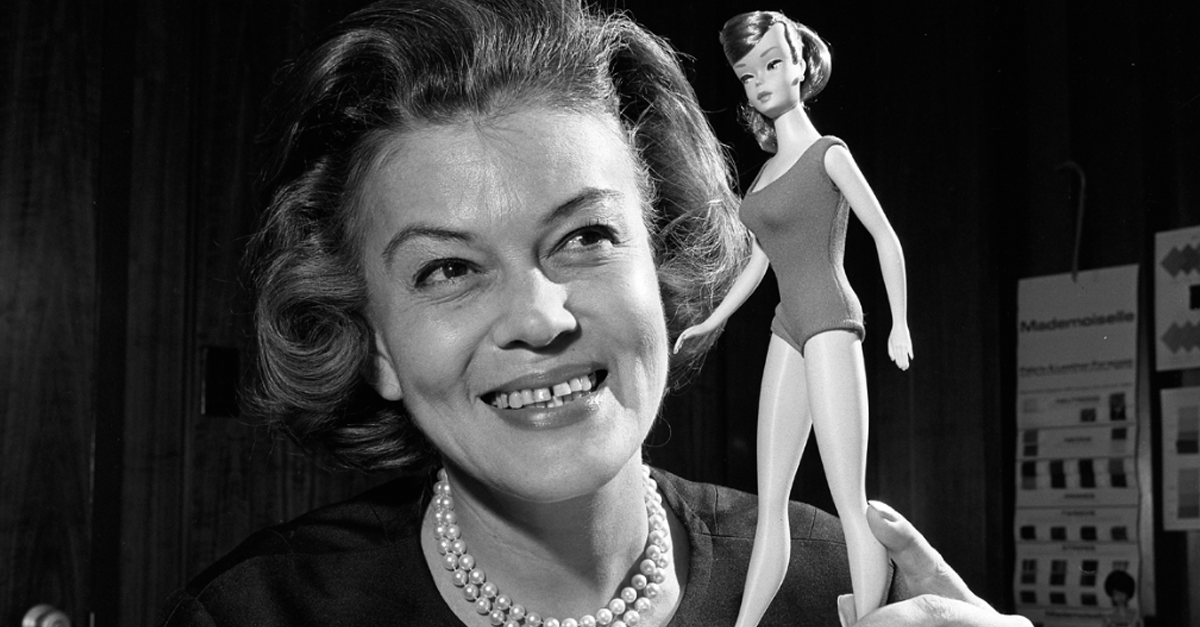
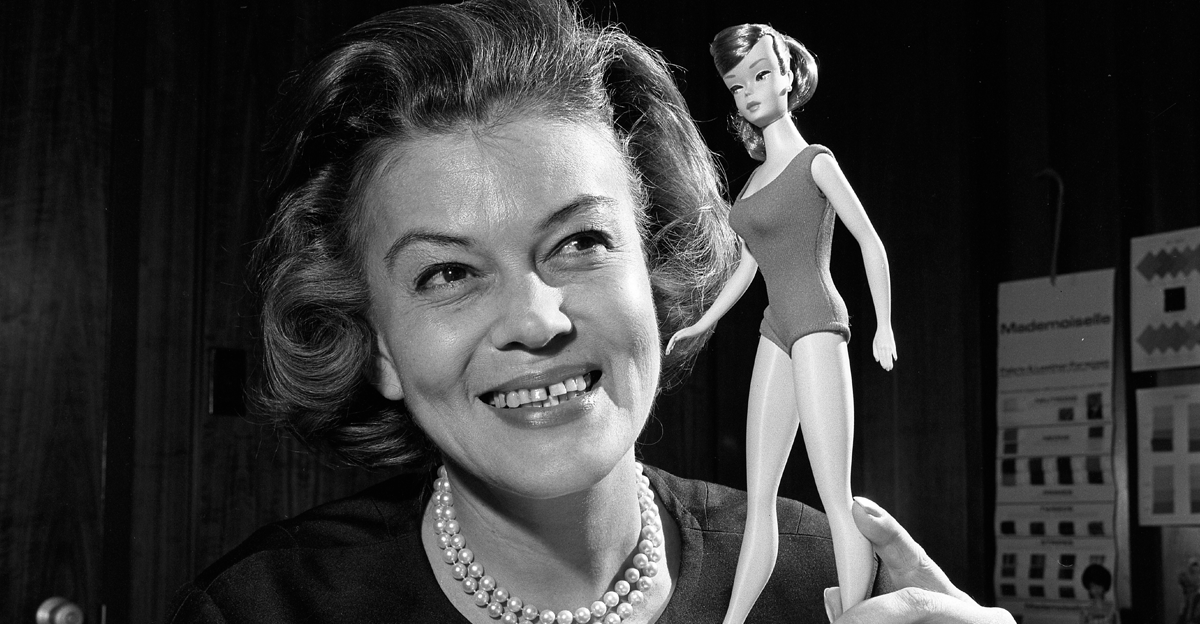
Mattel co-founder Ruth Handler drew inspiration from watching her daughter Barbara play with paper dolls. The resulting adult-shaped fashion doll debuted at the New York Toy Fair in 1959. Handler named her Barbie after Barbara, turning her daughter’s nickname into one of the toy industry’s most recognizable brands.
 Originally published by the Los Angeles Times. Photographer unknown., Wikimedia Commons
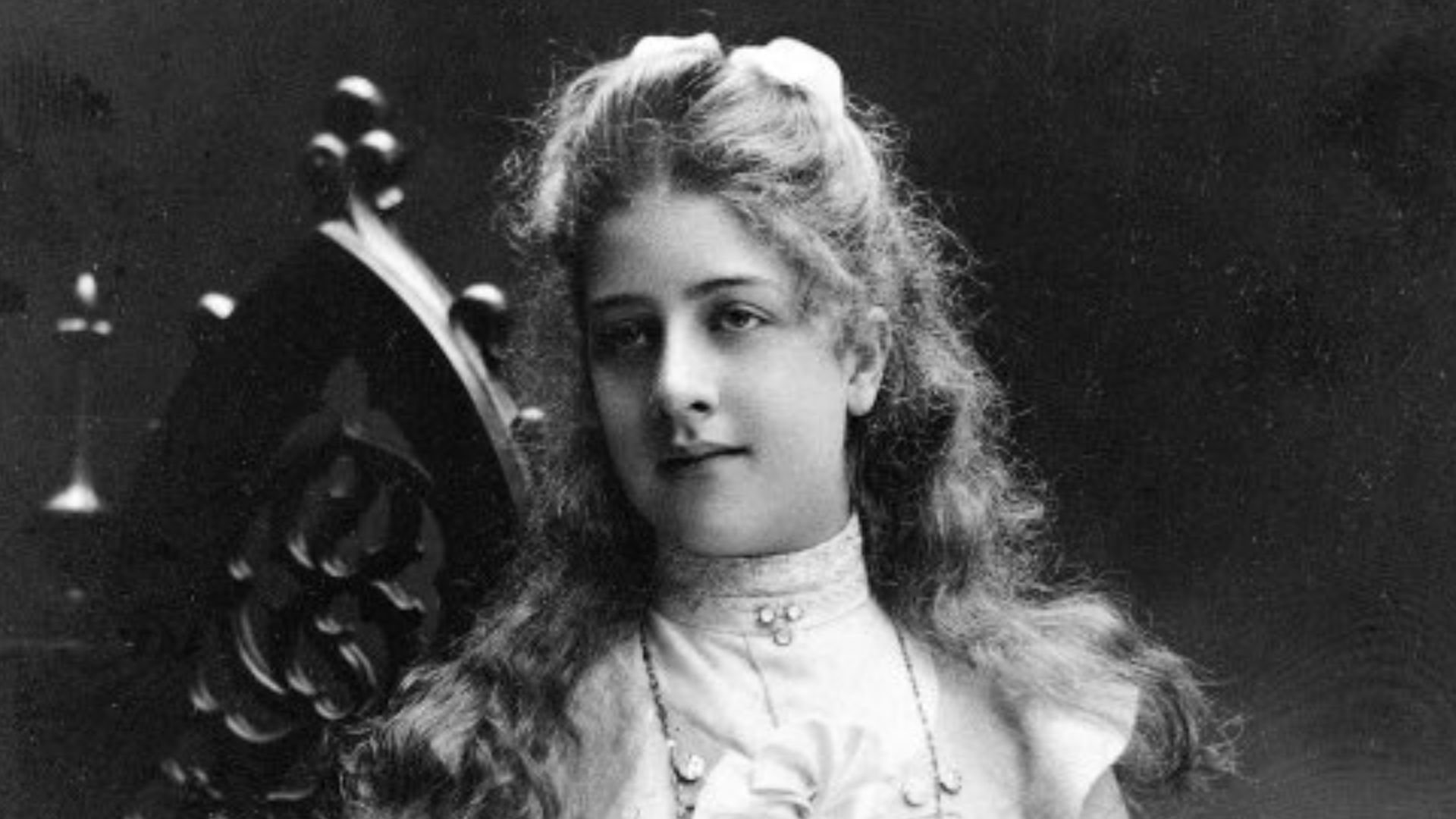
Mercedes Was An Eleven-Year-Old Girl
Mercedes was not the surname of an engineer or automobile executive. Austrian businessman Emil Jellinek used the name of his daughter, Mercédès, when entering Daimler vehicles in races. The name appeared on a groundbreaking new automobile in 1900 and became a legally registered trademark in 1902.

History's most fascinating stories and darkest secrets, delivered to your inbox daily.
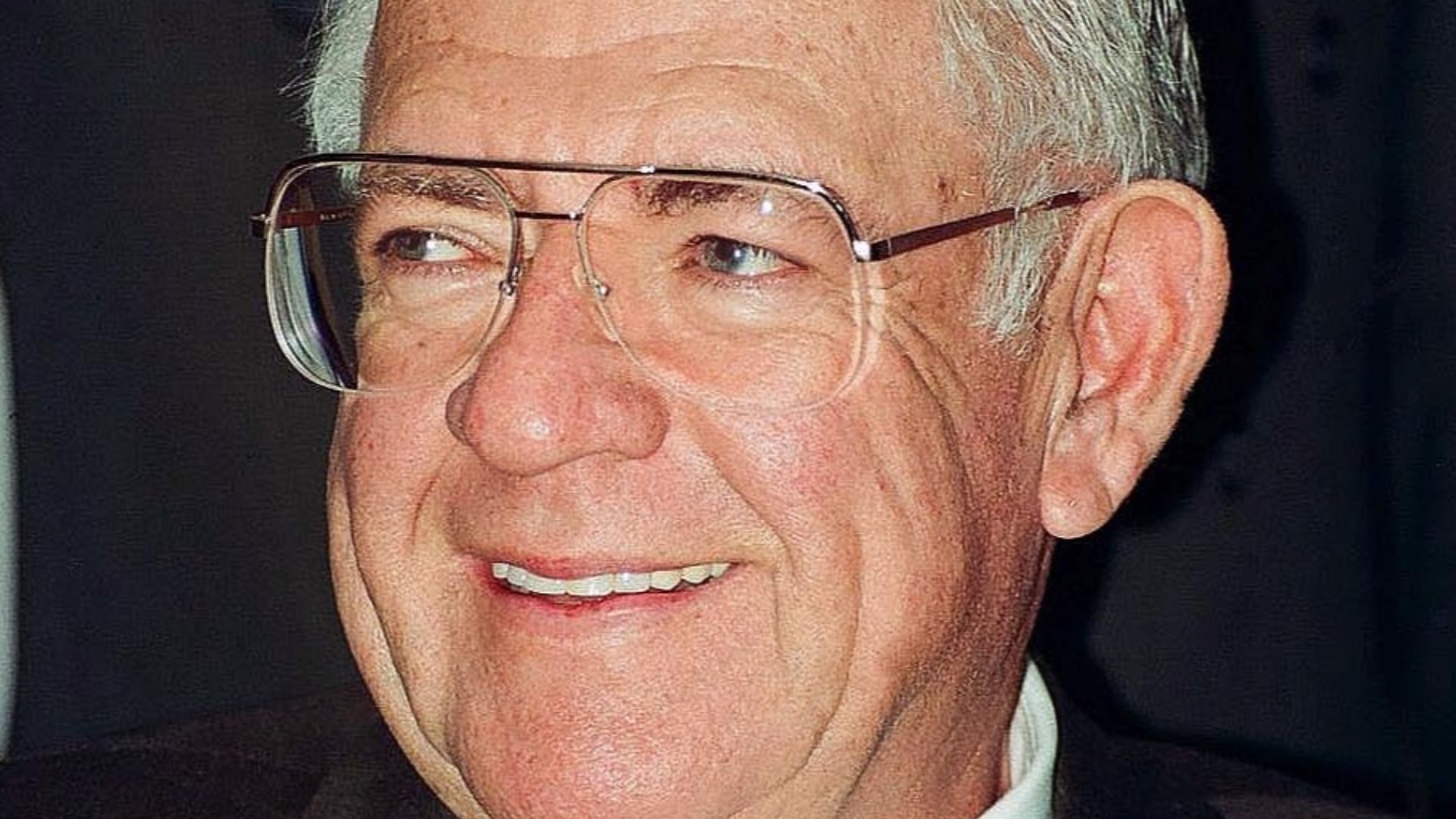
Wendy Had Another First Name
Dave Thomas named Wendy’s after his daughter, but Wendy was not her legal first name. She was born Melinda Lou Thomas, and her siblings struggled to pronounce Melinda when they were young. Their attempts evolved from Wenda into Wendy, giving Thomas the friendly name he wanted for his restaurant.
 John Mathew Smith & www.celebrity-photos.com from Laurel Maryland, USA, Wikimedia Commons
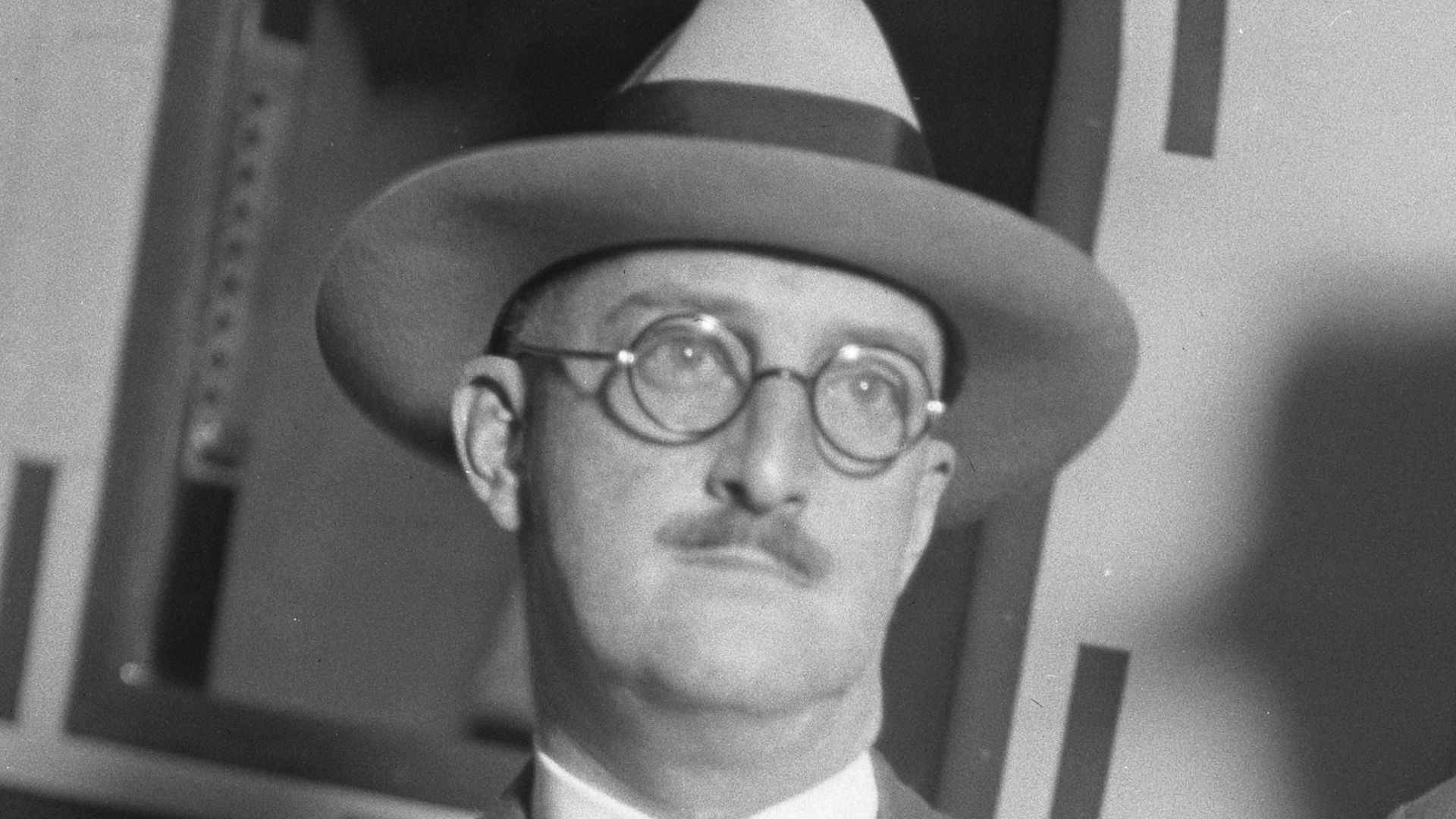
Boeing Began With Bill Boeing
The Boeing name now evokes enormous passenger jets, spacecraft, and military aircraft. It originally belonged to timber businessman and aviation enthusiast William “Bill” Boeing. He incorporated Pacific Aero Products in 1916, then renamed it Boeing Airplane Company the following year.
 Los Angeles Times, Wikimedia Commons
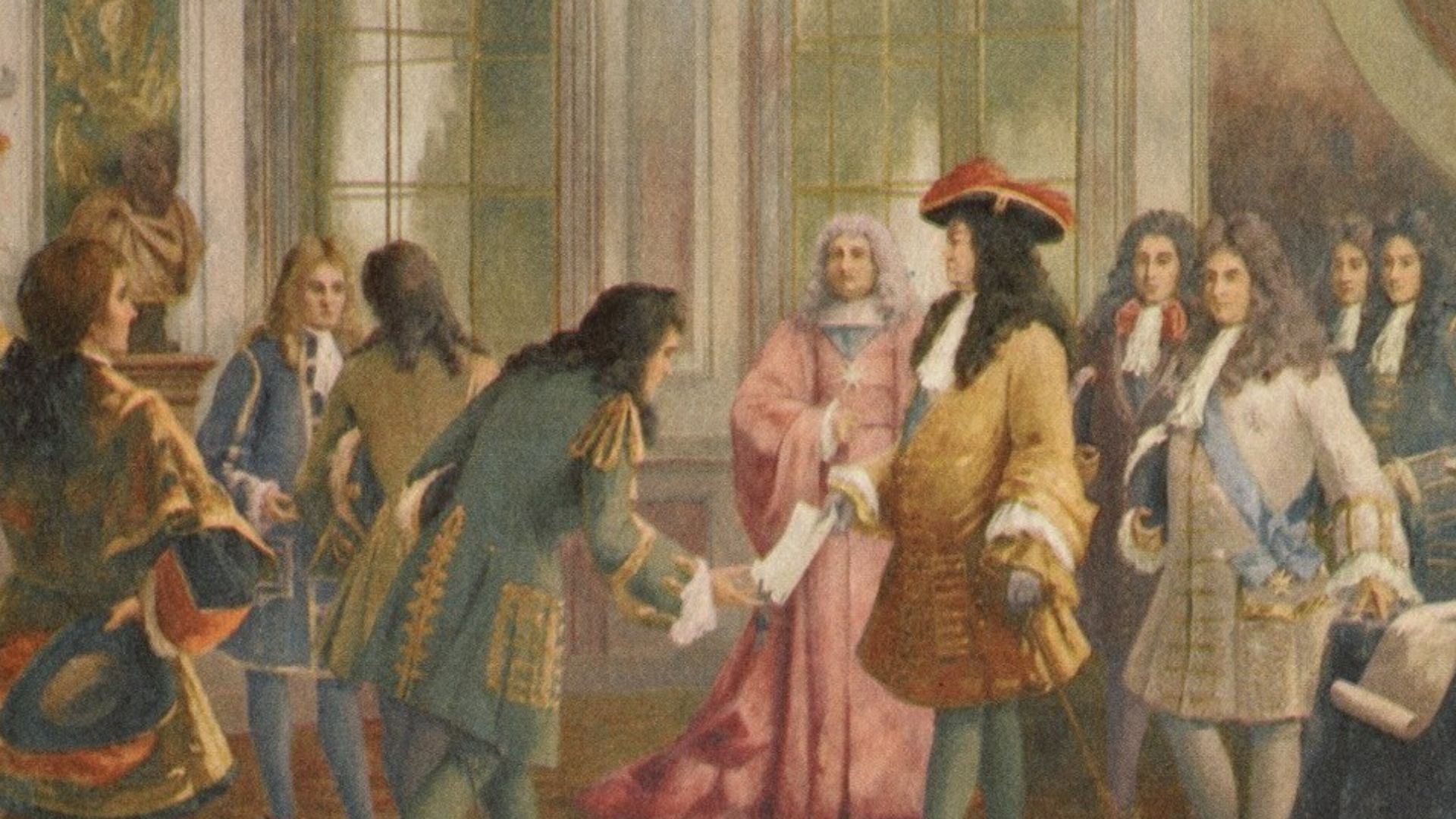
Cadillac Honored Detroit’s Founder
The founders of Cadillac did not name the company after themselves. Instead, they chose Antoine de la Mothe Cadillac, the French colonial figure credited with founding Detroit in 1701. The Cadillac Automobile Company adopted his name in 1902, connecting the new automaker to the city where it began.
 Le Quesne, Fernand, Wikimedia Commons
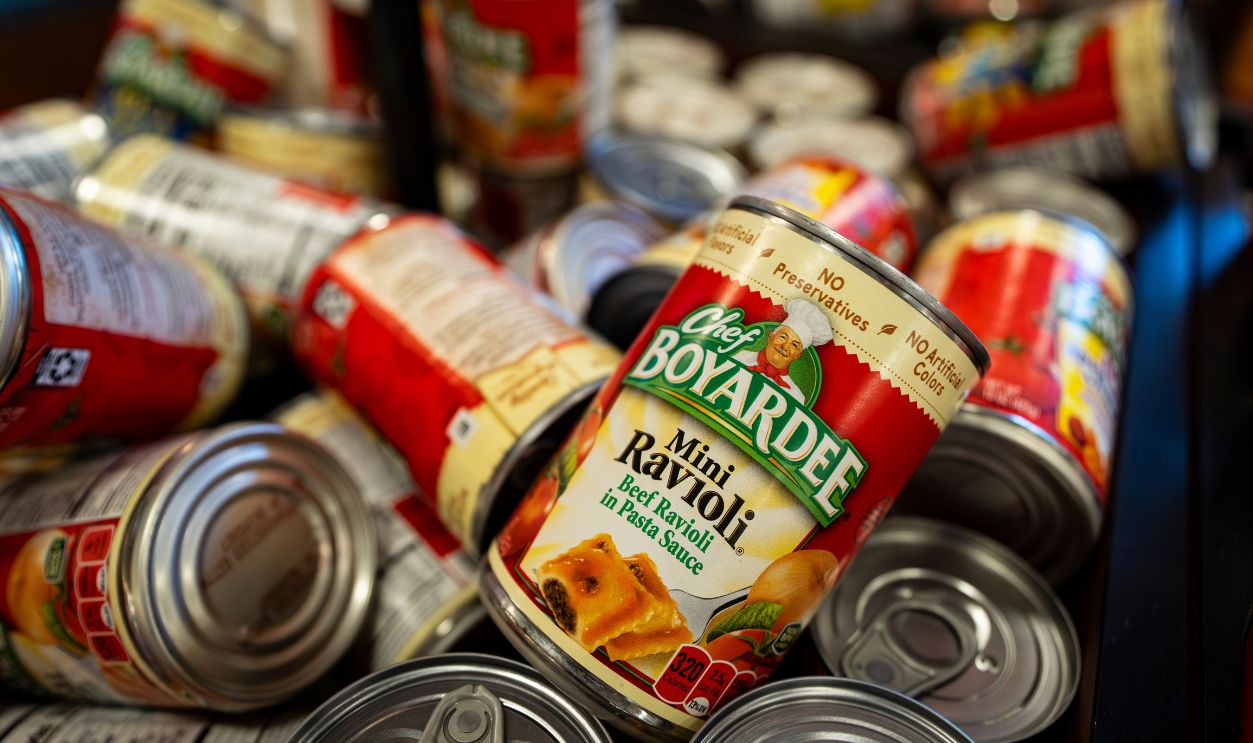
Chef Boyardee Changed The Spelling
The chef pictured on cans was based on a genuine Italian American restaurateur named Ettore Boiardi. Customers loved the sauce served at his Cleveland restaurant, prompting Boiardi and his brothers to establish a food company in 1928. They spelled the brand Boyardee so American shoppers would know how to pronounce their surname.
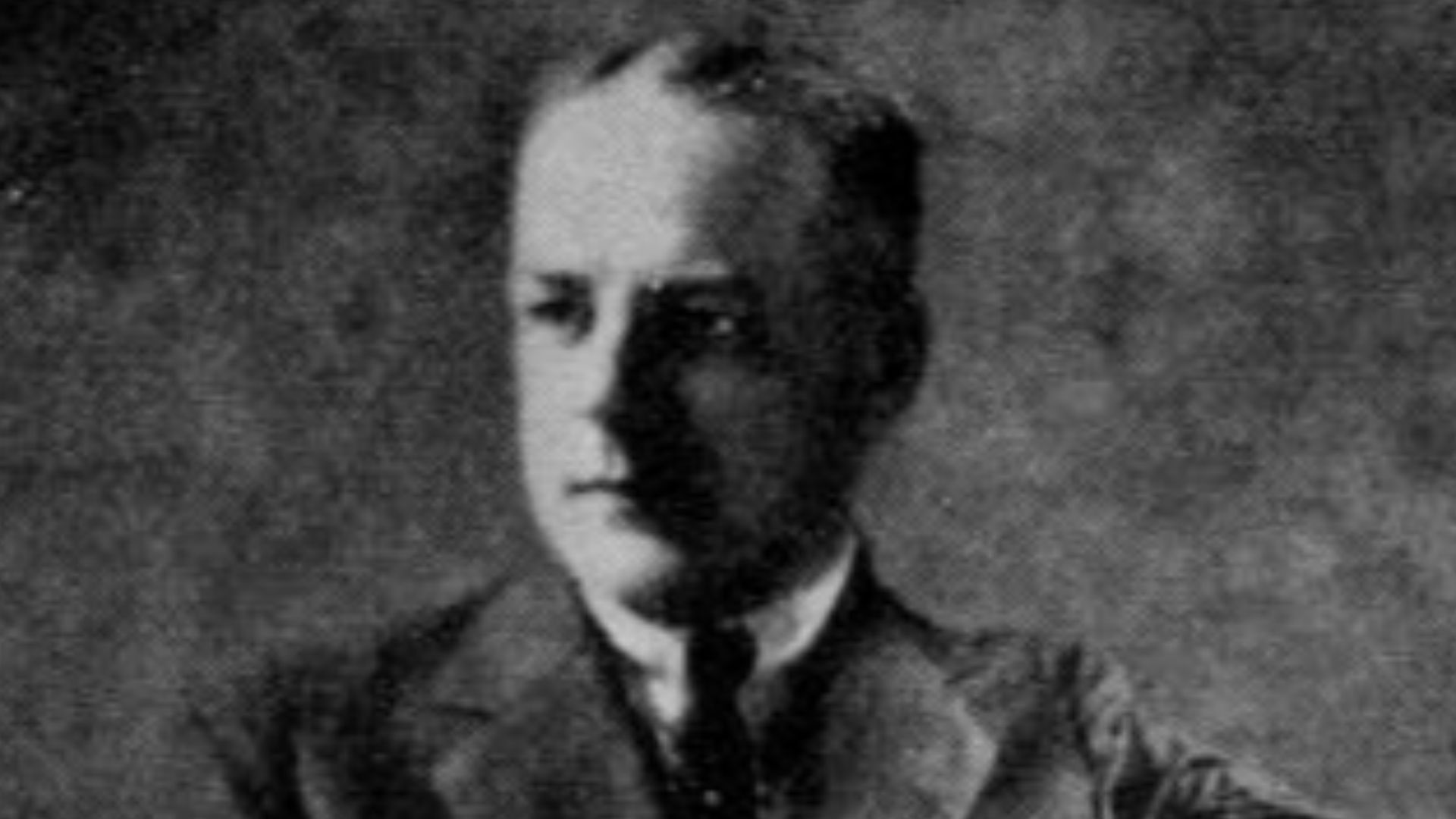
Duncan Hines Rated Restaurants
Duncan Hines was not originally a baker or fictional kitchen expert. He was a traveling salesman who began publishing recommendations for dependable restaurants after years of eating on the road. His reputation made his endorsement valuable, and his name was eventually licensed for packaged foods and cake mixes.
 Duncan Hines, Wikimedia Commons
Gillette Had A Regal Founder
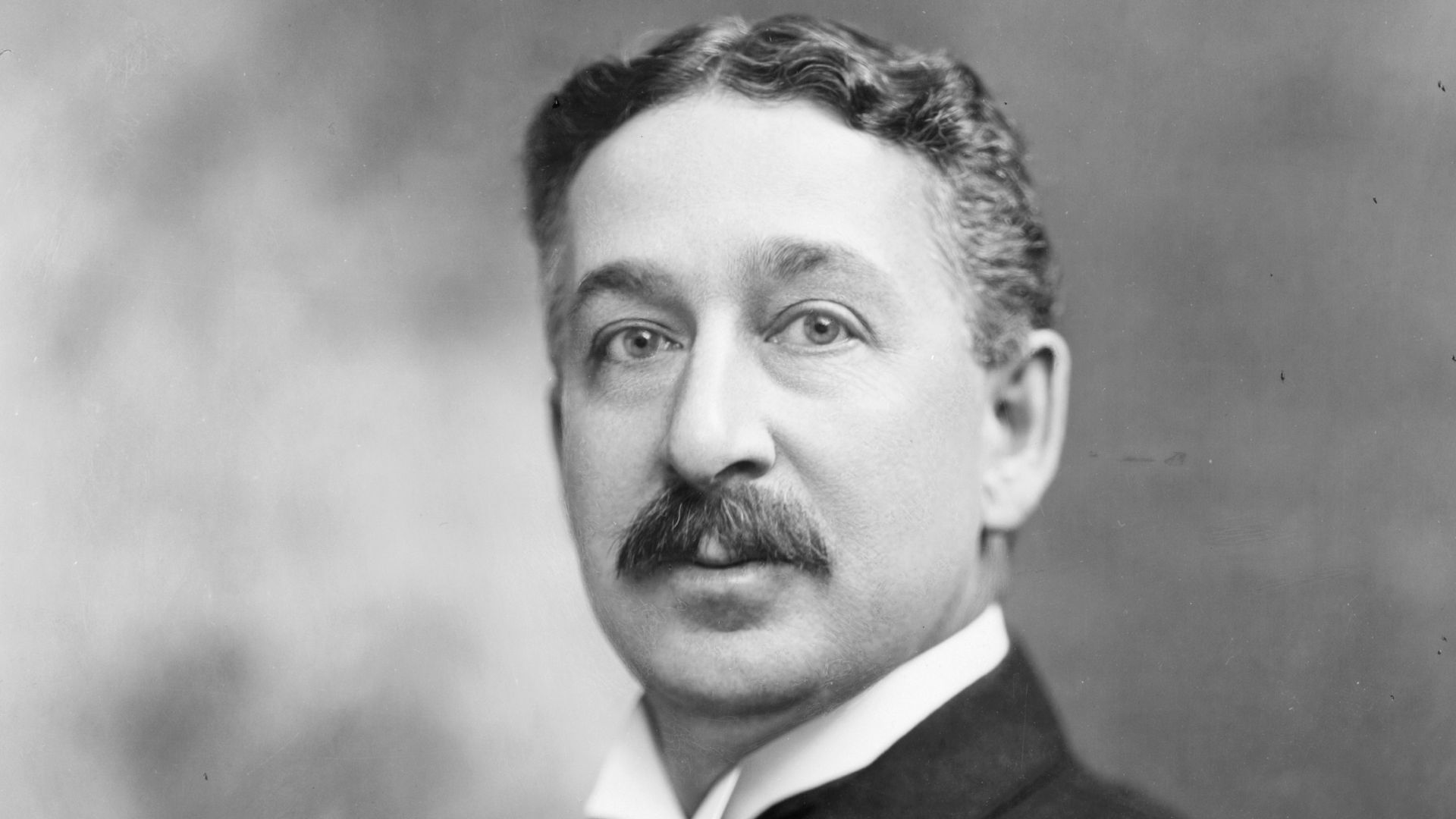
King Camp Gillette genuinely possessed the unusual name printed on countless razors. Frustrated by blades that required repeated sharpening, he imagined a safety razor with thin, replaceable blades. Gillette established his company in 1901 and transformed his surname into a synonym for shaving products.
 Benjamin Joseph Falk, Wikimedia Commons
History's most fascinating stories and darkest secrets, delivered to your inbox daily.
Heinz Put His Name On The Bottle
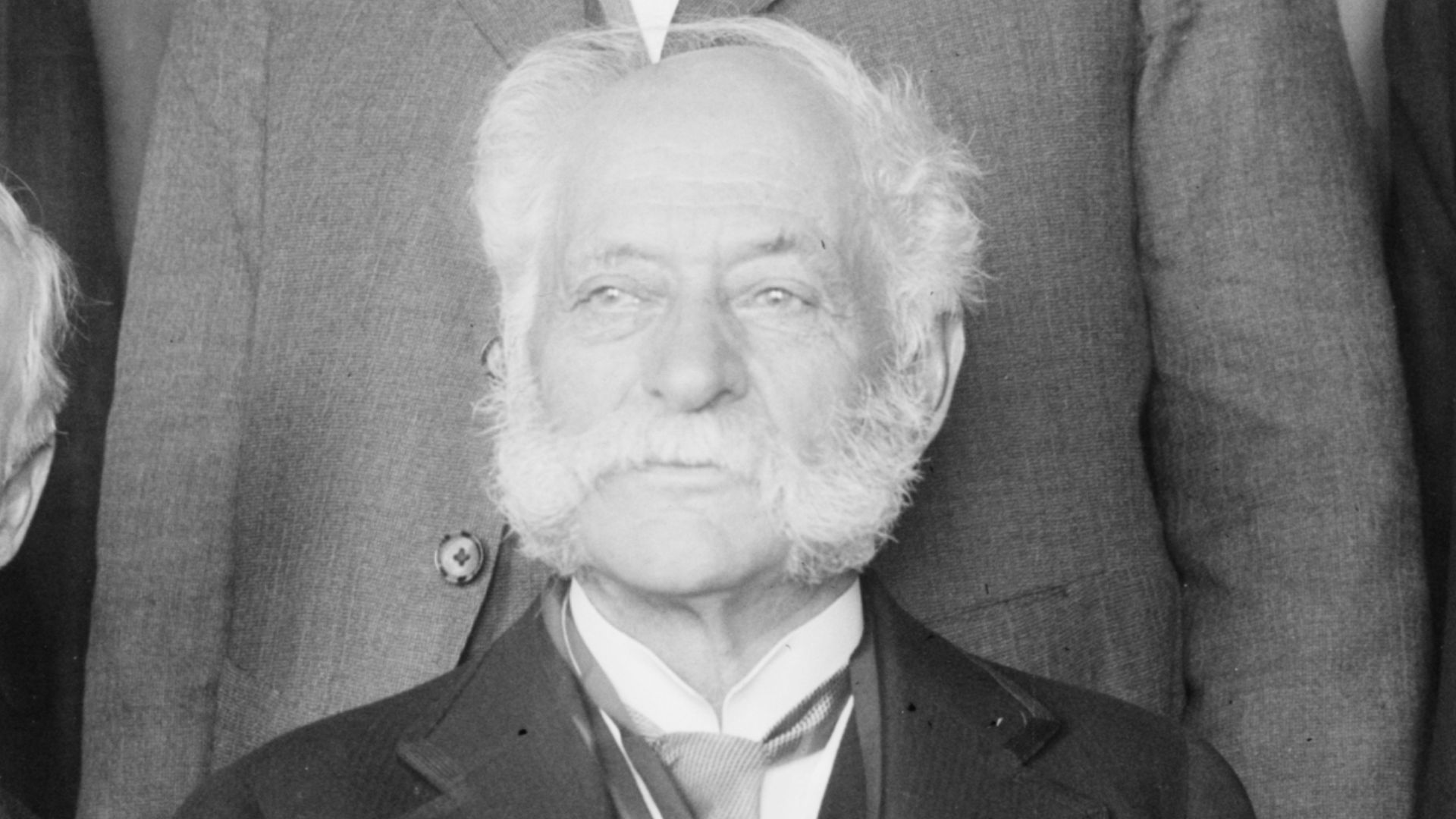
Henry J. Heinz began selling grated horseradish in Pittsburgh in 1869. He packaged it in clear glass because he wanted shoppers to see that it contained quality ingredients rather than concealed fillers. His surname eventually appeared on ketchup, beans, sauces, and dozens of other foods.
Honda Was A Machine-Obsessed Child
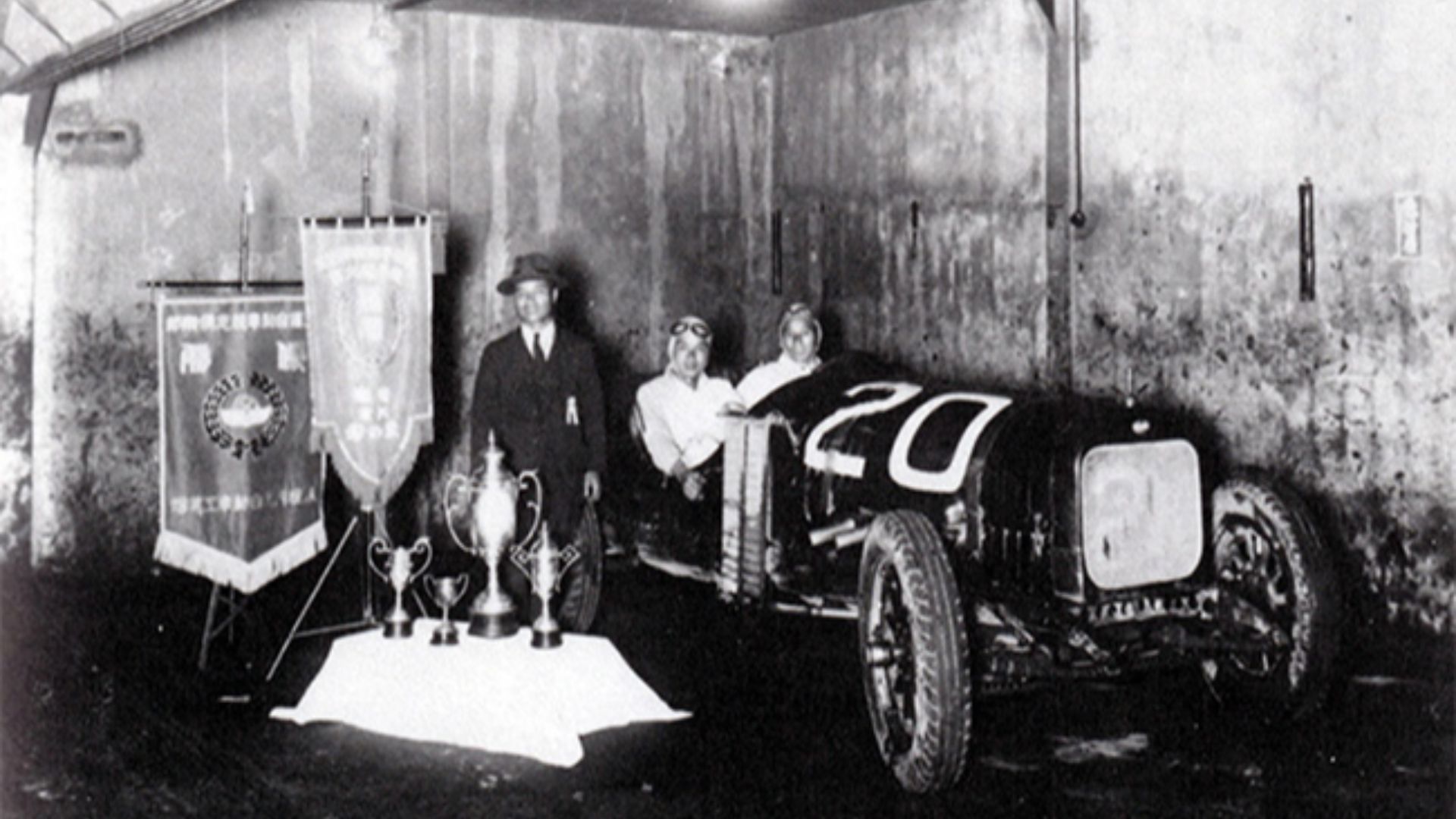
Soichiro Honda grew up fascinated by engines and machinery in rural Japan. After operating a repair shop and manufacturing piston rings, he established the Honda Technical Research Institute in 1946. Honda Motor Company followed in 1948, placing his family name on the motorcycles and automobiles it produced.
 Art Shokai (corporate author), Wikimedia Commons
IKEA Contains A Founder’s Initials
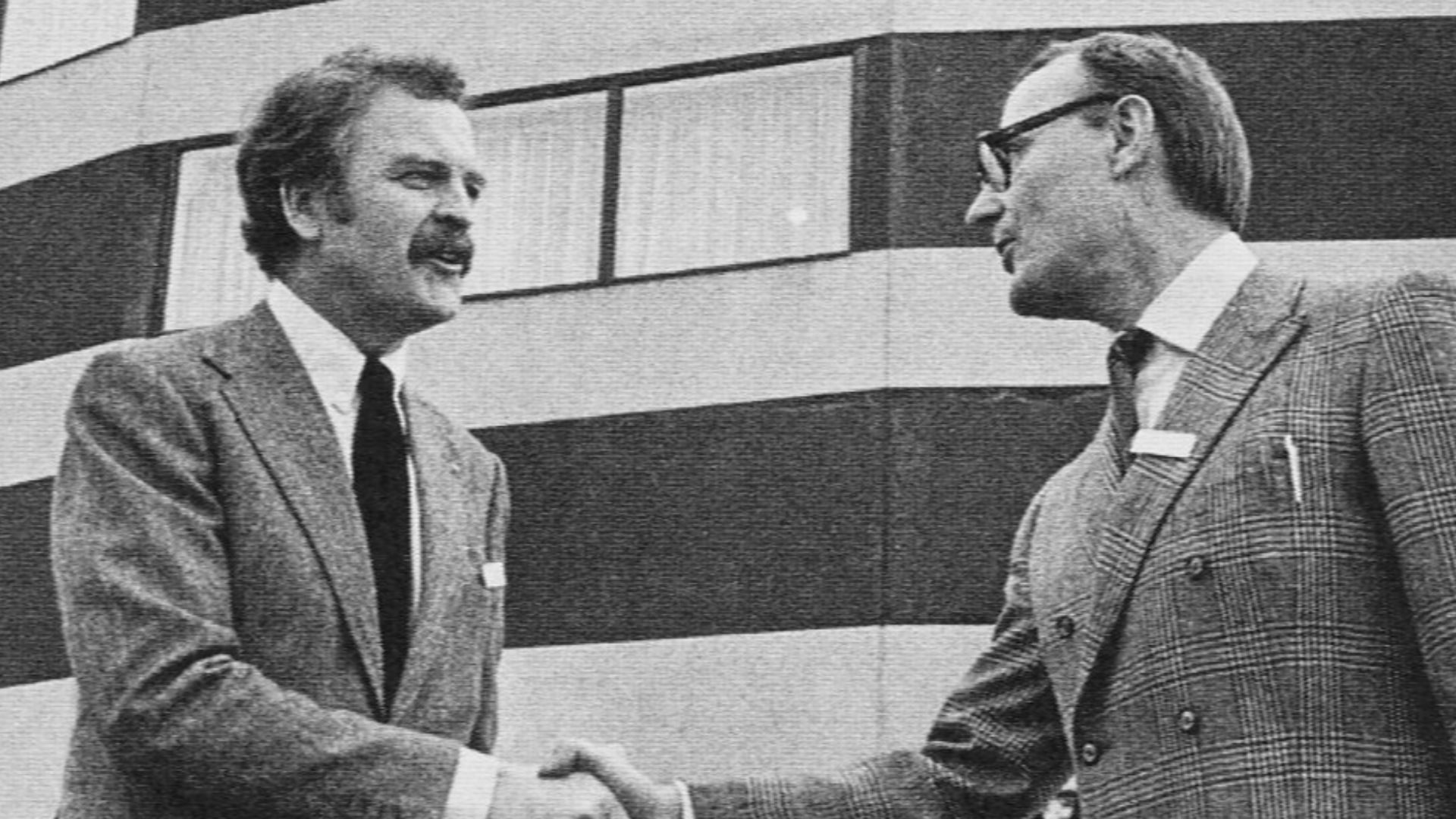
IKEA is partly an acronym for a real person and partly a tribute to his childhood home. The I and K stand for founder Ingvar Kamprad, who created the business in Sweden at age 17. The E and A represent Elmtaryd, his family farm, and Agunnaryd, the nearby village.
 Unknown authorUnknown author, Wikimedia Commons
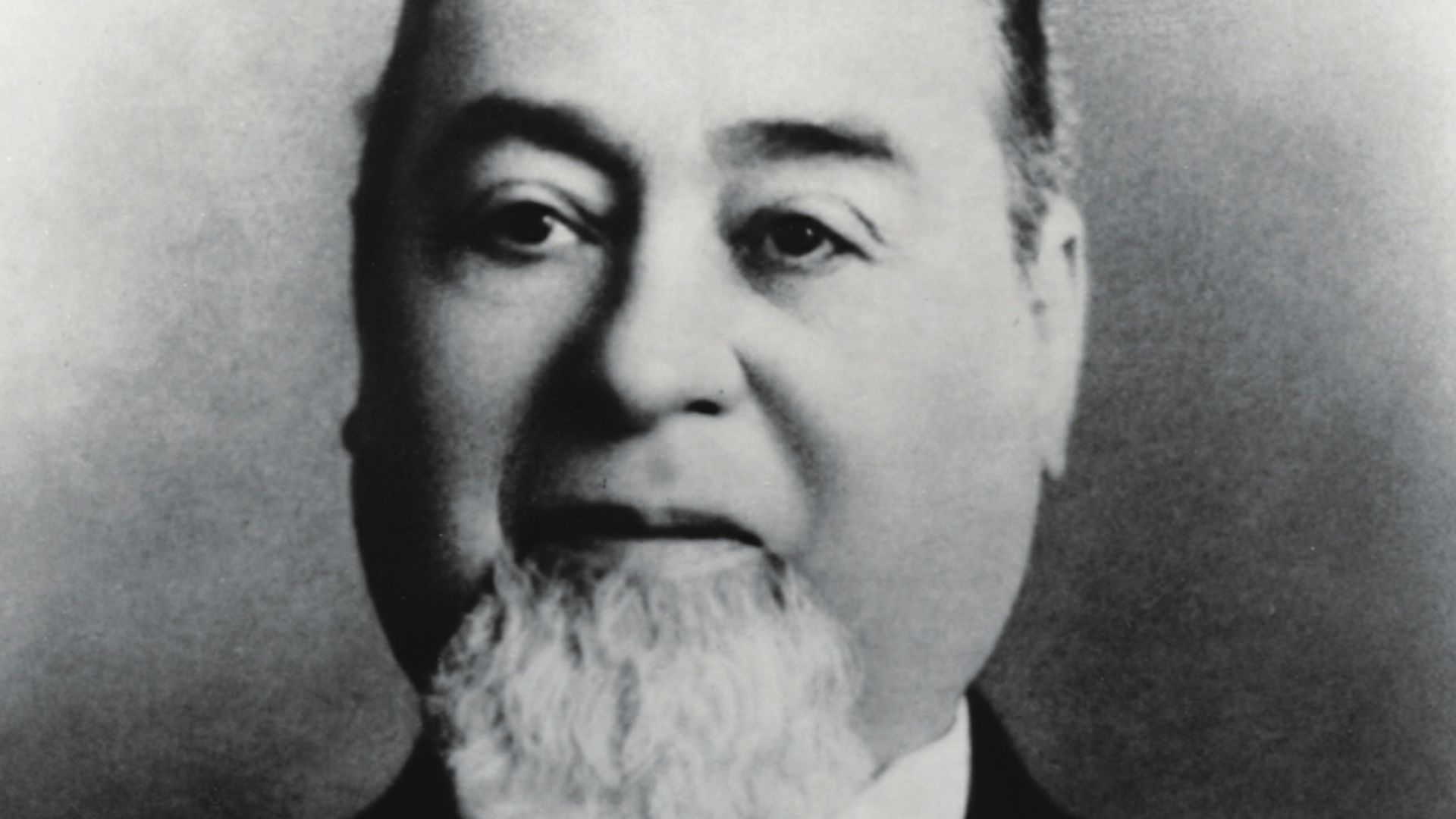
Levi’s Was A Merchant’s First Name
Levi Strauss moved from Bavaria to San Francisco and established a successful dry-goods business. Tailor Jacob Davis later approached him with an idea for strengthening work pants with metal rivets. The men received a joint patent in 1873, but Strauss’s first name ultimately became the famous label on their jeans.
 Unknown authorUnknown author, Wikimedia Commons
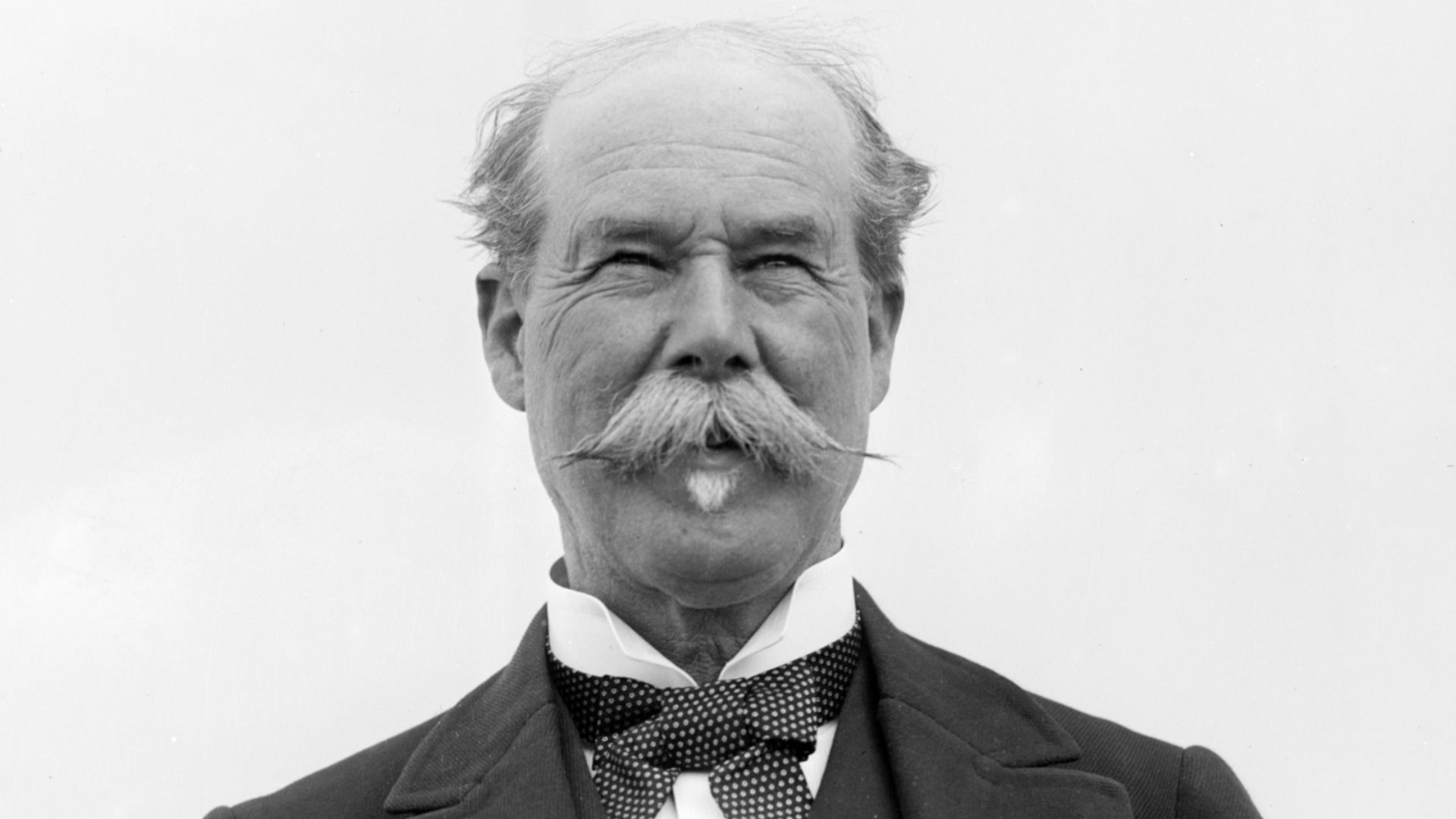
Lipton Was A Grocery Entrepreneur
Long before Lipton became associated almost exclusively with tea, Thomas Lipton built a chain of grocery stores. He opened his first shop in Glasgow in 1871 and used energetic advertising to attract working-class customers. His surname remained on the tea business that eventually outlasted the original stores.
 Unknown authorUnknown author, Wikimedia Commons
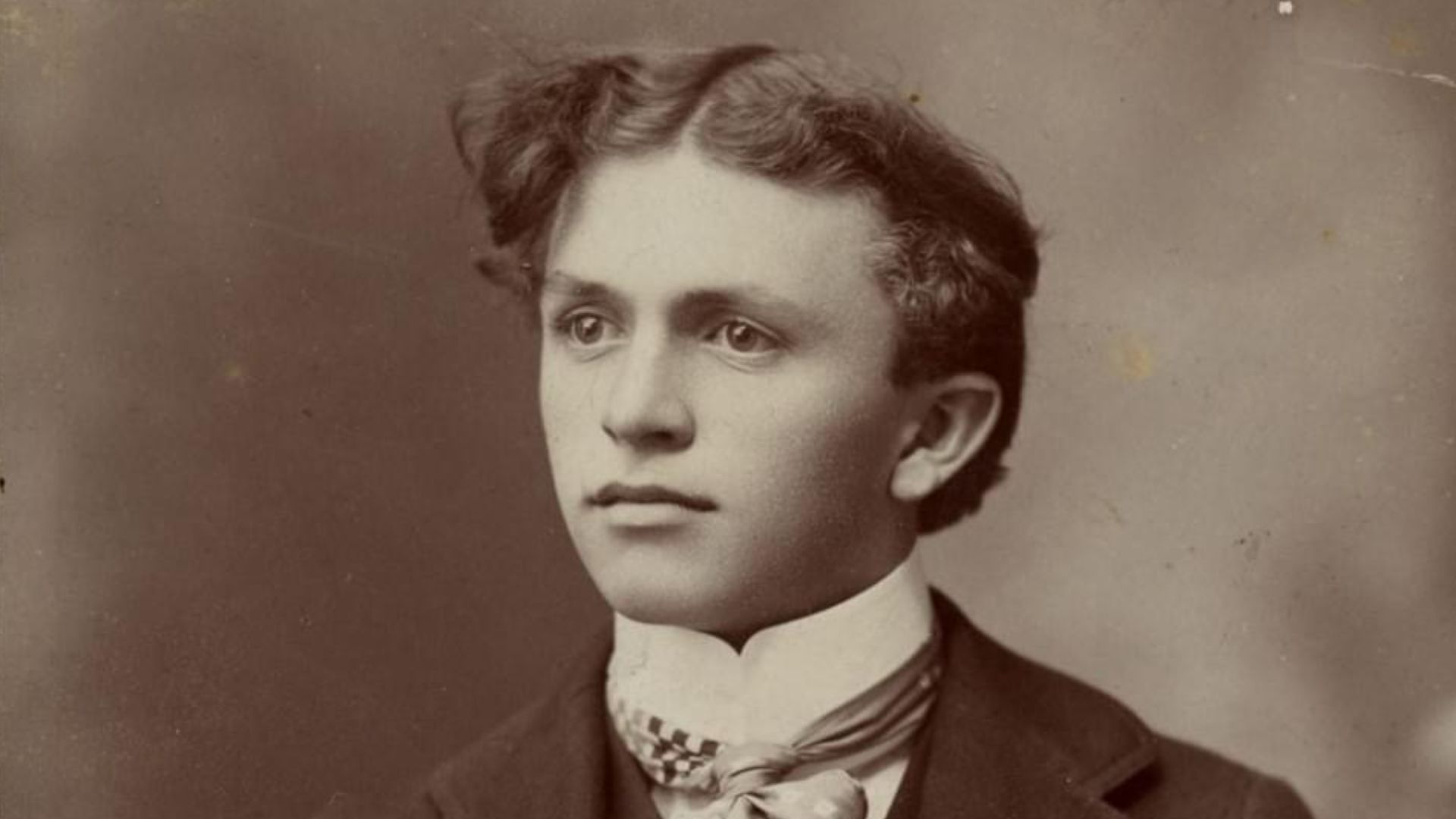
Mars Started In A Kitchen
Mars is not a reference to the planet or the Roman god in this case. It was the surname of Frank C. Mars, who began making and selling butter-cream candies from his Tacoma kitchen in 1911. His son Forrest later joined the family enterprise, which expanded into an international food company.
 Unknown authorUnknown author, Wikimedia Commons
History's most fascinating stories and darkest secrets, delivered to your inbox daily.
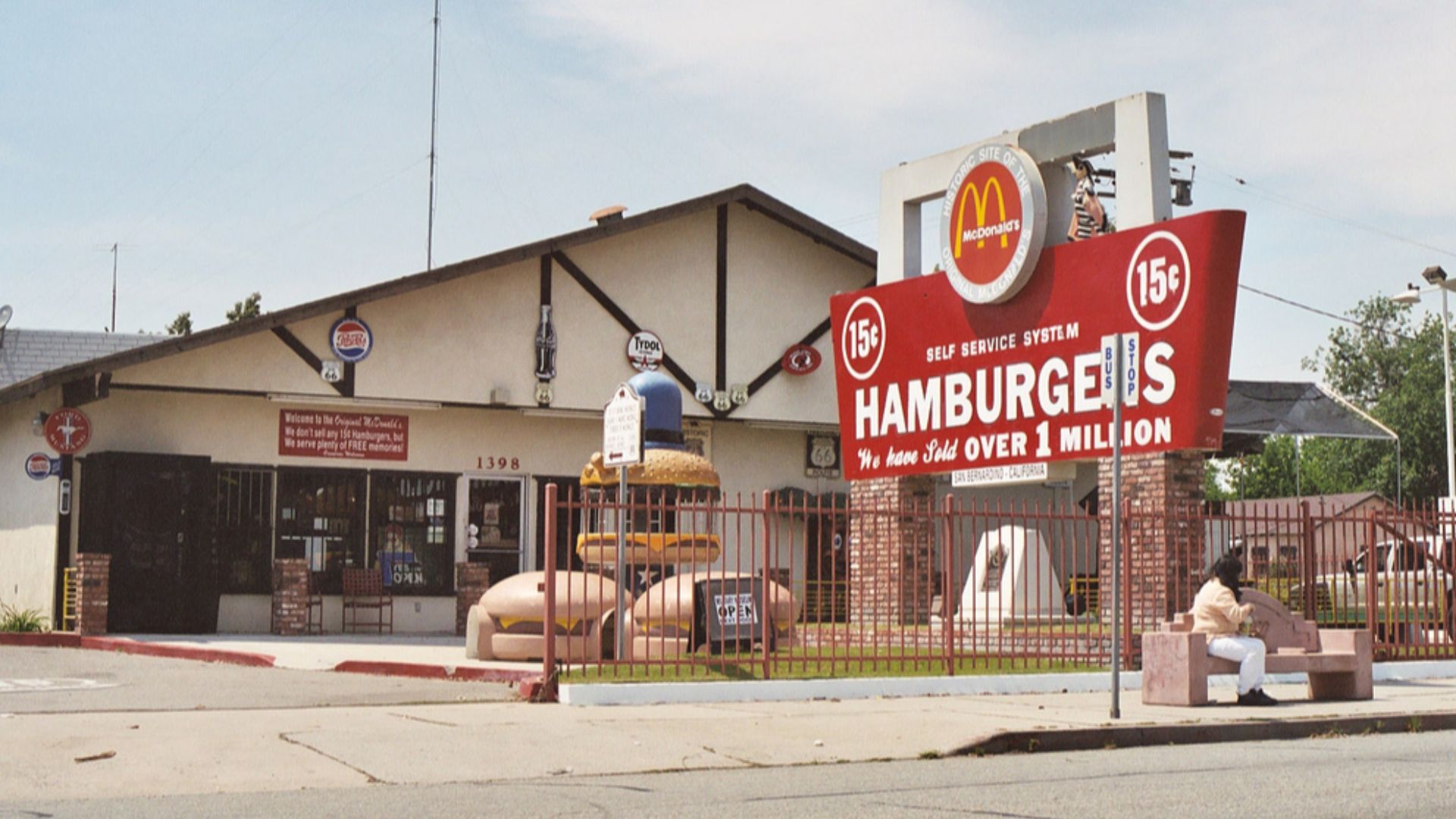
McDonald’s Belonged To Two Brothers
Ray Kroc turned McDonald’s into an international corporation, but the restaurants were not named after him. Brothers Richard and Maurice “Mac” McDonald opened McDonald’s Bar-B-Q in San Bernardino, California, in 1940. They later streamlined the menu and developed the Speedee Service System that caught Kroc’s attention.
 Cogart Strangehill, Wikimedia Commons
Nestlé Was A Pharmacist
Henri Nestlé was a German-born pharmacist working in Vevey, Switzerland. In 1867, he introduced a milk-based cereal intended for infants who could not be breastfed. Nestlé used both his surname and a nest-shaped family emblem, which was fitting because the German word Nest means nest.
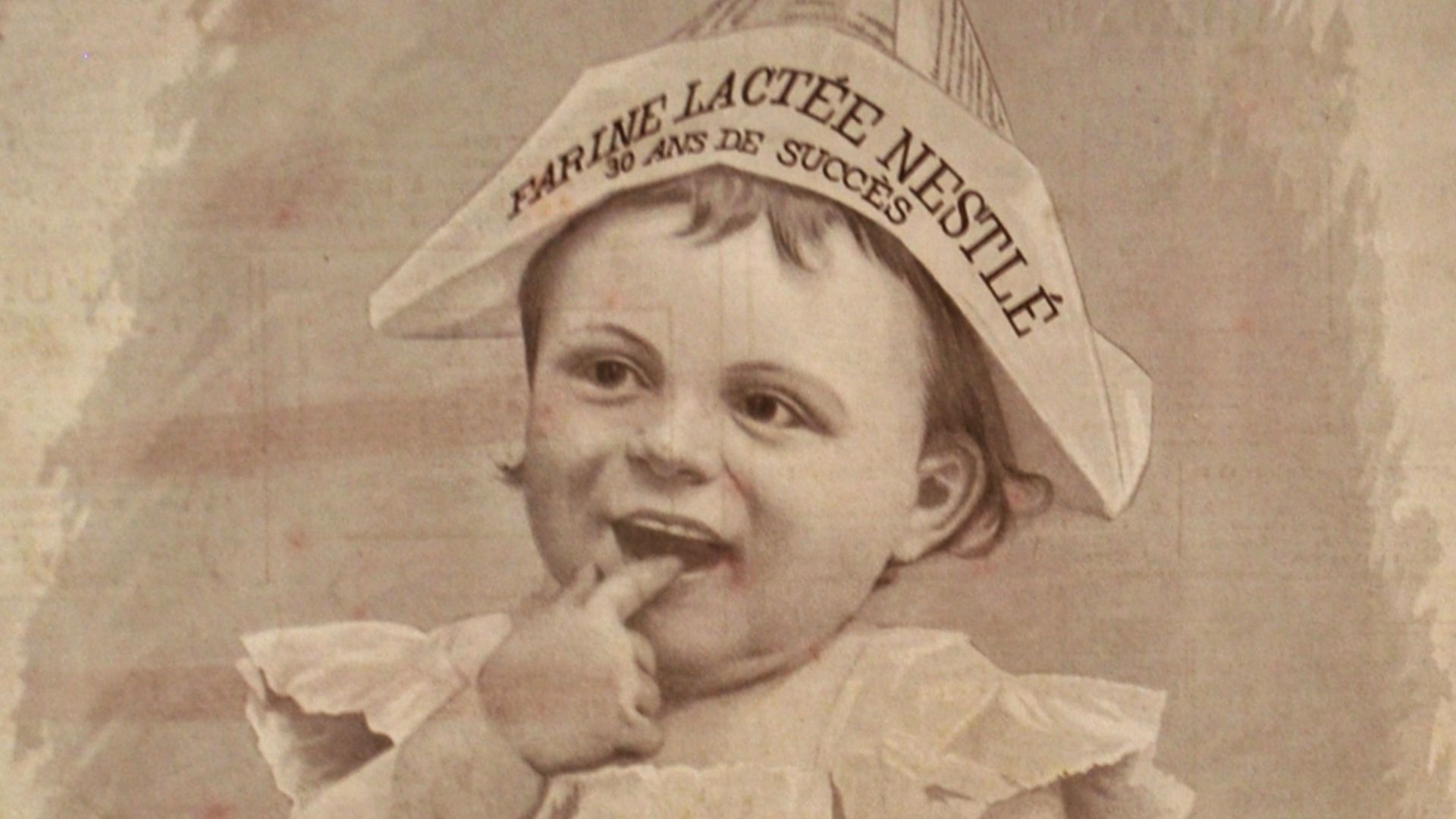 Gustave Goetschy (1814-1904), directeur de la publication, Wikimedia Commons
Porsche Was A Family Name
Engineer Ferdinand Porsche established a vehicle design office in Stuttgart in 1931. His team developed projects for other manufacturers, while his son Ferry later pursued the idea of producing a sports car. The Porsche 356 appeared in 1948 as the first automobile to carry the family name.
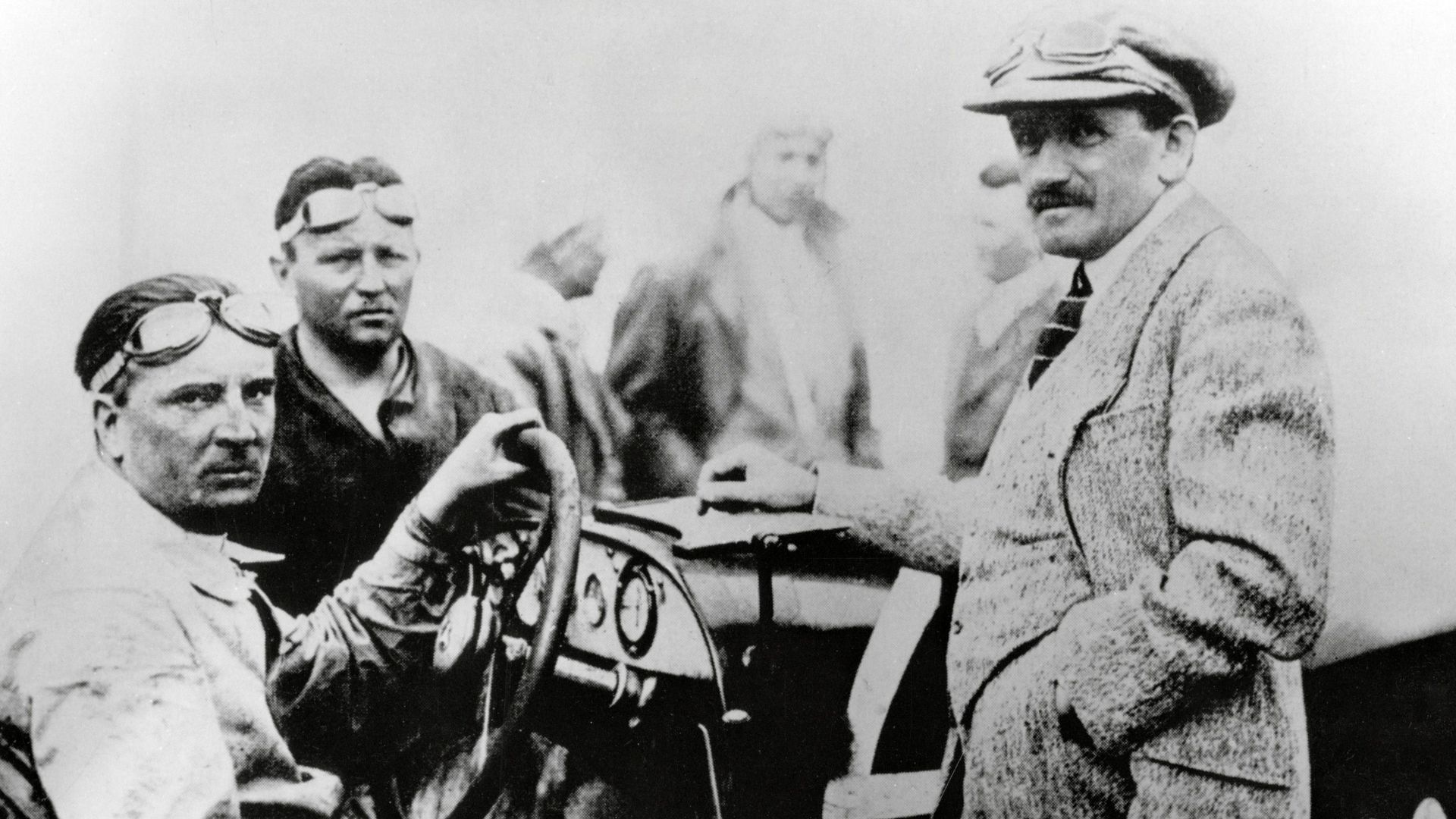 Unknown authorUnknown author, Wikimedia Commons
Rolls-Royce Combined Two Men
The double-barreled Rolls-Royce name united engineer Henry Royce and automobile dealer Charles Rolls. Royce had built his first car by the time the men met in 1904, while Rolls possessed the sales experience and wealthy clientele needed to promote it. Their partnership officially became Rolls-Royce Limited in 1906.
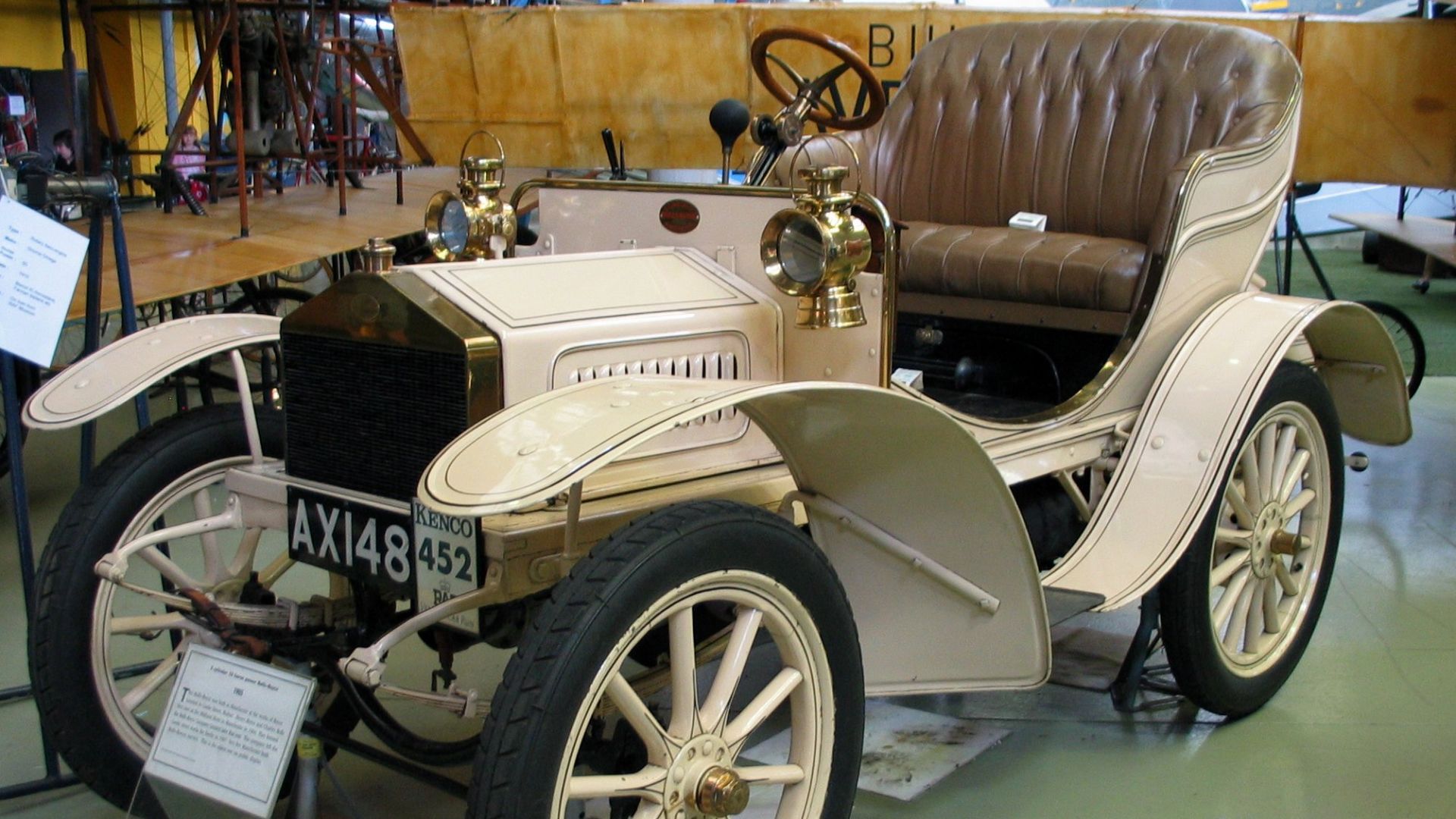
Tiffany Was The Man Who Started It
Charles Lewis Tiffany founded a stationery and fancy-goods business with John B. Young in New York City in 1837. The company gradually concentrated on jewelry, diamonds, and luxury objects. Tiffany’s surname became more famous than the man himself, especially after the company’s distinctive blue packaging became part of its identity.
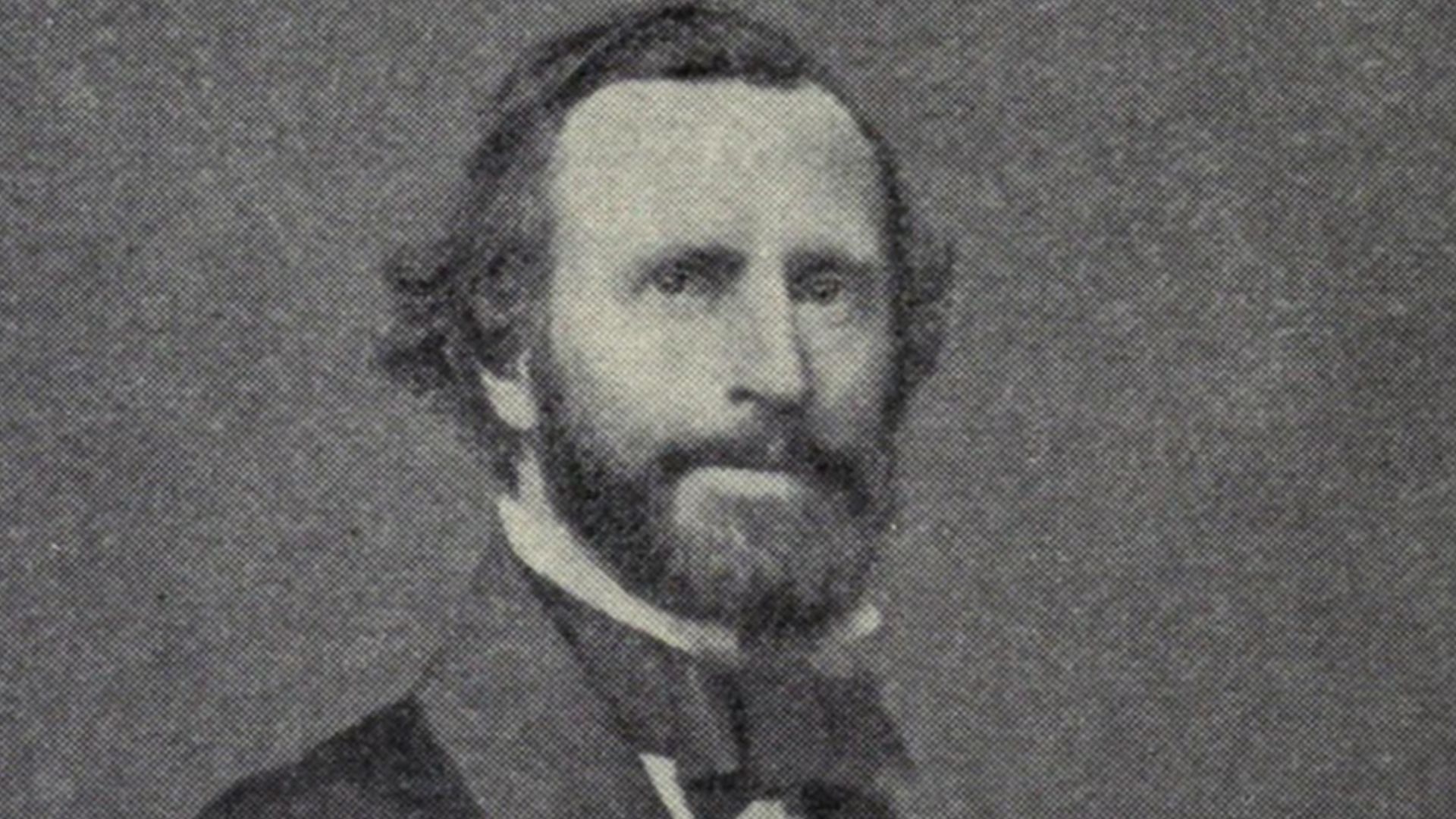 Unknown authorUnknown author, Wikimedia Commons
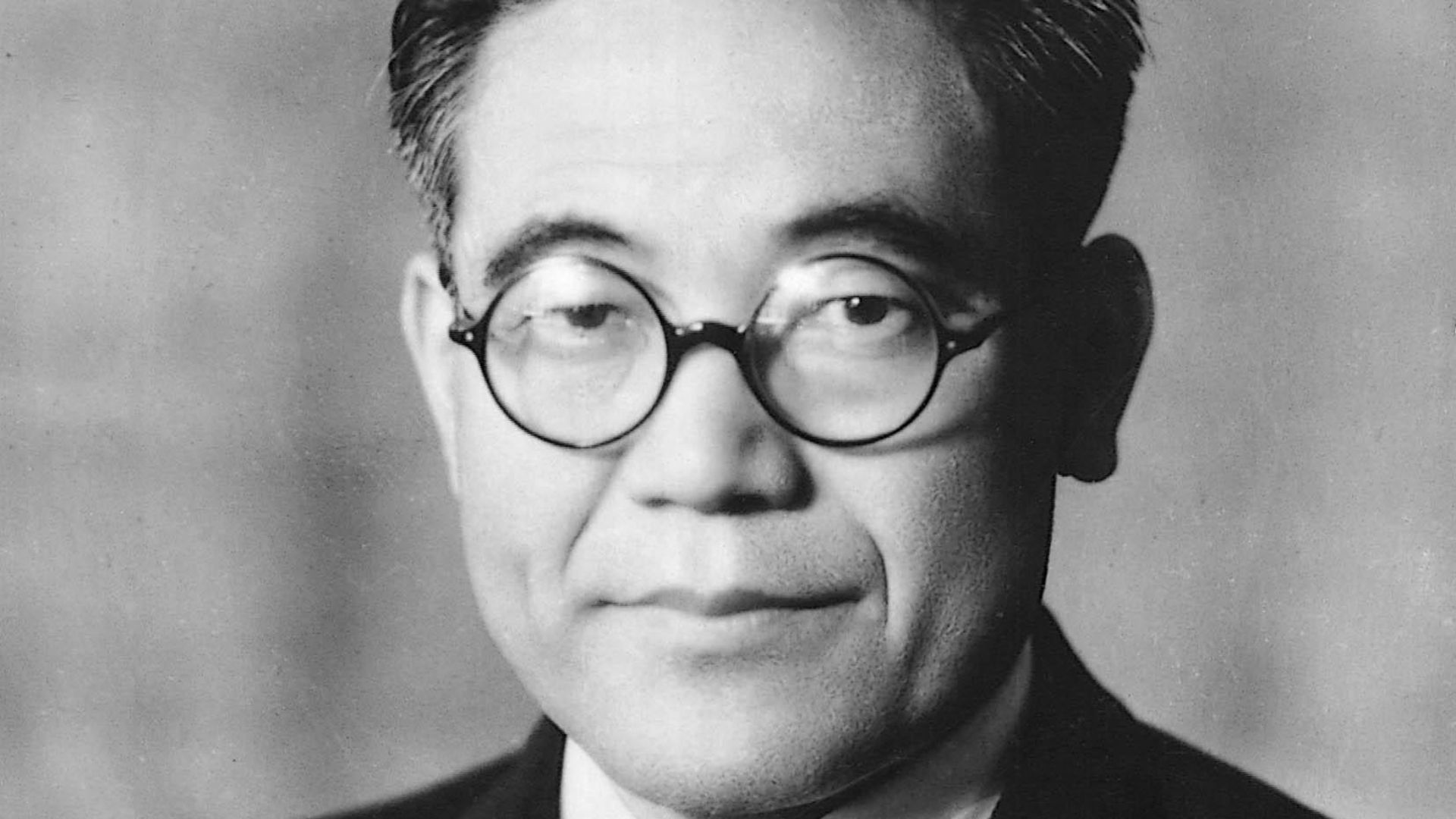
Toyota Nearly Kept The Family Spelling
Toyota developed from the businesses of the Toyoda family, including the automotive work led by Kiichiro Toyoda. The earliest vehicles consequently carried the Toyoda name. A 1936 logo competition helped produce the altered Toyota spelling, which looked cleaner in Japanese script, required a fortunate eight brush strokes, and suggested movement beyond a family-run enterprise.
 Unknown authorUnknown author, Wikimedia Commons
History's most fascinating stories and darkest secrets, delivered to your inbox daily.
Tupperware Came From Earl Tupper
Tupperware sounds like a generic description for plastic containers, but Tupper was the inventor’s surname. Earl Tupper experimented with polyethylene and developed lightweight bowls with airtight lids inspired by paint-can seals. Brownie Wise later popularized the products through home demonstrations, but Tupper’s name remained on every container.
 Ibrahim Plastic Industry ( IPI ), Pexels
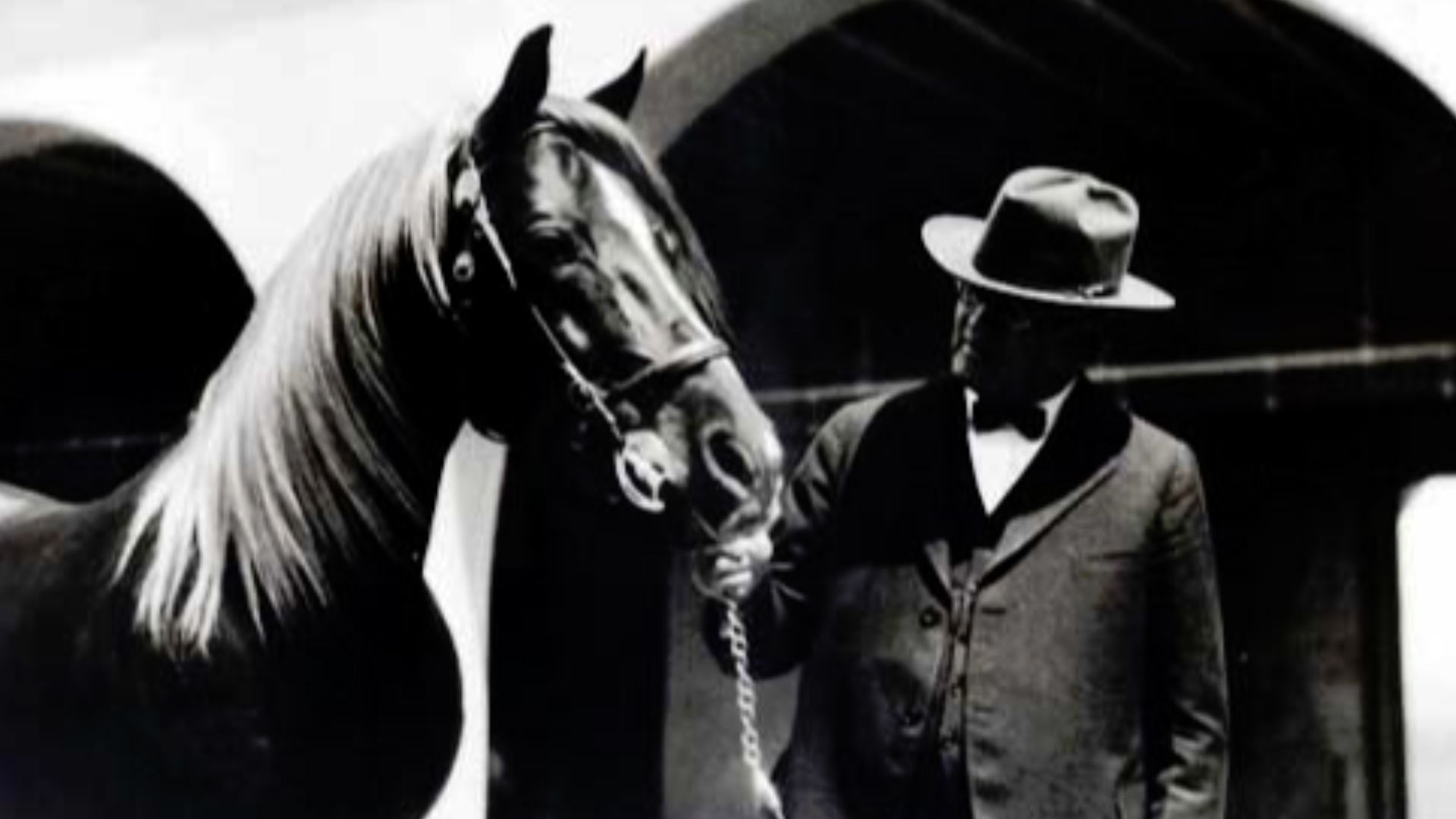
Kellogg Was More Than A Cereal Logo
Will Keith Kellogg founded the Battle Creek Toasted Corn Flake Company in 1906. That company produced the cornflakes that placed his surname on breakfast tables across the United States. The business later became Kellogg Company, while Kellogg used part of his fortune to establish a major philanthropic foundation.
 Special Collections & University Archives at Cal Poly Pomona University Library., Wikimedia Commons
Oscar Mayer Was A Butcher
Oscar F. Mayer emigrated from Bavaria to the United States as a teenager and entered the meatpacking trade. In 1883, he opened a butcher shop in Chicago with his brother Gottfried. His full name became the company’s brand, making Oscar Mayer sound like a fictional mascot even though customers were buying products from an actual Mayer family business.
 Unknown authorUnknown author, Wikimedia Commons
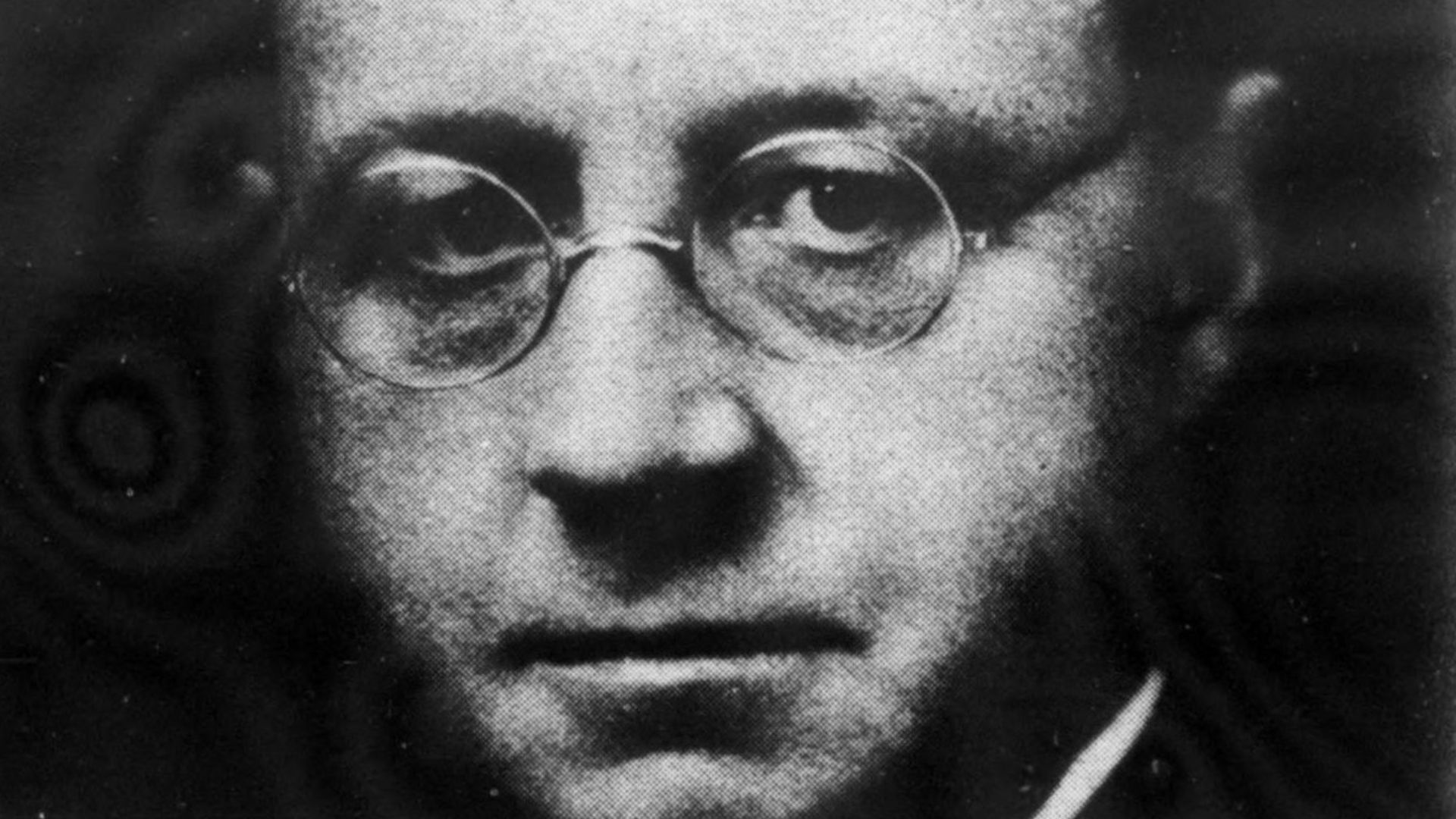
Birds Eye Came From Clarence Birdseye
Clarence Birdseye observed the advantages of rapid freezing while working in Labrador, Canada. He developed commercial quick-freezing systems during the 1920s that helped food retain its texture and flavor. His surname became Birds Eye, a spaced and simplified brand name that now disguises its connection to the inventor.
 Unknown authorUnknown author, Wikimedia Commons
Colgate Predated Its Toothpaste
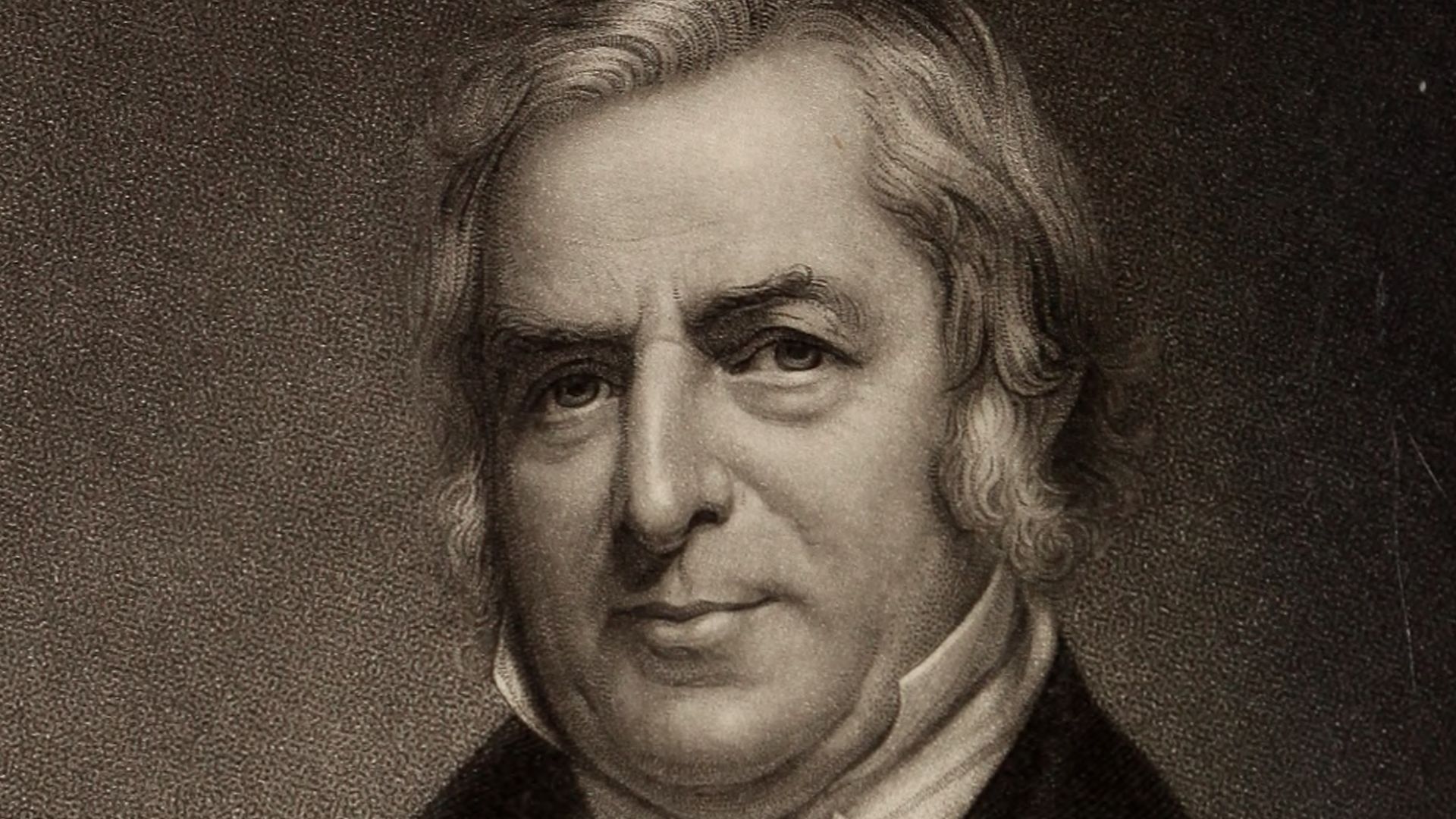
William Colgate established a starch, soap, and candle business in New York City in 1806. His company did not begin selling aromatic toothpaste in jars until 1873, years after his death. Colgate toothpaste therefore carries the name of a soapmaker who never lived to see it become the company’s defining product.
 William Wallace Everts (1814-1890), Wikimedia Commons
Their Names Outlived Their Stories
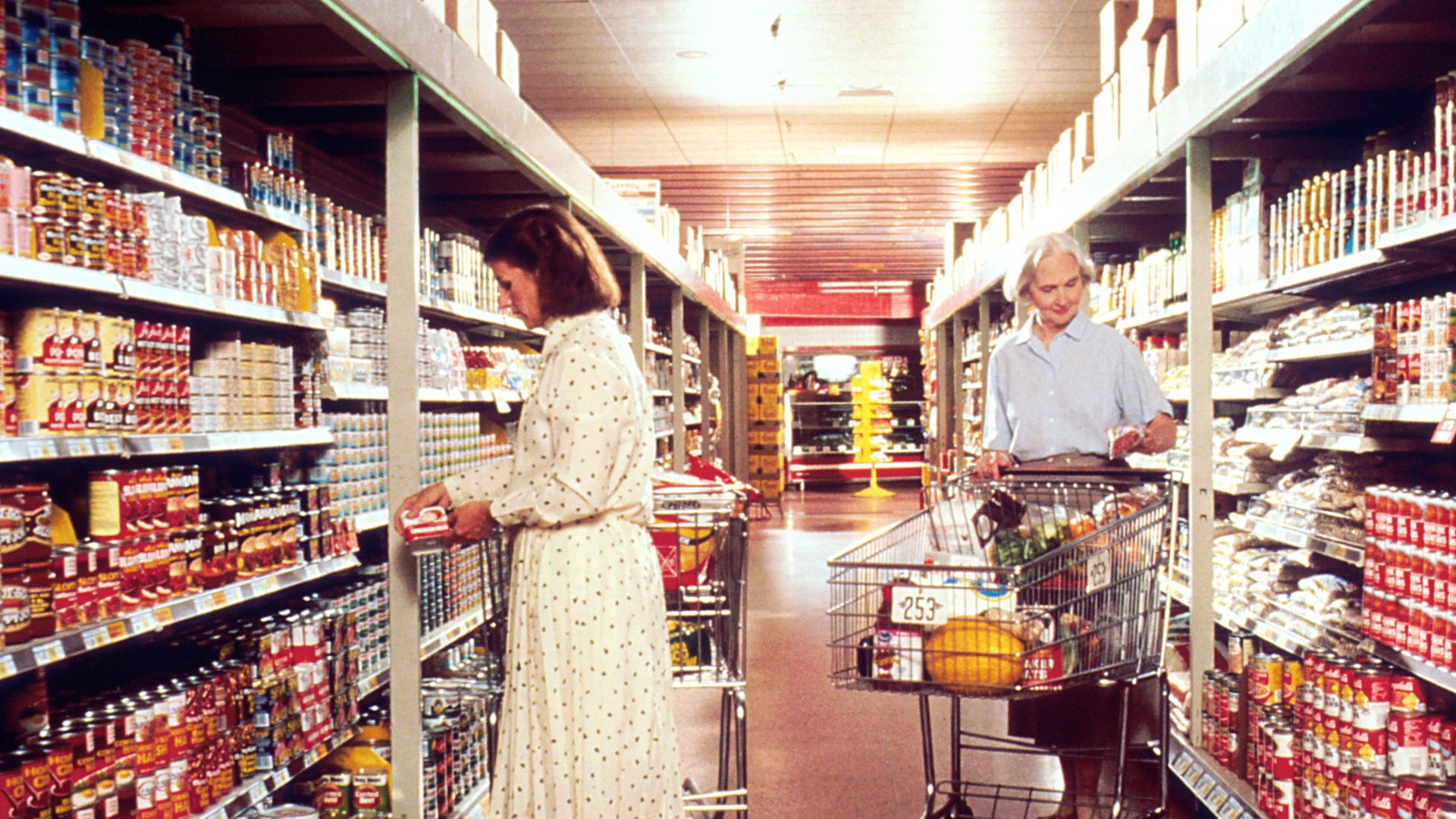
These brands became so familiar that their human origins slipped from public memory. Some preserved a founder’s surname, while others immortalized a daughter, hometown, nickname, or carefully altered family name. The next grocery trip, flight, drive, or morning routine may contain more forgotten biographies than anyone realizes.
 Bill Branson (Photographer), Wikimedia Commons
You May Also Like:
Historical Geniuses Who Were Complete Disasters Outside Their Field
The Strangest Products People Once Bought From Mail-Order Catalogs—Would You Buy Any Of These?
Frances Farmer’s Hollywood Story Was Twisted So Many Times That The Truth Became Hard To See
Sources: 1, 2, 3, 4, 5, 6, 7, 8, 9, 10, 11, 12, 13, 14, 15, 16, 17, 18, 19, 20, 21, 22, 23, 24, 25