Hollywood Turned Her Life Into A Horror Story
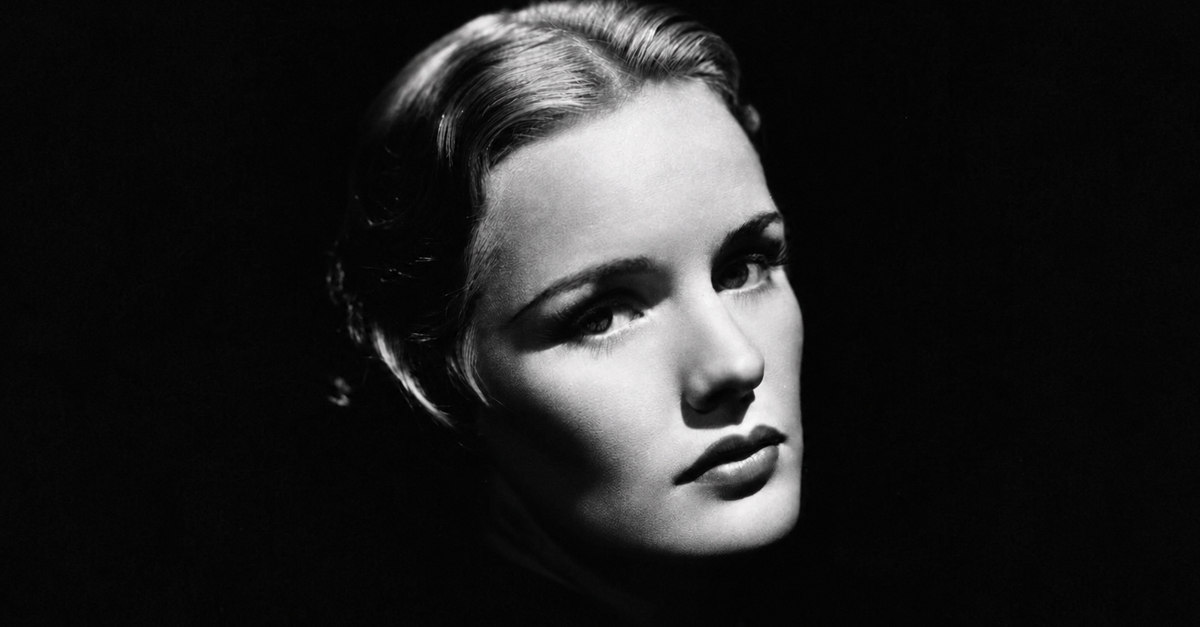
Frances Farmer’s name became shorthand for one of Hollywood’s darkest cautionary tales. Books and films portrayed her as a rebellious star crushed by studios, police, relatives, and brutal psychiatrists. The real story is still tragic, but many of its most famous details were exaggerated, disputed, or invented after her death.
She Was Defiant From The Beginning
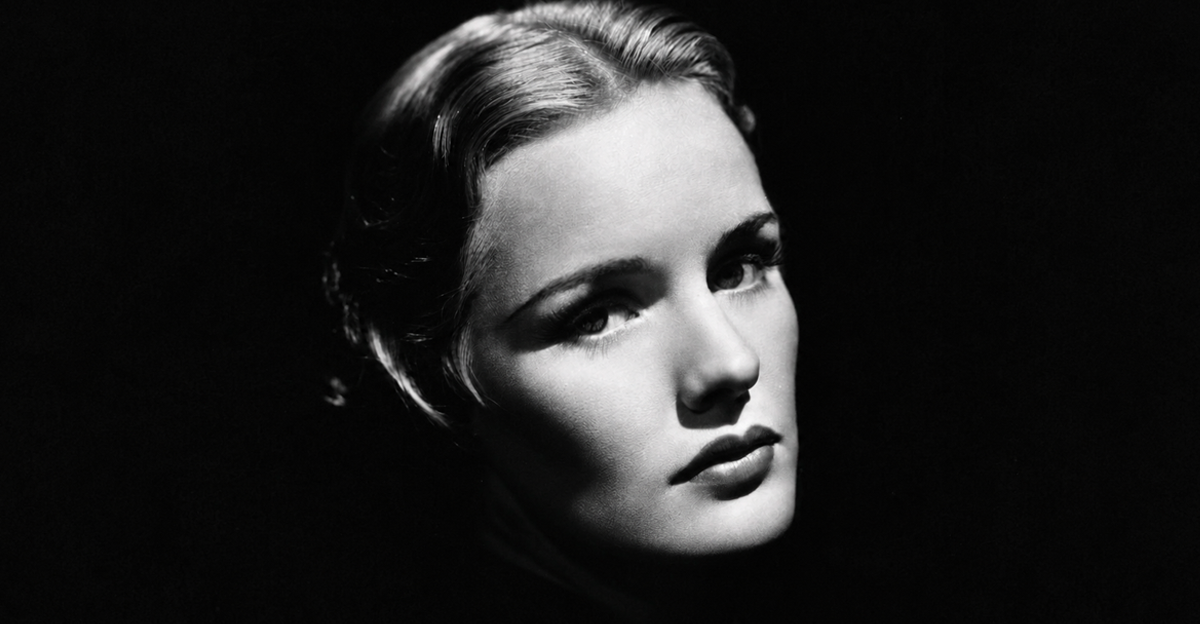
Frances Elena Farmer was born in Seattle, Washington, on September 19, 1913. Her parents separated during her childhood, and she grew up in a household marked by conflict and competing personalities. Long before Hollywood discovered her, she had learned to challenge the expectations surrounding her.
Her Essay Caused An Uproar
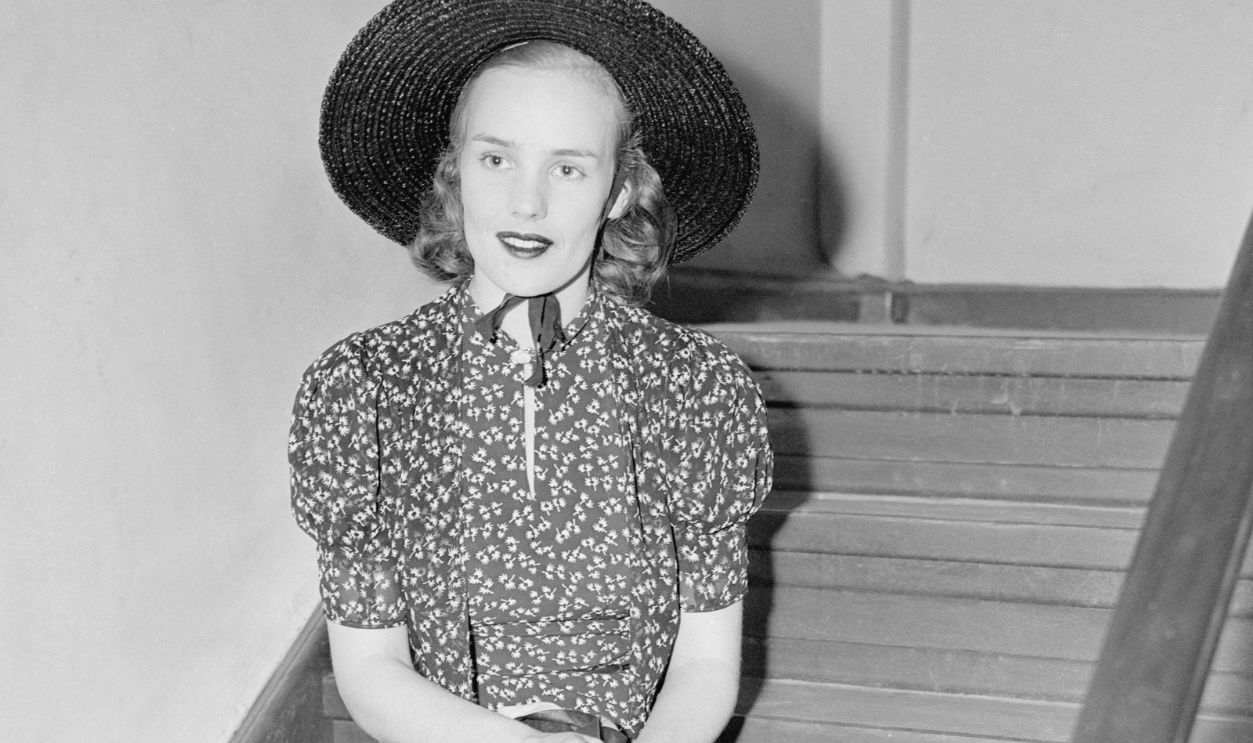
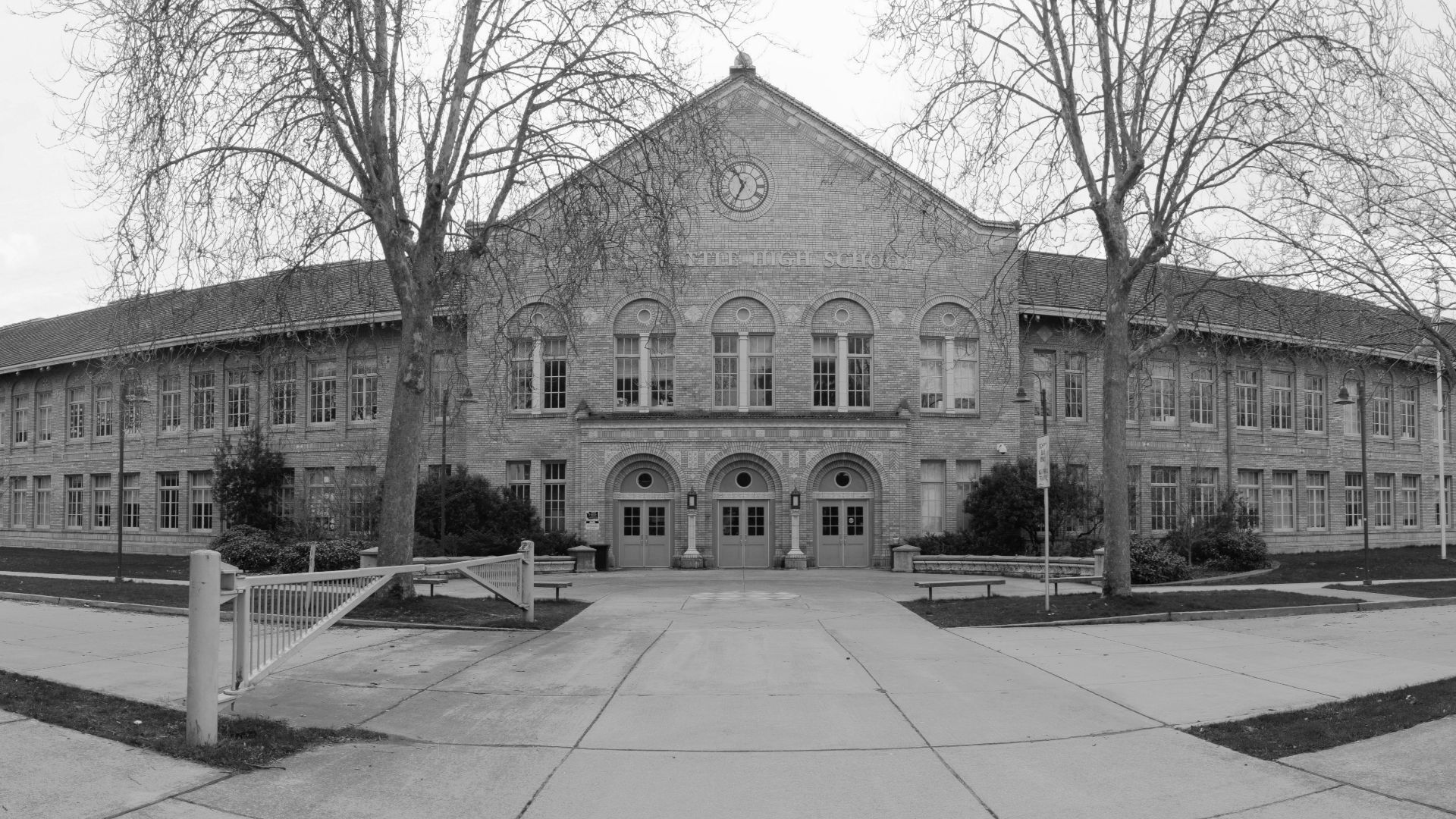
As a student at West Seattle High School, Farmer entered an essay titled “God Dies” in a writing contest. The provocative piece examined her loss of religious faith and won a prize from Scholastic magazine. Newspapers seized upon the story, giving Farmer an early lesson in how quickly a complicated argument could become a scandalous headline.
She Found Her Place Onstage
Farmer enrolled at the University of Washington and became deeply involved in its drama program. Teachers and local critics recognized that she possessed unusual presence and emotional intensity. Acting offered her a way to channel the independence that had already attracted so much attention.
A Newspaper Contest Took Her To Russia
In 1935, Farmer won a trip to the Soviet Union through a subscription contest organized by the left-wing newspaper Voice of Action. She said she wanted to observe Soviet theater, although the journey inevitably raised questions about her politics. Her mother publicly criticized the trip, while American newspapers portrayed the young actress as dangerously radical.
New York Led Her Toward Hollywood
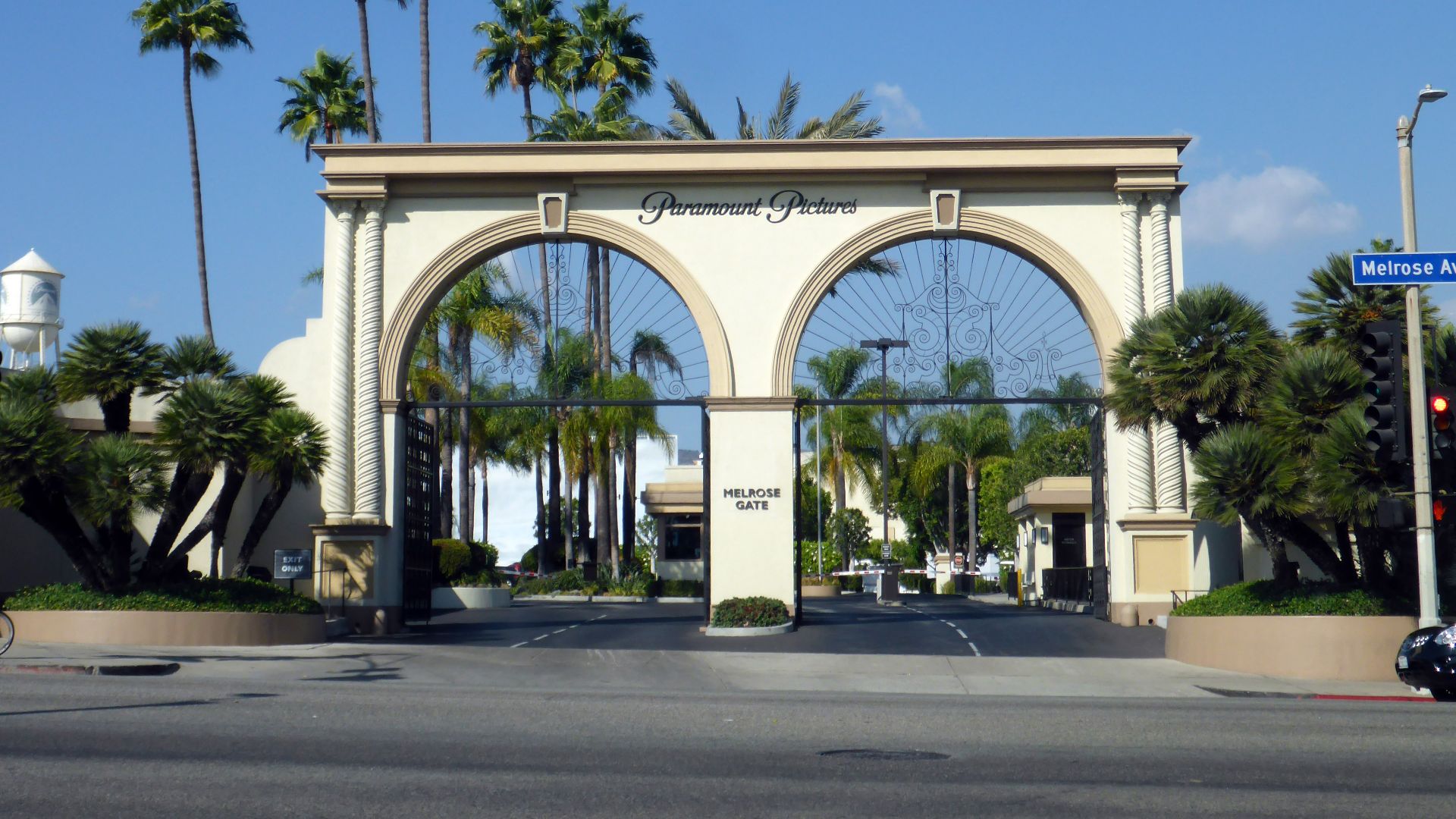
Farmer visited New York and hoped to build a serious theatrical career after returning from the Soviet Union. Instead, a talent agent helped arrange a screen test with Paramount Pictures. The studio offered her a seven-year contract, and she arrived in Hollywood during the autumn of 1935.
Paramount Saw A Future Star
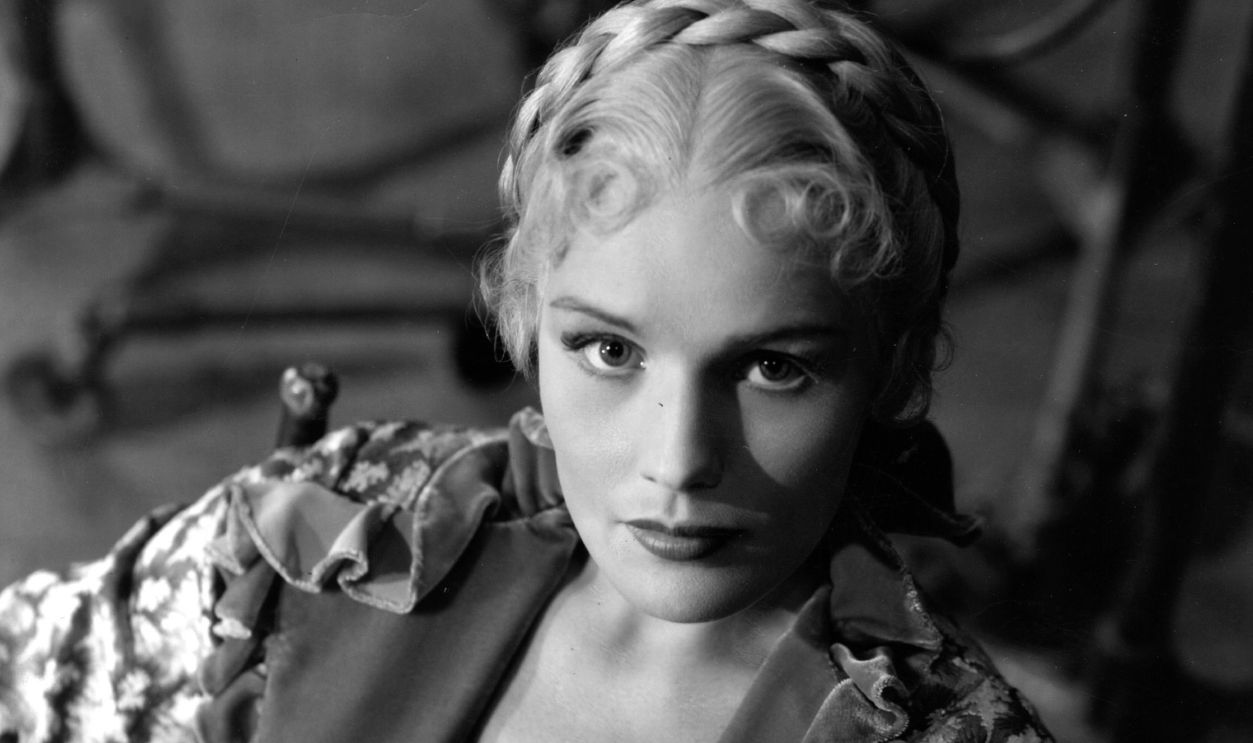
Farmer made her film debut in the 1936 comedy Too Many Parents. She soon appeared opposite Bing Crosby in Rhythm on the Range, which gave her far greater visibility. Paramount marketed her as an intelligent and unconventional newcomer, even though she remained skeptical of the studio system.
She Married Another Paramount Actor
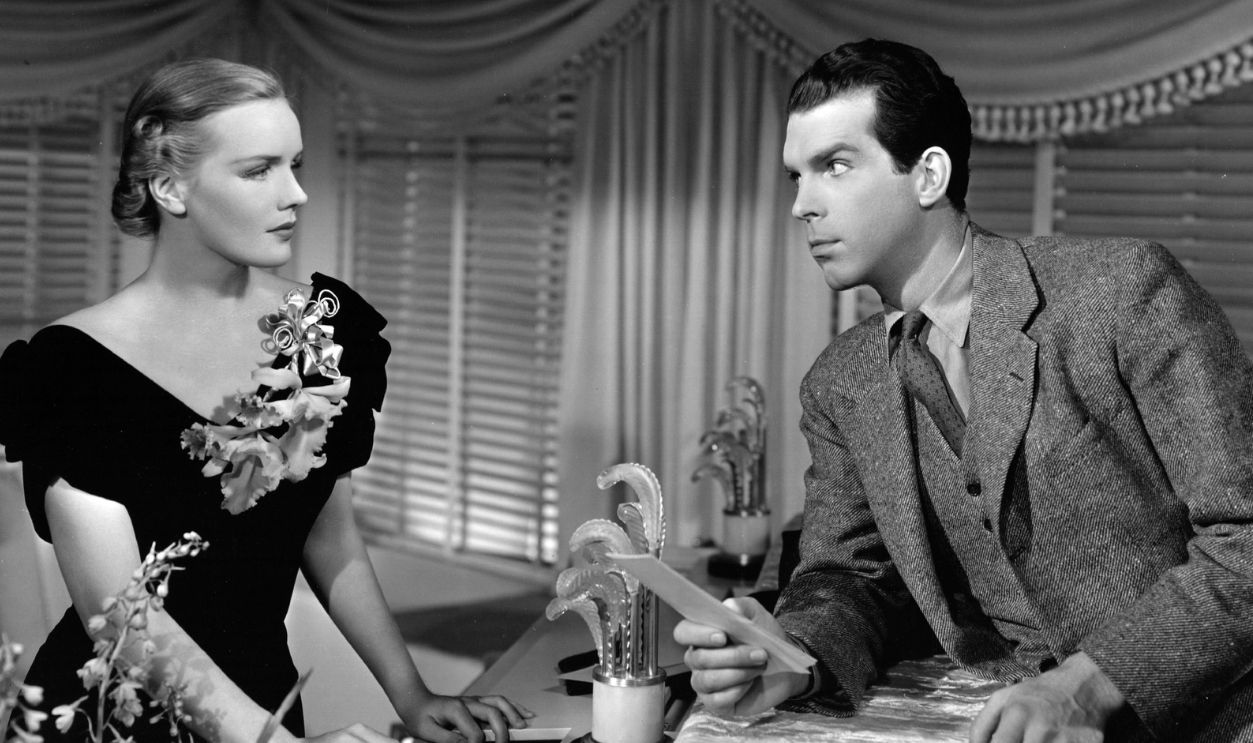
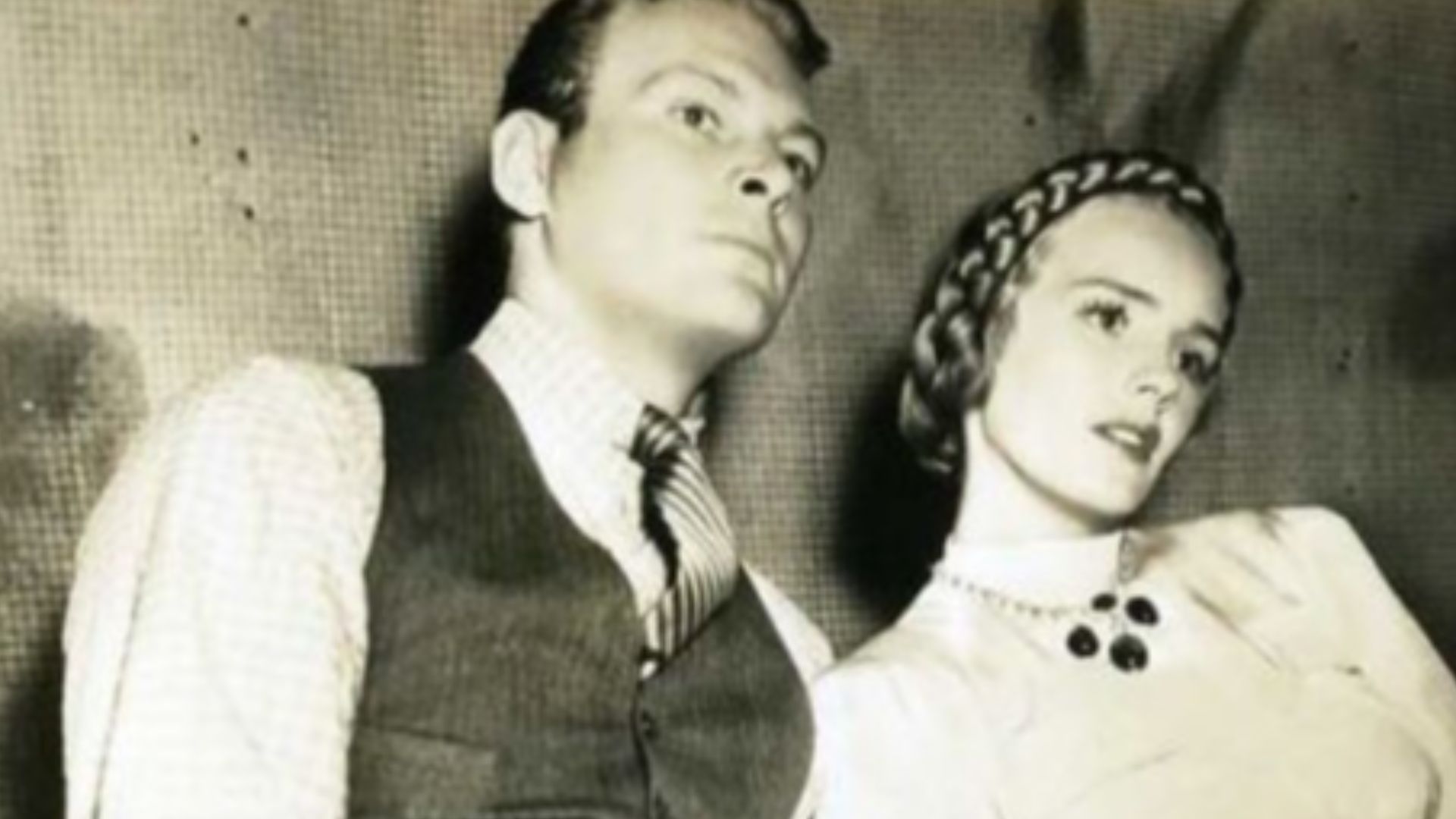
In February 1936, Farmer married actor Wycliffe Anderson, who became better known professionally as Leif Erickson. Both performers were working under Paramount contracts when they married. Their relationship eventually deteriorated, and their divorce became final in 1942.
 Studio photo, Wikimedia Commons
Her Breakthrough Came Quickly
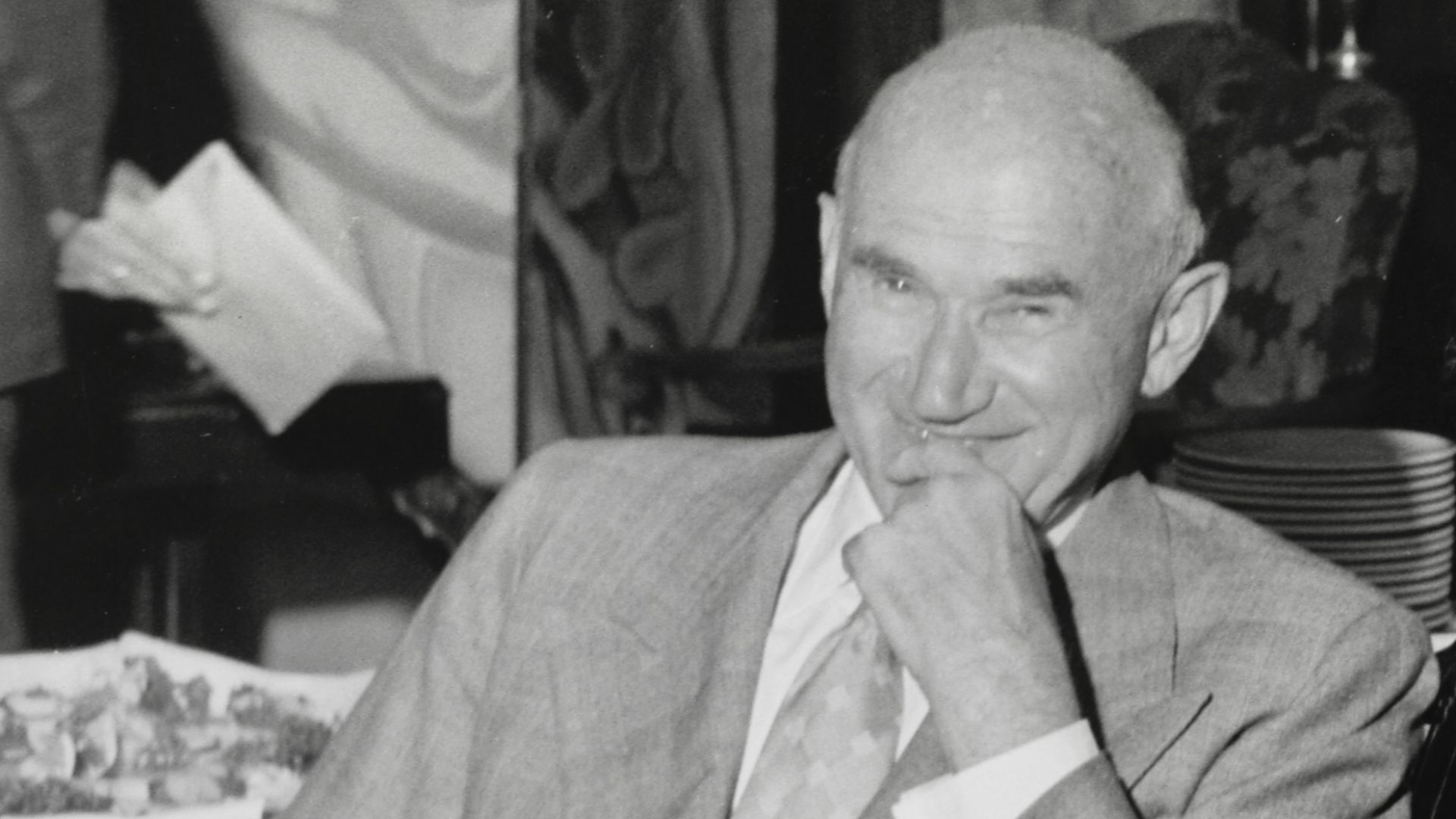
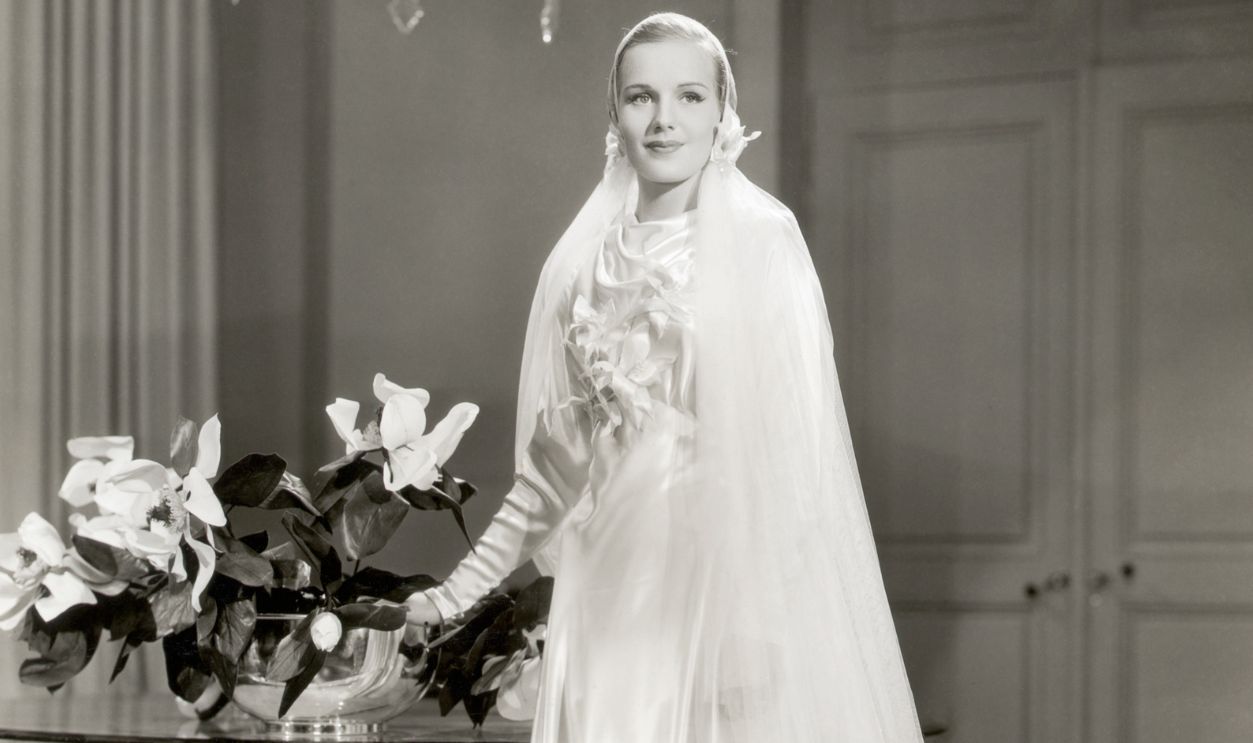
Producer Samuel Goldwyn borrowed Farmer from Paramount for Come and Get It, an adaptation of Edna Ferber’s novel. She played two women from different generations, giving her an unusually demanding showcase. The 1936 film became her first starring vehicle and remains the performance most closely associated with her screen career.
 Arne F. Køpke, Wikimedia Commons

History's most fascinating stories and darkest secrets, delivered to your inbox daily.
Two Famous Directors Guided Her
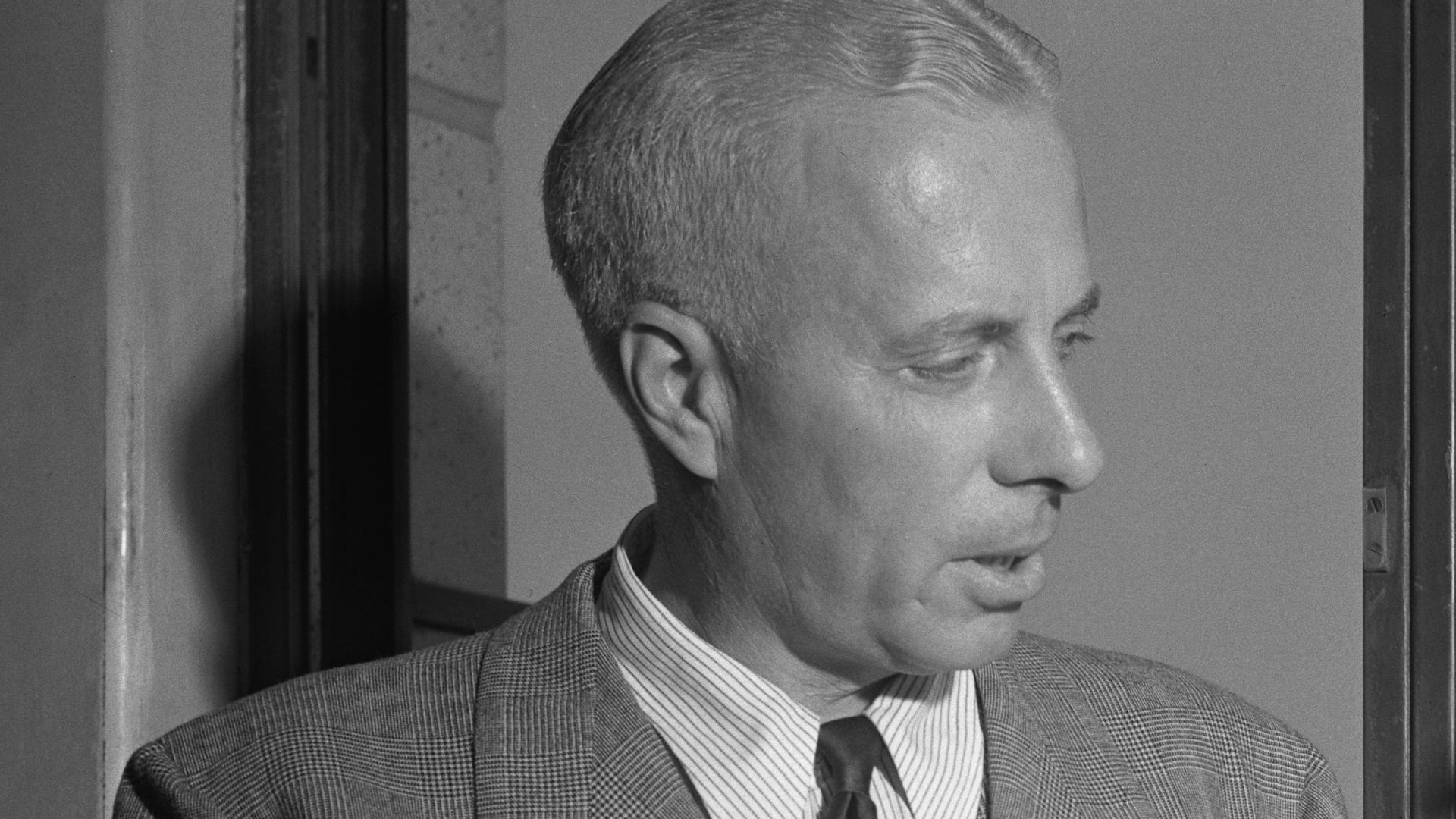
Howard Hawks began directing Come and Get It, but producer Samuel Goldwyn replaced him with William Wyler before filming ended. Farmer reportedly admired Hawks more than the exacting Wyler, whose methods frustrated her. Whatever happened behind the camera, the finished film demonstrated that she could handle a complex dramatic role.
 Los Angeles Daily News, Wikimedia Commons
Broadway Offered Something Hollywood Could Not
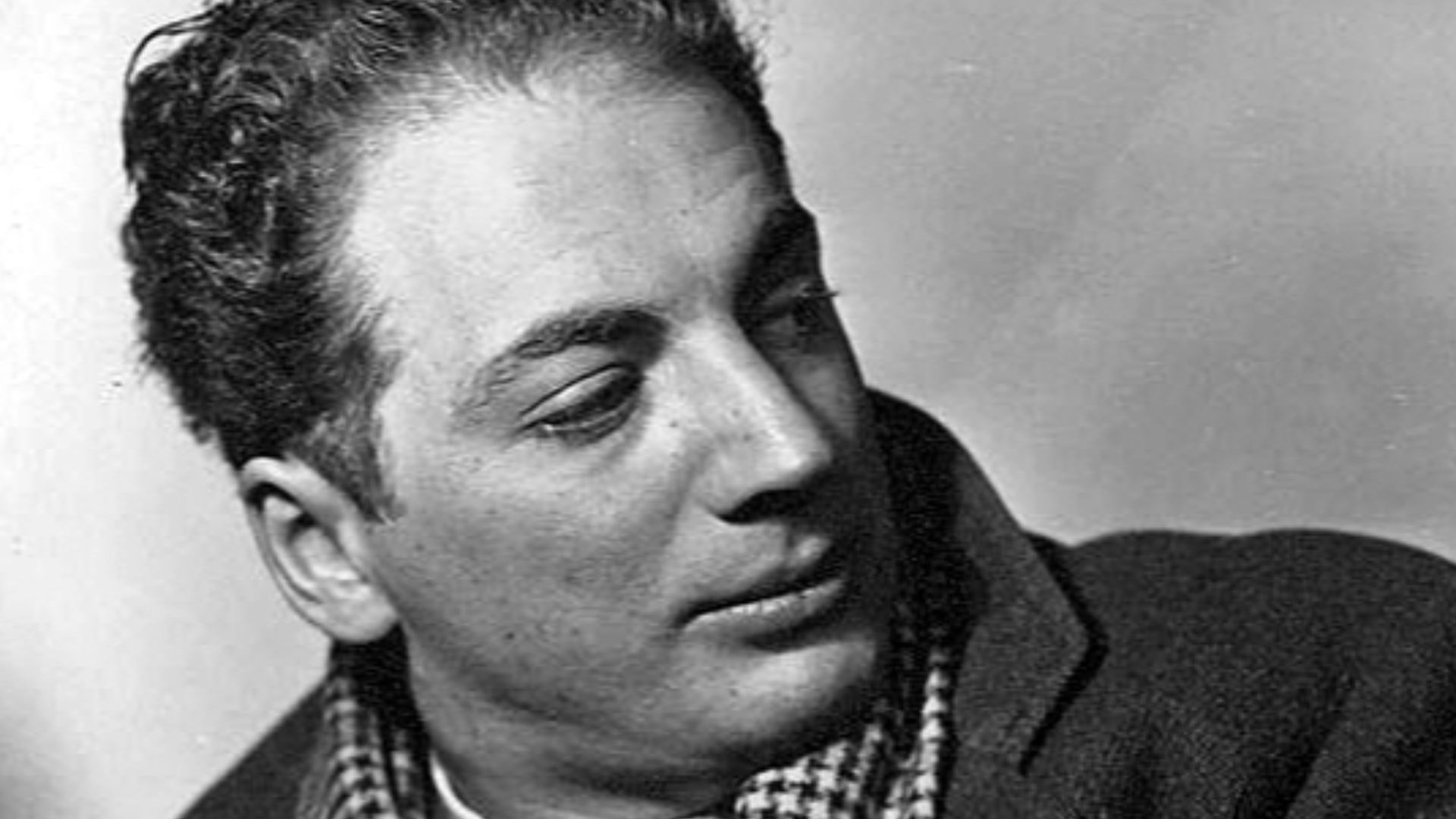
Farmer continued pressing for permission to work in the theater. In 1937, she joined the Group Theatre production of Clifford Odets’s Golden Boy as Lorna Moon. The play ran on Broadway for several months, followed by a national tour that brought Farmer some of the strongest notices of her career.
 Unknown authorUnknown author, Wikimedia Commons
Her Stage Triumph Became Complicated
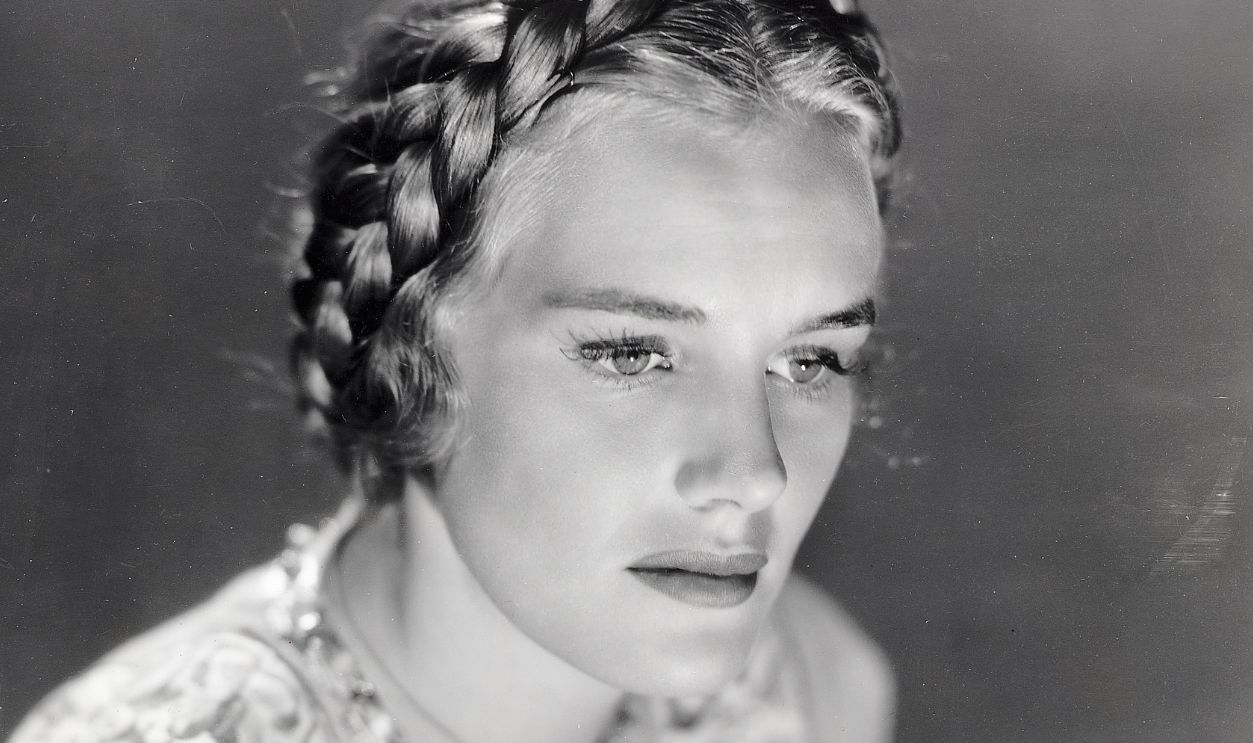
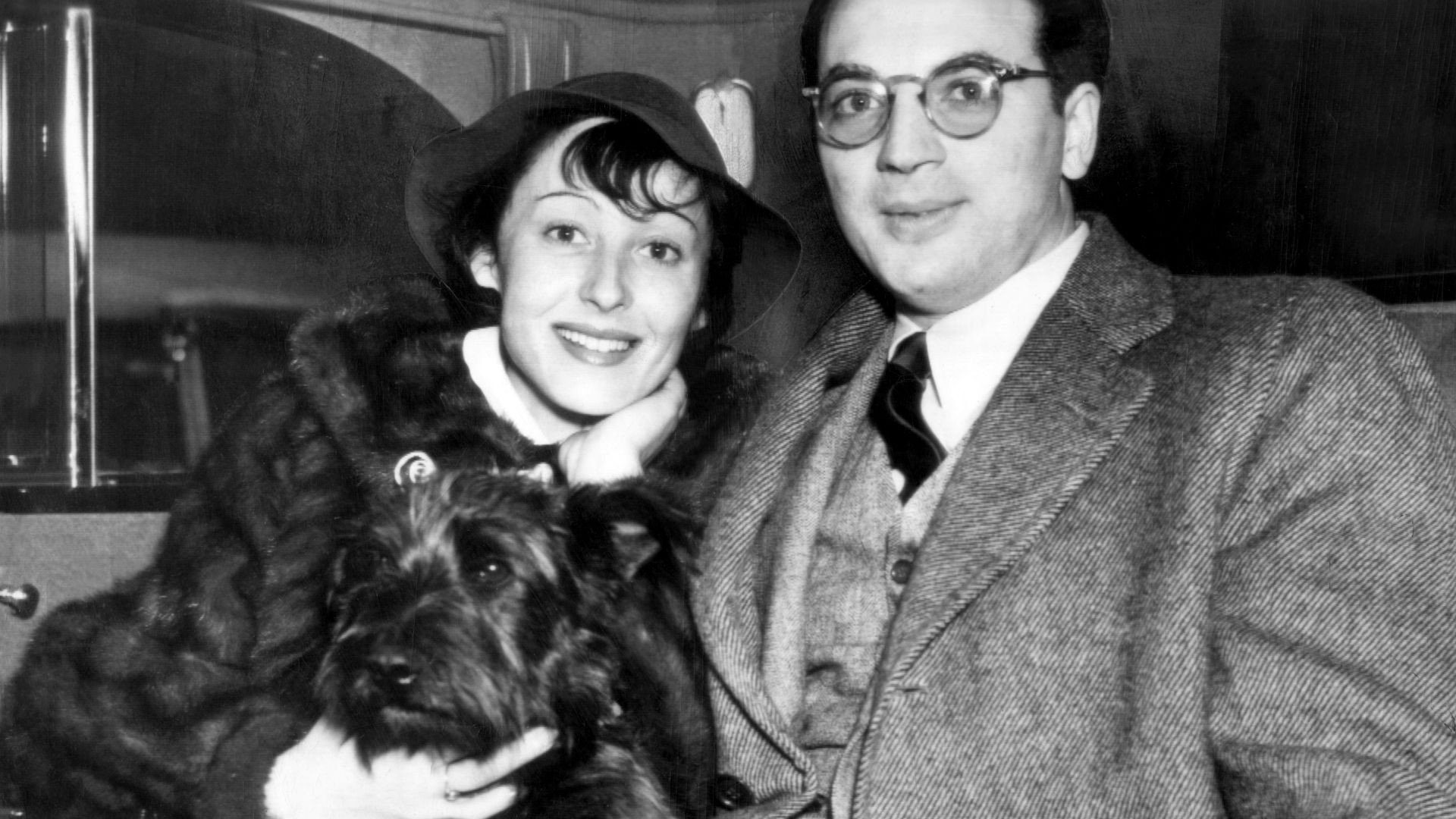
Farmer became romantically involved with Odets, who was married to actress Luise Rainer. Their relationship ended unhappily and later became another dramatic element in biographies about her. Still, reducing Farmer’s theatrical years to a failed romance overlooks the substantial work she completed with one of America’s most influential theater companies.
 Associated Press, Wikimedia Commons
Her Career Did Not Collapse Overnight
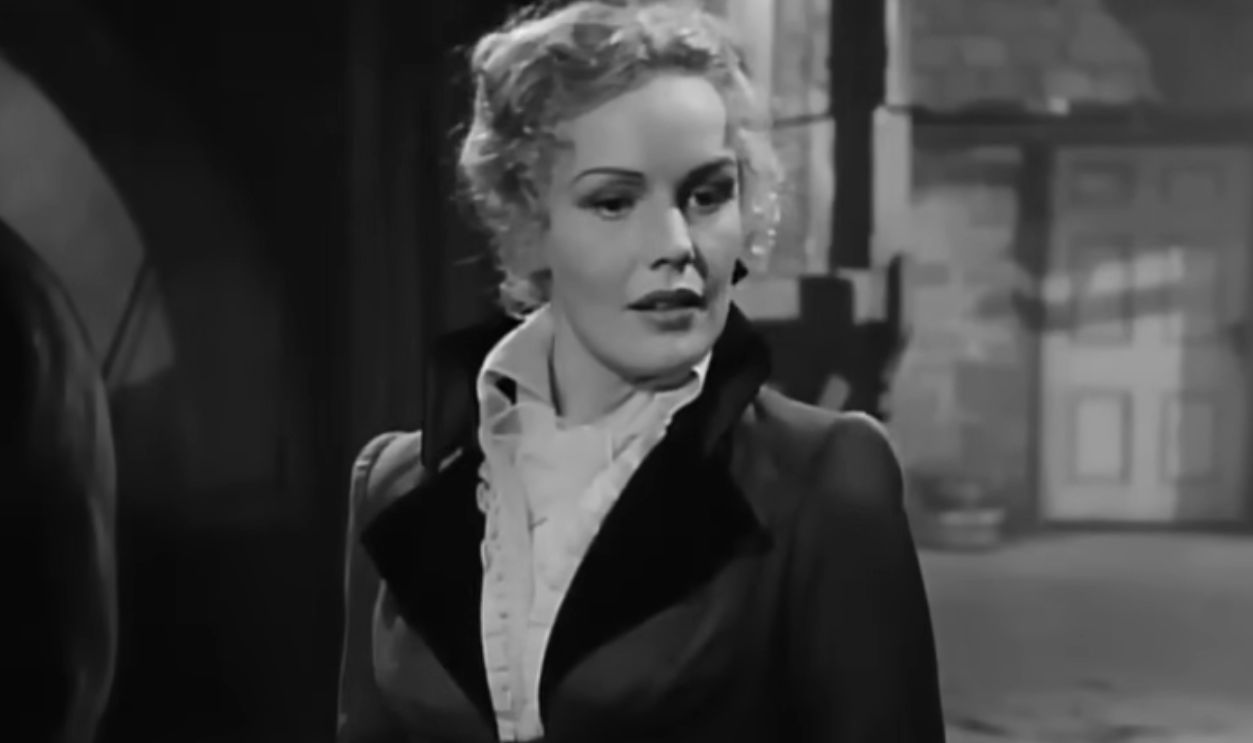
Farmer returned to films while periodically pursuing stage opportunities. Her late 1930s and early 1940s credits included The Toast of New York, Ebb Tide, Flowing Gold, Among the Living, and Son of Fury. Some films disappointed commercially, but she remained a steadily employed actress rather than a star who vanished after one confrontation.
 Screenshot from Son of Fury, 20th Century Fox (1942)
Pressure Followed Her Everywhere
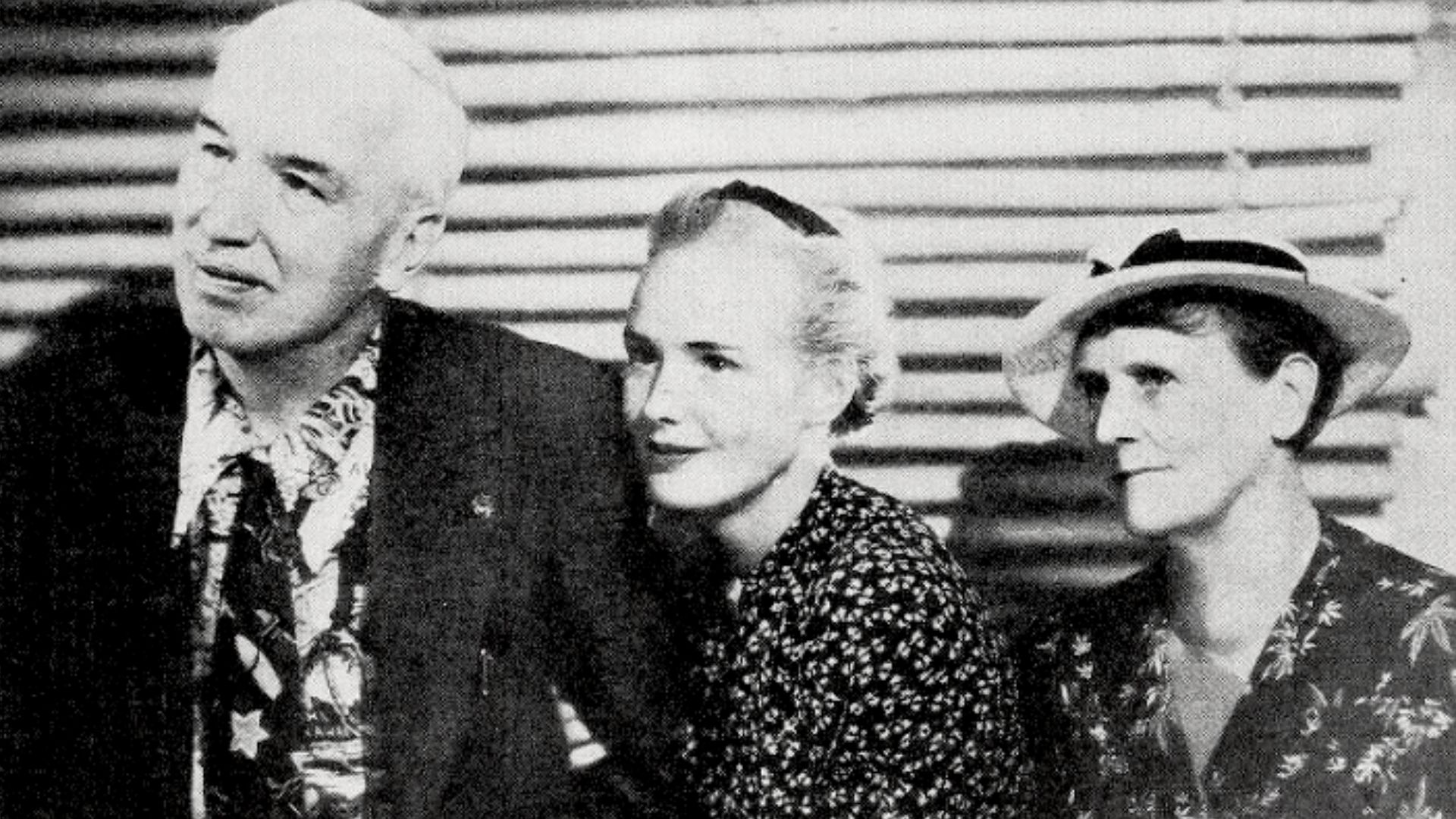
Farmer disliked publicity rituals and often spoke bluntly about Hollywood. Her political associations and trip to the Soviet Union made her unusually vulnerable to suspicion in a conservative industry. Later accounts turned this tension into a coordinated conspiracy, although convincing evidence of an organized campaign against her has never emerged.
 Unknown authorUnknown author, Wikimedia Commons
Her Life Began To Unravel
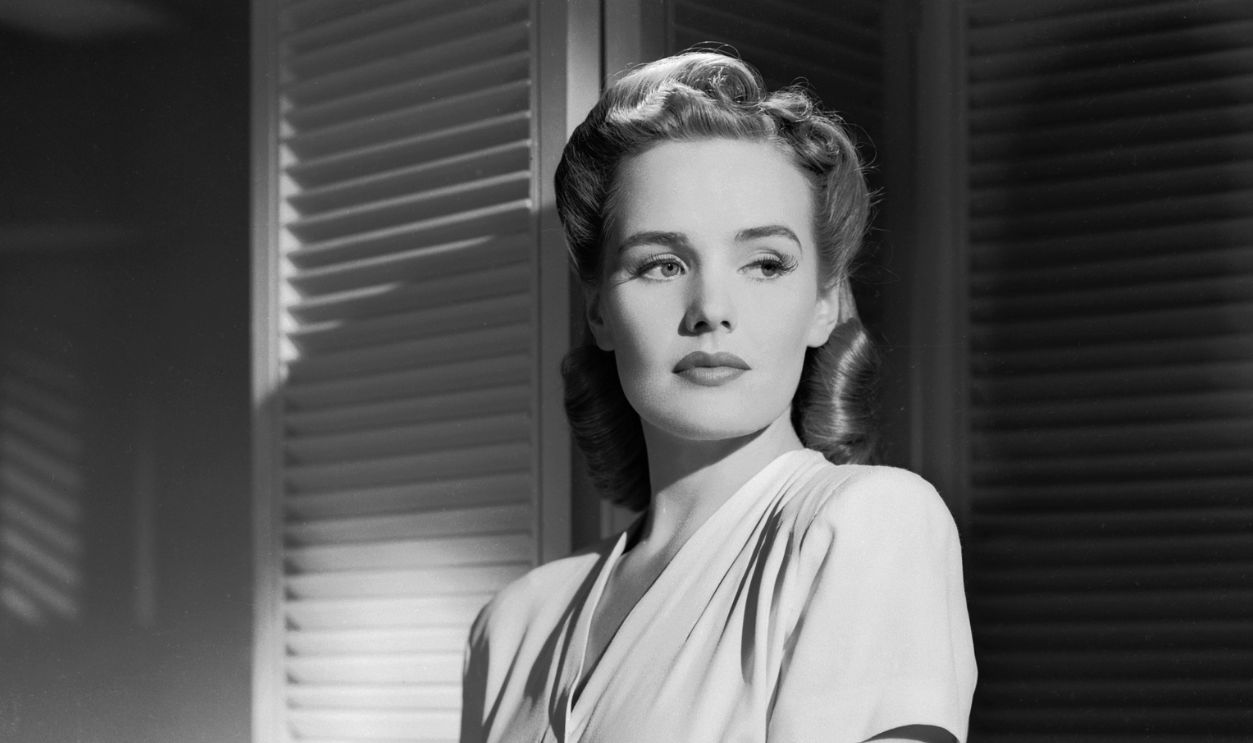
By 1942, Farmer’s marriage had ended and her relationship with Paramount had deteriorated. She was also drinking heavily and had used Benzedrine, an amphetamine commonly circulated in Hollywood at the time. Personal strain, substance use, and professional disappointment created an increasingly volatile combination.
 John Kobal Foundation, Getty Images
A Traffic Stop Became Front-Page News
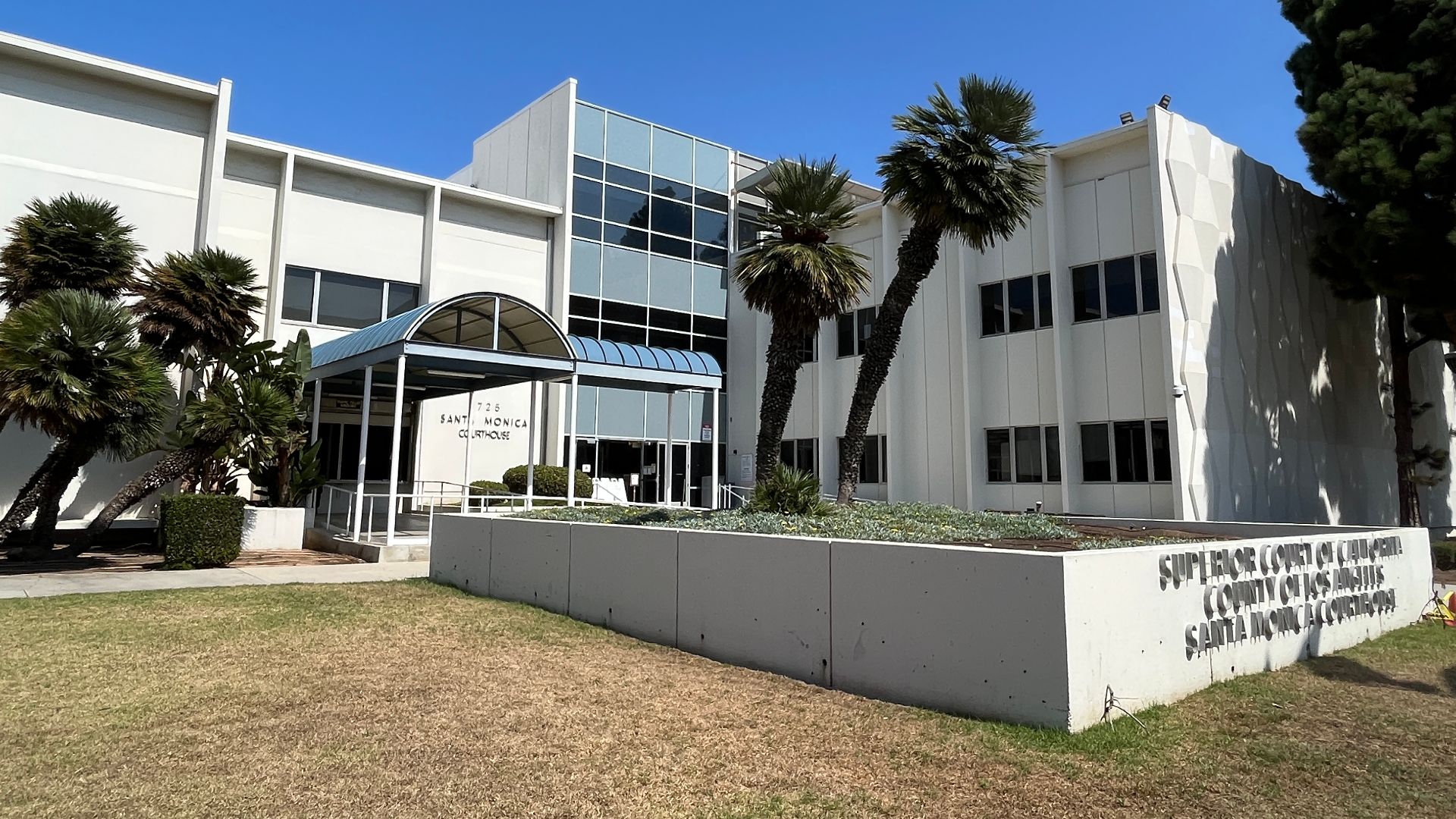
In October 1942, police stopped Farmer in Santa Monica after she drove with bright headlights in a wartime dimout zone. She was accused of driving while intoxicated and operating without a valid license. The court imposed a fine and a suspended jail sentence, but her legal difficulties were only beginning.
 Another Believer, Wikimedia Commons
Another Arrest Produced Infamous Images
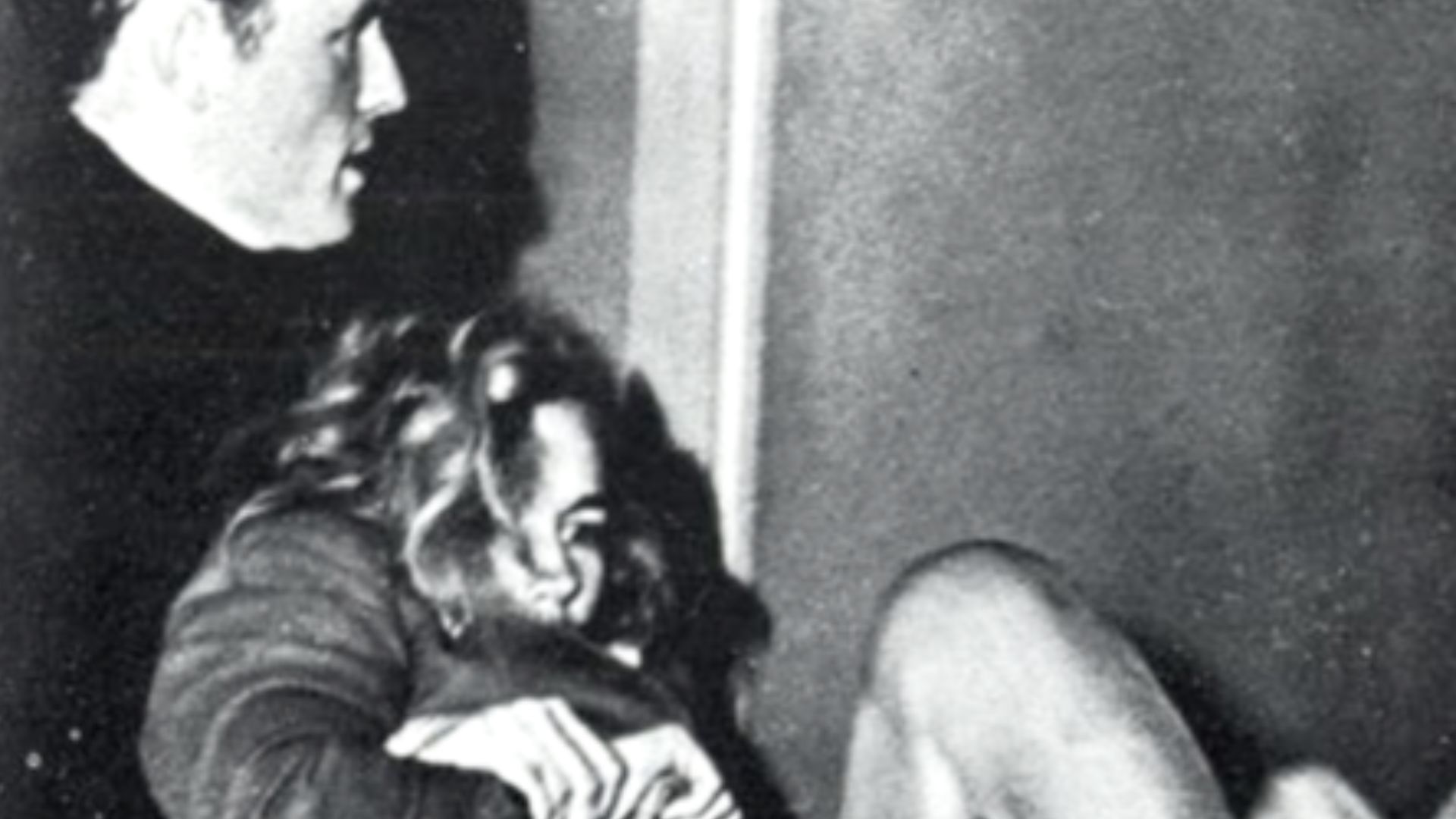
Authorities arrested Farmer again in January 1943 after she failed to satisfy the terms of her sentence. Her courtroom appearance became chaotic, and newspapers reported her angry exchanges with the judge and struggles with officers. Photographs of a disheveled Farmer being restrained helped permanently transform a respected actress into a public spectacle.
 Unknown authorUnknown author, Wikimedia Commons
Jail Gave Way To Psychiatric Care
Instead of serving her entire jail sentence, Farmer was transferred for psychiatric evaluation. A doctor diagnosed her with what he called manic-depressive psychosis, terminology that reflected the psychiatric practices of the period. She entered a private California institution and received insulin shock therapy before returning to her family in Seattle.

Returning Home Did Not End The Crisis
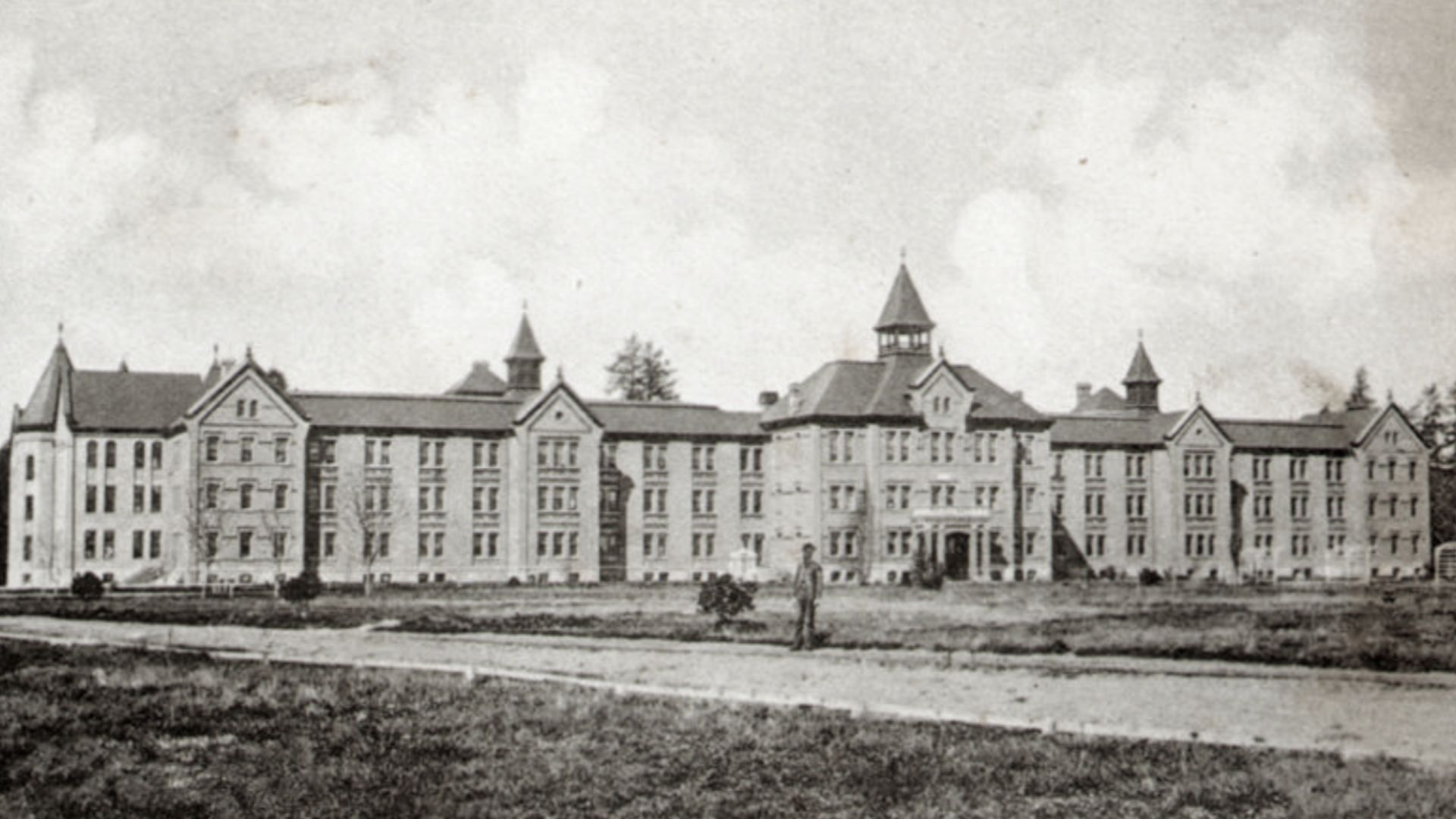
Farmer’s mother, Lillian, obtained guardianship and brought her daughter home in 1943. Their relationship remained difficult, and arguments reportedly became increasingly intense. In March 1944, Farmer was committed to Western State Hospital in Steilacoom, Washington.
 Unknown authorUnknown author, Wikimedia Commons
She Entered A Troubled Institution
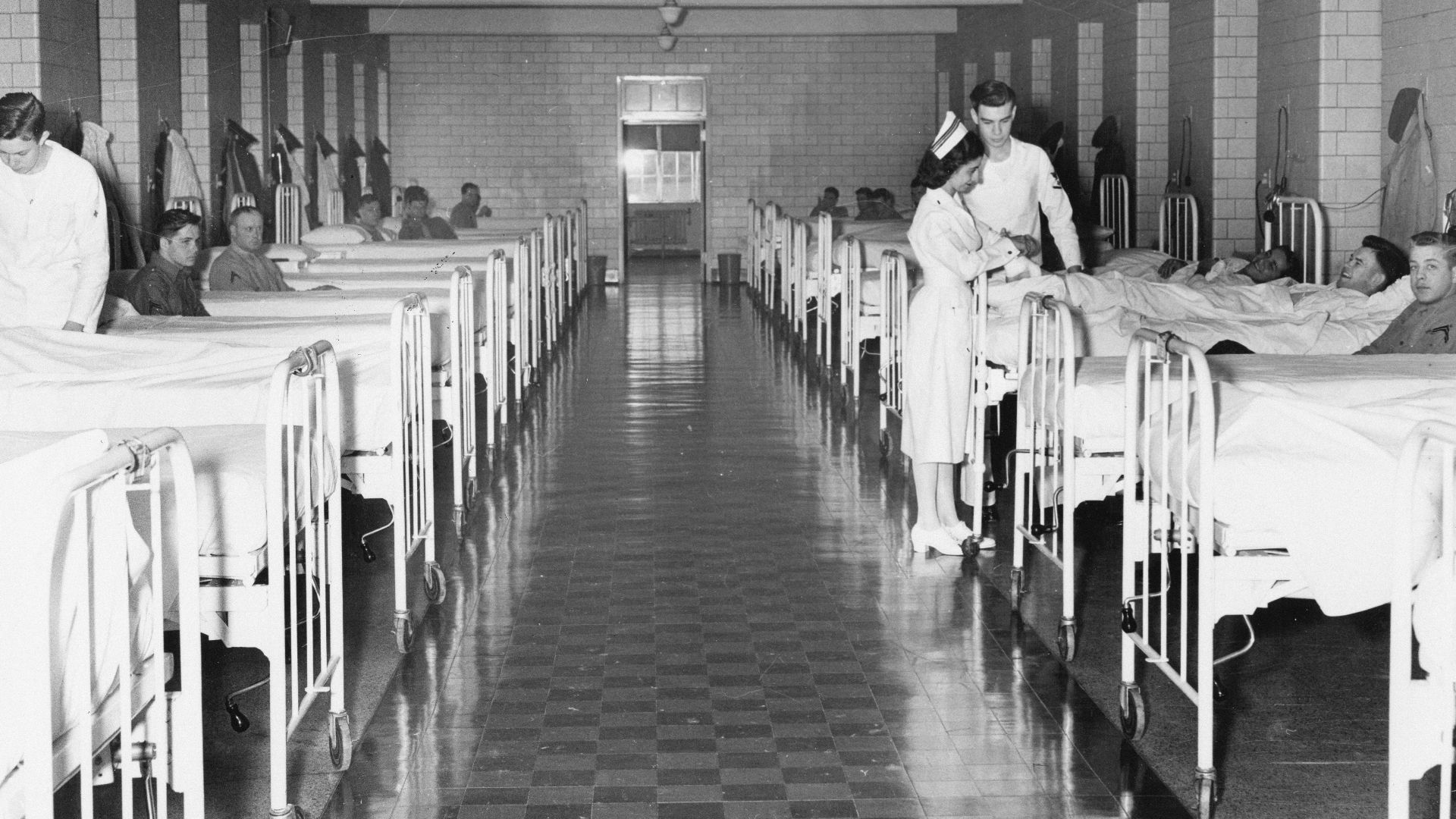
Western State was a large public psychiatric hospital struggling with overcrowding and limited resources. Farmer was released and recommitted more than once before beginning her longest period of confinement in 1945. Surviving evidence confirms that she received a course of electroconvulsive therapy during that year.
The Verified Treatment Was Serious Enough
Mid-century psychiatric care often relied on coercive methods that patients had little power to refuse. Farmer’s commitment removed much of her legal independence and placed major decisions in the hands of doctors and her guardian. Her documented experience was frightening without adding treatments that cannot be proven.
 Austrian National Library, Unsplash
Her Autobiography Made Shocking Claims
Will There Really Be a Morning? appeared in 1972, two years after Farmer’s death. It described appalling conditions, physical abuse, sexual violence, and degrading treatment during her confinement. However, Farmer did not complete the manuscript, and her friend Jeanira Ratcliffe substantially shaped the published book, making its most dramatic passages difficult to verify.
A Second Book Changed Everything
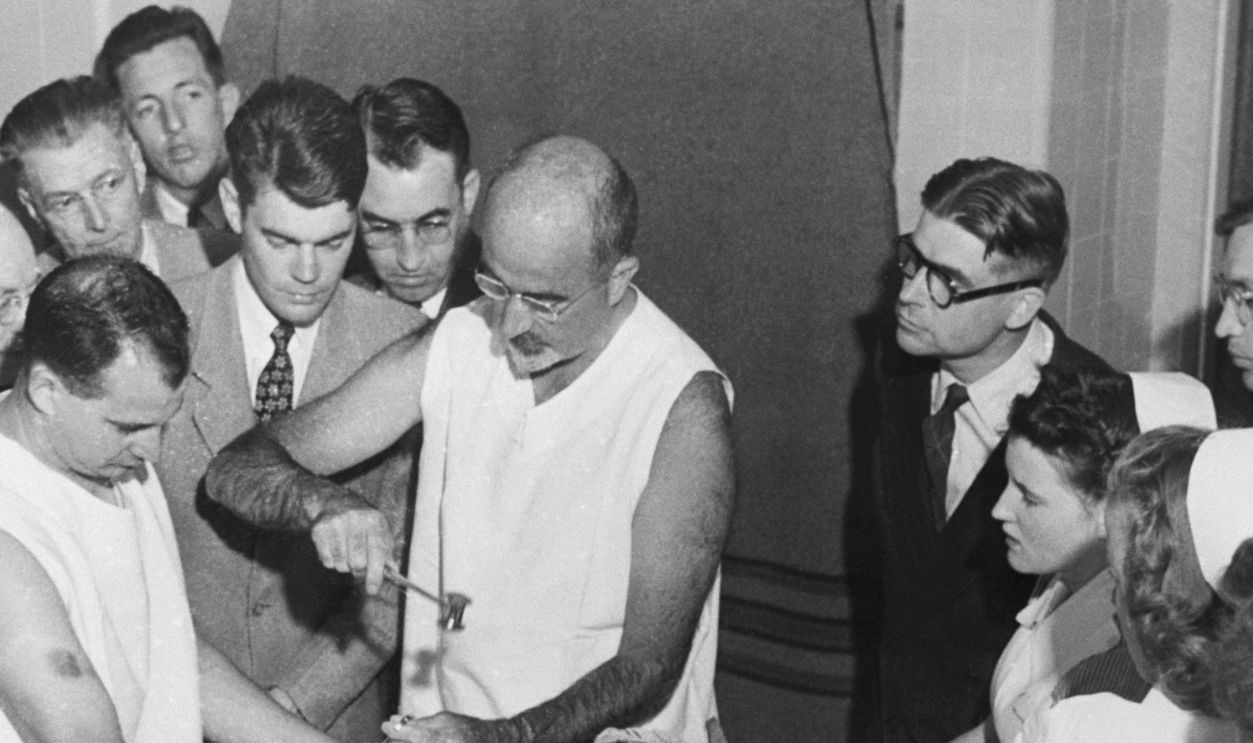
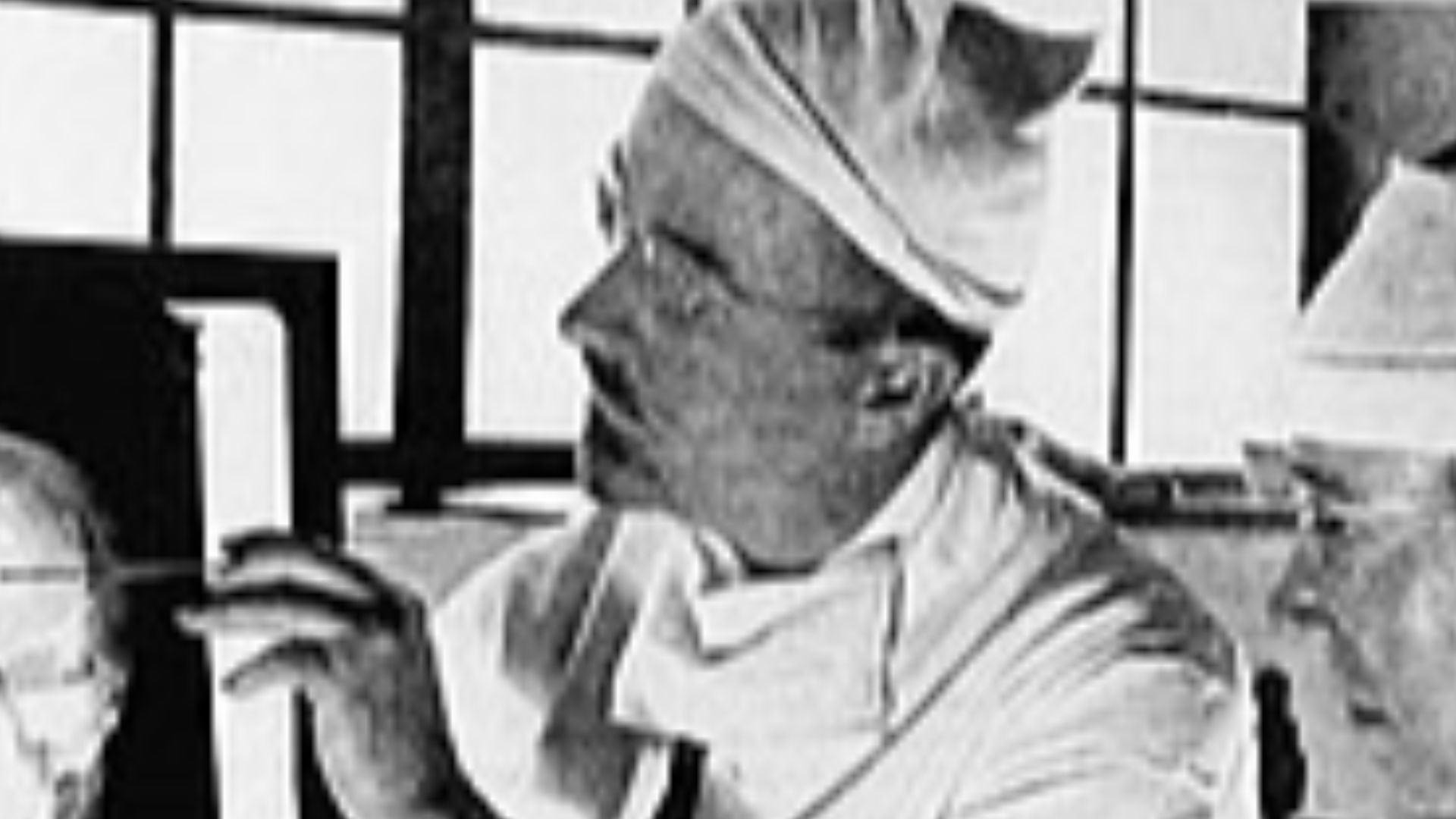
In 1978, Seattle film critic William Arnold published Shadowland, which presented Farmer’s life as an even darker conspiracy. The book alleged that psychiatrist Walter Freeman performed a transorbital lobotomy on her at Western State. That vivid claim soon overwhelmed nearly every other part of Farmer’s story.
The Lobotomy Evidence Fell Apart
No hospital record has surfaced showing that Farmer underwent a lobotomy. Her relatives rejected the claim, former Western State personnel said she had not been treated on the lobotomy ward, and Walter Freeman’s records contain no reference to operating on her. Farmer also functioned at a level after her release that does not support the simplified image created by later dramatizations.
The Author Admitted To Fictionalization
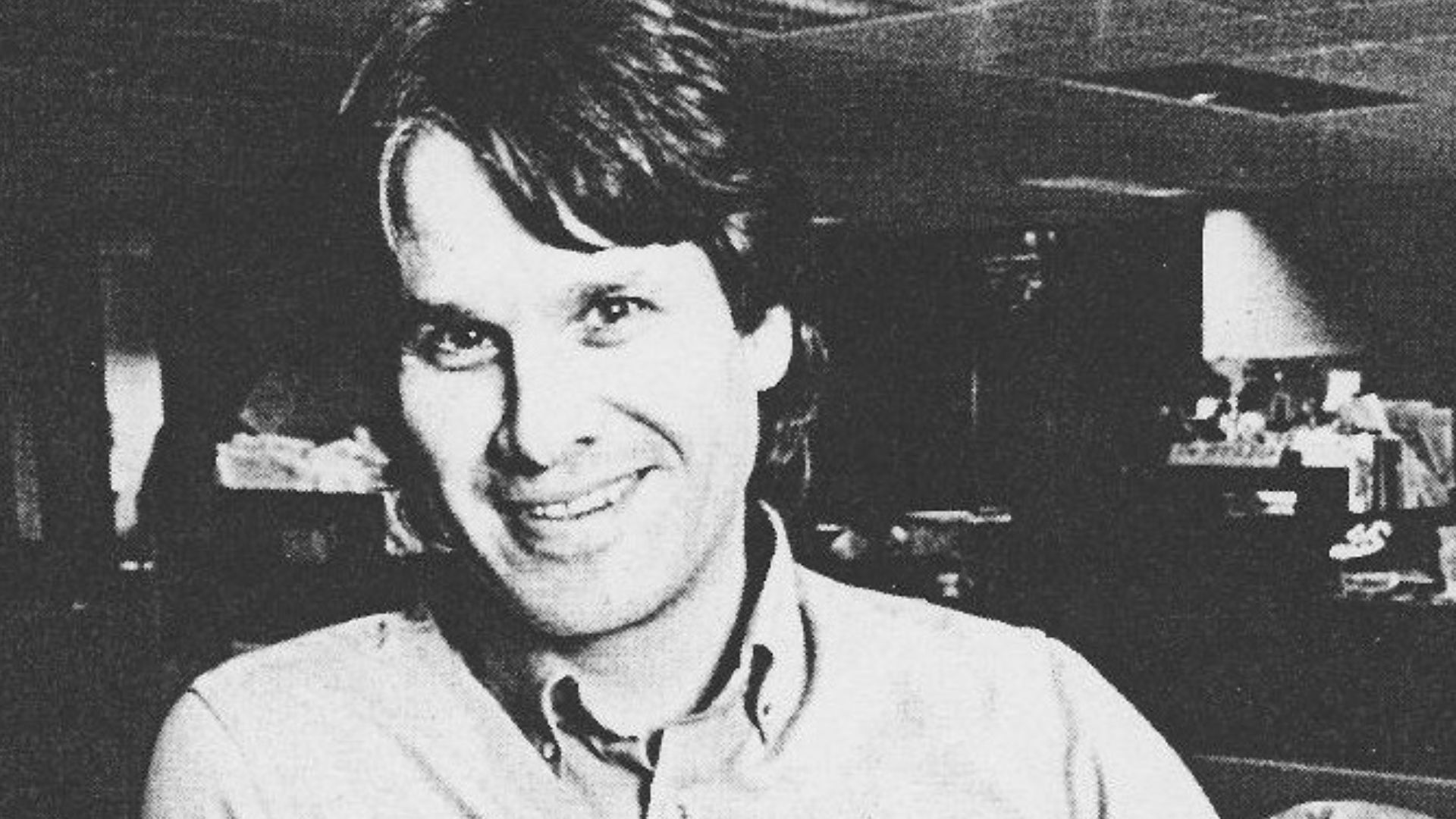
Arnold later sued the producers of the film Frances, arguing that they had drawn from his work. During the resulting litigation, his case depended partly on asserting that portions of Shadowland were his fictional creations rather than facts drawn from the public record. The court concluded that elements of the book had been fabricated, badly weakening its reputation as a reliable biography.
 Zach Martin III, Wikimedia Commons
She Built A Life After The Hospital
Farmer received her final parole from Western State in March 1950 and was formally discharged the following year. A court restored her legal competency in 1953, after which she worked ordinary jobs and attempted to rebuild her independence. She married in 1954, although the relationship lasted only several months before she left Seattle.
Television Gave Her A Real Comeback
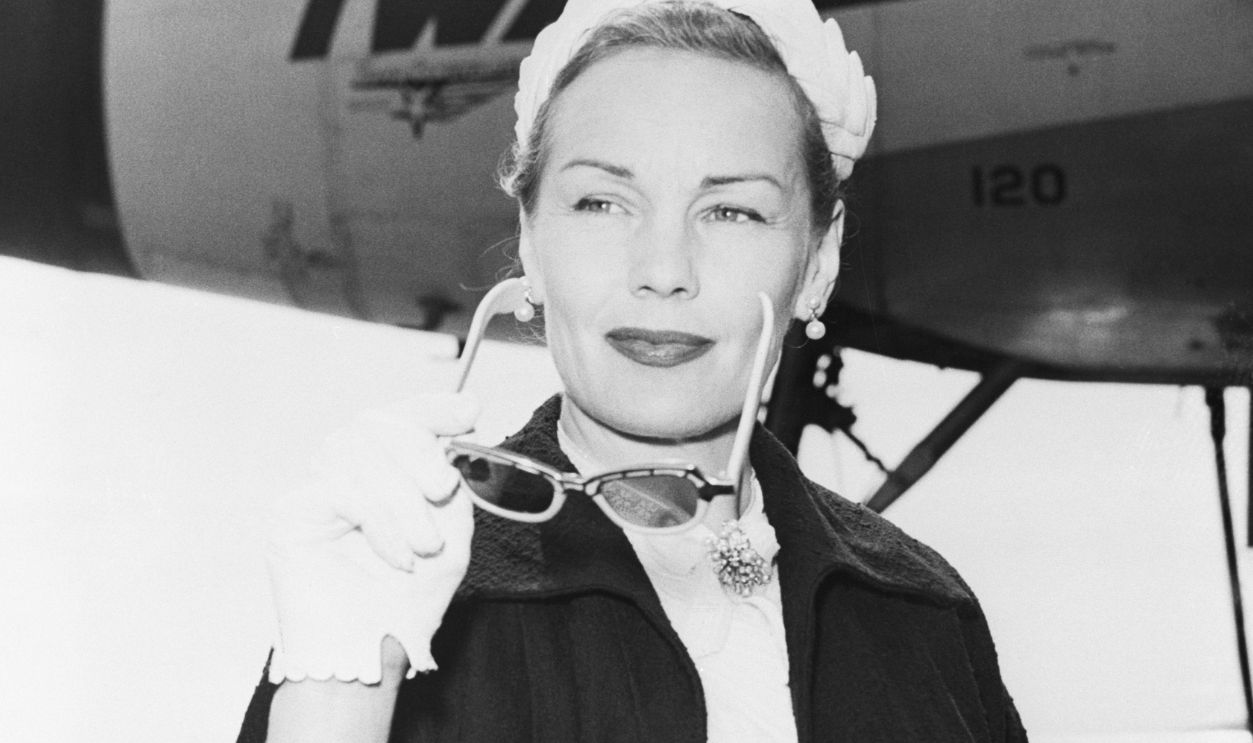
Farmer returned to public life in 1957 with appearances on The Ed Sullivan Show and other television programs. She appeared on This Is Your Life in January 1958 and openly discussed her arrest, alcoholism, and institutionalization. Later that year, she began hosting Frances Farmer Presents, a successful afternoon movie program in Indianapolis.
The Myth Eventually Eclipsed The Woman
Farmer continued acting onstage and worked with theater students at Purdue University, but health problems and alcohol remained recurring difficulties. She died from esophageal cancer in Indianapolis on August 1, 1970, at the age of 56. The acclaimed 1982 film Frances, starring Oscar-nominated Jessica Lange, cemented a lobotomy scene that evidence does not support, leaving the world with a powerful tragedy that was never entirely hers.
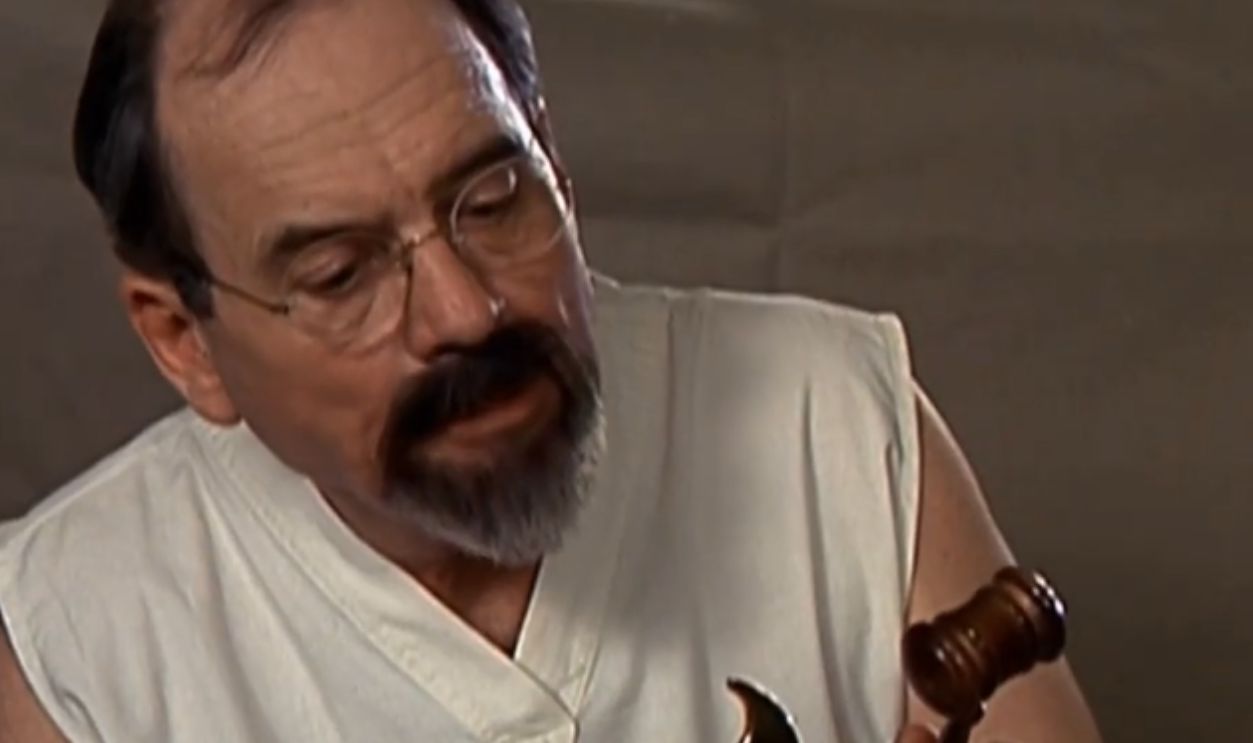 Screenshot from Frances, Universal Pictures (1982)
The Truth Was Tragic Enough
Frances Farmer was neither simply a reckless star nor the helpless victim later dramatizations created. She was a gifted, complicated woman who endured addiction, public humiliation, confinement, and deeply flawed psychiatric care. Separating evidence from invention does not diminish her suffering. It finally allows Farmer to emerge from the legend as a real person.
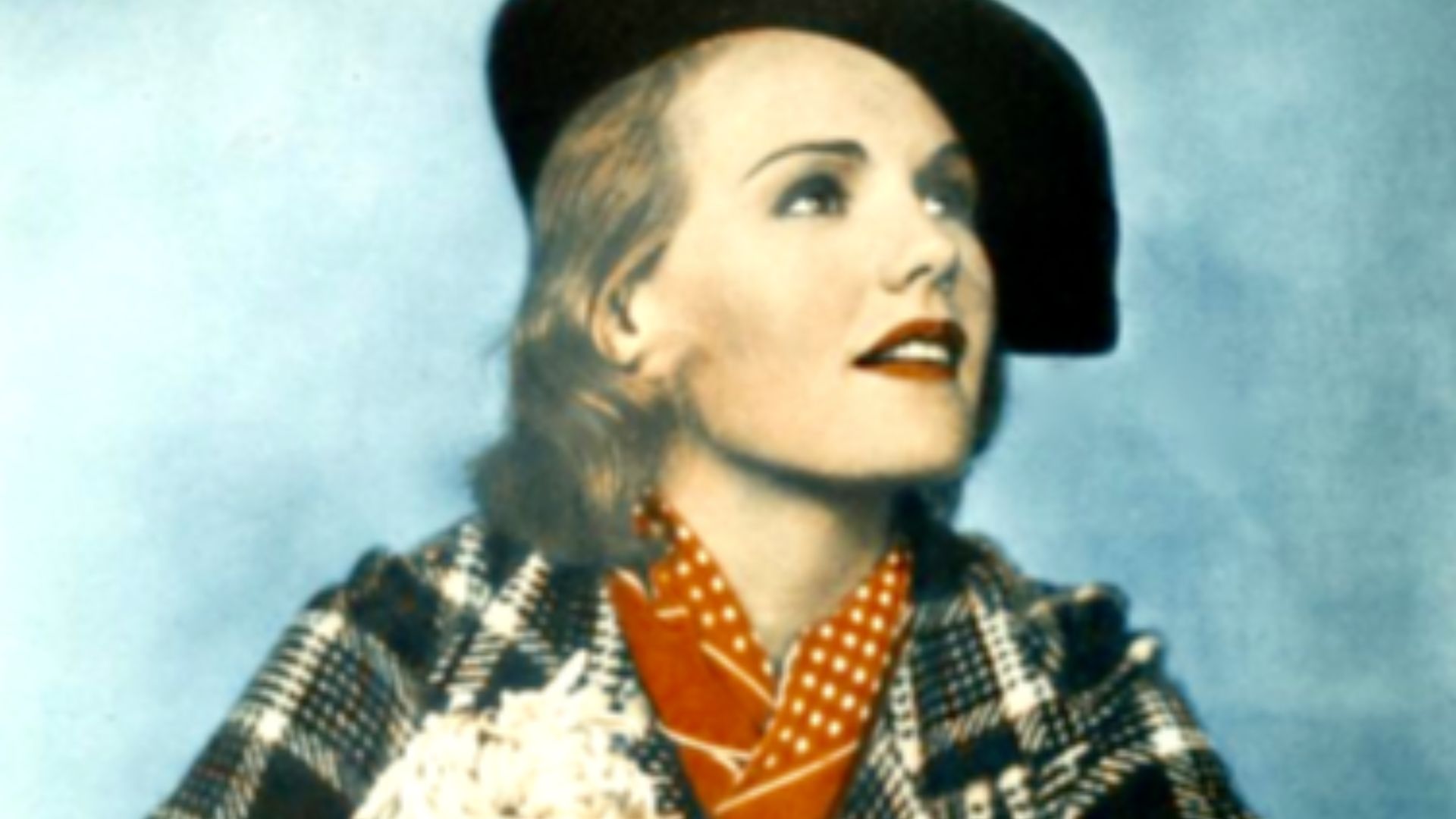 Unknown authorUnknown author, Wikimedia Commons
You May Also Like:
How Mary Toft Convinced England’s Greatest Doctors That She Had Given Birth To Rabbits
The Coney Island Incubator Babies Were Put On Display, But The Spectacle Actually Saved Lives
Peggy Hopkins Joyce Turned Marrying Rich Men Into A Career, And Newspapers Couldn’t Look Away