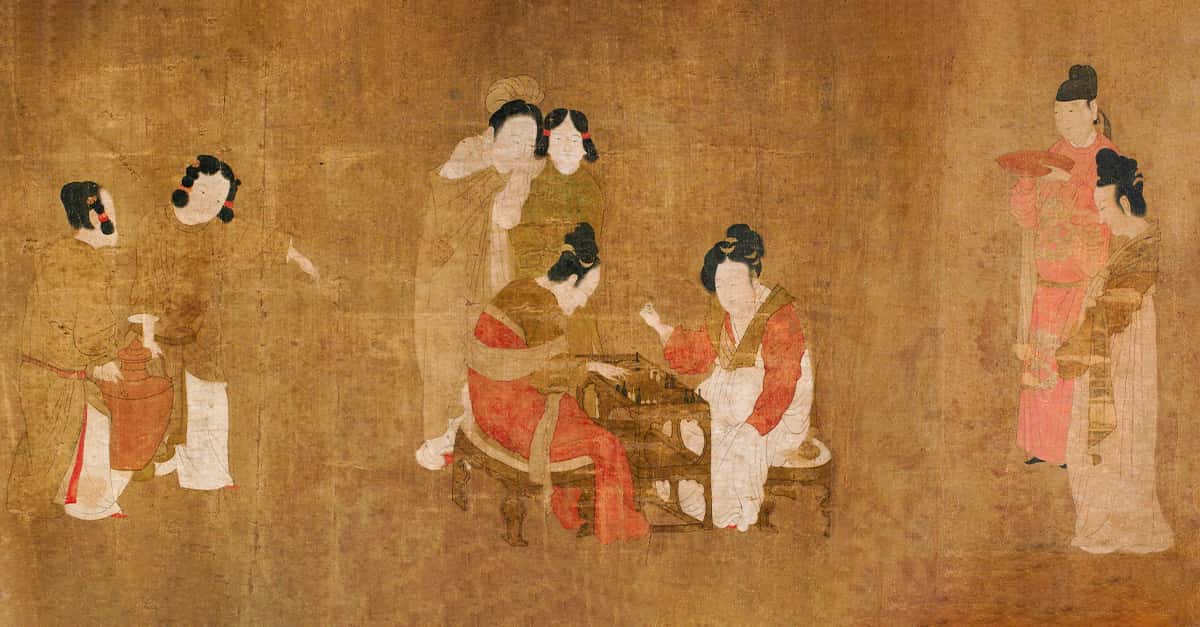
The Past Had Some Strange Prescriptions
History is full of medical ideas that sound unbelievable now. Many came from real theories, desperate hopes, limited science, or clever salesmanship. Some treatments were harmlessly odd, while others were genuinely dangerous. Together, they show how strange the road to modern medicine could be.
Bloodletting Was A Medical Mainstay
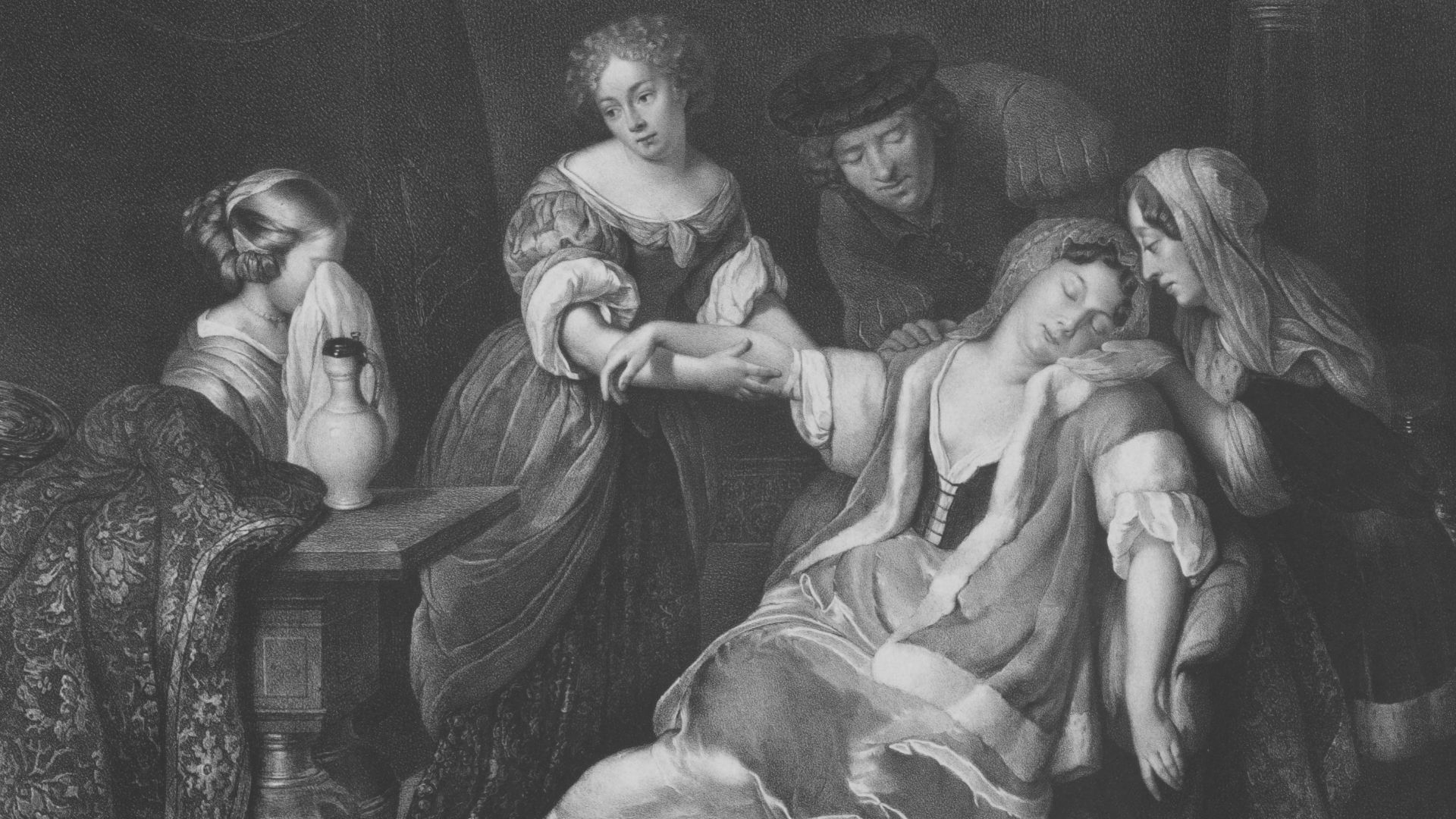
For centuries, doctors believed illness could come from an imbalance in the body’s humors. Bloodletting was used to treat everything from fevers to headaches. Patients could be cut with lancets or treated with leeches. The practice lasted far longer than most people would expect.
 The New York Public Library, Unsplash
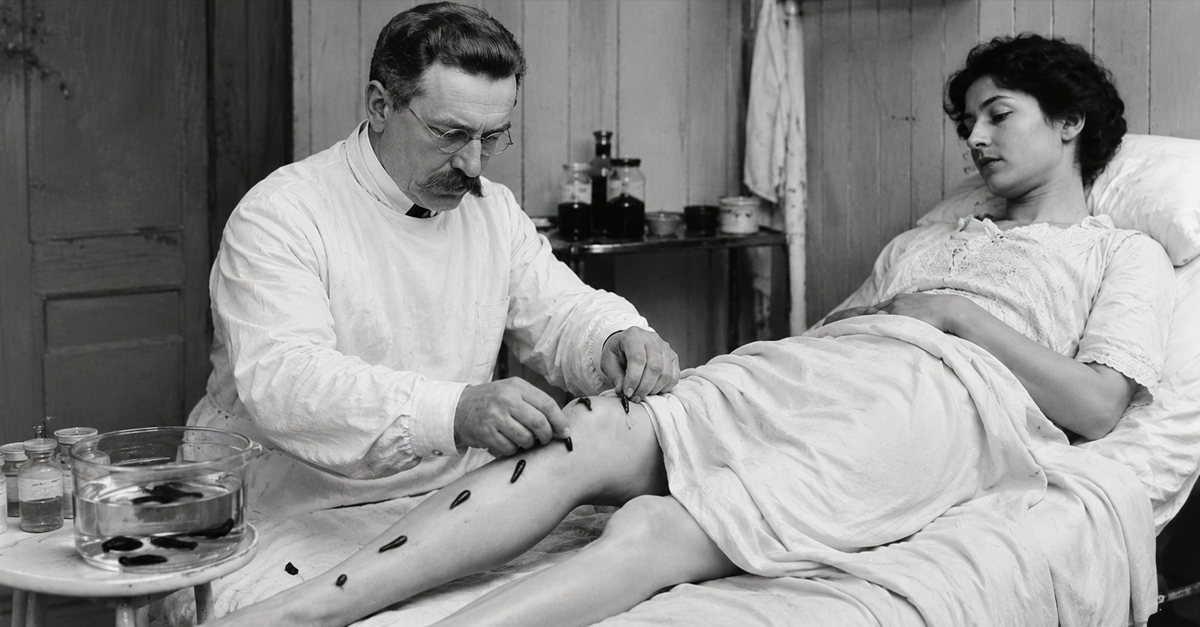
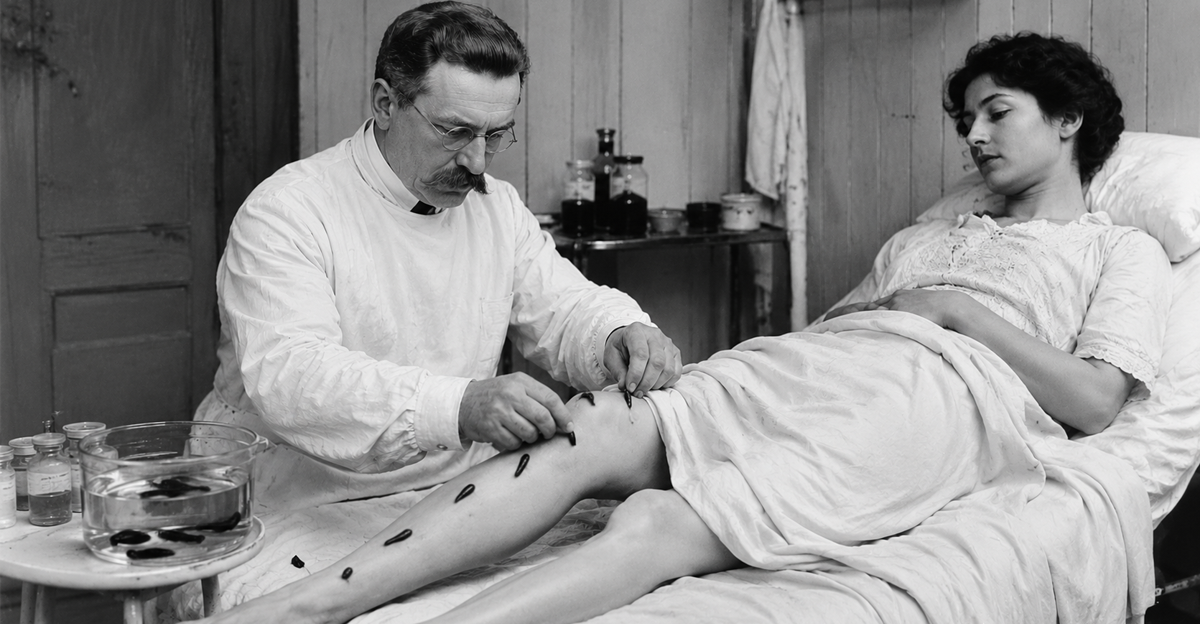
Leeches Had A Serious Reputation
Leeches were once a standard medical tool, especially in Europe. They were used to draw blood in a controlled way. In the 19th century, demand became so high that medicinal leeches were harvested and traded commercially. Modern medicine still uses leeches in specific surgical cases, but not for old-fashioned “humor balancing.”
 Holger Krisp, Wikimedia Commons
Mercury Was Treated Like Medicine
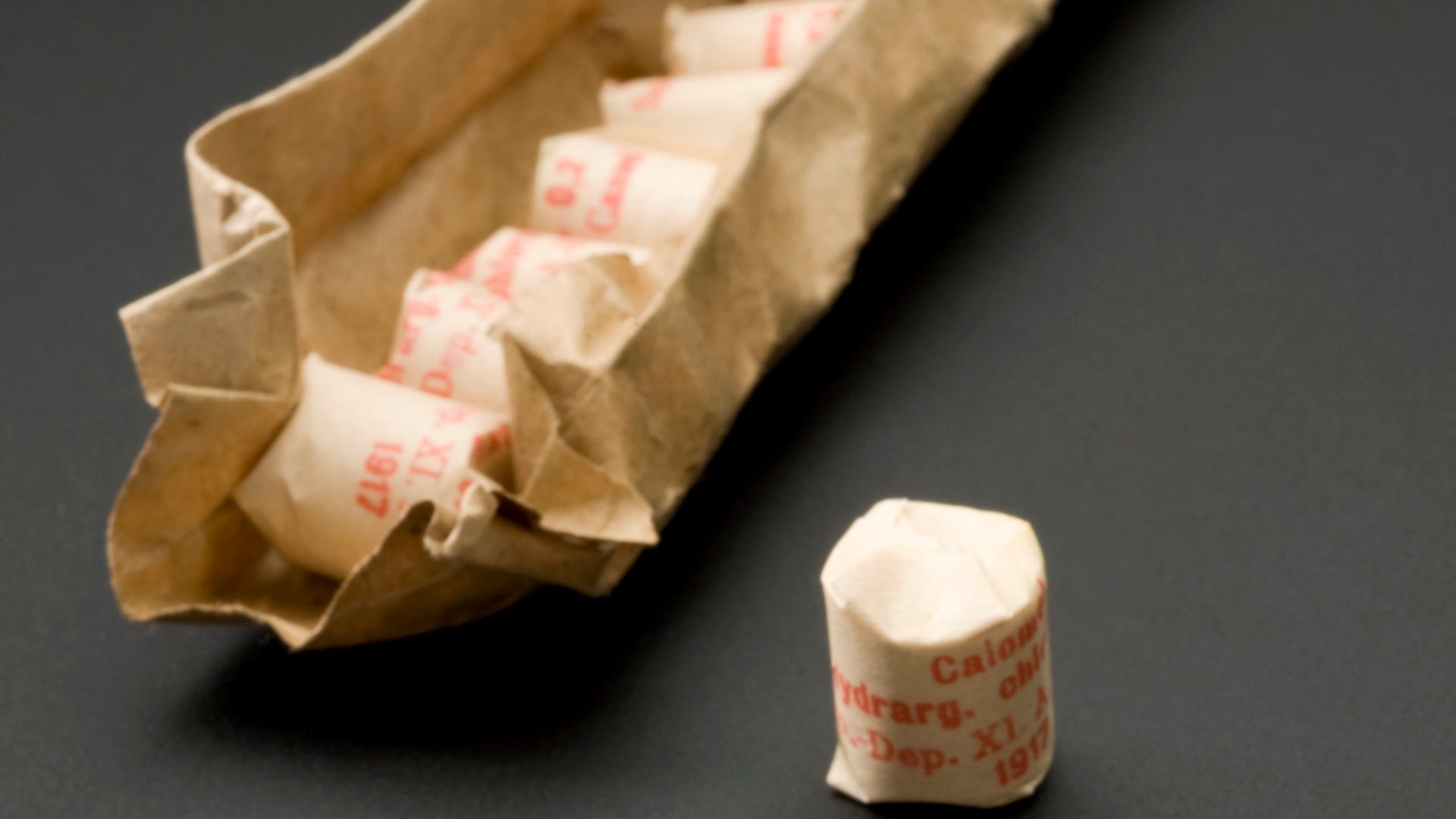
Mercury compounds were once used in medicines for many complaints. Calomel, a mercury chloride compound, became especially popular as a purgative. Doctors thought forcing the body to purge could help remove illness. Unfortunately, mercury poisoning could damage the mouth, teeth, nerves, and organs.

History's most fascinating stories and darkest secrets, delivered to your inbox daily.
Arsenic Was Sold For Beauty
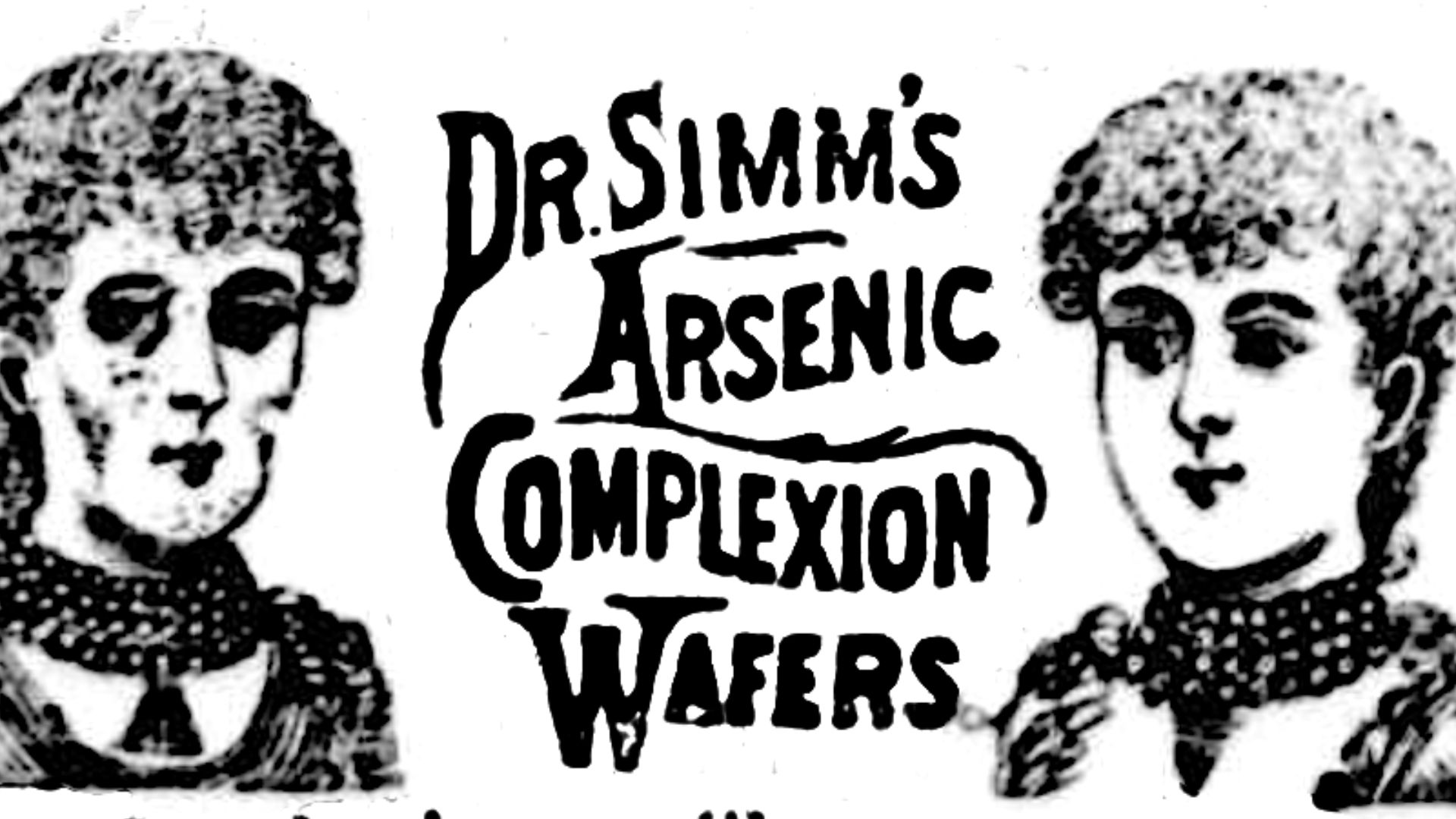
Arsenic sounds like an obvious poison today, but it once appeared in complexion products. Arsenic wafers were marketed as a way to improve the skin. Some products promised clearer, fairer, or more attractive complexions. The idea turned beauty culture into a dangerous form of self-medication.
 The Helena Independent (newspaper), Wikimedia Commons
Radium Water Promised Inner Glow
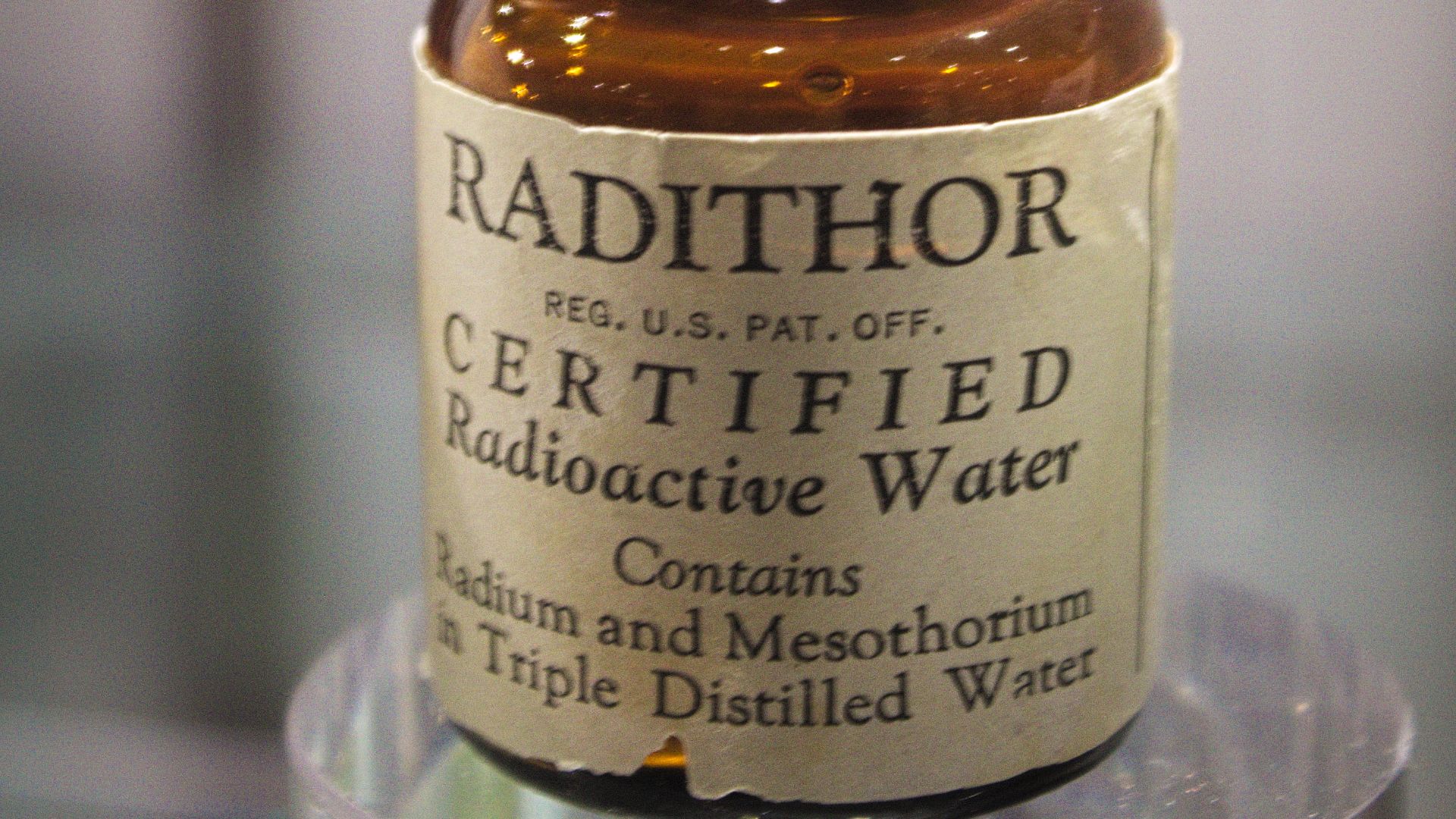
After radium was discovered, some companies treated radioactivity like a miracle force. Radithor was sold as radioactive water containing radium and mesothorium. Its makers promoted it for ailments such as arthritis, high blood pressure, and sexual complaints. The most infamous case was Eben Byers, whose death helped expose the danger.
 Sam LaRussa from United States of America, Wikimedia Commons
Radioactive Jars Made Water “Healthy”
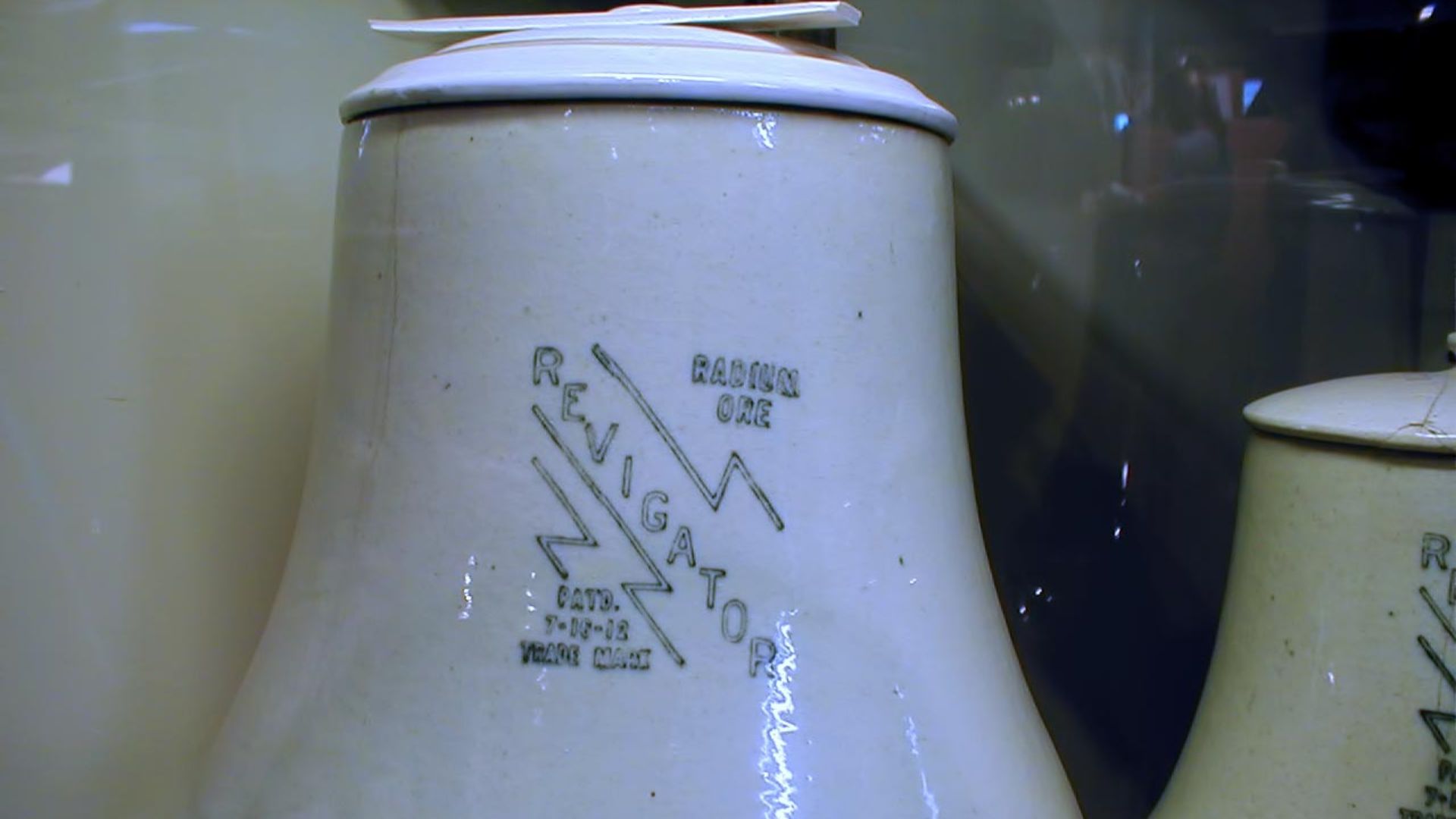
Radium products did not stop with bottled tonics. Some devices were designed to add radon or radioactive material to drinking water. The Radium Vitalizer Health Fount was one such product from the late 1920s and early 1930s. It shows how easily scientific discovery could become a wellness fad.
 Andrew Kuchling, Wikimedia Commons
Tobacco Smoke Was Blown Into Patients
In the 18th century, tobacco smoke enemas were used as a resuscitation treatment. Practitioners believed warm tobacco vapor could stimulate the heart and lungs. The smoke was sometimes directed into the rectum using bellows and tubes. It sounds absurd now, but it was once considered a serious emergency measure.
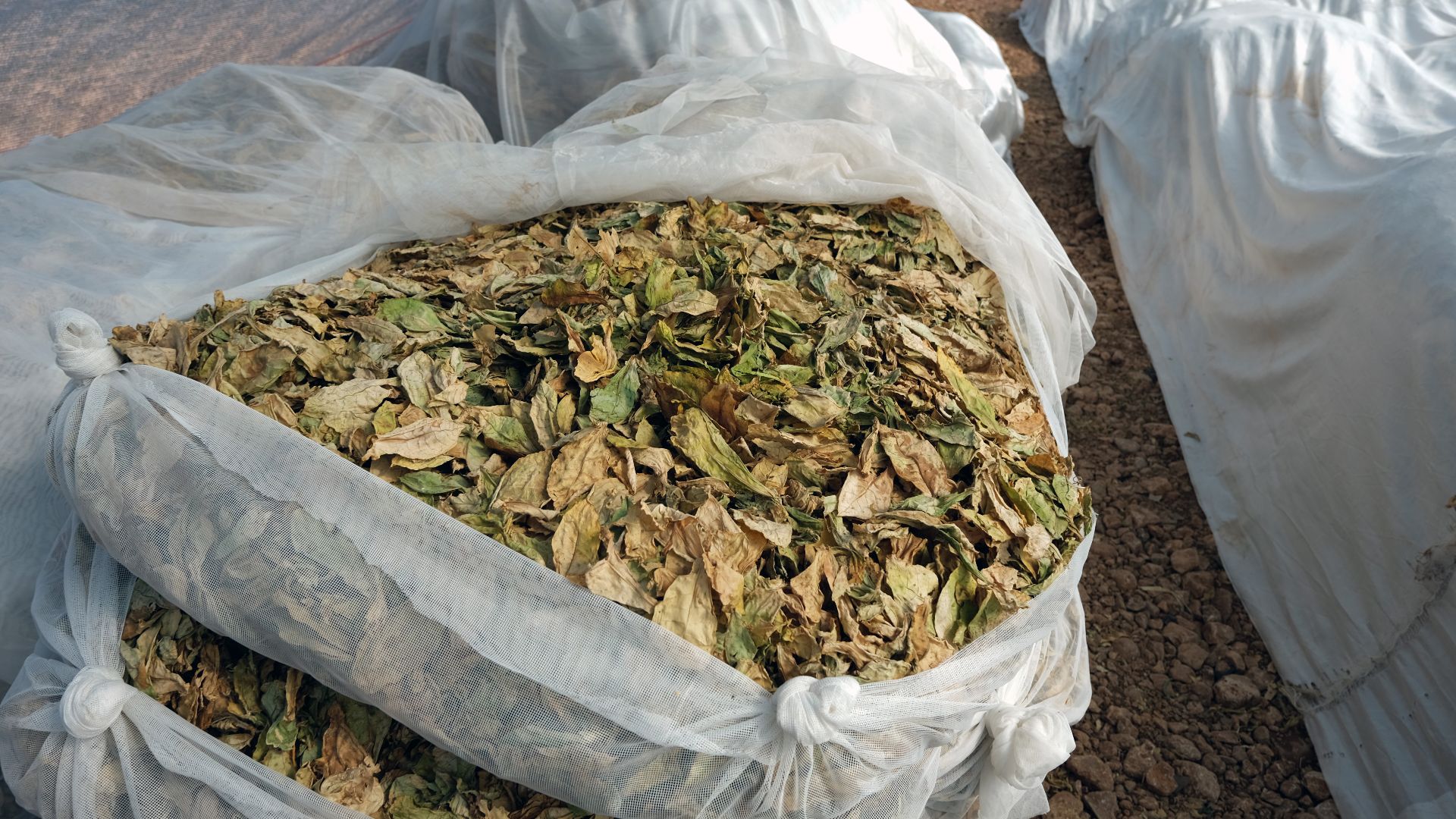 Turkishtobacco, Wikimedia Commons
Bad Air Got The Blame
Before germ theory became widely accepted, many people believed disease spread through “miasma.” This meant foul-smelling air was thought to carry sickness. The theory influenced responses to diseases such as cholera in Victorian London. It was wrong about germs, but it did encourage some sanitation reforms.
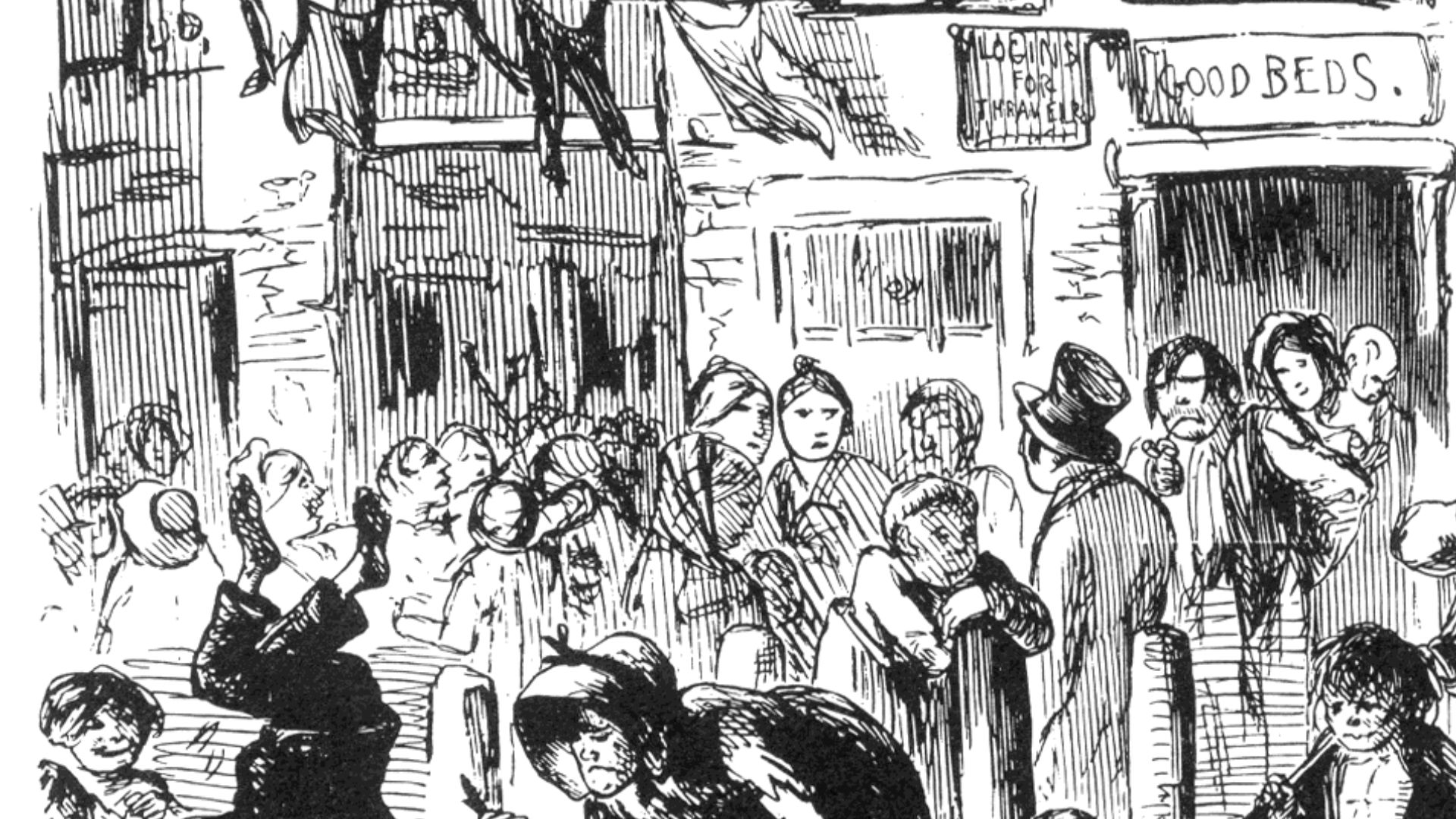 Phrood~commonswiki, Wikimedia Commons
Theriac Was The Ancient Super-Remedy
Theriac was a famous medicinal mixture used for nearly 2,000 years. It was promoted as a powerful antidote and cure-all. Its ingredients varied, but versions could include opium, spices, herbs, and animal parts. Its reputation was strengthened by ritual, branding, and public preparation.
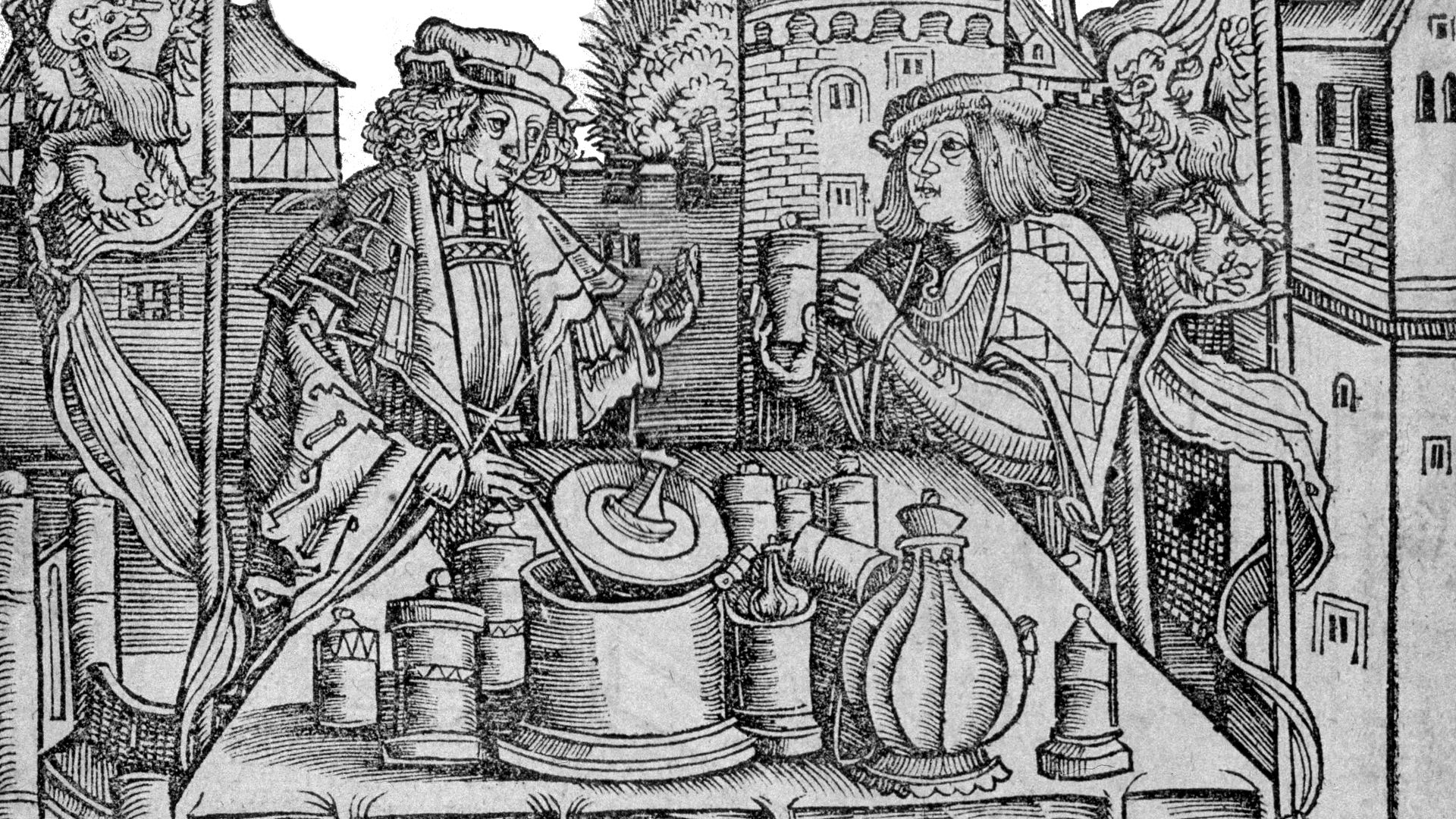 Unknown authorUnknown author, Wikimedia Commons
History's most fascinating stories and darkest secrets, delivered to your inbox daily.
Bezoars Were Treated As Antidotes
A bezoar is a mass that forms in the digestive tract of an animal. For centuries, people believed bezoar stones could counteract poison. Some were kept in elaborate cases and treated almost like magical medical treasures. Science eventually stripped away much of their mystery.
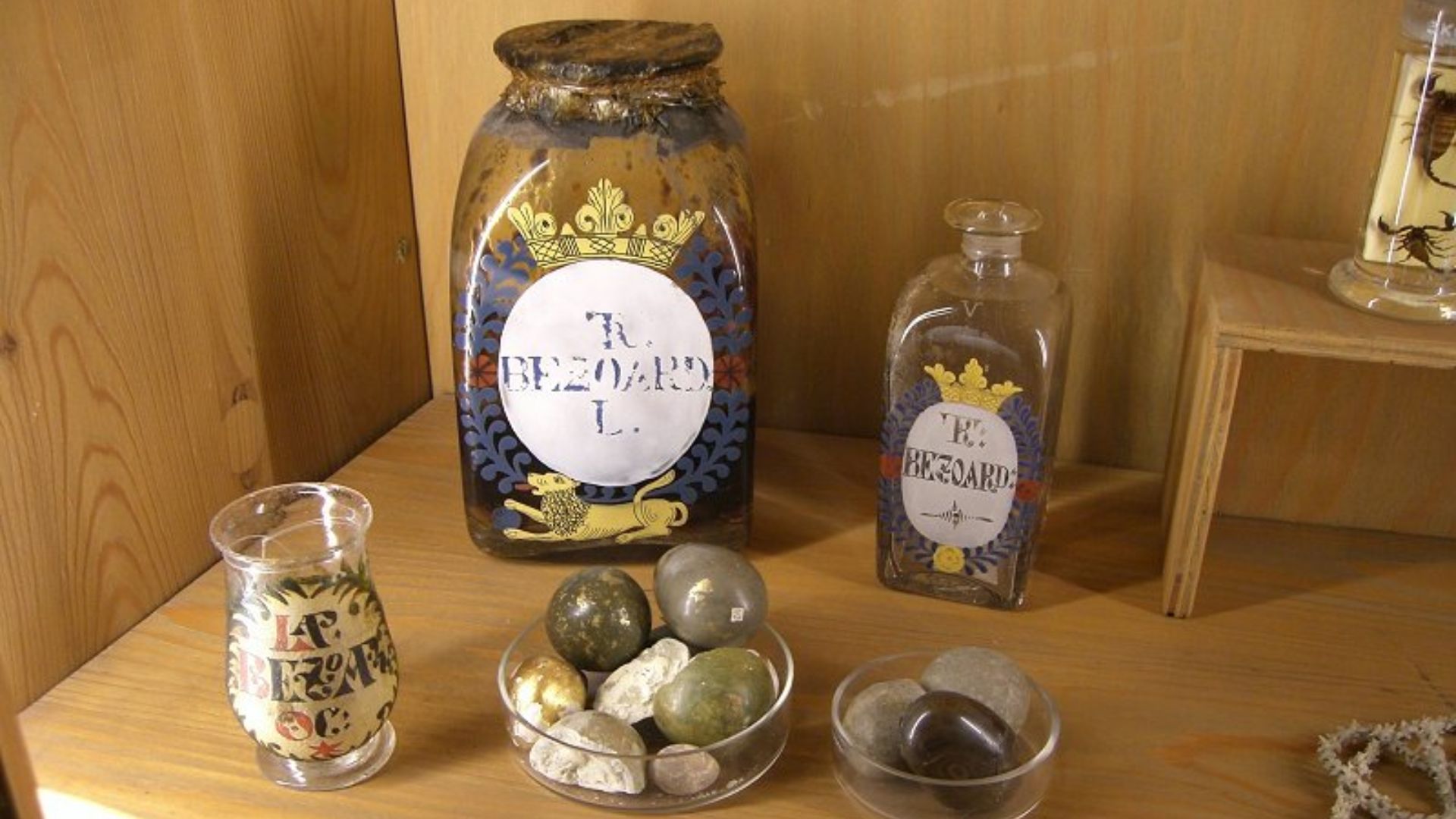 User:Gerhard Elsner, Wikimedia Commons
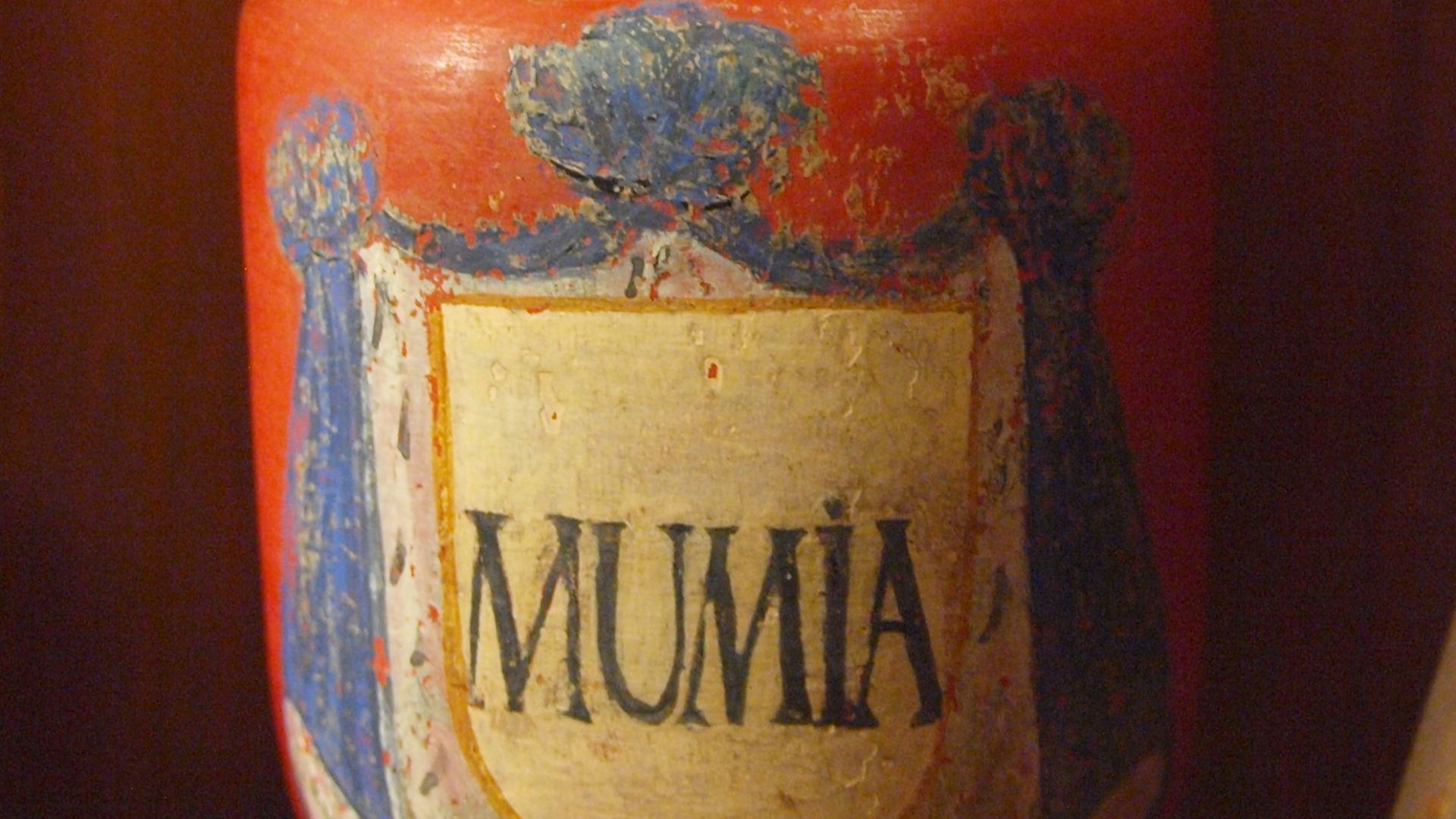
Mummy Powder Was Swallowed As Medicine
Medieval and early modern Europeans sometimes consumed powdered mummy, known as mumia. It was believed to help with wounds, bruises, bleeding, and other conditions. Apothecaries sold preparations linked to Egyptian mummies or supposed mummy material. The practice mixed medicine, misunderstanding, trade, and exploitation.
 Bullenwächter, Wikimedia Commons
Corpse Medicine Went Even Further
Mummy powder was part of a broader European tradition of corpse medicine. Human bones, fat, blood, and skull preparations were all used in different remedies. Consumers often knew these medicines came from human remains. The practice reveals how strange “respectable” medicine could become.
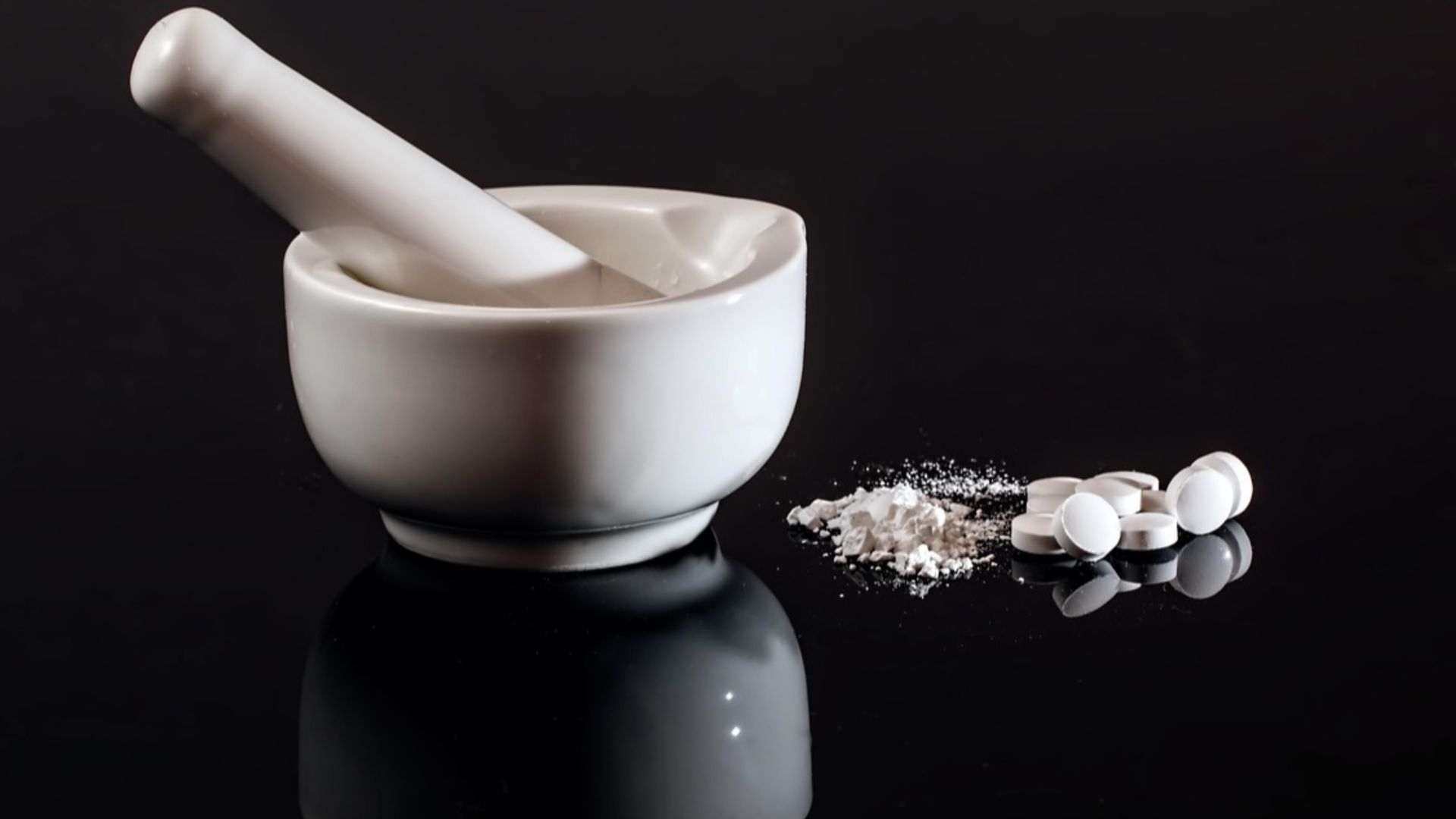
Laudanum Became A Household Remedy
Laudanum was an opium tincture that became widely used in Europe and North America. It was taken for pain, sleeplessness, diarrhea, coughs, and many other problems. Because it contained opium, it carried a serious risk of dependence and overdose. For many families, it sat in the medicine chest like an ordinary remedy.
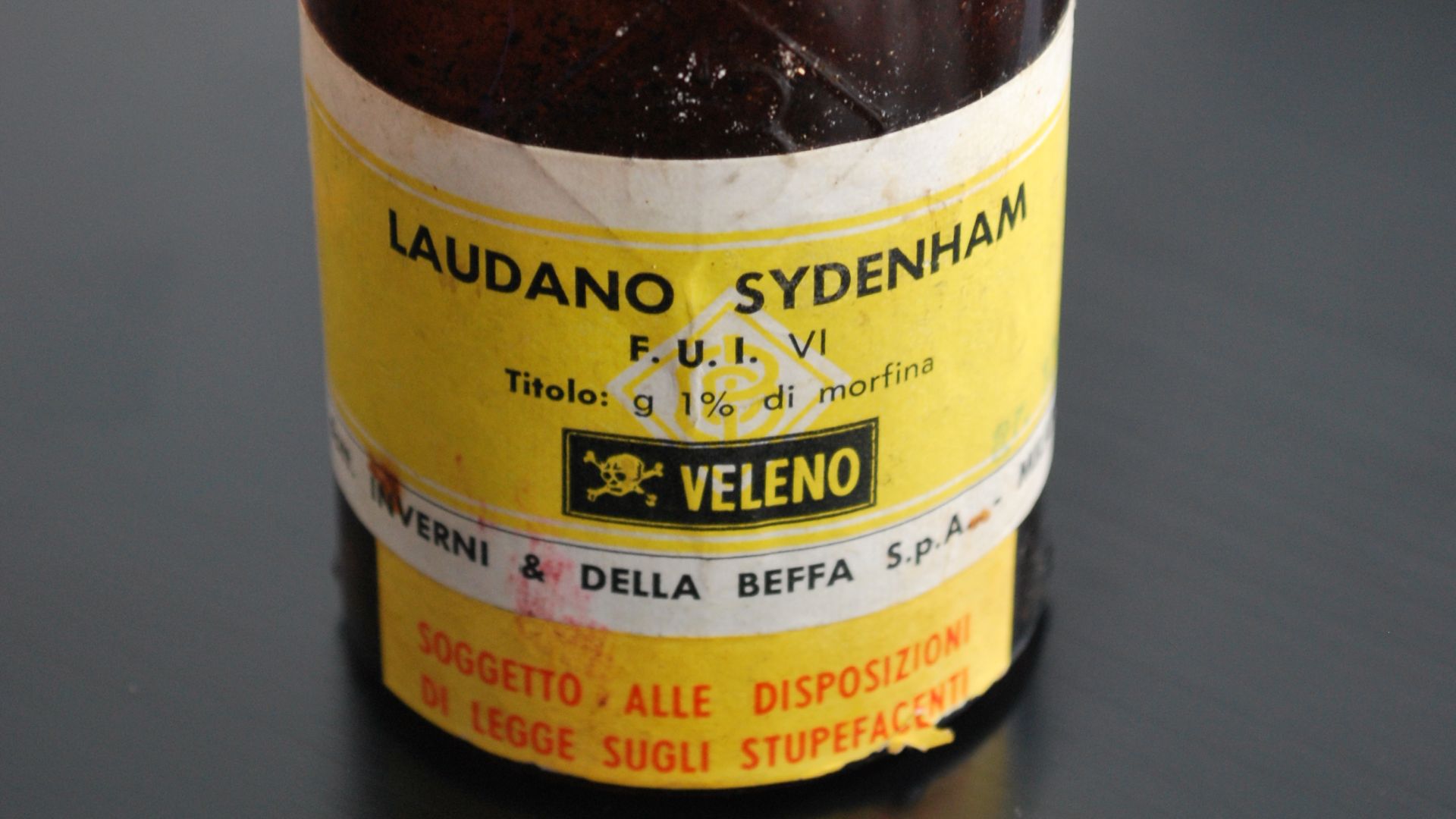
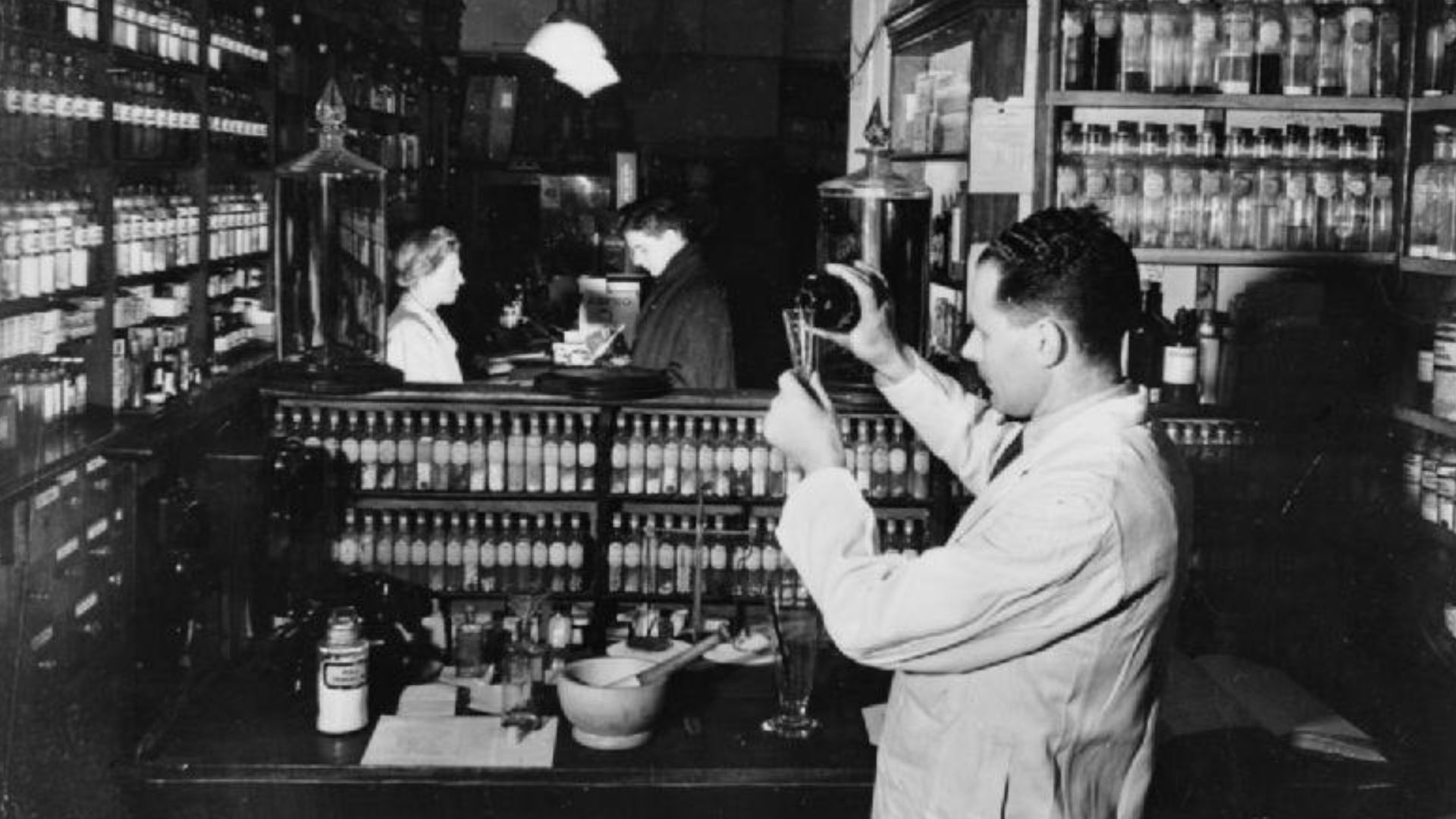
Opium Was Considered Indispensable
Opium was one of the most powerful drugs available before modern pharmaceuticals. Doctors used it for pain, insomnia, diarrhea, and cholera symptoms. Medicine chests from earlier centuries often included laudanum or another opium preparation. The drug could relieve suffering, but it also created major risks.
 Ministry of Information Photo Division Photographer, Smith Jack, Wikimedia Commons
Soothing Syrup Quieted Babies
Mrs. Winslow’s Soothing Syrup was marketed to calm children and help with teething. Its advertising showed peaceful babies and reassured parents. The problem was that the syrup contained morphine and alcohol. It worked because it sedated children, not because it was gentle.
![Publication: [United States : s.n.], [1885]
Language(s): English
Format: Still image
Subject(s): Nonprescription Drugs
Genre(s): Advertisements
Abstract: Advertisement for Mrs. Winslow's Soothing Syrup. This product was for teething children and contained](https://www.factinate.com/storage/app/media/factinate/2026/7/15/178410165769018f3c8934445803d45cad0c16239681332fc0.jpg) National Library of Medicine - History of Medicine, Wikimedia Commons
National Library of Medicine - History of Medicine, Wikimedia Commons
History's most fascinating stories and darkest secrets, delivered to your inbox daily.
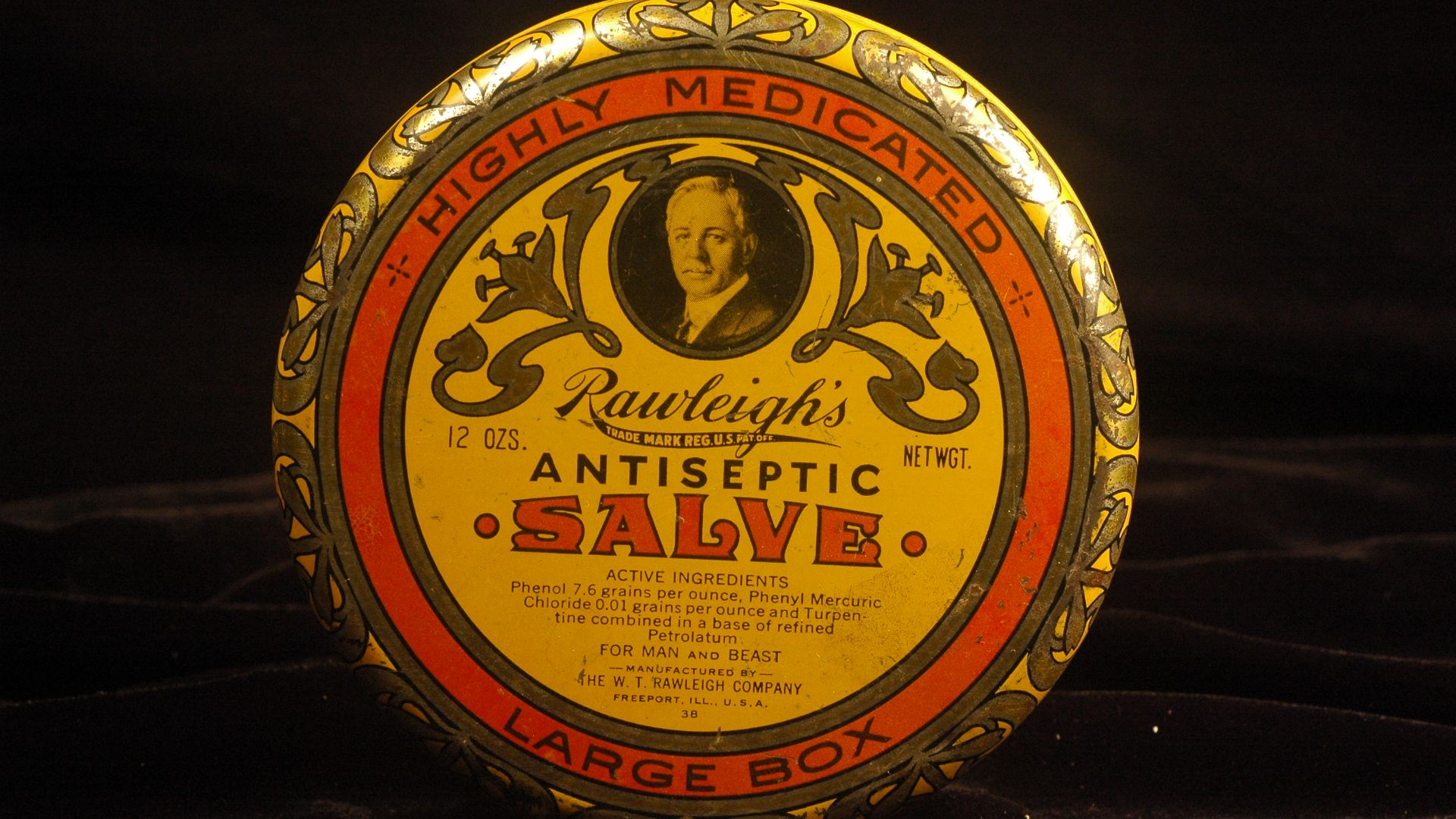
Patent Medicines Hid Dangerous Ingredients
Many 19th-century and early 20th-century patent medicines were sold without modern safety testing. Some contained opiates, alcohol, or other powerful substances. Colorful advertising often promised relief without explaining the risk. Regulation eventually grew because consumers could not always know what they were taking.
 The U.S. Food and Drug Administration, Wikimedia Commons
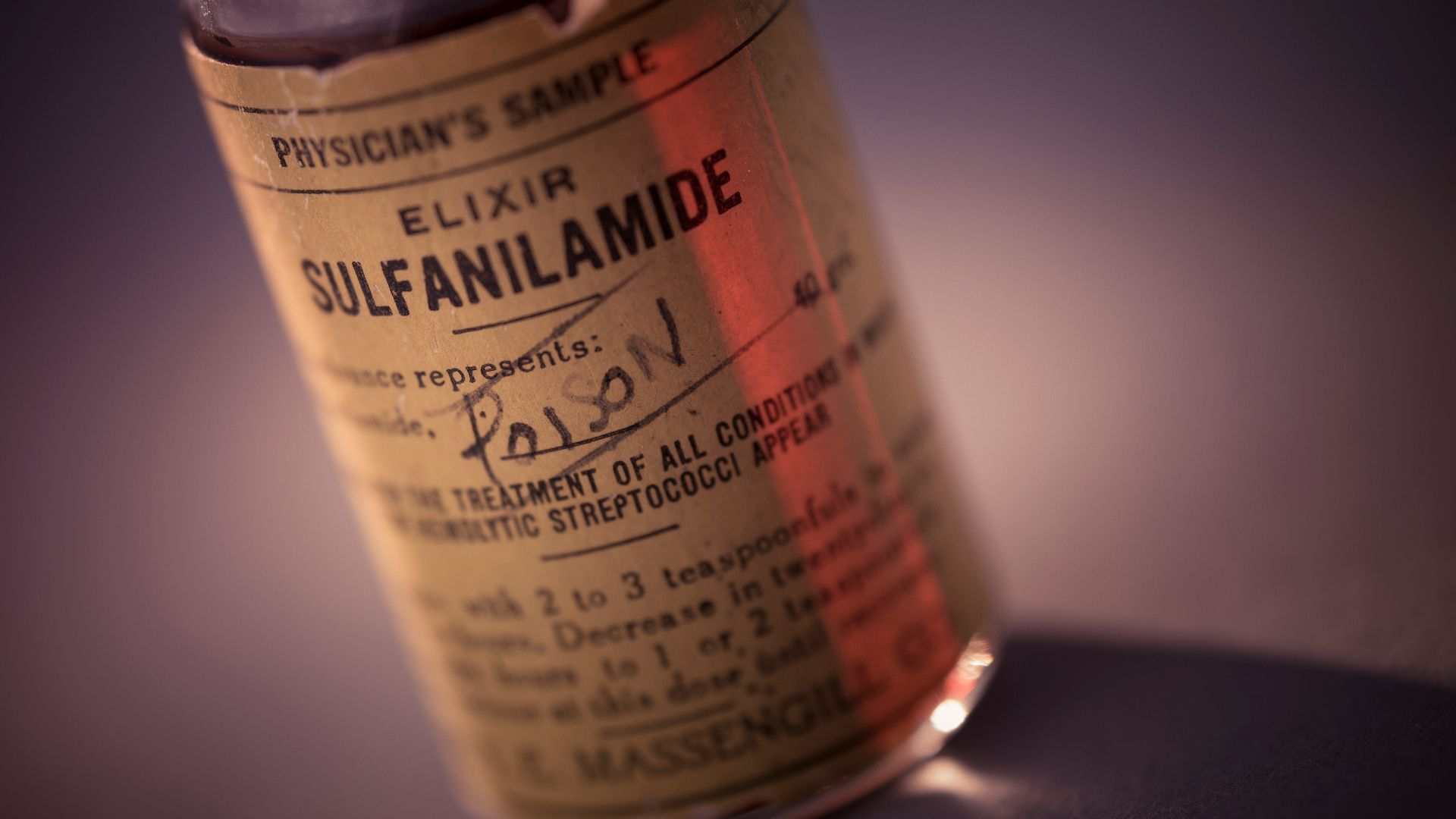
Elixir Sulfanilamide Changed Drug Law
In 1937, Elixir Sulfanilamide caused a deadly poisoning disaster in the United States. The drug was dissolved in diethylene glycol, a toxic solvent. More than 100 people died, including children. Public outrage helped lead to the 1938 Federal Food, Drug, and Cosmetic Act.
 The U.S. Food and Drug Administration, Wikimedia Commons
Tapeworm Diets Became A Dark Legend
The tapeworm diet is one of history’s most infamous weight-loss stories. Advertisements and rumors suggested people could swallow parasites to lose weight. Historians debate how often real tapeworm products were actually sold, and some evidence points to myth or scam. Either way, the belief itself shows how extreme diet culture could become.

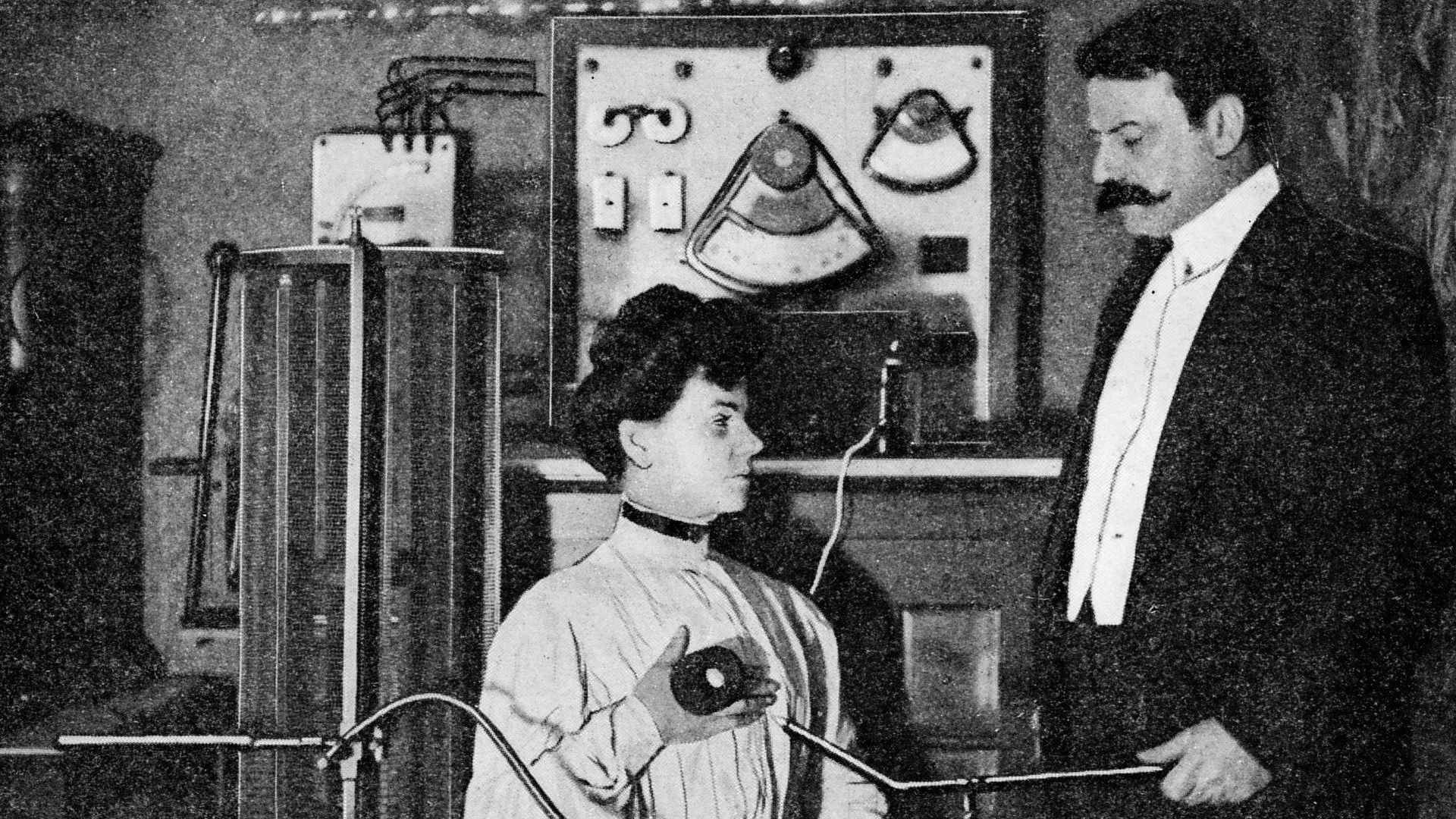
Electricity Became A Cure-All
As electricity became a symbol of modern progress, medical entrepreneurs turned it into a selling point. Belts, brushes, baths, and gadgets promised vitality, nerve strength, or restored energy. Some devices were harmless gimmicks, while others were poorly understood. The appeal was simple: new technology sounded like new health.
 Materialscientist, Wikimedia Commons
Animal Dung Appeared In Remedies
Ancient and early medical texts sometimes included animal dung in treatments. Different cultures used it in poultices, mixtures, or folk remedies. The logic often came from symbolic medicine, observation, or inherited tradition. Today, the infection risk makes many of those remedies sound especially alarming.

Belladonna Made Eyes Look Brighter
Belladonna drops were once used cosmetically to dilate the pupils. Large pupils were associated with beauty and brightness. The plant’s name even reflects that beauty connection. The danger was that belladonna contains toxic compounds that can affect vision, heart rate, and the nervous system.
 Joan Simon from Barcelona, España, Wikimedia Commons
History's most fascinating stories and darkest secrets, delivered to your inbox daily.
The Lesson Is Not Just That People Were Foolish
Many of these ideas sound ridiculous now, but they often grew from the best explanations available at the time. Others came from marketing that moved faster than evidence. The same pattern appears again and again: a little science, a big promise, and not enough caution. That is what makes these bizarre health beliefs so fascinating.
You May Also Like:
Ancient Foods That Were Once Totally Normal—But Would Be Hard to Stomach Today
Historical Figures Who Met Unusually Ironic Ends
Historical Geniuses Who Were Complete Disasters Outside Their Field
Sources: 1, 2, 3, 4, 5, 6, 7, 8, 9, 10, 11, 12, 13, 14, 15, 16, 17, 18, 19, 20, 21, 22, 23