Archaeologists in 2023 announced the discovery of the oldest known wooden structure at Kalambo Falls in Zambia. The discovery dates to nearly 476,000 years ago, long before Homo sapiens ever appeared. The discovery boldly challenges the traditional "Stone Age" narrative, flinging open the door to a new chapter of early hominid ingenuity and adaptation to the environment.
A Moment Captured In Time
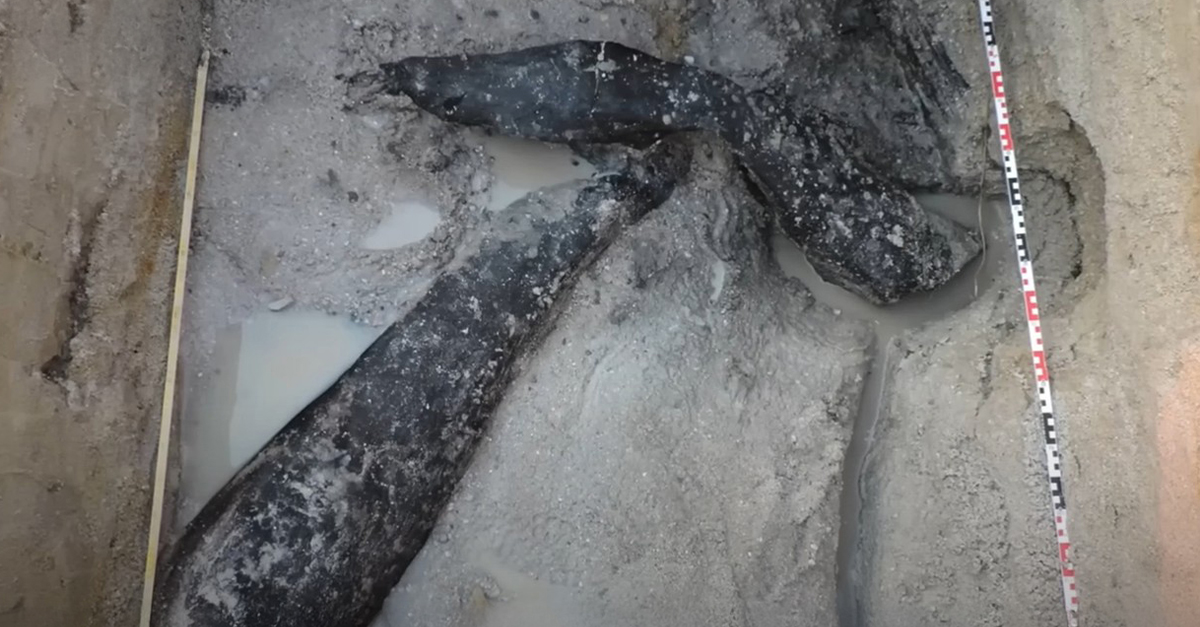
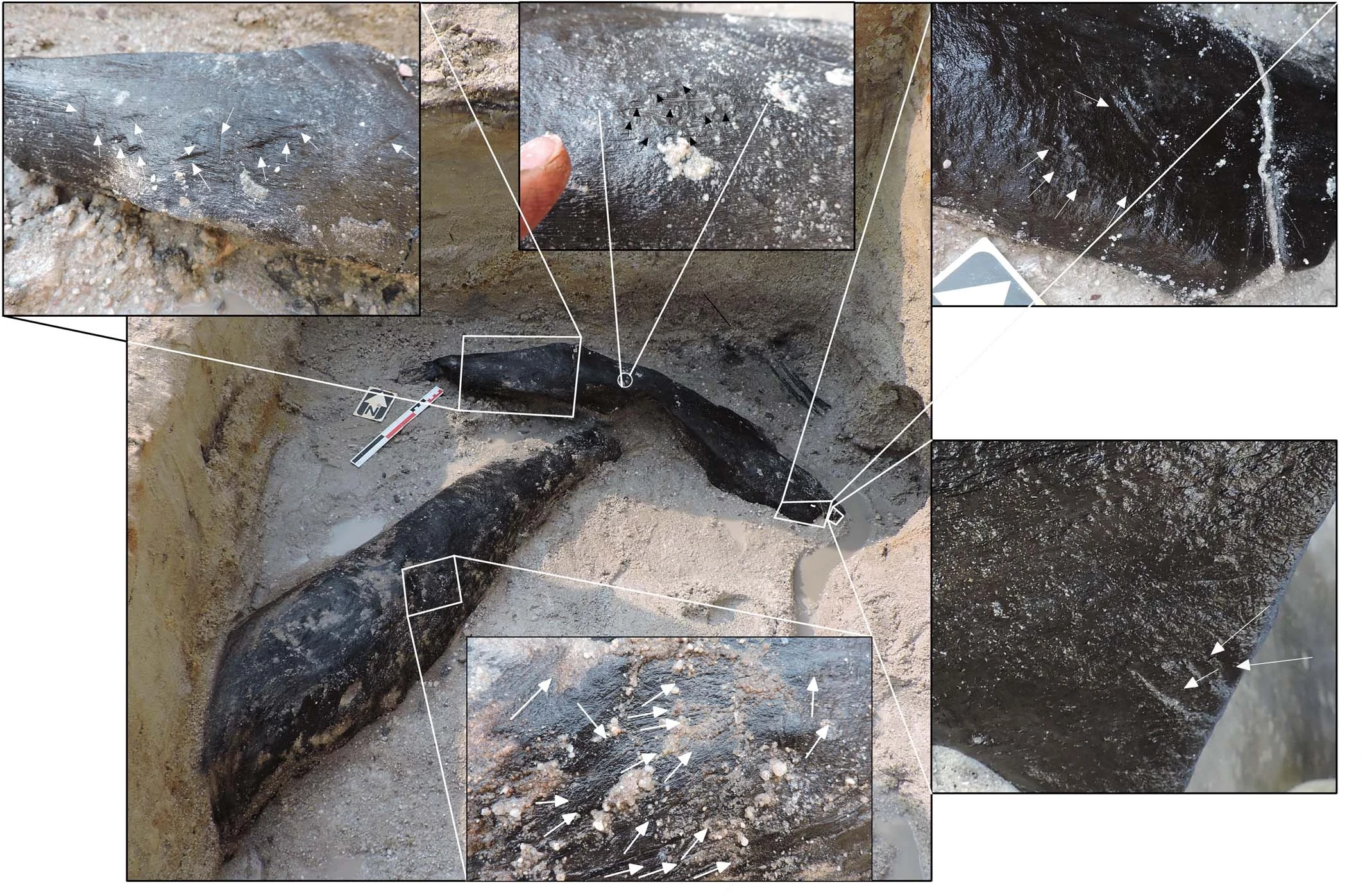
In 2019, excavations at the site discovered two interlocking logs, carefully notched to fit together at right angles. The upper log, shaped with great attention to detail, rests securely in a U-shaped notch carved into the lower one. Hidden under fine sediment and waterlogged soil, the wood’s preservation was incredible, still showing the clear marks of human woodworking.

Nailing Down A Date
Traditional dating methods don’t work for discoveries this ancient. Instead, researchers used optically stimulated luminescence, which measures the last time minerals in surrounding sand were exposed to sunlight. This gave an age of 476,000 plus or minus 23,000, putting the structure long before Homo sapiens walked the Earth.
Evidence Of Ancient Craftsmanship
Tool marks on the logs, like V‑shaped grooves and smoothing, show beyond a shadow of a doubt deliberate and determined humanoid modifications. No way is this random natural formation; it shows intentional design and a level of planning ahead. It means that early hominids could visualize and build structures with a specific purpose in mind, maybe to raise themselves and their personal items up above the muddy floodplain.
A Prehistoric Handyman's Toolbox
Along with the main structural logs four additional wooden tools were dup up. These included a wedge, digging stick, cut log, and notched branch, all of which dated between 390,000 and 324,000 years ago. These finds show the habits of sustained woodworking over long periods, and a lifelong familiarity with using tools to do so.

Shattering Our Beliefs And Putting Them Back Together
This wooden structure flies in the face of our assumption that early hominids were only nomadic and stone-centric. They appear to have built semi-permanent structures, like platforms or walkways, showing technical know-how, the ability to plan ahead, and a degree of settlement. The find forces us to rethink everything we thought we knew.
Who Did This?
No hominid remains were found in the immediate vicinity of the site, but a Homo heidelbergensis fossil was uncovered nearby dated to around 300,000 years ago. This species is a descendant of Homo erectus, possessing the brains and hand-eye coordination for this kind of woodworking. These early humans are by far the best candidates for being the builders of the structure.

Incredible Preservation
Kalambo Falls’ unique geology, including a high water table and fast-accumulating river silt, was what contributed to the amazingly well-preserved condition of the wooden material. Without this rare combination of factors, the artifacts would’ve disintegrated eons ago.
The Wooden Age And The Stone Age
Before this discovery, the oldest known wooden structure dated back only 9,000 years. The new findings push that timeline back by nearly half a million years and force us to conclude that woodworking was a normal part of hominid behavior in Africa. Just like today, it seems like early humans used whatever they could get their hands on to get the job done.
A Total Overhaul Of The Stone Age Model
Researchers are now advocating a reassessment of the term "Stone Age." If early hominids were shaping and assembling wooden structures half a million years ago, maybe we should rename the era the "Wood Age" or "Organic Age" to properly reflect these early hands-on technological achievements.

History's most fascinating stories and darkest secrets, delivered to your inbox daily.
Where Do We Go From Here?
The discovery at Kalambo Falls indicates the possibility of more archaeological treasures hidden just under the surface. But the region now faces environmental pressures, including higher runoff and deforestation. Efforts are ongoing to get a UNESCO World Heritage designation for the site, to lock in protection for extensive future research in the area.
 Kelvin Chidoti, Wikimedia Commons
An Ancestor More Clever Than We Thought
The Kalambo wooden structure reveals the presence and handiwork of surprising ancestors, who could think up, craft, and construct wooden structures eons before modern humans arrived on the scene. The discovery is a huge addition to the colorful narrative of human evolution and the interaction of early hominids with their environment.
You May Also Like:
Scientists found evidence in Algeria that challenges East Africa’s claim as the cradle of humanity.
Mind-Blowing Facts From The Depths Of History
The Hopewell Mounds reveal the mysteries of an ancient civilization in Ohio.