When Playtime Ruled the World
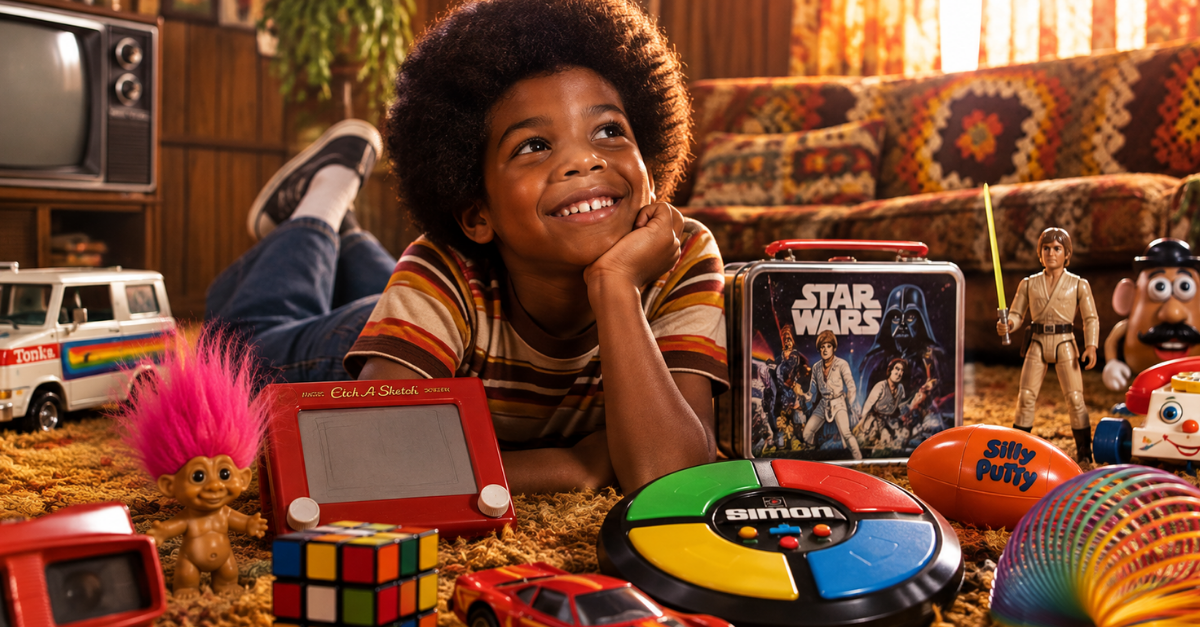
The 1970s gave kids some of the most creative toys ever made. Long before smartphones and video games took over, children spent afternoons racing plastic trikes, stretching action figures far beyond reason, and creating glowing artwork with colorful pegs. Some of these toys became household names, while others slowly faded into obscurity. Whether you owned them or only remember seeing them in TV commercials, here's a nostalgic look back at 20 toys that helped define a generation.
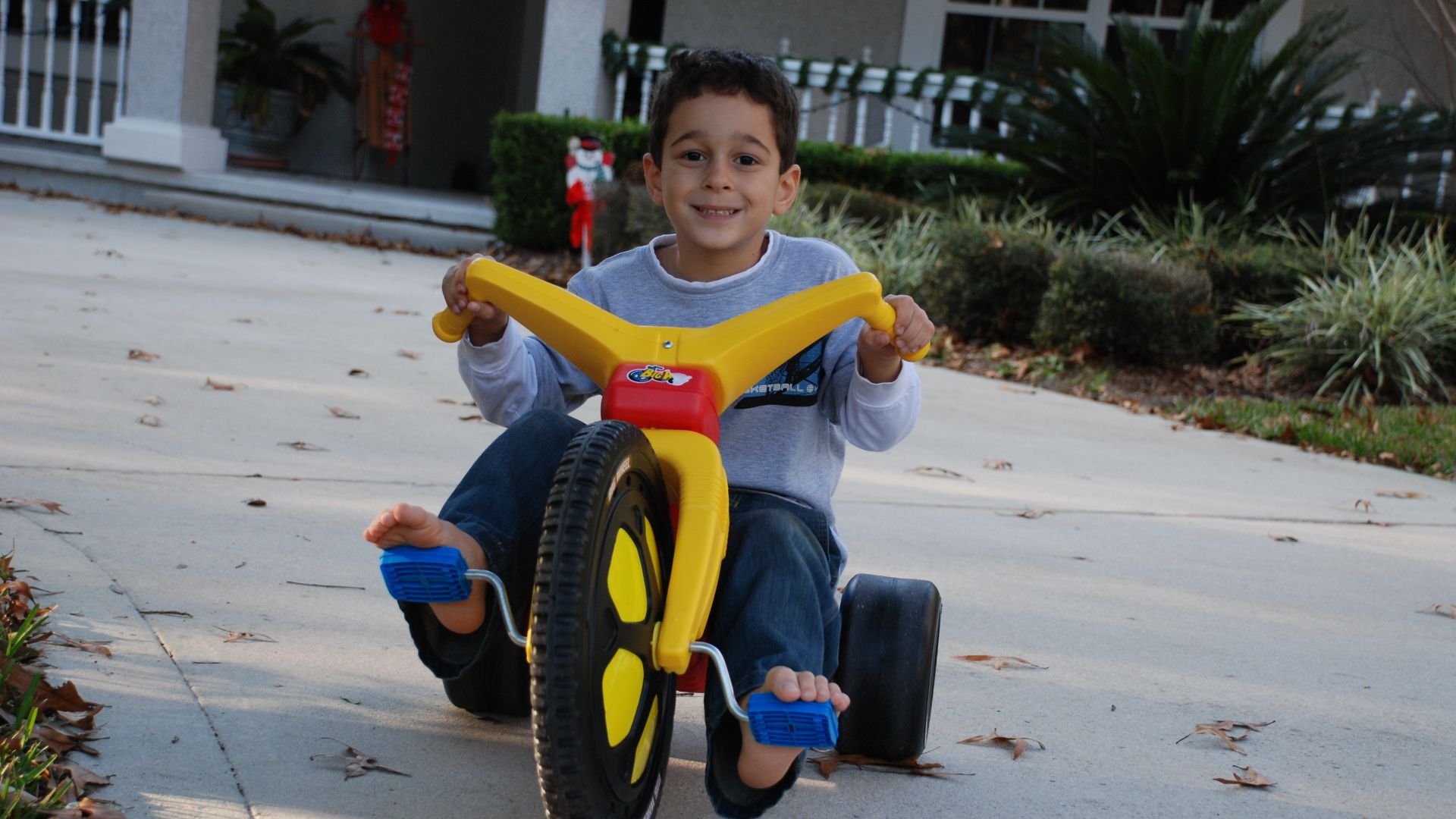
Big Wheel
Introduced by Louis Marx & Company in 1969, the Big Wheel quickly became one of the signature ride-on toys of the 1970s. Its oversized front wheel and low-slung plastic frame let kids race around driveways and perform dramatic skids that parents could hear from halfway down the block. Many original riders still remember wearing flat spots into the rear wheels from endless drifting contests.
 Joe Shlabotnik, Wikimedia Commons
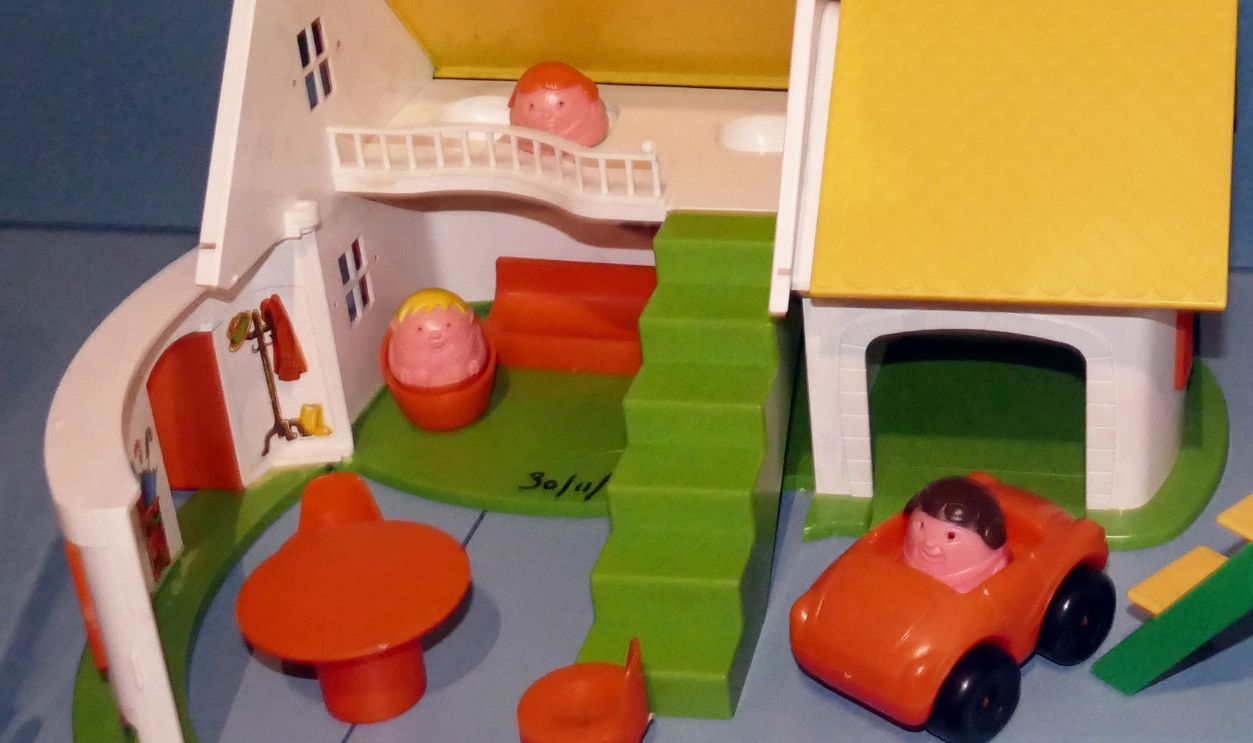
Weebles
Playskool introduced Weebles in 1971, and their unforgettable slogan—"Weebles wobble, but they don't fall down."—became part of pop culture. Thanks to their weighted bottoms, these egg-shaped figures always bounced back upright no matter how hard kids pushed them over. Entire neighborhoods of Weebles houses, playgrounds, and vehicles soon followed.
 Universal History Archive, Getty Images
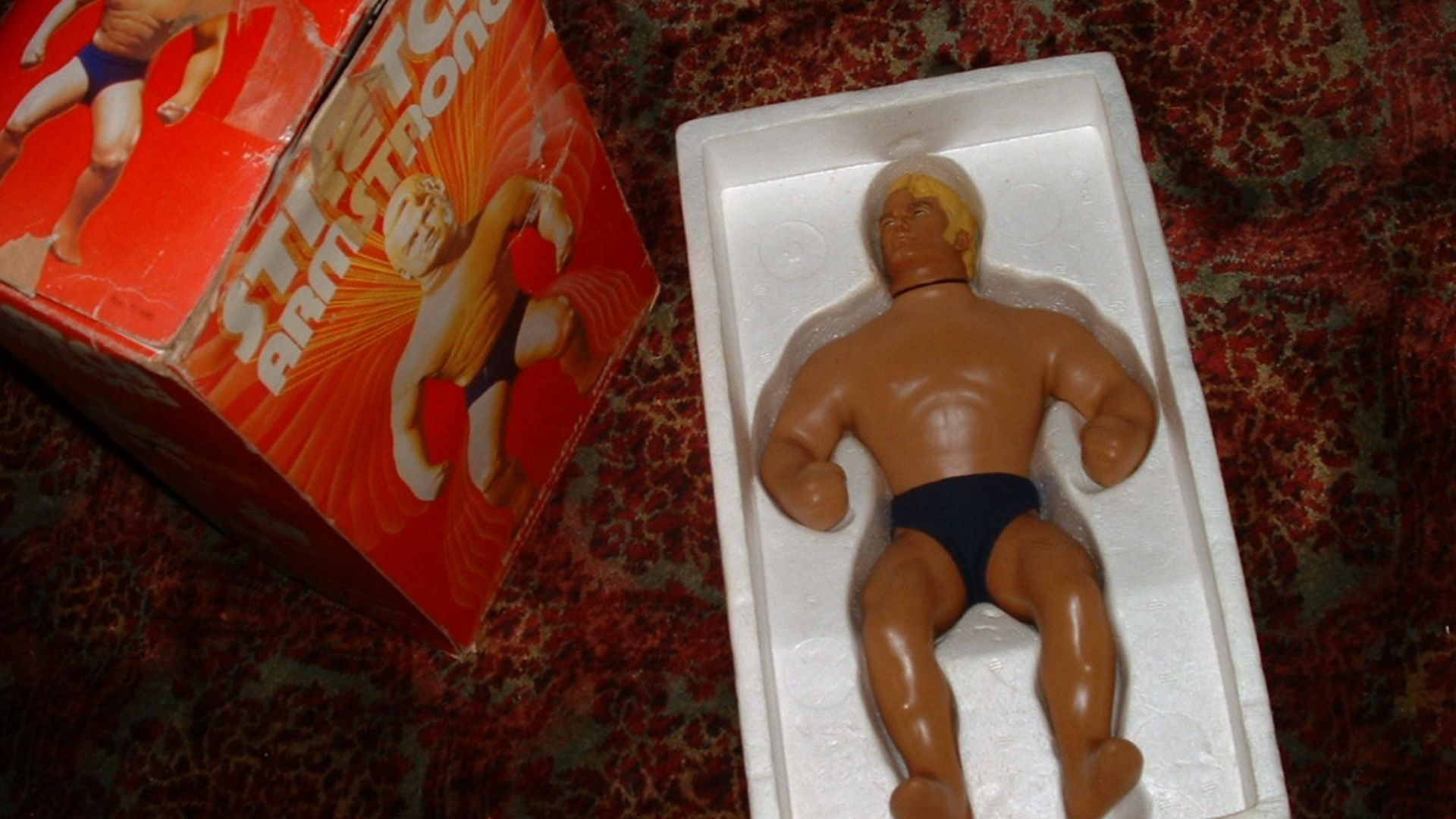
Stretch Armstrong
Kenner launched Stretch Armstrong in 1976, creating one of the strangest action figures ever made. Filled with a thick gel, the muscular hero could stretch several times his normal size before slowly returning to shape. Of course, most kids immediately wondered just how far they could push the limits, which explains why so few originals survived intact.
 Alex Beattie on Flickr, Wikimedia Commons
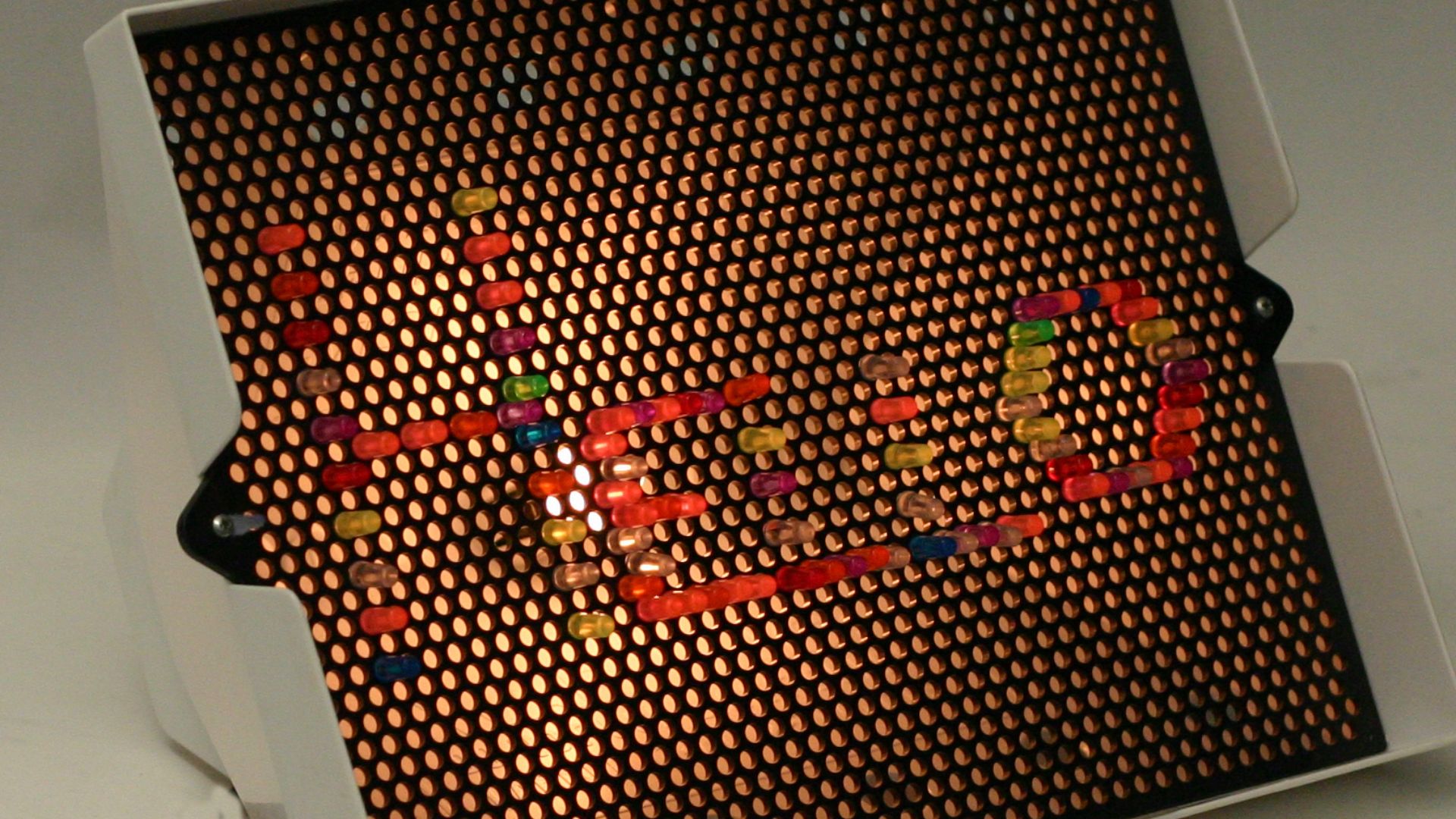
Lite-Brite
Few toys combined art and light quite like Lite-Brite. Kids placed tiny colored pegs into black templates, then switched on the internal light bulb to reveal glowing pictures. It was simple, creative entertainment that somehow made even basic designs feel magical in a dark bedroom.
 thomas ambridge, Wikimedia Commons
Shrinky Dinks
Invented in Wisconsin during the early 1970s, Shrinky Dinks turned ordinary coloring into a science experiment. Children decorated special plastic sheets before adults baked them in the oven, where the artwork curled dramatically before shrinking into hard plastic charms. Watching them transform was often more exciting than the finished project.
Simon
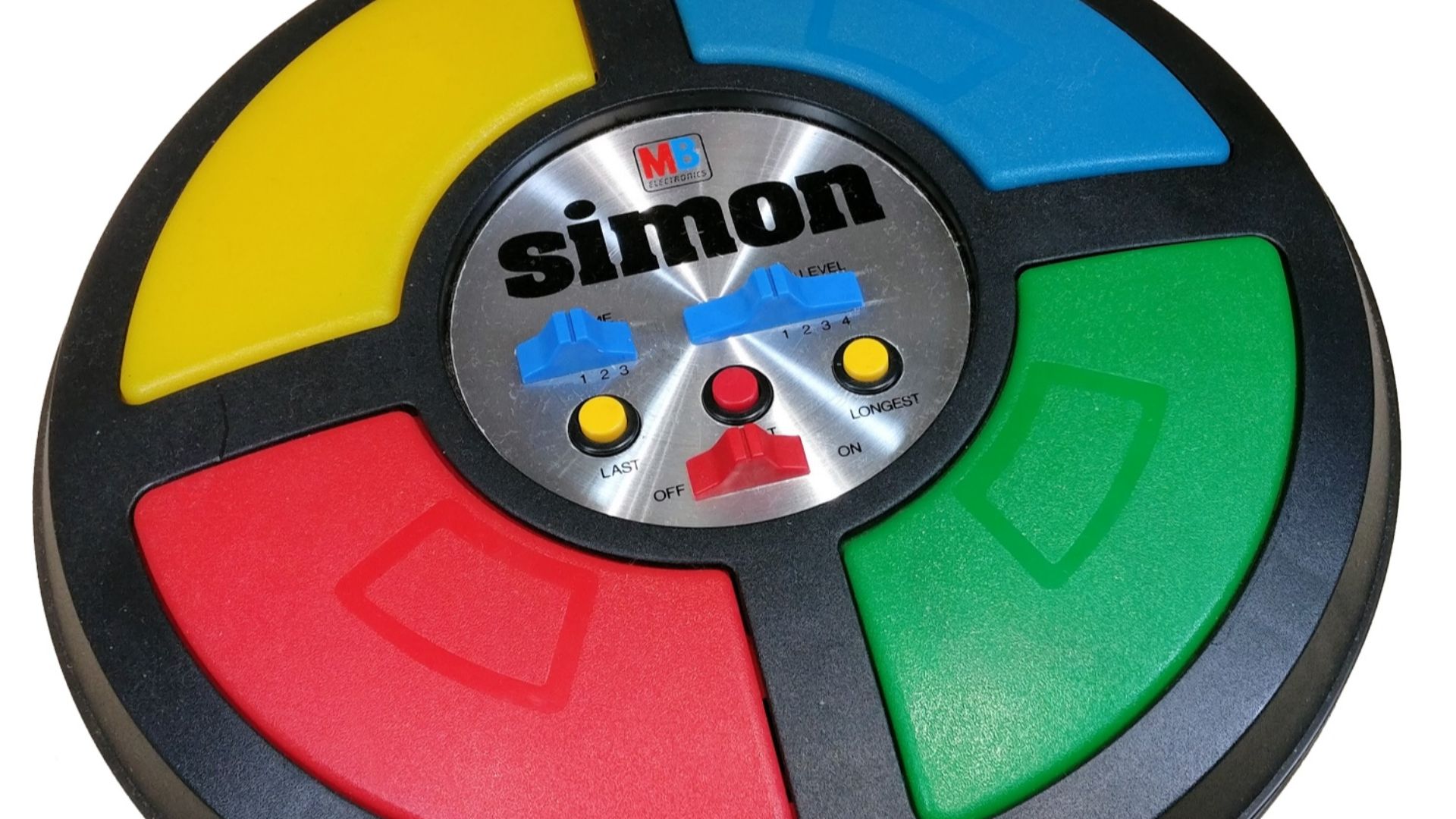
Released by Milton Bradley in 1978, Simon challenged players to remember increasingly long sequences of flashing lights and electronic tones. The handheld memory game looked futuristic at the time and quickly became one of the decade's biggest electronic hits. It also had a habit of frustrating entire families during game night.
Evel Knievel Stunt Cycle
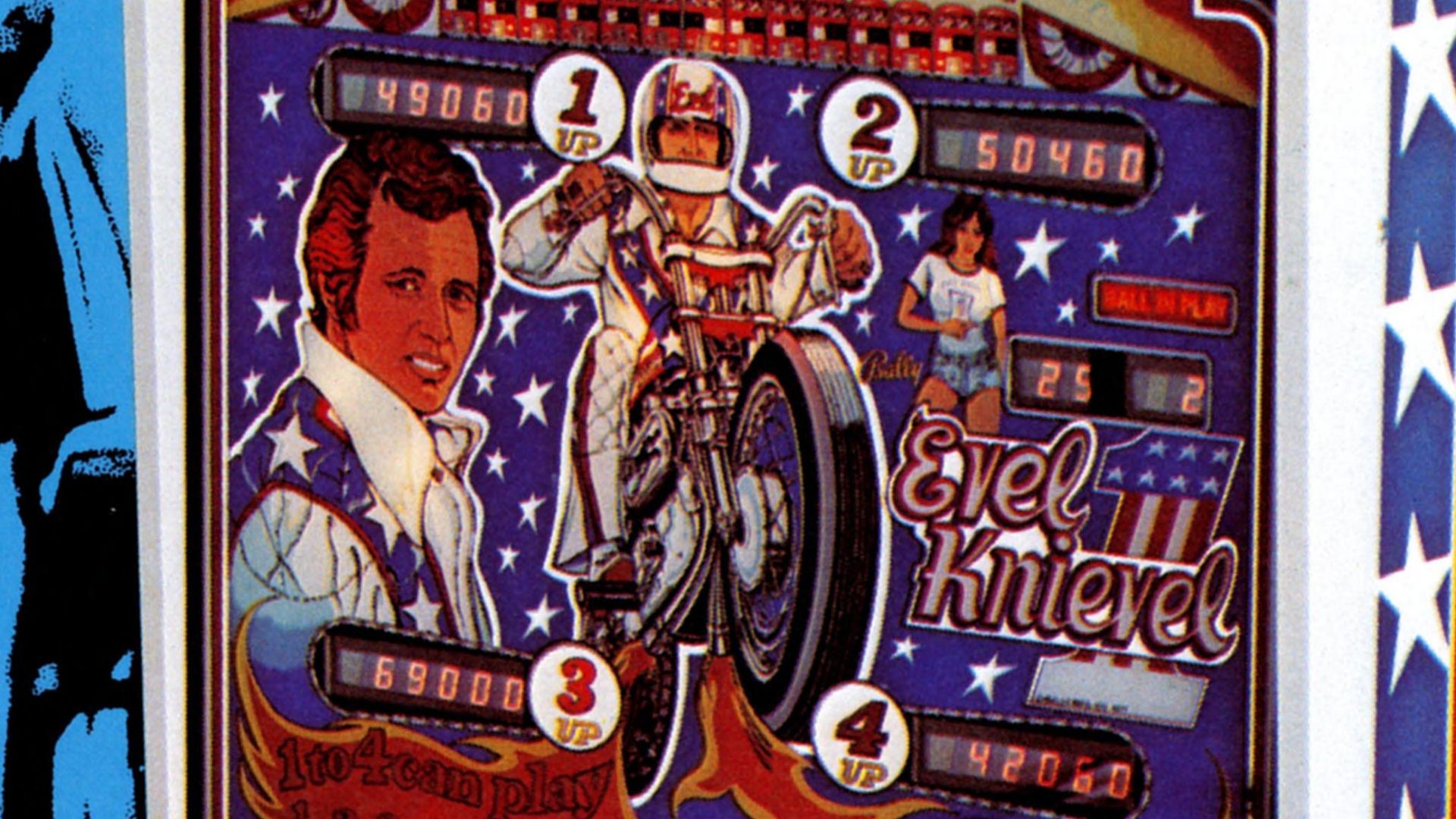
Ideal introduced the Evel Knievel Stunt Cycle in 1973 while the daredevil motorcyclist was at the height of his fame. Kids wound up the launcher, released the motorcycle, and watched it speed across sidewalks before attempting jumps. Many toy ramps—and plenty of flower beds—never recovered.
Pet Rock
Not every hit toy needed batteries or moving parts. In 1975, advertising executive Gary Dahl sold ordinary rocks packaged in cardboard carriers complete with humorous instruction manuals. The Pet Rock became an unlikely holiday sensation, proving that clever marketing could sometimes outshine complicated toys.
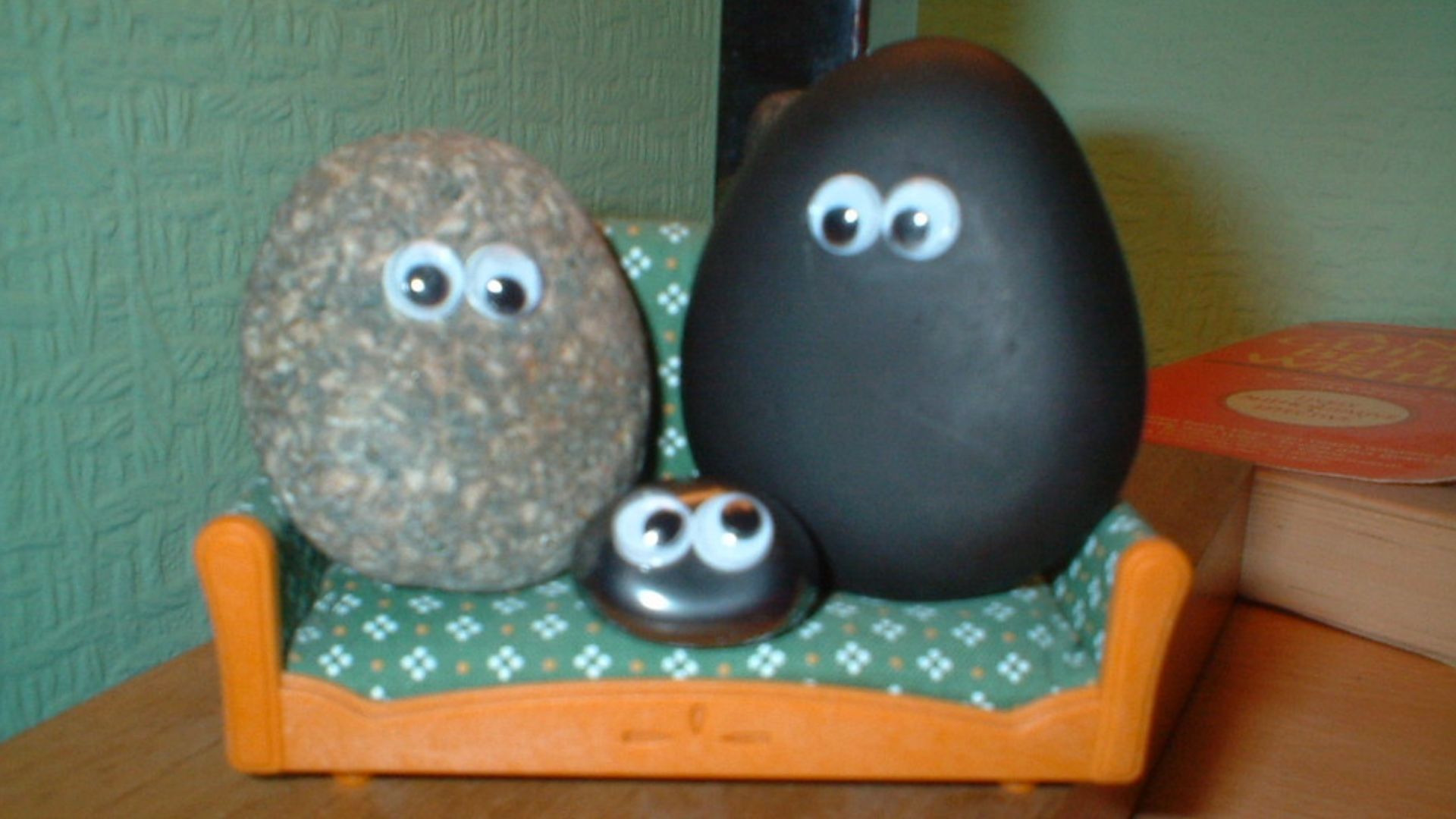 Owner of Pet Rock Net, Wikimedia Commons
Sit 'n Spin
Hasbro's Sit 'n Spin gave kids permission to spin themselves dizzy indoors. By turning a central wheel, children could rotate as fast—or as slowly—as they wanted. It wasn't sophisticated, but few toys generated more laughter or occasional requests for a short break afterward.
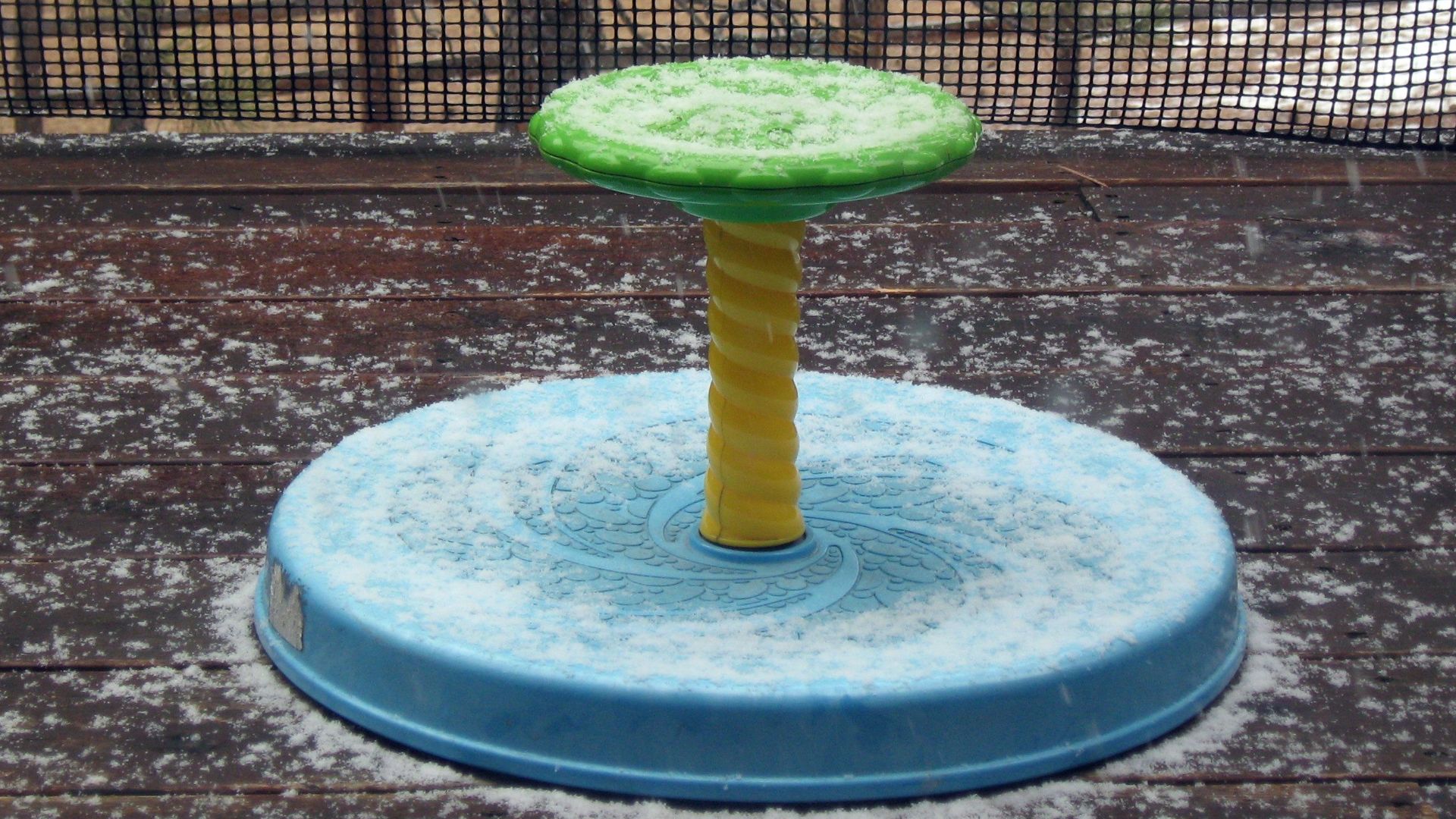 oddharmonic from Evergreen, Colorado, United States, Wikimedia Commons
Spirograph
Spirograph let kids create surprisingly intricate geometric designs using plastic gears, rings, and colorful pens. Although it debuted before the '70s, it remained enormously popular throughout the decade and introduced countless children to mathematical patterns without them even realizing it.
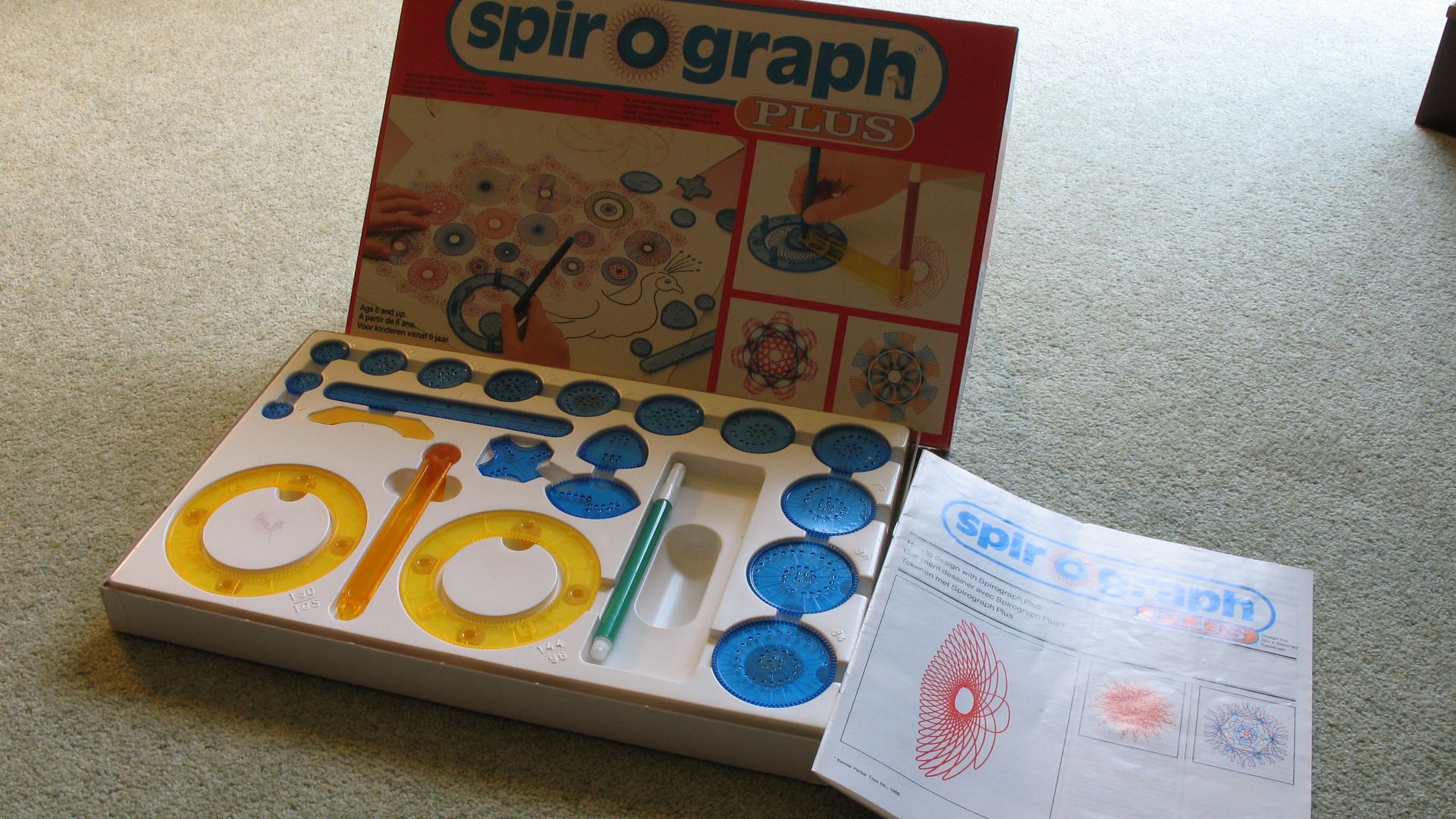 James Petts from London, England, Wikimedia Commons
Hungry Hungry Hippos
Milton Bradley released Hungry Hungry Hippos in 1978, and chaos immediately followed. Players repeatedly slammed colorful hippos to gobble up as many marbles as possible before anyone else. The frantic pace meant every game quickly turned into a noisy competition.
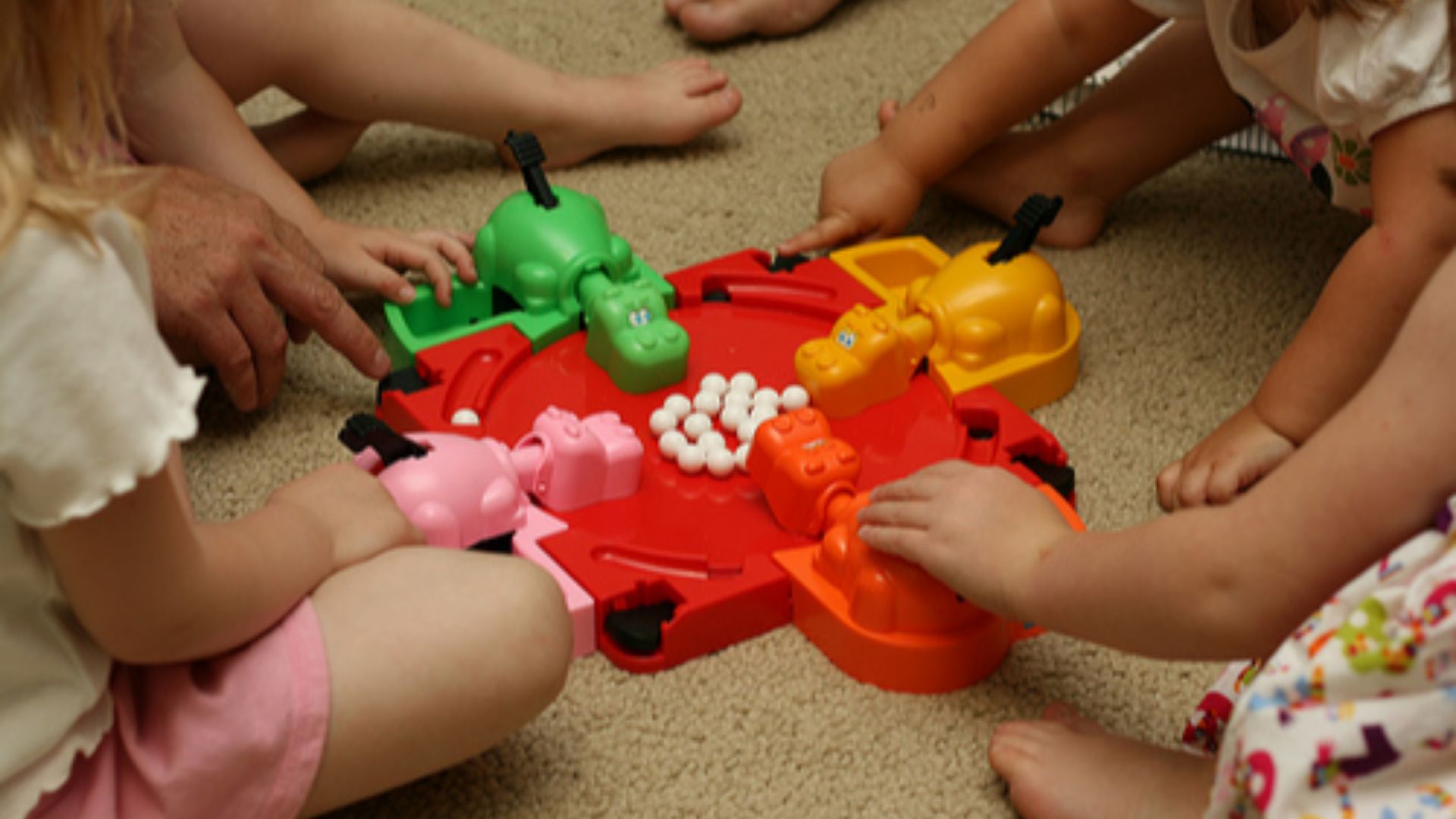 Dave Fischer, Wikimedia Commons
Fisher-Price Corn Popper
The Fisher-Price Corn Popper had actually been around since the early 1960s, but it remained a staple in many 1970s homes. As toddlers pushed it along, colorful balls bounced inside the clear dome, creating a cheerful popping sound. Parents may remember the noise even more vividly than their children do.
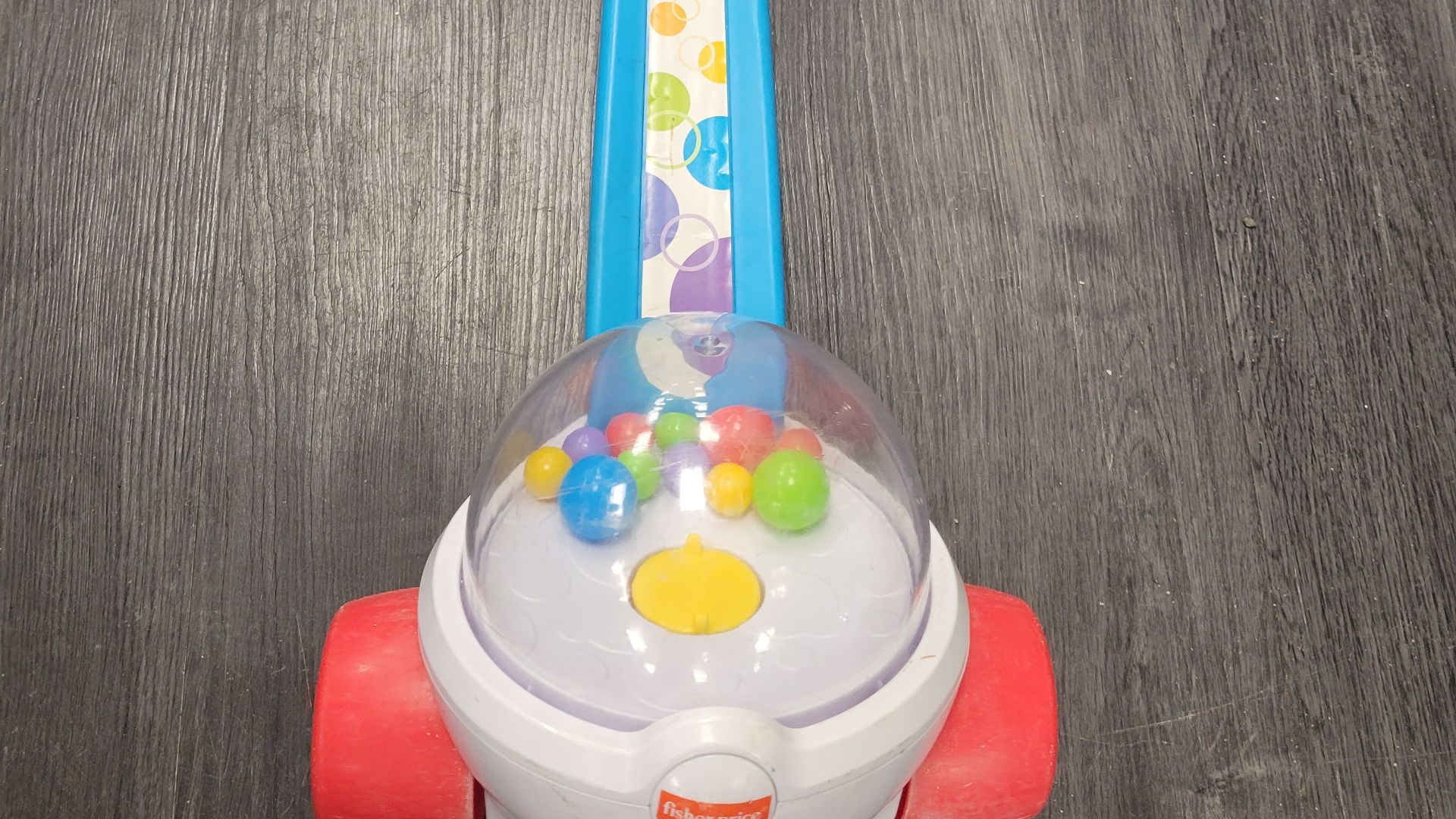 Barbieapologist, Wikimedia Commons
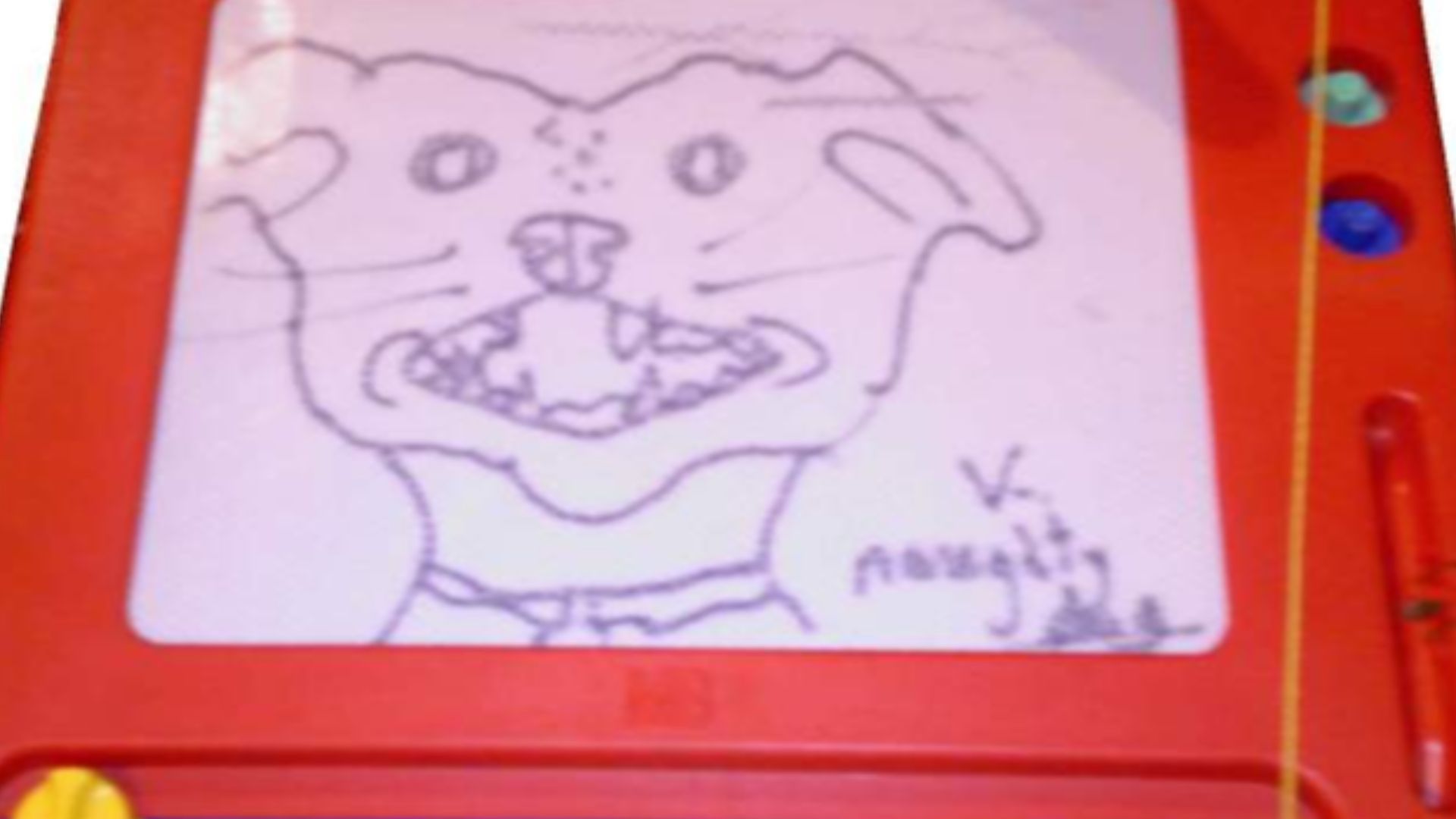
Magna Doodle's Early Cousins
Before magnetic drawing boards became commonplace, several reusable drawing toys encouraged kids to sketch, erase, and start over again. These simple devices offered endless creativity without wasting stacks of paper. They quietly paved the way for later favorites like the Magna Doodle.
Clackers
Clackers looked harmless enough—two hard acrylic balls connected by a string—but they required serious coordination. Swinging them correctly produced a rapid clacking sound as they struck together above and below the hand. Safety concerns eventually led many versions to disappear from store shelves.

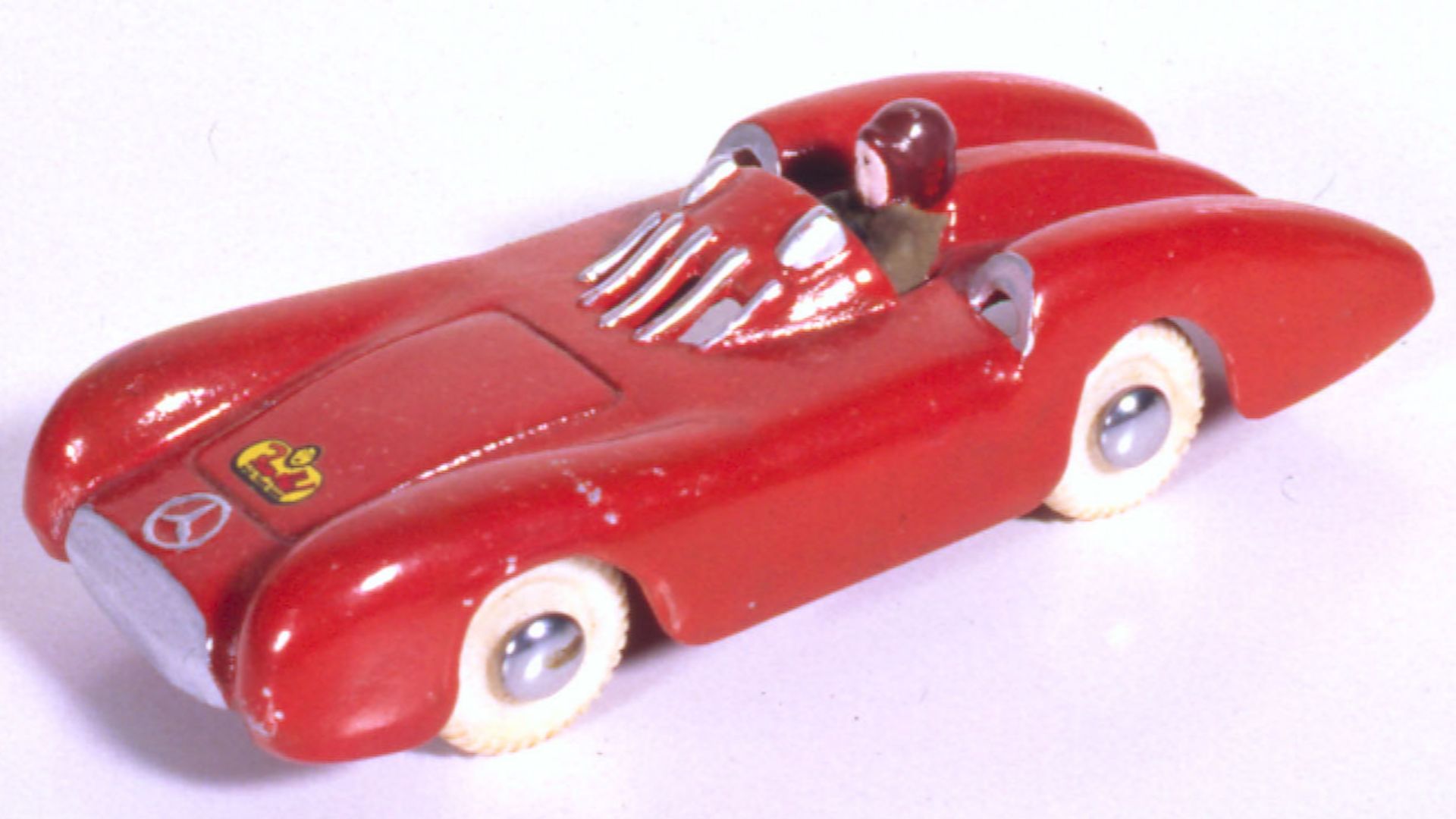
SSP Racers
Kenner's SSP racers used a ripcord-powered spinning wheel instead of batteries. After inserting the strip and giving it a quick pull, the cars shot across the floor at impressive speeds. Kids loved staging races without needing electricity or winding mechanisms.
 Fun Ho! Toy Company, Wikimedia Commons
Romper Stompers
Romper Stompers were oversized plastic stilts attached to ropes that let children bounce around the yard while improving balance and coordination. Walking across the lawn suddenly felt like an athletic challenge. They were wonderfully simple but surprisingly difficult to master.

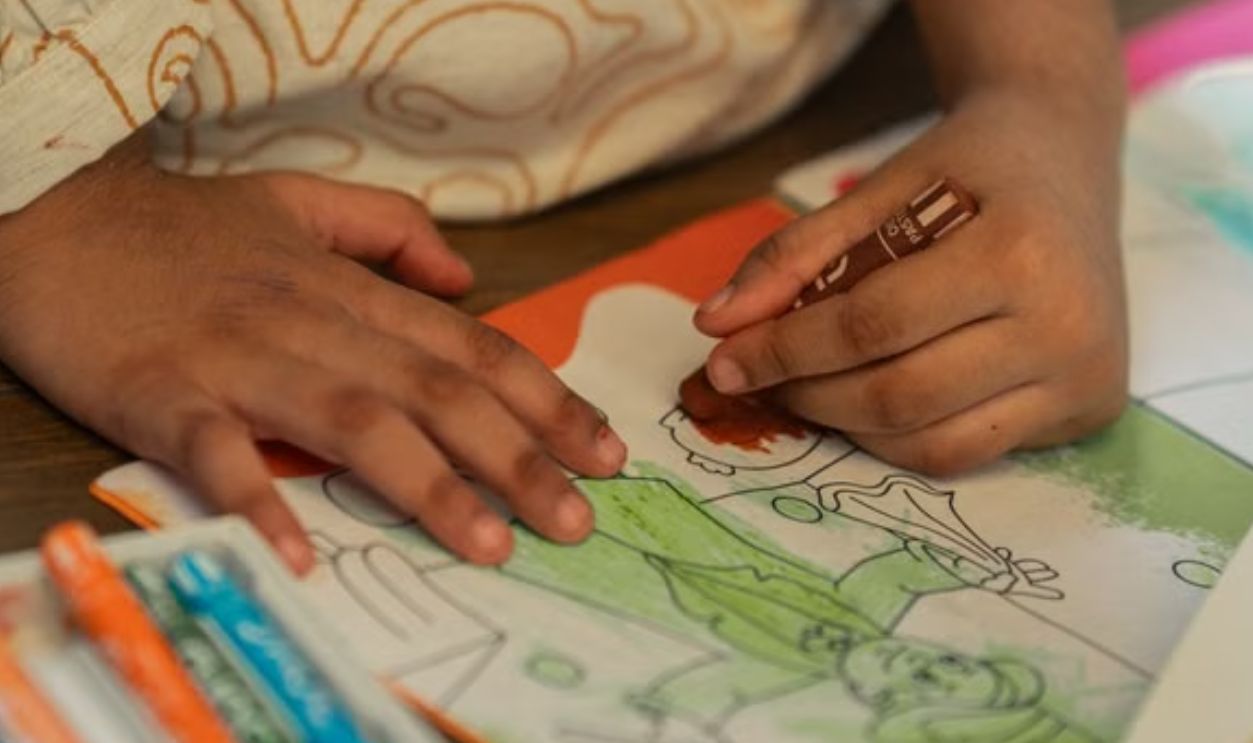
Fashion Plates
Fashion Plates let aspiring designers mix and match textured templates to create endless clothing combinations. By rubbing crayons over paper placed on top of the plates, children produced stylish outfits in minutes. Many future artists probably had their first taste of fashion design right here.
Speak & Spell
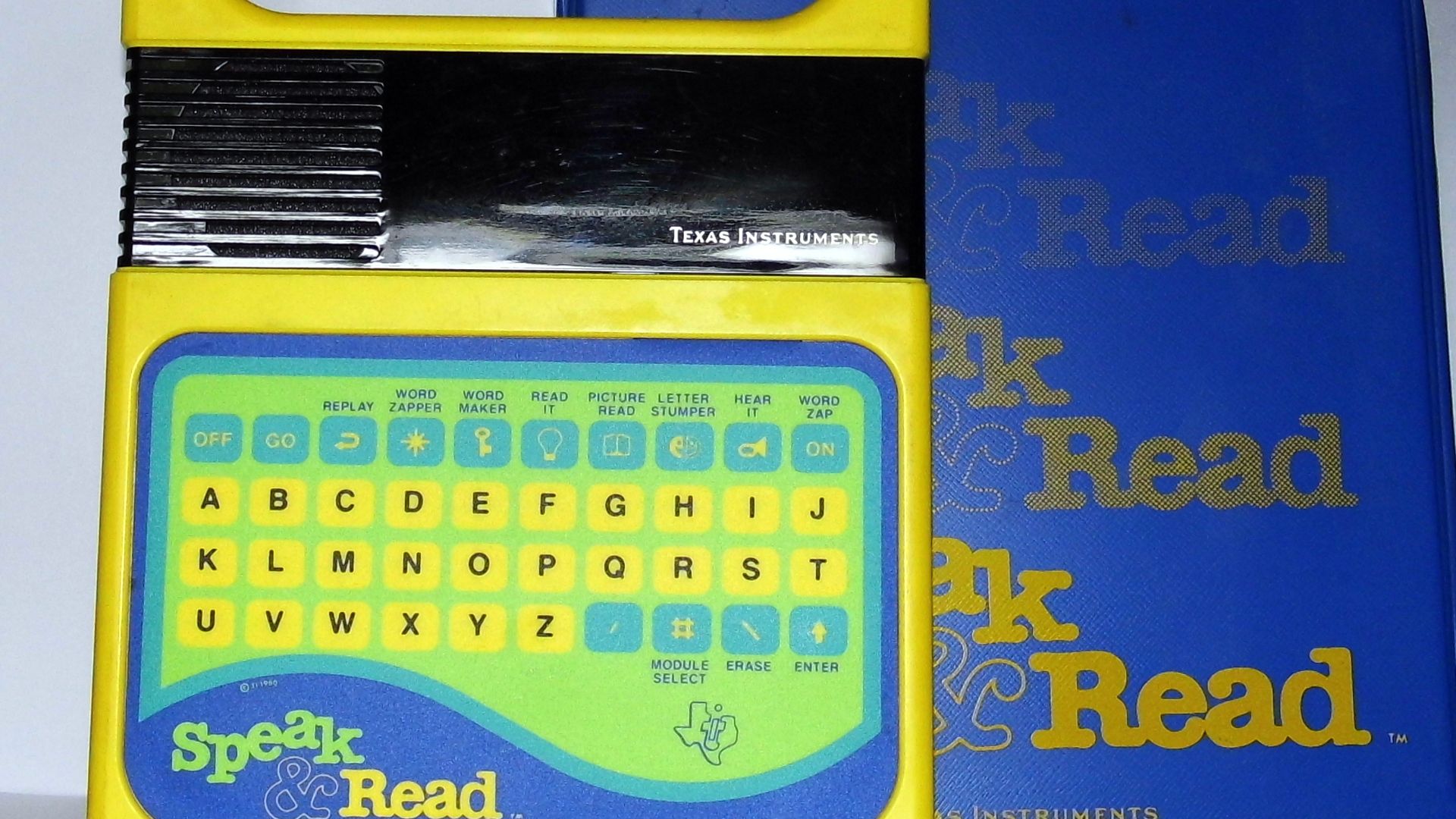
Texas Instruments introduced Speak & Spell in 1978, blending education with cutting-edge speech synthesis. The bright orange device challenged kids to spell words while talking back using a computerized voice that sounded remarkably futuristic. It later became famous to an entirely new audience after appearing in E.T. the Extra-Terrestrial.
 Flickr: Joe Haupt from St. Paul, Minnesota, USA, Wikimedia Commons
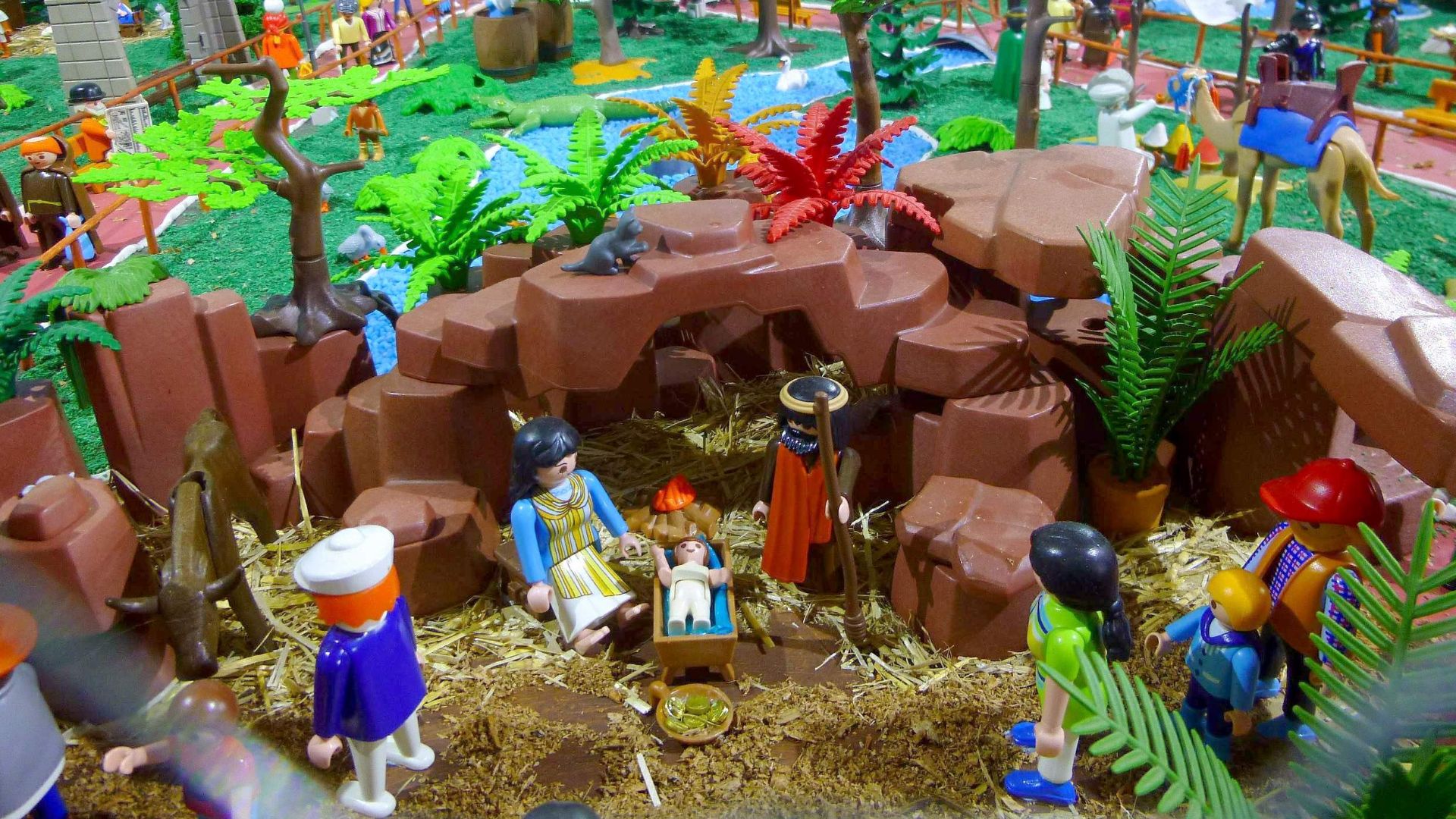
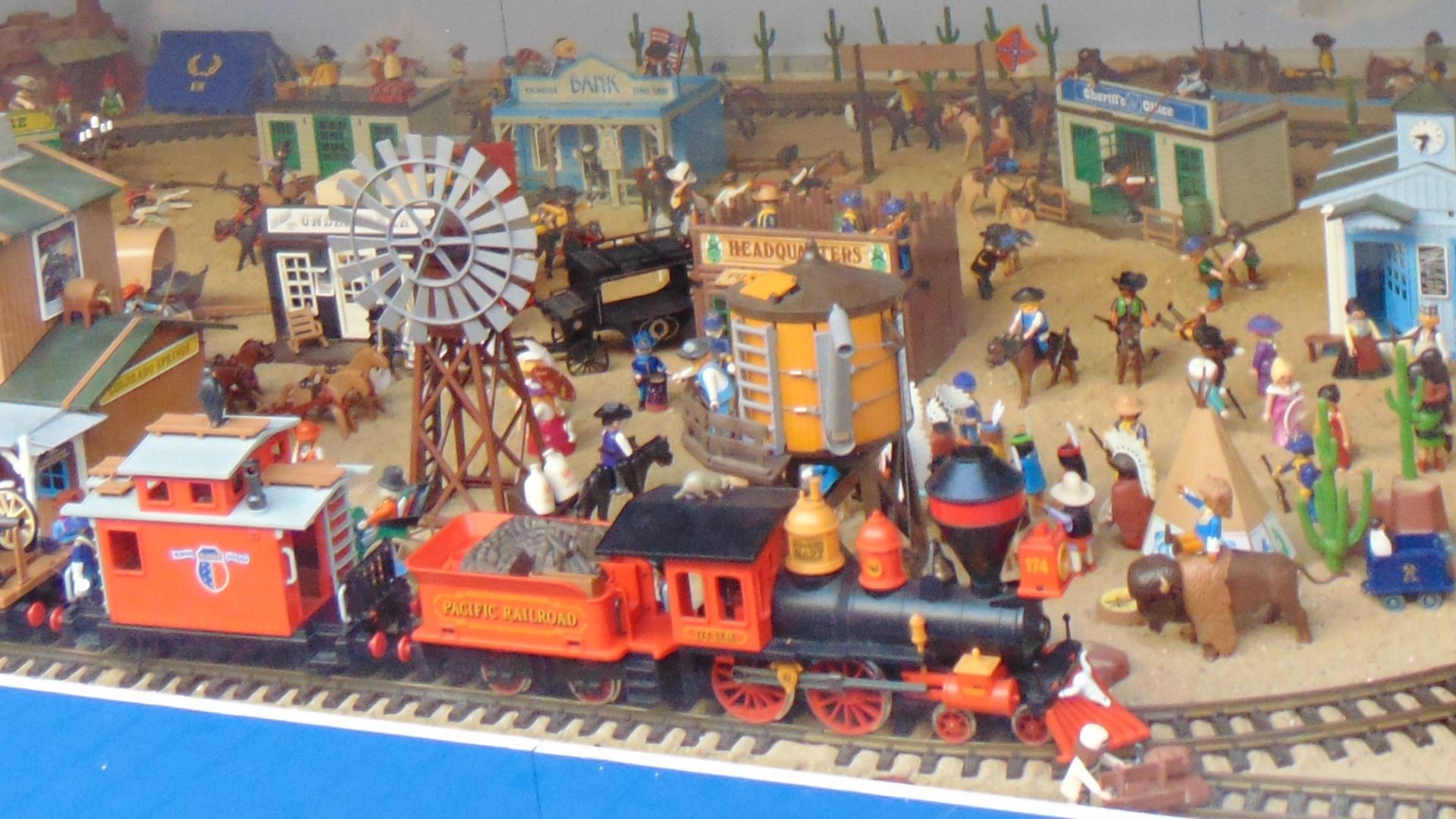
Playmobil
Playmobil figures first appeared in Germany in 1974 before expanding internationally later in the decade. Their smiling faces, movable accessories, and detailed playsets encouraged imaginative storytelling instead of complicated rules. Castles, pirate ships, and western towns soon became common fixtures in children's bedrooms.
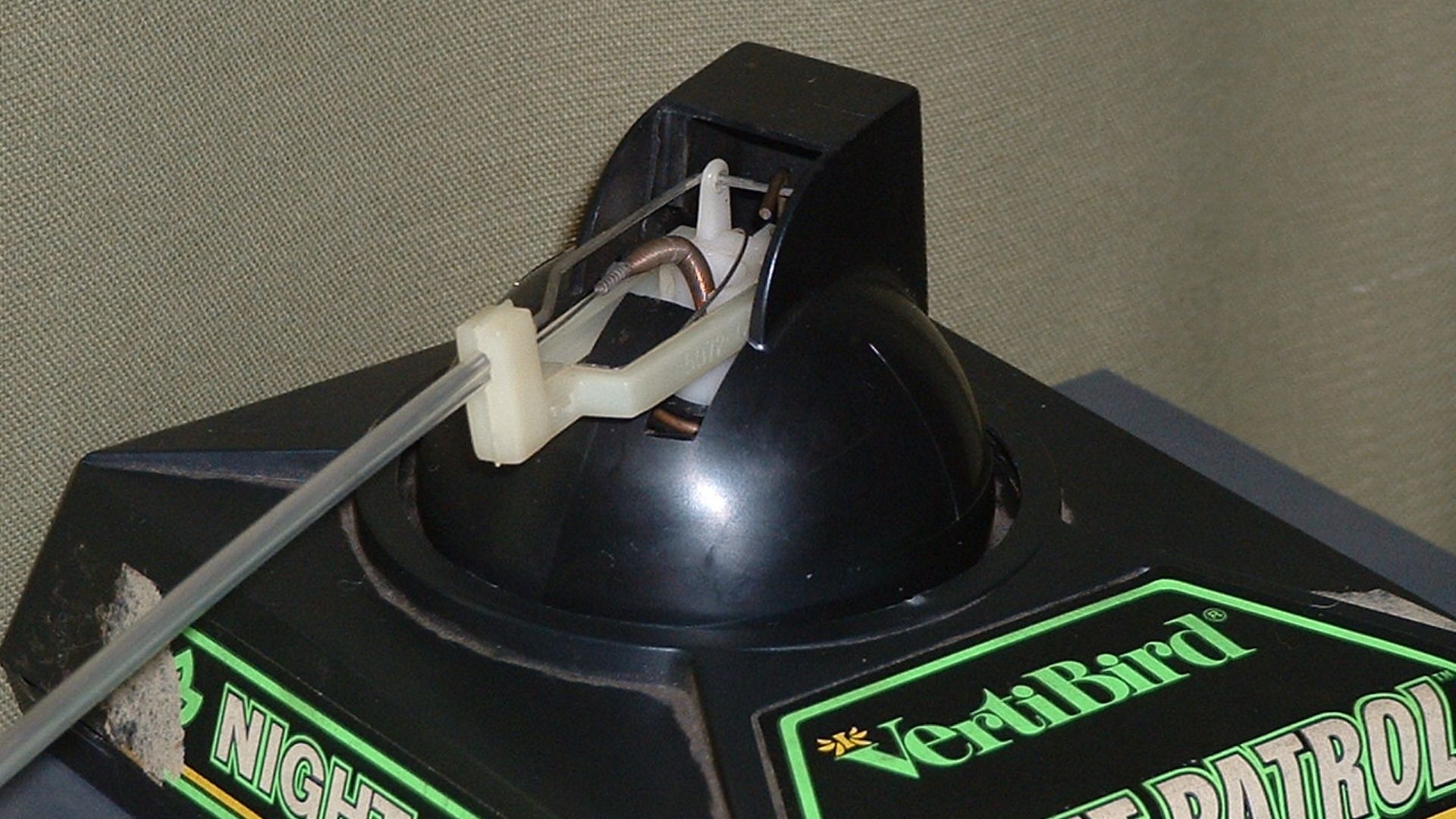
VertiBird
The VertiBird helicopter toy allowed kids to pilot a tethered helicopter around obstacles using a hand-operated control system. Players practiced takeoffs, landings, and rescue missions while trying not to crash into furniture. It offered a surprisingly realistic flying experience without ever leaving the living room.
 Nick Intorre, Wikimedia Commons
Why These Toys Still Matter
Many of these toys have been reissued, collected, or displayed in museums because they represent an era when imagination often mattered more than technology. Their designs were simple, durable, and endlessly replayable, helping create memories that have lasted for decades. Even if newer generations never experienced them firsthand, these forgotten classics continue reminding us that some of childhood's greatest adventures came with nothing more than plastic, creativity, and a little imagination.
 Campeones 2008, Wikimedia Commons
You May Also Like:
Boomer-Era Trends That Disappeared Almost Overnight—And They Want Them Back
44 Throwback Facts About The 1970s
Influential Boomer-Era Figures That Make Millennials Ask, "Who's That?"