
Powered flight has evolved four separate times, in totally different ways: Insects, pterosaurs, birds, and bats. But who did it the best?

For years, Neanderthals were portrayed as crude and primitive cavemen. Modern research has completely overturned that stereotype. Scientists now believe Neanderthals were intelligent, adaptable humans with incredibly strong bodies built for some of the harshest conditions on Earth. But new studies suggest that strength may have come with a surprising downside: they may have burned through energy far less efficiently than modern humans.
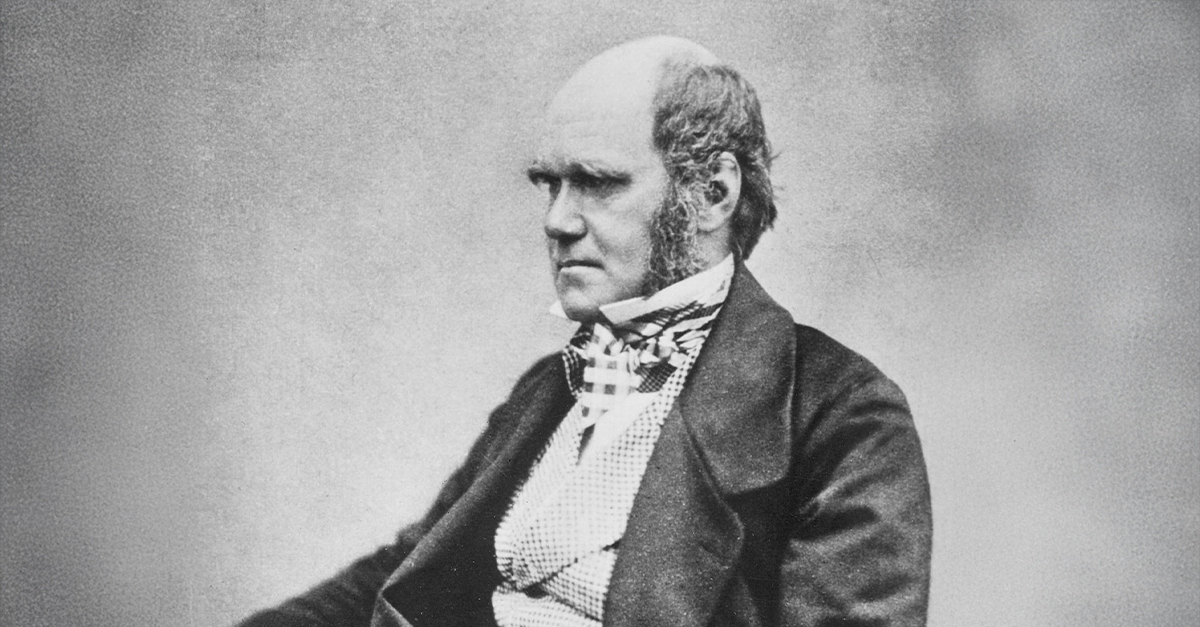
Charles Darwin's ideas on evolution were influenced by the devastating loss of his daughter.

New research shows that the human survival instinct is more complicated and disturbing than we ever could have thought.

Speech feels ordinary because it fills daily life, flowing through kitchens and waiting rooms without demanding attention. Words appear while hands stay busy, always carrying meaning with little effort. That ease hides an evolutionary surprise: the many genes tied to speech are also present in birds, mice, and primates, yet no other species speaks. No debates or reflections aloud. To the human ear, they all sound like squeaks or coos. These animals’s vocal cords, hearing systems, and motor nerves have been there, but seem to have evolved differently from humans. Something shifted quietly and permanently. And understanding that shift requires tracing how shared biology met unusual pressures and kept responding.

Many individuals with a faint indentation or tiny hole just in front of their ear go through life barely aware of it. It’s subtle, about the size of a freckle or the head of a pin, and usually doesn’t hurt or attract attention. Yet beneath that quiet surface lies a real anatomical feature with a name, a developmental origin, and a few surprising ties to our evolutionary past. This tiny opening, called a preauricular pit, isn’t the result of a piercing mishap or random blemish. In fact, doctors spot these holes during newborn exams, and researchers think they’re a congenital remnant of how the ear forms before birth—and possibly even a whisper of an ancient blueprint shared with fish thousands of generations ago.

If you like humaverse you may also consider subscribing to these newsletters:
