A Scientist And A Father
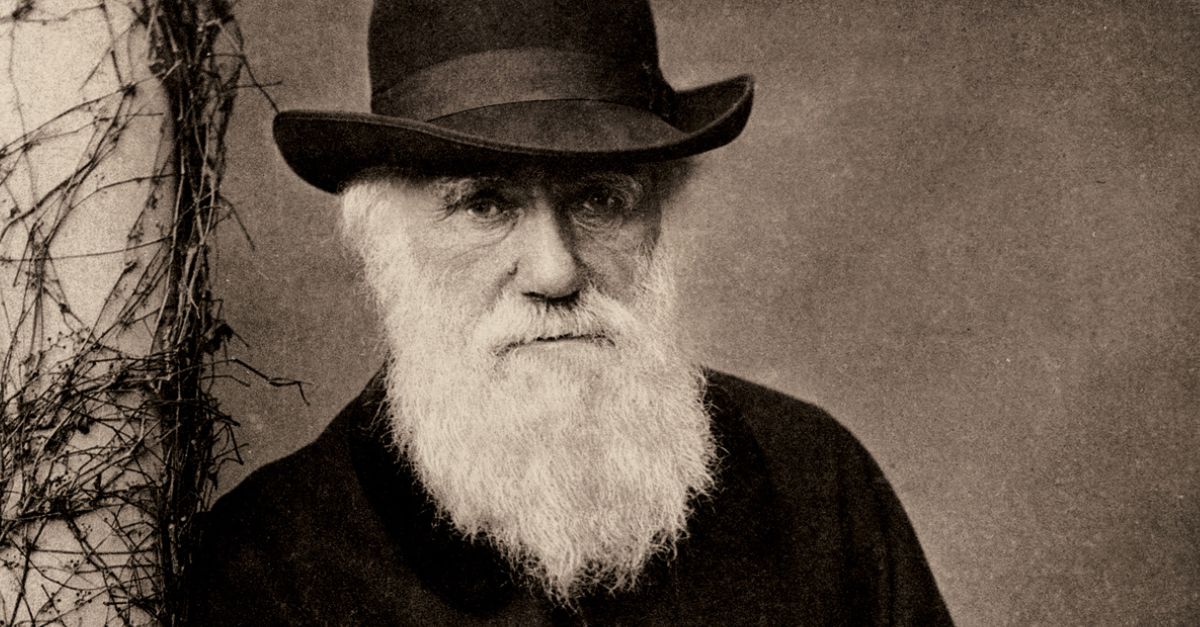
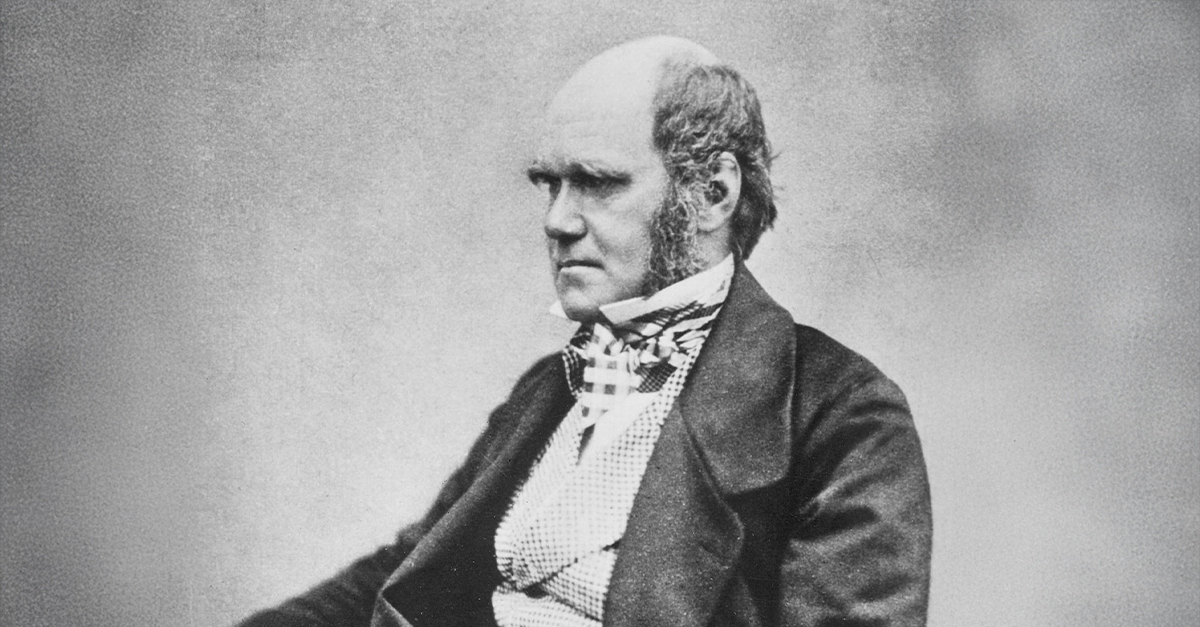
Before his name became synonymous with the theory of evolution, Charles Darwin was a devoted family man whose home life was everything to him. Among his ten children, his daughter Anne, whom he affectionately called Annie, held a particularly special place in his heart. Her intelligence, warmth, and lively personality made her the emotional center of the Darwin household. Her loss would tear his world apart years before he finally published his world-changing theory.
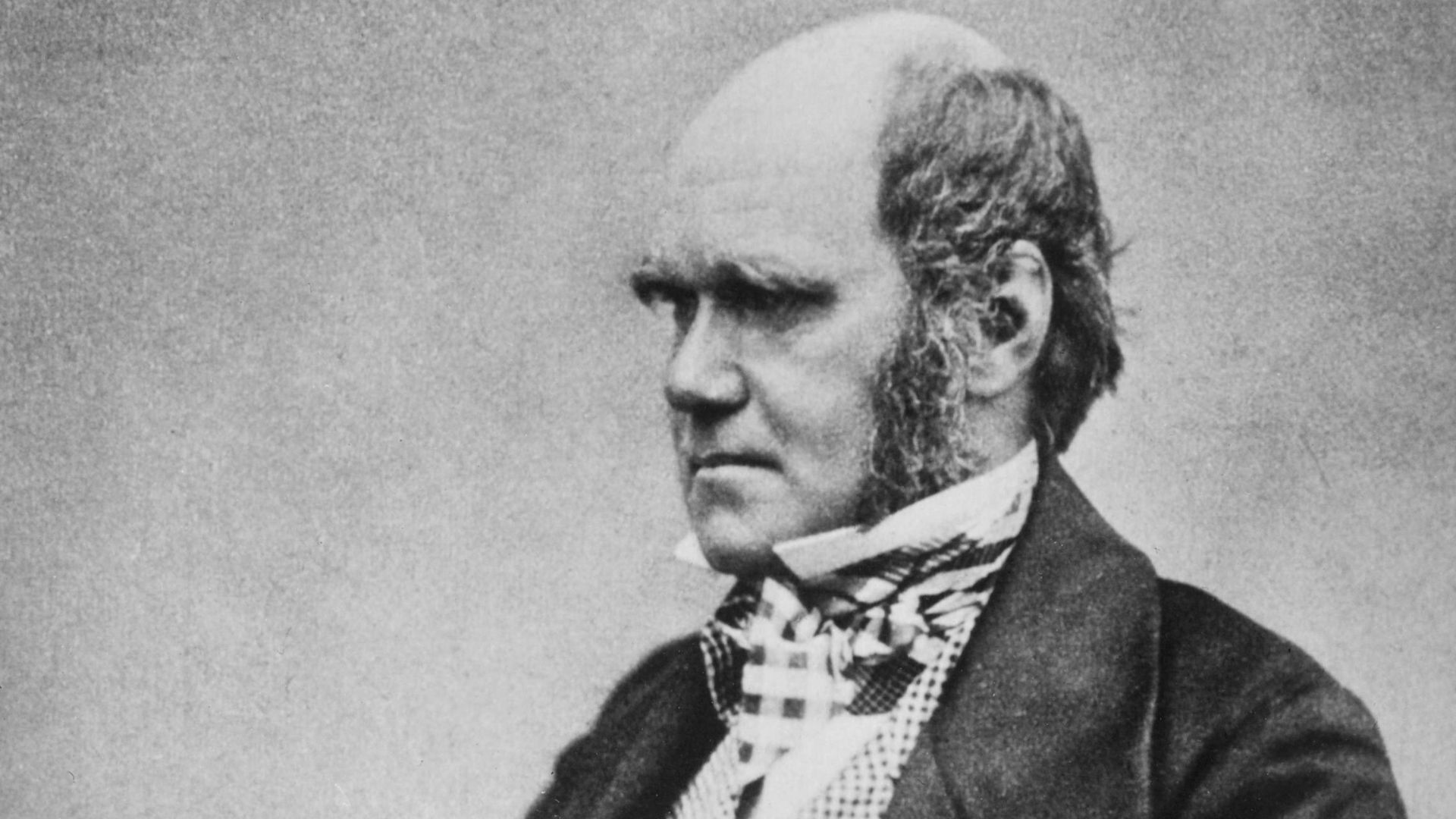
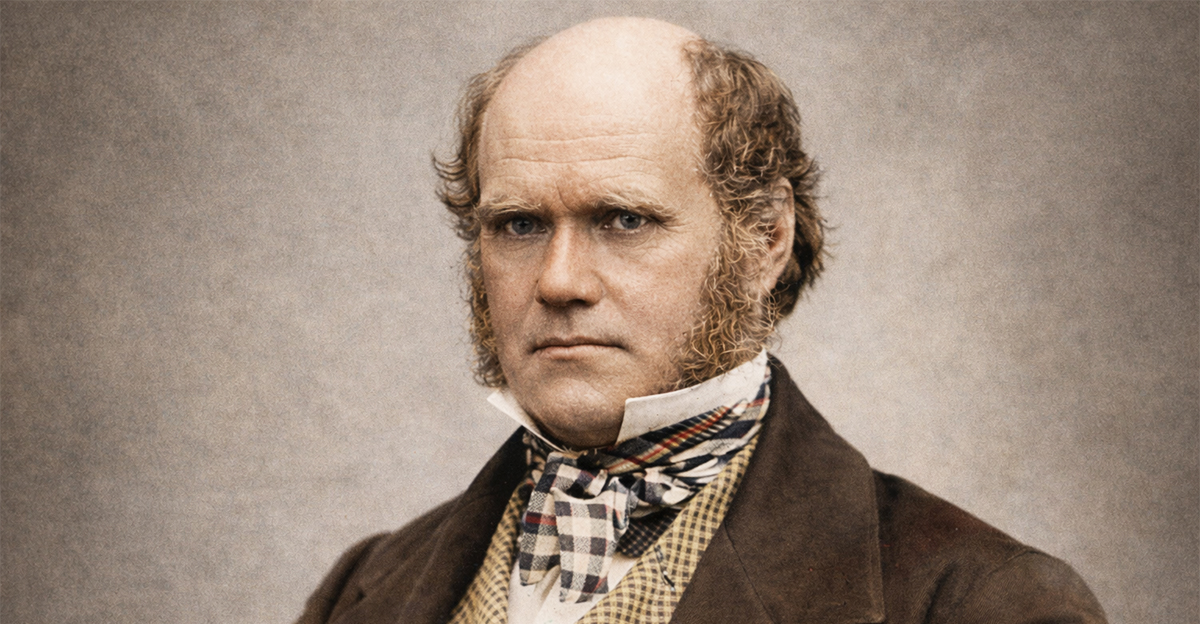 https://www.factinate.com/Portrait of Charles Darwin at the age of 42 in 1851
Her Bright Loving Nature
Annie Darwin was known for her affectionate and kind nature, often acting as an emotional bridge within the family dynamic. Darwin adored her deeply, frequently writing of her sweetness and charm. Her presence brought him comfort during periods of illness and self-doubt. He left no doubt about how much he loved having her around, which made her eventual loss all the more devastating.
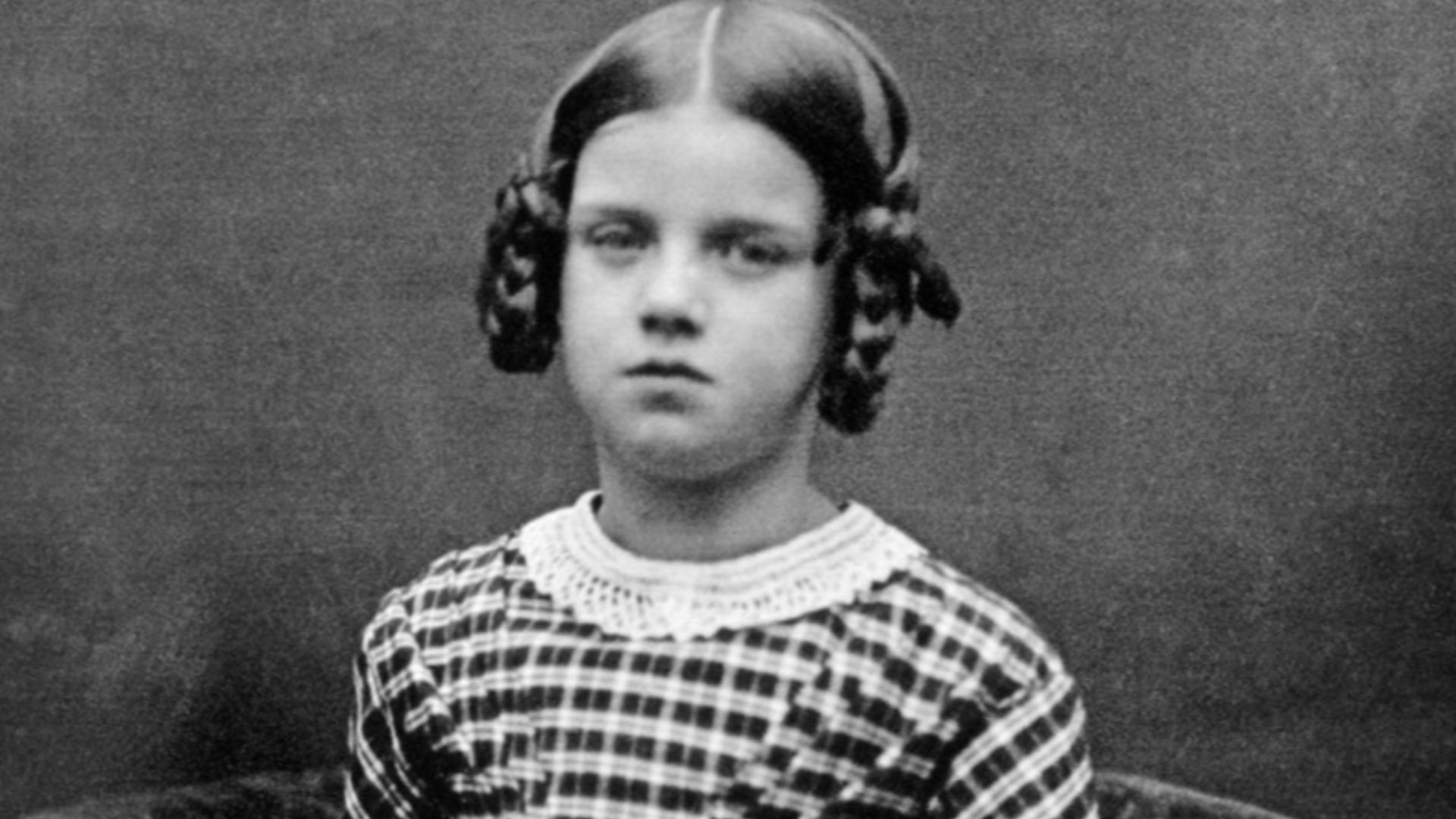 Unknown photographer, uploaded by en:User:Duncharris, Wikimedia Commons
A Deep Emotional Bond
Darwin’s relationship with Annie went beyond typical paternal distance cliché of the Victorian era. He played with her, taught her, and cherished her companionship. His letters and personal notes show a father who was emotionally inve
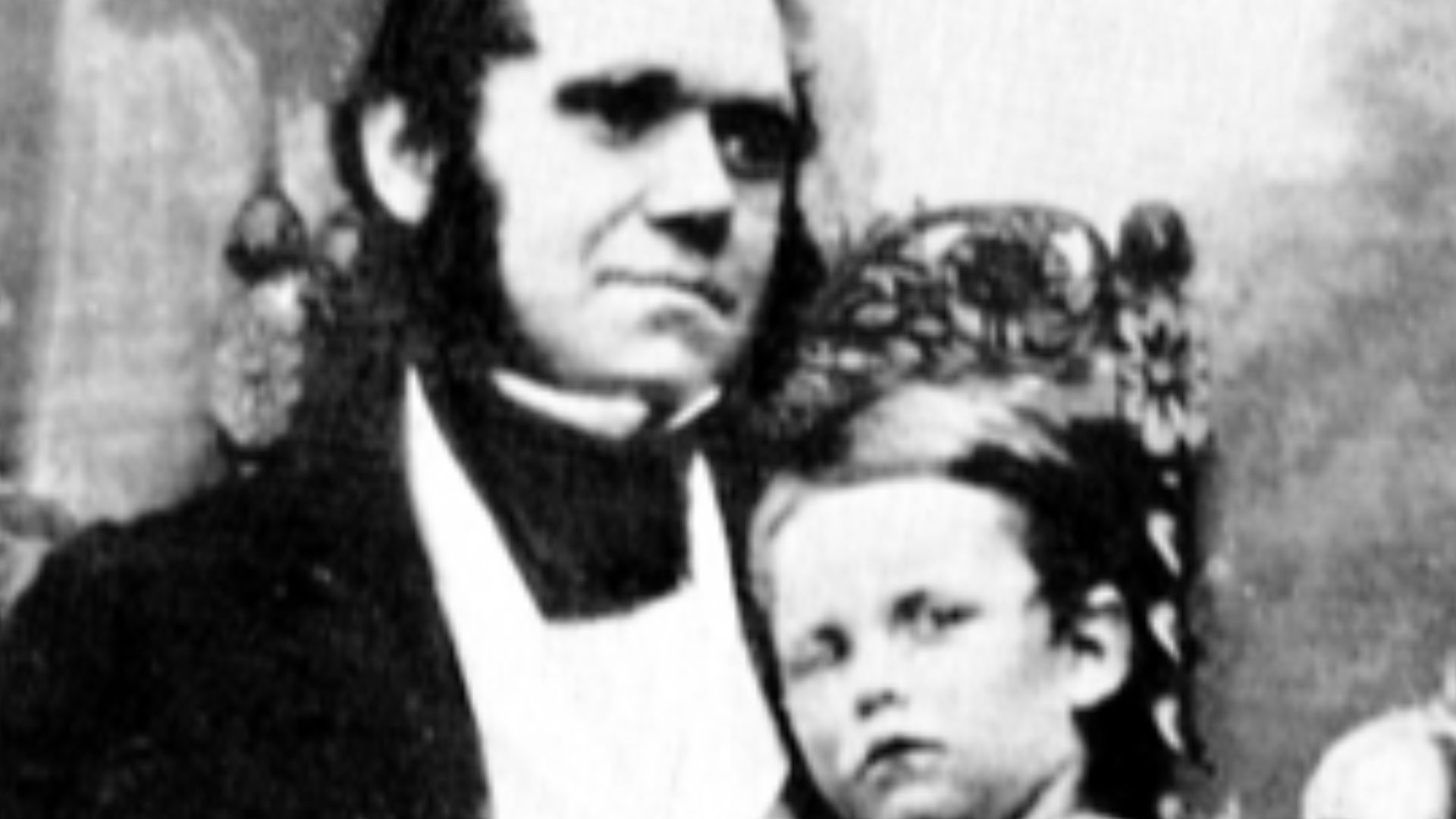 Not credited, Wikimedia Commons
Onset Of Illness
In 1850, Annie started showing troubling symptoms. What seemed to start out as a minor illness gradually worsened into a chronic and debilitating condition. Her declining health created a looming sense of dread in the Darwin household as hope slowly gave way to fear.

A Mysterious Condition
The exact nature of Annie’s illness has been a focus of speculation ever since her death. Modern historians and medical researchers have proposed conditions including tuberculosis or a chronic infection. But at that time Victorian medicine didn’t offer much clarity, leaving Darwin and his wife Emma scrambling for answers and increasingly distraught about her fate.
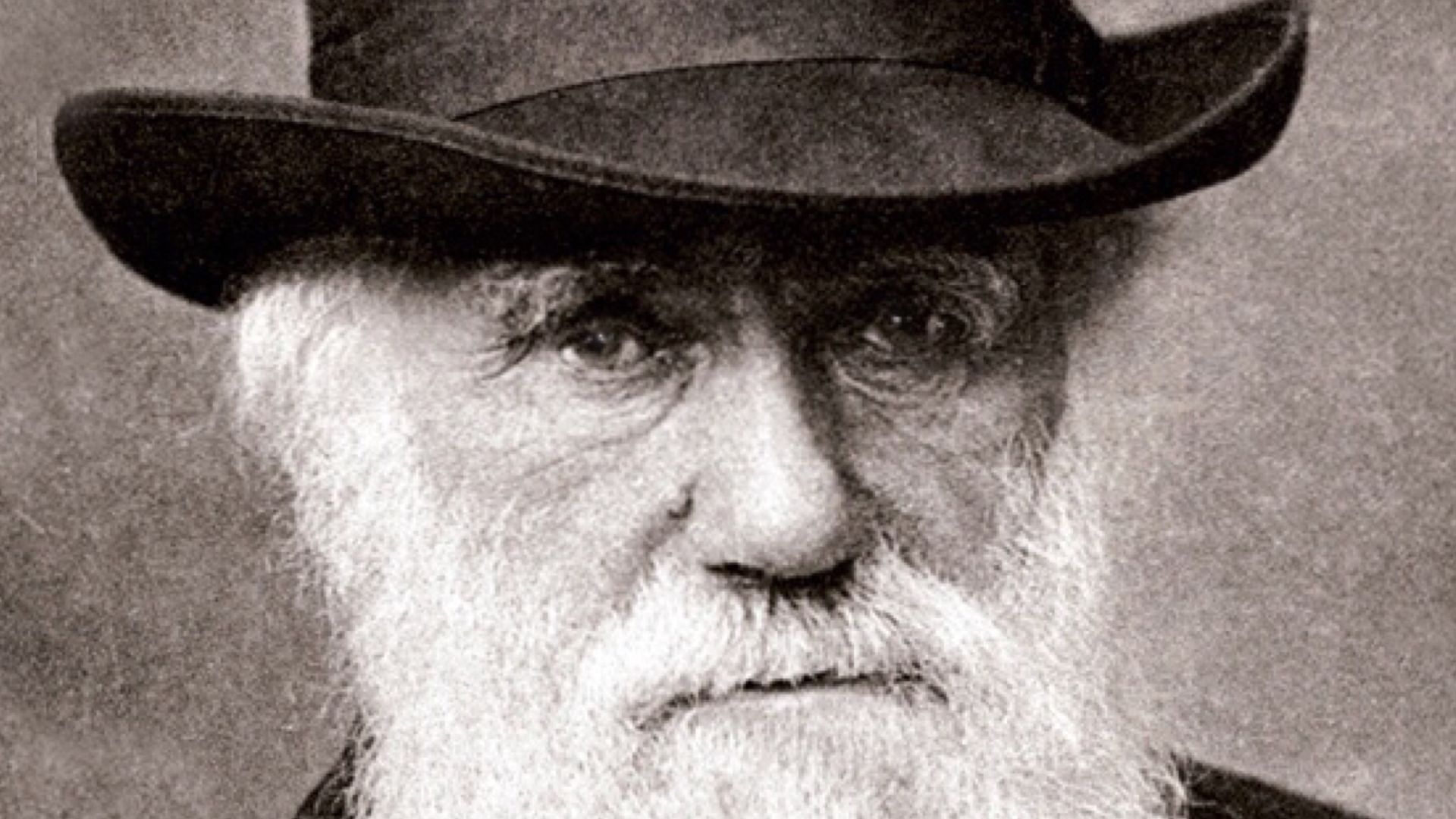 Elliott & Fry, Wikimedia Commons
Desperate Measures For Recovery
Determined to save his daughter, Darwin sought out the best medical care he could find. He arranged for Annie to be taken to Malvern, a spa town known for its water-cure treatments. This decision reflected both his hope and desperation, as he pursued any possible remedy that might bring the girl back to health.
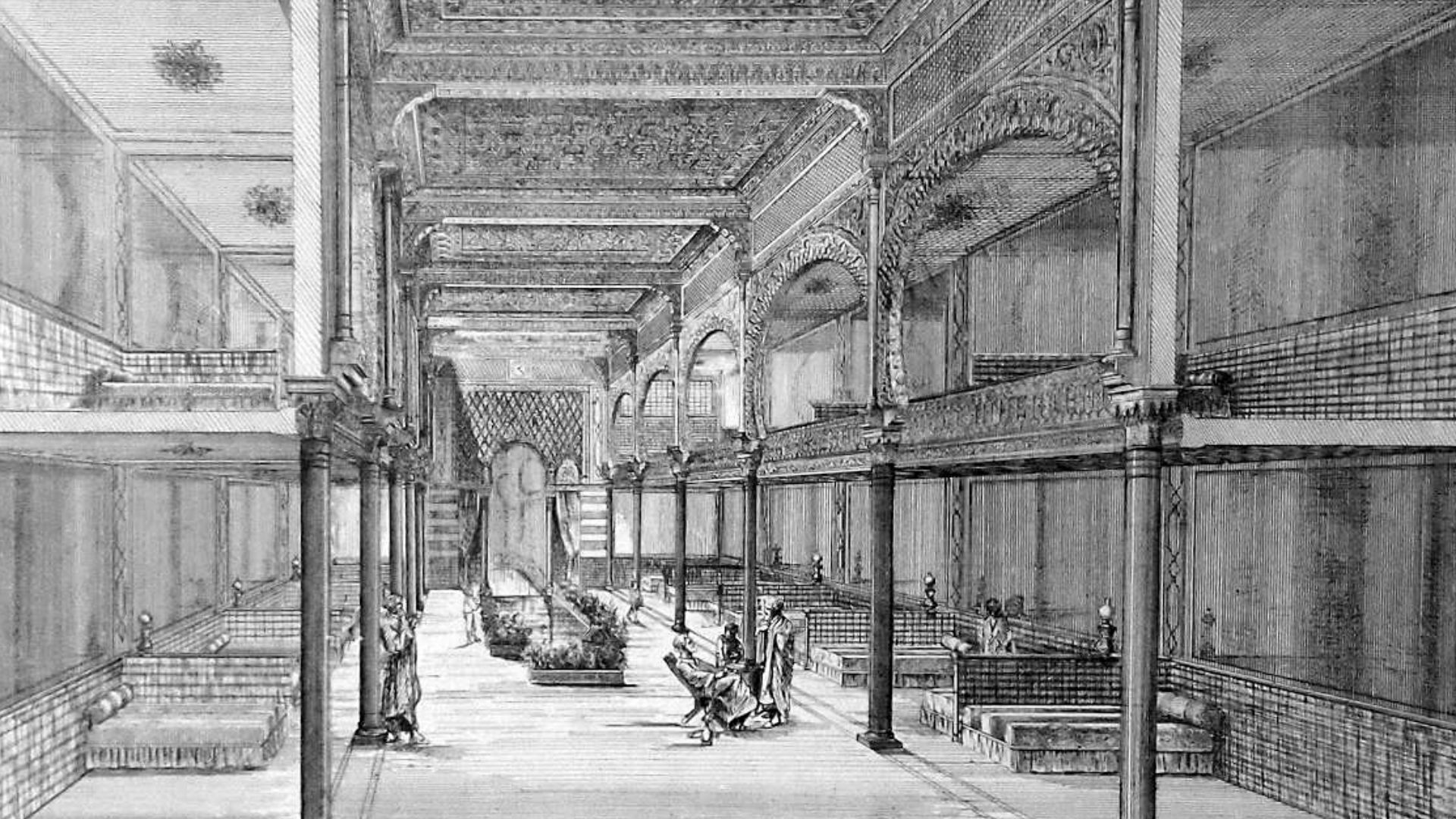 Unknown authorUnknown author, Wikimedia Commons
The Malvern Water Cure
At Malvern, Annie underwent hydrotherapy under the supervision of Dr. James Manby Gully. The treatment involved strict regimens of bathing, diet, and exercise. Darwin rarely left her side, monitoring her progress closely, clinging to every sign of improvement as a possible sign that she might get better.
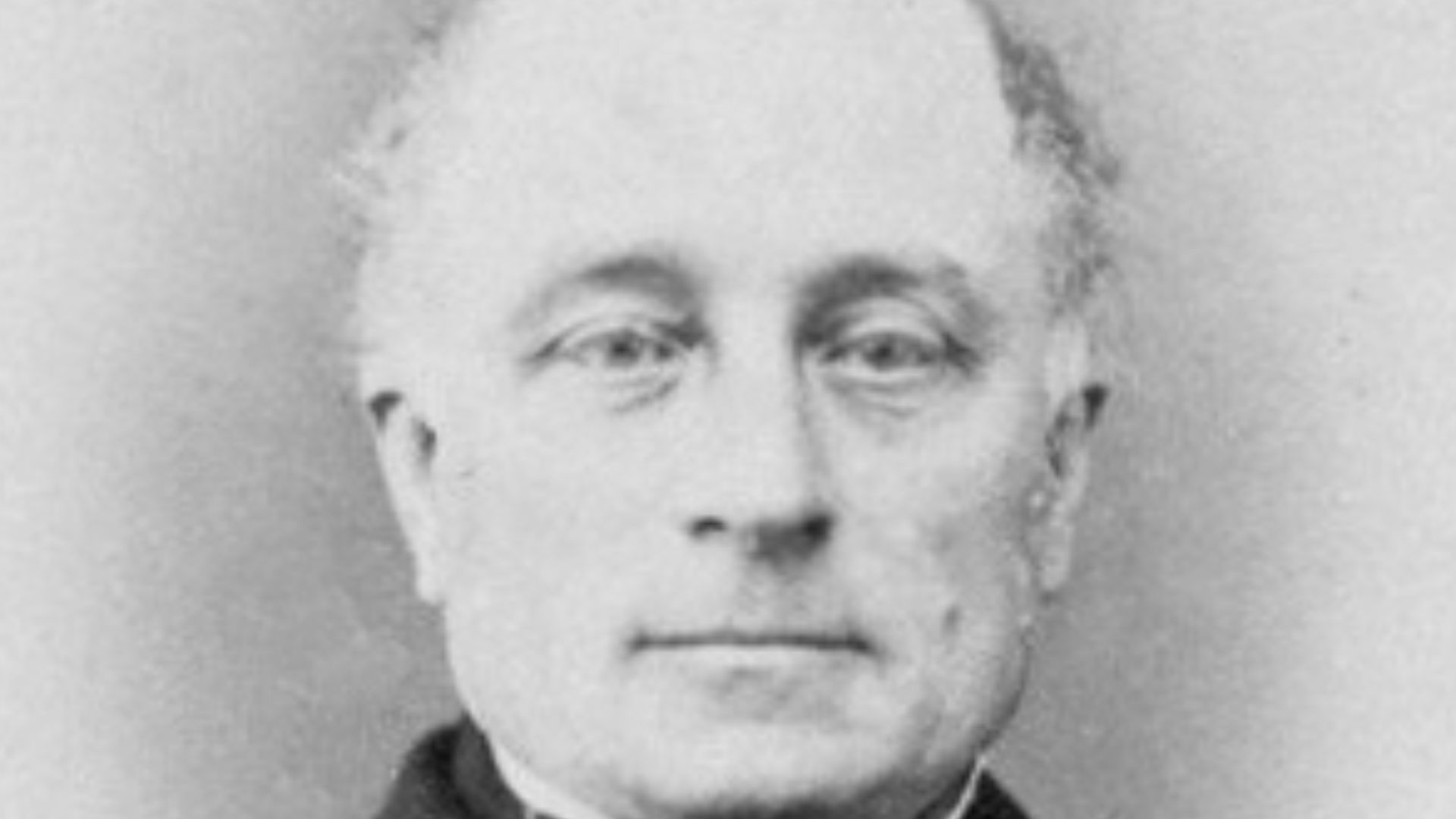
A Father’s Vigil
Darwin’s time in Malvern was marked by constant worry and emotional strain. He meticulously documented Annie’s day-to-day condition, reflecting both his scientific mindset and paternal anguish. Despite these efforts, he couldn’t escape the reality that her condition was getting worse, leaving him feeling utterly powerless.
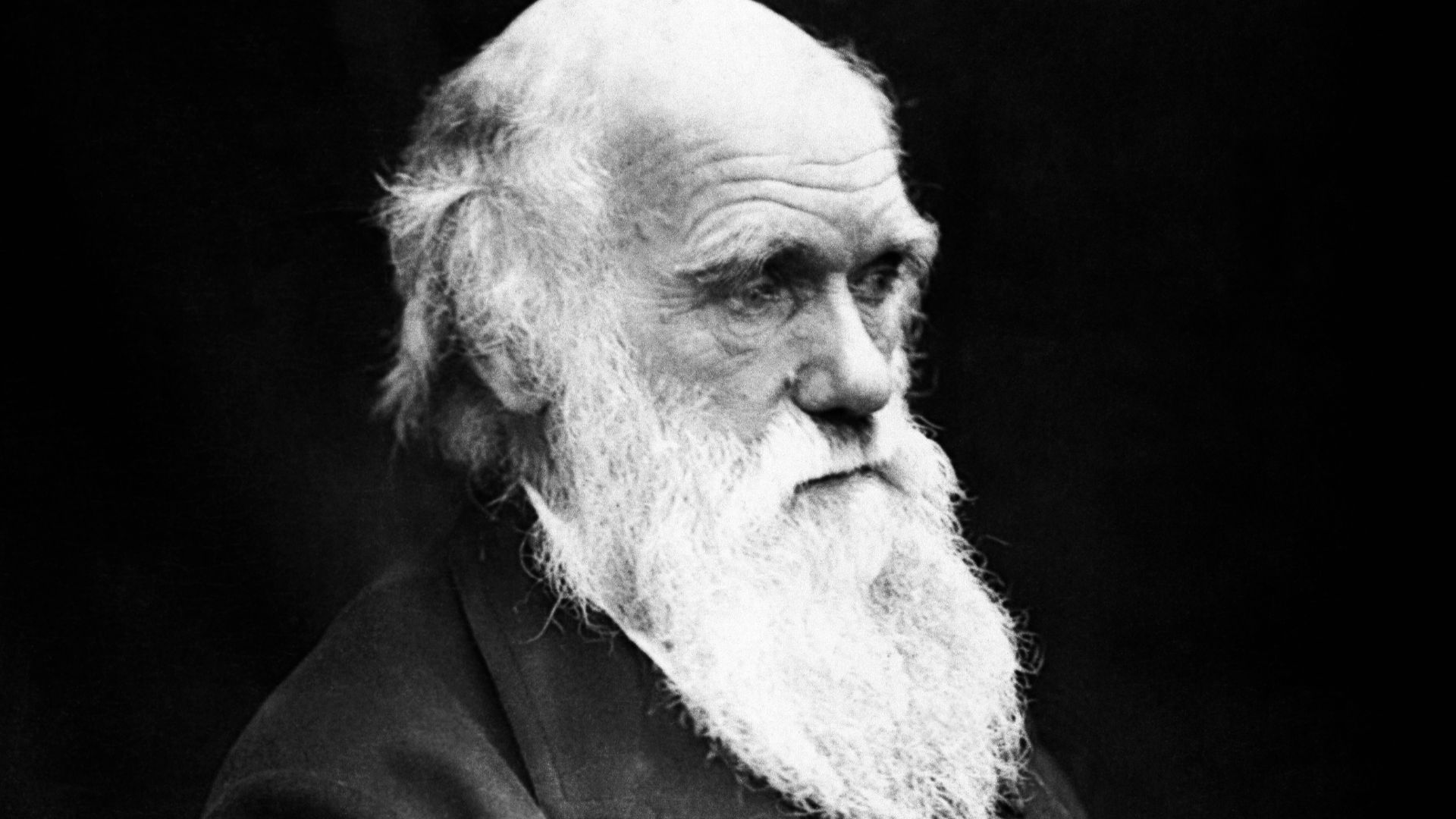 Julia Margaret Cameron, Wikimedia Commons
The Final Days
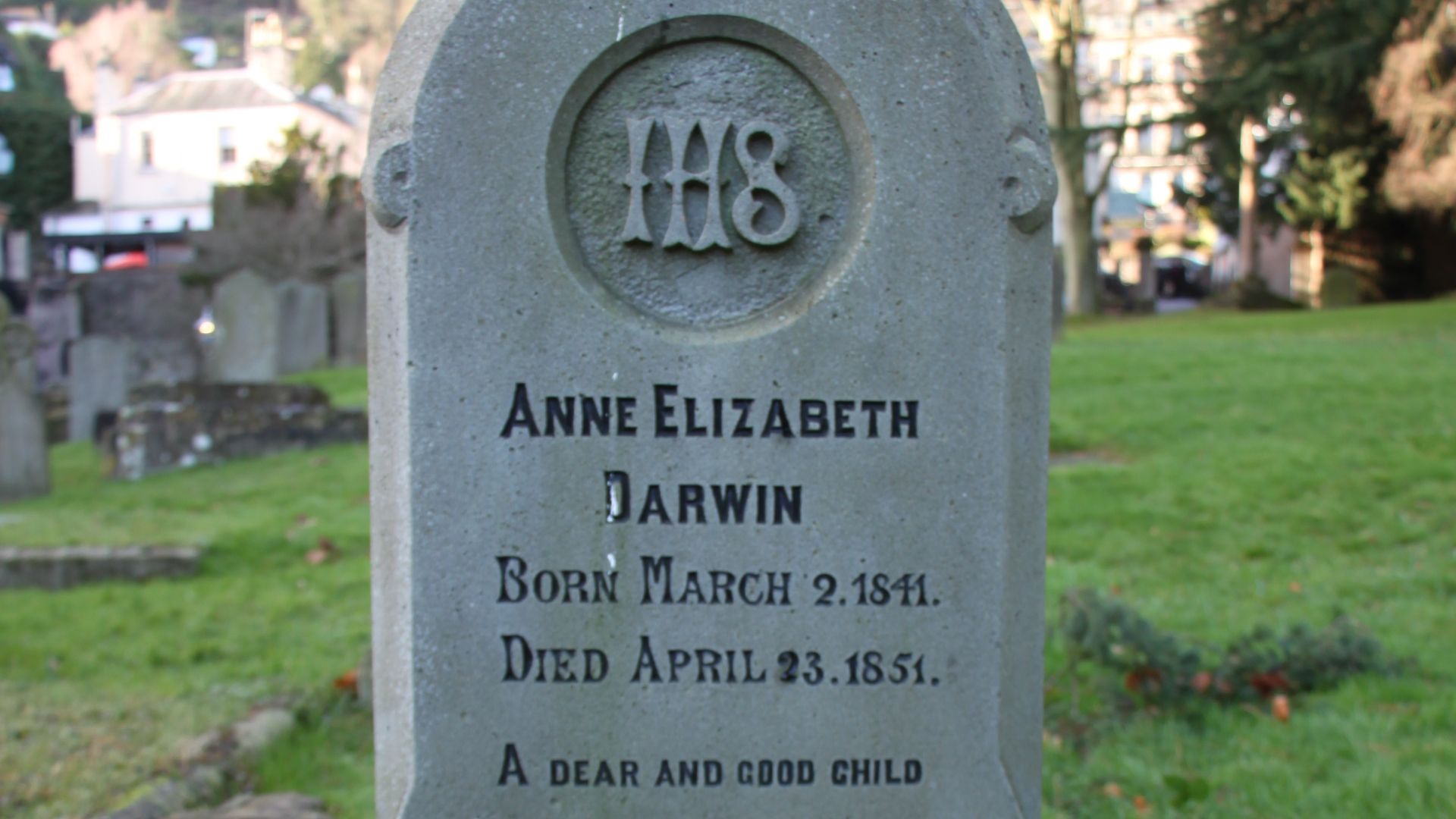
As Annie’s illness progressed, her condition got increasingly severe. Darwin stayed with her until the very end, witnessing her gradual decline. Her death on April 23, 1851, at just ten years old, shattered him completely, marking one of the darkest moments of his life.

History's most fascinating stories and darkest secrets, delivered to your inbox daily.
Overwhelming Grief
Darwin was devastated by Annie’s death. He later wrote a heartfelt memoir of her, preserving memories of her character and spirit. His grief was so intense and enduring, that it left a lasting emotional imprint that would not only impact his personal life, but his intellectual and spiritual outlook as well.
A Blow To Faith
Annie’s death significantly impacted Darwin’s religious beliefs. Already an agnostic who questioned traditional Christianity, he found it increasingly difficult to reconcile the idea of a benevolent God with the suffering of his innocent child. The loss only hastened his final move away from orthodox religious faith.

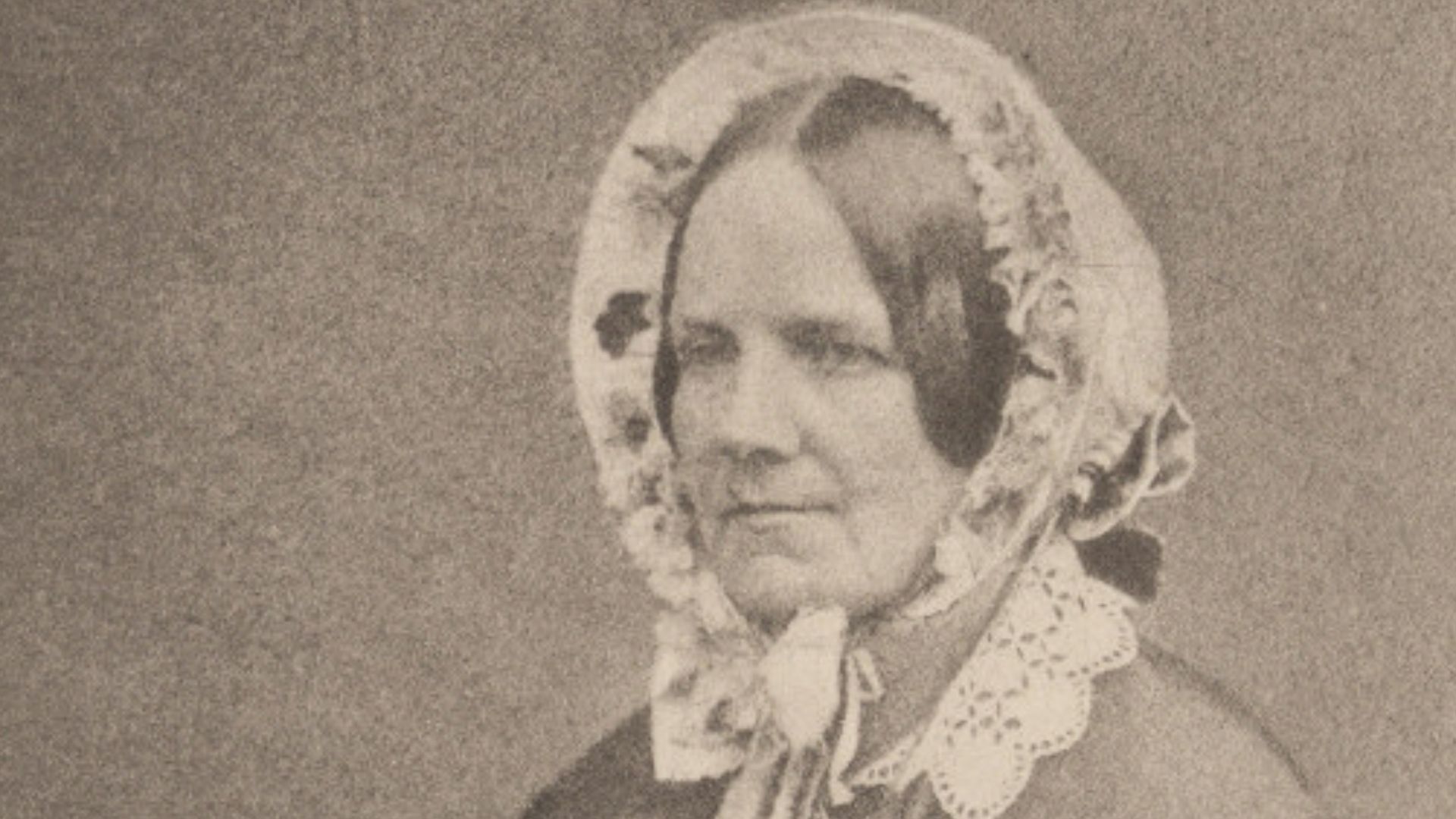
Emma Darwin’s Faith Tested
Darwin’s wife Emma remained deeply religious, and this difference between the two created a subtle tension in their relationship after Annie’s death. While they continued to support one another, the tragedy put into focus their differing perspectives on faith; Emma sought comfort and consolation in religion, while the disillusioned Darwin grew more skeptical as he went into the latter stage of his life.
 The original uploader was Duncharris at English Wikipedia., Wikimedia Commons
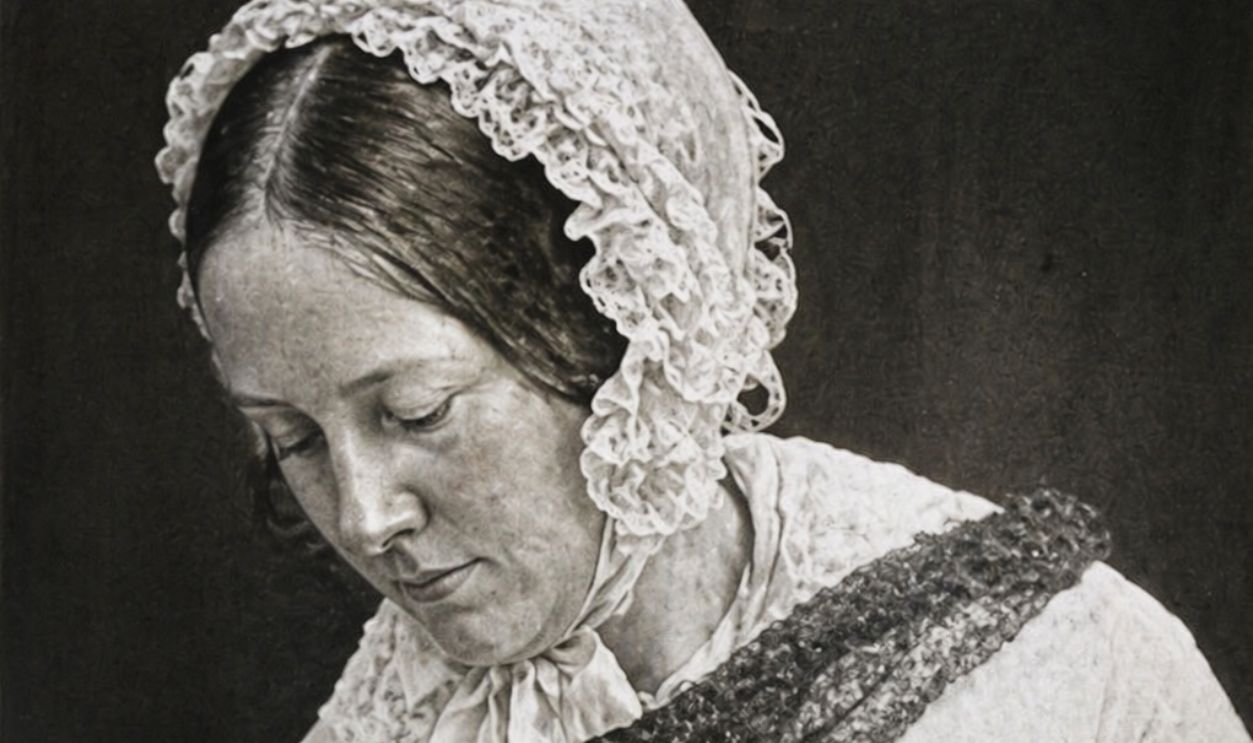
The Question Of Suffering
Annie’s death forced Darwin to confront the issue of suffering in nature. He started to reflect more deeply on how pain and loss fit into the natural world. These reflections would later find a place in his scientific theories, especially as they related to the harsh realities inherent in natural selection and the struggle of all living organisms to survive.
 William Darwin, Wikimedia Commons, Modified
A Shift In Perspective
While Darwin had already been building up his ideas on evolution, Annie’s death gave his work a more personal dimension. The randomness and cruelty of her illness reinforced his understanding of nature as being utterly indifferent to the fate of individuals; not guided by moral or divine intention.

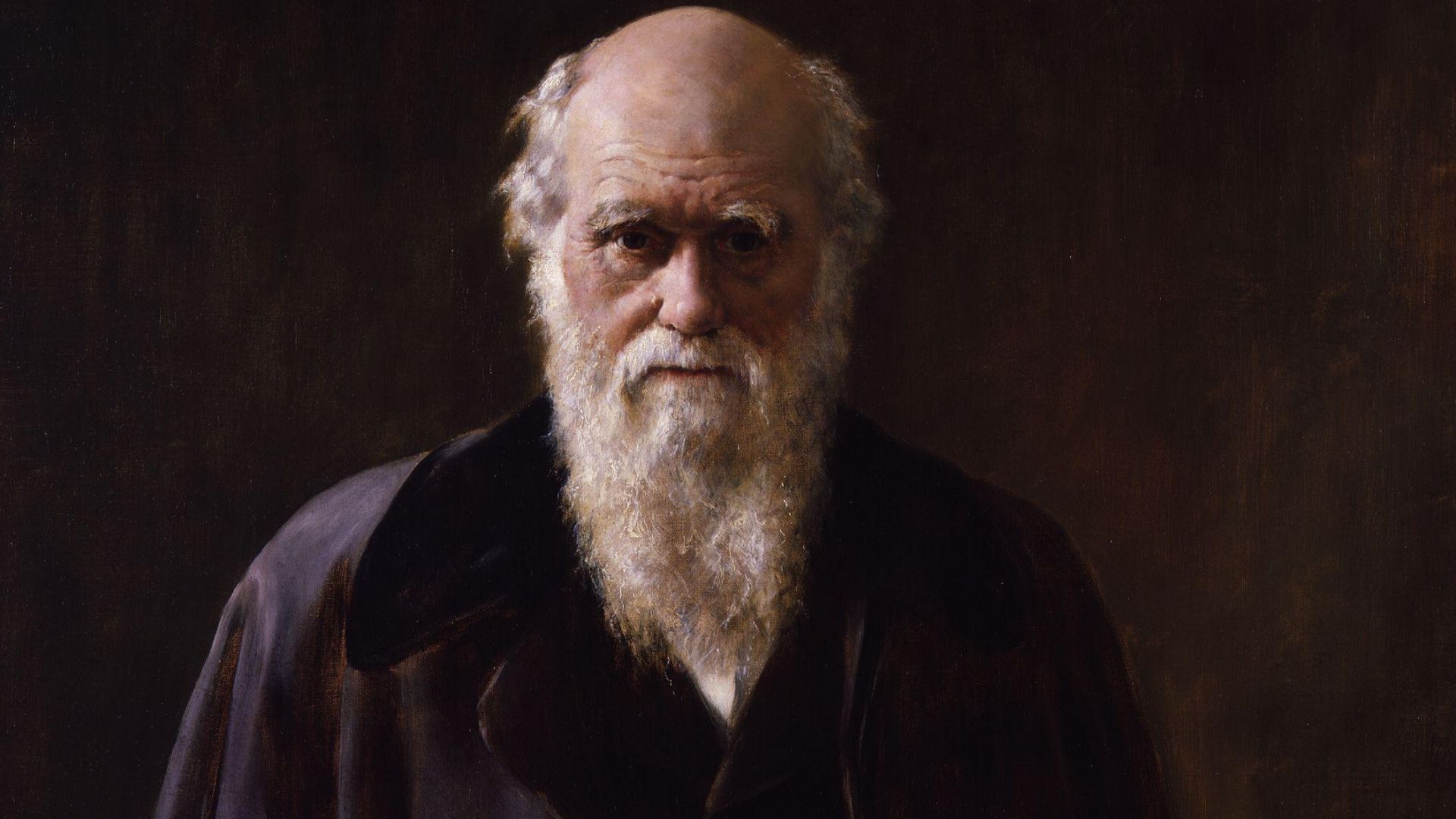
The Annie Hypothesis
Some historians have put forward the “Annie Hypothesis.” This idea suggests that Annie’s death directly influenced Darwin’s actual willingness to publish his theory. While there is plenty of disagreement on this point from Darwin scholars, the idea at least emphasizes how personal tragedy may have reduced his hesitation in presenting his groundbreaking ideas in the face of the formidable religious orthodoxy of the mid-19th century.
 John Collier, Wikimedia Commons
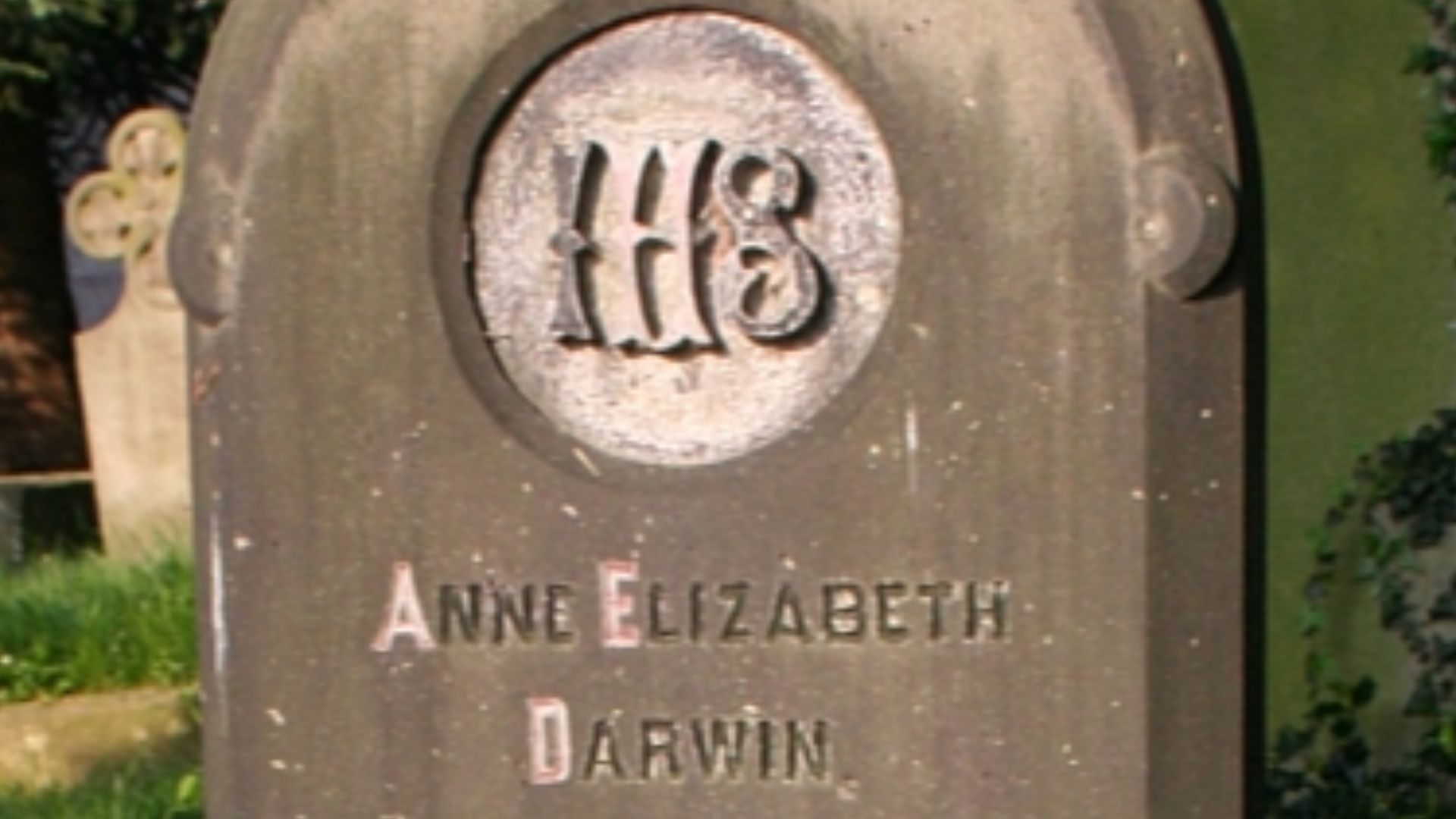
Retreat And Reflection
In the months and years that immediately followed Annie’s death, Darwin stepped back from public life. He focused on his research while trying to find a way to cope with ongoing health issues and emotional strain. This gloomy period of introspection gave him personal space to continue shaping his ideas, even while he grappled with personal grief.
 Bob Embleton, Wikimedia Commons
Work As A Path To Healing
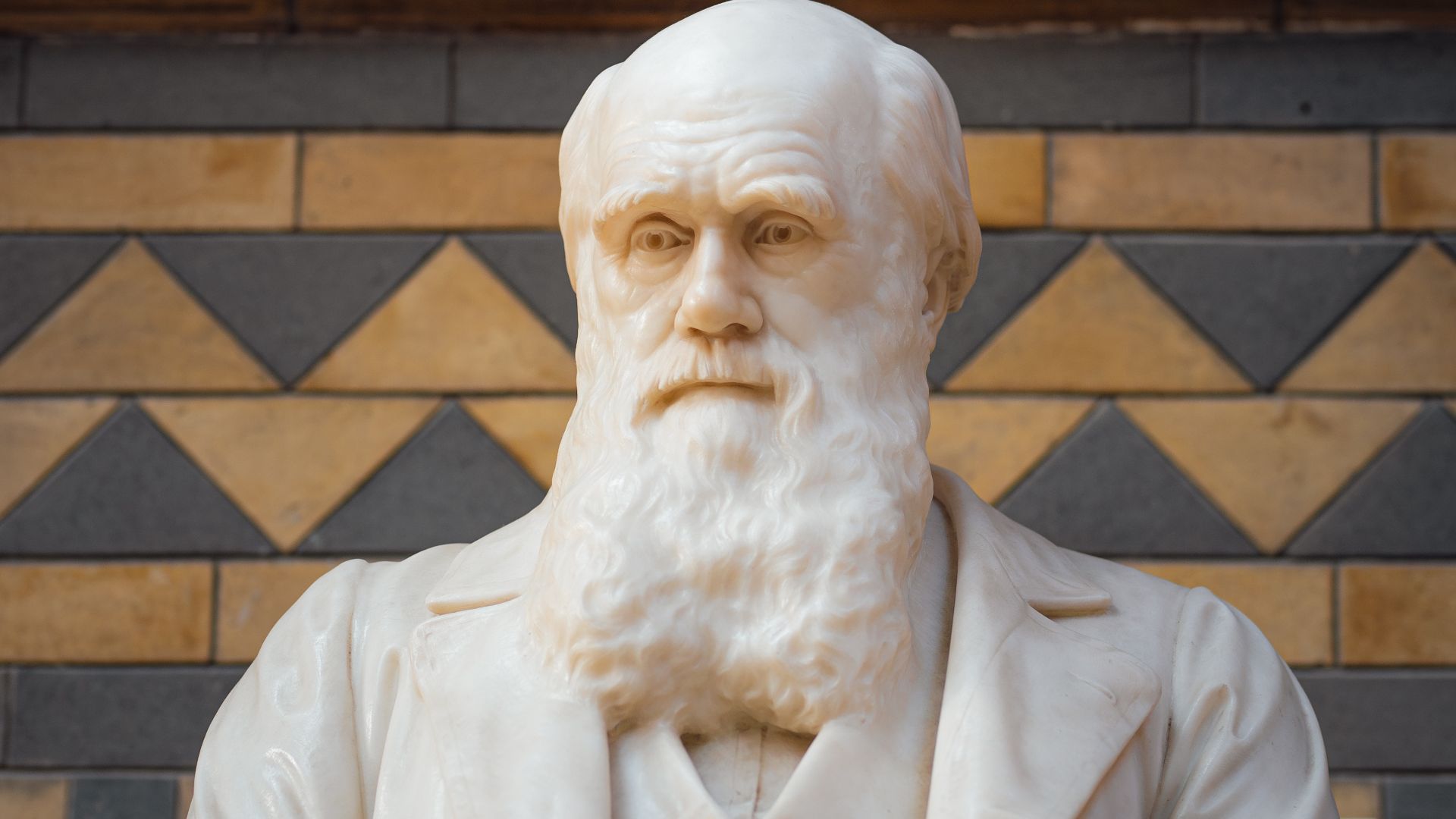
As the years went by, Darwin increasingly turned to his scientific work as a way to try to put the loss behind him. Immersing himself in research provided structure and distraction as he channeled his grief into intellectual pursuits. His work became both a refuge and a means of making sense of a senseless world.
 Julian Herzog (Website), Wikimedia Commons
Renewed Scientific Determination
Despite his sorrow, Darwin’s commitment to his theory of evolution never wavered through the decade of the 1850s and beyond. Annie’s death may have deepened his resolve to make sense of the mechanisms of life and death. His observations of nature took on greater urgency as he grimly mulled possible explanations grounded in evidence.
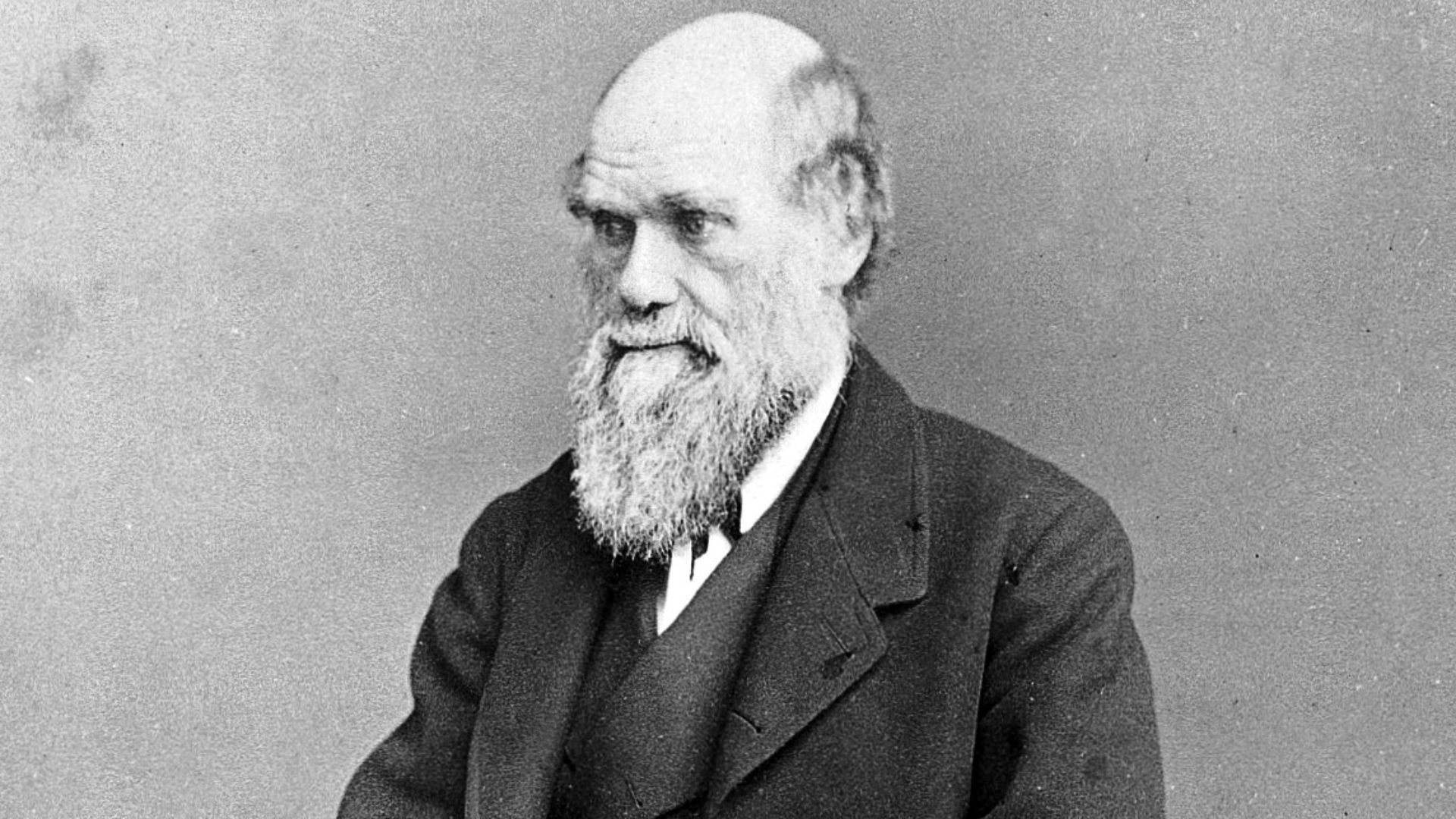
The Path To Publication
For years, Darwin remained reluctant to publish his theory, fully aware of its controversial implications. But by the late 1850s, external pressures, the emergence of new researchers into evolution, and his own growing perspective pushed him toward action. His experiences, including Annie’s death, contributed to his readiness to share his work.

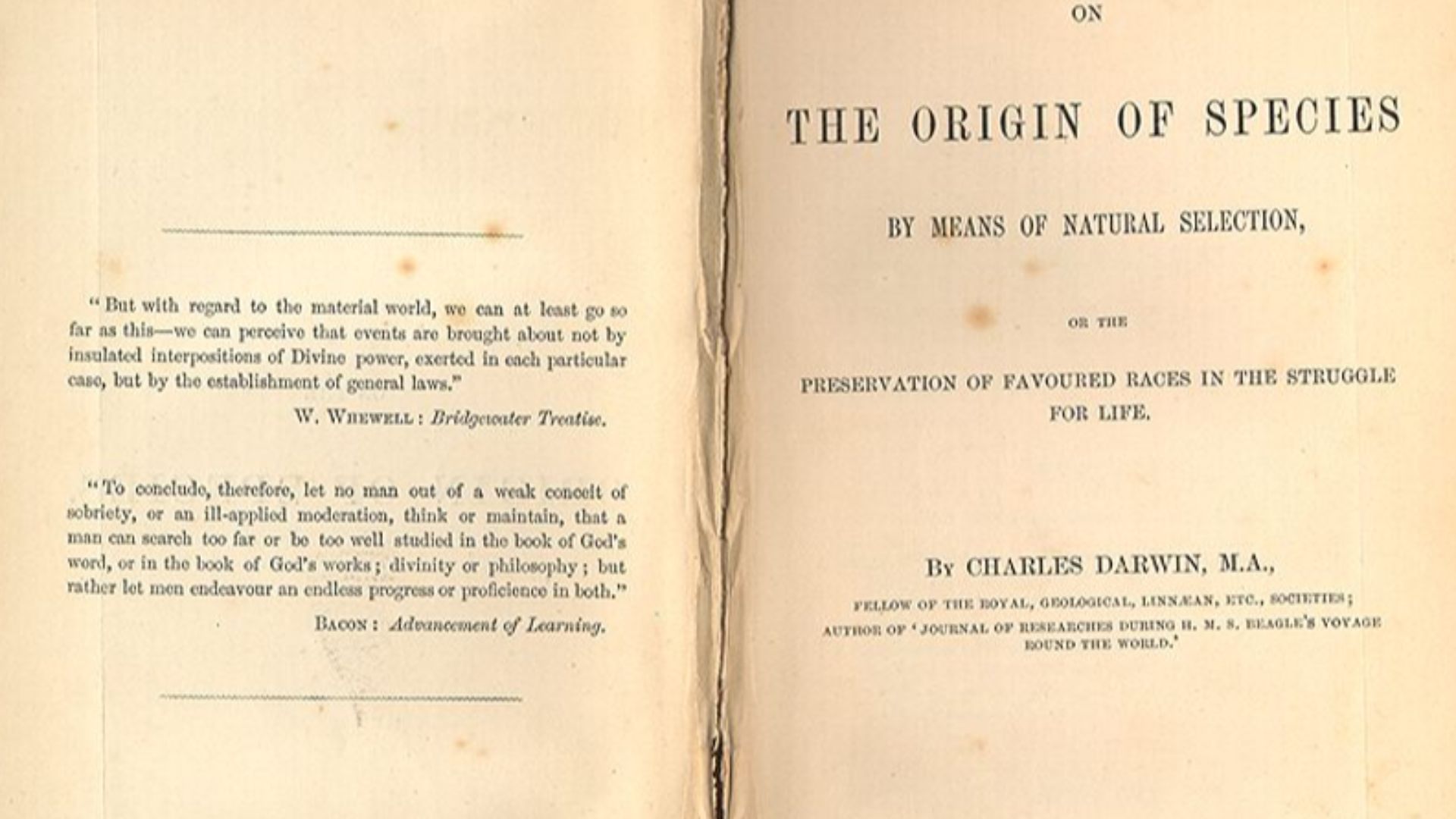
Completing The Origin Of Species
In 1859, Darwin finally published On the Origin of Species. Well organized and well argued, the book laid out a revolutionary explanation for the diversity of life through natural selection. While of course it wasn’t about Annie, the terrible emotional ordeal of those years undoubtedly shaped the worldview that lay behind his scientific conclusions.
The Legacy Of Loss
Annie’s death was a major turning point in Darwin’s life. He never really got over her loss, and her memory stayed with him to the end of his days. The emotional weight of her passing influenced not just his own personal beliefs, but also the philosophical implications of his scientific work.
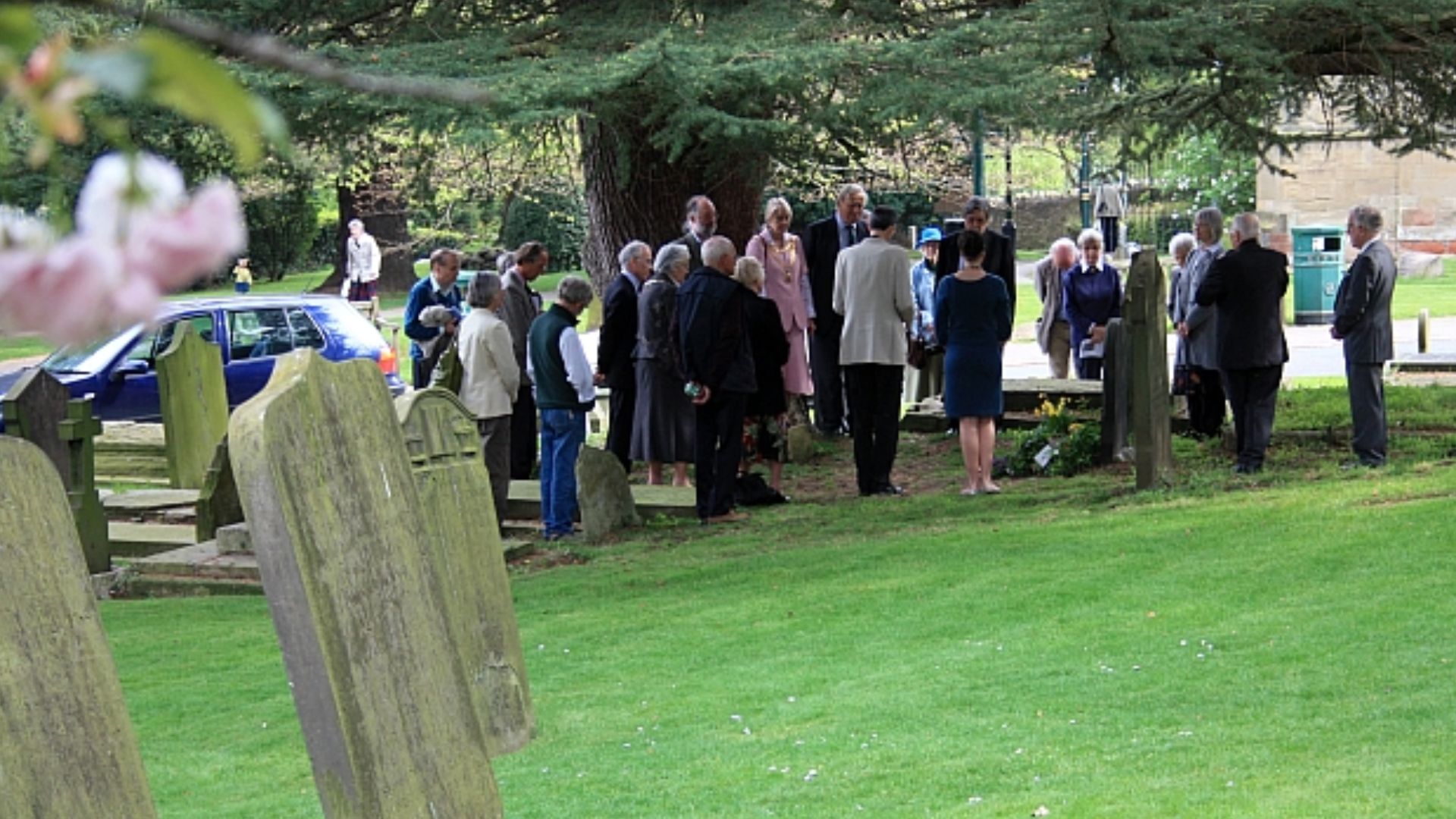 Bob Embleton, Wikimedia Commons
Discovery In A Drawer
Randal Keynes, the great-great-grandson of Charles Darwin, later discovered what became known as “Annie’s box” while exploring family archives—a small writing box filled with keepsakes that Anne Darwin’s parents had kept after her death. The deeply personal find inspired his 2001 book Annie’s Box, in which he reconstructed the emotional world of Charles Darwin and the impact of Annie’s illness and death on his thinking. The book’s explorations of Darwin and his world would find its way onto the big screen.
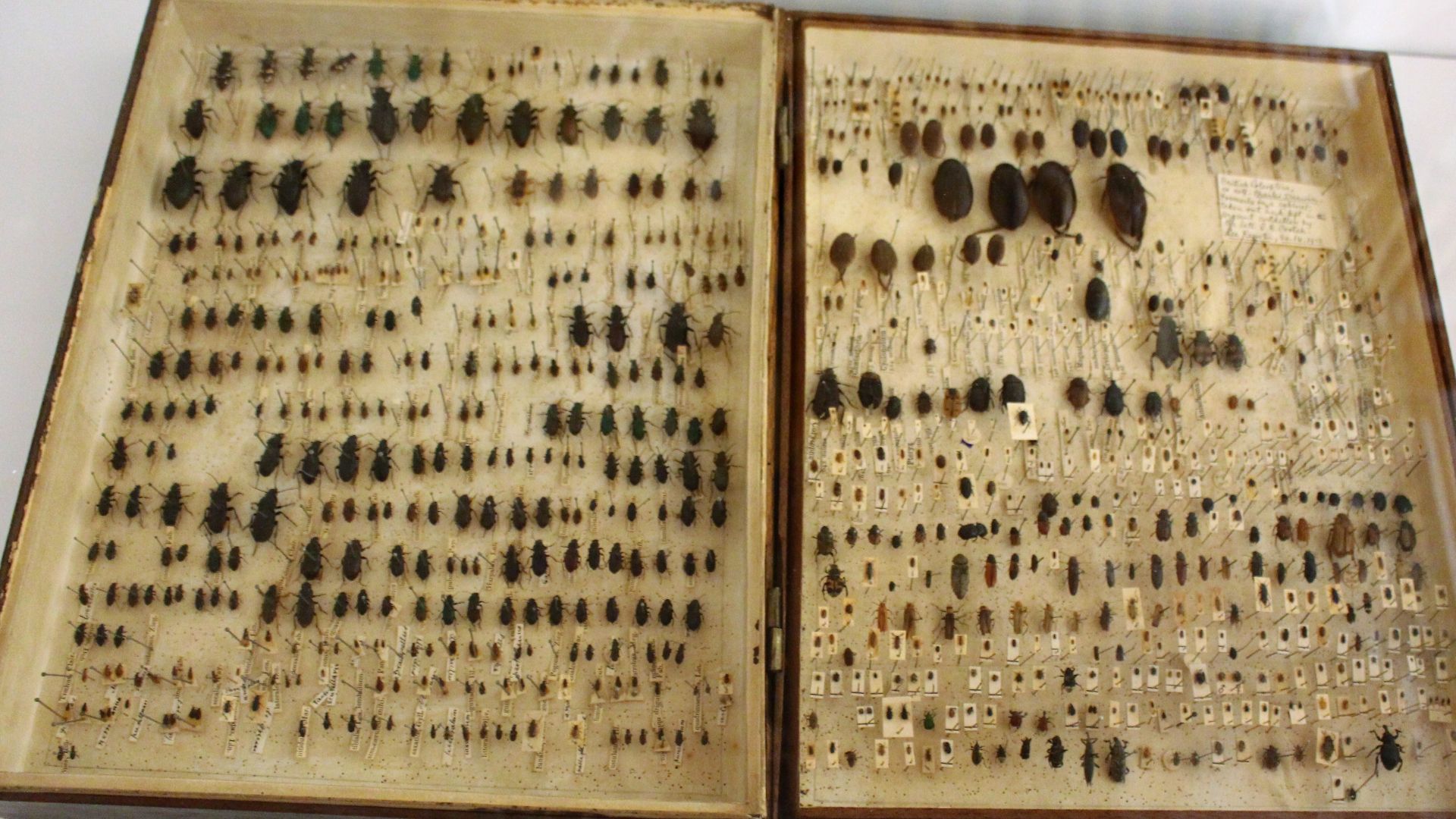 Emőke Dénes, Wikimedia Commons
Creation And Cultural Reflection
The 2009 film Creation, starring Paul Bettany as Darwin, dramatizes the emotional impact of Annie’s death. The film explores his grief, his relationship with Emma, and the tension between faith and science, offering a sympathetic and humanized portrayal of this critical period in his life.
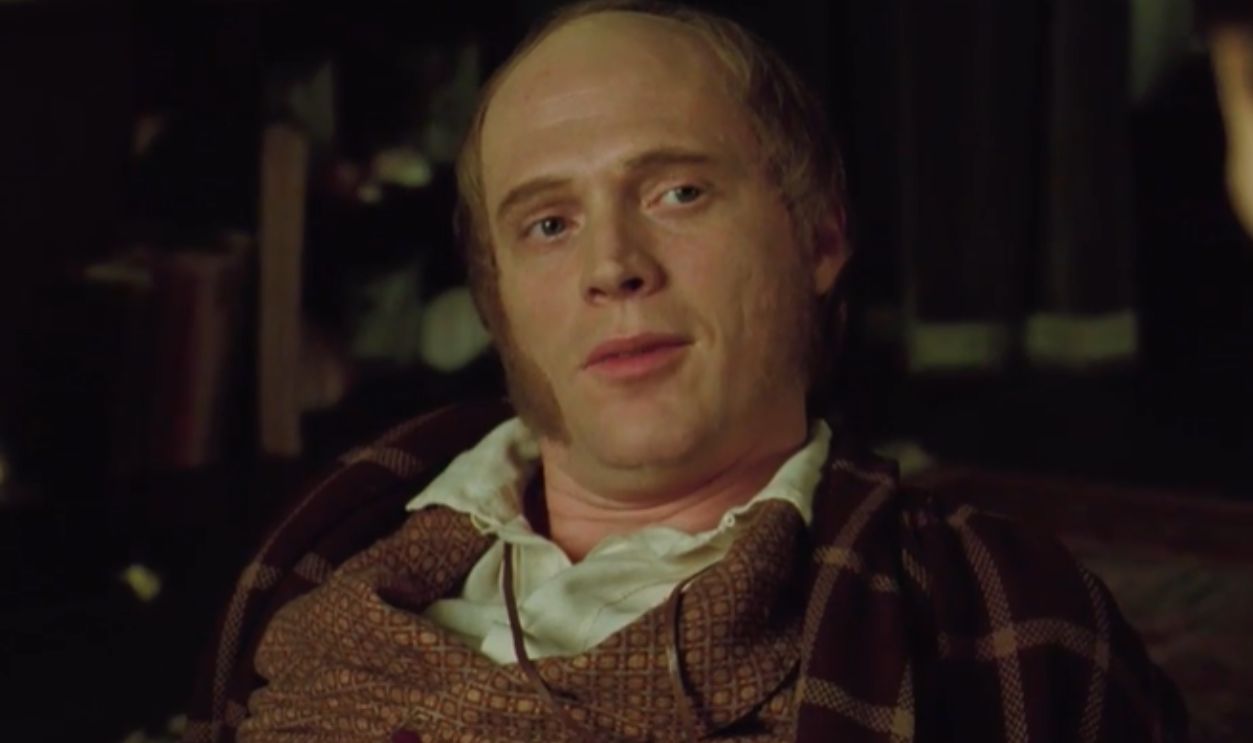 Screenshot from Creation, Newmarket Films (2009)
Science And Humanity Inseparable
Darwin’s story reveals how deeply personal experiences can shape the course of scientific inquiry. His grief did not diminish his work but instead added a layer of emotional depth to his understanding of nature. The intersection of personal loss and the drive to discover the truth became a defining feature of Darwin’s legacy.
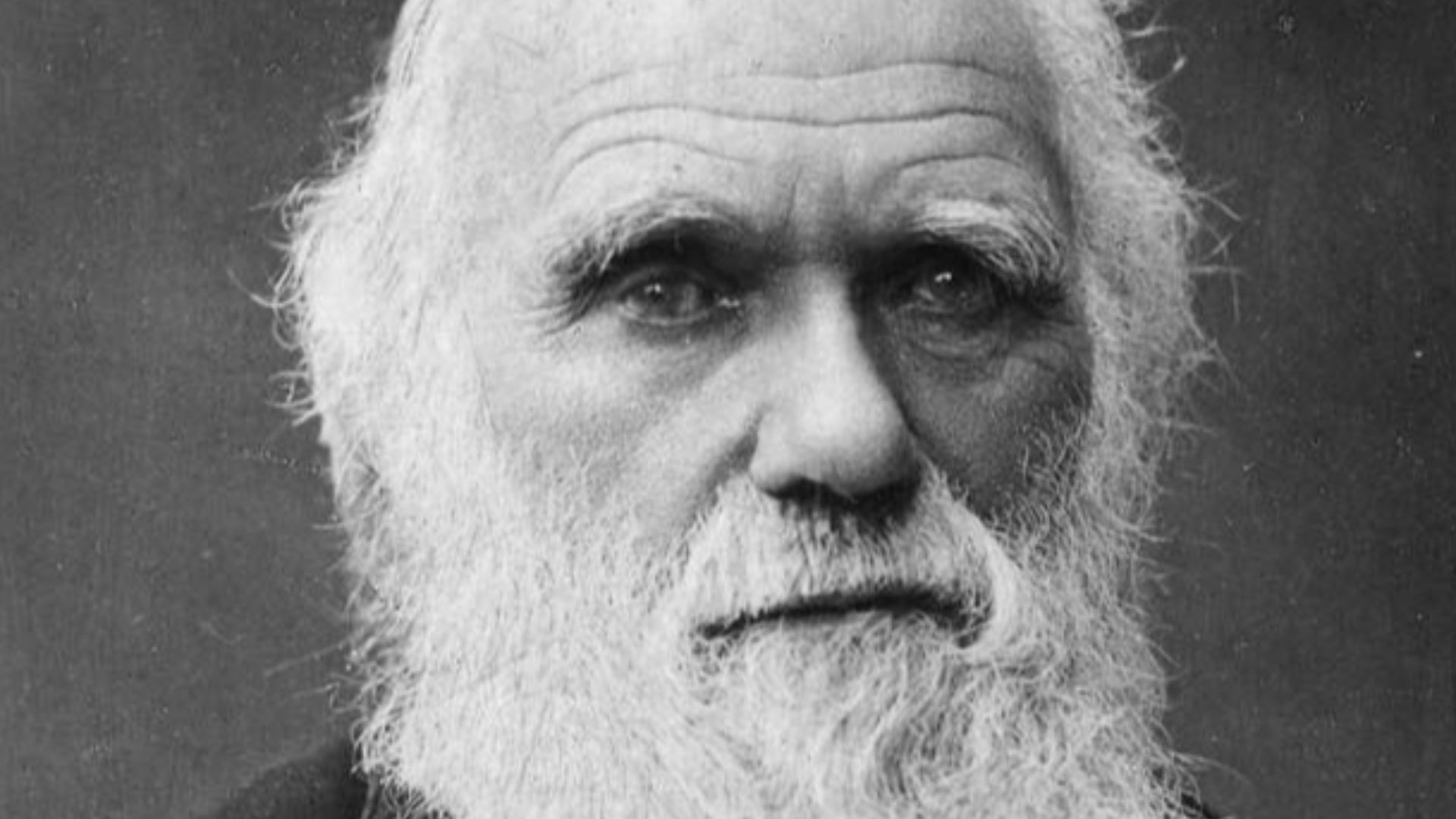 Herbert Rose Barraud, Wikimedia Commons
A Father’s Enduring Memory
Along with the priceless box of personal keepsakes, Darwin preserved his memories of Annie within the pages of his own autobiography. In the deeply personal document he described her kindness, humor, and spirit, ensuring that her memory would live on. It’s a rare glimpse into the emotional world of a man often defined solely by his science.
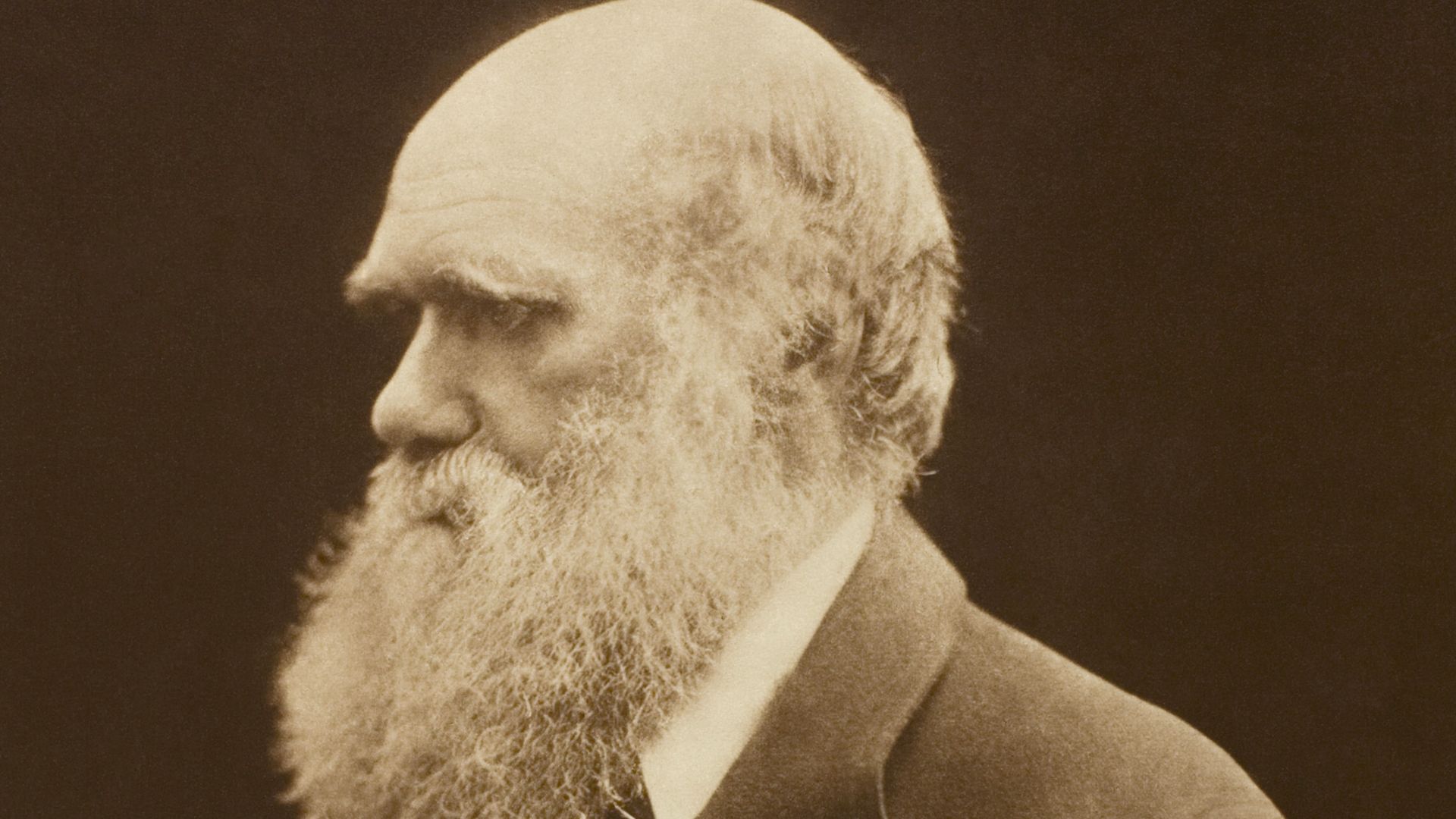 Julia Margaret Cameron / Adam Cuerden, Wikimedia Commons
The Human Side Of Genius
Behind Darwin’s revolutionary ideas was a man profoundly shaped by love and loss. This was not an uncommon situation for the people of the 19th century; it shaped Darwin’s life and thoughts as well. Annie’s death did not create the theory, but it had a major influence on the way he saw the world, and the limitless indifference of nature to man’s fate.
![Alternate Title(s):
Ch. Darwin
Publication:
Bethesda, MD : U.S. National Library of Medicine, National Institutes of Health, Health & Human Services, [2010] Language(s): English
Format:
Still image
Subject(s):
Famous Persons
Darwin, Charles, 1809-1882.
Genre(s):
Portraits
Abstract: Image of the frontispiece portrait of Charles Darwin and title page from v. 2 of Darwin's More letters of Charles Darwin, 1903. The portrait shows Darwin in a long white beard, wearing a dark cape and brimmed hat.
Related Title(s):
Hidden treasure
Is part of: More letters of Charles Darwin; See related catalog record: 55410480R
Extent:
1 online resource (1 image)
NLM Unique ID:
101601068
NLM Image ID:
A033244
Permanent Link:
http://resource.nlm.nih.gov/101601068
NLM Hidden treasure p. 69
http://resource.nlm.nih.gov/101569502](https://www.factinate.com/storage/app/media/factinate/2026/4/21/1776783741378b012bb1a27fca447cfdae3a89ddb2ec76ebb9.jpg) National Library of Medicine - History of Medicine, Wikimedia Commons
National Library of Medicine - History of Medicine, Wikimedia Commons
You May Also Like:
Wild Facts About Human Evolution
Unprecedented Facts About Charles Darwin, The Father Of Evolution
Scientific Facts To Make You The Smartest Person In The Room