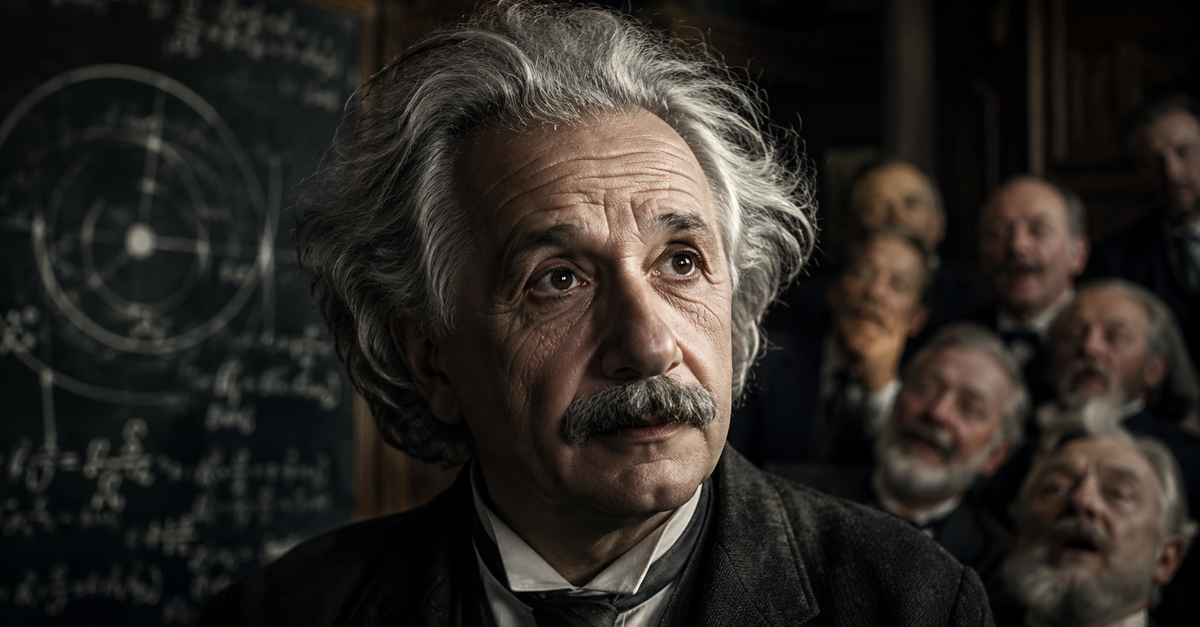
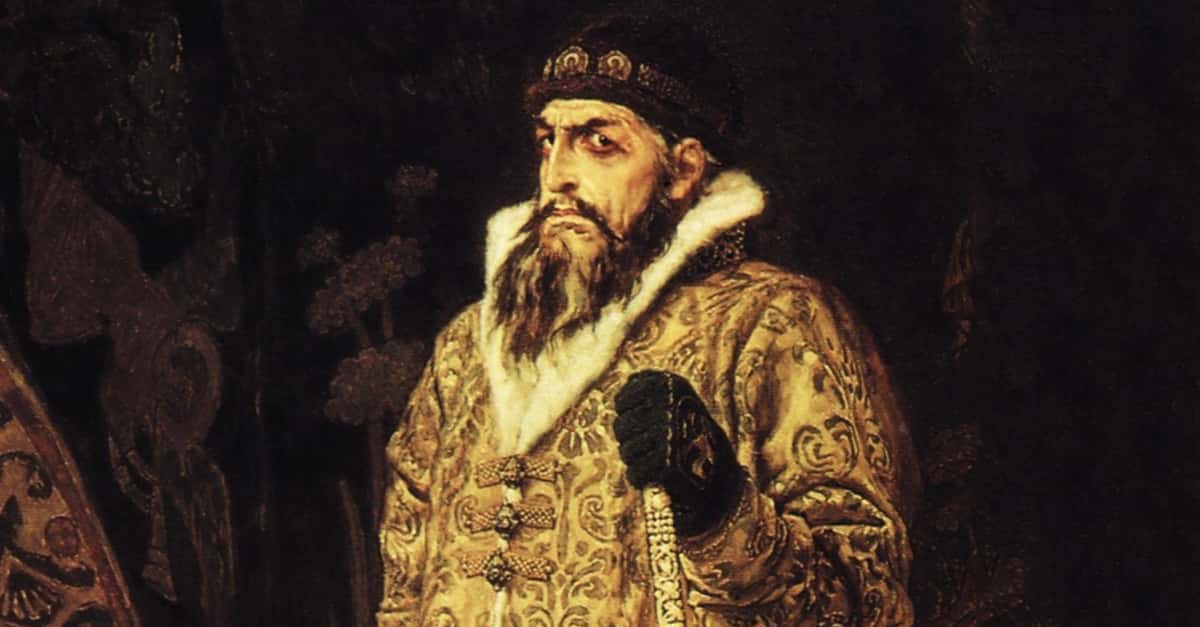
Experts Can Be Wrong.
Some of science’s biggest advances came when researchers trusted stubborn evidence over prestigious colleagues, accepted theories, rejected grants, or instructions to pursue something safer. These stories are not arguments against expertise, but reminders that science advances precisely because even expert opinion must eventually answer to experiments.
 National Geographic Documentary Films
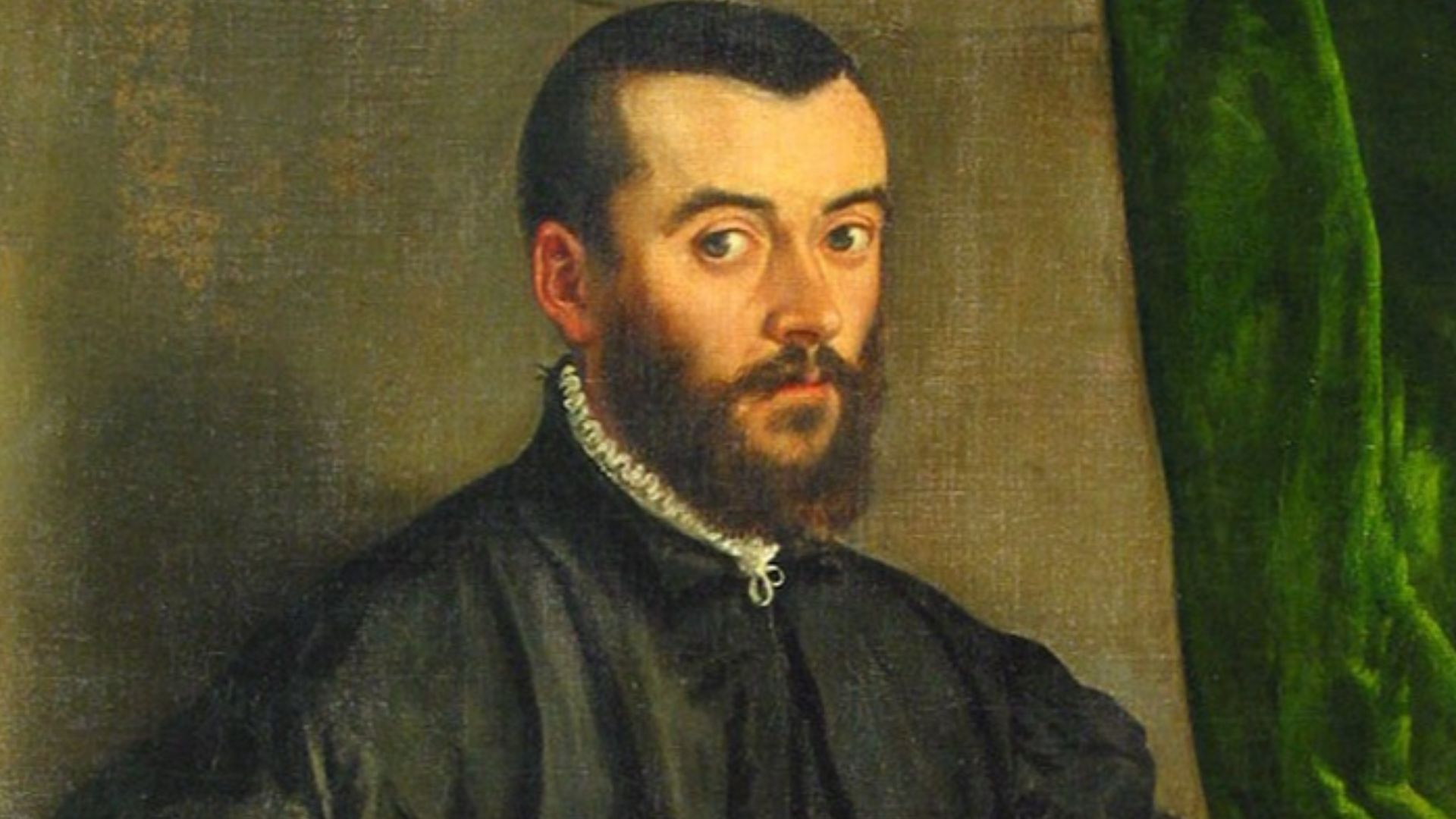
Vesalius Trusted Bodies Over Ancient Books
For centuries, European medical students learned anatomy largely through the writings of the ancient physician Galen. Andreas Vesalius discovered that some of those descriptions did not match actual human bodies, in part because Galen had relied heavily on animal dissection. Rather than explain away the discrepancies, Vesalius performed human dissections and published De Humani Corporis Fabrica in 1543. His willingness to challenge an authority whose status approached the unquestionable helped transform anatomy into an observational science.
 Jan van Calcar, Wikimedia Commons
Harvey Refused To Let Blood Flow Backward
Medical teaching also held that blood was continuously produced and consumed rather than endlessly circulating. William Harvey spent years testing that assumption through dissections, measurements, and experiments involving the valves in veins. In 1628, he argued that the heart pumps the same blood repeatedly around the body, directly overturning more than a thousand years of accepted thinking. The Royal College of Physicians now describes his work as the beginning of clinical science.
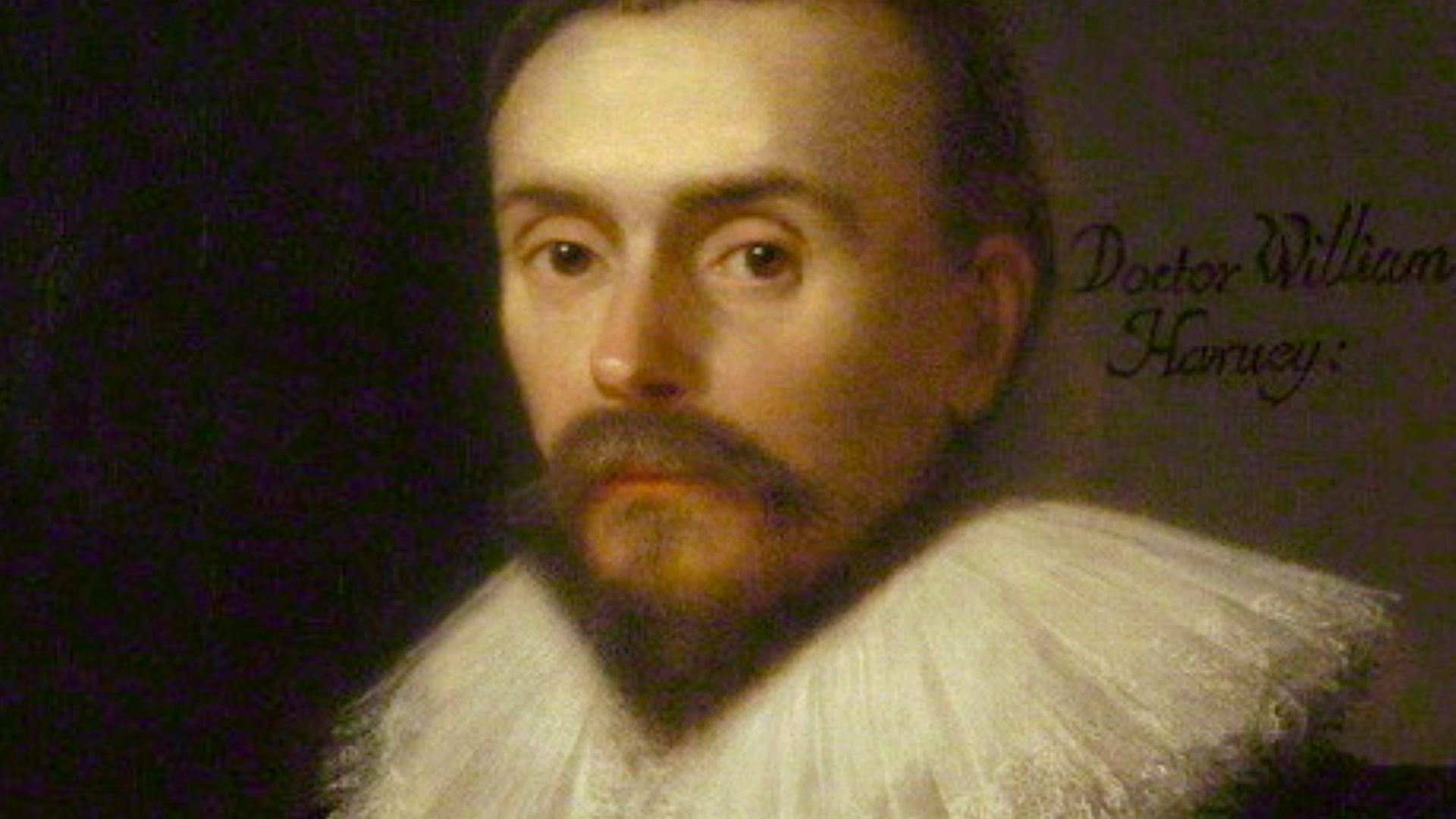 After Daniël Mijtens, Wikimedia Commons
Jenner Took Milkmaids Seriously
Smallpox prevention already existed through variolation, but that procedure could itself cause severe disease. Edward Jenner instead pursued the country observation that people who had contracted cowpox appeared protected from smallpox. His vaccination experiments faced opposition from within the medical profession, yet Jenner spent the rest of his career defending and distributing the method. Vaccination ultimately became so successful that the World Health Organization certified smallpox eradicated in 1980.
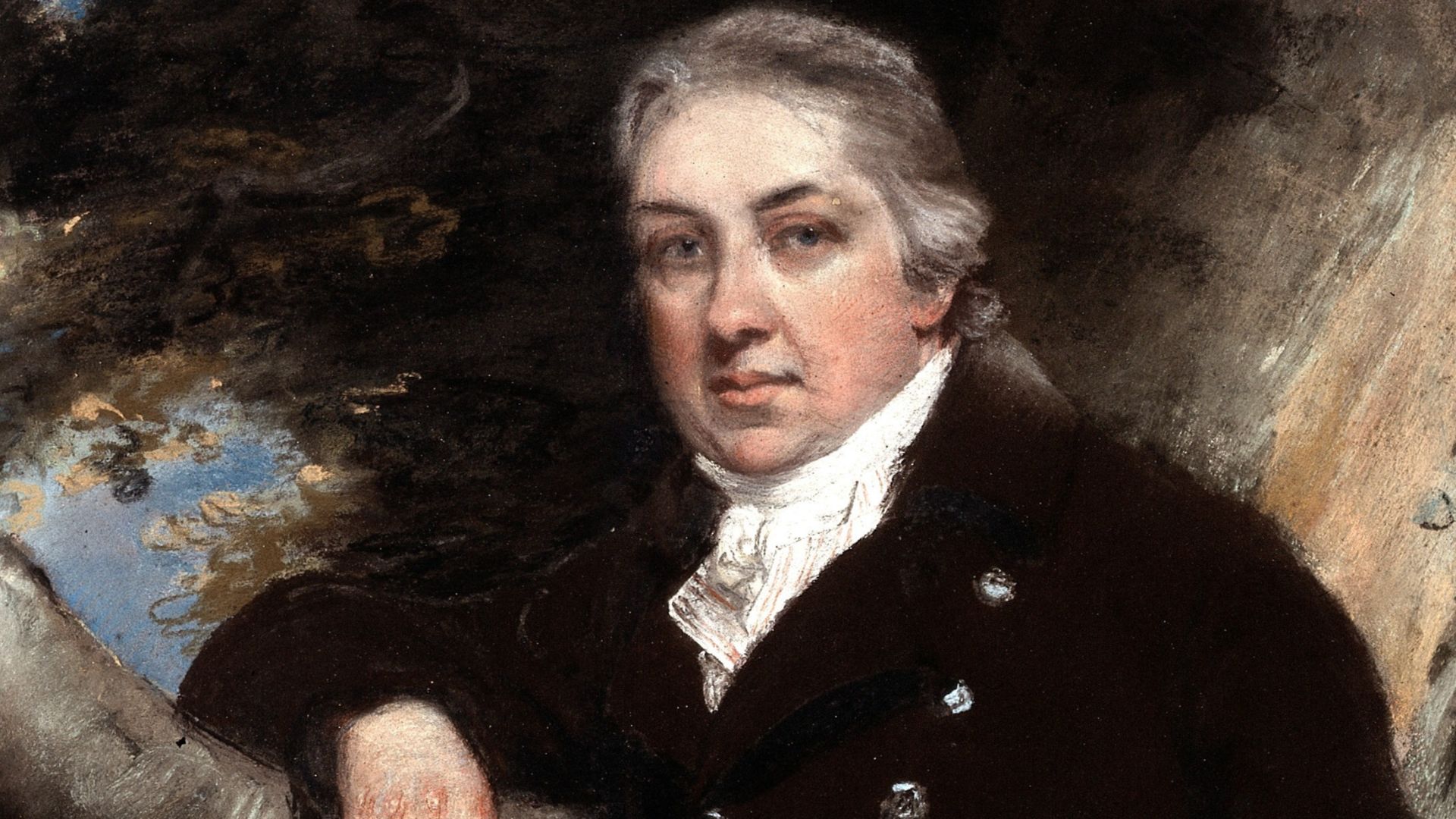 John Raphael Smith, Wikimedia Commons
Snow Blamed The Water, Not The Air
During London’s cholera epidemics, the dominant explanation blamed poisonous atmospheric conditions called miasmas. Physician John Snow suspected contaminated water instead and collected evidence linking an 1854 outbreak to the Broad Street pump. Local authorities agreed to remove its handle even though Snow’s theory remained widely disputed. His insistence on following patterns of illness rather than accepted explanations became a foundational episode in modern epidemiology.
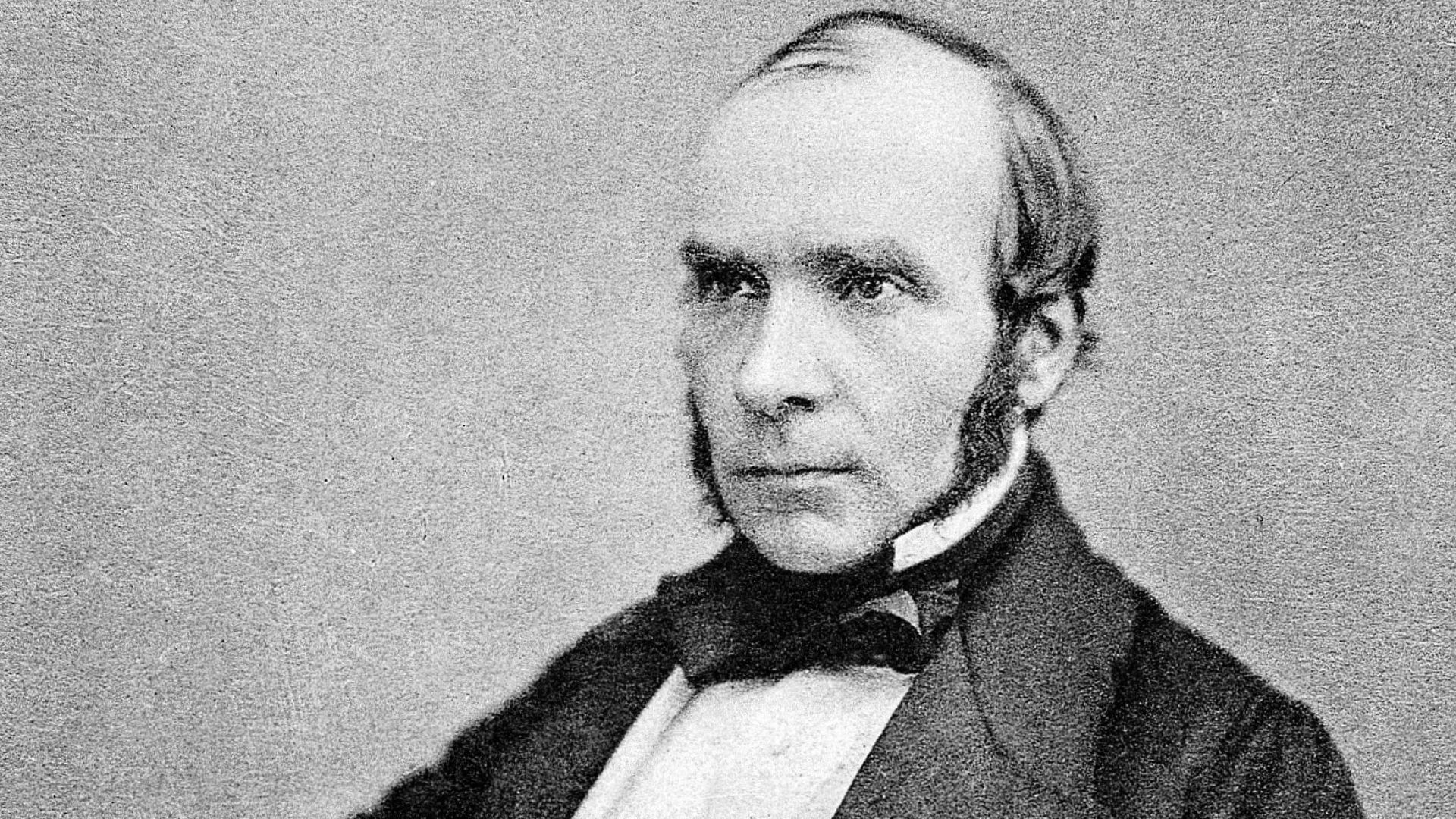 Materialscientist, Wikimedia Commons
Semmelweis Ordered Doctors To Wash Anyway
Ignaz Semmelweis noticed that women in a Vienna maternity clinic staffed by doctors died from childbed fever at much higher rates than patients in another division. He concluded that doctors were carrying material from autopsies to women in labor and required washing with chlorinated lime. Mortality fell dramatically, but prominent physicians rejected his explanation and his superior opposed the practice. Semmelweis kept arguing for hand cleansing anyway, decades before germ theory supplied the mechanism he had been missing.
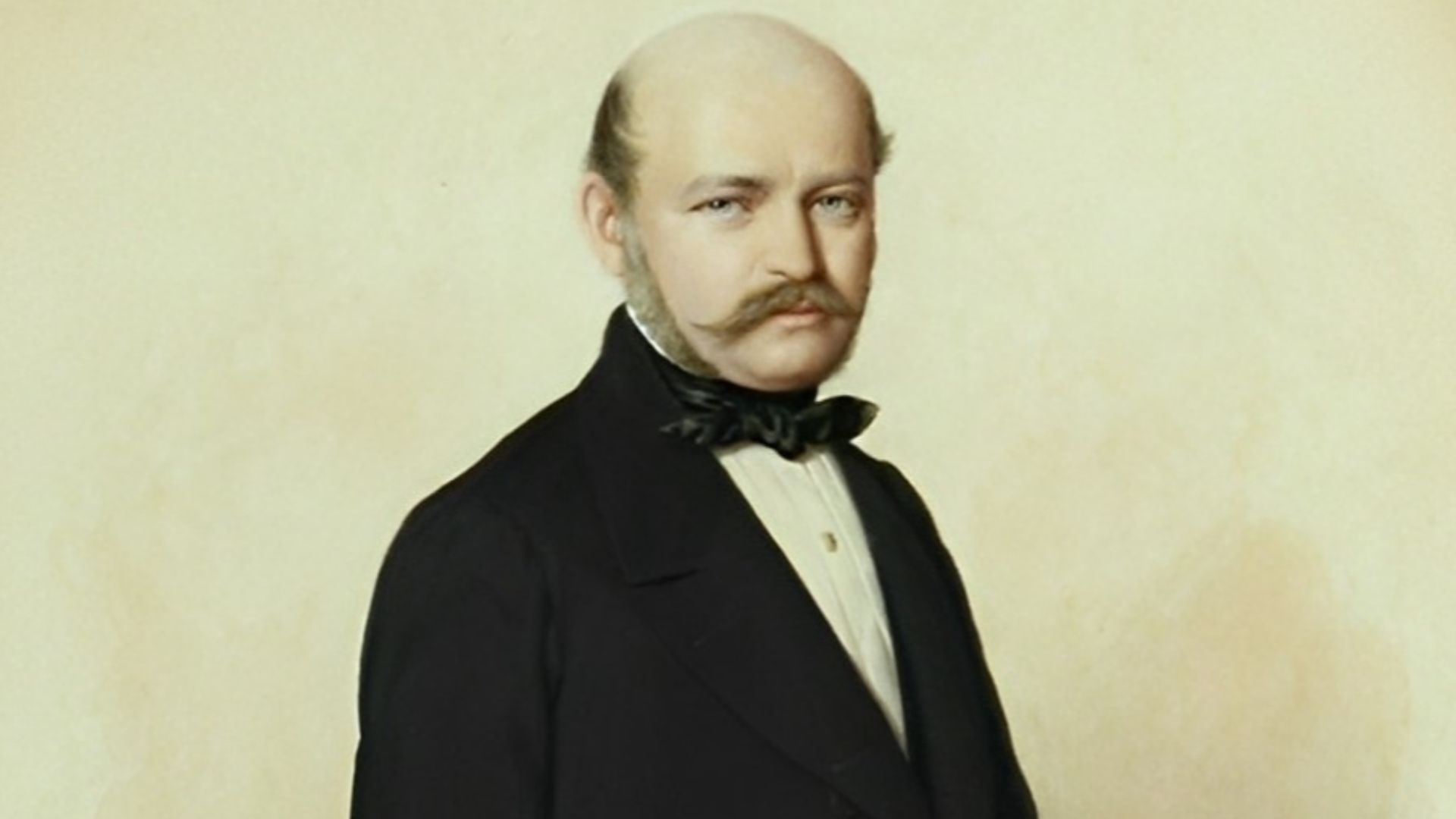 Auguste Alexis Canzi, Wikimedia Commons
Lister Operated Against Medical Fashion
Joseph Lister took Louis Pasteur’s work on microorganisms seriously when many surgeons still doubted that invisible germs caused wound infections. He began treating wounds, instruments, sutures, and surgical environments with carbolic acid. Senior physicians attacked the complicated system, and one prominent surgeon publicly denounced antisepsis without having properly tested it. Lister continued collecting evidence, helping establish the infection-control principles that made modern surgery possible.
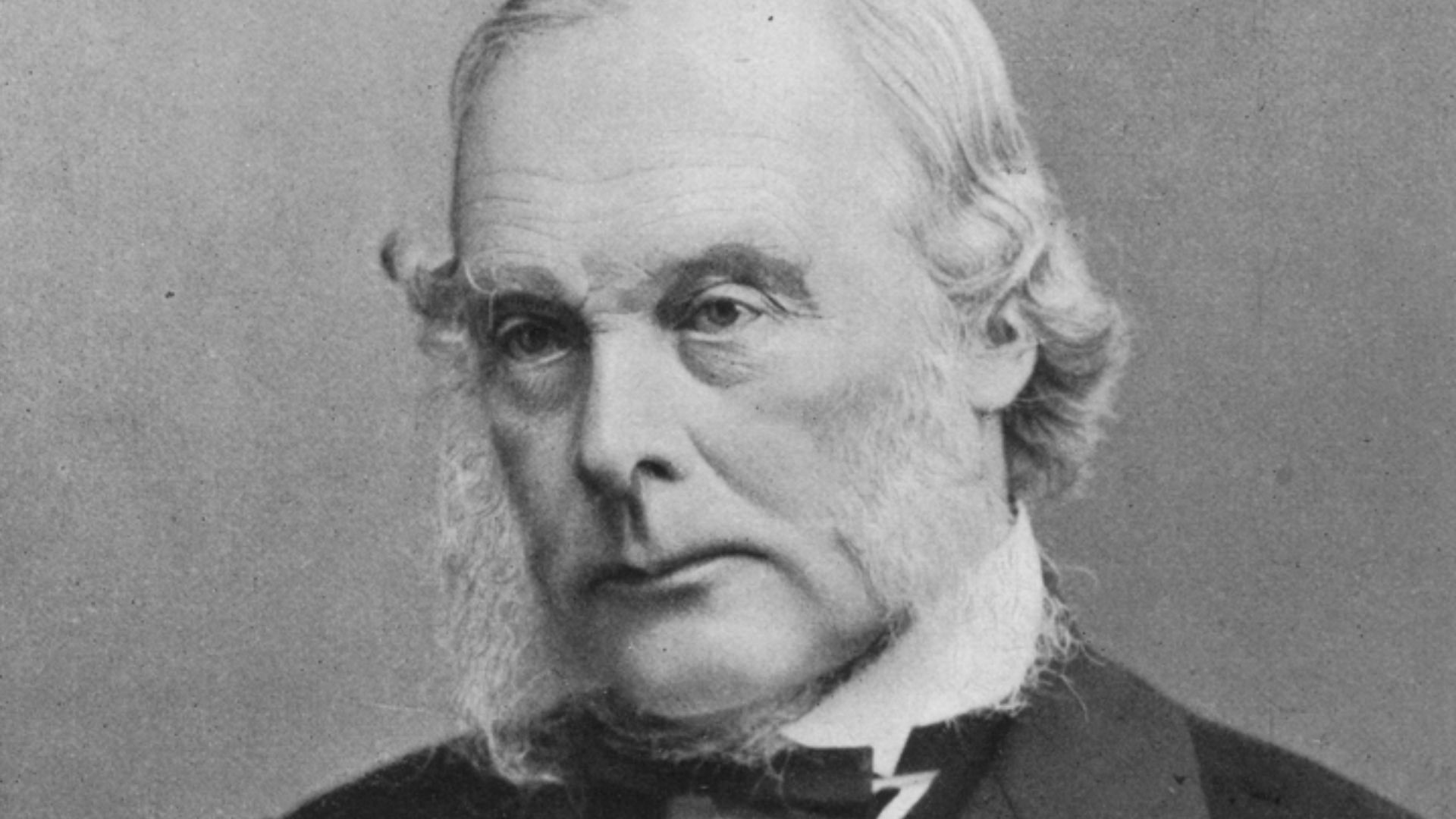 Unknown authorUnknown author, Wikimedia Commons
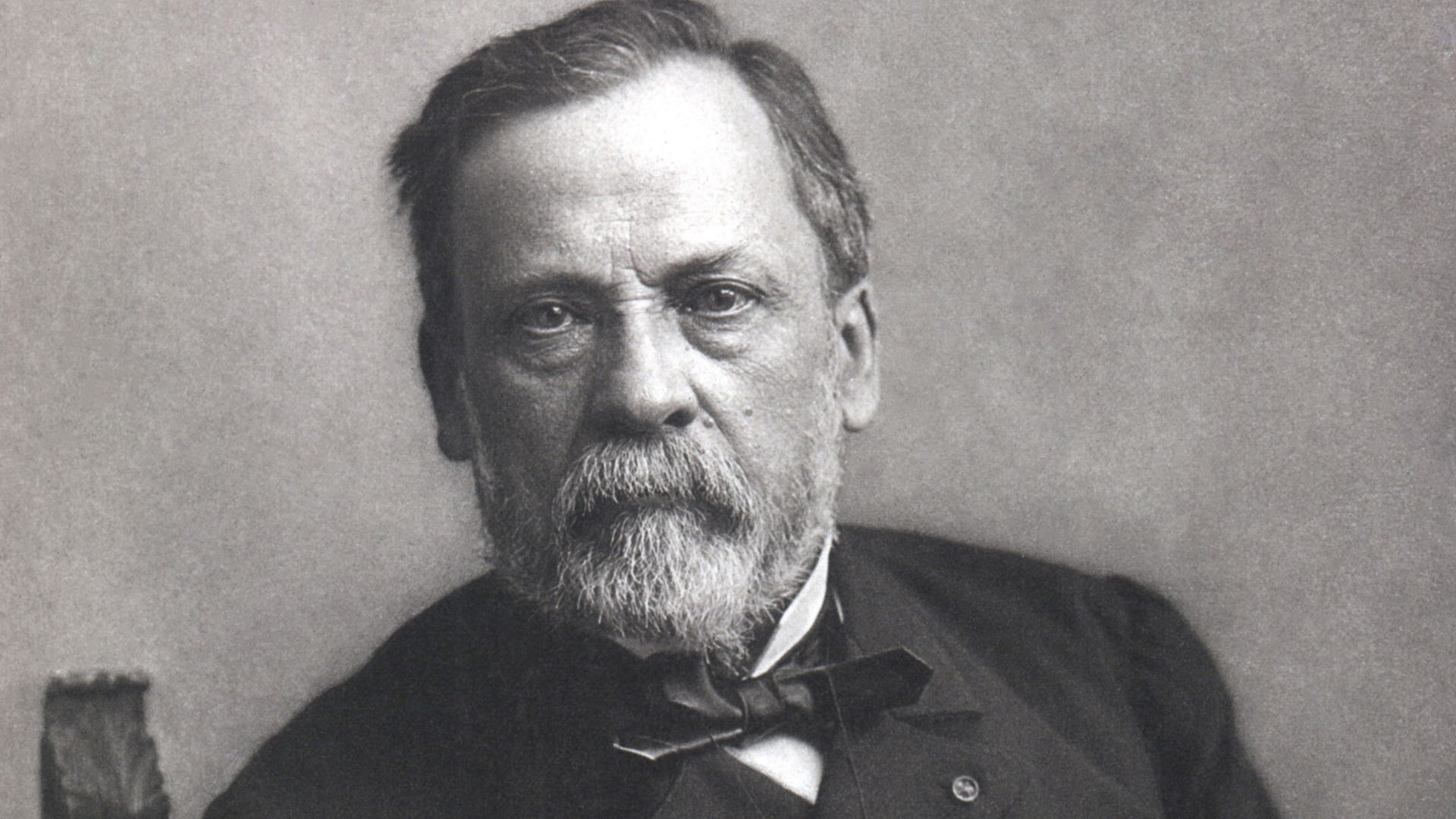
Pasteur Would Not Accept Life From Nothing
Many respected scientists still supported some version of spontaneous generation in the 19th century. Louis Pasteur instead argued that microorganisms came from other microorganisms carried through the environment. His carefully designed experiments showed that sterilized material remained uncontaminated when airborne microbes could not reach it. By refusing to accept a theory with deep scientific roots, Pasteur helped lay the groundwork for microbiology and the germ theory of disease.
Penicillin Was Declared Almost Impossible
Alexander Fleming discovered penicillin’s antibacterial effect in 1928, but producing useful quantities proved enormously difficult. Fungal expert Harold Raistrick concluded that making penicillin for therapeutic purposes was “almost impossible,” and other researchers largely abandoned the problem. Howard Florey, Ernst Chain, Norman Heatley, and their Oxford colleagues returned to the neglected substance and developed methods to purify and test it. Their persistence helped transform an interesting mold product into the antibiotic that revolutionized medicine.
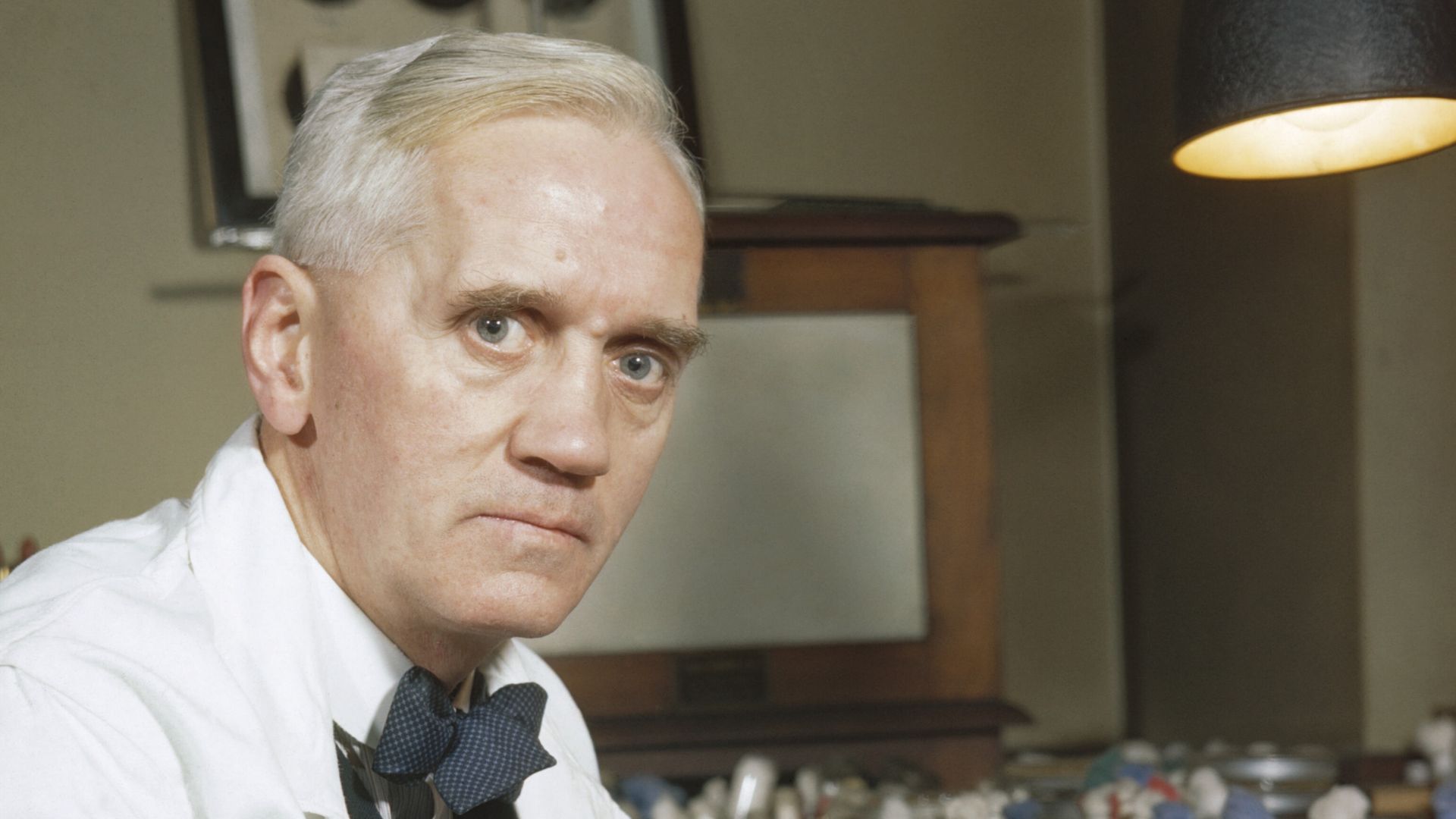 Official photographer, Wikimedia Commons

History's most fascinating stories and darkest secrets, delivered to your inbox daily.
Wegener Would Not Put The Continents Back
Alfred Wegener proposed in the early 20th century that continents had once been joined and later drifted apart. Leading geologists attacked the theory, partly because Wegener could not provide a convincing mechanism capable of moving continents. The U.S. Geological Survey notes that most leading geologists severely criticized him and treated the meteorologist as an outsider intruding into their discipline. Wegener kept defending the evidence, and later discoveries of seafloor spreading helped turn his rejected idea into part of modern plate tectonics.
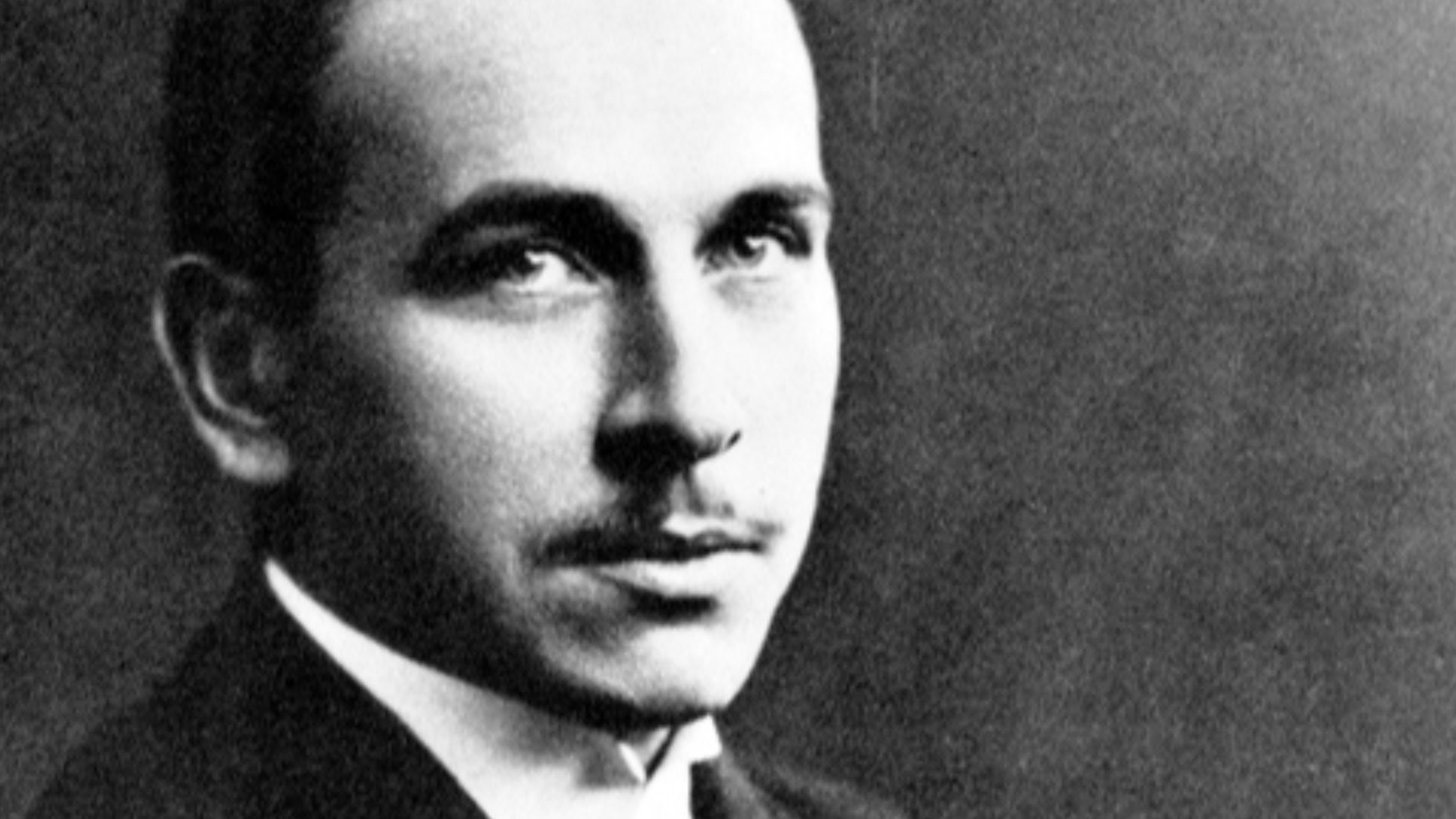 Unknown authorUnknown author, Wikimedia Commons
Chandrasekhar Would Not Abandon His Limit
As a young physicist, Subrahmanyan Chandrasekhar calculated that a white dwarf above a certain mass could not remain stable. Eminent astrophysicist Arthur Eddington publicly attacked the implications, which seemed to point toward kinds of stellar collapse that contemporary physics found deeply uncomfortable. Chandrasekhar continued developing the mathematics of stellar structure instead of abandoning the result. The mass threshold became known as the Chandrasekhar limit, and the work contributed to his 1983 Nobel Prize in Physics.
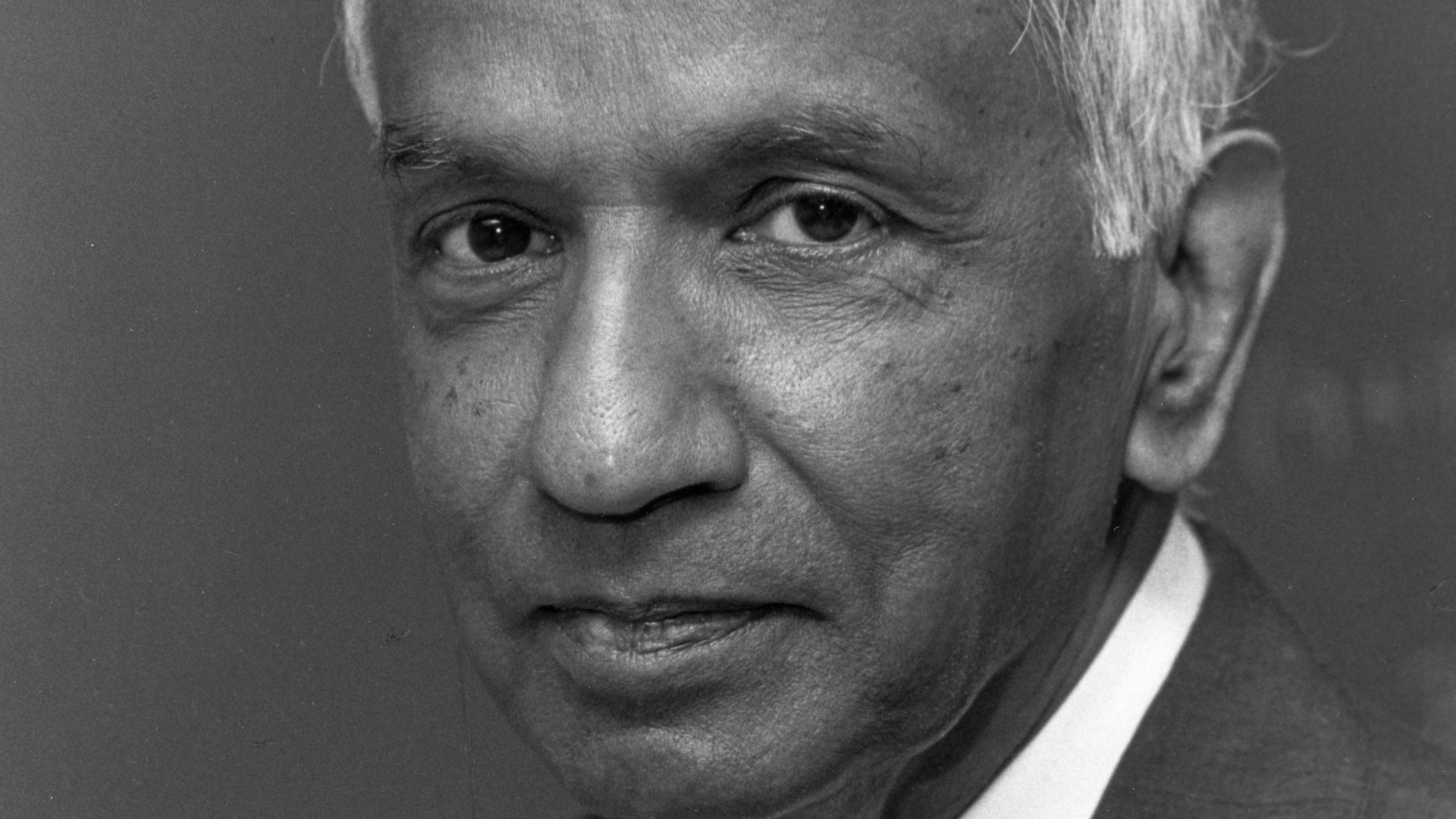 AIP Emilio Segrè Visual Archives, Gift of Kameshwar Wali, Wikimedia Commons
Payne Found Stars Made Of The “Wrong” Stuff
Cecilia Payne used stellar spectra and Meghnad Saha’s ionization theory to conclude in her 1925 doctoral thesis that stars consist overwhelmingly of hydrogen and helium. That contradicted the accepted belief, championed by leading astronomer Henry Norris Russell, that stars contained roughly the same elemental mixture as Earth. Payne weakened the claim in her published thesis after Russell challenged it, but she did not abandon the underlying analysis. Russell later reached the same conclusion, and Payne’s result became fundamental to modern astrophysics.
![Photograph of Cecilia Payne-Gaposchkin (1900-1979) at Harvard College Observatory
Local number: SIA Acc. 90-105 [SIA2009-1326]](https://www.factinate.com/storage/app/media/factinate/2026/8/18/17870559573f94b5a41d560a6e500d8a60864eff84b337a854.jpg) Smithsonian Institution from United States, Wikimedia Commons
Smithsonian Institution from United States, Wikimedia Commons
Avery Bet On The Boring Molecule
Early geneticists often expected hereditary information to reside in proteins because proteins seemed chemically complex enough for the job. DNA, by comparison, was widely regarded as comparatively simple. Oswald Avery, Colin MacLeod, and Maclyn McCarty kept investigating the substance responsible for bacterial transformation and reported in 1944 that DNA carried hereditary information. Their result redirected biology toward the molecule that later became synonymous with heredity itself.
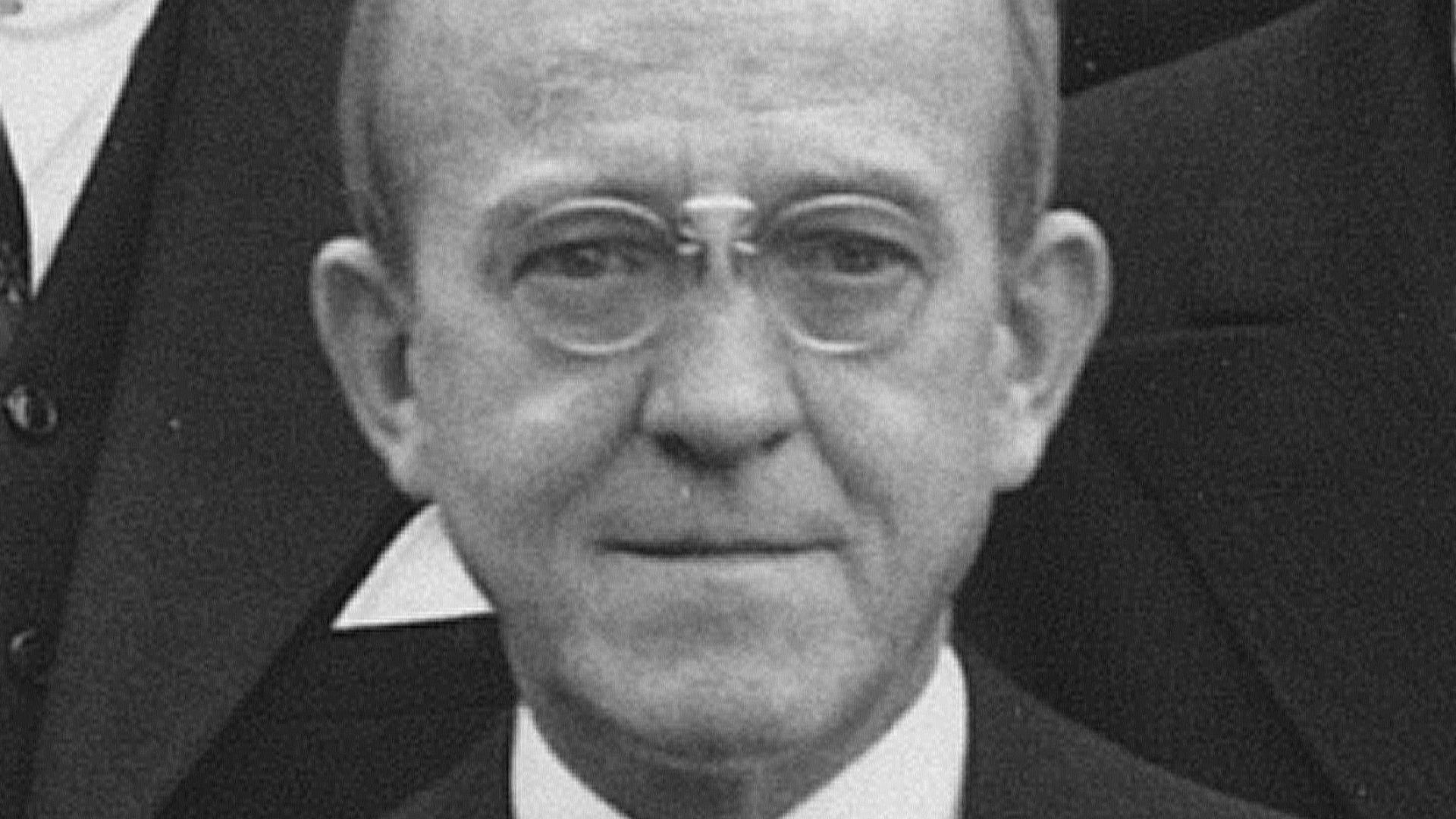 Unknown authorUnknown author, Wikimedia Commons
McClintock Kept Following Jumping Genes
Barbara McClintock’s maize experiments led her to conclude that genetic elements could move around chromosomes and switch neighboring genes on or off. The idea clashed with the prevailing picture of genes occupying stable locations, and her 1951 presentation received a confused and sometimes hostile response. McClintock largely stopped trying to persuade skeptics, but she continued the research privately because she trusted what she was observing. Three decades later, she received the Nobel Prize for discovering mobile genetic elements.
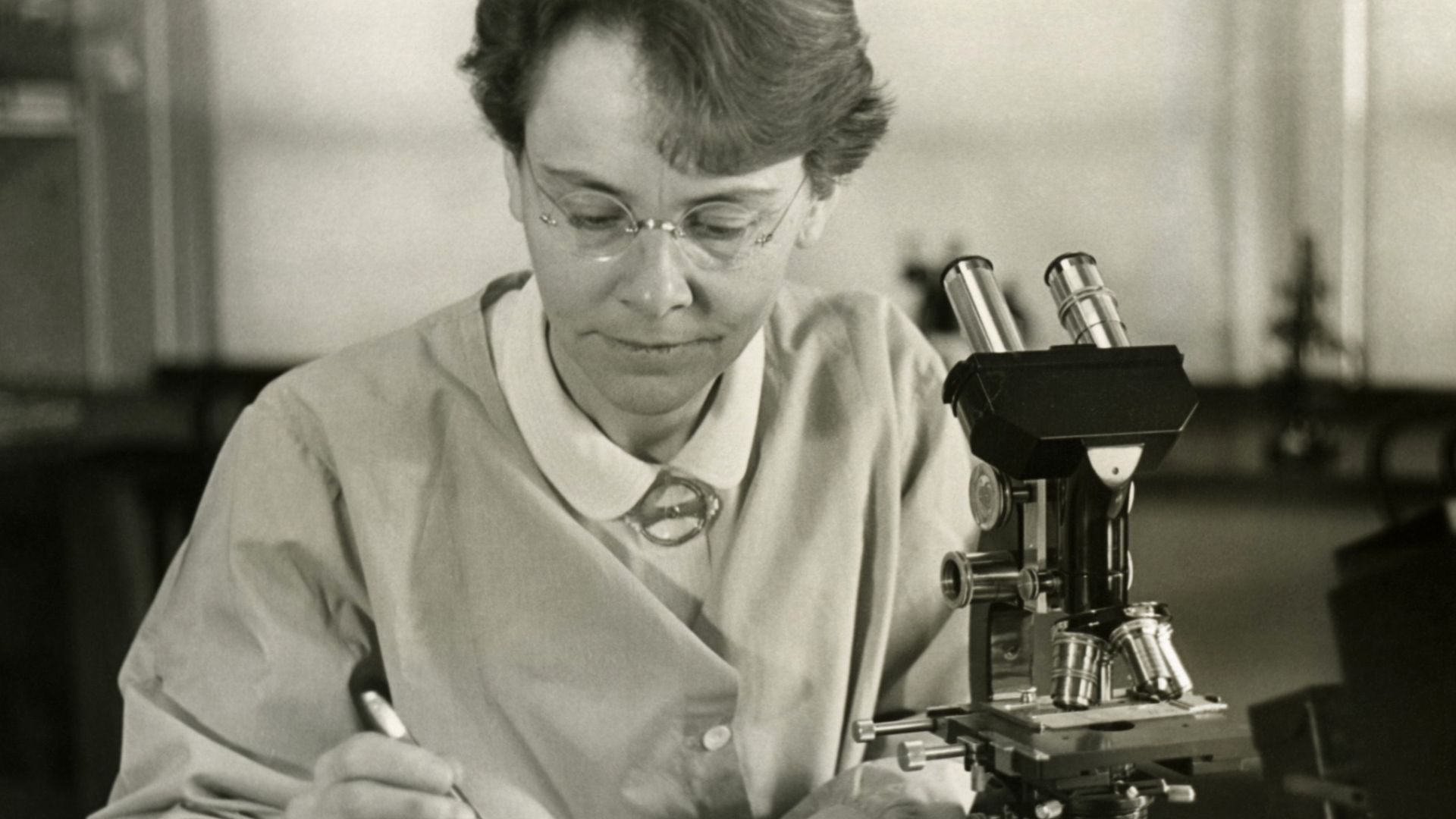 Smithsonian Institution; Restored by Adam Cuerden, Wikimedia Commons
Davis Tried The Experiment Everyone Called Impossible
Physicists predicted that fusion inside the Sun should produce neutrinos, but those particles interact with matter so rarely that detecting solar neutrinos seemed practically impossible. Raymond Davis Jr. attempted it anyway by placing hundreds of tons of chlorine-rich fluid deep underground. Nobel records describe him as the only scientist in the late 1950s who dared to pursue the measurement despite the terrible odds. His painstaking work opened neutrino astronomy and eventually earned him a share of the 2002 Nobel Prize in Physics.
 National Science Foundation, Wikimedia Commons
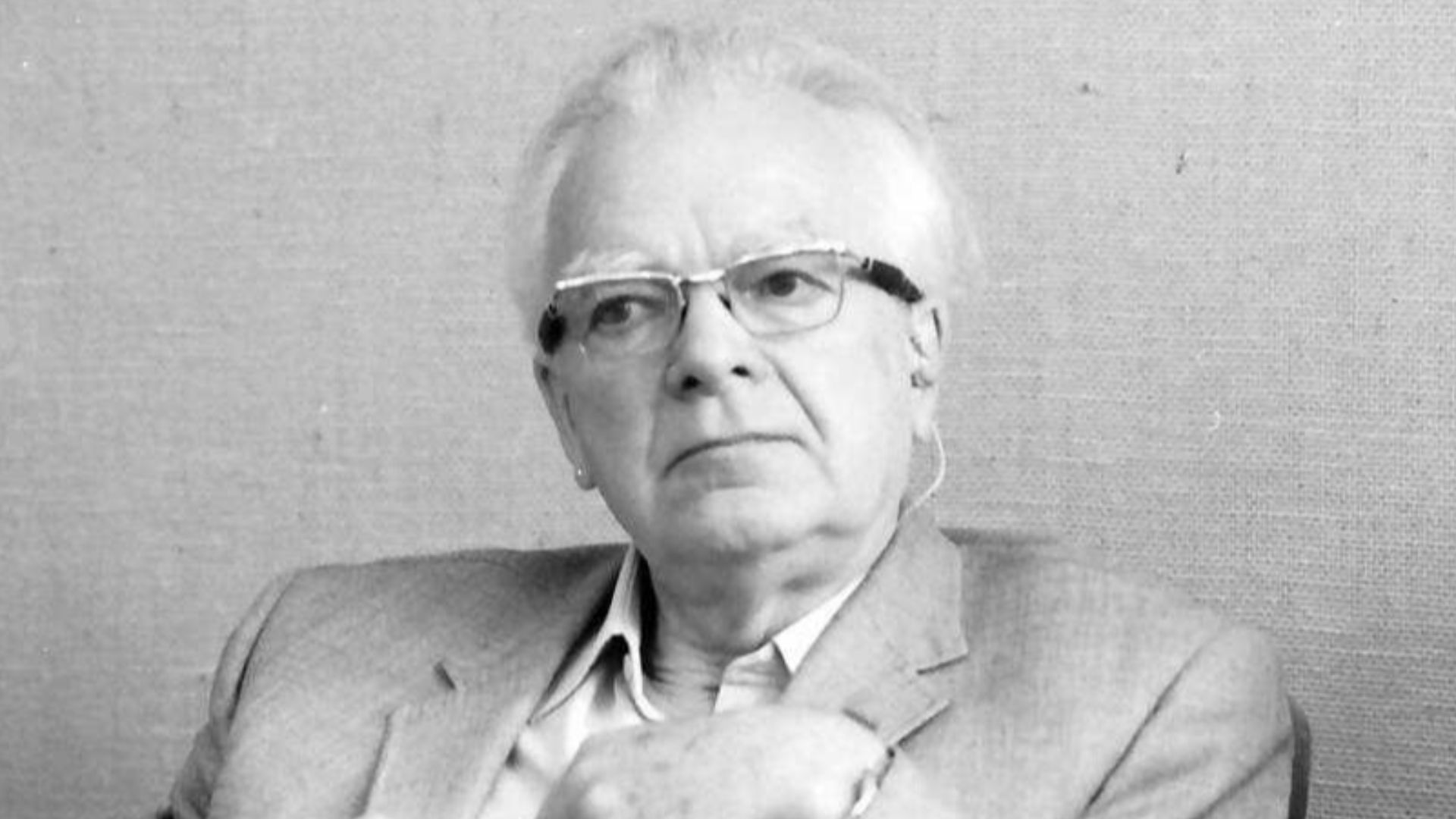
Mitchell Put The Energy In The Membrane
Biochemists studying cellular energy expected a conventional chemical intermediate to explain how electron transport produced ATP. Peter Mitchell proposed instead that cells generated a proton gradient across a membrane and used that electrochemical difference to power ATP synthesis. The Nobel committee later acknowledged that his 1961 chemiosmotic hypothesis was highly unorthodox and initially supported by little experimental evidence. Mitchell kept testing it until what had been controversial became a central principle of bioenergetics.
 Willy Pragher, Wikimedia Commons
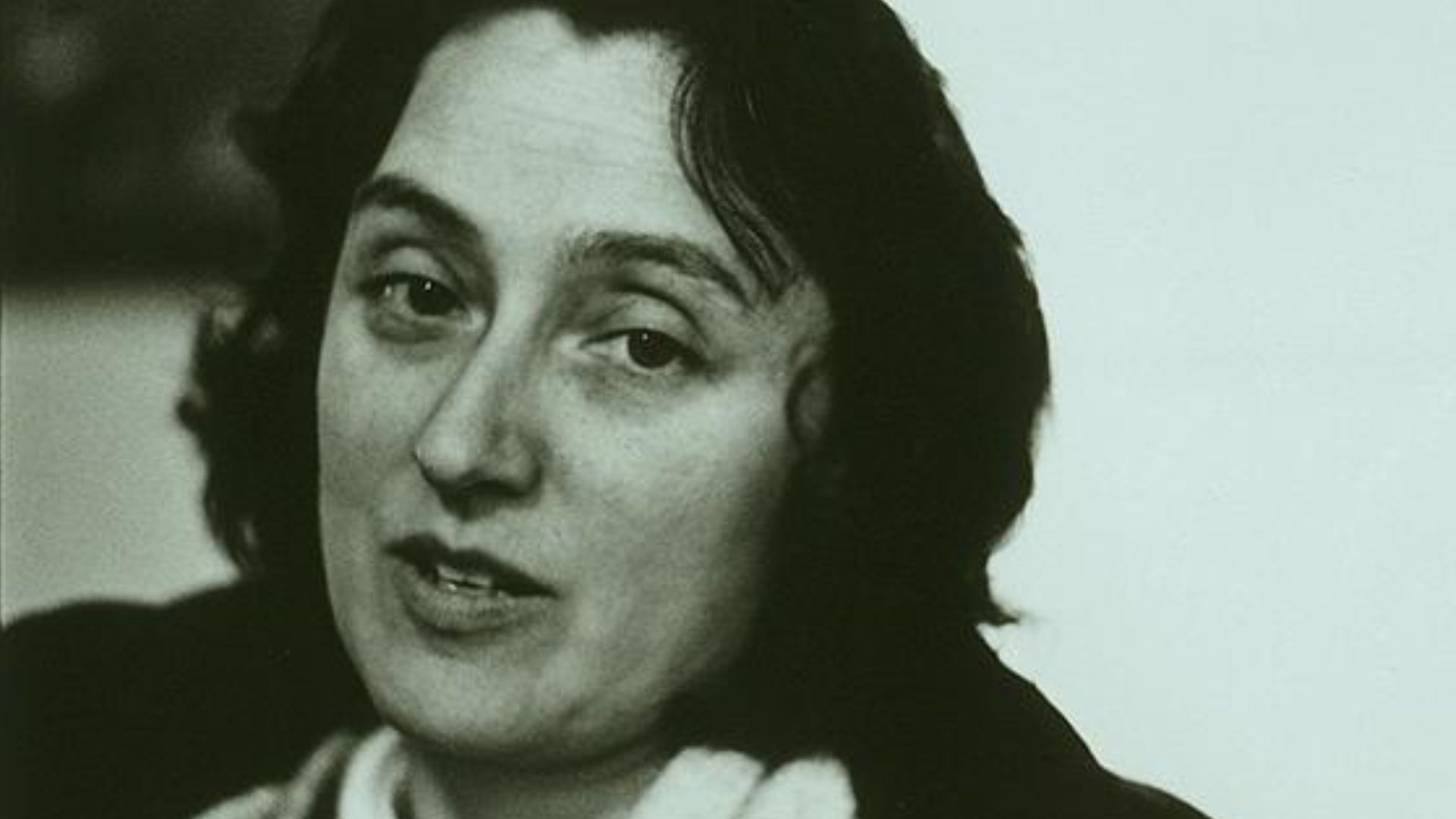
Margulis Survived Fifteen Rejections
Lynn Margulis argued that crucial structures inside complex cells descended from once-independent bacteria that had entered long-term symbiotic relationships. Her 1967 paper on the origin of eukaryotic cells challenged dominant evolutionary explanations and was rejected by at least 15 journals before publication. Margulis kept submitting and expanding the argument rather than accepting that the idea was too unconventional. Molecular evidence later strongly supported the bacterial origins of mitochondria and chloroplasts, making endosymbiosis fundamental to modern cell biology.
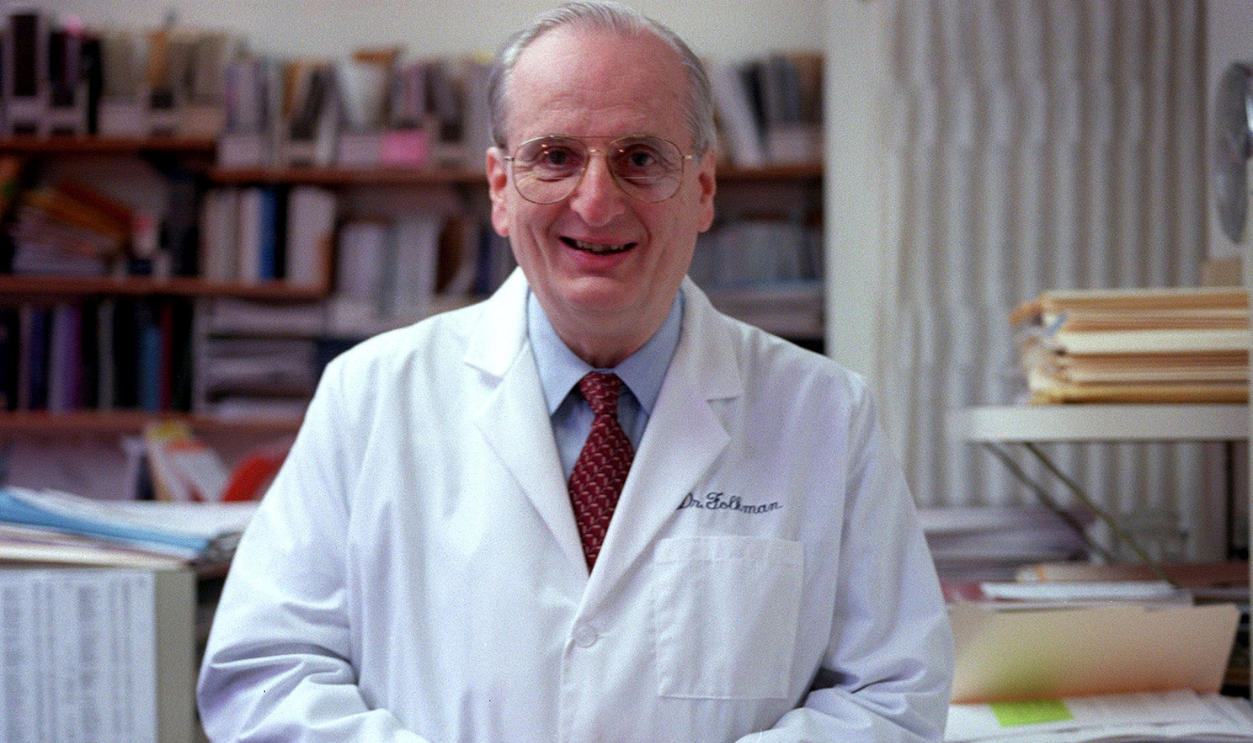
Folkman Would Not Stop Starving Tumors
Judah Folkman proposed that tumors depend on recruiting new blood vessels and that blocking this process might slow cancer growth. Many cancer researchers were deeply skeptical of the idea, which shifted attention away from attacking tumor cells directly. Folkman persisted for decades and developed methods that helped establish angiogenesis as a major field of cancer research. Treatments targeting vascular growth eventually became part of modern oncology, even though they proved more complicated than the earliest hopes suggested.
Prusiner Proposed An Infectious Protein
Every known infectious agent seemed to require genetic material, so Stanley Prusiner’s suggestion that a misfolded protein could transmit disease sounded almost heretical. He named the particles prions in 1982 and endured years of intense skepticism. Rather than retreat, Prusiner and his collaborators accumulated evidence that a protein could indeed propagate an abnormal shape and cause fatal neurological disease. His Nobel speech later described the journey of prion biology as one from “heresy to orthodoxy.”
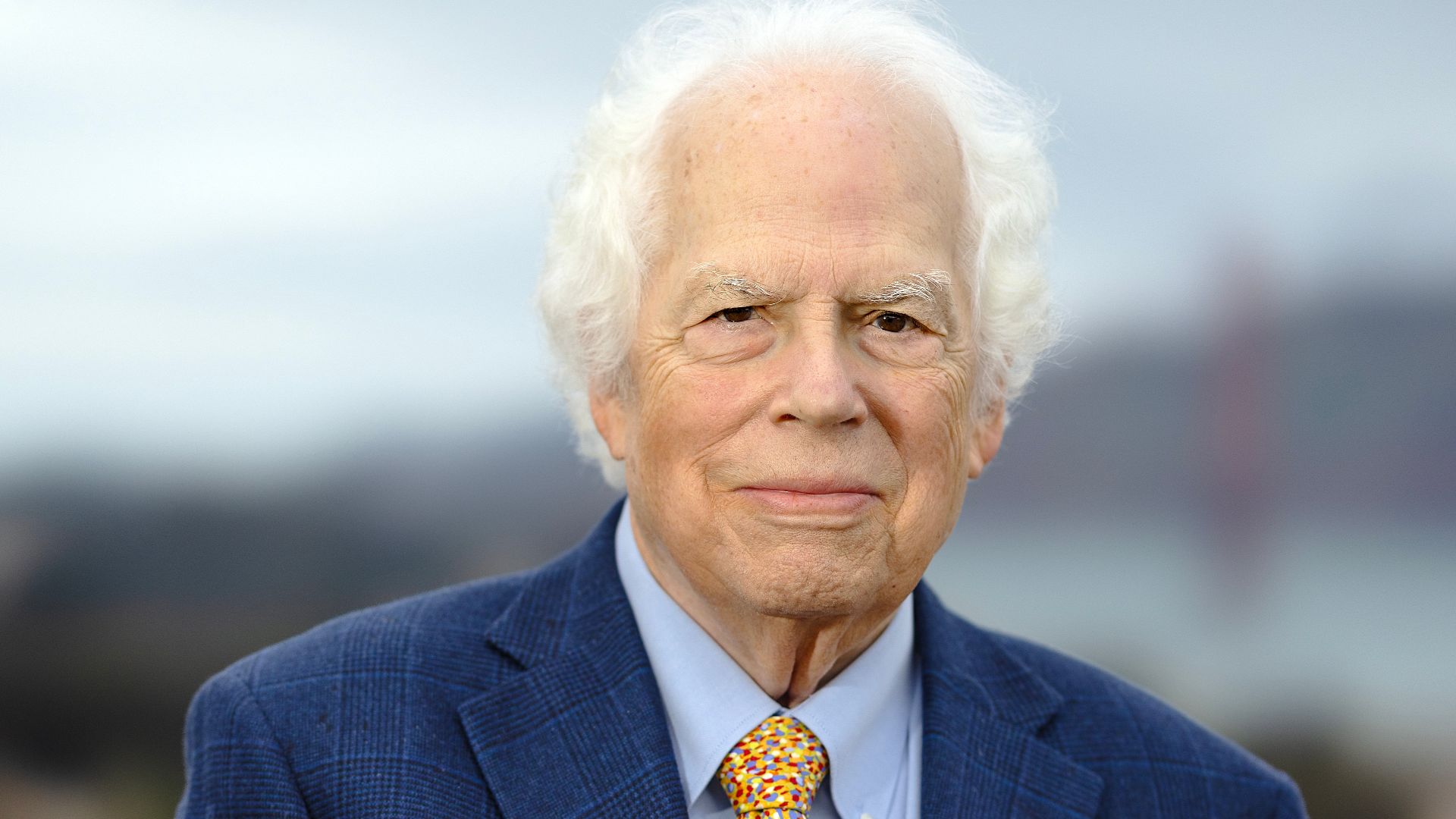 Christopher Michel, Wikimedia Commons
Marshall Drank The Bacteria
Doctors once attributed most peptic ulcers primarily to stress, lifestyle, and stomach acid. Robin Warren and Barry Marshall found Helicobacter pylori associated with gastritis and ulcers, but experts initially considered the bacteria harmless passengers. Unable to find a suitable animal model, Marshall swallowed a culture himself and developed gastritis, adding dramatic evidence to the case. The discovery eventually transformed ulcers from a chronic condition managed mainly with acid suppression into an infection often curable with antibiotics.
 WikiEdtingProfile2021, Wikimedia Commons
Shechtman Was Told To Read A Textbook
Dan Shechtman saw a diffraction pattern in 1982 that indicated an atomic arrangement conventional crystallography said could not exist. His result was so unwelcome that colleagues challenged the data, and he later recalled being told to study the textbook because the structure was impossible. Shechtman refused to discard the observation simply because established theory prohibited it. Quasicrystals eventually forced scientists to broaden the definition of a crystal and earned him the 2011 Nobel Prize in Chemistry.
 Mark Neyman, Wikimedia Commons
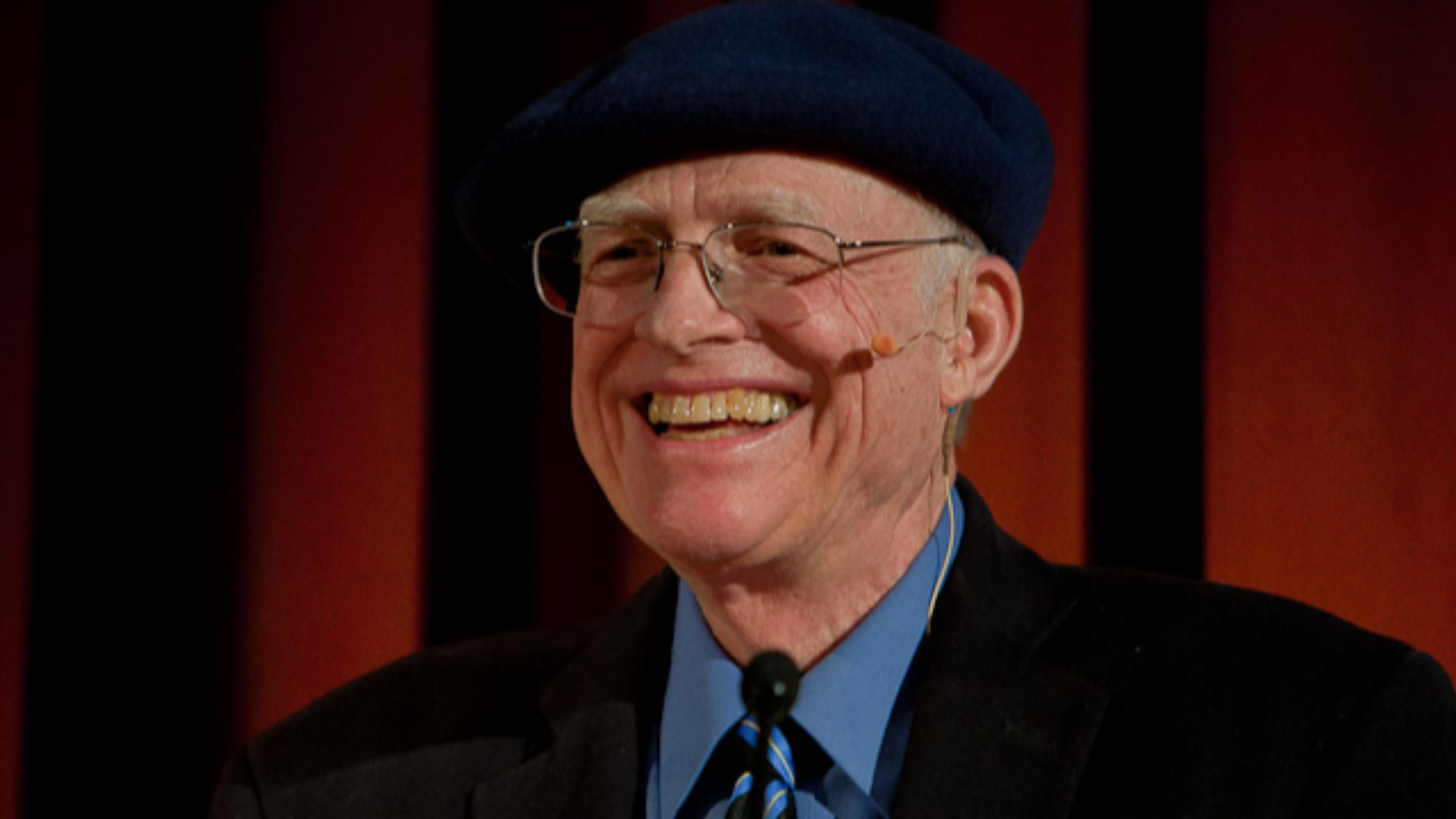
The Alvarez Team Blamed An Asteroid
When Luis and Walter Alvarez and their colleagues proposed in 1980 that an enormous asteroid impact helped cause the end-Cretaceous mass extinction, the idea triggered fierce scientific debate. Many paleontologists and geologists favored gradual environmental explanations and disputed whether a single catastrophe could account for the fossil record. The Alvarez team and other researchers kept testing the hypothesis through iridium, shocked minerals, impact debris, and eventually the Chicxulub crater. The impact is now accepted as a central cause of the mass extinction that eliminated the non-avian dinosaurs.
 Orangeboxes2, Wikimedia Commons
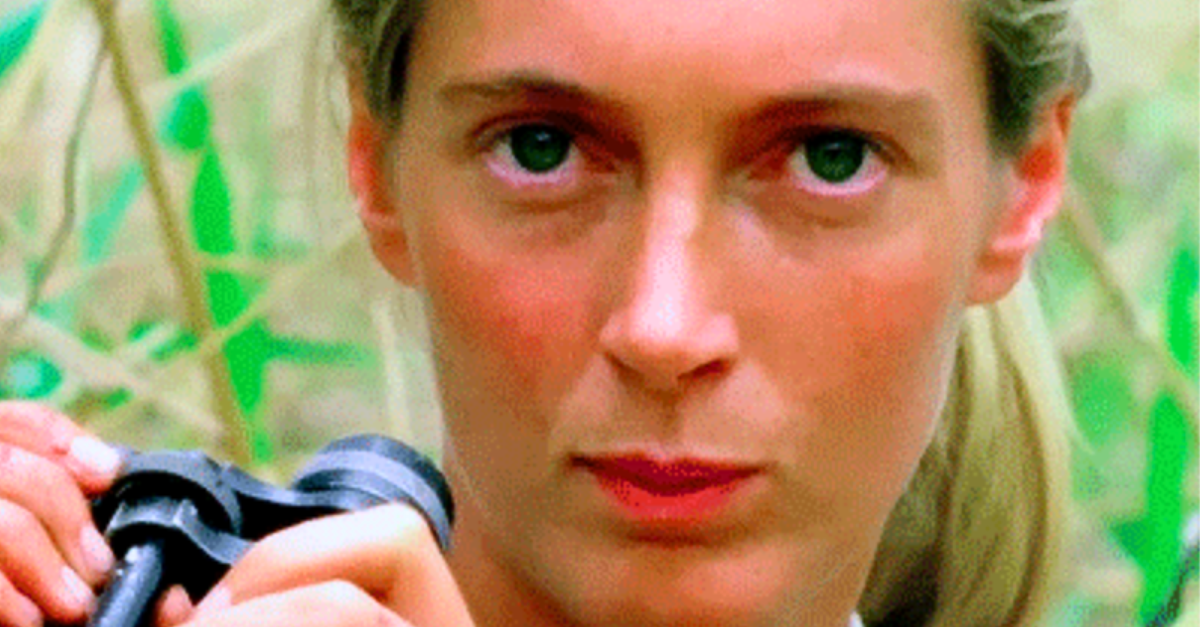
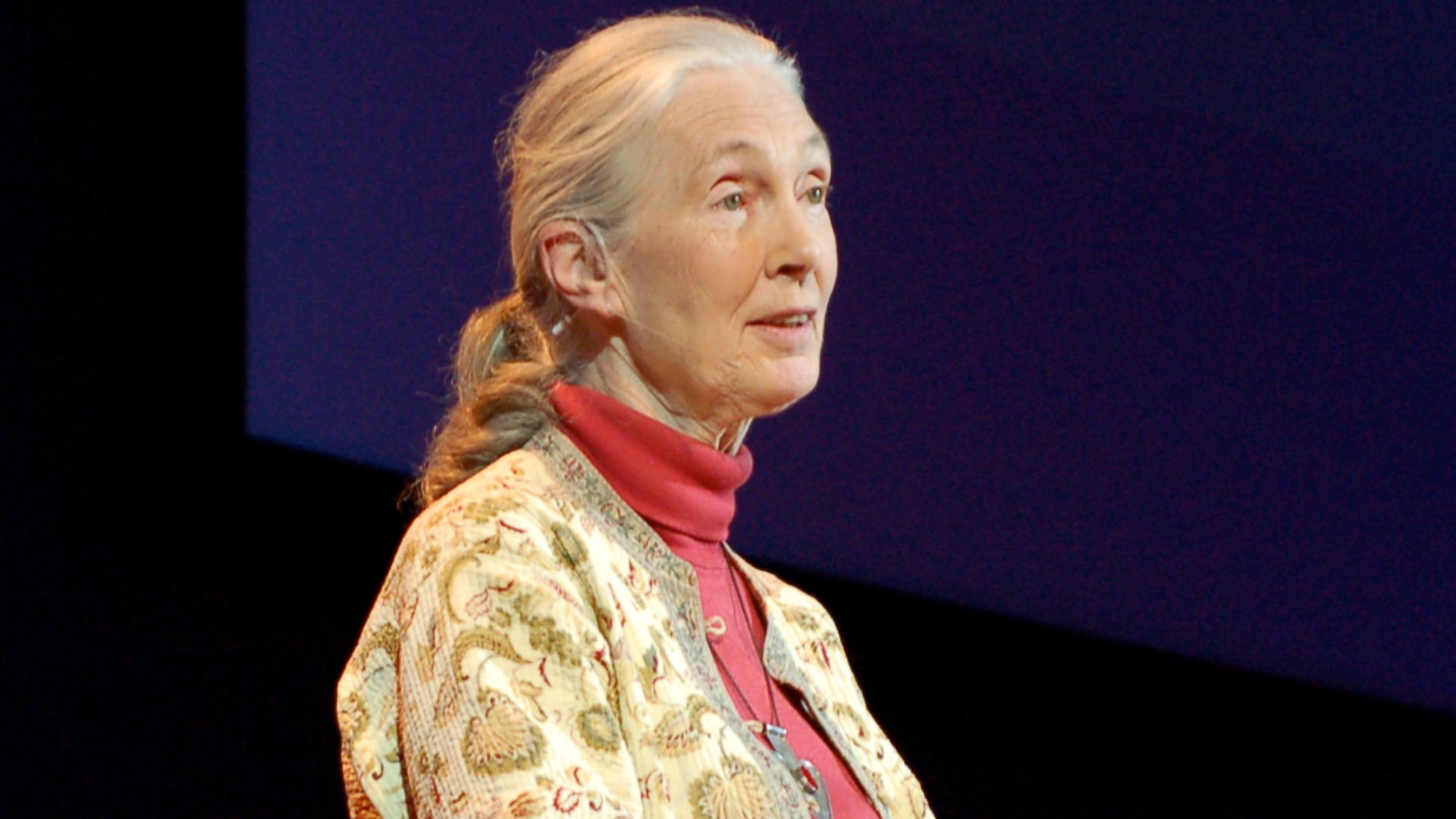
Goodall Refused To Treat Chimps Like Machines
When Jane Goodall began studying wild chimpanzees, animal behavior science often discouraged researchers from attributing individuality, emotion, or culture to animals. Goodall named chimpanzees instead of reducing them to numbers and closely documented behavior that did not fit conventional assumptions. In 1960, she observed chimpanzees modifying and using plant stems to extract termites, undermining the supposed distinction between humans as toolmakers and other animals. Her unconventional field methods helped transform primatology and the scientific understanding of animal behavior.
 Erik (HASH) Hersman from Orlando, Wikimedia Commons
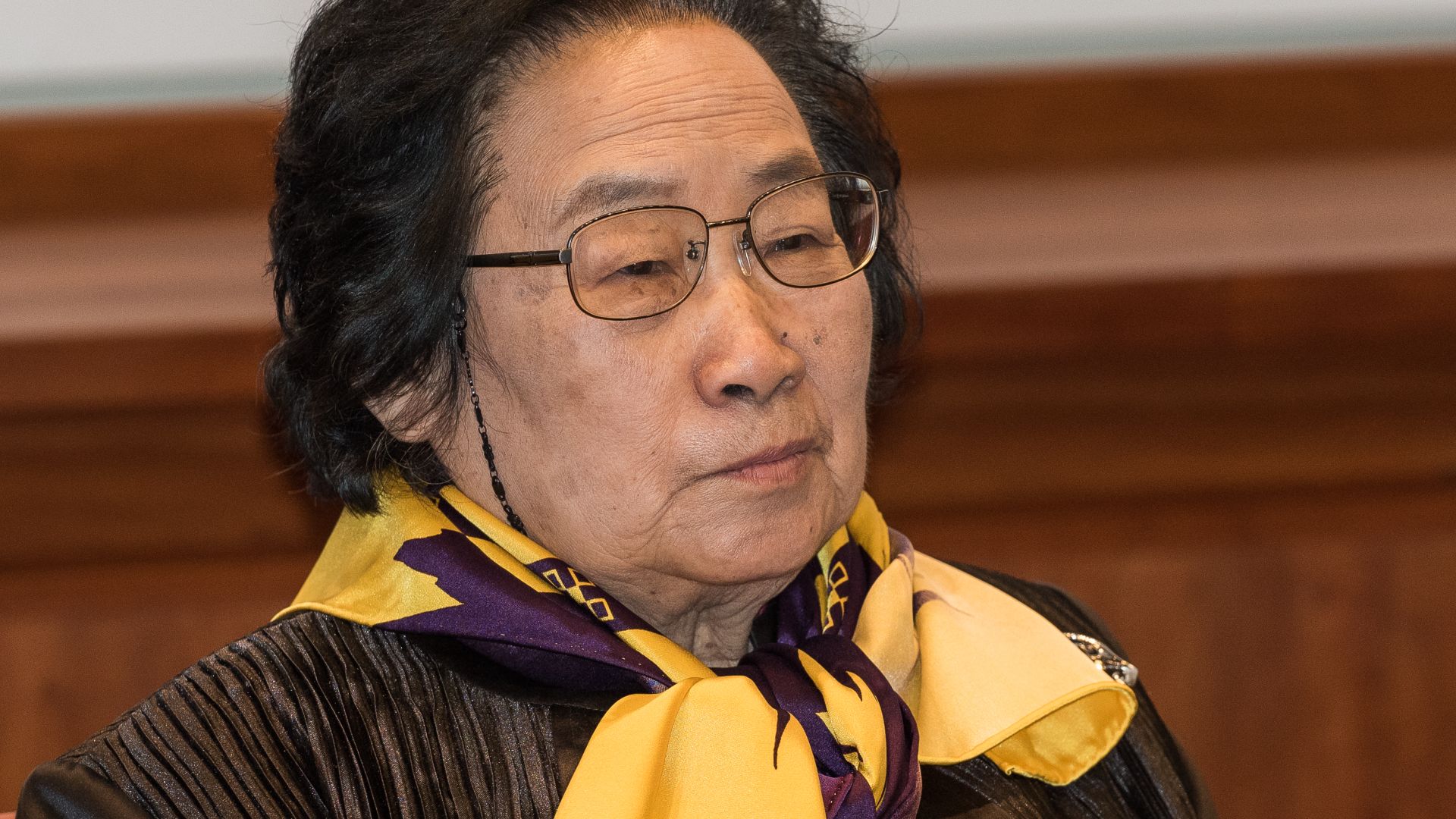
Tu Youyou Went Backward To Move Medicine Forward
During China’s search for a malaria treatment, researchers tested enormous numbers of compounds without finding a reliable answer. Tu Youyou did something that could look decidedly unfashionable in a modern laboratory and returned to ancient Chinese medical texts for clues. A historical instruction led her to suspect that high-temperature extraction was destroying the active ingredient in sweet wormwood, so she switched to a low-temperature ether method. The resulting path led to artemisinin, one of the most important antimalarial medicines ever developed.
 Bengt Nyman, Wikimedia Commons
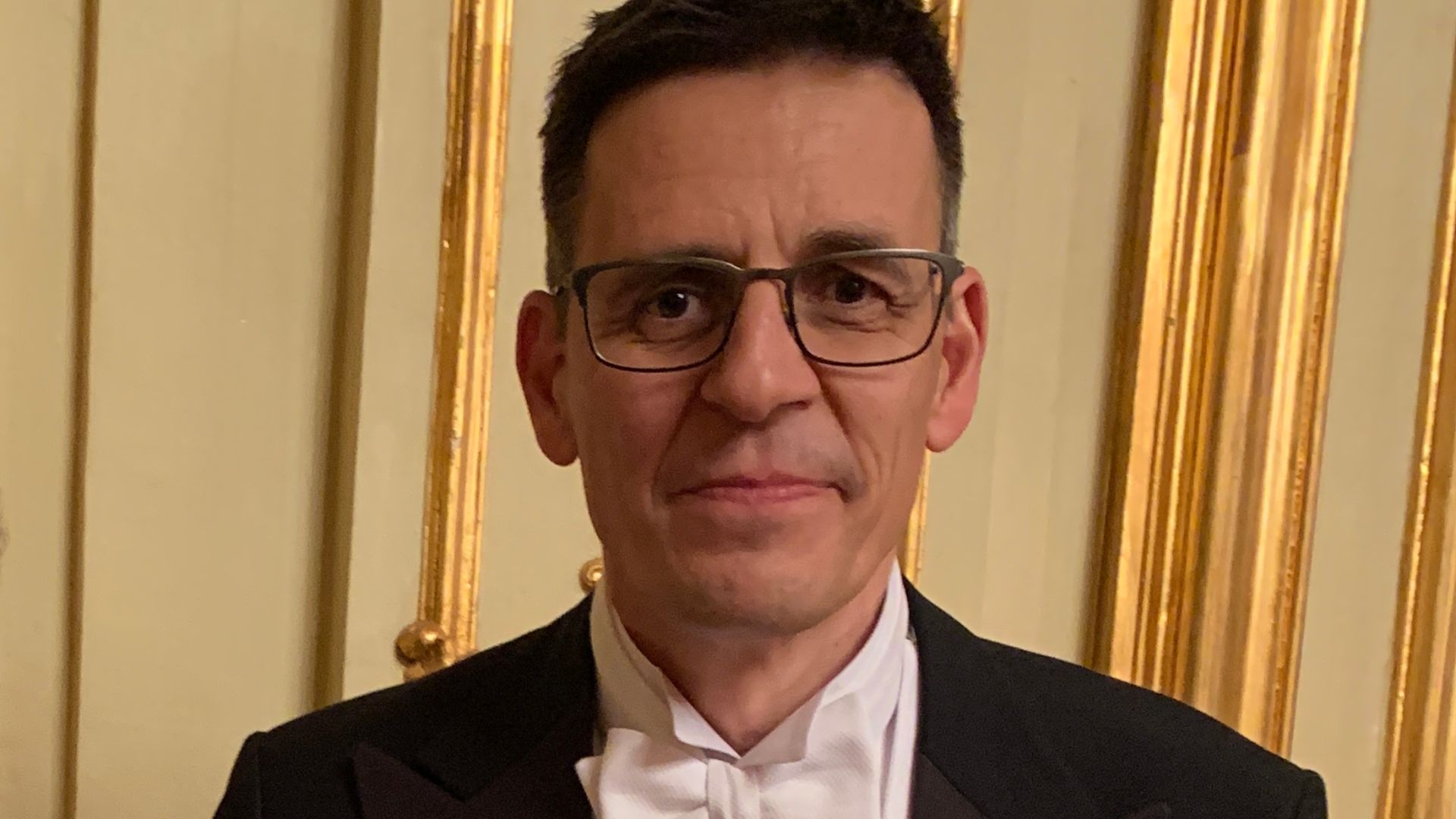
Queloz Found A Planet That Should Not Exist
When graduate student Didier Queloz detected the signal of 51 Pegasi b, the supposed planet looked absurd by existing models of planetary systems. It was a Jupiter-size world orbiting incredibly close to its star every 4.25 days, and Queloz first suspected an instrument or software failure. His adviser Michel Mayor had previously warned him not to expect a planet discovery during his doctorate. They trusted the measurements anyway, announcing the first confirmed planet around a Sun-like star and launching the modern exoplanet revolution.
 Astrofisch66, Wikimedia Commons
Pääbo Tried To Read DNA Everyone Thought Was Ruined
Ancient DNA seemed almost designed to defeat geneticists because it breaks into tiny fragments and becomes overwhelmed by contamination. Svante Pääbo nevertheless developed increasingly rigorous methods for extracting genetic information from ancient remains. The Nobel committee described sequencing the Neanderthal genome as a seemingly impossible task, yet Pääbo’s team published a draft genome in 2010. The work revealed interbreeding between Neanderthals and modern humans and established paleogenomics as a new field.
 Duncan.Hull, Wikimedia Commons
Karikó Would Not Quit Messenger RNA
For years, messenger RNA looked like a terrible foundation for medicine because it was unstable and could provoke damaging inflammatory reactions. Katalin Karikó struggled to obtain funding, was demoted at the University of Pennsylvania, and continued working while much of the scientific community regarded therapeutic mRNA as impractical. With Drew Weissman, she discovered that modifying particular RNA building blocks could suppress unwanted inflammation while improving protein production. That 2005 breakthrough supplied essential groundwork for the effective mRNA vaccines developed against COVID-19.
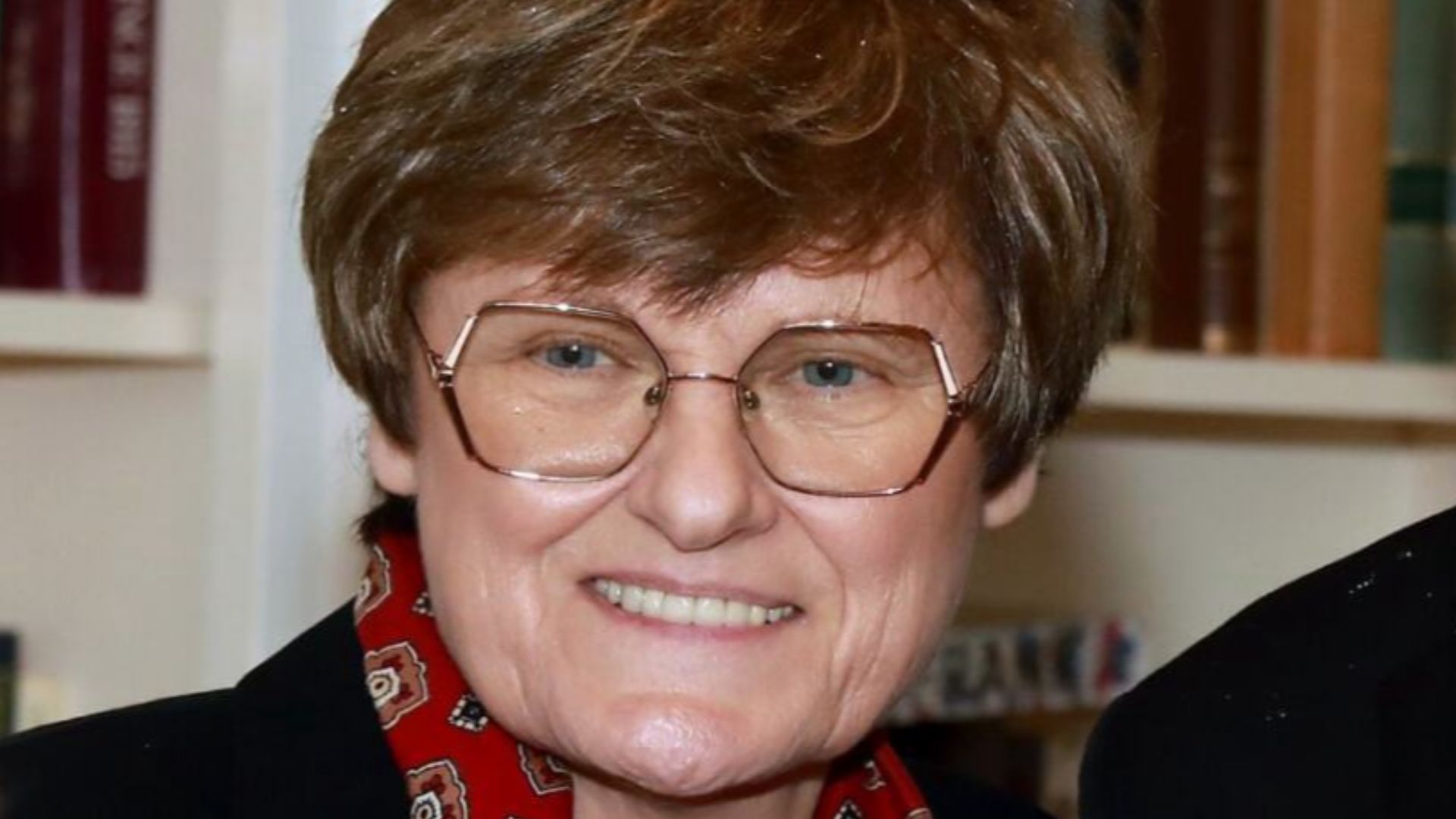 US Embassy Sweden, Wikimedia Commons
You May Also Like:
Groundbreaking Facts About The Most Brilliant Women In Science
When Science Accidentally Proved Old Folklore Was Right All Along
Groundbreaking Facts about Female Scientists
Sources: 1, 2, 3, 4, 5, 6, 7, 8, 9, 10, 11, 12, 13, 14, 15, 16, 17, 18, 19, 20, 21, 22, 23, 24, 25, 26, 27, 28, 29, 30, 31, 32, 33, 34, 35, 36, 37, 38, 39, 40, 41, 42, 43, 44, 45, 46, 47, 48, 49