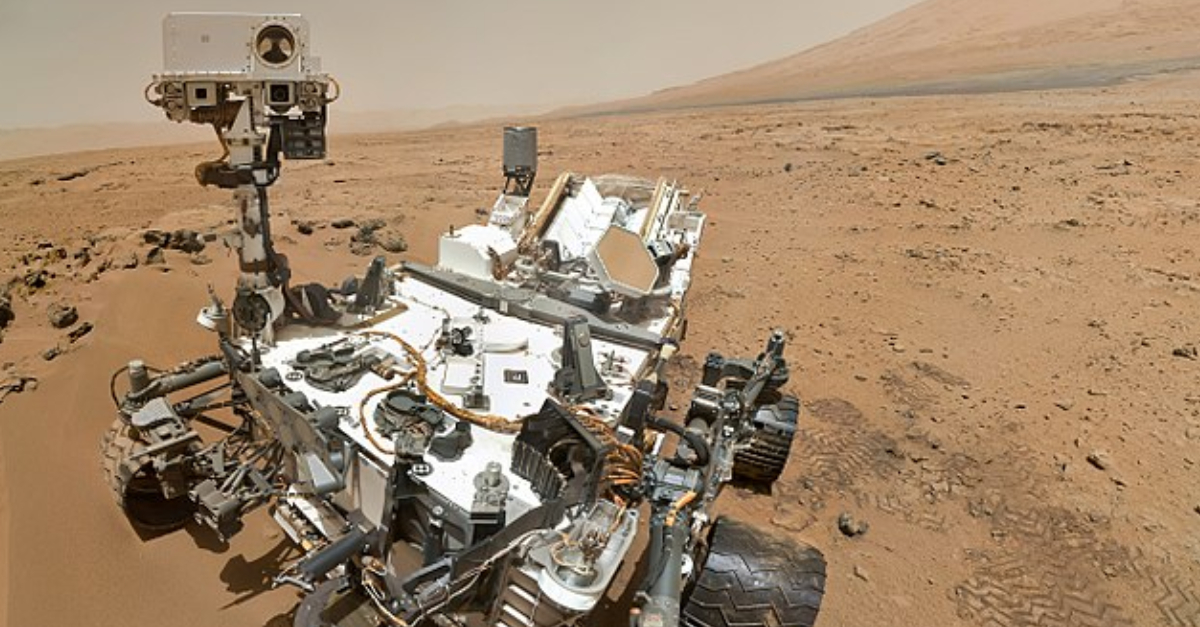
NASA Just Made the Mars Question Impossible to Ignore
For decades, “life on Mars” has lived somewhere between science fiction and science hope. Every rover, lander, and orbiter has inched us closer—but always stopped short. Then, quietly, NASA scientists revealed something that might finally tip the scales. Not proof, not fossils—but something far more powerful: evidence that looks alive.
The Rock That Changed The Conversation
It started with a nondescript chunk of Martian stone known as Cheyava Falls. The Perseverance rover drilled into it back in 2024, tagging it as just another core from Jezero Crater’s ancient delta. But inside that rock—later called Sapphire Canyon—scientists found patterns no one expected. Ken Farley, Perseverance’s project scientist, called it “the most puzzling, complex, and potentially important rock yet investigated by Perseverance.”
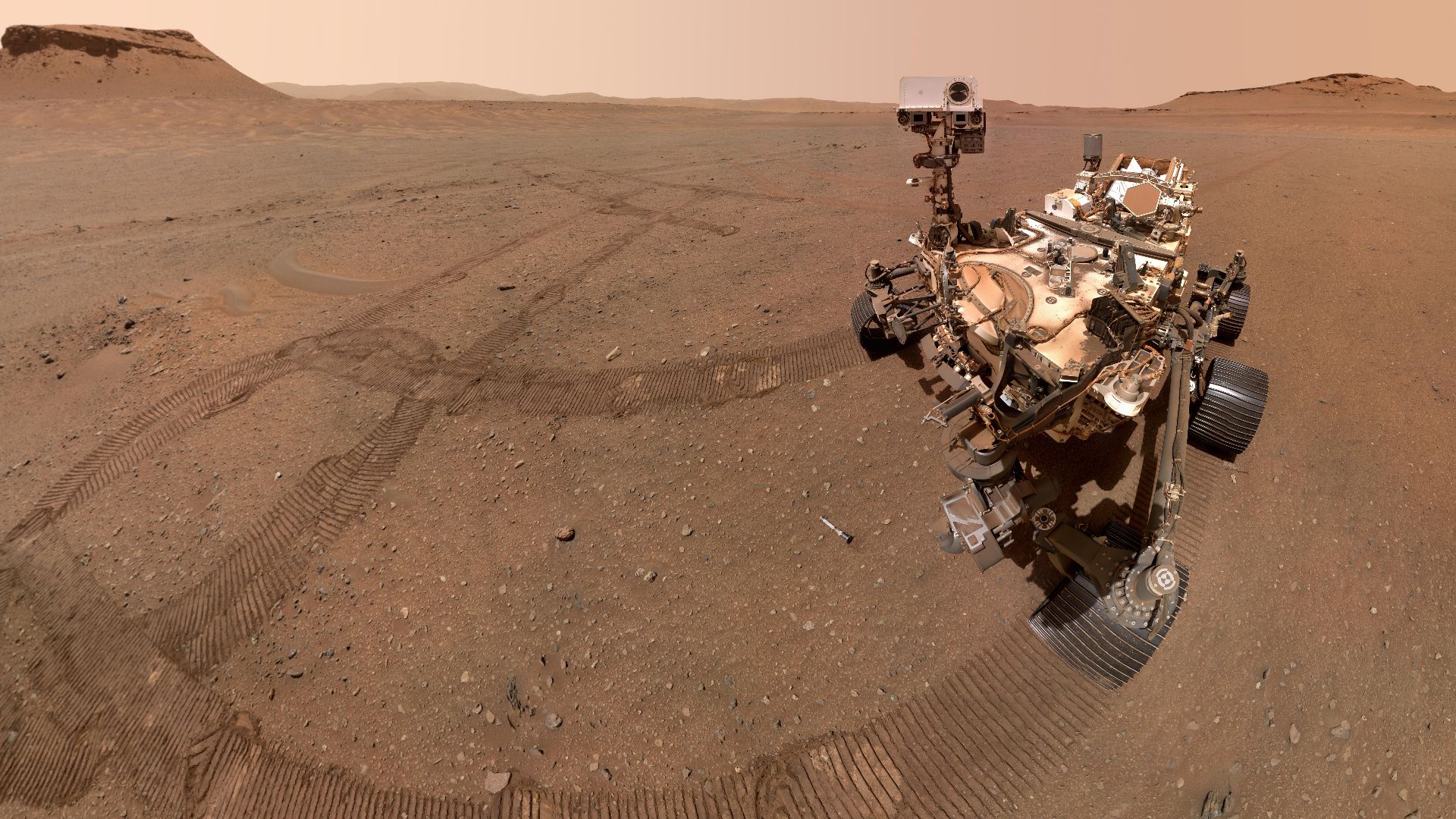 NASA/JPL-Caltech/MSSS, Wikimedia Commons
Meet The Place Where It Happened
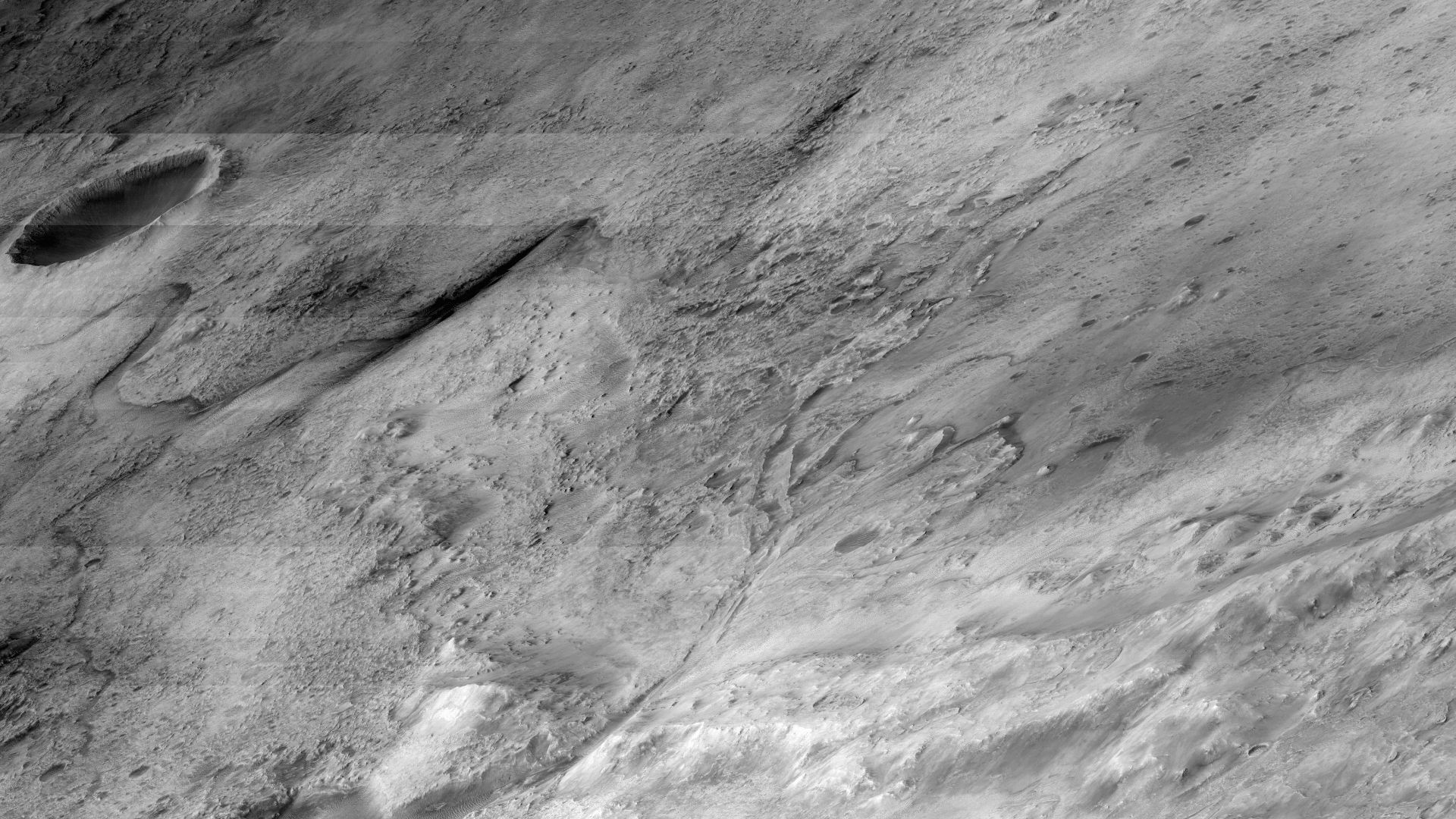
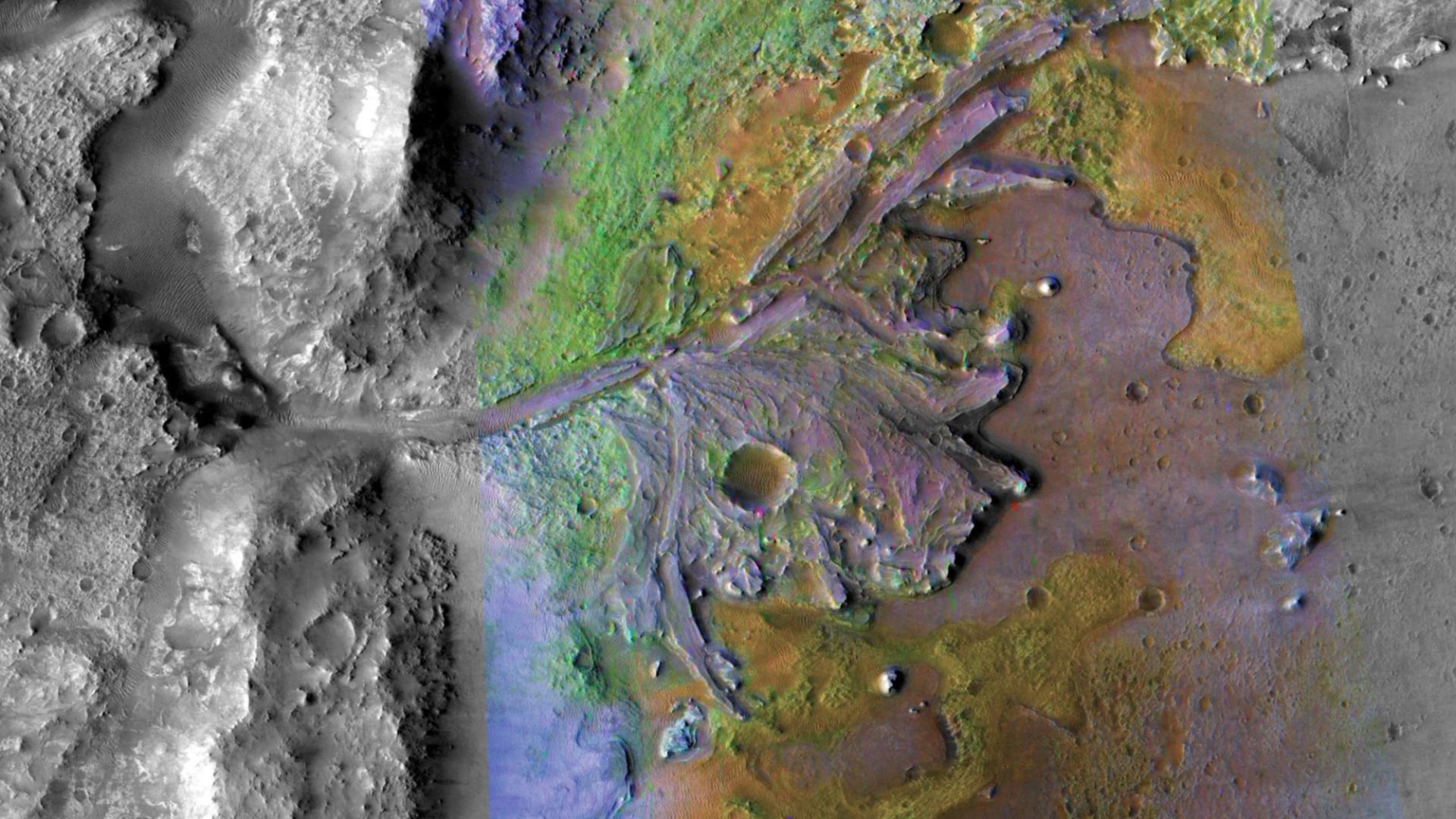
Cheyava Falls sits in Jezero Crater, a 28-mile-wide basin that was once home to rivers, deltas, and a vast lake. Three and a half billion years ago, this region flowed with water and sediment—exactly the kind of environment that can preserve microscopic life.
The Reveal: Textures That Shouldn’t Exist Without Life
After a year of high-resolution analysis, NASA revealed what the rock core showed: strange “leopard-spot” patterns, ring-shaped inclusions, and mineral layering that—on Earth—almost always links to biological processes. According to NASA’s official statement, “the rock possesses qualities that fit the definition of a possible indicator of ancient life.” It’s the most compelling sign yet that Mars may once have been alive.
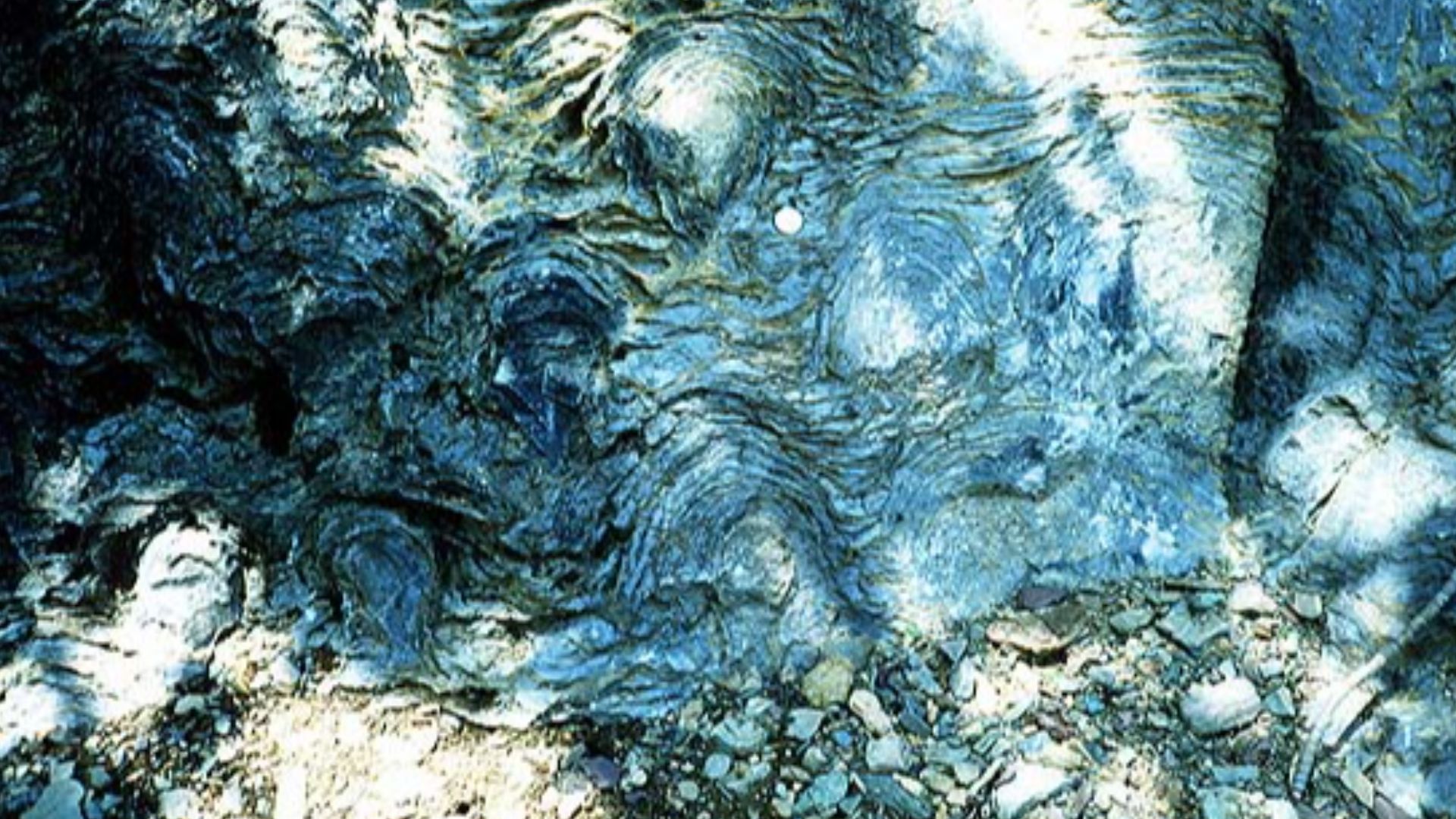 P. Carrara, NPS, Wikimedia Commons
The Kind Of Discovery That Starts A Debate
NASA isn’t calling it “life.” The term is potential biosignature—scientific shorthand for “this looks biological, but we can’t yet rule out other explanations.” That careful phrasing sparked immediate debate across labs and universities worldwide.
 NASA/JPL-Caltech, Wikimedia Commons
How Scientists First Noticed Something Odd
Images from Perseverance’s SHERLOC and PIXL instruments showed micro-scale chemical shifts inside the rock. When researchers zoomed in, they realized the minerals weren’t random—they radiated outward in concentric rings, almost like fossilized bacterial mats.
 NASA/JPL-Caltech, Wikimedia Commons
The Minerals Tell The Story
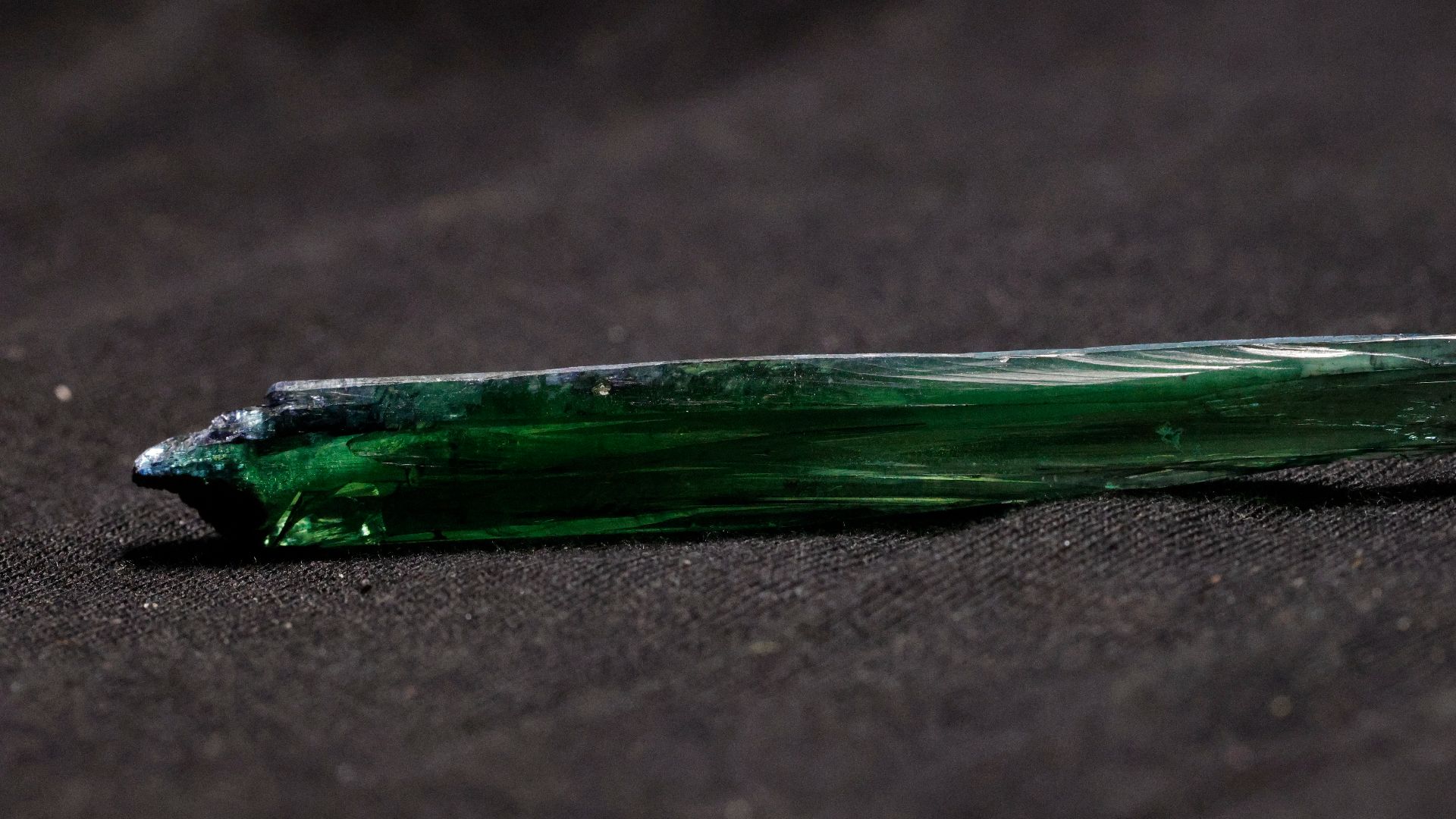
Within the “spots” were vivianite and greigite, iron minerals that—on Earth—often form when microbes manipulate their environment. These minerals were tightly paired with organic carbon traces, strengthening the case that something once lived in or around them.
 TheFurther21, Wikimedia Commons
The Chemistry That Changed Everything
Perseverance’s spectrometers detected carbon-hydrogen bonds consistent with organic molecules—the chemical building blocks of life. Their distribution wasn’t uniform; it matched the mineral halos, suggesting biological or at least biogeochemical activity long ago.
 NASA/JPL-Caltech, Wikimedia Commons
Why Jezero Crater Keeps Delivering
Jezero is a planetary jackpot. Its layered delta deposits act like pages in a diary, preserving sediments from when Mars was warm and wet. Every new core tells part of that environmental story, and Sapphire Canyon might be the most dramatic page yet.
 NASA/JPL/JHU-APL/MSSS/Brown University, Wikimedia Commons
The Context That Makes It Convincing
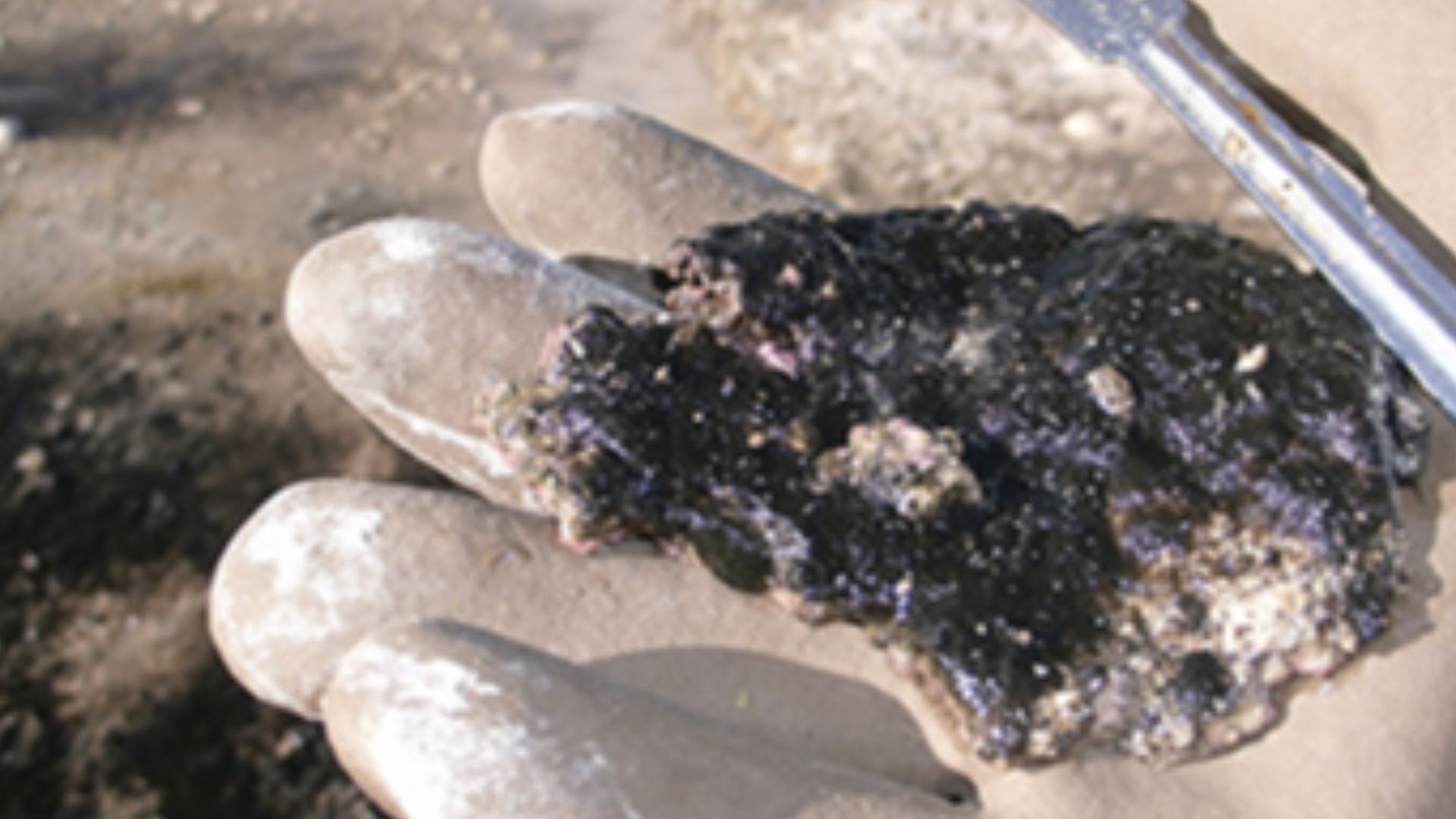
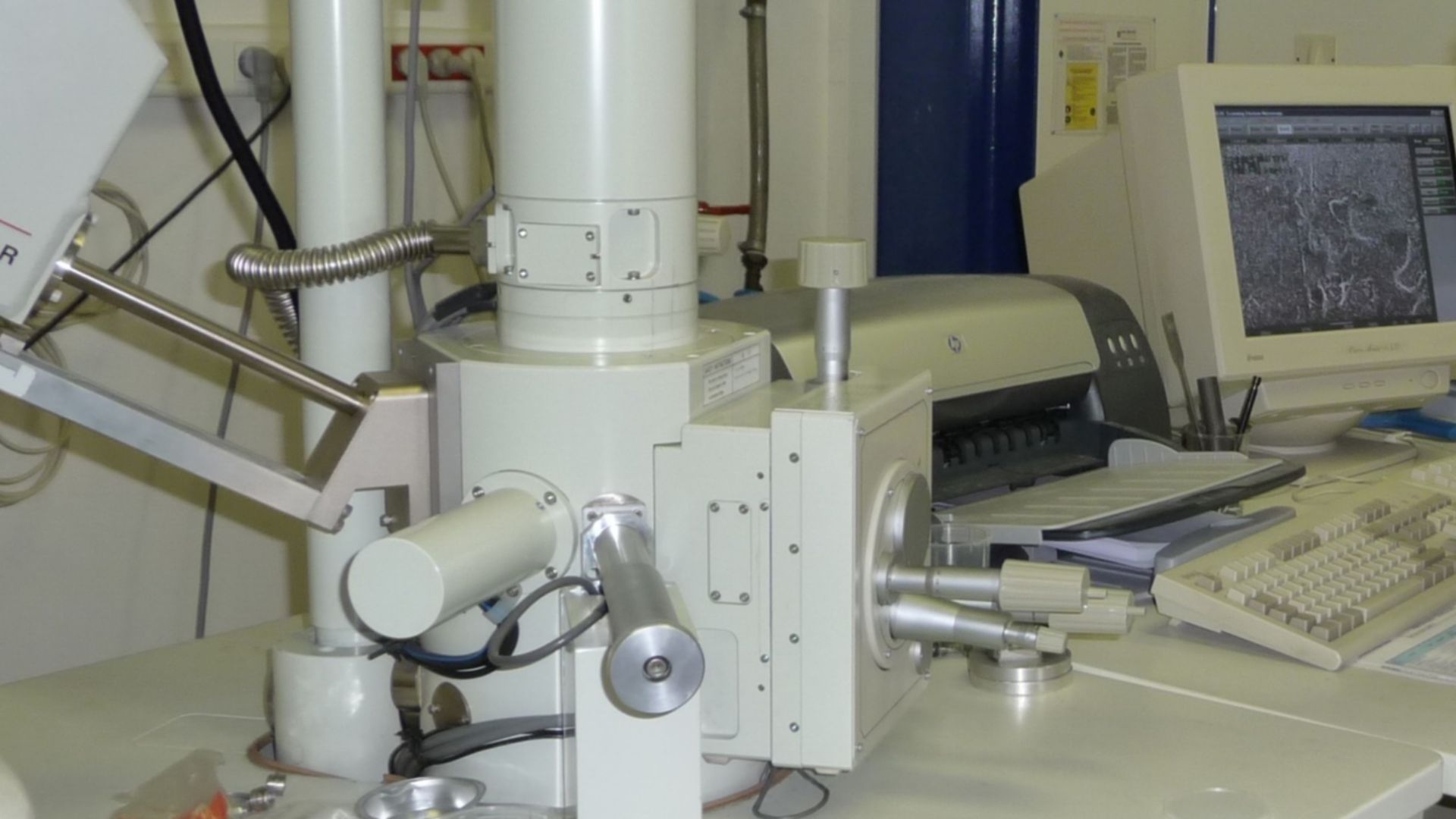
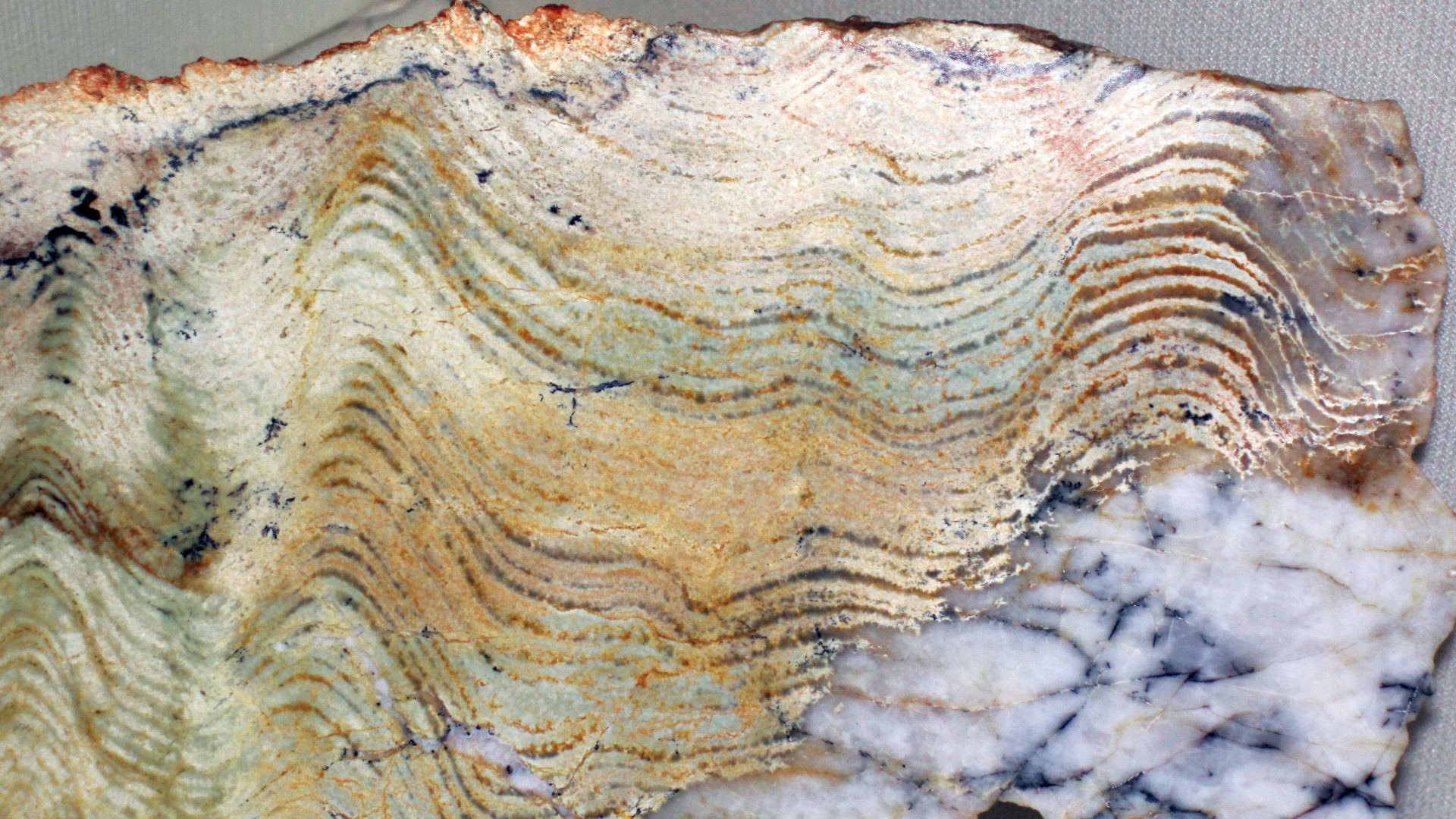
On Earth, these exact structures form when microorganisms create thin biofilms on mineral surfaces. Over time, those films alter nearby chemistry, leaving behind textures identical to what Perseverance found. It’s not proof—but it’s uncanny.
How Old Is The Sample?
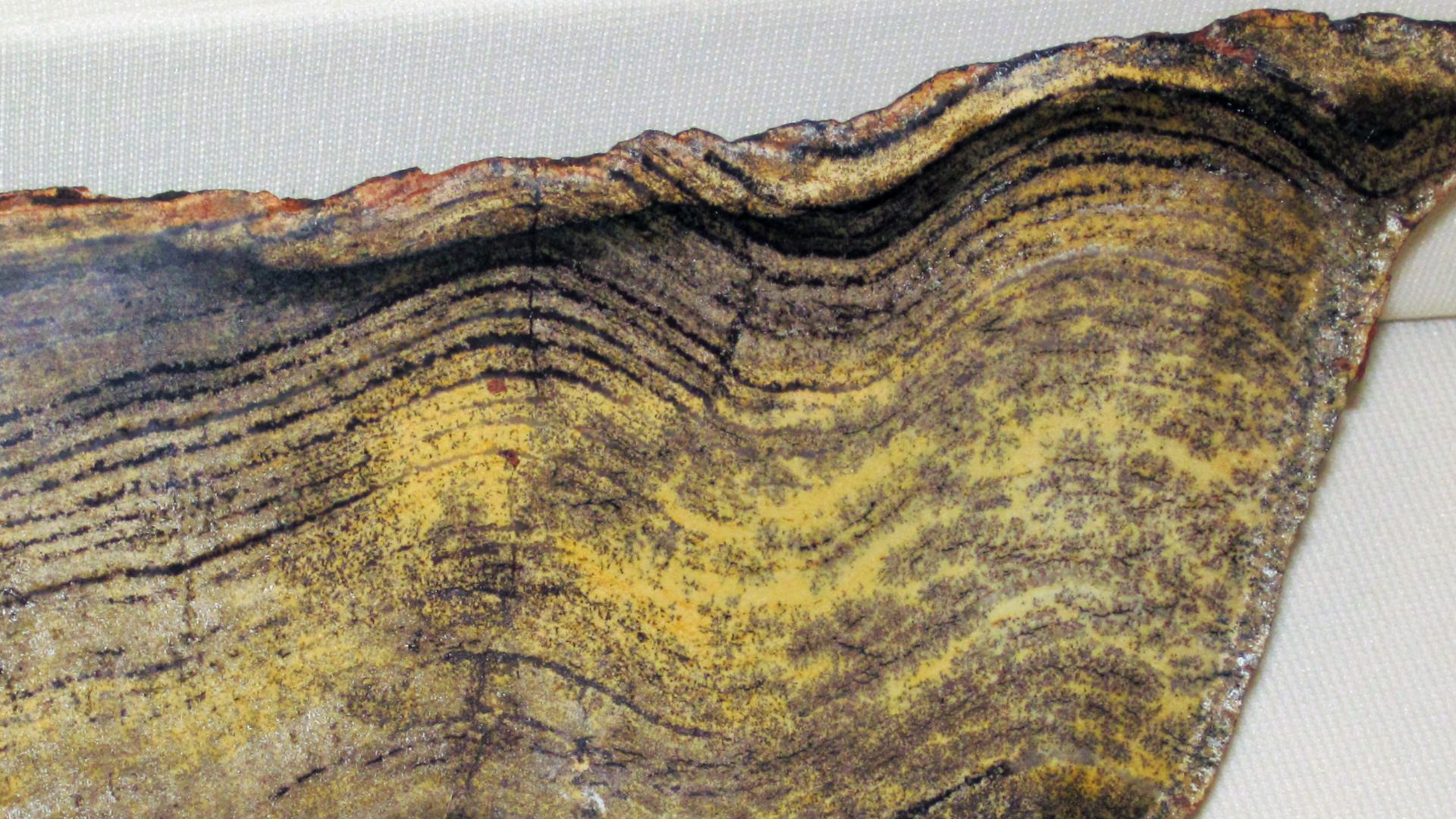
Radiometric estimates date the rock between 3.2 and 3.8 billion years old—from Mars’ “Noachian” period, when rivers and lakes crisscrossed the planet. If life arose during that era, it might have had millions of years to flourish before Mars froze and dried out.
 James St. John, Wikimedia Commons
Why This Isn’t Just “Interesting”—It’s Historic
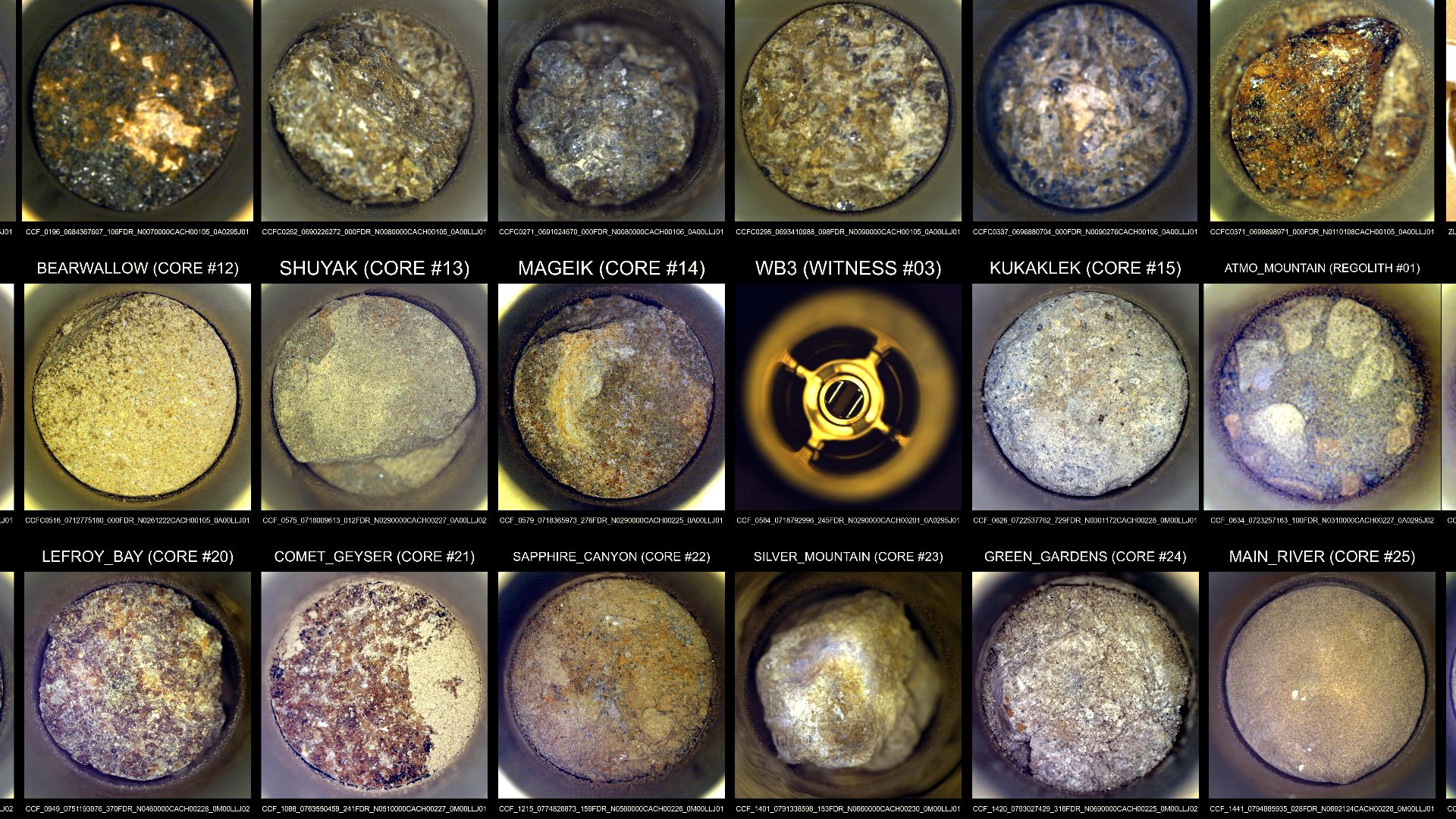
Mars missions have found hints of organics before, but none with this kind of contextual clarity. This is the first time we’ve seen habitability, organics, minerals, and textures—all intertwined in one place. “This discovery by Perseverance is the closest we have ever come to discovering life on Mars,” said Sean Duffy, NASA’s acting administrator.
 NASA/JPL-Caltech, Wikimedia Commons
Still, Caution Reigns
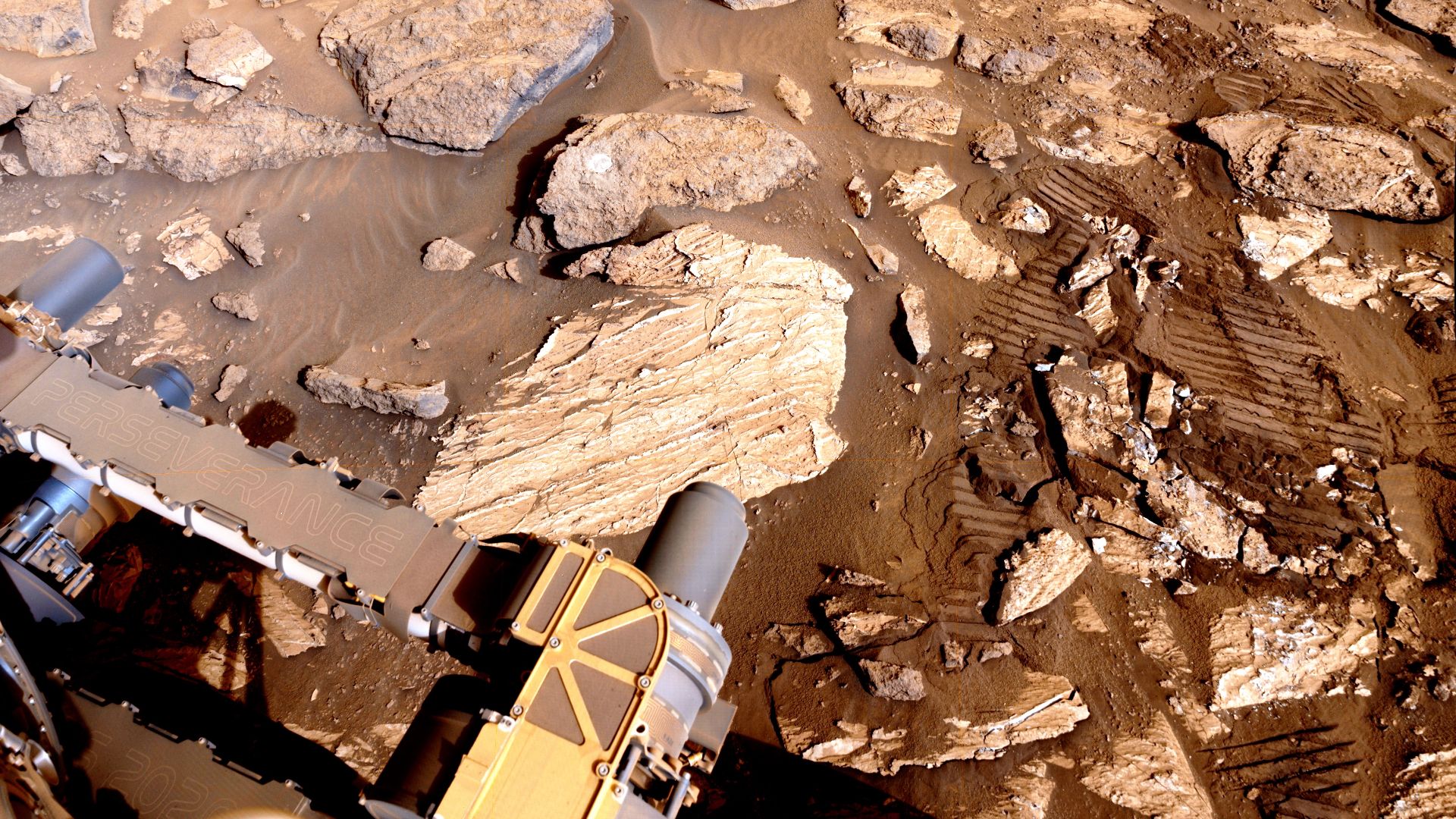
Scientists are the first to admit: Mars can fake biology. Hydrothermal reactions and chemical gradients can mimic life’s patterns. As Farley explained, “On the one hand, we have our first compelling detection of organic material … on the other, we can’t yet say how this rock formed.” The Cheyava Falls sample is the strongest case yet—but it’s still only a case, not a verdict.
 color processing by areo.info, raw data by NASA/JPL-Caltech, Wikimedia Commons
Why We Can’t Confirm It—Yet
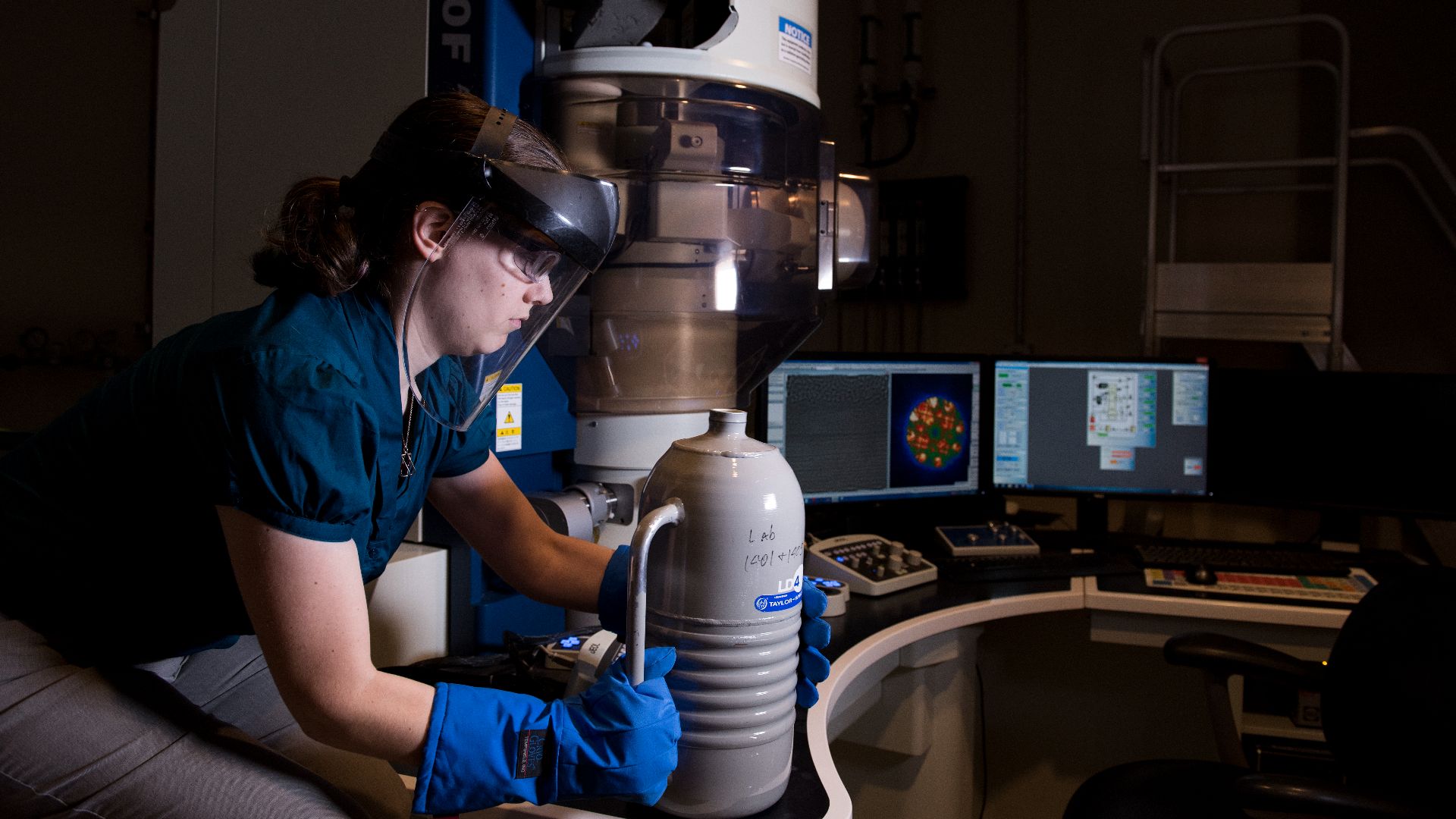
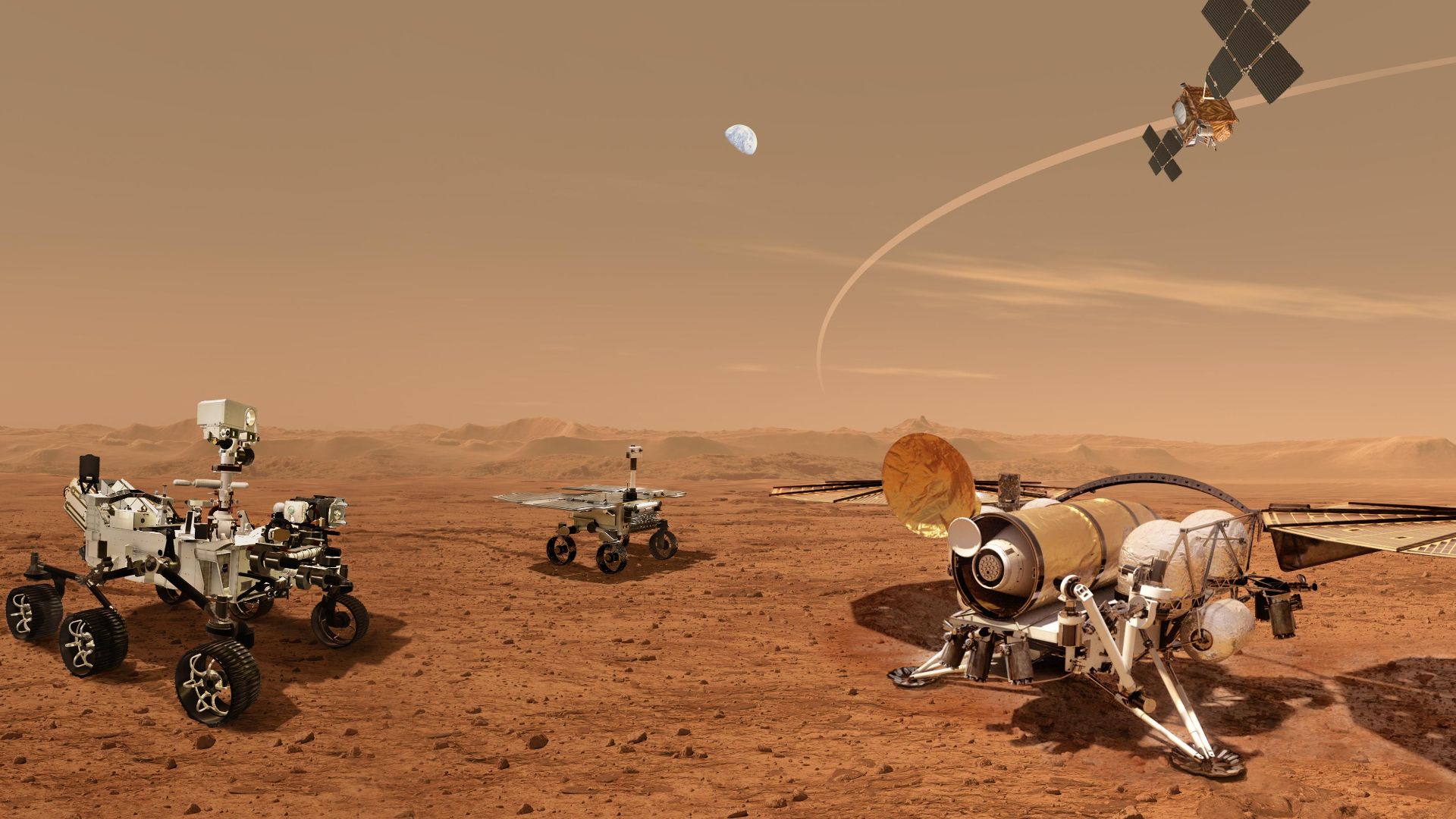
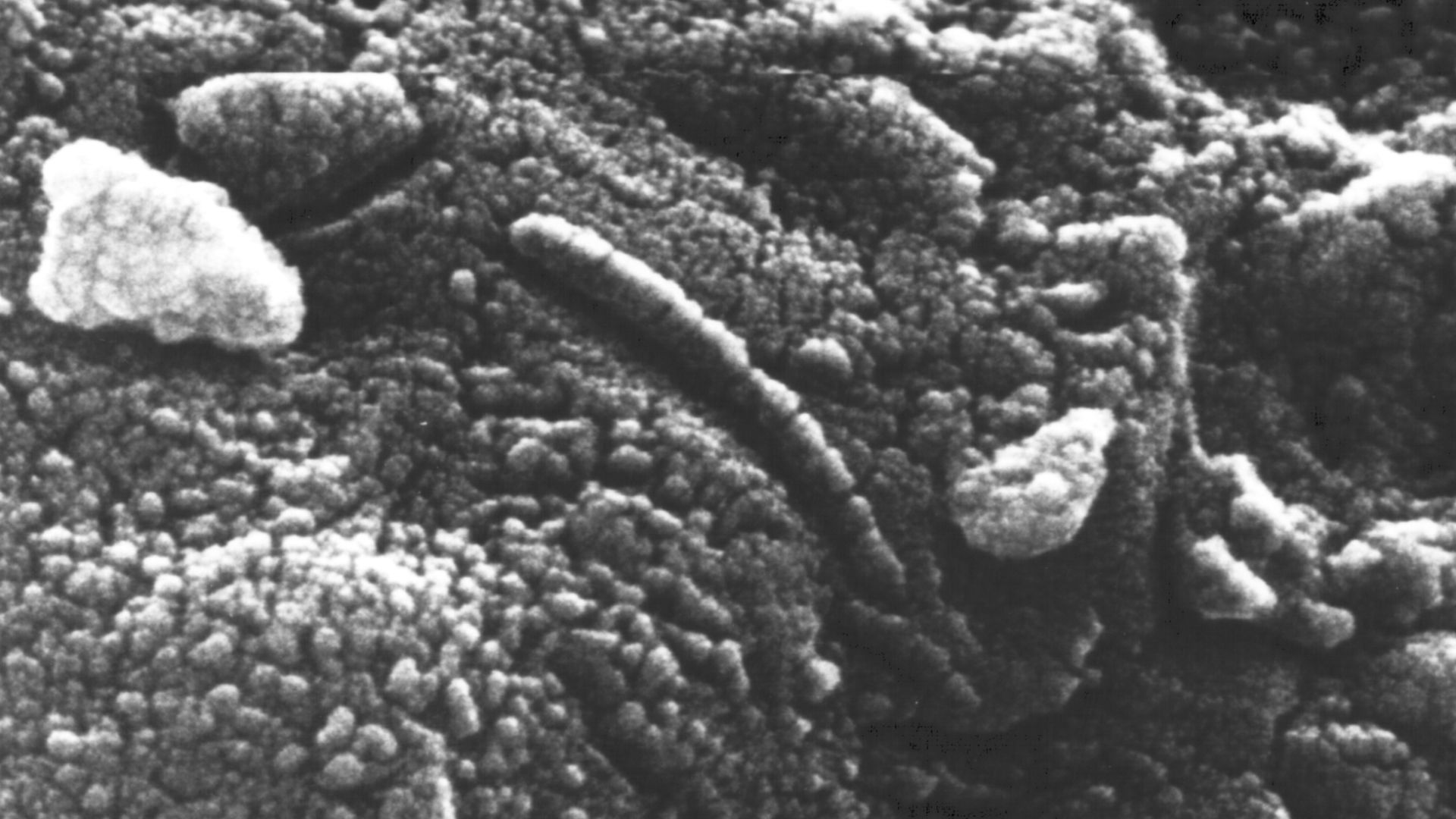
To prove life, the sample must come home. Rover instruments can only go so far. Full confirmation needs isotopic analysis, electron microscopy, and contamination-free labs—tests possible only on Earth. That’s the goal of Mars Sample Return.
 U.S. Department of Energy from United States, Wikimedia Commons
What Mars Sample Return Would Do
The proposed mission would launch a lander, collect Perseverance’s sealed tubes, and send them into orbit for pickup. If it succeeds, Sapphire Canyon could be on Earth within a decade—and every lab in the world will be watching.
 NASA/ESA/JPL-Caltech, Wikimedia Commons
What If The Results Are Biological?
If analysis shows true microbial fossils or isotopic ratios matching life, it would mean life arose twice in one solar system. The odds of life elsewhere—on Europa, Enceladus, or exoplanets—would skyrocket overnight.
And If It’s Not?
Even if it’s abiotic, the finding still redefines habitability. Mars clearly produced the chemistry and conditions life needs. That suggests life isn’t a miracle—it’s a probability, waiting for the right environment.
The “Echo of Life” Theory
Some astrobiologists think Mars might have hosted life briefly, then lost it as the planet cooled. The textures and organics in Cheyava Falls could be fossil chemistry—the echo of a biosphere that blinked out billions of years ago.
 James St. John, Wikimedia Commons
Why This Matters Beyond Mars
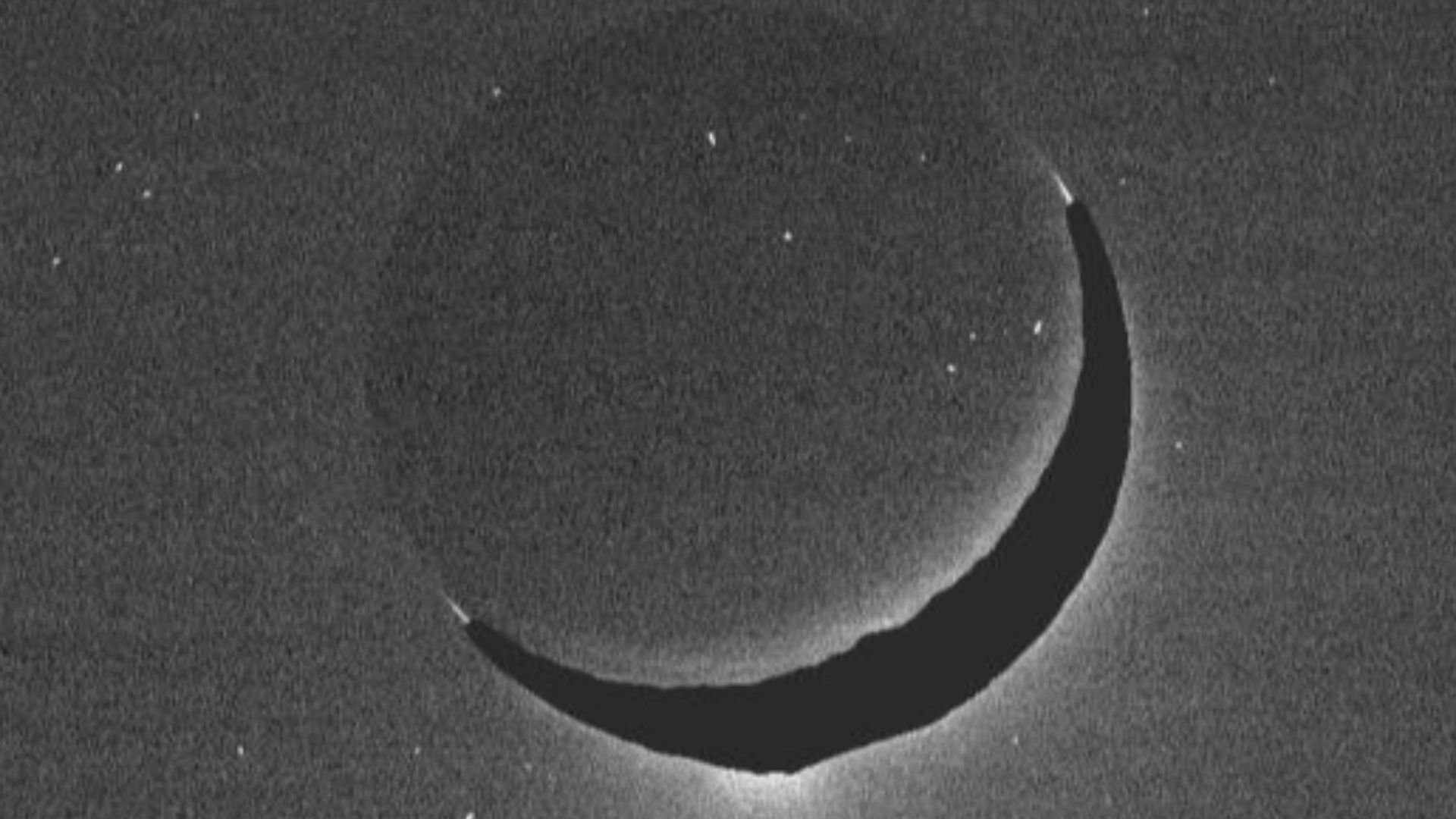
If life once thrived there, it proves biology isn’t tied to Earth’s quirks. It could arise wherever water and energy meet. That reshapes how we explore the universe—from icy moons to distant, ocean-covered exoplanets.
 NASA/JPL/Space Science Institute, Wikimedia Commons
The Instruments Behind The Discovery
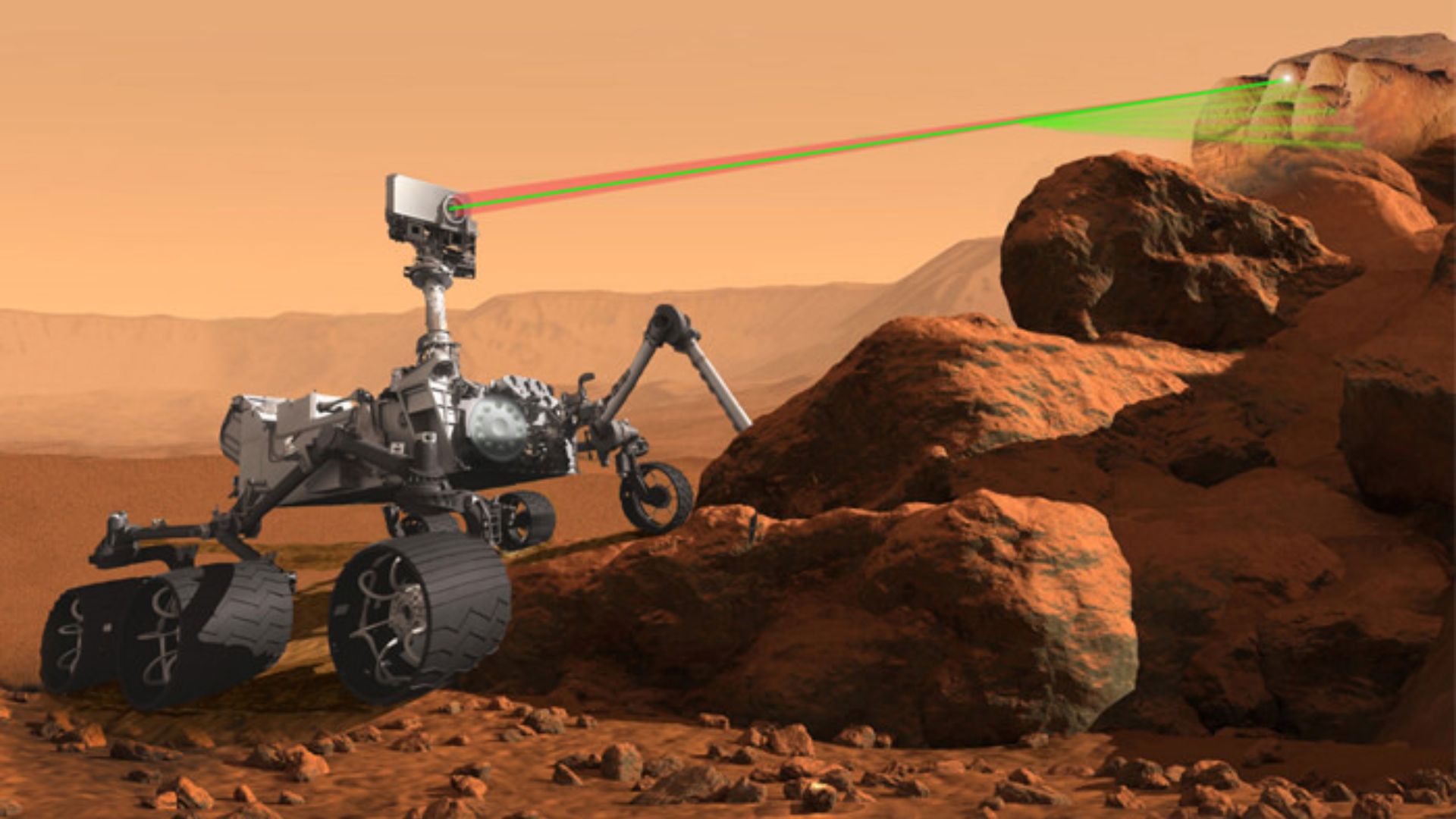
Perseverance’s SHERLOC, PIXL, and SuperCam instruments allowed scientists to map chemistry at microscopic scales. This was the first time NASA could directly connect organics to texture and mineralogy in Martian rock—a leap forward in planetary forensics.
The Human Side Of The Mission
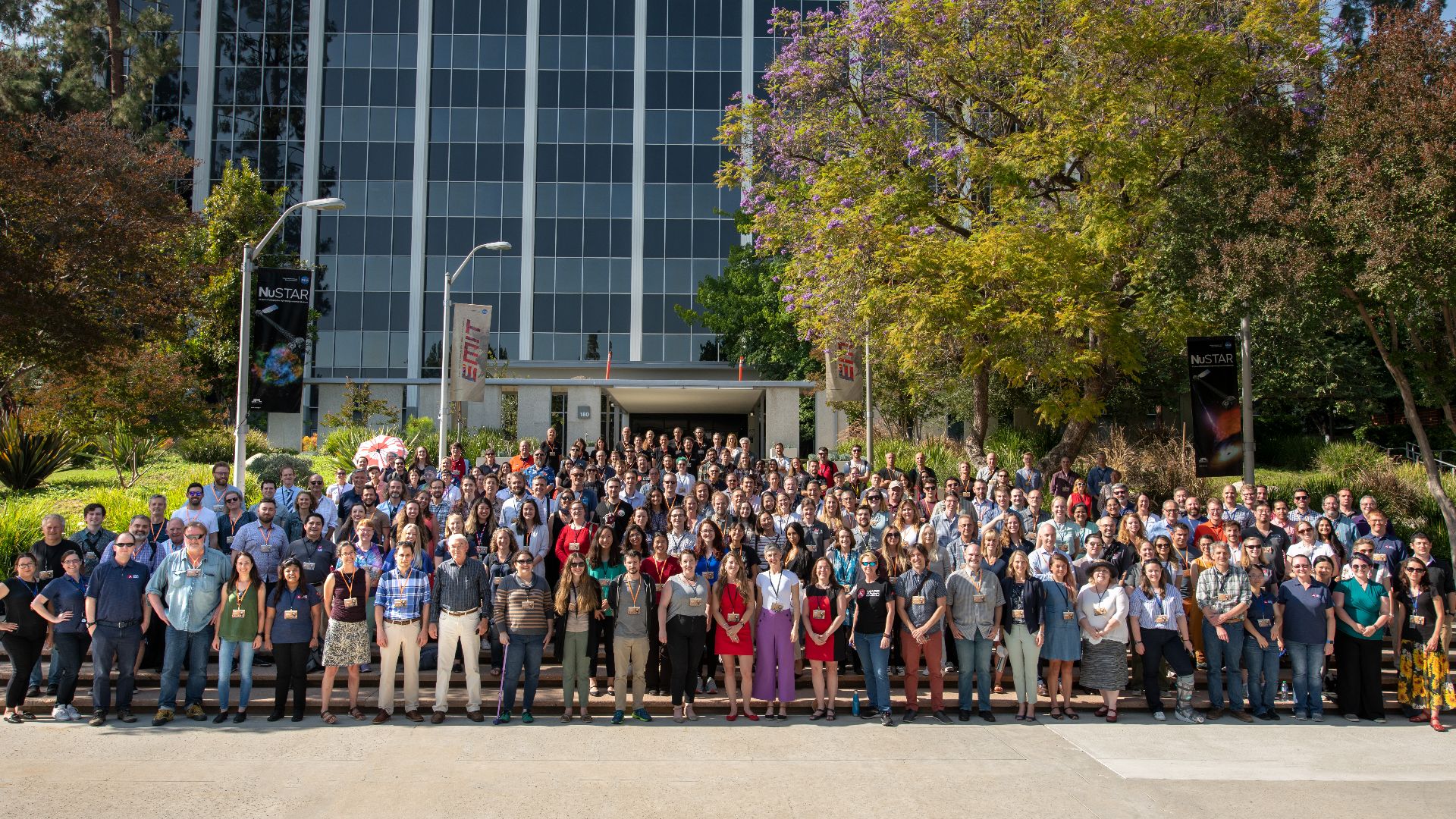
For the team at NASA’s Jet Propulsion Laboratory, this isn’t just data—it’s a decades-long quest. Some researchers have spent their entire careers chasing a single question: could Mars have ever been alive? This discovery makes that answer feel within reach.
 NASA/JPL-Caltech, Wikimedia Commons
The Collaboration That Made It Possible
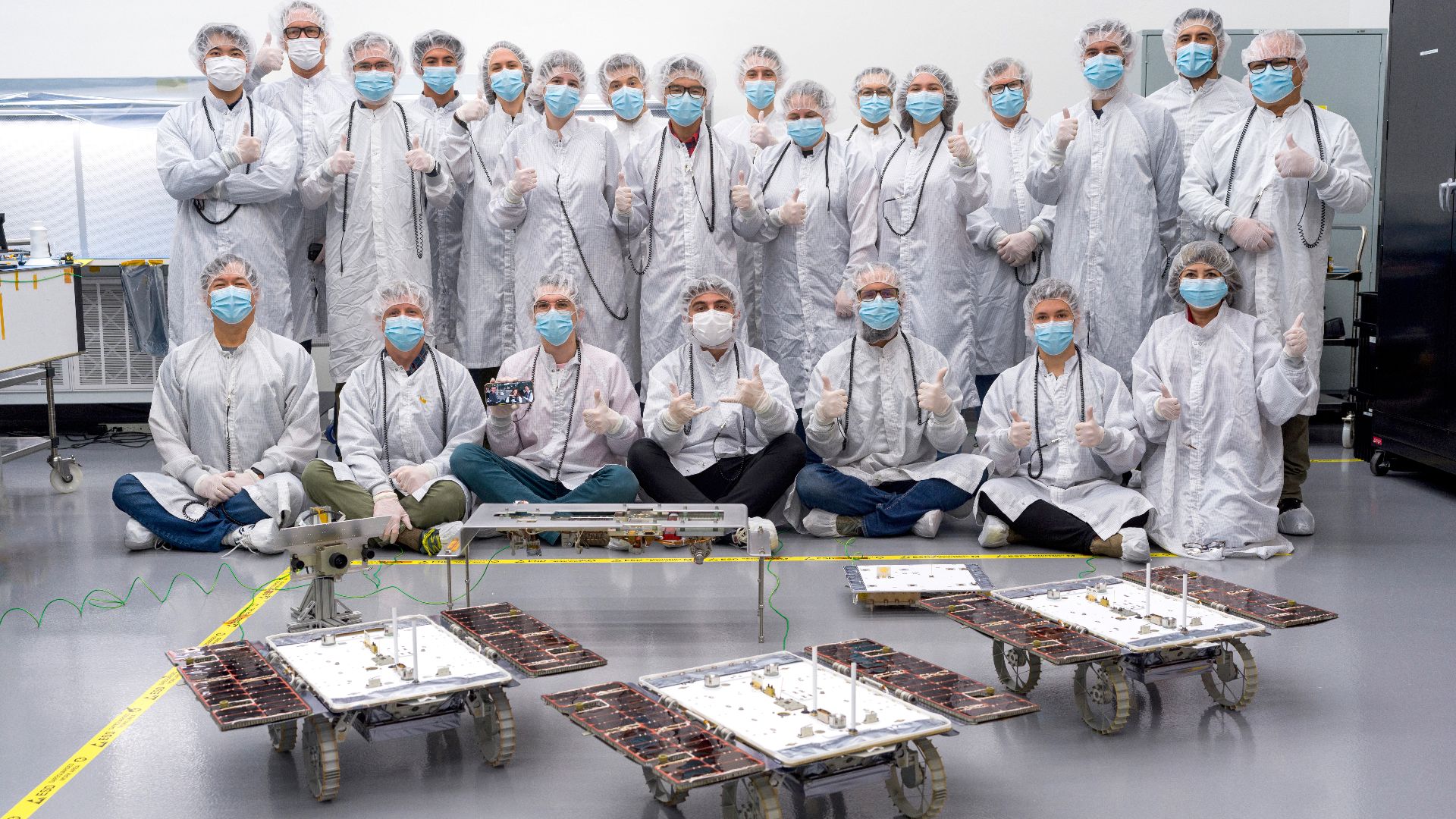
More than 300 scientists from 13 countries analyzed the Cheyava Falls core. Their findings were reviewed across multiple labs before NASA made the public announcement—a global scientific milestone decades in the making.
 NASA/JPL-Caltech, Wikimedia Commons
Why This Moment Feels Different
Past “life on Mars” claims came from meteorites or ambiguous chemistry. This one is direct, well-documented, and peer-reviewed. It’s the culmination of years of cautious science—and it may be the moment we stop asking if Mars had life, and start asking how much.
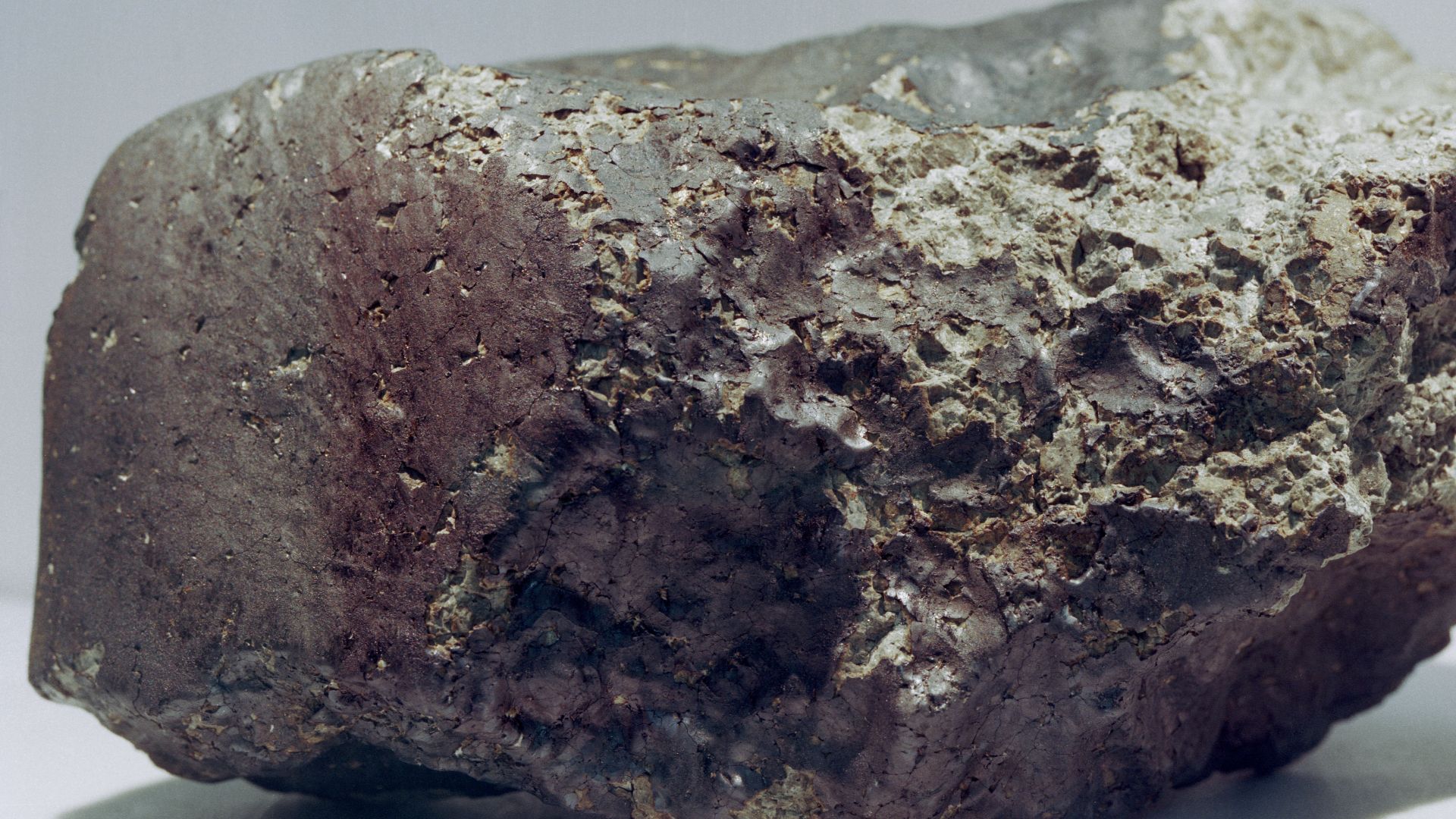
So, Did We Just Find Life?
Not definitively—but we’ve found its shadow. A geological whisper that says: something once stirred here. Whether that something was biological or chemical, it’s the closest we’ve ever come to life beyond Earth.
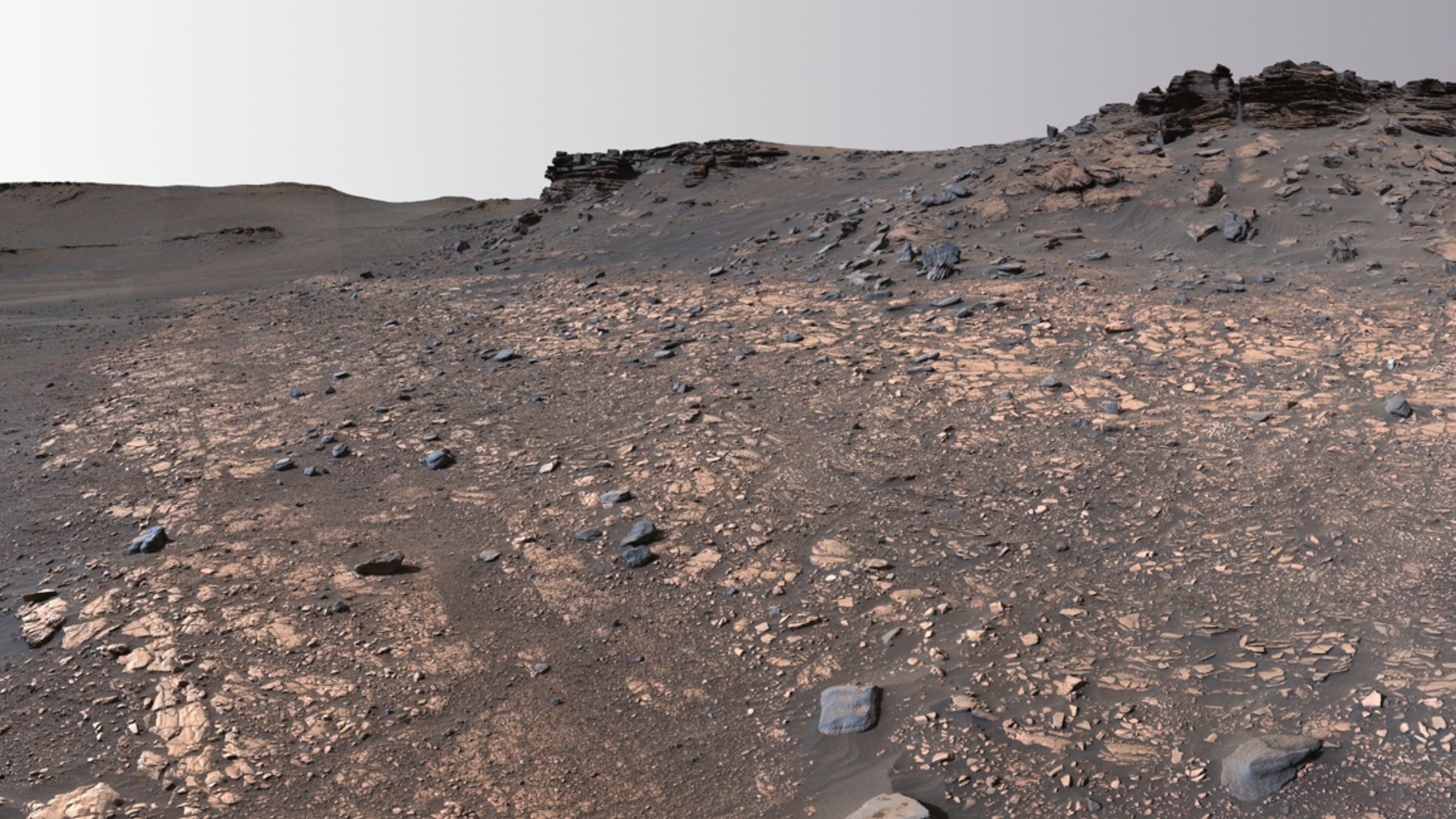 NASA/JPL-Caltech/ASU/MSSS, Wikimedia Commons
What It Means For The Future
If Sapphire Canyon passes every test, it will mark the dawn of a new era in space exploration—where the search for life moves from imagination to evidence. Mars may not be dead after all—it may just be waiting for us to recognize its story.
 NASA/Goddard Space Flight Center/Pat Izzo, Wikimedia Commons
You Might Also Like:
44 Other-Worldly Facts About Mars