The Space Race Had A Missing Chapter
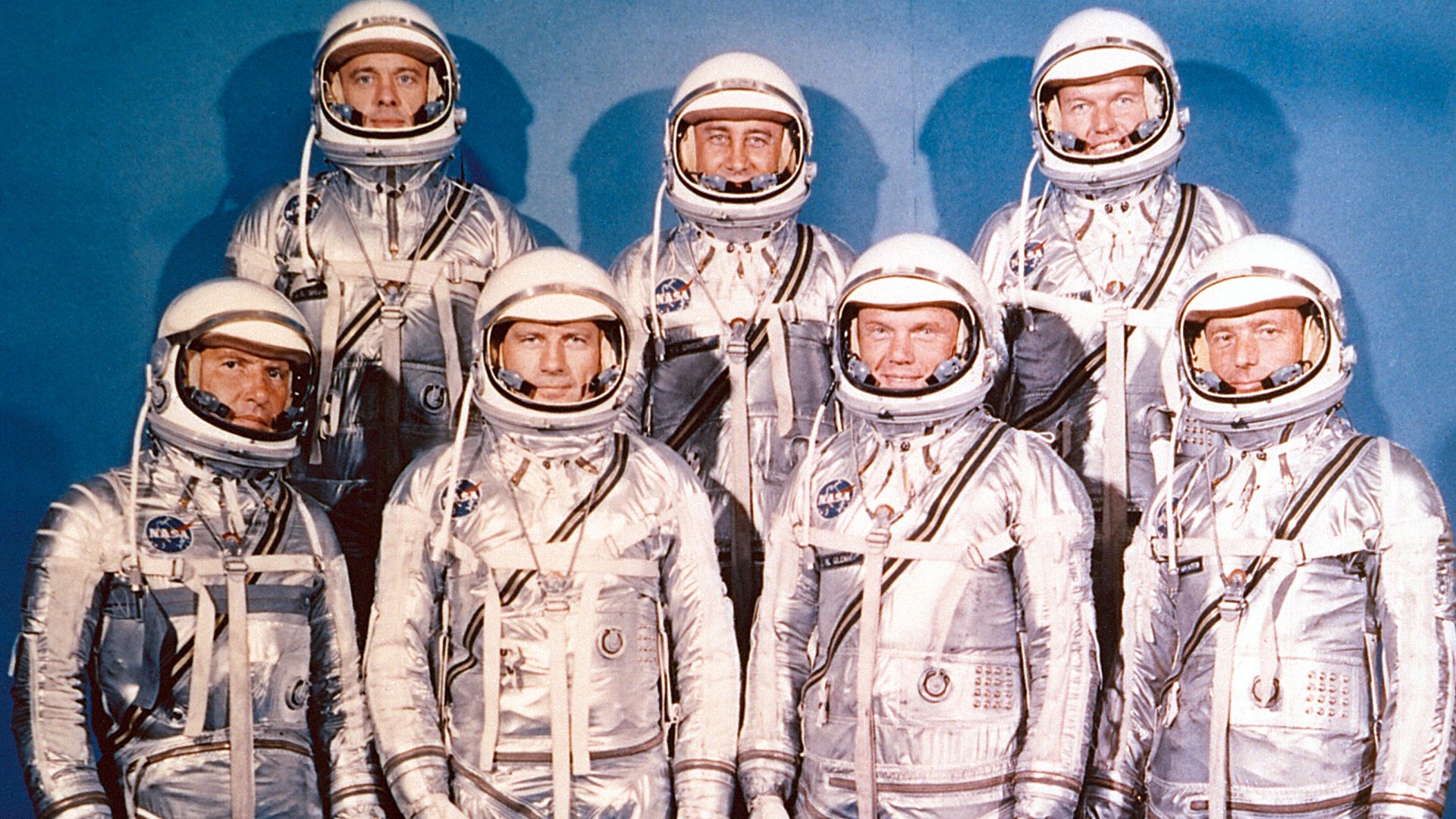
The early Space Race gave America famous heroes in silver suits, but it nearly produced a different kind of astronaut. Thirteen skilled women pilots passed punishing medical tests tied to Project Mercury—then watched the launchpad gates close before they could prove themselves in flight.
 NASA, Public Domain, via Wikimedia Commons
First, A Necessary Reality Check
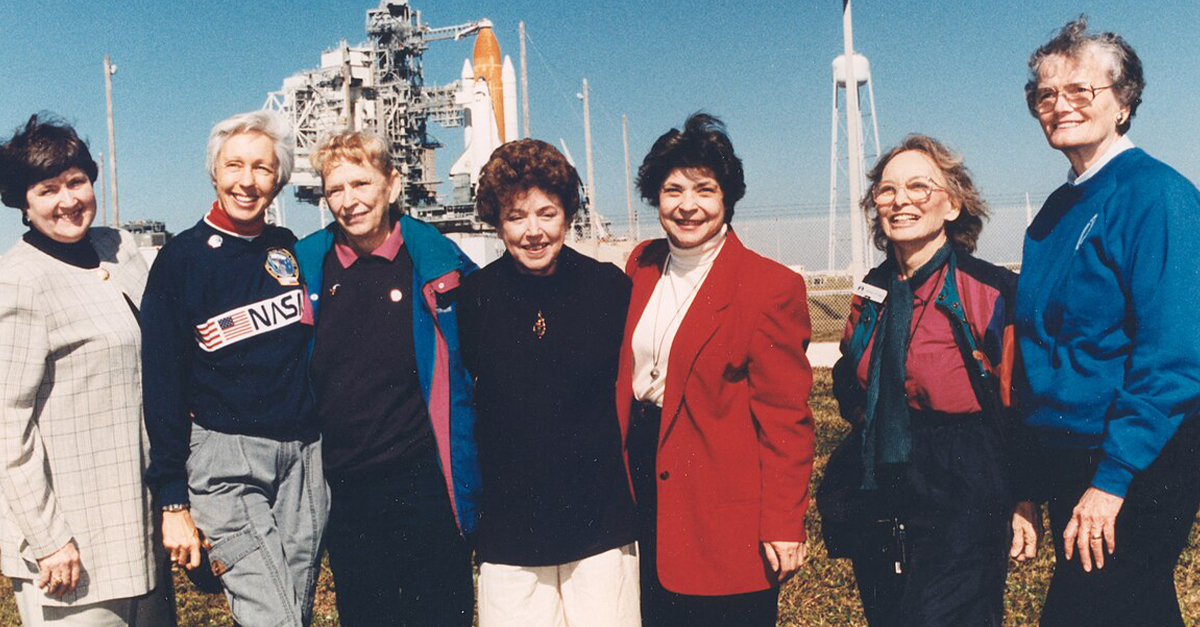
Despite the nickname, the “Mercury 13” were never an official NASA astronaut class. They joined a privately funded research project and passed the first-stage physical screening used in Mercury selection. Jerrie Cobb completed all three testing phases, but none received NASA astronaut status.
Meet Dr. Randy Lovelace
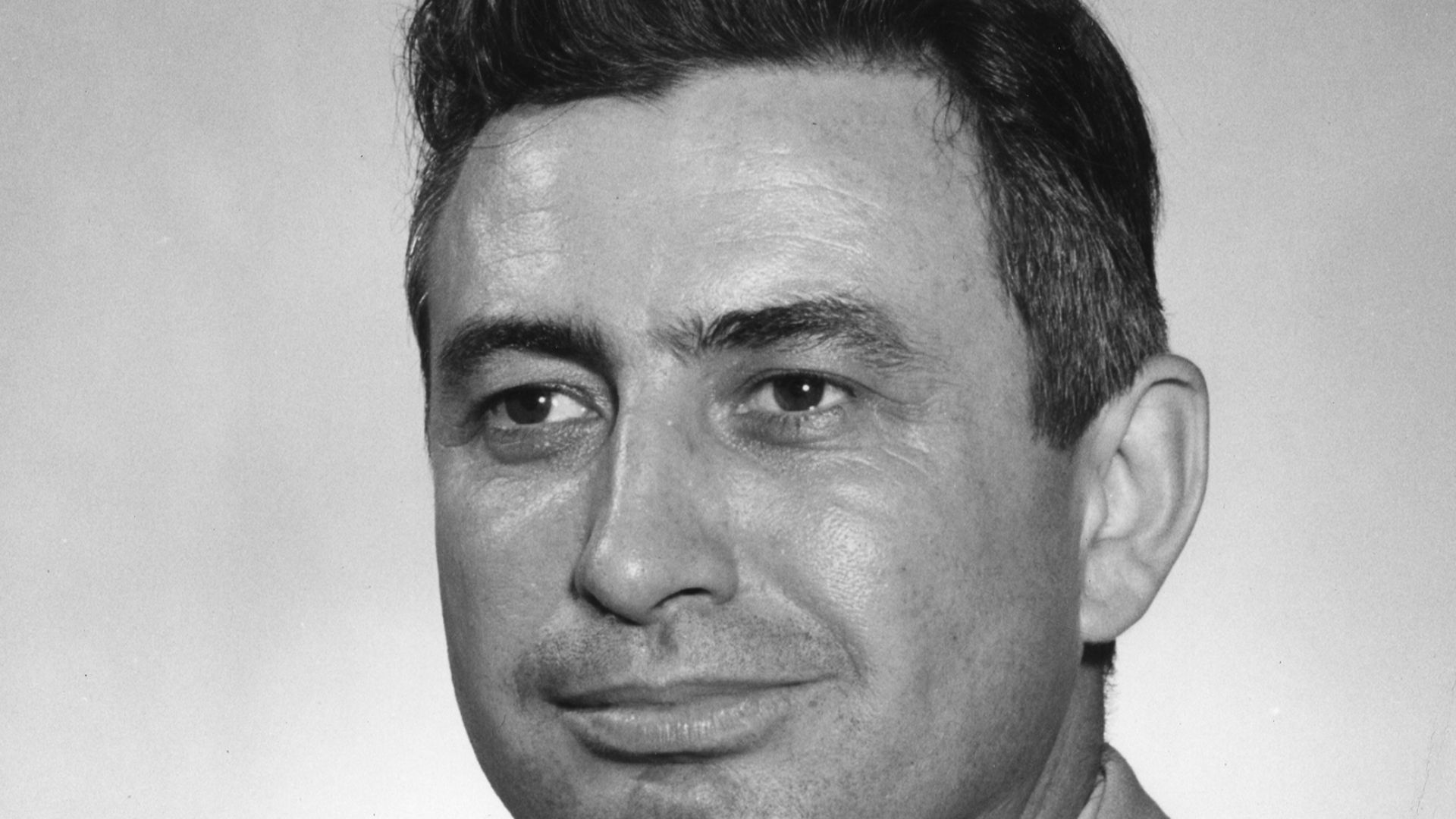
The experiment began with Dr. William Randolph “Randy” Lovelace II, an aviation-medicine expert who helped develop tests for NASA’s first astronauts. Lovelace wondered whether women could withstand spaceflight, so his private Albuquerque clinic investigated a question NASA was not seriously pursuing.
 Quentin R. Porter, Army Air Force Photographer, Wikimedia Commons
Why Women Made Practical Sense
This was not only about fairness. Early spacecraft were tiny, every pound mattered, and supplies were limited. Because women are smaller and lighter on average, researchers thought they might need less room and fewer resources. In rocket science, even lunch has a launch cost.

History's most fascinating stories and darkest secrets, delivered to your inbox daily.
Jerrie Cobb Steps Up
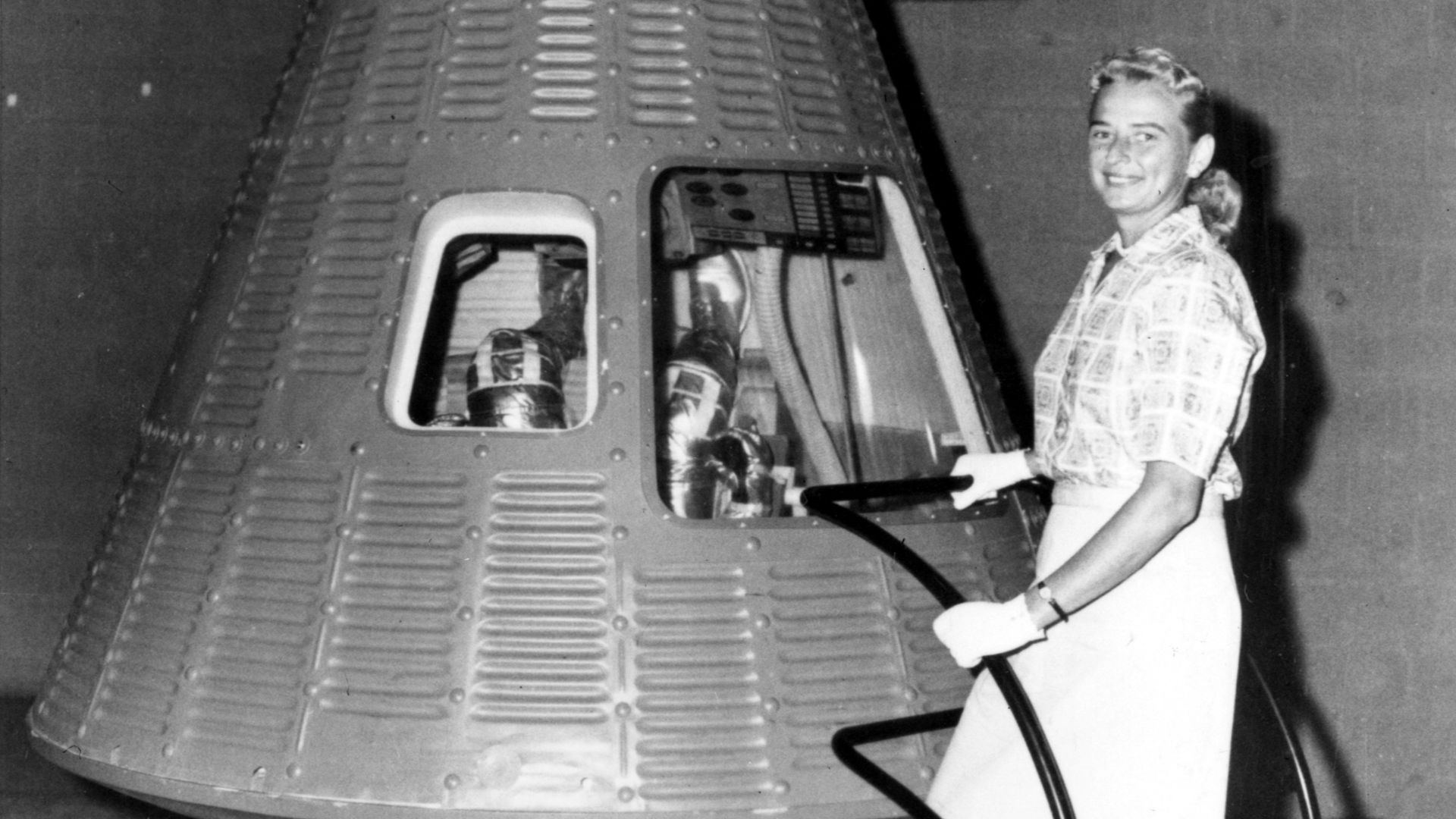
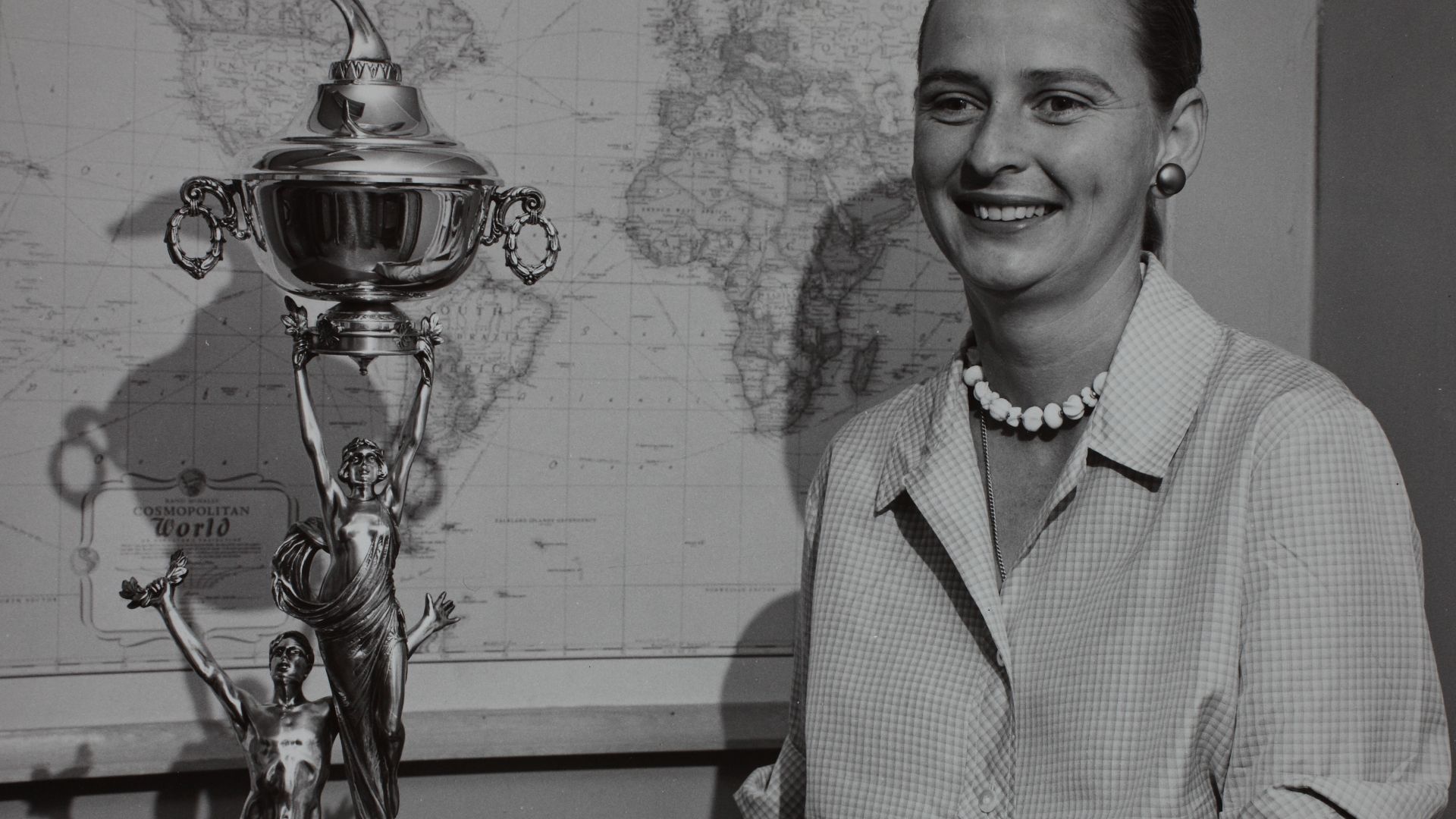
Lovelace’s first subject was Geraldyn “Jerrie” Cobb, an award-winning Oklahoma pilot with records and years of demanding flying behind her. She earned a private license at 16 and a commercial license at 18. Offered a shot at astronaut testing, she did not blink.
 SDASM Archives, Wikimedia Commons
The Tests Were Absolutely Brutal
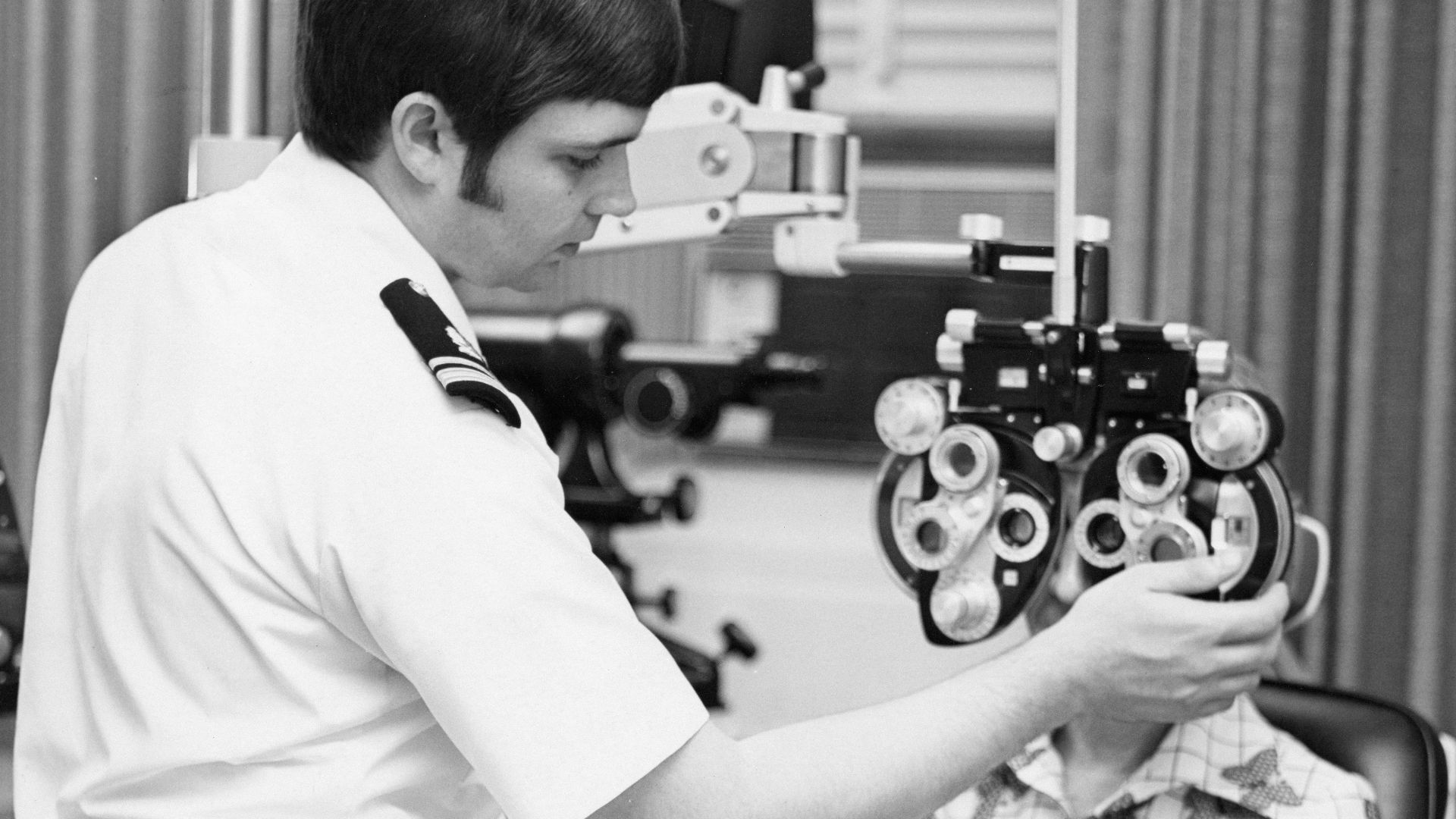
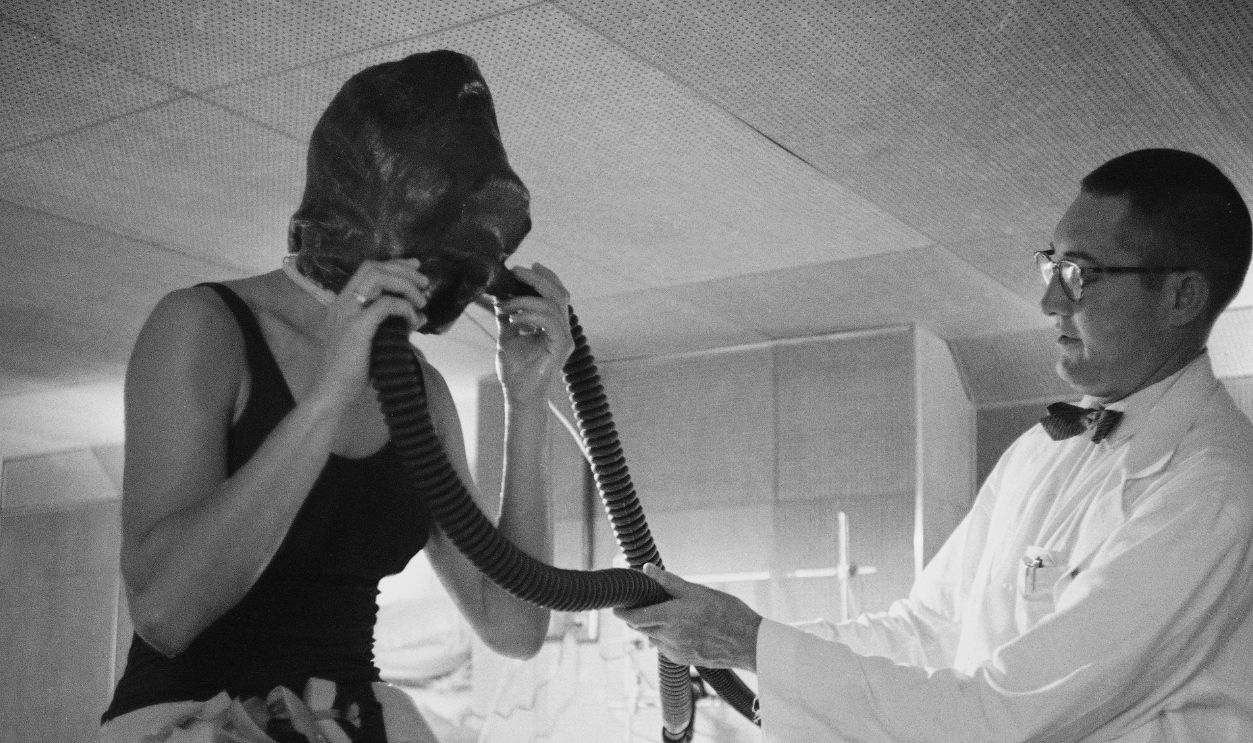
Cobb faced about 75 physiological tests like those used to screen Mercury candidates. Doctors examined vision, balance, breathing, circulation, reflexes, and endurance. One eye exam lasted four hours, while a weighted stationary bicycle pushed candidates until their lungs and legs begged for mercy.
Ice Water Was Just The Beginning
Some procedures sounded like punishments invented by a bored supervillain. Candidates swallowed rubber tubes for stomach-acid samples. Electric pulses tested nerves. Ice water blasted into their ears induced vertigo. A nuclear counter measured lean body mass. Nobody received a relaxing spa robe afterward.
 Ahmodhusain2002, Wikimedia Commons
Cobb Beat The Challenge
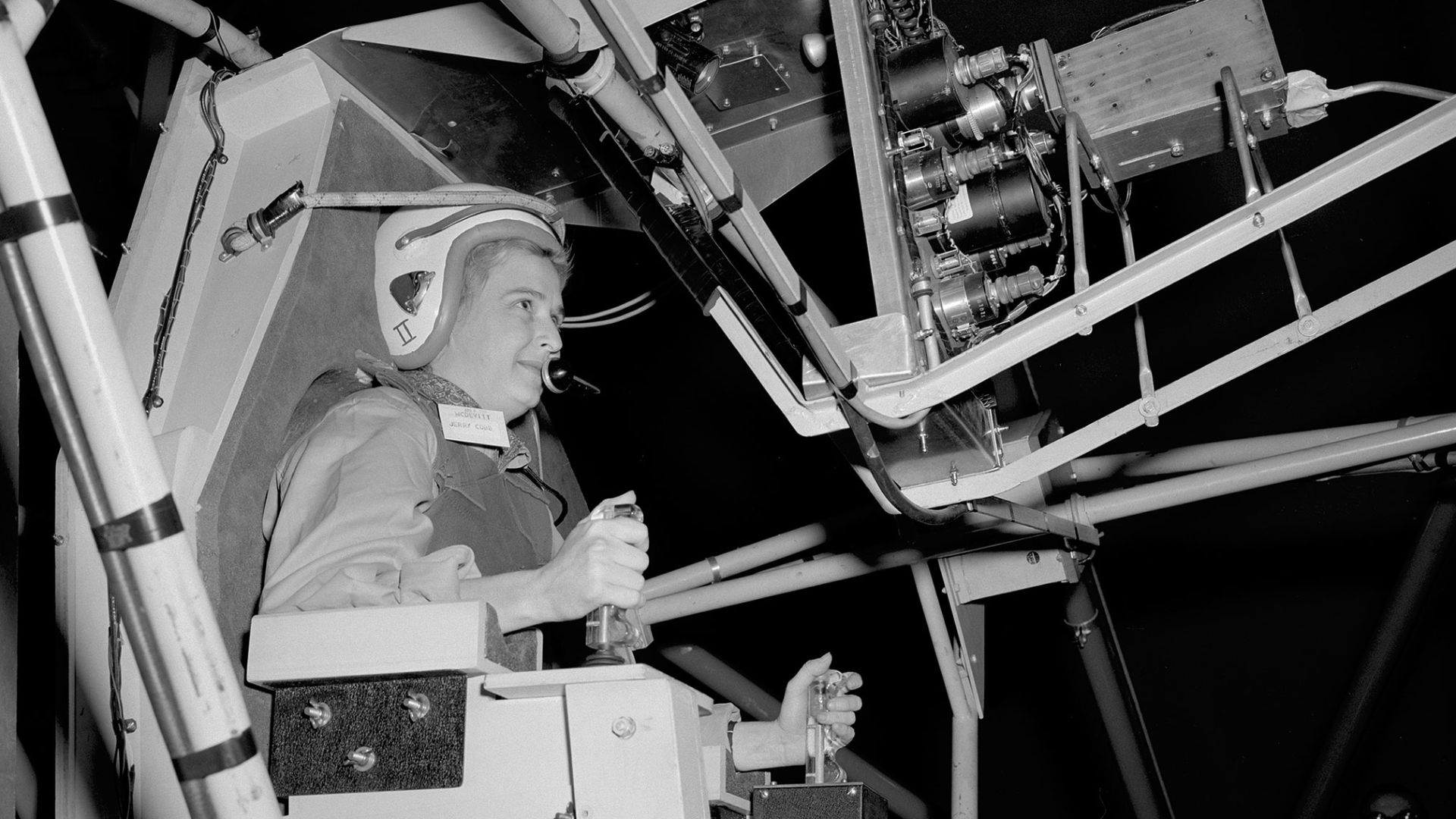
Cobb did more than survive. NASA later reported that she ranked above most male subjects in the initial tests, performed on par with astronauts in a spinning gimbal rig, and became the first American woman to pass all three testing phases. The numbers spoke clearly.
 NASA Glenn Research Center, Wikimedia Commons
The Search For More Pilots
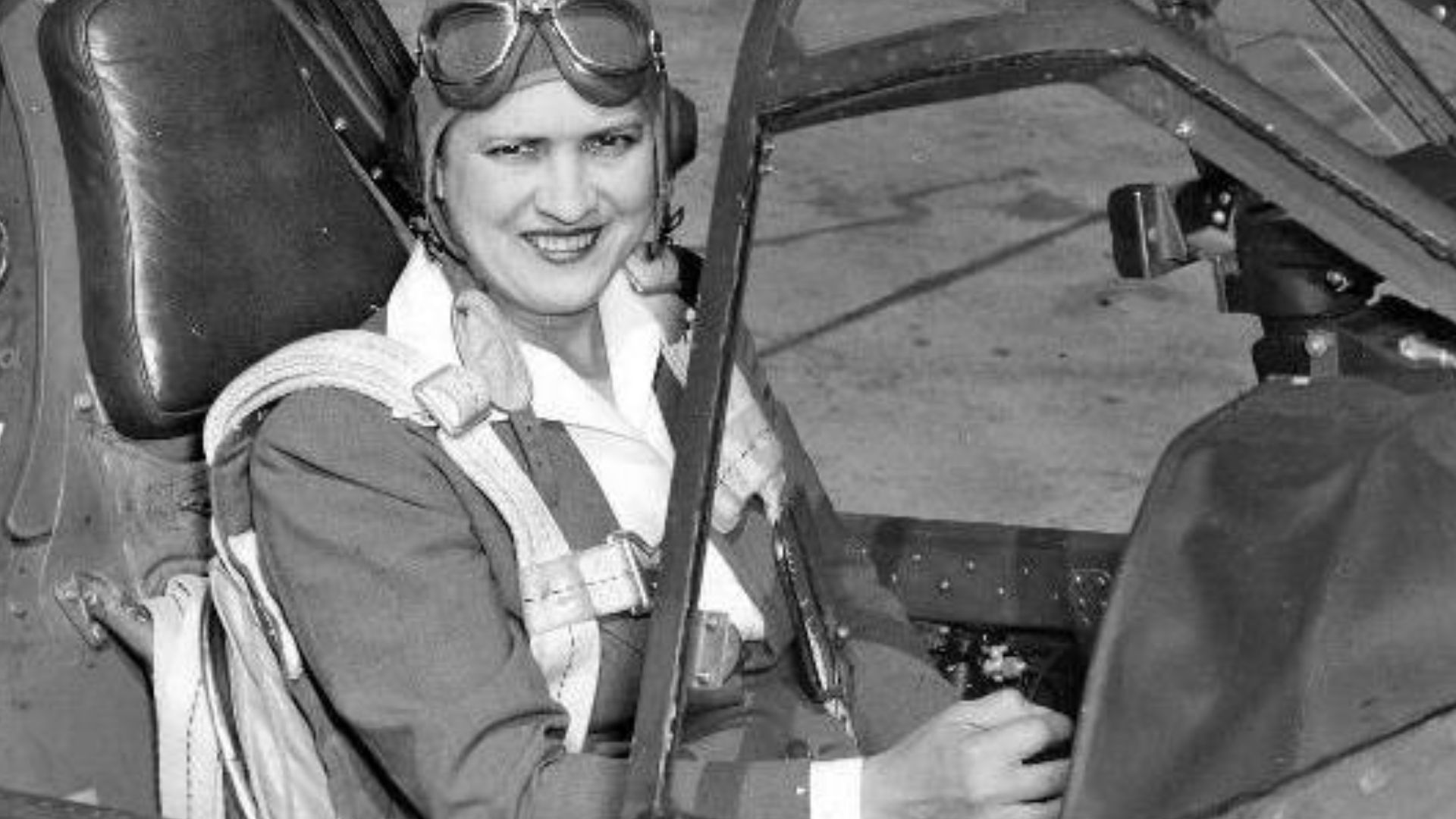
After Cobb’s success became public, Lovelace recruited other women, with aviation legend Jacqueline Cochran covering testing expenses. By summer 1961, 19 women had taken astronaut-fitness examinations at the Lovelace Clinic. Most came through the Ninety-Nines, the international organization of women pilots.
Thirteen Women Made The Cut
The finalists were Jerrie Cobb, Wally Funk, Irene Leverton, Myrtle “K” Cagle, Jane “Janey” Hart, Gene Nora Stumbough, Jerri Sloan, Rhea Hurrle, Sarah Gorelick, Bernice “B” Steadman, Jan Dietrich, Marion Dietrich, and Jean Hixson. Their names deserve more than a footnote.
 Joel Kowsky, Wikimedia Commons
History's most fascinating stories and darkest secrets, delivered to your inbox daily.
They Were Serious Aviators
These women were not celebrities playing astronaut for a camera. Every candidate was a skilled pilot with a commercial rating, and many had deep experience in racing, instruction, charter work, or aircraft delivery. They understood danger, machinery, weather, and suspicious engine noises.
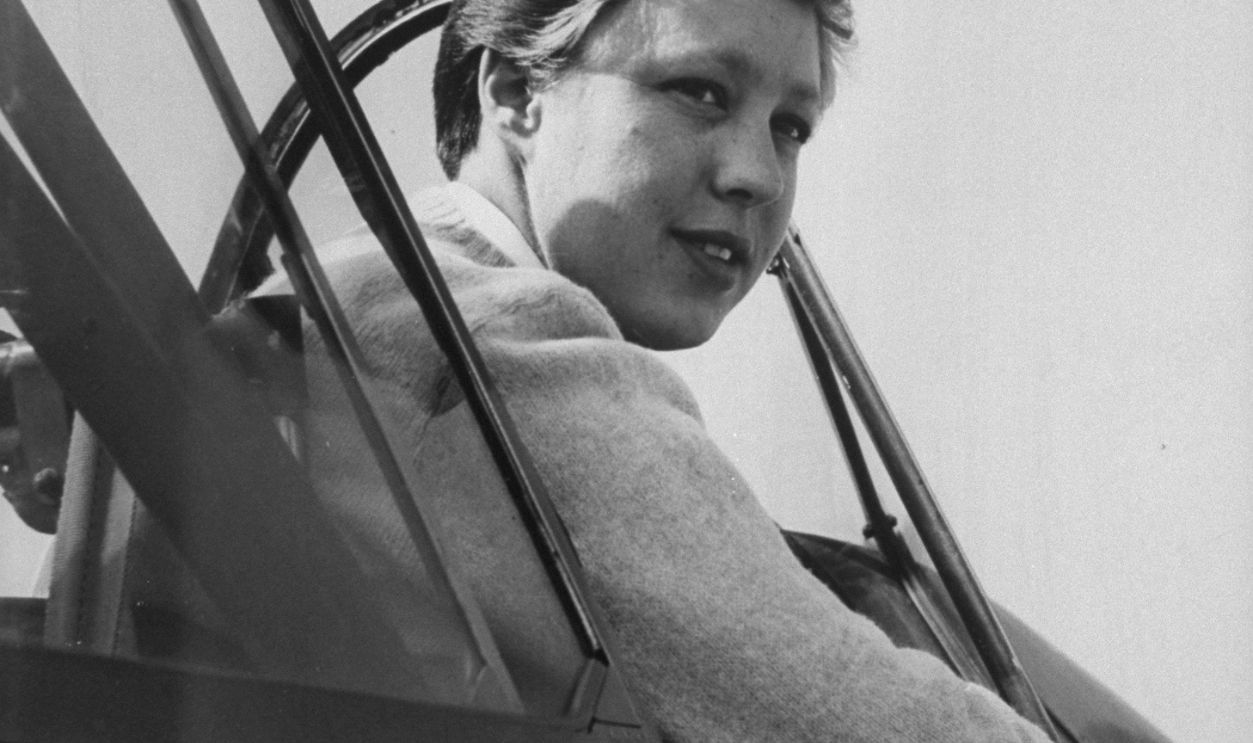
Jane Hart Defied Every Label
Jane Hart was the oldest candidate at 41, a mother of eight, the wife of U.S. Senator Philip Hart, and an accomplished pilot. The era liked women to fit inside neat little boxes. Hart appeared to have misplaced the boxes, then flown over them.
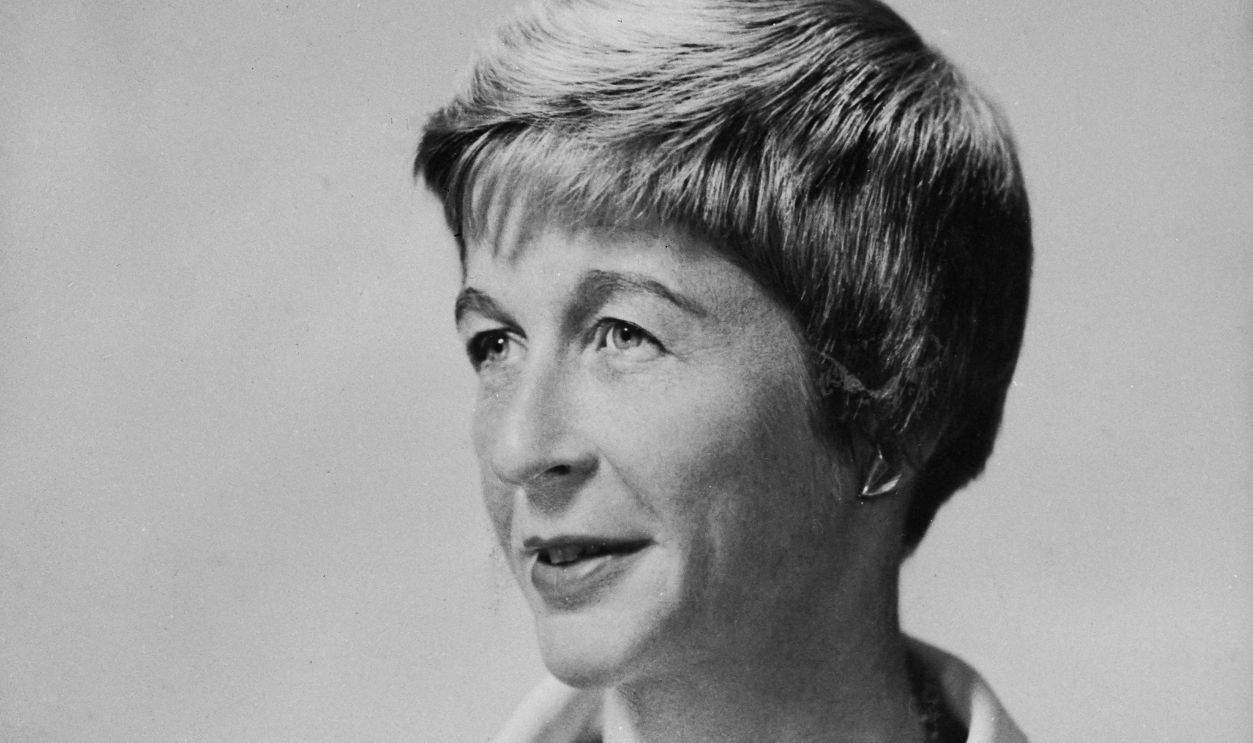 Evening Standard, Getty Images
Wally Funk Would Not Quit
Wally Funk, the youngest finalist, was already a flight instructor and hungry for every test available. She joined Cobb and Rhea Hurrle for isolation-tank and psychological evaluations in Oklahoma City. Funk’s space dream would outlive the program—and almost everyone’s patience.
The Women Rarely Met
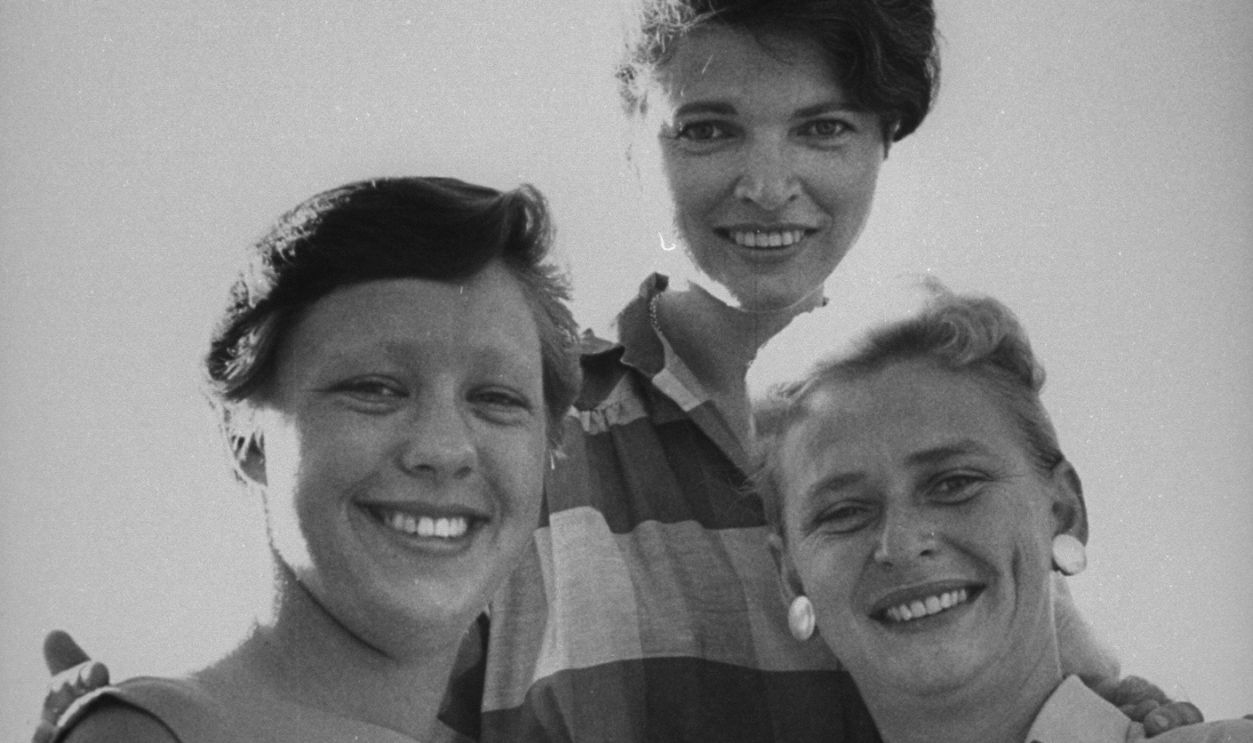
The women were not gathered into one glamorous training squad. Unlike NASA’s male candidates, they usually arrived in Albuquerque alone or in pairs. Cobb called them the First Lady Astronaut Trainees, or FLATs, but their shared identity grew stronger after the project ended.
Pensacola Was The Next Step
The finalists expected to continue at the Naval School of Aviation Medicine in Pensacola, Florida. There they would face advanced aeromedical examinations using military equipment and jet aircraft. The project finally seemed to be moving from medical research toward genuine astronaut preparation.
Then Came The Telegrams
Days before the women were due to report, telegrams canceled the Pensacola testing. Two participants had already quit their jobs to attend. The Navy said it could not provide facilities without an official NASA request—and NASA had made no such request. The door slammed shut.
History's most fascinating stories and darkest secrets, delivered to your inbox daily.
NASA Had A Perfect Catch-22
NASA required astronaut candidates to have engineering credentials and experience from military jet test-pilot programs. Women could not enter the military pipeline that produced those qualifications. They were rejected for lacking experience the government itself prevented them from obtaining. Bureaucracy had built an airtight loop.
The Rules Were Not Truly Equal
On paper, NASA could claim the same standards applied to everyone. In practice, those standards were shaped around careers reserved for men. The women’s commercial expertise and propeller-aircraft hours could not unlock the door. The rule looked neutral only if you ignored the key.
 MrMiscellanious, Wikimedia Commons
Cobb Went To Washington
Cobb refused to accept a telegram as the final word. She flew to Washington, campaigned to restart the program, wrote to President John F. Kennedy with Hart, and visited Vice President Lyndon Johnson. She wanted no charity—only the chance to continue proving herself.
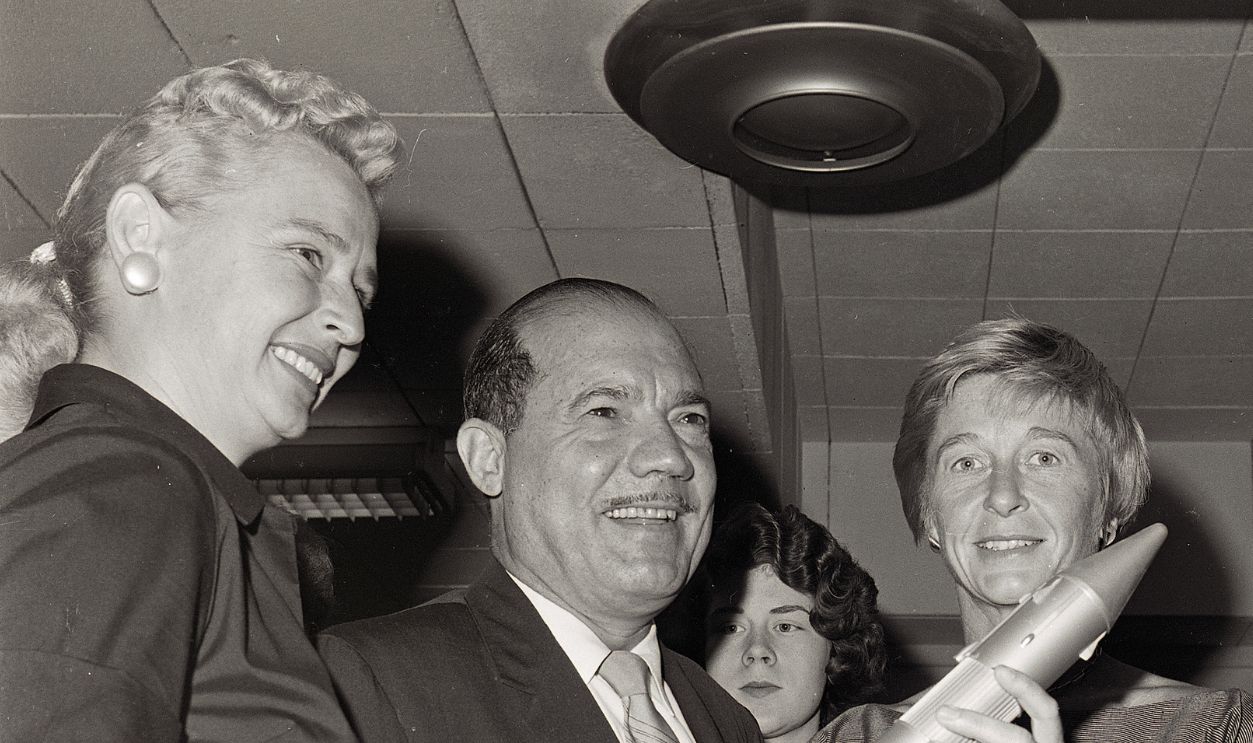
Jane Hart Joined The Fight
Jane Hart was the oldest finalist, a 41-year-old pilot, mother of eight, and wife of Michigan senator Philip Hart. In an era obsessed with putting women into tidy boxes, Hart refused to fit. She brought political savvy, flying skill, and serious backbone to the fight for women in space.
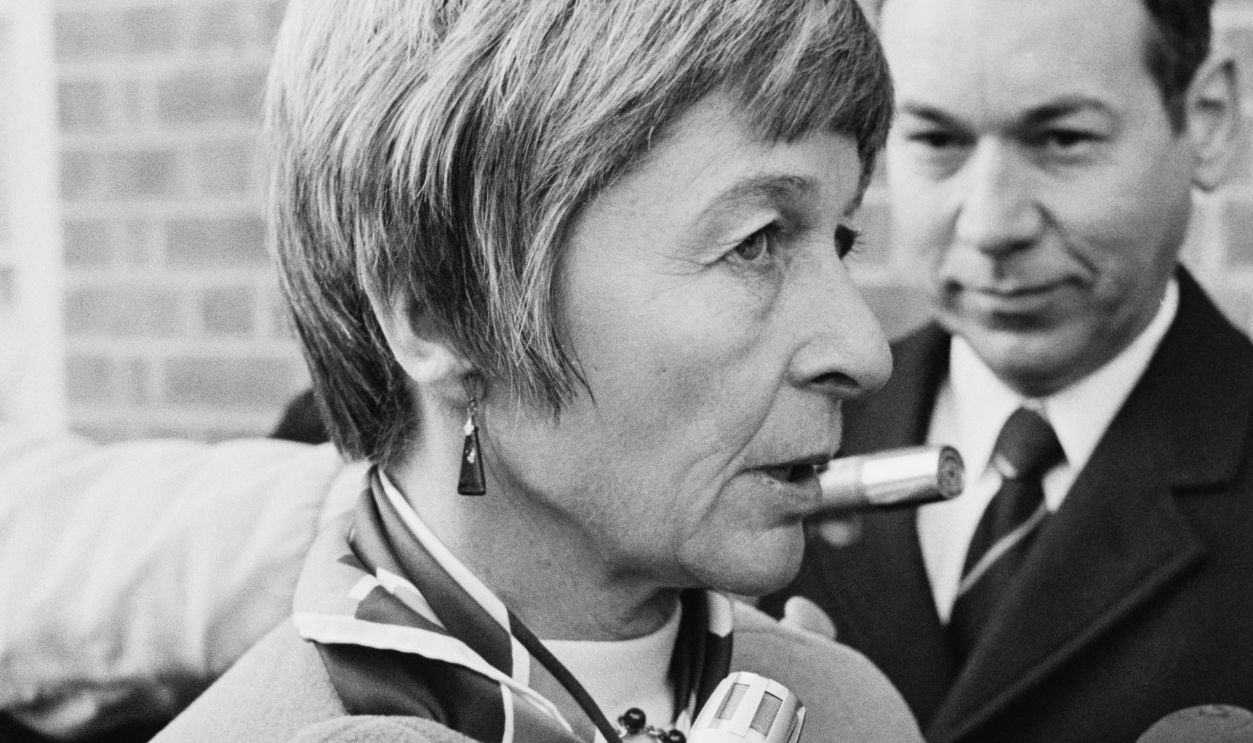 Michael Ochs Archives, Getty Images
Congress Put The Era On Trial
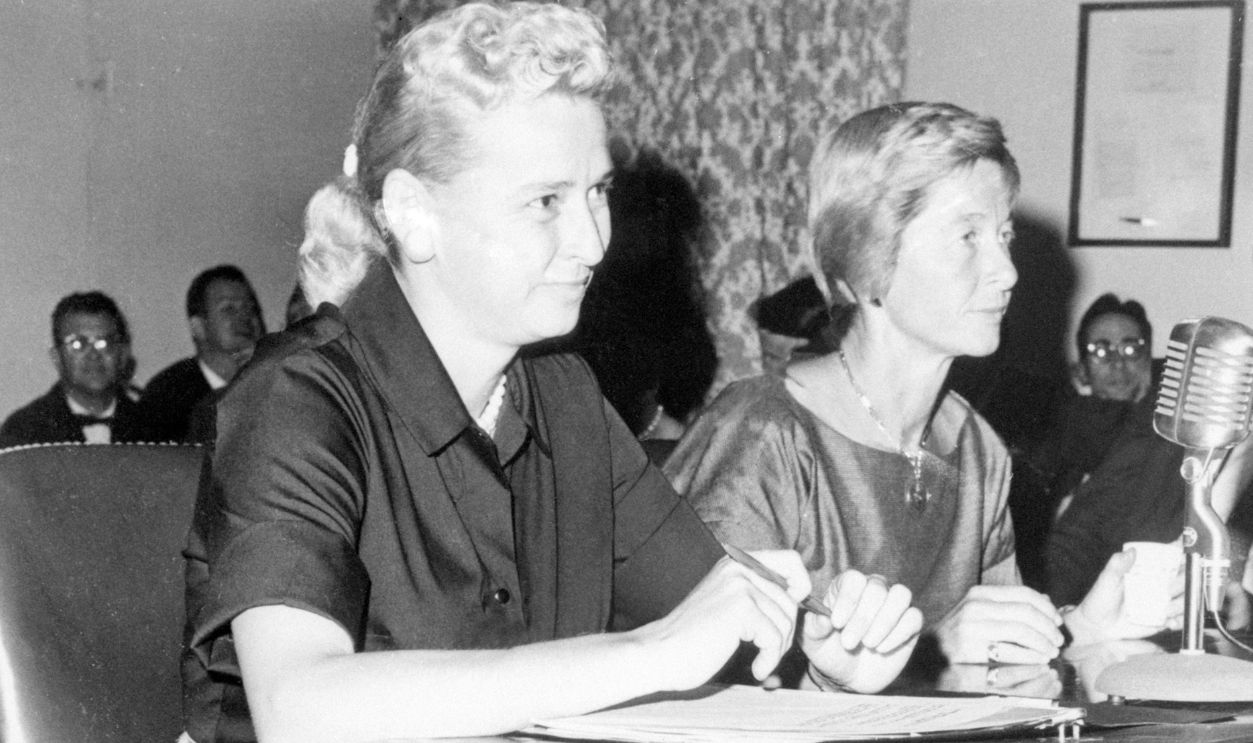
A House subcommittee held hearings on astronaut qualifications in July 1962. Cobb and Hart presented the project’s results, while NASA officials defended existing rules. The hearing launched no woman, but it exposed the dispute: demonstrated performance on one side, institutional tradition on the other.
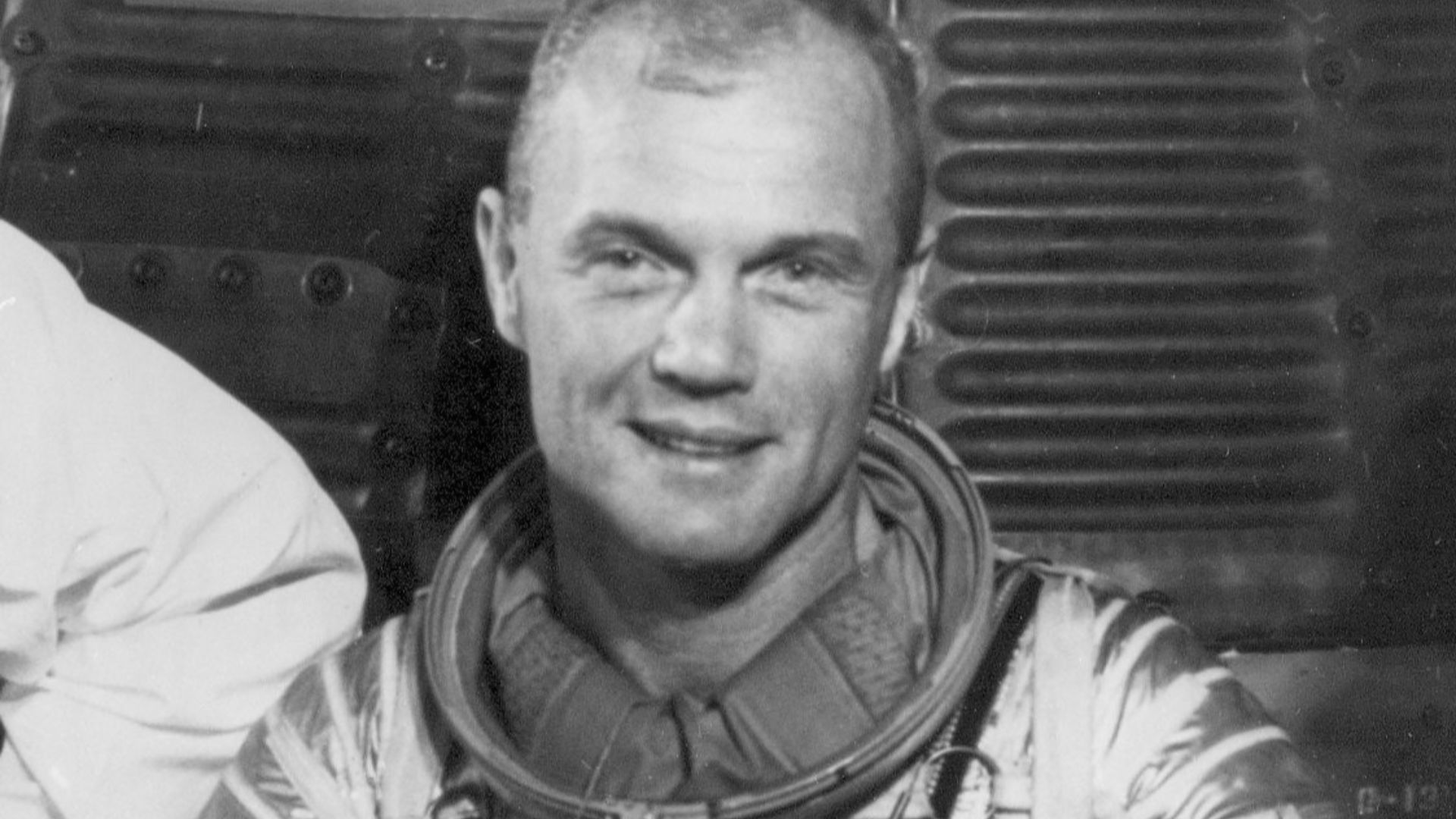
John Glenn Defended The System
Mercury astronaut John Glenn testified that military pilots were the natural astronaut pool and described women’s absence as “a fact of our social order.” The phrase was painfully honest. The barrier was not a failed medical test; society had already decided who looked like an astronaut.
History's most fascinating stories and darkest secrets, delivered to your inbox daily.
Jacqueline Cochran Complicated Everything
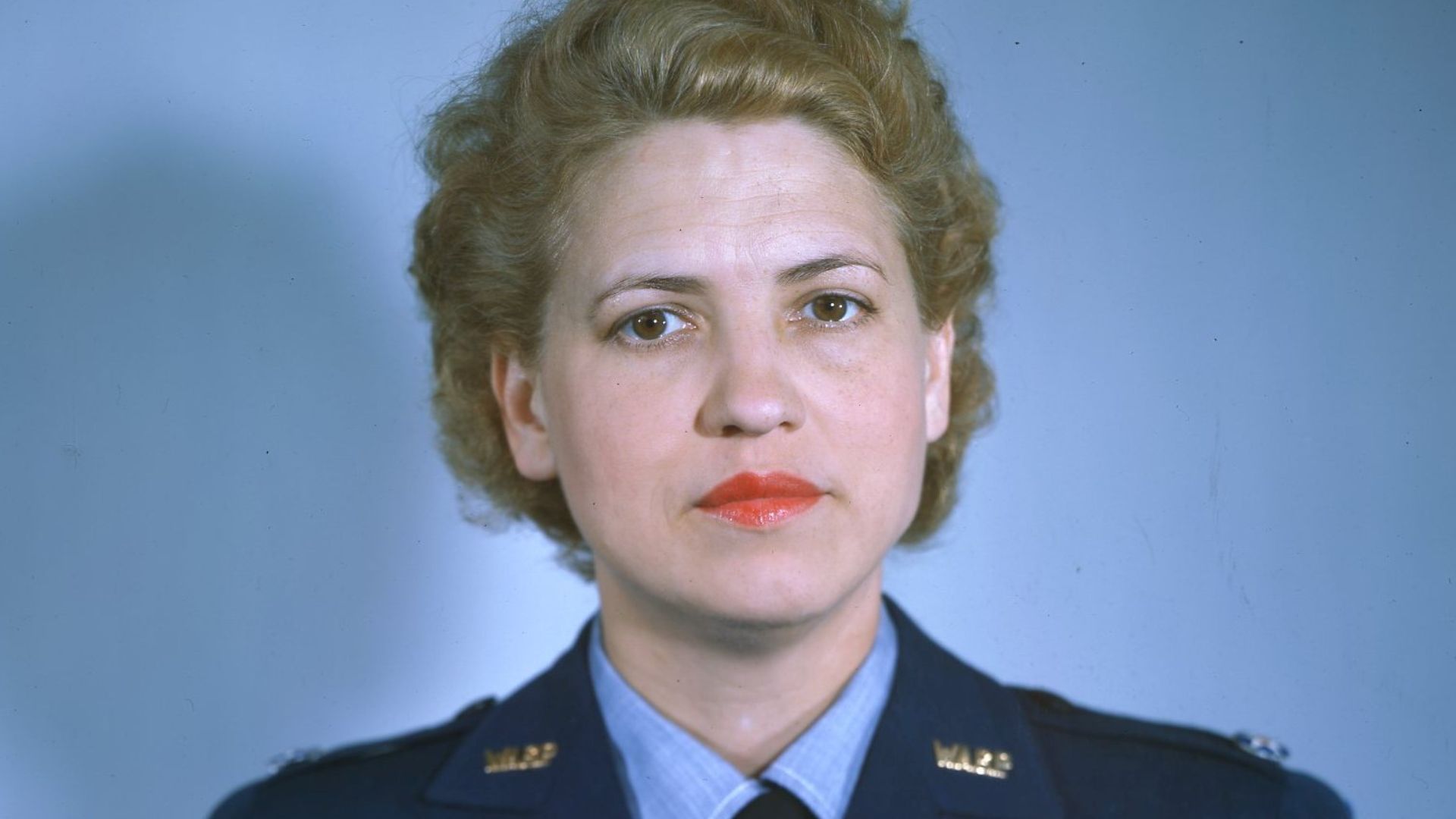
Jacqueline Cochran financed the women’s testing, yet she warned Congress that creating a special program for one woman might harm the larger space effort. She later supported renewed testing. Her role was not neatly heroic or villainous—history rarely cooperates that well.
 Unknown authorUnknown author or not provided, Wikimedia Commons
The Soviet Union Got There First
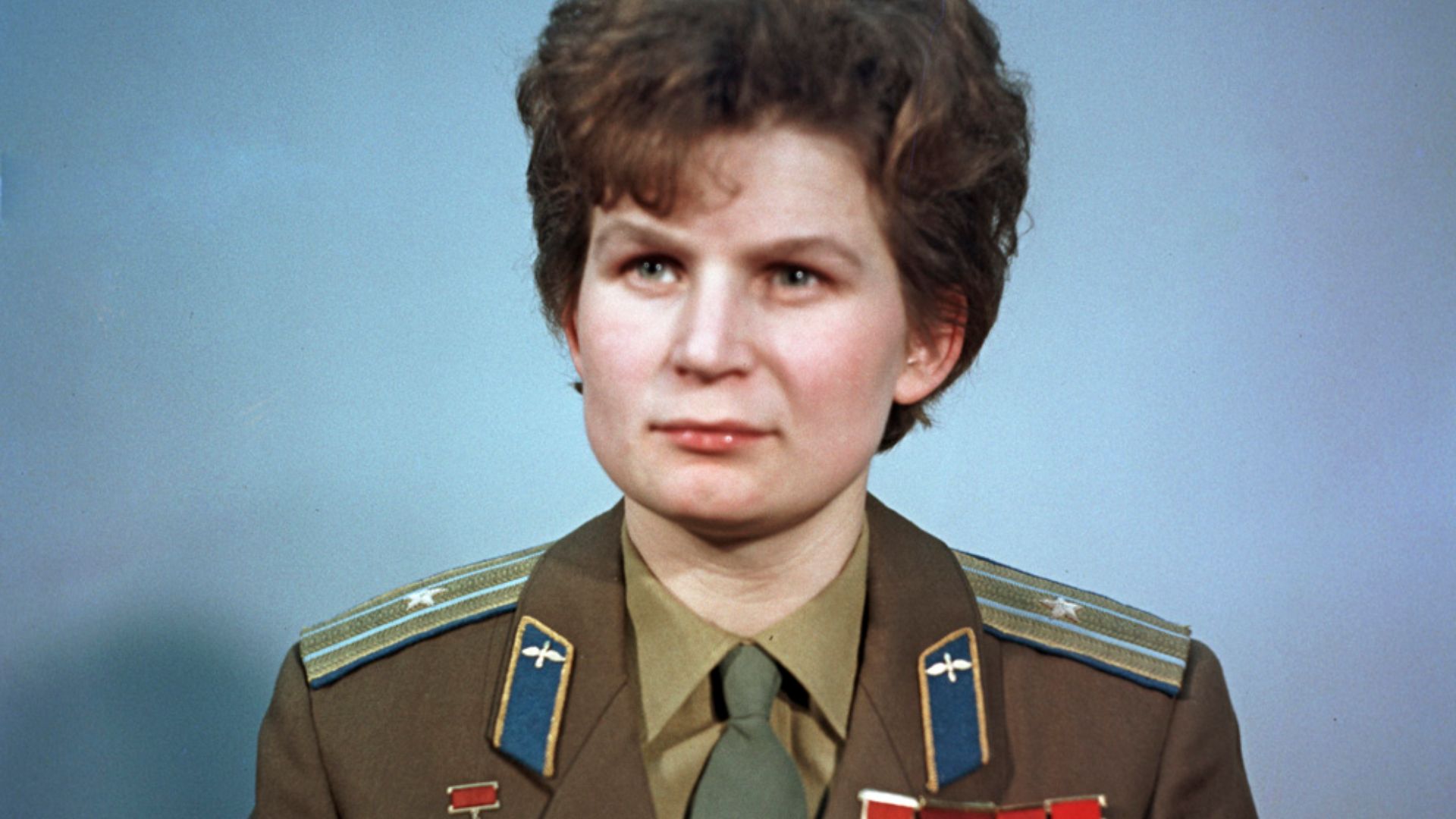
On June 16, 1963, Soviet cosmonaut Valentina Tereshkova became the first woman in space. Her flight revived attention around Lovelace’s finalists but produced no immediate American answer. The United States could move at rocket speed—and at glacial speed when it chose.
 Alexander Mokletsov / Александр Моклецов, Wikimedia Commons
America Waited Two More Decades
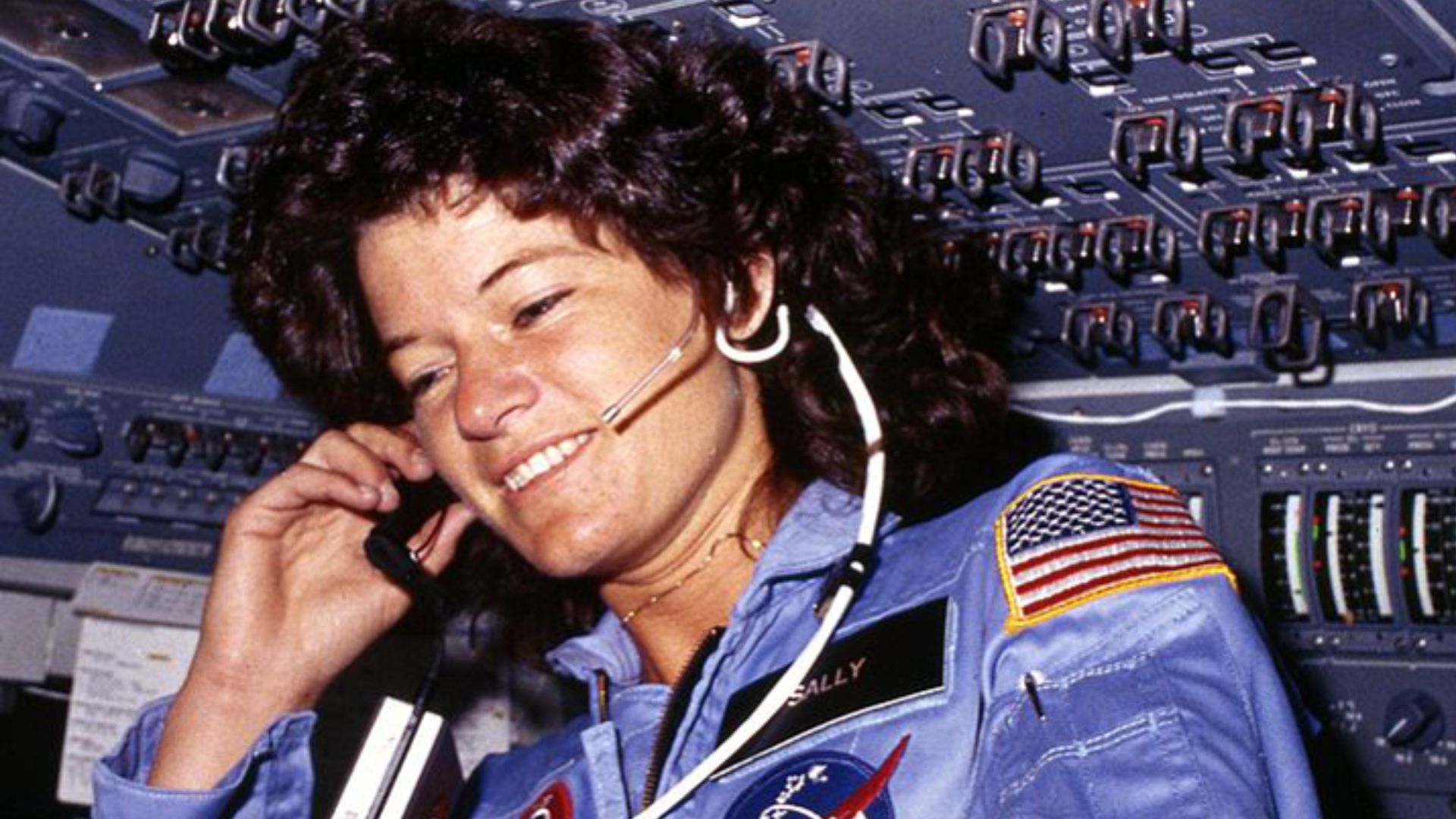
NASA finally selected women as astronaut candidates in its 1978 shuttle class. Five years later, Sally Ride became the first American woman in space aboard STS-7. By then, the Mercury 13’s tests were more than 20 years old, and their future belonged to another generation.
 Unknown or not provided, Wikimedia Commons
One Dream Finally Left Earth
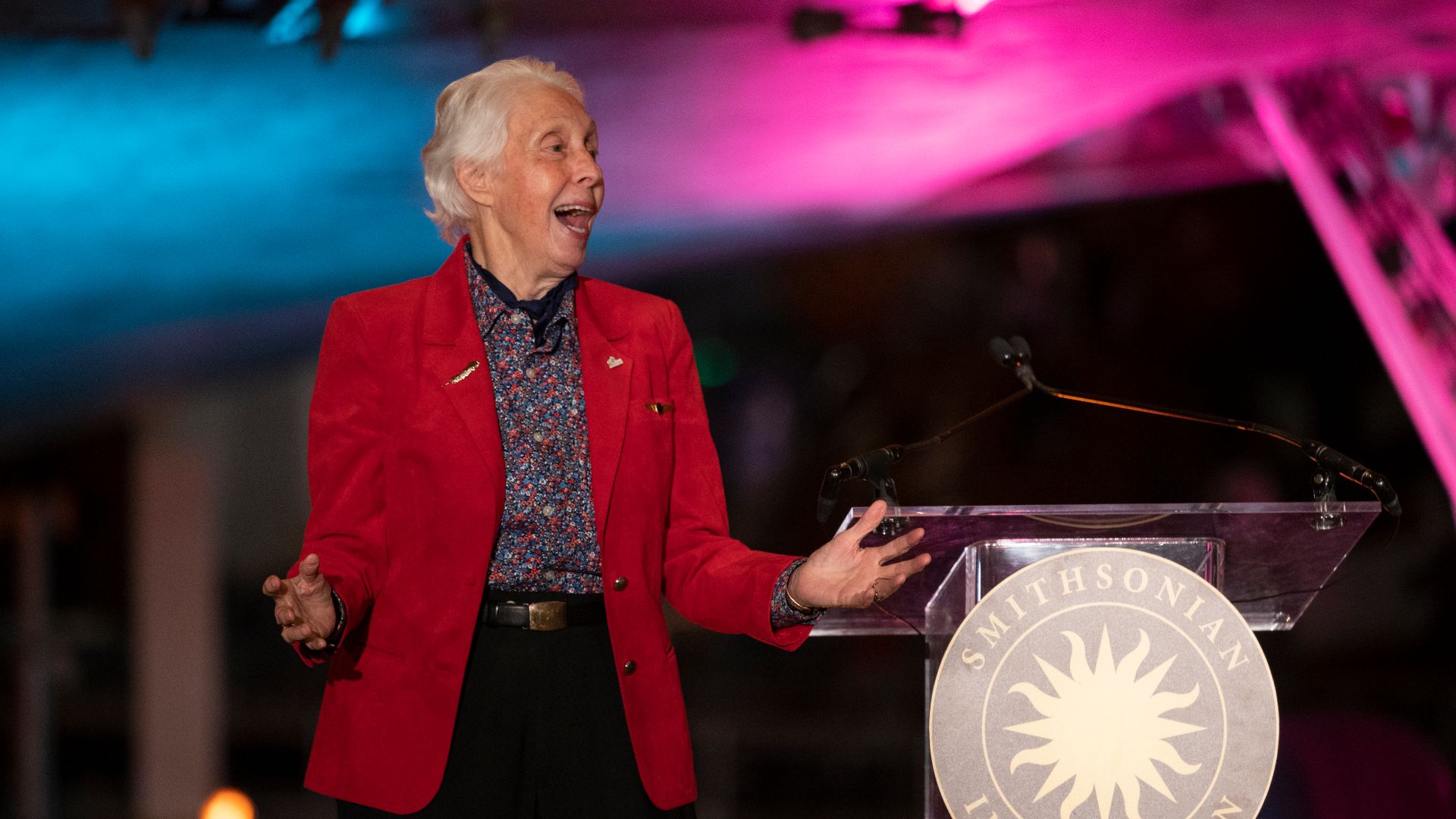
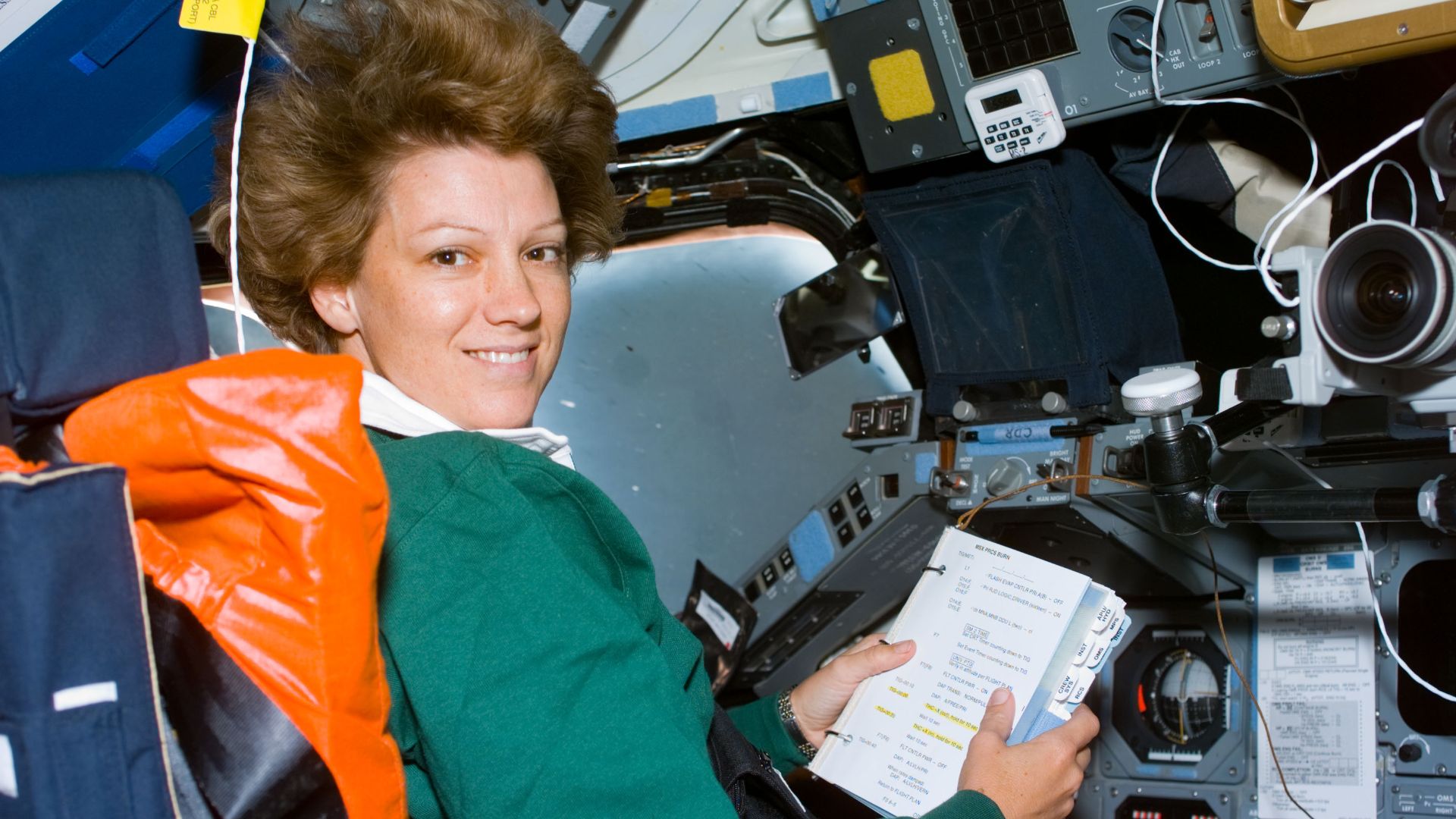
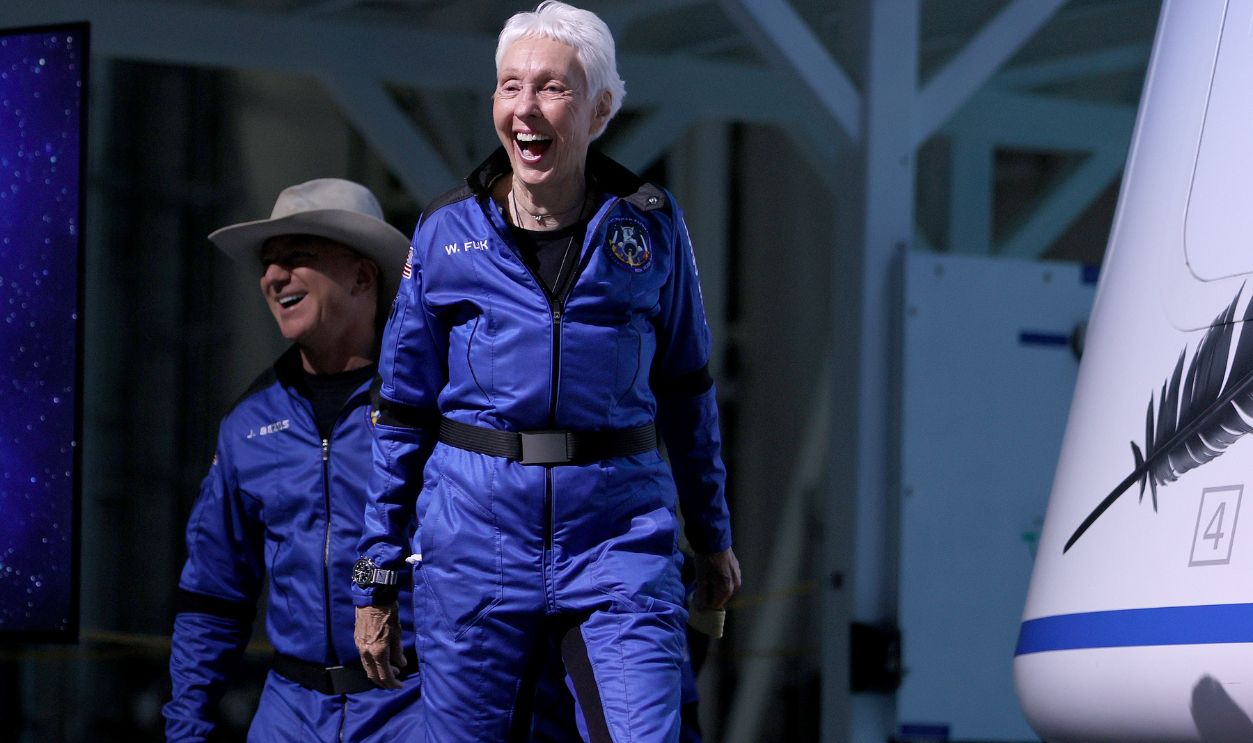
In 1995, Eileen Collins became the first woman to pilot a Space Shuttle and invited surviving Mercury 13 members to her launch. In 2021, Wally Funk reached suborbital space aboard Blue Origin at age 82. It was sixty years late, but what an arrival.
Their Legacy Flew Ahead of Them
The Mercury 13 never became NASA astronauts, and only Funk eventually reached space. Yet their tests demolished the excuse that women were physically unfit for the job. They supplied evidence before institutions were ready to accept it—and made the next generation seem inevitable.
You May Also Like:
Bizarre Things That People Somehow Once Believed Were Good For Their Health
American School Rules From Past Decades That Would Shock Students
Miserable Facts About Elliott Smith, The Singer We Can’t Forget