
Welcome To A Very Different Classroom
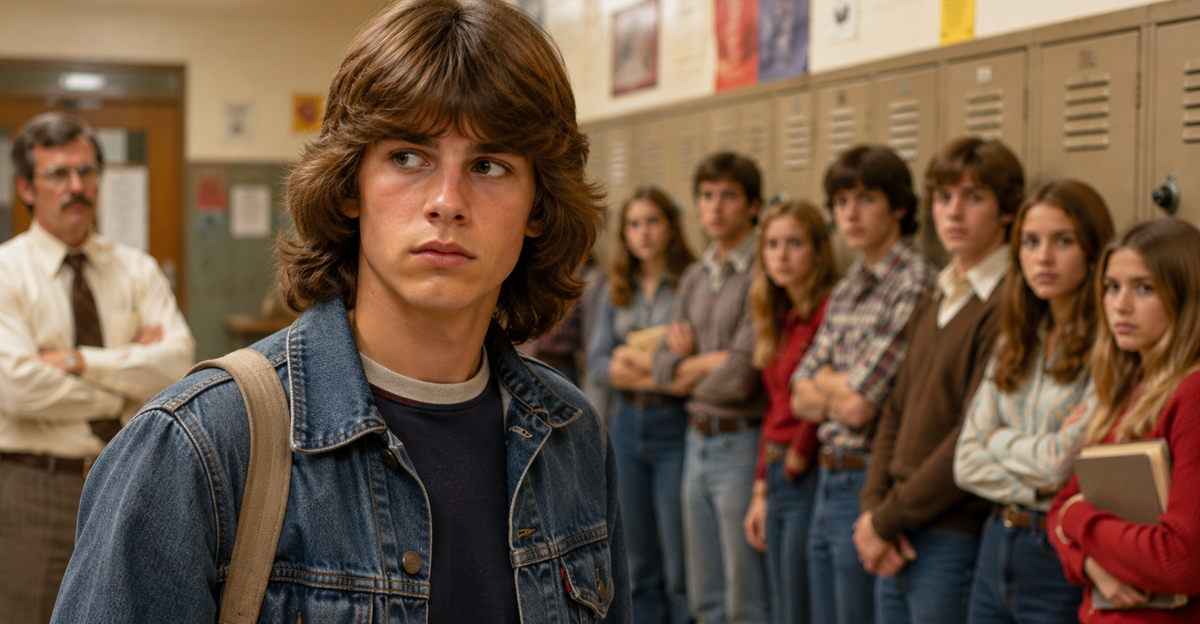
Imagine walking into school knowing a teacher could paddle you, boys could be sent home for long hair, and many students were expected to stand the instant an adult entered the room. For much of American history, these rules were considered perfectly ordinary rather than controversial. Looking back, many of them seem almost unbelievable. Here are some of the classroom rules and expectations that once shaped daily life for millions of American students.
Teachers Could Paddle Students
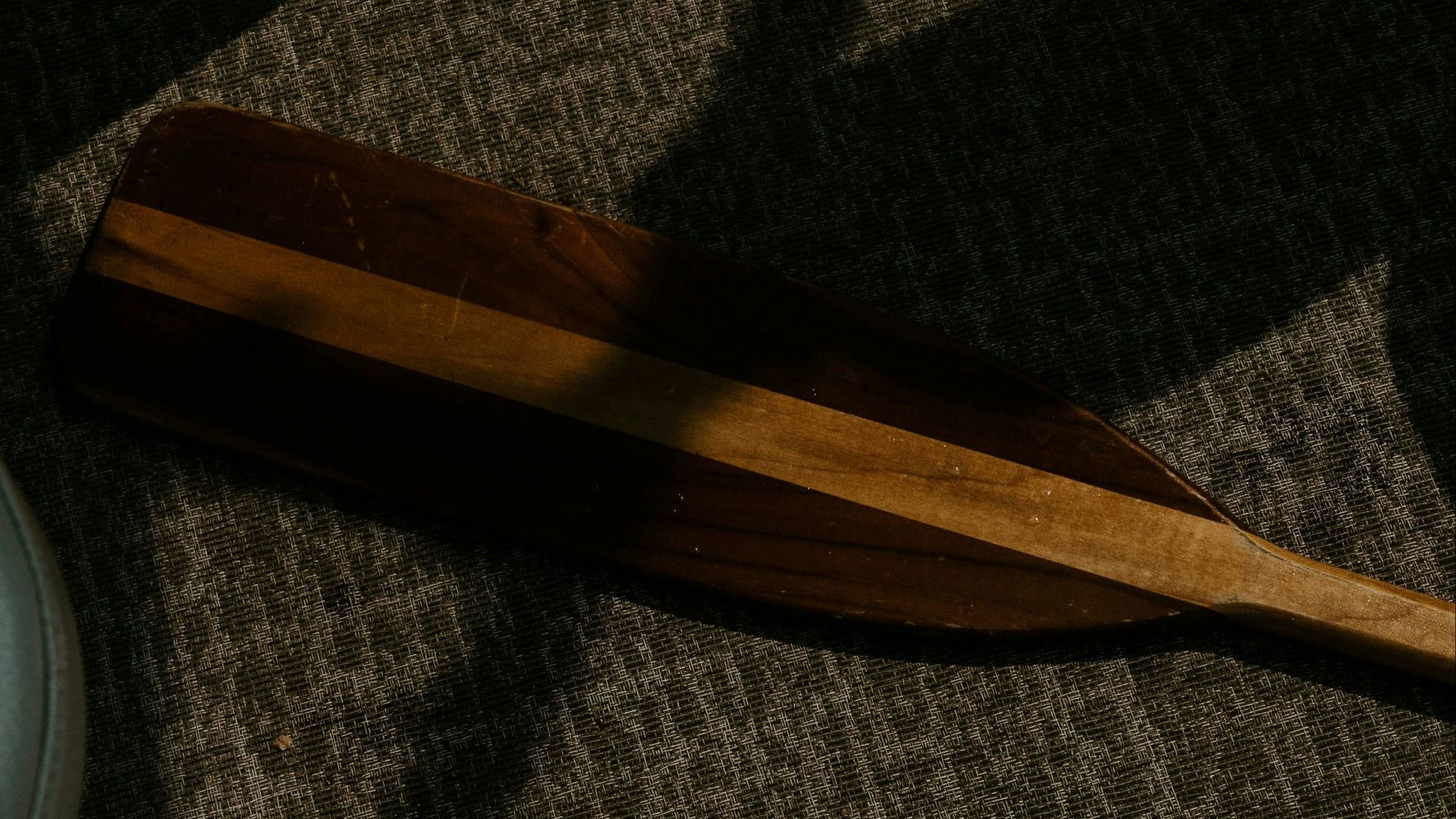
For generations, corporal punishment was an accepted part of school discipline across much of the United States. Students who broke rules could be struck with a wooden paddle by a principal or teacher. The practice was so common that many schools kept paddles in the office specifically for disciplinary purposes.
The Supreme Court Allowed It
In 1977, the U.S. Supreme Court ruled in Ingraham v. Wright that school corporal punishment did not violate the Eighth Amendment's prohibition against cruel and unusual punishment. That decision left the issue largely to individual states. While many states later banned the practice, some public schools still legally permit it today.
Talking Back Was Rarely Tolerated
Modern classrooms often encourage discussion and respectful disagreement. Decades ago, openly questioning a teacher could easily be treated as insubordination. Students were generally expected to obey immediately without debate.

Long Hair Could Get Boys Suspended
During the 1960s and early 1970s, many American schools prohibited boys from wearing long hair. Administrators often argued that short hair promoted discipline and good order. Numerous students challenged these policies in court as cultural attitudes rapidly changed.

Girls Often Could Not Wear Pants
For much of the twentieth century, many public schools required girls to wear dresses or skirts. Pants were considered inappropriate classroom attire in countless districts. By the late 1960s and 1970s, students increasingly pushed back against those restrictions.
Dress Codes Were Extremely Strict
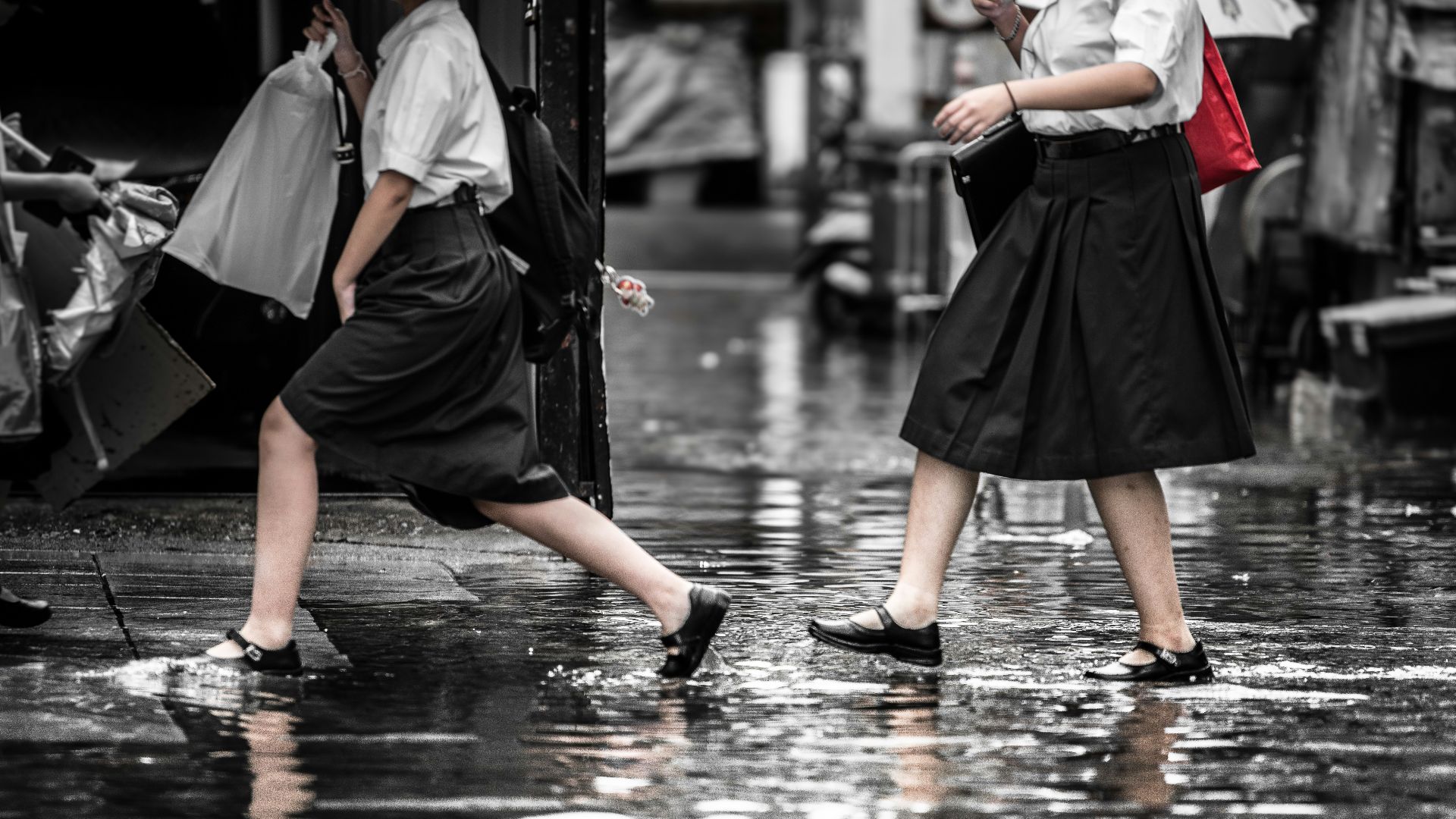
School dress codes once regulated everything from sock colors to skirt lengths. Boys were often required to tuck in shirts, wear belts, and keep shoes polished. Schools viewed appearance as part of teaching discipline and respectability.
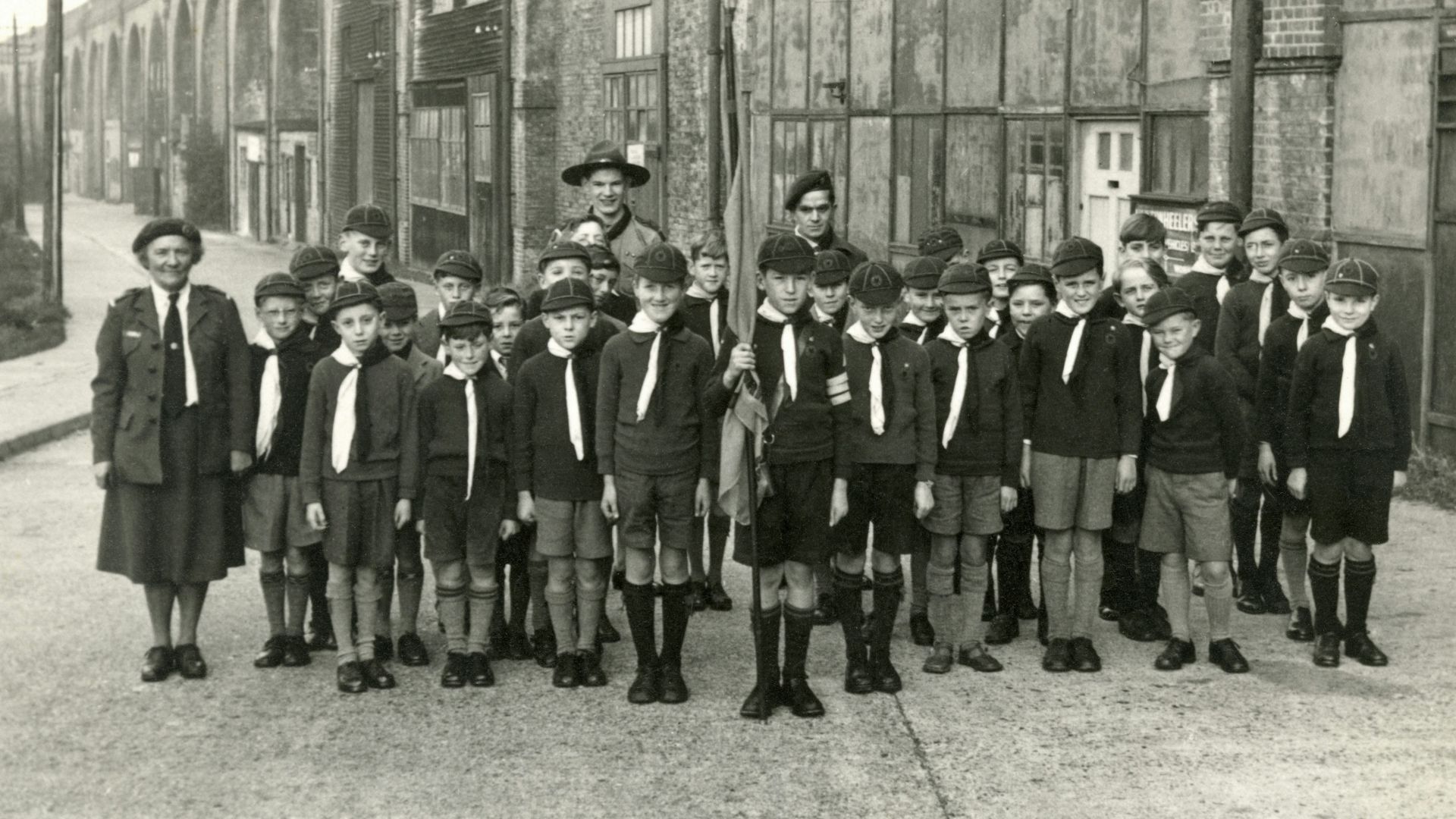
Hats Came Off Immediately
Walking into school while wearing a hat was often considered disrespectful. Students were expected to remove hats the moment they entered the building. Violating that rule could quickly result in detention or another punishment.
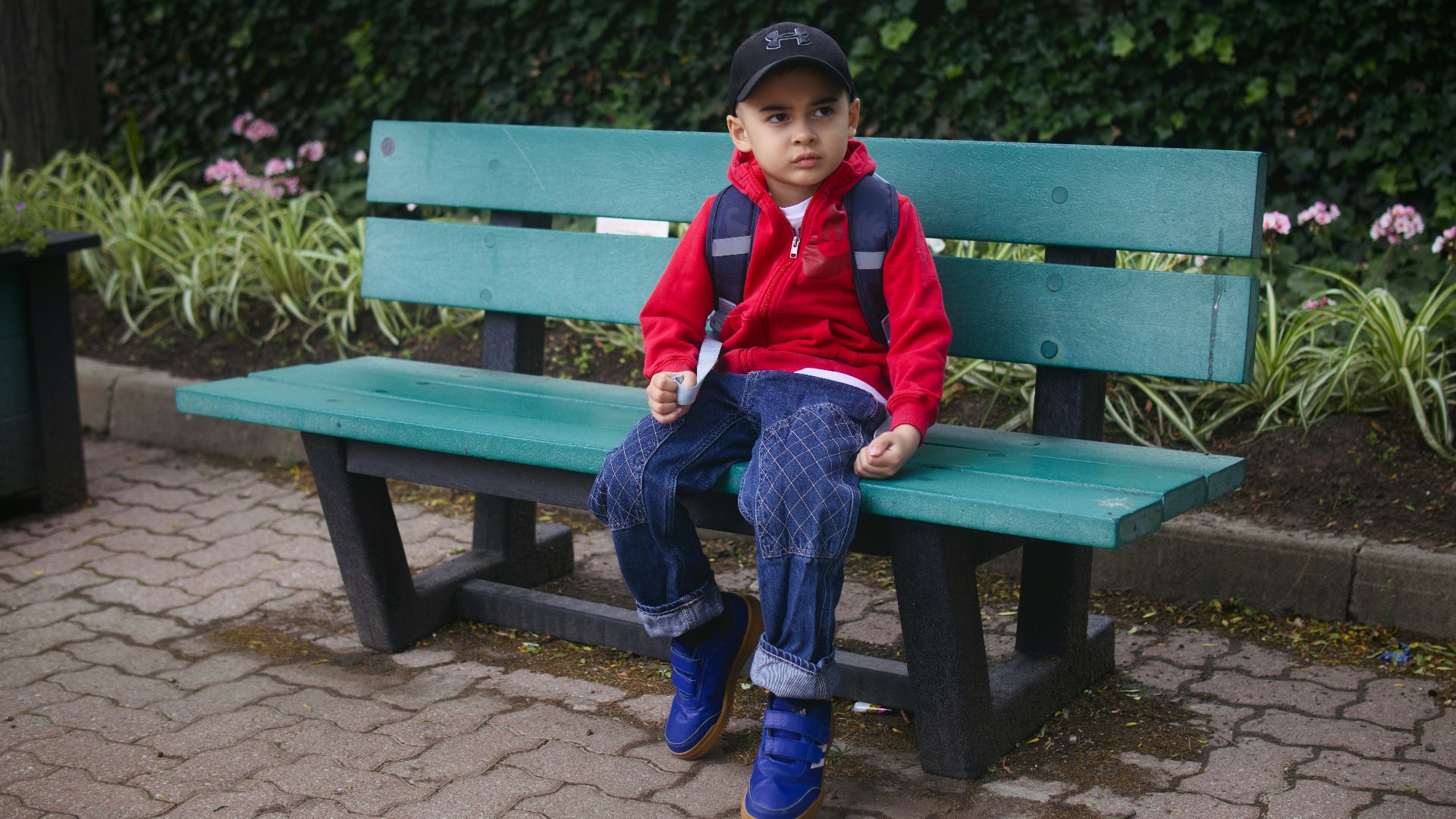
Gum Could Earn Detention
Chewing gum was banned in many schools for decades. Teachers believed it created distractions and made classrooms harder to maintain. Some schools punished students simply for being caught with gum in their mouths.
 David Haberthur from bern, Switzerland, Wikimedia Commons

History's most fascinating stories and darkest secrets, delivered to your inbox daily.
Writing With Your Left Hand Was Discouraged
Many naturally left-handed children were pressured to write with their right hands well into the twentieth century. Some teachers believed left-handed writing reflected poor habits or improper development. Educational research eventually helped eliminate this widespread practice.

Penmanship Was Taken Very Seriously
Beautiful handwriting was considered a core academic skill. Students spent hours practicing cursive and copying passages until their writing met strict standards. Sloppy penmanship could lower grades even when answers were otherwise correct.
 Taphat Wangsereekul, Shutterstock
Memorization Came Before Creativity
Classrooms often emphasized memorizing facts, multiplication tables, poems, and historical dates. Recitation in front of classmates was common. Original thinking received far less attention than demonstrating perfect recall.

Silence Was Expected
Many classrooms operated under near-total silence unless a teacher called on someone to speak. Students often raised their hands before saying even a single word. Talking to classmates during lessons could quickly lead to punishment.

Standing For Adults Was Common
In many schools, students stood when a principal, teacher, or visitor entered the room. The gesture symbolized respect for authority. Although the custom survives in a few places, it has largely disappeared from American public schools.

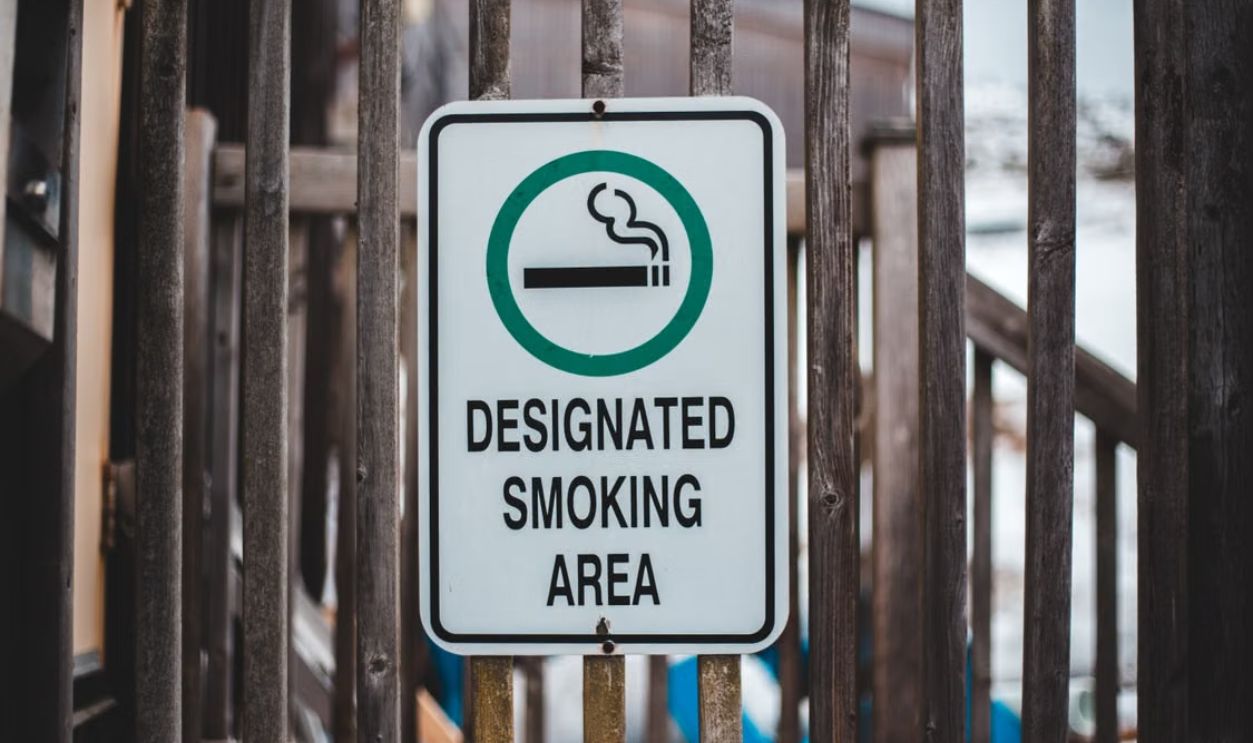
Smoking Areas Actually Existed
Some American high schools maintained designated smoking areas for students, particularly during the 1970s and early 1980s. Students who met age requirements or had parental permission in some districts could legally smoke between classes. Today, that policy sounds almost unimaginable.
Pregnancy Often Meant Leaving School
Pregnant students frequently faced intense pressure to leave school before graduation. Some districts formally excluded pregnant girls from attending classes. Court decisions and federal protections gradually changed those policies.

Boys And Girls Took Different Classes
Many schools steered boys toward shop class while girls were directed into home economics. These courses reflected traditional ideas about future careers and family roles. Later educational reforms encouraged equal access regardless of gender.

Physical Education Was Less Flexible
Students who forgot gym clothes often received failing grades or disciplinary consequences. Participation was usually mandatory unless a medical excuse existed. Excuses that many schools accept today were rarely considered sufficient.

The Principal's Office Was Feared
Being sent to the principal's office once carried enormous weight. Parents often supported whatever punishment school administrators imposed. Students usually expected consequences at both school and home.

Public Embarrassment Was A Discipline Tool
Teachers sometimes required students to stand in corners, wear embarrassing signs, or remain after class in front of peers. Public shame was viewed as an effective way to discourage bad behavior. Modern educators generally discourage those approaches because of their emotional impact.

Religious Activities Were Common
Before major Supreme Court decisions in the early 1960s, teacher-led prayer and Bible readings were common in many public schools. Those practices gradually ended after rulings found mandatory school-sponsored religious exercises unconstitutional. Individual students, however, still retain the right to pray voluntarily.
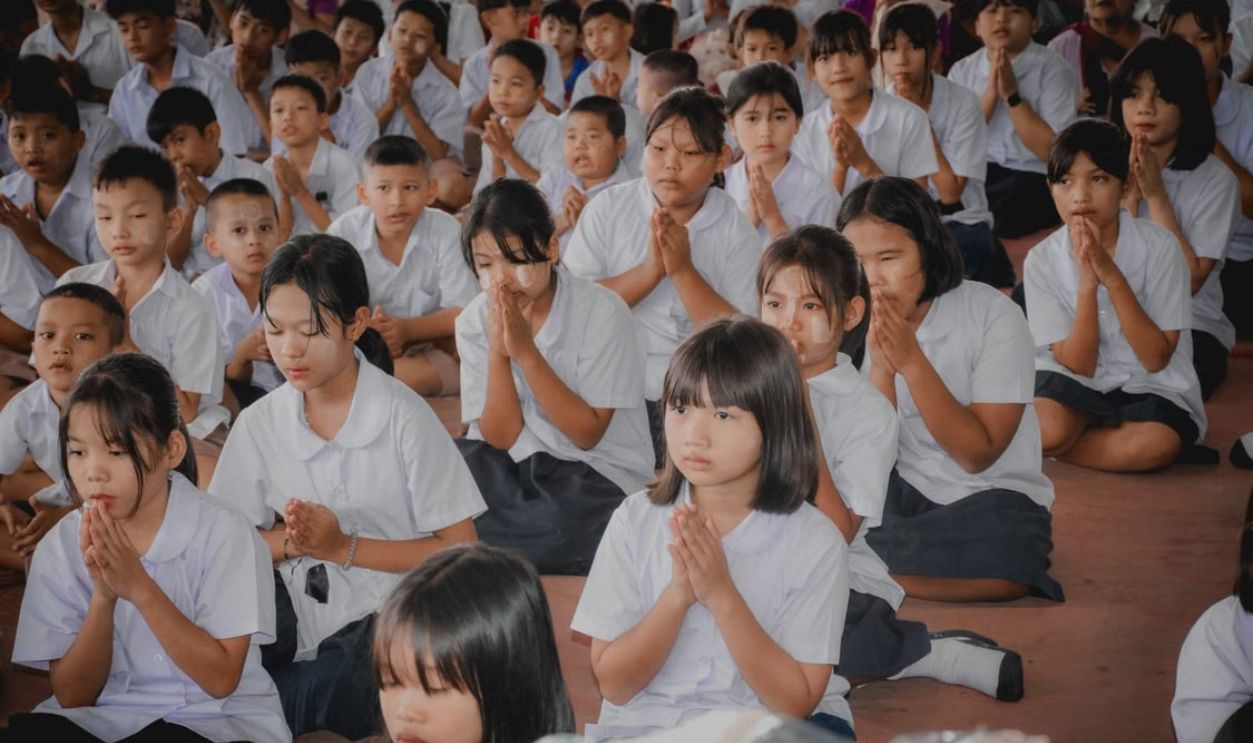
Loyalty Oaths Became Part Of School Life
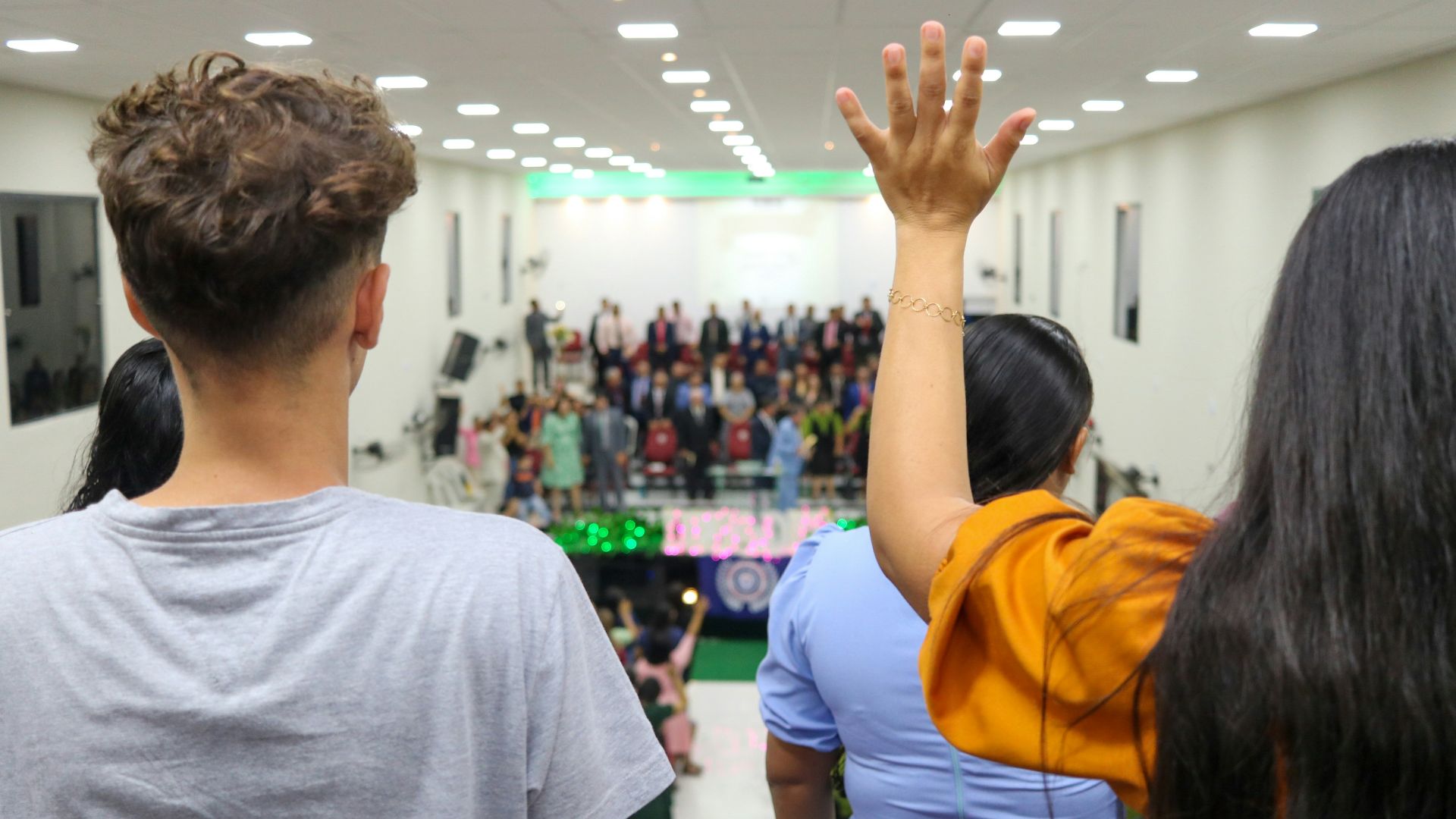
During the Cold War, many schools emphasized patriotic rituals and anti-communist education. Daily recitations of the Pledge of Allegiance became deeply ingrained in classroom routines. Some states also required teachers to sign loyalty oaths during periods of heightened political tension.
Fire Drills Were Only Part Of The Story
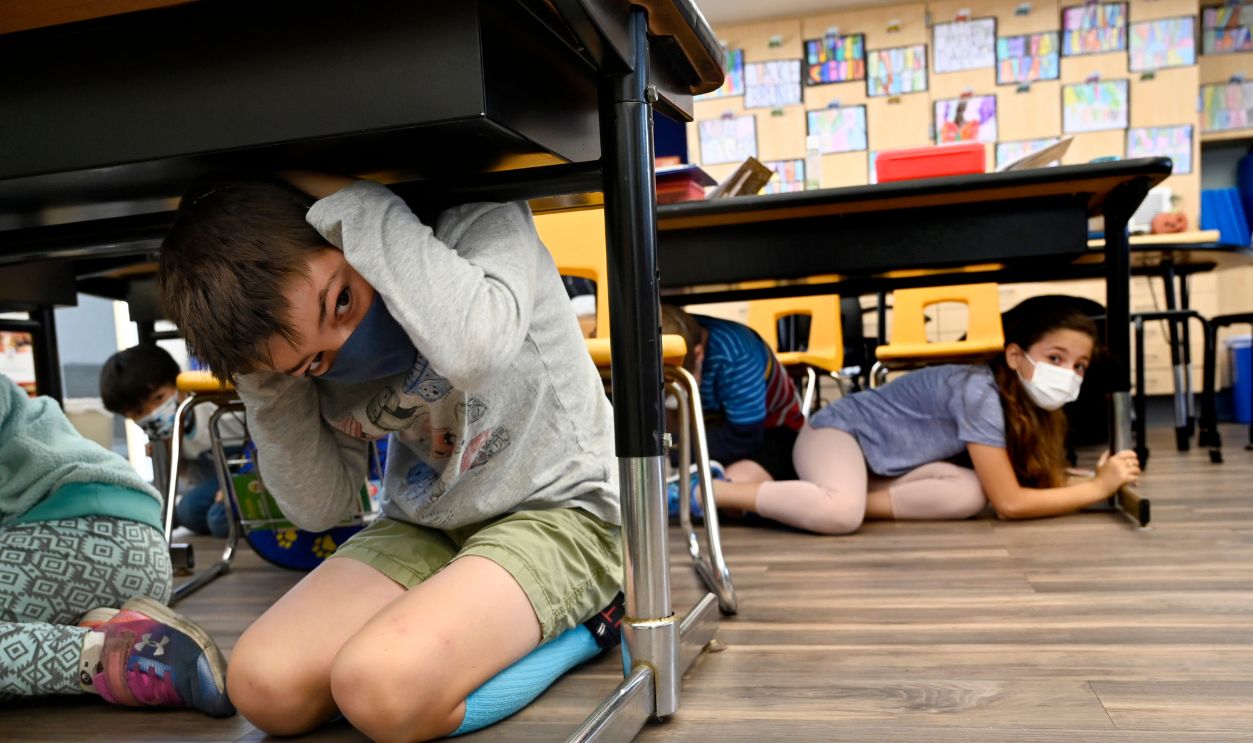
During the Cold War, many schools also held "duck and cover" drills in preparation for a possible nuclear attack. Students practiced hiding beneath desks after hearing warning signals. The exercises reflected widespread fears during the nuclear arms race.
Absences Were Handled Differently
Many schools demanded handwritten notes from parents for nearly every absence. Telephone calls or electronic messages were not options for most families. Unexcused absences could quickly lead to disciplinary action.

Rules Reflected Their Era
Many older school rules were shaped by social values that emphasized obedience, conformity, and respect for authority. Schools often believed strict discipline produced better citizens. Later generations increasingly questioned whether those approaches actually benefited students.

Schools Continue To Change
Modern students still follow plenty of rules, but the priorities have shifted dramatically. Today's schools place greater emphasis on student rights, inclusion, safety, and emotional well-being. Looking back at earlier classroom expectations offers a fascinating reminder that education constantly evolves alongside society.

You May Also Like:
Great Books Baby Boomers Loved That Most Millennials Have Never Even Heard Of (Let Alone Read)









