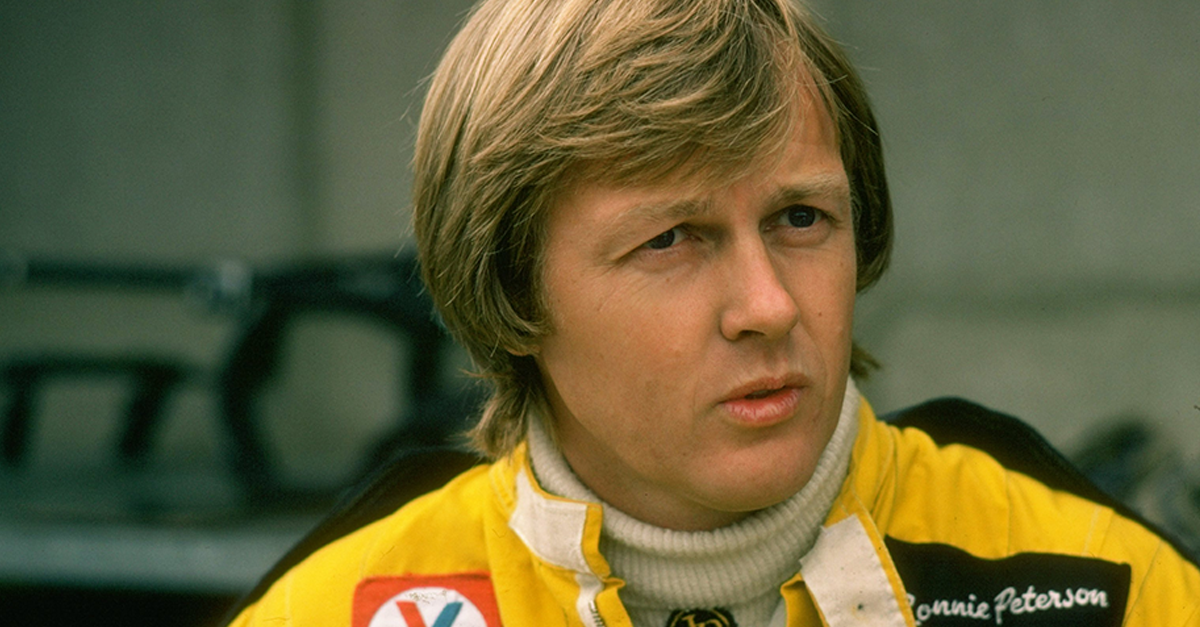
The Superstar Who Never Got His Crown
Ronnie Peterson was one of Formula One's fastest drivers, and in 1978, the world championship was finally within his grasp. Then came a horrific crash at Monza that many believed he would survive. What happened next shocked the racing world and raised troubling questions about the medical care he received.
How did one of Formula One's greatest talents lose his life just as his biggest dream seemed within reach?
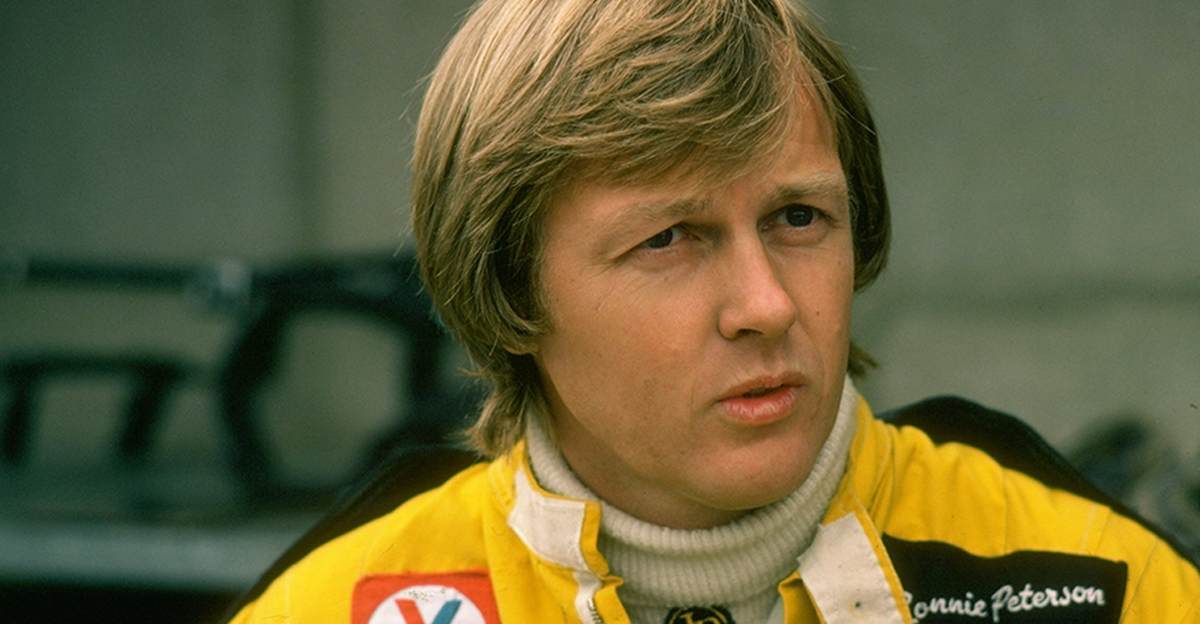 Allsport UK /Allsport, Getty Images
A Boy Who Was Born To Race
Ronnie Peterson was born on February 14, 1944, in Örebro, Sweden. His father, Bengt, was a motorsport enthusiast who encouraged his son's interest in racing. Ronnie began driving homemade vehicles before progressing to competitive karting. It wasn't long before his remarkable ability behind the wheel became apparent.
He Had An Extraordinary Gift
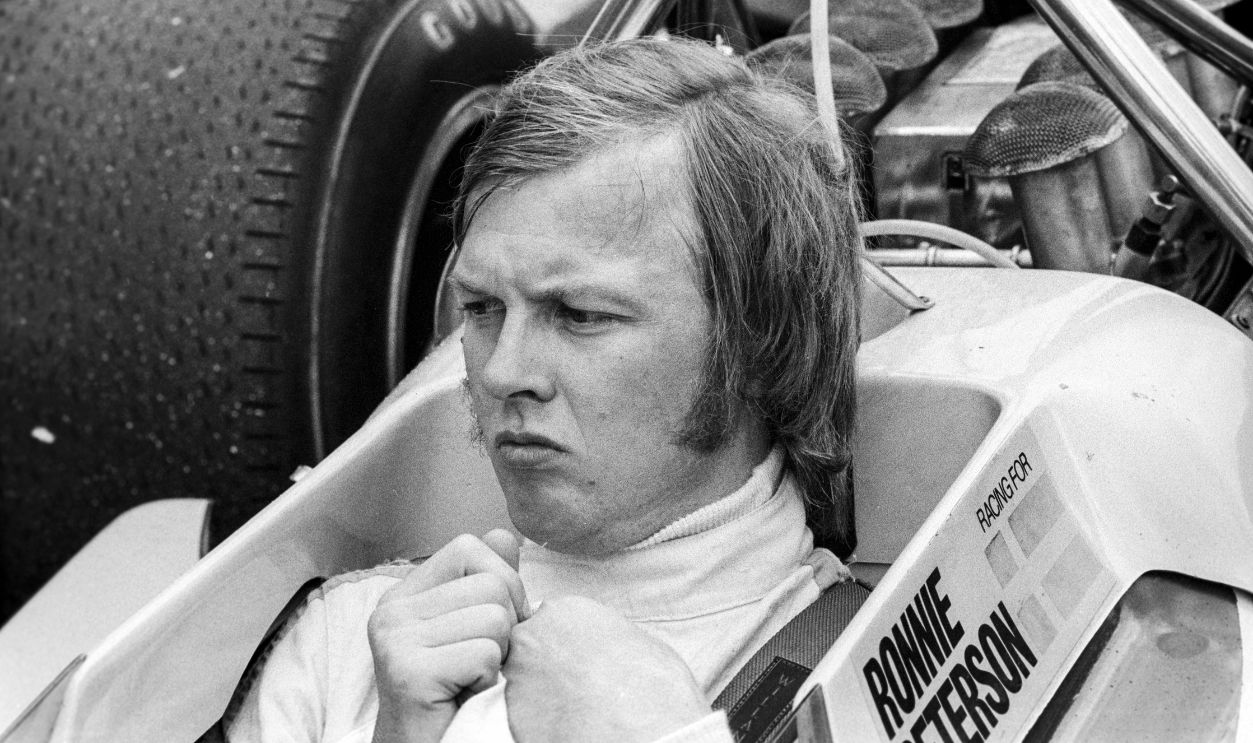
Peterson possessed an instinctive ability to control a car at extraordinary speeds. He became known for sliding through corners while maintaining the precise balance needed to keep moving quickly. Other drivers often preferred smoother techniques, but Peterson made his spectacular approach work. His success in karting eventually carried him into Formula Three and the international racing scene.
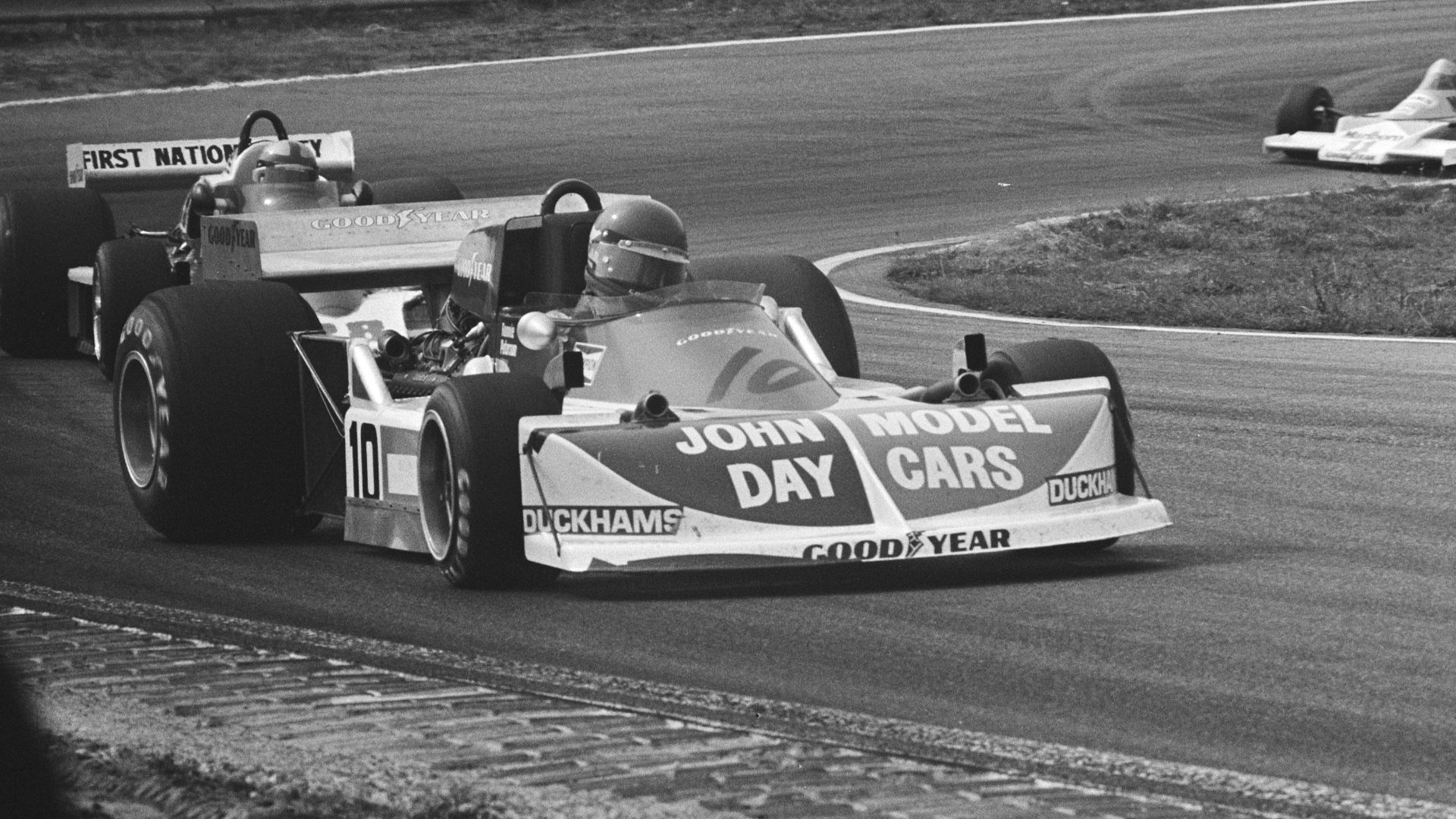 Rob Croes / Anefo, Wikimedia Commons
His Formula One Debut Changed Everything
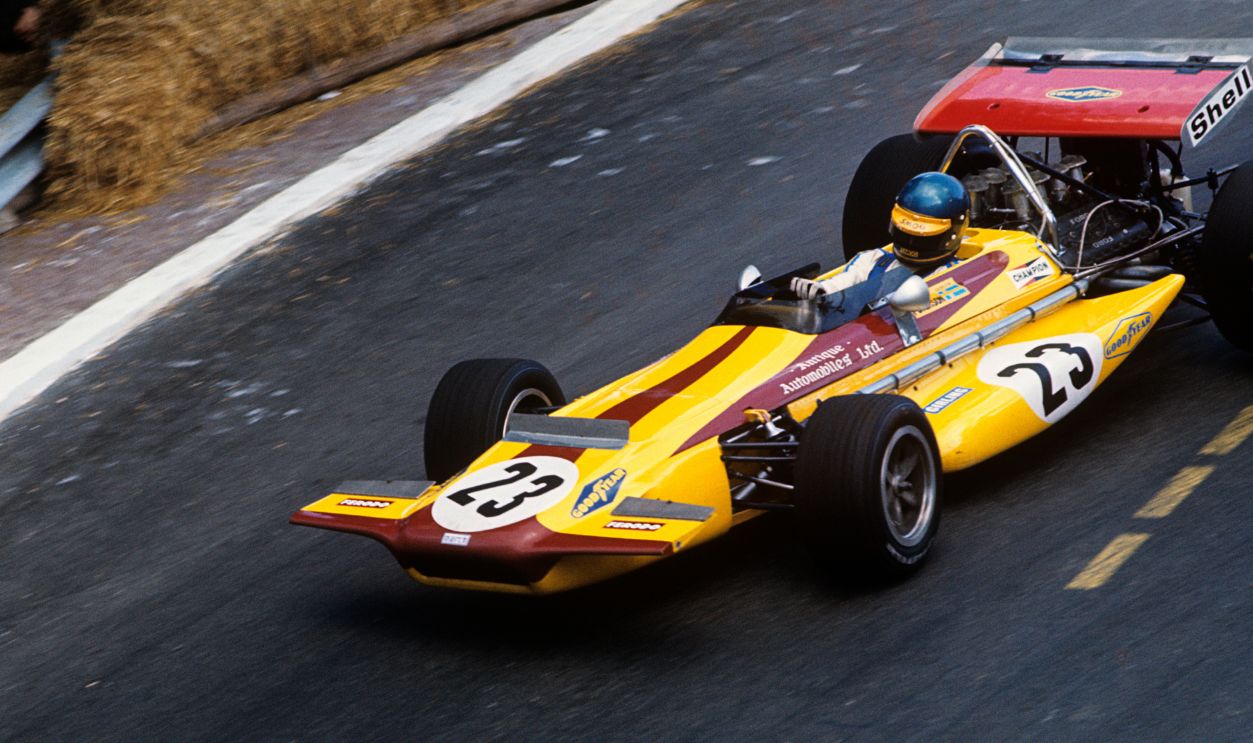
Peterson made his Formula One debut at the 1970 Monaco Grand Prix, driving a March 701 for Colin Crabbe's private team. He qualified 12th and finished seventh, an impressive result for a newcomer on Monaco's unforgiving streets. Although he scored no championship points that season, his performances attracted attention. For 1971, he earned a place with March's official factory-backed team
He Nearly Became Champion Immediately
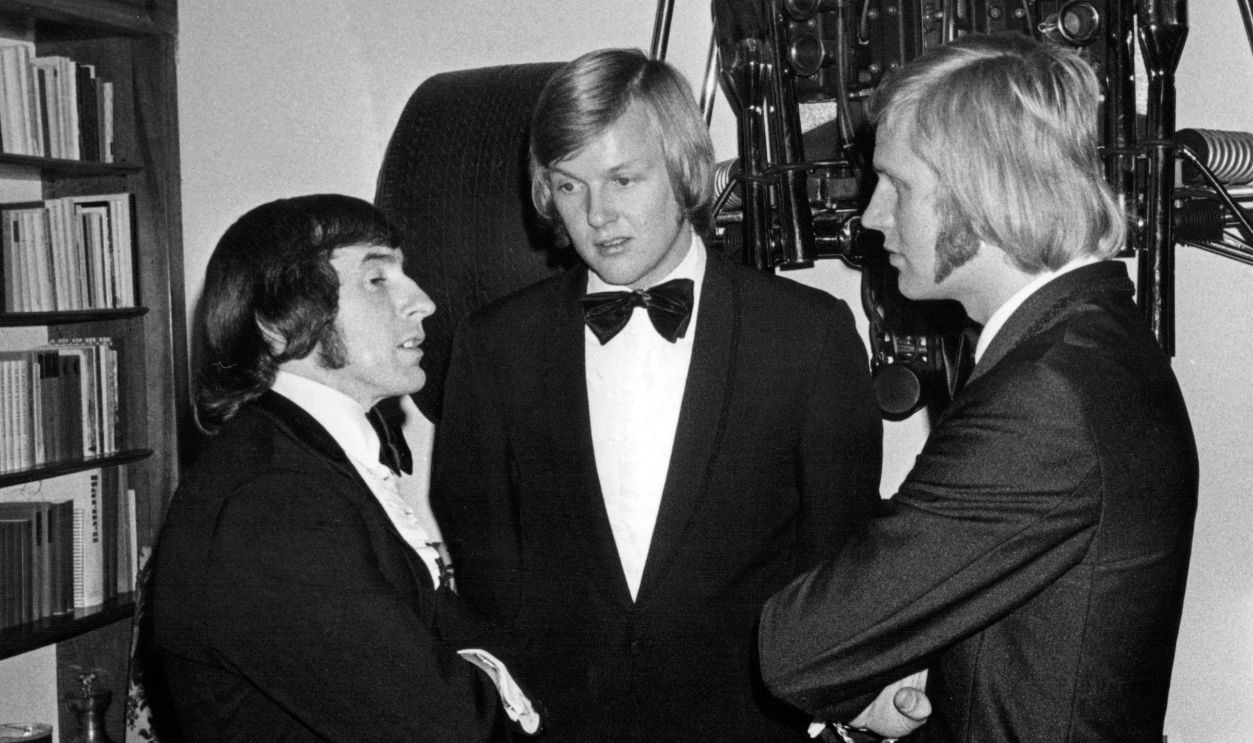
Peterson's second Formula One season transformed his reputation. Driving for March in 1971, he secured five podium finishes, including four second-place results. Remarkably, he finished runner-up to Jackie Stewart in the championship without winning a single Grand Prix. At just 27, he was already challenging the sport's biggest names.
He Lost By Almost Nothing
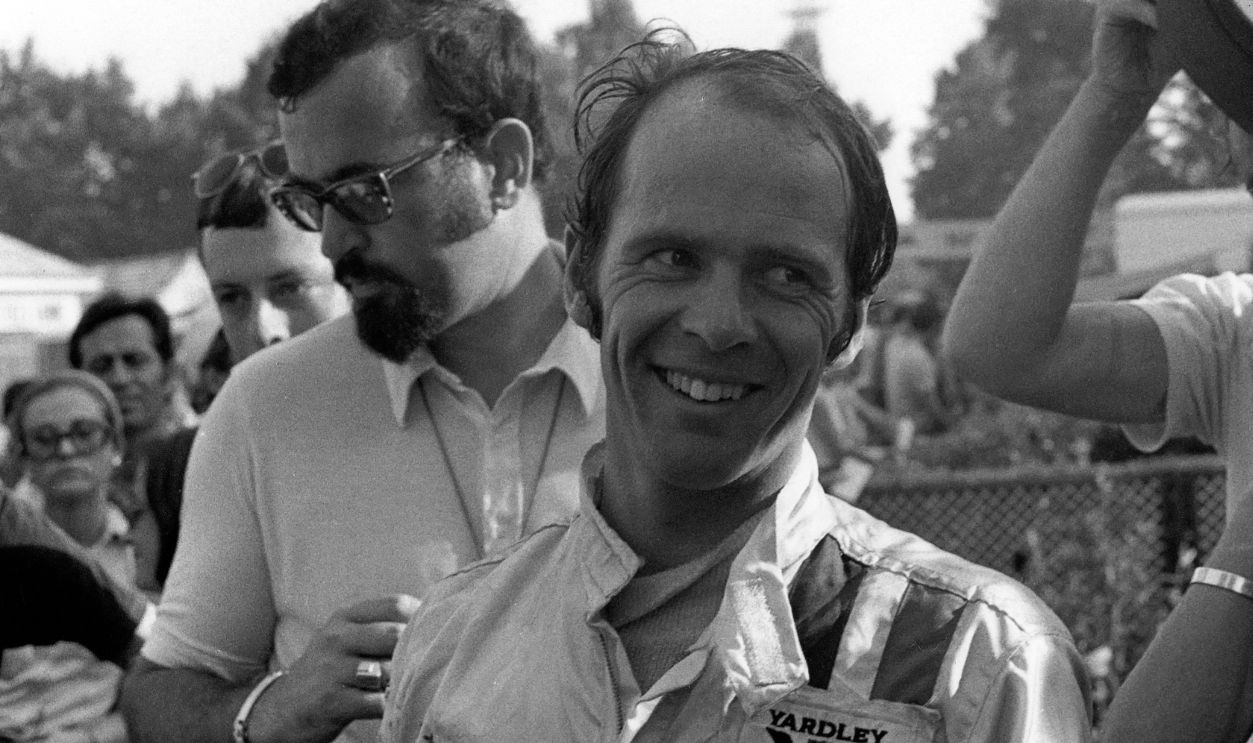
The 1971 Italian Grand Prix produced one of Formula One's closest finishes. Peterson battled Peter Gethin and several other drivers in a breathtaking race at Monza. Gethin crossed the line just 0.01 seconds ahead, denying Peterson his first victory by an almost unimaginable margin. It was a heartbreaking defeat, but Monza would eventually become one of his happiest hunting grounds.
His Talent Was Bigger Than His Car
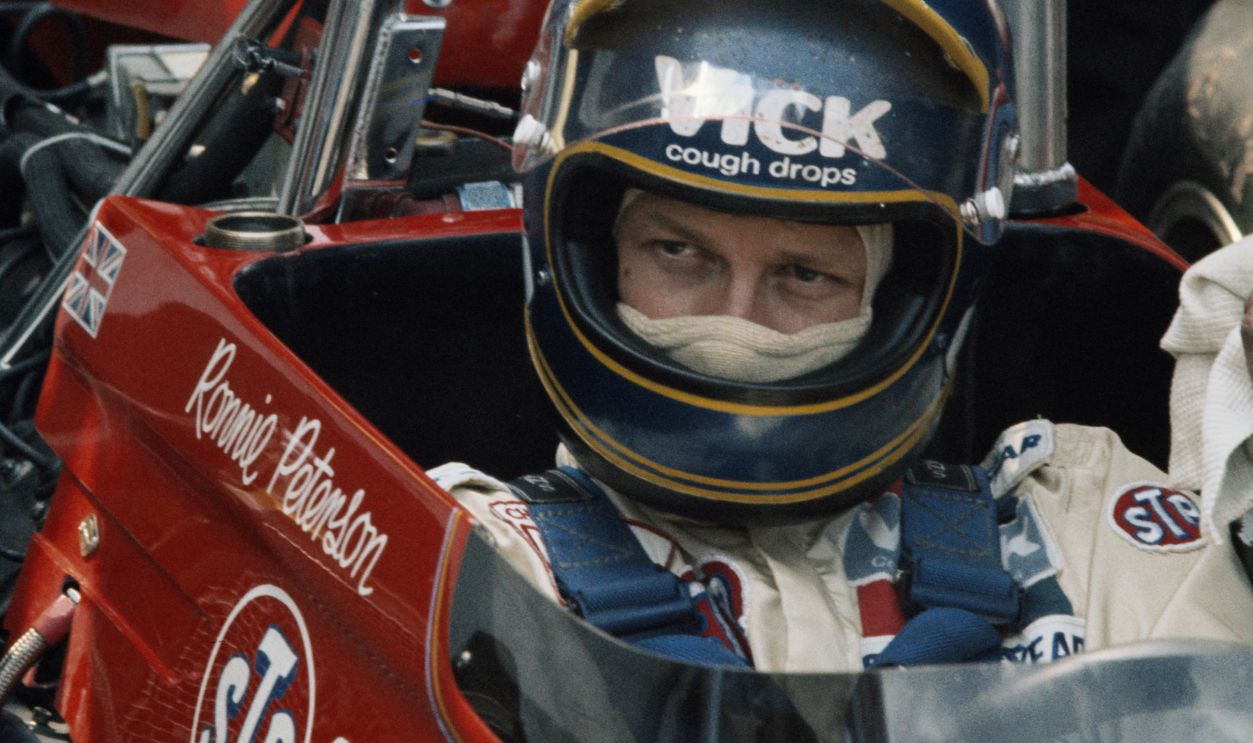
Peterson struggled to repeat his success in 1972 as March's machinery fell behind its rivals. He managed just one podium finish and dropped to ninth in the championship standings. His performances still demonstrated remarkable speed, even when his car couldn't compete with the leaders. Fortunately, one of Formula One's most famous teams recognized his potential.
Lotus Offered Him His Big Break
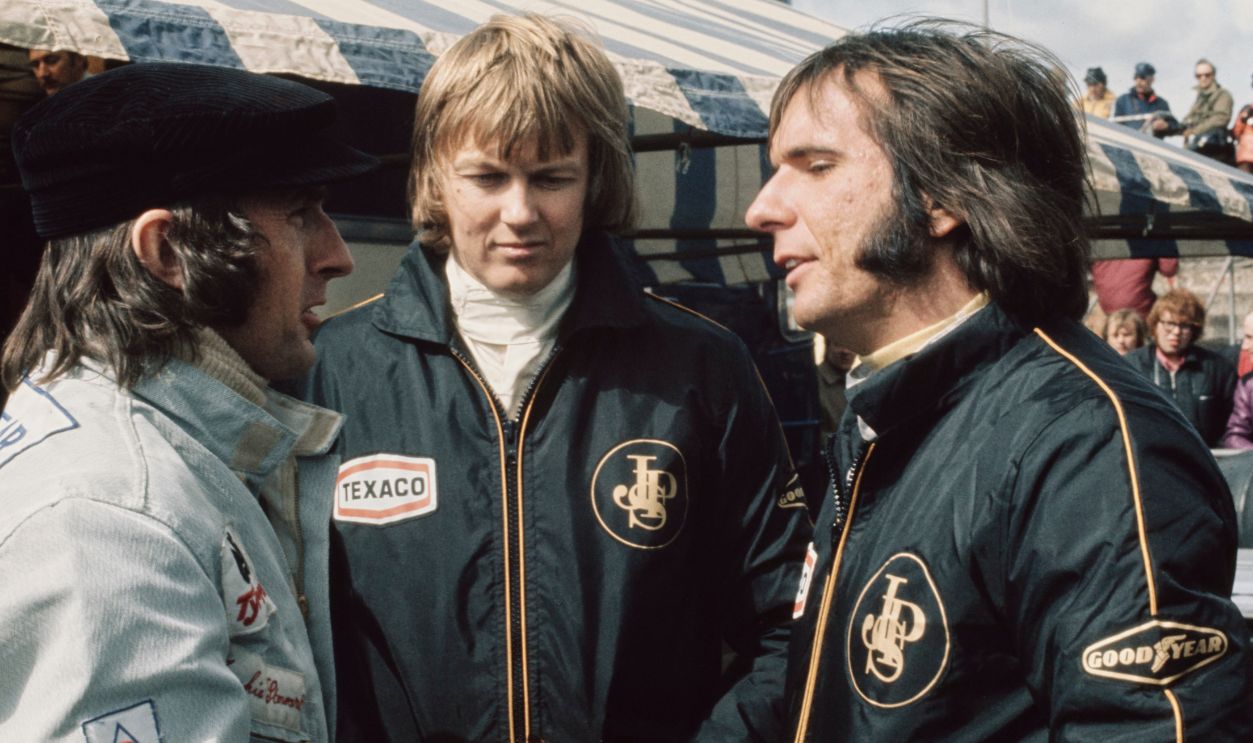
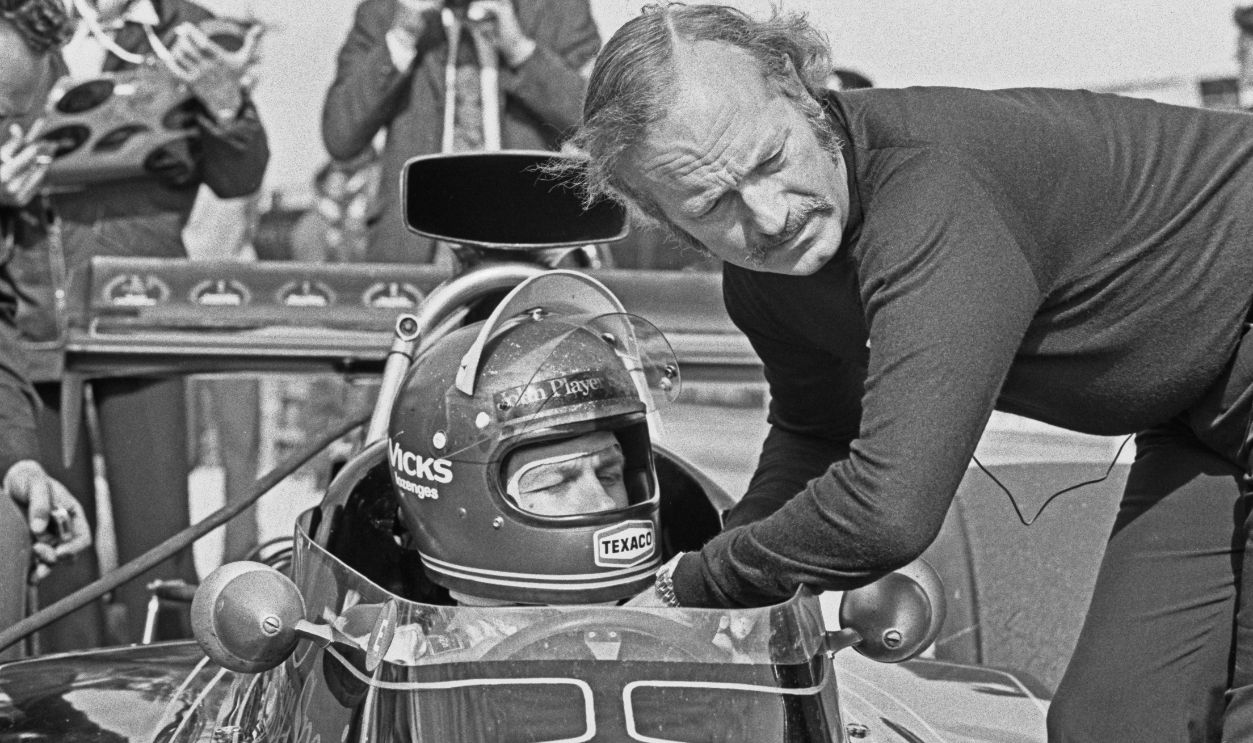
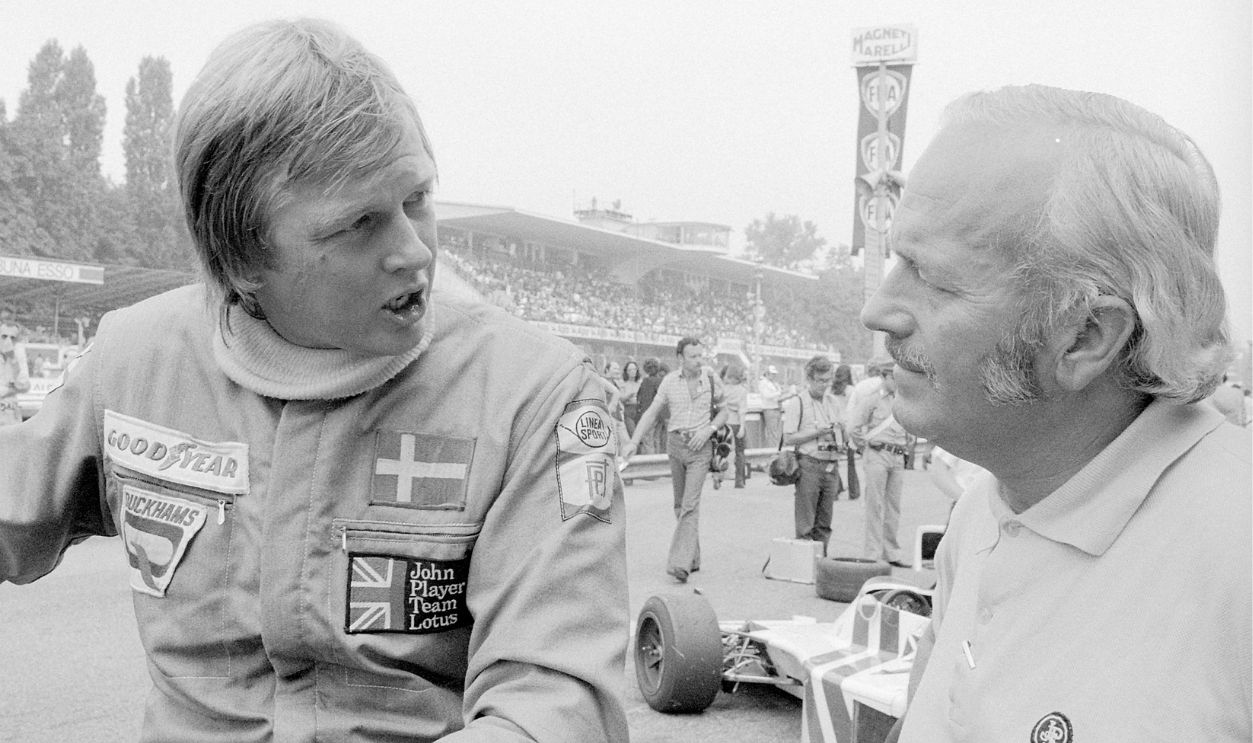
In 1973, Peterson joined Team Lotus under legendary designer and team boss Colin Chapman. His teammate was reigning world champion Emerson Fittipaldi, making Lotus one of the sport's strongest partnerships. Peterson also gained access to the competitive Lotus 72, a car capable of winning races. At last, he had the machinery to match his ability.
He Finally Won His First Grand Prix
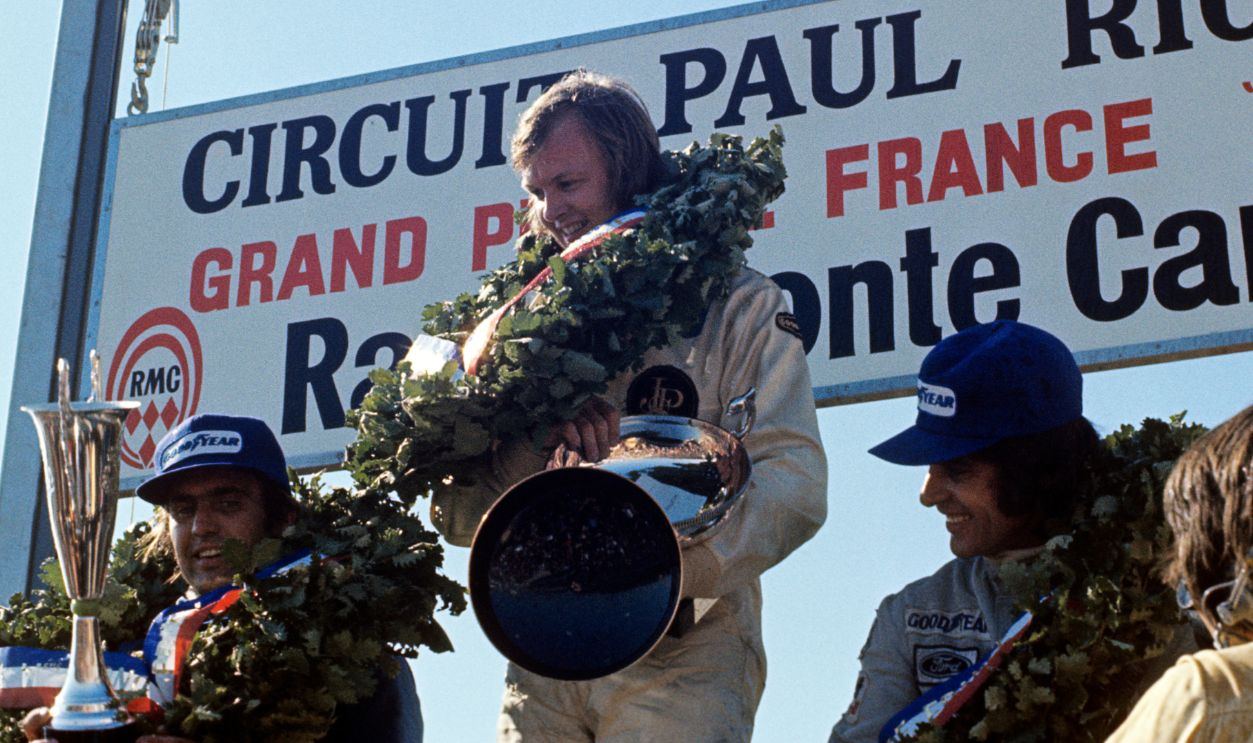
Peterson's breakthrough came at the 1973 French Grand Prix at Paul Ricard. After years of frustrating near misses, he finally secured his first Formula One victory. He followed it with wins in Austria, Italy, and the United States, finishing the season with four triumphs. The young Swede had become one of the most feared competitors on the grid.
 Paul-Henri Cahier, Getty Images

History's most fascinating stories and darkest secrets, delivered to your inbox daily.
He Had One Surprising Weakness
For all his extraordinary talent, Peterson struggled to explain how his car was handling. Colin Chapman later recalled making substantial changes to Peterson's Lotus, only for the driver to record similar lap times without offering useful feedback. His teammates Fittipaldi and Mario Andretti were much better at helping engineers improve their cars. Yet Peterson could still climb behind the wheel and produce an astonishing qualifying lap.
 Evening Standard, Getty Images
He Conquered Monaco Against The Odds
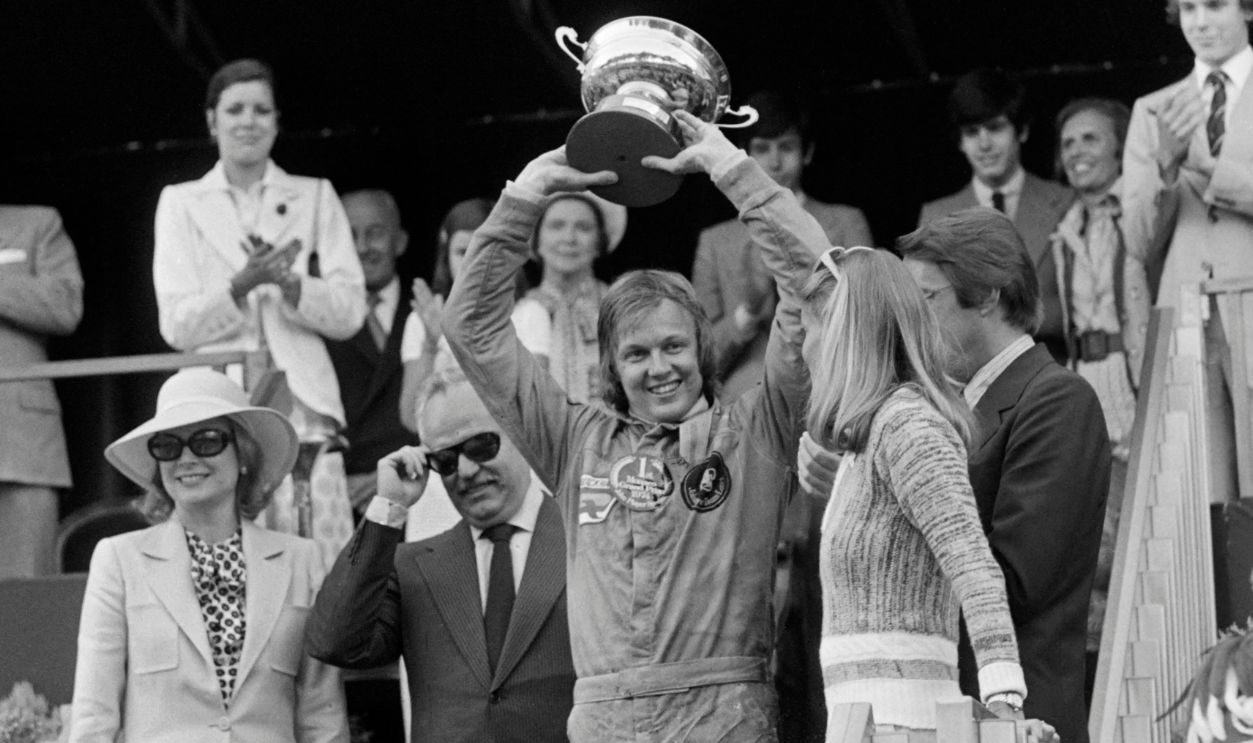
The 1974 Monaco Grand Prix produced one of Peterson's most memorable performances. After clipping a barrier and spinning on lap six, he was struck by Carlos Reutemann's Brabham and dropped to sixth. Somehow, Peterson recovered and fought his way through the field as other contenders encountered trouble. He eventually won by nearly 29 seconds, demonstrating his remarkable determination.
His Winning Streak Couldn't Last
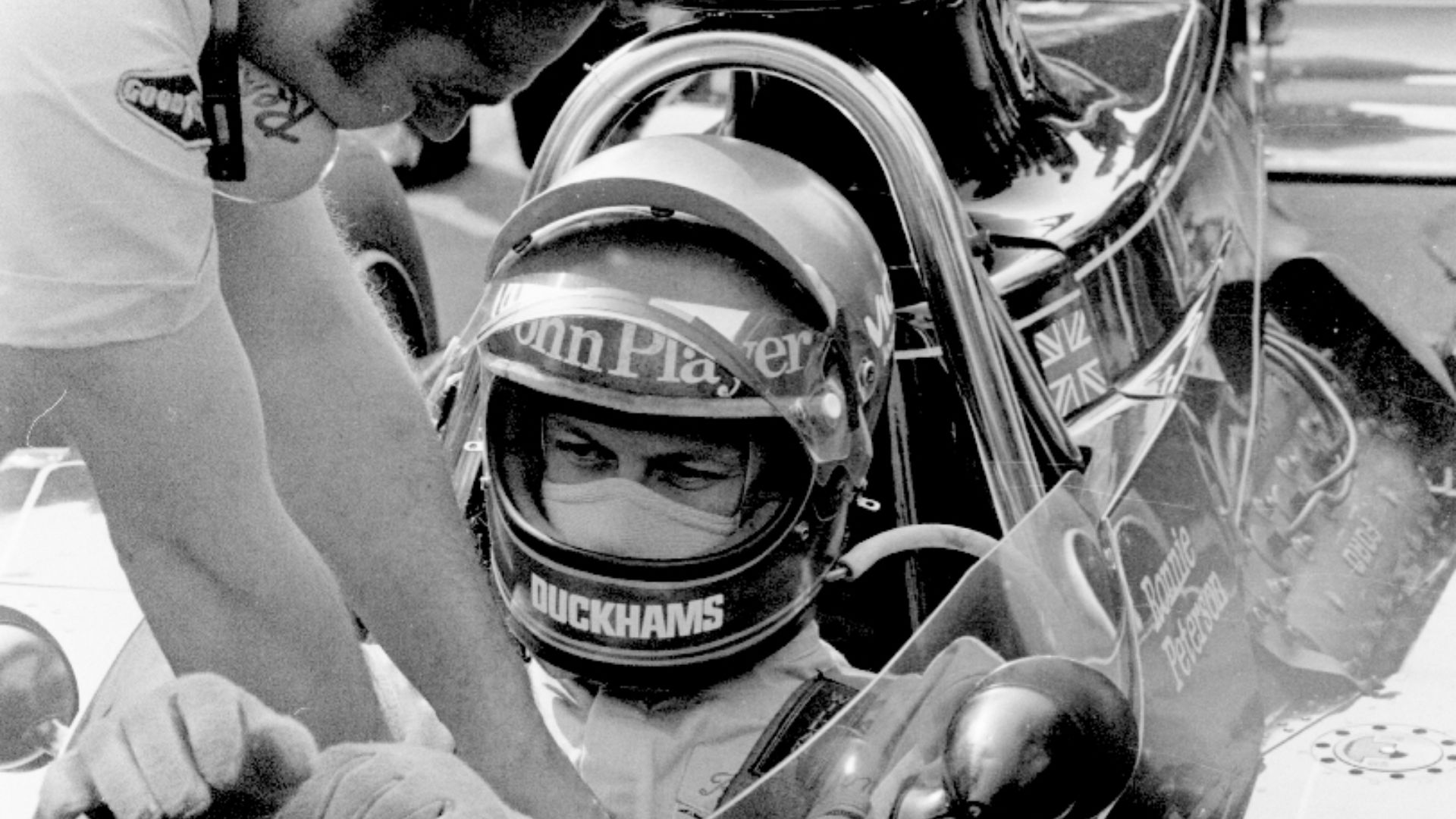
Peterson claimed three victories in 1974, but Lotus was beginning to experience serious technical problems. The team's newer Lotus 76 proved disappointing, forcing drivers to rely on the aging Lotus 72. Although Peterson occasionally produced brilliant results, the machinery was becoming increasingly outdated. By 1975, the team's problems were threatening his career.
 Lawson Speedway, Wikimedia Commons
His Relationship With Lotus Fell Apart
The 1975 season was miserable for Peterson, who failed to secure a single podium finish. His relationship with Colin Chapman deteriorated as the team's competitiveness continued to decline. When the new Lotus 77 also disappointed at the beginning of 1976, Peterson decided he had endured enough. He left the team after the season's opening race and returned to March.
 ullstein bild Dtl., Getty Images
He Pulled Off An Incredible Comeback
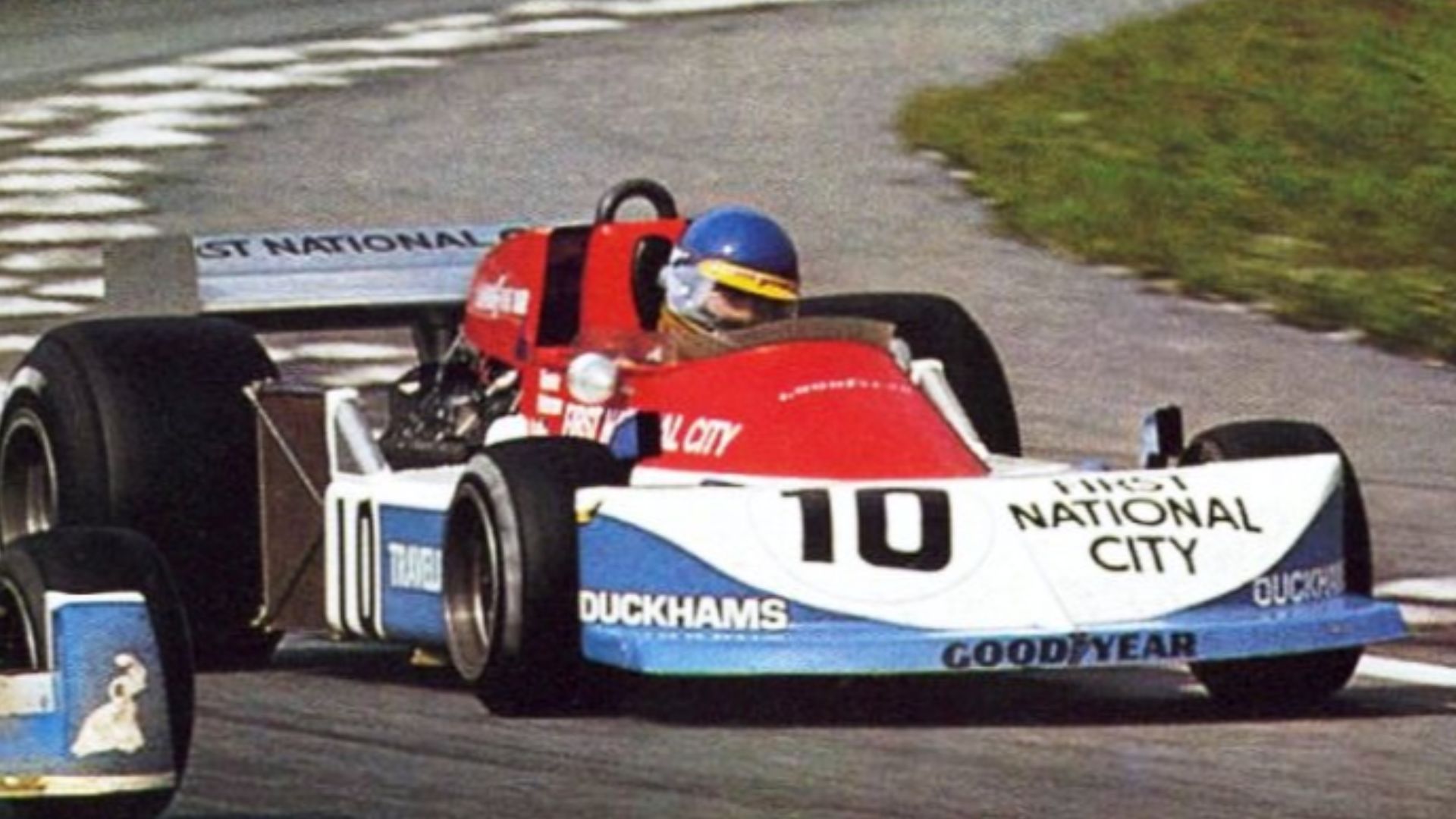
At the 1976 Italian Grand Prix, Peterson delivered one of the biggest surprises of his career. Driving a March 761 that wasn't considered a leading contender, he fought his way to victory at Monza. It was his third Italian Grand Prix triumph and his first Formula One win in two years. The result proved that Peterson could still challenge the best drivers in the world.
 Unknown authorUnknown author, Wikimedia Commons
A Six-Wheeled Experiment Went Wrong
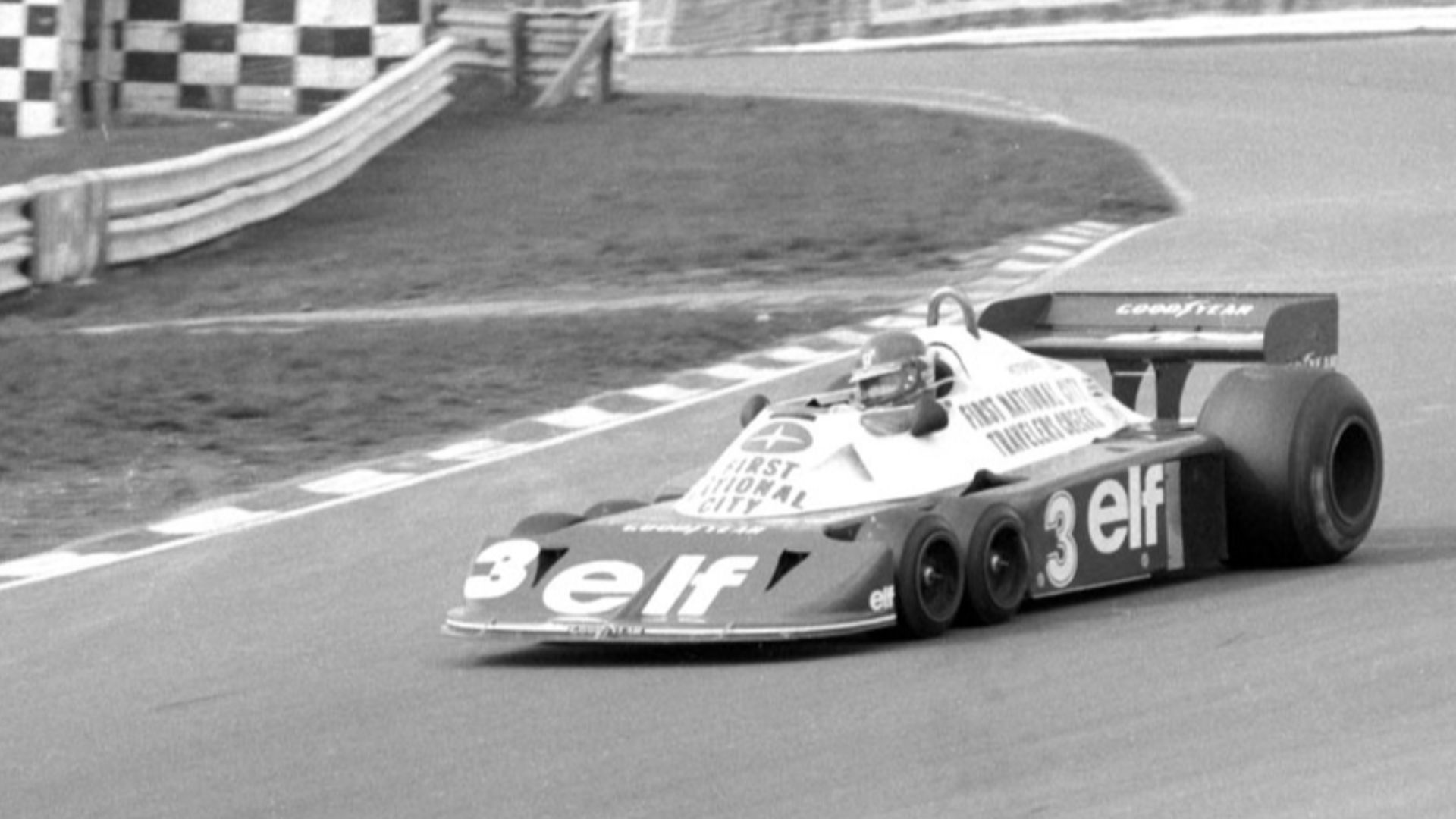
Peterson joined Tyrrell for 1977, driving the team's unusual six-wheeled P34. The radical machine featured four small front wheels intended to improve aerodynamics and handling. Unfortunately, development difficulties left the car struggling against more conventional rivals. Peterson managed just one podium finish, leaving his future in Formula One increasingly uncertain.
Lotus Wanted Him Back
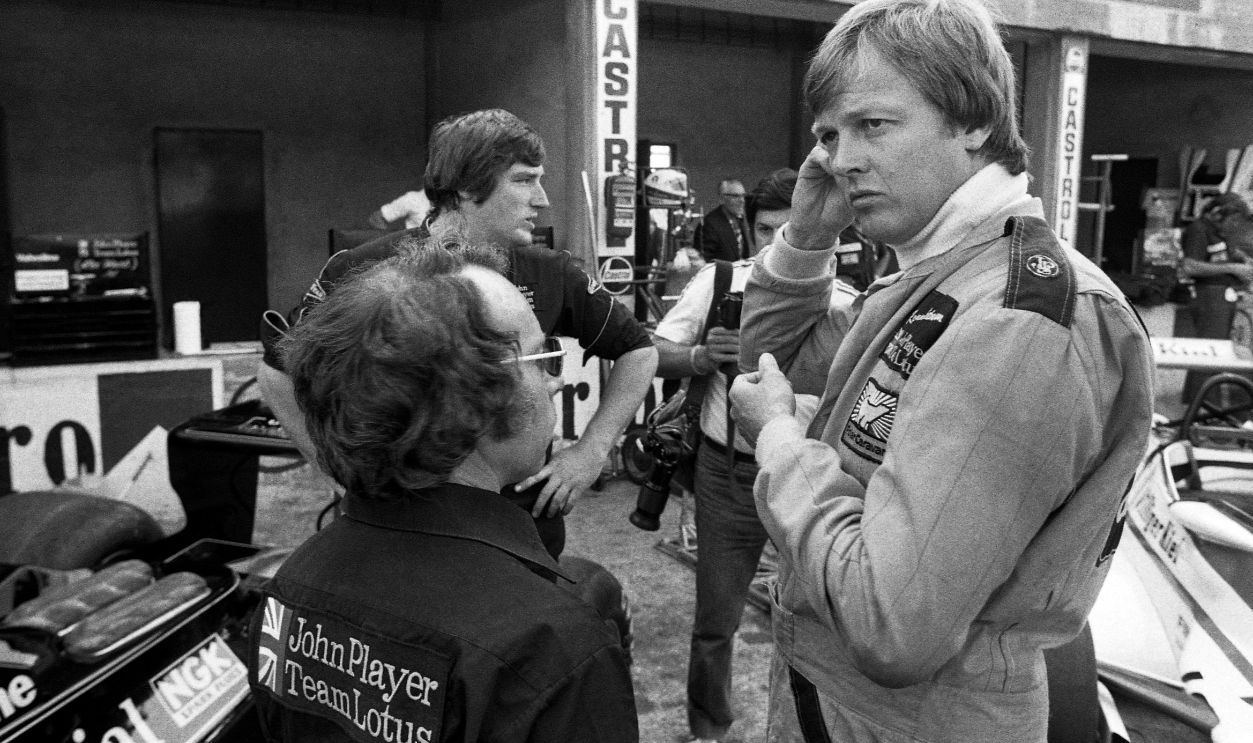
Peterson received an unexpected opportunity when Lotus invited him to return for the 1978 season. Chapman had developed revolutionary ground-effect cars that used aerodynamics to produce exceptional cornering grip. Mario Andretti had helped transform the team's fortunes and was firmly established as its leading driver. Peterson accepted a supporting role, hoping the arrangement would restore his winning career.
 Edoardo Fornaciari, Getty Images
He Agreed To Play Second Fiddle
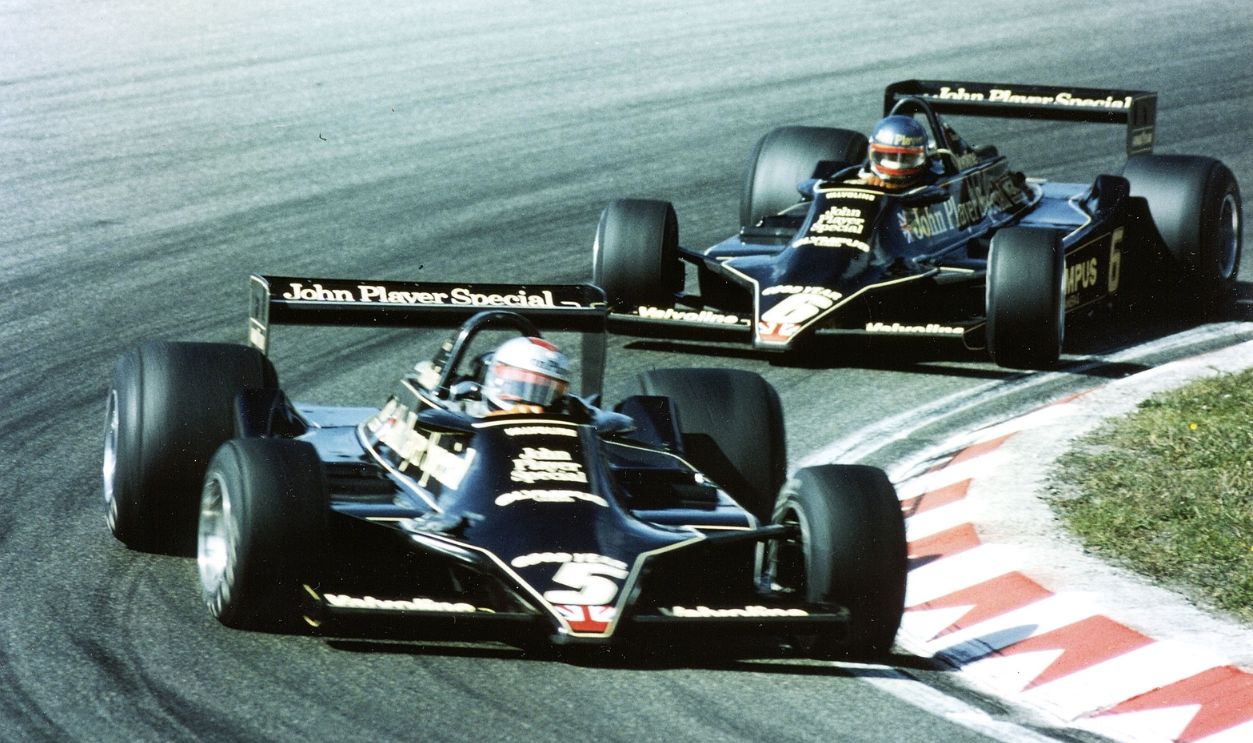
Peterson's contract required him to support Andretti's championship ambitions, even when he appeared capable of winning himself. At the 1978 Dutch Grand Prix, he followed Andretti closely but never attempted a decisive pass. Some observers believed Peterson could have overtaken his teammate, although he later cited fading brakes. His willingness to respect the agreement earned Andretti's admiration and helped strengthen their friendship.
He Was Winning Again
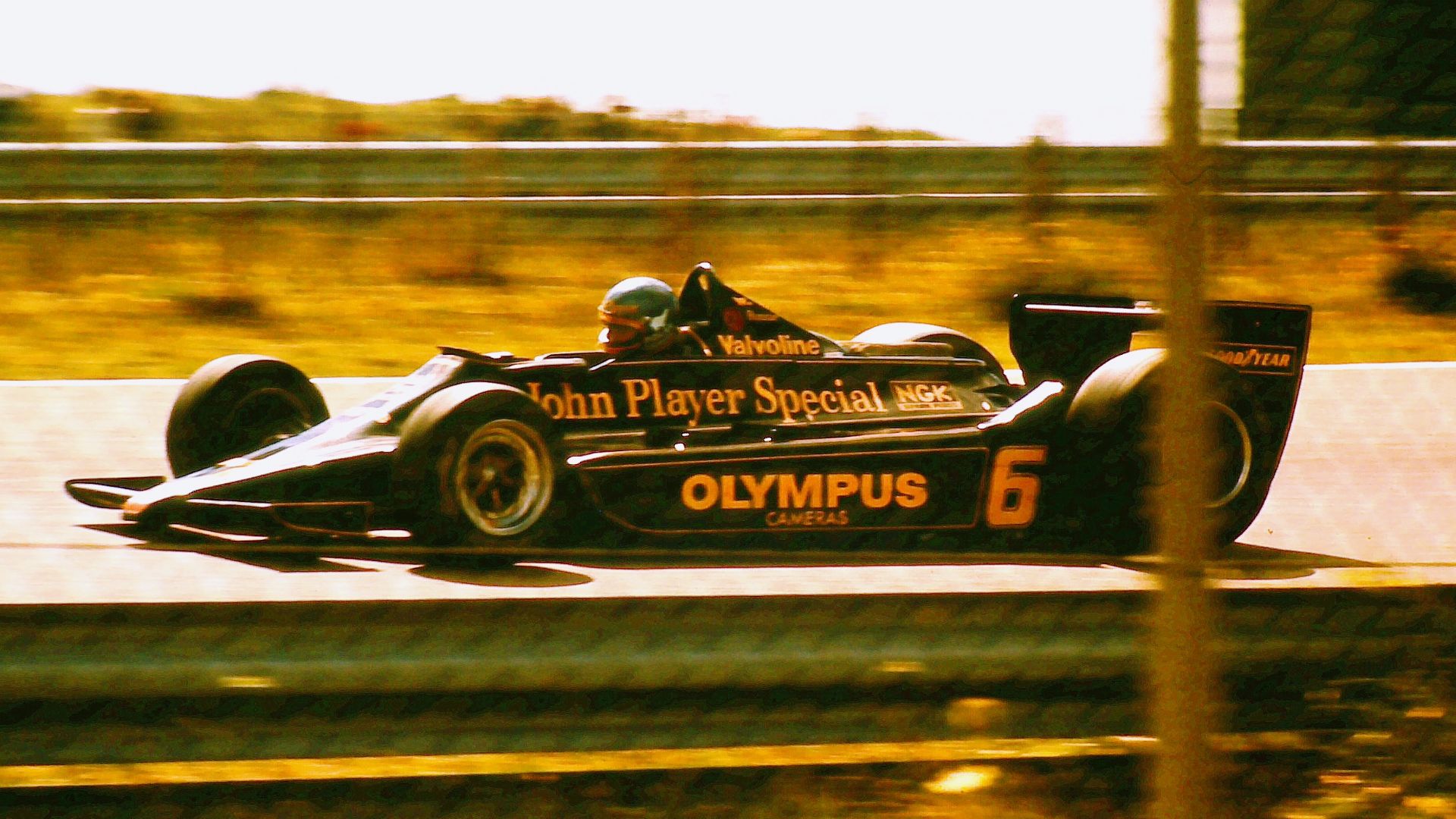
The 1978 season brought Peterson back to Formula One's front ranks. He won the South African Grand Prix after a dramatic final-lap battle with Patrick Depailler, then triumphed in wet conditions in Austria. Lotus's remarkable Type 79 also gave the team a substantial advantage over its rivals. With Andretti leading the championship and Peterson close behind, the pair appeared almost unstoppable.
 Martin Lee from London, UK, Wikimedia Commons
His Greatest Opportunity Was Approaching
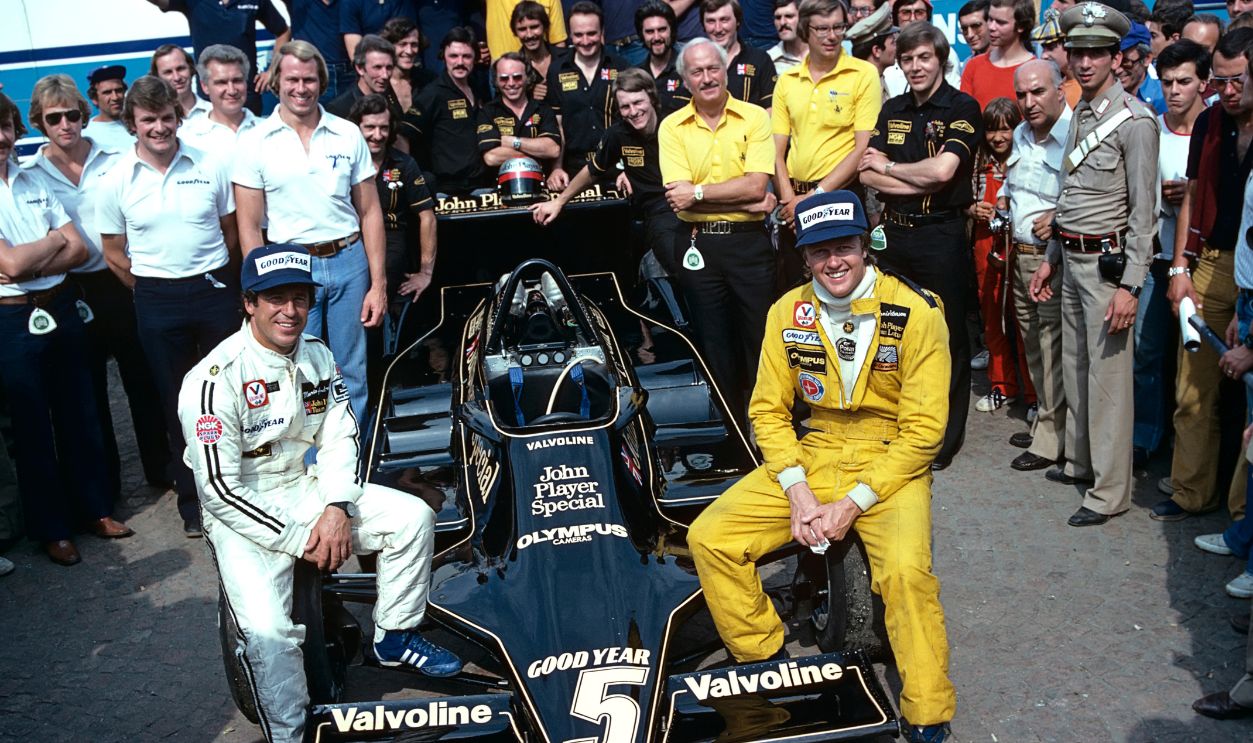
By September 1978, Peterson was second in the championship, just 12 points behind Andretti. Three races remained, leaving him with a mathematical opportunity to secure the title. According to journalist Freddy af Petersens, Andretti privately offered to let his teammate race freely for the championship after Monza. For Peterson, his greatest opportunity might still have been ahead of him.
His Final Weekend Began Badly
Peterson arrived at Monza for the 1978 Italian Grand Prix, but mechanical problems immediately disrupted his preparations. Engine trouble, overheating brakes, and gearbox difficulties complicated practice and qualifying. During the race-morning warm-up, brake failure sent his Lotus 79 crashing into the barriers. Forced to use the older Lotus 78, Peterson faced the race in a car with less protection around his feet.
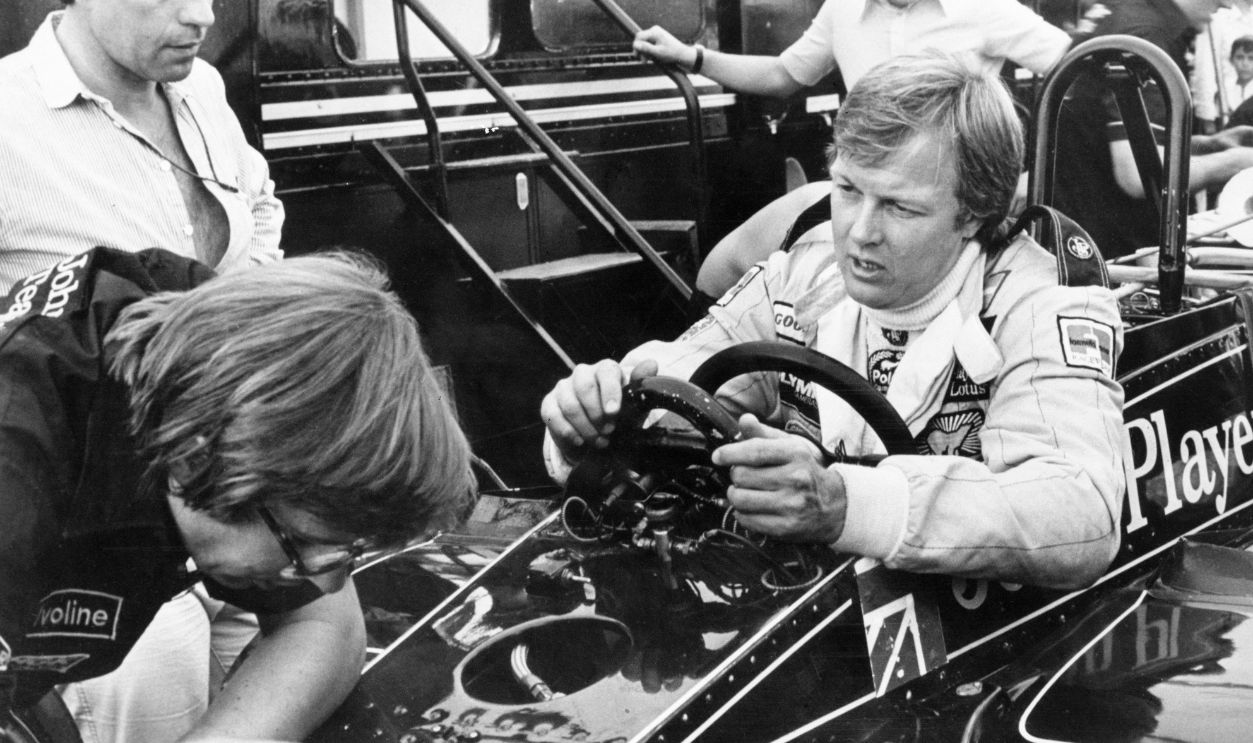
The Start Was A Disaster
On September 10, 1978, the Italian Grand Prix began under dangerously chaotic circumstances. The starting signal was given before several cars farther back had finished lining up, creating a frantic rush toward the first chicane. As the field approached the narrowing track, a violent collision erupted among the drivers. Peterson's Lotus was struck by James Hunt's McLaren and sent crashing into the barriers.
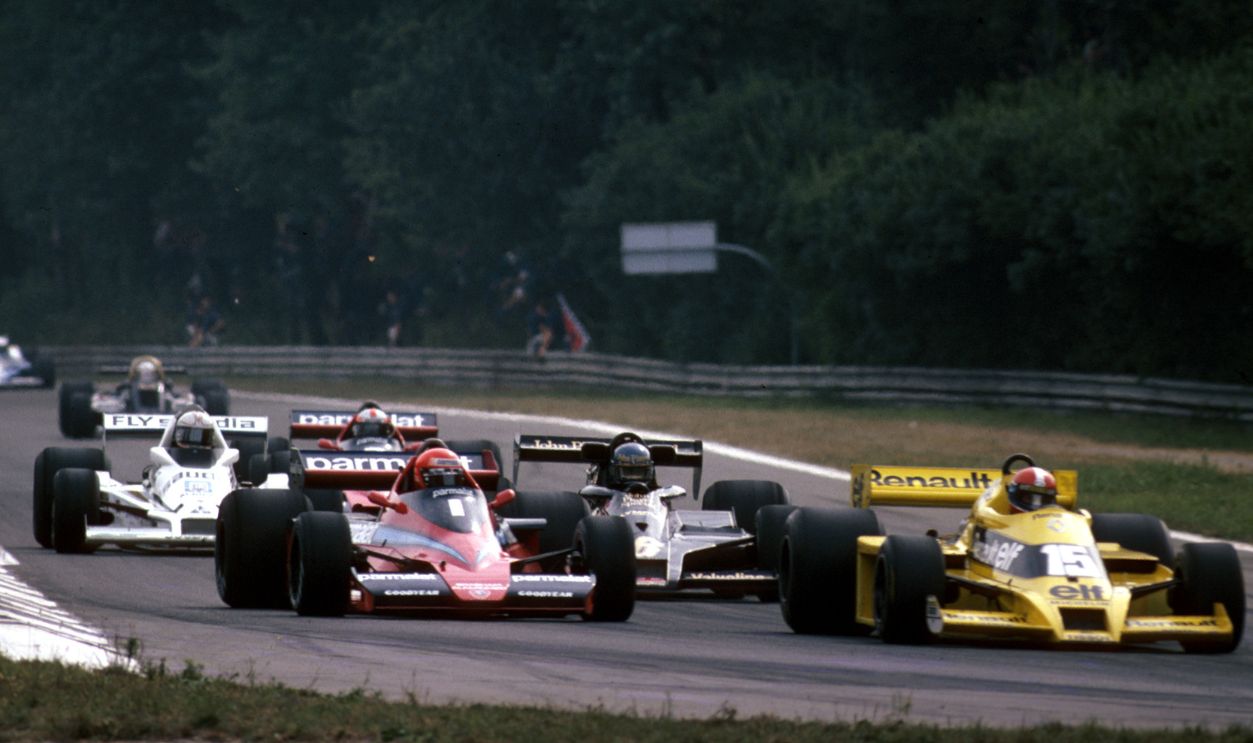
His Car Burst Into Flames
The impact crushed the front of Peterson's Lotus, causing severe injuries to both legs. His wrecked car caught fire, leaving the Swedish driver trapped in a terrifying situation. James Hunt and other drivers rushed to help pull him from the burning wreckage. Although Peterson survived the impact, nobody yet understood how dangerous his injuries would become.
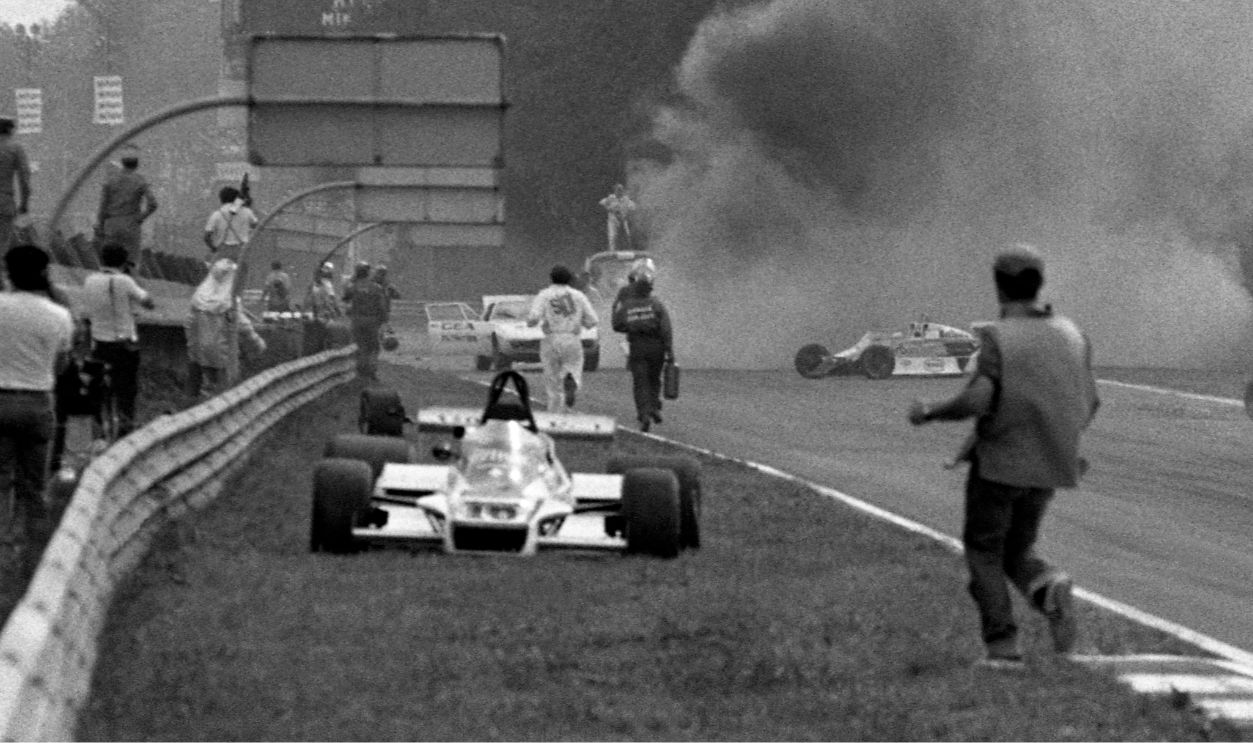 Edoardo Fornaciari, Getty Images
The Doctor Was Kept Away From Him
As Peterson lay seriously injured, Formula One's medical adviser, Sid Watkins, desperately tried to reach the crash scene. But Italian police had formed a cordon around the wreckage and refused to let him through. Watkins later recalled that an ambulance took as long as 18 minutes to arrive, delaying Peterson's evacuation. The chaotic response exposed serious weaknesses in Formula One's emergency procedures.
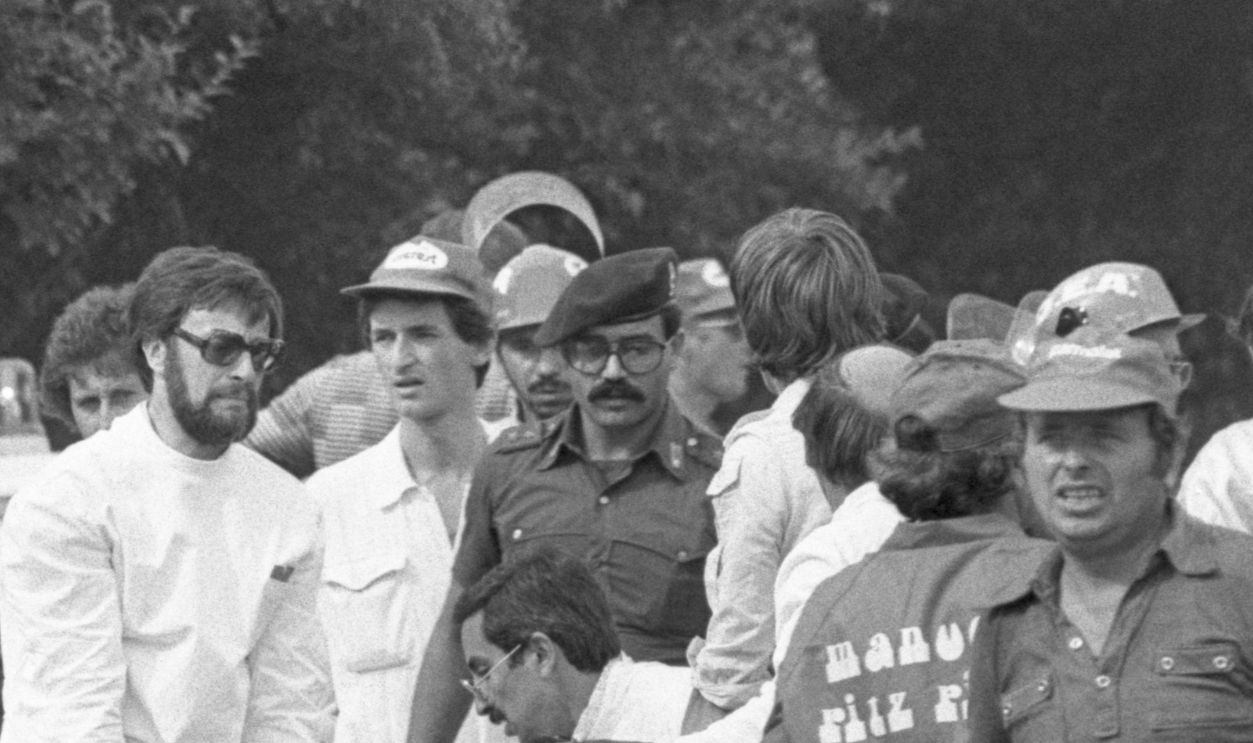
Everyone Thought He Would Survive
Peterson was transported to Milan's Niguarda Hospital, where doctors discovered numerous fractures in his legs and feet. His injuries were serious, but many initially believed he would recover. He had already signed a contract to drive for McLaren in 1979, and there was hope he could return to racing. Tragically, the greatest danger was still ahead.
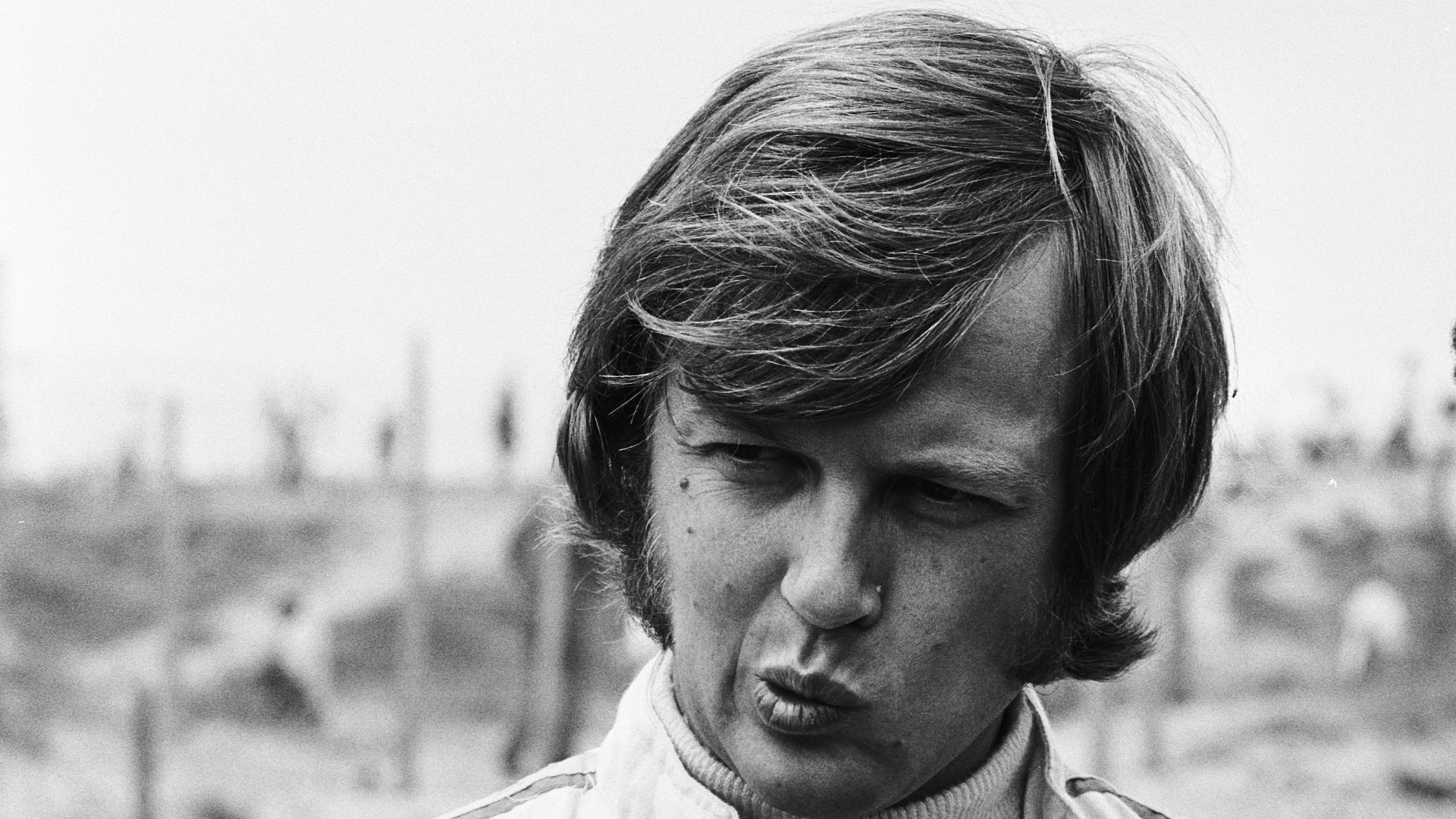 Joost Evers / Anefo, Wikimedia Commons
A Medical Complication Changed Everything
Doctors operated to stabilize Peterson's broken bones, but his condition deteriorated dramatically overnight. He developed fat embolism syndrome, a dangerous complication in which fat droplets enter the bloodstream and obstruct circulation. His lungs were severely affected, his kidneys began failing, and his condition became critical. On September 11, 1978, Ronnie Peterson died at just 34 years old.
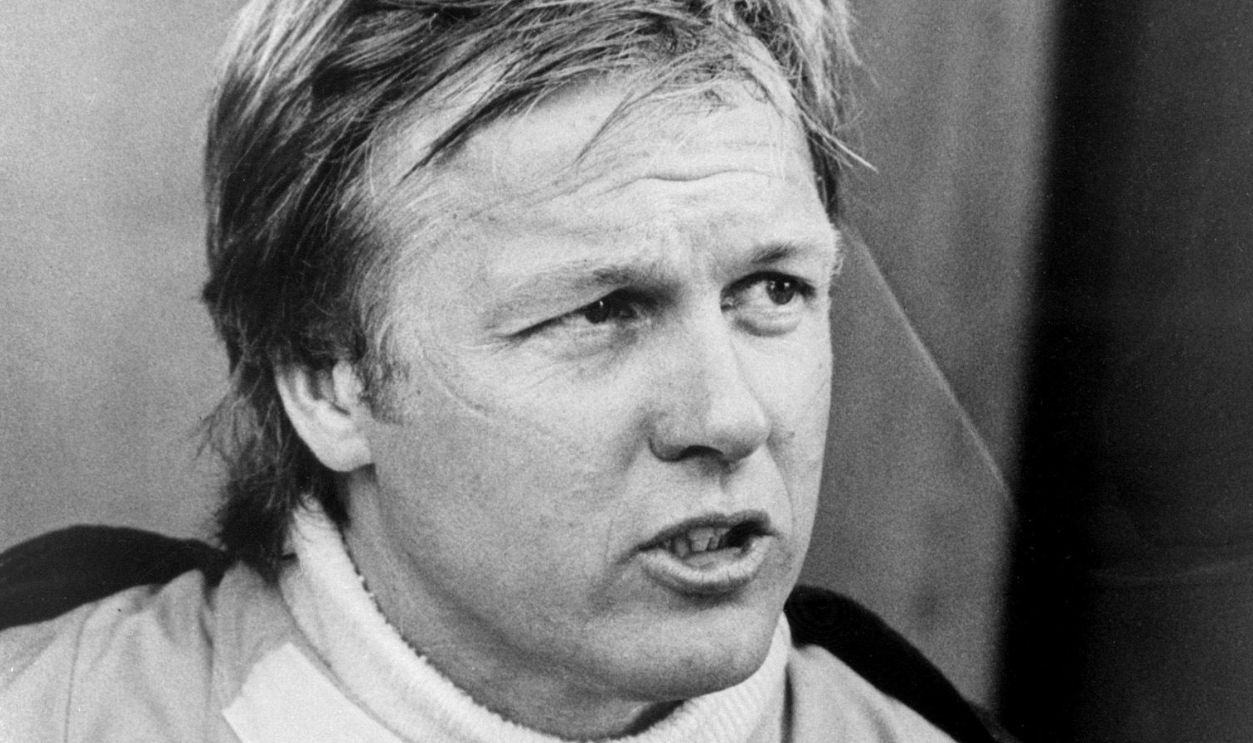
Questions Surrounded His Treatment
Peterson's death raised troubling questions about whether his medical care had contributed to the fatal complications. Orthopedic doctor Peter Varolo, who witnessed events at the hospital, later argued that operating on Peterson's fractured femur so soon had increased the risk of fat embolism. His account was documented in a retrospective published by the Australian Motor Heritage Foundation. However, whether different treatment would have saved Peterson remains uncertain.
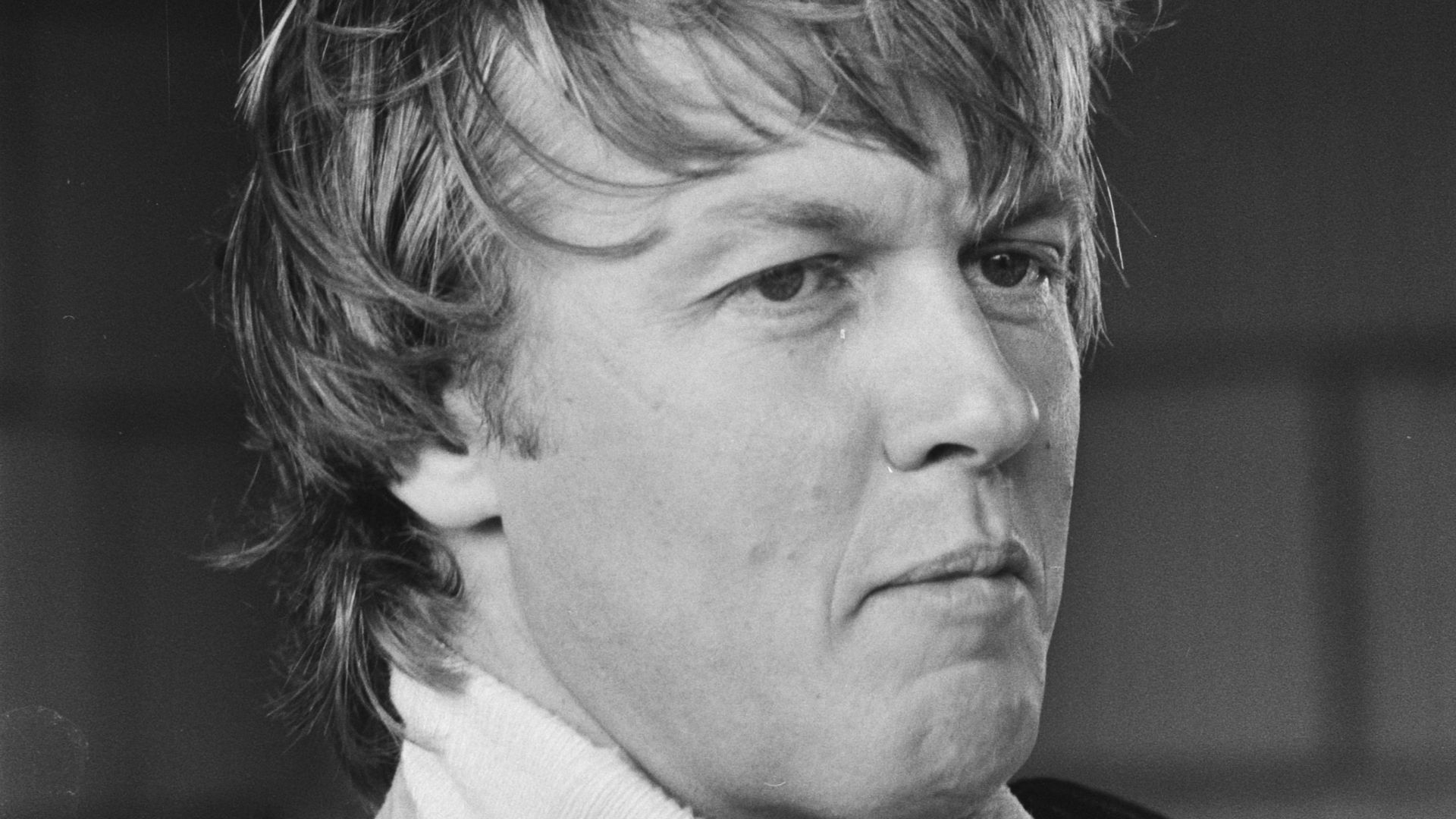 Suyk, Koen / Anefo / neg. stroken, 1945-1989, 2.24.01.05, item number 929-8748, Wikimedia Commons
His Teammate's Triumph Became A Nightmare
Mario Andretti secured the 1978 Formula One World Championship at Monza, but Peterson's accident overshadowed his achievement. The two drivers had developed a genuine friendship despite their complicated arrangement at Lotus. When Andretti learned that Peterson had died, he was devastated by the loss. Peterson ultimately finished second in the championship, becoming a posthumous runner-up for the second time in his career.
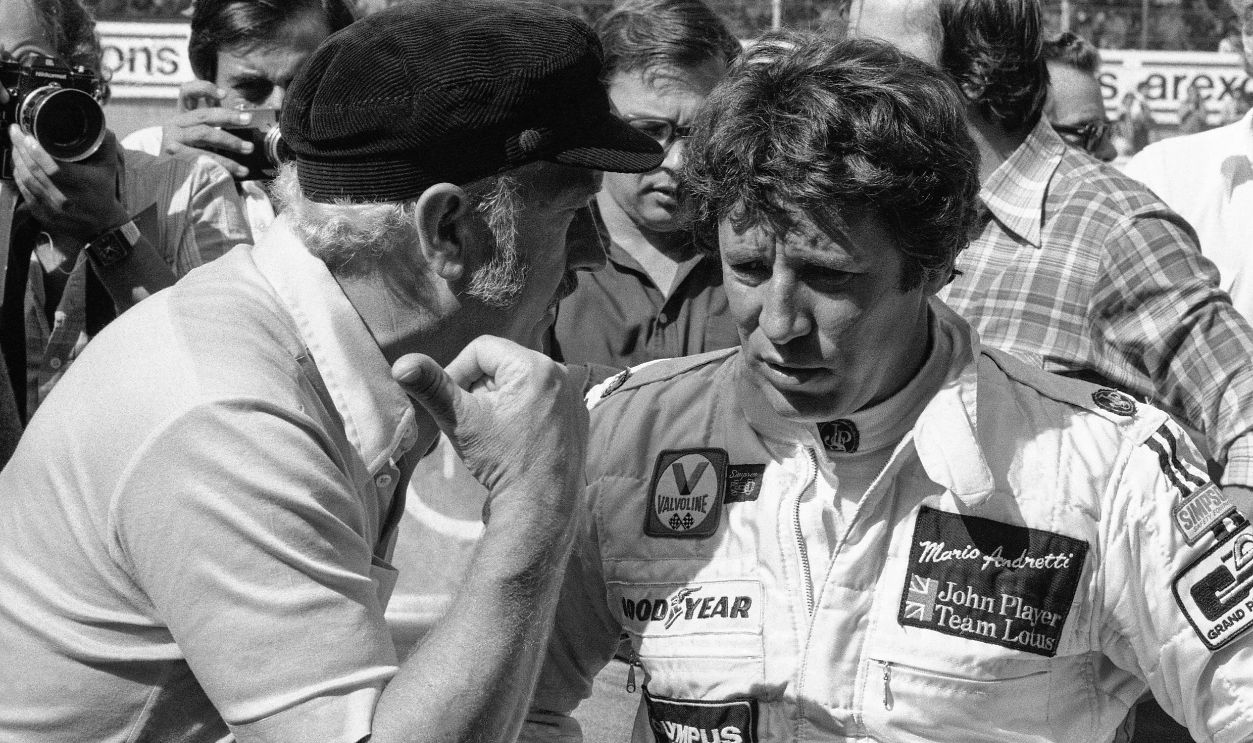 Edoardo Fornaciari, Getty Images
His Family Faced Another Tragedy
Peterson left behind his wife, Barbro, and their young daughter, Nina, born in 1975. Friends later recalled how deeply Barbro struggled with losing her husband, whose racing career had shaped much of their life together. She subsequently had a relationship with Formula One driver John Watson, but her life ended tragically in December 1987. Barbro took her own life, leaving 12-year-old Nina without either parent.
His Death Helped Change Formula One
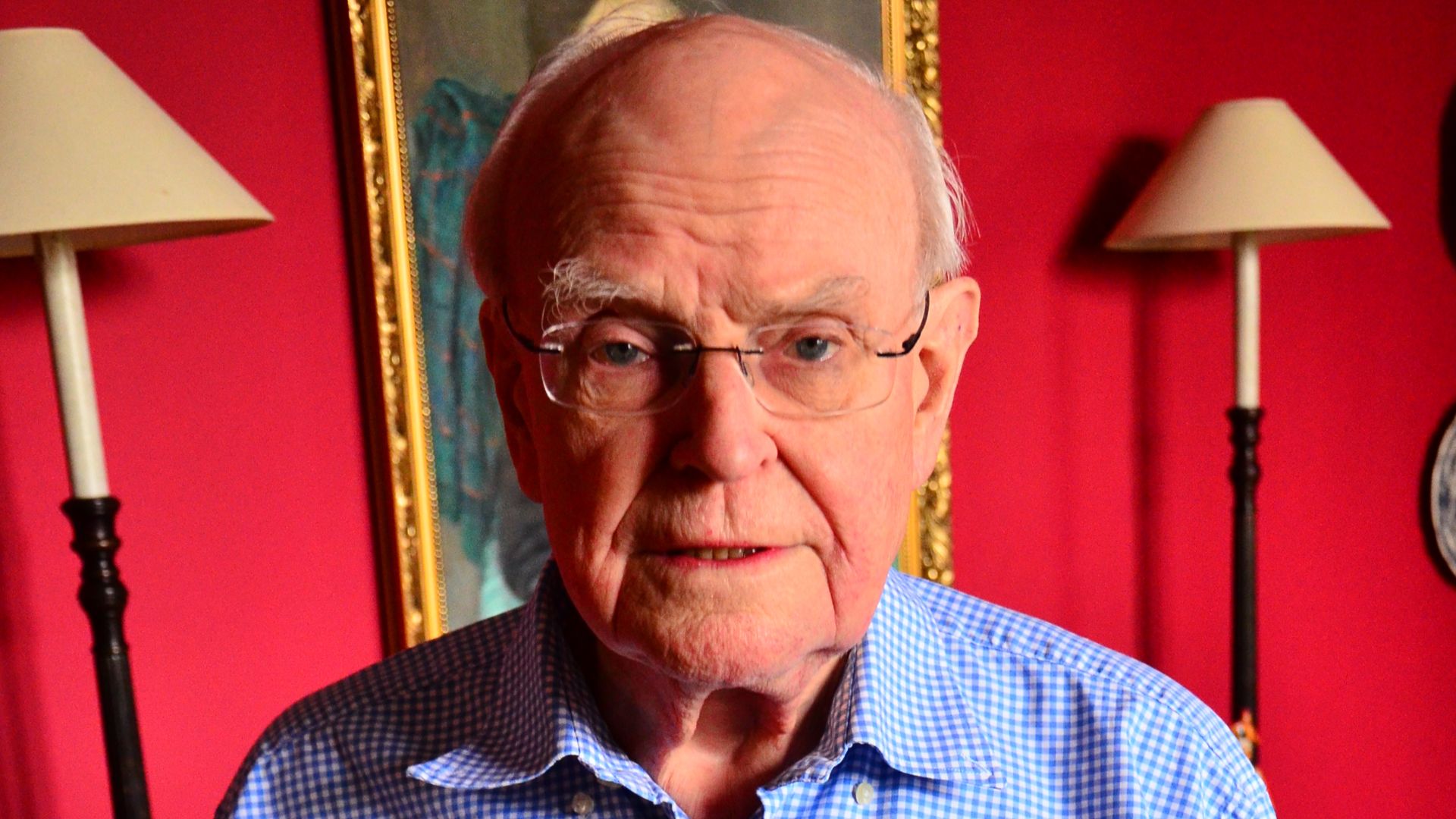
Peterson's fatal accident exposed serious weaknesses in Formula One's emergency medical arrangements. Sid Watkins, the sport's recently appointed medical adviser, encountered delays and difficulties reaching injured drivers at Monza. Afterward, he pushed for stronger medical authority, faster response vehicles, and better emergency procedures. His efforts helped transform how Formula One responded to serious crashes in the years that followed.
 Ben Sutherland from Crystal Palace, London, UK, Wikimedia Commons
The Superstar Who Deserved More
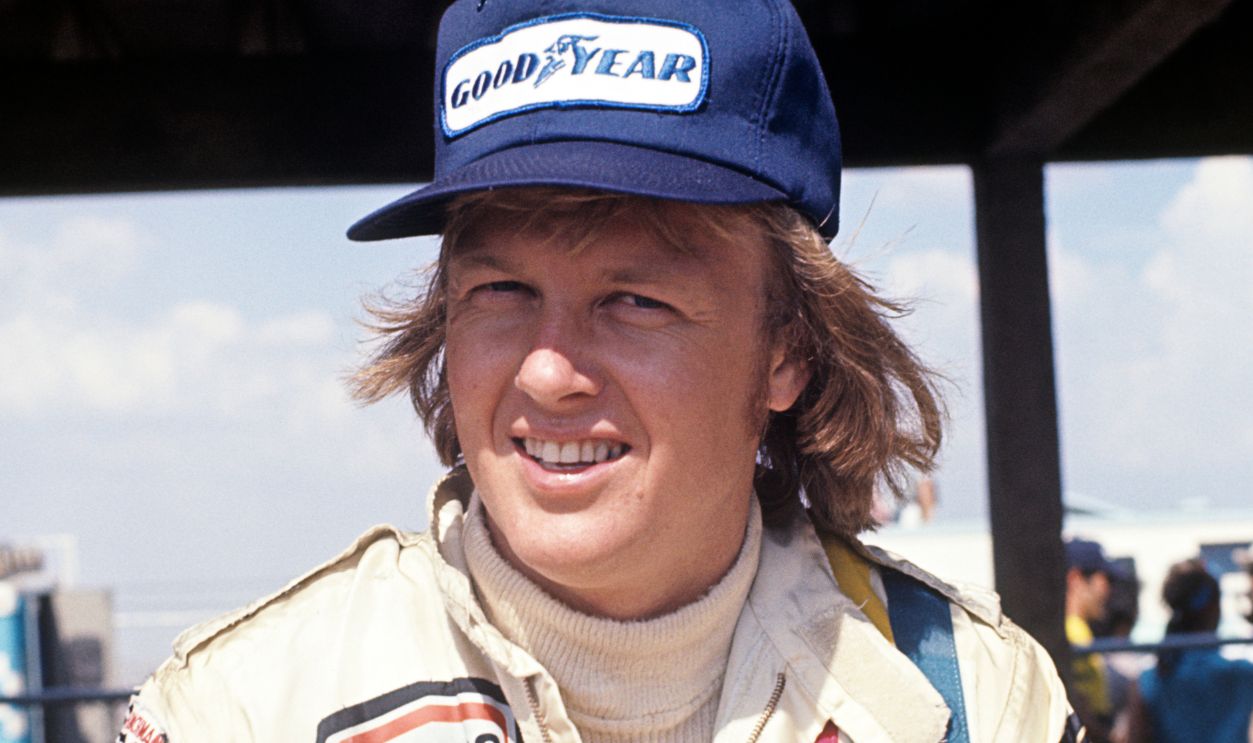
Ronnie Peterson finished his Formula One career with 10 victories, 14 pole positions, and 26 podium finishes from 123 starts. He never became world champion, but his spectacular driving earned the admiration of competitors and racing fans around the world. Decades later, he remains one of the most celebrated drivers never to win the championship. His story leaves one haunting question: how much more could SuperSwede have achieved if his career hadn't ended at Monza?
You May Also Like:
Jackie Robinson Broke Baseball’s Color Barrier—But First, The Army Put Him On Trial