The Man Behind Number 42
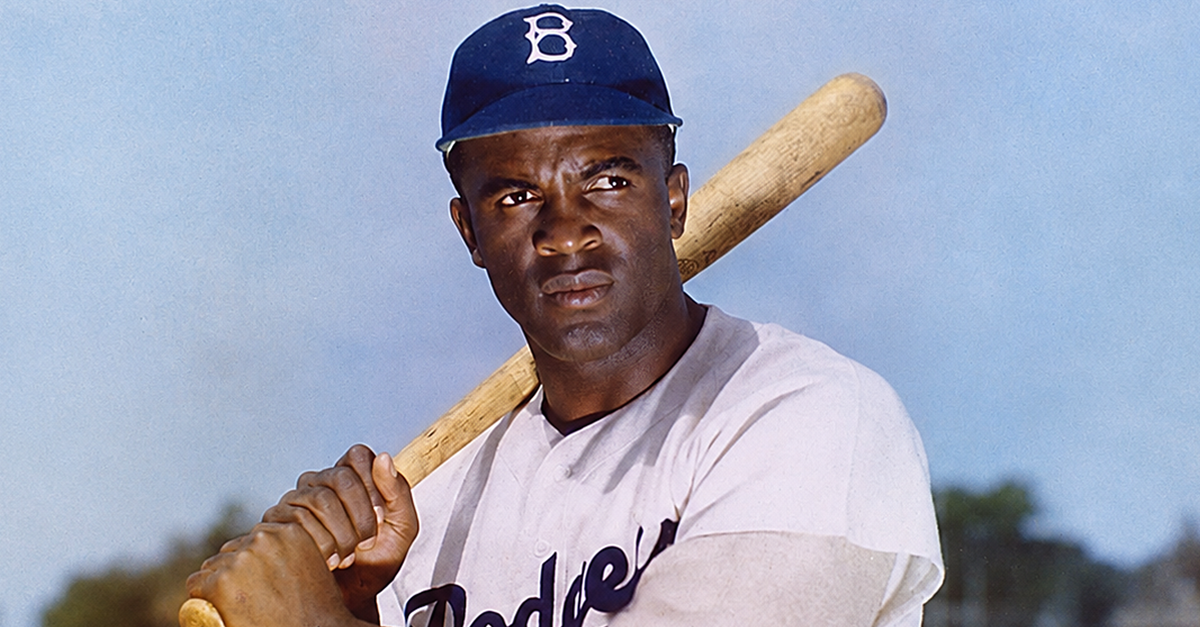
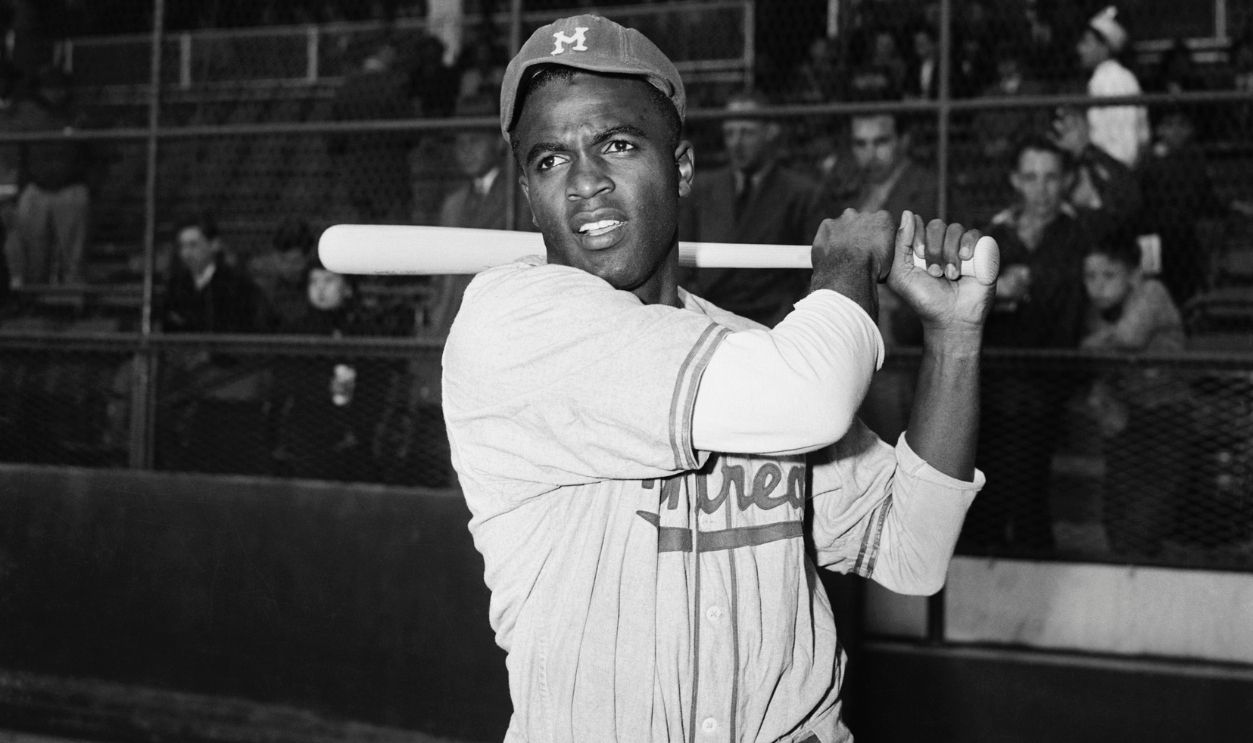
Jackie Robinson is remembered as the man who transformed baseball when he joined the Brooklyn Dodgers in 1947. Yet three years earlier, his future was being decided inside a military courtroom. The Army had put Robinson on trial after he refused to accept humiliating treatment on a bus.
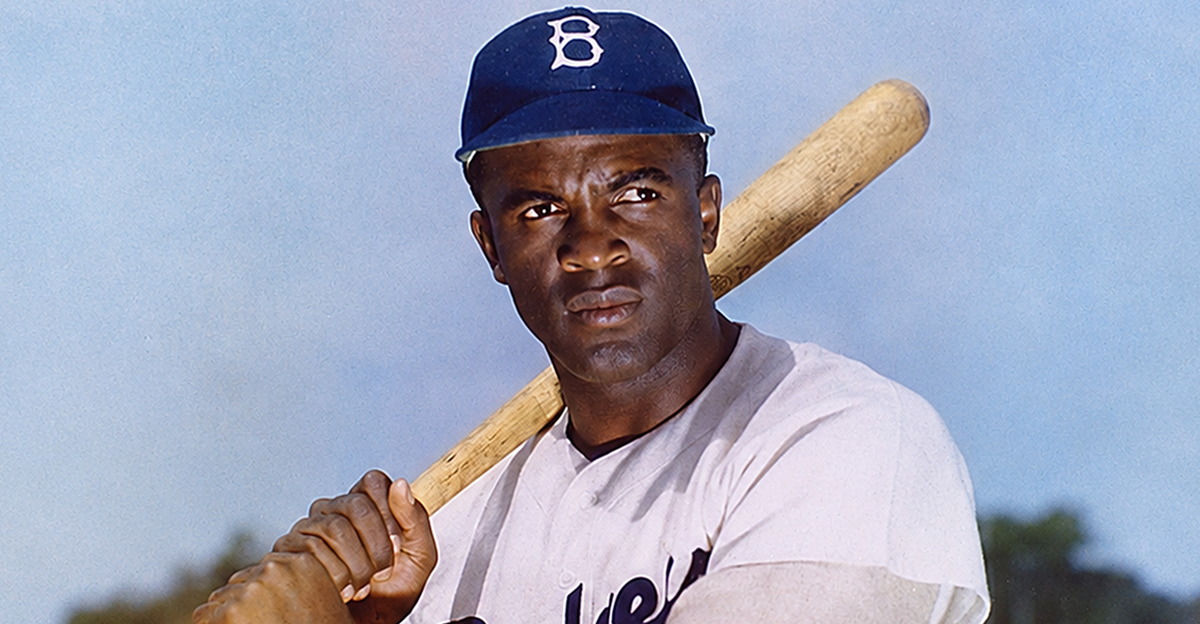 Harry Warnecke / Frank Livia / Robert F. Cranston / William Klein, Wikimedia Commons
He Was Born Into Hardship
Jack Roosevelt Robinson was born in Cairo, Georgia, on January 31, 1919. His father left the family while Robinson was young, and his mother, Mallie, moved her five children to Pasadena, California. She supported them through demanding domestic work while raising them in a largely white neighborhood.
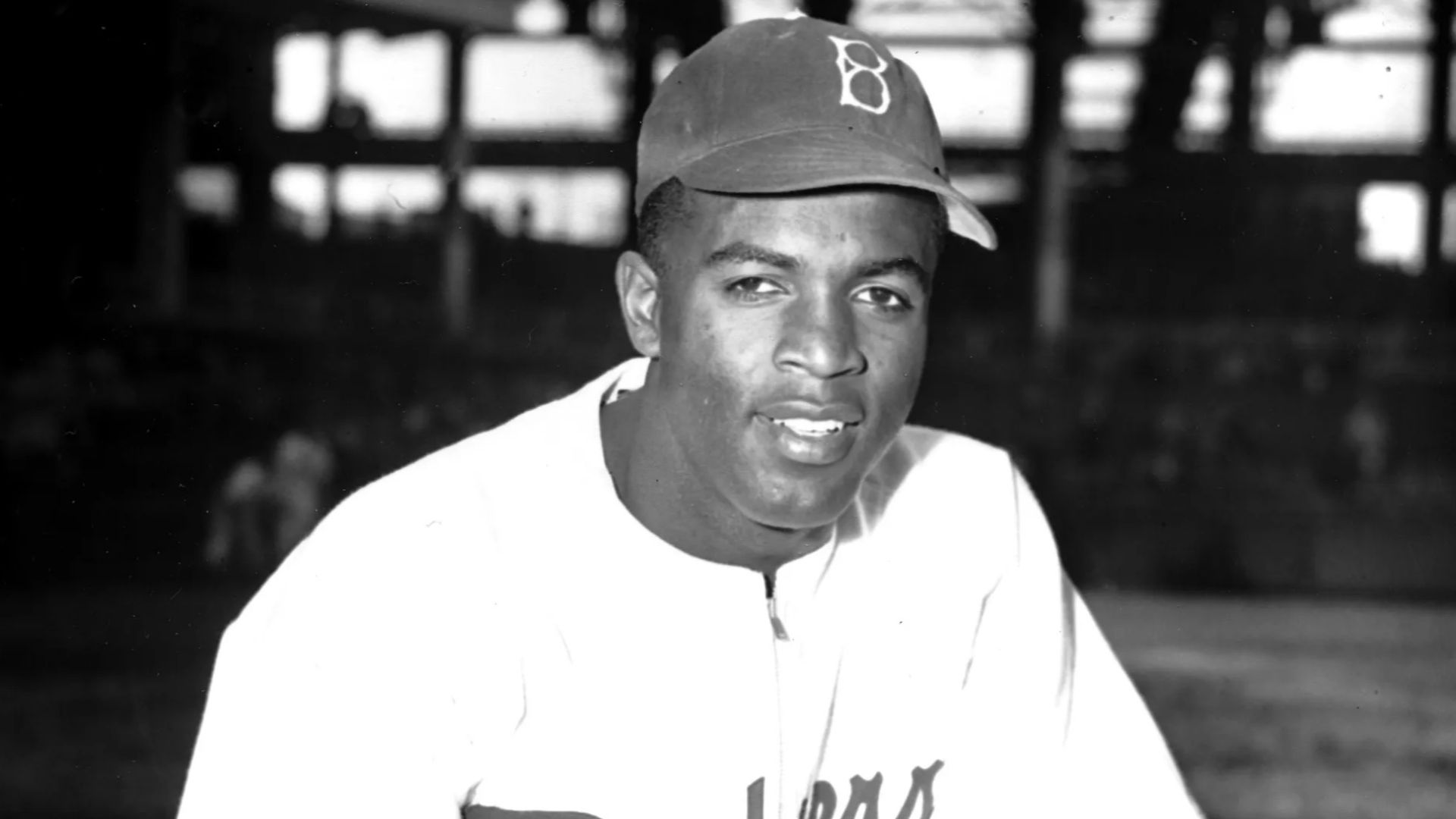 John Rooney, Wikimedia Commons
Talent Opened Doors
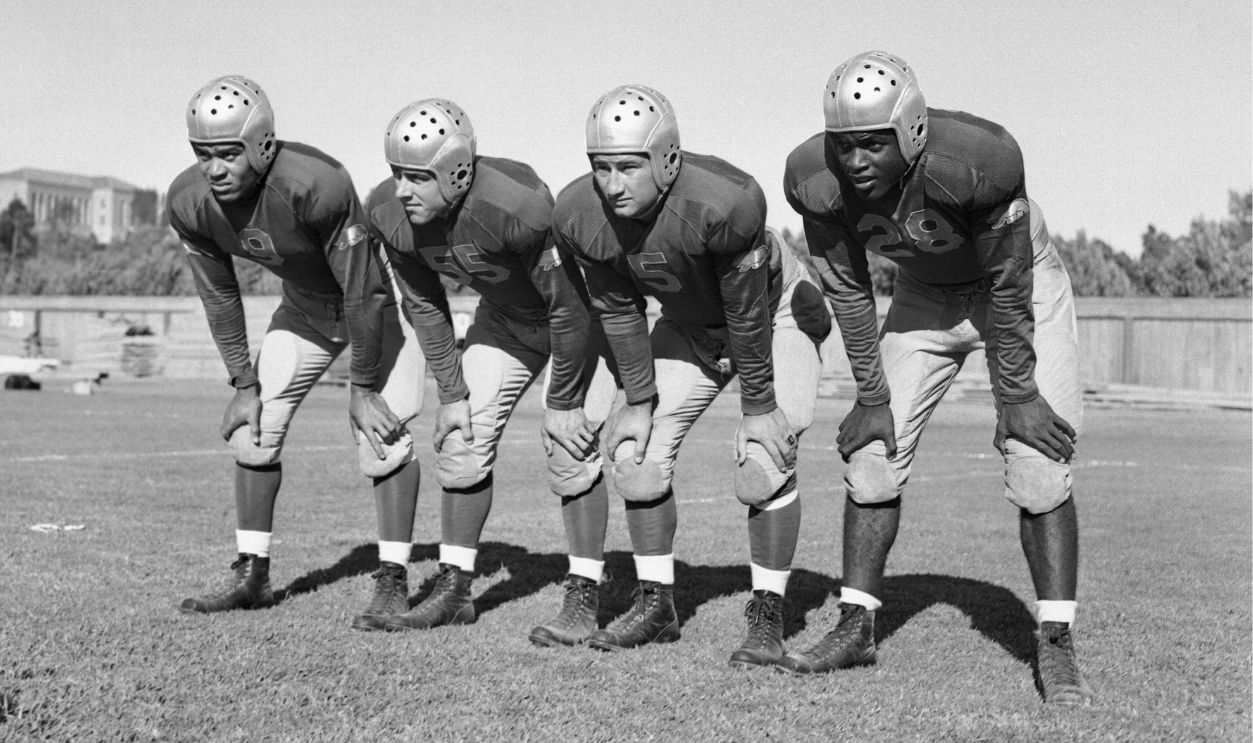
Robinson emerged as an exceptional athlete at Pasadena Junior College. He transferred to UCLA in 1939 and became the university’s first athlete to earn varsity letters in four sports. He excelled in football, basketball, track and field, and baseball.
Baseball Was Not His Best Sport
Surprisingly, baseball may have been Robinson’s weakest college sport. He batted just .097 during his only season with the UCLA team, while earning greater recognition in football, basketball, and track. Few people watching him then could have predicted which sport would make him famous.
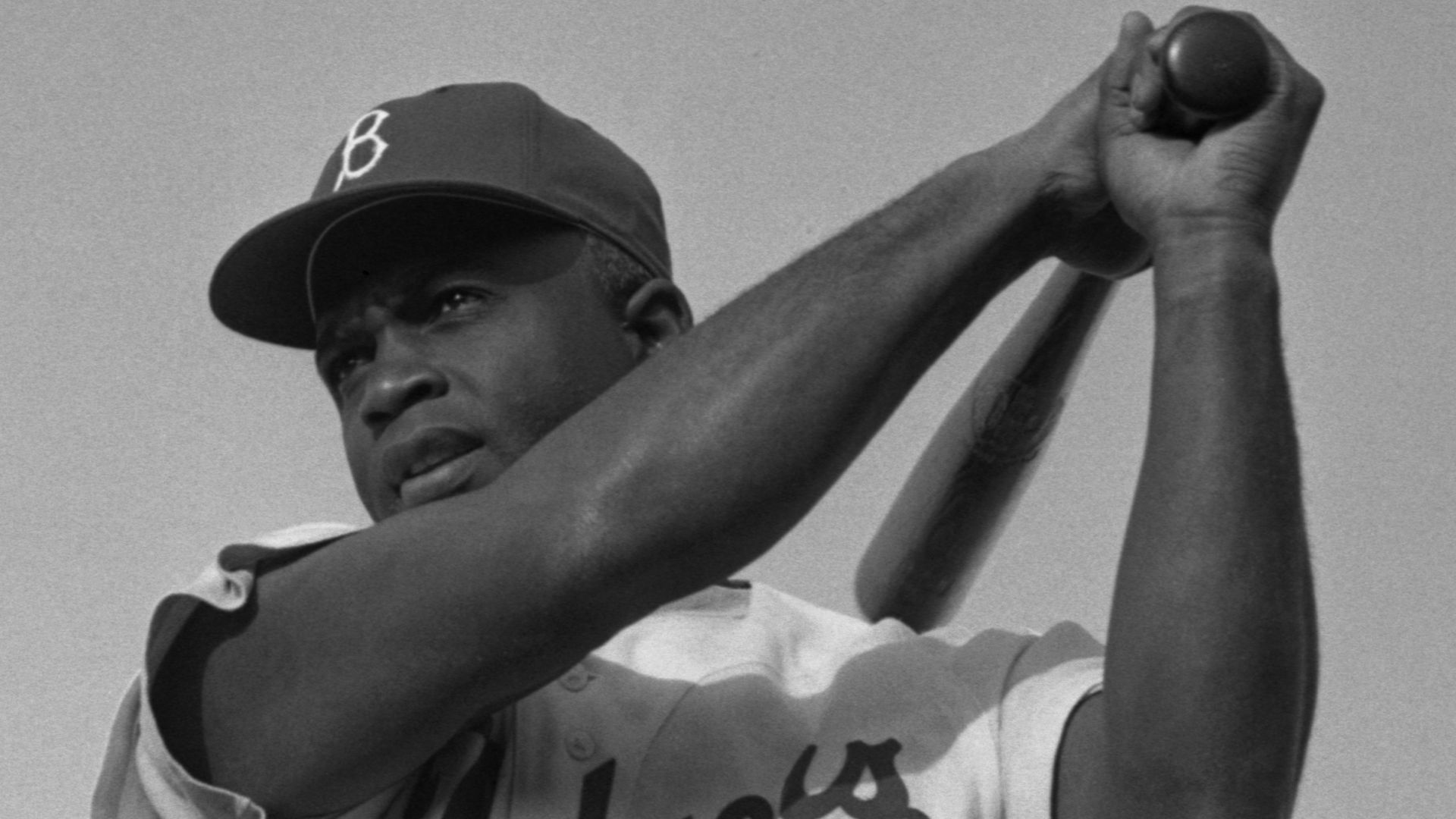 Photo by Bob Sandberg Look photographer, Wikimedia Commons
Money Pulled Him Away
Robinson left UCLA before completing his degree because his family needed financial support. He took several sports-related jobs and played professional football for the Los Angeles Bulldogs. Meanwhile, a lingering football injury would eventually send him to the Army hospital connected to his fateful bus ride.
The Army Called
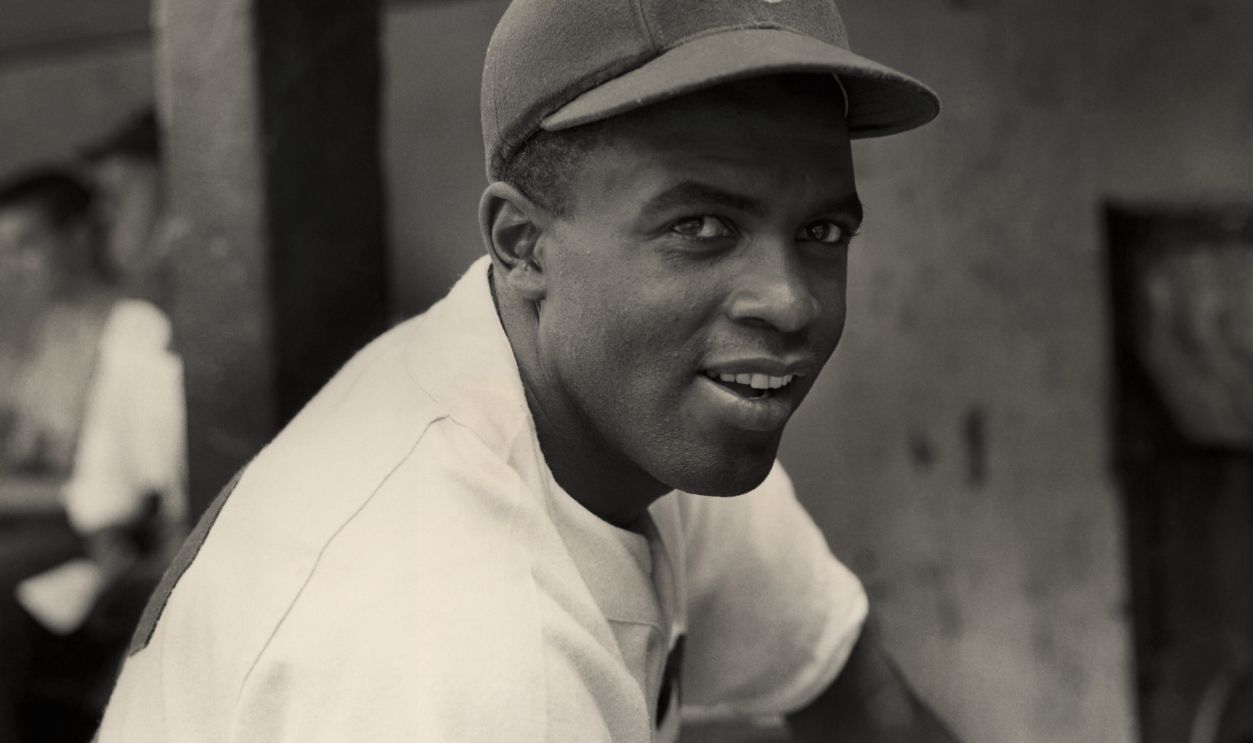
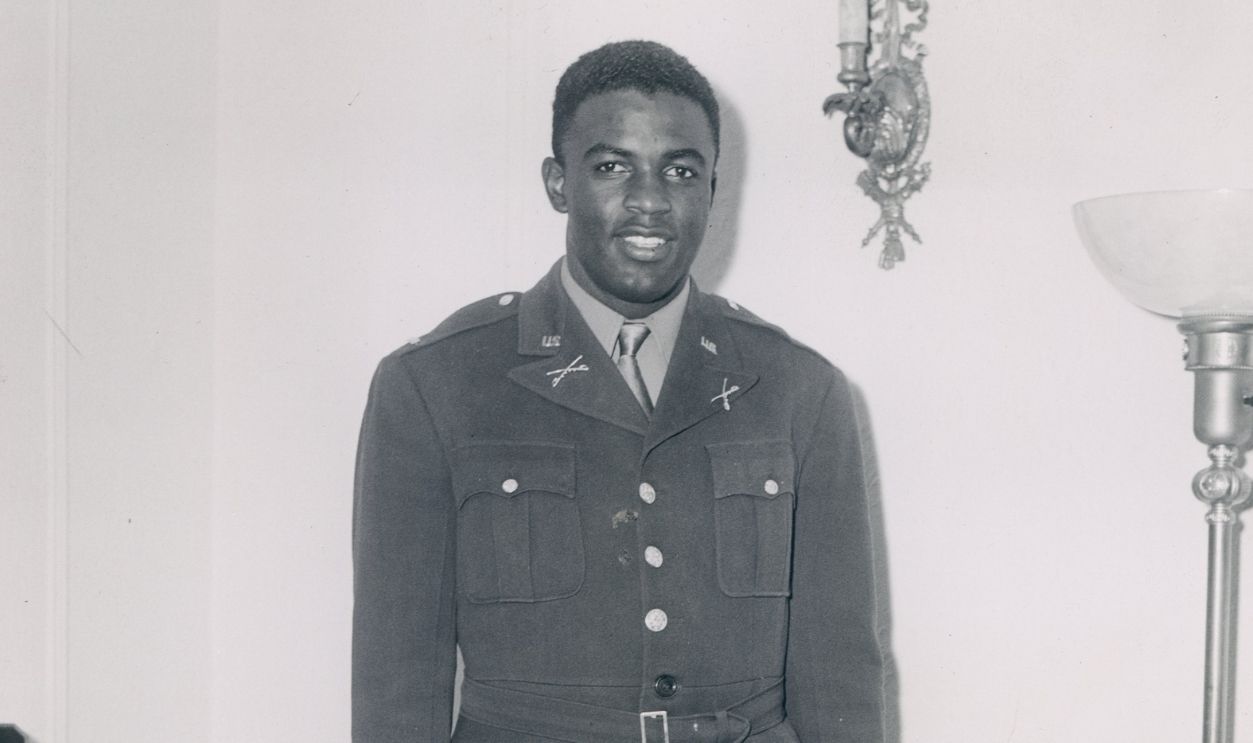
Robinson reported for military service on April 3, 1942, after the United States entered World War II. The Army remained segregated, and Black servicemen routinely encountered inferior facilities, limited opportunities, and open discrimination. Robinson quickly discovered that wearing an American uniform did not guarantee equal treatment.
 Sports Studio Photos, Getty Images
Becoming An Officer Was Another Fight
At Fort Riley, Robinson and other Black soldiers found their access to Officer Candidate School obstructed. Heavyweight boxing champion Joe Louis, who was also stationed there, helped bring the problem to the attention of Truman Gibson, the War Department’s civilian aide on racial affairs. Robinson eventually completed the program and received his commission as a second lieutenant in January 1943.
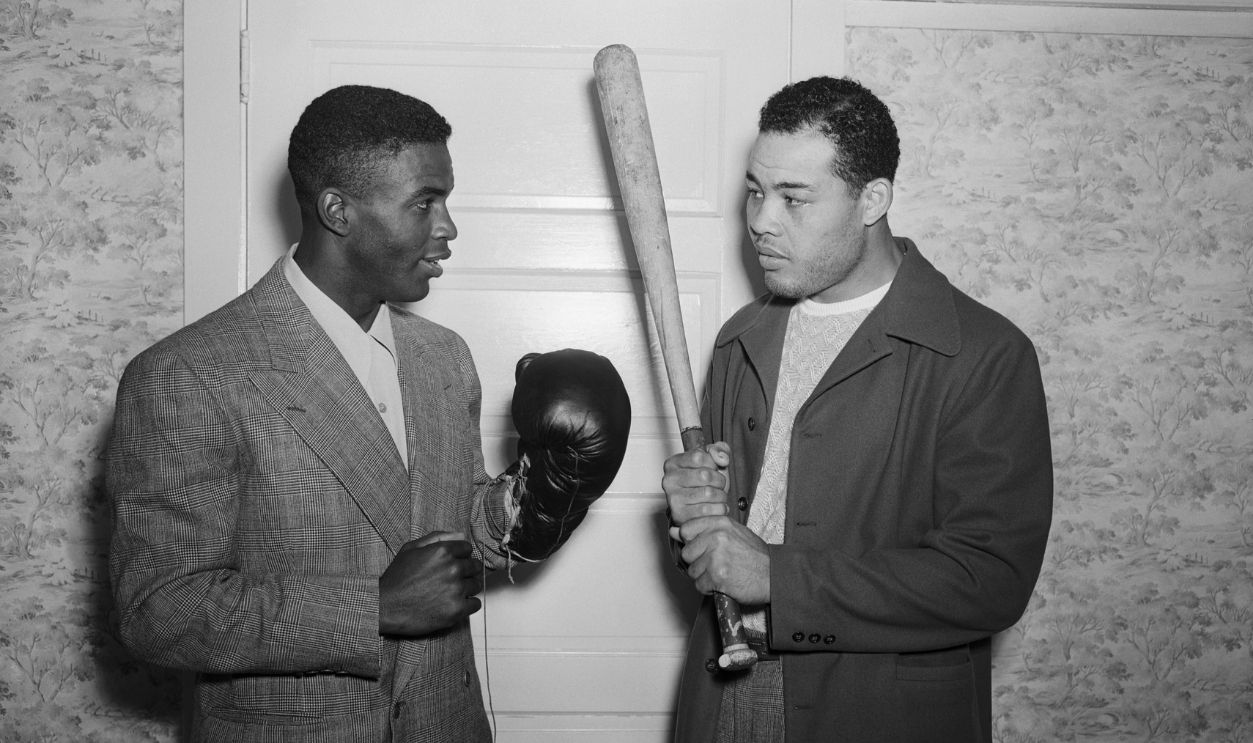
He Challenged Segregation
Robinson did not quietly accept discriminatory policies at Fort Riley. He protested restricted access to the post exchange and refused to play football for the base when he was excluded from its white baseball team. His willingness to confront authority made him respected by some officers and troublesome to others.
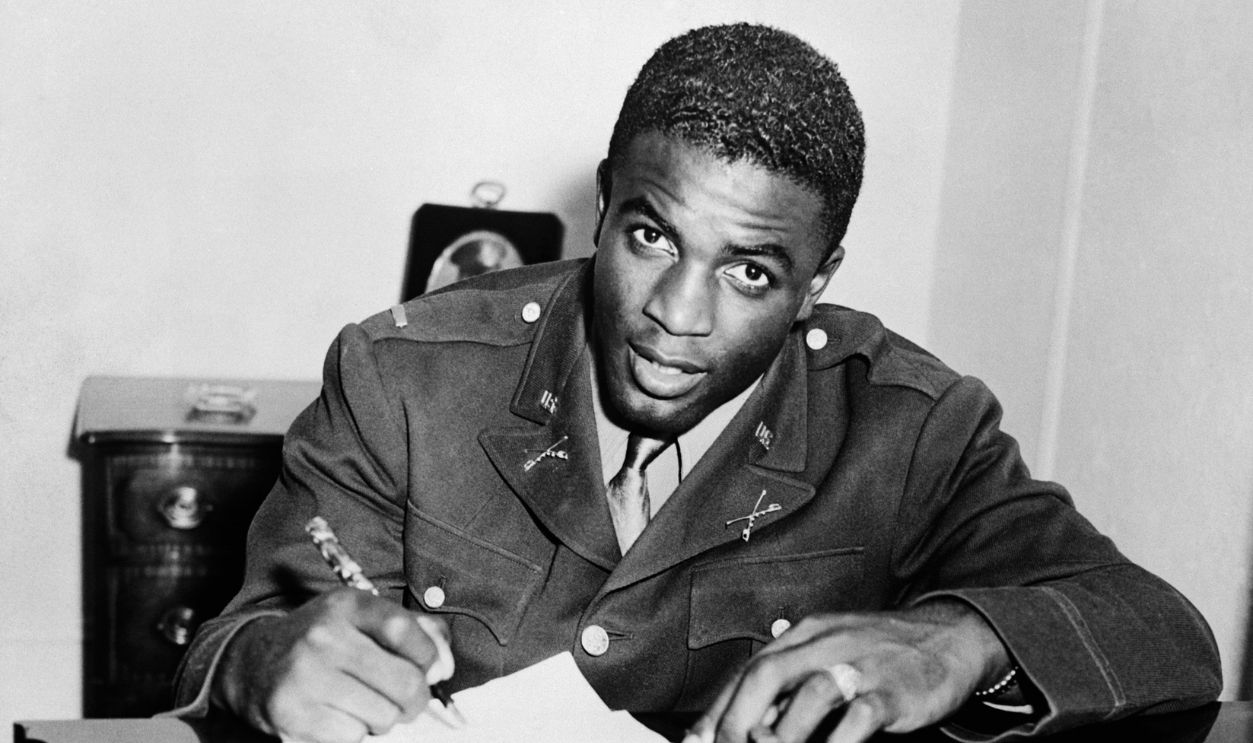
Texas Was Even Worse
In 1944, the Army transferred Robinson to Camp Hood, Texas. He was assigned to the 761st Tank Battalion, a Black unit that would later earn distinction in combat in Europe. The hostile racial climate surrounding Camp Hood made daily life difficult for many of its soldiers.
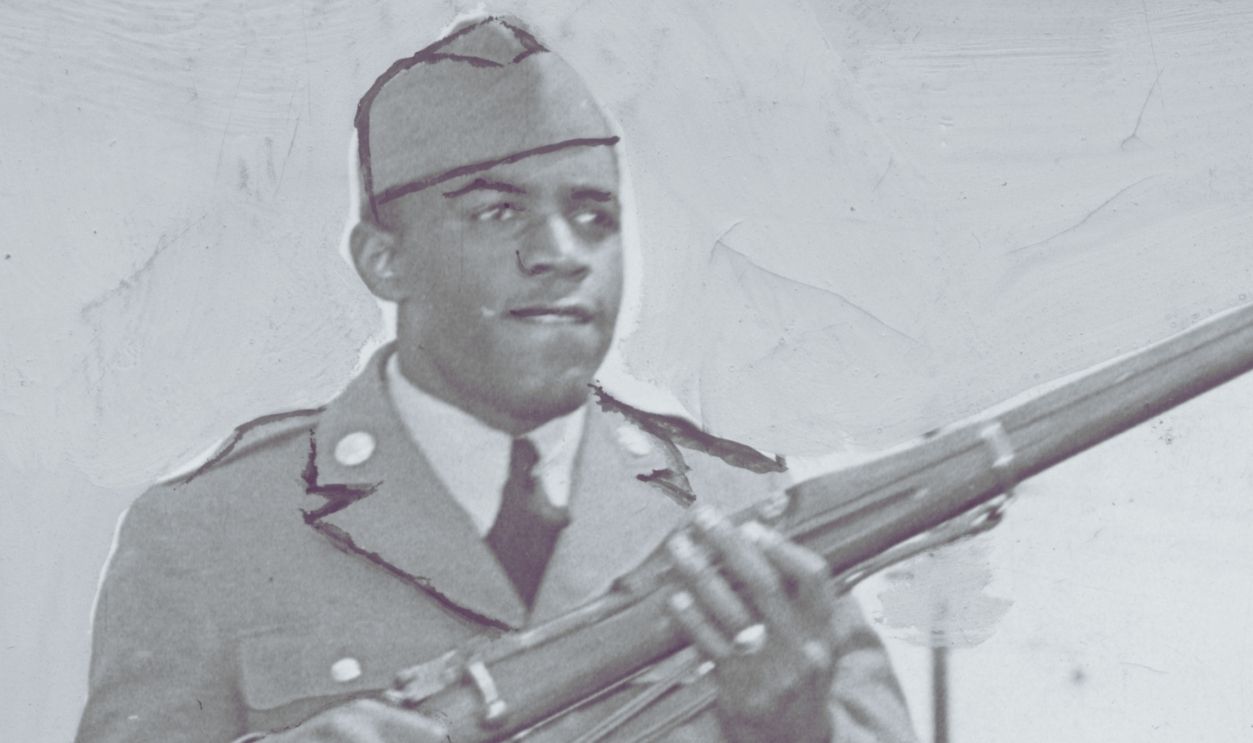 Afro Newspaper/Gado, Getty Images

History's most fascinating stories and darkest secrets, delivered to your inbox daily.
An Old Injury Resurfaced
A bone chip in Robinson’s ankle had troubled him since a 1937 football injury. The Army sent him to McCloskey General Hospital near Temple, Texas, so doctors could evaluate whether he remained fit for unrestricted service. That medical assessment placed him on the road between the hospital and Camp Hood in July 1944.
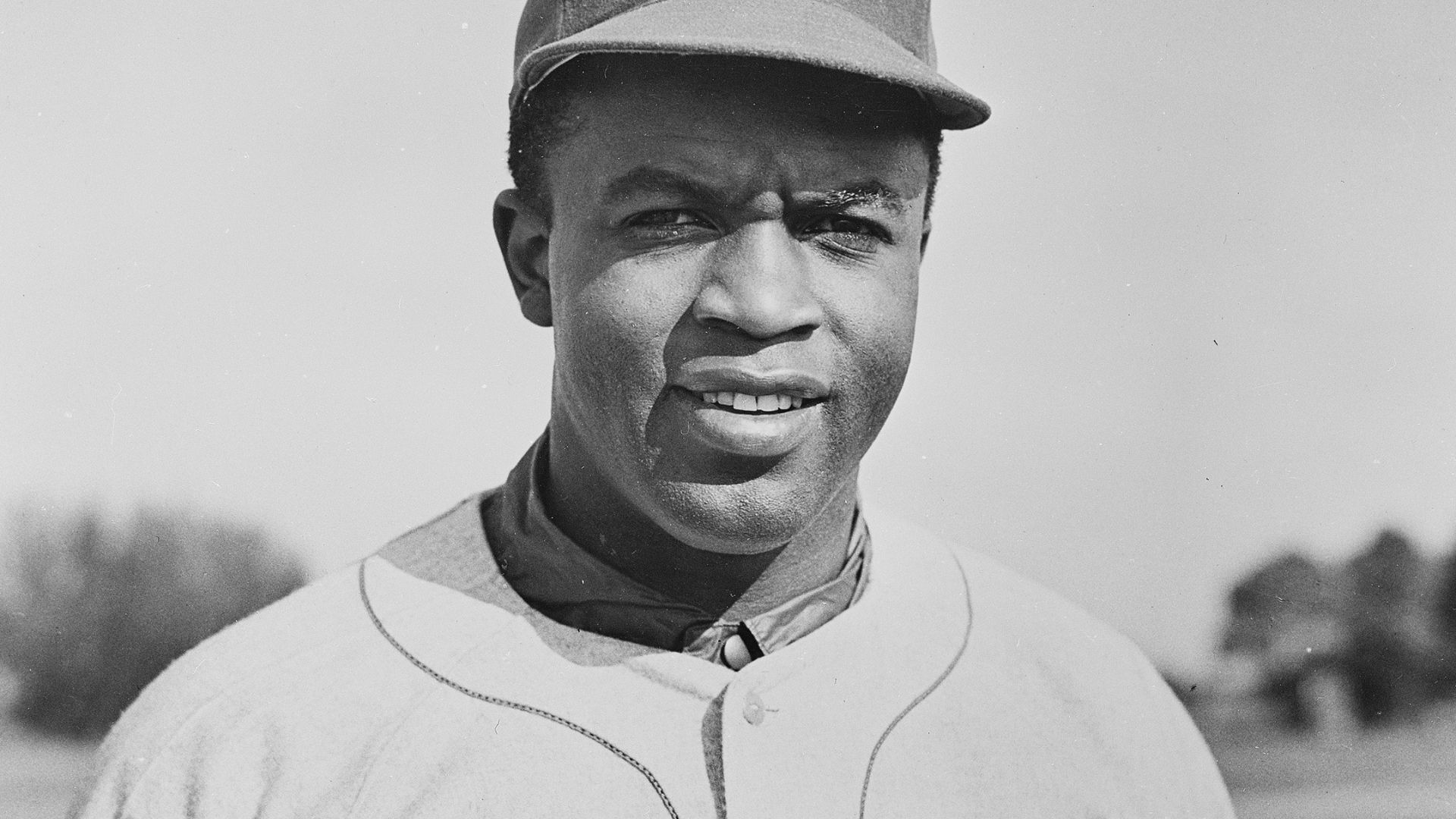 United States Information Agency, Wikimedia Commons
He Boarded An Army Bus
On the evening of July 6, Robinson visited friends at Camp Hood’s Black officers’ club. He later boarded a shuttle bus that operated on the military installation. Inside, he recognized Virginia Jones, the wife of another Black officer, and sat beside her.
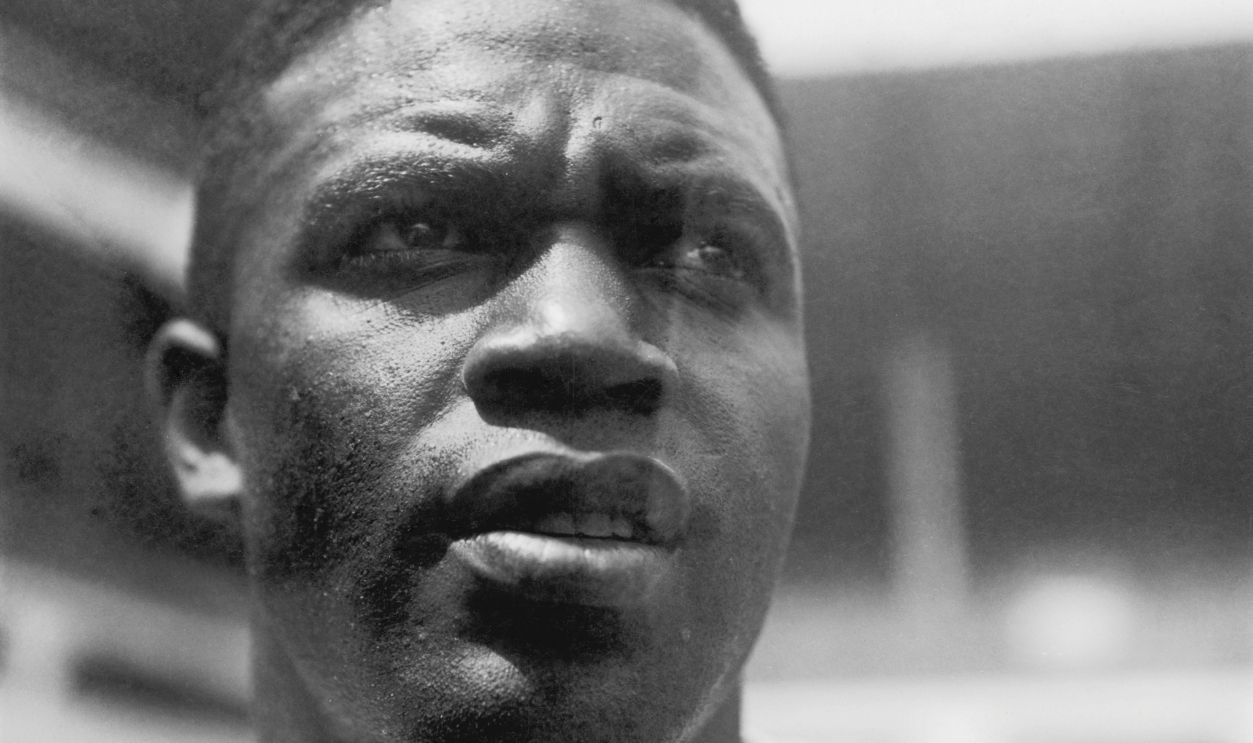
The Driver Ordered Him To Move
After traveling several blocks, white bus driver Milton Renegar told Robinson to move farther toward the rear. Robinson refused and told the driver to concentrate on driving. Although buses on military installations were not supposed to enforce local segregation practices, customs associated with Jim Crow remained deeply entrenched.
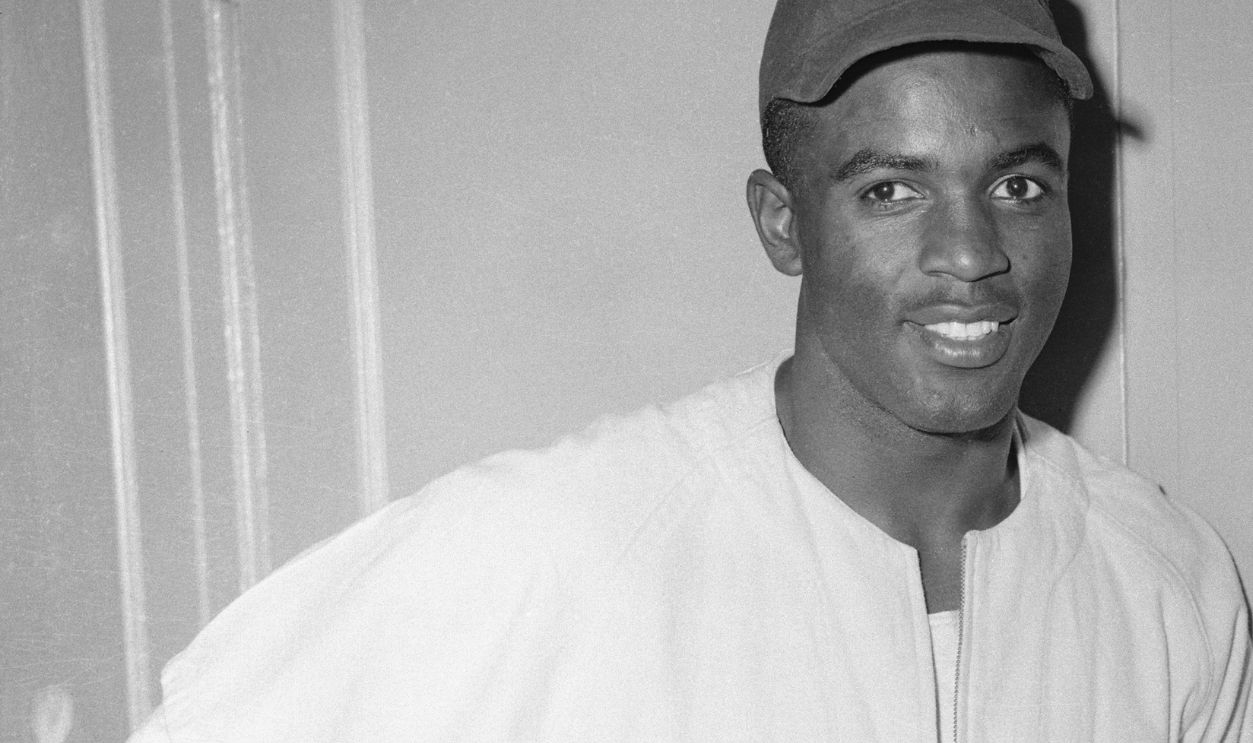
A Crowd Gathered
When the bus reached the central station, Renegar and a dispatcher confronted Robinson. Other people joined the dispute, and several white bystanders made racist comments. What began as a demand to change seats quickly became a public confrontation.
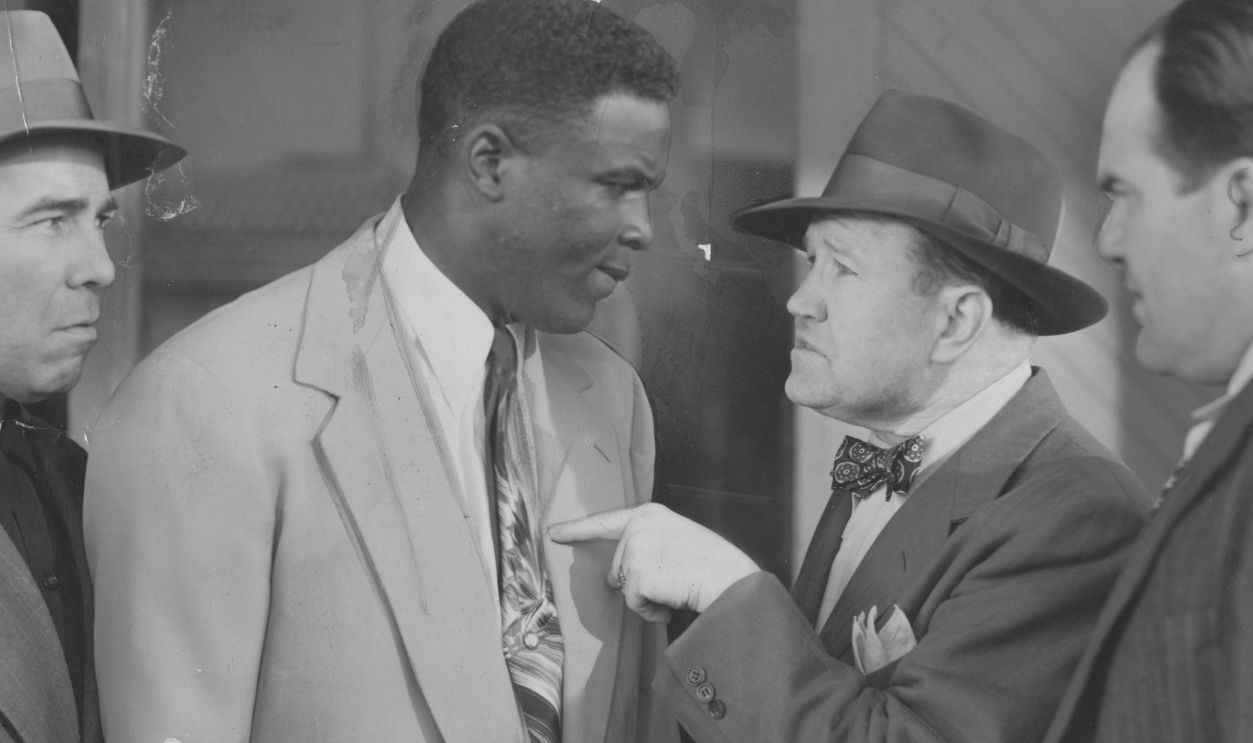 Afro Newspaper/Gado, Getty Images
One Word Changed Everything
Military police arrived and asked Robinson to sit inside their vehicle while they investigated. A white soldier approached and used a racial slur while asking whether Robinson was inside. Robinson heard him and threatened to break anyone in two who addressed him that way.
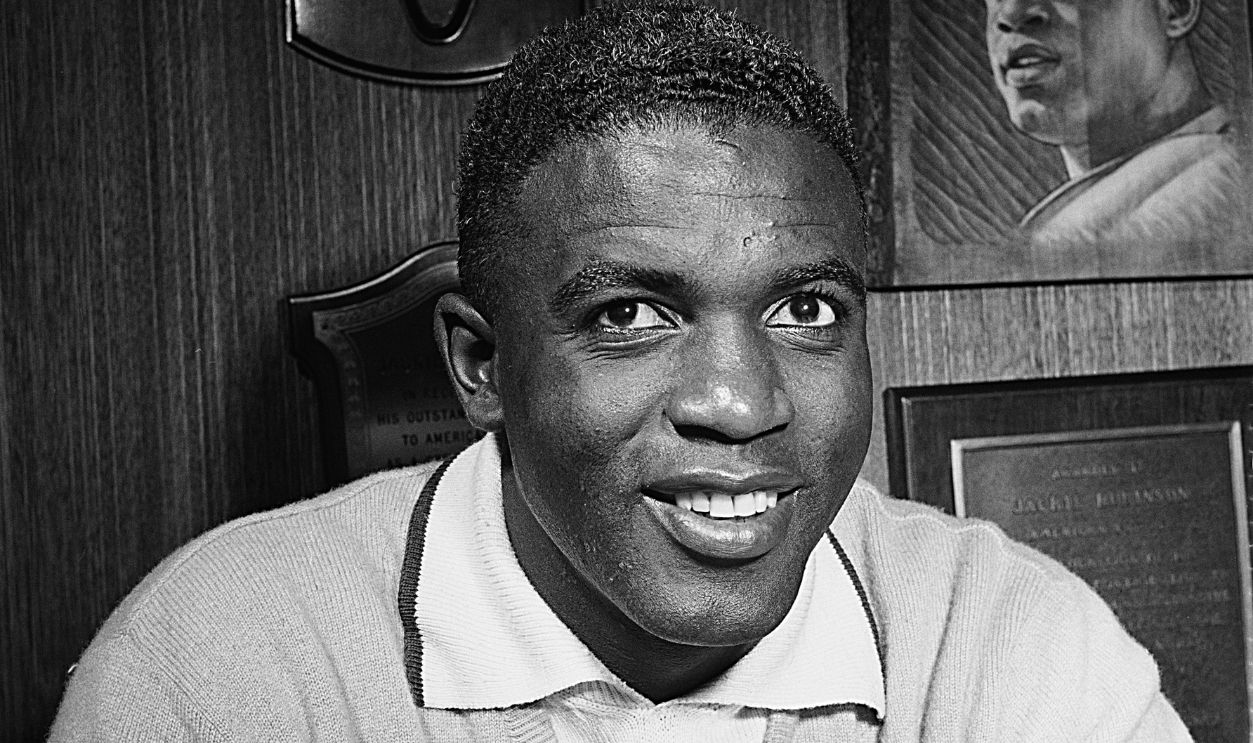
He Agreed To Go With The Police
The military police asked Robinson to accompany them to the guardroom and explain what had happened. None of the responding officers outranked him, and Robinson was not initially accused of a specific offense. He nevertheless went with them in the hope of settling the dispute.
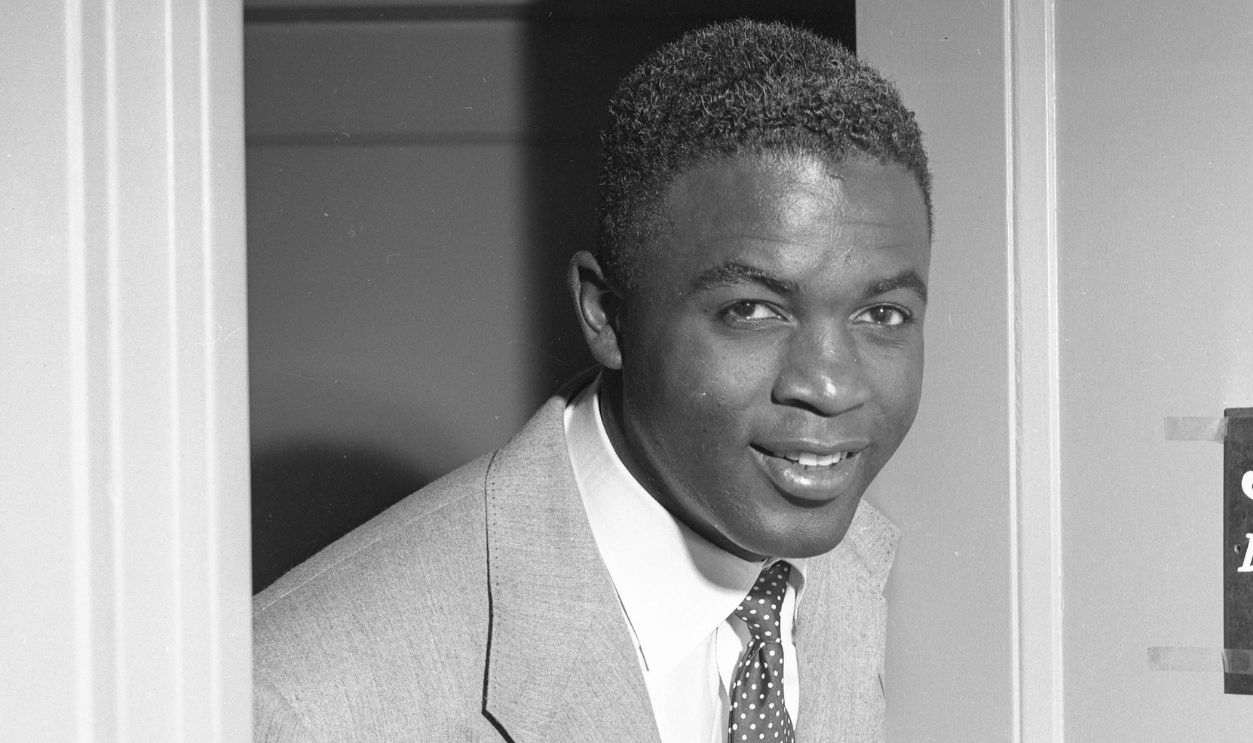 Transcendental Graphics, Getty Images
The Guardroom Made Things Worse
At the guardroom, Robinson became frustrated as white witnesses gave their accounts before he could fully present his own. Captain Gerald Bear, the assistant provost marshal, repeatedly ordered him away from a doorway while officers discussed the incident. Bear later accused Robinson of bowing sarcastically, giving sloppy salutes, and responding disrespectfully.
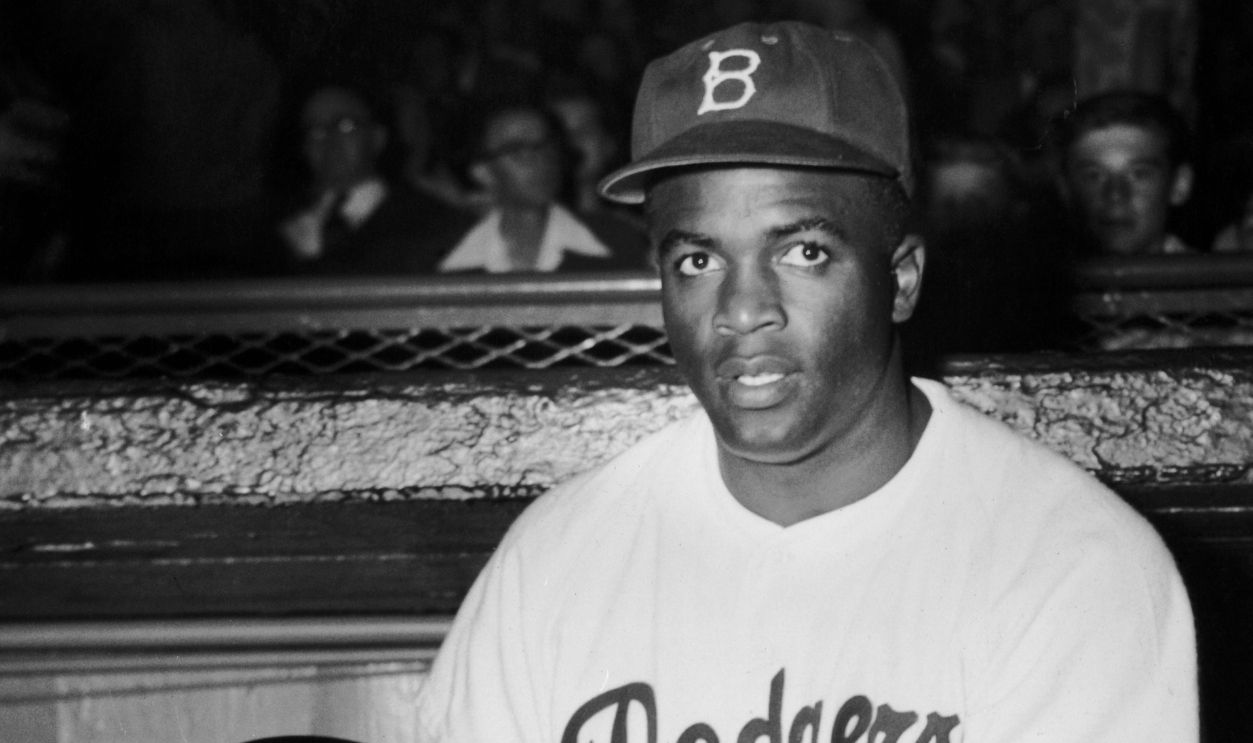
The Investigation Was Deeply Uneven
Military investigators collected statements from officers, police, the driver, the dispatcher, and passengers. Several witnesses openly used racist language or described Robinson primarily as a “colored lieutenant.” Virginia Jones provided the most favorable account, saying she had not heard him use offensive language or raise his voice during the initial dispute.
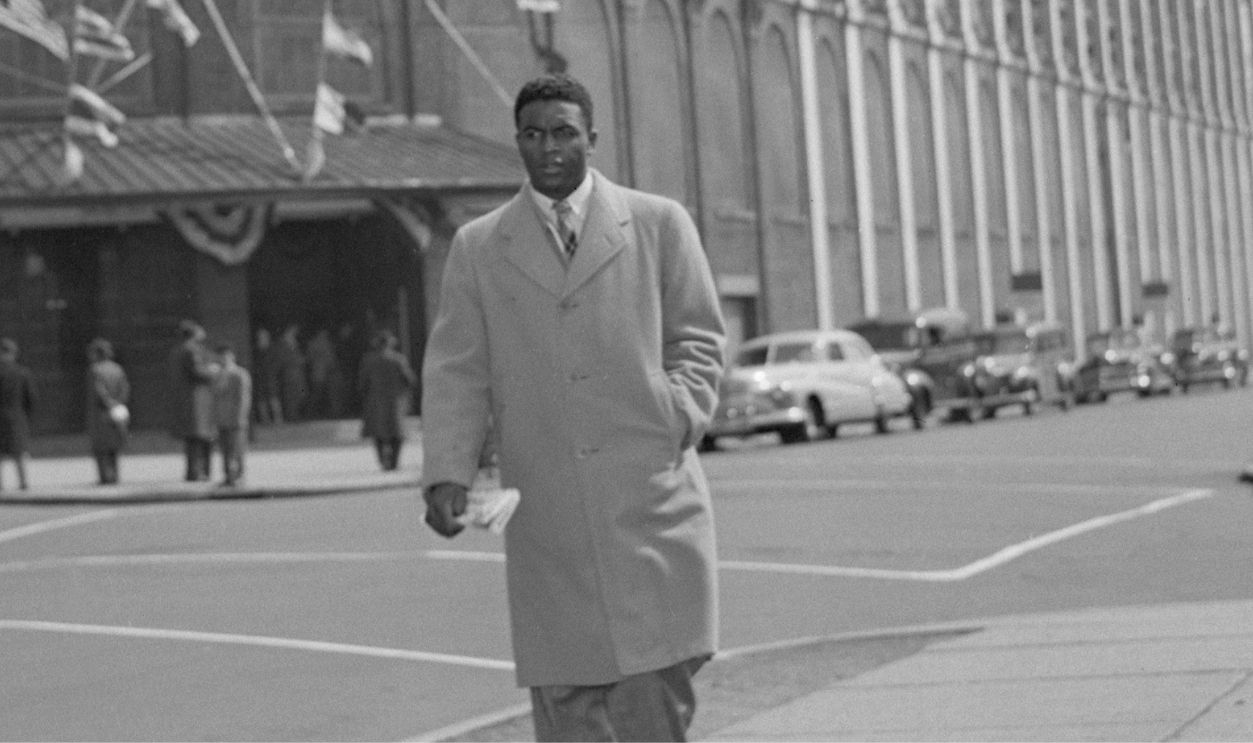
Robinson Asked For Help
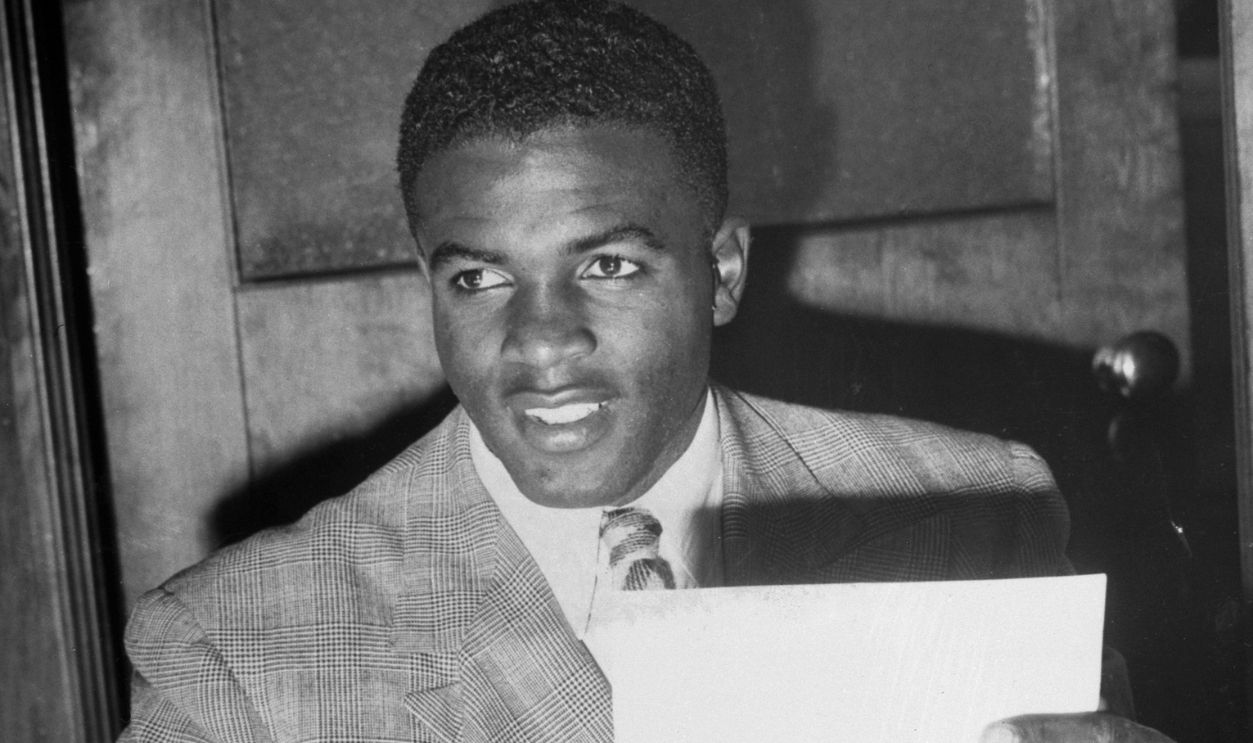
Convinced that the charges were racially motivated, Robinson wrote to Truman Gibson on July 16. He asked whether newspapers should be notified but emphasized that he did not want unfavorable publicity for himself or the Army. Above all, he insisted that he wanted fair treatment and justice.
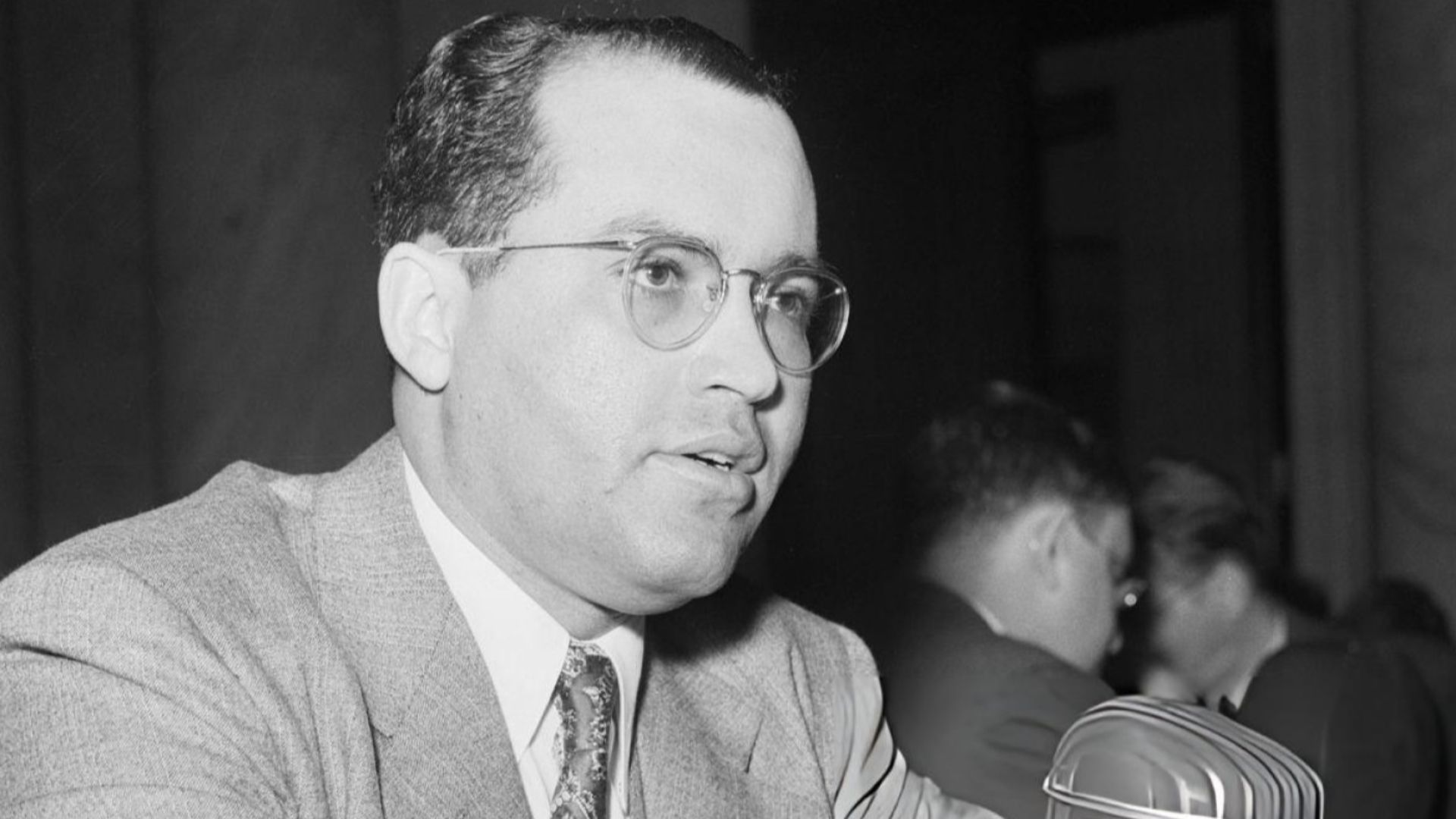 International News Photos, Wikimedia Commons
The Army Saw Danger Ahead
Camp Hood officials understood that prosecuting a nationally known Black athlete could become explosive. One colonel described the matter as being “full of dynamite” and requested an outside investigator because local officers might be prejudiced. His request was denied, leaving Camp Hood to handle the case itself.
Six Allegations Became Two
Robinson initially faced six allegations under the Articles of War. These included claims that he had used vulgar language, disrespected superior officers, and disobeyed an order. A pretrial investigation removed four allegations, including those most directly connected to the bus confrontation.
The Bus Refusal Was Not The Charge
By the time the case reached trial, Robinson was not being prosecuted for refusing to move to the back of the bus. The remaining charges accused him of disrespecting Captain Bear and disobeying Bear’s instruction to remain seated in the guardroom. This allowed prosecutors to focus on Robinson’s conduct after the original racist confrontation.
 Afro Newspaper/Gado, Getty Images
His Lawyer Recognized The Problem
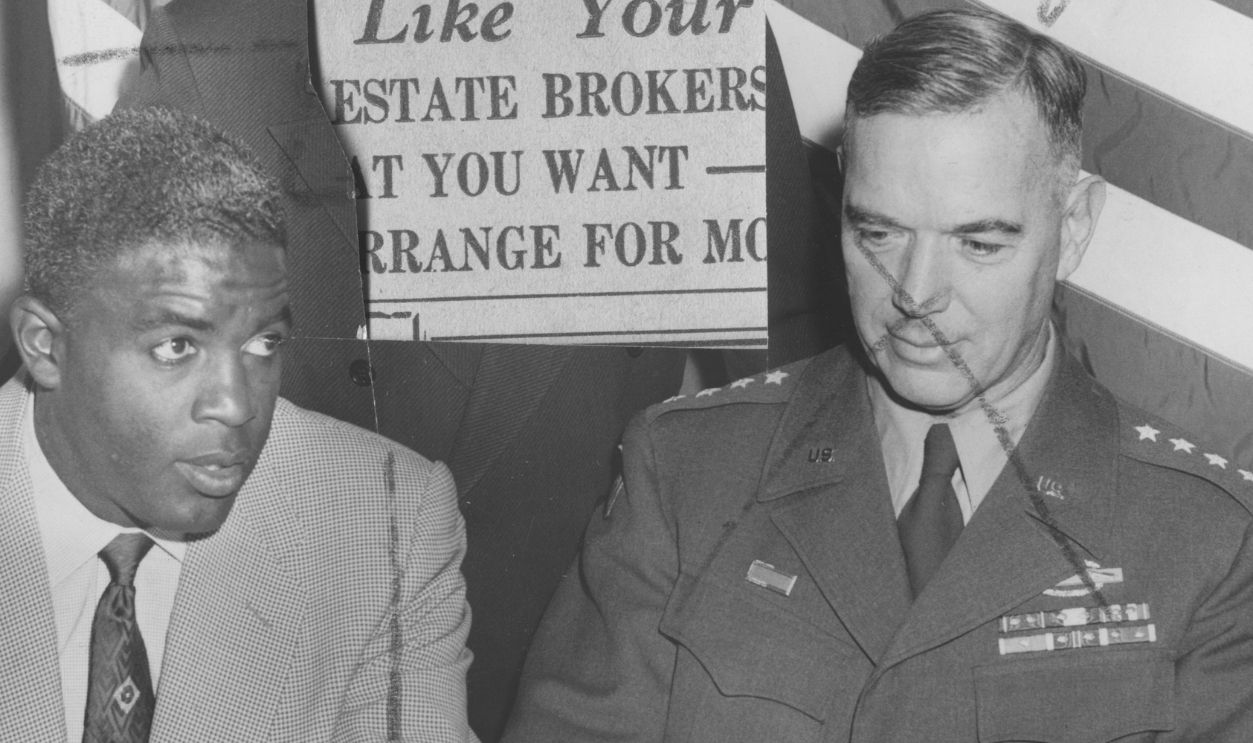
Robinson’s appointed defense counsel, Second Lieutenant William Cline, acknowledged concerns about whether his background and limited courtroom experience might affect the defense. First Lieutenant Robert Johnson, a Michigan attorney before the war, joined the team as Robinson’s selected military counsel. Johnson took a leading role when the general court-martial opened on August 2, 1944.
Nine Officers Judged Him
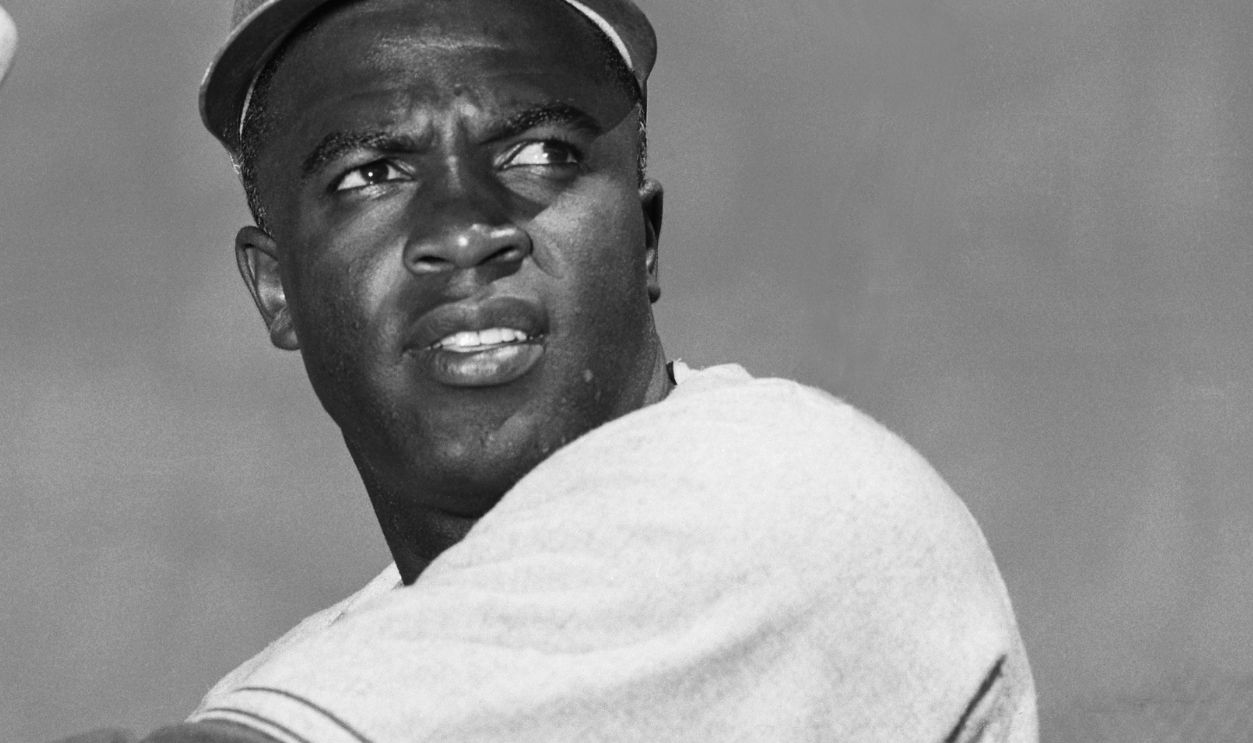
A panel of nine Army officers heard the case at Camp Hood. Captain Bear testified that Robinson had behaved sarcastically and repeatedly ignored instructions. The defense challenged whether Bear had issued clear orders and exposed inconsistencies between his testimony and earlier statements.
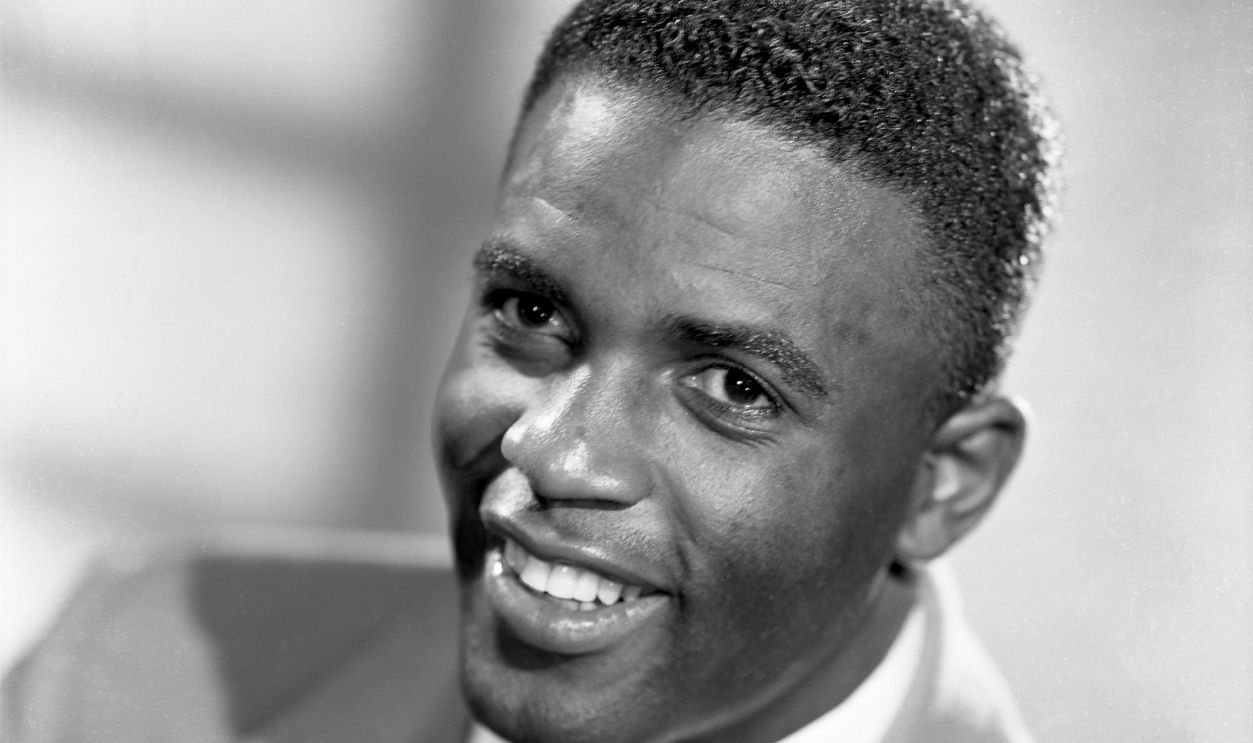 Michael Ochs Archives, Getty Images
Robinson Took The Stand
Robinson testified in his own defense and denied intentionally showing disrespect. He remained composed through extensive questioning and explained how the night’s racist hostility had affected the encounter. Four character witnesses then described him as an excellent soldier with a strong military reputation.
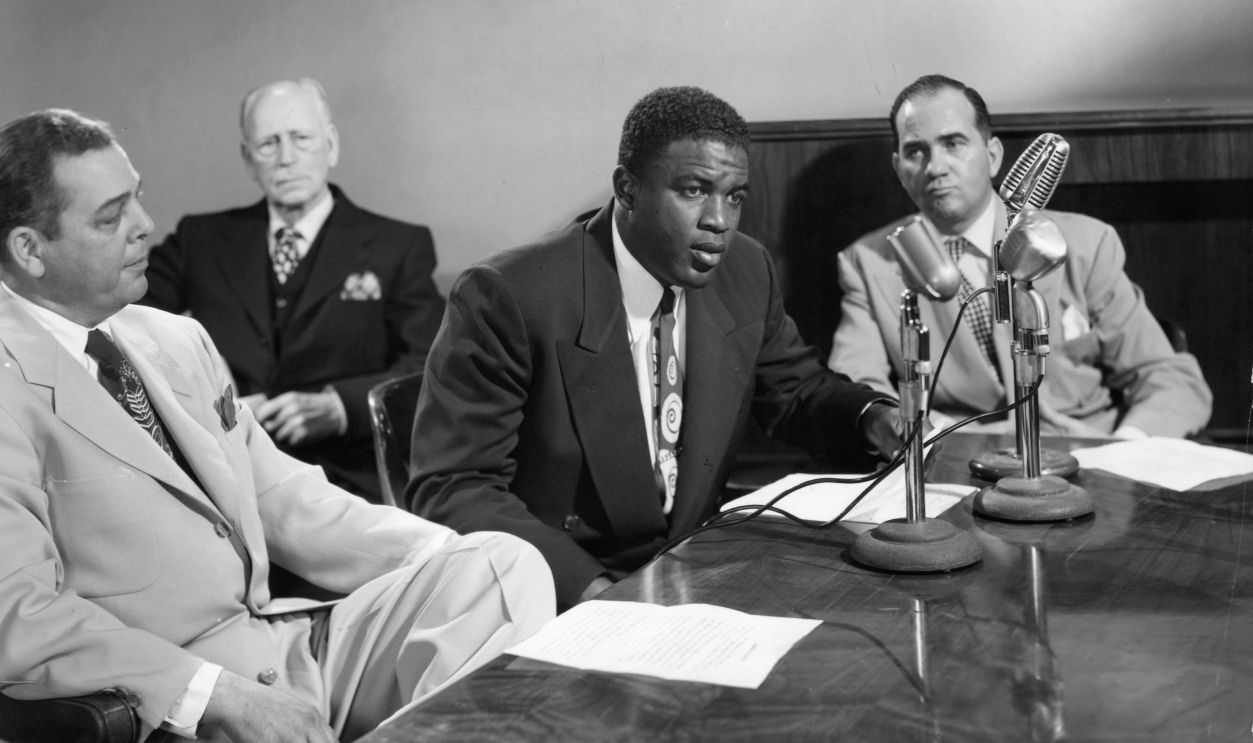
A Witness Undermined The Case
The prosecution called the soldier accused of using the racial slur, and he denied ever saying it. The defense then recalled Corporal George Elwood, one of the military policemen at the bus station. Elwood confirmed that the soldier had used the slur, badly damaging the credibility of the government’s rebuttal.
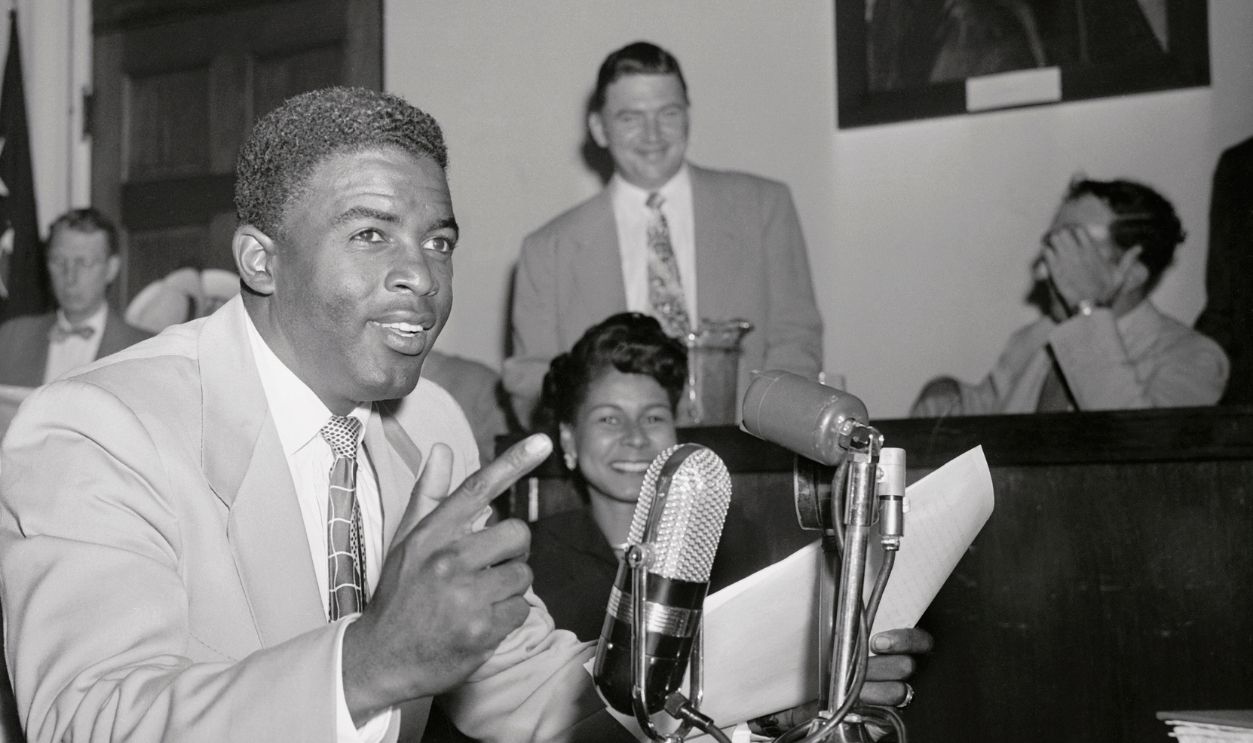
The Verdict Came Quickly
The entire trial lasted approximately four hours and fifteen minutes. At 6 p.m., the panel announced that Robinson had been found not guilty of every specification and charge. His military record remained unblemished, but the experience had destroyed much of his desire to remain in the Army.
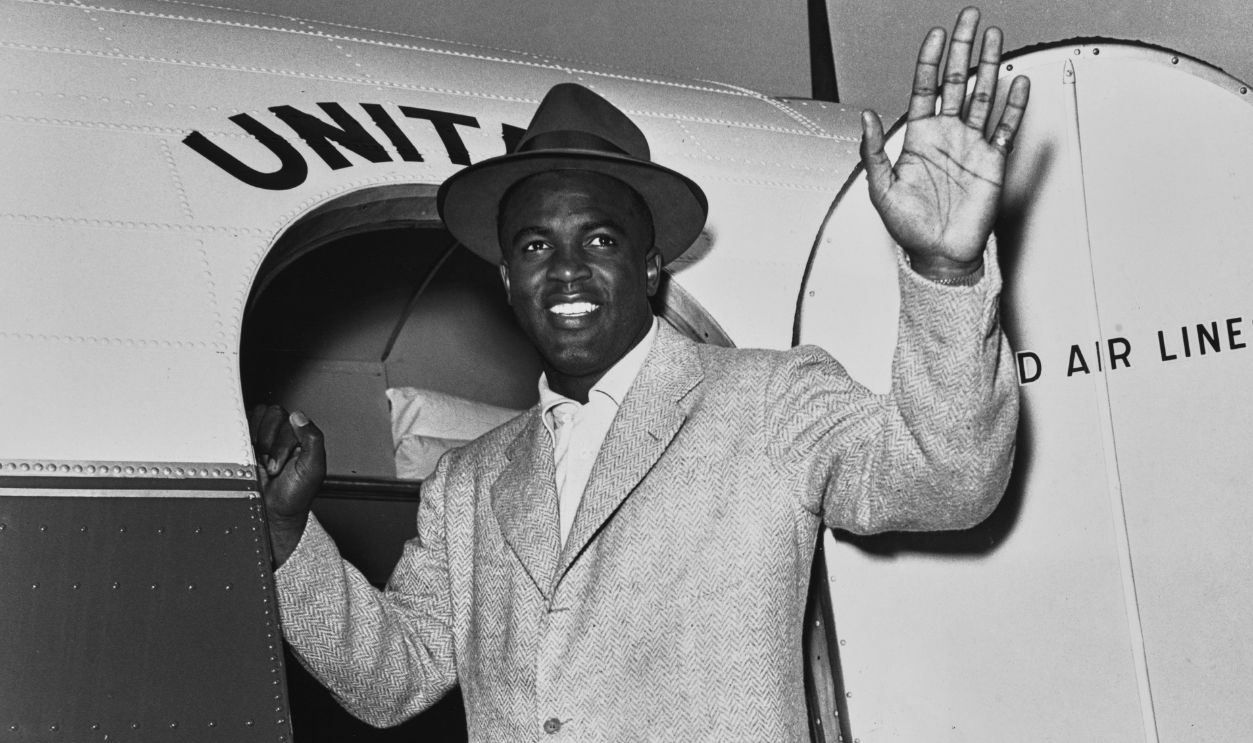
One Career Ended
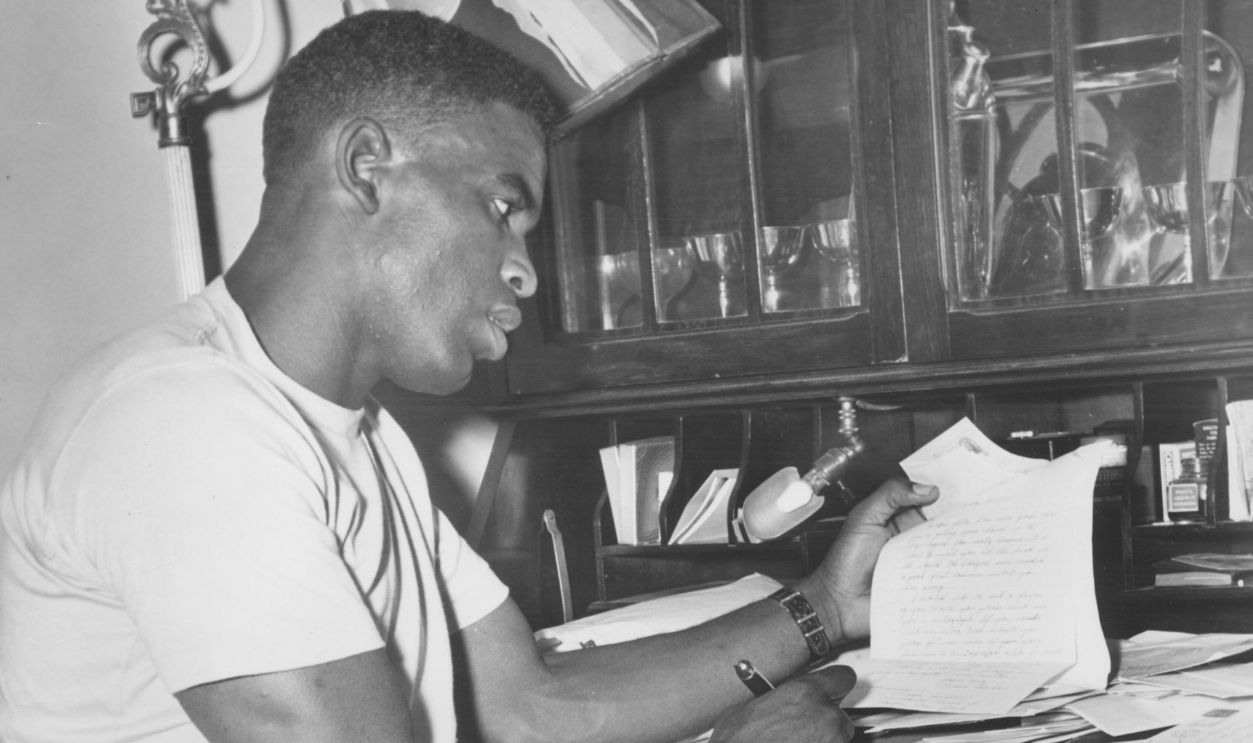
Robinson requested release from active service because of his continuing ankle problems. He spent his final months as a morale officer at Camp Breckinridge, Kentucky, before receiving an honorable discharge in November 1944. The Army considered him physically disqualified even though he was about to begin one of baseball’s most demanding careers.
 Afro Newspaper/Gado, Getty Images
Baseball Finally Came Calling
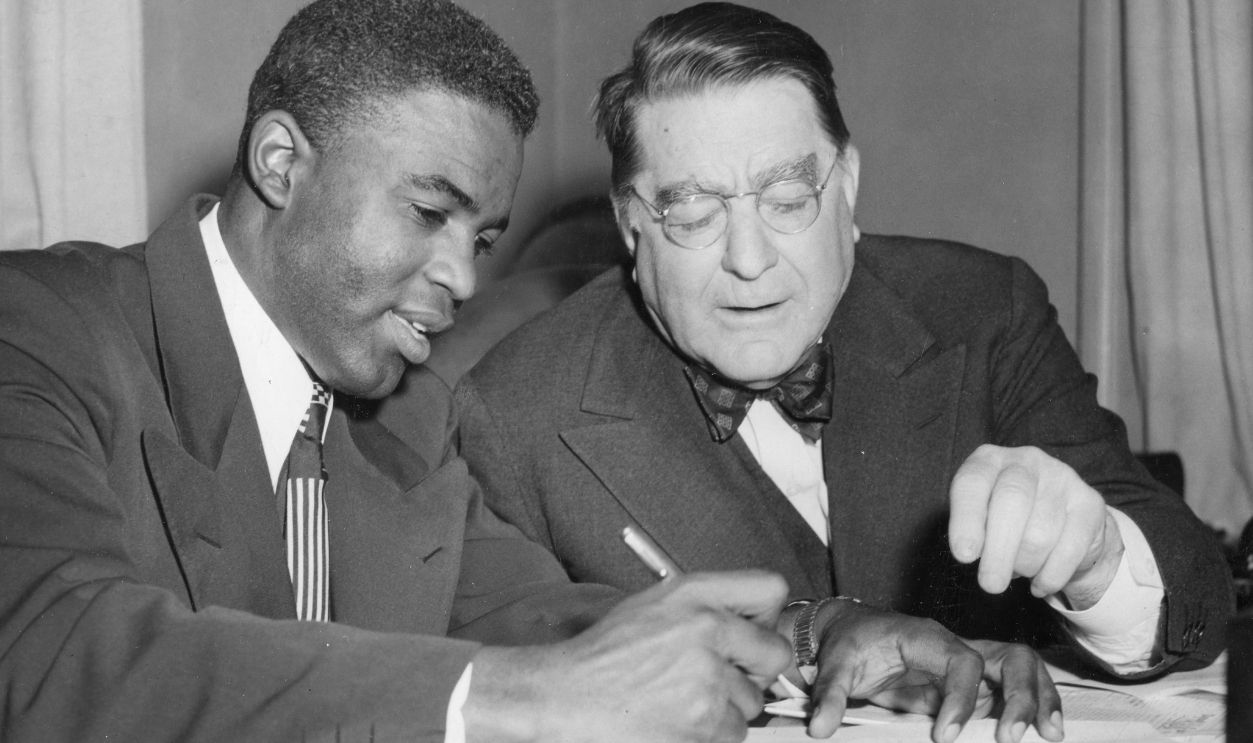
Robinson joined the Kansas City Monarchs of the Negro Leagues in 1945. Brooklyn Dodgers executive Branch Rickey was secretly searching for a Black player capable of integrating organized baseball. In October, Robinson signed with the Dodgers organization and prepared to play for its Montreal Royals affiliate.
He Changed More Than Baseball
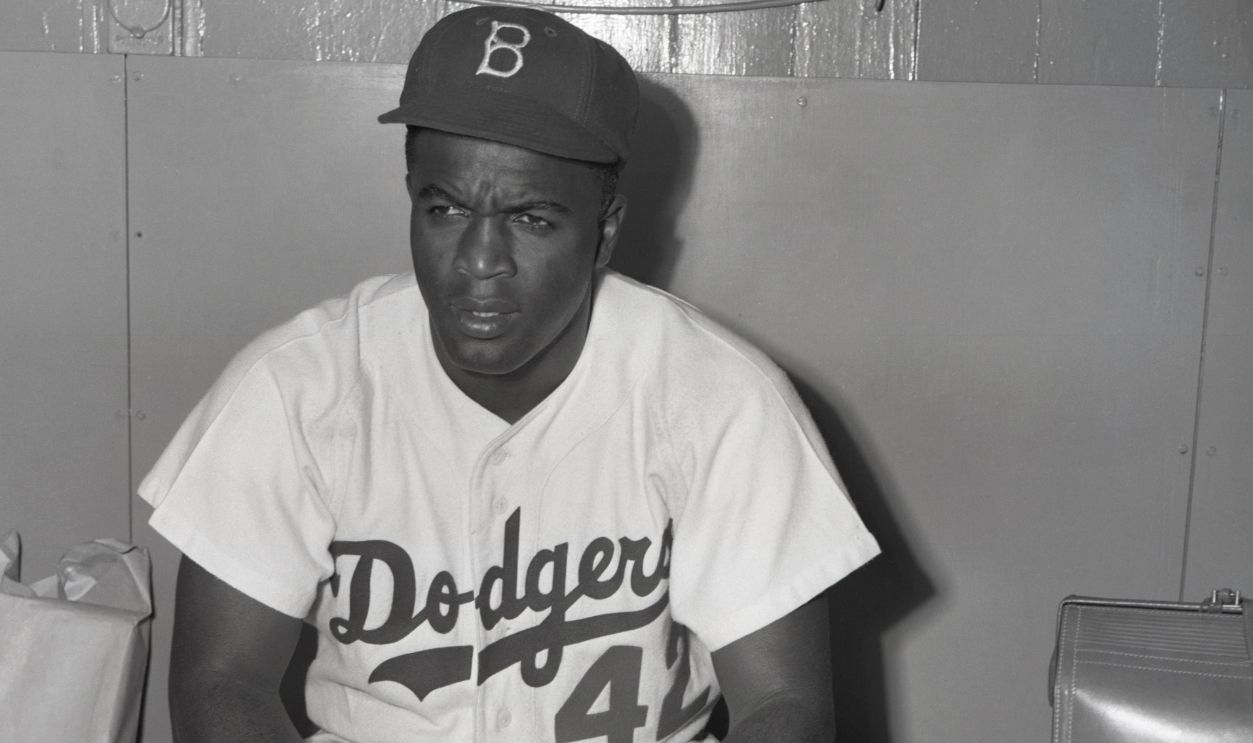
Robinson starred in Montreal before debuting with Brooklyn on April 15, 1947, and winning Rookie of the Year. He later became National League MVP, helped the Dodgers win the 1955 World Series, and entered the Baseball Hall of Fame in 1962. Long after the court-martial, he remained an outspoken civil rights advocate whose life proved that the courage behind number 42 had been visible well before baseball recognized it.
You May Also Like:
Vengeful Facts About Joe DiMaggio, The Yankee Clipper
Frances Farmer’s Hollywood Story Was Twisted So Many Times That The Truth Became Hard To See
The Silent-Film Vampire Who Walked Into Her Cabin—And Vanished Without A Trace