
The Man Behind The Myth
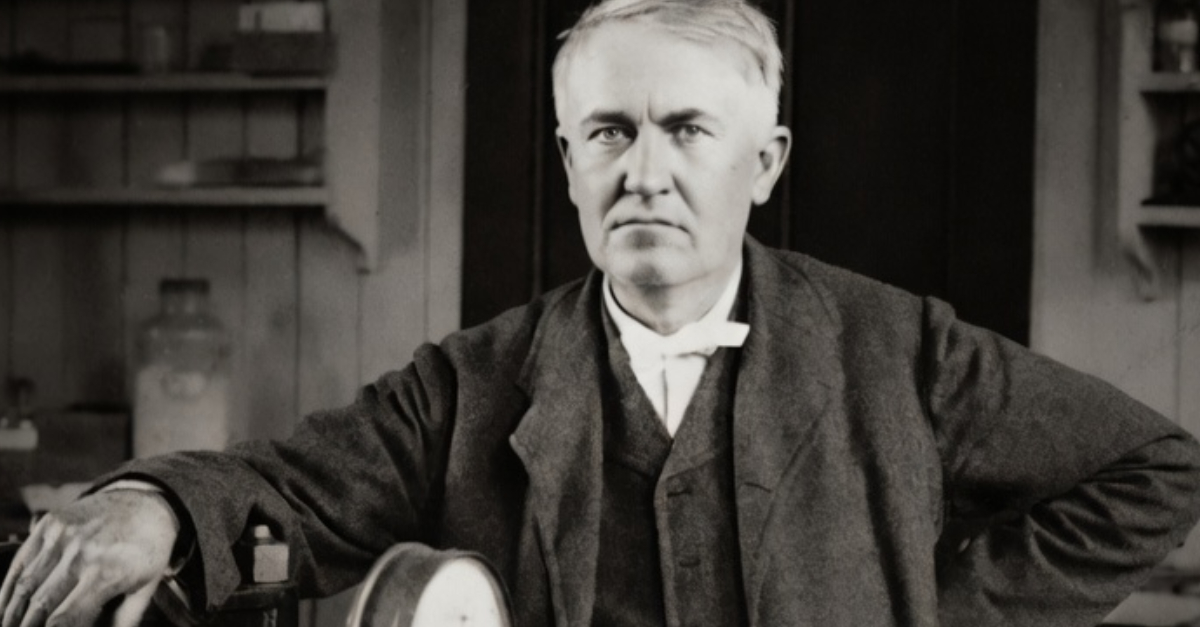
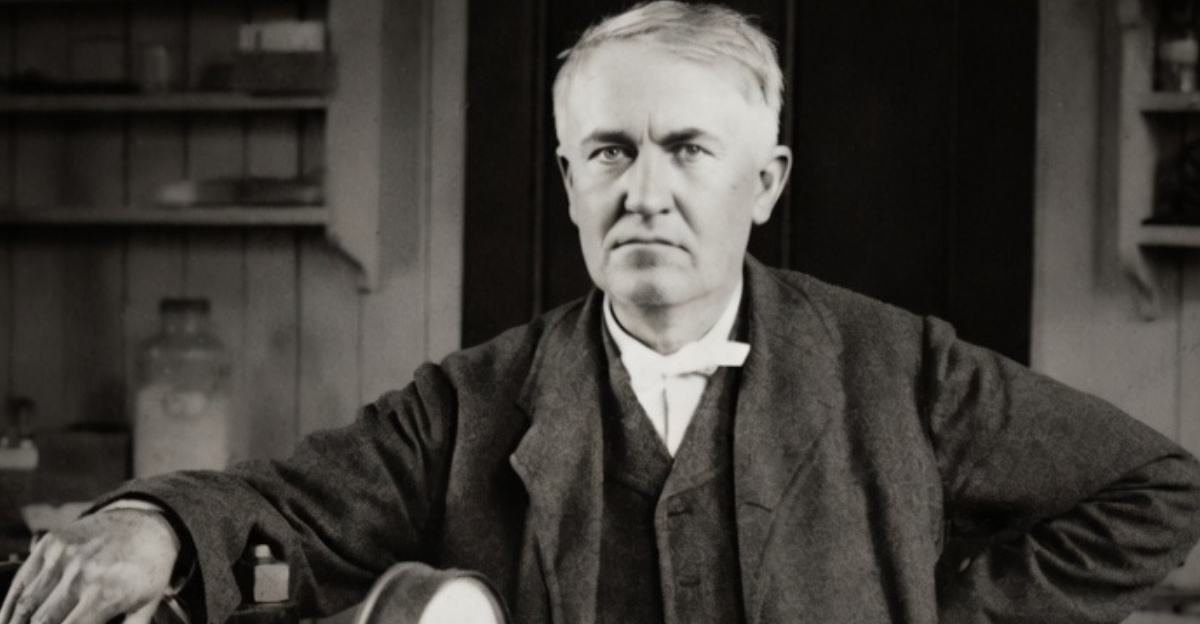
Most people know Thomas Edison as the genius who helped light up the world. But the version taught in schools leaves out some uncomfortable details. Behind the patents, fame, and inventions was a man whose reputation looks very different once you start digging. The deeper you go, the darker the story gets.
 Everett Collection, Shutterstock
America's First Tech Superstar
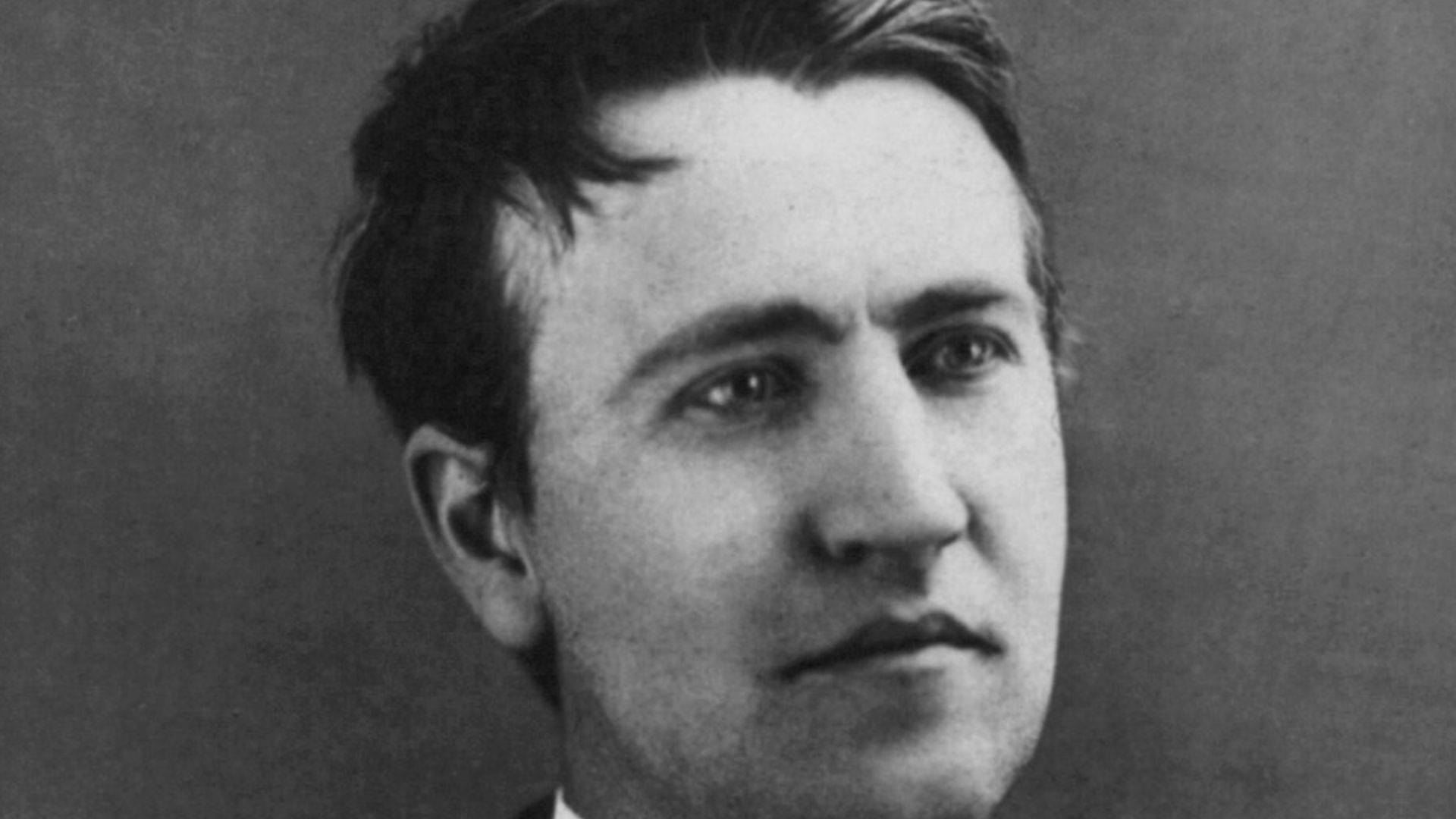
Long before tech billionaires became celebrities, Edison was already there. Newspapers followed his every move, investors lined up to fund his projects, and the public couldn't get enough of him. Few inventors have ever enjoyed the level of fame Edison achieved during his lifetime.
 Miscellaneous Items in High Demand, PPOC, Library of Congress, Wikimedia Commons
The Public Saw A Genius—Critics Saw Something Else
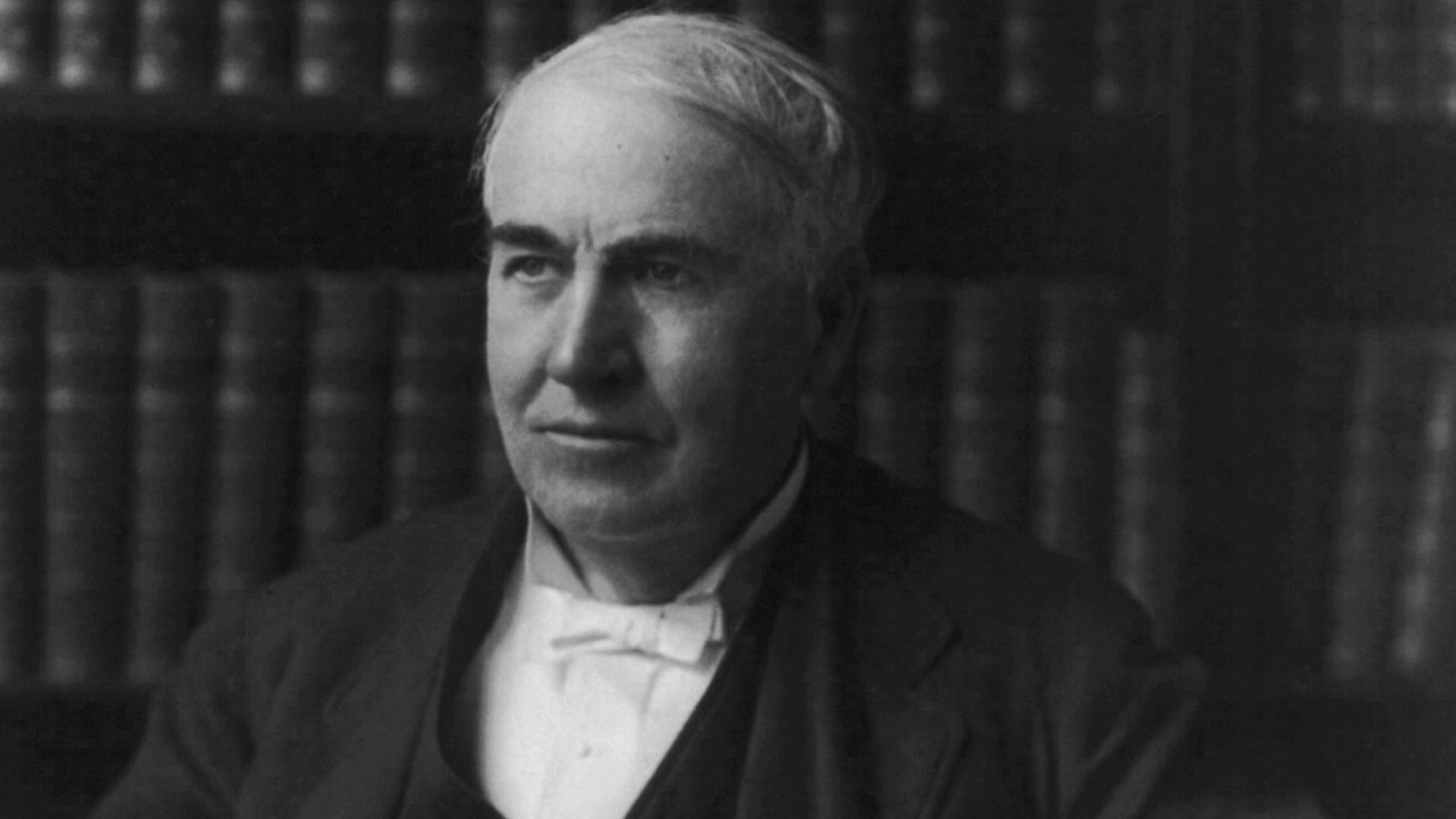
To millions of people, Edison was a brilliant inventor. But even during his own lifetime, rivals, competitors, and some former associates viewed him far less favorably. The gap between Edison's public image and his private reputation would become part of his lasting legacy.
 Miscellaneous Items in High Demand, PPOC, Library of Congress, Wikimedia Commons
Taking Credit Became A Pattern
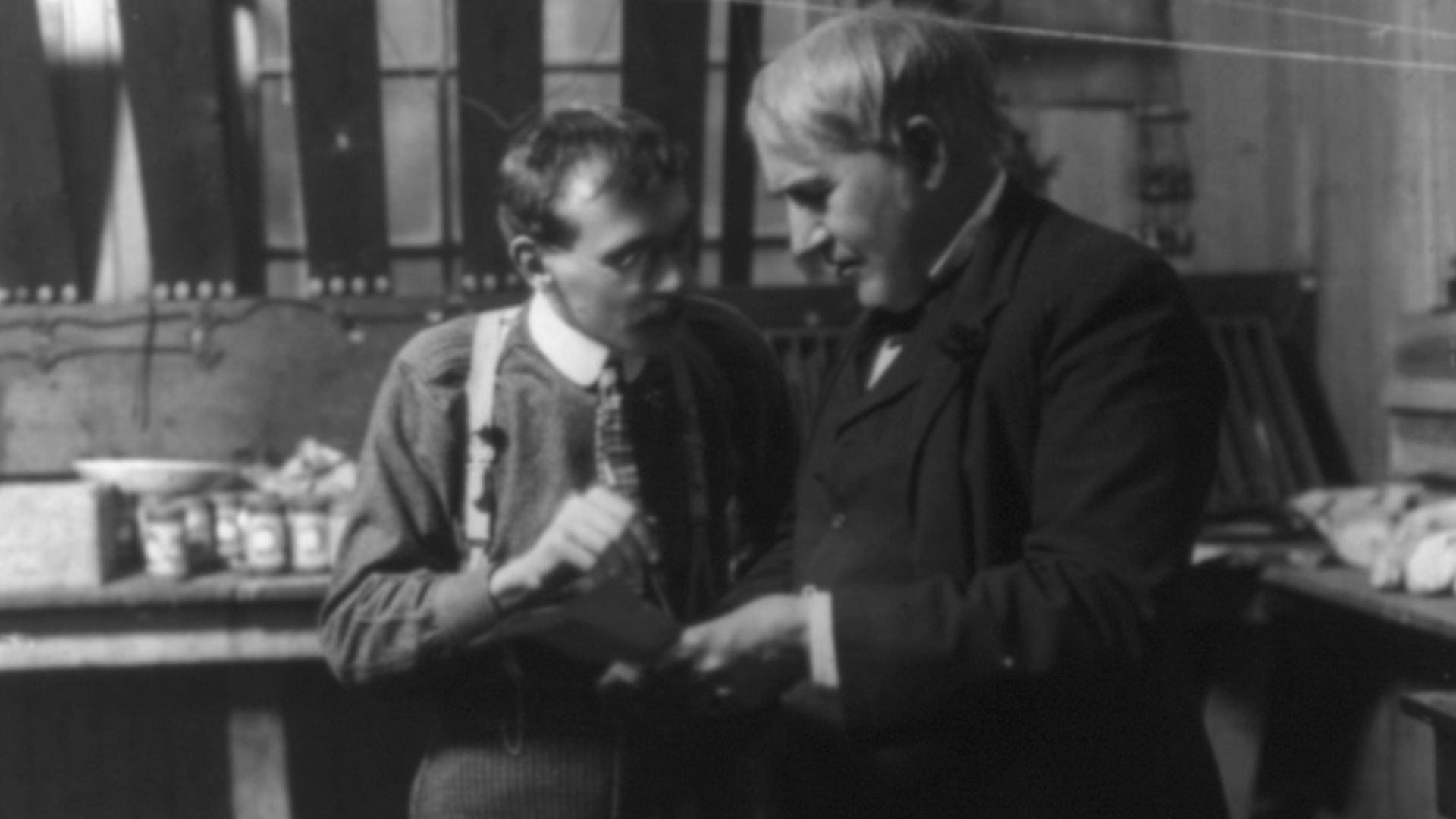
One criticism that followed Edison throughout his career was that he often received credit for work done by others. His laboratories employed talented engineers, researchers, and machinists whose names rarely appeared in headlines, even when they played key roles in major inventions.
 Miscellaneous Items in High Demand, PPOC, Library of Congress, Wikimedia Commons
Hundreds Of Minds, One Name
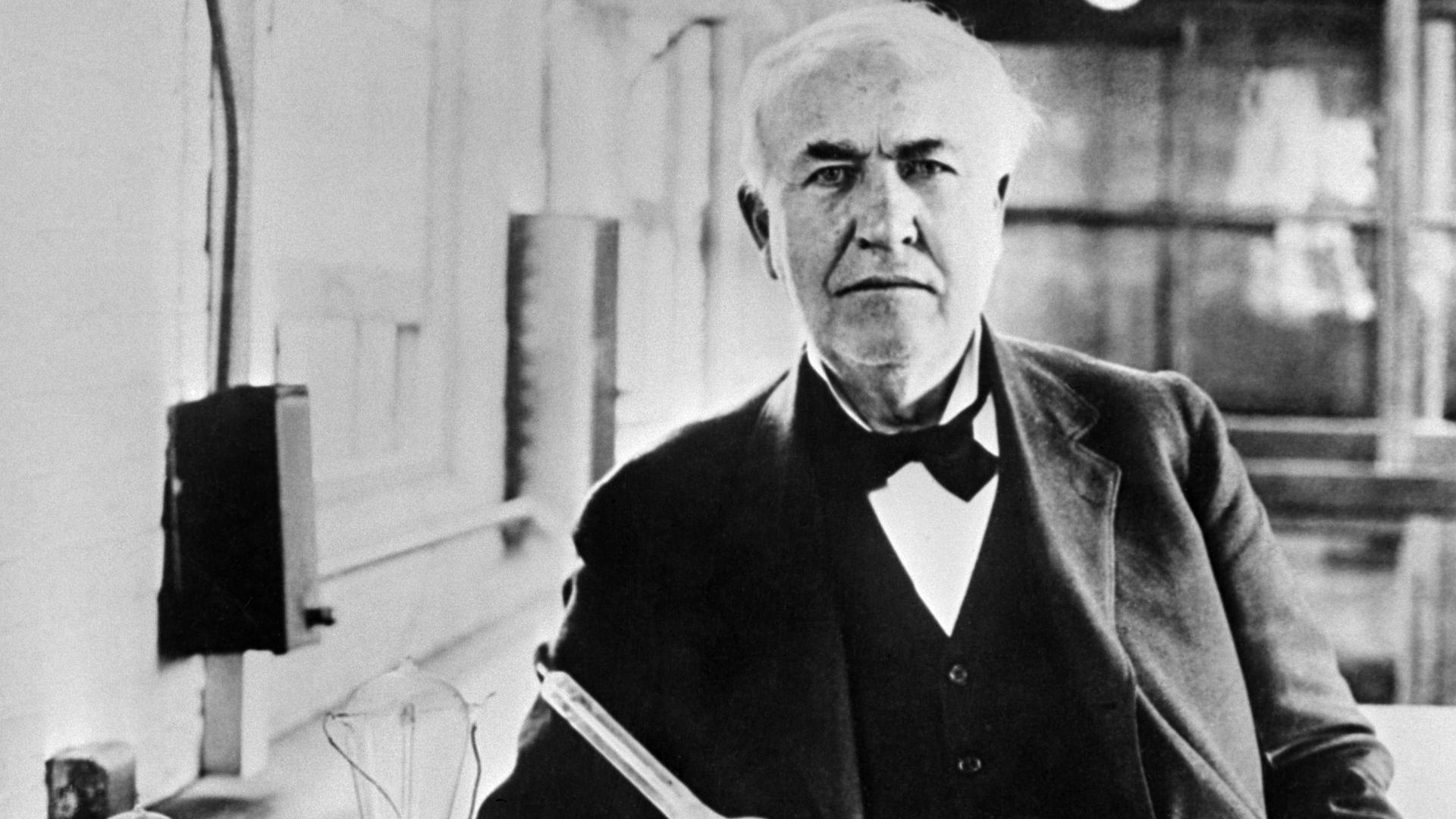
Menlo Park wasn't a lonely inventor's workshop. It was an invention factory packed with skilled employees. Together they developed breakthrough technologies, but history mostly remembered the man whose name was attached to the patents.
 Unknown photographer, Wikimedia Commons
Patents Were His Favorite Weapon
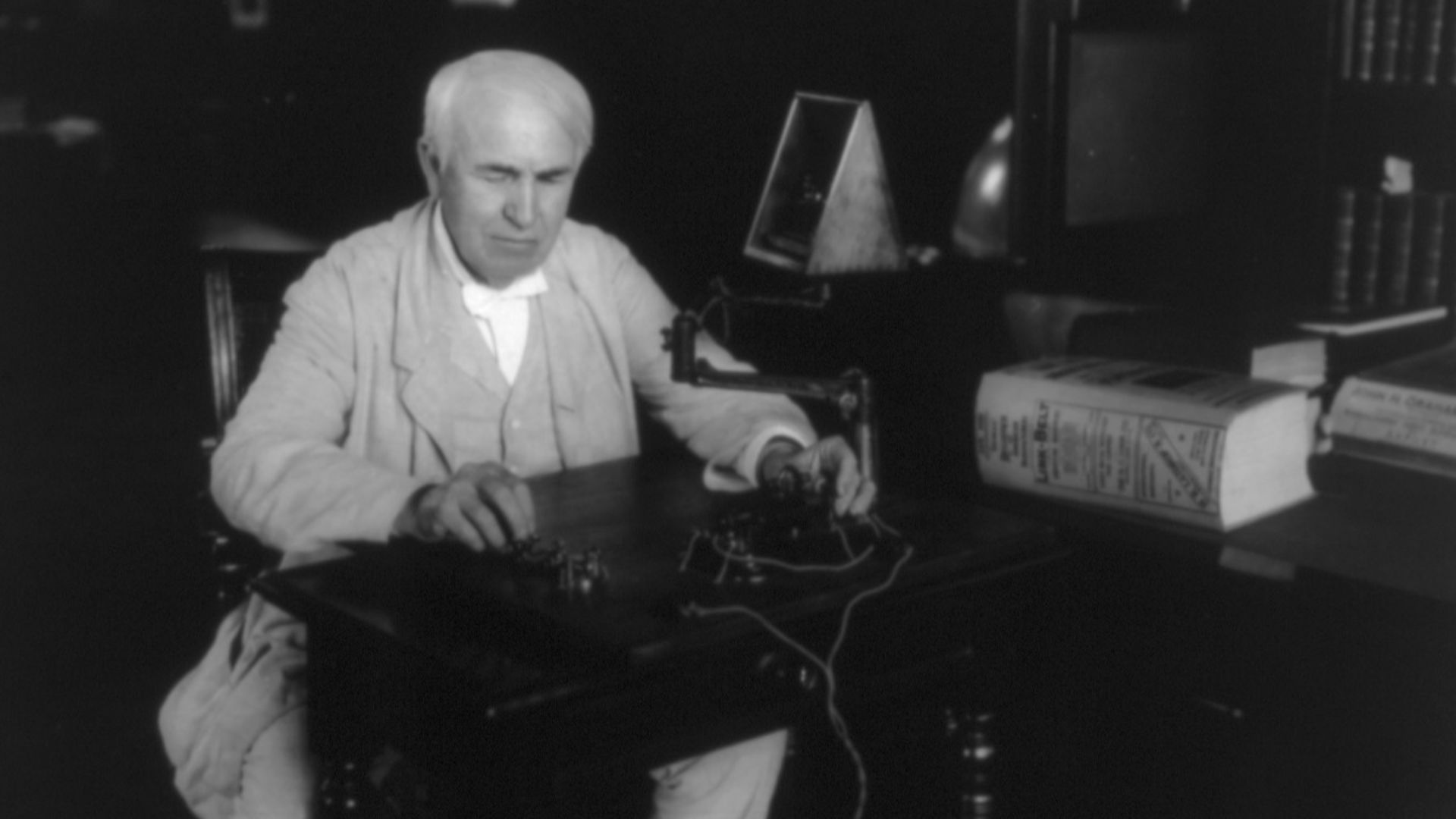
Edison viewed patents as more than legal paperwork. They were business tools that could help protect inventions, control markets, and discourage competitors. By the end of his life, he held 1,093 U.S. patents, more than almost anyone else of his era.
 Miscellaneous Items in High Demand, PPOC, Library of Congress, Wikimedia Commons
Lawsuits Everywhere
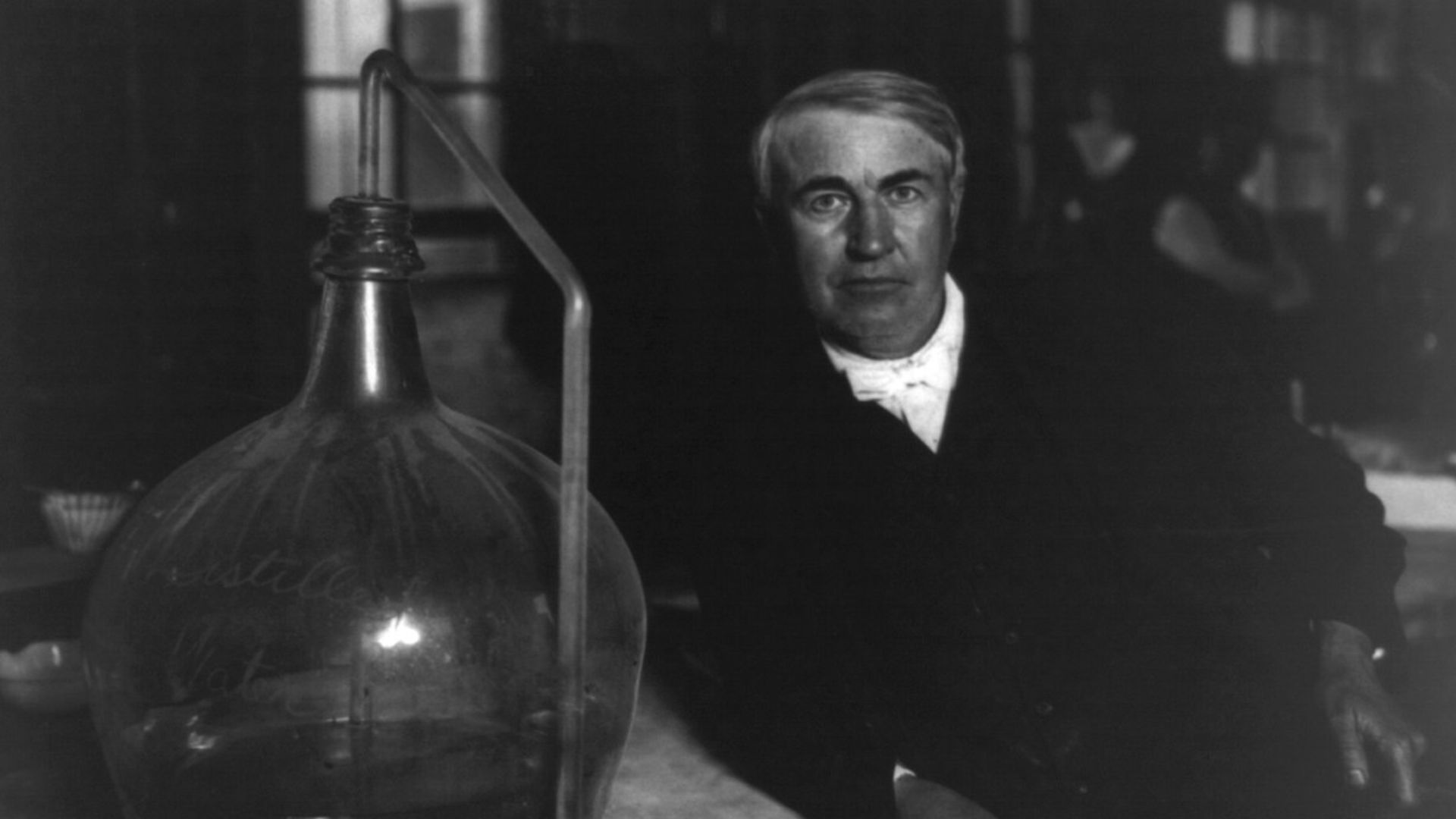
Edison and his companies frequently defended patents in court. Supporters saw this as protecting valuable intellectual property. Critics argued the strategy sometimes made it difficult for smaller competitors to challenge his dominance.
 Miscellaneous Items in High Demand, PPOC, Library of Congress, Wikimedia Commons
Winning Mattered Most
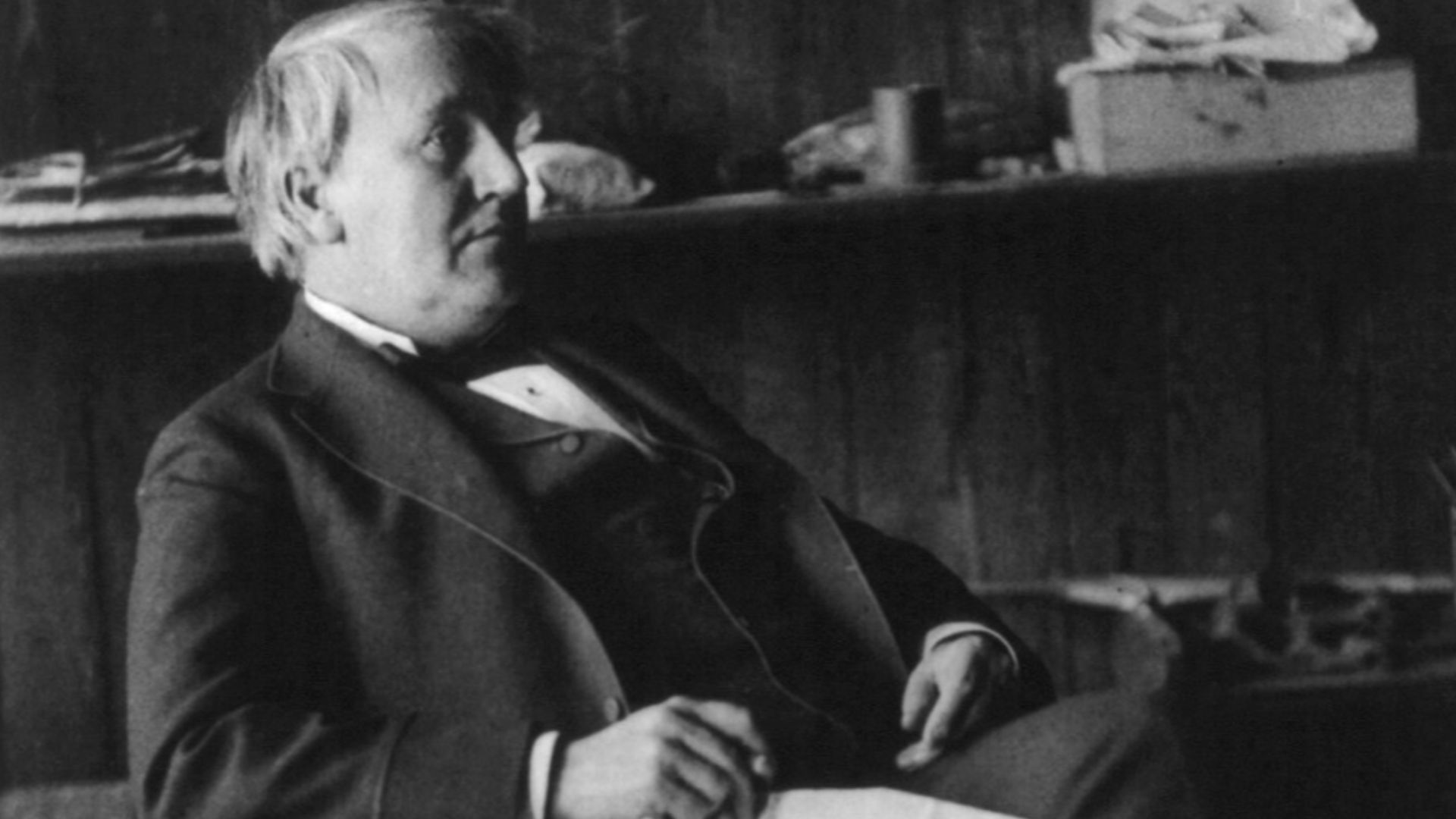
Whether it was patents, products, or public opinion, Edison hated losing. Friends and rivals alike described him as fiercely competitive. That drive helped fuel his success, but it also pushed him toward some of the most controversial decisions of his career.
 Miscellaneous Items in High Demand, PPOC, Library of Congress, Wikimedia Commons
He Didn't Actually Invent The Light Bulb
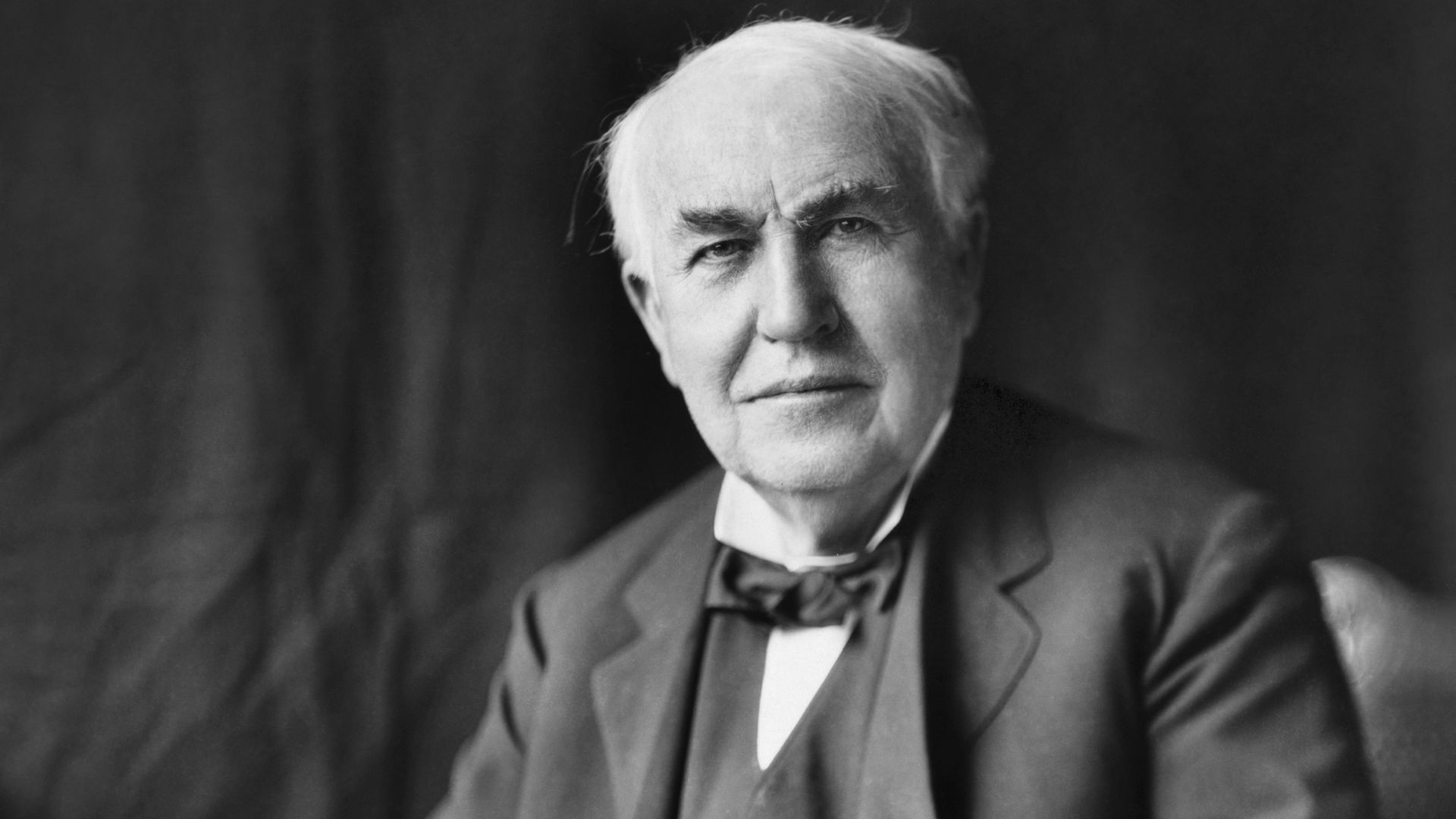
One of the biggest myths about Edison is that he invented the light bulb from scratch. In reality, several inventors had already developed electric lighting. Edison's achievement was creating a practical incandescent lighting system that could be widely used and commercialized.
 Louis Bachrach, Bachrach Studios, restored by Michel Vuijlsteke, Wikimedia Commons

History's most fascinating stories and darkest secrets, delivered to your inbox daily.
Enter Nikola Tesla
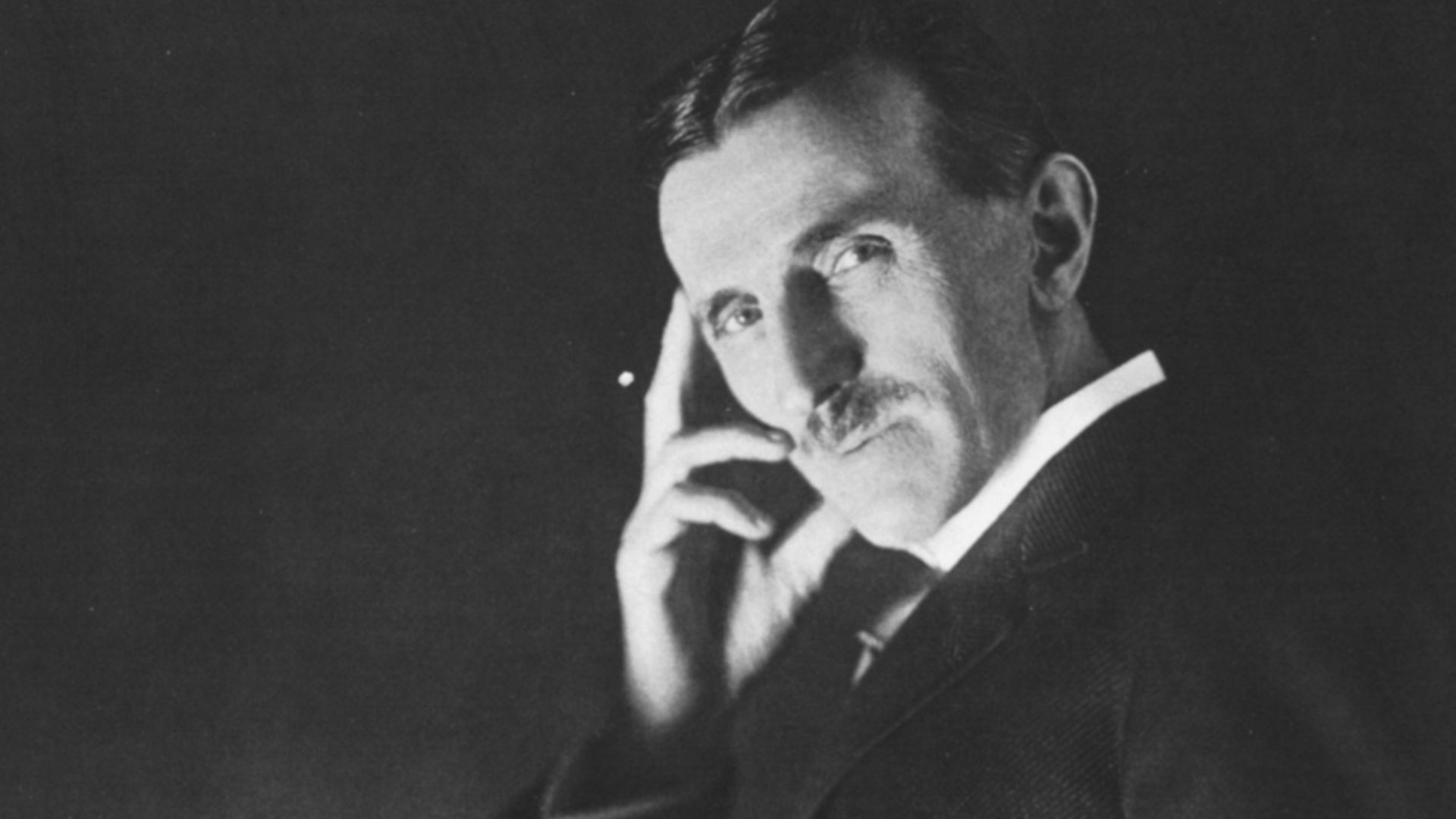
If Edison had a historical arch-nemesis, it was Nikola Tesla. The two inventors briefly worked together before becoming bitter rivals. Their feud would eventually become one of the most famous battles in the history of science and technology.
 Napoleon Sarony, Wikimedia Commons
A Working Relationship Gone Wrong
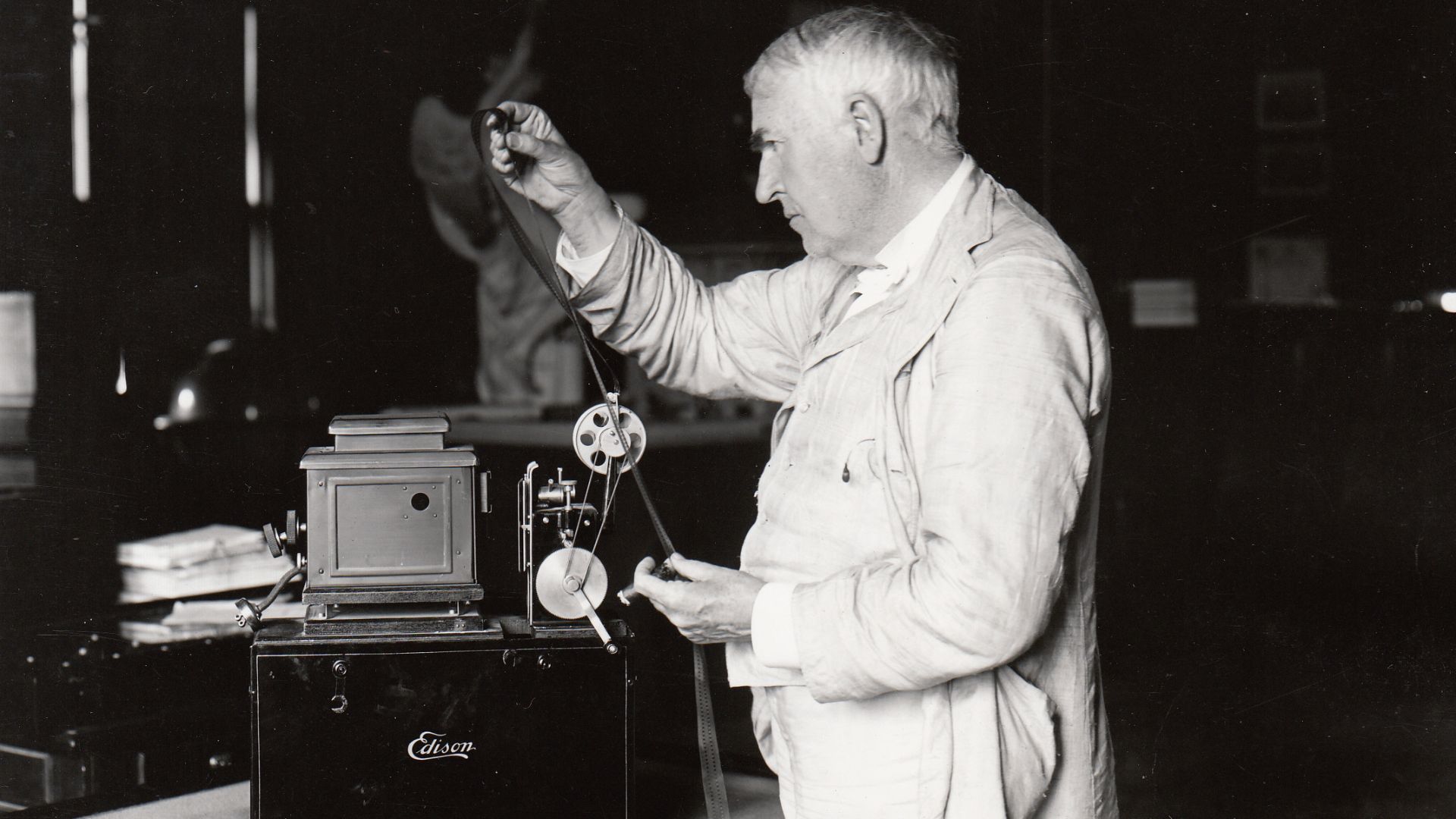
Tesla initially admired Edison and hoped to learn from him. But it didn't take long for tensions to develop. The two men approached innovation very differently, and their relationship quickly began to unravel.
 Unknown authorUnknown author, Wikimedia Commons
The Bonus Dispute
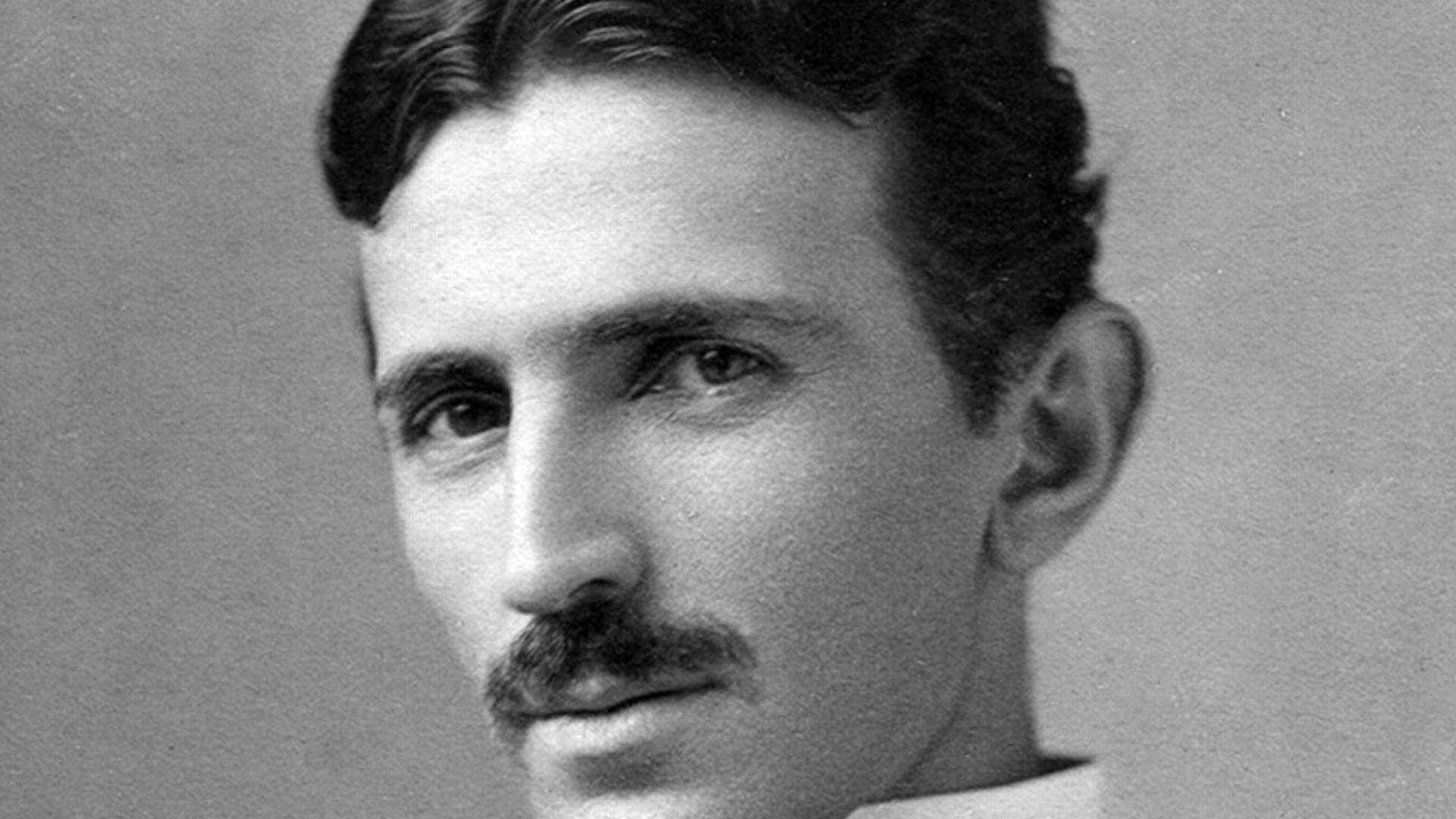
Tesla later claimed Edison promised him a substantial financial reward for improving certain electrical systems. According to Tesla, he completed the work and never received the money. Historians still debate aspects of the story, but the disagreement became a lasting source of resentment.
 Napoleon Sarony, Wikimedia Commons
The Beginning Of A Feud
What started as a workplace dispute soon escalated into a battle over the future of electricity itself. Both men believed they had the superior technology, and neither was willing to back down.
 Miscellaneous Items in High Demand, PPOC, Library of Congress, Wikimedia Commons
The War Of The Currents
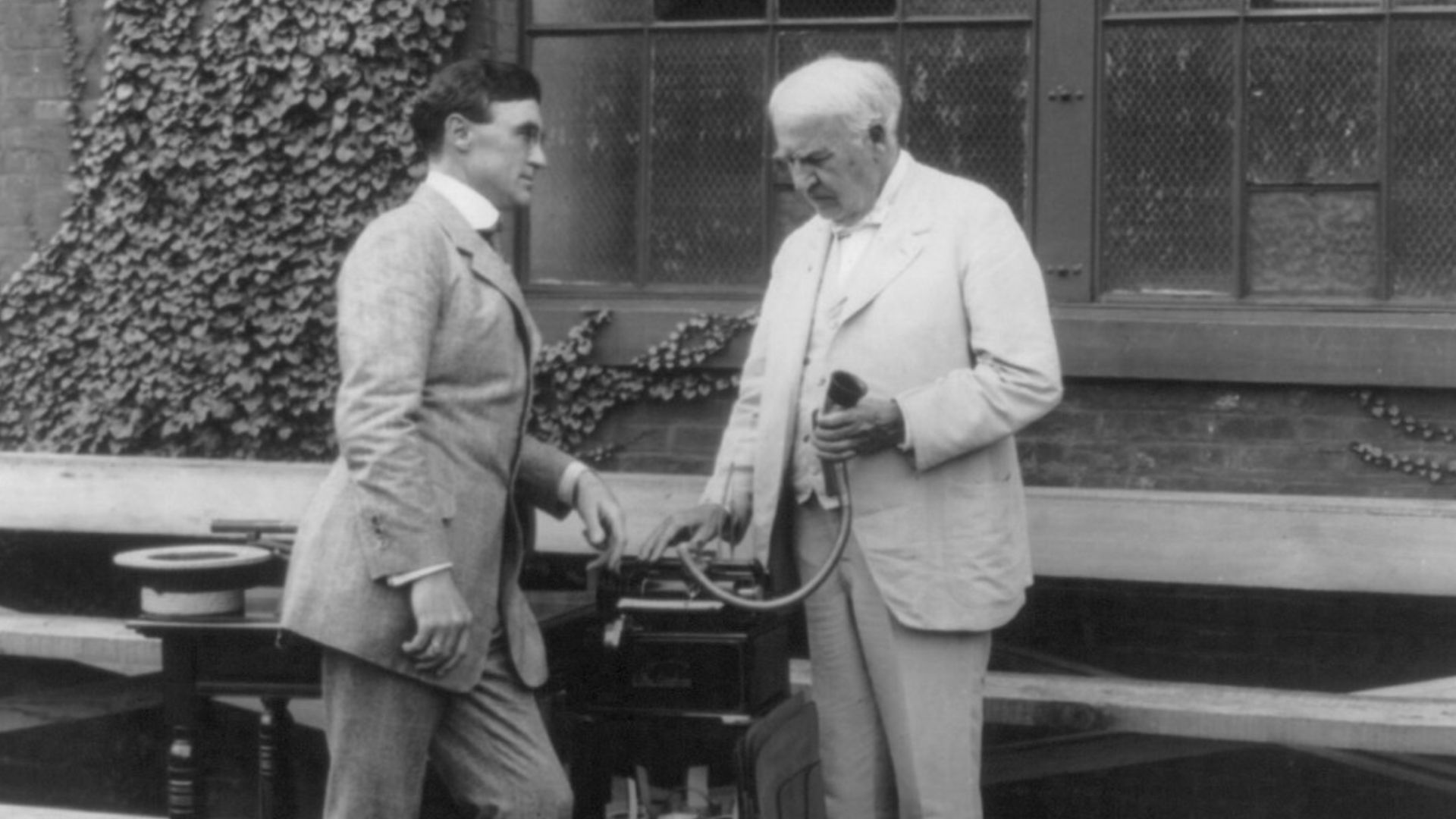
At the center of the conflict were two competing electrical systems. Edison backed direct current, known as DC. Tesla supported alternating current, or AC. The winner would help determine how the modern world was powered.
 Miscellaneous Items in High Demand, PPOC, Library of Congress, Wikimedia Commons
Billions Were At Stake
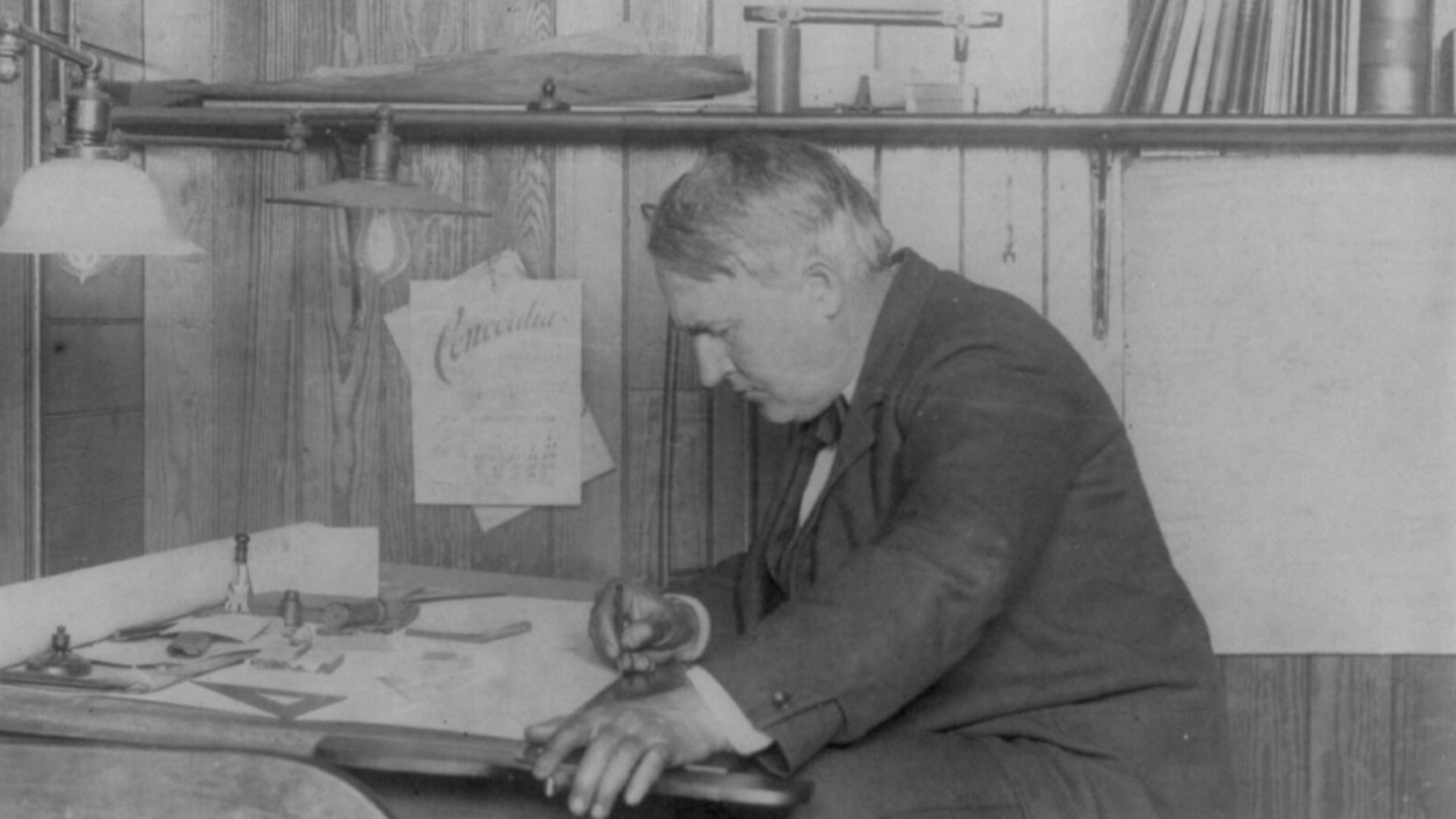
This wasn't just a scientific disagreement. Investors, businesses, and entire industries had enormous amounts of money riding on the outcome. The competition became fierce very quickly.
 Miscellaneous Items in High Demand, PPOC, Library of Congress, Wikimedia Commons
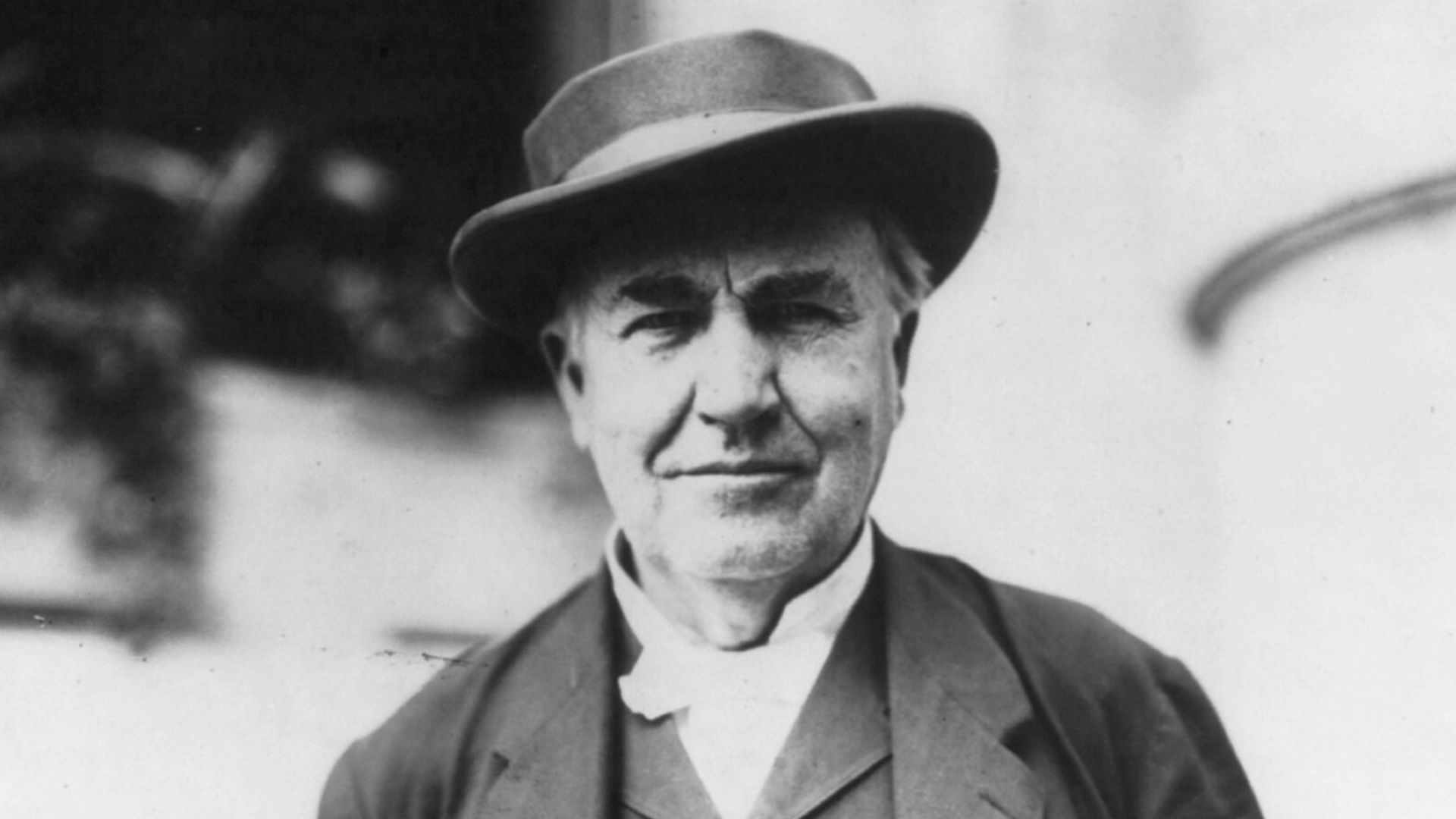
Edison Became AC's Loudest Critic
Rather than simply promoting DC, Edison became one of the most outspoken critics of alternating current. He repeatedly highlighted its dangers and sought to convince the public that AC posed serious safety risks.
 Miscellaneous Items in High Demand, PPOC, Library of Congress, Wikimedia Commons
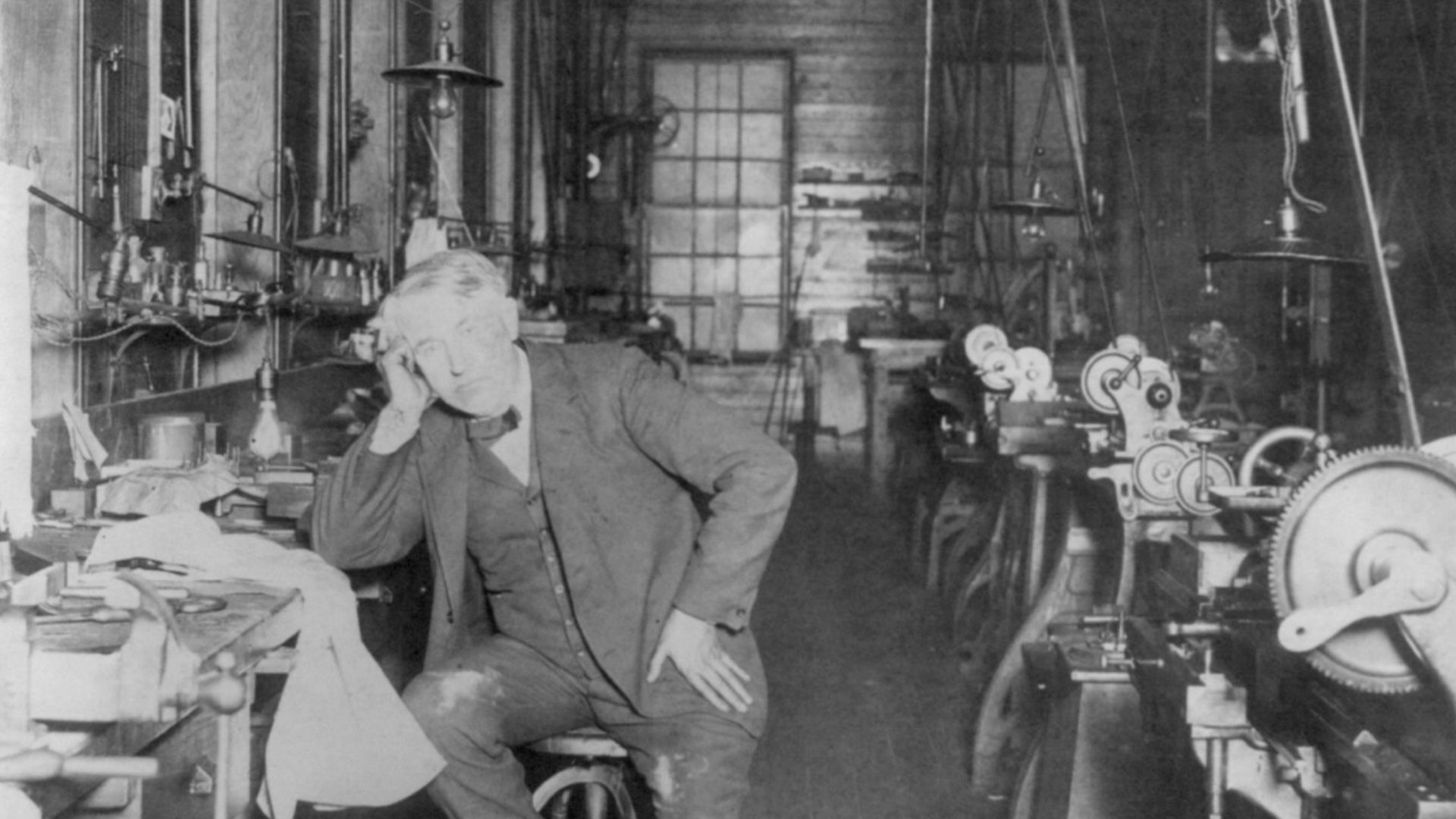
Fear Became The Sales Pitch
Edison and his allies frequently emphasized the dangers of alternating current while downplaying its advantages. Critics argued that fear became a powerful tool in the campaign against Tesla's preferred system.
 Miscellaneous Items in High Demand, PPOC, Library of Congress, Wikimedia Commons
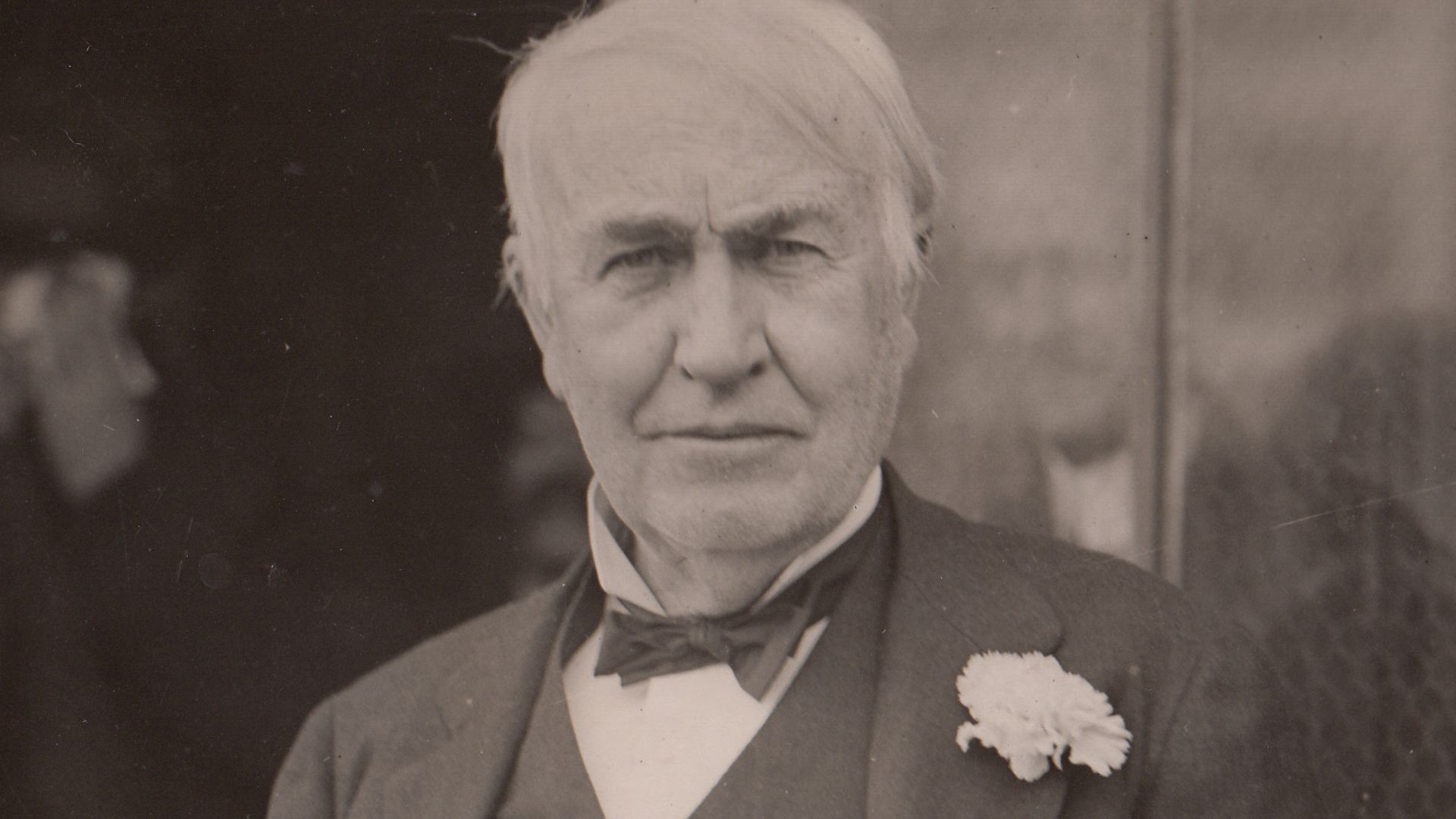
The Animal Demonstrations
During the War of the Currents, a number of public demonstrations used animals to illustrate the dangers of high-voltage electricity. Some of these demonstrations became associated with Edison and his anti-AC campaign, and they remain among the most controversial episodes connected to his legacy.
 Unknown authorUnknown author, Wikimedia Commons
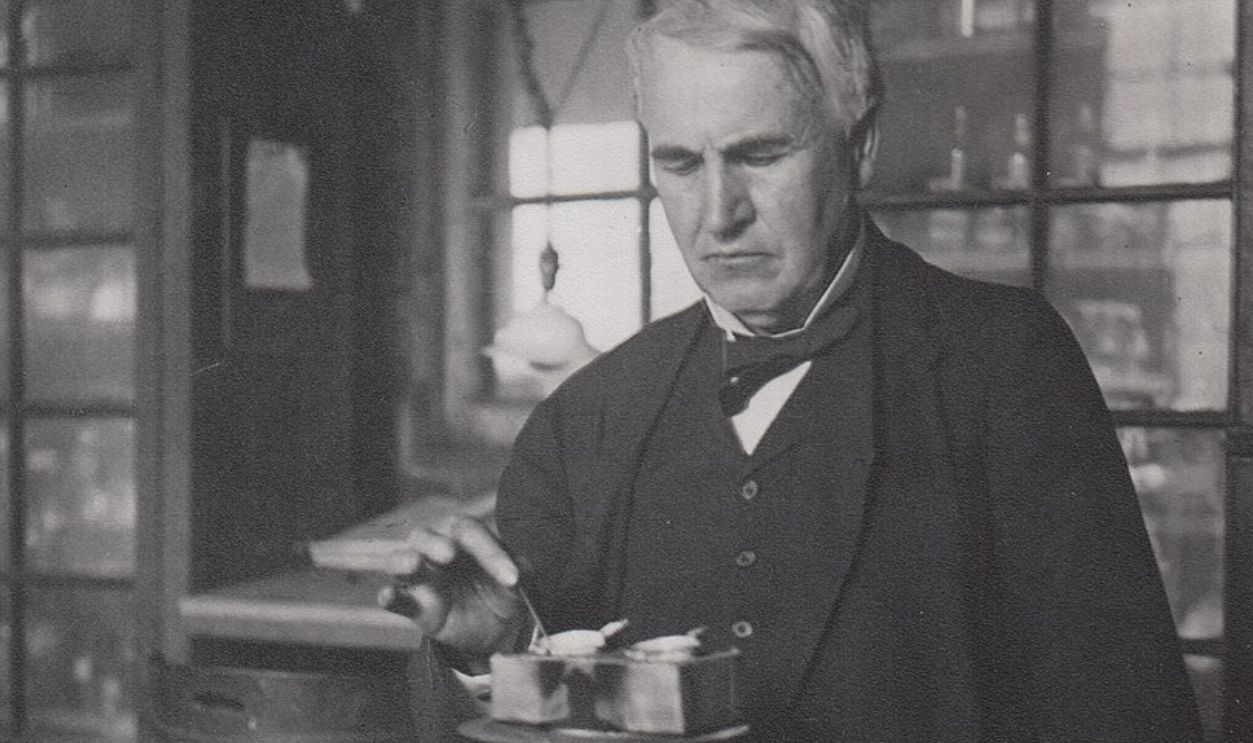
Publicity Through Shock
Edison understood that dramatic demonstrations generated headlines. Newspapers eagerly covered stories involving electrical dangers, helping spread concerns about alternating current to a wider audience.
 Unknown author, Wikimedia Commons
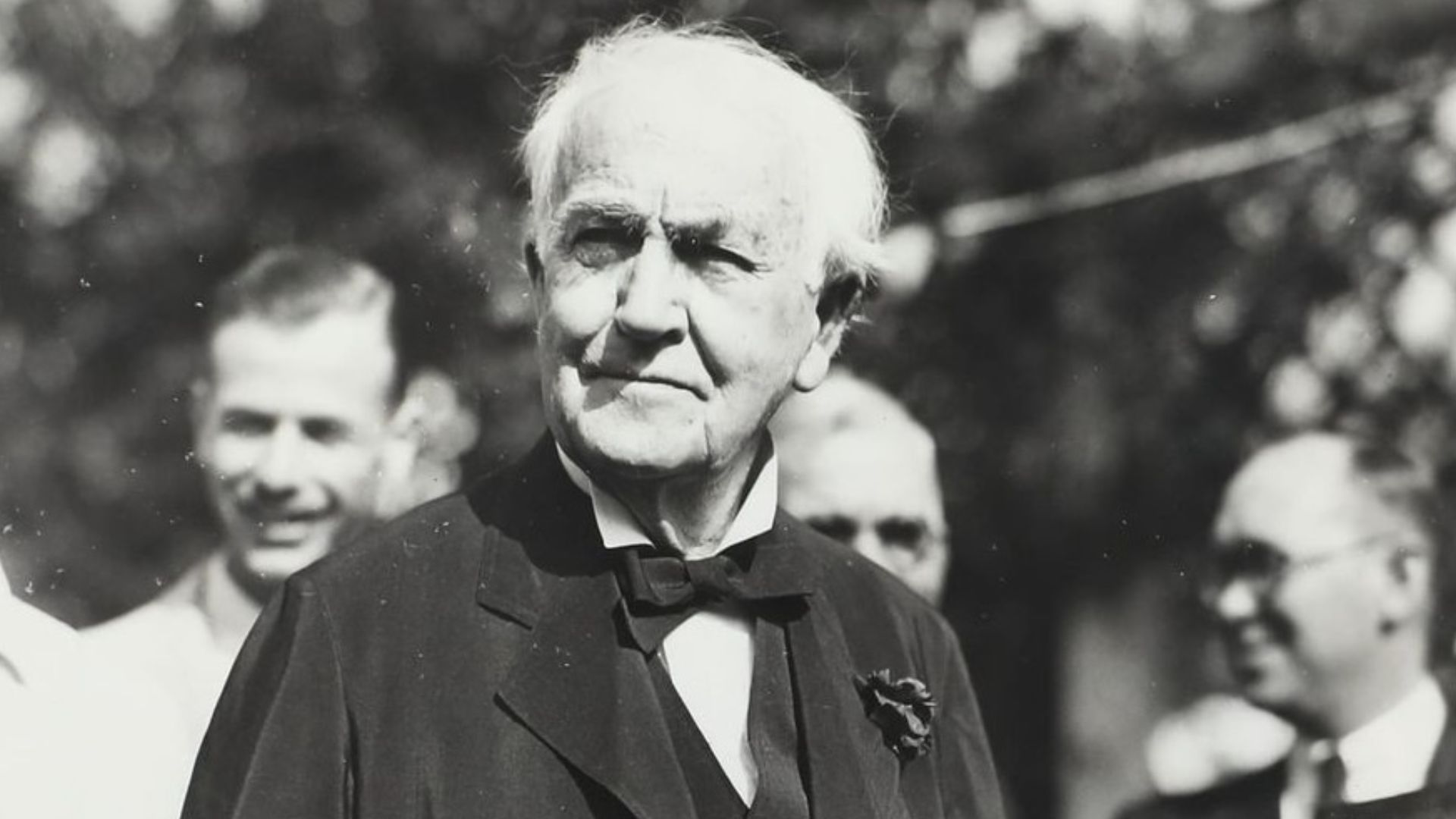
The Electric Chair Connection
Edison also became associated with efforts to use alternating current in executions. Historians continue to debate the extent of his involvement, but critics argue the connection helped reinforce public fears about AC power.
 Wide World Size, Wikimedia Commons
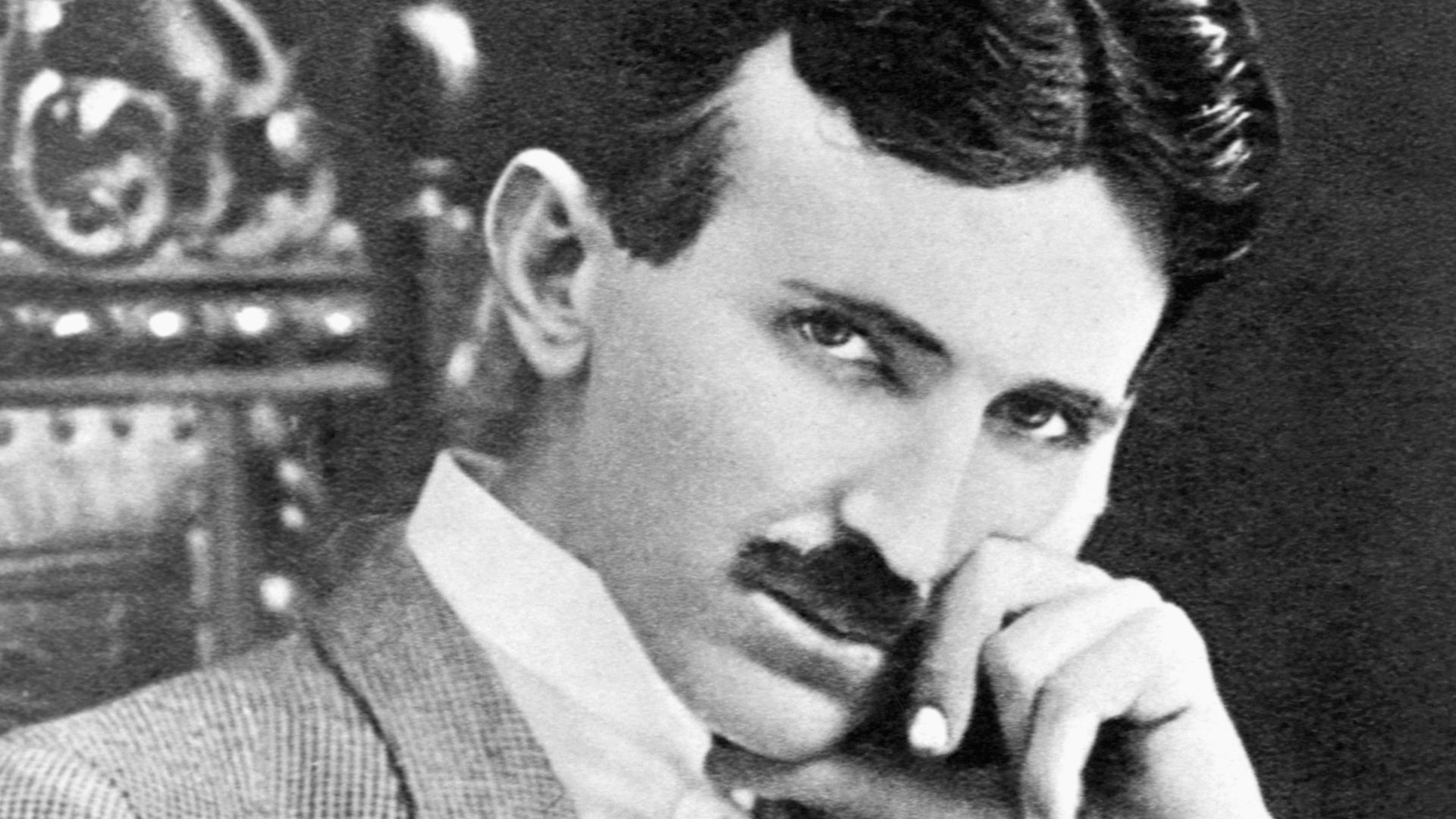
Tesla Got The Last Laugh
Despite years of criticism from Edison and others, alternating current ultimately won. AC proved far more efficient for transmitting electricity over long distances and eventually became the standard used throughout much of the world.
 Unknown authorUnknown author, Wikimedia Commons
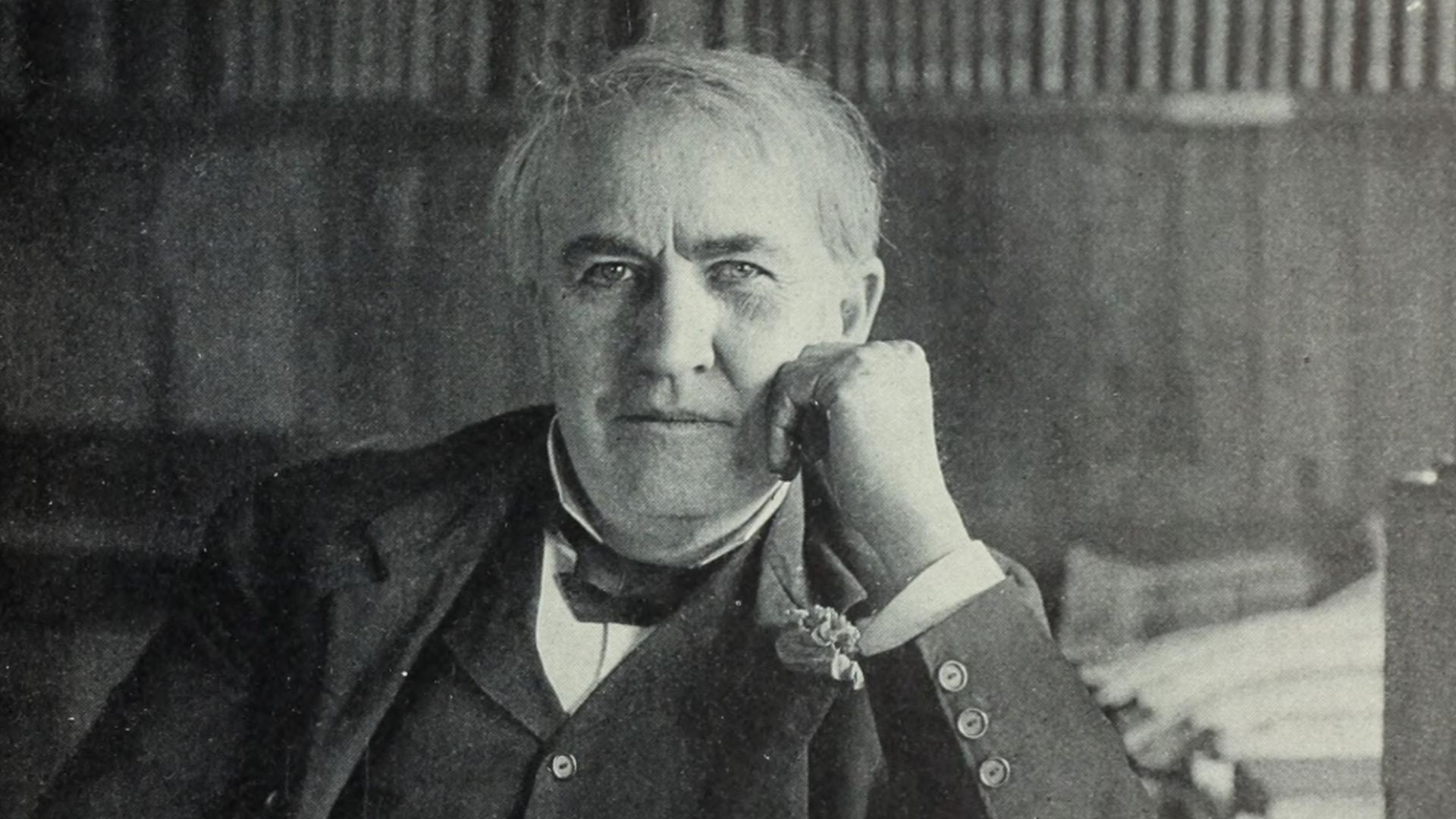
A Battle Lost
The outcome was a major defeat for Edison. The technology he spent years attacking became one of the foundations of modern civilization, while his preferred system steadily lost ground.
 Arthur Radclyffe Dugmore, Wikimedia Commons
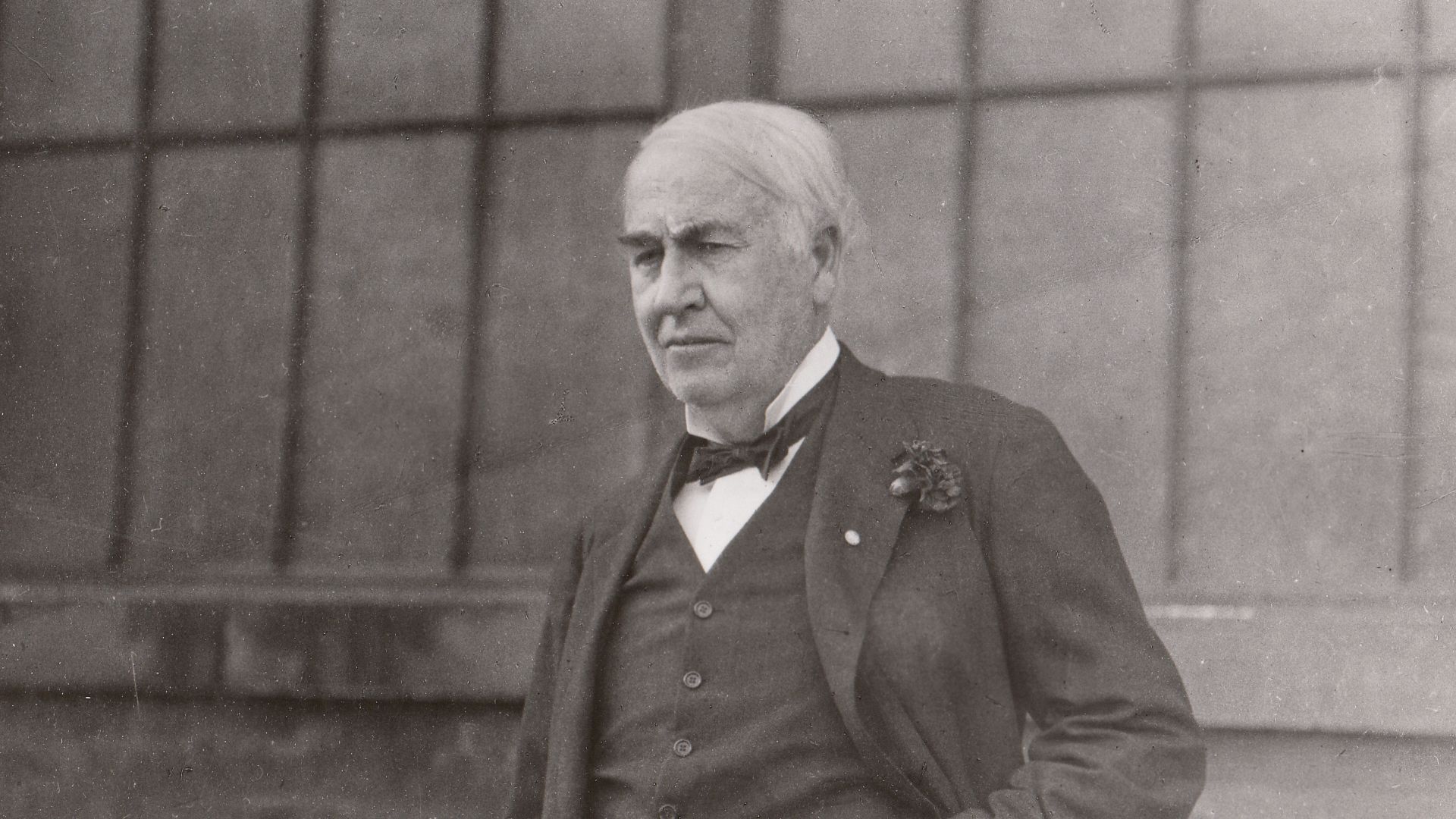
Controlling Entire Industries
Edison wasn't content with inventing products. He wanted influence over entire markets. From electricity to recorded sound, he repeatedly sought ways to dominate emerging industries before competitors could gain a foothold.
 Unknown authorUnknown author, Wikimedia Commons
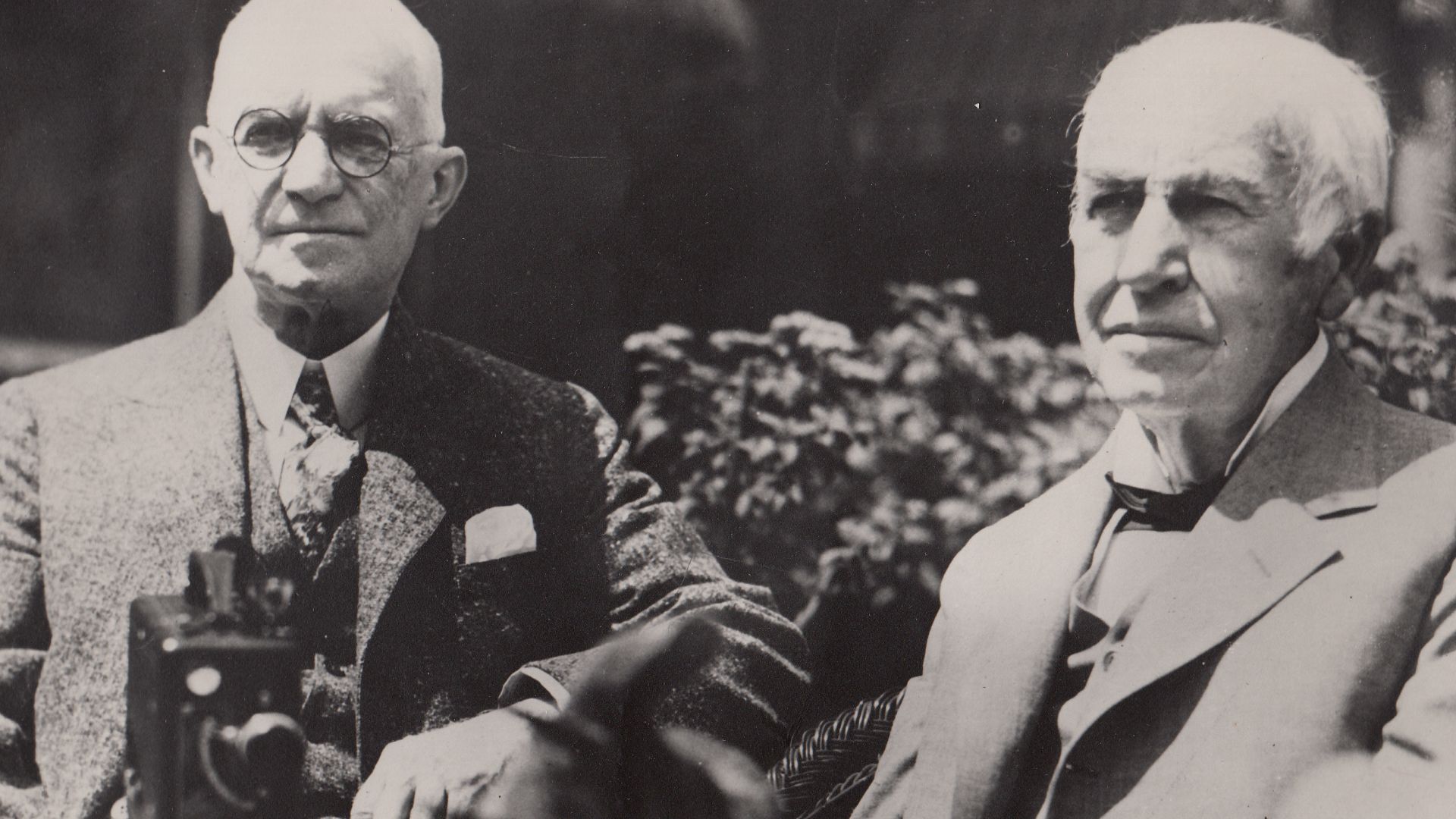
Then He Turned To Movies
The motion picture industry became another battlefield. Edison owned important patents connected to filmmaking and used them aggressively as movies grew more popular.
 Unknown authorUnknown author, Wikimedia Commons
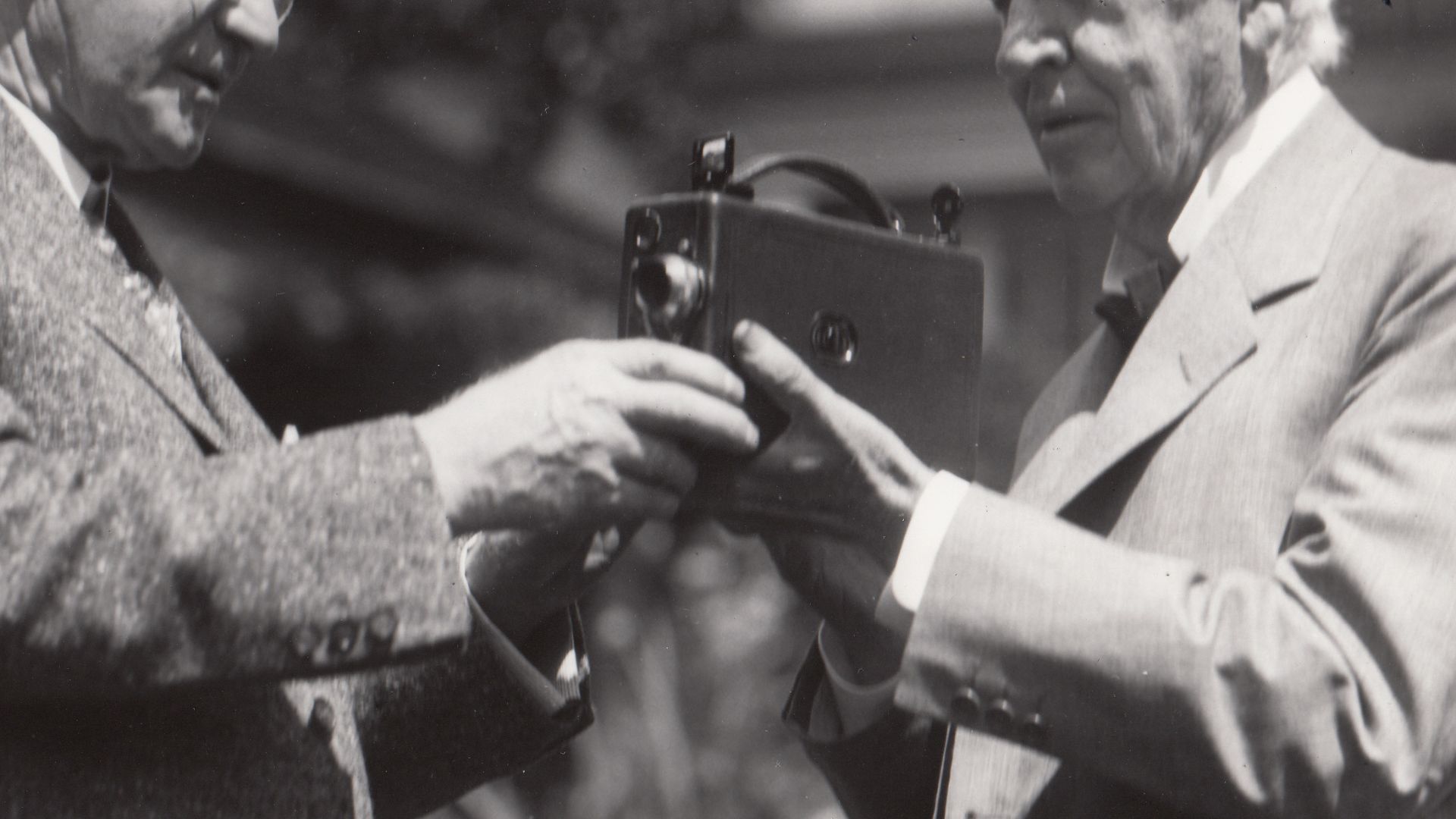
Filmmakers Started Running
Independent filmmakers became frustrated with patent disputes and licensing fees. Many moved west, seeking distance from legal battles and greater freedom to make movies on their own terms.
 Unknown authorUnknown author, Wikimedia Commons
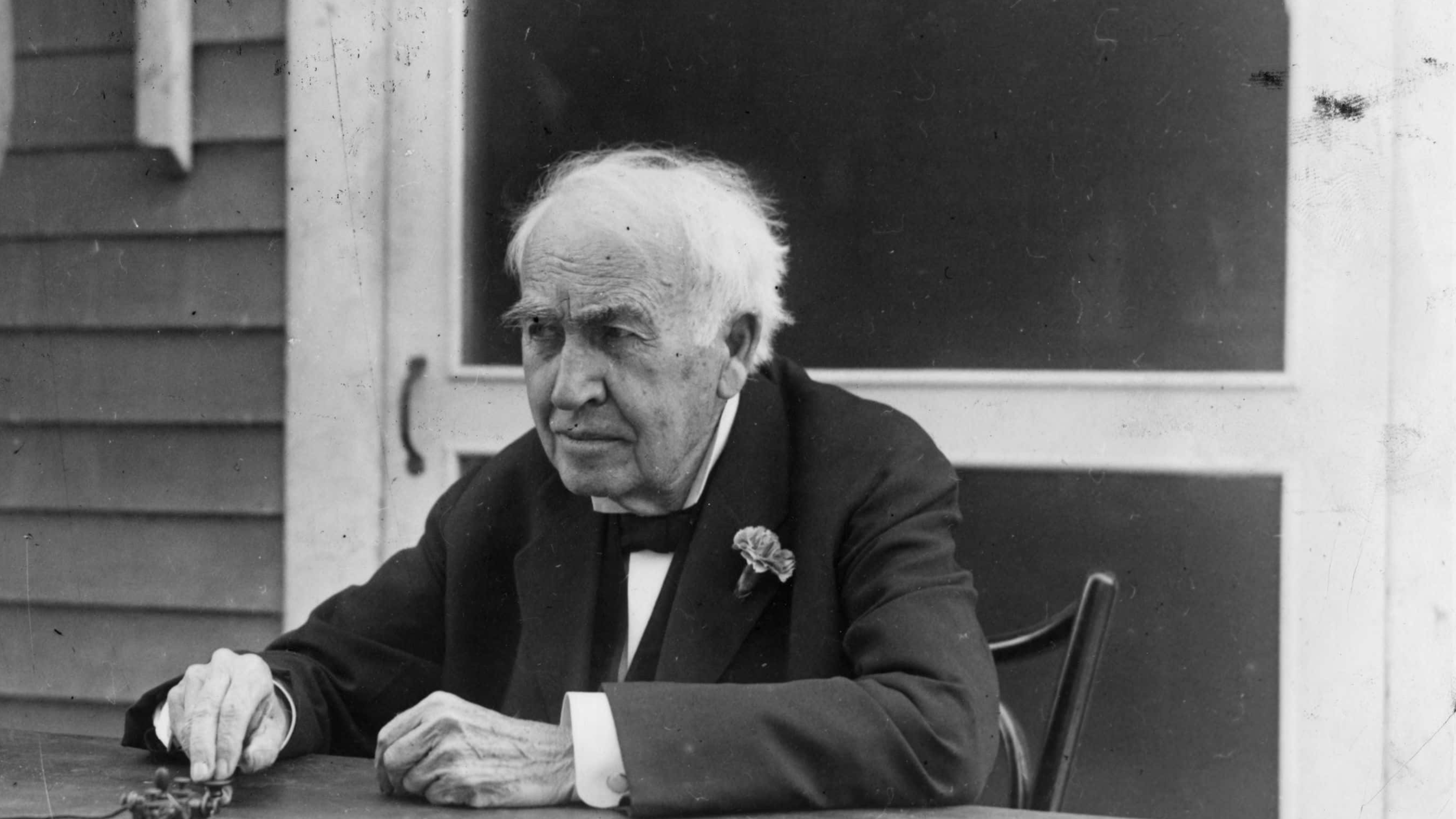
Hollywood Was Partly A Reaction To Him
Edison didn't create Hollywood, but his patent enforcement efforts were one factor that encouraged filmmakers to leave the East Coast. The migration helped establish Southern California as the center of the American film industry.
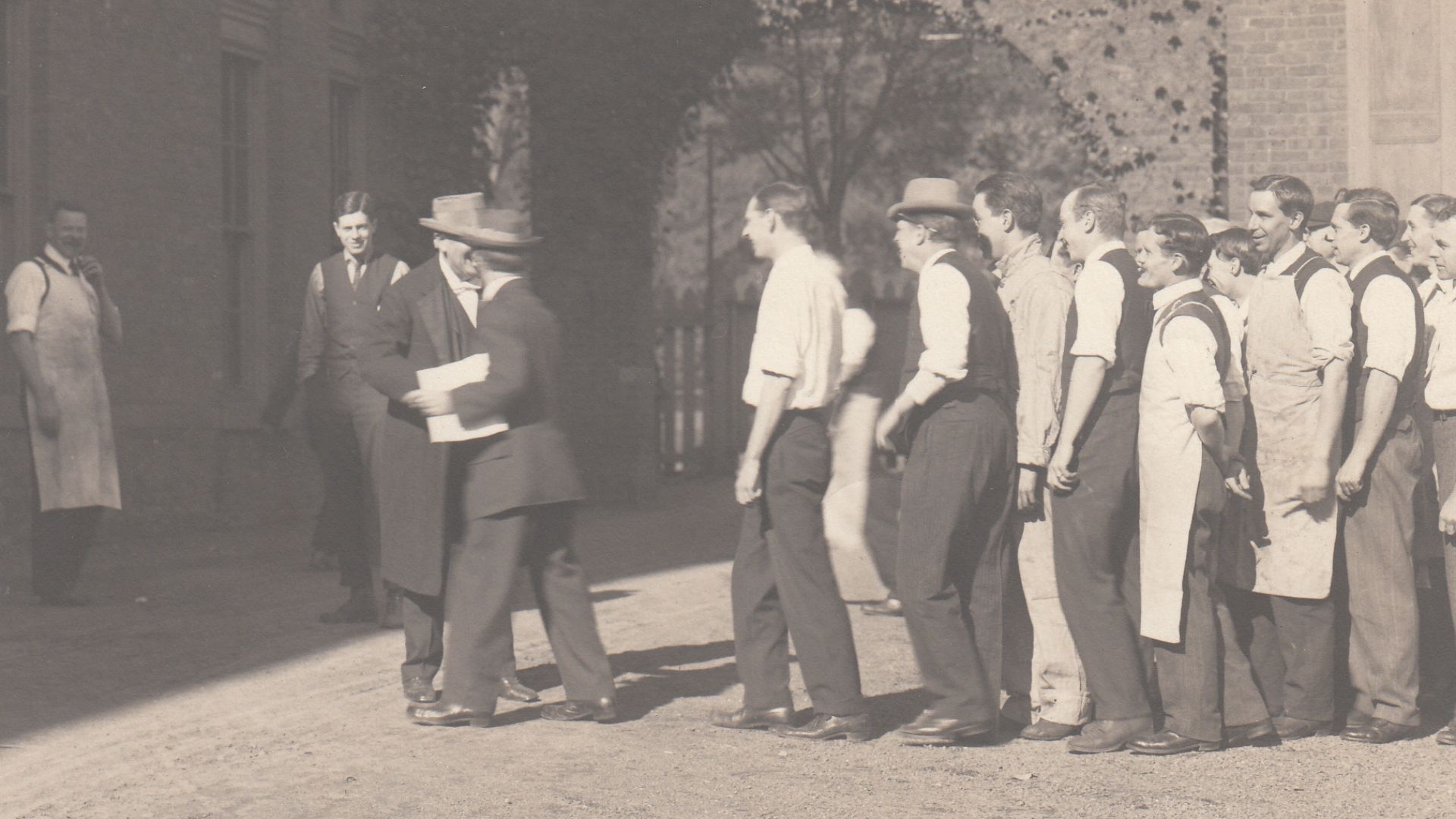
He Expected Everything From Employees
Stories from Edison's laboratories often describe long hours and relentless expectations. Employees worked in an environment where productivity and innovation were prized above almost everything else.
 Unknown authorUnknown author, Wikimedia Commons
Sleep Was Optional
Edison famously celebrated long workdays and often expected extraordinary commitment from those around him. Some workers admired the culture. Others found it exhausting.
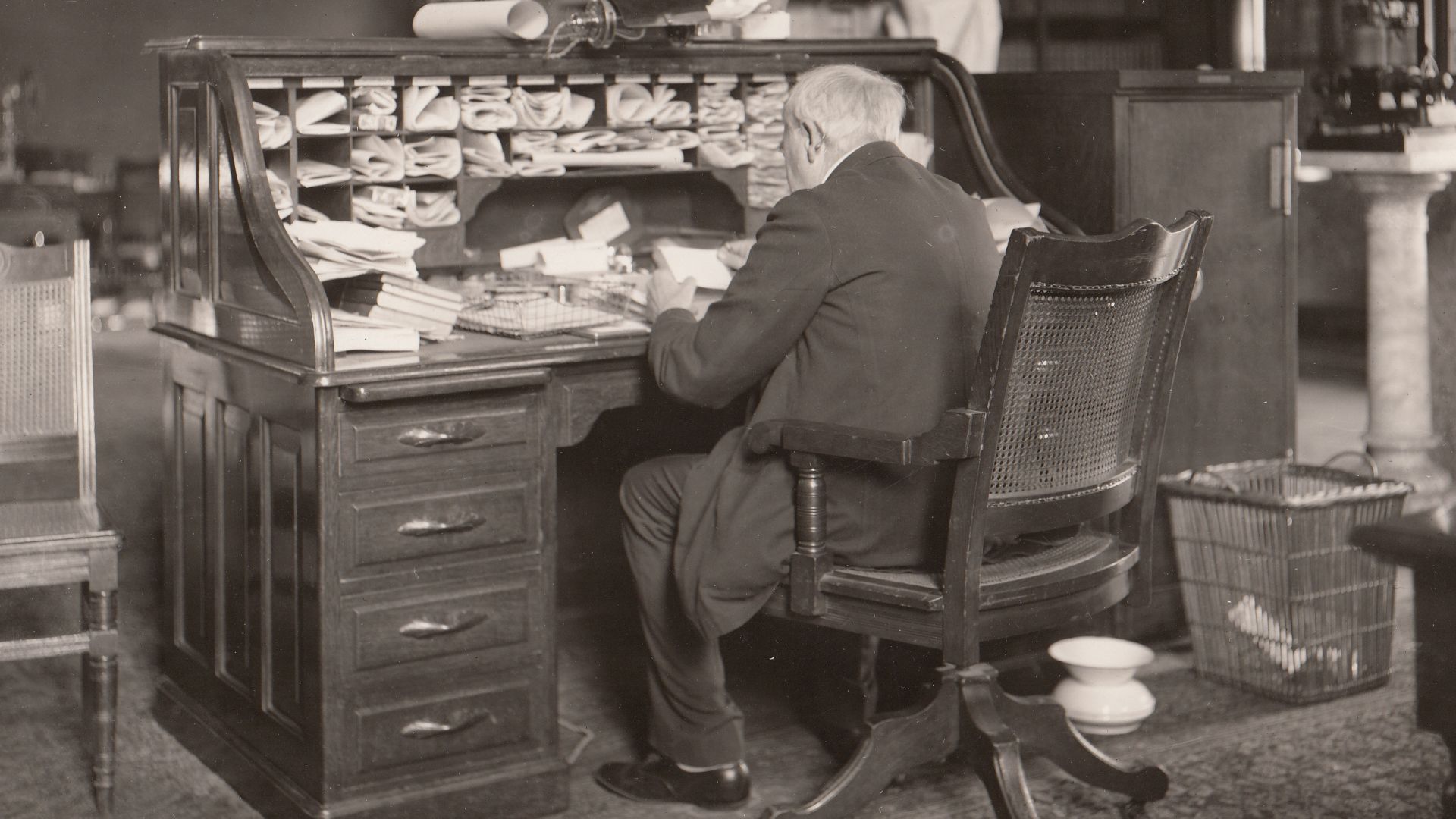 Unknown authorUnknown author, Wikimedia Commons
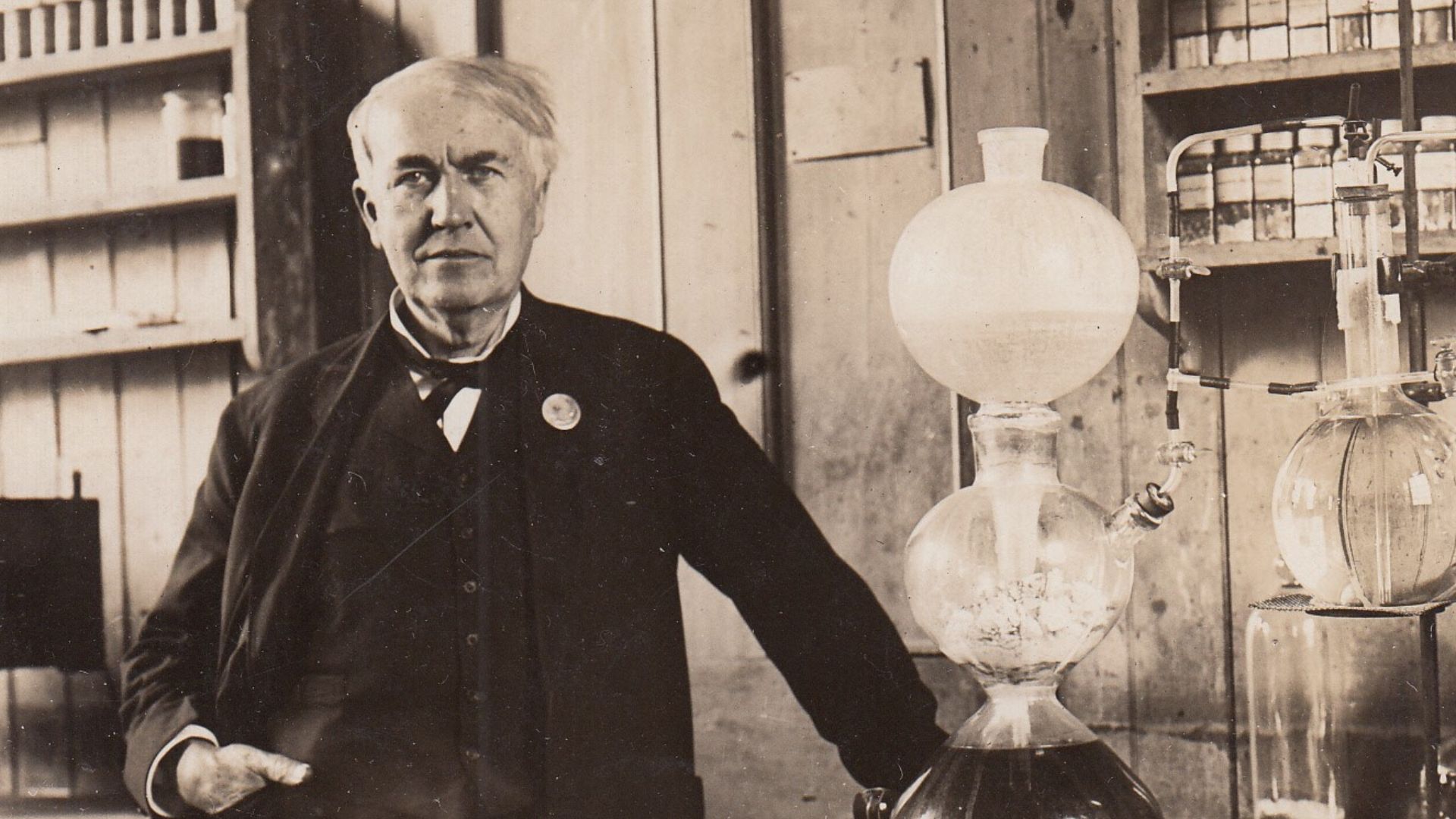
Genius And Ruthlessness
This is what makes Edison such a fascinating historical figure. He possessed genuine brilliance and changed the world. He also displayed a ruthless streak that created enemies almost everywhere he went.
 Unknown authorUnknown author, Wikimedia Commons
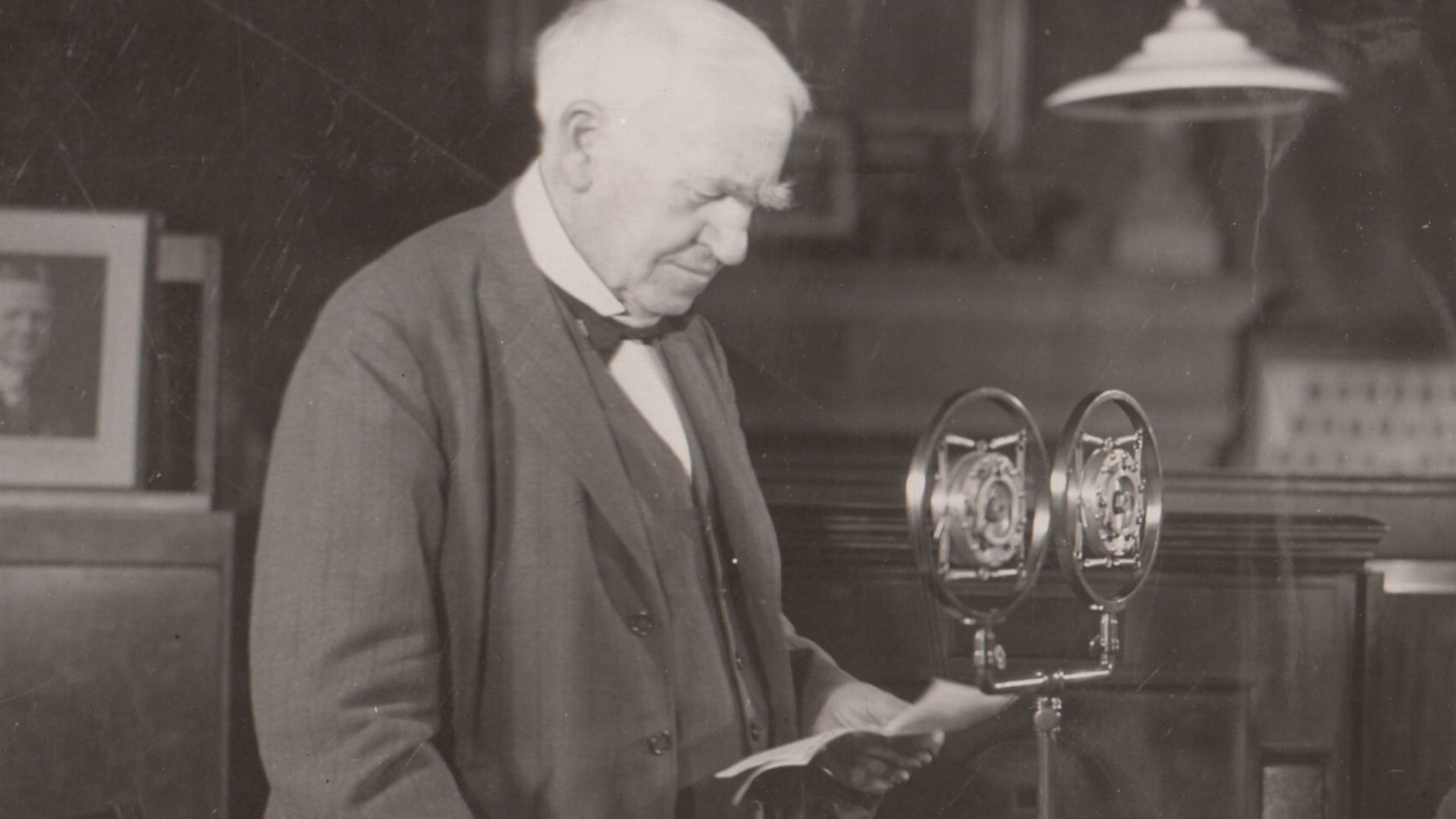
The Legend Took Over
As the decades passed, the public image of Edison became cleaner and simpler. Textbooks focused on inventions and achievements while many of the controversies faded into the background.
 Unknown authorUnknown author, Wikimedia Commons
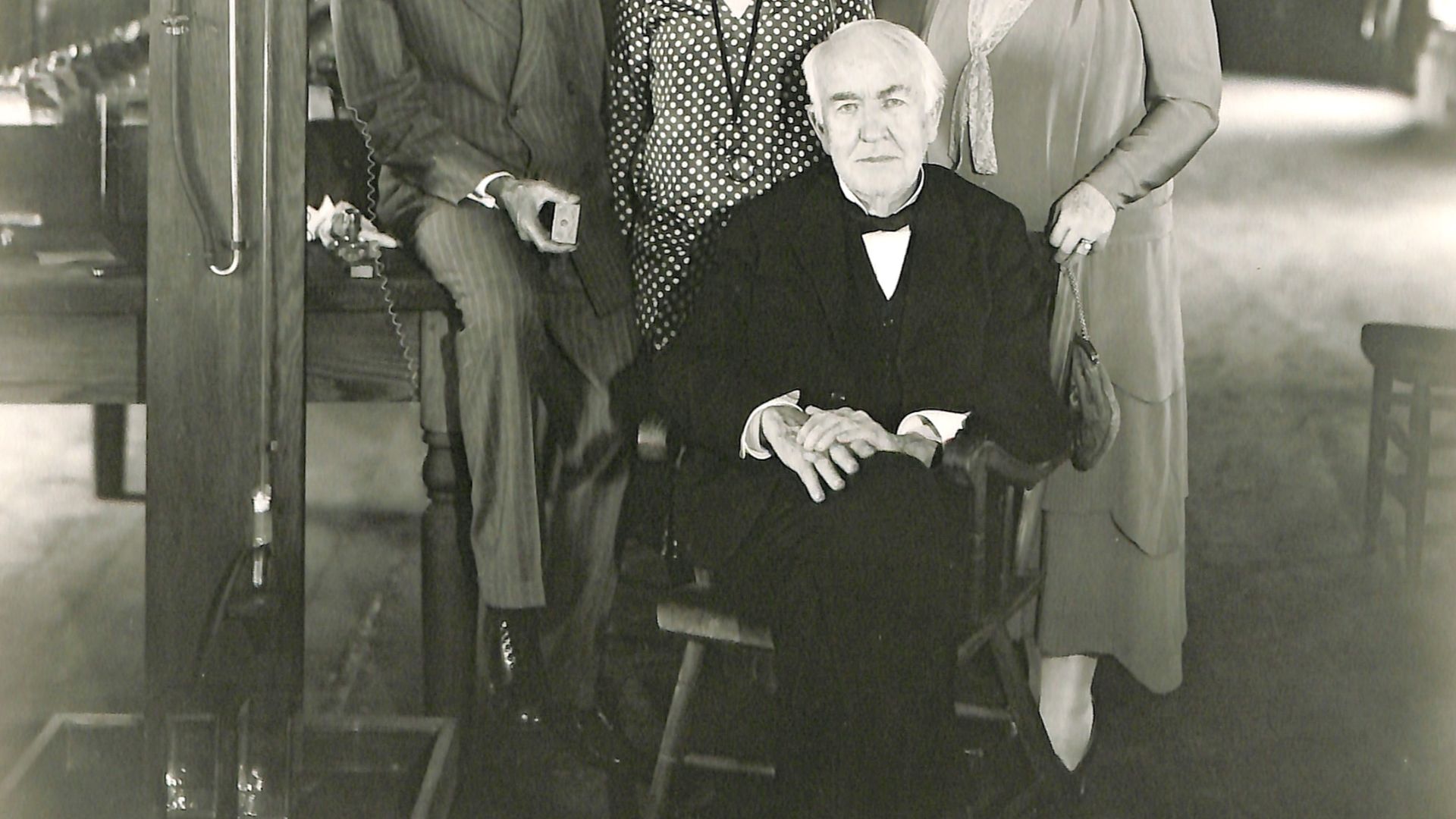
History Is Catching Up
Modern historians have spent more time examining Edison's business practices, rivalries, and tactics. As a result, public understanding of his legacy has become far more nuanced.
 Unknown authorUnknown author, Wikimedia Commons
Was He Actually A Villain?
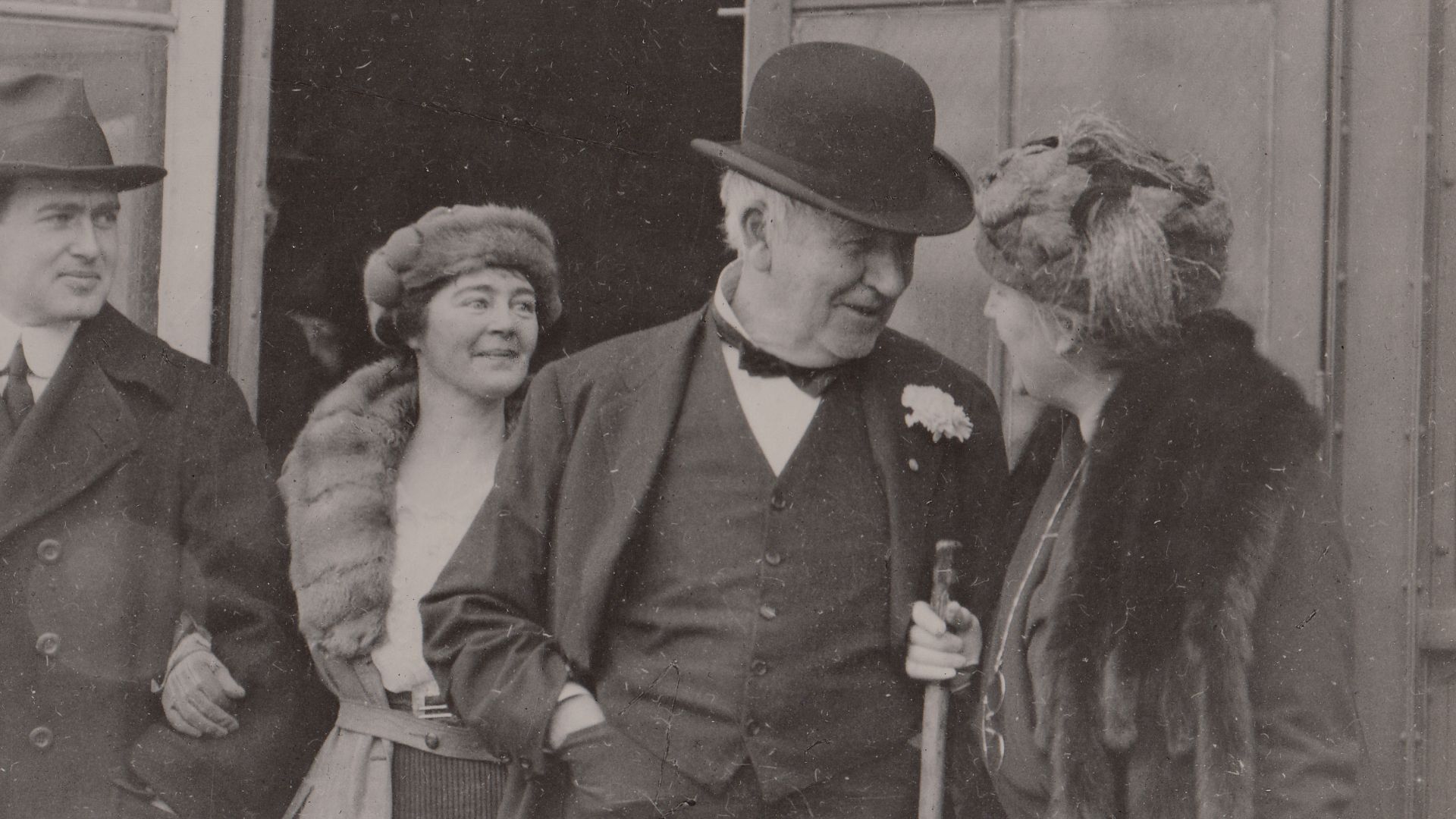
Probably not. But he wasn't the flawless hero often presented in popular culture either. Like many powerful figures, Edison existed in a complicated gray area between innovation and self-interest.
 Unknown authorUnknown author, Wikimedia Commons
The Legacy That Won't Go Away
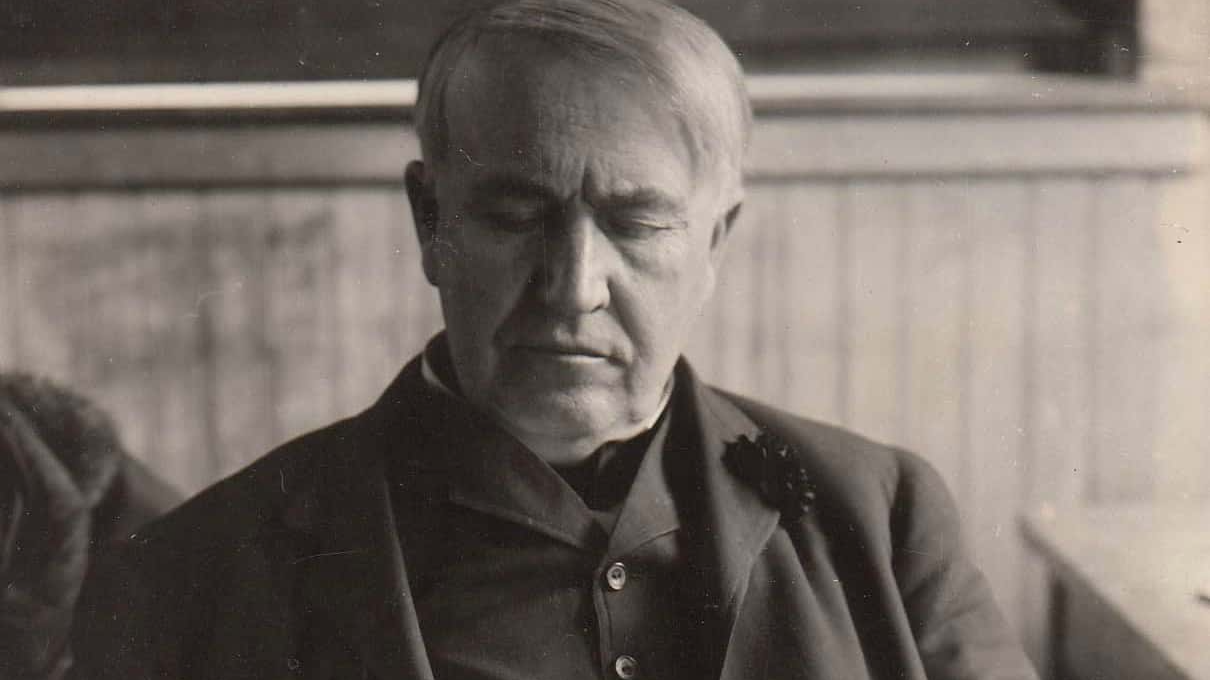
Thomas Edison helped shape the modern world. That's beyond dispute. What remains debated is how much credit he deserves, how far he was willing to go to win, and whether the legend has overshadowed the reality.
More Than Just A Genius
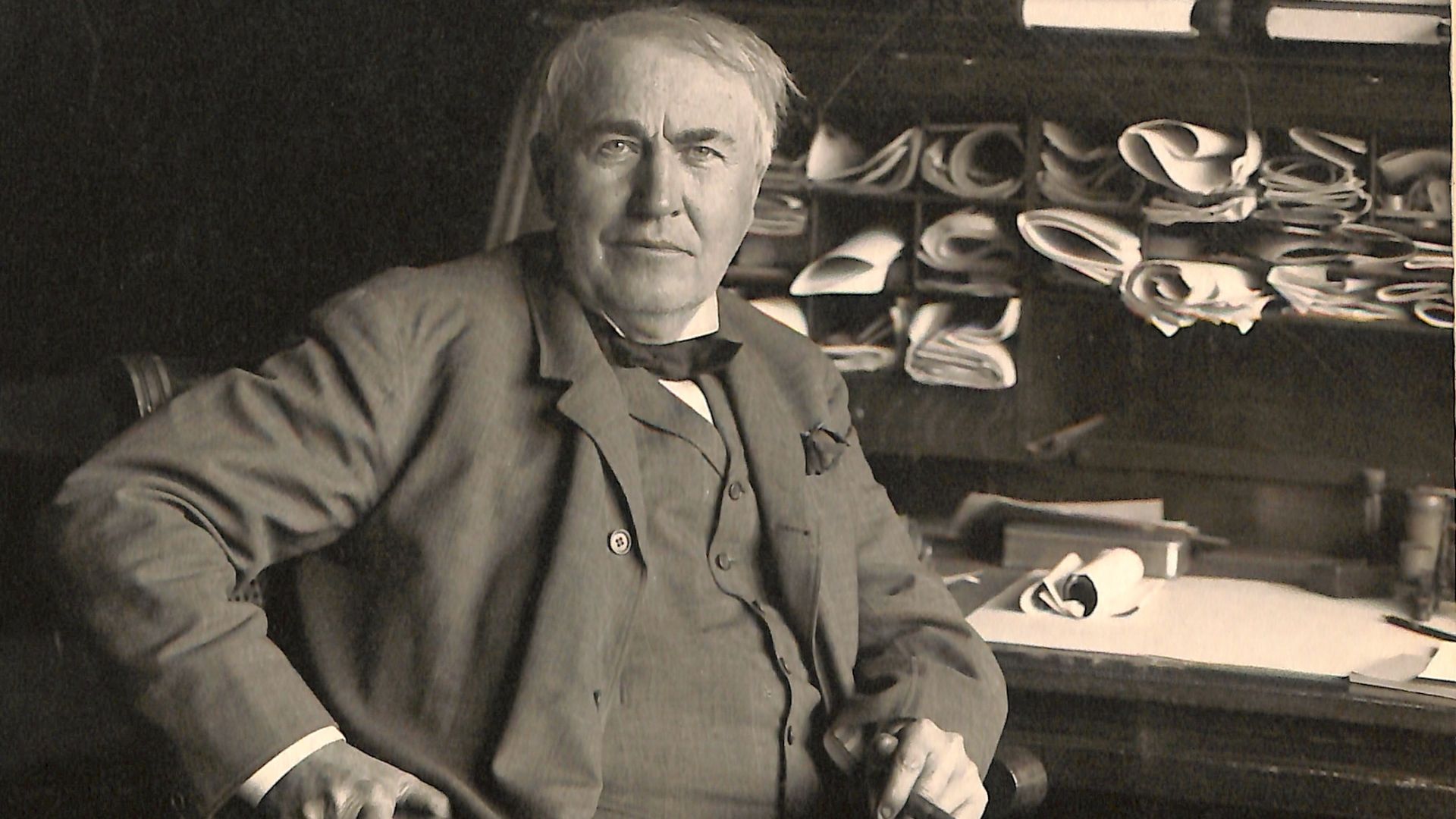
The next time someone describes Edison as the inventor of the light bulb, remember that the real story is far messier. The inventions were real. So were the rivalries, lawsuits, controversies, and battles that helped build his empire.
 Unknown authorUnknown author, Wikimedia Commons
You Might Also Like:
Fiery Facts About Emmeline Pankhurst, The First Suffragette









.jpg)