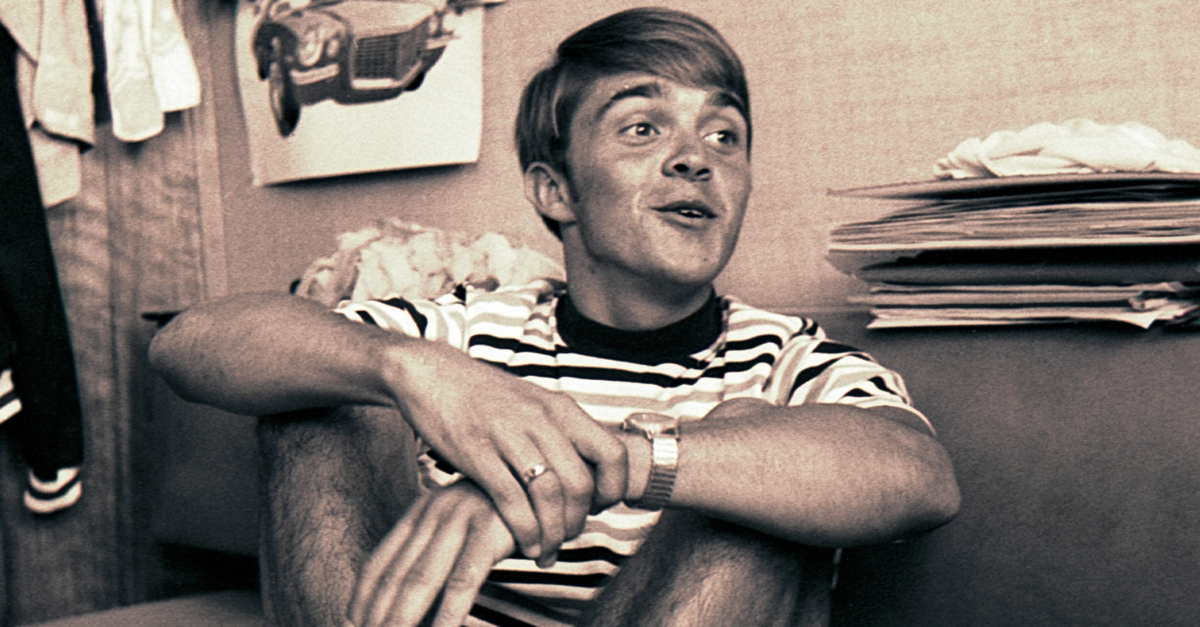
A Tale Of Lost Potential
Steve Prefontaine should’ve been great. From a young age, his athletic prowess elevated him high above his peers. Coaches and fans alike could see the great potential that this young man had, especially when he turned failure into motivation to work harder. However, Prefontaine had everything taken from him before he’d even really started.
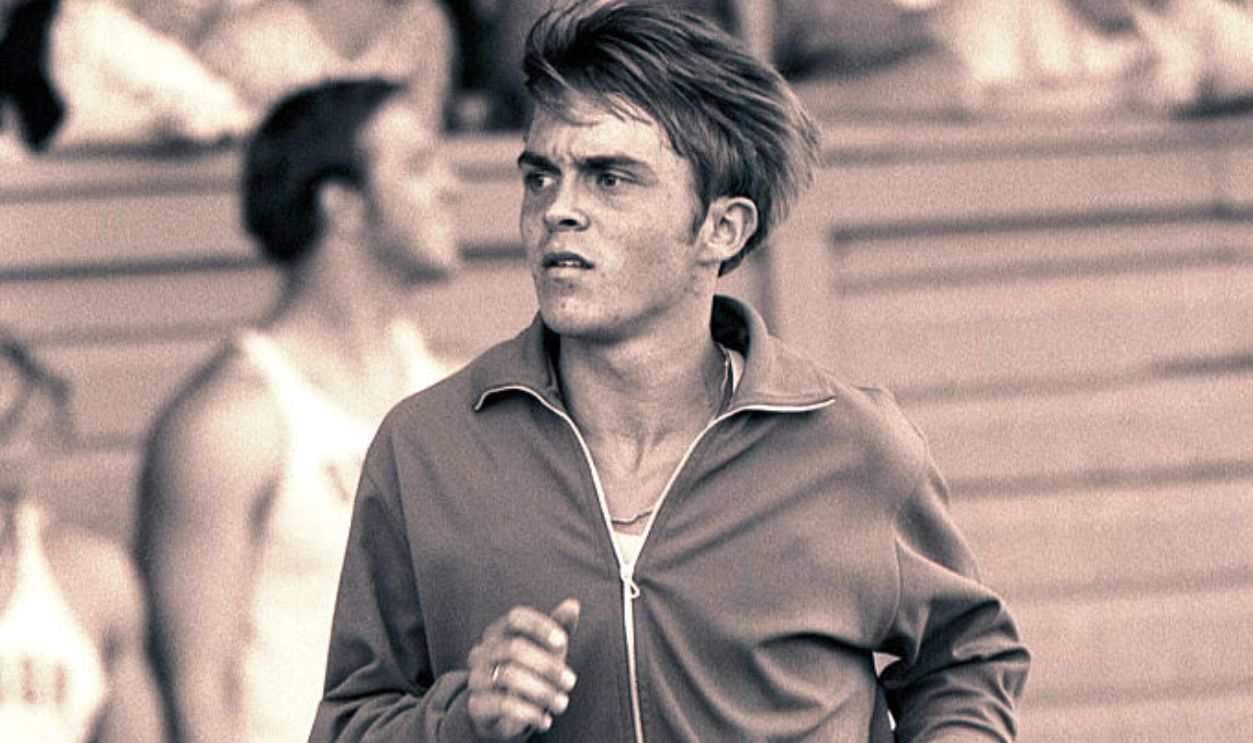
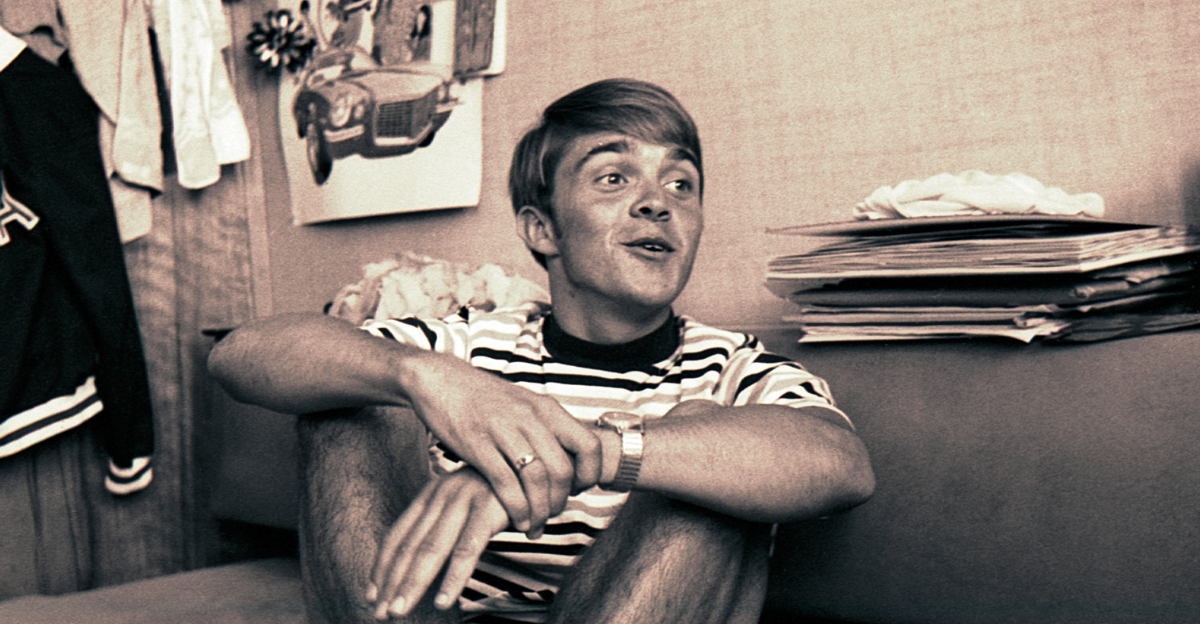 Photo by James Drake/Getty Images
1. He Wasn’t Special
Steve Prefontaine was nobody at birth. The middle of three children to Raymond Prefontaine, a WWII vet turned welder, and his German wife, Elfriede Sennholz, who worked as a seamstress, Prefontaine had nothing special about him. Even his parents' sweet tale of love during a time of conflict (Raymond and Elfriede met during his service overseas) was common at the time. Yet, Prefontaine turned this modest upbringing into something special.
2. He Struggled As A Child
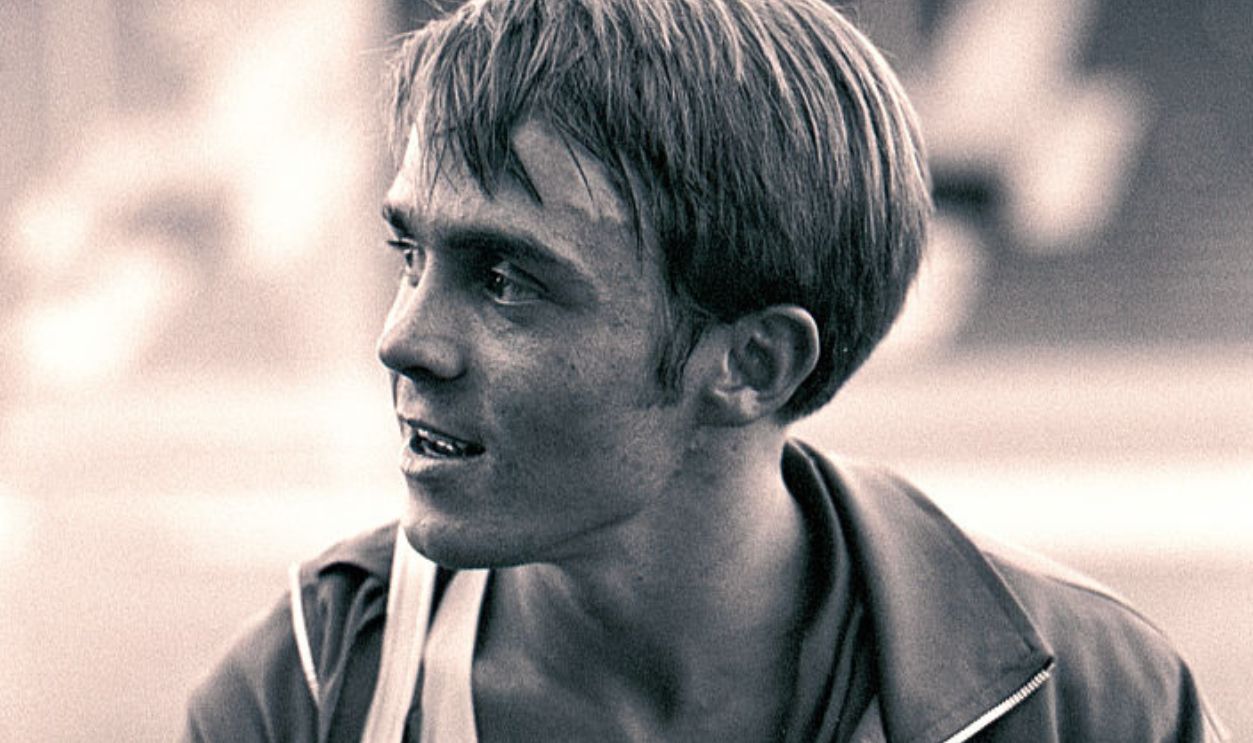
You see, young Steve Prefontaine had all the potential that he needed inside of him. Filled with an almost restless energy, Prefontaine always kept in motion, seeking out a place in which he could meet his fullest potential. However, for the longest time, he kept missing the mark because he was looking in the wrong locations—he couldn’t see what was right in front of him, and that almost caused him to lose out on everything.
3. He Wanted To Belong
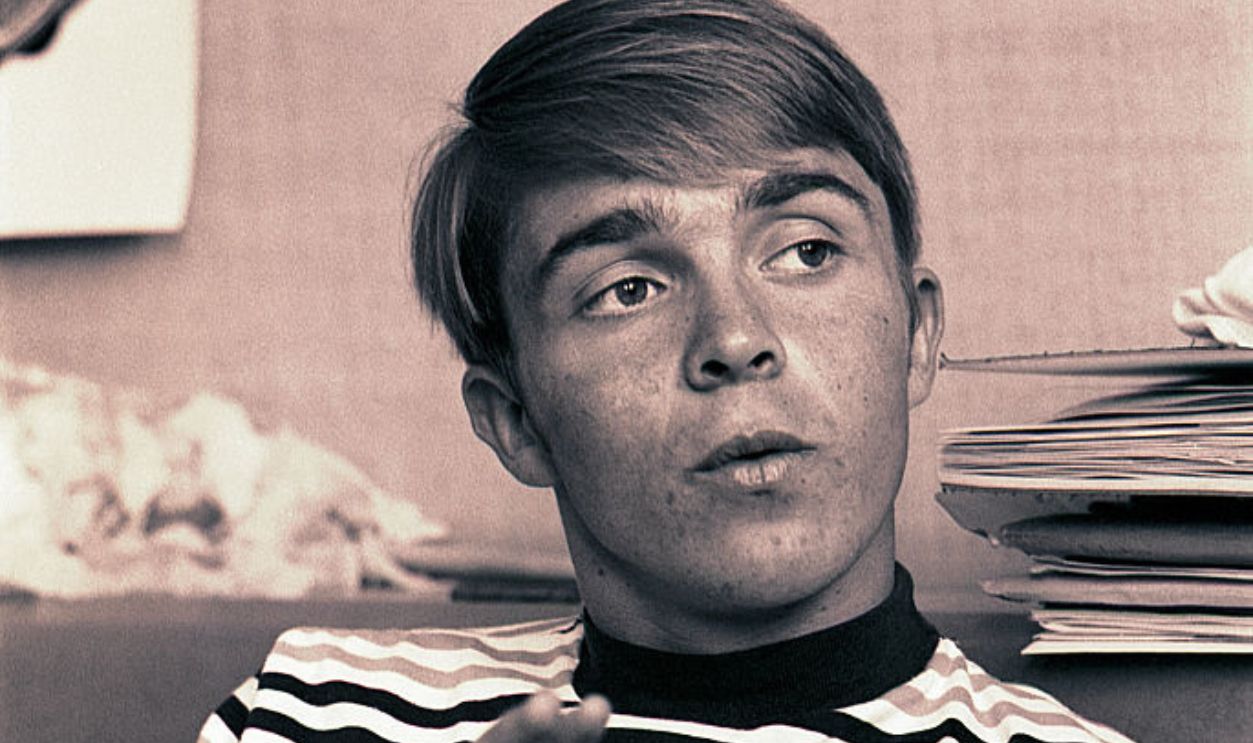
As many young boys did in those days (and still do today), Prefontaine gravitated towards more conventional sports, such as football and basketball. However, Prefontaine may have had the speed for these sports, but he lacked another key physical feature for success. Prefontaine was short, which meant that his coaches rarely let him onto the field. Sitting on the bench, he still couldn’t see his future. In fact, Prefontaine went as far as looking down on it.
4. He Couldn’t Find His Place
Later, Steve Prefontaine recalled noticing the cross-country team during his football practice. Only in eighth grade at the time, Prefontaine bought into the language around him, viewing football and basketball as the “superior” sports, and went so far as to turn up his nose at the idea of cross country. He viewed it as a “mundane” sport, lacking the flashiness of his current activities. Then something came along that changed everything.
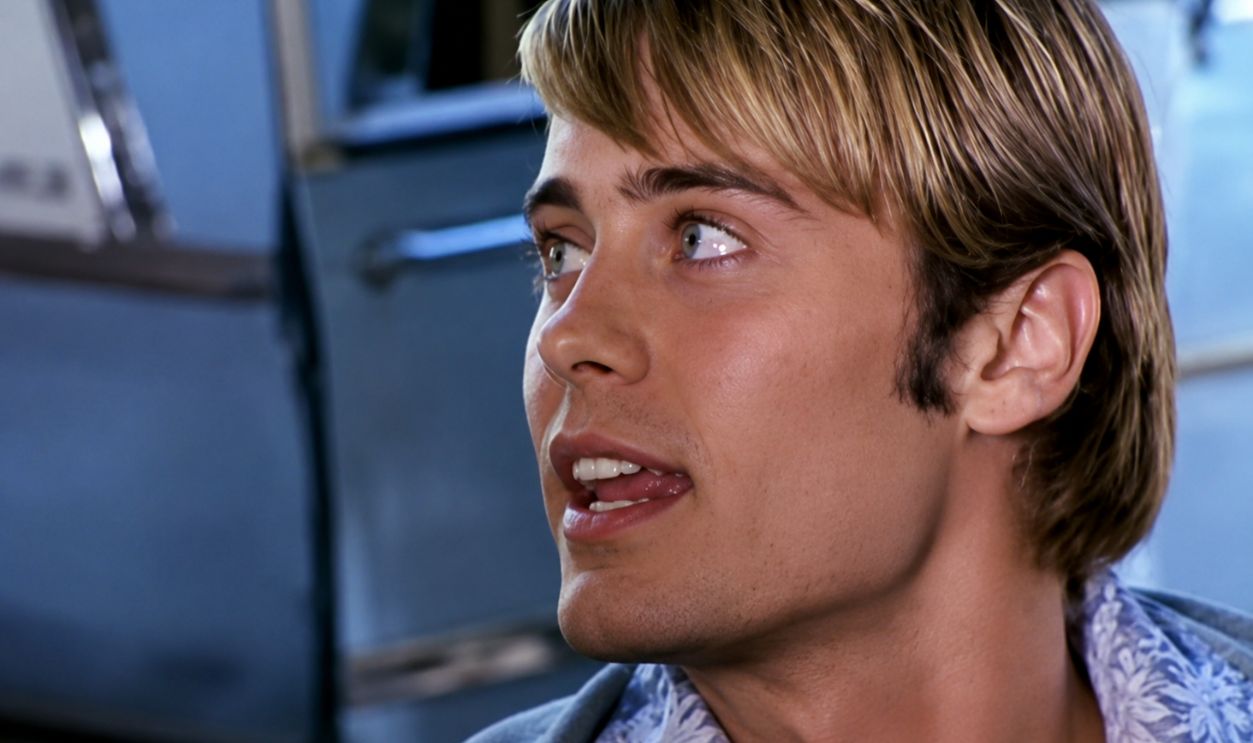 Screenshot from Prefontaine, Buena Vista Pictures Distribution (1997), Enhanced
5. He Got A Chance That Changed Everything
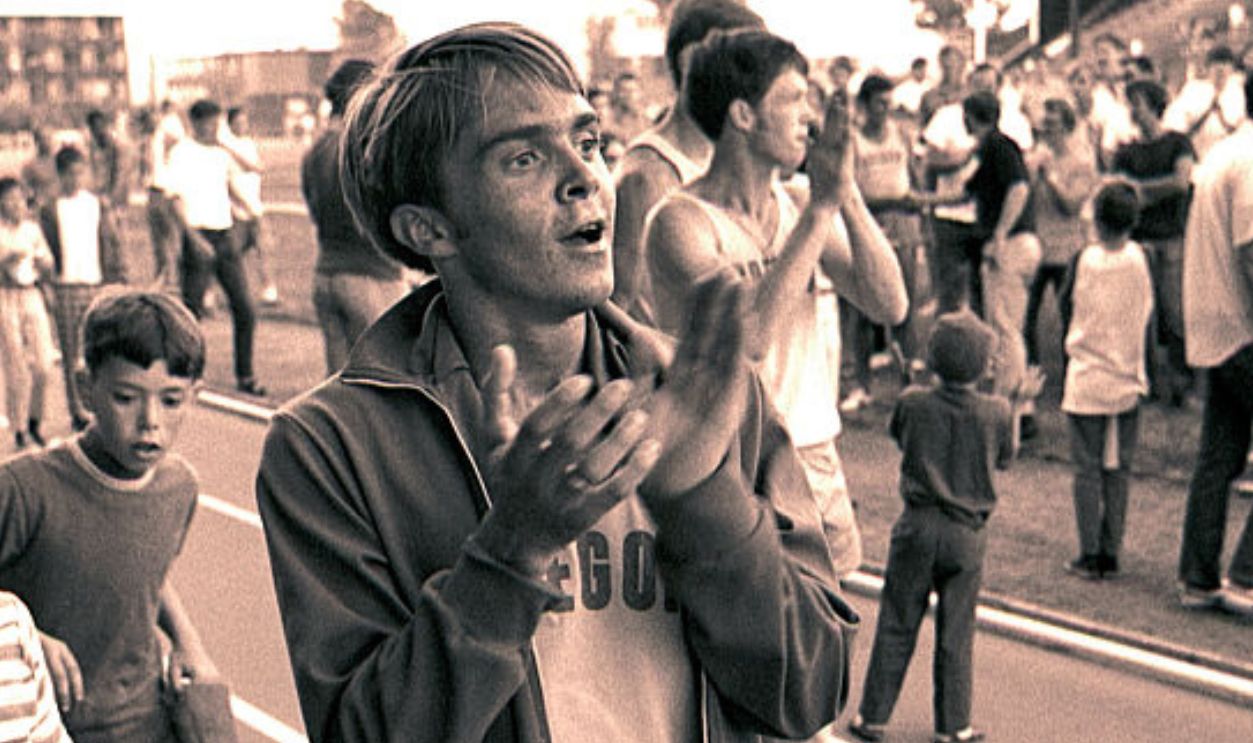
That same year that Prefontaine noticed the cross-country team and began thinking that he was above it all, he had an experience that changed the course of his entire life. As part of his gym class, Prefontaine took part in a three-week conditioning course that included a series of long-distance races. Having spent all his time focusing on team sports that only required short bursts of speed, Prefontaine never realized the potential that he possessed until someone showed him.
6. He Realized Something About Himself
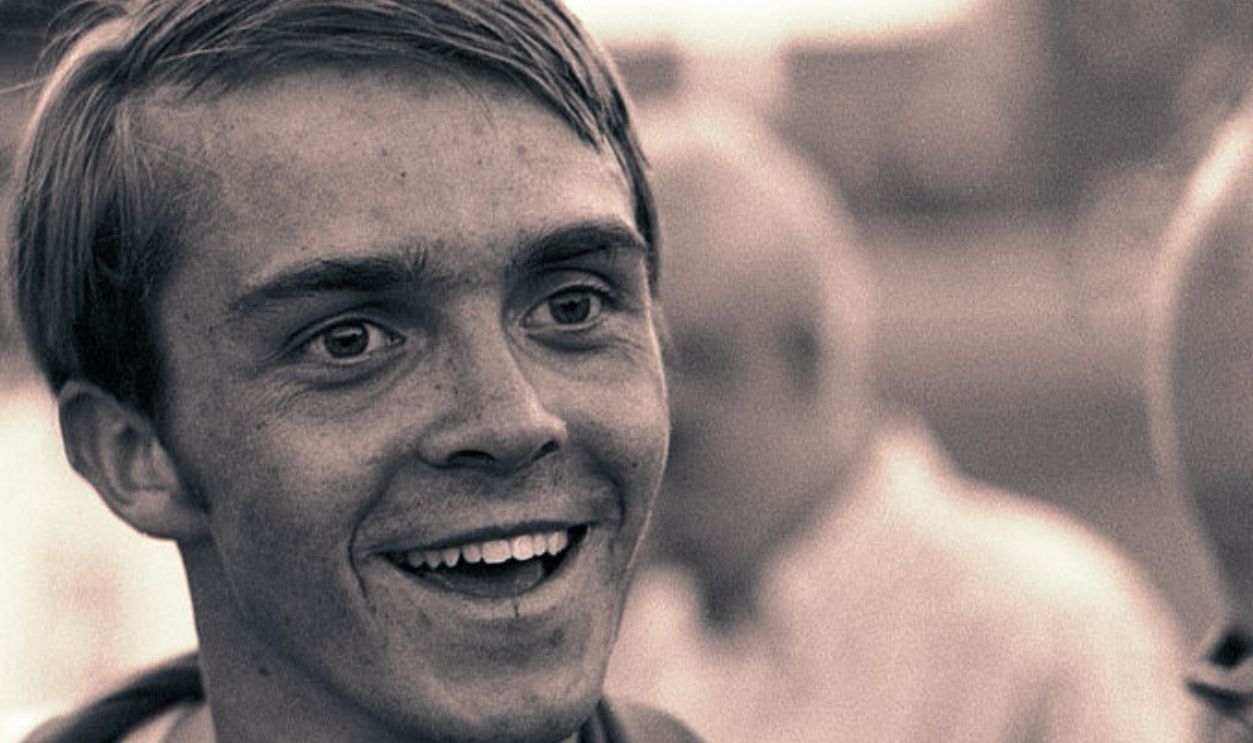
That three-week period in his gym class finally showed Steve Prefontaine where his true potential lay. He quickly realized that he had a competitive edge when it came to running. After only one week of running daily mile runs, Prefontaine found himself placing second within his group of peers. Suddenly, he saw the mistake that he had made; cross-country running wasn’t mundane at all. It was the key to everything.
7. He Stopped Wasting His Time
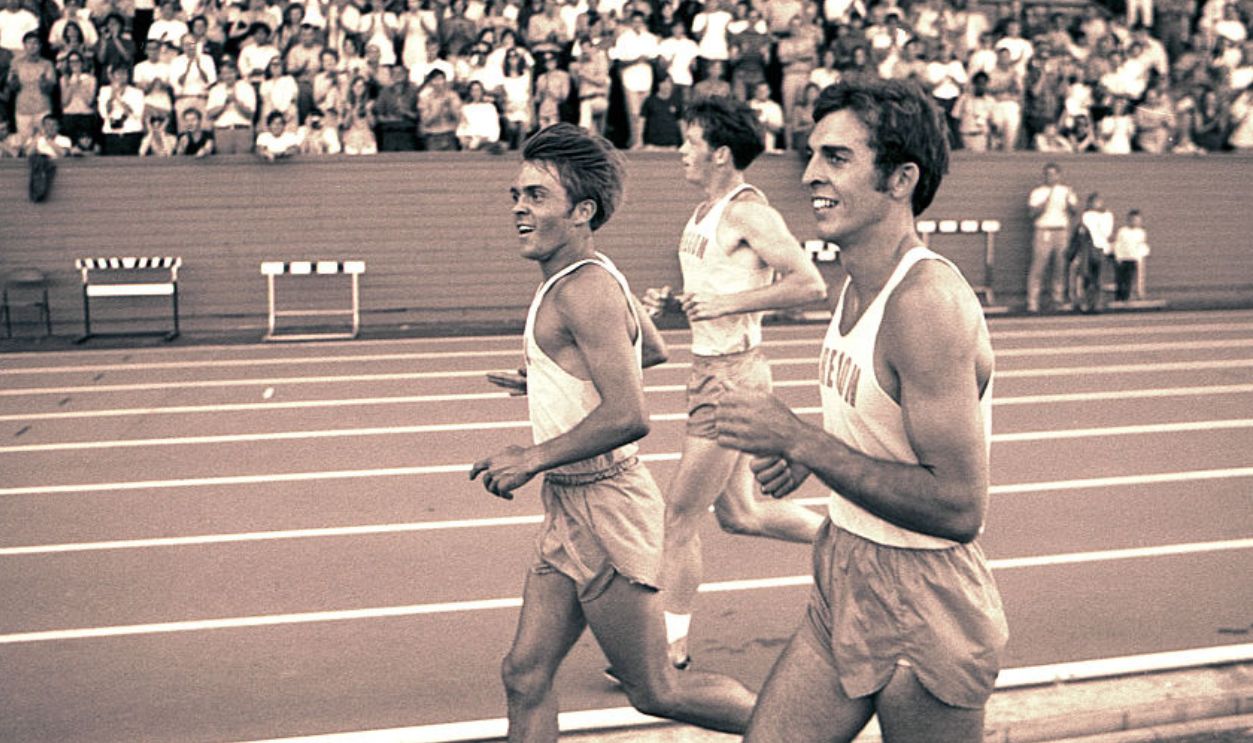
Prefontaine made this realization just in time. When he arrived at Marshfield High School a year later, he didn’t waste his time with those team sports that never gave him any game time. Instead, he joined the cross-country team. Although he was relatively new to the sport in his freshman year, Prefontaine had modest success, moving up from seventh ranking in the group to second by the end of the year. With this success, he returned for his sophomore year with high expectations.
8. He Failed To Meet Potential
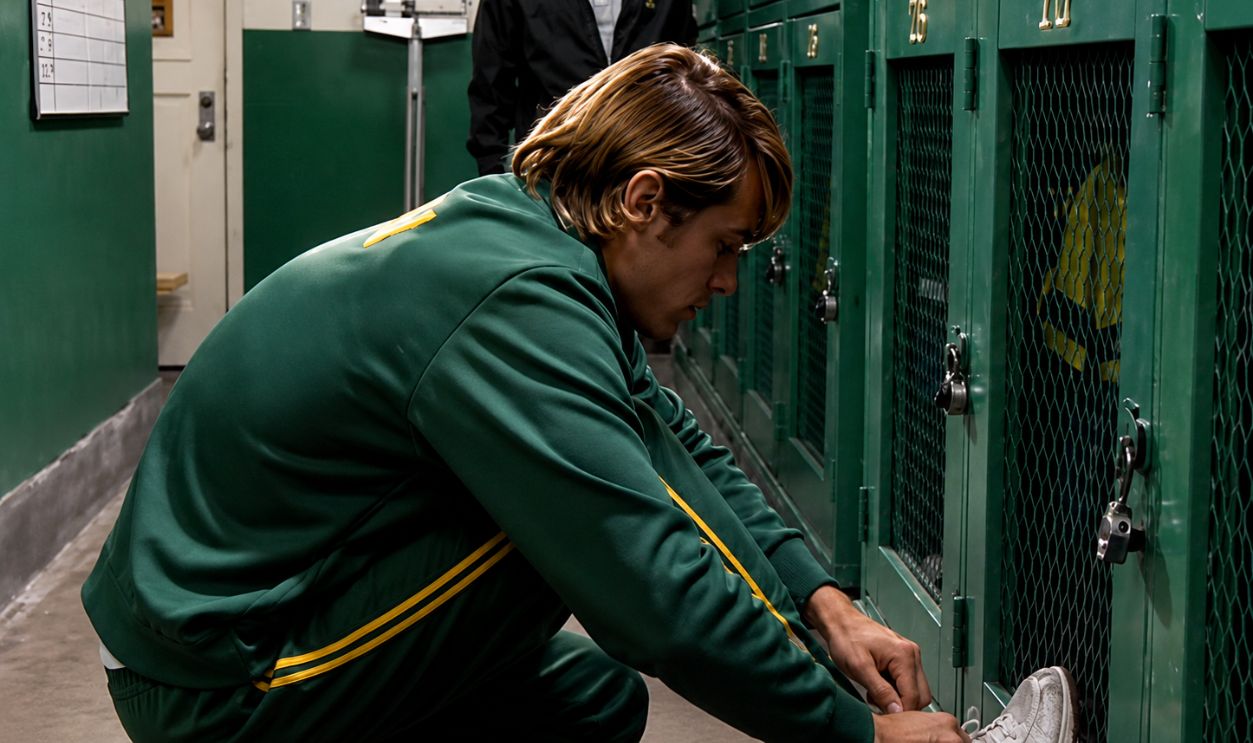
Coming off a successful freshman year in which Steve Prefontaine participated and placed in the state championship on his first attempt, he surely came back for his sophomore year with big dreams about where his career would go next. Unfortunately, reality proved to be a little different. Running the 2-mile this year, Prefontaine failed to even qualify for the state. Faced with his first taste of failure, Prefontaine stood at a crossroad that could dictate his entire life.
 Screenshot from Prefontaine, Buena Vista Pictures Distribution (1997), Enhanced

History's most fascinating stories and darkest secrets, delivered to your inbox daily.
9. He Had To Face Failure
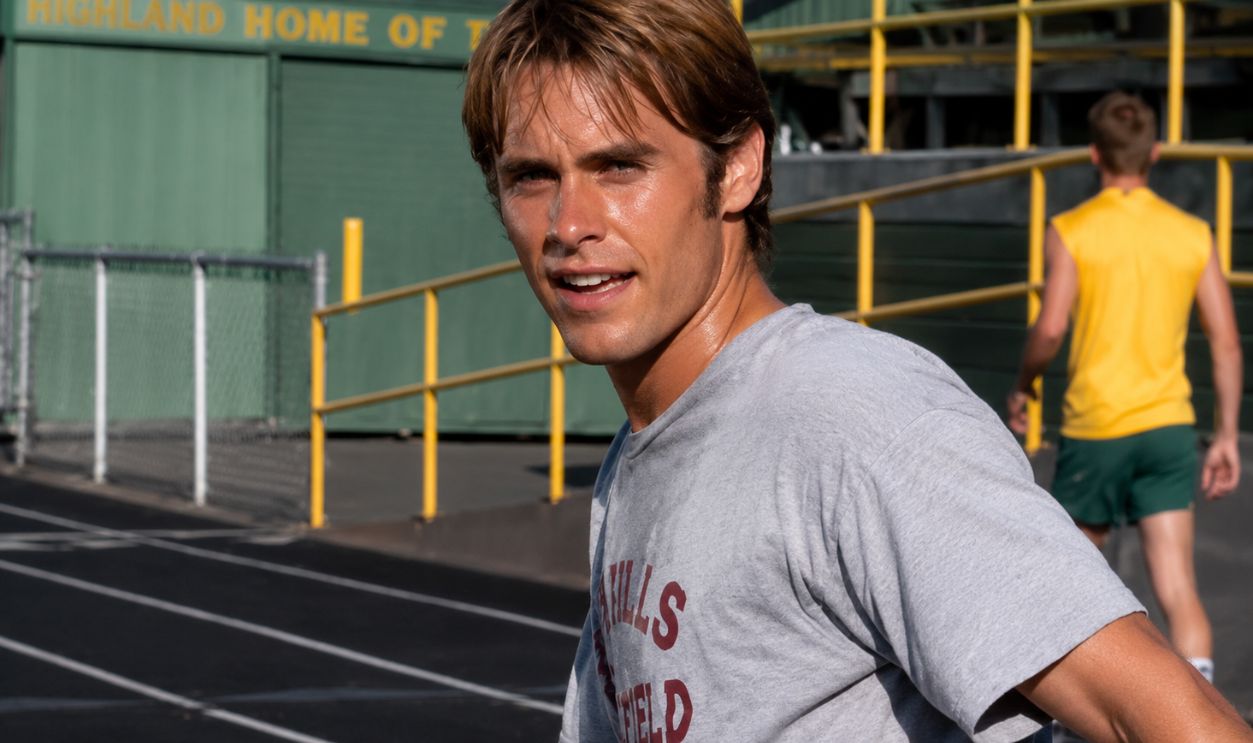
Failure is a divisive experience. Many people, especially youth as young as Prefontaine, cannot cope with that bitter taste in their mouth. Rather than risk feeling that failure again, many of them walk away. Prefontaine could’ve done that, might’ve even done so, if it weren’t for his coach, Walt McClure Jr. Even with his failure to make the state team that year, McClure saw Prefontaine’s potential during that sophomore year. He couldn’t let that potential go.
 Screenshot from Prefontaine, Buena Vista Pictures Distribution (1997), Enhanced
10. He Turned The Narrative Around
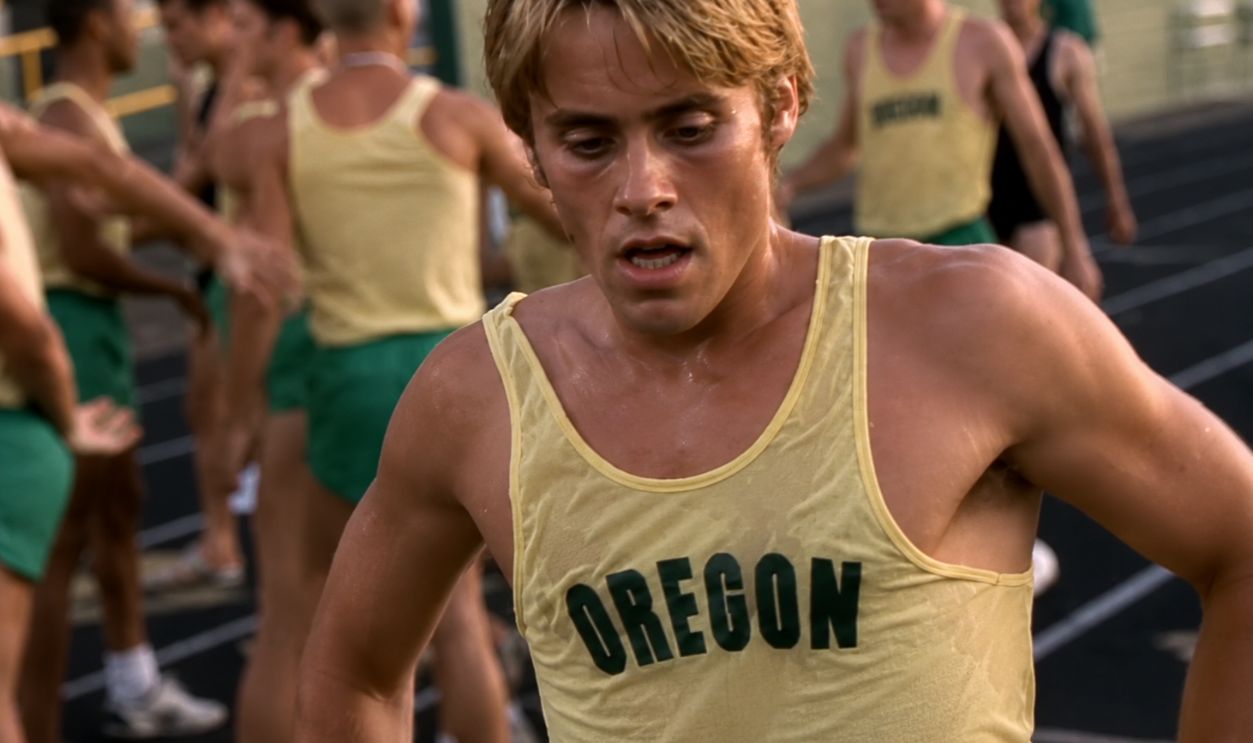
Rather than letting that failure turn him off of the sport, Steve Prefontaine allowed that failure to light a fire somewhere inside of him. That fire, combined with the encouragement of McClure, drove Prefontaine to work all the harder. He spent the summer between sophomore and junior year pushing himself, throwing himself into his training. When he returned the next year, he had something to prove.
 Screenshot from Prefontaine, Buena Vista Pictures Distribution (1997), Enhanced
11. He Had A Score To Settle
Prefontaine took his first failure and allowed it to fuel him. However, when he returned for junior year, he had a score to settle, something to prove. He’d worked harder than he’d ever worked before to erase the mistakes of the past. That meant that he couldn’t lose a second time. Prefontaine now knew what failure tasted like; that surely provided a new pressure when he took to the track in his junior year. Everyone waited to see what he’d do next.
 Screenshot from Prefontaine, Buena Vista Pictures Distribution (1997), Enhanced
12. He Carried The Pressure
Steve Prefontaine took that pressure and turned it into power. He dominated during his junior year, running undefeated and finally shaking the monkey off his back. Not only did he qualify for the state, but he won the title. Having already proven that pressure meant nothing to him, Prefontaine returned the next year with even more power. He set records and chased his most ambitious goals. Suddenly, all eyes were on Steve Prefontaine.
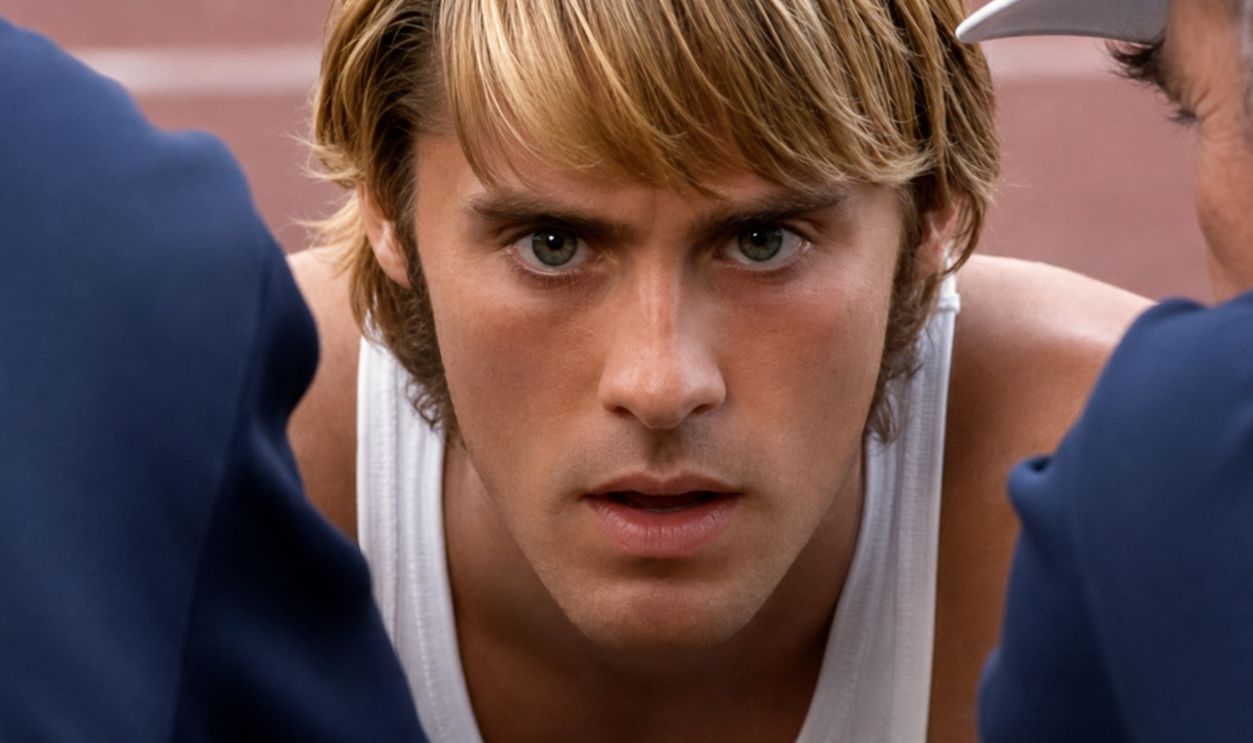 Screenshot from Prefontaine, Buena Vista Pictures Distribution (1997), Enhanced
13. He Looked To The Future
Any successful athlete knows what comes next. When you break out in junior and senior year the way that Prefontaine did, the question of college isn’t a matter of “if” but rather “where”. Everyone wanted Prefontaine. He received recruitment offers from up to 40 colleges all across America. However, none of them really stood a chance. Prefontaine really only had one place in mind.
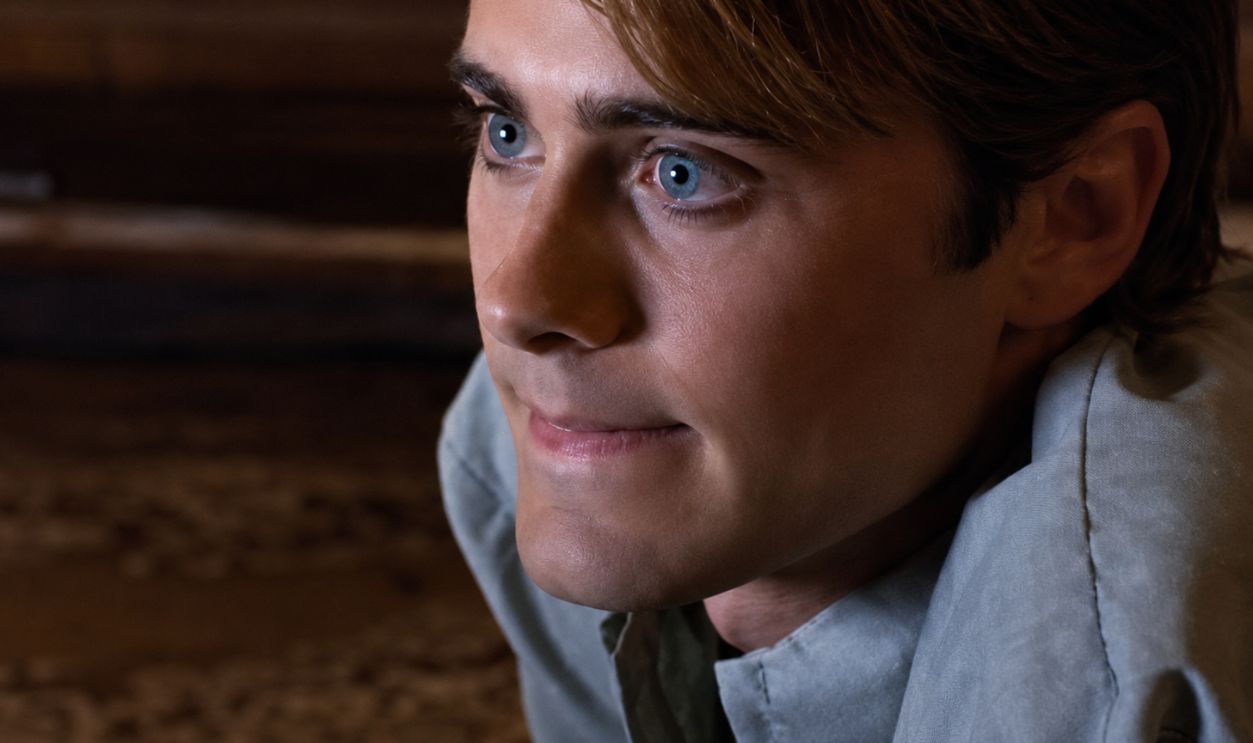 Screenshot from Prefontaine, Buena Vista Pictures Distribution (1997), Enhanced
14. He Had Too Many Offers
Likely overwhelmed by the number of offers that he now received, Steve Prefontaine directed many of the recruiters to his coach, Walt McClure. To some historians, this became a pivotal point in Prefontaine’s career as McClure had a long history with one university. Both McClure and his father ran for the University of Oregon, his father under Bill Hayward and McClure for the current coach. The University of Oregon was the only place Prefontaine wanted to go—but did Oregon want Prefontaine?
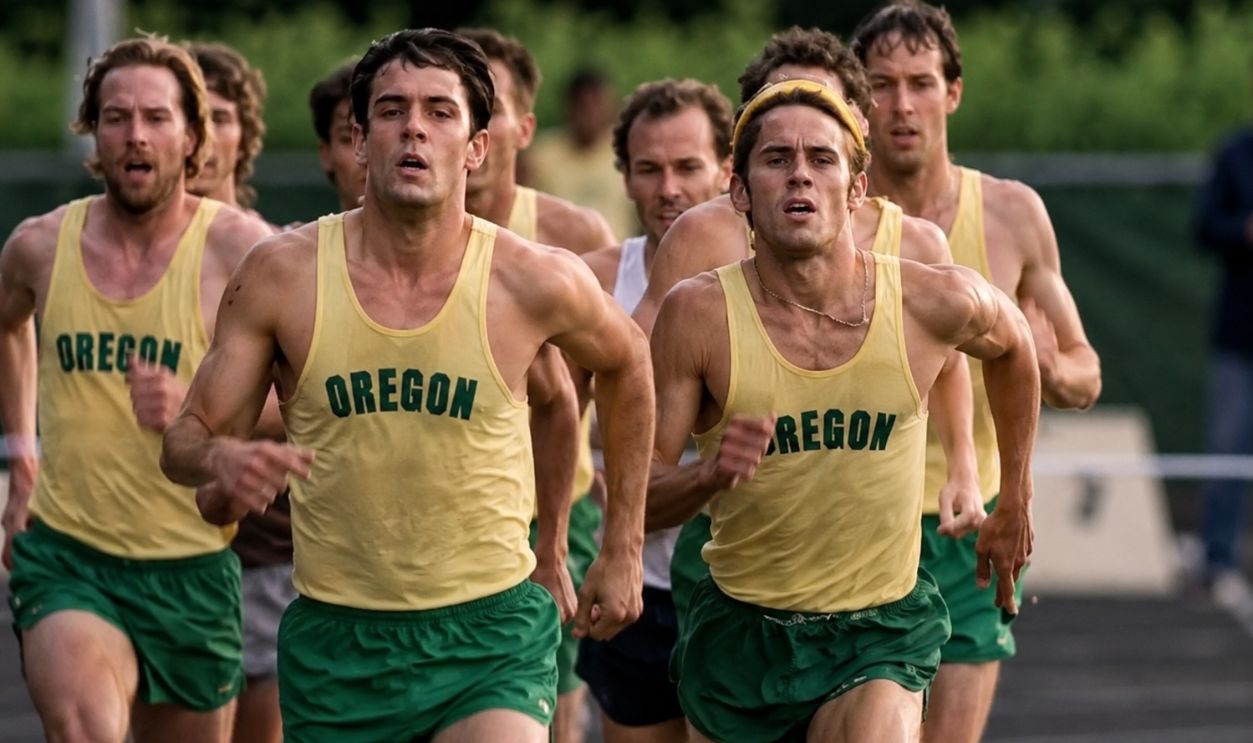 Screenshot from Prefontaine, Buena Vista Pictures Distribution (1997), Enhanced
15. He Depended Upon His Coach
Some people believe McClure swayed Prefontaine’s decision, even though McClure claims he said nothing except asking Prefontaine where all runners go. However, whatever the reason, Prefontaine wanted to stay in the state. He wanted to go to the University of Oregon. However, Prefontaine had a problem. It seemed that everyone wanted him to run for them. Everyone, except perhaps the University of Oregon’s head coach, Bill Bowerman.
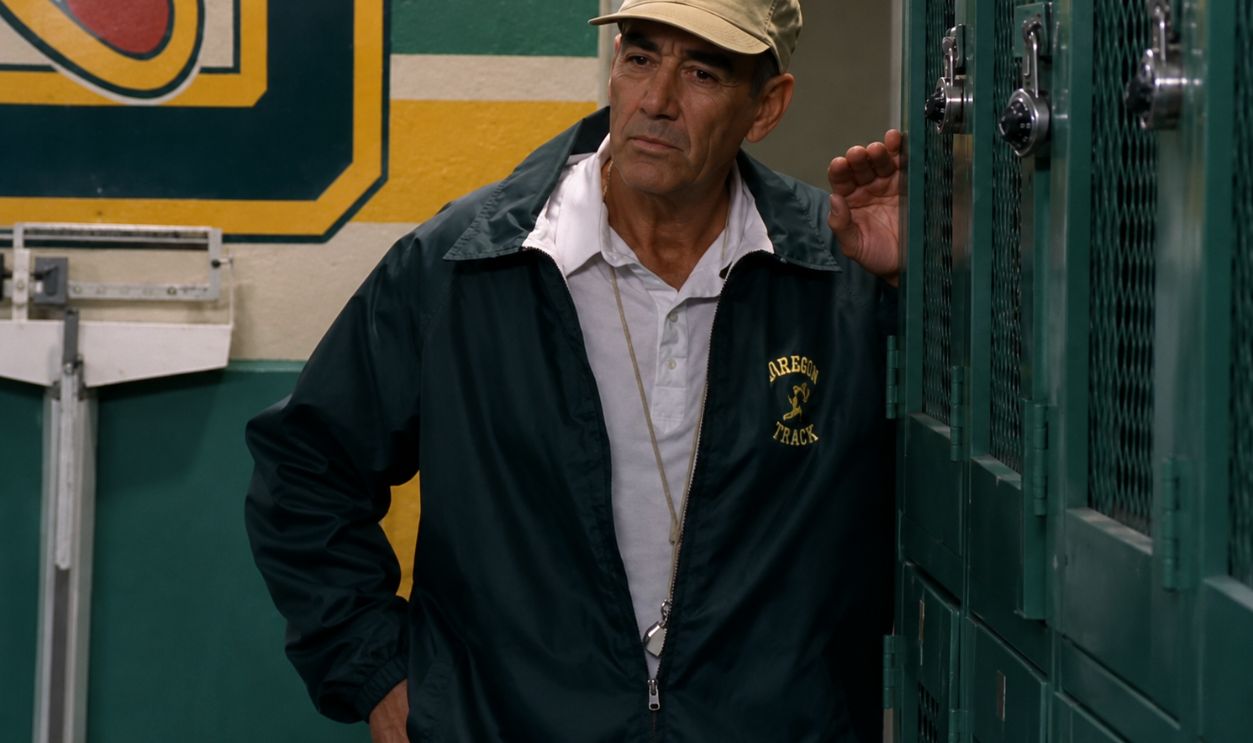 Screenshot from Prefontaine, Buena Vista Pictures Distribution (1997), Enhanced
16. He Had One Place In Mind
During this period, Steve Prefontaine received countless letters and calls from colleges across the country that wanted him to run for them. Many of these universities were dogged in their pursuit of Prefontaine, remaining in constant communication with him. In contrast, Bowerman only wrote to him once a month. Given the drastic difference in communication styles, Prefontaine felt uncertain about Bowerman’s feelings towards him. Did he really want him to run at Oregon at all?
 Screenshot from Prefontaine, Buena Vista Pictures Distribution (1997), Enhanced
17. He Didn’t Know Their Minds
Later, Bowerman insisted that he didn’t treat Prefontaine any differently than he treated any recruit. He knew of Prefontaine’s journey from McClure, given their history and the fact that Prefontaine came from their state. He agreed with McClure about the potential that Prefontaine had. However, he viewed his role as coach to be more subtle. He saw his role as to guide their decision, not bombard them with endless communication. However, was Bowerman’s subtle approach enough?
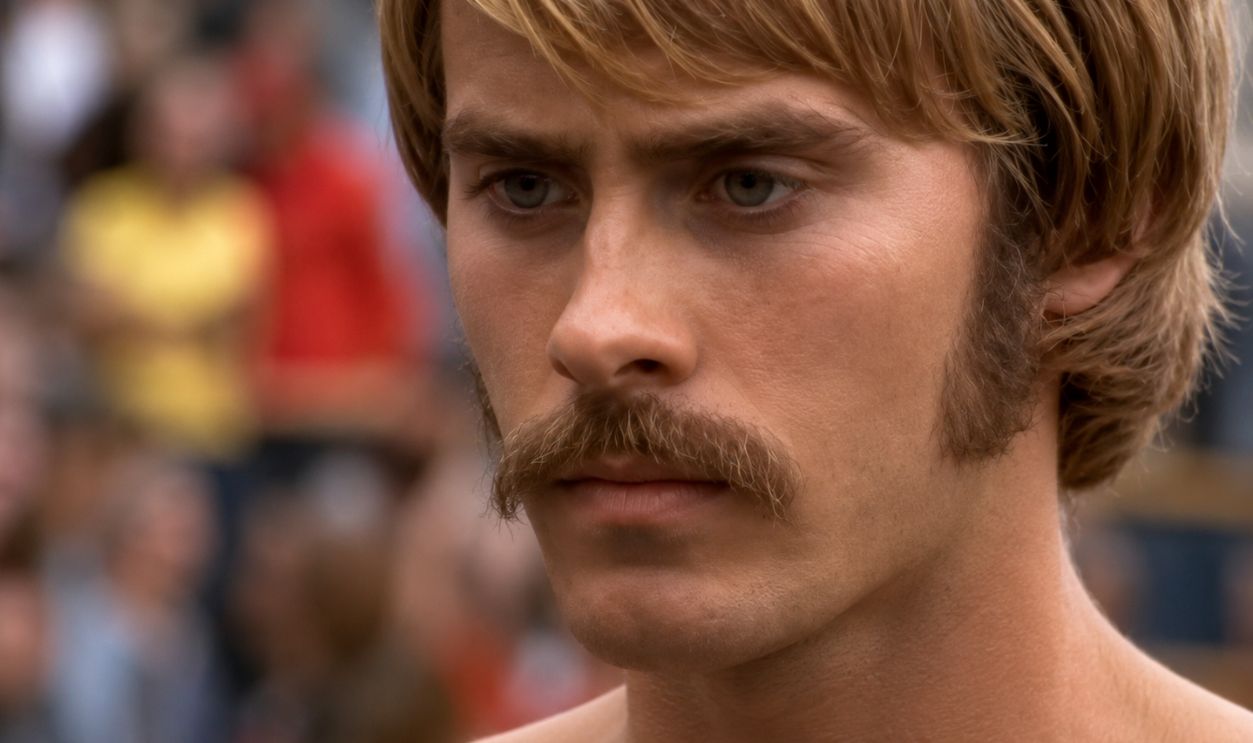 Screenshot from Prefontaine, Buena Vista Pictures Distribution (1997), Enhanced
18. He Received An Important Letter
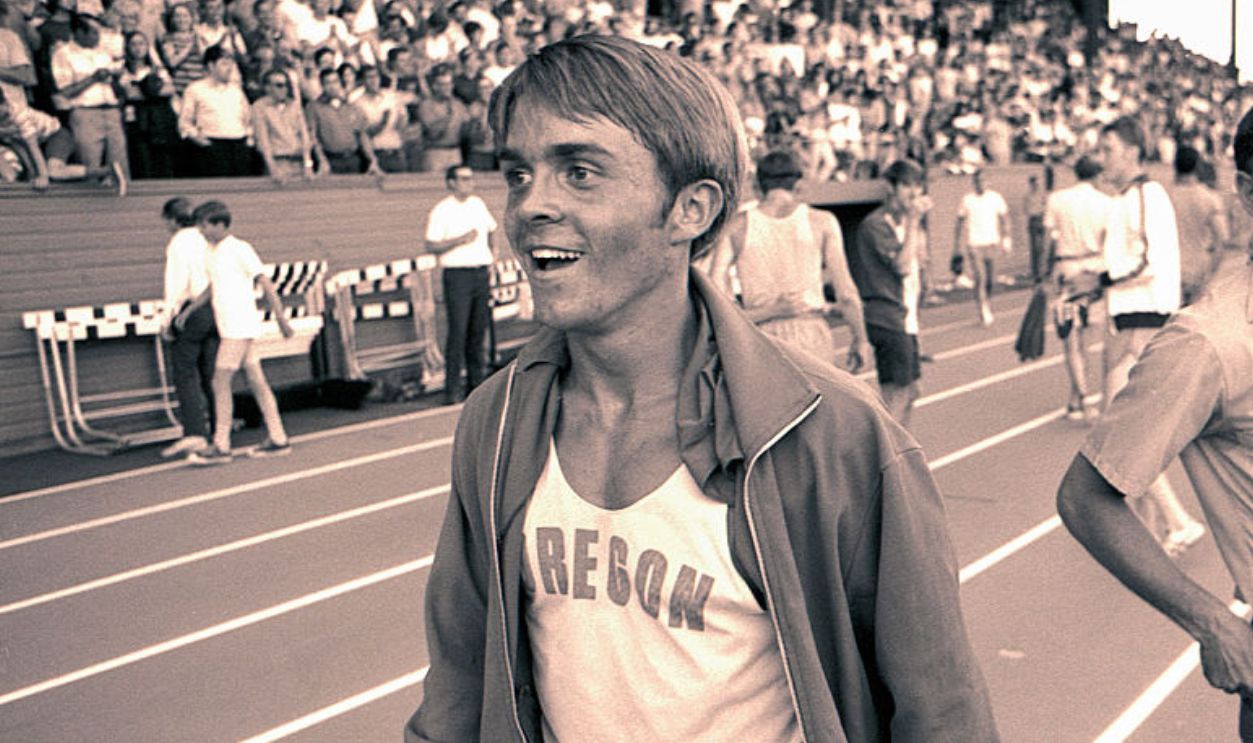
Bowerman wrote fewer letters than some of his competitors. However, in the end, it is not about the volume of the messages, but rather the quality of them. Bowerman made his letters count, promising Prefontaine that he was “certain” that he could help Prefontaine become the “world’s greatest distance runner” if he chose Oregon. Prefontaine liked having a goal. He liked having a challenge to meet.
19. He Found What He Was Looking For
In the end, Bowerman’s letter conveyed what Steve Prefontaine wanted. He wanted to sign with a school that saw his potential, one that wanted to work with him, and Bowerman finally proved that the University of Oregon could be that school. The following year, he started training under Bowerman, and soon everyone saw the potential in Steve Prefontaine.
20. He Broke Out
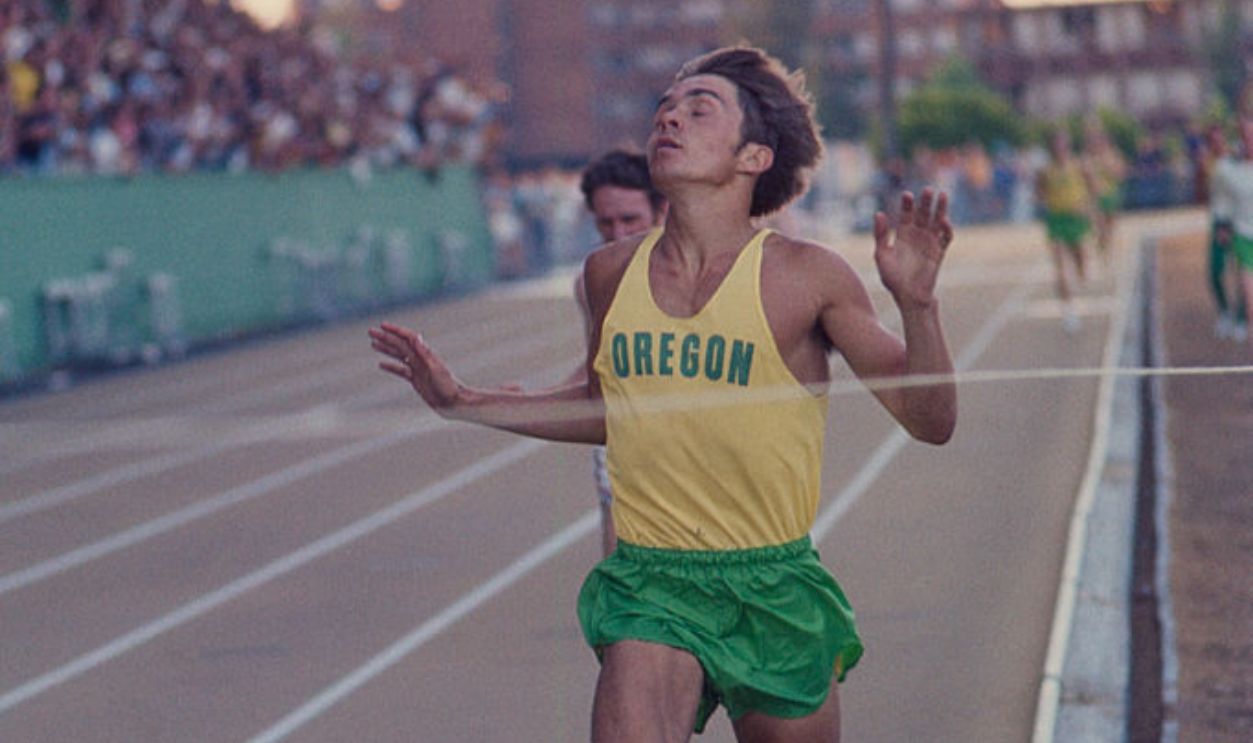
Prefontaine dominated during his university years. During the four years that he spent at the University of Oregon, he participated in five running disciplines: 1 mile, 3 miles, 5,000 meters, 6 miles, and 10,000 meters. In all of that time, he only lost three times. If anything, the mile race proved to be Prefontaine’s weakness; in all other disciplines, he ran undefeated during his entire collegiate career, and people began to take notice.
21. He Gained Attention
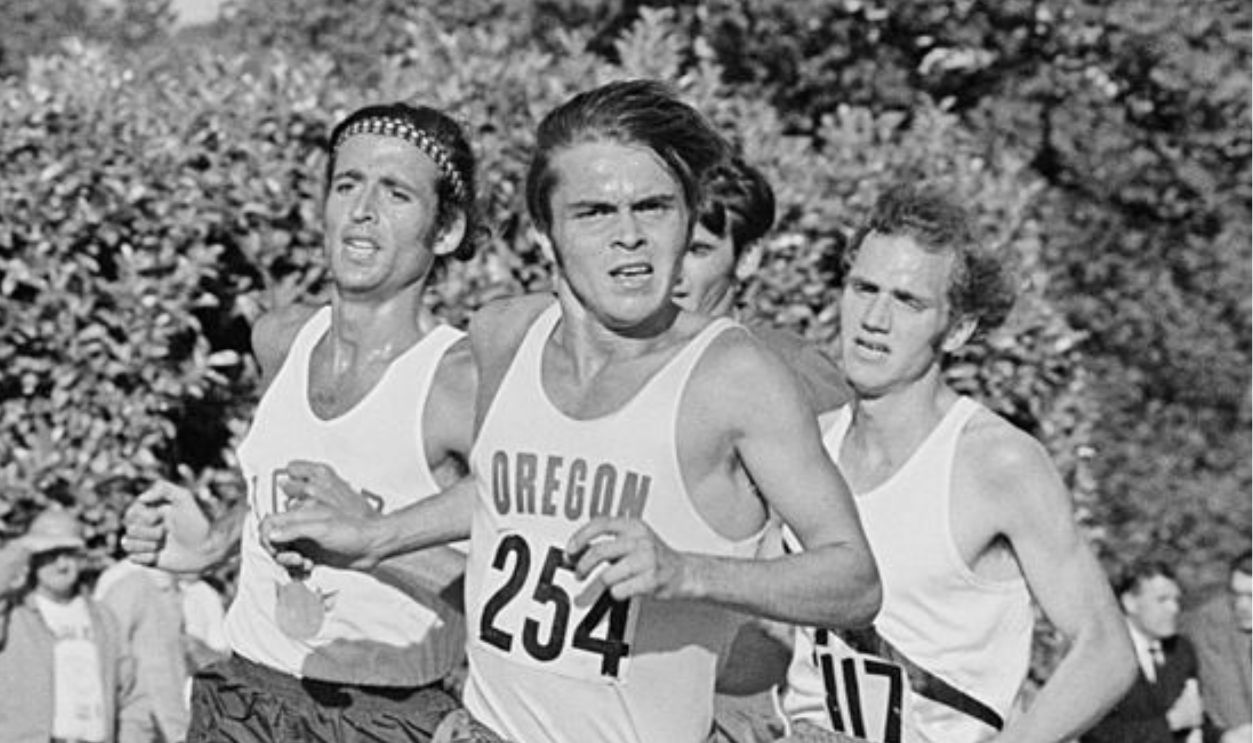
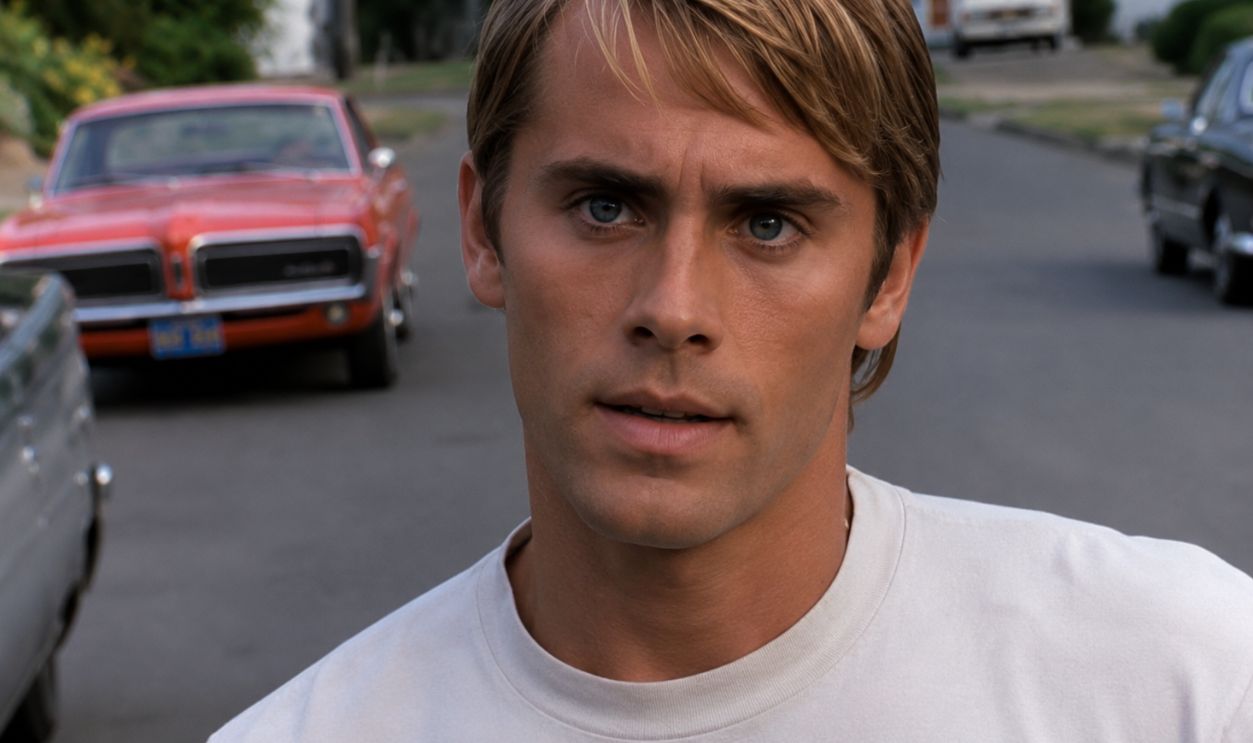
Steve Prefontaine quickly became something of a local celebrity, gathering more and more fans at each of his meets. Prefontaine became known as “Pre” to fans with chants of “Pre! Pre! Pre!” often colouring the air when Prefontaine ran. With all of this attention, no one would’ve blamed Prefontaine for getting overwhelmed or even letting the attention go to his head…
 Screenshot from Prefontaine, Buena Vista Pictures Distribution (1997), Enhanced
22. His Face Was Everywhere
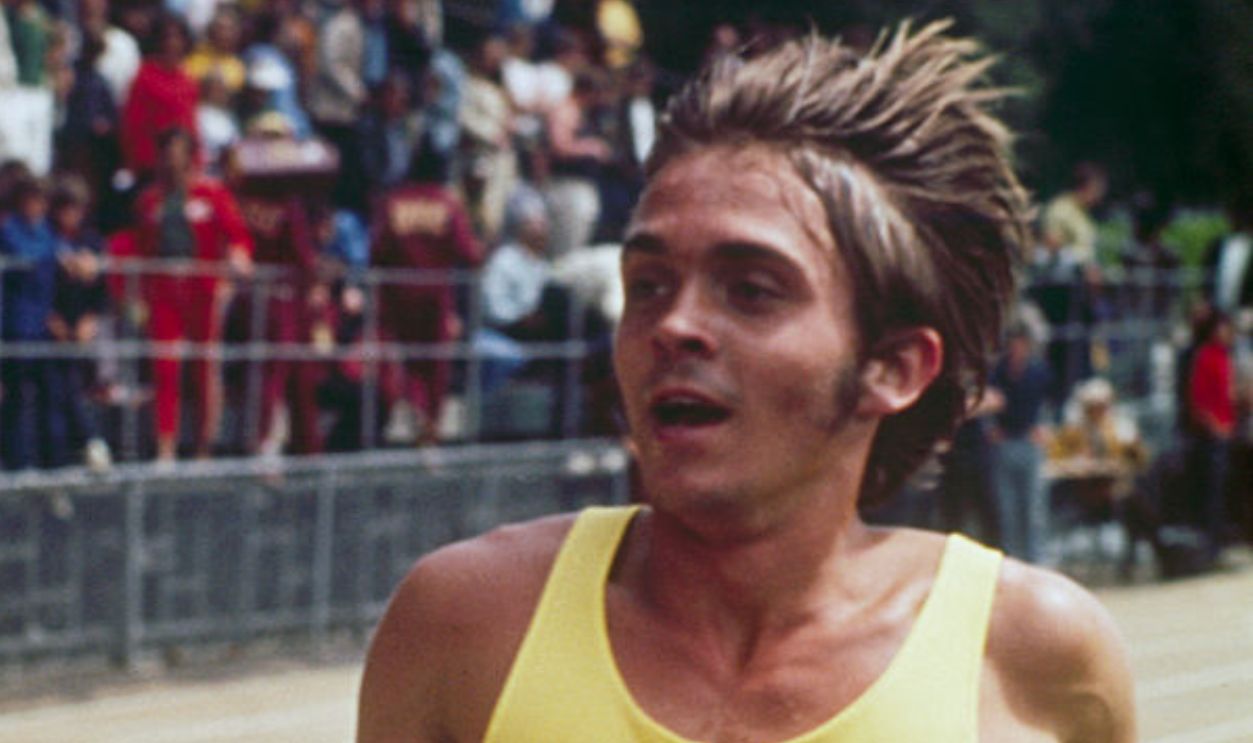
“Pre” became a star, at least on the running track. During most of his races, people gathered to watch to see what this aggressive feat of nature would do next. By about the age of 19, he’d appeared on the cover of major outlets such as Sports Illustrated and Track and Field News. However, Prefontaine didn’t let the attention go to his head. In fact, Prefontaine still managed to have a little fun with the attention.
23. He Didn’t Take Himself Seriously
Fans often came to the track sporting shirts that encouraged him. “Legend” and “Go Pre” were popular phrases for the shirts. However, during one race, his fans decided to have a little fun with him. They arrived wearing shirts that said “Stop Pre” instead. Rather than find offense in this, Prefontaine took this little amusement in stride, even wearing the shirt himself during his victory lap that race. He also took the opportunity to give back.
 Screenshot from Prefontaine, Buena Vista Pictures Distribution (1997), Enhanced
24. He Focused On His Studies
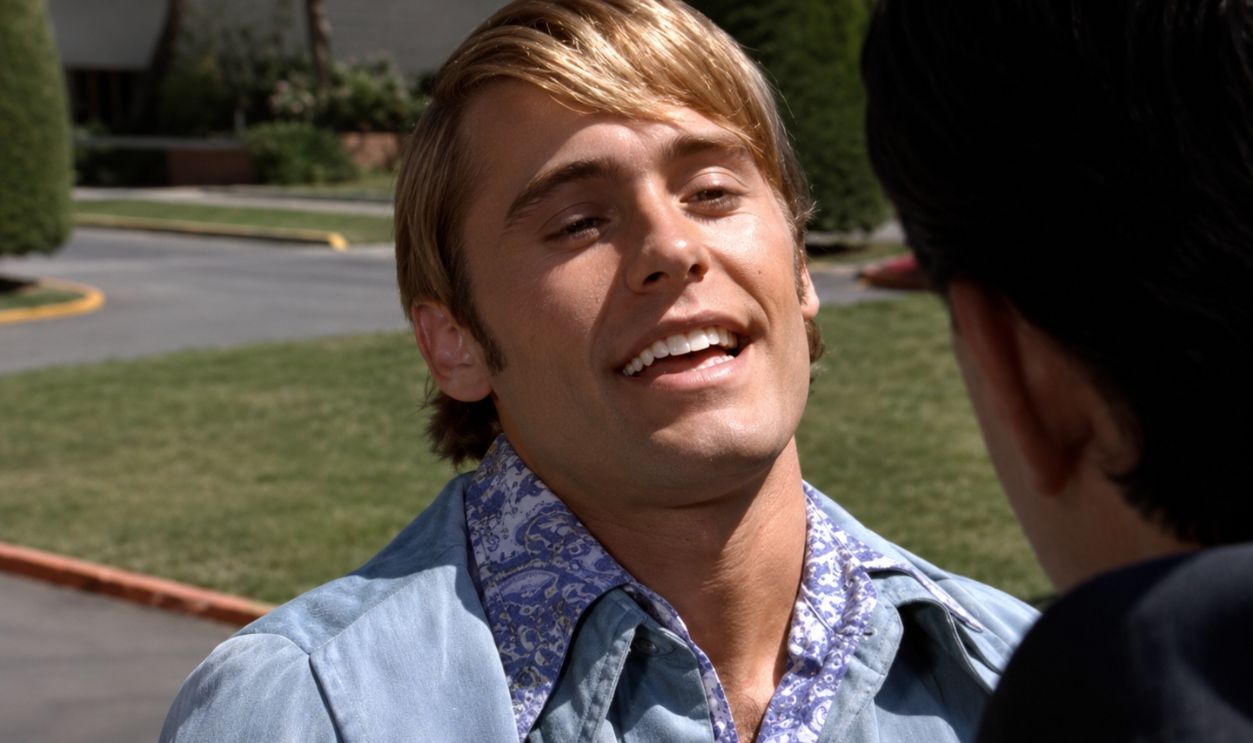
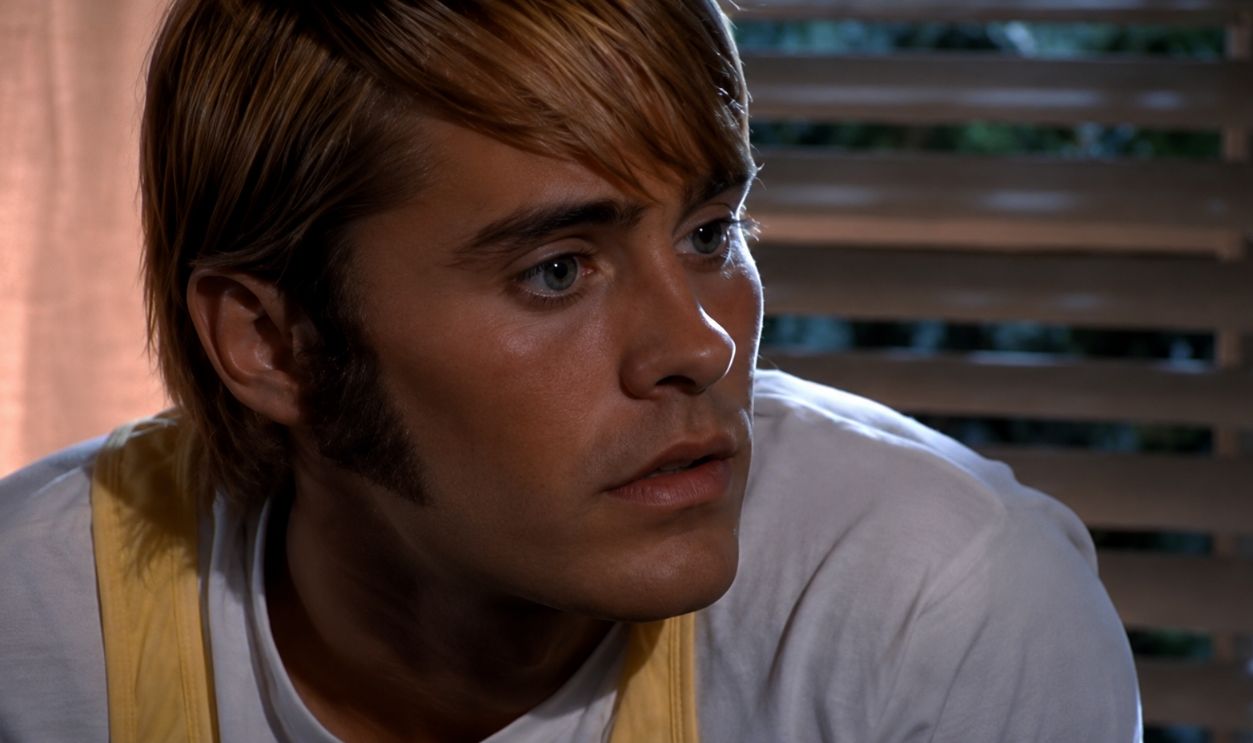
Although racing remained Prefontaine’s passion, he was still a student at the University of Oregon. He participated in his studies during this time, just as all the other students were expected to. One of these studies took him to Salem, Oregon, and the Oregon State Penitentiary. Prefontaine first visited the State Pen as part of a sociology project; however, his first visit had a remarkable impact upon him.
 Screenshot from Prefontaine, Buena Vista Pictures Distribution (1997), Enhanced
25. He Had A Unique Heart
Steve Prefontaine was a special person. He possessed great talent on the race track. However, his choices off the track show him to also have been a truly kind and generous person. The first time that Prefontaine visited the Oregon State Pen, he had been doing his duty as a student. The second time that he visited, and all the times afterwards, Prefontaine did so because he wanted to. He saw something at the State Pen that spoke to him, that made him want to return.
 Screenshot from Prefontaine, Buena Vista Pictures Distribution (1997), Enhanced
26. He Made Important Connections
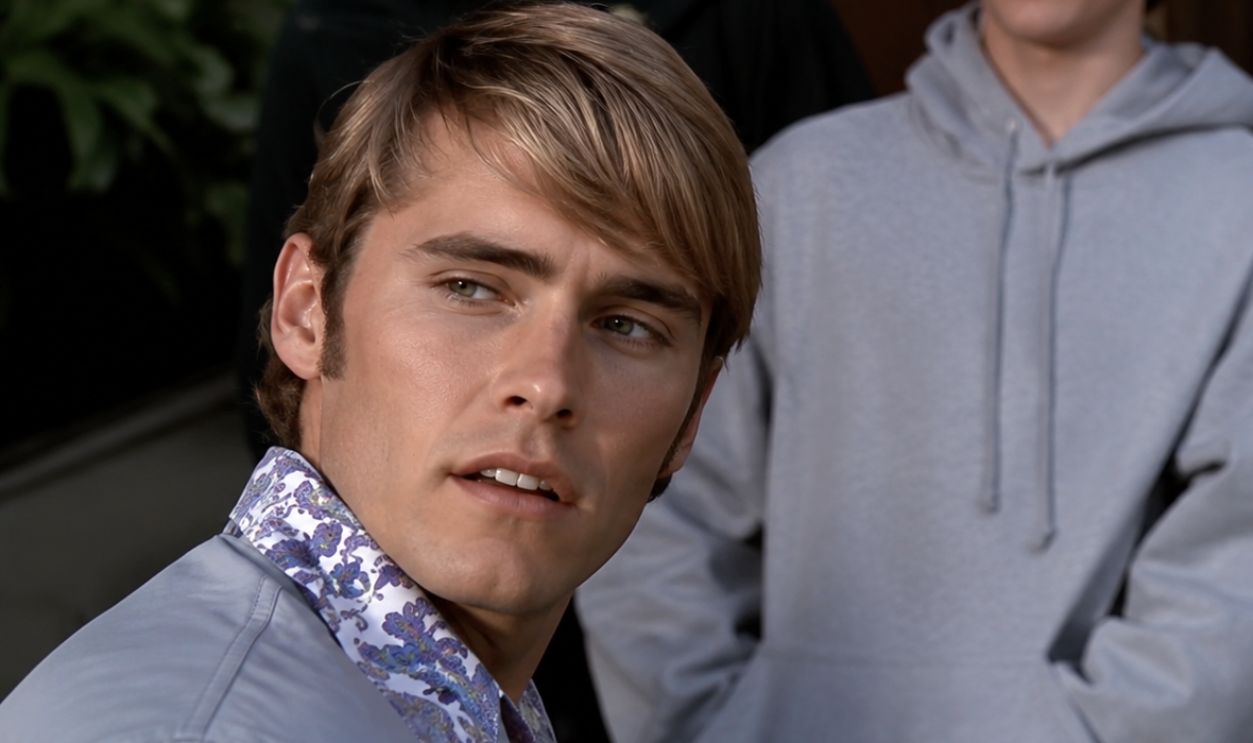
Prefontaine connected with the prisoners. He saw an opportunity to share his passion with them in order to help them move beyond the trappings of their circumstances. Prefontaine returned to the Oregon State Penitentiary several times to give seminars and teach the inmates how to run. He believed that running could provide a healthy outlet for their time and energy. However, Prefontaine didn’t just do this for himself.
 Screenshot from Prefontaine, Buena Vista Pictures Distribution (1997), Enhanced
27. He Valued Those He Met
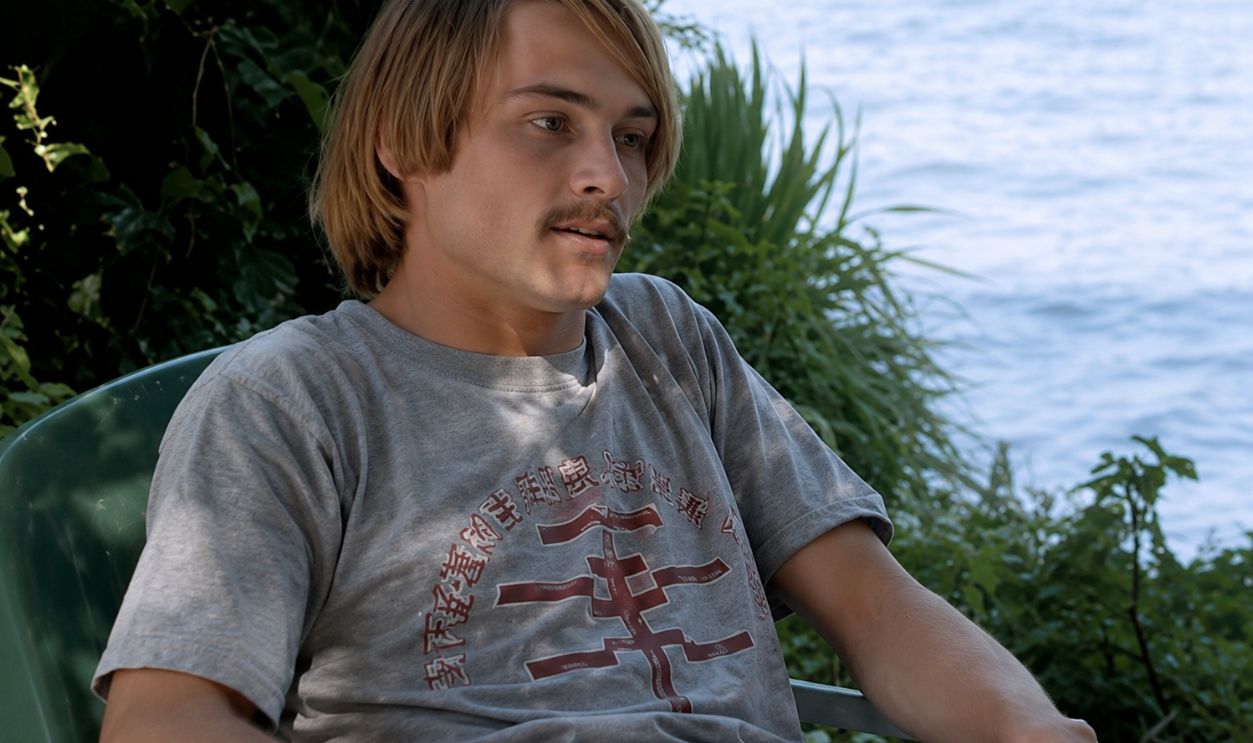
Sometimes, when people do “acts of service,” they do so for their own sake, to make themselves feel better without truly caring if their acts actually help their recipients or not. Prefontaine didn’t appear to be one of those people. Yes, he went to the State Pen because he believed that he could make a difference, but based on the way that people reacted to him, Prefontaine actually could do so.
 Screenshot from Without Limits, Warner Bros. Pictures (1998), Enhanced
28. He Made An Impact
Prefontaine didn’t just “perform” at the Stat Pen. He made a genuine connection with the people there. The inmates seemed to enjoy spending time with Prefontaine just as much as he did with them. They appreciated his “rebellious nature,” and more importantly, he spoke to them like “regular people”. He made a true connection with them. Yet, Prefontaine continued to have his eye on something beyond anything Oregon could offer him—he chased something bigger.
29. He Had a Goal In Mind
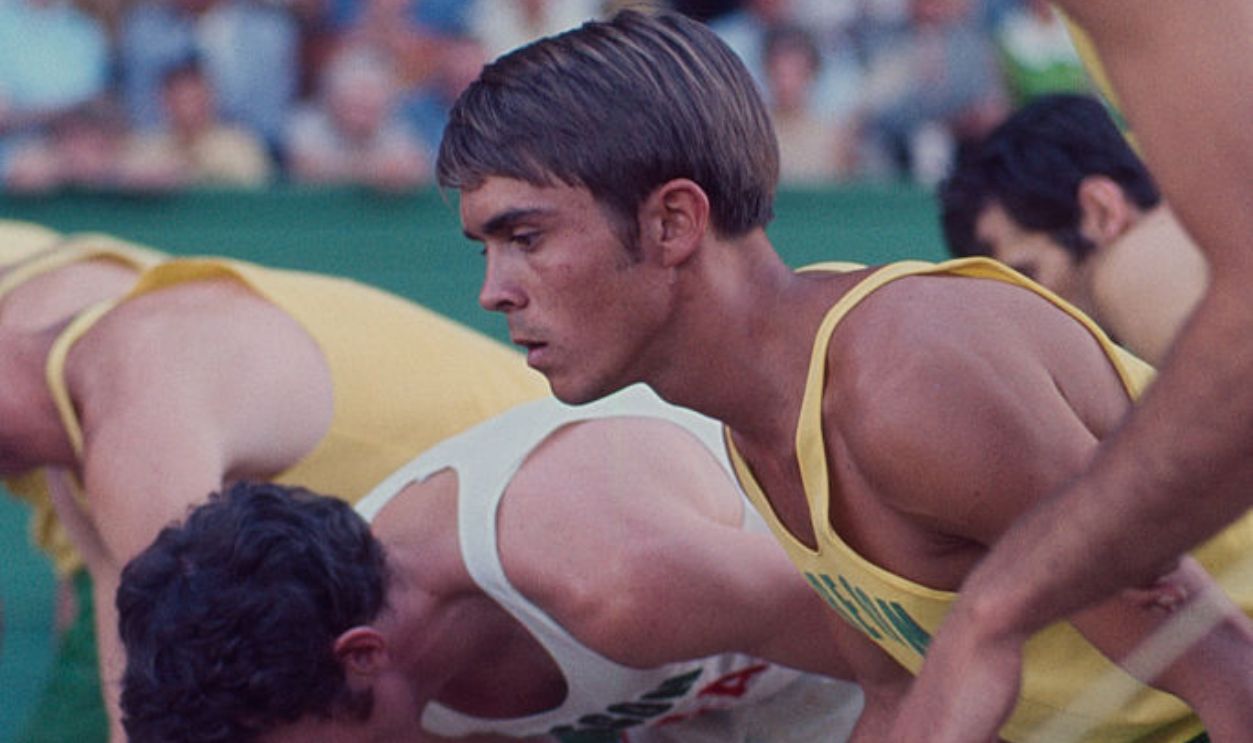
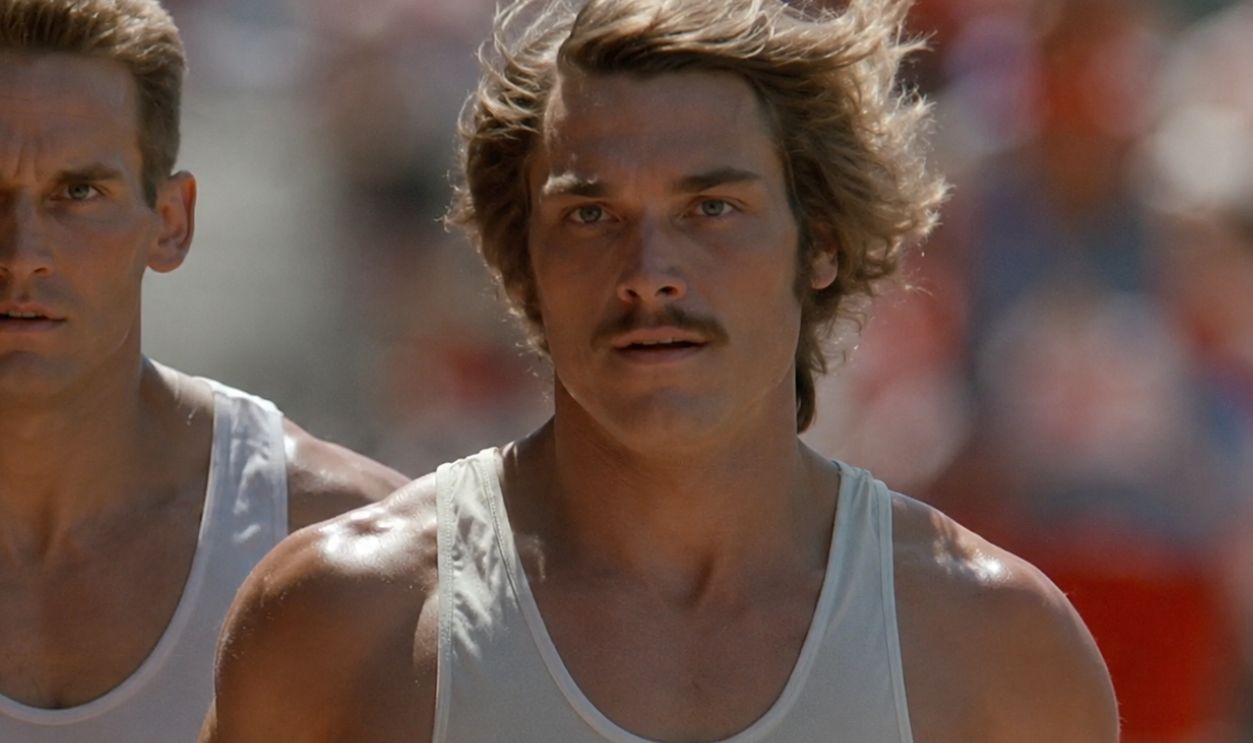
As much as Prefontaine likely found value in his service at the Oregon State Penitentiary and enjoyed excelling at the local race track, he had something bigger in mind, and as 1972 approached, he saw his chance begin to come within reach. As any athlete can tell you, winning is always rewarding. However, there is one competition that stood above all others, and not only did Prefontaine have a chance in 1972, but it held a special meaning to him.
 Screenshot from Without Limits, Warner Bros. Pictures (1998), Enhanced
30. He Wanted It For His Family
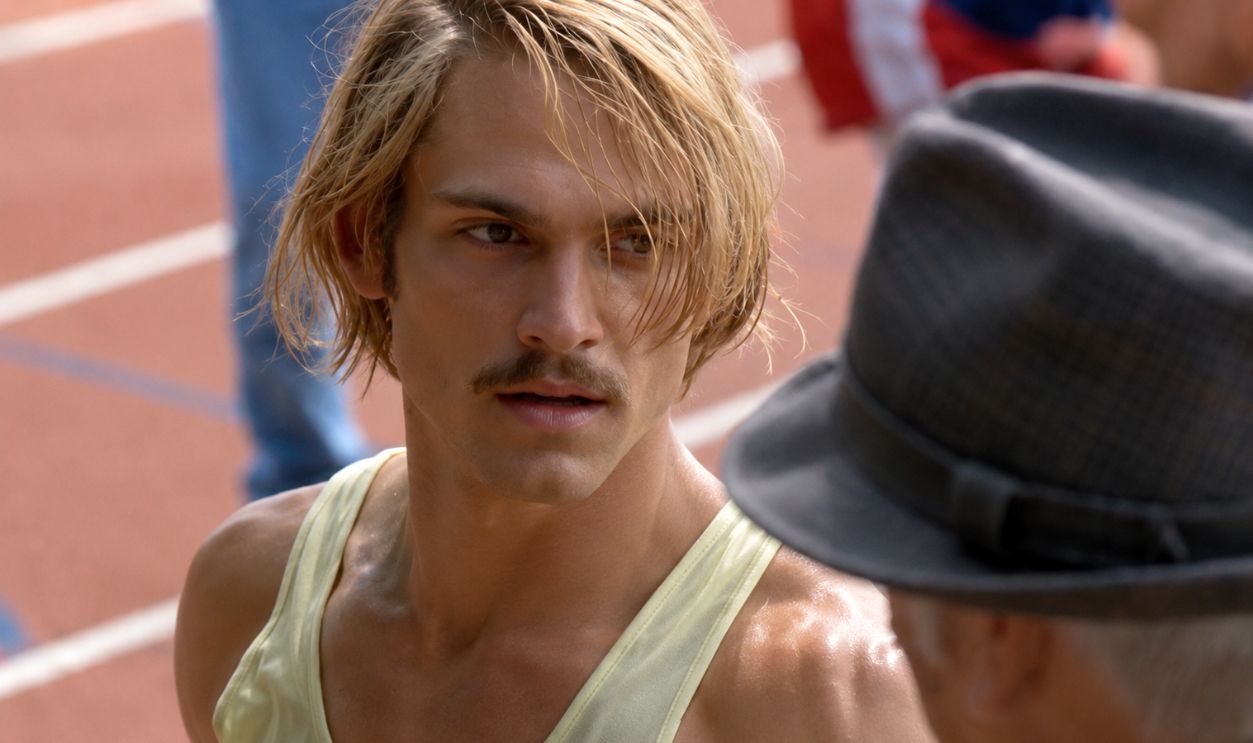
The 1972 Olympics were in Munich. Prefontaine would’ve set his sights on the Olympics no matter who hosted that year. However, Munich quite possibly held a special place in the heart of his family, thanks to his mother. As you may recall, Prefontaine’s mother was German, having met and married his father in Germany during his WWII service. Whatever the reasons behind is pursuit, Prefontaine was clear on what he wanted.
 Screenshot from Without Limits, Warner Bros. Pictures (1998), Enhanced
31. He Needed To Work For It
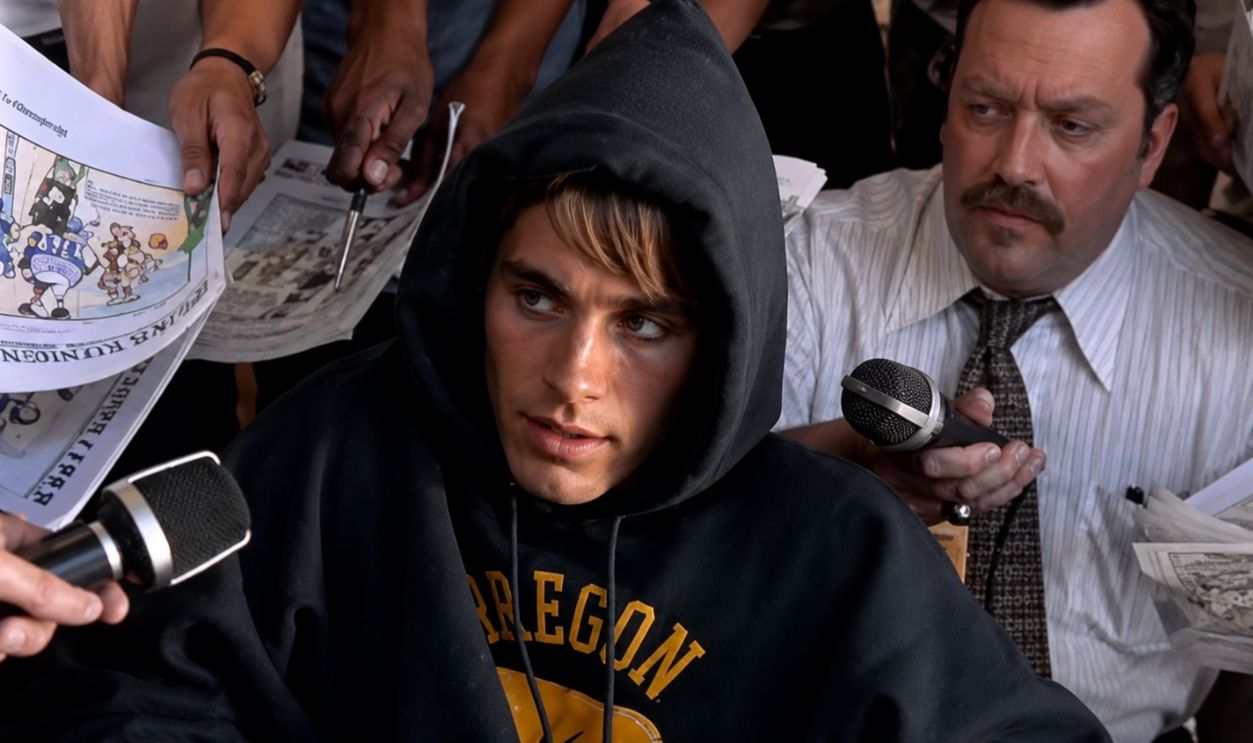
Prefontaine wanted a medal. However, they didn’t just give Olympic medals out to anyone. If Prefontaine wanted a medal, then he needed to work for it—and work for it he did. Prefontaine began his Olympic training in 1971, working towards the big event: the Olympic Trials hosted in Eugene in July. As Prefontaine stepped up to the track, he likely knew that everything hinged on this moment. Would he crack under the pressure?
 Screenshot from Prefontaine, Buena Vista Pictures Distribution (1997), Enhanced
32. He Shattered Expectations
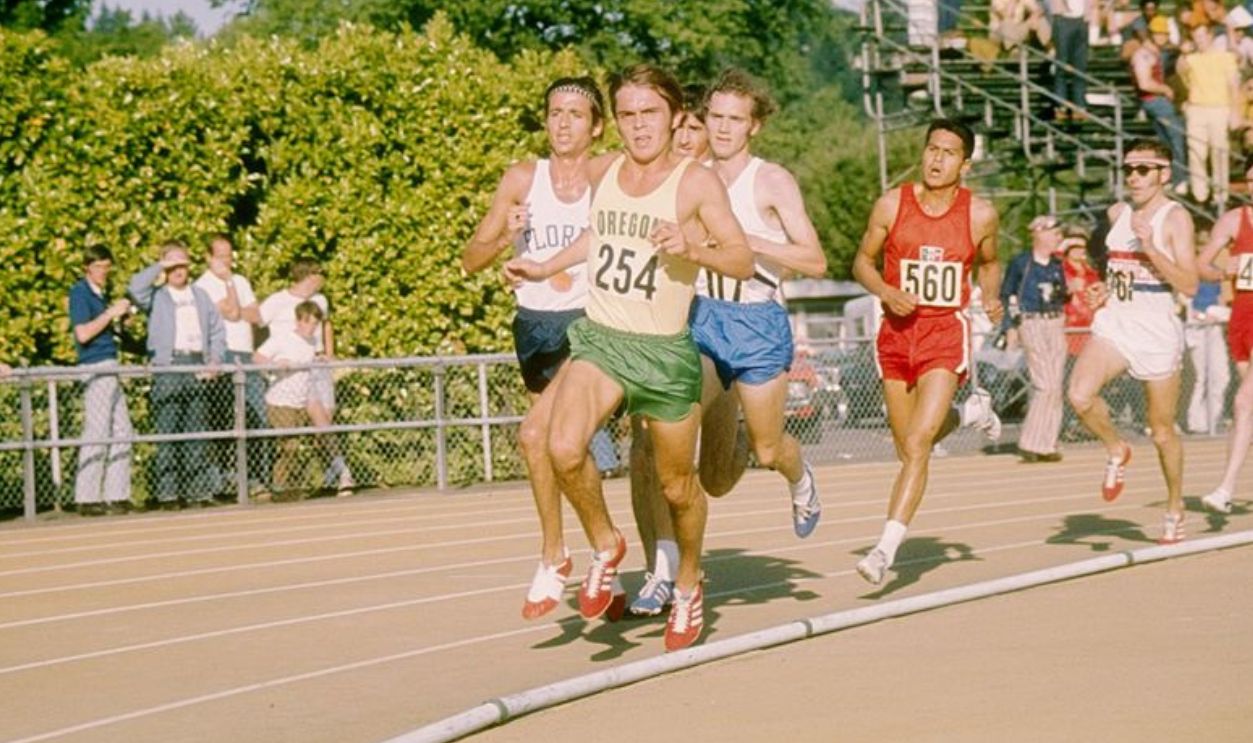
Prefontaine stepped up to the starting line for the 5,000 meters during the Olympic Trials in Eugene, and he changed history, at least for a time. Not only did Prefontaine qualify for the Olympics that day in July, but he dominated on the race track. He ran the 5,000 meters in 13:22.8 and set a new American record. He had no competition in America, but now Prefontaine had to face the rest of the world.
33. He Was Aggressive
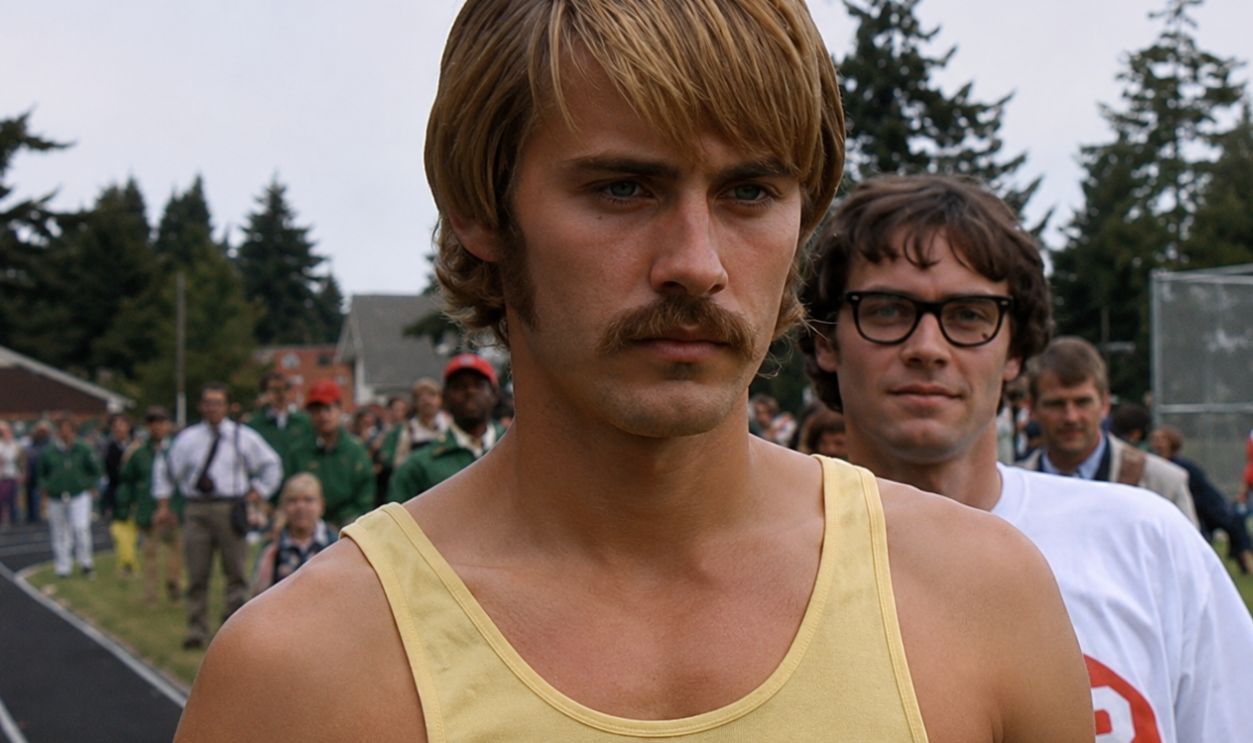
During his years in college, Prefontaine set himself apart from the pack by adopting an aggressive running style. Prefontaine became a frontrunner, meaning that he shot out of the start fast, getting ahead of the pack before they had a chance to keep running. This went against the more common running style of pacing yourself until the end, and that’s exactly how Prefontaine wanted it.
 Screenshot from Prefontaine, Buena Vista Pictures Distribution (1997), Enhanced
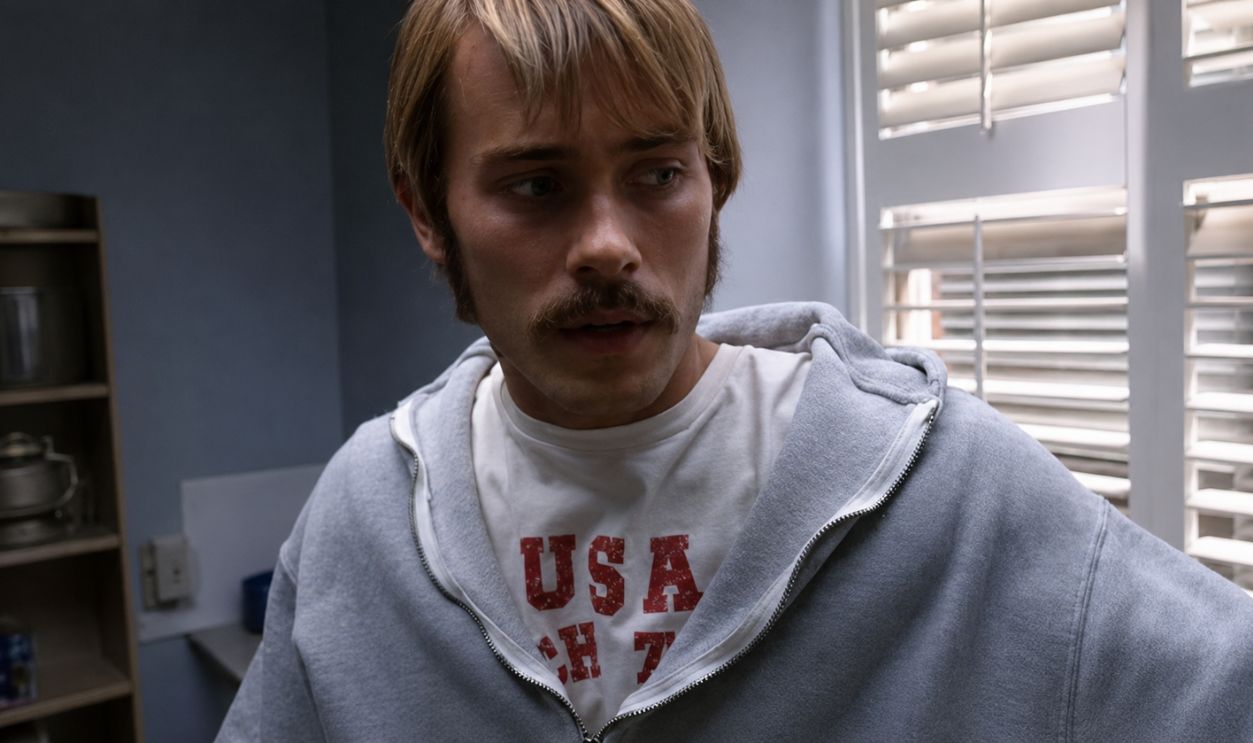
34. He Wanted To Be In Control
In Prefontaine’s words, “No one will ever win a 5,000-meter race by running an easy first two miles. Not against me”. He wanted to control the race, to dominate. He truly believed in his style, later stating, “I am going to work so that it’s a pure guts race. In the end, if it is, I’m the only one that can win it”. It worked for him in America, but now Prefontaine had to take his bold style against the best in the world. Could his aggressive, domineering style keep up?
 Screenshot from Prefontaine, Buena Vista Pictures Distribution (1997), Enhanced
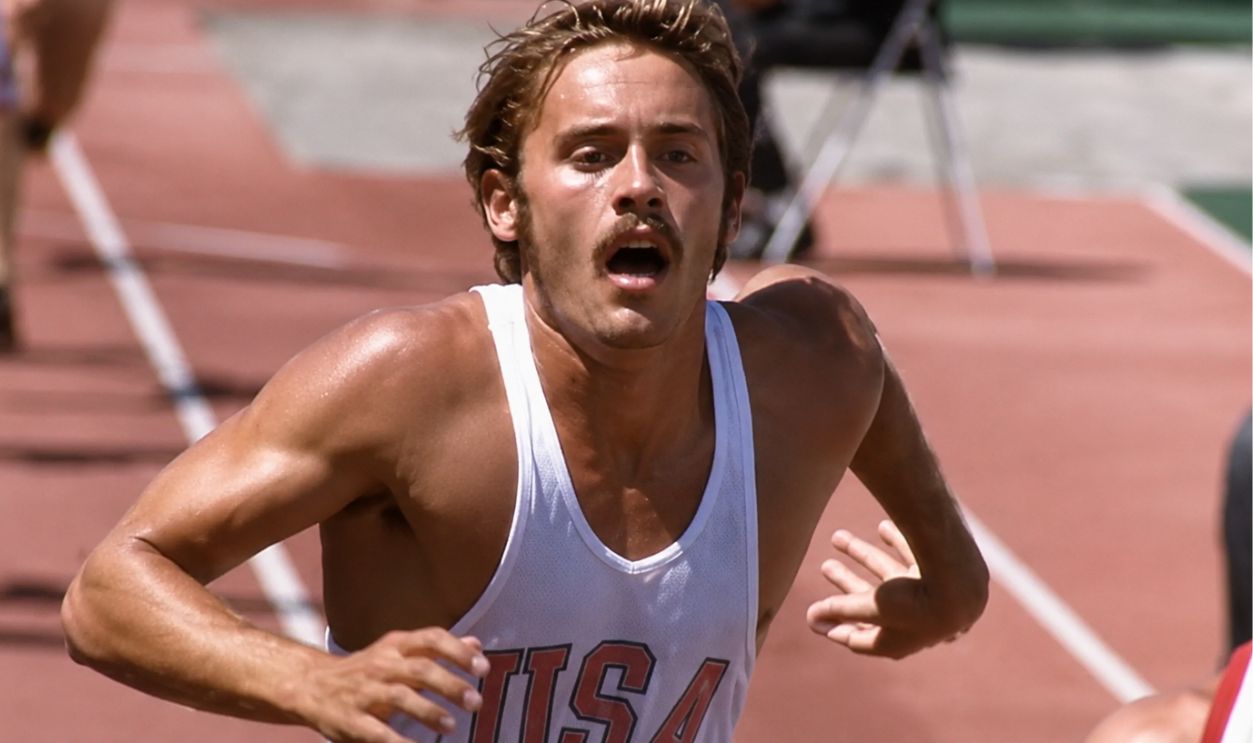
35. He Was the Underdog
While no one had written Prefontaine out of the equation in the 1972 Olympics, everyone agreed that he’d be the underdog, an outside shot. However, Prefontaine had a plan. He intended to run his race his way, and he felt confident that he could make an impact. Initially, Prefontaine did just that, taking the lead as the runners approached the final mile. However, once he took the lead, Prefontaine needed to keep it.
 Screenshot from Prefontaine, Buena Vista Pictures Distribution (1997), Enhanced
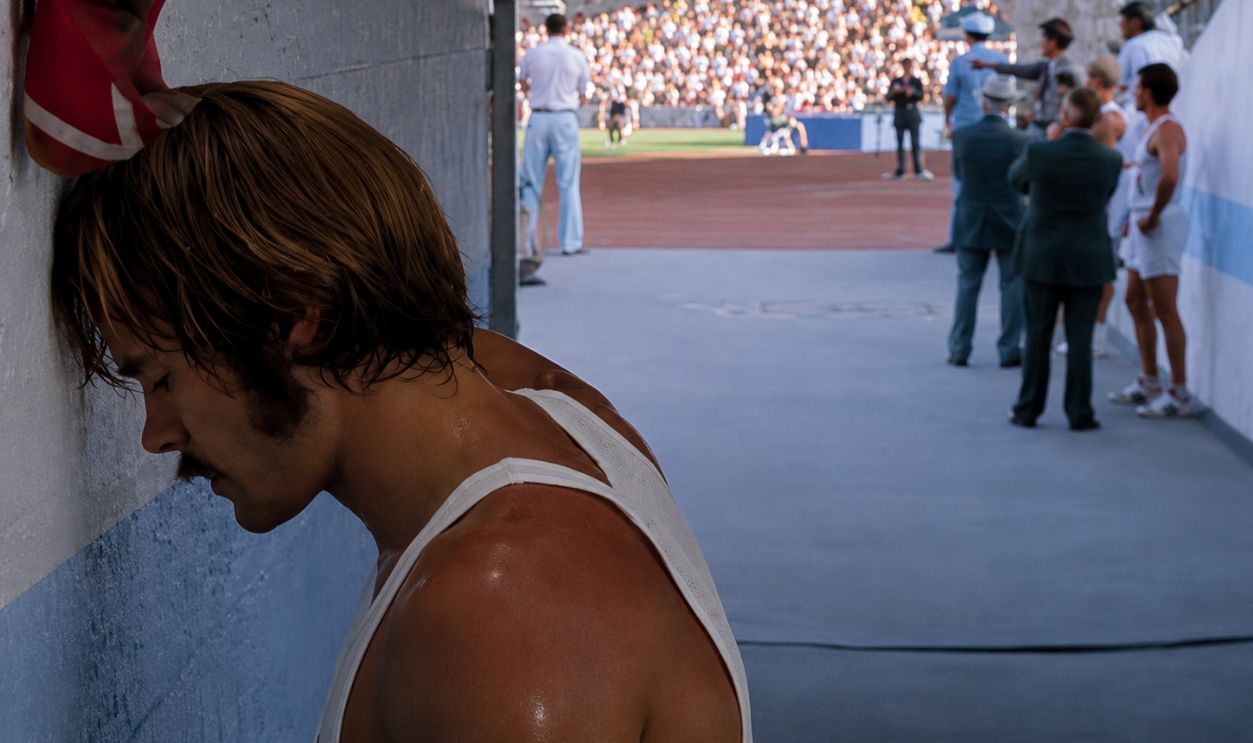
36. He Had To Face The World
Taking the lead in an Olympic-level race is no small feat. However, that’s only half the battle. You need to keep it to make it count. In the end, Prefontaine couldn’t hold on, and the runners from Finland, Tunisia, and Great Britain eventually overpowered Prefontaine, leaving him in fourth place, one spot short of the podium. One spot short of his goal. He’d run his race, and he’d failed.
 Screenshot from Prefontaine, Buena Vista Pictures Distribution (1997), Enhanced
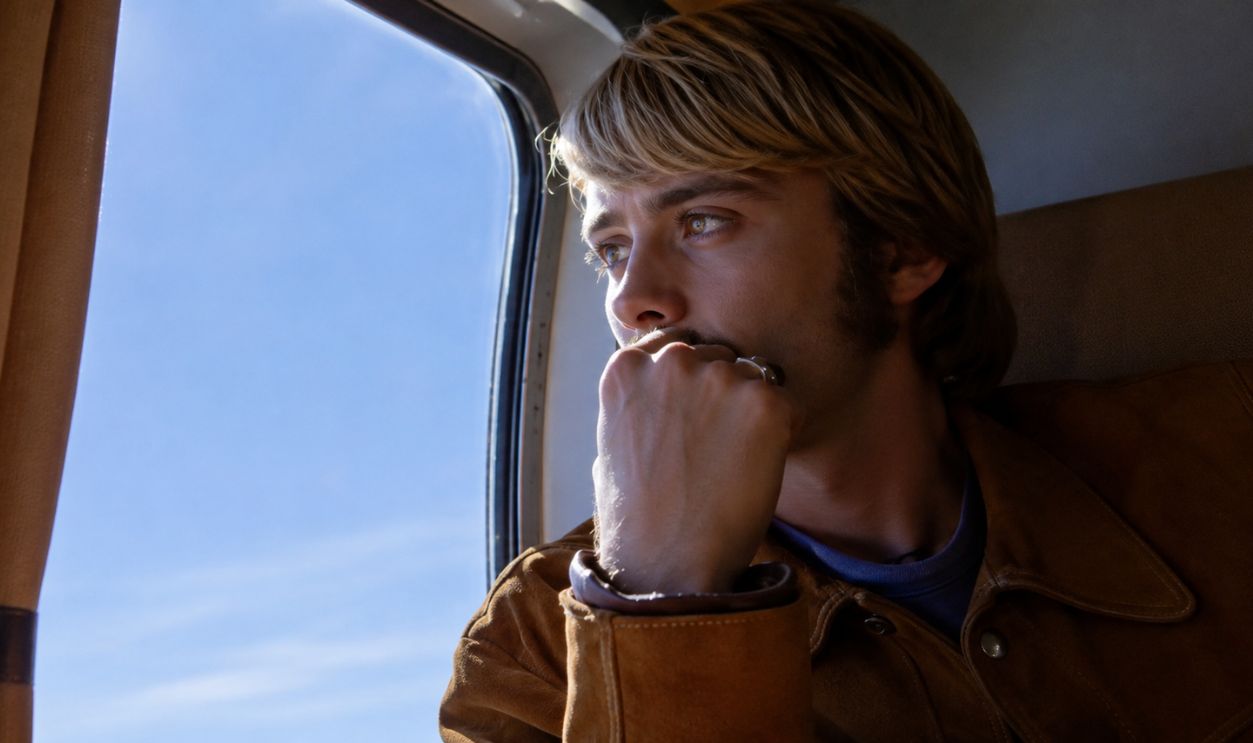
37. He Didn’t Have It In Him
Prefontaine owned up to his failure and his disappointment over it, later saying, “That was the most disappointed I have ever been”. He’d go on to explain how he’d underestimated the other runners. “That last 200 meters, I felt exhausted. They didn’t allow me to run the race the way I planned to, I was chasing them all the way”. However, Prefontaine had faced disappointment before. He could let it crush him, or he could come back stronger than ever.
 Screenshot from Prefontaine, Buena Vista Pictures Distribution (1997), Enhanced
38. He Refused To Let It Stop Him
Prefontaine had already proven once before that giving up wasn’t in his DNA. When faced with disappointment and failure, he used those things to fuel him. He returned from Munich more determined than ever to work at his goal and change the narrative. He threw himself into his running, often putting in over 10 miles of training before he started his day. He wouldn’t lose again; however, he faced a new challenge.
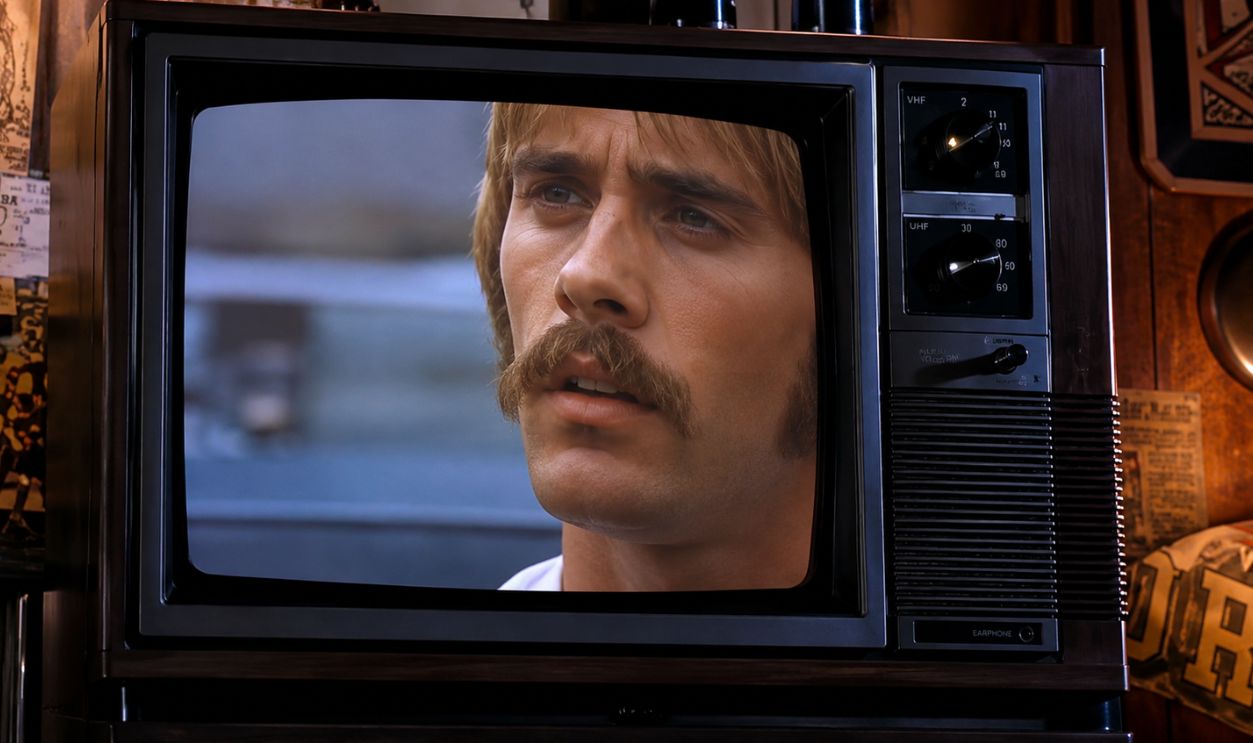 Screenshot from Prefontaine, Buena Vista Pictures Distribution (1997), Enhanced
39. He Encountered Opposition
During this period, the Amateur Athletic Union (AAU) had a great amount of influence over an athlete’s ability to qualify for the Olympics. Olympic qualification required participants to be “amateur” athletes. According to the Amateur Athletic Union, this meant that an athlete could not accept payment for their appearances at the track. This ruling upset many, including Prefontaine.
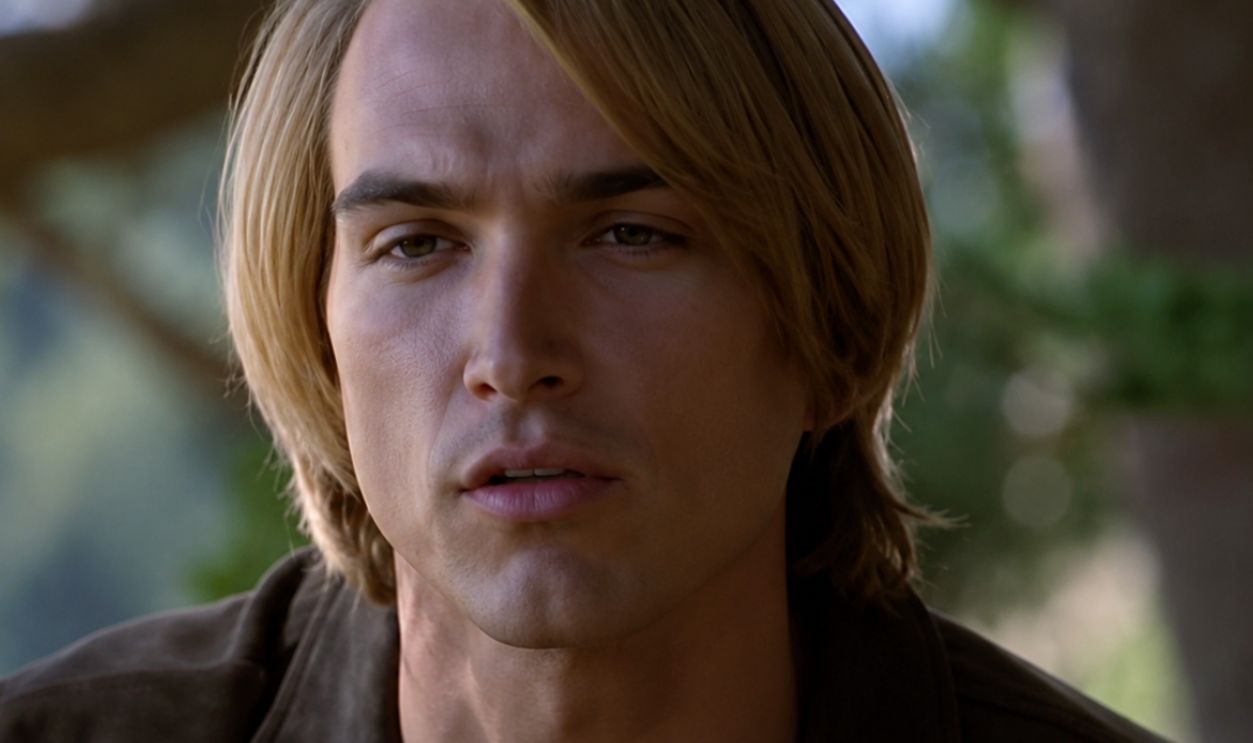 Screenshot from Without Limits, Warner Bros. Pictures (1998), Enhanced
40. His Partnerships Caused Issues
Those opposed to the AAU’s ruling felt that it created an unjust arrangement for the athletes, who drew large crowds to the track, arguably doing all the work to earn a profit, yet they could not accept an ounce of the ticket sales. Prefontaine found himself under the eye of the AAU thanks to a partnership he’d entered through his coach.
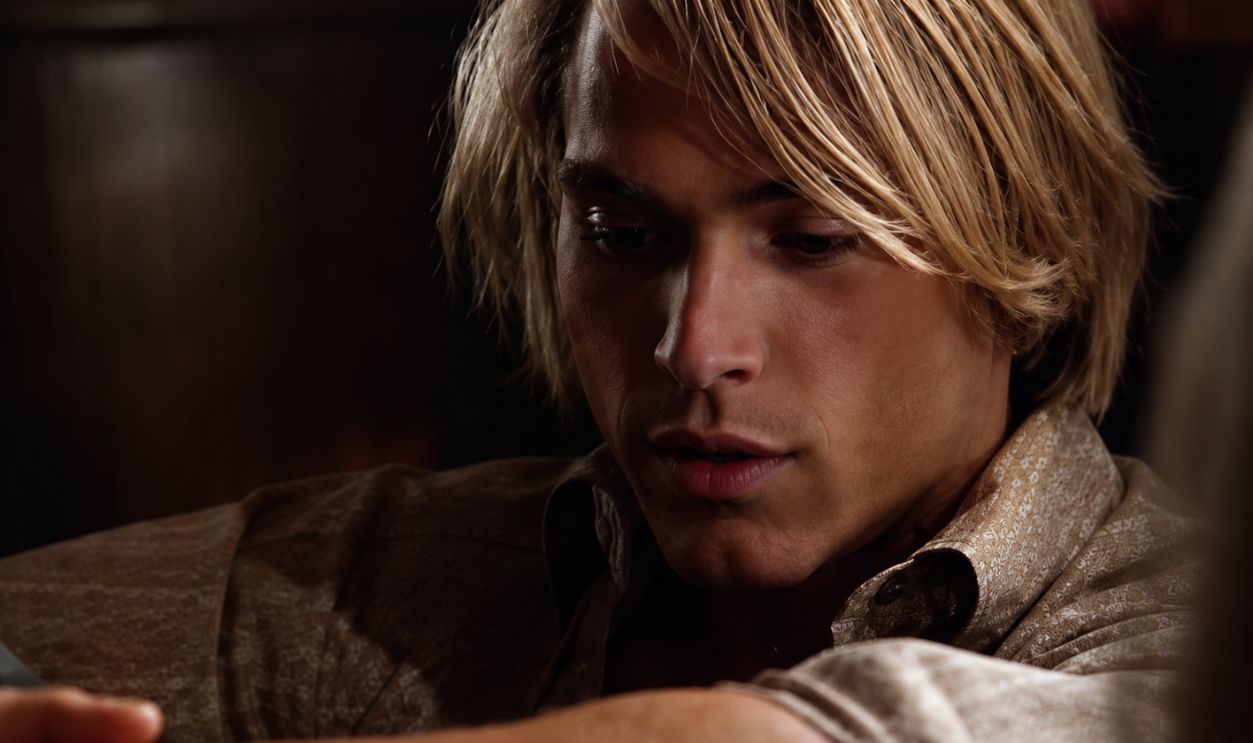 Screenshot from Without Limits, Warner Bros. Pictures (1998), Enhanced
41. He Ran Into Problems
Prefontaine’s coach, Bill Bowerman, co-founded Blue Ribbon Sports with another runner, Phil Knight, in 1964. In 1971, around the time that Prefontaine began training for the Olympics and his star began to rise, the company rebranded, changing its name to Nike. Thanks to his connection with Bowerman, Prefontaine received free shoes and clothing from Nike, designed to help him on the track—and the AAU didn’t like that.
 Screenshot from Without Limits, Warner Bros. Pictures (1998), Enhanced
42. He Didn’t Hide His Frustrations
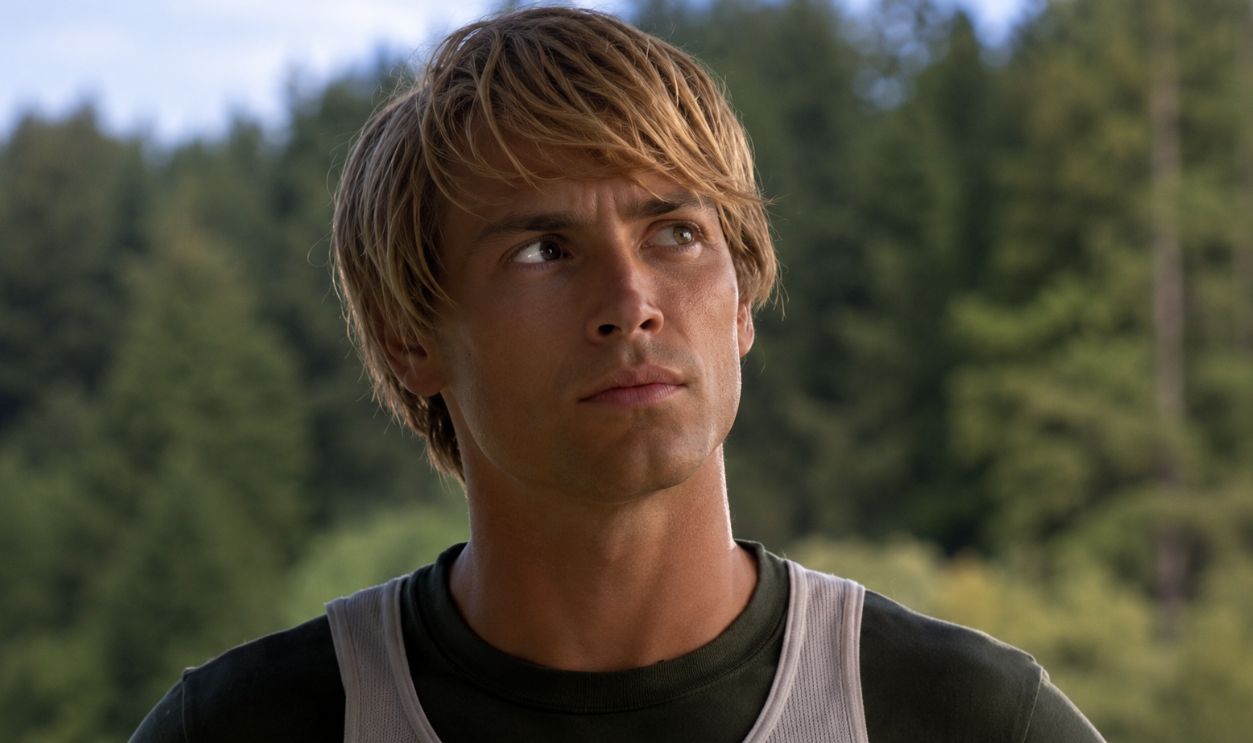
Prefontaine quickly became frustrated with the AAU and their ruling against not just himself but athletes as a whole. He felt that the AAU put athletes at a distinct disadvantage to the rest of the world, forcing them to find an alternative means of income and cutting into their ability to train. He became frustrated enough that he considered taking his talents elsewhere.
 Screenshot from Without Limits, Warner Bros. Pictures (1998), Enhanced
43. He Contemplated A Change
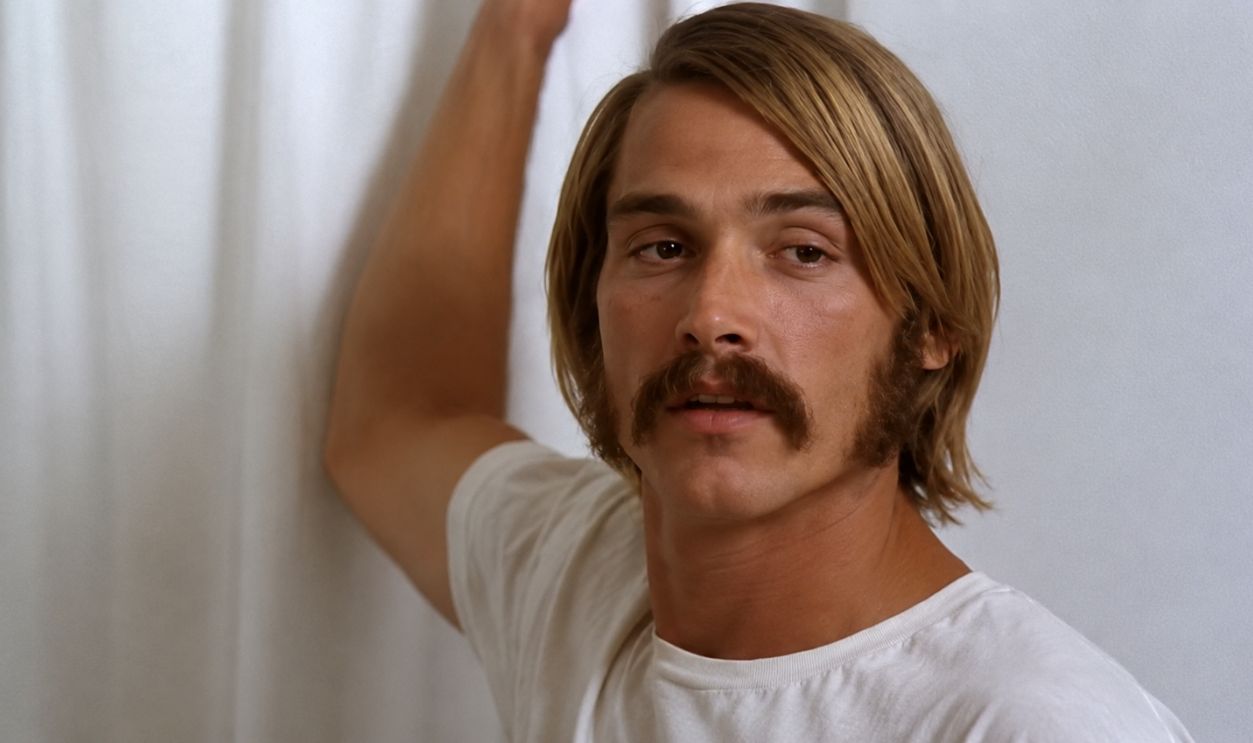
As the next Olympics came up on the horizon, located in Montreal, Prefontaine allegedly considered changing allegiances and running for a different country. As he saw it, “if I decide to compete at Montreal, to make all the sacrifices necessary, I’ll be a poor man. If you’re not a millionaire, there’s no way”. Prefontaine had no problem openly discussing his frustrations with the AAU and even going against them.
 Screenshot from Without Limits, Warner Bros. Pictures (1998), Enhanced
44. He Took A Stand
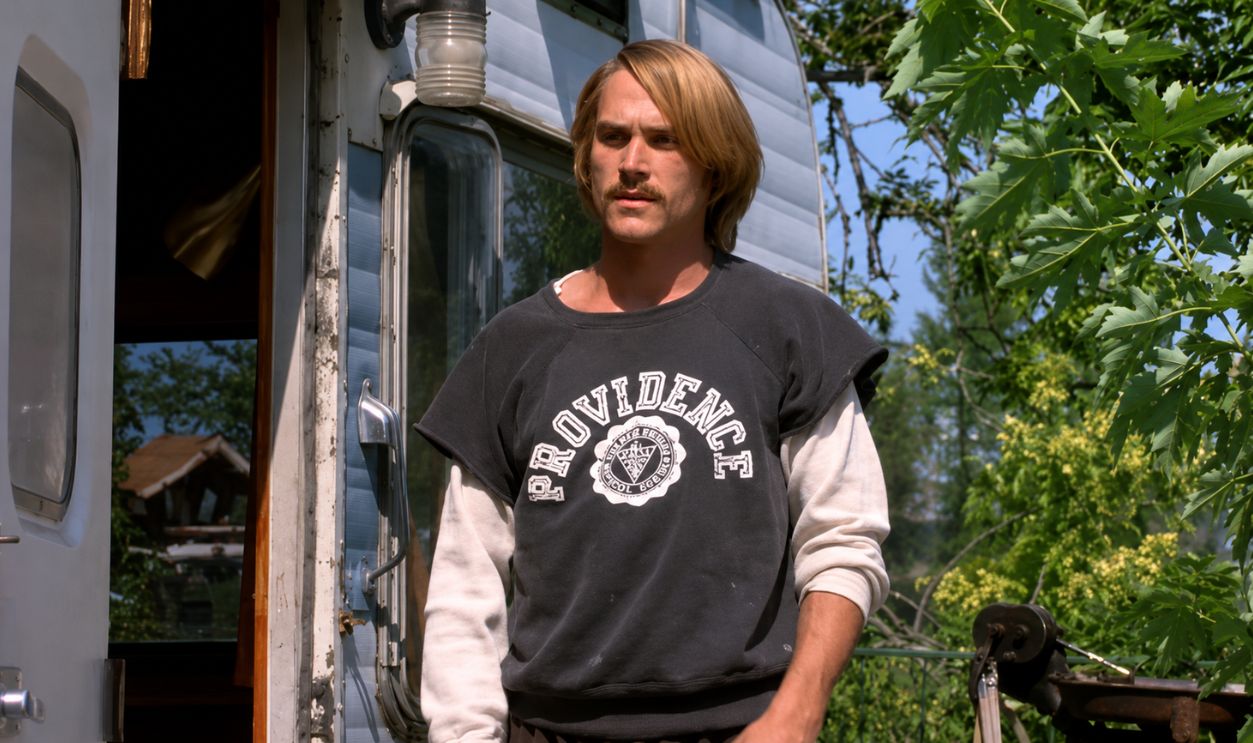
Prefontaine began organizing a series of meets with a group of Finnish athletes, openly challenging the AAU’s authority. During one race, held at Marshfield High School, Prefontaine set another American record. When he dominated at another meet with this group at Hayward Field in Eugene, winning the 5,000-meter race, it seemed that Prefontaine’s hopes for Montreal were in sight. Unfortunately, he never made it there.
 Screenshot from Without Limits, Warner Bros. Pictures (1998), Enhanced
45. He Left A Party He Shouldn’t Have
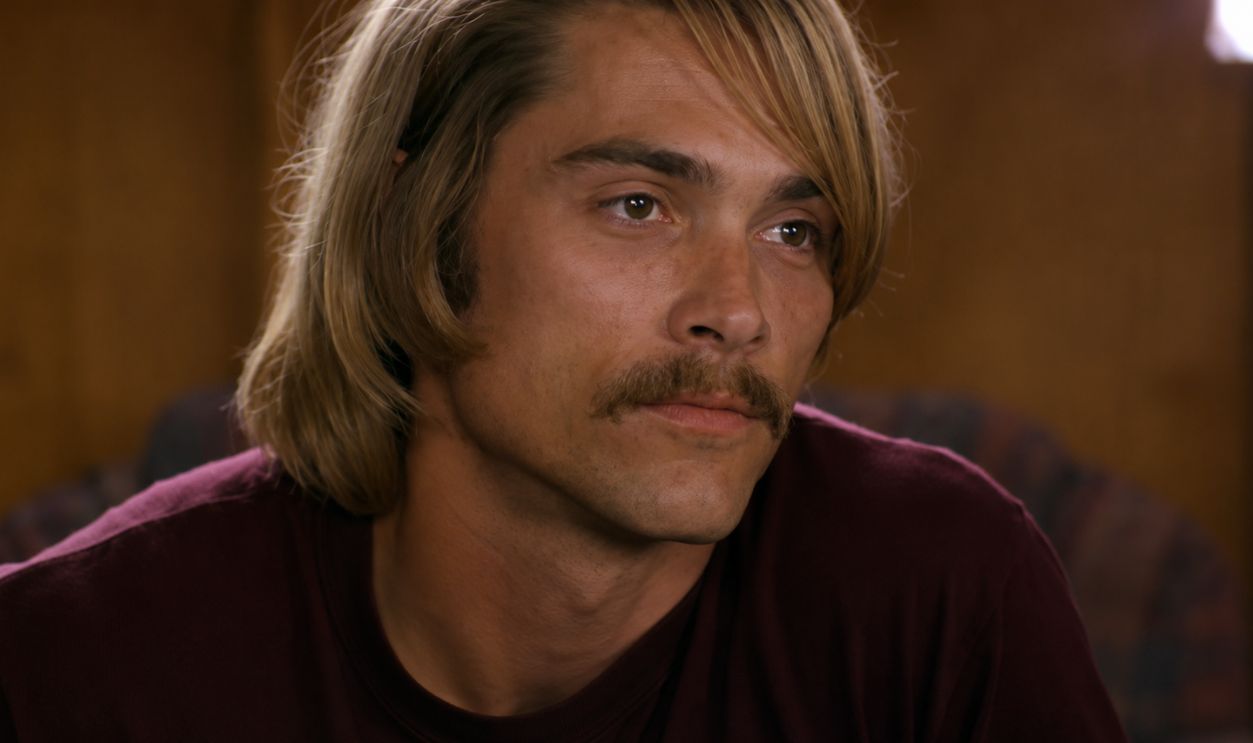
Following the meet at Hayward Field, Prefontaine gathered with the other athletes for a party at the home of a former runner. Somewhere around midnight, Prefontaine left the party, driving one of his fellow runners to a friend’s house on Prospect Drive. Once Prefontaine had dropped his passenger off, he continued along the narrow roads to meet his coming fate alone.
 Screenshot from Without Limits, Warner Bros. Pictures (1998), Enhanced
46. He Couldn’t Navigate The Winding Roads
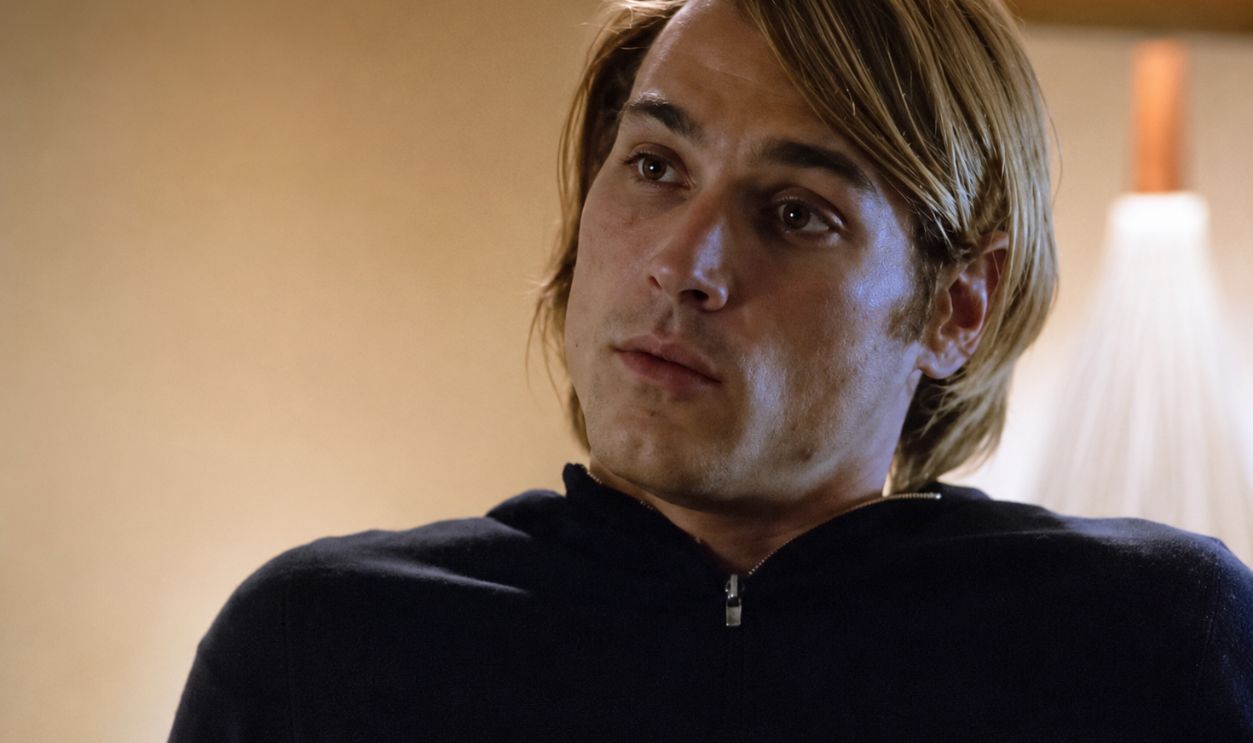
While descending a narrow winding road, Prefontaine took a long, wide right curve. He crossed the centerline and jumped the curb, hitting a wall of rock off the road, which flipped his car, leaving Prefontaine trapped underneath. Prefontaine remained there until 20-year-old Karl Bylund came around the curve, finding the mess. The young man raced off for his father, a doctor, but help had come too late.
 Screenshot from Without Limits, Warner Bros. Pictures (1998), Enhanced
47. He’d Had Too Much To Drink
Although paramedics were called and arrived on the scene, they hadn’t come in time. They pronounced Prefontaine gone at the scene. An investigation into the crash found that Prefontaine had a blood alcohol level of 0.16, double what the current acceptable limit is. This impairment would’ve made the narrow winding streets impossible to navigate. One moment cut all of that potential short.
 Screenshot from Without Limits, Warner Bros. Pictures (1998), Enhanced
48. He Left Too Soon
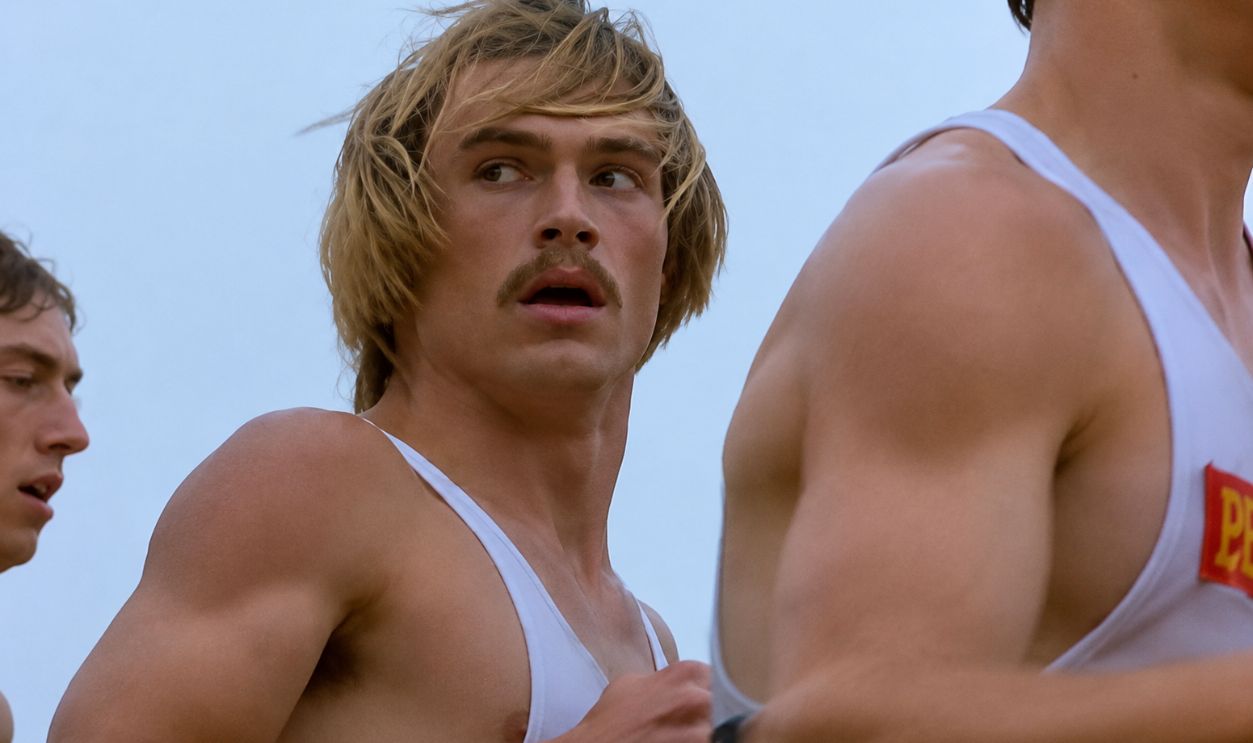
Steve Prefontaine was only 24 when he passed. All that he’d achieved up to that moment spoke of a promising career, and yet it ended before he could reach global success. However, he still managed to leave a tragic legacy behind as the running community continues to do its best to honor him. His name and these honors are the only ghosts Prefontaine left behind.
 Screenshot from Without Limits, Warner Bros. Pictures (1998), Enhanced
49. He Left A Legacy Behind
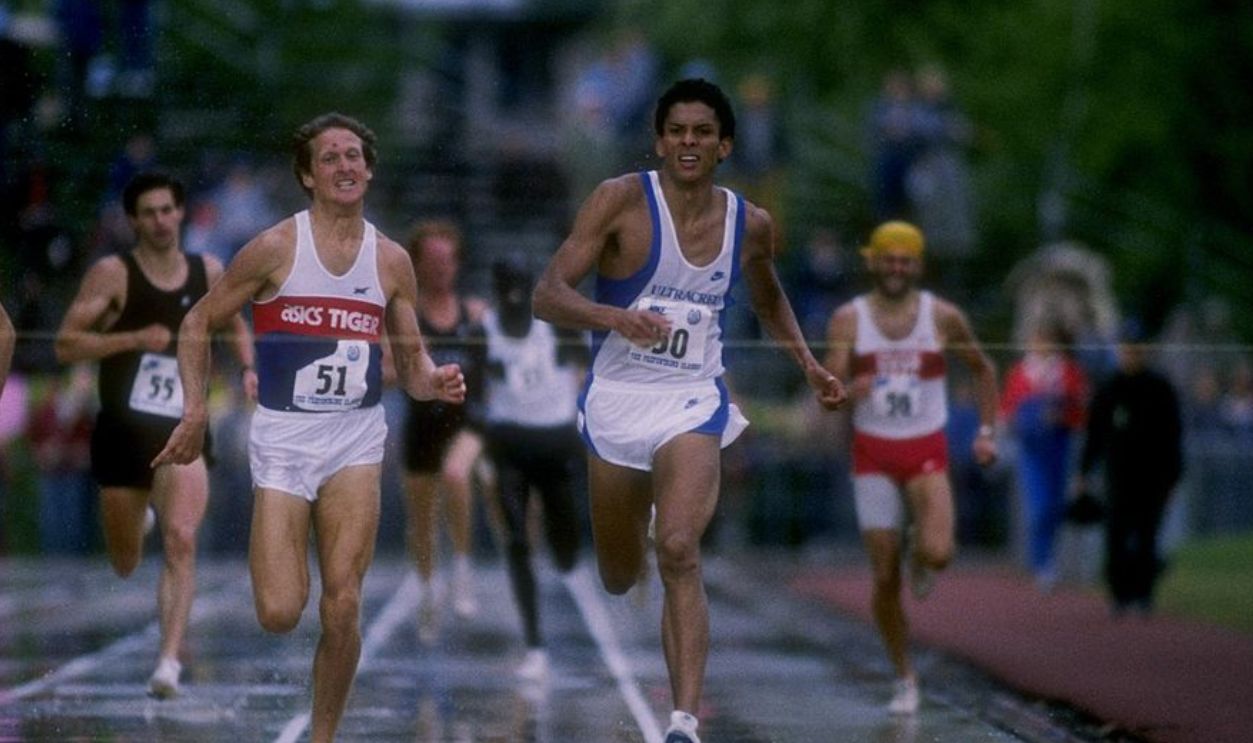
The “Hayward Field Restoration Meet” started in 1973. In 1975, not long before Prefontaine’s accident, they rebranded it to honor Prefontaine’s coach, calling it the “Bowerman Classic”. However, the Bowerman Classic never ran. Within two days of his loss, the Oregon Track Club, with Bowerman’s approval, dubbed it the “Prefontaine Classic,” and it has been run as such every year ever since.
50. He Became A Hero To Others
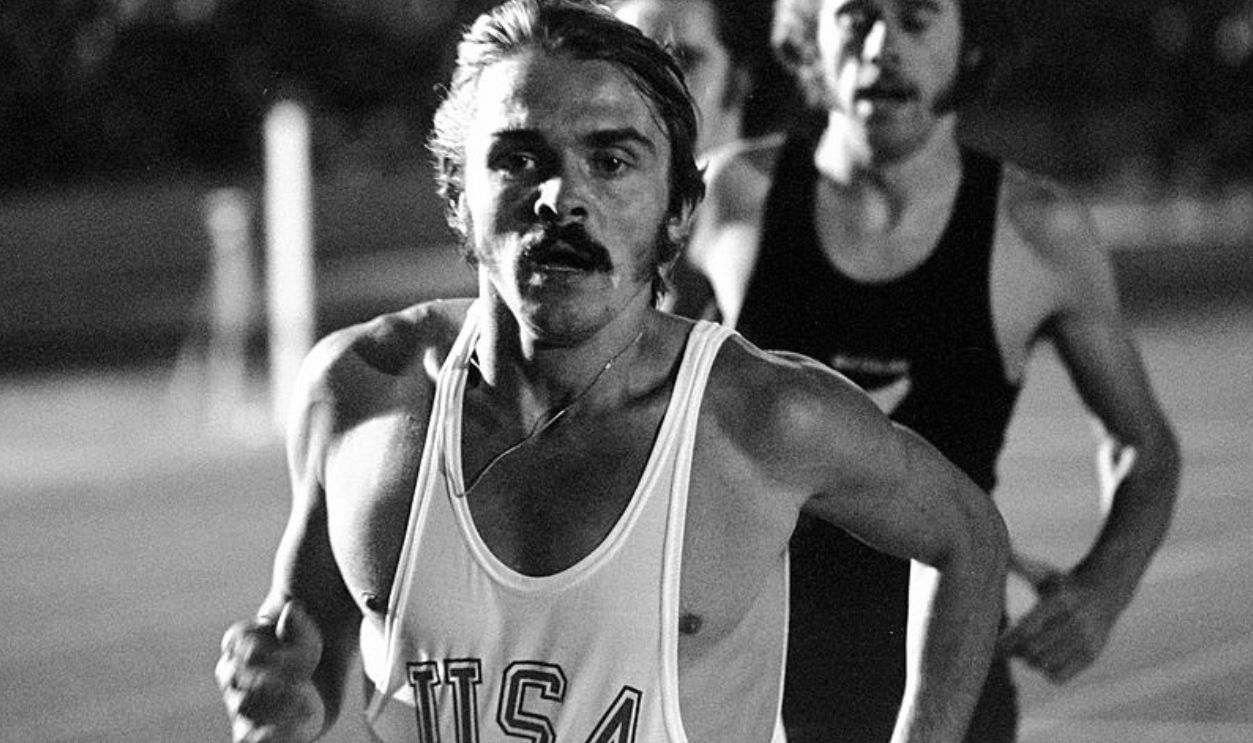
One of Prefontaine’s most lasting legacies is likely the Oregon State Penitentiary run club, which long outlived Prefontaine himself. This club also continues to operate and run races to this day. A rock placed at the site of his crash has become a common pilgrimage for runners and fans alike, looking to honor what Prefontaine had accomplished in his short life and what he should’ve been able to do before one accident cut all of his potential tragically short.
You May Also Like:
Davey Allison, The NASCAR Racer Who Crashed Out
Ben Johnson, Canada’s Lightning Bolt