Running Dope
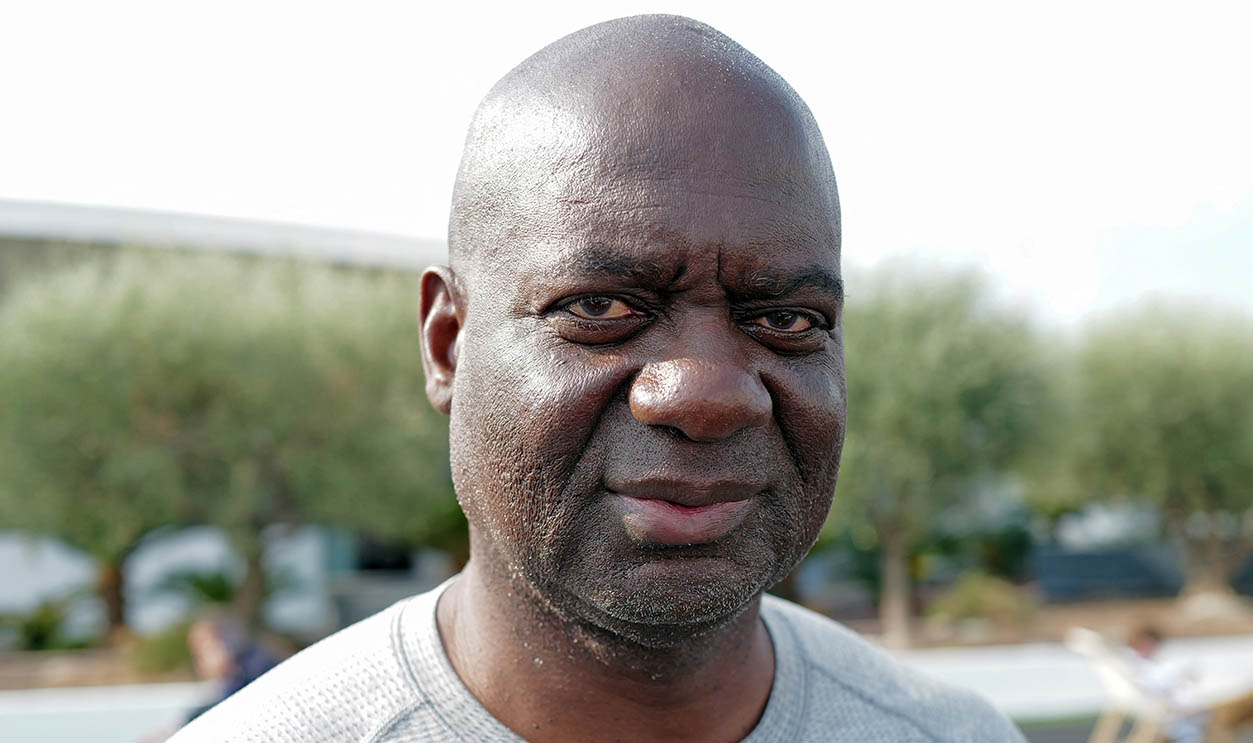
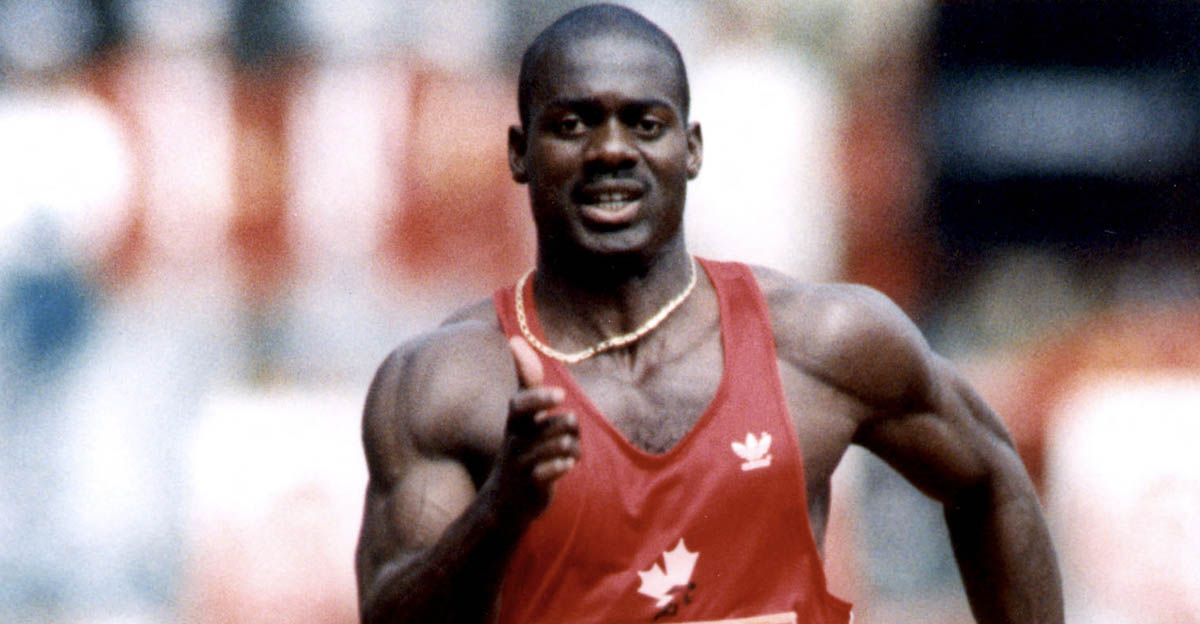
Ben Johnson became the pride of Canada overnight as he sprinted his way to Olympic glory, world records, and lucrative sponsorship deals. Known for a time as the fastest man in the world, his fall from grace would be as swift as his sprinting after he found himself marred in a doping scandal. And while Johnson eventually admitted to enhancing his performance, he stubbornly maintained that he wasn’t the only one doping—just the only one who got caught.
1. He Came From The Caribbean
Though widely known for representing Canada, Johnson was actually born in Falmouth, Jamaica, on December 30, 1961. The future Olympian spent his formative years there, remaining on the island until he was 15 years old. Johnson faced some difficulty early on that proved he was a fighter from the start.
2. He Got Sick
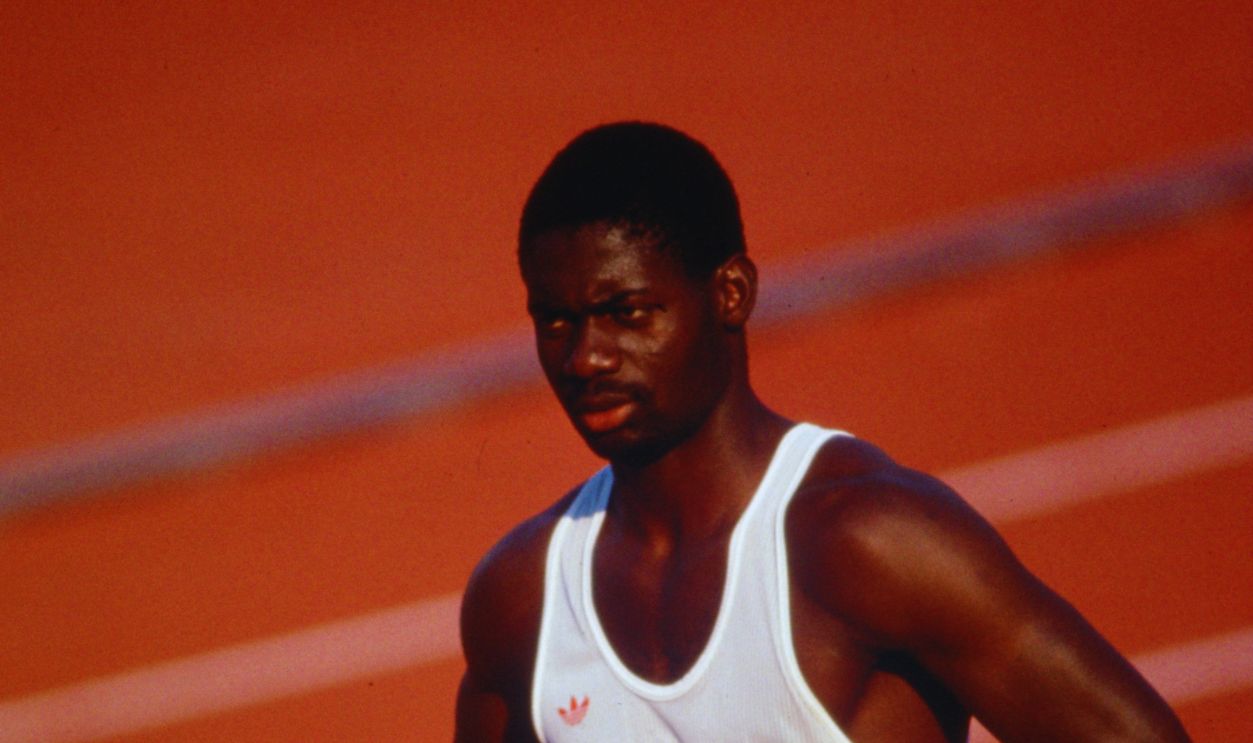
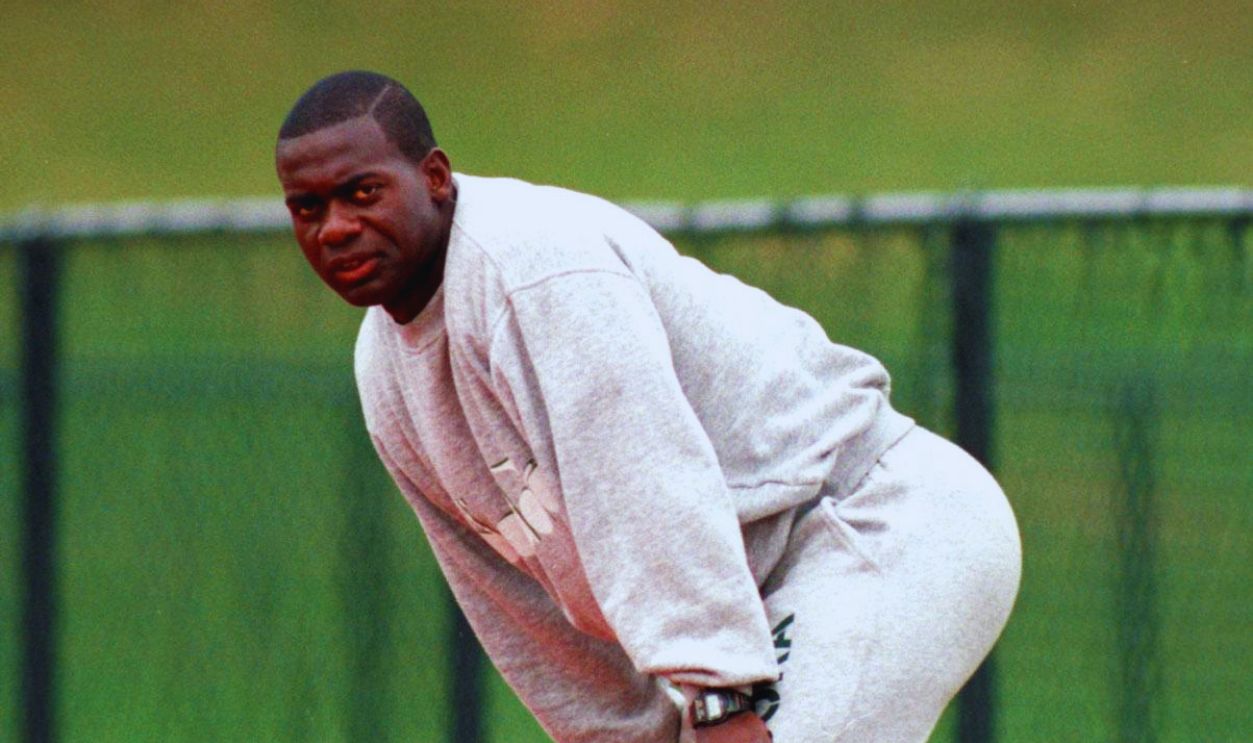
Johnson’s family lived a modest life in Jamaica, and it did not spare him from the dangers of tropical island life. In his self-published autobiography, he recounted a harrowing story of an early bout of malaria that he suffered through during his childhood, which largely colored his early years. The next phase of his life would come with a big change of scenery.
 Ross Kinnaird - EMPICS, Getty Images
3. He Was An Immigrant
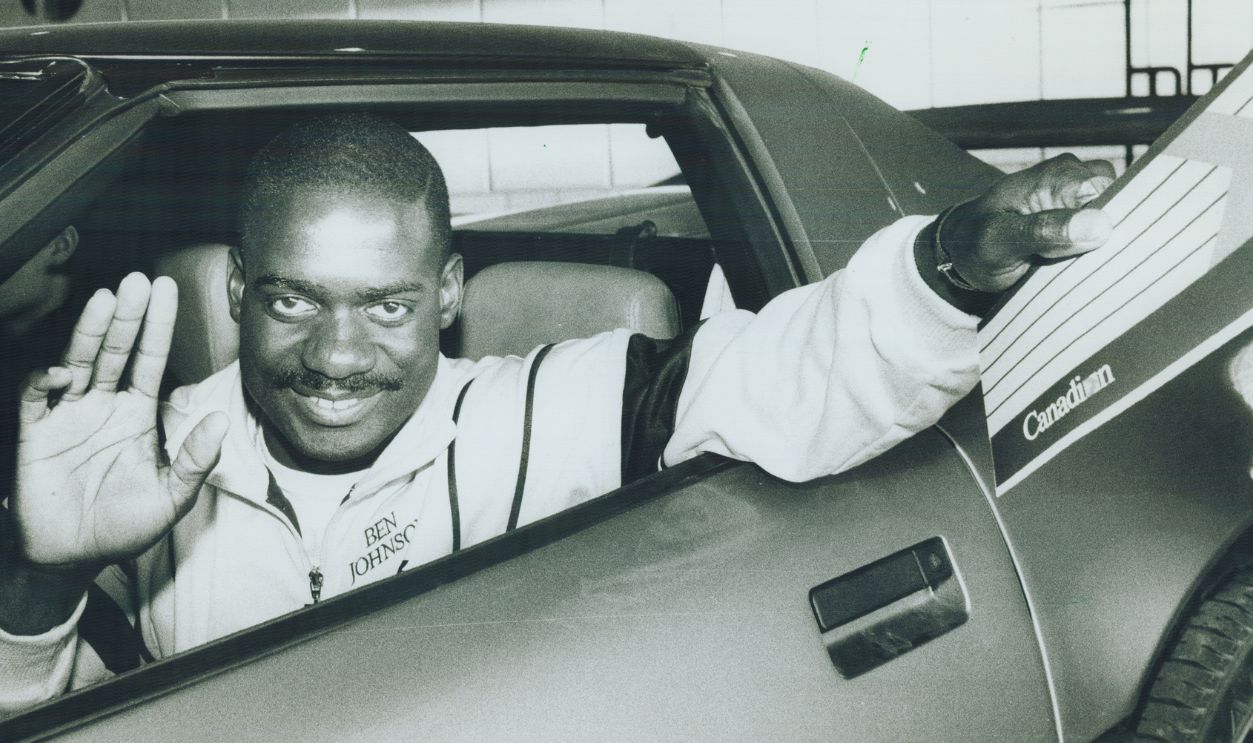
In 1976, Ben Johnson and his family immigrated to Toronto, Canada. There, they settled in the neighborhood of Lawrence Heights, a housing project known to locals as “The Jungle”. They would later move again, this time to the suburb of Scarborough. But while Johnson’s parents uprooted for a better life, their son struggled to fit in.
4. He Faced Discrimination
Canada at the time was a white-dominant society, and that resulted in great difficulty for the young Johnson. He struggled greatly with challenges and discrimination related to his status as a Black immigrant. Things eventually got so bad that he made a desperate plea to his folks.
 Ross Kinnaird - EMPICS, Getty Images
5. He Wanted Out
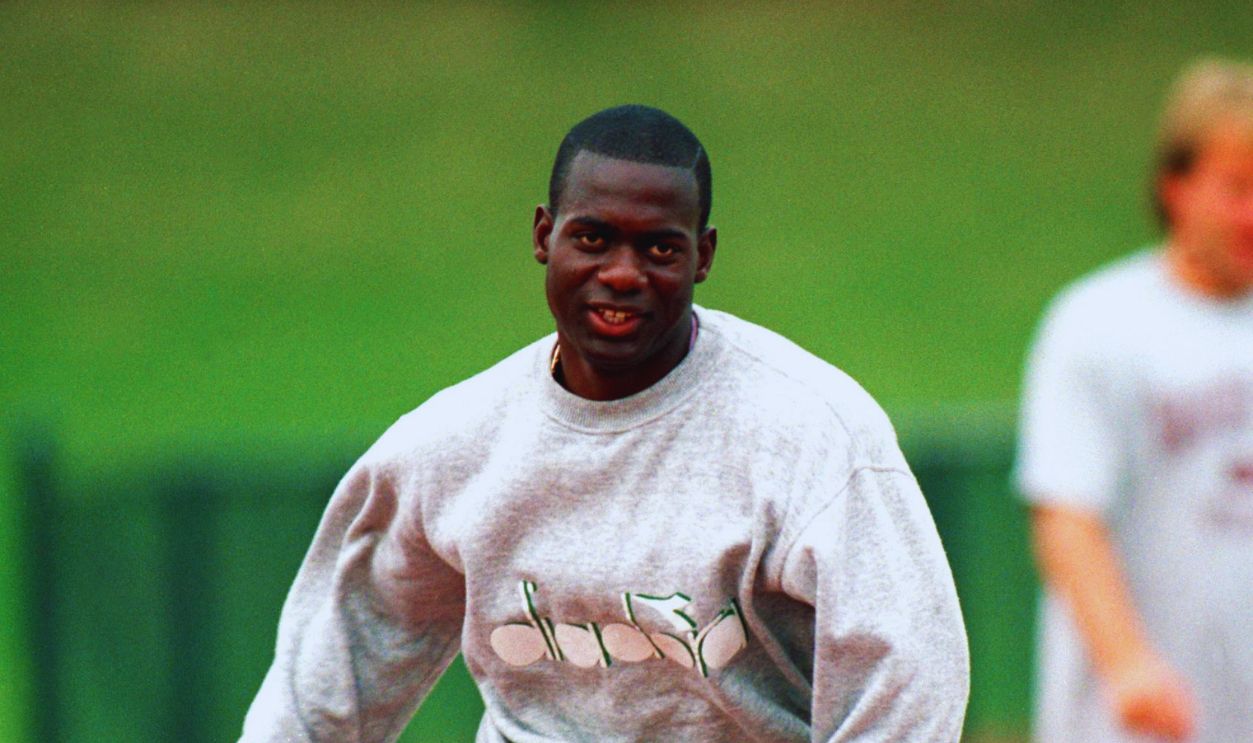
The young Ben Johnson faced such difficulty in his new home that it wasn’t long before he’d had enough. He confronted his parents and begged them to move the family back to Jamaica, fearing he would never fit in within the oppressive environment of white Canada. His parents gently refused, however, and Johnson eventually accepted his lot. Instead, he turned his pain into passion.
 Ross Kinnaird - EMPICS, Getty Images
6. He Found His Lane
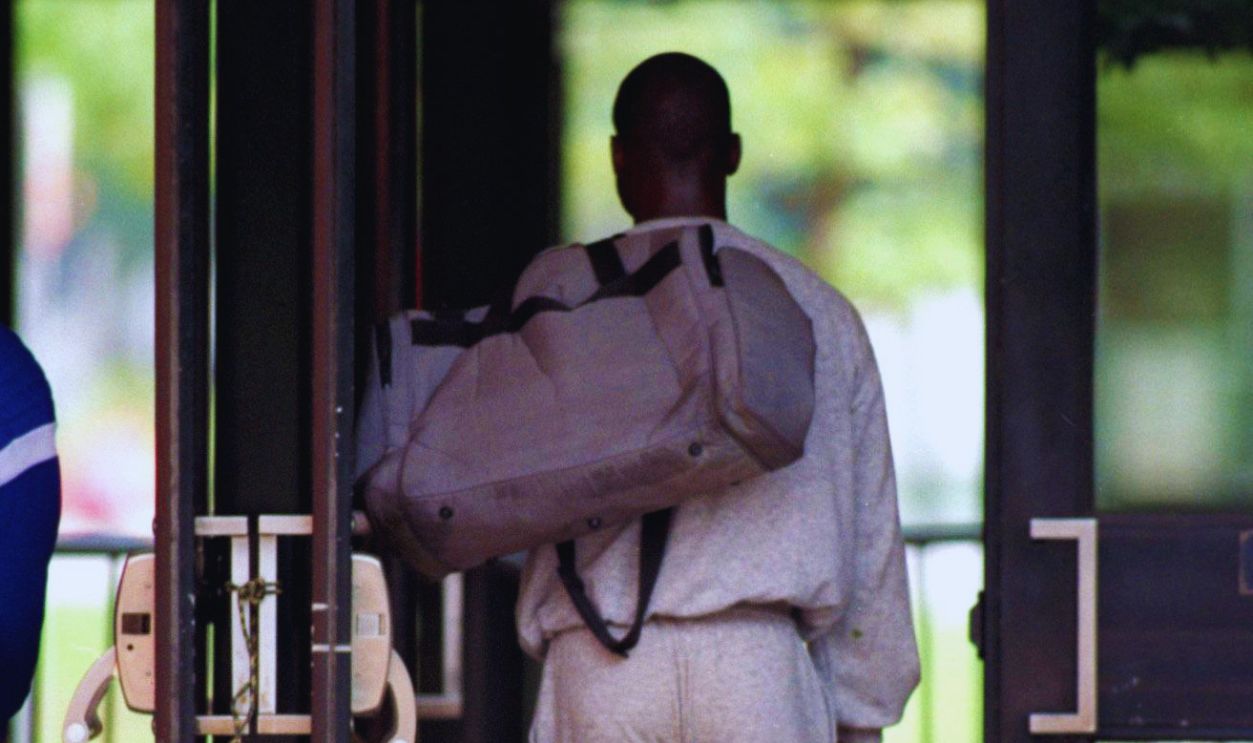
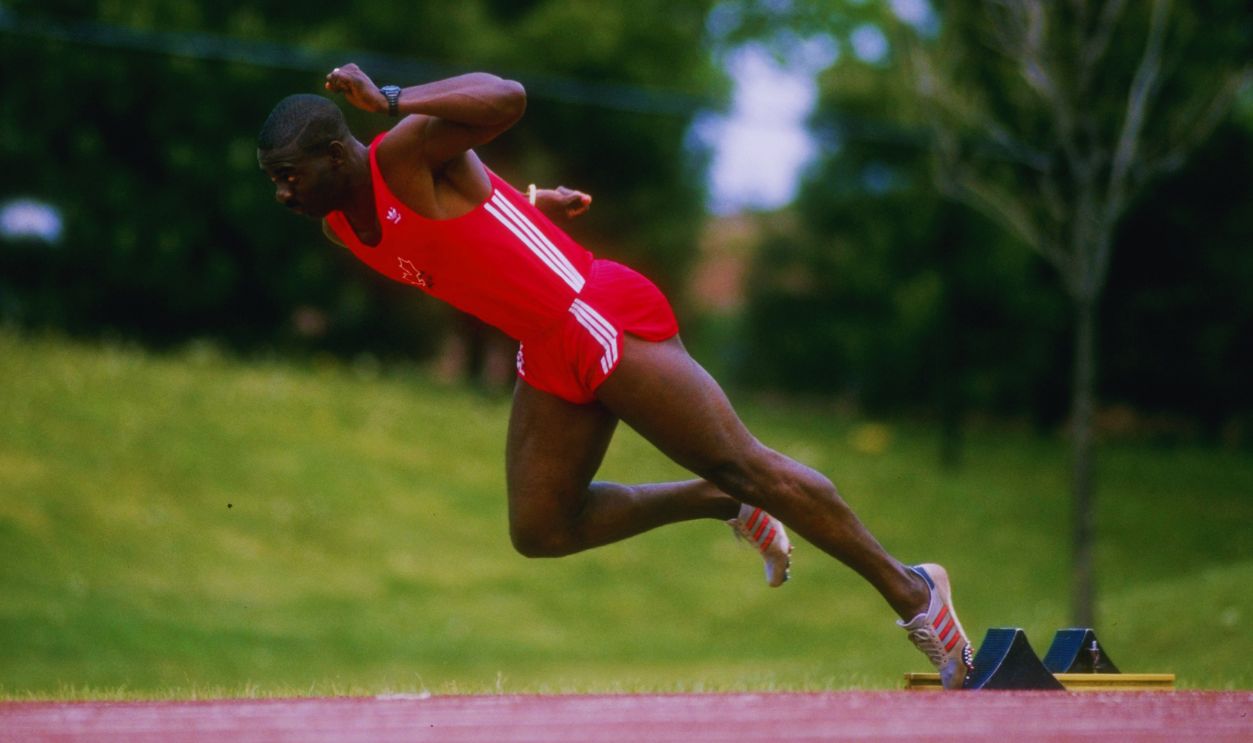
One thing Canada did provide for the embattled Johnson was an outlet for his frustrations in the form of competitive sprinting. The future Olympian trained at York University, and there he joined the Scarborough Optimists track and field club where he honed his ability as a sprinter, displaying obvious talent immediately. His natural ability caught the eye of a big name in the field.
7. He Got A Mentor
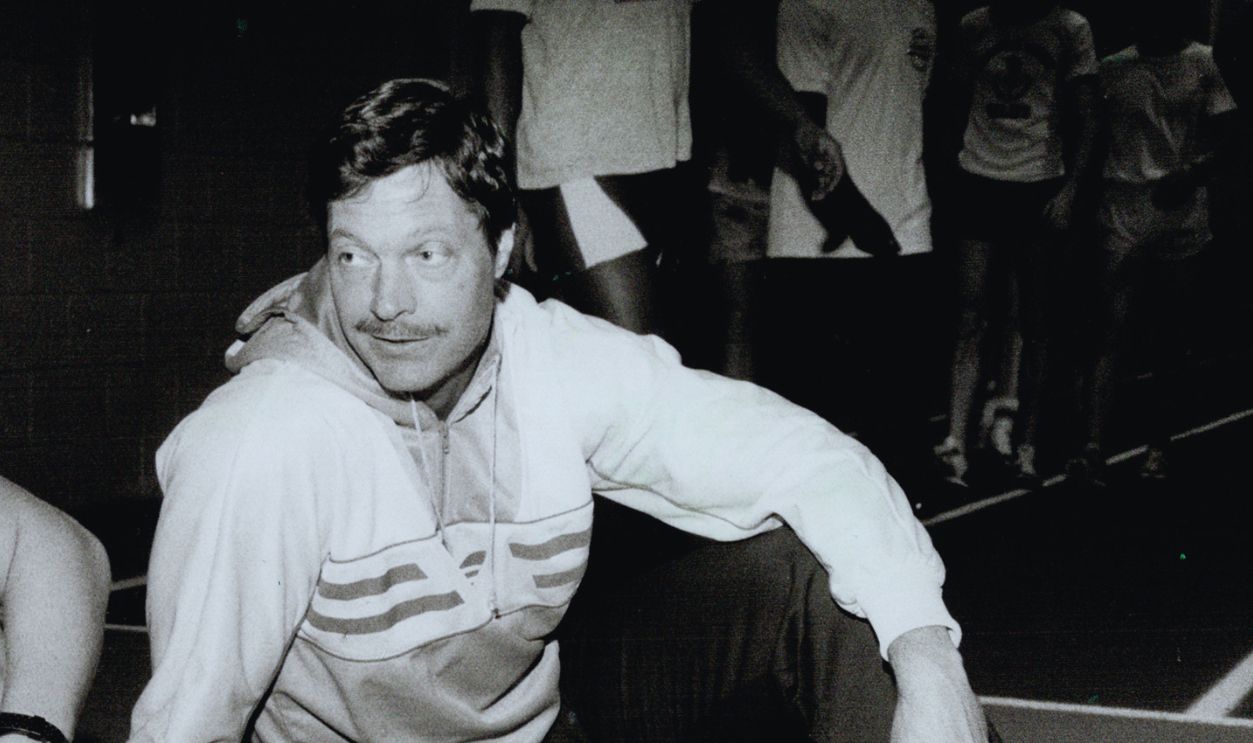
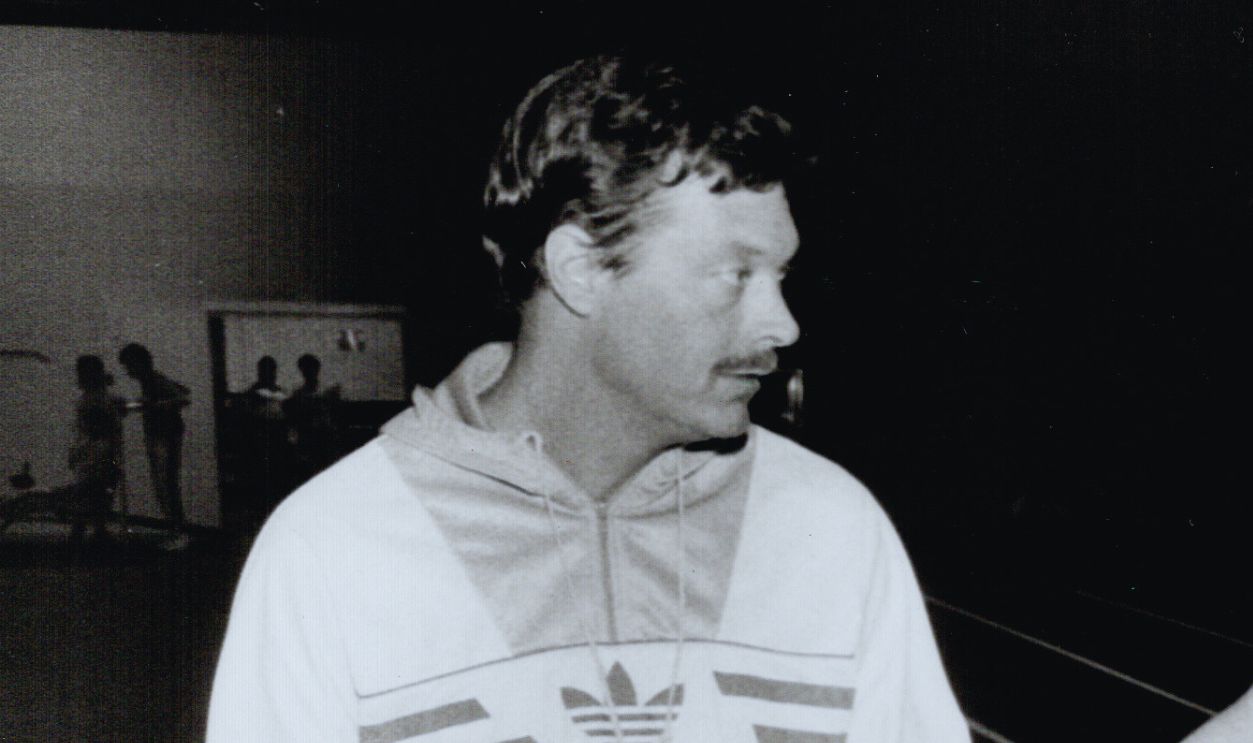
At York, trainer Charlie Francis quickly noticed Johnson’s undeniable talent. Francis had been a champion sprinter himself, bringing glory to Canada in the 1970s, including as part of the track and field team for the 1972 Summer Olympics in Munich. He had also served as the country’s national coach for nine years. Francis immediately recognized something in Johnson and set about training him for the big leagues.
8. He Won Some Medals
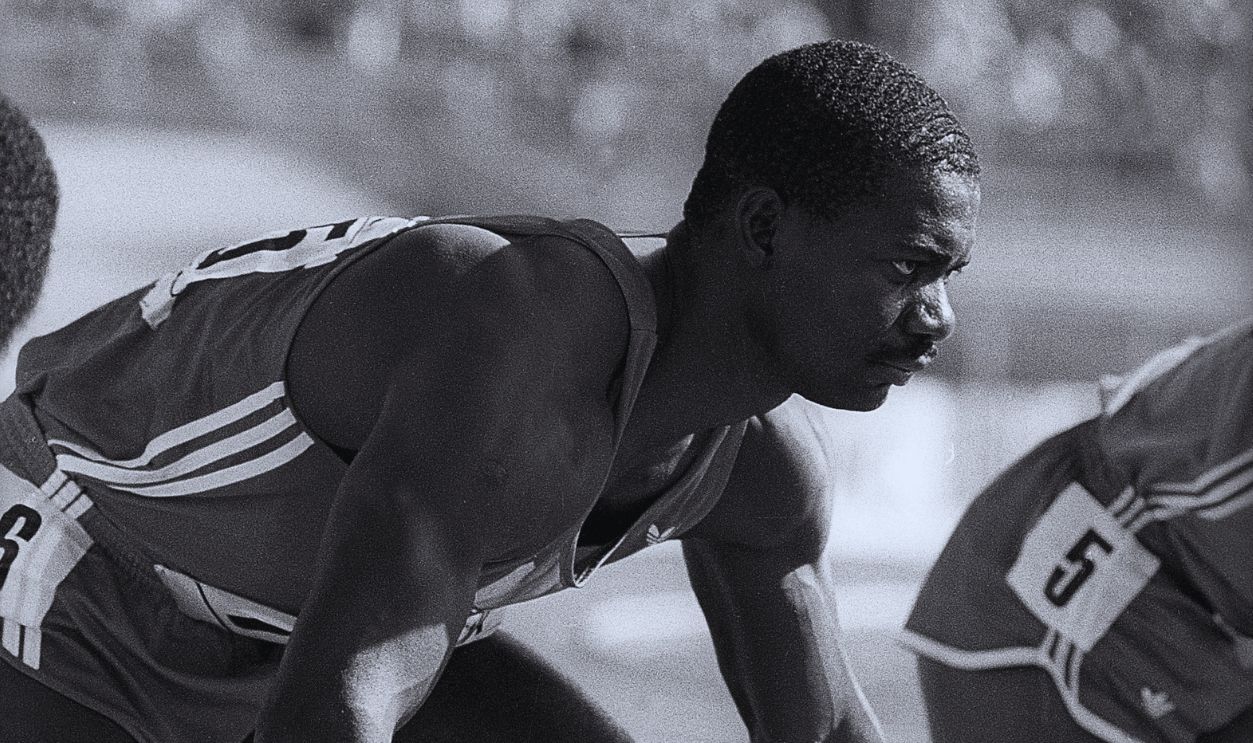
After a few years of local competitive success, Johnson’s first international accomplishments came in 1982 at the Commonwealth Games in Brisbane, Australia. There, he won not one but two silver medals, in the 100 meters and as a member of the Canadian 100 meters relay team. With this success, it irrepressibly ignited a spark in the talented young athlete. But he’d have to wait another little while before he saw metal again.
 ullstein bild Dtl., Getty Images

History's most fascinating stories and darkest secrets, delivered to your inbox daily.
9. He Got Humbled
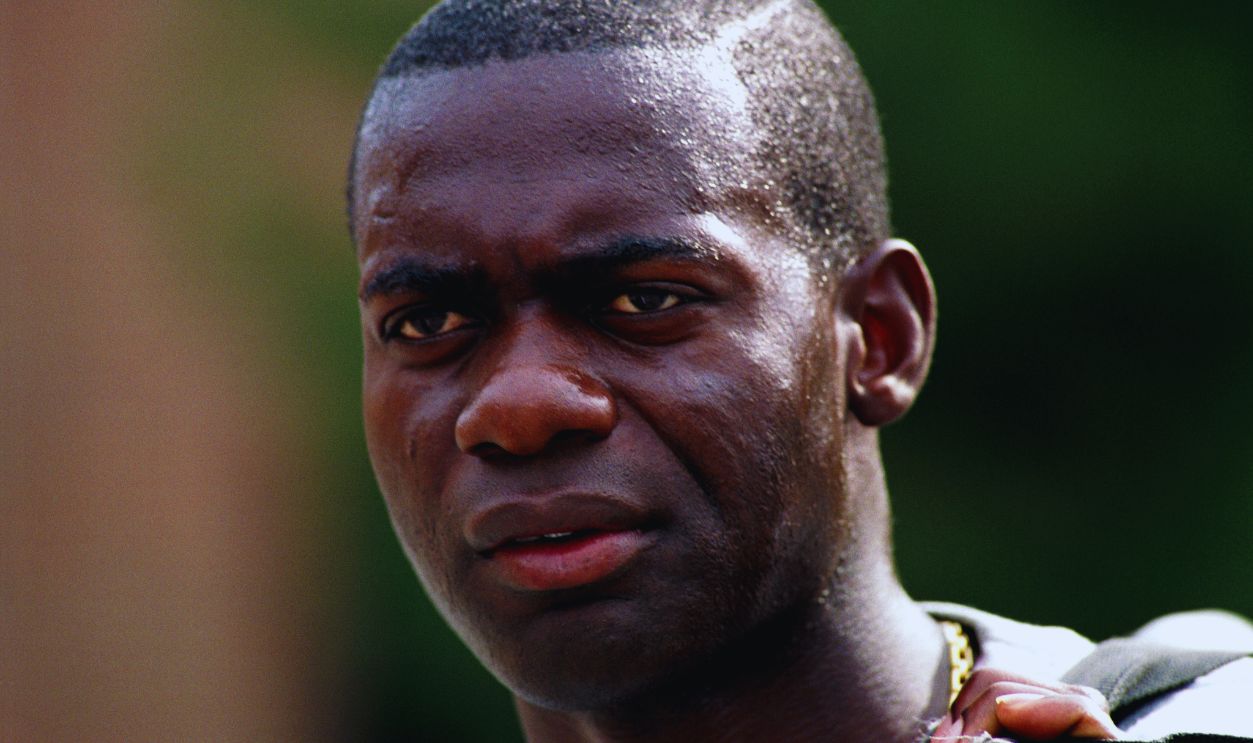
1983 saw a temporary drop in form for Ben Johnson. Competing in that year’s World Championships in Helsinki, he devastatingly got eliminated in the semi-finals, finishing sixth overall. The Pan American Games later that year would see further pain for the plucky young athlete, where Johnson placed fifth in the 100 meters final. His hunger never abated, however.
 Ross Kinnaird - EMPICS, Getty Images
10. He Stormed The World Stage
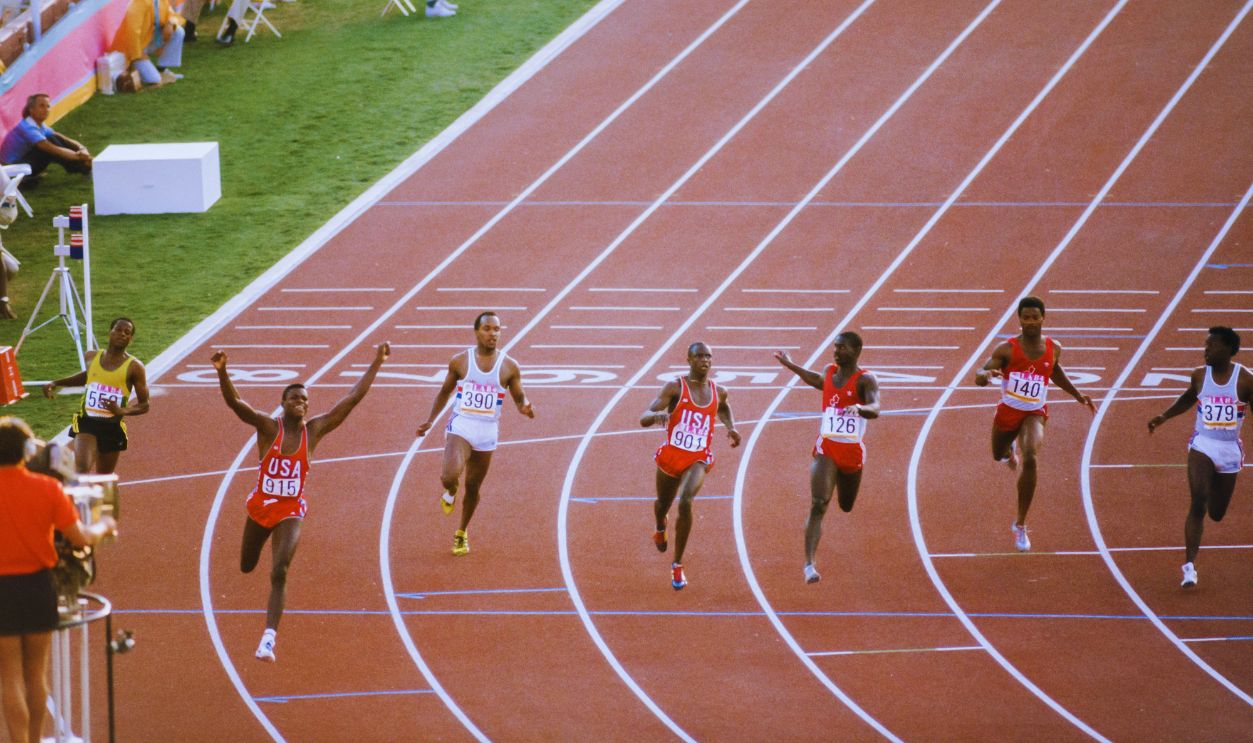
The following year, Ben Johnson competed in the 1984 Summer Olympics in Los Angeles. By then, his performance had greatly improved, and he managed to reach the final of the 100 meters. As the world watched in thrilled anticipation, Johnson finally got his hands on Olympic metal, finishing third in the final and awarded a bronze medal.
He placed behind Carl Lewis, an American, which prompted a heated rivalry between the two athletes that would span the next few decades of their lives. Closer to home, though, Johnson was the king.
11. He Was The Top (Canadian) Dog
Despite his failure to get the gold, Johnson was shooting up the ranks in his home country. Desai Williams held the Canadian 100-meter sprinting record of 10.17 seconds, but on August 22, 1984, Johnson clocked in at 10.12, making him the top sprinter in Canada. And you’d better believe he was eyeing his international competition too.
12. He Beat His Rival
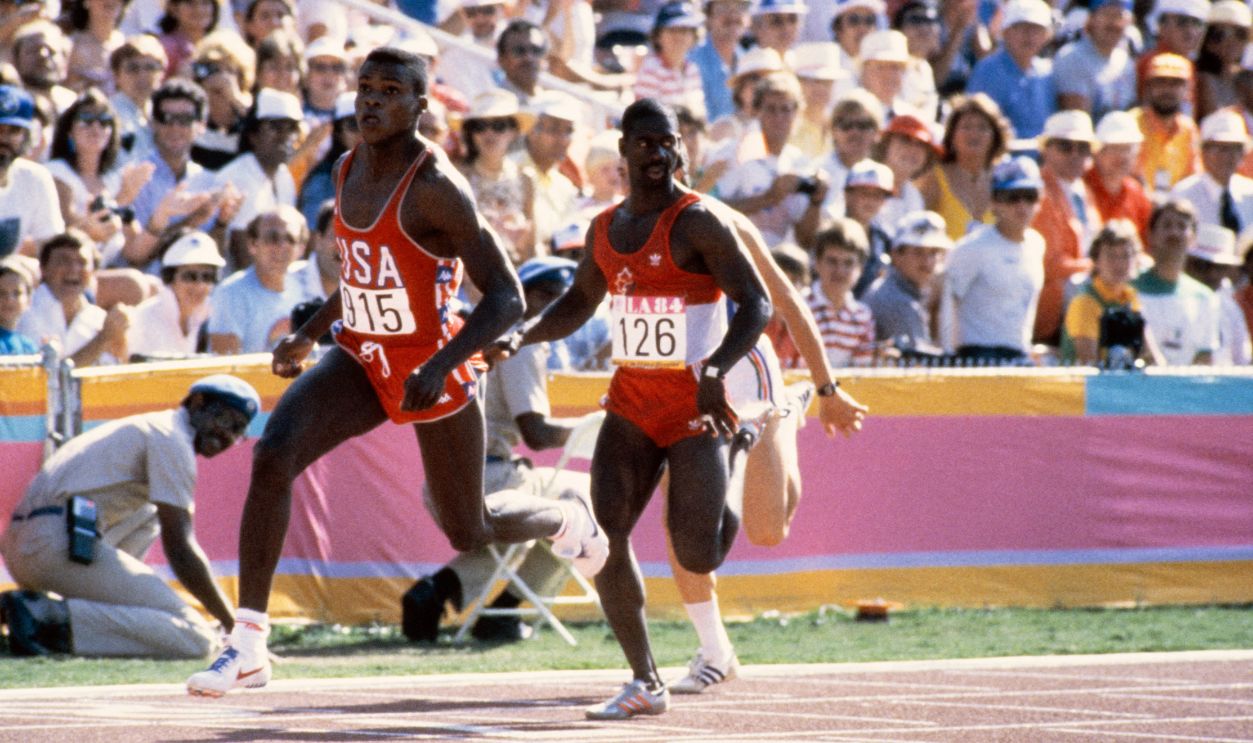
Johnson’s rivalry with Carl Lewis was bitter for the Canadian during the early days. Devastatingly, he suffered eight consecutive defeats to the American. In 1985, however, Canada’s fastest man finally beat his rival, igniting the competition between the two men in earnest. They would trade losses and wins over one another for the next few years, and all the while, Johnson kept going for the gold.
13. He Began A Streak
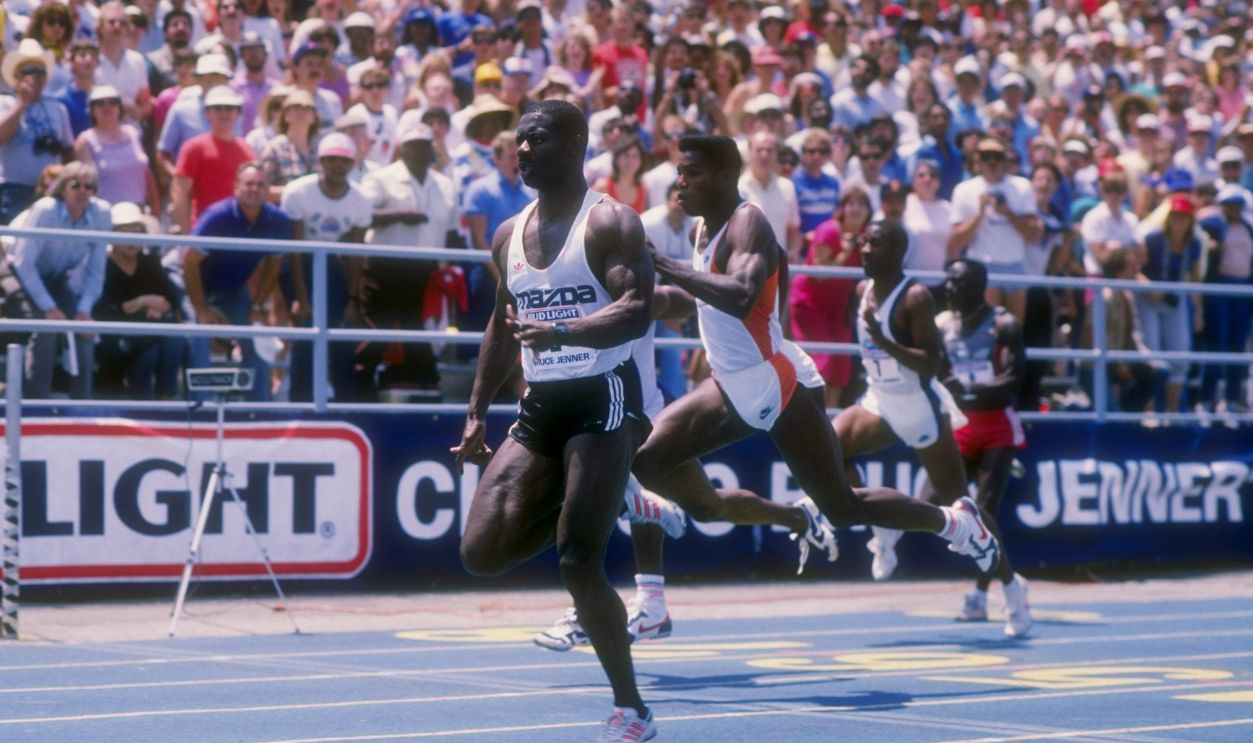
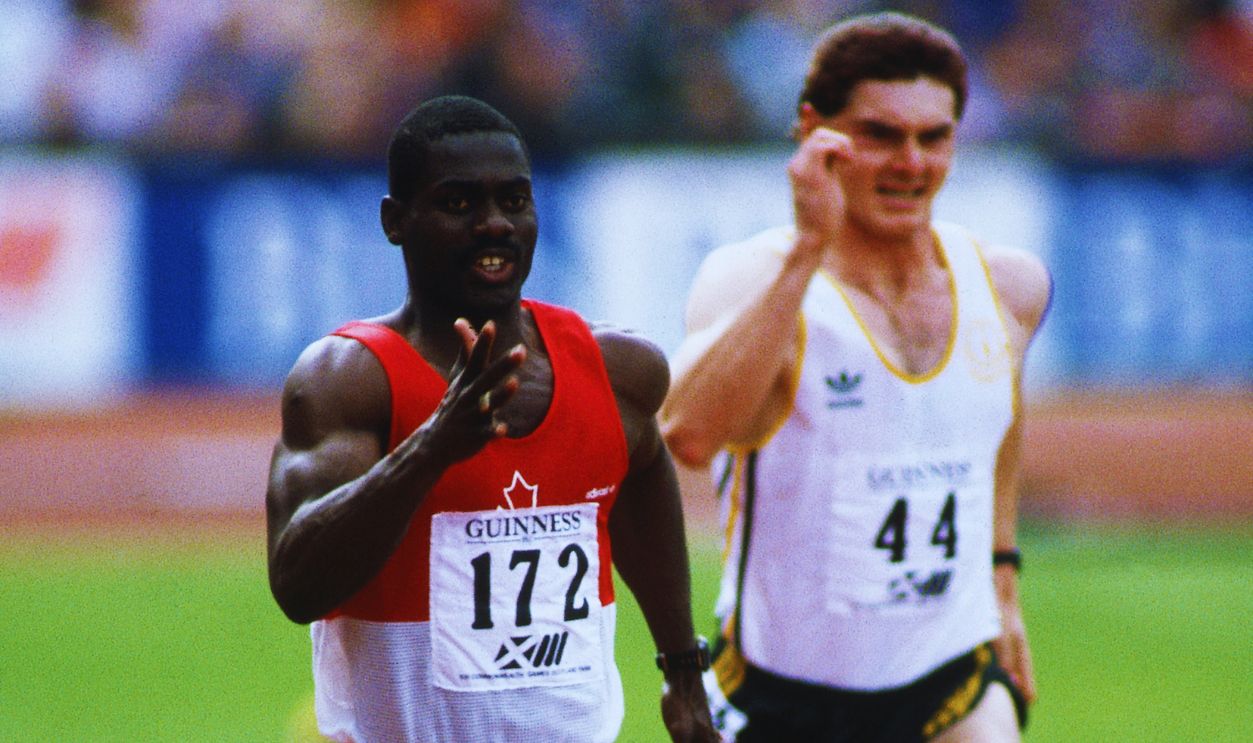
1986 was a good year for Ben Johnson. At the Commonwealth Games in Edinburgh that year, Johnson won his first gold medal in the 100 meters, with a stunning time of 10.07 seconds. He snagged yet another gold leading the Canadian 100 meters relay team. His star was on the rise, and so were his records.
 Getty Images Sport, Getty Images
14. He Smashed The 60
For seven years, the world record in the 60 meters was held by American Houstin McTear. Eyeing that coveted spot, Johnson proved he was more than a 100-meter wonder in 1986 when he smashed McTear’s record, clocking 60 meters in a stunning 6.5 seconds. Johnson was quickly becoming a superstar in Canadian athletics, but his rise coincided with an increase in rumors of foul play…
15. He Fell Under Suspicion
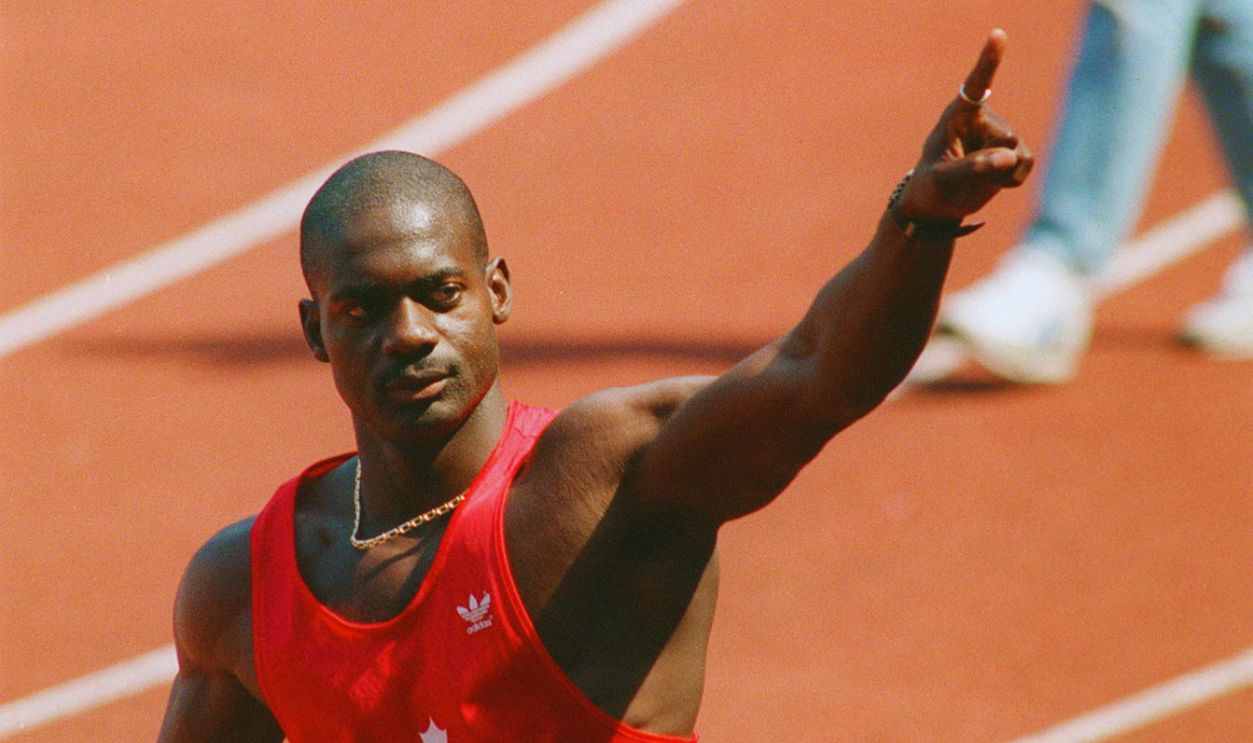
The same year Johnson was tearing up the record board, rumors began circulating about doping among Canadian athletes. Sprinter Mike Dwyer expressed public concern around the issue, claiming that the use of performance enhancing steroids had reached “epidemic proportions” among Canadian sprinters.
And while he did not single Johnson out, Dwyer specified that those who trained in the Toronto area were heavy users, implicating Johnson in all but name. For now, though, it was a case of he said, she said, and the Canadian authorities paid it no heed, instead decorating their man even more.
16. He Got Honored
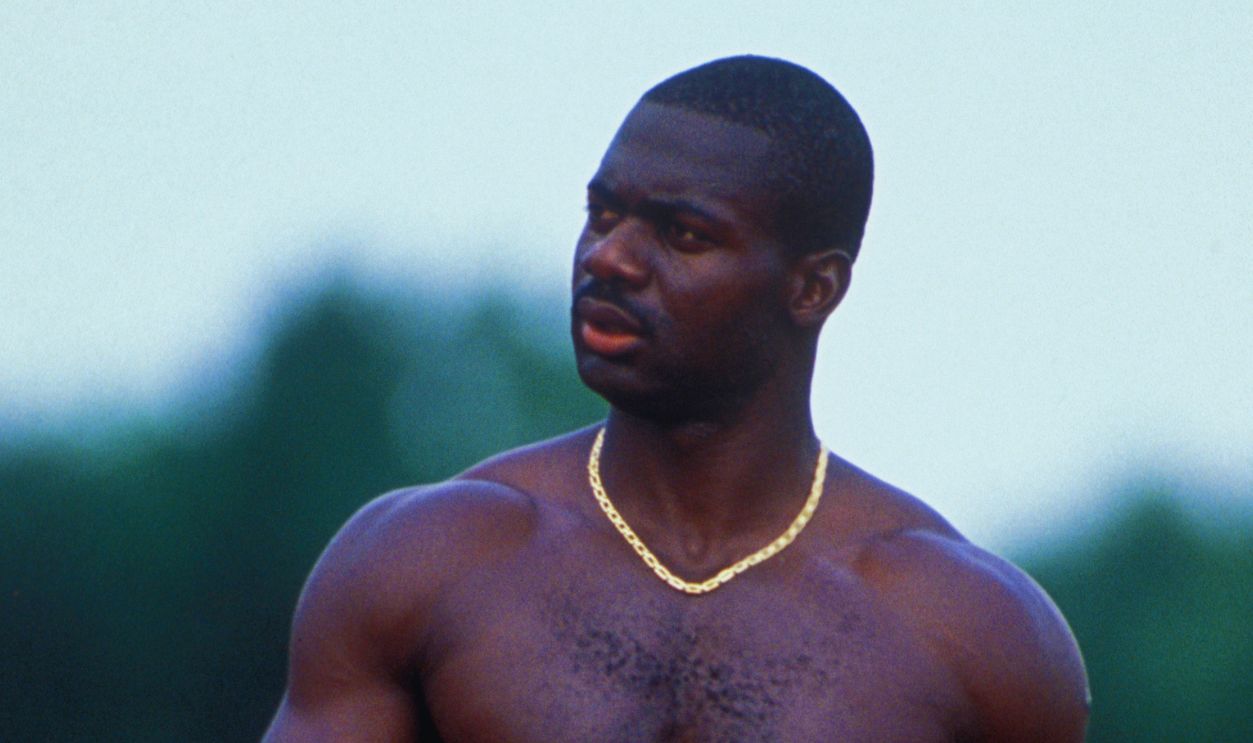
Johnson received investment as a Member of the Order of Canada on April 29, 1987, solidifying the grip he held on his adopted country’s sporting dreams. Accompanying his initiation was a praise-filled statement which read “World record holder for the indoor 60-metre run, this Ontarian has proved himself to be the world's fastest human being and has broken Canadian, Commonwealth and World Cup 100-metre records”. Johnson earned more than just honors, however.
 Gilbert Iundt; Jean-Yves Ruszniewski, Getty Images
17. He Earned A Nickname
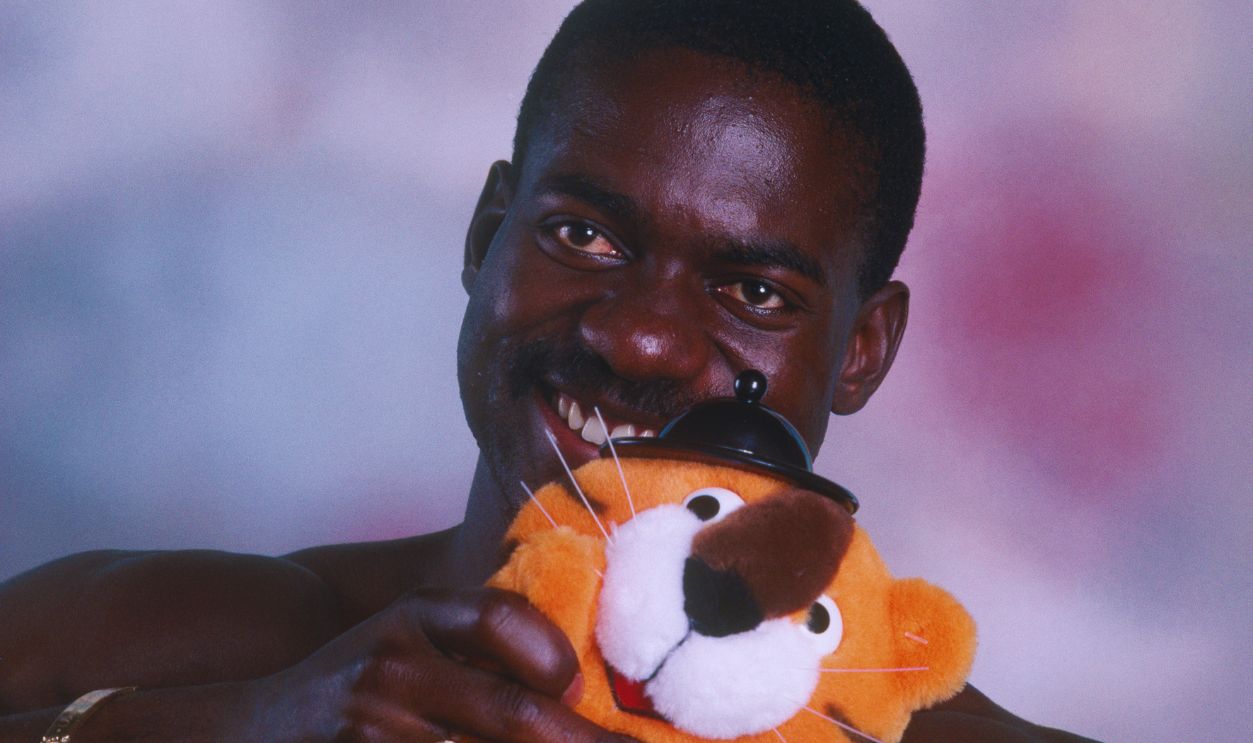
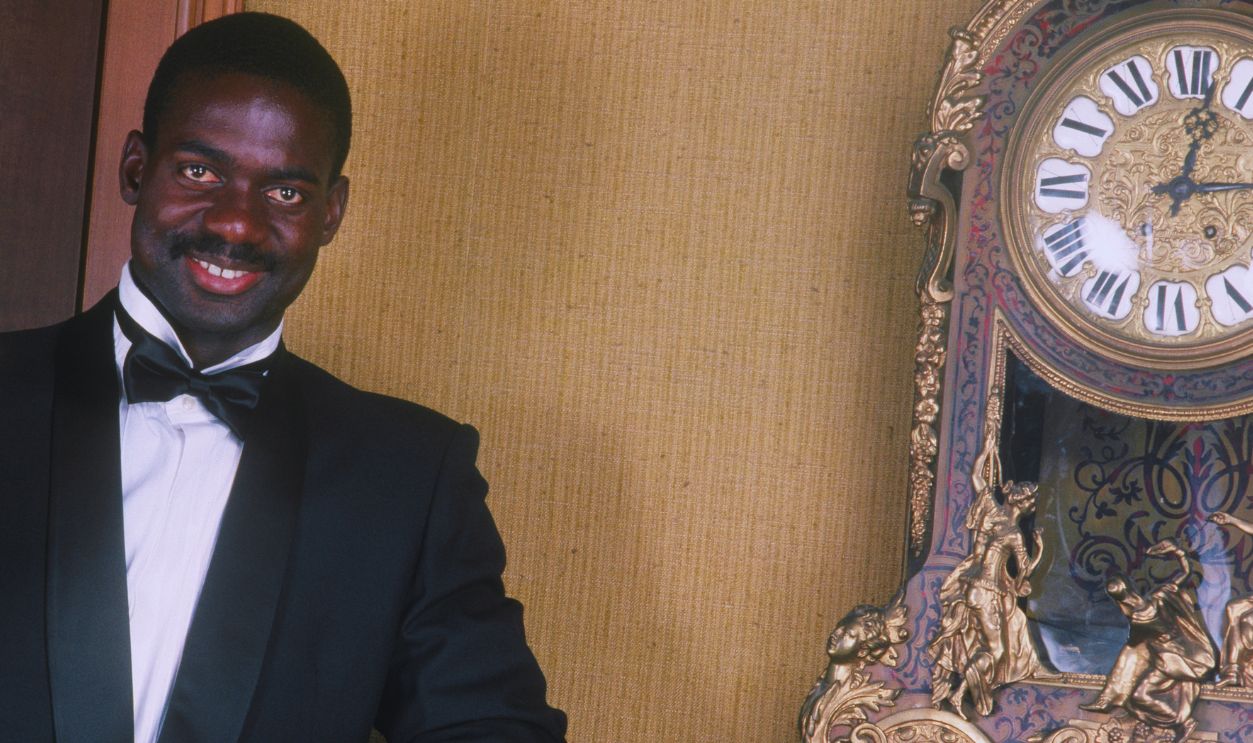
Because of his large stature, personality, and presence on the world sporting stage, Johnson also earned the loving nickname of “Big Ben” among Canadians and the athletics fandom at large. He continued his climb up the ladder of stardom, and his accomplishments climbed alongside him.
18. He Solidified His Name
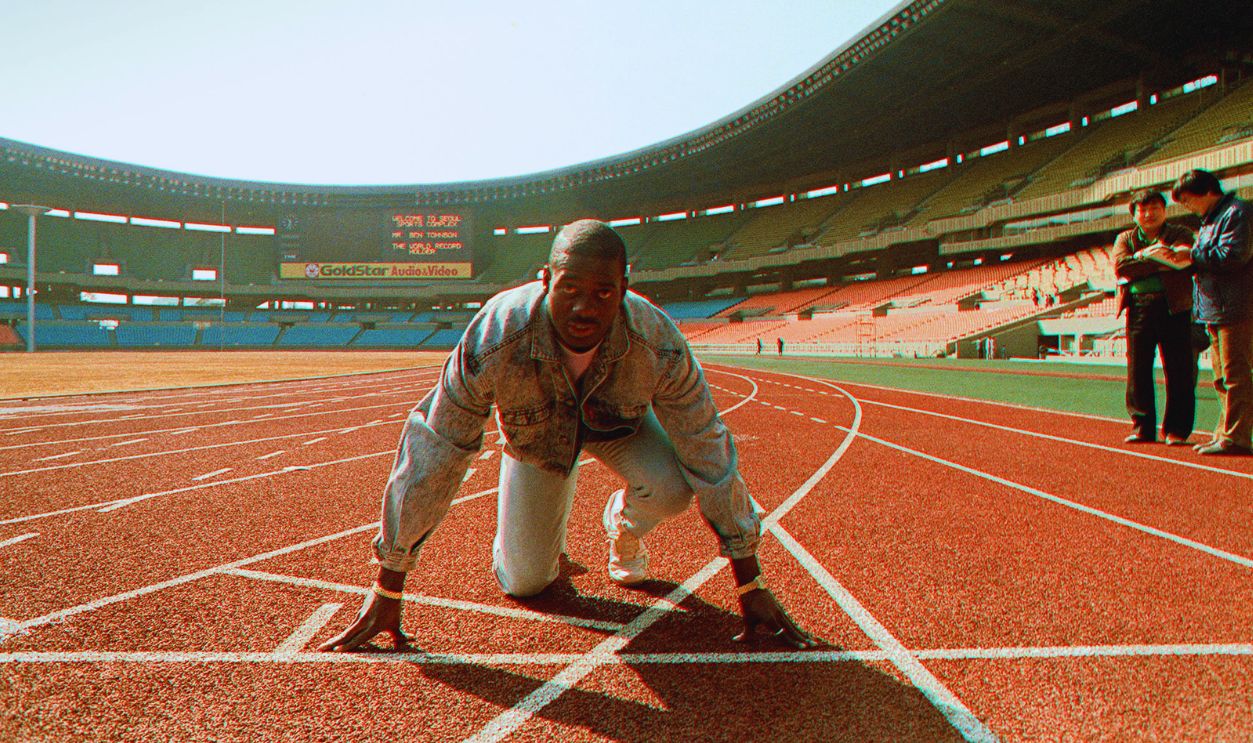
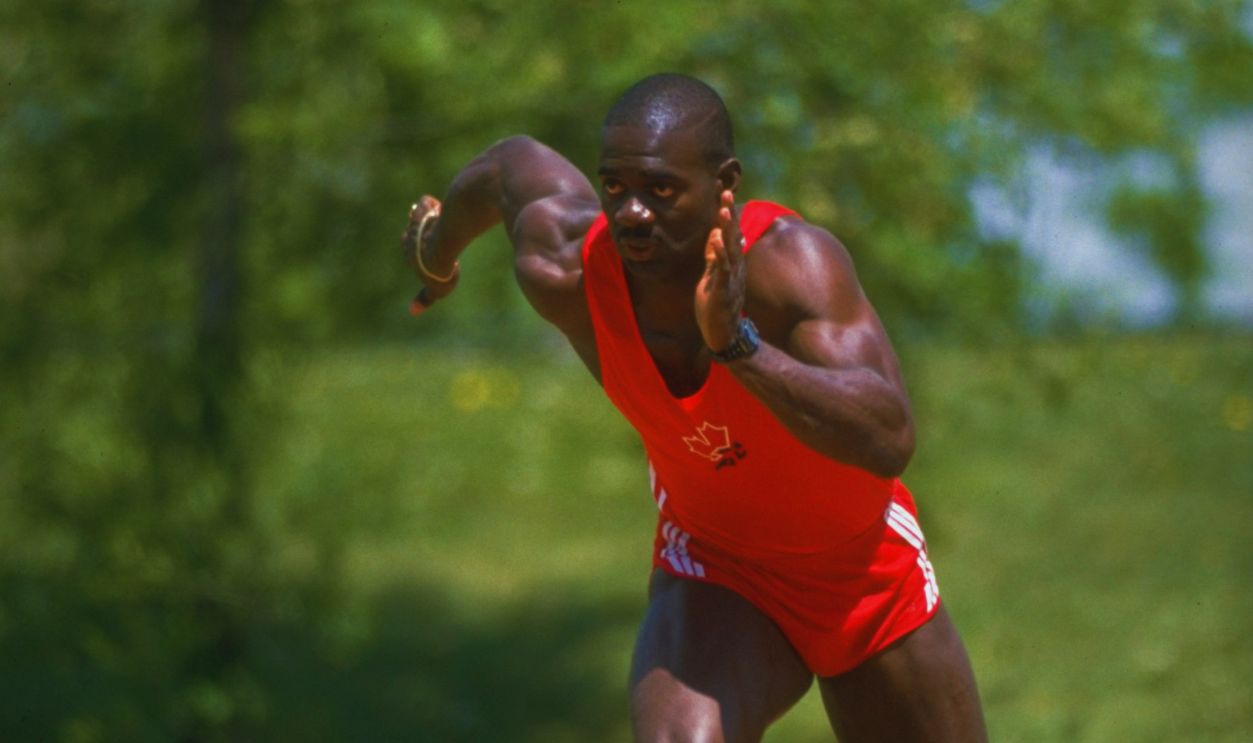
The 1987-88 season was a marquee one for Johnson. Over the course of that year, he broke not one but two world records: those were the 100m and 60m indoor world records. This monumental achievement earned the sprinter recognition well beyond Canadian shores.
19. He Became The Best
With his smashing of both records in the 1987-88 season, Johnson had proudly earned the title of the world’s fastest man. But while fans of sprinting knew him well, he was not yet a worldwide household name. That was all about to change.
 Gilbert Iundt; Jean-Yves Ruszniewski, Getty Images
20. He Bested His Rival
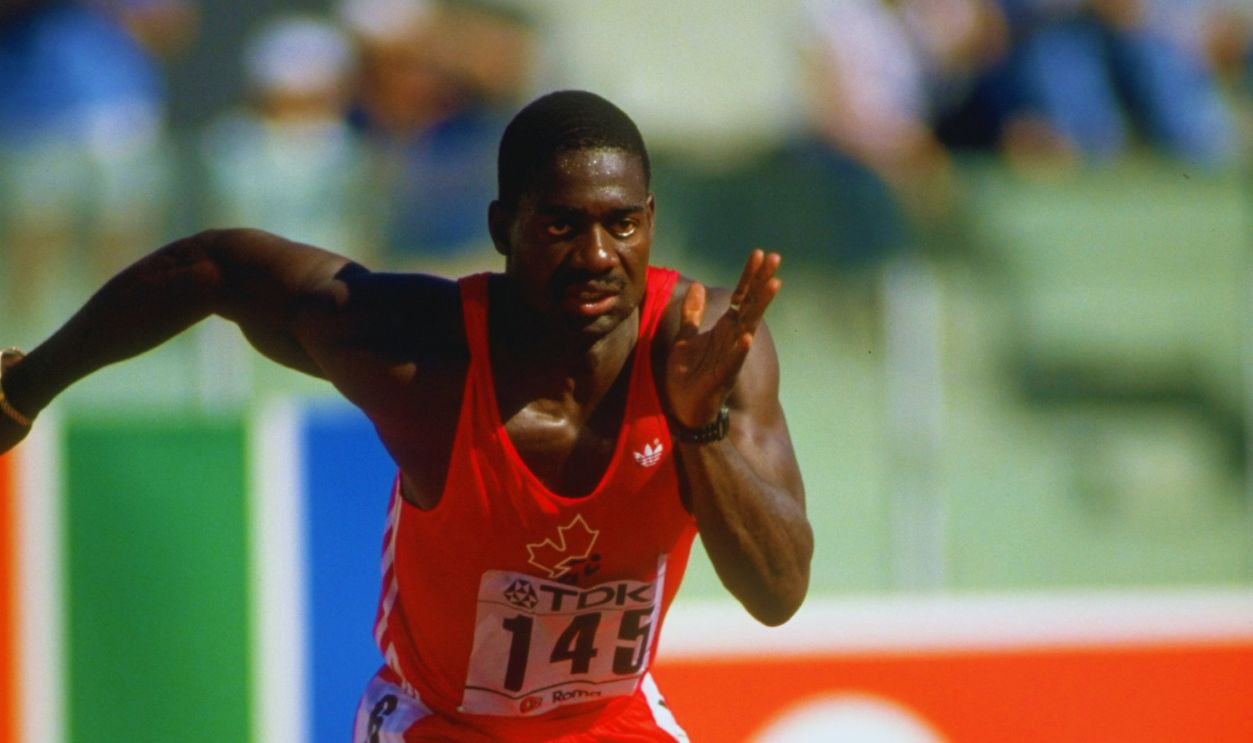
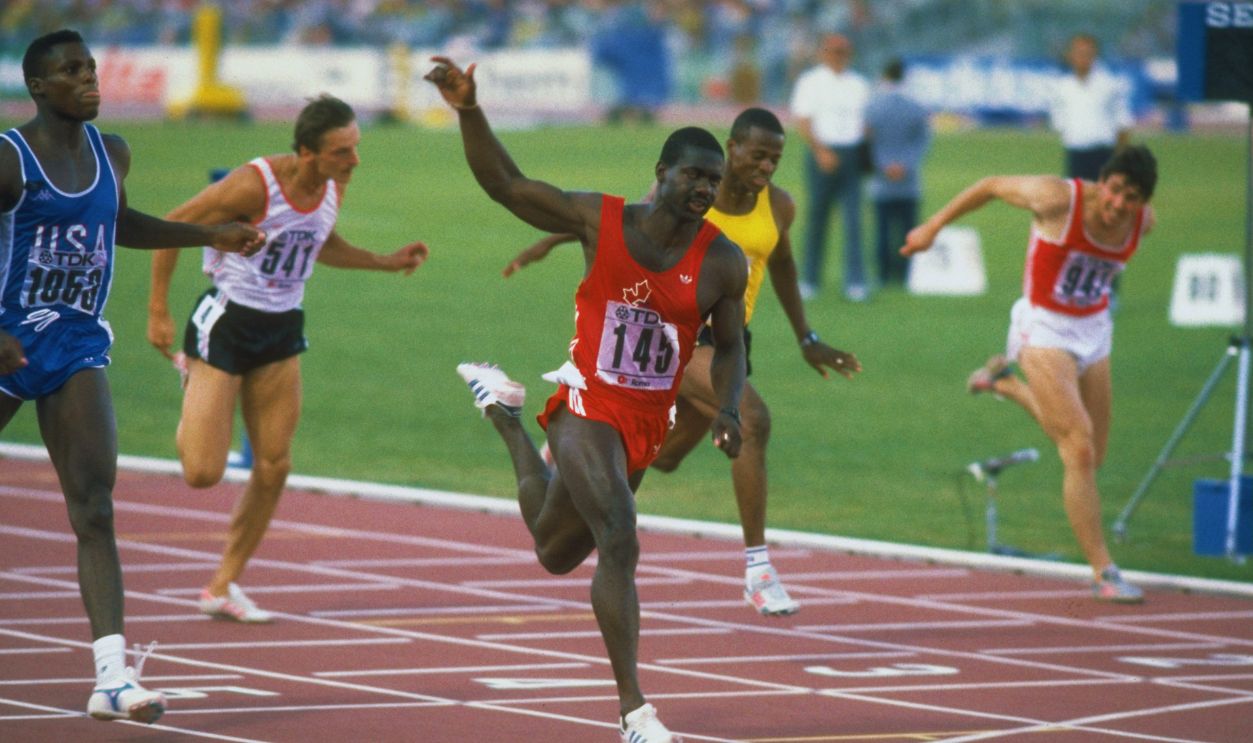
Johnson’s rivalry with Lewis had heated up all the while, and by the time the 1987 World Championships in Athletics in Rome rolled around, Johnson had defeated the American in four races in a row. The Canadian added one more notch to his belt at that competition, besting Lewis for the 100 meters title and setting the world record of 9.83 seconds. His fame exploded overnight.
21. He Blew Up
Johnson’s performance in Rome cemented his global fame instantly. Everyone knew him as the fastest man on earth, and Johnson was more than happy to take the spotlight and allow the adoration of the masses to wash over him. His newfound recognition was, of course, quite lucrative too.
22. He Became A Brand Ambassador
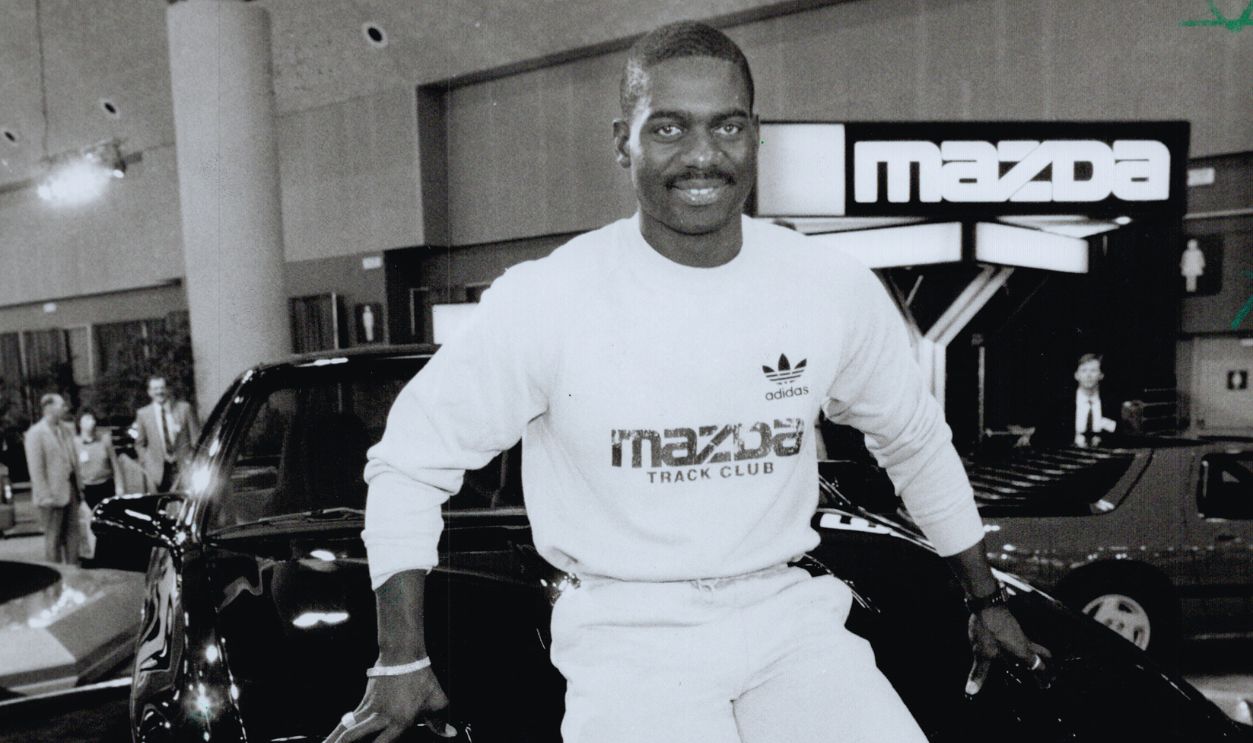
Having broken the world record in Rome, and gained the recognition that came with that accomplishment, the sponsorship deals rolled in for Johnson. By the end of 1987, some estimate that the fastest man in the world was earning an astonishing $480,000 a month from endorsements. Everyone loved Big Ben, but there was one scorned man who sought to ruin his life.
23. His Rival Ratted
His defeat at Johnson’s hands deeply bruised Carl Lewis’ ego, and he immediately began making excuses in the media. After accusing Johnson of false-starting their last race and then claiming he had suffered from a stomach virus, Lewis had still not garnered the sympathy he sought—so he took a new tact.
Though he didn’t name Johnson by name, Lewis heavily alluded to him when he bluntly stated in an interview: “There are a lot of people coming out of nowhere. I don't think they are doing it without drugs”. It was a stunning accusation, and the World Champ did not keep quiet.
24. He Rebutted
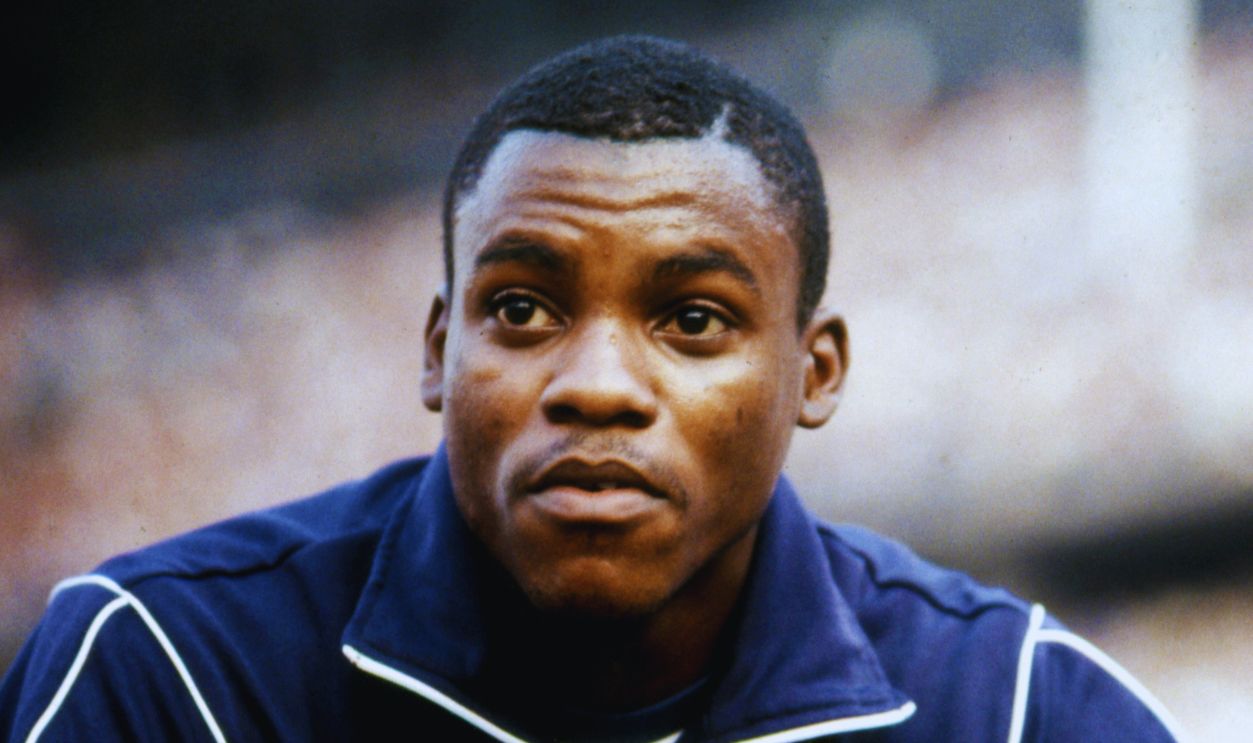
Johnson was furious at Lewis’ accusations and painted the American’s media tour as the actions of a sore loser. He clapped back in a public response, stating, “When Carl Lewis was winning everything, I never said a word against him. And when the next guy comes along and beats me, I won't complain about that either”. The media ate up this verbal sparring, and it created a great narrative ahead of an upcoming showdown.
 Diana Nethercott, Getty Images
25. He Eyed The World Stage Again
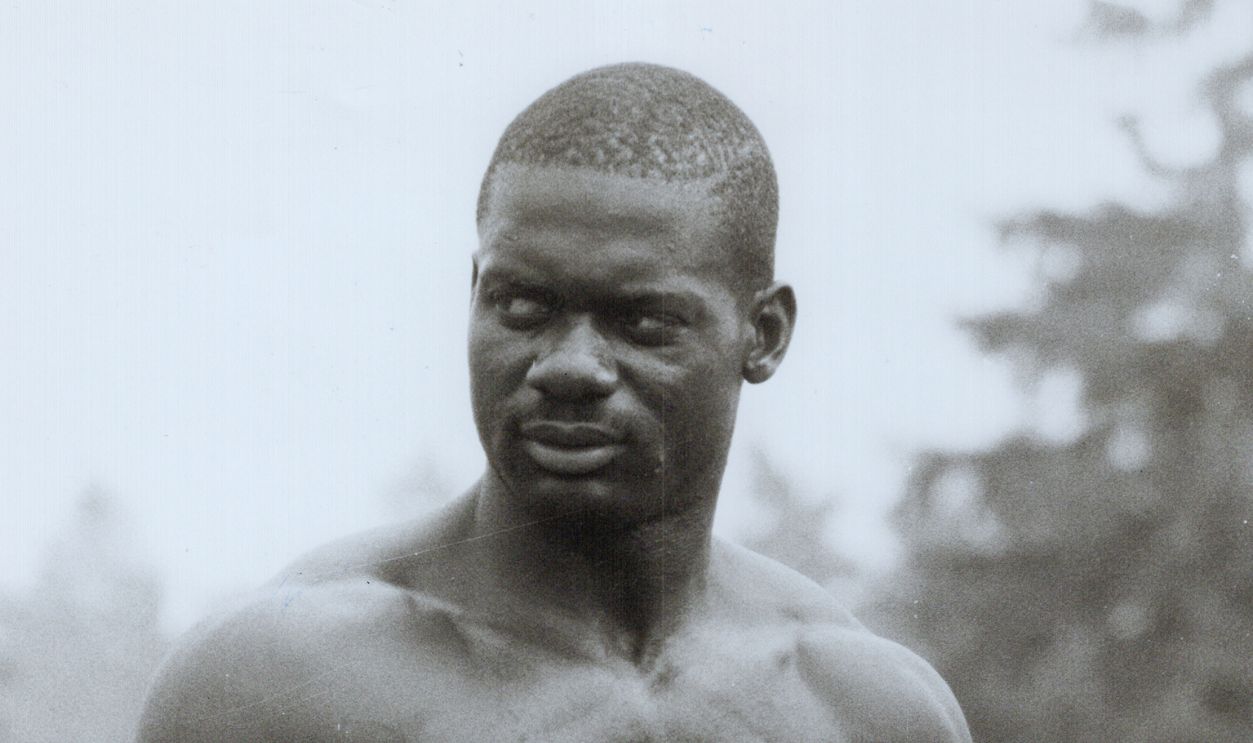
Johnson and Lewis, whether or not they knew it, turned the upcoming 1988 Summer Olympics into a massive spectacle. Their heated rivalry and media digs toward one another drummed up a frenzy of anticipation for the competition, where the two would face off yet again. The media capitalized on the stark contrast between the two rivals.
26. He Was Likeable
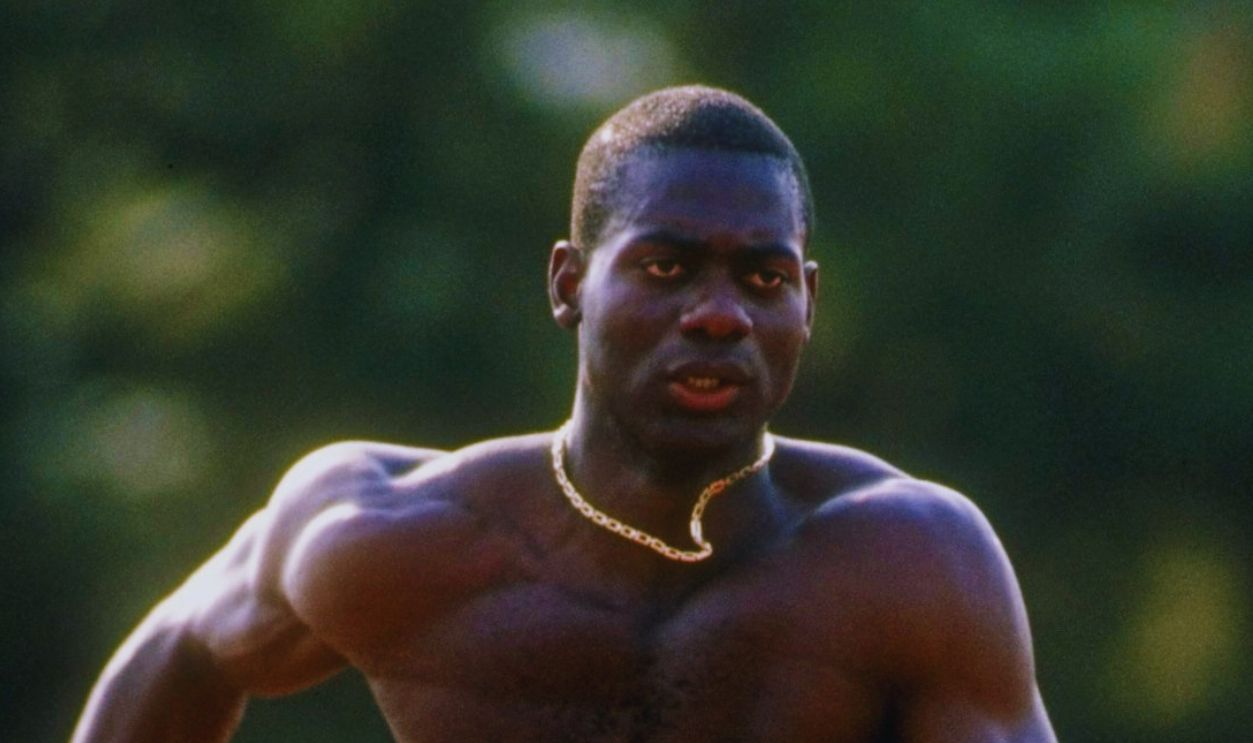
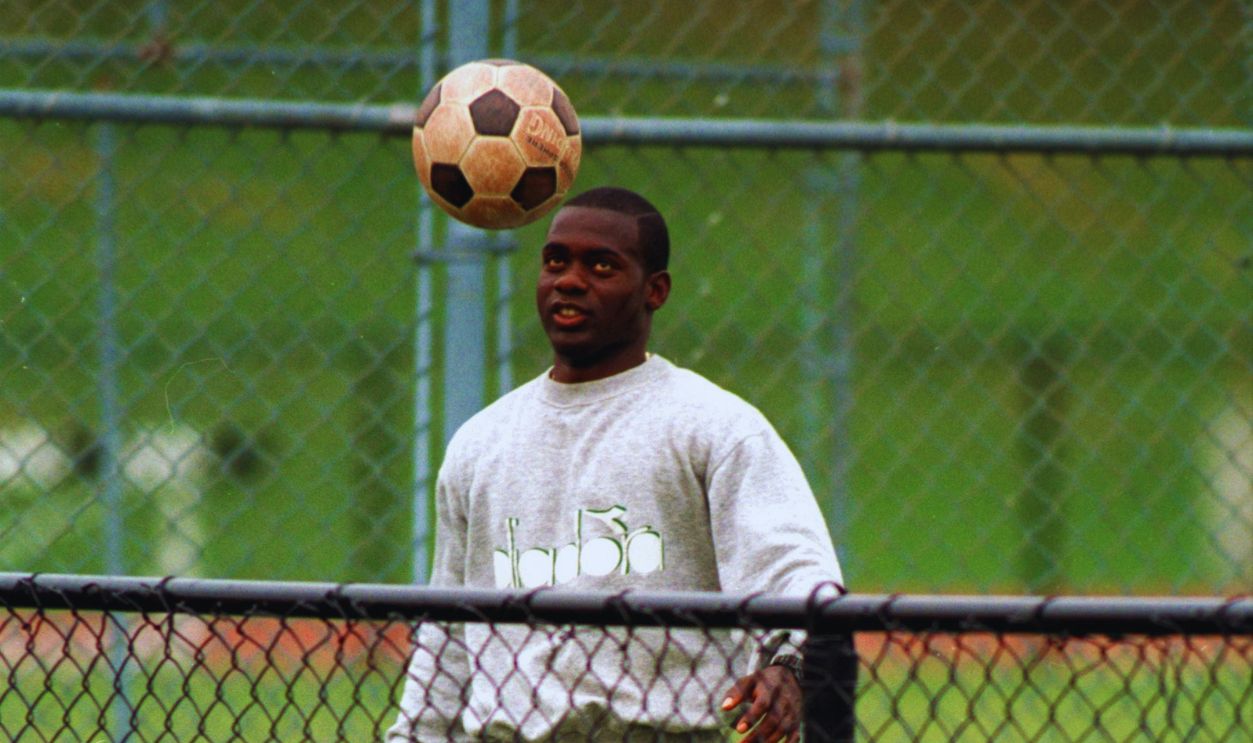
The rivalry between Johnson and Lewis was a sportswriter’s dream, and the two had many contrasts that painted the perfect yin and yang dichotomy. Johnson was from Canada, Lewis from the US; Johnson grew up poor, Lewis’ parents were college-educated.
Johnson was a party animal and a ladies’ man, loved among his fellow athletes, while Lewis was much more reserved. On the track, Lewis was fast and elegant, while most knew Johnson for his impressive strength. These attributes made for balanced competition.
 Ross Kinnaird - EMPICS, Getty Images
27. He Had A Setback
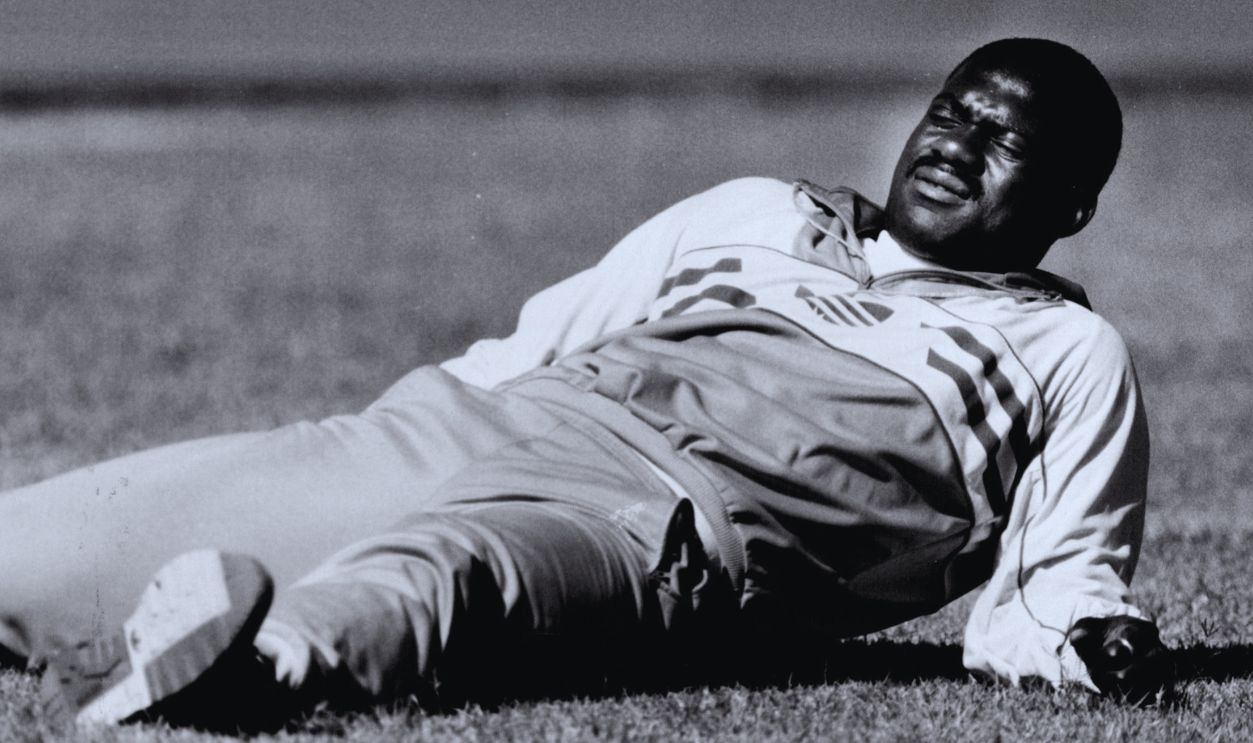
As the sprinters’ rivalry heated up ahead of the ’88 Olympics, Johnson ran into some bad luck early in the year. Devastatingly, he pulled a hamstring in February and further aggravated the injury in May. This caused him to lose a couple of races in a row to his detested rival. But for the fastest man on Earth, it only fueled his ambitions.
 Fairfax Media Archives, Getty Images
28. He Was Triumphant
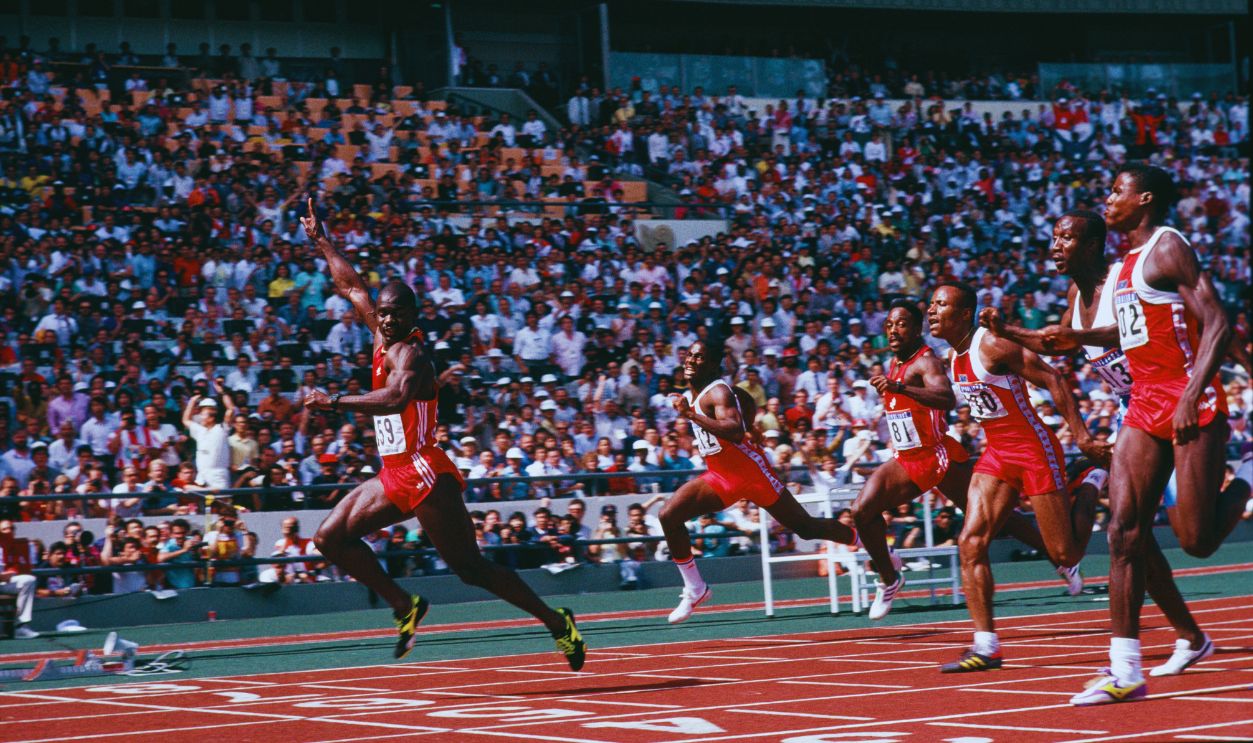
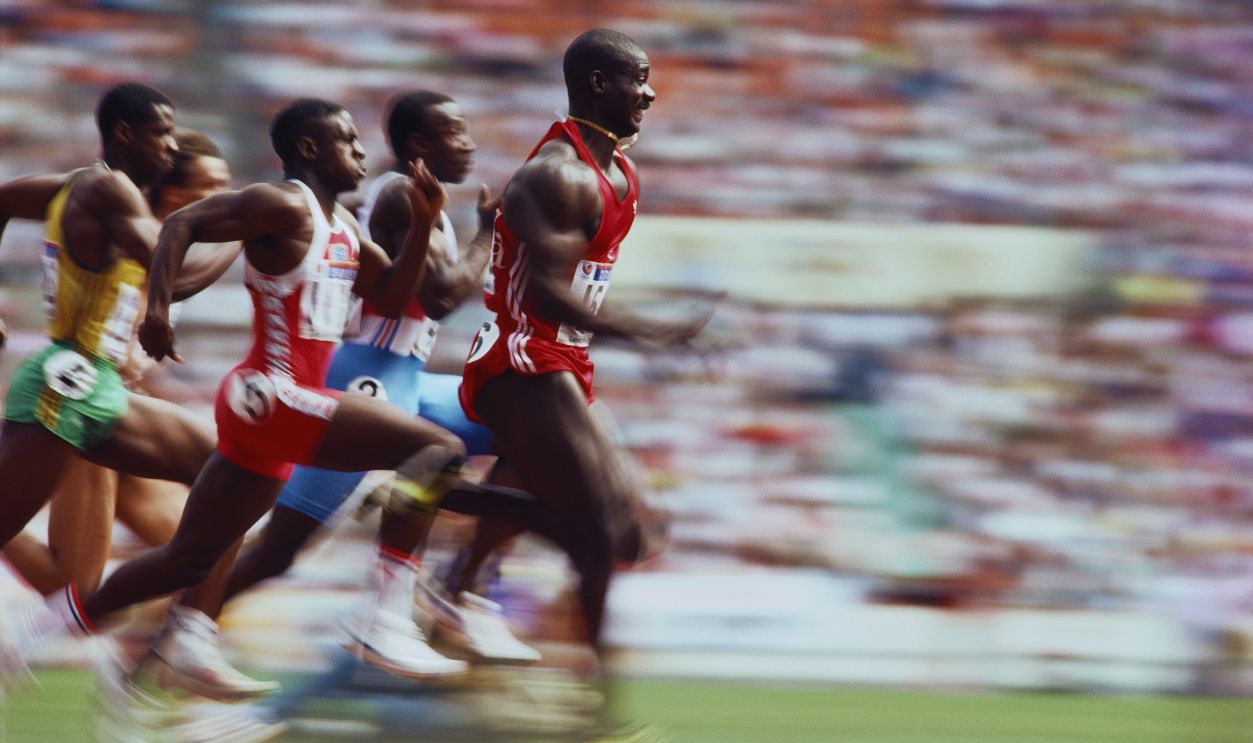
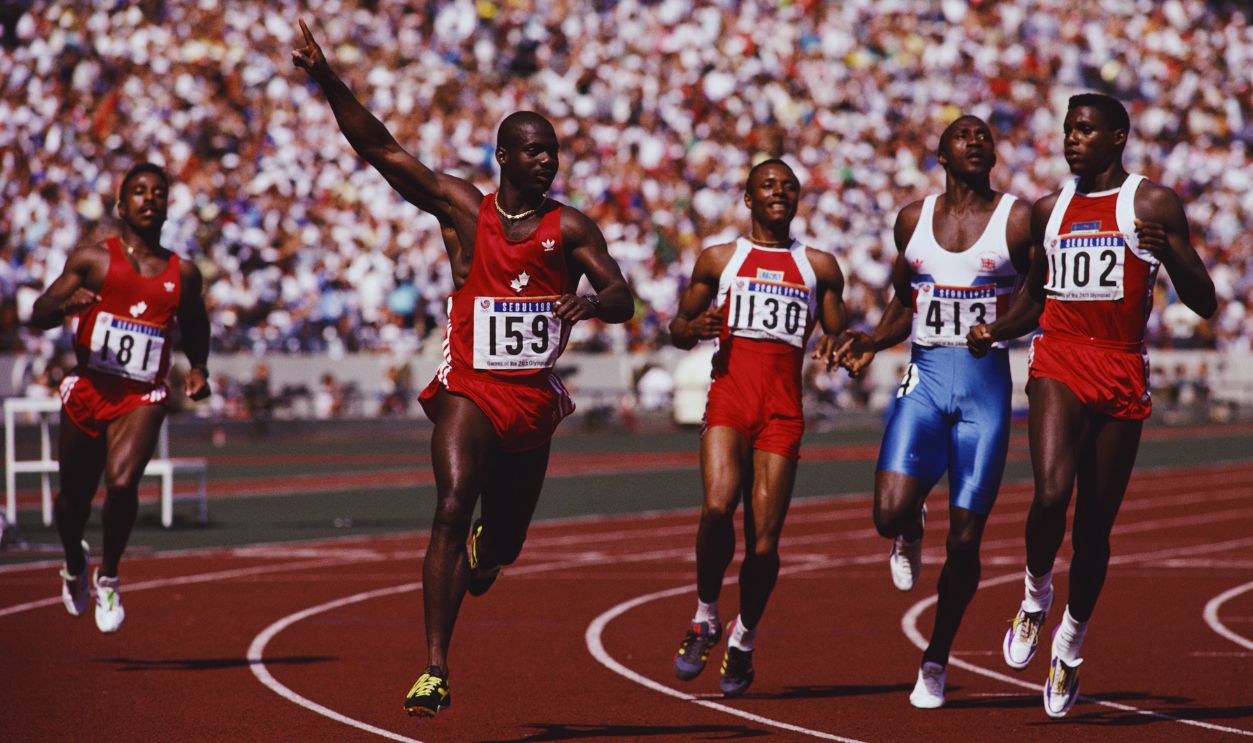
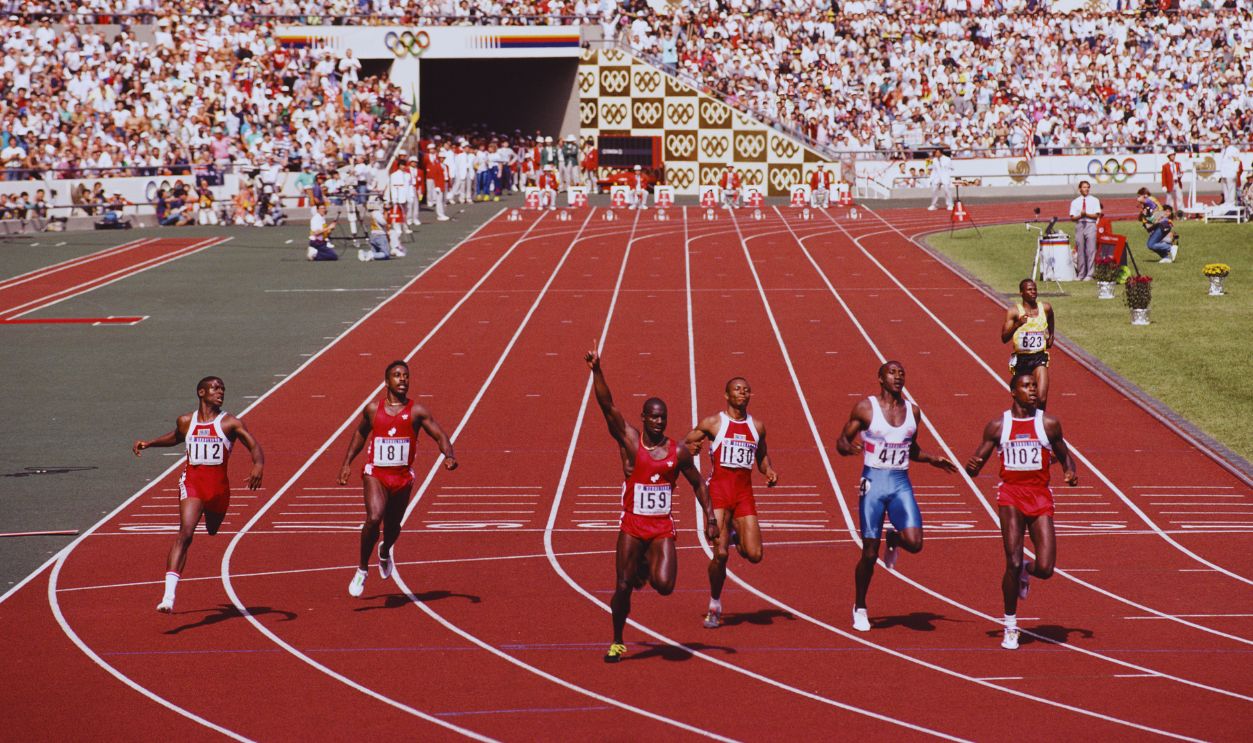
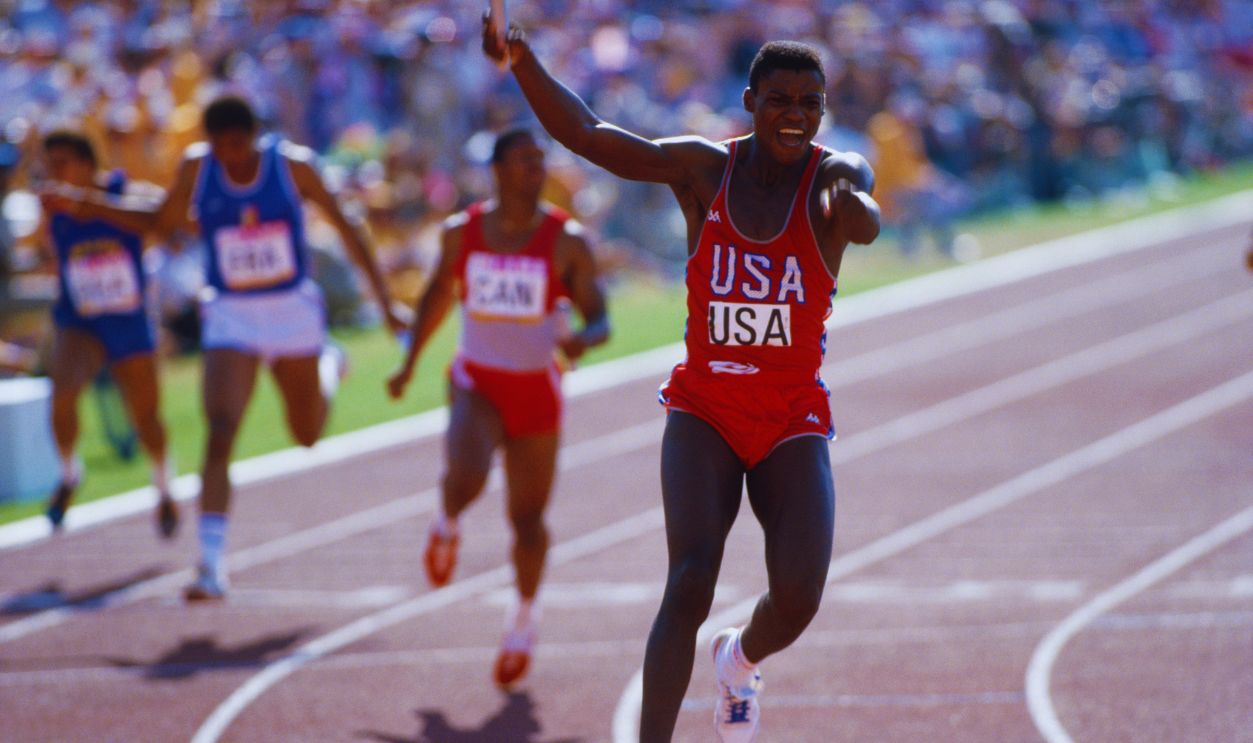
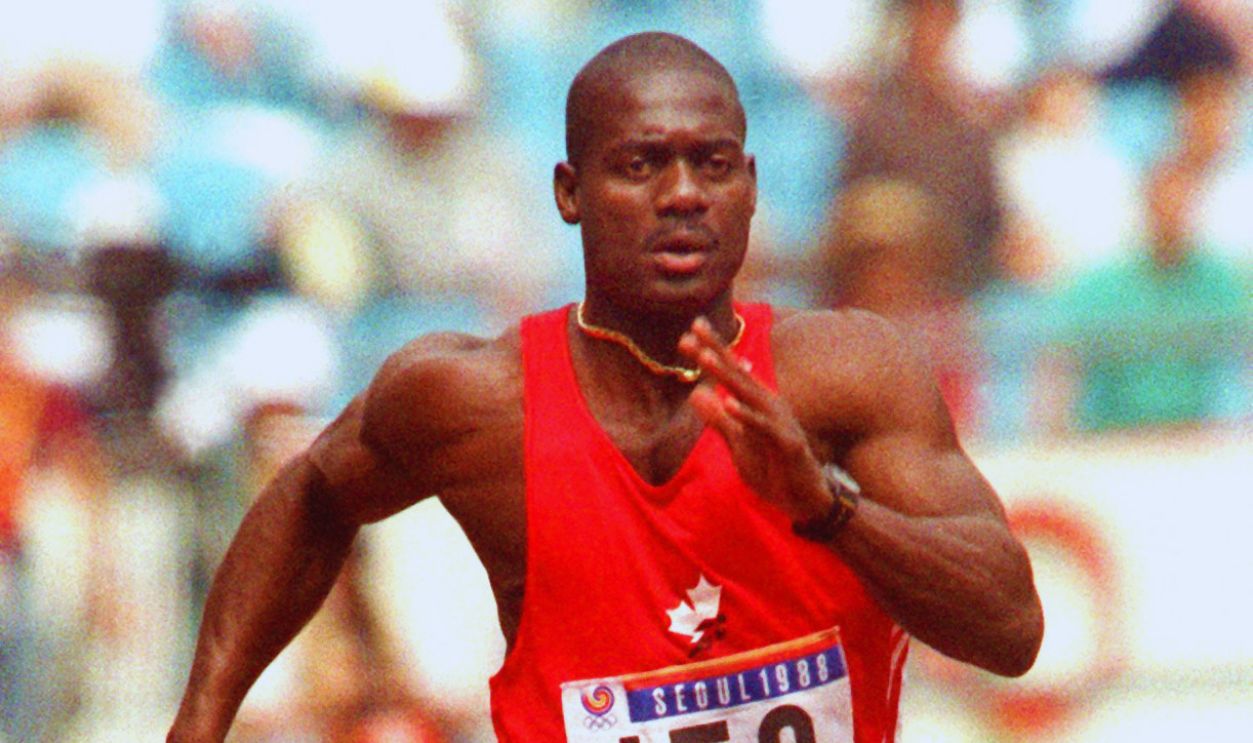
The 100 meters final of the Summer Olympics in Seoul took place on September 24, 1988, and when it was over, there was no question who the victor was. Johnson finished first, smashing his own record in the meantime—he clocked in at an astonishing 9.79 seconds. It wasn’t just the biggest moment of his career, but a historic moment for Canada.
29. He Made History
Canada had suffered decades of bad luck in the 100-meter sprint event at the Olympics, and Johnson finally brought glory back to the Great White North. His victory made him the first Canadian to win the gold since Percy Williams in 1928. He also accomplished another astounding feat.
 Gilbert Iundt; Jean-Yves Ruszniewski, Getty Images
30. He Was Fastest First
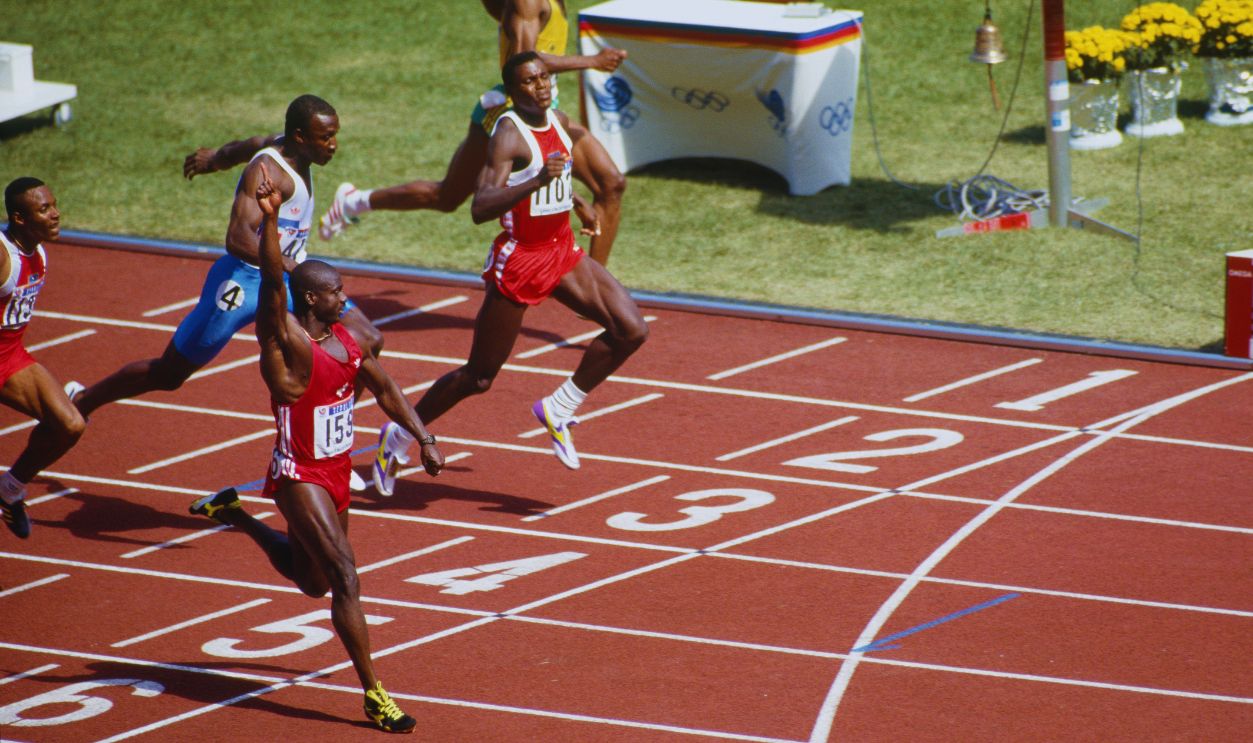
Johnson’s 9.79-second record meant that he was the first human being to beat the 9.8 seconds barrier in the sport of sprinting, defending his title of fastest man on the planet. But in his trademark cocky manner, Johnson boasted that he probably could’ve done it quicker.
31. He Slowed Down
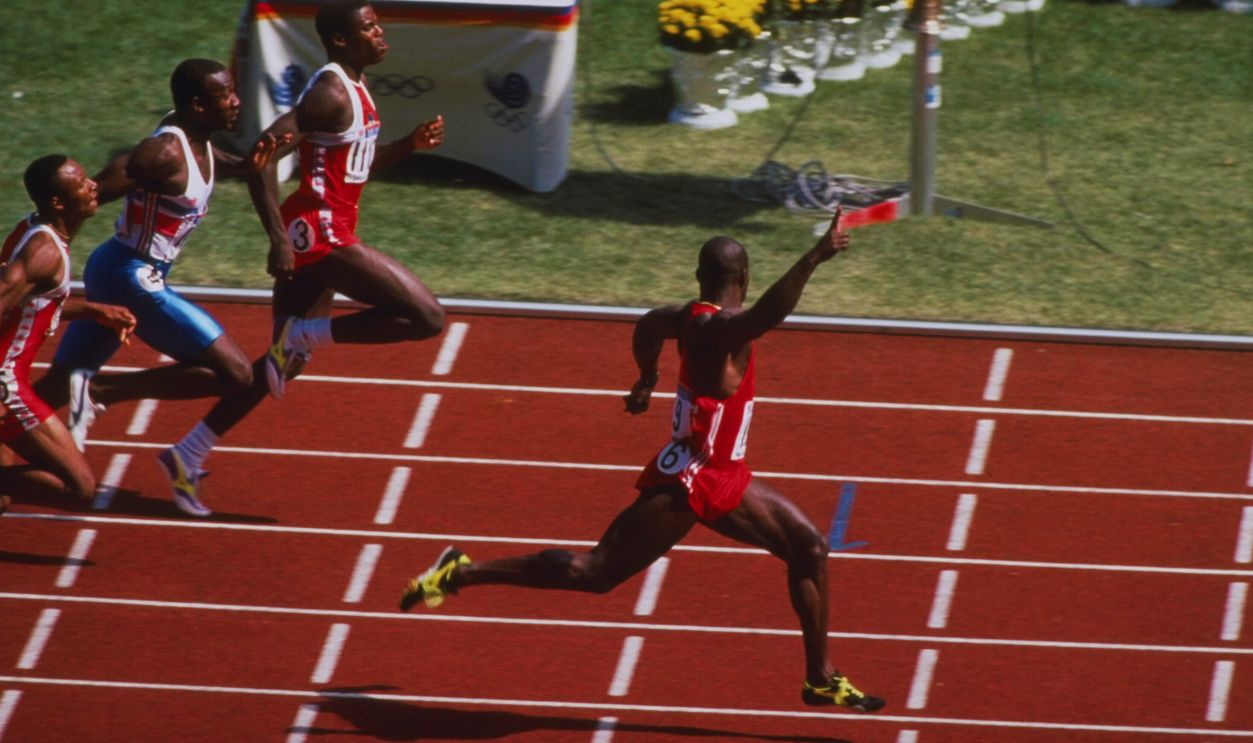
The 100m final race ended in dramatic fashion: Johnson triumphantly raised his hand in the air just before he hit the tape. In a later interview, the cocky sprinter insisted that this victory move actually negatively affected his record, claiming he would have been even faster if not for the aerodynamic effects of the hand-raise. We’ll never know for certain, of course. And as far as events transpired from there, it wouldn’t even matter.
32. His Fortunes Reversed
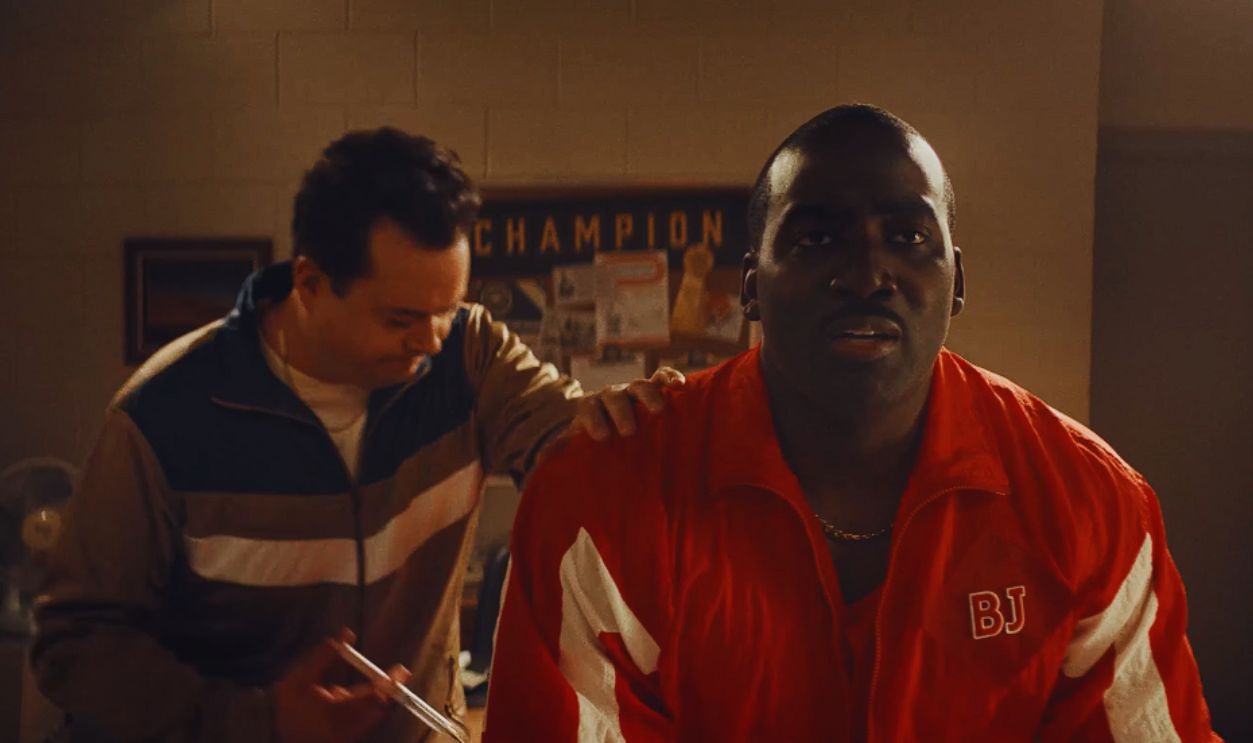
Three days after the most triumphant moment of his life, Johnson’s entire world crumbled. Park Jong-sei, a chemistry researcher from the Olympic Doping Control Center, found traces of stanozolol, an anabolic steroid, in Johnson’s urine sample. Olympic authorities immediately disqualified the gold medalist from the games and his achievements turned to ashes in his hands.
33. He Lost It All
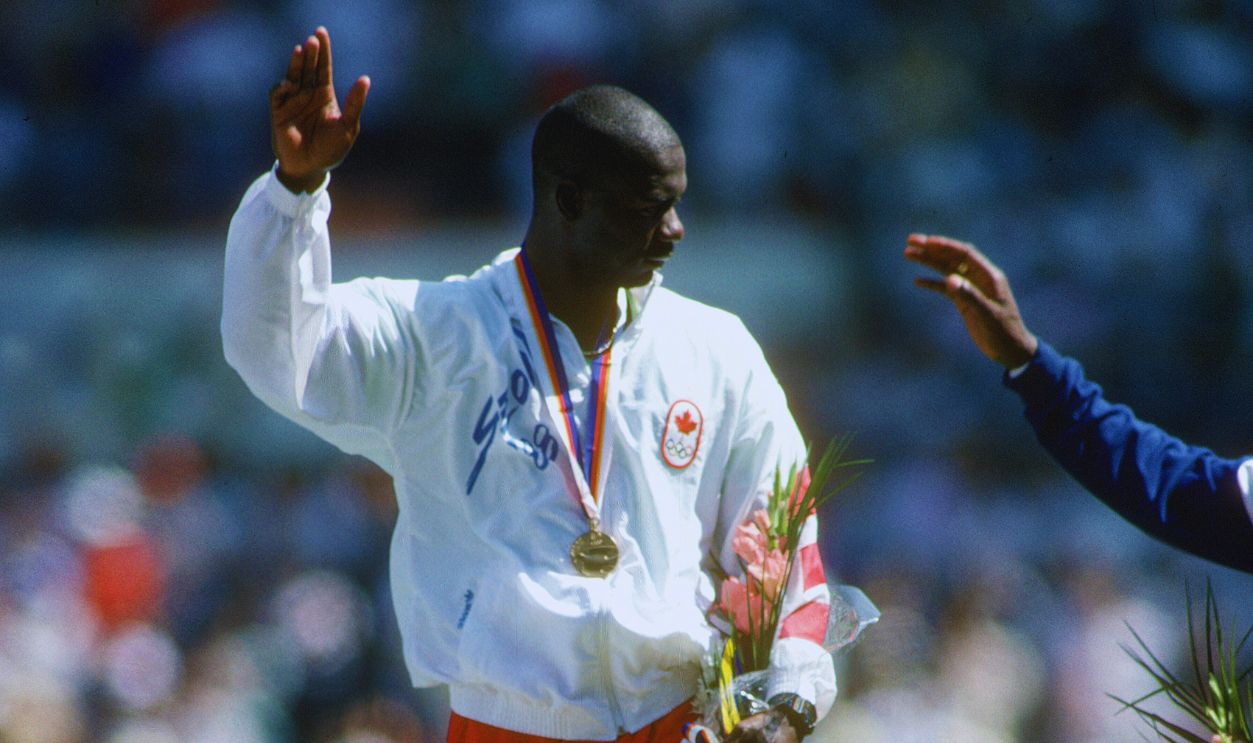
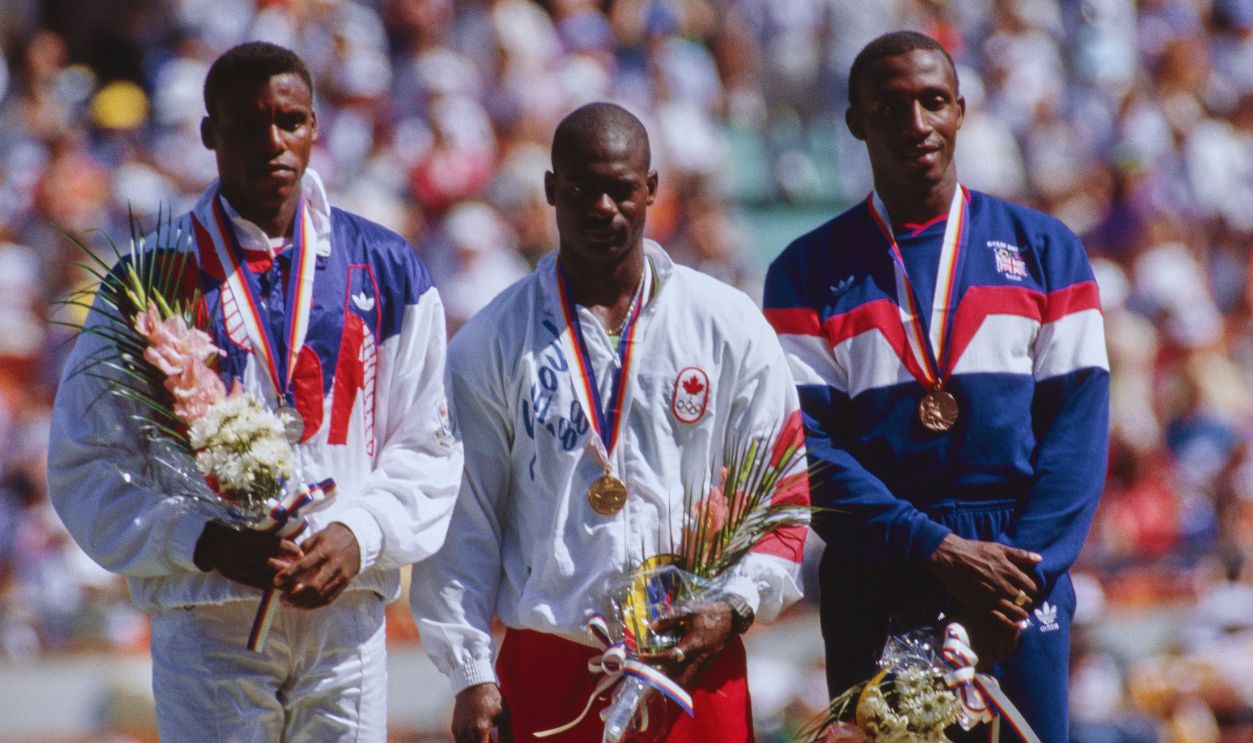
Johnson’s disqualification, of course, had a serious consequence: the Olympics' governing body immediately stripped him of his gold medal, his victory stricken from the record. As if that wasn’t bad enough, the beleaguered athlete also lost his gold medal from the 1987 Championships. All that was left to do for the disgraced sprinter was frantic damage control.
34. He Flip-Flopped
Following the Seoul test, Johnson vehemently denied that he had used performance-enhancing substances. The following year, however, after a Canadian investigation into the allegations known as the Dubin inquiry, Johnson admitted in testimony that his denial had been a lie. Perhaps he thought coming clean would earn him some favor, but it only cost him more.
 Screenshot from Hate the Player: The Ben Johnson Story, GameTV / Paramount+ (2026)
35. His Broken Record Was Fixed
After his admission, Johnson faced further consequences. The International Association of Athletics Federations (IAAF), the world record keeping body, formally rescinded his 1987 record, meaning Johnson was no longer officially the fastest man on Earth. If he felt like his treatment was unfair, he may have had a point.
36. He Was Following The Tide
Increasingly aggrieved, Johnson and his coach, Charlie Francis, complained to the media that Johnson was one of many cheaters—he just happened to be the only one to get caught. Furthermore, Francis insisted doping was so rife among the sprinting athletes that Johnson only took part in it to remain competitive. Shocking revelations would later reveal some truth to these claims.
37. He Was One Of Many
After further investigations, it was eventually revealed that, of the eight participants who ran in the 1988 100m final that Johnson won, only two of those racers, Calvin Smith and Robson da Silva, remained clean and steroid-free for their entire careers. This has led sports writers to dub the event “the dirtiest race in history”. This, of course, had implications for Johnson’s biggest rivalry.
38. His Rival Got In Trouble
After Johnson’s success was called into question, the dominoes began to fall for other athletes too. This, of course, included his main rival, Carl Lewis, who indeed tested positive for pseudoephedrine, ephedrine, and phenylpropanolamine at the Olympic Trials.
Lewis claimed he had accidentally consumed the substances and, surprisingly, investigators found this to be true—he was unaware that these substances were present in Chinese supplements he had been taking. Johnson, meanwhile, claimed that he was the victim of a nefarious plot.
39. He May Have Gotten Targeted
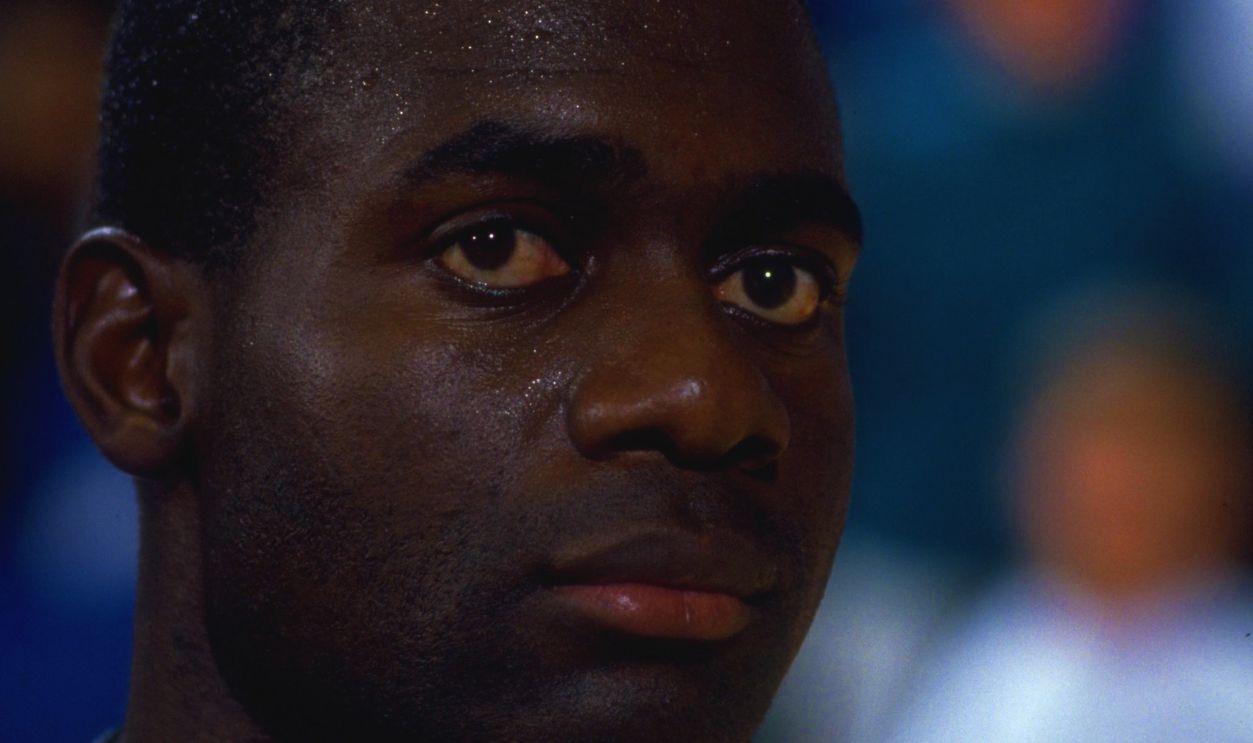
Shortly before Johnson’s dirty race, he had switched sponsorships from Adidas to the much less well-known Diadora brand. Decades later, on a podcast appearance, Johnson claimed this switch may have contributed to his target for testing, suggesting that athletes with big-name sponsorships were better protected than those aligned with smaller companies. Indeed, years after the fact, other elements of the situation were called into question.
 Getty Images Sport, Getty Images
40. He May Have Gotten Screwed Over
In 2018, the Toronto Star ran an article that called into question the lab report that burned Johnson all those years ago, claiming there were “inconsistencies” found in the report. Canada’s chief medical officer requested a copy of the report for examination, but the Canadian team offered no objections when the IOC Medical Commission later insisted that the testing methods used were unassailable. Regardless of the truth, however, the damage had been done in 1988.

41. His Country Turned On Him
The reaction to Johnson’s initial Olympic victory in Canada was one of widespread jubilance: he received a personal call from the Prime Minister congratulating him and newspapers invented words like “Benfastic” to describe the rejoicing mood.
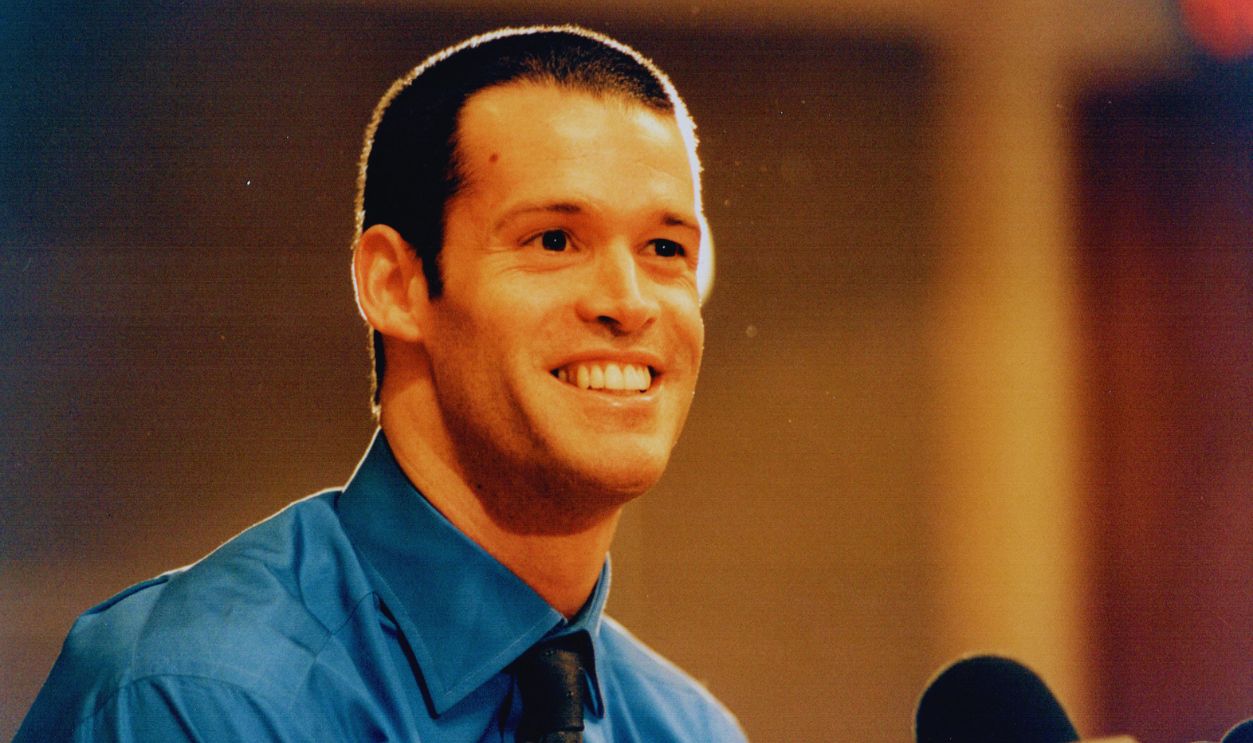
After his downfall, however, public opinion quickly turned on the disgraced athlete. Fellow Canadian Olympian and swimmer Mark Tewksbury hung a banner from his Olympic Village window which read “Hero to Zero in 9.79”, which reflected the overall mood of the nation. It would be a while before Johnson even attempted to re-enter Canada’s good graces.
42. He Popped Up Again
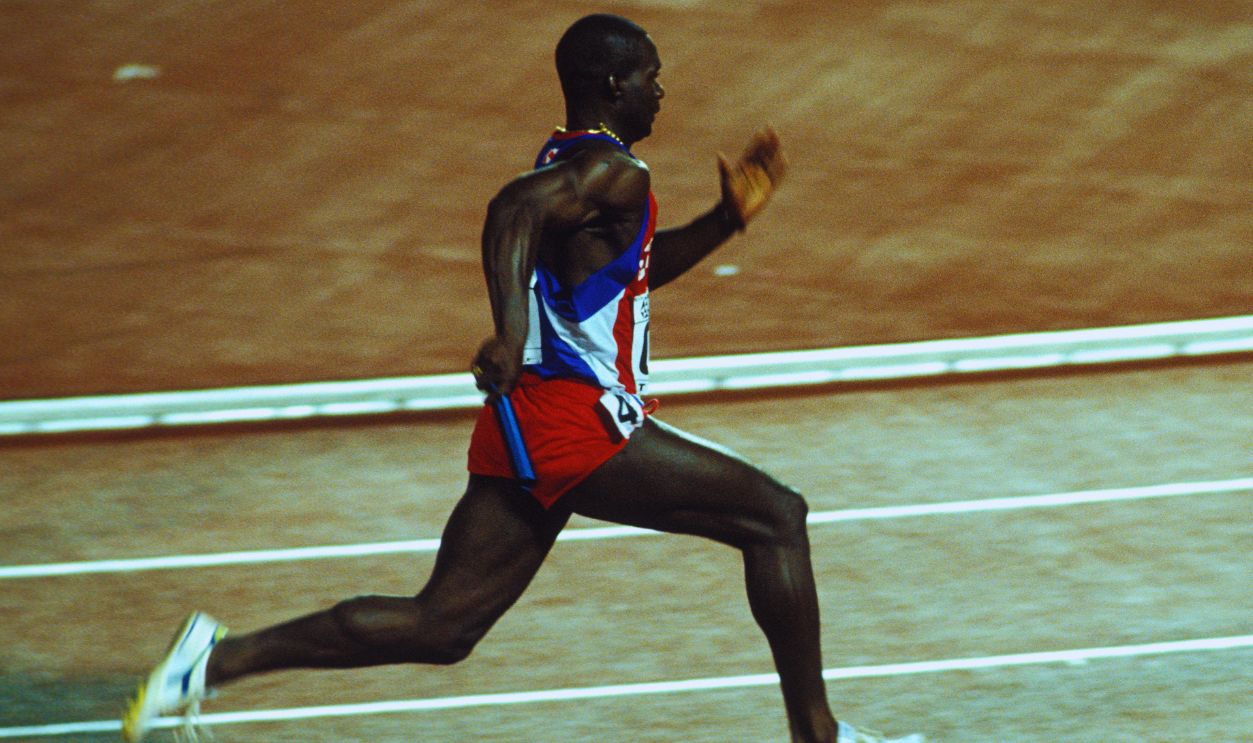
After his suspension ended in 1991, Johnson attempted a comeback to the world of athletics and sprinting. His first competitive race back was for that year’s Hamilton Indoor Games, where he attracted a massive audience of over 17,000 spectators. Johnson finished second in the 50m. Johnson would enjoy varying success for the next couple of years, but never quite reached his former heights…until he tried his former methods.
 Sergio J. Carmona, Getty Images
43. He Played The Hits
Ben Johnson competed in the 50m in Grenoble, France in 1993, where he won in a dizzying 5.65 seconds—just 0.04 seconds short of the record. His glory was short-lived, however. Incredibly, just after the race, Johnson was once again found guilty of doping, this time with testosterone. Devastatingly, this resulted in a ban for life by the IAAF. The public response was as negative as you’d expect, but this time it went too far.
 picture alliance, Getty Images
44. He Faced Xenophobia
Canadians felt a widespread sense of shame at Johnson’s transgressions, feeling he hadn’t learned his lesson. One deplorable instance, however, brought back all the pain of the athlete’s difficult childhood as an immigrant.
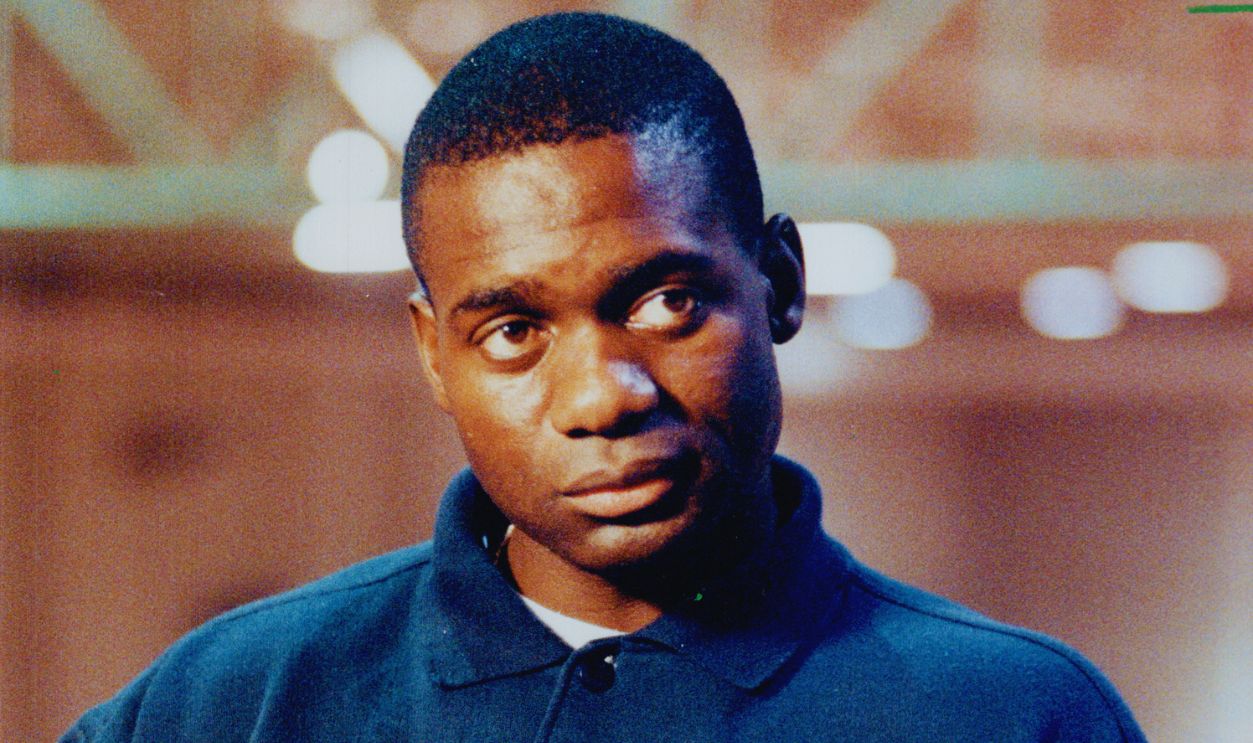
After calling him a national disgrace, federal amateur sport minister Pierre Cadieux shockingly suggested Ben should move back to Jamaica. His offensive comments got widely condemned, with Johnson himself calling it “by far the most disgusting comment [he had] ever heard”. Reality was setting in for the former fastest man, however: he essentially faced exile from Canadian athletics.
45. He Became A PT For The Stars
Ben Johnson bummed around for the next decade or so, taking odd jobs that were sports adjacent. One of the more notable of these occurred in 1997, when Johnson got a gig training Argentinian soccer superstar, Diego Maradona. It wouldn’t be his last brush with a big name.
 Neogeolegend, Wikimedia Commons
46. He Worked With A Would-Be Leader
Most knew Maradona for his big personality, but Johnson’s clients only got stranger from there. In 1999, the disgraced sprinter once again made headlines when he took a job as a personal trainer for the son of Muammar Gaddafi, the infamous leader of Libya. It wasn’t all work, no play for Big Ben, however.
 Hamza Turkia, © European Union, 2010, Wikimedia Commons
47. He Participated In Wacky Races
In 1998, Ben Johnson appeared in a lighthearted race for charity. His opponents in this showdown were a thoroughbred racing horse, a harness racing horse, and a stock car. Incredibly, the former fastest man on earth finished third in the race! As he aged out of his physical prime, however, Johnson had to find other ways to occupy himself.
48. He Told His Story
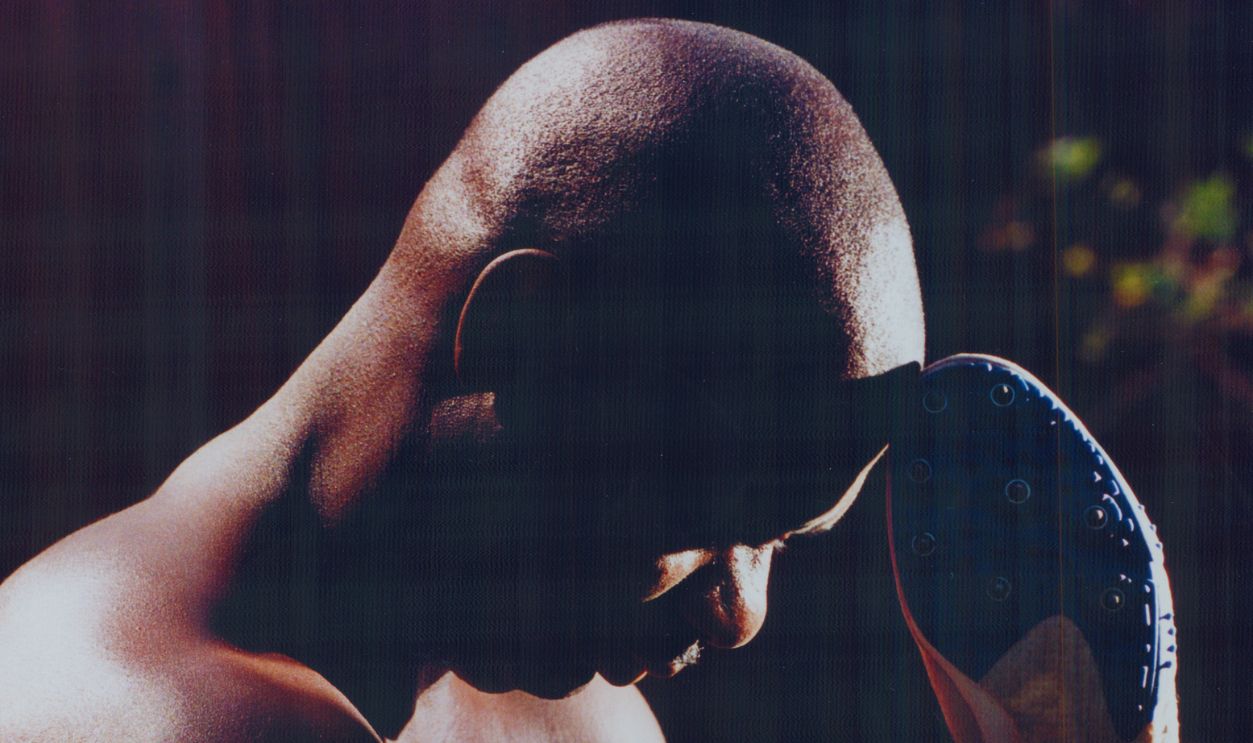
In 2010, Johnson self-published a tell-all autobiography entitled Seoul to Soul, where he recounted his life story from his childhood in Jamaica through his glory days and the scandalous aftermath. A critic in the Canadian press described the book as “an unconventional sports autobiography”. At this juncture, Johnson was finally ready to laugh at his mistakes.
49. He Capitalized On Controversy
Later in life, Ben Johnson took part in two ad campaigns where he poked fun at his misadventures with doping. The first, in 2006, was for energy drink “Cheetah Power Surge”. In the commercial, the president of the brand asks Johnson: “Ben, when you run, do you Cheetah?”, to which he slyly replies, “I Cheetah all the time”.
Johnson followed this in 2017 with an ad for Australian bookmaker Sportsbet, where Johnson cheekily endorses the company’s new Android app by stating it “has tested positive for speed and power”. Even wilder, the tagline for the campaign was “Putting the 'Roid in Android”. Many condemned the moves as tasteless, but Johnson laughed all the way to the bank.
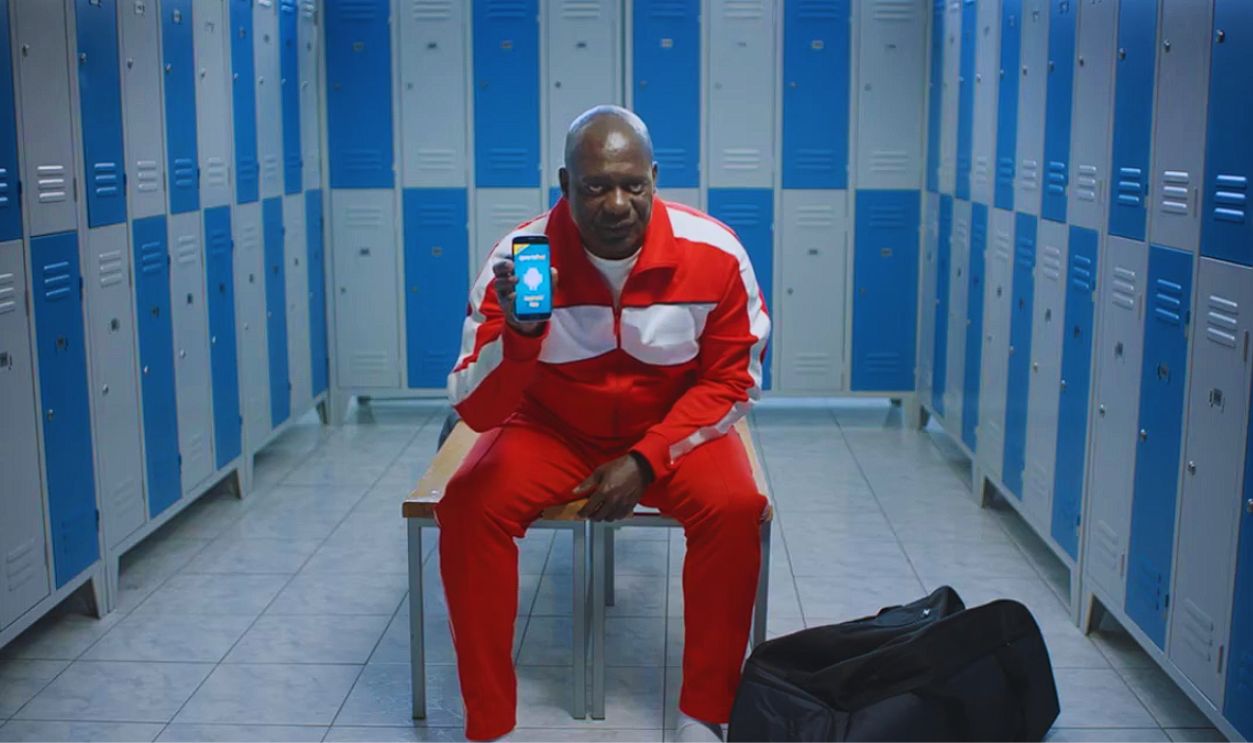 Screenshot from Sportsbet Ben Johnson Advertisement, Sportsbet (2017)
50. He’s A Family Man
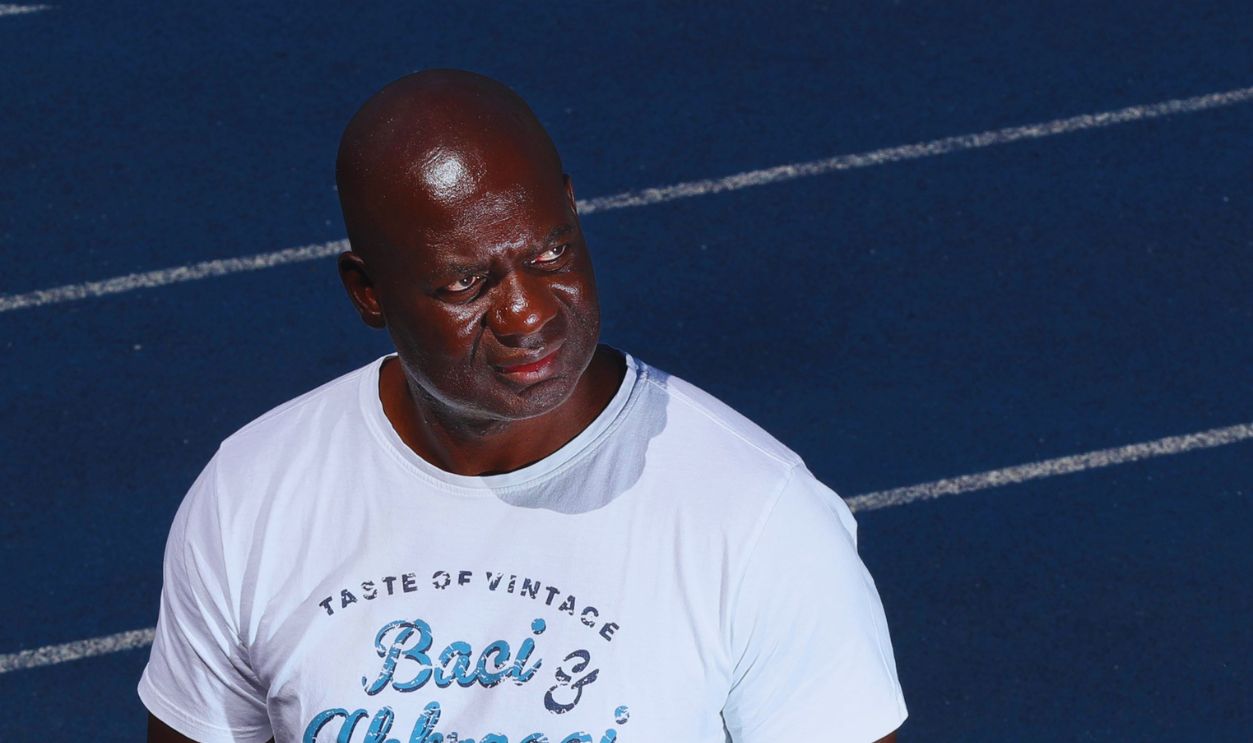
Today, Ben Johnson lives happily in Markham, Ontario, where he continues to coach and spends most of his time with his daughter and granddaughter. For the onetime fastest man on earth, it’s finally time to take a load off.

You May Also Like:
Shellshocked Facts About Audie Murphy, America’s Troubled Hero
Righteous Facts About Coretta Scott King, The Forgotten First Lady Of The Civil Rights Movement
Bold Facts About Natalie Clifford Barney, The Aristocratic Scandal-Maker