She Would Not Let Blindness End Her Career
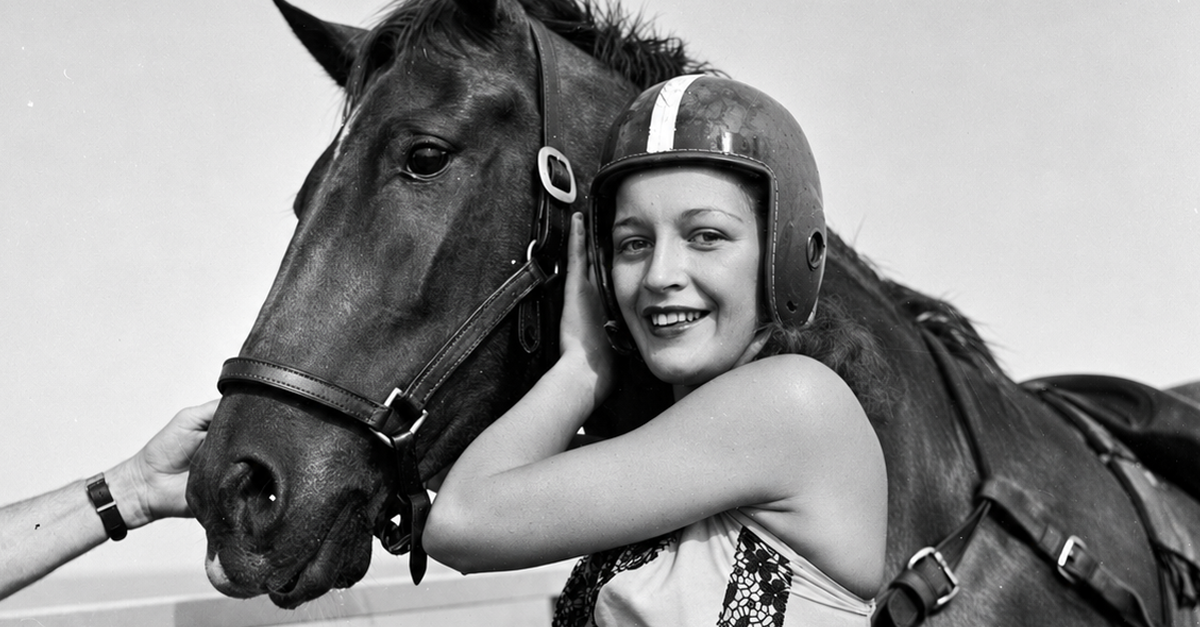
Sonora Webster Carver made a living doing something that already seemed impossible: riding a horse as it plunged from a 40-foot tower into a pool below. Then a 1931 dive went horribly wrong and left her blind. Most people would have walked away for good. Carver climbed back onto a diving horse and kept performing for another decade.
She Grew Up Far From Atlantic City
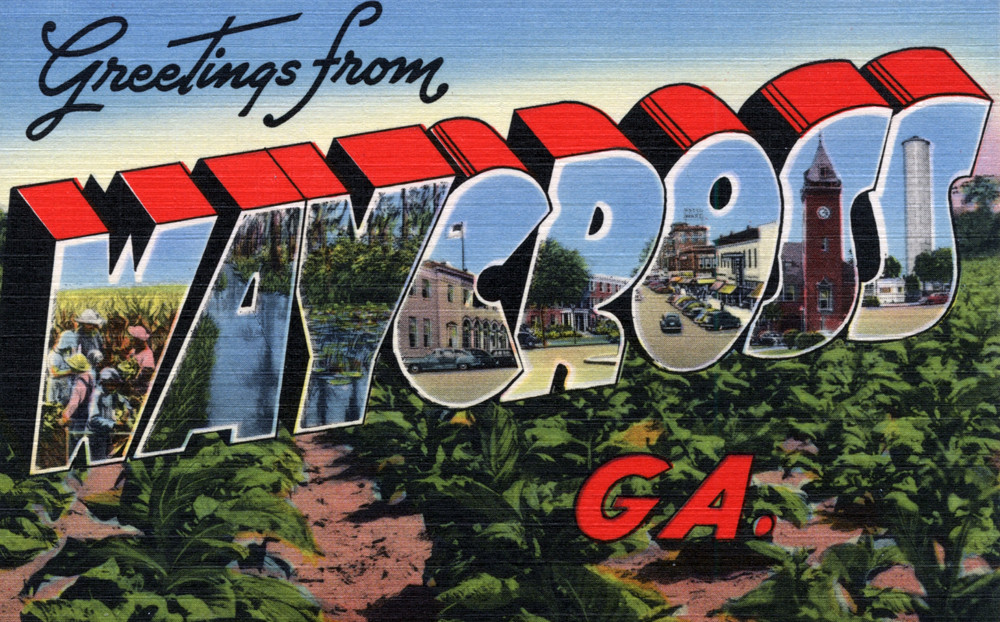
Sonora Webster was born in Waycross, Georgia, on February 2, 1904, one of six children in a working-class family. Nothing about her childhood suggested she would become one of Atlantic City's most memorable daredevils. Her route into show business began with a newspaper advertisement.
 Steve Shook from Moscow, Idaho, USA, Wikimedia Commons
One Advertisement Changed Everything
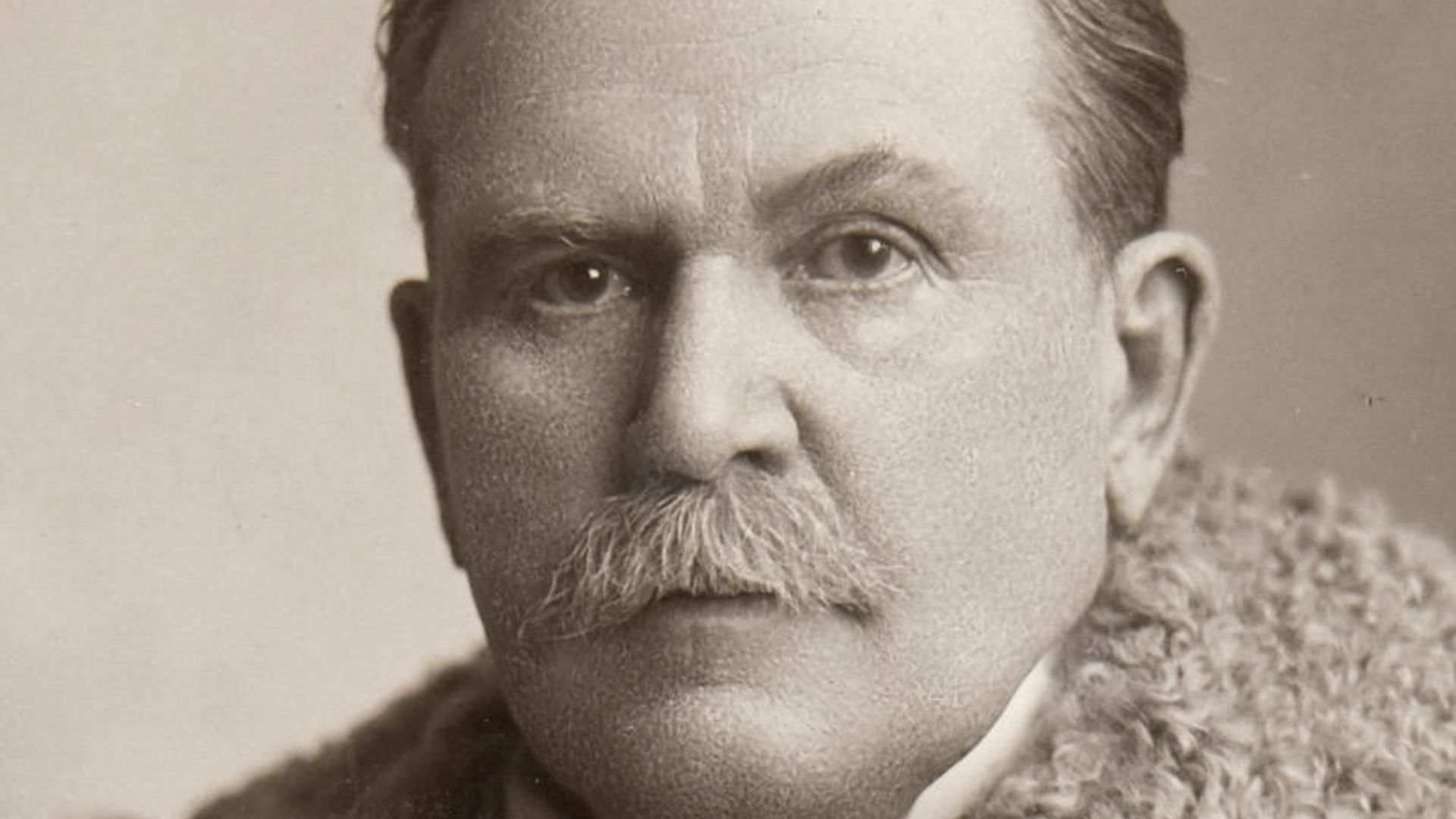
In 1923, Webster answered an advertisement seeking a young woman who could swim, dive, work with horses, and travel. The job came from entertainer William Frank "Doc" Carver, whose traveling show featured trained horses and dangerous stunts. Webster joined his company and entered a world unlike anything she had known in Georgia.
 unattributed, Wikimedia Commons
Doc Carver Was Already A Showman
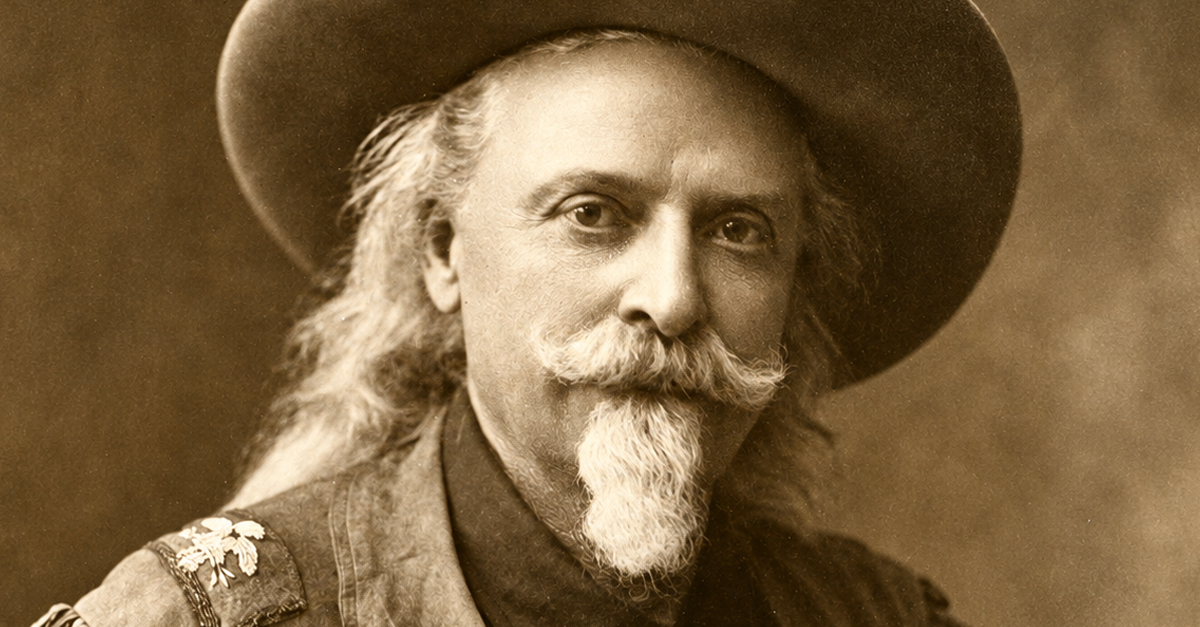
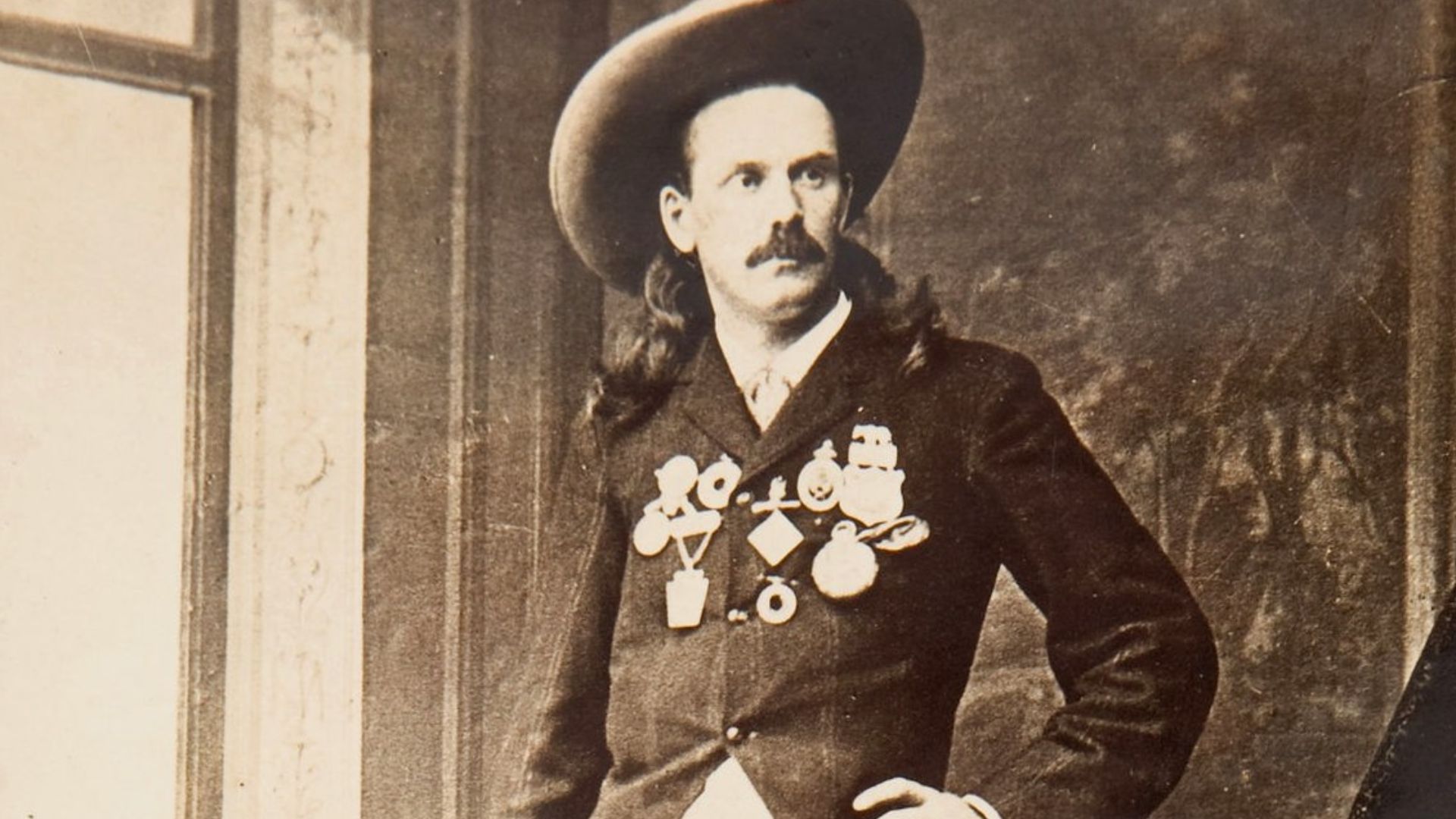
William "Doc" Carver had built a career around horsemanship, marksmanship, and traveling entertainment. A trained dentist, he became a successful marksman before developing his famous horse-diving attraction. By the time Webster arrived, the spectacular plunge had become the centerpiece of his show.
 A.H. Arnold, Omaha, Wikimedia Commons
The Stunt Was Almost Unbelievable
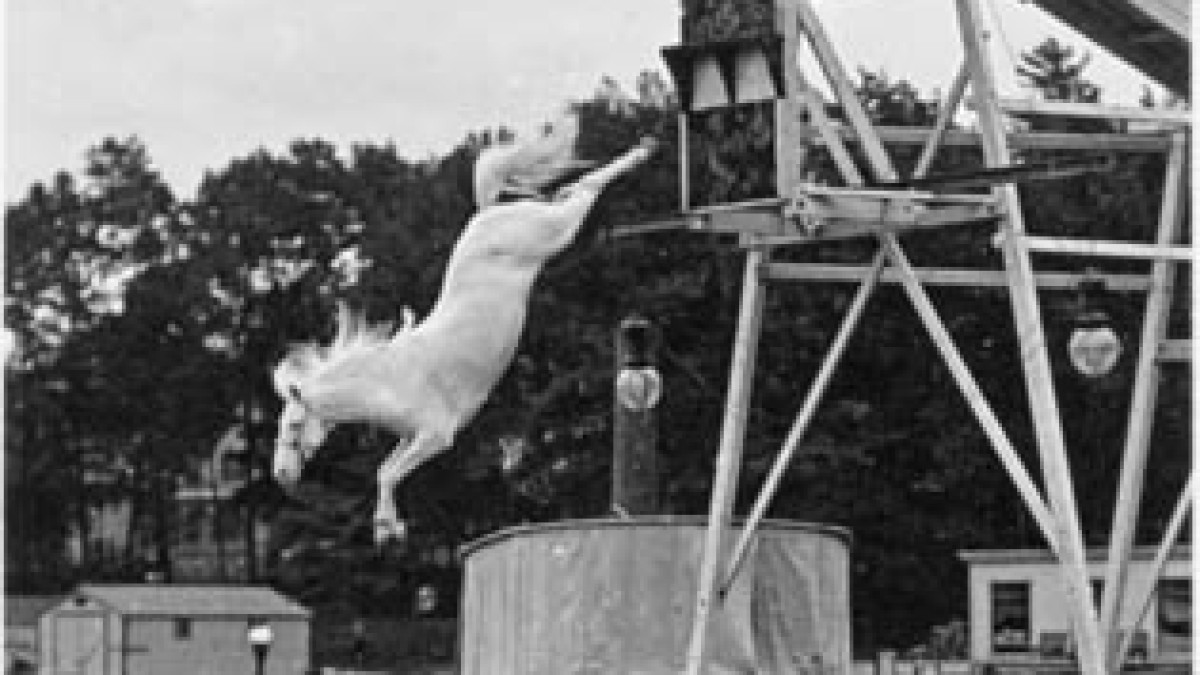
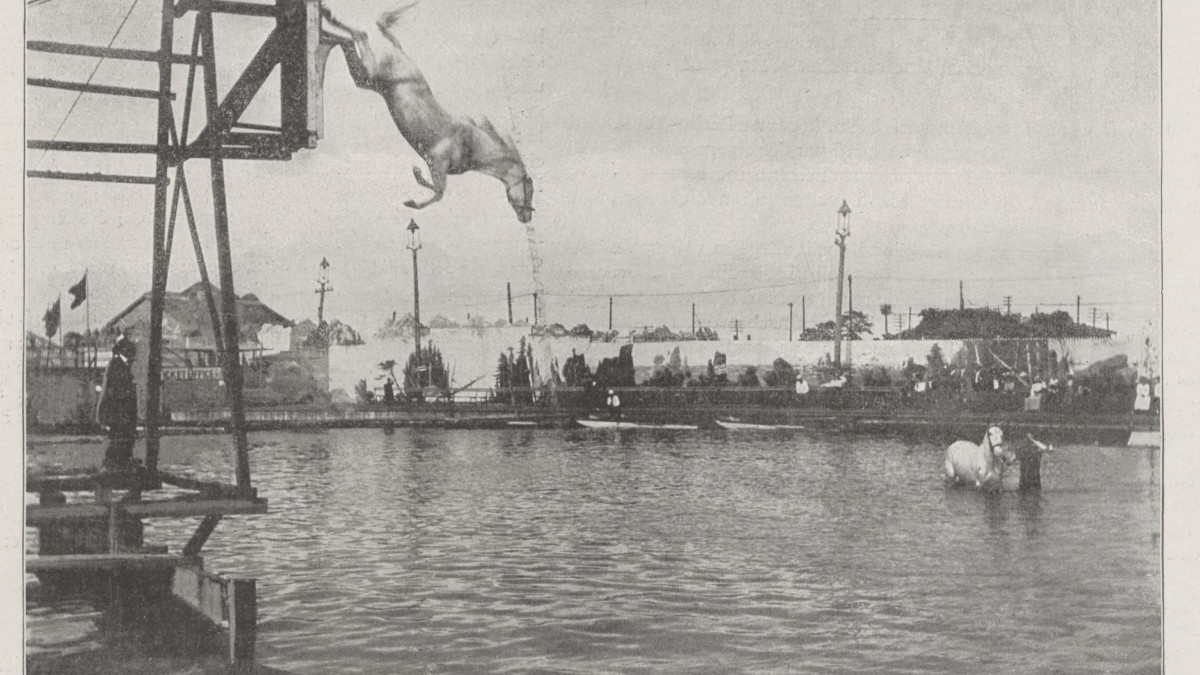
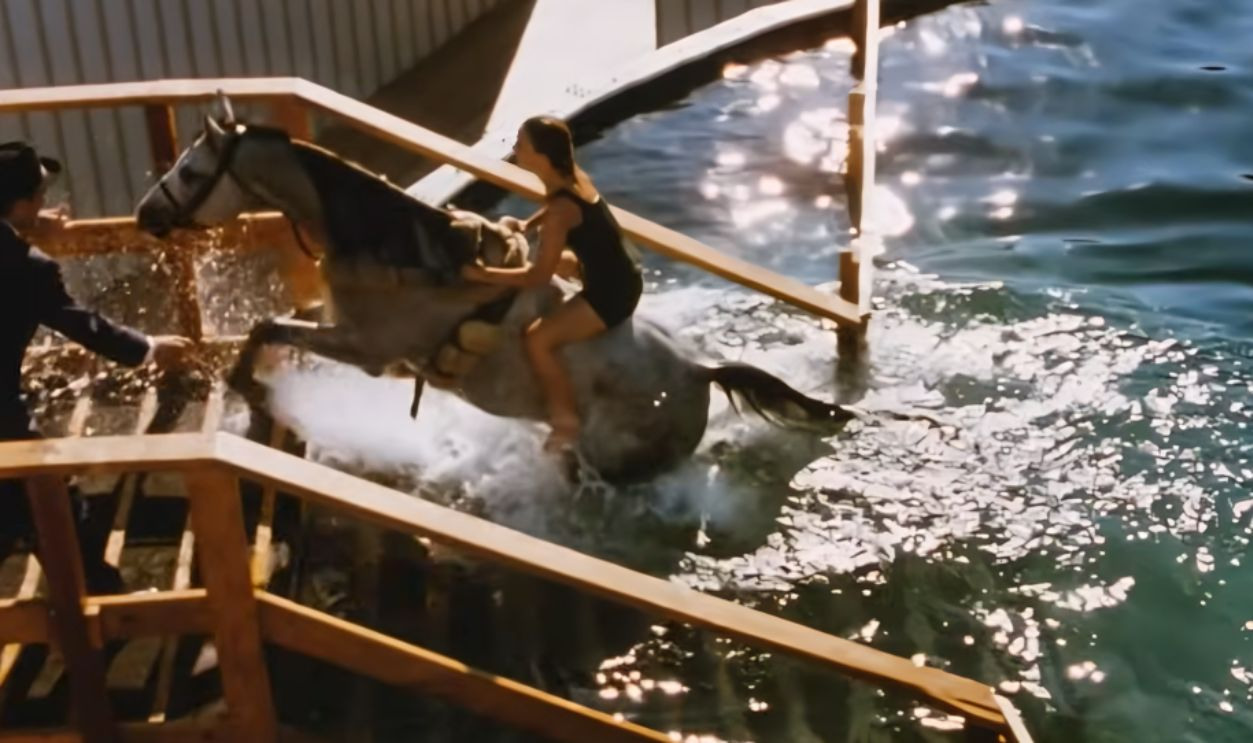
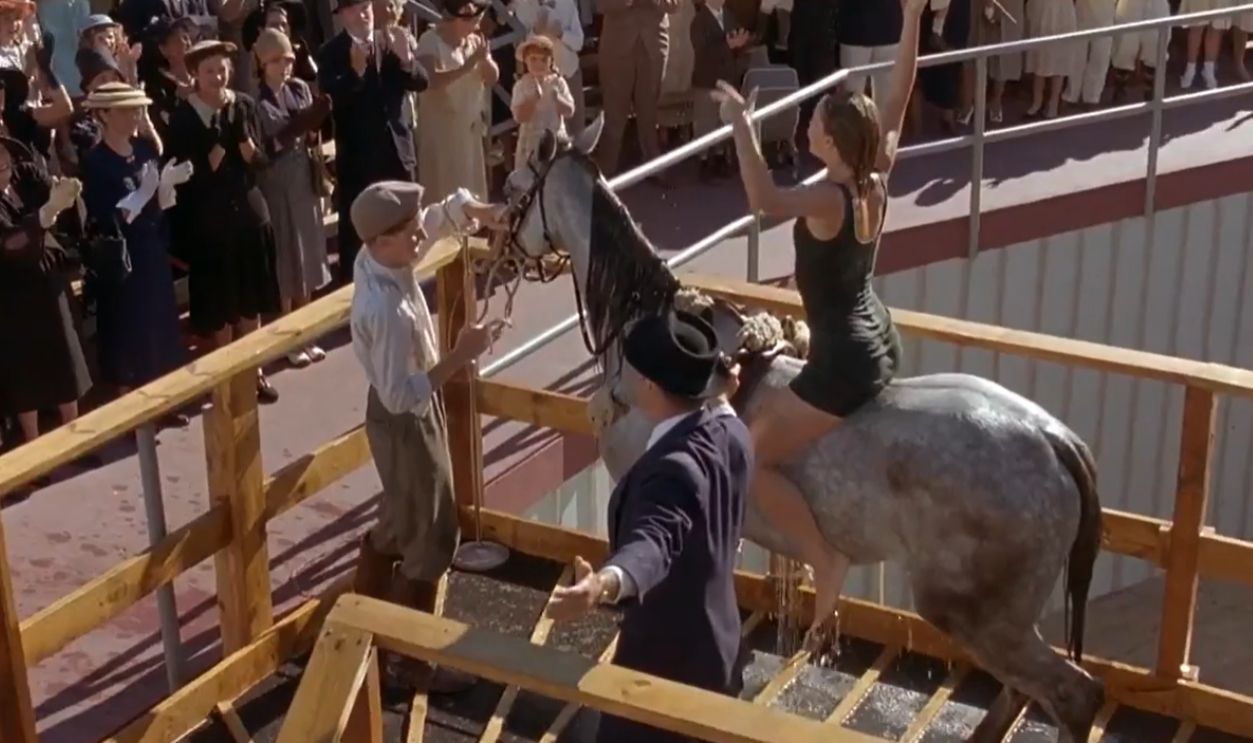
The basic routine was simple to describe and terrifying to imagine. Webster had to mount a moving horse near the top of a roughly 40-foot tower, settle onto its back, and remain there as the animal plunged into an 11-foot-deep pool. Horse and rider then surfaced together in front of the crowd.
Her First Public Dive Came In 1924
Webster made her first public horse dive on May 20, 1924, at an amusement park in North Carolina. She later remembered the experience as an exhilarating rush rather than something she immediately regretted. The young performer had found the act that would define much of her life.
 Unknown authorUnknown author, Wikimedia Commons
Soon She Was Traveling The Country
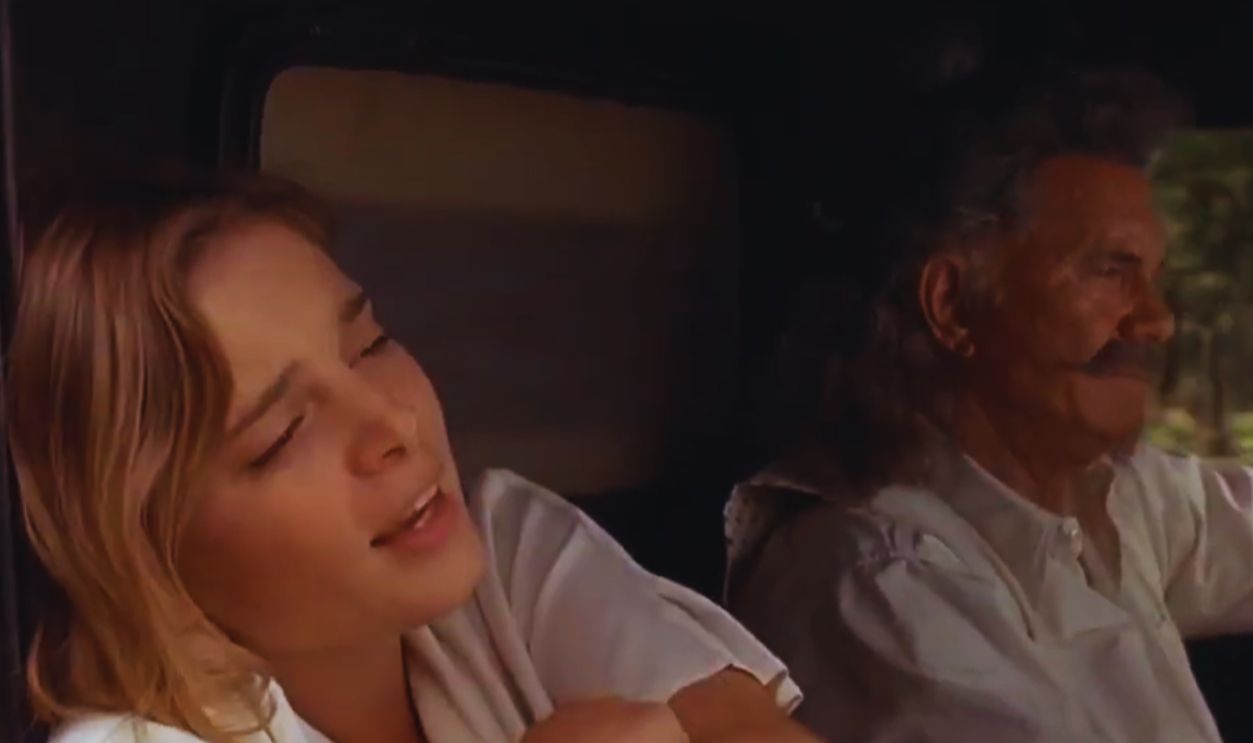
The Carver troupe took the diving-horse act to fairs, carnivals, and other attractions around the United States. Webster became one of its best-known performers as audiences gathered to watch horse and rider disappear over the edge of the platform. By the time she reached Atlantic City, she had already spent years performing on the road.
 Screenshot from Wild Heats Can’t Be Broken, The Walt Disney Company (1991)
The Horse Had A Huge Say In Every Dive
A diving girl might look like she controlled the spectacle, but much depended on the animal beneath her. The rider had to position herself correctly and stay balanced while the horse committed to the plunge. Once horse and rider left the platform, there was very little opportunity to correct a mistake.
 Screenshot from Wild Heats Can’t Be Broken, The Walt Disney Company (1991), Enhanced
Then The Show Lost Its Founder
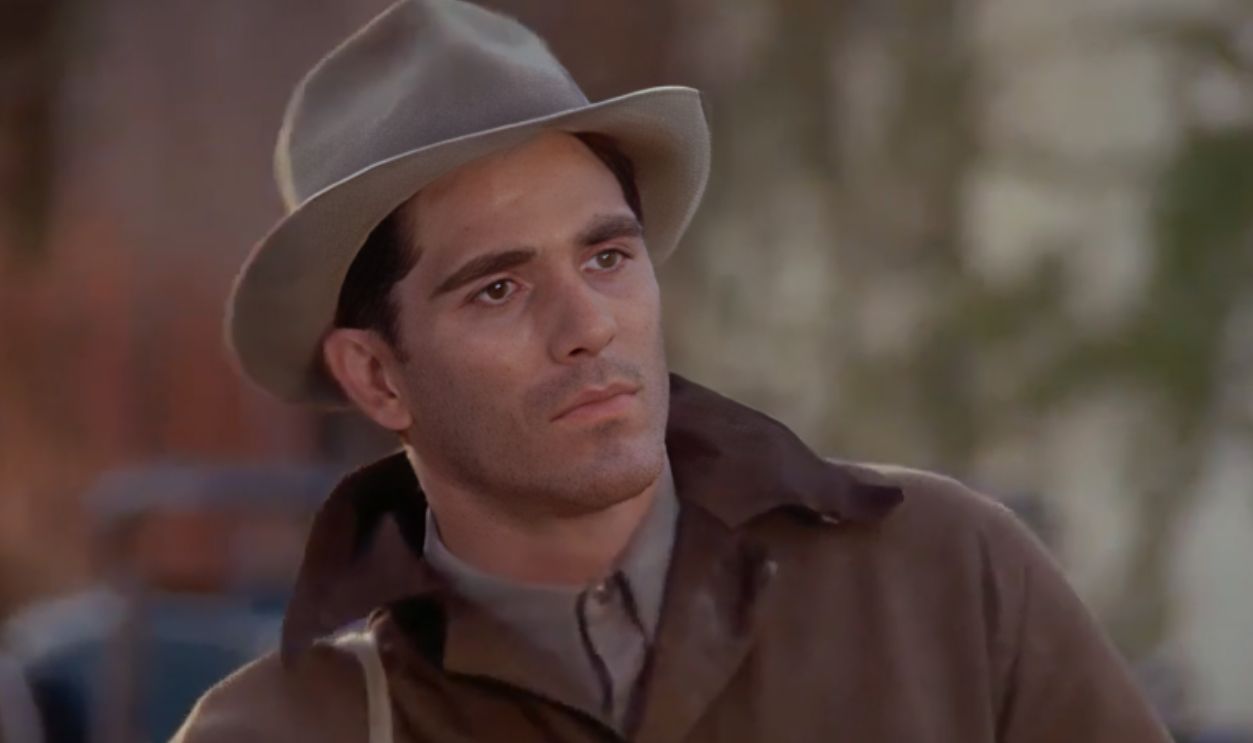
Doc Carver died in 1927, leaving the future of the unusual attraction uncertain. His son, Albert "Al" Floyd Carver, took responsibility for the operation. Sonora stayed with the troupe rather than looking for a safer line of work.
 Screenshot from Wild Heats Can’t Be Broken, The Walt Disney Company (1991), Enhanced
Sonora And Al Became A Couple
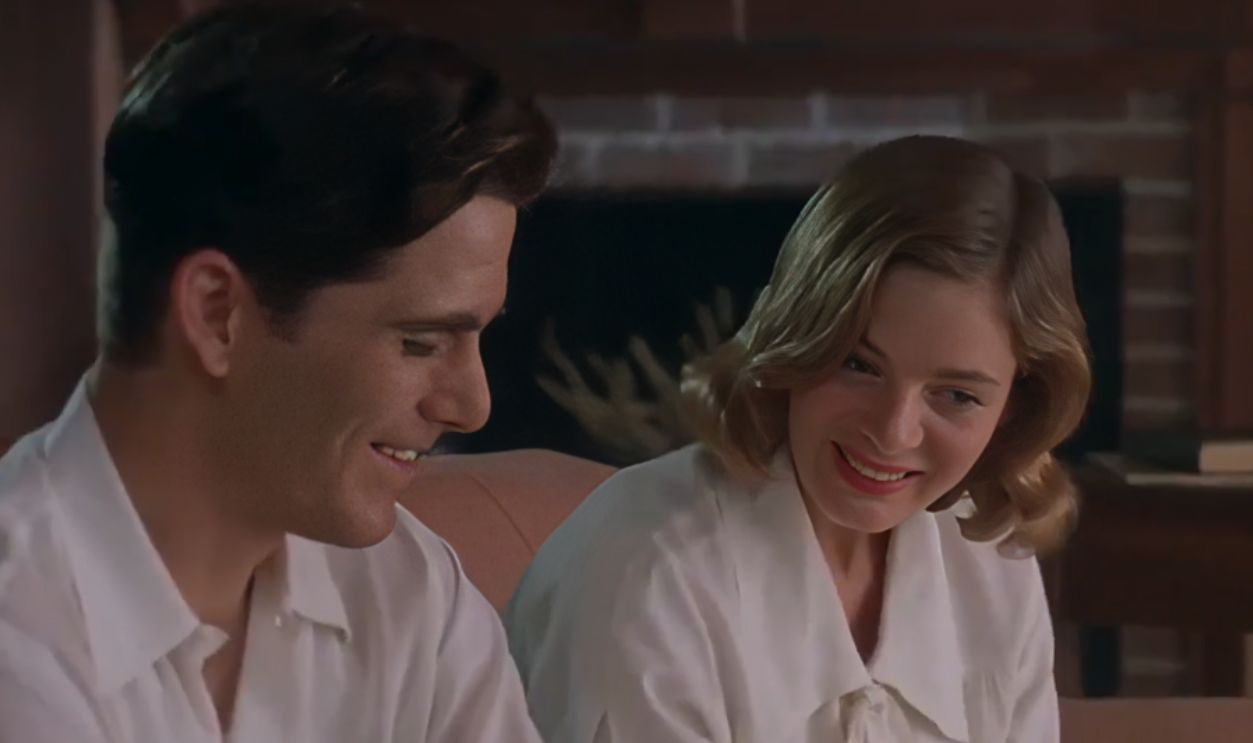
Sonora's relationship with Al Carver also changed during these years. The pair married in 1928, several years after Sonora had first joined his father's show. Their marriage tied her even more closely to the family business she had already made her career.
 Screenshot from Wild Heats Can’t Be Broken, The Walt Disney Company (1991), Enhanced

History's most fascinating stories and darkest secrets, delivered to your inbox daily.
Their Next Stop Changed Everything
Soon after the marriage, the diving-horse show secured an engagement at Atlantic City's Steel Pier. The attraction became closely associated with the famous boardwalk entertainment complex and eventually settled there as a regular act. For Sonora, the wandering carnival life had led to one of America's busiest resort destinations.
 Detroit Publishing Company, Wikimedia Commons
Steel Pier Made Her A Star
Horse diving became one of Steel Pier's signature spectacles. Sonora sometimes performed several times a day, with the act drawing crowds numbering in the thousands. Watching a horse and rider plunge from a tower into a small pool offered exactly the kind of spectacle that drew visitors to the pier.
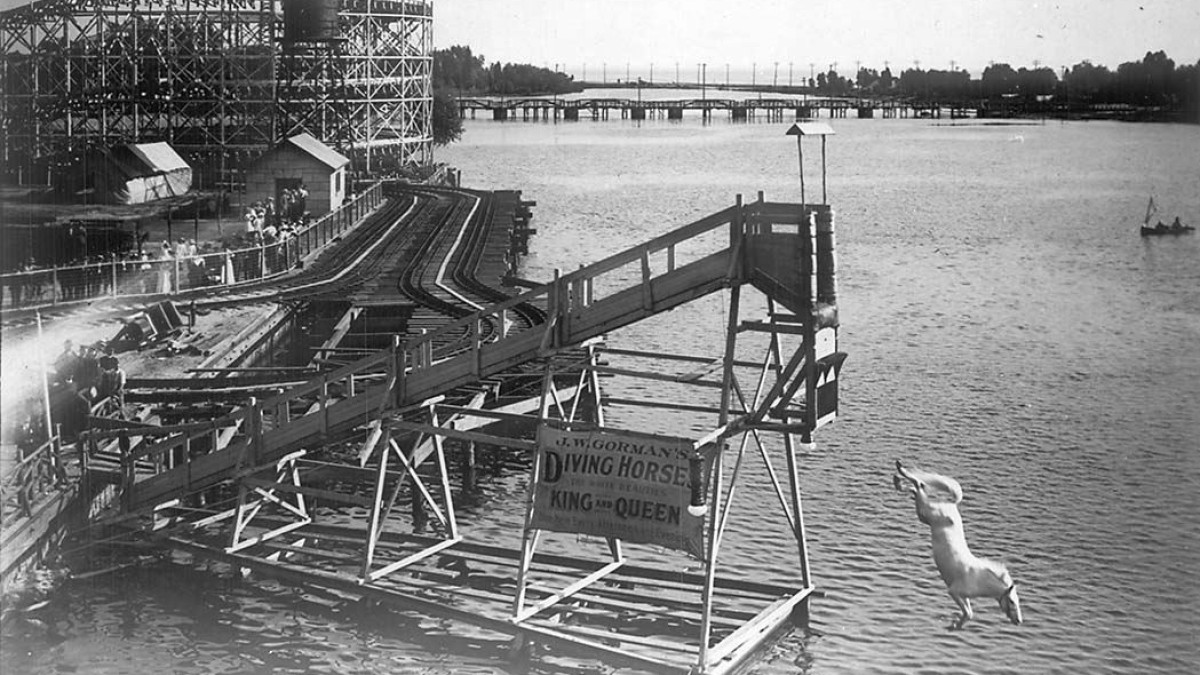 William James, Wikimedia CommonsHer Sister Joined The Act Too
Sonora was eventually joined by her younger sister, Arnette Webster French. Records place Arnette with the show beginning in 1928, and she also became a diving-horse rider. What had started as Sonora's improbable career had turned into something of a family profession.
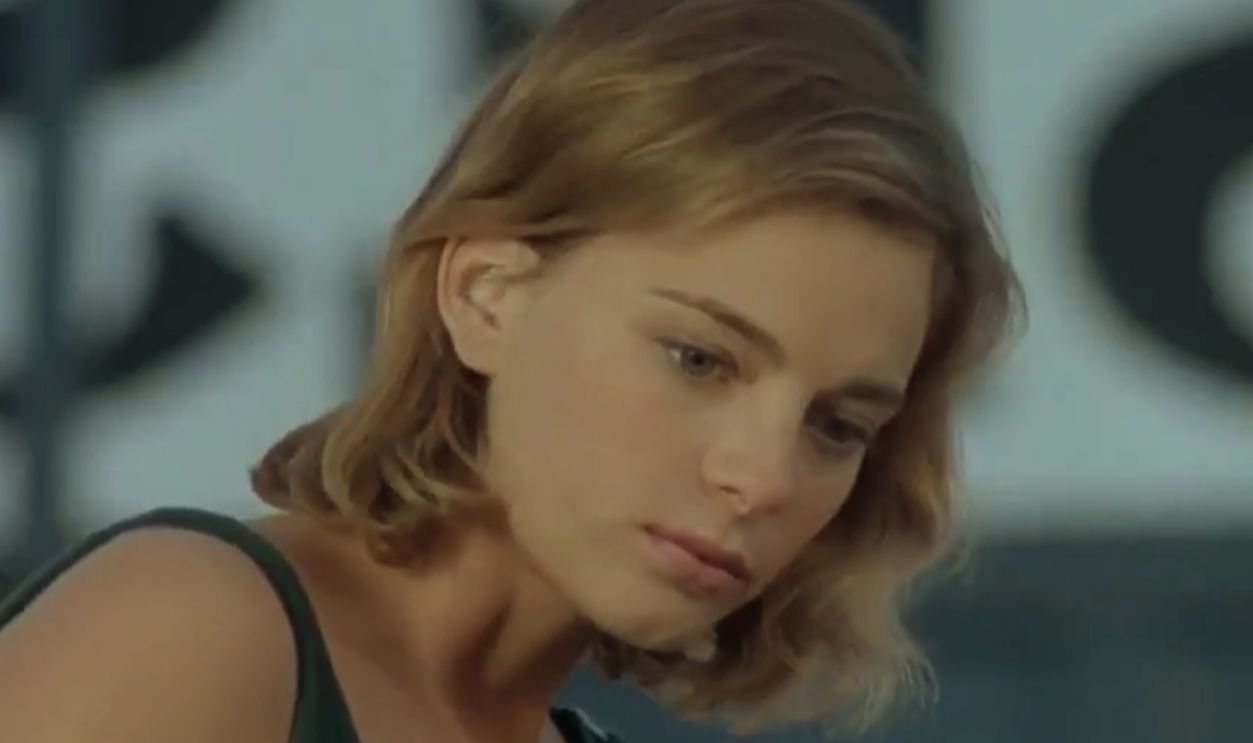 Screenshot from Wild Heats Can’t Be Broken, The Walt Disney Company (1991)
Seven Years Passed Without Disaster
By 1931, Sonora had spent roughly seven years performing the dangerous stunt. She had survived dive after dive without the catastrophic injury that might seem inevitable from watching the act. Then one performance with a horse named Red Lips changed her life.
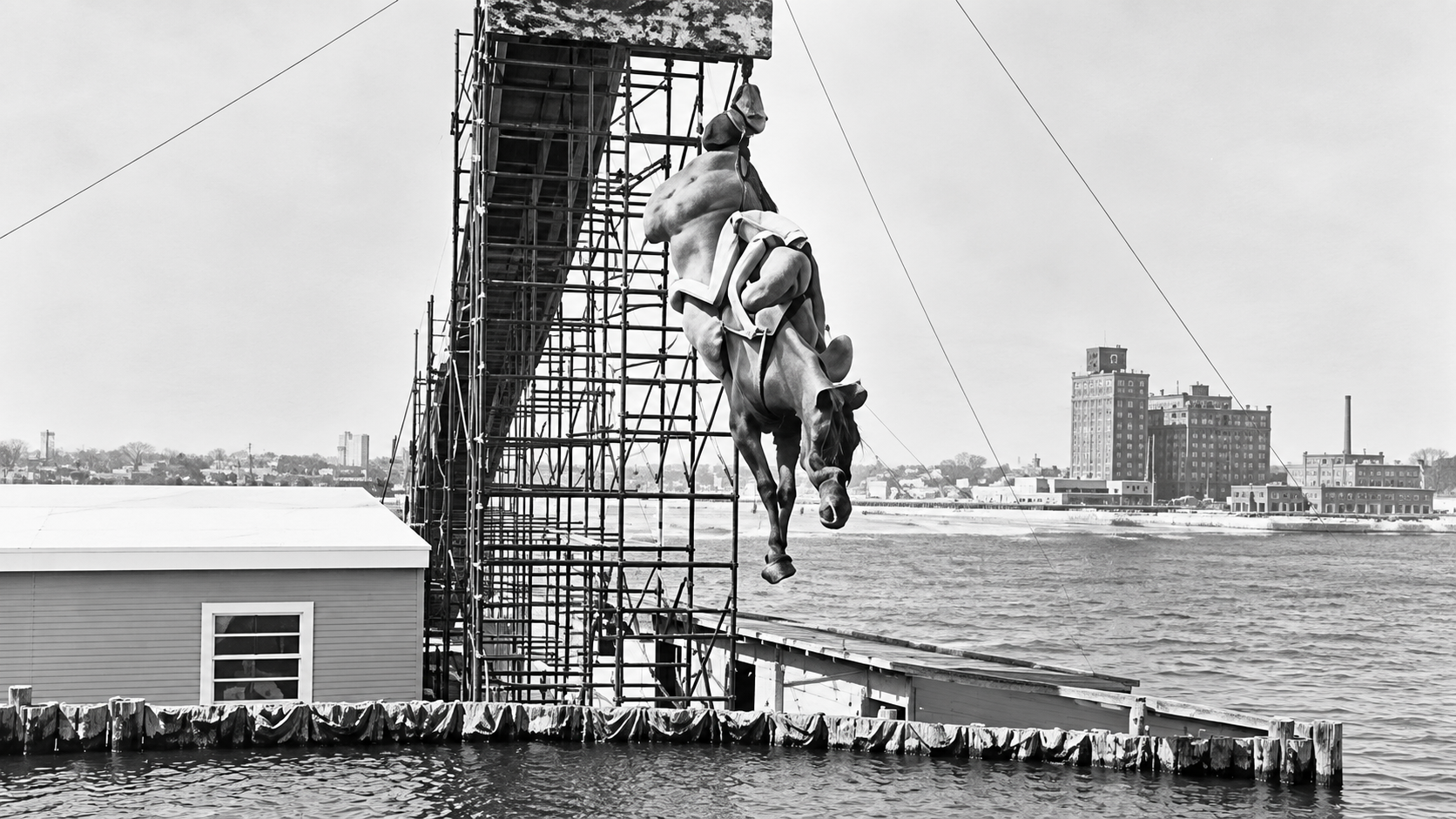 C. J. Overman, Wikimedia Commons, Enhanced
Red Lips Went Into The Water Wrong
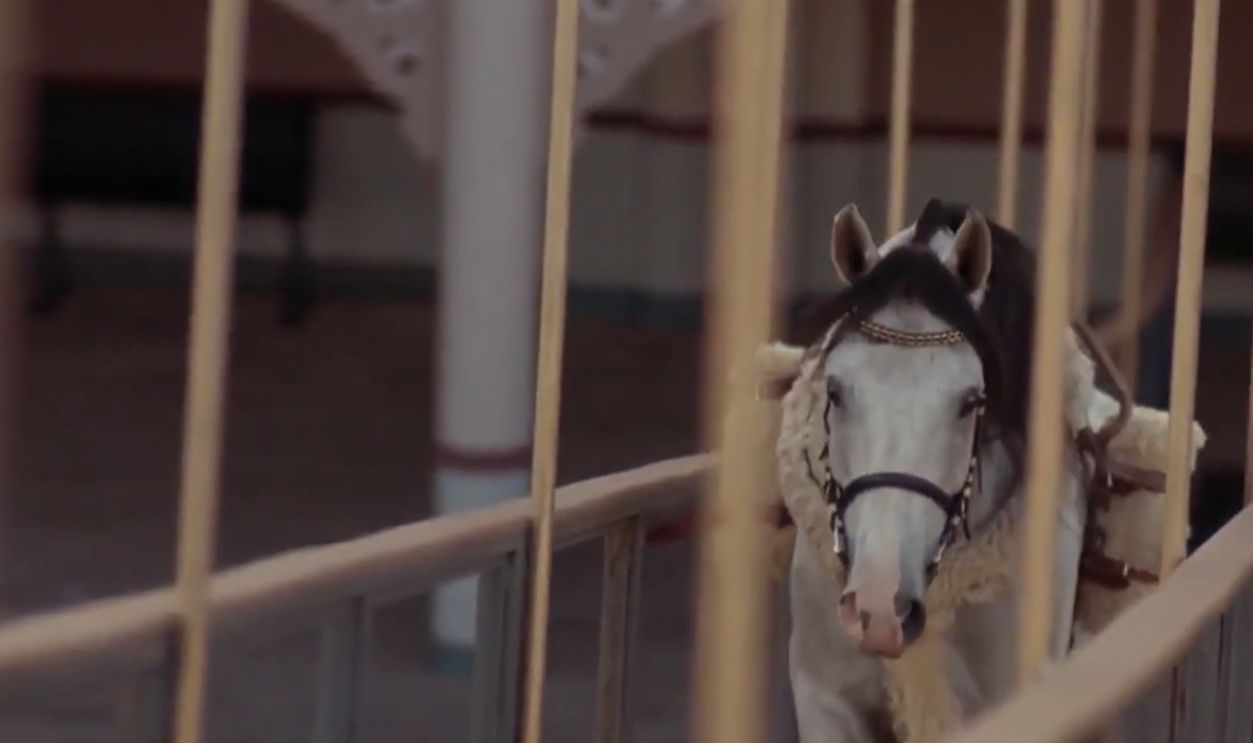
During the 1931 performance, Red Lips entered the water off balance. Sonora was also out of position and struck the water face-first with her eyes open. The violent impact caused retinal detachment.
 Screenshot from Wild Heats Can’t Be Broken, The Walt Disney Company (1991)
The Accident Cost Her Sight
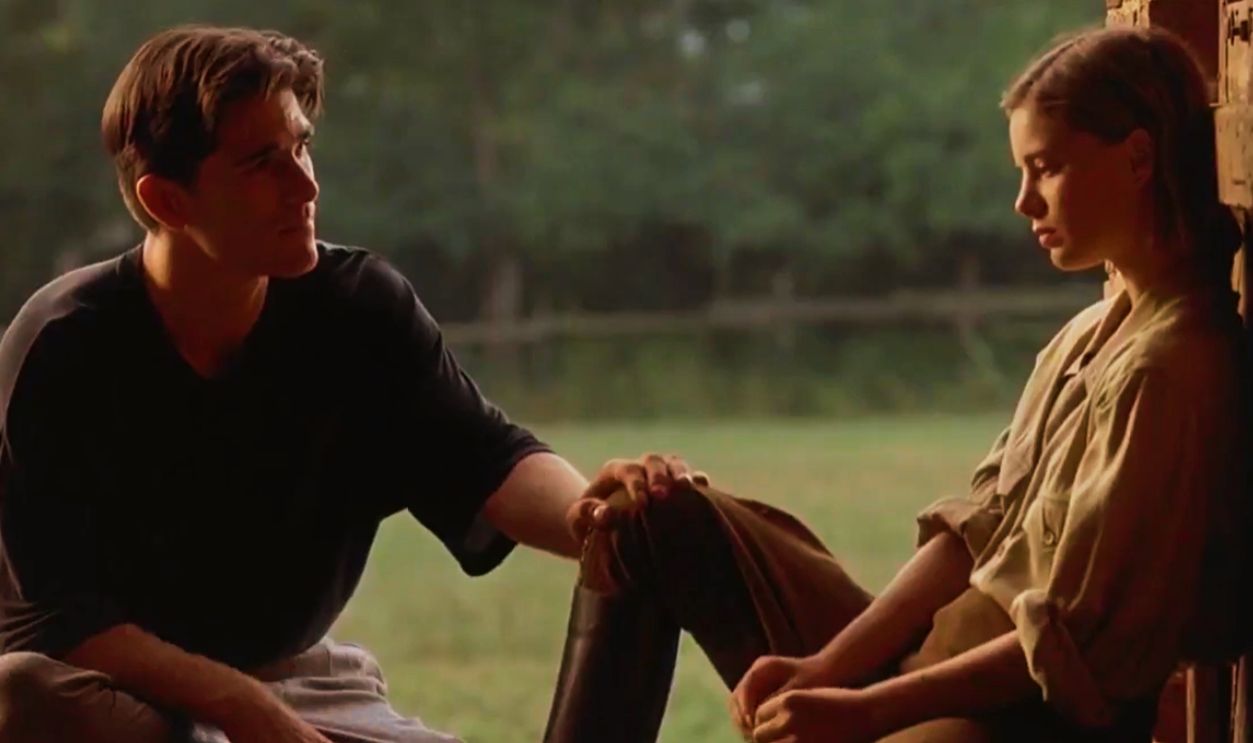
The damage ultimately left Sonora legally blind. She was only 27 and had built her adult life around an act requiring balance, timing, horses, heights, and a plunge into water. Losing her vision would have provided an understandable reason to leave the diving tower forever.
 Screenshot from Wild Heats Can’t Be Broken, The Walt Disney Company (1991)
She Refused To Treat It As The End
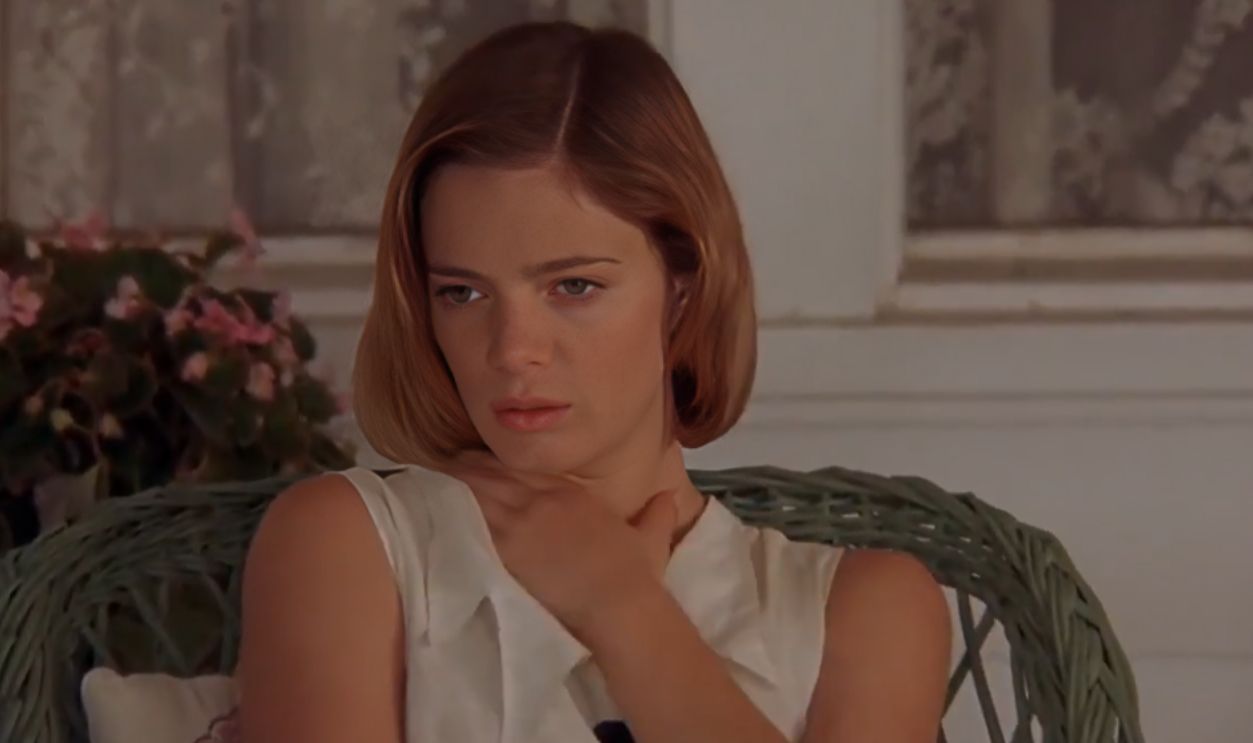
Sonora approached her blindness with the same stubborn independence that had carried her into the diving-horse business. She later wrote that she chose to regard blindness as a relatively small part of her life instead of allowing it to dominate everything else. That attitude soon led to an extraordinary decision.
 Screenshot from Wild Heats Can’t Be Broken, The Walt Disney Company (1991), Enhanced
She Climbed Back Onto A Horse
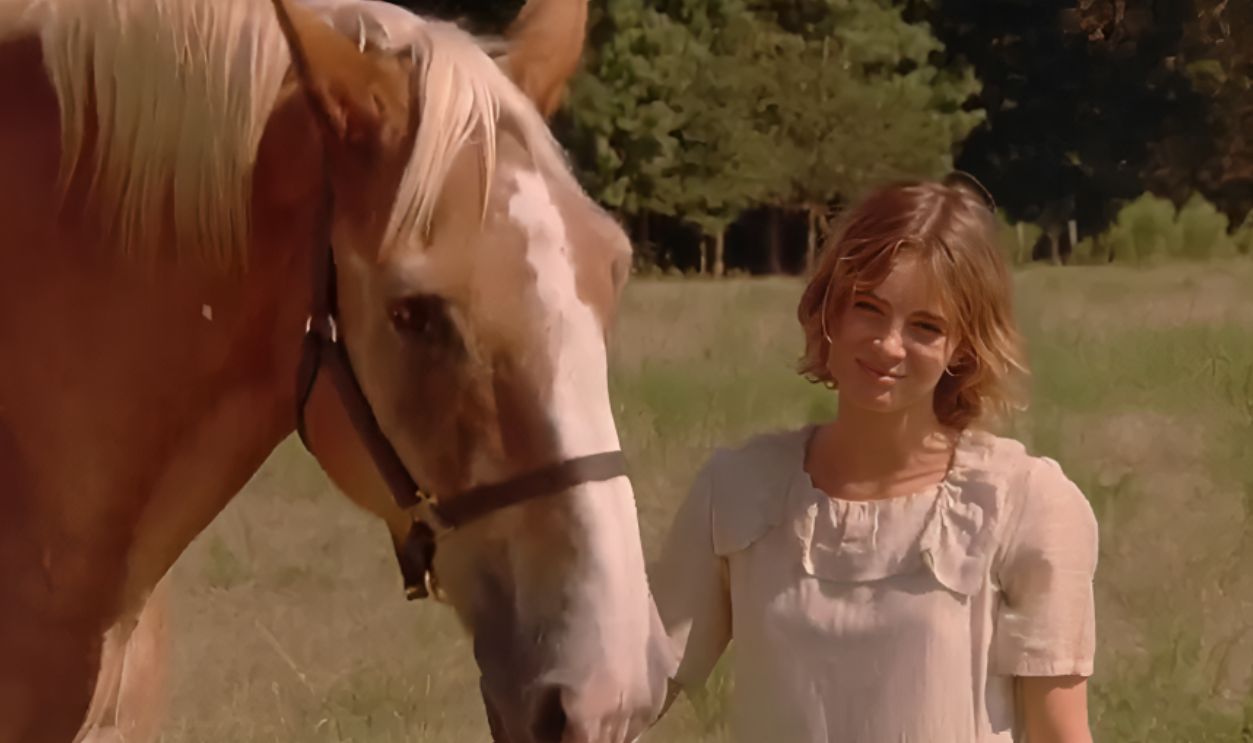
Less than a year after the accident, Sonora returned to the act in 1932. She could no longer see the tower, the pool, or the horse carrying her toward the edge. Yet she resumed the same stunt that had caused her blindness.
 Screenshot from Wild Heats Can’t Be Broken, The Walt Disney Company (1991), Enhanced
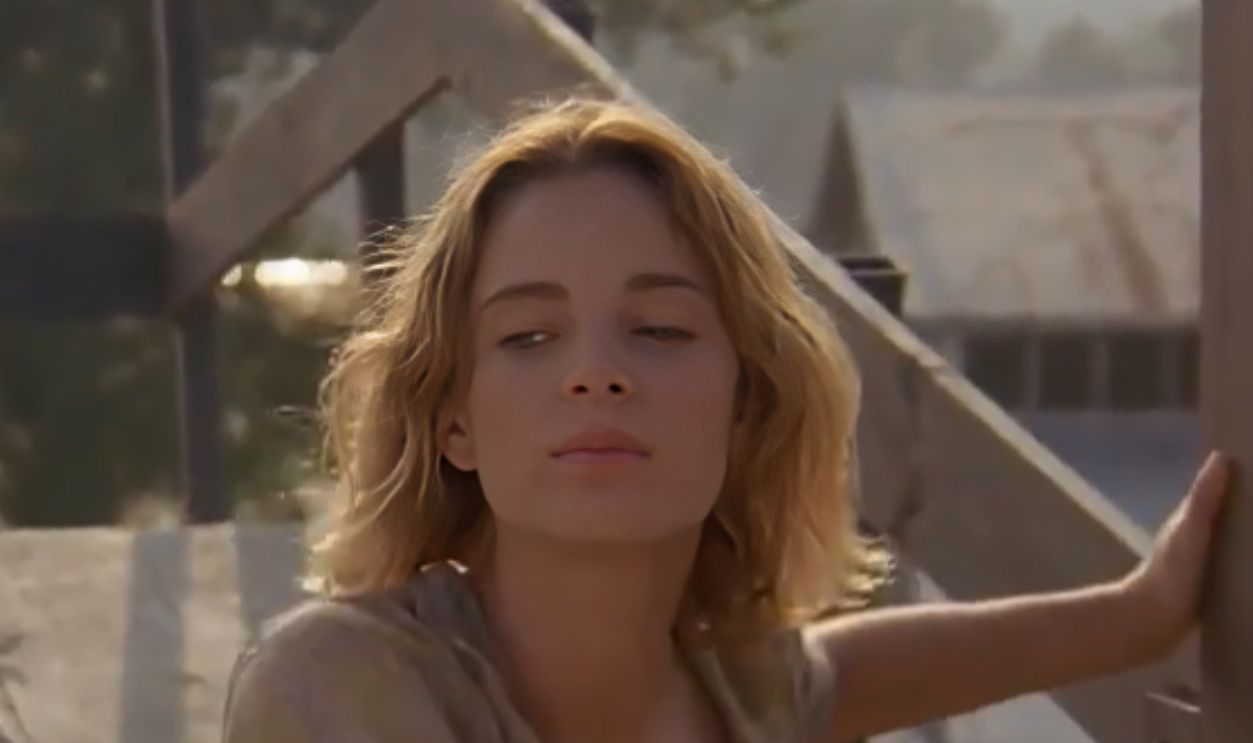
She Insisted On Moving Around Independently
Sonora did not want someone constantly escorting her from her dressing room to the horses. A guide rope was installed so that she could find her own way around without being led. Her determination to remain self-sufficient extended well beyond the few seconds she spent in the air.
 Screenshot from Wild Heats Can’t Be Broken, The Walt Disney Company (1991), Enhanced
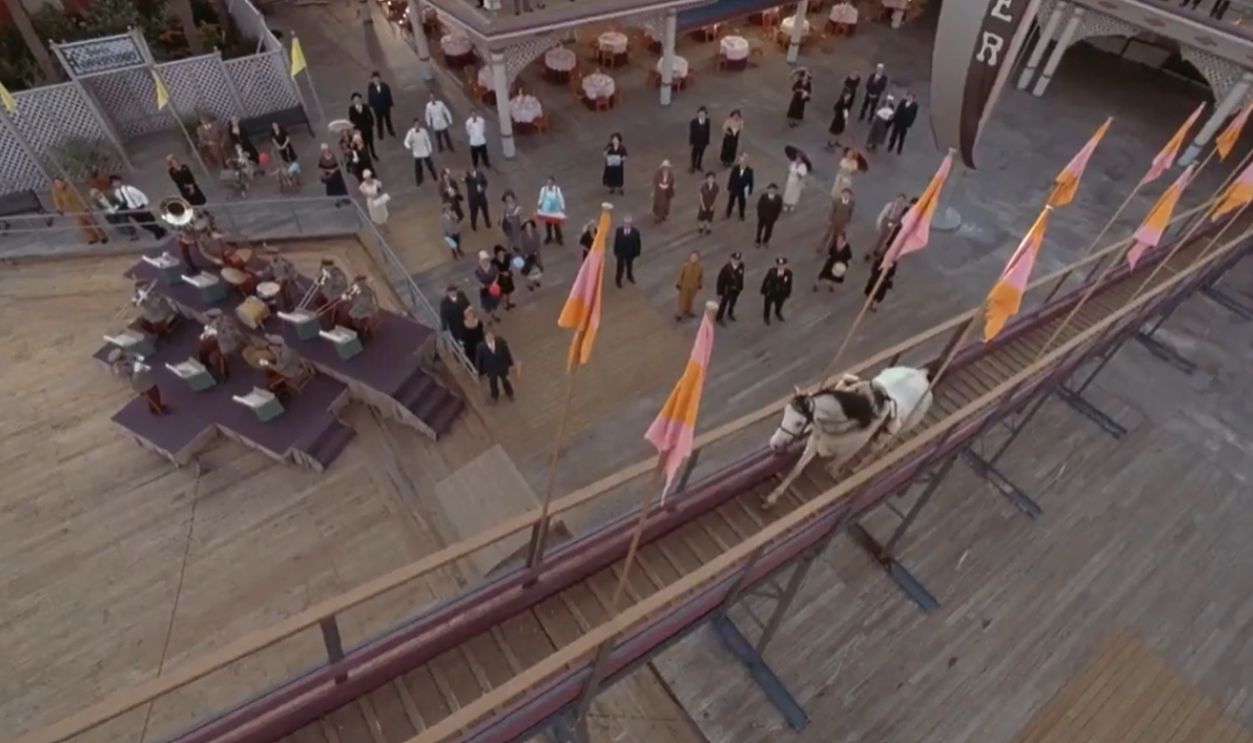
Diving Blind Required Incredible Timing
The mechanics of the stunt had not become safer simply because Sonora could no longer see. She still had to get onto the horse, establish her position, and stay with it as the animal raced toward the drop. Her experience with the act became more important than ever.
 Screenshot from Wild Heats Can’t Be Broken, The Walt Disney Company (1991)
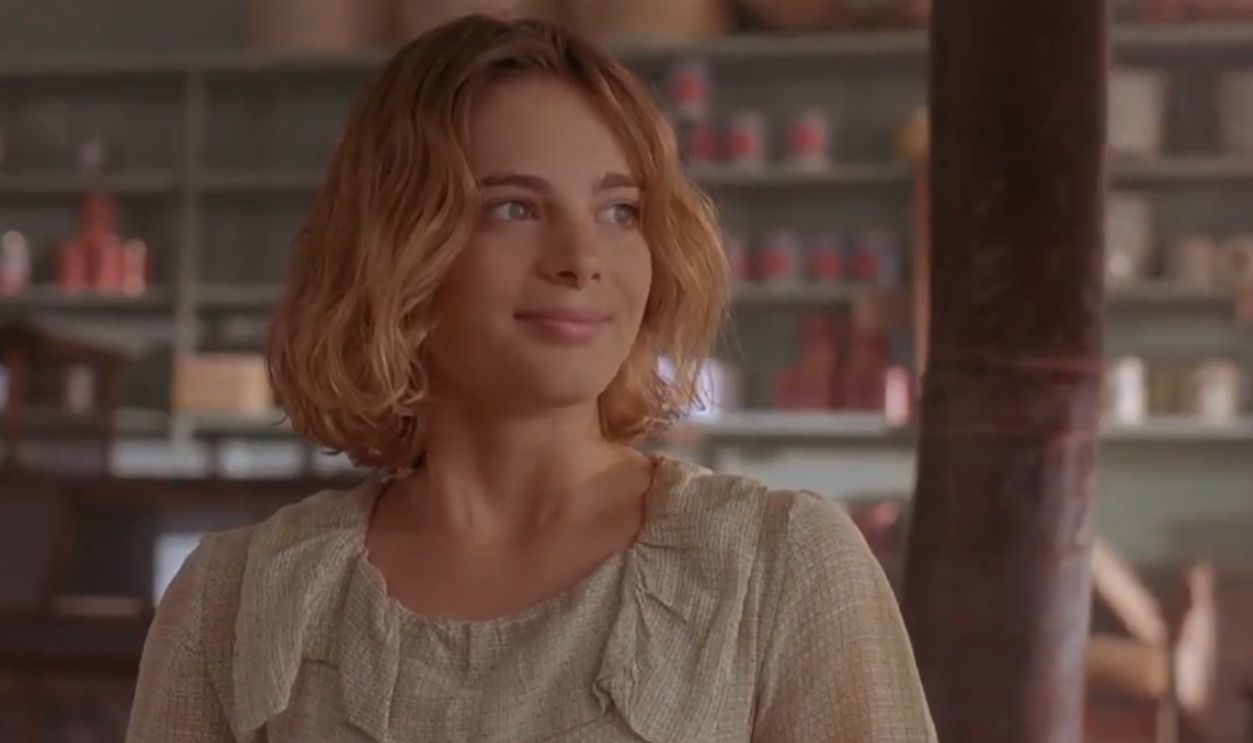
She Even Missed The Horse
Her return did not go perfectly every time. Sonora later recalled four occasions when she missed the horse entirely, yet said her worst injury from those incidents was a sprained ankle. Considering the height and speed involved, her continued career remained astonishingly dangerous.
 Screenshot from Wild Heats Can’t Be Broken, The Walt Disney Company (1991)
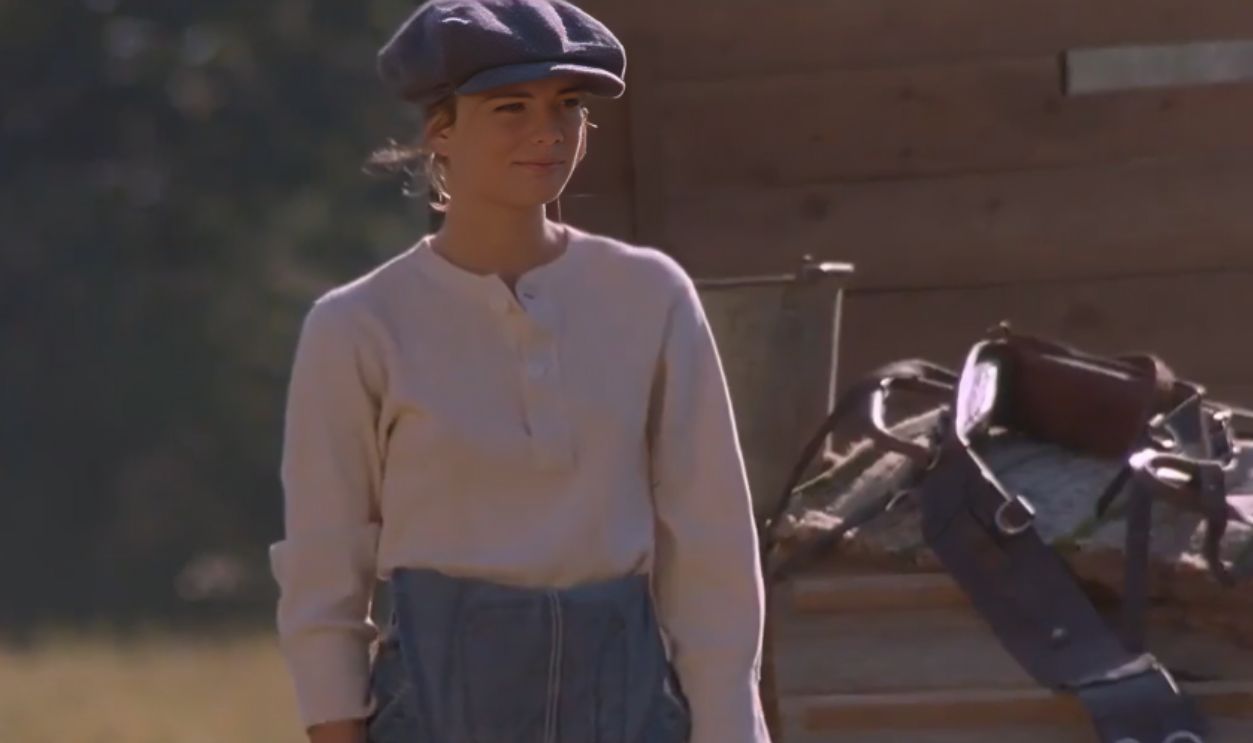
She Kept Doing It For Another Decade
Sonora did not make a symbolic comeback and then quietly retire. She continued performing the horse-diving act until 1942, roughly 11 years after losing her sight. Her career as a blind diving-horse rider ultimately lasted longer than her sighted career had before the accident.
 Screenshot from Wild Heats Can’t Be Broken, The Walt Disney Company (1991), Enhanced
The Act Later Became Controversial
The diving horses survived as an Atlantic City attraction long after Sonora stopped performing, but attitudes toward animal spectacles gradually changed. Animal-welfare critics questioned the practice, and horse diving disappeared from the pier during the 1970s. Sonora maintained that the animals in her experience were cared for and were not forced to jump.
 Screenshot from Wild Heats Can’t Be Broken, The Walt Disney Company (1991)
Retirement Did Not Slow Her Down
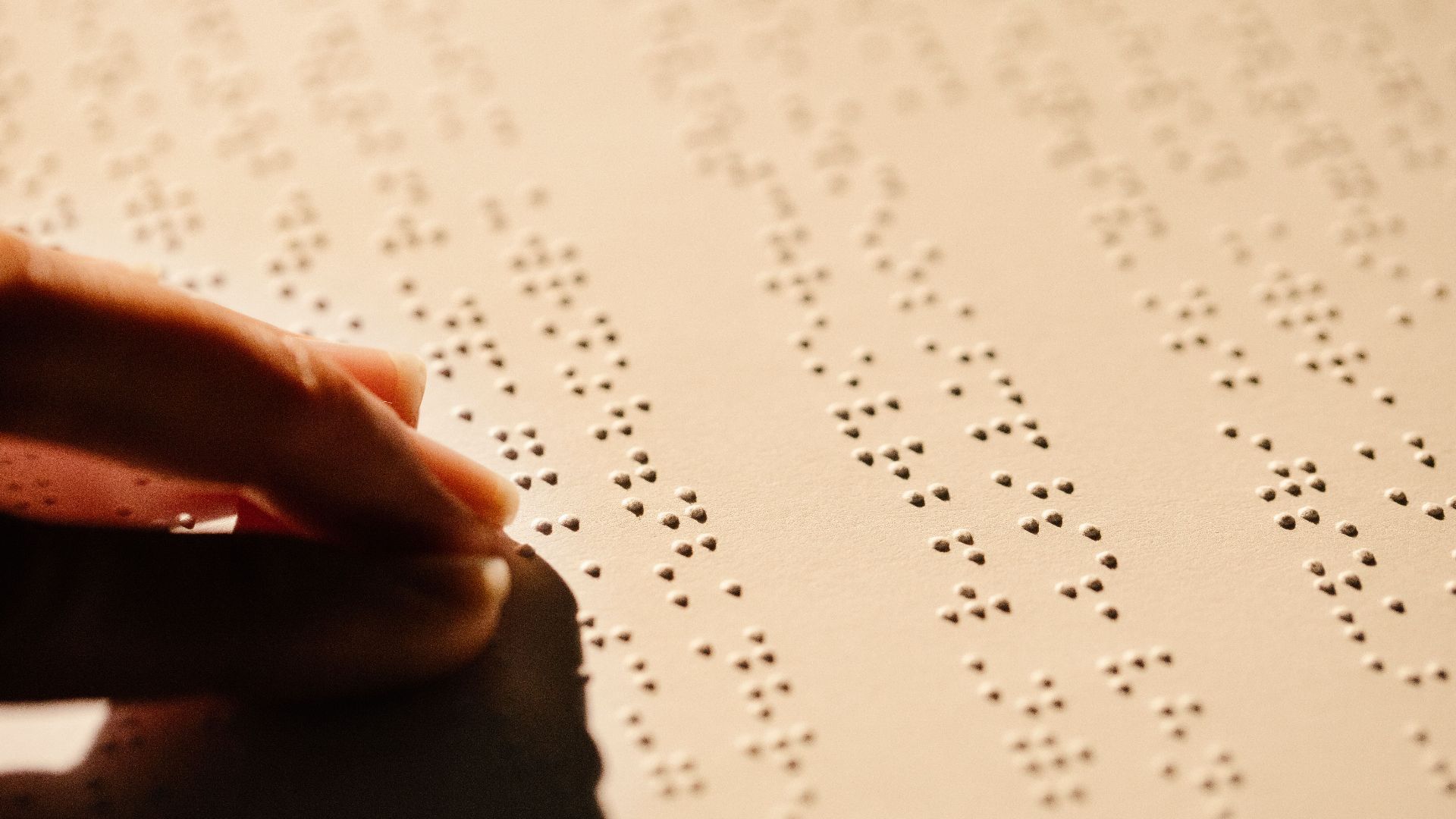
After leaving the diving-horse business, Sonora learned Braille and began building a very different working life. She and Al eventually lived in New Orleans, where she worked as a Dictaphone typist. She remained employed until retiring from that position in 1979.
She Became An Advocate For Blind People
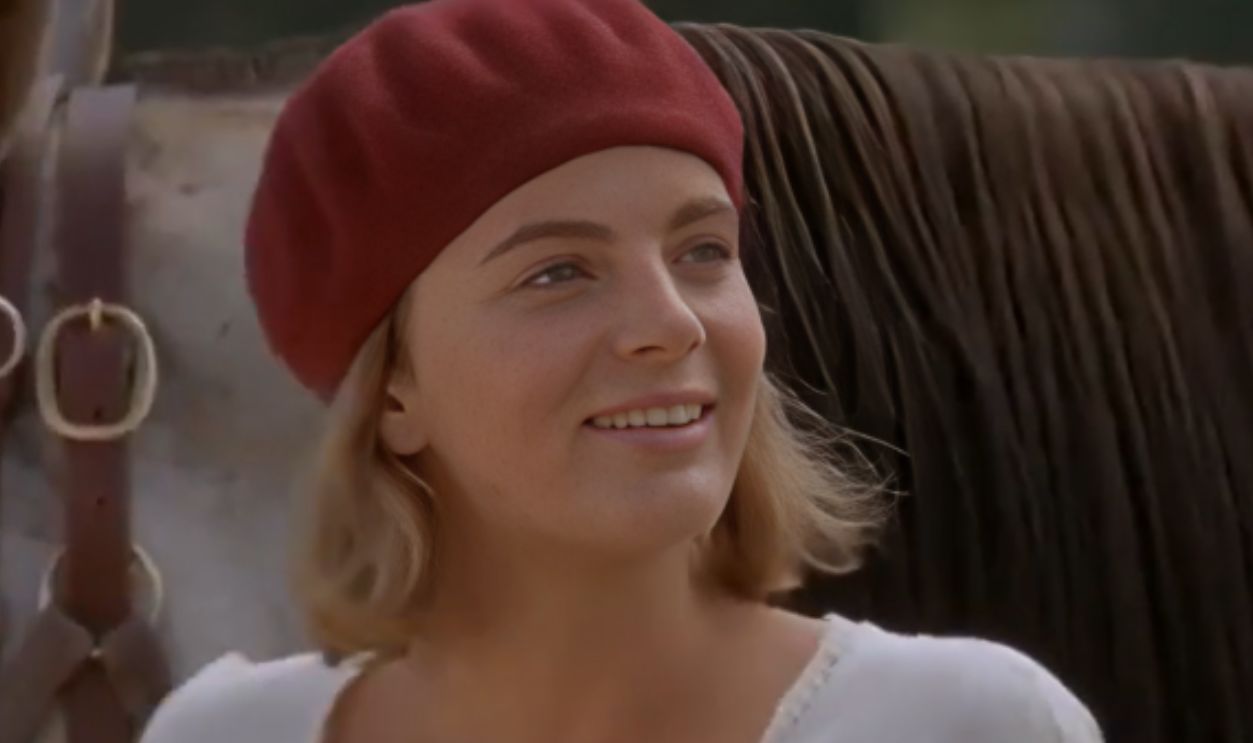
Sonora's later life was not simply a quiet retirement from show business. Records document her work with the Lighthouse for the Blind and her advocacy on behalf of people with visual impairments. Her message emphasized independence, something she had fought to maintain since losing her own sight.
 Screenshot from Wild Heats Can’t Be Broken, The Walt Disney Company (1991), Enhanced
She Eventually Told Her Own Story
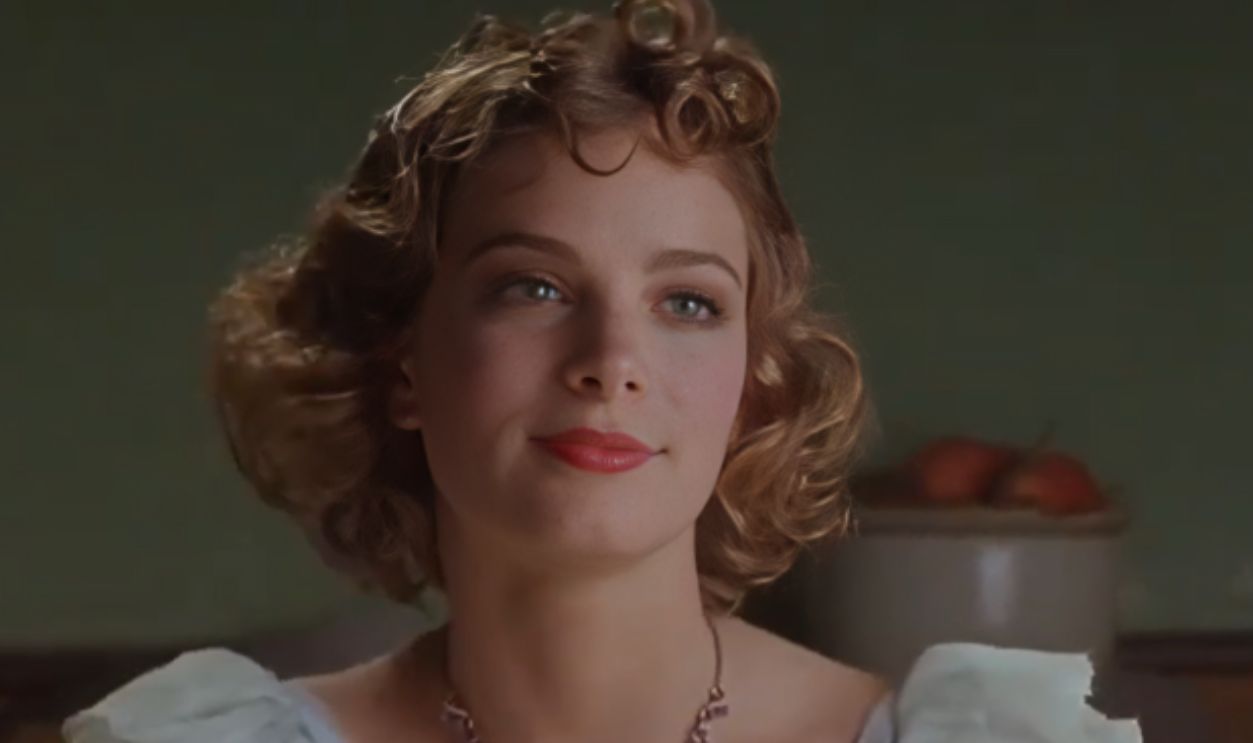
In 1961, Sonora published her autobiography, A Girl and Five Brave Horses. The memoir preserved her account of the diving-horse years, her accident, and the unusual people and animals surrounding the act. Decades later, Hollywood came calling.
 Screenshot from Wild Heats Can’t Be Broken, The Walt Disney Company (1991), Enhanced
Disney Changed Quite A Bit
Disney released Wild Hearts Can't Be Broken in 1991, loosely adapting Sonora's memoir with Gabrielle Anwar playing her. Sonora said the film got the central facts right but changed many details, including making her a runaway orphan and compressing the timeline before her accident. Records also note that Carver was disappointed with how the movie portrayed her life and career.
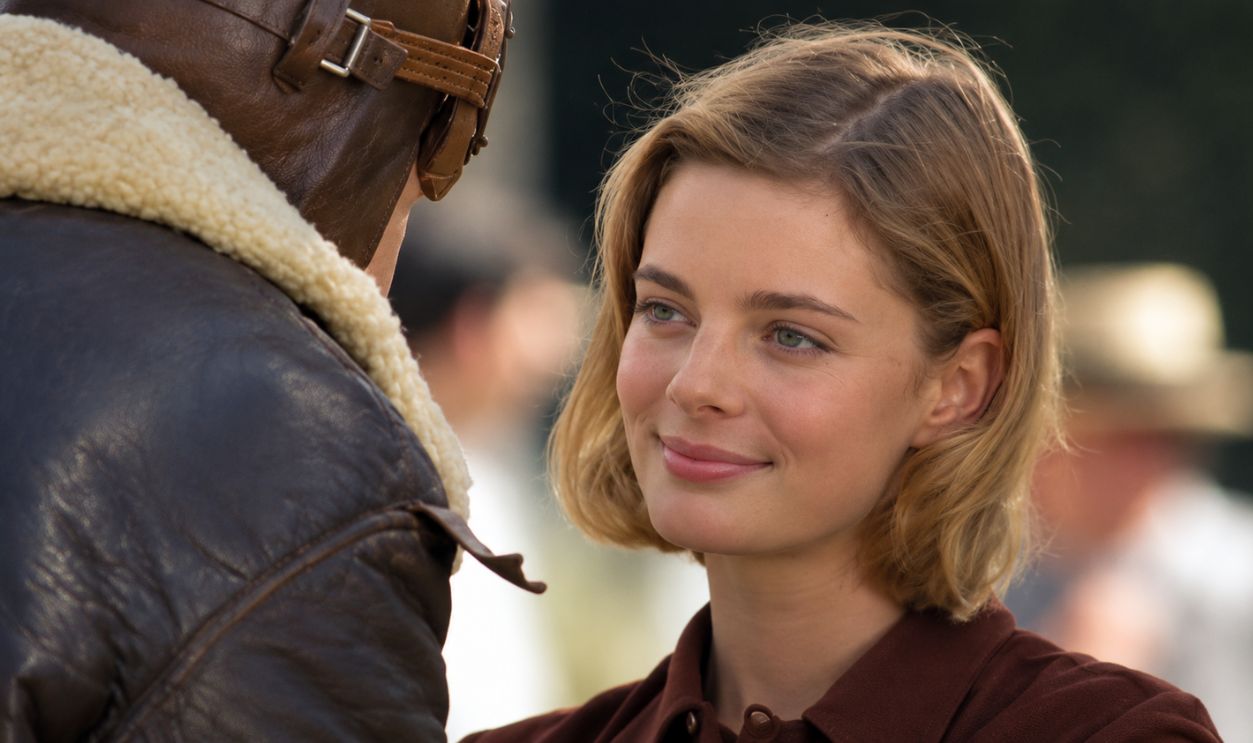 Screenshot from Wild Heats Can’t Be Broken, The Walt Disney Company (1991), Enhanced
Her Real Story Was Remarkable Enough
Sonora Webster Carver died in Pleasantville, New Jersey, in September 2003 at the age of 99, having lived without sight for more than 70 years. Her papers now reside at the Smithsonian's National Museum of American History, preserving a career that seems almost too strange to have been real. The most extraordinary part was not that she survived a horse-diving accident, but that she went back and kept diving for years afterward.
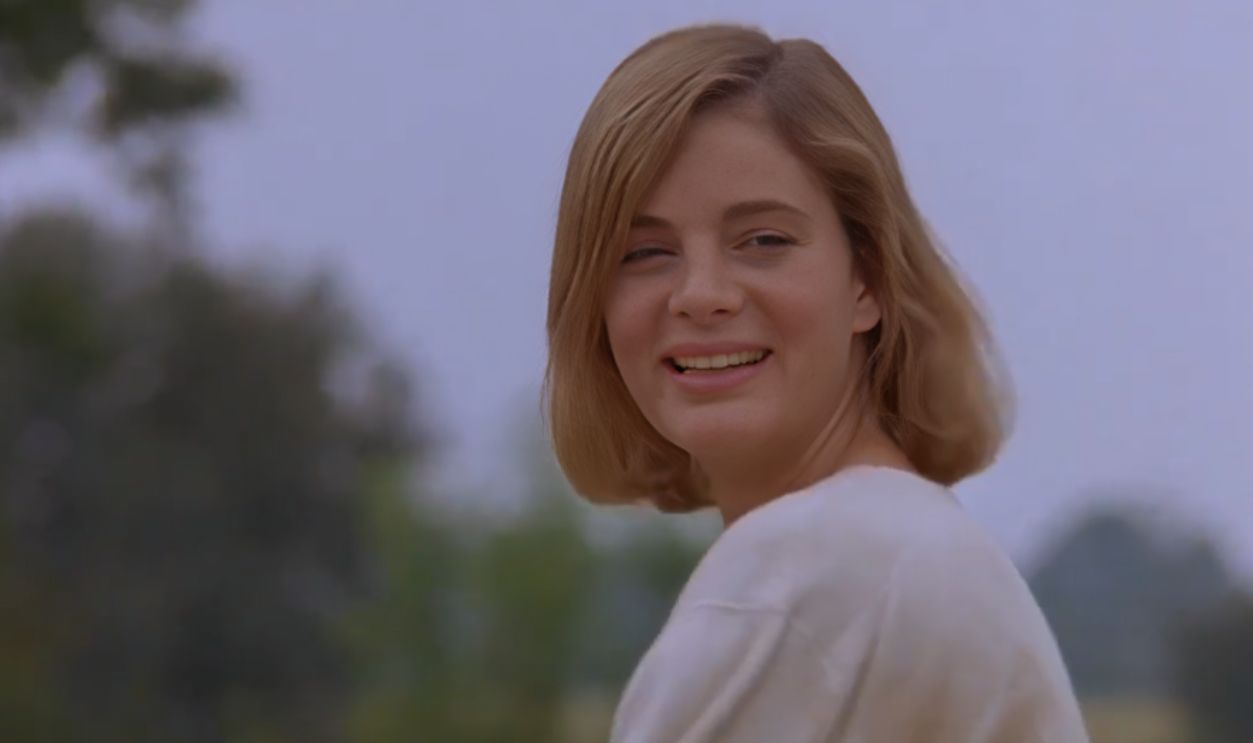 Screenshot from Wild Heats Can’t Be Broken, The Walt Disney Company (1991), Enhanced
You May Also Like:
The Coney Island Incubator Babies Were Put On Display, But The Spectacle Actually Saved Lives
Public Curiosities From History That Made Crowds Cheer And Modern Audiences Uneasy