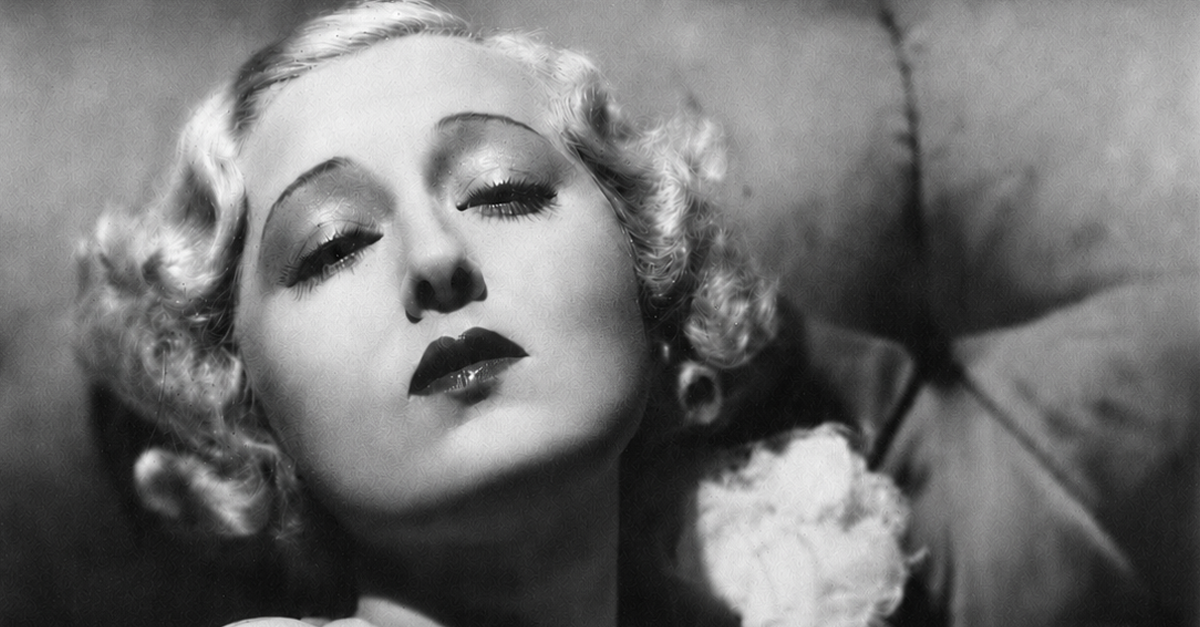
The Star Who Never Left The Ship
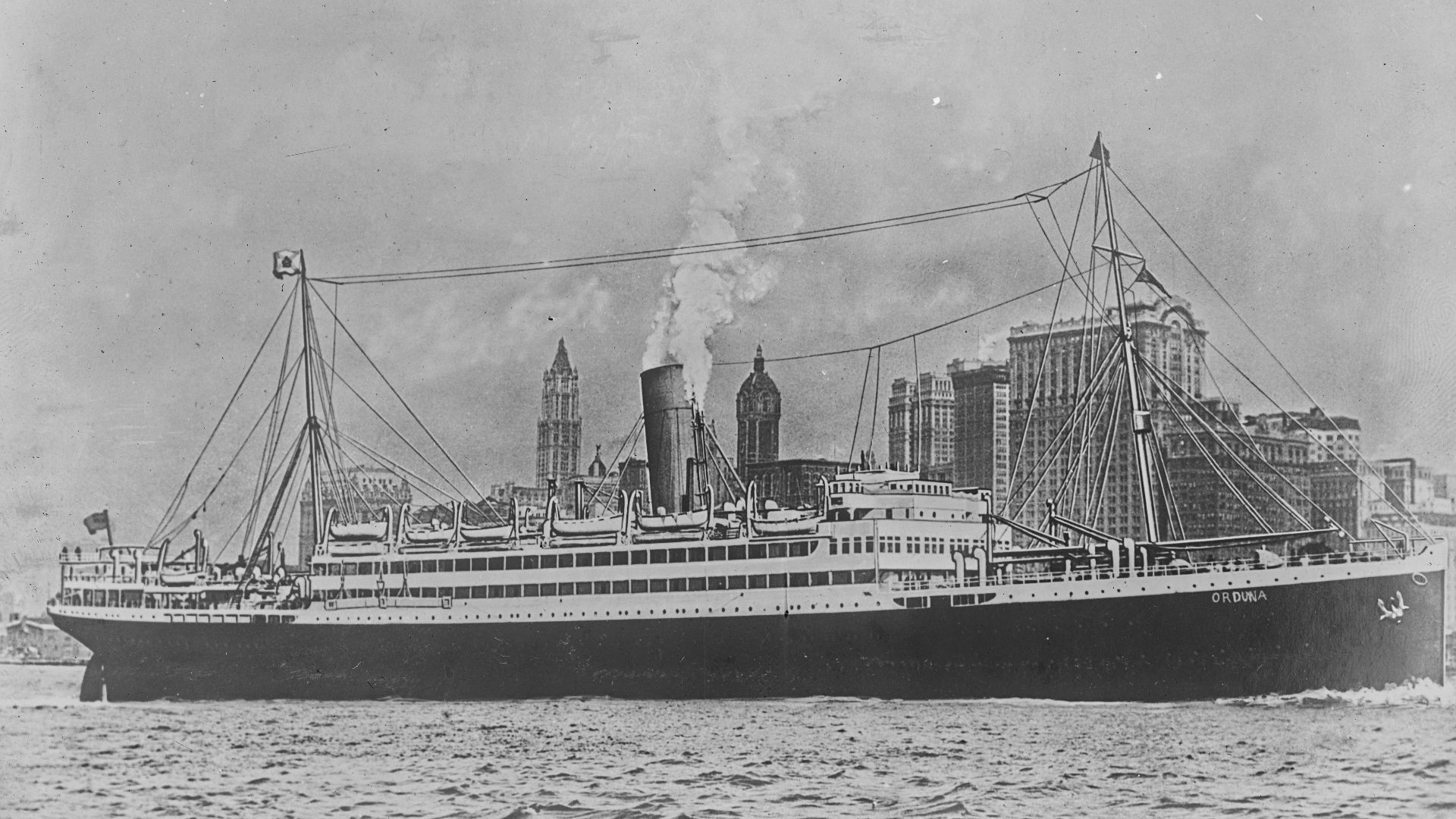
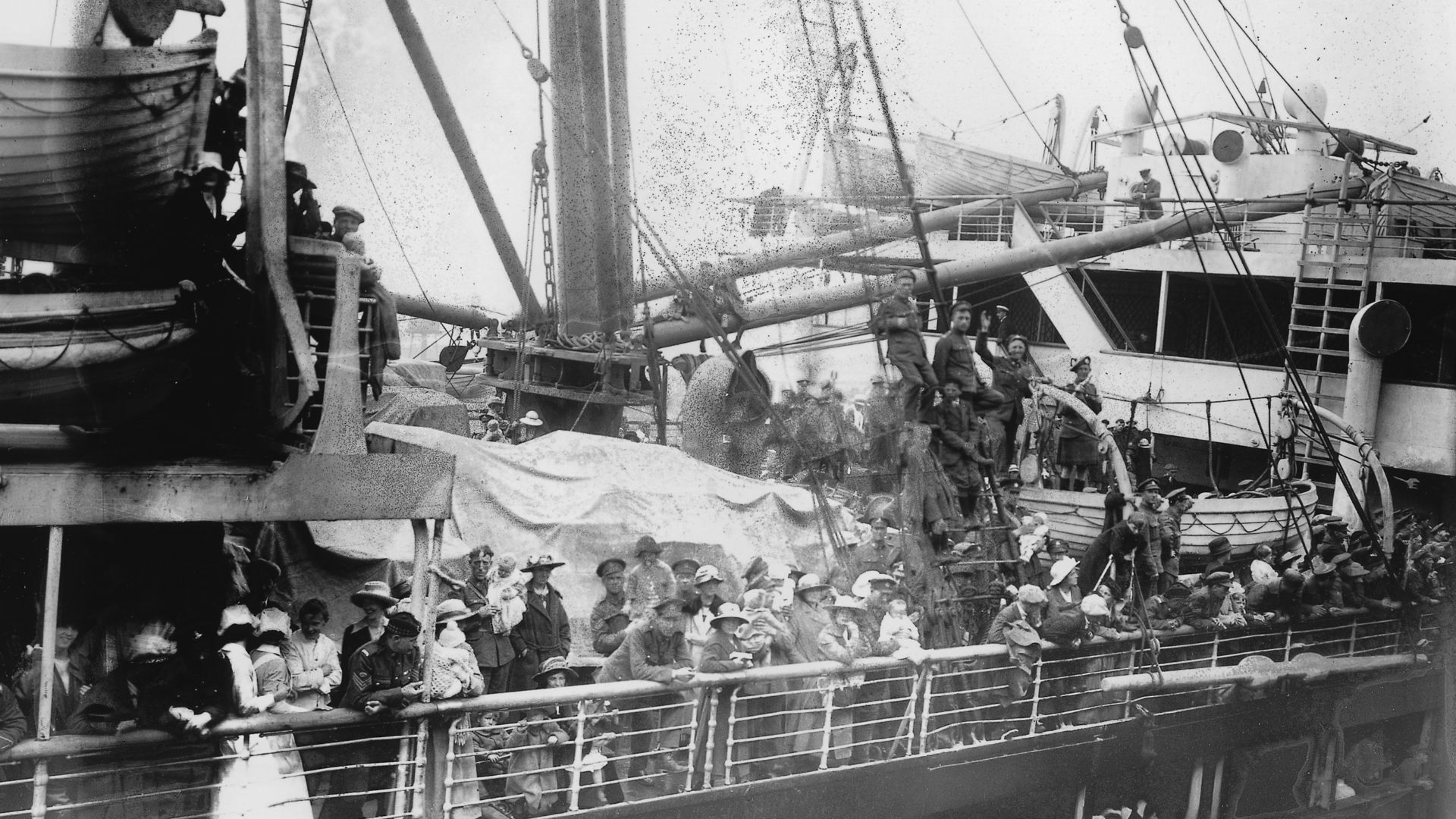
On October 27, 1919, the ocean liner Orduña arrived at a Cunard pier in New York City after crossing the Atlantic. Marie Empress, a celebrated British stage and silent-film actress, was listed among its passengers. Yet when the ship docked, Empress was nowhere to be found.
 Unknown authorUnknown author, Wikimedia Commons
Her Cabin Held No Answers
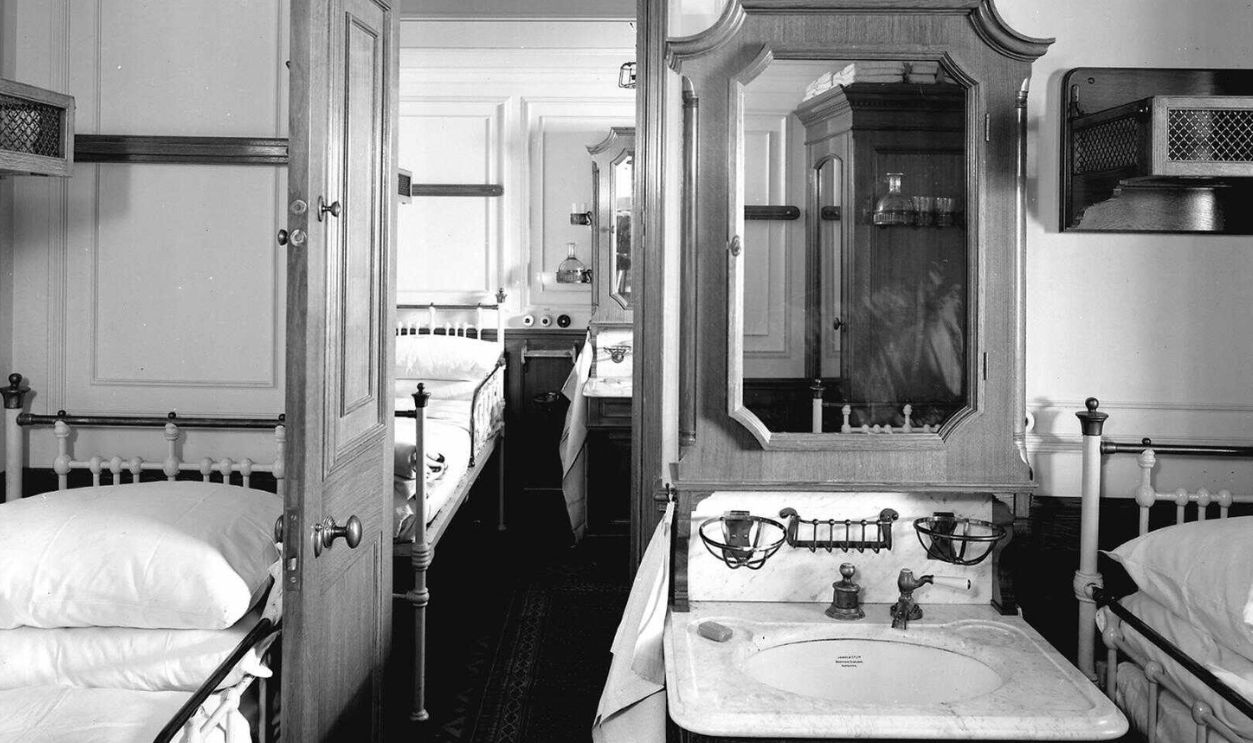
The crew searched the Orduña three times, but they found no trace of the missing actress. Her possessions remained inside first-class stateroom 480, where she had spent the previous evening. Somehow, Empress had disappeared from a crowded ship without anyone reporting a confirmed sighting of her departure.
 Bedford Lemere & Co, Wikimedia Commons
Marie Empress Was A Creation
The woman known to audiences as Marie Empress was born Mary Ann Louisa Taylor in Birmingham, England, in 1884. Her father was a painting contractor, while census records described her mother as occupied with home duties. That background was considerably less theatrical than the history Empress later presented to the press.

She Embellished Her Pedigree
Newspaper profiles connected Empress to Shakespearean actor Edmund Kean and sometimes described her father as a former lord mayor of London. Other accounts claimed that her mother had been a famous French actress. Available family records did not support those colorful stories.
 Henry Hoppner Meyer (printmaker), Wikimedia Commons
Marriage Came Before Stardom
In 1902, the 18-year-old Mary Ann Taylor married Birmingham dentist William Horton. They separated four years later after she became increasingly devoted to performing. Horton eventually obtained a divorce in 1918, when Empress was already an established entertainer.
 Western Sydney Wedding Photo and Video, Pexels
She Mastered The Variety Stage
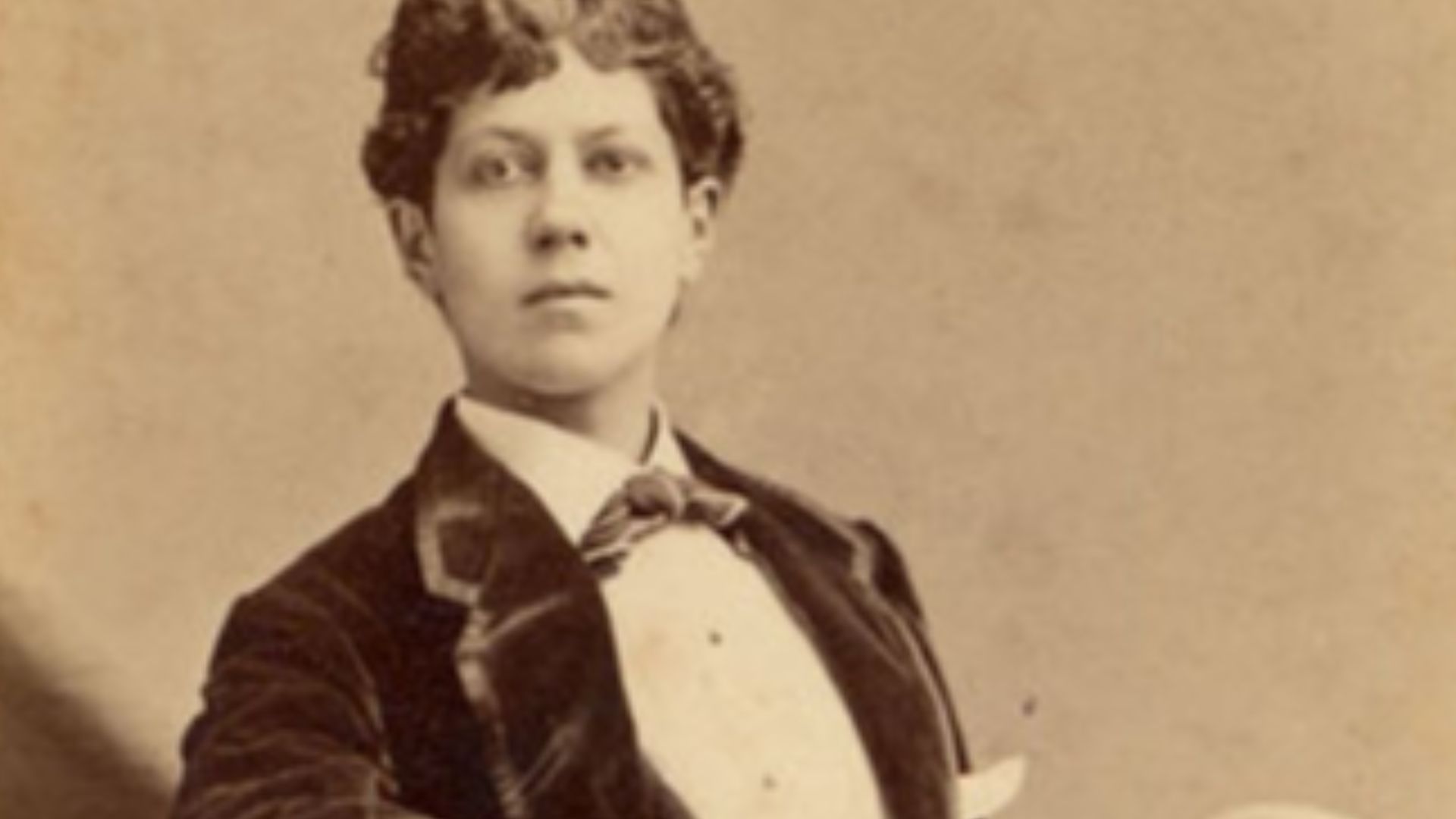
Empress built her early career in British variety theaters as a singer, dancer, actress, and male impersonator. Male impersonation was a recognized music-hall specialty, and Empress reportedly became one of its most accomplished practitioners. Her ability to alter her appearance would later shape theories about her disappearance.
 Napoleon Sarony, Wikimedia Commons
Broadway Welcomed Her
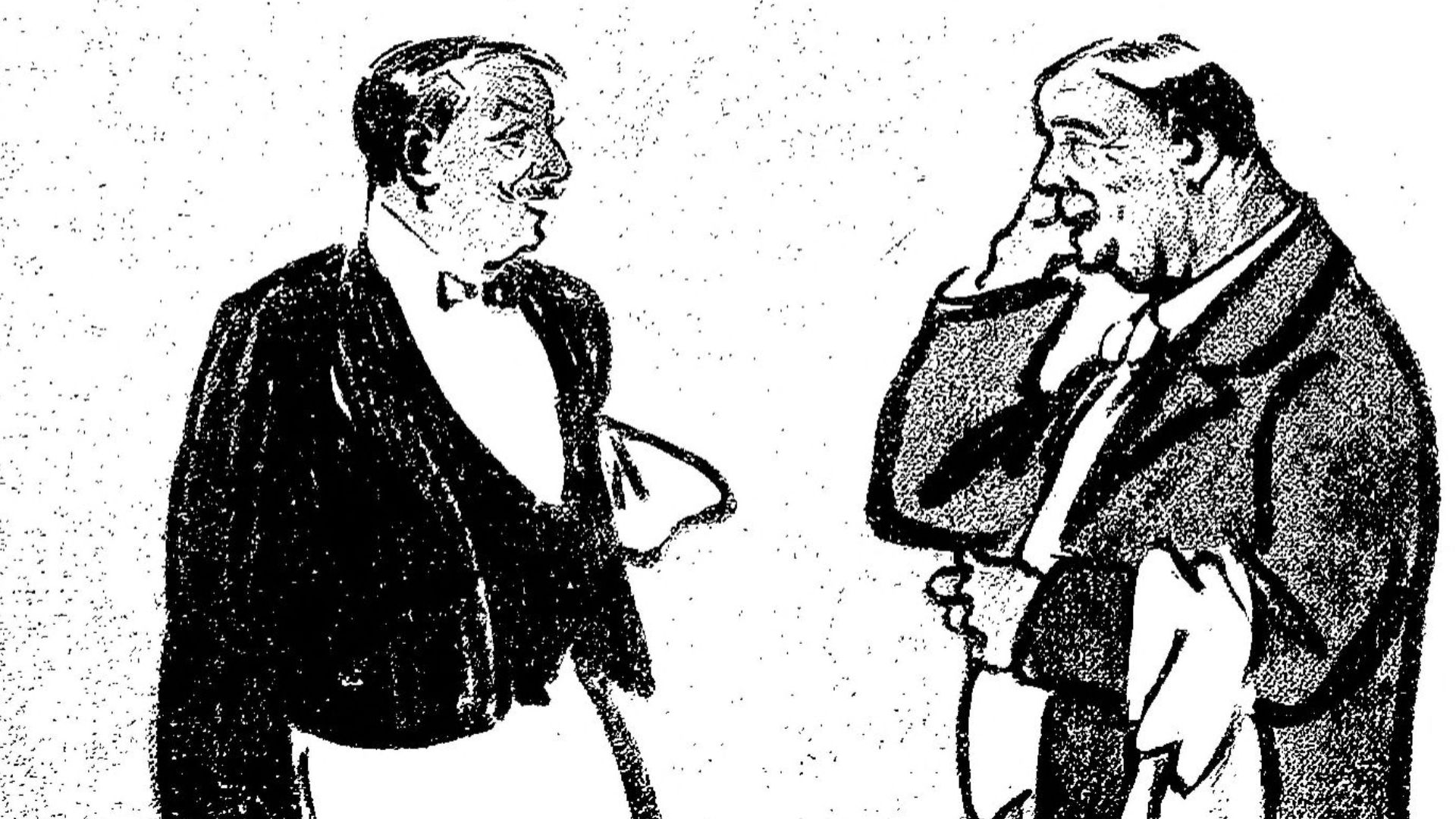
By 1913, Empress had reached Broadway as a cast member in the musical comedy The Little Cafe. She played Loulou Millefleurs in the production at New York’s New Amsterdam Theatre. The show ran for 144 performances between November 1913 and March 1914.
 Raymond Renefer, Wikimedia Commons
The Movies Offered A New Stage
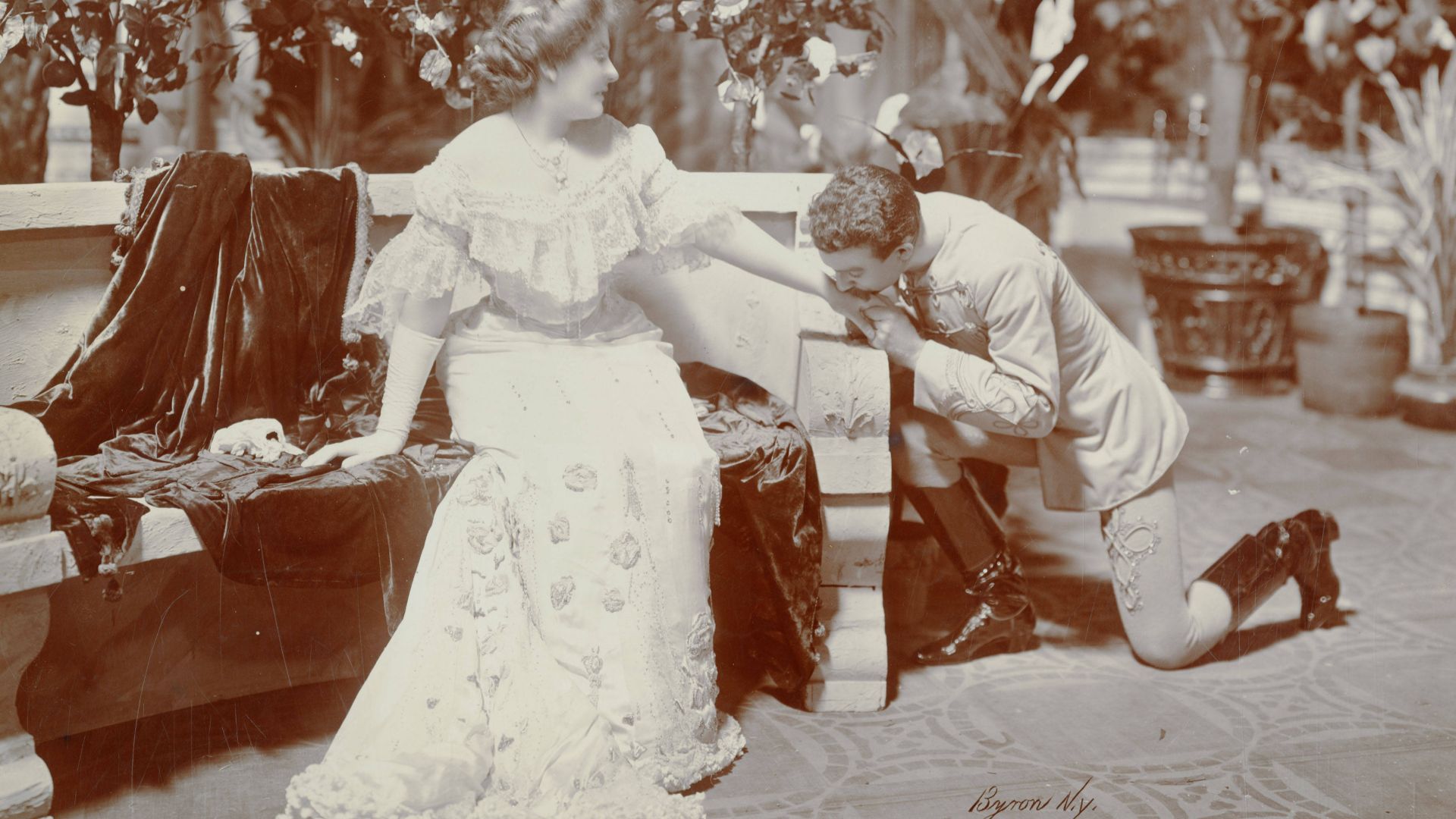
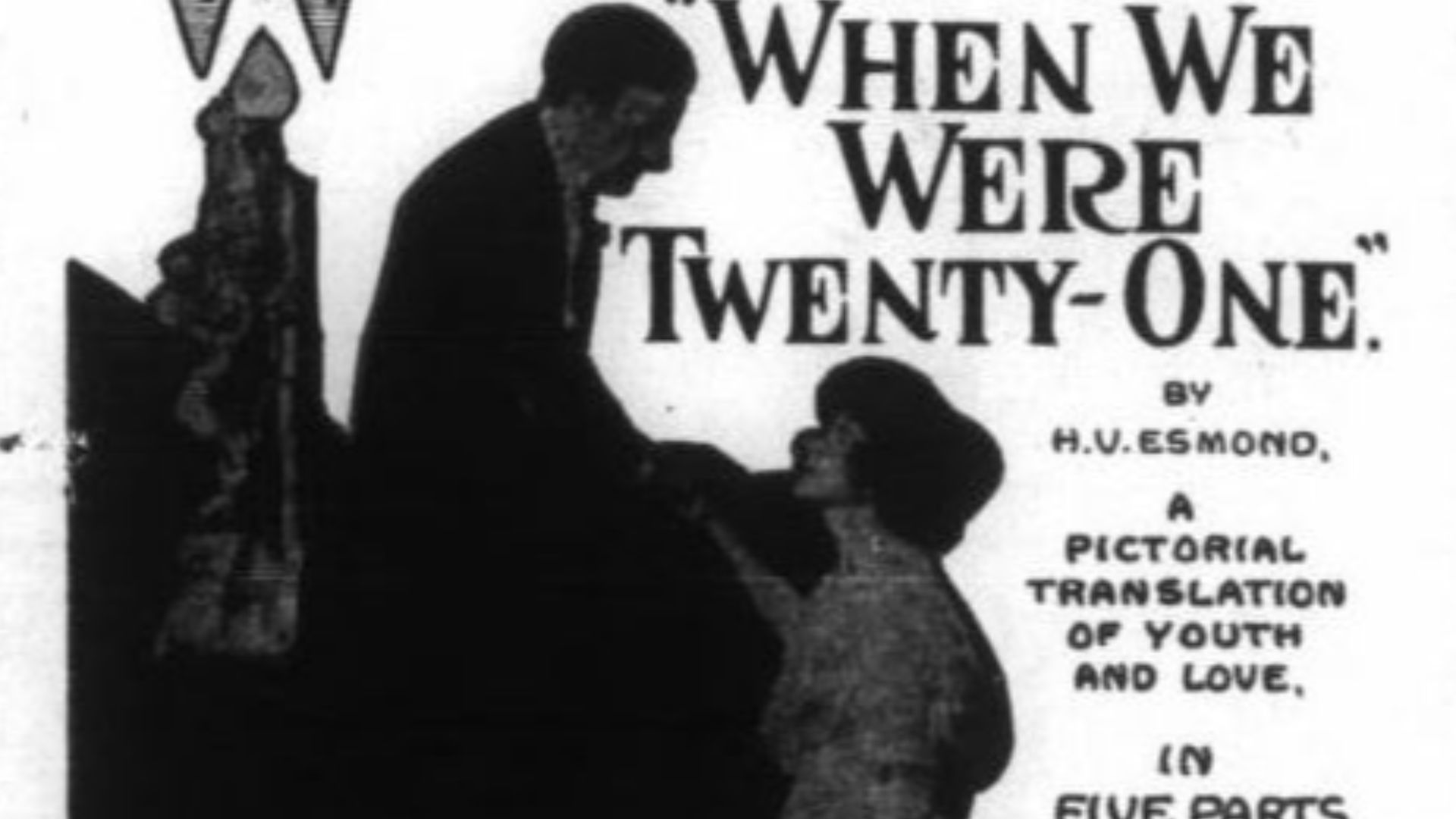
Empress soon moved into the rapidly expanding silent-film business. Her credits included Old Dutch, When We Were Twenty-One, The Stubbornness of Geraldine, and The Woman Pays. She developed a screen image that was glamorous, dramatic, and frequently dangerous.
 Joseph Byron, Wikimedia Commons
She Became A Screen Vampire
Publicity described Empress as a “vampire woman,” an early cinematic term for a seductive female character who brought disaster to men. These roles allowed her to project sophistication, mystery, and emotional intensity. Newspapers sometimes blurred the distinction between the performer and the destructive women she portrayed.
 Time Inc.; photograph by Paramount Pictures (no photographer credited), Wikimedia Commons

History's most fascinating stories and darkest secrets, delivered to your inbox daily.
Her Film Career Moved Quickly
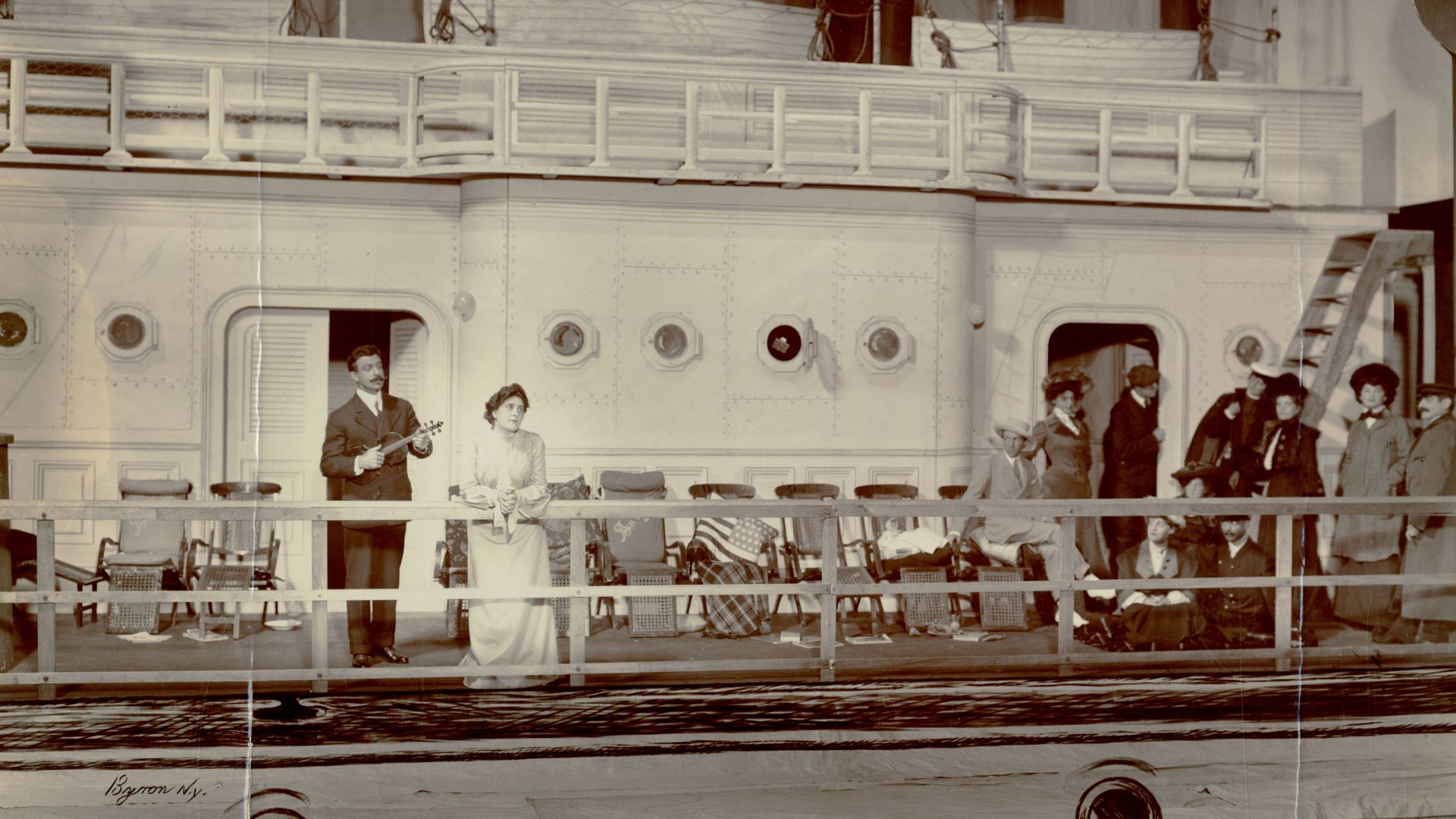
Empress appeared in numerous productions during 1915 and 1916, including Behind Closed Doors, Love’s Cross Roads, and The Girl Who Doesn’t Know. Trade publications promoted both her beauty and her forceful personality. Her surviving filmography shows an actress working steadily during a fast-changing period of cinema.
 Joseph Byron, Wikimedia Commons
Much Of Her Work Disappeared Too
Empress’s known films are now considered lost, like a large proportion of movies made during the silent era. No recording of her stage singing is known to survive either. Photographs, advertisements, reviews, and newspaper reports therefore provide most of the remaining evidence about her career.
 Paramount Pictures, Wikimedia Commons
She Planned Another American Season
In October 1919, Empress boarded the Orduña in Liverpool for another journey to the United States. The liner stopped at Halifax, Nova Scotia, before continuing toward New York. Other passengers reportedly remembered her anticipating a new season among her American friends.
 Agence Rol. Agence photographique (commanditaire), Wikimedia Commons
She Was Impossible To Miss
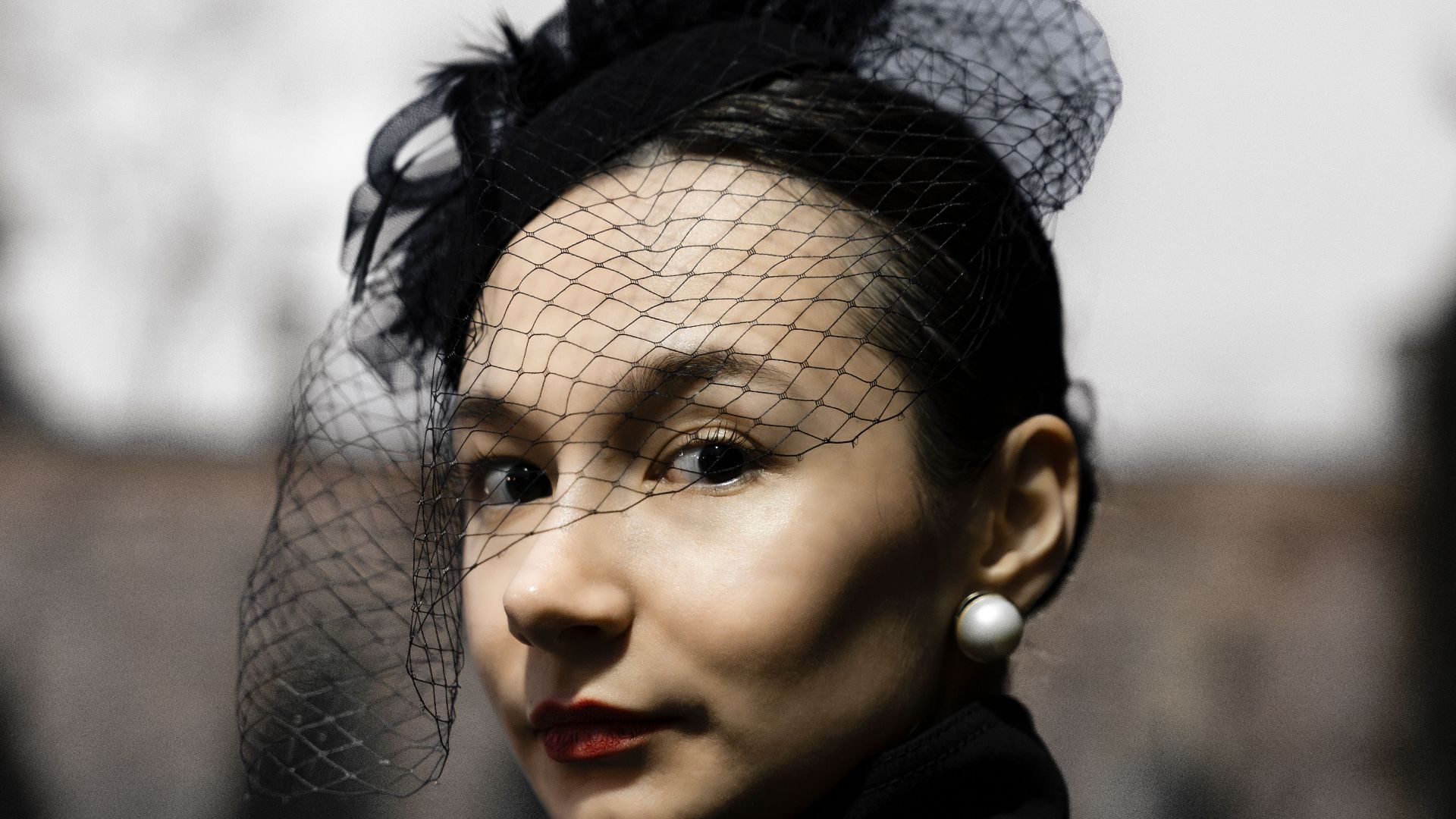
During the voyage, Empress reportedly dressed almost entirely in black. Her outfits included a small hat, a large veil, and, according to some passengers, a monocle. A stewardess initially wondered whether the strikingly dressed traveler might be a war widow.
She Appeared To Be Cheerful
Witnesses did not describe Empress as obviously distressed during the crossing. Her stewardess remembered her joking while small tears in her clothing were repaired. Other passengers similarly recalled a lively woman who seemed enthusiastic about returning to America.
Dinner Arrived At Her Door
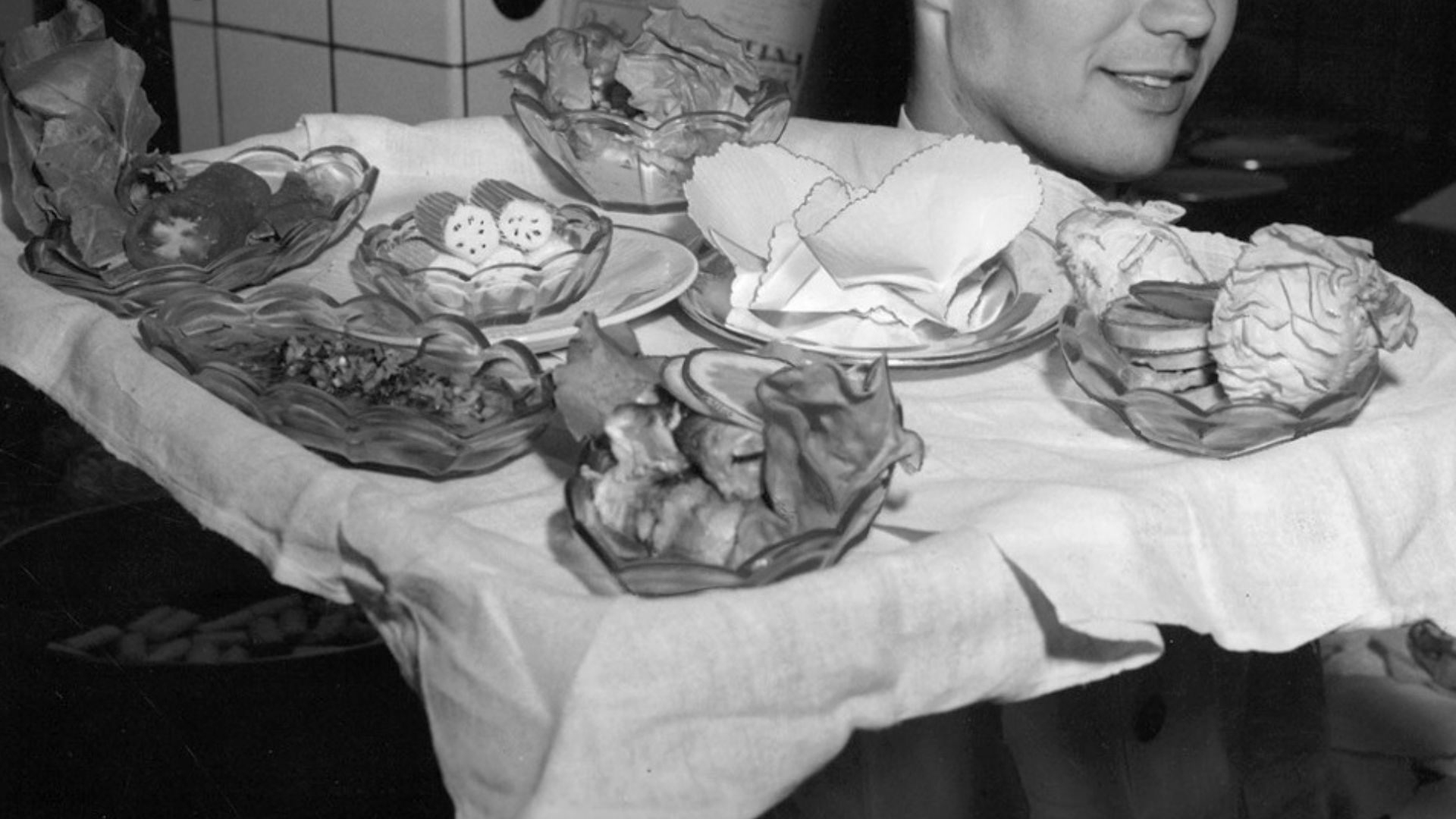
On the final evening at sea, a stewardess delivered dinner to Empress’s stateroom. She returned to remove the dishes at approximately 6:30 PM. Empress then requested that sandwiches be brought to the cabin at 9:30 PM.
 Unknown photographer, Wikimedia Commons
The Sandwiches Went Untouched
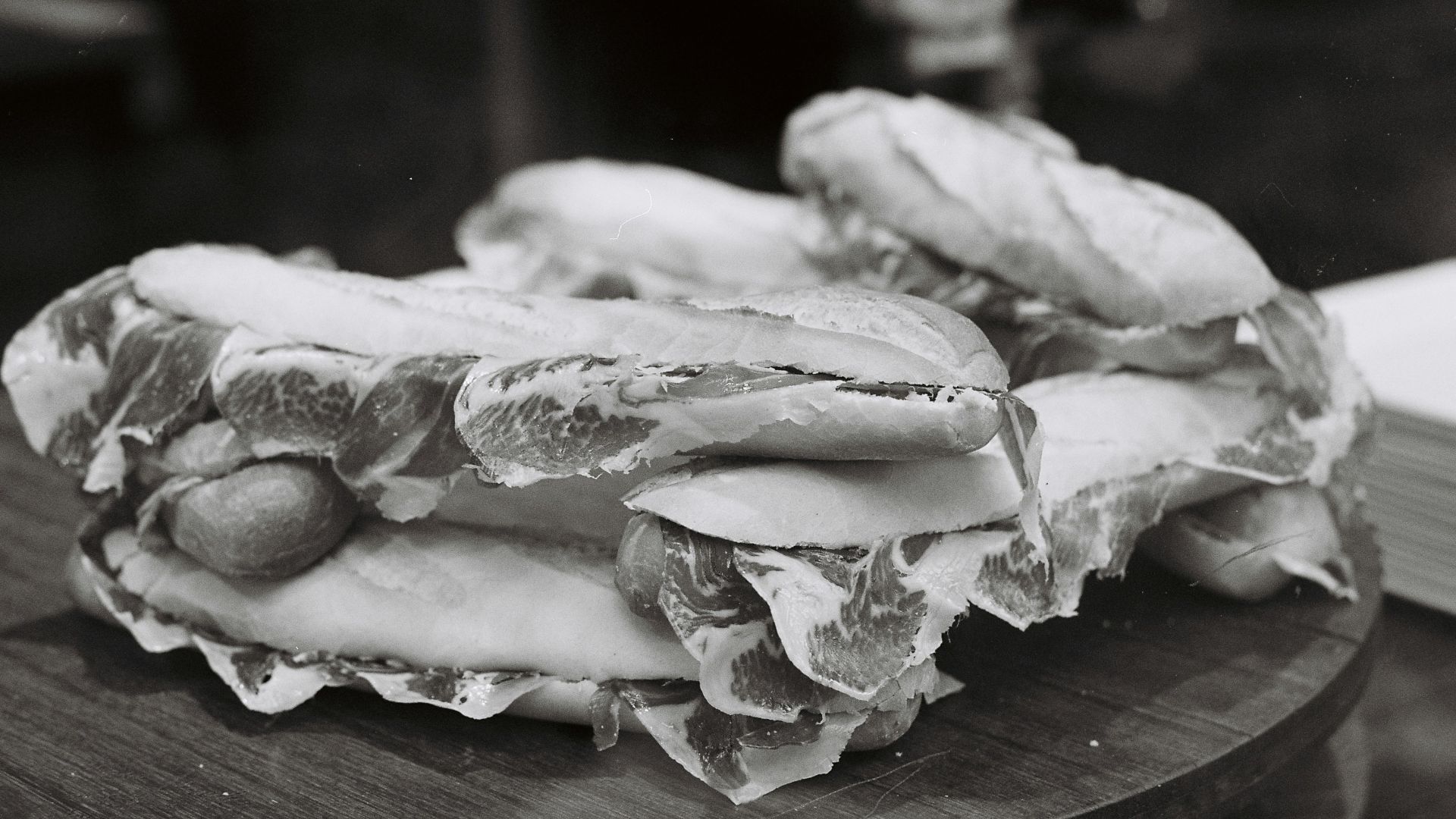
When the stewardess returned at the requested time, Empress was not inside the cabin. She left the sandwiches there, apparently expecting the actress to return. By the following morning, the food remained untouched.
Her Bed Told The Same Story
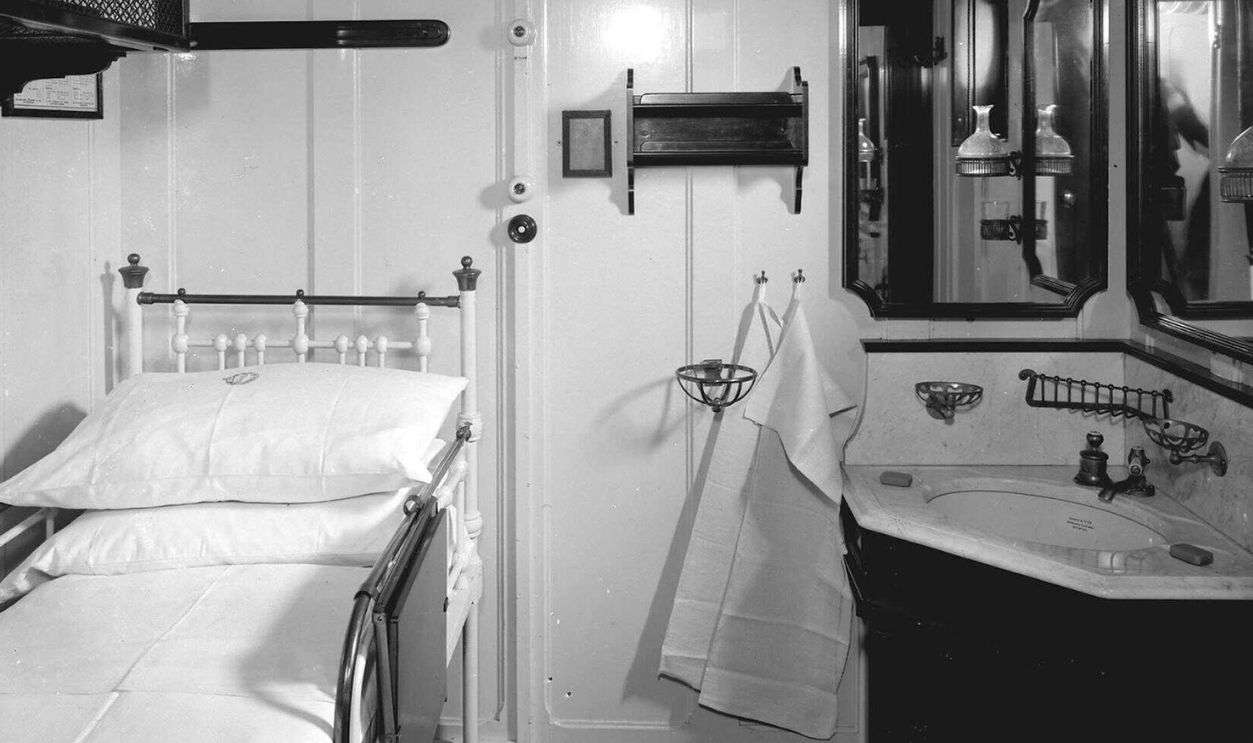
The stewardess also discovered that Empress’s bed had not been slept in. Her luggage and other belongings were still aboard the ship. Nothing in the cabin provided a clear explanation for where she had gone.
 Bedford Lemere & Co, Wikimedia Commons
She Expected To Reach New York
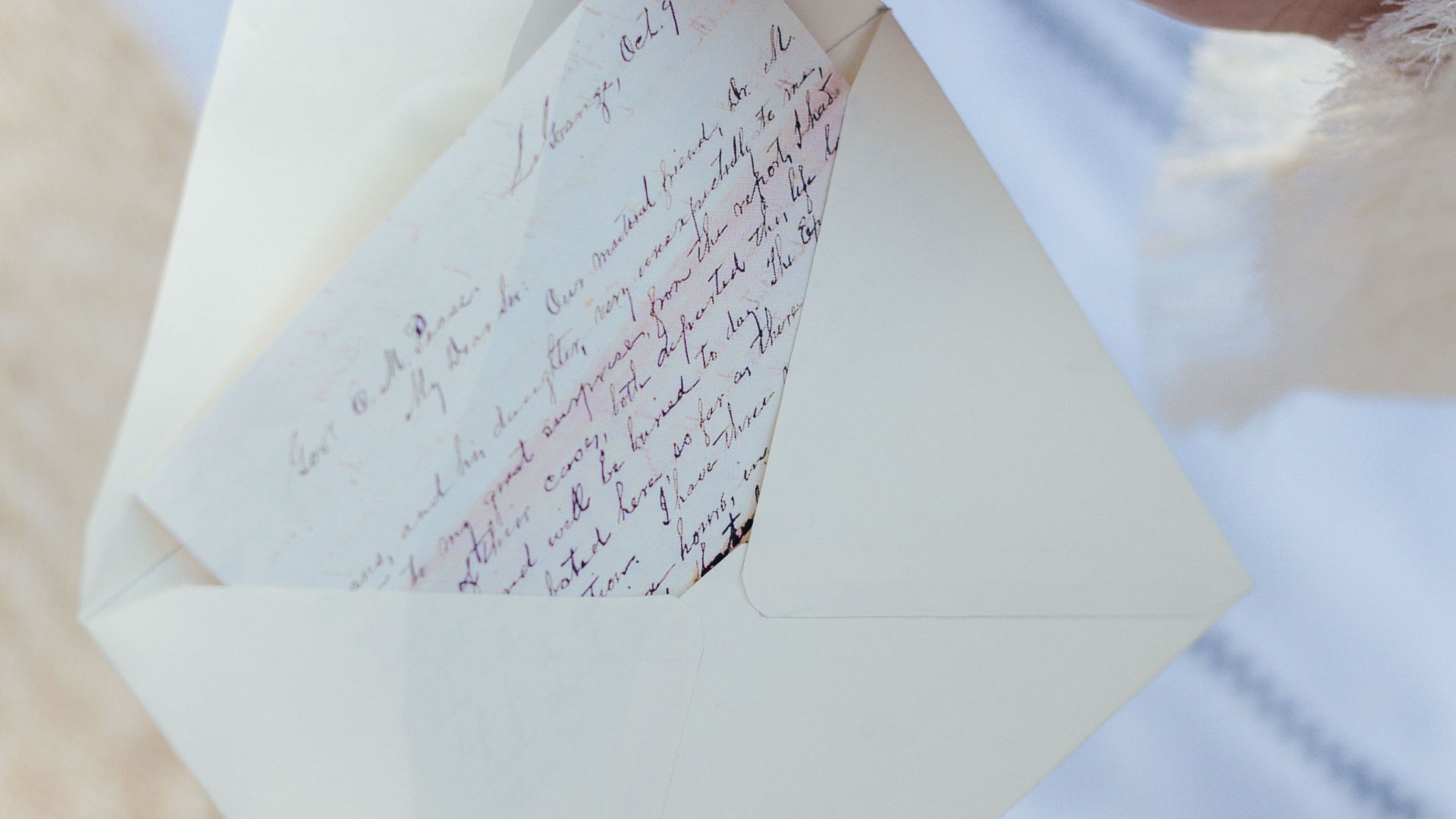
Among the items found in stateroom 480 was a copy of a telegram Empress had sent to a New York hotel. It announced that she would arrive on Monday and requested that a room be prepared. Photographs of the actress had also been placed in a rack, apparently ready for distribution to the press.
The Porthole Was Too Small
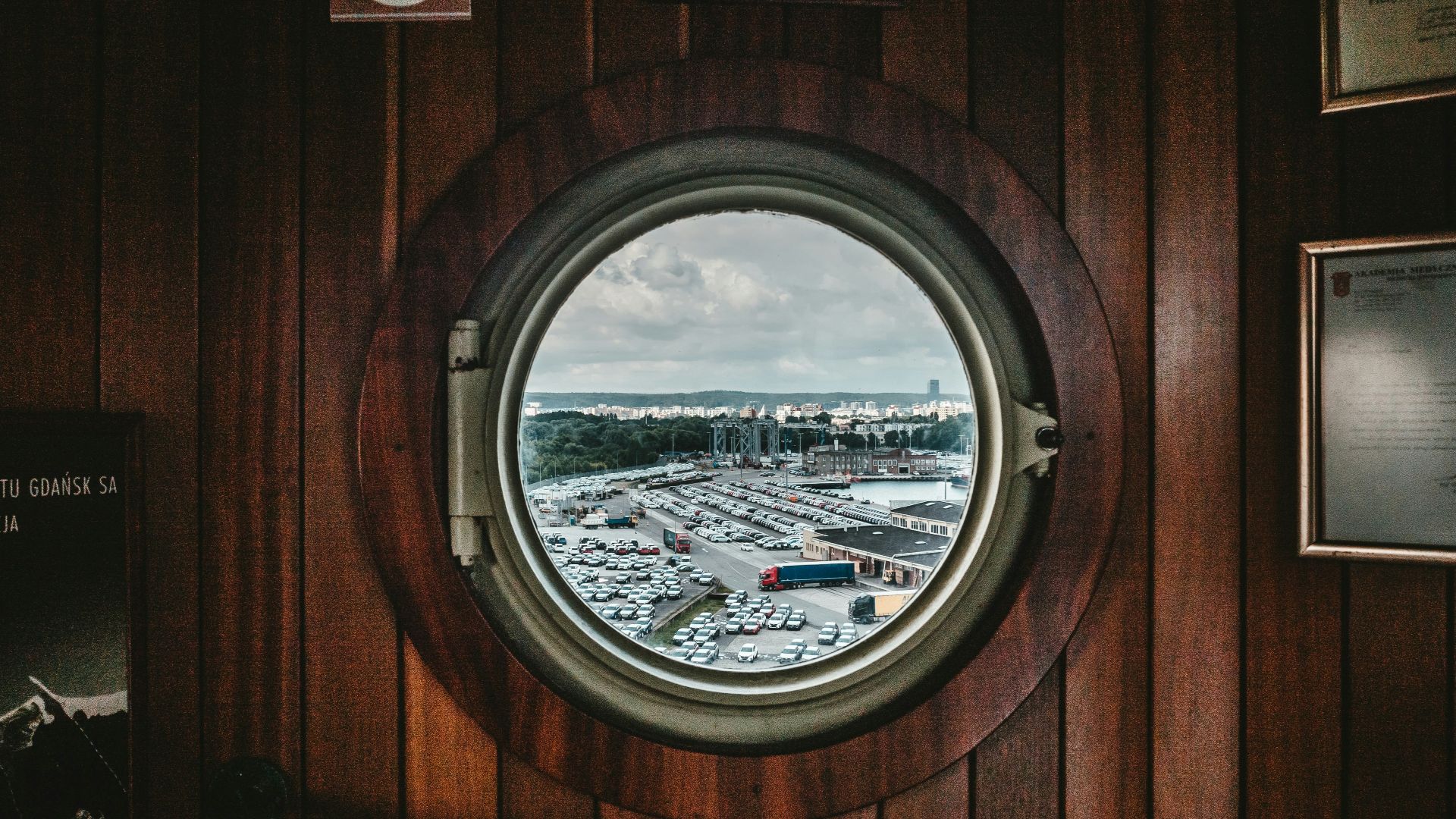
Empress’s cabin had a porthole measuring approximately 13 inches across. A contemporary reporter judged it far too narrow for her to pass through. More importantly, the porthole was reportedly secured from inside the cabin.
 Max van den Oetelaar, Unsplash
The Door Led Into A Crowd
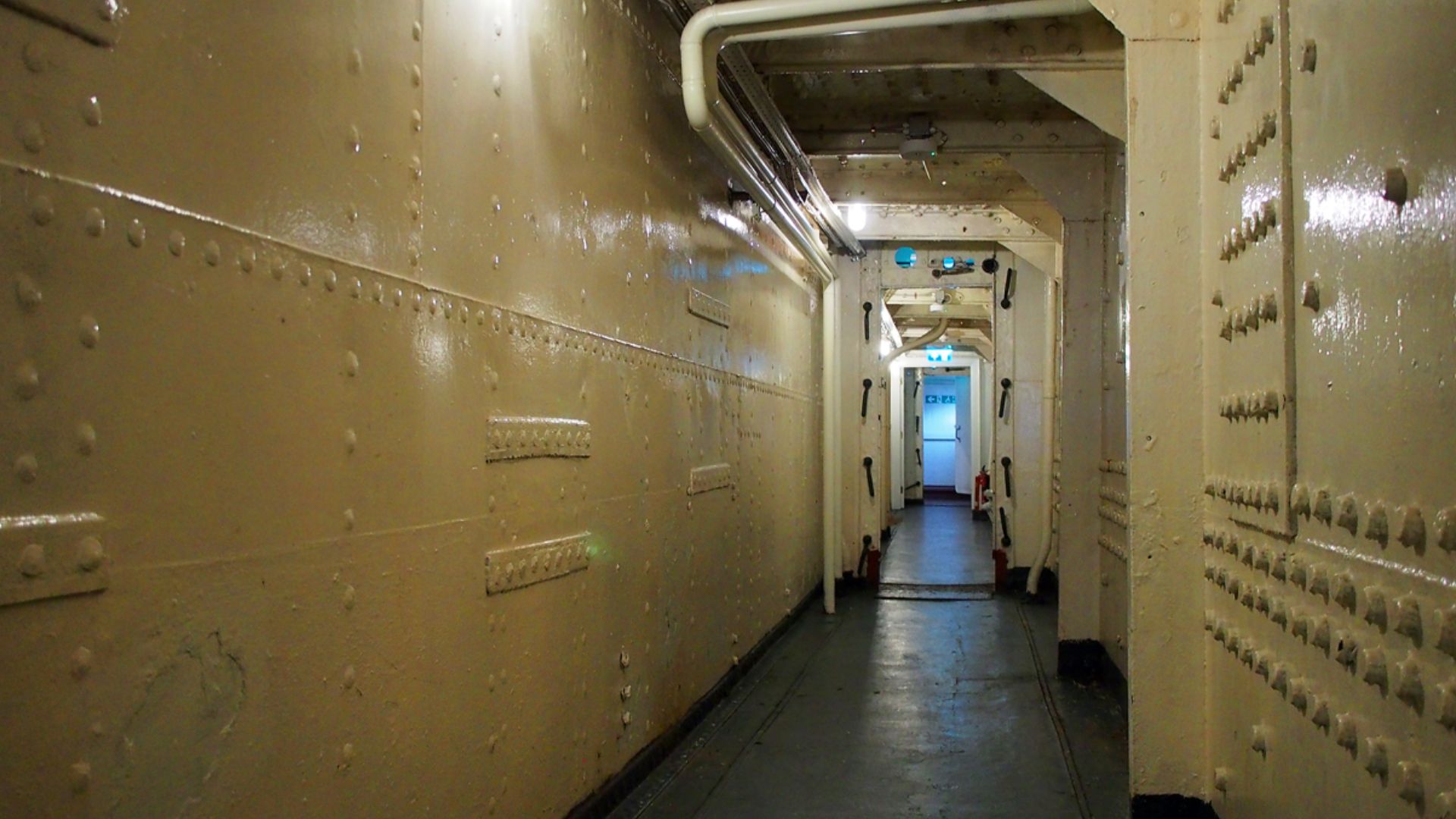
The cabin door opened onto an interior passageway rather than directly onto a deck. To reach the outside, Empress would have needed to cross several corridors and public rooms. Those areas were normally occupied by passengers, stewards, and officers during the evening.
 Rossographer , Wikimedia Commons
The Decks Were Brilliantly Lit
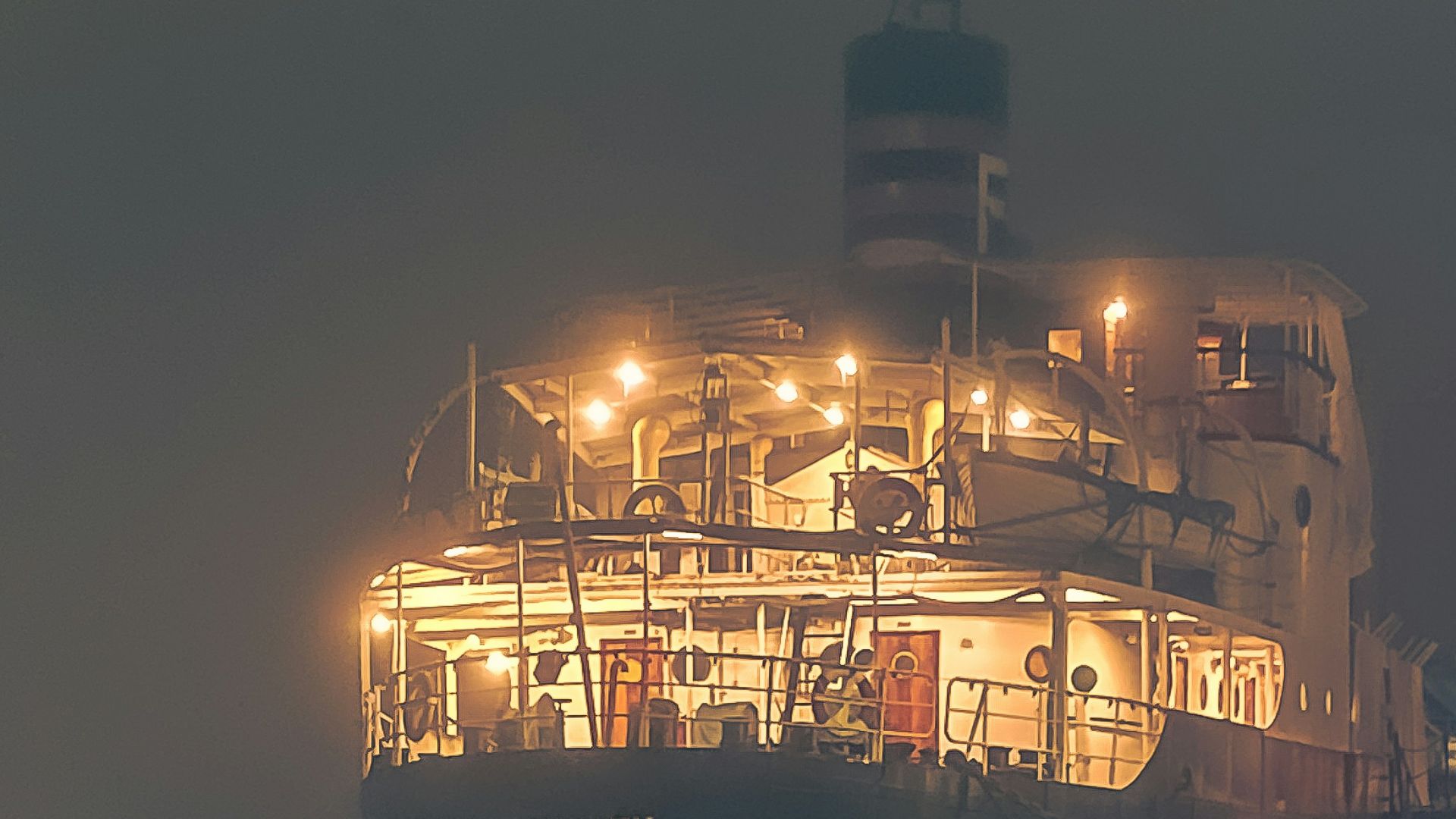
A reporter investigating the disappearance noted that the promenades and decks remained brightly illuminated late into the night. Empress’s distinctive clothing and appearance should have made her recognizable. Nevertheless, no reliable witness reported seeing her approach the railing or enter the water.
The Search Found Nothing
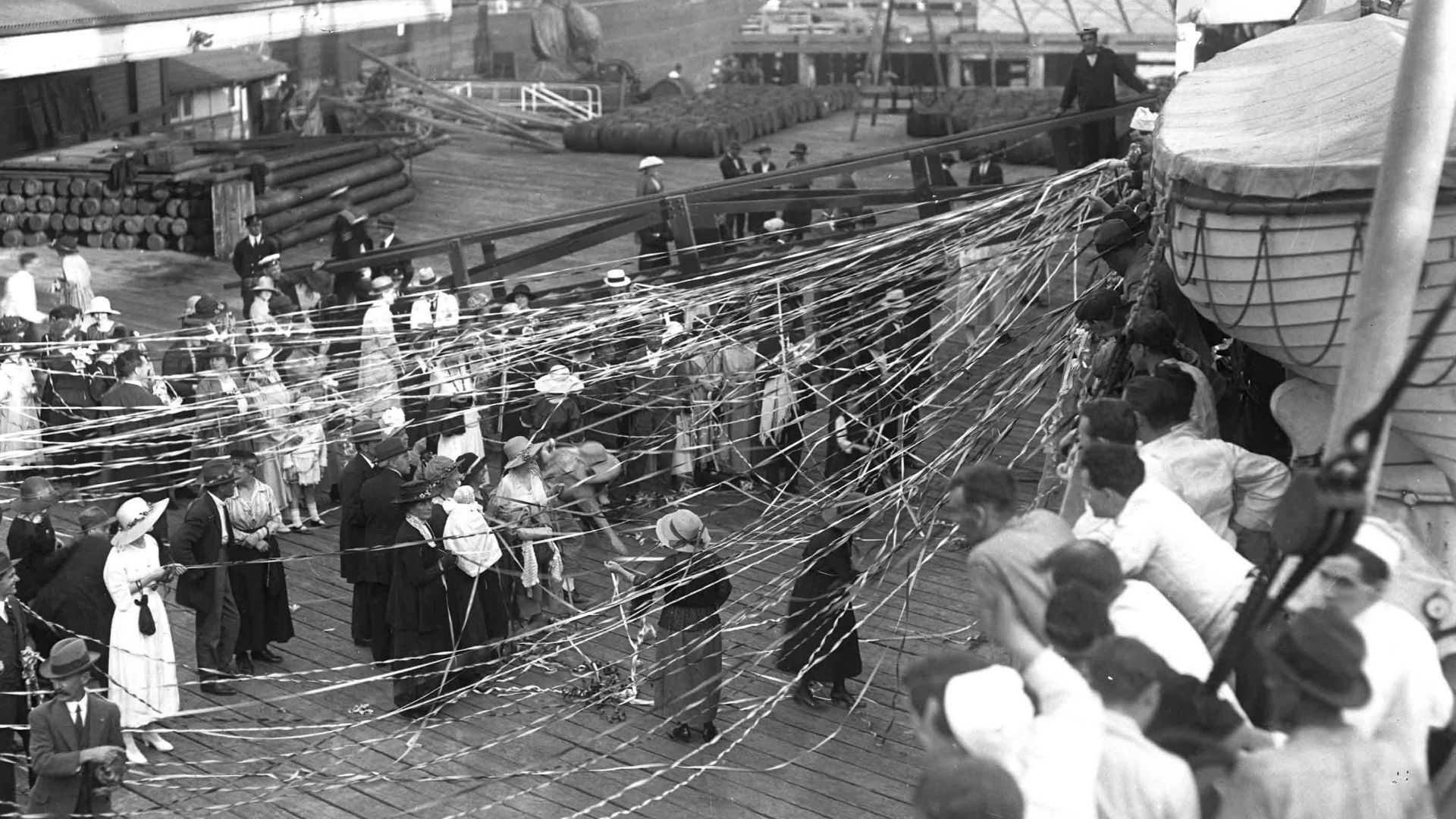
Once the actress was reported missing, crew members repeatedly searched the vessel. They found no hiding place, body, or physical evidence that settled what had happened. More than 1,000 passengers and crew had been aboard, yet none supplied a definitive answer.
 Australian National Maritime Museum on The Commons, Wikimedia Commons
Officials Presumed She Jumped
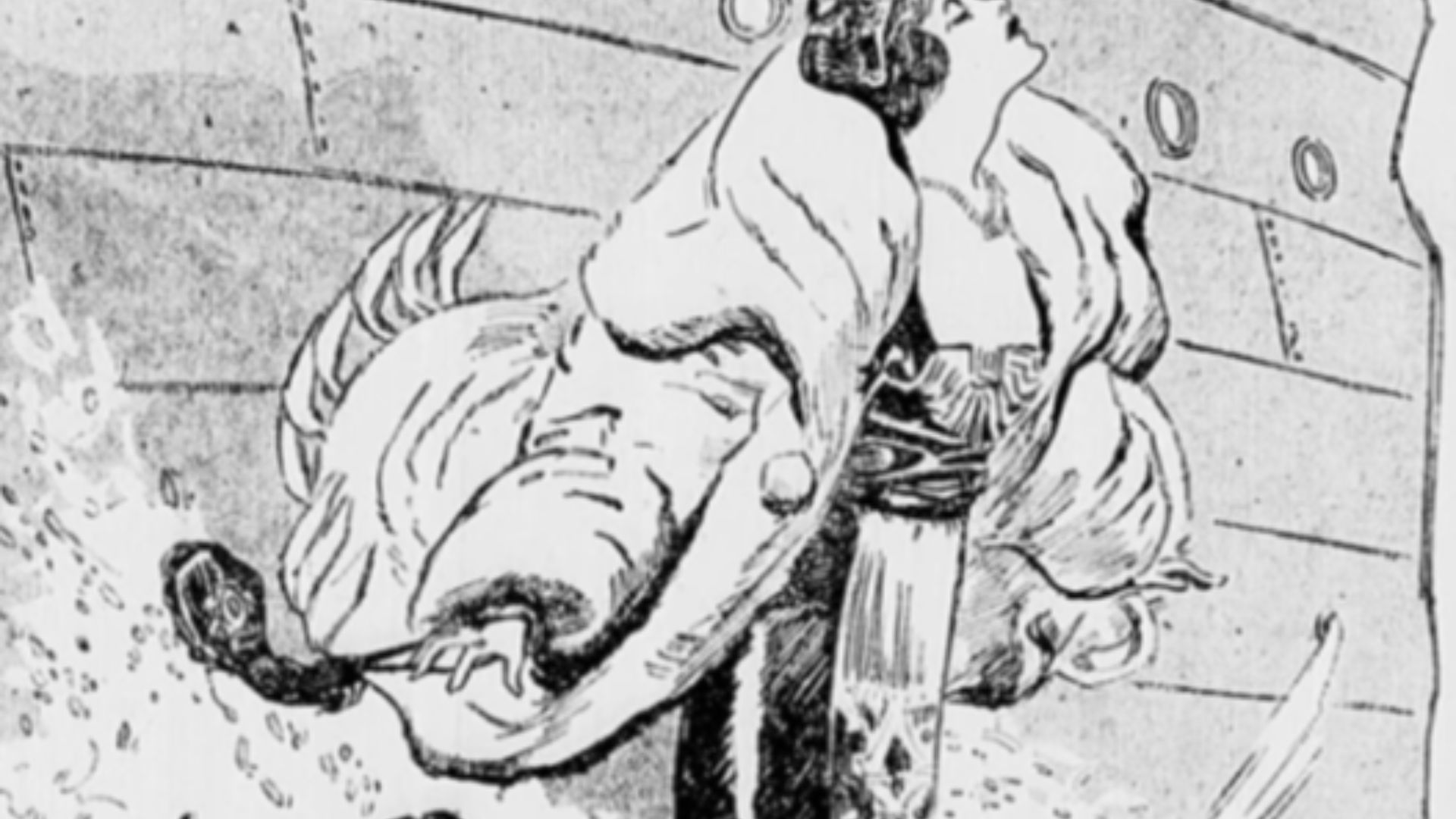
The simplest explanation was that Empress had somehow reached the deck and gone overboard. Britain’s overseas death registry eventually recorded her as having jumped and being presumed drowned. The coordinates entered in the record corresponded to an Atlantic location roughly 70 miles from Cape Cod, but the conclusion was not based on a recovered body.
 Kerry (signature at bottom left), Wikimedia Commons
Other Possibilities Remained Open
Contemporary coverage also considered an accidental fall or an undiscovered crime. No physical evidence demonstrated that another person had harmed her, however. Without a witness, a body, or a farewell message, none of the theories could be proven.
 Musee McCord Museum, Wikimedia Commons
Her Disguises Inspired Another Theory
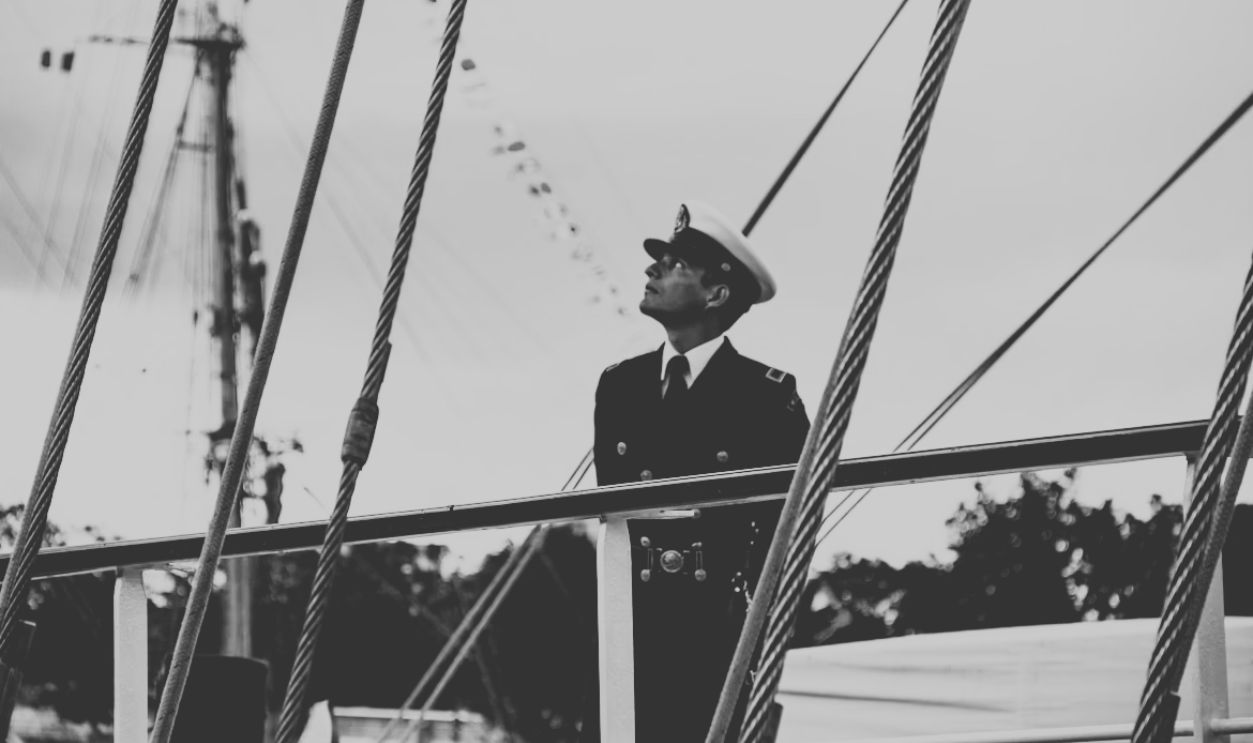
Reports soon suggested that Empress might have escaped by dressing as a man. Sailors allegedly claimed that she had appeared on an upper deck in a sailor’s uniform, although those accounts were never verified. Men’s clothing among her belongings and her skill as a male impersonator made the theory irresistible to newspapers.
 Philippe Oursel, Unsplash, Modified
Broadway Suspected A Publicity Stunt
Some theatrical press agents quickly argued that the disappearance was an elaborate promotional trick. Walter J. Kingsley, a prominent Broadway publicist who had worked with Harry Houdini, teased reporters without claiming responsibility. Entertainment papers began predicting that Empress would eventually reappear and reveal the deception.
 Unknown authorUnknown author, Wikimedia Commons
Her Abandoned Trunks Weakened The Hoax
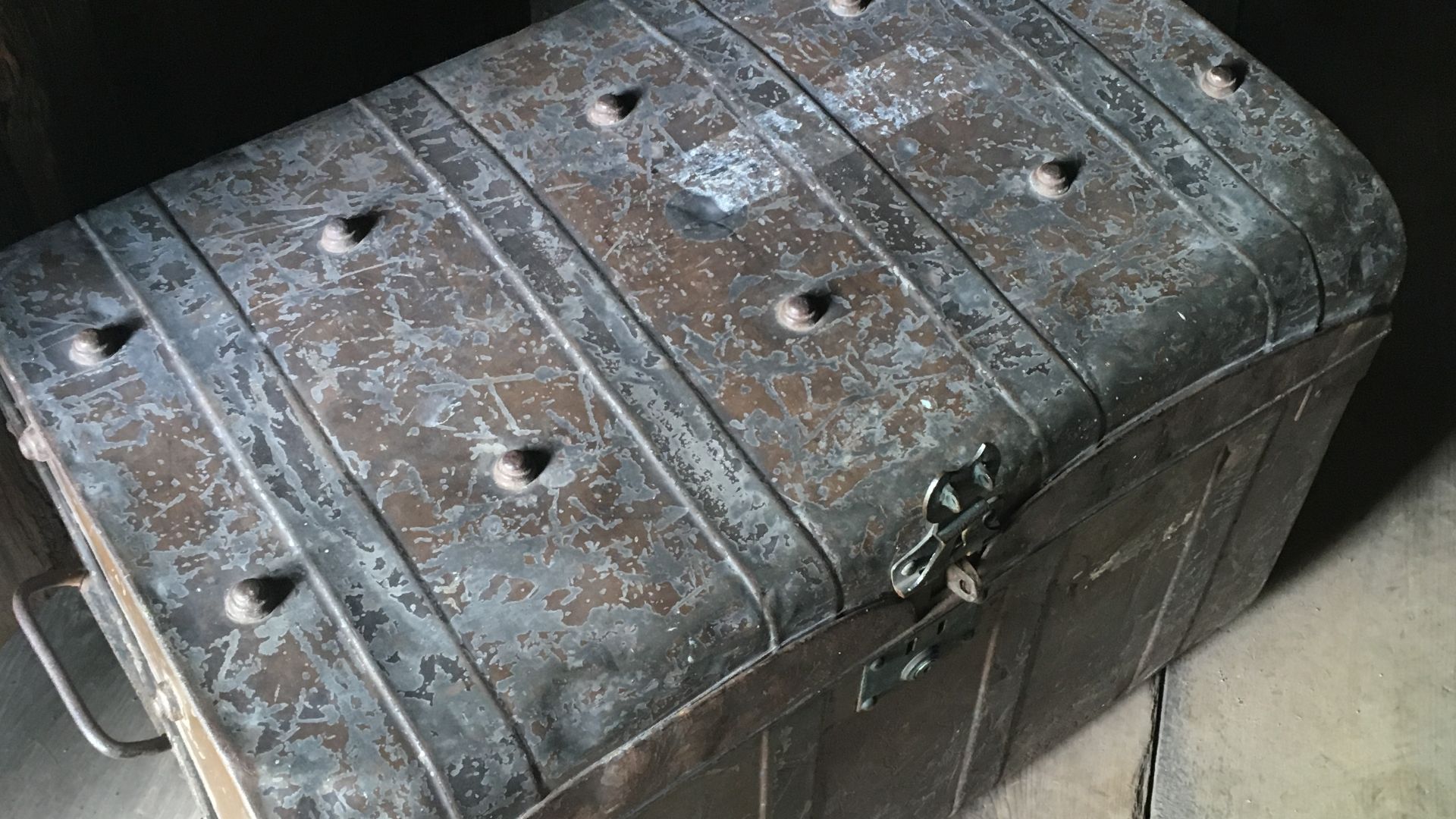
Empress never emerged to enjoy the enormous publicity generated by her disappearance. Her trunks remained unclaimed in New York for more than a month and were eventually returned to Liverpool. The longer she stayed missing, the harder it became to explain the case as a temporary stunt.
 Adam Bishop, Wikimedia Commons
She Vanished Beyond The Screen
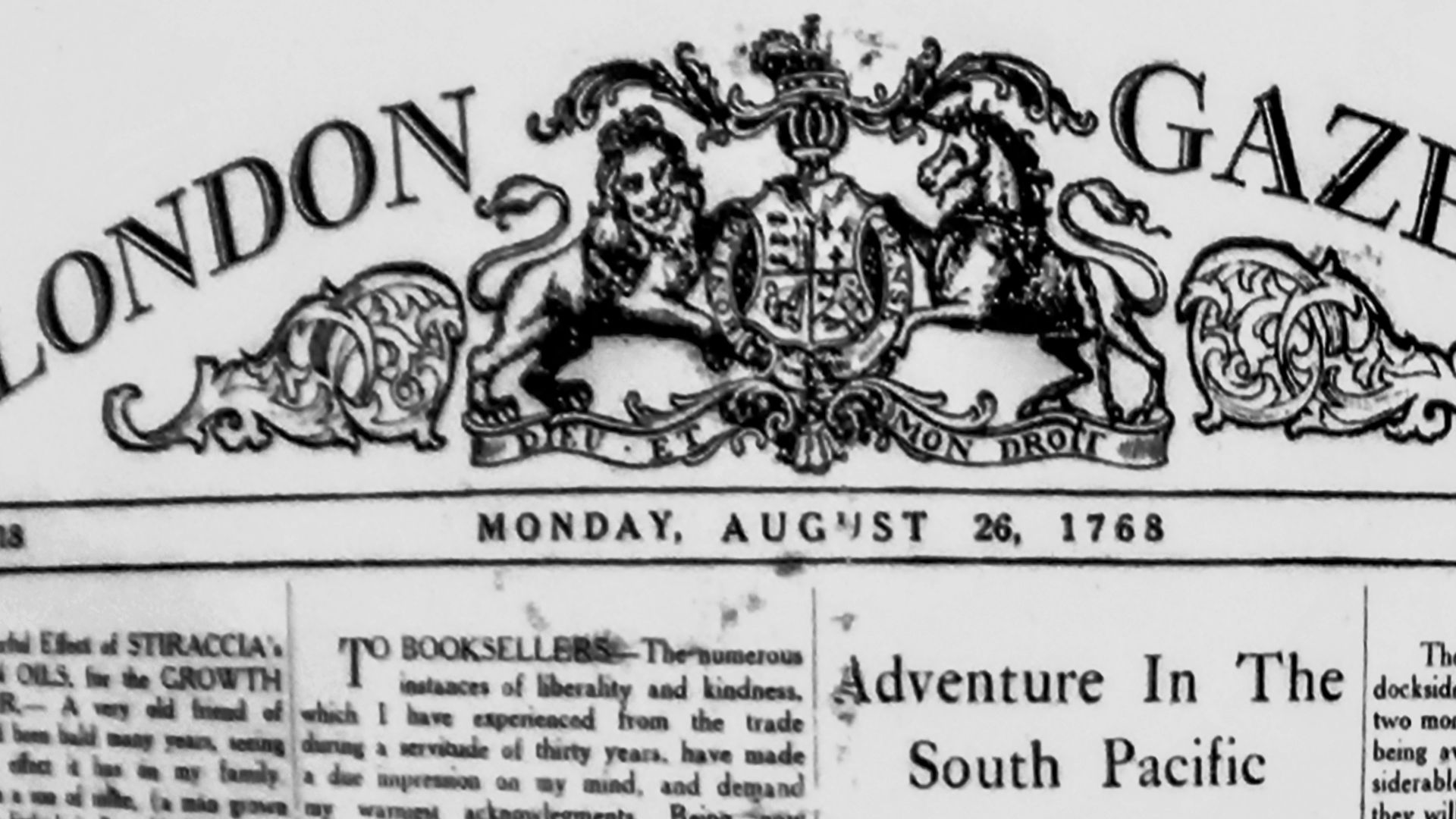
In November 1921, The London Gazette published a notice identifying Mary Ann Louisa Horton, otherwise Marie Empress, as having died “on or since” October 25, 1919. No confirmed trace of her had surfaced during the intervening two years. Her films disappeared, her music went unrecorded, and the woman behind the carefully constructed persona remained as elusive as her final hours.
You May Also Like:
Peggy Hopkins Joyce Turned Marrying Rich Men Into A Career, And Newspapers Couldn’t Look Away
Frances Farmer’s Hollywood Story Was Twisted So Many Times That The Truth Became Hard To See
How Mary Toft Convinced England’s Greatest Doctors That She Had Given Birth To Rabbits