Texas Icon
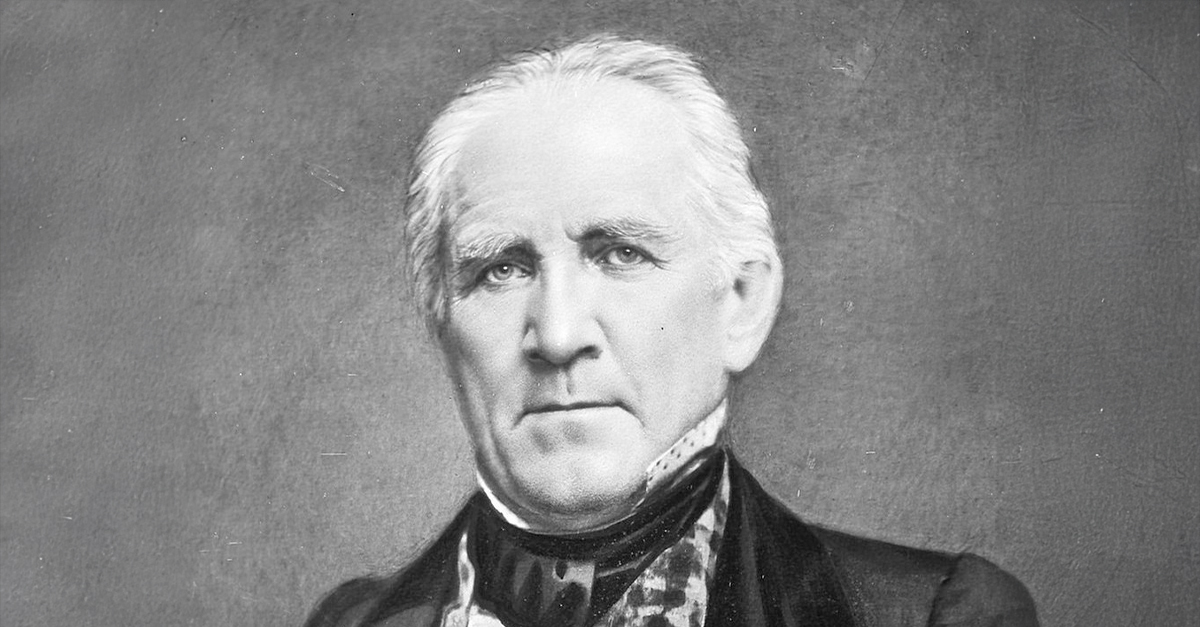
Sam Houston is one of the most celebrated figures in Texas history. He helped win Texas independence, served as the Republic's first president, became governor twice, and later represented Texas in the United States Senate. But the stand that ultimately destroyed his political career came decades later, when he refused to support the secession of Texas from the Union and rejected allegiance to the Confederacy.
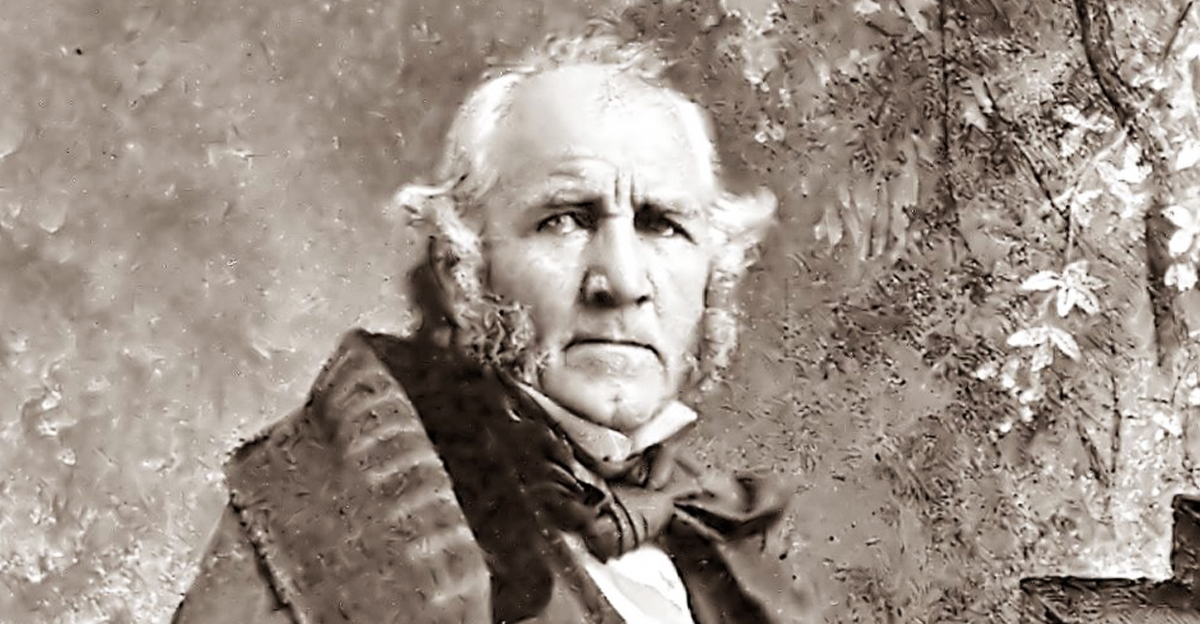 Mathew Brady, Wikimedia Commons
Virginia Beginnings
Sam Houston was born on March 2, 1793, in Rockbridge County, Virginia. His father died when he was young, and the family eventually moved to Tennessee. The rough life of the frontier shaped Houston's character and introduced him to experiences that would influence his entire life.
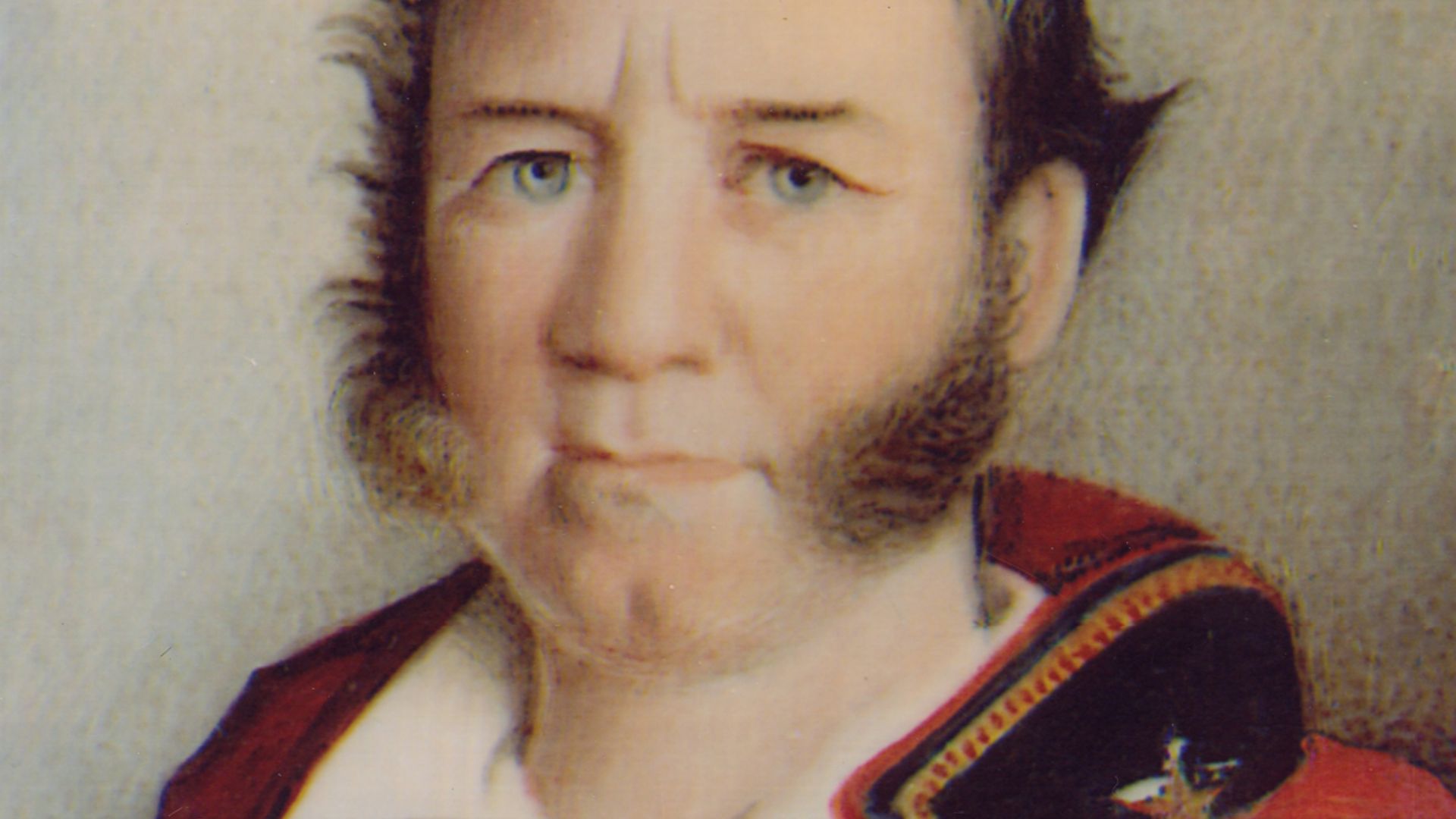 Unknown authorUnknown author, Wikimedia Commons
Cherokee Connections
As a teenager, Houston spent significant time among the Cherokee people. He developed lasting relationships within the tribe and was given the name 'Colonneh,' often translated as 'The Raven.' His association with the Cherokee was an important part of his identity throughout his life.
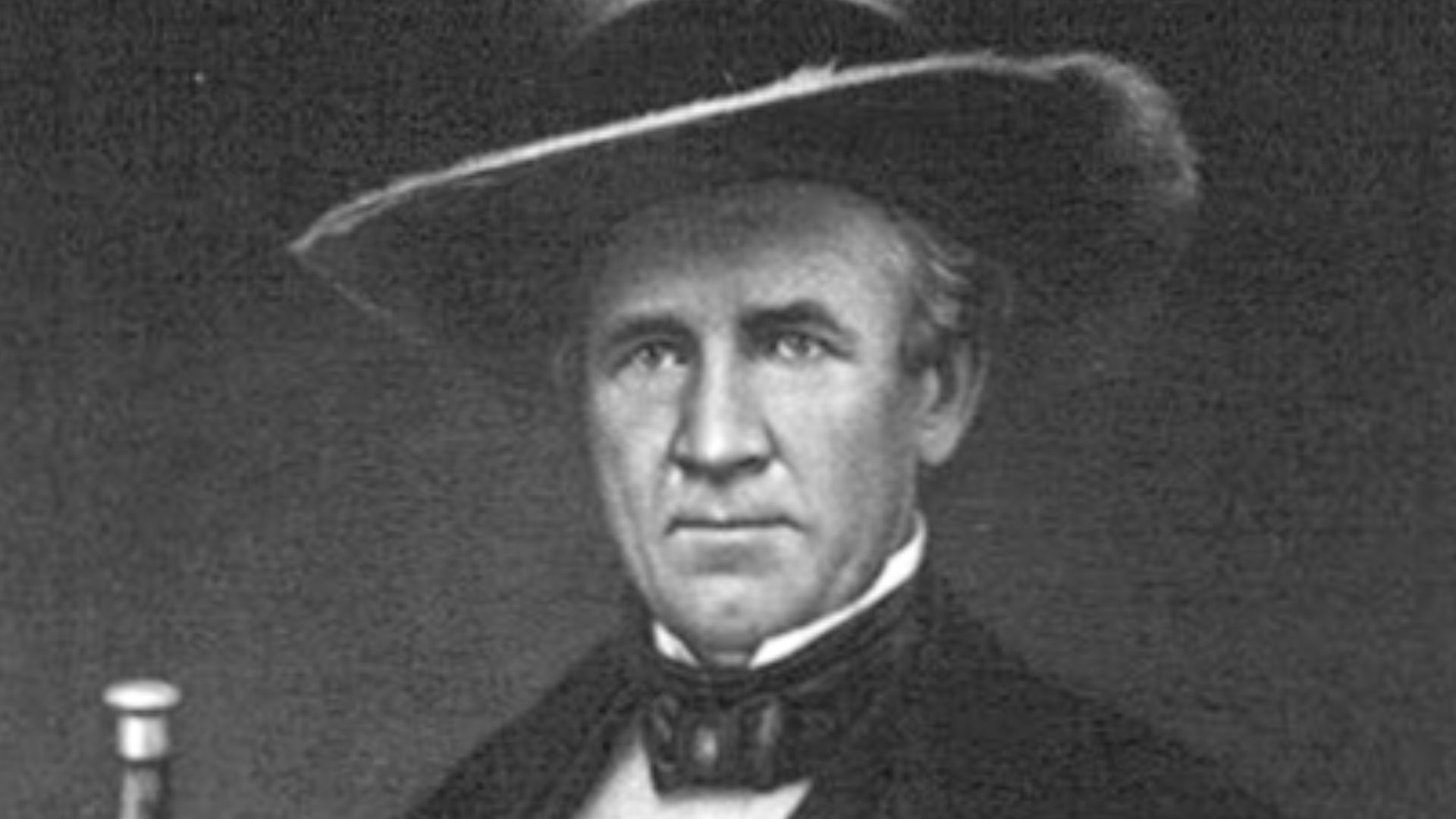 Jacek Halicki, Wikimedia Commons
Military Ambitions
Houston's path to prominence began during the War of 1812. Serving under Andrew Jackson, he fought bravely at the Battle of Horseshoe Bend. His courage earned Jackson's admiration, creating a political connection that would help launch Houston's future career.
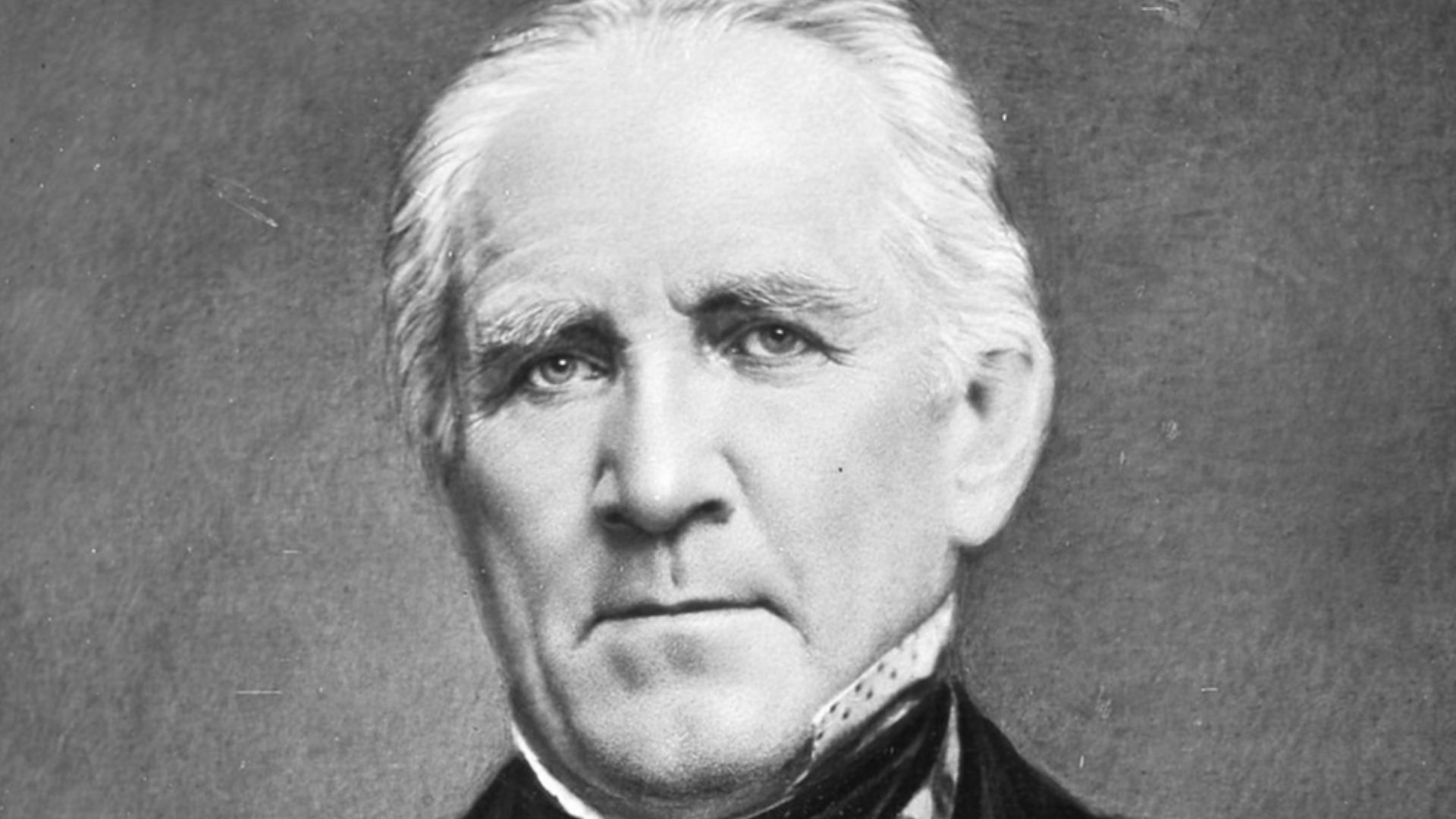 Mathew Benjamin Brady, Wikimedia Commons

History's most fascinating stories and darkest secrets, delivered to your inbox daily.
Rising Tennessee Politician
Following military service, Houston studied law and entered politics. His rise was rapid. He served in Congress and developed a reputation as one of Andrew Jackson's loyal political allies, positioning himself among the rising generation of Democratic leaders.
![Title: Sam Houston / lith. of E.C. Kellogg, Hartford, Conn. from a daguerreotype by Mead [i.e., Meade] Brothers
Abstract/medium: 1 print : tinted lithograph ; sheet 43.7 x 33.1 cm.](https://www.factinate.com/storage/app/media/factinate/2026/6/8/1780896190b86707d866dd0d4e87eb97f5d942d1ac0e4df421.jpg)
Governor At Thirty-Four
In 1827, Houston was elected governor of Tennessee. At only 34 years old, he appeared destined for national politics. Many observers believed he might eventually reach the highest offices in the country, perhaps even the presidency itself.
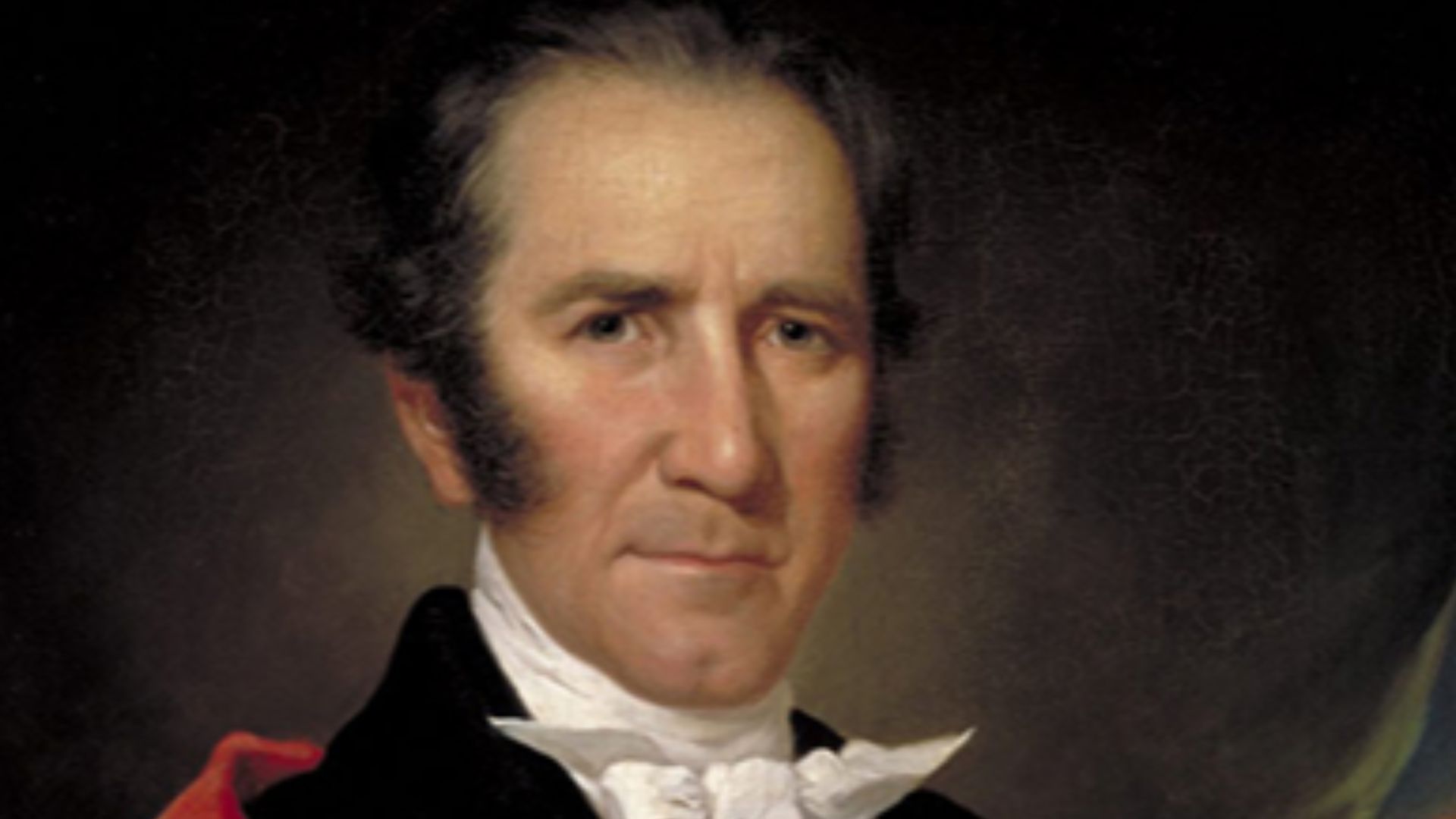 Martin Johnson Heade, Wikimedia Commons
Sudden Resignation
Houston's promising career collapsed unexpectedly in 1829. After the failure of his marriage to Eliza Allen, he resigned as governor and mostly withdrew from public life. The abrupt decision shocked supporters and caused one of the greatest personal crises of his career.
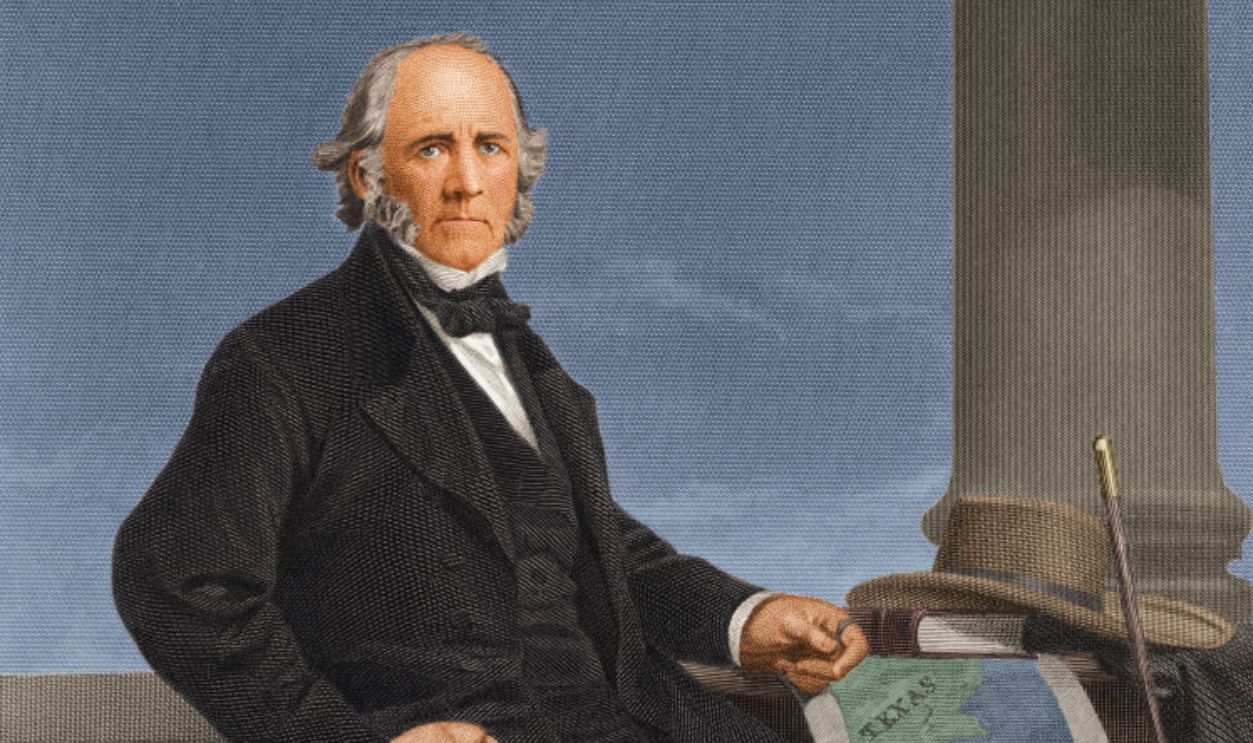
Return To The Cherokee
After his resignation, Houston spent years living among the Cherokee. During this period he became involved in tribal affairs and attempted to rebuild his life. Many contemporaries assumed his political career had ended permanently.
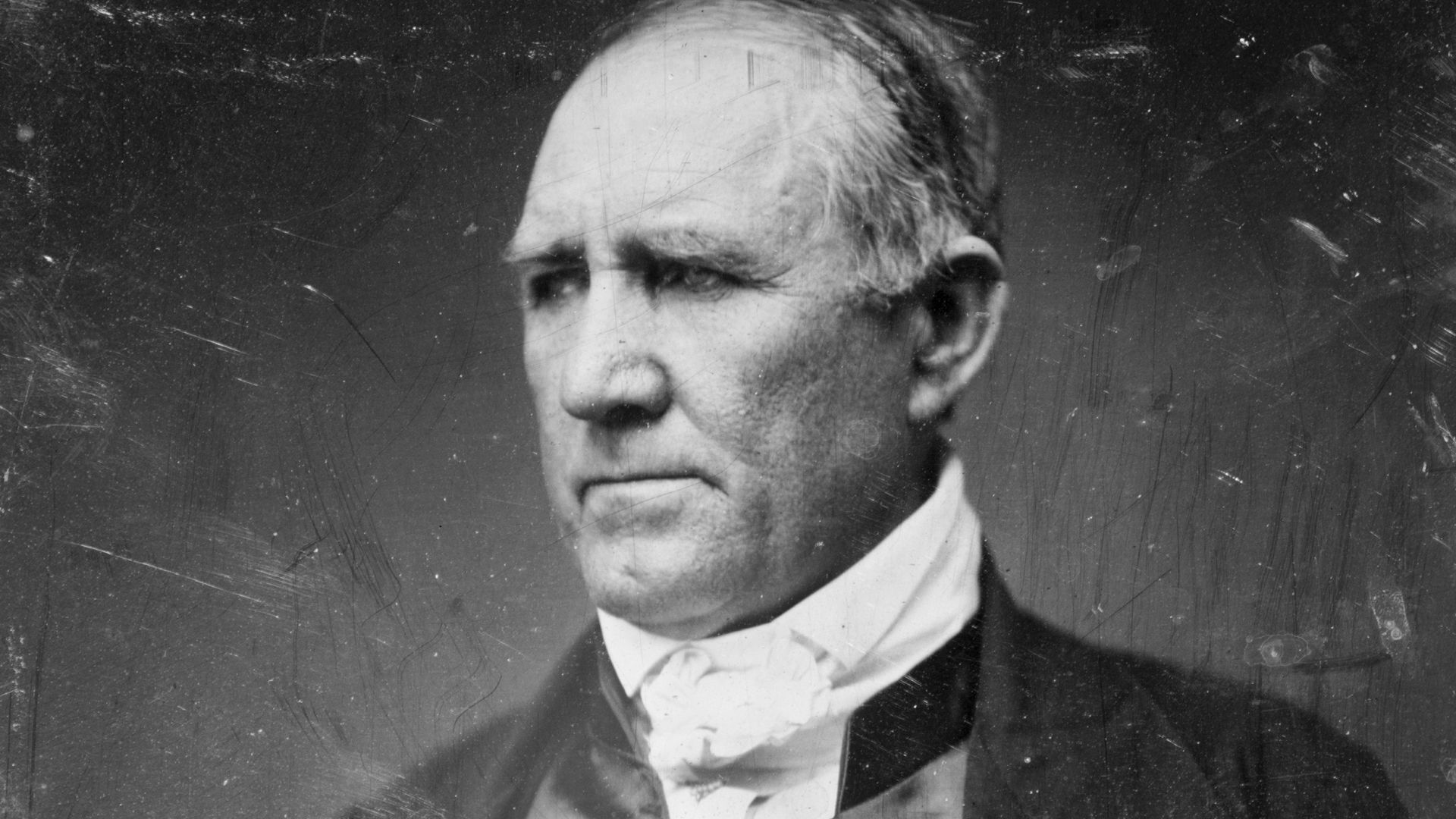 Oldag07 (talk), Wikimedia Commons
Looking Westward
Houston eventually turned his attention toward the Mexican region of Texas. The area was attracting American settlers, and tensions between the Mexican government and colonists were increasing. Houston saw opportunities there that would reshape both his life and North American history.
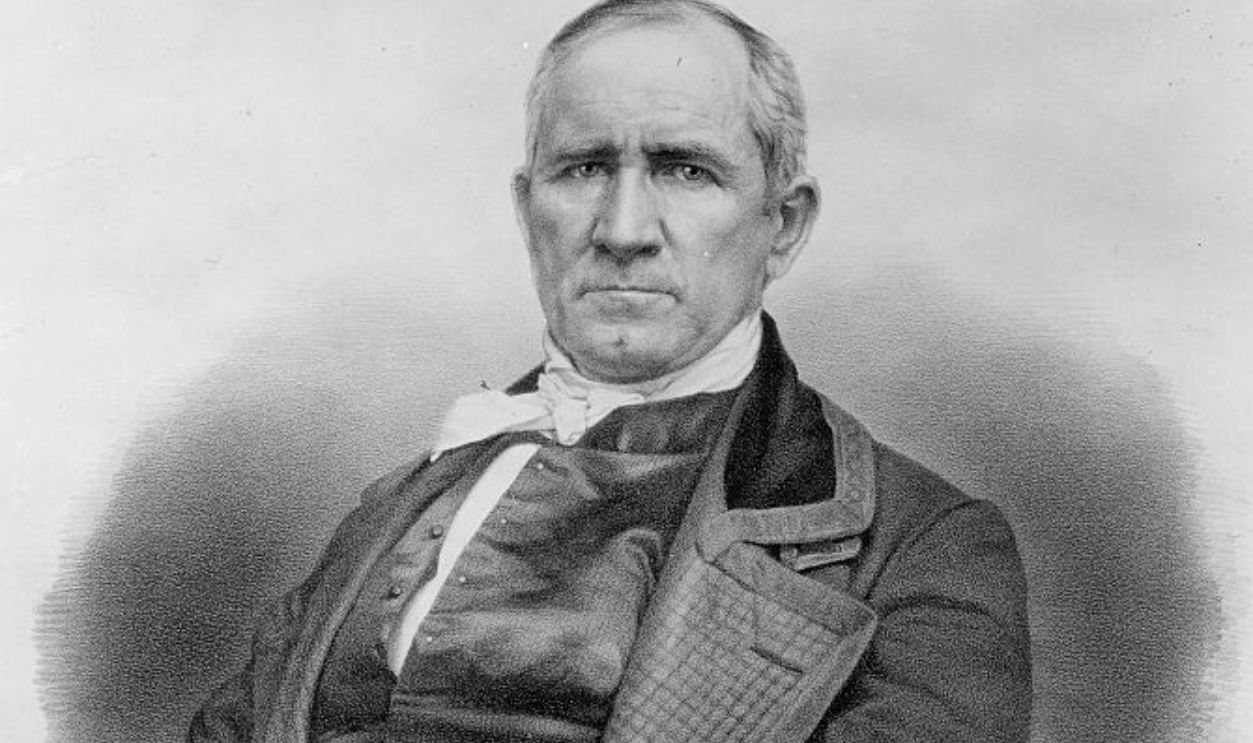
Revolution Approaches
By the mid-1830s, conflict between Texas settlers and Mexico had escalated dramatically. Houston got seriously involved in the independence movement. His military experience and political skills quickly made him one of the most pivotal leaders in the struggle.
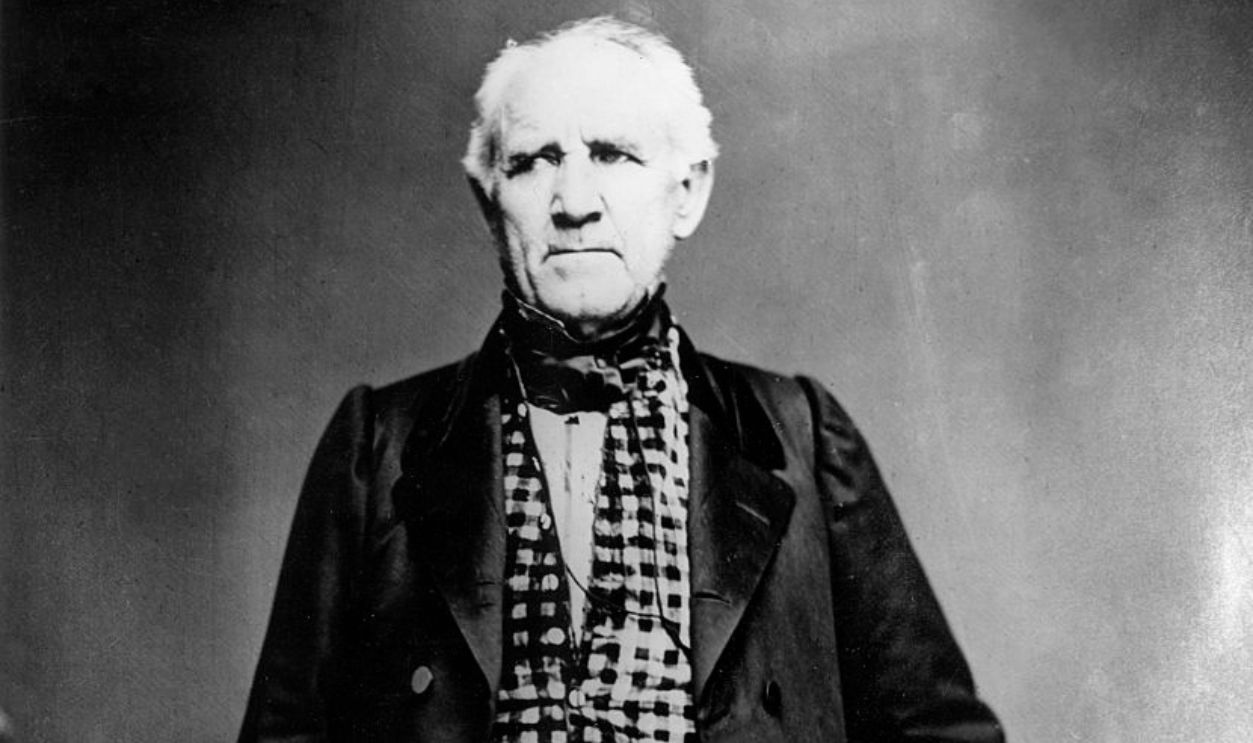
History's most fascinating stories and darkest secrets, delivered to your inbox daily.
Commander Of The Texans
In 1835, Houston was appointed commander of the Texian army. The position carried enormous responsibility. Texas forces faced daunting odds against the far larger Mexican army led by General Antonio López de Santa Anna.
The Runaway Scrape
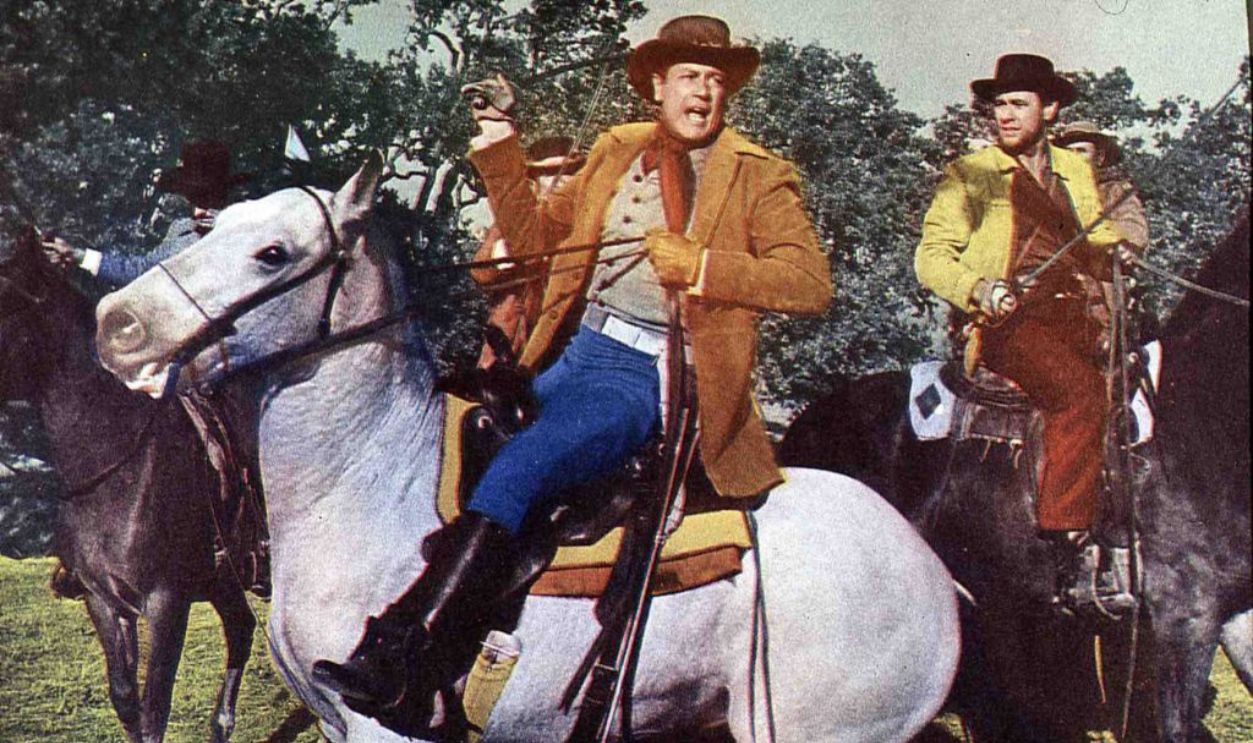
Following setbacks including the fall of the Alamo, Houston's army retreated eastward. Many Texans criticized him for avoiding battle. But Houston believed preserving his forces was essential if Texas hoped to achieve independence rather than suffer complete military defeat.
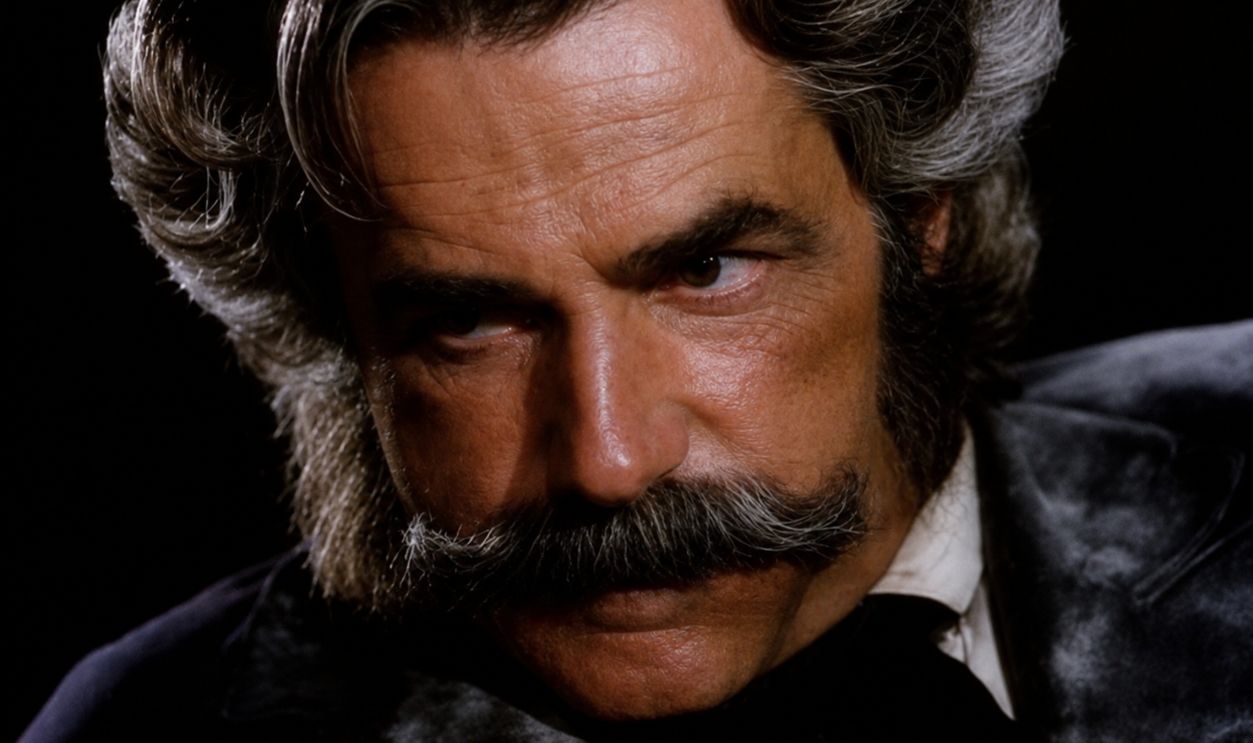 Screenshot from Gone to Texas, CBS (1986)
San Jacinto Triumph
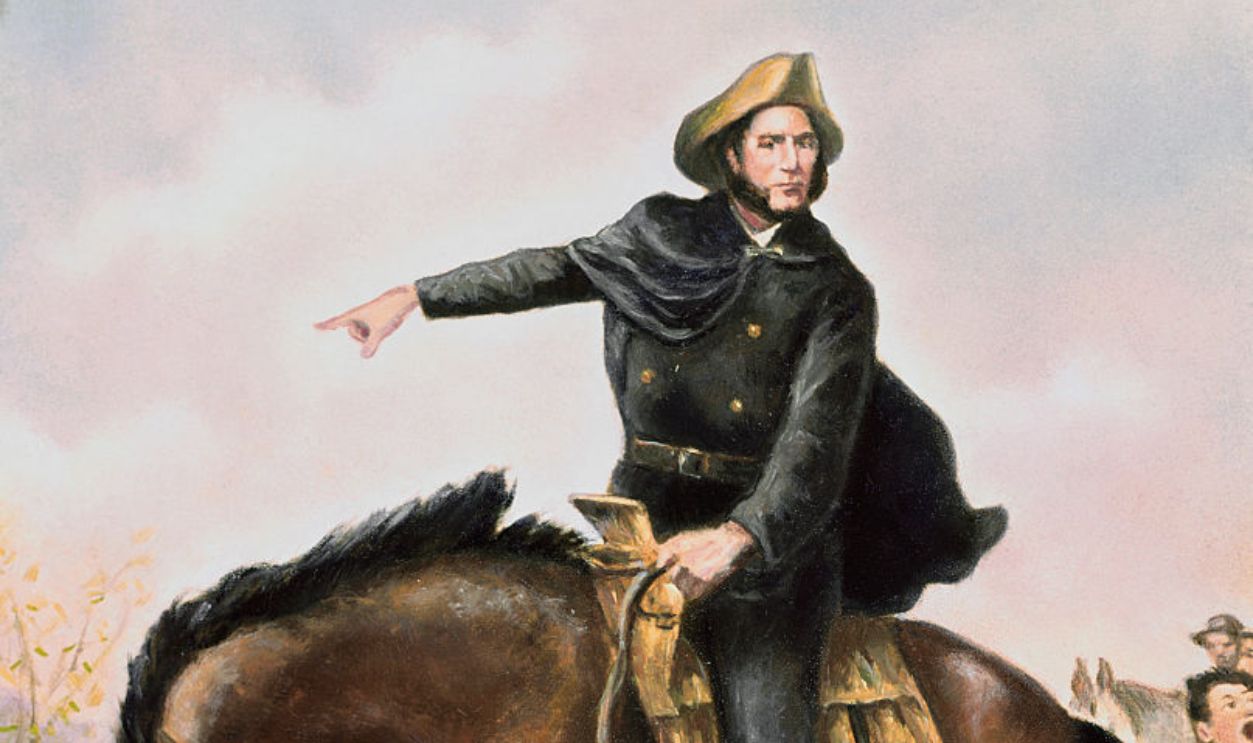
Everything changed on April 21, 1836. At the Battle of San Jacinto, Houston launched a surprise attack that overwhelmed Santa Anna's army. The victory secured Texas independence and instantly transformed Houston into the republic's greatest military hero.
Republic President
The newly independent Republic of Texas elected Houston as its first president. His administration focused on stabilizing the young nation, managing relations with Native American tribes, reducing debt, and pursuing eventual annexation to the United States.
Return To Office
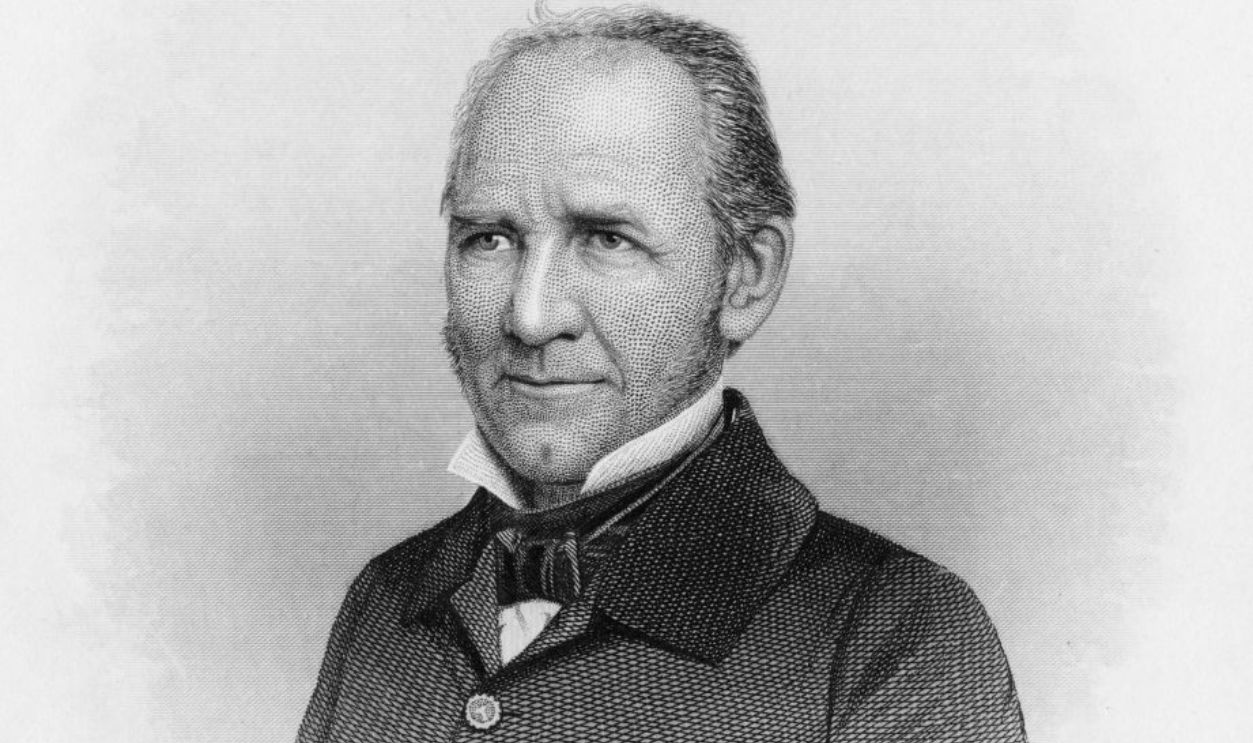
Houston served two nonconsecutive terms as president of the Republic of Texas. Because the republic limited consecutive service, he alternated with Mirabeau B. Lamar. Houston's influence remained dominant throughout the republic's short but consequential existence.
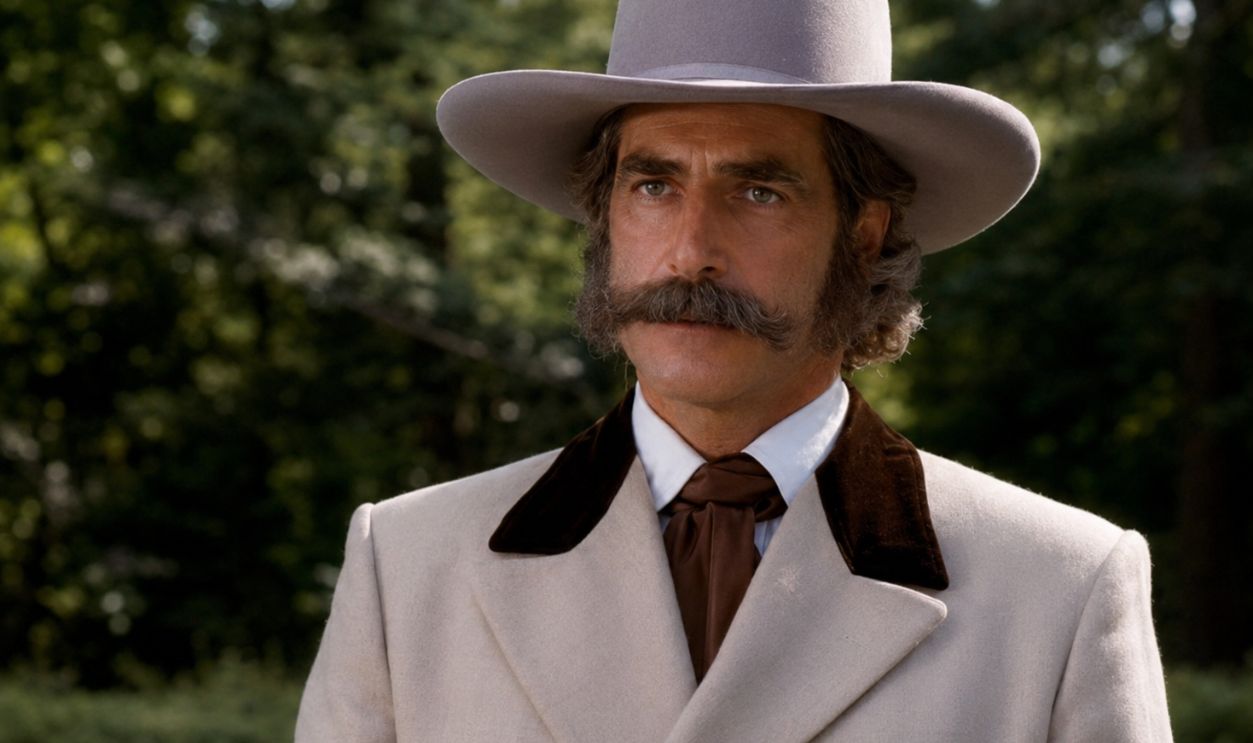 Screenshot from Gone to Texas, CBS (1986)
Statehood Arrives
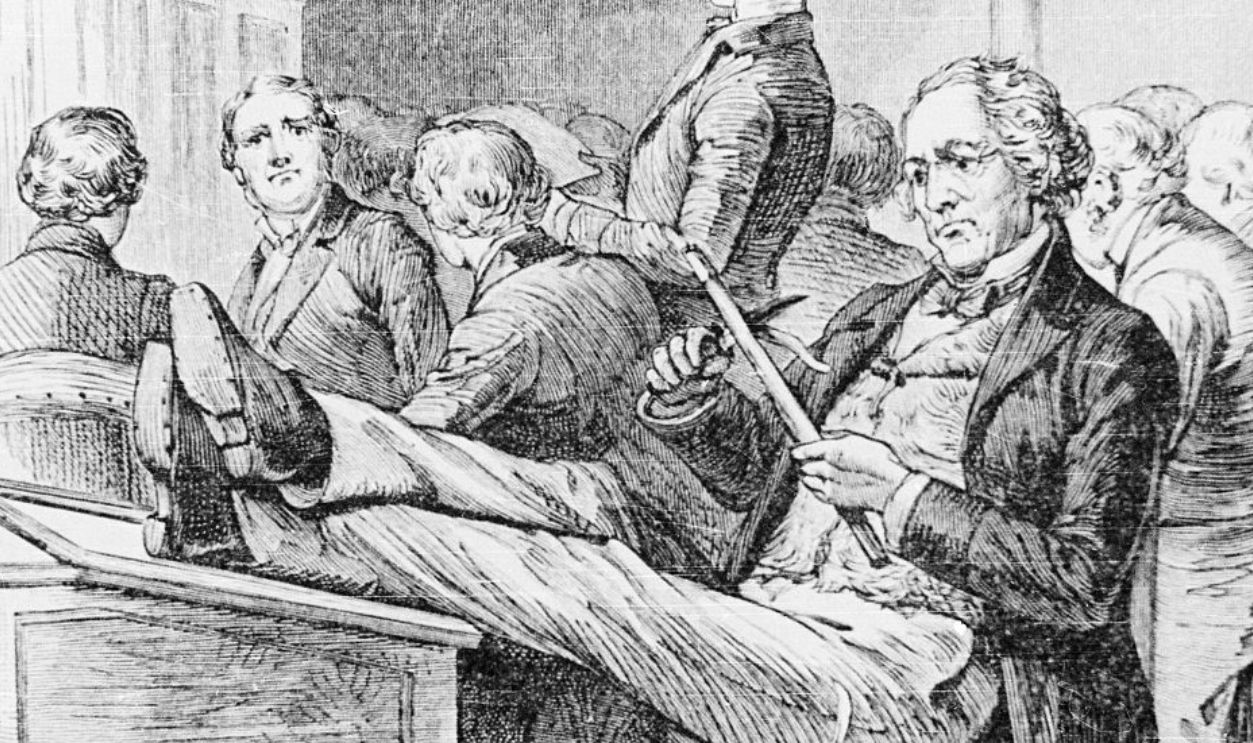
When Texas joined the United States in 1845, Houston entered a new chapter of public service. He later represented Texas in the United States Senate, where he became a nationally recognized political figure and continued advocating for the state's interests.
History's most fascinating stories and darkest secrets, delivered to your inbox daily.
Complex Views On Slavery
Houston was not an abolitionist. He owned enslaved people and accepted the institution of slavery. However, he differed from many firebrand southerners because he viewed preservation of the Union as critically important and feared the disastrous consequences of secession.
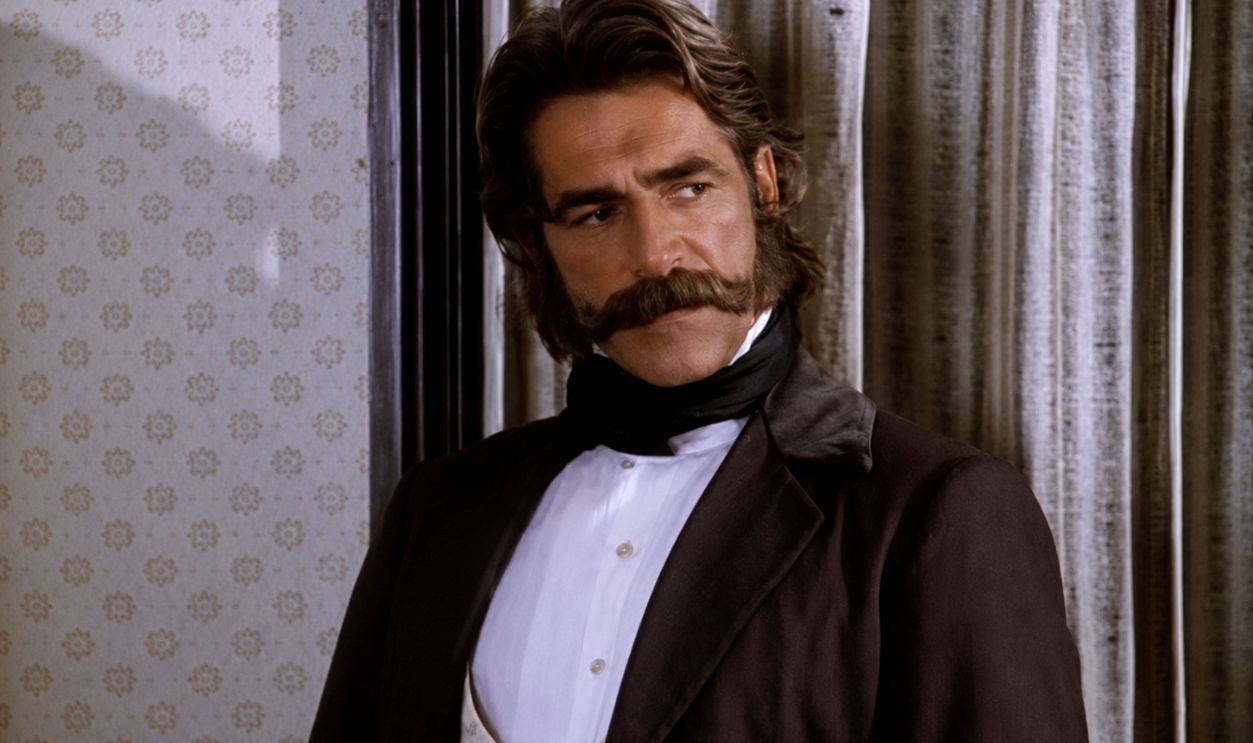 Screenshot from Gone to Texas, CBS (1986)
Warning Against Disunion
As tensions between North and South intensified during the 1850s, Houston repeatedly warned against breaking apart the United States. He believed secession would produce immense bloodshed and suffering. These warnings increasingly put him at odds with many political leaders in Texas.
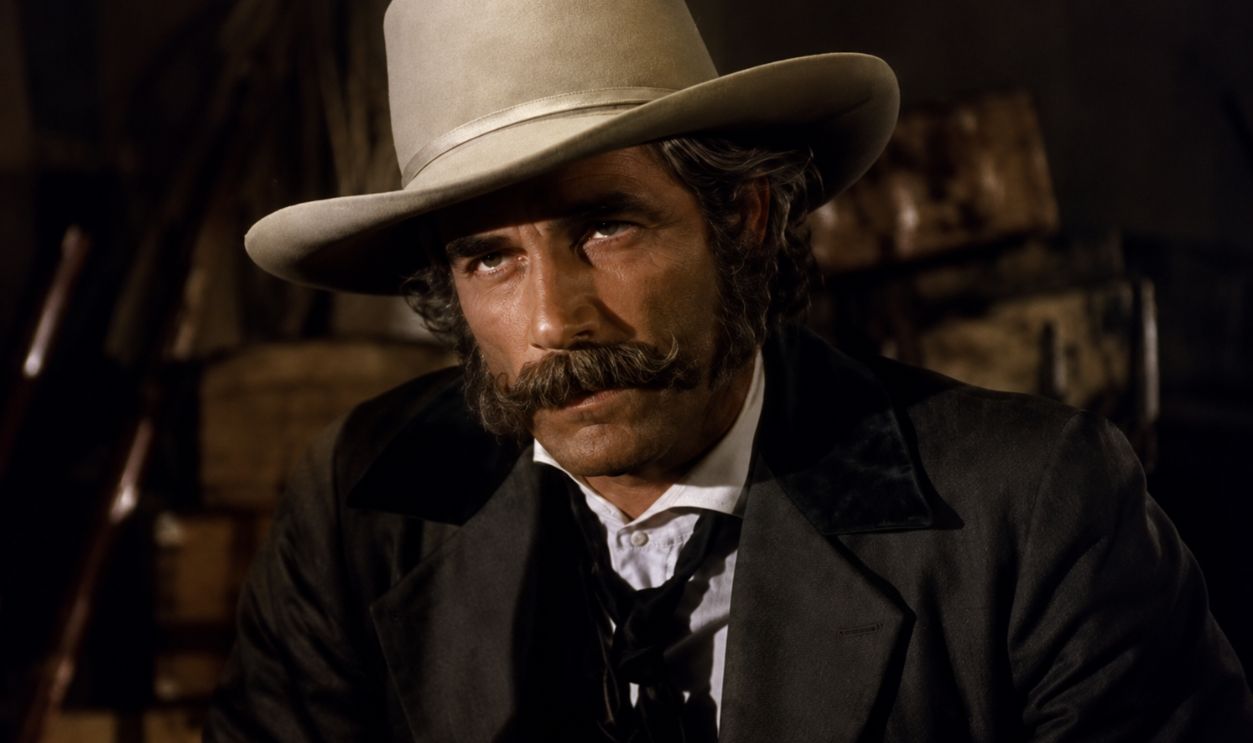 Screenshot from Gone to Texas, CBS (1986)
Governor Once More
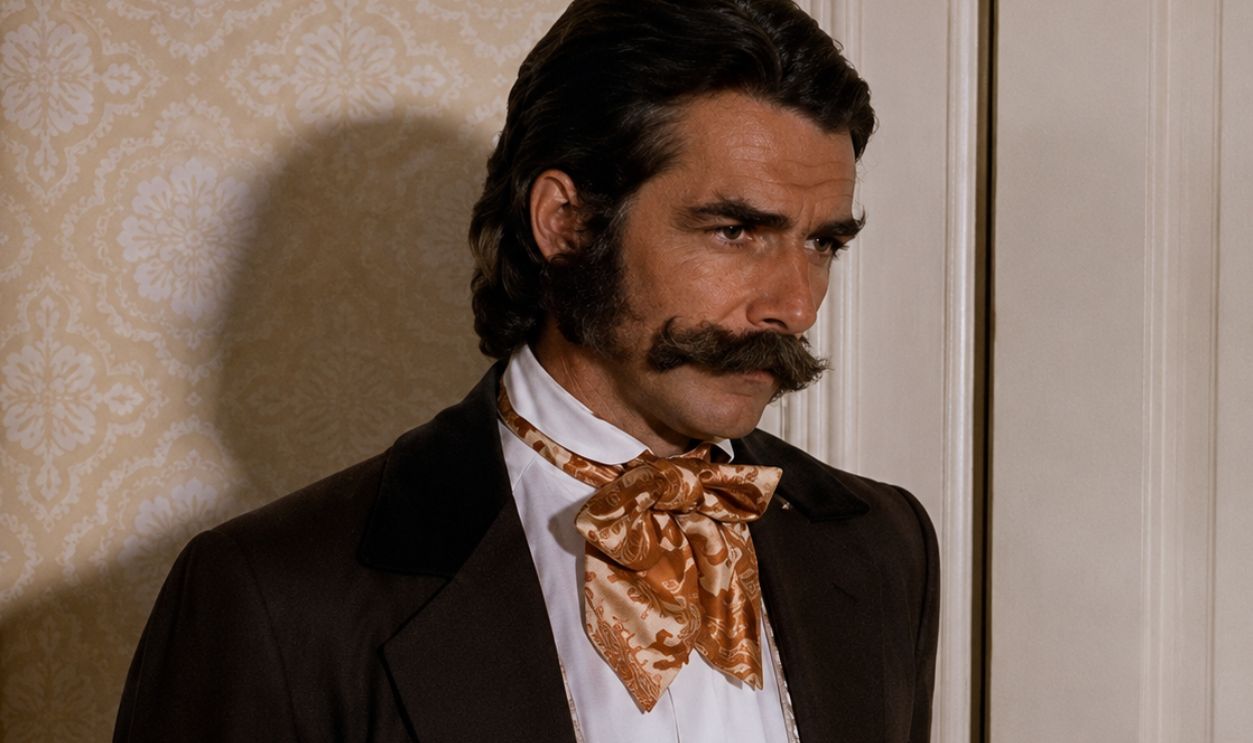
In 1859, Houston was elected governor of Texas. His victory demonstrated that many Texans still respected the aging hero of San Jacinto. But the national crisis over slavery and secession would soon put him in an impossible political position.
 Screenshot from Gone to Texas, CBS (1986)
Presidential Ambitions
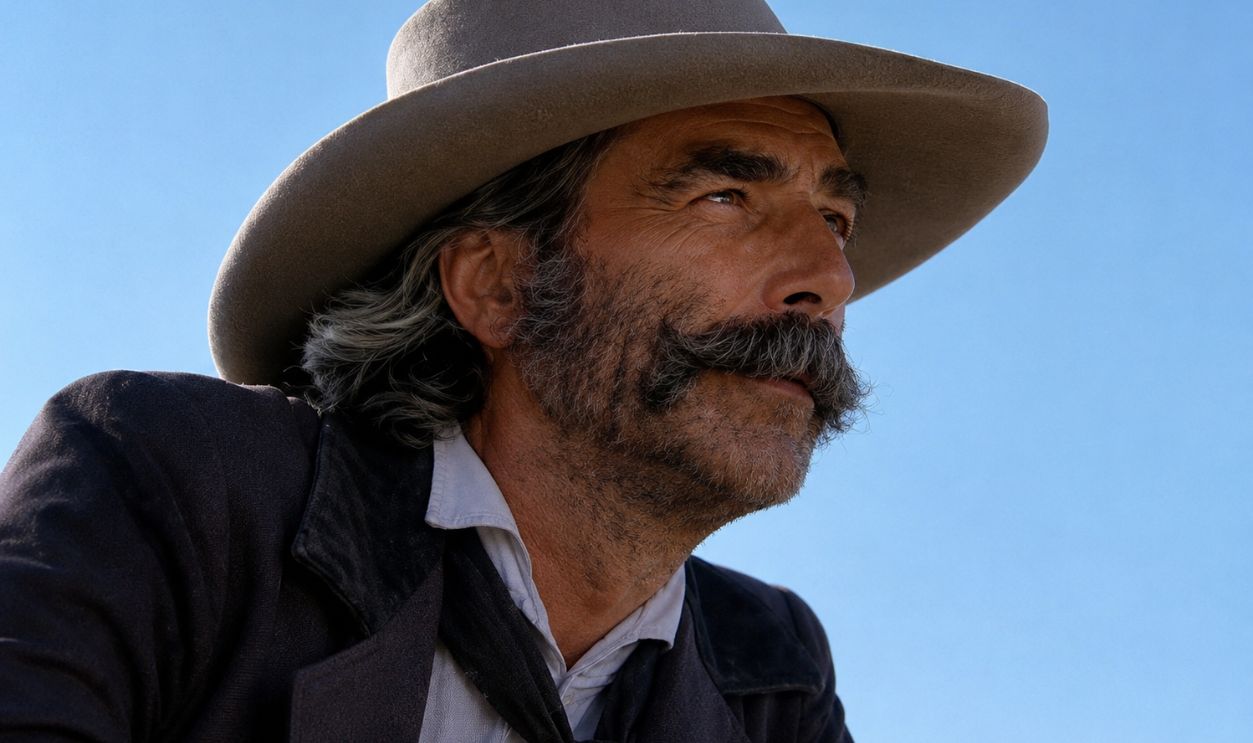
Even as the nation moved toward crisis, Houston briefly pursued the presidency in 1860. Running as a candidate associated with the Constitutional Union movement, he hoped to preserve the Union through compromise and moderation. His campaign gained little support nationally, but it reflected his determination to avoid sectional conflict.
 Screenshot from Gone to Texas, CBS (1986)
Secession Crisis
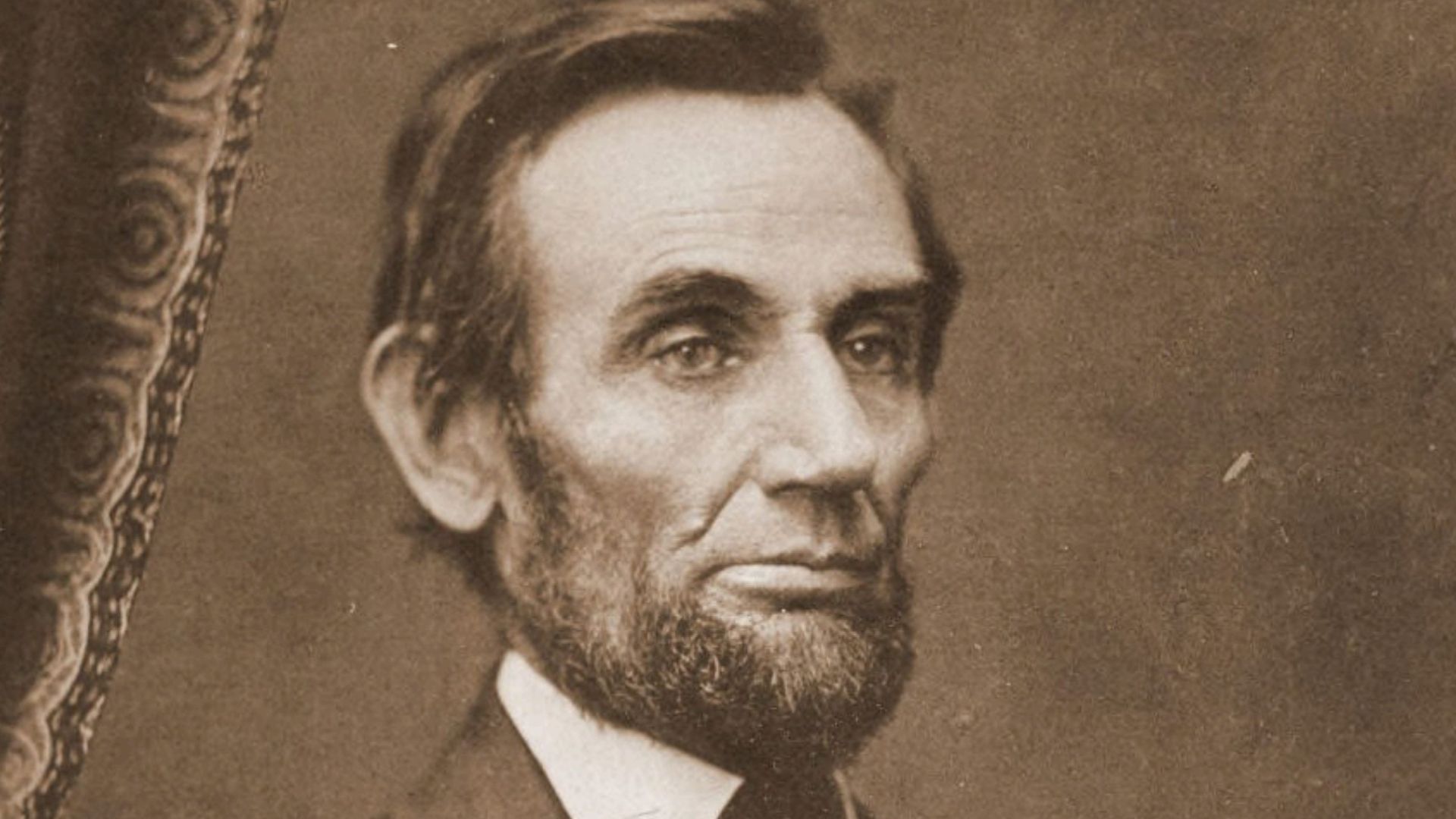
Following Abraham Lincoln's election in 1860, secession sentiment surged throughout the South. Houston opposed immediate secession and urged Texans to weigh the consequences carefully. He believed leaving the Union would expose Texas to enormous dangers and hardships.
 Christopher German, Wikimedia Commons
A Lonely Stand
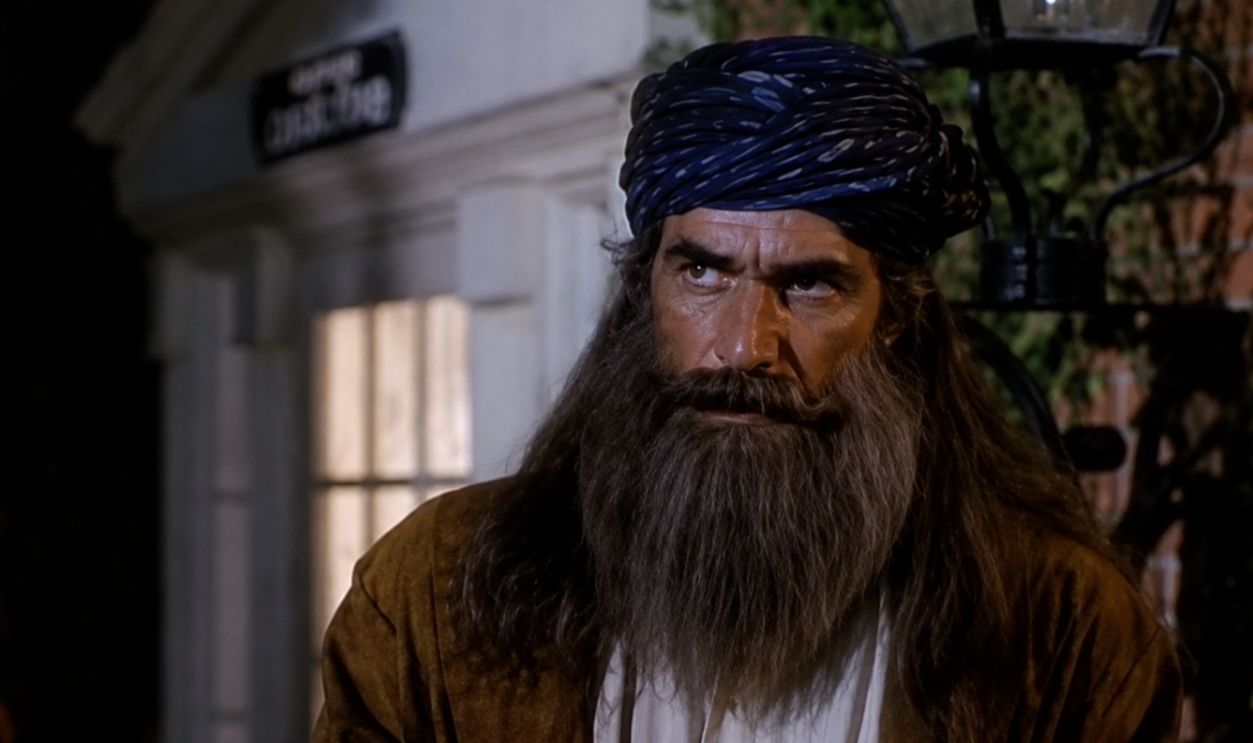
Houston's opposition became increasingly unpopular. While many southern leaders embraced secession enthusiastically, Houston remained steadfast. He argued that Texans should not rush into a conflict whose costs could not be fully understood or controlled.
 Screenshot from Gone to Texas, CBS (1986)
History's most fascinating stories and darkest secrets, delivered to your inbox daily.
Texas Leaves The Union
In 1861, a convention voted to remove Texas from the United States and join the Confederacy. Houston recognized that public opinion had largely moved against him. Nevertheless, he refused to abandon his principles just to preserve his political career.
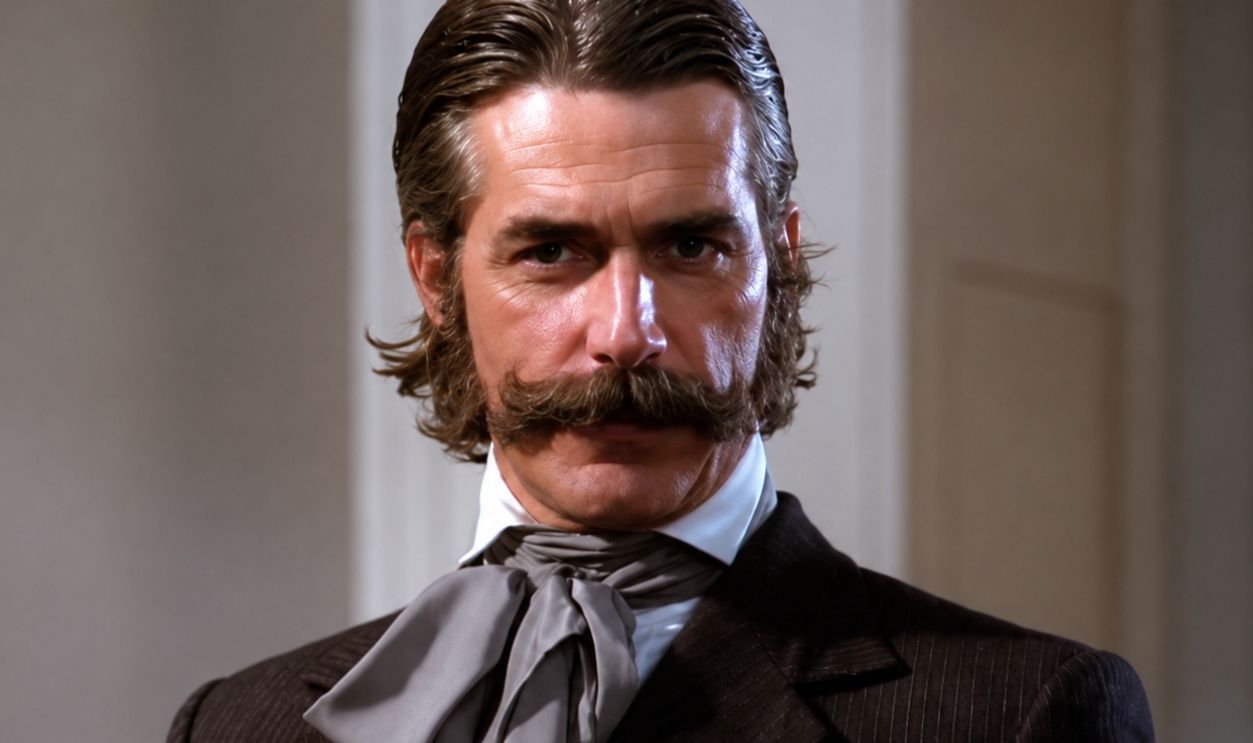 Screenshot from Gone to Texas, CBS (1986)
Refusing The Oath
The decisive moment came when Houston was required to swear allegiance to the Confederacy. He refused. Rather than submit, he chose to stand by his belief that secession was a mistake. His refusal effectively ended his governorship.
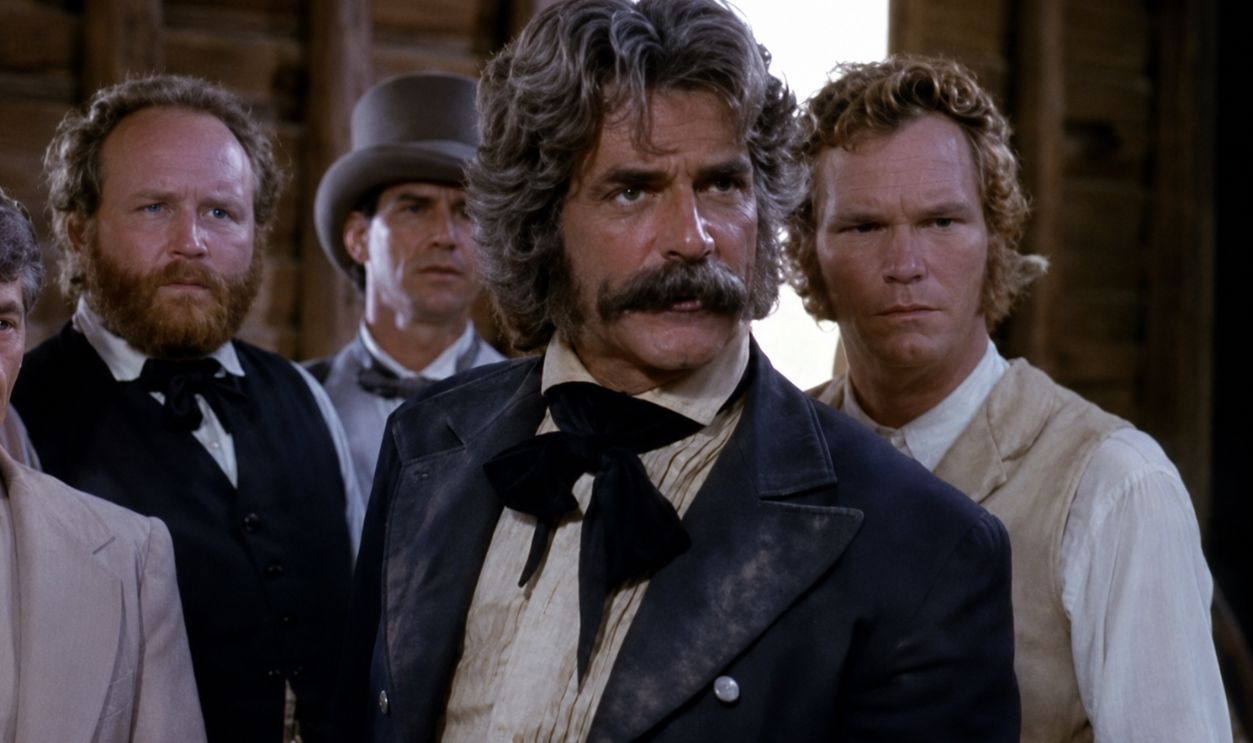 Screenshot from Gone to Texas, CBS (1986)
Driven From Office
Because he would not take the oath, Houston was removed from office. The man who had helped create Texas and served it for decades suddenly found himself politically isolated. His long career ended not in triumph, but in defiance.
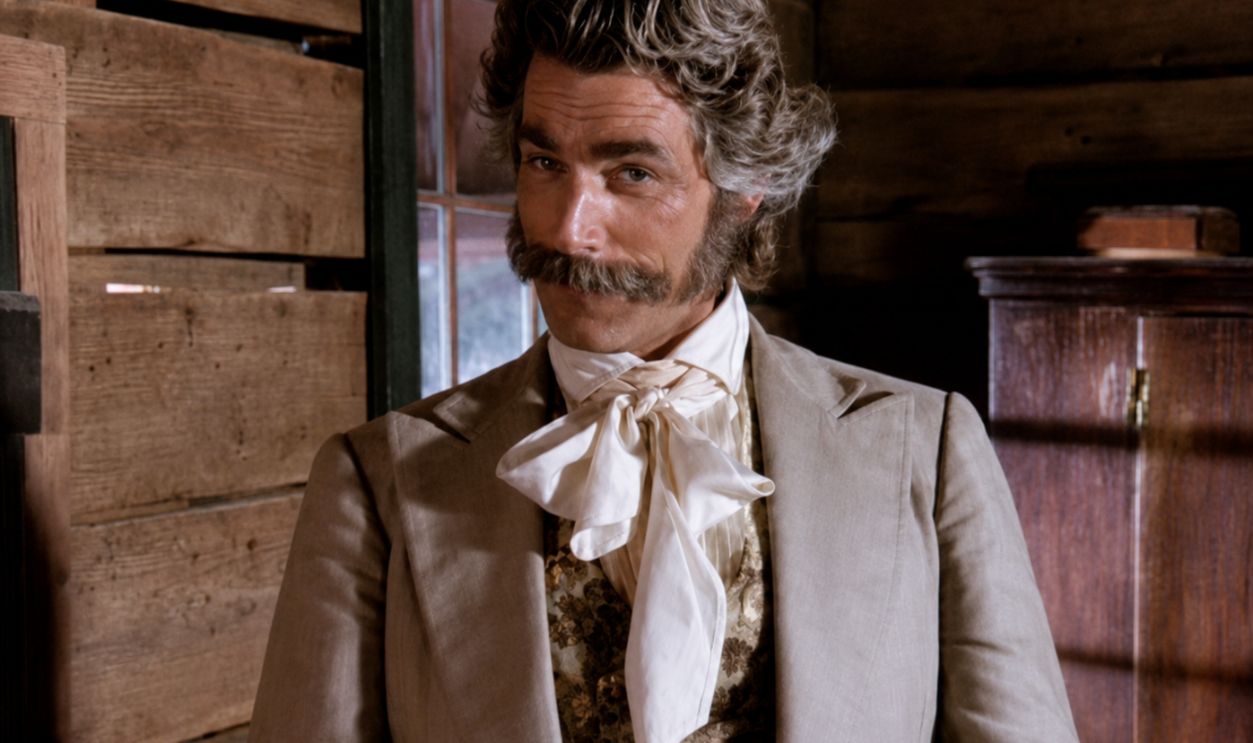 Screenshot from Gone to Texas, CBS (1986)
He Watched The War Begin
Houston viewed the opening of the Civil War with deep sadness. He believed the conflict would bring devastating consequences to both North and South. Events soon appeared to confirm many of his fears as casualties mounted and the nation descended into chaos.
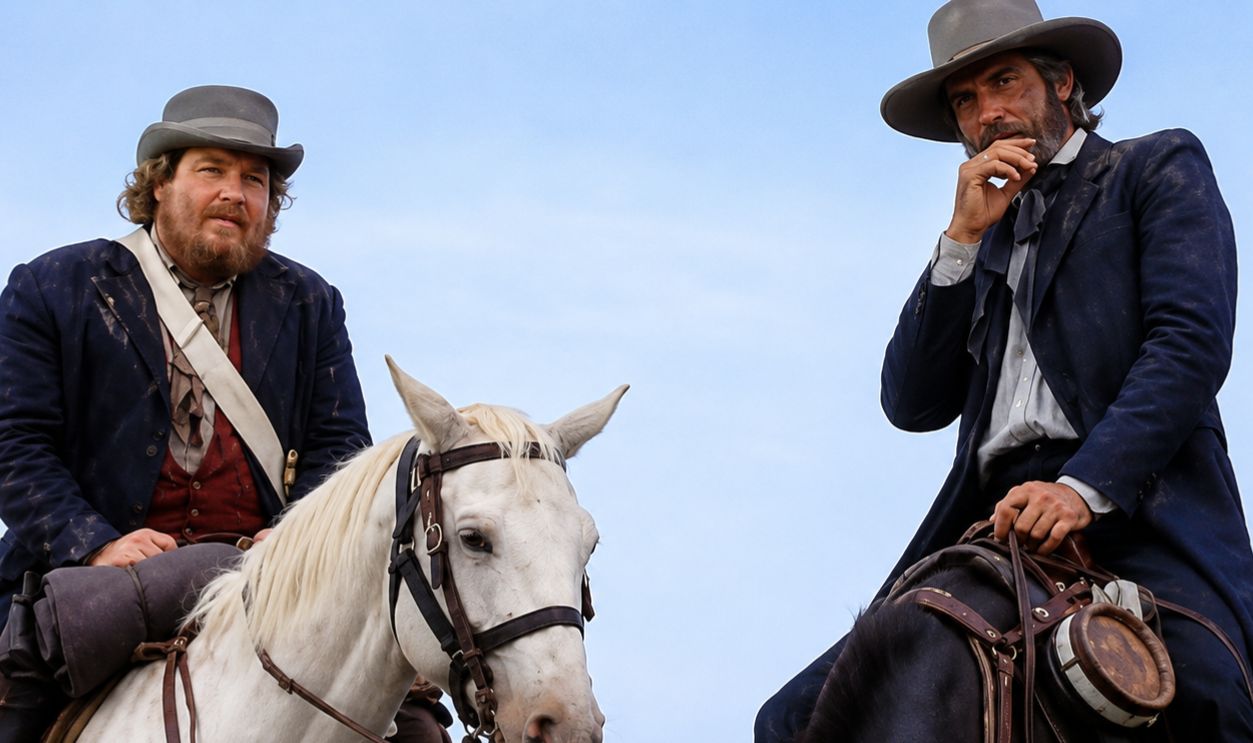 Screenshot from Gone to Texas, CBS (1986)
Final Years
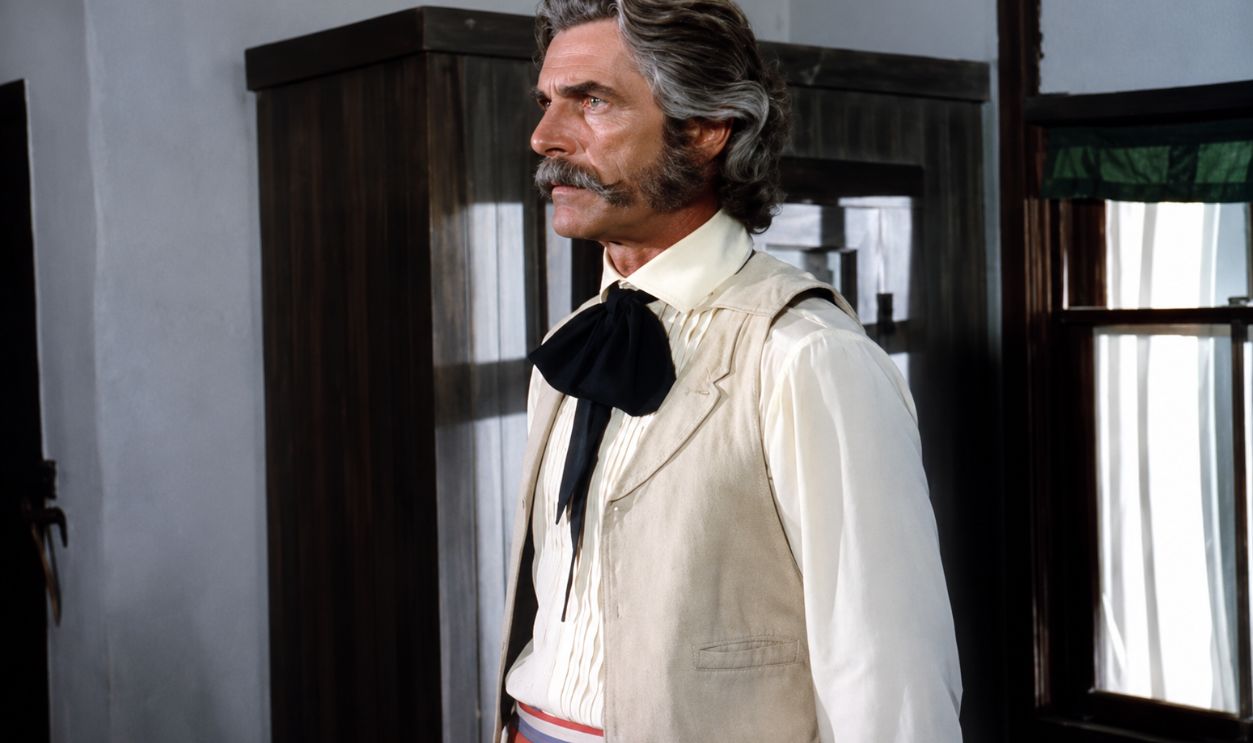
After leaving office, Houston largely withdrew from public life. His health went into steep decline as the war dragged on. He didn’t live to witness the conflict's conclusion or the Confederacy's defeat, though the course of events more than validated his warnings about the cost of secession.
 Screenshot from Gone to Texas, CBS (1986)
Death Before The End
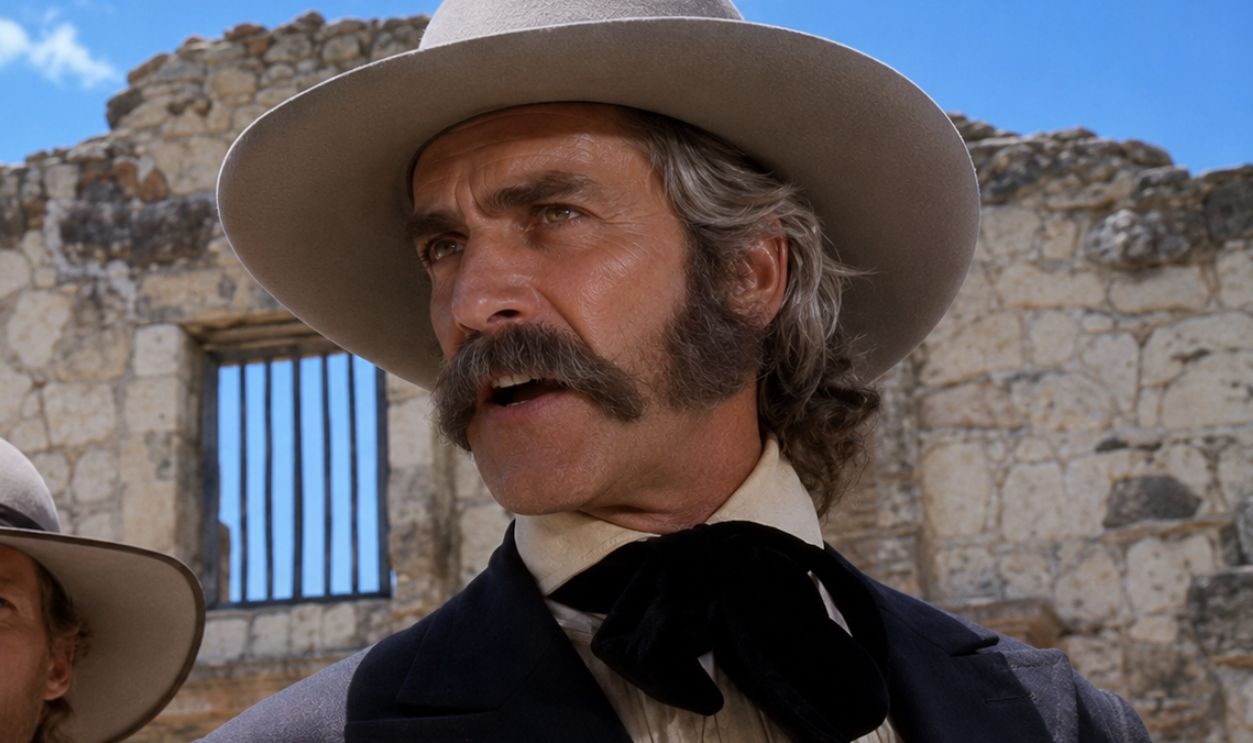
Sam Houston died on July 26, 1863, nearly two years before the Civil War ended. He passed away in the political wilderness while the conflict still raged. The Union he had tried to preserve remained locked in the deadly armed struggle that he’d hoped Texans would avoid.
 Screenshot from Gone to Texas, CBS (1986)
History's most fascinating stories and darkest secrets, delivered to your inbox daily.
Legacy Reconsidered
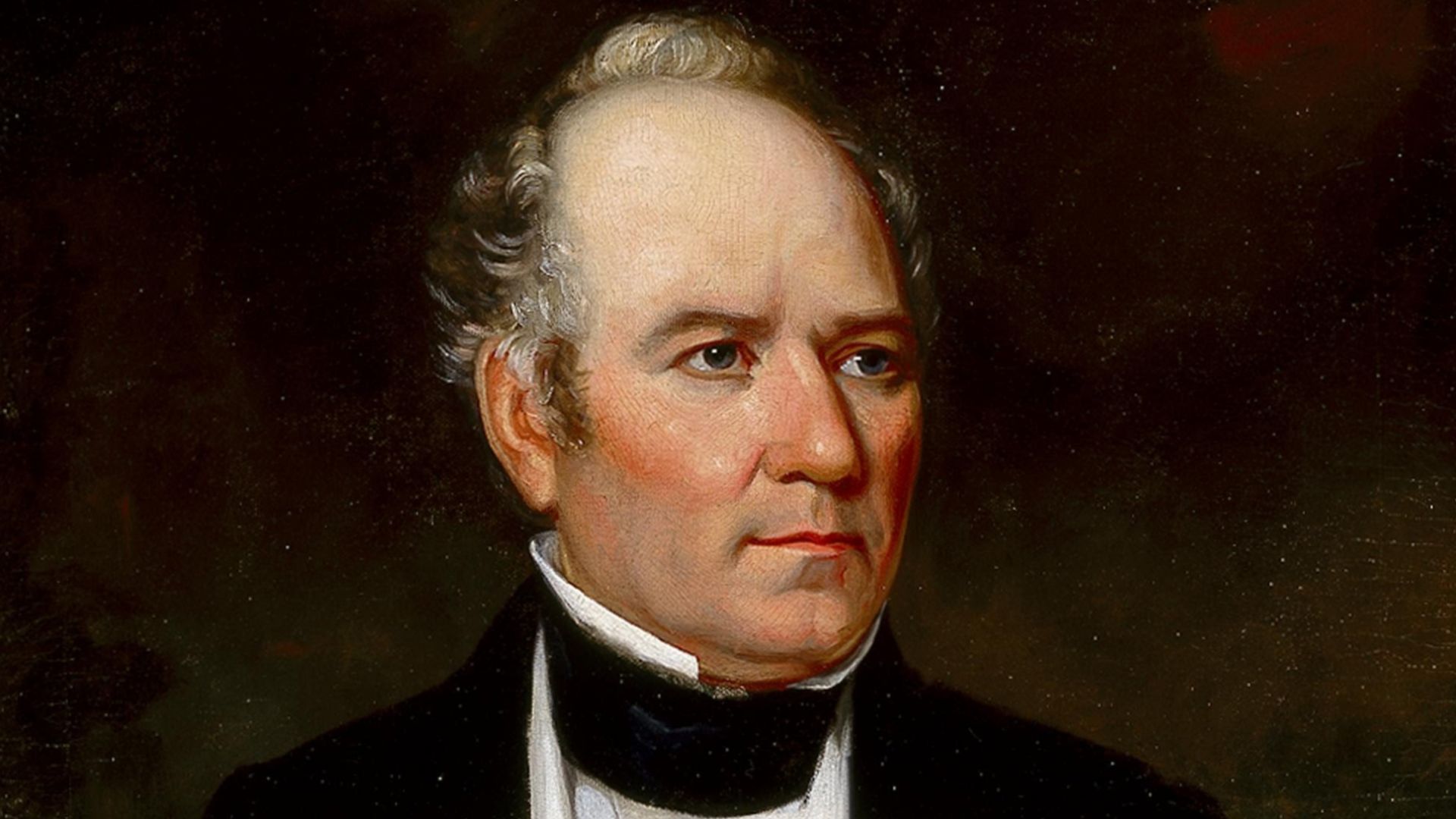
Houston's legacy is complex. He was a slaveholder and not what we would today consider a modern progressive figure. Yet many historians view his stand against secession as one of the most courageous acts of his career. His common-sense view that civil war would bring enormous suffering proved tragically accurate, and his refusal to abandon principle for popularity has earned lasting respect over the century and a half since then.
 Thomas Flintoff, Wikimedia Commons
You May Also Like:
Larger-Than-Life Facts About Texas, The Lone Star State
Judge Roy Bean, The Wild West Lawman Who Lived By His Own Rules