History Had Other Plans
They were younger siblings, distant relatives, overlooked daughters, or princes being trained for completely different lives. Then one death, abdication, political crisis, or failed bloodline suddenly placed a crown within reach.
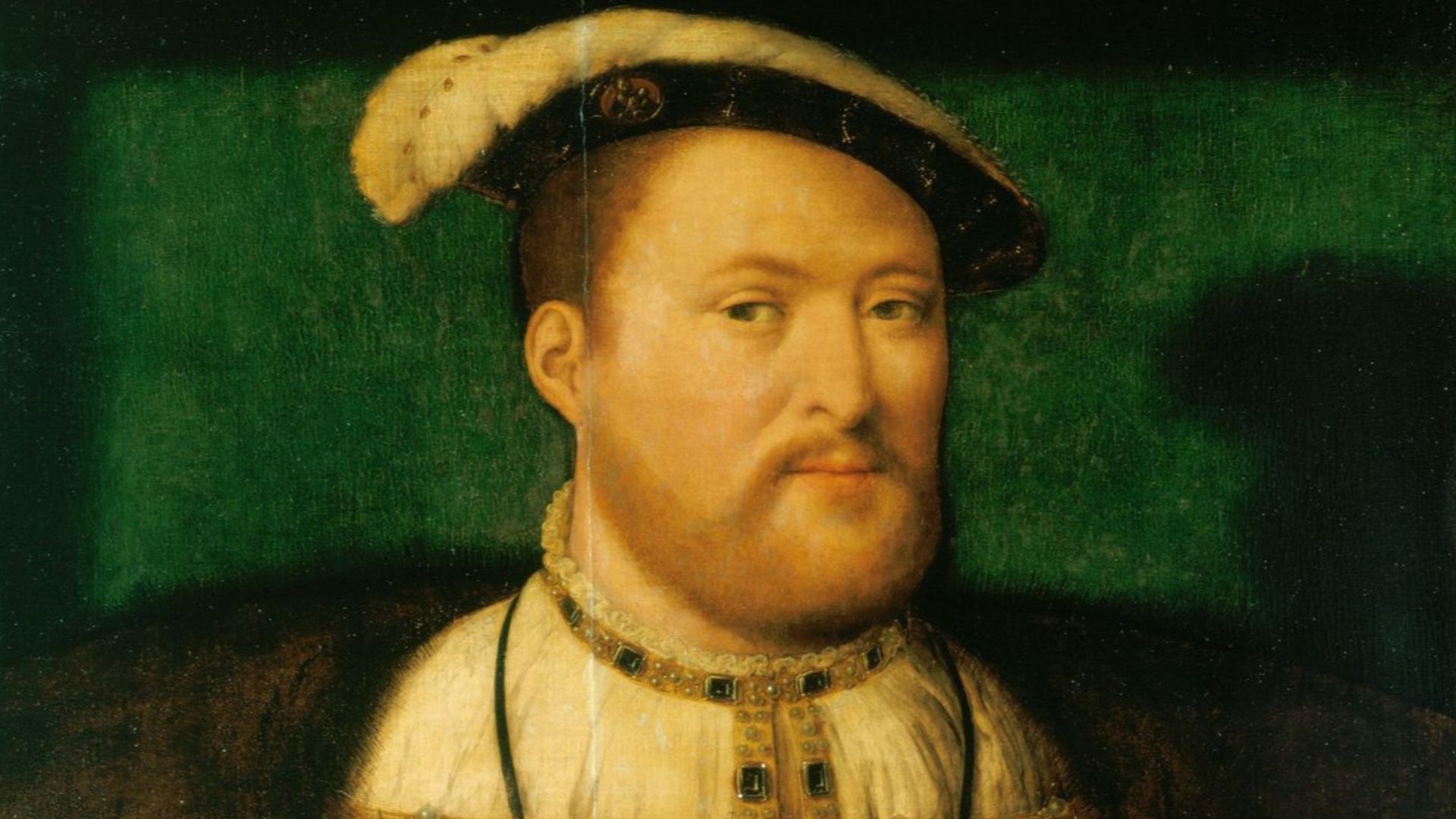
Henry VIII Was The Spare
Henry VIII was born in 1491 as the second son of Henry VII and Elizabeth of York. His older brother Arthur was Prince of Wales and had been raised from childhood to inherit the newly established Tudor monarchy. Everything changed when Arthur died in 1502, leaving 10-year-old Henry as the new heir.
The Spare Tore England From Rome
Henry reached the throne in 1509 and eventually transformed England's political and religious landscape. His break with papal authority placed the English Church under royal supremacy, while the dissolution of the monasteries redistributed enormous amounts of property. The younger son who was never originally expected to rule became one of the most consequential monarchs in English history.
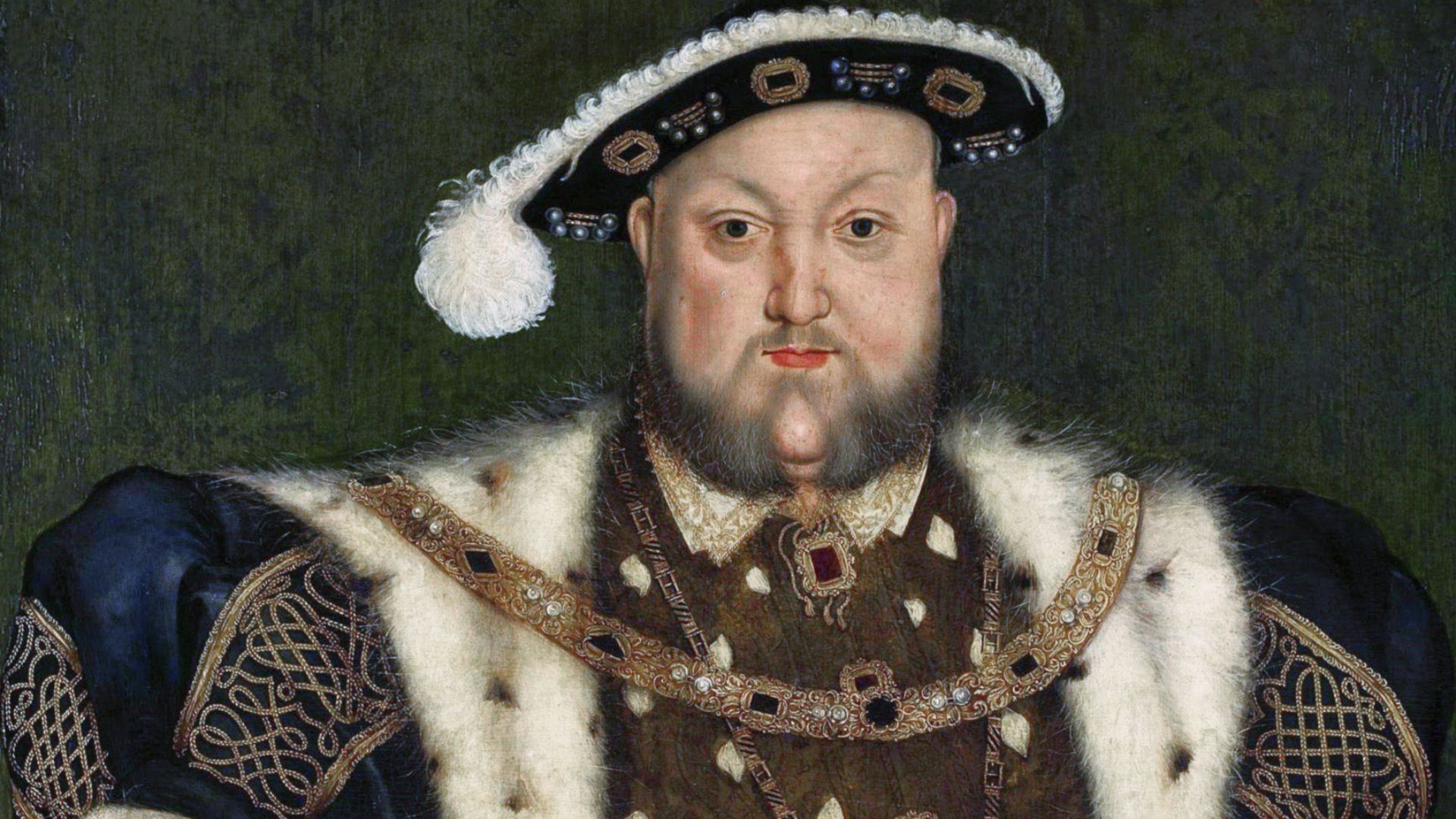 Attributed to Lucas Horenbout / Workshop of Hans Holbein the Younger, Wikimedia Commons
Elizabeth’s Chances Once Looked Terrible
Elizabeth I's path to power looked increasingly unlikely after the birth of her younger half-brother Edward in 1537. She stood behind Edward and her older half-sister Mary, and questions surrounding her parents' marriage also damaged her status. During Mary's reign, Elizabeth even spent time imprisoned in the Tower of London after being suspected of involvement in rebellion.
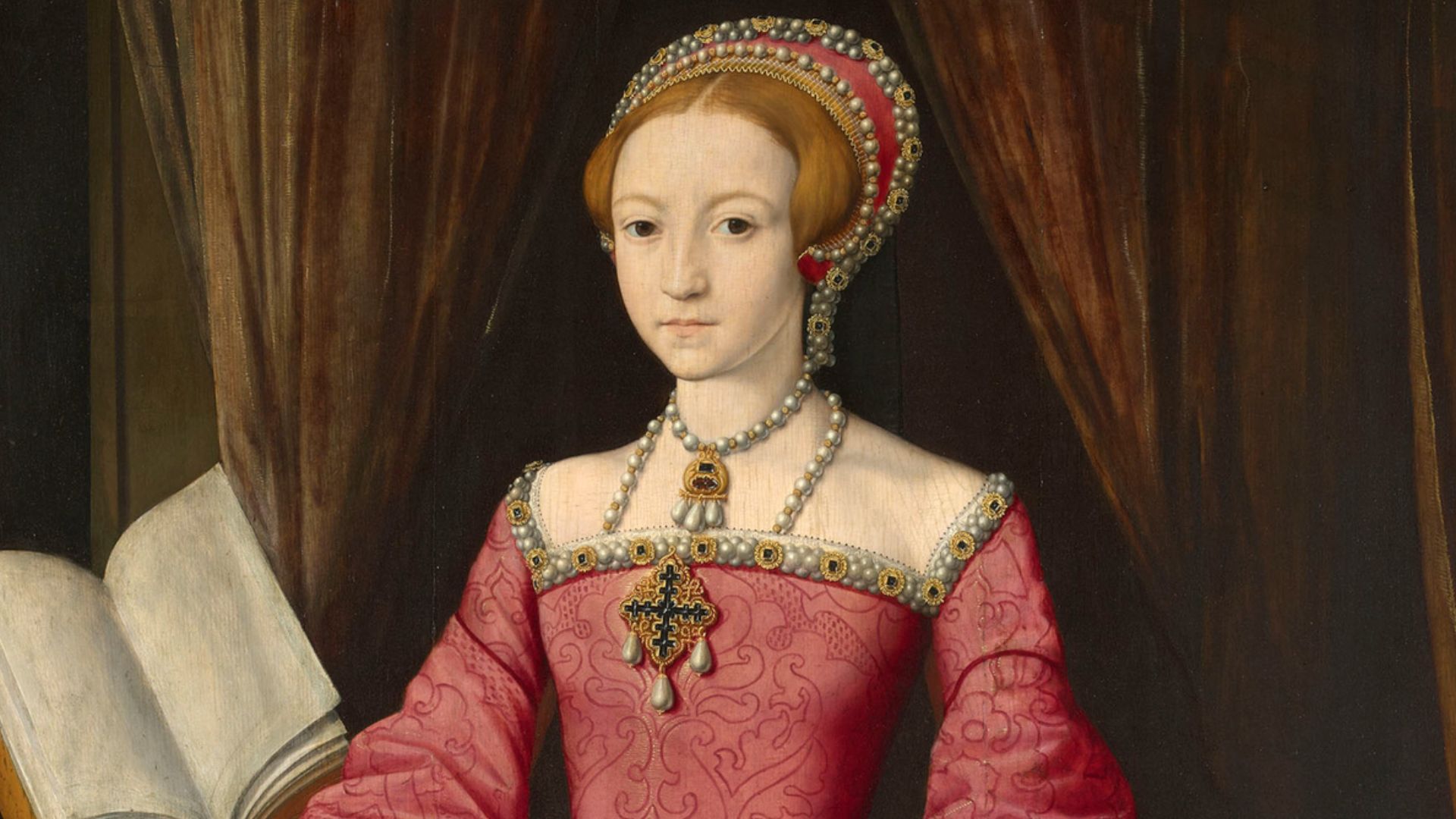 Presumably William Scrots, Wikimedia Commons

History's most fascinating stories and darkest secrets, delivered to your inbox daily.
Elizabeth Created An Entire Era
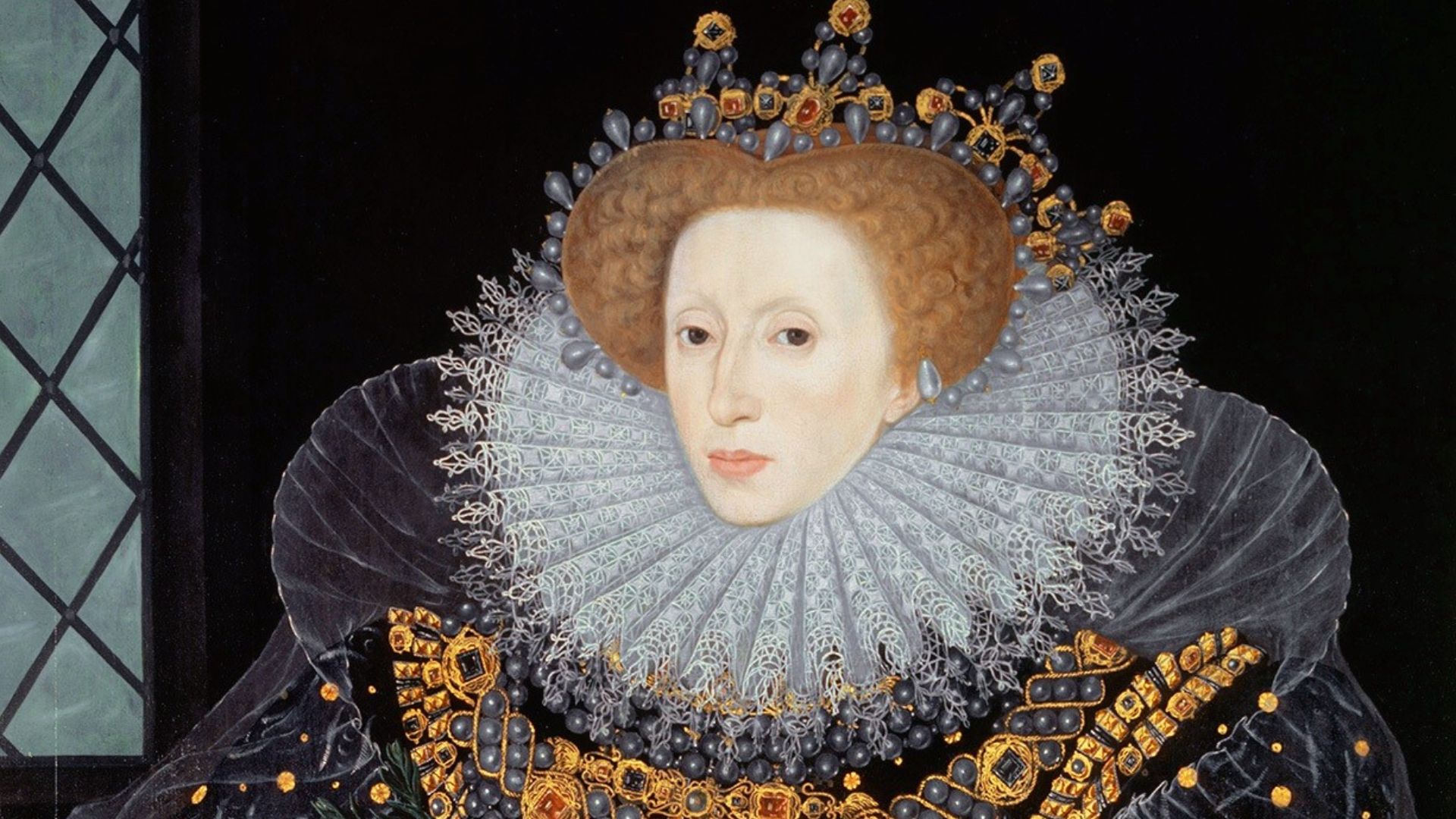
Mary died childless in November 1558, suddenly bringing Elizabeth to the throne. Her 45-year reign established a durable Protestant religious settlement, witnessed England's defeat of the Spanish Armada, and coincided with an extraordinary flourishing of literature and overseas expansion. The once-vulnerable princess became so closely associated with her age that historians still call it Elizabethan.
Charles I Lost The Brother Everyone Expected To Rule
Charles I was the second son of James VI and I and originally lived in the shadow of his popular elder brother Henry Frederick, Prince of Wales. Henry died unexpectedly from illness in 1612 at only 18, pushing Charles into the direct line of succession. Charles became king in 1625, inheriting a position for which his childhood had not originally prepared him.
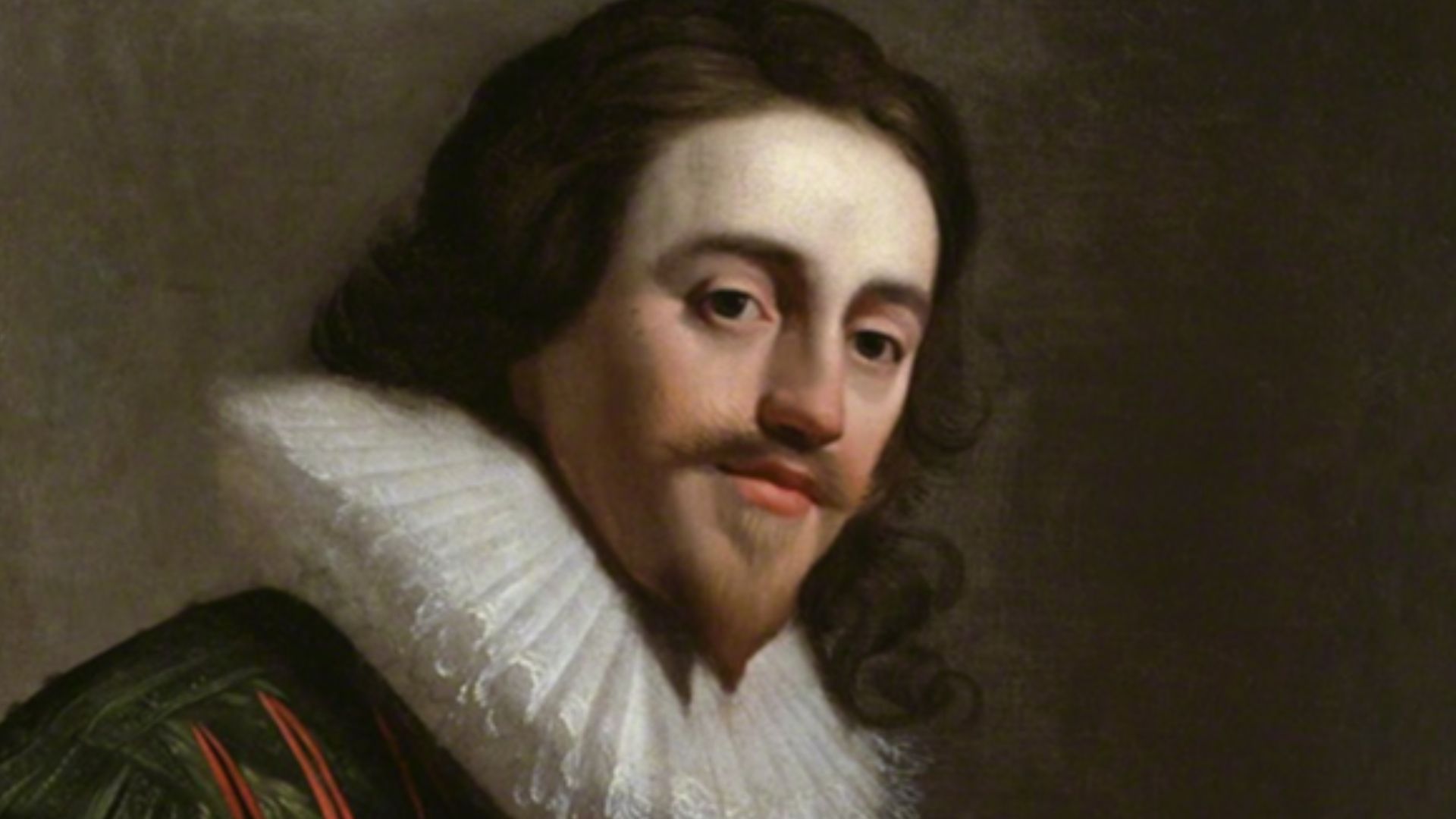 Gerard van Honthorst, Wikimedia Commons
His Reign Ended Monarchy Itself
Charles's conflicts with Parliament, taxation policies, religious controversies, and belief in strong royal authority helped push England into civil war. Parliamentary forces ultimately defeated him, and Charles was tried and executed in 1649. England then abolished the monarchy altogether, something almost unimaginable when the shy younger Stuart prince had first become heir.
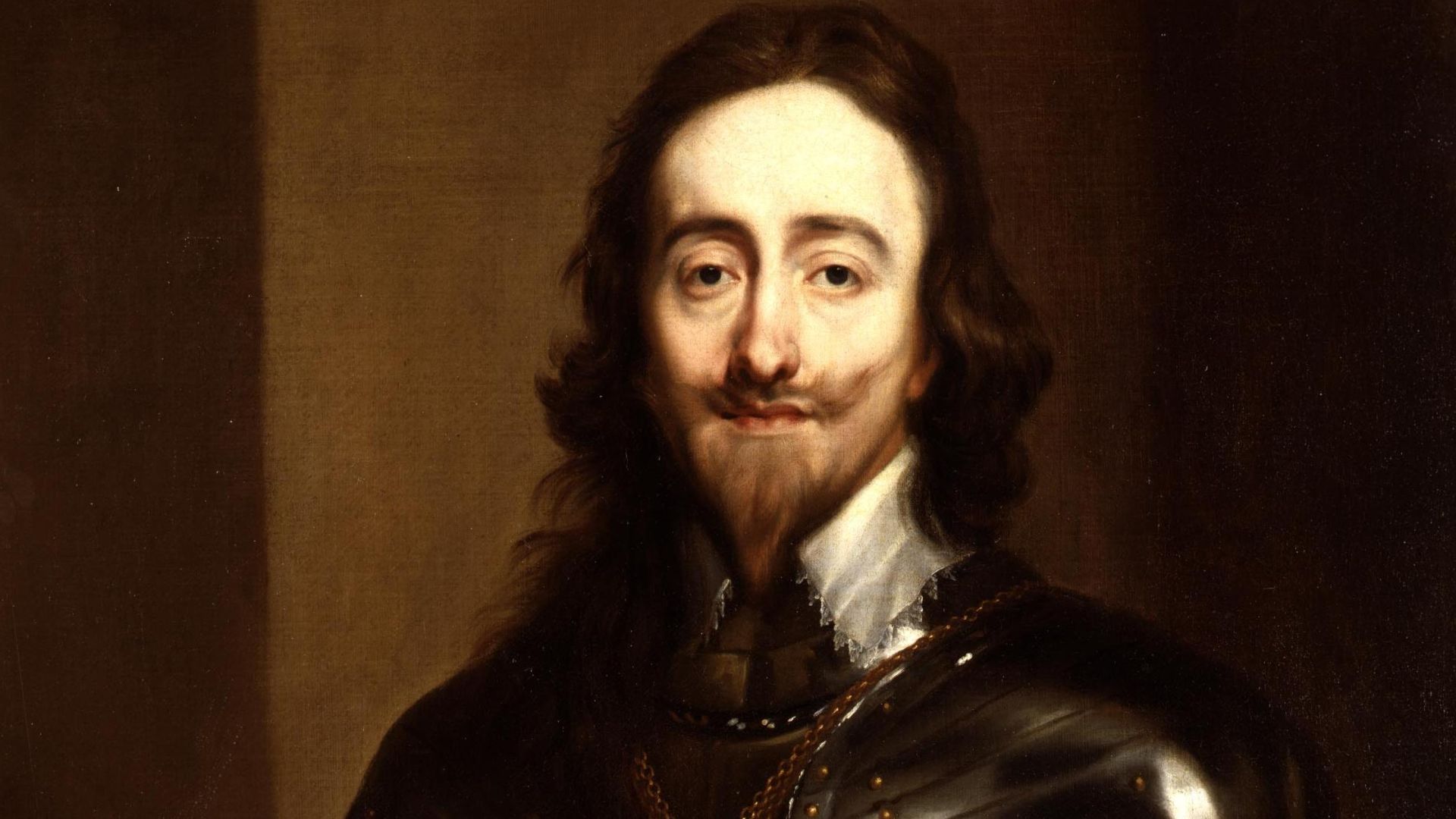 Workshop of Anthony van Dyck, Wikimedia Commons
Anne Was Only The Younger Sister
Anne was the younger daughter of the future James II and initially stood behind her sister Mary in the succession. Mary and her husband William III took the throne after James was overthrown, making Anne's eventual accession dependent on their failure to produce a surviving heir. When William died in 1702, Anne finally inherited the crown.
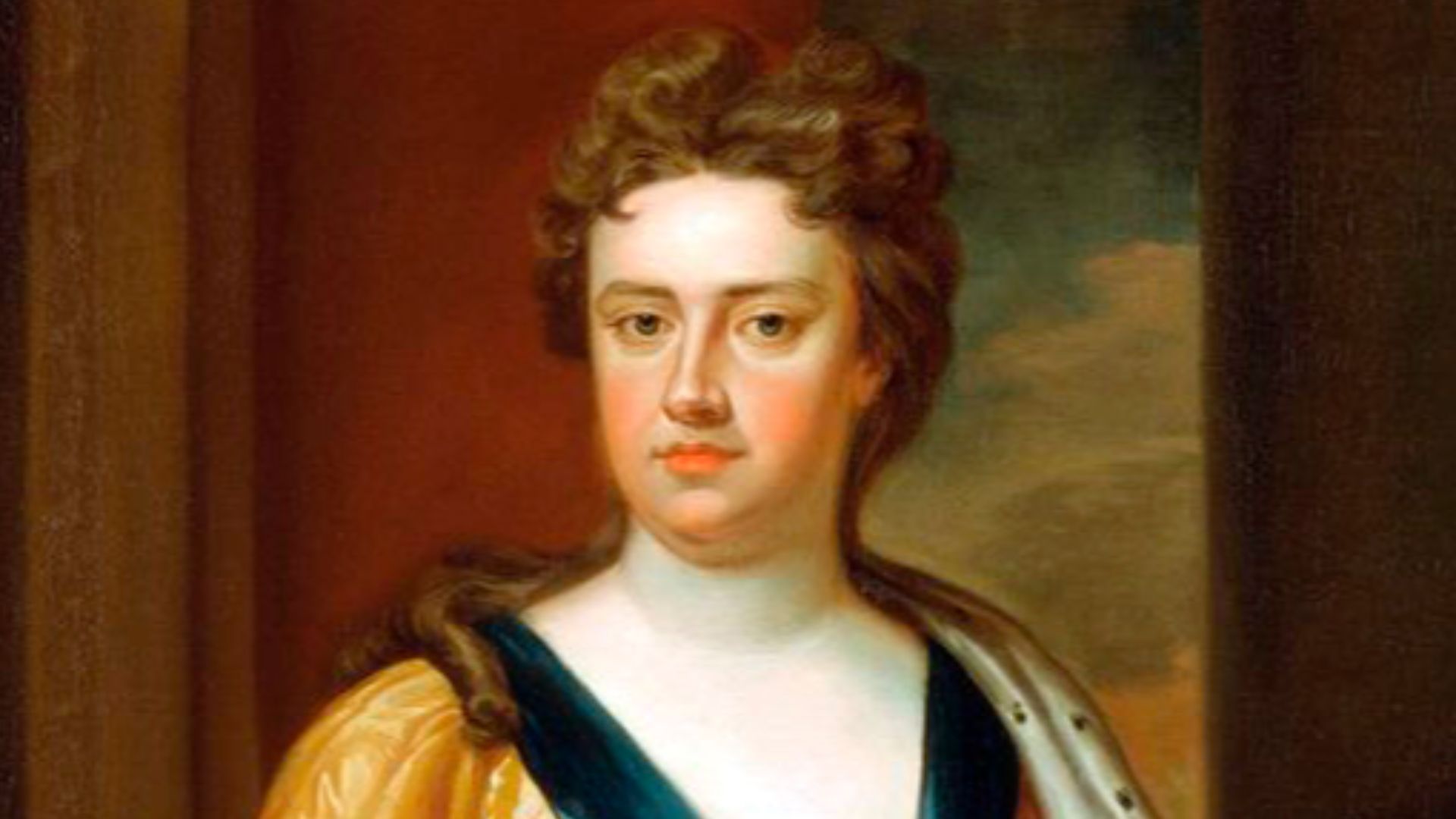 Charles Jervas / After Godfrey Kneller, Wikimedia Commons
Anne Helped Create Great Britain
Anne's reign was dominated by war abroad and increasingly organized party politics at home. Most significantly, the Acts of Union took effect in 1707, joining the kingdoms of England and Scotland into the Kingdom of Great Britain. The younger sister who had once stood well behind Mary presided over the creation of a new state.
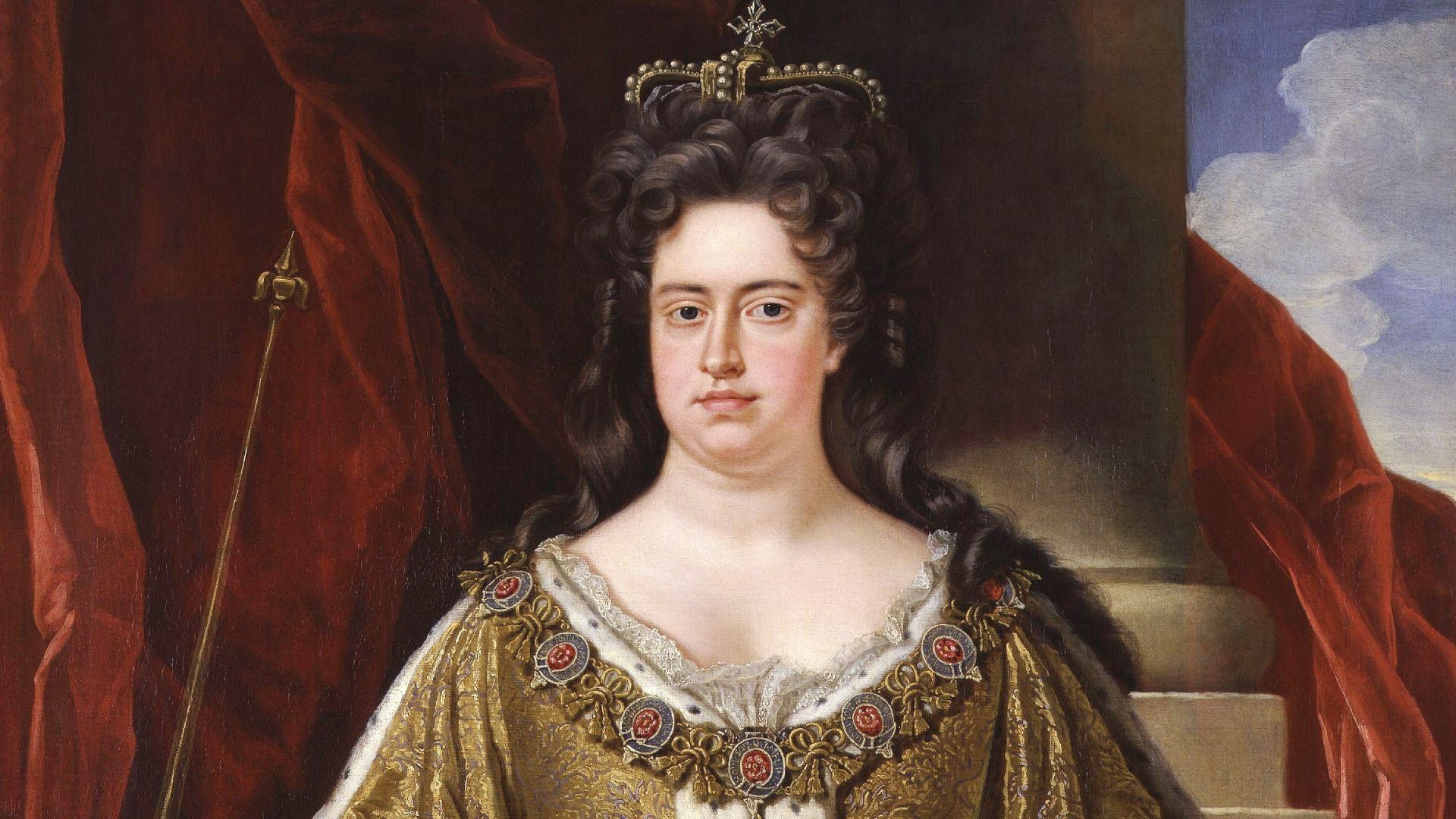 Workshop of John Closterman, Wikimedia Commons
George I Was Barely In Britain’s Royal Picture
George, Elector of Hanover, was far from being the closest blood relative to Britain's reigning monarchs. Parliament's Act of Settlement deliberately bypassed dozens of Roman Catholic relatives and placed the Protestant descendants of Sophia of Hanover in line instead. When Sophia died shortly before Queen Anne in 1714, her son George unexpectedly inherited the British crown.
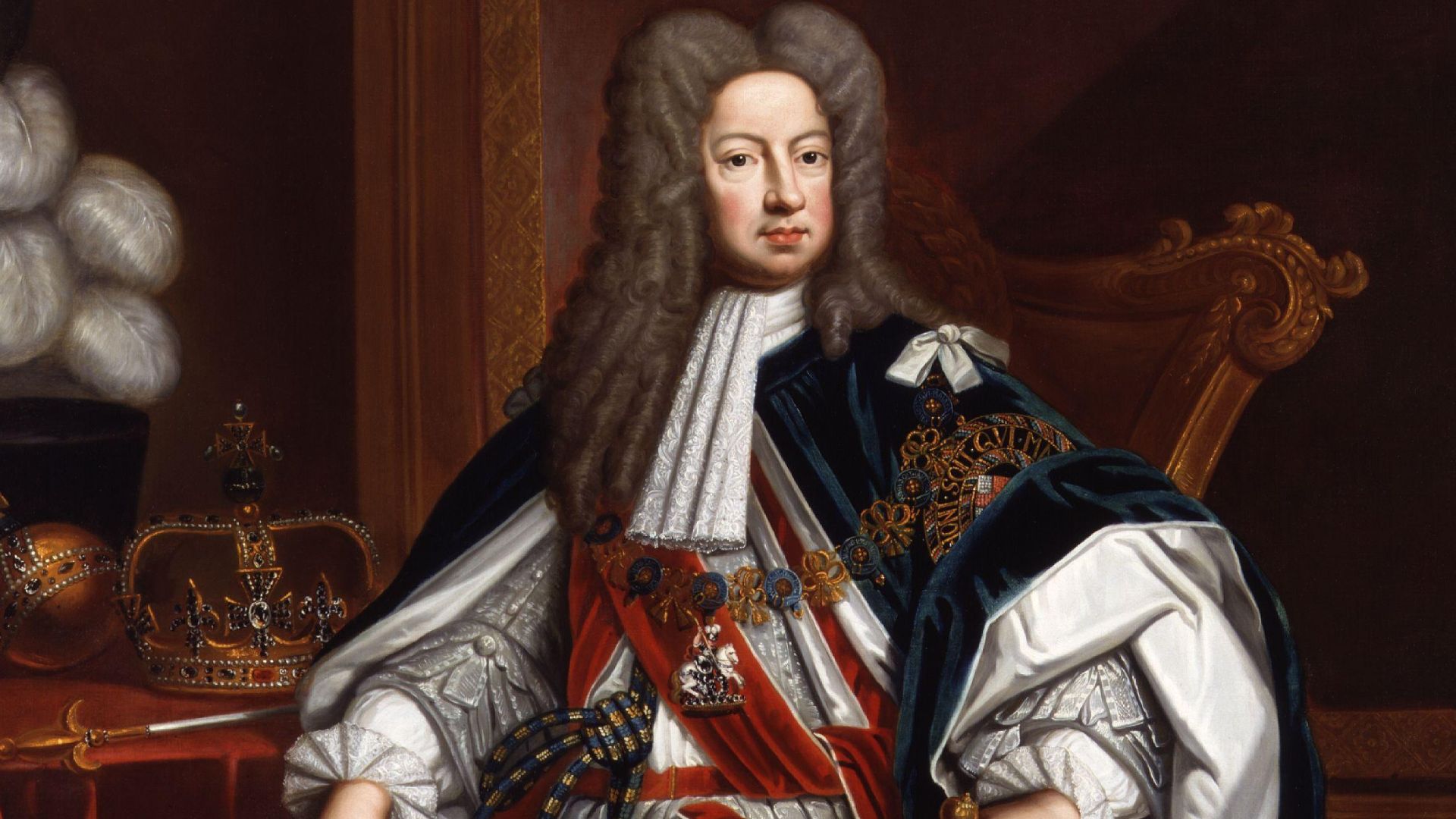 Workshop of Godfrey Kneller, Wikimedia Commons
History's most fascinating stories and darkest secrets, delivered to your inbox daily.
His Foreignness Helped Change Government
George spoke limited English and spent significant periods in Hanover, making him heavily dependent on British ministers. During his reign, Cabinet government became increasingly important, while Robert Walpole emerged as the dominant political figure later remembered as Britain's first prime minister. A German elector chosen largely because of religion helped accelerate Britain's movement toward modern parliamentary government.
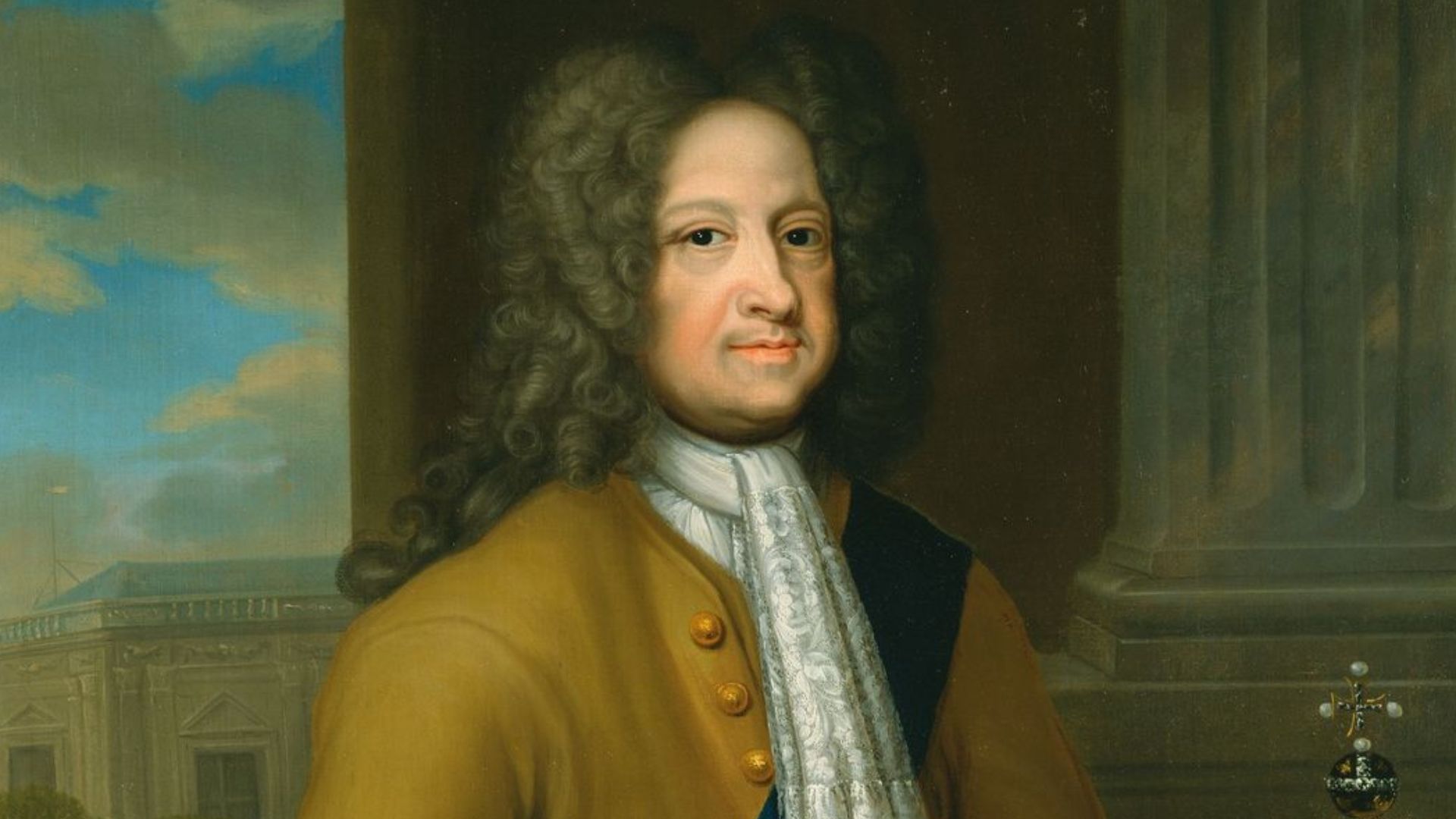 Georg Wilhelm Lafontaine, Wikimedia Commons
George III’s Father Died Too Soon
George III was born the eldest son of Frederick, Prince of Wales, but Frederick himself was supposed to succeed George II. That plan ended when Frederick died in 1751, turning his 12-year-old son George into heir to the throne. Nine years later, George III inherited the crown directly from his grandfather.
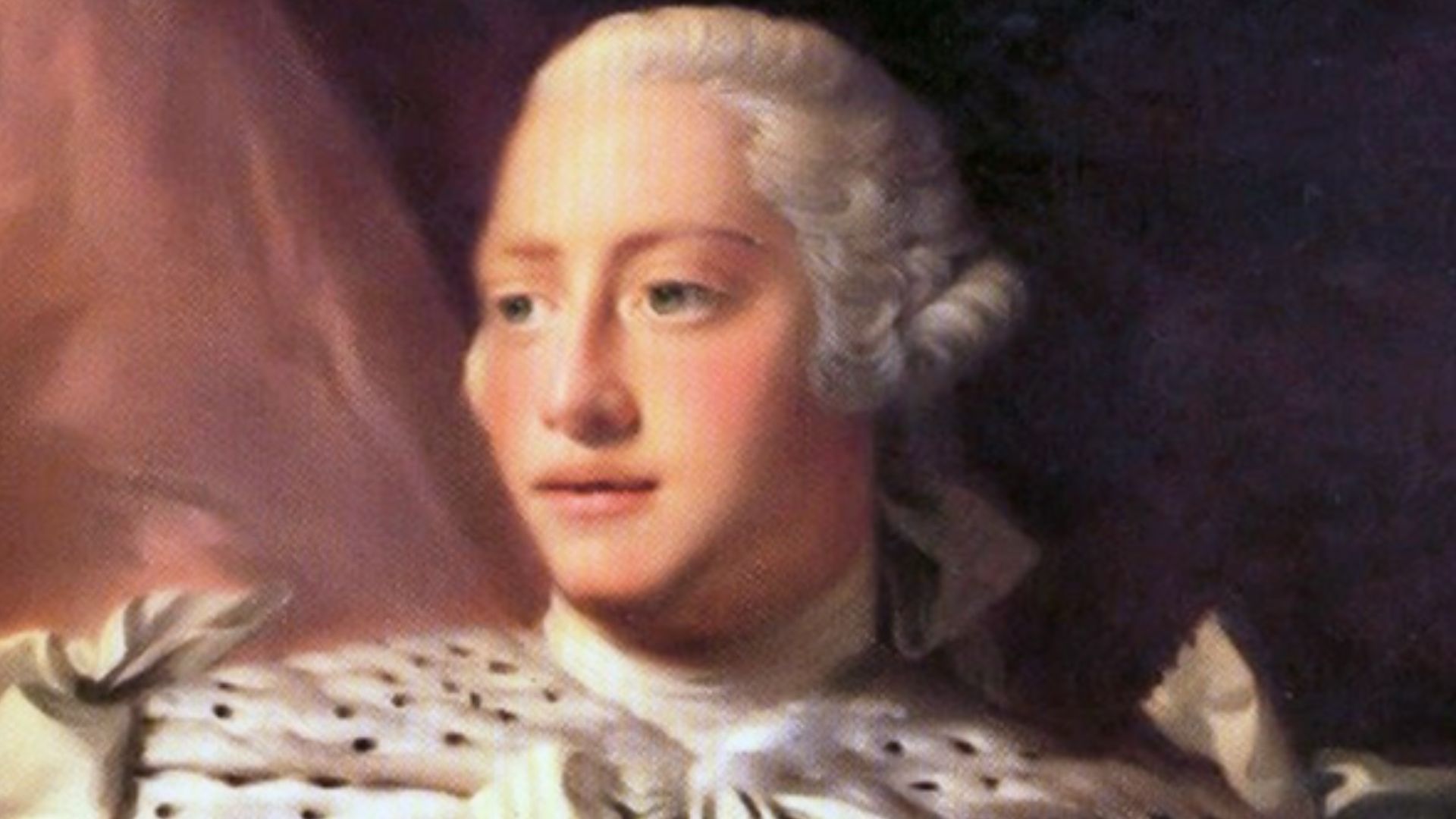 Allan Ramsay, Wikimedia Commons
His Reign Redrew The World
George III's extraordinarily long reign encompassed the American Revolution, wars with Revolutionary and Napoleonic France, and enormous imperial change. Britain lost its thirteen mainland American colonies but emerged from the Napoleonic Wars as one of the world's dominant powers. The grandson elevated by his father's premature death became monarch during one of the most transformative periods in modern history.
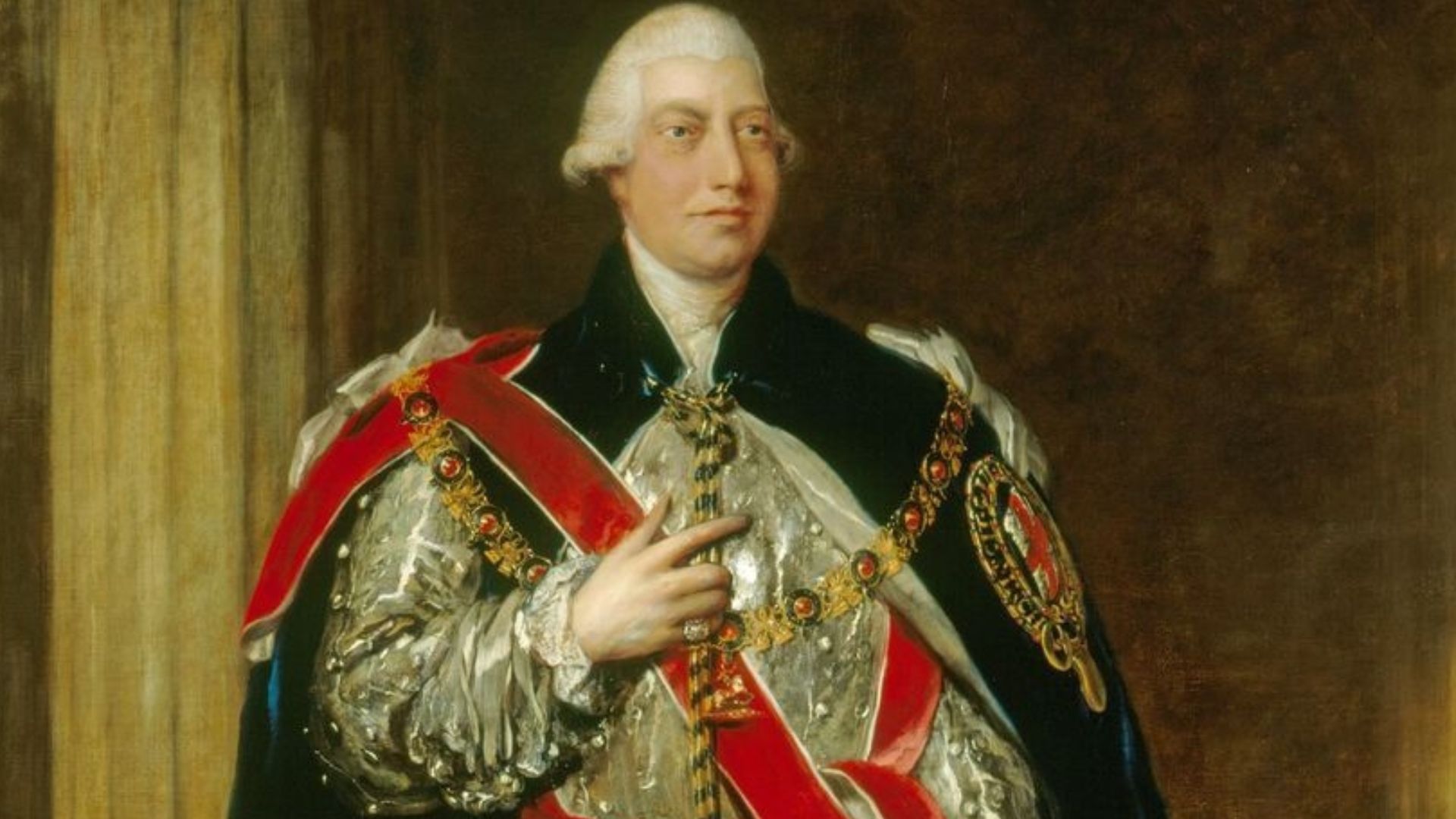 Gainsborough Dupont, Wikimedia Commons
William IV Was The Third Son
William IV spent much of his youth pursuing a naval career because few expected him to become king. He was George III's third son, and his two older brothers naturally stood ahead of him. Only the failure of those brothers to leave surviving legitimate heirs eventually made William heir presumptive when he was already 61.
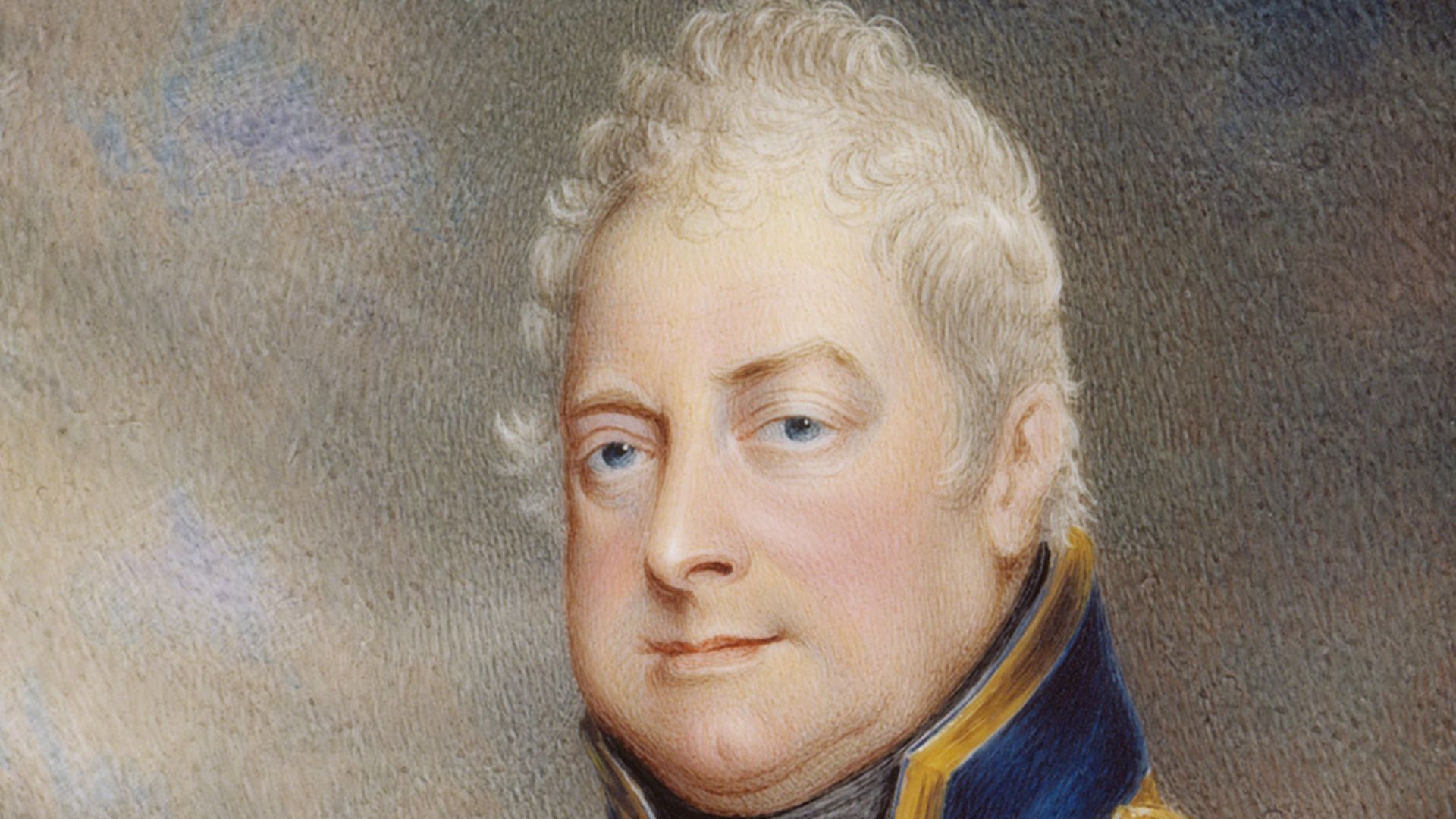 Not stated., Wikimedia Commons
The Sailor King Saw Parliament Remade
William became king in 1830 at age 64, unusually late for a first accession. His reign was dominated by the political struggle that produced the Reform Act of 1832, which eliminated many notorious "rotten boroughs," gave representation to growing industrial towns, and expanded the electorate. A third son once destined for naval life ended up ruling during a major shift in Britain's political system.
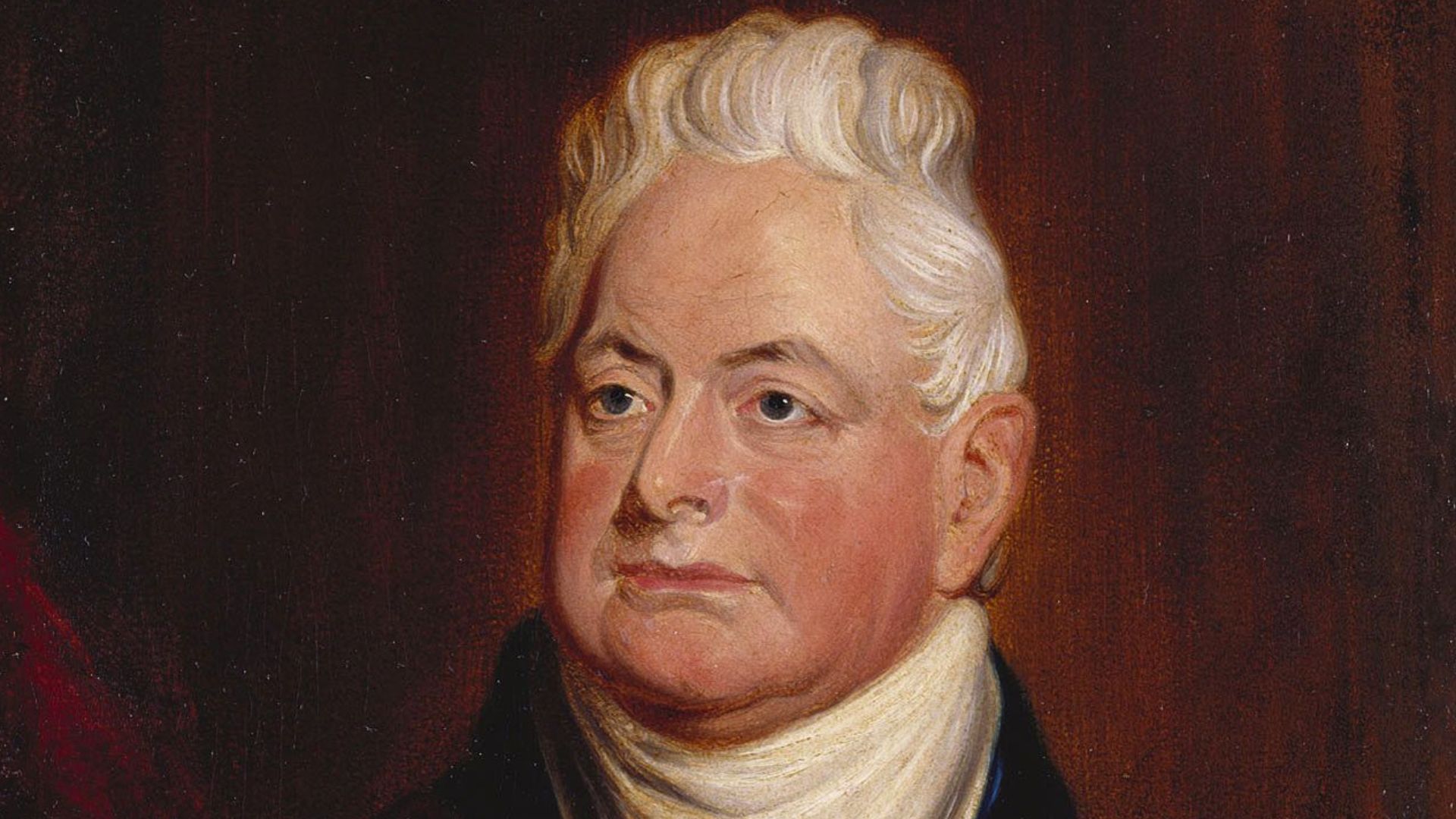 Martin Archer Shee, Wikimedia Commons
Victoria Began Fifth In Line
When Princess Victoria was born in 1819, several men stood between her and the British throne. Her father, Edward, Duke of Kent, was only George III's fourth son, and Victoria herself began life fifth in the succession. The deaths of her father and uncles, combined with their failure to produce surviving legitimate children, steadily moved her toward the crown.
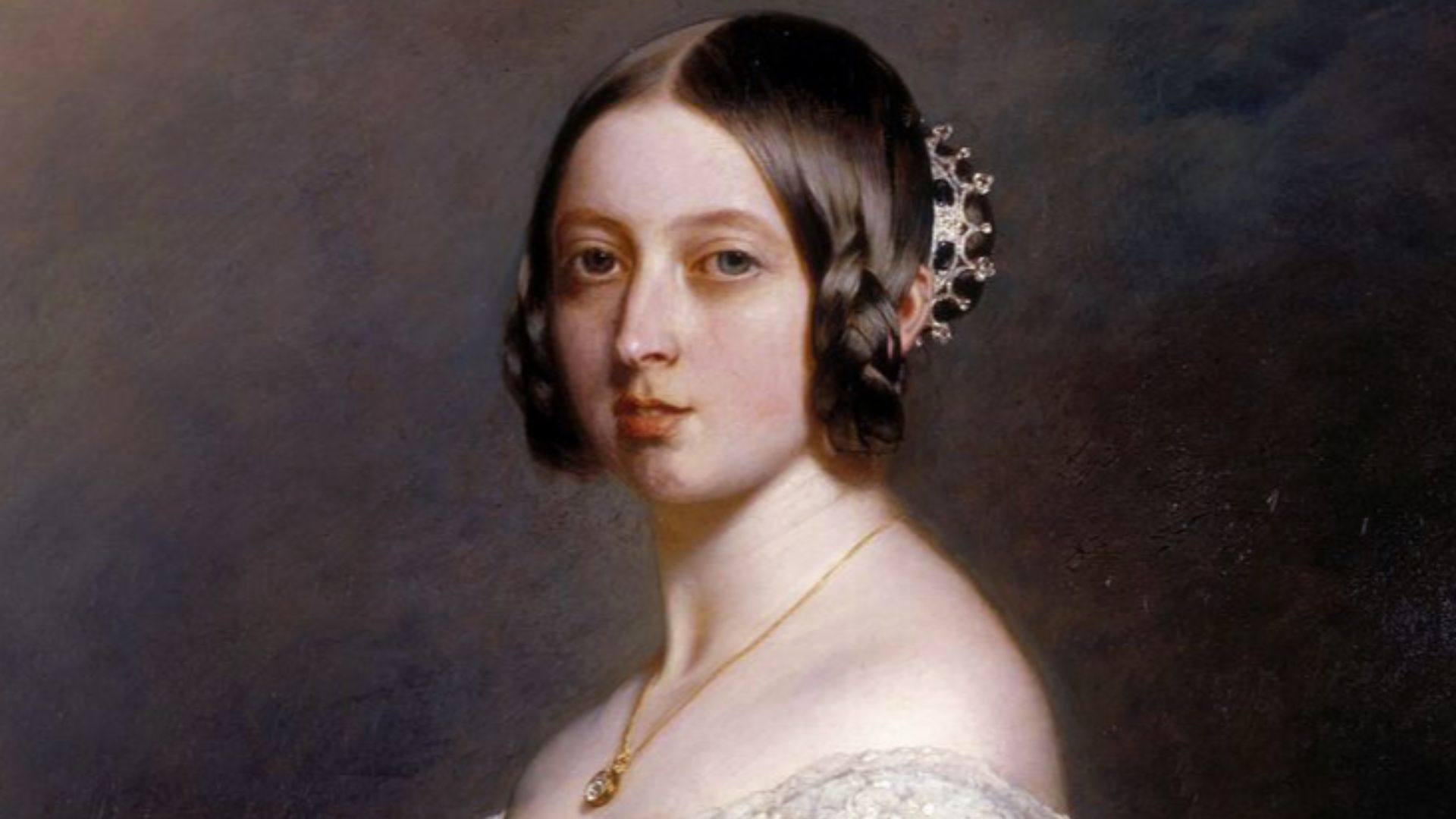 Franz Xaver Winterhalter, Wikimedia Commons
History's most fascinating stories and darkest secrets, delivered to your inbox daily.
She Gave Her Name To A Century
Victoria became queen at only 18 after William IV died in 1837. During her long reign, Britain experienced extraordinary industrial growth, urbanization, technological change, and imperial expansion. The once-distant young princess became such a defining figure that an entire period of British history still bears her name.
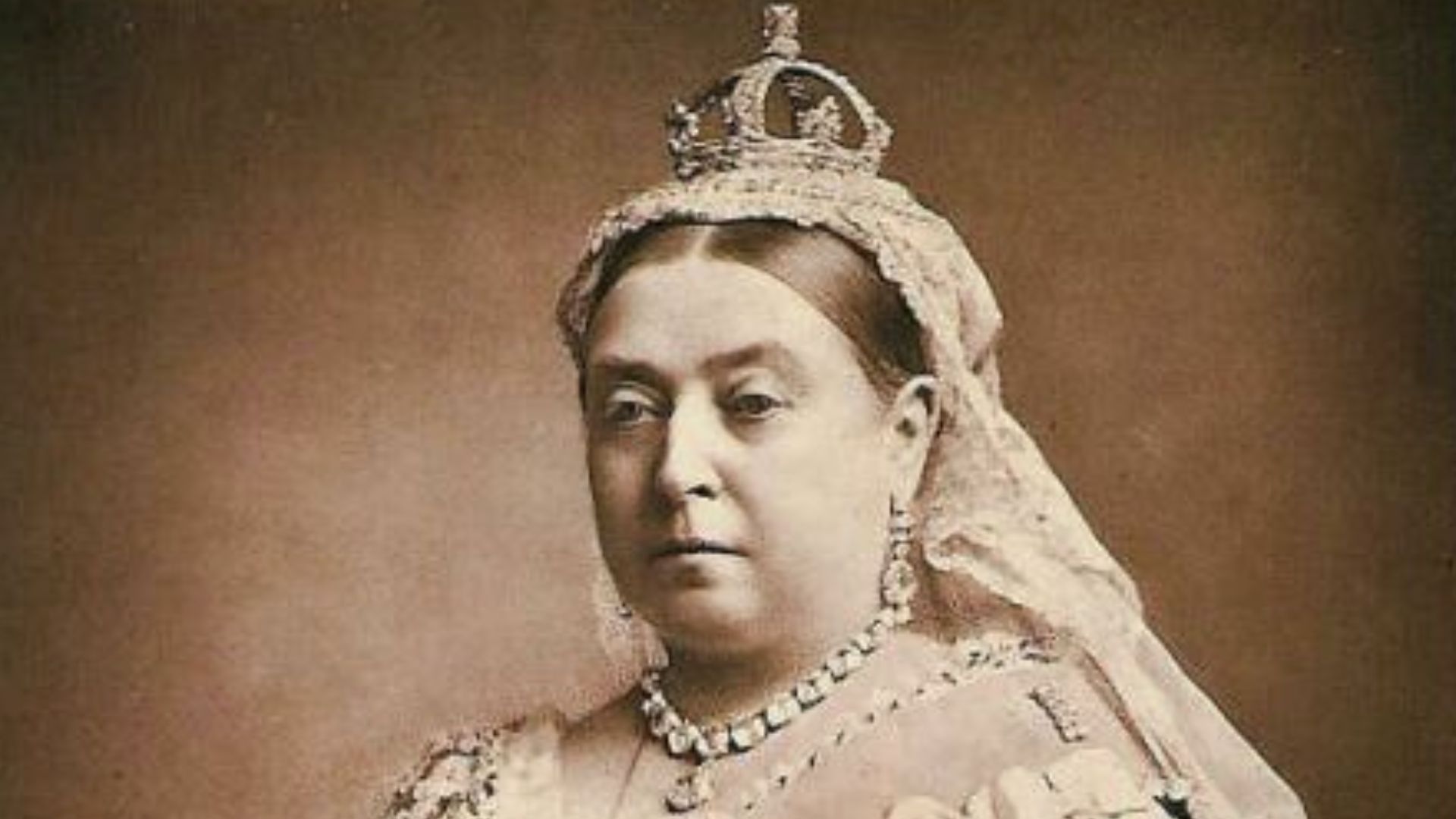 Alexander Bassano, Wikimedia Commons
George V Was Meant For The Navy
George V was the second son of the future Edward VII and initially prepared for a professional career in the Royal Navy. His elder brother, Prince Albert Victor, occupied the direct line to the crown. Albert Victor's sudden death in January 1892 abruptly ended George's naval future and pushed him toward the throne.
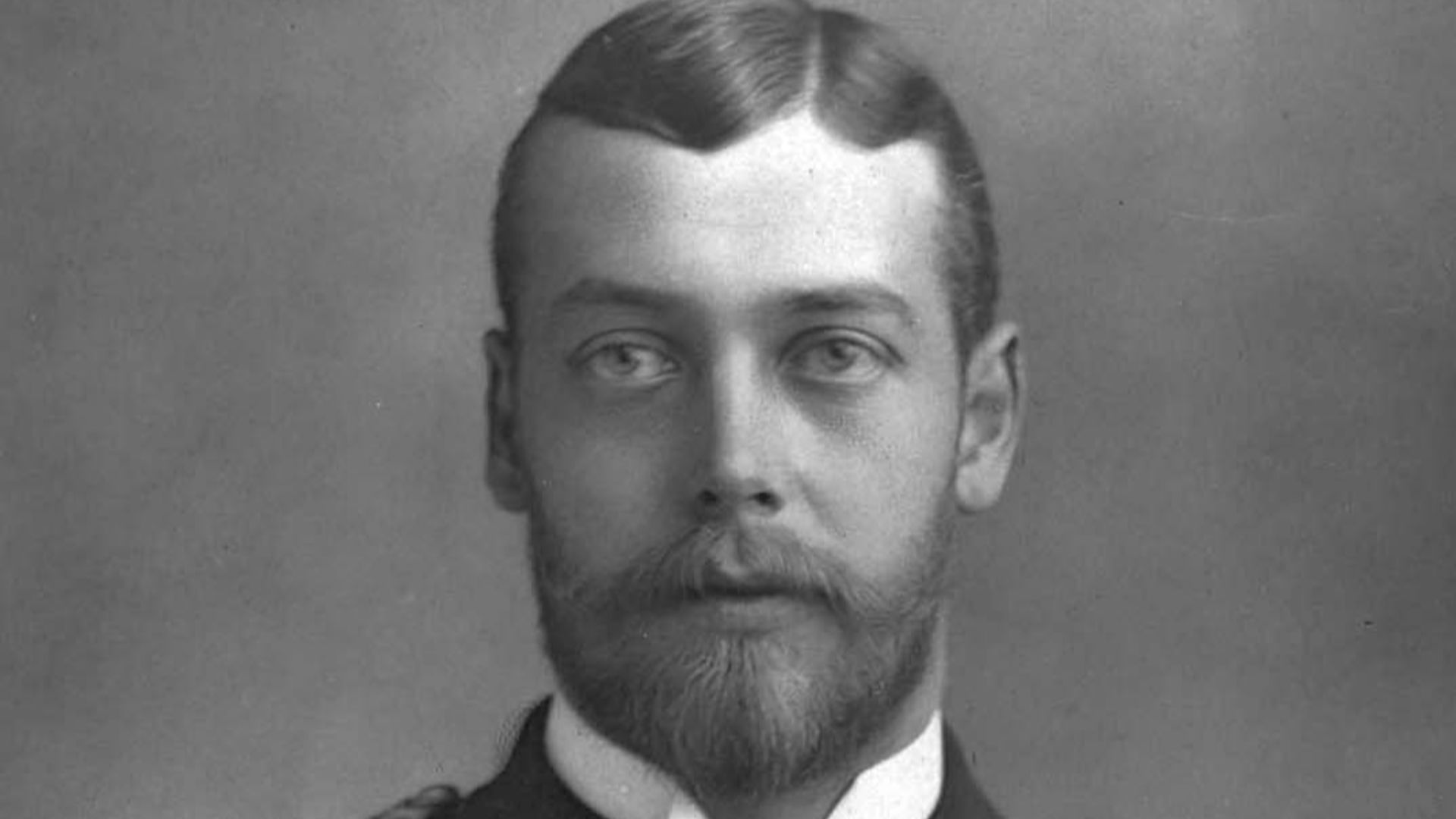 W. & D. Downey (1829-1915), Wikimedia Commons
George Reinvented The Royal Family
George became king in 1910 and soon faced constitutional crisis, Irish upheaval, world war, and the rise of Labour politics. Anti-German feeling during World War I prompted him to replace the dynasty's German name, Saxe-Coburg-Gotha, with Windsor in 1917. The House of Windsor created by this former second son remains the name of Britain's royal house today.
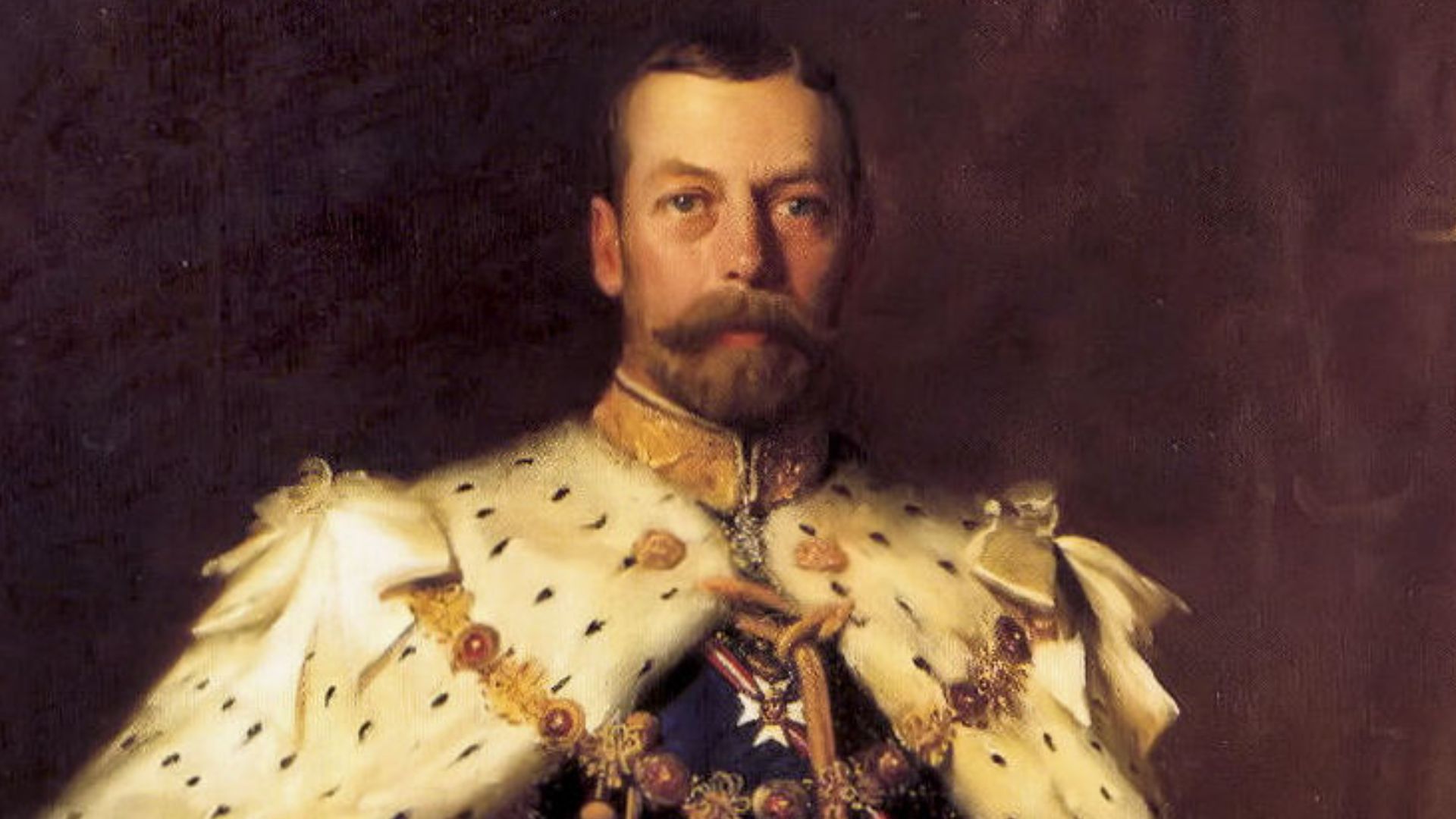 Luke Fildes, Wikimedia Commons
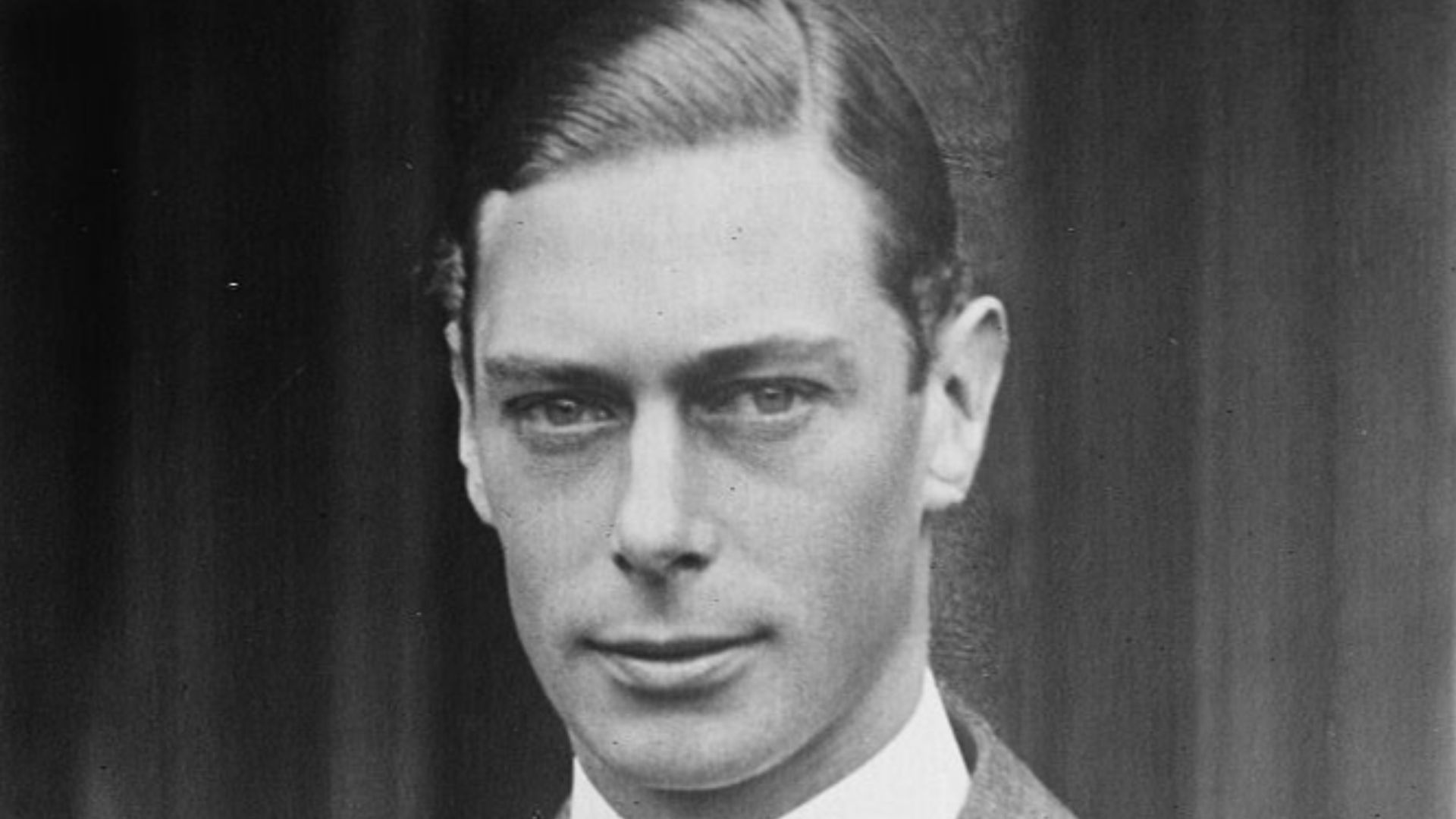
Albert Was Never Meant To Be George VI
Prince Albert, Duke of York, grew up as George V's second son while his charismatic older brother Edward was trained to become king. Albert pursued naval service and settled into life with his wife Elizabeth and their two daughters. When Edward VIII abdicated in December 1936 to marry Wallis Simpson, Albert suddenly inherited a job he had never expected to hold.
The Reluctant King Became A Wartime Symbol
Taking the name George VI, the new king had only a few years to adjust before World War II erupted. He remained in Britain during the conflict, visited bomb-damaged communities, worked closely with Winston Churchill, and visited troops overseas. His visibility during the war strengthened the monarchy's connection with a population enduring bombing, rationing, and enormous loss.
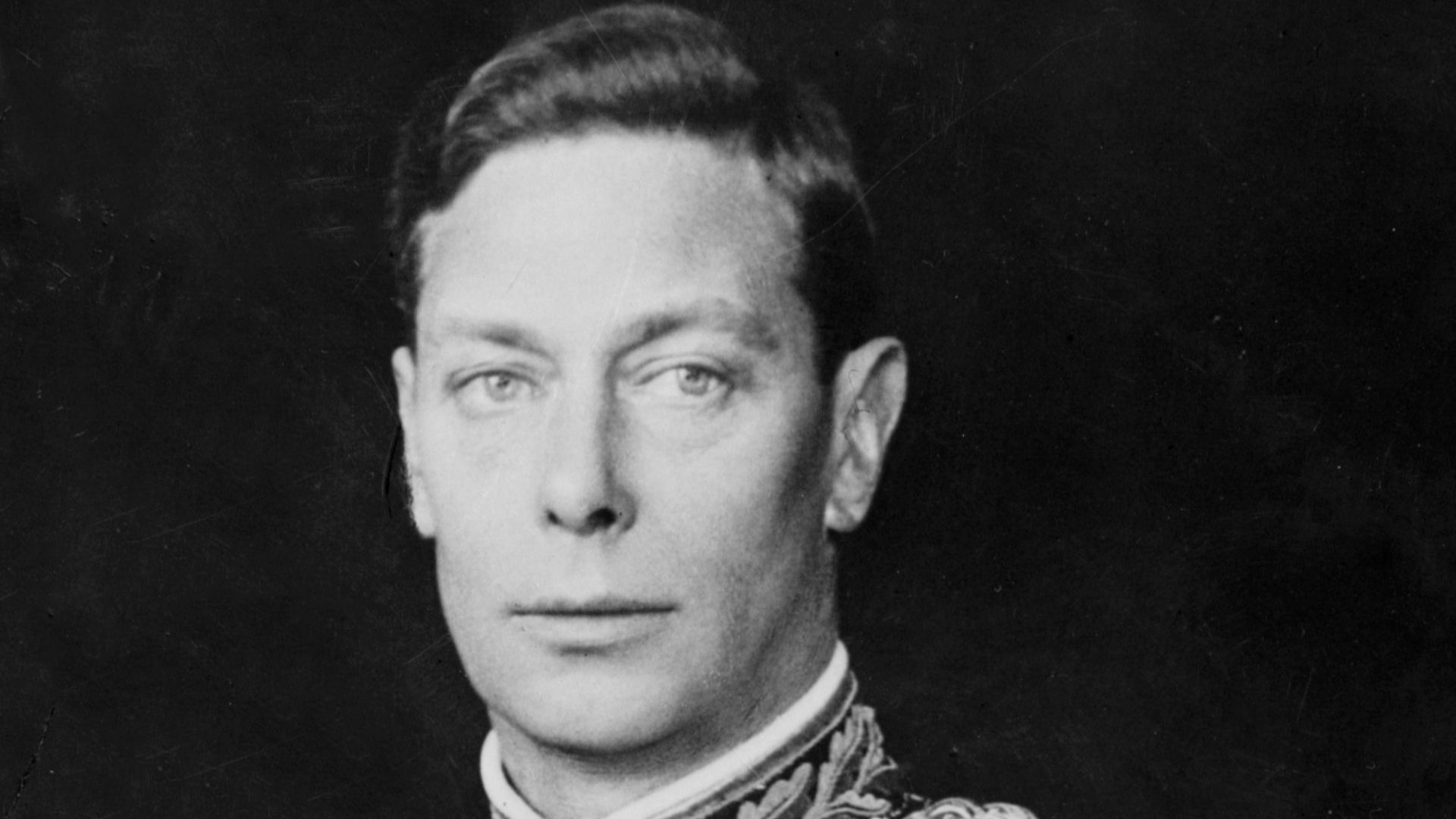 Matson Photo Service, Wikimedia Commons
Elizabeth Was Supposed To Have A Quieter Life
When Elizabeth II was born in 1926, her uncle Edward stood first in line to the throne and her father Albert stood second. Her family did not expect her to become sovereign, and she spent her earliest years as the daughter of the relatively junior Duke and Duchess of York. Edward VIII's abdication in 1936 changed everything by making her father king and 10-year-old Elizabeth the next in line.
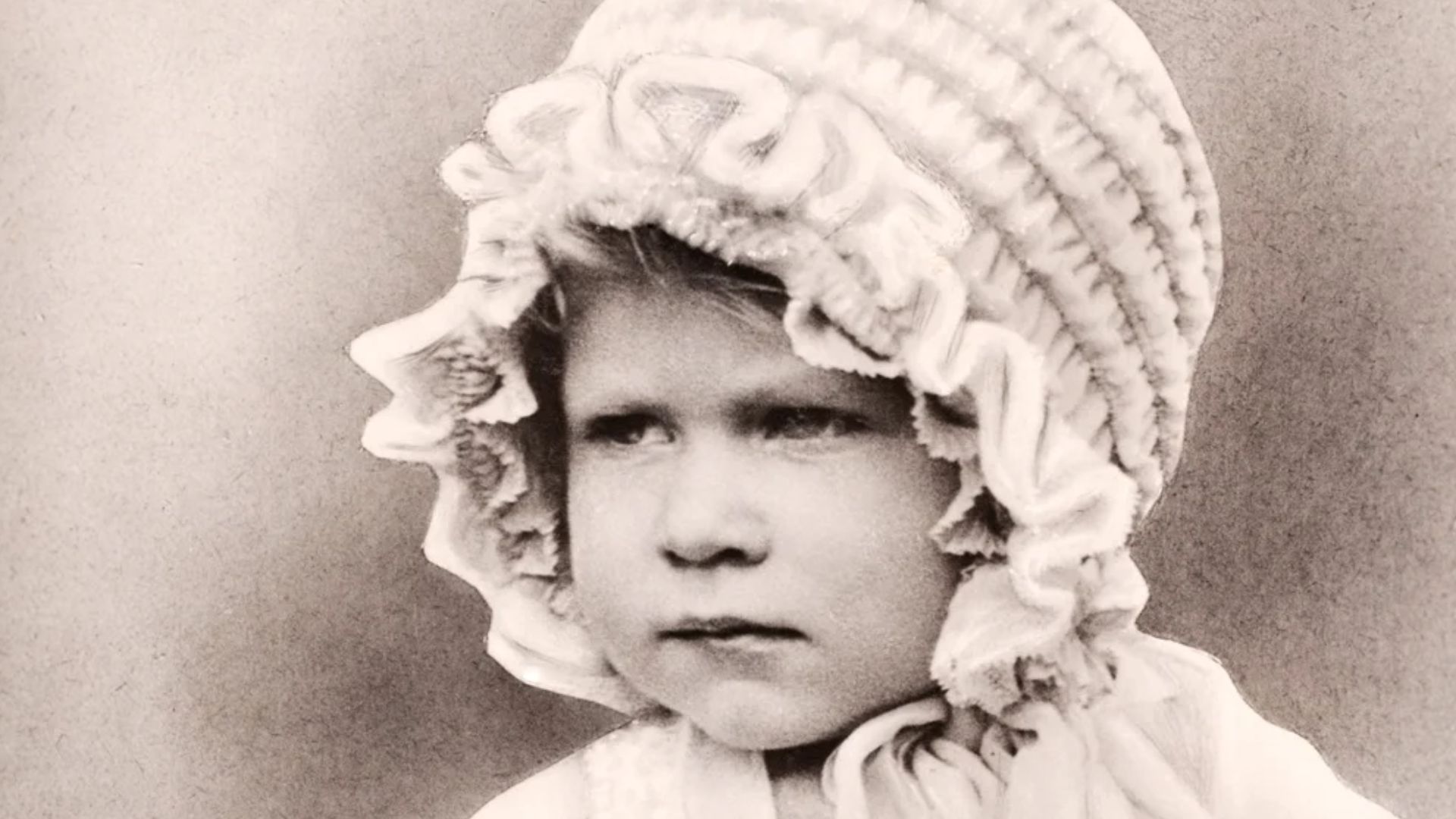 Unknown photographer, Wikimedia Commons
History's most fascinating stories and darkest secrets, delivered to your inbox daily.
Her Reign Spanned A Different World
Elizabeth became queen in 1952 and reigned for 70 years. During those decades, much of the British Empire became independent, while the Commonwealth developed into a voluntary association that eventually grew to dozens of member nations. The princess once expected to live outside the center of monarchy became Britain's longest-reigning sovereign.
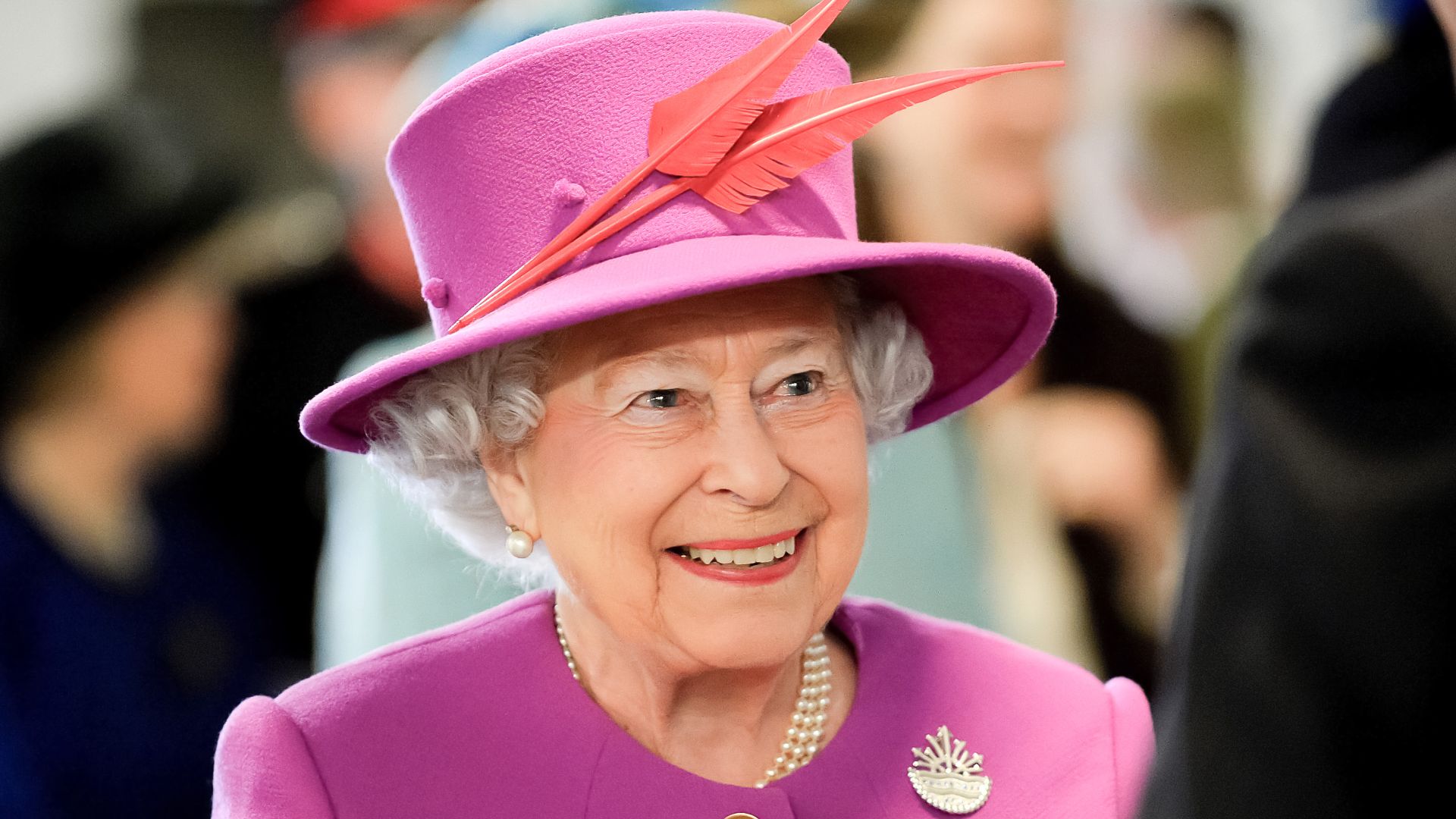 Joel Rouse/ Ministry of Defence, Wikimedia Commons
Maria Theresa Was Raised As A Daughter, Not A Ruler
Maria Theresa was the eldest daughter of Emperor Charles VI, but her parents continued hoping for a son who could succeed him. Her education therefore focused on the accomplishments expected of a dynastic princess rather than military affairs, diplomacy, and government. Charles's failure to produce a surviving male heir eventually made the daughter he had not properly trained his successor.
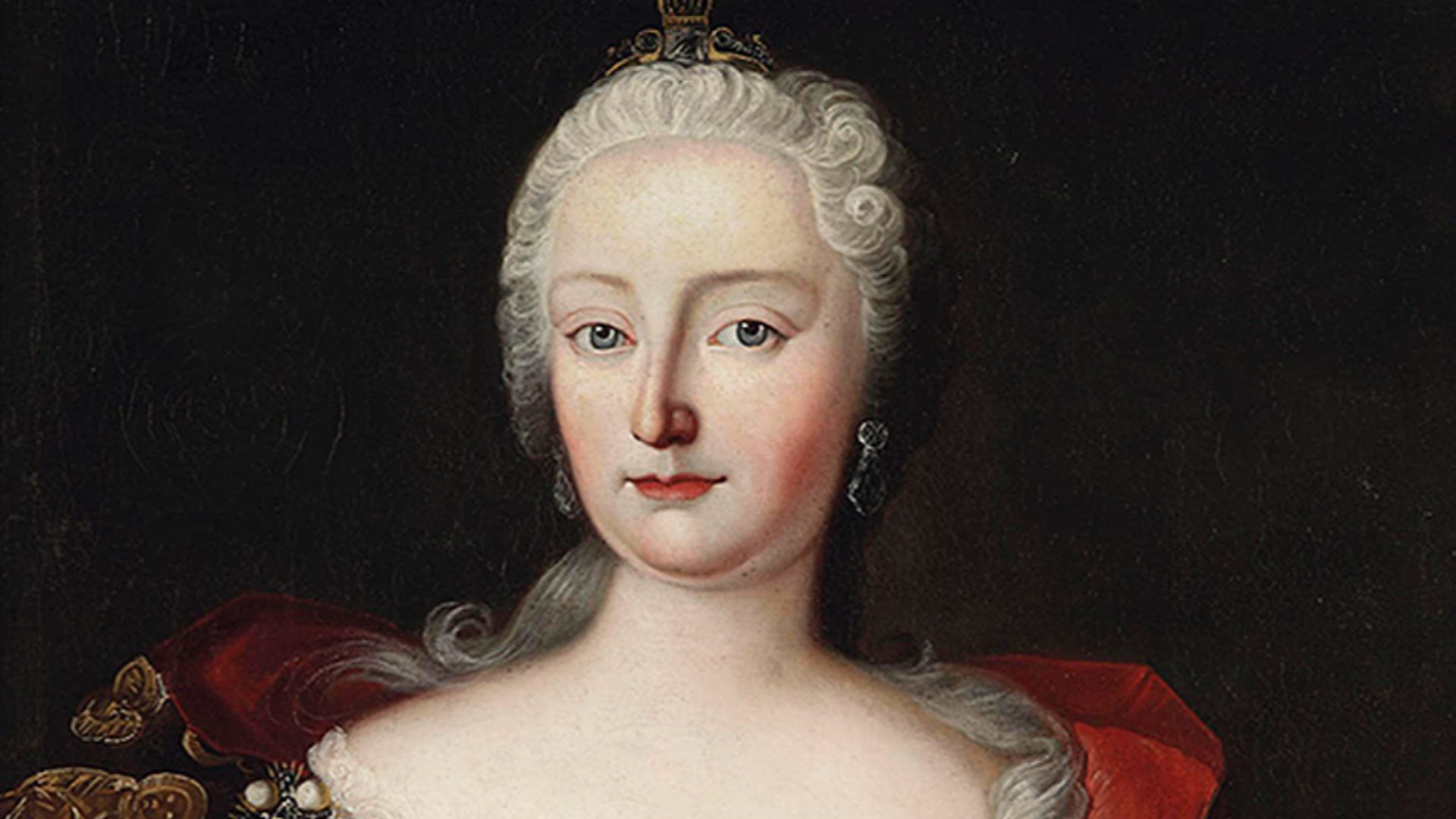 Studio of Martin van Meytens, Wikimedia Commons
Europe Immediately Tested Her
When Charles died in 1740, Maria Theresa inherited the Habsburg lands under the Pragmatic Sanction. Rival powers challenged that inheritance almost immediately, beginning the War of the Austrian Succession. She survived the crisis, strengthened Habsburg government, pursued major administrative reforms, and became one of the defining rulers of 18th-century Europe.
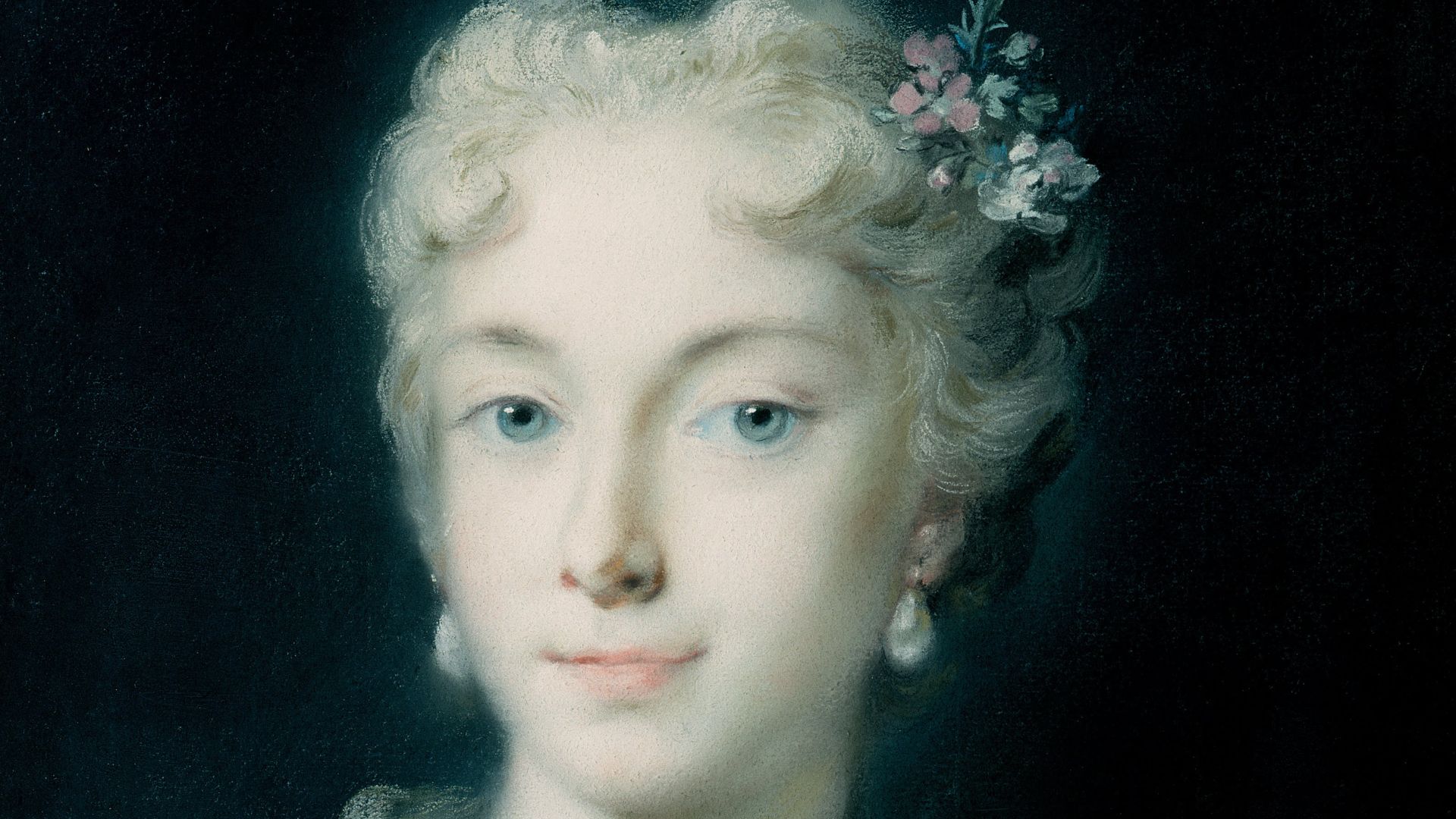 Rosalba Carriera, Wikimedia Commons
Bernadotte Started Life Nowhere Near A Throne
Jean-Baptiste Bernadotte was born in Pau, France, in 1763 and built his career as a soldier during the revolutionary and Napoleonic eras. He eventually became a marshal of France, not a prince being groomed for hereditary monarchy. Sweden's succession crisis took an astonishing turn in 1810 when its parliament chose Bernadotte as crown prince and King Charles XIII adopted him.
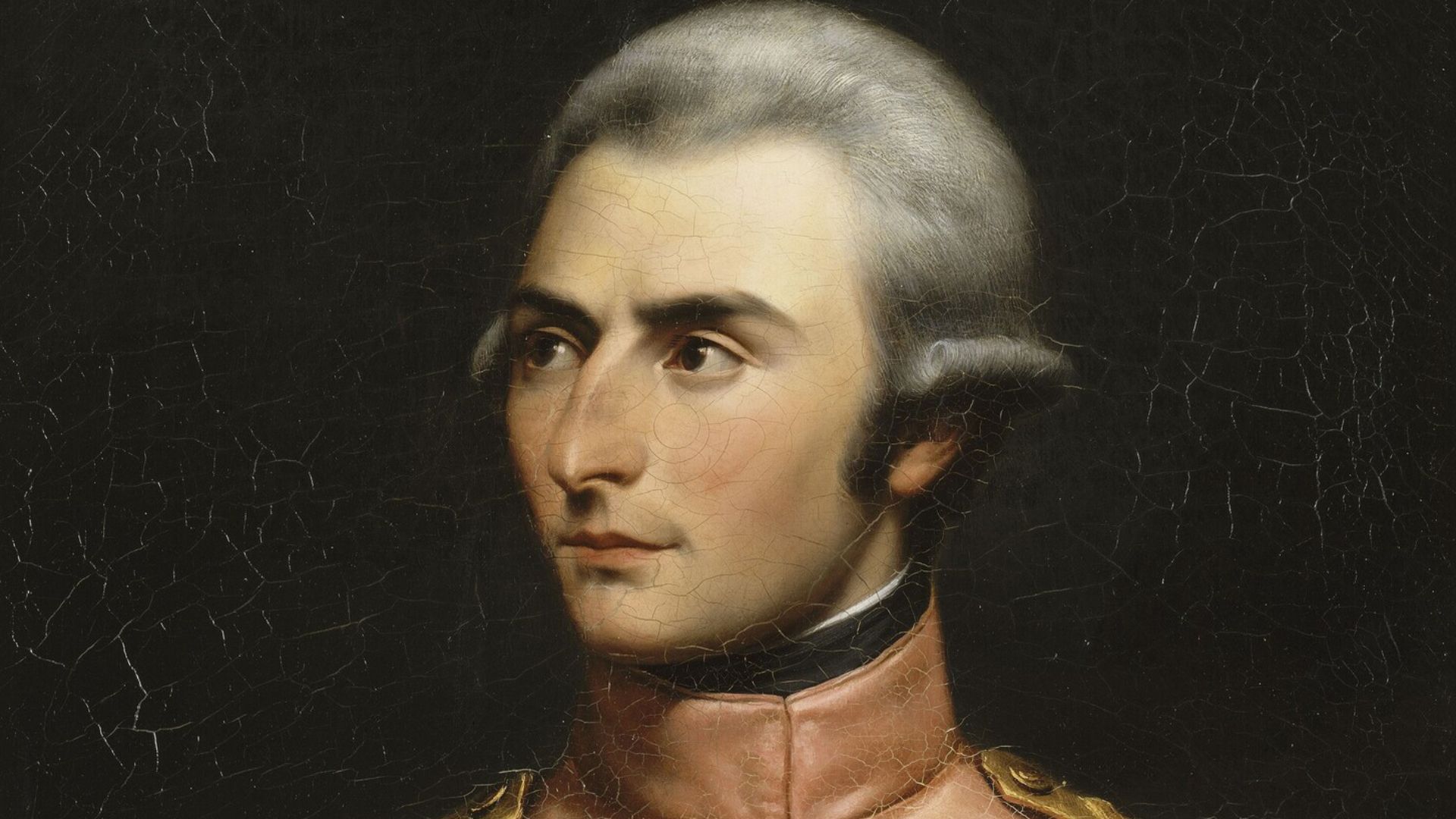 Louis-Felix Amiel, Wikimedia Commons
The French Marshal Founded A Royal Dynasty
Bernadotte became King Charles XIV John of Sweden and Norway in 1818. Even before taking the throne, he played an important role in the political settlement that created Sweden's union with Norway. Most remarkably, the dynasty founded by this French soldier still occupies the Swedish throne more than two centuries later.
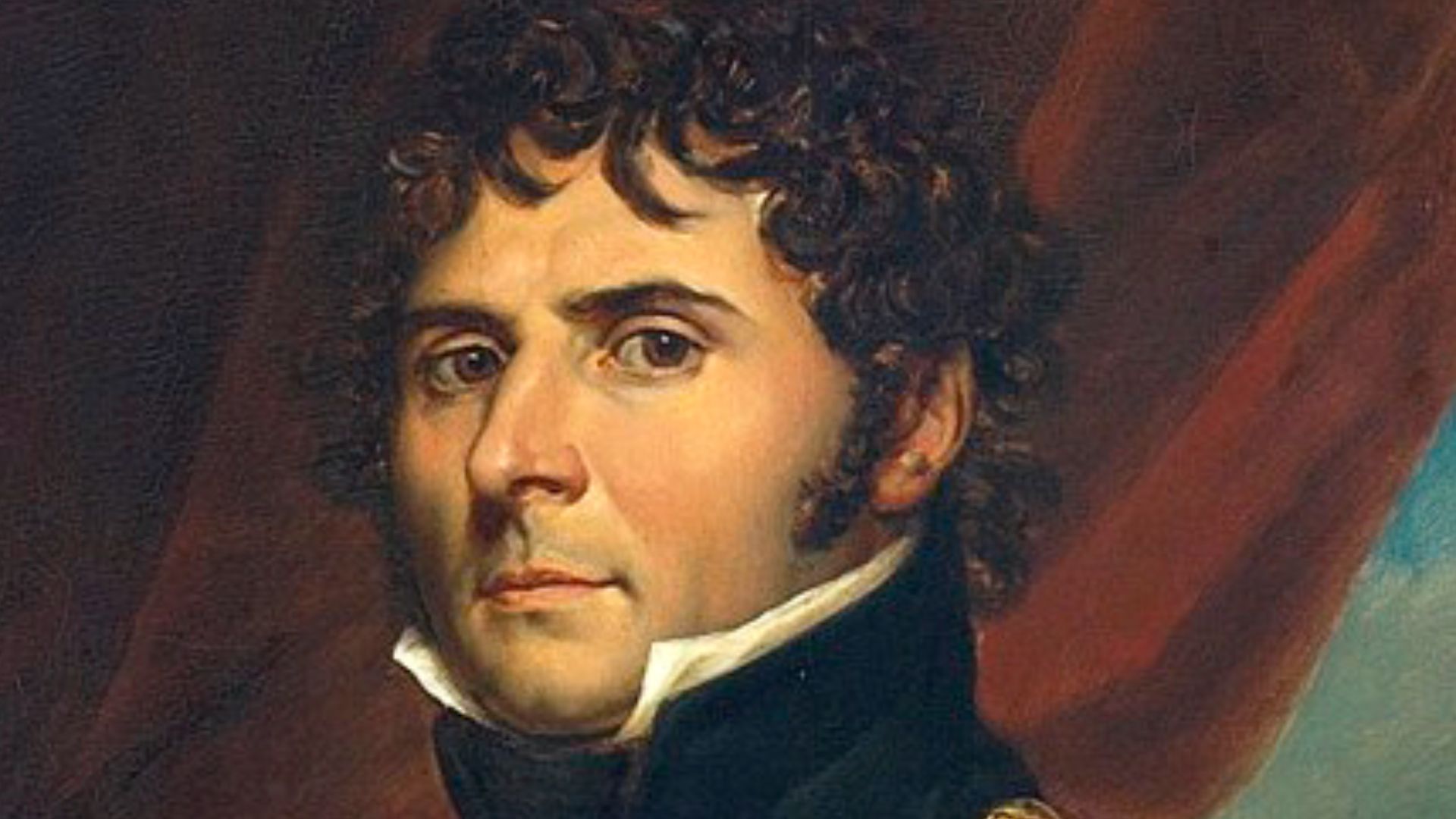 Unknown authorUnknown author, Wikimedia Commons
Prince Carl Was Denmark’s Second Son
The future Haakon VII was born Prince Carl of Denmark, the second son of Crown Prince Frederik. With an older brother ahead of him in Denmark, he trained as a naval officer rather than preparing to rule his own country. Then Norway dissolved its union with Sweden in 1905 and needed a monarch.
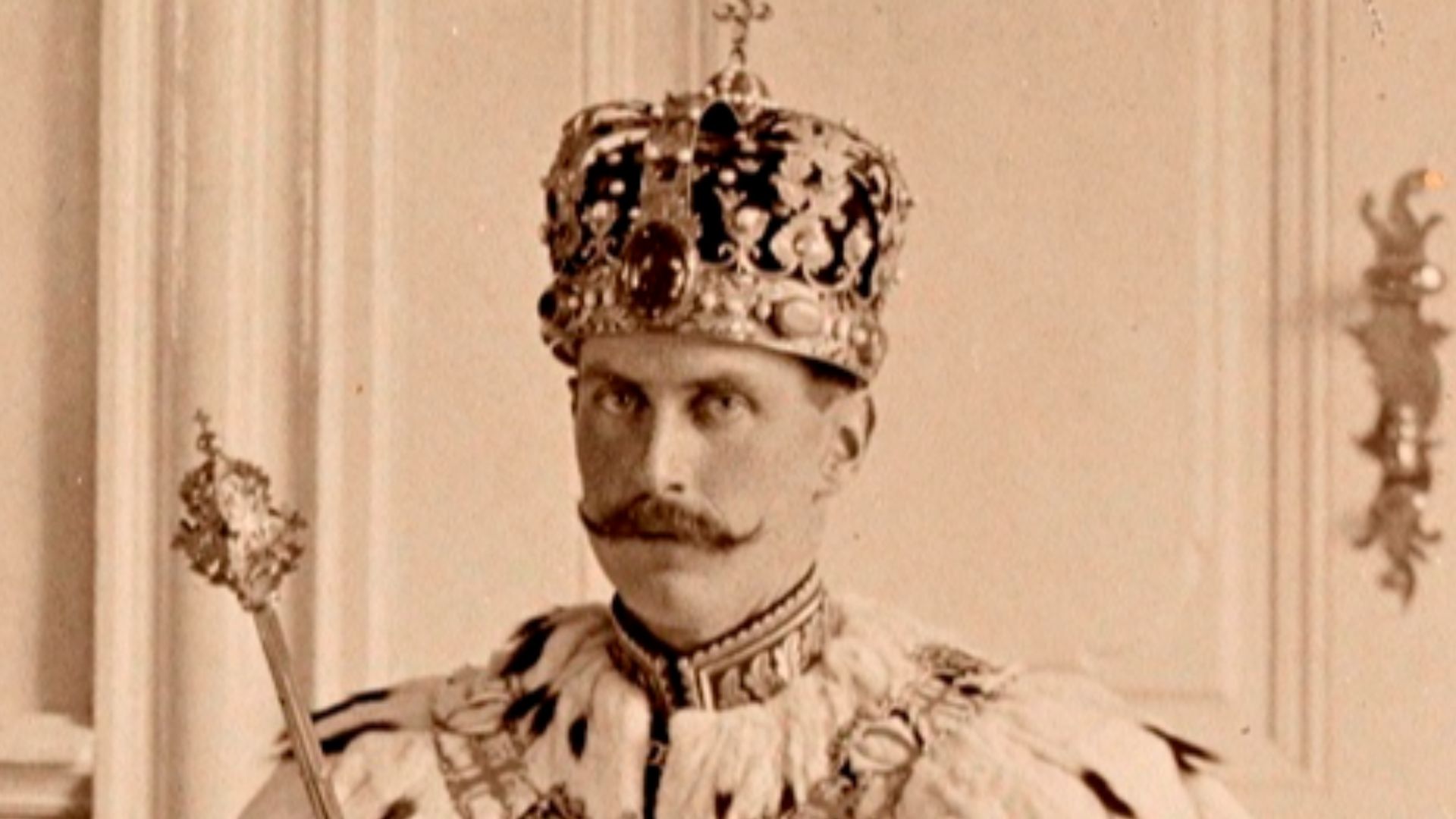 Peder O. Aune, Wikimedia Commons
History's most fascinating stories and darkest secrets, delivered to your inbox daily.
Norway Chose Him Instead
After Norwegians voted to preserve monarchy, the Storting elected Prince Carl as king, and he adopted the old Norwegian royal name Haakon. His historical importance became especially clear in 1940, when he refused to accept a Nazi-backed government and went into exile with Norway's legitimate government. Haakon became one of the most powerful symbols of Norwegian resistance during World War II.
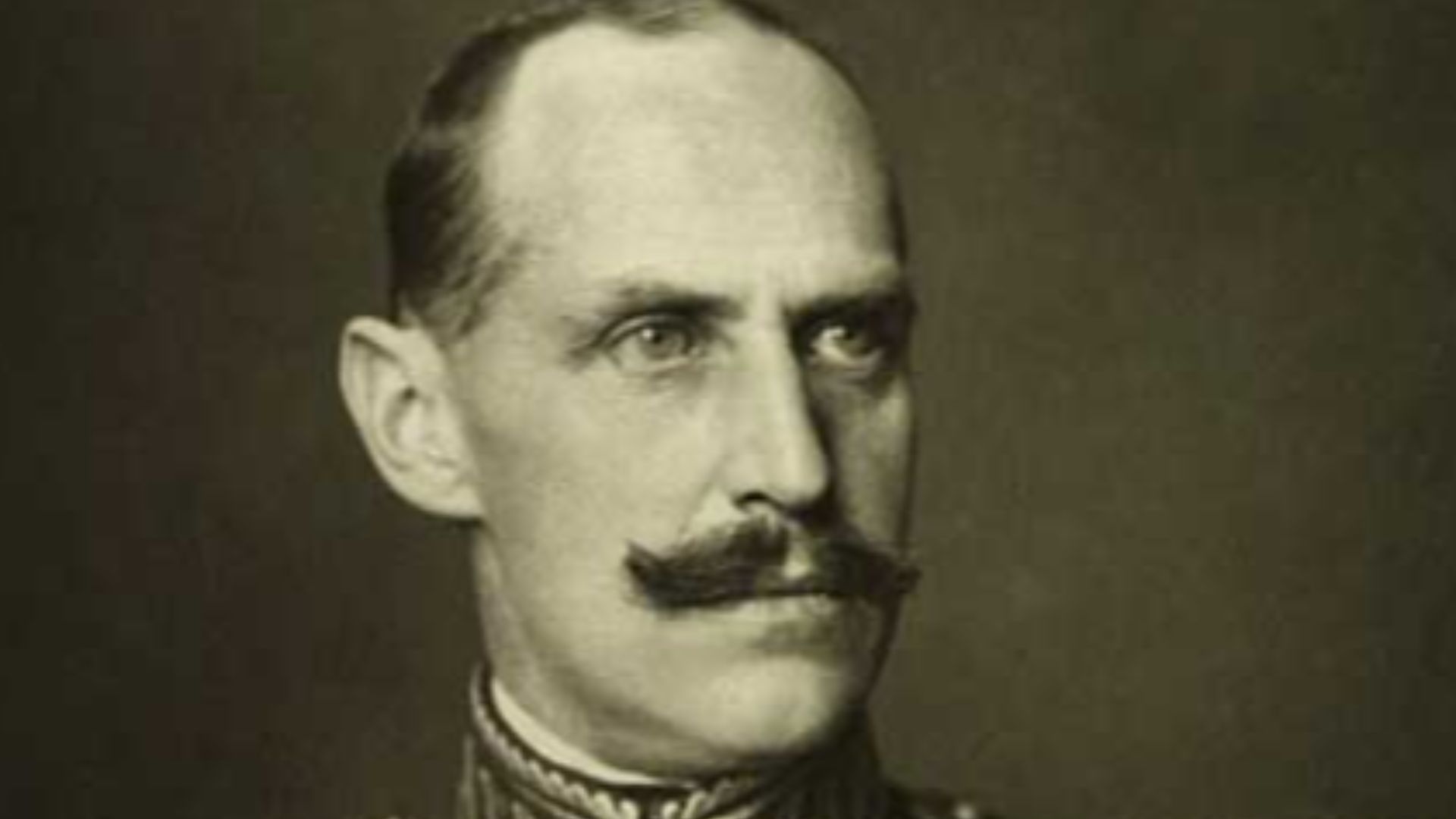 Unknown authorUnknown author, Wikimedia Commons
Albert Of Belgium Was Only The King’s Nephew
Albert I was not born the son of a reigning king. He was the nephew of Leopold II, whose own son had died young, while the king's daughters could not inherit under Belgium's succession rules of the period. Those circumstances eventually moved Albert toward a throne that had originally belonged to another branch of the family.
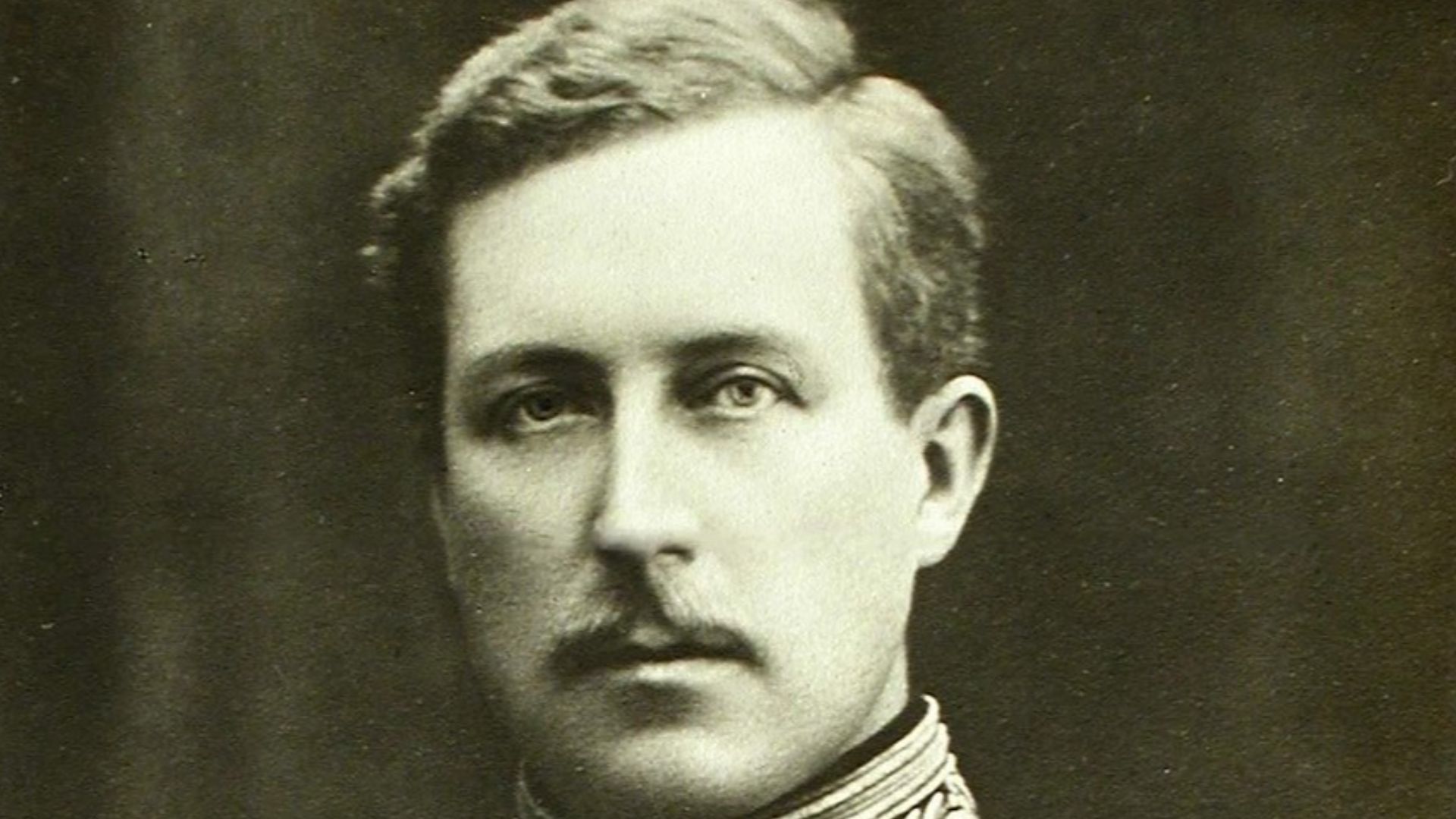 Unknown authorUnknown author, Wikimedia Commons
The Unexpected King Became The Soldier King
Albert succeeded Leopold II in 1909 and faced his defining crisis only five years later when Germany invaded Belgium. He personally took command of the Belgian armed forces and remained associated with the country's resistance throughout World War I. After the war, his reign also saw major political and social reforms, including broader male suffrage and greater recognition of Belgium's two national languages.
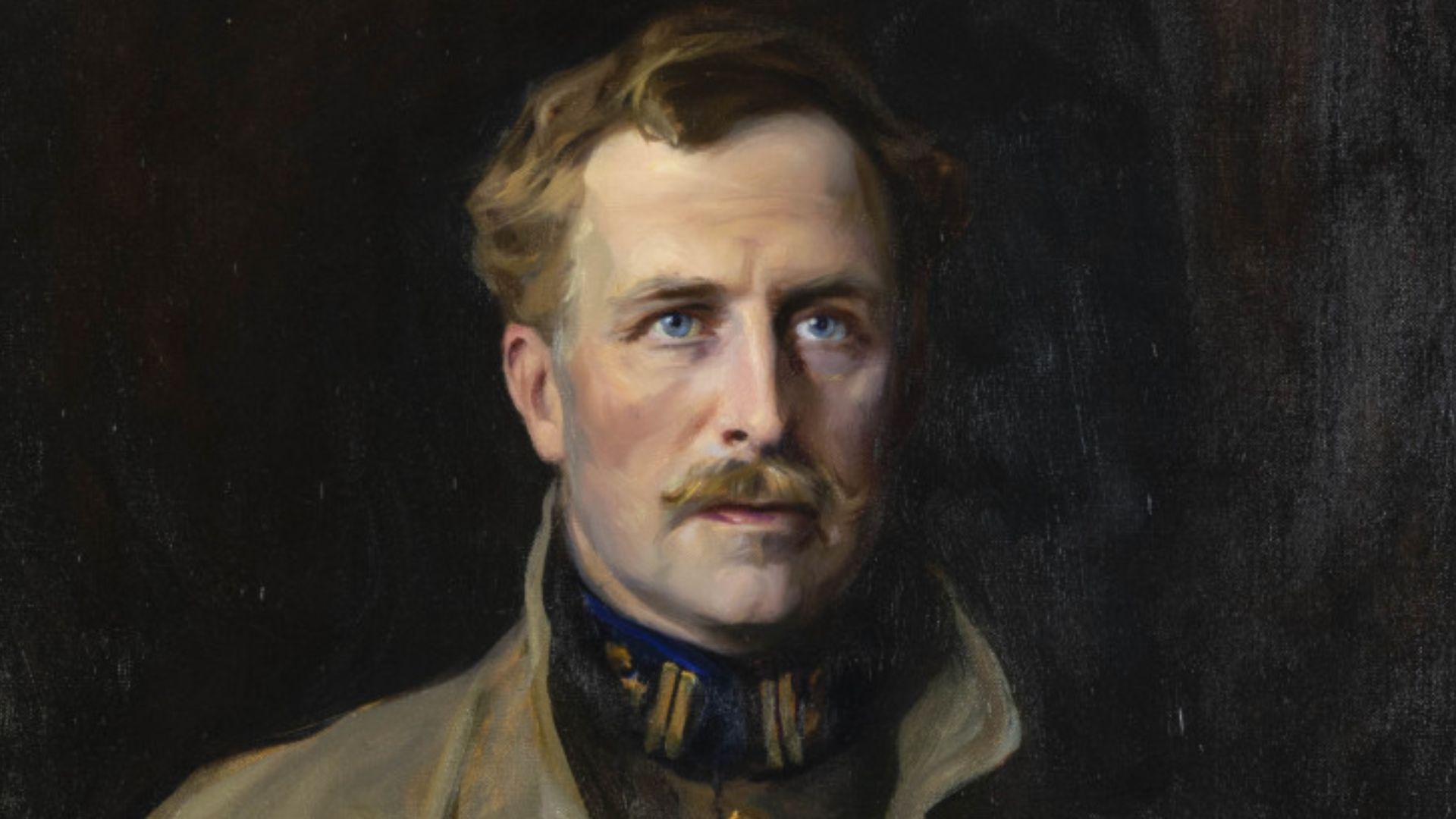 Philip de Laszlo, Wikimedia Commons
A Crown Can Move Very Quickly
Royal families often looked permanent from the outside, but succession could change with a single illness, accident, failed marriage, or political crisis. Younger children and distant relatives suddenly found themselves carrying responsibilities that had once belonged to someone else. Some simply inherited a throne, while others changed the religion, borders, governments, and identities of entire nations.
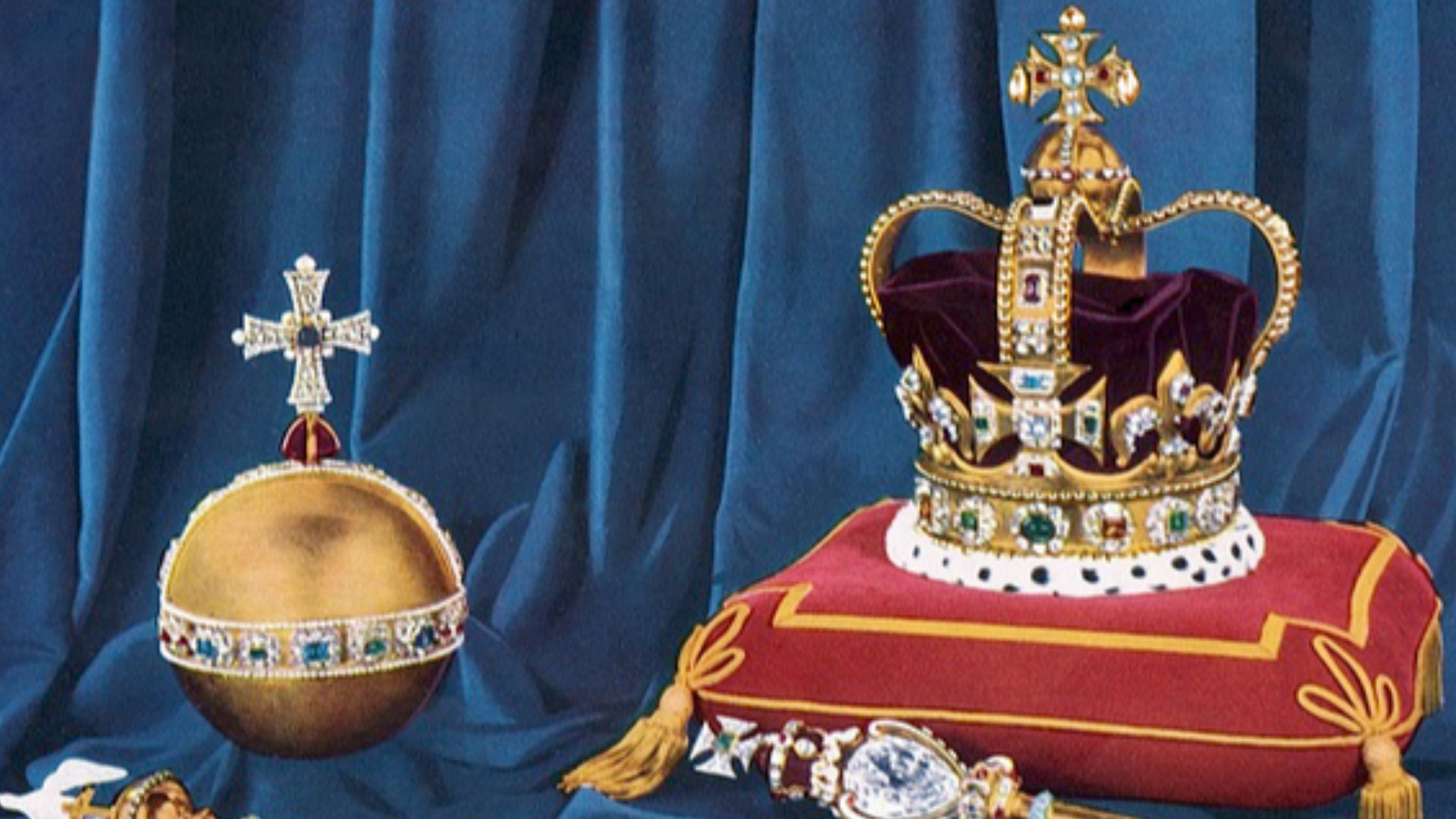 United Kingdom Government, Wikimedia Commons
You May Also Like:
Deranged Historical Figures That No One Has Heard Of
These Doomed Royals Met Horrific Ends
The Strange True Stories Behind The Real People Who Declared Themselves Royalty
Sources: 1, 2, 3, 4, 5, 6, 7, 8, 9, 10, 11, 12, 13, 14, 15, 16, 17, 18, 19, 20, 21, 22, 23, 24, 25, 26, 27