Mary Fields was far more than a tough woman on the American frontier. Born into slavery, she survived a lifetime of hardship before making history as the first Black woman to hold a Star Route mail contract in the United States. And remarkably, her greatest adventure didn't begin until she was in her 60s.
Born Into Slavery
Mary Fields was born around 1832 in Tennessee, although little is known about her childhood. Enslaved for much of her early life, she gained her freedom at the end of the American Civil War. Her experiences during those years remain largely undocumented, but what happened afterward reveals a fiercely independent woman determined to make her own way in a country that offered Black women few opportunities.
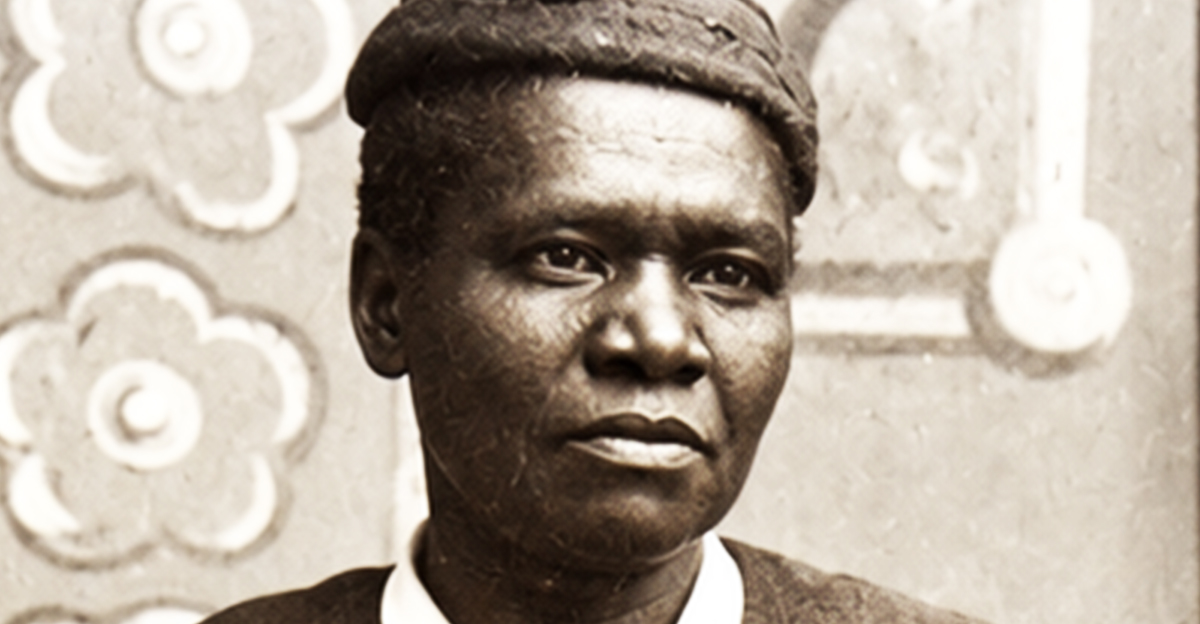 Unknown photographer, Wikimedia Commons
A Life On The River
After emancipation, Fields traveled along the Mississippi River, finding employment aboard steamboats. Some accounts describe her working as a chambermaid and domestic servant. She eventually became associated with the family of Judge Edmund Dunne, whose sister, Mother Mary Amadeus, belonged to the Ursuline religious order. That connection would profoundly change the direction of Fields' life.
An Unlikely Convent Worker
By 1870, Fields was working at the Ursuline convent in Toledo, Ohio. She wasn't a nun, and her personality hardly matched conventional expectations of religious life. She washed laundry, managed the kitchen, tended gardens, and performed physically demanding maintenance work. Standing approximately six feet tall, Fields was known for her strength, blunt language, and willingness to confront anyone who irritated her. (Mary is at the far right in the image below, sitting on the horse cart)
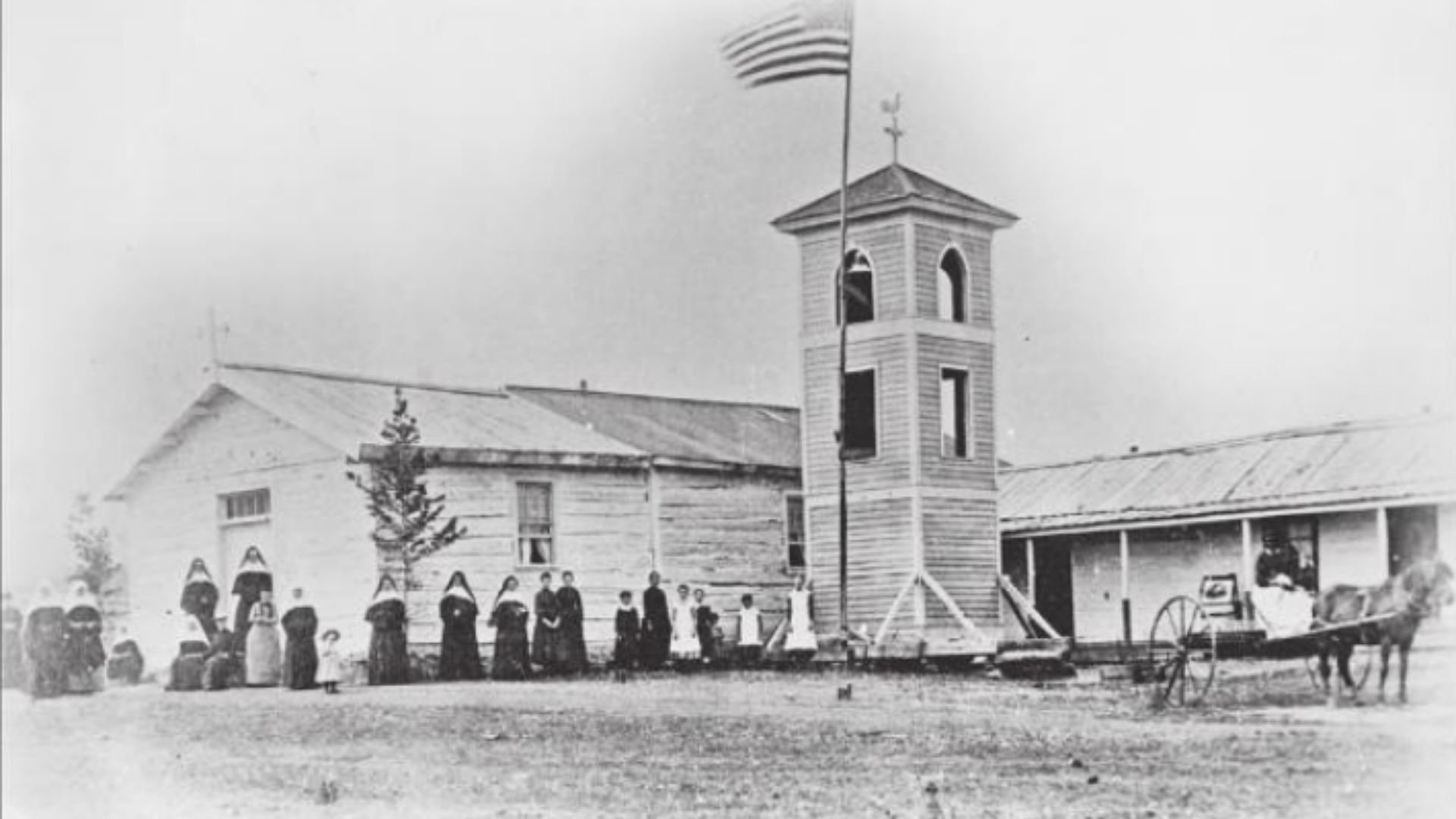 Unknown authorUnknown author, Wikimedia Commons
A Journey To Montana
In 1885, Fields traveled to St. Peter's Mission near Cascade, Montana, where Mother Amadeus was helping operate a school for Indigenous girls. Some accounts suggest Fields made the journey after learning that the nun had become seriously ill, although her precise reasons remain uncertain. Once there, Fields became indispensable, hauling supplies, growing food, maintaining buildings, and helping keep the isolated mission functioning.
Trouble At The Mission
Fields' independence occasionally brought her into conflict with the mission's religious authorities. She wore men's clothing when performing difficult jobs, puffed on cigars, and reportedly enjoyed an occasional drink in local saloons. Eventually, an argument with a male worker escalated into an armed confrontation. Although accounts differ on the details, the incident contributed to the local bishop ordering her dismissal. Fields moved to nearby Cascade, suddenly needing another way to support herself.
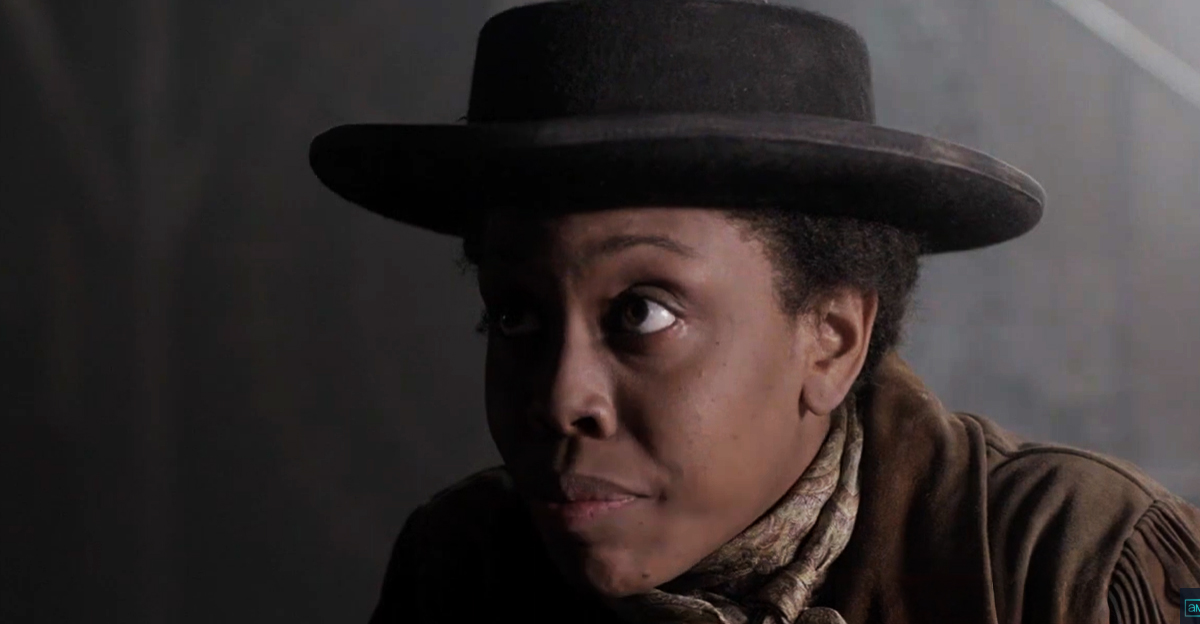 Screenshot of Amber Chardae Robinson as Mary Fields in "Hell on Wheels" (2016). AMC
A Businesswoman With A Problem
Fields attempted to operate restaurants in Cascade, but her ventures failed. According to local tradition, part of the problem was her generosity: she couldn't bring herself to turn away hungry customers simply because they lacked money. She also took in laundry and performed odd jobs. Despite her intimidating reputation, the people around her increasingly discovered that Fields possessed an extraordinarily generous heart.
A New Career At 60
In 1895, Fields secured a contract with the United States Post Office Department to deliver mail between Cascade and St. Peter's Mission. She was approximately 63 years old. The position made her the first Black woman, and only the second woman overall, to receive a Star Route contract. Unlike ordinary postal employees, Star Route carriers were independent contractors responsible for transporting mail across difficult routes.
Nothing Stopped Stagecoach Mary
Fields drove a horse-drawn stagecoach over a route that could involve a roughly 34-mile round trip. Northern Montana offered brutal winters, treacherous roads, and the possibility of encounters with thieves or dangerous animals. Fields always travelled armed for own protection. When heavy snow made travel by coach impossible, she reportedly strapped on snowshoes and continued delivering the mail on foot. Her determination earned her the nickname “Stagecoach Mary.”
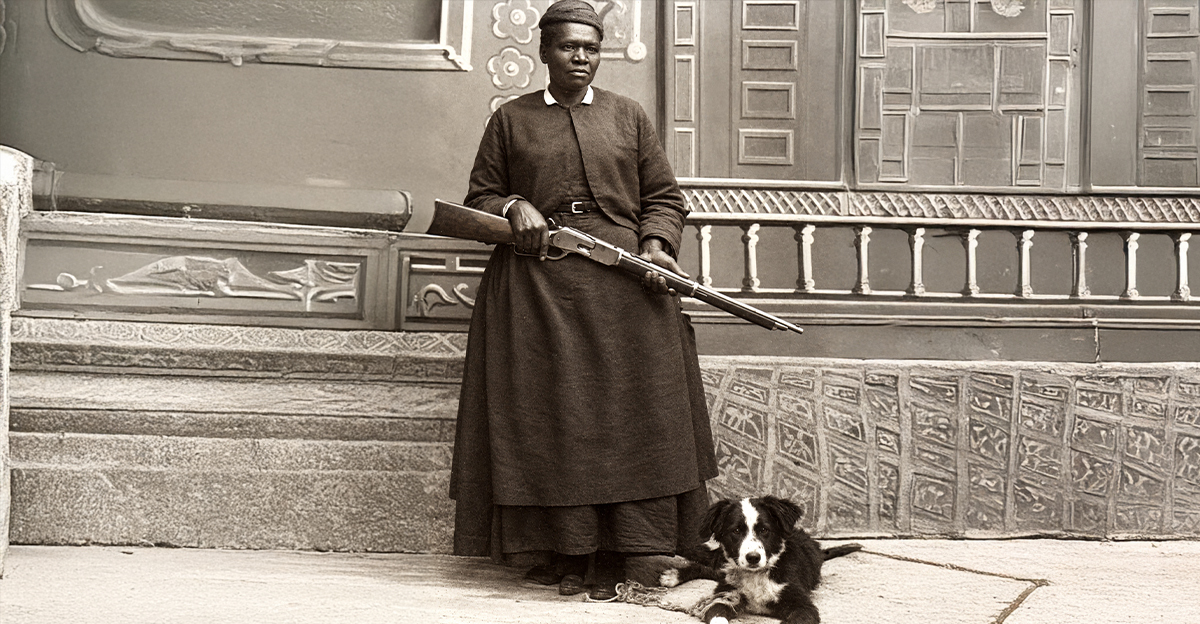 Unknown photographer, Wikimedia Commons
The Legend Grew Larger
Stories about Fields' adventures spread throughout Montana. One famous tale describes her defending herself and her horses against wolves, although historians caution that some of these colorful exploits belong more to frontier folklore than documented history. What is better established is her extraordinary reliability. She carried the mail for eight years, from 1895 until 1903, earning admiration for completing her route despite punishing conditions. Her legend eventually reached television, where actress Amber Chardae Robinson portrayed her in the AMC Western series Hell on Wheels.

History's most fascinating stories and darkest secrets, delivered to your inbox daily.
The Woman Behind The Legend
After retiring, Fields operated a laundry business and remained a beloved figure in Cascade. She was especially fond of children and became an enthusiastic supporter of the local baseball team. Residents reportedly celebrated her birthday, and local businesses extended special privileges to her. When Fields died on December 5, 1914, townspeople helped pay for her burial. The woman who had begun life enslaved had become one of the American West's most unforgettable pioneers.
You May Also Like:
47 Untamed Facts About The Wild West
Hidden Figures Of The Wild West Who Changed The American Frontier Forever
Forgotten Frontier Crime Stories So Strange They Could Only Have Happened In The Wild West