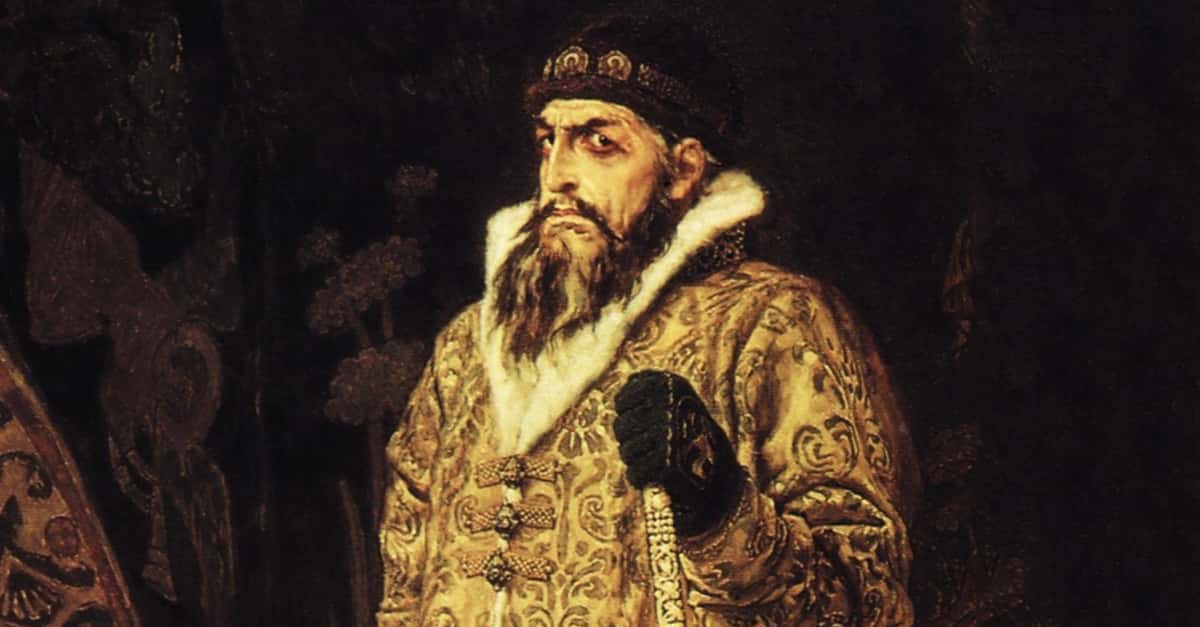
Becoming Royal Was Sometimes Surprisingly Easy
Most monarchs inherit a crown, marry into a royal family, or take power after a major political upheaval. A remarkable group of real people chose another route and simply announced that they were emperors, kings, or princes. Some became beloved eccentrics, while others used their new titles to reinforce very real political power.
Joshua Norton Lost A Fortune Before Finding A Throne
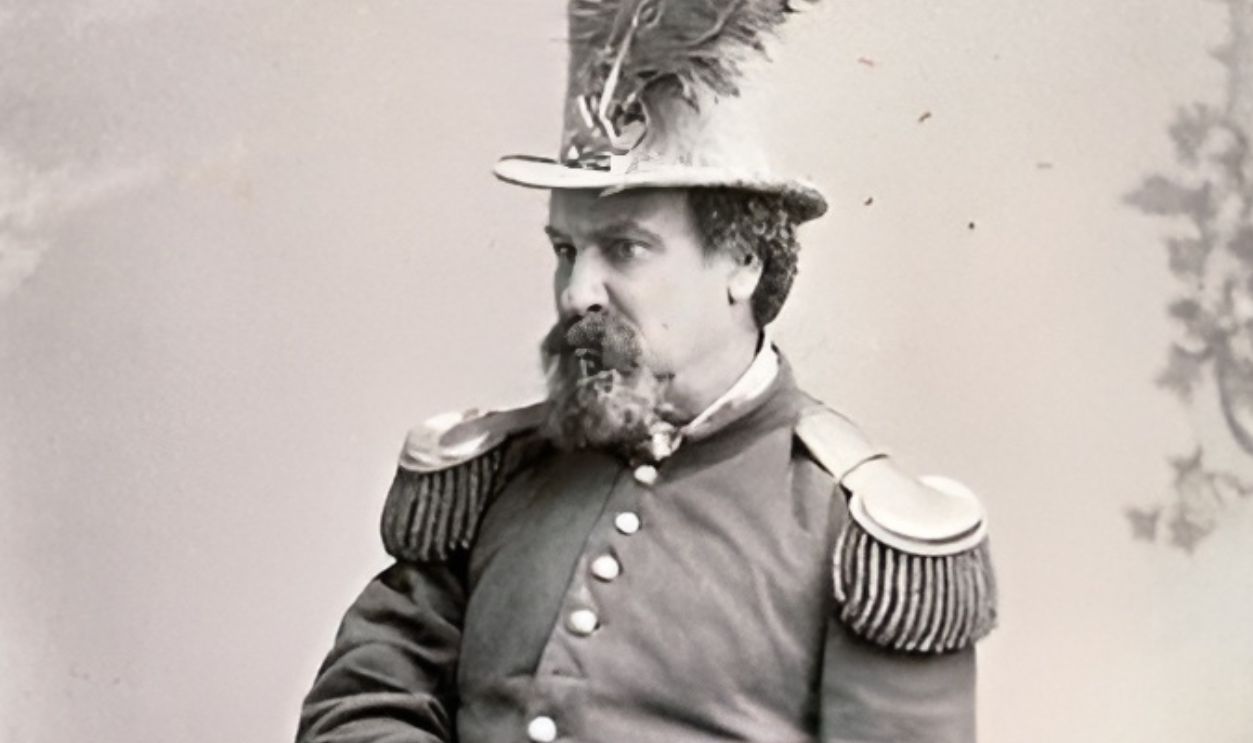
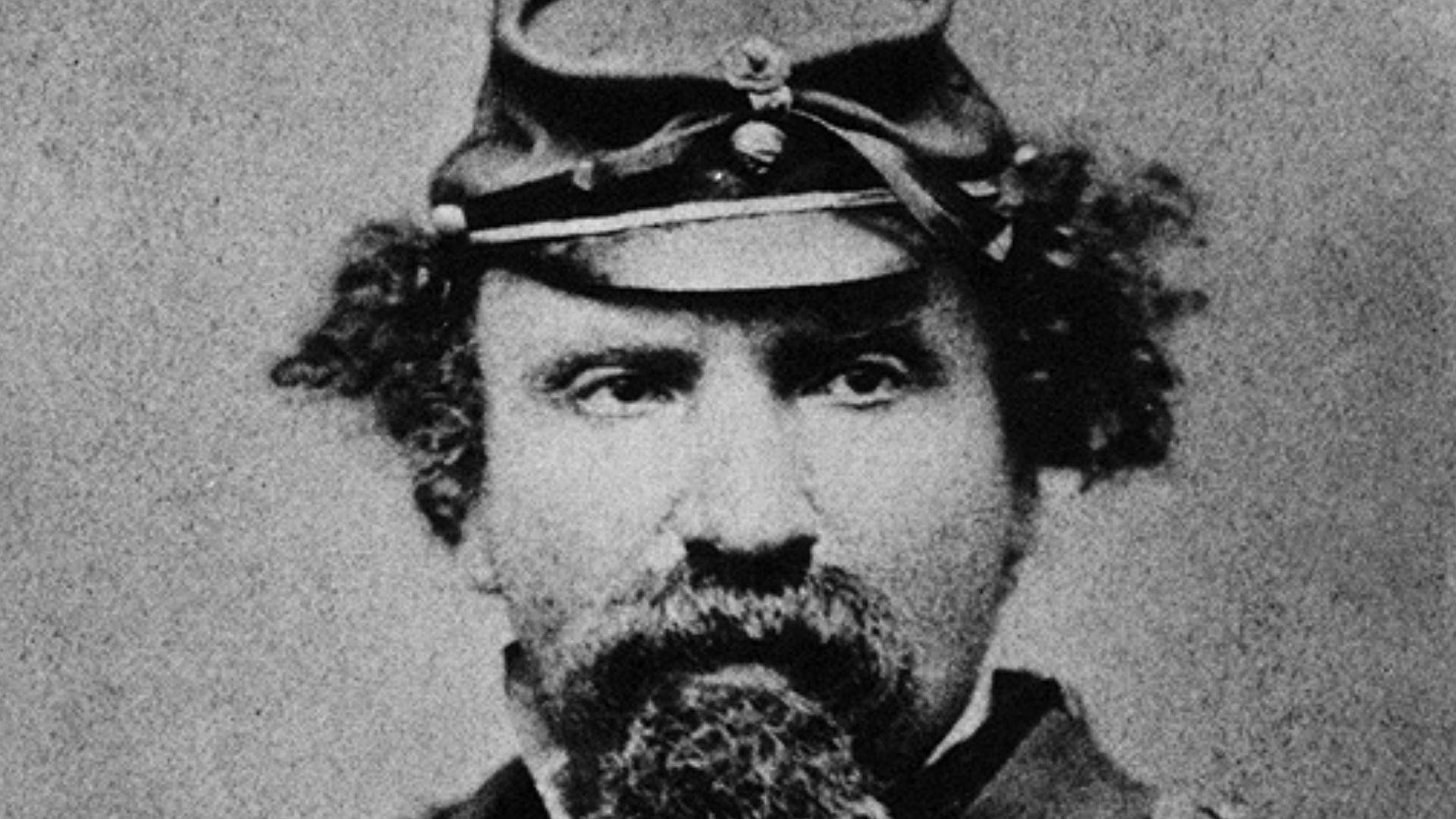
Joshua Abraham Norton was a San Francisco businessman whose attempt to control the rice market ended disastrously and cost him much of his fortune. Rather than disappearing into obscurity, he eventually reinvented himself in a way nobody could have predicted. On September 17, 1859, Norton declared himself Emperor of the United States.
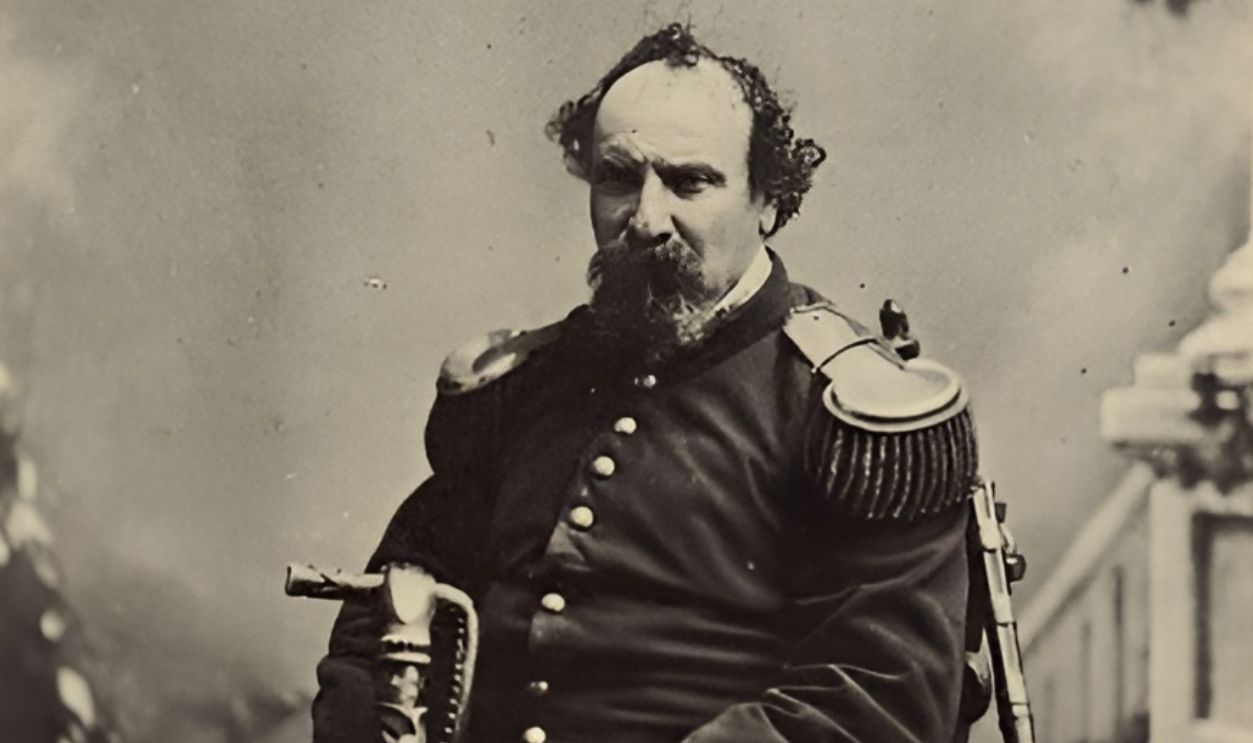 Unknown author, Wikimedia Commons, Modified
Emperor Norton Issued His Own Decrees
Norton styled himself Norton I and later also used the title Protector of Mexico. He issued proclamations concerning Congress, political parties, infrastructure, and other national affairs, although historians caution that newspapers fabricated some decrees attributed to him. His government had no legal authority, but that did not stop San Francisco from embracing its unofficial emperor.
 H.W. Bradley or William Rulofson, Wikimedia Commons, Modified
San Francisco Decided To Play Along
Restaurants sometimes fed Norton, theaters reserved seats for him, and residents generally treated his imperial identity with affection. His celebrity became so established that when a patrol officer had him detained in 1867, the incident caused a public outcry. Police Chief Patrick Crowley apologized and ordered Norton released, after which officers reportedly saluted him when they encountered him.
His Wildest Ideas Were Not Always So Wild
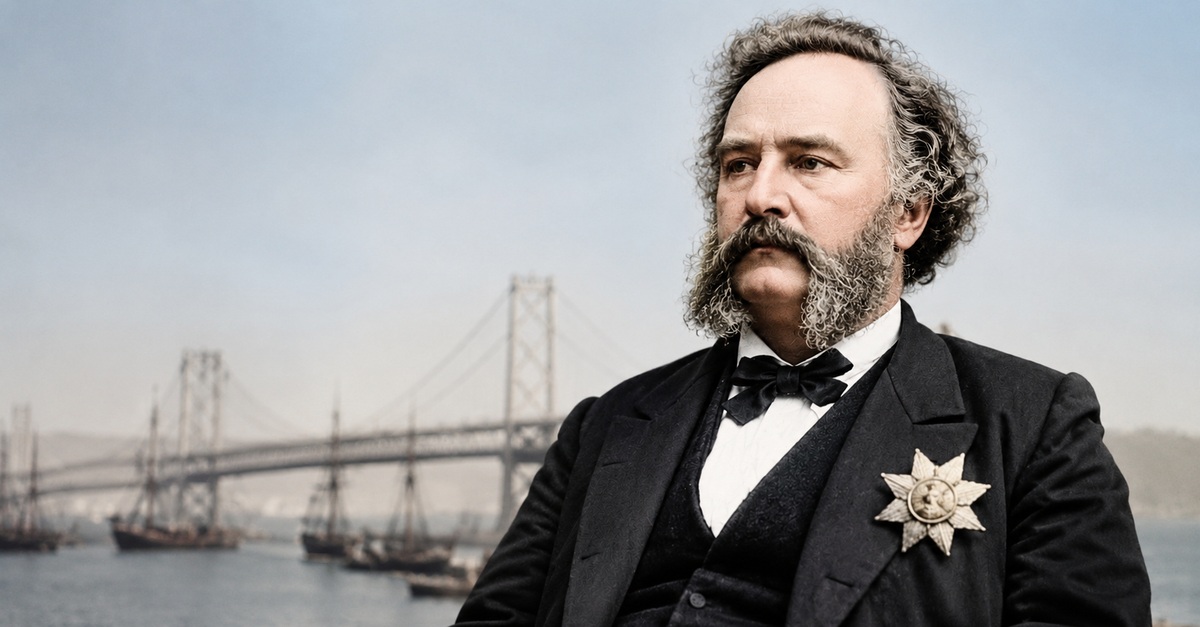
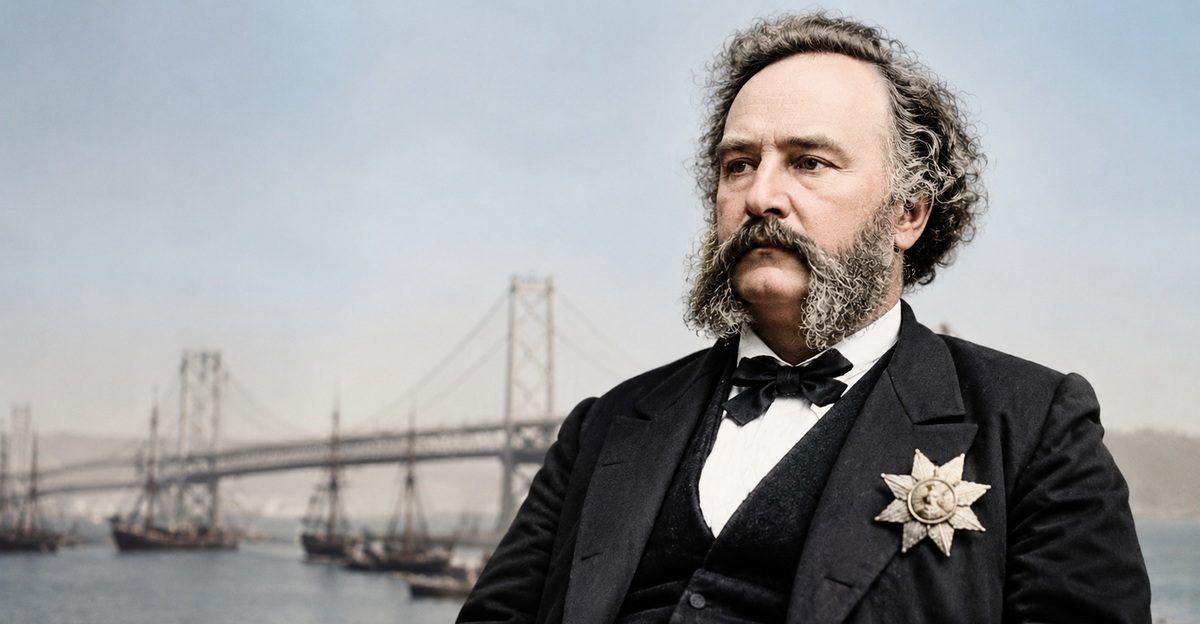
Norton is frequently remembered for calling for a bridge connecting San Francisco and Oakland. A surviving 1872 decree specifically demanded a suspension bridge linking Oakland Point, Goat Island, and San Francisco, although other bridge proposals were already circulating at the time. Decades later, the San Francisco-Oakland Bay Bridge finally connected the two cities.
 InvadingInvader, Wikimedia Commons
The Emperor Received A Remarkably Grand Farewell
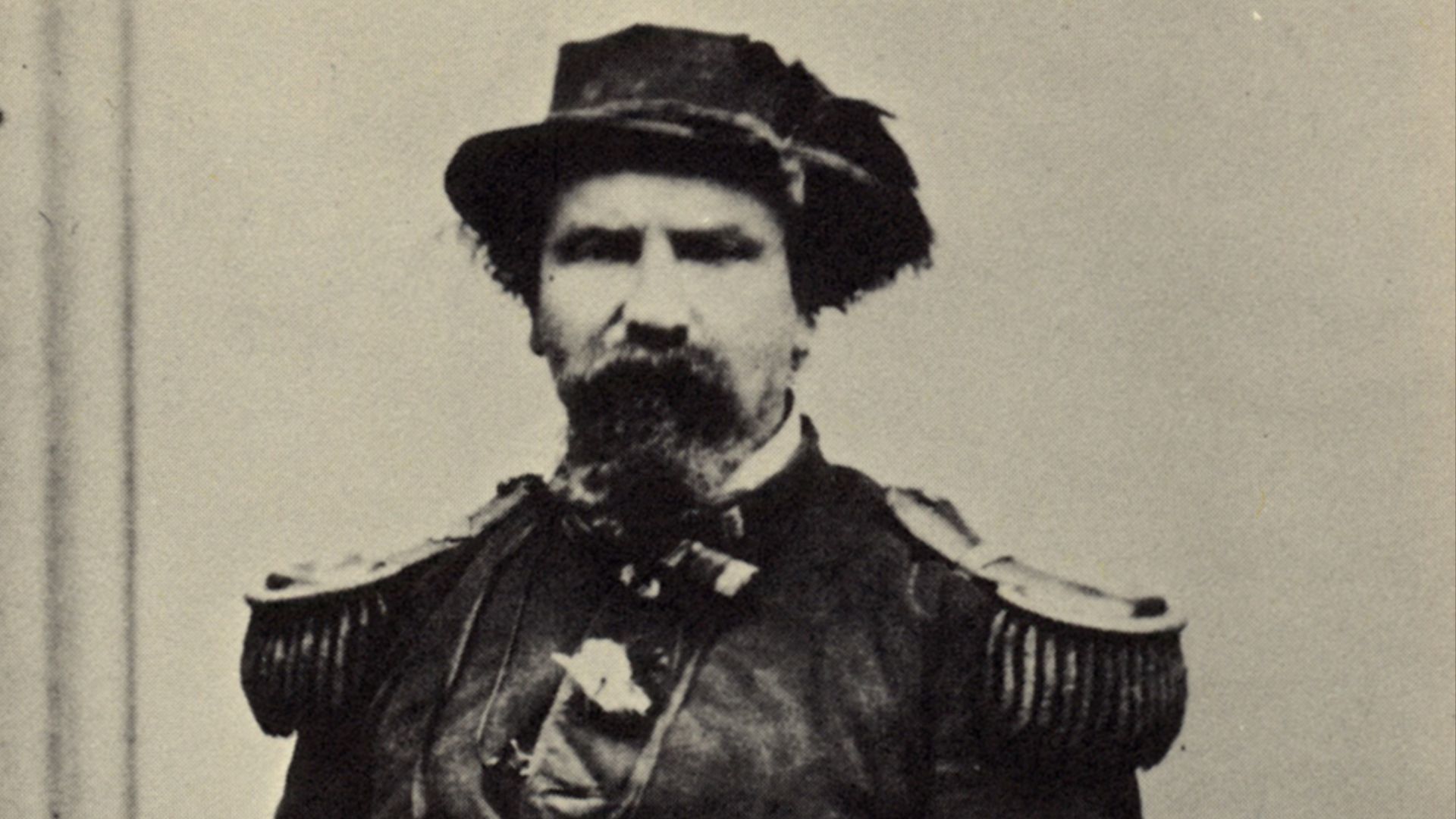
Norton collapsed and died in San Francisco on January 8, 1880, while heading to a lecture. The Museum of the City of San Francisco records that roughly 10,000 people attended his funeral and that the procession stretched for about two miles. The man who had possessed no palace, army, or constitutional authority nevertheless received a farewell worthy of a civic celebrity.
 Unknown authorUnknown author, Wikimedia Commons
James Strang Wanted More Than A Religious Following
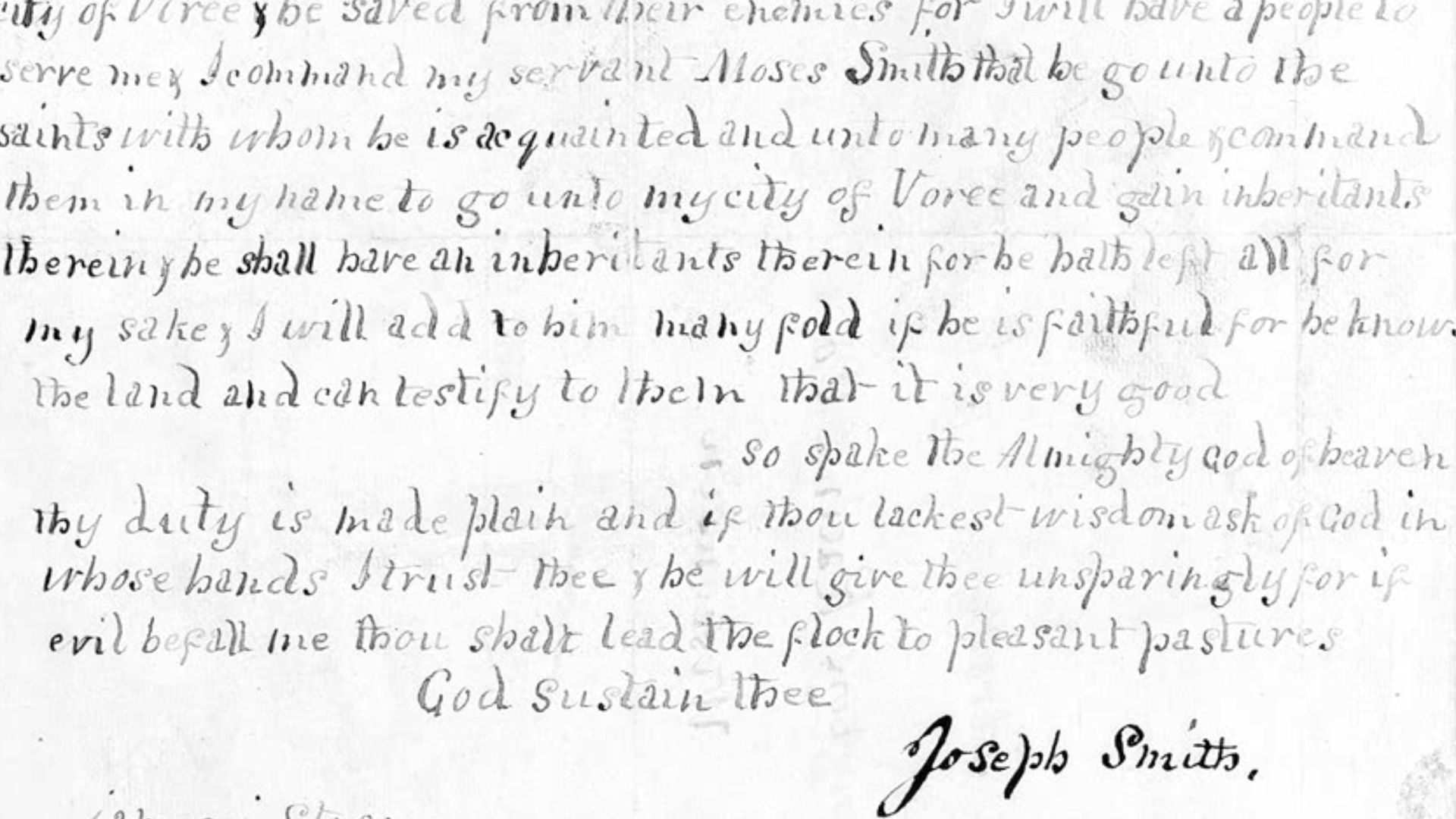
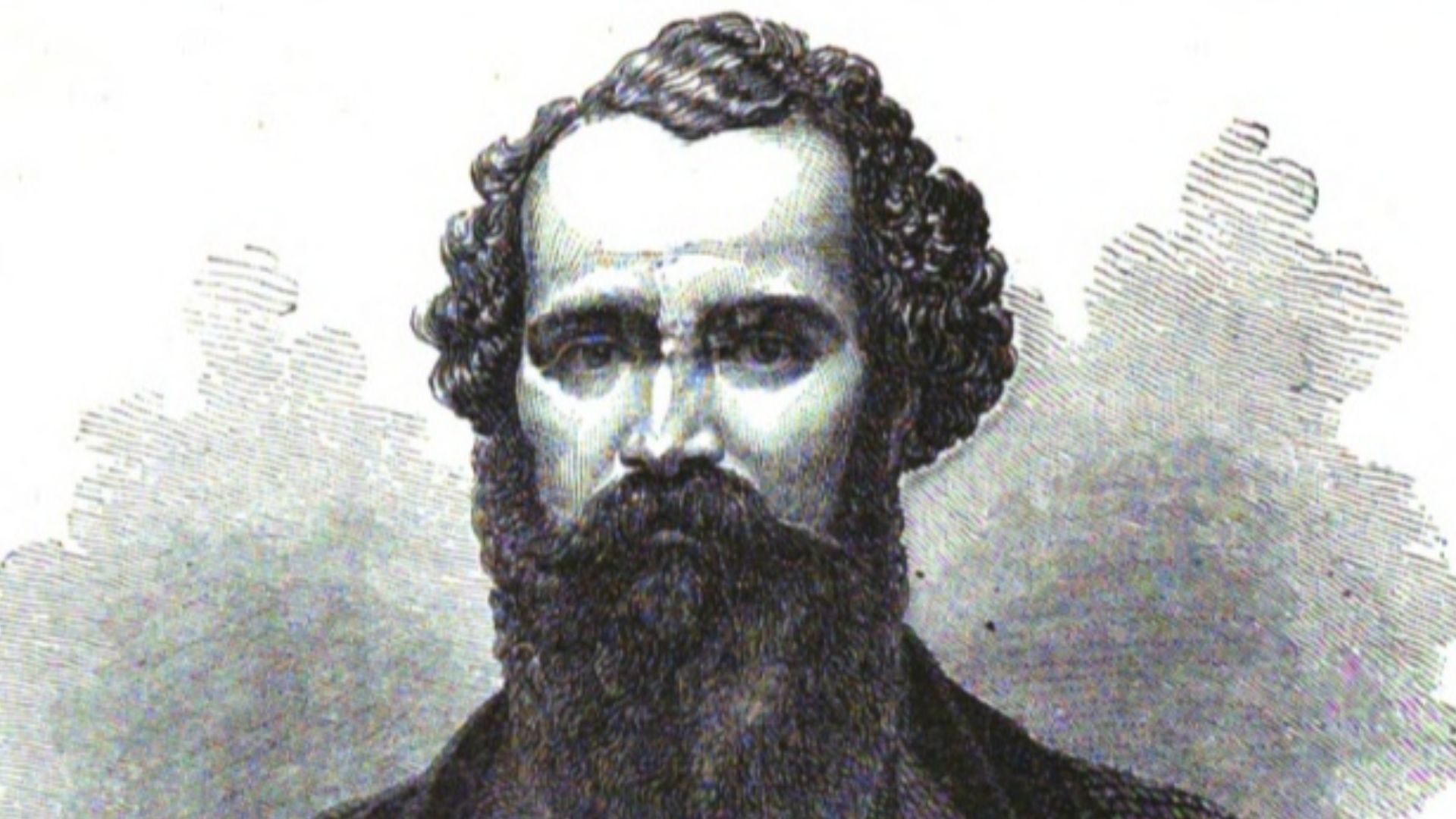
James Jesse Strang began as a lawyer before becoming involved with the Latter Day Saint movement during the 1840s. After Joseph Smith was killed in 1844, Strang produced a letter that he said identified him as Smith's successor, although followers of Brigham Young rejected his claim. Strang then built a separate religious movement of his own.
His Followers Eventually Moved To Beaver Island
Strang first established a religious settlement at Voree in Wisconsin and attracted a substantial following there. Growing hostility and internal tensions helped push his followers toward Beaver Island in Lake Michigan beginning in the late 1840s. The isolated community gave Strang an opportunity to exercise far greater control over his supporters.
 John Hamer at English Wikipedia, Wikimedia Commons
Then Strang Had Himself Crowned King
In 1850, Strang took the extraordinary step of being ceremonially crowned king on Beaver Island. Smithsonian Magazine describes him as a former attorney who became the self-crowned king of the Michigan island and claimed authority through divine right. This was no purely humorous title because Strang combined religious leadership with political and legal authority inside his community.
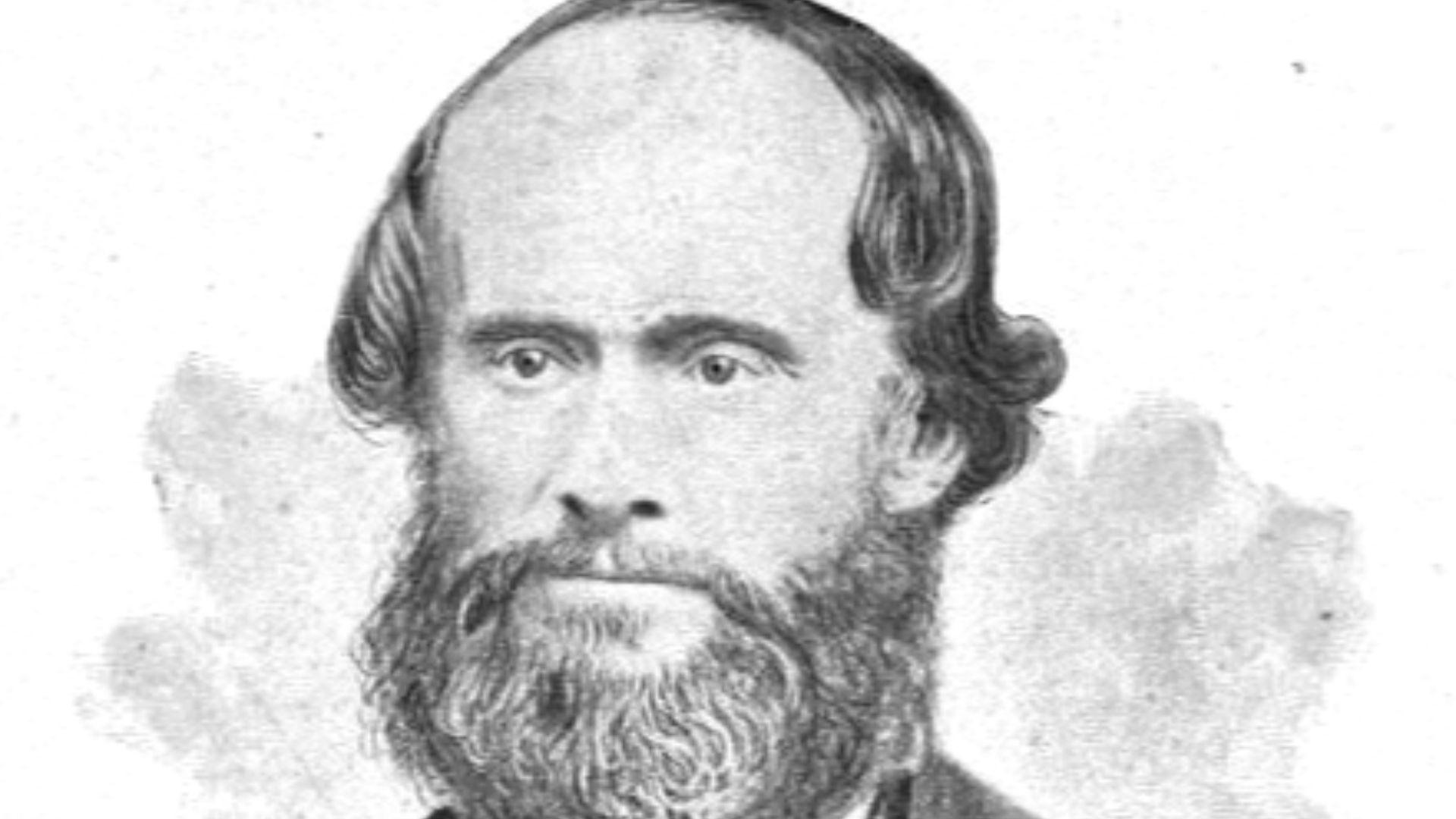 Elizabeth Whitney Williams, Wikimedia Commons

History's most fascinating stories and darkest secrets, delivered to your inbox daily.
King Strang Also Entered American Politics
Strang's royal title did not prevent him from participating in the political institutions of Michigan. He won election to the Michigan House of Representatives, making his story even stranger because the self-declared king simultaneously operated inside an American democratic system. His unusual political career helped make him far more consequential than the typical imaginary monarch.
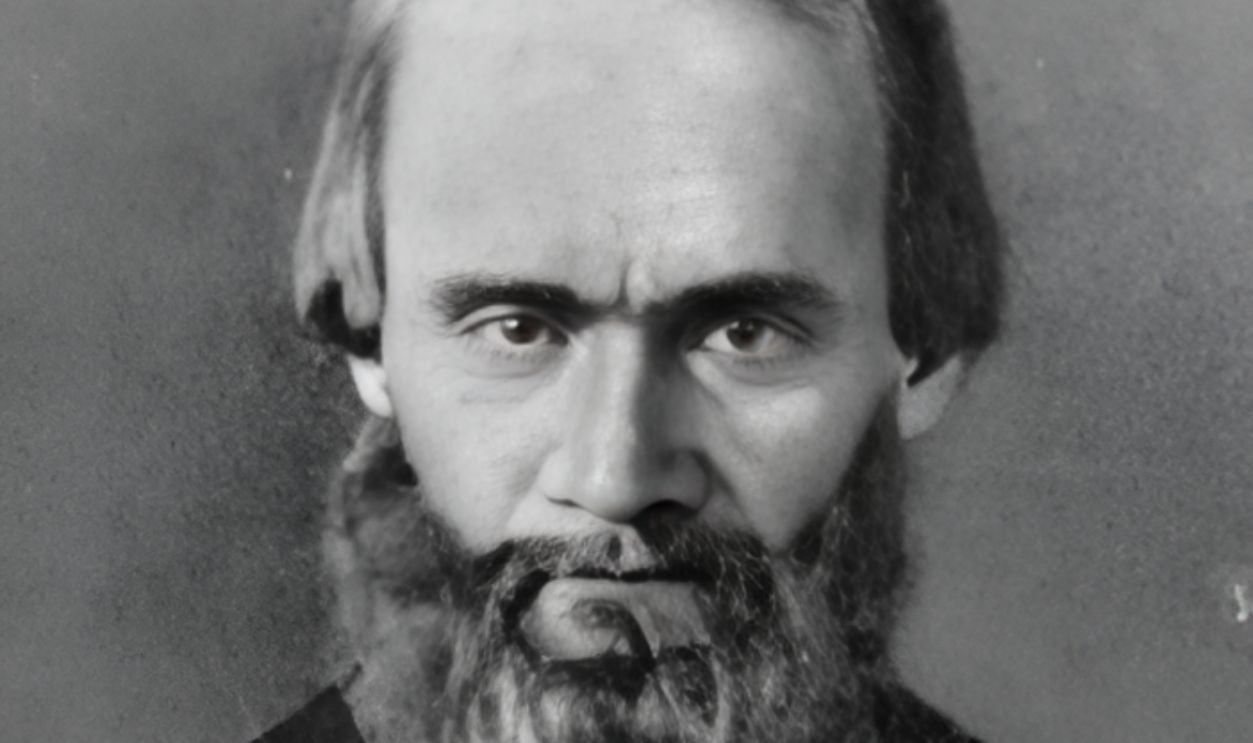 WasTNOT, CC BY-SA 4.0, Wikimedia Commons, Modified
His Kingdom Did Not Survive Him
Strang accumulated bitter enemies both inside and outside his religious community. In 1856, two former followers shot him, and he died several weeks later from his wounds. Without Strang's leadership, his Beaver Island community quickly collapsed and many of his followers departed.

A French Lawyer Dreamed Of A South American Crown
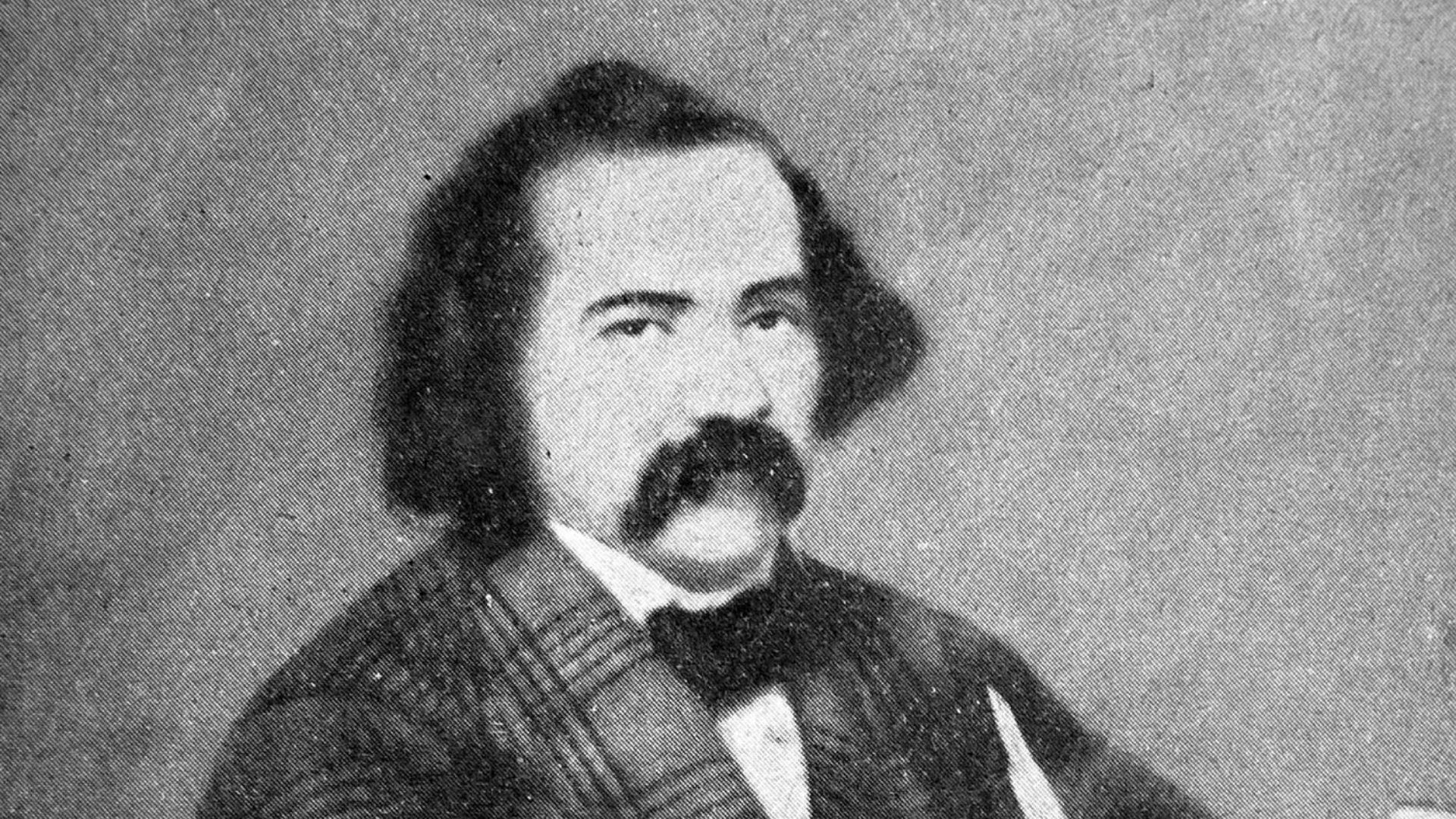
Antoine de Tounens was a French lawyer who traveled to South America during the nineteenth century and became involved with the Mapuche struggle against Chilean expansion. He developed the extraordinary ambition of establishing a monarchy in territories that he called Araucanía and Patagonia. In November 1860, he issued decrees declaring the new kingdom and himself its monarch.
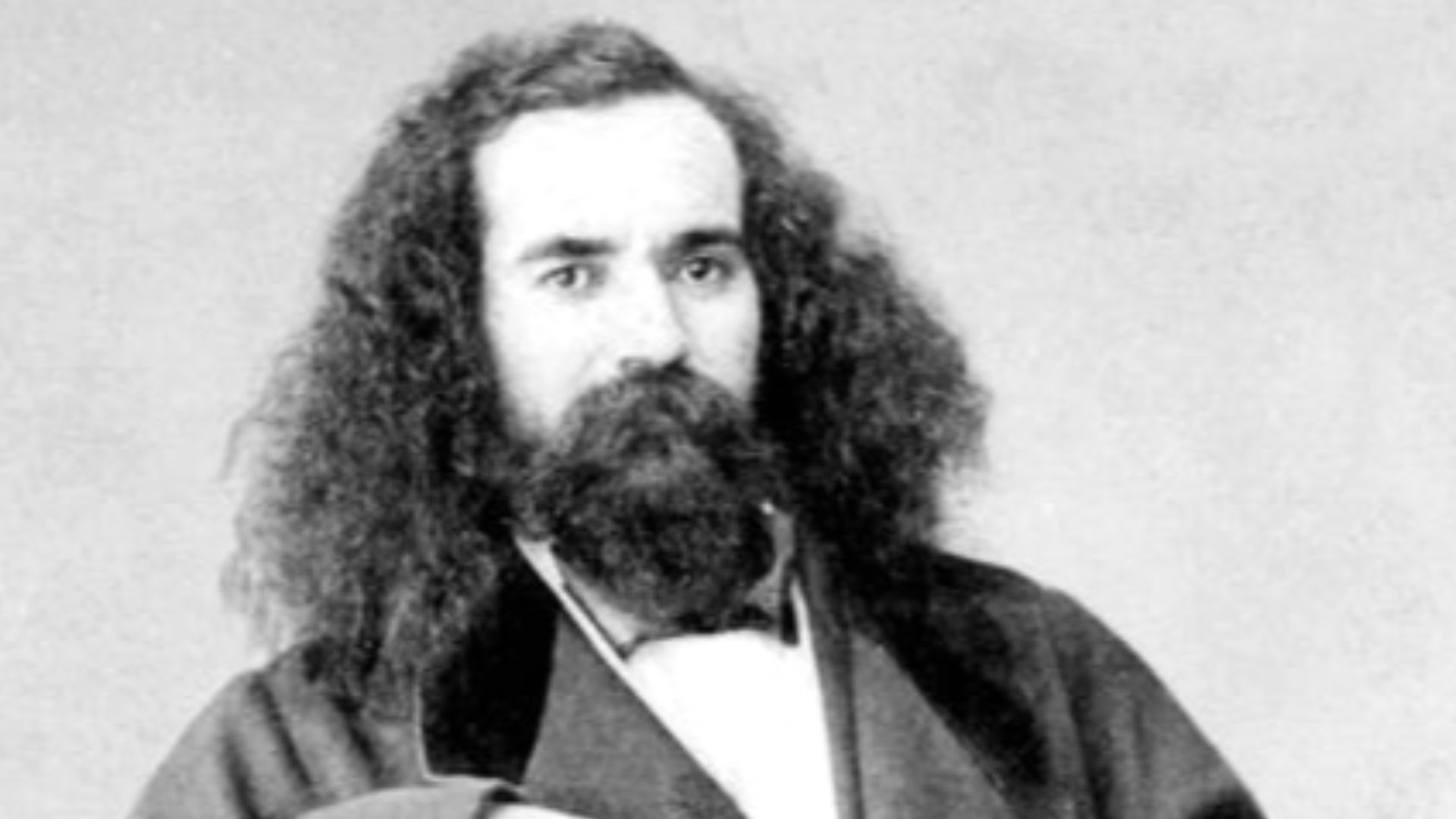 Orélie_Antoine_de_Tounens.jpeg: Desconocido derivative work: Rec79 (talk), Wikimedia Commons
He Became Orélie-Antoine I
De Tounens adopted the royal name Orélie-Antoine I and promoted a constitution for his proposed kingdom. Accounts connected with Mapuche organizations state that some Mapuche leaders supported his appointment and viewed him as a potential foreign ally. His precise standing among the wider Mapuche population remains debated, so his claim should not be mistaken for universally accepted Indigenous sovereignty.
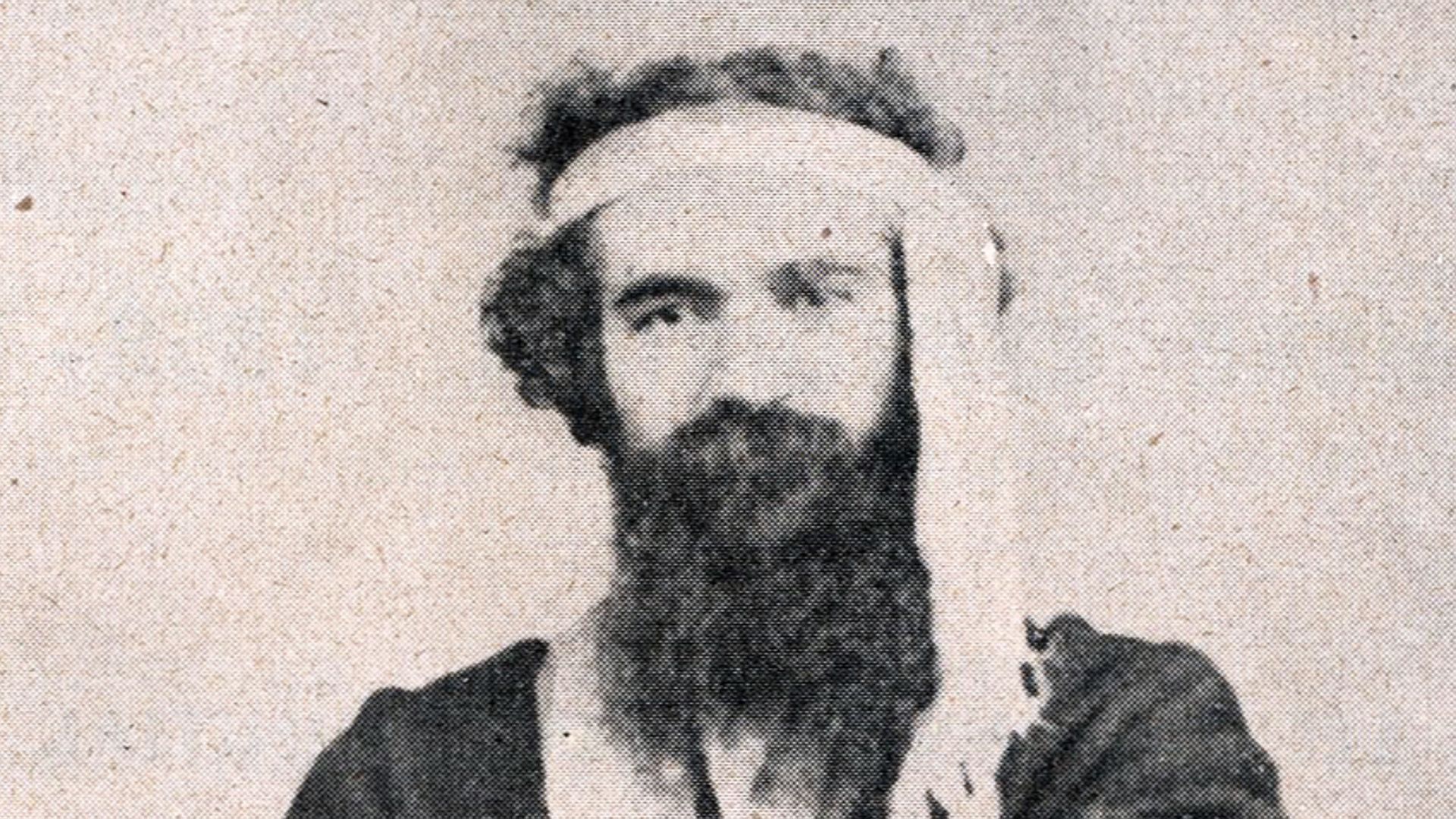 Unknown authorUnknown author, Wikimedia Commons
Chile Was Not Impressed By His New Kingdom
Whatever de Tounens believed about his royal authority, the Chilean government did not recognize his state. Chilean authorities arrested him in 1862, and he was eventually expelled and sent back to France. His kingdom therefore existed more convincingly on paper and in his imagination than as an internationally recognized country.
 Unknown authorUnknown author, Wikimedia Commons
He Never Really Gave Up His Crown
De Tounens continued promoting his royal claim after returning to Europe and attempted to return to South America. A French court later ruled that he had not established a valid claim to sovereign status. He died in France in 1878, but later pretenders continued claiming succession to the imaginary throne of Araucanía and Patagonia.
Faustin Soulouque Already Had A Country To Rule
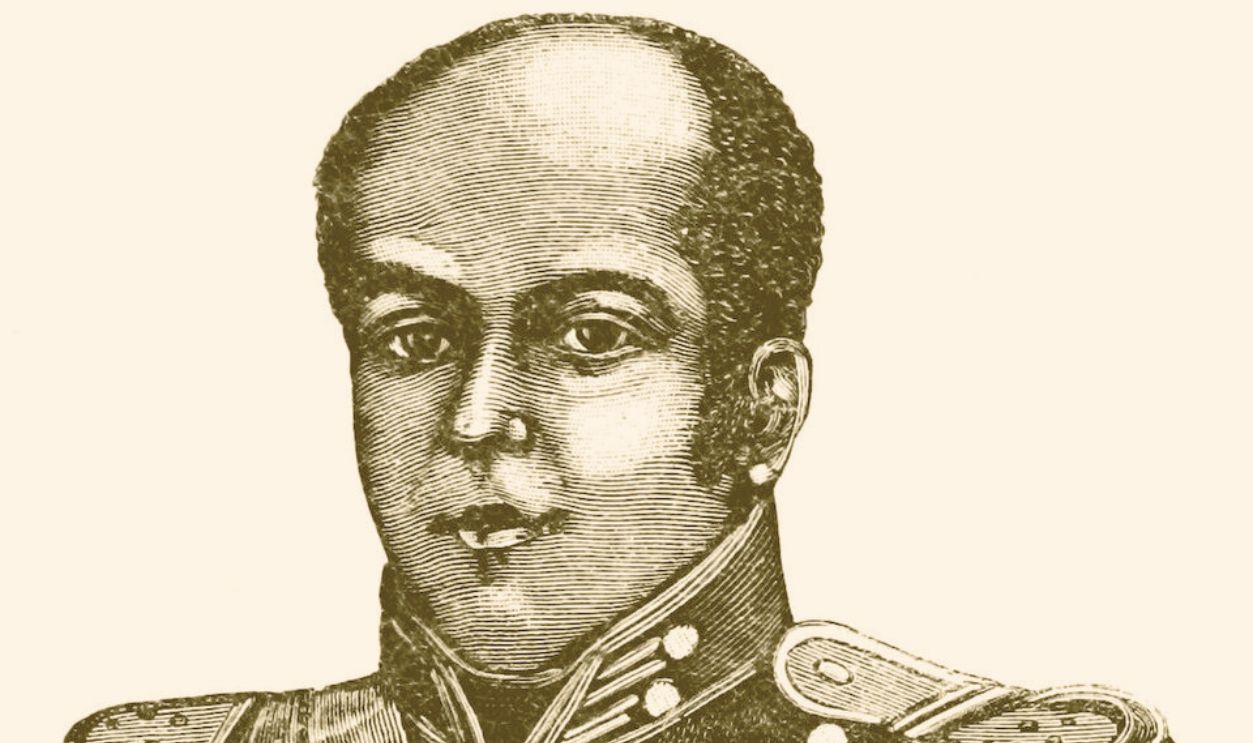
Faustin Soulouque followed a very different path because he did not have to invent a territory before declaring himself royal. Born into slavery in colonial Saint-Domingue, he rose through the Haitian military and became president of Haiti in 1847. Political elites had expected him to be manageable, but Soulouque quickly consolidated power for himself.
 C. Dietrich, Wikimedia Commons
The President Became Emperor Faustin I
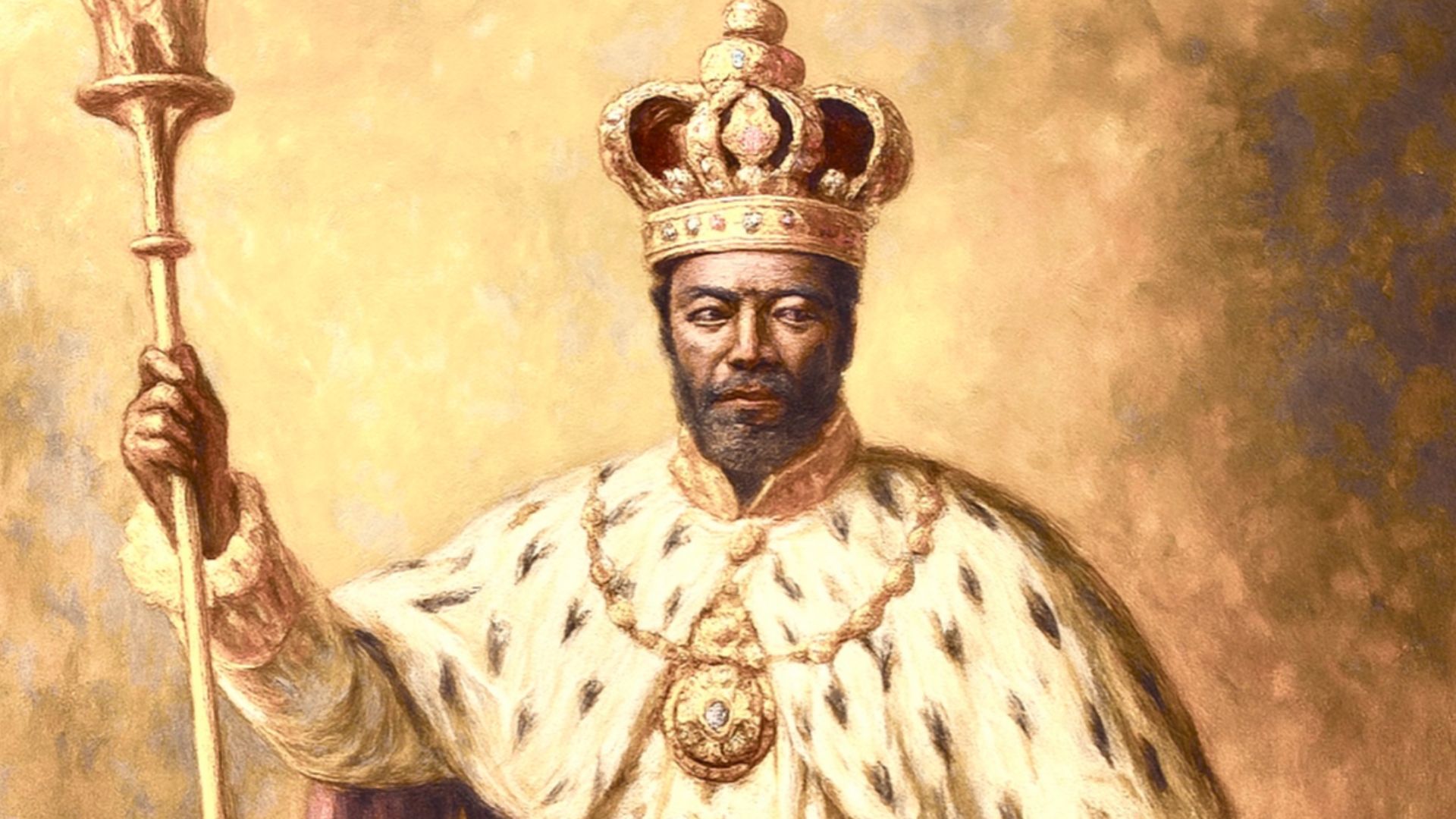
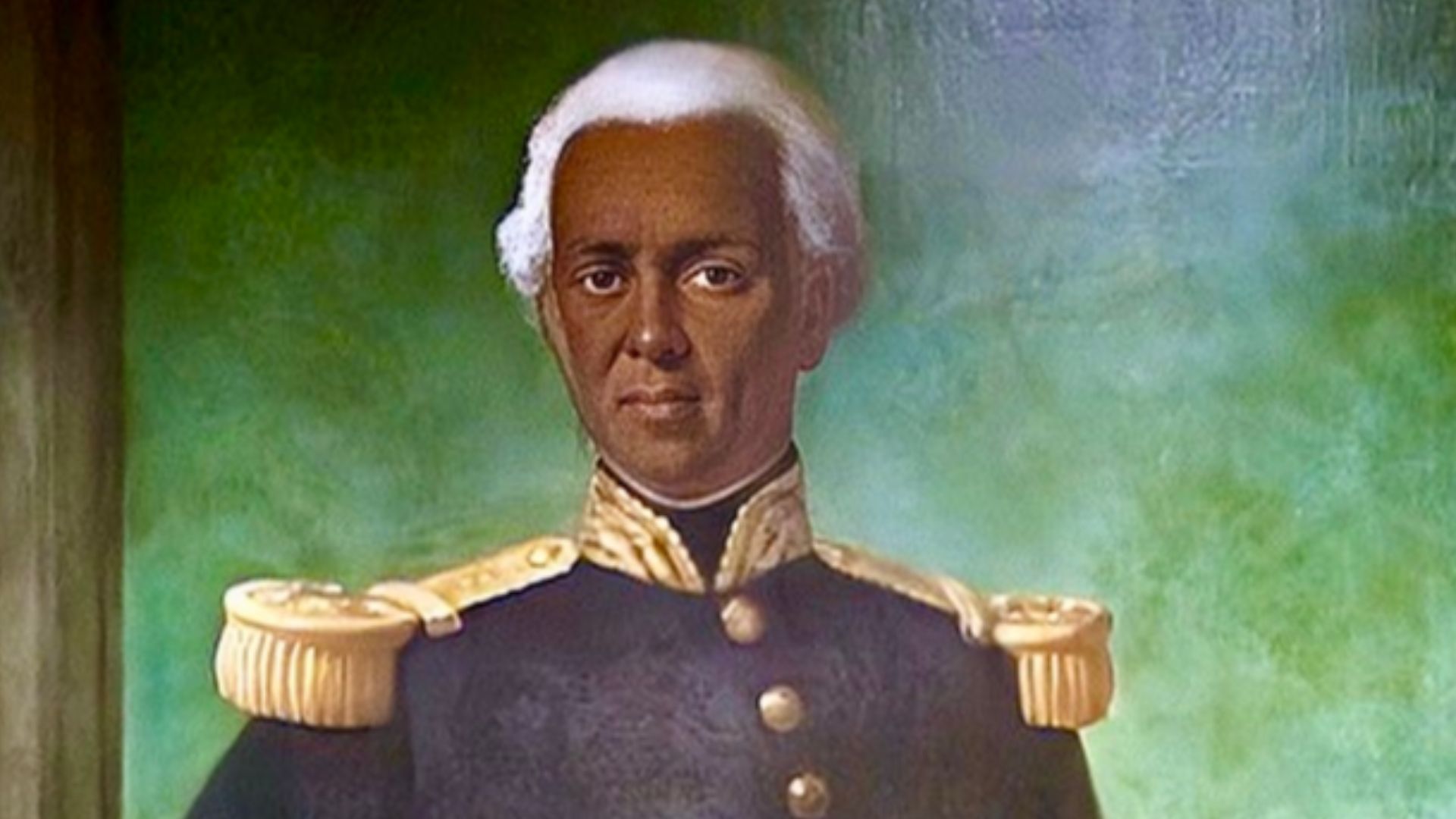
In 1849, Haiti abandoned its republican form of government and Soulouque became Emperor Faustin I. The Bibliothèque nationale de France records that the former president was proclaimed emperor under that name in August 1849. Unlike Norton or de Tounens, Soulouque commanded an existing government, military, and national bureaucracy.
He Built A Full Imperial Court
Soulouque did more than change the name on his office door. His regime created an imperial nobility and surrounded the emperor with the pageantry associated with European monarchy. He staged an elaborate formal coronation in 1852, several years after first assuming the imperial title.
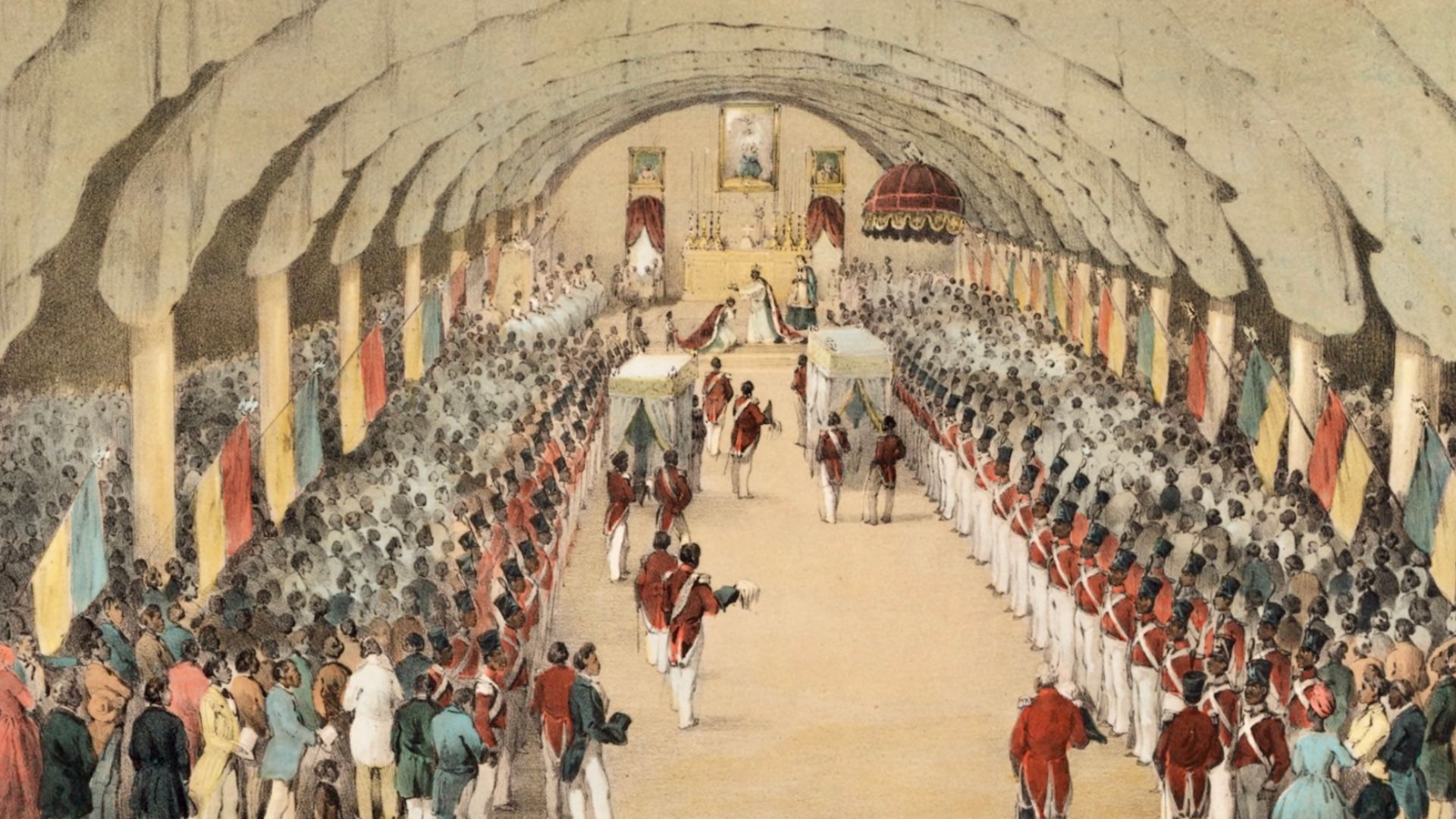
Haiti Eventually Became A Republic Again
Soulouque remained emperor until opposition led by General Fabre Geffrard forced him from power in 1859. He left Haiti for exile, and the republican system was restored. His decade-long imperial experiment remains one of history's clearest examples of an elected president transforming his own office into a throne.
 Louis Rigaud (1850-1915); Fotaage, Wikimedia Commons
Jean-Bédel Bokassa Took The Same Idea Even Further
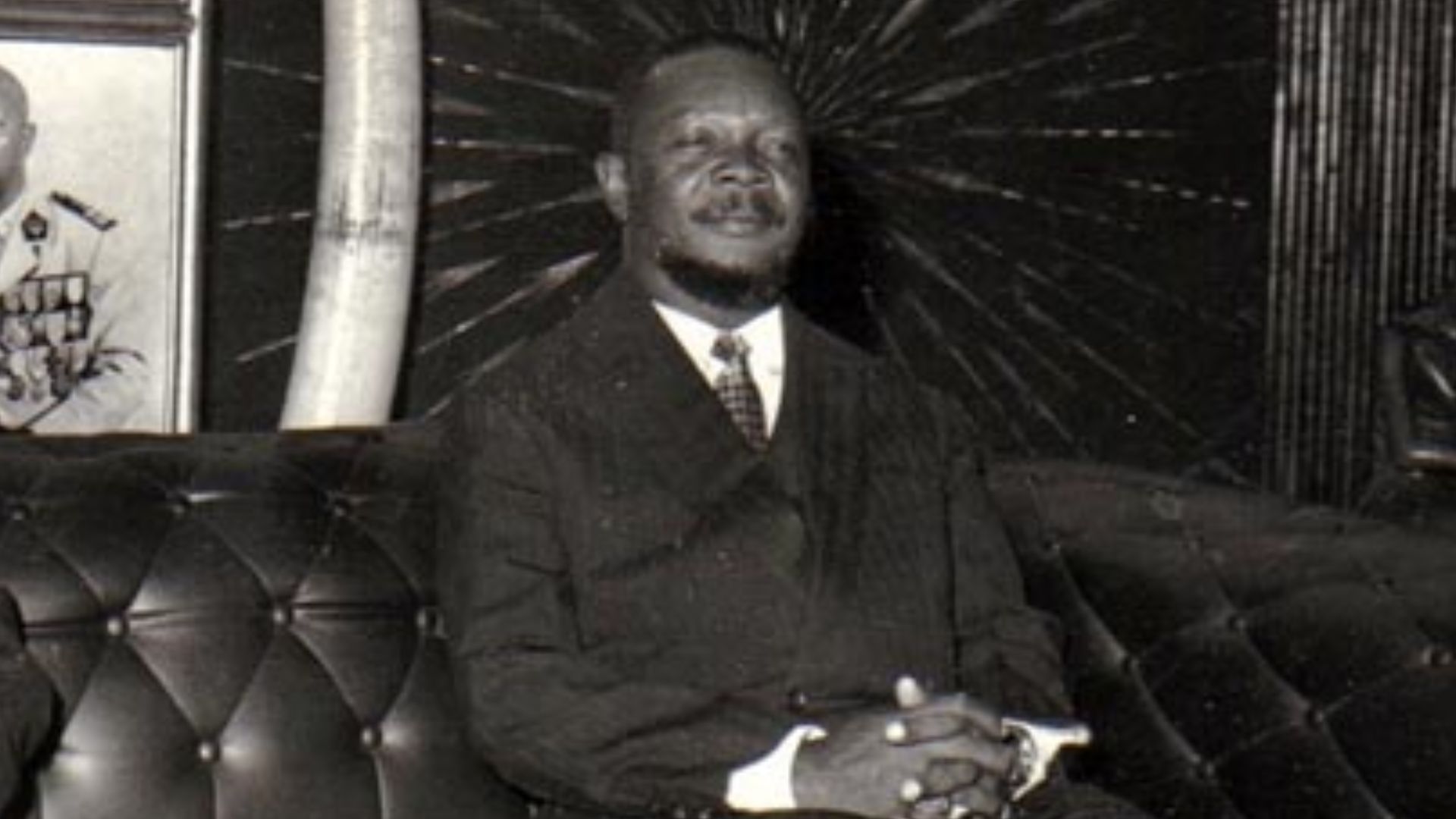
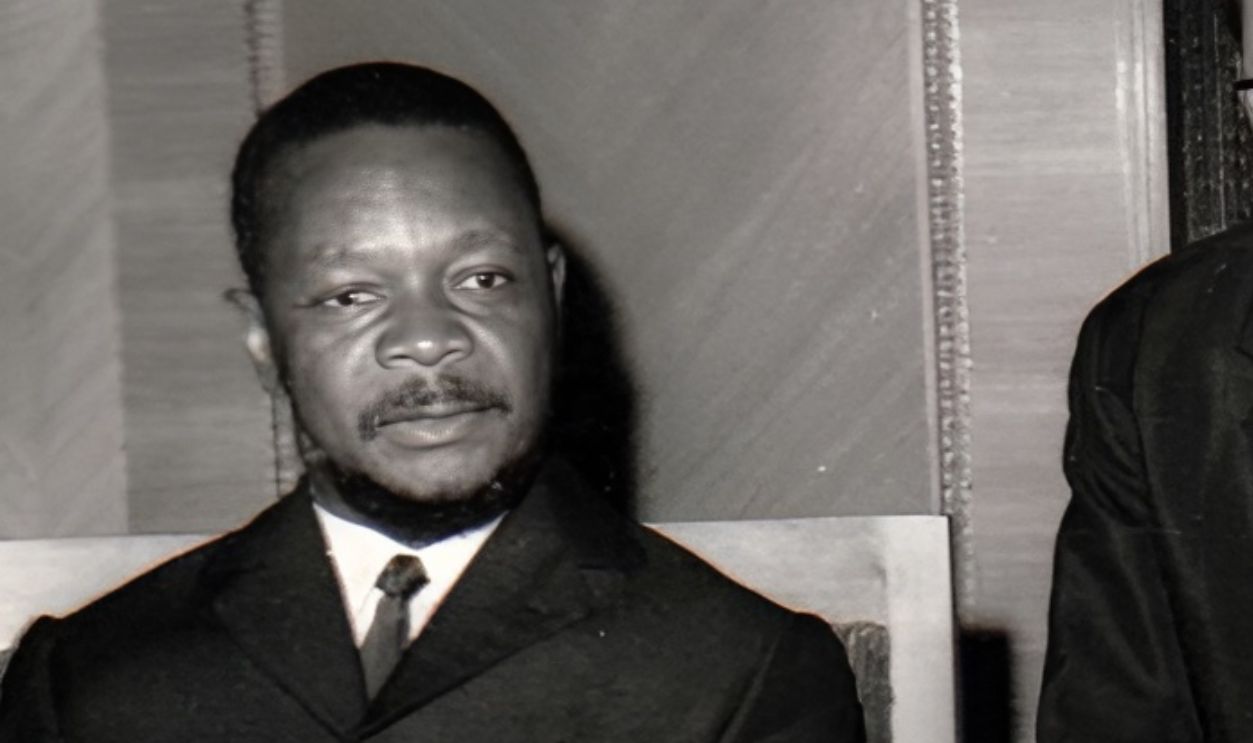
More than a century later, Central African ruler Jean-Bédel Bokassa followed an eerily similar path. Bokassa had seized power in a military coup at the end of 1965 and became president of the Central African Republic. He later made himself president for life before deciding that even that title was apparently insufficient.
 unknown, image comes from the National Archives, Wikimedia Commons
A Republic Suddenly Became An Empire
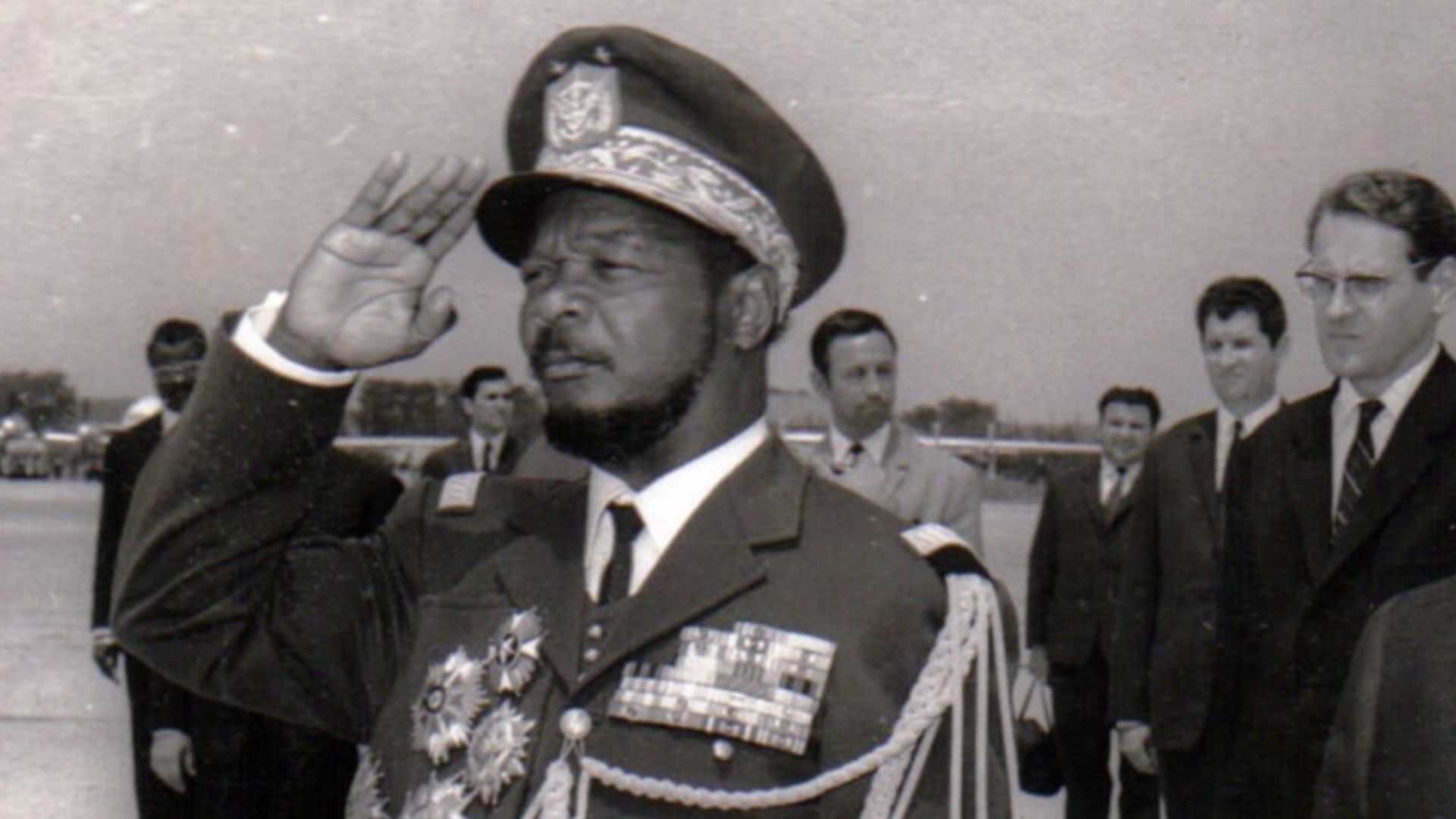
Bokassa transformed the Central African Republic into the Central African Empire in 1976. He adopted the name Bokassa I and prepared an elaborate imperial coronation modeled heavily on European royal spectacle. The shift was not the creation of a new independent territory because Bokassa simply converted the state he already ruled into a monarchy.
 unknown, image comes from the National Archives, Wikimedia Commons
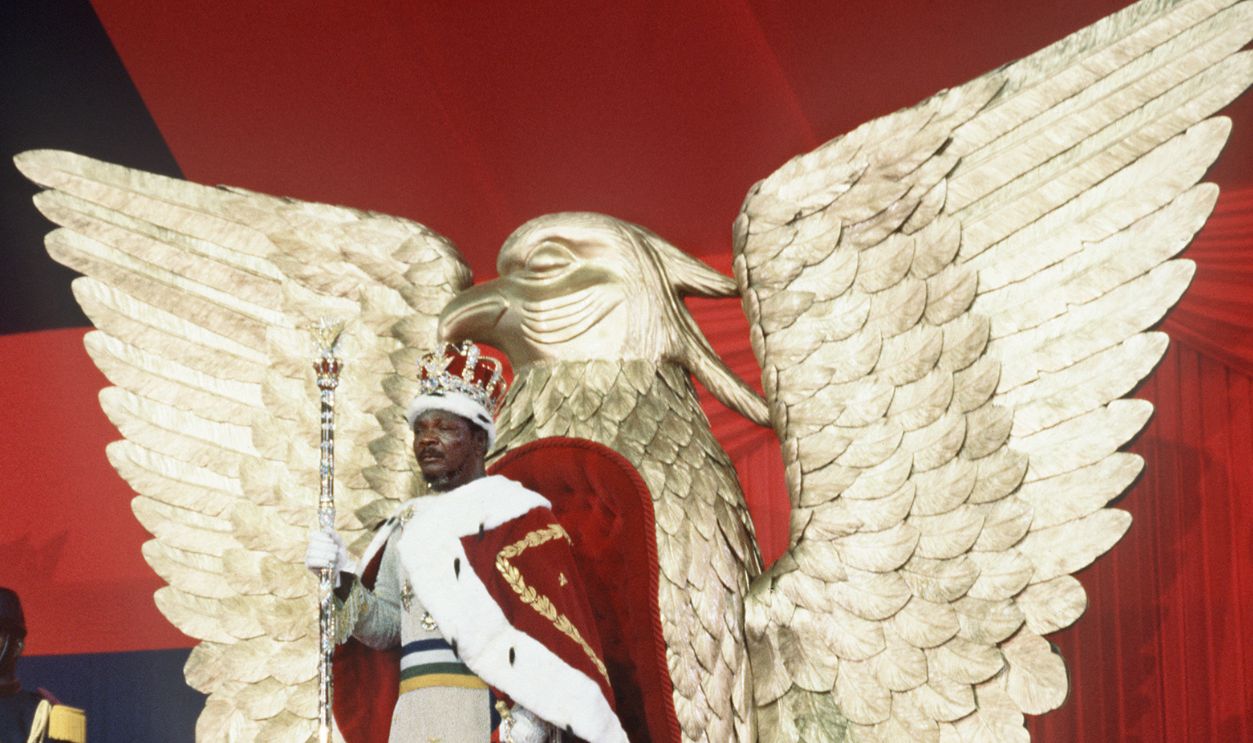
Bokassa Literally Crowned Himself
On December 4, 1977, Bokassa placed a jewel-covered crown on his own head during an enormous ceremony in Bangui. Contemporary Washington Post coverage described thousands of courtiers, dignitaries, guests, elaborate decorations, and a giant eagle-shaped throne. The obvious inspiration was Napoleon, another ruler famous for placing a crown on his own head.
The Empire Lasted Less Than Three Years
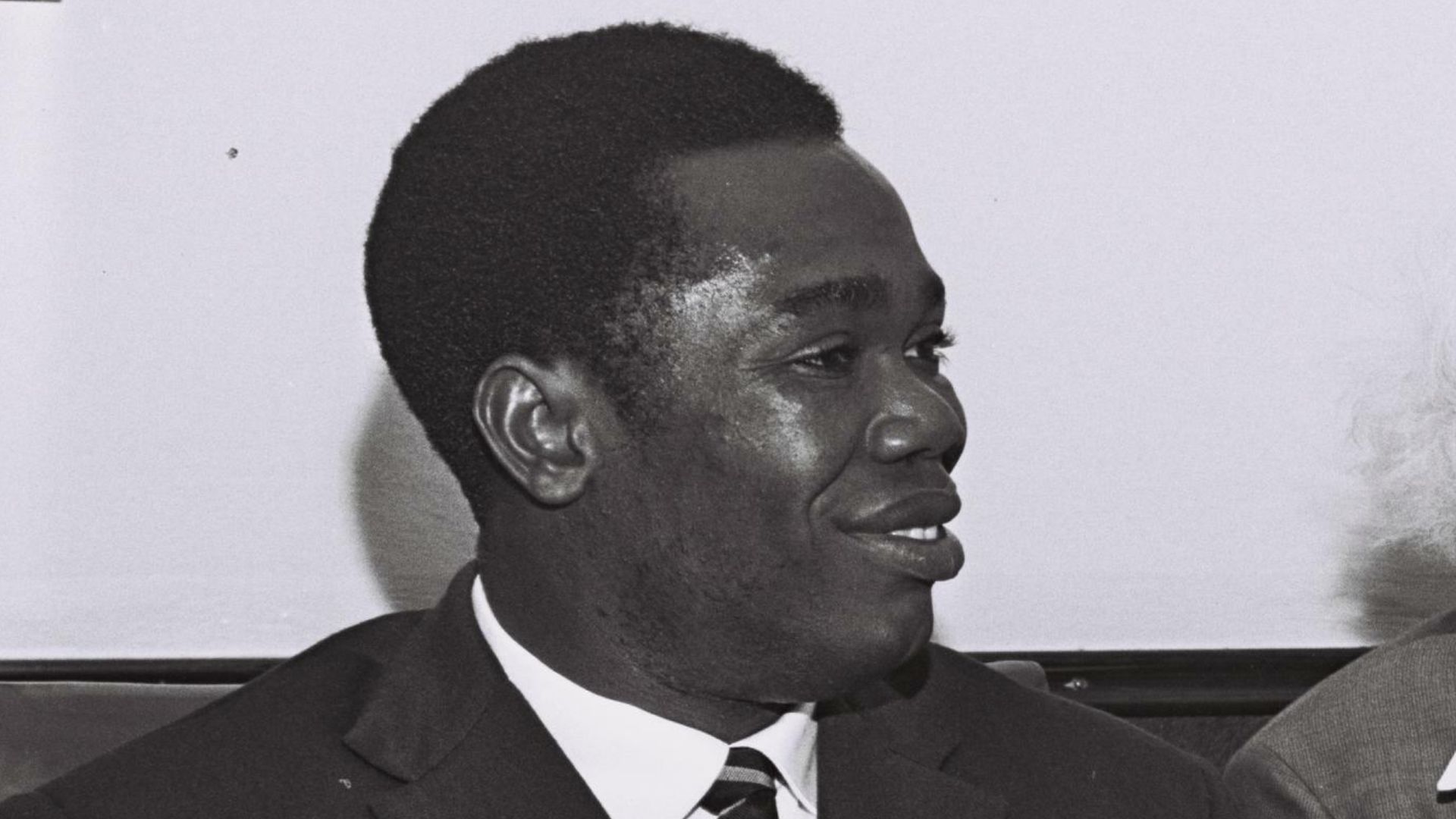
Bokassa's imperial reign proved brief. In September 1979, he was removed from power while abroad, and former president David Dacko returned with French military support. The Central African Empire disappeared almost as abruptly as it had been created, and the country once again became a republic.
 Moshe Pridan, Wikimedia Commons
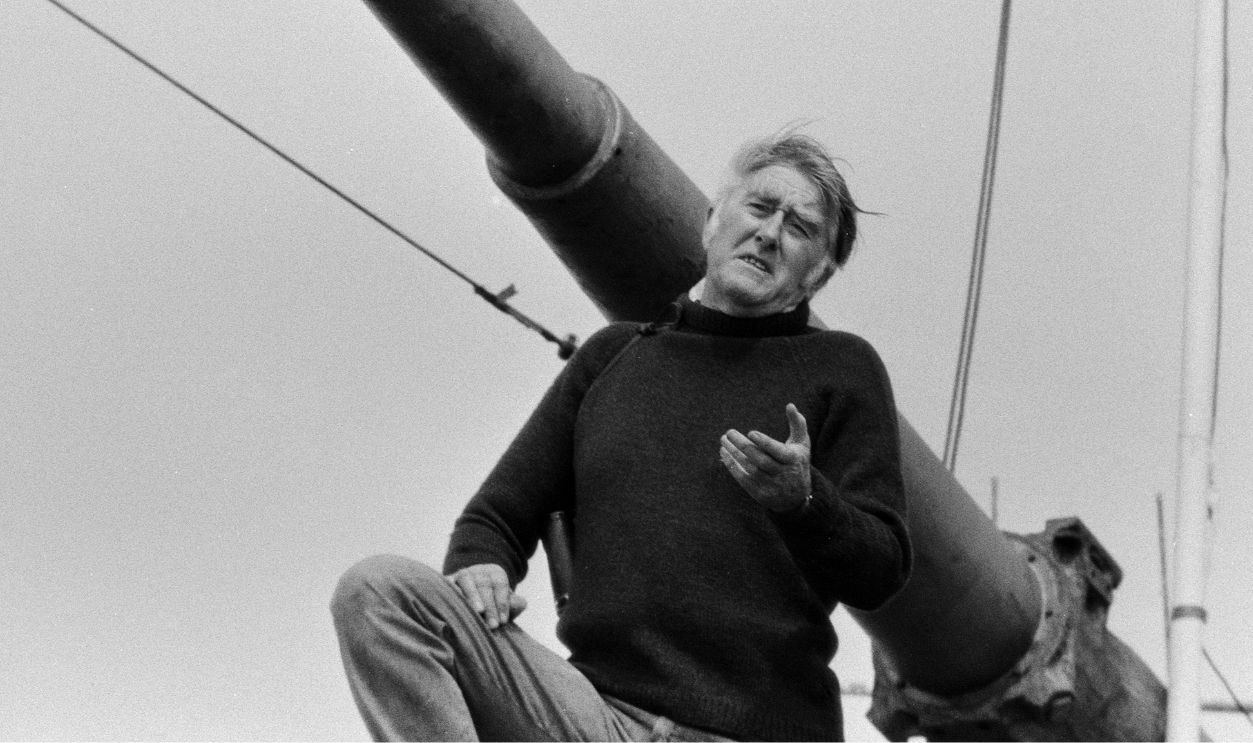
Roy Bates Found His Kingdom In The North Sea
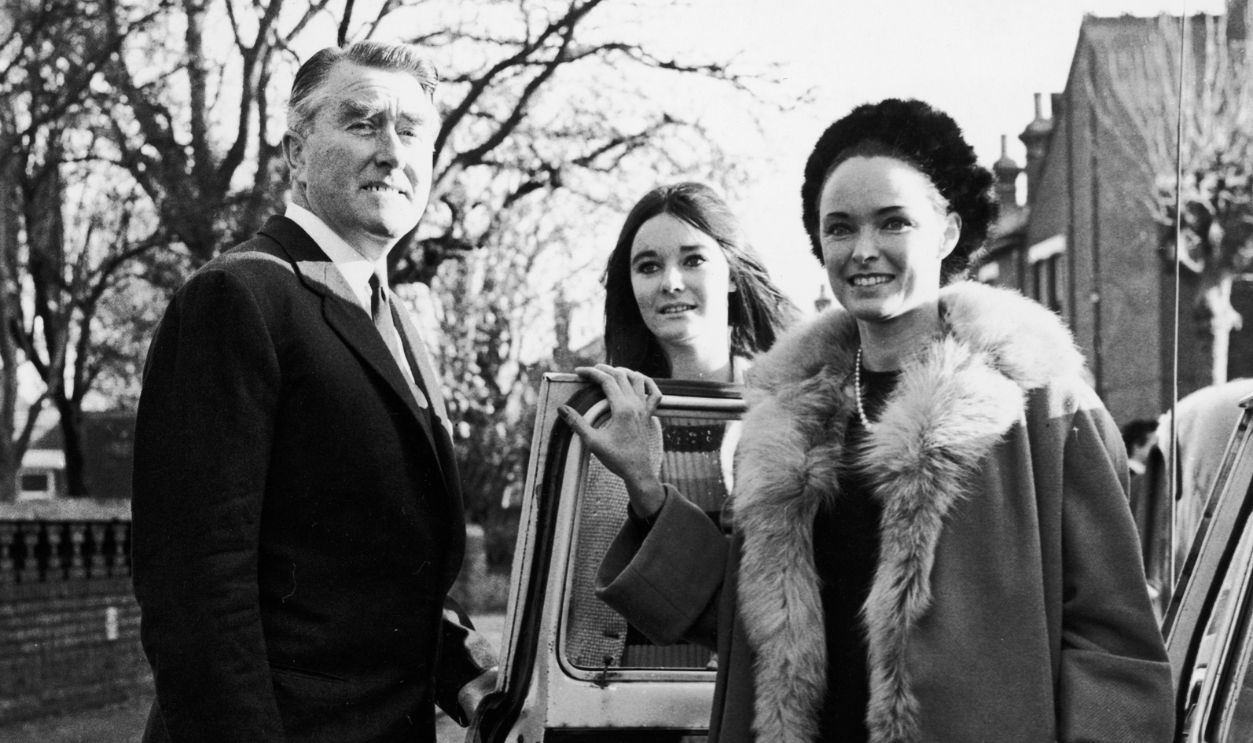
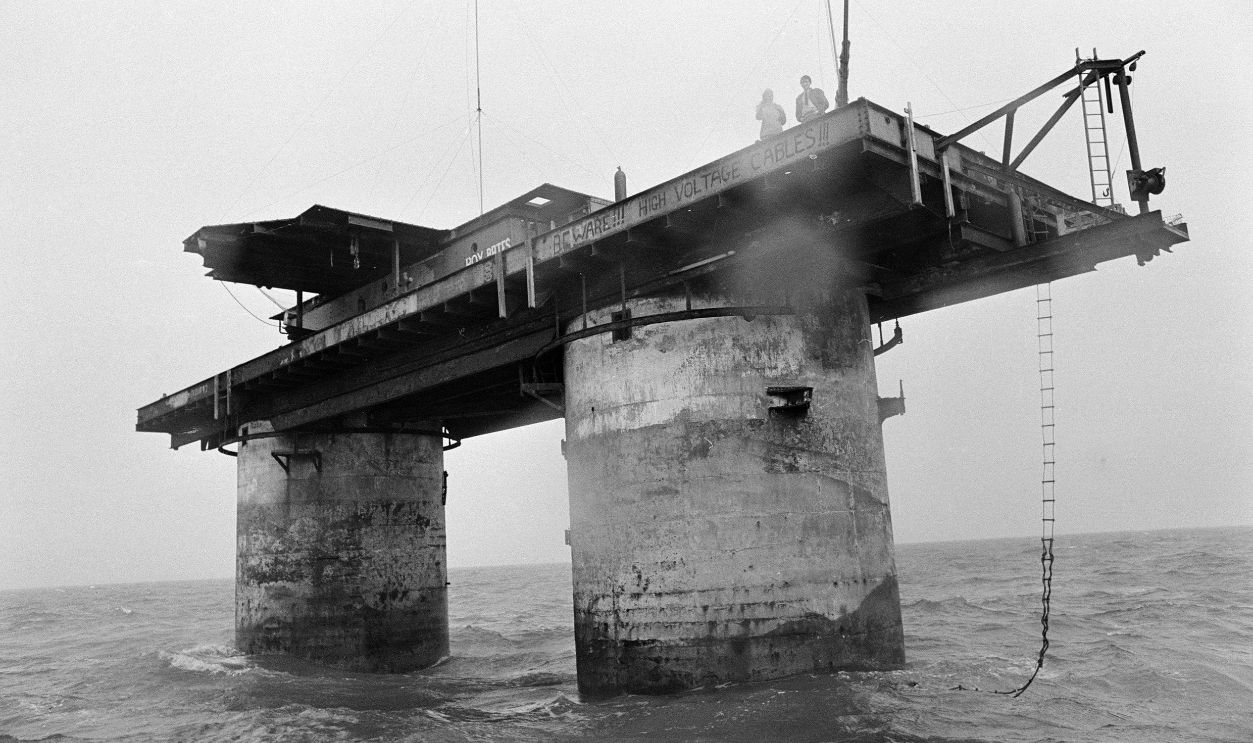
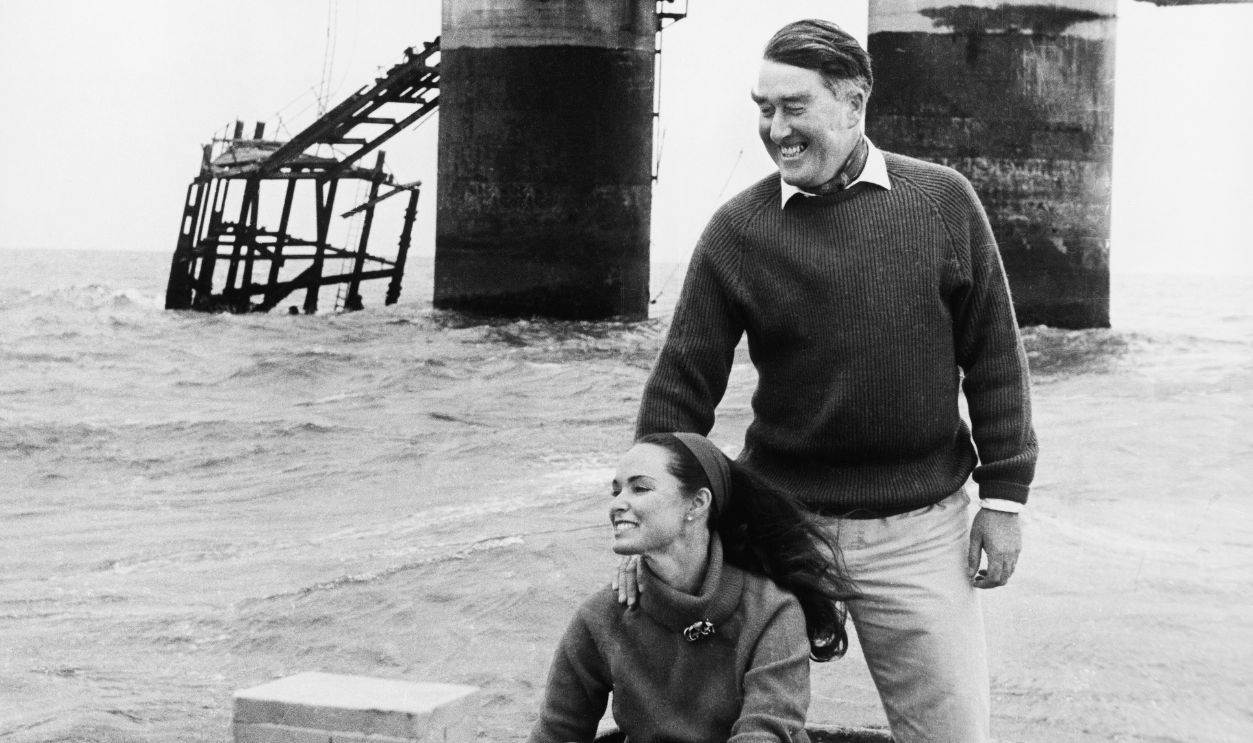
Paddy Roy Bates had served in the British military and later became involved with offshore pirate radio. In 1967, he occupied Roughs Tower, an abandoned wartime sea fort located off the English coast. Bates declared the platform an independent state called the Principality of Sealand and installed himself as Prince Roy.
 Evening Standard, Getty Images
Sealand Looked Surprisingly Official
Bates and his family gave their tiny state many of the accessories associated with a real country. Sealand developed its own flag, stamps, coins, passports, anthem, and royal titles. None of those symbols resulted in diplomatic recognition from the United Kingdom or another internationally recognized state.
A British Court Gave Sealand A Famous Boost
In 1968, British authorities prosecuted Bates and his son after shots were fired toward a vessel near the fort. The court concluded that the incident had occurred outside the territorial jurisdiction then claimed by Britain, and the case was dismissed. Bates treated the ruling as evidence supporting Sealand's independence, although the court did not formally recognize Sealand as a sovereign country.
Sealand Even Survived A Bizarre Coup
In 1978, associates involved in a proposed business venture seized the fort while Bates was away and detained his son Michael. Bates organized a counterattack using a helicopter and retook Sealand. The episode sounds invented, but it became one of the most famous chapters in the history of the self-declared principality.
Declaring Yourself Royal Can Mean Very Different Things
These self-created monarchs ranged from Norton, whose empire depended almost entirely on public affection, to Bokassa and Soulouque, who controlled actual governments and armies. Strang built authority over a religious community, de Tounens pursued a disputed territorial claim, and Bates turned a sea fort into an enduring micronational experiment. Their stories show that calling yourself royalty is easy, while persuading everyone else that the crown is legitimate is considerably harder.
 unknown, image comes from the National Archives, Wikimedia Commons, Modified
You May Also Like:
The Weirdest Rules People Once Followed At Work
The Discovery Of A Bronze Age Blade Workshop In Southern Israel
Resilient Facts About Ellen Burstyn, The Actor Who Worked With The Devil