
He Fought Against Two
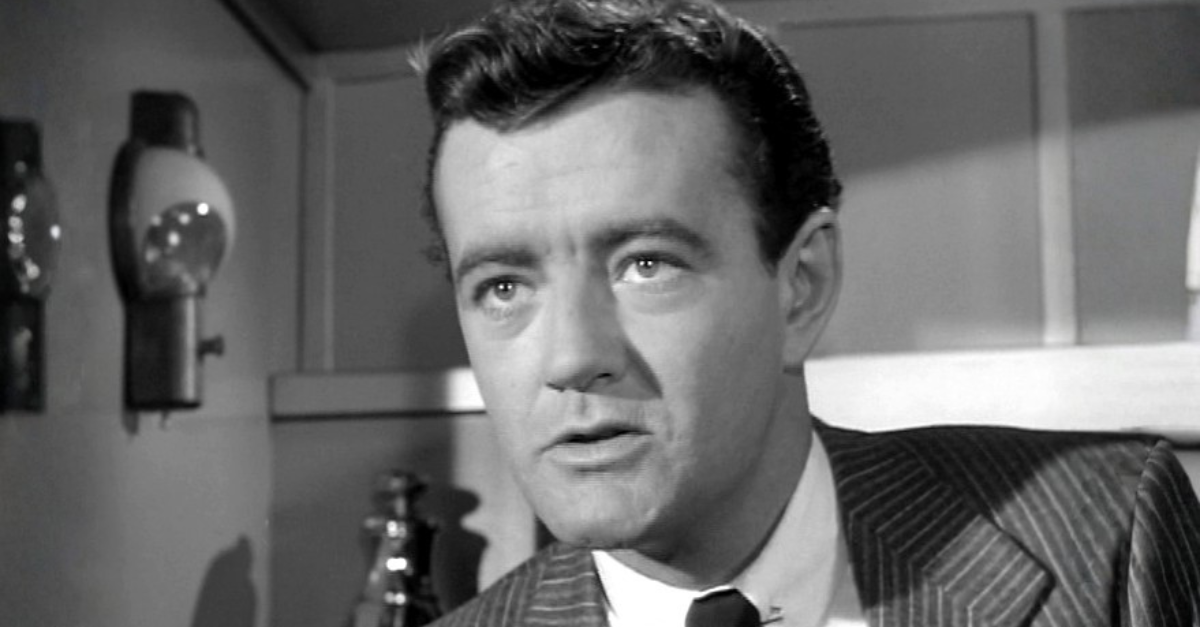
Robert Walker had a life that seemed perfect. He and his wife, Jennifer Jones, were the perfect Hollywood couple, rounding it out with a great reputation and two lovely sons. Then everything unraveled. Caught between two powerful and ruthless executives—one who wanted his wife, and another seeking revenge—Walker’s life spiraled fast. In the end, he lost everything.
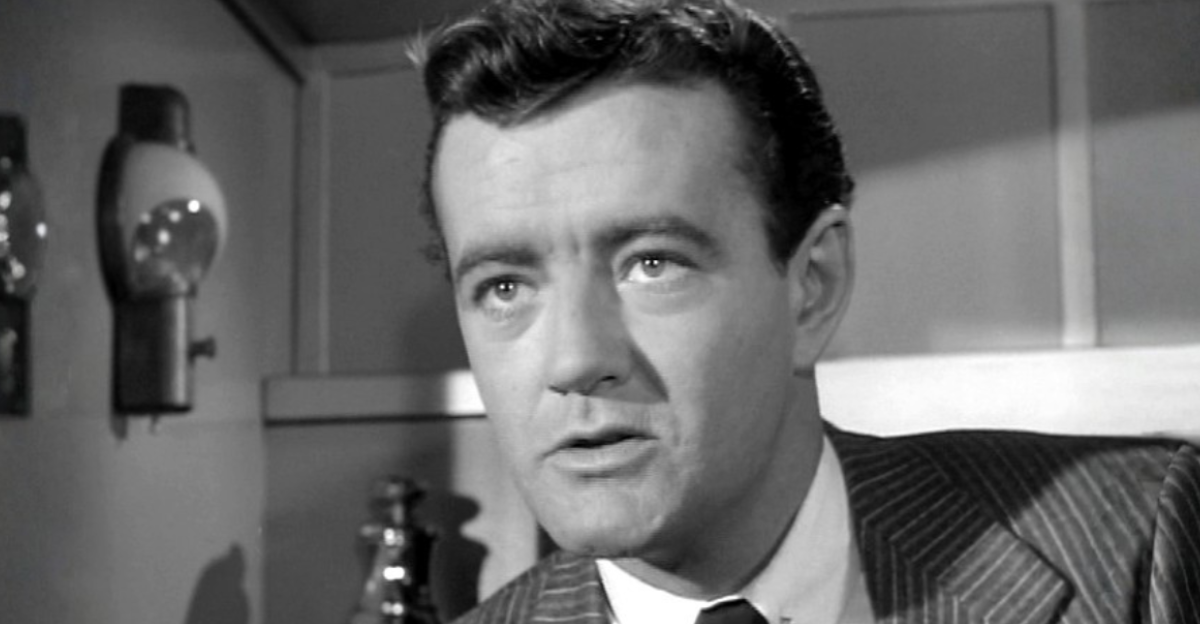 Trailer screenshot, Wikimedia Commons
1. He Faced An Early Loss
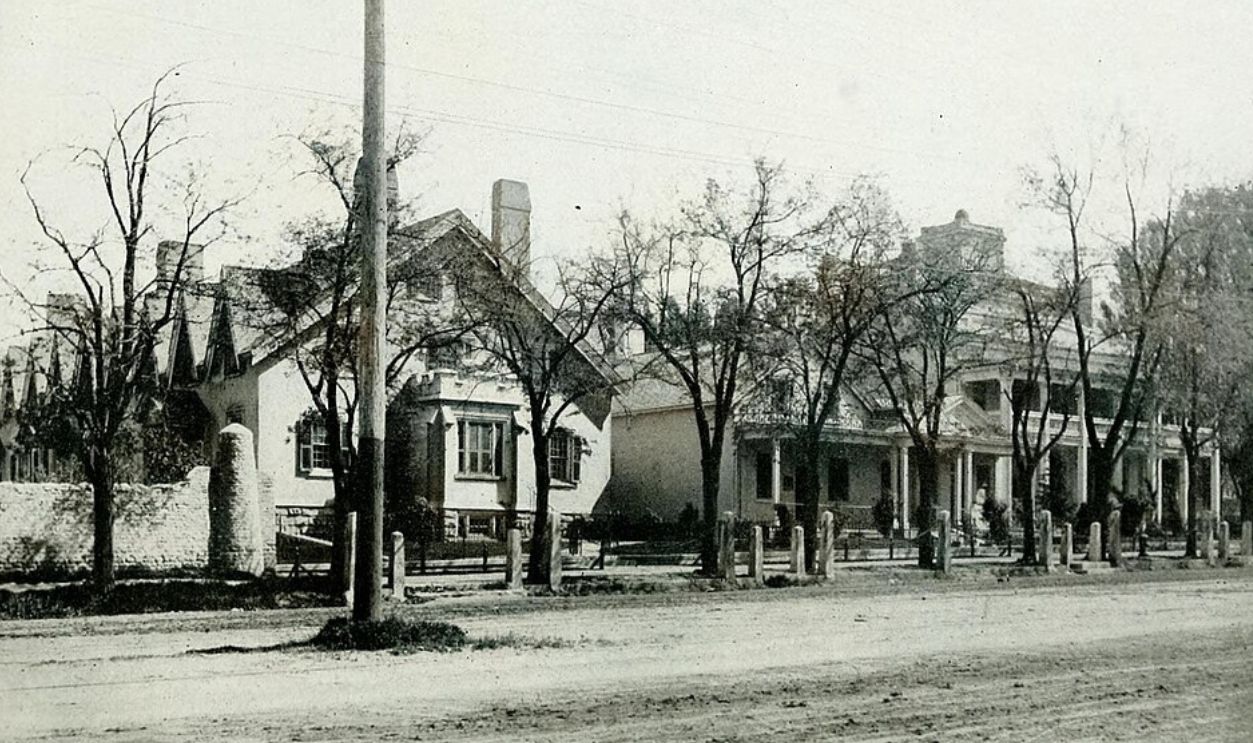
Robert Hudson Walker was born in Salt Lake City, Utah, on October 13, 1918. While still a child, his parents decided to end their marriage. The divorce was hard on Walker, and during that time he turned to acting, seemingly as an emotional outlet.
Unfortunately for him, though, his new outlet cost a pretty penny.
 Internet Archive Book Images, Wikimedia Commons
2. He Had A Guardian Angel
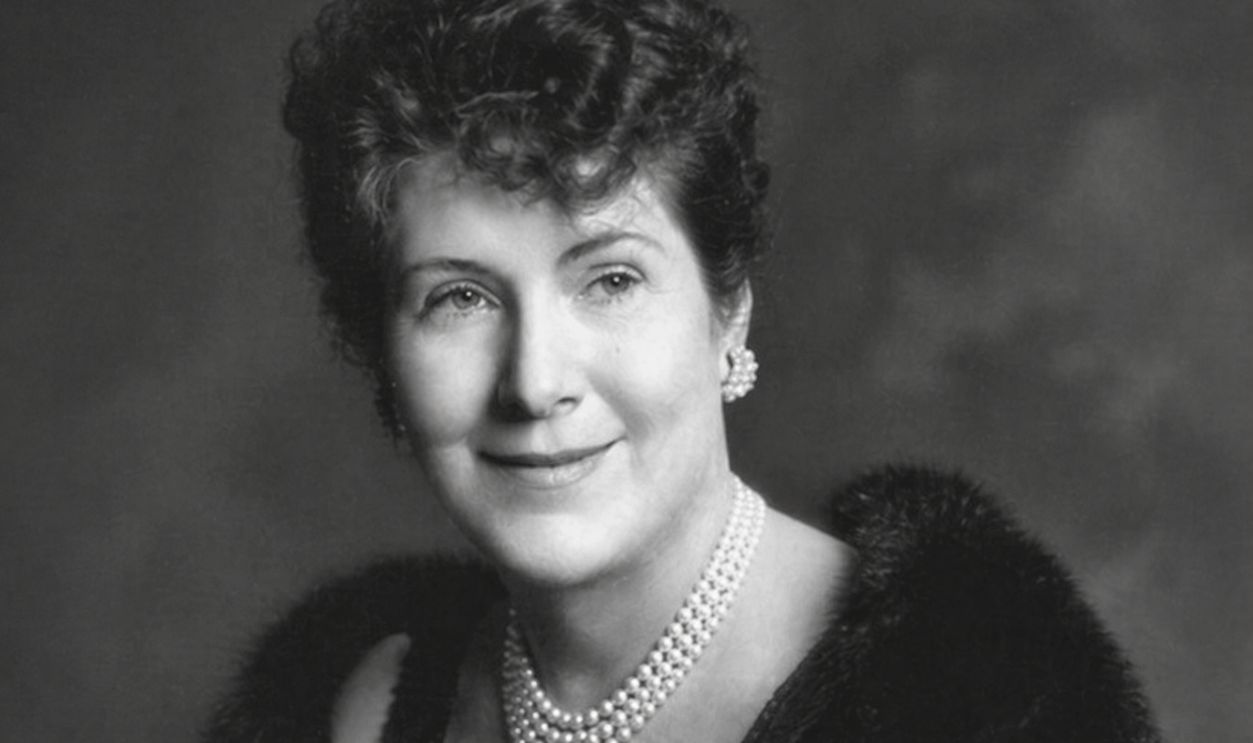
To realize his dream of becoming an actor, Walker wanted to attend acting school. This was expensive, but Walker had a guardian angel. His mother’s sister, Hortense McQuarrie Odlum, just happened to be the president of the luxury department store, Bonwit Teller. She footed the bill, and with that, his life changed forever.
3. He Didn’t Waste Any Time
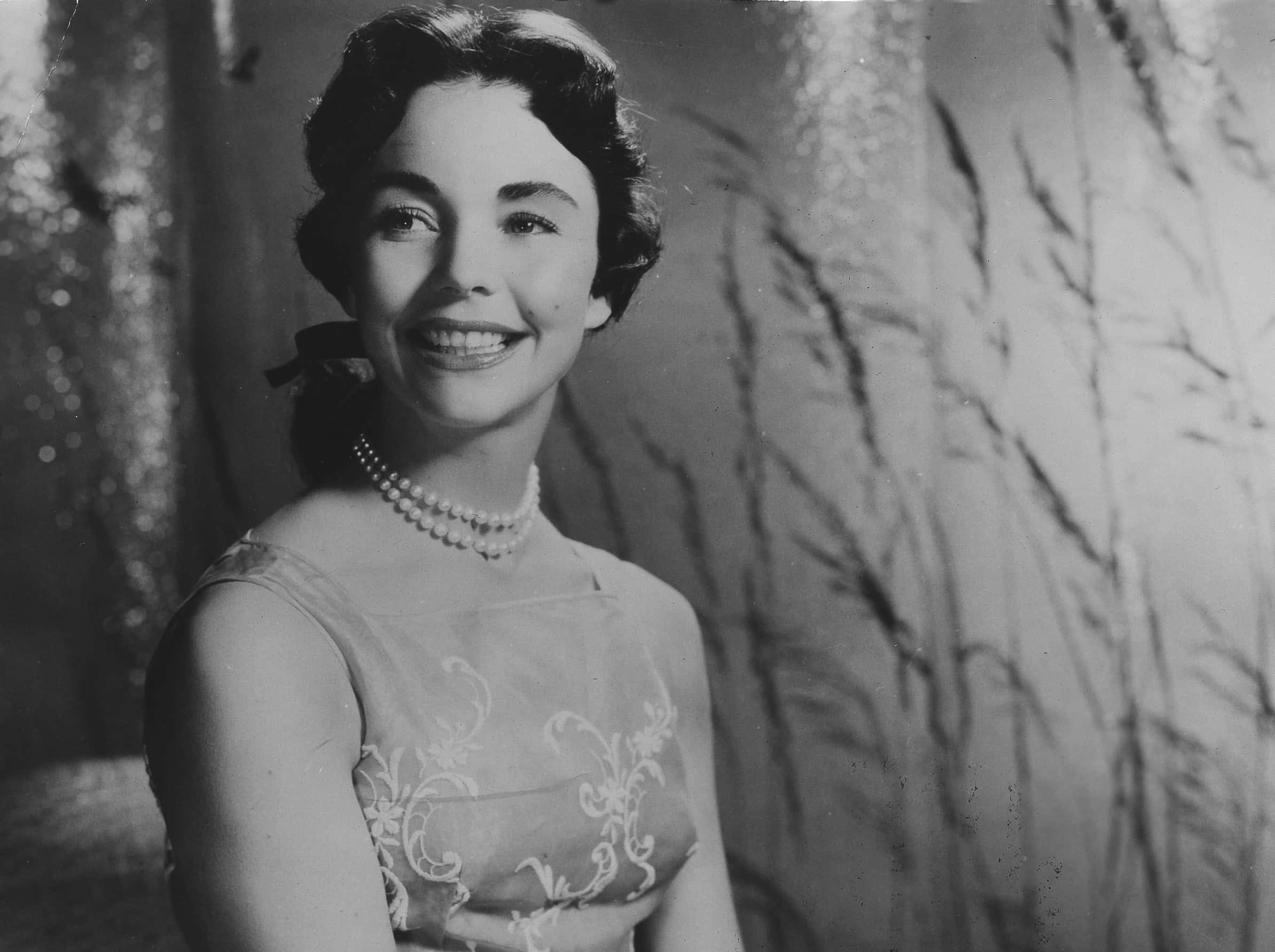
For some, acting school may be an opportunity to play the field. Not Robert Walker. He soon met fellow student Phylis Isley, who had also been a model. The two started dating, but this courtship was quick. On January 2, 1939, they headed to Oklahoma to tie the knot.
Neither of them knew the troubles that lay ahead.

History's most fascinating stories and darkest secrets, delivered to your inbox daily.
4. She Faced An Early Failure
After working together on a radio show in Oklahoma, Walker and Isley headed to Hollywood.
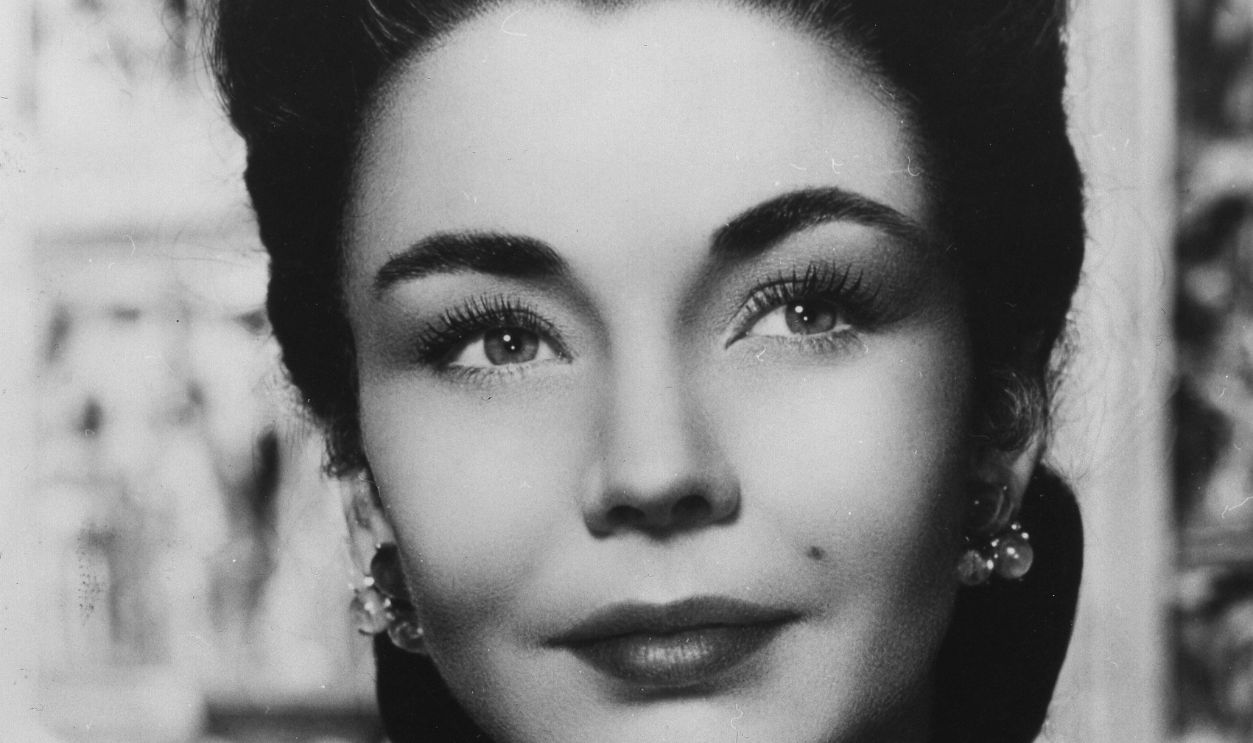
Walker initially got small roles in films, but they weren't big enough to even earn him an acting credit. After two small roles with Republic Pictures, Isley did a screen test for Paramount Pictures. When she failed it, she was through with Hollywood...or so she thought.
 ullstein bild Dtl, Getty Images
5. He Built Family
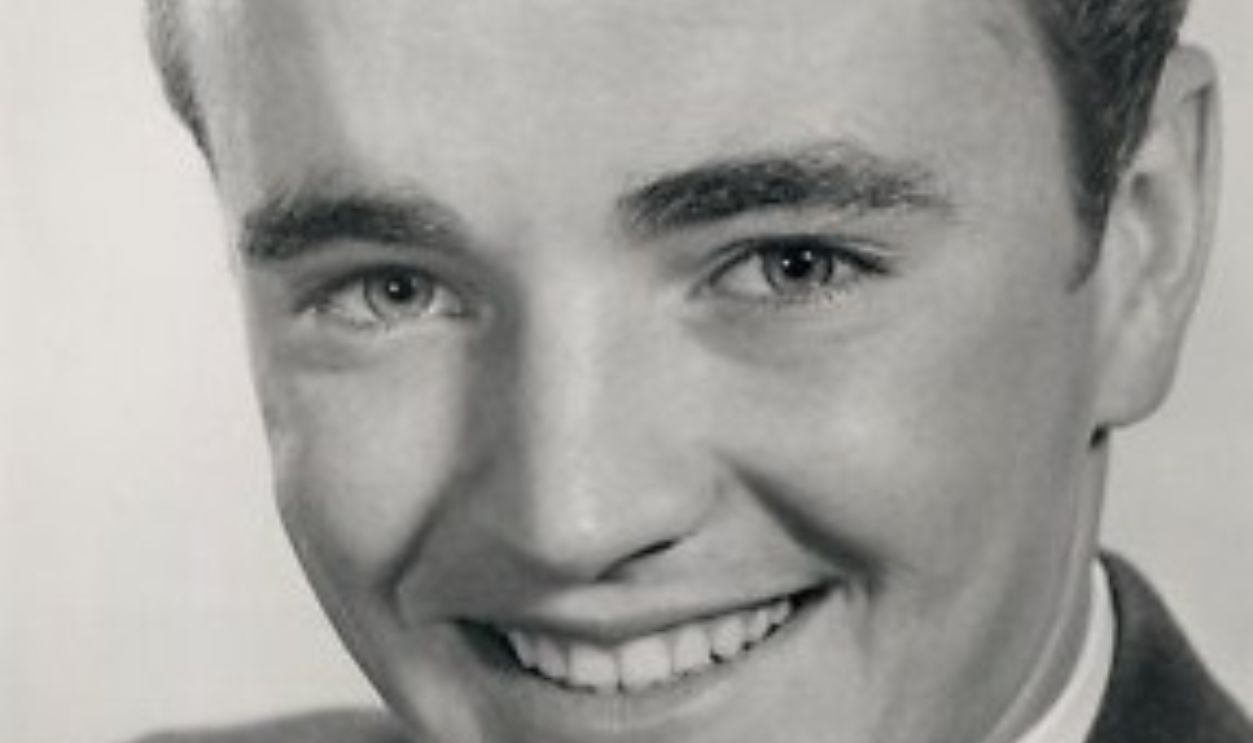
Because of Isley’s failed screen test, the couple moved back to New York. Here, they focused on building a family. They had two sons in quick succession. Robert Jr in 1940, and Michael in 1941. At this time, Robert Walker was working in radio, and Isley had returned to modeling.
But their lives were about to change dramatically.
6. She Left Crying
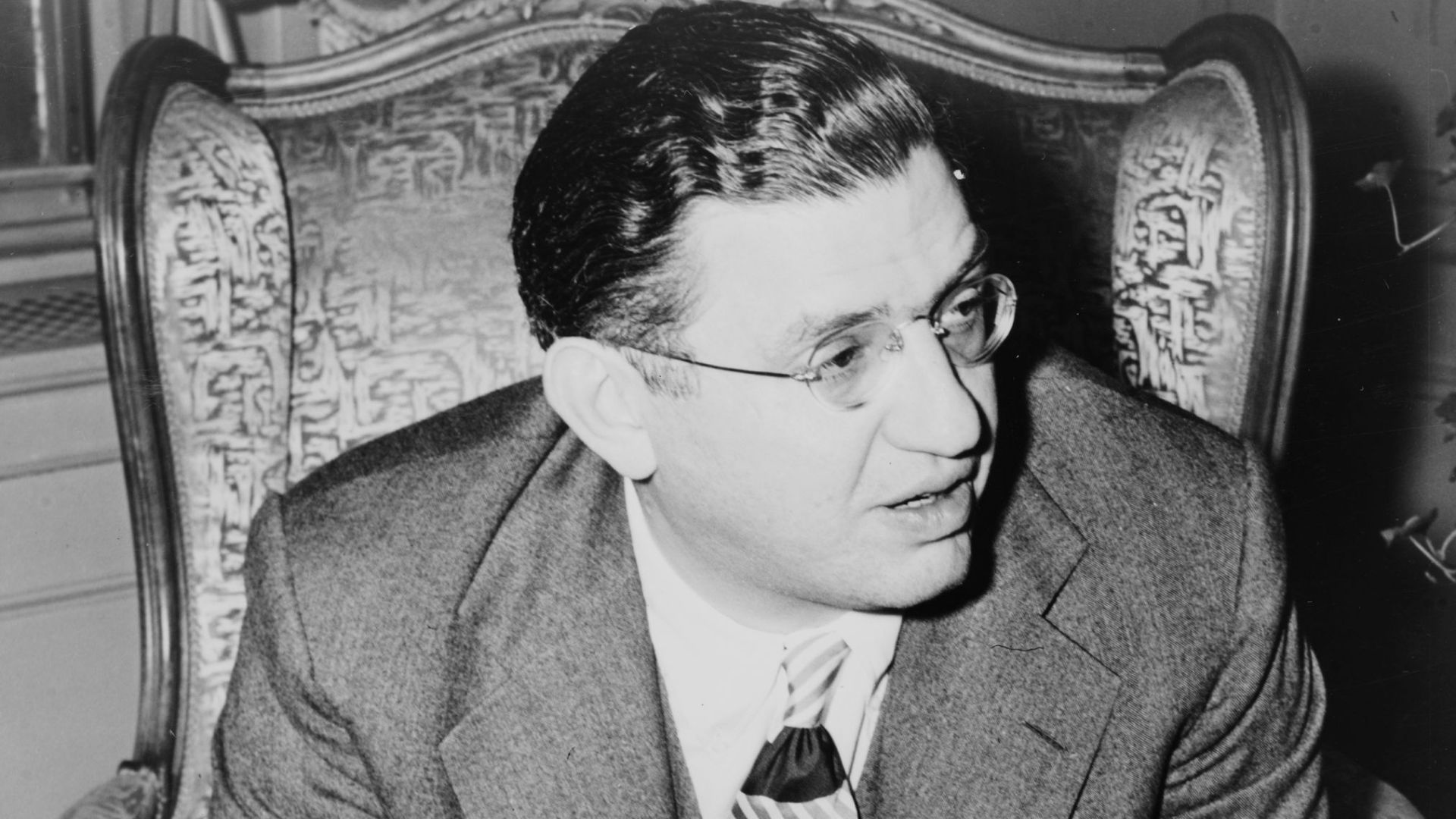
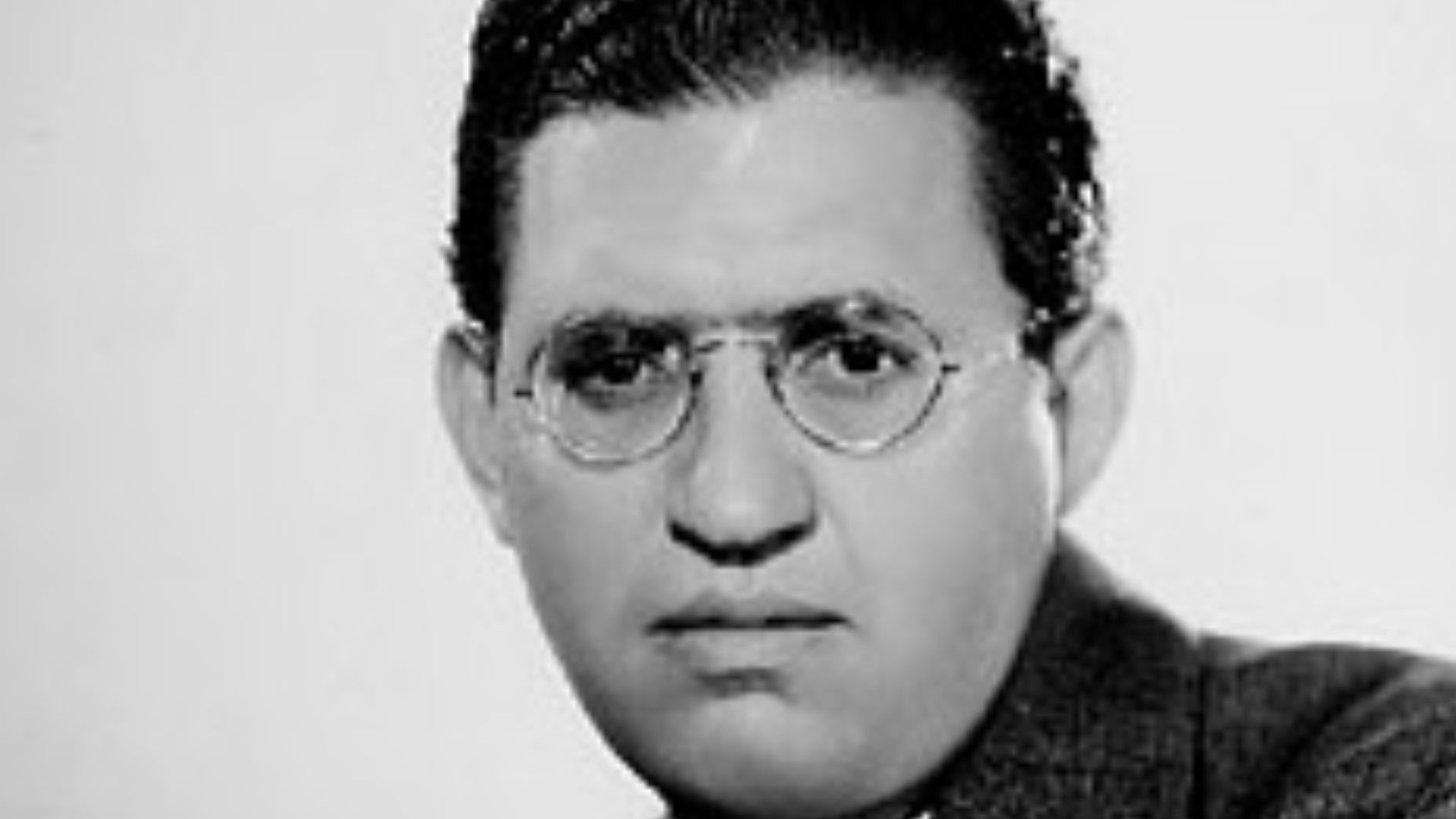
Isley got word of an audition for a play and decided to try her hand at the role. However, by the end of her audition she felt she had failed the reading and left crying. What she didn't know was that Gone with the Wind producer David O Selznick was in the next room listening. He got his secretary to bring Isley back.
Selznick was going to change the lives of both Walker and Isley.
 New York World-Telegram and the Sun staff photographer, Wikimedia Commons
7. Things Changed Quickly
When Selznick got a good look at Isley, he offered her a seven-year contract, which meant a move back to Hollywood. Isley went ahead and left Robert Walker to close up their house and deal with everything needed for an across-the-country move that included two young children. Then, Walker also got a role in Hollywood in MGM's Bataan.
And with that, it seemed the couple’s future could not have looked brighter.
 Unknown photographer, Wikimedia Commons
8. She Got A Make-Over
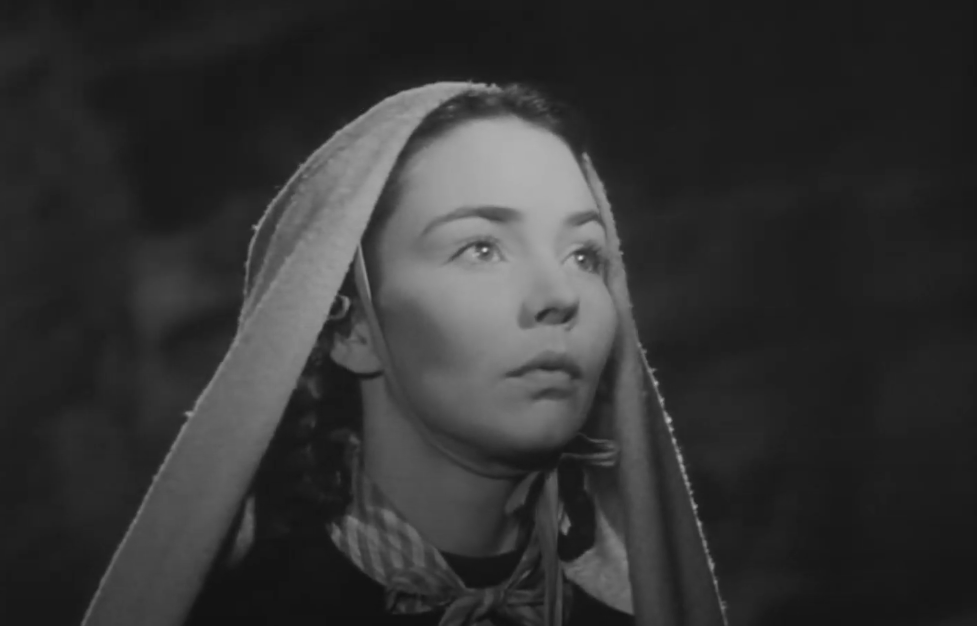
In the meantime, Selznick had taken a particular interest in Isley. He began grooming her to be a star. He suggested a name change to the more marquee-friendly "Jennifer Jones". Her first role as Jones would be the lead in The Song of Bernadette. But after a while, though, things took a turn as Selznick’s interest in Jones began bordering on the obsessive.
Jones wanted fame, but she had to be careful with Selznick.
 Screenshot from The Song of Bernadette, 20th Century Studios (1943)
9. They Celebrated
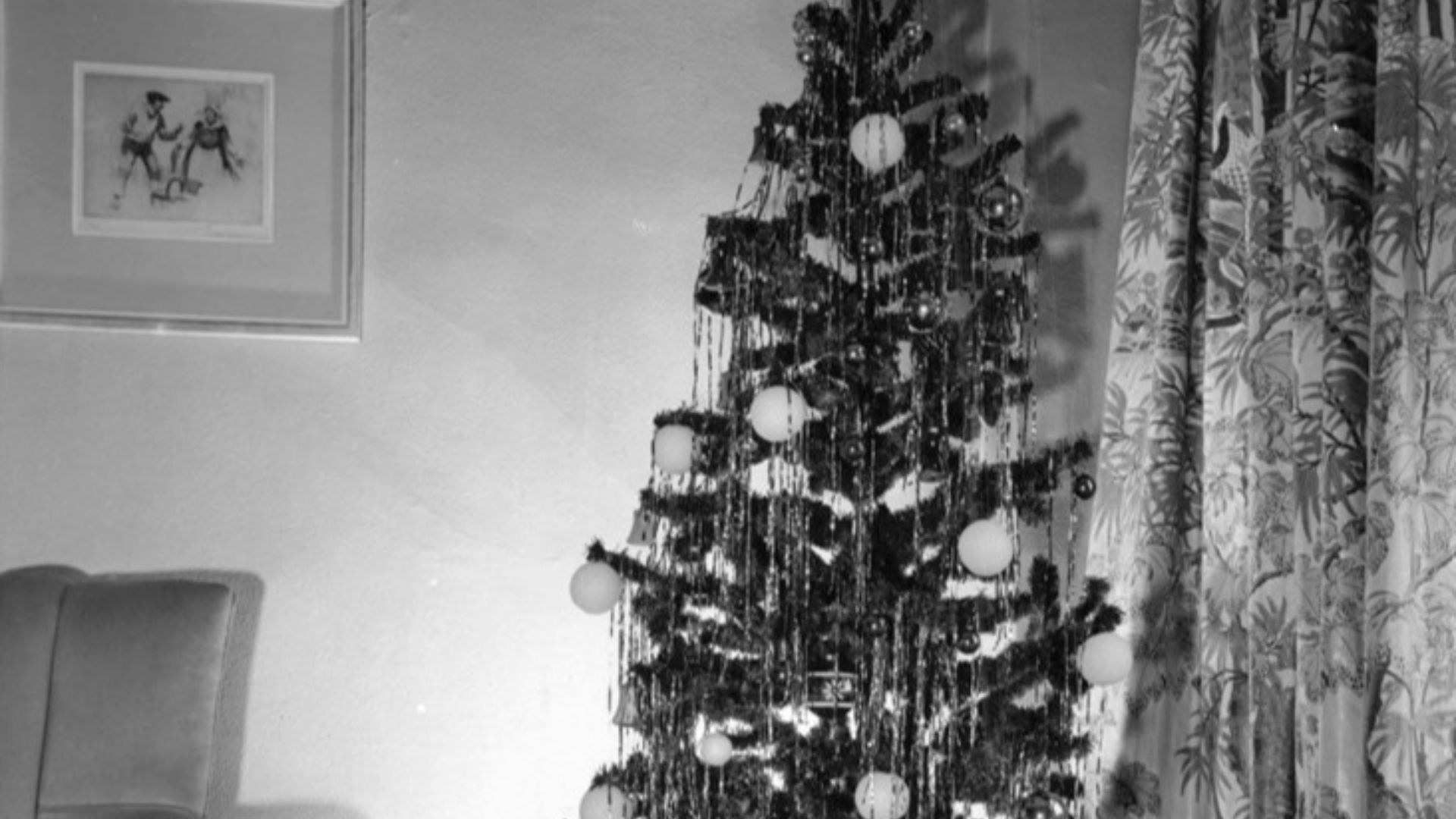
When Walker joined his wife in Hollywood, it was Christmas time, and they celebrated in their new home as best they could with their sons. January 2 was the anniversary of their first meeting, and the two celebrated at an expensive restaurant without the kids. From the outside looking in, their life together could not have been more idyllic.
But by the same time the following year, this family would be torn apart.
 Unknown photographer, Wikimedia Commons
History's most fascinating stories and darkest secrets, delivered to your inbox daily.
10. He Needed His Glasses
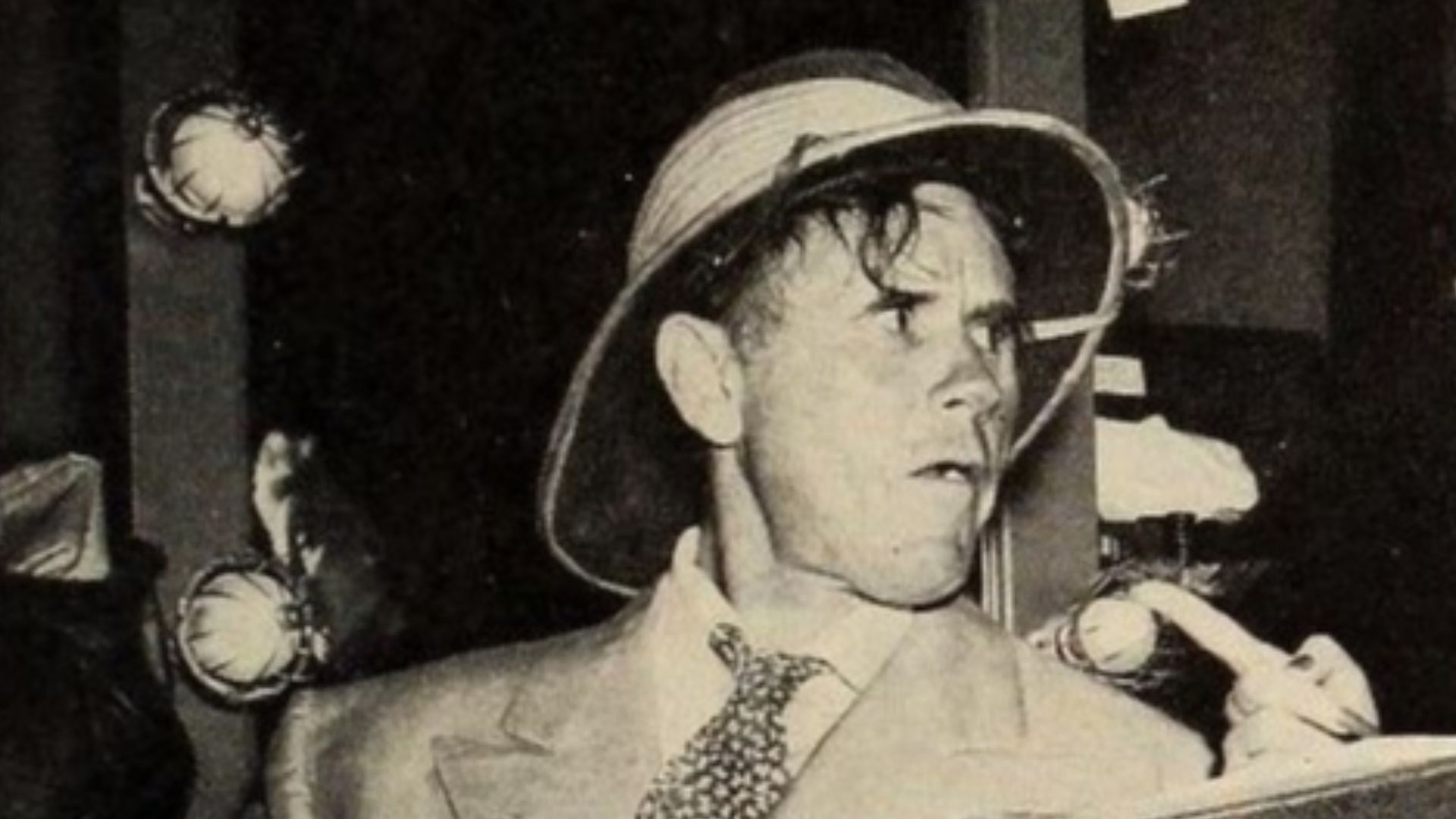
Robert Walker soon began work on Bataan and won the favor of director Tay Garnett, who admired Walker for his sensitivity, good comic timing and his “little-boy-lost appeal”. There was one problem, though. Walker had very bad eyes and could see next to nothing without his glasses. In one scene, Walker had to run down a hill with other actors and extras. Walker hit every tree on his descent.
Regardless, he managed to make a very valuable friend while working on this film.
 Photographer not credited, Wikimedia Commons
11. He Made A Friend
The star of Bataan was Magnificent Obsession actor Robert Taylor. He took an immediate liking to Walker and took the new actor under his wing. He even got photographers to get photos with Walker and himself in order to get Walker much-needed publicity.
This worked, and Walker was soon on to his next role.
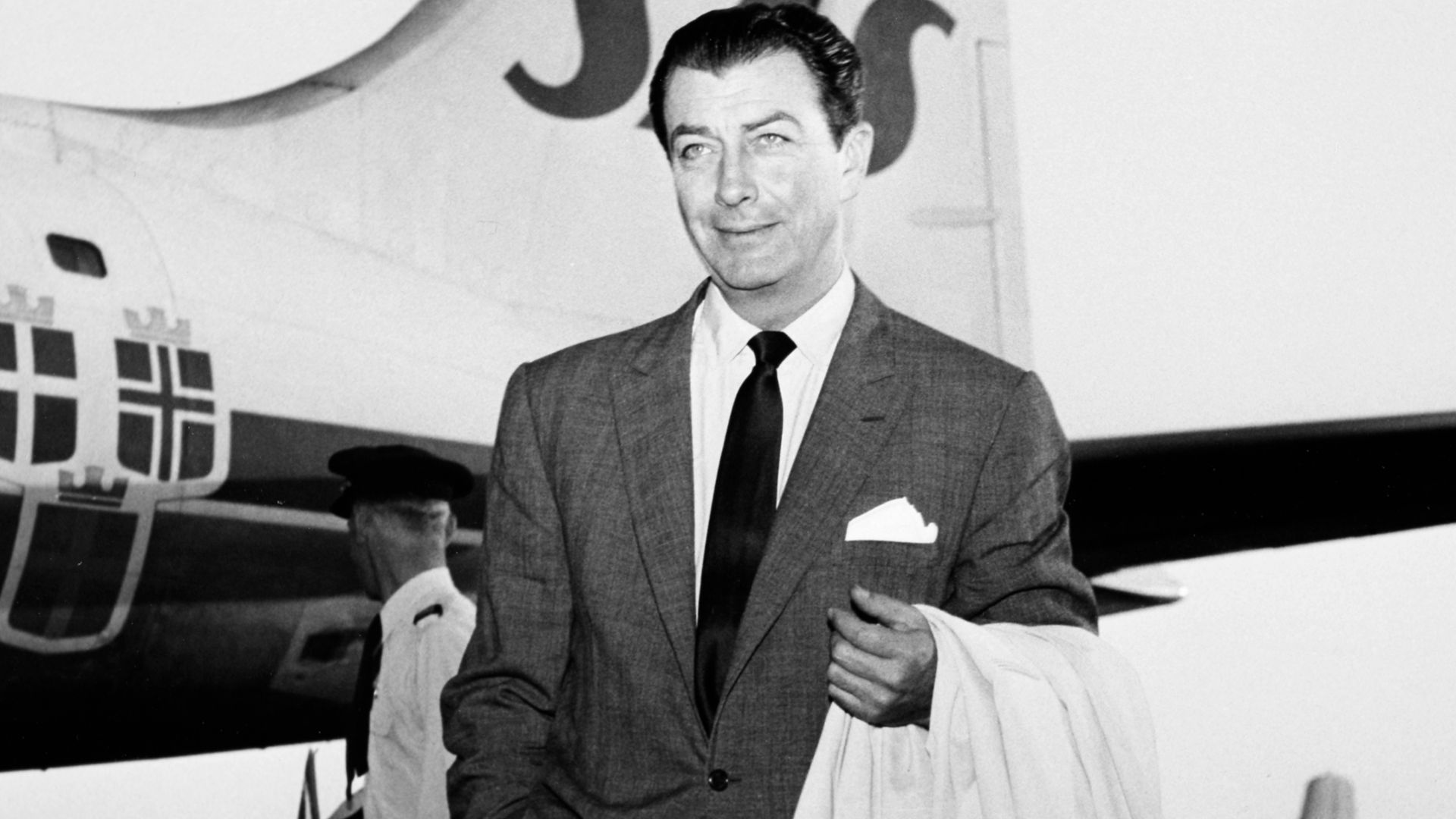 SAS Scandinavian Airlines, Wikimedia Commons
12. He Was Likeable
MGM’s next feature for Robert Walker was Madame Curie. While he didn't exactly click with co-stars Greer Garson and Walter Pidgeon, he was making friends with MGM as a whole. The studio liked him, and they saw a big future for him. The film was a financial success and earned seven Academy Award Nominations. Walker ended up with a raise and a seven-year contract.
In his next film, he finally got the chance to really prove himself.
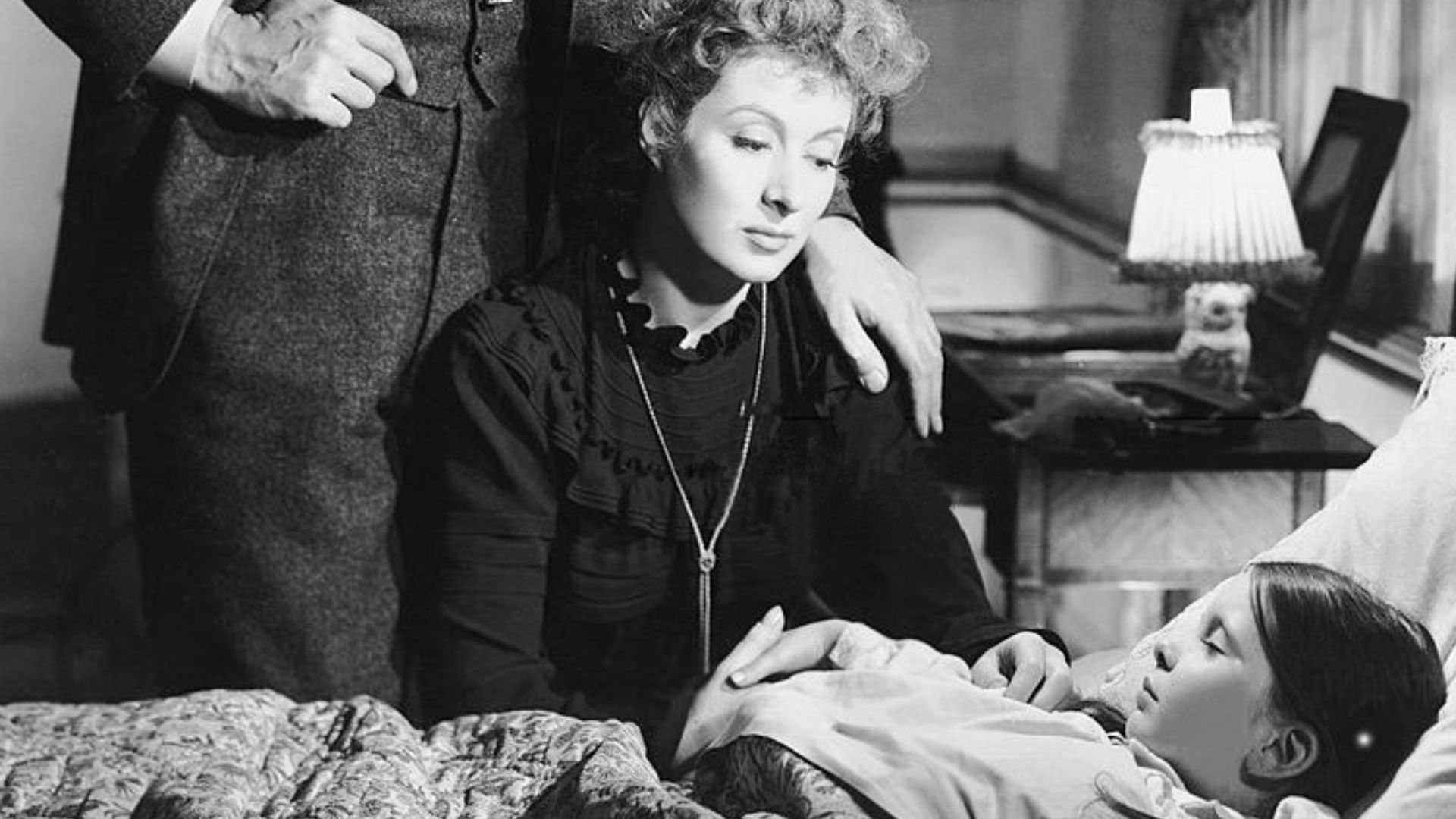 Time Inc.; photograph by Metro-Goldwyn-Mayer, Wikimedia Commons
13. He Had Big News
Walker felt excited about getting the lead in the comedy See Here, Private Hargrove, and Jones was the first person he wanted to share the news with. She was still filming The Song of Bernadette, so he got on his motorcycle to go and tell her the news.
When he got to the gate at the studio, he got a rude awakening.
 Laszlo Josef Willinger, Wikimedia Commons
14. He Couldn't See Her
Being the husband of the star of a film should open some doors. But even when Robert Walker mentioned that he was Jones’ spouse, the guard would not let him in. He told him that it was a closed set. That’s when Walker noticed that the guard allowed Selznick to enter without question.
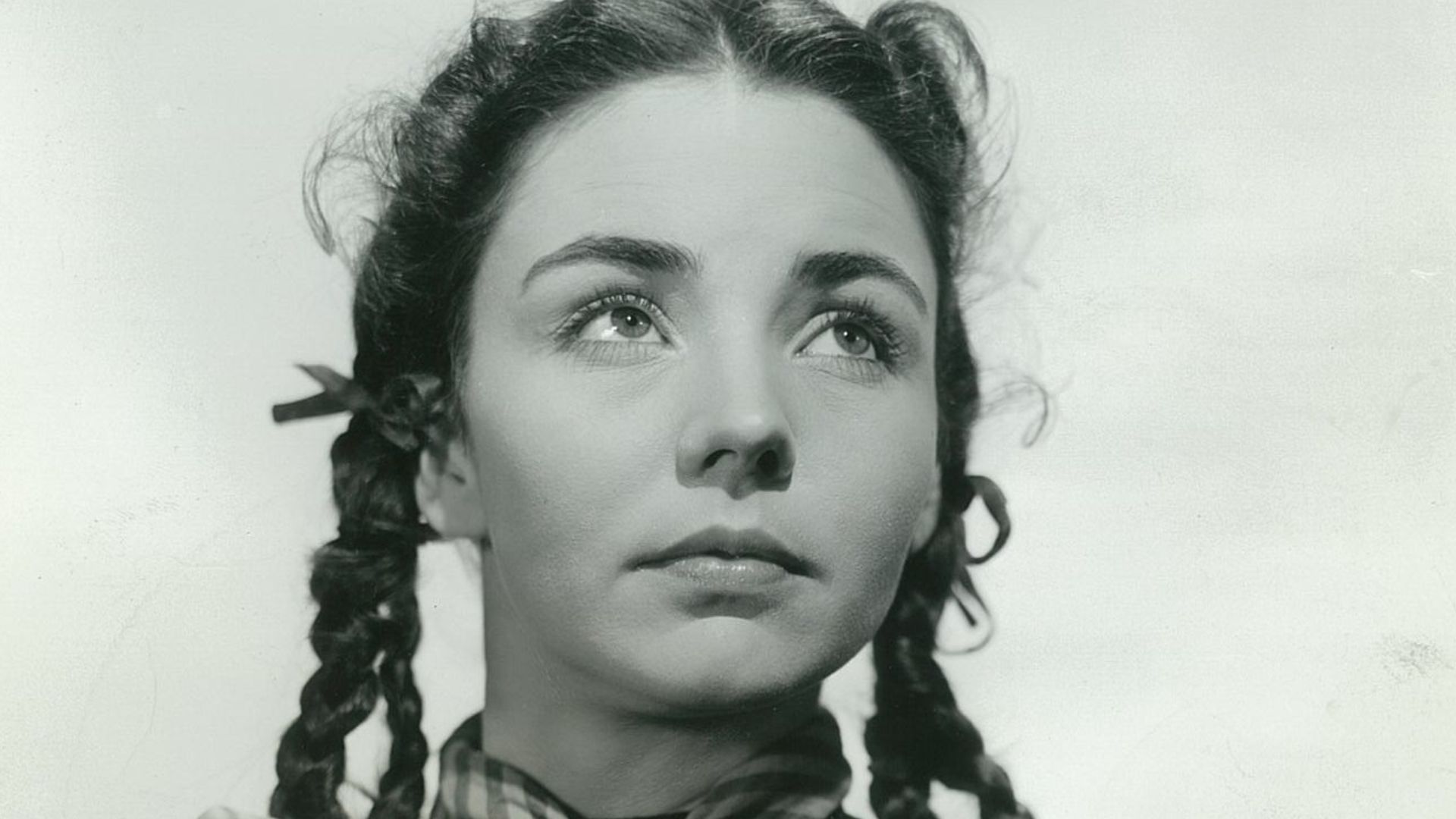
15. He Had Suspicions
Walker thought it was strange that Selznick was dropping by 20th Century Fox. After all, Selznick didn’t work there. Then Walker remembered that Selznick’s brother-in-law was the boss at the studio, so Walker assumed they must have been meeting.
Walker let go of his uneasy feeling, but he shouldn’t have.
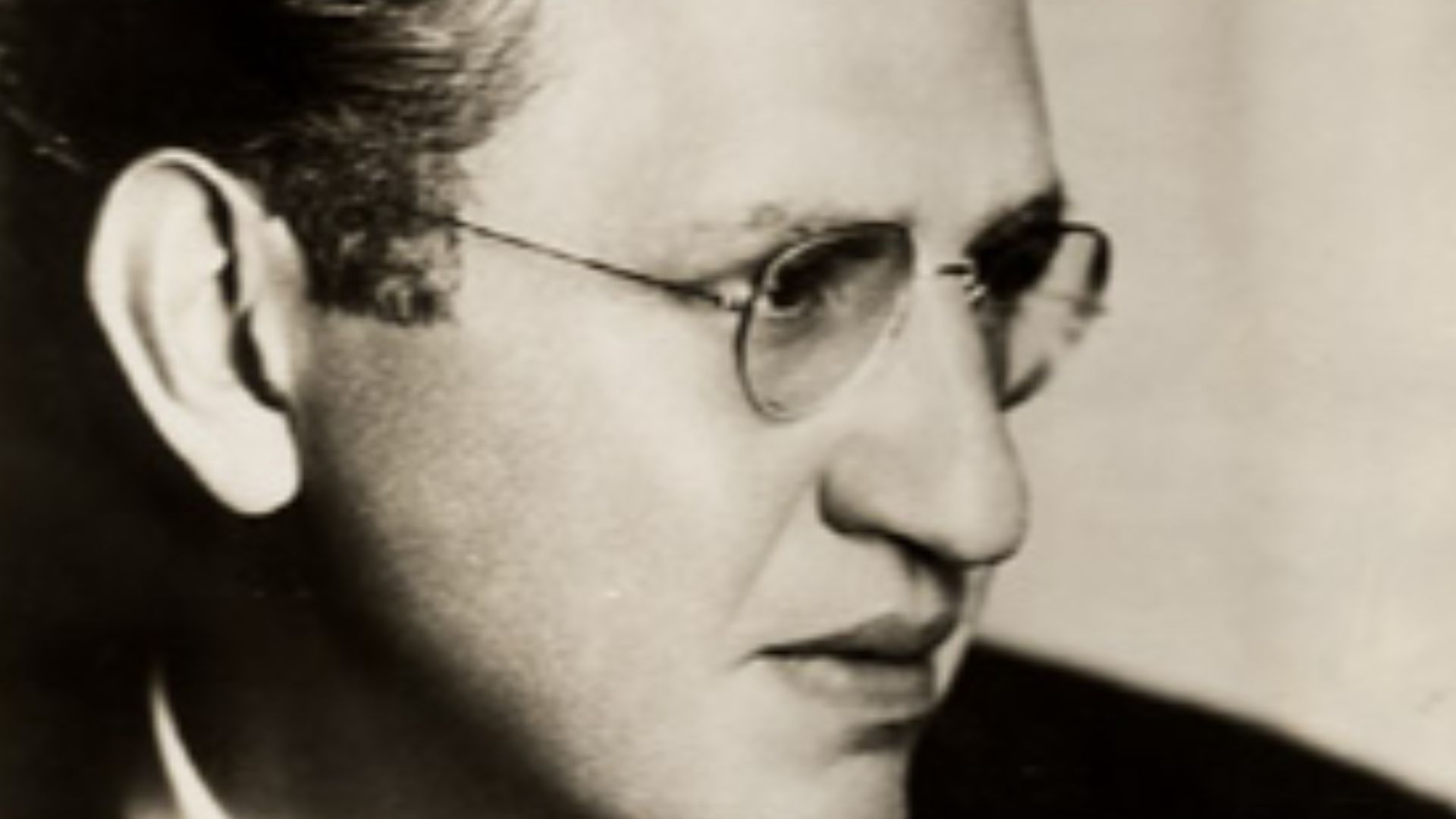 Nikita~commonswiki, Wikimedia Commons
History's most fascinating stories and darkest secrets, delivered to your inbox daily.
16. He Controlled Her Image
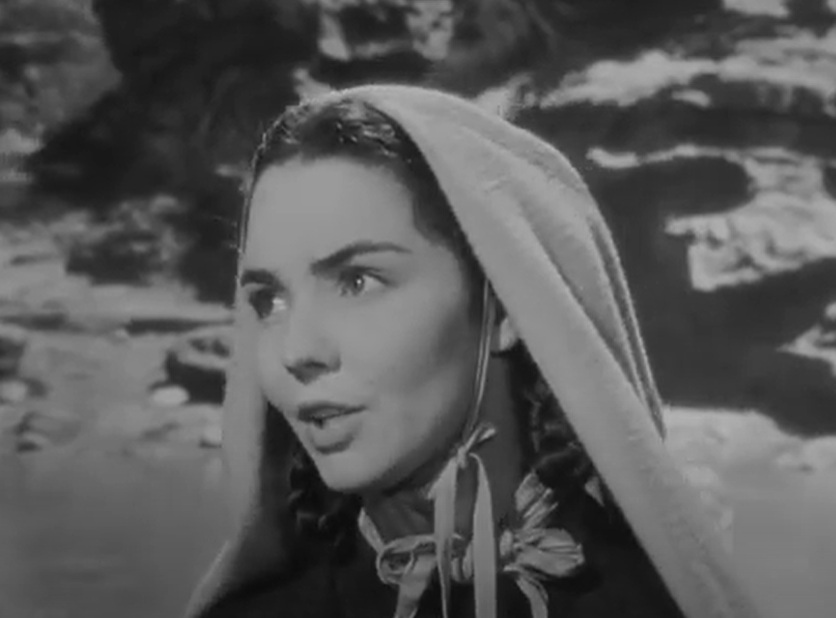
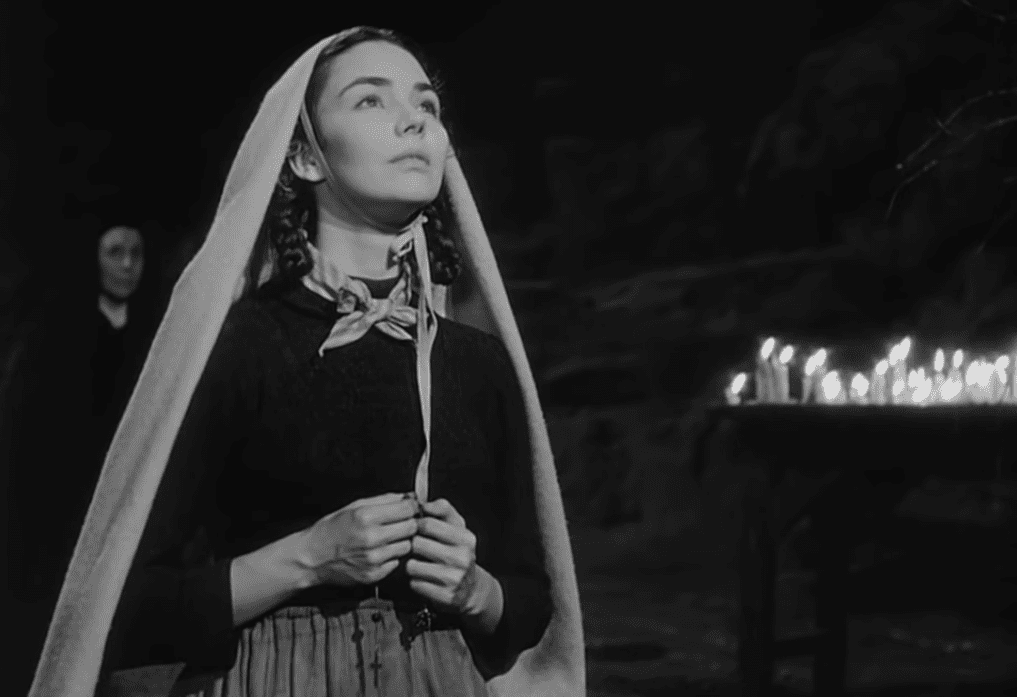
Even though Selznick had no official status on The Song of Bernadette, he was pushing his weight around. Jones was playing a simple teenage girl, and this gave Selznick an idea. He wanted to keep Jones’ family life out of the media. He wanted to preserve her image as a young, virginal woman. So as far as the public knew, Robert Walker didn’t exist in Jones' world.
Selznick seemed to be driving a wedge between the object of his obsession and her husband.
 Screenshot from The Song of Bernadette, 20th Century Studios (1943)
17. There Was A Surprise
Before The Song of Bernadette made it to theaters, Selznick had Jones’ next picture ready for her. This was Since You Went Away—Letters to a Soldier from His Wife. Selznick had a personal hand in this, as he himself had adapted the book into a screenplay.
And when it came to casting, Selznick had a sinister surprise in store.
 Screenshot from The Song of Bernadette, 20th Century Studios (1943)
18. He Put Them Together
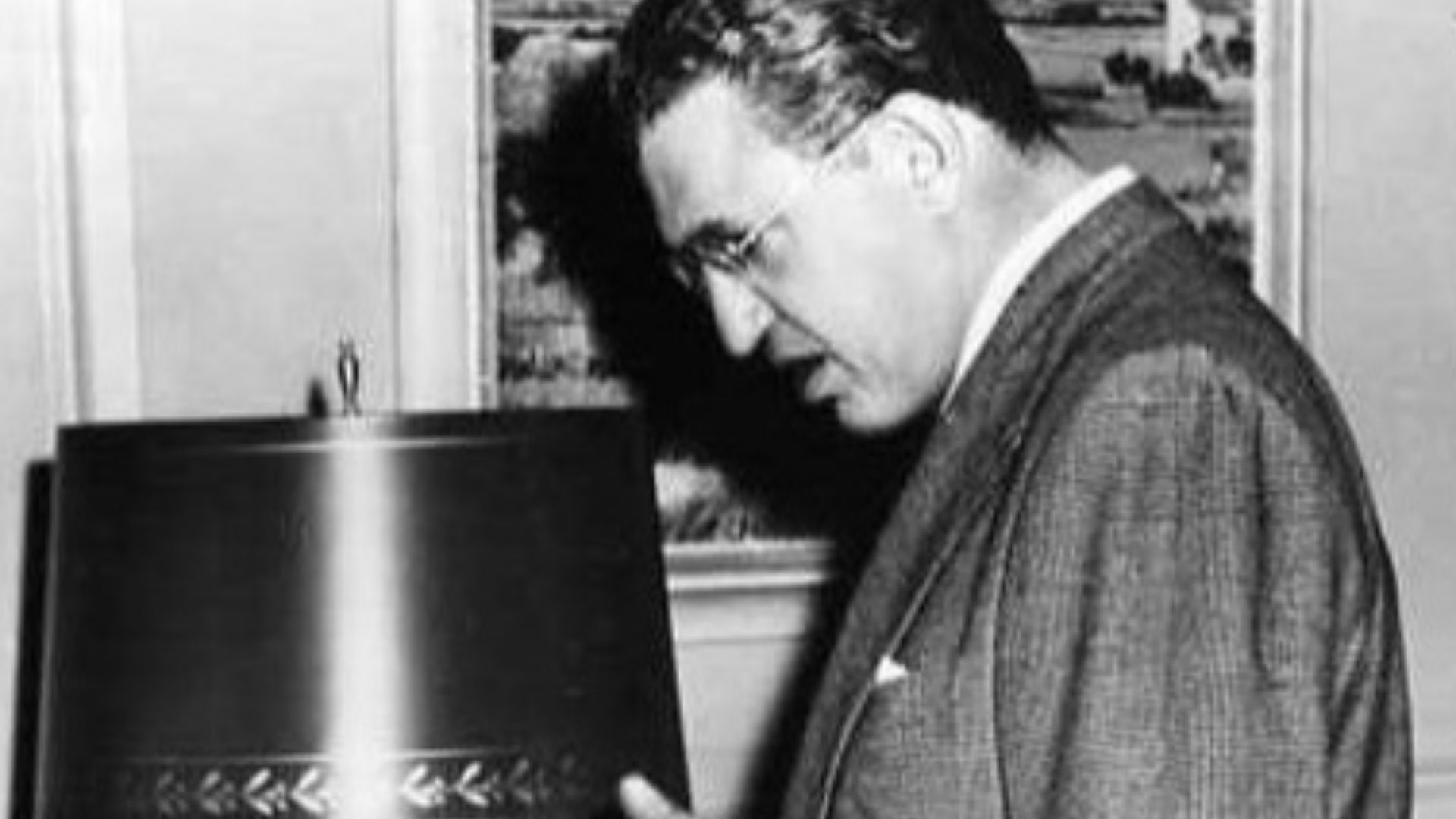
It seemed that Selznick had been trying to keep Robert Walker away from his wife. But for Since You Went Away, he had a part for Walker. The question of the day was: what were Selznick’s motives? On the surface, it seemed like a kind act, but Selznick was a complicated man, and some saw it as a very twisted move.
 Unknown authorUnknown author, Wikimedia Commons
19. He Was Complicated
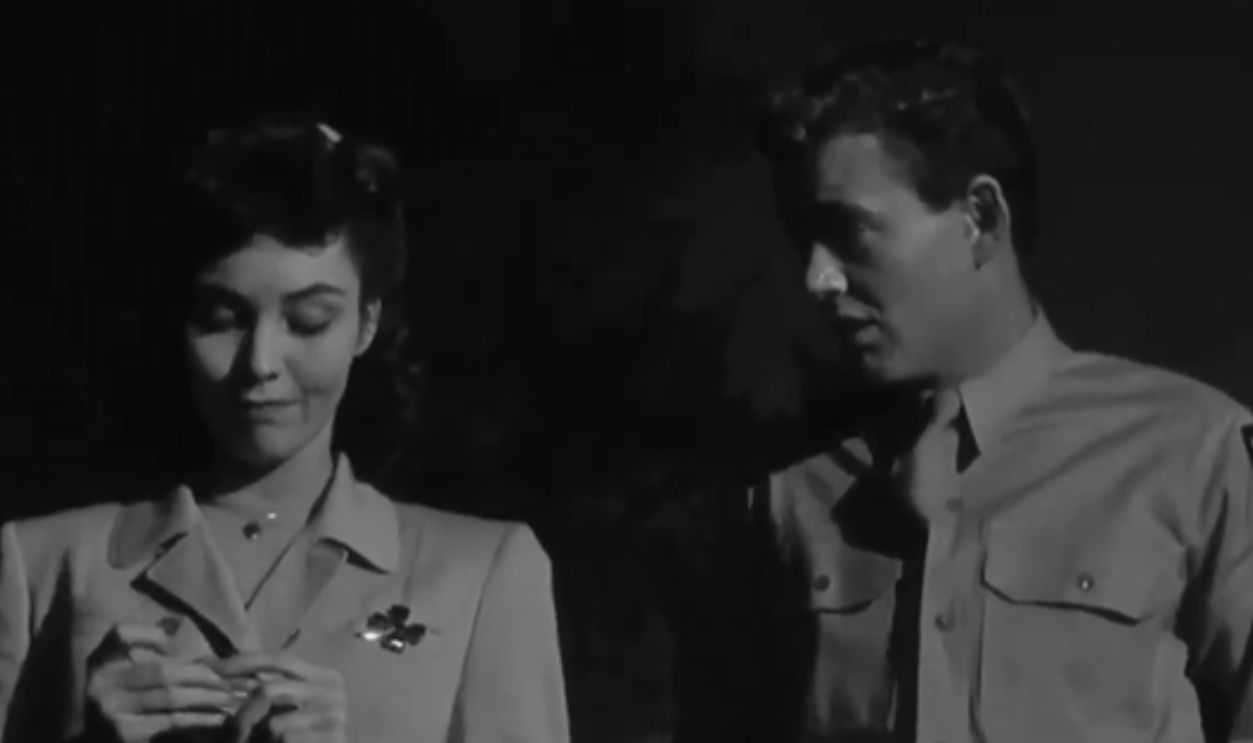
There are two theories as to why Selznick put Walker in Since You Went Away. There were rumors out there that Selznick was romantically interested in Jones. Selznick may have hired Walker to quash those rumors. After all, both Jones and Selznick already had spouses. Or maybe Selznick was just letting Walker know how much power he had. That both him and his wife's life lay in Selznick's hands.
Strangely, though, Walker seemed completely oblivious.
 Screenshot from Since You Went Away, United Artists (1994)
20. He Was Naive
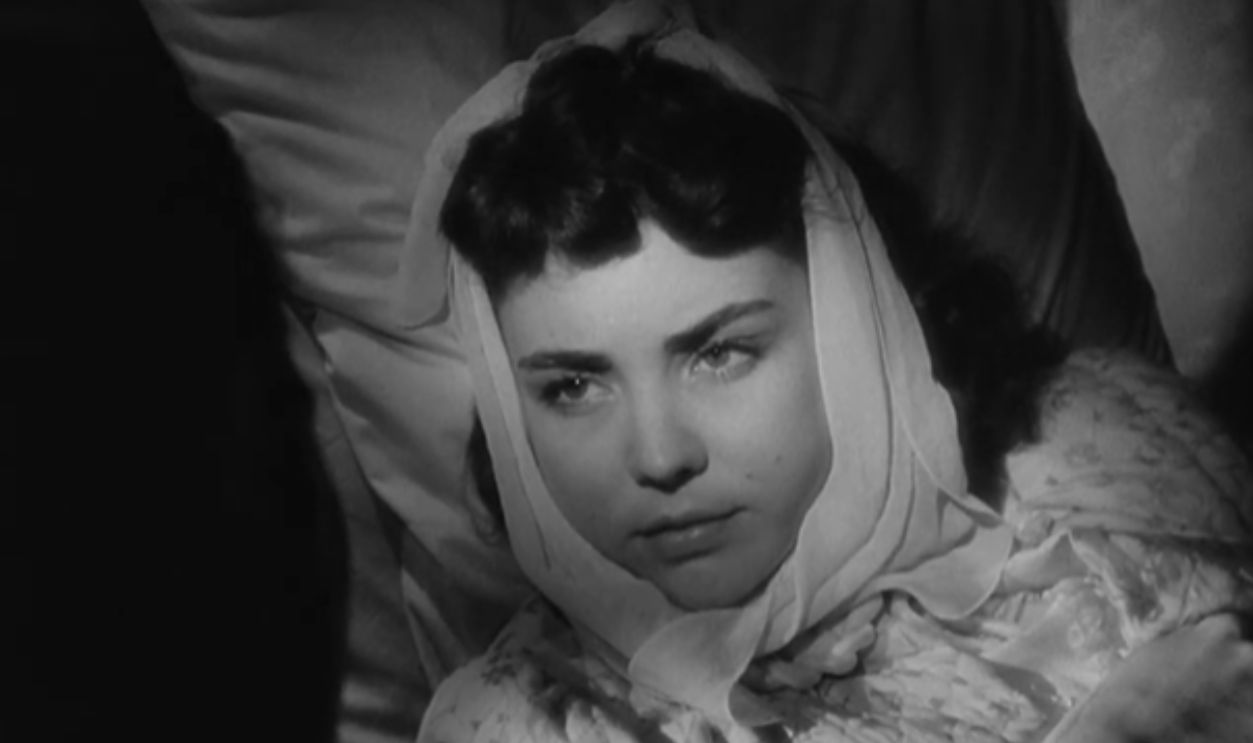
Part of Walker’s charm was his naivete. He didn’t seem to be aware of Selznick's potential for harming him. He was quite happy to be working with his wife on Since You Went Away. Jones, on the other hand, seemed a little less enthusiastic. Then, this turned into irritation. Everything seemed to make her unhappy.
Before long, she came to her husband with a shocking announcement.
 Screenshot from Since You Went Away, United Artists (1994)
21. He Said Goodbye
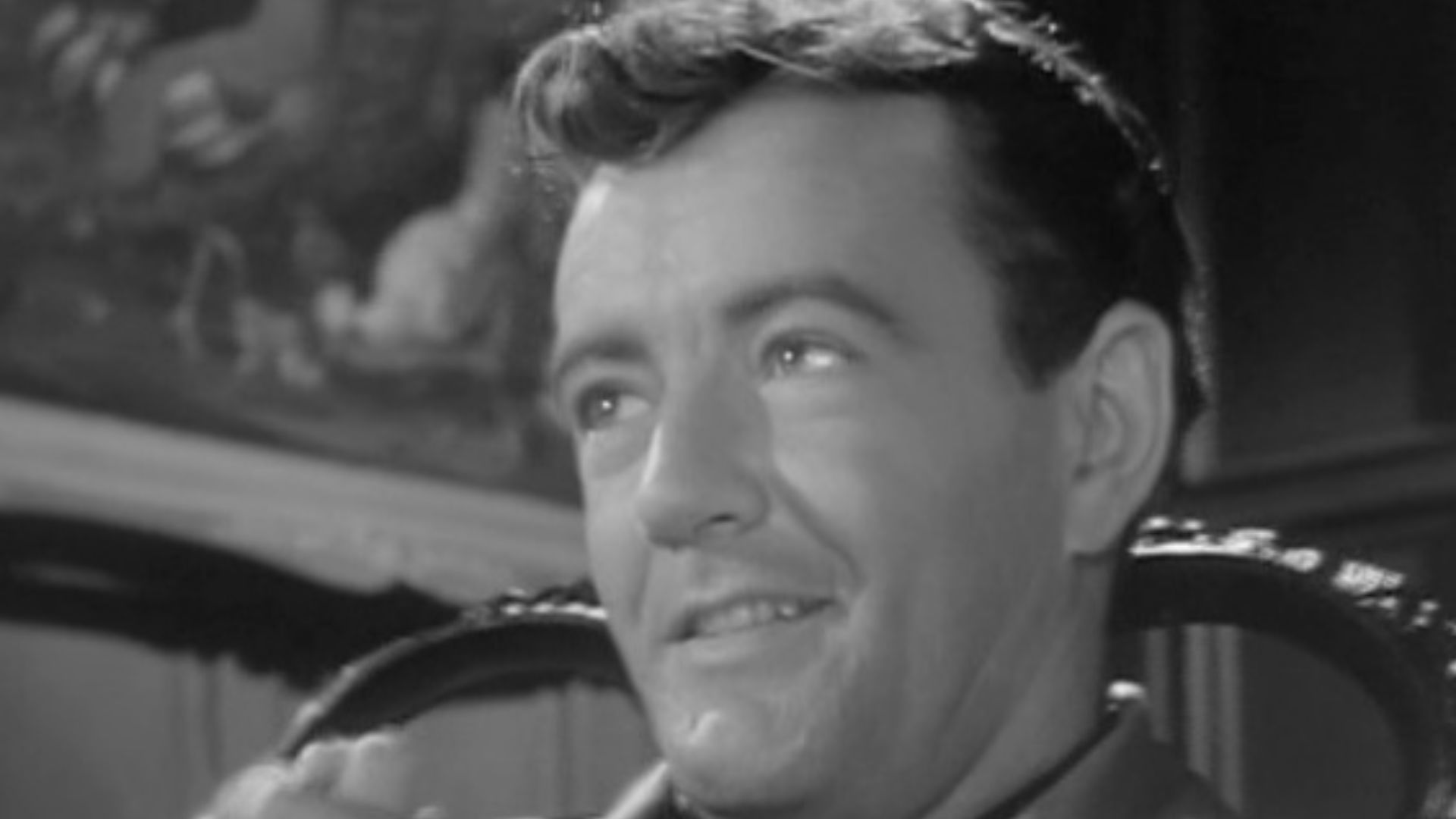
After a strained dinner party, Jones told Robert Walker that she wanted to try a separation. This blindsided Walker, who thought that Jones’ anxious behavior was temporary and somehow tied to the movie they were making. The next morning, he said goodbye to his sons and headed for a hotel room.
But he didn’t go there completely alone.
 Trailer screenshot, Wikimedia Commons
History's most fascinating stories and darkest secrets, delivered to your inbox daily.
22. He Hit The Bottle
Robert Walker had never been much of a drinker, which was a rarity in Hollywood back then. But in his bag, Walker had brought a bottle of Scotch. Absolutely miserable about his situation, Walker started to drink.
Then he realized he still had to continue making the film with his estranged wife.
23. He Got Punished
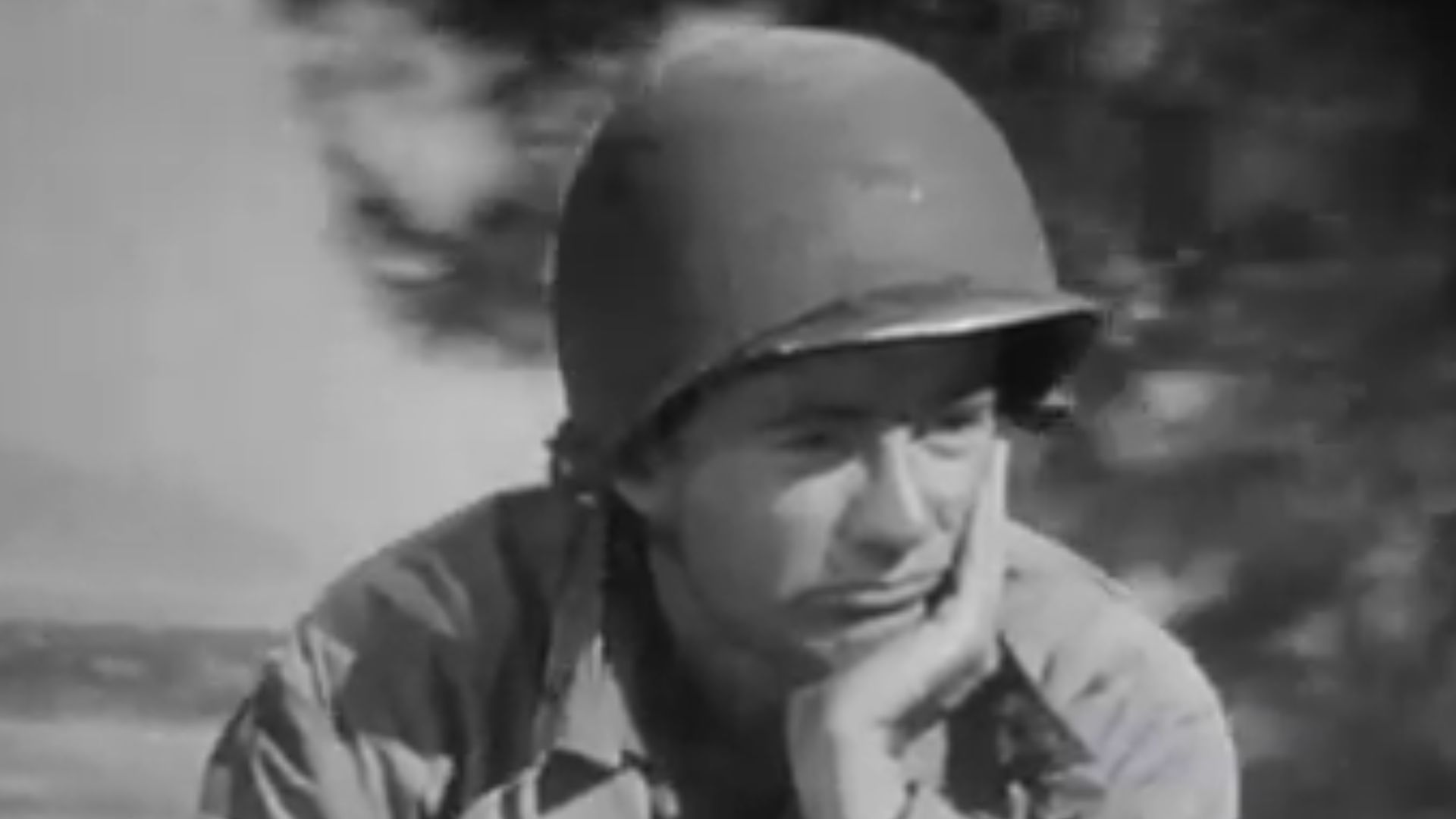
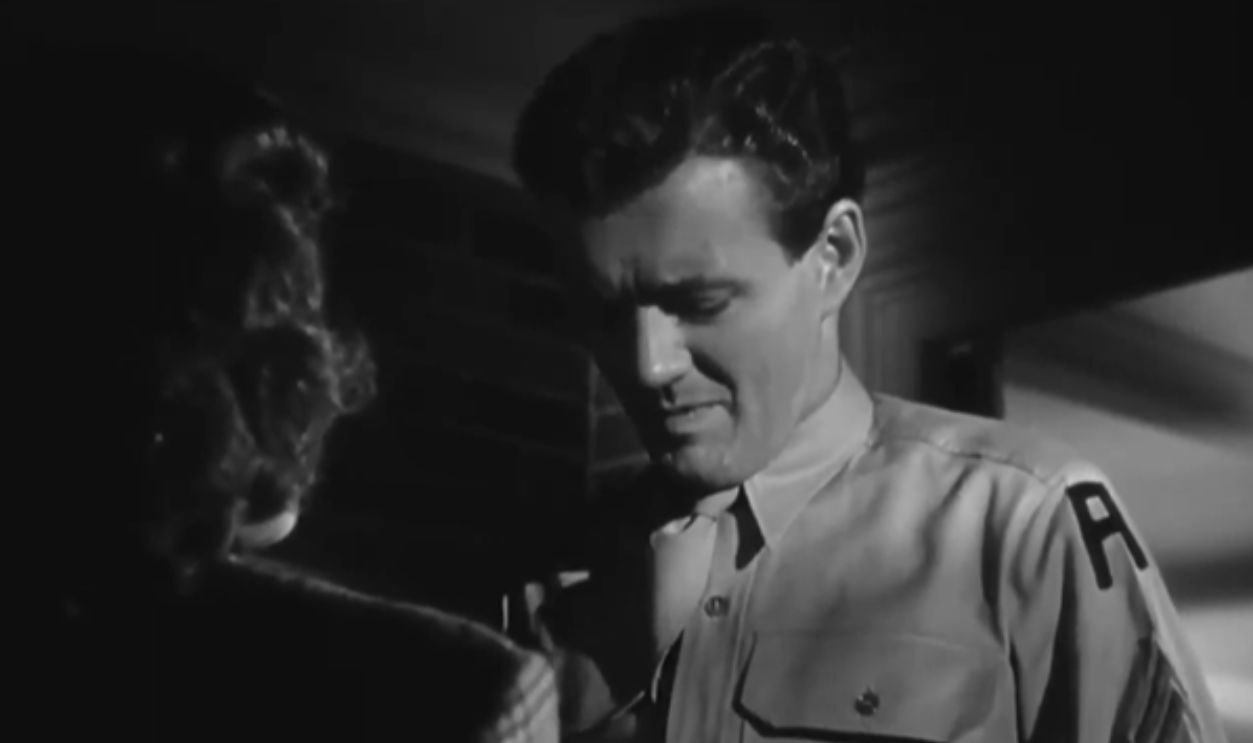
In Since You Went Away, Walker and Jones have some intimate love scenes. Some speculate that Selznick enjoyed the fact that Walker had to do these scenes, knowing that Jones was no longer his. Was it possible that Selznick was purposefully putting Walker through the worst possible punishment?
You be the judge...
 Screenshot from Since You Went Away, United Artists (1994)
24. He Took Perverse Pleasure
Screenwriter Dewitt Bodeen was around the set of Since You Went Away, and he started noticing something strange. Whenever there was an intimate scene between Robert Walker and Jones, Selznick would appear on set. He was the producer, and there was little, if any need, for him to be there.
So as Selznick watched in perverse pleasure, Walker fell apart.
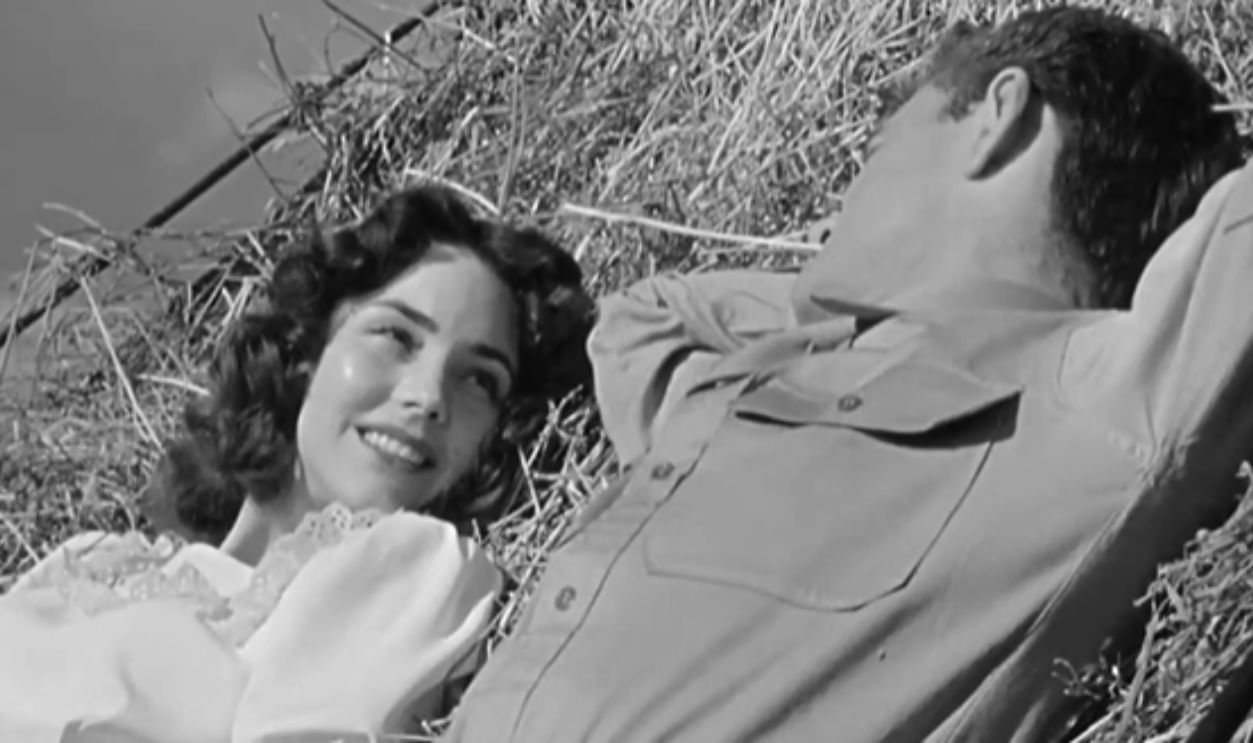 Screenshot from Since You Went Away, United Artists (1994)
25. He Changed
Performing in intimate scenes with his estranged wife was having a hugely negative effect on Walker. Friends noticed that he was no longer the happy-go-lucky man he once was. He felt sullen and depressed. And yet every day he had to return to the set for more.
And then this movie started resembling his real wretched life.
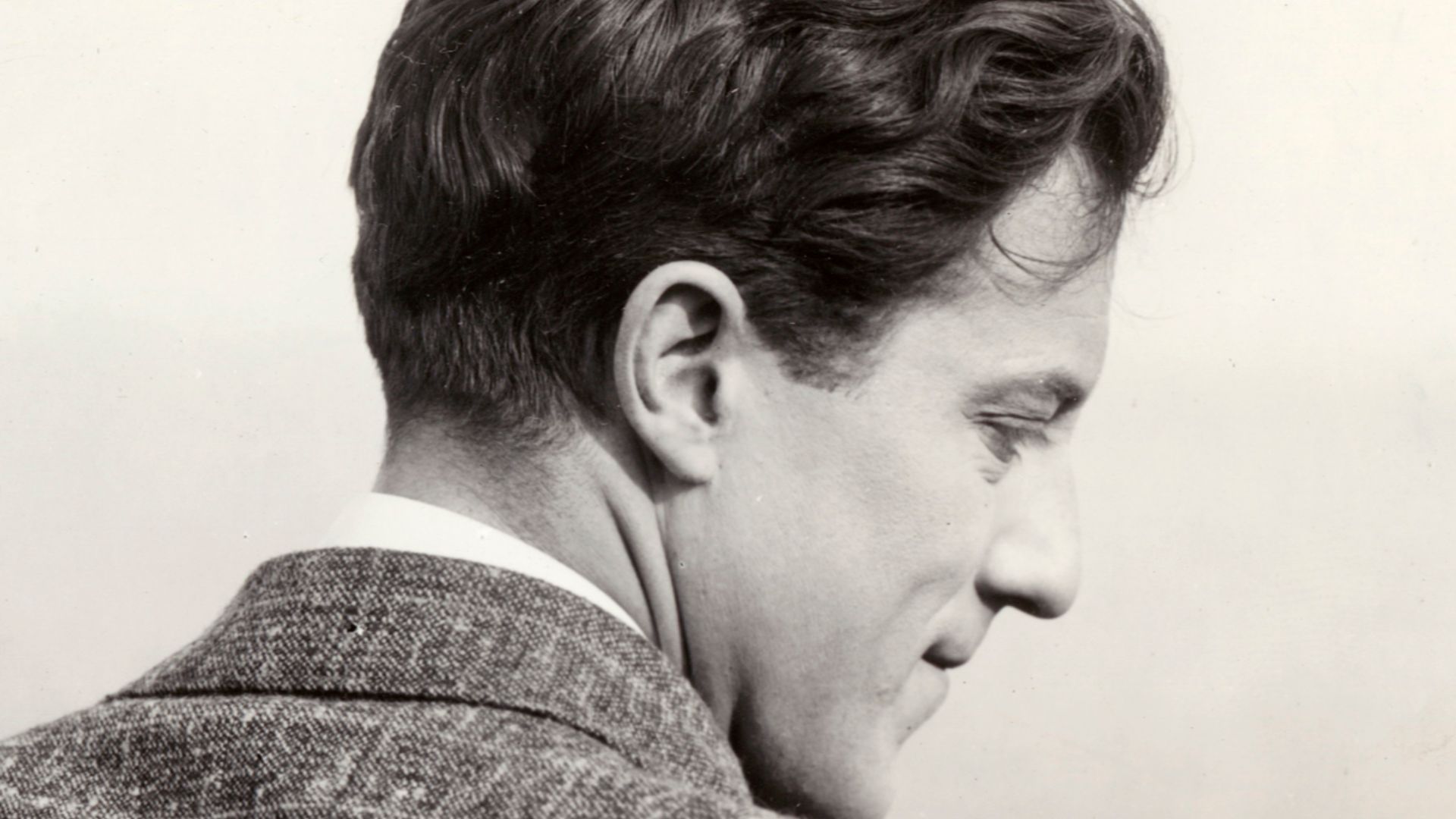 Wisconsin Center for Film and Theater Research, Wikimedia Commons
26. He Had To Say Goodbye
At the end of Since You Went Away, Robert Walker and Jones’ characters say goodbye at a train station. In what could only be one of Hollywood’s most awkward moments, Walker and Jones had to say the lines Selznick scripted. They say “goodbye, darling” to each other, and that is the end of the film.
It was also the end of their marriage.
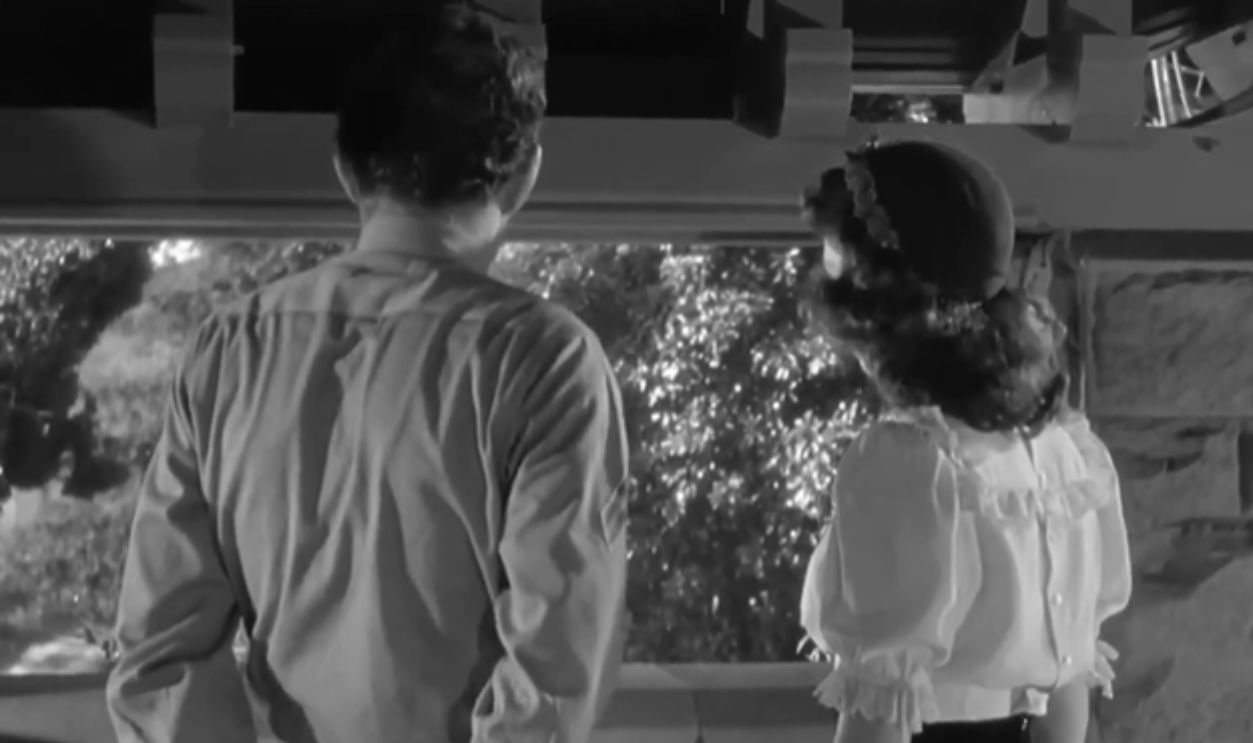 Screenshot from Since You Went Away, United Artists (1994)
27. He Continued To Be Kind
Walker’s next film was Thirty Seconds Over Tokyo. Co-star Van Johnson remembered Walker as being remote. He wasn’t the usual happy guy that other co-stars had talked about. He still took time for others, though. He arranged for his stand-in to get a contract because the guy’s wife was expecting a baby.
Walker was managing the impossible. Making hit films while being completely depressed.
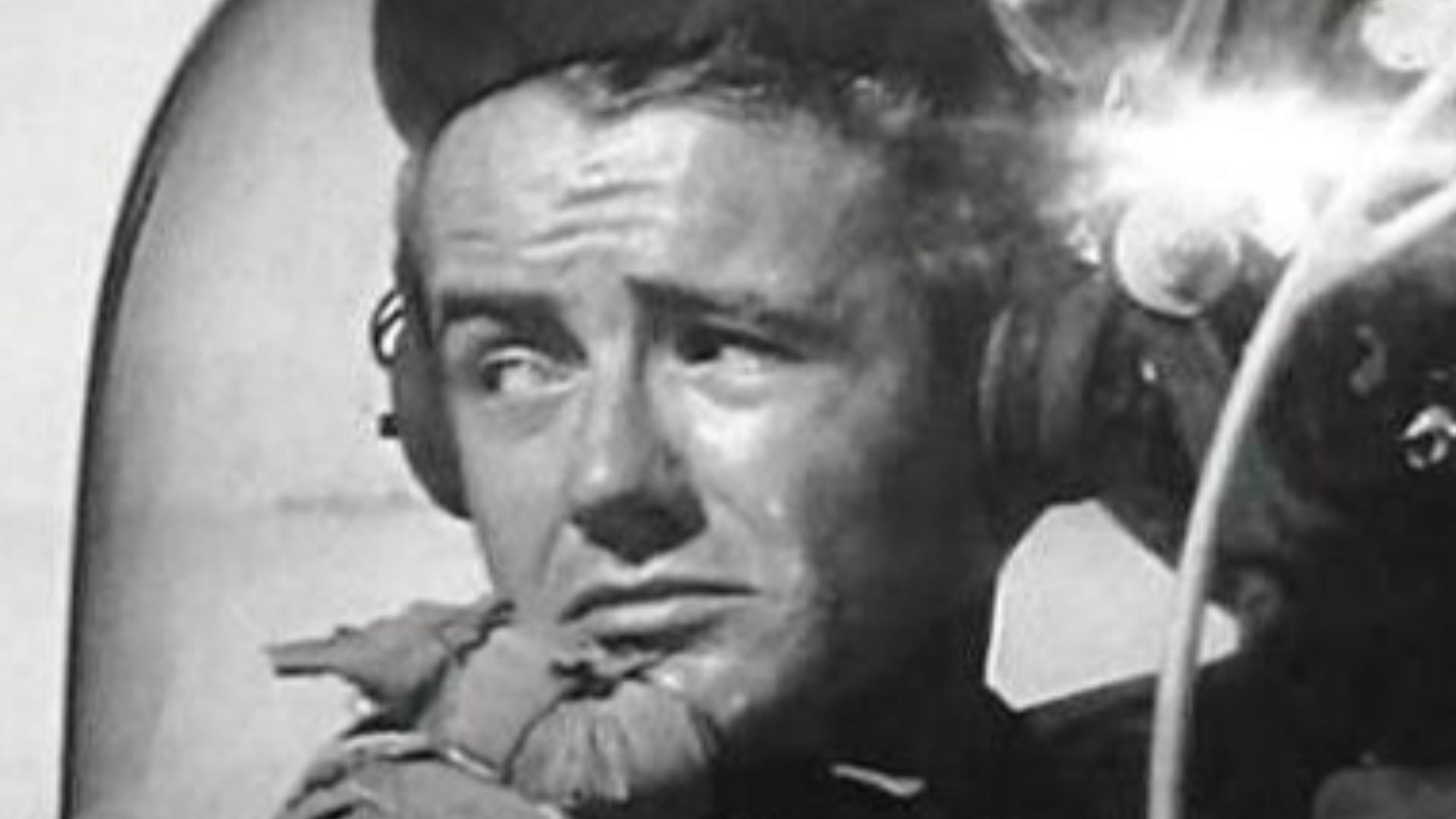 MGM; cropped by Beyond My Ken (talk) 06:19, 29 May 2017 (UTC), Wikimedia Commons
History's most fascinating stories and darkest secrets, delivered to your inbox daily.
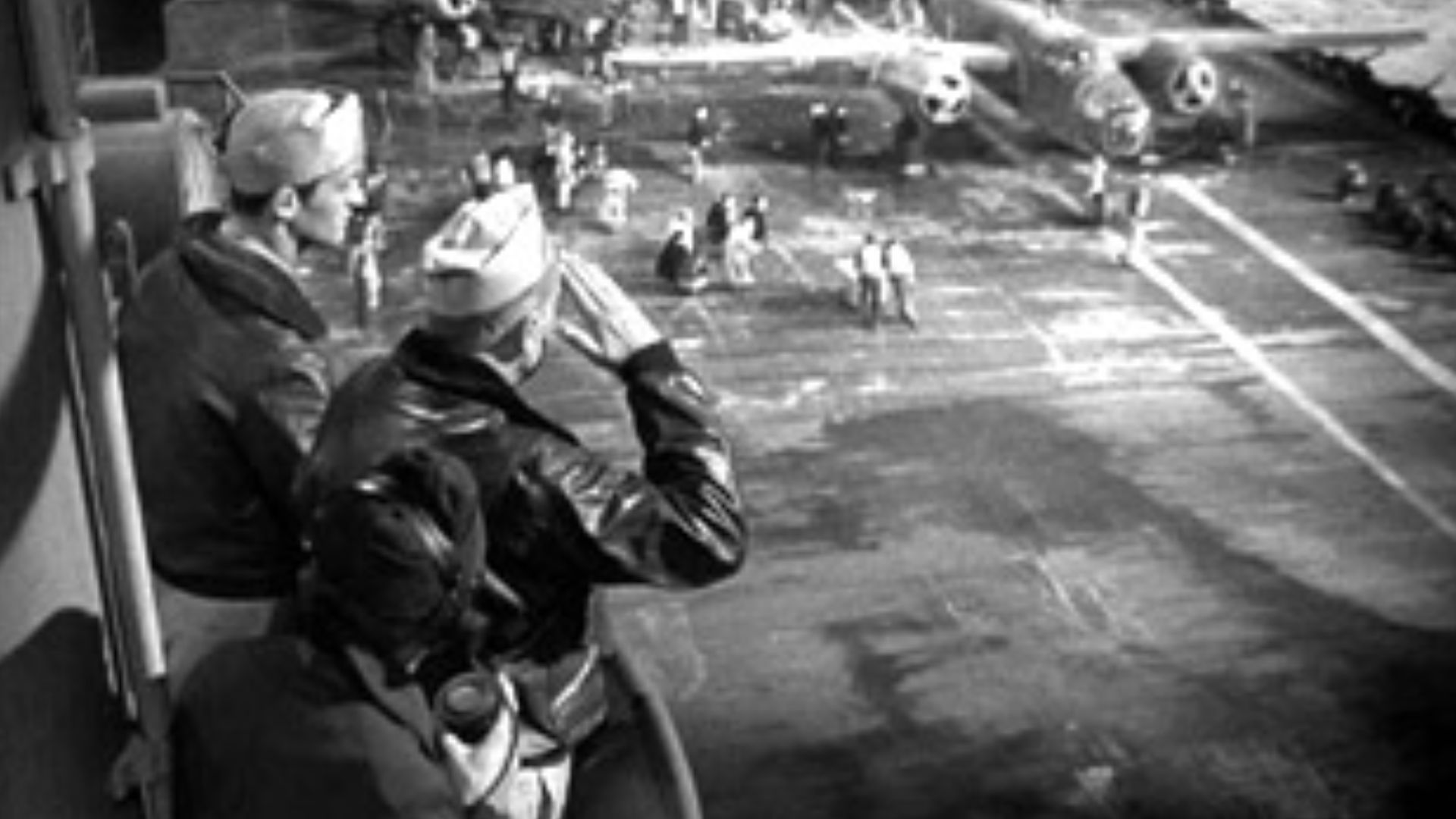
28. He Wasn’t Over Her
Thirty Seconds Over Tokyo was yet another hit film for Robert Walker, but he could get little pleasure from it. He did, however, make a notable connection while making the film. He became friends with co-star Phylis Thaxter. They went on casual dates together, but Walker broke the number one dating rule: talking too much about your ex.
A certain anniversary was looming, and Walker was dreading it.
 The original uploader was Bzuk at English Wikipedia. (Original text: Screenshot), Wikimedia Commons
29. He Spent His Anniversary Alone
As Christmas approached, Walker had time to look back. Just one year ago, Walker had had a perfect Christmas with his wife and children. And then there was his anniversary to face. It had always been a special time for the couple, and now Walker was spending it alone with a bottle.
Then he found out Jones’ plans.

30. It Was Over
The Song of Bernadette ended up receiving an astounding eleven Academy Award nominations, and one was for Jones for Best Actress. Jones had informed Robert Walker that after the award ceremony, which was also her birthday, she would be filing for a divorce. All hope of a reconciliation was gone. He spent the awards night alone, in his apartment with a bottle. He only heard on the radio that Jones had won.
Fortunately, though, Walker found a friend to commiserate with.
31. They Were Both Hurting
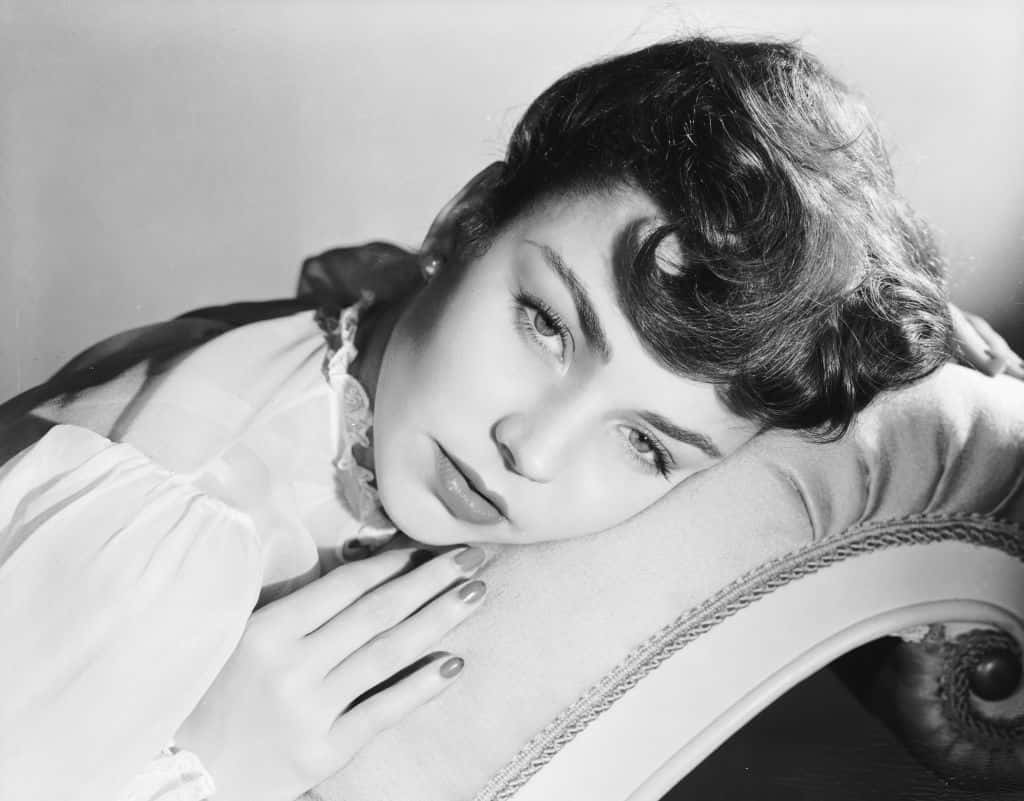
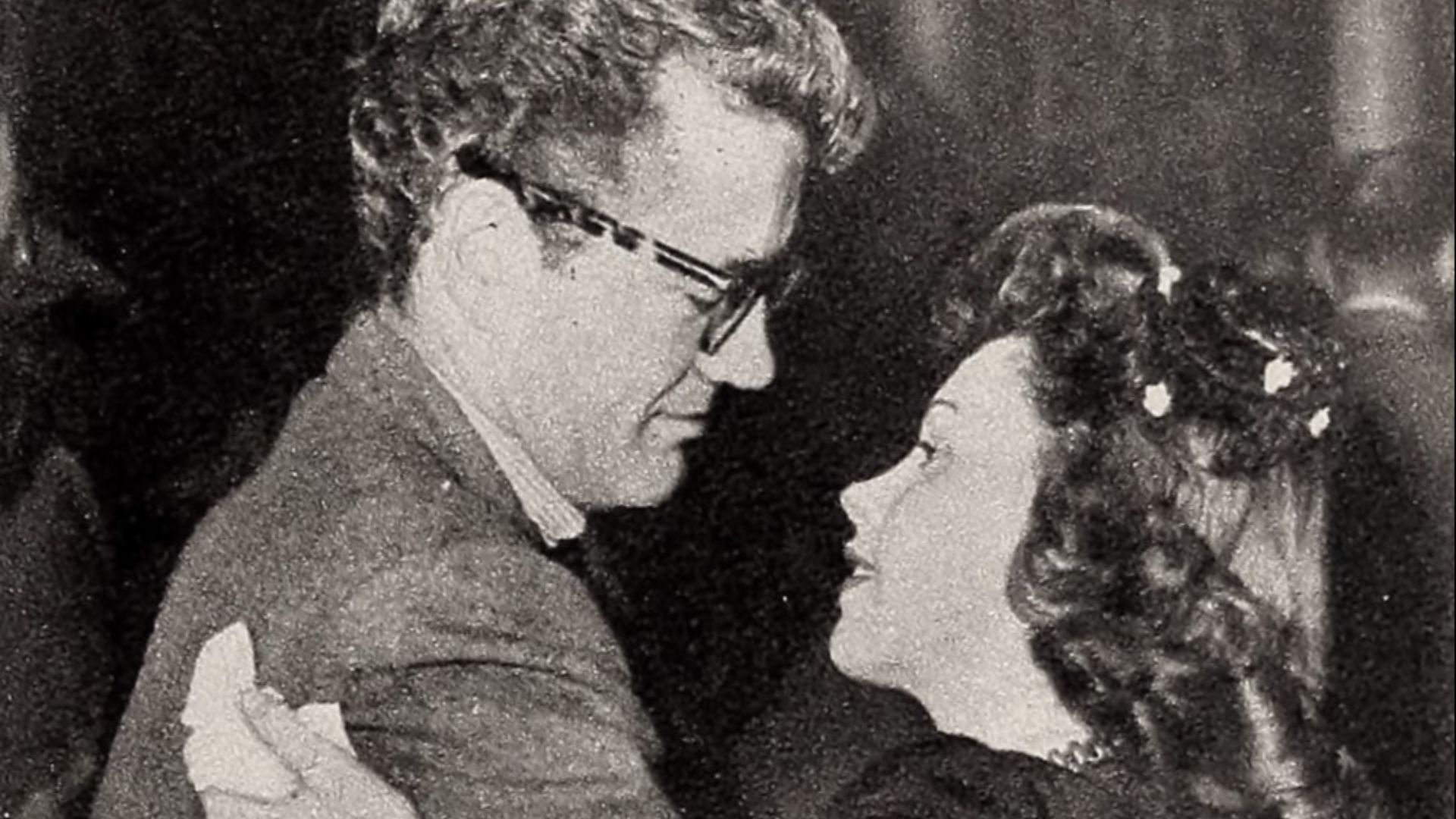
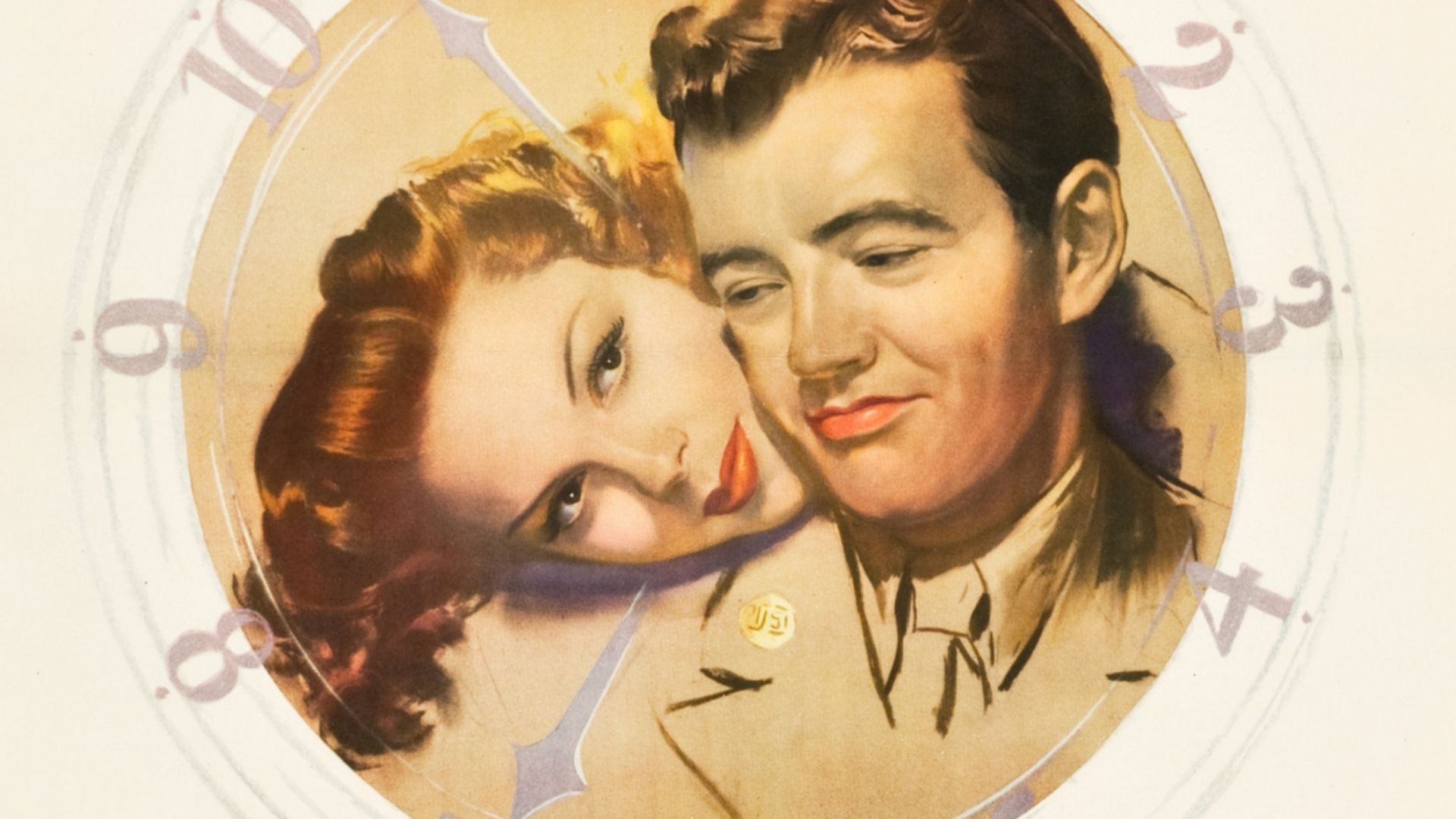
In 1945’s The Clock, Walker stars opposite Judy Garland. Garland had been taking diet pills that the studio had provided and was now addicted to them. Walker was still drowning his sorrows over Jones. The two made quite the sad pair. Apparently, Garland would have to go out, find which bar Walker was drinking in, and sober him up for the next day’s shoot.
The two stars of The Clock were a mess. Somehow, they had to make a film together.
 Photographer not credited, Wikimedia Commons
32. He Could Not Forget Her
The Clock was somehow still a mild success, and both Walker and Garland received praise for their work. Walker also had praise for Garland. He called her “the nearest thing to Jennifer as an actress”. Clearly, Walker could not forget his ex-wife. But his depression was abating, and the film roles kept coming in.
 MGM, Loews' Incorporated, Wikimedia Commons
33. He Turned On The Charm
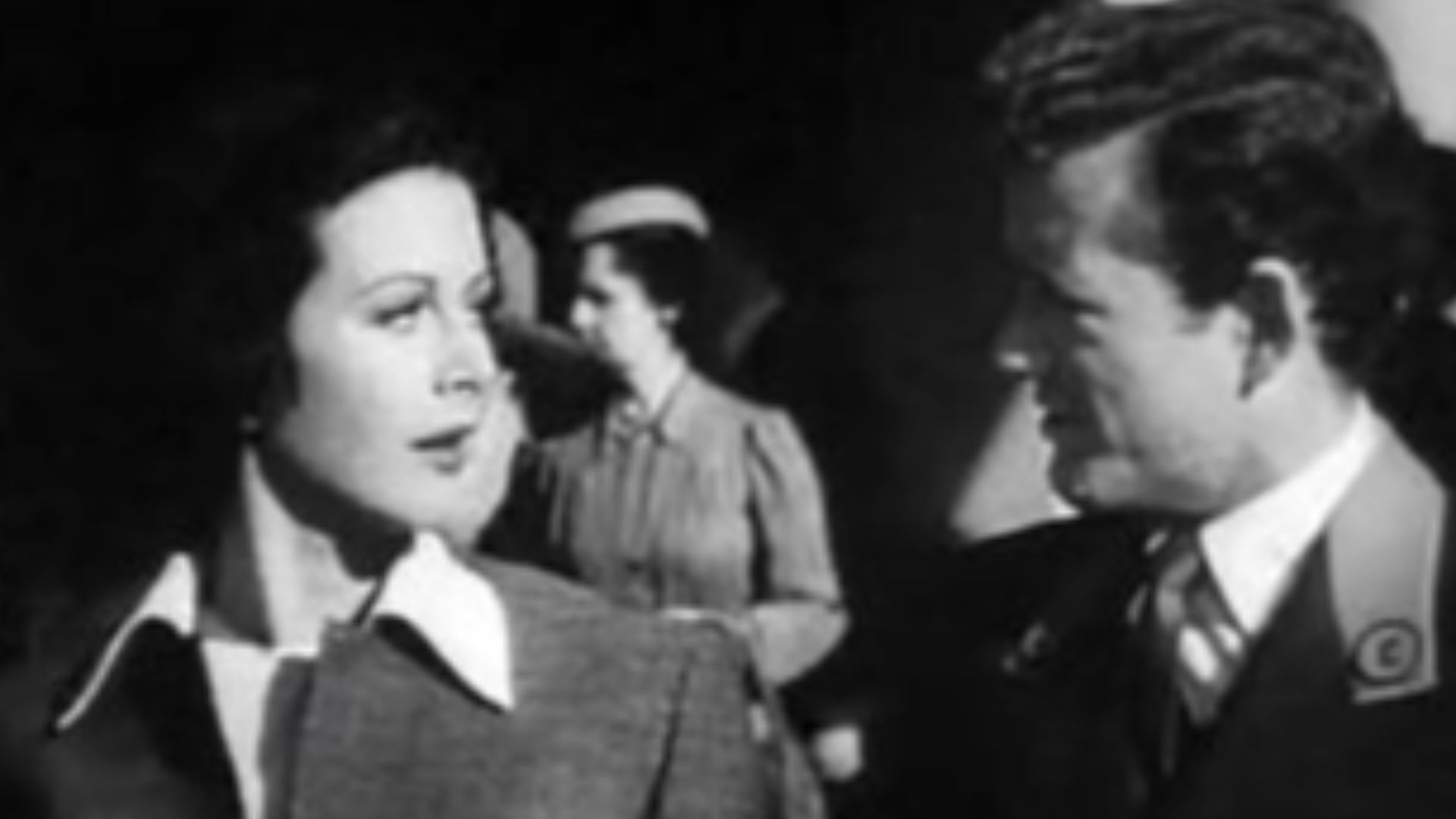
In Her Highness and the Bellboy, Walker plays the upbeat character of Jimmy Dobson. Walker was already depressed, and now he was in the middle of a messy divorce. Every day, he had to show up on set and play an overly optimistic character. Everyone on set knew the truth, and Walker’s ability to turn on the charm amazed them.
As such, even in his depressed state, Walker had them eating out of his hand.
 Trailer screenshot, Wikimedia Commons
History's most fascinating stories and darkest secrets, delivered to your inbox daily.
34. He Was Popular
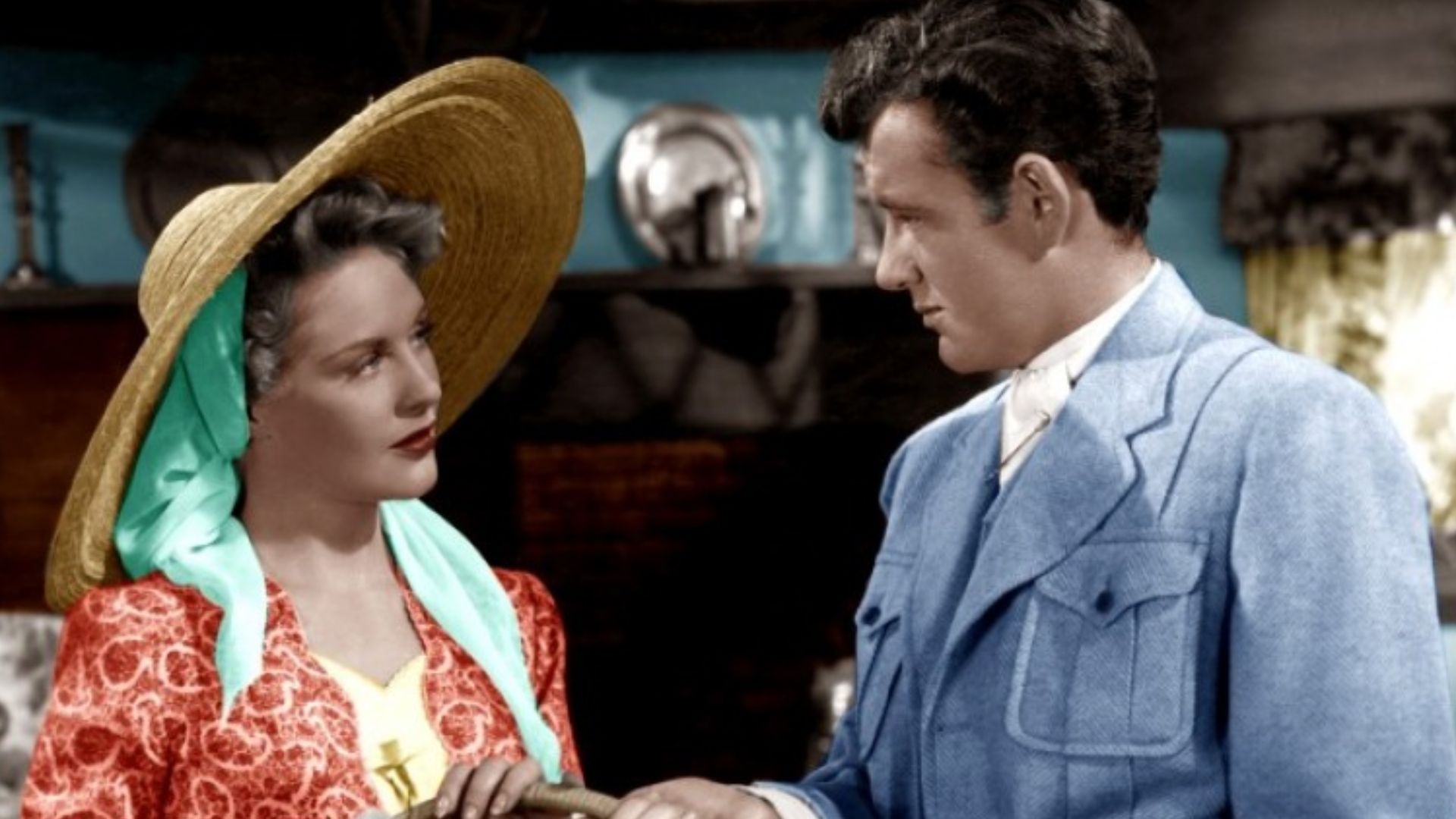
All personal issues aside, Walker proved quite a hit with the ladies. In 1946, Walker got the call to portray real-life composer Jerome Kern in Till the Clouds Go By. Before he got the go-ahead, the producers asked Kern what he thought. He opted to ask his wife’s opinion, and she sassily suggested that Kern play himself, and that Walker come home to her.
But Walker wasn’t popular with everyone.
 film screenshot (MGM), Wikimedia Commons
35. He Got Punished
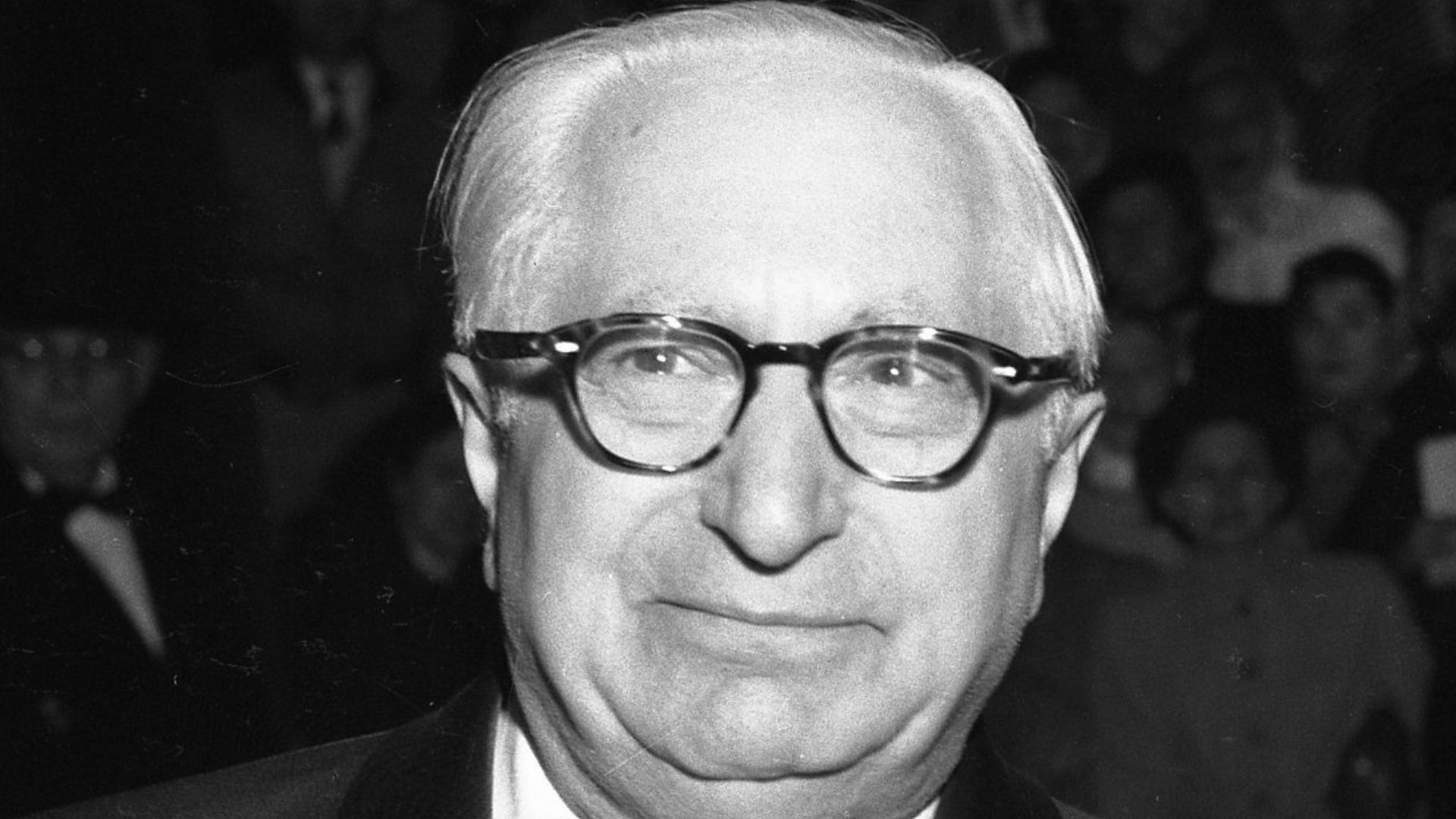
While co-stars and crew sang Walker’s praises, Louis B Mayer and other MGM execs at the head of the movie were not so pleased. They found him “sarcastic” and “defiant”. To punish him, Mayer put the cast names in alphabetical order. Walker, though he was clearly the lead in the film, landed at the bottom. Then Mayer put a media blackout on Walker.
But Mayer wasn't through yet.
36. The Punishment Continued
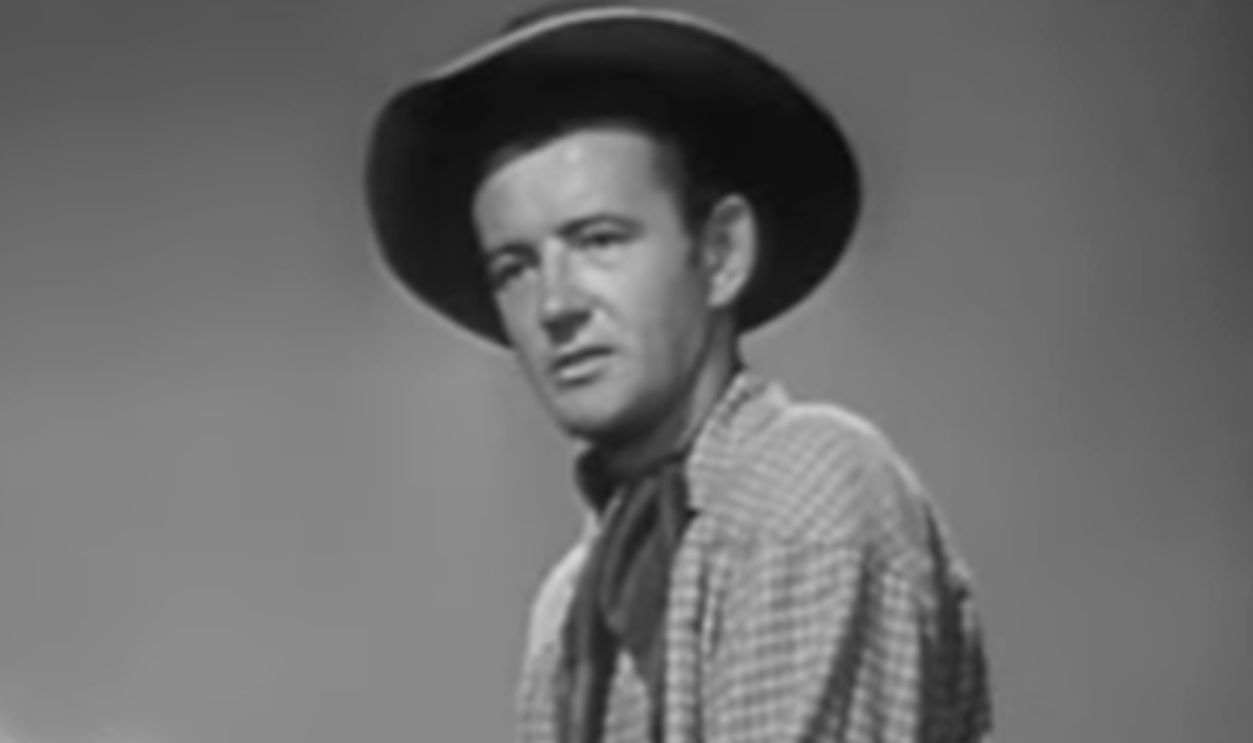
In his next film, Sea of Grass, MGM still wanted to let Walker know that he was in the dog house. For this film, they gave him a very minor role that was more suitable for an up-and-coming actor. He probably felt things couldn't get any worse, until he read a headline that sent him even lower.
 Screenshot from Sea of Grass, MGM (1947)
37. He Got the News
When Walker picked up the Los Angeles Examiner, he didn't expect that the headline would send him reeling. The newspaper was announcing Selznick’s divorce. He knew what this meant. Now Jones would be free to marry Selznick. Walker got in his car and just drove. He disappeared for a number of days and then turned up as if nothing was the matter. And just like that, he’d made Mayer even more angry than before.
But Walker’s troubles were just beginning.
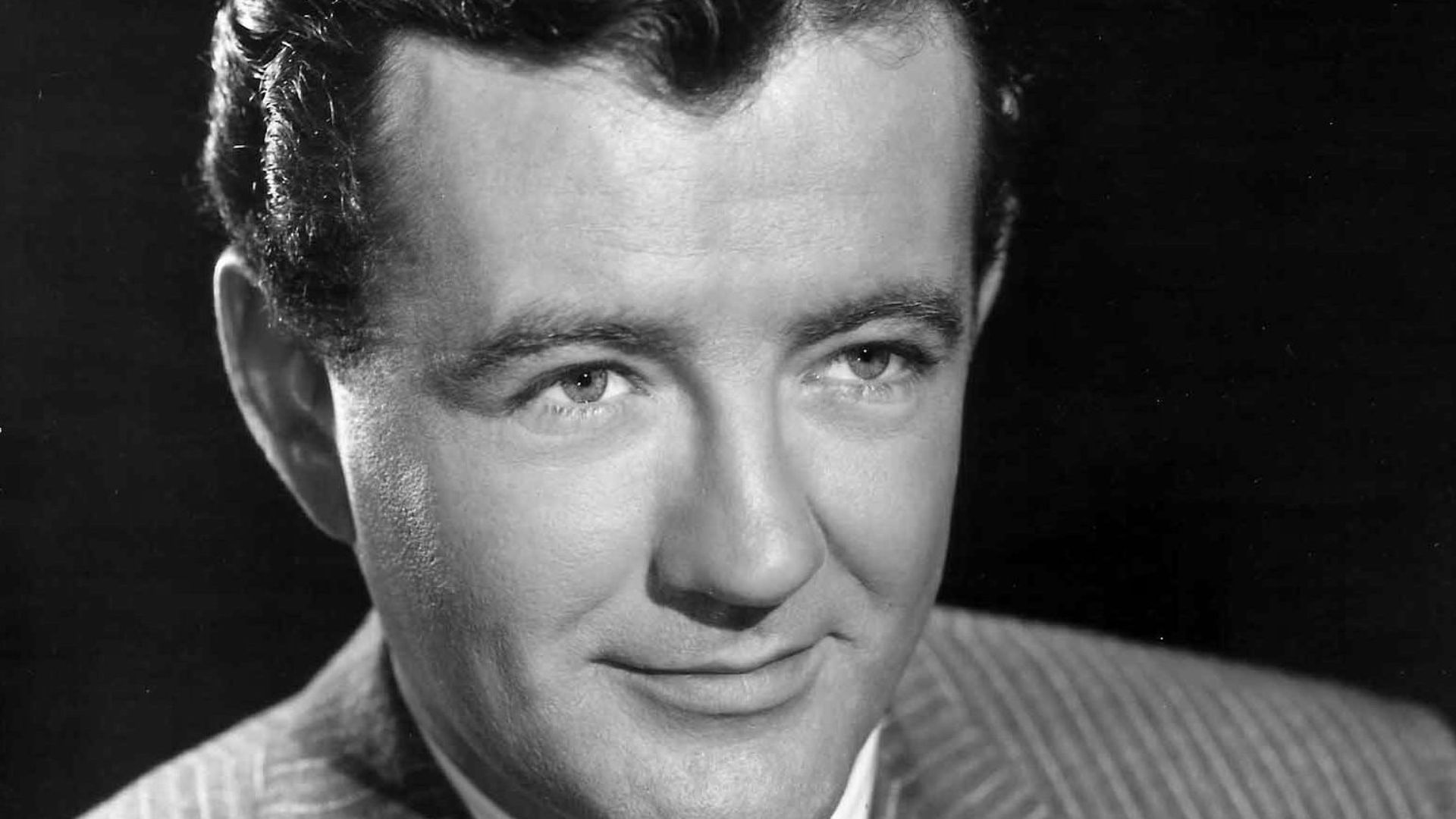 Warner Bros. press photo, Wikimedia Commons
38. He Got Into Trouble With The Law
After leaving the scene of a car accident that he caused, Walter ended up on probation. The judge had admonished Walker and told him that he owed it to his fans to straighten his life out. This angered Walker, and he picked up the phone, called MGM and said he quit.
Then he realized he couldn’t leave Hollywood. He had his sons to think about. He was a prisoner of the movie industry.

39. He Got Violent
In 1948, he met up with Ava Gardner on One Touch of Venus. An affair started up, but when Gardner proved to be less than faithful, Walker did something completely out of character: he hit her. Clearly, Walker was not himself. His life was spiraling downward, and there seemed to be little hope of recovery.
And then he got an idea that would solve all his problems.
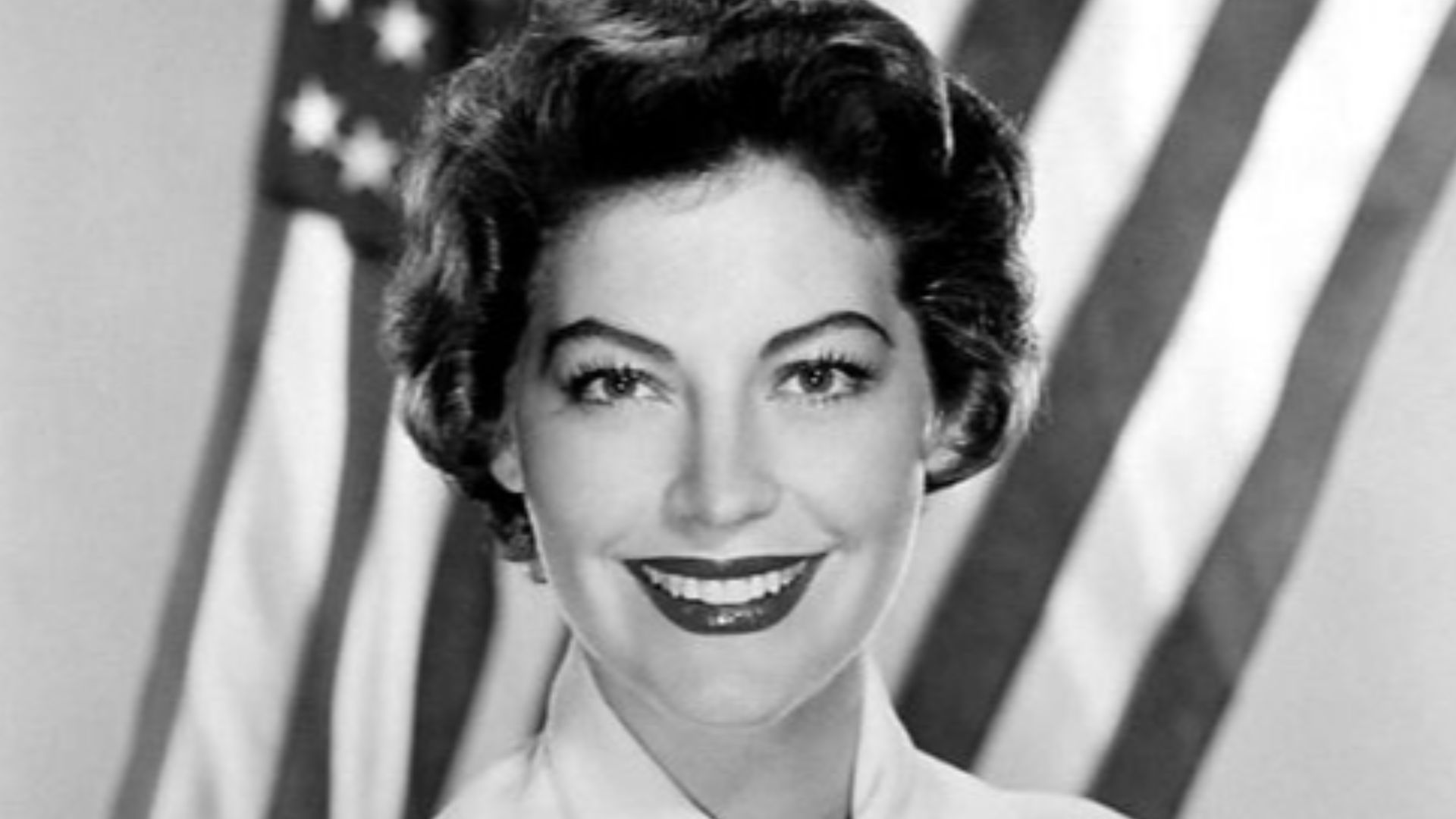 Unknown authorUnknown author, Wikimedia Commons
History's most fascinating stories and darkest secrets, delivered to your inbox daily.
40. He Tried To Replace Her
Walker decided he just needed a replacement for Jones. In 1948, he married Barbara Ford, who was the daughter of esteemed director John Ford. Walker’s friend Jon Henaghan thought it was a mistake, and he was right. The marriage ended five months later. Henaghan thought that the biggest problem was the most obvious: Ford simply wasn’t Jones.
And then, Walker’s biggest fear became fact.
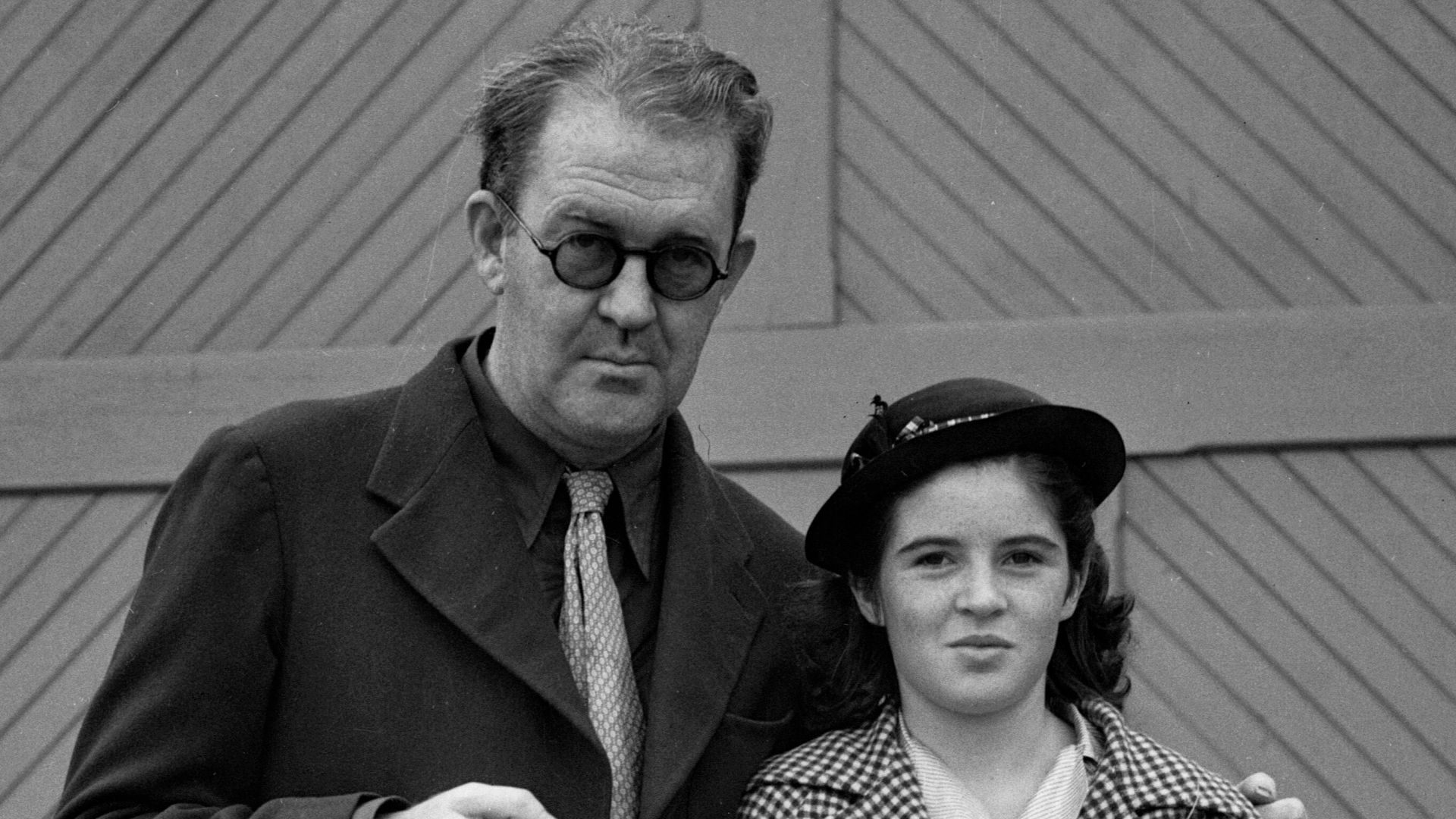 Los Angeles Times, Wikimedia Commons
41. He Checked Himself In
On July 13, 1949, Walker’s ex-wife, Jennifer Jones, wed David O Selznick. The marriage took place on the sea while the couple was on their way to Europe. The very same year, Walker checked himself into the Menninger Clinic. He was there to treat a “psychiatric disorder”.
Walker needed the clinic to work.

42. He Felt Wanted
Good news greeted Walker as he emerged from the clinic. He found out that Alfred Hitchcock had a role for him. In fact, Hitchcock had no other actor in mind for Bruno in Strangers on a Train. This would be a role against type for Walker, as he would be playing a psychopath. He had to wonder if moviegoers would still like him after this brutal portrayal.
But considering Jones’ recent marriage, a hit film would feel good for Walker right now.
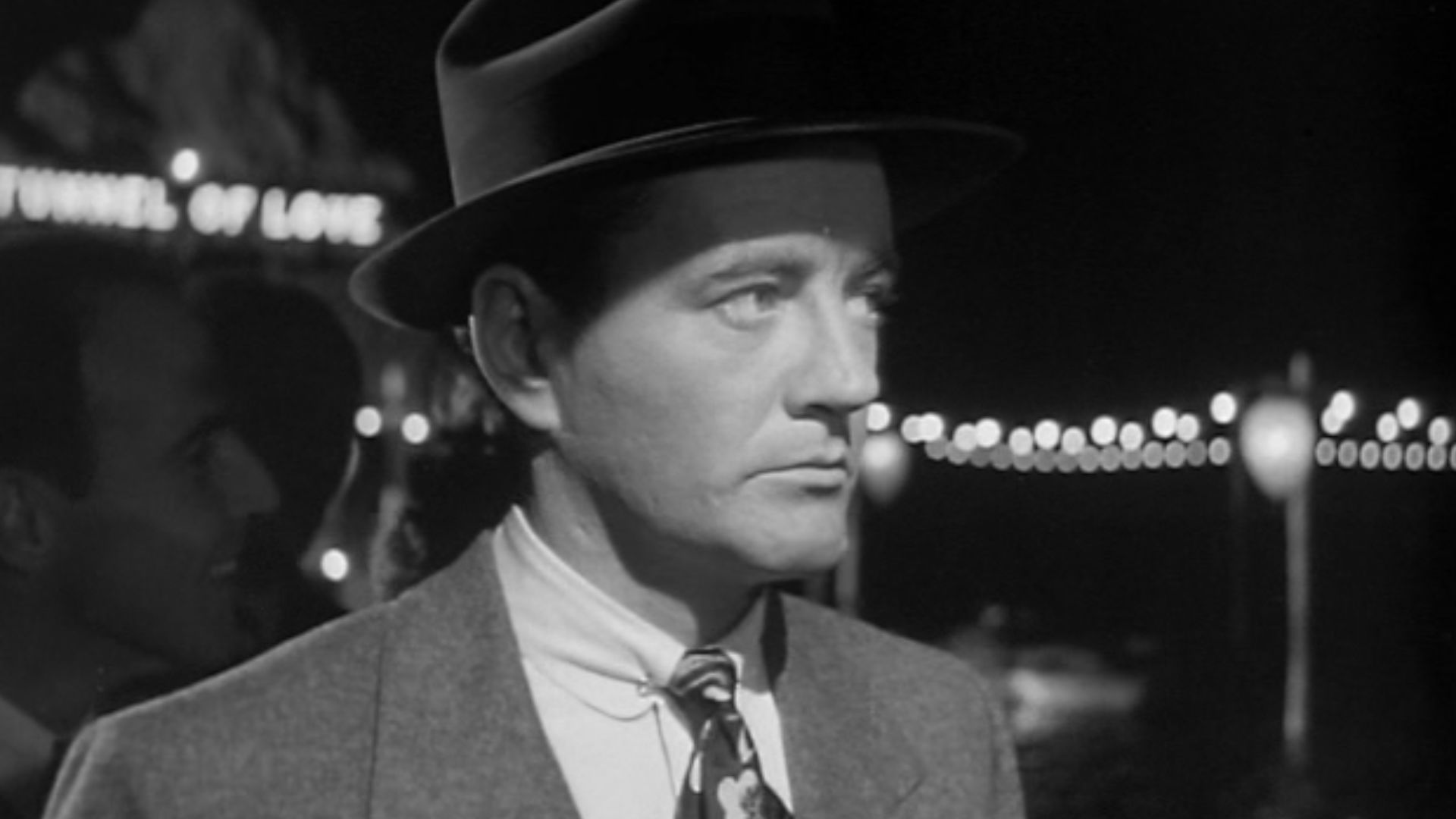 Directed by Alfred Hitchcock, distributed by Warner Bros., Wikimedia Commons
43. He Made A Classic
Strangers on a Train took its source from Patricia Highsmith's novel of the same name. When the author saw the finished film, she praised Walker’s portrayal of Bruno. She said he held the film together. The film received mixed reviews but has since become a classic.
It’s a good thing because it would be the last film Walker would complete.
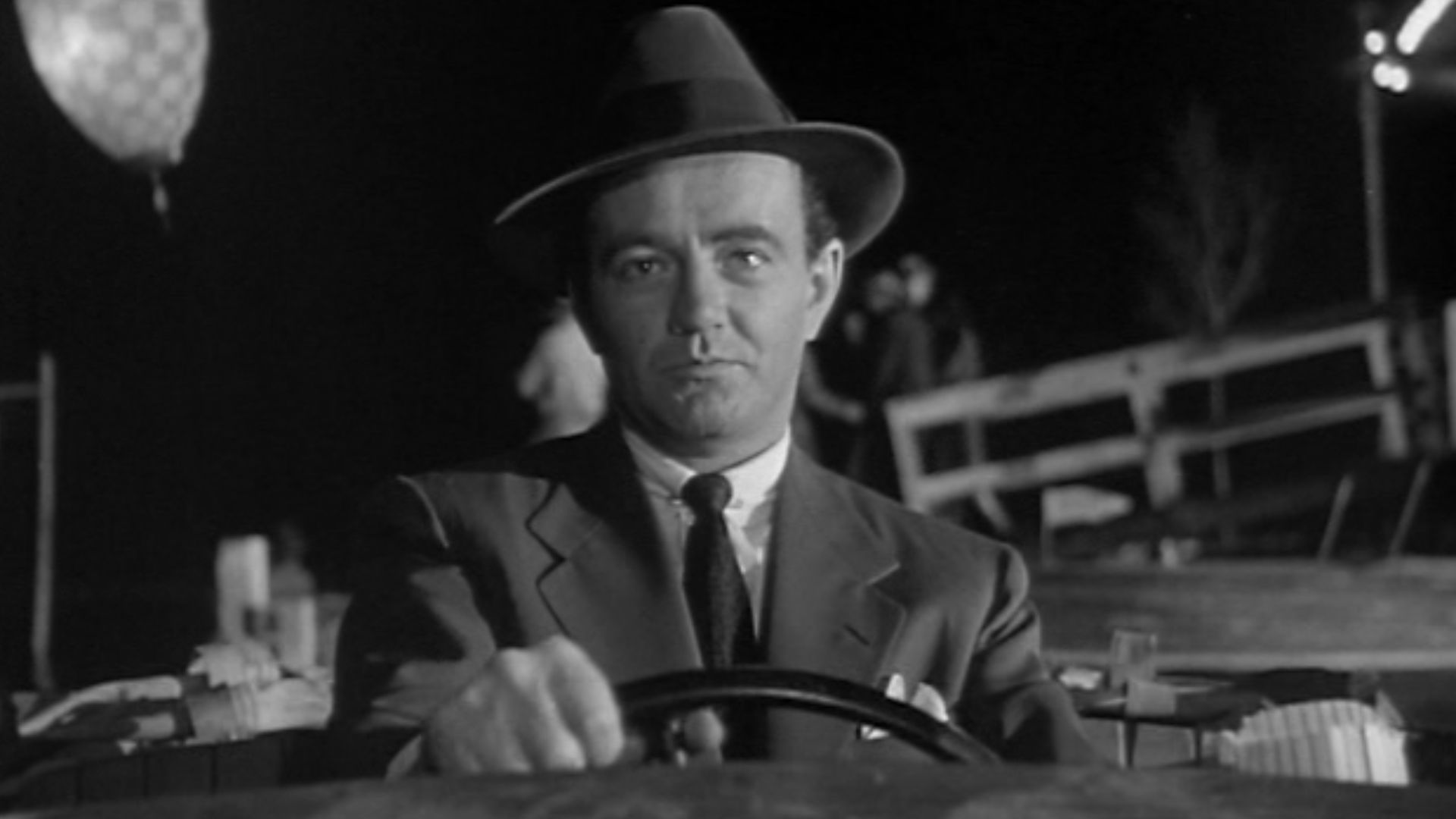 Directed by Alfred Hitchcock, distributed by Warner Bros., Wikimedia Commons
44. He Started Another
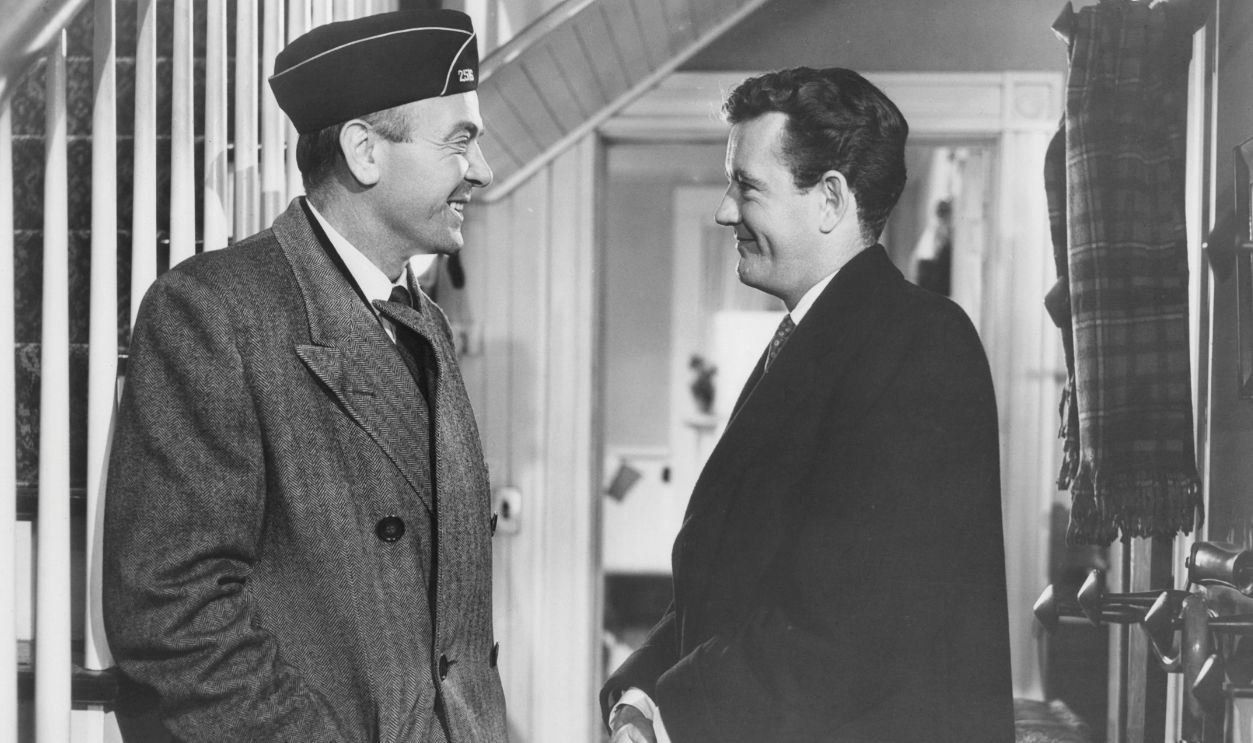
Walker did start a new film, but he wouldn’t finish it. My Son John was an anti-communist film that many saw as Hollywood’s attempt to appease the accusations that there were communists in their ranks. Walker completed the film, but there were a few reshoots left to do.
And then tragedy struck.
45. It Started off Like A Normal Night
On August 28, 1951, Walker was playing cards with his housekeeper, and his friend Henaghan dropped by for a drink. Henaghan thought that Walker was acting normally. What he didn’t know was that the housekeeper had called the doctor and said that Walker was acting irrationally. Doctor Hacker was there, and he asked Henaghan for help.
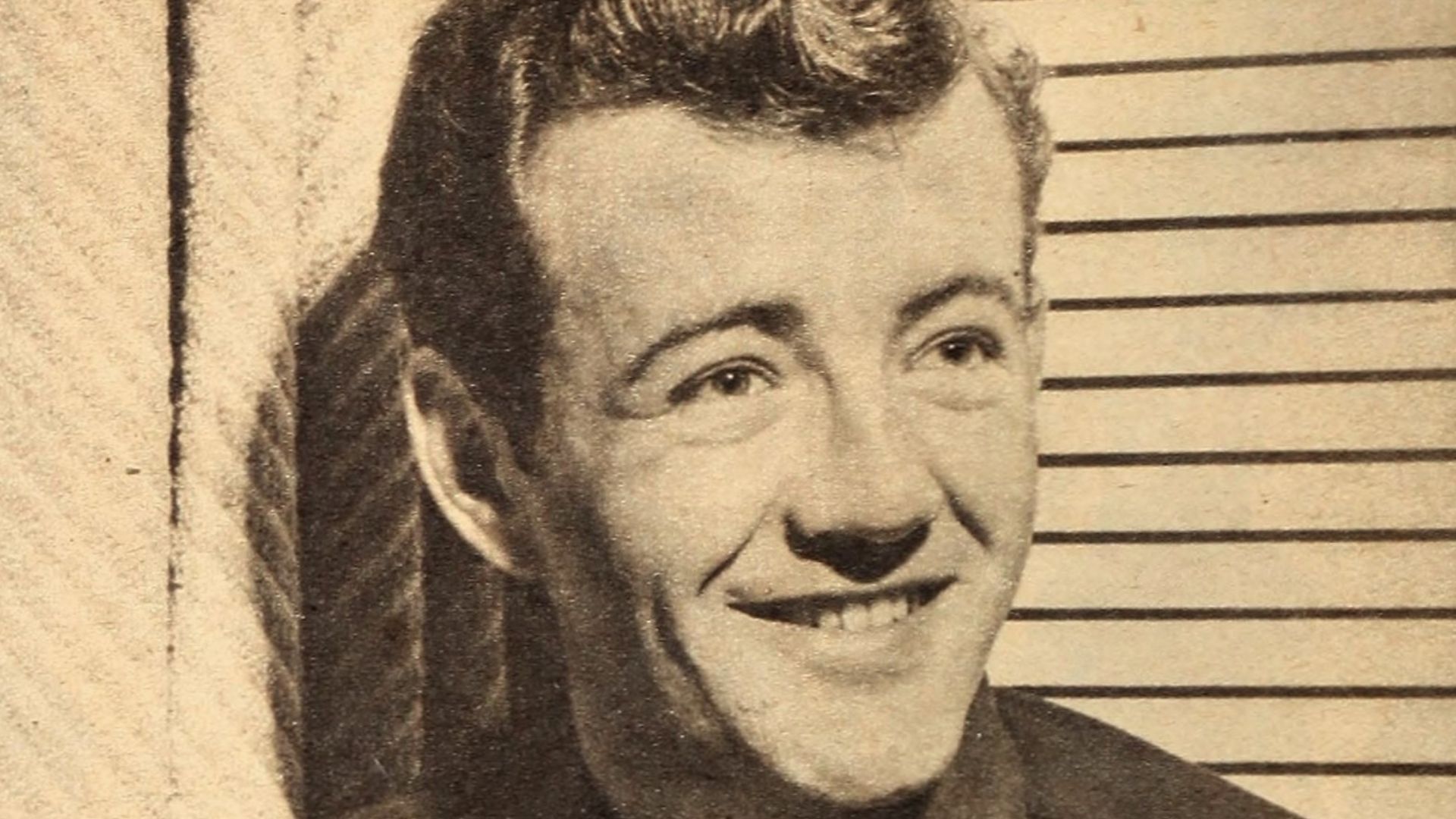 Dell Publishing, 1946. Photographer not credited, Wikimedia Commons
History's most fascinating stories and darkest secrets, delivered to your inbox daily.
46. He Made A Run For It
Dr Hacker wanted Henaghan to help Walker into bed. Another doctor arrived, and the two decided to give Walker an injection. When Walker refused, the doctors enlisted Heanghan’s help. Walker was so afraid of the injection that he ran off into the rainy night.
Henechan had to decide what was best to do.
 Laura Villela Beauty Designer | Brasil, Pexels
47. They Forced Him
Heneghan decided to listen to what the doctors said. He ran into the rain-soaked street and dragged Walker back. He threw his friend down on the bed and held him down while the doctors administered the medicine that they said would help calm Walker down.
Sadly, it would do more than just calm him down.

48. He Passed Out
The drug the doctors injected into Walker was the barbiturate Amobarbital, which had the street name “Blue Heavens”. Everyone knew that you should not mix it with booze. The injection made Walker pass out almost immediately. Not long after, the doctors noted that something was wrong. Henaghan called for an ambulance, but it was too late. Walker had stopped breathing.
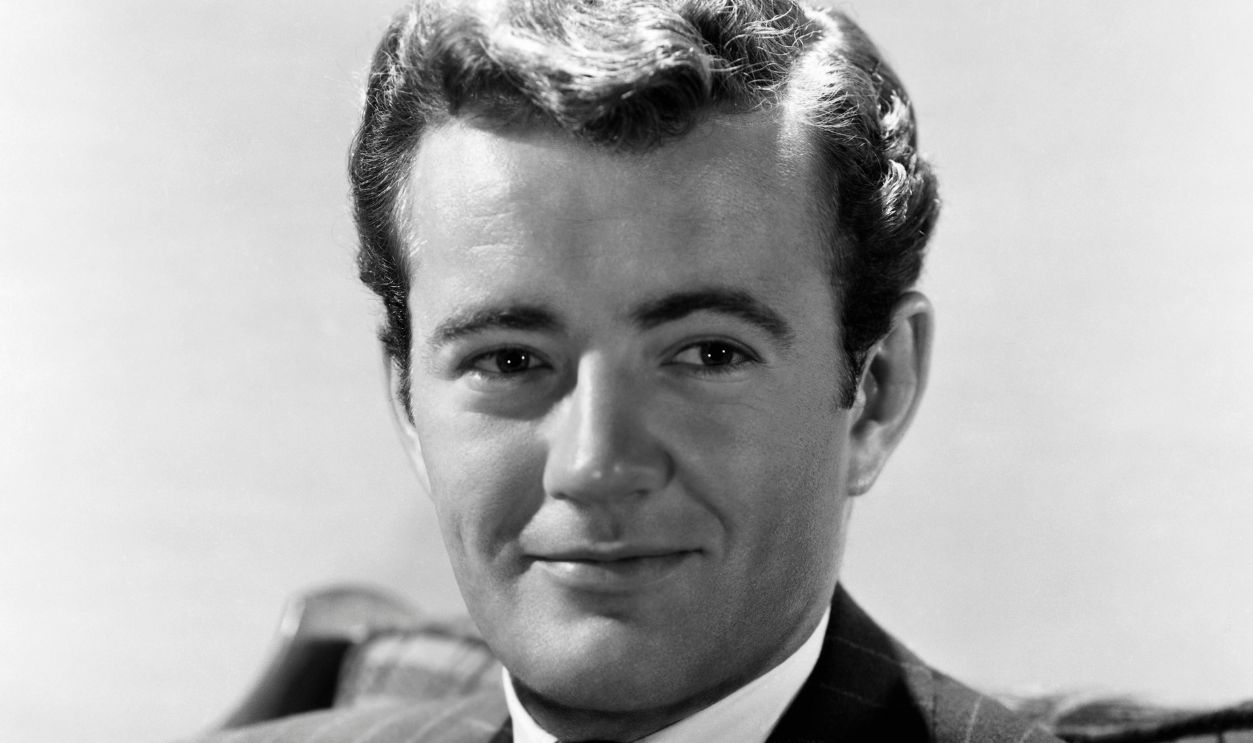 John Springer Collection, Getty Images
49. They Lined Up To Mourn
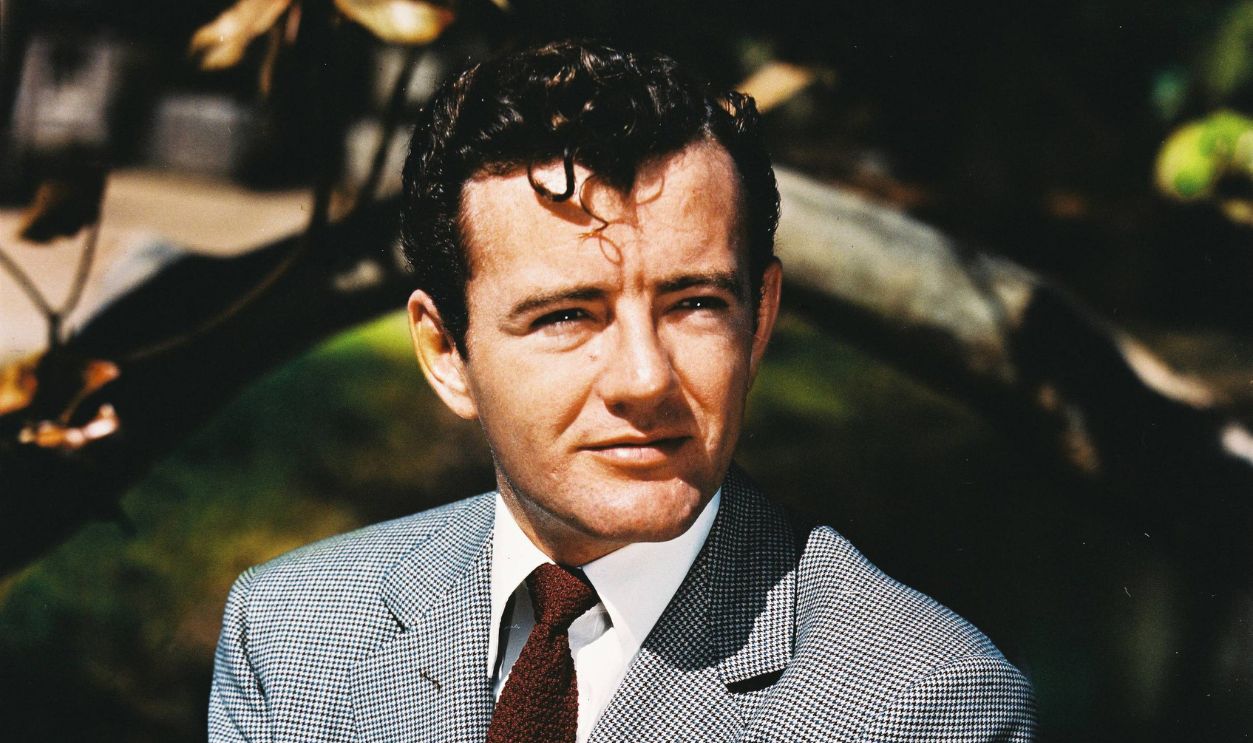
Walker’s funeral was in Ogden, Utah. Fans and gawkers lined up for seven blocks to catch a glimpse of Walker, or maybe some celebrities who may have arrived to mourn. But there were no celebrities there. There were, however, some flowers sent. One bunch stood out. It was from Mr and Mrs David O Selznik.
This was not the happy ending that Walker’s early life had promised. Neither was it for Jones.
 Silver Screen Collection, Getty Images
50. It Wasn’t Happy Ever After
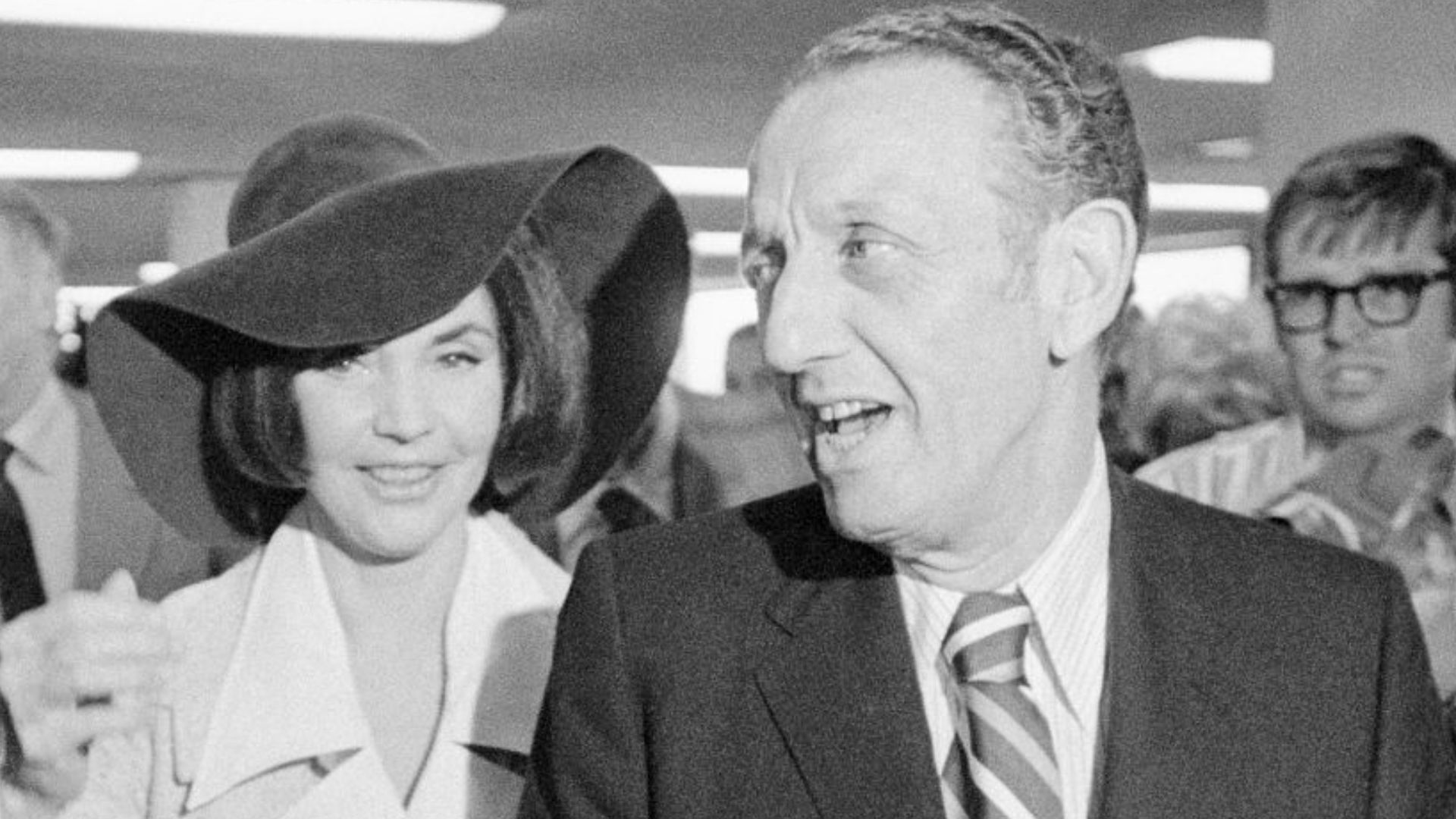
Jones ended up staying with Selznick until he passed in 1965. The couple had one daughter, who took her own life by jumping out a window. Jones then married billionaire Norton Simon. It came out later that both Selznick and Mayer had behaved inappropriately with young women. Typical “casting couch” behavior for men with too much power in Hollywood.
Sadly, we’ll never know what more Walker could have done with his career if he hadn't lost the love of his life.
 United Press International, Wikimedia Commons
You May Also Like:
Alfred Hitchcock, The Dark Genius
David O Selznick, Hollywood's Original Monster
Sources:
1, 2, 3, 4, 5, 6, 7, 8, 9, 10, 11, 12, 13, 14, 15, 16, 17, 18,









..png)

