Your Closet Is Full Of Dead People's Names.
Fashion has a long memory for names, even when it forgets the people behind them. Many familiar garments and styles were named after soldiers, aristocrats, performers, and political figures whose personal stories have almost completely disappeared behind the clothes they inspired.
Amelia Bloomer Did Not Invent Bloomers
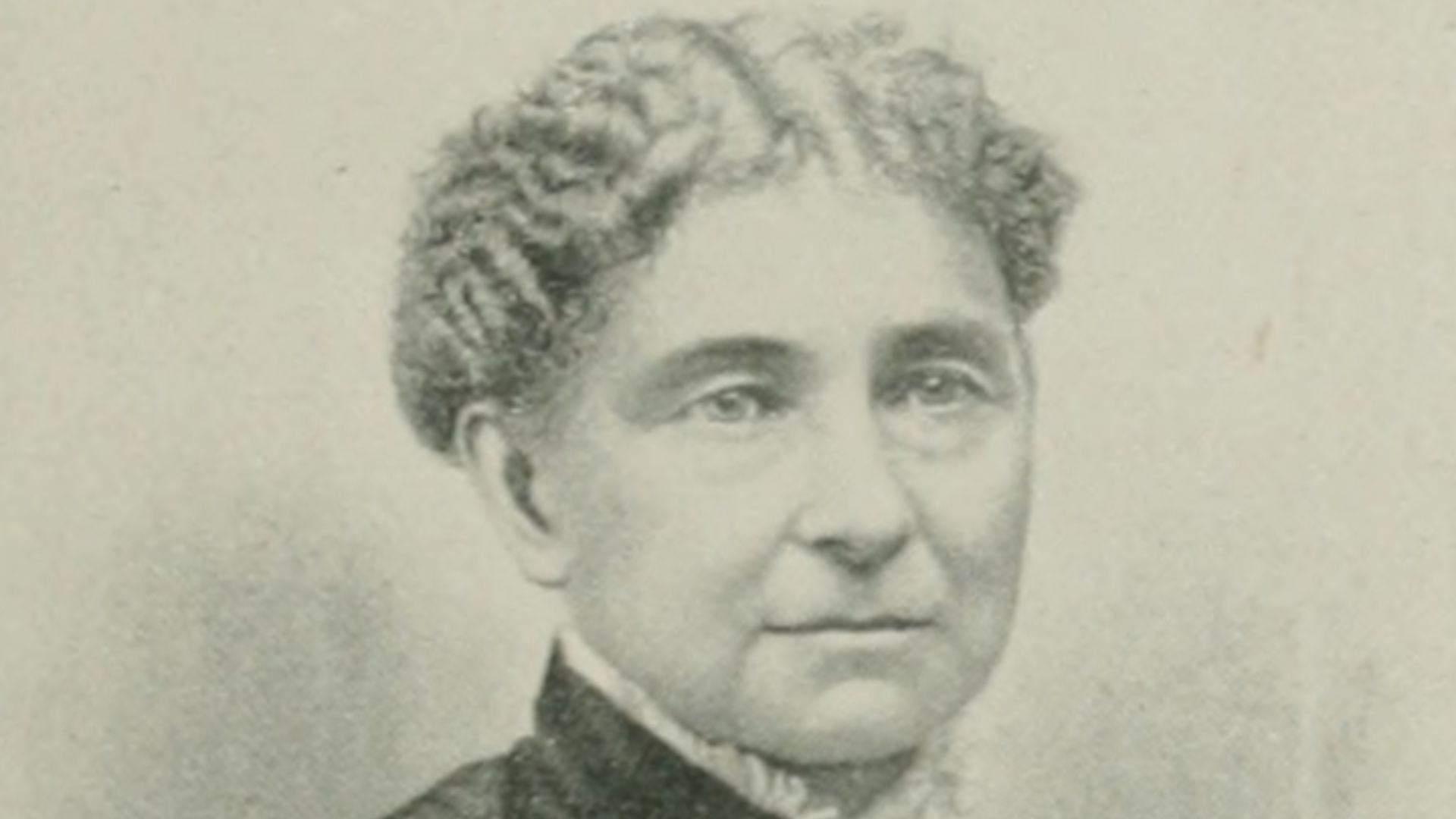
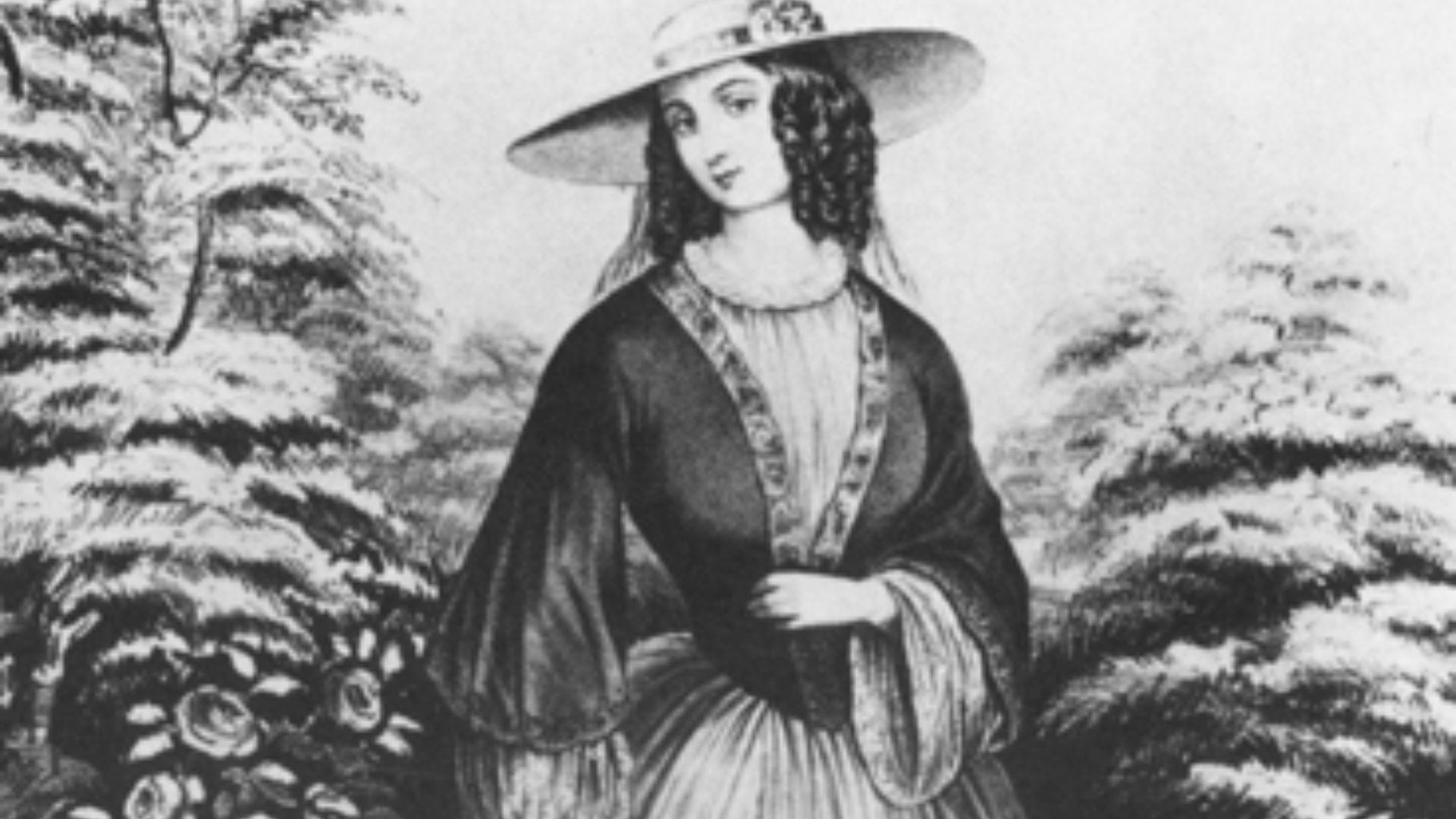
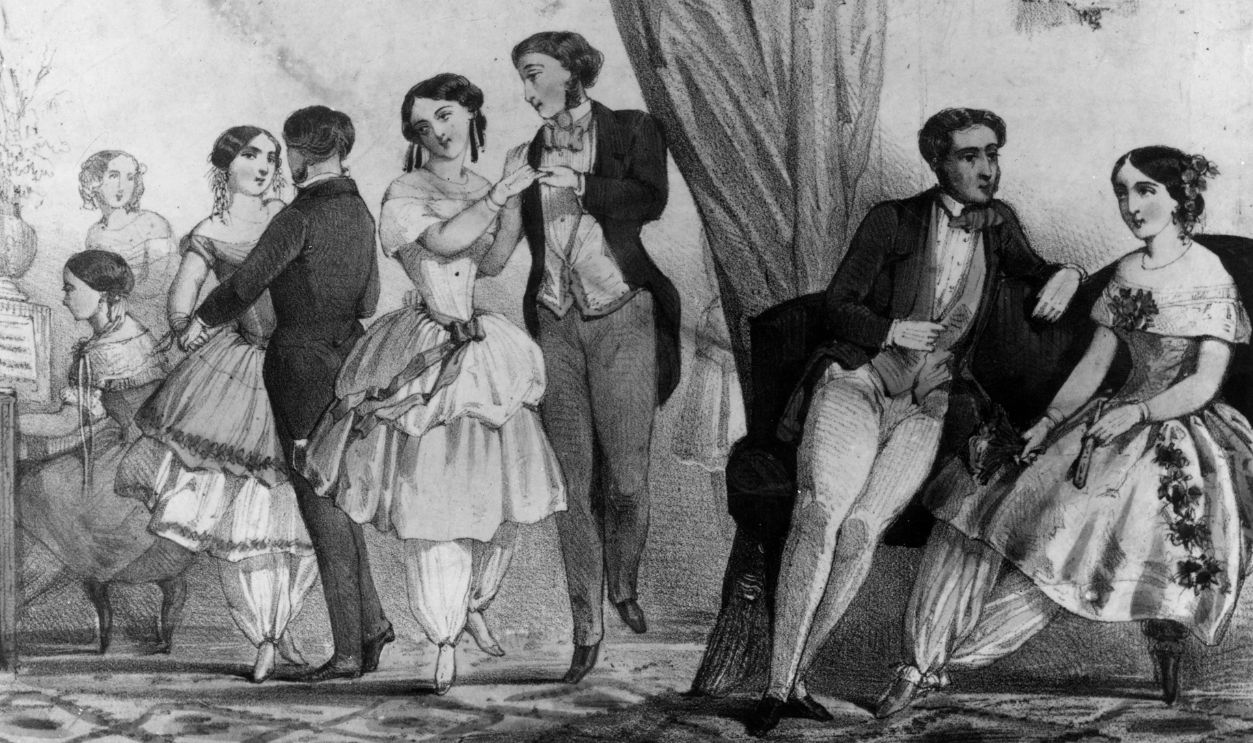
Amelia Jenks Bloomer was a newspaper editor and women's rights activist when a radical new style of dress began attracting attention in 1851. The outfit paired a shortened skirt with loose trousers, offering considerably more freedom of movement than the heavy dresses and multiple petticoats fashionable at the time. Bloomer adopted the outfit and promoted it through her newspaper, The Lily. The strange part is that she had not actually invented it.
 Unknown authorUnknown author, Wikimedia Commons
Another Woman Wore Them First
Bloomer credited Elizabeth Smith Miller with introducing the reform outfit to her circle. Miller wore the style while visiting her cousin Elizabeth Cady Stanton, who quickly adopted it, followed by Bloomer. Once Bloomer published an illustration and discussion of the costume, hundreds of women wrote requesting information. Her newspaper's circulation jumped dramatically as the clothing became national news.
 Unknown authorUnknown author, Wikimedia Commons
The Press Put Bloomer's Name On The Pants
Newspapers soon began calling wearers “Bloomerites,” while the trousers themselves became “bloomers.” Bloomer later wrote that she was amazed by the attention and eventually abandoned the costume because ridicule surrounding it was distracting from the wider women's rights movement. The terminology survived anyway. A garment she neither invented nor permanently wore became the part of her name most familiar to later generations.

History's most fascinating stories and darkest secrets, delivered to your inbox daily.
Jules Léotard Needed Clothes That Would Not Catch
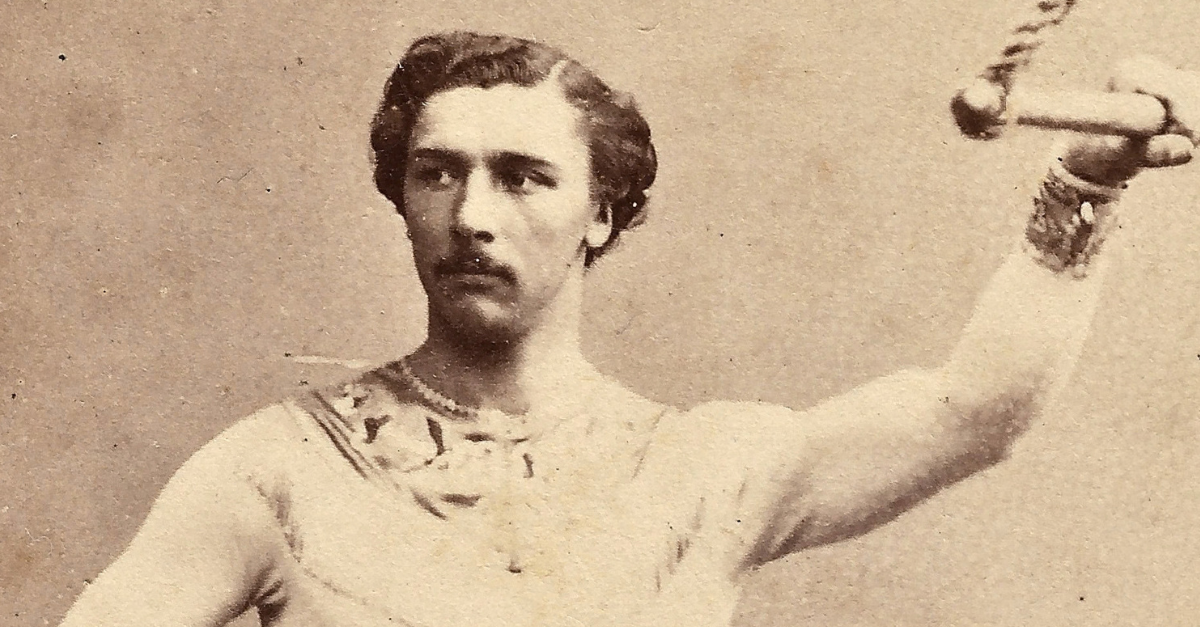
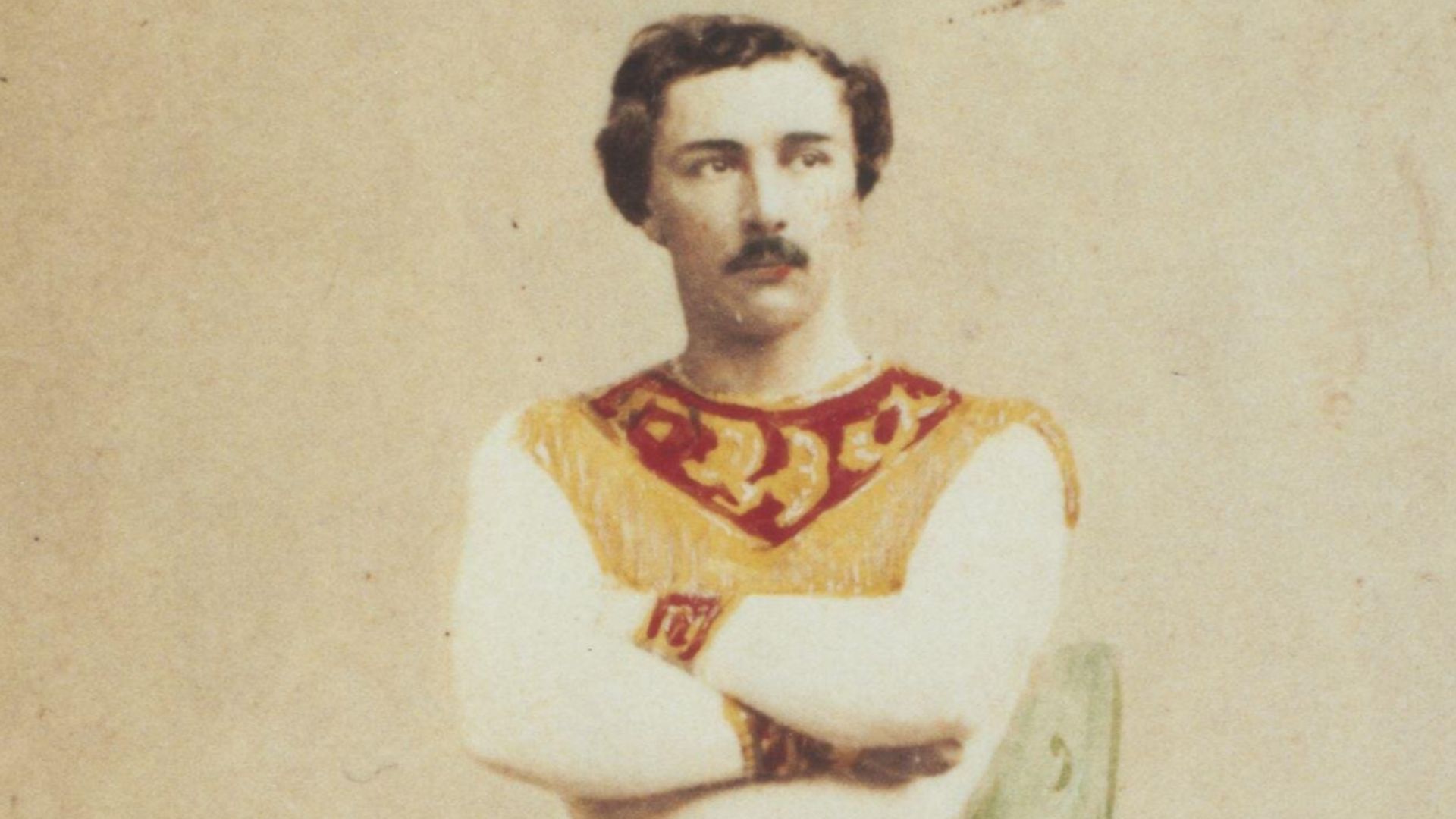
Jules Léotard was a French gymnast whose father operated a swimming pool and trained him in acrobatics. Léotard developed an act involving a series of trapezes and debuted his flying-trapeze performance at Paris's Cirque Napoléon in 1859. Loose clothing would have been dangerous while swinging through the air, so he performed in a close-fitting one-piece garment. The costume allowed audiences to see his movements without fabric interfering with the apparatus.
 Unknown authorUnknown author, Wikimedia Commons
His Flying Trapeze Made Him A Celebrity
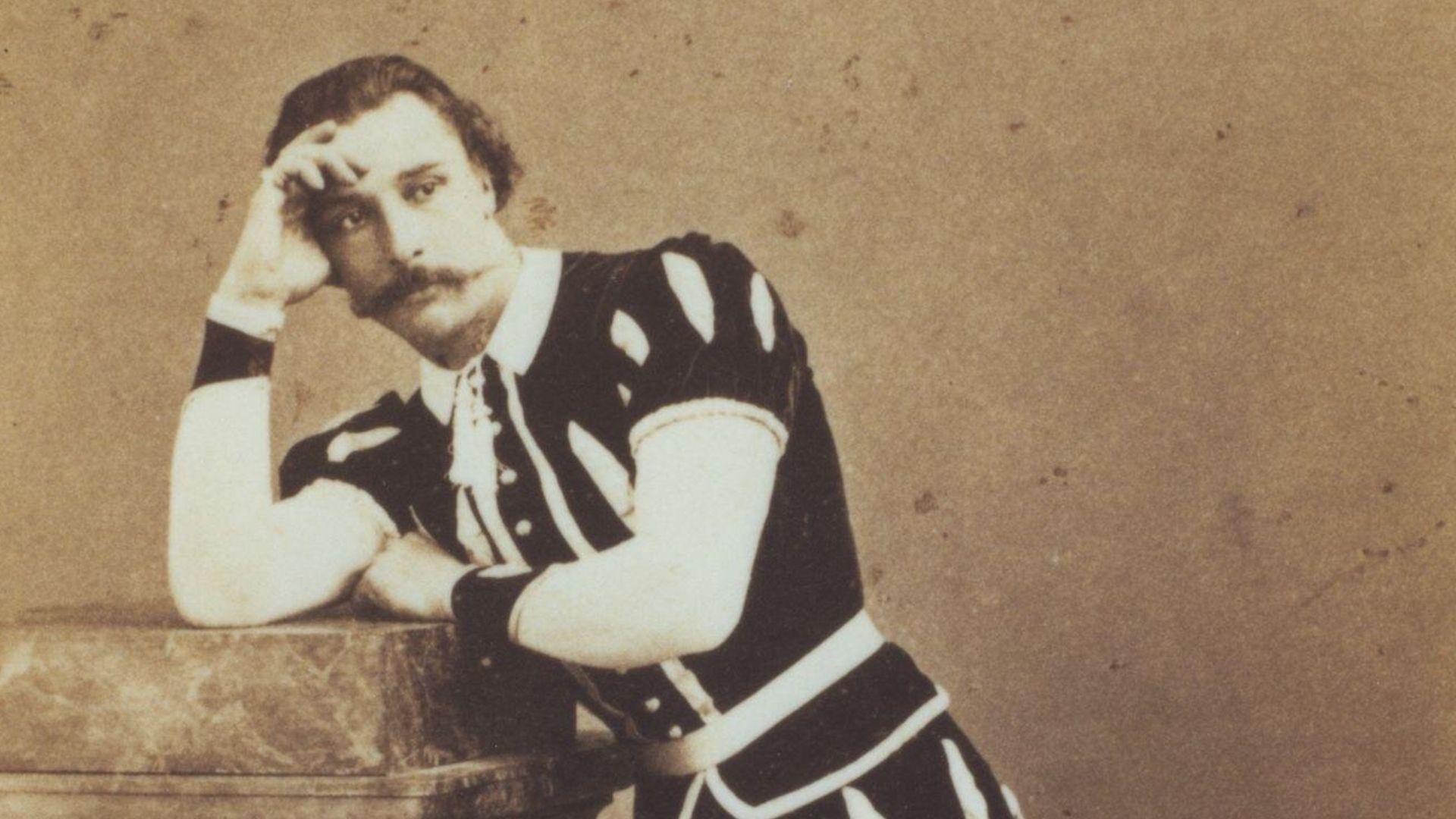
Léotard's aerial act became a major sensation as he performed across Europe. His combination of athletic skill and daring helped establish the flying trapeze as a circus attraction. Smithsonian histories credit him with creating the new act and popularizing the form-fitting costume associated with it. The performer became famous enough that both the stunt and his clothing drew imitators.
 Unknown (photographer), Wikimedia Commons
His Last Name Became Dancewear
The one-piece garment eventually became known as a leotard. Later dancers, gymnasts, circus performers, actors, and athletes adopted variations of the same basic design long after Léotard's original trapeze act disappeared. Modern wearers can therefore speak his surname without knowing they are referring to a 19th-century French aerialist. His outfit may now be more familiar than the man who needed it.

Lord Cardigan Was Already Notorious
James Thomas Brudenell, 7th Earl of Cardigan, had a remarkable talent for attracting controversy. The National Army Museum describes an officer known for quarrels, an infamous dispute over wine bottles, and even a duel that led to his trial before the House of Lords. His greatest fame arrived during the Crimean War, when he commanded the Light Brigade. Cardigan led its disastrous charge at Balaclava in 1854.
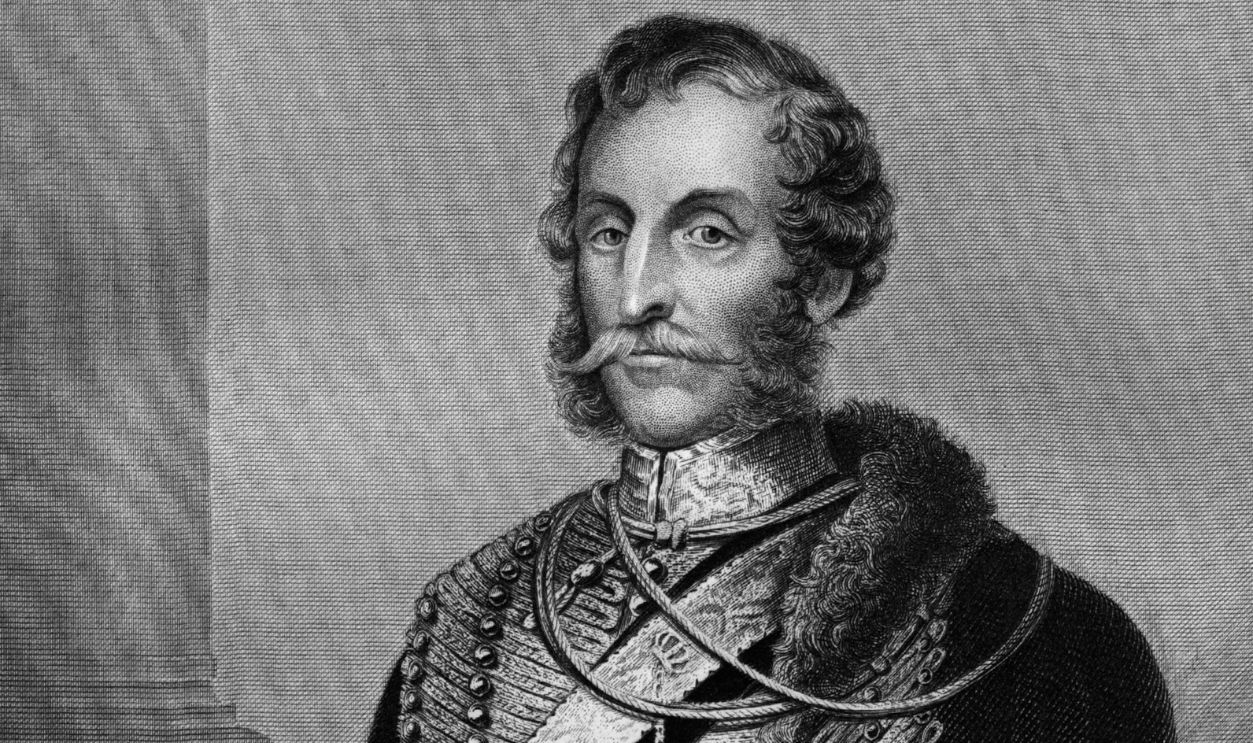 Michael Nicholson, Getty Images
Somehow A Sweater Came Out Of The Crimean War
Knitted wool jackets associated with military wear became connected with Cardigan's name after the war. The word “cardigan” is recorded for a close-fitting knitted jacket by the late 1860s. Exactly how closely the garment matched something Cardigan himself wore is harder to pin down than later fashion mythology suggests. His celebrity after Balaclava nevertheless made the aristocratic title useful shorthand for the style.
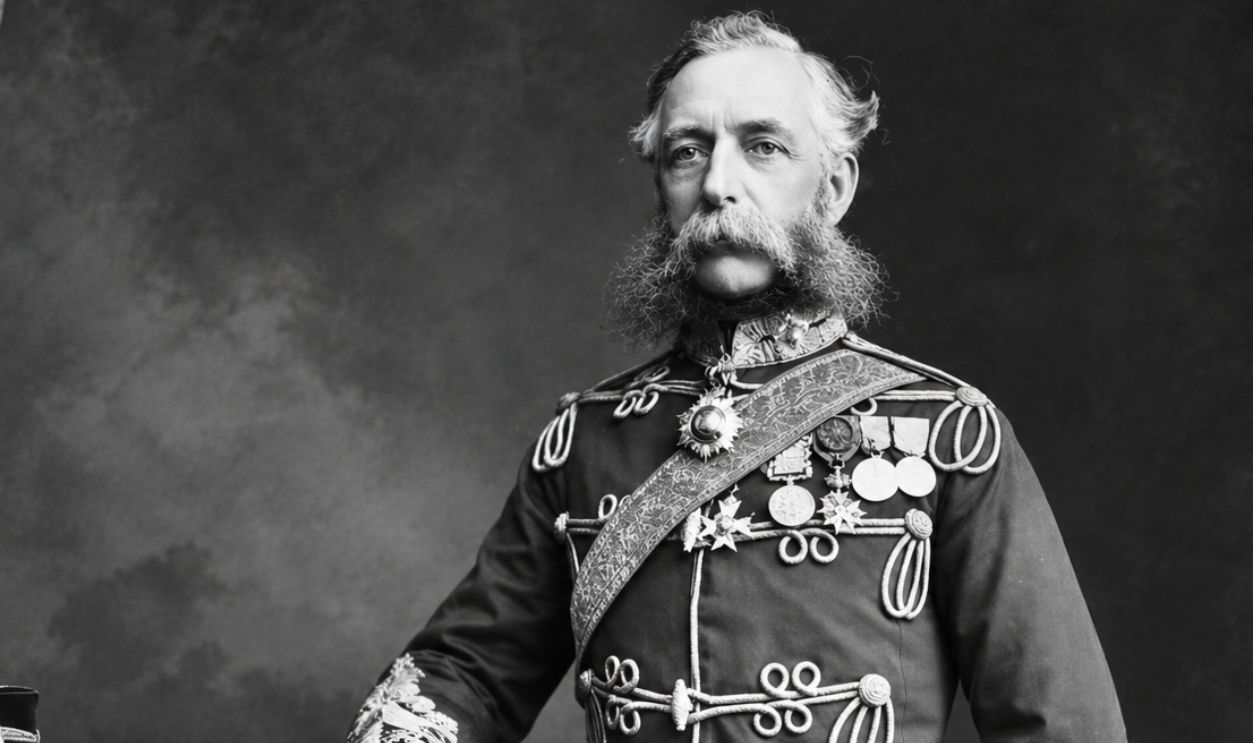 Unidentified photographer, Wikimedia Commons, Enhanced
Cardigan Outlived Cardigan's Reputation
The Earl died in 1868, the same year cited by etymological sources for the early appearance of “cardigan” as a clothing term. Over time, the word broadened into the familiar front-opening knitted sweater worn by men, women, and children. Coco Chanel and later designers helped turn cardigan-style garments into sophisticated womenswear. The argumentative cavalry commander largely vanished from everyday memory while his title ended up hanging in closets around the world.

History's most fascinating stories and darkest secrets, delivered to your inbox daily.
Lord Raglan Lost An Arm At Waterloo
FitzRoy Somerset, later 1st Baron Raglan, served as an officer during the Napoleonic Wars. At the Battle of Waterloo in 1815, he was severely wounded and lost his right arm. He nevertheless continued a long military career and eventually became commander of British forces during the Crimean War. His name would become attached to clothing precisely because of the unusual demands created by his injury.
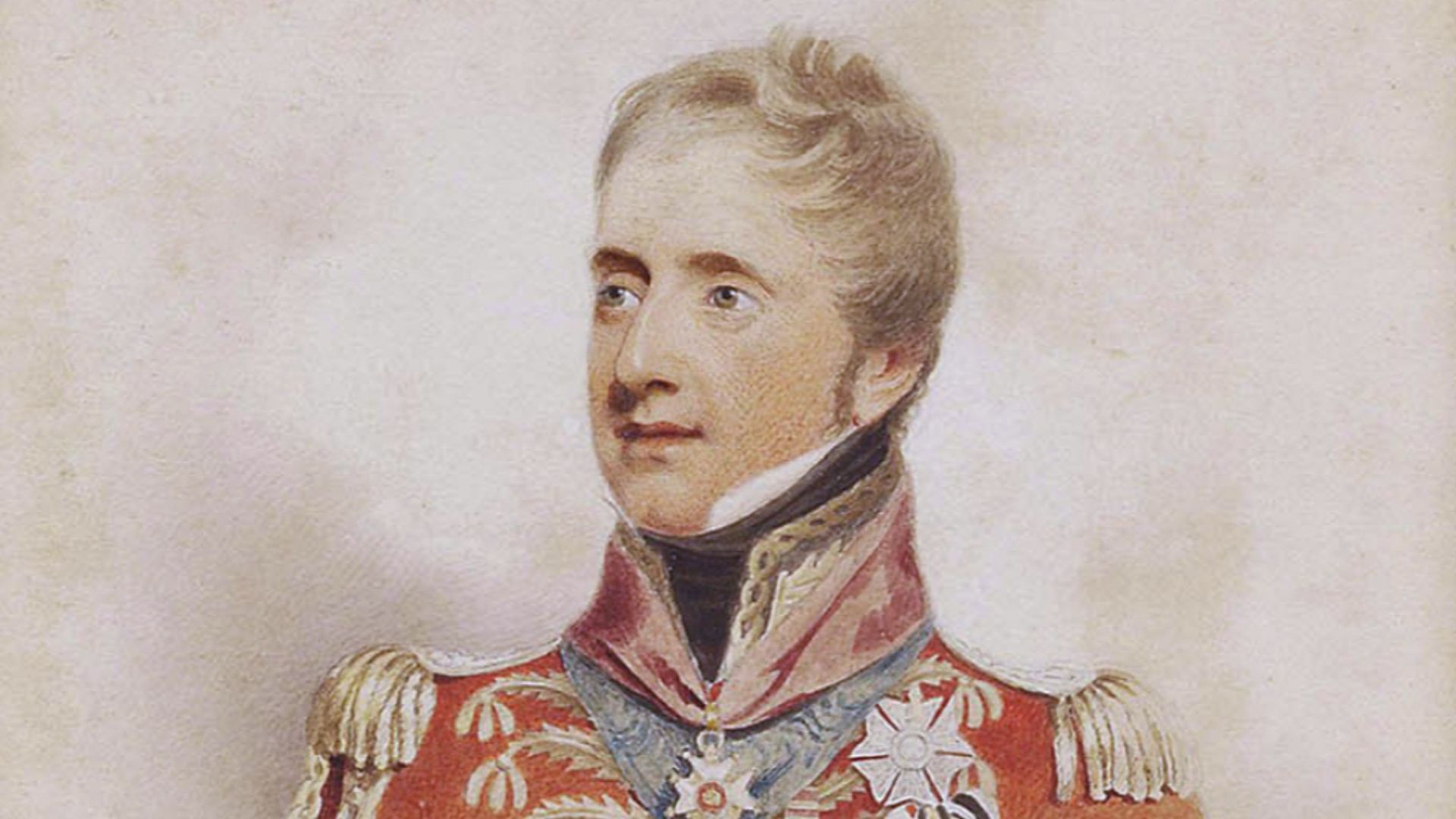 William Haines, Wikimedia Commons
A Different Sleeve Made Dressing Easier
The raglan design extends the sleeve in one piece toward the neckline rather than attaching it at a conventional shoulder seam. Fashion histories traditionally connect the design with garments made for Lord Raglan because the construction could provide greater freedom around the shoulder and make dressing easier. By the mid-1850s, “raglan” was already being used for a type of overcoat associated with him. The sleeve construction later became more important than the original coat.
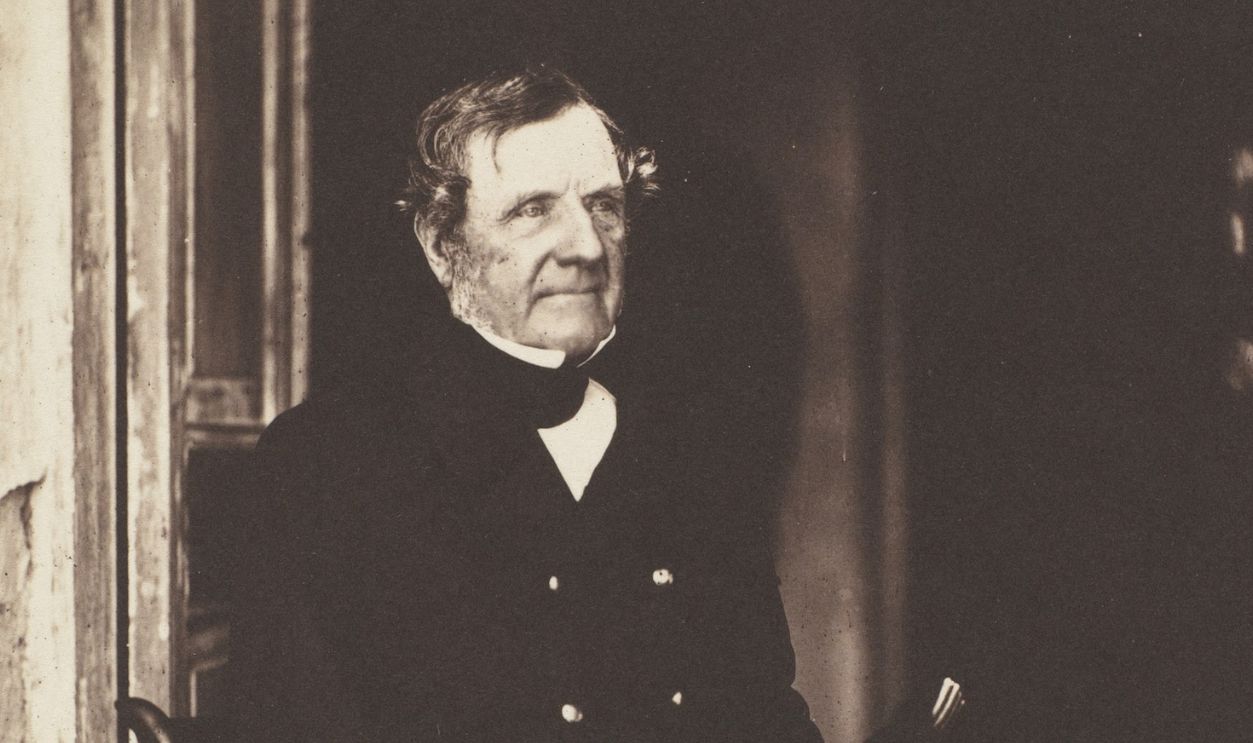
Baseball Shirts Still Carry Raglan's Name
Raglan sleeves eventually migrated far beyond Victorian military outerwear. The diagonal seam became common in sportswear, baseball shirts, sweatshirts, coats, and casual clothing because it permits comfortable shoulder movement. Most people wearing a raglan shirt are unlikely to picture a one-armed Crimean War commander. The design became ordinary enough to erase the biography that gave it a name.

Charles Macintosh Was A Chemist, Not A Designer
Charles Macintosh was a Scottish chemist interested in the industrial possibilities of substances derived from coal processing. He discovered that rubber could be dissolved in naphtha and used the solution to bond layers of fabric together. Macintosh patented his waterproofing process in 1823. The goal was practical protection against Britain's notoriously wet weather rather than a new fashion silhouette.
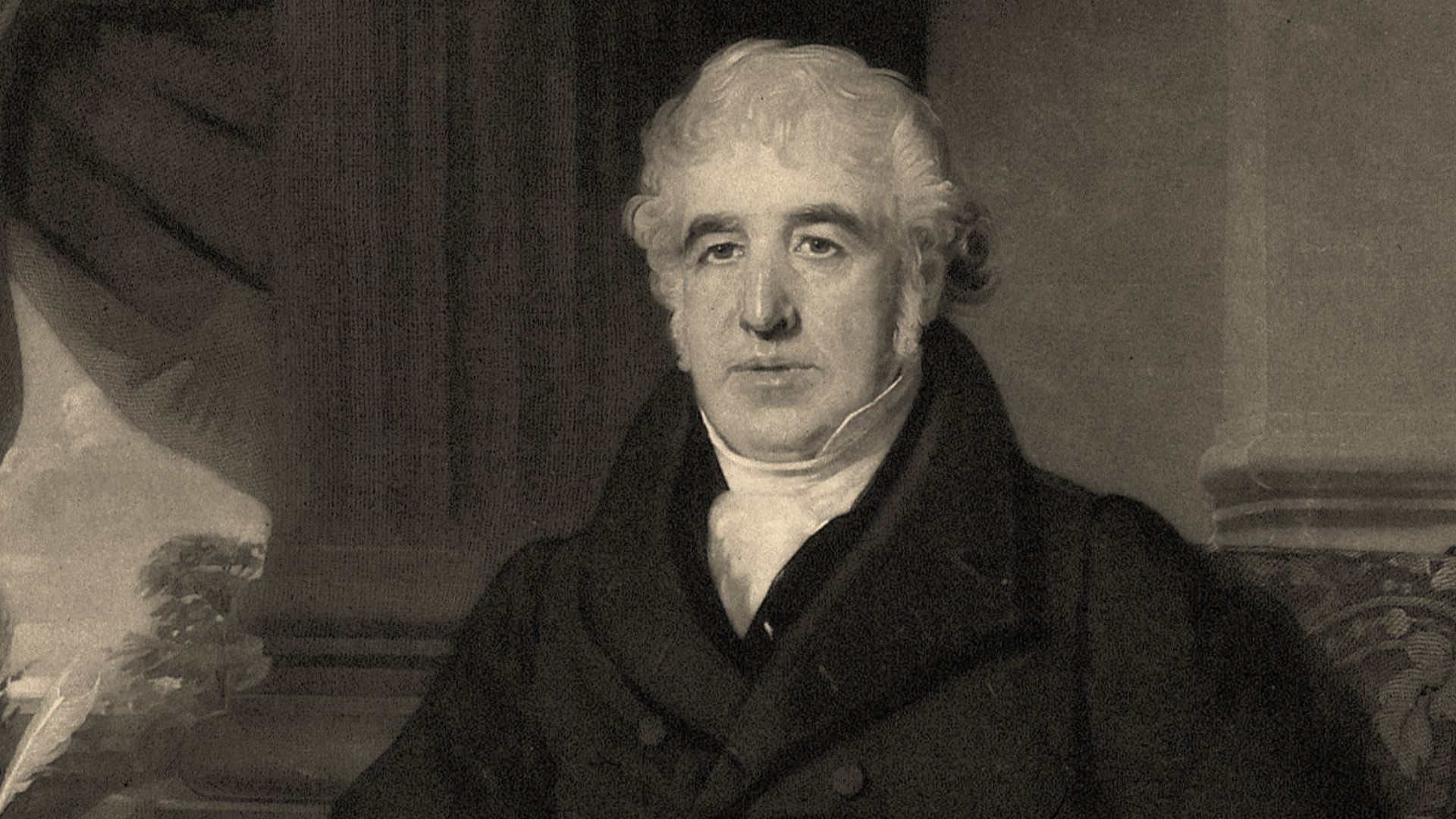 John Graham Gilbert, Wikimedia Commons
Early Mackintoshes Had A Smelly Problem
Macintosh joined forces with manufacturer Thomas Hancock as the waterproof-fabric business developed. Early rubberized garments could become stiff in cold weather, sticky in heat, and were notorious for their rubbery smell. Improvements in rubber processing gradually made the material far more practical. By 1836, the Science Museum Group notes, “mackintosh” was already being used generically for a raincoat.
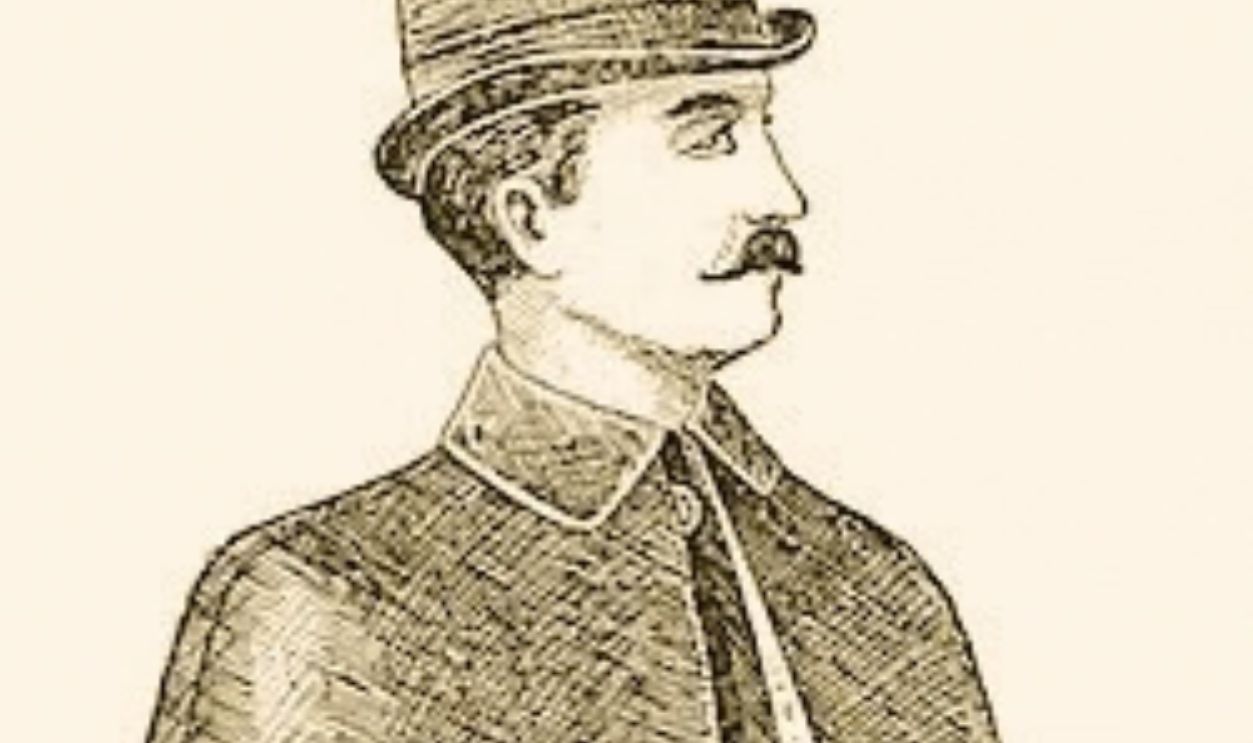 Anonymous illustrator, Wikimedia Commons
The Extra K Outlived Charles Macintosh
There is a small linguistic indignity hidden inside his success. The inventor spelled his surname Macintosh, but the waterproof coat became commonly spelled mackintosh, with an additional “k.” Shortened forms such as “mac” also became established terms for rainwear. Macintosh managed to put his name into fashion so successfully that people eventually started spelling the garment differently from the man.
 Luigi Morante from Paris, France, Wikimedia Commons
History's most fascinating stories and darkest secrets, delivered to your inbox daily.
Wellington Wanted Boots Fit For Battle And Dinner
Arthur Wellesley, 1st Duke of Wellington, became one of Britain's great military celebrities after defeating Napoleon at Waterloo. According to the National Army Museum, he instructed a shoemaker to create boots that were strong enough for riding while still smart enough for evening wear. The resulting leather footwear had a cleaner, more fitted appearance than some earlier military boots. Admirers began copying the famous commander's style.
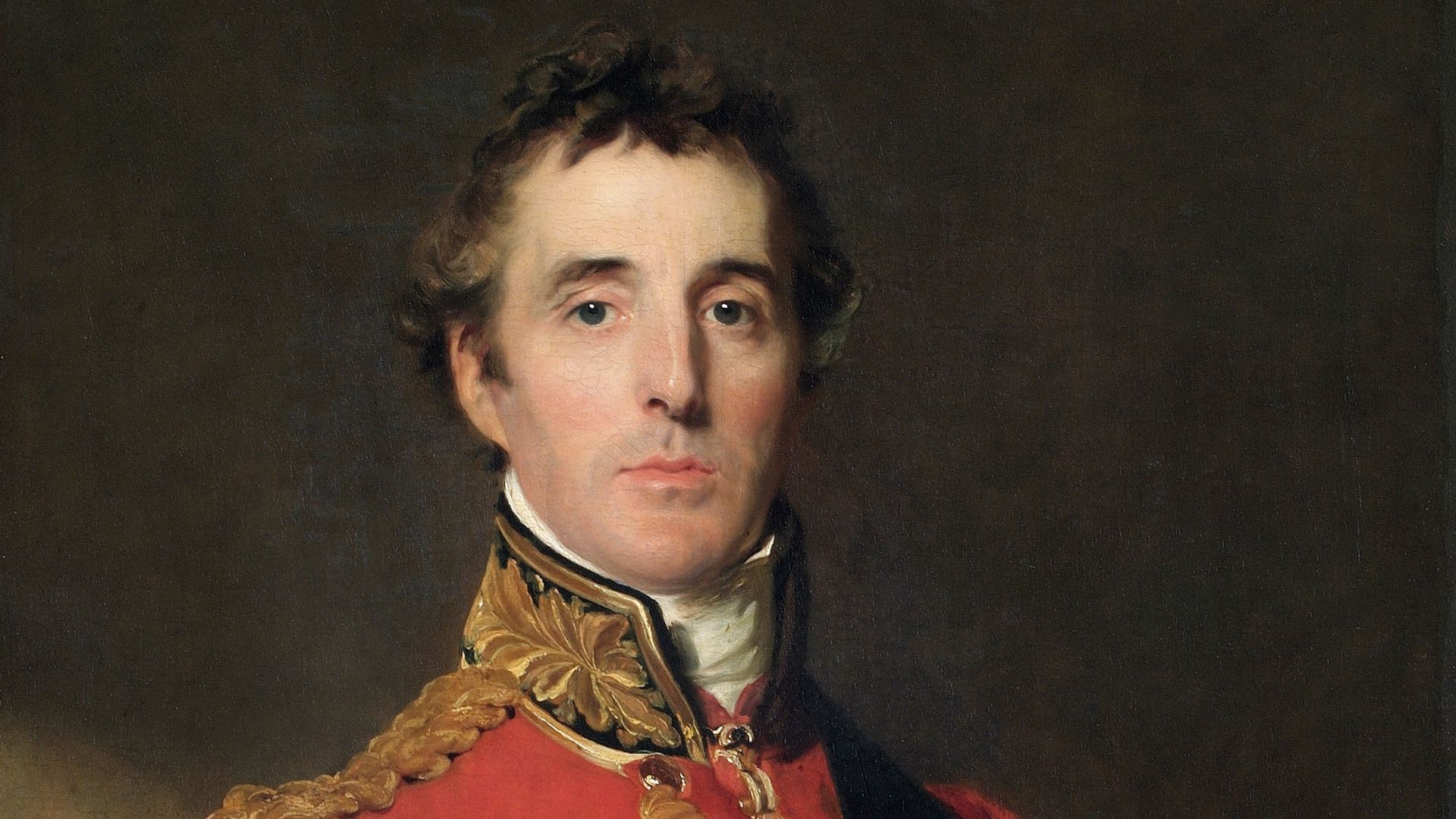 Thomas Lawrence, Wikimedia Commons
Aristocrats Wanted To Dress Like The Iron Duke
Wellington's celebrity made his boots fashionable among wealthy British men after the Napoleonic Wars. The original versions were leather, rather than the rubber footwear now associated with muddy gardens and music festivals. Their name came from the Duke himself, not from the New Zealand city that also bears his title. Military celebrity had turned a practical piece of riding equipment into fashionable menswear.
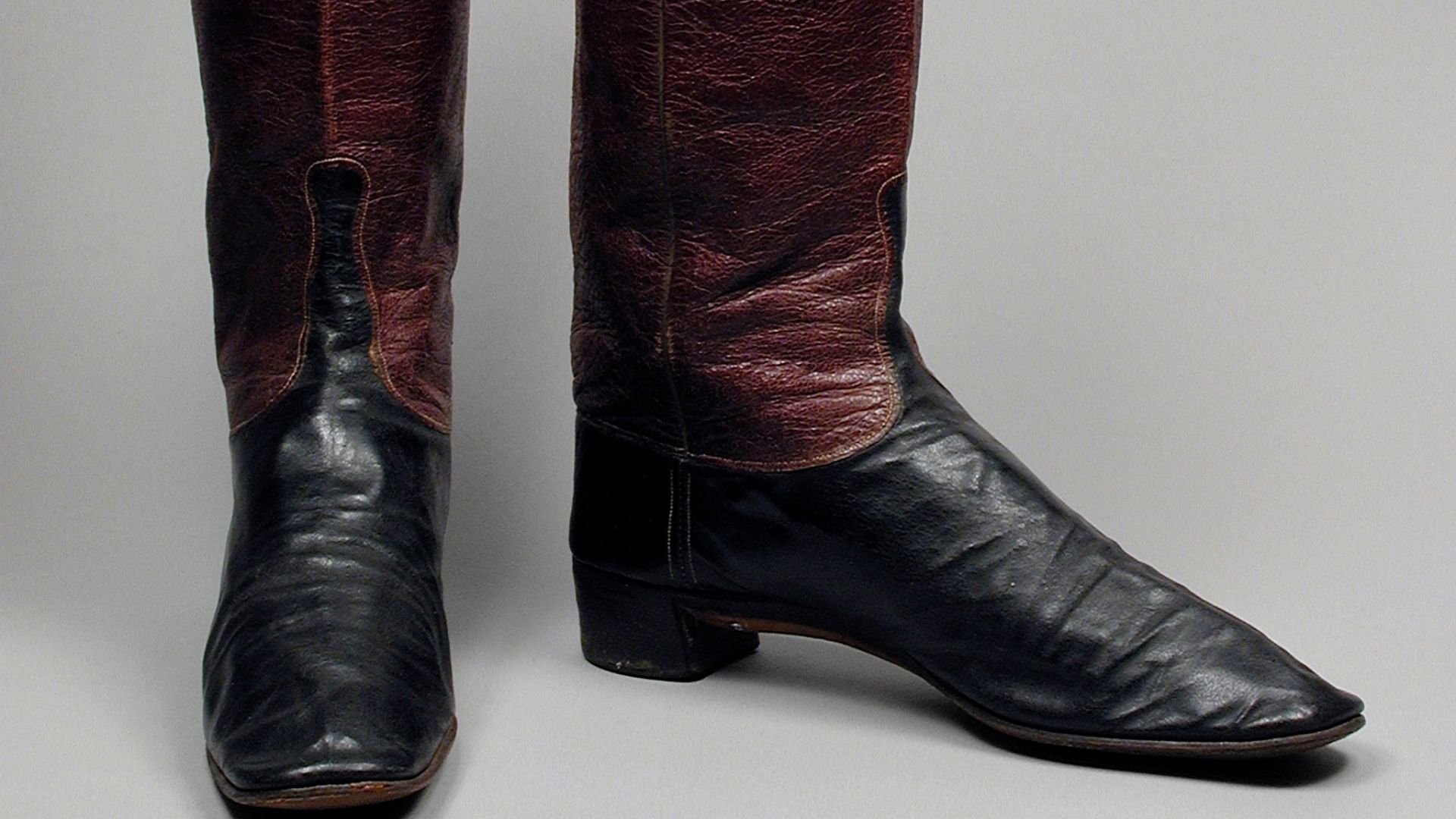
Rubber Turned Wellingtons Into “Wellies”
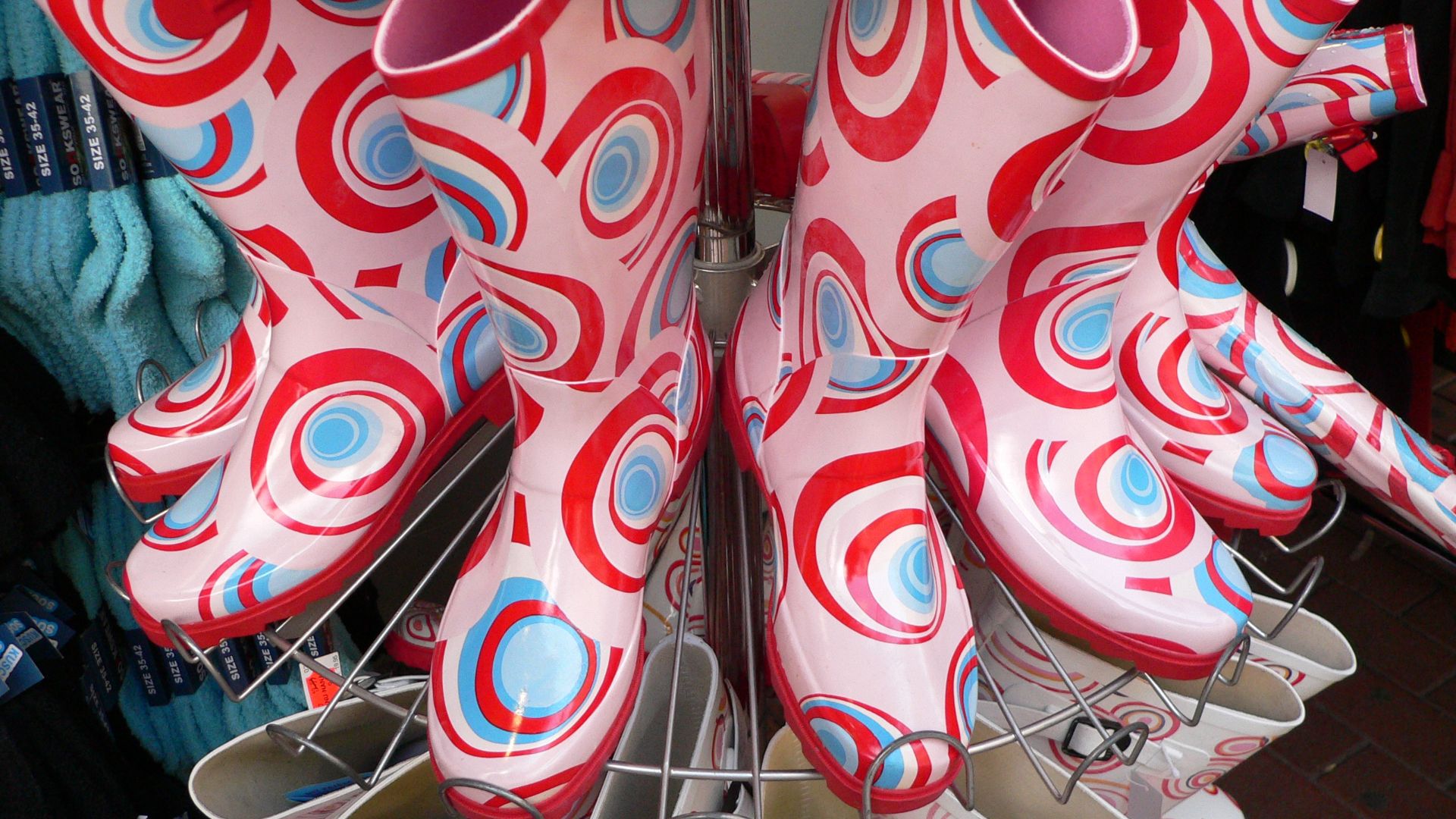
Rubber versions began appearing in the 19th century, and demand grew dramatically when waterproof boots were needed during the First World War. The footwear gradually shifted from aristocratic riding fashion toward farming, industry, military service, gardening, and outdoor recreation. Modern British festival culture has given “wellies” yet another life as fashion accessories. Wellington's original leather boots changed almost beyond recognition while his title stayed firmly attached.
 Photograph: Frank C. Muller, Baden-Baden, Wikimedia Commons
George Spencer Supposedly Ruined His Coat
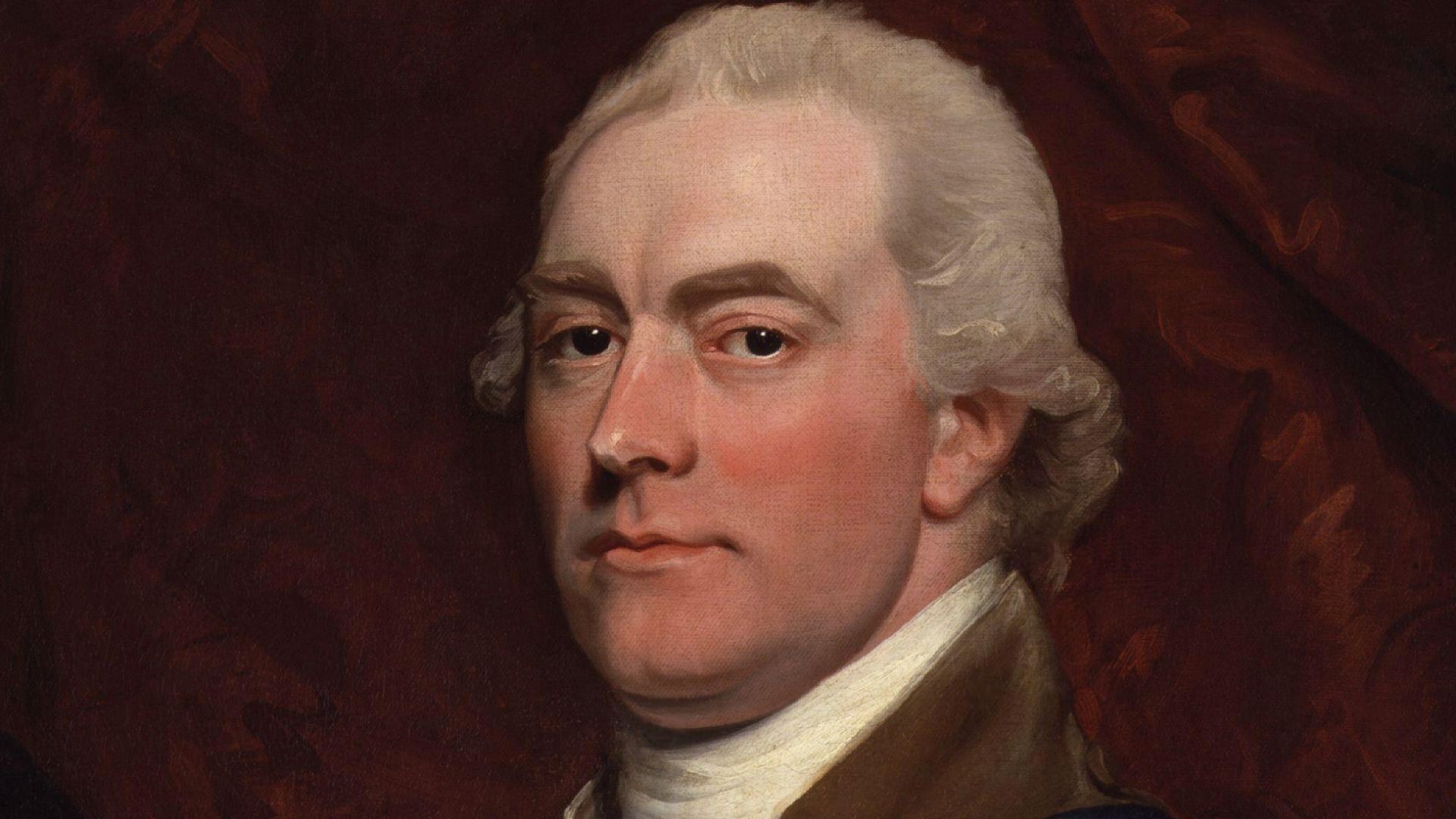
George John Spencer, 2nd Earl Spencer, was a British aristocrat and politician of the late 18th and early 19th centuries. Fashion tradition credits him with creating a new craze after removing the tails from one of his coats in the 1790s. The exact circumstances have accumulated various colorful versions over time. What is well documented is that short jackets became known as “spencers” after him.
 John Singleton Copley, Wikimedia Commons
Women Took Over His Jacket
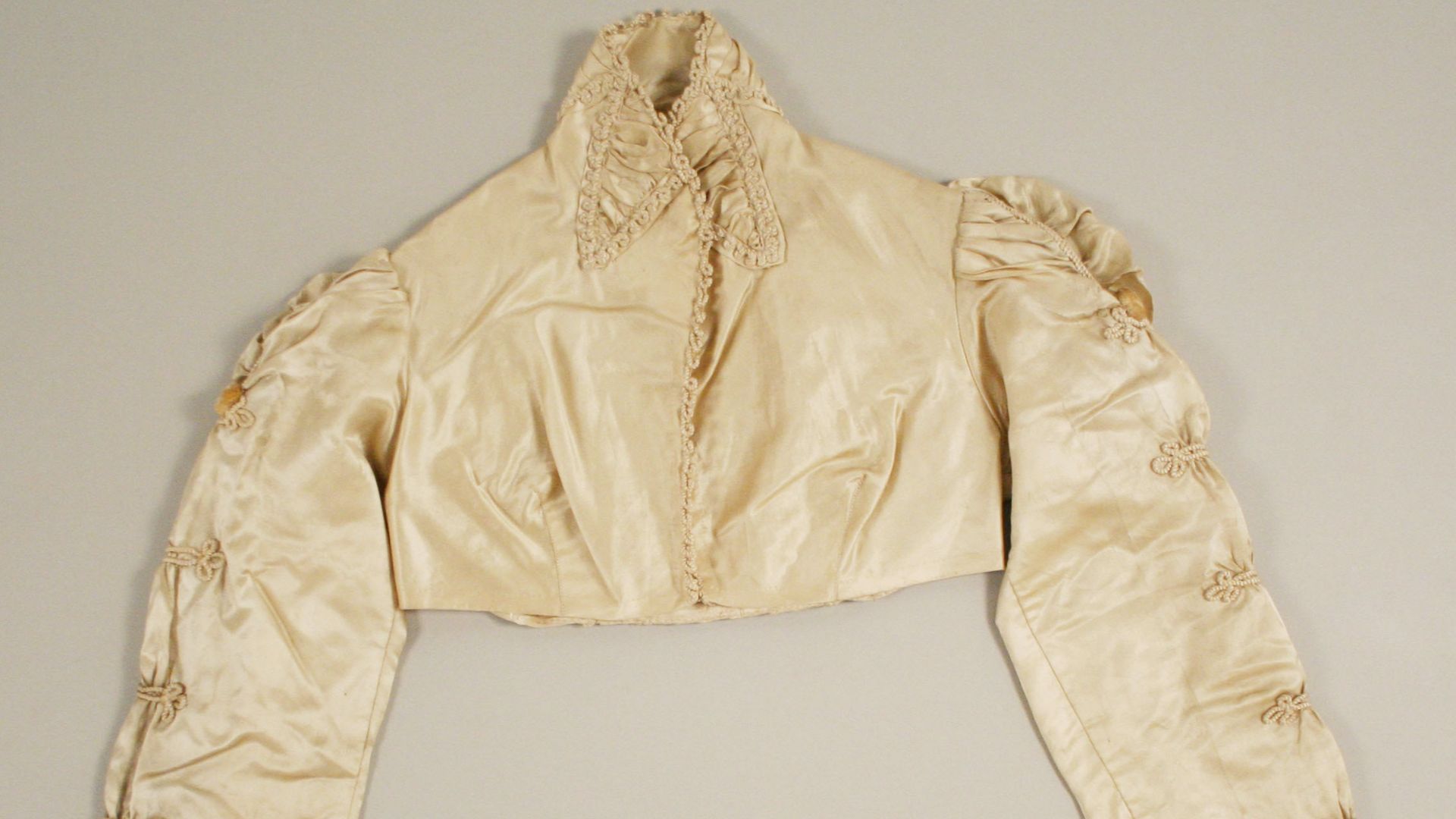
The men's spencer had a relatively brief fashionable life, but women adapted the idea brilliantly. Women's versions were cut very short to suit the unusually high waistlines of fashionable Empire and Regency dresses. They could provide warmth without hiding the shape of the gown underneath. Surviving examples in museum collections show spencers made from velvet, wool, silk, cotton, and richly decorated fabrics.
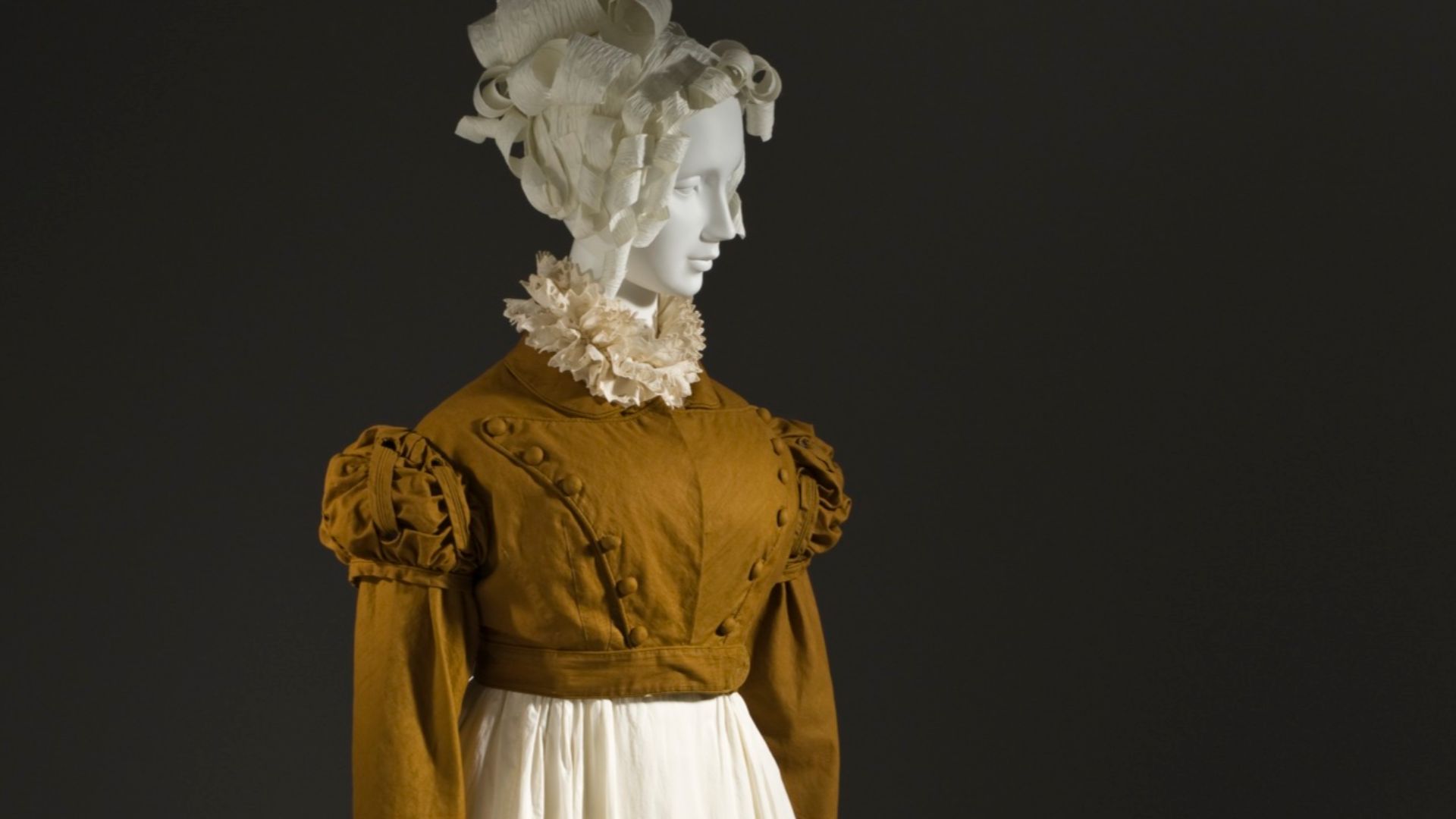
The Spencer Became Bigger Than Earl Spencer
The garment was fashionable from roughly the 1790s through the early decades of the 19th century. Variations later appeared in military dress, children's clothing, and periodic fashion revivals. George Spencer is remembered today primarily by historians, bibliophiles, and people interested in his famous family. Yet his surname quietly survives whenever costume historians describe one of the most characteristic little jackets of the Regency era.
History's most fascinating stories and darkest secrets, delivered to your inbox daily.
Madame De Pompadour Became A Style Before A Hairstyle
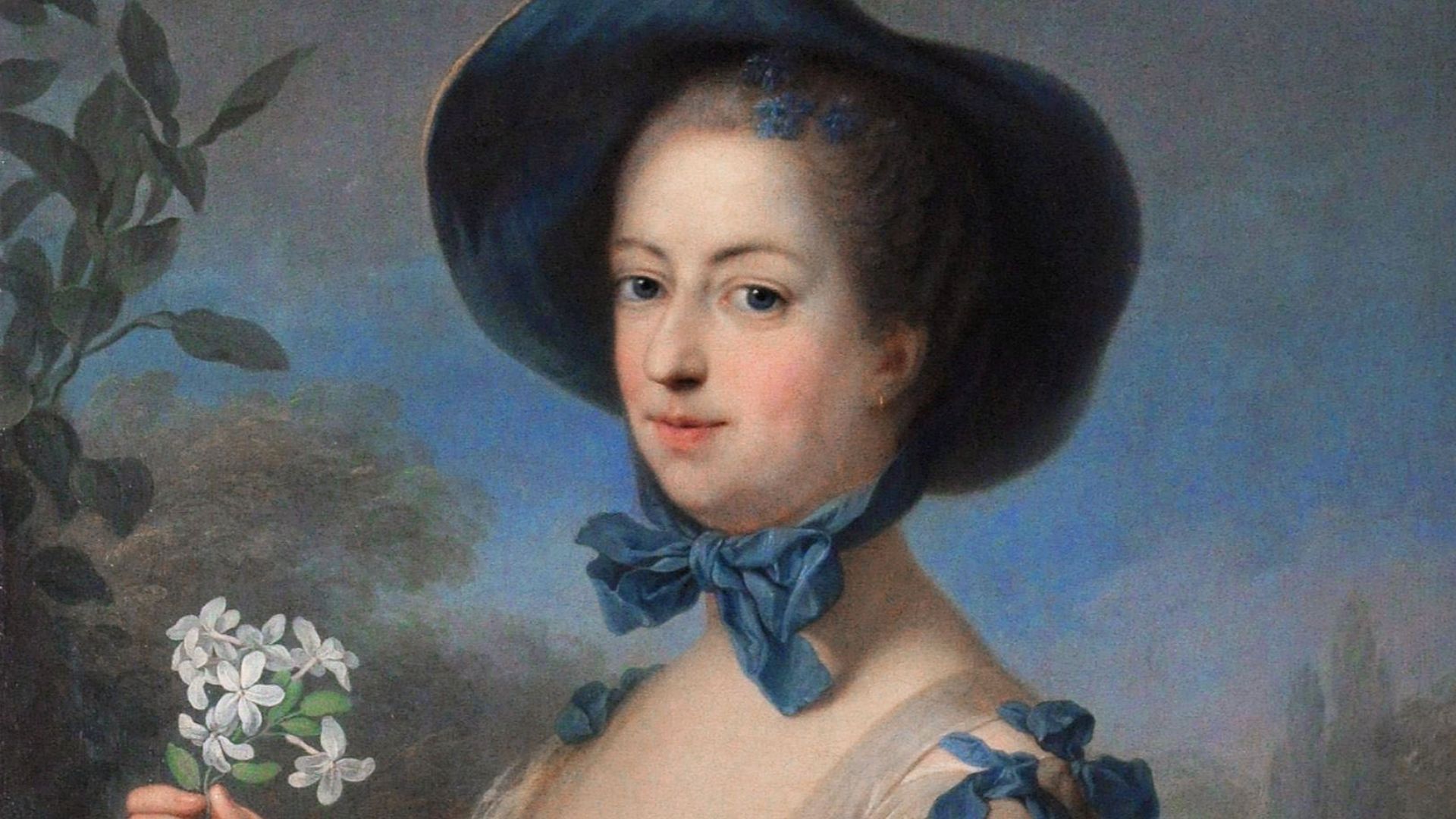
Jeanne-Antoinette Poisson, Marquise de Pompadour, became the influential official mistress of France's Louis XV in the 18th century. She was also a significant patron of painters, sculptors, architects, decorative artists, and luxury manufacturers. Her taste became so closely associated with fashionable court culture that “Pompadour” began describing decorative objects, clothing, colors, and styles. The fashion word existed long before Elvis Presley entered the picture.
 Charles Andre van Loo, Wikimedia Commons
The Famous Hairdo Is Historically Awkward
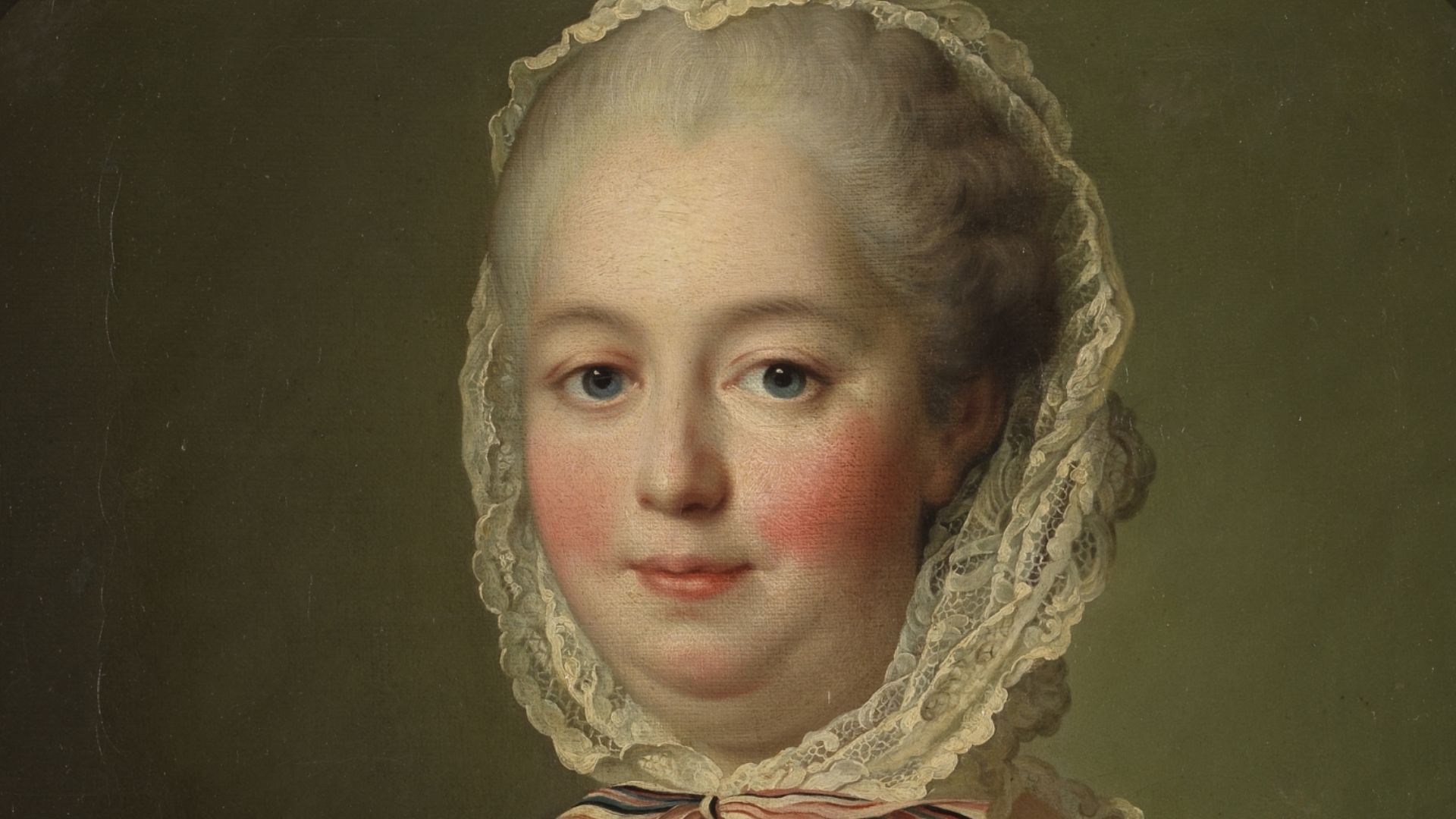
Modern dictionaries connect the pompadour hairstyle to Madame de Pompadour, but the association is less straightforward than it looks. Portraits of the marquise generally show her hair arranged relatively close to the head rather than in the towering front-heavy style people now imagine. Later eras applied her name to fashions intended to evoke an idealized rococo past. In other words, a hairstyle can be named after someone without accurately reproducing her hairstyle.
 Francois-Hubert Drouais, Wikimedia Commons
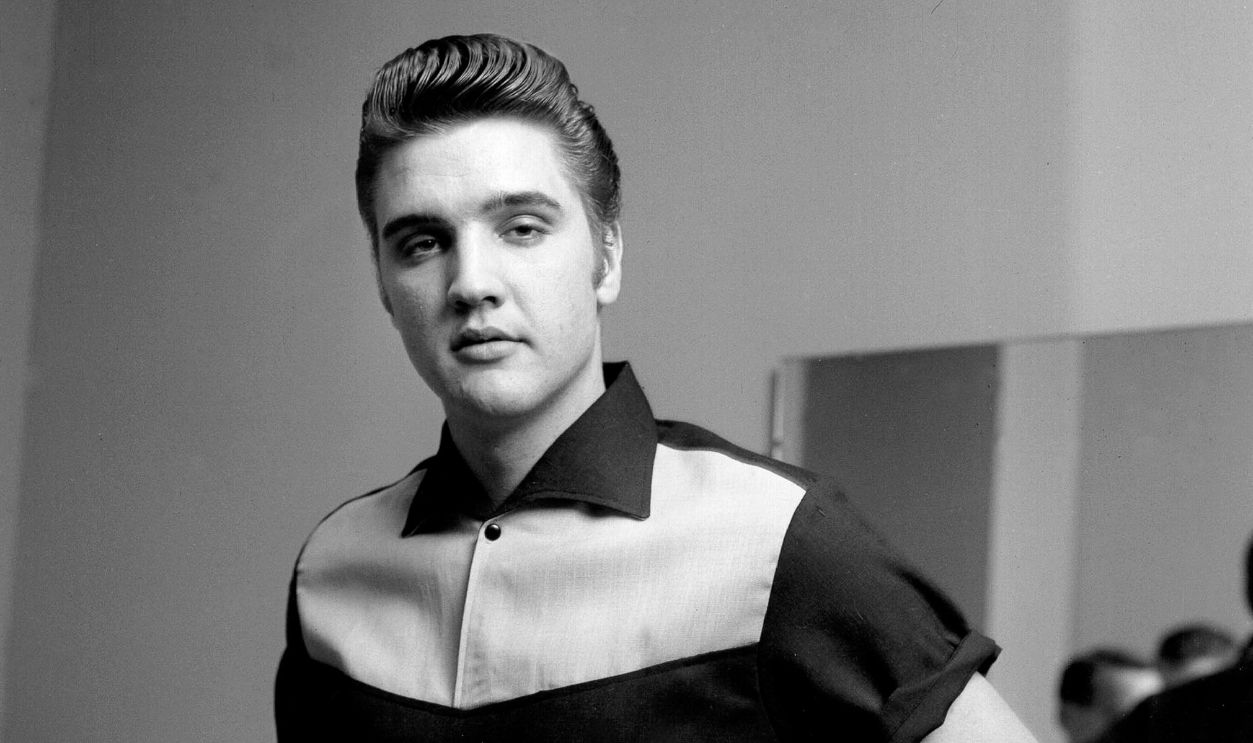
Elvis Gave Pompadour An Entirely New Life
By the late 19th century, “pompadour” was being used for hairstyles with hair swept upward from the forehead. The style passed through women's Gibson Girl fashions before becoming strongly associated with men's hair in the 20th century. Rockabilly performers helped turn the dramatic swept-up front into a symbol of 1950s rebellion. Madame de Pompadour died in 1764, yet her title somehow ended up describing one of rock and roll's most recognizable hairstyles.
 Michael Ochs Archives, Getty Images
Garibaldi's Red Shirt Became Political Branding
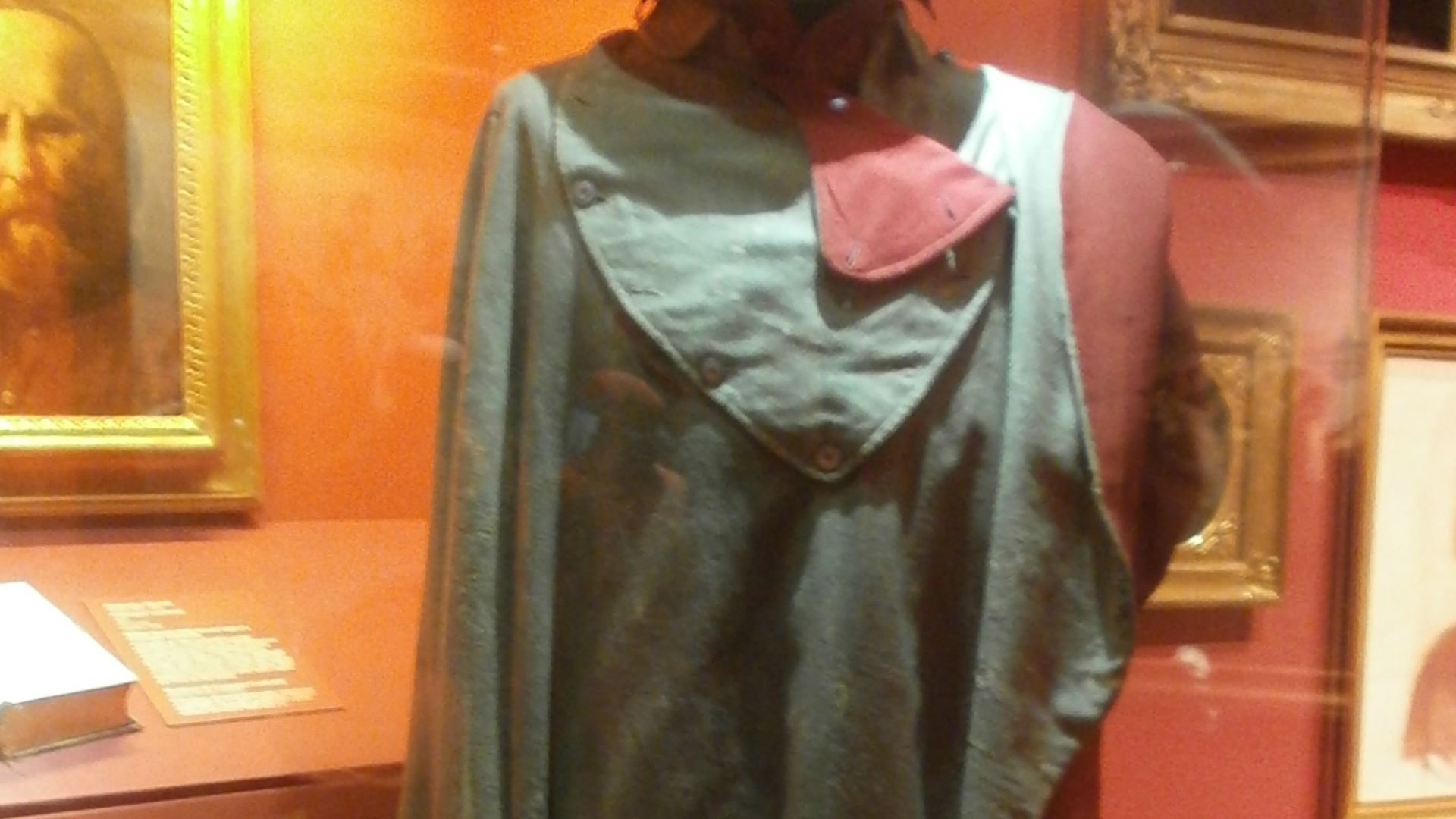
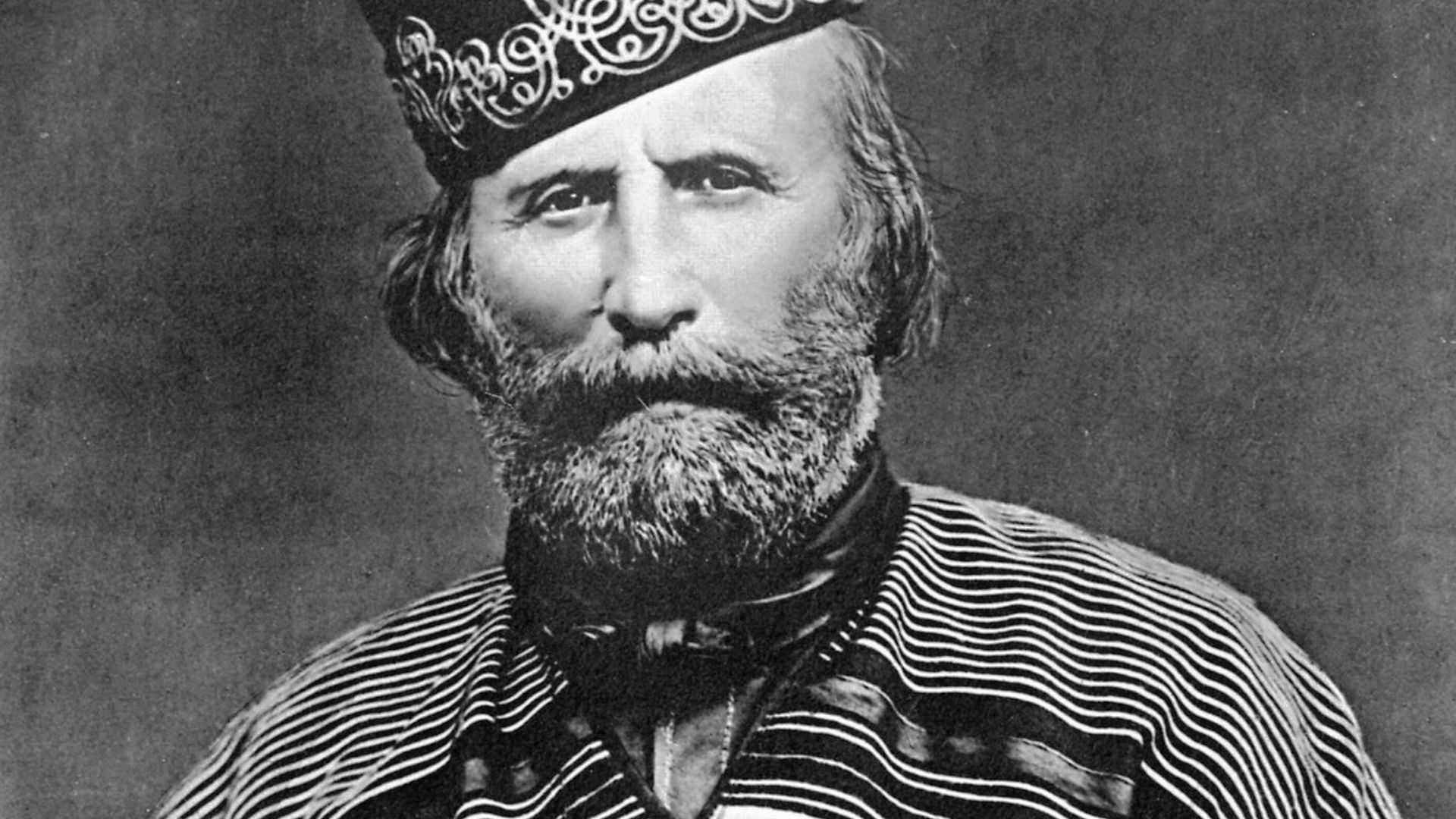
Giuseppe Garibaldi became one of the most recognizable figures of the movement for Italian unification. His volunteers famously wore red shirts, giving them the enduring nickname “Redshirts.” Italy's Ministry of Culture describes the red shirt as one of the most recognizable symbols associated with Garibaldi and the Risorgimento. His unusual, colorful clothing became inseparable from his public image.
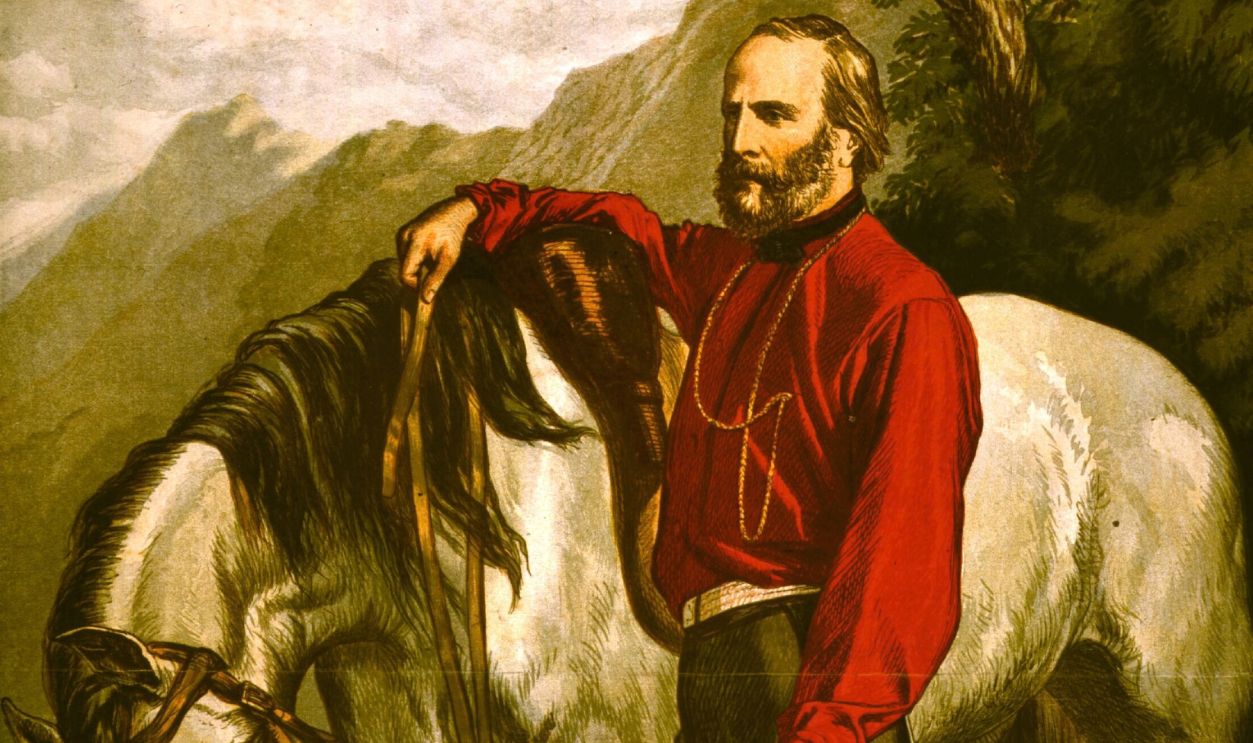
Victorian Women Started Dressing Like His Soldiers
Fashion absorbed Garibaldi's revolutionary image surprisingly quickly. During the 1860s, women's “Garibaldi” shirts became highly fashionable, typically featuring a loose blouse with full sleeves and a high neckline. Fashion Institute of Technology histories describe scarlet wool versions inspired directly by the clothing of Garibaldi's fighters. A military uniform associated with nationalist volunteers had crossed into fashionable women's wardrobes.
 Stefano Stabile, Wikimedia Commons
The Garibaldi Helped Create The Modern Blouse
The fad did not last forever, but the loose shirt style contributed to the rise of the shirtwaist and blouse in later Victorian fashion. Variations appeared in colors and fabrics far removed from the original red military shirts. Garibaldi therefore became a fashion word without ever being a fashion designer. His battlefield image helped normalize a garment that eventually evolved far beyond its political inspiration.
 Fratelli Alinari, Wikimedia Commons
History's most fascinating stories and darkest secrets, delivered to your inbox daily.
Nehru's Clothes Became A 1960s Obsession
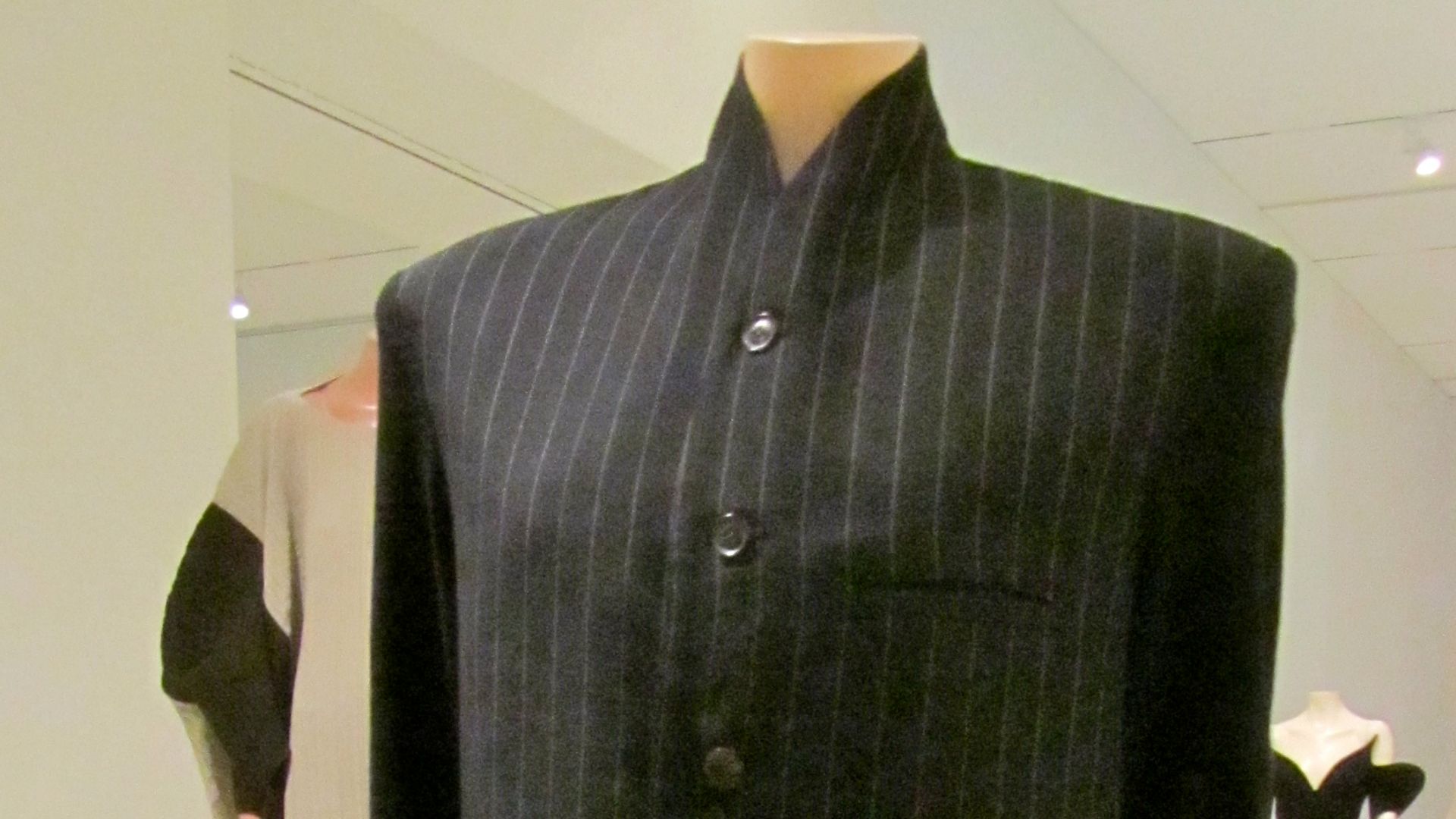
Jawaharlal Nehru served as India's first prime minister from independence in 1947 until his death in 1964. His public image frequently included Indian garments with standing collars, particularly the long achkan and shorter sleeveless bundi. In 1960s Britain, Western designers borrowed elements from these garments and marketed fashionable standing-collar coats as “Nehru jackets.”
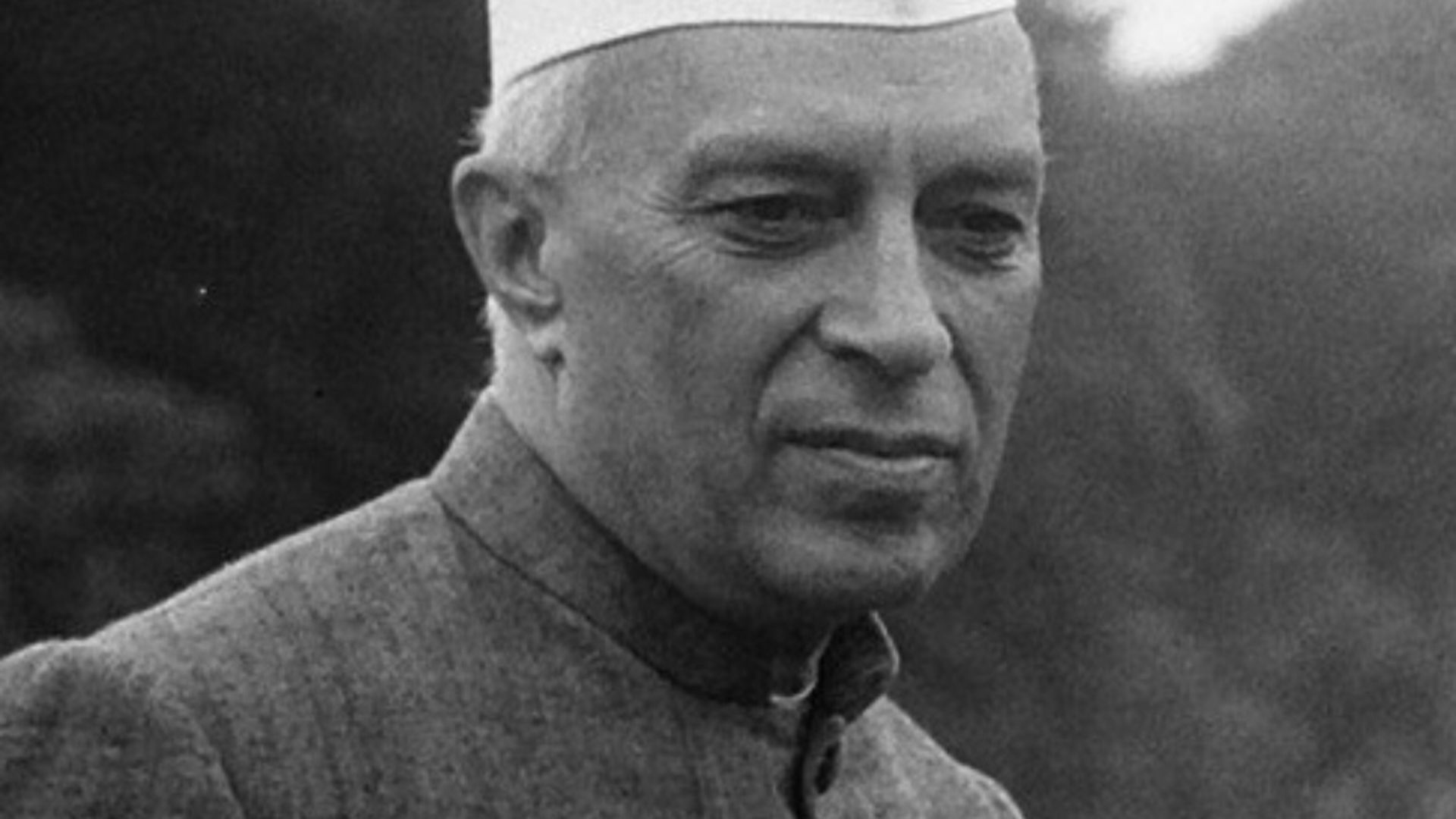
The “Nehru Jacket” Was Not Quite Nehru's Jacket
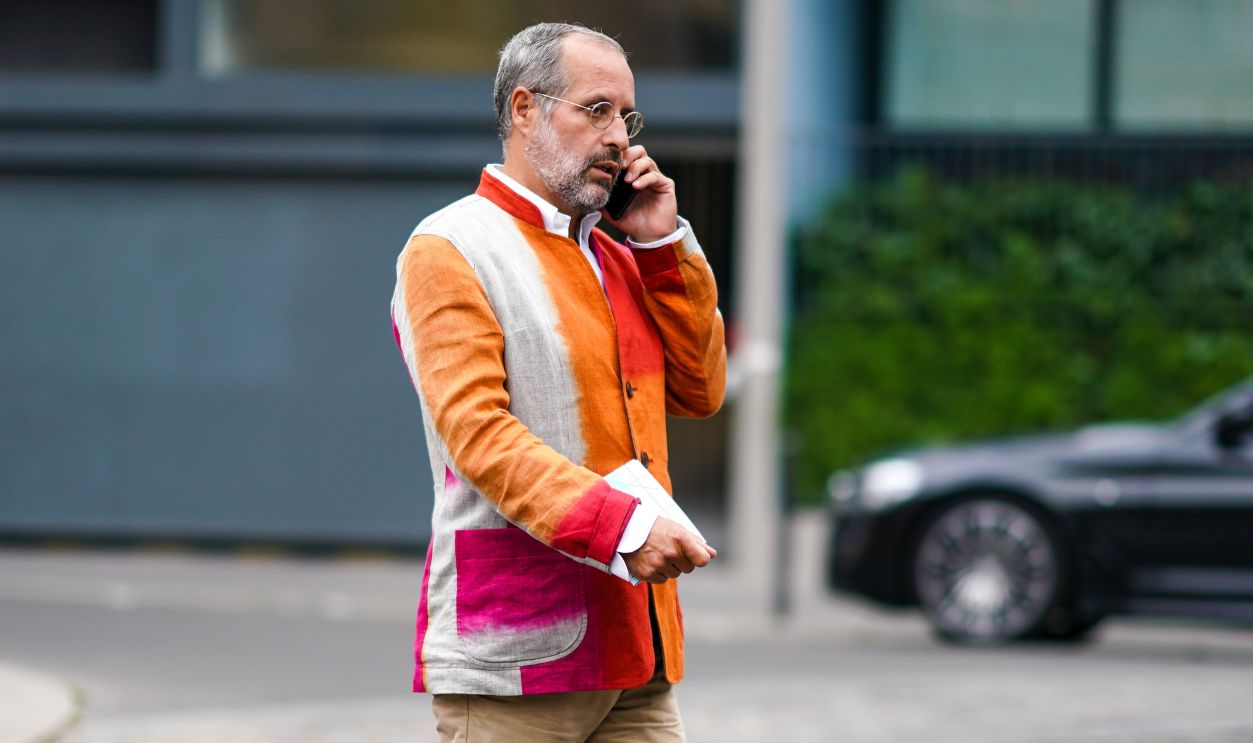
The Western fashion labeled a Nehru jacket was typically a hip-length tailored coat with a standing collar. The V&A notes that Nehru himself wore longer achkans and more informal bundis, meaning the fashionable British version was an adaptation rather than a literal copy. Designers were translating an Indian political figure's recognizable public image for a Western youth market.
 Edward Berthelot, Getty Images
Carnaby Street Made His Name Fashionable
By the later 1960s, Nehru-style jackets became part of Britain's flamboyant “Peacock Revolution” in menswear. Carnaby Street shops sold bright and patterned versions that bore little resemblance to the restrained clothing associated with Nehru's political appearances. Musicians and fashionable young men helped spread the look internationally. The politician's surname became a fashion label for a Western style created after his own clothing had already been substantially reinterpreted.
You May Also Like:
Strange Fashion Trends Throughout History
Classic American Fashion Through The Decades
Kate Spade Was Fashion's Tormented Icon
Sources: 1, 2, 3, 4, 5, 6, 7, 8, 9, 10, 11, 12, 13, 14, 15, 16, 17, 18, 19, 20, 21, 22