

When The Cure Was Worse Than The Disease
Remember when Grandma had a remedy for absolutely everything? Well, some old-fashioned treatments were considerably more dangerous than the problems they supposedly fixed. Throughout history, doctors and everyday families trusted remedies that modern science has since exposed as harmful. Some were merely unpleasant, while others created entirely new illnesses. Here are some of the worst offenders.
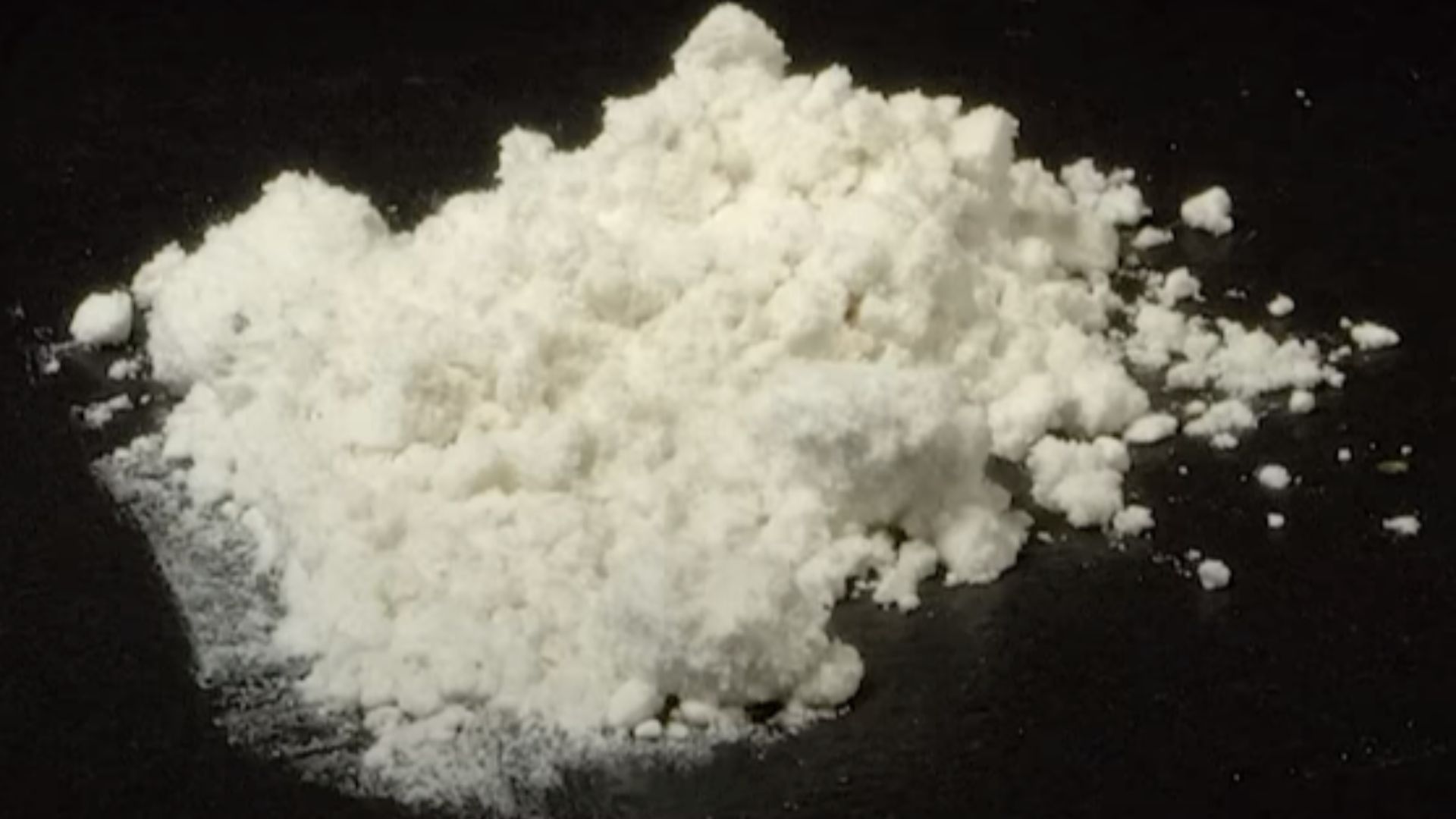
Mercury Teething Powders
During the late 1800s and early 1900s, parents purchased teething powders containing mercury compounds to soothe uncomfortable babies. Unfortunately, mercury could cause serious poisoning, including a condition called pink disease. Children sometimes became considerably sicker than they were before treatment. The powders eventually disappeared as doctors recognized their dangerous ingredients.
 ChemicalForce, Wikimedia Commons
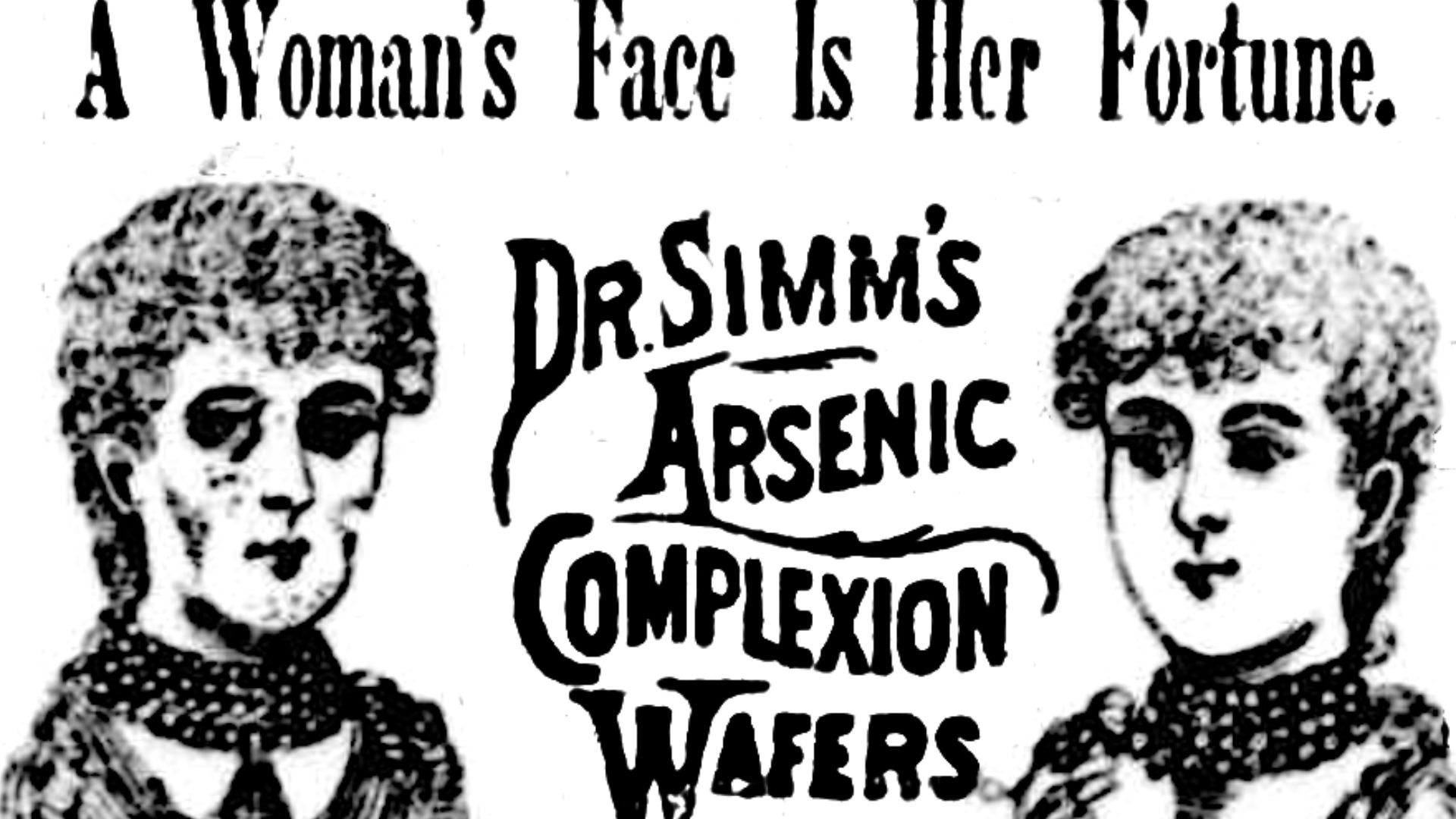
Arsenic Complexion Wafers
Victorian advertisements promised that arsenic complexion wafers could eliminate freckles, pimples, and other skin imperfections. Despite their reassuring packaging, these beauty products contained an extremely poisonous substance. Repeated arsenic exposure could cause digestive problems, nerve damage, and other illnesses. Imagine trying to improve your complexion and accidentally poisoning yourself instead.
 The Helena Independent (newspaper), Wikimedia Commons
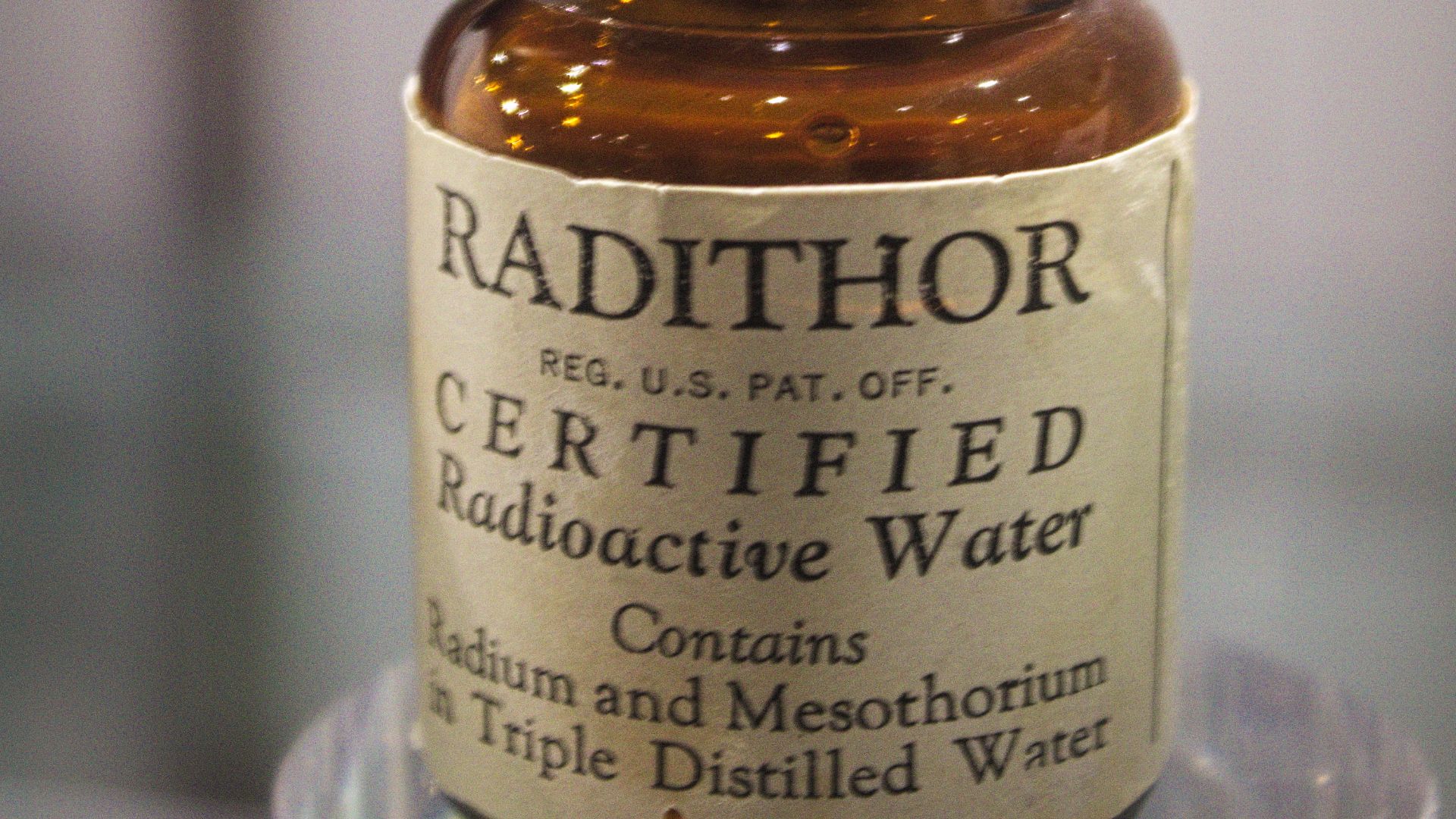
Radioactive Health Tonics
During the early 20th century, radioactive products briefly became fashionable health treatments. Some manufacturers even sold water containing radium, promising improved vitality and general well-being. Unfortunately, swallowing radioactive substances offered no magical rejuvenation. Repeated radium exposure could damage bones and increase cancer risks, turning an expensive health fad into a disastrous medical experiment.
 Sam LaRussa from United States of America, Wikimedia Commons
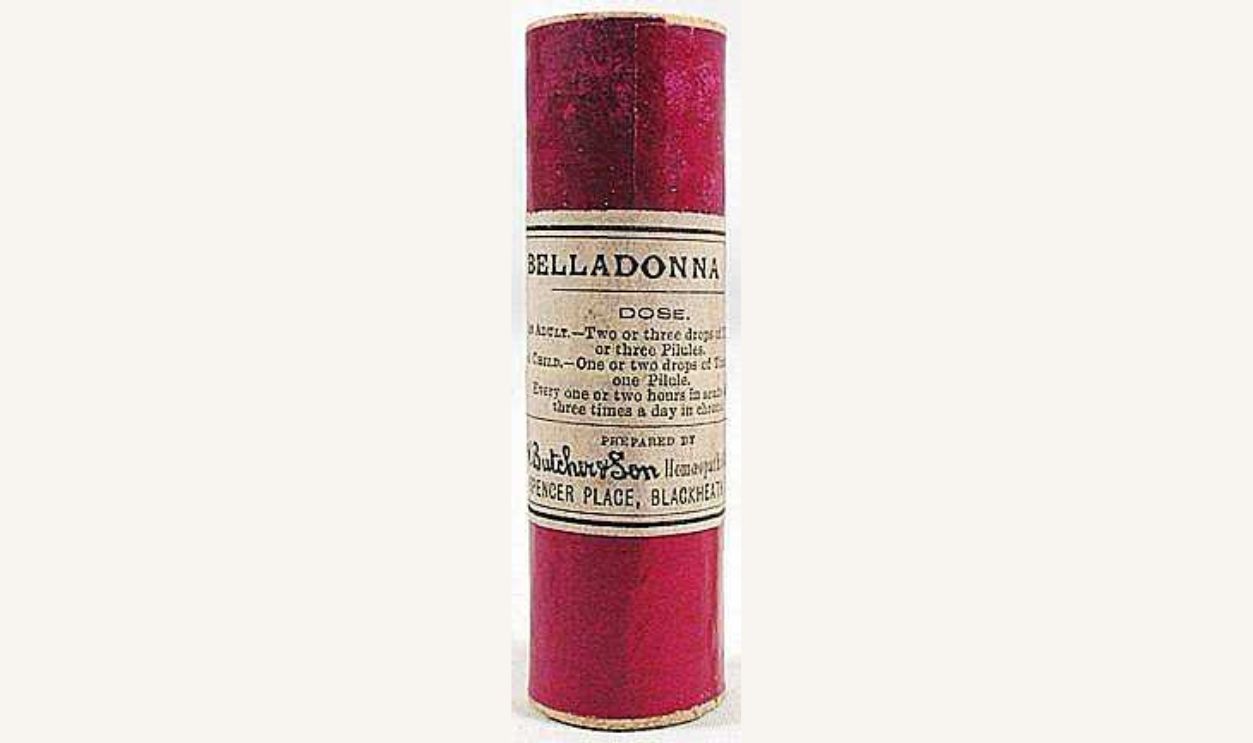
Belladonna Teething Tablets
Belladonna, also called deadly nightshade, appeared in some remedies intended to soothe teething babies. The plant contains chemicals capable of disrupting the nervous system. As recently as 2017, American regulators recalled homeopathic teething tablets containing inconsistent amounts of belladonna. The supposed solution to ordinary gum discomfort introduced a substantially more serious danger.
 Wikidudeman, Wikimedia Commons
Opium-Based Soothing Syrups
In the 19th century, some parents relied on soothing syrups containing opium-derived ingredients to quiet restless children. These medicines could indeed make children sleepy, but that was precisely the problem. Opioids can dangerously slow breathing, particularly in infants. Something advertised as a comforting household remedy could create an emergency far worse than sleeplessness.
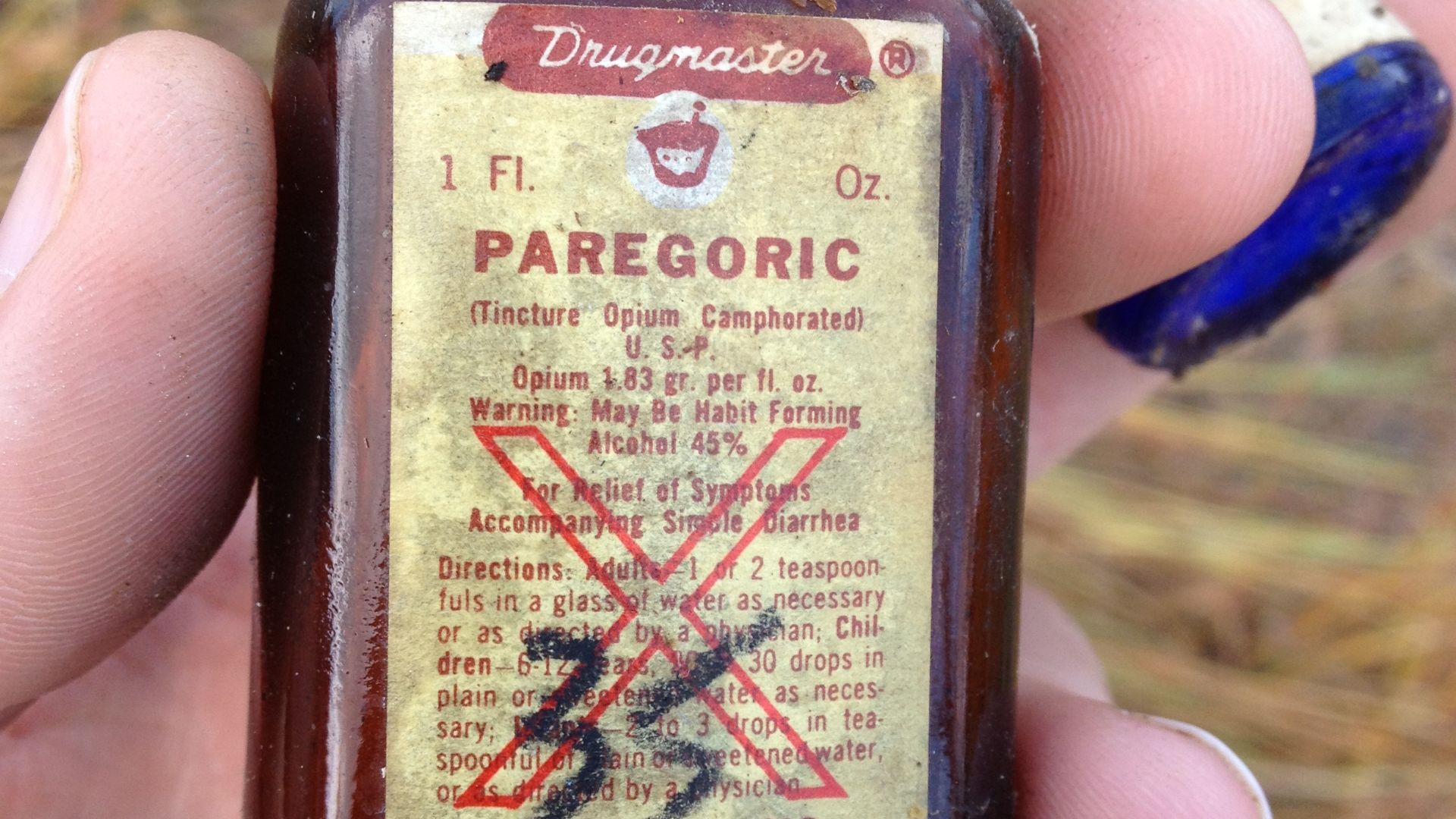 User:Jwilli74, Wikimedia Commons
Vinegar For Sunburn
For generations, people believed that applying vinegar to sunburned skin could ease the sting and speed up healing. Unfortunately, vinegar's acidity can irritate already-damaged skin, particularly when used undiluted. In stronger concentrations, it can even cause chemical burns. Instead of soothing that painful afternoon at the beach, this old-fashioned remedy could make matters considerably worse.
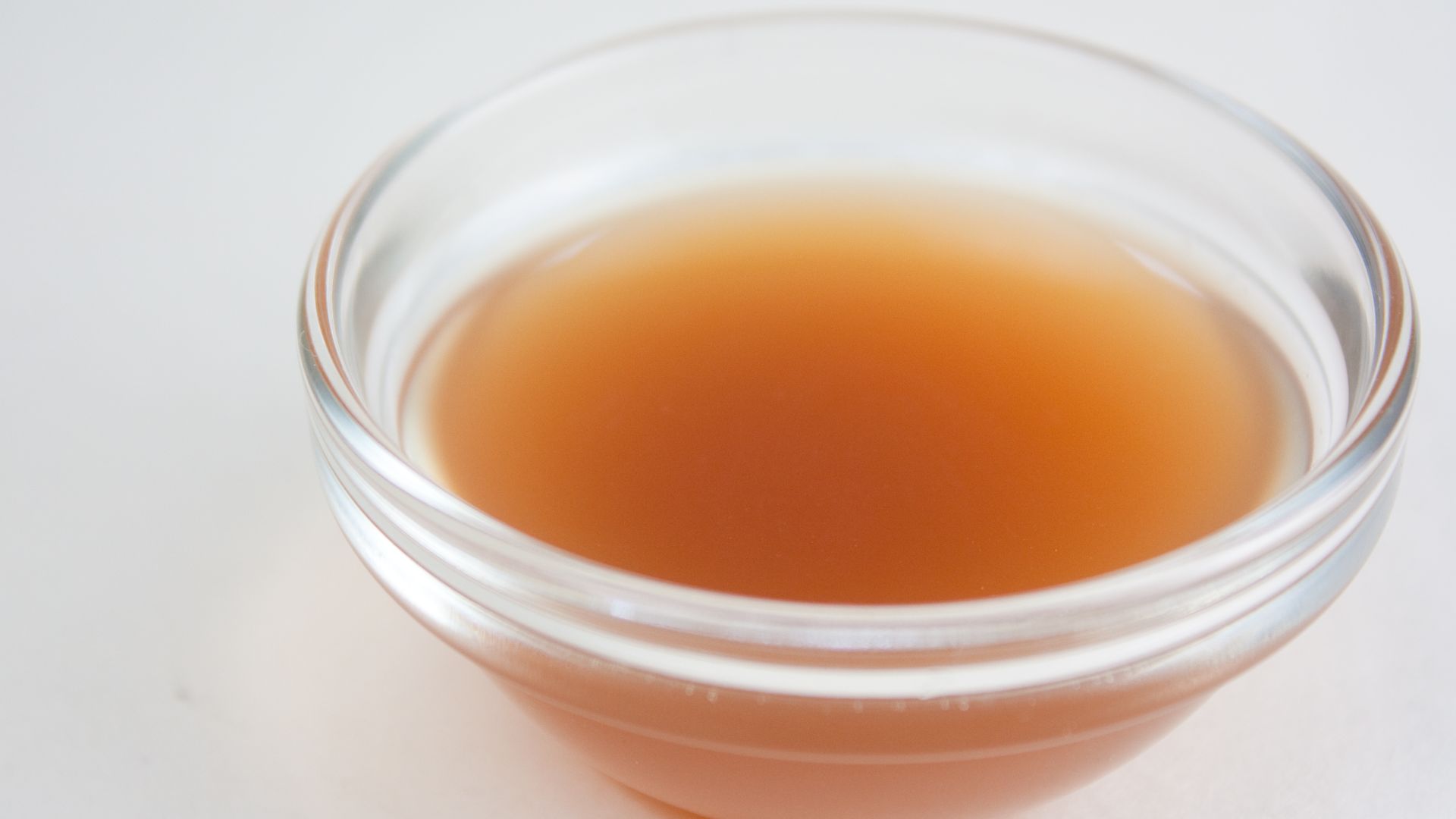 Veganbaking.net from USA, Wikimedia Commons
Camphor For Stuffy Noses
Camphor has appeared in traditional remedies for colds and congestion for generations. Although the strong smell can create the sensation of easier breathing, camphor does not actually clear blocked nasal passages. Worse, swallowing camphor or applying concentrated products incorrectly can cause serious poisoning. A simple stuffy nose hardly seems worth that kind of risk.
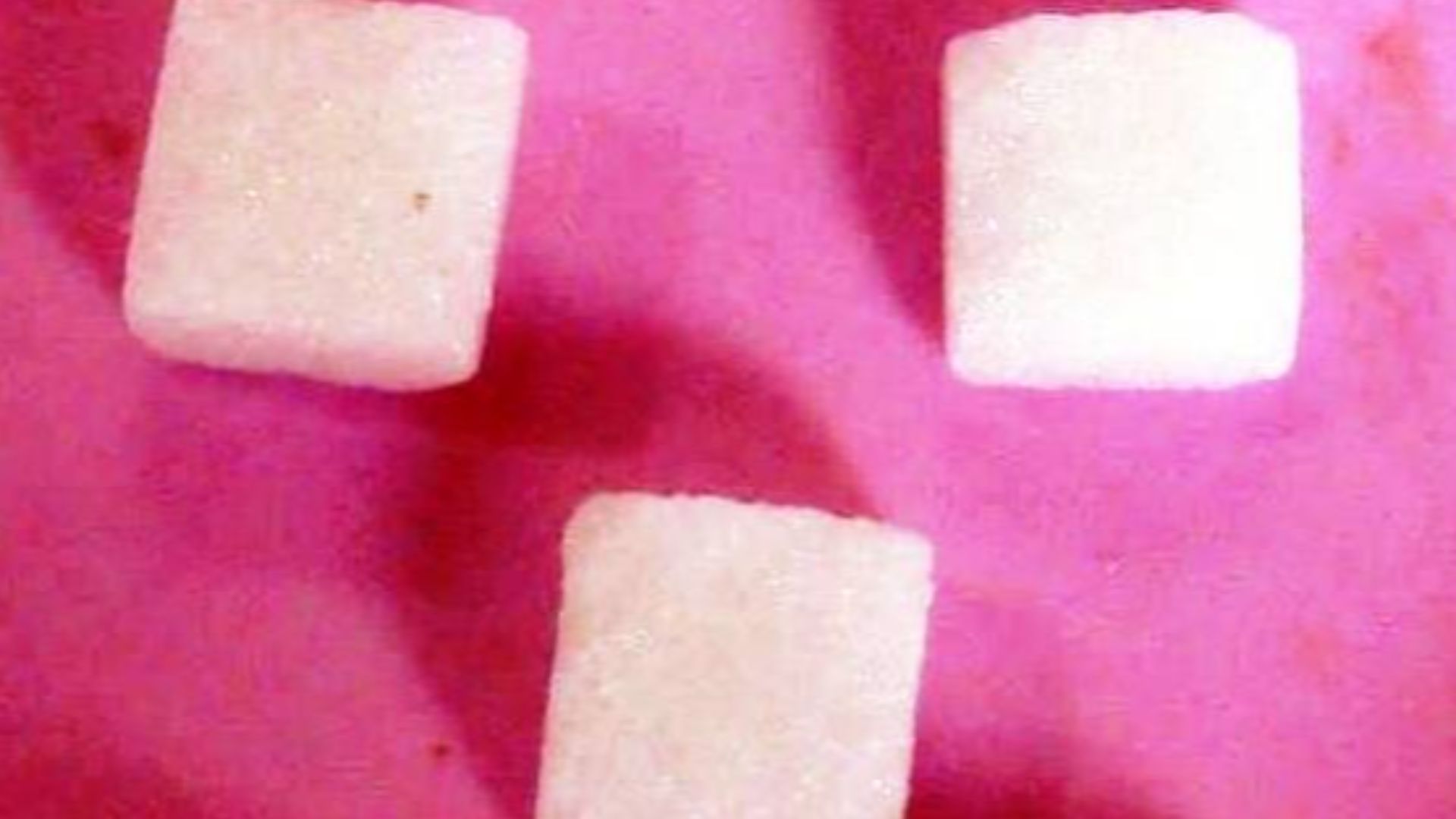 Salil Kumar Mukherjee, Wikimedia Commons
Butter For Burns
Generations of families reached straight for the butter dish whenever somebody touched a hot pan. Unfortunately, applying butter to a fresh burn can interfere with proper care and introduce contamination. Dermatologists recommend cooling minor burns with cool running water instead. Apparently, butter belongs on toast, not on unfortunate kitchen accidents.
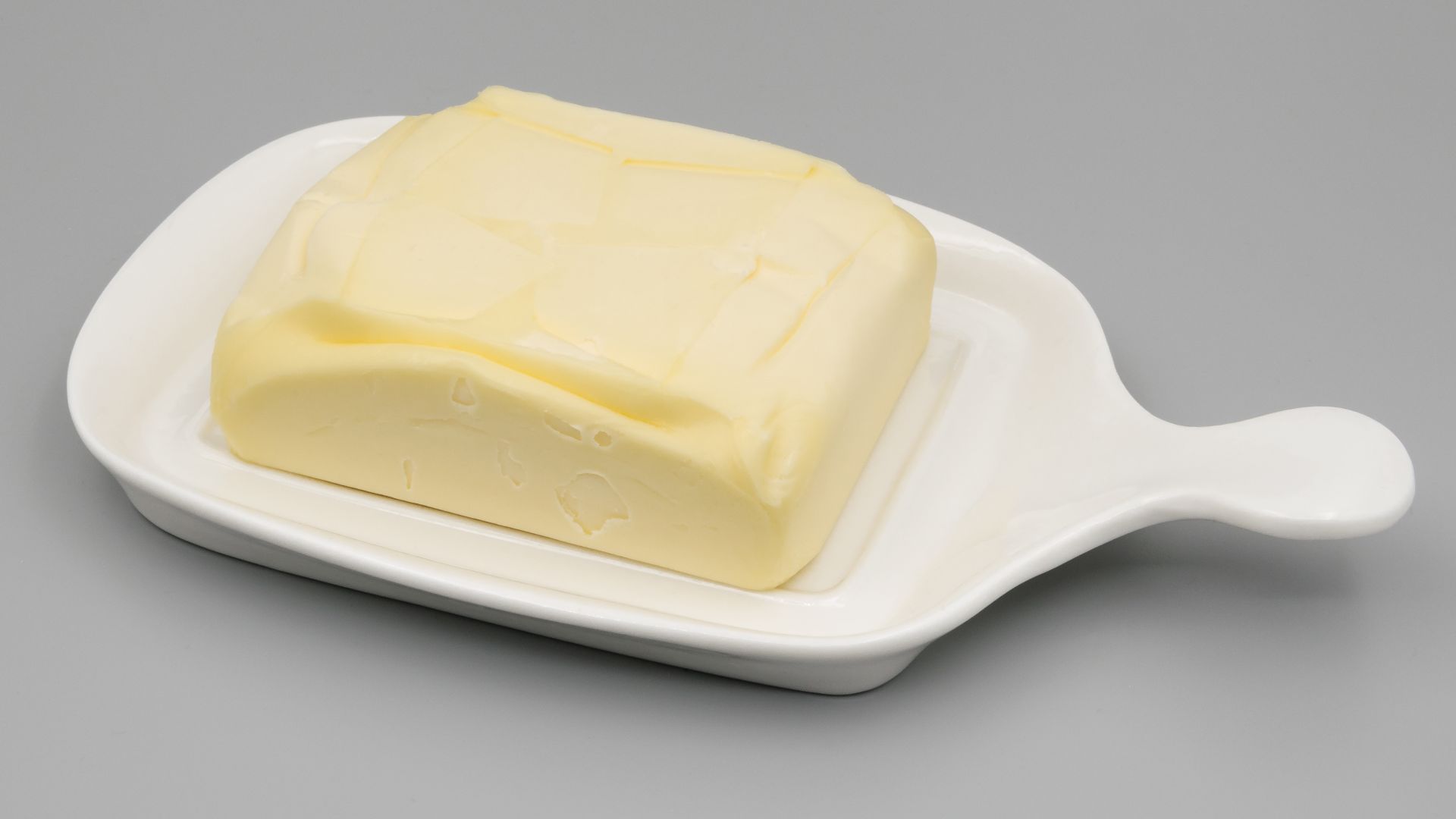 Jacek Halicki, Wikimedia Commons

History's most fascinating stories and darkest secrets, delivered to your inbox daily.
Toothpaste For Burns
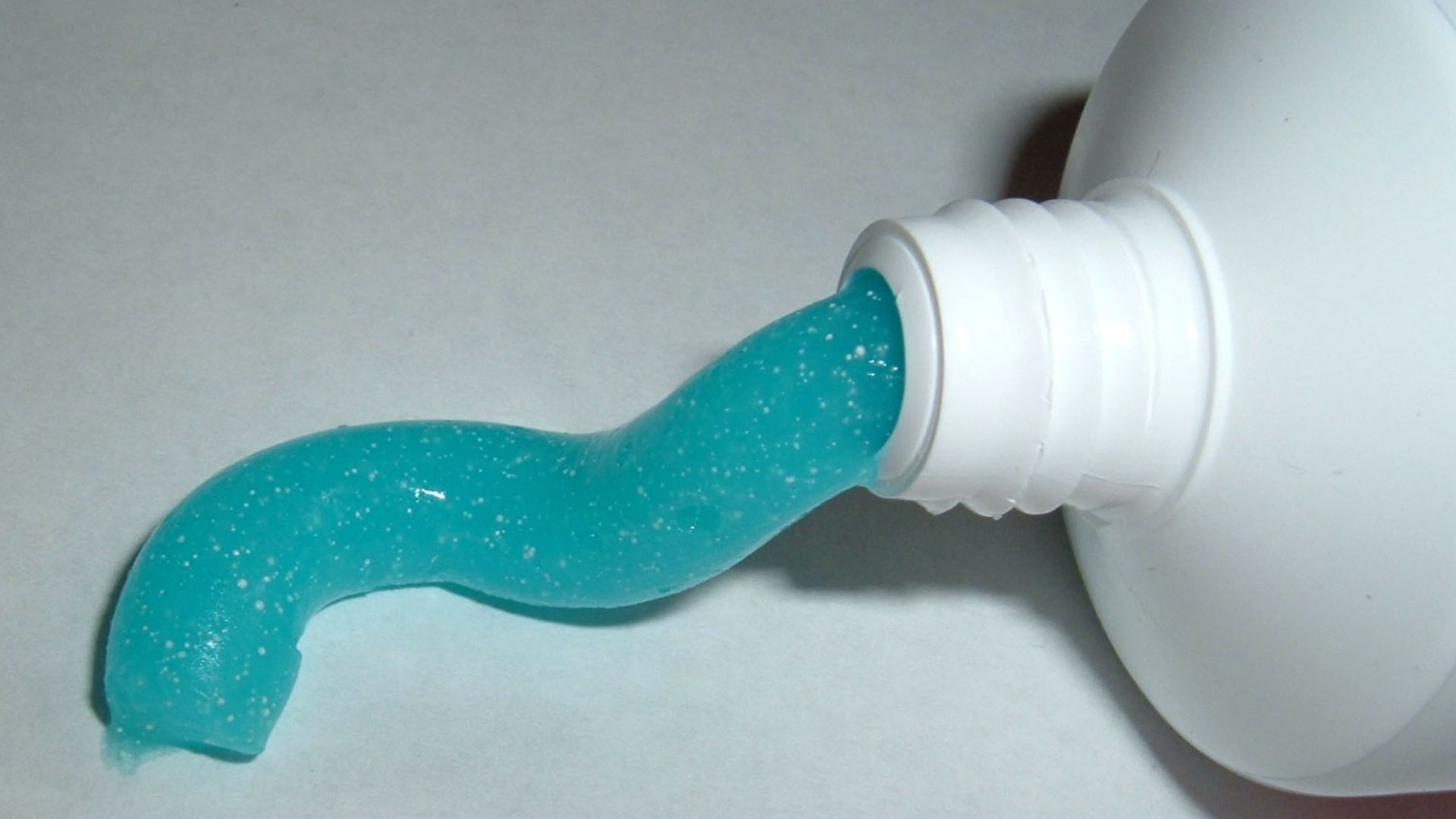
Another familiar household remedy involved smearing toothpaste over minor burns. The cooling sensation might seem reassuring, but toothpaste isn't formulated for damaged skin. Its ingredients may irritate the area, and medical experts warn that applying it can contribute to infection. A bathroom essential suddenly becomes a terrible first-aid product.
 Scott Ehardt, Wikimedia Commons
Colloidal Silver For Infections
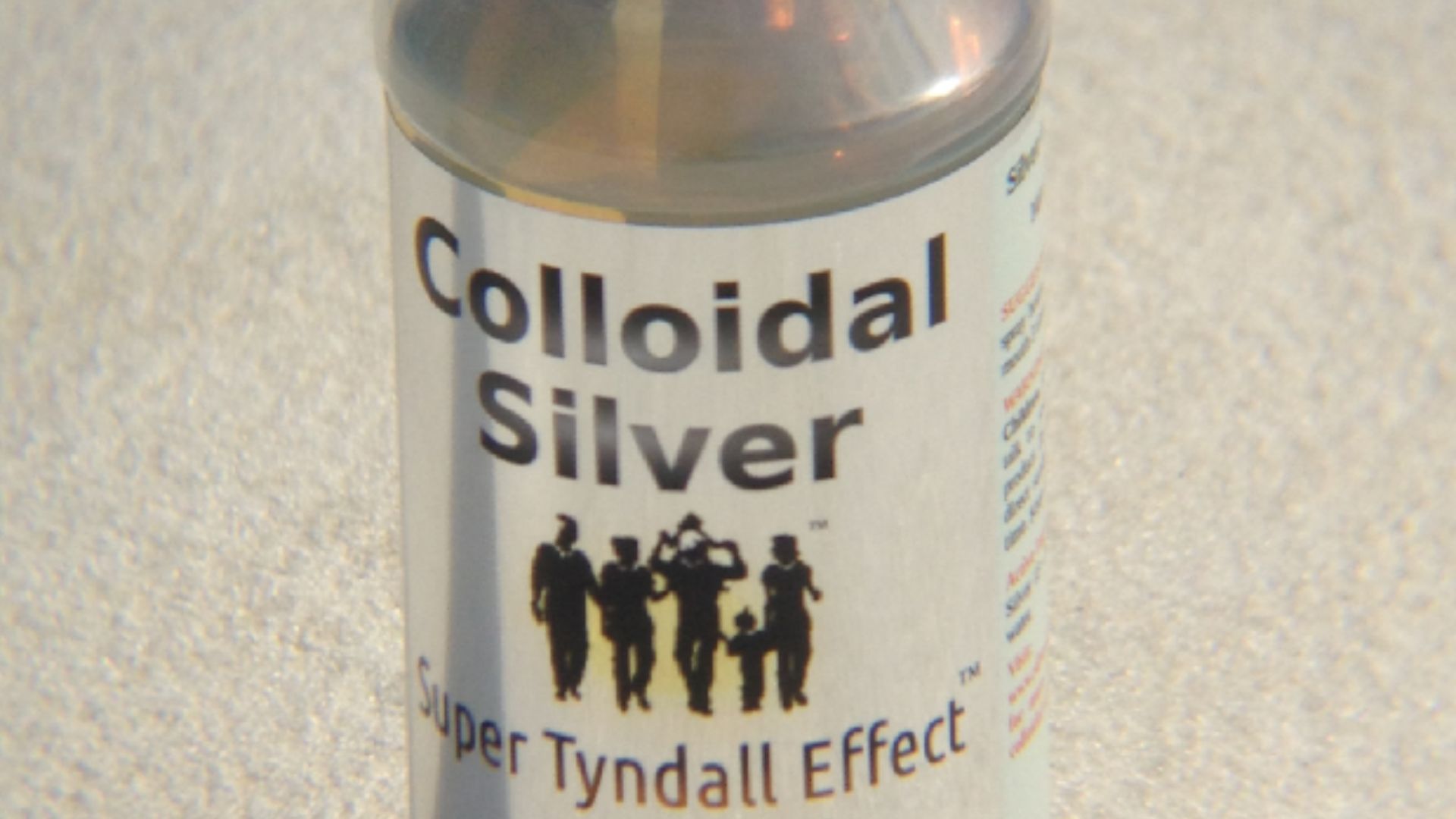
Silver compounds have a long history in medicine, but drinking colloidal silver became a questionable cure-all. Sellers promoted it against various illnesses despite little convincing evidence. Excessive exposure can cause permanent bluish-gray skin discoloration and interfere with certain medications. Instead of curing an infection, somebody could acquire an entirely separate health problem.
 Silverliving, Wikimedia Commons
Mercury-Based Skin Creams
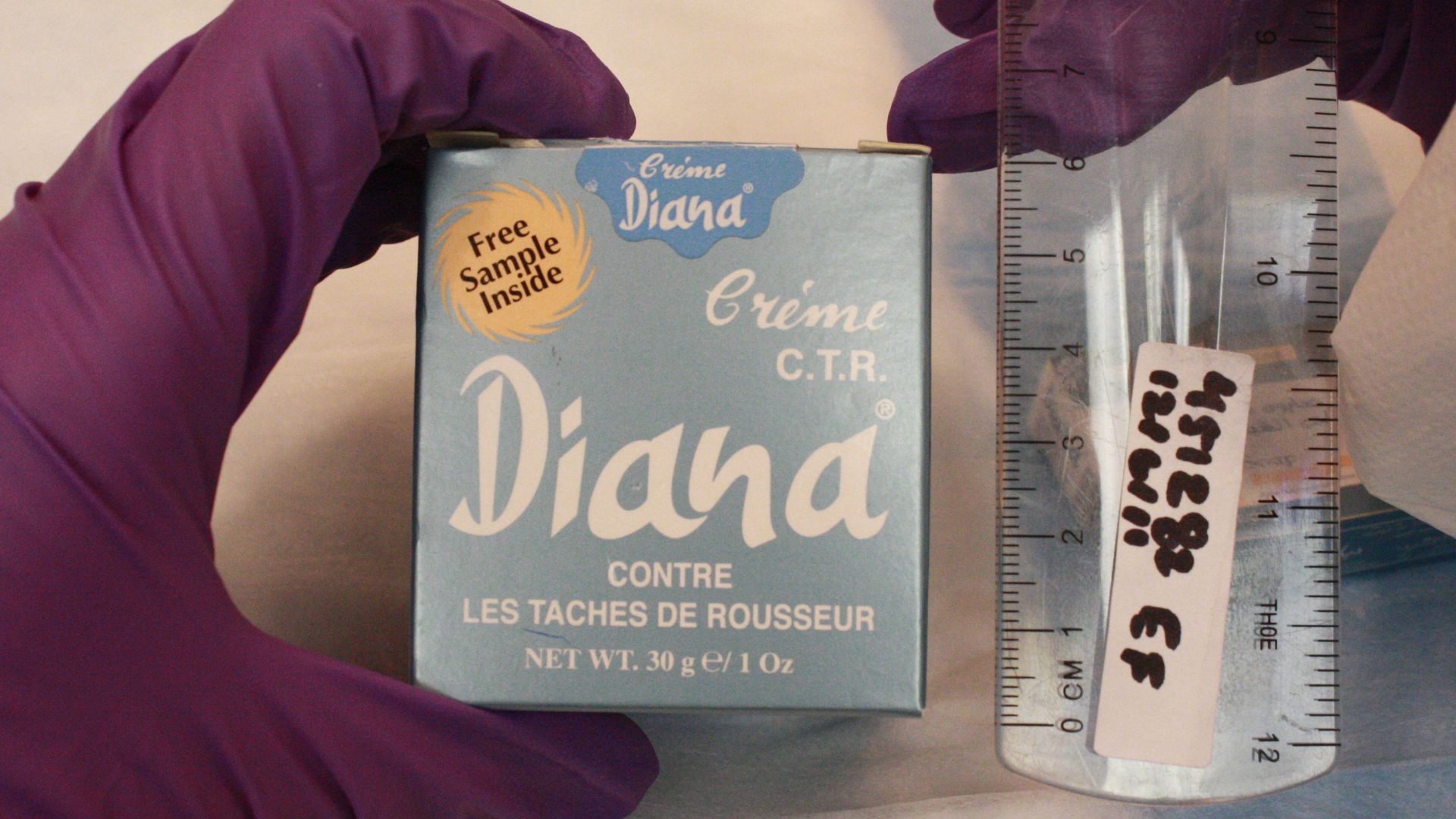
Before modern cosmetics regulations, some skin-lightening and complexion products contained mercury. Although these creams promised a flawless appearance, repeated exposure could damage the kidneys and nervous system. Mercury can also be absorbed through the skin. The pursuit of a brighter complexion sometimes came with a remarkably unpleasant hidden price.
 The U.S. Food and Drug Administration, Wikimedia Commons
Lead-Based Beauty Preparations
For centuries, some people used lead-containing cosmetics to achieve a fashionable pale appearance. Unfortunately, lead is poisonous, and repeated exposure can affect the brain, kidneys, and other organs. These products could also contribute to skin problems rather than solve them. Looking fashionable wasn't much consolation when the treatment itself was making someone ill.
 Ben Levy Co, Wikimedia Commons
Syrup Of Ipecac For Poisoning
Many Baby Boomers may remember being told to keep syrup of ipecac in the medicine cabinet. It was supposed to help after accidental poisoning by inducing vomiting. However, research failed to demonstrate improved outcomes. Vomiting could create complications, delay effective treatment, or make certain poisonings more dangerous. Poison-control experts no longer recommend routine use.
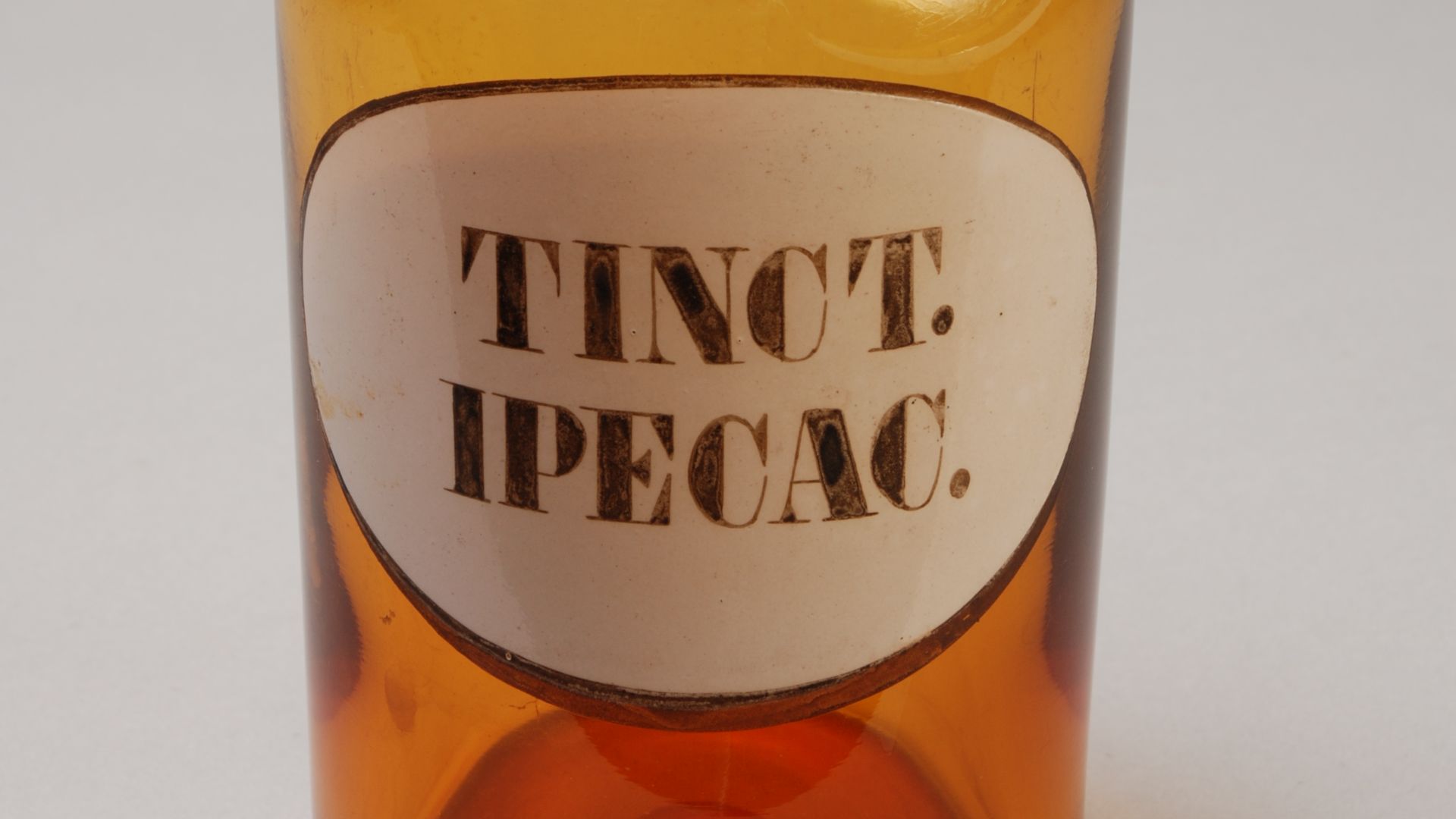 Museum Rotterdam, Wikimedia Commons
Salt Water To Induce Vomiting
Before modern poison-control advice, some families tried making people vomit by giving them concentrated salt water. Unfortunately, swallowing excessive salt can cause dangerous sodium poisoning, especially in children. A supposedly helpful emergency remedy could produce seizures and other serious complications. Today, poison specialists specifically advise against such improvised treatments.
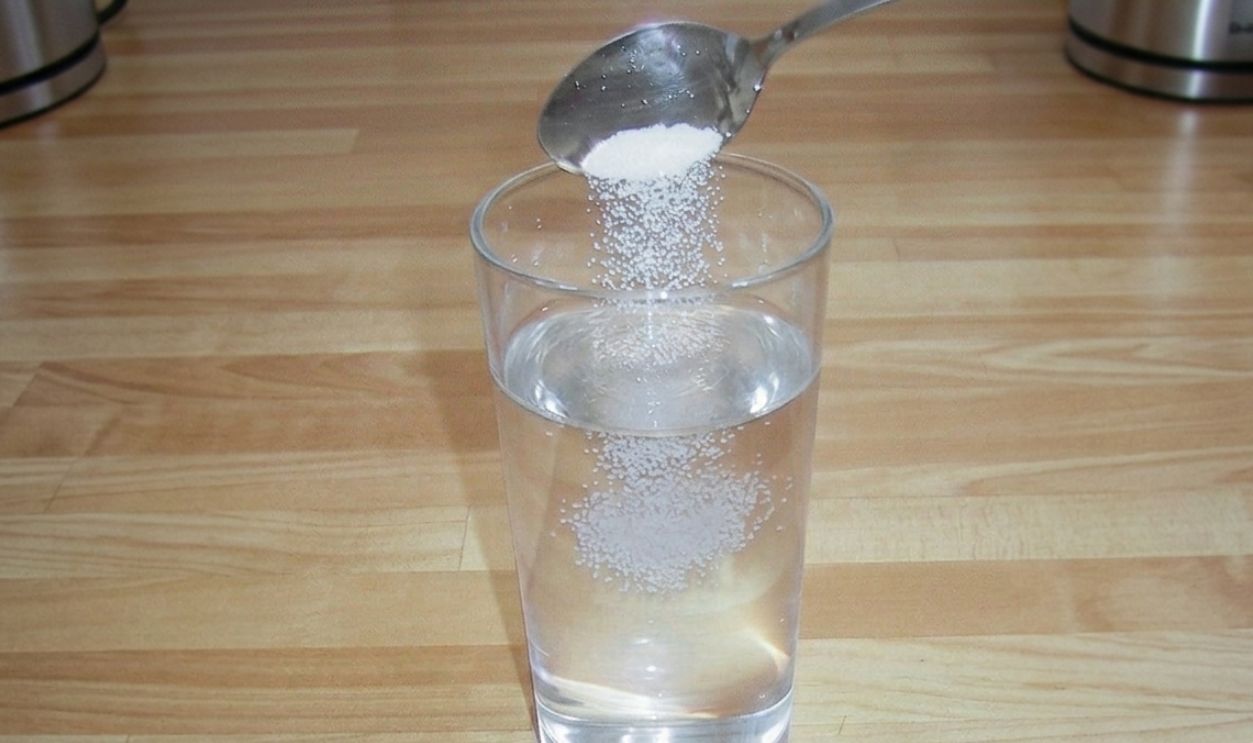 Picture taken by me -- Chris 73 14:12, 11 Dec 2004 (UTC), Wikimedia Commons
Rubbing Ice On Fevers
Some families once believed that applying ice directly to the skin could quickly bring down a fever. Unfortunately, extreme cold can cause discomfort and shivering, potentially increasing the body's heat production. Prolonged exposure can also damage skin. Modern medical advice generally recommends avoiding aggressive cooling methods for ordinary fevers, especially in children.
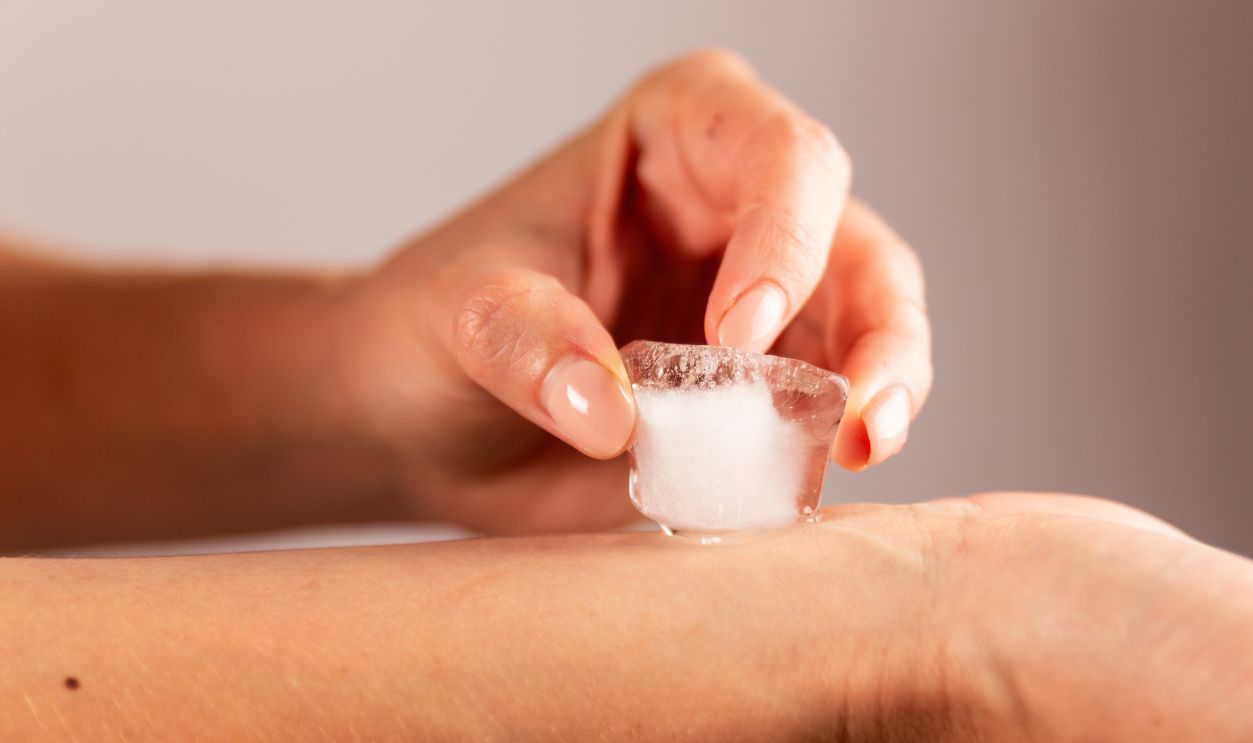 HordynskiPhotography, Shutterstock
Ice Directly On Burns
The logic sounds reasonable: If heat caused the burn, surely something freezing should fix it. Unfortunately, applying ice directly to burned skin can cause additional tissue damage. Medical guidance recommends cool running water rather than extreme cold. This is one of those occasions when the obvious opposite of the problem isn't the solution.

Very Hot Steam For Congestion
Remember leaning over a bowl of steaming water with a towel draped over your head? Families frequently used this method to relieve stuffy noses. Unfortunately, evidence of lasting benefits is limited, while hot water and steam can cause serious scalds. A simple cold could suddenly become a much more painful experience.

Lemon Juice For Whiter Teeth
Long before sophisticated whitening products, people experimented with acidic substances such as lemon juice to brighten their smiles. Unfortunately, repeated exposure to strong acids can erode tooth enamel. Once that protective enamel disappears, it doesn't grow back. The resulting sensitivity and discoloration can make teeth look and feel worse than before.
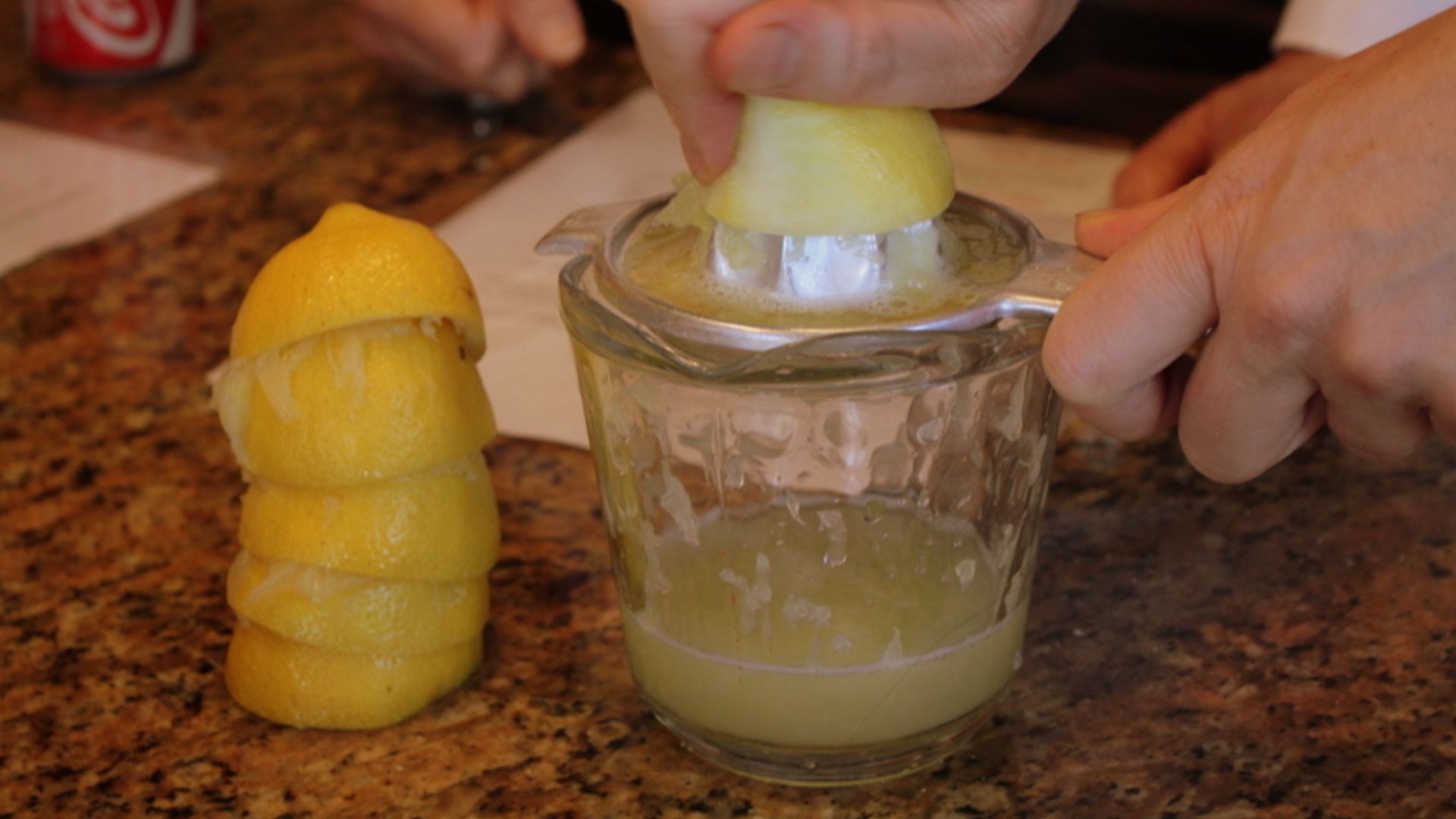 Leslie Seaton from Seattle, WA, USA, Wikimedia Commons
Charcoal Tooth Powders
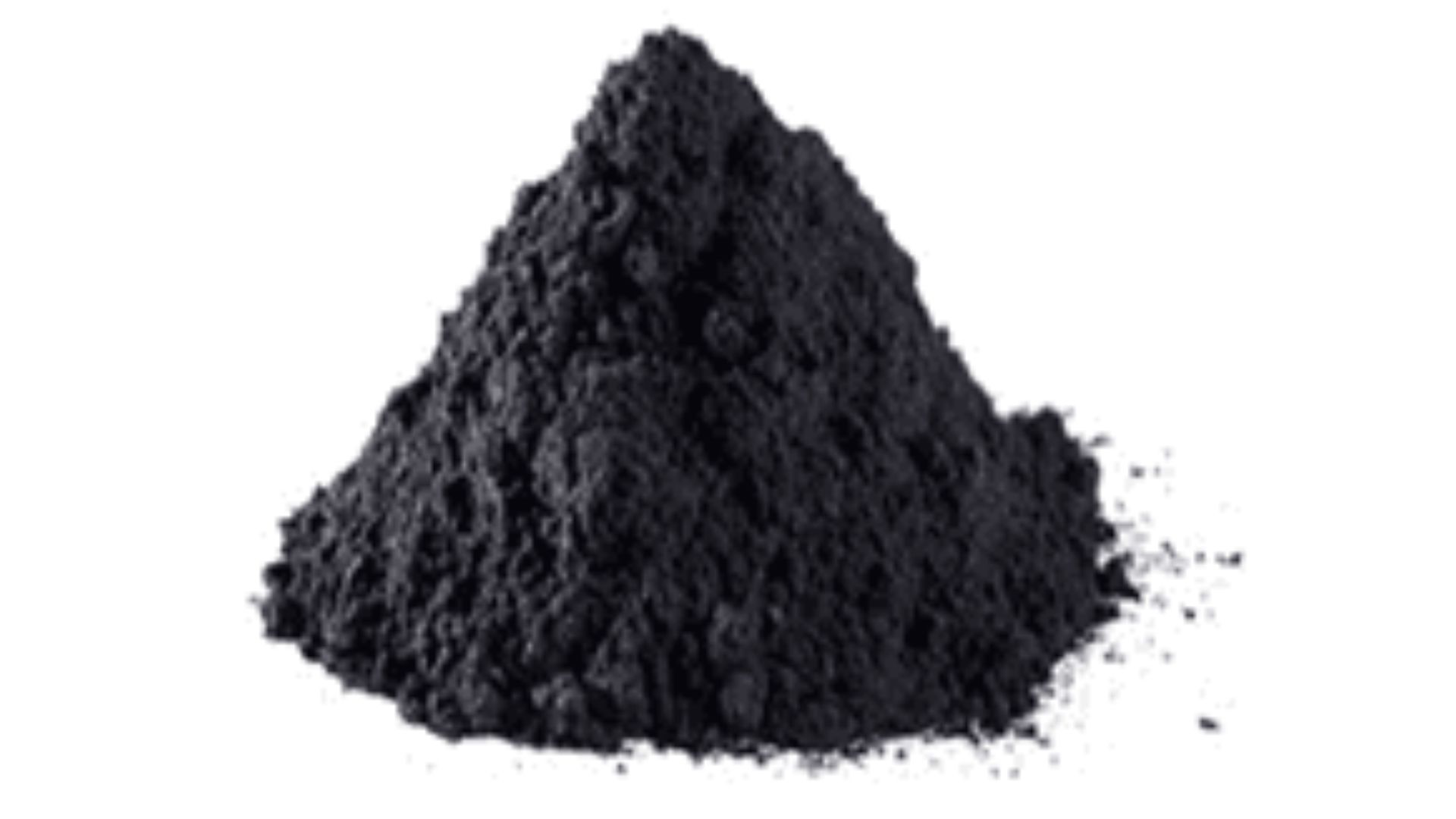
Charcoal has appeared in tooth-cleaning traditions for generations, promising brighter smiles through its scrubbing action. However, abrasive charcoal products can gradually wear away protective enamel. Dental experts have warned about this risk. Scrubbing aggressively enough to remove stains sounds wonderful until the process starts removing something considerably more valuable.
 Mubychemcom, Wikimedia Commons
Kerosene For Head Lice
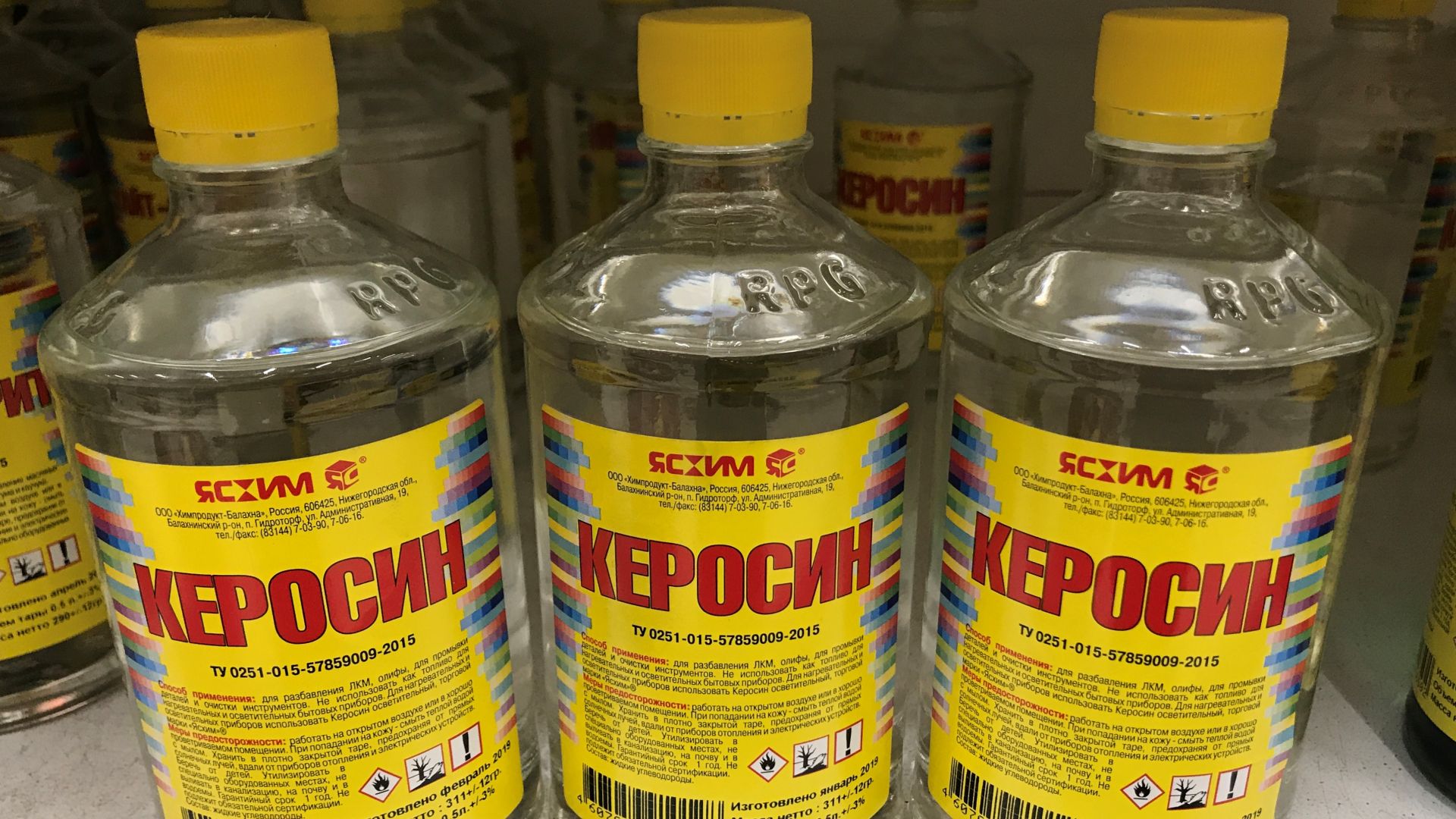
Before today's carefully formulated treatments, some households resorted to kerosene to eliminate head lice. Although petroleum products can harm insects, putting kerosene on someone's scalp introduces poisoning, irritation, and serious fire hazards. It's a particularly terrible trade-off when the original problem, however annoying, is generally manageable with much safer treatments.
 Vitaly Barsov, Wikimedia Commons
Turpentine For Intestinal Worms
Turpentine once appeared in folk remedies intended to eliminate intestinal parasites. Unfortunately, swallowing this solvent can poison the body, irritating the digestive system and damaging other organs. Even if a substance is harmful to parasites, that doesn't make it safe for humans. Doctors now have considerably more reliable ways to treat these infections.
 Jud McCranie, Wikimedia Commons
Baking Soda For Indigestion
Before modern antacids became household staples, some families swallowed baking soda dissolved in water to relieve indigestion. While it can temporarily neutralize stomach acid, taking excessive amounts can disturb the body's delicate chemical balance. Serious complications include dangerously high sodium levels and metabolic alkalosis. What started as ordinary heartburn could become a much bigger medical problem.
Strong Laxatives For Everyday Constipation
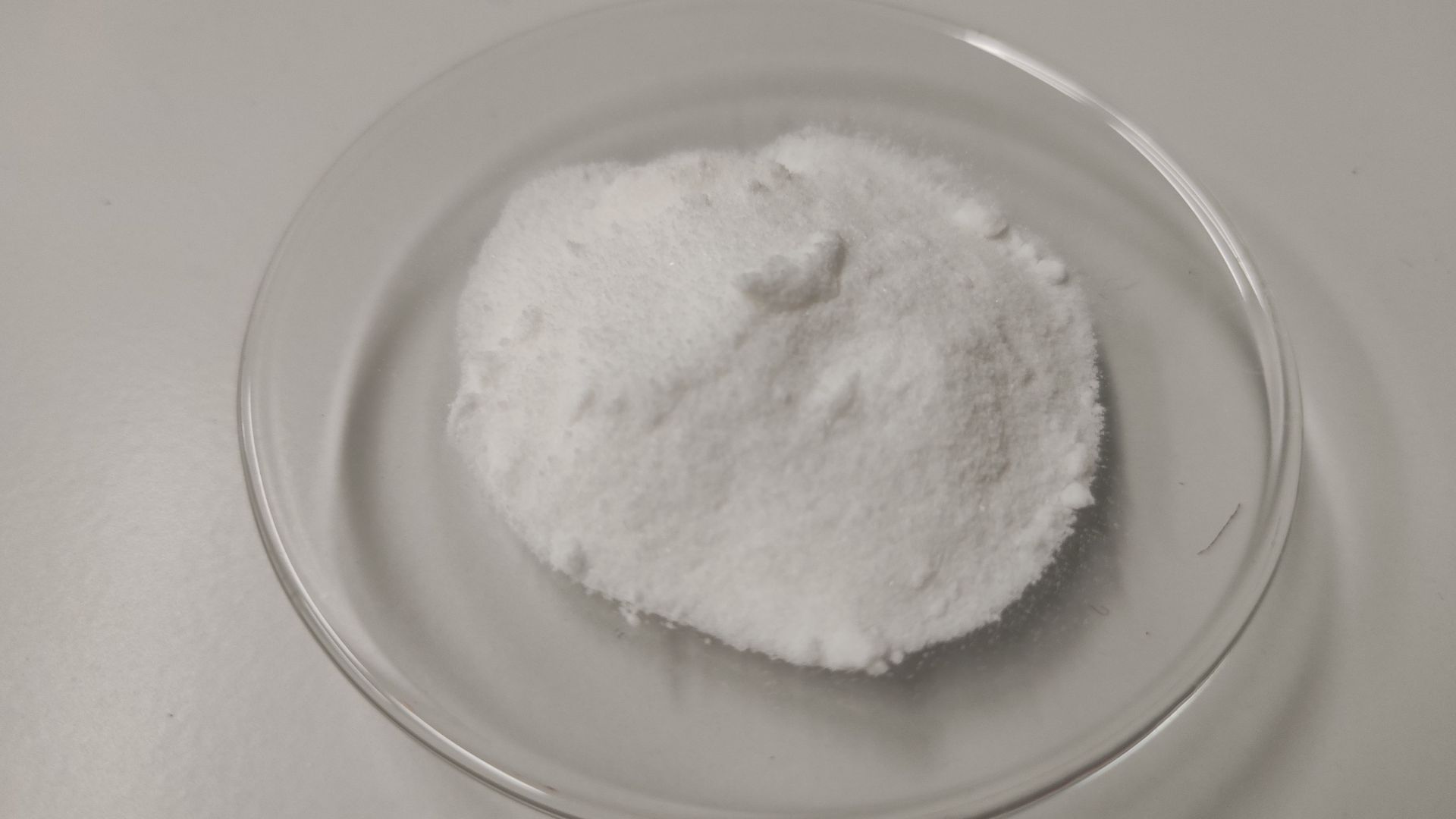
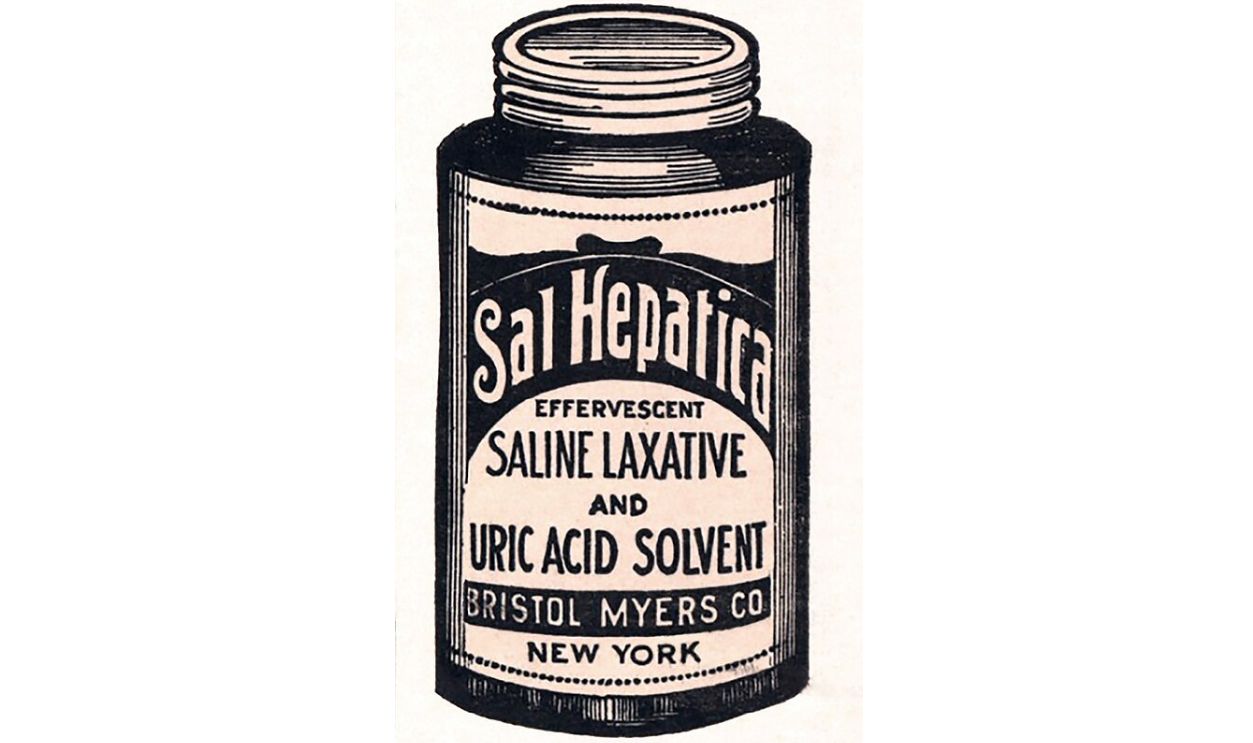
Historically, powerful purgatives were often prescribed for digestive discomfort, sometimes with little concern for their long-term consequences. Excessive laxative use can cause dehydration and disturbances in important body salts. Certain stimulant products can also produce abdominal cramping. Instead of restoring comfortable digestion, aggressive treatment could leave patients feeling substantially worse.
 Internet Archive Book Images, Wikimedia Commons
Mercury Compounds For Constipation
Mercury-containing preparations, including calomel, were once administered as laxatives and general medicines. Although these substances could affect bowel movements, repeated mercury exposure carried serious poisoning risks. Doctors eventually abandoned such treatments as safer alternatives emerged. Imagine visiting a physician for constipation and leaving with an entirely new toxicological problem.
Aspirin Directly On An Aching Tooth
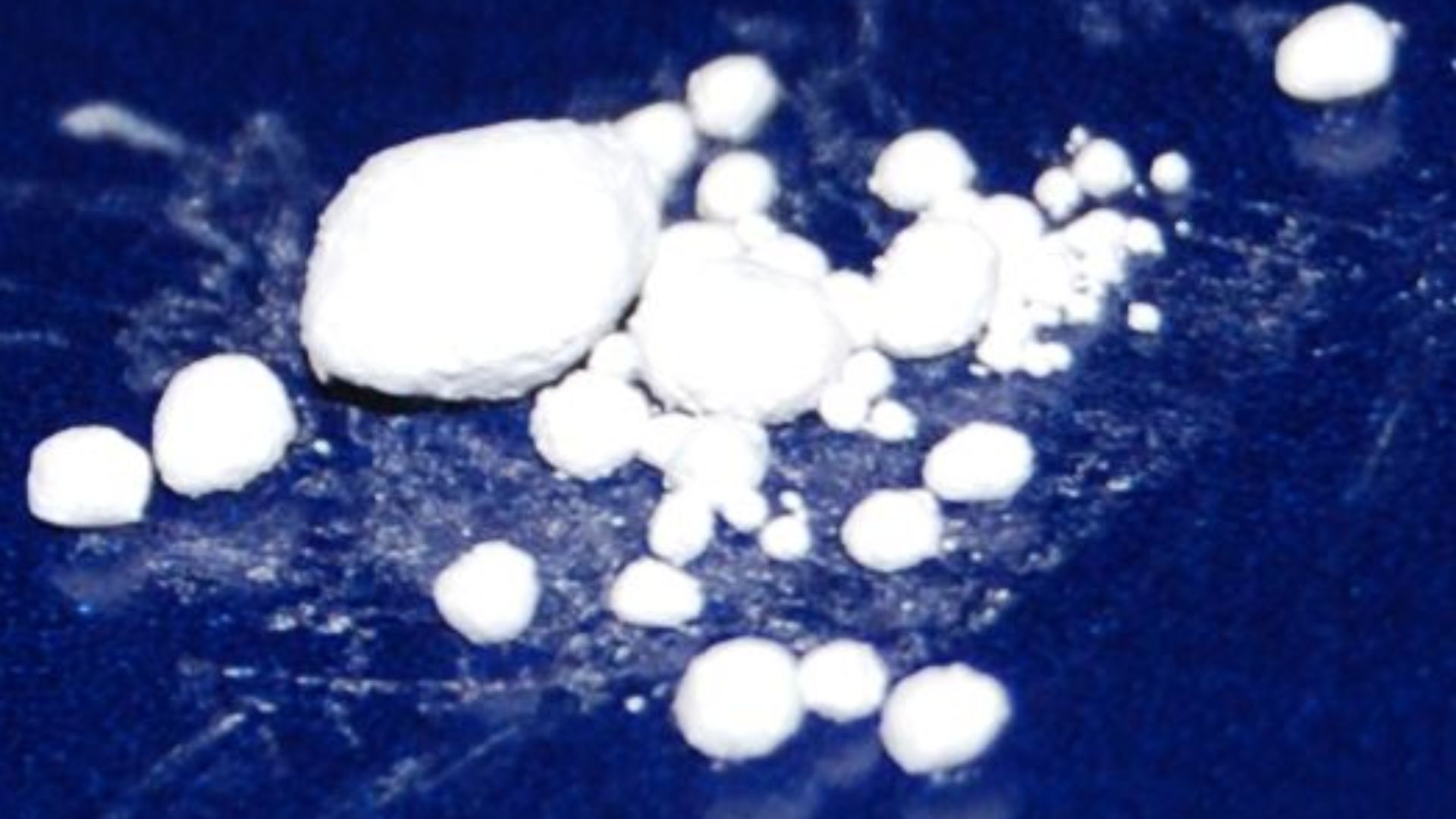
An old-fashioned toothache remedy involved placing an aspirin tablet directly against the painful tooth or gum. Unfortunately, aspirin works by being absorbed into the body, not by sitting against irritated tissue. Holding it against the gums can cause a chemical burn, adding another painful problem to the original toothache. Dentists strongly discourage this surprisingly persistent household myth.
What These Failed Cures Taught Modern Medicine
It's tempting to laugh at yesterday's medical advice, especially when the ingredients sound more appropriate for a hardware store than a pharmacy. But these mistakes helped demonstrate why treatments require careful testing. A remedy isn't safe simply because it's traditional, popular, or natural. Sometimes the greatest medical breakthrough is discovering what not to do.

You May Also Like:
Famous Ghost Stories That Began With Real Historical Tragedies