The Ghost Came Later. The Tragedy Was Real.
The most unsettling ghost stories are often the ones that do not need the supernatural part to be frightening. Behind famous apparitions, phantom footsteps, and haunted battlefields are executions, murders, drownings, battles, prisons, and private grief. The ghosts remain folklore. The tragedies beneath them actually happened.
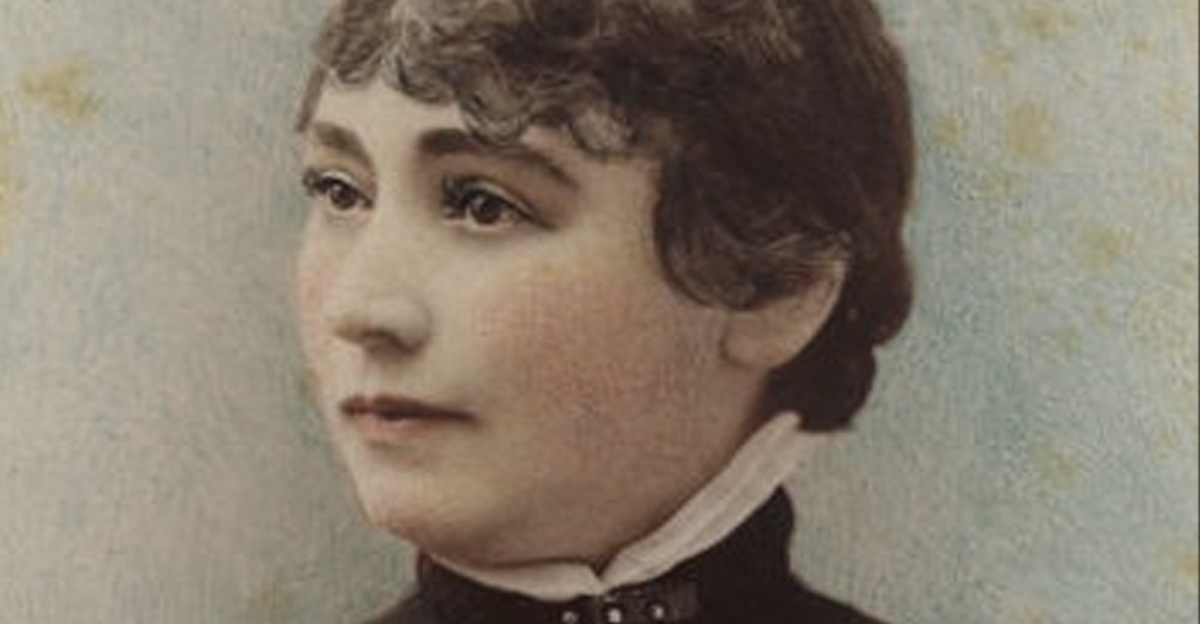 Taber Photographic Co. (I.W. Taber?), Wikimedia Commons
Anne Boleyn Never Really Left The Tower
One of Britain’s most famous ghost legends belongs to Anne Boleyn. Henry VIII’s second queen was locked up in the Tower of London, convicted after an infamous trial, and executed there in May 1536. She was buried inside the Tower grounds at St Peter ad Vincula.
But some say she never really left.
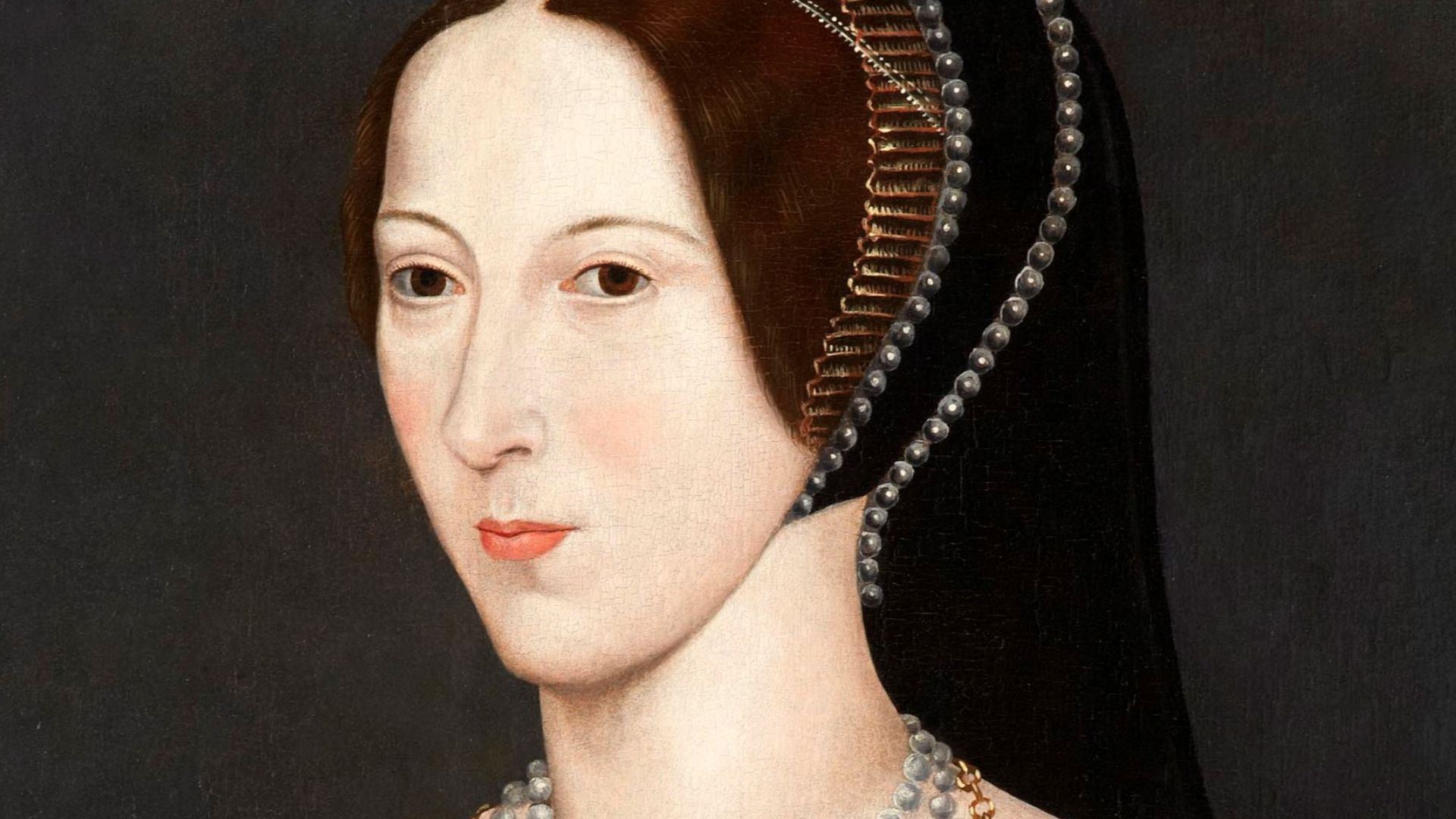 English school, Wikimedia Commons
Then People Started Seeing A Queen Without A Head
Later folklore placed Anne’s ghost back where she perished. Stories describe her walking Tower Green, appearing near the chapel, and returning in spectral processions through the grounds. The details belong to legend, but the setting does not: visitors are telling ghost stories on the same ground where Anne’s political downfall actually ended.
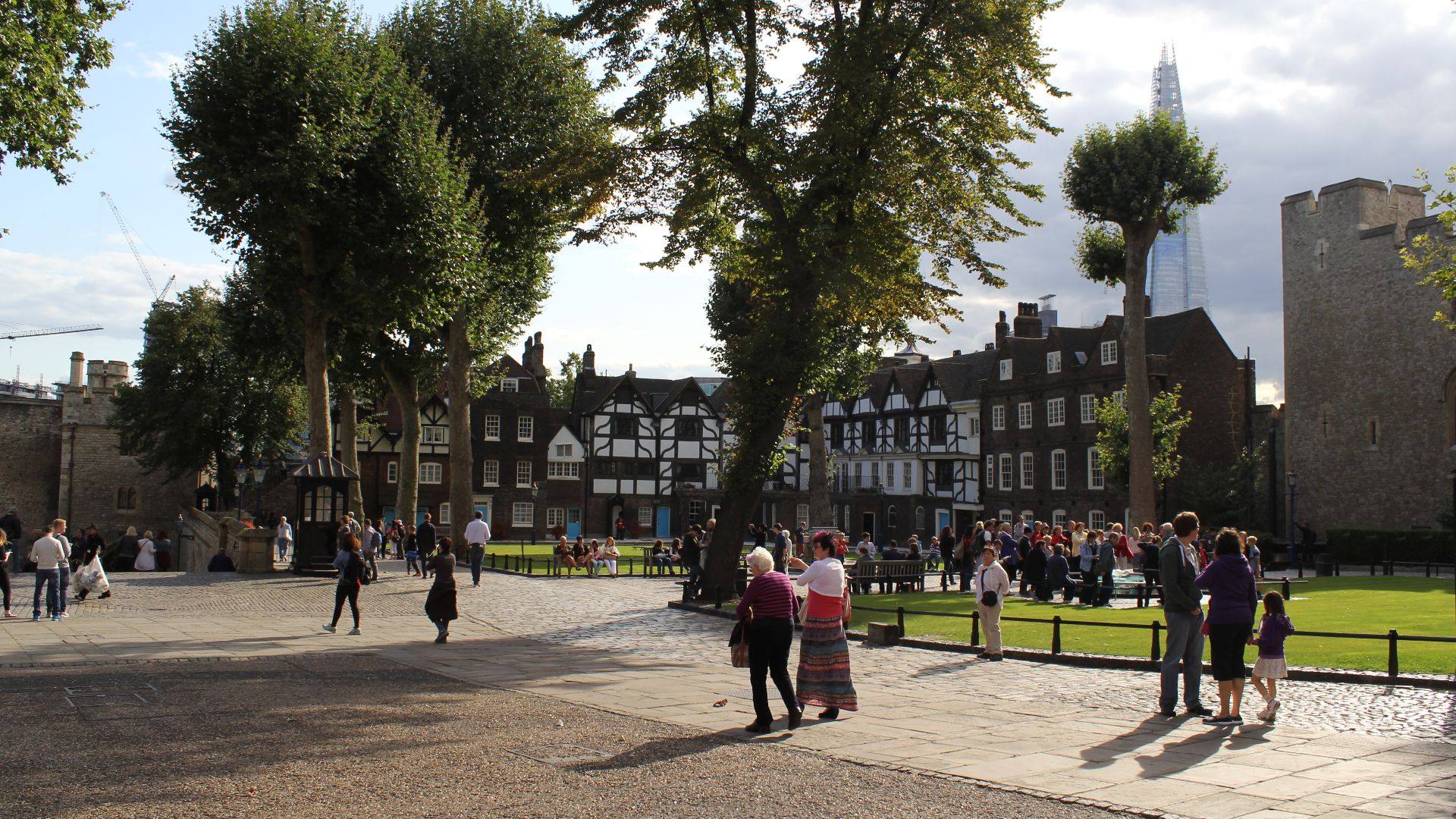 Richard Nevell, Wikimedia Commons
Catherine Howard Became Hampton Court’s “Screaming Queen”
Henry VIII’s fifth wife, Catherine Howard, was apprehended at Hampton Court in 1541 before being taken to the Tower and executed in 1542. A famous legend claims she escaped her guards and ran toward Henry’s chapel, screaming for mercy as they dragged her back.

The Haunted Gallery Story Is Better Folklore Than History
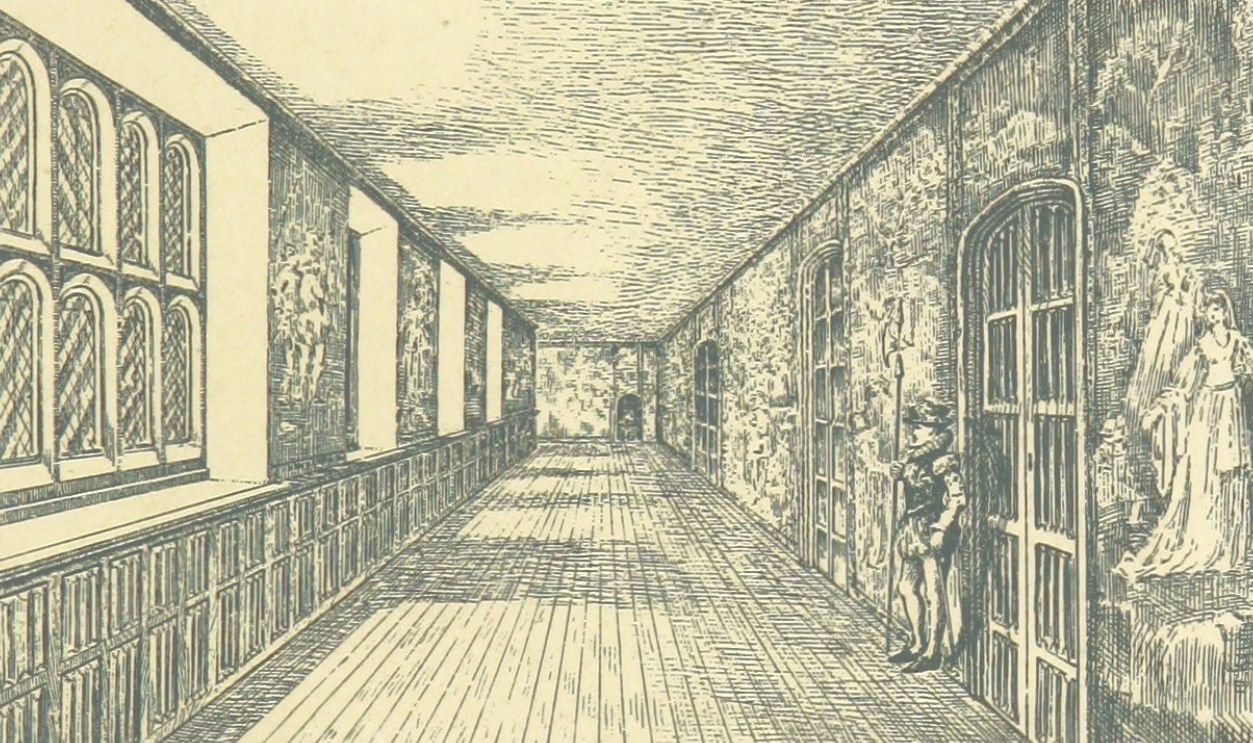
Visitors are still told that Catherine’s ghost races through Hampton Court’s Haunted Gallery. But sources note a problem: even if Catherine tried to reach Henry, the surviving gallery was not on the route she would have taken. The haunting reflects a genuine tragedy, but its most famous scene was polished by later storytellers.
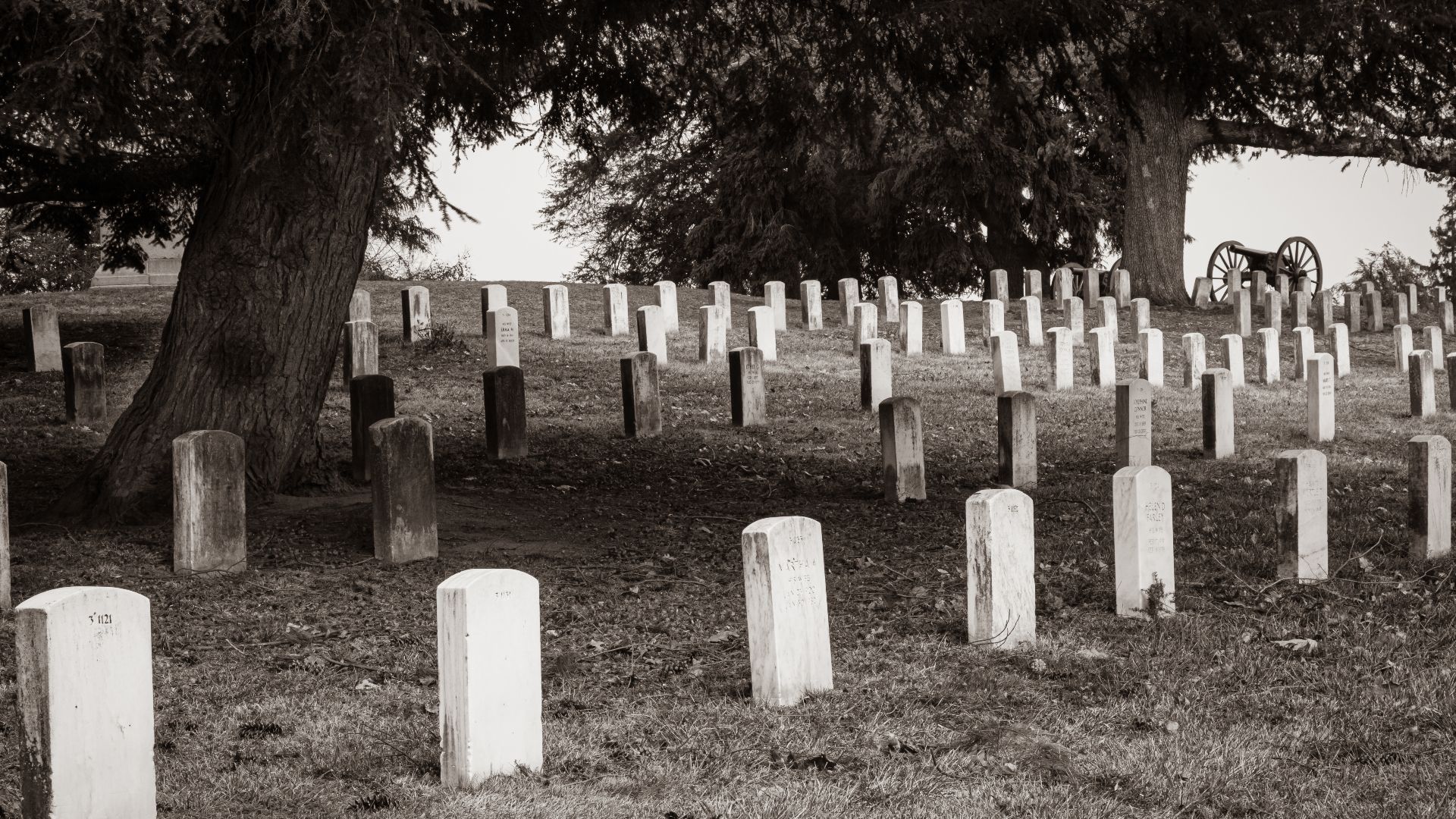
Gettysburg Had Enough Real Horror Without Ghosts
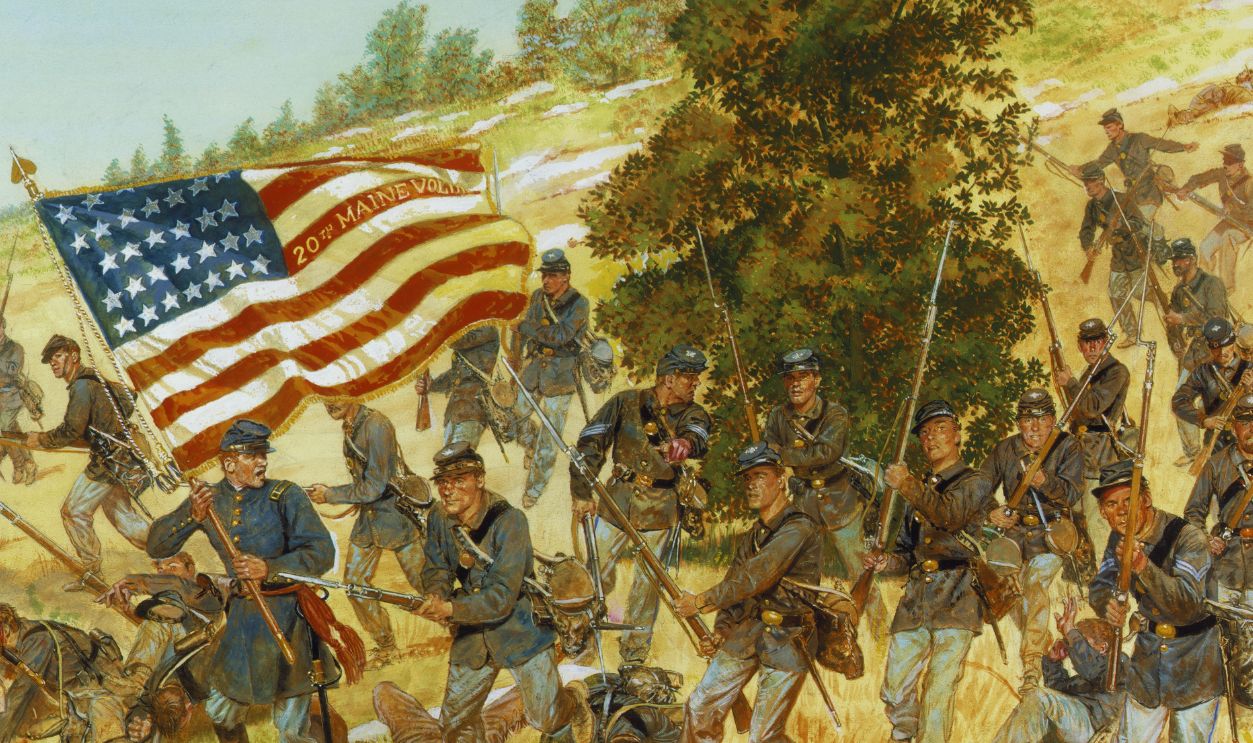
The Battle of Gettysburg in July 1863 left tens of thousands of officers deceased, wounded, or missing and transformed farms, houses, and fields into an enormous emergency hospital and burial landscape. With suffering on that scale, it is not surprising that ghost stories became attached to the battlefield afterward.
 The National Guard, Wikimedia Commons
Phantom Officers Followed The Real Ones
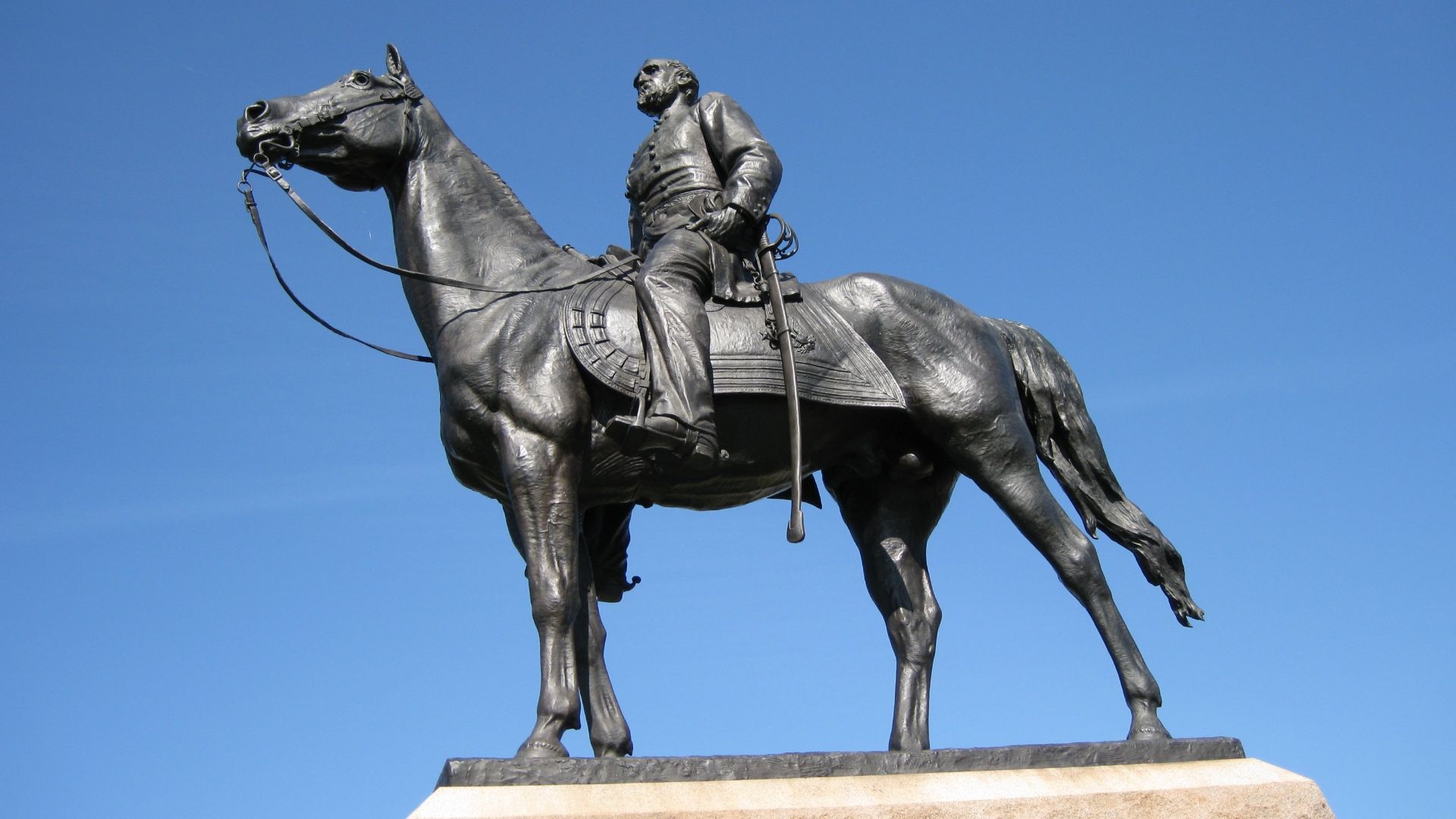
Gettysburg folklore now includes phantom regiments, spectral horsemen, unexplained figures, and haunted buildings. The National Park Service itself explores where those stories came from while carefully distinguishing history from legend. The battlefield is genuinely tragic; claims that its victims still march belong to a very different category.
 Captain Albert E. Theberge, NOAA Corps (ret.), Wikimedia Commons
Culloden Became A Graveyard In Less Than An Hour
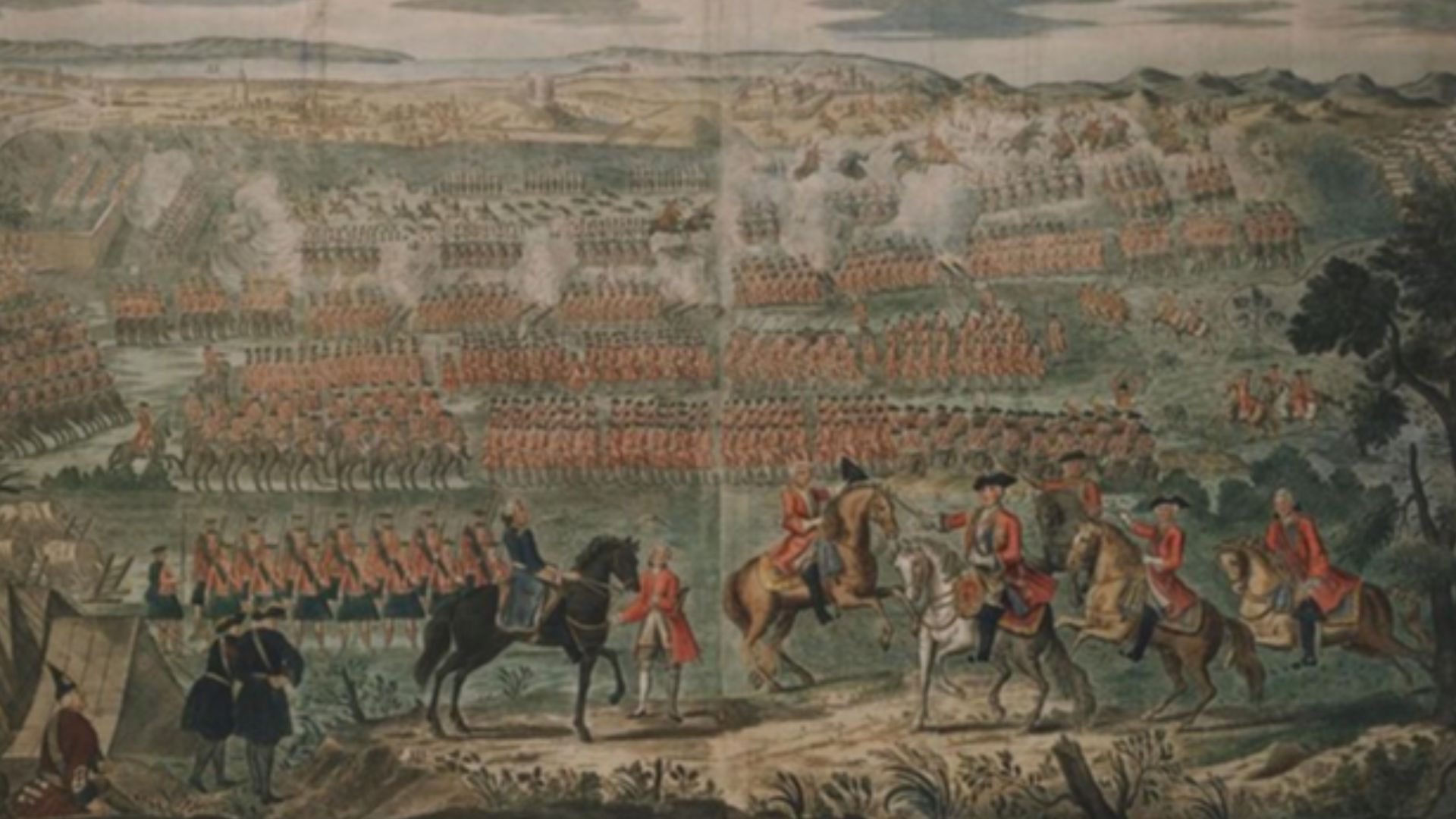
The Battle of Culloden in 1746 was devastatingly brief. It's estimated that around 1,600 men lost their lives, roughly 1,500 of them Jacobites, in less than an hour. The defeat ended the Jacobite rising and was followed by repression that changed Highland life profoundly.
 David Morier (died 1770), Wikimedia Commons
The Moor Collected Supernatural Stories Too
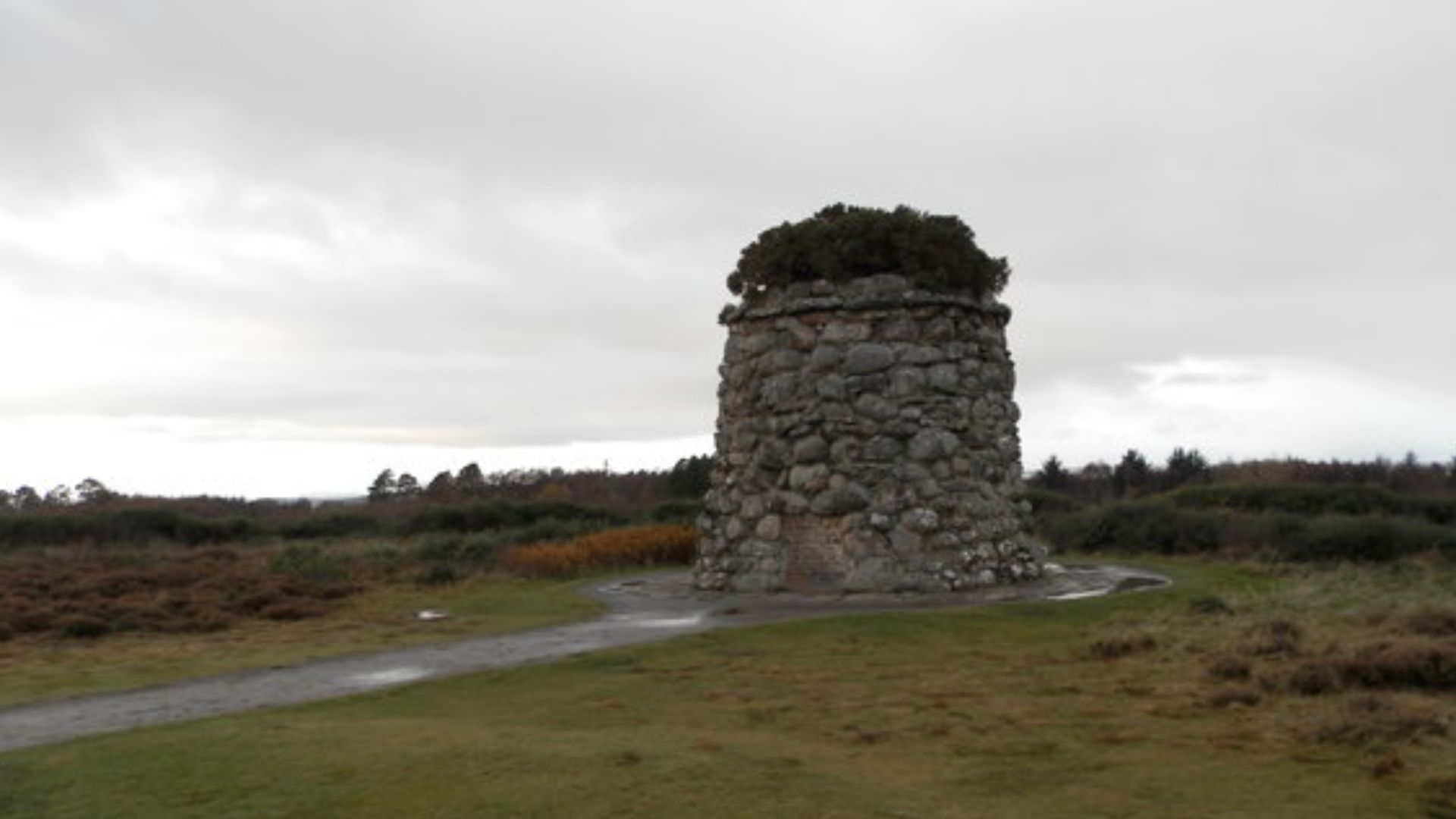
Over generations, Culloden became surrounded by stories of second sight, omens, and other supernatural encounters. Even the National Trust’s own collections acknowledge the folklore associated with the battlefield. What happened there historically was already haunting enough to make such stories feel almost inevitable.
 Douglas Nelson , Wikimedia Commons

History's most fascinating stories and darkest secrets, delivered to your inbox daily.
Three Girls Drowned At The St. Augustine Lighthouse Site
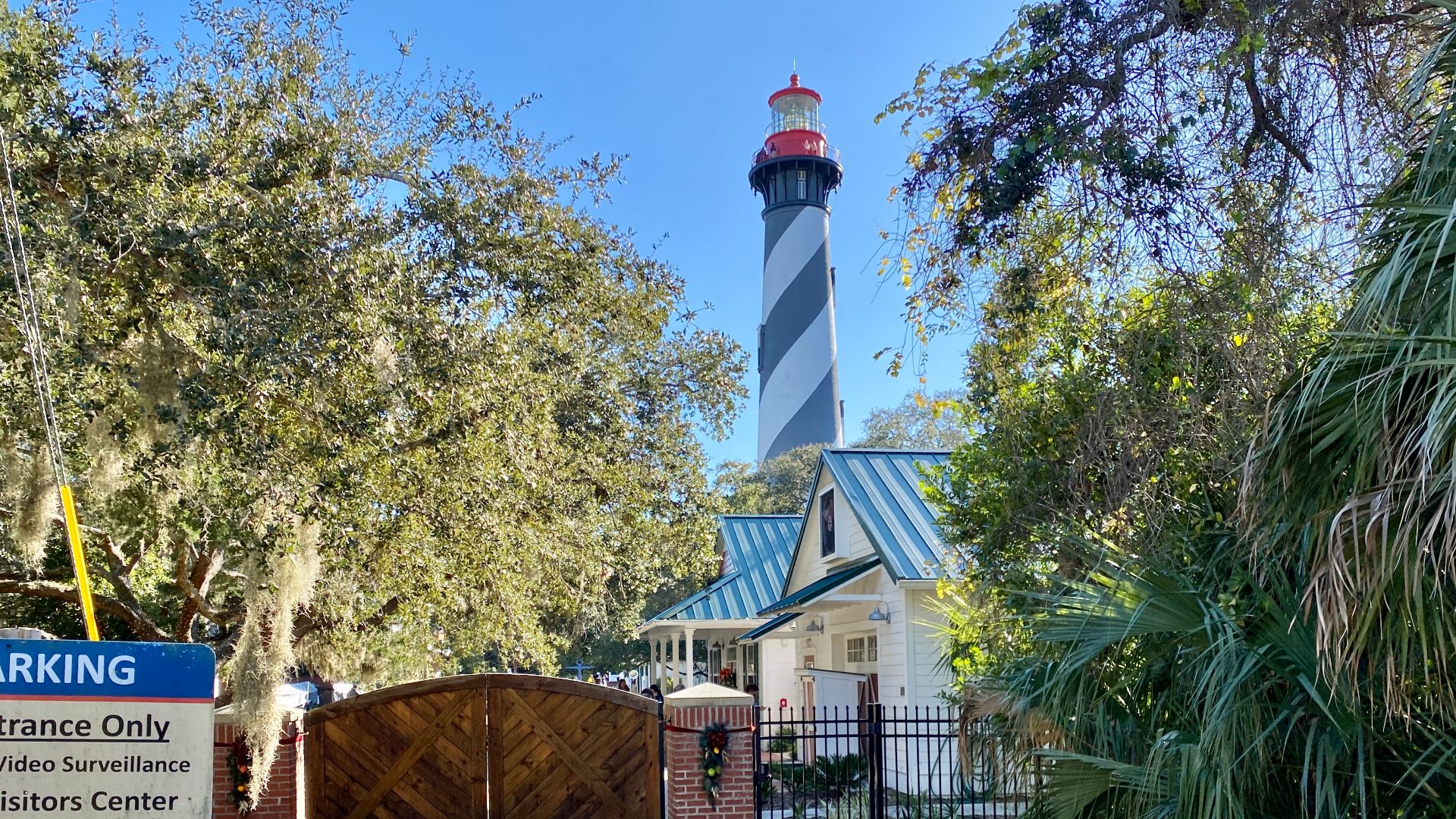
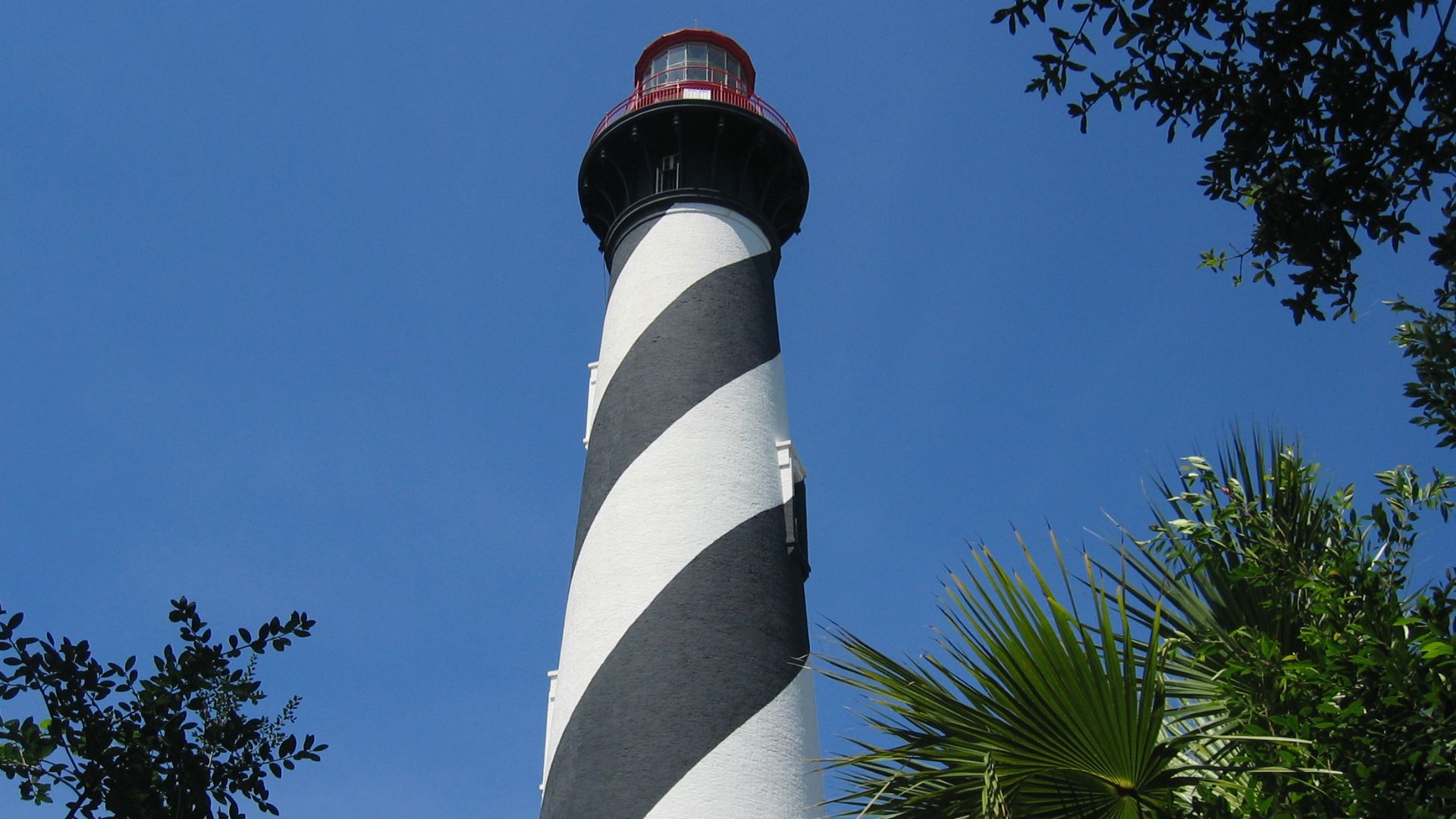
In 1873, while the St Augustine lighthouse was under construction, a rail cart carrying children plunged into the water. Three girls drowned, including two daughters of construction superintendent Hezekiah Pittee. The accident devastated the family and temporarily shut down work at the site.
Children’s Laughter Became Part Of The Lighthouse Legend
Decades later, people began reporting footsteps, laughter, and childlike voices around the lighthouse property. Staff at the St Augustine Lighthouse openly present these stories as ghost folklore rather than established fact. The reported spirits may be legend, but the drowning that gave the story its emotional force is documented.
 “Jon Zander(digon3)”, Wikimedia Commons
Yankee Jim’s Demise Became Part Of Whaley House Lore
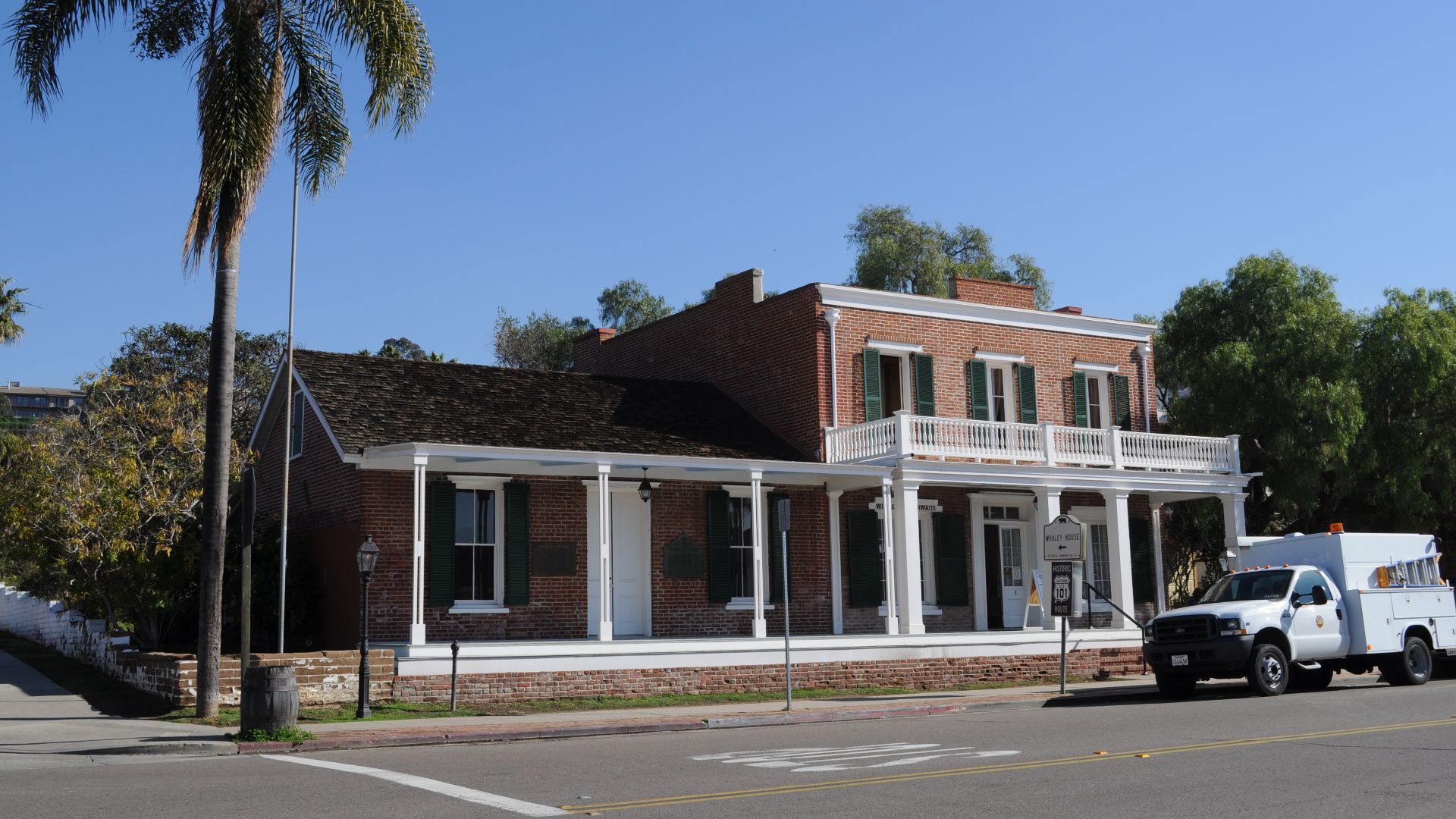
James “Yankee Jim” Robinson was hanged in Old Town San Diego in 1852 after being convicted in a boat-theft case. Later histories and Whaley House tradition place the execution on, or immediately around, the property where Thomas Whaley would later build his family home.
Heavy Footsteps Became The House’s First Famous Ghost
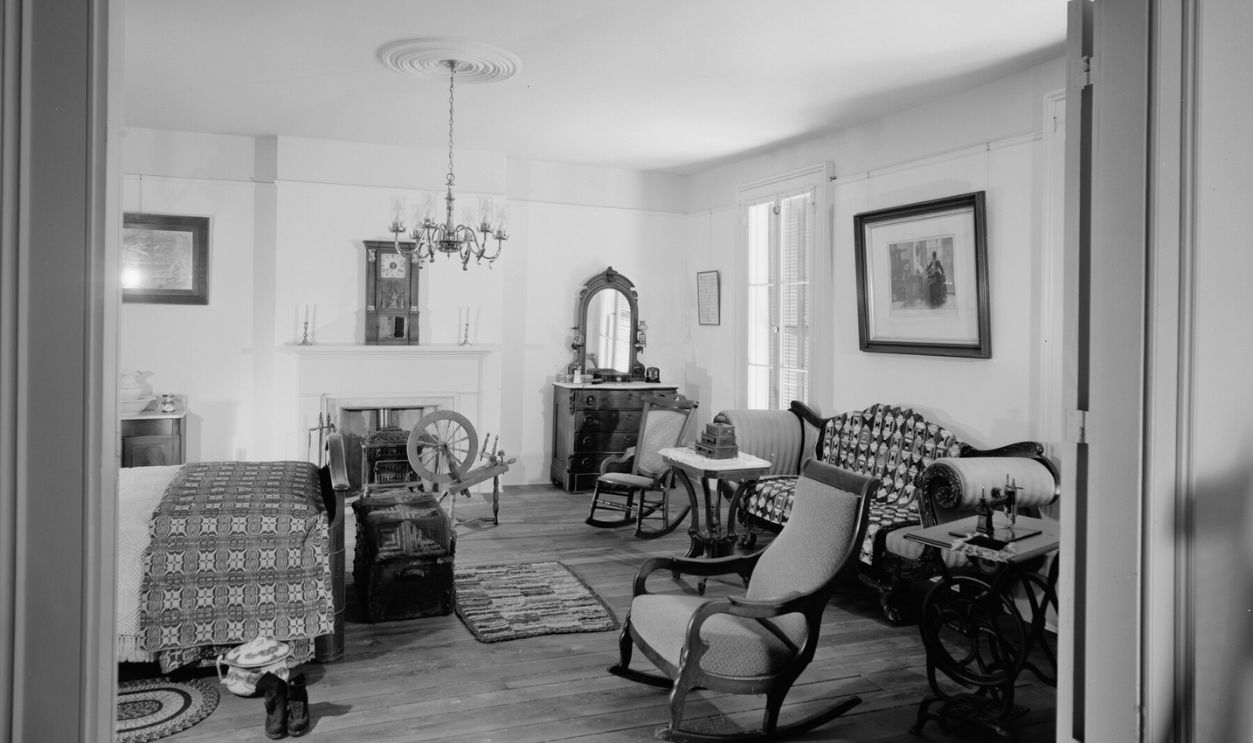
The Whaley House developed a reputation for unexplained footsteps attributed to Robinson. Even early family lore connected heavy boot sounds with the hanged man. Other tragedies later touched the family, including the passing of a young son and daughter who took her own life, giving the house more grief for later ghost stories to gather around.
 Jack Boucher, Wikimedia Commons
Amityville Began With Six Murders
The supernatural story of Amityville came after something unquestionably real. On November 13, 1974, Ronald DeFeo Jr took the lives of his parents and four siblings inside their Long Island home. He was convicted of six counts and sentenced to consecutive terms of 25 years to life.
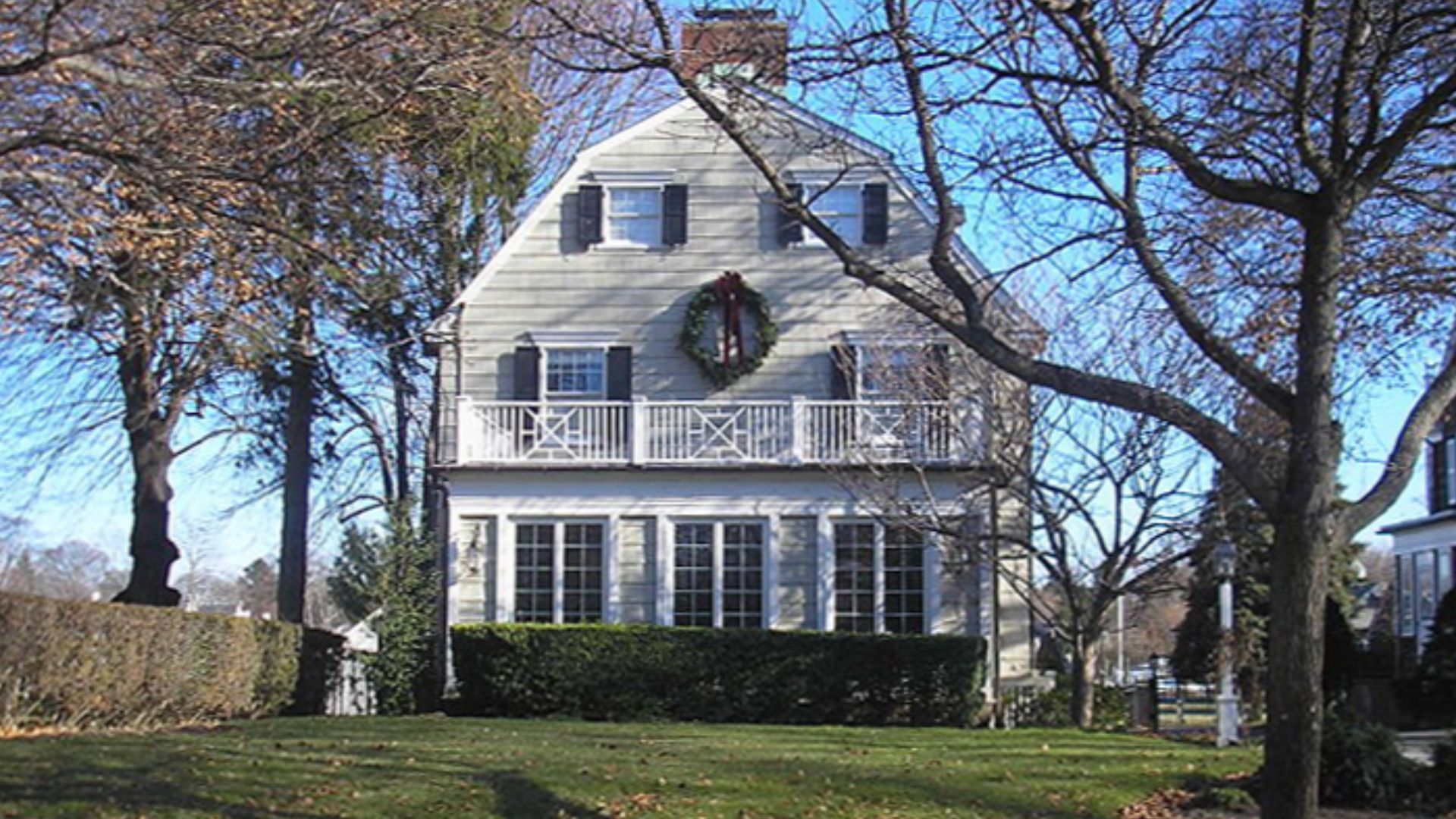
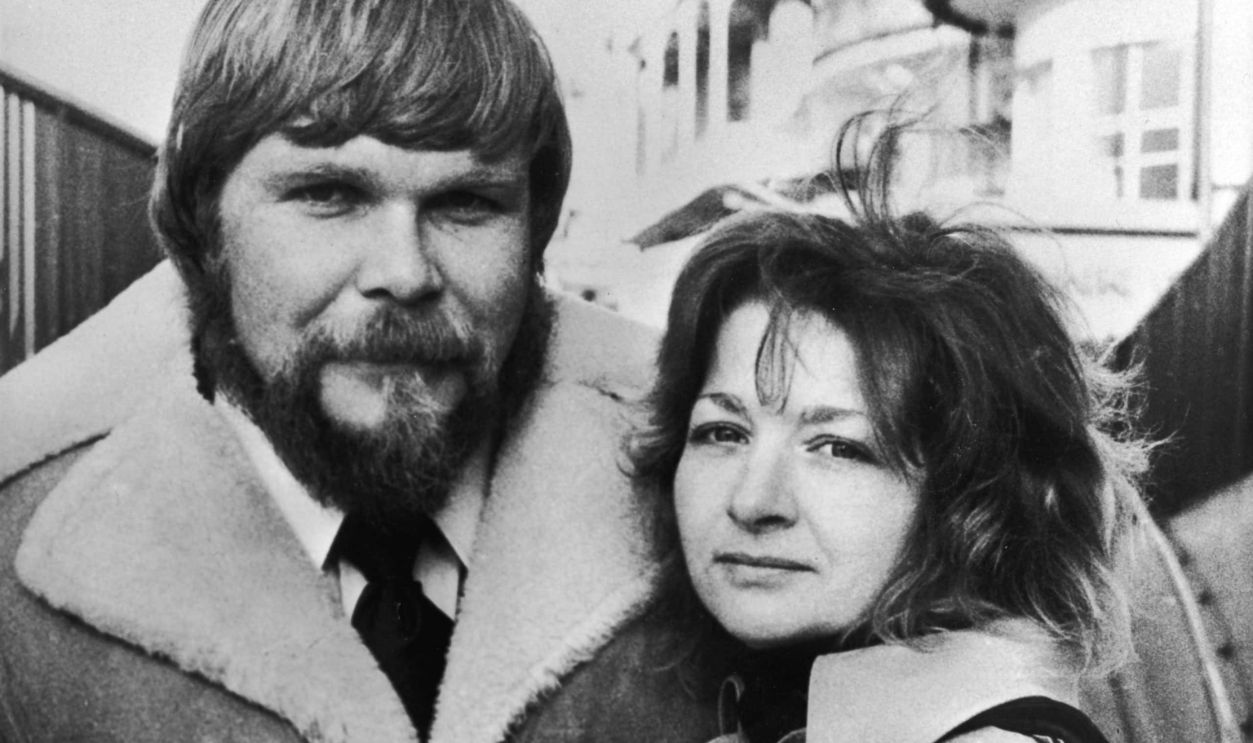
The Haunting Story Arrived With The Next Family
George and Kathy Lutz moved into the house the following year and claimed they fled after experiencing terrifying supernatural phenomena. Those accounts became the 1977 book The Amityville Horror and a film franchise. The haunting claims have been heavily disputed, but the tragedy beneath the legend was horrifyingly real.
The Crescent Hotel Had A Real Medical Nightmare
Arkansas’s Crescent Hotel took a dark turn in 1937 when Norman Baker transformed it into a hospital claiming to cure cancer. Baker had no legitimate medical credentials for such treatment. Archaeological work at the property later uncovered hundreds of bottles, chemical mixtures, and specimen jars associated with the Baker hospital years.
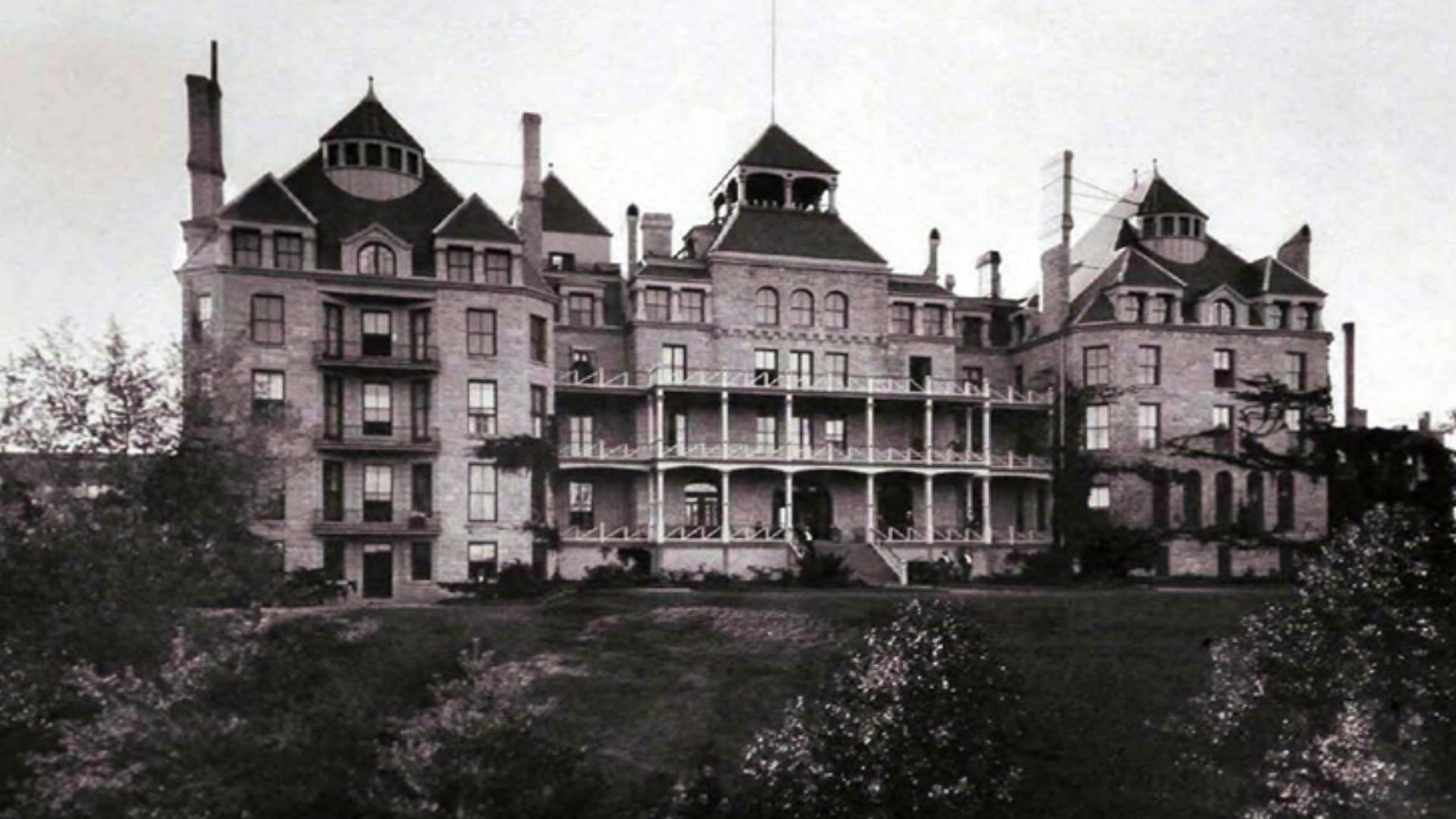 Unknown authorUnknown author, Wikimedia Commons
The “Most Haunted Hotel” Story Grew From That History
The Crescent now embraces its reputation as a haunted hotel, with stories of patients and other figures supposedly lingering in its rooms and hallways. Whether anything supernatural happens there is another question. What is documented is that desperate cancer patients were drawn to a fraudulent operation inside the building.
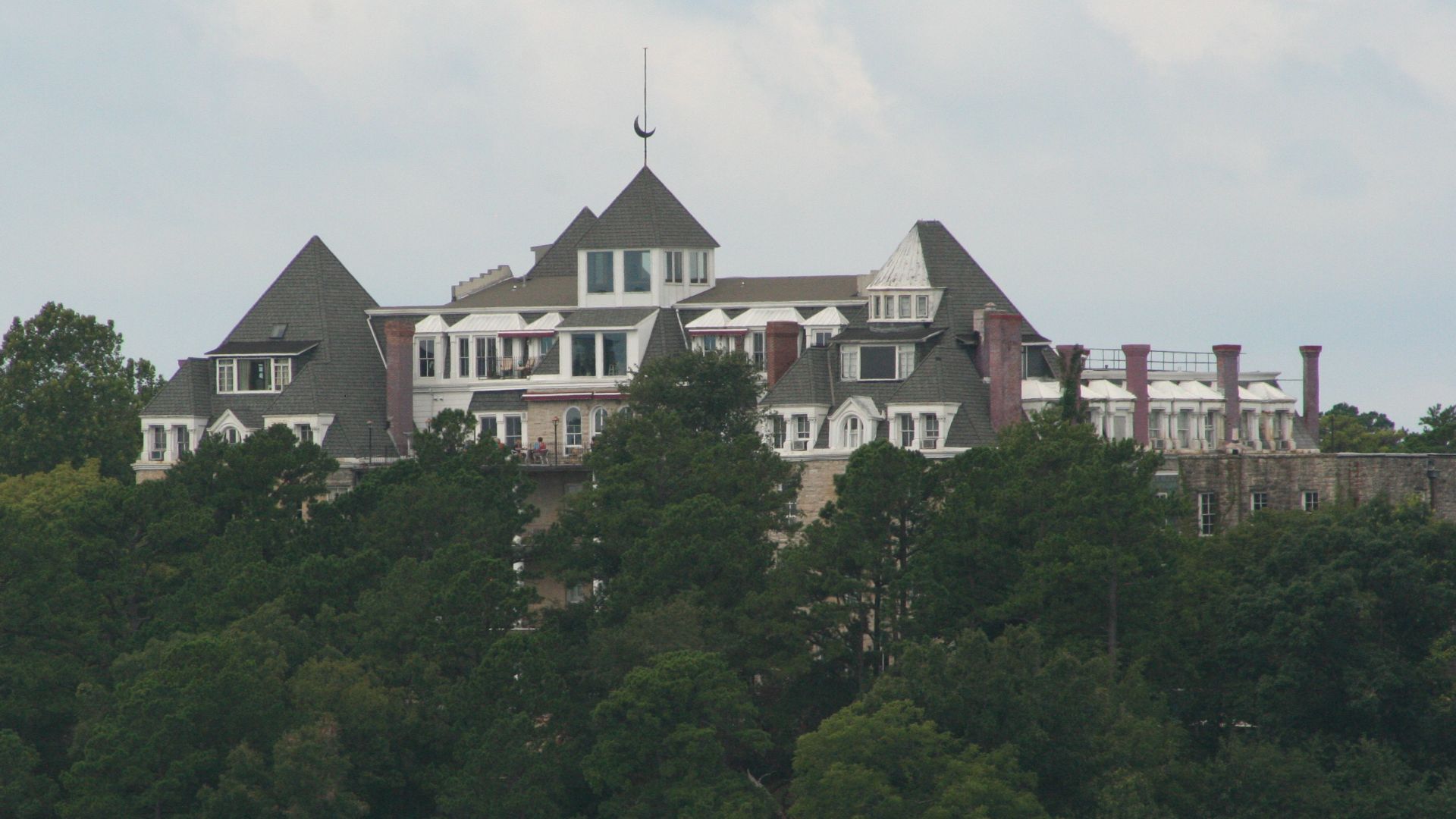 TXphotolady, Wikimedia Commons
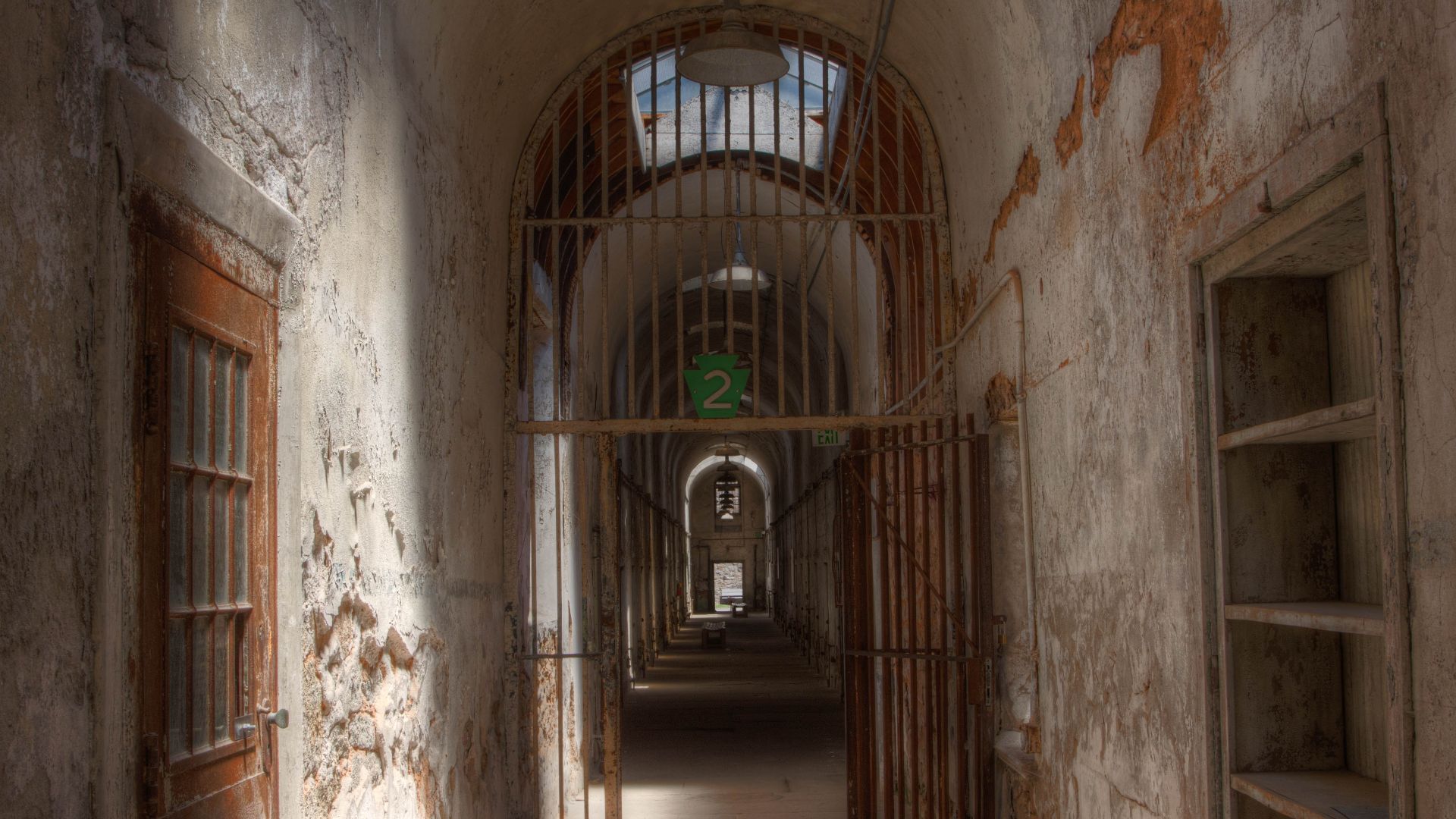
Eastern State Penitentiary Was Designed Around Isolation
When Eastern State Penitentiary opened in 1829, its radical system relied on solitary confinement and labor to produce penitence. Critics soon questioned the psychological cost. Charles Dickens visited in 1842 and condemned the isolation as cruel and wrong. The pentitentiary ultimately held tens of thousands of people.
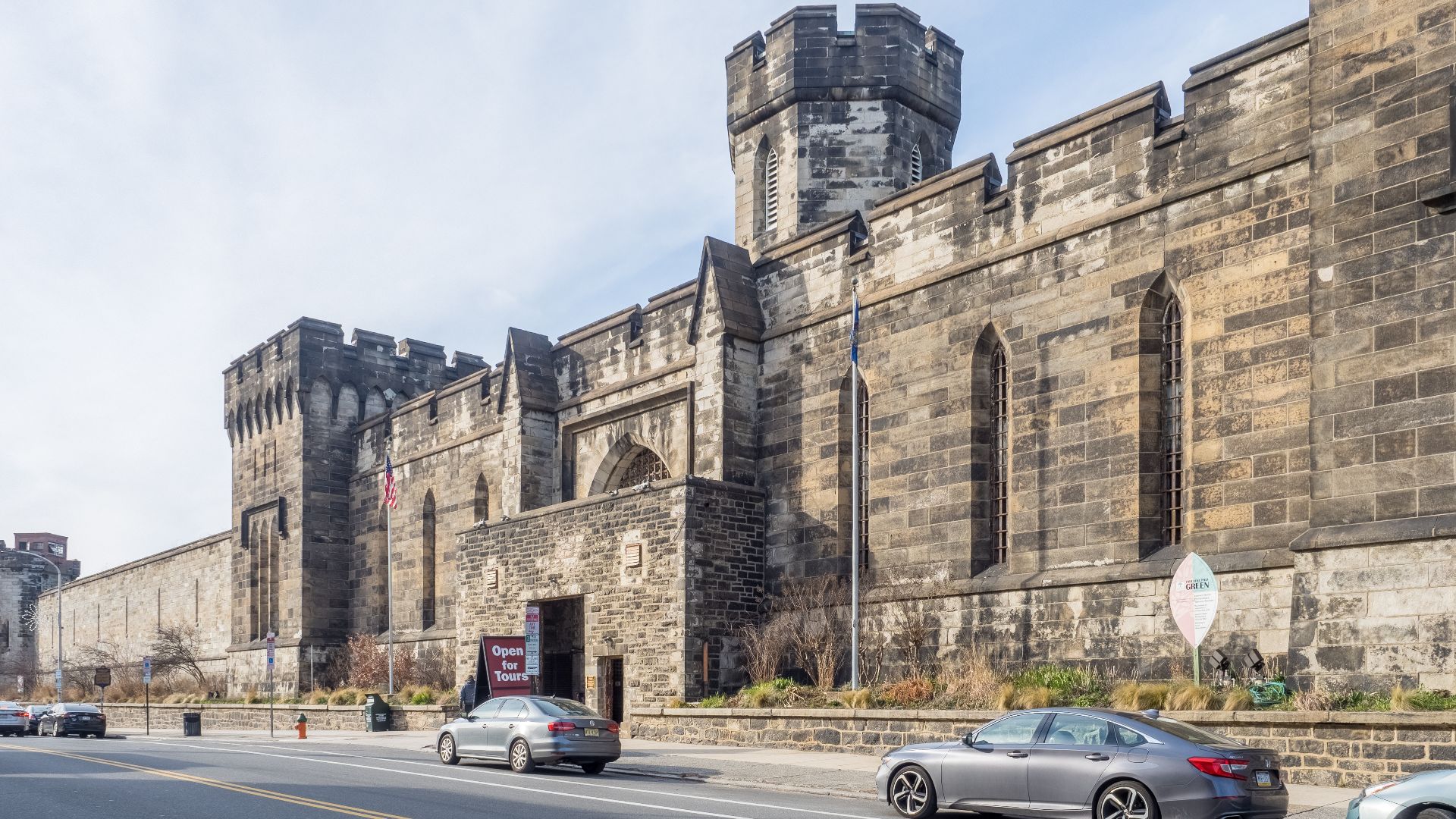 ajay_suresh, Wikimedia Commons
Prisoners And Guards Reported Strange Things Decades Ago
Reportedly, accounts of eerie visions and unexplained experiences were already circulating among officers and prisoners by the 1940s. Its abandoned cellblocks later became a staple of paranormal television. The penitentiary does not claim ghosts are proven, but the haunting reputation grew from a place with a very real history of confinement and suffering.
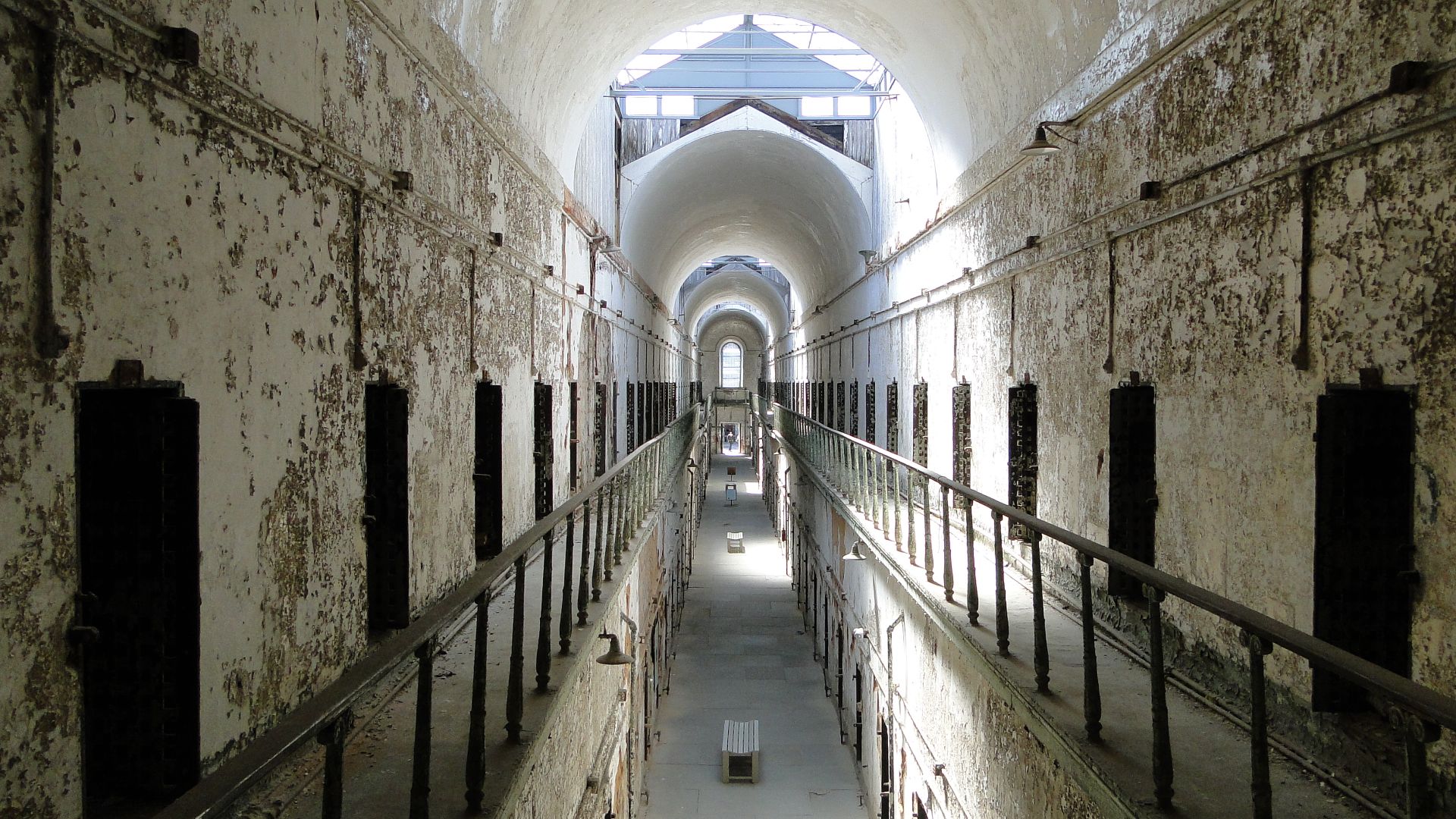 Adam Jones, Ph.D., Wikimedia Commons
Sarah Winchester Really Did Lose Her Family
The Winchester Mystery House is often presented as the ultimate American ghost mansion. The real beginning was personal grief. Sarah Winchester’s infant daughter passed in 1866, and her husband William passed from tuberculosis in 1881. Sarah later moved to California and spent decades expanding her San Jose home.
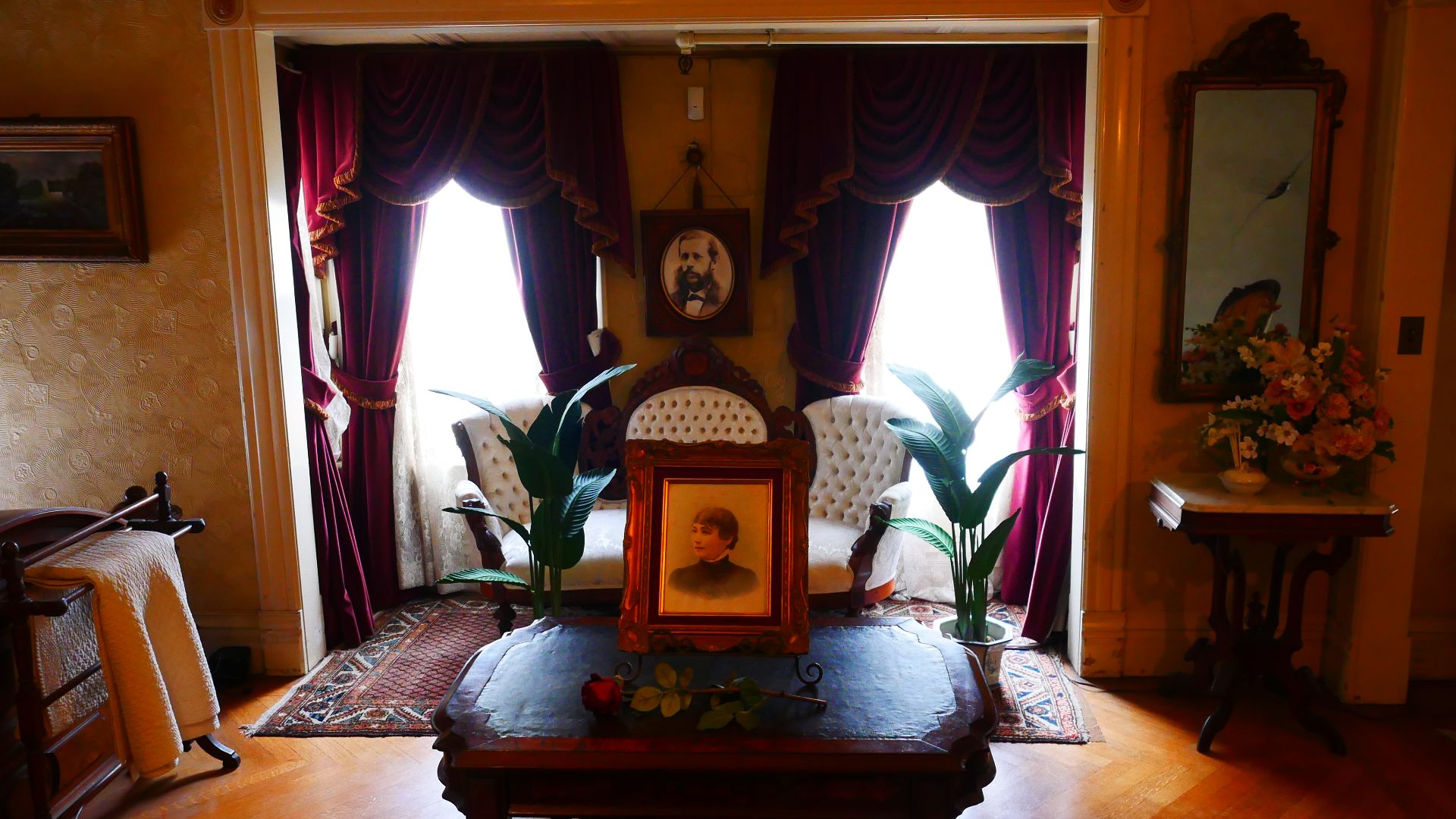
The Famous Curse Story Is Much Harder To Prove
According to the legend, a medium told Sarah that spirits of people killed by Winchester rifles had cursed her and that continuous construction would appease them. Modern historians have found no direct evidence for her supposed séances or spirit obsession. Sensational newspaper coverage helped turn real bereavement into supernatural mythology.
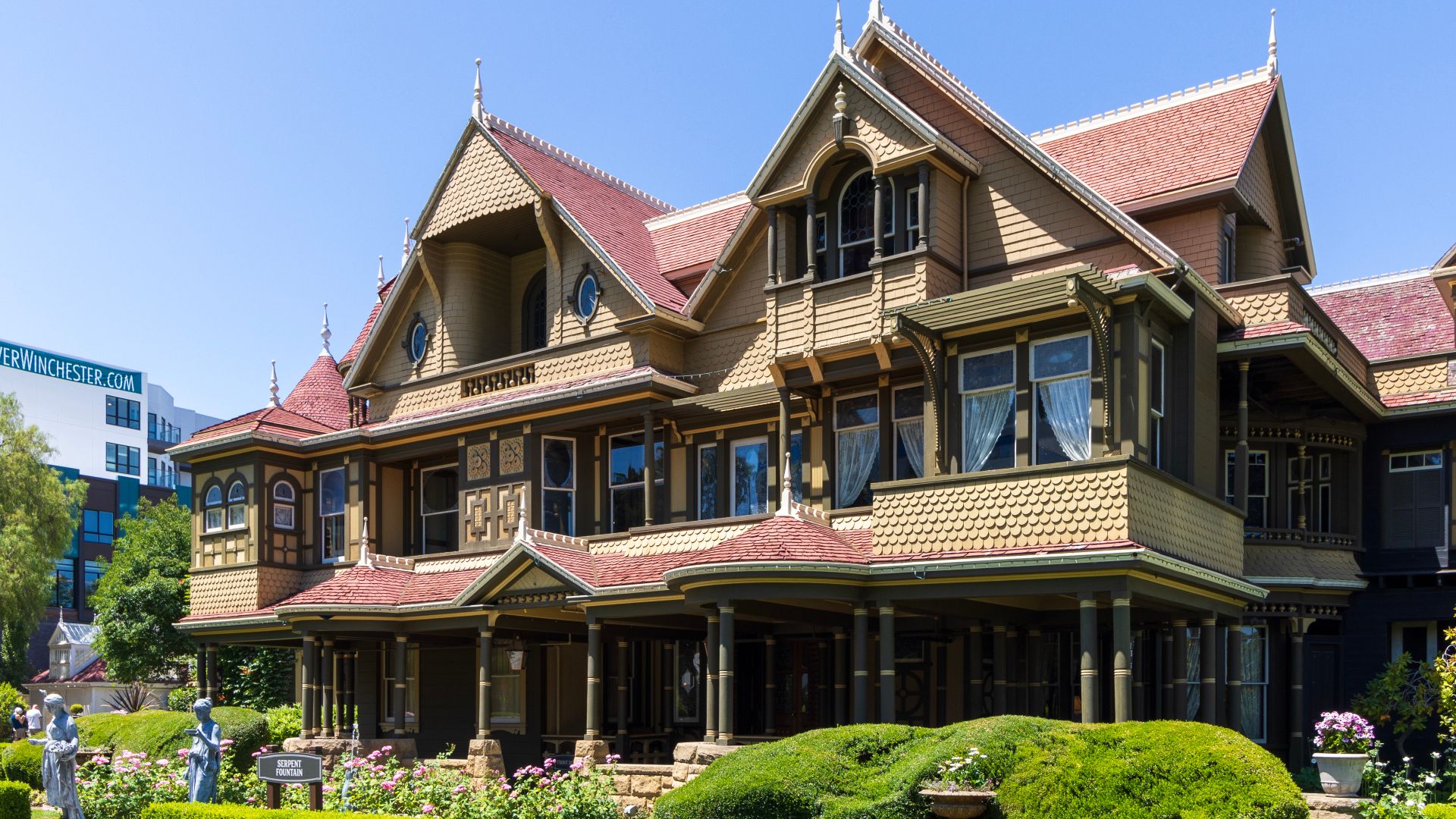
Tragedy Gives A Place A Story People Keep Retelling
A battlefield, penitentiary, palace, lighthouse, or old mansion already carries emotional weight when visitors know what happened there. Strange noises and unexplained sightings can then become attached to that history. Over time, the folklore may change, but the setting keeps drawing people back because the past still feels unusually close.
 Sandy Horvath-Dori from Grand Junction, CO, USA, Wikimedia Commons
Ghost Stories Become Another Kind Of Memorial
Whether anyone believes in apparitions is almost beside the point. These legends keep old names, places, and tragedies in circulation long after eyewitnesses are gone. Sometimes folklore distorts history, but it can also send people looking for the real story underneath—and that story is often the part most worth remembering.
 Andrew Klafter, Wikimedia Commons
You May Also Like:
Ancient Medical Treatments That Somehow Worked
Utterly Chilling Facts About Famous Real-Life Ghosts
Seriously Spooky Facts About Haunted Objects
Sources: 1, 2, 3, 4, 5, 6, 7, 8, 9, 10, 11, 12, 13, 14, 15, 16, 17, 18