
Outlaw And Revolutionary
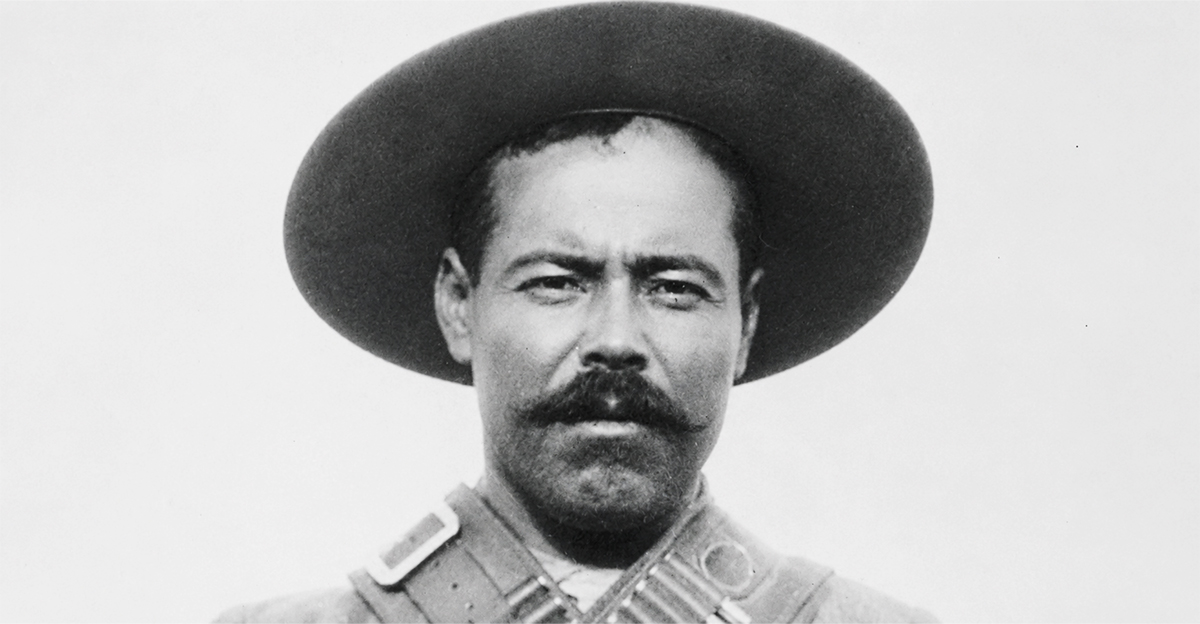
Pancho Villa lived one of the most extraordinary and contradictory lives of the twentieth century. He was a laborer, bandit, military genius, governor, folk hero, ruthless commander, and relentless revolutionary. He repeatedly escaped impossible situations, only to meet his end through betrayal by men he once considered allies.
 Public domain, via Wikimedia Commons
A Harsh Beginning
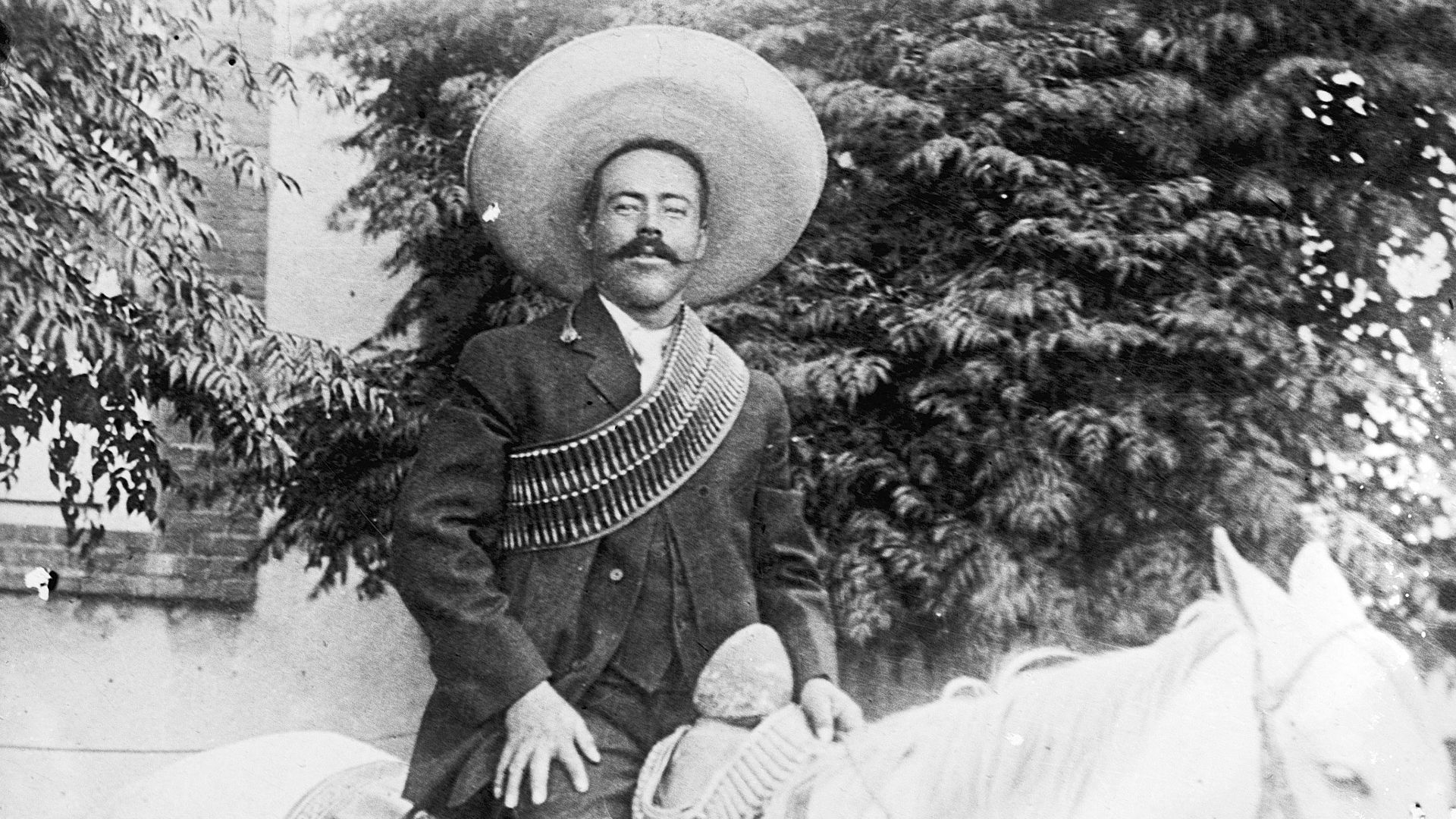
Pancho Villa was born José Doroteo Arango Arámbula on June 5, 1878, at Rancho de la Coyotada in Durango, Mexico. His family survived through hard agricultural labor, and poverty shaped nearly every aspect of his childhood. Those difficult circumstances would influence the choices that followed throughout his life.
 D.W. Hoffman, an El Paso photographer, Wikimedia Commons
Childhood Responsibilities
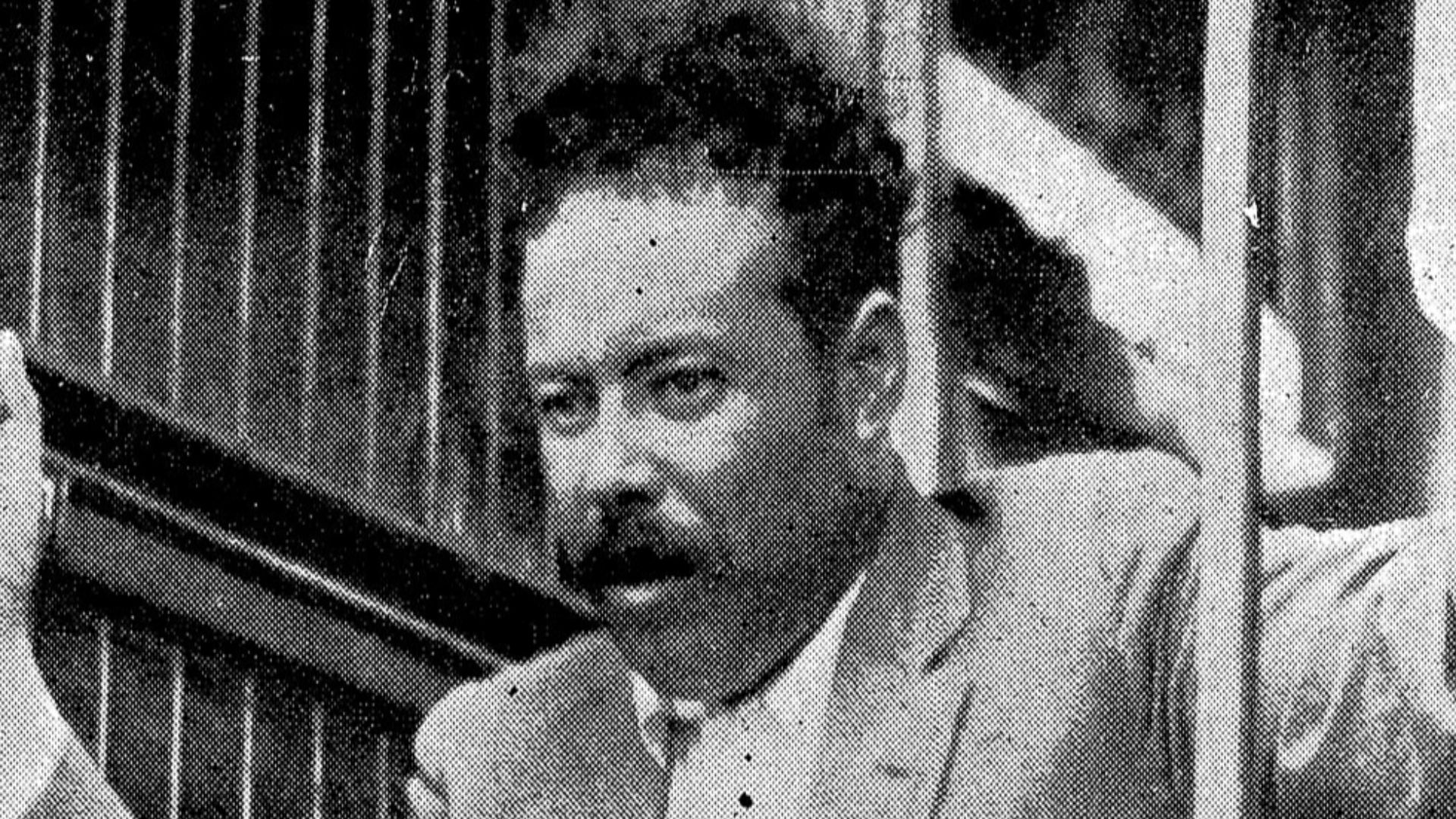
Villa's father died while he was still young, forcing him to help support his mother and younger siblings. He worked as a farmhand, mule driver, woodcutter, and laborer wherever employment could be found. Despite his determination, genuine opportunities were still frustratingly scarce.
 Unknown authorUnknown author, Wikimedia Commons
A Violent Turning Point
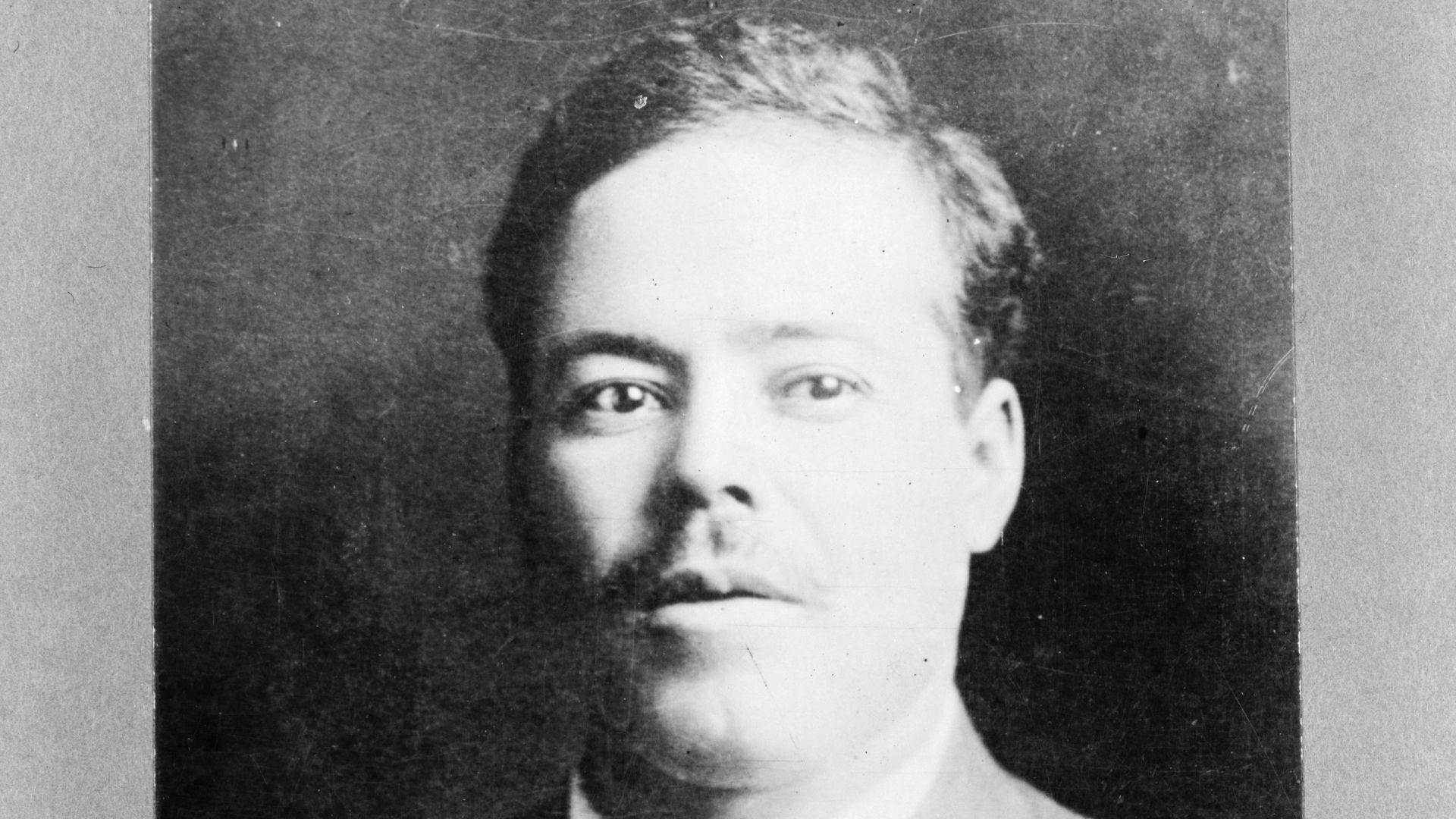
According to Villa's later memoirs, everything changed after a local hacienda owner's son allegedly assaulted his sister. Villa claimed he shot the man in retaliation before fleeing into the Sierra Madre mountains. Whether entirely accurate or not, the story became central to his personal legend.
 Miscellaneous Items in High Demand, PPOC, Library of Congress, Wikimedia Commons
Living Outside The Law
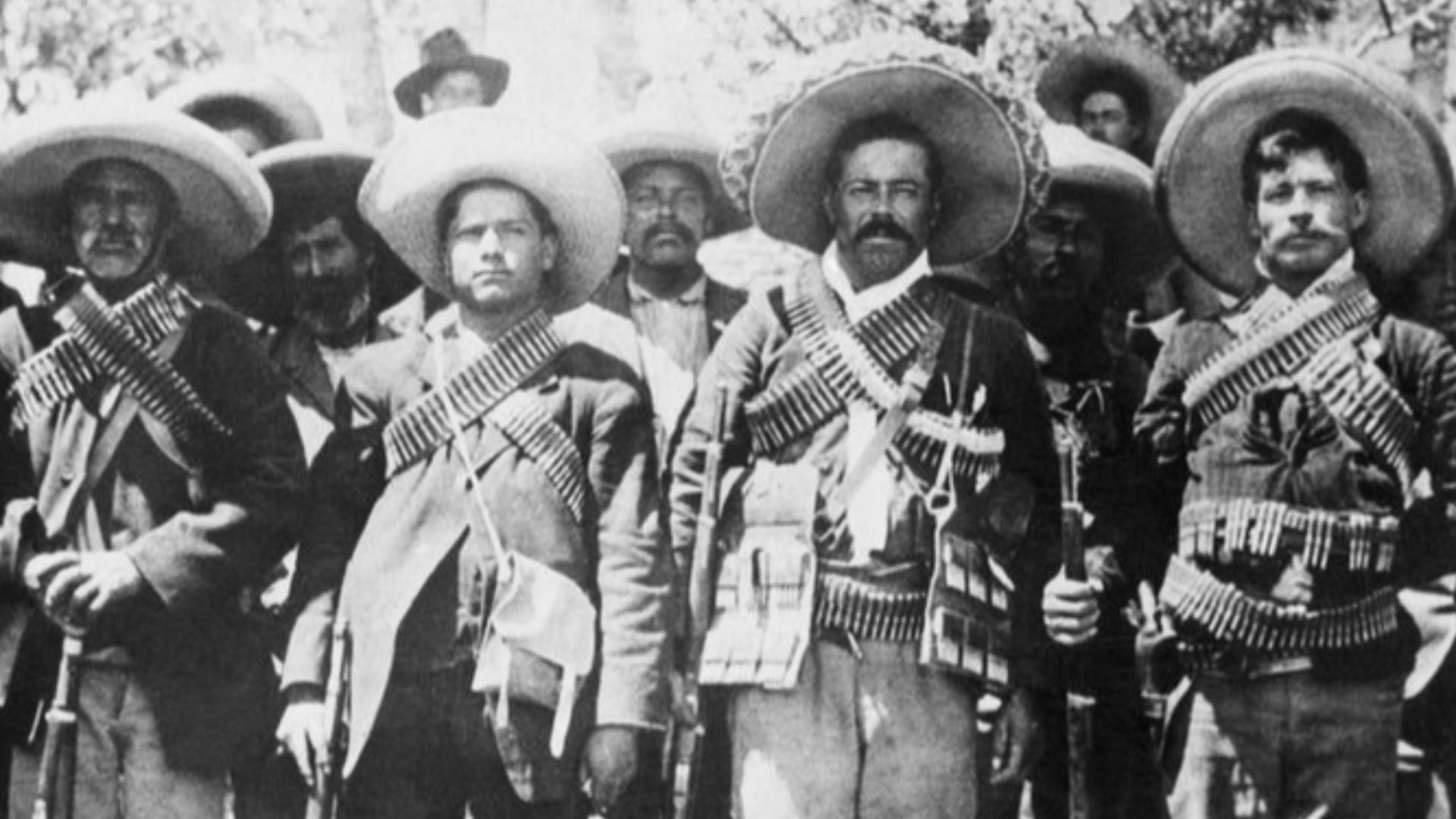
Forced into hiding, Villa survived by joining groups of fugitives and cattle rustlers. He learned horsemanship, marksmanship, and survival while living beyond the reach of authorities. The skills that kept him alive would later make him one of Mexico's most formidable military commanders.
Searching For Stability
Villa occasionally attempted to abandon outlaw life and find honest work. He accepted temporary jobs and tried settling into ordinary employment more than once. Unfortunately, poverty, suspicion, and his growing criminal reputation repeatedly pushed him back toward banditry.
 Unknown authorUnknown author, Wikimedia Commons
Arrest And Escape
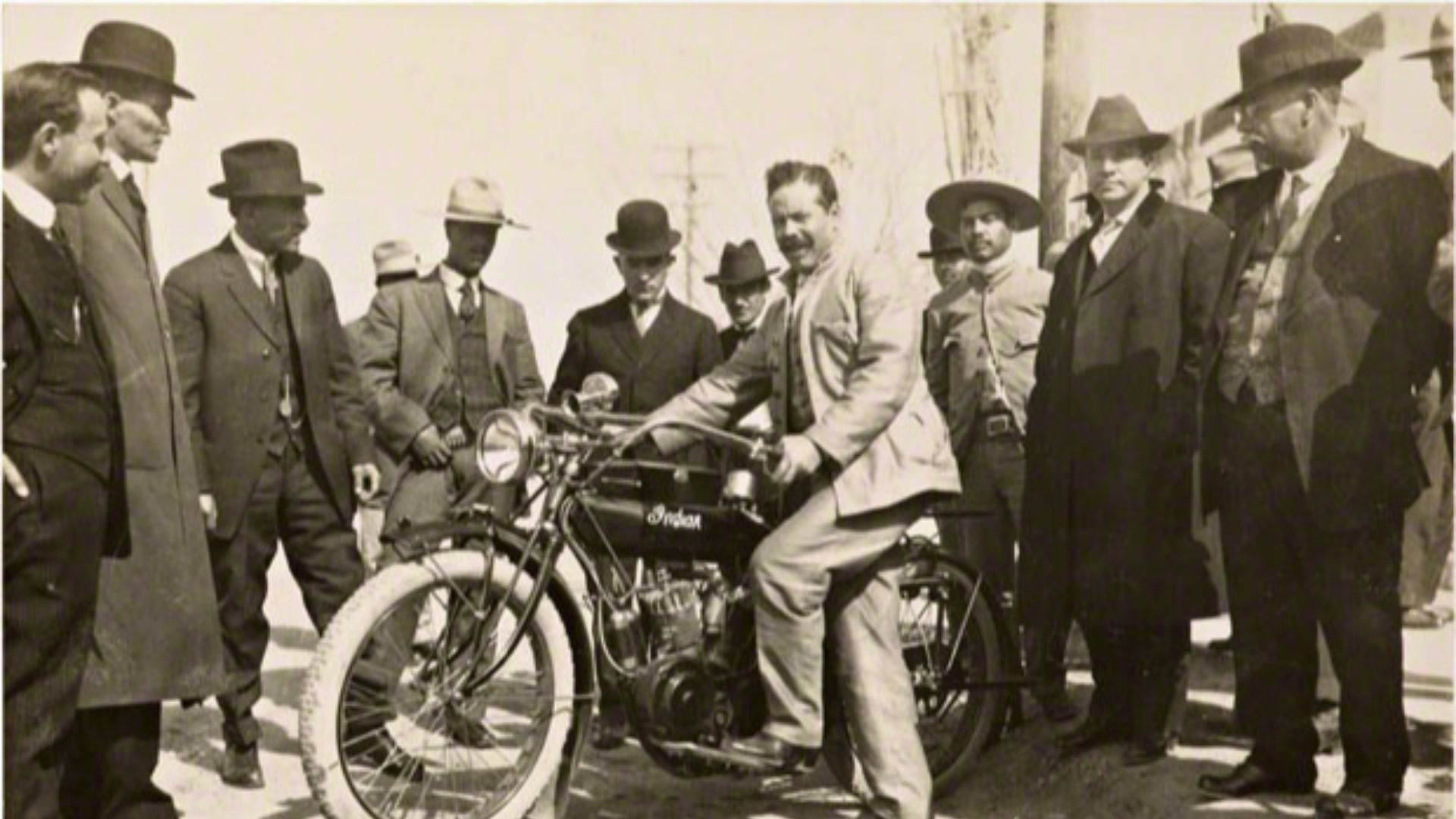
Authorities eventually arrested Villa for allegedly stealing mules. Rather than spending years in prison, he reportedly benefited from political connections that secured his release. The experience reinforced both his distrust of government institutions and his willingness to exploit political relationships whenever possible.
 Ismeretlen / Deconocido / Unbekannt, Wikimedia Commons
The Bandit Reputation
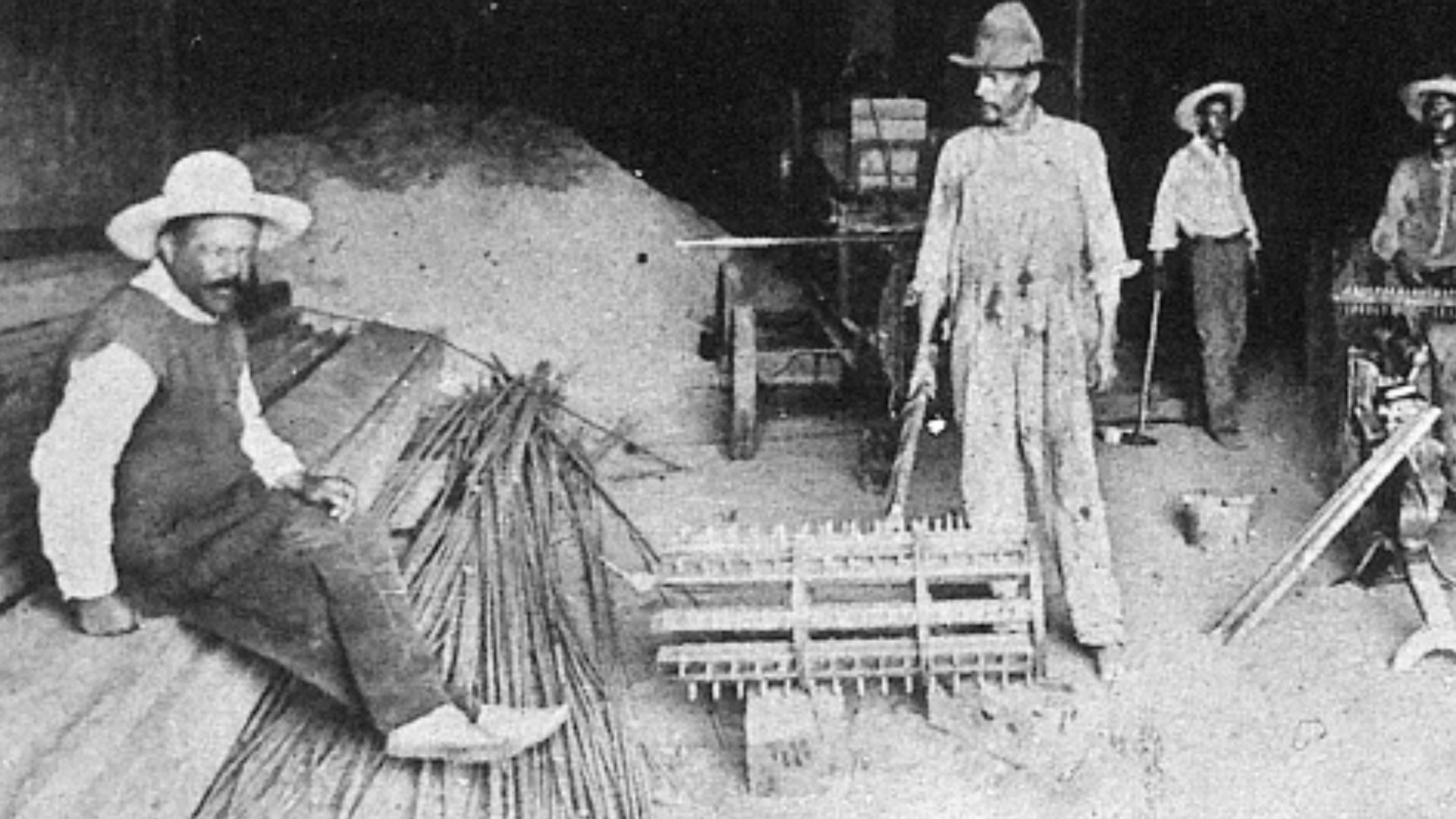
By the opening years of the twentieth century, Villa had become known throughout northern Mexico as an exceptionally capable but ruthless outlaw. He robbed wealthy landowners, raided settlements, and frequently clashed with rural police while carefully cultivating local support among poorer communities.
 Ismeretlen / Desconocido, Wikimedia Commons
Revolution Begins
In 1910, Francisco I. Madero called for rebellion against the long dictatorship of Porfirio Díaz. Villa quickly recognized an opportunity that combined political purpose with military adventure. His experience leading armed bands suddenly became an unexpected revolutionary asset.
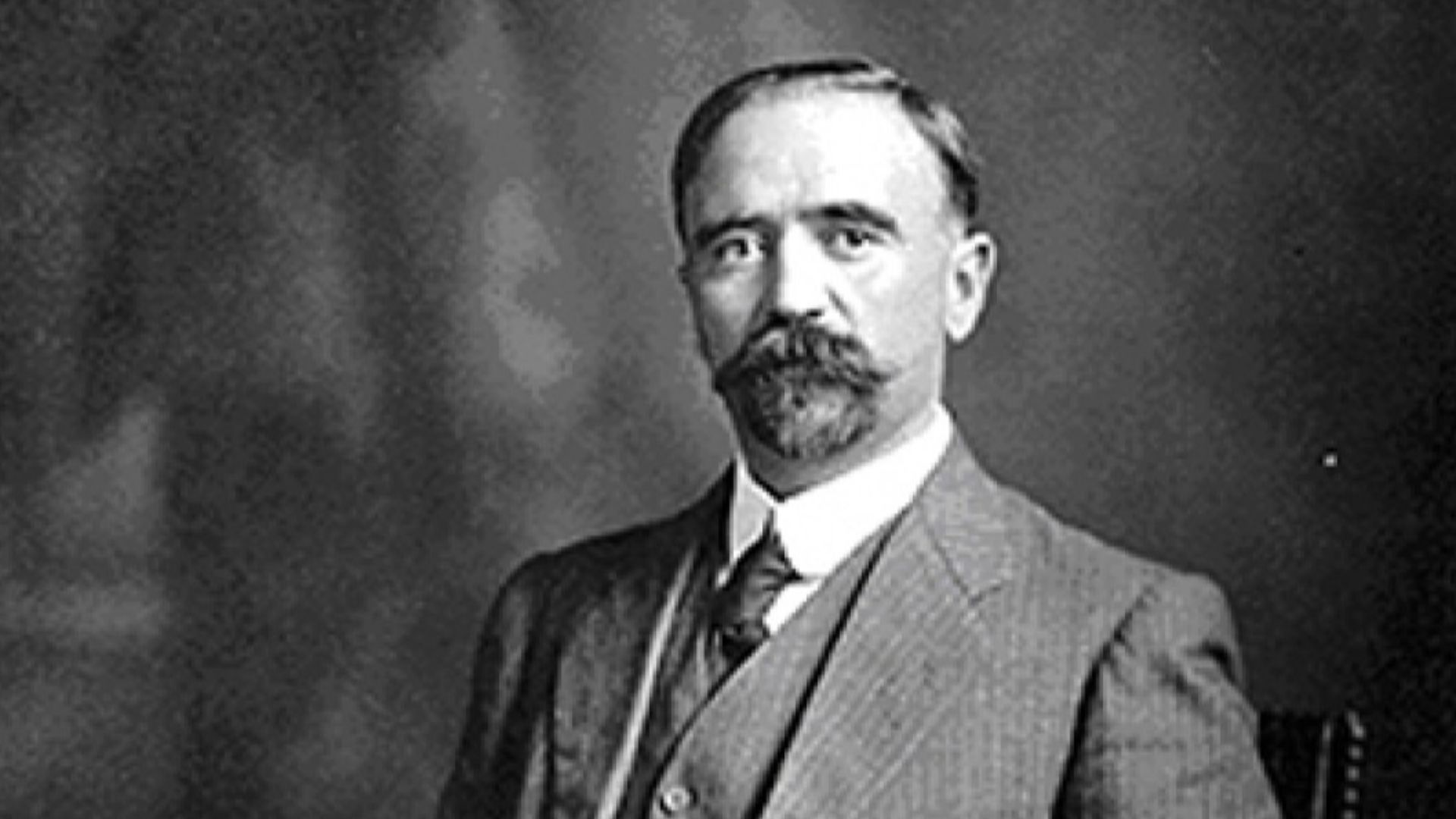 Unknown authorUnknown author, Wikimedia Commons

History's most fascinating stories and darkest secrets, delivered to your inbox daily.
Fighting Díaz
Villa emerged as one of Madero's most effective cavalry leaders during the campaign against Díaz. His speed, boldness, and ability to recruit experienced horsemen helped revolutionary forces achieve repeated victories. Before long, the seemingly invincible dictatorship began to collapse.
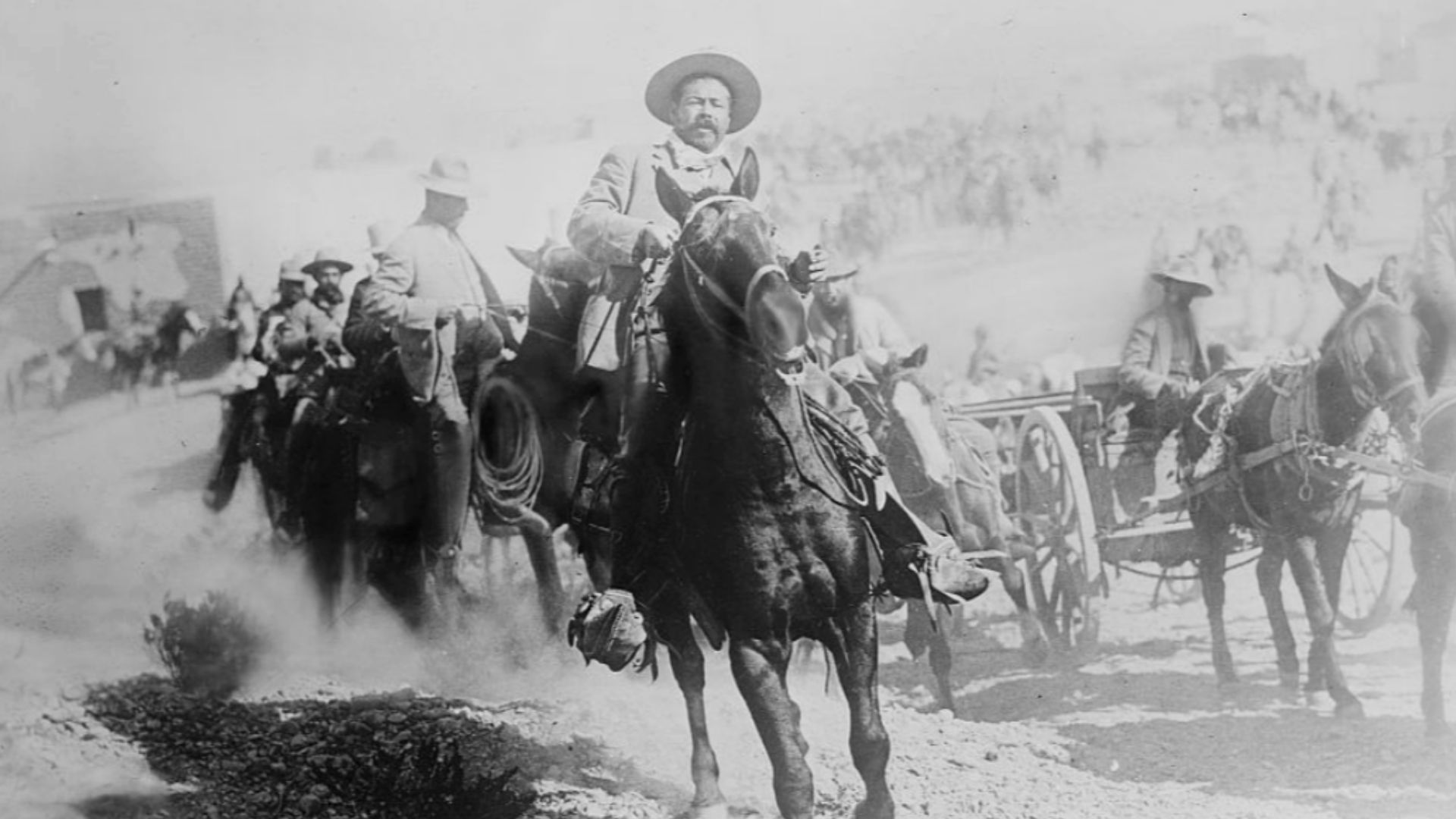 Bain News Service, Wikimedia Commons
Victory Brings Questions
Porfirio Díaz resigned and fled Mexico in 1911, bringing one revolution to a successful conclusion. Yet peace proved elusive. Villa continued balancing revolutionary ideals with habits developed during years as an outlaw, creating tensions that would soon resurface.
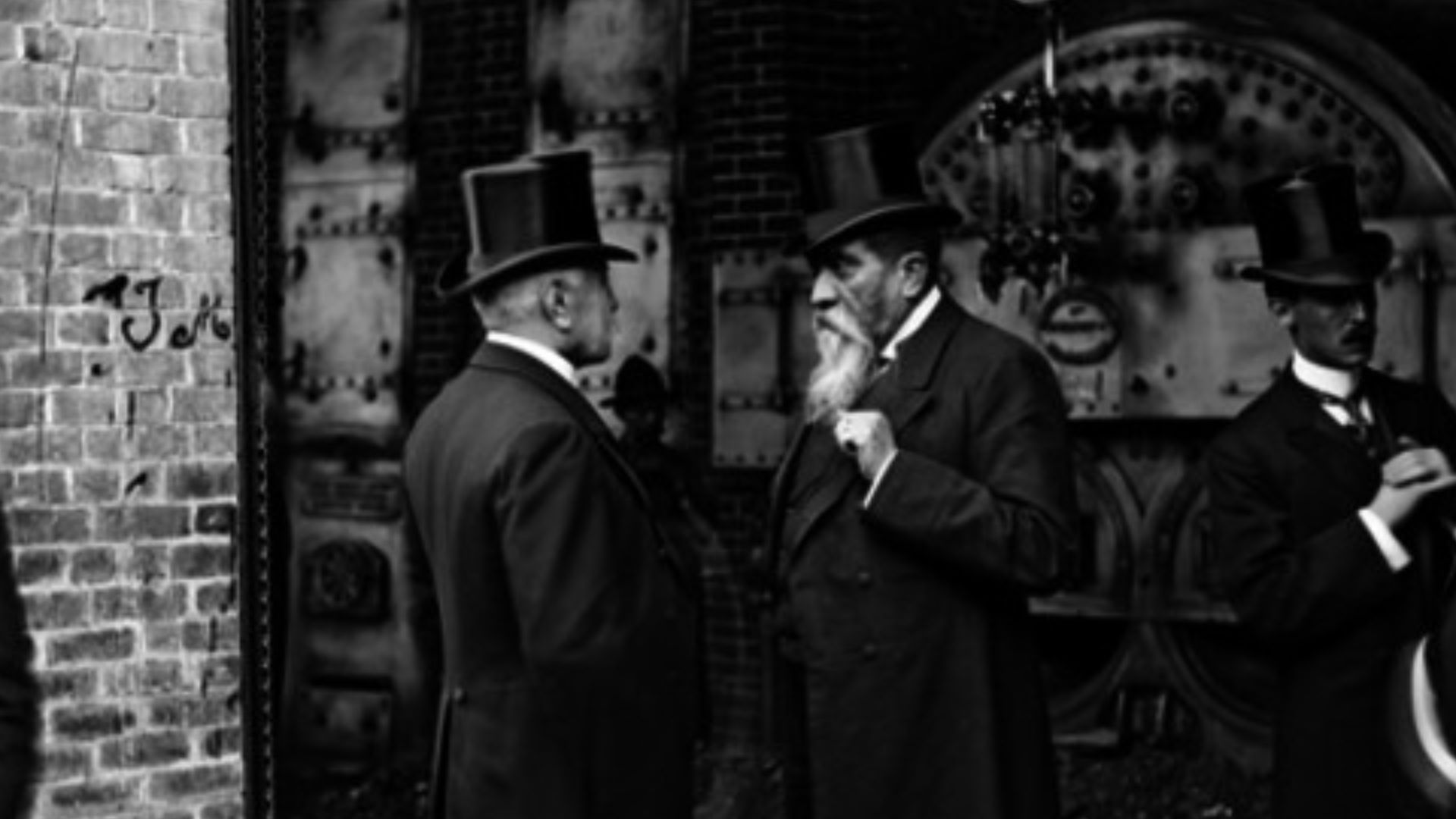 Instituto Nacional de Antropología e Historia, Wikimedia Commons
Under Madero
Although Villa generally supported President Madero, political instability continued spreading across Mexico. Regional rivalries, competing revolutionary factions, and lingering violence made governing extraordinarily difficult. The fragile new administration would soon face an even greater threat.
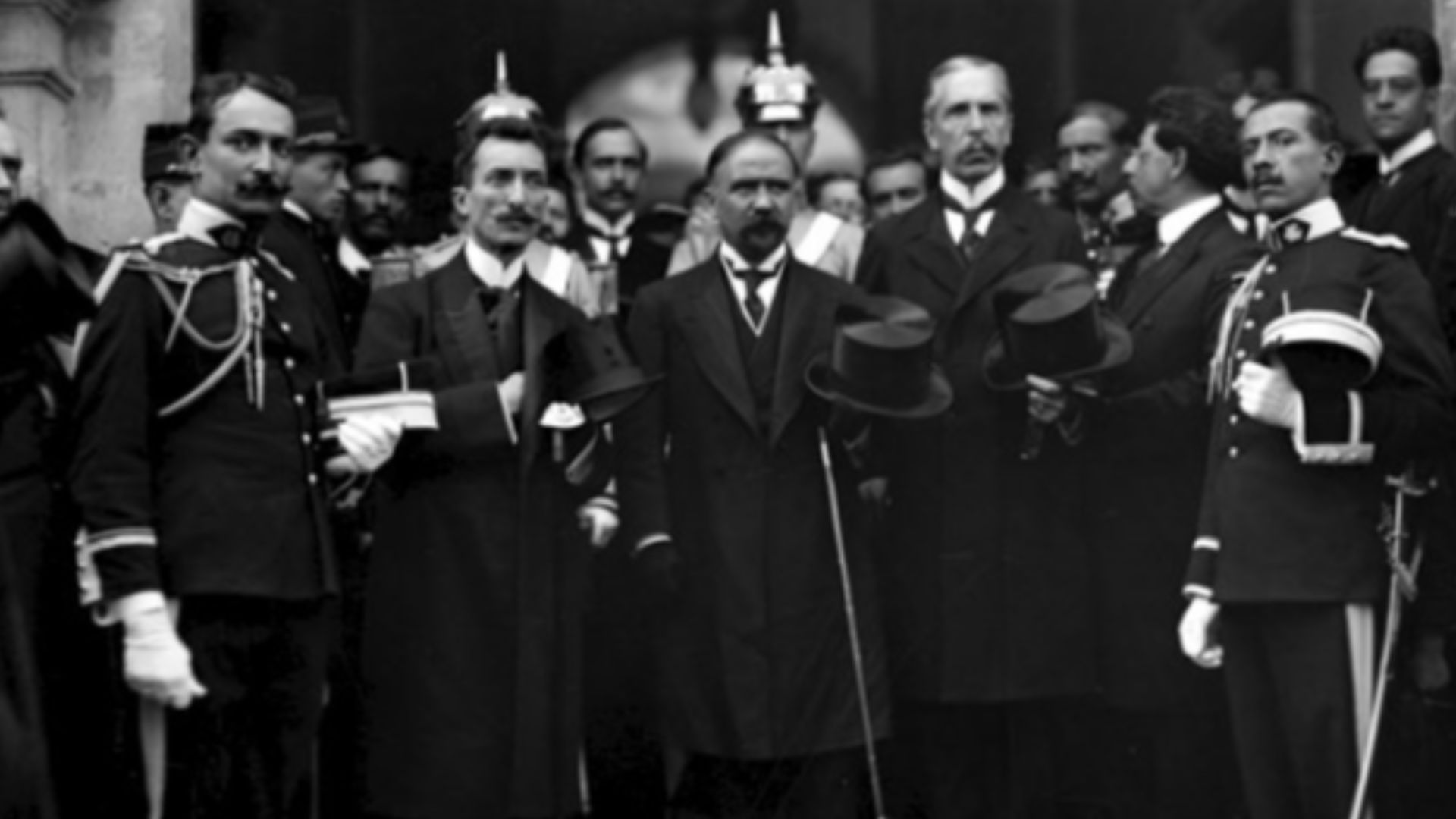
Huerta's Coup
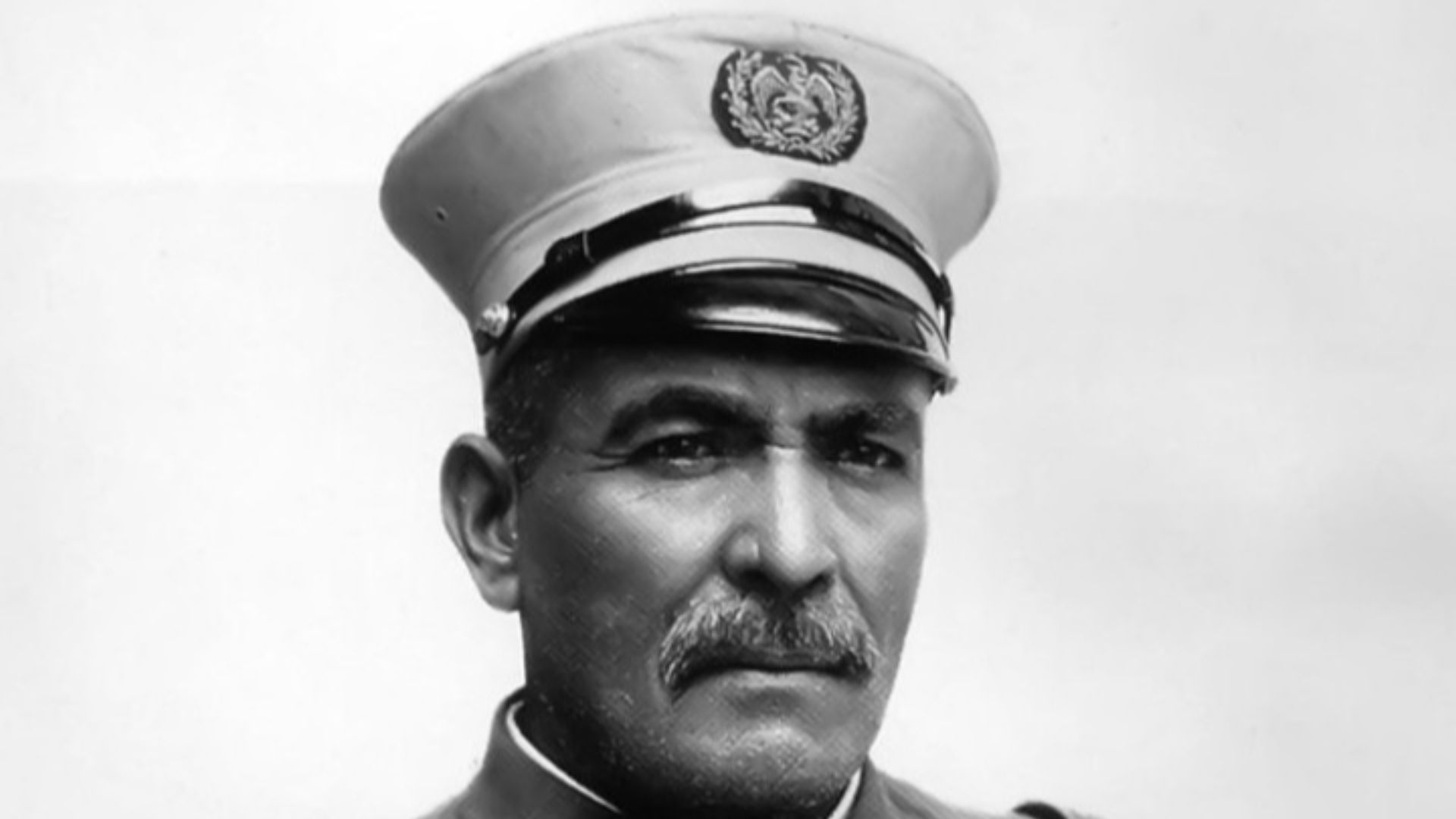
General Victoriano Huerta overthrew and murdered Madero during the Decena Trágica in 1913. Villa immediately returned to armed struggle, viewing Huerta as a traitor who had destroyed the revolution's democratic promise. The conflict became even bloodier than before.
 Unknown authorUnknown author, Wikimedia Commons
Building The División
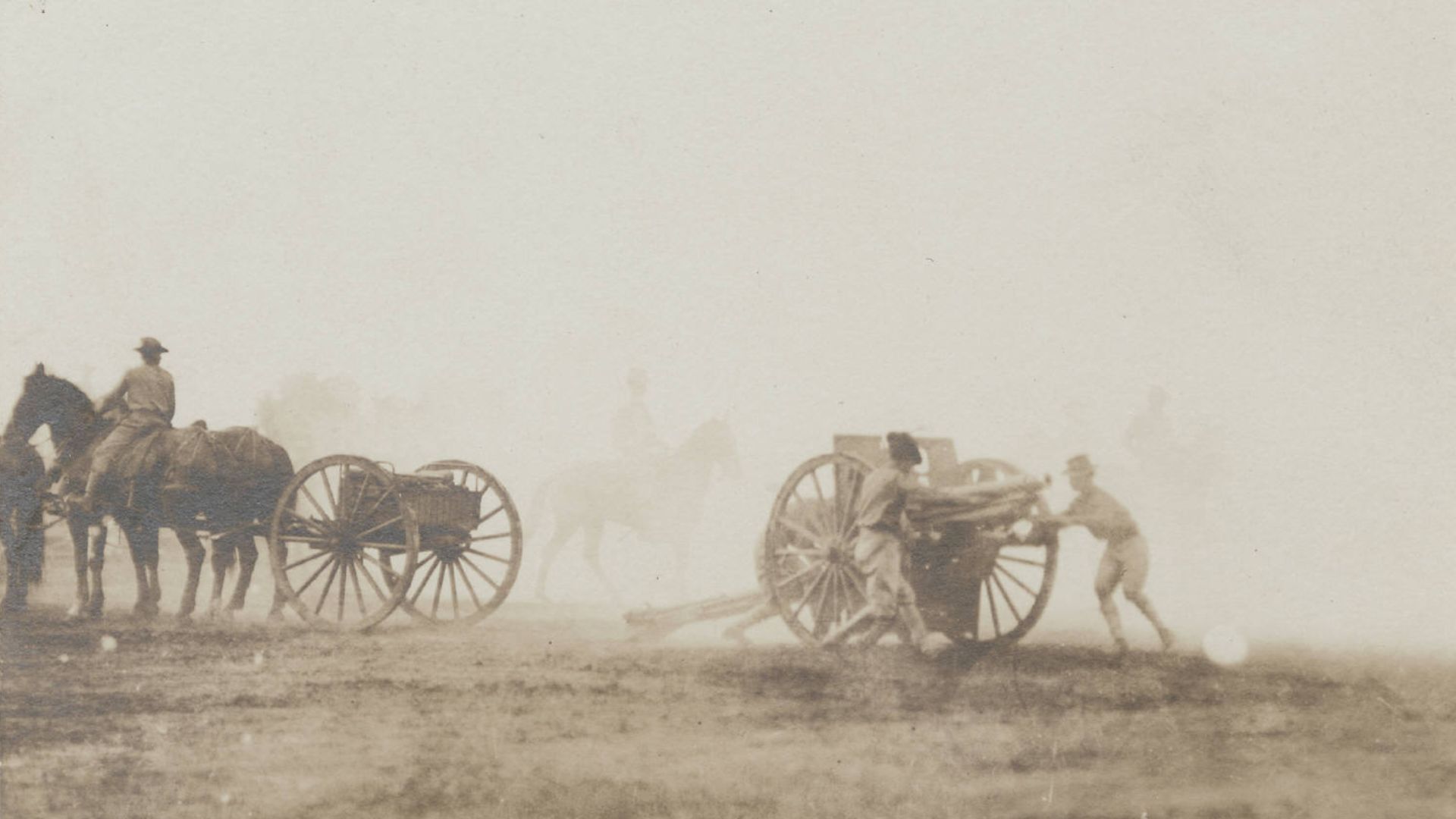
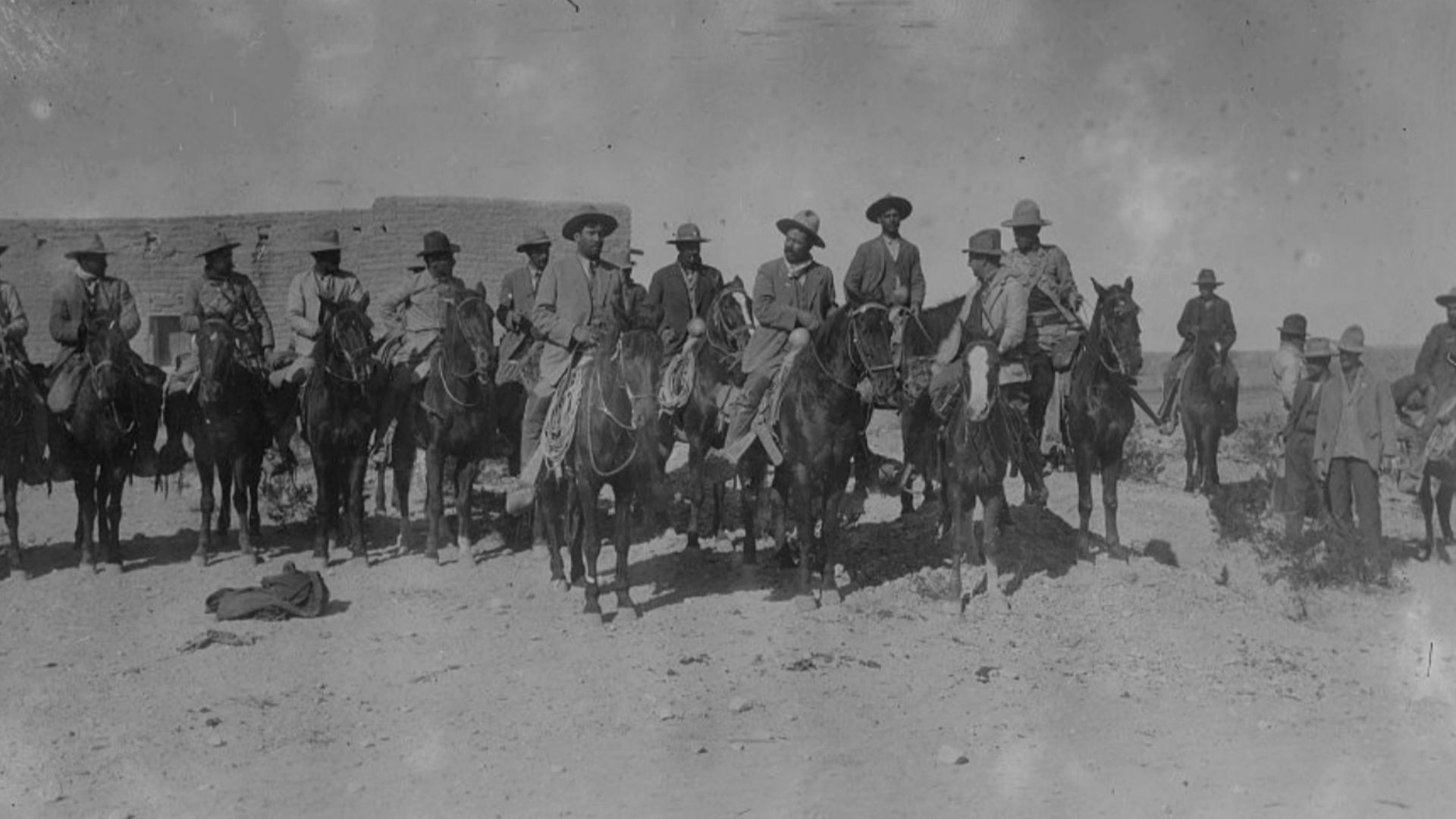
Villa assembled the legendary División del Norte, perhaps the most powerful revolutionary army in Mexico. His cavalry, artillery, and disciplined logistics allowed him to move enormous forces rapidly across vast northern territories, astonishing both supporters and enemies.
 Bain News Service, Wikimedia Commons
Governor Of Chihuahua
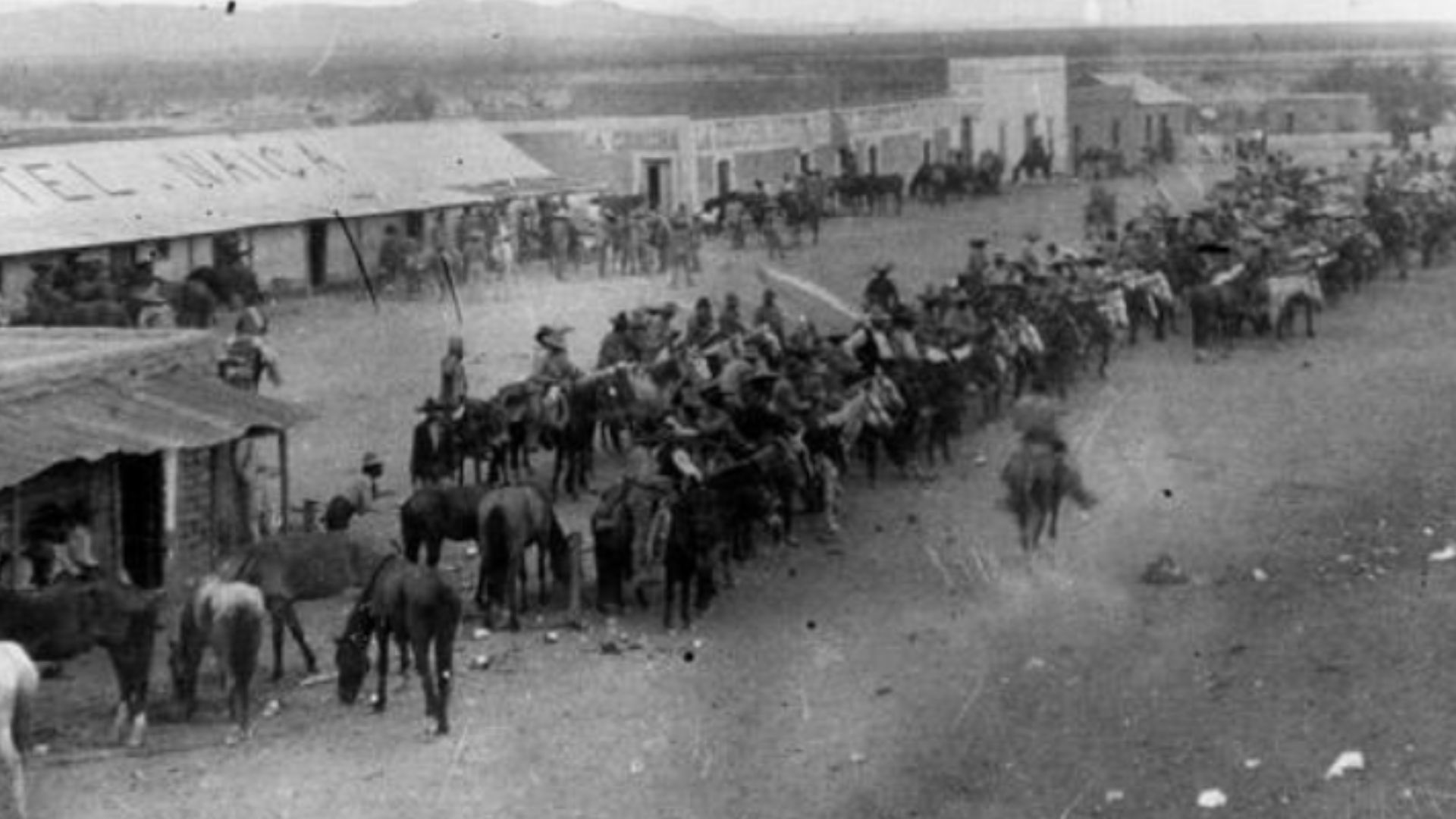
Villa briefly served as governor of Chihuahua while continuing military operations. He reopened schools, stabilized parts of the economy, regulated food supplies, and financed government through confiscated estates. His administration combined genuine reform with uncompromising authoritarian methods.
 Unknown authorUnknown author, Wikimedia Commons
Crushing Huerta
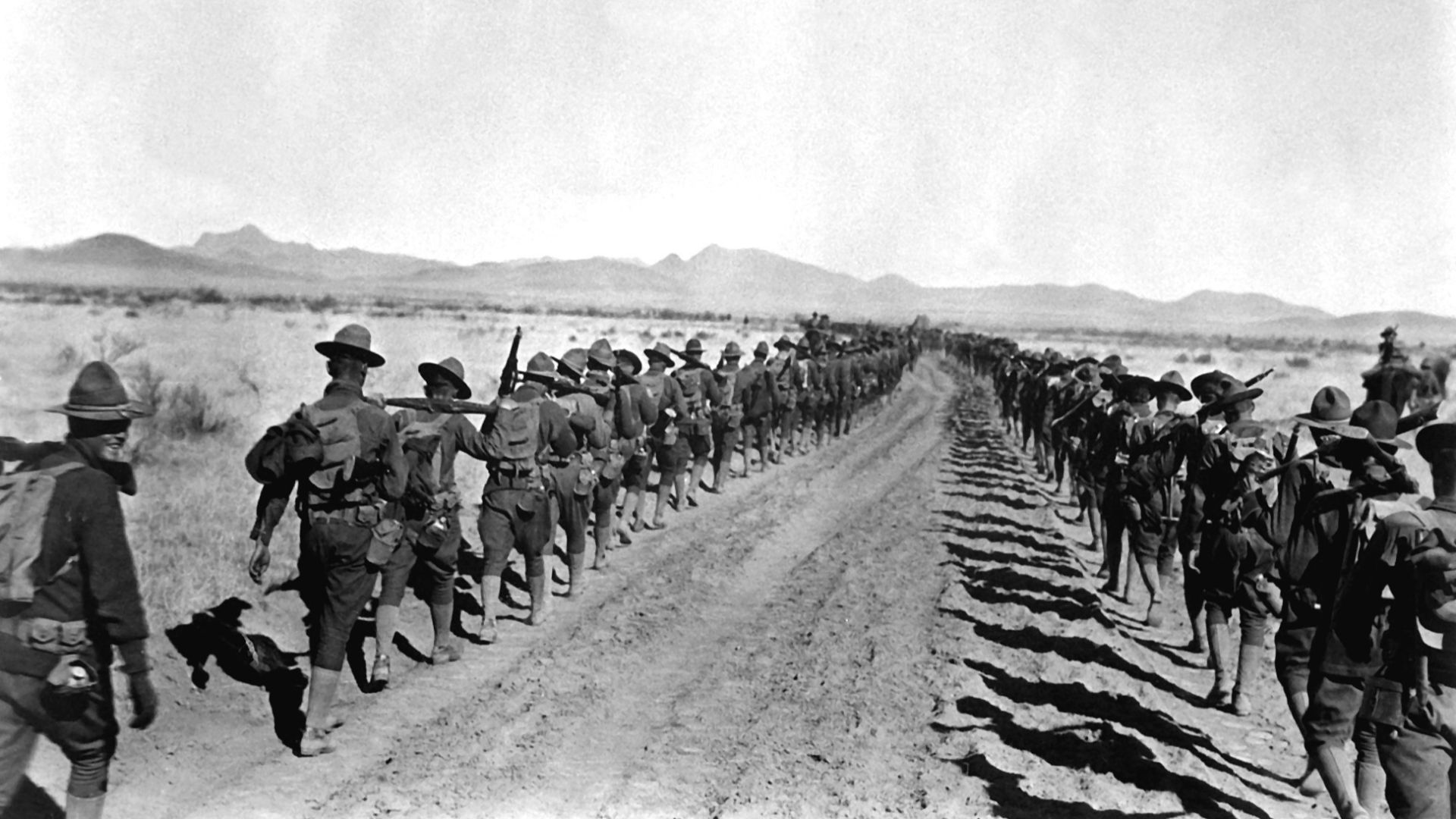
Throughout 1913 and 1914, Villa's victories steadily weakened Huerta's regime. His battlefield successes helped revolutionary forces capture strategic cities while steadily isolating the government. Everything built toward one decisive confrontation at Zacatecas.
 C. Tucker Beckett, Wikimedia Commons
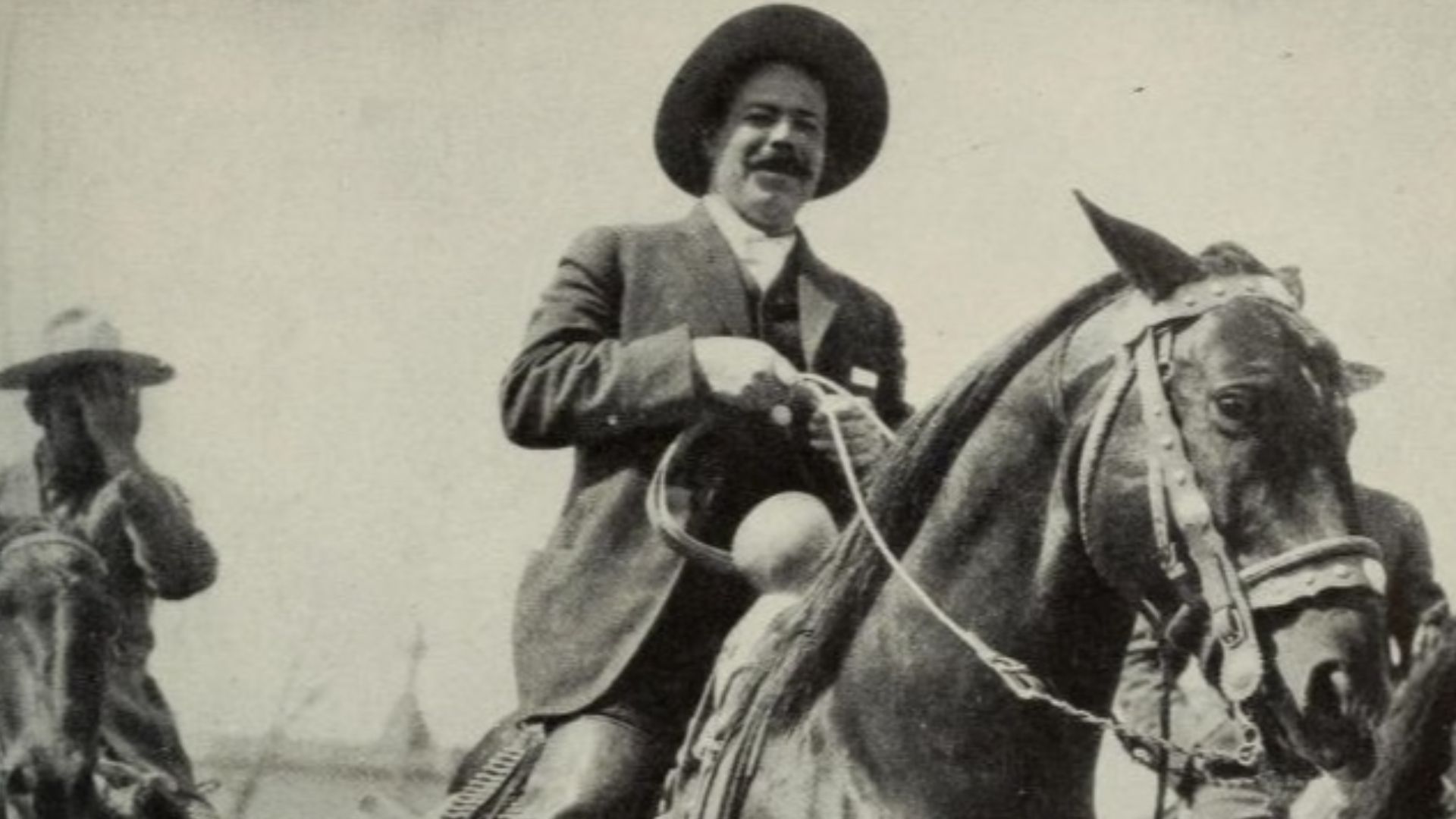
Triumph At Zacatecas
The Battle of Zacatecas in June 1914 became Villa's greatest military achievement. His forces overwhelmed heavily fortified federal defenders after ferocious fighting, opening the road toward Mexico City. Huerta's government collapsed shortly afterward, but revolutionary unity soon disintegrated.
 Unknown authorUnknown author, Wikimedia Commons
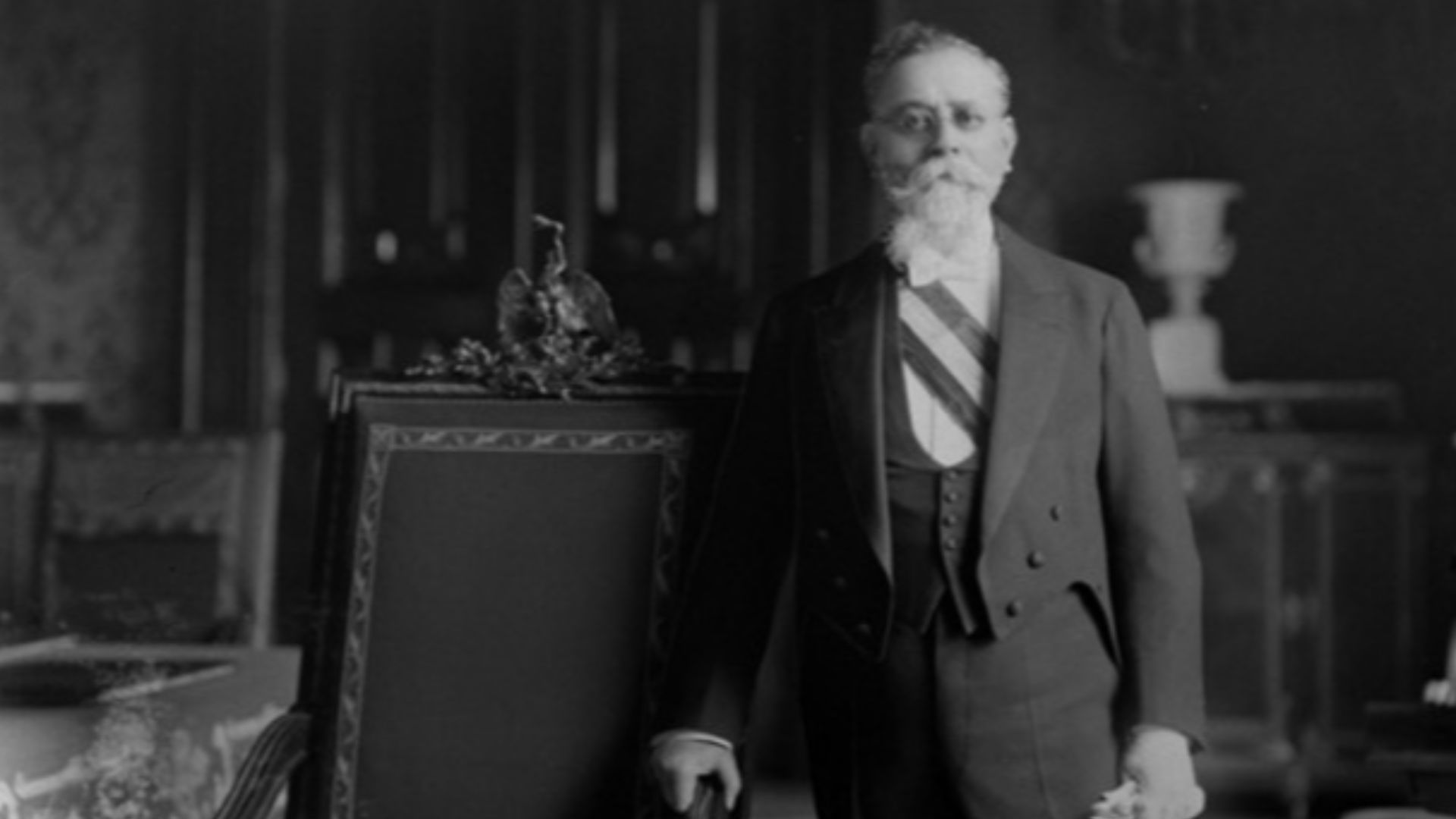
Carranza Breaks Away
Venustiano Carranza and Villa increasingly disagreed over leadership and the future direction of Mexico. Personal ambition, political ideology, and competing military interests gradually destroyed their alliance. Former comrades soon became determined rivals.
 Guillermo Kahlo, Wikimedia Commons
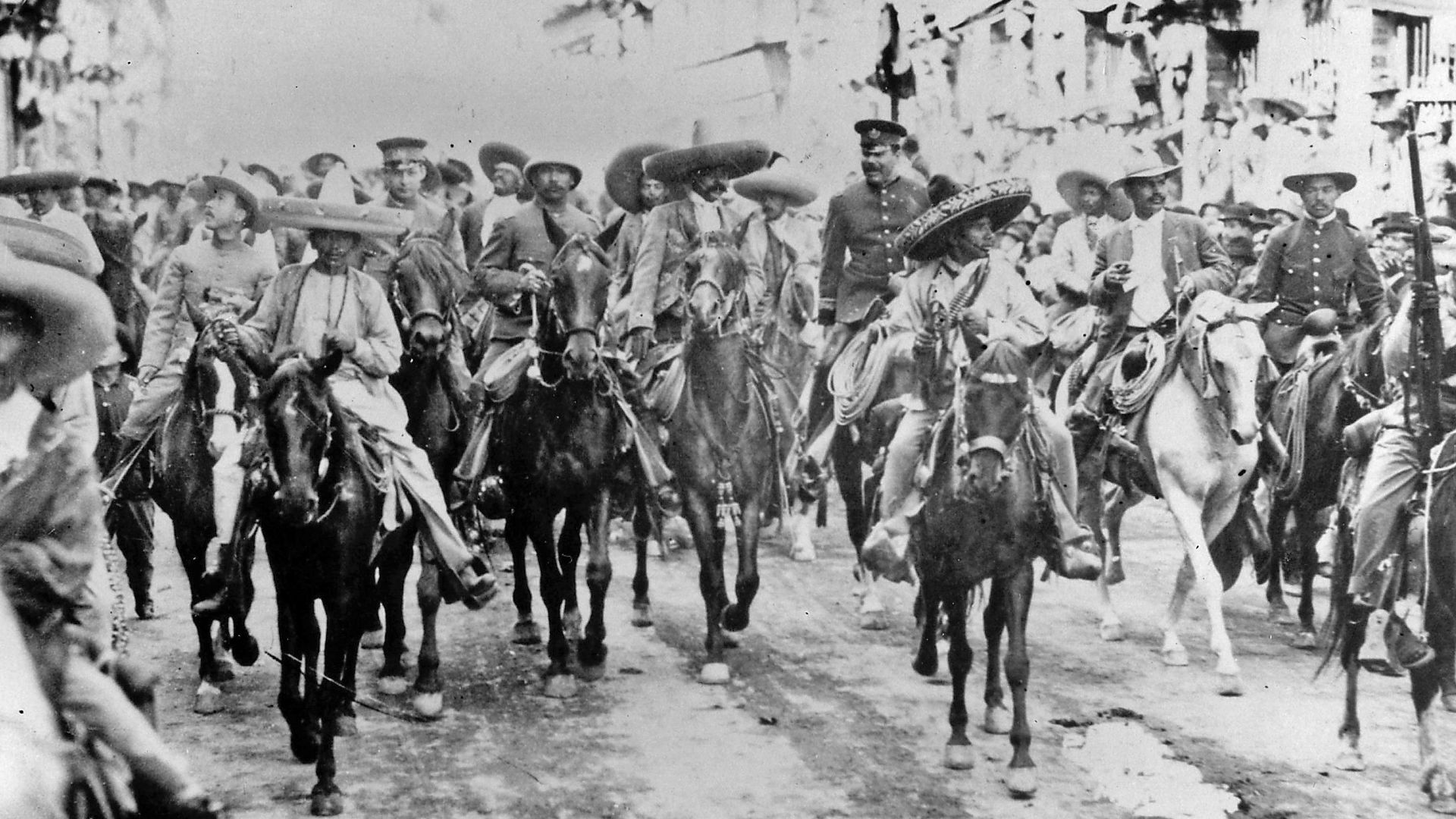
Alliance With Zapata
Villa joined forces with Emiliano Zapata against Carranza's government. Although both opposed Carranza, their regional priorities and political goals differed significantly. Their uneasy alliance demonstrated how fragmented the Mexican Revolution had become after Huerta's downfall.
Obregón Changes Warfare
General Álvaro Obregón introduced modern defensive tactics using trenches, barbed wire, and machine guns. Villa's traditional cavalry charges suddenly became devastatingly vulnerable. The revolution was entering a new military era that favored different commanders.
![Bain News Service,, publisher.
Gen. Obregon & Gen. Serrano
[between ca. 1915 and ca. 1920]
1 negative : glass ; 5 x 7 in. or smaller.
Notes:
Title from unverified data provided by the Bain News Service on the negatives or caption cards.
Forms part of: Ge](https://www.factinate.com/storage/app/media/factinate/2026/7/30/17853960840ddf1aefeee8e5e60afac78148ba0e739de33c12.jpg) The Library of Congress, Wikimedia Commons
The Library of Congress, Wikimedia Commons
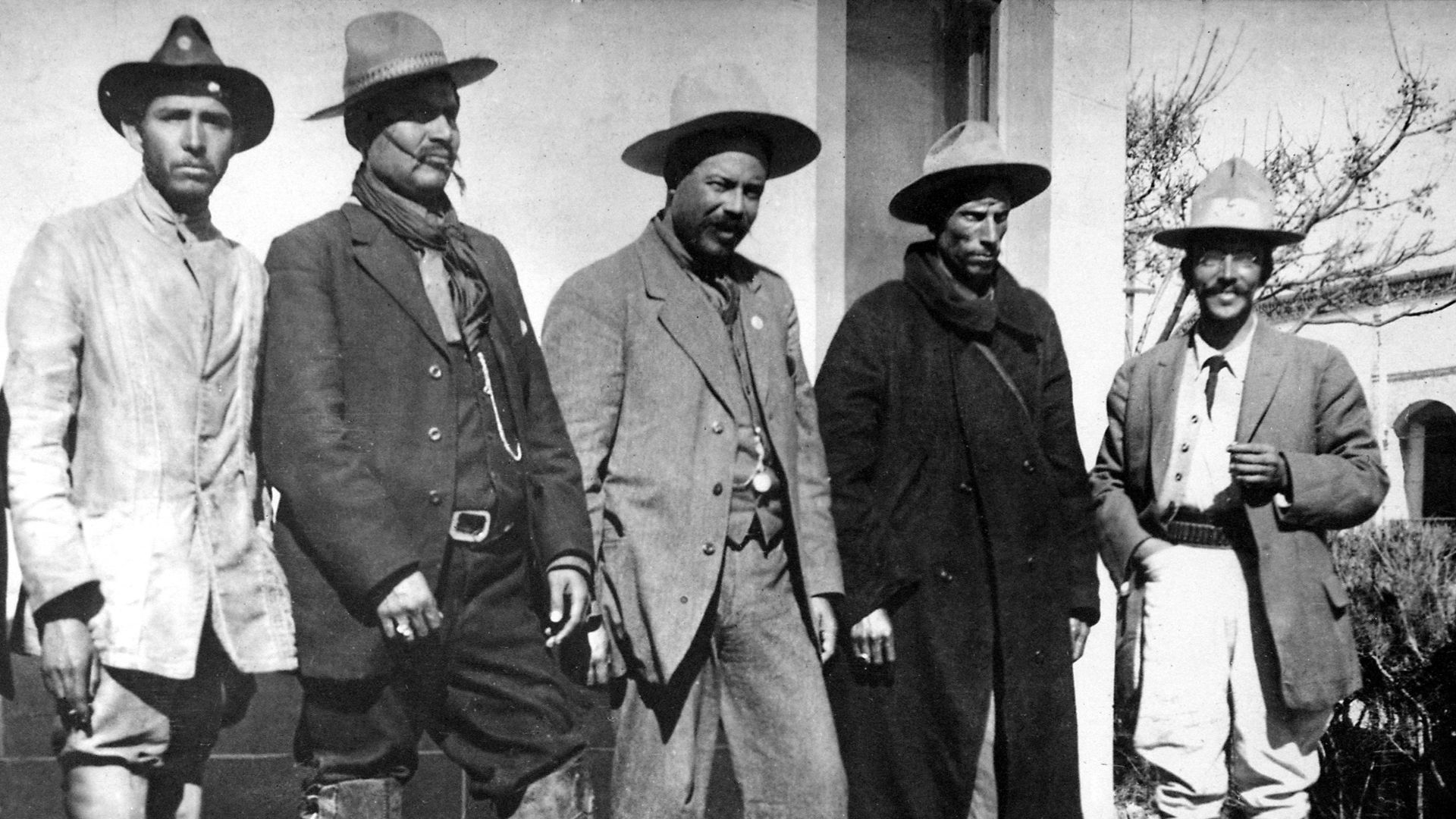
Disaster At Celaya
Villa suffered catastrophic defeats at the Battles of Celaya in 1915. Thousands of experienced soldiers died or deserted, while much of the División del Norte ceased functioning as an effective conventional army. Villa now faced the difficult transition back to guerrilla warfare.
 Horne, W. H., Photographer., Wikimedia Commons
Guerrilla Resistance
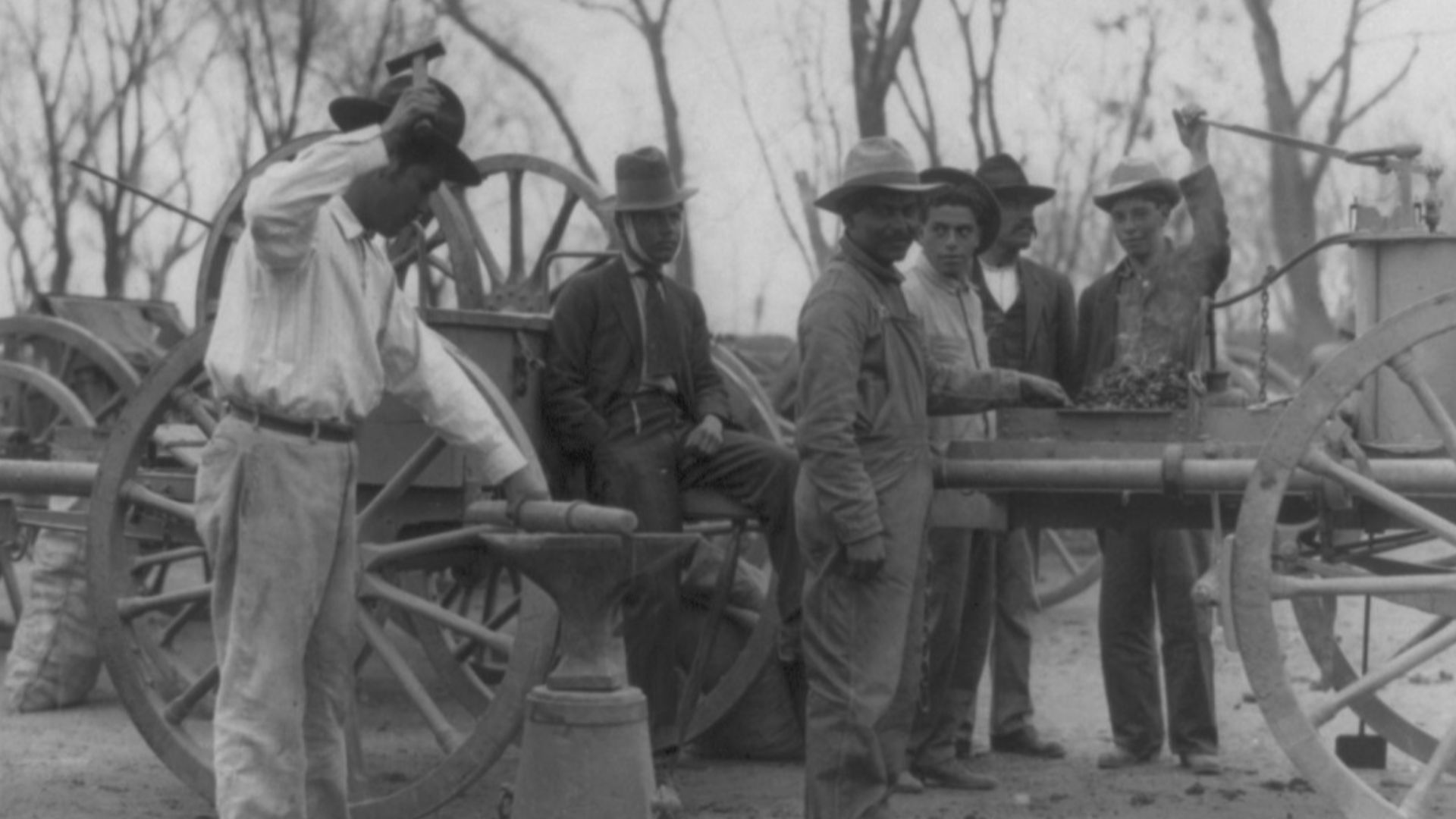
Rather than surrender, Villa returned to the tactics that had originally made him famous. Small mobile forces launched surprise attacks, disappeared into difficult terrain, and avoided large conventional battles. Even weakened, Villa remained a dangerous opponent.
 Miscellaneous Items in High Demand, PPOC, Library of Congress, Wikimedia Commons
Crossing The Border
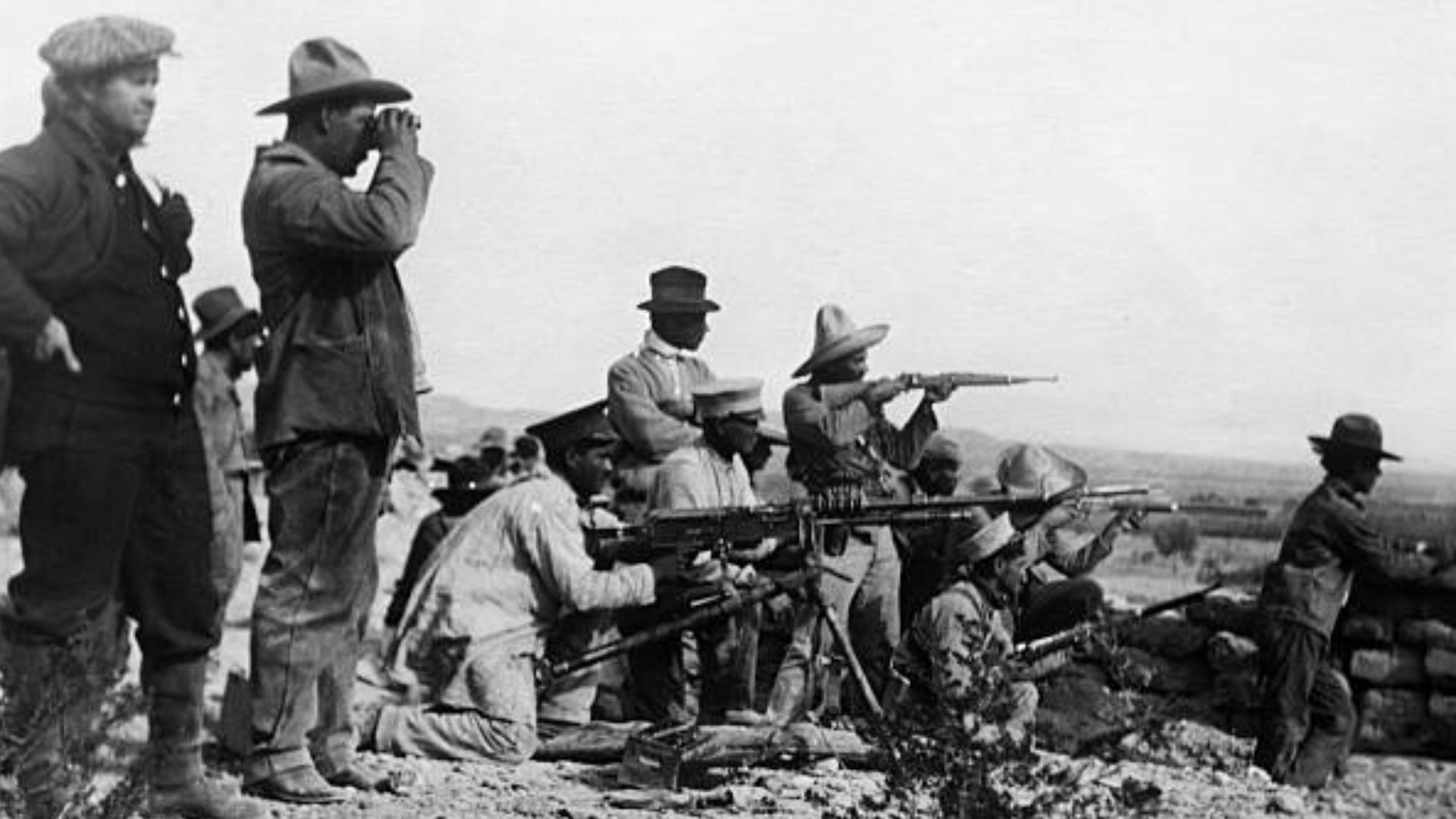
In March 1916, Villa raided Columbus, New Mexico, killing American civilians and soldiers. Historians continue debating his precise motives. It seems Villa wanted to raid the US military armory there to restock their supply of weapons, but the attack shocked the United States and triggered an unprecedented military response across the border.
 East Oregonian, Wikimedia Commons
Pershing's Pursuit
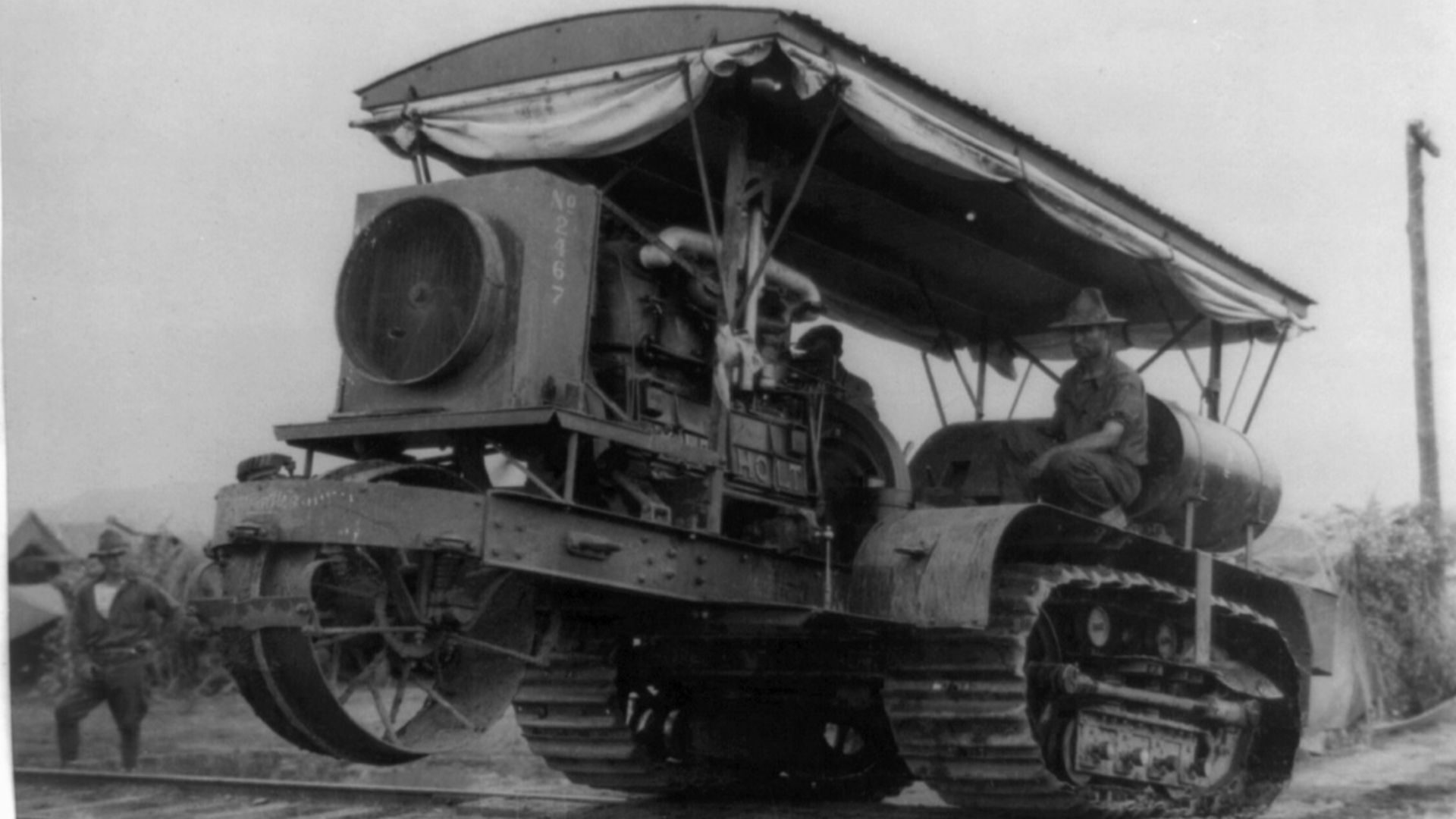
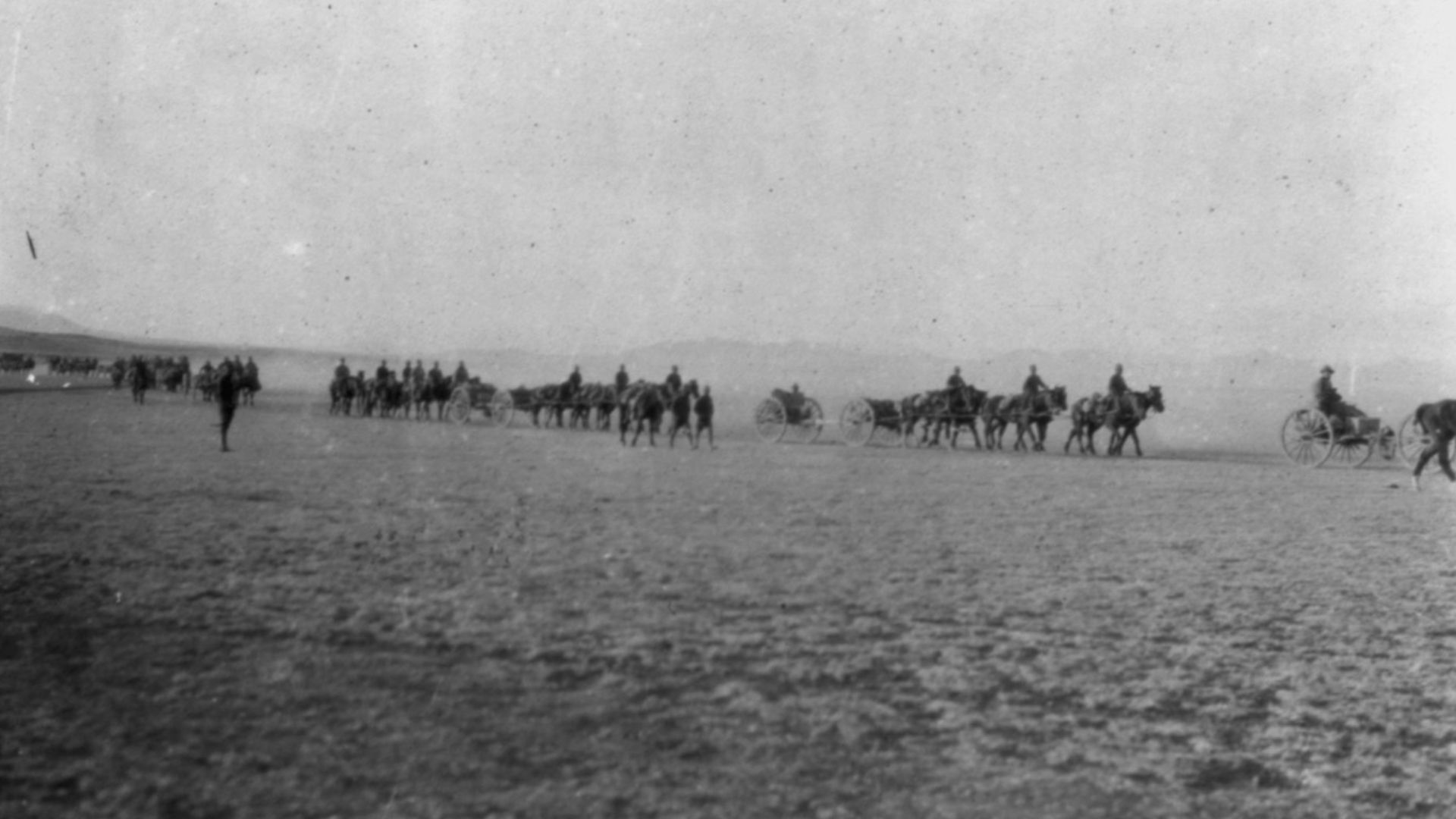
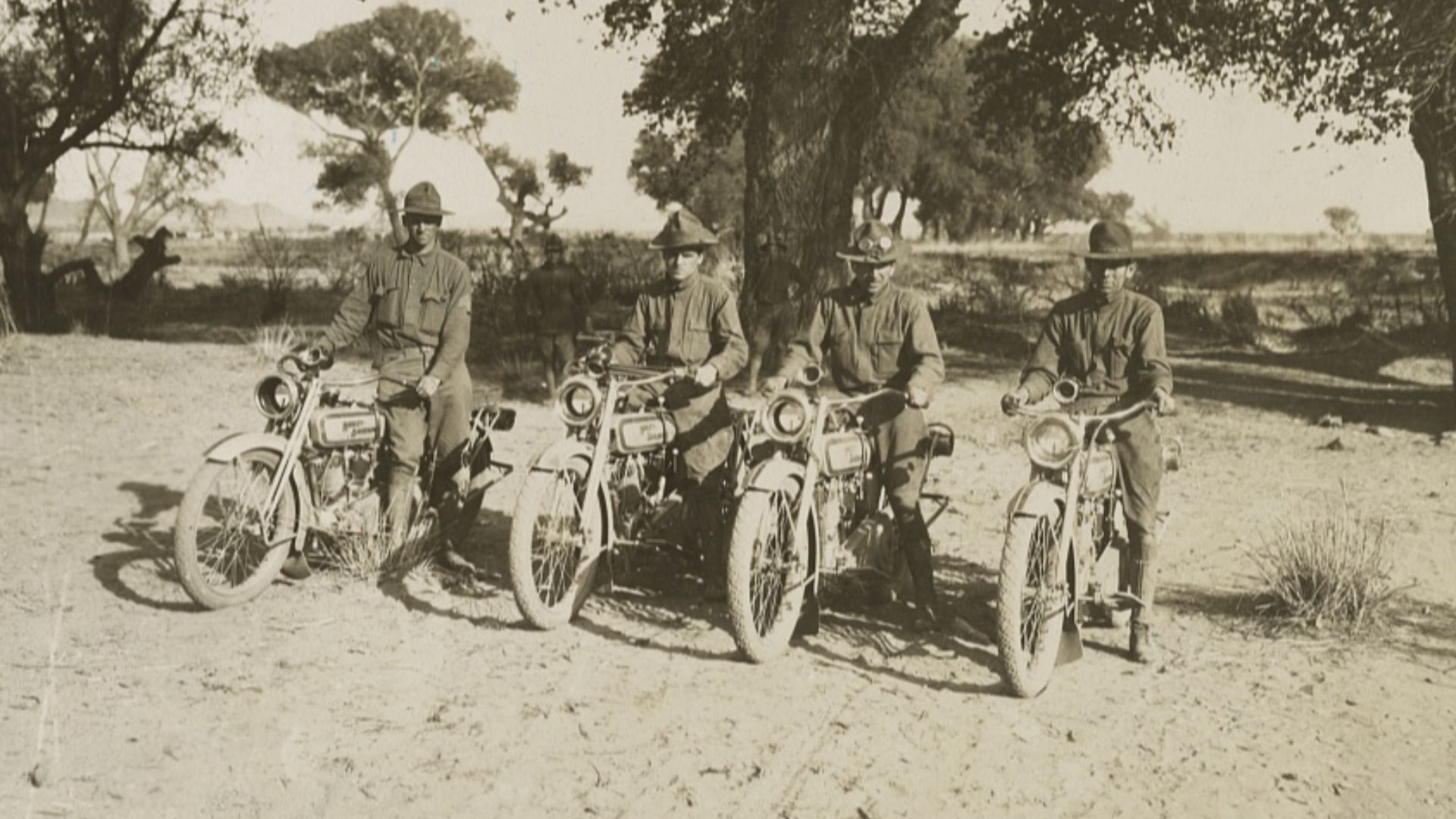
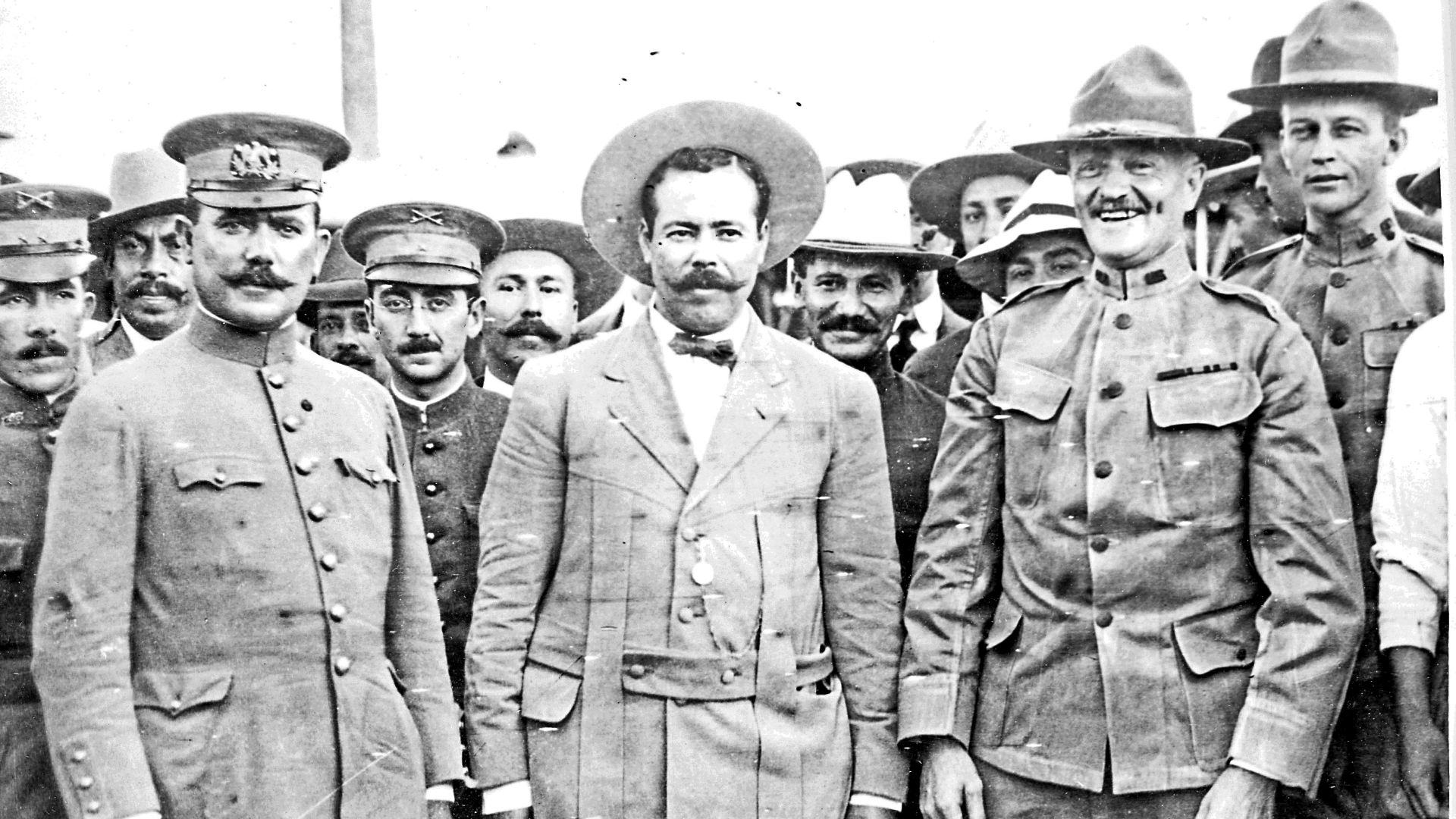
President Woodrow Wilson ordered General John J. Pershing to capture Villa. Thousands of American troops crossed into Mexico in what became the largest manhunt in United States history. Despite advanced equipment and determined searching, Villa continually slipped away.
 Miscellaneous Items in High Demand, PPOC, Library of Congress, Wikimedia Commons
Costly Survival
Villa escaped capture, but the campaign inflicted heavy losses on his followers. Constant pursuit, dwindling supplies, and repeated skirmishes gradually weakened his remaining forces. Survival increasingly depended upon mobility, secrecy, and local support networks.
 Miscellaneous Items in High Demand, PPOC, Library of Congress, Wikimedia Commons
Help From Germany
During World War I, German agents explored ways to encourage unrest along the United States border. Villa's movement reportedly received limited contacts and assistance, although nothing substantial changed the military balance. International politics briefly intersected with Mexico's internal revolution.
 Miscellaneous Items in High Demand, PPOC, Library of Congress, Wikimedia Commons
Peace At Last
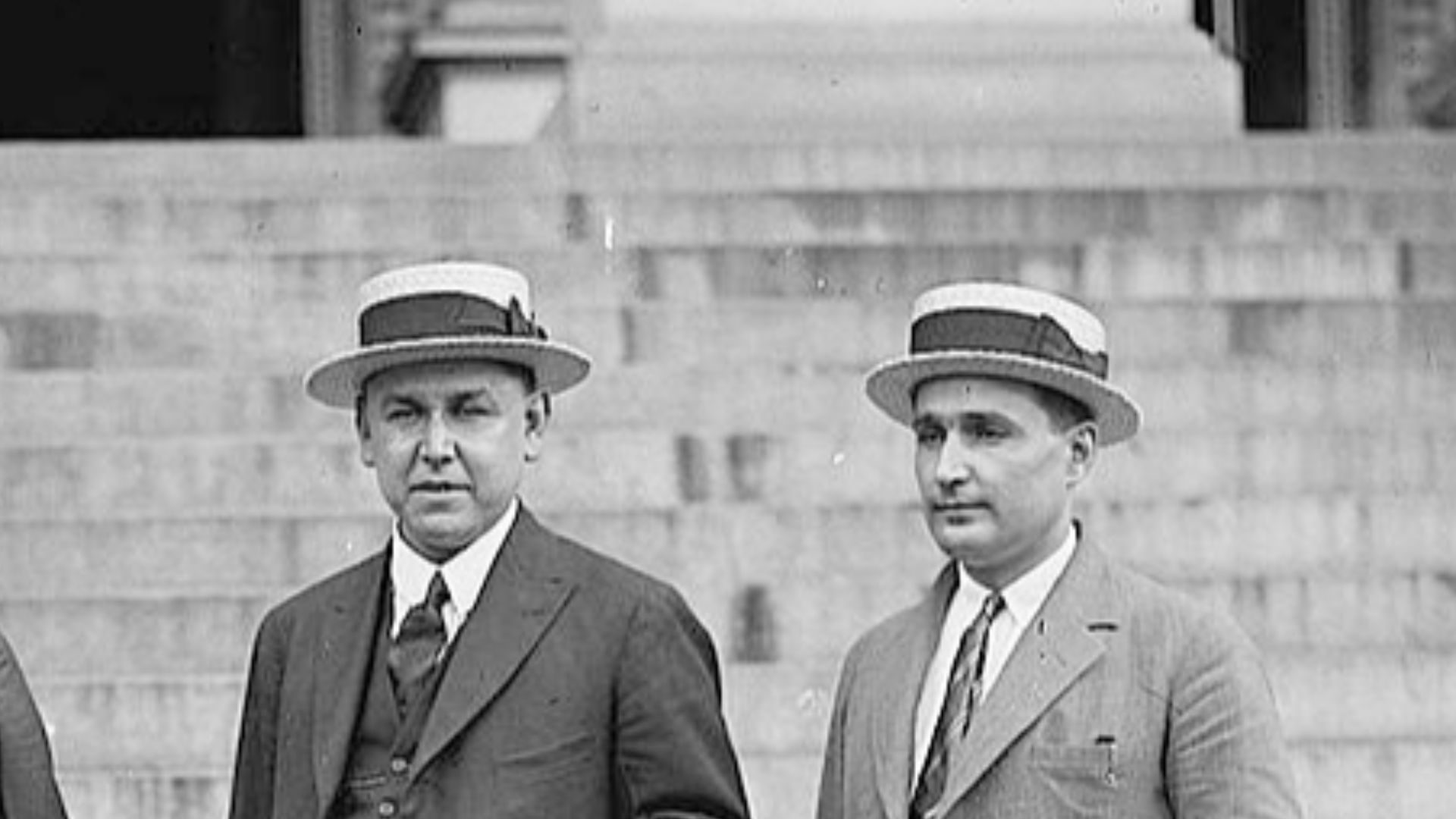
Exhausted by years of warfare, Villa negotiated peace with President Adolfo de la Huerta in 1920. He accepted retirement on the Hacienda de Canutillo, where he focused on farming, ranching, and rebuilding a quieter life after decades of conflict.
 Unknown authorUnknown author, Wikimedia Commons
Betrayal And Murder
Villa's peaceful retirement proved short-lived. On July 20, 1923, gunmen ambushed and assassinated him in Parral. The conspiracy is widely believed to have involved political enemies connected to President Álvaro Obregón and others who still feared Villa's enduring influence.
![Title: Pancho Villa, General Hugh Scott, and others at a race track, Ciudad Juárez, Mexico] / Aultman & Dorman
Abstract/medium: 1 photograph : gelatin silver print ; sheet 19 x 26 cm.](https://www.factinate.com/storage/app/media/factinate/2026/7/30/17853972986eae76daf575446cf32687ef2a6bd8eccbf742bb.jpg) Aultman & Dorman, photographer, Wikimedia Commons
Aultman & Dorman, photographer, Wikimedia Commons
A Complicated Legacy
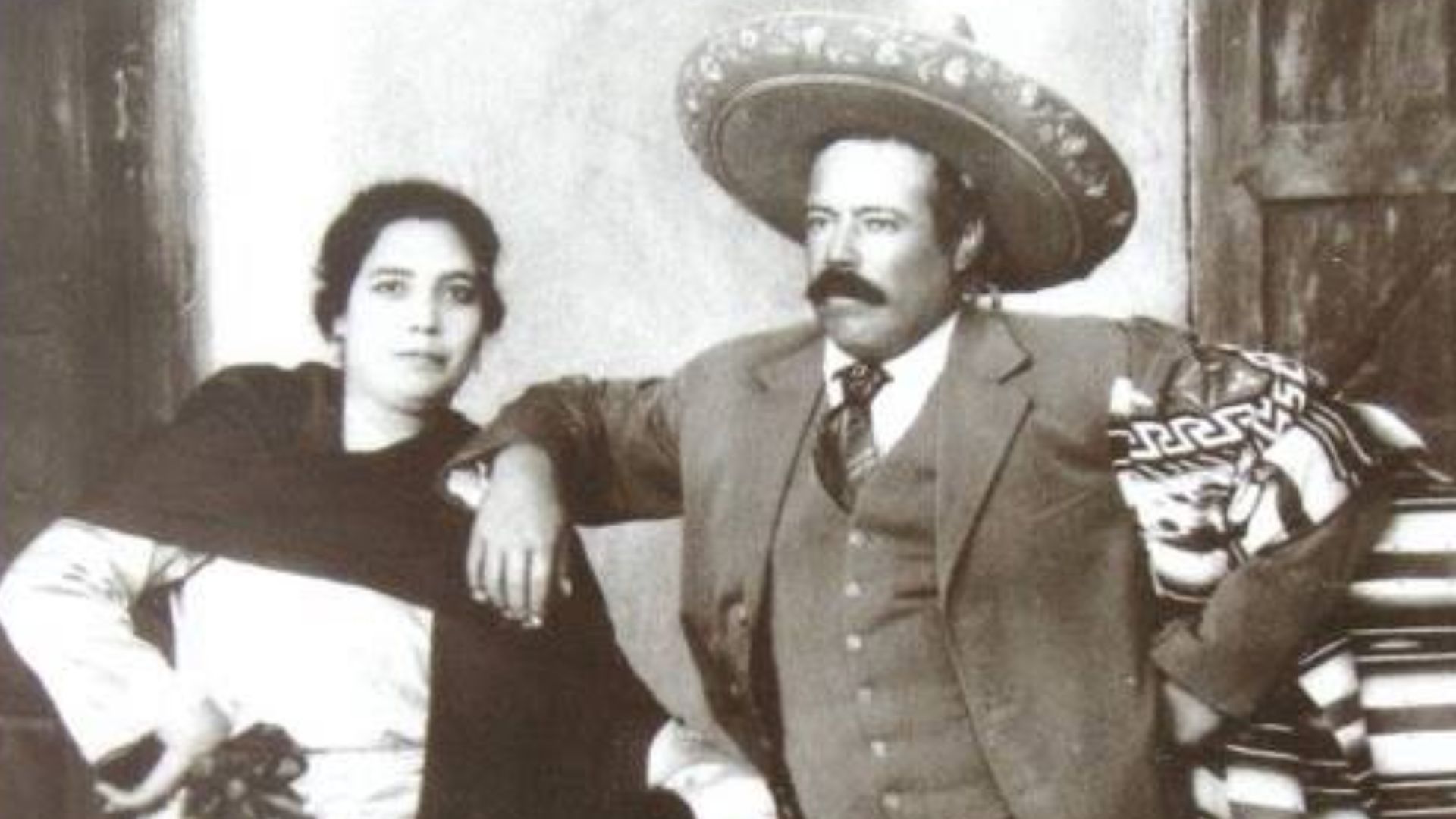
To some Mexicans, Villa remains a fearless champion of the poor who challenged dictatorship and injustice. Others see him as no more than a violent bandit responsible for executions, looting, and brutality. Both interpretations contain elements of historical truth.
 Scott Adams, Wikimedia Commons
The Legend Endures
Pancho Villa repeatedly reinvented himself throughout an astonishing career that spanned outlawry, revolution, governance, and guerrilla warfare. He survived impossible odds, eluded the largest military pursuit ever mounted against him by the United States, yet ultimately fell to betrayal from within his own political world.
 Unknown authorUnknown author (Wikipedia uploader was Lyricmac at en.wikipedia), Wikimedia Commons
You May Also Like:
Unhinged Facts About Queen Charlotte, The Last Empress Of Mexico
The Many Misfortunes Of General Santa Anna
Biting Facts About Ambrose Bierce, Literature’s Lacerating Critic









.jpg)