
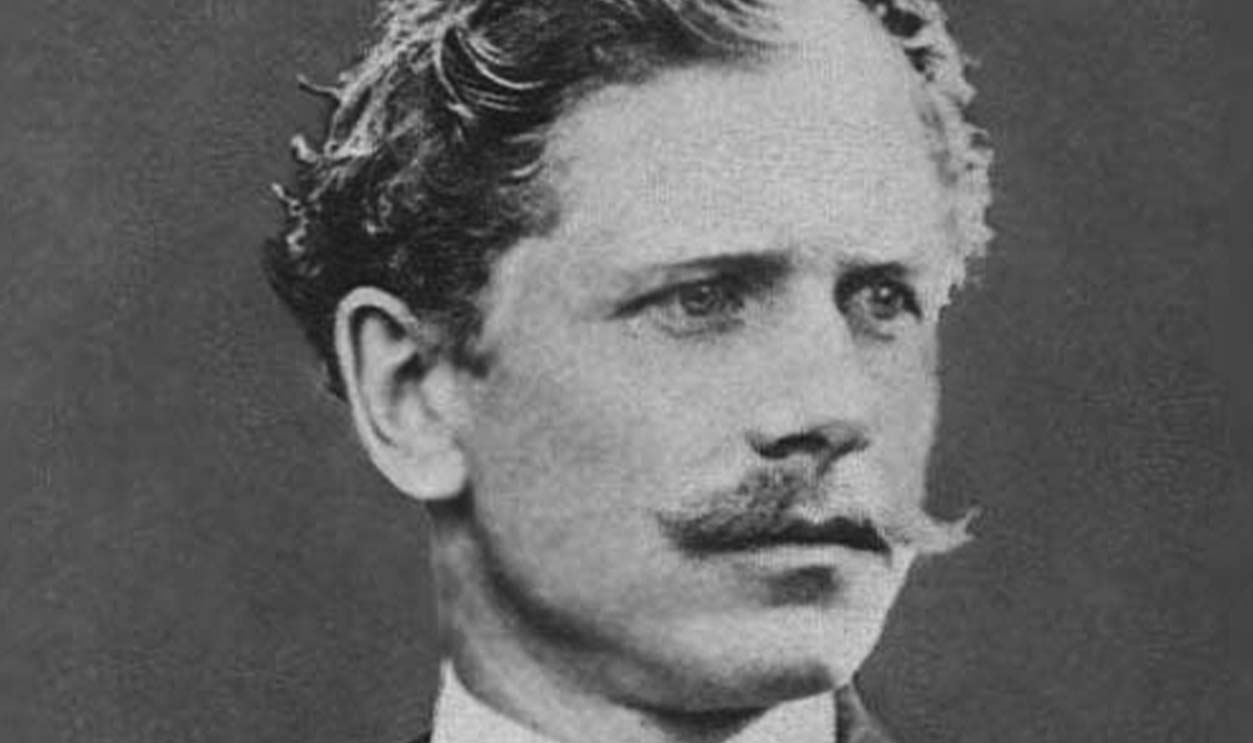
A Prolific Writer With A Mysterious Ending
Ambrose Bierce was one of the most prominent journalists of the Gilded Age and has since garnered a reputation among the finest American literary minds. A true polymath and prolific wordsmith, Bierce’s life would end with a mysterious disappearance that echoed the surprise endings of his own works of fiction.
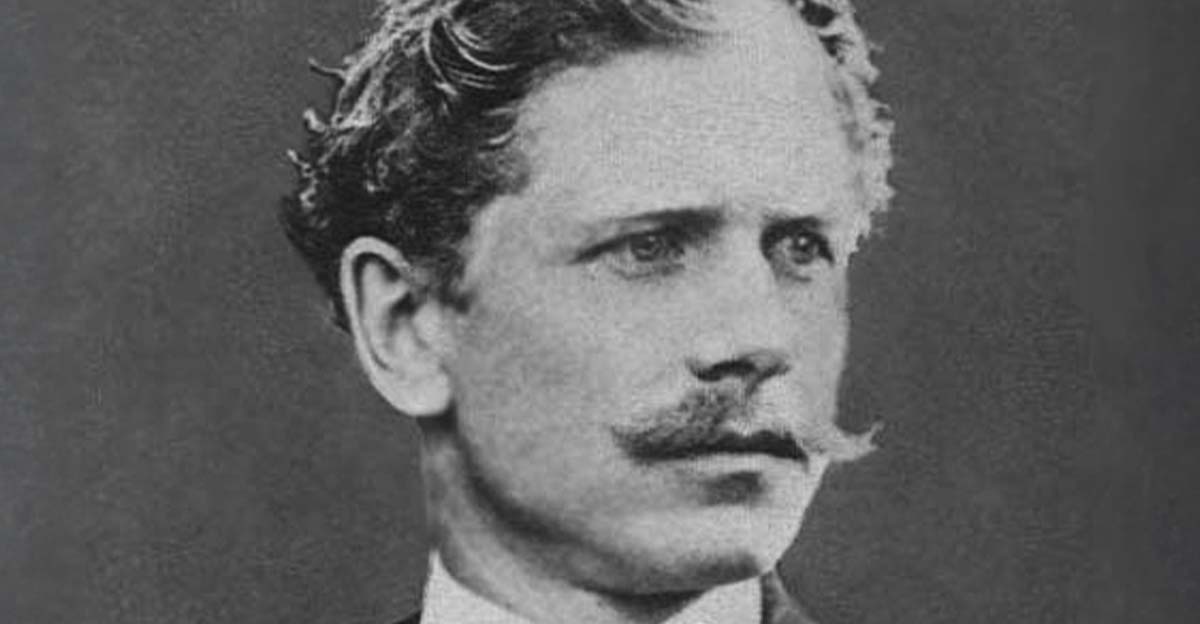
1. His Family Were Multigenerational Americans
Bierce came into the world in that most classically American of ways: In a log cabin. Born on June 24, 1842, in Ohio, the Bierces had been in the New World for many generations, having first come over in the Puritan migrations of the mid-1600s. Ambrose did not inherit his forebears’ beliefs, however.
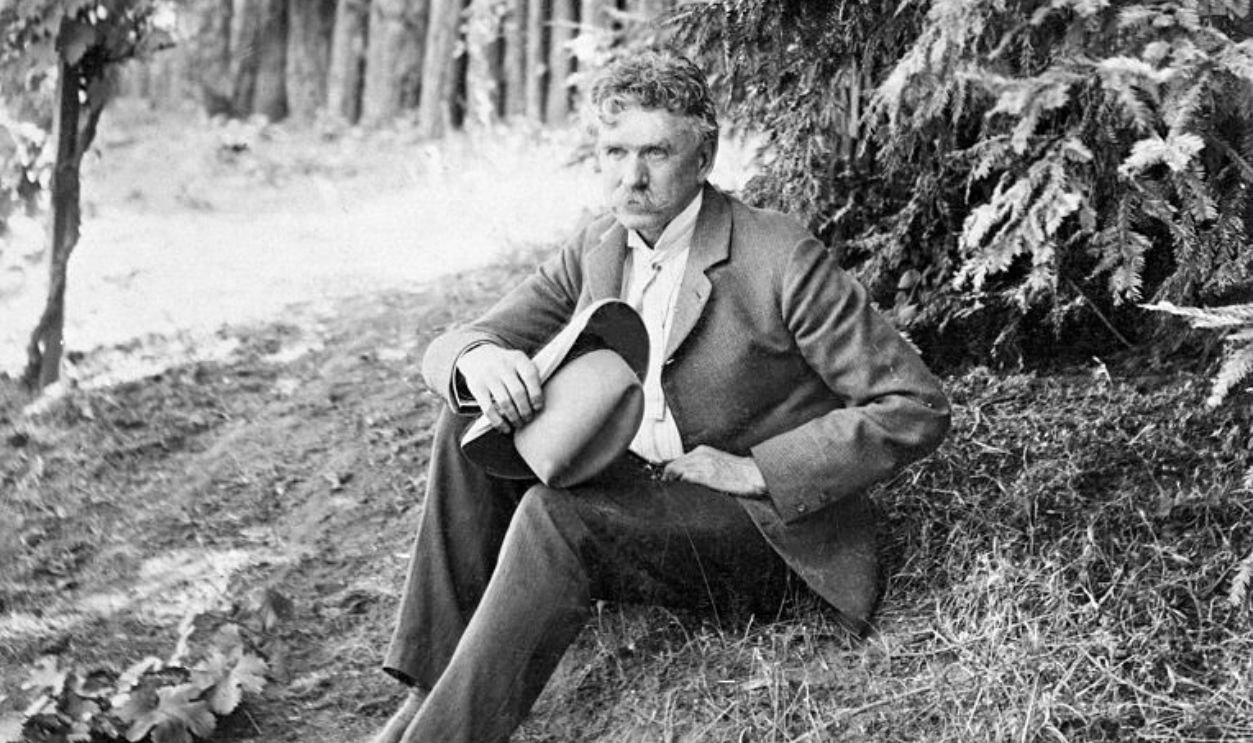
2. He Rejected Tradition
Ambrose Bierce had a notably un-American disregard for his familial history. Later in life, he would often write critically of Puritan values, feeling they hampered progress. Furthermore, he dismissed his fellow Americans who “made a fuss” about their genealogy, perhaps desiring an American identity divorced from the past. Indeed, the young man had to fight for his identity in such a big family.
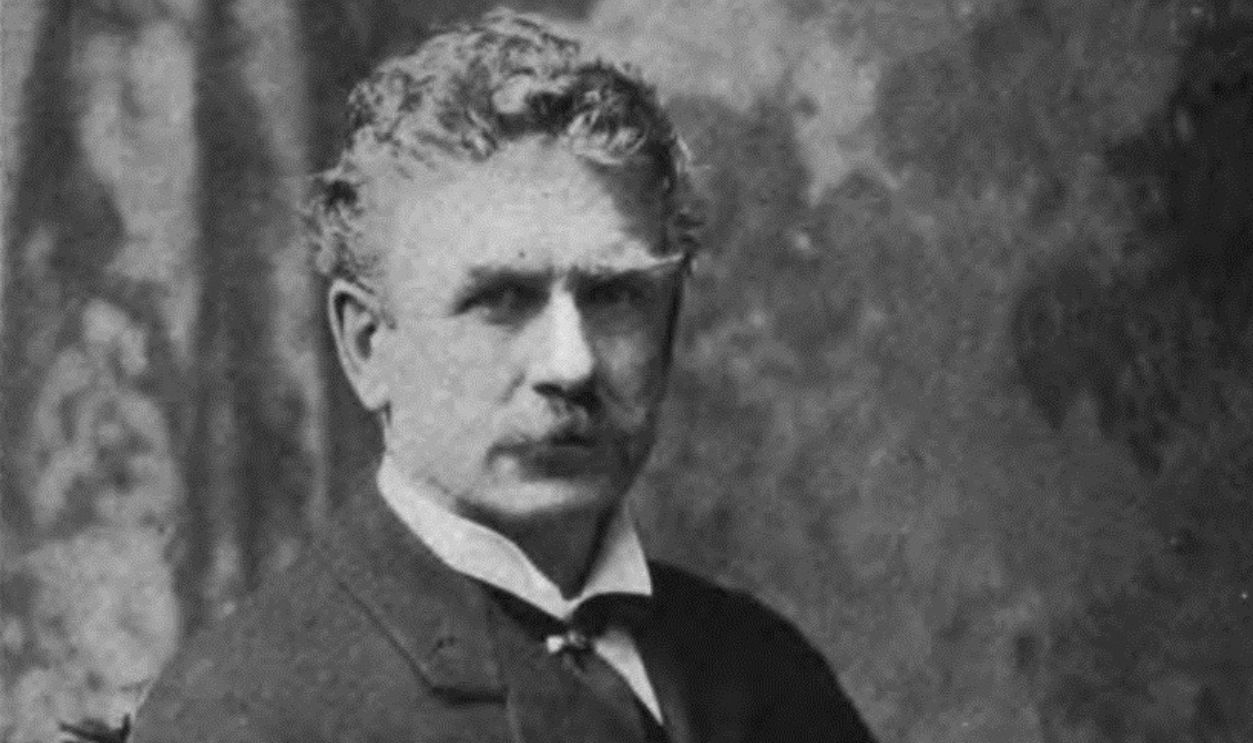 Unknown Author, Wikimedia Commons
3. He Came From A Large Flock
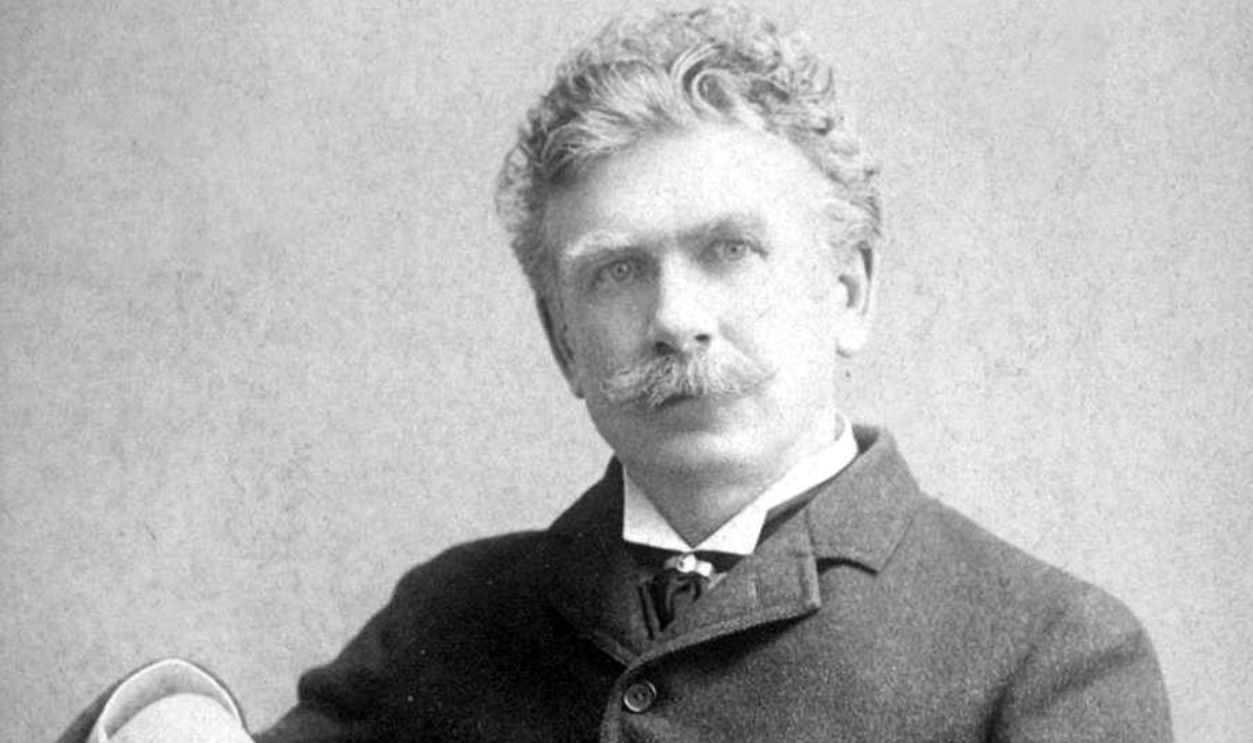
Ambrose was the tenth child of a head-spinning 13 Bierce children. Interestingly, all 13 kids received names that began with “A”. They were, in order of birth, Abigail, Amelia, Ann, Addison, Aurelius, Augustus, Almeda, Andrew, Albert, Ambrose, Arthur, Adelia, and Aurelia. Despite being stretched very thin, the Bierce parents were quite attentive.
 Unknown Author, Wikimedia Commons
4. His Parents Nurtured His Talent
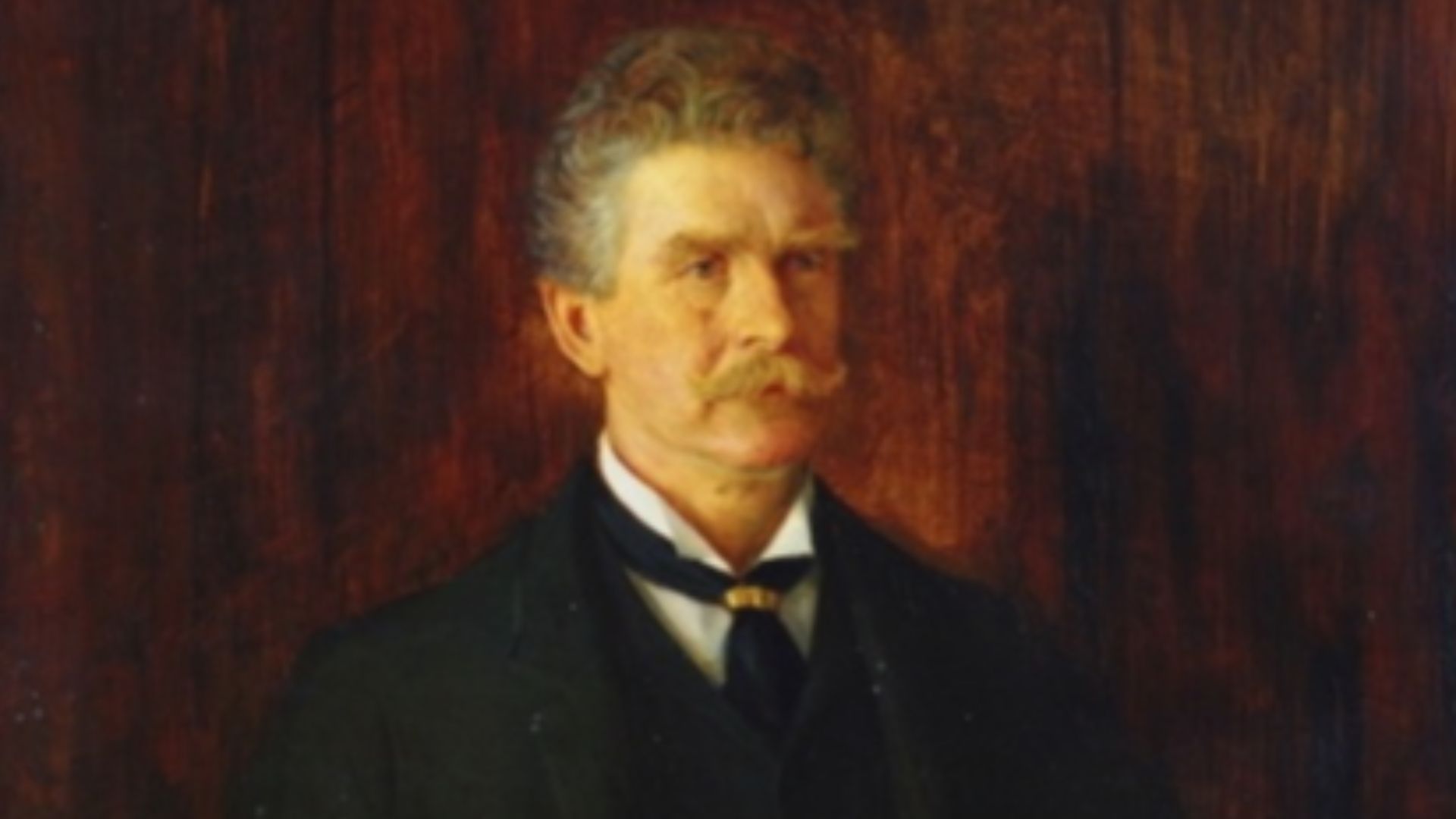
Although the Bierces were very poor, Ambrose’s parents were very encouraging with their son’s proclivities. Marcus and Laura Bierce were both very literary and instilled in Ambrose his deep passion for reading and writing. As a result, he committed his life to the craft at a very young age.
 John Herbert Evelyn Partington, Wikimedia Commons
5. He Got An Early Start
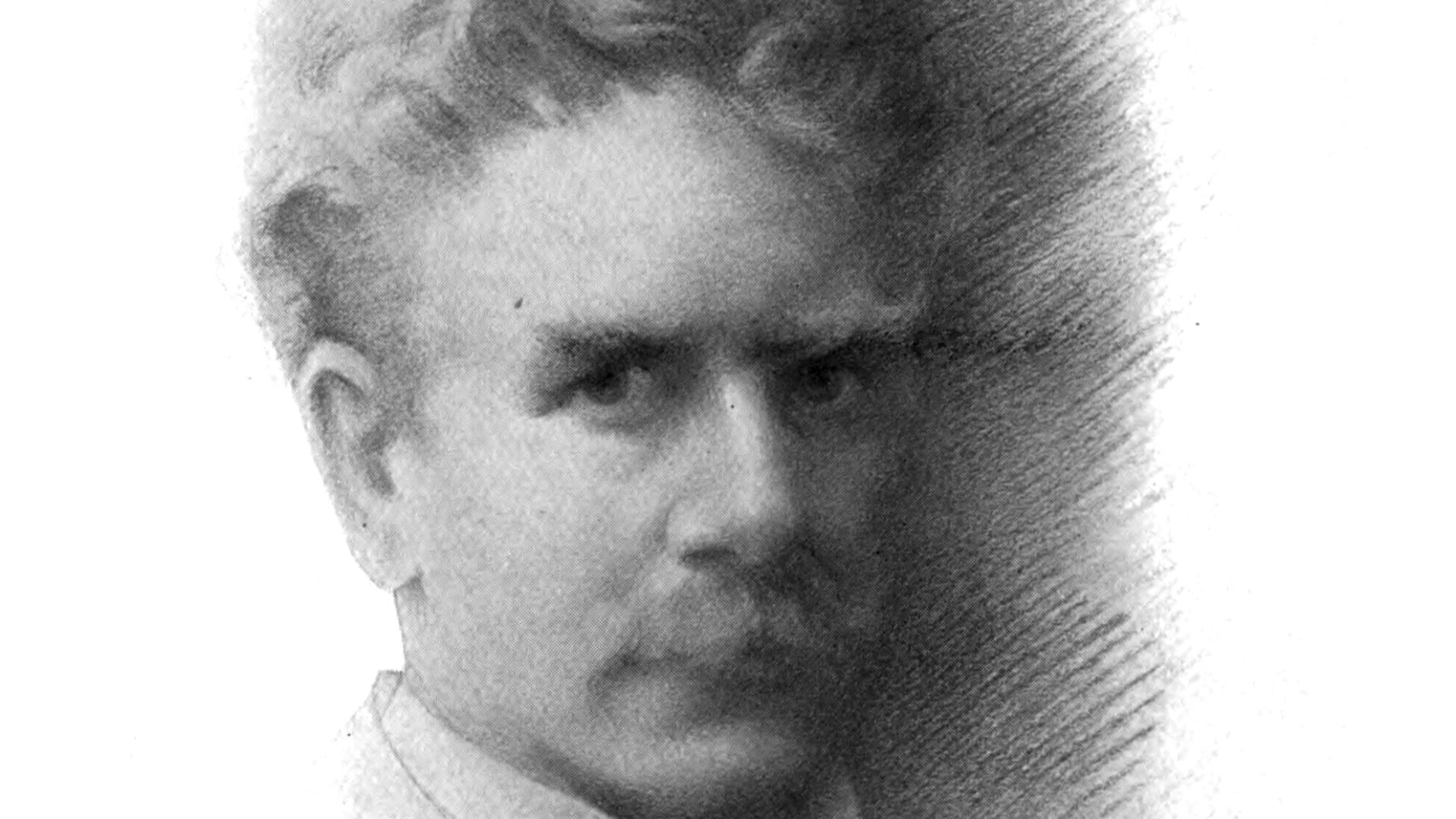
The plucky young Ambrose Bierce was eager to get a start in the world of writing. At the age of 15, he left home and got a job as a printer’s apprentice with a small paper, the Northern Indianan. Notably, the paper was an abolitionist one, and such values may have inspired Bierce to take up arms.
 Artist F. Soule Campbell, Wikimedia Commons
6. He Fought For His Beliefs
With the outbreak of the American Civil War, Bierce immediately enlisted in the Union Army. As part of the 9th Indiana Infantry, the young man was involved in many dramatic operations, including the first organized land operation of the conflict at the Battle of Phillipi. He served his unit bravely.
 George N. Barnard, Wikimedia Commons
7. He Was A Hero
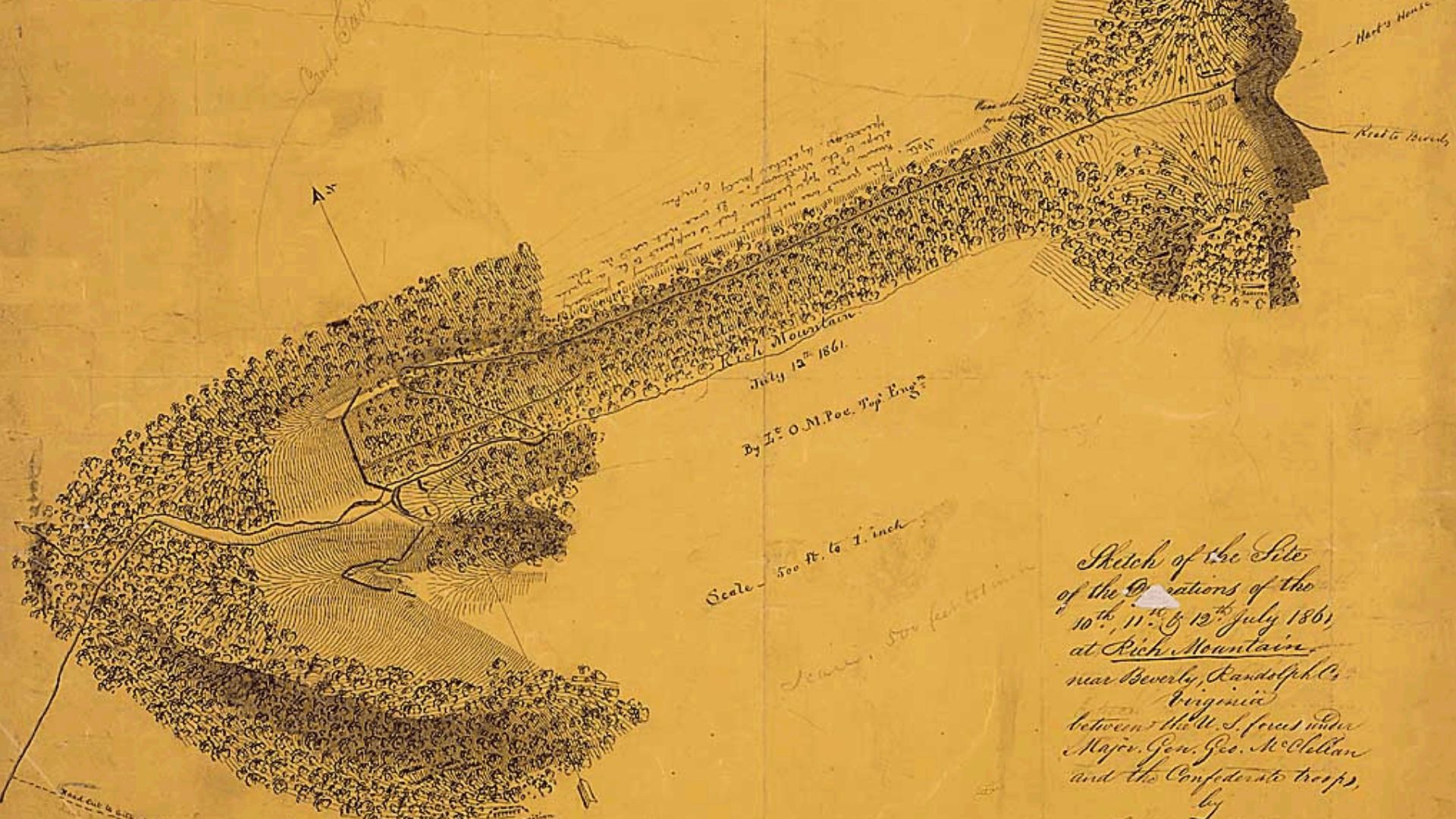
Ambrose Bierce proved to be a courageous presence on the battlefield. During the Battle of Rich Mountain, he rescued a gravely wounded comrade under heavy fire. The daring escapade received newspaper coverage, and Bierce got wide praise for his actions. But he didn’t romanticize his service in the slightest.
 Edmund Ferman, Wikimedia Commons
8. He Wrote Of His Experience
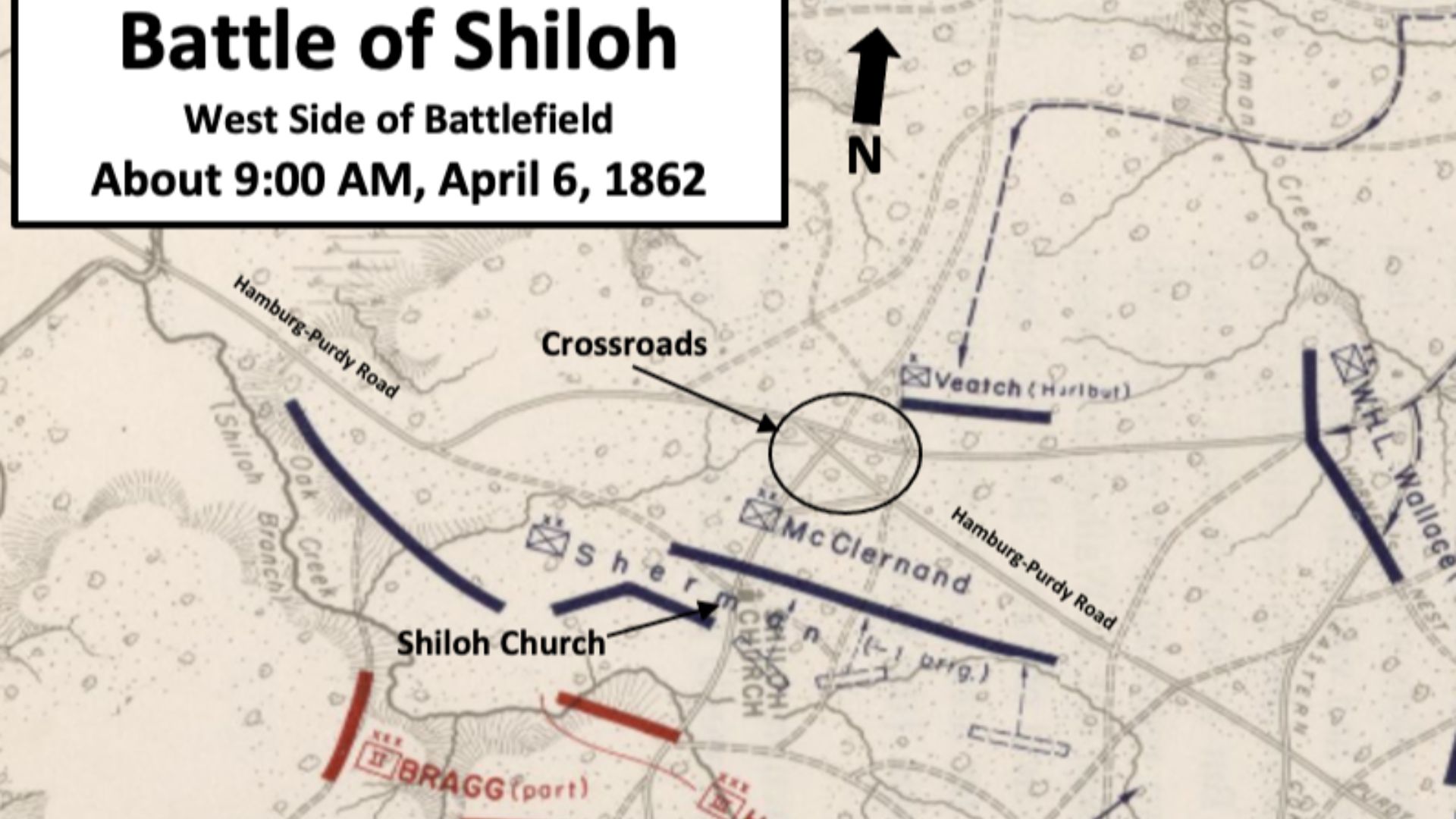
In April 1862, Bierce fought in the grisly Battle of Shiloh, a terrifying conflict with huge numbers of casualties. It was a traumatic experience for Bierce, and he later used his terror in the battle as the basis for several short stories and his memoir, “What I Saw of Shiloh”. It was no wonder he wanted off the front lines.

History's most fascinating stories and darkest secrets, delivered to your inbox daily.
9. He Got Another Job
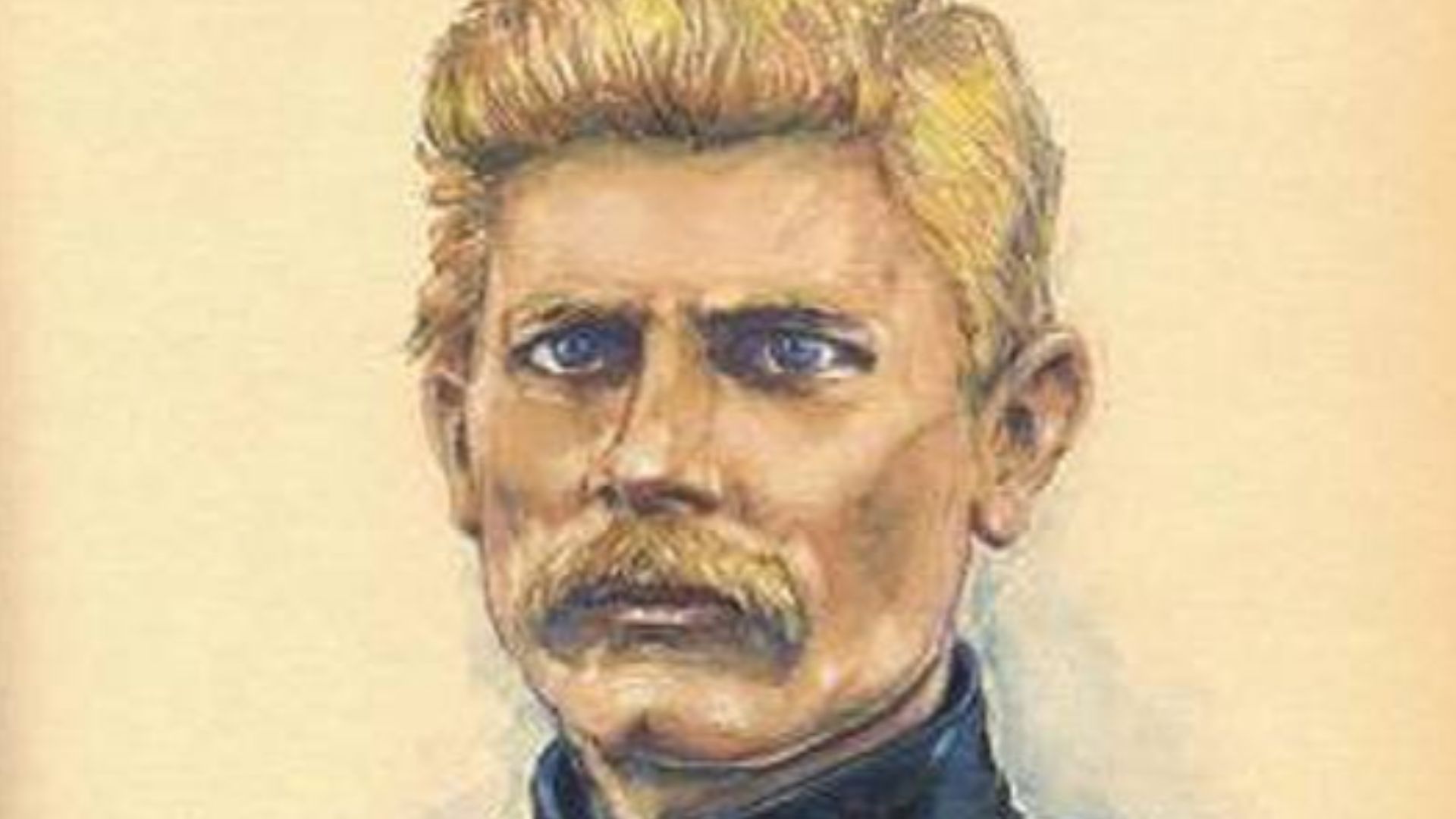
After being promoted to first lieutenant, Ambrose Bierce received a new assignment as a topographer, making maps of potential battlefields. He proved quite skilled at the task and enjoyed the unsupervised roaming of the countryside that the job permitted him. It wouldn’t be long until the conflict demanded further sacrifice of him, though.
10. He Got A Bump On The Noggin
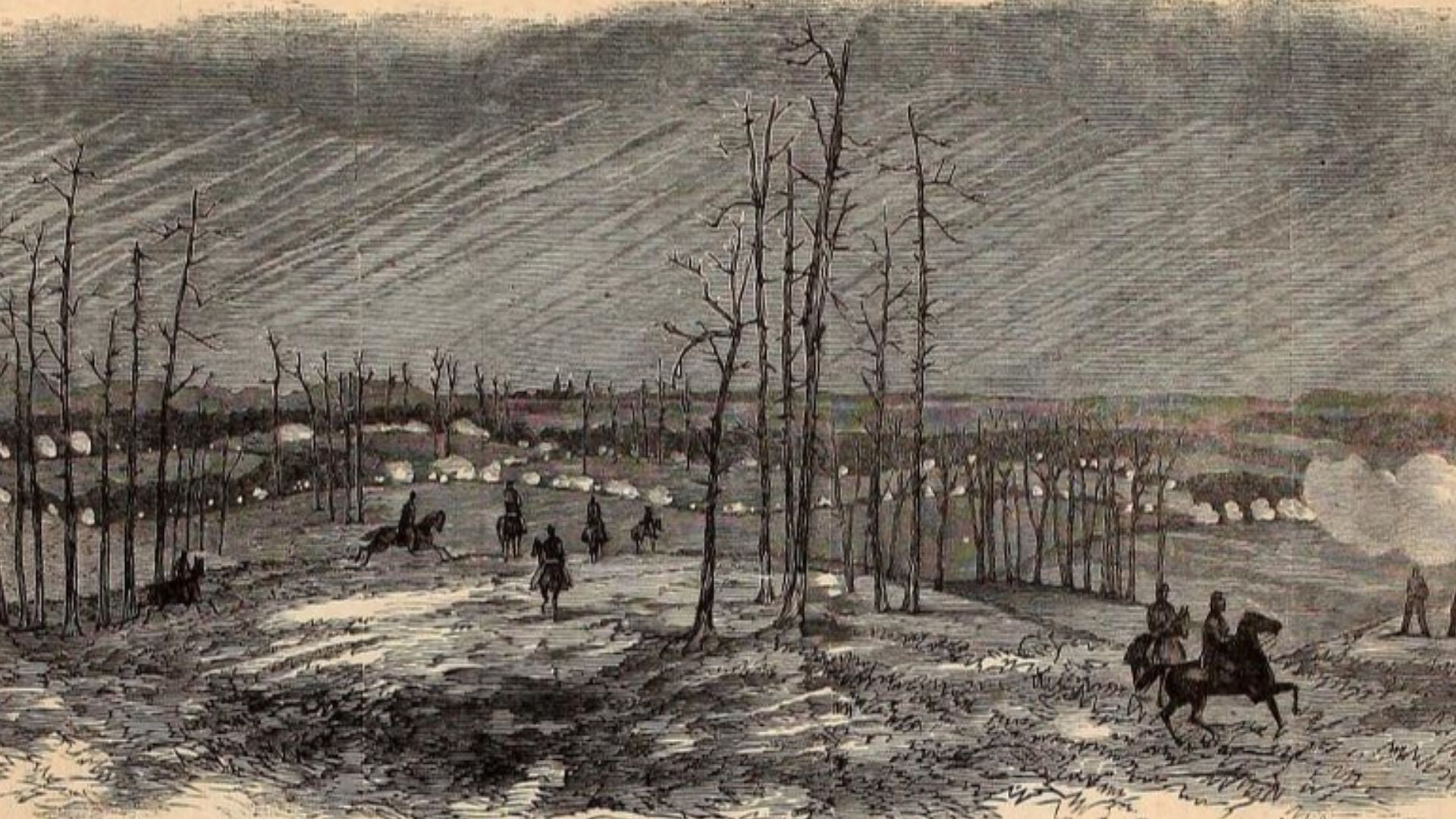
At the Battle of Kennesaw Mountain in June of 1864, Bierce sustained a traumatic brain injury that left him out of commission for the rest of the summer. Even after returning to active duty, however, issues arising from the injury continued to plague him, resulting in his resignation in January 1865. His head would never be the same.
 Theodore R. Davis, Wikimedia Commons
11. His Health Suffered
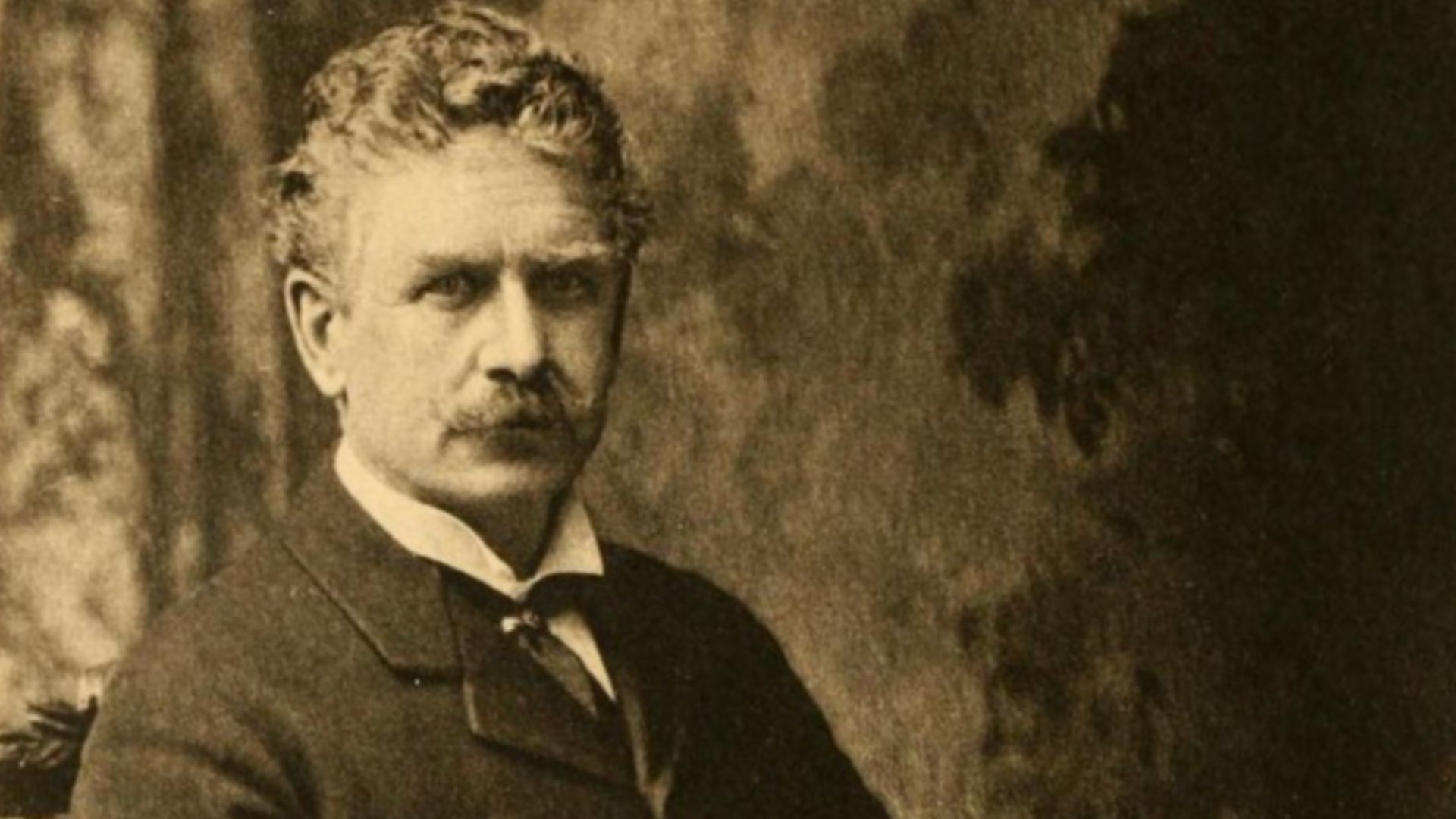
On top of his lifelong asthma, health complications arising from his injury plagued Bierce for the remainder of his days. The main complications that arose were fainting episodes and general irritability. But despite this, his service wasn’t over yet.
 Unknown authorUnknown author, Wikimedia Commons
12. He Travelled Cross Country
Bierce resumed his military career for one more assignment in mid-1866, where he joined a cross-country expedition to inspect outposts across the Great Plains. Travelling by horseback and wagon, Bierce’s journey ended in San Francisco at the close of 1866. He quickly took to his new surroundings.

13. He Resumed Another Career
Bierce permanently resigned from the Union Army after the 1866 expedition and settled in San Francisco. He stayed there for many years and built his profile as a newspaper contributor and editor for many publications. Eventually, though, he needed a change of scenery to further pursue his passion.
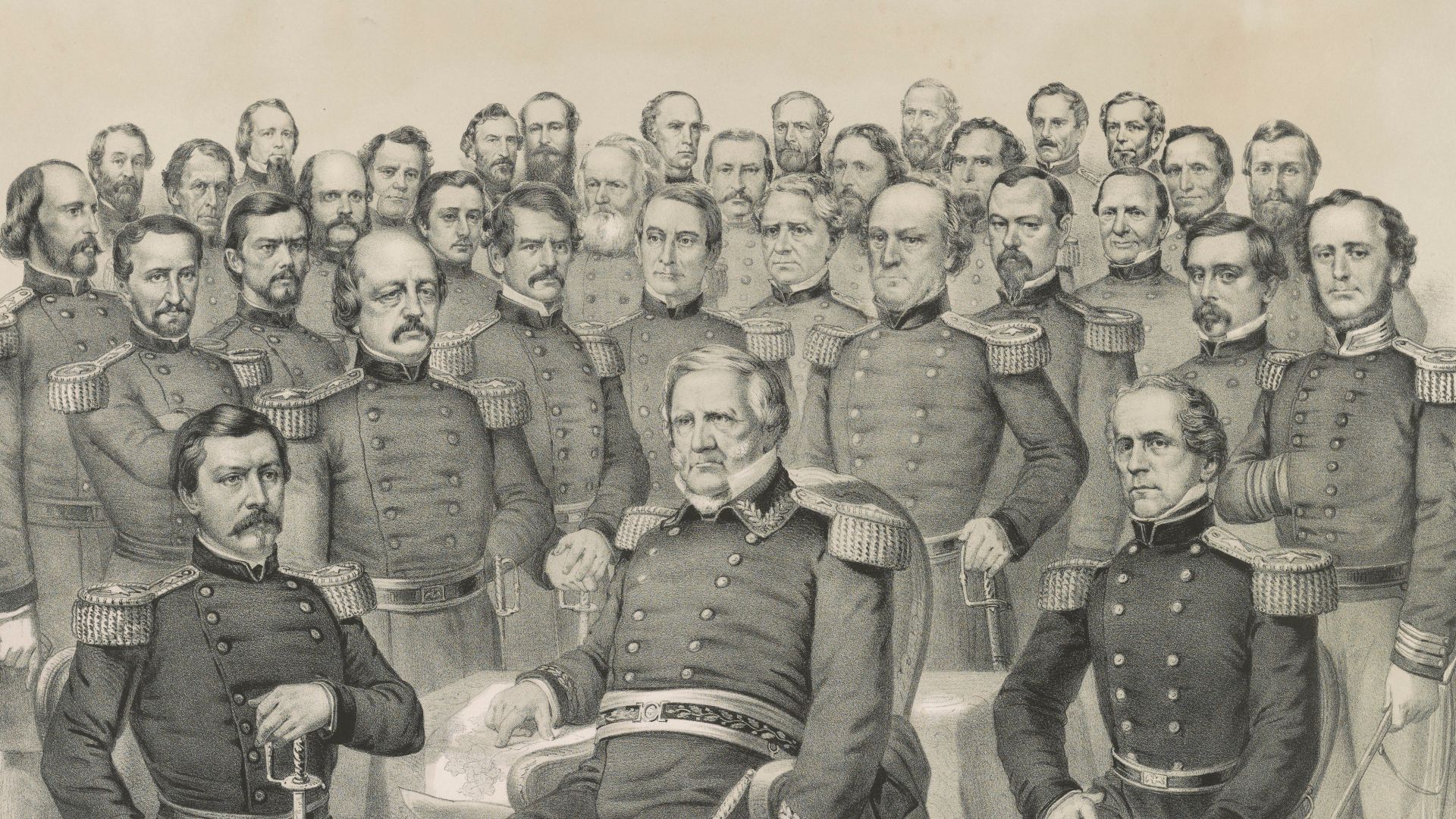 Currier & Ives., Wikimedia Commons
14. He Took A Writing Retreat
In 1873, Bierce up and moved to England. Living there for the next three years, he became a regular contributor to Fun magazine. In 1873, a London publisher combined a selection of his articles into Bierce’s first book, The Fiend’s Delight, published under the pseudonym “Dod Grile”. But home was beckoning the ambitious writer.
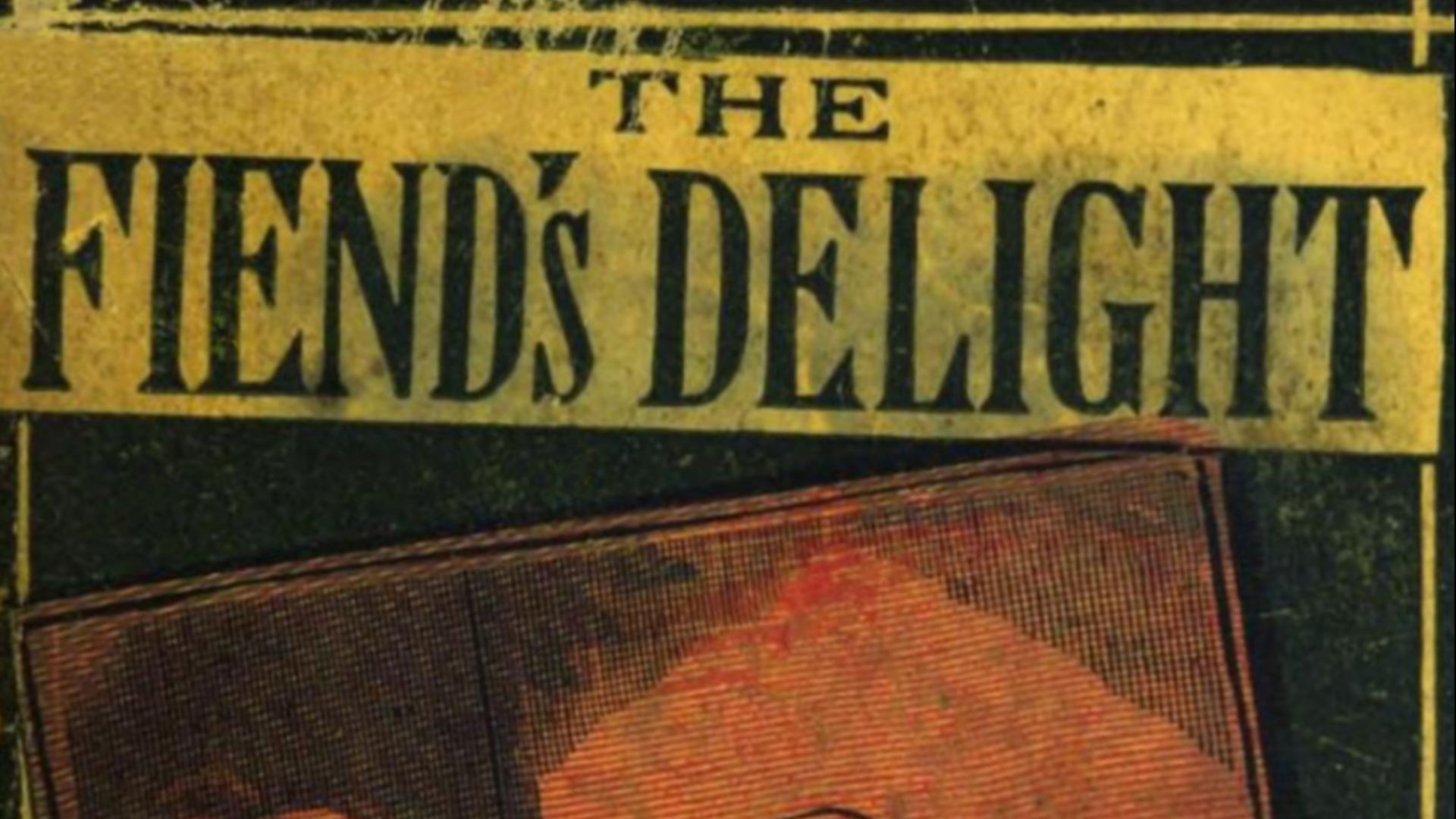 Unknown authorUnknown author, Wikimedia Commons
15. He Tried Something New
A few years after returning to San Francisco, Bierce made an interesting career pivot. Starting in 1879, he travelled to the Dakota Territory so that he could manage operations for a New York mining company. Even a man as talented as Bierce had his limits, however, and the company failed a year later. The writer returned to where his talents lay.
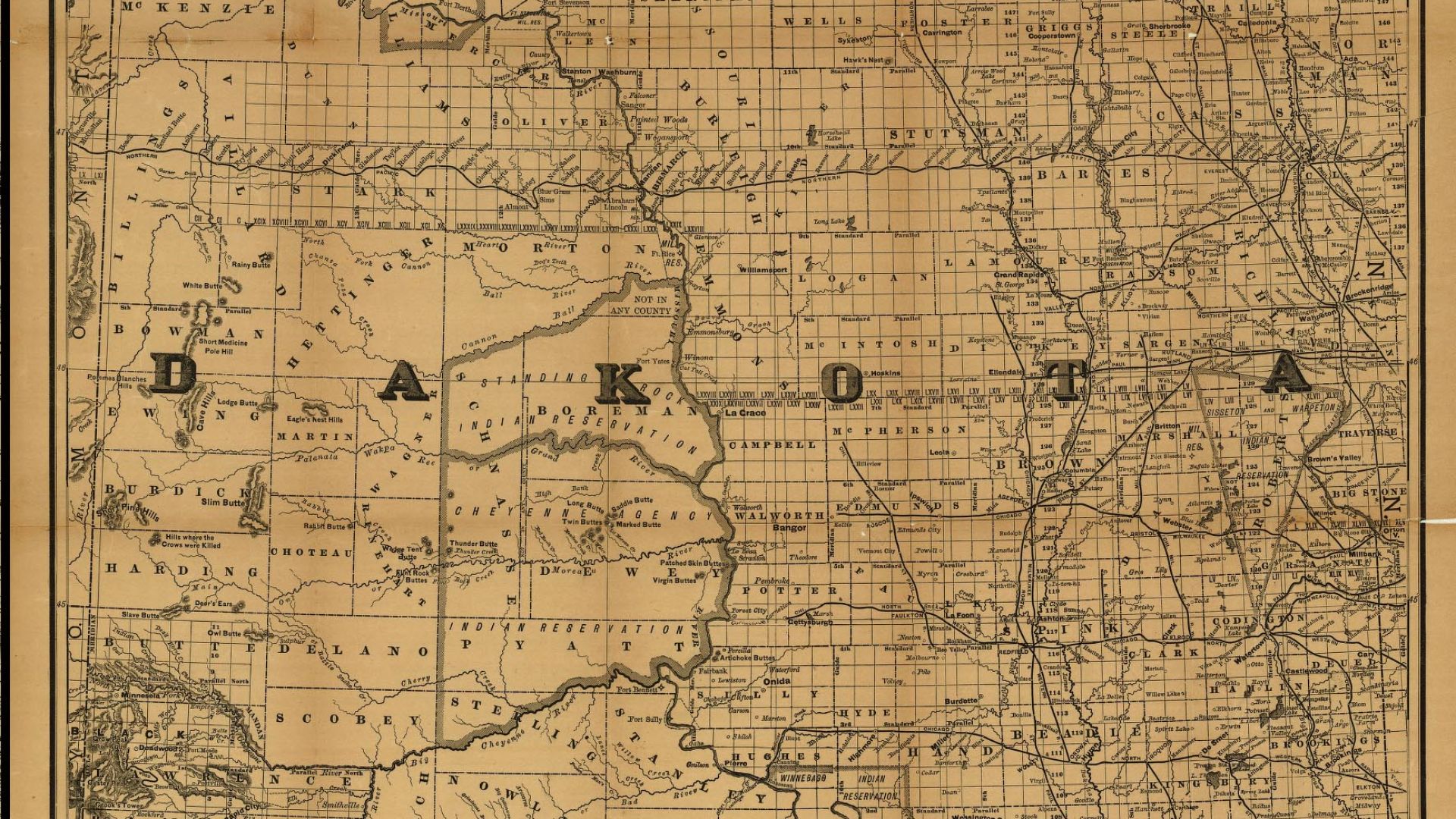 Road, McNally & Co., Map Publishers, Chicago, Wikimedia Commons
16. He Joined A Media Empire
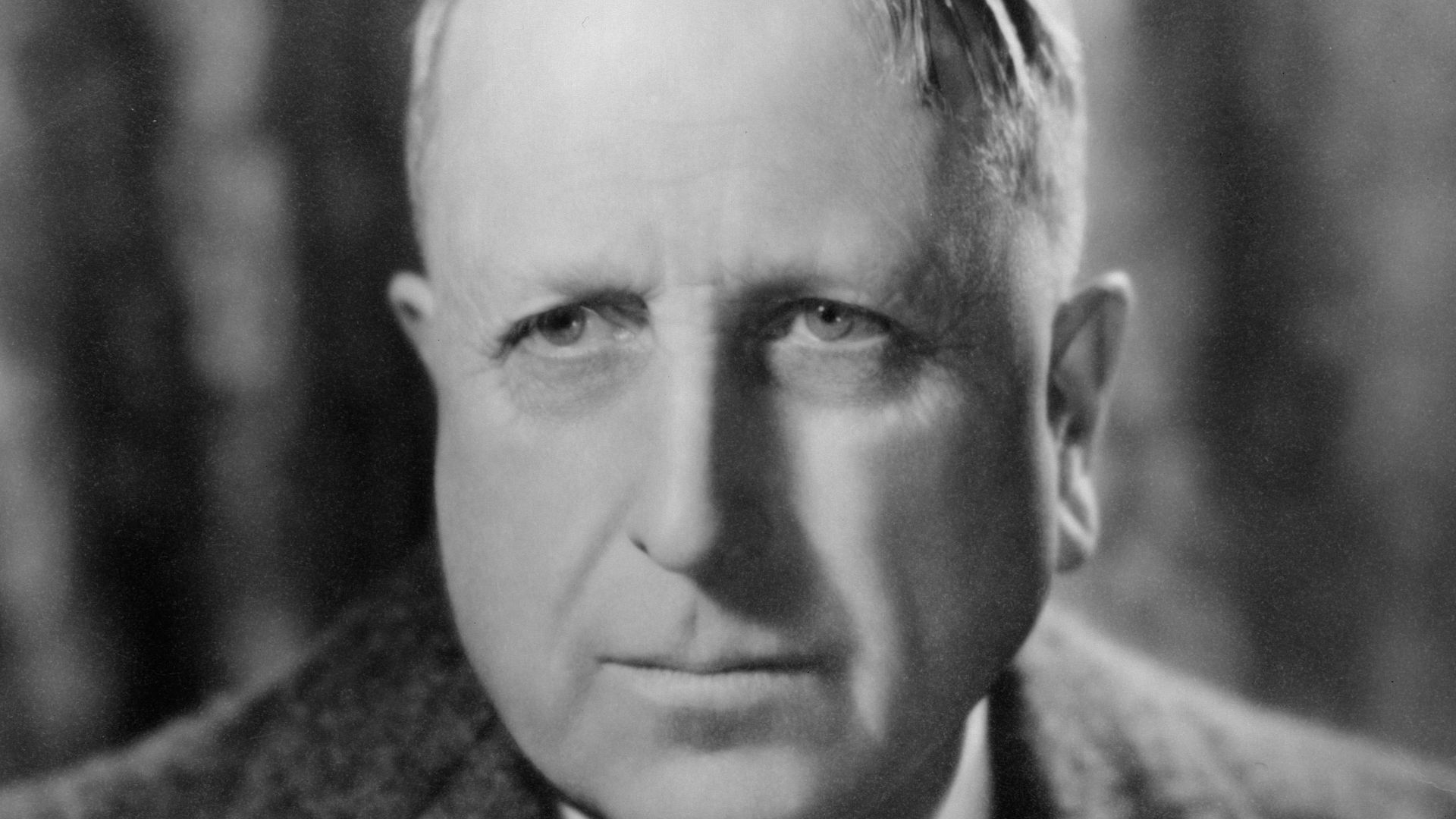
After his return to San Francisco, Bierce’s journalism career exploded. He became the editor of The Wasp magazine where he penned a regular column. He also became an early and regular contributor to William Randolph Hearst’s newspaper, the San Francisco Examiner. Hearst was a wealthy and prominent publisher who was in the process of building a media empire. And he used Bierce well.
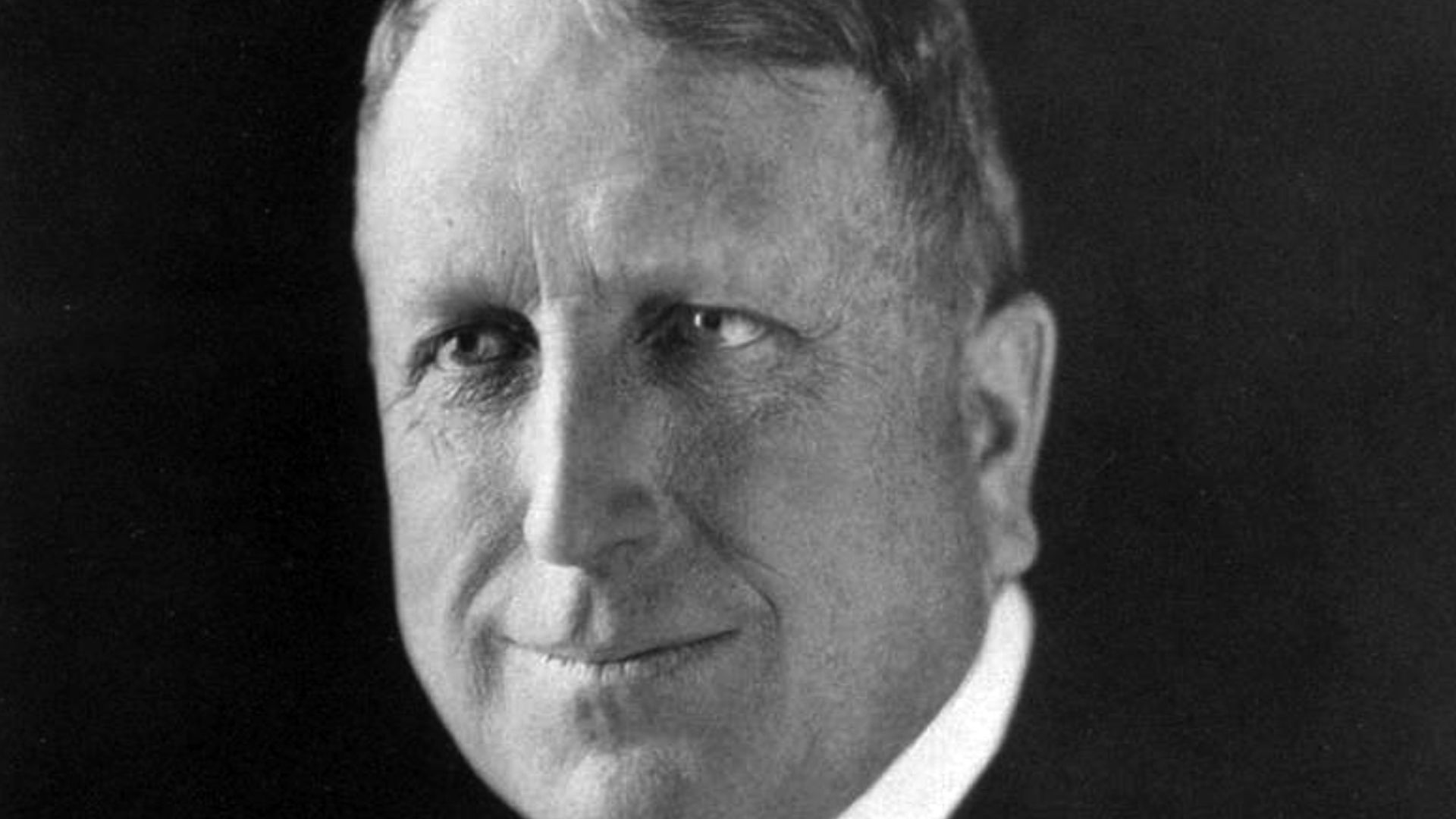 AnonymousUnknown author, Wikimedia Commons
17. He Investigated Corruption
Hearst dispatched Bierce to Washington DC in January 1986 to investigate corruption in business and government. The US Congress had approved large loans to the Union Pacific and Central Pacific railroad companies to build a transcontinental railroad. However, one of the companies’ executives had persuaded a member of Congress to introduce a bill excusing the companies from repaying the astoundingly high $130 million loans. This incensed the writer.
 James Manatt, Hollywood, Wikimedia Commons
18. He Spoke Truth To Power
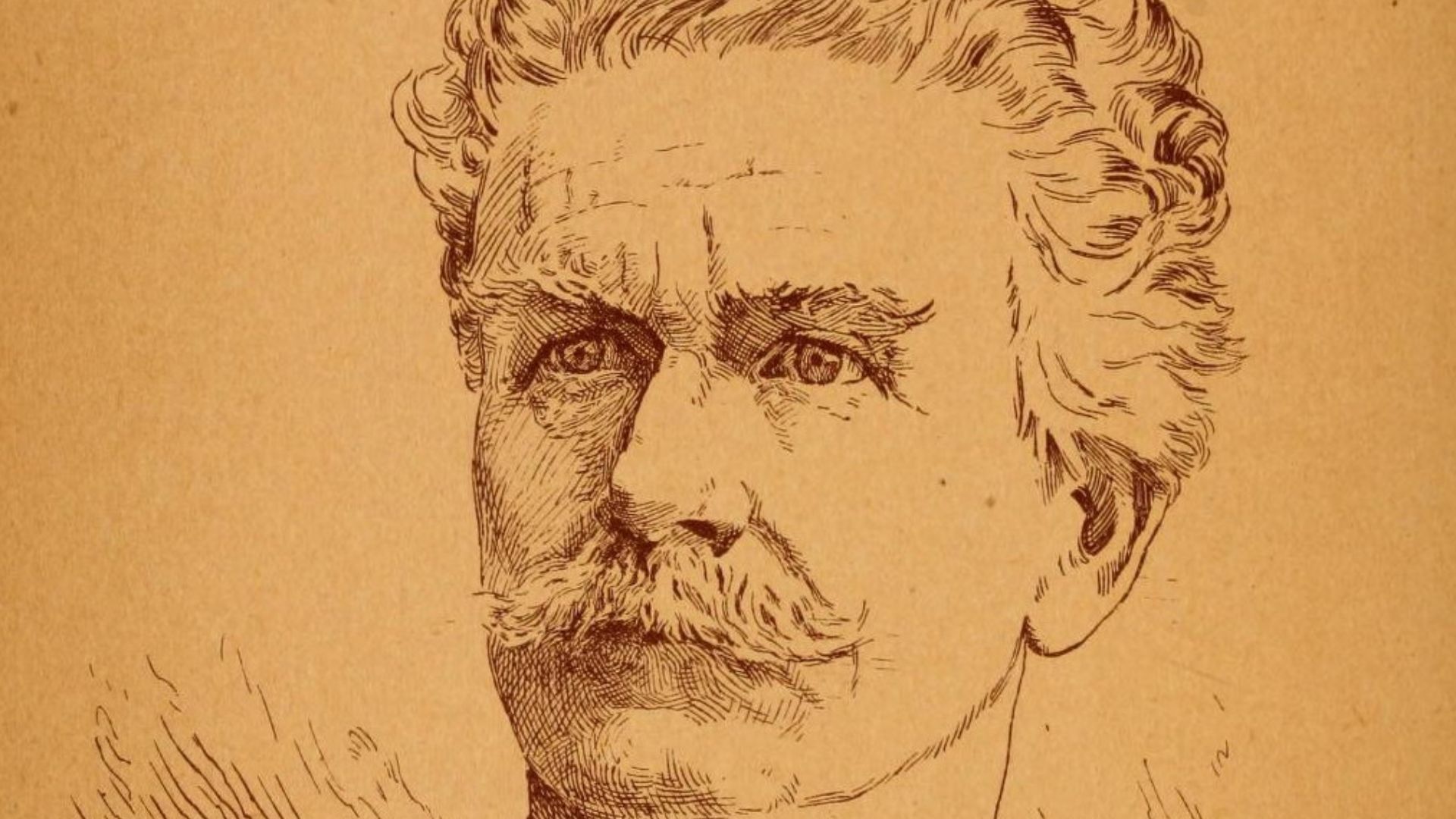
The railroad executives had hoped this plot would unfold in secret, but Bierce’s reporting shed light on the scandal and attracted much public attention. Hoping to sweep it under the rug, an executive confronted Bierce on the steps of the US Capitol and attempted to bribe him, asking him to name his price.
Bierce’s response received wide publication across the country: “My price is $130 million. If, when you are ready to pay, I happen to be out of town, you may hand it over to my friend, the Treasurer of the United States”. The executives’ bill was defeated, and Bierce finally found his place.
 John Herbert Evelyn Partington (1843-1899), Wikimedia Commons
19. He Moved Closer To The Action
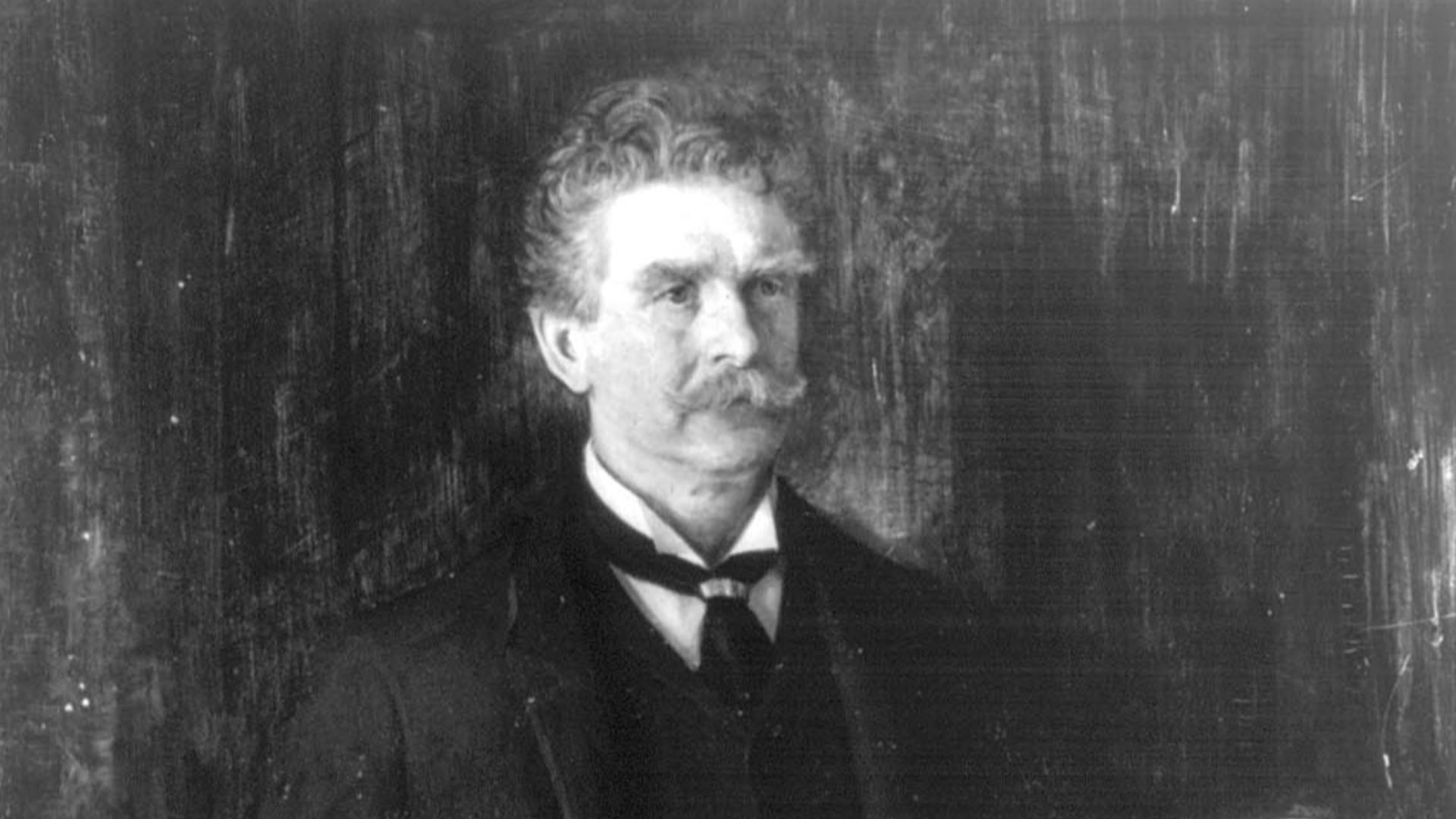
Bierce returned to California in November of that year, but DC had rubbed off on him. In 1899, the reporter moved back to the nation’s capital, where he would live for the remainder of his days. Wading further into political reporting, Bierce made a name for himself.
 Creator:John Herbert Evelyn Partington, Wikimedia Commons
20. He Became A Household Name
Bierce’s tireless journalism made him feared among the elite and powerful in the United States. Indeed, he soon gained a reputation as one of the most prominent and influential journalists in the country. And he often ruffled some powerful feathers.
 Historical and Public Figures Collection, Wikimedia Commons
21. He Stoked Controversy
Bierce’s talent for biting social commentary sometimes got him into trouble, and many of his columns were met with a hostile reaction. The most notable of these has interesting echoes in today’s world.
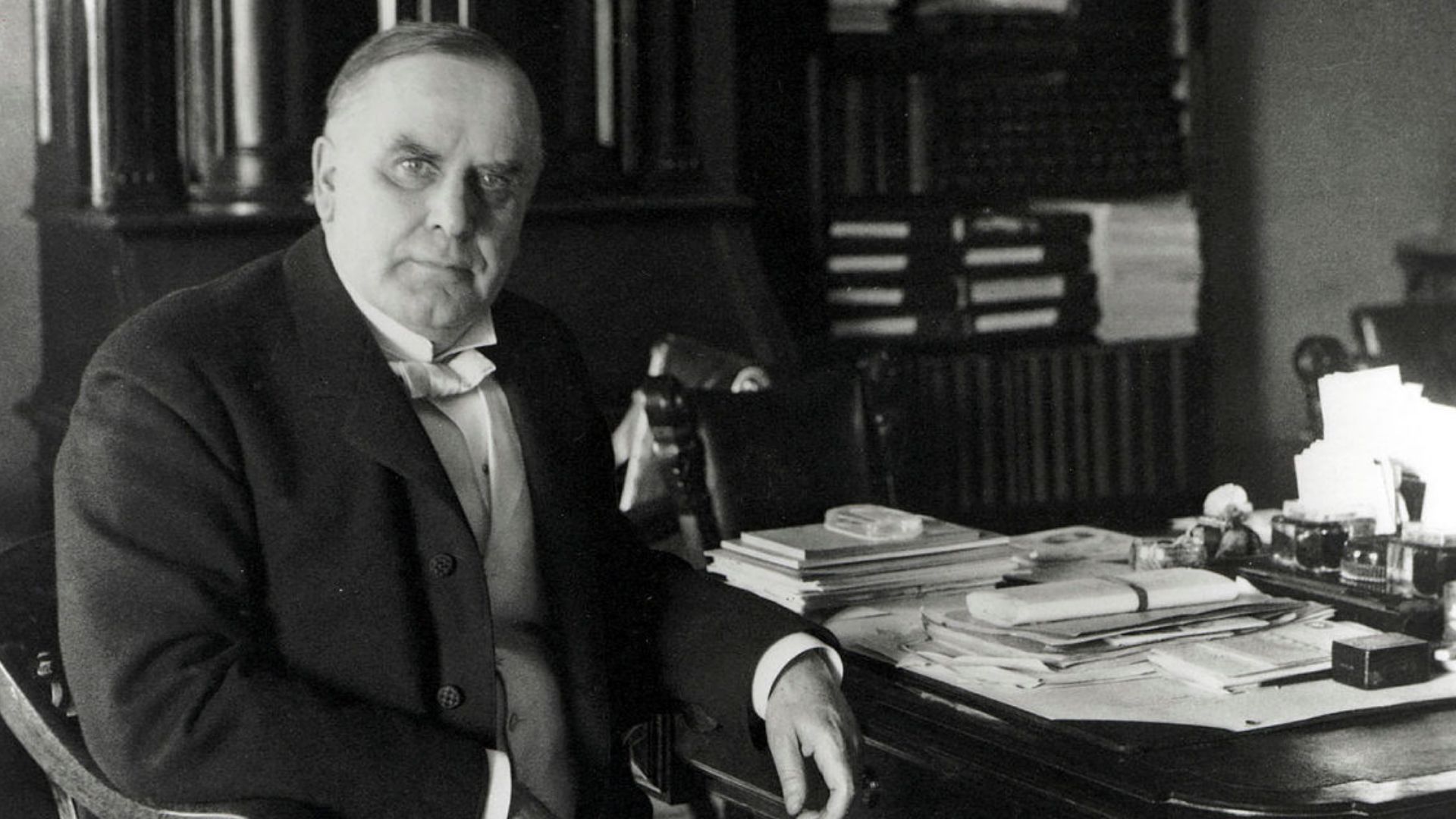
After the assassination of President William McKinley in 1901, Hearst’s opponents seized one of Bierce’s poems published in the Examiner, about another political execution, to accuse the writer of having called for the taking out of the President. Bierce was characteristically unfazed.
 Frances Benjamin Johnston (National Archives), Wikimedia Commons
22. He Was A Character
Bierce had quite a reputation among his quite impressive contact list. Having crossed paths with many notable people in his lifetime, most accounts of him paint a picture of a man with a vivid personality and a scathing wit. Bierce’s own fame, notably, would change over the years.
 Original uploader was User:OsvátA at hu.wikipedia, Wikimedia Commons
23. His Fiction Went Unnoticed
While today Bierce is best known as a titan of American literature, this was not the case in his day. In fact, his celebrity during his lifetime was almost solely because of his journalism career; his fiction writing did not make a splash with contemporary audiences of the era. That did not slow Bierce down, however.
 Unknown authorUnknown author, Wikimedia Commons
24. He Worked Tirelessly
Despite the lukewarm public reception to his fiction, Bierce was a dazzlingly prolific writer. In fact, he wrote his most popular stories within three years of one another, in a rapid period of creativity between 1888 and 1891. And while audiences hardly noticed, critics, both contemporary and modern, gave him his dues.
 TradingCardsNPS, Wikimedia Commons
25. He Invented A Genre
Literary scholars and critics have credited Bierce as a pioneer of realist fiction. He wrote vividly on a variety of versatile topics, and his themes often had to do with the enigmatic character of the universe and the farcical nature of human existence. And there was one topic for which he drew on direct experience.
 Ambrose Bierce, Wikimedia Commons
26. He Wrote Of Horrors He Lived
Bierce was infamous for his unvarnished writing of the horrors of warfare. Having seen terrible things while serving in the Union Army, he wrote many grimly realistic fictionalized stories of his experiences, and many are among his most well-regarded stories. Bierce had no patience for those who romanticized conflict.
 Published by Steele, SF, USA, Wikimedia Commons
27. He Criticized Propagandists
A persistent theme of American society to this day is the glorification of conflict. This was the case in Bierce’s day as well, and nothing angered the writer more than those who had not personally experienced battle yet glorified the “honor” of it, nevertheless. Many have seemed more receptive to his view.
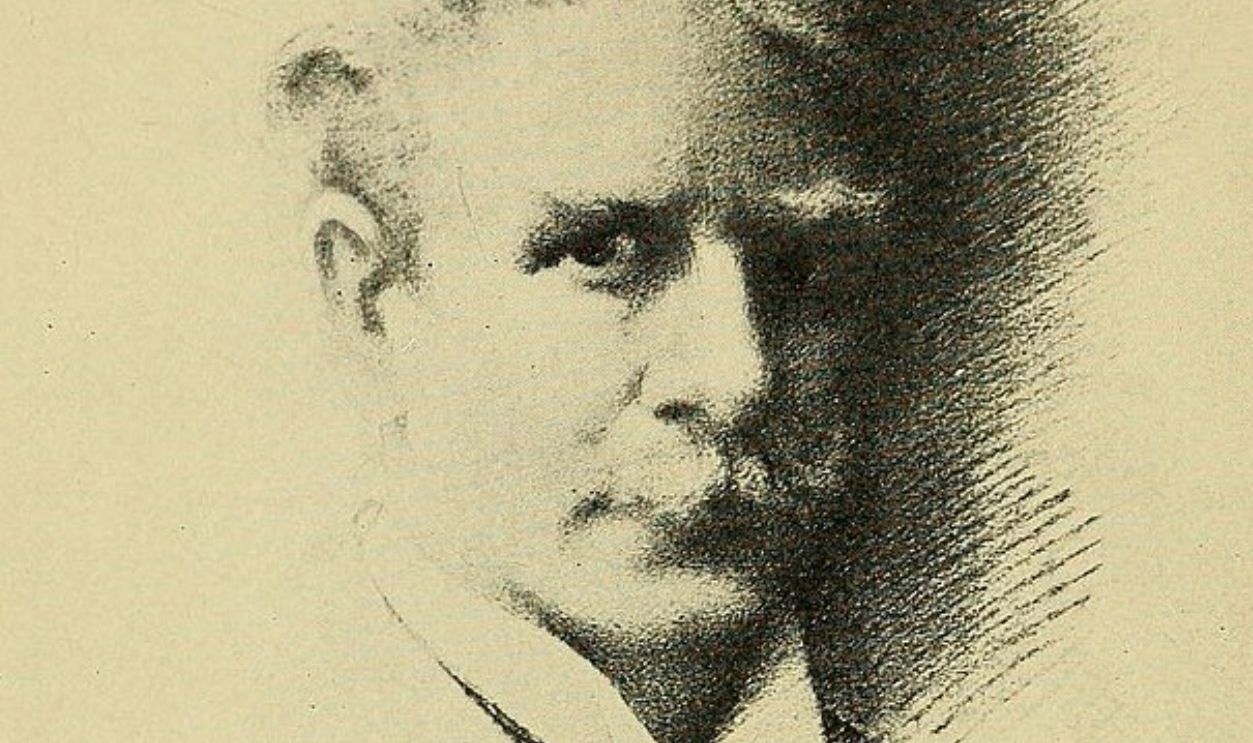 F. Soule Campbell, Wikimedia Commons
28. His Account Has Been Widely Read
One of Bierce’s most famous anti-war stories is “An Occurrence at Owl Creek Bridge”. A harrowing account of conflict, many consider it one of the finest short stories in American literature and it holds the honor of being one of the most anthologized in history. But Bierce’s writing was not all grim.
 Ambrose Bierce, Wikimedia Commons
29. He Had Fun Too
Critics also hail Bierce as one of America’s finest ever satirists. His biting commentary was a prominent feature of his journalism, and one of his most famous works, The Devil’s Dictionary, which lampoons political double-talk and jargon of the era, has been called “howlingly funny”. Bierce received his accolades there too.
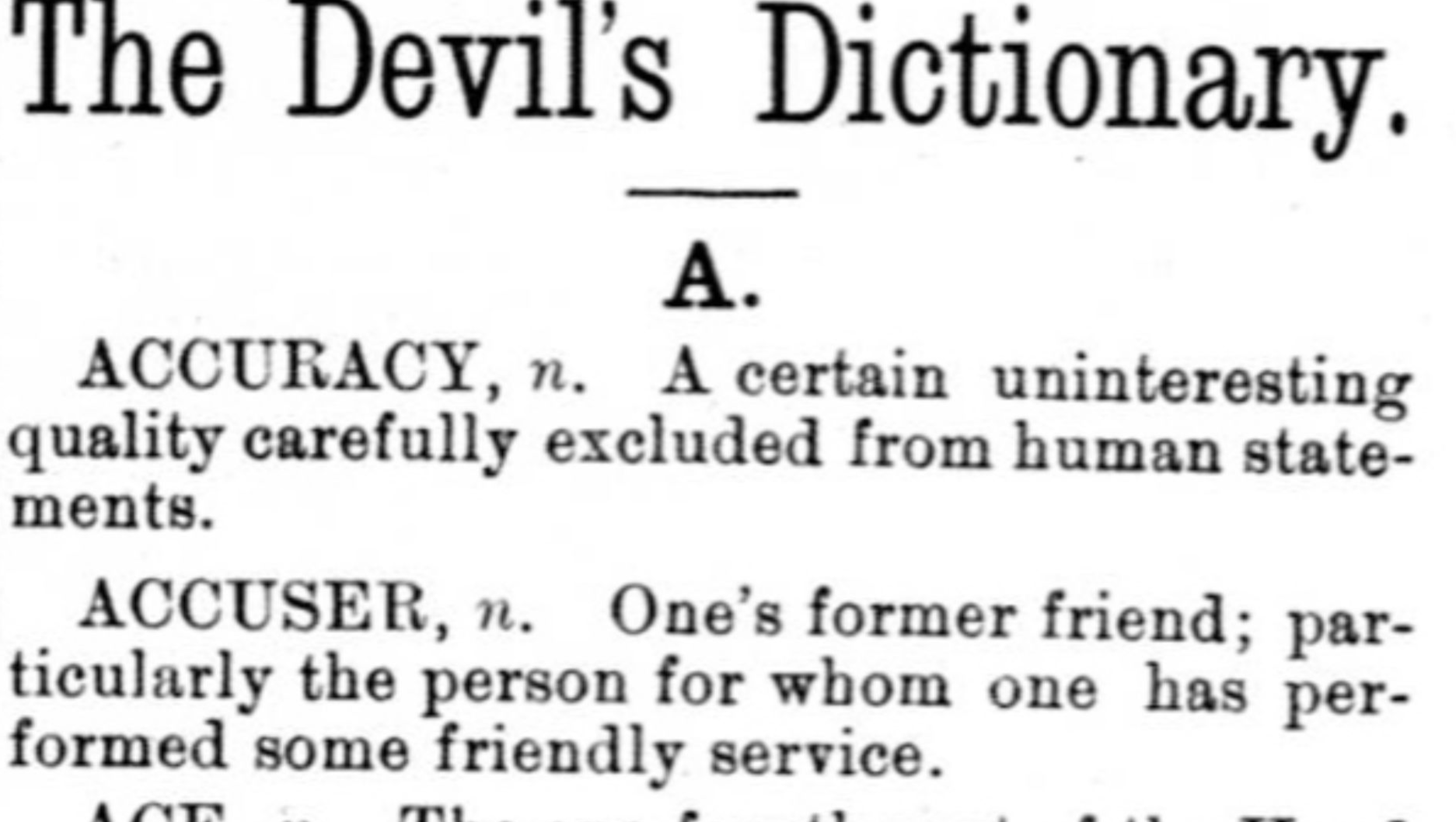 Ambrose Bierce, Wikimedia Commons
30. His Humor Was Literary
Not only was The Devil’s Dictionary lauded for its humor, but many consider it a great work of writing in its own right. Indeed, it received the honor of one of “The 100 Greatest Masterpieces of American Literature” in the 1970s. And while critics lapped up Bierce’s prose, he showed some disdain for his readers, nonetheless.
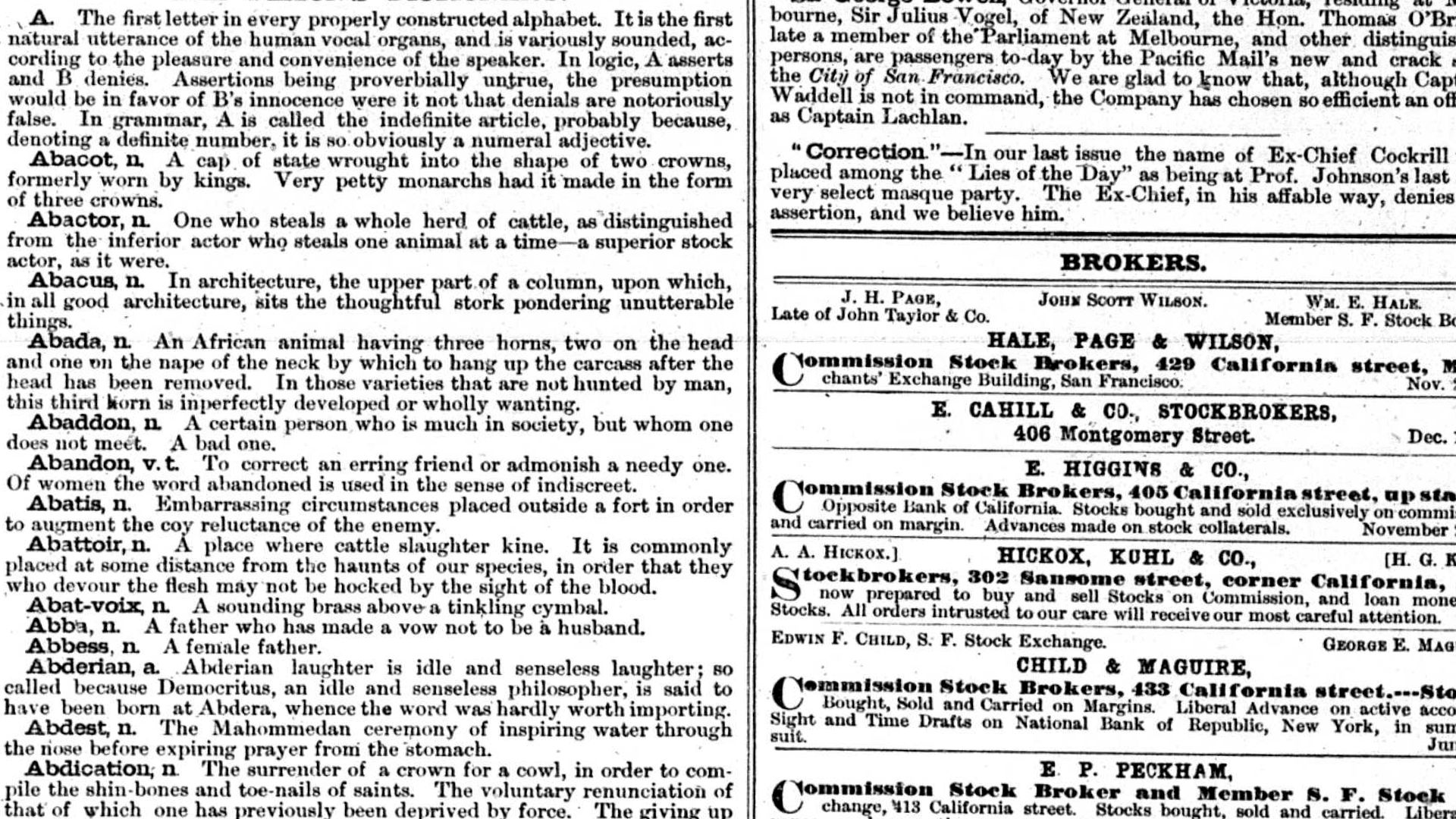 Ambrose Bierce, Wikimedia Commons
31. He Messed With His Readers
Bierce received some criticism for ending his stories with deliberately improbable “trick endings”. Some have credited this to Bierce’s slight disdain for his audience; one critic characterized his intention to shock readers as an attack on their “smug intellectual security”. And from this psychological warfare on his readers, Bierce offered yet another new genre.
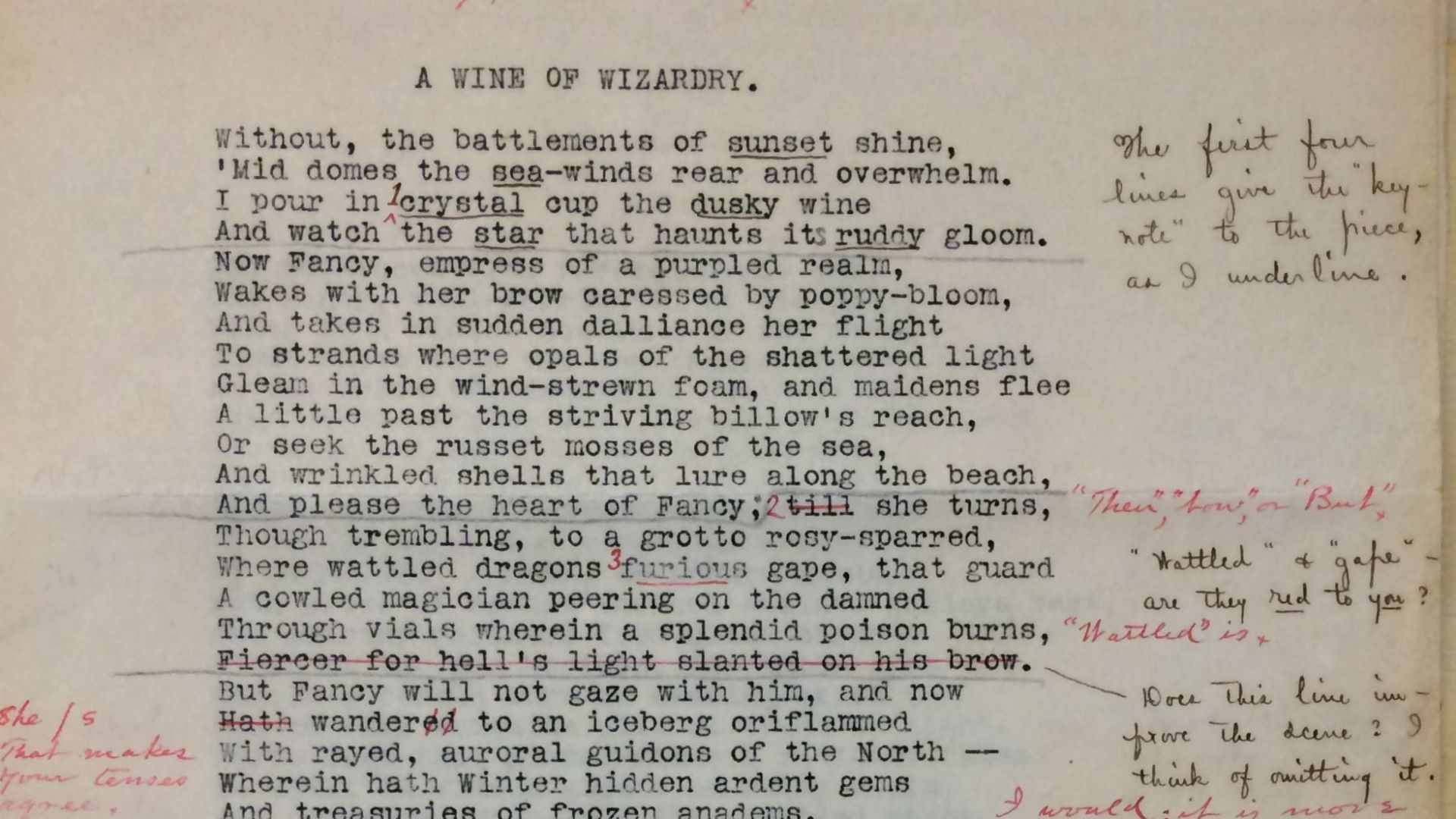
32. He Invented The Mindbender
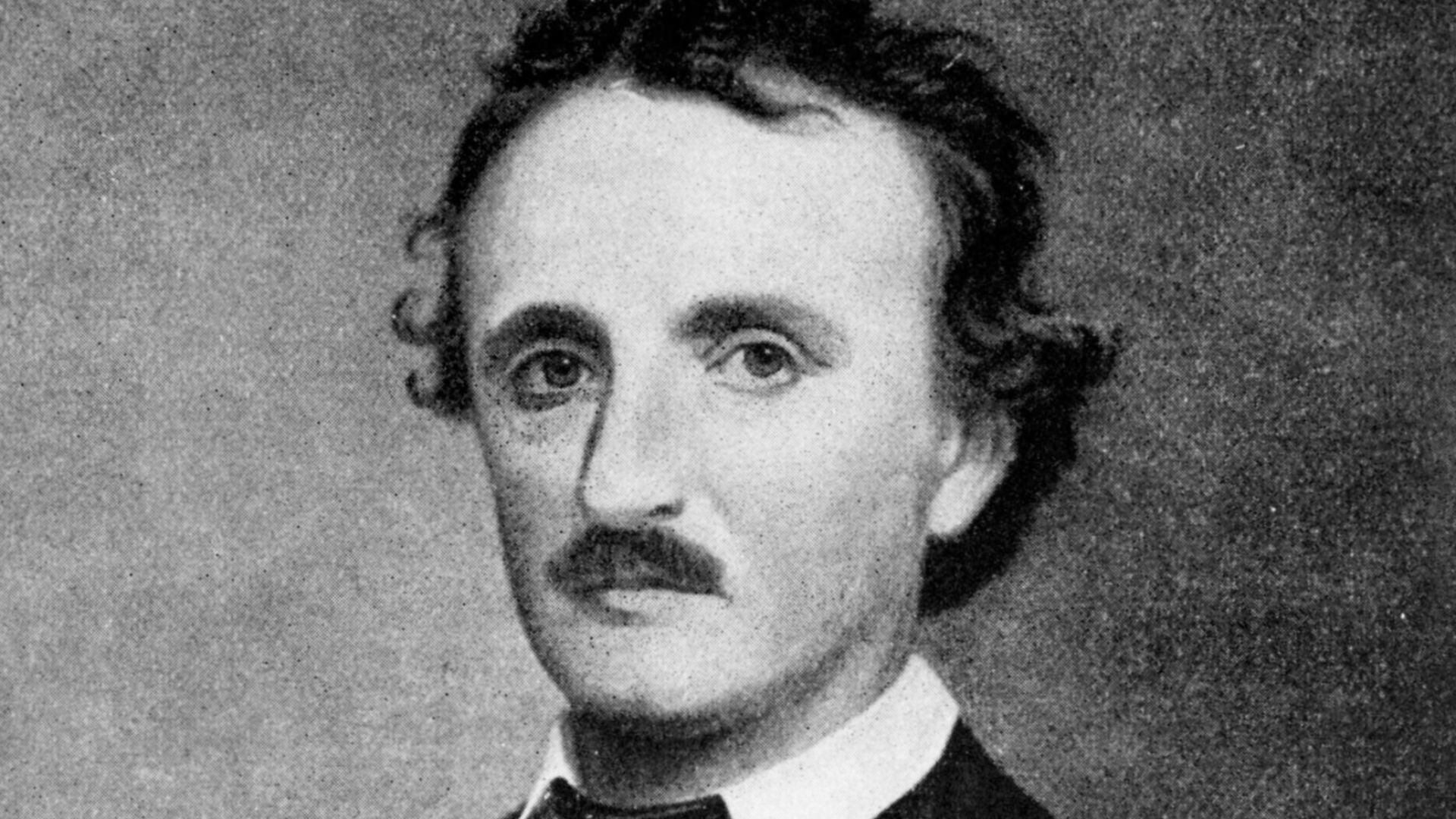
Further displaying his versatility, Bierce also gained notoriety for his skill in writing horror. Indeed, some have ranked him among the early greats of the era, akin to Edgar Allan Poe. One critic even credits Bierce with pioneering the psychological horror genre. Indeed, he certainly attracted the attention of another titan of the discipline.
 published by Dodd, Mead and Co, NY, 2002, Wikimedia Commons
33. He Impressed His Fellow Writers
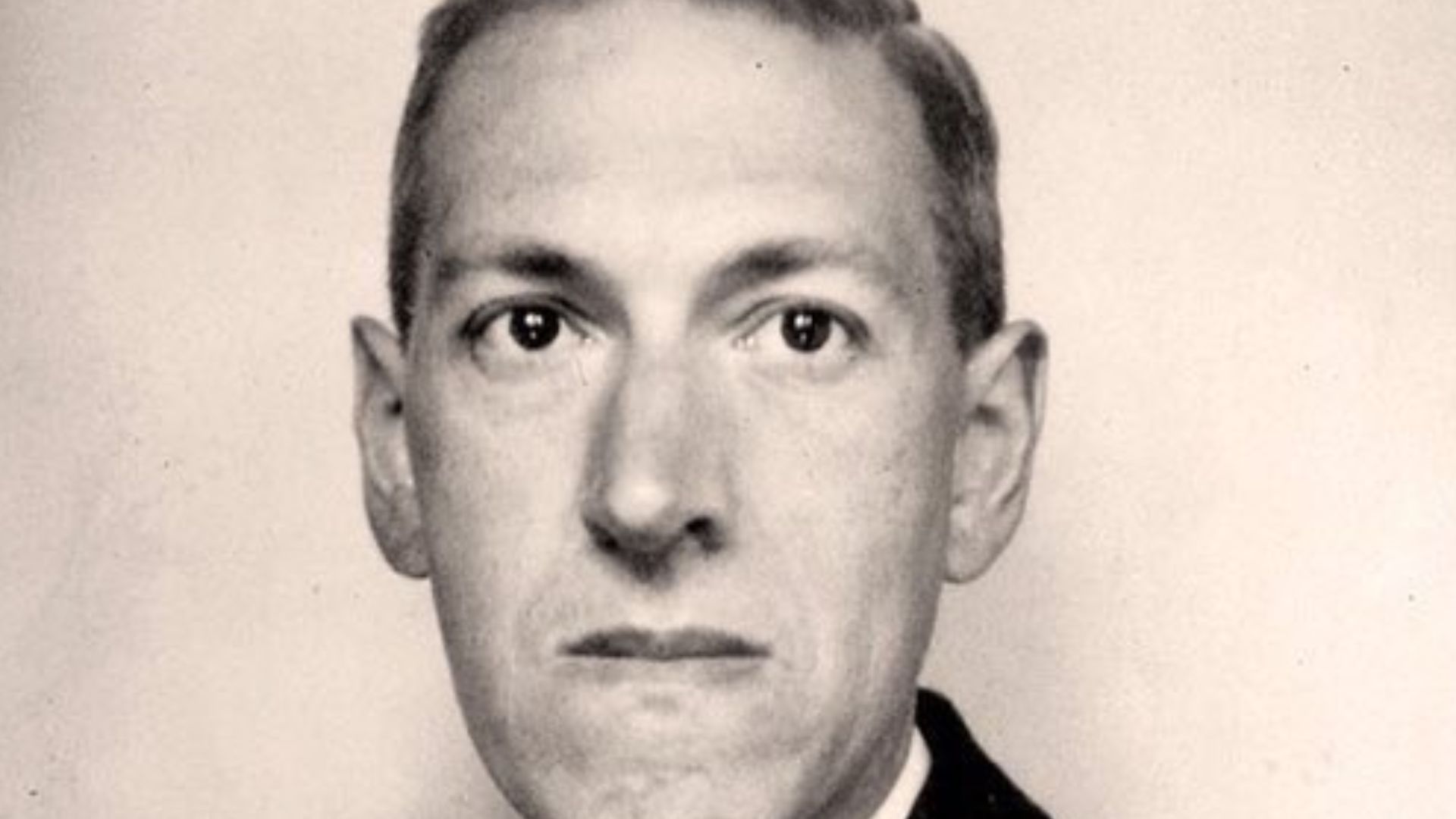
Bierce cemented his horror bona fides when he attracted the praise of none other than HP Lovecraft, one of the most influential horror writers of all time. In Lovecraft’s essay “Supernatural Horror in Literature”, the iconic writer praised Bierce by name, calling his fiction “grim and savage” and lauding his stories as marquee examples of weird fiction. Bierce’s talents didn’t stop there.
 Lucius B. Truesdell, Wikimedia Commons
34. He Had A Sensitive Side
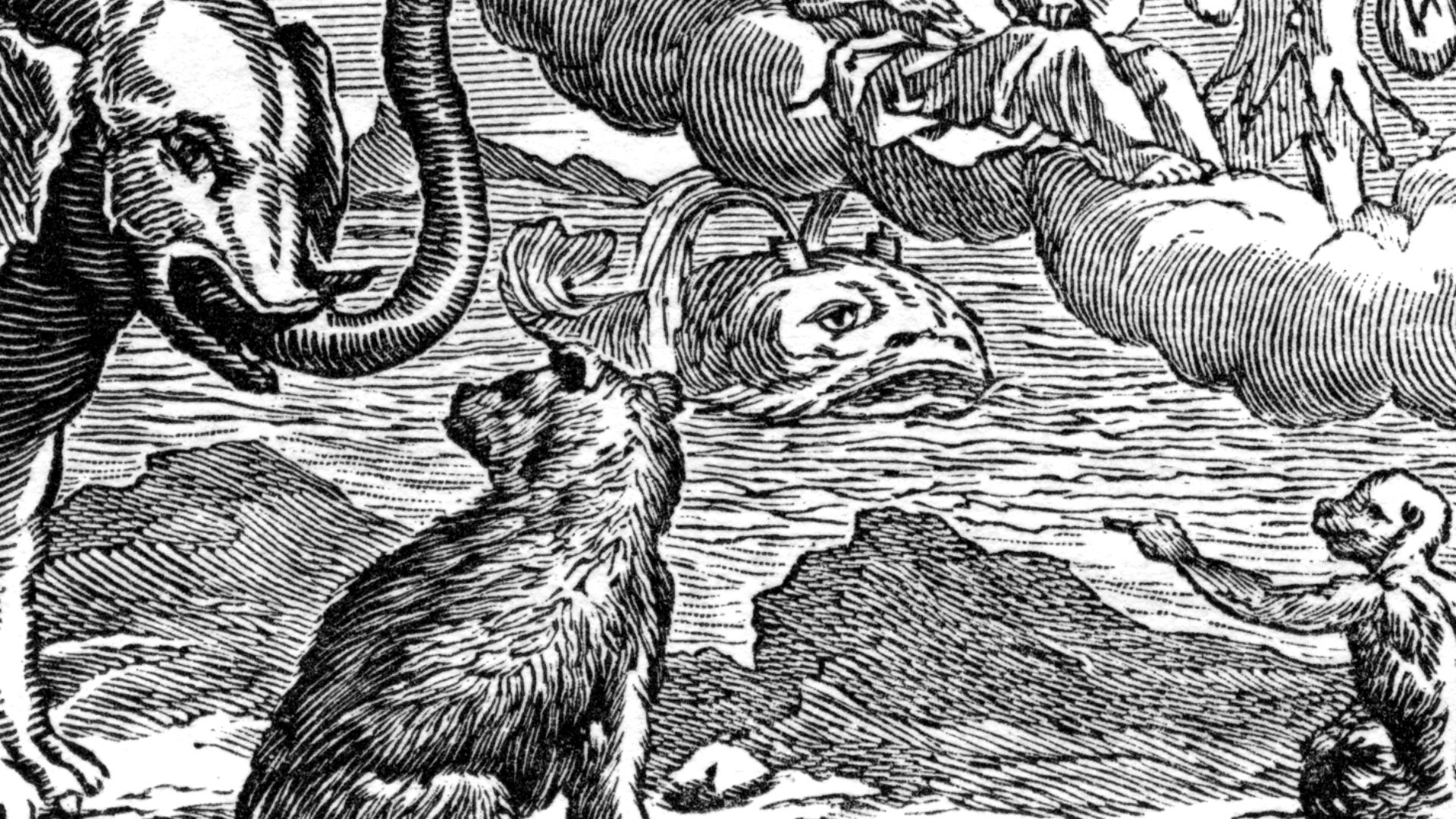
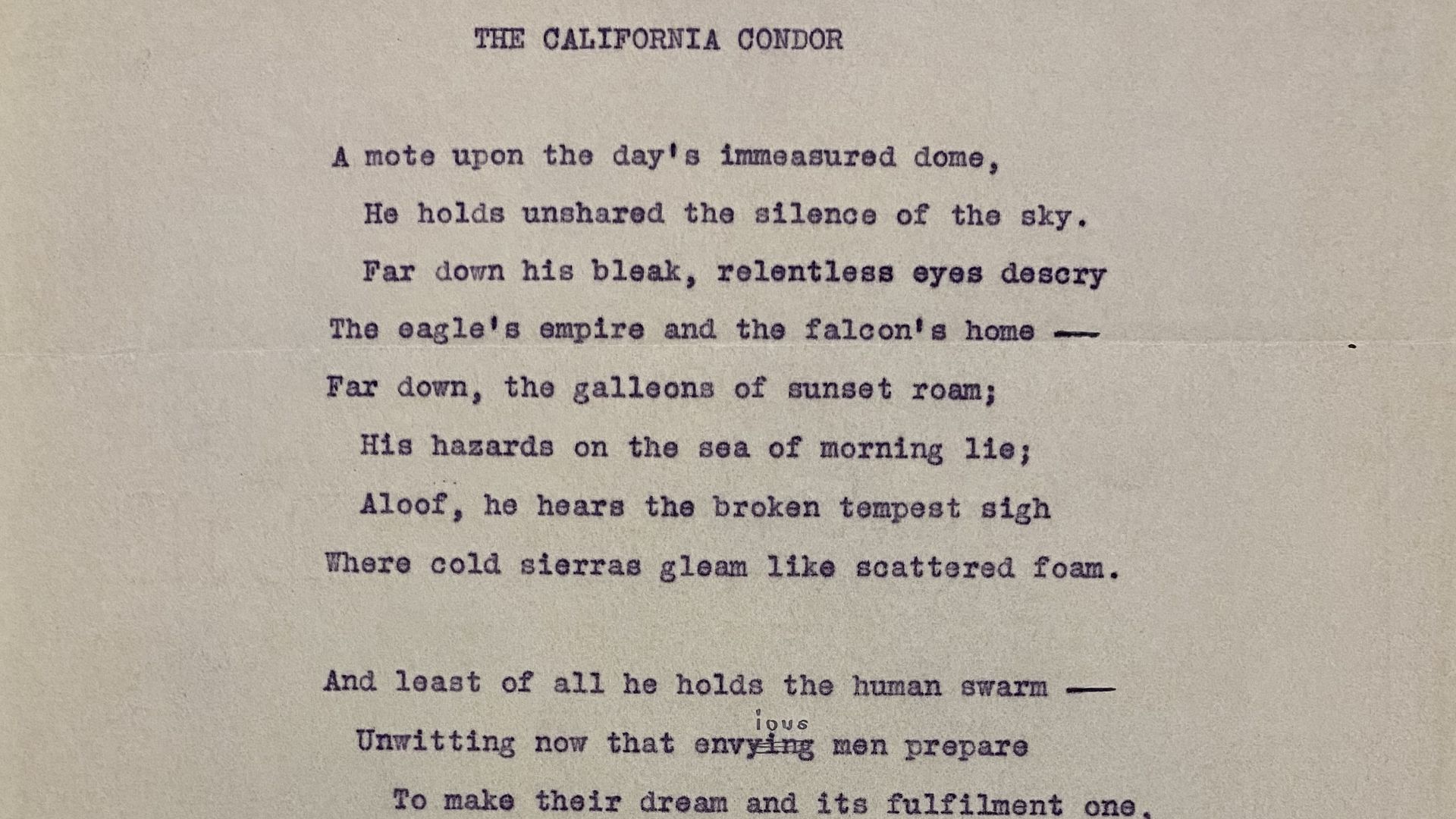
On top of all his other skills, Bierce was also a notably talented poet, and he published several volumes of verse during his lifetime. He did not hold back on the grotesquerie here though, as evidenced particularly in his grim collection Fantastic Fables. He struck fear into the hearts of his contemporaries, but not just with his own talent.
 Francois Chauveau, Wikimedia Commons
35. He Had Thoughts
Bierce did not simply keep to himself when it came to fiction writing. Indeed, he would often publish reviews of the works of his contemporaries—and people listened. He became a very influential and, among other writers, feared literary critic. But he wasn’t mean all the time.
 George Sterling (1869-1926) and Ambrose Bierce (1842-c. 1914), Wikimedia Commons
36. He Gave Credit Where Credit Was Due
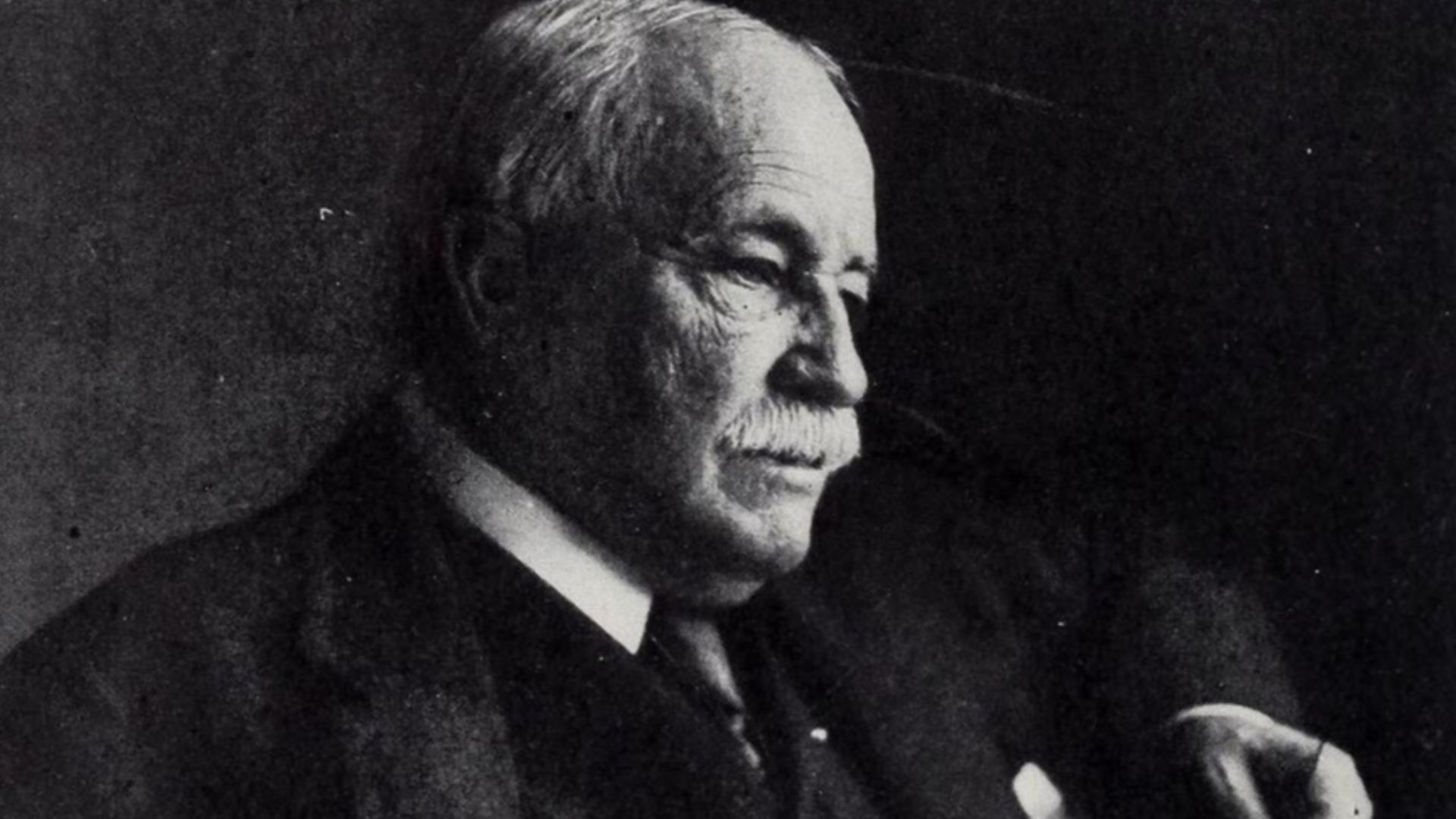
When asked to comment on authors he admired, novelist William Dean Howells lauded Ambrose, gushing that “Mr. Bierce is among our three greatest writers”. Upon hearing this, Bierce made it clear that the admiration was mutual, replying “I am sure Mr. Howells is the other two”. He wasn’t all bite, and even at his worst, he may have had good reason.
 Brown Brothers, Wikimedia Commons
37. He Endured Family Tragedy
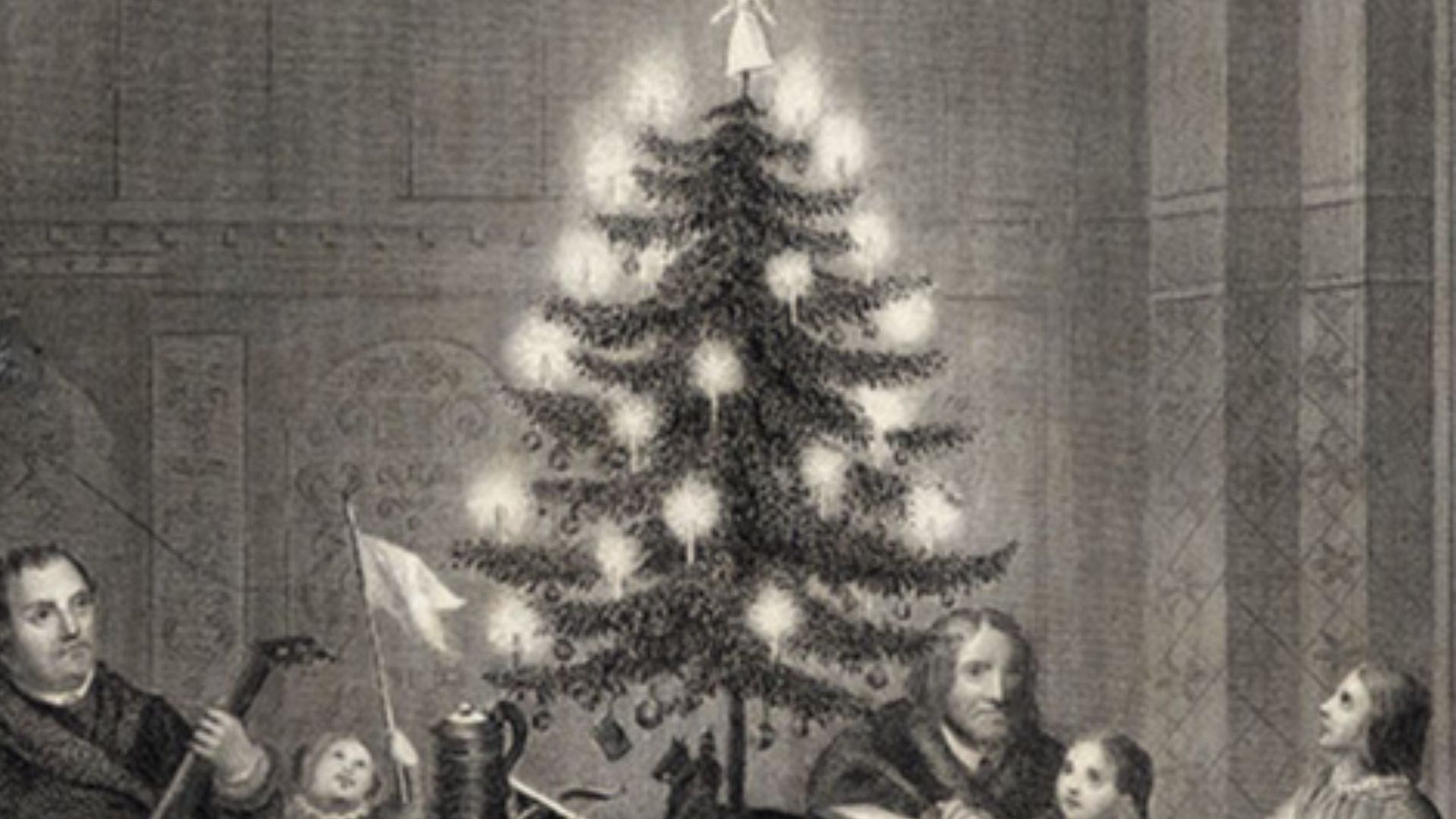
Bierce had married Molly Day on Christmas Day in 1871. The couple had three children, two sons and a daughter. Tragically, though, Bierce would outlive his sons, both of whom were plagued with personal issues. The younger son, Leigh, perished from alcoholism-related pneumonia. The other story was a little more dramatic.
 J. Bannister, Wikimedia Commons
38. His Son Was Fatally Heartbroken
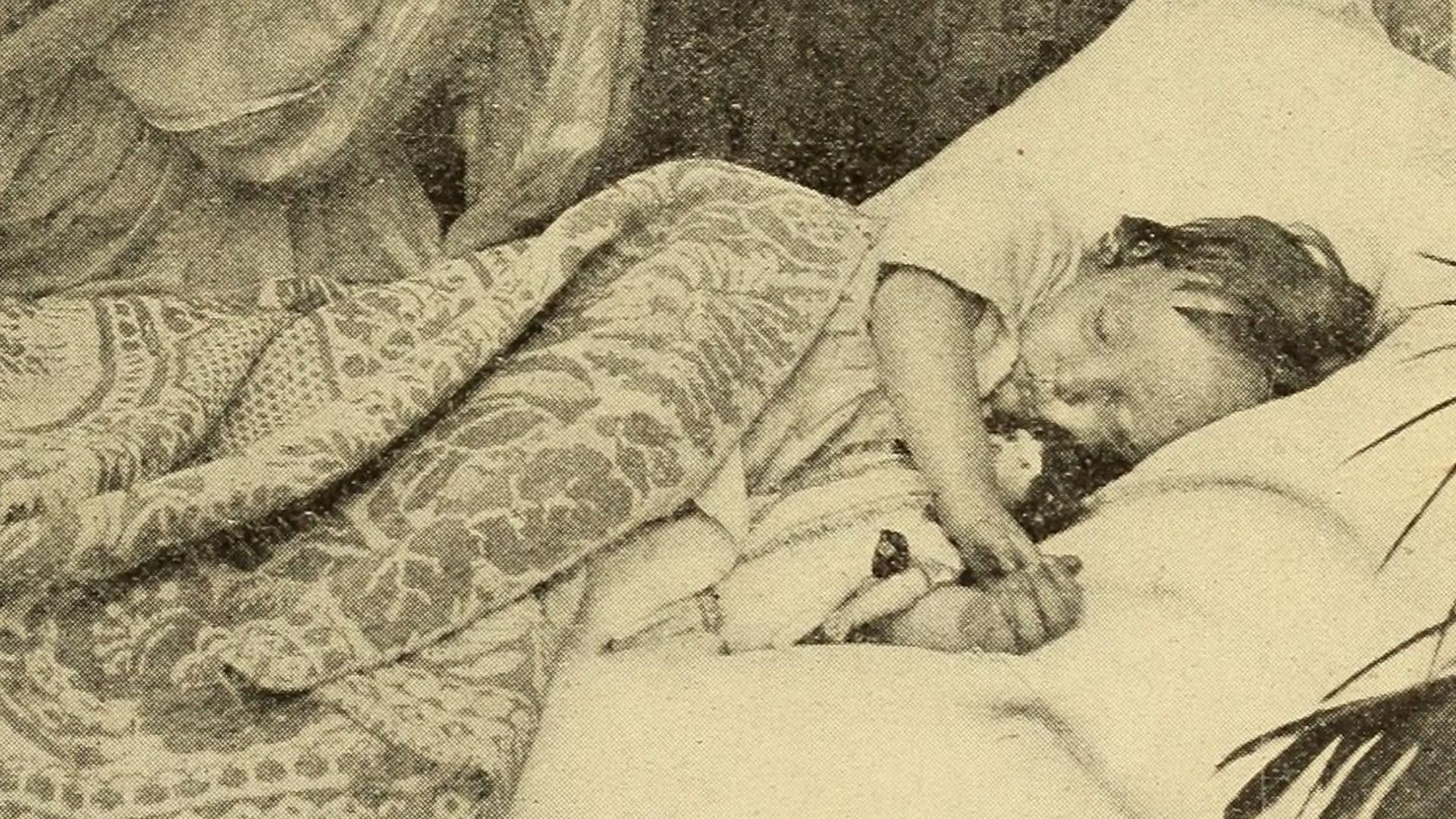
Bierce’s elder son, Day, had a penchant for the dramatic, and it ended up being his downfall. After a romantic rejection, Day made an attempt on the lives of the woman of his affection and her fiancé. Luckily for them, he was unsuccessful, but Day tragically turned the firearm on himself after the attempt, ending his own life. His parents’ marriage could not weather the pain.
 Solis-Cohen, Myer, Wikimedia Commons
39. His Marriage Crumbled
In 1888, Bierce discovered compromising letters to his wife from an admirer of hers, suggesting she was engaged in infidelity. The couple separated, and following their son’s demise the following year, their marriage never truly recovered. They officially divorced in 1904 and, even more devastatingly, Mollie herself perished a year later. With all this misfortune, it was little wonder that Bierce was something of a curmudgeon.
 Hugh Dierker Productions / Selznick Pictures, Wikimedia Commons
40. He Grew Bitter
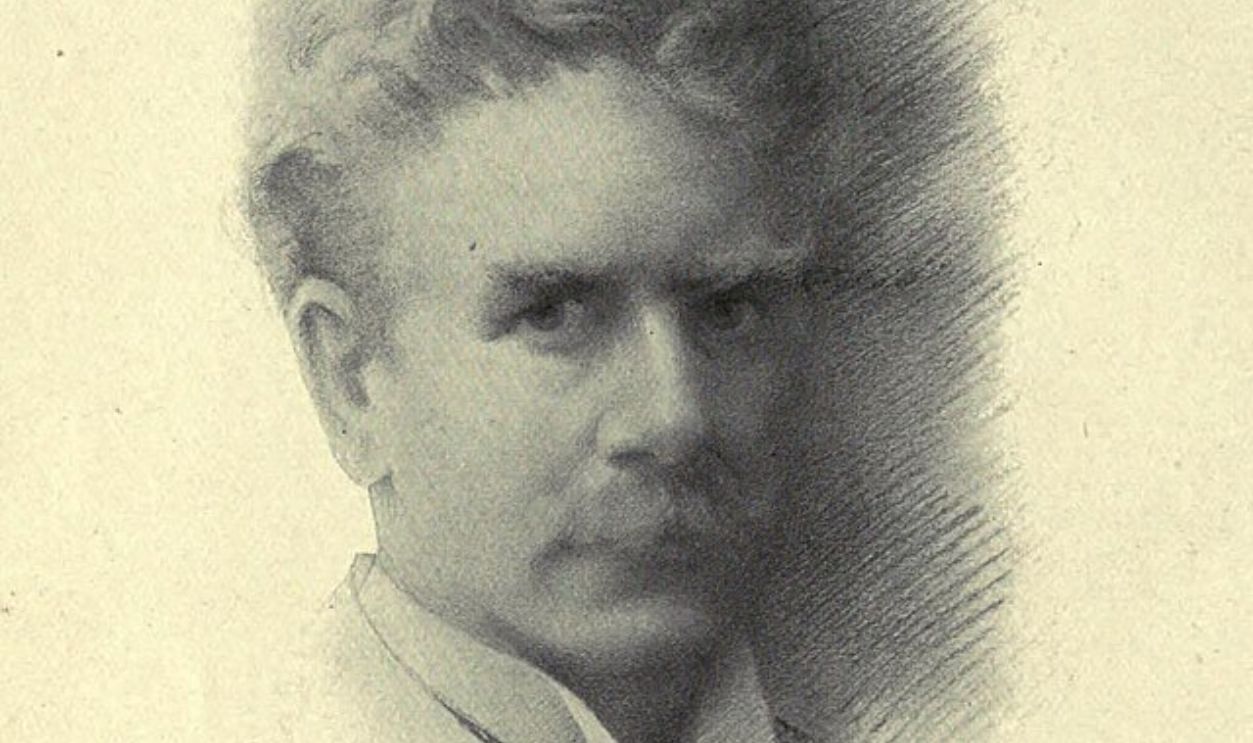
If one quality of Bierce’s writing and personality stands out, it is his misanthropy. Many critics noted how his works featured a common vein of general contempt for humanity, a hopeless cynicism that man had any redeeming qualities. This stretched to matters of spirituality as well.
 F. Soule Campbell, Wikimedia Commons
41. He Dismissed Orthodoxy
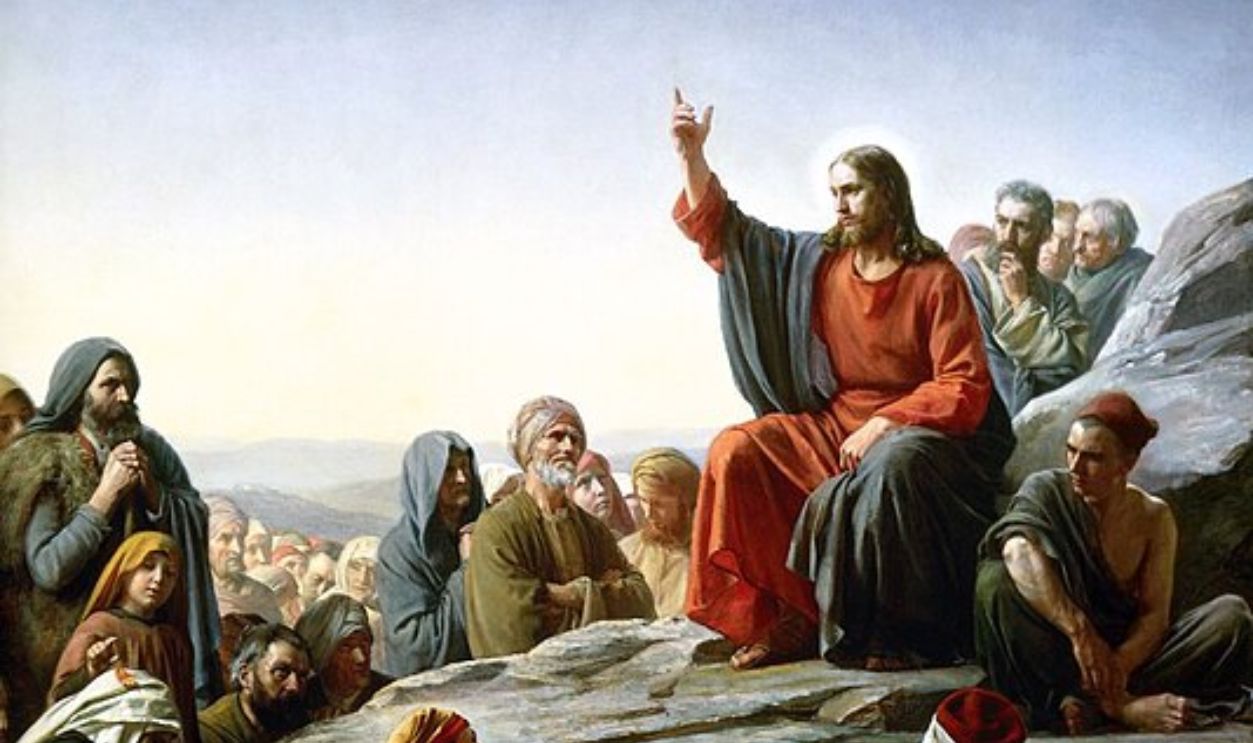
Bierce was an open and outspoken agnostic for the entirety of his adult life, an uncommon position to make public at the time. Along with his rejection of Puritan values, Bierce also strongly contested the divinity of Christ. Perhaps anyone would have trouble believing if they had experienced what the writer did on the battlefield. But that did not stop him from digging up the past.
42. He Returned To The Scene
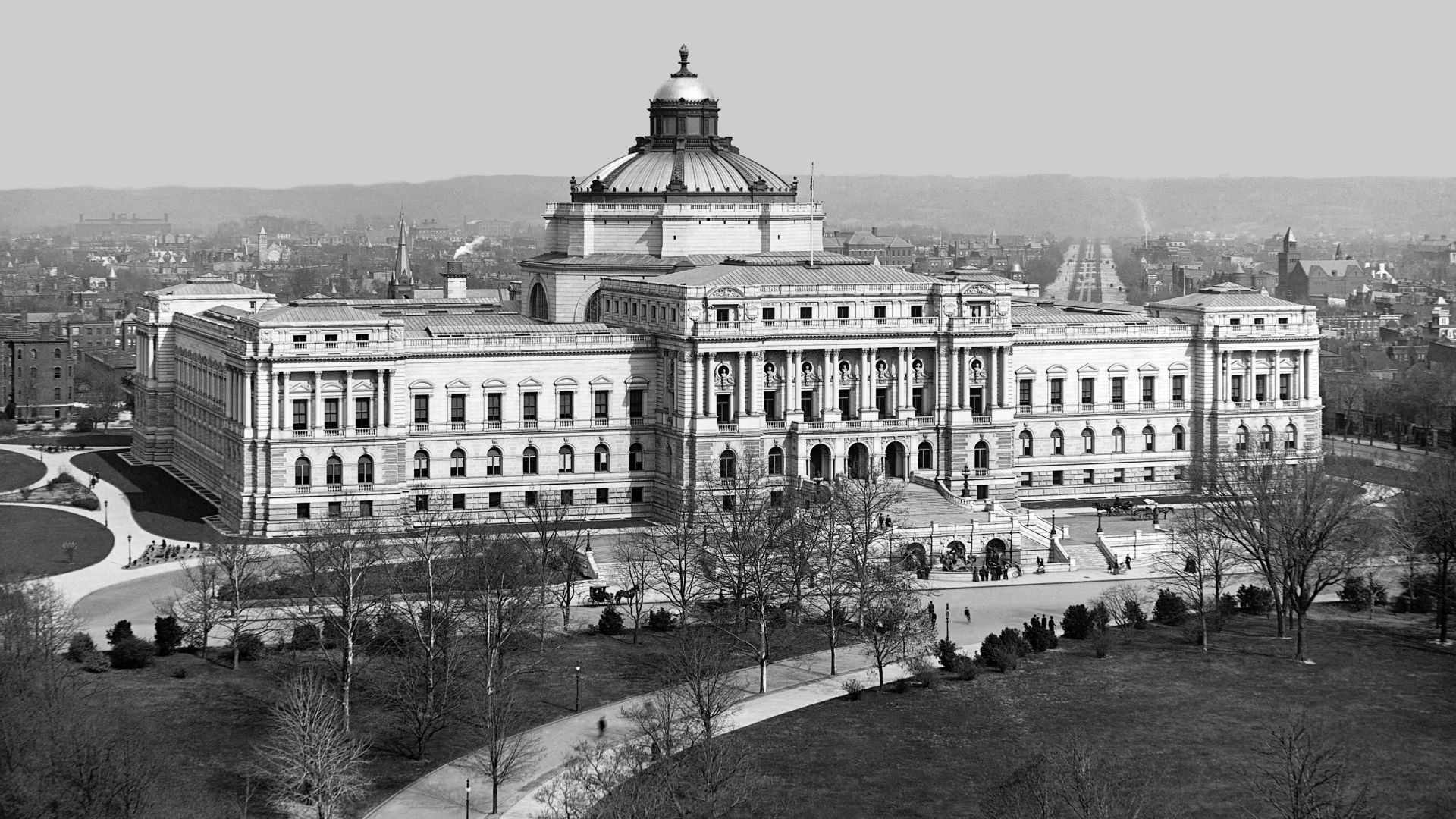
In 1913, Bierce was a ripe 71 years old and was evidently getting nostalgic for the past: In October of that year, he departed his home in Washington DC intending to tour all the old battlefields from his army days. He would never return.
 William Henry Jackson, Wikimedia Commons
43. He Wanted Back In The Action
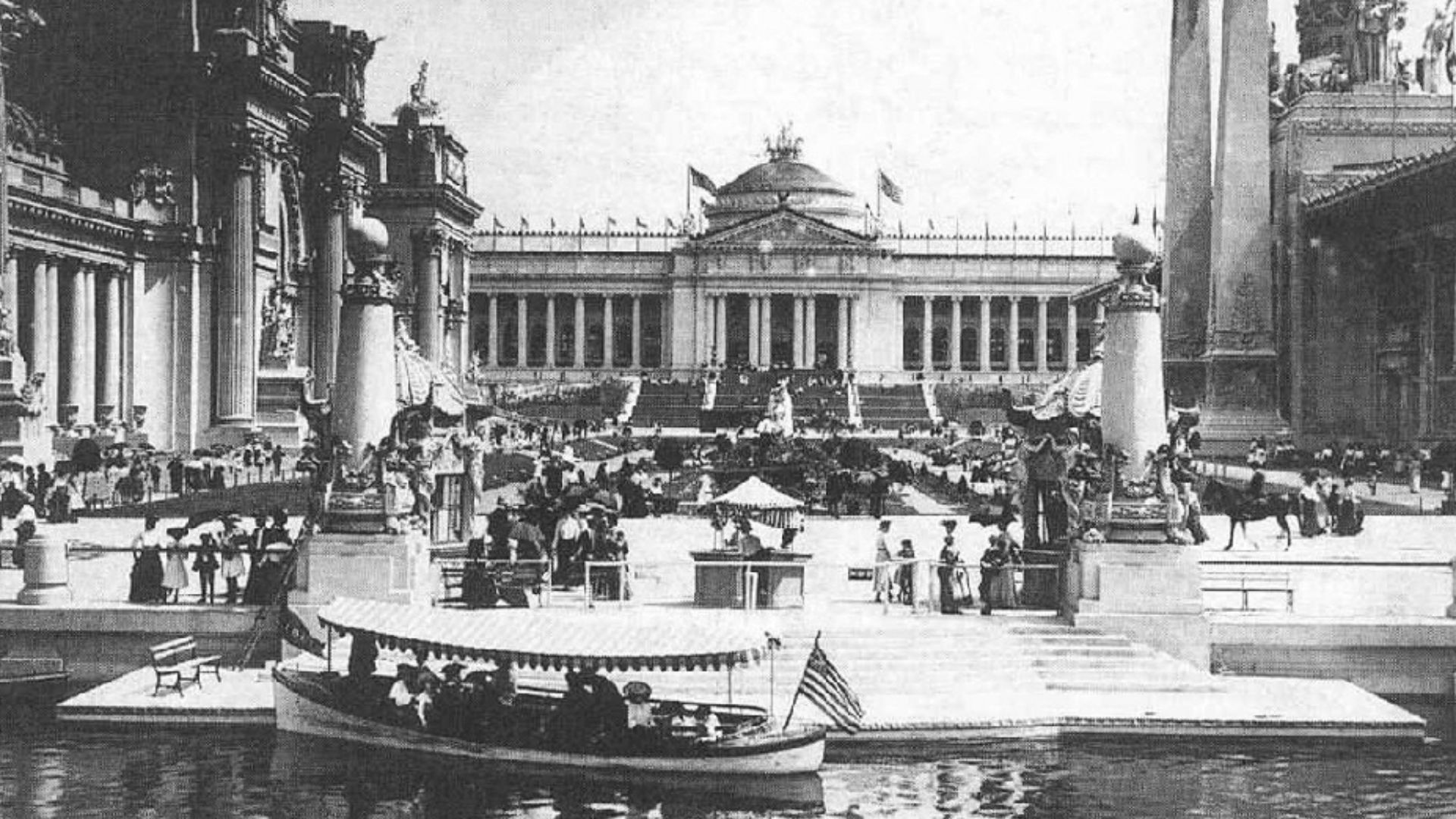
By December, Bierce had passed through Louisiana and Texas and headed down into Mexico. The country was in the throes of revolution at the time, and before crossing the border, Bierce told reporters he was eager to get firsthand experience of the upheaval. At first, he kept up regular correspondence.
 David R. Francis (book author), Wikimedia Commons
44. He Penned His Last Words
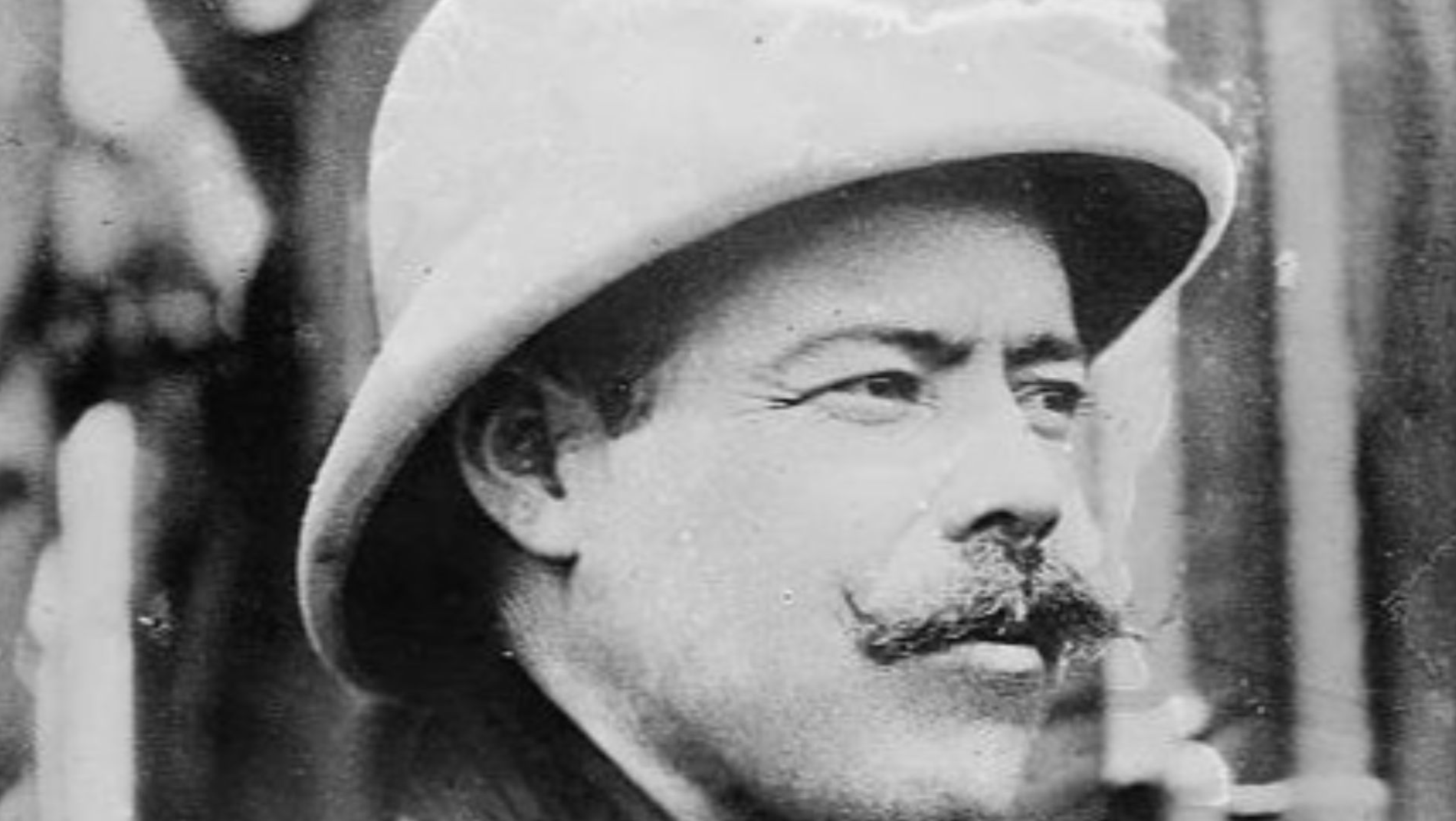
Bierce reportedly linked up with Pancho Villa’s army as an observer in Ciudad Juárez, and they headed for Chihuahua. We know all this because the writer kept correspondence with close friends and family all the while. On December 26, 1913, he sent a letter to a friend that stated, “I leave here tomorrow for an unknown destination”. That communication would be his last.
 Bain Collection, Wikimedia Commons
45. He Disappeared
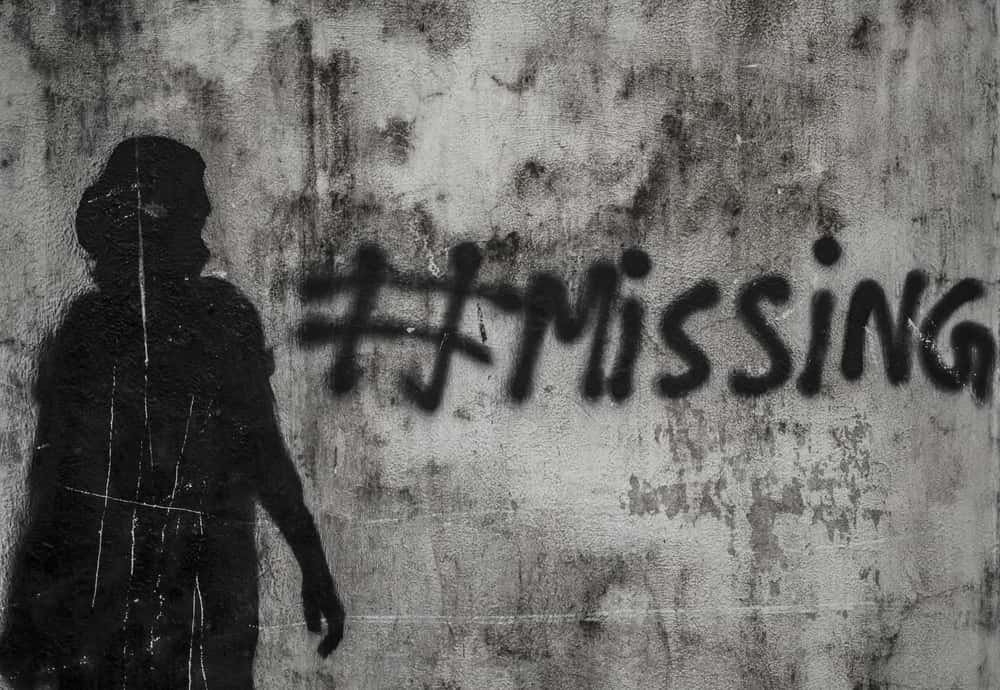
Incredibly, Bierce was never heard from again, seemingly vanishing without a trace. His disappearance ranks among the most famous in literary history. Theories of his demise have, of course, rolled in over the years since. But it appears Bierce would have welcomed whatever happened to him.
46. He Was Ready To Go
When he departed on his journey, Bierce seemed generally fed up with life and, indeed, seemed to welcome the prospect of his never returning. In one of his final correspondences, he even expressed something resembling excitement about the certain danger he faced.
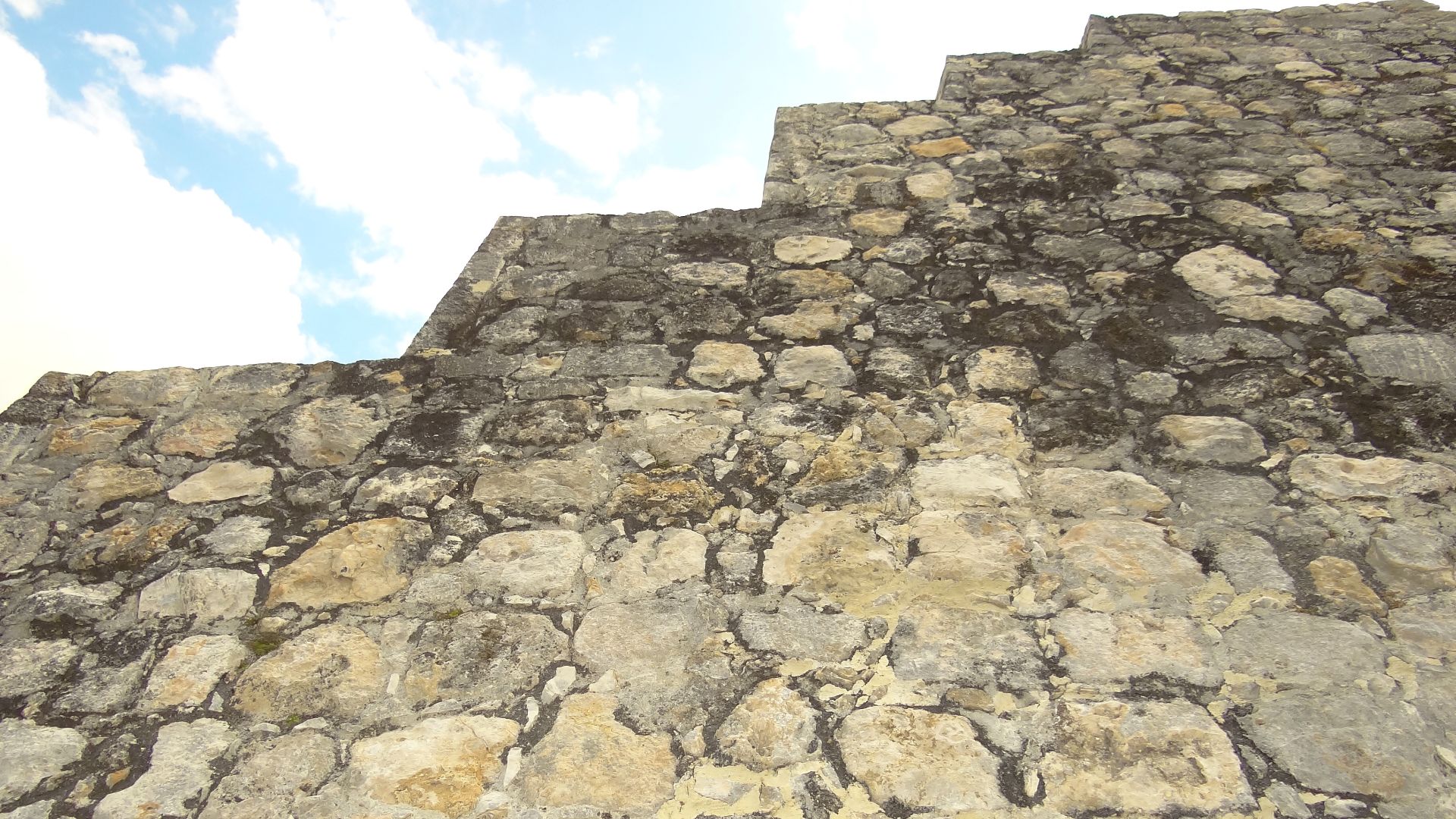
He wrote “If you hear of my being stood up against a Mexican stone wall and shot to rags, please know that I think it is a pretty good way to depart this life.” It is not unlikely that Bierce met this very fate, but there are darker theories.
 Adam Jones, Ph.D., Wikimedia Commons
47. He May Have Done Himself In
Noted skeptic Joe Nickell had another theory on Bierce’s ultimate fate. Investigators found little trace of Bierce, but they did find a notebook belonging to his secretary. From this evidence, Nickell concluded Bierce had in fact deliberately concealed his whereabouts and further theorized that the writer took his own life in the Grand Canyon. But the official investigation may have proven otherwise.
 Mal Vickers, Wikimedia Commons
48. His Demise Came Under Investigation
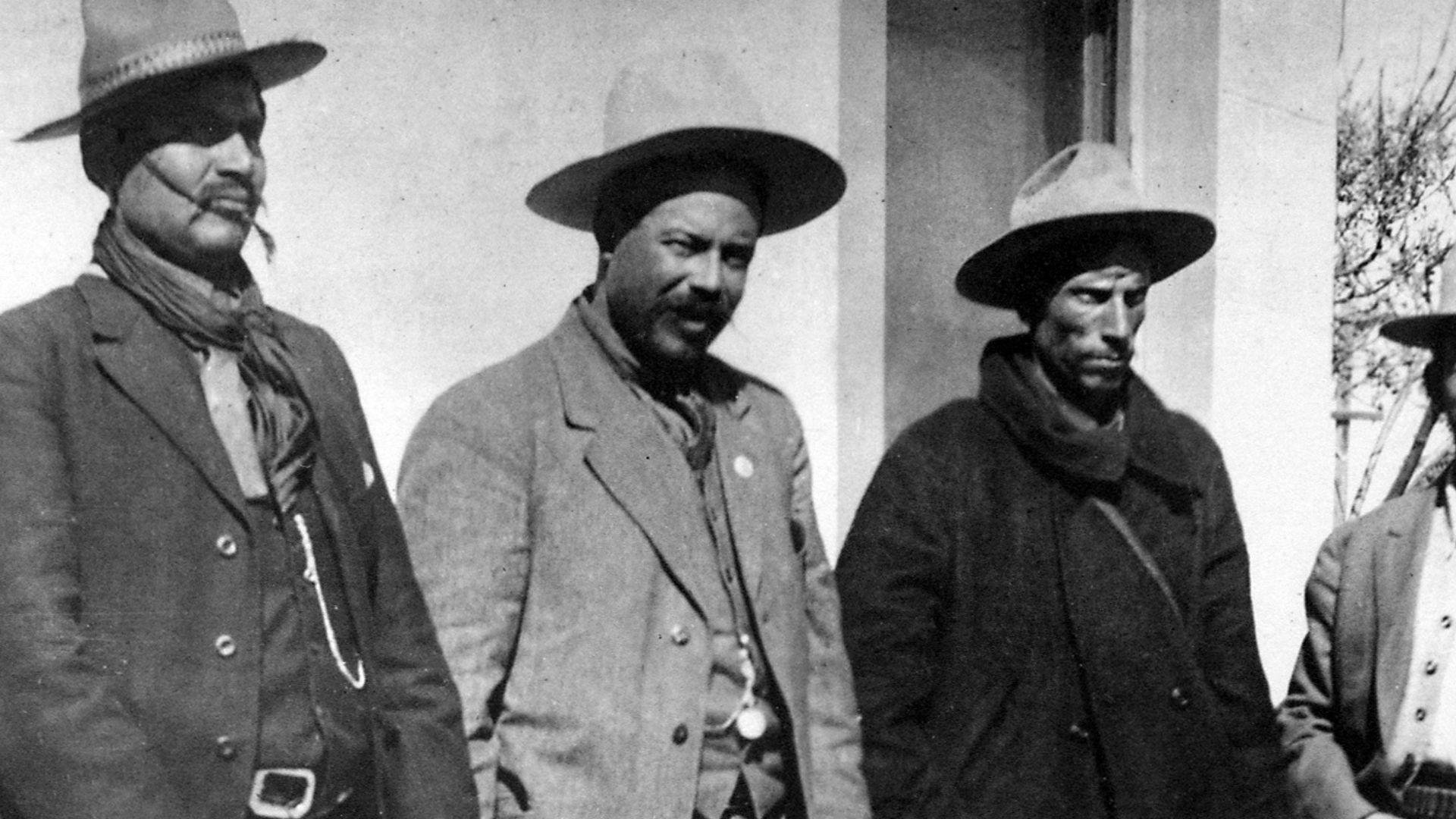
Because of Bierce’s notoriety and status as a United States citizen, the US consul launched an official investigation into his disappearance. Unfortunately, the report did not turn up much. The only relatively conclusive fact they could deem from questioning Pancho Villa’s men was that Bierce was last seen in Chihuahua in January 1914. Of course, such a mystery has been irresistible to storytellers ever since.
 Horne, W. H., Photographer., Wikimedia Commons
49. He Has Been Immortalized
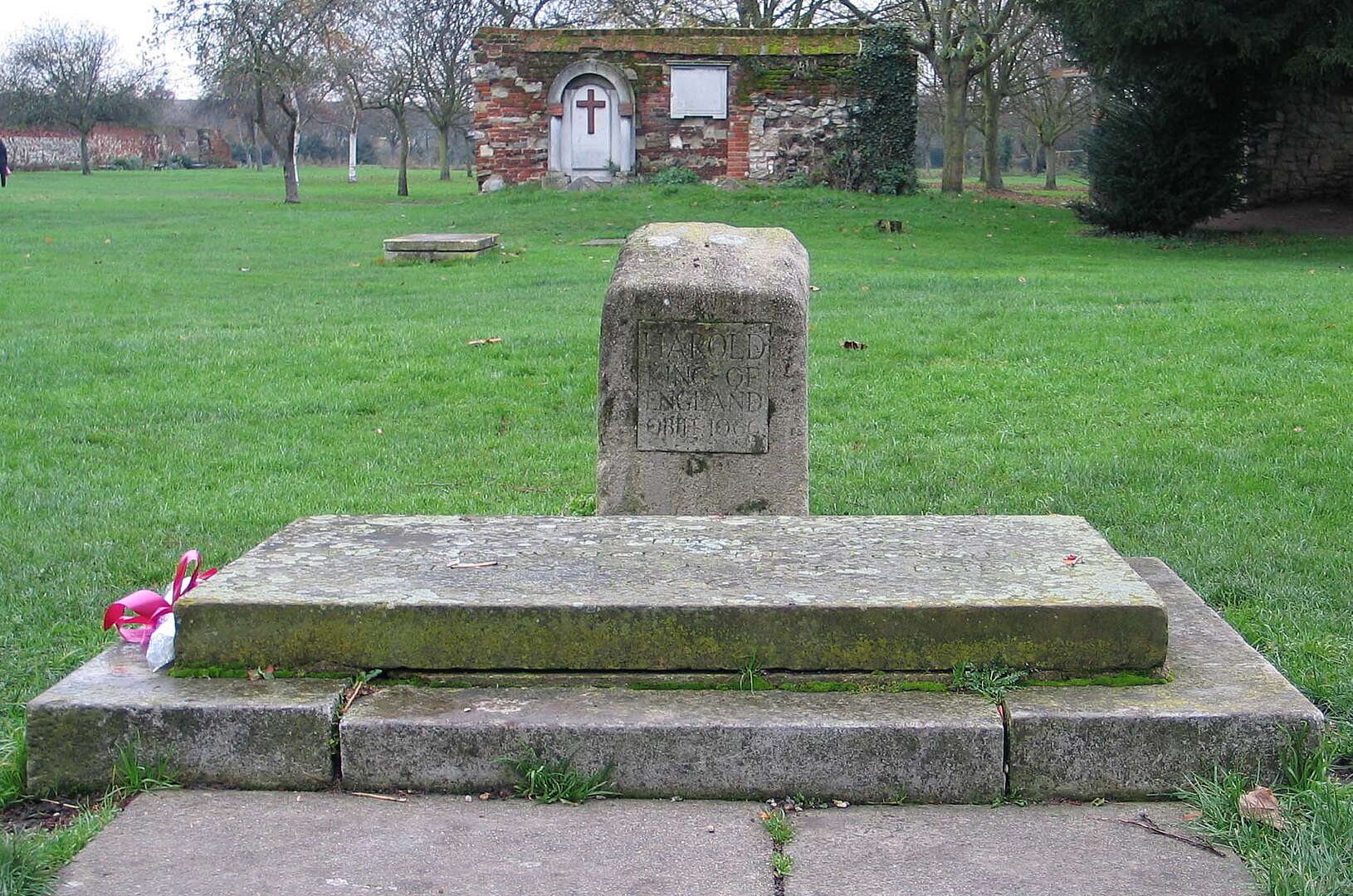
The fascination with Bierce’s disappearance and, indeed, with his character in general has become a common focus for fiction writers. Bierce has been fictionalized in over 50 movies, novels, plays, short stories, and TV shows. His influence, too, has been far-reaching.
 Shakti, CC BY-SA 2.5, Wikimedia Commons
50. He Influenced Generations Of Writers
Bierce has become a mythic and titanic figure in American literature, and his influence can be felt in much fiction published since. Of the writers that have cited Bierce as a direct influence, many of them have become notable figures in their own right, including Ray Bradbury, Ernest Hemmingway, and Kurt Vonnegut. His echoing through time is perhaps Bierce’s greatest legacy.
You May Also Like:
Edgar Allan Poe's Life Was Darker Than His Fiction
William Randolph Hearst Was The Real Citizen Kane
Famous American Horror Author HP Lovecraft Had A Dark Side Of His Own










.jpg)
.jpg)


