The Emperor Falls
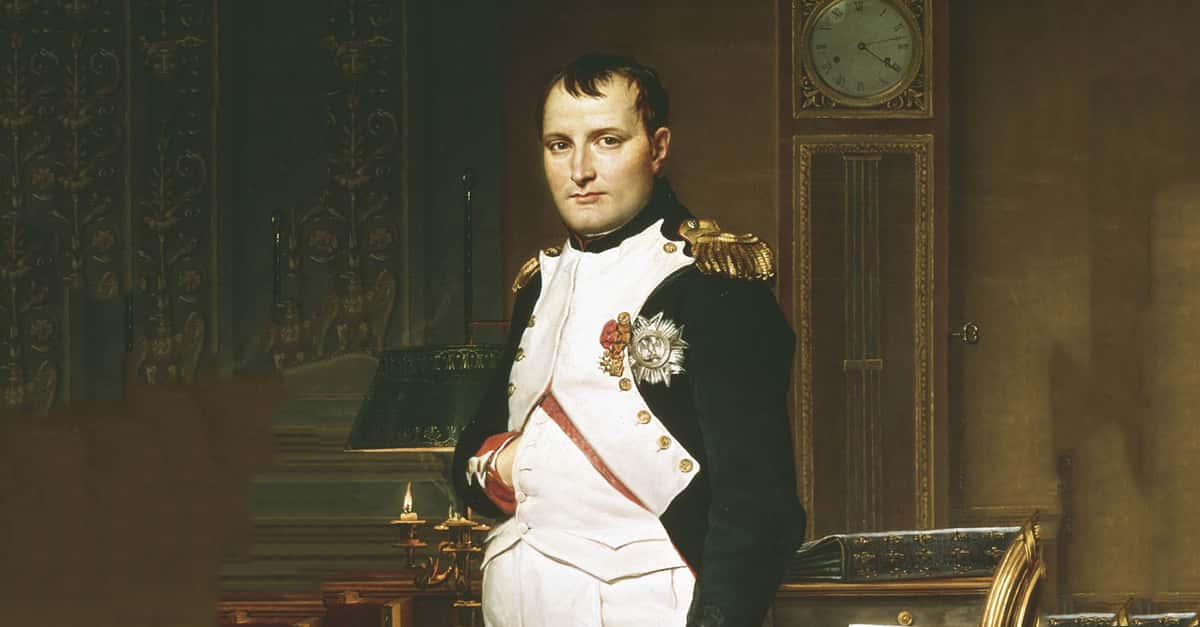
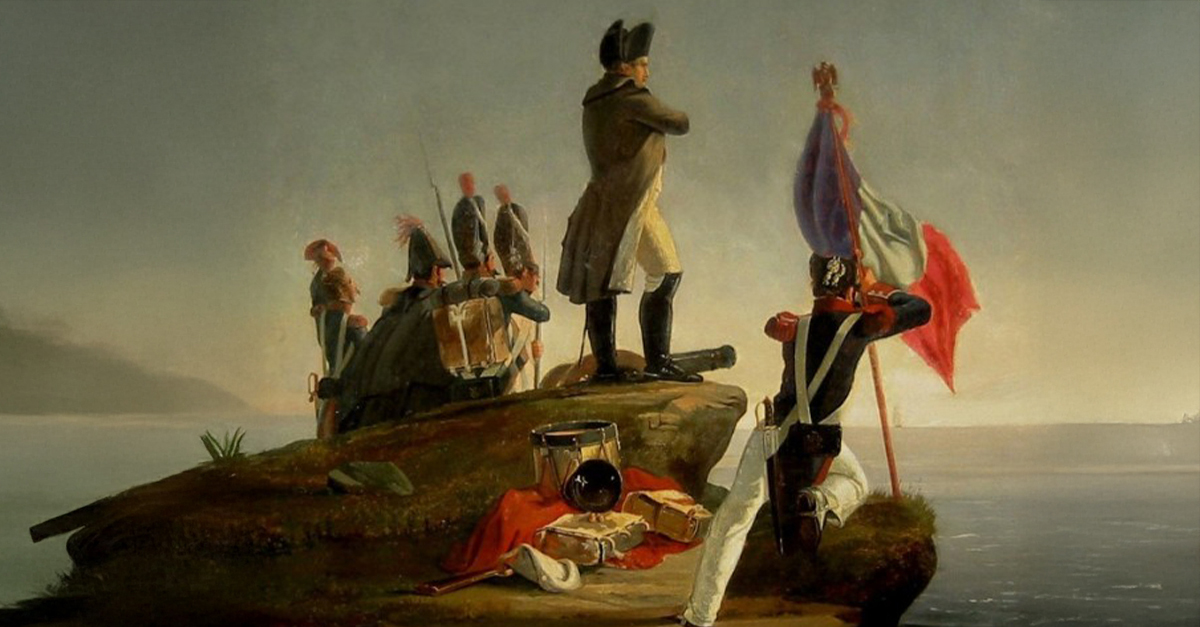
In 1812–1814 Napoleon Bonaparte suffered a string of disastrous defeats. After the Sixth Coalition (consisting of several European states) invaded France, Napoleon was forced to abdicate. The Treaty of Fontainebleau banished him to the tiny rustic island of Elba in the Mediterranean. Europe thought the Corsican was finally finished, swept from the map of history. But they underestimated his ability to reshape history in one fell swoop.
A Small Mediterranean Island
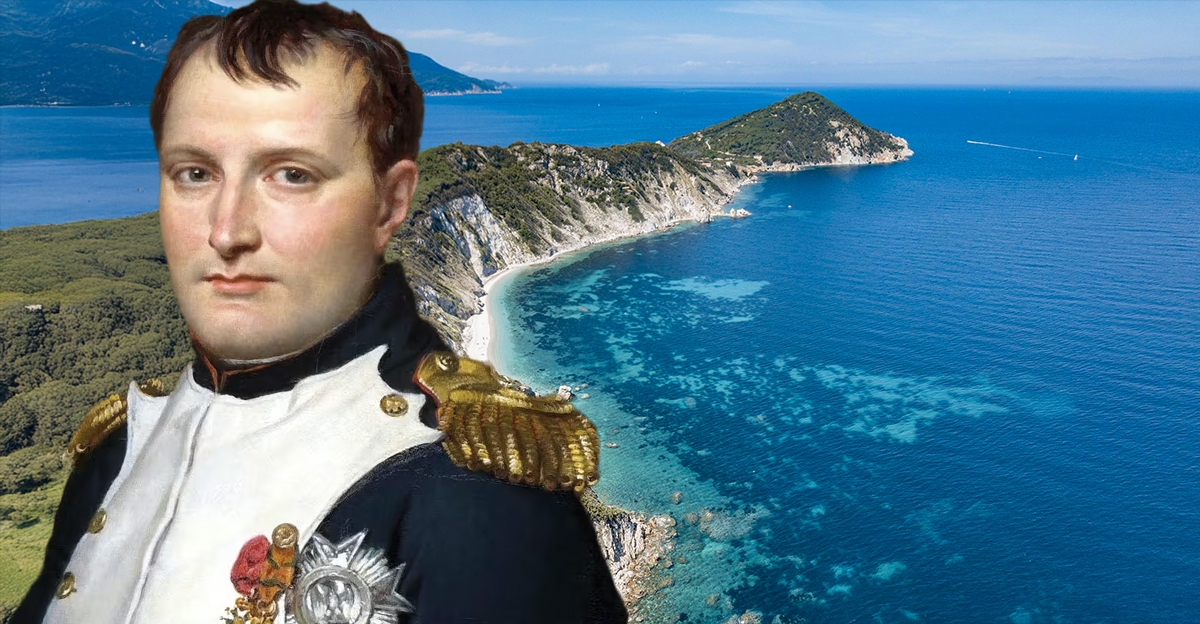
Napoleon was granted sovereignty over the little island fastness of Elba, but it was hardly what anyone would call a grand stage. The once-mighty emperor was reduced to ruling roughly 12,000 people and a small patch of land. It was the kind of place that the centuries had passed by with indifference. Britain and France assumed Napoleon would fade off into irrelevance there. But Napoleon was not the type to retire from history politely.
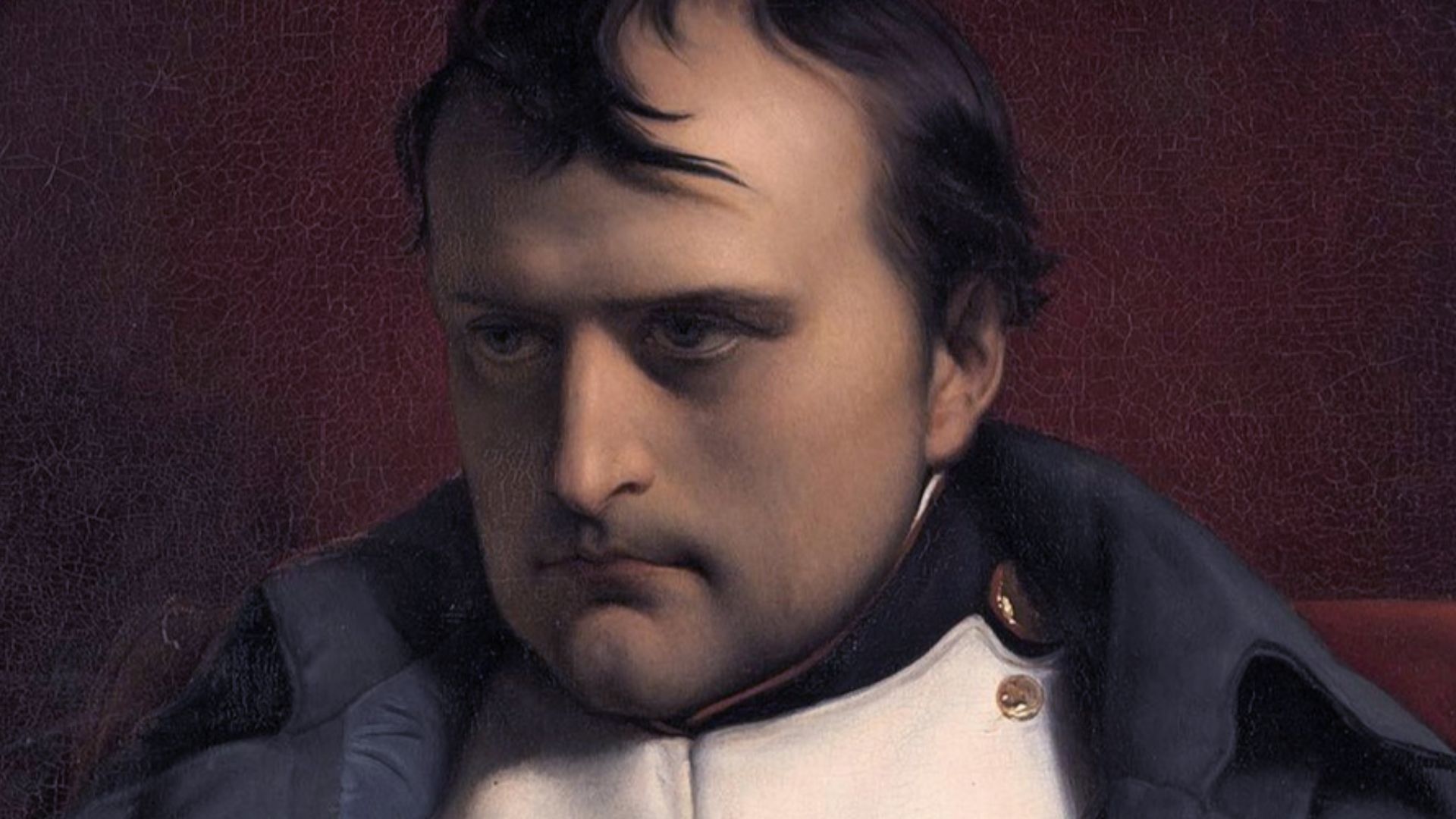 Paul Delaroche, Wikimedia Commons
A Life Of Constant Activity
Napoleon quickly began to transform Elba with his energetic leadership. He modernized agriculture, reworked the legal system, helped develop the island's iron mines, and redesigned all the roads and ports. He also wasted no time reorganizing the small army he was allowed to keep. He took to the role of sovereign with great enthusiasm. The island was turning into a training ground for something greater, and not just a place to while away his retirement.
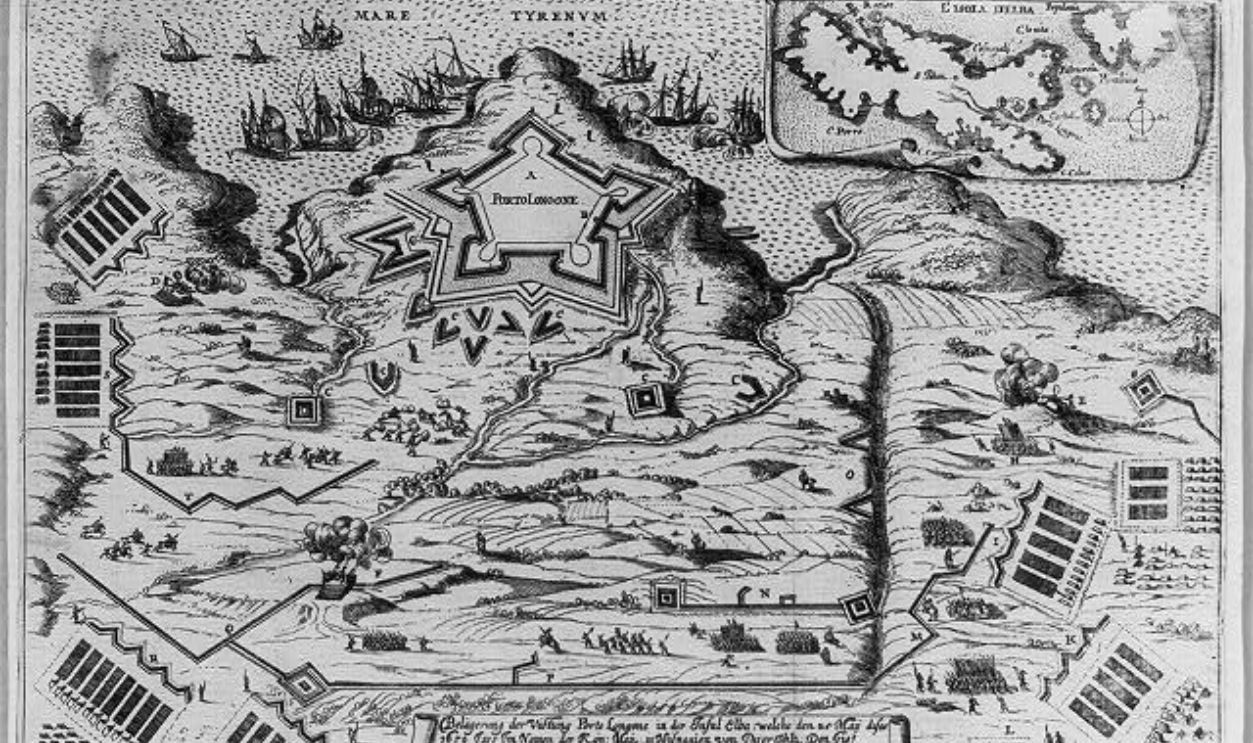 Hauslab, Franz, Wikimedia Commons
A Loyal Guard Still By His Side
Even in exile, Napoleon was surrounded by loyal veterans from the Old Guard of his army. They drilled regularly, wore uniforms, and continued to address him as emperor. These men were not ceremonial guards, but the foundation of a planned future comeback. Napoleon never accepted his downfall as any more than a temporary state of affairs.
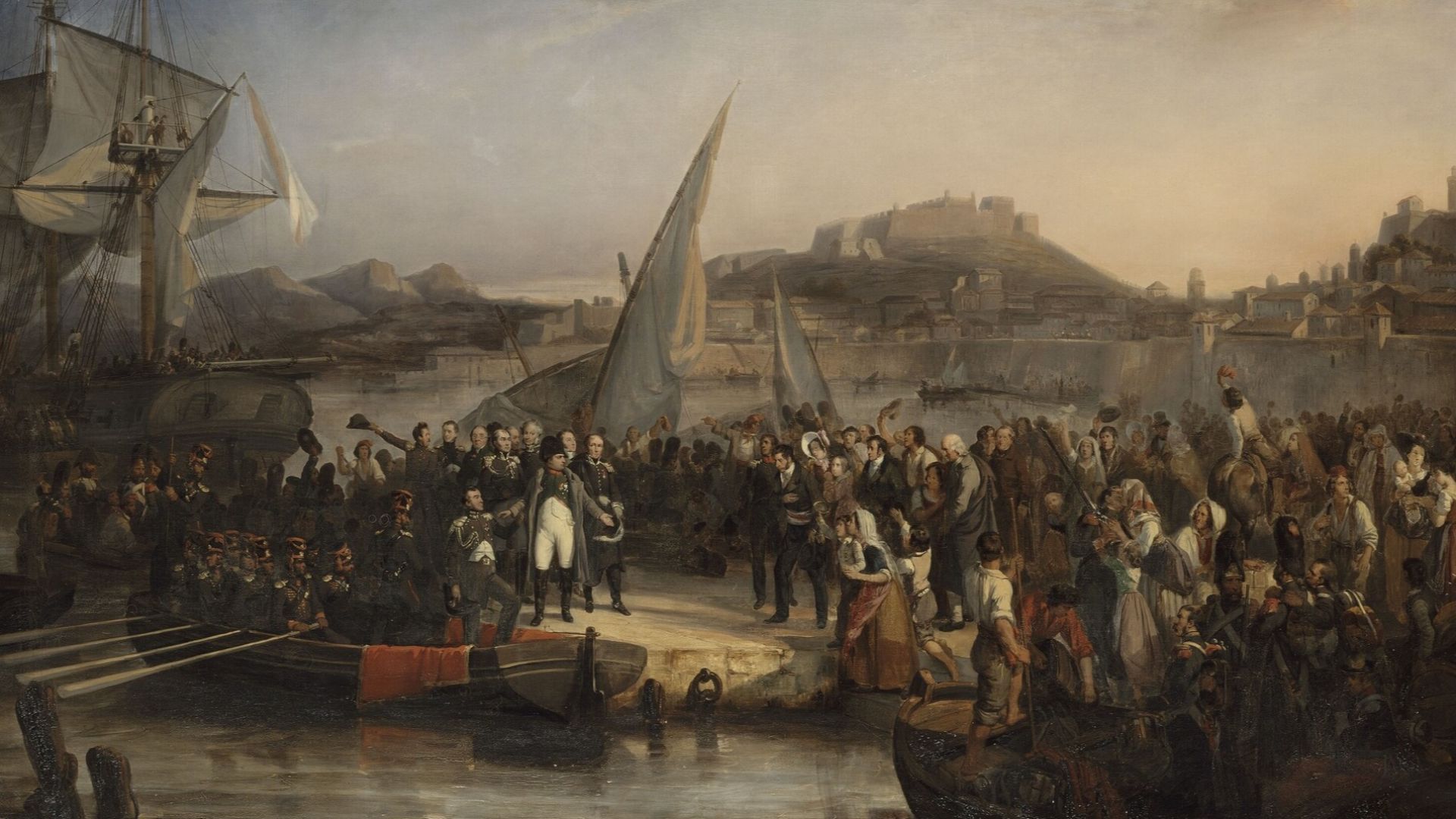 Joseph Beaume, Wikimedia Commons
Growing Unrest In France
Back in France, the Bourbon monarchy had been restored to the throne for the first time since the days before the French Revolution. They were deeply unpopular, as King Louis XVIII failed to connect at all with the military or the common people. His regime reversed some of Napoleon’s reforms and punished former imperial officers. The national mood was black with resentment and anger. Nostalgia grew for the flamboyant old emperor.
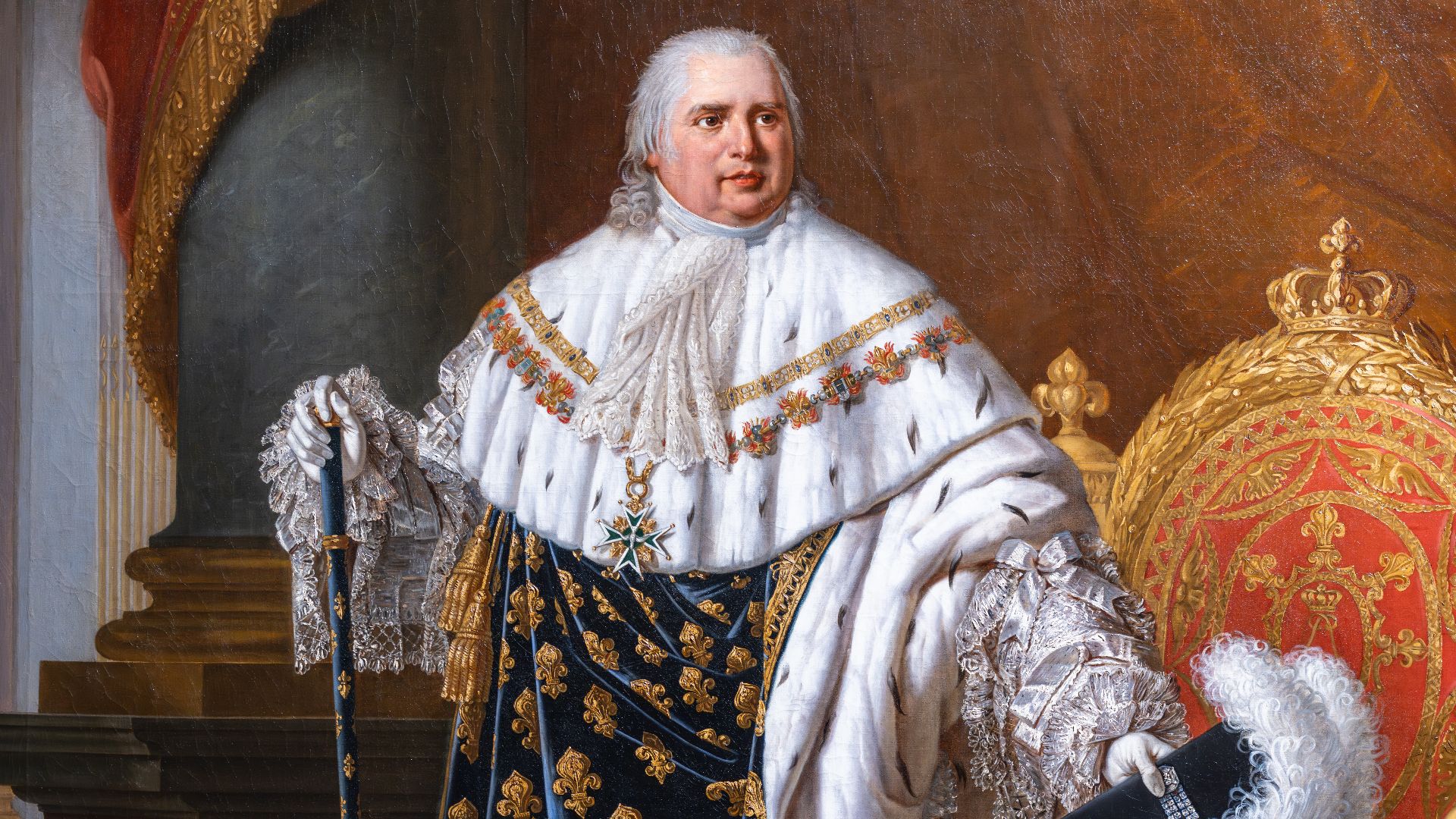 Matthieu.lett.ube, Wikimedia Commons
Europe Took Its Eye Off Elba
European leaders at the Congress of Vienna were totally consumed with the redrawing of the borders of Europe. The dry, dull diplomacy dragged on for months. Comfortable that the situation was in hand, they started to reduce the British naval surveillance around Elba and take their focus off Napoleon. Most believed his return was impossible. They were wrong.
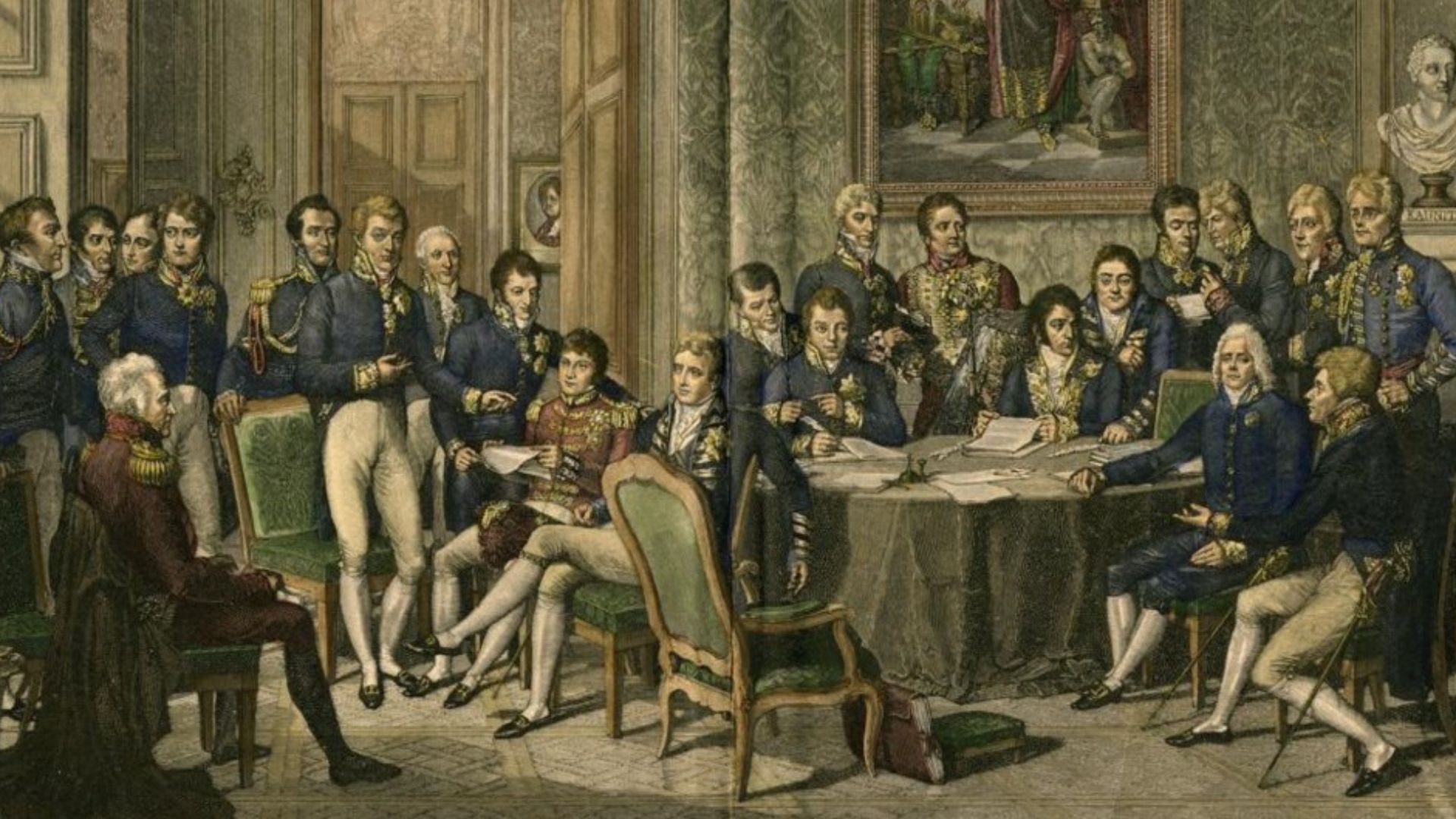 After Jean-Baptiste Isabey, Wikimedia Commons
Napoleon Got Inside Information
Napoleon kept in contact with sympathizers throughout France. Reports from French officers, merchants, and officials convinced him that the monarchy was fragile, the army demoralized, and the public itching to jump to its feet and support him. Napoleon concluded that France needed a well-timed spark and someone bold enough to to take the reins of leadership. And that someone was Napoleon.
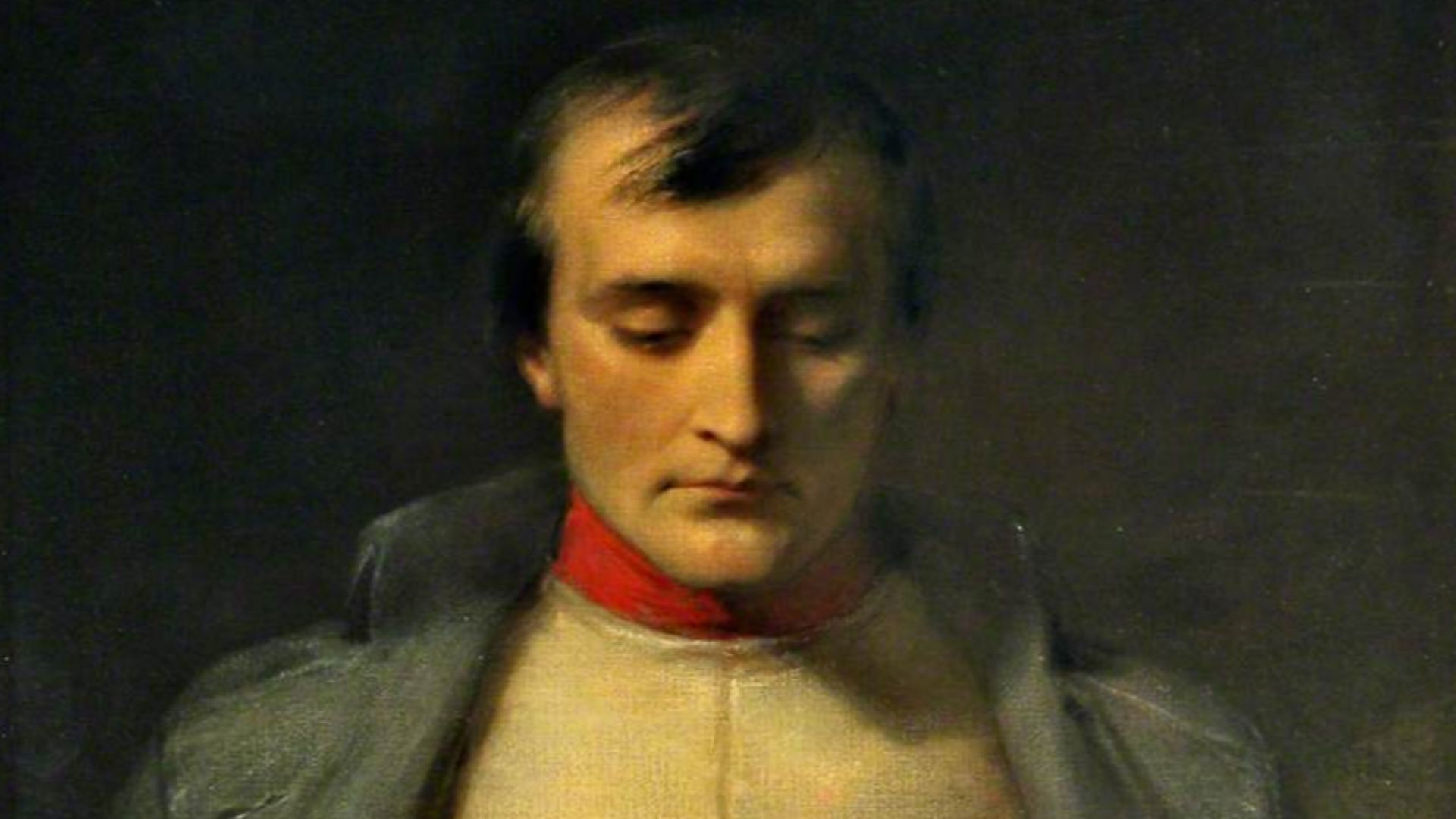 George Richmond, Wikimedia Commons
Napoleon Rolled The Dice
By early 1815, Napoleon figured that waiting was more dangerous than taking action. If the Congress of Vienna fully resolved Europe’s future, he would be forever sidelined as a threat. The decision was stark: he would return to France and reclaim the throne that was rightfully his. The Hundred Days were about to begin in full force.
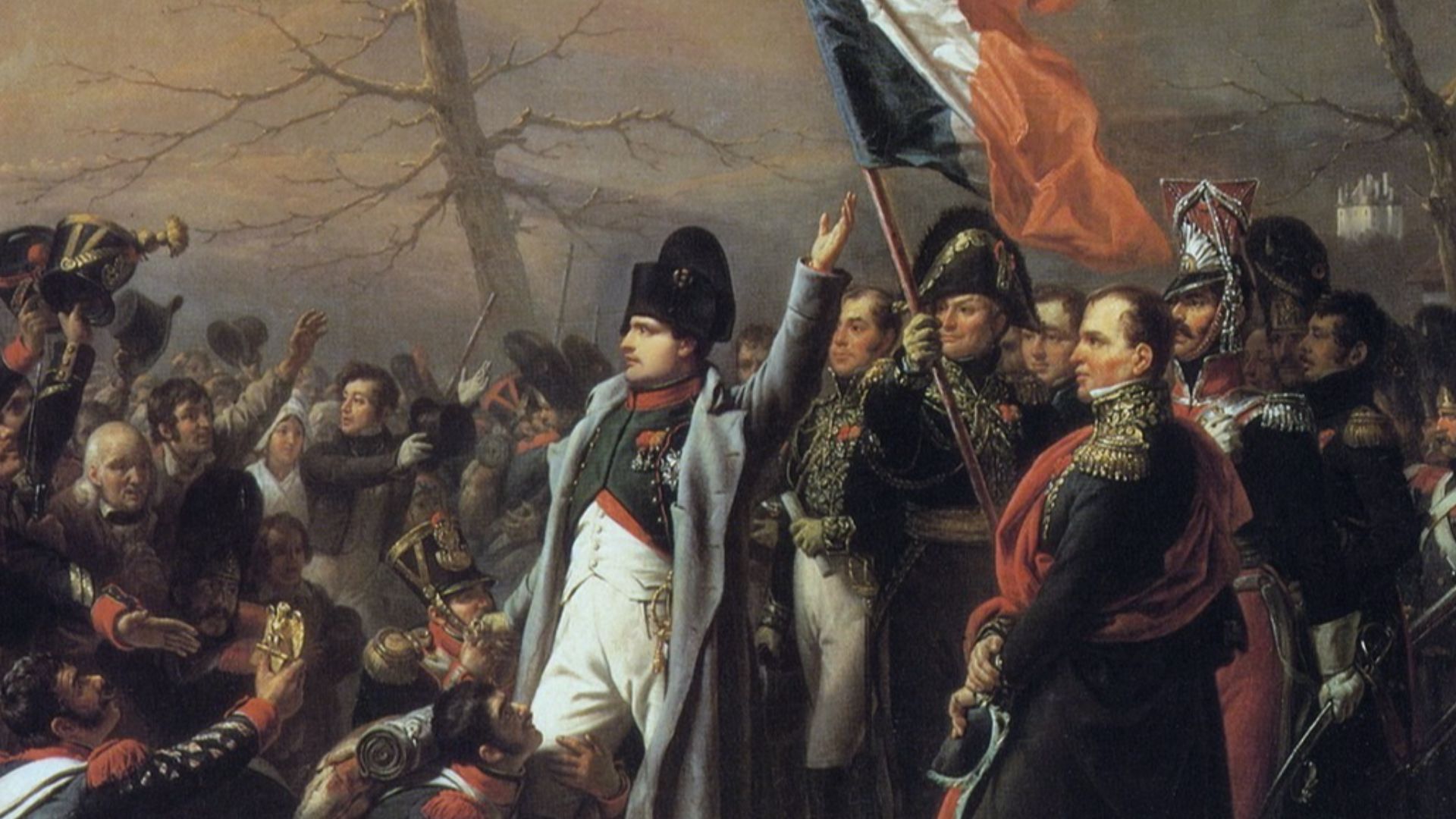 Charles de Steuben, Wikimedia Commons
He Prepared To Escape
Napoleon secretly gathered a fleet of small vessels led by the brig Inconstant, and collected weapons, ammunition, and supplies. His soldiers readied themselves to make a break for freedom in the utmost secrecy. The escape wasn’t the rash act of a desperate man, but a military and political operation executed with skill.
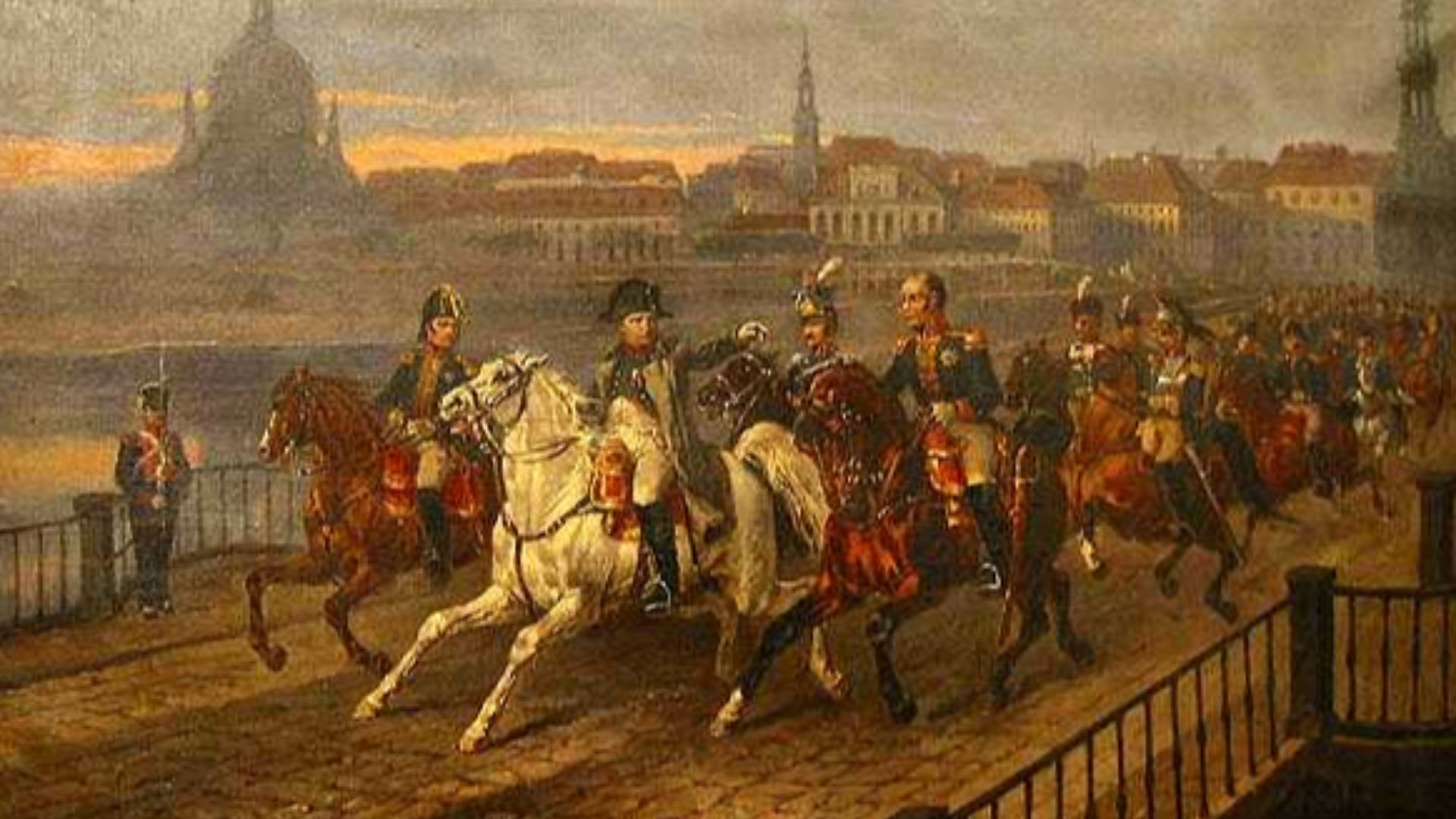 Józef Brodowski, Wikimedia Commons

History's most fascinating stories and darkest secrets, delivered to your inbox daily.
He Slipped Away From Elba
On February 26, 1815, Napoleon and roughly 600 men set sail from Elba. The escape was incredibly risky. If they’d been spotted, he could be captured or killed. But Elba and the French coastline were both completely unguarded at the perfect moment. His luck, timing, and preparation all came together.
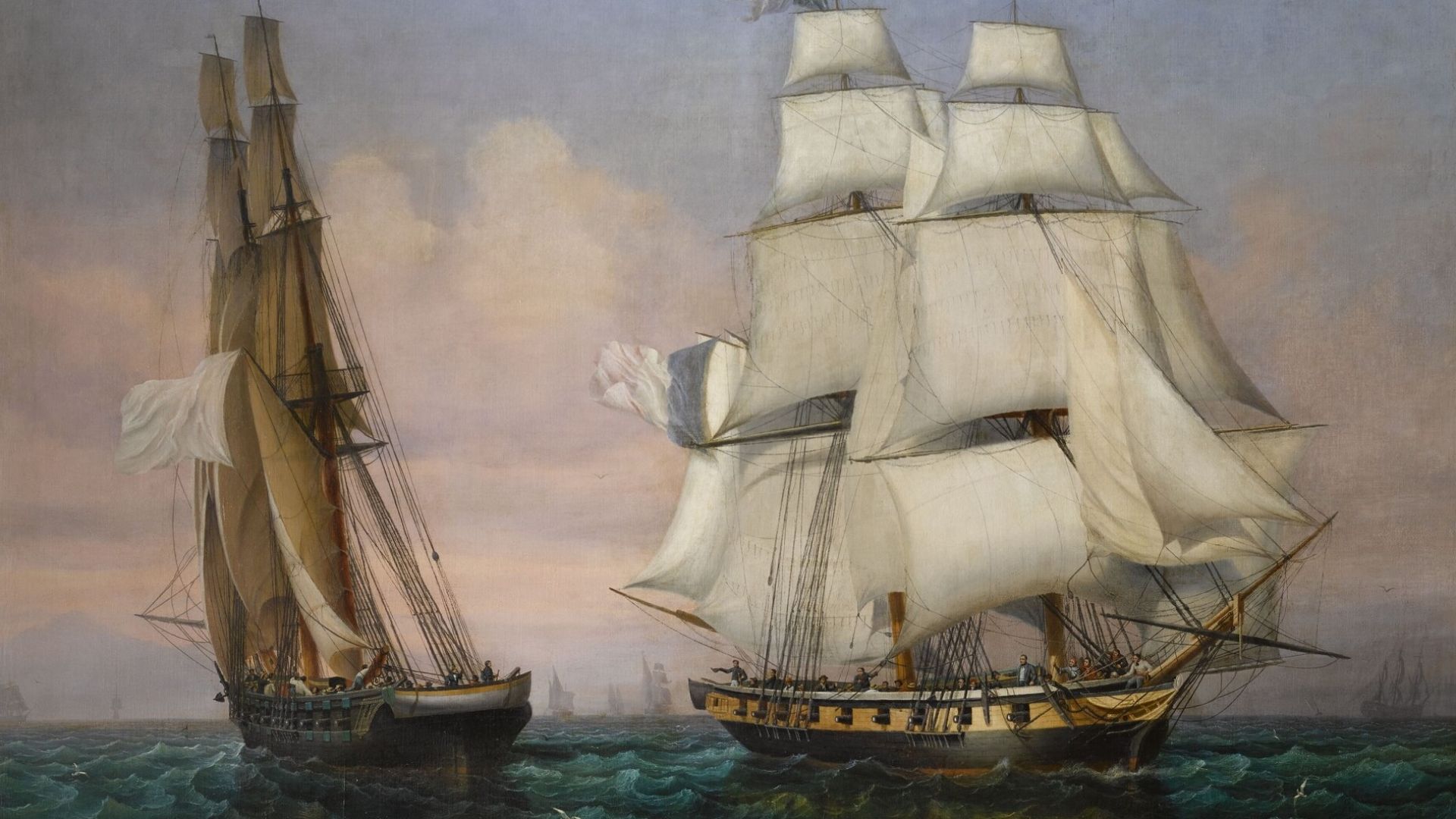 Ambroise Louis Garneray, Wikimedia Commons
Landing On The French Coast
Napoleon landed safely near Golfe-Juan on March 1. The moment he set foot on French soil, he didn’t speak in the mumbling tones of a dispirited fugitive, but held forth with his arm raised like an emperor. He refused to slink around avoiding detection. Instead, he marched openly toward Paris, confident in his expectation that the people and army would rally to his cause.
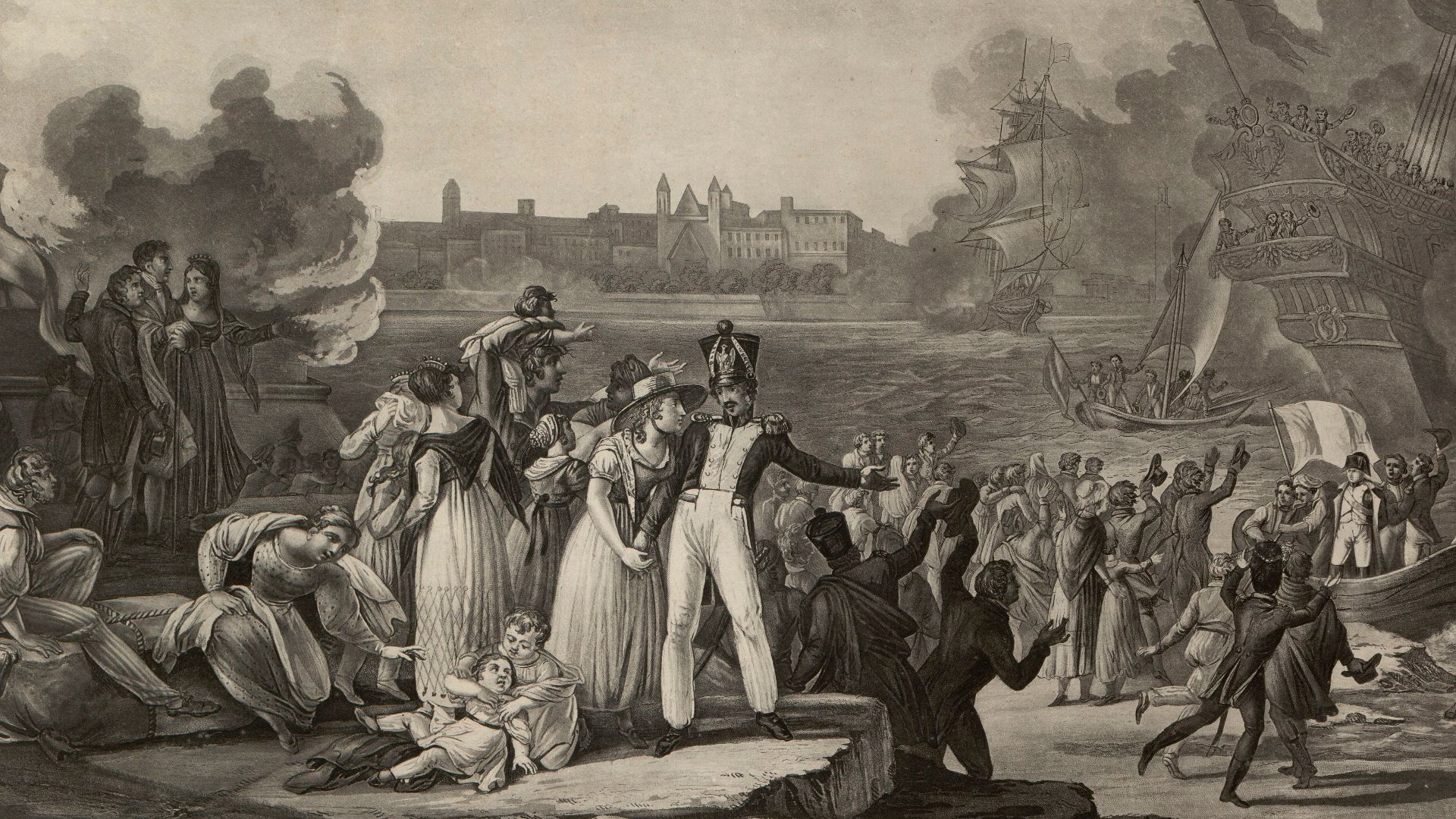
They Marched North
Napoleon avoided royalist strongholds and headed inland. Villagers cheered. Merchants offered food and horses to the passing host. Word spread rapidly through towns and villages that the emperor had returned. The restoration government rushed troops to intercept him, but they did not fight.
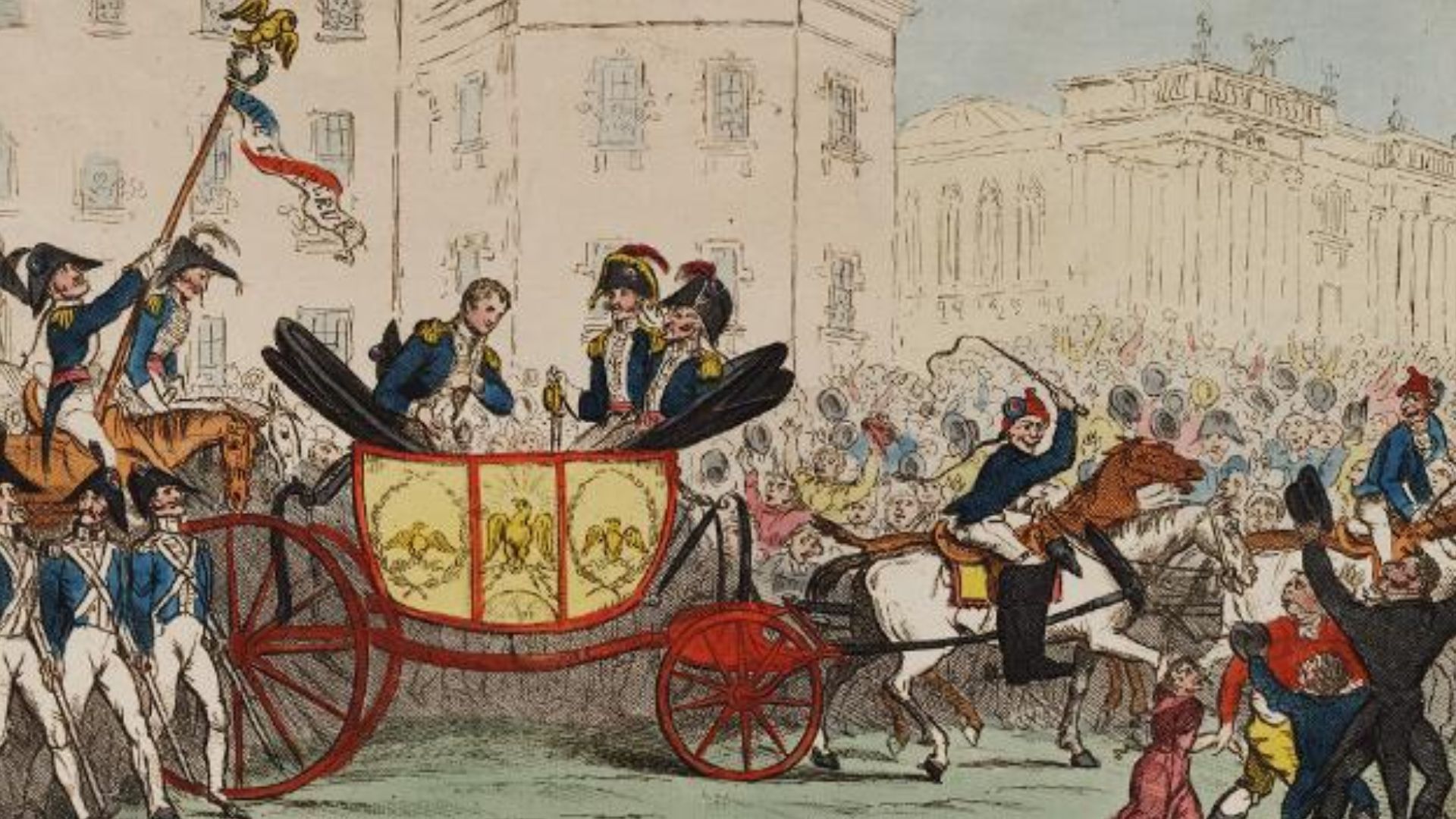 MartinPoulter, Wikimedia Commons
The Confrontation At Laffrey
The most famous moment came when Napoleon met royal troops near Laffrey. Instead of attacking, he stood before them and declared: “If any of you will shoot your emperor, here I am.” The bold move worked, and the government soldiers joined him instead. The monarchy’s authority was already starting to collapse.
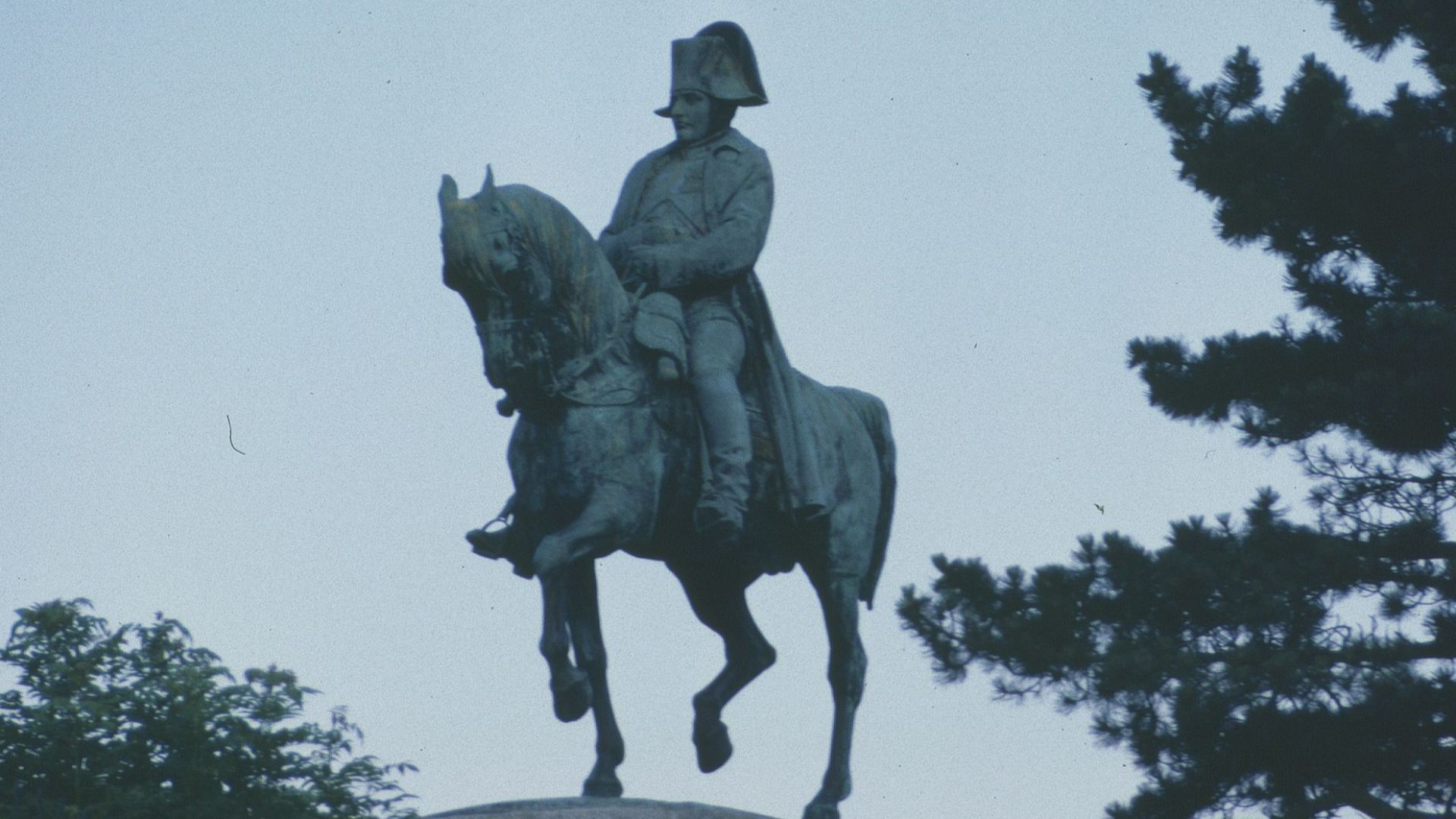
They Took Up His Cause
Napoleon’s march had now turned into a triumphal procession. Town after town took up his cause. Commanders defected from the government ranks. Soldiers who once served under him now flocked back to his banner. Civilians lined roads and squares, shouting “Vive l’Empereur!” His comeback was no longer a gamble, but an unstoppable movement.
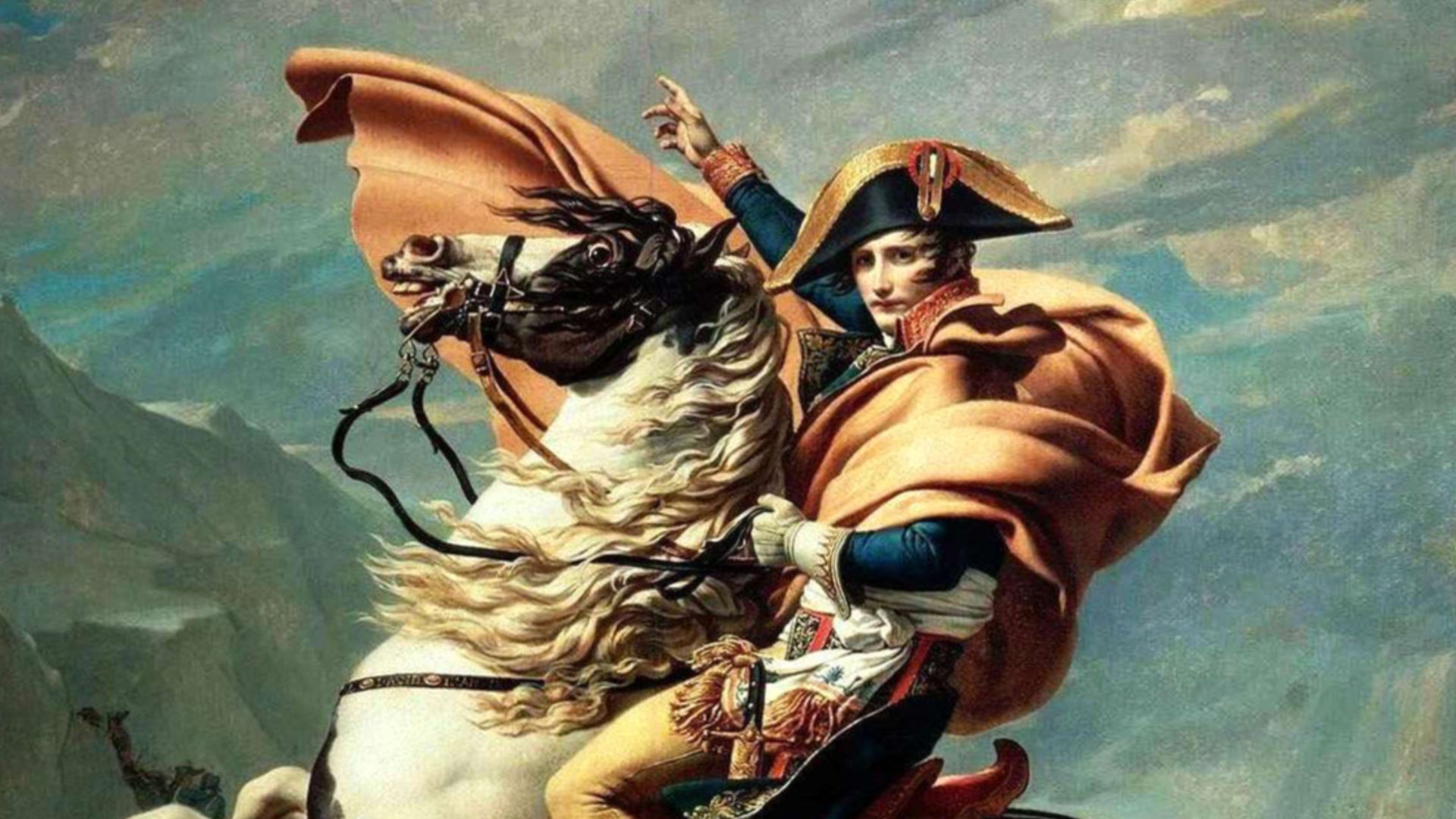 Jacques-Louis David, Wikimedia Commons
Panic In Paris
News of Napoleon’s advance threw King Louis XVIII and the royal court into panic. They issued decrees, tried to raise troops, and demanded loyalty. But it made no difference. The monarchy had no confidence, no support, and no army willing to fight to uphold its authority.
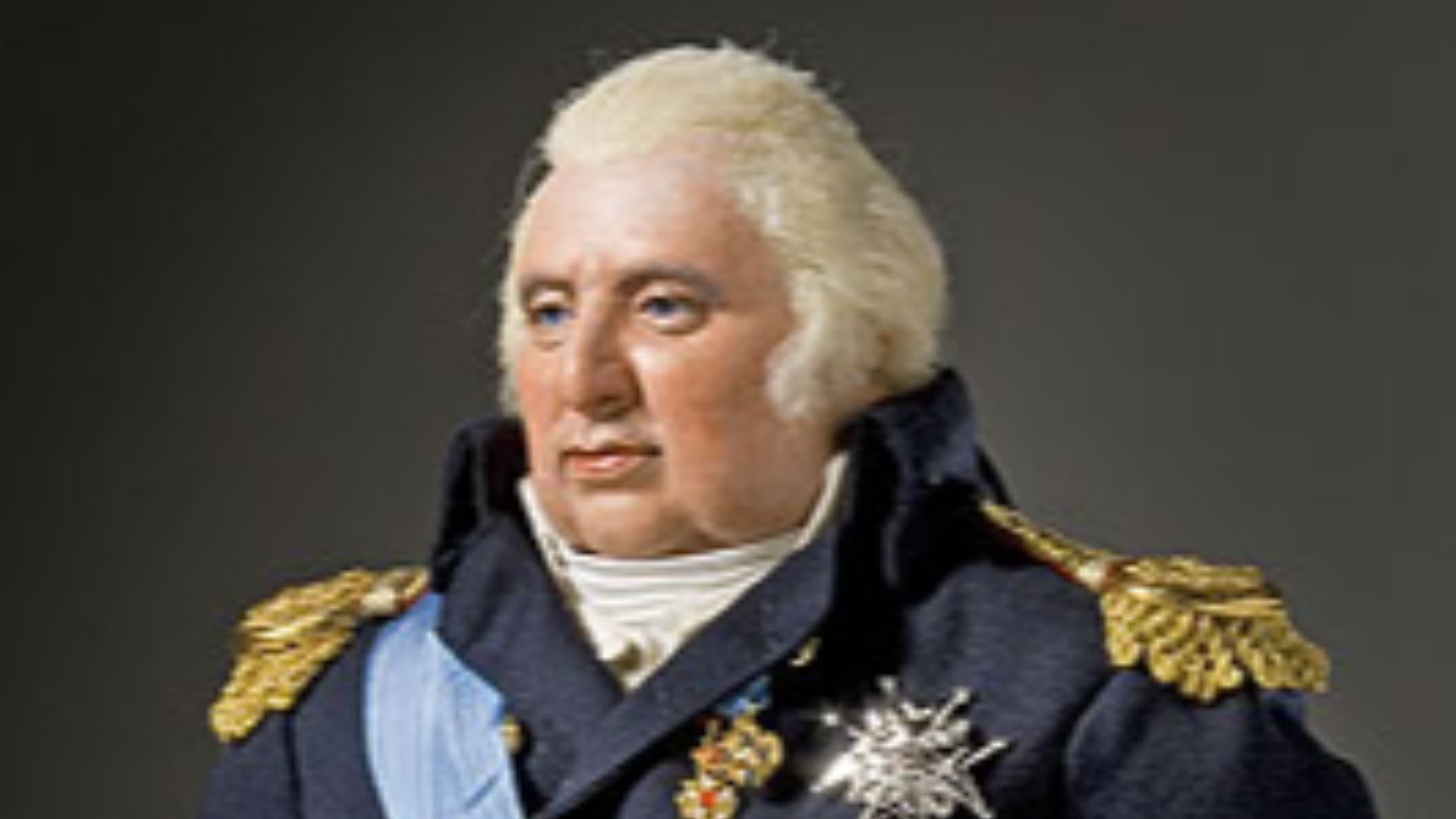 George S. Stuart, Wikimedia Commons
Napoleon Marched Unopposed
All resistance to Napoleon’s march on Paris was melting away. One town after another accepted his authority. Local officials and military garrisons switched sides effortlessly. Paris braced itself for a confrontation that never materialized. The political tide had turned.
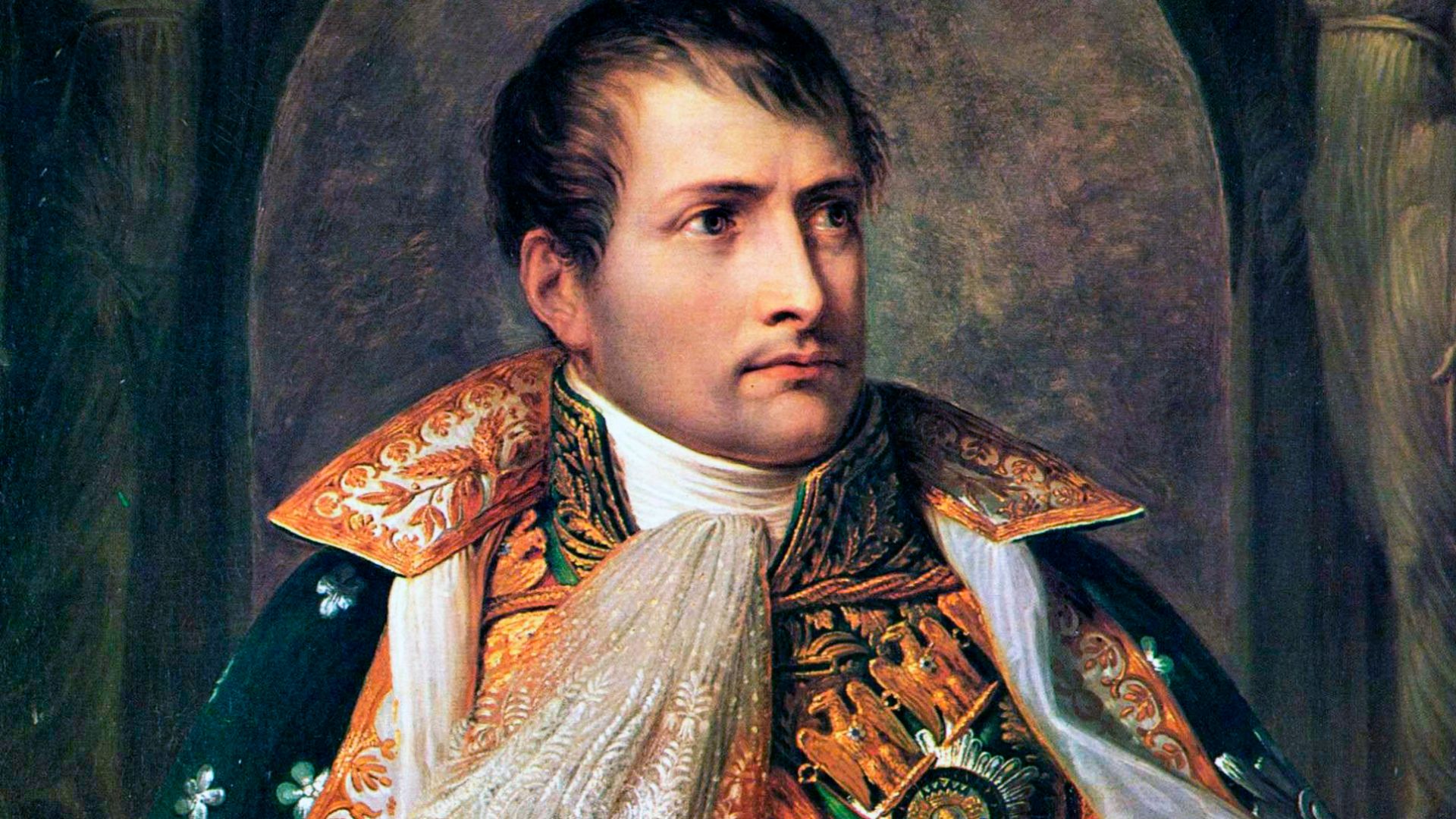 Andrea Appiani, Wikimedia Commons
Arrival At Paris
On March 20, Napoleon entered Paris without firing a single shot. Crowds flooded into the streets. The Bourbon monarchy fled. Napoleon reclaimed the Tuileries Palace and re-established himself as supreme ruler of France. His exile had lasted a mere 300 days.
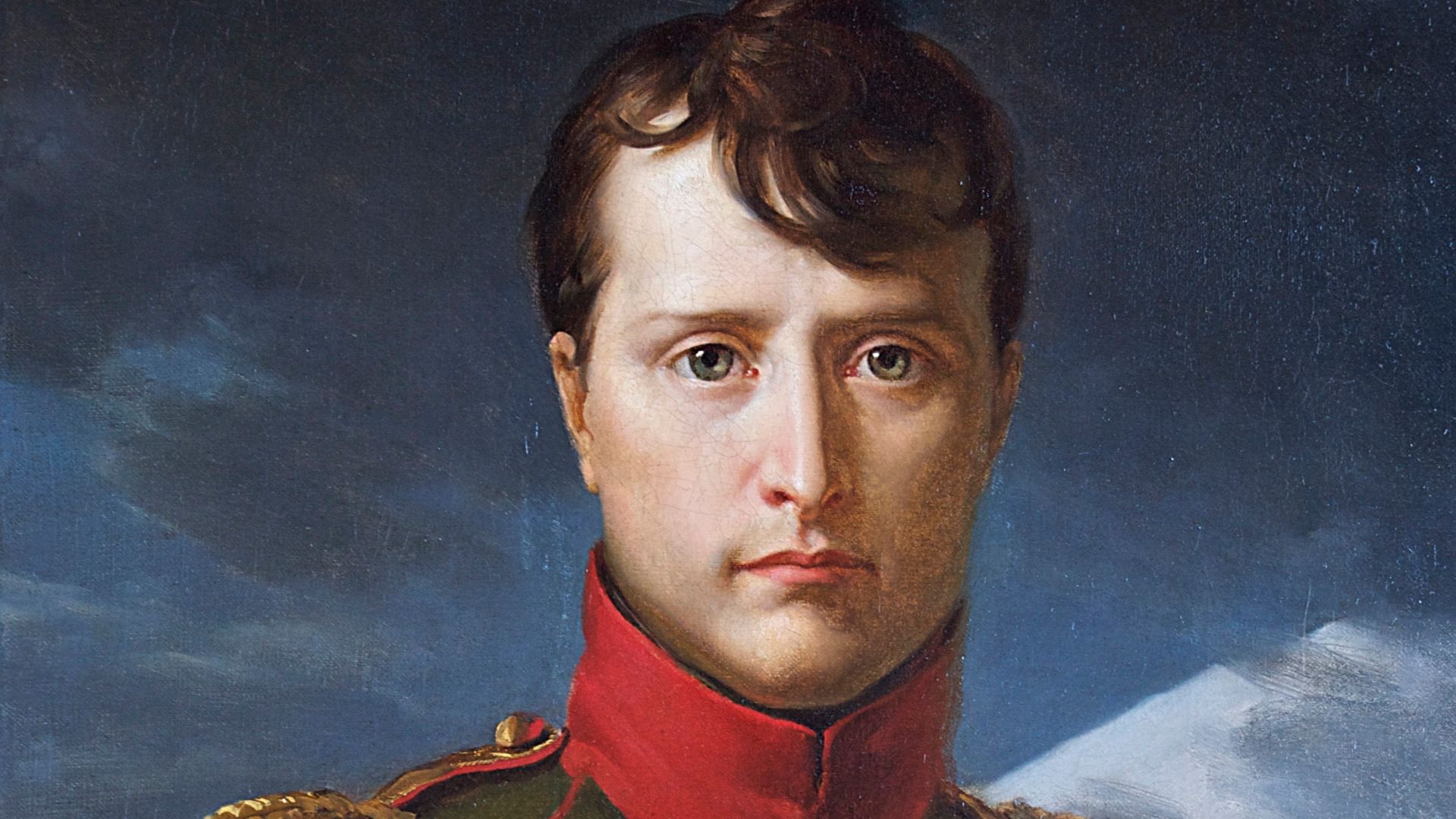 François Gérard, Wikimedia Commons
The Hundred Days Begin
Napoleon’s return to power touched off a whirlwind effort to reorganize the state, reform the army, and prepare for the battles to come. His return shattered Europe. The greatest comeback in history had taken him only three weeks. The clock toward the fateful battlefield of Waterloo was now ticking.
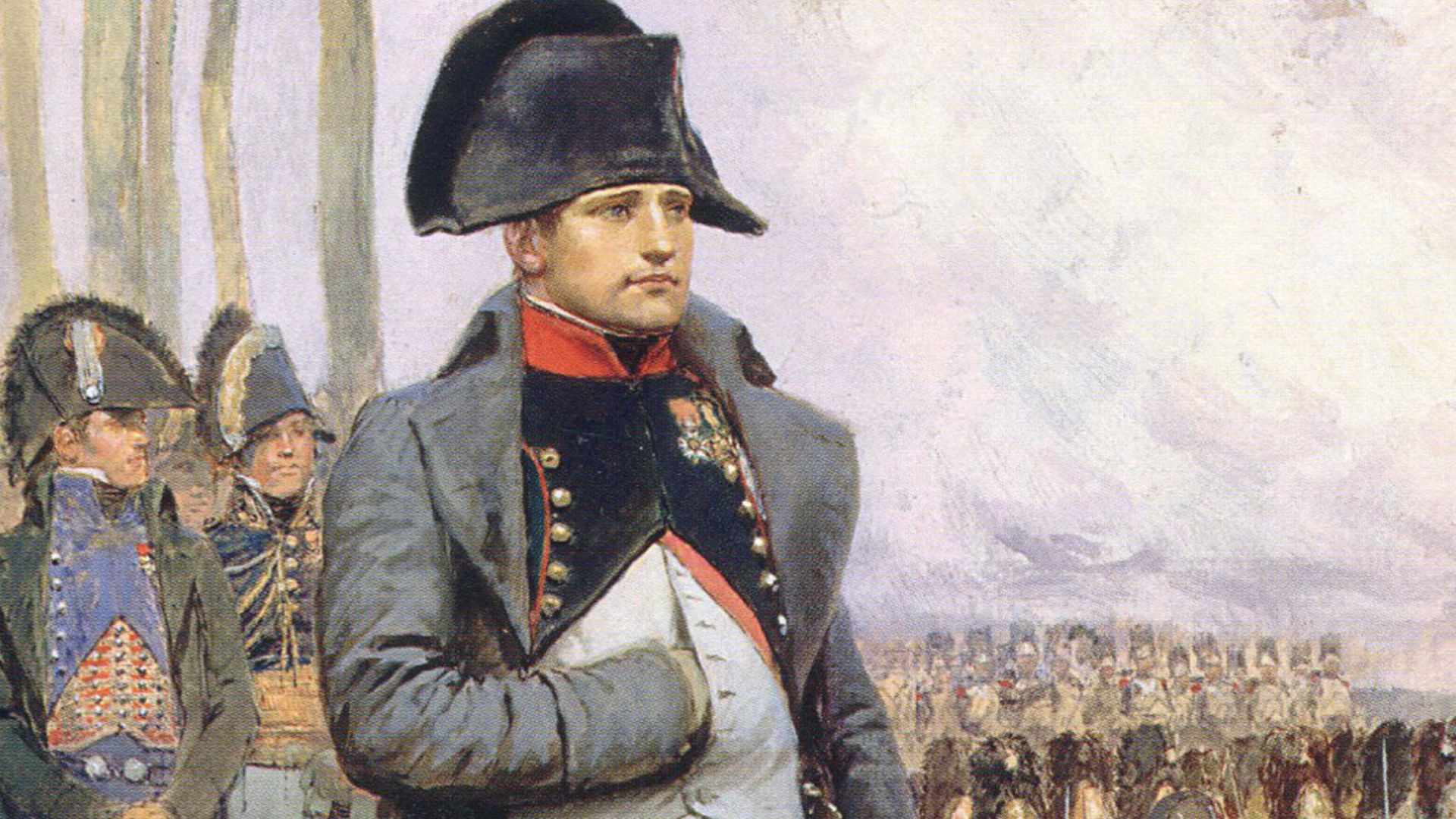 Édouard Detaille, Wikimedia Commons
Why His Escape Worked
Napoleon’s return succeeded because of timing, political weakness, the opposition’s ineptitude, and Napoleon’s wily personal charisma. The fledgling monarchy had very little support, and the army was still loyal to his memory. Europe had fatally underestimated him. His escape wasn’t luck but a strategic masterpiece carried out with audacity and precision.
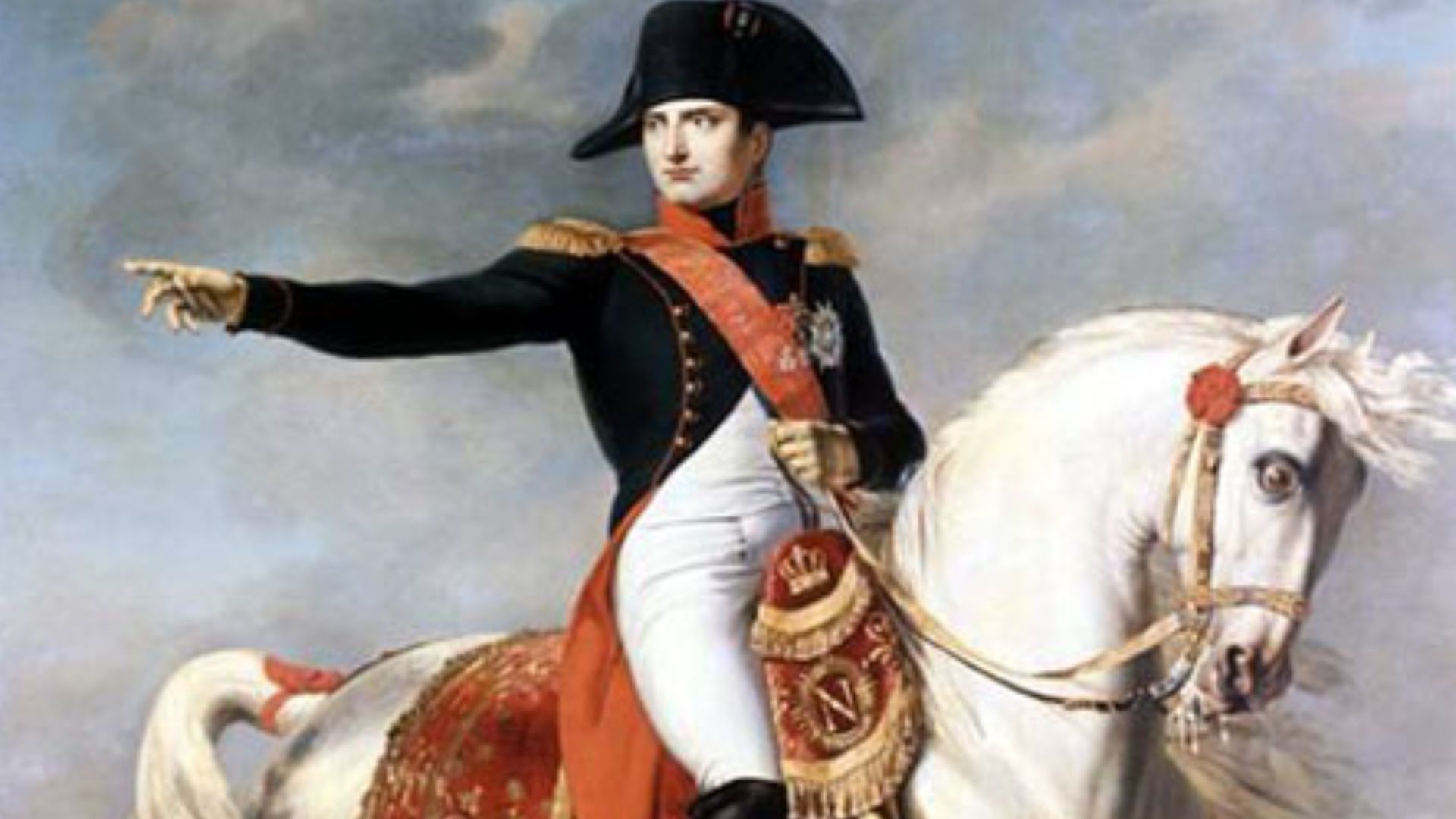 Joseph Chabord, Wikimedia Commons
From Exile To Absolute Power
Napoleon’s escape from Elba was one of the most daring and dramatic events of all time. In three weeks, he went from ruler of an isolated island fiefdom to Supreme dictator of France once again. The march to Paris was only the opening act. The Hundred Days and the cataclysmic showdown at Waterloo now approached.
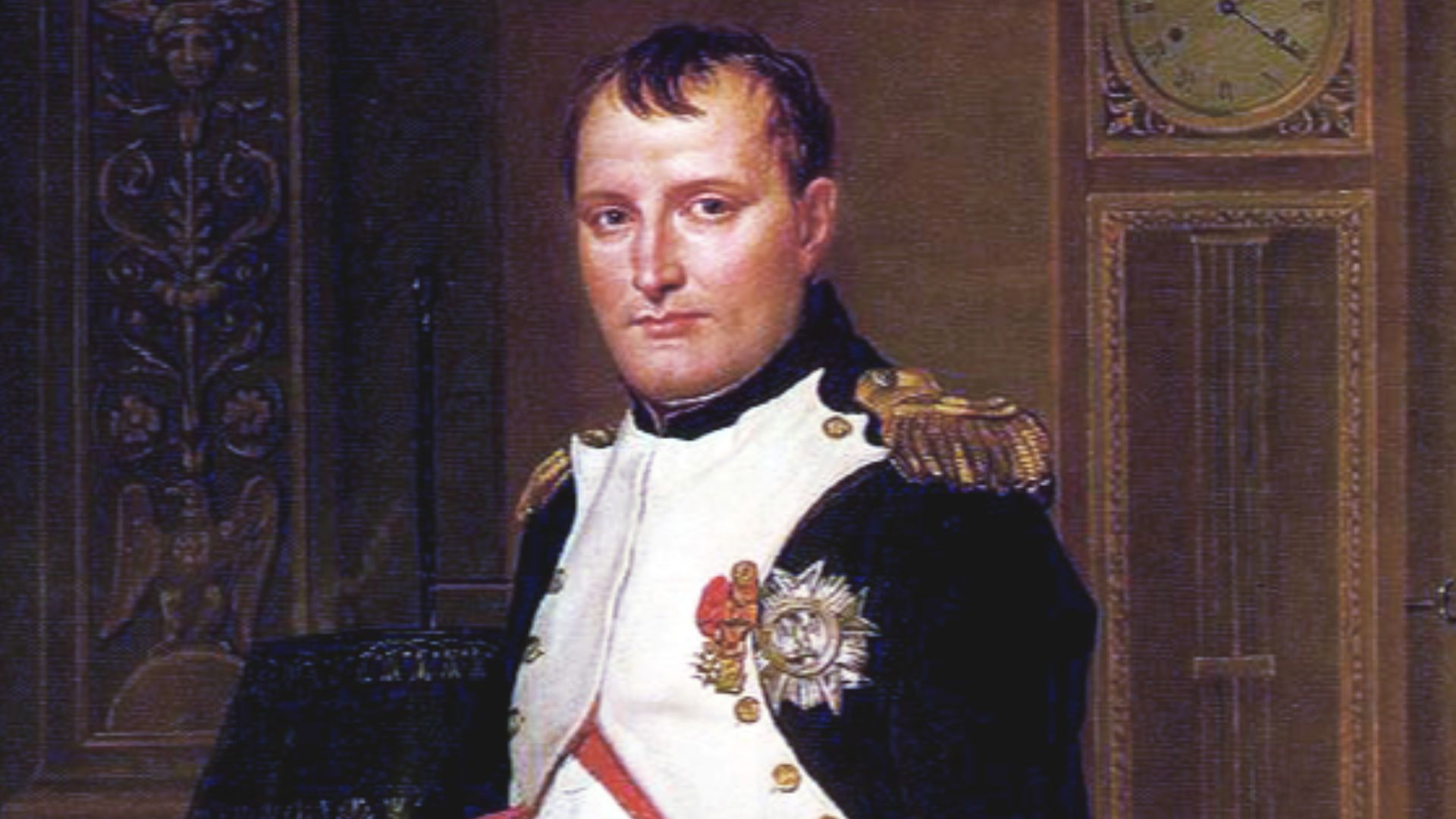 Unknown author, Wikimedia Commons
You May Also Like:
Imperial Facts About Napoleon Bonaparte
Bone-Chilling Facts About Napoleon’s Calamitous Invasion Of Russia