Napoleon Bonaparte gets teased more than almost any historic figure, and somehow the joke always circles back to his height. You’ve heard the punchlines, the sitcom references, the memes—yet the numbers tell a wildly different story.
In fact, he stood taller than the average Frenchman of his era. That twist alone should make you lean in, because the real story blends propaganda and a measure France used long before the inches on your tape.
Stick around. The truth reshapes the picture you’ve carried for years, and the details are too good to skip.
How A Measurement Mix-Up Shrunk A Giant
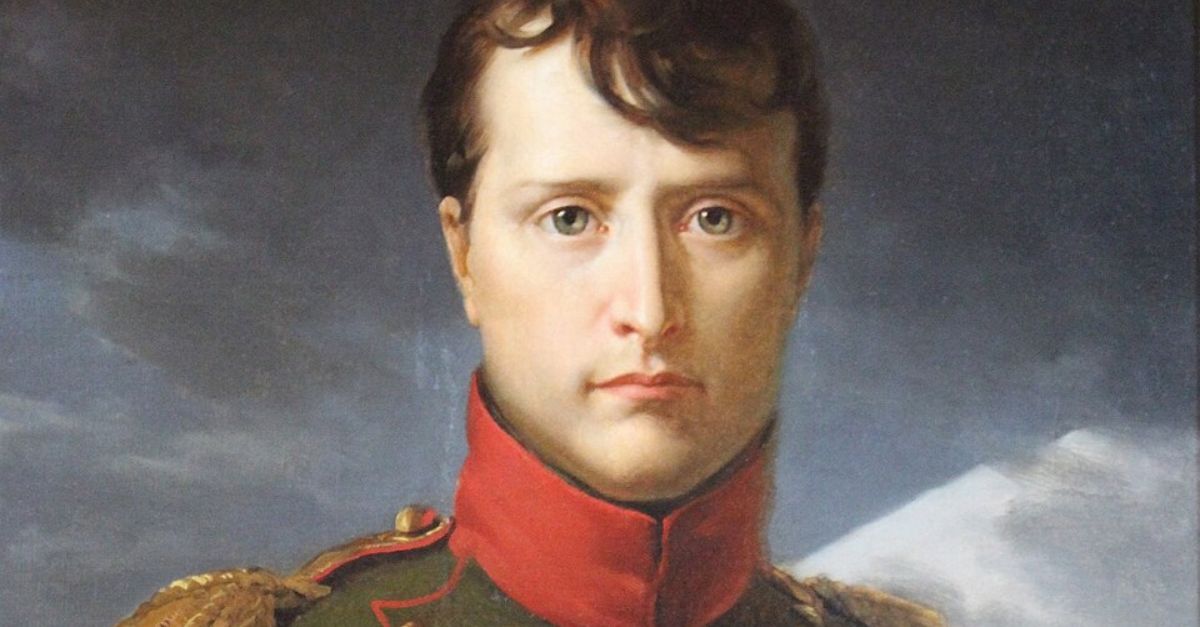
Napoleon’s recorded height was 5 feet 2 inches—but that came from the old French “pied,” which wasn’t the same as the English foot. Convert the measurement correctly, and he lands around 5 feet 6.5 inches. Average French soldiers of the early 1800s stood about 5 feet 5 inches tall, putting them just above the curve.
That conversion error created a long-running myth. British cartoonists loved painting him as pocket-sized for propaganda during the Napoleonic Wars. Those images circulated widely, and they cemented a false visual in people’s minds. Once a caricature takes hold, it sticks harder than a fact sheet ever could.
With that misunderstanding set straight, it helps to look at the cultural noise that helped the myth survive.
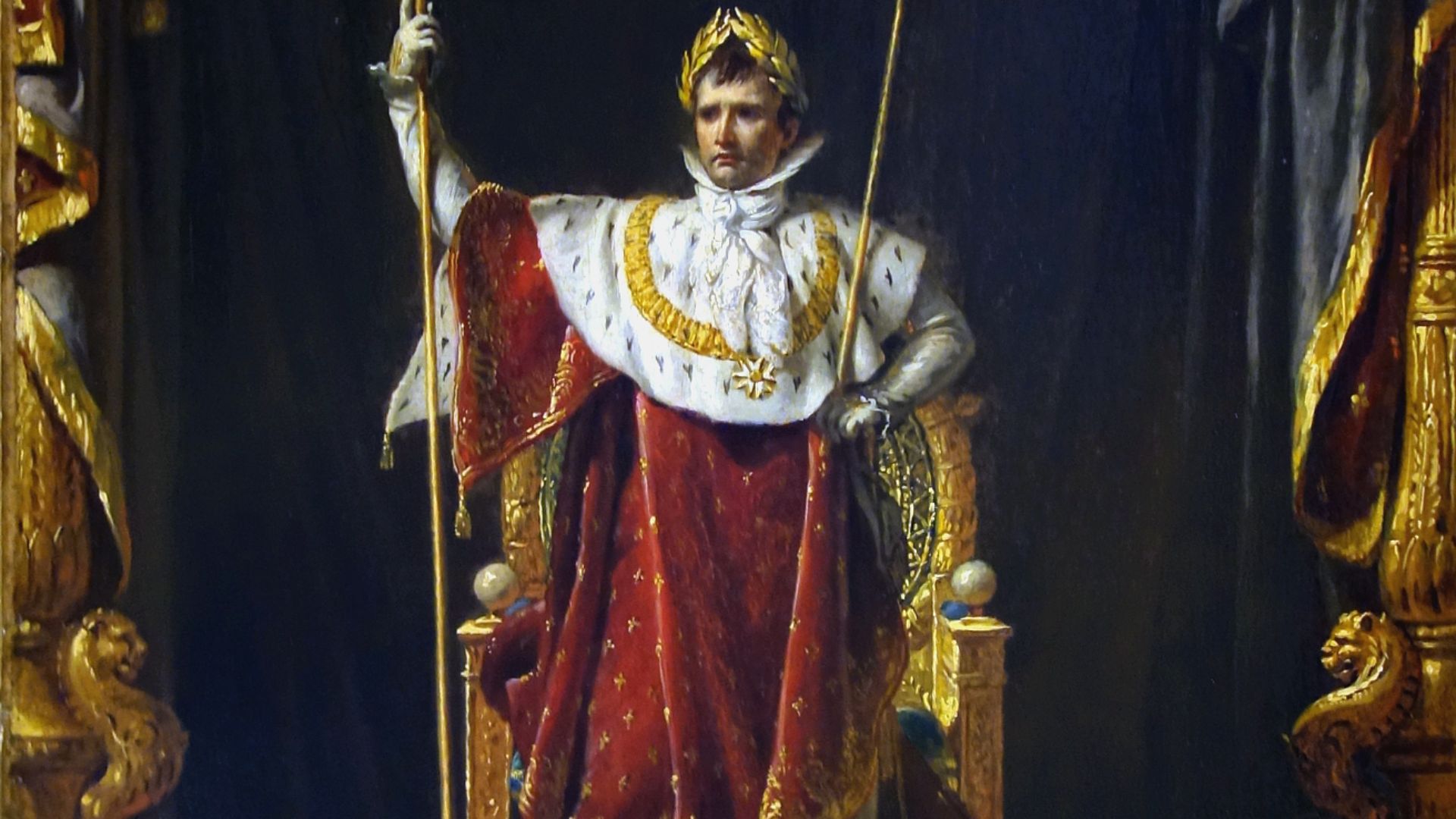 Jacques-Louis David, Wikimedia Commons
British Satire Turned Him Into A Punchline
Political artists like James Gillray leaned into exaggeration, shrinking Napoleon to comical proportions in prints that spread across Europe. His smaller frame symbolized insecurity, volatility, and the idea that Britain stood head and shoulders above its rival. Satire works because it’s easy to remember—and those prints were the 19th-century version of viral content.
Even after Napoleon died, the imagery stayed in circulation. People repeated the joke long enough that it turned into “truth” through sheer repetition. Modern viewers, who rarely learn about the old measurement system, accept the tiny-Napoleon stereotype without questioning how it started or why it spread so fast.
He Looked Smaller Because His Guards Were Enormous
The French Imperial Guard, especially the Grenadiers, stood around 6 feet tall, and they towered over most citizens. Napoleon spent his days flanked by these men, which made him look shorter by comparison. Any modern viewer would assume the same thing. Because if you stand between two athletes over 6 feet, your height suddenly looks different.
Descriptions from foreign envoys noted that he had a sturdy build and carried himself with sharp energy, but standing beside those tall guards, his posture appeared different. Photos didn’t exist to correct the visual mismatch. Eyewitness impressions spread quickly, reinforcing the idea that he looked smaller than he actually was.
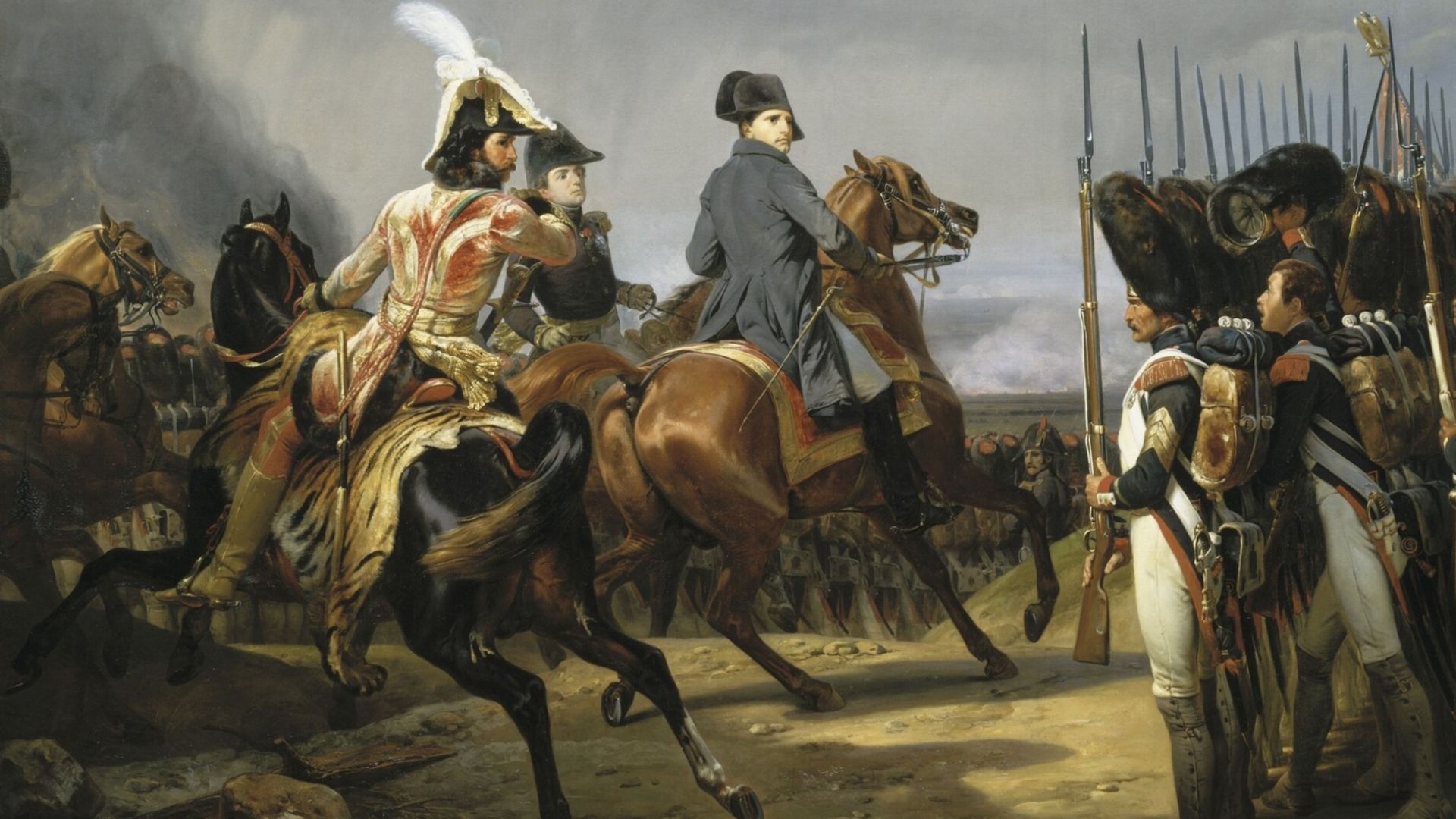 Horace Vernet, Wikimedia Commons
Doctors Confirmed His Real Height In 1821
After Napoleon’s passing in Saint Helena, his medical team performed an autopsy that listed his height as “5 pieds 2 pouces”. Later historians confirmed that the French measurement equaled roughly 5 feet 6.5 inches. That record still exists, giving you a solid number instead of vague descriptions or caricatures.
The autopsy notes followed strict procedure, so they carry more weight than anecdotes. Once converted, the record lines up with other uniform measurements from his military service. The math demonstrates consistency, which strengthens the argument that the modern “short Napoleon” image comes from culture, not science.
Why The Myth Refuses To Die
People love simple labels, and Napoleon’s personality—ambitious, intense, relentless—created an easy narrative link: “short man, big ego”. That stereotype formed the basis of the pop-psychology phrase “Napoleon complex,” even though no research supports the connection. It’s catchy, and stories with rhythm travel farther than exact data.
Movies, sitcoms, and books repeated the caricature across generations. Once pop culture gets involved, accuracy loses the fight. Even modern films like The Emperor’s New Clothes play with the trope. When storytelling rewards exaggeration, the truth sits quietly on the sidelines—unless someone pulls out the actual measurements and checks them.
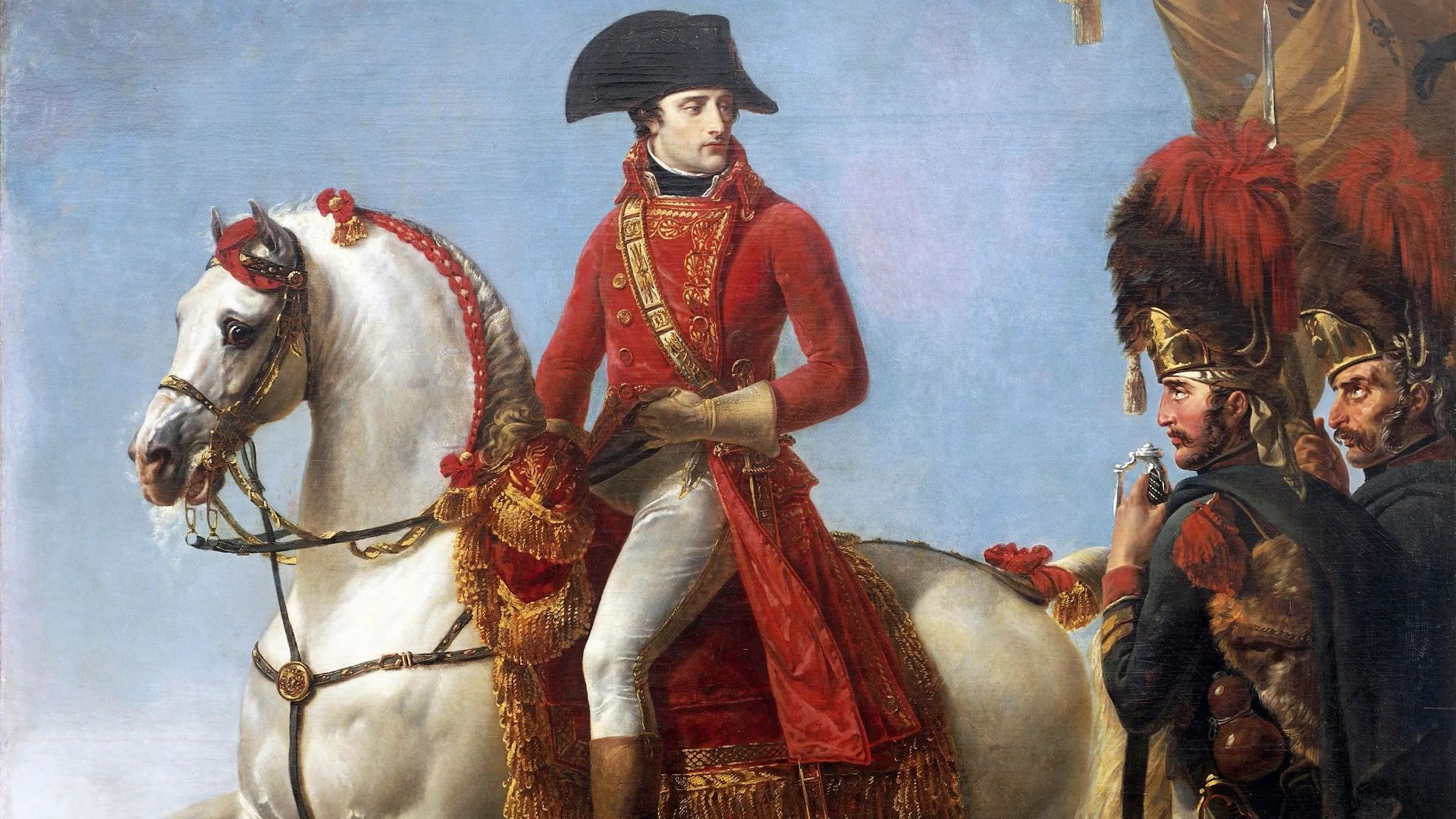 Antoine-Jean Gros, Wikimedia Commons
Final Take That Clears The Air
Napoleon wasn’t the tiny commander history jokes about. He stood taller than his peers, matched his era’s average heights, and carried a presence shaped more by strategy than size. Cartoons, comparisons, and cultural shorthand shrank him long after his career ended. Now you can walk away with the correct numbers—and a sharper sense of how myths outgrow facts.