A King Who Vanished
In September 1327, England's deposed King Edward II reportedly died inside Berkeley Castle. His enemies announced his death, and a royal funeral followed. But three years later, his own half-brother was executed for attempting to rescue him. Then came a mysterious letter claiming Edward had escaped and was living abroad. Was England's disgraced king really dead?
A Troubled Reign
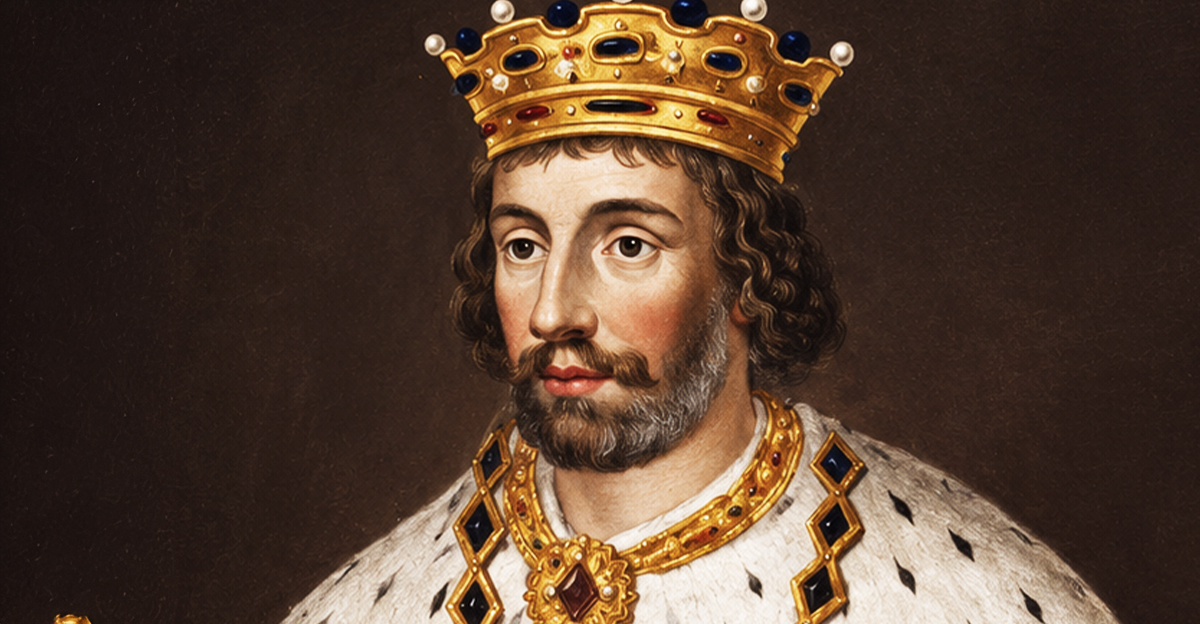
Edward II inherited the English throne from his formidable father, Edward I, in 1307. Unfortunately, he lacked his father's political authority and military success. His close relationship with his favorite, Piers Gaveston, infuriated powerful nobles, while his disastrous defeat by Robert the Bruce at Bannockburn in 1314 further undermined his standing. Gaveston's execution in 1312 did little to end the turmoil. Edward's reign became a prolonged struggle between royal favorites and an increasingly hostile aristocracy.
 PD-Art, Wikimedia Commons (enhanced)
His Queen Turned Against Him
By the 1320s, Edward had become heavily dependent on Hugh Despenser the Younger, whose influence and accumulation of wealth provoked widespread resentment. Edward's wife, Isabella of France, was increasingly alienated from her husband and his favorite. In 1325, she traveled to France on a diplomatic mission but refused to return. There, she allied herself with Roger Mortimer, a powerful English nobleman who had escaped imprisonment. Together, they prepared to overthrow the king.
The King Lost Everything
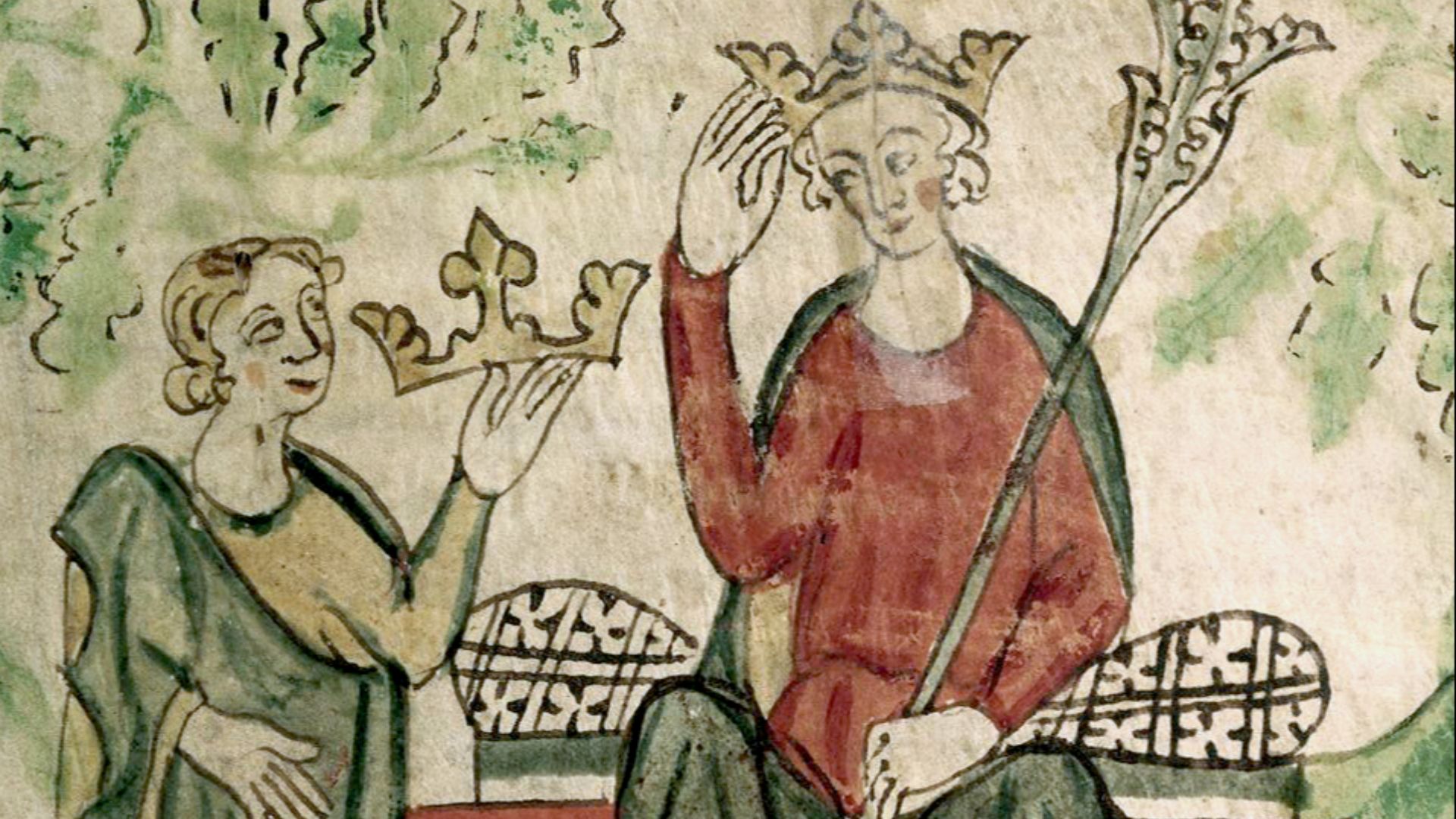
In September 1326, Isabella and Mortimer invaded England with a relatively small force. Edward's support collapsed with astonishing speed. Despenser was captured and brutally executed, while Edward himself was taken prisoner in November. In January 1327, he was forced to surrender the crown to his teenage son, Edward III. Although the boy became king, Isabella and Mortimer effectively controlled the government. Edward II was no longer a monarch, but his continued existence presented an obvious political danger.
Imprisoned At Berkeley Castle
The former king was eventually transferred to Berkeley Castle in Gloucestershire, where he remained under guard. His captors faced an uncomfortable problem: Edward was still the legitimate father of the reigning monarch, and supporters might attempt to restore him. Indeed, rescue conspiracies were already developing. Then, in September 1327, the government announced that Edward had died at Berkeley, traditionally on September 21. He was only 43 years old. The circumstances immediately invited suspicion.
A Murder Most Horrible
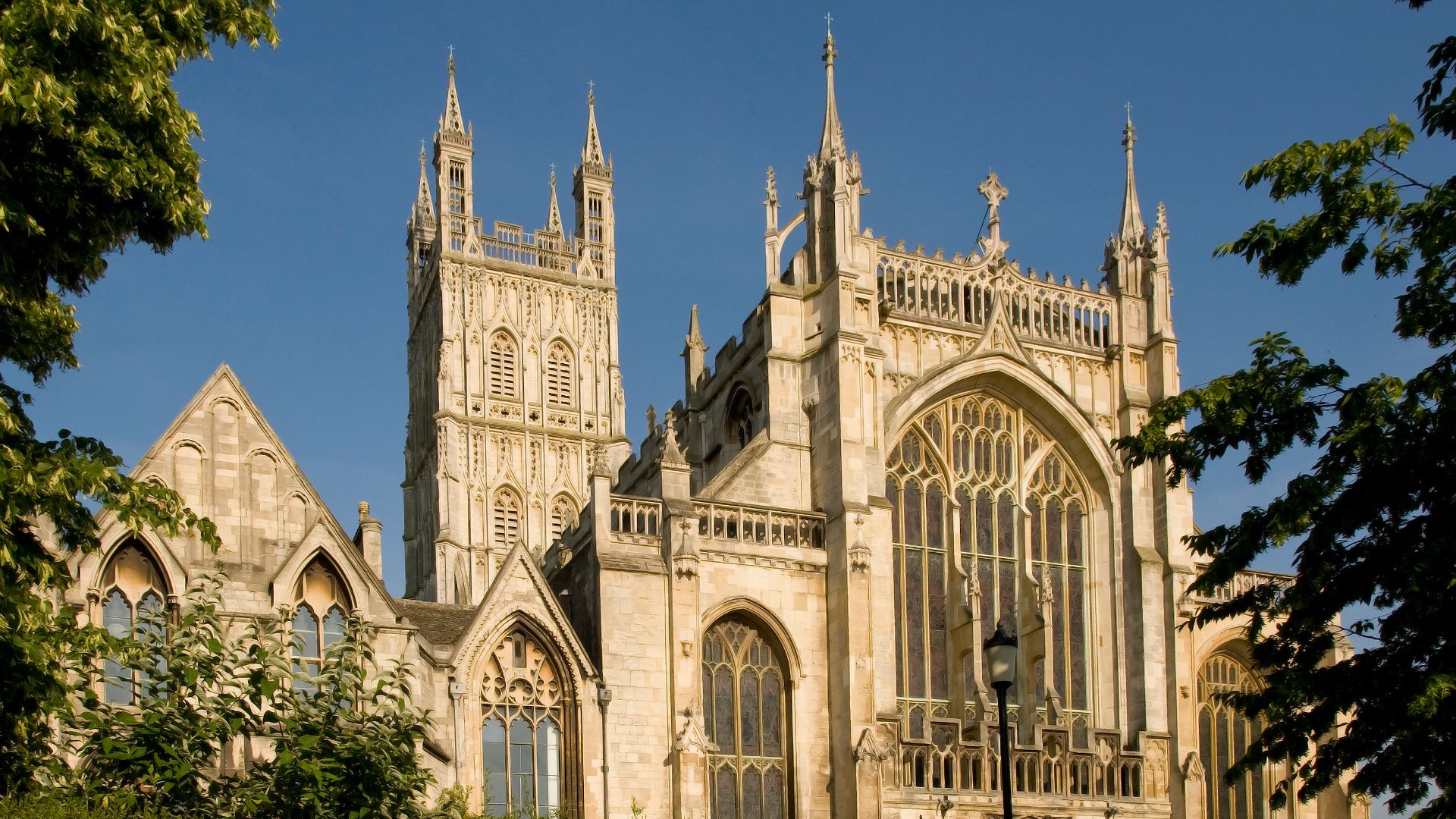
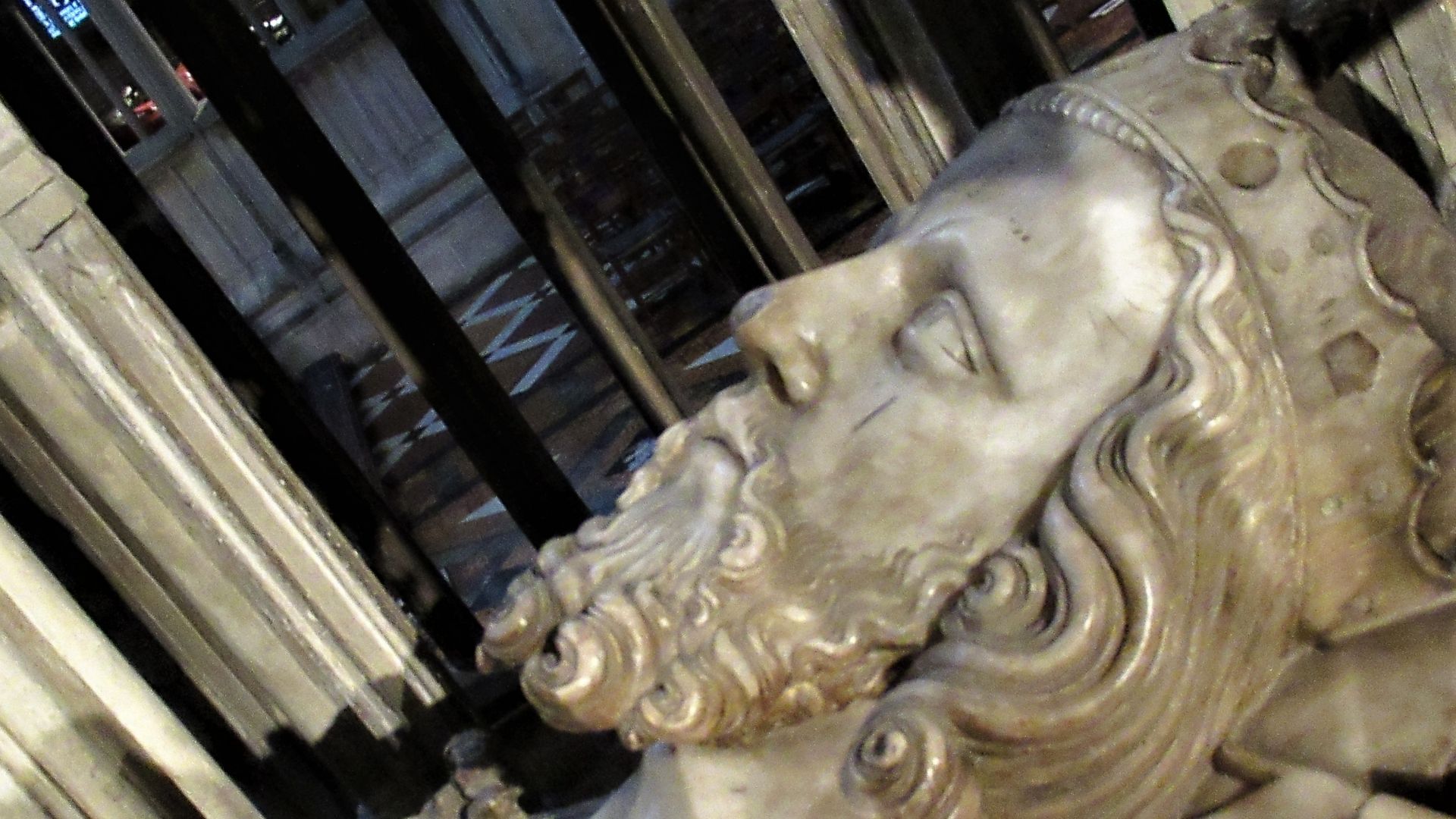
Many contemporaries believed Edward had been murdered, possibly on Mortimer's orders. Later chroniclers popularized an especially gruesome account in which his killers used a heated metal instrument to murder him without leaving obvious external injuries. However, this notorious story emerged in later accounts and cannot be accepted as established fact. Even if Edward was murdered, the precise method remains unknown. His body was buried with considerable ceremony at Gloucester Abbey in December 1327, apparently closing the matter.
 Saffron Blaze, Wikimedia Commons
His Brother Believed Otherwise
Incredibly, rumors that Edward remained alive persisted. His half-brother Edmund of Woodstock, Earl of Kent, became convinced that the former king was secretly imprisoned at Corfe Castle in Dorset. Edmund had attended Edward's funeral, making his subsequent actions particularly remarkable. In 1330, he became involved in a conspiracy to free his brother, apparently believing he could restore him to freedom. The plot was discovered, and Edmund was executed for treason on March 19, 1330. Whether he had uncovered a genuine secret or fallen victim to deliberate deception remains disputed.
A Conspiracy With Supporters
Edmund was not acting entirely alone. Historian Kathryn Warner has identified approximately 70 men associated with his conspiracy, many of whom had previously demonstrated loyalty to Edward II. Even William Melton, Archbishop of York, appears to have believed the former king might still be alive. A surviving letter from January 1330 discusses providing money for clothing suitable for a royal prisoner. Yet belief is not proof. Historians have suggested that false information, perhaps deliberately circulated by political enemies, could explain these extraordinary developments.
 Elena Corbellini, Wikimedia Commons
The Mysterious Fieschi Letter
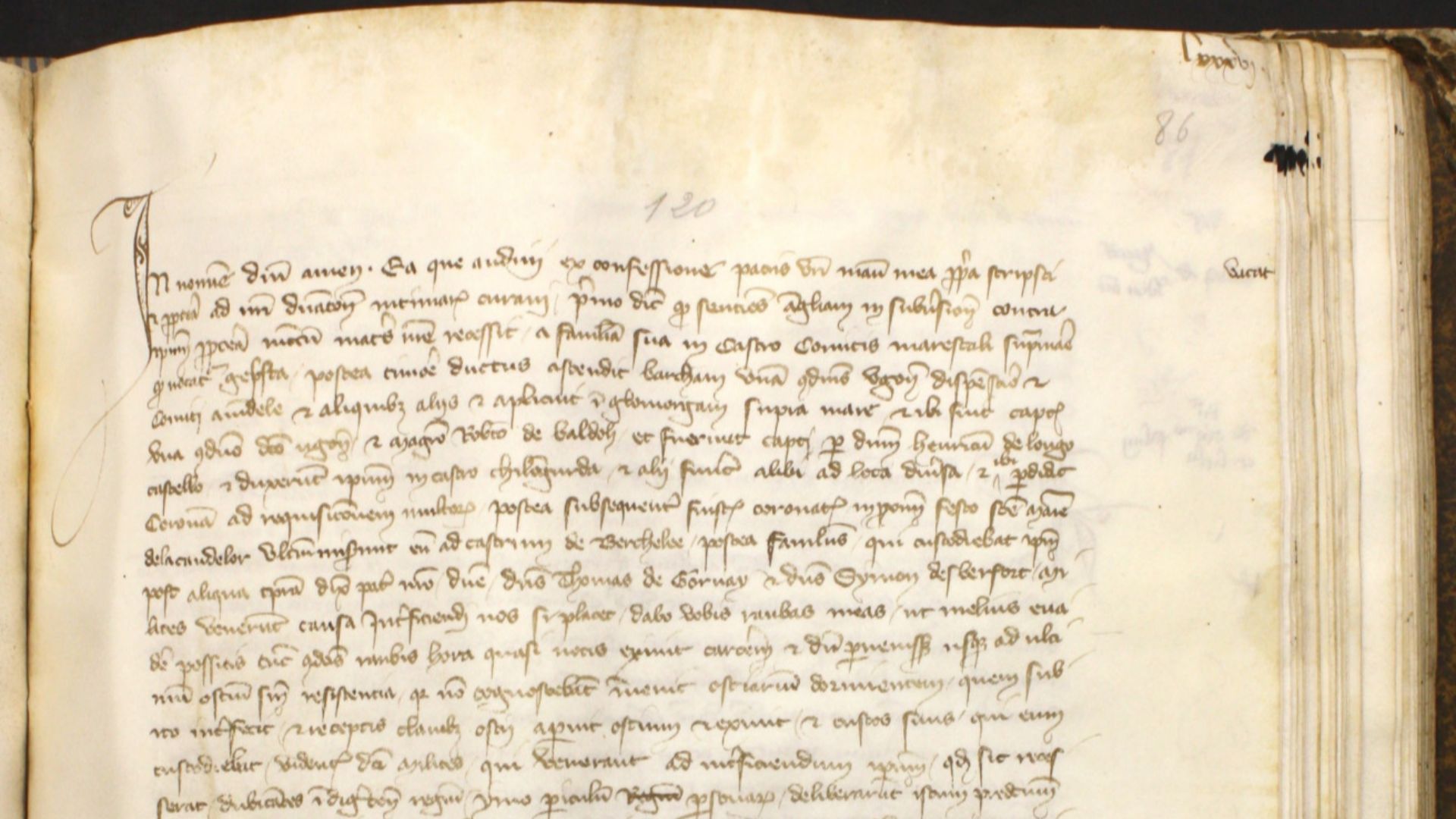
The strangest evidence emerged centuries later. In 1877, scholars brought attention to a medieval document now known as the Fieschi Letter, apparently written around 1336–1338 by the Genoese cleric Manuele Fieschi. Addressed to Edward III, it claimed that his father had escaped Berkeley Castle, traveled through Ireland and continental Europe, and eventually lived as a hermit in Italy. The letter offers a detailed alternative to the accepted account of Edward's death. However, its authenticity as a truthful account remains disputed, and some historians believe its supposed survivor was an impostor.
A Mystery Without Certainty
Historian Ian Mortimer has argued that Edward survived 1327, pointing to inconsistencies in the official record and the remarkable events surrounding Edmund's conspiracy. Others, including J. S. Hamilton, have examined the same evidence and concluded that the traditional account remains more convincing. The documented funeral, contemporary reports, and political circumstances strongly support Edward's death in captivity, probably by murder. Yet the survival theory continues to attract serious historical discussion. Nearly seven centuries later, the exact circumstances of Edward II's final days are still uncertain, even if most historians accept that he died in 1327.
You May Also Like:
Heroic Facts About Edward III, The Warrior King Who Saved England
Royal Deaths That Still Leave Most Historians With More Questions Than Answers