Some Royal Secrets Died With Them
A crown could buy almost anything except a clear ending. Across history, kings, queens, emperors, and heirs have died in circumstances that left behind missing bodies, contradictory witnesses, suspicious wounds, and questions that remain remarkably difficult to answer.
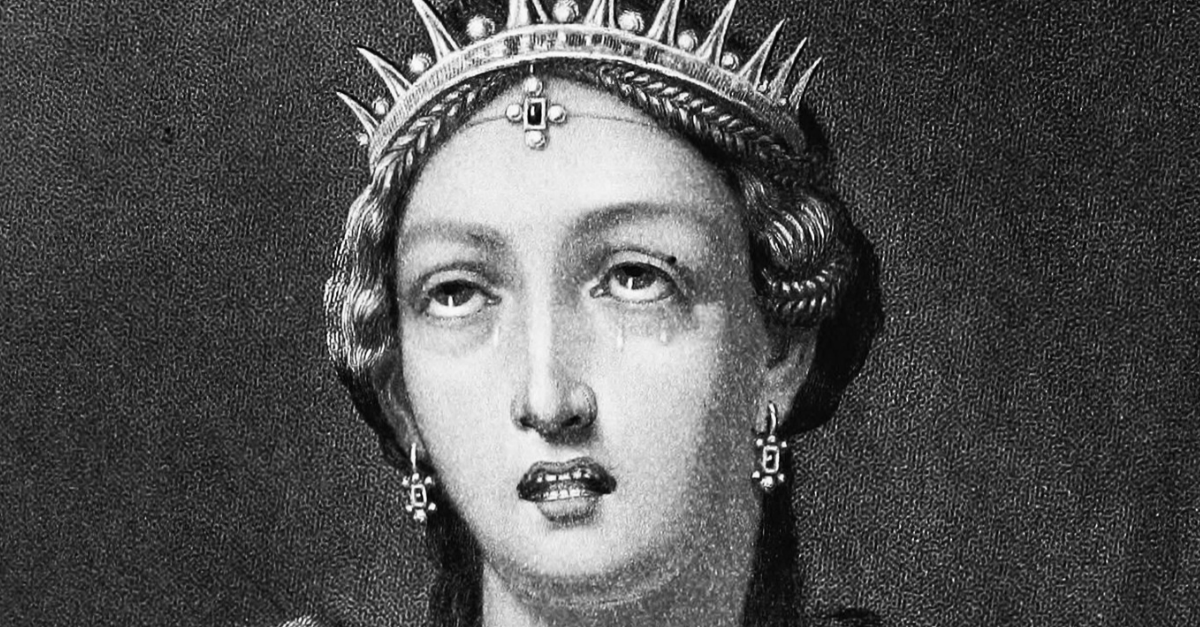 John Sartain / Wikimedia Commons
The Princes Entered The Tower And Vanished
Edward V was only 12 when he and his nine-year-old brother Richard were lodged in the Tower of London in 1483. Contemporary reports indicate that the boys were seen less and less frequently until they disappeared from public view altogether. Most historians suspect they died, but nobody can establish with certainty when, how, or on whose orders.
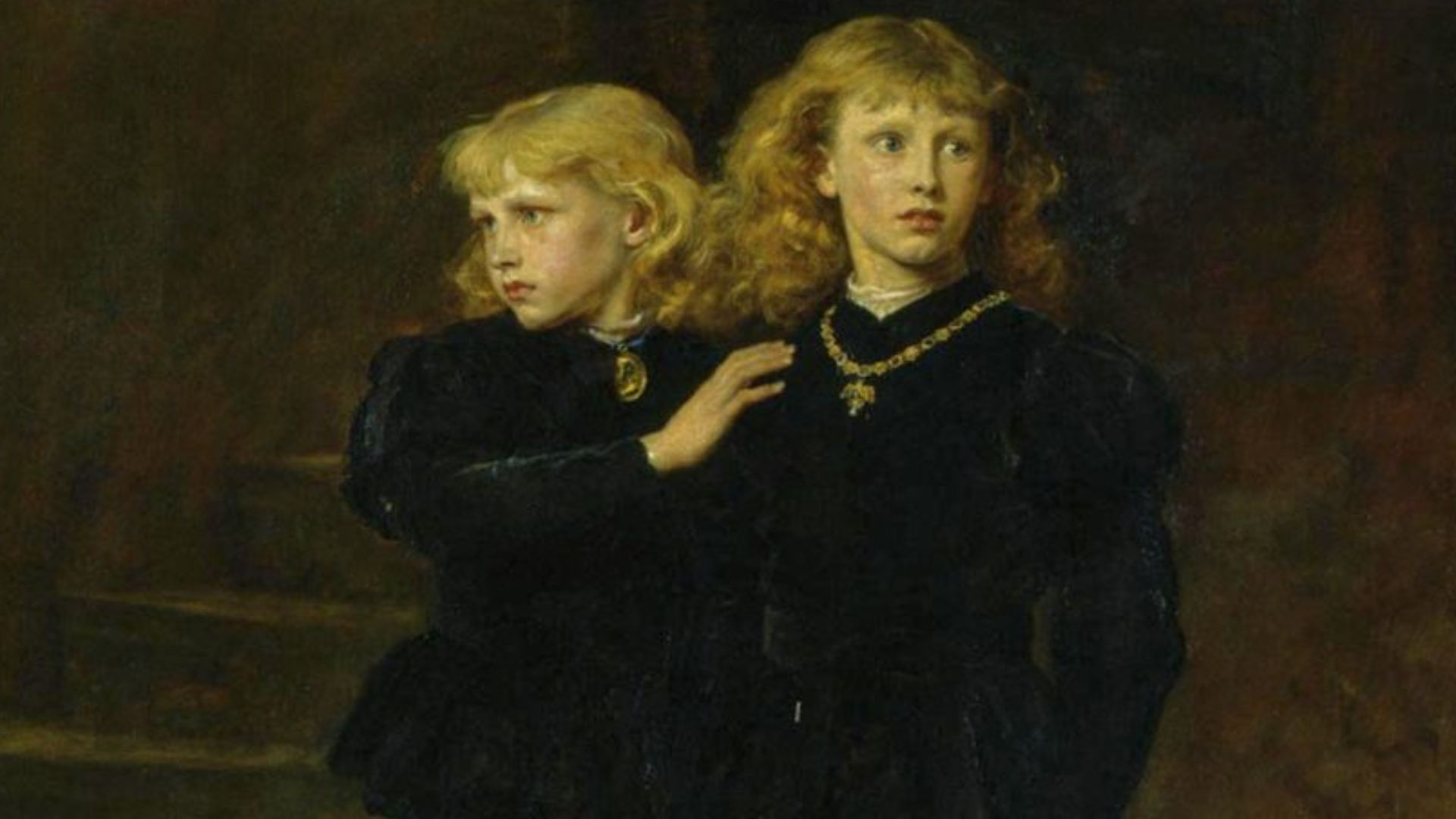 John Everett Millais, Wikimedia Commons
Then Two Mysterious Skeletons Appeared
Workmen discovered the skeletons of two children beneath a staircase at the Tower in 1674, nearly two centuries after the princes disappeared. Charles II eventually had the bones interred at Westminster Abbey, and a 1933 examination concluded that they were consistent with children around the princes' ages. Their identities have never been conclusively established, meaning even the most tantalizing physical evidence in the case remains unresolved.
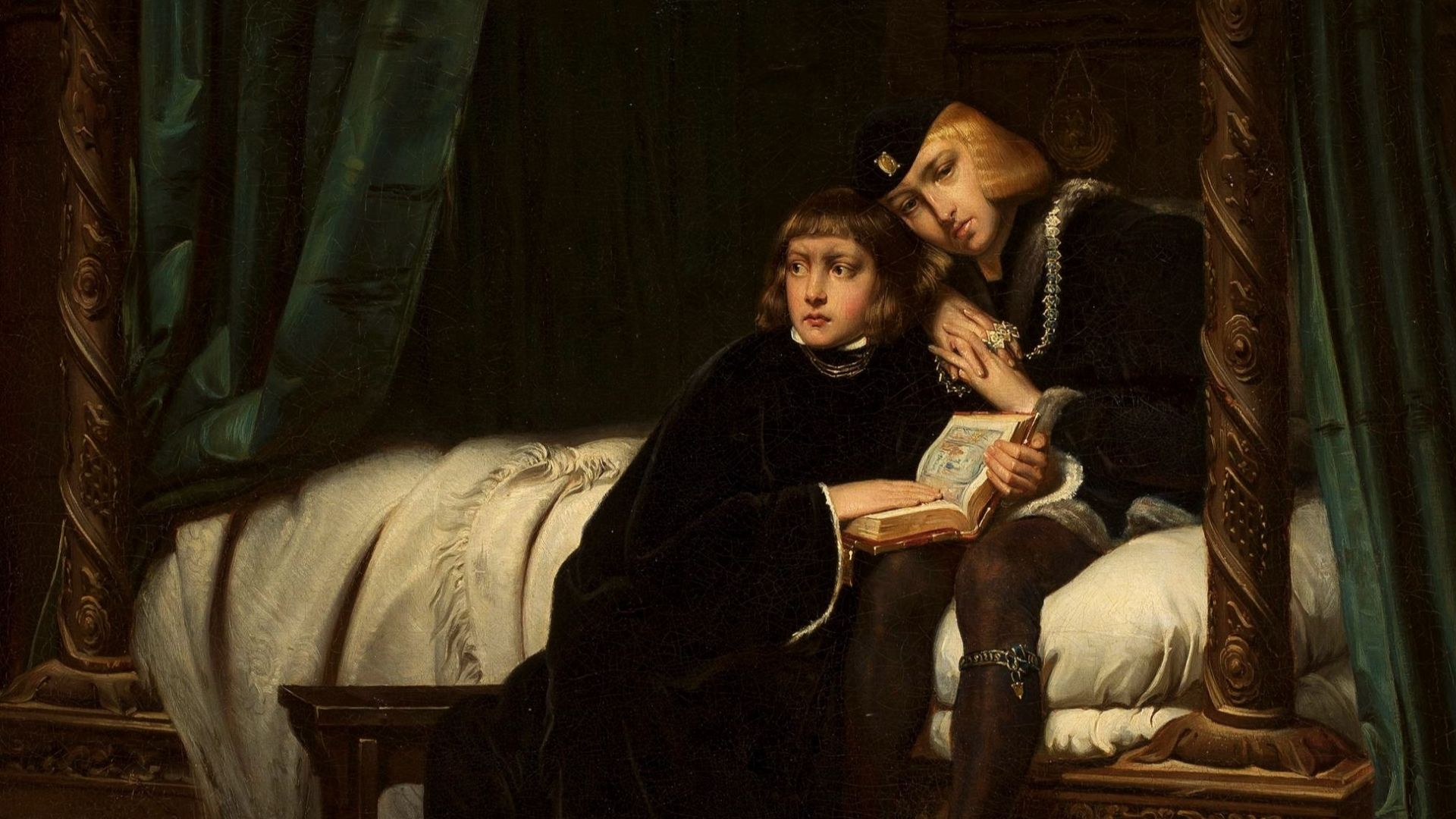 Józef Simmler / After Paul Delaroche, Wikimedia Commons
Henry VI Died At A Very Convenient Moment
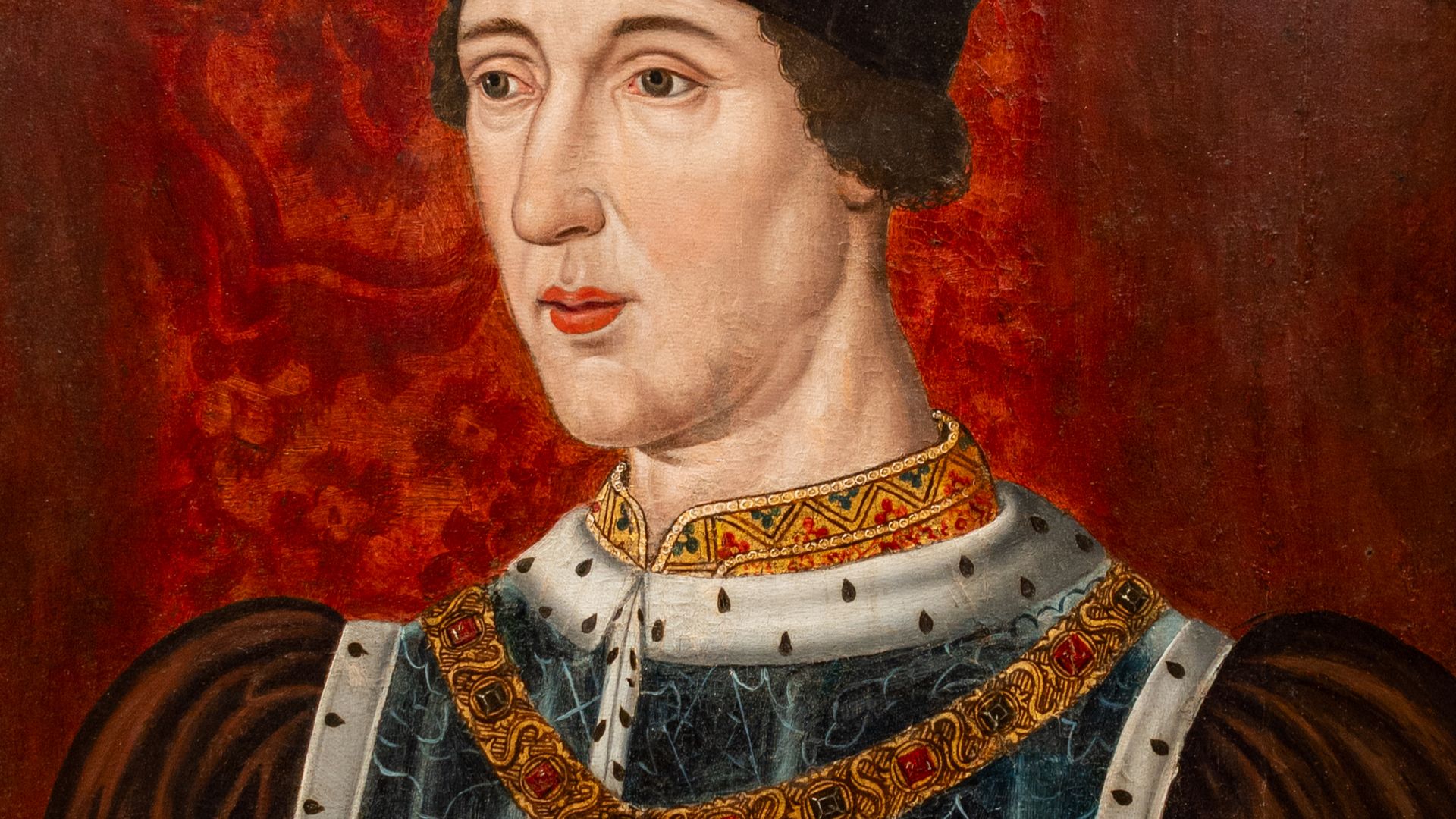
The deposed Henry VI was imprisoned in the Tower of London after Edward IV regained the English crown in 1471. He died there during the night of May 21 to 22, with early explanations attributing his death to illness or melancholy while suspicions of murder quickly developed. Tradition eventually blamed agents connected to Richard, Duke of Gloucester, but Historic Royal Palaces notes that the allegation remains unproven.
Edward II’s Famous Murder Story Came Later
Edward II was deposed in 1327 and officially died while imprisoned at Berkeley Castle that September. Later chroniclers supplied increasingly gruesome descriptions of his murder, including the notorious story involving a heated iron, but contemporary evidence does not securely establish how he died. Modern historians generally accept that he probably died at Berkeley, yet the exact cause remains disputed.
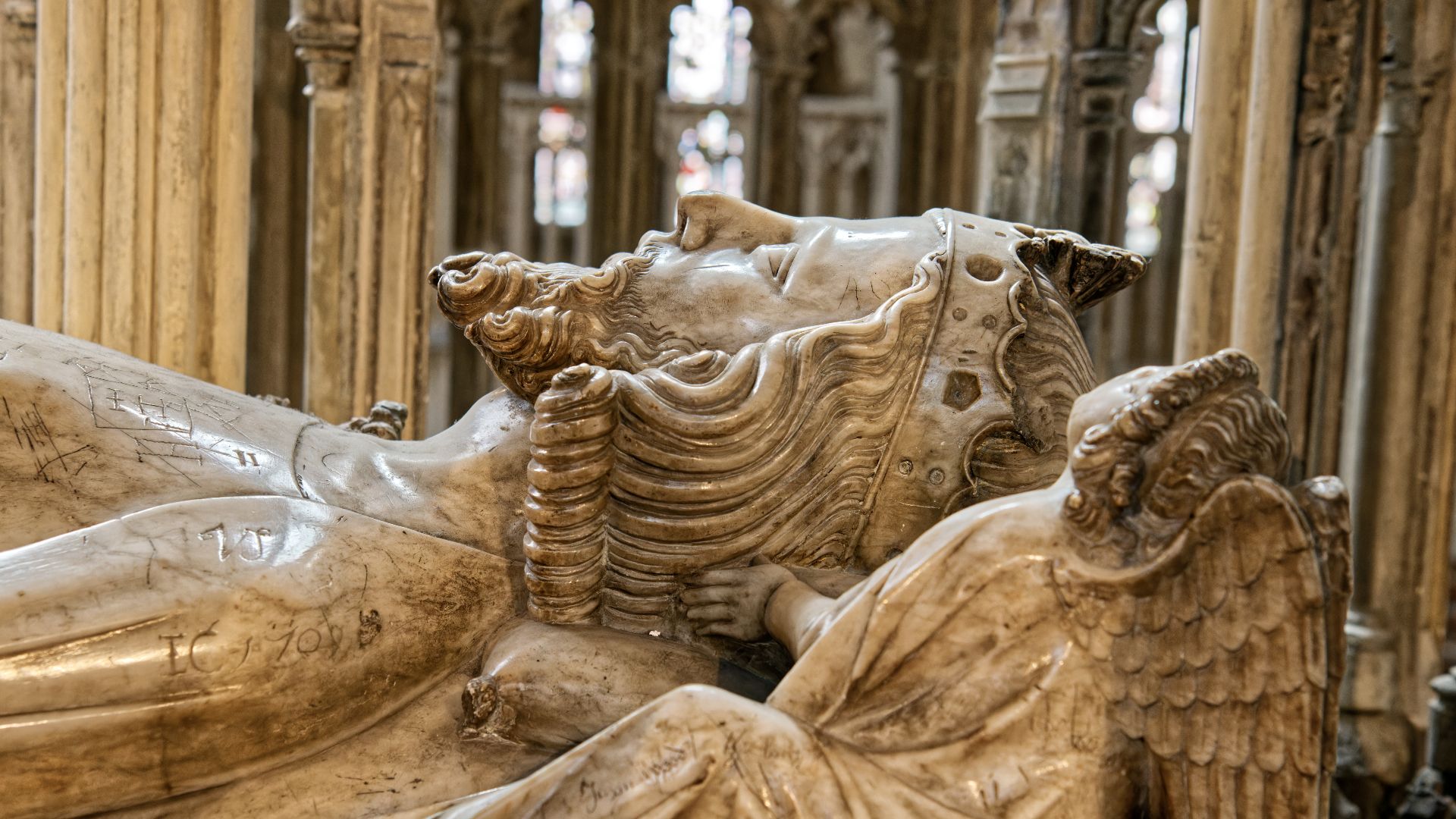
Edward II Might Not Even Have Died There
The mystery became stranger because medieval evidence also circulated suggesting that the former king survived. The so-called Fieschi Letter described an escape and a later life as a religious hermit, prompting modern historian Ian Mortimer to argue that Edward may have lived beyond 1327. Other scholars have rejected that conclusion, leaving an unusual historical dispute in which even the officially recorded date of a king's death has been challenged.
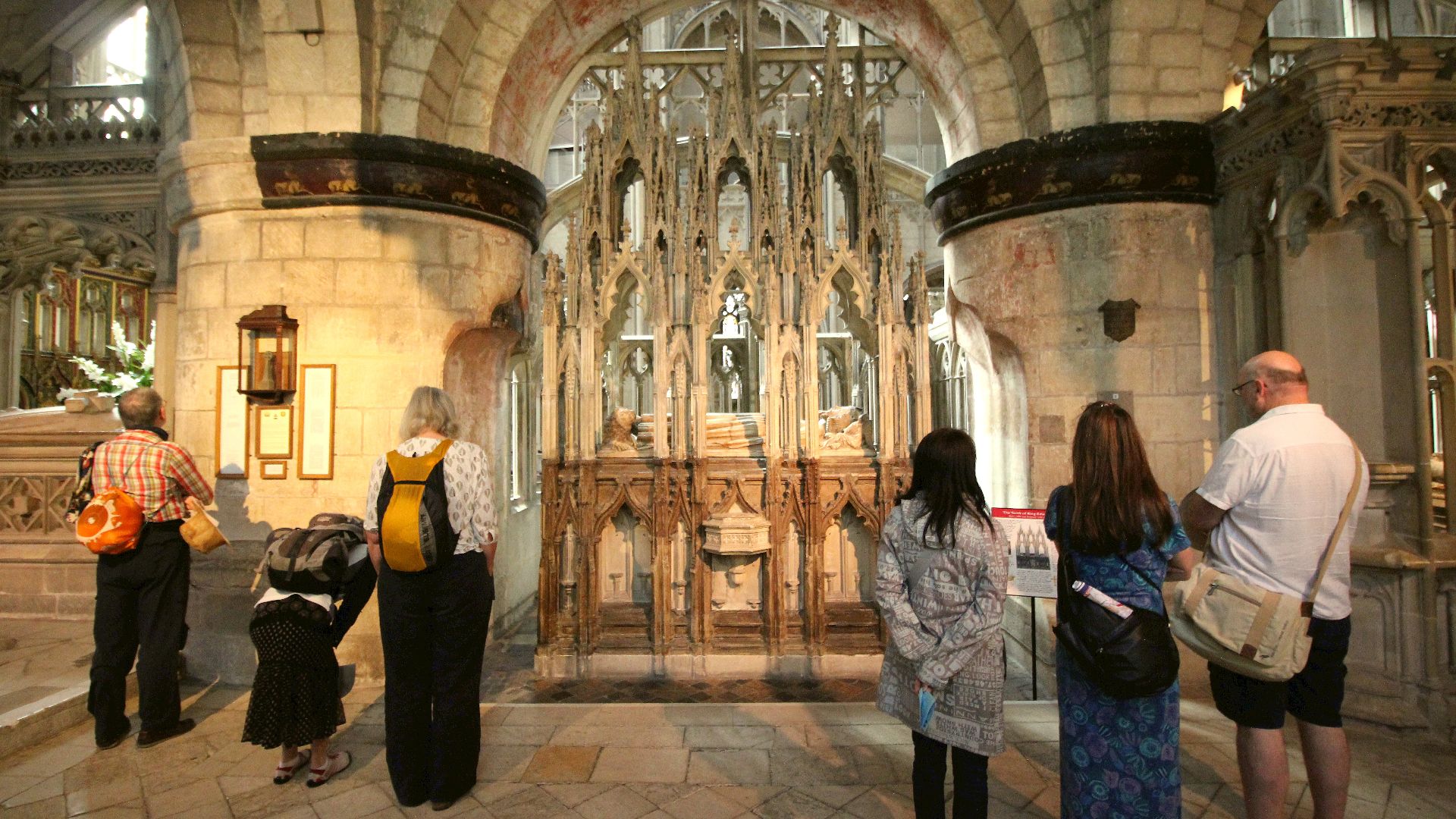
Richard II Simply Disappeared Into Captivity
Henry Bolingbroke deposed Richard II in 1399 and sent the former king to Pontefract Castle. Richard was dead by February 1400, but surviving evidence does not settle whether he was deliberately starved, refused food himself, or succumbed to the harsh conditions of imprisonment. The uncertainty was immediate enough to encourage rumors that Richard had actually escaped.
 Unknown authorUnknown author, Wikimedia Commons
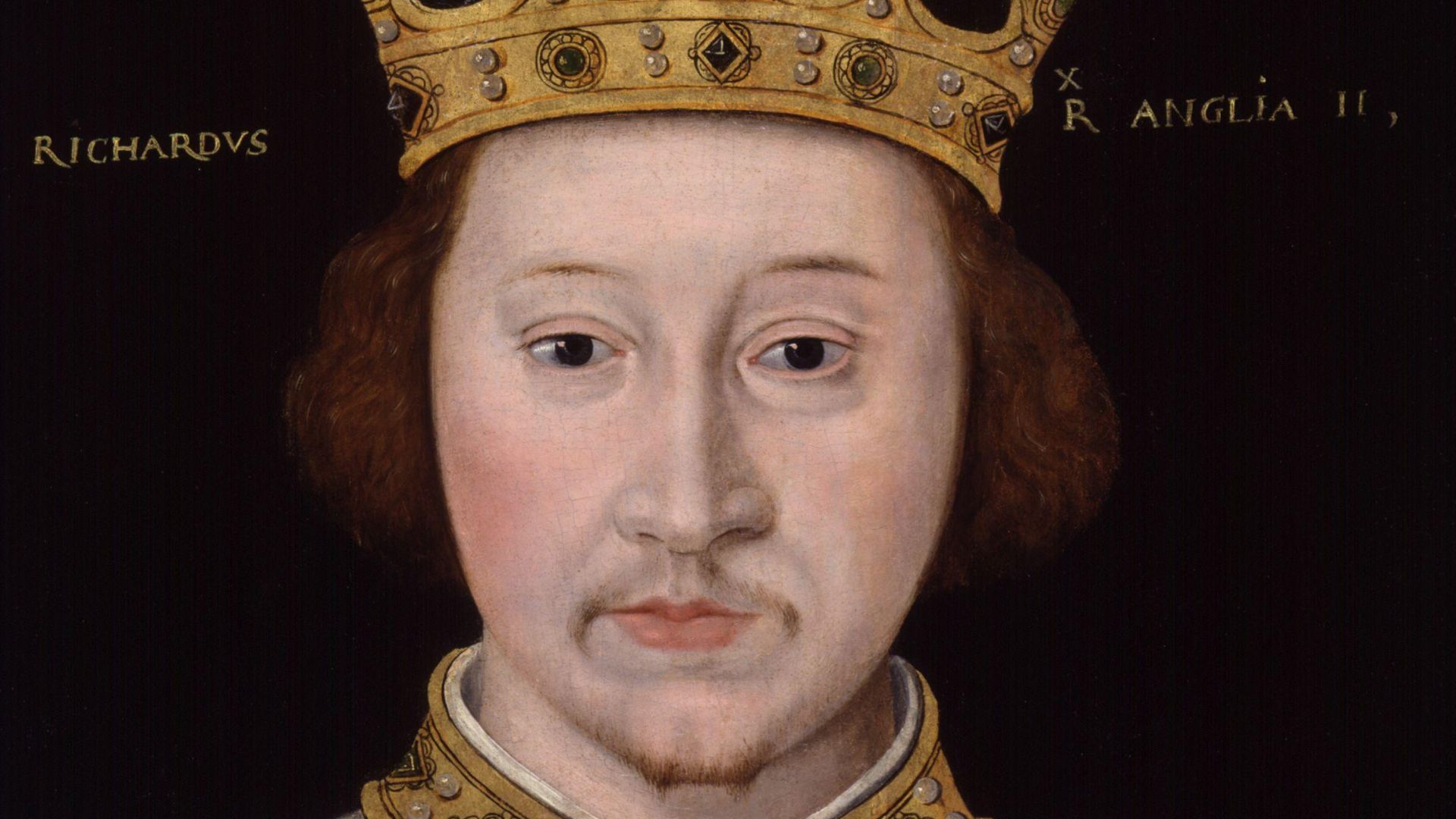
An Arrow Killed William Rufus, But Whose?
William II, better known as William Rufus, was hunting in the New Forest on August 2, 1100 when an arrow struck and killed him. Later tradition identified Walter Tirel as the man who fired it, usually portraying the shooting as a hunting accident, while Tirel reportedly denied responsibility. With the king's companions quickly leaving the scene and William's brother Henry rapidly taking the throne, later suspicions of assassination have never entirely disappeared.
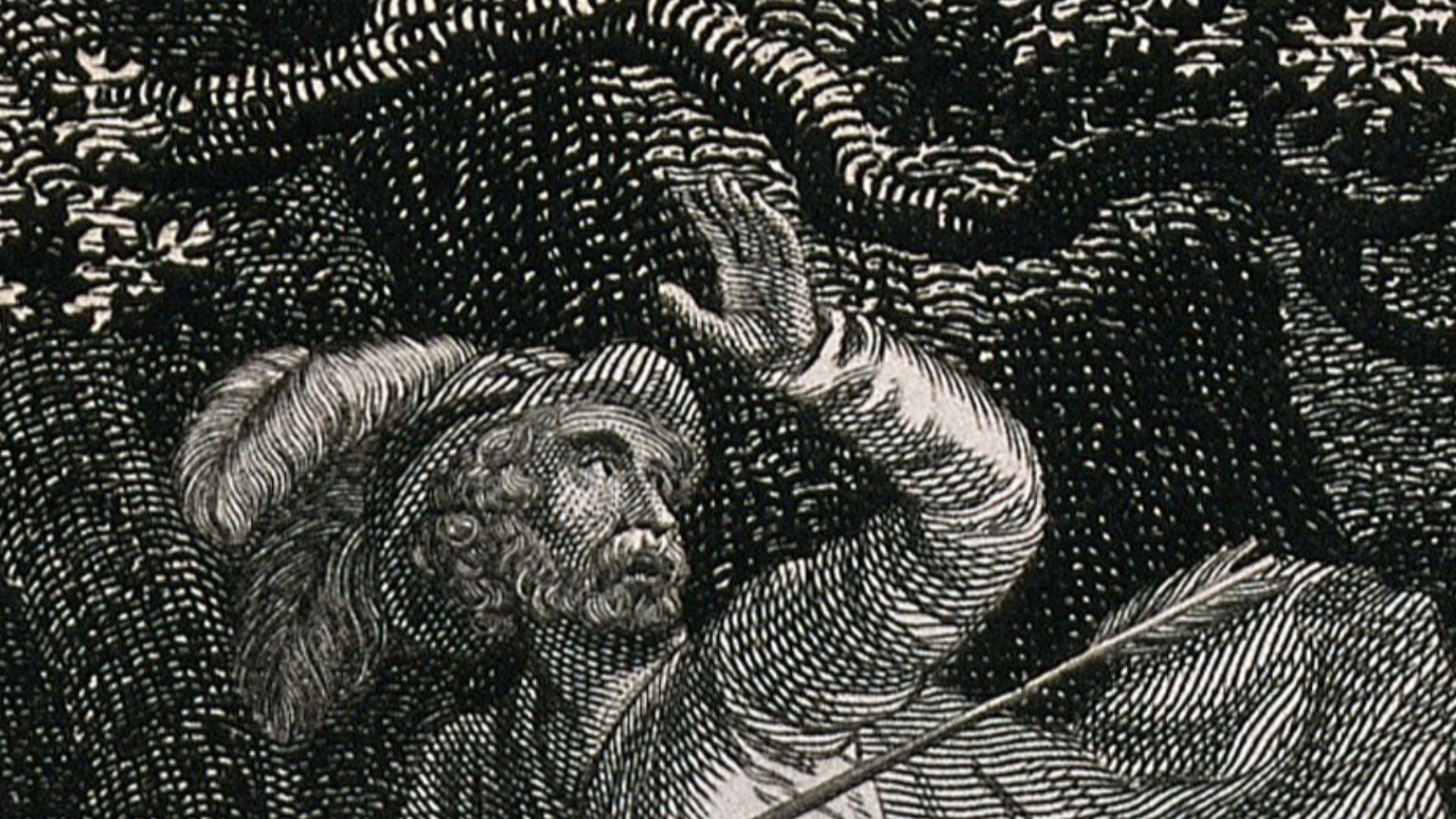
Harold’s Arrow In The Eye May Be Wrong
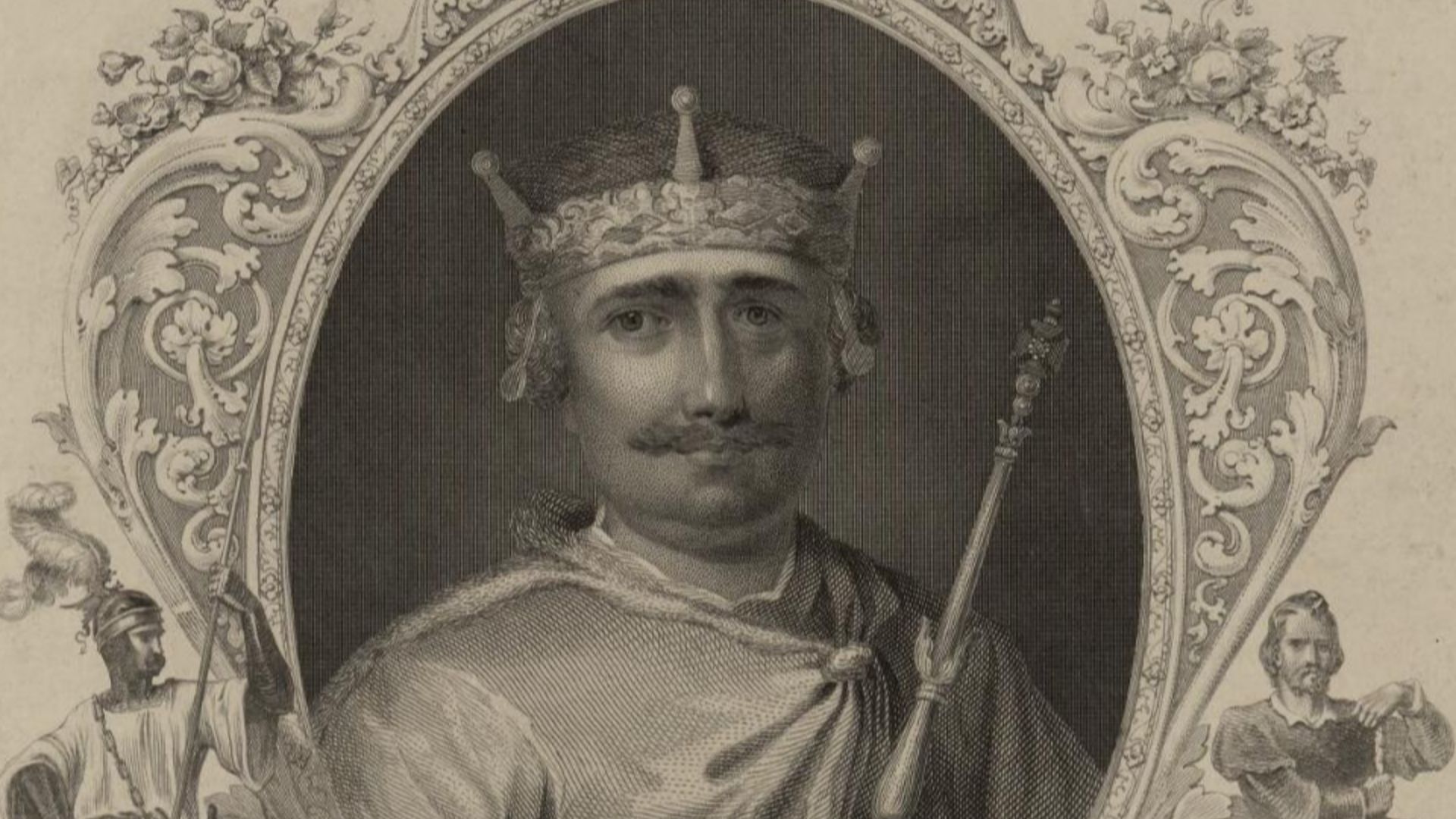
Few royal deaths seem more familiar than Harold II taking an arrow through the eye at Hastings in 1066. Unfortunately, early accounts disagree, and English Heritage notes that the Bayeux Tapestry itself may have been altered during later restoration in a way that reinforced the famous arrow story. Another early account instead describes Norman warriors hacking the king down, leaving the precise manner of England's last Anglo-Saxon king's death unsettled.
 Unknown authorUnknown author, Wikimedia Commons

History's most fascinating stories and darkest secrets, delivered to your inbox daily.
Arthur Of Brittany Simply Disappeared
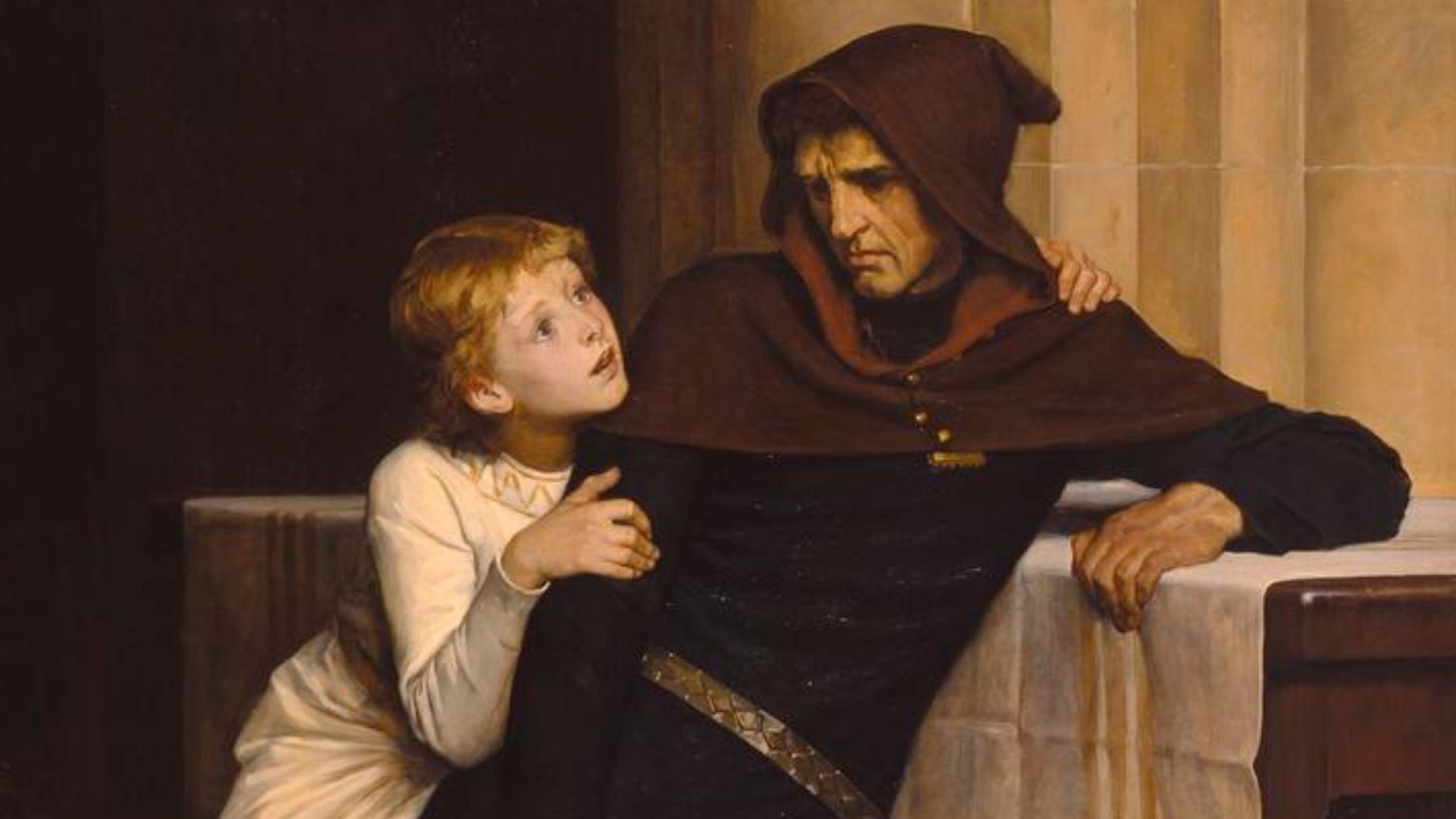
Arthur of Brittany was a teenage claimant to King John's territories and therefore an extremely dangerous prisoner. After being moved between castles, Arthur disappeared from the historical record in 1203, producing stories that John personally killed him and disposed of his body. No verified grave, body, or contemporary account definitively reveals his fate.
 William Frederick Yeames, Wikimedia Commons
Edmund Ironside Died At The Perfect Time
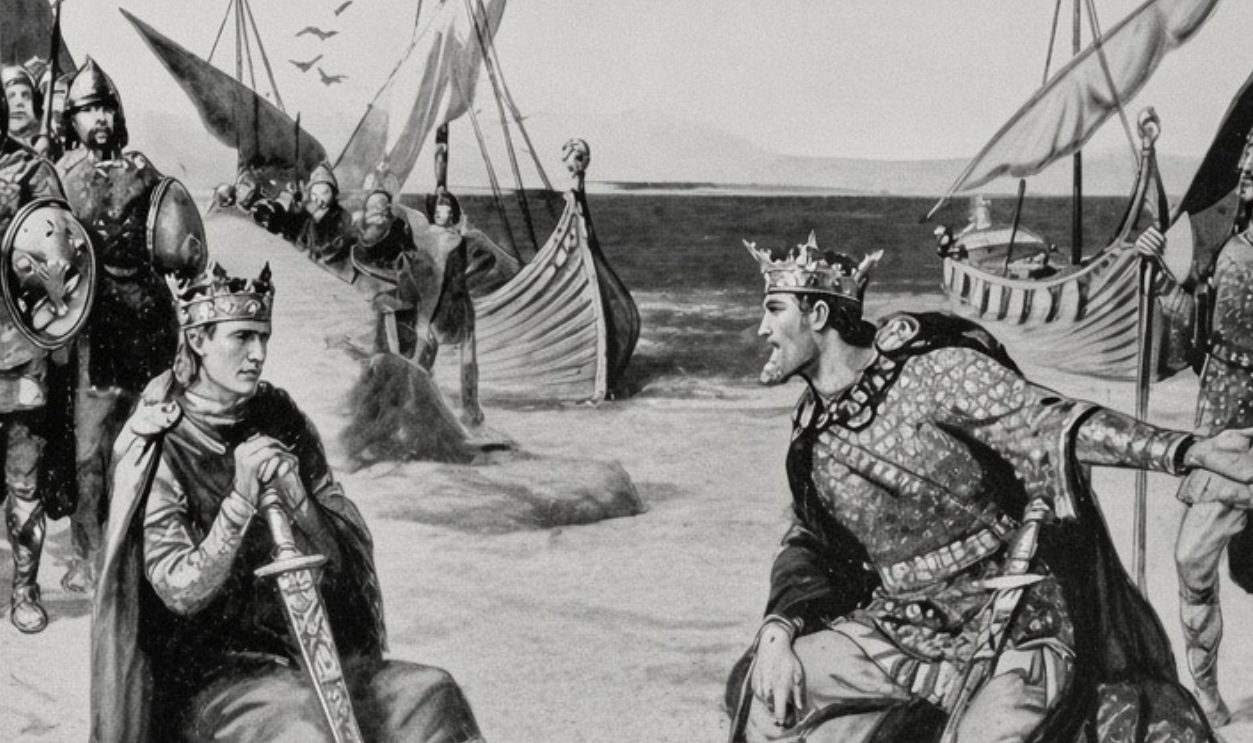
Edmund Ironside spent much of 1016 fighting the invading Cnut before the two men divided England between them. Edmund died on November 30, only weeks after their agreement, allowing Cnut to become ruler of the entire kingdom. Modern reference works generally regard natural causes as probable, but later medieval writers introduced stories of assassination that cannot now be proved or entirely reconstructed.
 Joseph Ratcliffe Skelton, Wikimedia Commons, Modified
Henry I Probably Did Not Die From Lampreys
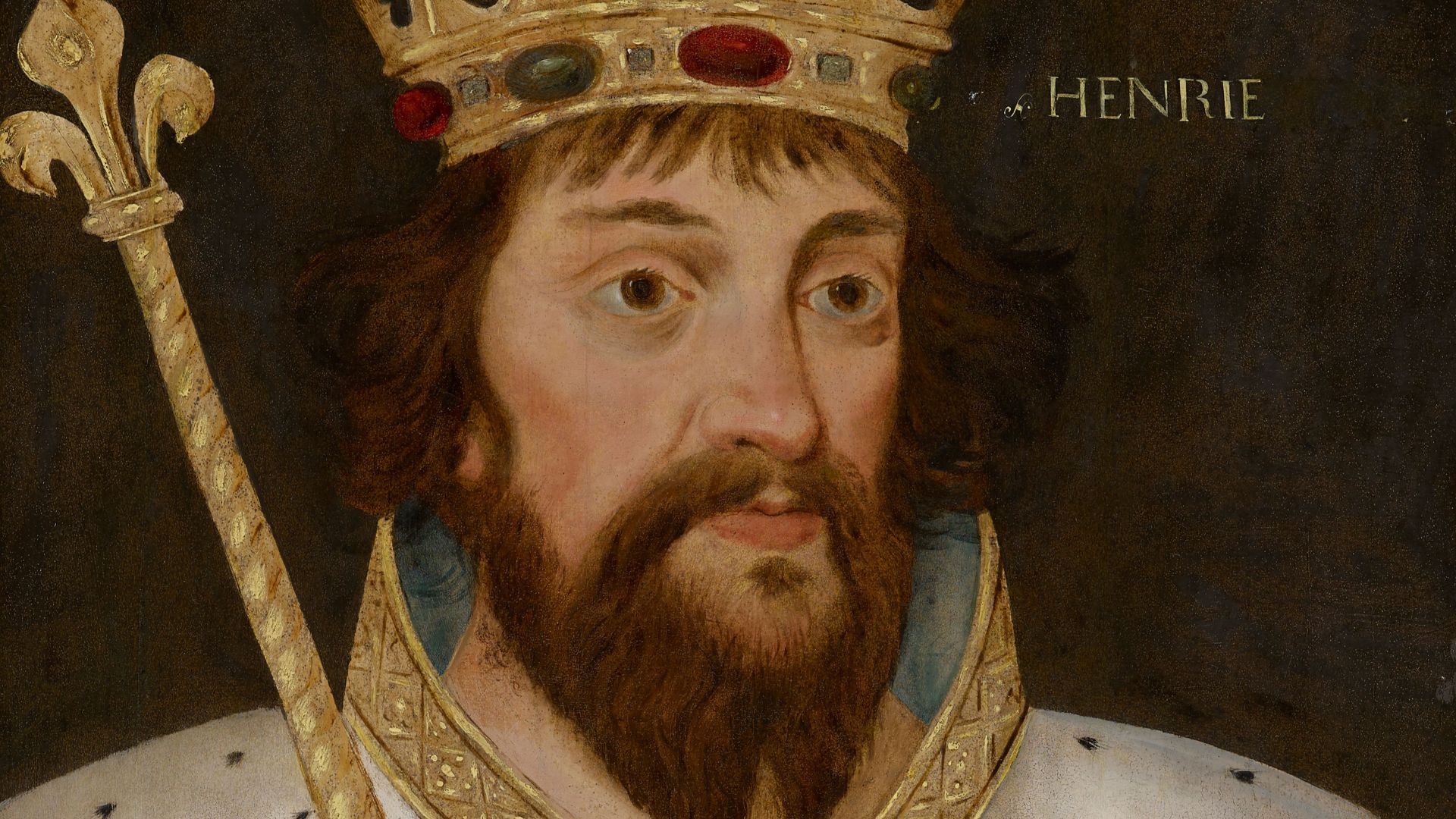
Generations learned that Henry I died after ignoring his doctors and devouring too many lampreys in 1135. Modern medical analysis has pointed out that the symptoms recorded by medieval chroniclers do not fit any straightforward fatal lamprey poisoning, and some near-contemporary writers did not mention the fish at all. Infections, abdominal disease, and other illnesses remain possibilities, but the actual diagnosis is unrecoverable.
 Georgemiller381, Wikimedia Commons
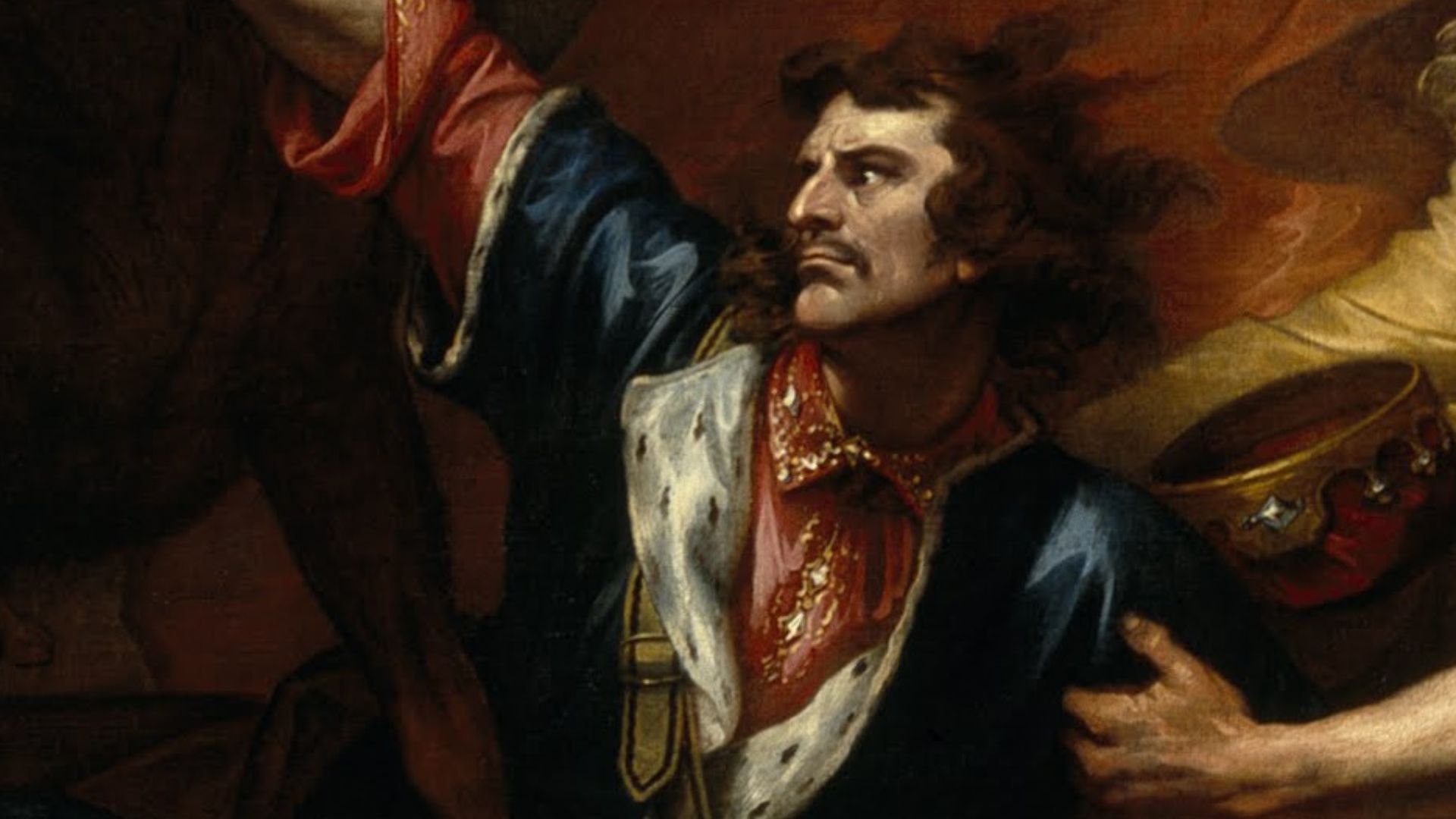
Alexander III Vanished Into A Storm
Scotland's Alexander III ignored warnings and rode through darkness and severe weather toward Kinghorn in March 1286. He became separated from his companions and was found dead the following morning, apparently after his horse lost its footing on steep ground near the shore. The broad outline strongly suggests an accident, but nobody witnessed the fatal fall and its precise circumstances remain unknown.
 Benjamin West, Wikimedia Commons
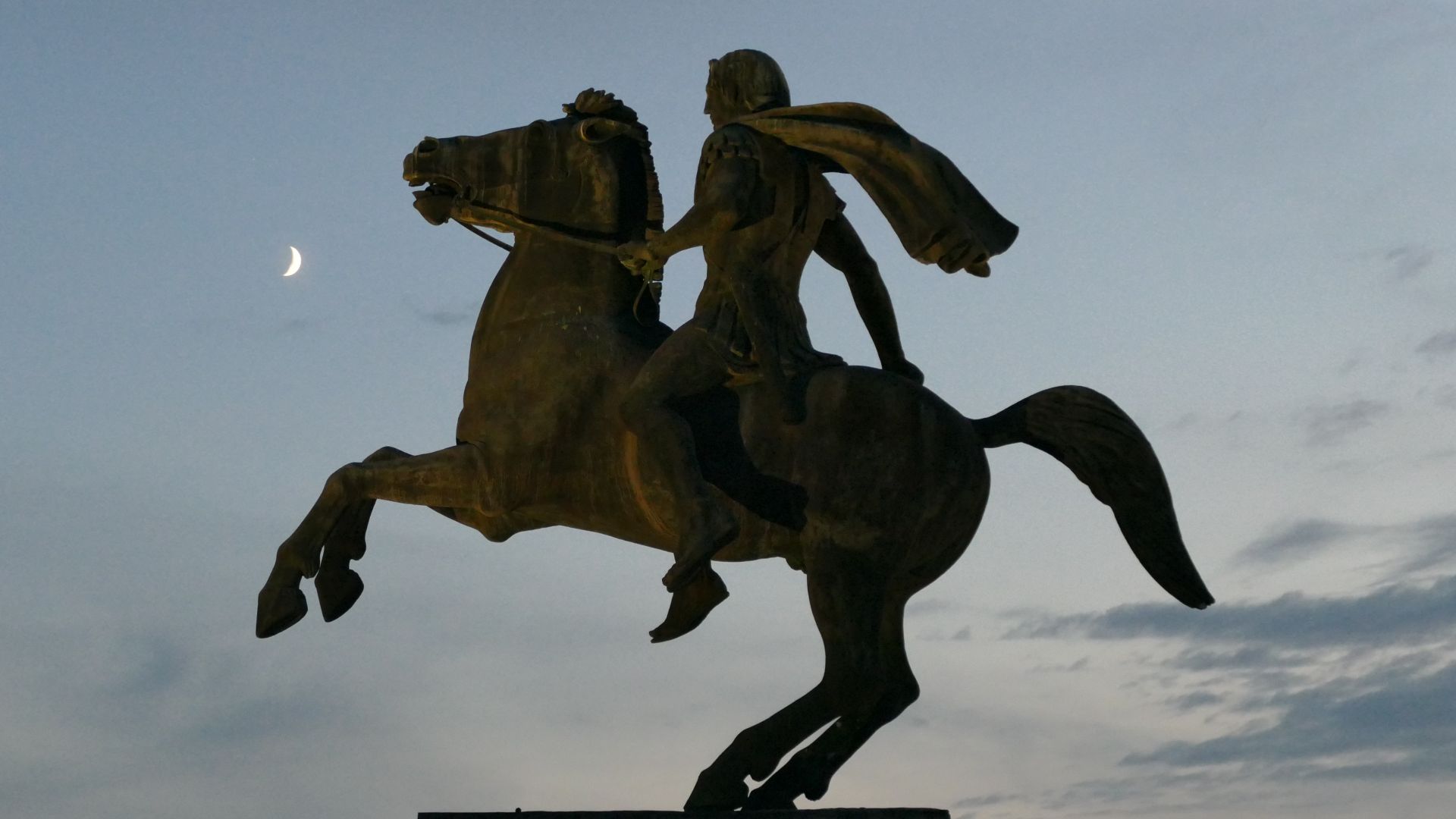
Alexander The Great Left No Diagnosis
Alexander the Great developed a fever at Babylon in 323 BCE and deteriorated over several days before dying at only 32. Scholars have proposed infections, neurological disorders, poisoning, and numerous other explanations, but the surviving descriptions were recorded through later authors relying on sources that are themselves lost. His remains have not been securely located, eliminating the possibility of modern testing that might settle the argument.
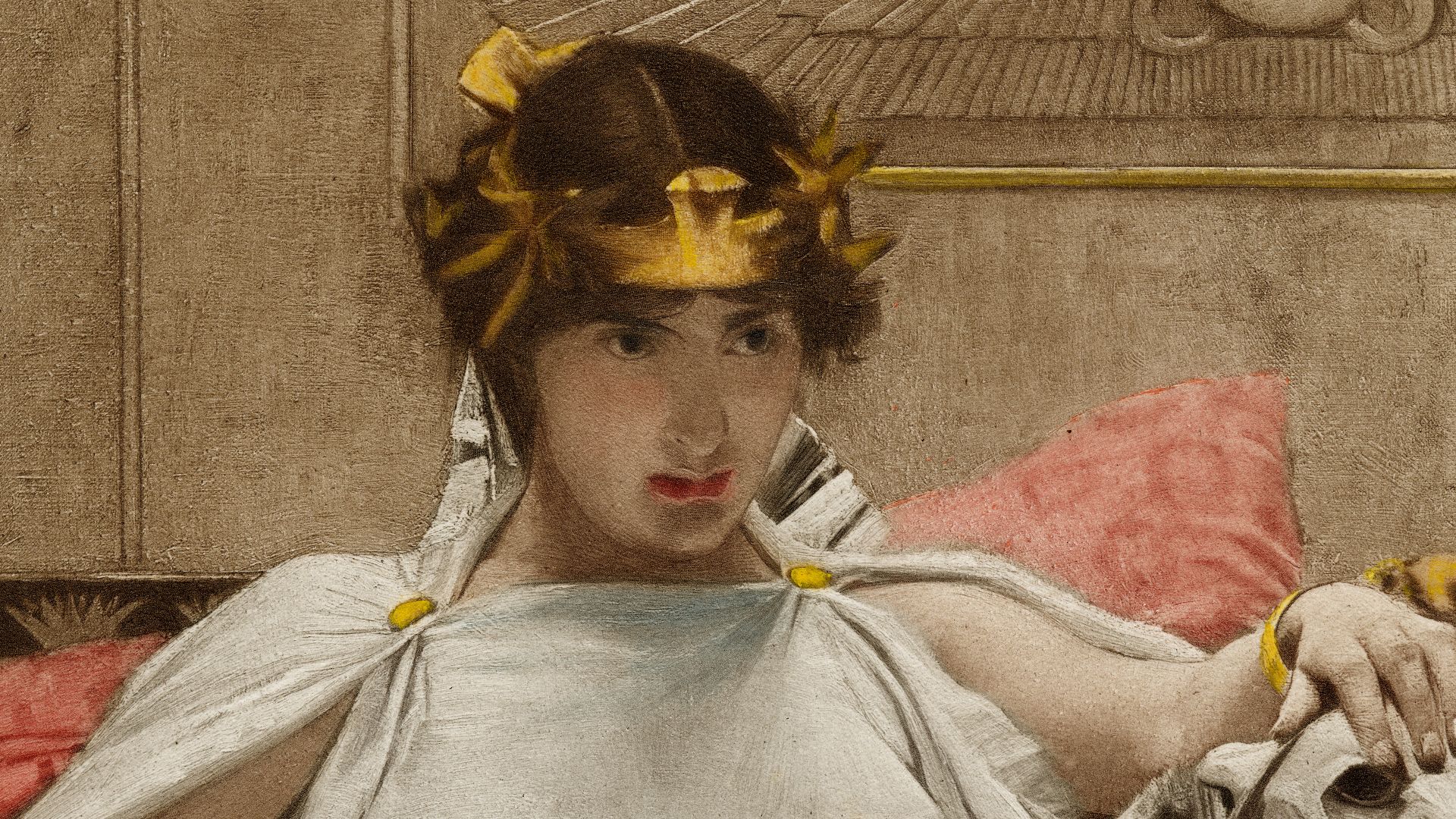
Cleopatra’s Snake May Never Have Existed
Ancient tradition made Cleopatra's suicide by snakebite one of history's most recognizable royal deaths. Yet even ancient writers offered uncertainty over exactly how she died, and modern historians have considered poison at least as plausible as the famous hidden asp. What is far more secure is that she died after Octavian's victory in 30 BCE, while the method she used remains elusive.
 John William Waterhouse, Wikimedia Commons
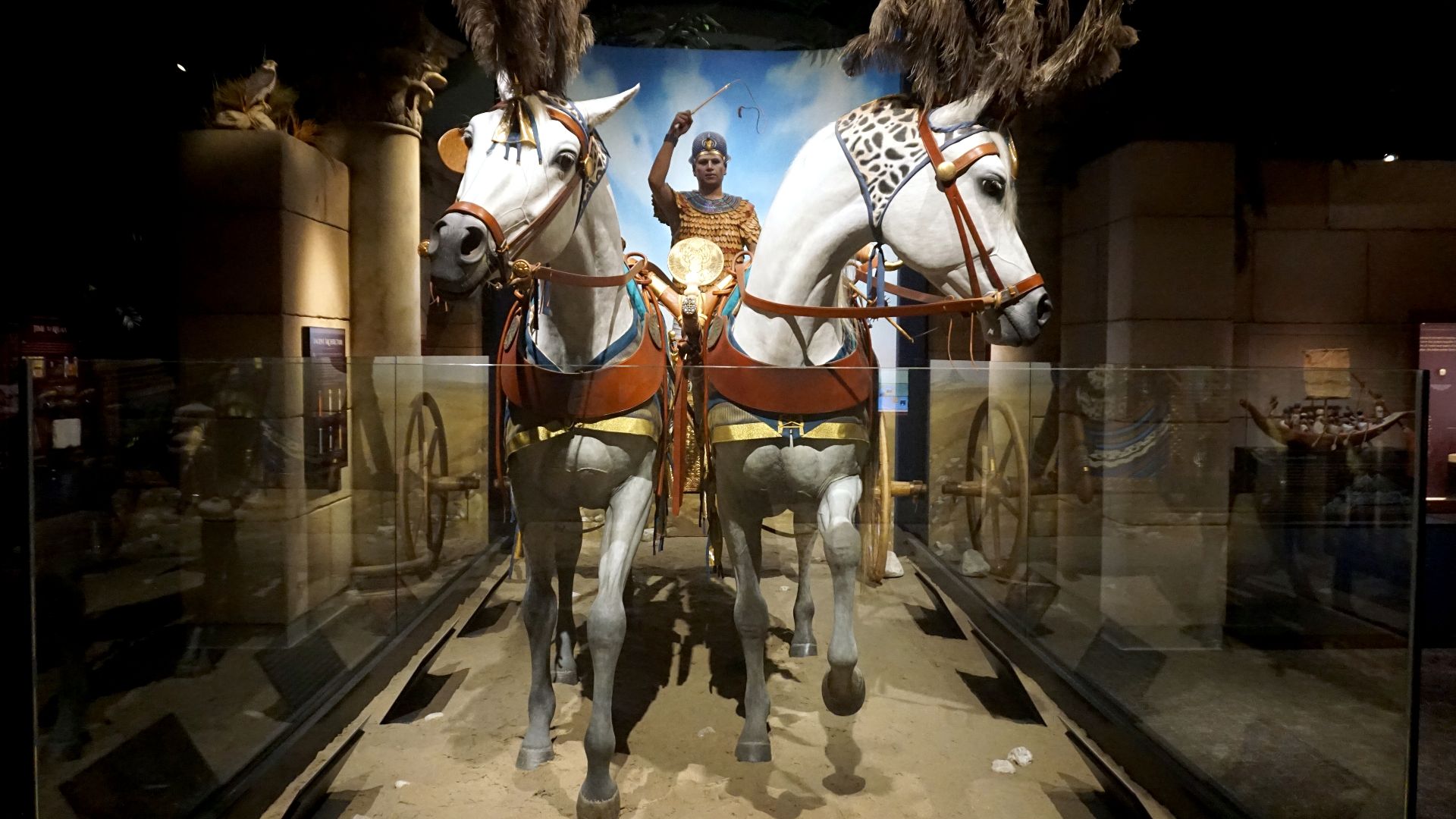
Tutankhamun Keeps Producing New Answers
The young Tutankhamun has been accused of dying from murder, a chariot accident, infection, inherited disease, and assorted combinations of medical problems. A major genetic and CT investigation found evidence of malaria and avascular bone necrosis and suggested they contributed to his death. Other medical researchers have questioned whether those findings are sufficient, leaving the pharaoh's exact final illness unresolved.
 Michael Barera, Wikimedia Commons
Ramesses III Was Murdered, But The Plot Is Still Murky
For centuries, historians knew from surviving documents that members of Ramesses III's household had plotted against him, but they could not prove whether the conspiracy succeeded. CT scanning eventually revealed a massive cut across the pharaoh's throat that researchers concluded was probably fatal. Genetics also linked another unusual mummy to Ramesses III's paternal line, possibly his condemned son Pentawere, but the exact sequence of participants and actions in the assassination remains uncertain.
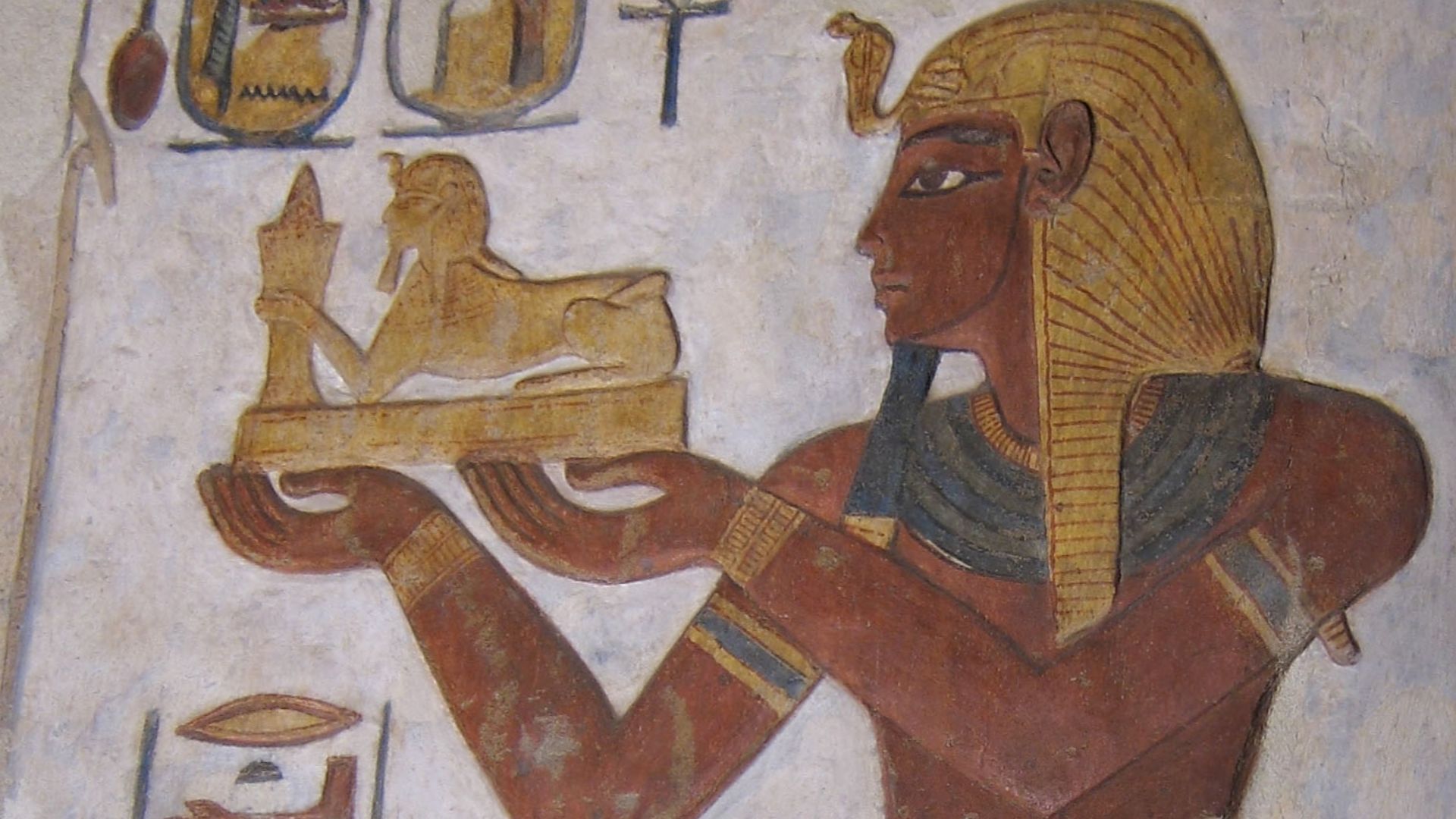
Philip II’s Killer Never Got To Explain Himself
Philip II of Macedon was entering a theater at Aigai in 336 BCE when one of his bodyguards, Pausanias, stabbed him to death. Pausanias fled but was killed almost immediately, removing the person best positioned to explain whether he had acted alone. Ancient writers supplied a personal motive, while suspicions also fell on political figures including Philip's wife Olympias and his son Alexander, none of whose involvement can be demonstrated conclusively.
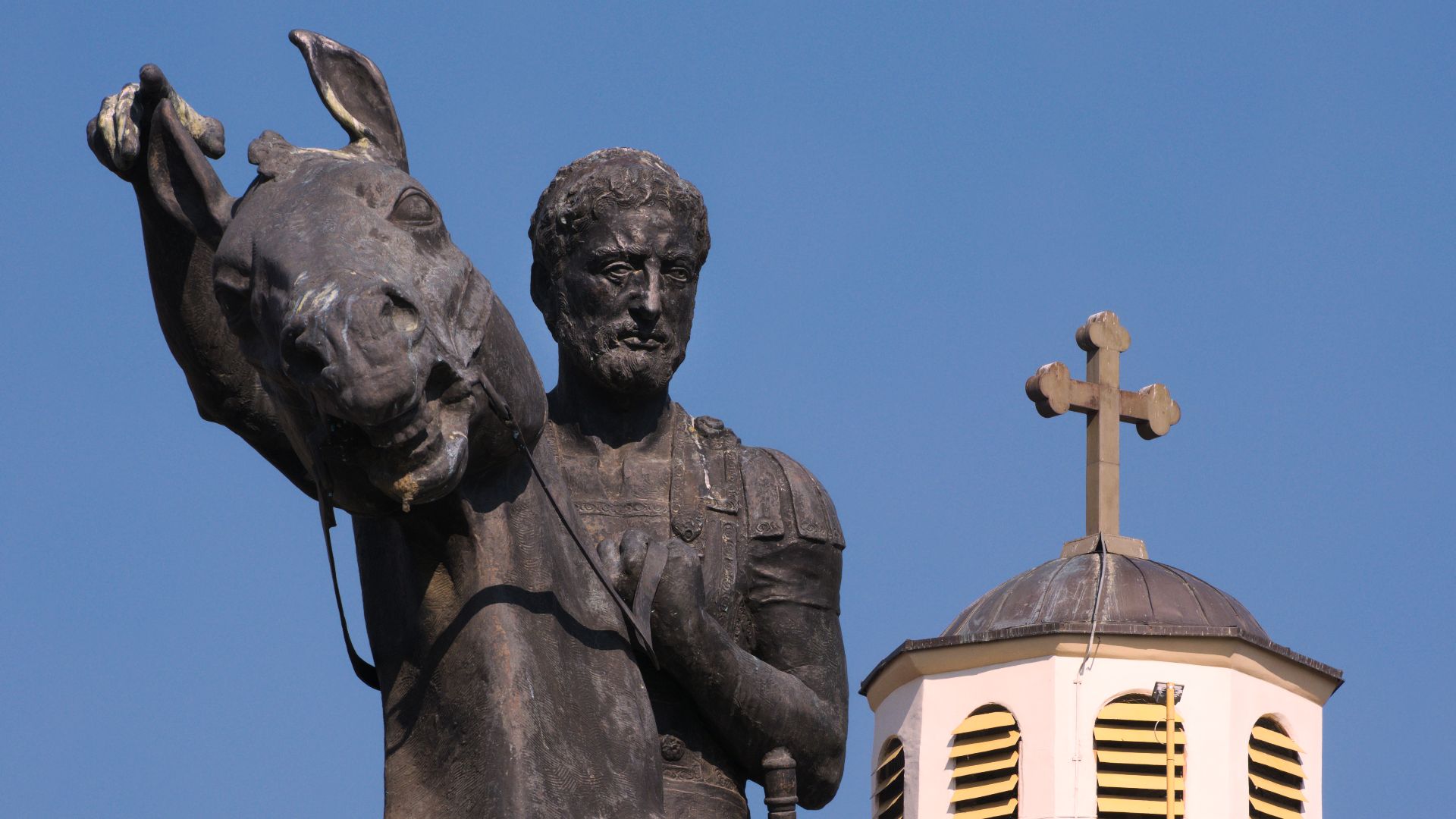 Petar Milošević, Wikimedia Commons
Claudius May Have Been Poisoned By Dinner
Roman writers famously accused Agrippina of arranging Emperor Claudius's death so that her son Nero could take power. Poisoned mushrooms became the most enduring version, yet the ancient accounts disagree over the poison, the person who administered it, and even whether Claudius initially recovered. Modern medical authors have argued both for poisoning and for a natural vascular death, making the familiar murder story plausible but not provable.
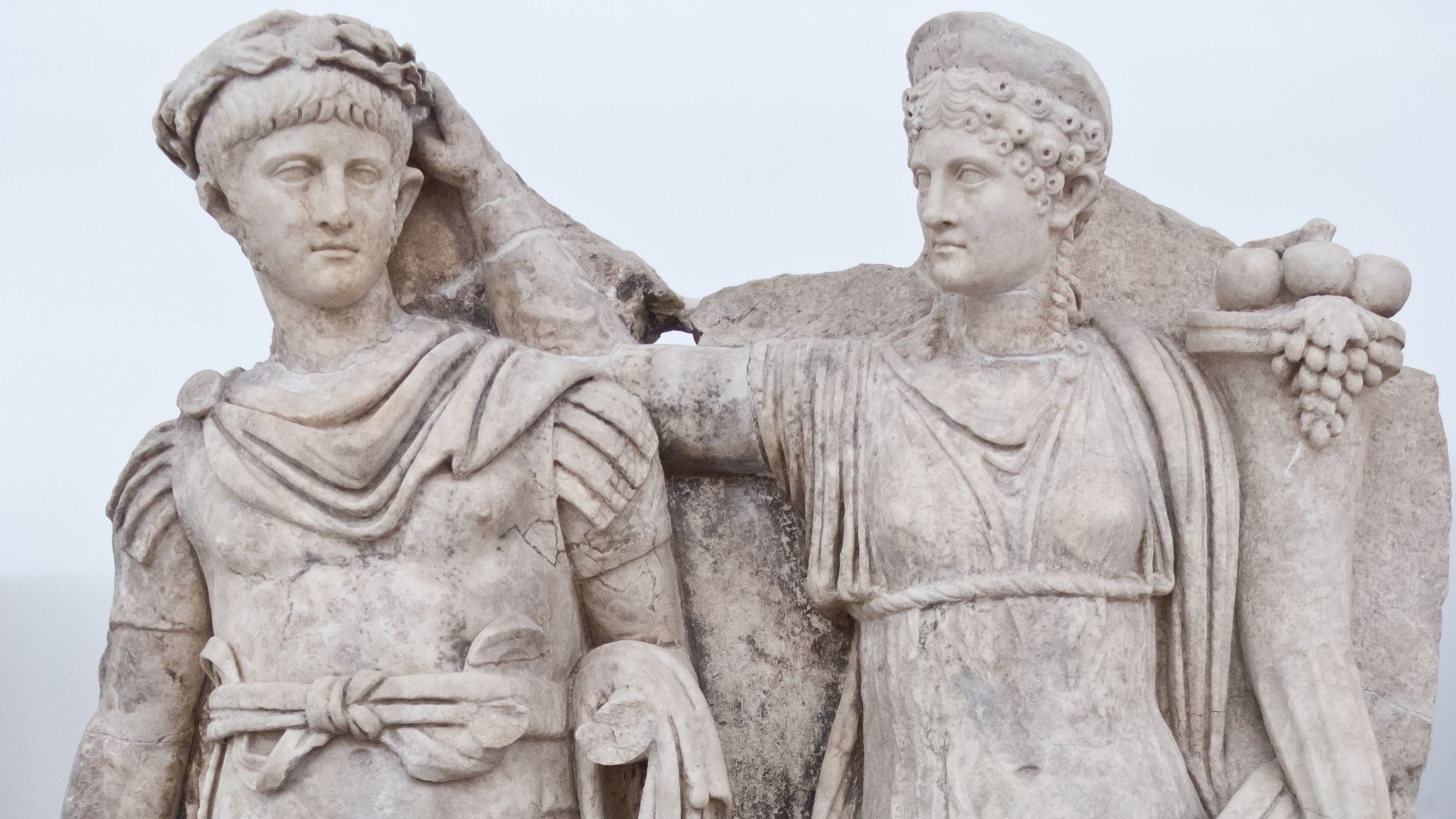 Carlos Delgado, Wikimedia Commons
Valentinian II Was Found Hanging
The young Roman emperor Valentinian II was discovered dead at Vienne in 392 while locked in an increasingly bitter struggle with the powerful general Arbogast. Ancient and modern historians have disagreed over whether Valentinian killed himself or was murdered, and the contemporary evidence does not resolve the question. Oxford's Classical Dictionary still summarizes his death simply as suicide or murder.
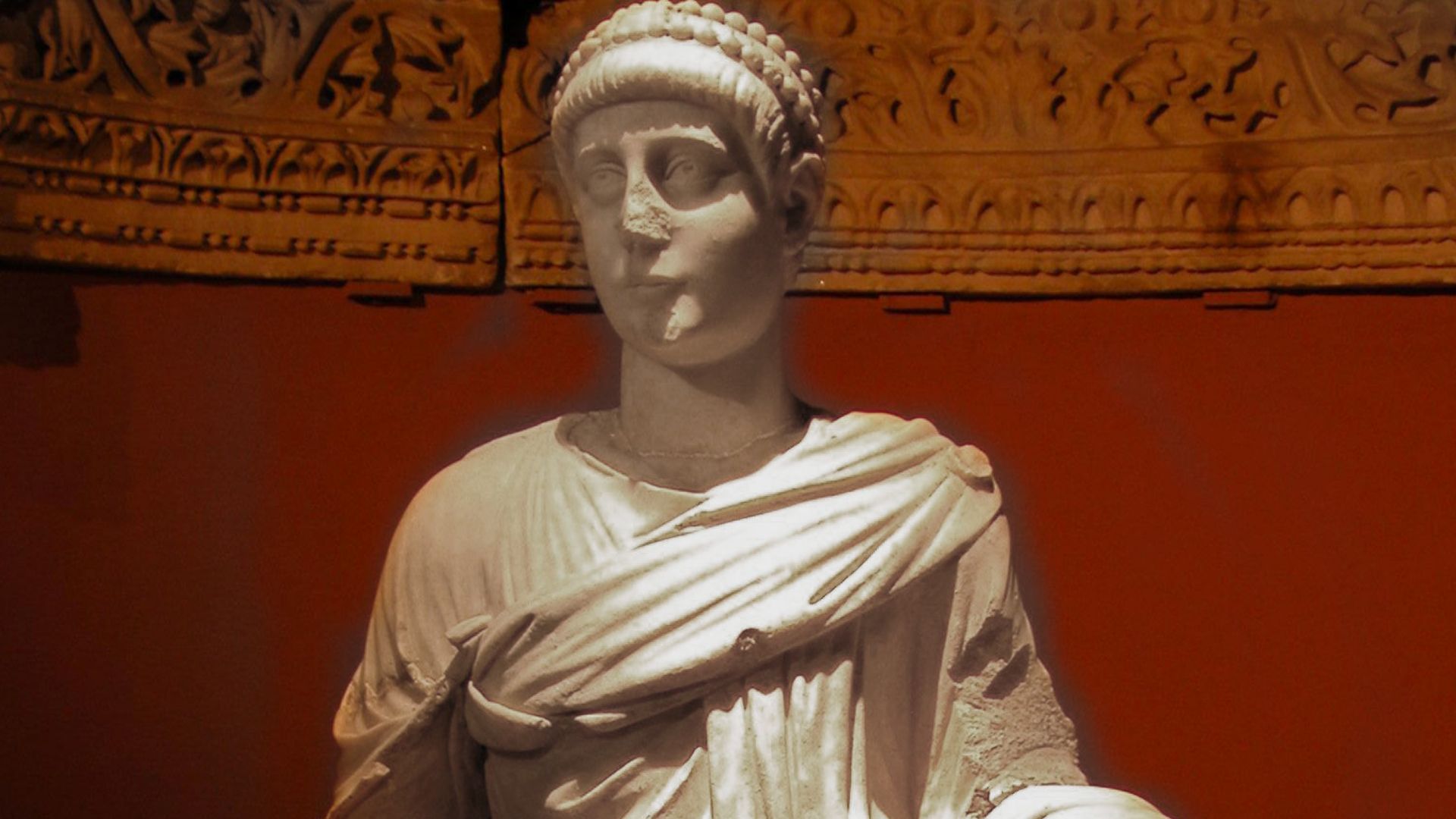 Brastite at English Wikipedia, Wikimedia Commons
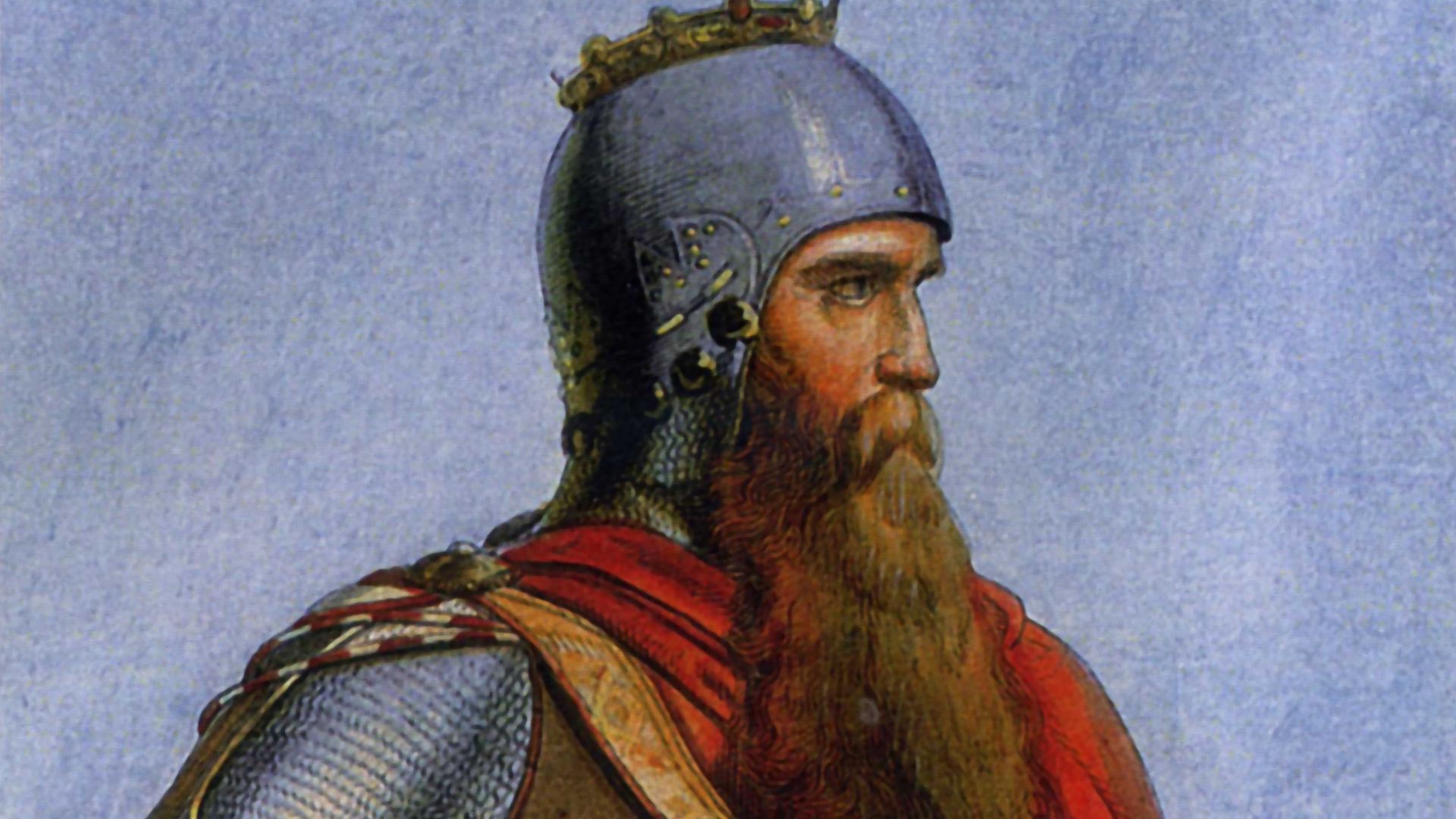
Barbarossa Drowned, But Nobody Agreed How
Holy Roman Emperor Frederick Barbarossa died in the Saleph River during the Third Crusade in 1190. Medieval accounts agreed on drowning but disagreed on how it happened, variously describing him swimming, falling from a horse, or entering surprisingly shallow water. The emperor's sudden loss was certain, while the mundane details of how one of Europe's most powerful rulers drowned became impossible to reconcile.
 artwork: Christian Siedentopf; file: James Steakley, Wikimedia Commons
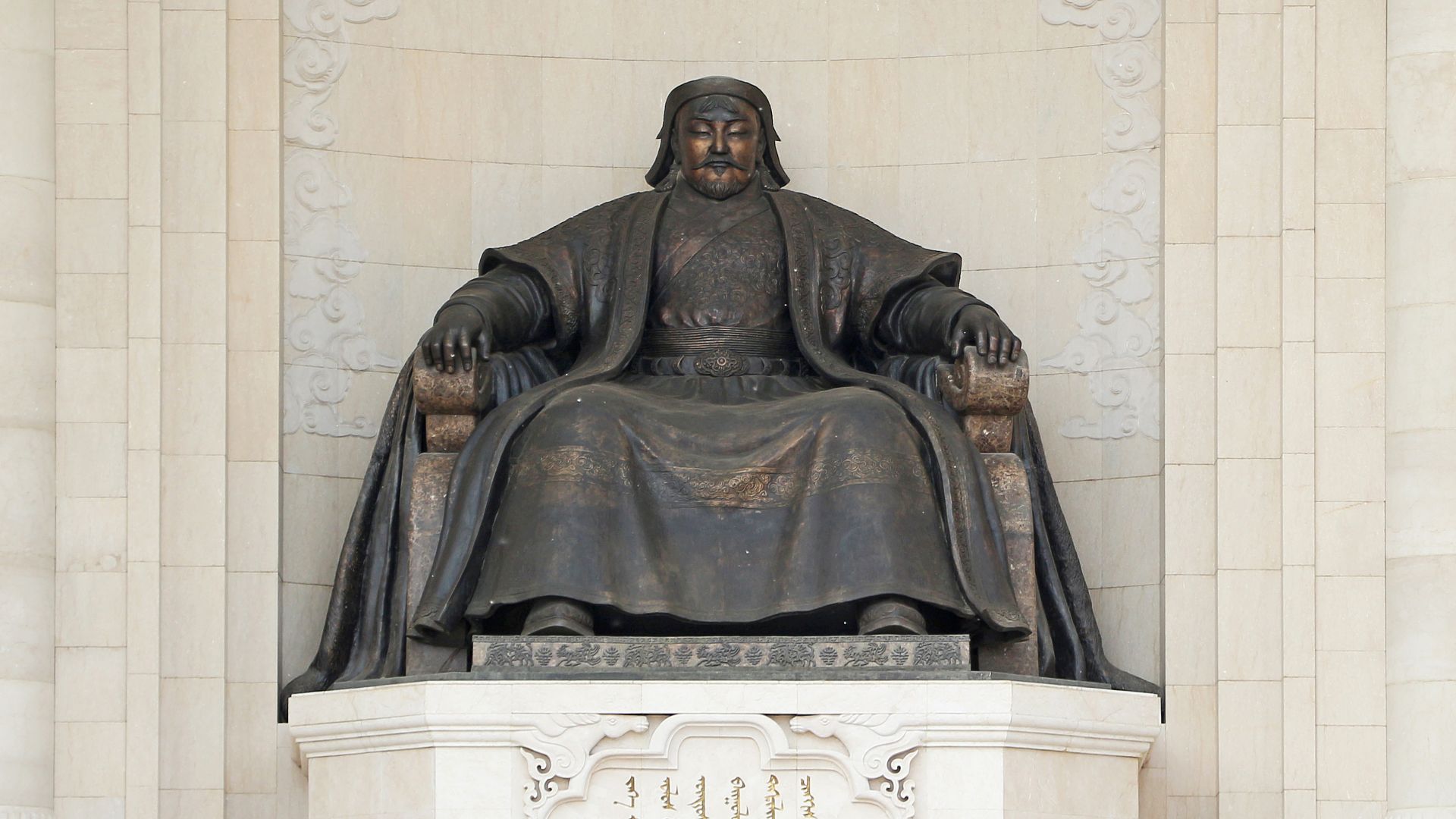
Genghis Khan Took The Answer To His Grave
Genghis Khan died in 1227 while campaigning against the Western Xia, but the Secret History of the Mongols supplies almost no medical detail. Later traditions attributed his death to everything from a riding accident to a battlefield wound, while modern researchers have floated infectious disease as another possibility. His still-unidentified burial site means the remains that could potentially provide evidence have never been examined.
 Bernard Gagnon, Wikimedia Commons
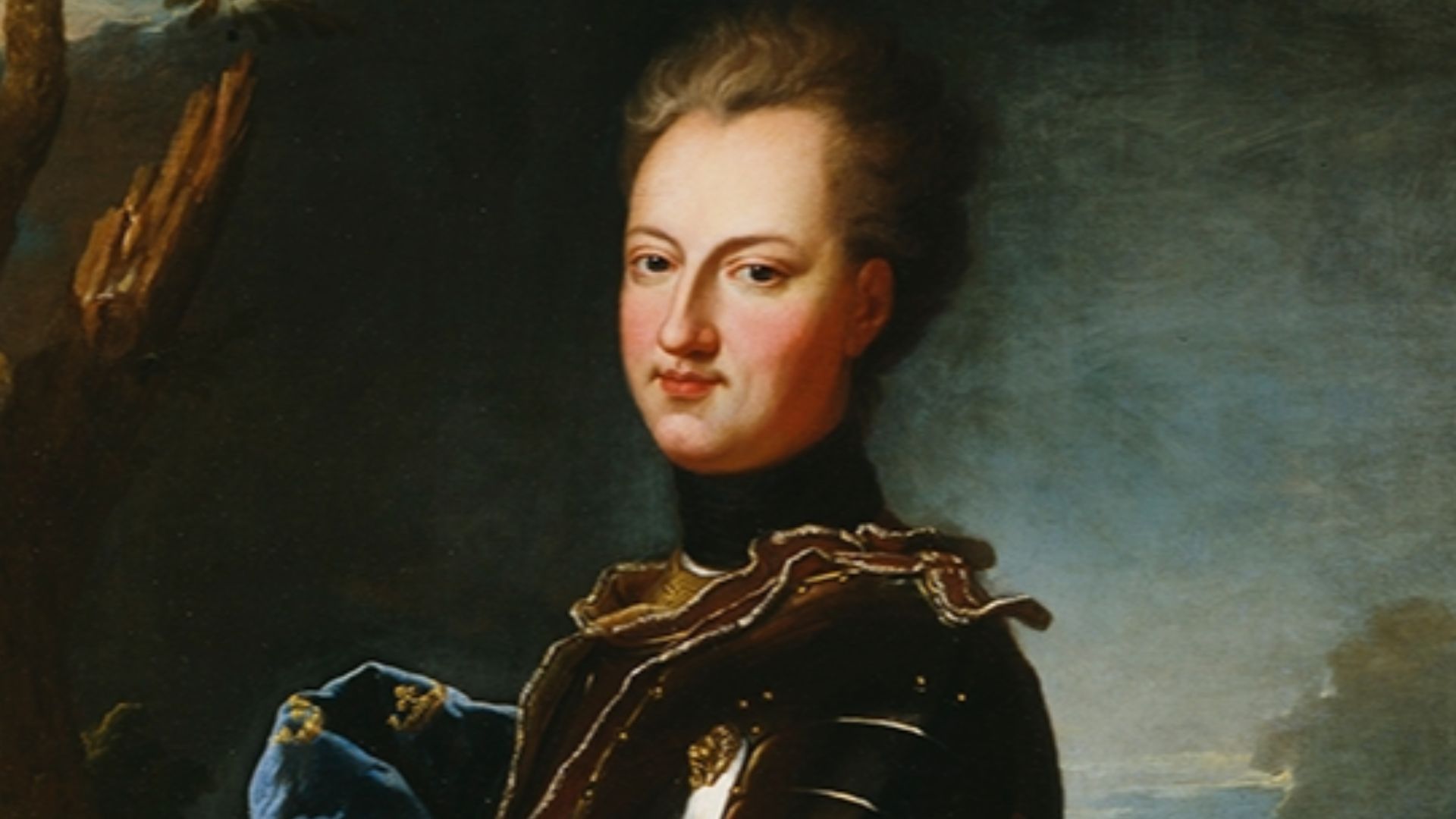
Charles XII Took One Mysterious Shot
Sweden's Charles XII was inspecting trenches during the siege of Fredriksten in 1718 when a projectile passed through his skull and killed him instantly. For centuries, historians argued over whether the shot came from the enemy fortress or from someone within Swedish lines. Modern ballistic experiments favor a large iron projectile fired from the enemy direction, but researchers still acknowledge that complete consensus has not been achieved.
 Workshop of Hyacinthe Rigaud, Wikimedia Commons
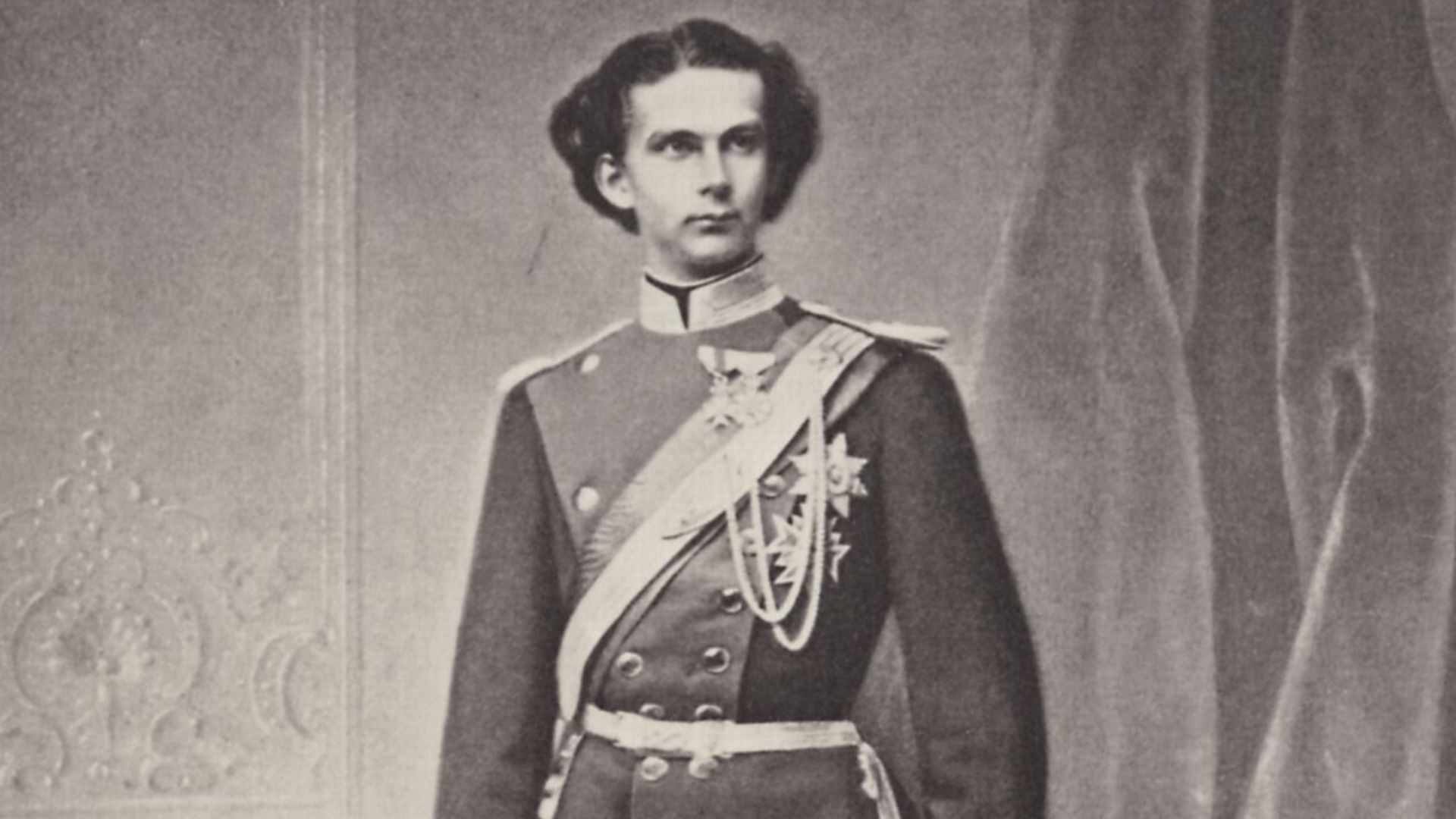
Ludwig II Walked Toward The Lake
Bavaria's Ludwig II had just been declared incapable of ruling when he was confined at Berg Palace in June 1886 under the supervision of psychiatrist Bernhard von Gudden. The king and Gudden went for an evening walk and failed to return, prompting a search that found both men dead in Lake Starnberg. The local Museum Starnberger See still describes the event as Bavaria's most famous unresolved death.
 Josef Albert, Wikimedia Commons
The Doctor’s Body Made Ludwig’s Death Stranger
Evidence collected near Lake Starnberg suggested that Ludwig suddenly left the path and entered the water, with Gudden apparently following him. Footprints indicated some kind of struggle, and Gudden had injuries, yet the doctor's body was buried without an autopsy that might have clarified exactly what happened. Ludwig's own autopsy failed to state an unambiguous cause of death, leaving suicide, drowning after a struggle, and other reconstructions open to debate.
 Unknown author, Wikimedia Commons
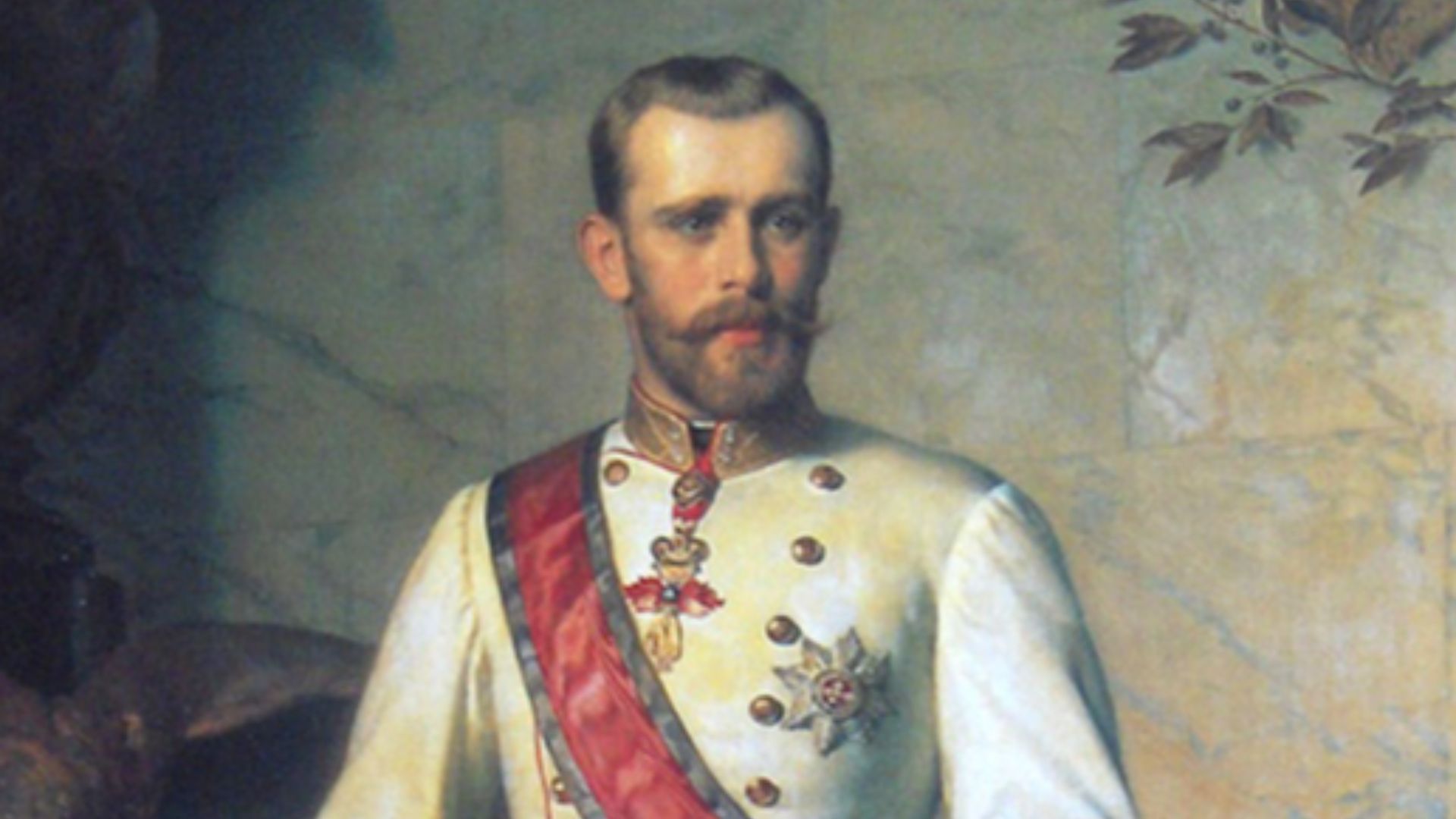
Mayerling Was Buried Under A Cover-Up
Crown Prince Rudolf of Austria and his young companion Mary Vetsera were found dead at the Mayerling hunting lodge in January 1889. The Habsburg court initially obscured crucial facts, partly because suicide created religious and dynastic problems and because Mary's presence was itself embarrassing. Most historians now regard Rudolf killing Mary and then himself as the likeliest scenario, but the Habsburg history project notes that the precise details have never been completely established.
 Eugen Felix, Wikimedia Commons
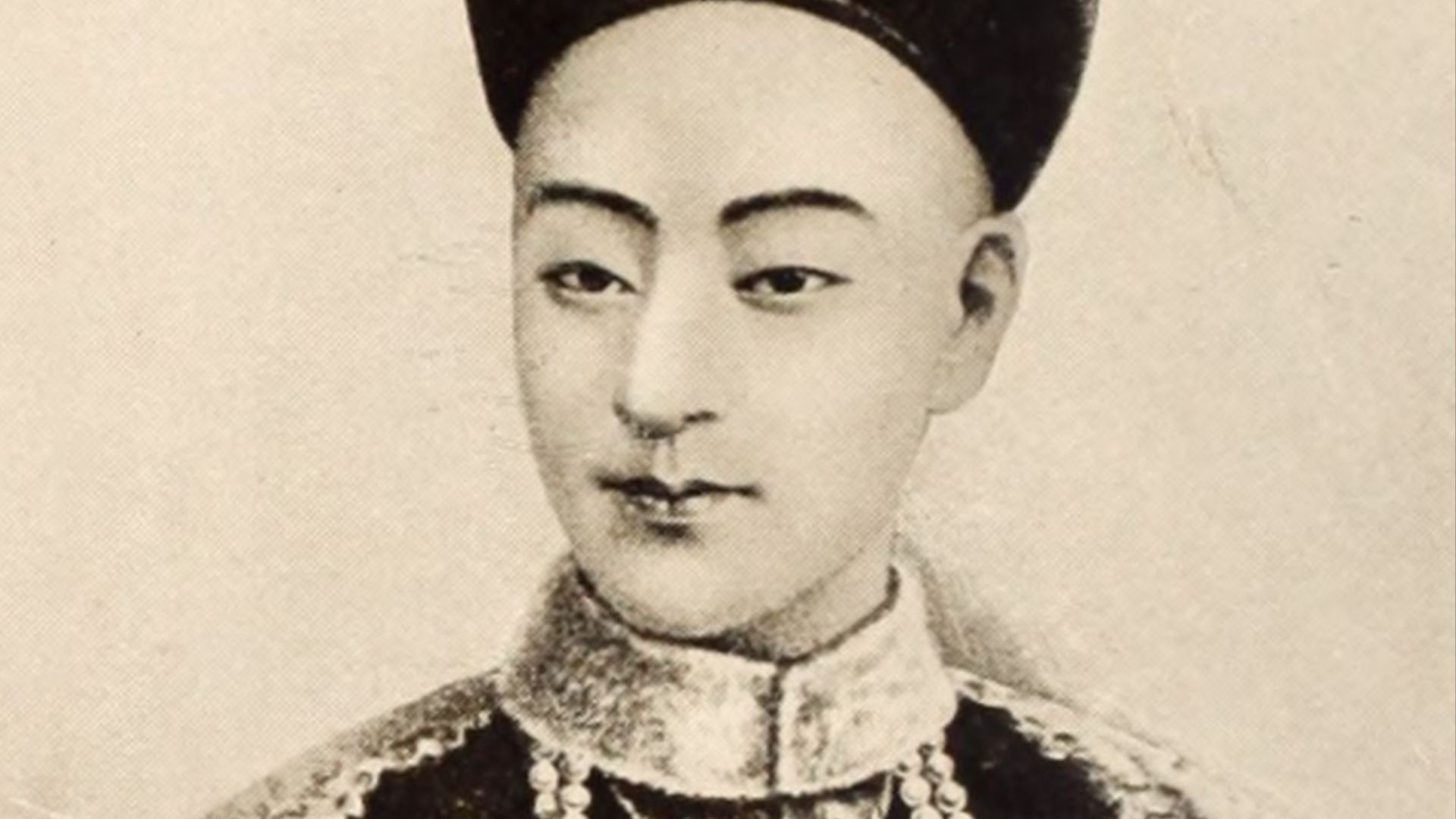
Guangxu Was Definitely Poisoned
For a century, rumors claimed that China's Guangxu Emperor had been murdered shortly before the death of his powerful aunt, Empress Dowager Cixi, in 1908. Modern testing of Guangxu's remains found an enormous concentration of arsenic, strongly supporting deliberate poisoning rather than the natural-death explanation circulated by the Qing court. The forensic evidence answered the question of poison but not the identity of the person who administered it.
 Charles Denby, Wikimedia Commons
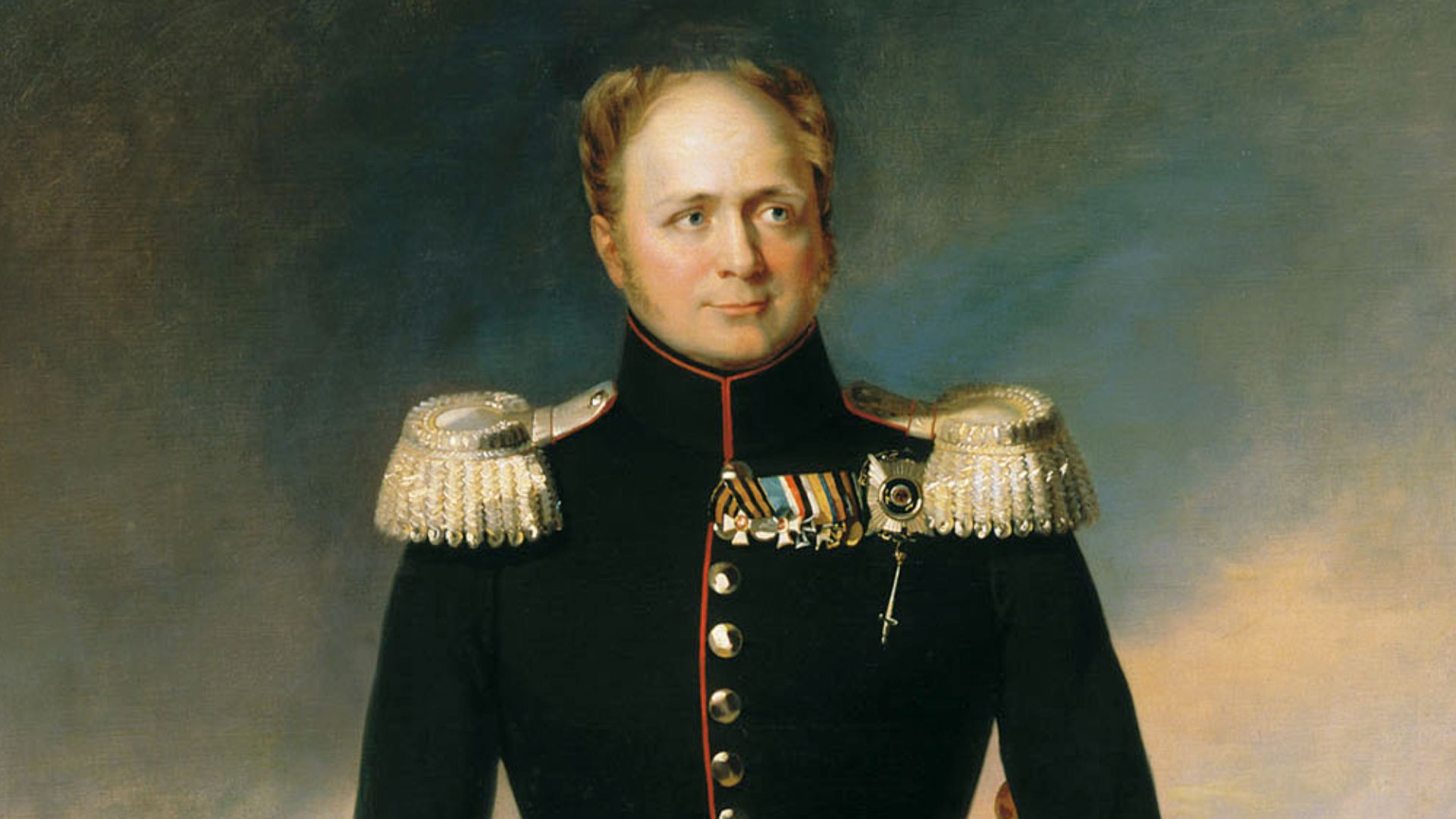
Alexander I Inspired A Royal Doppelgänger
Russian emperor Alexander I officially died at Taganrog in 1825 after becoming ill during a journey through southern Russia. Rumors quickly insisted that the weary tsar had staged his own death and later lived as the mysterious Siberian holy man Feodor Kuzmich. Historians generally accept Alexander's death at Taganrog, but the survival legend endured partly because his later-life desire to withdraw from power made the story unusually tempting.
 George Dawe, Wikimedia Commons
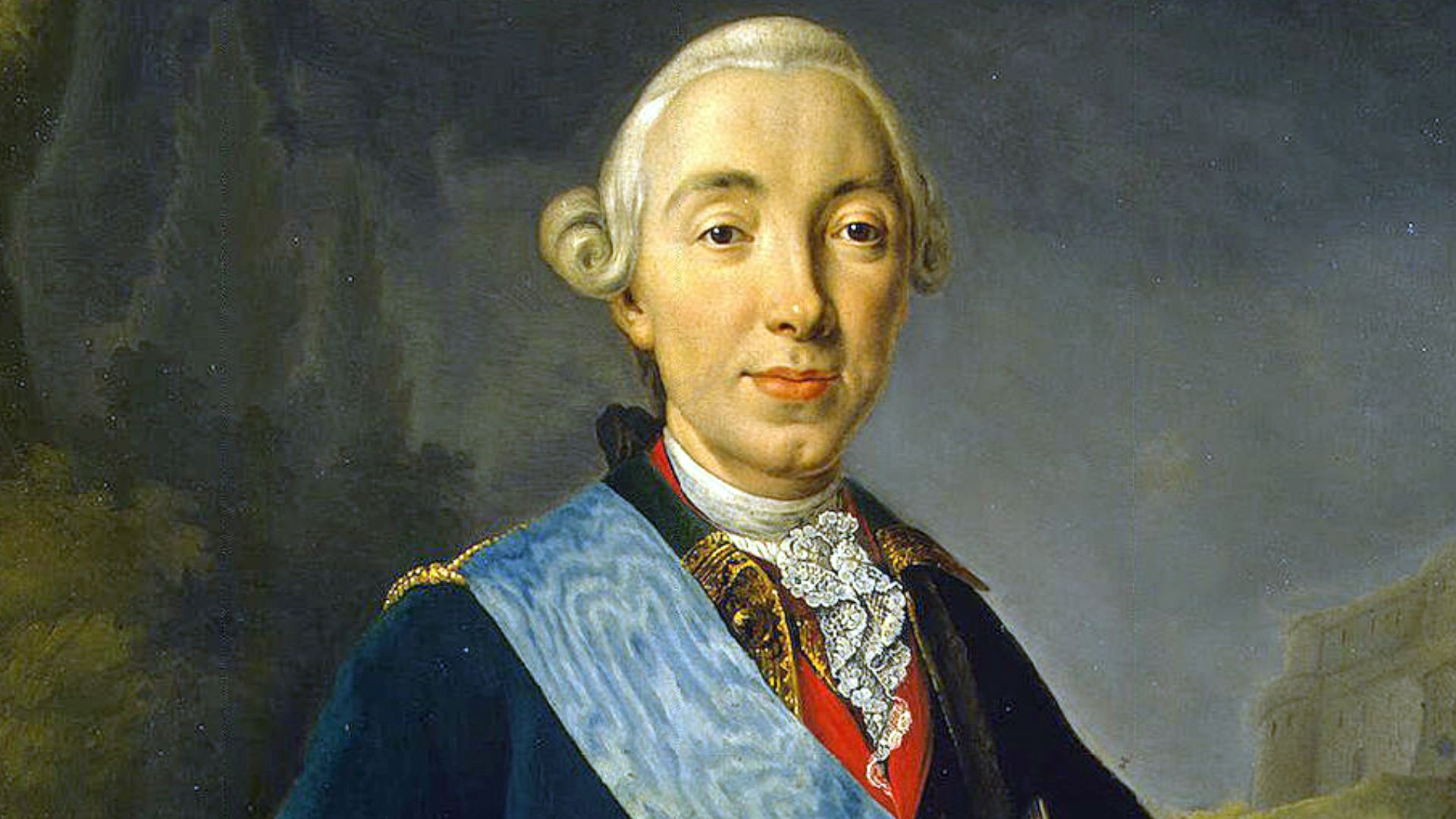
Peter III’s Official Diagnosis Fooled Few People
Peter III of Russia survived only months on the throne before his wife Catherine seized power in a coup in 1762. He died shortly afterward while detained at Ropsha, with authorities announcing a medical explanation involving apoplexy and intestinal illness while contemporaries suspected violent death. Historians broadly accept that Peter was probably killed, but Catherine's exact knowledge, the precise manner of death, and the division of responsibility remain contested.
 Lucas Conrad Pfandzelt, Wikimedia Commons
Dmitry’s Death Changed With The Politics
Tsarevich Dmitry, the young son of Ivan the Terrible, died from a throat wound at Uglich in 1591. The official investigation concluded that the child had accidentally injured himself during a seizure, while Dmitry's mother and her supporters claimed he had been murdered. Even more suspiciously, investigator Vasily Shuisky later reversed his position after political circumstances changed, ensuring that the case became inseparable from the struggles that produced Russia's Time of Troubles.
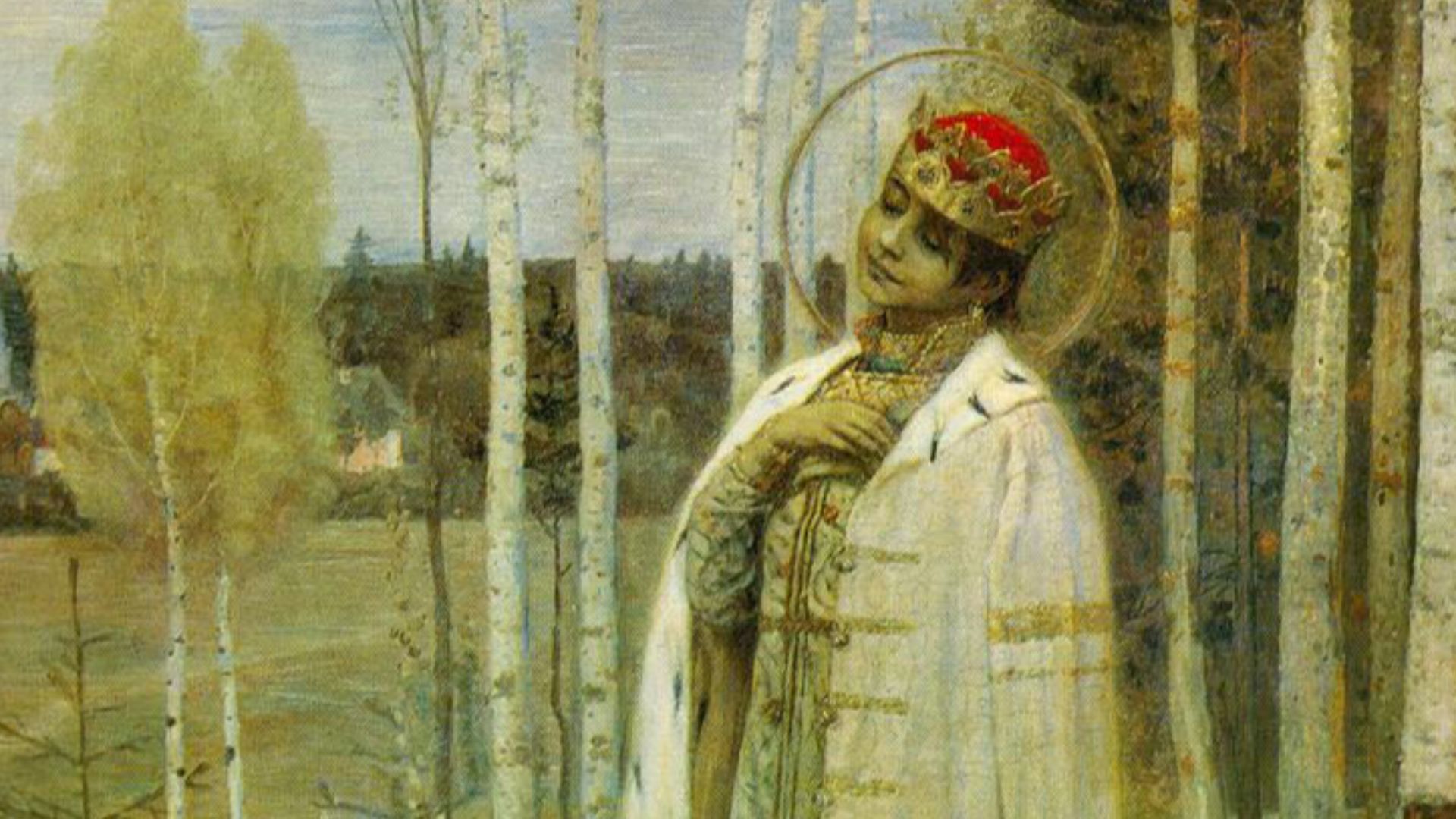 Mikhail Nesterov, Wikimedia Commons
Edward IV’s Sudden End Changed England
Edward IV died unexpectedly in April 1483 at only 40 years old, just as the Yorkist dynasty appeared relatively secure. Historic Royal Palaces lists pneumonia or typhoid as possibilities, while Westminster Abbey describes pneumonia contracted after a fishing trip as probable, but no diagnosis can now be established with certainty. His abrupt death mattered enormously because it placed the crown in the hands of his young son Edward V and began the sequence that ended with the Princes in the Tower.
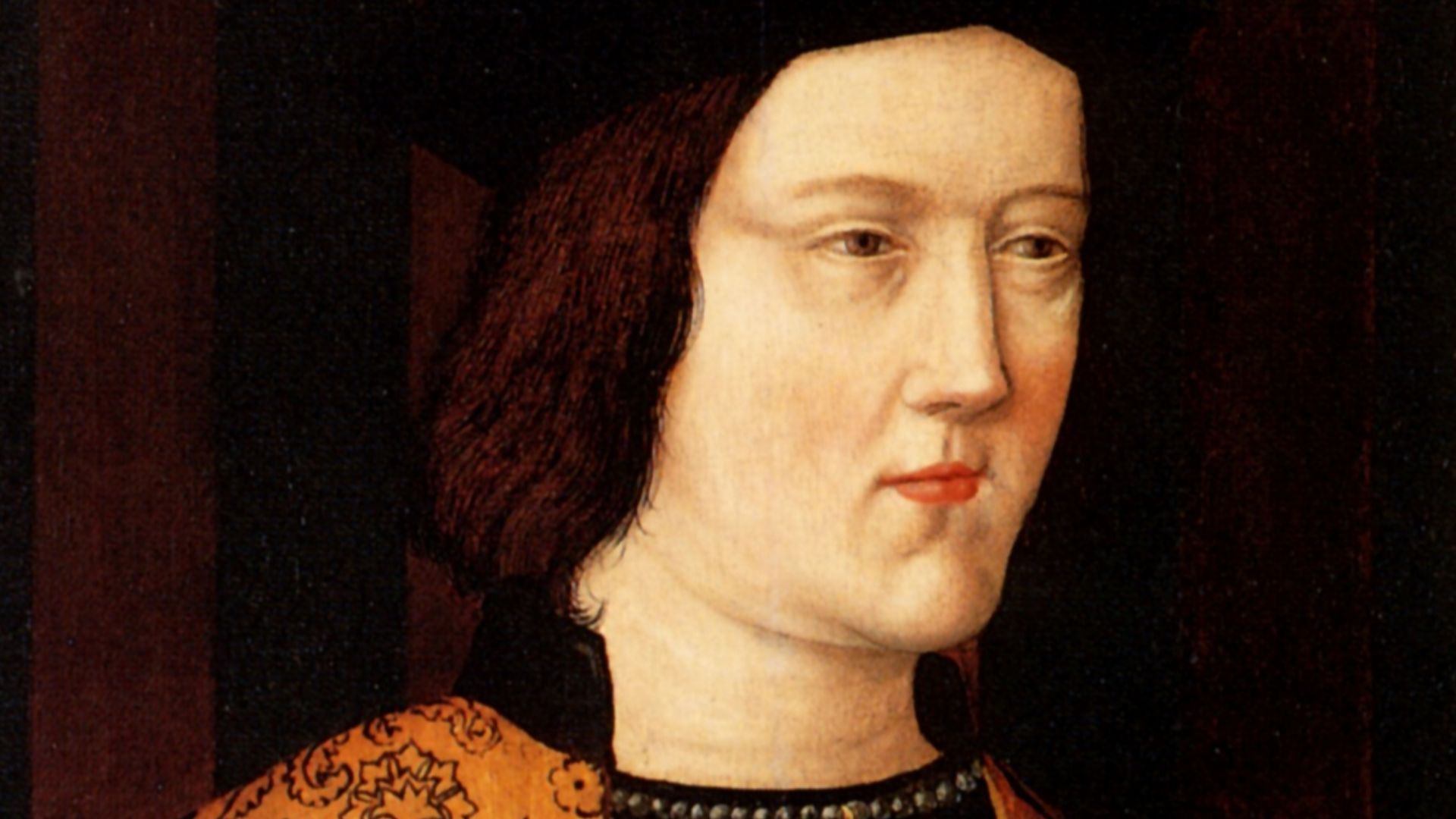 Lucas Horenbout, Wikimedia Commons
History Usually Keeps One Piece Missing
Royal deaths attracted chroniclers, physicians, courtiers, enemies, and generations of storytellers, yet that attention did not guarantee reliable evidence. Political propaganda could distort the first reports, while later writers filled documentary gaps with details that became more famous than the surviving facts. In many of these cases, historians can identify what probably happened, but the final piece of evidence needed for certainty disappeared with the people who were there.
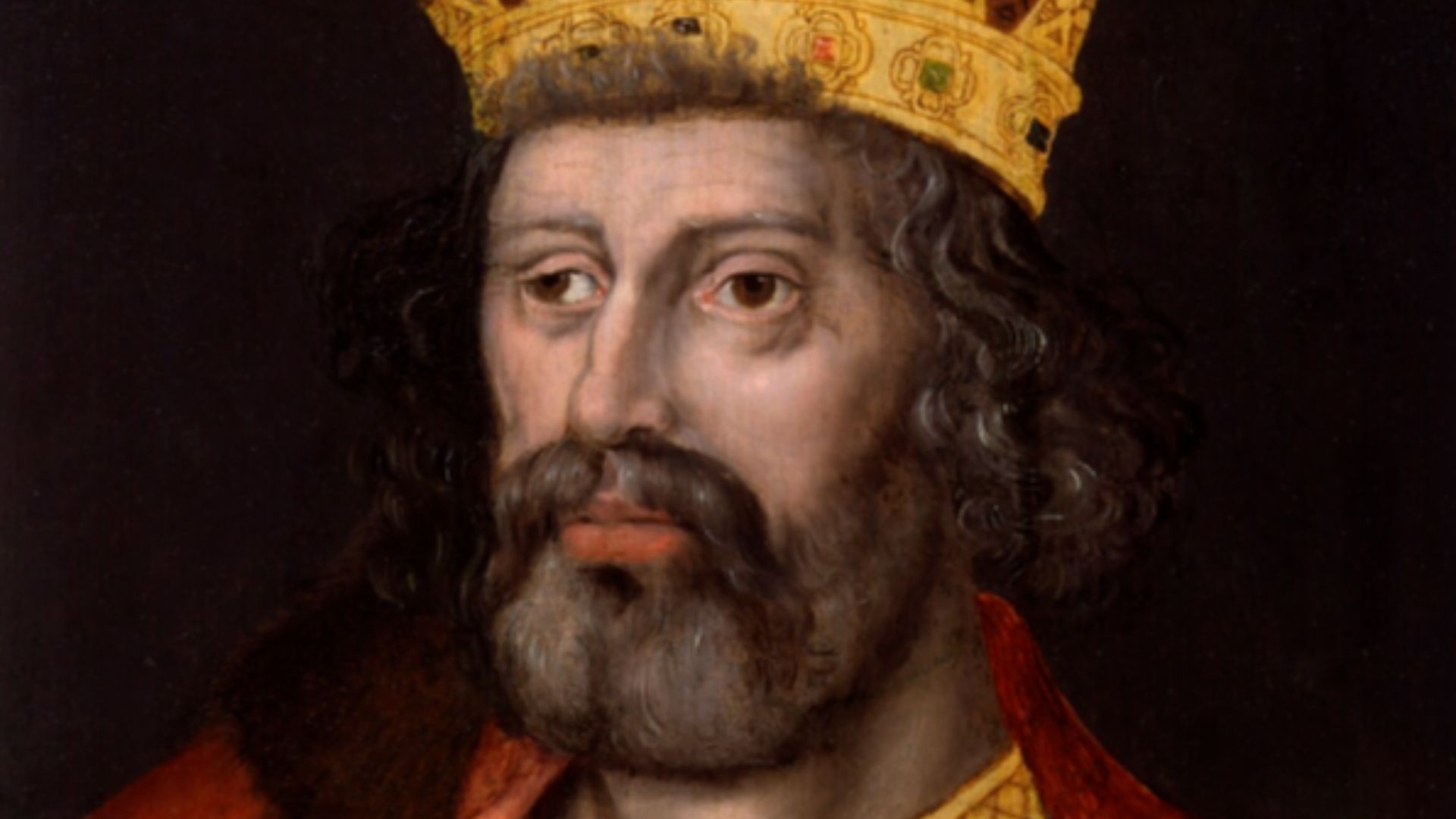 Unknown authorUnknown author, Wikimedia Commons
You May Also Like:
26 Facts About The Gruesome Deaths Of Historical Rulers
Deranged Historical Figures That No One Has Heard Of
Facts About The British Royal Family
Sources: 1, 2, 3, 4, 5, 6, 7, 8, 9, 10, 11, 12, 13, 14, 15, 16, 17, 18, 19, 20, 21, 22, 23, 24, 25, 26, 27, 28, 29, 30, 31, 32, 33, 34, 35, 36