A Scientific Pioneer
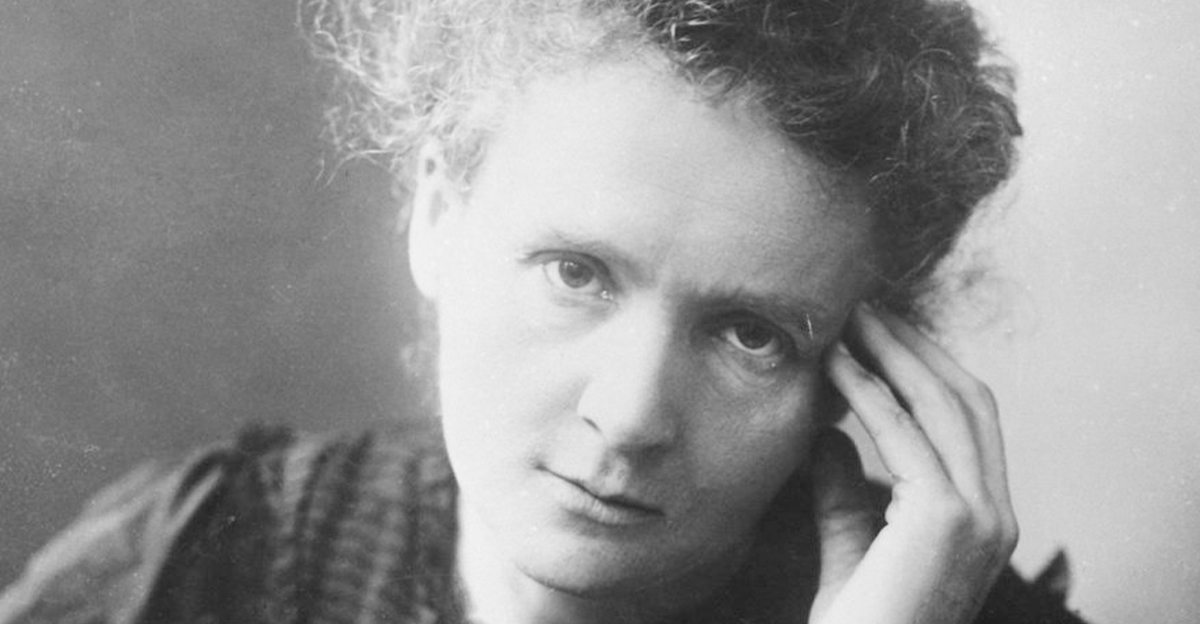
Marie Skłodowska Curie was born into humble circumstances in Russian-occupied Poland. Facing hurdles like poverty, repression, and rampant sexism, she found the odds stacked highly against her. But the determined young genius would defy all obstacles and become one of the most famous and accomplished scientists of all time. Her pioneering work on radiation would change the world forever—and, unbeknownst to her, end up the cause of her relatively premature demise.
1. She Was Born Under Occupation
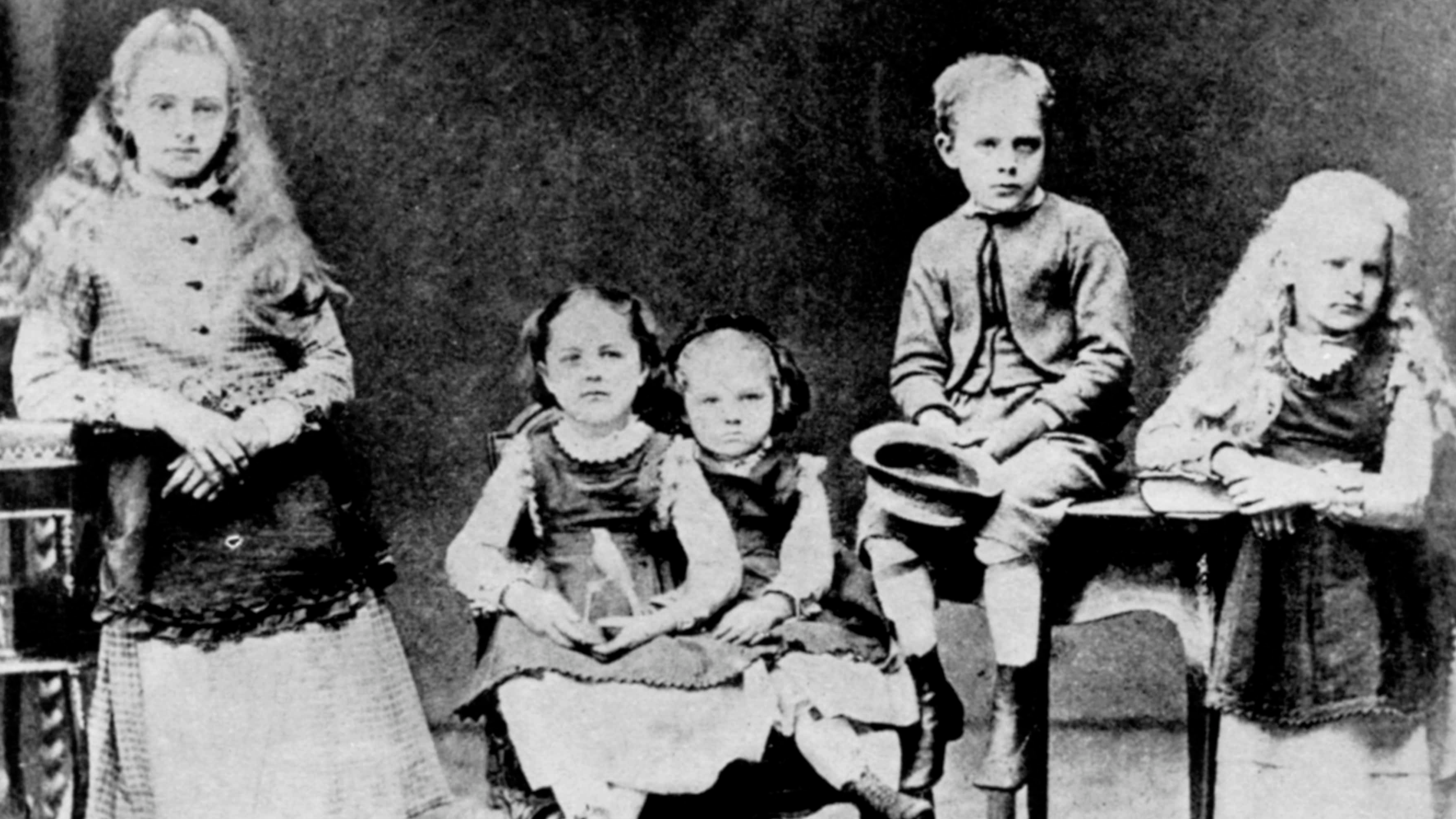
Marie Curie was born Maria Salomea Skłodowska, on November 7, 1867, in Warsaw, Poland. Poland, at the time, was officially called Congress Poland, a semi-autonomous polity of the Russian Empire. The Polish people still faced widespread oppression from the tsarist authorities, and Marie’s family was no different.
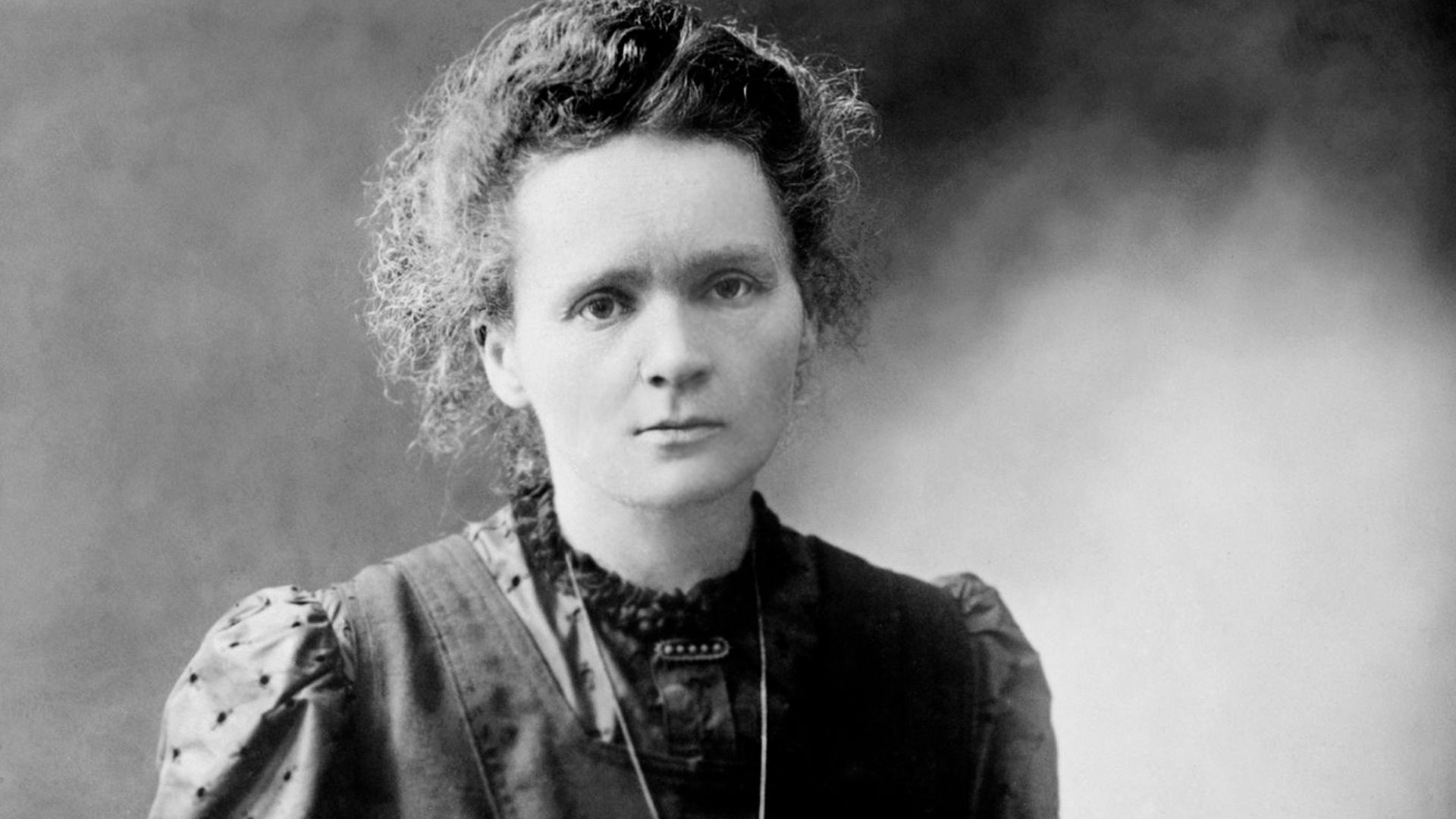 Unknown authorUnknown author, Wikimedia Commons
2. She Was The Baby
Marie was the fifth and youngest child born to her tight-knit family. Her parents were Bronisława and Władysław Skłodowski, both of whom were well-known teachers in Warsaw. The Skłodowski parents instilled a passion for knowledge and education in all their children, and the family were by all accounts incredibly close. They needed one another’s support, considering they had fallen on hard times.
3. Her Family Lost It All
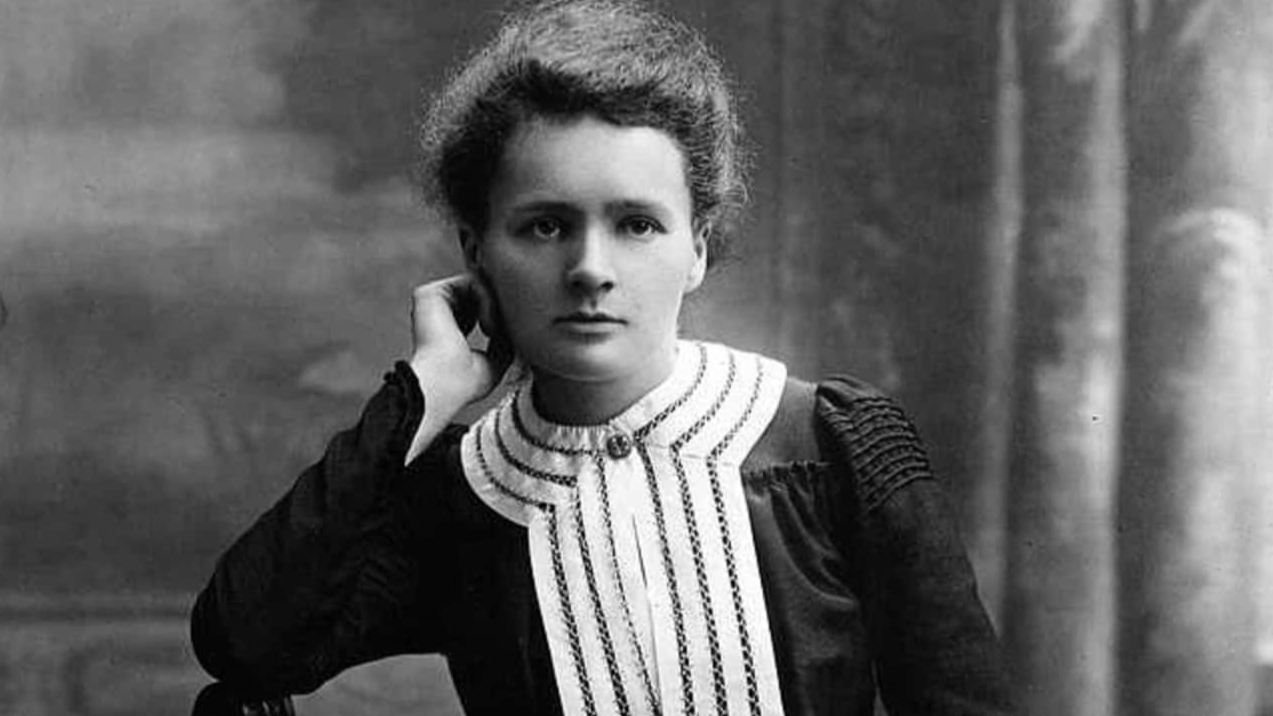
On both her maternal and paternal sides, Marie’s families had been deeply involved in Polish national uprisings against the Russian Empire, and saw harsh punishment as a result, with the tsarist authorities stripping the families’ fortunes and properties. This condemned Marie and her siblings to a life of poverty and struggle. And though they sought solace in education, the hand of empire stretched into the classroom as well.

History's most fascinating stories and darkest secrets, delivered to your inbox daily.
4. She Got Partially Homeschooled
Marie’s father, Władysław, was a talented and passionate teacher of mathematics and physics, and loved conducting lab experiments with his students. At one point during Marie’s childhood, however, Russian authorities banned laboratory instruction from Polish schools.
Marie’s father quickly gathered up his equipment and hid it in his home, which permitted him to instruct all his children in its use, giving Marie her first taste of practical science. This overjoyed the budding young scientist, but tragedy lurked right around the corner.
5. She Lost Her Faith
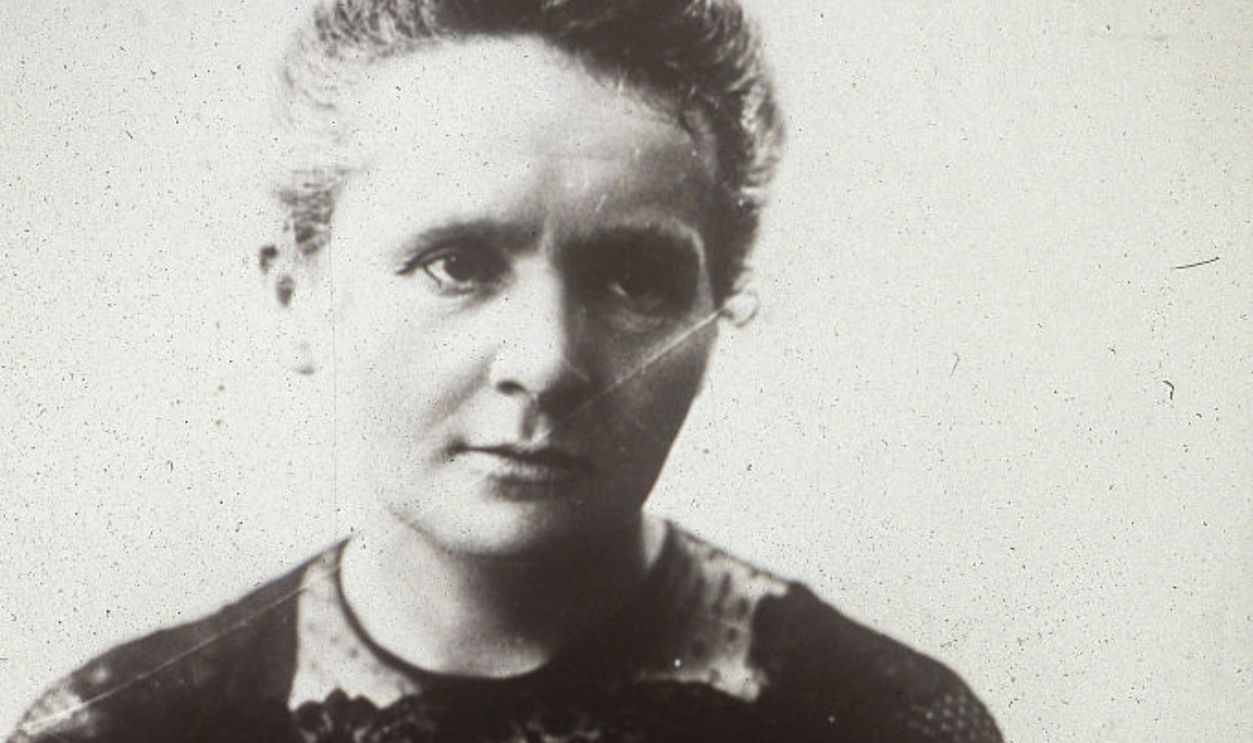
In 1878, when Marie was just 10 years old, her mother Bronisława tragically perished from tuberculosis. This came only three years after Marie’s oldest sibling, Zofia, had lost a bout with typhus, marring the family in deep grief. With two losses in such close proximity, Marie lost her faith and renounced her Catholicism; she remained agnostic for the rest of her life. Marie pressed on through her grief, though there were some stumbles along the way.
 Henri Manuel, Wikimedia Commons
6. She Battled Demons
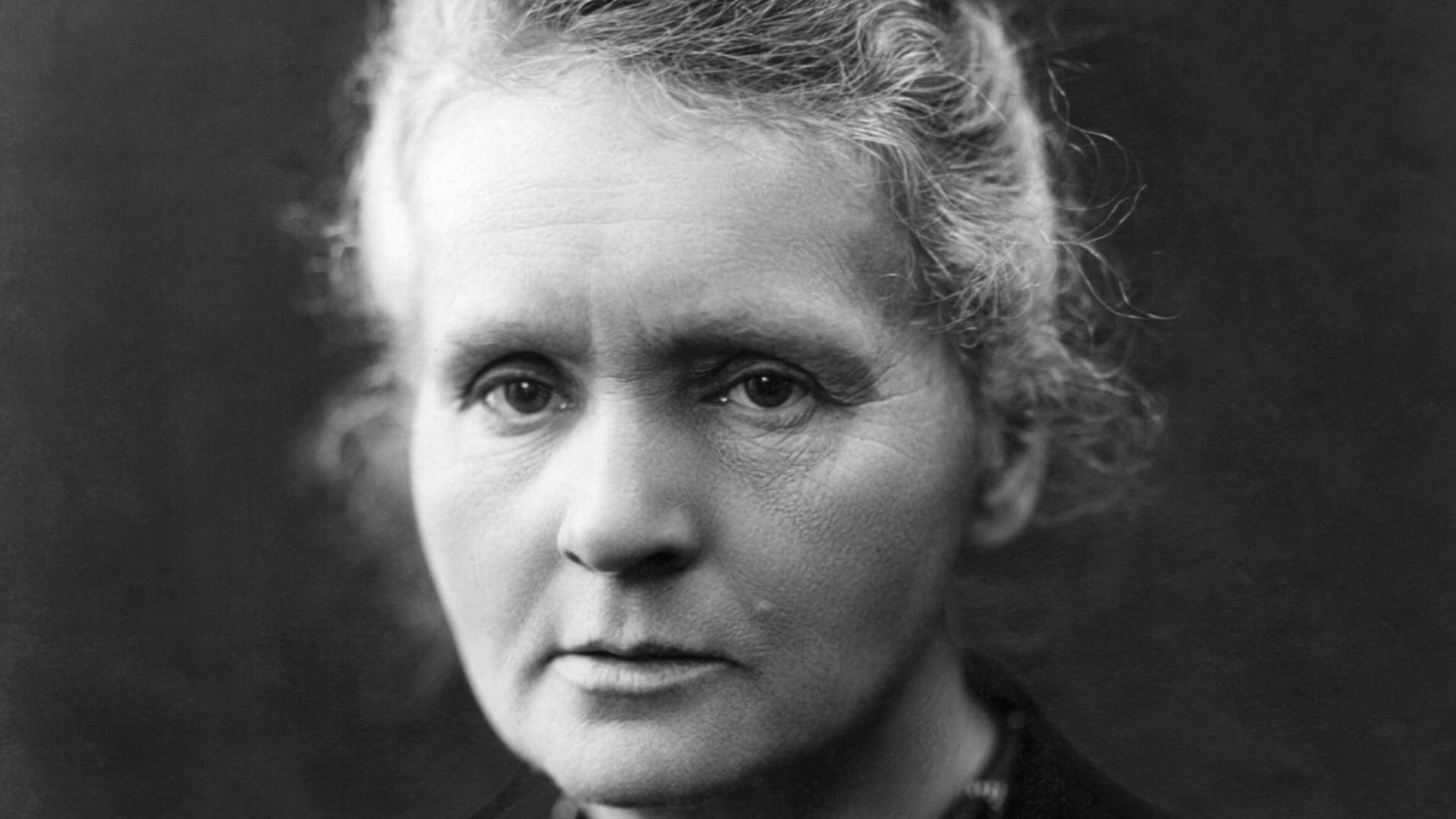
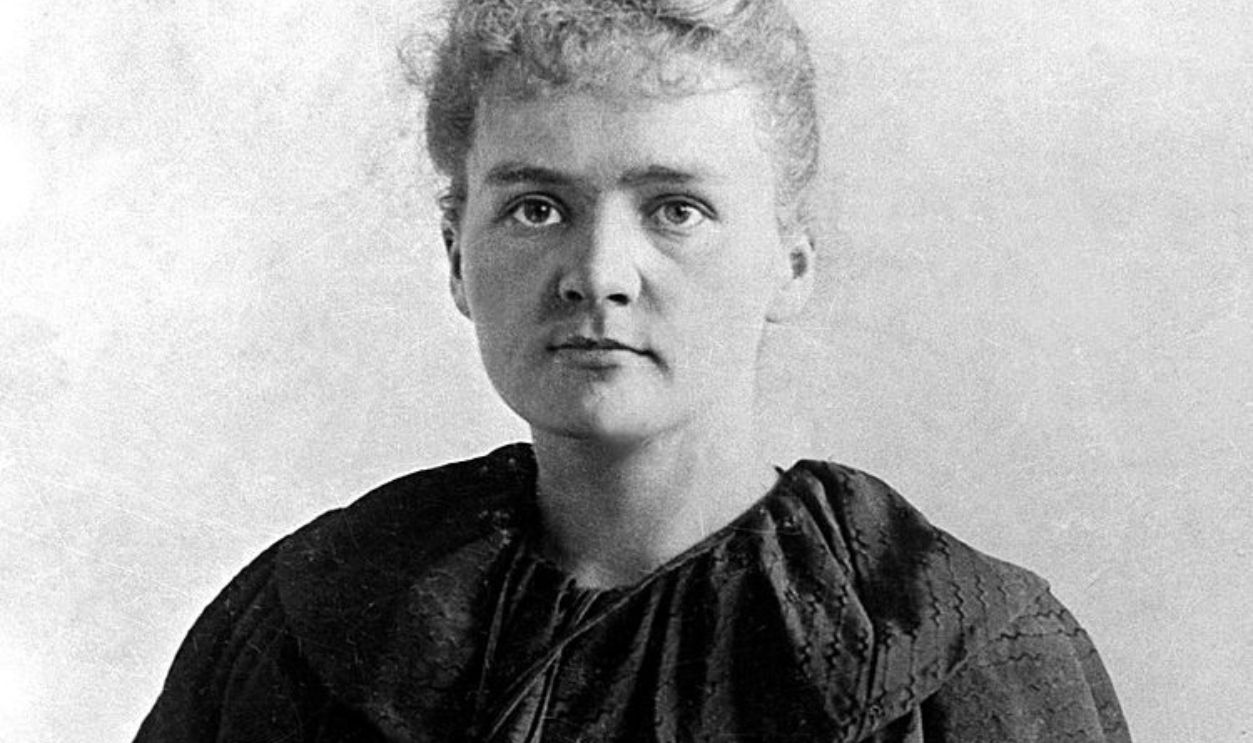
Marie was an incredible student, the star pupil in her class, and even her devastating losses could not impede her academic performance. Such was her talent that she graduated high school at the age of 15. Further education from there met delays, however, when Marie suffered a collapse that doctors chalked up to “nervous” problems—what would today almost certainly amount to a depression diagnosis.
On her father’s advice, Marie spent a year in the countryside with her cousins, recovering, before making a push for post-secondary education. She would face yet another roadblock here, however.
7. She Bumped Against The Glass Ceiling
Upon her return to Warsaw, Marie began the search for an institution of higher education. Unfortunately, however, she found herself a victim of her own time, as she could not enroll in any regular university because she was a woman. Luckily, there were other ways for an intelligent young lady to get a degree.
8. She Got A Secret Education
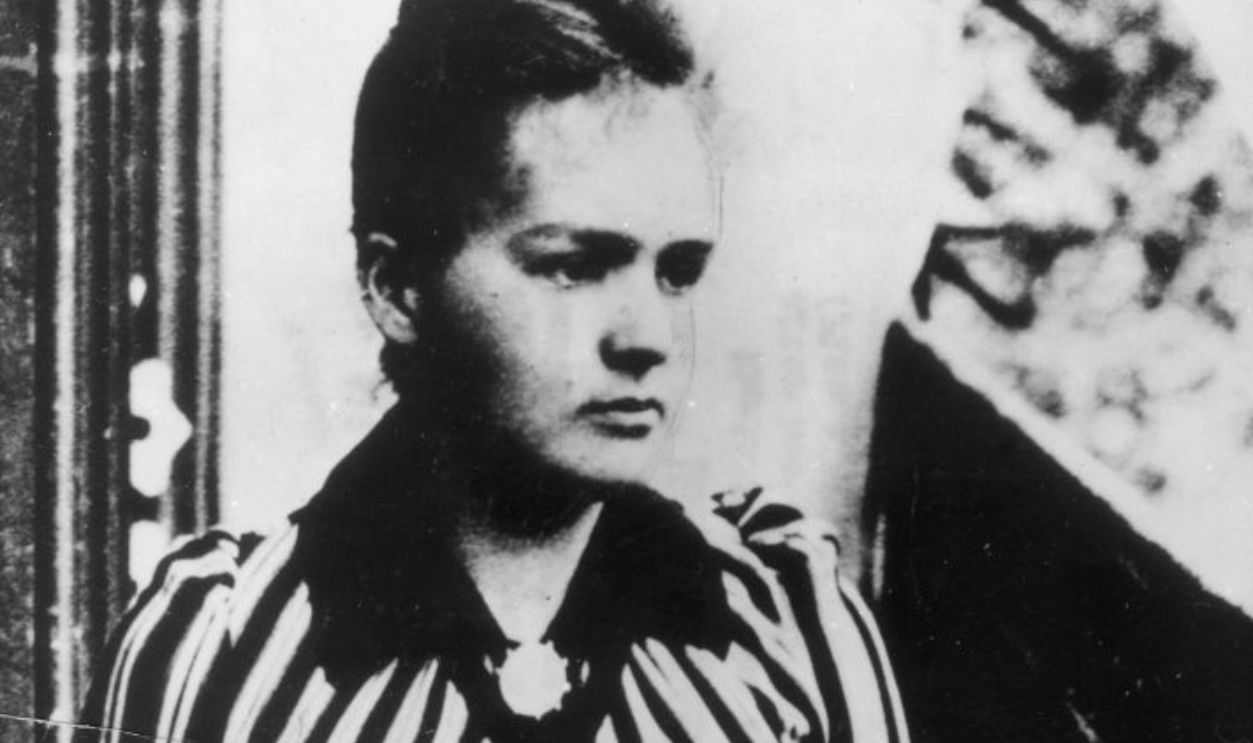
Faced with a sexist roadblock, Marie opted to enroll in “Flying University”, a clandestine and Polish patriotic institution of higher learning that operated in the shadows, offering night classes away from tsarist eyes and allowing women to enroll. There, she and her sister Bronisława received their post-secondary education, and the two capable young women made a deal to secure their futures.
 ullstein bild Dtl., Getty Images
9. She Made A Pact
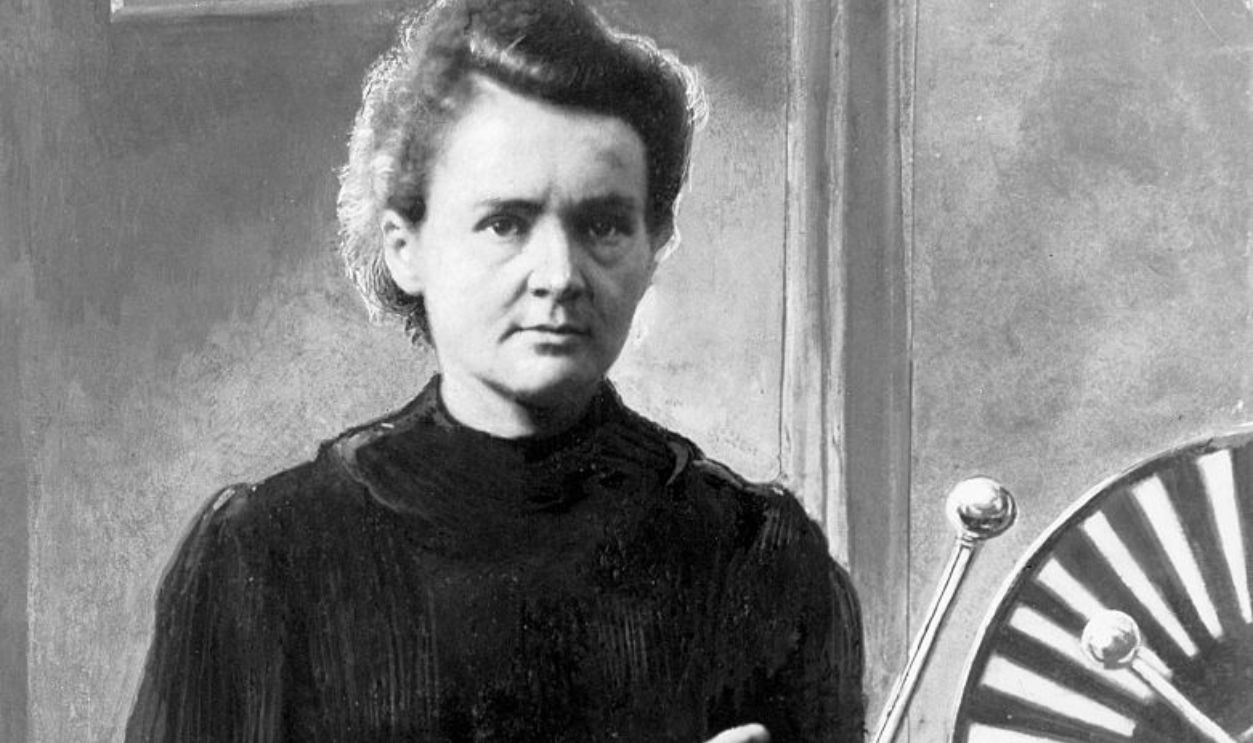
Upon Bronisława’s graduation from Flying University, she and Marie decided to make a mutually beneficial arrangement: Marie would get a job tutoring in Warsaw and support her sister’s move to Paris to study medicine. In return, Bronisława agreed to financially assist Marie to do the same two years later upon her own graduation. And so, Marie went on the job hunt. But she found more than just work.
History's most fascinating stories and darkest secrets, delivered to your inbox daily.
10. She Fell In Love
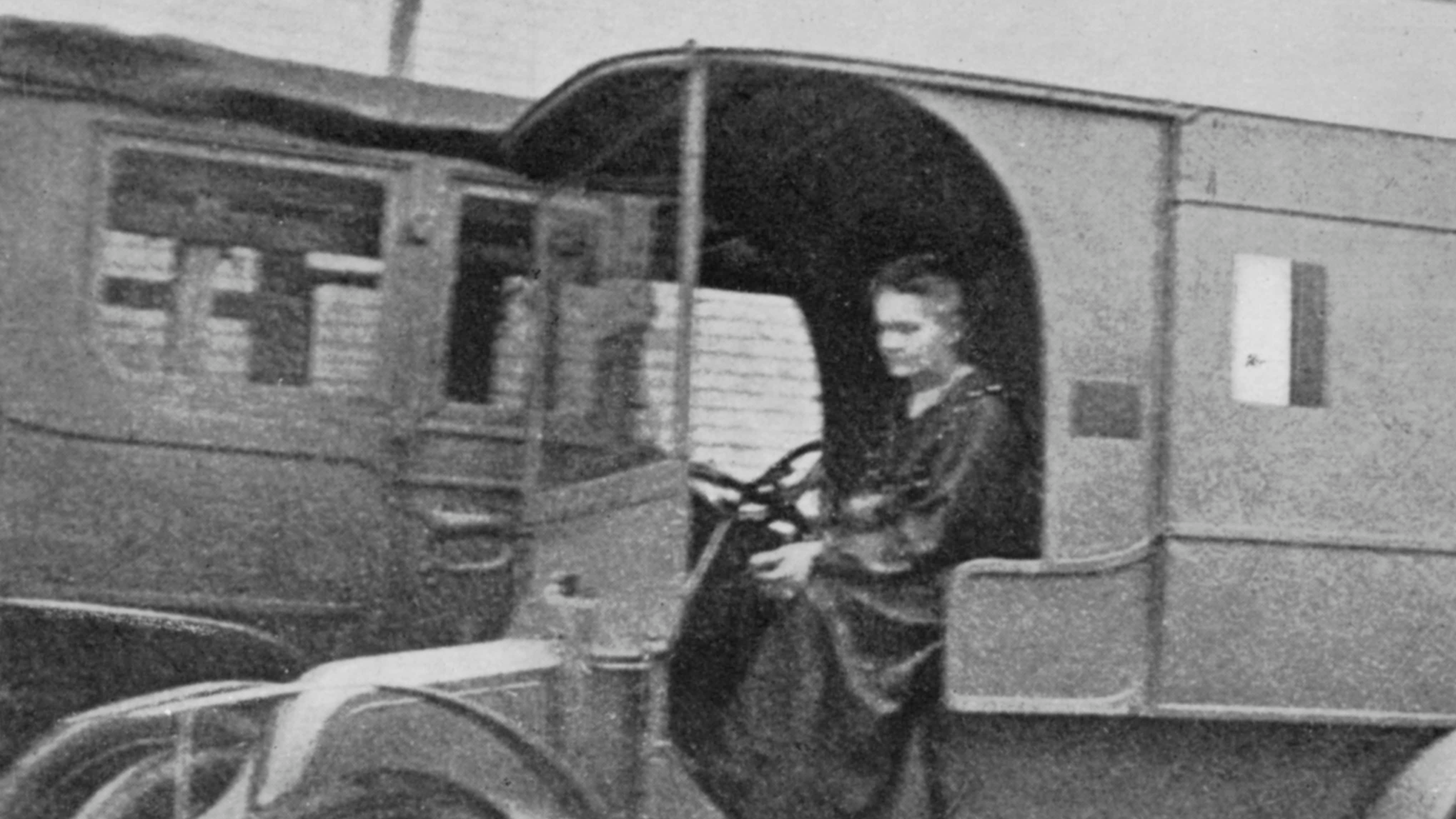
After briefly tutoring in Warsaw, Marie moved to Szczuki in the Polish countryside, where she got a job as a governess and stayed with relatives of her father, the wealthy Żorawski family. While there, Marie fell in love with the Żorawskis’ son, Kazimierz, who would later become a prominent mathematician. The two quickly decided to get married, but unfortunately, Marie would meet yet another roadblock.
11. She Got Rejected
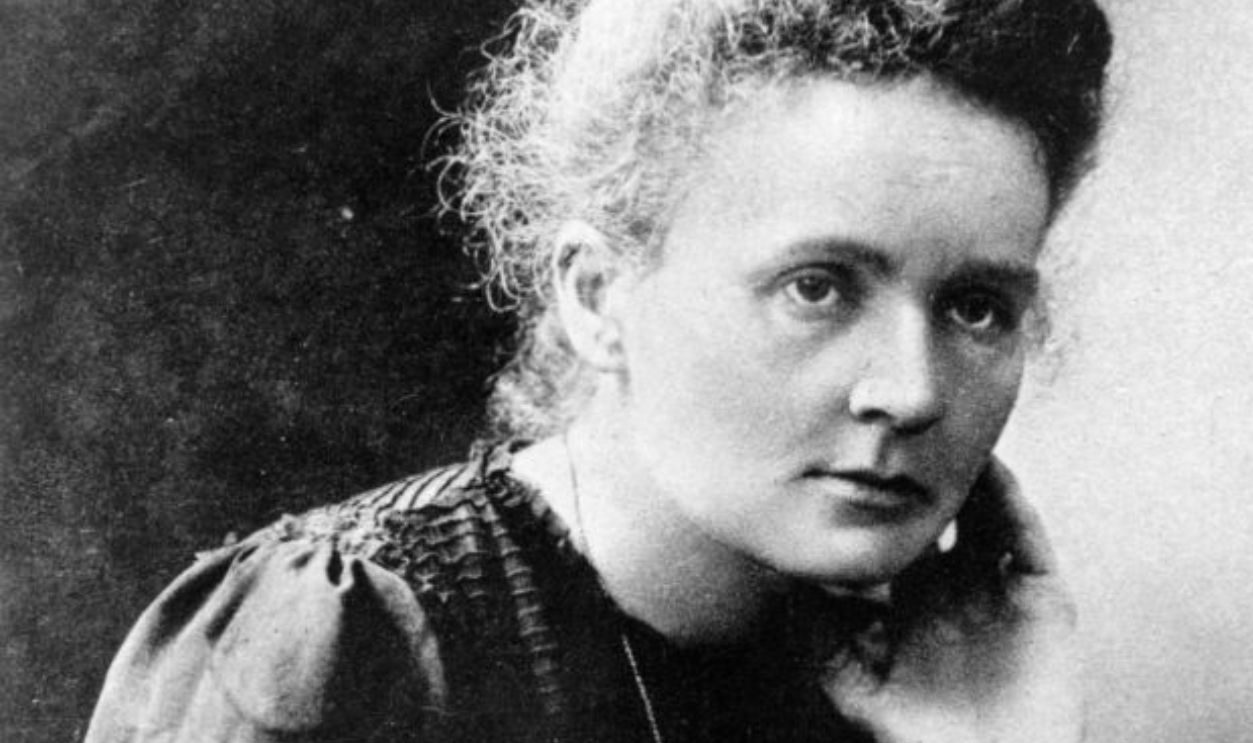
Kazimierz’s parents were quite fond of Marie, but their warmth toward her had its limits. When their eldest son proposed marrying the young governess, Kazimierz’s parents immediately rejected the idea, not wanting their eldest son married off to a penniless relative. This devastated the young couple, and they promptly broke off their courtship. For Kazimierz, Marie forever remained the one who got away.
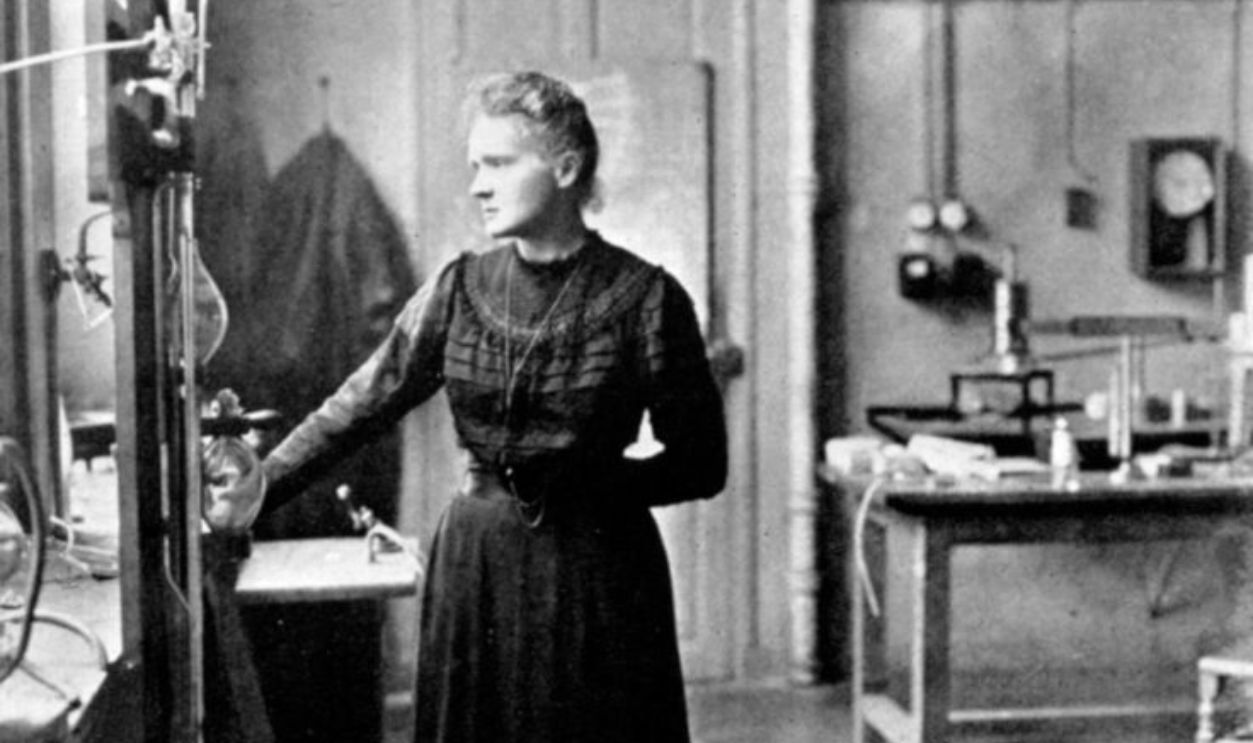 UniversalImagesGroup, Getty Images
12. She Got Longed For
Kazimierz was heartbroken at his parents’ rejection, and he never truly got over Marie. He would eventually earn a doctorate and pursue a successful academic career as a mathematician, professor, and rector at Kraków University and, later, Warsaw Polytechnic.
After a statue of Marie got erected in Warsaw in 1935, the elderly Kazimierz was reported to sit contemplatively in front of it, perhaps considering a love and life that could have been. And given Marie’s relentless pursuit of her passion, one can certainly see the appeal.
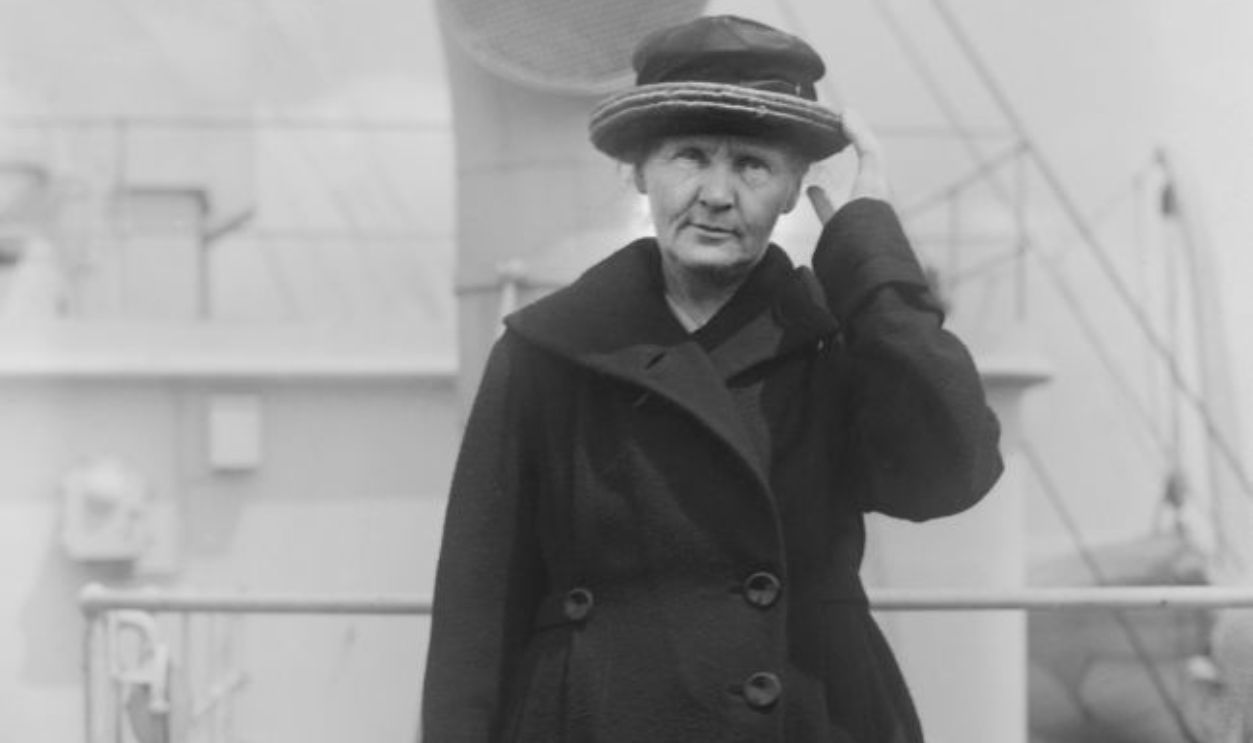 Universal History Archive, Getty Images
13. She Worked Hard
For the next few years, Marie continued to grind, still intent on becoming a scientist in Paris. She worked many odd jobs of varying degrees of lucrativeness to make money to fund her travel and her sister’s education, all the while continuing to educate herself through books and private tutors. Finally, as she approached her mid-20s, it was time to take the next step.
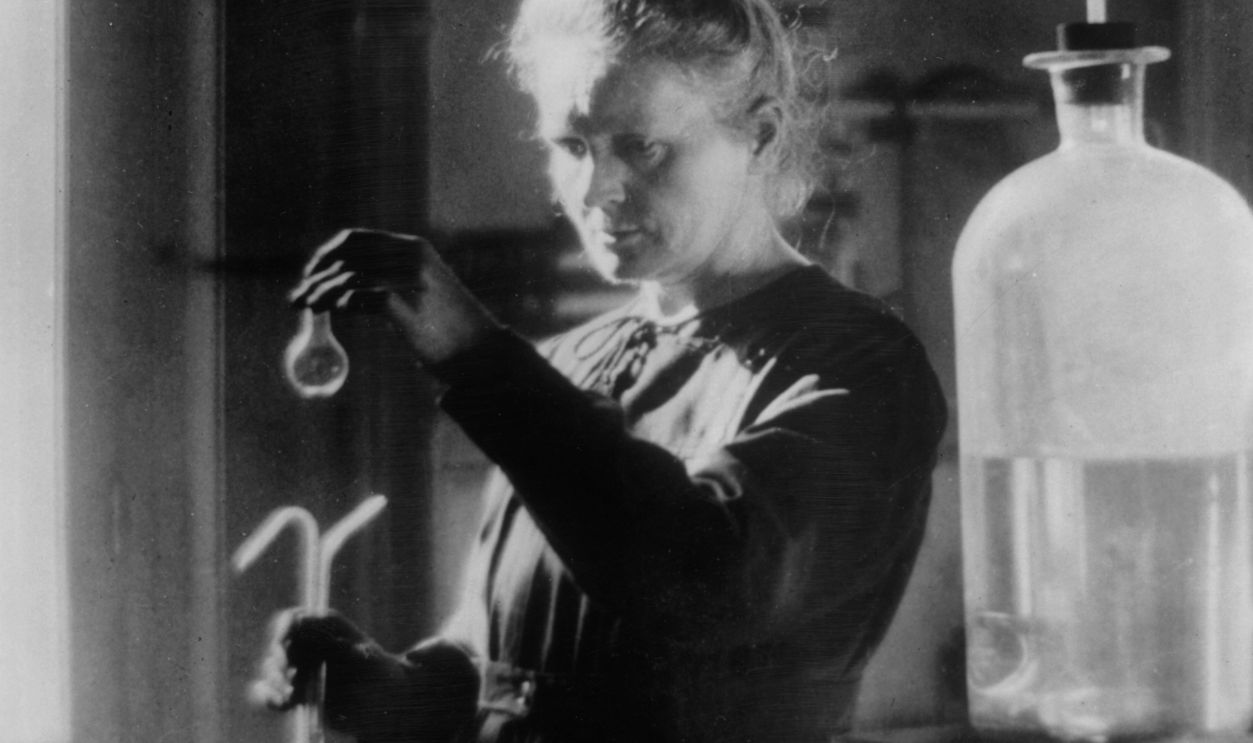
14. She Pursued Her Dreams
In late 1891, Marie left for Paris at last. She travelled as economically as possible, only bringing what she needed for the journey itself—she could handle the rest when she reached her destination. Her excitement was palpable, as she would later report. “So it was”, she wrote, “at the age of 24, that I was able to realize the dream that had been constantly in my mind for several years”. And once she got there, she got to work.
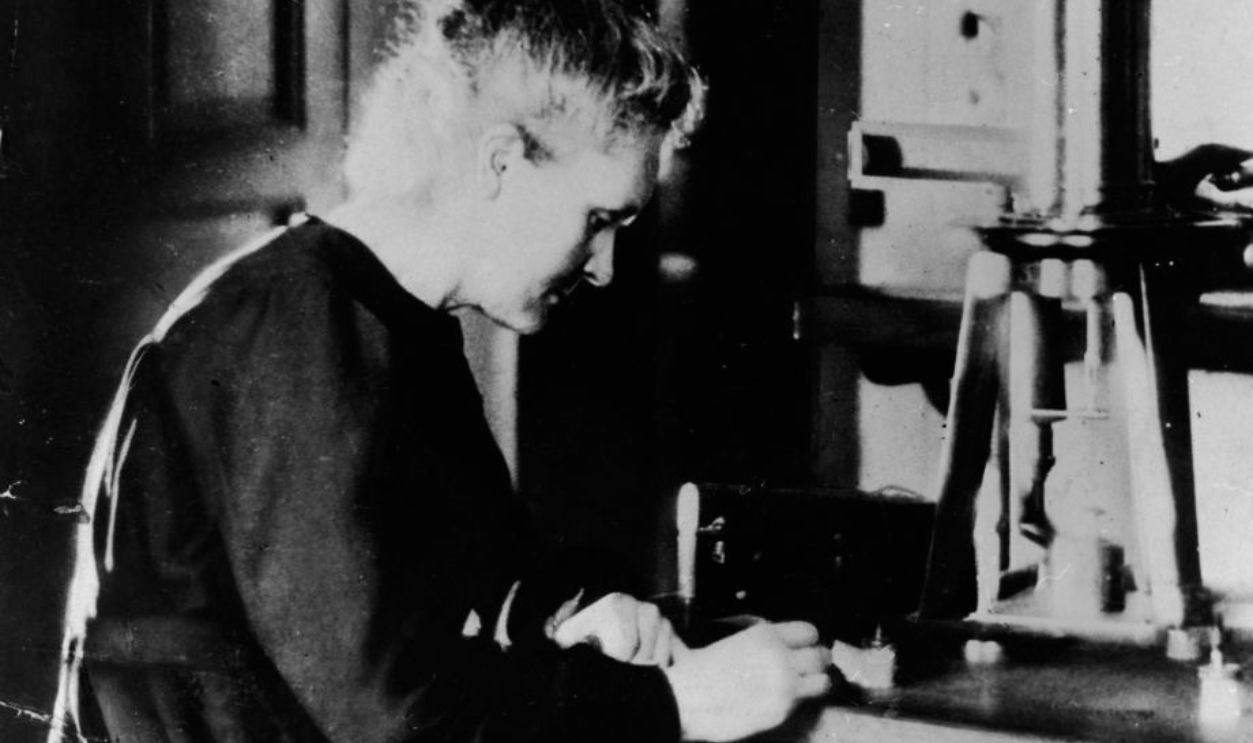 Pictorial Parade, Getty Images
15. She Focused Hard
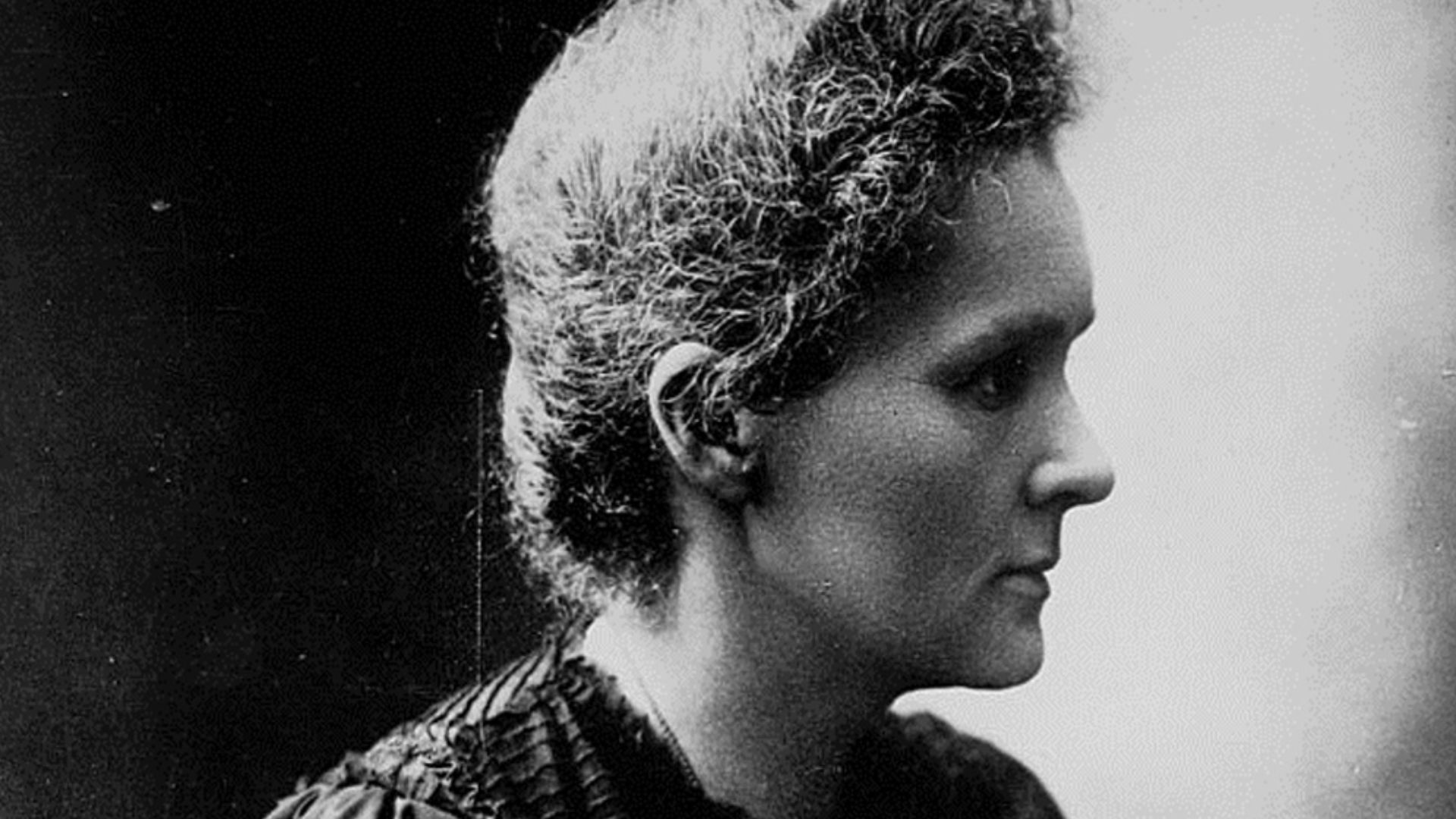
After staying briefly with her sister and brother-in-law, Marie found modest quarters near the University of Paris, where she enrolled to study physics, chemistry, and mathematics. She lived a very minimalist life so as not to distract from her schoolwork at all. Indeed, such was her focus that she would often forget to eat, at one point fainting from hunger! She had some pretty quirky habits for cost-cutting as well.
 Press Illustrating Service, New York City, Wikimedia Commons
History's most fascinating stories and darkest secrets, delivered to your inbox daily.
16. She Layered Up
To keep expenses to a minimum, Marie decided to forgo the costs of heating her home. Instead, during the cold winter months, she would wrap herself up in every single piece of clothing that she owned! It was a testament to her singular mind that was laser-focused on one track. And in the end, it paid off.
17. She Achieved Her Goal
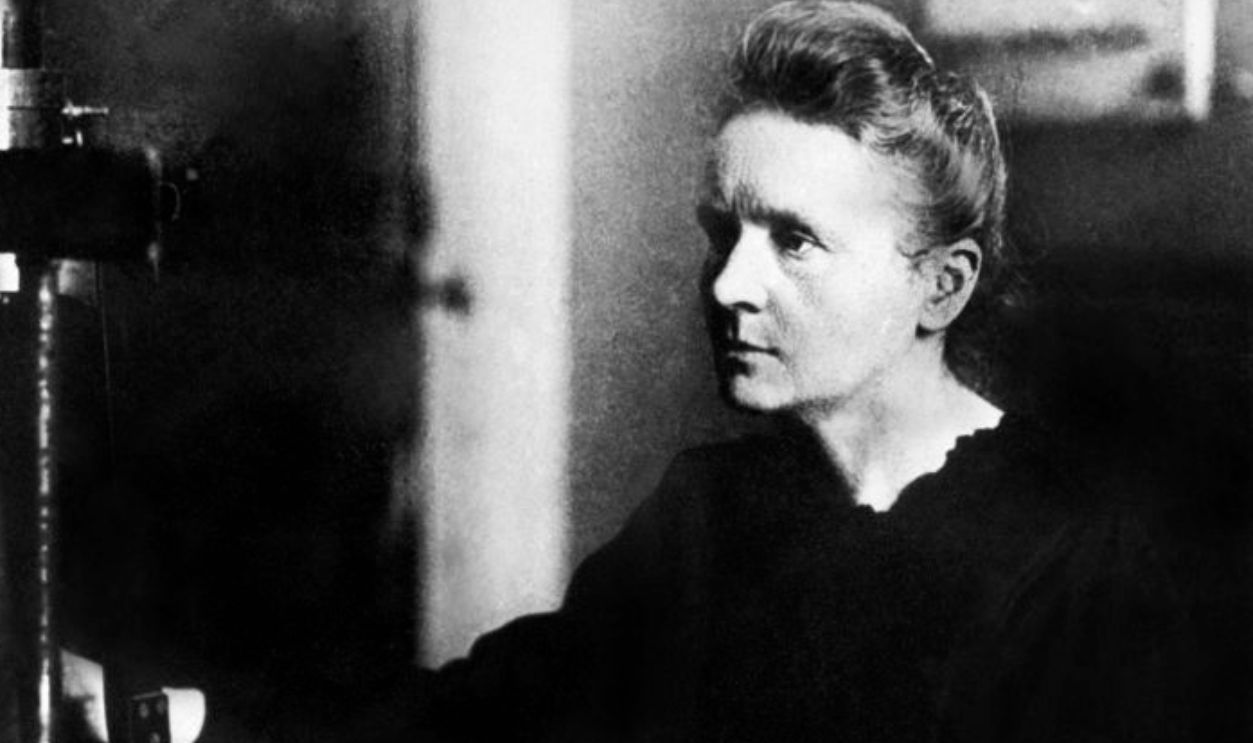
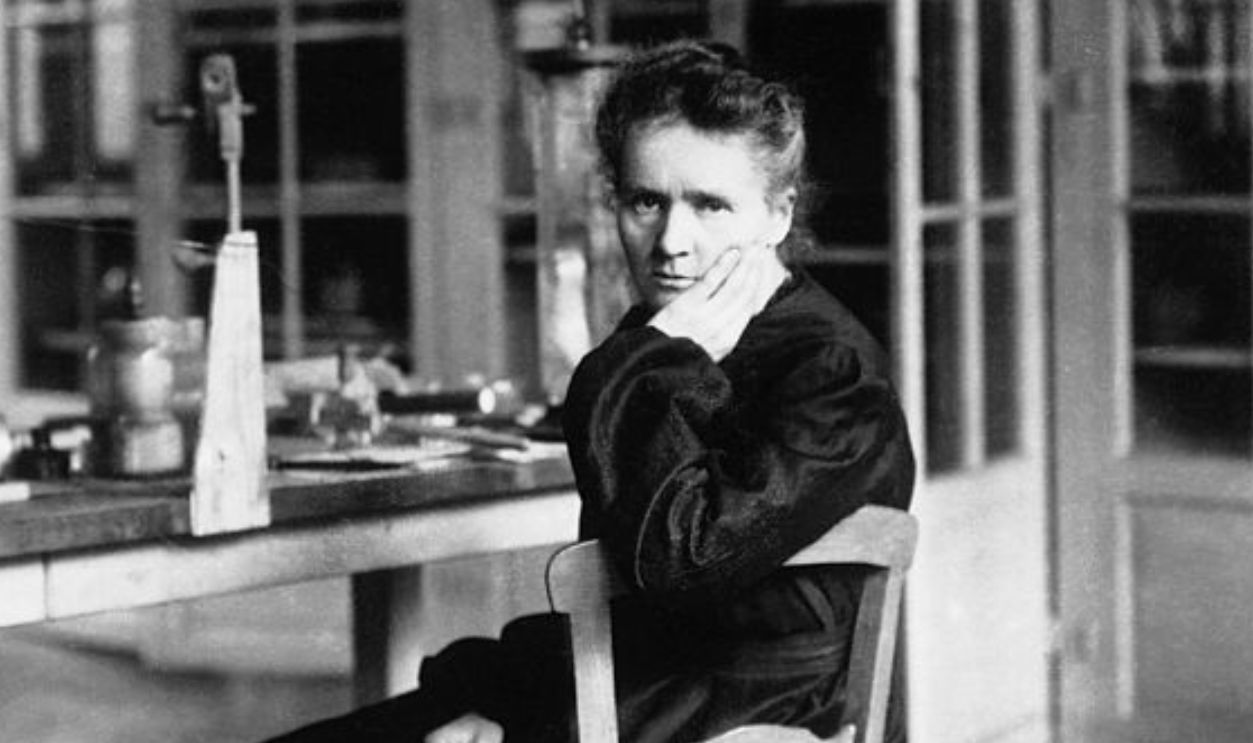
In 1893, Marie was awarded a degree in physics. She had finally realized her dream of becoming a scientist. She began working in a laboratory to fund her continuing education and earned a second degree a year later, this time in chemistry. Her work in these fields would offer her opportunity but also love.
18. She Met A Boy
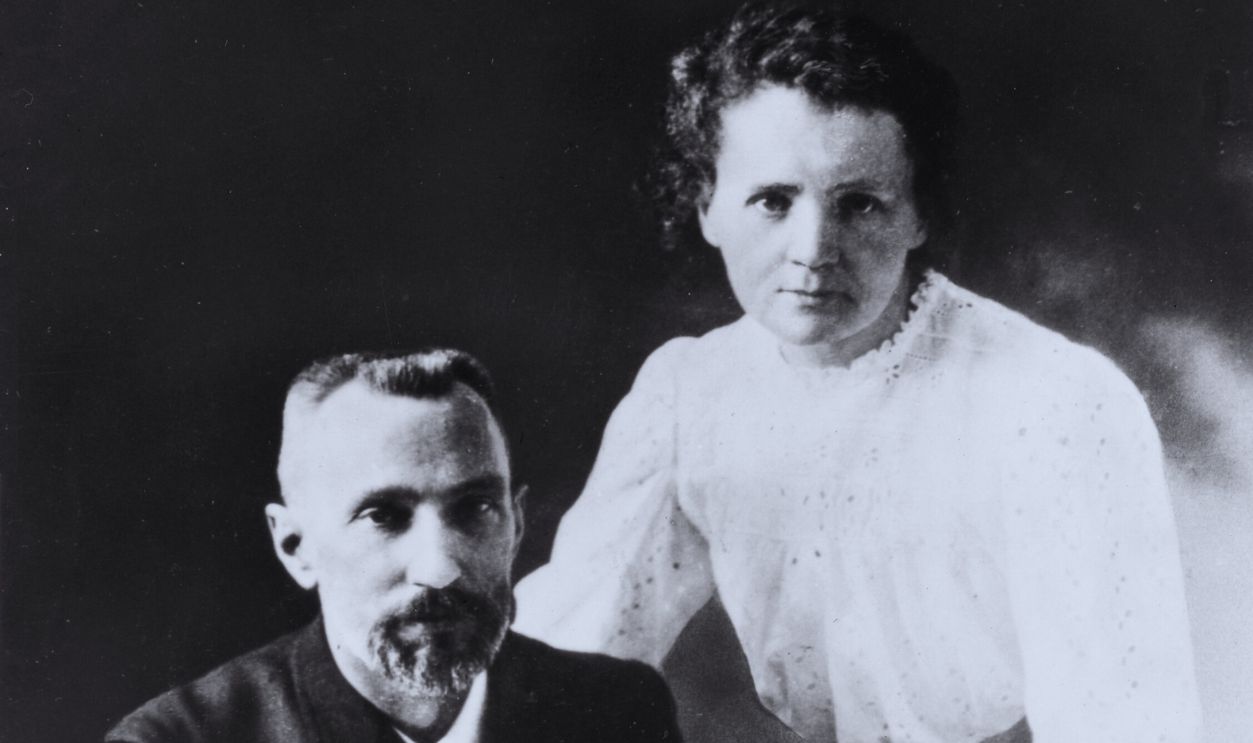
That year, Marie met Pierre Curie through her scientific work. Their mutual interest in natural sciences immediately drew the pair together and there was great chemistry, both literally and figuratively, between the two. They quickly developed feelings for one another and started dating. And like Kazimierz, Pierre fell head over heels.
 Smithsonian Institution from United States, Wikimedia Commons
19. She Had A Devoted Man
Pierre eventually proposed marriage to Marie, but she initially refused, gently informing him that she had eventual plans to return to and work in her home country of Poland. Pierre was undeterred, however, and in a touching rebuke to her rejection, he declared he would follow her to Poland and teach French if need be. The hopeless romantic almost had an opportunity to put his money where his mouth was.
20. She Hit Another Roadblock
Marie Curie returned to Warsaw in the summer of 1894, to visit her family and seek work in her field. Unfortunately, however, her outlook was a little too rosy: She applied for a job at Krakow University and, once again, got denied a position because of the rampant sexism in academia. Devastated, a letter from her love soon enticed Marie back to Paris.
21. She Tied The Knot
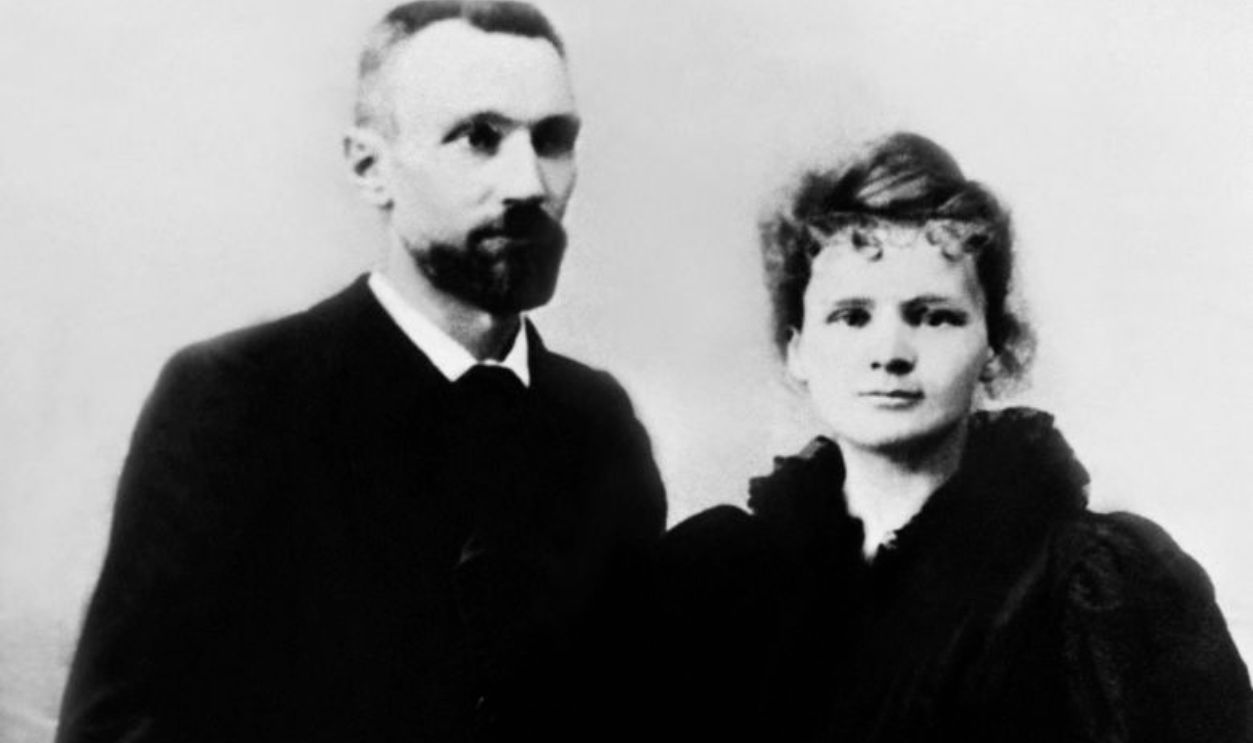
After hearing of the injustice Marie faced in Krakow, Pierre wrote to her and convinced her to return to Paris to pursue a PhD. The following year, Marie married her biggest advocate; she and Pierre wed in a secular ceremony on July 26, 1895. The scientific power couple infused their careers and marriage from the very start.
 -/ARCHIVES P. ET M. CURIE/AFP, Getty Images
History's most fascinating stories and darkest secrets, delivered to your inbox daily.
22. She Wed In Work Clothes
Instead of a bridal gown, Marie Curie opted to wear a dark blue outfit for her wedding day. She clearly wasn’t sentimental about the entire affair, and hilariously, would go on to wear the very same outfit in the laboratory for years to come. It was touching in its own way, of course, especially considering how similar she and her husband were.
23. She Found The One
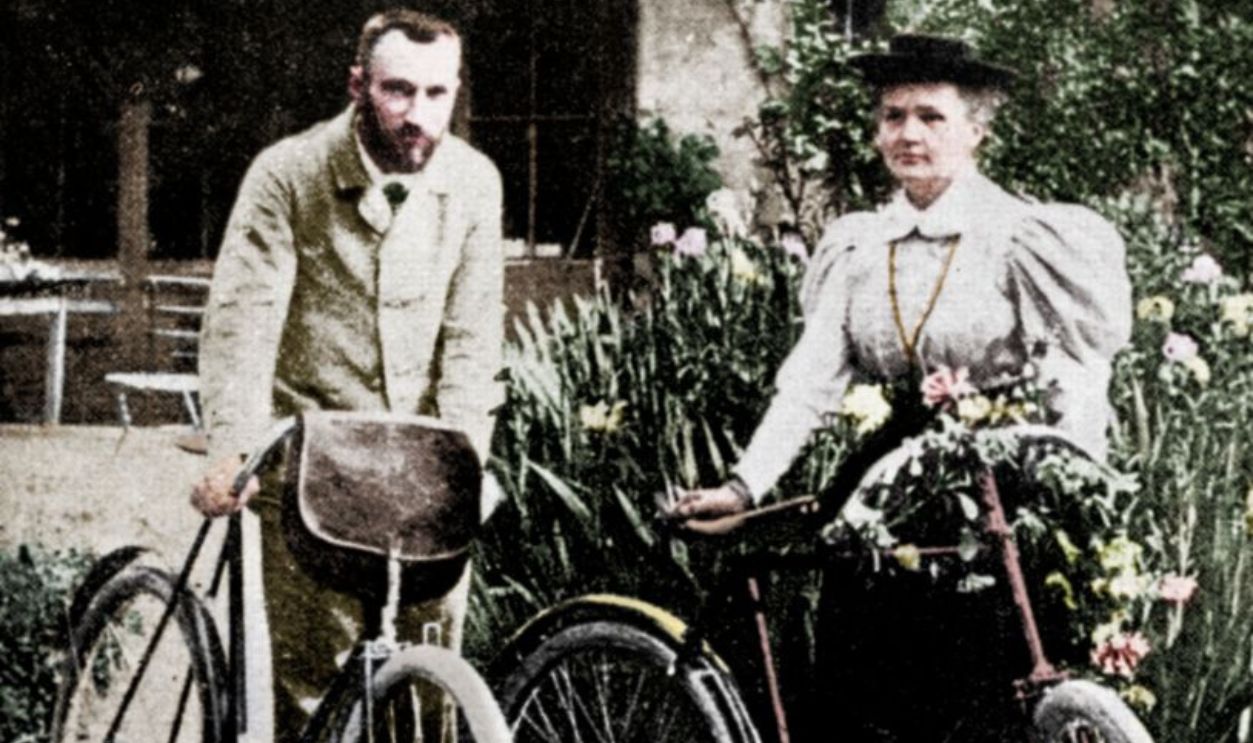
Marie and Pierre were a perfect match, and their marriage was, by all accounts, a blissfully happy one. They shared many passions in common, namely long bike rides, travel abroad, and scientific collaboration. Indeed, all this only brought them closer after they married. With her personal life secured, Marie turned her focus to the professional.
24. She Found Her Niche
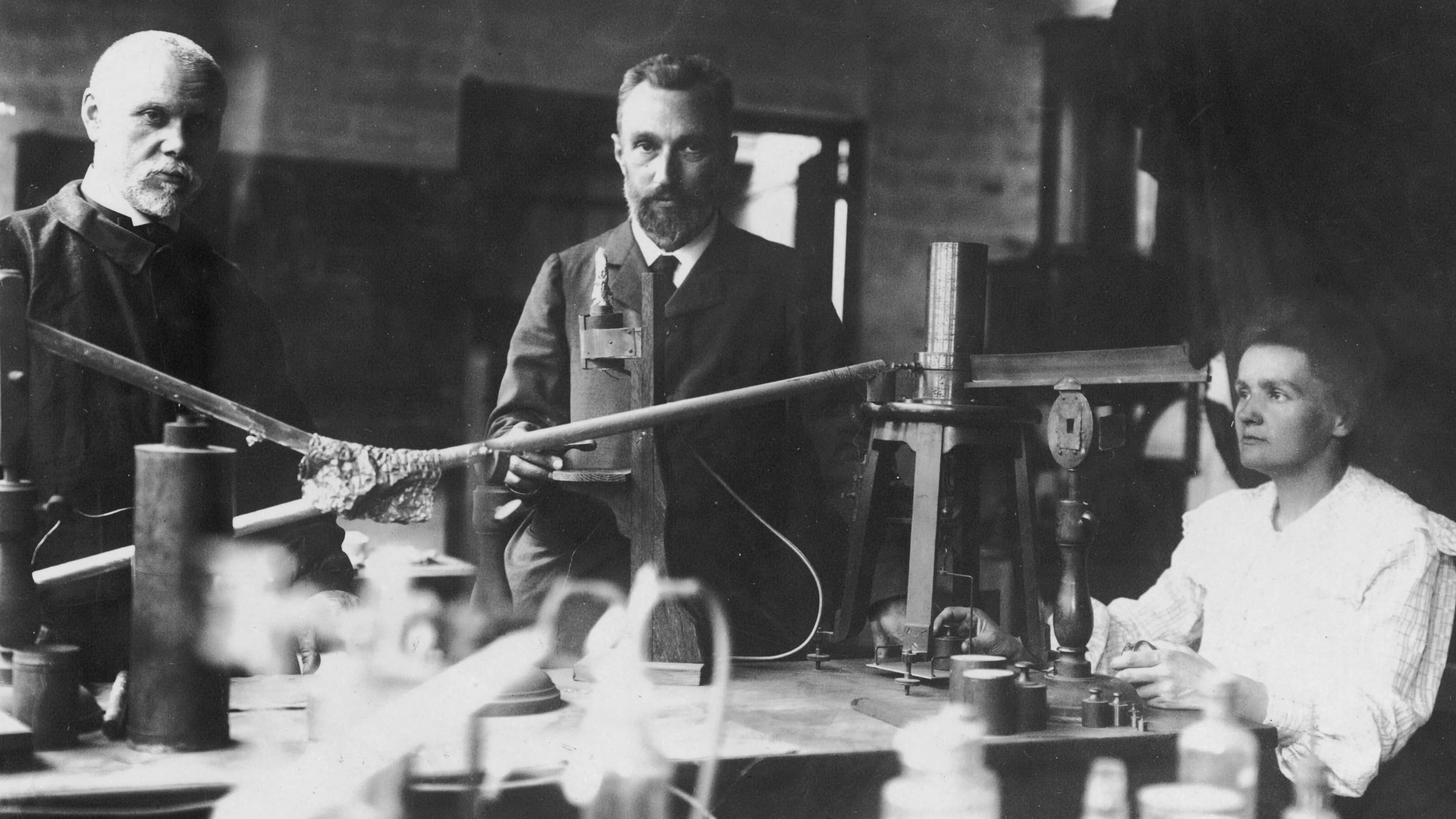
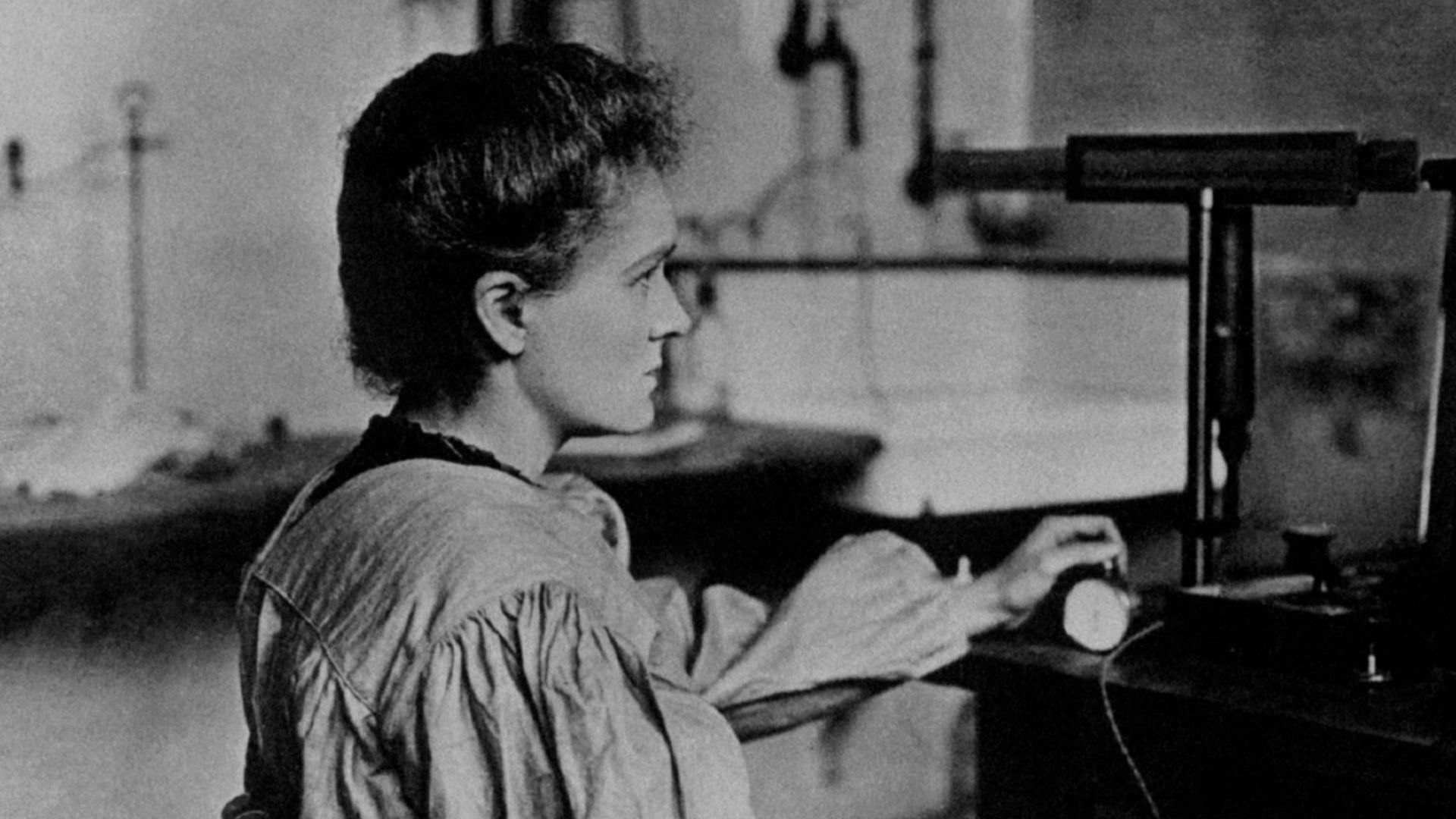
In 1895, a hot new energy hit the scientific community: X-rays. Marie Curie was immediately and deeply fascinated with the concept and shifted her focus to pioneering research on radioactivity and everything associated with it. Indeed, she has become synonymous with the field.
 Unknown authorUnknown author, Wikimedia Commons
25. She Invented A Concept
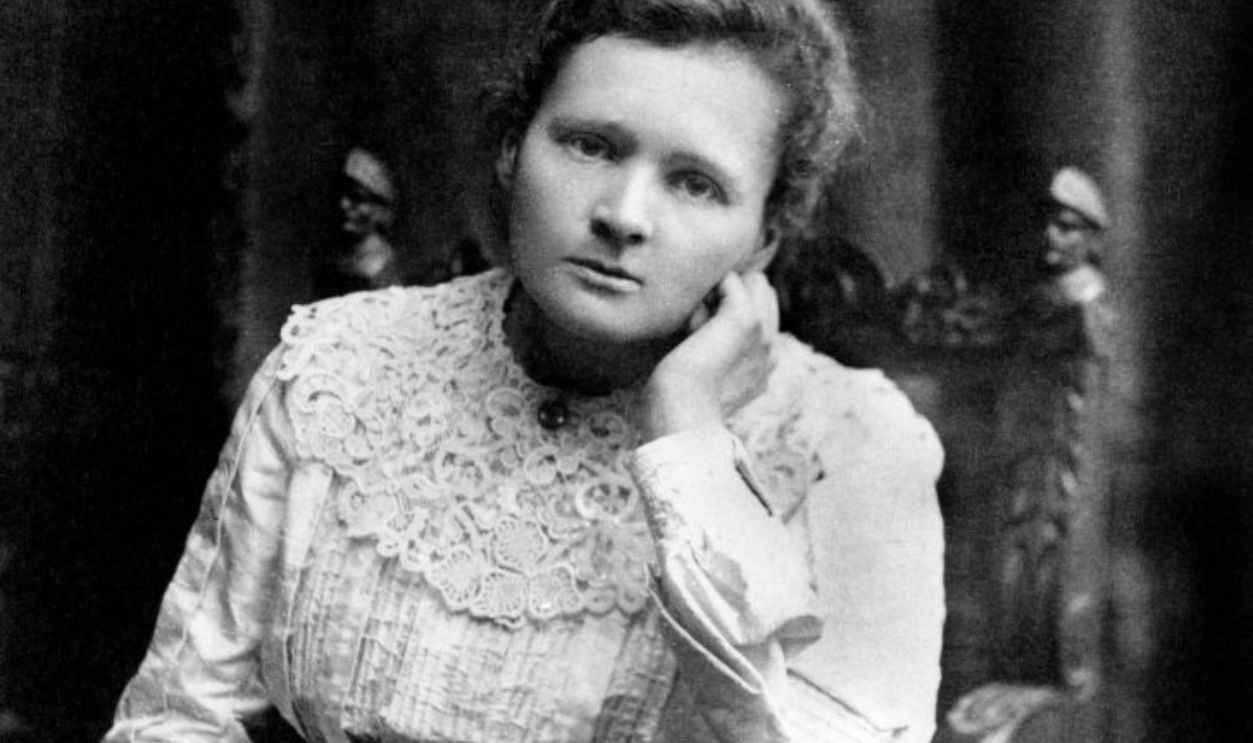
Together with her husband, Marie Curie discovered of the element of radium. Not only that, but her pioneering research led her to coin the very term ‘radioactivity’. It was an exciting new field, with accompanying technology, but the Curies weren’t in it for the money.
26. She Had Integrity
Following the discovery of radium, a massive and highly profitable industry emerged around the element. The Curies, however, never saw the fruits of this. They refused to patent their discovery, believing that scientists should focus on benefiting humanity over personal gain, a deeply admirable position. Indeed, it was not the only way in which Marie Curie worked humbly.
27. She Got Exposed
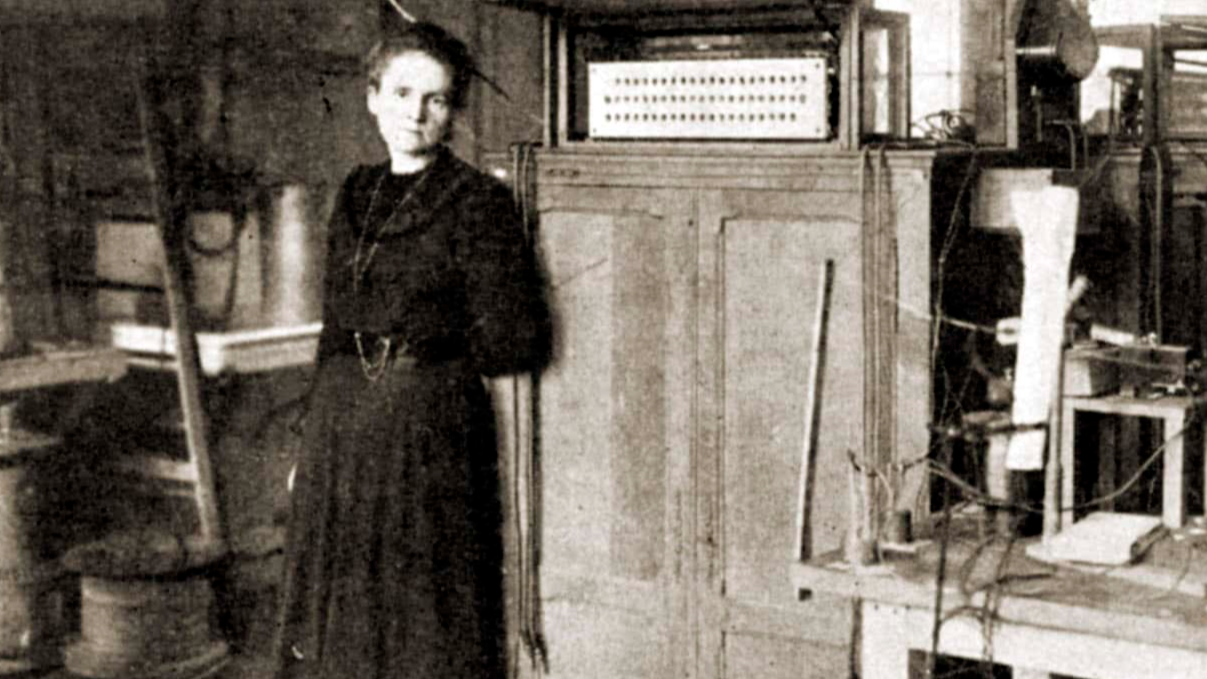
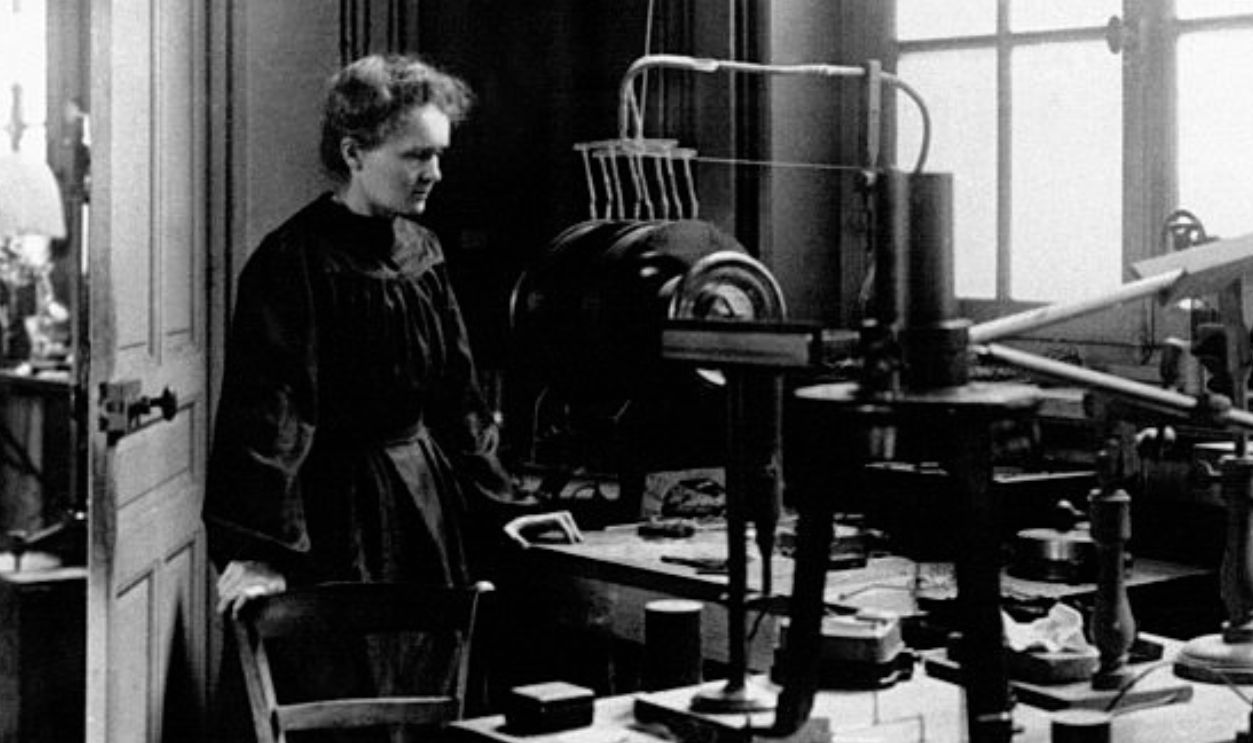
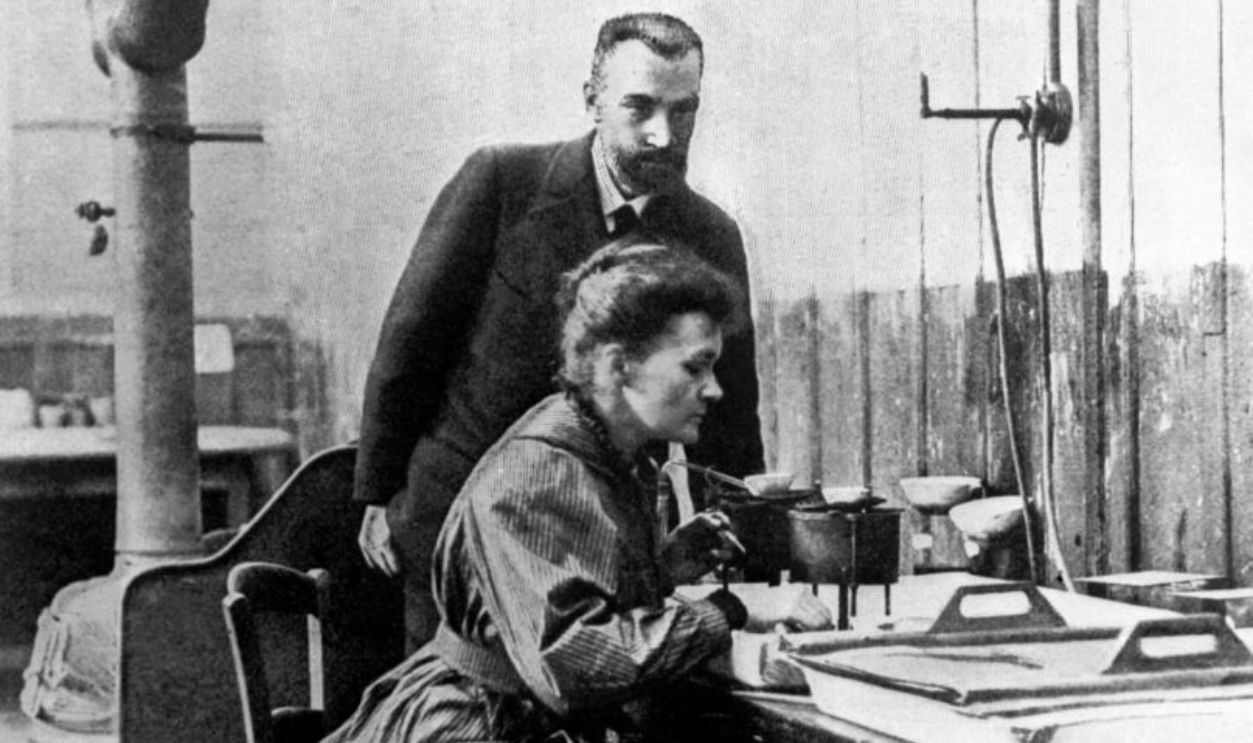
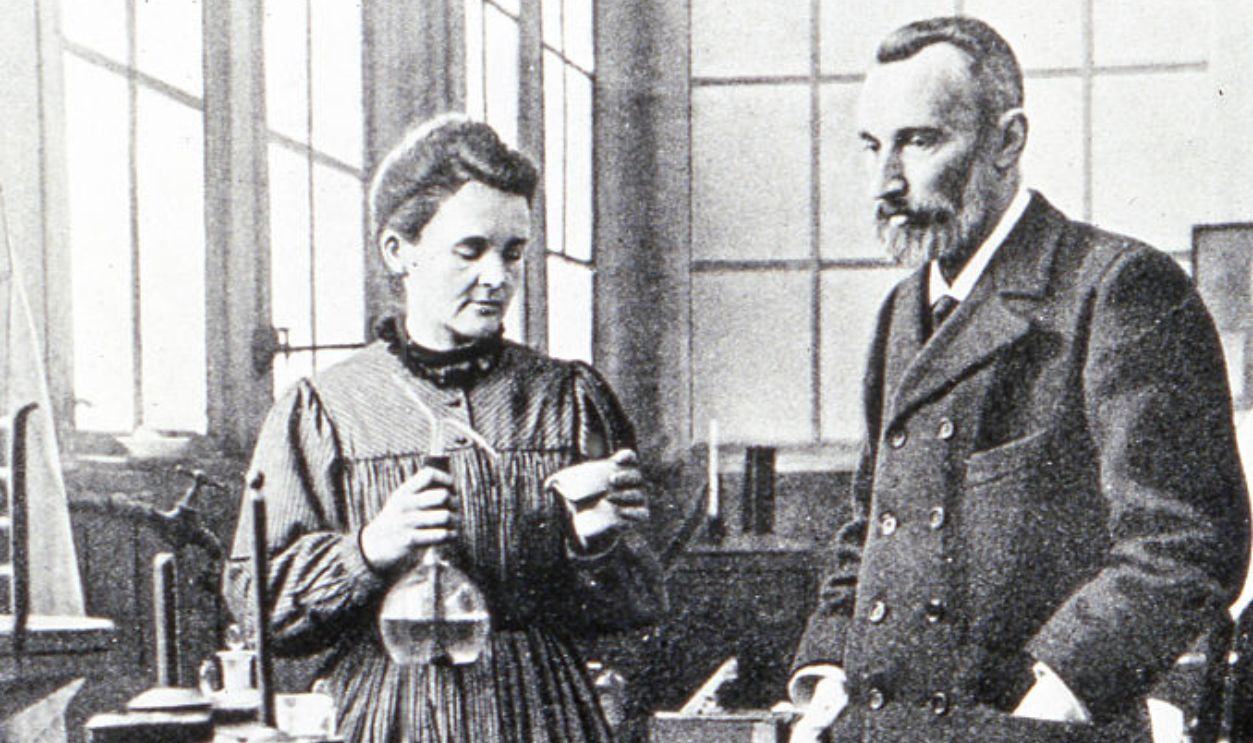
In their signature modest fashion, Marie and her husband did not have a proper laboratory from which they worked. Instead, they conducted their research and experiments in a converted shed. This was a terrible idea when working with radiation, however; the environment had poor ventilation and was not even waterproof, and the Curies were unaware of the dangerous effects of radiation exposure. This would later come back to haunt Marie, but for now, life was blissful.
History's most fascinating stories and darkest secrets, delivered to your inbox daily.
28. She Perpetuated Her Culture
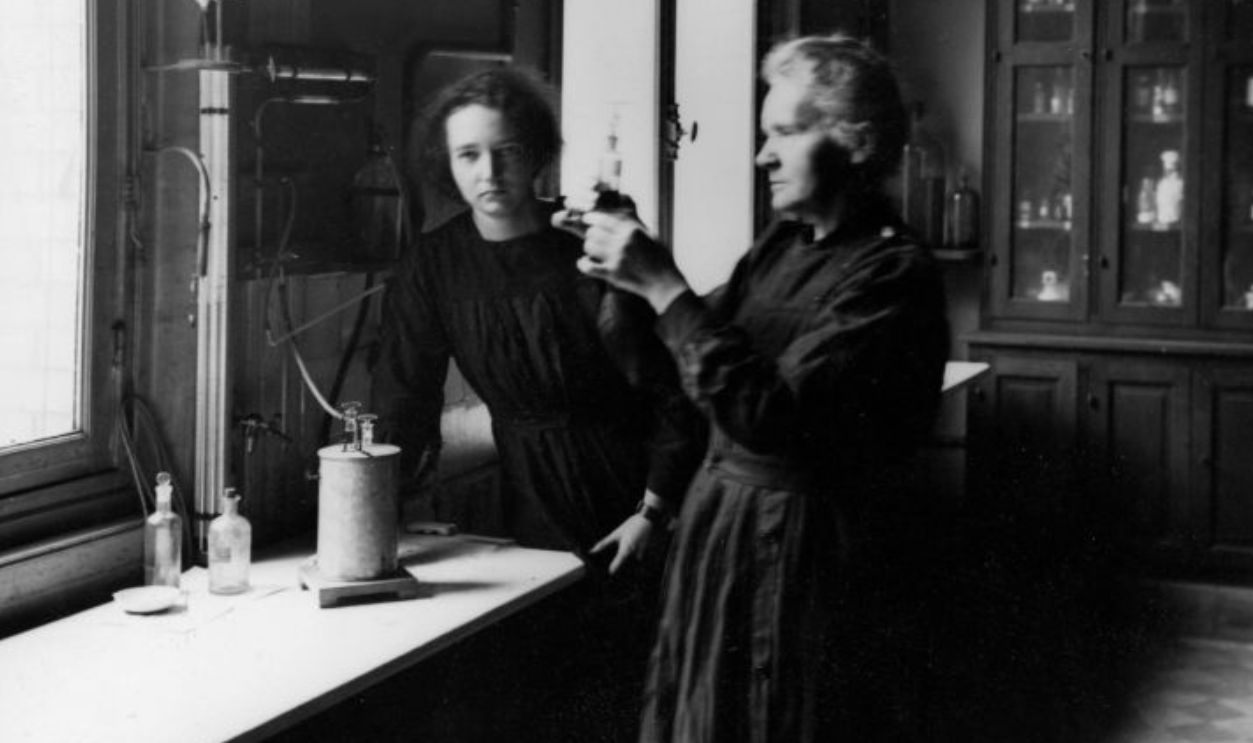
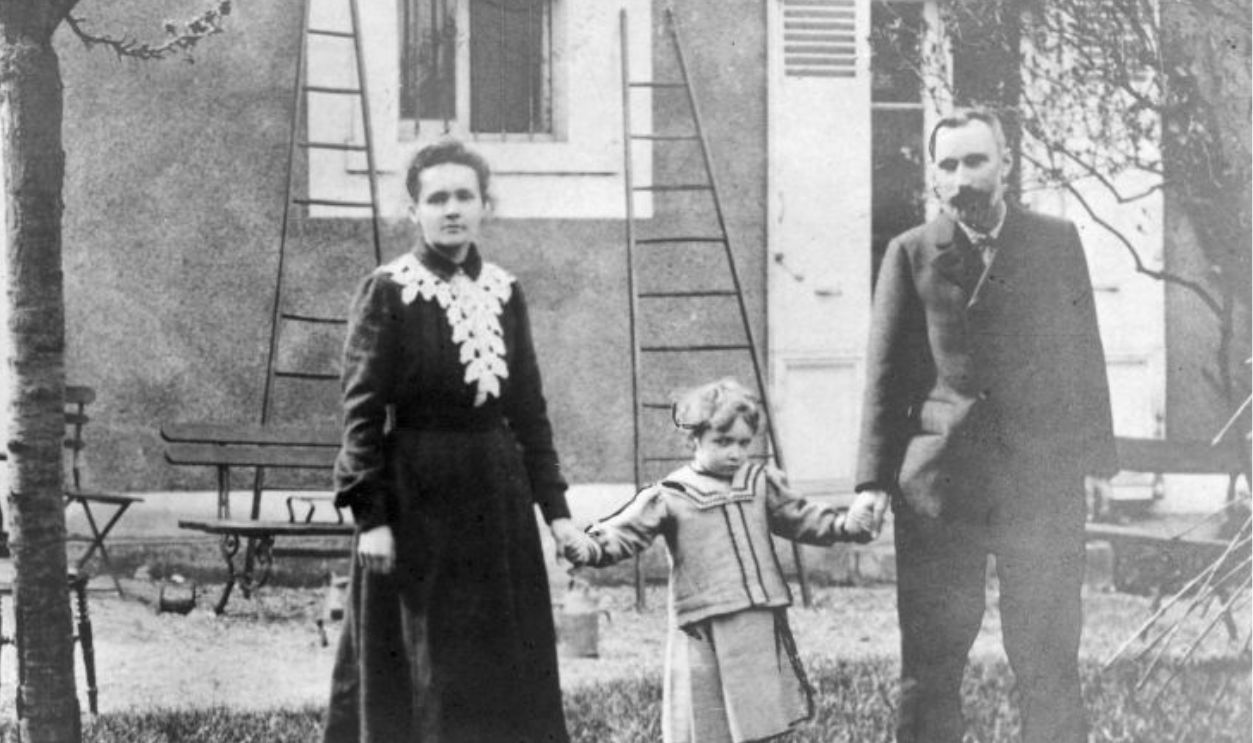
Marie and Pierre had two daughters, and though Marie was now a naturalized French citizen, she never lost her sense of Polish identity, even passing it on to her offspring. She often took her daughters on visits to her home country and ensured they received tutoring in the Polish language. She even expressed that identity in her work.
29. She Made Another Discovery
Radium was not actually the first elemental discovery the Curies made. Shortly before they published that earth-shattering find, Marie and Pierre had discovered another new element which they named, in honor of Marie’s homeland, ‘polonium’. Despite all the rejection she had endured there, Marie’s love for her country of origin was clear. And she would have the last laugh, because soon she was the hottest scientific ticket in town.
30. She Won The Big One
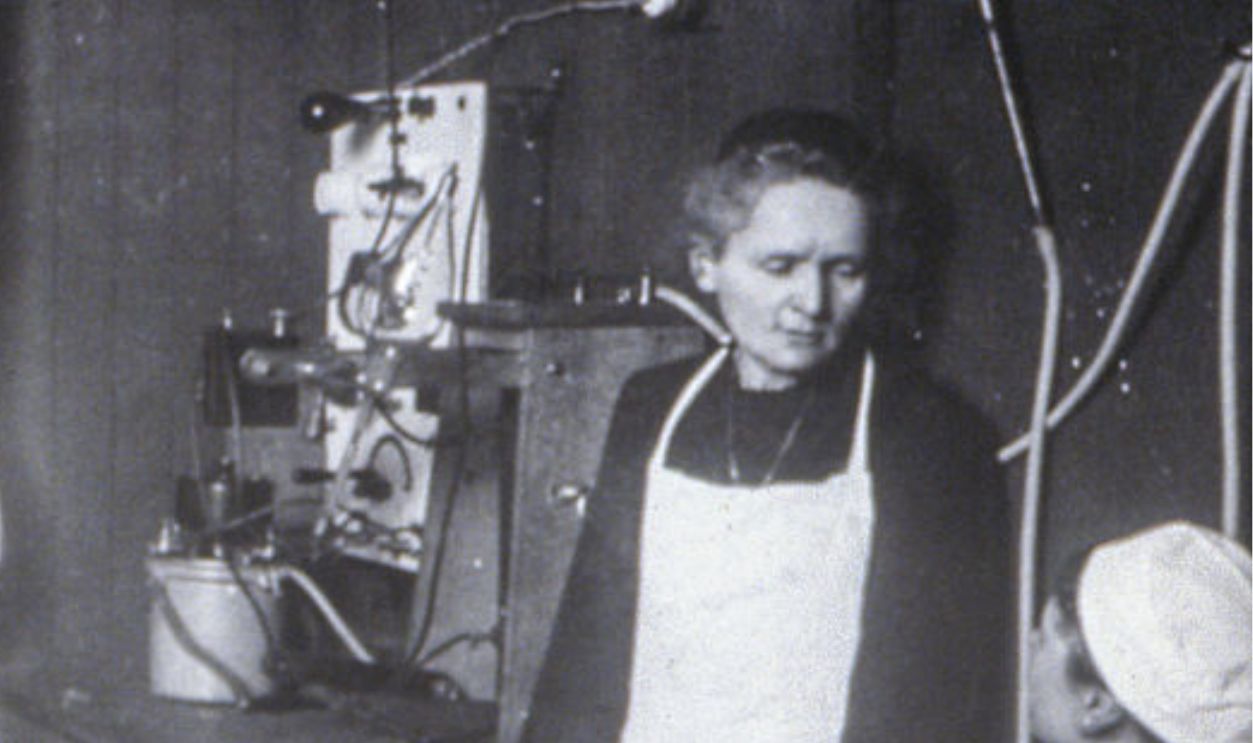
Marie’s and Pierre’s groundbreaking research on radioactivity did not go unnoticed by the scientific community. For their seismic contributions, the couple got jointly awarded the Nobel Prize in Physics in 1903, with the reasons stated being “their joint researches on the radioactivity phenomena”. After bumping against the glass ceiling so many times, Marie had finally shattered it.
31. She Blazed A Trail
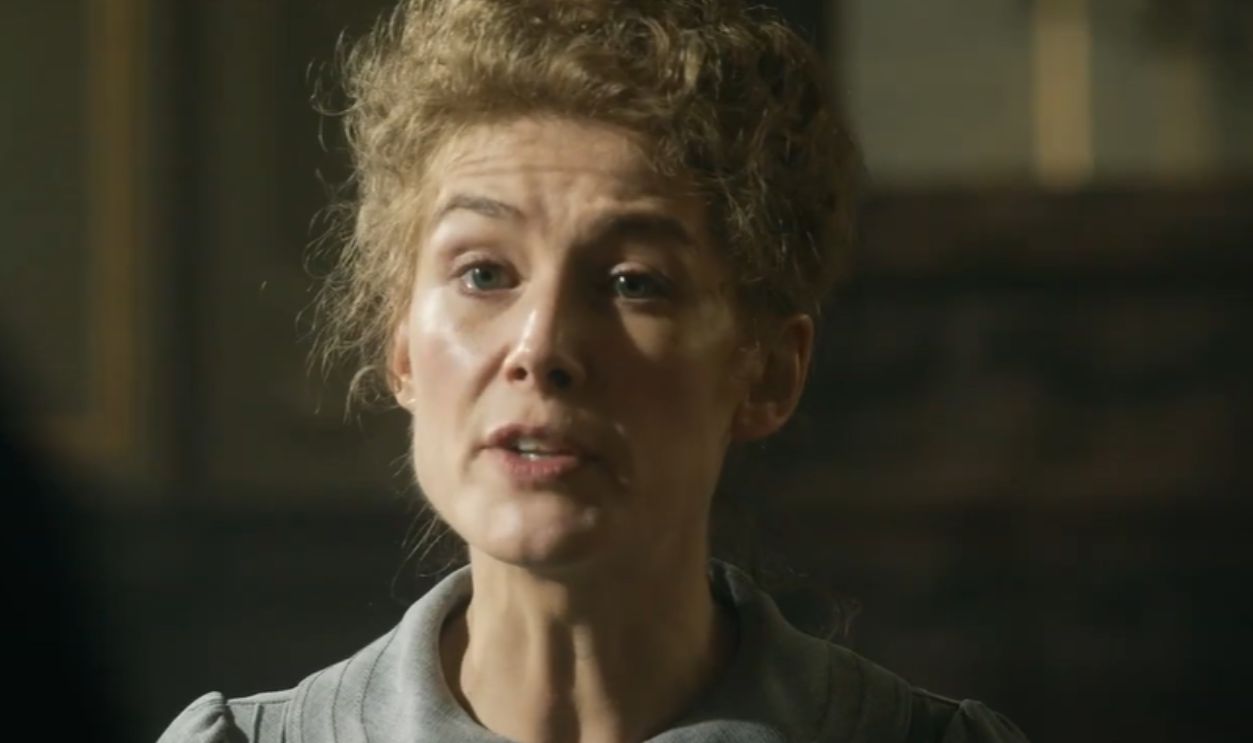
With her well deserved victory, Marie Curie had set a new precedent for the Nobel Prize: She was the first woman in history to receive the reward. It is for that very reason that many women in scientific fields since have cited her as their hero. Her win would also mark the beginning of another legacy.
 Screenshot from Radioactive, Amazon Studios (2019)
32. She Started A Family Tradition
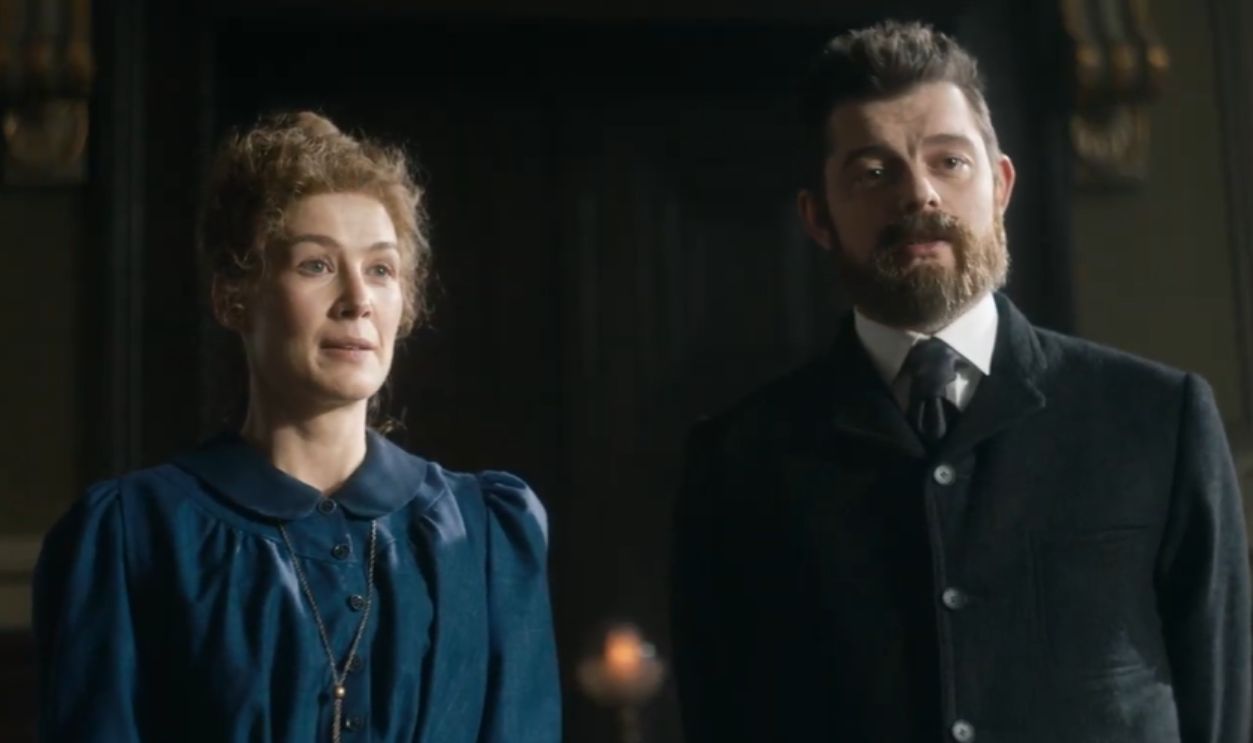
Marie and Pierre Curie also held the honor of being the first married couple ever to receive a Nobel Prize. Unknowingly, they were also the first in a storied family legacy. Since the couple’s initial 1903 win, the Curie family has gone on to win a total of five Nobel Prizes. Unfortunately, Pierre would not live to see any more of them.
 Screenshot from Radioactive, Amazon Studios (2019)
33. She Lost Her Love
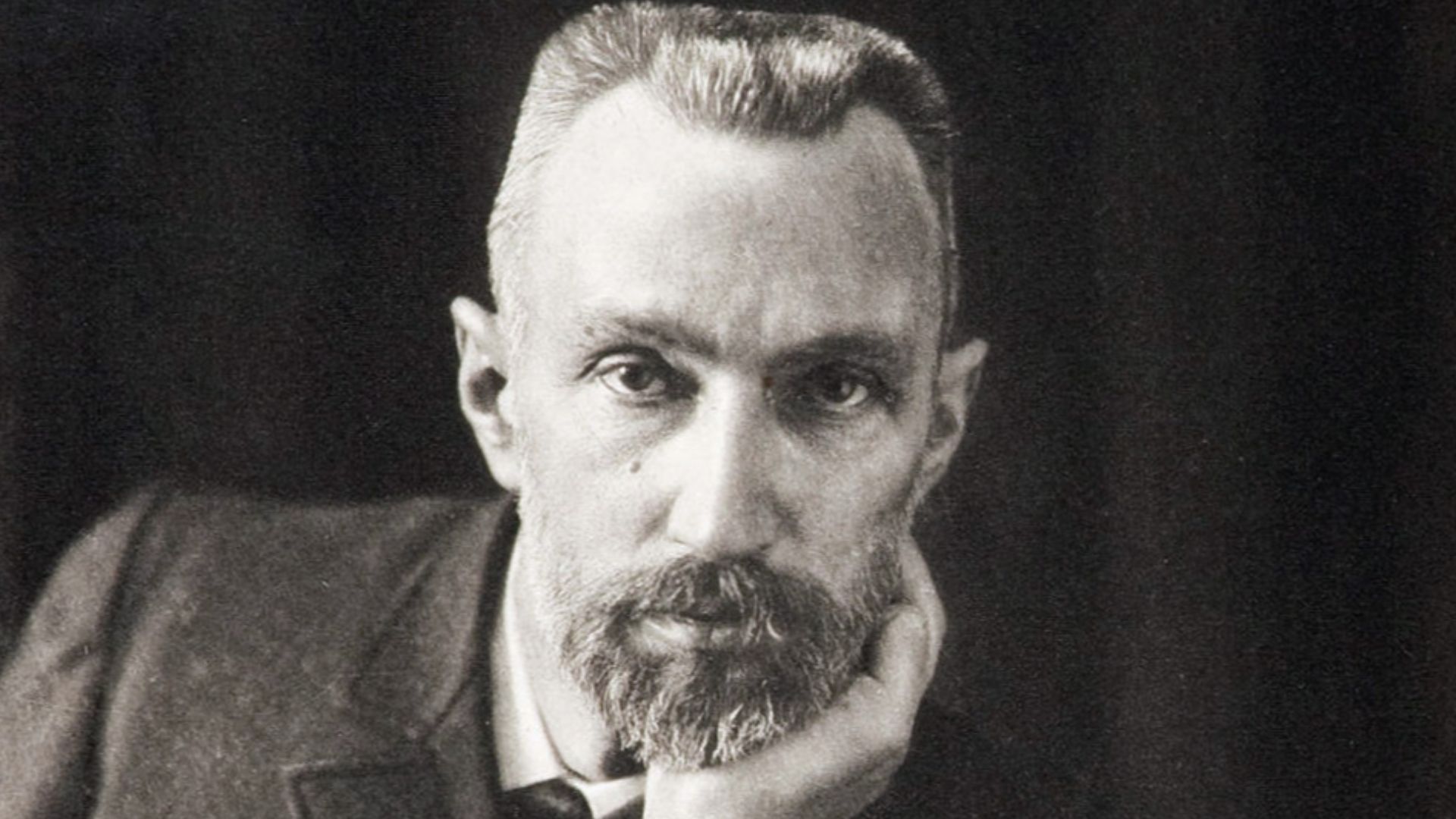
Less than three years after receiving their Nobel Prize, tragedy would strike the Curies. On April 19, 1906, in the midst of heavy rain that limited visibility, Pierre Curie got struck by a horse-drawn vehicle as he was crossing a Parisian street. He fell under the vehicle’s wheels, fractured his skull, and was gone in an instant. Marie Curie felt completely devastated at the loss of her husband, but it came with one small silver lining.
History's most fascinating stories and darkest secrets, delivered to your inbox daily.
34. She Got A Job
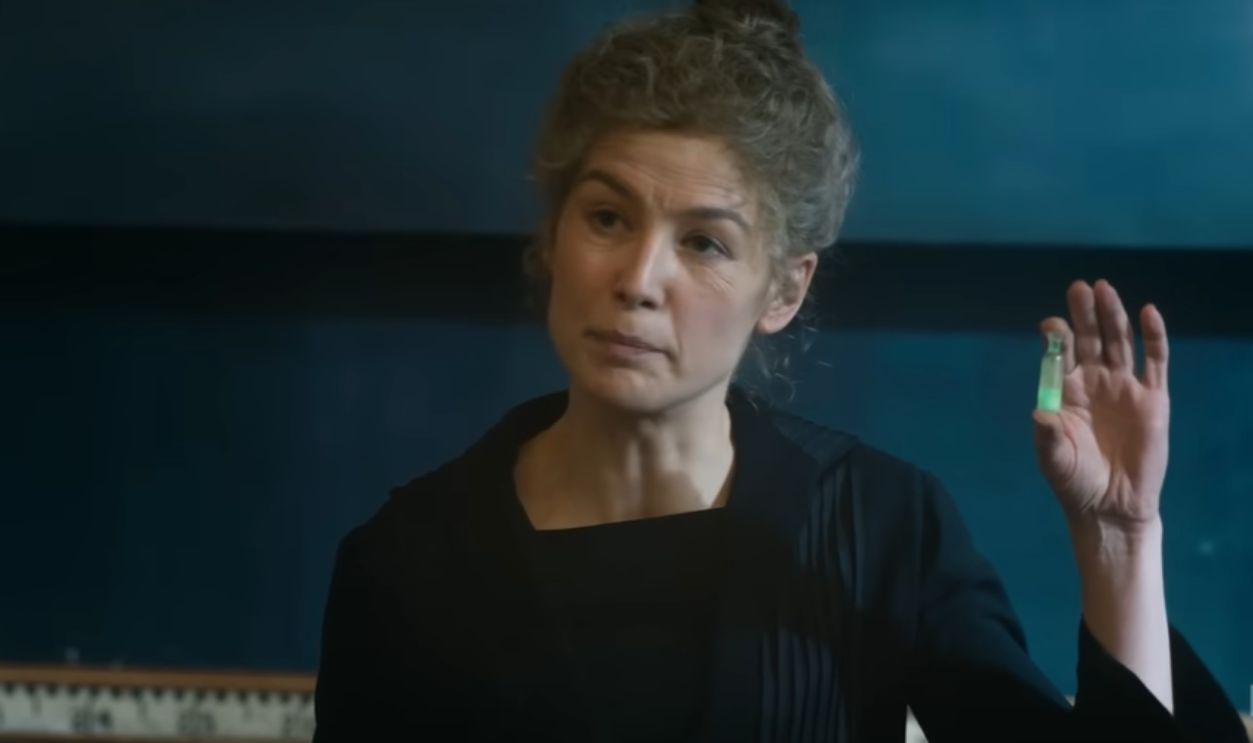
Pierre had occupied a chair in the physics department of the University of Paris, and in recognition of his and his wife’s work, the department offered it to Marie on May 13, 1906. She accepted the job, and became the first female professor at the University, making history once again. She set off to work and, eventually, got busy in other ways too.
 Screenshot from Radioactive, Amazon Studios (2019)
35. She Found Scandal
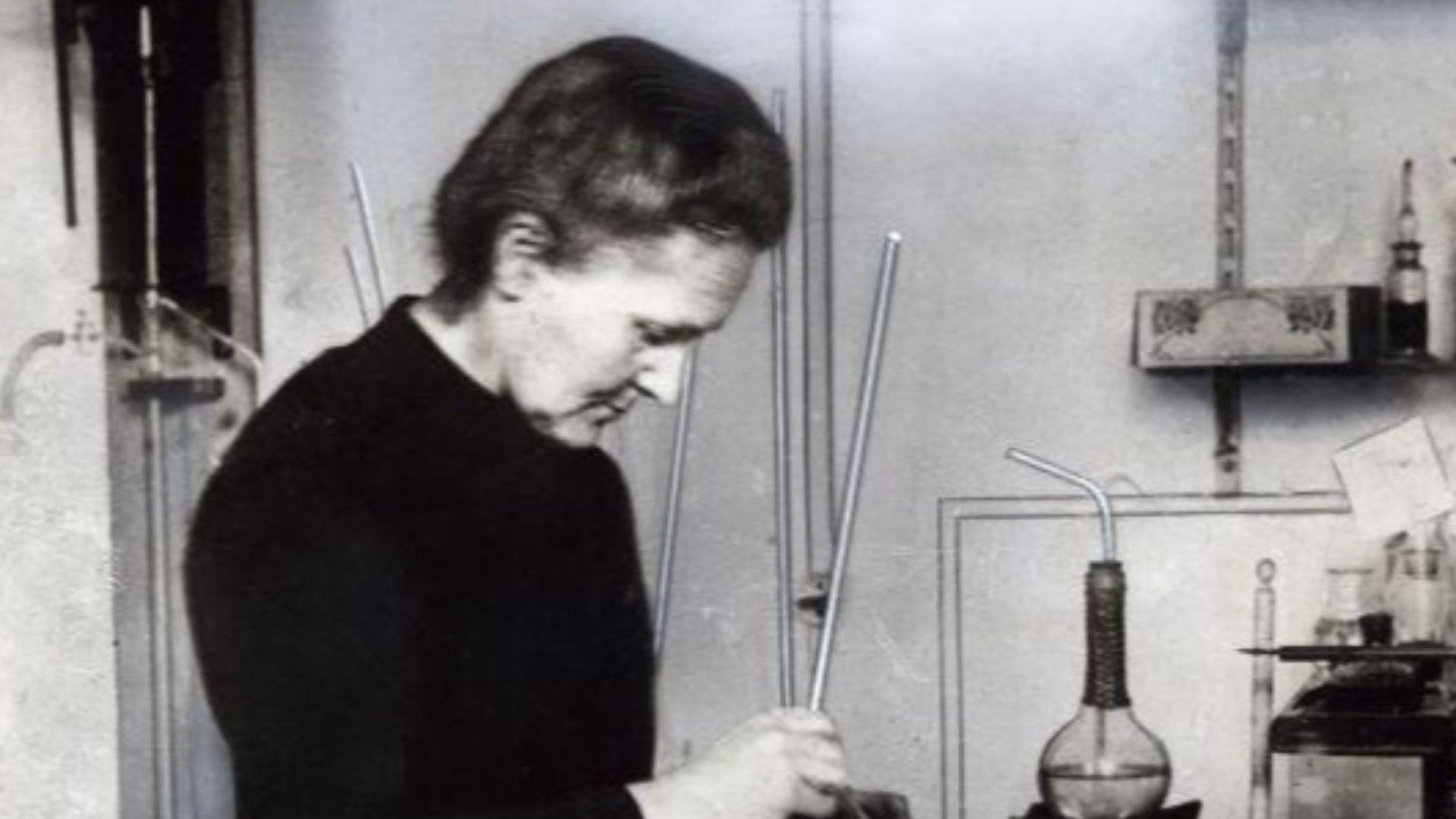
For the next five years, Marie continued her groundbreaking research with the University of Paris’ resources behind her. She was, of course, largely ignored by the press at large until the vulturous tabloids got their hands on a “juicy” story: In 1911, there were revelations that Marie was involved in an affair with Paul Langevin, who had been a student of her late husband’s and was a married man. Ignoring all her wondrous scientific achievements, the media whipped up a frenzy.
 Nationaal Archief, Wikimedia Commons
36. She Faced A Moral Panic
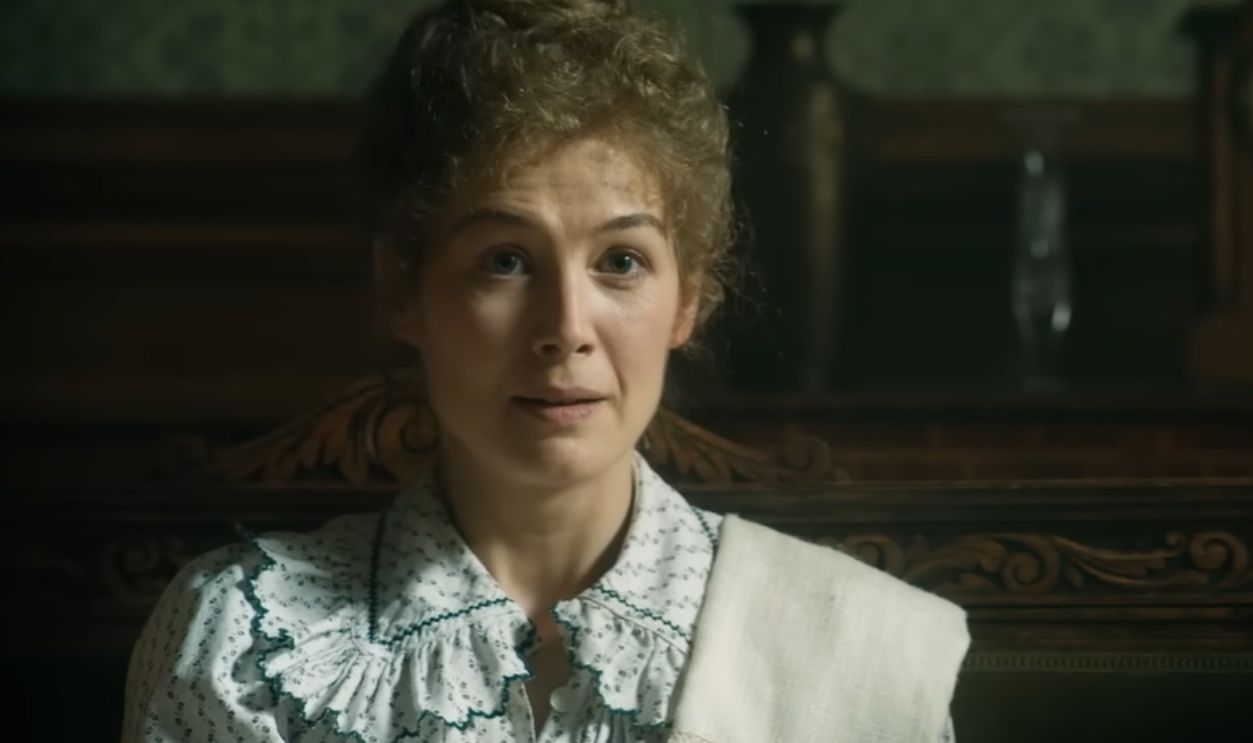
The revelation of Marie’s affair caused a scandal in the press, which was seized upon by her academic opponents. Curie was five years older than Langevin and thus portrayed in the press as having taken advantage of the poor man. Many publications slandered her as a foreign, Jewish (which she was not) homewrecker.
Marie was in Belgium when the scandal broke, and upon her return to Paris, found an angry mob outside her home that forced her to seek refuge with a friend. Marie had faced far worse in her life, however, and she powered on, eventually showing all the haters who was boss.
 Screenshot from Radioactive, Amazon Studios (2019)
37. She Won Again
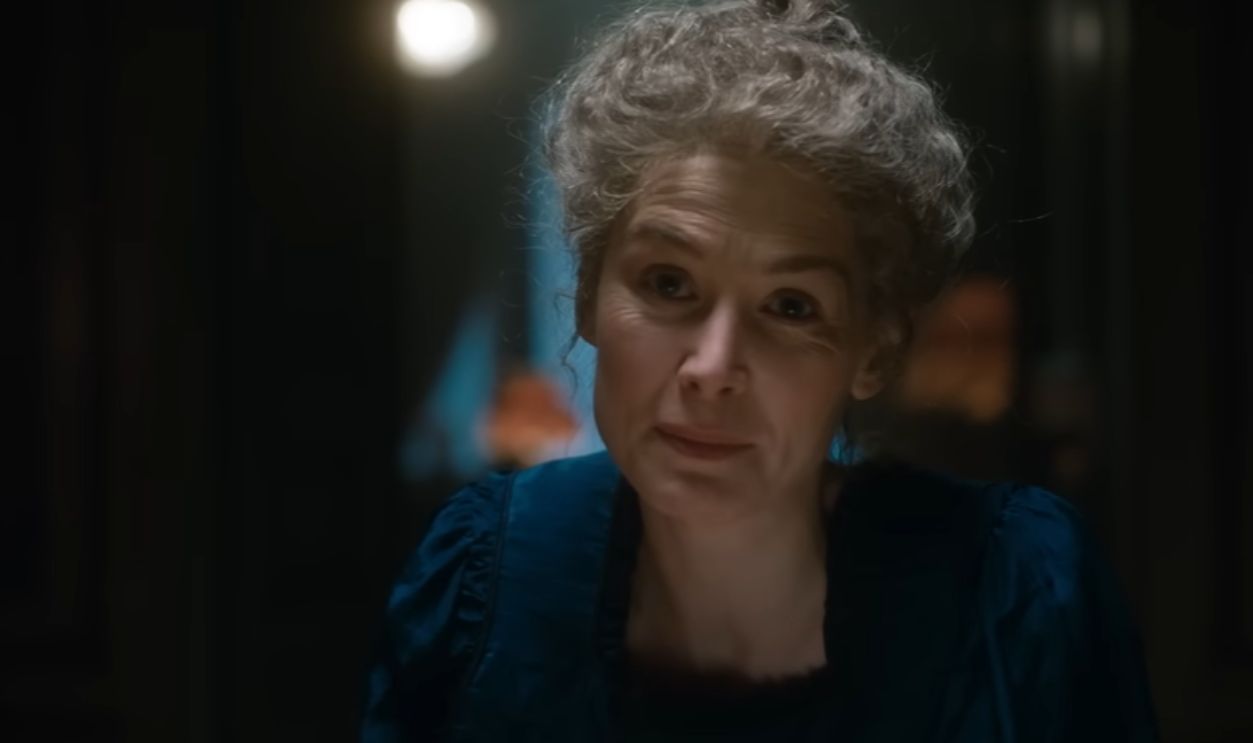
Marie’s tireless scientific work had been attracting increasingly more international attention and, in the face of opposition arising from the Langevin scandal, the Nobel committee opted to honor her yet again with the 1911 Nobel Prize in Chemistry.
This win was “in recognition of her services to the advancement of chemistry by the discovery of the elements radium and polonium, by the isolation of radium and the study of the nature and compounds of this remarkable element”. It was an incredible achievement for a woman who had faced the hurdles Marie had, especially considering how she now had something over all men.
 Screenshot from Radioactive, Amazon Studios (2019)
38. She Saw Double
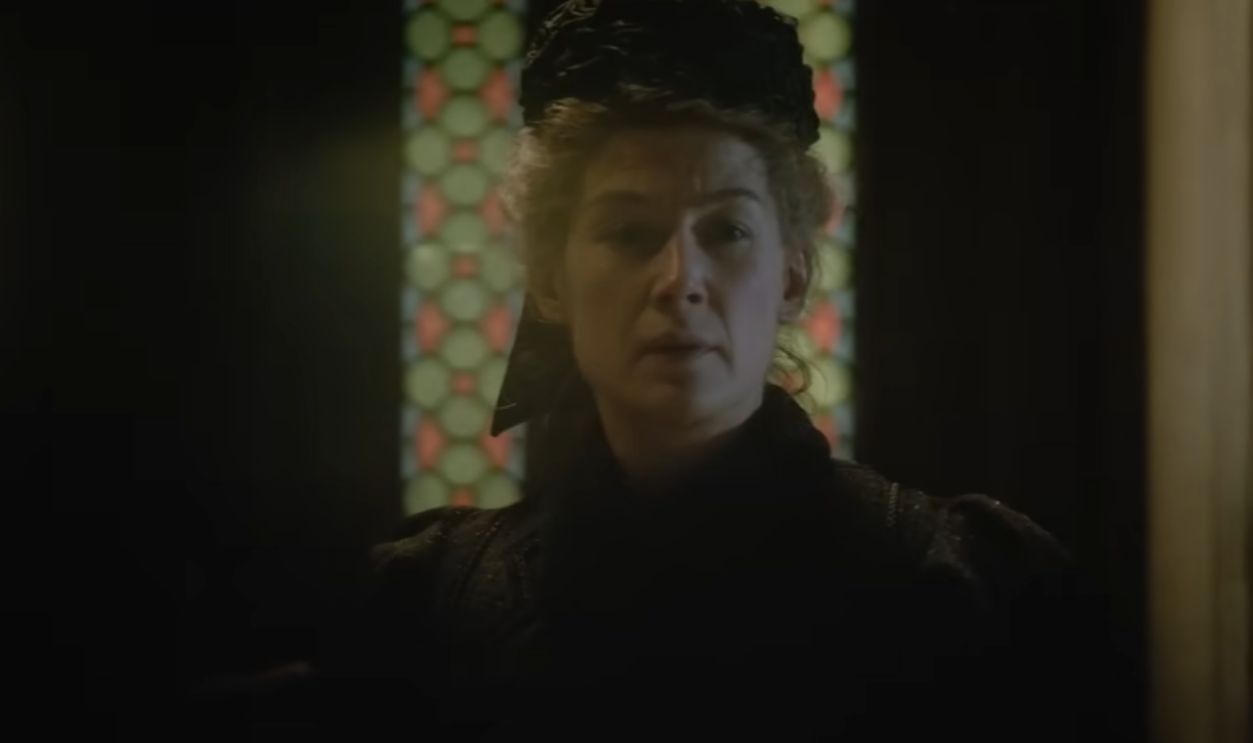
With her new medal, Marie Curie had set yet another record: She was the first person to win a Nobel Prize twice, an incredible legacy for a woman who, not long before, could not even secure a job at a university in her home country because of sexist discrimination. She also proved the versatility of her skills.
 Screenshot from Radioactive, Amazon Studios (2019)
39. She Was Multidisciplined
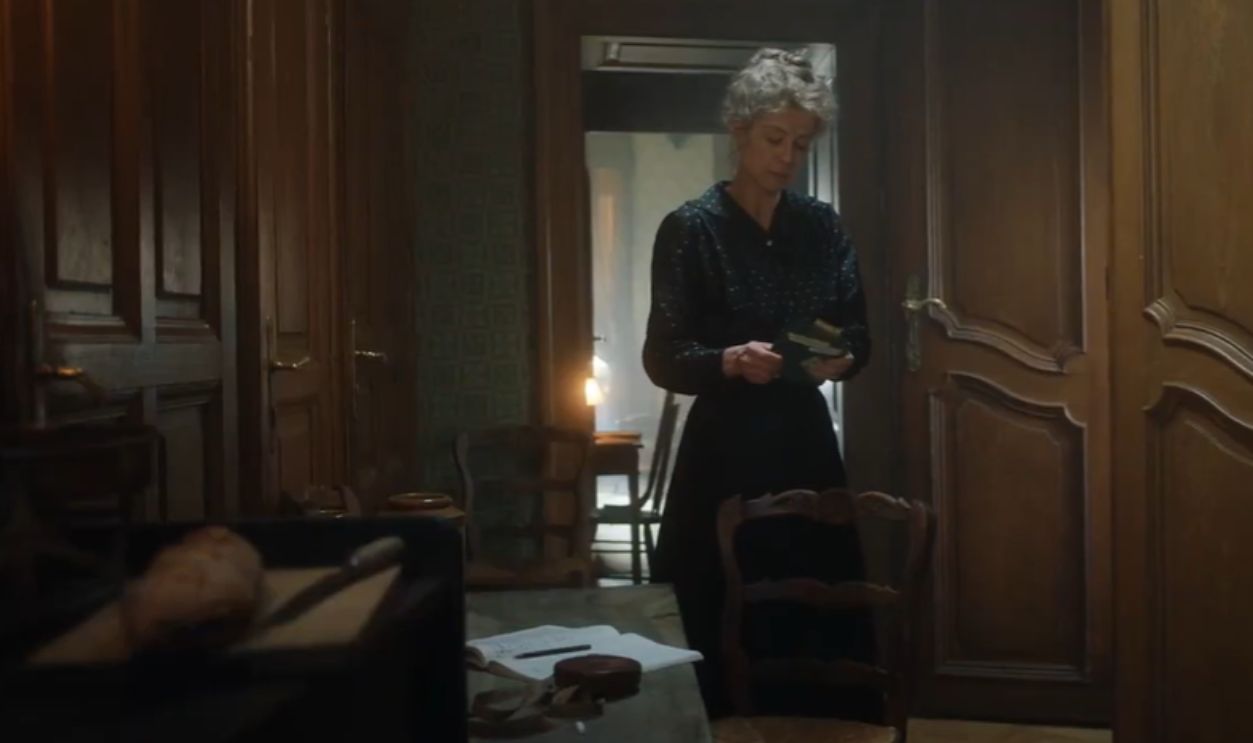
As if being the first to two medals wasn’t an impressive enough achievement, Marie also became the first person to win a Nobel Prize in two different scientific fields: physics and chemistry. No one could question Marie’s bona fides now, but after such a seismic life event, history repeated itself a little for the accomplished scientist.
 Screenshot from Radioactive, Amazon Studios (2019)
History's most fascinating stories and darkest secrets, delivered to your inbox daily.
40. Her Demons Returned
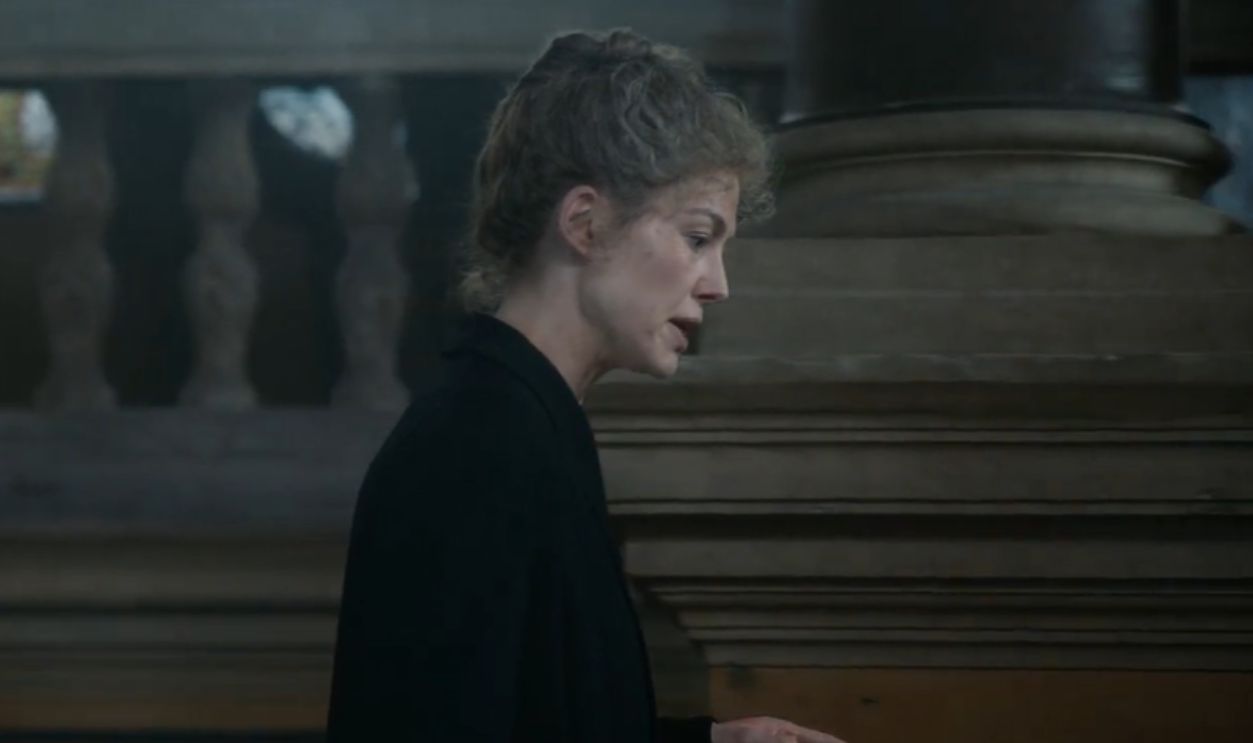
Much like her experience following her impressive and early graduation as a teen, Marie’s mental health took a turn for the worse shortly after receiving her second Nobel Prize. About a month after her acceptance, Marie was hospitalized with kidney troubles and depression. She avoided public appearances for the next 14 months, but eventually, the outbreak of a disastrous conflict would give her renewed purpose.
 Screenshot from Radioactive, Amazon Studios (2019)
41. She Helped The Wounded
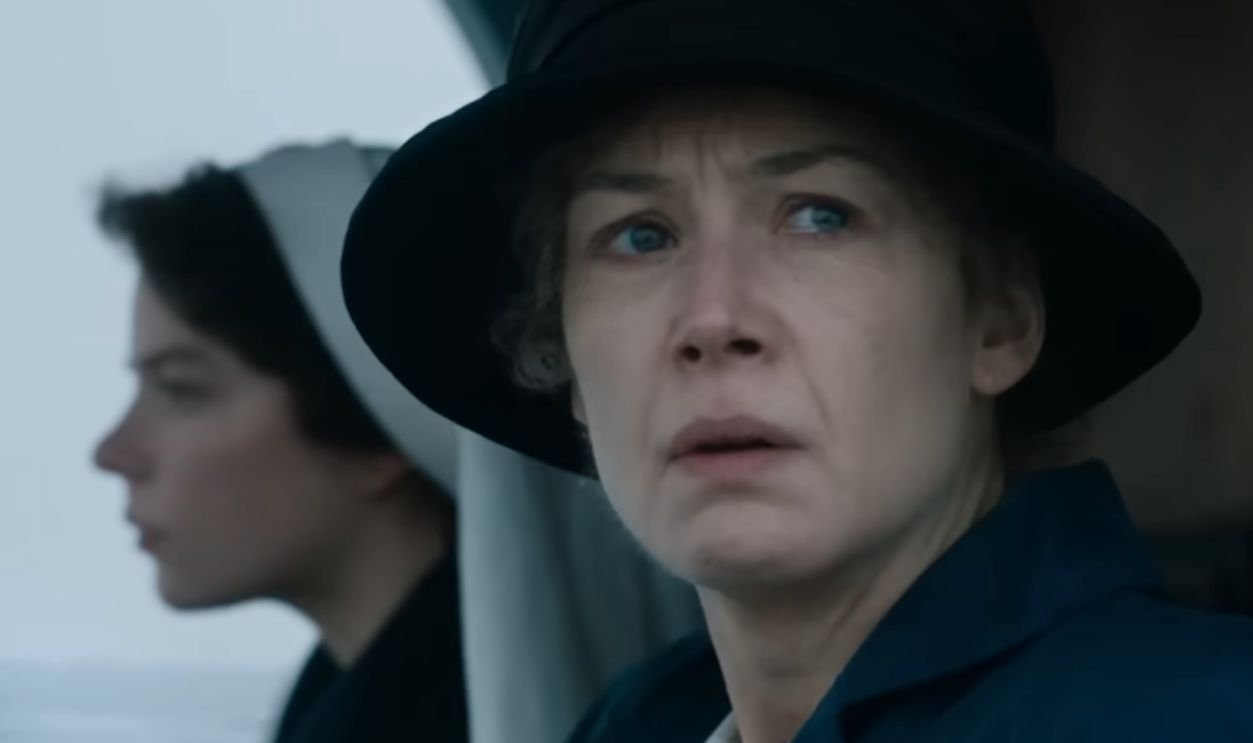
After her adopted country’s entry into WWI, Marie was anxious to assist in the effort and put her scientific prowess to use. Recognizing that wounded men stood the best chance of survival if operated on immediately, she developed mobile radiography units so that field hospitals could conduct X-rays. These became popularly known among French forces as petites Curies. On top of that, Marie attempted to sacrifice her most prized possessions too.
 Screenshot from Radioactive, Amazon Studios (2019)
42. She Offered Her Crowning Achievement
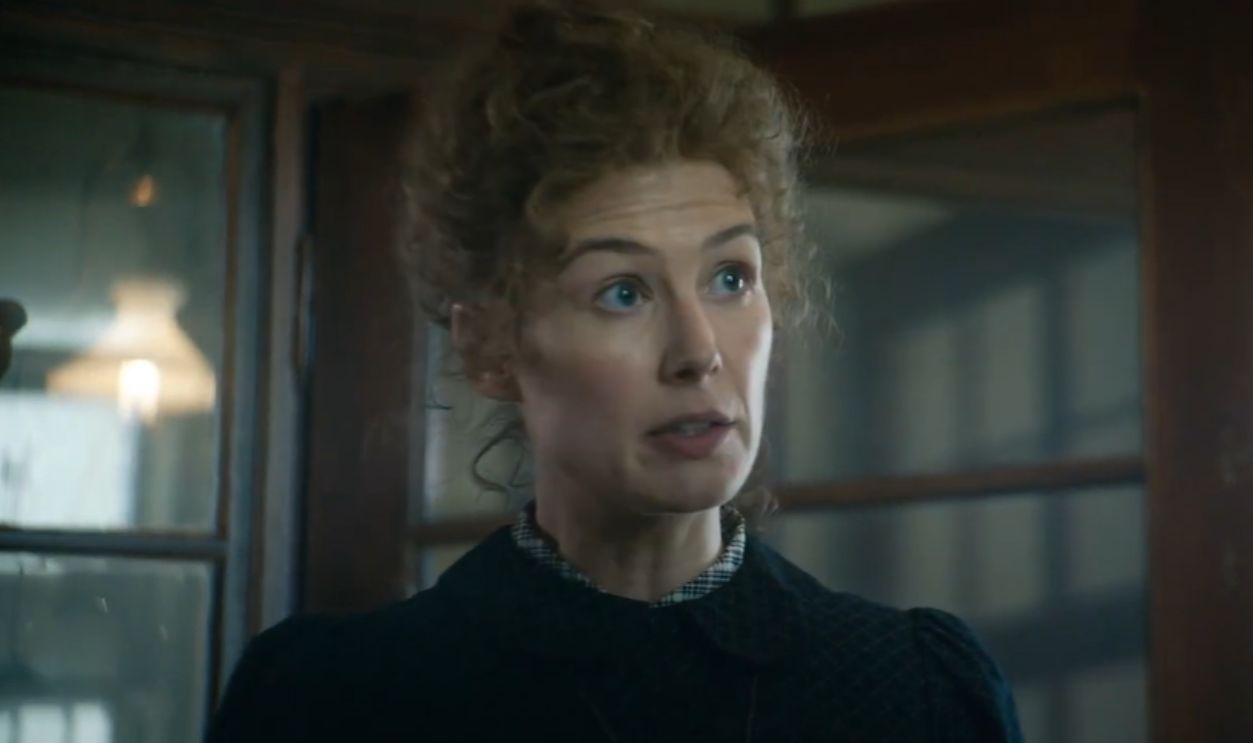
To further assist the French in the conflict, Marie offered to donate her gold Nobel Prize medals to the French National Bank, which she hoped would in turn use to fund the effort. It was an astounding willingness to sacrifice the symbols of her accomplishments, and even the French Bank recognized this: They politely refused the donations.
Instead, Marie spent the remainder of her unused Nobel Prize money to purchase bonds for the conflict. The French never forgot her generosity, and after the troubles ended, she left a further mark on the country.
 Screenshot from Radioactive, Amazon Studios (2019)
43. She Got Her Name On The Building
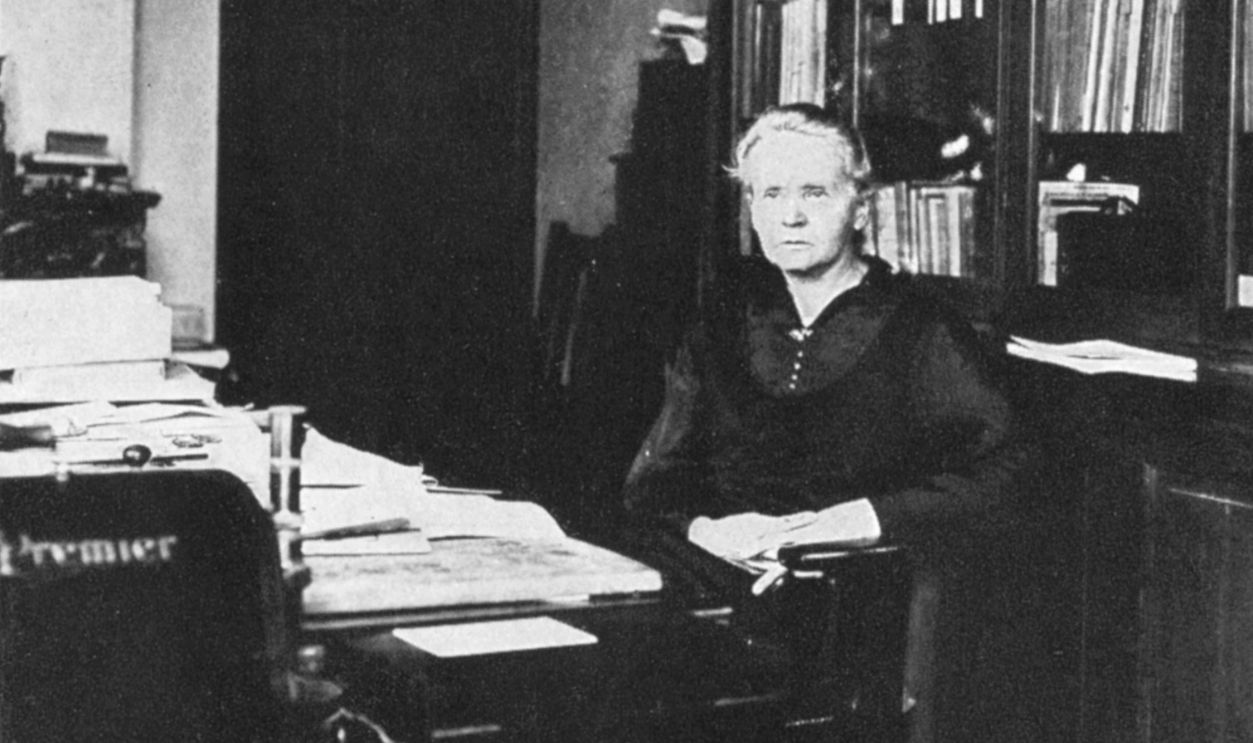
In 1920, Marie founded the Curie Institute in Paris, a private, non-profit foundation that conducts research in medicine, biology, and biophysics. Partly named in tribute to her late husband, it was among the proudest moments of Marie’s life. And 12 years later, she did it again.
44. She Finally Got Home Recognition
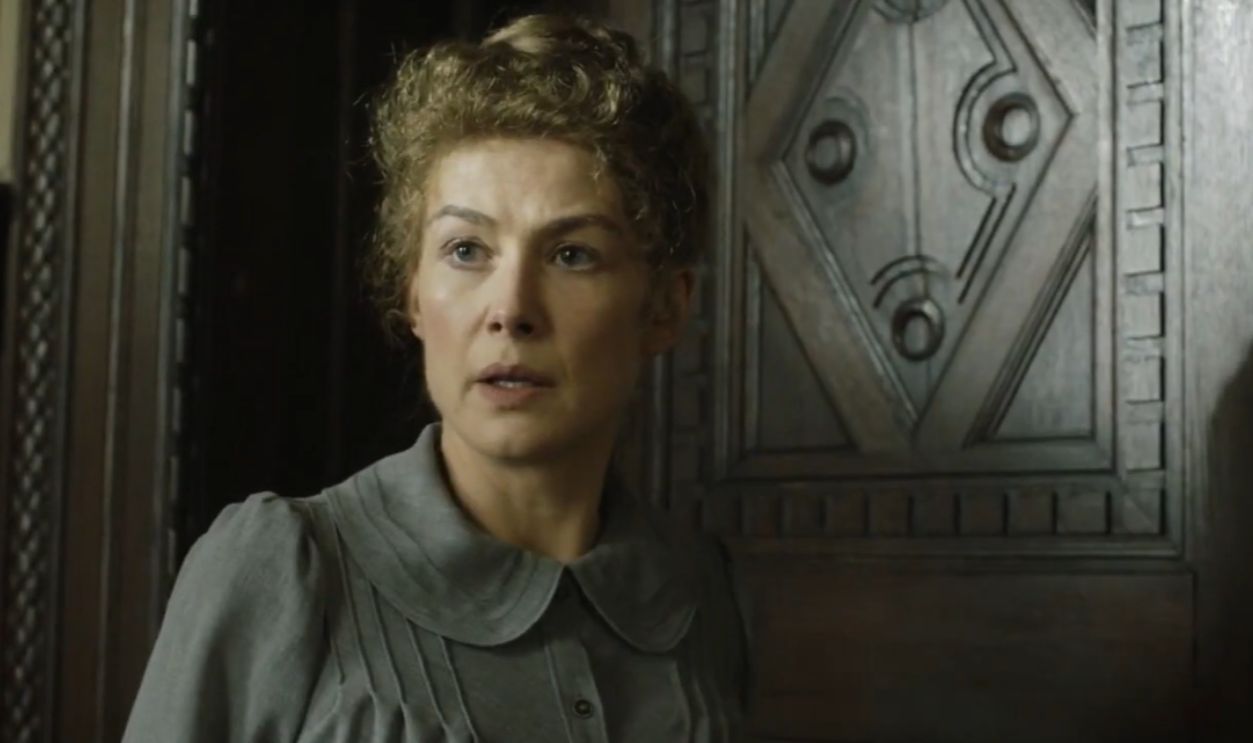
After decades of dicey efforts in receiving recognition for her abilities in her home country, Marie Curie finally broke that glass ceiling in Poland—and on her own terms. In 1932, she founded a second Curie Institute research center, this time in Warsaw. And despite all her other momentous achievements, these centers would prove to be her most enduring legacy.
 Screenshot from Radioactive, Amazon Studios (2019)
45. She Helped Humanity
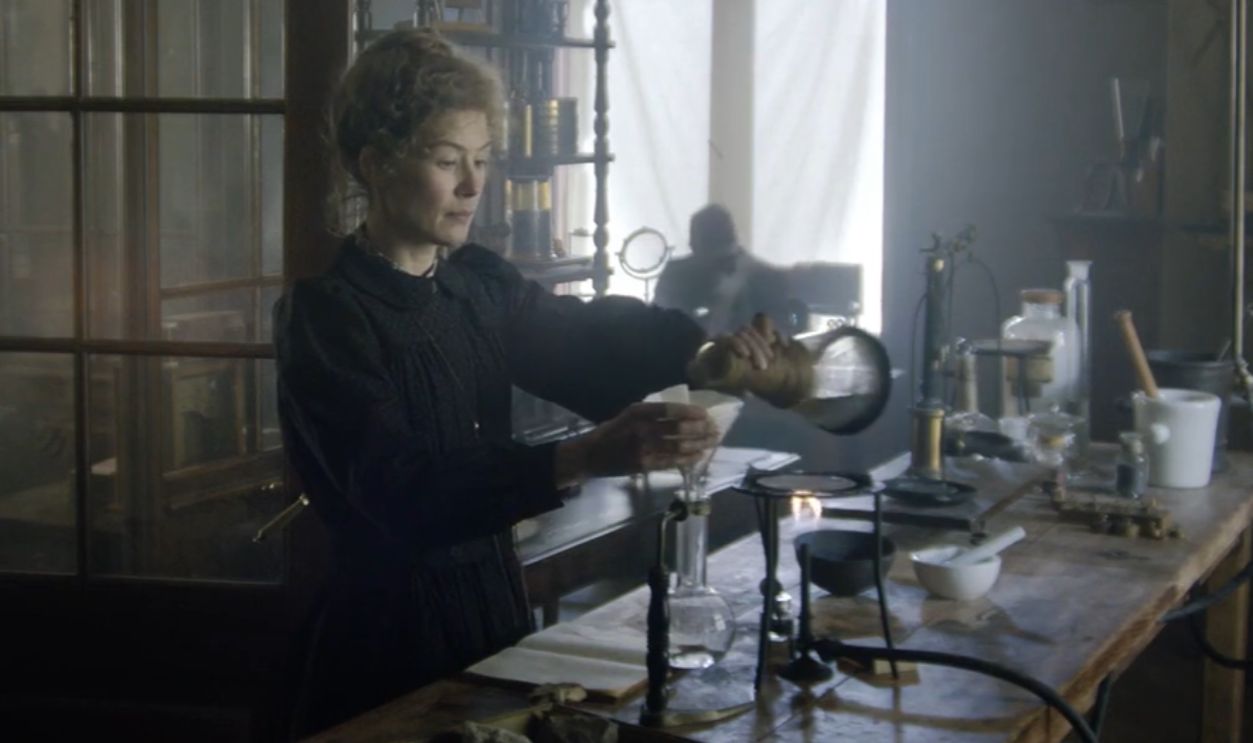
To this day, both Curie Institutes in Paris and Warsaw remain active, major medical research centers, highly respected around the world. The institute in Warsaw is now a hospital too! Marie would be delighted to see that her institutes have continued to thrive. Unfortunately, however, she did not live long enough to see what they became.
 Screenshot from Radioactive, Amazon Studios (2019)
History's most fascinating stories and darkest secrets, delivered to your inbox daily.
46. She Saw Home One More Time
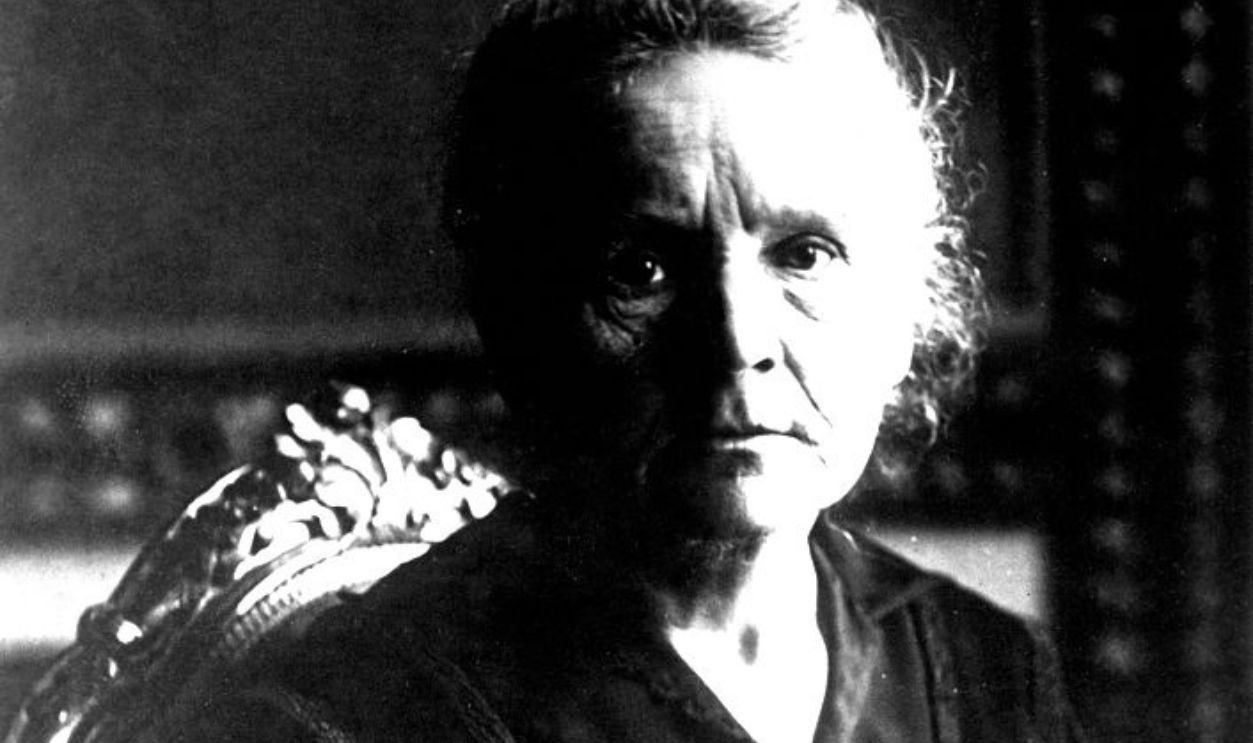
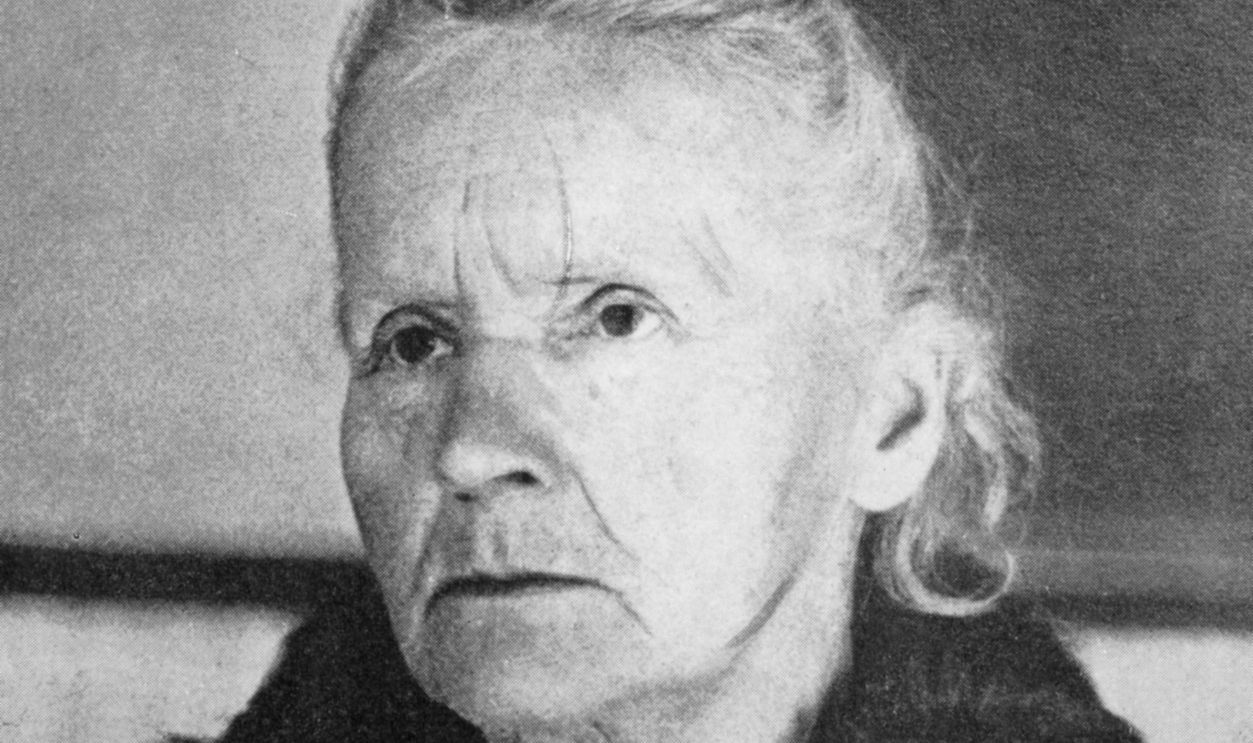
Marie visited Poland in early 1934 to check in on her family and institute. She didn’t know it, but it would be her last time ever seeing her homeland. On July 4, 1934, Marie Curie passed at the age of 66 in the mountains of southeastern France. The world had lost a titan of science, but devastatingly, it was probably that very science that took her.
 ullstein bild Dtl., Getty Images
47. She Got Exposed
The cause of Marie’s demise was determined to be aplastic anemia, which caused damage to her bone marrow. Most believe she contracted this condition from her long-term exposure to radiation over the course of her career. The people of France were heartbroken to have lost one of their brightest lights, and they paid fitting tribute.
48. She Got One Last First
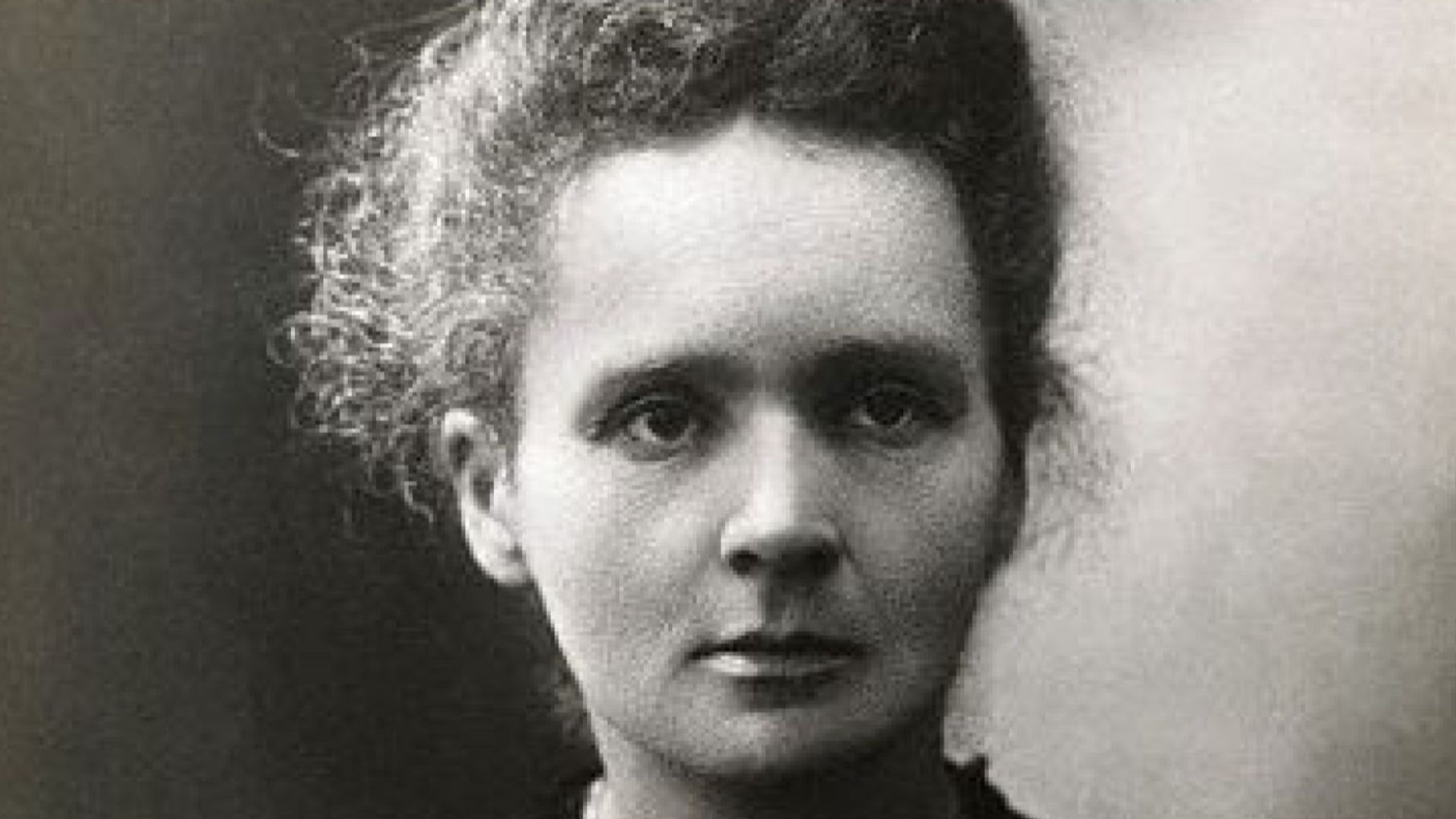
Though they initially buried Marie elsewhere, in 1995, her remains got entombed in the Paris Panthéon. It was a great honor for the beloved scientist, and also yet another great achievement: Marie was the first woman entombed there on her own merits. Her adopted country had paid tribute to the great woman, and her home country followed suit.
 Unknown authorUnknown author, Wikimedia Commons
49. She Got A Year
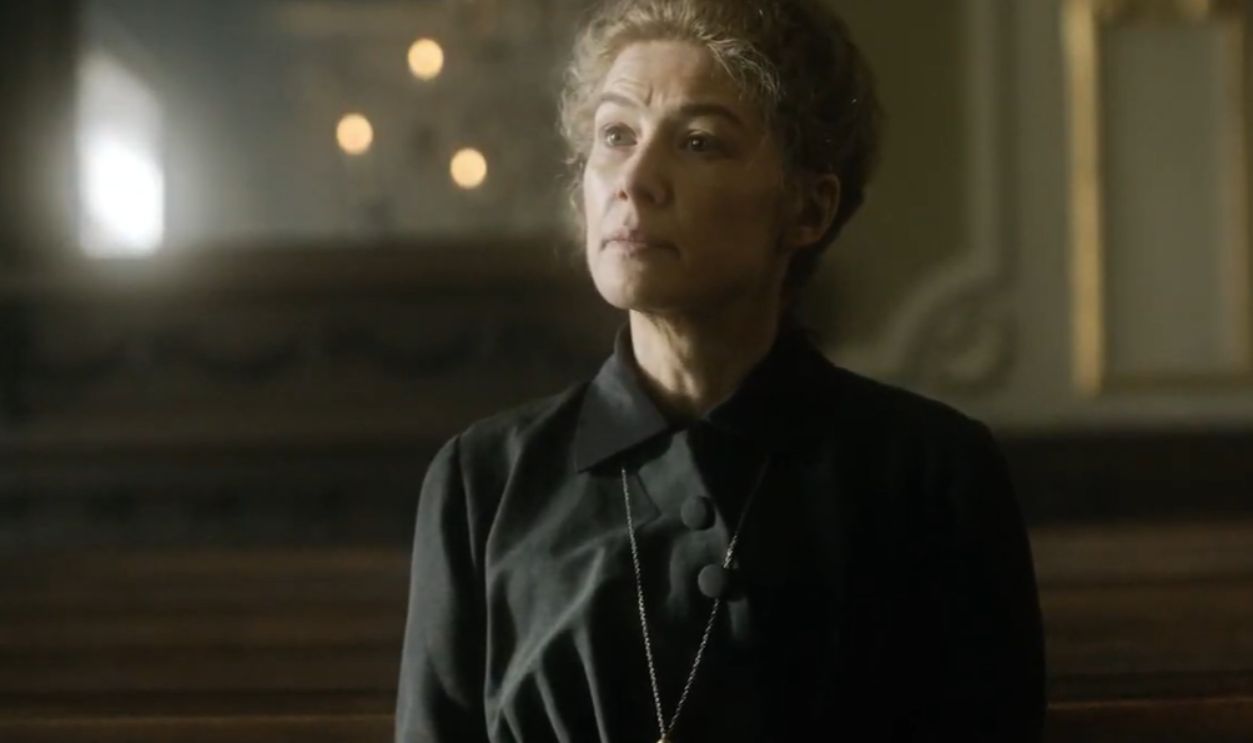
2011 saw the International Year of Chemistry, a commemorative event celebrating the achievements in the field and its contribution to humanity. Poland seized on the opportunity to pay respects to its most famous chemist, declaring 2011 also to be the Year of Marie Curie. With her godlike status in the field of chemistry, it was only a matter of time before the discipline paid tribute to Marie as well.
 Screenshot from Radioactive, Amazon Studios (2019)
50. She Was In Her Element
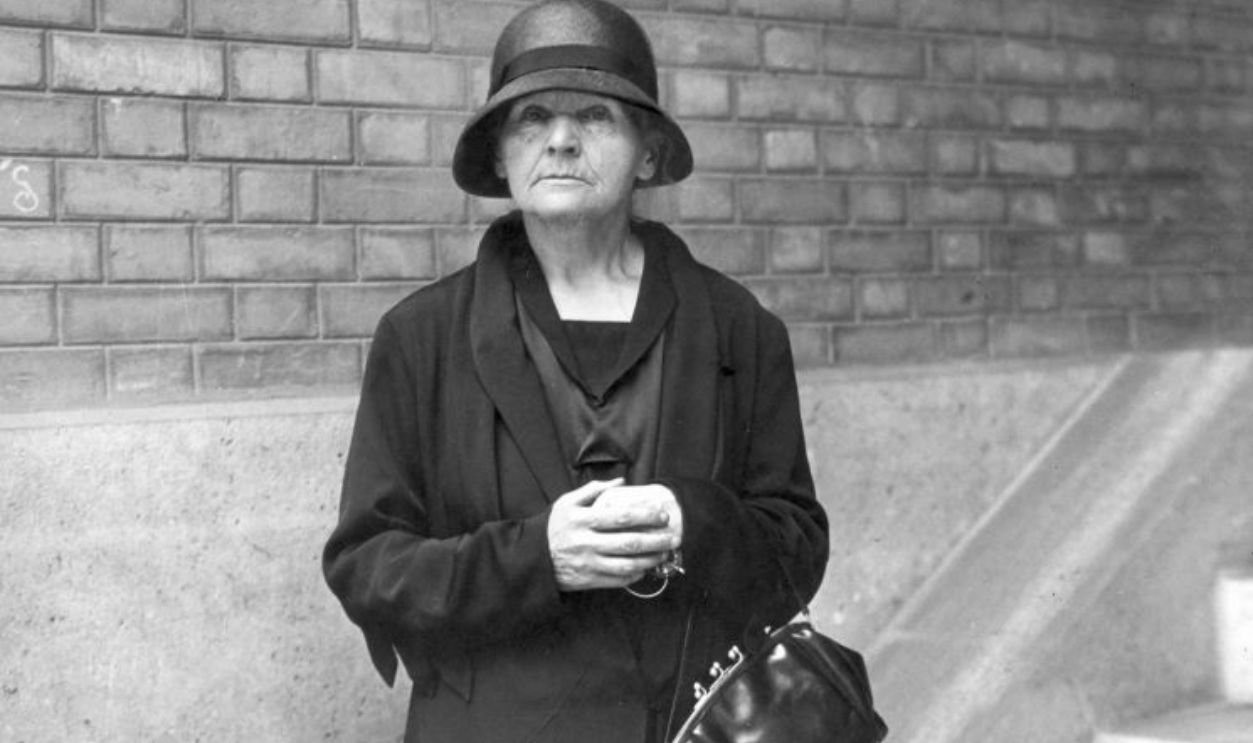
Marie’s legacy got cemented in a way like no other with the discovery of a synthetic element with the atomic number 96. In her honor, the element was name “Curium”. From Nobel Prizes to institutions to the periodic table itself, Marie Curie’s astounding achievements have been immortalized forever. Not bad for a poor girl from Warsaw.
You May Also Like:
Mysterious Facts About Edward V, The Prince Who Disappeared
Shellshocked Facts About Audie Murphy, America’s Troubled Hero
Righteous Facts About Coretta Scott King, The Forgotten First Lady Of The Civil Rights Movement