Carrying The Torch
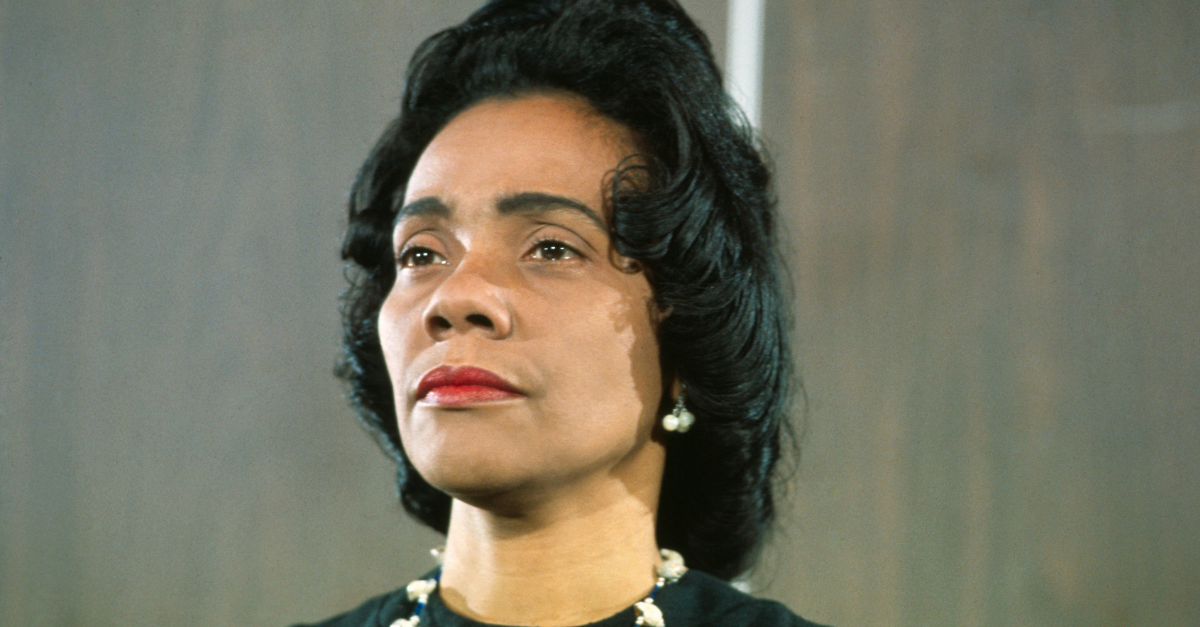
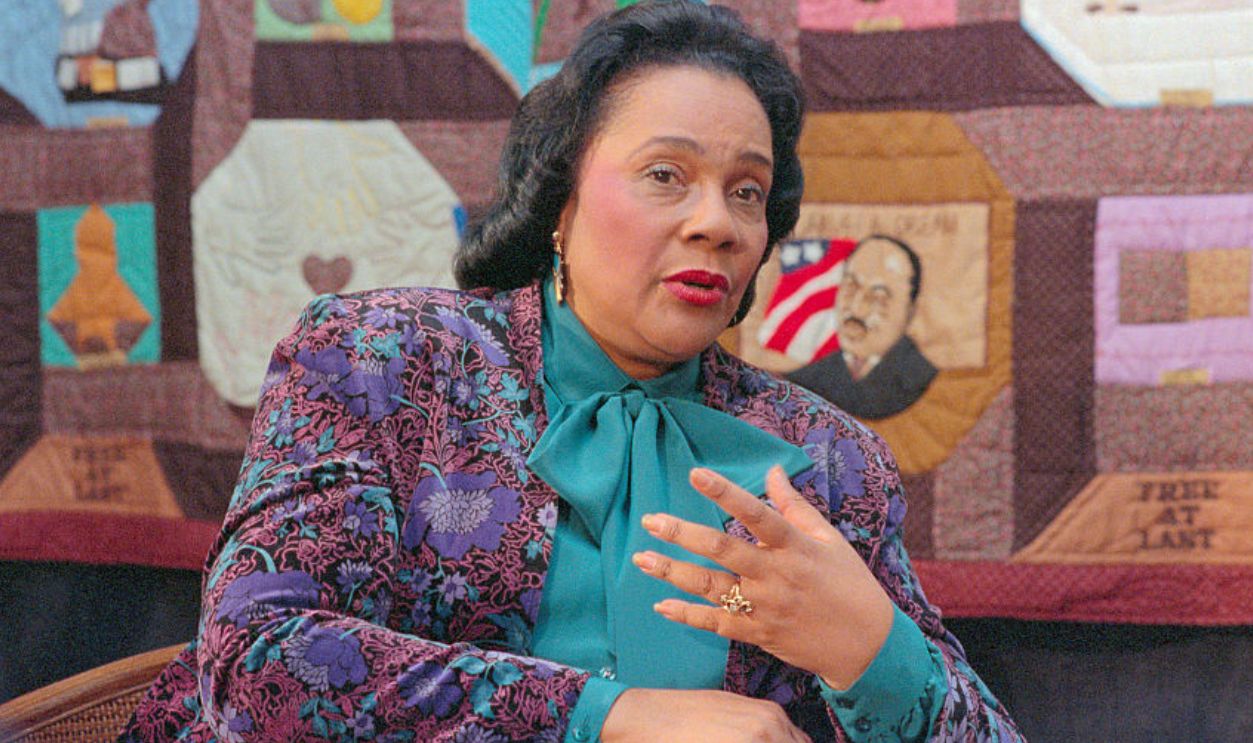
With the legacy that Martin Luther King Jr left behind, it’s easy to forget that although he remains one of the most iconic civil rights heroes in American history, he wasn’t the only one fighting his fight. Standing right beside him and supporting him the whole way, Coretta Scott King dedicated her life to battling the same injustices and demonstrating how integral women were to the civil rights movement—especially when she was left to pick up the pieces after her husband's untimely demise.
1. She Took After Her Mother
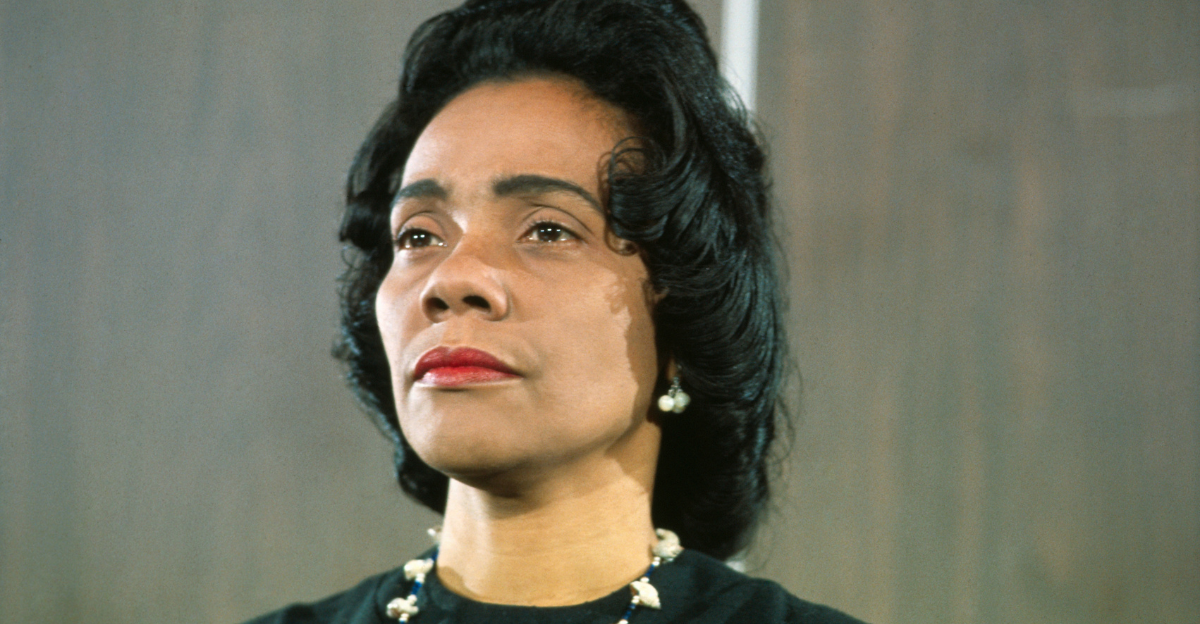
By the end of her life, Coretta Scott King’s name would not only have an association with her husband’s legacy, but also the countless large and small battles she had fought in the civil rights movement. That being said, her life could have easily taken another path from the beginning, as she initially wanted to pursue a music career, inspired by her mother, Bernice McMurry Scott, who was an avid singer and musician.
But it was only a matter of time before the horrors of early 1900’s America overshadowed those dreams..
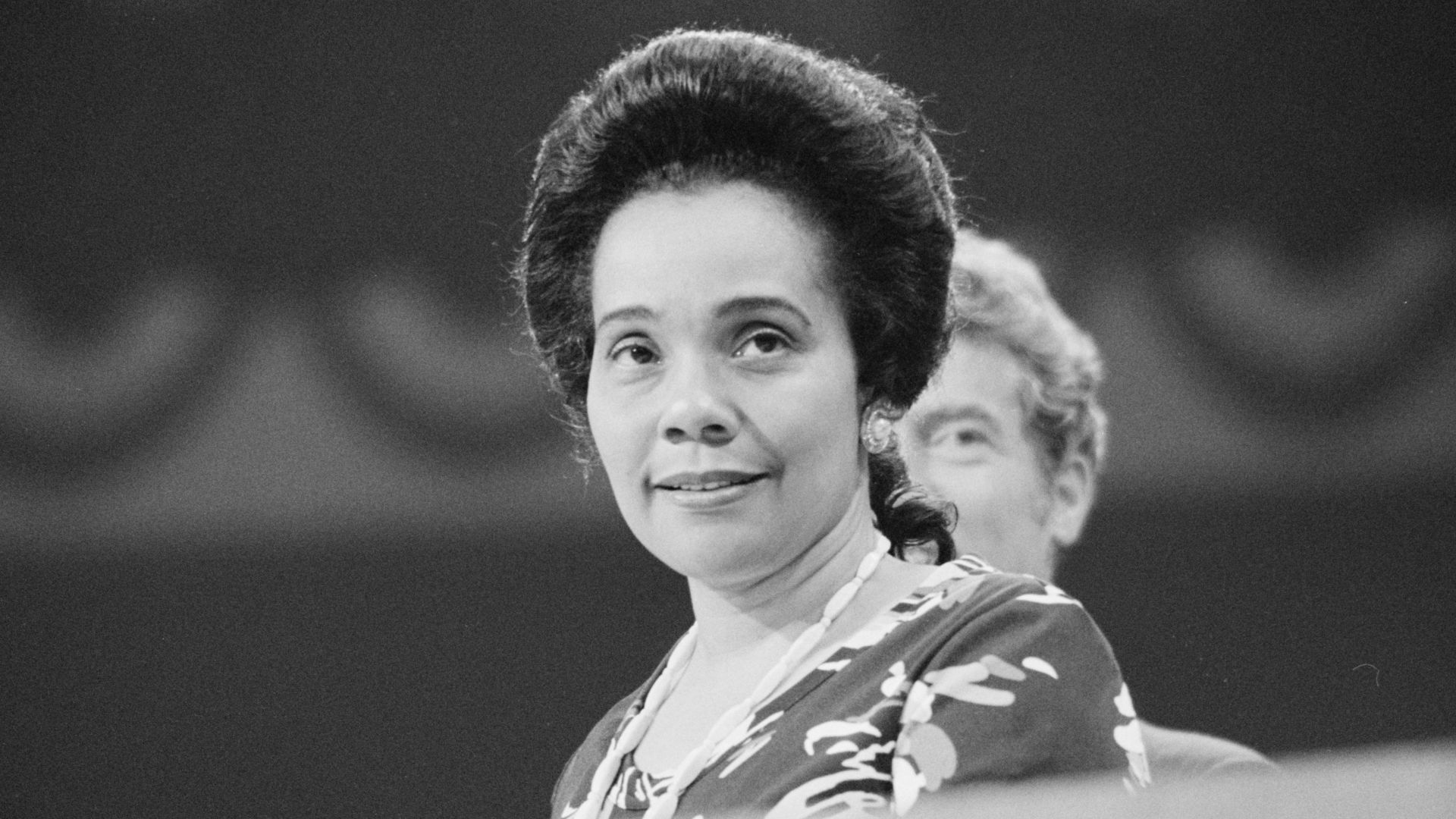 Warren K. Leffler, Wikimedia Commons
2. They Burnt It Down
Born in 1927, it didn’t take long for Coretta to learn what injustices she would face living in the US, with one of her first experiences nearly destroying her family’s livelihood. Her father, Obadiah Scott, owned several businesses throughout her childhood, including a lumber mill. However, when a logger offered to buy the mill off of him, and Obadiah refused, a group of his white neighbors burnt the place to the ground.
Understandably, her parents wanted a better life for their children—and Coretta wouldn’t waste a second of it.
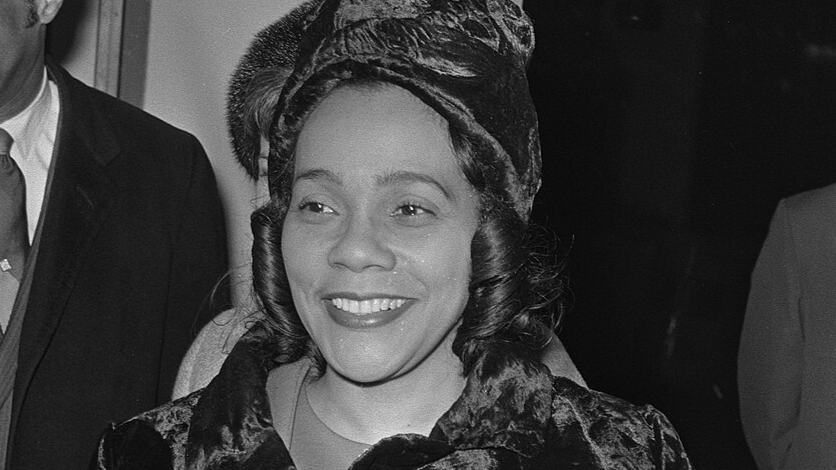 Bert Verhoeff for Anefo, Wikimedia Commons
3. She Was Brilliant
Coretta’s parents were adamant that their children receive a good education at any cost, and, for Coretta’s part, she showed her appreciation by rising to the top of her class. After a stellar high school career, in which she became involved in several musical extracurricular activities—learning the trumpet and piano—she graduated valedictorian in 1945.
Even with all her academic achievements, she couldn’t escape the discrimination around her.
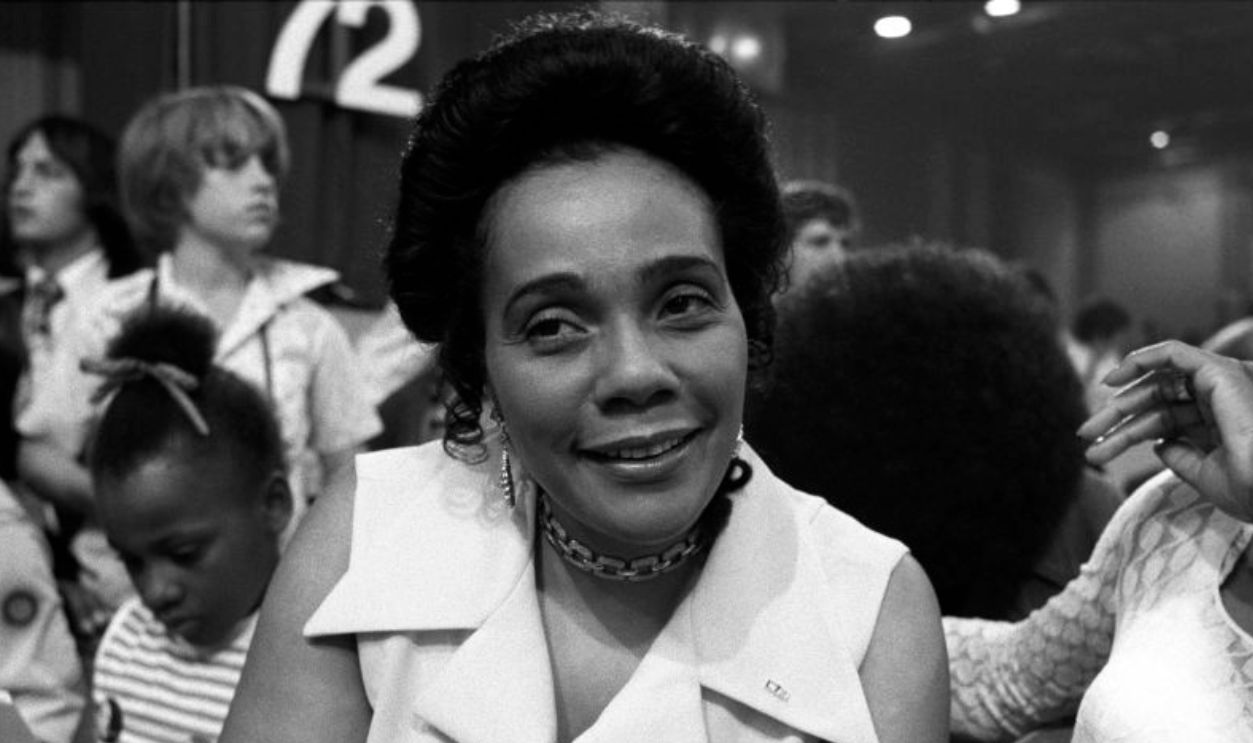 Fairchild Archive, Getty Images
4. They Told Her No
Enrolling at Antioch College, Coretta already had a mind to improve the world however she could, so she decided to go for her teaching certificate. However, this wouldn’t be so easy, as she required two years of practice teaching, but after one year, the school board made it clear they were no longer interested in allowing her back for a second.
Suddenly, while she was still pursuing her studies, she had other priorities to focus on.
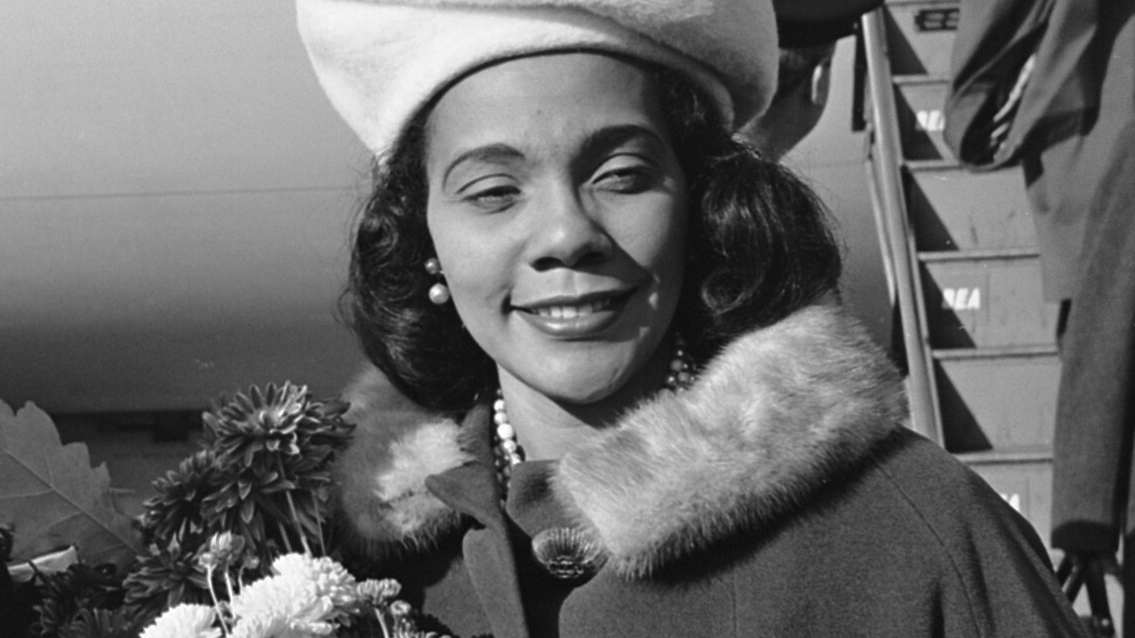 Joost Evers / Anefo, Wikimedia Commons
5. She Was Radicalized
While Coretta had been no stranger to injustice up till this point, her treatment by the school board was the straw that broke the camel's back, leaving her with a newfound purpose in life. Becoming a member of Antioch’s Race Relations and Civil Liberties Committees, as well as the NAACP, she began sowing the seeds of her future as a civil rights leader.
It was just about that time that someone walked into her life who would change it forever.
6. She Met Someone Special
Coretta wasn’t going to let anything stop her from achieving her goals, but roadblocks kept popping up at Antioch. Fortunately, she wouldn’t have to study there for much longer, and after winning a scholarship, she returned to her roots and true passion as she transferred to the New England Conservatory of Music. This wasn’t only a welcome change, but it also seemed written in the stars, as she soon met a man named Martin Luther King Jr.
While they seemed like a great match on paper, they faced some surprising roadblocks on their way to the altar.
7. She Wasn’t Sure About It
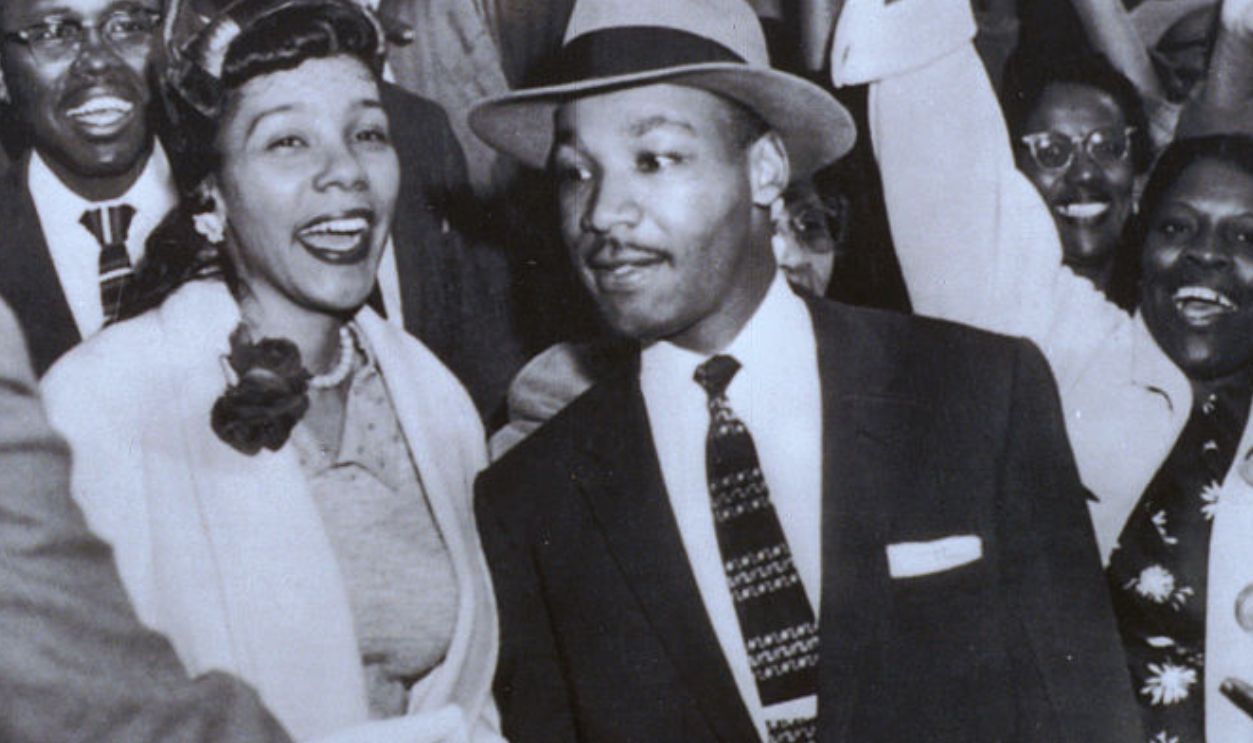
Introduced by a mutual friend named Mary Powell, Coretta met MLK after he had already declined two other women Mary suggested, but she certainly didn’t have anything to prove to him. In fact, even with his impressive prospects, Coretta felt like he wasn’t worth her time at first. At a certain point, though, she decided to give him a chance, and the two met up for a date.
It wasn’t long before this attitude changed completely—for one of them, at least.
8. He Was Straightforward
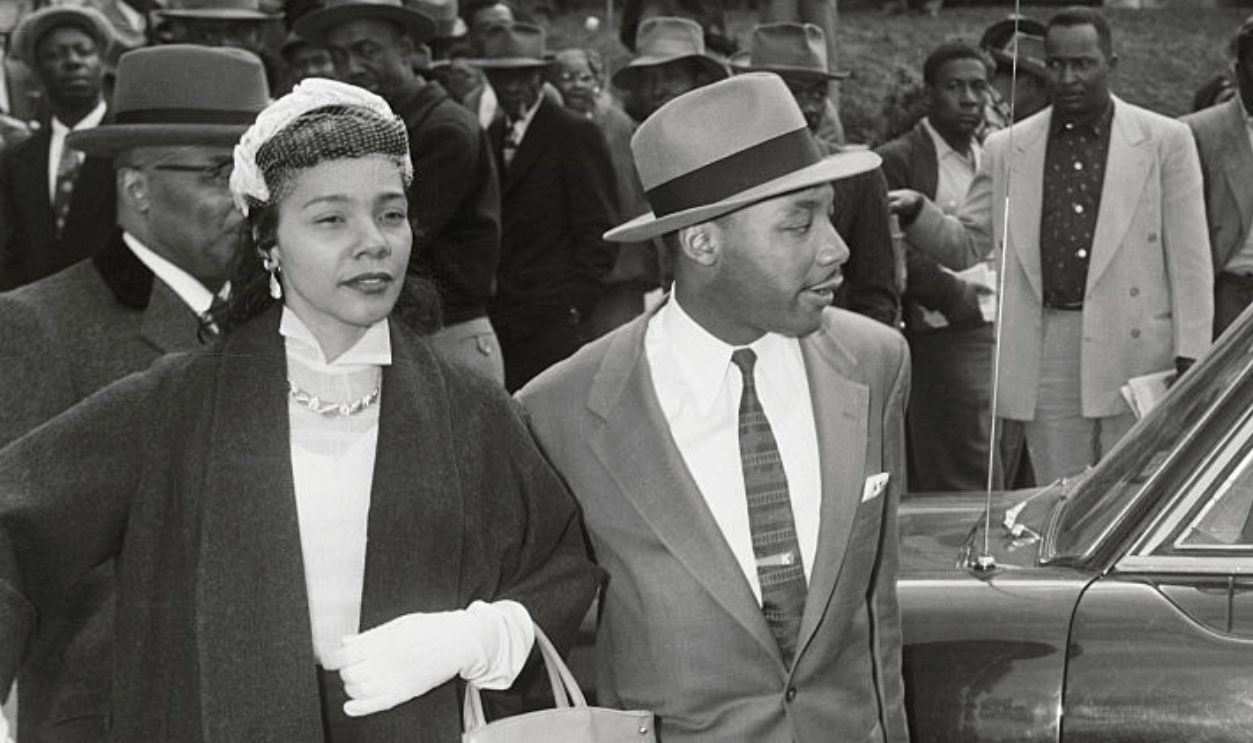
Although Coretta didn’t seem interested in dating a preacher like MLK, she agreed to meet with him to see if there was a spark, which there was—for him. Shortly after they met, he very frankly laid out the attributes he was looking for in a wife, and she seemed to possess them all. Of course, as they hardly knew each other, Coretta thought little of this, but she was still intrigued and agreed to another date.
Eventually, their connection proved more than just a casual fling—much more.
 Yoichi Okamoto, Wikimedia Commons

History's most fascinating stories and darkest secrets, delivered to your inbox daily.
9. He Was Positive
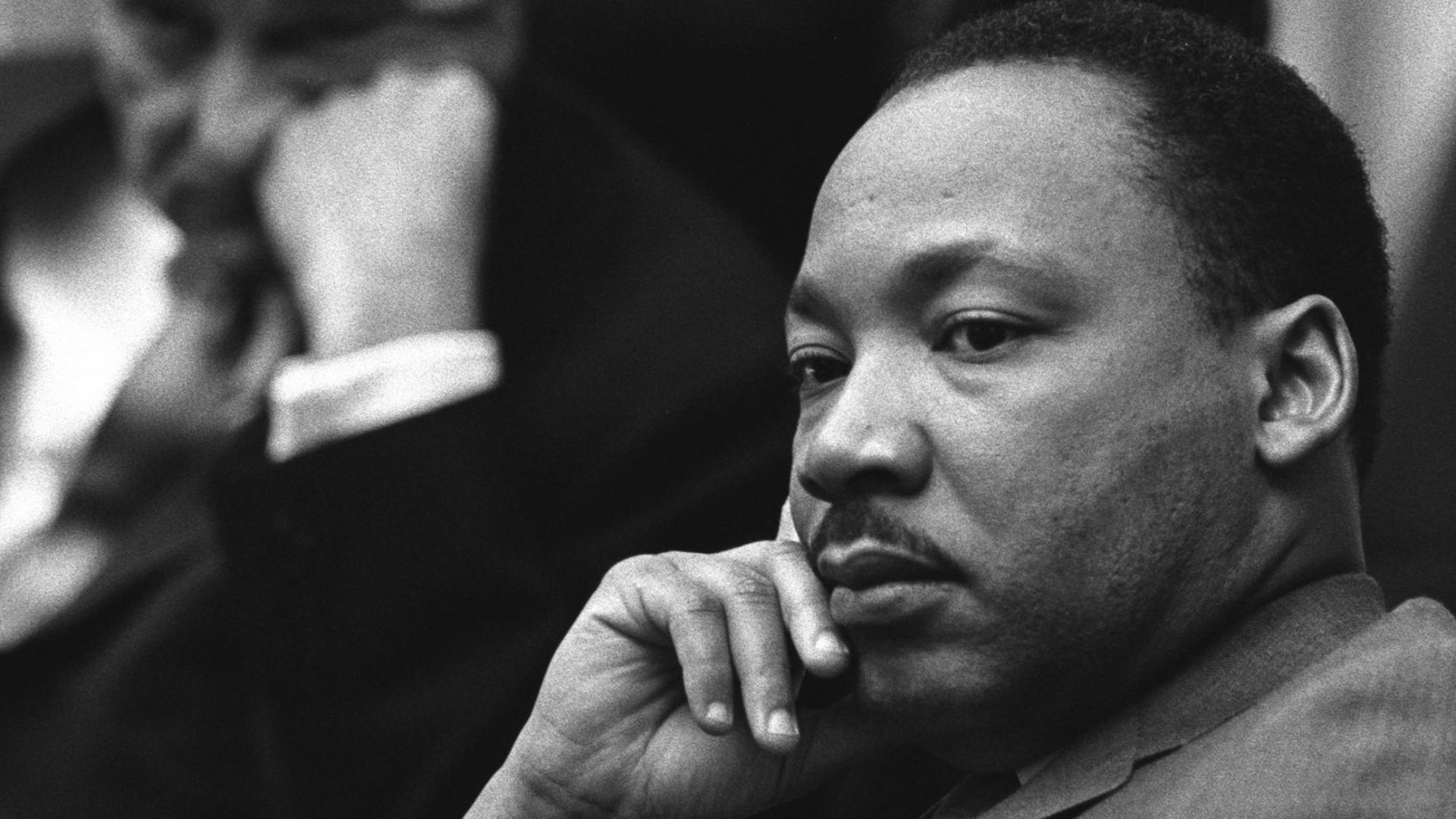
Coretta may have been a bit more hesitant about a relationship with MLK, but he was anything but indecisive, and he wasn’t shy about it. Having seen her regularly for a couple of weeks, each time bonding further over their shared political ideals, he confided in his mother that he was certain he had met his future wife.
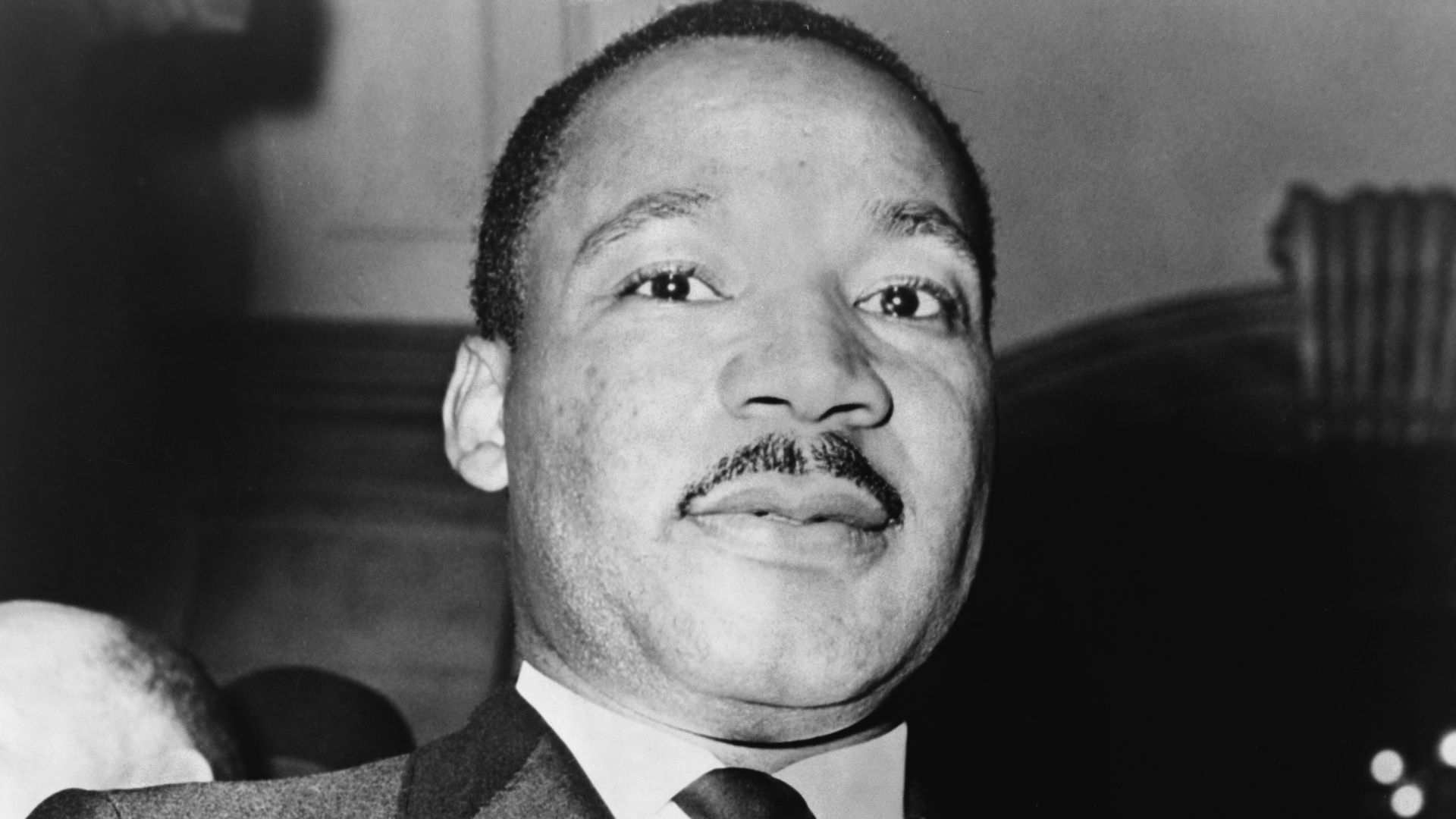
On the other hand, while Coretta may have hidden how she felt from MLK, she couldn’t hide it from everyone.
 Phil Stanziola, NYWT&S staff photographer, Wikimedia Commons
10. She Knew She Was In Love
MLK wasn’t the only one excited to tell his family about the love that he found, and although Coretta was more guarded about her feelings, it was easy to tell for at least one person. While meeting with her sister, Edythe, Coretta gushed about MLK and their relationship, and Edythe was certain that her sister had found the love of her life.
Still, this newfound relationship meant she would face a life-changing decision—and it wouldn’t be easy.
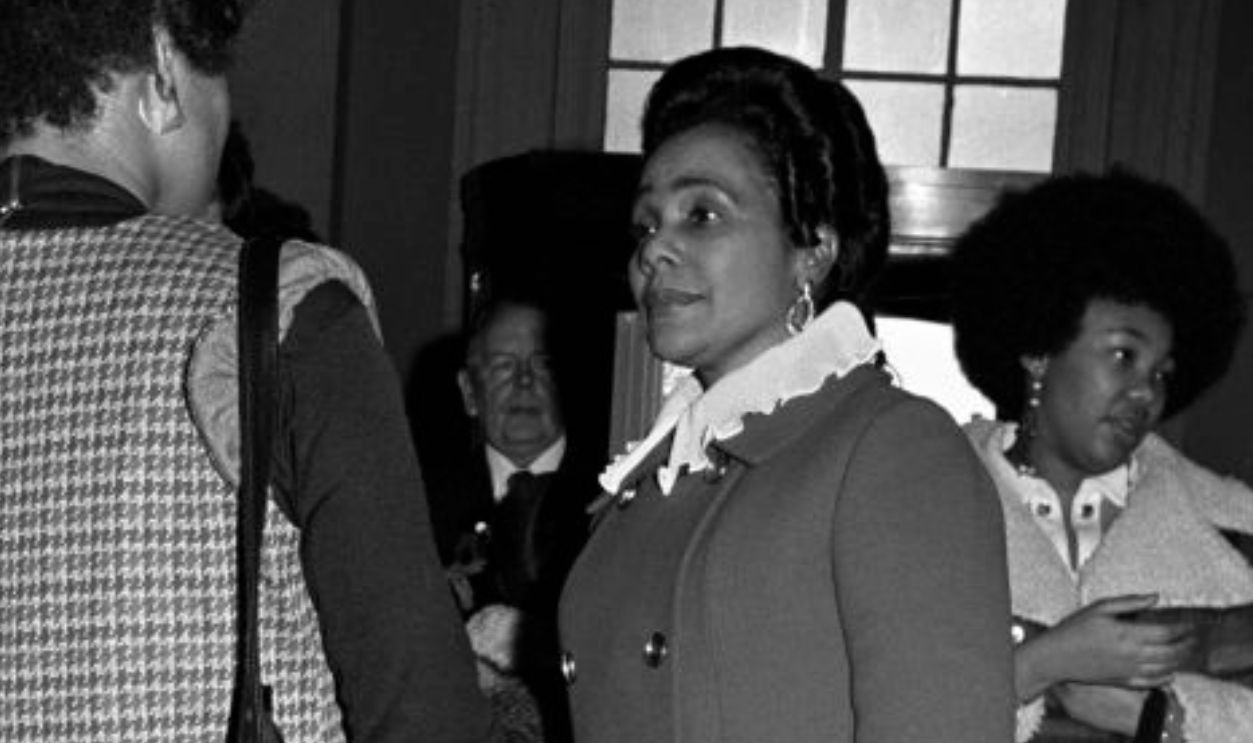 Fairchild Archive, Getty Images
11. She Made A Difficult Choice
Now that she was developing stronger feelings for MLK and saw the potential for a future with him, Coretta stood at a crossroads. On one hand, she had been studying music and intended to pursue a career in that field, but on the other hand, she didn’t see that happening if she married him. Finally, she made up her mind and committed to him, as he seemingly had practically everything she was looking for in a husband.
Unfortunately, while she had come to accept him as her future—that didn’t mean everyone had.
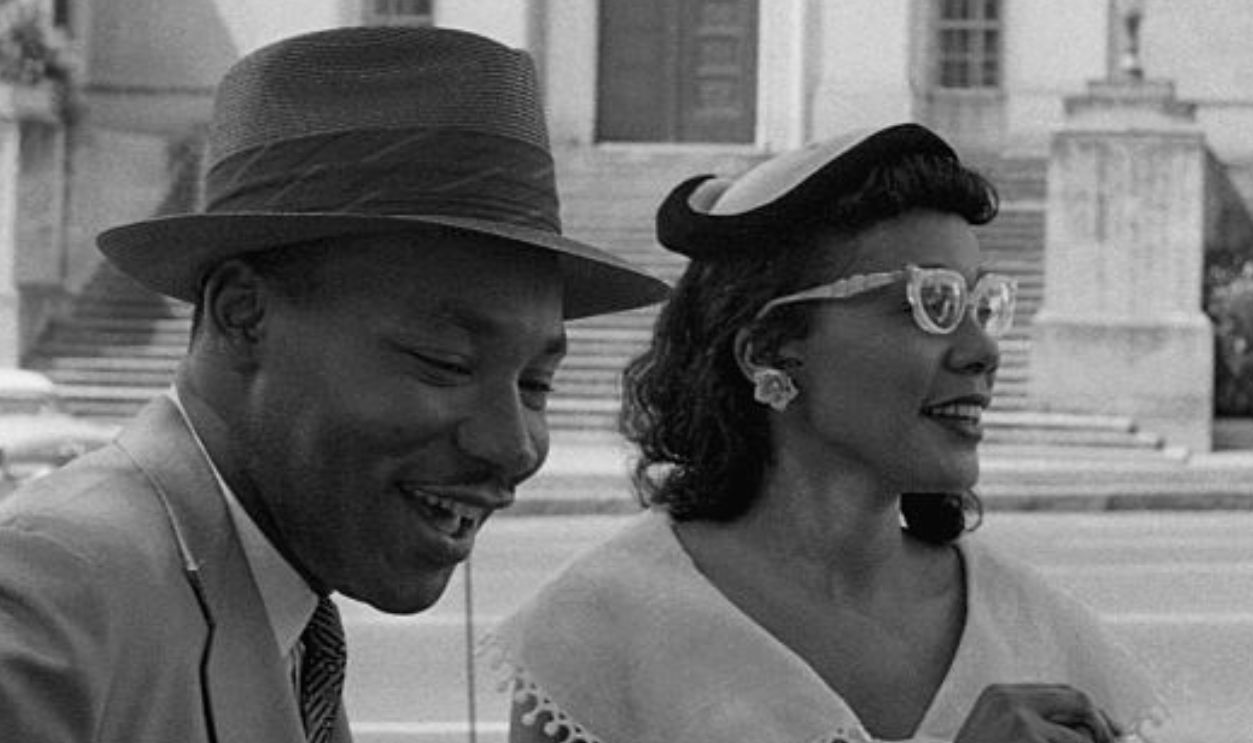 Michael Ochs Archives, Getty Images
12. He Didn’t Like Her
Even if Coretta and her new beau seemed to be on the same page, their relationship still had to pass one grueling test—meeting the parents. Driving down to meet their new prospective daughter-in-law, MLK’s parents went out to eat with the young couple, but they remained unimpressed. Specifically, Martin Luther King Sr looked down on Coretta’s studies as a musician, believing his son’s position as a Baptist minister was above that.
They were still unsatisfied and apparently needed a second opinion—whether or not it was one they liked.
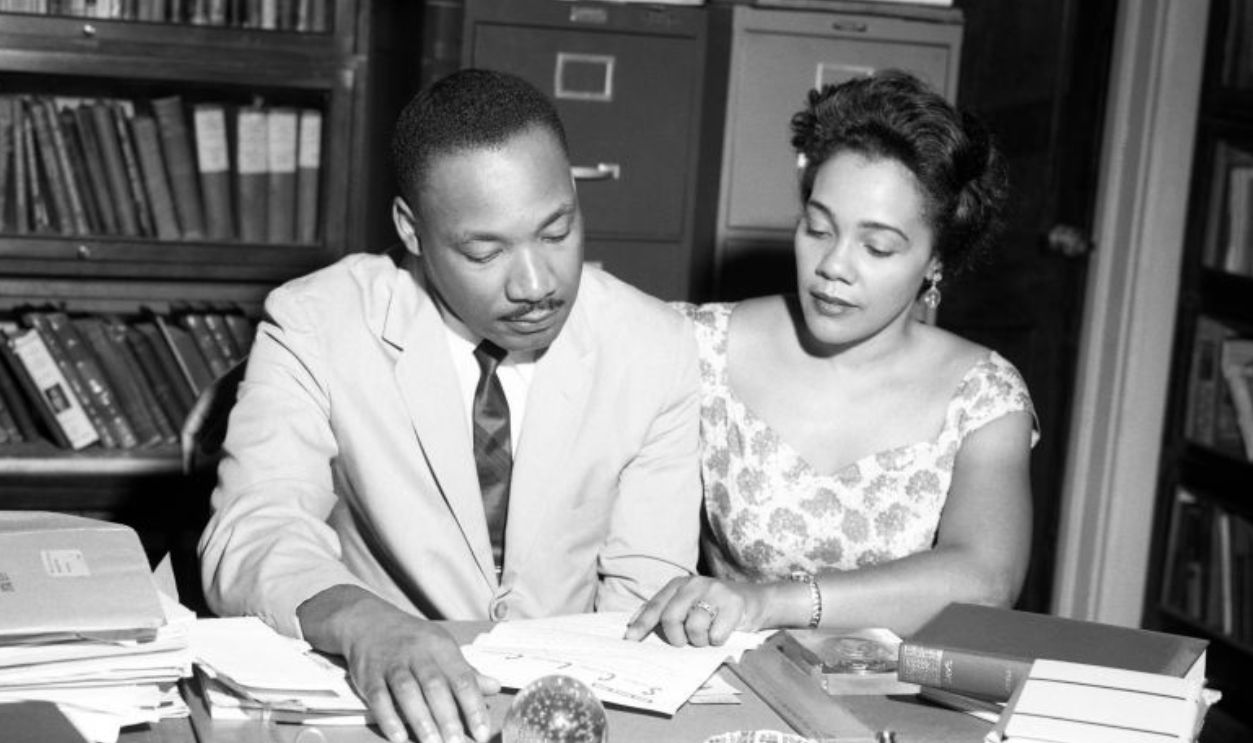
13. She Stood Up For Her
Determined to figure out whether Coretta was good enough for their son, MLK’s parents asked to meet with someone from her family, so Coretta gave them her sister’s phone number. Tracking down Edythe, Mr and Mrs King grilled her about Coretta, to which Edythe not only maintained that her sister was a good choice, but that it was not her job to prove she was marriage material.
Even so, Mr King seemed like he wouldn’t budge—but neither would his son.
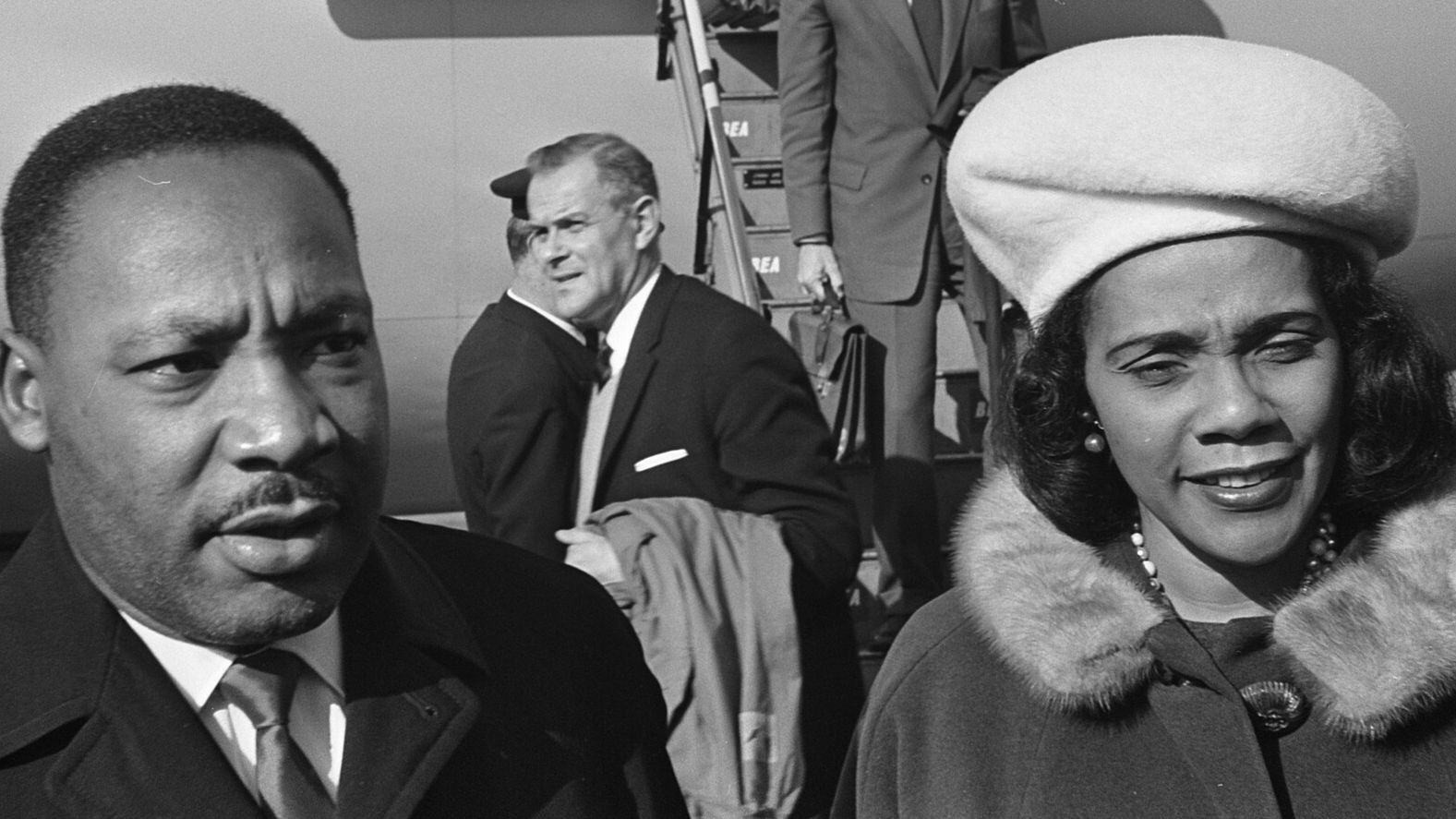
14. He Finally Gave In
Mr King wasn’t only disapproving of Coretta because of her potential career, but also his belief that she was taking his son’s focus away from his studies. Regardless, nothing was going to stop MLK from marrying her, but he promised not to do so until he completed his doctorate. Surprisingly, this was enough, and his father ultimately gave them his blessing.
Up to that point, Coretta had catered to her in-laws as best she could—but enough was enough.
15. She Took It Out
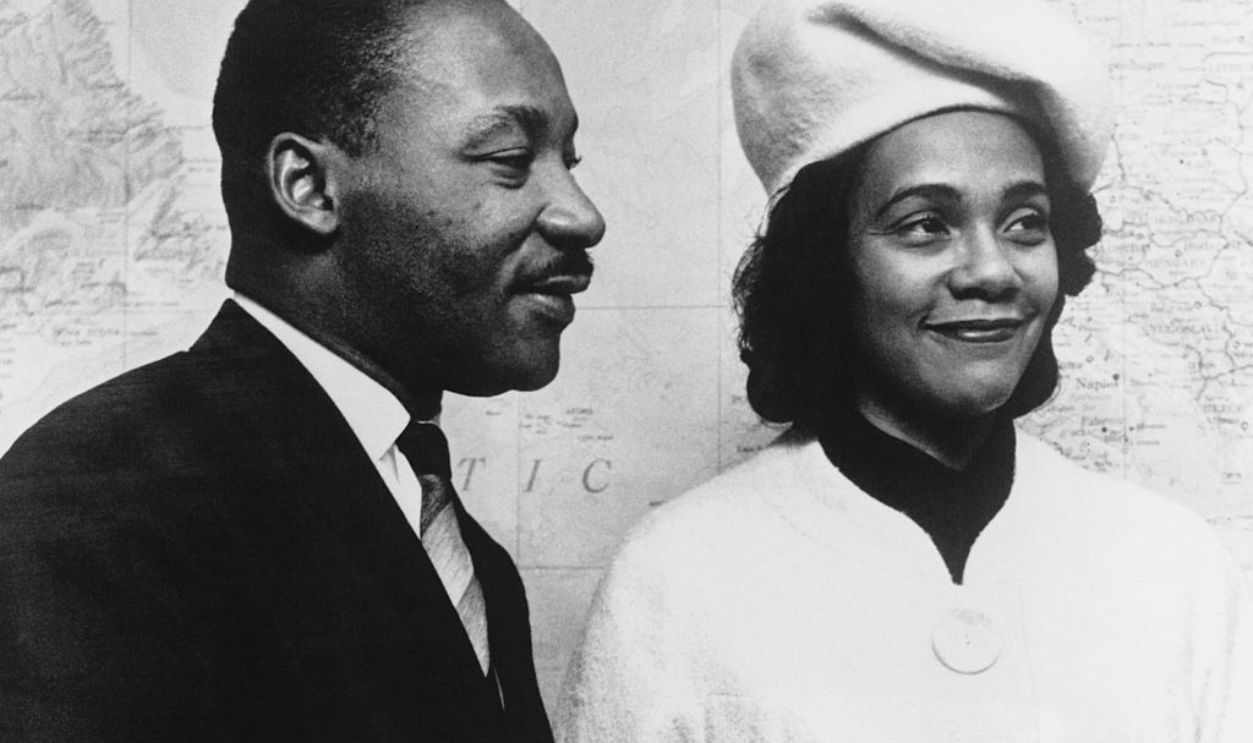
Beyond giving his blessing, Mr King even agreed to officiate their wedding on June 18, 1953, but Coretta hadn’t finished swimming against the current, and no one was going to question the bride. Traditionally, Coretta’s vows would have included a promise to obey her husband, but as a taste of how progressive she was, she chose to exclude that part.
Before long, MLK managed to find himself a new gig—meaning they would have to find a new home as well.
16. They Moved Away
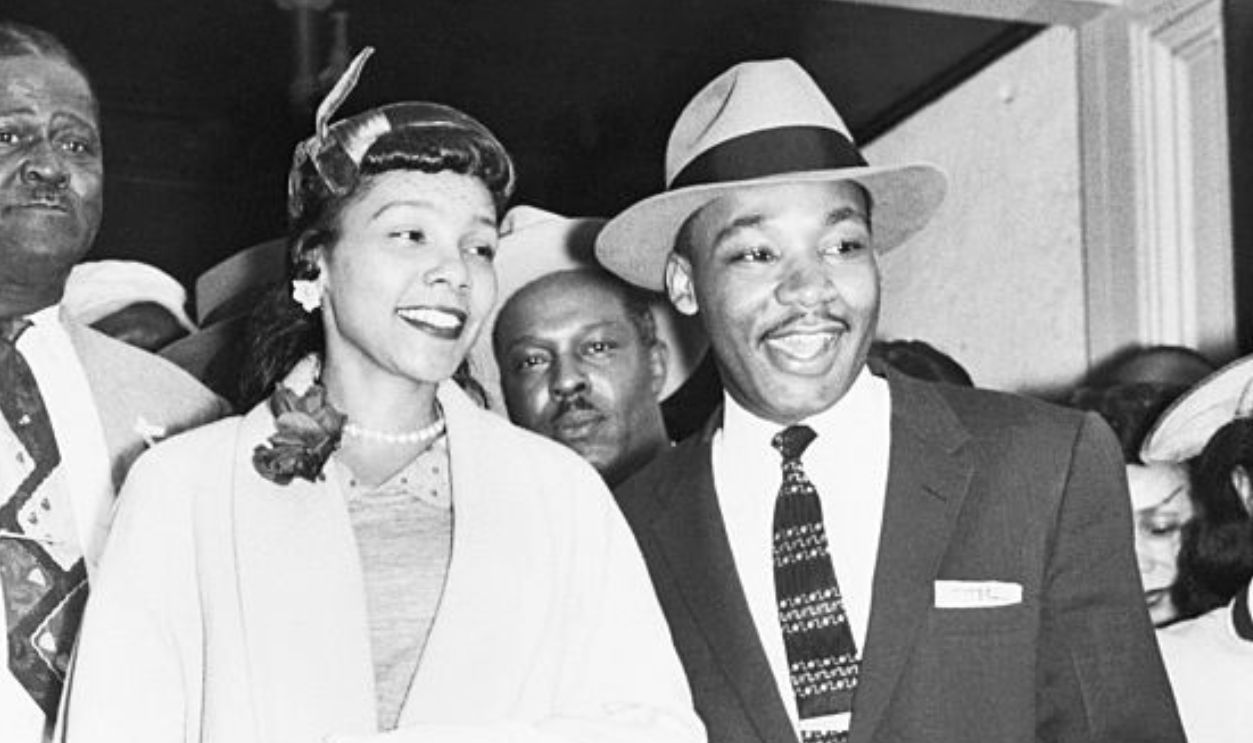
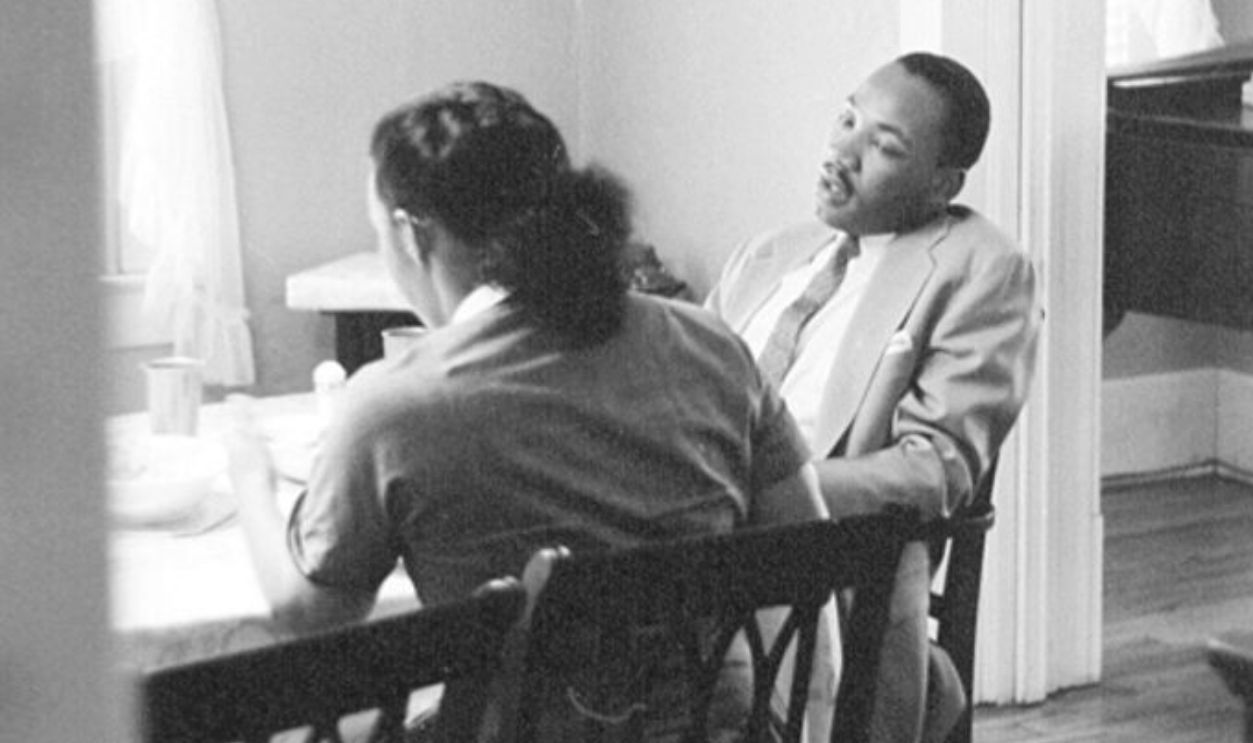
Despite her reservations, Coretta finished her studies and graduated with a degree in voice and piano, but she wasn’t the only one moving on. Her new husband accepted the position of lead pastor at Dexter Avenue Baptist Church in Montgomery, Alabama, so the two of them picked up everything and moved down south.
Now they finally had the means to build a life together—and just in time to surprise her parents for Christmas.
 Michael Ochs Archives, Getty Images
17. They Made A Family
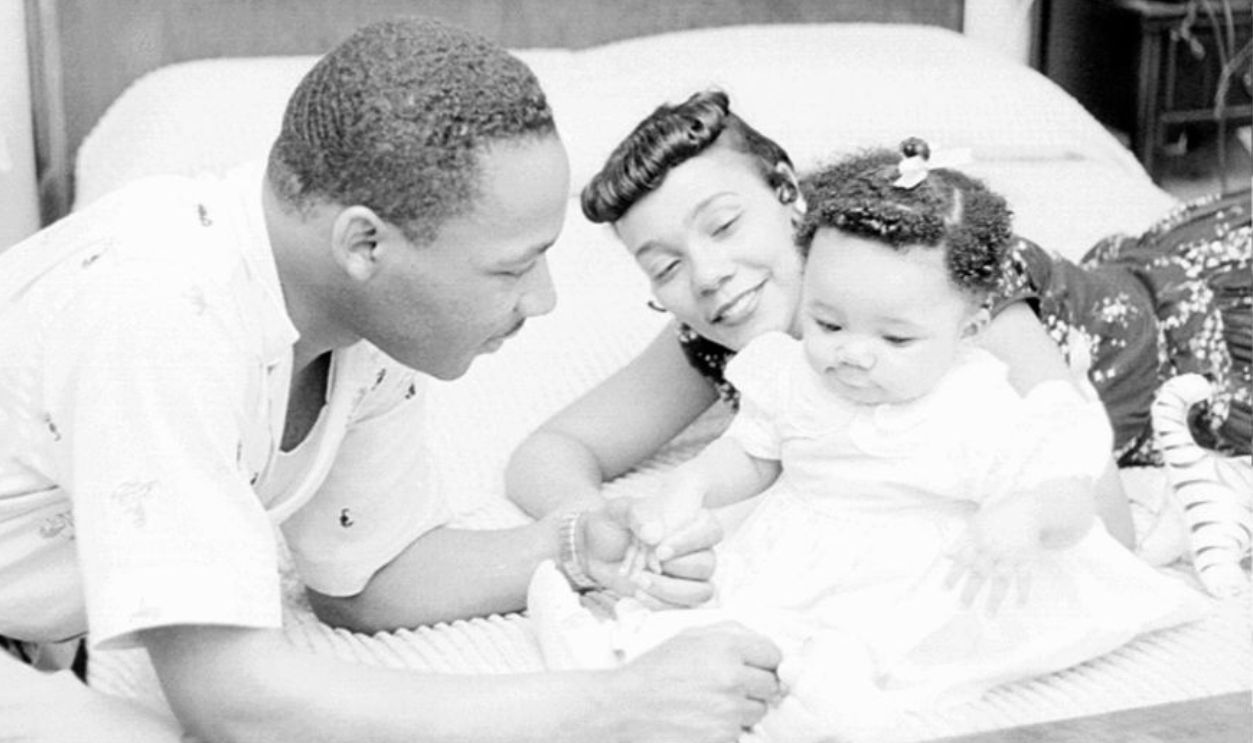
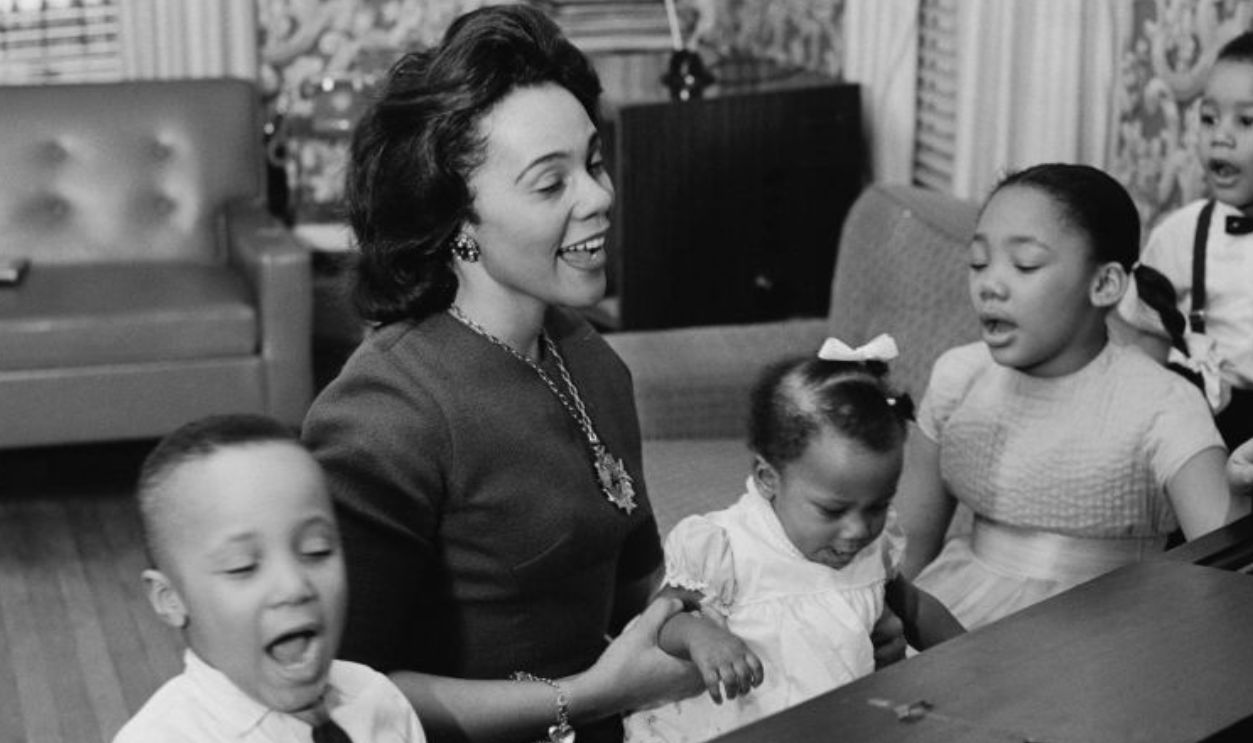
Settling into their new life in Alabama, they lived there for about a year as MLK led his new congregation, until suddenly, they weren’t the only ones around the house. Welcoming their first child, Yolanda, in November 1955, Coretta was especially eager to introduce her parents to her, and she visited them a month later on Christmas Eve so they could meet their first grandchild.
Little did they know, the civil rights movement in Montgomery was about to explode.
 Michael Ochs Archives, Getty Images
18. They Chose Their Philosophy
While Coretta and MLK were hopeful as new parents, the injustices around them only grew uglier, which eventually resulted in the historic Montgomery bus boycott. Already a man with strong ideals and a drive for change, MLK joined the cause, drawing hatred and danger his way on a larger scale. Inspired by the boycott’s impact, though, the couple came away with a new understanding of how to fight this fight, agreeing that nonviolence was the answer.
Even so, this wouldn’t stop others from targeting them—especially since people knew where they lived.
19. They Were In Danger
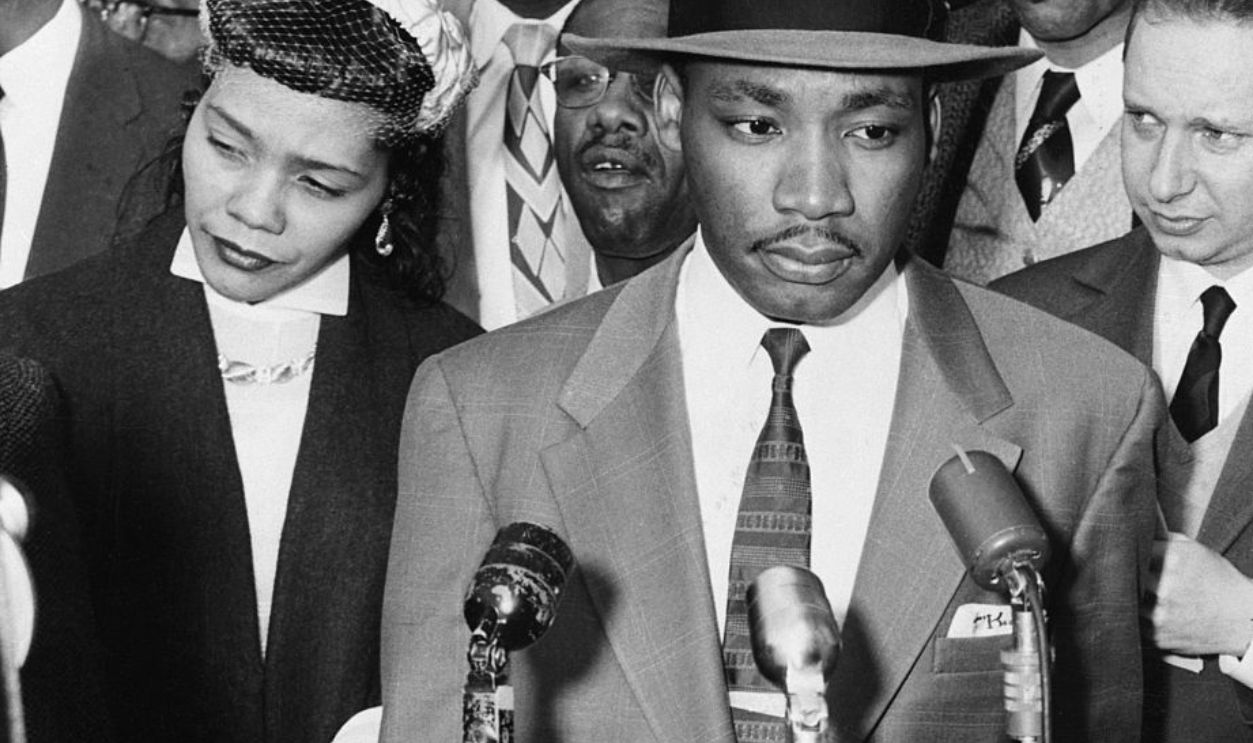
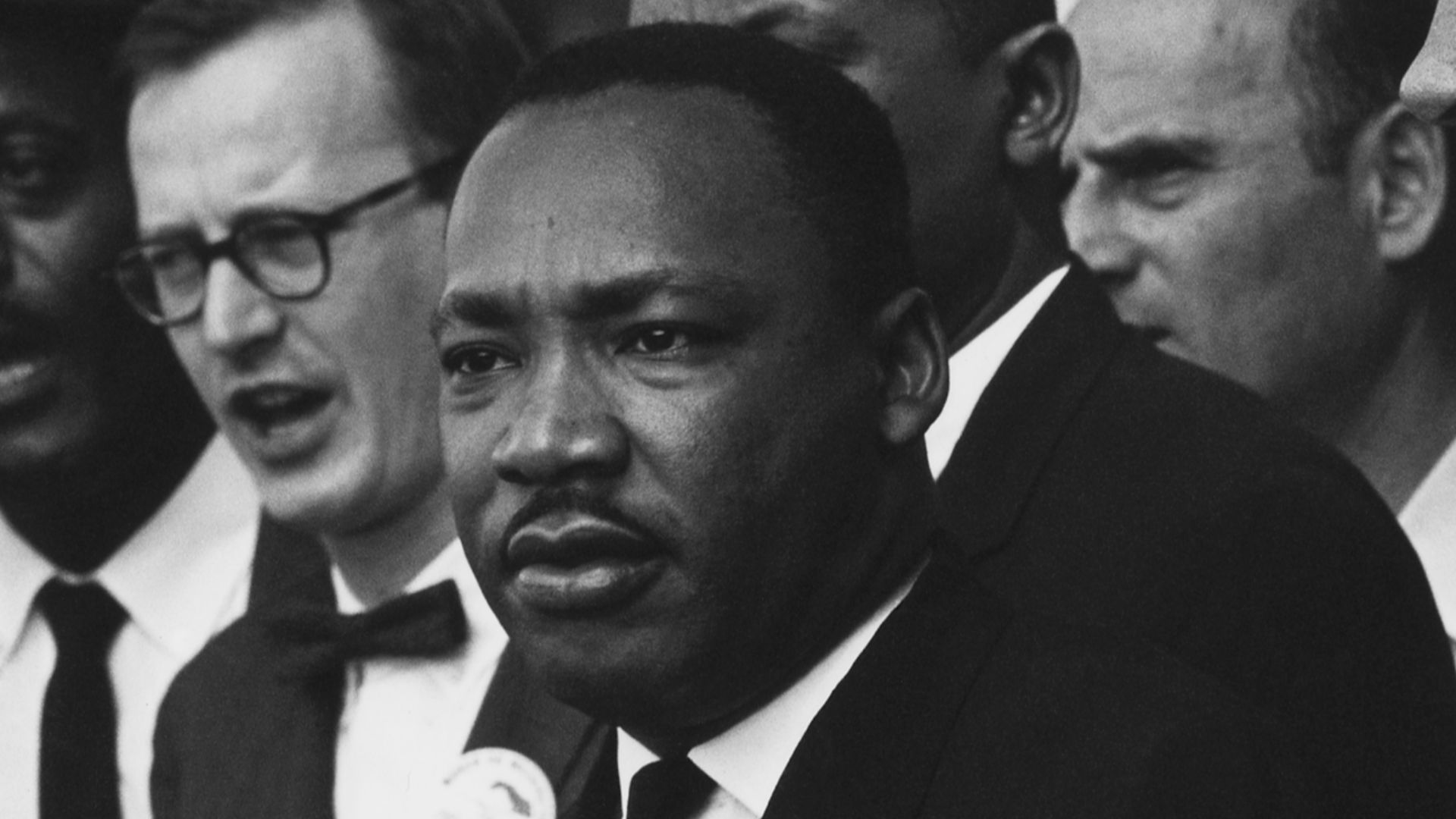
While the boycott was underway, many of the people of Montgomery had become so hostile toward MLK specifically that threats to his life were commonplace. Obviously, this didn’t stop with the end of the protest, and in December 1956, the family awoke one night to hear a shot fired through their door. While they were all unharmed, it was a stark reminder of how close to home this struggle was.
However, this wasn’t the worst thing that came across their doorway.
 Rowland Scherman / Adam Cuerden, Wikimedia Commons
20. They Heard Something Strange
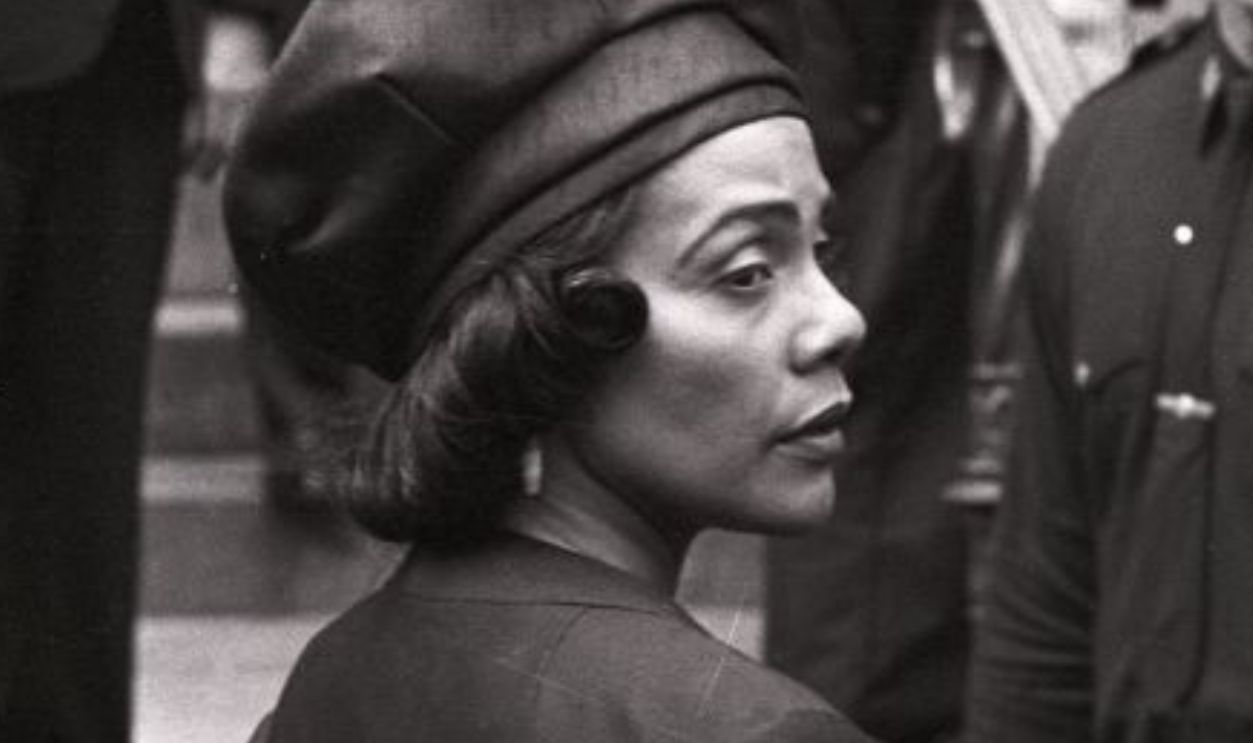
Even when MLK wasn’t home to receive threats on his life, Coretta was constantly on alert for anyone who wanted to come after their family, which ended up saving their lives. Earlier in 1956, she was entertaining two guests from their congregation one day when a noise from her front porch caught her attention. Although it was subtle, she described it as the “sound of a brick striking the concrete floor of the front porch”.
Feeling a strange suspicion, Coretta had to act quickly—and she wasn’t a moment too soon.
 Fairchild Archive, Getty Images
21. She Got Them Out
Instantly feeling that something was off, Coretta trusted her intuition and ushered her visitors into the guest room, just moments before the mysterious object on her porch revealed its true nature. Within seconds, an explosion tore through the front door, sending a shockwave through the house and filling the front room with dust and debris.
With only the news of what happened, MLK feared what had become of his family—but their lucky streak continued.
22. They Were Okay
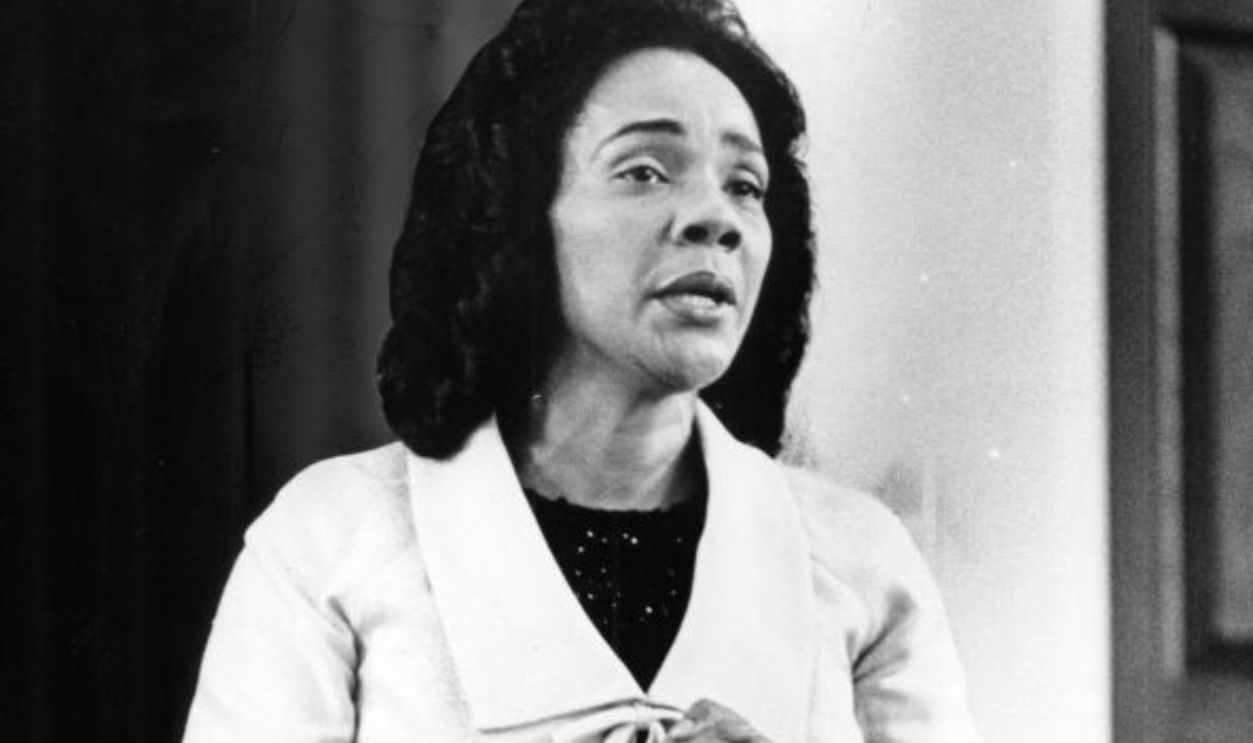
Thankfully, while the explosion did a fair amount of damage to their house, there were no injuries or fatalities. Rushing home to see for himself, MLK arrived overjoyed to see Coretta and Yolanda alright, but he immediately had another issue to face. Just outside, an armed mob of his supporters had gathered with a mind to bring the culprit to justice, but in keeping with his nonviolent philosophy, MLK managed to talk them all down and send them home.
Suddenly, the threat of the American South seemed even more real—but Coretta still wouldn’t back down.
23. She Wanted To Stay
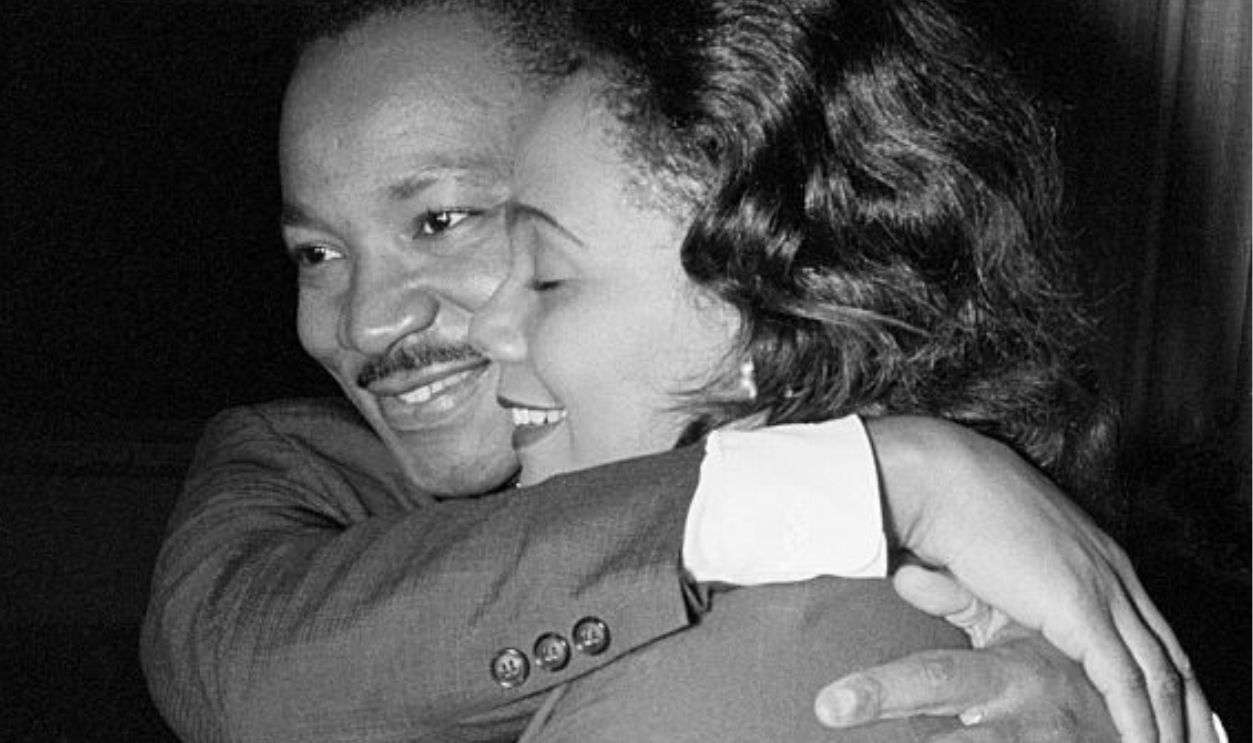
Understandably, this attack on Coretta and MLK’s home was the final straw for some of their loved ones—specifically, her father. Putting his foot down, Obadiah demanded that MLK take Coretta and their daughter and leave Alabama, otherwise he would take them himself. Like always, though, Coretta wasn’t going to let anyone dictate her future, and she decided that whatever happened, she was sticking with her husband.
Although this was a close call, it was only the beginning.
 Michael Ochs Archives, Getty Images
24. She Rushed To Him
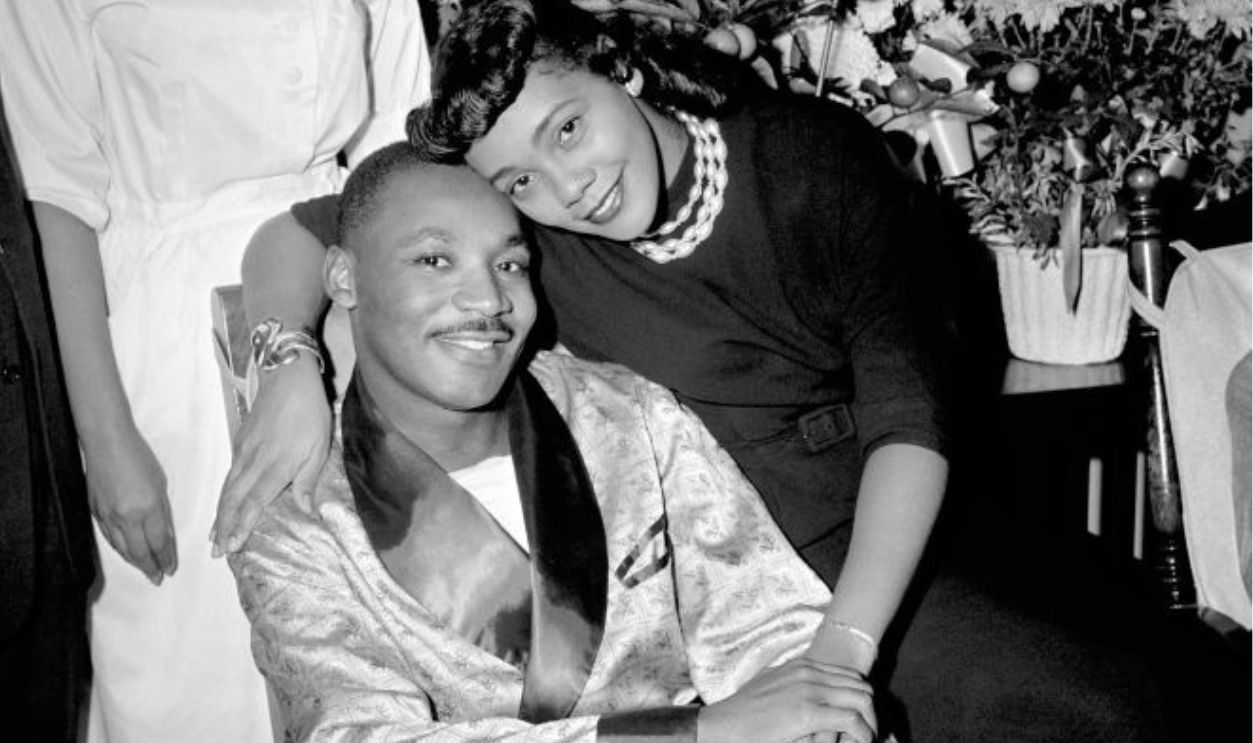
By 1958, MLK had already written one book and was becoming a famous figure, but this was the ultimate double-edged sword—as Coretta would soon discover. While visiting her in-laws, she suddenly received the horrific news that, while at a book signing, her husband had been the victim of a stabbing. Fearing the worst, Coretta dropped everything and joined him at the hospital, staying by his side until he recovered.
Of course, when they weren’t dealing with unlawful aggression, they had to worry about the kind coming from the law itself.
25. He Was Locked Up
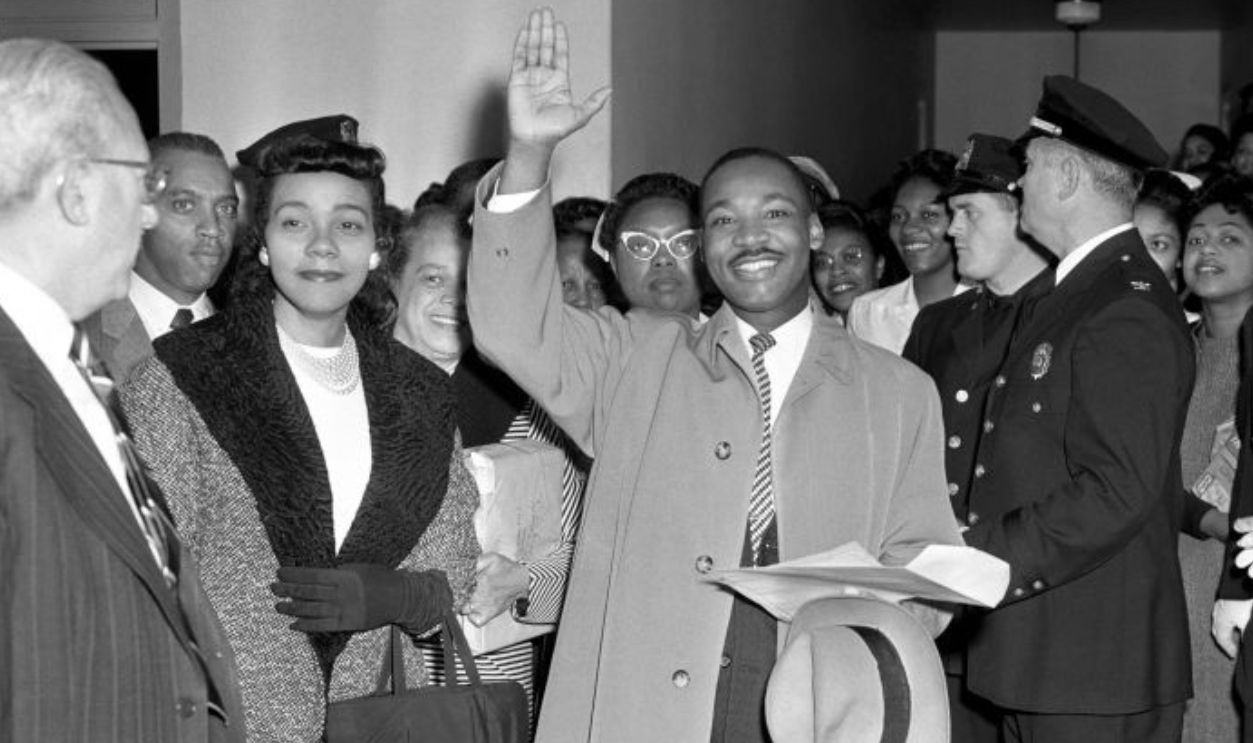
Emerging as one of the most impactful civil rights leaders of his time, MLK now had a target on his back, especially when it came to law enforcement. In October 1960, only three days after a previous stint in lock-up, officers took him into custody again for having the wrong licence plate, sentencing him to four months' incarceration.
With everything going on, Coretta couldn’t sleep thinking about what might happen—so she called in a favor.
26. She Made An Important Call
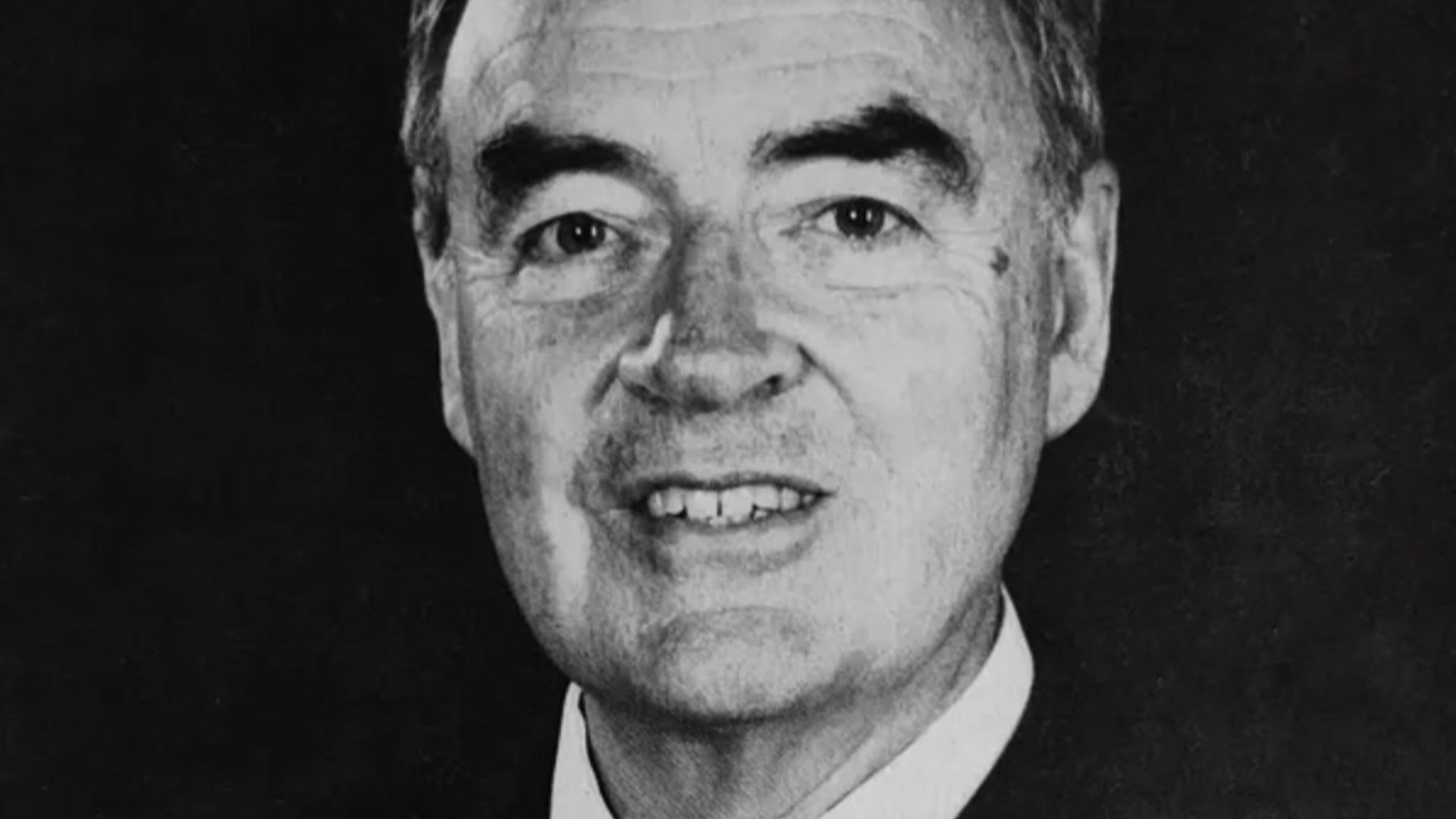
Considering MLK had already experienced a few brushes with his mortality, Coretta was justifiably concerned that her husband wouldn’t survive his imprisonment. Luckily, both she and MLK already had several significant connections, so she decided to phone a friend. Calling up a politician and fellow activist, Harris Wofford, she explained the situation and asked if there was anything he could do to help.
Climbing her way up the ladder, she finally reached the top—and a miracle happened.
 Unknown (U.S. Senate Historical Office), Wikimedia Commons
27. He Pulled Some Strings
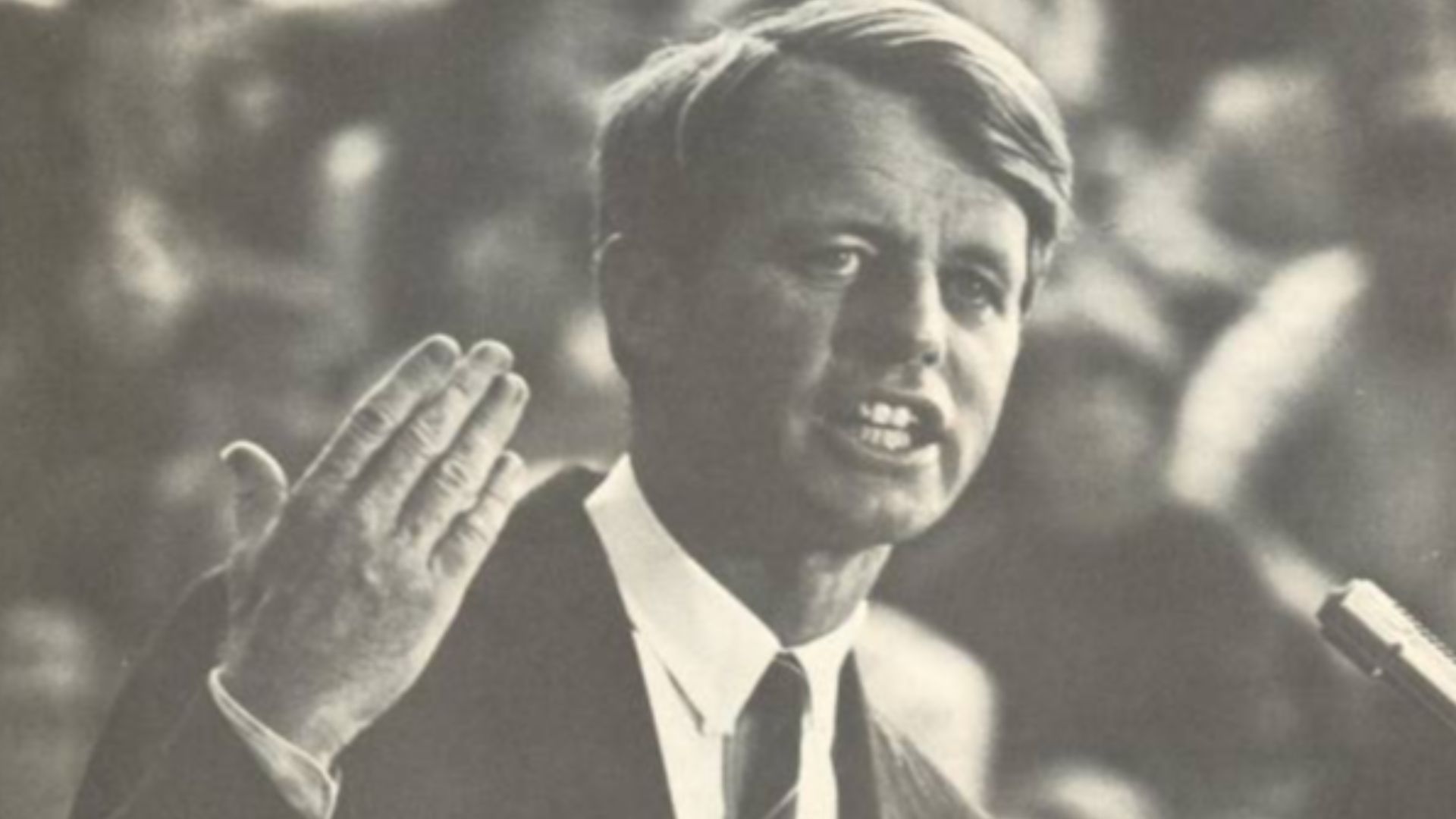
While Wofford didn’t have the authority to free MLK, he knew exactly how to contact those who did. The Kennedys were already a powerful family, and seeing as Wofford’s friend, Sargent Shriver, was in Chicago with then-presidential candidate JFK, it was worth a shot. Getting the story to them, the family initially called Coretta with their sympathies, but soon enough, Robert F Kennedy went the extra mile and secured MLK’s release.
Sadly, this wouldn’t be the only time something like this happened.
 Kennedy for President Committee, Wikimedia Commons
28. She Called Again
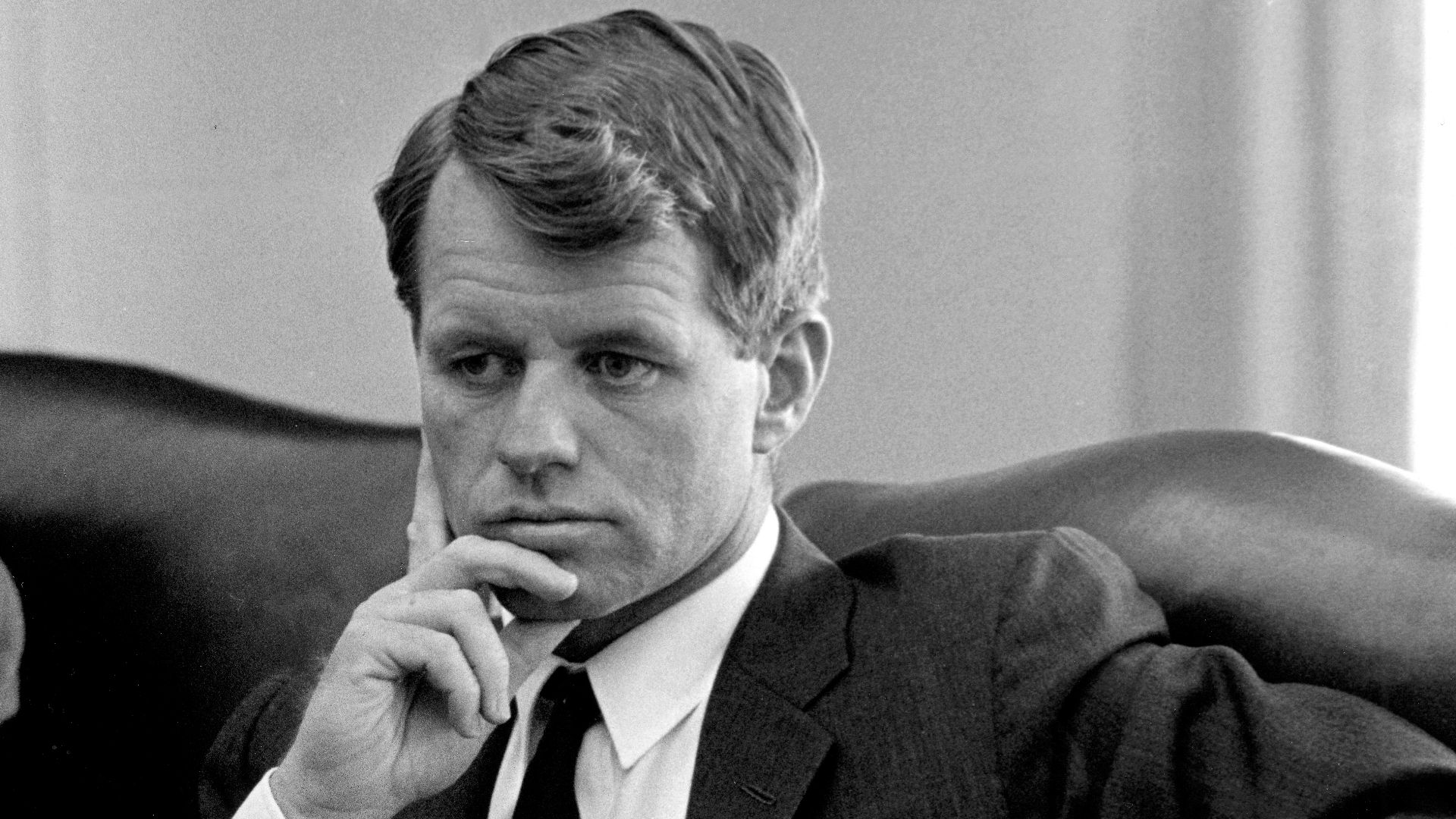
MLK’s four-month incarceration wasn’t the last time the law targeted him, and Coretta had to face the same anxieties again in April 1963, when authorities took him into custody once again. Hoping she could pull the same strings, she managed to get a hold of Robert F Kennedy, but he wasn’t able to hasten MLK’s release this time. As a small comfort, JFK did call her back later, explaining that the FBI had confirmed her husband was doing okay.
Tragically, they were about to see their nonviolent philosophy validated—but at a terrible cost.
 LBJ Library photo by Yoichi R. Okamoto, Wikimedia Commons
29. They Watched In Horror
Ultimately, despite the differences between them, MLK and Coretta were on good terms with JFK and saw him as an ally in some form, which only made it harder when the couple heard the terrible news. Believing that the president was only injured in the attempt on his life on November 22, 1963, they turned on the news to learn more, only to discover that he had perished, leaving both of them in stunned terror—especially MLK.
Meanwhile, insidious minds were at work against Coretta and her husband—and the couple had no idea.
30. They Tried To Defame Him
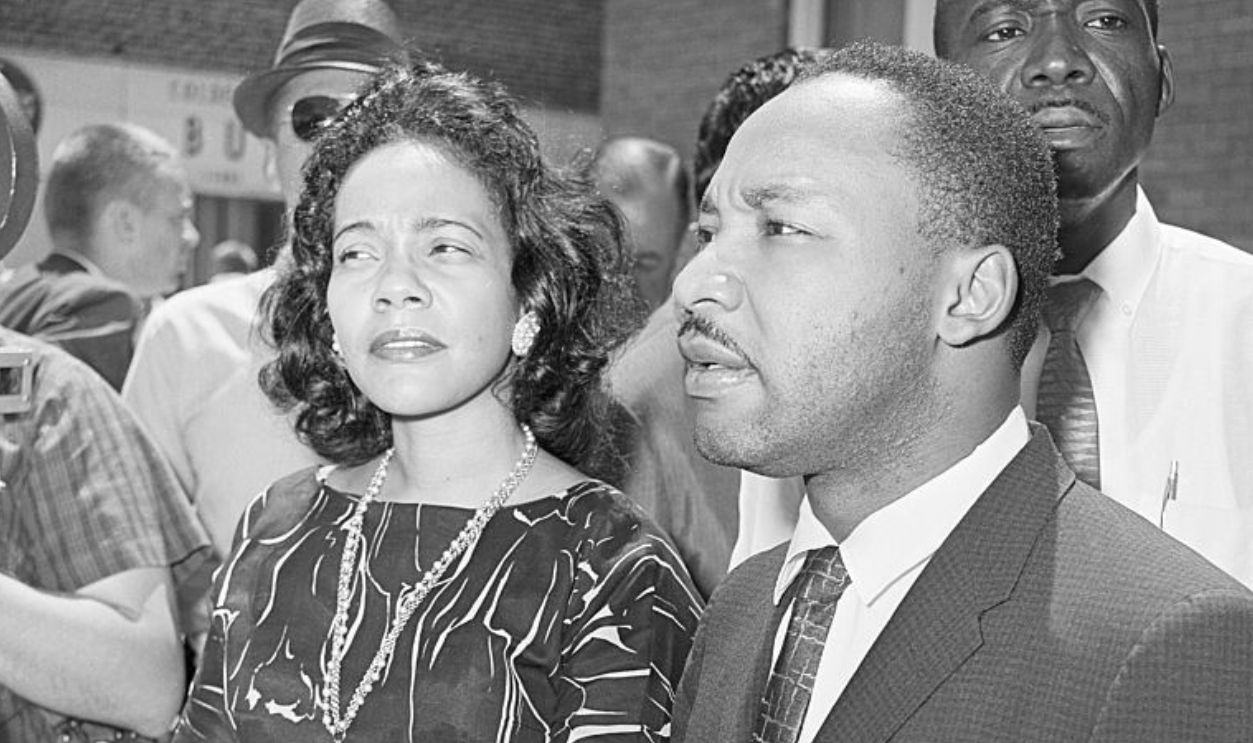
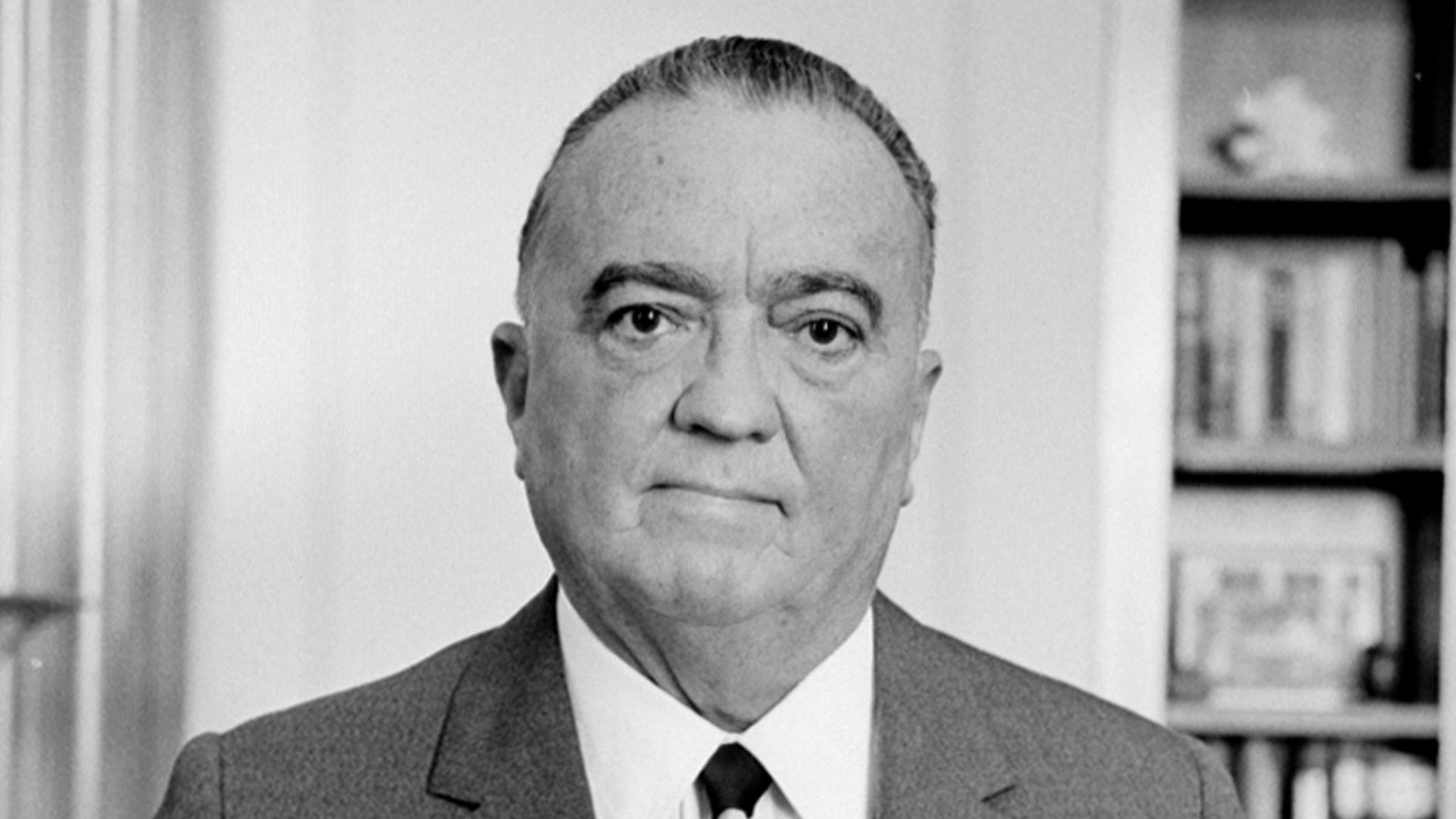
By the mid-1960s, MLK had become such a threat to those in power that the director of the FBI, J Edgar Hoover, made it his personal goal to take him down. Intentionally spreading rumors about MLK and any number of potential scandals, he added fuel to the fire by mailing tapes to Coretta that supposedly confirmed her husband’s affairs.
It didn’t matter whether these were credible or not—Hoover got what he wanted.
 Marion S. Trikosko, Wikimedia Commons
31. She Listened To Them
Knowing Coretta would be the one sorting the mail at the Southern Christian Leadership Conference office, Hoover had the tapes sent there for her to find. Sure enough, she discovered the recordings and played them, hearing what seemed to be proof of her husband’s infidelity, and reacting with all the anger and distress the FBI had been hoping for.
The FBI had succeeded in causing a stir in MLK’s family—but nothing more.
32. They Dismissed Them Entirely
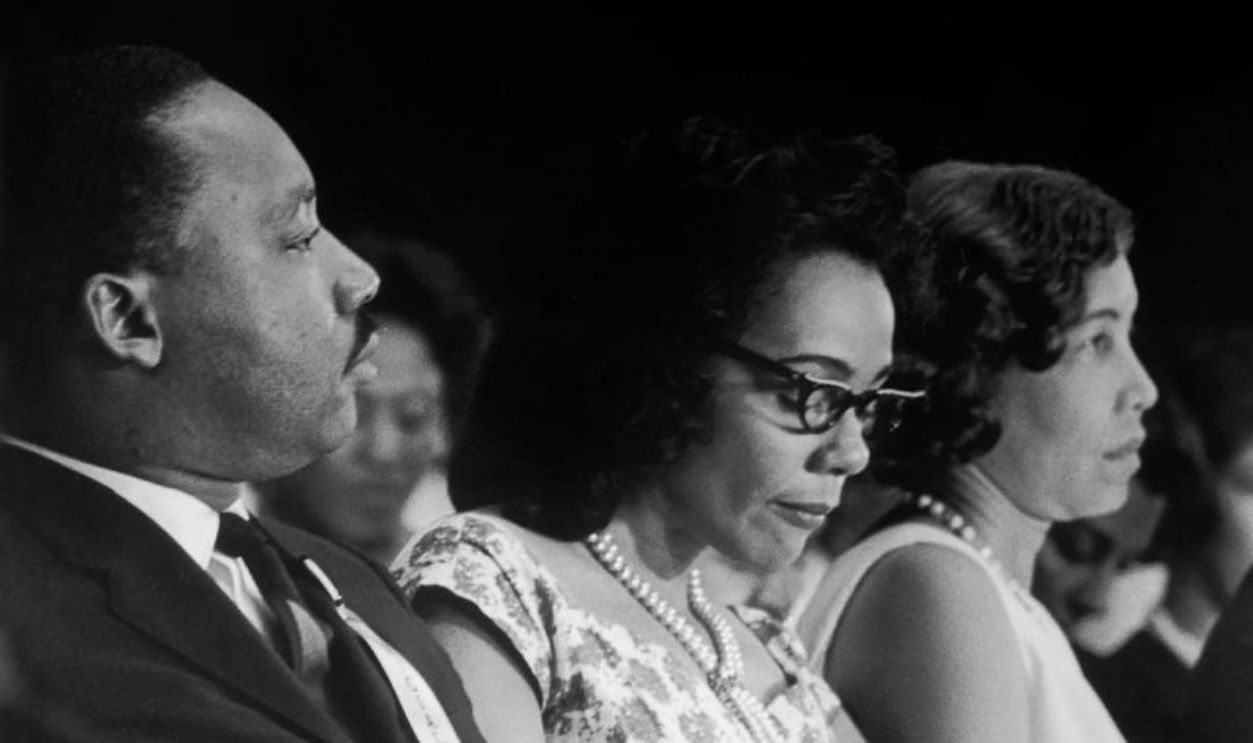
MLK believed this incident was part og Hoover’s grand attempt to get him to take his own life, while the FBI would later claim they were simply trying to silence him. Neither happened, though, and they appeared to work everything out behind closed doors so their marriage continued thriving. When questioned about it in public, Coretta would say that all the tapes contained was “a lot of mumbo-jumbo,” and that she “couldn't make much out of it".
As the 1960s went on, Coretta continued to fight on her own terms—and even met another legend.
33. He Wasn’t Causing Any Problems
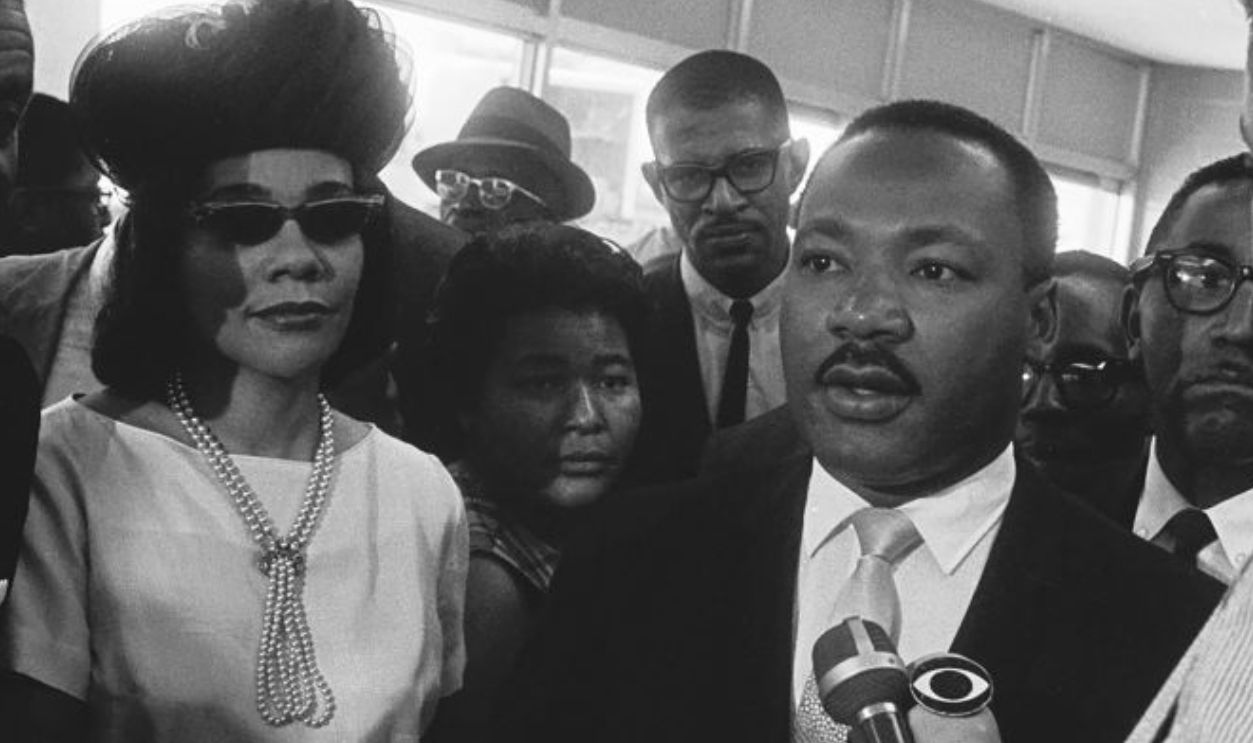
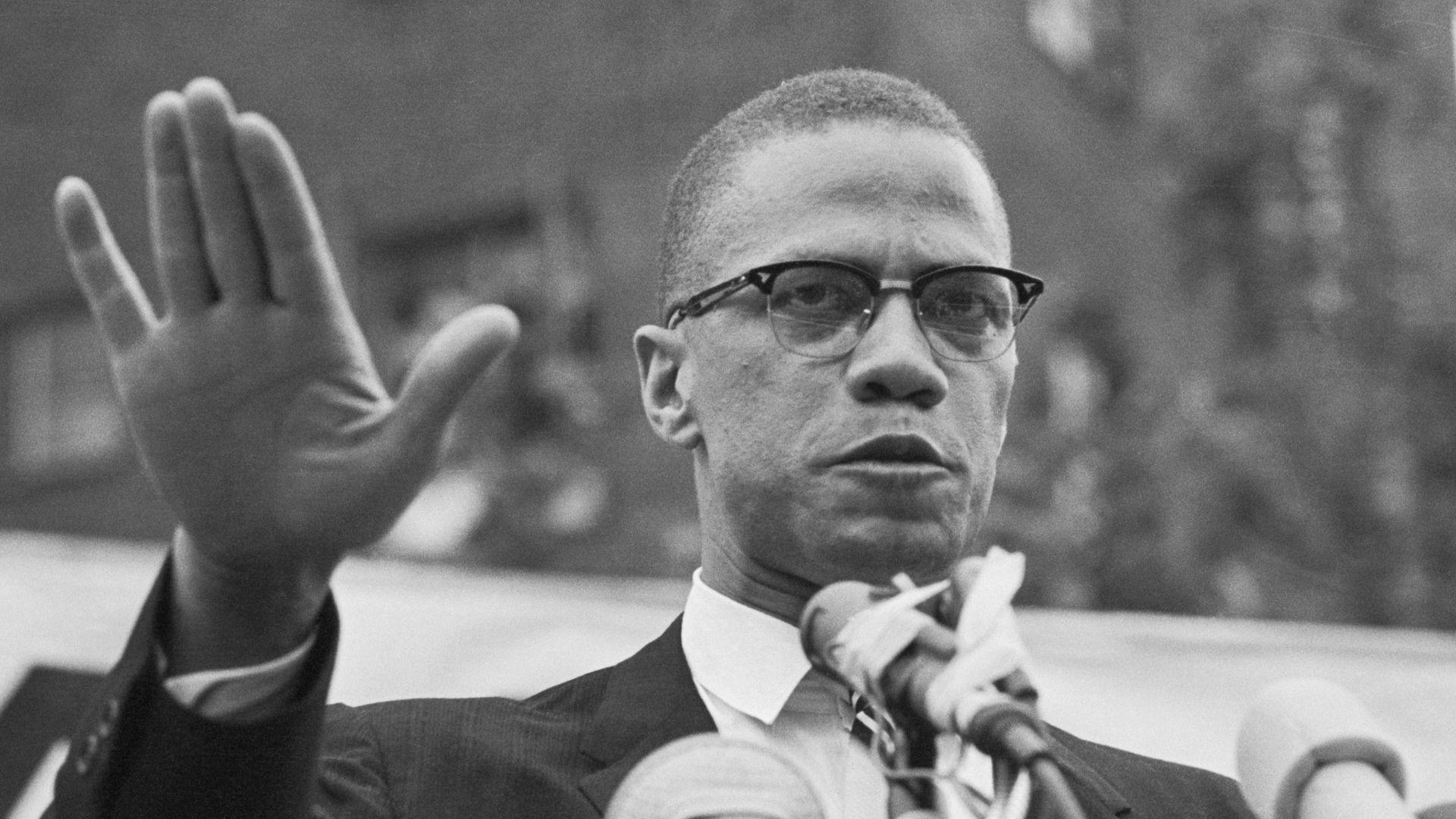
While many civil rights leaders were working toward the same goal during Coretta’s time, they didn’t all agree on how to achieve it, especially regarding her and MLK’s nonviolence. Specifically, Malcolm X was an ardent critic of MLK, so when he showed up in Alabama, Coretta was worried he would make things difficult for them. However, Malcolm X assured her this wasn’t the case, and only a few days later, an assassin took his life.
While MLK was the more popular speaker, Coretta had no problem voicing her views—even when they were critical of the cause.
 United Press International, Wikimedia Commons
34. She Called It Out
Although Coretta believed in the fight for civil rights, she wasn’t ignorant of the flaws that had become pervasive in the movement, and she refused to stay quiet about them. For instance, in an interview for the New Lady magazine, she spoke about how many people often overlooked the efforts of women in the civil rights movement, reminding everyone that they had just as much to fight for.
As expected, many men at the time didn’t see things her way—including her husband.
35. He Wanted Her At Home
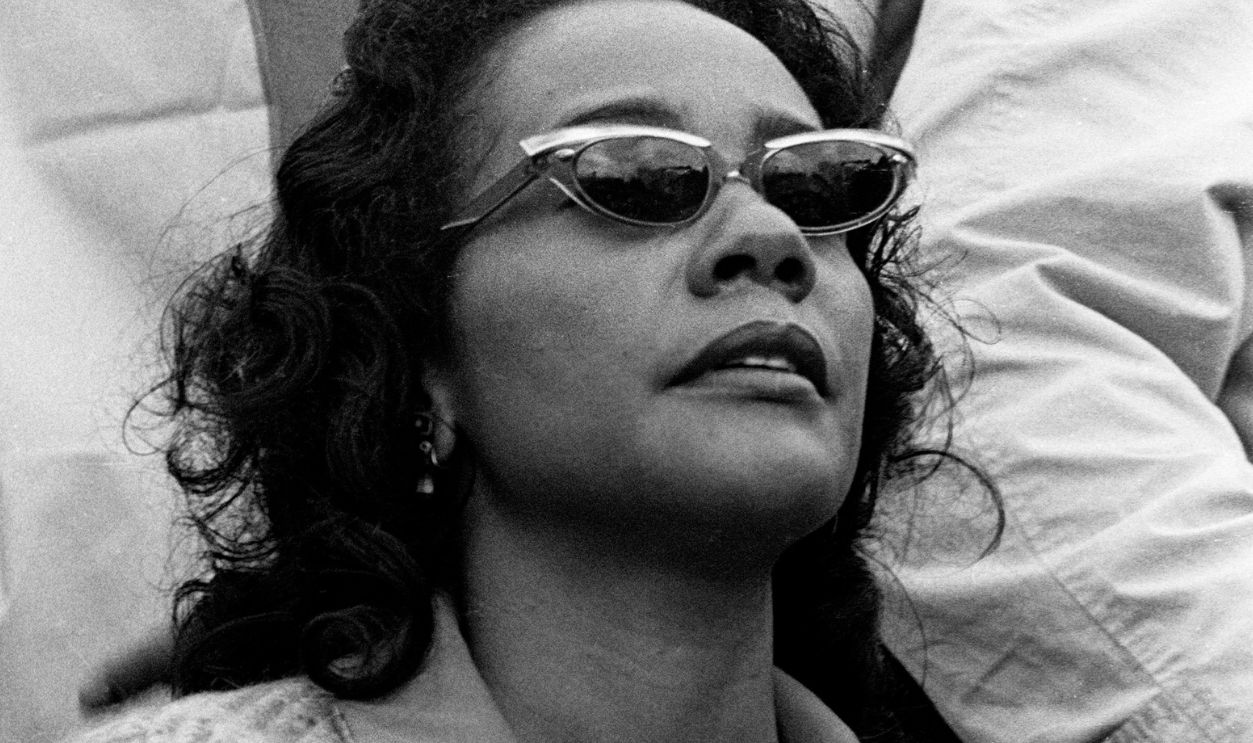
Although MLK was progressive in many of his ideals, he was still a product of his time and held several more old-fashioned views, especially concerning how his wife should be spending her time. He believed she should focus all her attention on raising their now four children, and while she accommodated this somewhat, it didn’t stop her from being involved in several protests, like the 1968 Women Strike for Peace.
Regardless, she still couldn’t imagine a life without him as her husband—making what was in store all the more tragic.
 Interim Archives, Getty Images
36. She Lost Him
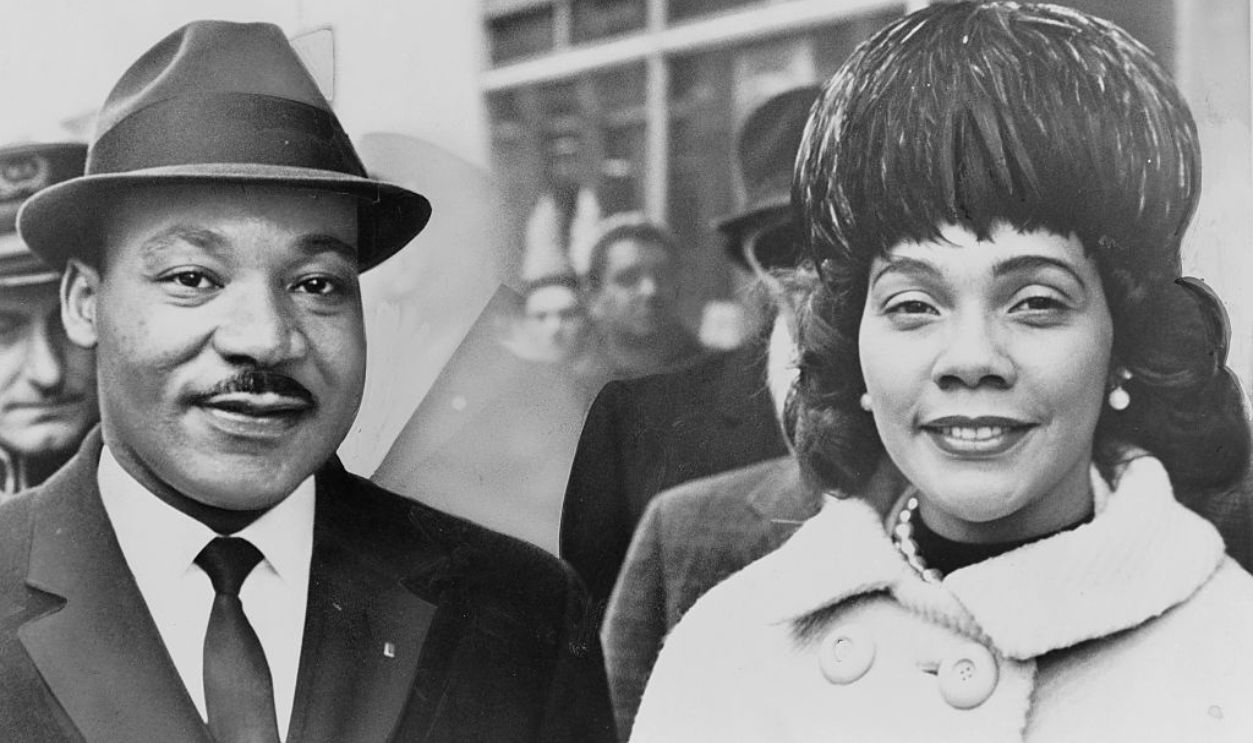
After so many threats and attempts on MLK’s life, Coretta would have her worst fears realized on April 4, 1968, when she received the most devastating news of her life. After shopping for a few hours that day, Coretta returned home with Yolanda to hear the phone ringing off the hook. Picking it up, she heard the voice of family friend Jesse Jackson, informing her that someone had taken the life of Martin Luther King Jr.
Faced with the unimaginable, she had to figure out someway to help her children cope.
37. She Wanted Him Visible
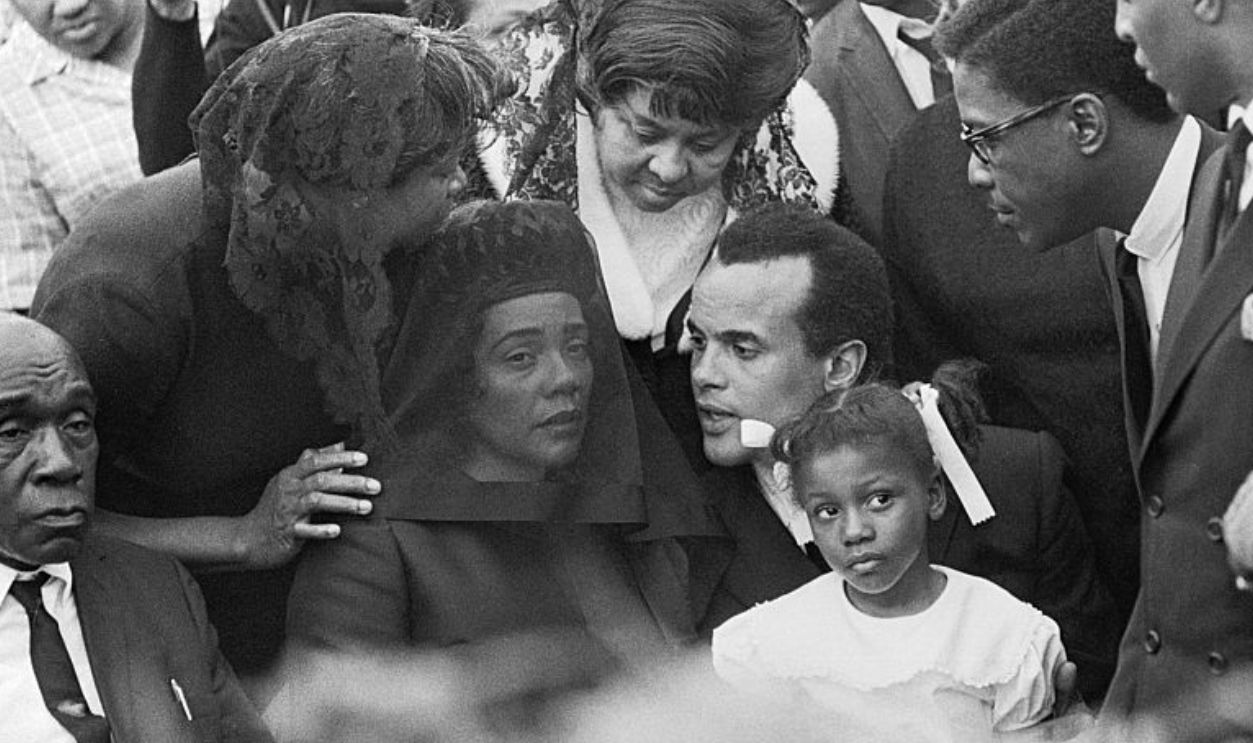
Unsure how to break the news to her children that their father had perished, Coretta initially lied and said he had only been injured, but she would eventually have to tell them the truth. Hoping to help them face the reality of their grief, she insisted that MLK’s casket remain open, so his children could understand he was gone.
Having lost her husband, Coretta did everything she could to carry on the torch—and she widened her gaze even more.
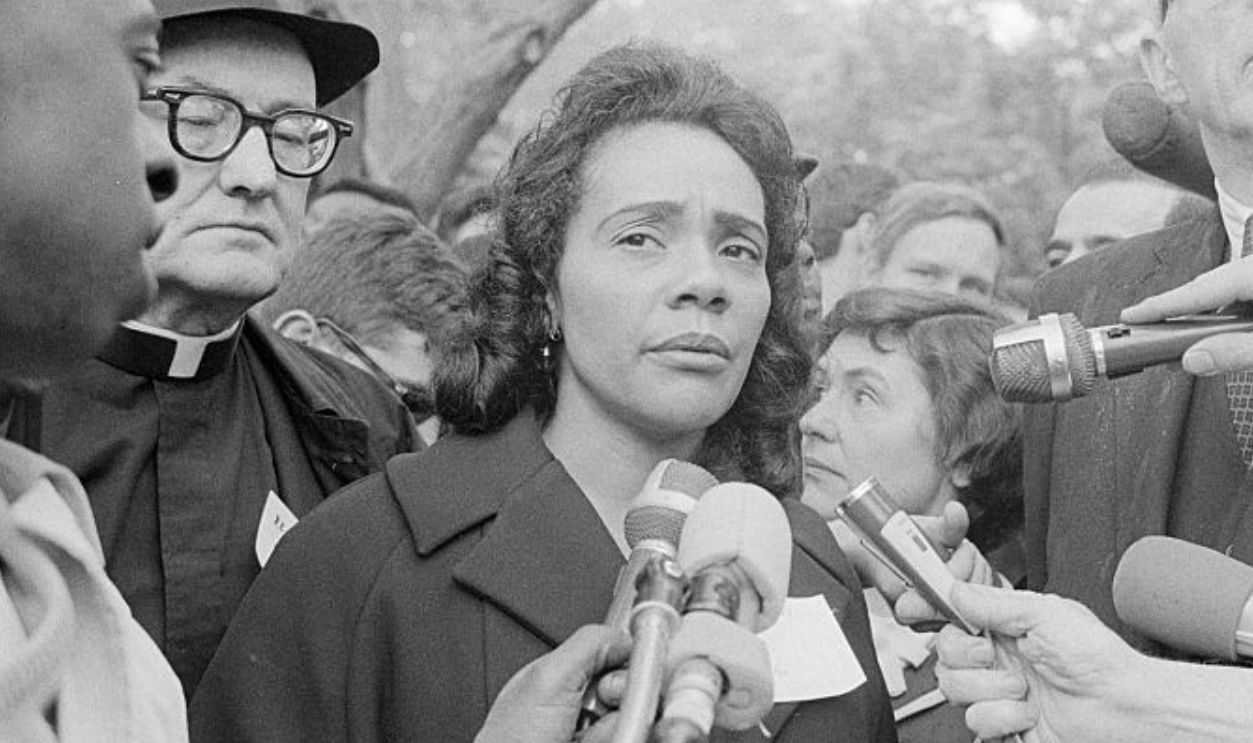
38. She Fought For Everyone
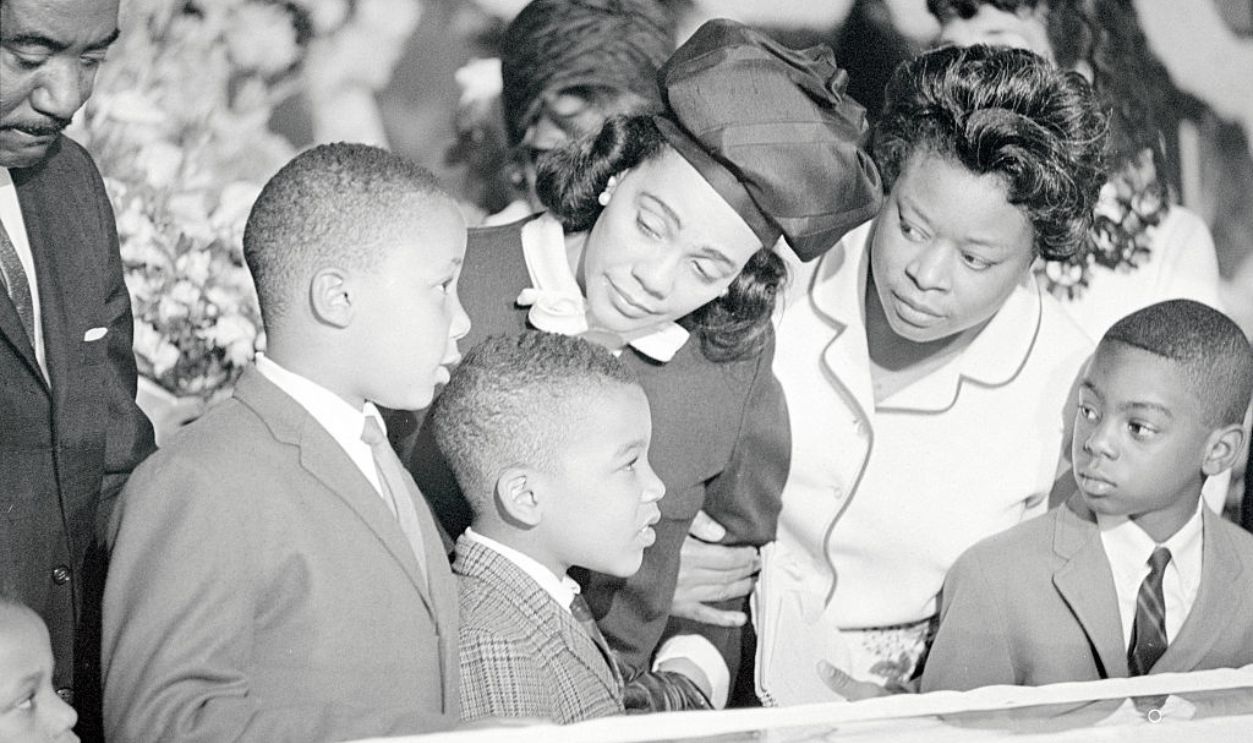
Not only did Coretta now have the freedom to fight for her causes the way she wanted to, but she also felt like it was her duty to keep her late husband’s legacy alive. As such, she became much more involved in humanitarian efforts, without limiting herself to the civil rights movement. Over the years, she became a vocal advocate for many other causes, including environmental issues, the plight of the poor, and the struggles of the LGBT community.
Finally, after all her efforts in the background, Coretta received the acclaim she deserved.
 Interim Archives, Getty Images
39. She Made Global History
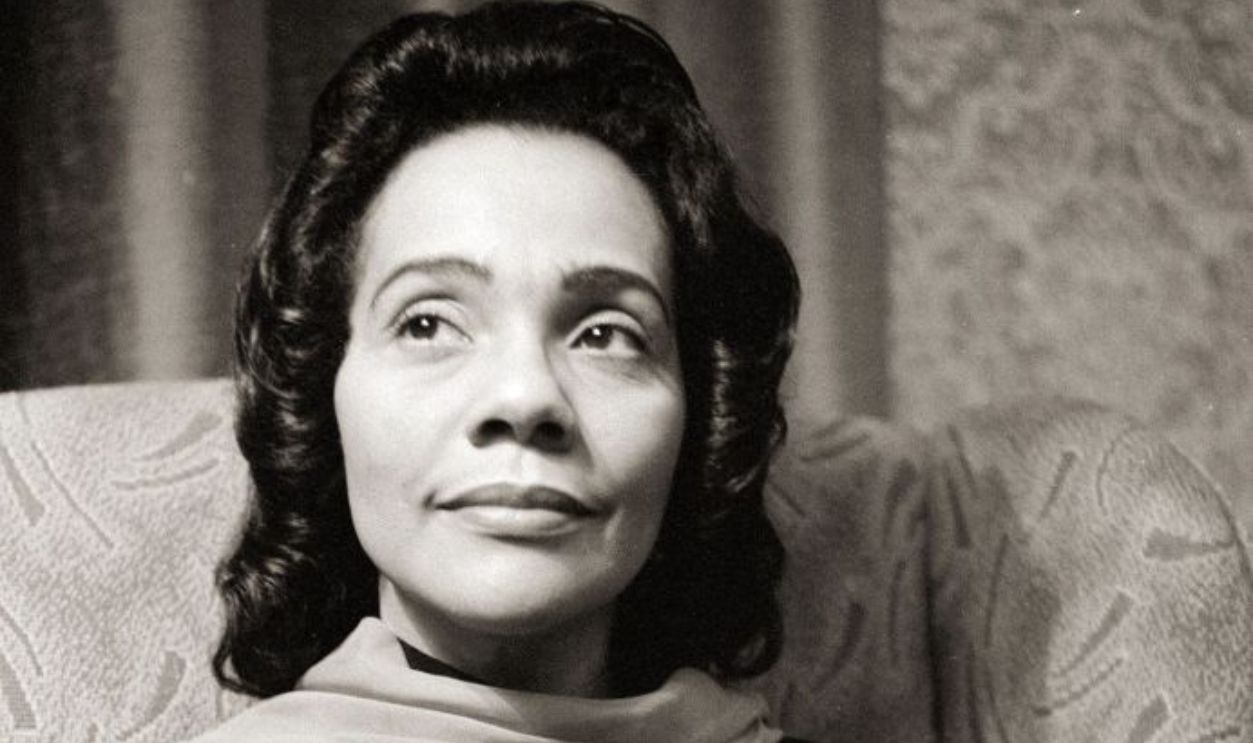
With Coretta’s history of activism during her husband’s career, and everything she had done in the year following his passing, she had more than earned her own global fame—and the world was eager to thank her. Visiting Italy in early 1969 on her way to India, she received the Universal Love Award, which was a first for anyone who wasn’t Italian.
Unfortunately, this reputation came with a price—one MLK had been all too familiar with.
40. They Were Watching Her
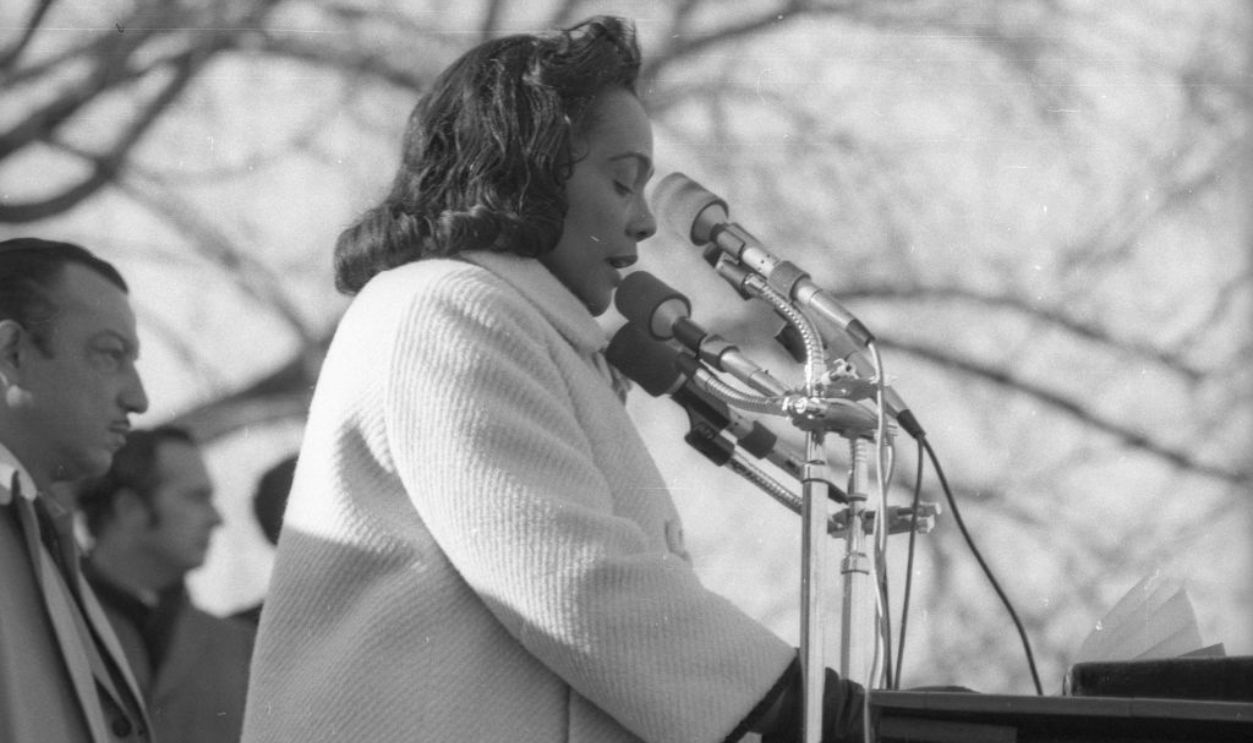
Although Robert F Kennedy had helped Coretta and her husband before, he had also been the one to greenlight Hoover’s surveillance on MLK, which was how they obtained the recordings of his alleged affairs. Unfortunately, this didn’t end with MLK’s passing, and the FBI continued to monitor Coretta until 1972.
What they saw was a woman doing everything she could to honor her late husband—especially on one specific day.
 Michael Ochs Archives, Getty Images
41. She Never Stopped
In the wake of MLK’s loss, churches across America paid their respects, but one would continue to do so for years to come. As he and his father had long-since pastored together at Ebenezer Baptist Church, the congregation there began holding a service in his memory every year on his birthday. Honoring her late husband, Coretta attended each one of these services for the rest of her life.
This wasn’t enough, though—she wanted the whole country to remember him forever.
42. She Kept Him Alive
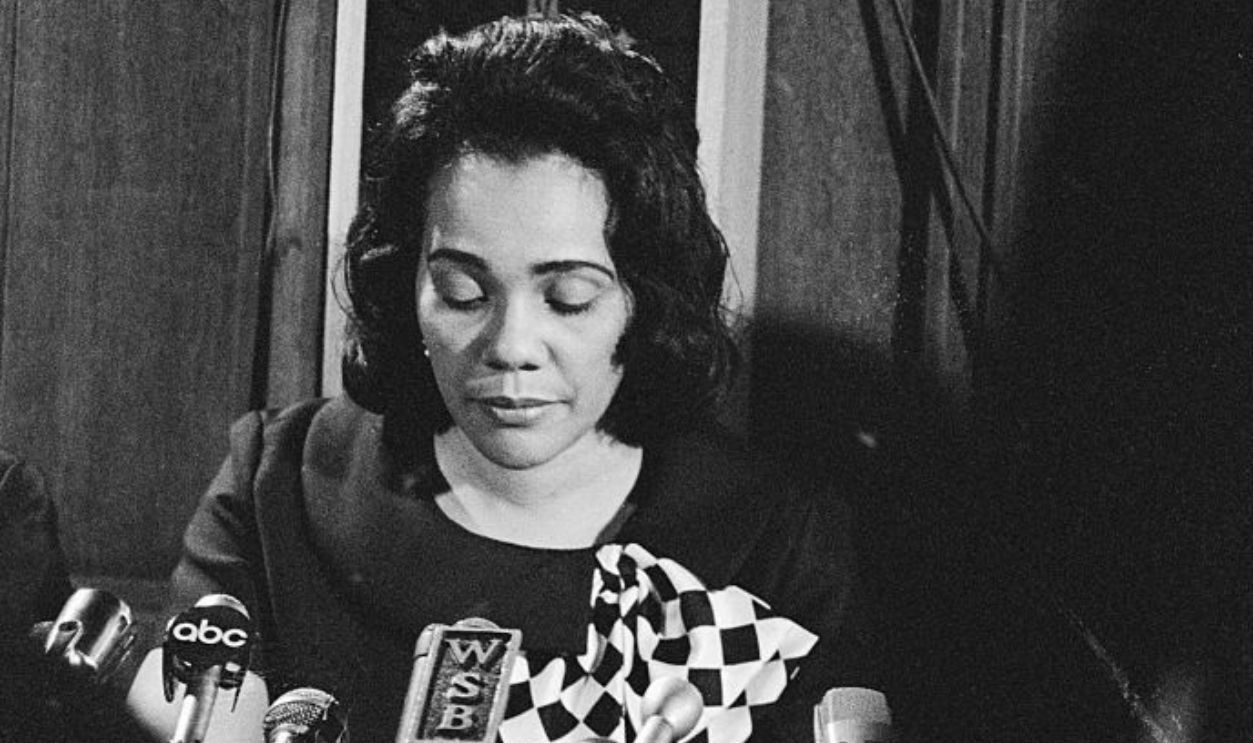
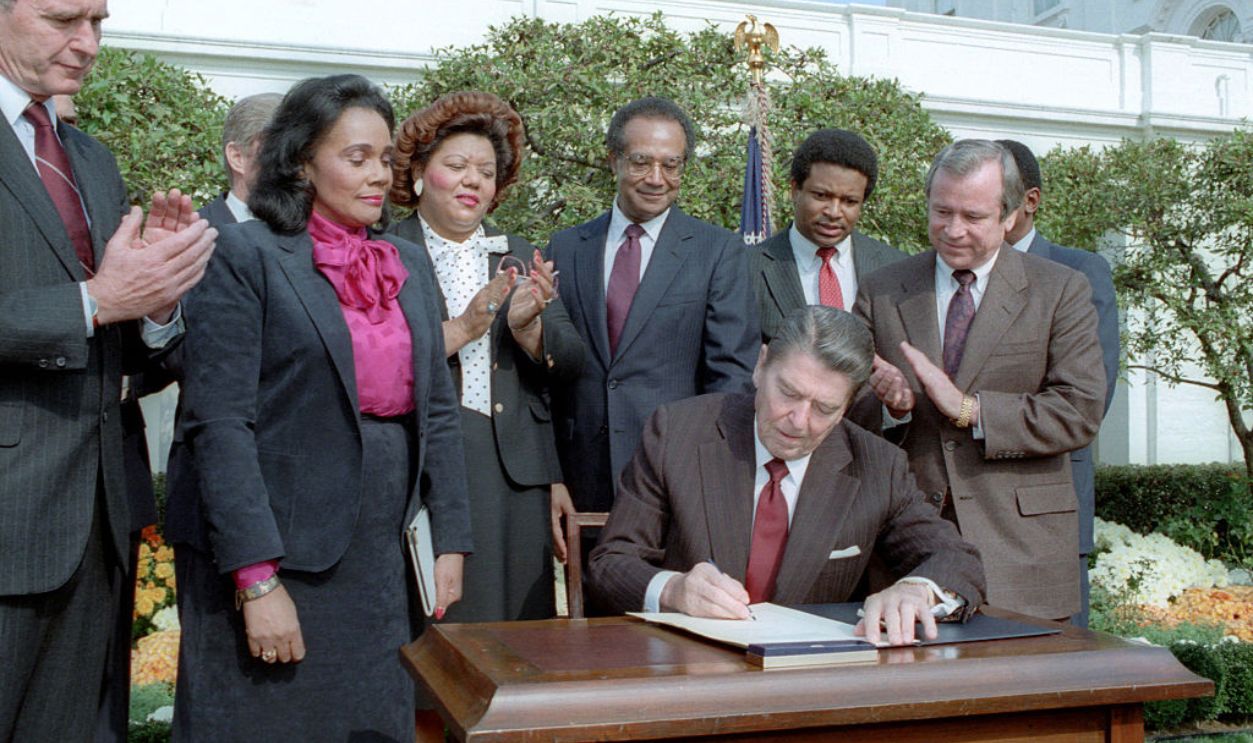
With the enormous impact her husband left, Coretta refused to let his story disappear within the larger American history, a cause she dedicated years of her life to. While there had been a few attempts to make his birthday a national holiday in the 1970s, it wasn’t until 1986 that she finally convinced the US government to make January 15 Martin Luther King Jr Day officially.
As time went on, she never wavered on her principles—even when they weren’t as popular.
43. She Included Them
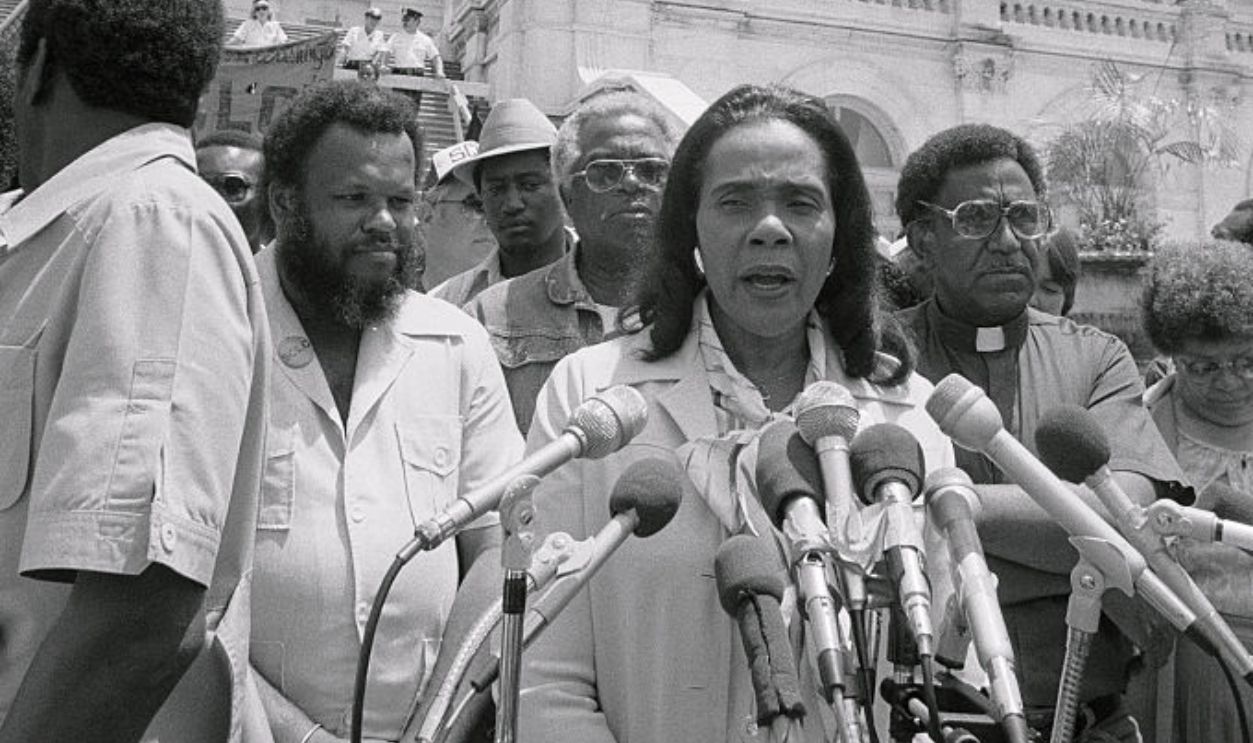
Although the racial situation in the US had seen some improvement by the early 1980s, the fight was nowhere near finished, meaning that Coretta was still right in the thick of it. However, she continued to have a more all-encompassing sense of justice, and in 1983, she advocated for the inclusion of gay and lesbian people as a protected class in the Civil Rights Act.
Needless to say, she was in this fight for the rest of her life—no matter what stood in her way.
44. She Was Taken In
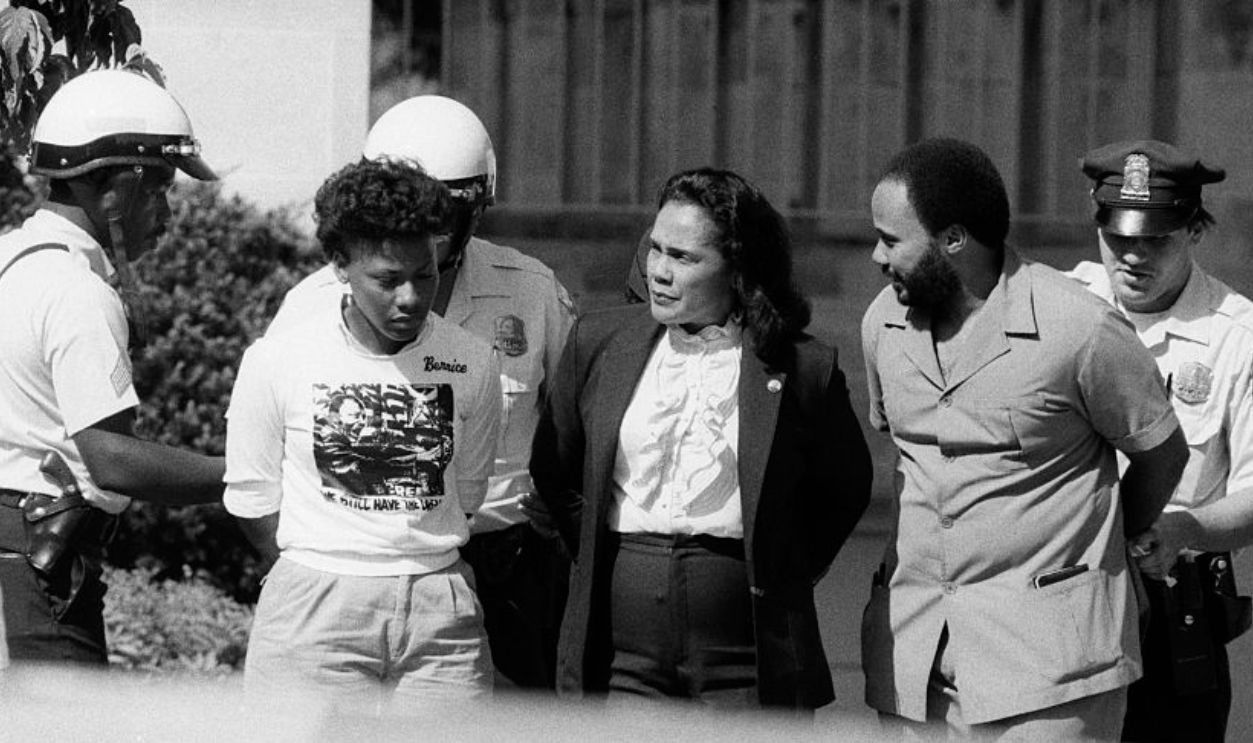
Coretta wasn’t the only one to carry on MLK’s altruistic vision; as their children certainly took after them in that respect, but this would also get them into similar trouble. Adding apartheid to the list of injustices she was battling, Coretta joined her son, Martin Luther King III, and her daughter, Bernice, at a protest in 1985. Things turned ugly, though, and just like MLK before them, the three found themselves in the custody of law enforcement.
Even after all this time, she still had to worry about danger showing up on her doorstep—though not always in the way she expected.
45. She Had An Intruder
Coretta had become familiar with threats to herself and her family as a response to their activism, but on one night in the 1990s, she had something new and horrific in store. Sitting in bed before going to sleep, Coretta could only listen in terror as someone broke into her house. Suddenly, the man entered her room, and she came face to face with noted killer Lyndon Fitzgerald Pace, but thankfully, he left after only stealing several belongings.
Sadly, she could only keep up the cause as long as her health allowed—which wouldn’t be forever.
46. She Was Having Issues
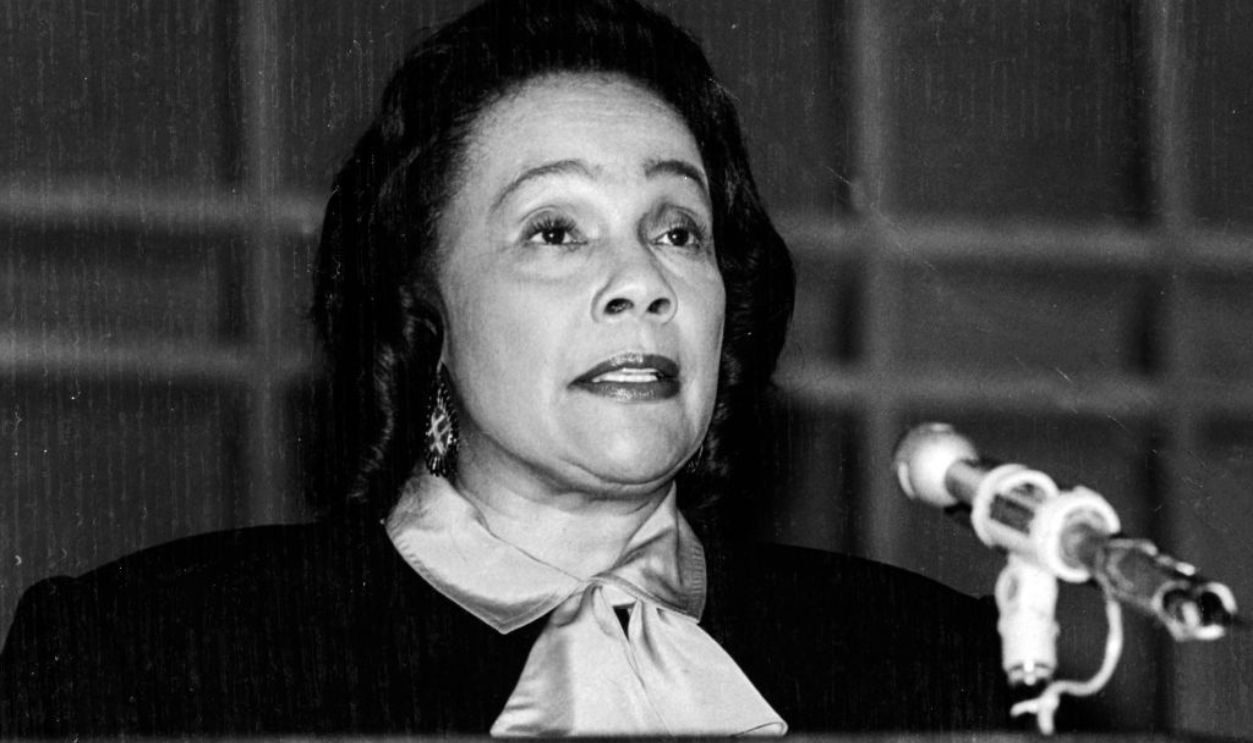
Even well into her 70s, Coretta never stopped showing up to inspire people and spread her message, but she would have to sooner or later. While she seemed fine when speaking at the Selma Voting Rights Movement’s 40th anniversary in 2005, her health took a serious downturn only a month later, and her doctors diagnosed her with a heart condition.
She wasn’t getting any better—and she ultimately reached a point of no return.
 Afro Newspaper/Gado, Getty Images
47. She Was On The Decline
The doctors did what they could for Coretta and discharged her, but within the same month, she found herself in the hospital once again—this time for something far more serious. After experiencing more than one smaller stroke, she suffered a major one accompanied by a heart attack in April 2005, leaving her unable to speak or move the right side of her body.
Regardless, nothing was going to stop her from making the appearances she wanted to—though, she would have to make them count.
48. She Still Showed Up
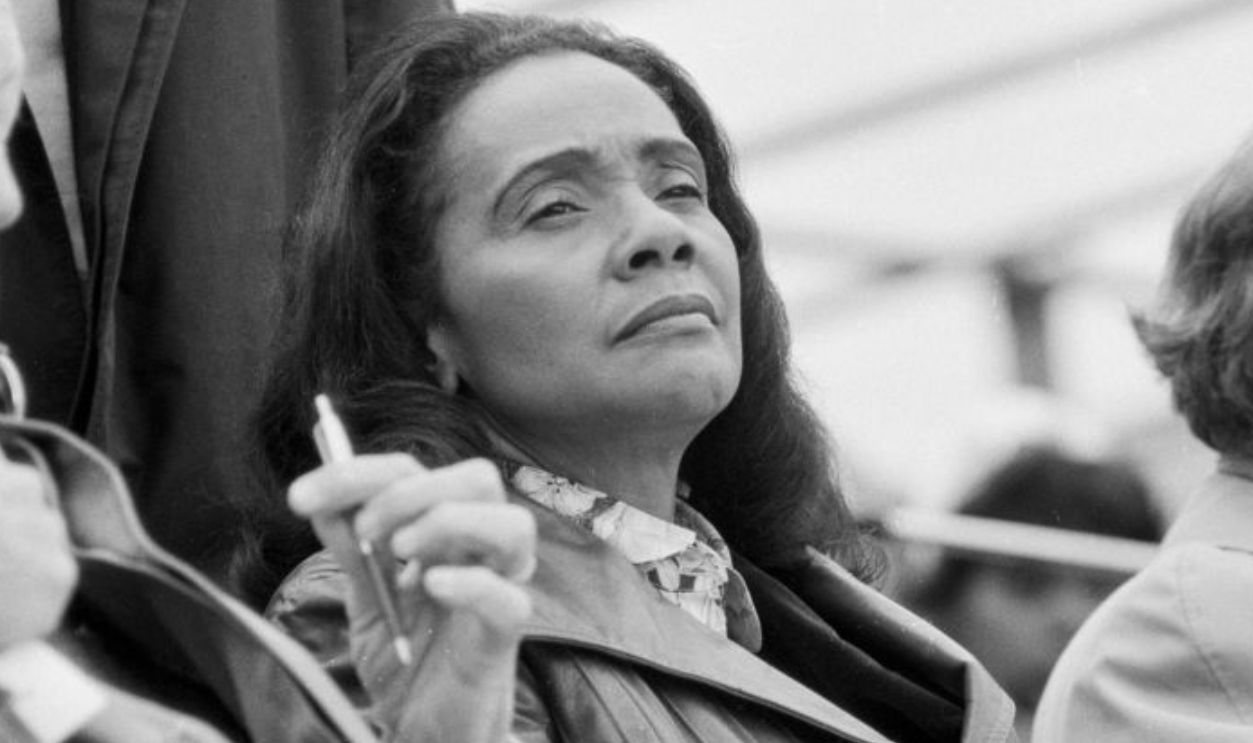
While Coretta would regain some of her speech and motor functions, it was clear that her prognosis wasn’t looking good, yet she still insisted on remaining in the public eye. Participating in one more event to honor MLK, she attended a dinner in his memory in January 2006, which would be her final appearance in public.
Meanwhile, Coretta’s doctors did everything possible to make her better—even if it was all in vain.
49. They Tried To Help Her
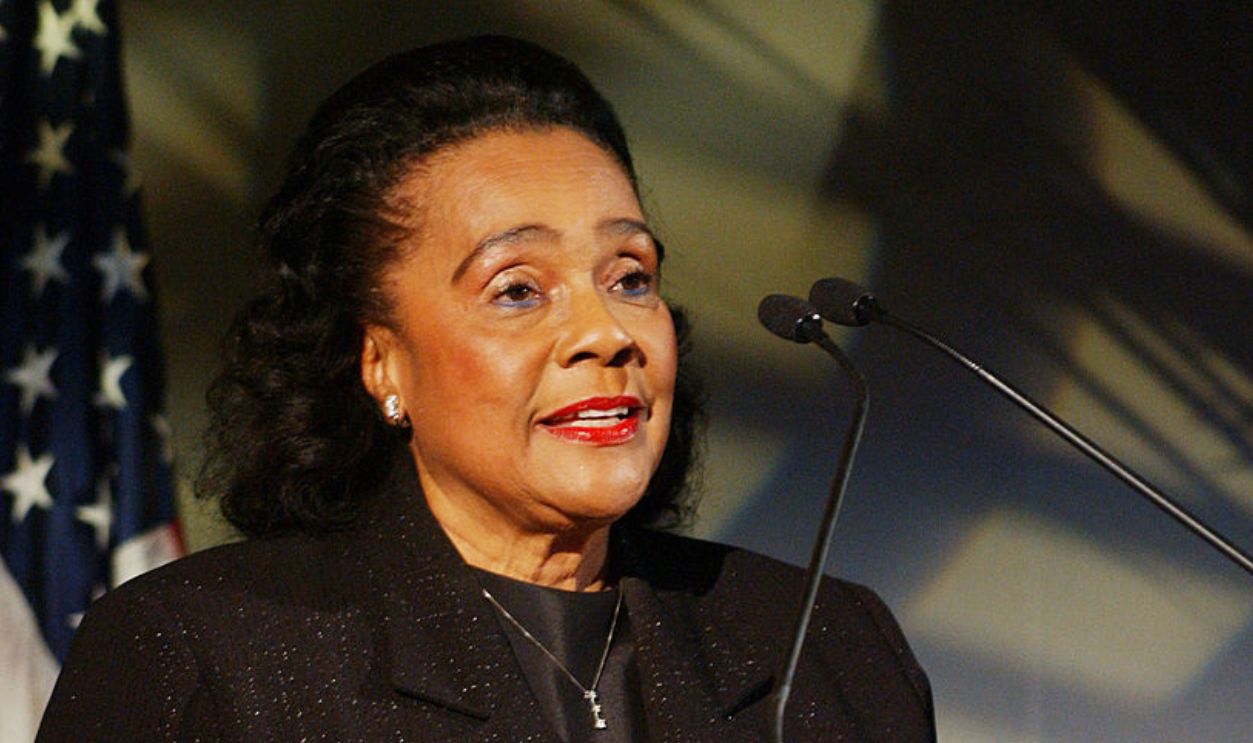
Making matters infinitely worse, Coretta’s doctors soon discovered that she was dealing with ovarian cancer as well, so she checked herself into a rehab centre in Mexico. The staff there never gave up on her and consistently tried to treat her condition, but it simply wasn’t enough in the end. On January 30, 2006, her health issues got the better of her, and she sadly passed while still in rehab.
Finally, Coretta could rest from her lifelong battle—although there was one other silver lining.
 The Washington Post, Getty Images
50. They Were Reunited
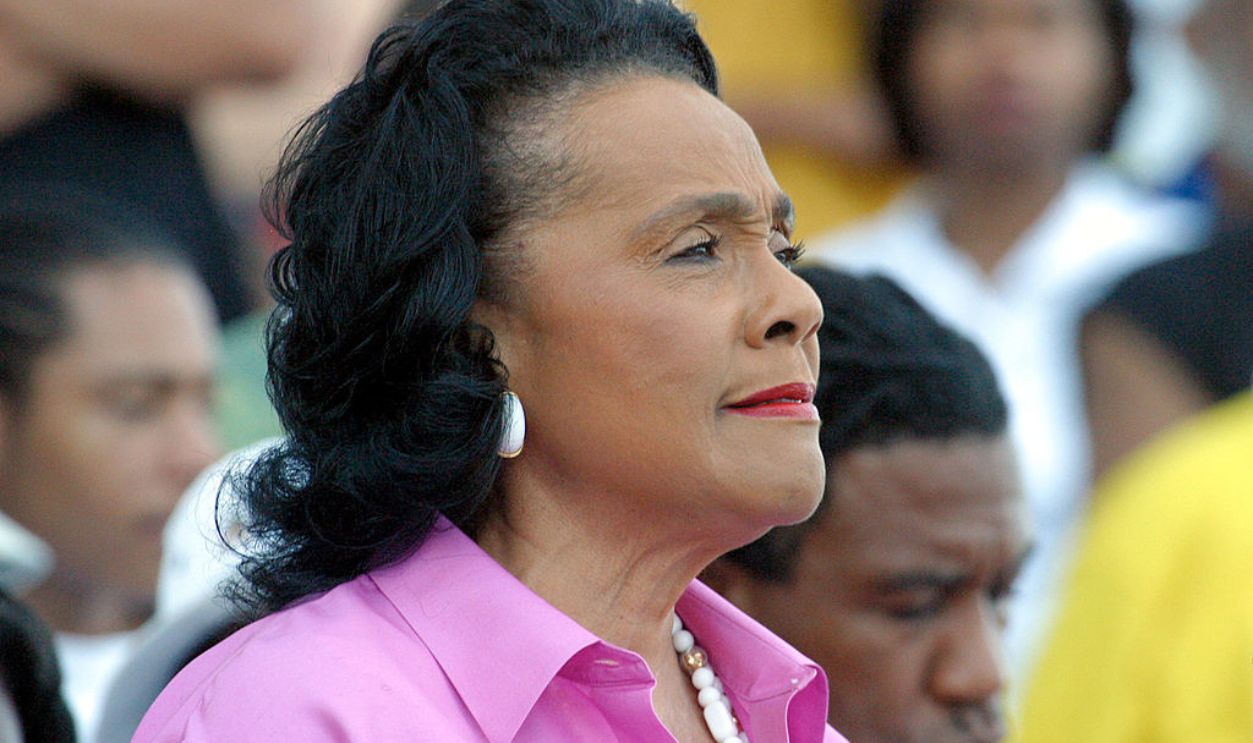
Coretta Scott King had her own long and storied career as an activist for countless causes, but as her husband was one of the greatest civil rights leaders in history, she had taken more of a back seat. Even after his passing, she devoted much of her life to preserving his legacy, all because she loved him so much. Finally, after she passed as well, the couple reunited as her body was moved to lie next to his in her final resting place.
You May Also Like:
J Edgar Hoover, America’s Most Notorious Puppet Master
Josephine Baker, The Black Pearl Of Paris