A Bridge Between Two Worlds
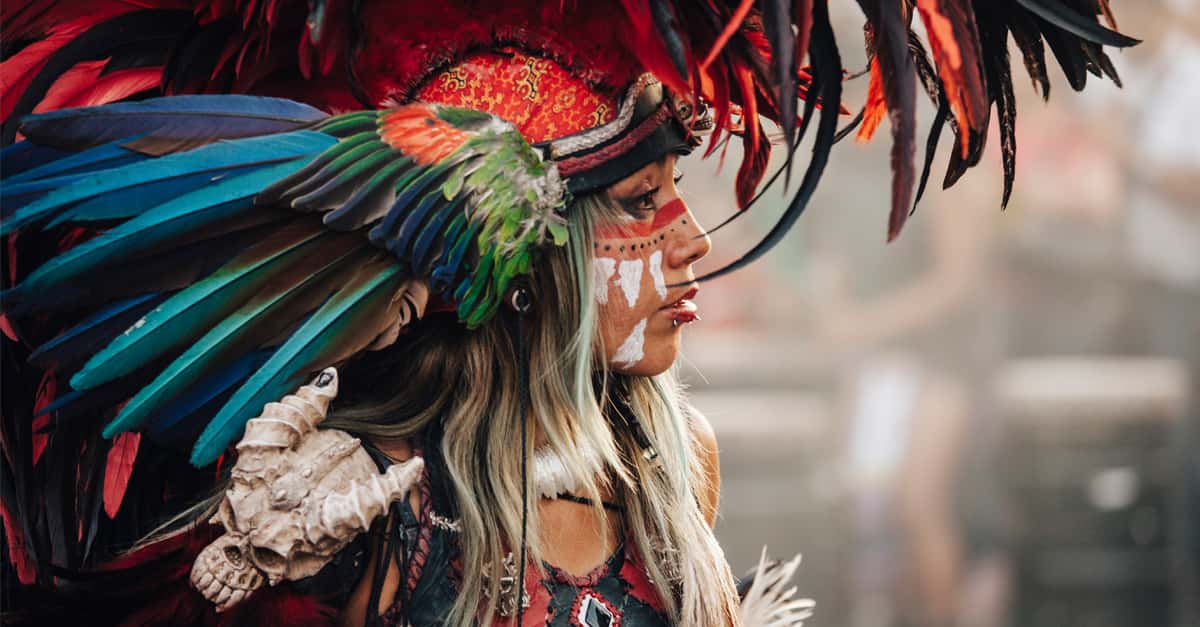
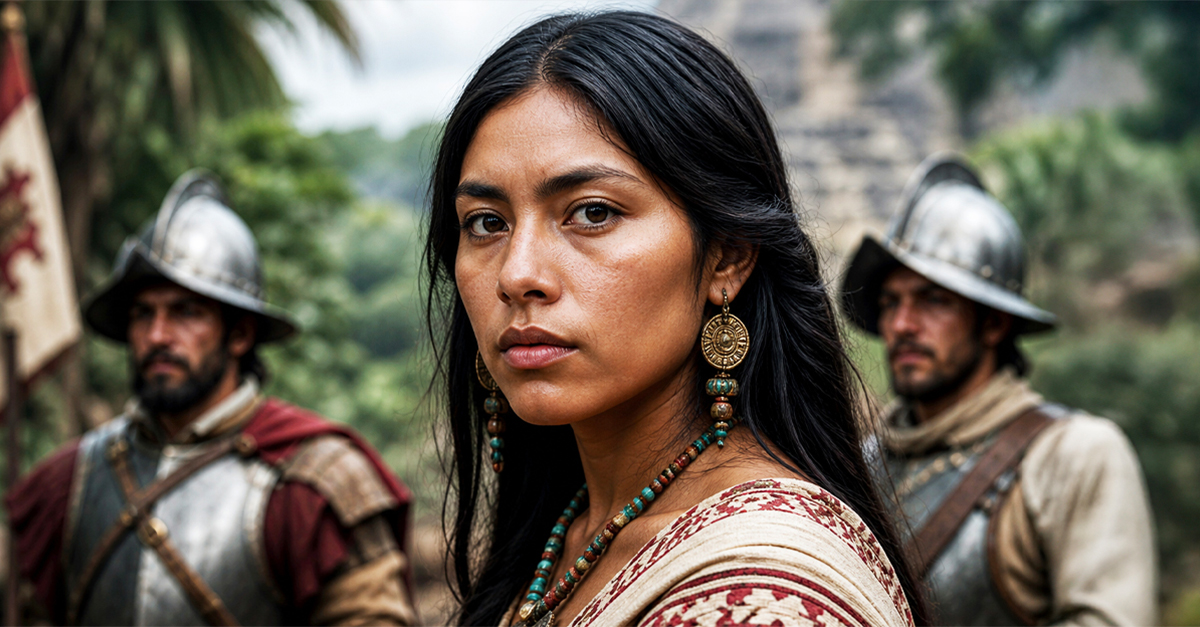
It’s a story that feels almost impossible to believe: a young Nahua woman, stripped of her freedom, who went on to play a central role in one of history’s most dramatic conquests. Acting as translator, advisor, and cultural intermediary, she bridged two worlds at a moment of violent collision. We explore the life of La Malinche and trace how she became one of the most complex and debated figures in history.
Early Life In The Nahua World
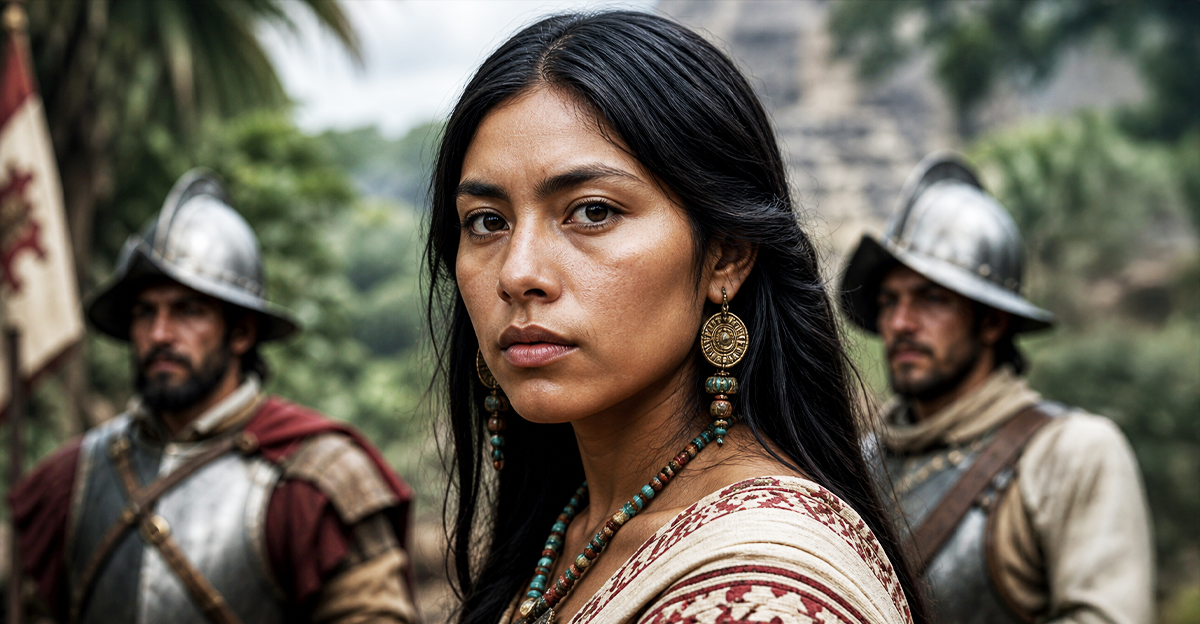
Born around 1500, La Malinche, also known as Malintzin or Marina, grew up in a complex Mesoamerican world shaped by powerful regional cultures. She was a Nahua girl from the Gulf Coast, likely born into a noble family.
Born As Malinalli
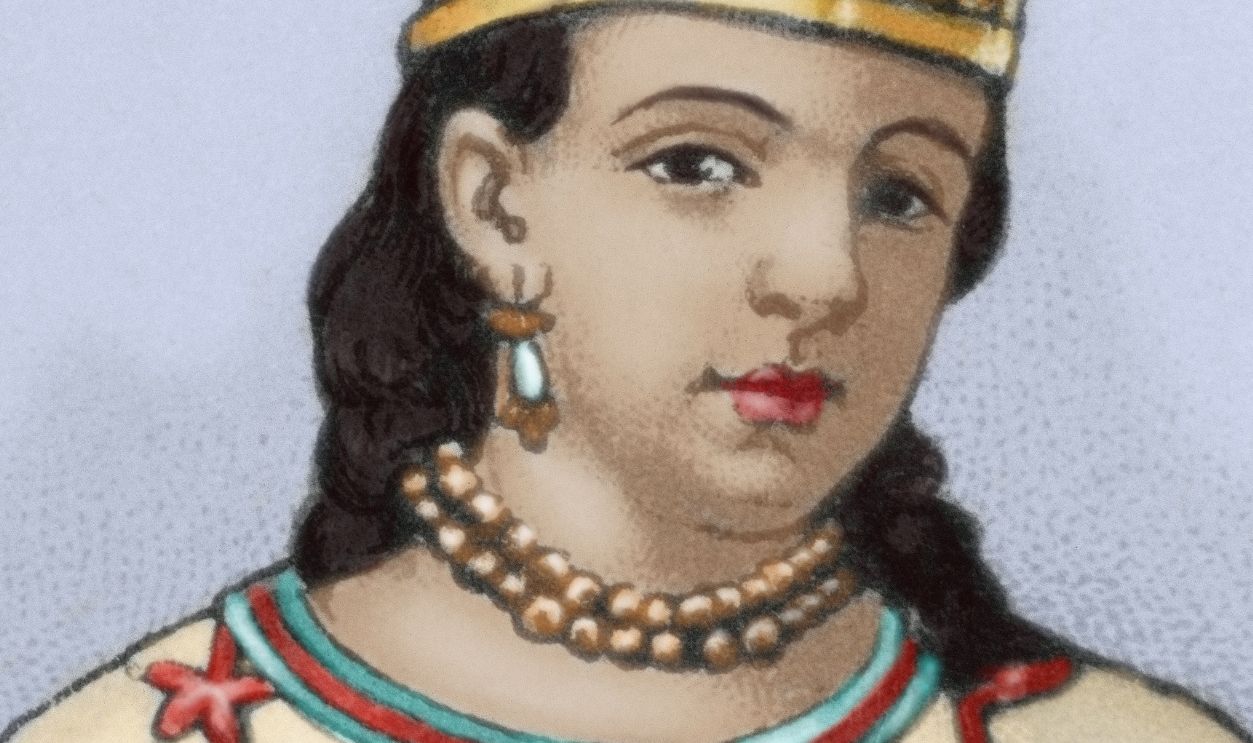
Her birth name was likely Malinalli, tied to Nahua naming traditions and possibly linked to a sacred calendar day. As a child of status, she would have received early cultural education before losing her place in society through family upheaval. This was when her life took a dramatic turn.
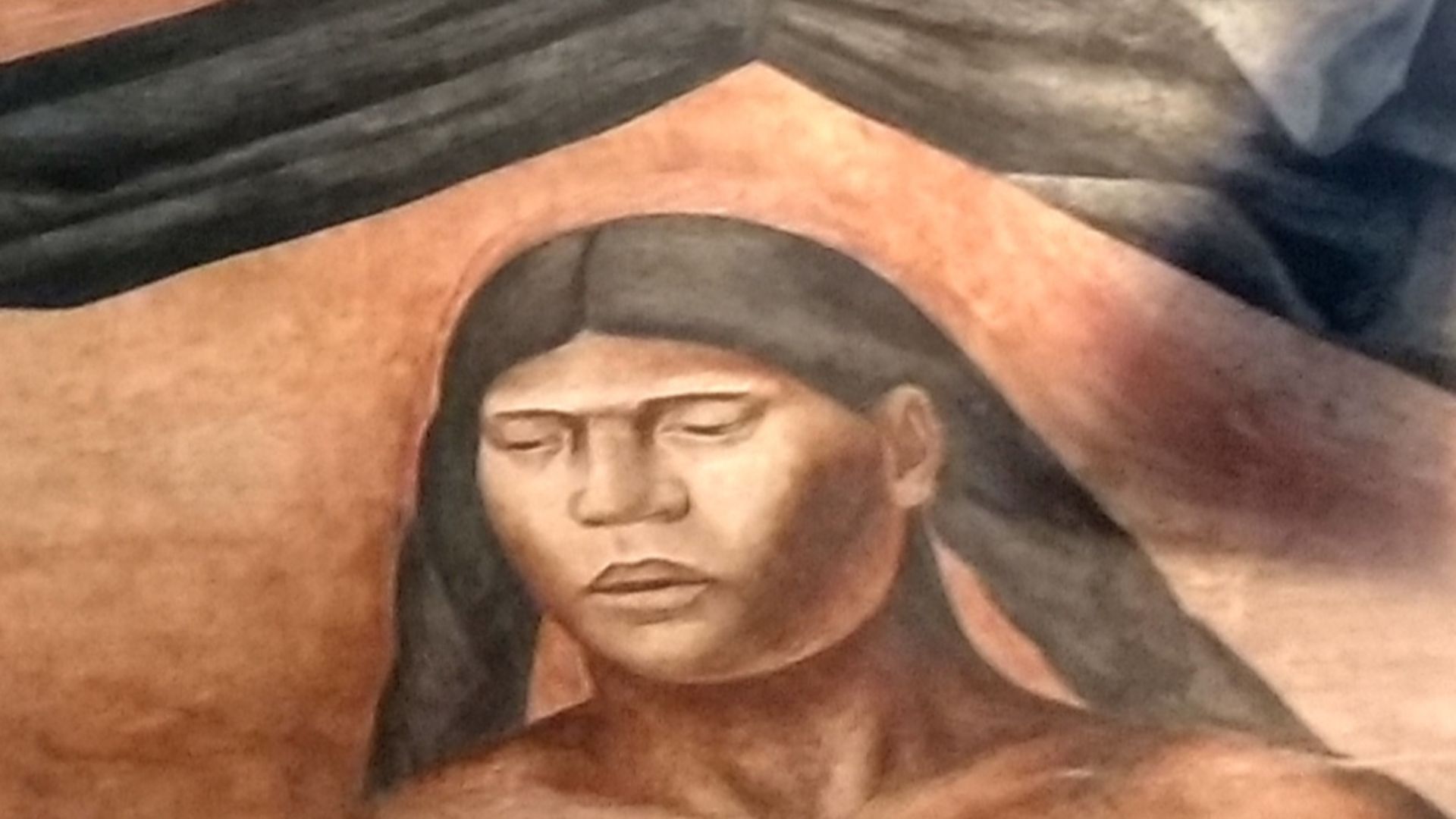
Sold Into Slavery
After her father died, Malinalli was sold or given away to the Maya, possibly to secure inheritance for a younger sibling. This act erased her noble identity and forced her into slavery at a very young age. The sudden loss of freedom triggered the survival instincts that defined her later life.
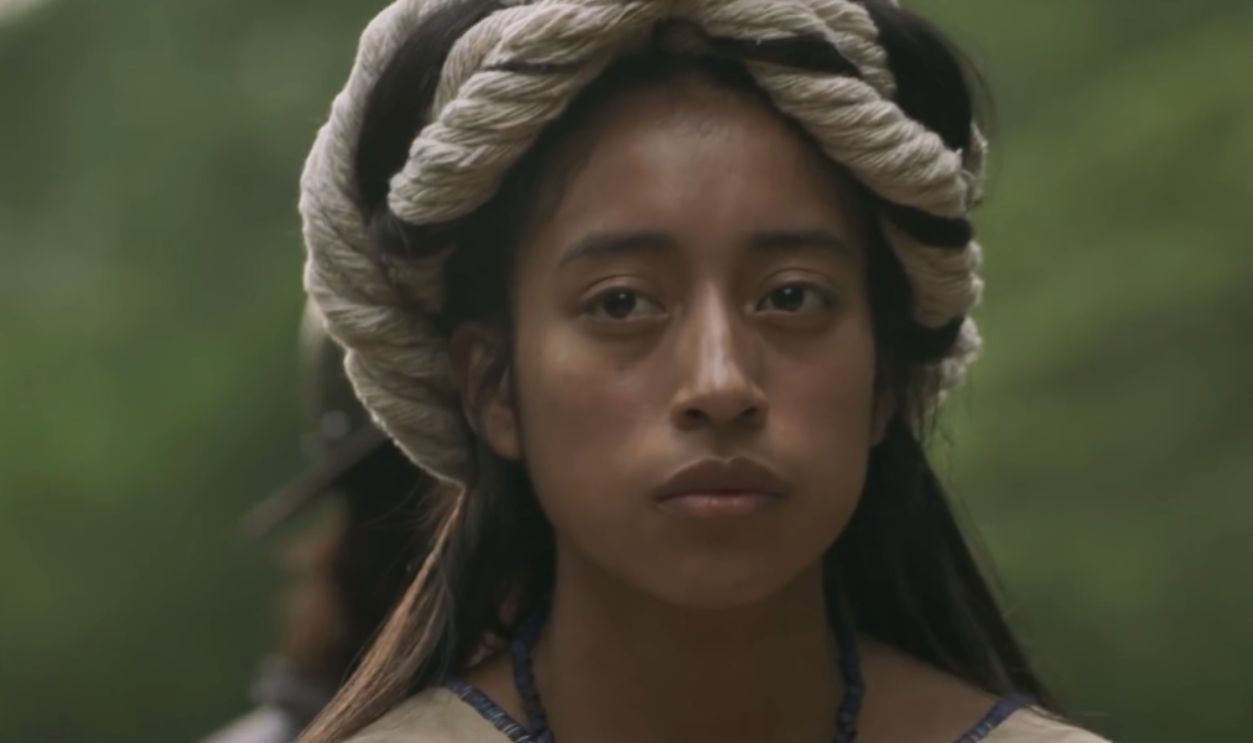 Screenshot from Malinche, Canal Once (2018)

History's most fascinating stories and darkest secrets, delivered to your inbox daily.
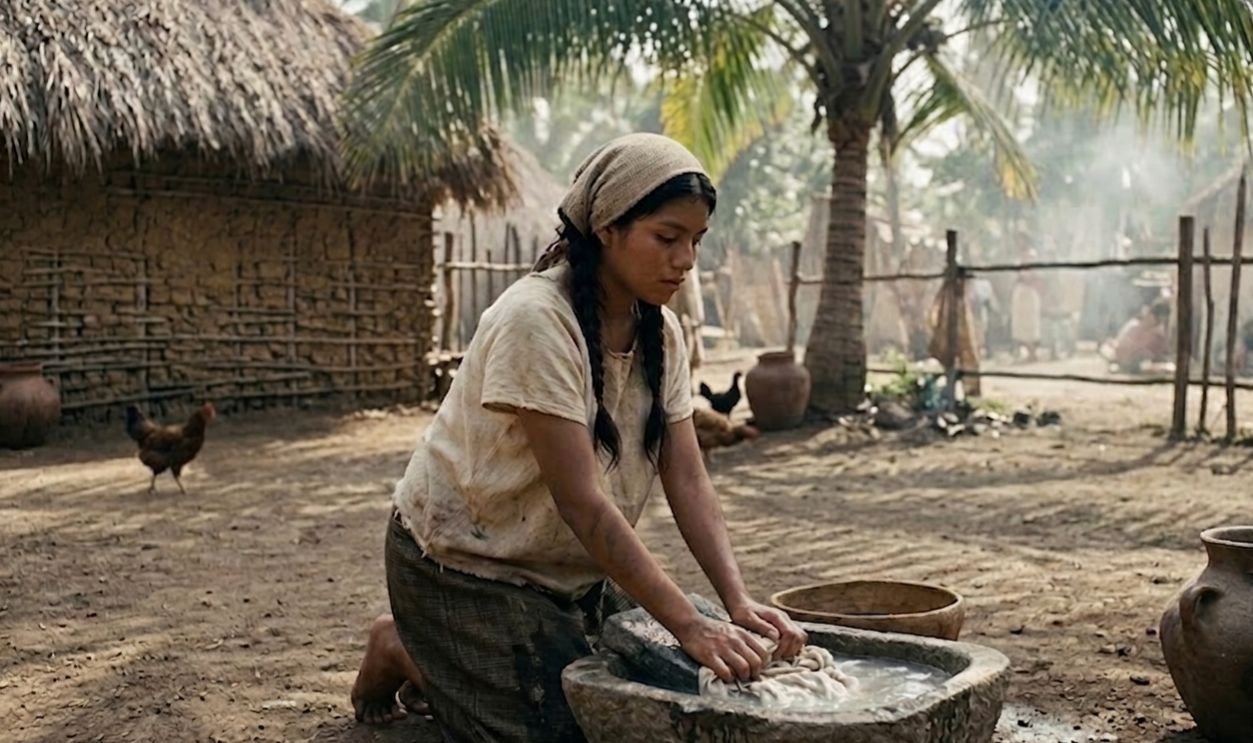
Life As An Enslaved Girl
As an enslaved child, Malinalli was moved between different regions and owners, performing domestic labor under harsh conditions. These years exposed her to many different cultures and languages, experiences that later give her a great advantage.
Learning Multiple Languages
During her captivity, she became fluent in Nahuatl (the language of the Aztecs); she also was proficient in Mayan languages. This rare linguistic ability positioned her uniquely in a culturally diverse region and would ultimately determine her central role in one of history’s most pivotal encounters.
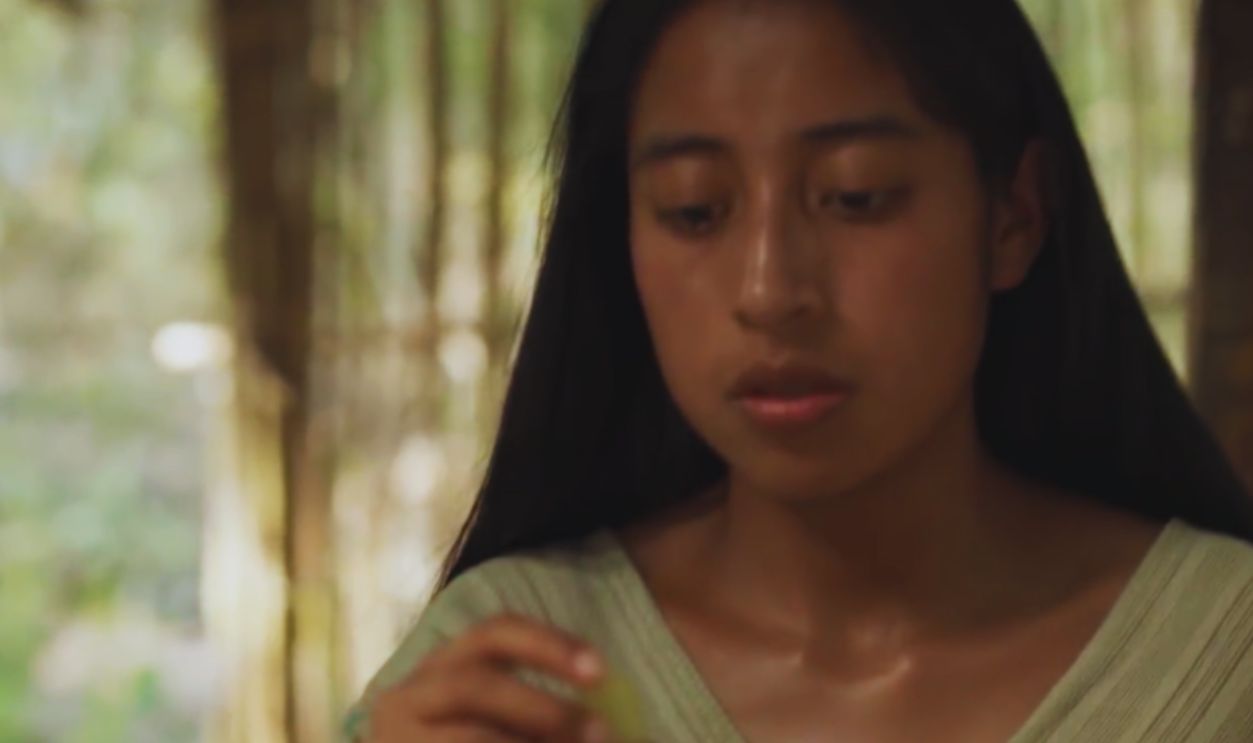 Screenshot from Malinche, Canal Once (2018)
The Arrival Of Cortés
In 1519, Spanish conquistador Hernán Cortés arrived in the region, seeking to conquer the Aztec Empire. His arrival set off a chain of events that would permanently alter Malinche’s life and the fate of Mesoamerica.
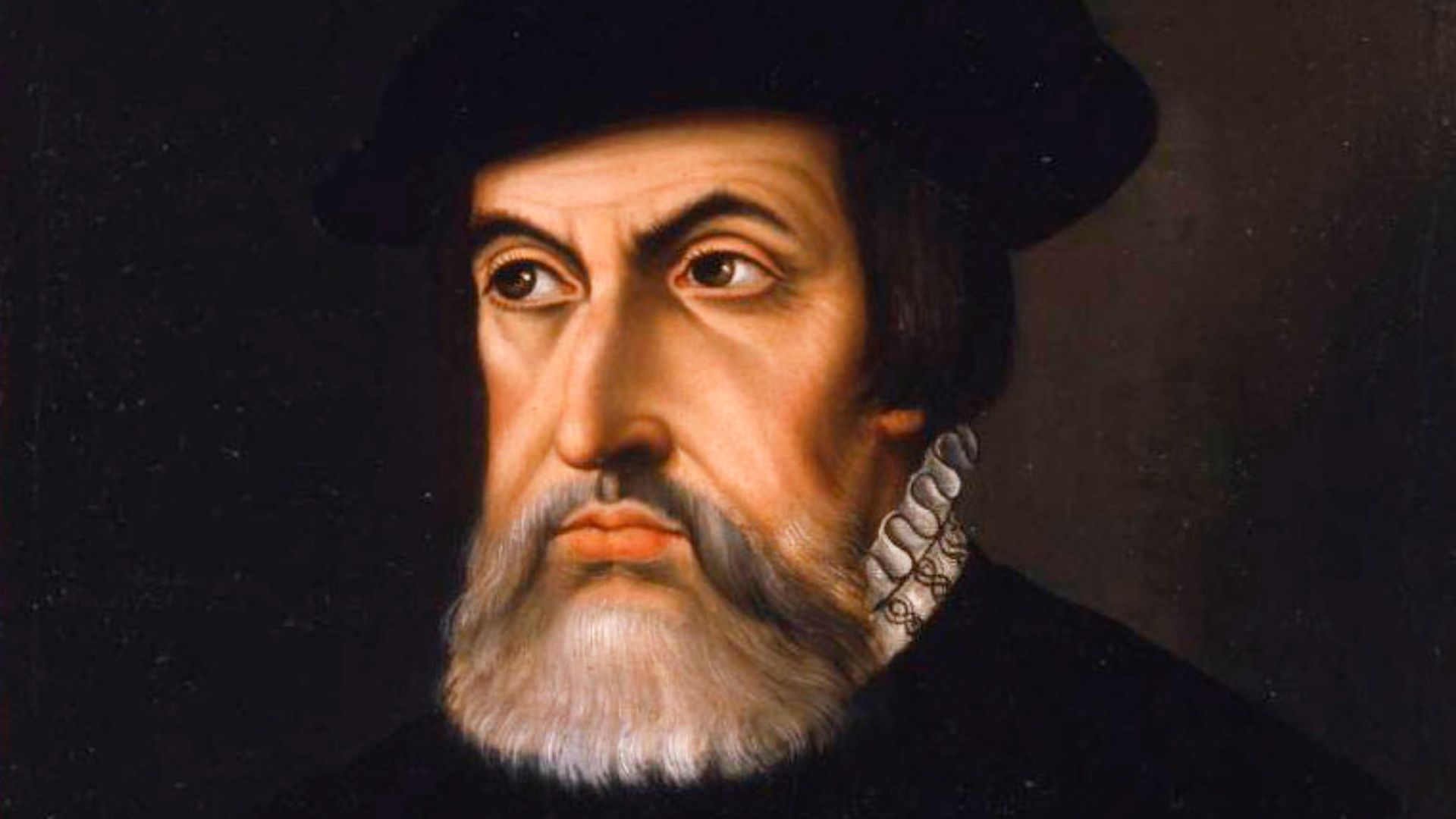 Unknown artist, Wikimedia Commons
Given To The Spaniards
Following a Spanish victory in Tabasco, the local leaders there presented twenty enslaved women to Cortés as tribute. Malinche was one of them, marking the moment she entered the orbit of the Spanish conquest.
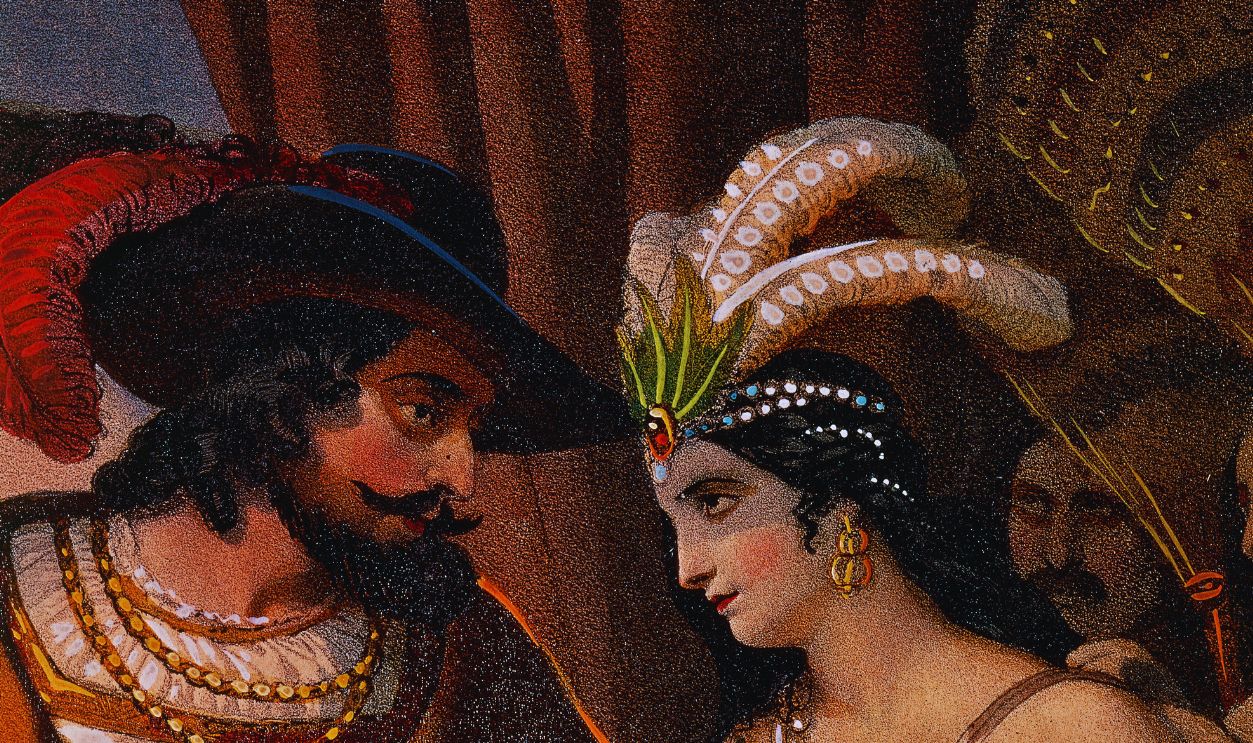
Baptized As Marina
The Spanish baptized her into Christianity and gave her the name Marina. This renaming symbolized a cultural transformation and the beginning of her new identity within the Spanish colonial world.
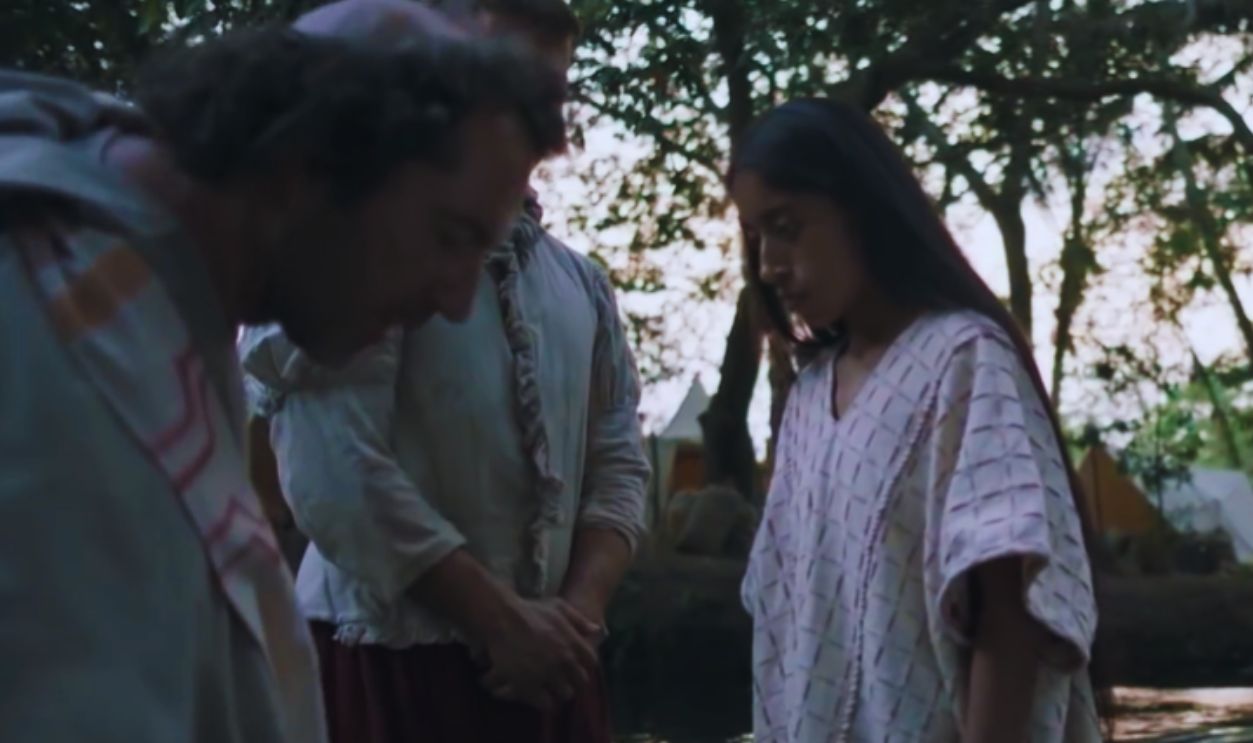 Screenshot from Malinche, Canal Once (2018)
Recognized For Her Skills
Cortés quickly realized her value when her ability to speak multiple languages became evident. Initially paired with another interpreter, she soon became indispensable as communication barriers broke down.
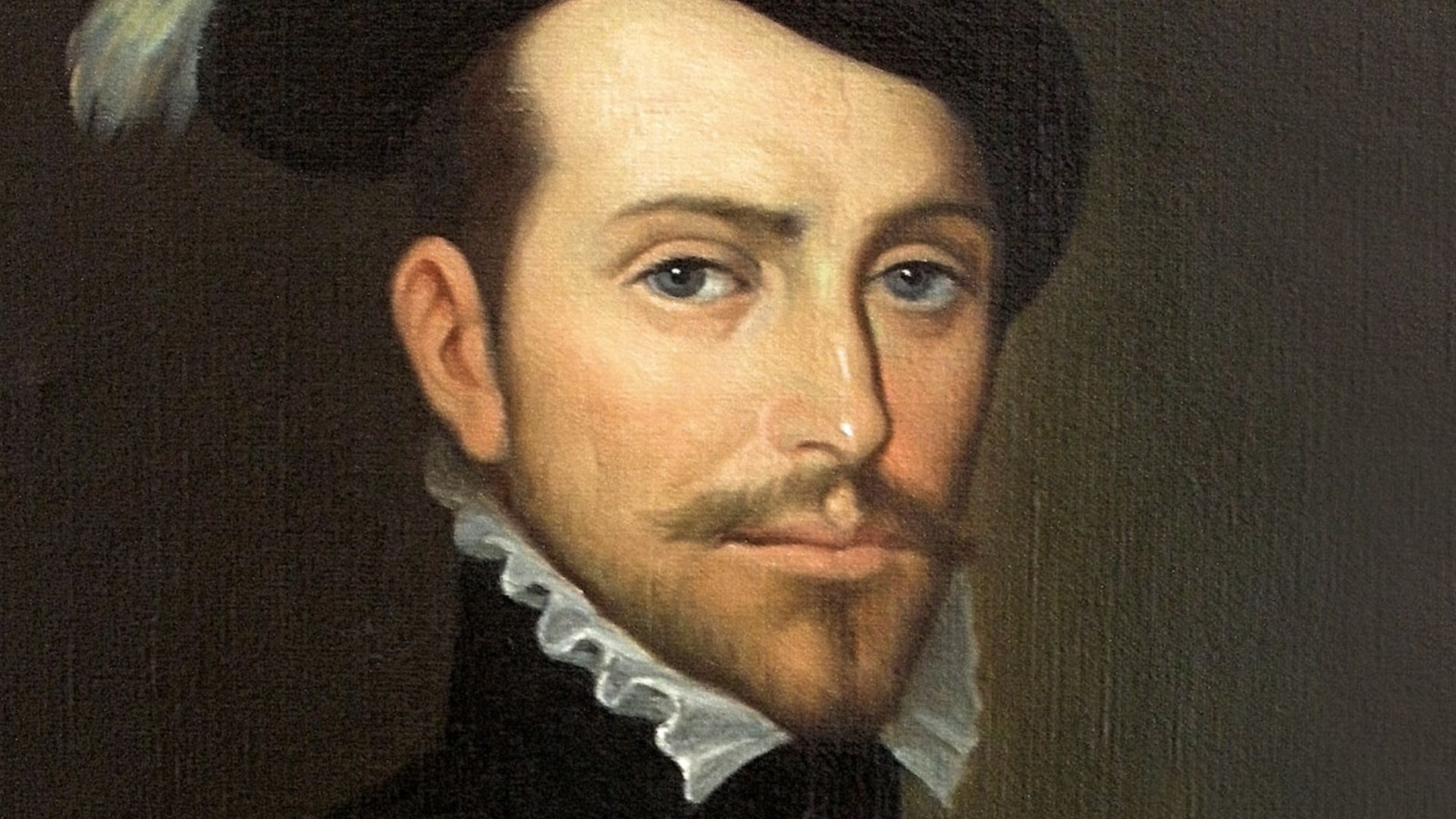 Unknown author Uploaded by Barbudo Barbudo, Wikimedia Commons
History's most fascinating stories and darkest secrets, delivered to your inbox daily.
Becoming The Key Interpreter
Malinche quickly picked up Spanish and became Cortés’s primary interpreter. She bridged communication between Spanish forces and Indigenous leaders, making diplomacy and negotiation possible.
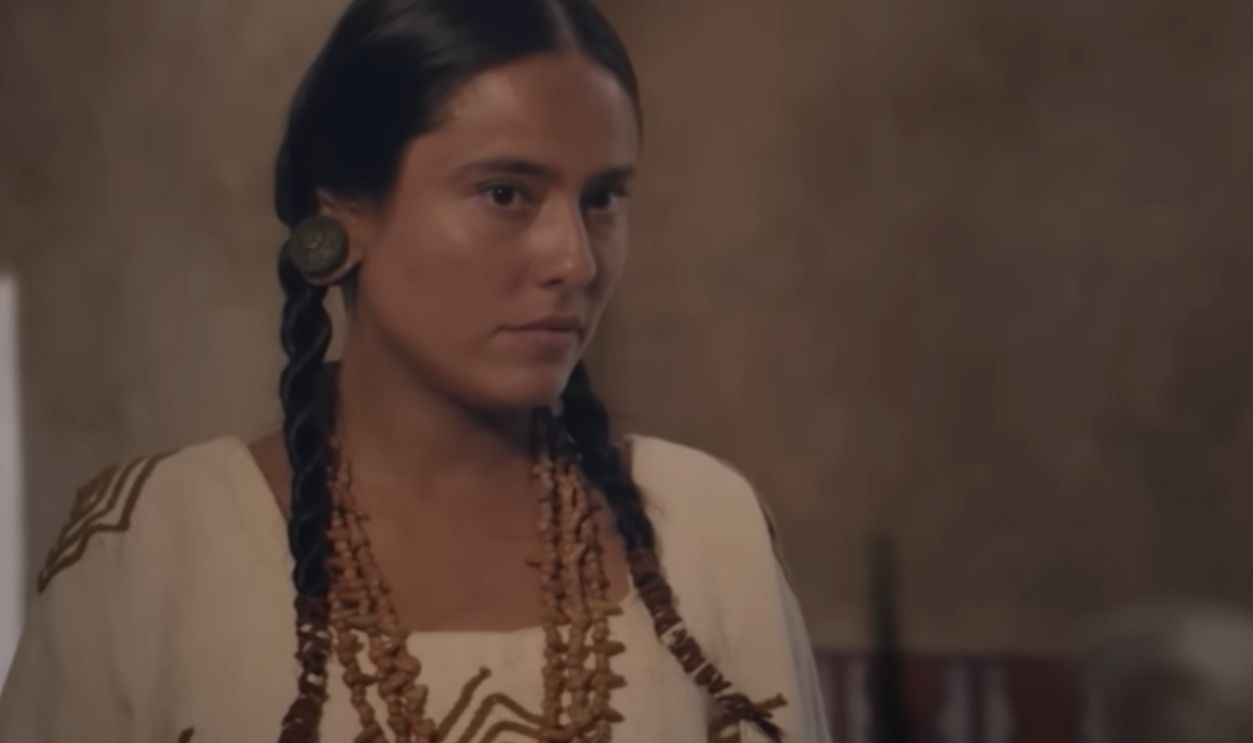 Screenshot from Malintzin: The Story of an Enigma, Claro Video (2018)
More Than A Translator
Her role went far beyond translation. She acted as an advisor and intermediary, helping Cortés understand local customs, politics, and rivalries that shaped the region’s complex power dynamics.
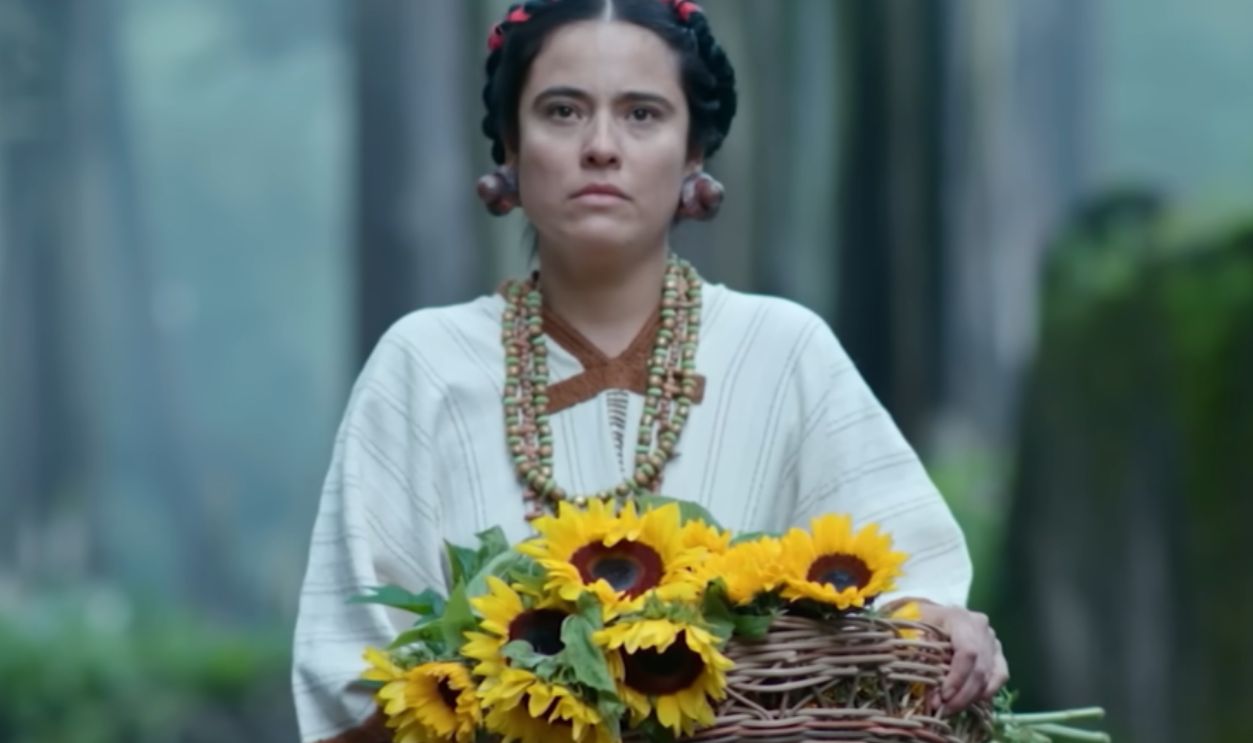 Screenshot from Malintzin: The Story of an Enigma, Claro Video (2018)
A Central Figure In Diplomacy
Malinche often handled negotiations directly with Indigenous leaders. Some historical depictions show her taking an active role in discussions, and exercising her influence in shaping alliances and decisions during the conquest.
 Screenshot from Malintzin: The Story of an Enigma, Claro Video (2018)
Alliance Building
One of her biggest contributions was in helping Cortés form alliances with groups opposed to Aztec rule. These alliances proved to be the difference-maker in enabling the relatively small Spanish force to challenge such a powerful empire.
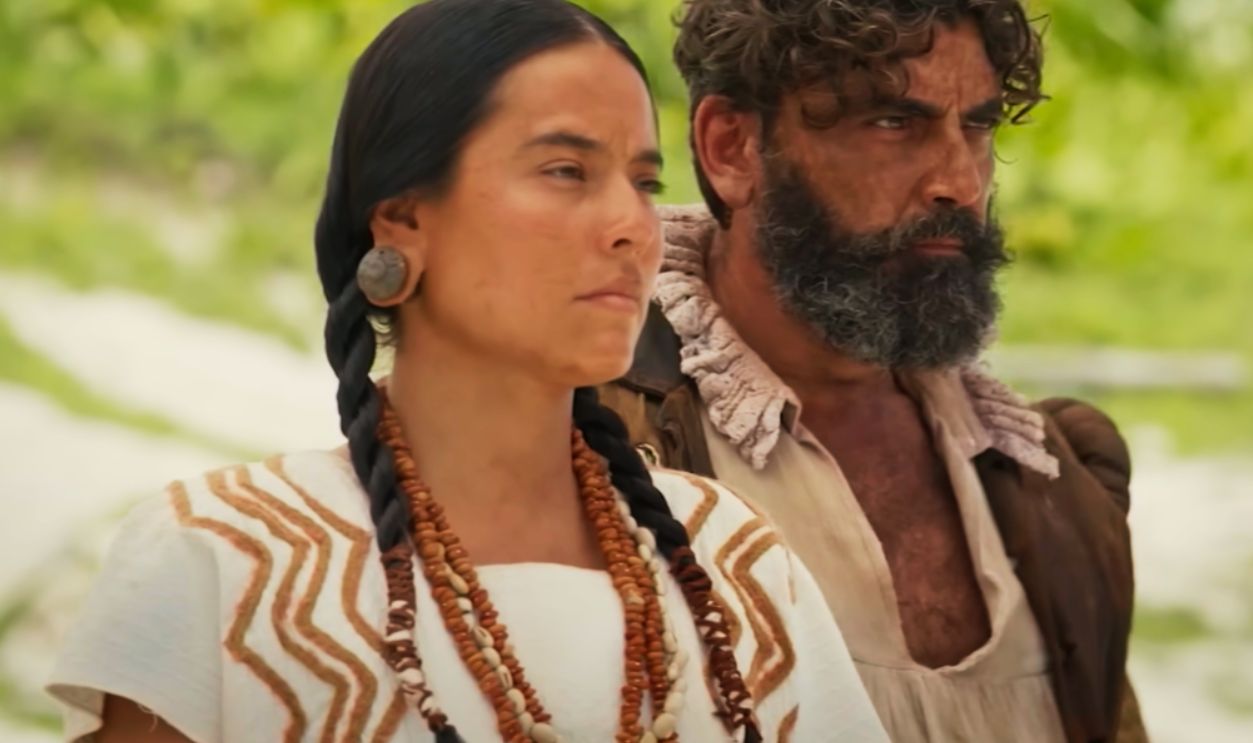 Screenshot from Malintzin: The Story of an Enigma, Claro Video (2018)
The Meeting With Moctezuma
Malinche played a critical role during Cortés’s meeting with Aztec ruler Moctezuma. She translated complex exchanges between the two leaders, facilitating one of the most famous encounters in world history.
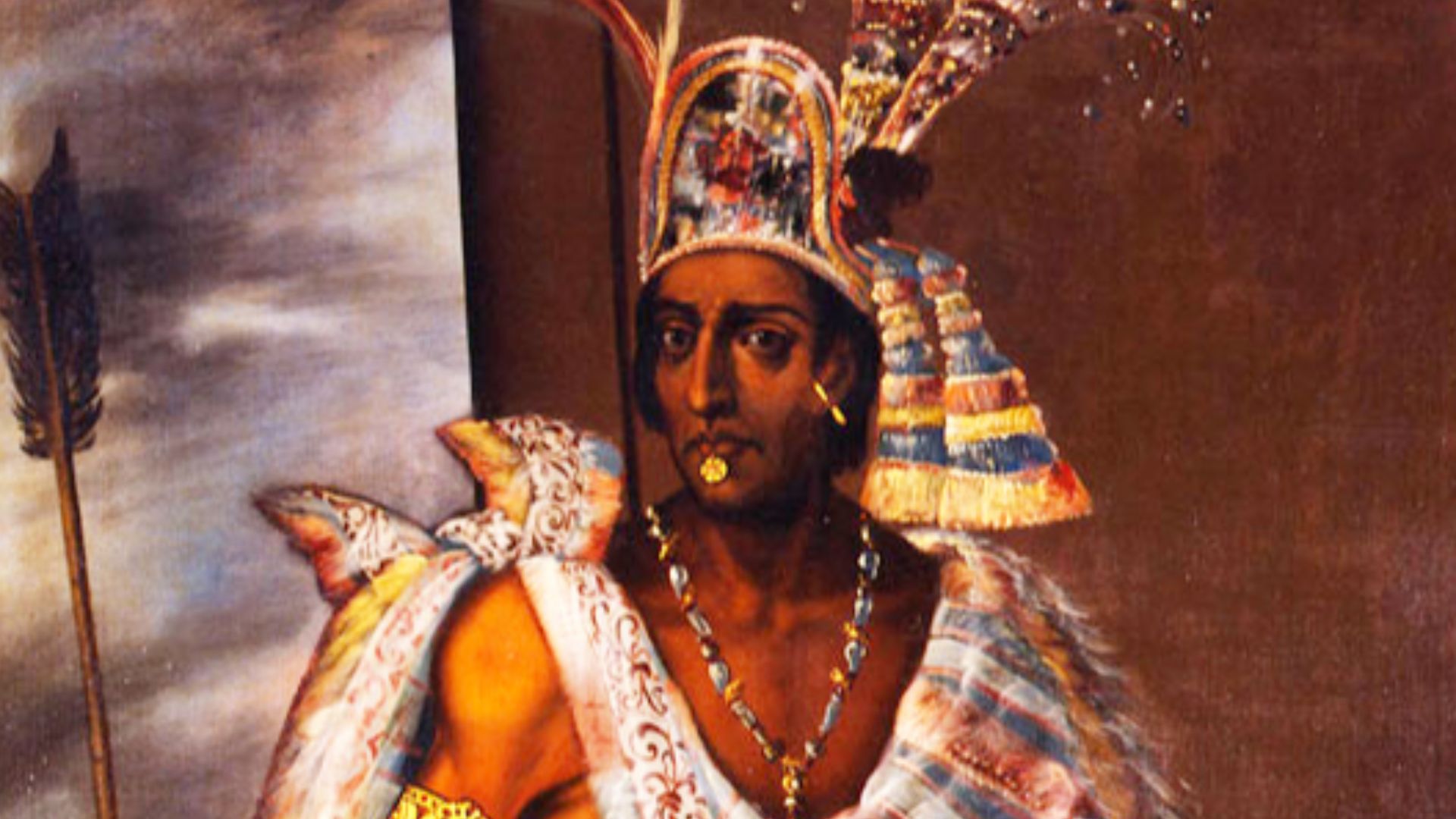 attributed to Antonio Rodriguez (1636-1691), Wikimedia Commons
Warning Of Betrayal
Historical accounts suggest she uncovered plots against the Spanish, including a possible ambush at Cholula. By warning Cortés, she may have saved the expedition from disaster and strengthened Spanish control.
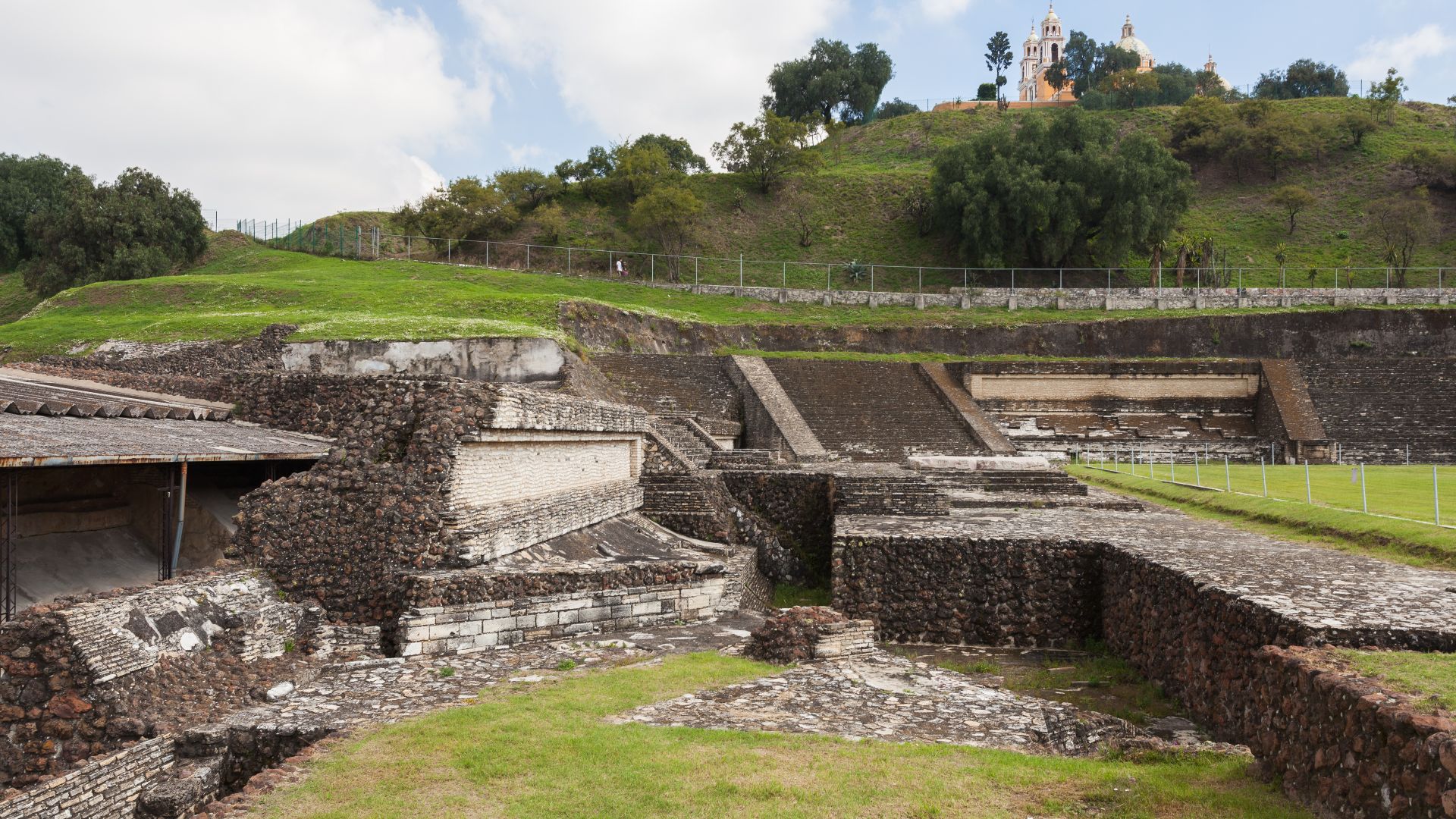 Diego Delso, Wikimedia Commons
History's most fascinating stories and darkest secrets, delivered to your inbox daily.
Presence Throughout The Conquest
Malinche accompanied Cortés through the entire campaign, including the siege and final catastrophic fall of the Aztec capital Tenochtitlán in 1521. Her constant presence was essential to the Spanish effort.
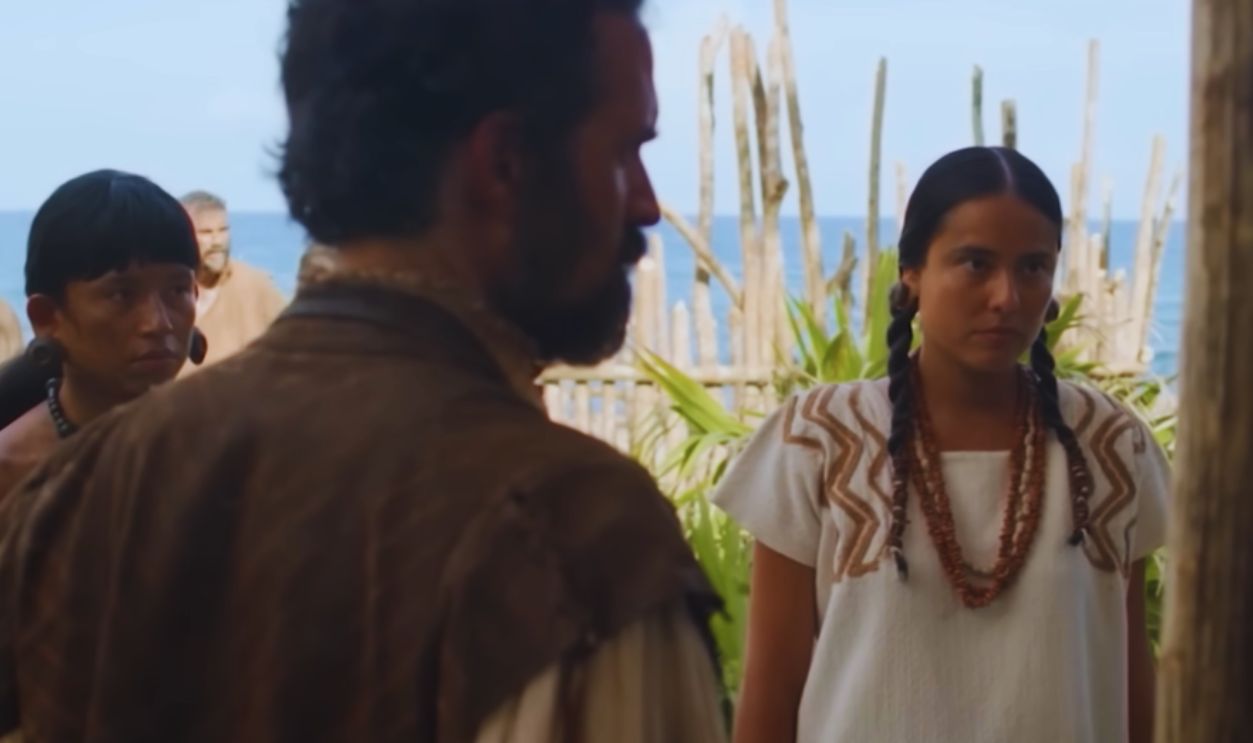 Screenshot from Malintzin: The Story of an Enigma, Claro Video (2018)
Relationship With Cortés
Malinche became closely associated with Cortés and bore him a son, Martín. Their relationship has often been romanticized, but many historians emphasize her lack of agency as an enslaved woman in that situation.
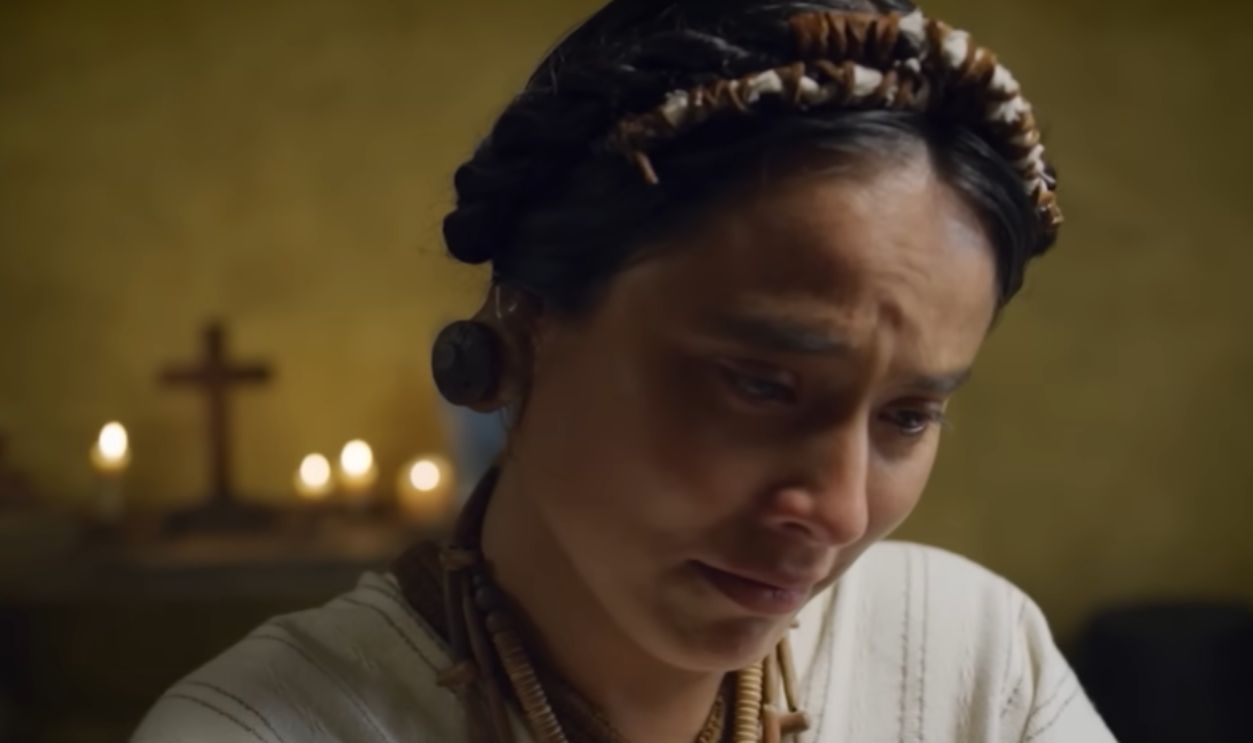 Screenshot from Malintzin: The Story of an Enigma, Claro Video (2018)
Birth Of A Mestizo Lineage
Her son Martín Cortés is often considered one of the first mestizos (people of mixed Indigenous and European descent) in New Spain. This positioned Malinche symbolically as a mother figure in the blending of Indigenous and Spanish cultures.
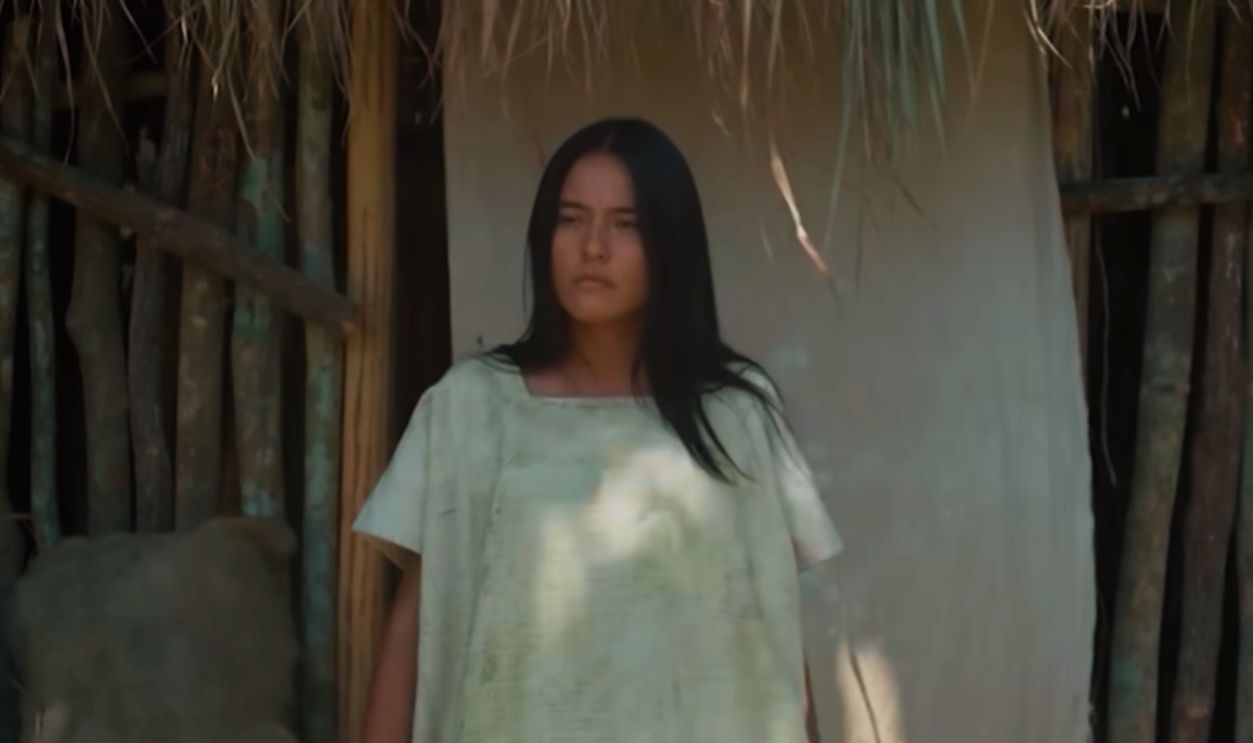 Screenshot from Malintzin: The Story of an Enigma, Claro Video (2018)
Life After The Conquest
After the fall of the Aztec Empire, Malinche’s role diminished. She remained within Spanish society and would later marry a Spanish nobleman, Juan Jaramillo, marking her transition into a new phase of colonial life.
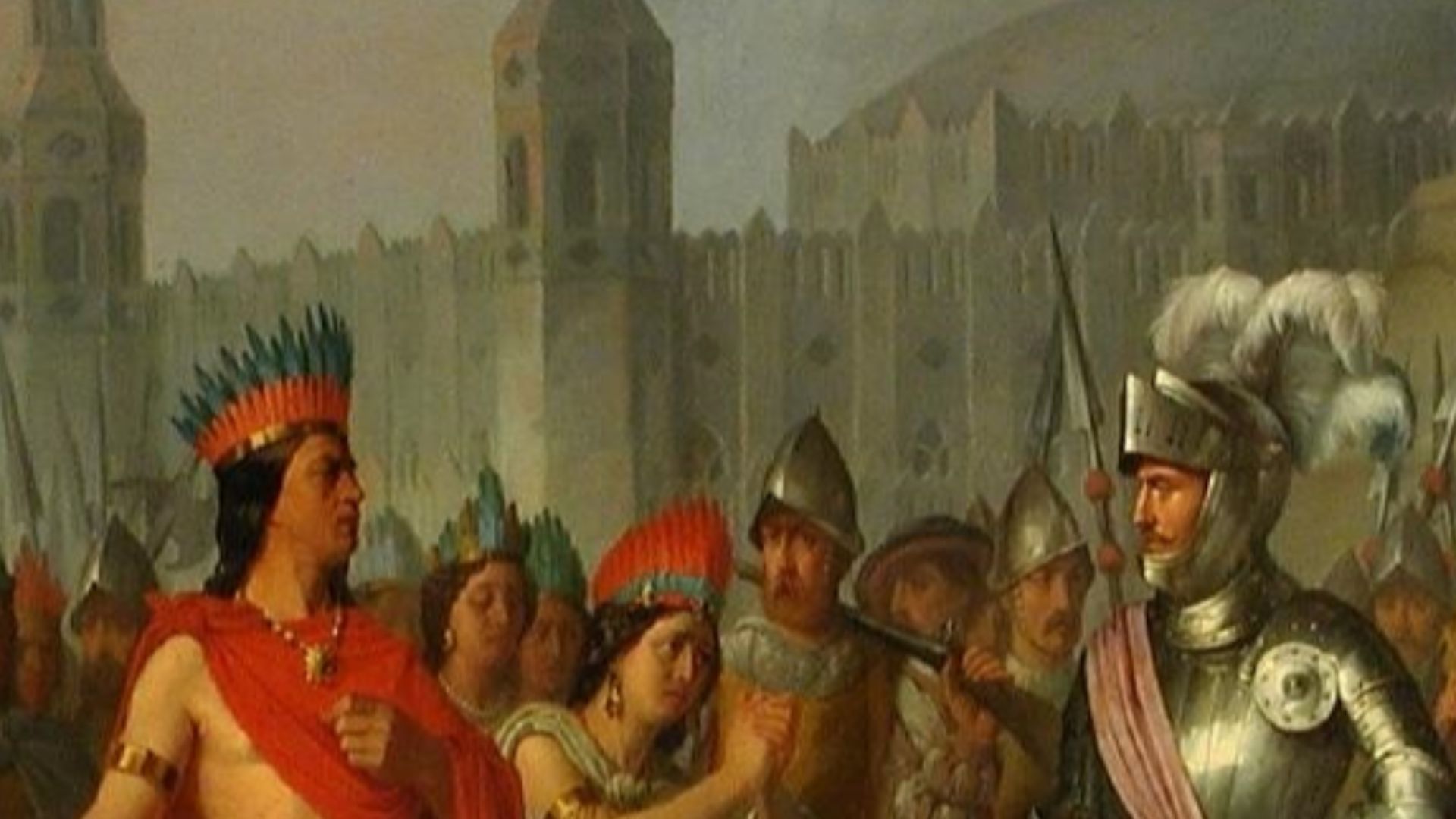 Carlos Esquivel y Rivas, Wikimedia Commons
Changed Social Status
Despite her origins as an enslaved woman, she gained a degree of recognition and status in the colonial society. She was addressed as Doña Marina, a title reflecting respect rarely given to someone of her background.
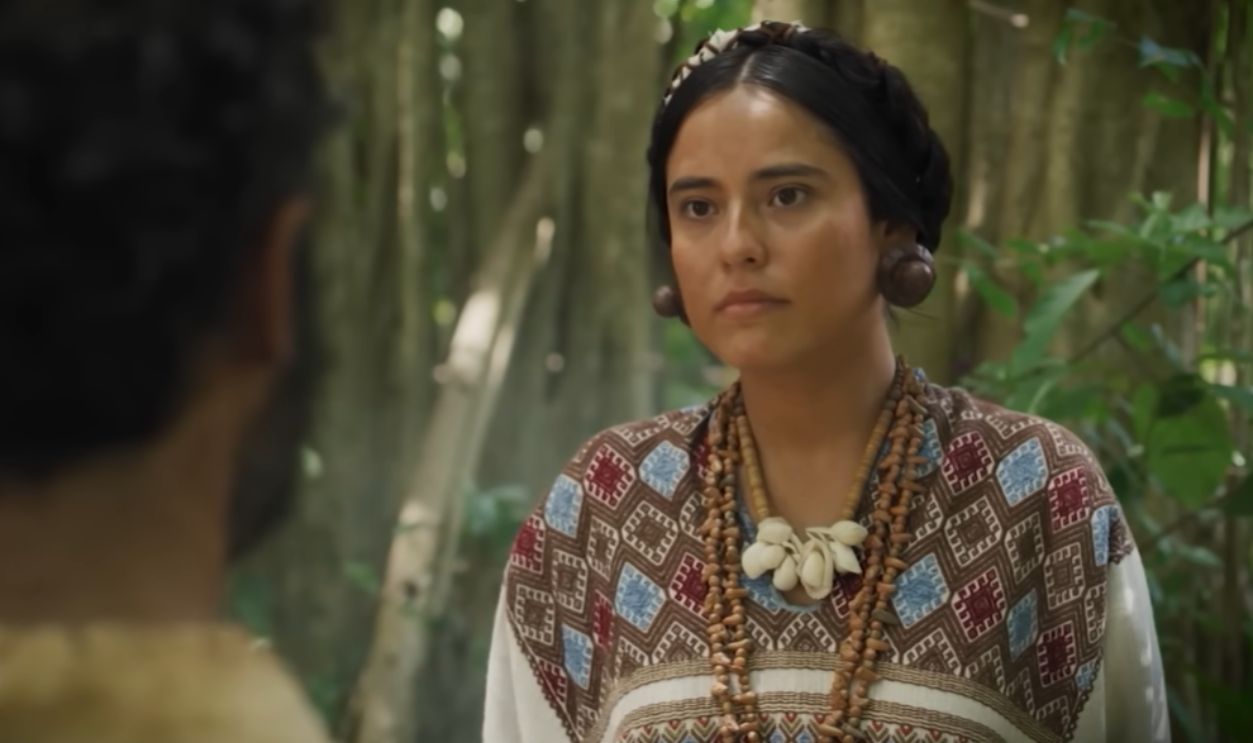 Screenshot from Malintzin: The Story of an Enigma, Claro Video (2018)
Her Final Years
Details of la Malinche’s later life are hard to come by. She likely died in the late 1520s or early 1530s, leaving behind a legacy that would grow far beyond the limited records of her personal story.
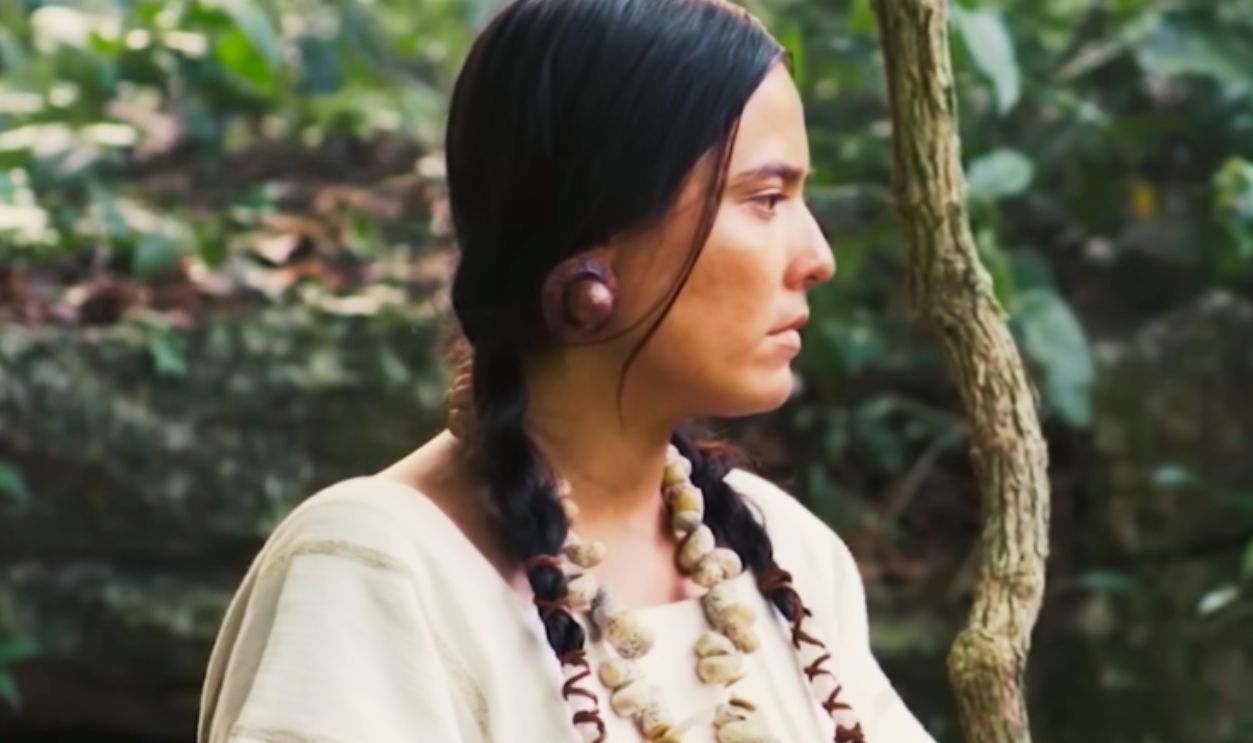 Screenshot from Malintzin: The Story of an Enigma, Claro Video (2018)
History's most fascinating stories and darkest secrets, delivered to your inbox daily.
Early Historical Interpretations
In the centuries after the conquest of the Aztecs, she was often portrayed negatively, especially in Mexican cultural narratives. Her name became associated with betrayal and disloyalty to her people.
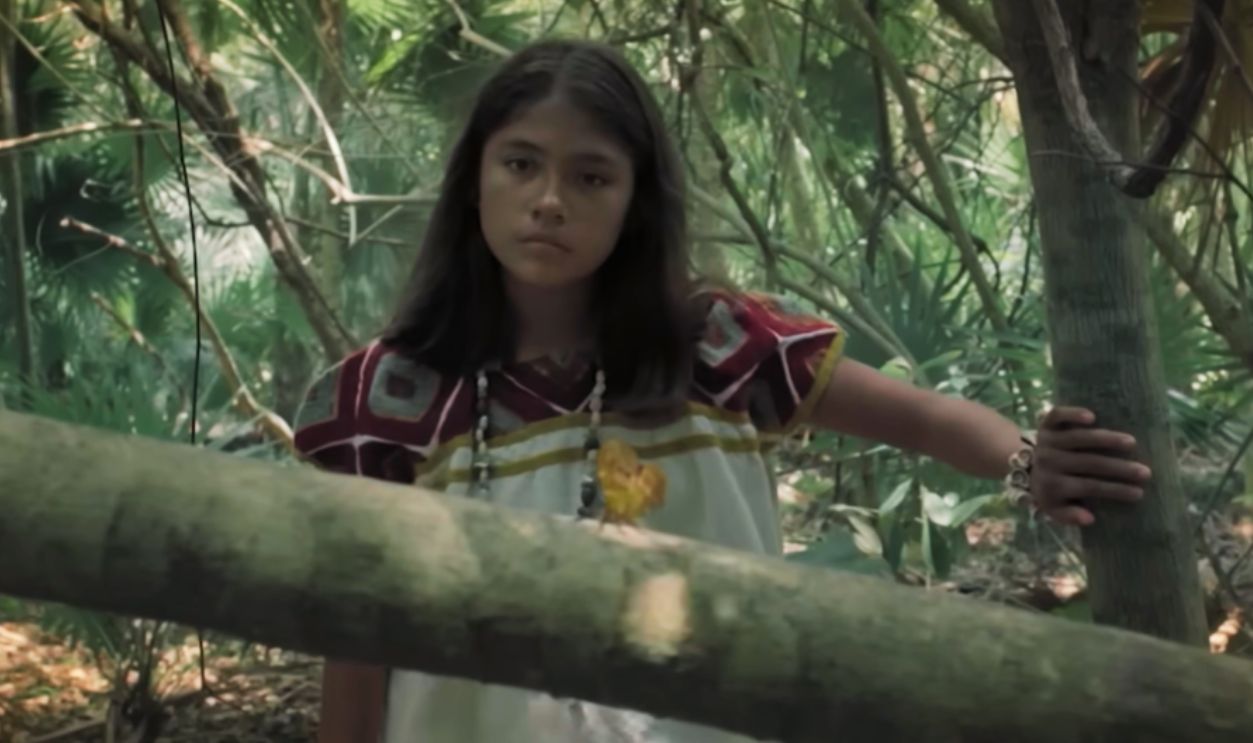 Screenshot from Malintzin: The Story of an Enigma, Claro Video (2018)
The Myth Of The Traitor
The term “malinchista” emerged to describe someone who betrays their own culture. This interpretation cast her as a villain, simplifying a far more complicated historical reality.
 Screenshot from Malintzin: The Story of an Enigma, Claro Video (2018)
A More Nuanced View Emerges
Today’s historians increasingly challenge the older traitor narrative. They argue that she acted within the constraints of enslavement and survival, navigating an impossible situation with intelligence and adaptability.
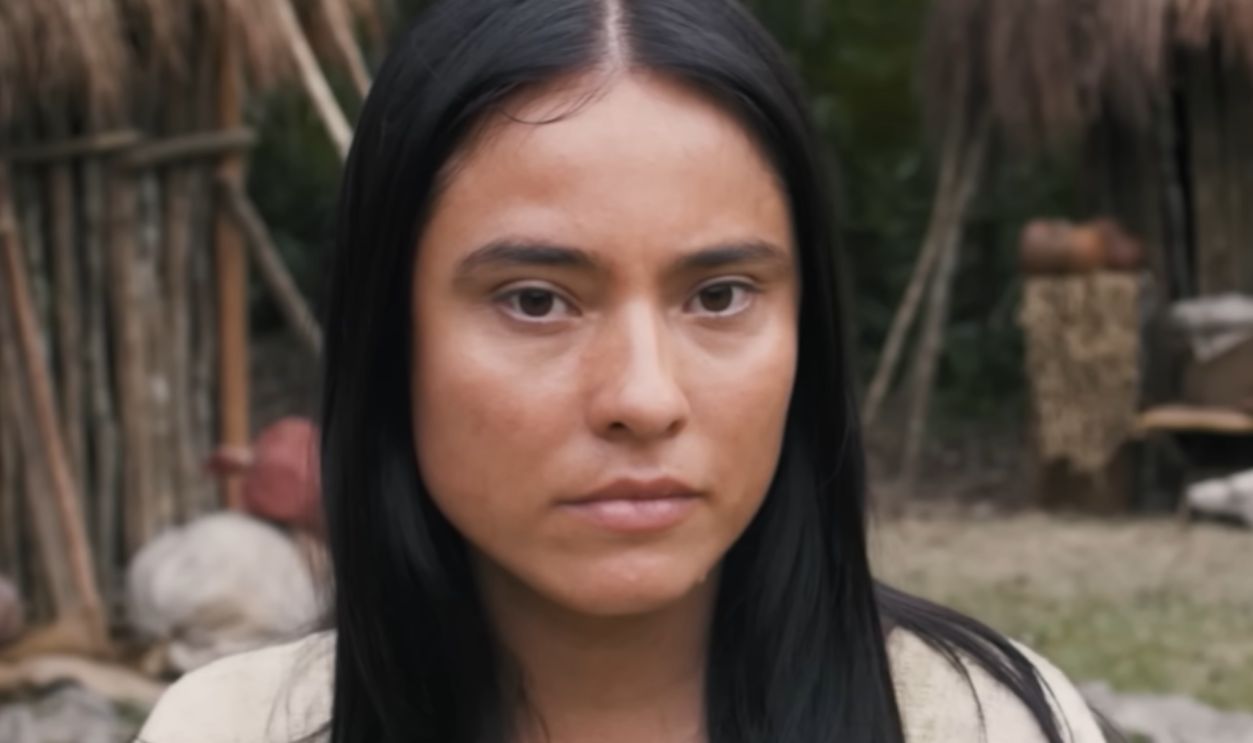 Screenshot from Malintzin: The Story of an Enigma, Claro Video (2018)
A Survivor, Not A Villain
Many people now view Malinche as a survivor who used her skills to gain influence in a dangerous world. Her actions were a reflection of pragmatism rather than betrayal, reshaping how her story is understood.
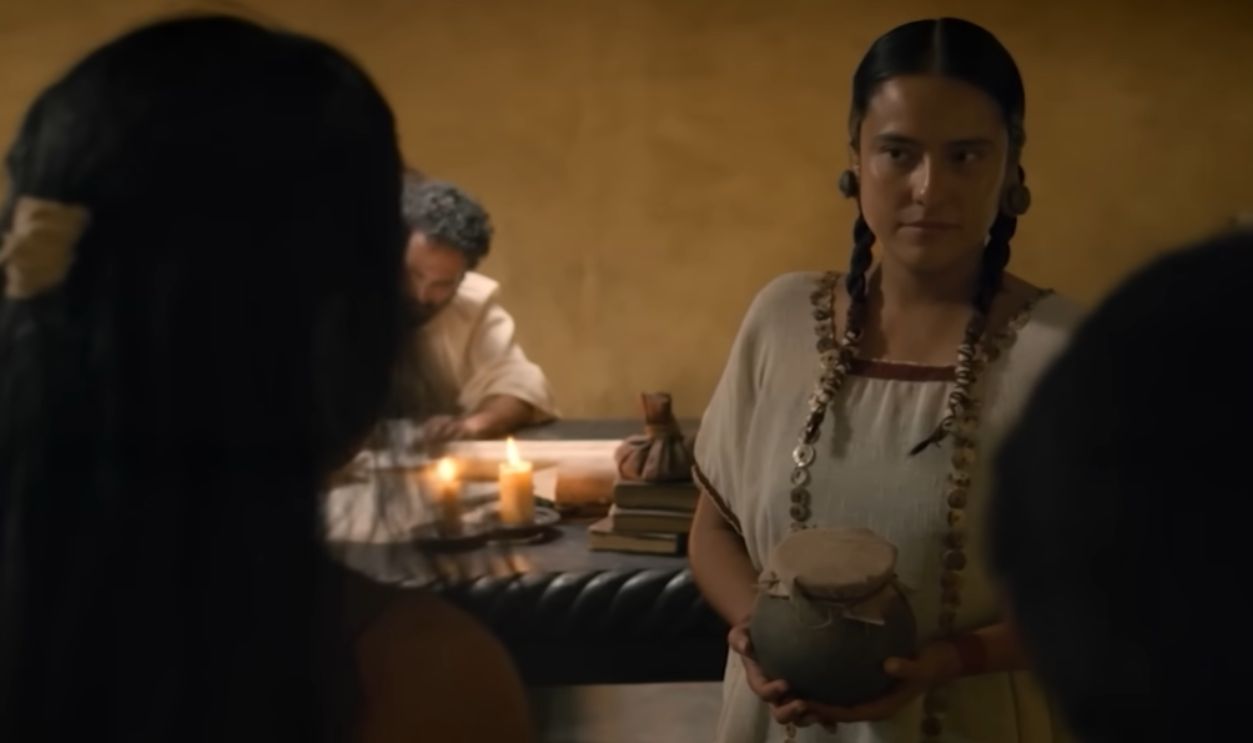 Screenshot from Malintzin: The Story of an Enigma, Claro Video (2018)
A Woman Who Changed History
La Malinche is still one of the most debated figures in history. Whether you see her as traitor, victim, or a bridge between two very different cultures, there’s no doubt that she shaped the outcome of the Spanish conquest and the birth of a new society.
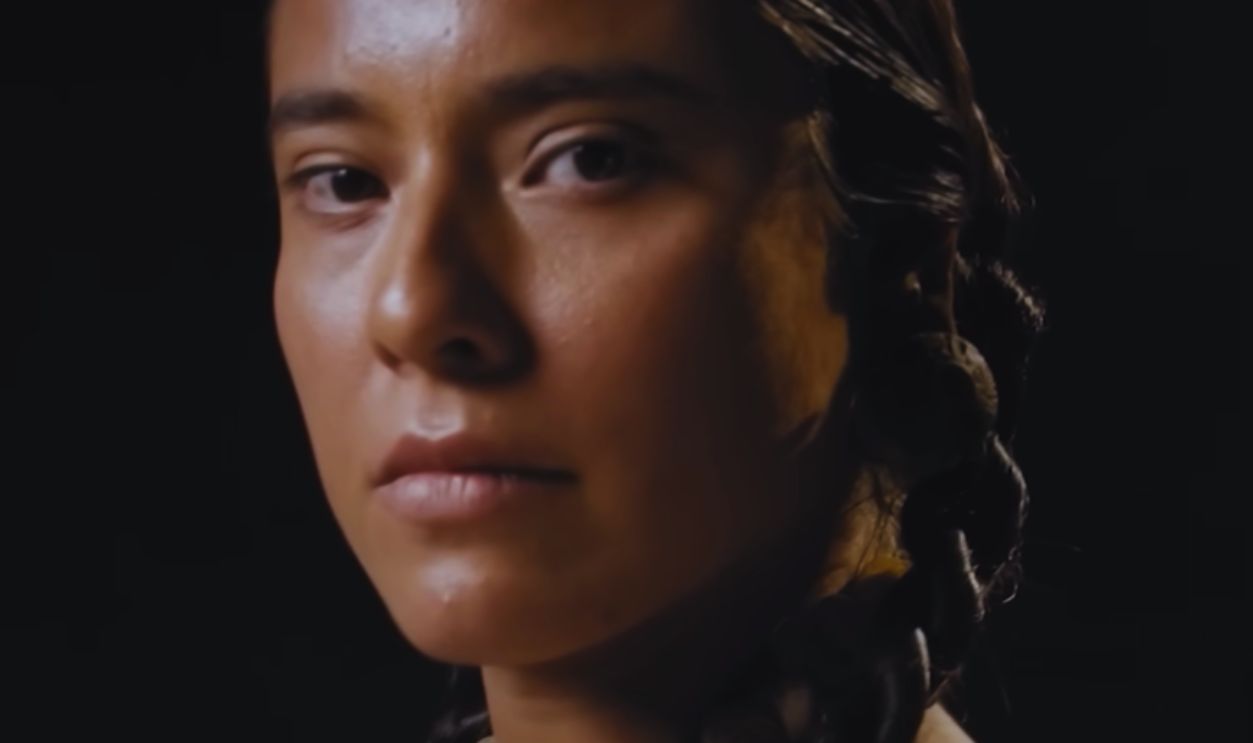 Screenshot from Malintzin: The Story of an Enigma, Claro Video (2018)
You May Also Like:
The Tlaxcalans helped the Spaniards topple the Aztec Empire.
Tragic Facts About Montezuma, the Fallen Emperor