A Thorn In The Aztecs’ Side
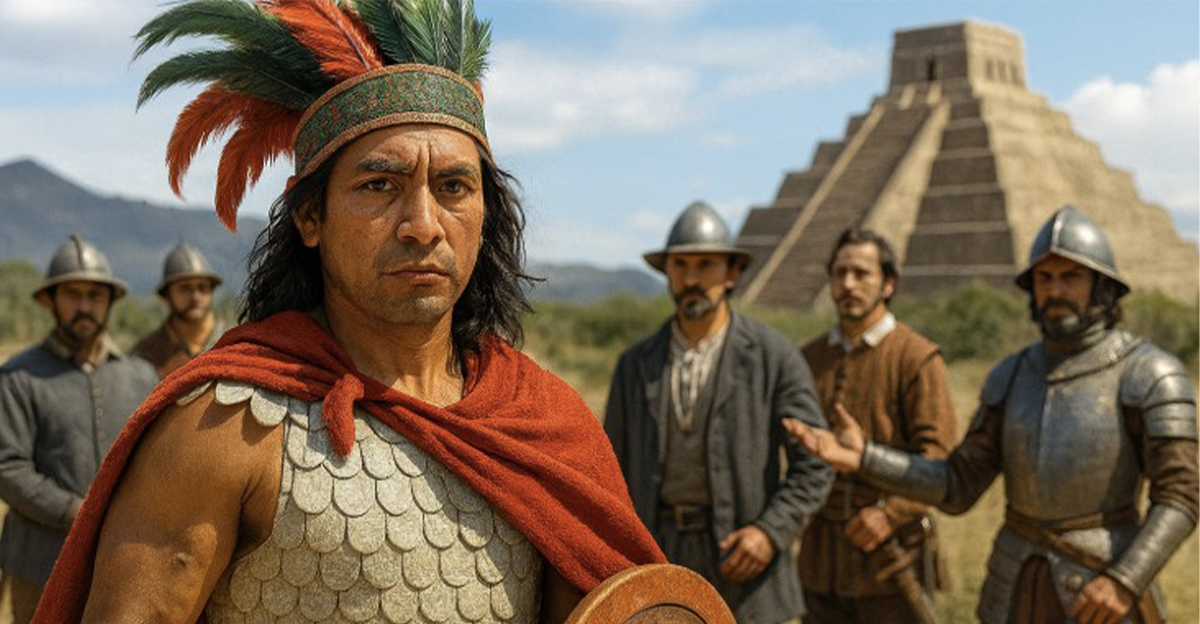
Surrounded by the Aztec Empire, the Tlaxcalans spent generations struggling for their independence. When the famous Spanish conquistador Hernan Cortez arrived in 1519, they faced a decision that would reshape the Western Hemisphere. They formed an alliance with the Spaniards to topple the Aztec Empire. It was a strategic move by a proud nation determined to survive, adapt, and shape the future of Mesoamerica.
Roots Of A Defiant Nation
Tlaxcala started out as a federation of four Indigenous states united by shared identity and constant war imposed by common enemies. Though geographically small, the Tlaxcalans built a resilient political structure backed up by fierce warriors. Their confederation was built on cooperation and resistance to outside interference, strengthening their independence even as neighboring kingdoms fell under Aztec domination.
 Wolfgang Sauber, Wikimedia Commons
The Aztecs Could Never Break Tlaxcala
The Aztecs tried again and again to conquer Tlaxcala, but geography, unity, and military strength kept the kingdom independent. Instead of out-and-out conquest, the Aztecs, or Mexica, waged constant wars to weaken the Tlaxcalans. Yet Tlaxcala held firm, becoming the empire’s most stubborn rival and a constant reminder that not all nations bowed to the supreme might of Aztec supremacy.
Aztec Blockades And Life Under Pressure
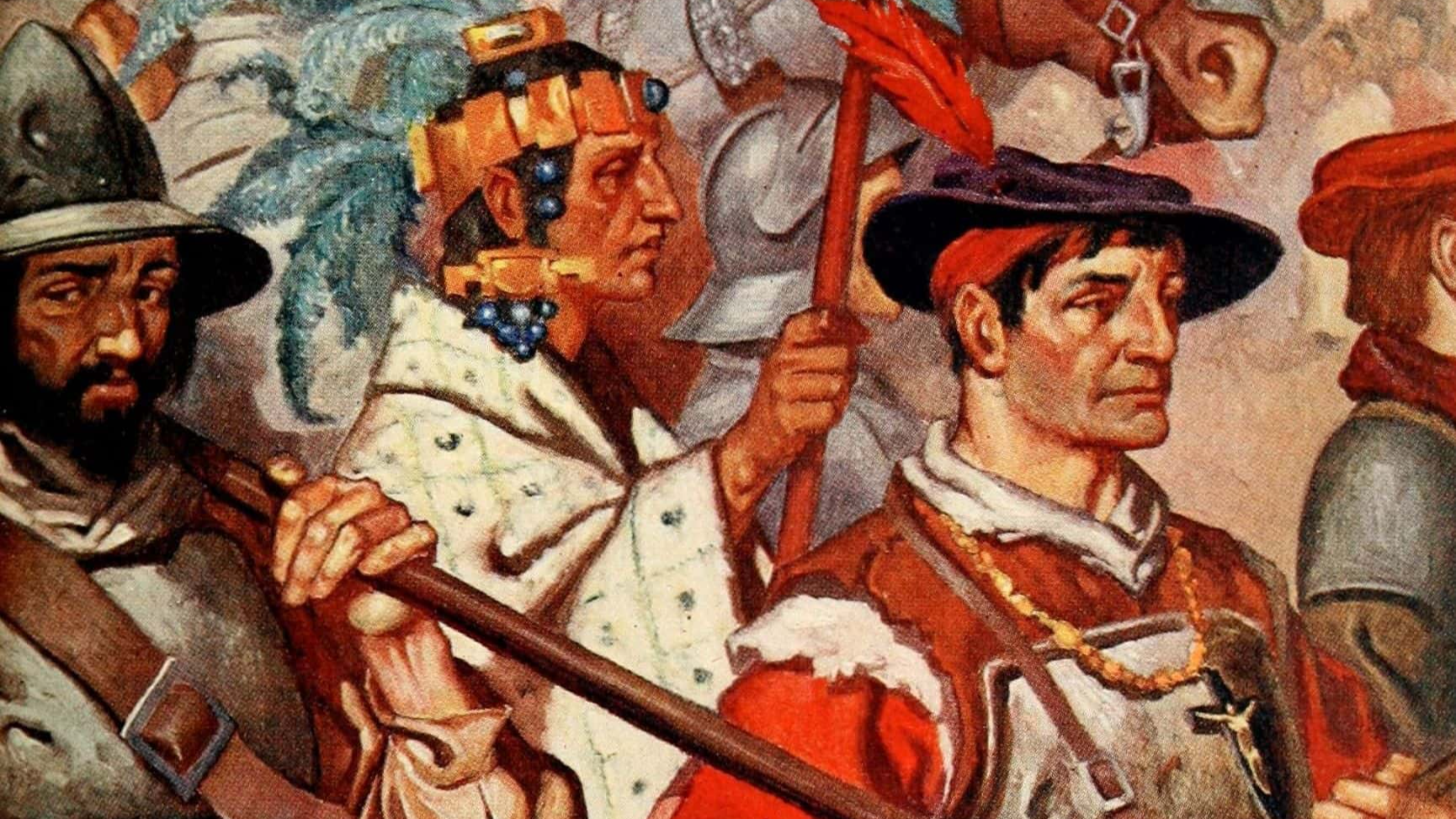
Unable to conquer Tlaxcala, the Aztecs resorted to blockades to cut off vital trade goods like salt, cotton, and cacao. These embargoes caused hardship but stiffened Tlaxcalan resolve. Daily life was marked by scarcity, but the community refused to knuckle under. The economic pressure only deepened their simmering resentment and desire for liberation.
Cortez Enters The Picture
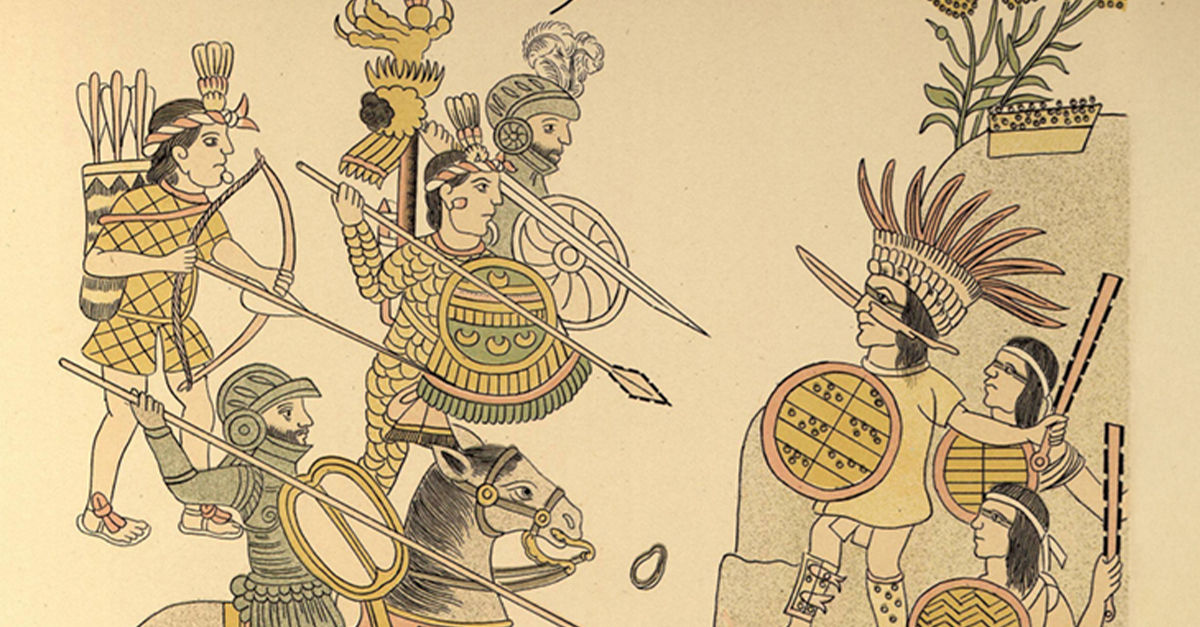
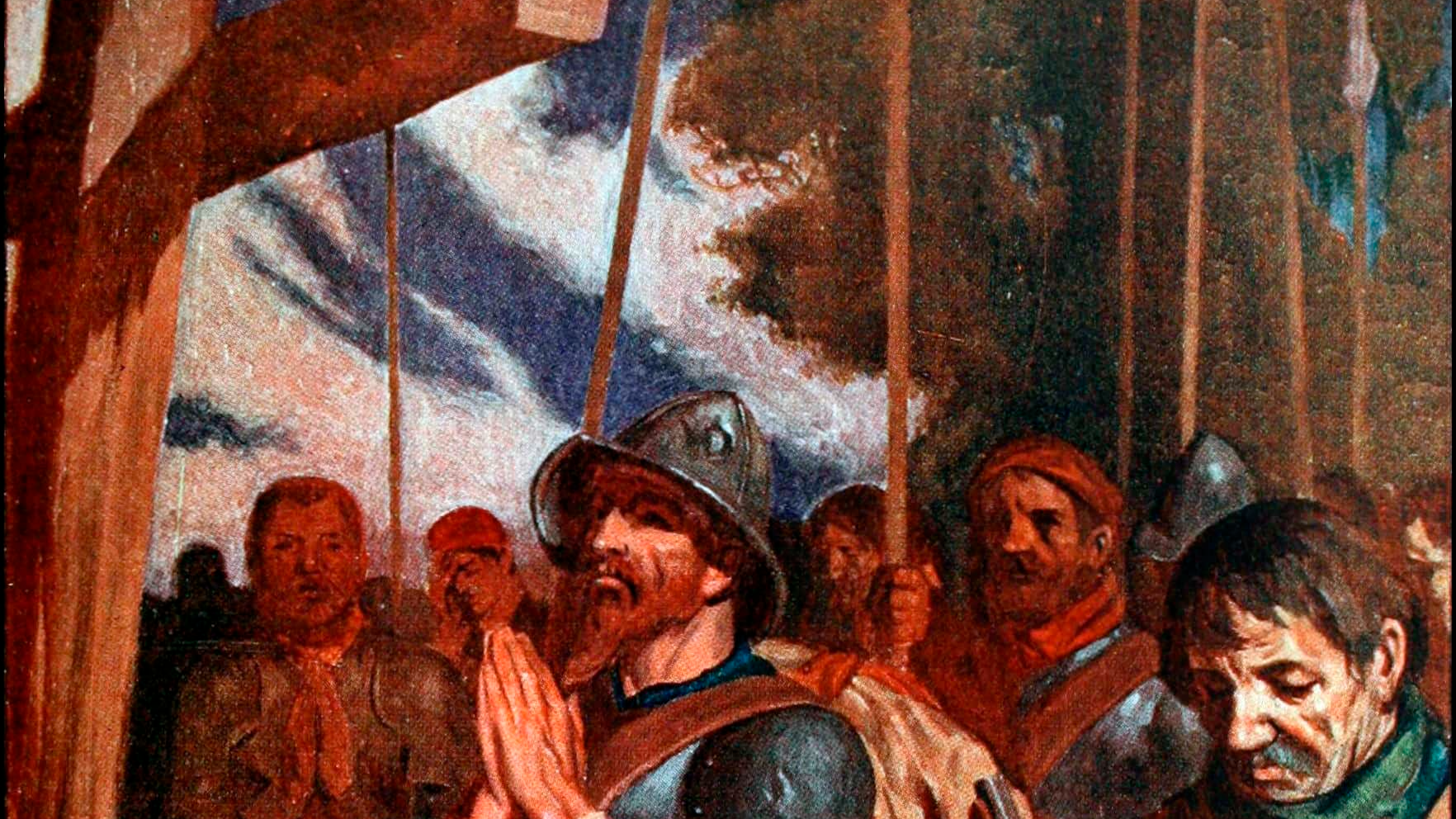
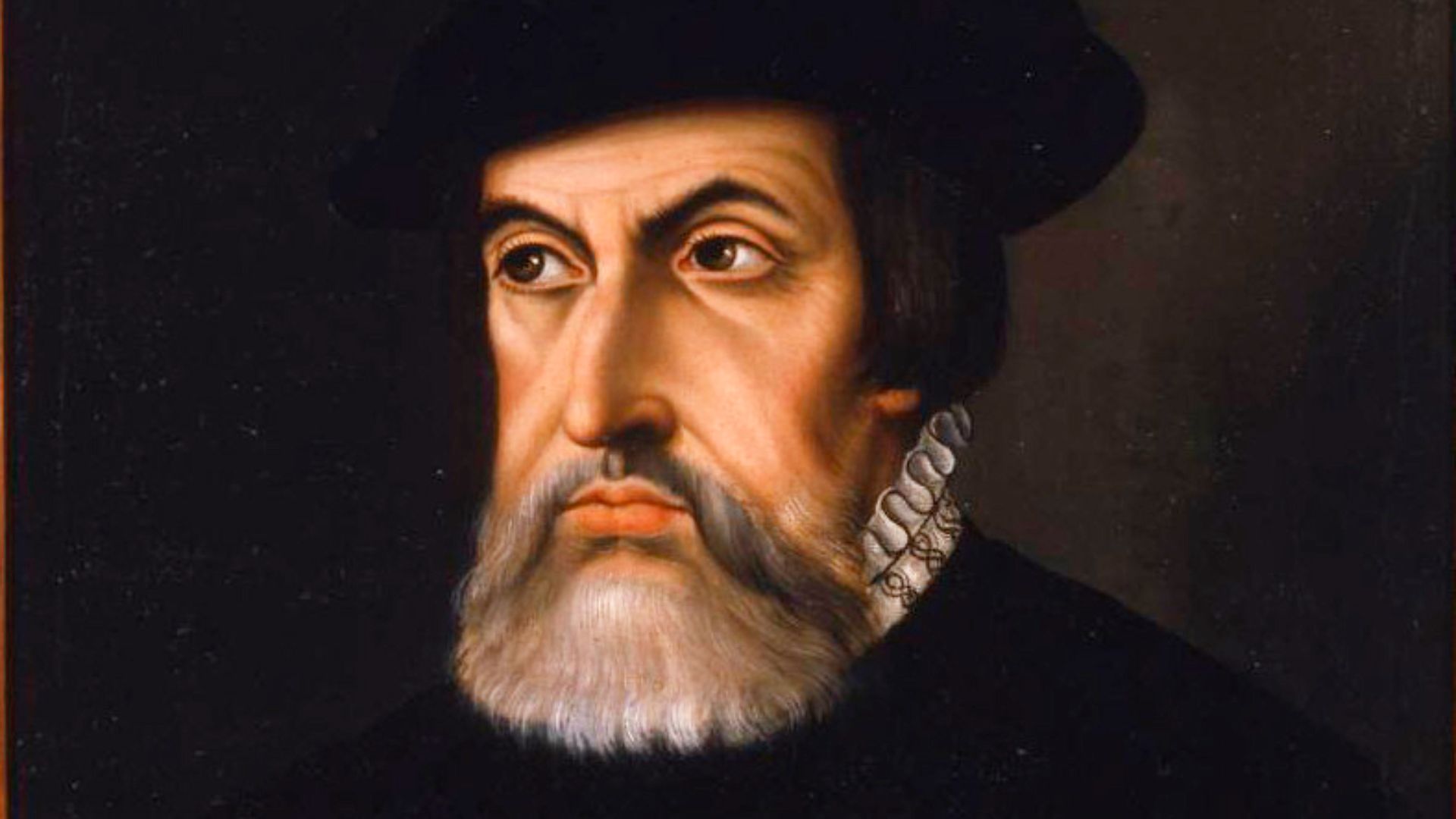
In 1519, Hernan Cortez and his forces entered Tlaxcalan territory after forming alliances with peoples along the Gulf Coast. Though they were weary and low on resources, the Spaniards still posed a threat. With no idea yet whether these foreigners represented opportunity or danger, the Tlaxcalans responded with a show of force. Early confusion and the inevitable cultural misunderstandings quickly escalated into armed struggle.
 Unknown artistUnknown artist, Wikimedia Commons
The Fight That Forced A New Strategy
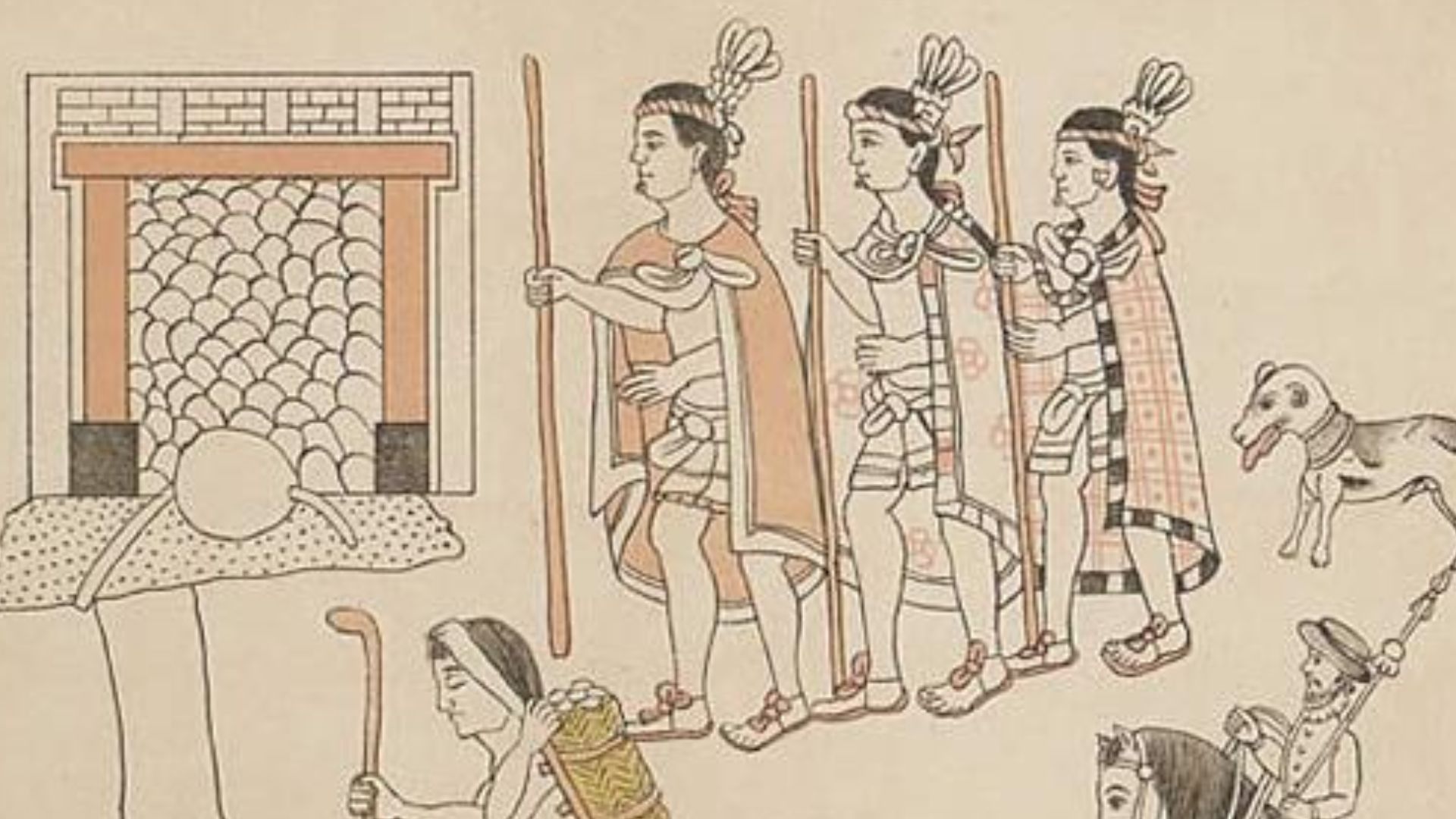
Tlaxcalan forces attacked with confidence, but the shocking sight of Spanish steel, cavalry, and war dogs caused disarray. After days of intense battles, losses mounted. Tlaxcalan leaders finally admitted that the Spaniards had brought unfamiliar technologies and unpredictable tactics to bear against them. This realization forced them to rethink direct confrontation and wisely explore alternative strategies.
 Diego Muñoz Camargo, Wikimedia Commons
A Rivalry Forges An Alliance
Weighing their hatred of the Aztecs against the possible advantages of supporting Cortez, Tlaxcalan leaders decided to open negotiations. They didn’t look upon the Spaniards as saviors but as a convenient means to break Aztec dominance. Their decision to join forces with Cortez was driven by survival, revenge, and a ruthlessly calculated vision for reshaping power in central Mexico.
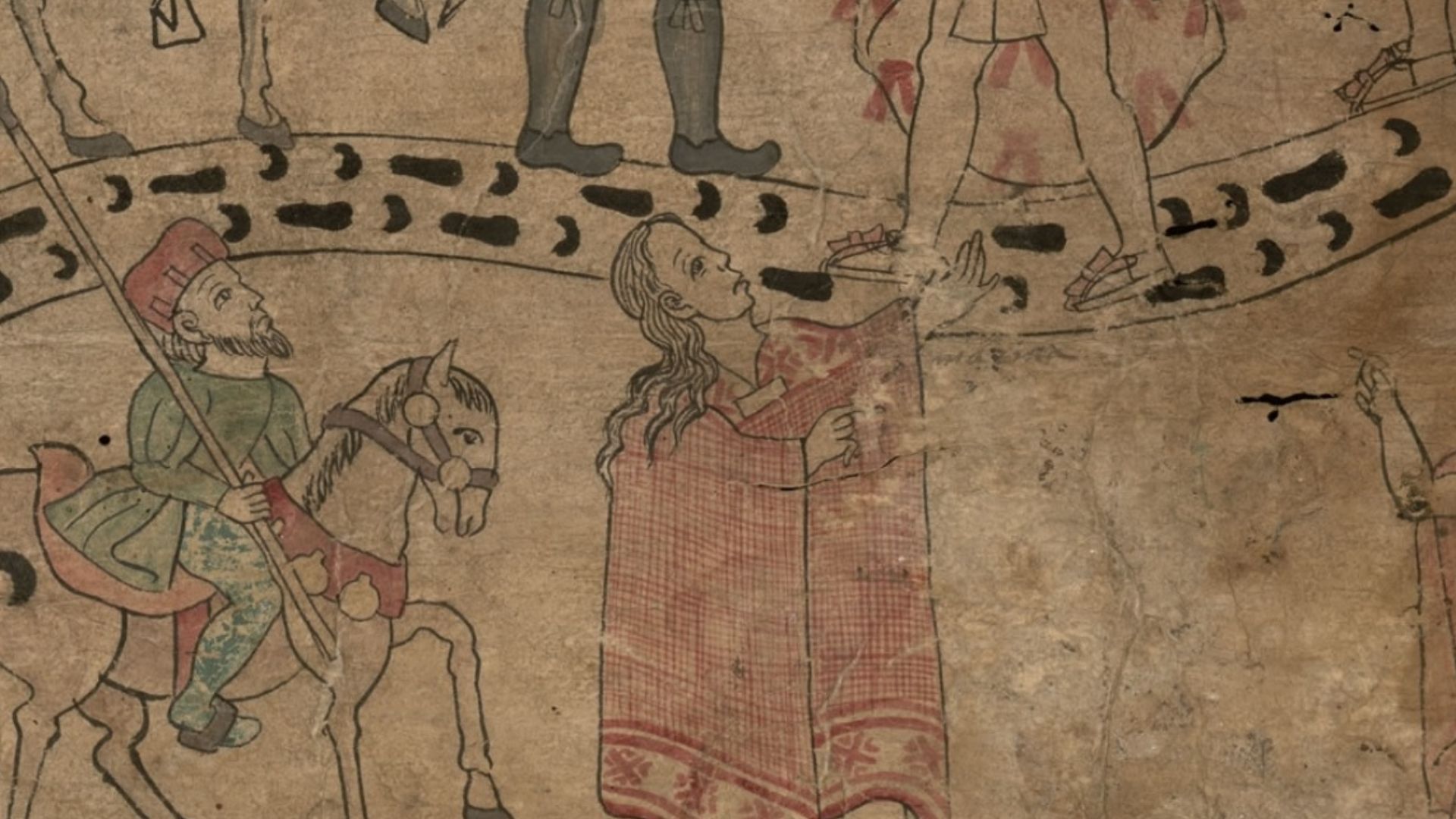 Diego Munoz de Camargo, Wikimedia Commons
Hashing Out A Deal
The alliance terms were a clear admission of Tlaxcala’s leverage in negotiations. They secured their political autonomy, exemption from certain tributes, and the right to maintain local governance. These conditions distinguished Tlaxcala from the conquered territories of Mesoamerica. Their partnership with Cortez became one of the most groundbreaking diplomatic moves in pre‑colonial history.
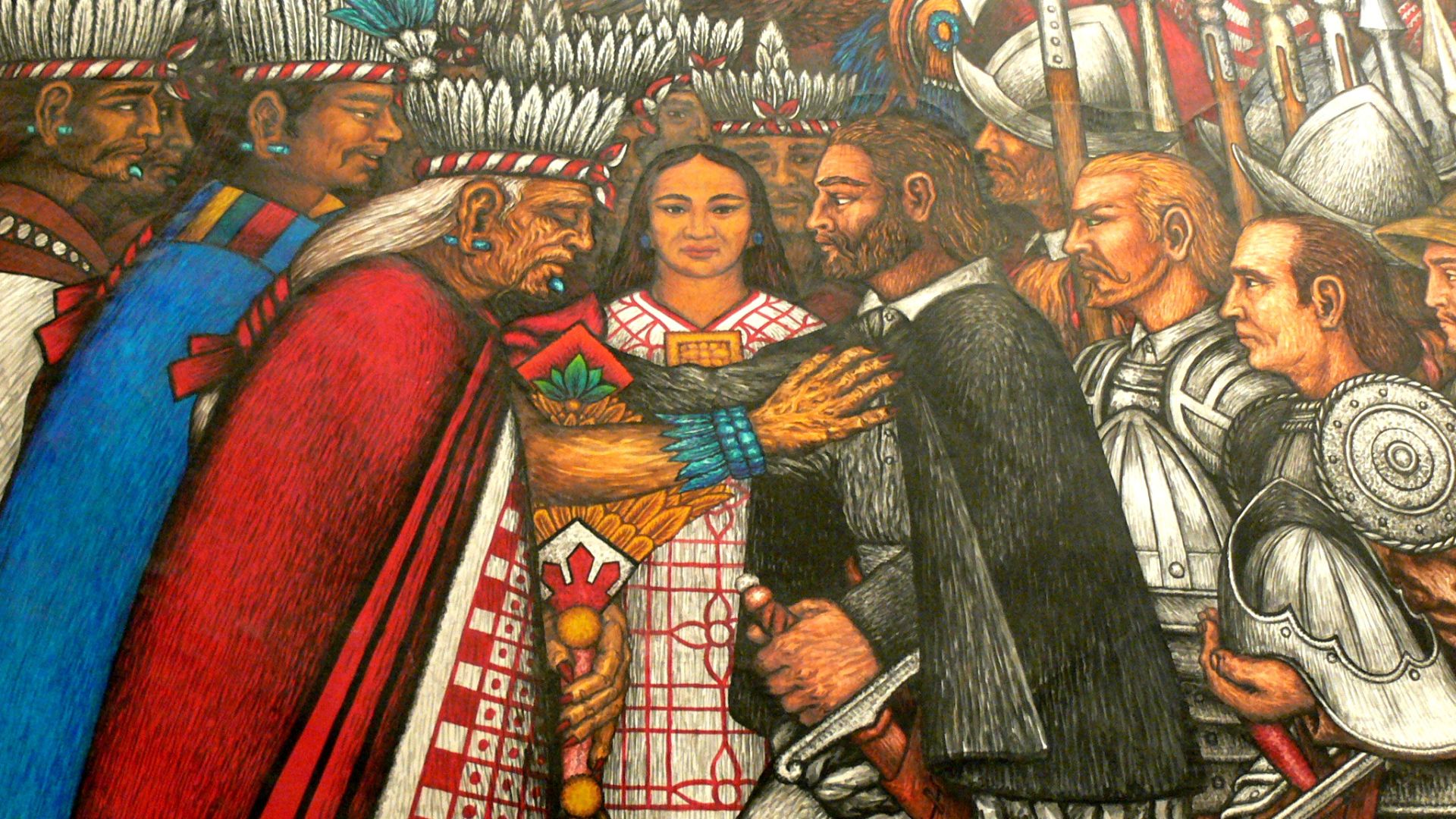 Wolfgang Sauber, Wikimedia Commons
Tlaxcala Became Cortez’ Power Base
With Tlaxcalan support, Cortez now gained thousands of warriors, critical supplies, and a strategic inland base of operations. The alliance provided intelligence about Aztec politics and terrain. At the stroke of a pen, Cortez went from a vulnerable outsider into a formidable contender, fundamentally altering the balance of power in the Valley of Mexico.
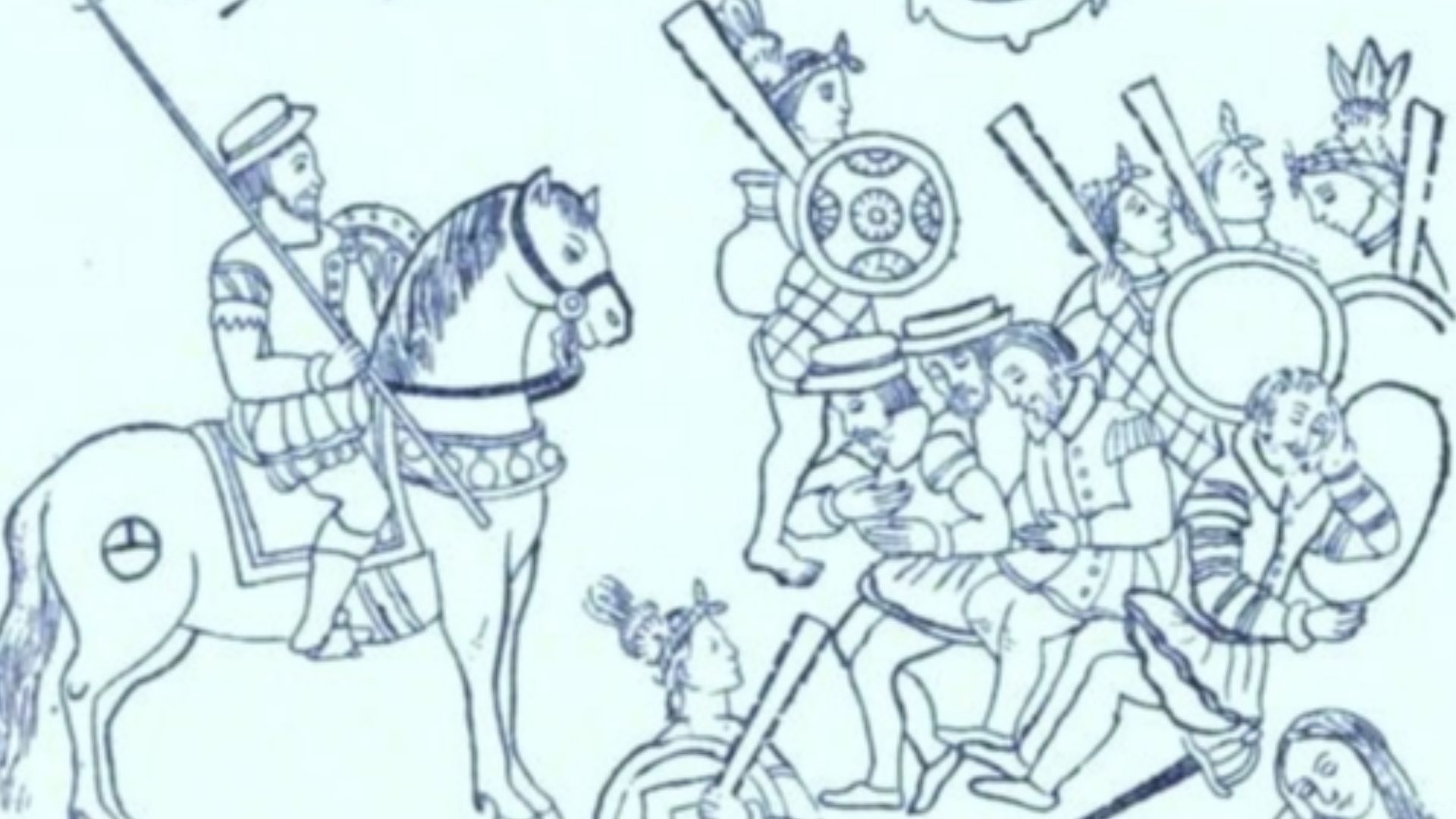 Anónimo, Manuel de Yáñez, Wikimedia Commons
March To Tenochtitlán
The combined Spanish‑Tlaxcalan force advanced through hostile regions, negotiating with or subjugating city‑states along the way. Tlaxcalan warriors formed the bulwark of the coalition. Their intimate knowledge of terrain, warfare, and diplomacy guided the inexorable onslaught toward Moctezuma’s capital and set the stage for a mighty empire’s collapse.
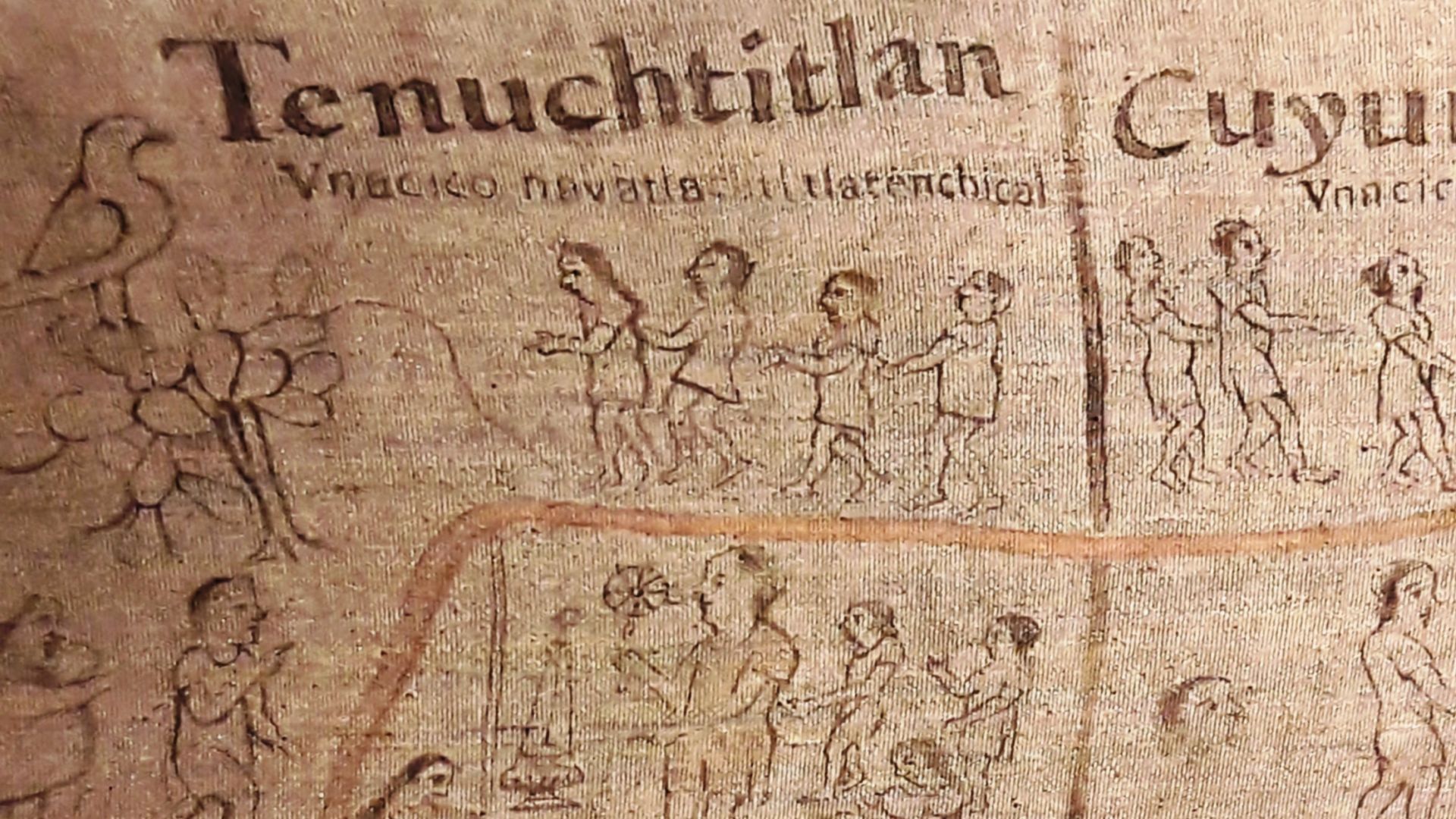 Miguel Angel Omaña Rojas, Wikimedia Commons
Inside The Siege: Coalition At Work
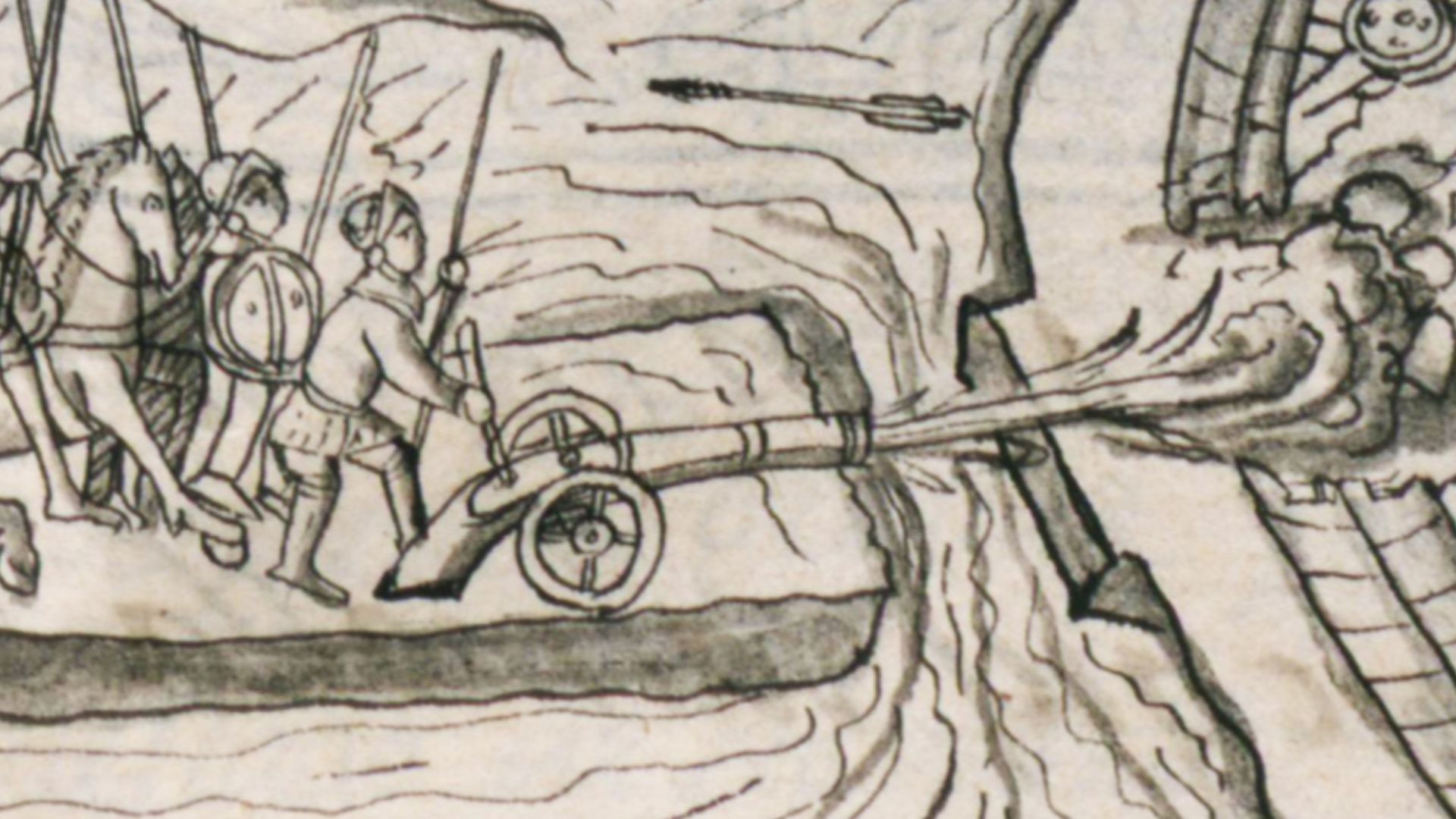
During the siege of Tenochtitlán, Tlaxcalans played crucial roles. They stormed causeways, carried supplies, and fought relentlessly in brutal urban combat. Their numbers sustained the coalition’s ranks as Spanish casualties grew. Without Tlaxcala’s determination and manpower reserves, the siege would likely have failed and left the Aztec Empire intact, at least for a time.
 Bernardino de Sahagún, Wikimedia Commons
Why Tlaxcala Chose This Path
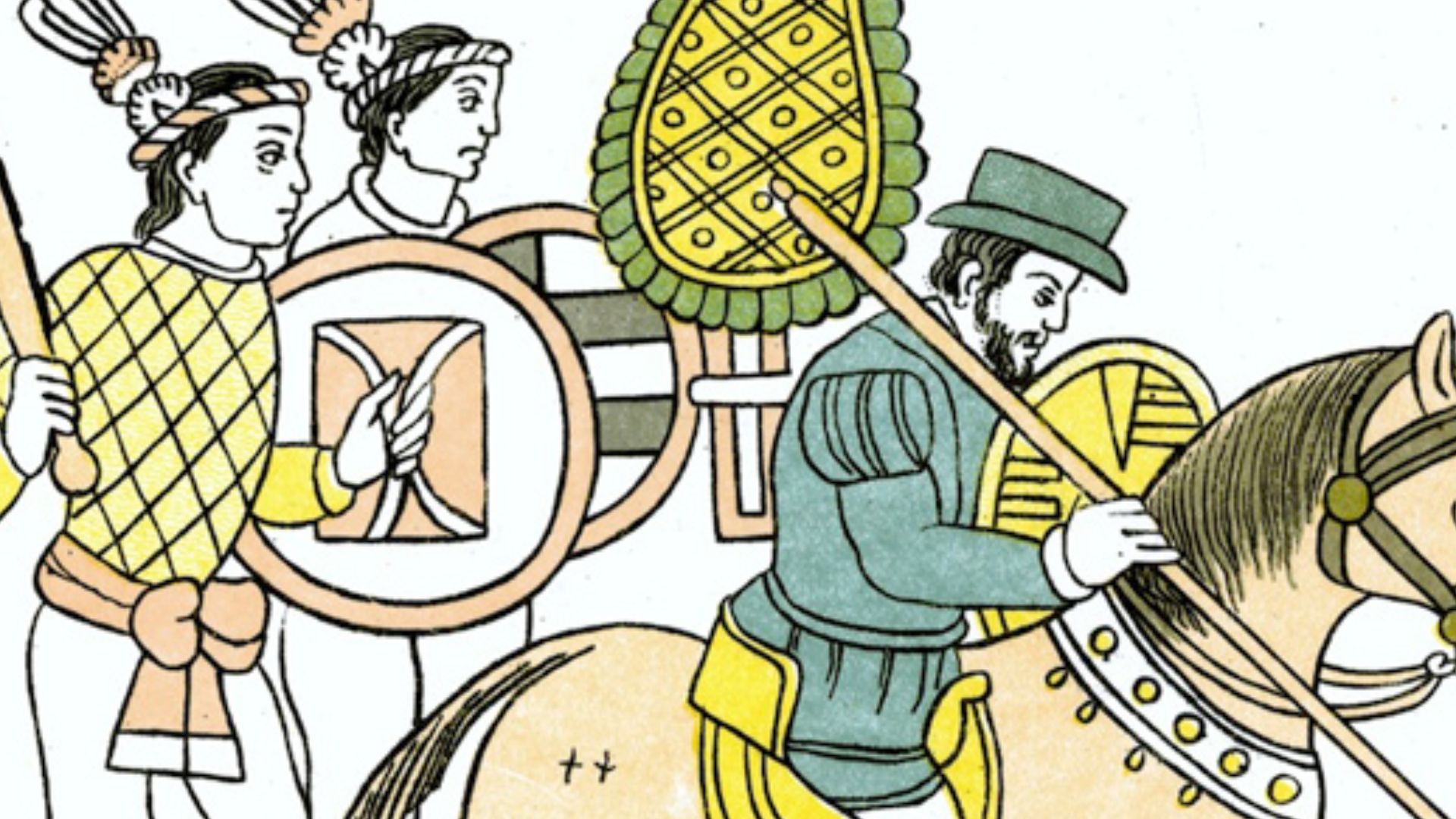
Tlaxcala’s alliance was driven by strategy, not submission to the foreign interloper. They hoped to gain freedom from Aztec tribute, avenge past battles, and secure long‑term autonomy for themselves. Instead of being passive participants, they actively shaped the conquest’s direction. Their choices reflected the long weighing of political calculations to enable them to survive through a world-shattering period of upheaval.
 Unknown authorUnknown author, Wikimedia Commons
A Nation Debates Its Future With Deadly Results
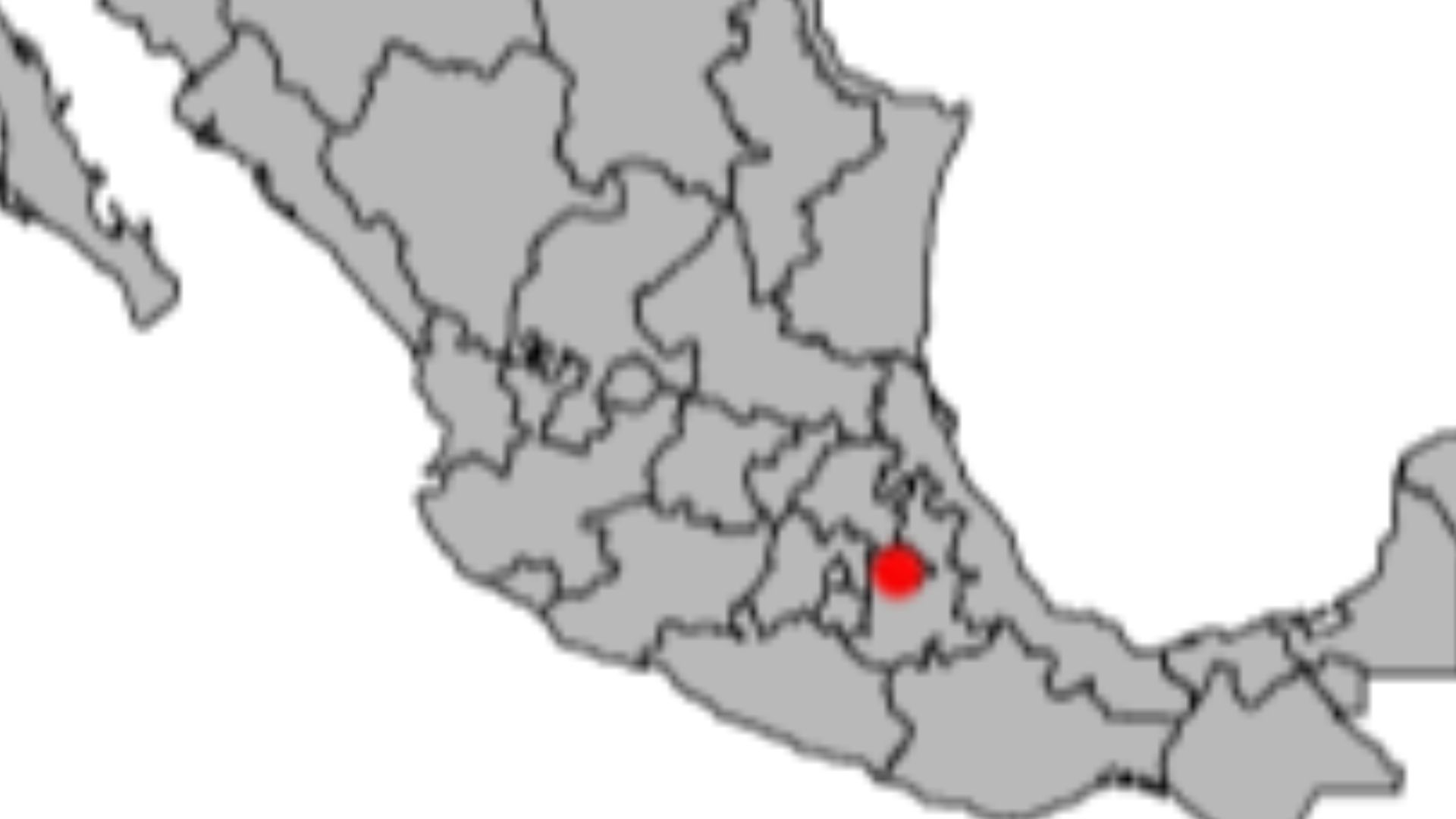
Not all Tlaxcalans took such a rosy view of this alliance. Xicotencatl the Younger opposed it fiercely, warning that Spain posed an even bigger threat to Indigenous sovereignty than the Aztecs did. His resistance sparked conflict between the opposing factions. When he still refused to go along, he was executed. It was proof of the intensity of feeling during Tlaxcala’s internal debate and the high-stakes nature of their decision.
Adopting Spanish Military Power
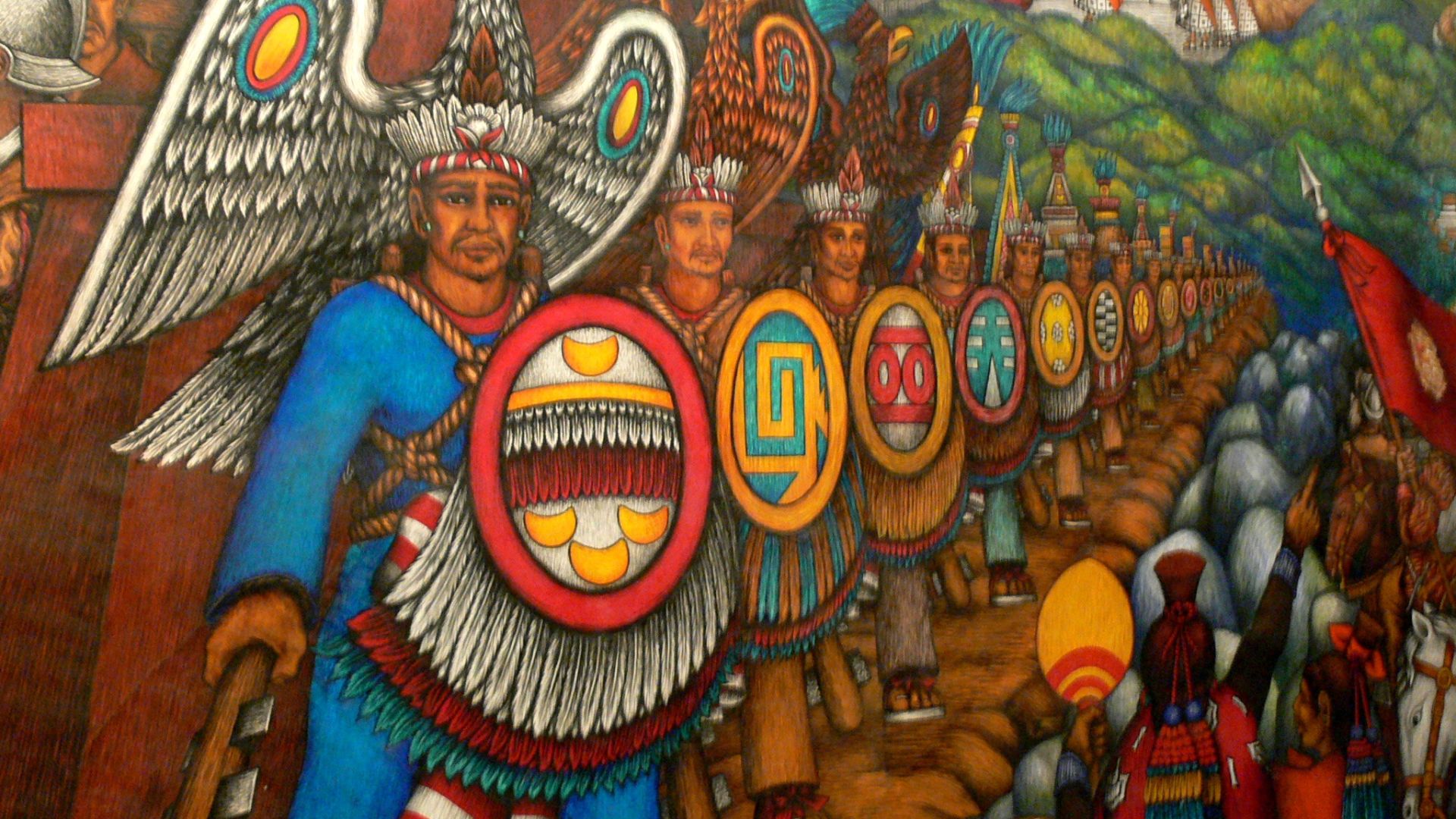
Tlaxcalan warriors adapted quickly, incorporating Spanish cavalry tactics and gunpowder into their strategies. This hybrid fighting style improved the coalition’s effectiveness. Their adaptability was final proof of their military sophistication and resolve to bring the campaign to a successful conclusion.
 Wolfgang Sauber, Wikimedia Commons
The Lienzo de Tlaxcala Tells Their Story
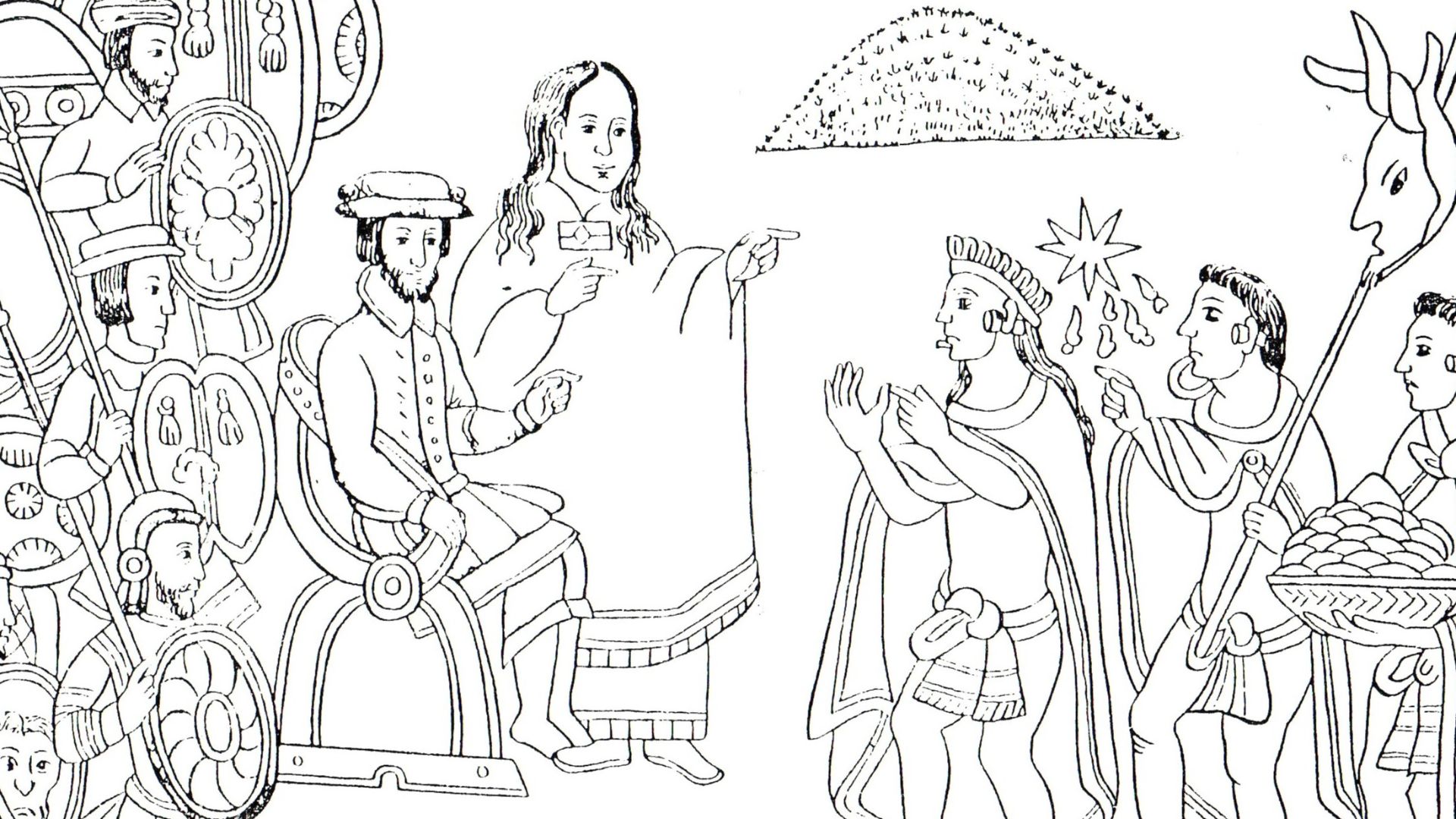
The Lienzo de Tlaxcala, a detailed and fabulously illustrated pictorial codex, records the Tlaxcalans’ central role in the conquest. Unlike Spanish chronicles, it portrays them as strategic partners rather than as subordinates. It documents battles, alliances, and hard-nosed negotiations, offering a welcome Indigenous perspective that emphasizes their agency and historical pride.
Privileges Earned Through Alliance
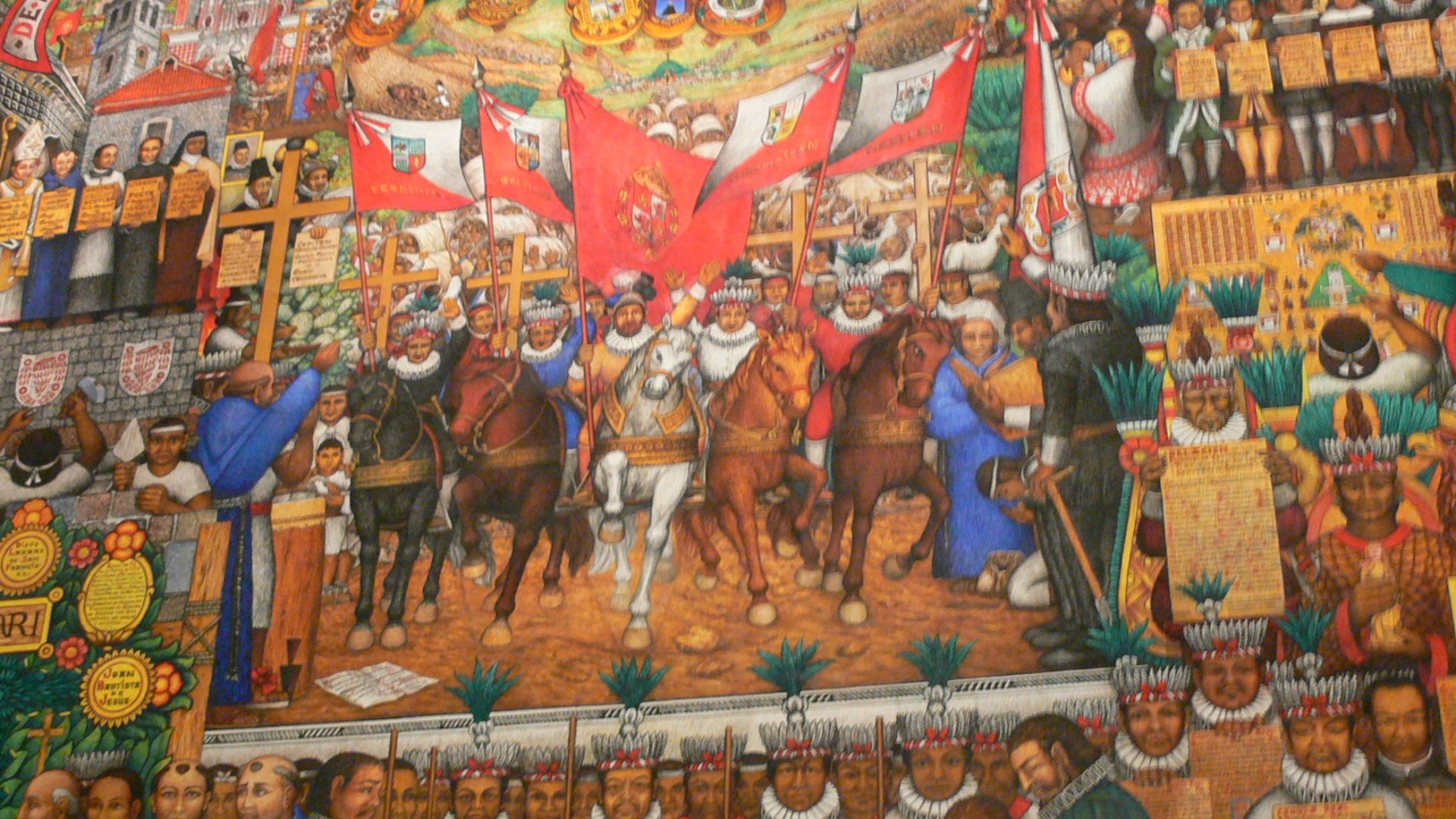
After Tenochtitlán fell, the Spanish crown granted Tlaxcala extraordinary privileges. They kept their noble titles, land rights, and a comparatively high level of political autonomy. These protections persisted for centuries and reflected their indispensable role in the conquest, setting them apart from many other Indigenous communities under Spanish rule.
Tlaxcala Expands Northward
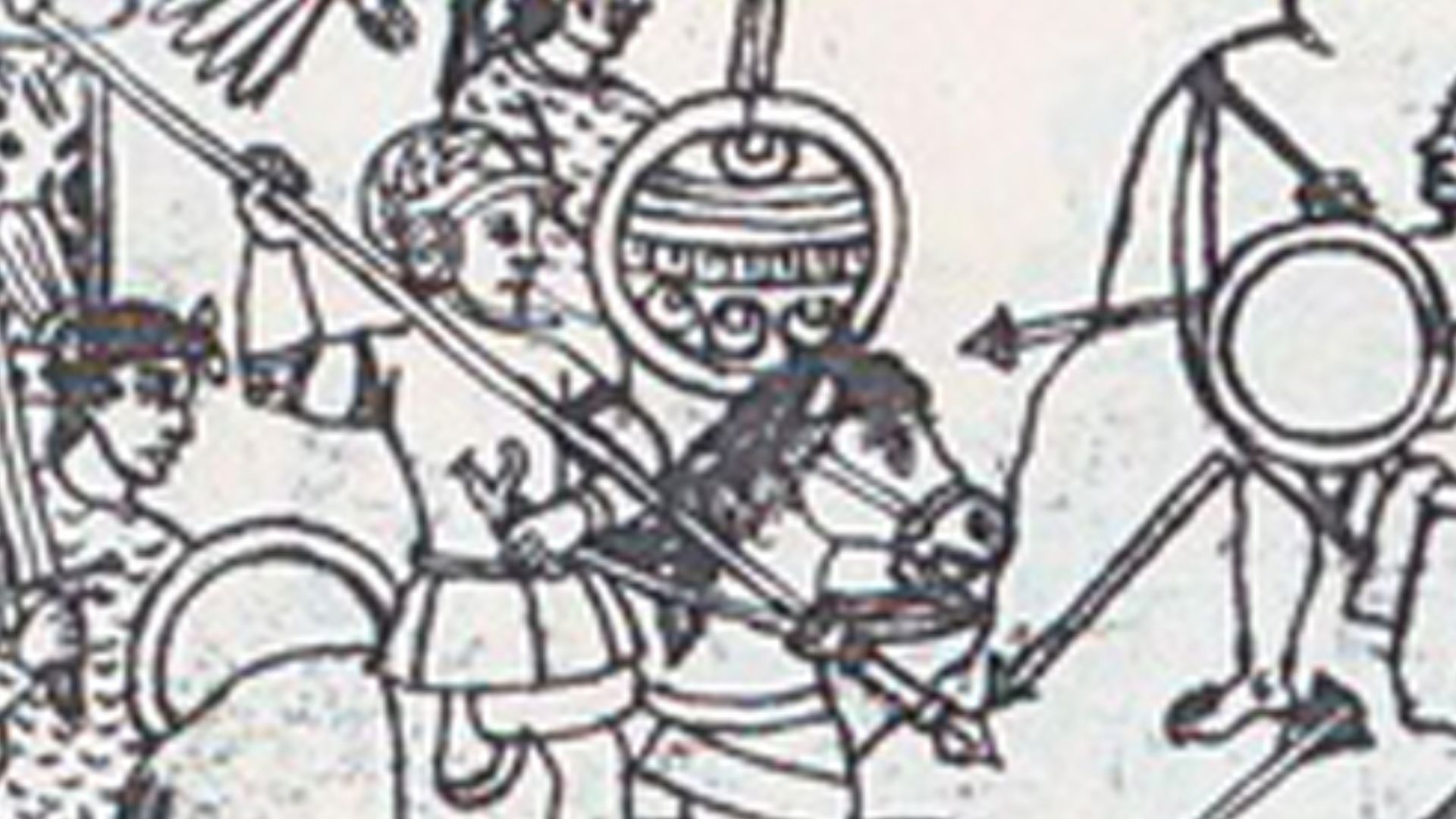
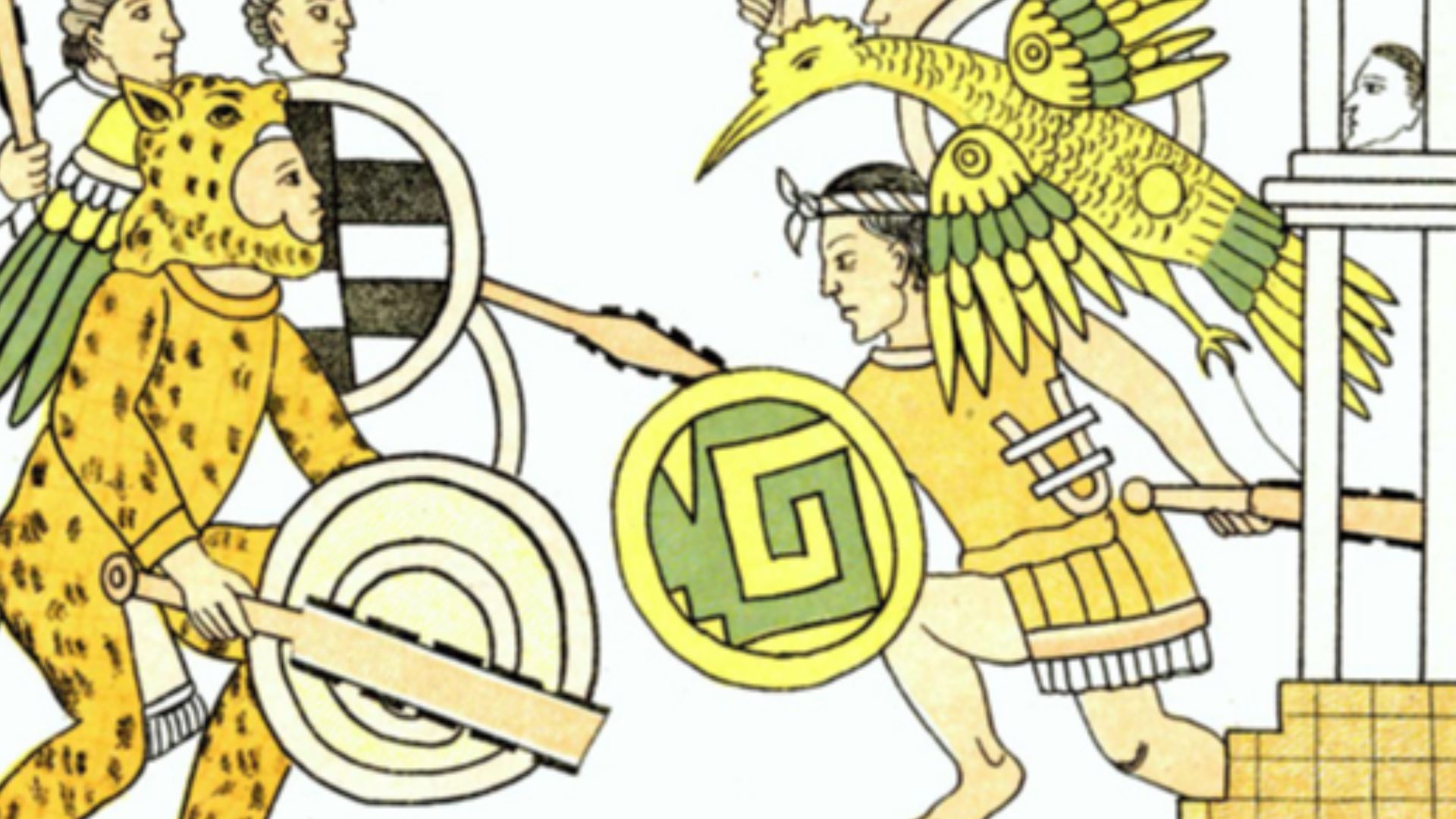
Tlaxcalans later migrated north to assist in colonizing and stabilizing wild frontier regions. They founded new settlements, mediated conflicts, and served as cultural bridges between Spaniards and more far-flung Indigenous nations. Their cultural and political influence extended far beyond their homeland, shaping the social and political landscape of northern New Spain.
 Unknown authorUnknown author, Wikimedia Commons
Autonomy Under Spanish Rule
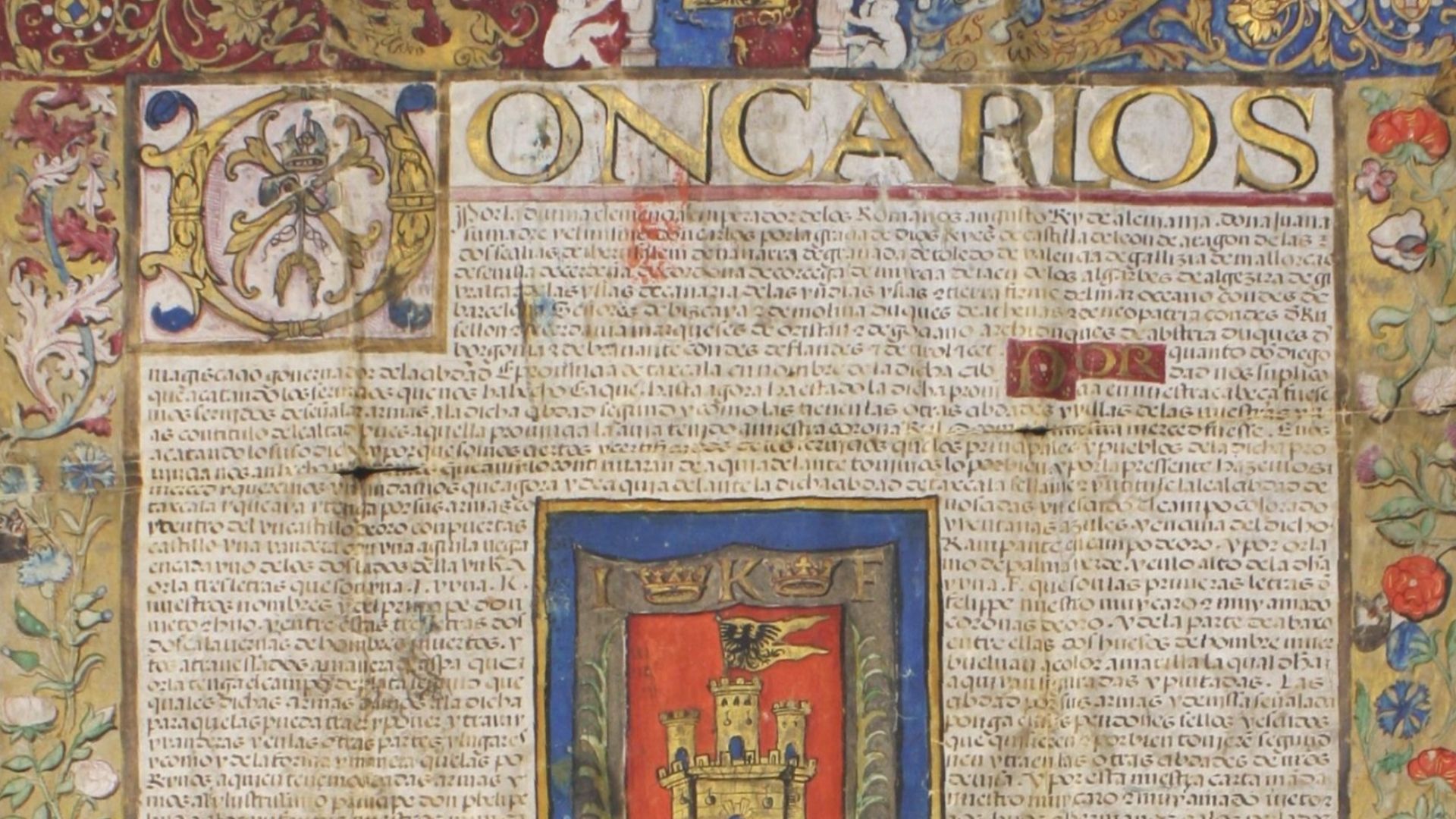
Thanks to their early alliance, Tlaxcala maintained uncommon independence within New Spain. Local councils and noble lineages continued to govern internal affairs. Their autonomy contrasted sharply with the experiences of conquered regions and illustrated how strategic decision‑making preserved Tlaxcalan identity under colonial rule.
 Leon, Juan Vázquez de, Wikimedia Commons
Cultural Identity That Endured
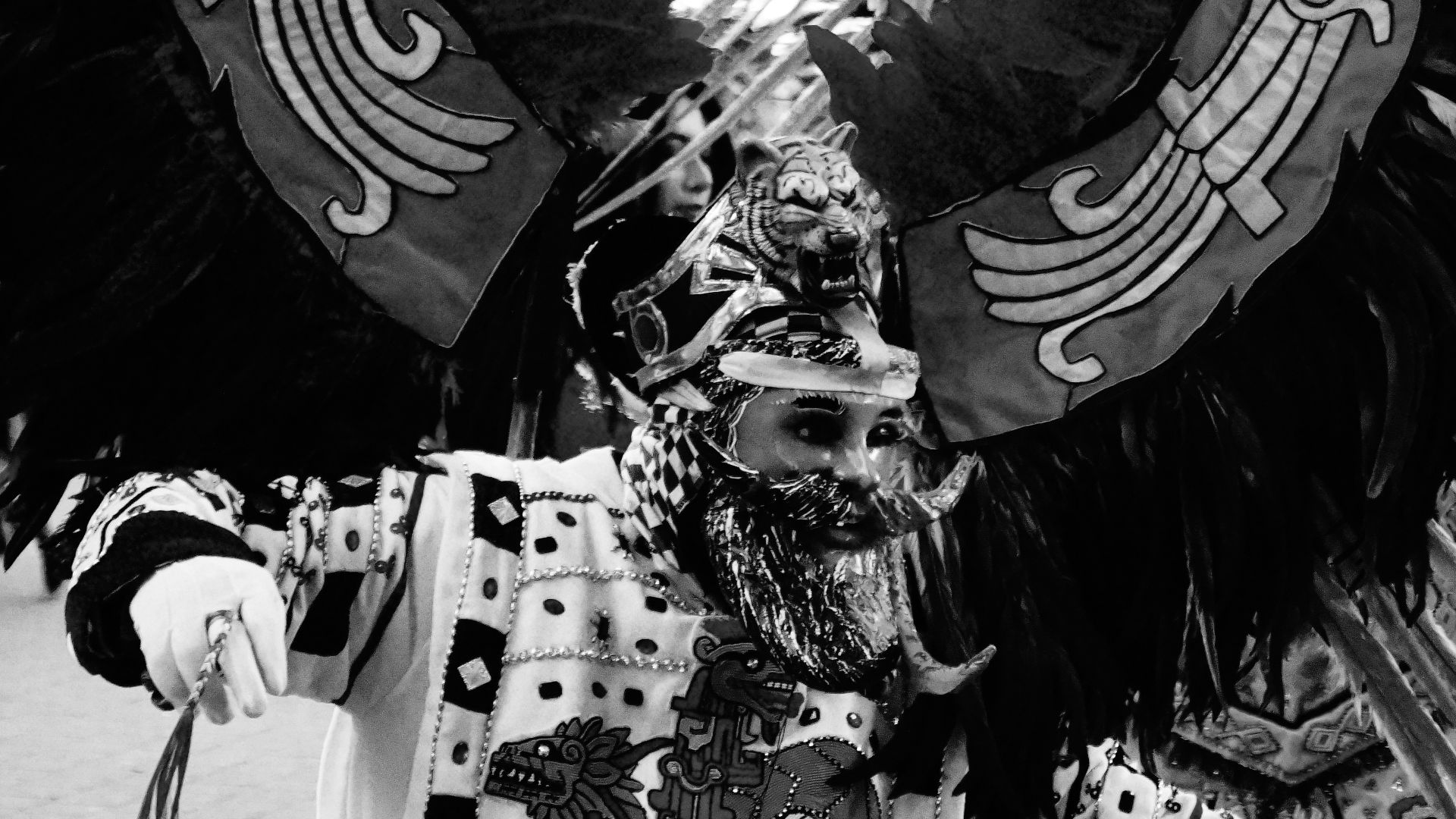
Despite colonial influence, Tlaxcalans preserved a lot of the traditions they’d held since before the coming of the Europeans. Nahuatl remained widely spoken, and Indigenous religious practices incorporated Catholic elements. Their cohesive community structure helped sustain cultural resilience, making Tlaxcala one of the most culturally intact Indigenous regions in Mexico to this day.
 Radiumcroma, Wikimedia Commons
Economic Shifts After The Conquest
The collapse of Aztec tribute systems reshaped Tlaxcala’s economy. Responsibilities changed, small pox epidemics ravaged populations, and agricultural practices evolved. The Tlaxcalans adapted to the feudal system of land ownership installed by the Spaniards, by using their legal privileges to protect land and community resources within the colonial economy.

A New Role In New Spain
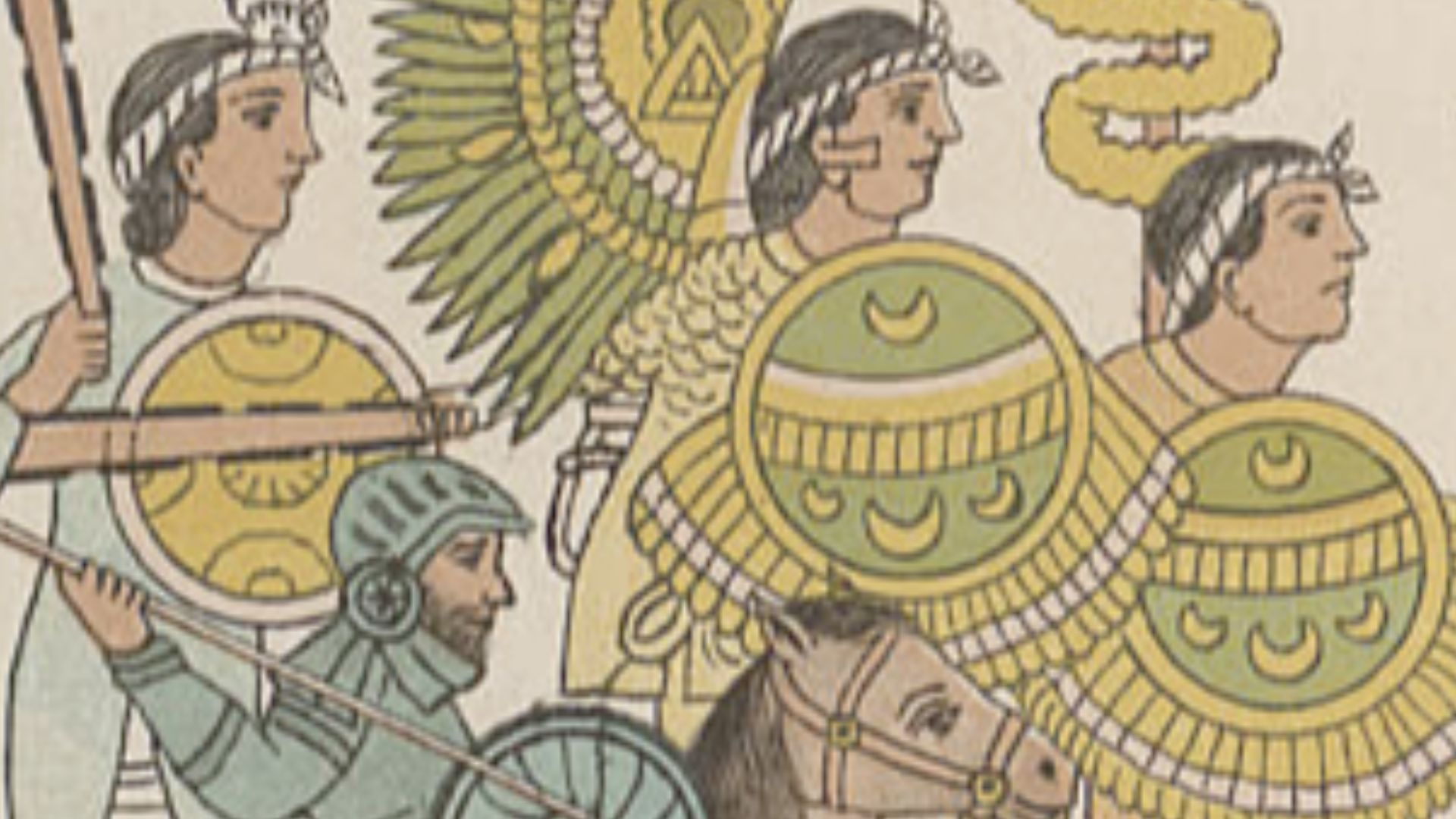
As the colonial society of New Spain developed, Tlaxcalans became soldiers, community leaders, farmers, and diplomats. Their shift from a warrior society to a multifaceted colonial community demonstrated impressive adaptability. Their resilience ensured survival in an era defined by transformation and upheaval.
 unknown Aztec scribes, Wikimedia Commons
Accusations That Still Echo Today
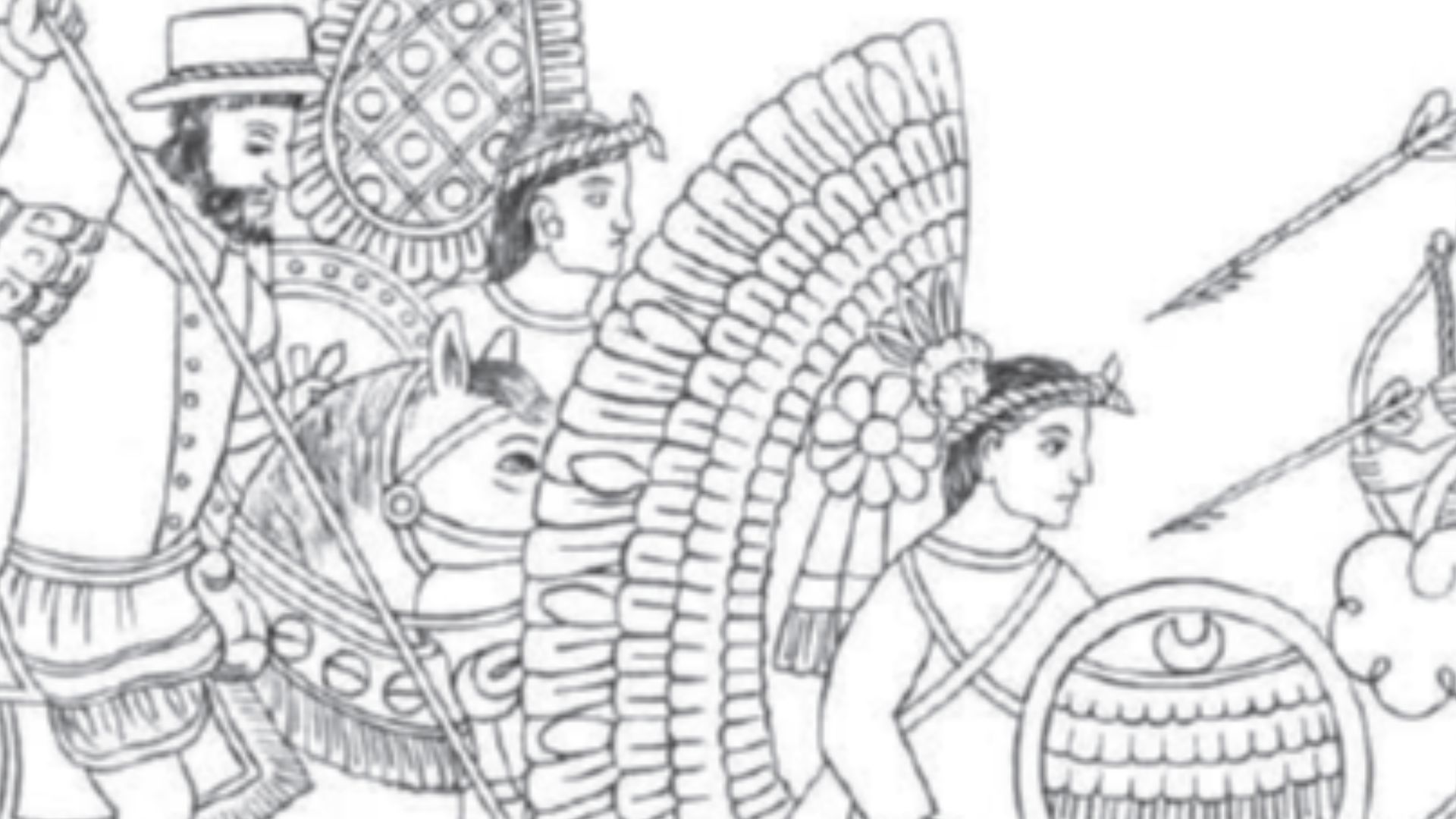
Modern debates often single out the Tlaxcalans as traitors for aiding the Spaniards. Tlaxcalans refuse to accept this narrative, arguing instead that they acted against Aztec oppression, not against Mexico. It’s a controversy five centuries old that reflects how conquest memory remains emotionally charged and how history reshapes national identity.
 Unknown authorUnknown author, Wikimedia Commons
Legacy That Outlasted Empires
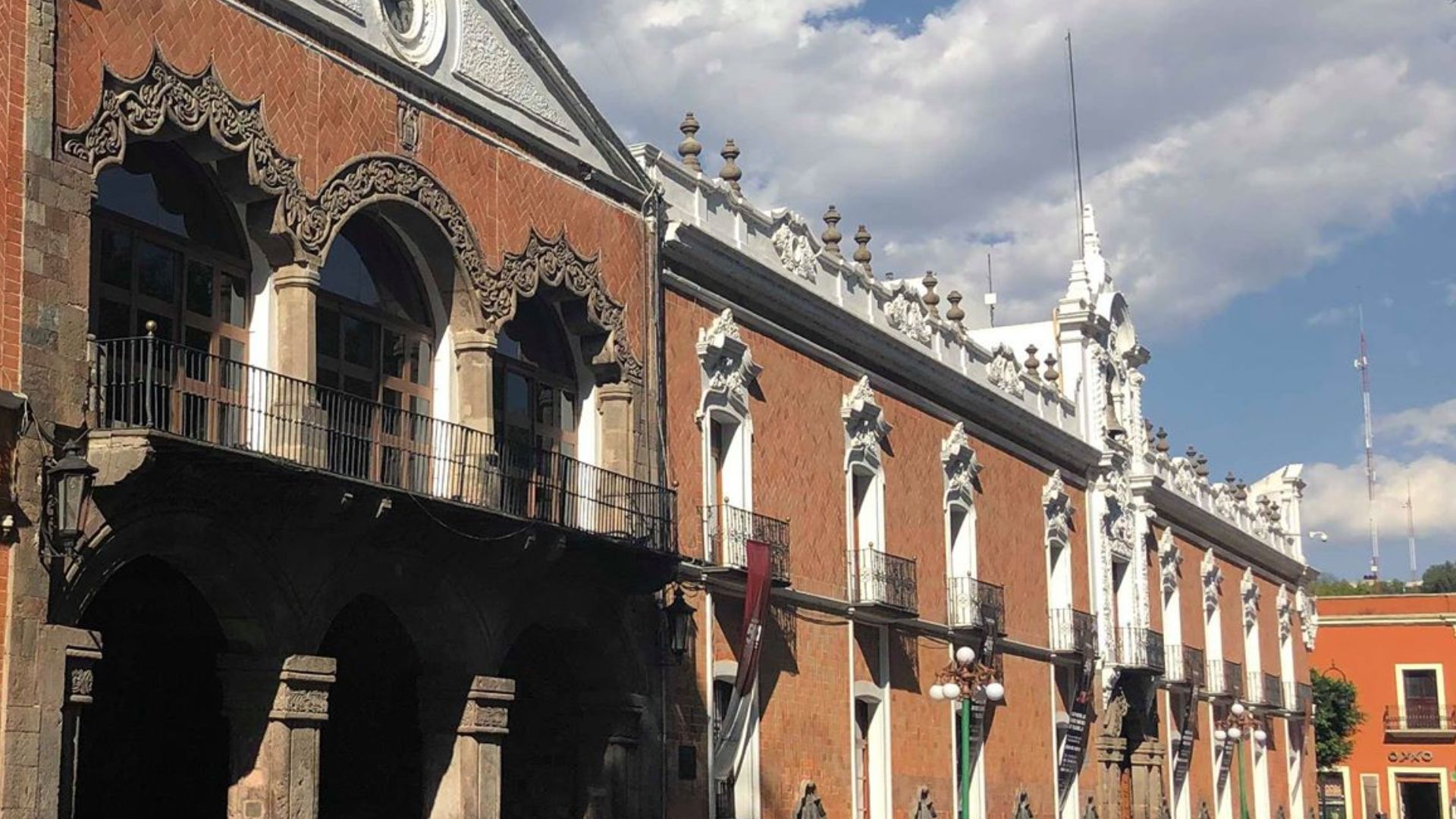
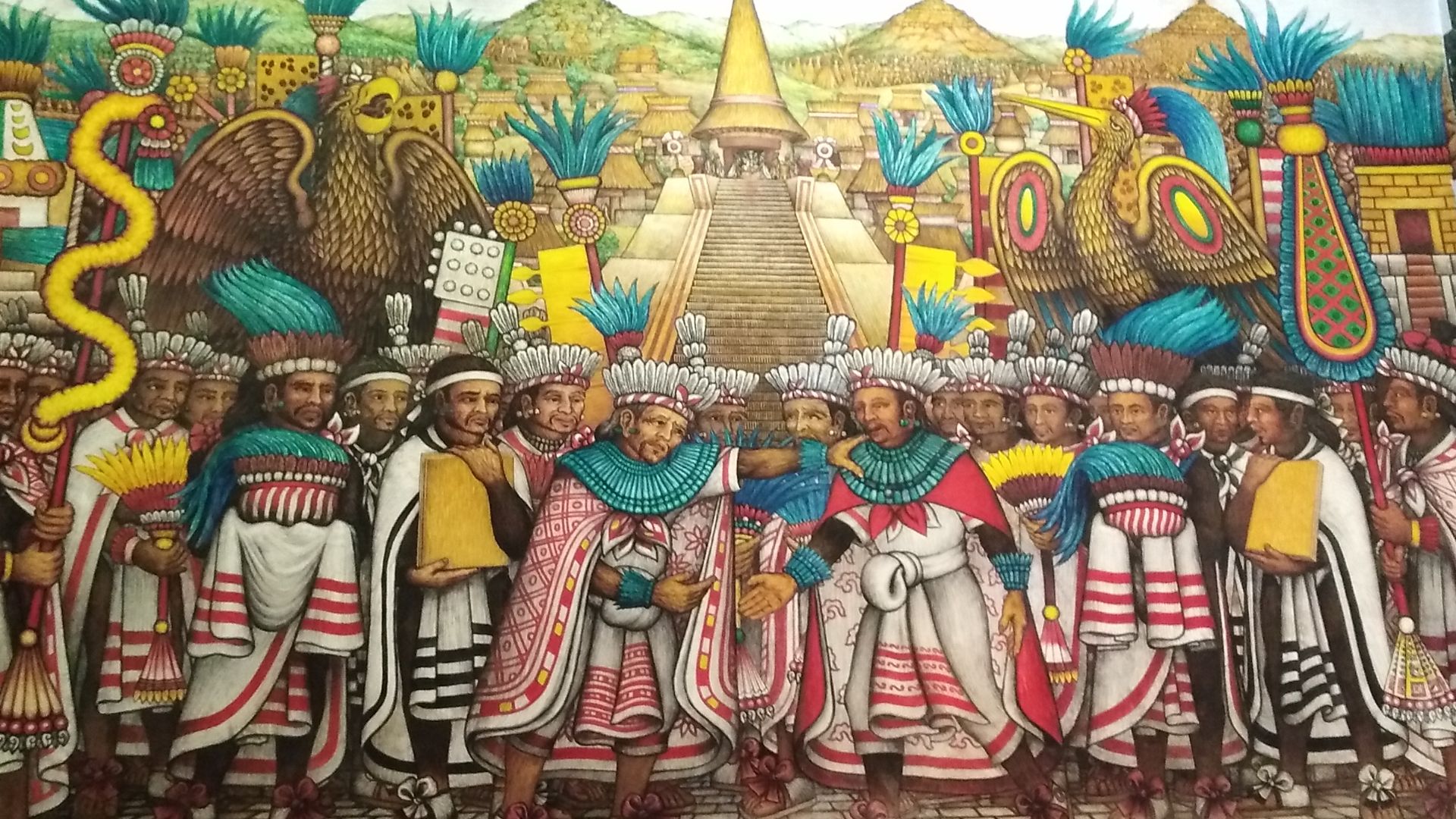
Tlaxcala’s unique rights survived right on through into the 18th century, and families preserved their noble status tied to the conquest. Their identity endured even as Mexico transitioned through independence, revolution, and modernization. Today, Tlaxcala still honors its distinct historical path and contributions to the shaping of Mexico.
The Tlaxcalans Today
Historians now emphasize Tlaxcalan agency and forward strategic thinking, challenging earlier narratives that oversimplified the alternatives that were available to them. Their actions reflected the cold political realism of a volatile unforgiving era. Understanding their role adds complex layers to the conquest story and highlights the interplay of Indigenous alliances and strategies people adopted to survive.
 Koffermejia, Wikimedia Commons
What The Conquest Meant For Tlaxcala
The conquest of the Aztecs transformed Tlaxcala in amazing ways. Although they preserved autonomy, noble status, and protection from harsh colonial policies, the fact is that disease and hard work were an unavoidable fact of daily life. The ancient warrior culture faded away as new roles emerged in governance, agriculture, and diplomacy. Tlaxcalans adapted, maintaining cultural strength through one of the most turbulent episodes in human history.

A Nation Changed But Never Erased
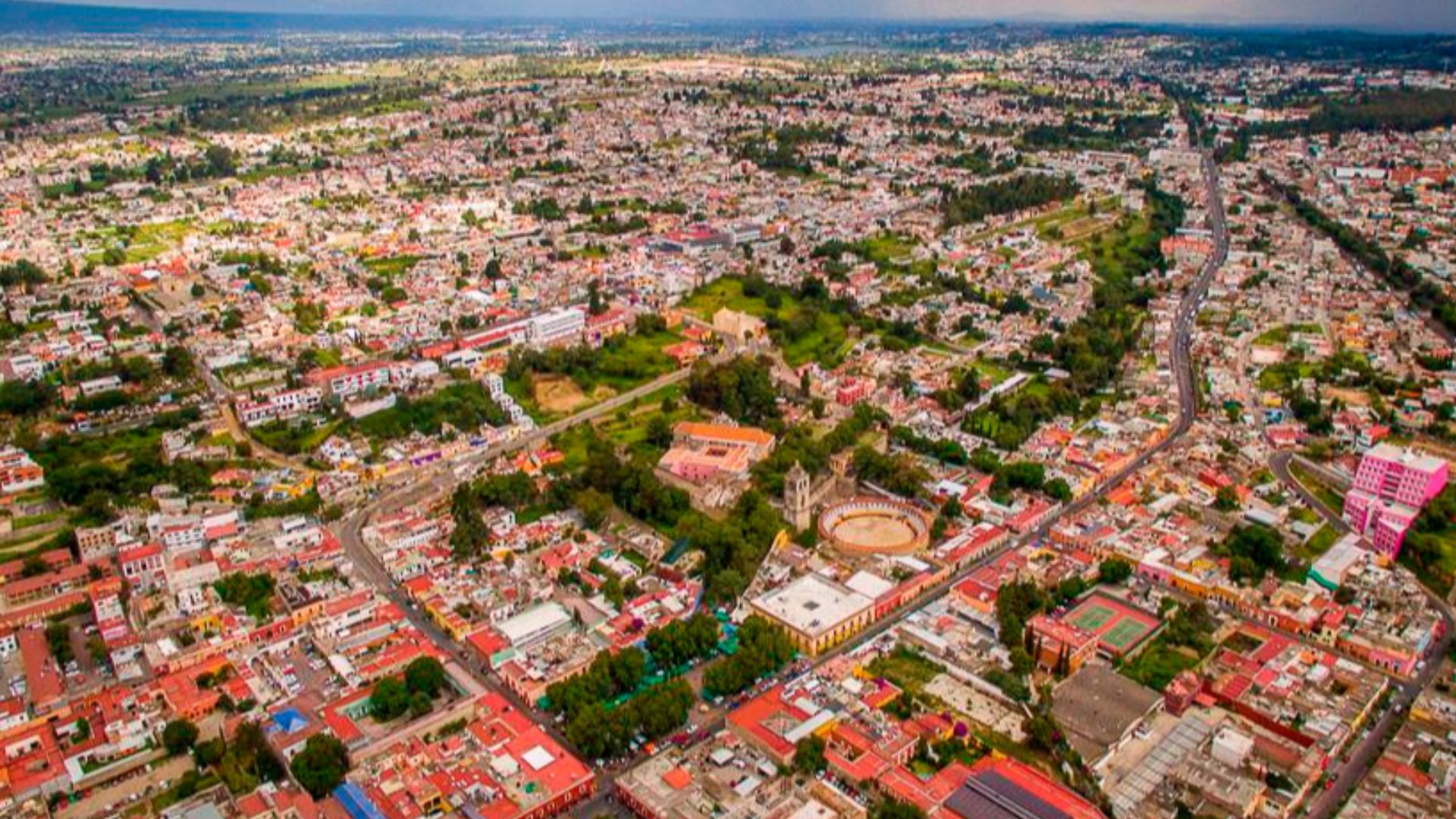
Tlaxcalans helped shape northern expansion by founding settlements and mediating between Spaniards and Indigenous peoples. Their adaptability allowed them to hang on to their traditions and identity when other peoples were disappearing. Colonial conquest reshaped their society, but Tlaxcala held its own as one of the most culturally cohesive Indigenous nations in New Spain.
 Juan de la Malinche, Wikimedia Commons
You May Also Like:
Golden Facts About The Aztec Civilization
When Mexico City Was A Floating Paradise