

What Did His Mother Call Him?
You’ve heard it in churches, Christmas songs, movies, and probably a few situations that had nothing to do with religion. But here’s a question you might never have asked: What did his mother actually call him? It sounds simple enough—until you follow the answer through history and discover how much happened before that name reached your Bible.

Start With The People Who Knew Him
Imagine someone calling to Jesus across a street in first-century Galilee. We tend to hear the familiar English name in our heads. But his family and neighbors weren’t speaking English, and the name they used belonged to a very different linguistic world.
 Screenshot from Son of God, 20th Century Fox (2014)
Galilee Had Its Own Sound
Jesus lived in a region where Aramaic was widely spoken, alongside Hebrew and Greek in different settings. Scholars generally identify Aramaic as his main everyday language. That matters because the name someone used at home could sound different from the version written for Greek readers.
 Dolni_Galilea.svg: Daniel Baranekderivative work: TheCuriousGnome, CC BY 3.0, Wikimedia Commons
The Name His Family Probably Used
His family most likely called him Yeshua, the Hebrew/Aramaic name behind the English “Jesus.” These are connected forms of the same name. We can’t reconstruct every detail of his family’s pronunciation, but Yeshua fits the surviving evidence from his time and place.
 Screenshot from Son of God, 20th Century Fox (2014)

History's most fascinating stories and darkest secrets, delivered to your inbox daily.
Even That Name Had A History
Yeshua was a shortened form of Yehoshua, an older Hebrew name. If that longer version looks vaguely familiar, there’s a reason: it’s the name English readers generally know as Joshua. Before we even reach Greek or Latin, the story already has two versions.
 Screenshot from Son of God, 20th Century Fox (2014)
He Wasn’t The Only One
Today, “Jesus” immediately points English speakers toward one particular person. In his own world, the underlying name was much less unusual. Studies of ancient Jewish names show that Yeshua was common. His neighbors wouldn’t have treated the name itself as something nobody had heard before.
 Screenshot from Son of God, 20th Century Fox (2014)
There’s Another Jesus In The New Testament
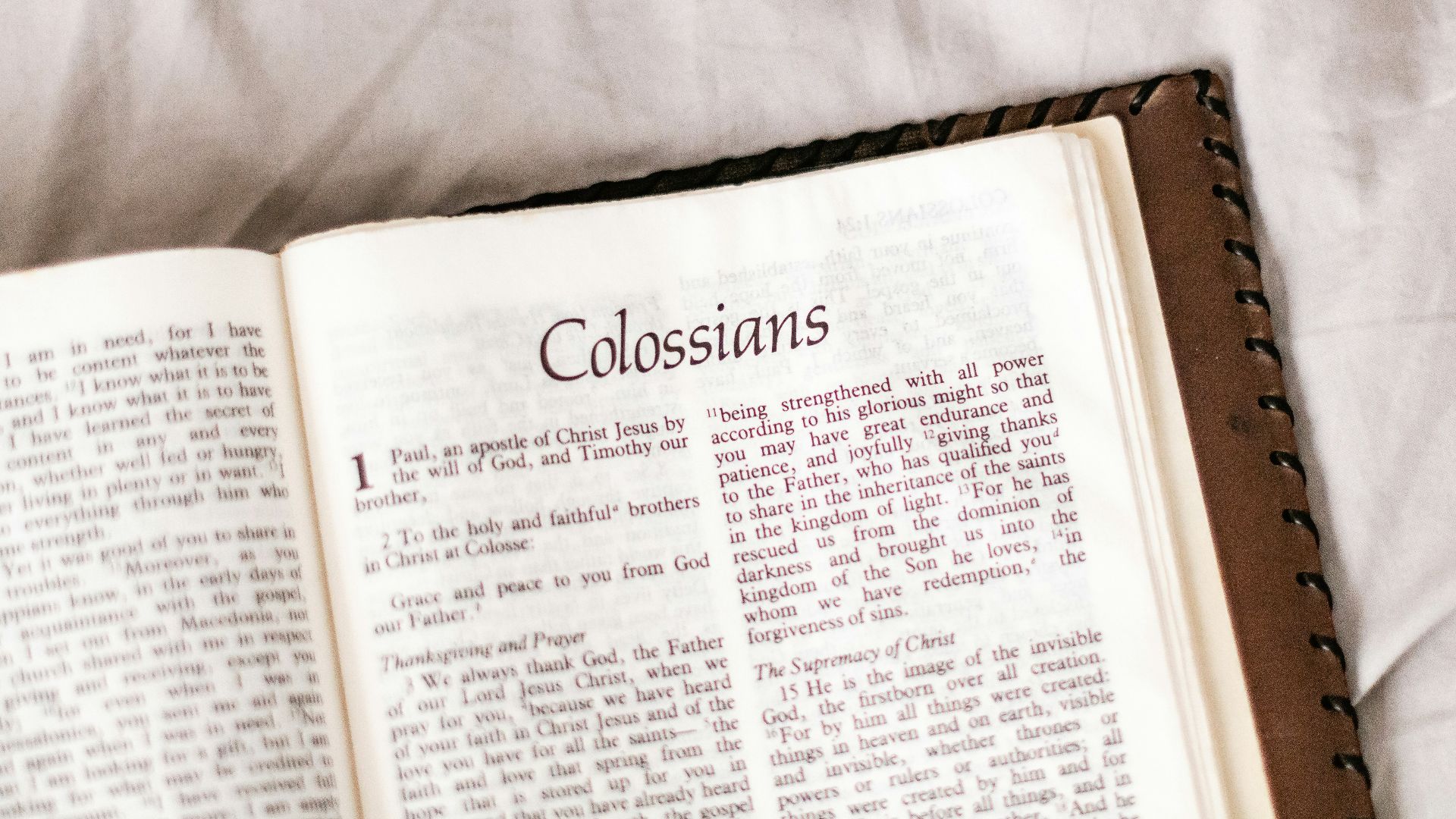
You don’t even have to leave the New Testament to find someone else with that name. Colossians 4:11 mentions “Jesus, who is called Justus,” a coworker sending greetings. It’s an easily overlooked reminder that the name wasn’t reserved for the central figure of Christianity.
His Hometown Helped Identify Him
That makes references to his hometown especially useful. In John 1:45, Philip identifies him as “Jesus of Nazareth, the son of Joseph.” Those details tell the listener which person he means. The familiar hometown reference gave people more information than the first name alone.
 Screenshot from Son of God, 20th Century Fox (2014)
And Christ Wasn’t His Last Name
“Jesus Christ” sounds like a first name and surname to modern ears. But Christ comes from the Greek Christos, meaning “anointed one,” and corresponds to Messiah. It expresses what his followers believed about him. It wasn’t a family surname passed down from Joseph.
 Screenshot from Son of God, 20th Century Fox (2014)
His Name Already Carried A Message
The Hebrew name behind Yeshua is traditionally understood to mean “Yahweh saves” or “the Lord is salvation.” That meaning matters to the Gospel story. To someone familiar with its roots, the name carried a connection to salvation that modern English pronunciation doesn’t make obvious.
 Screenshot from Son of God, 20th Century Fox (2014)
History's most fascinating stories and darkest secrets, delivered to your inbox daily.
Matthew Makes The Connection
In Matthew’s account, an angel tells Joseph what to name the child and explains that he will save his people from their sins. The NIV’s footnote spells out the name’s meaning: “the Lord saves.” The connection is much easier to follow once you know the background.

Then His Story Reached Greek Readers
The New Testament books that came down to us were written in Greek. That meant the name appeared in a form Greek readers could recognize: Iēsous, often simplified as Iesous. This is where the familiar English version starts looking a little closer.

The Greek Version Was Already Waiting
The early Christian writers didn’t invent that form. Iēsous already appeared in the Septuagint, the ancient Greek translation of Jewish scriptures, for names including Yehoshua and Yeshua. Greek speakers were using that equivalent during Jesus’ lifetime, long before the English “Jesus” existed.

Greek Couldn’t Copy Every Sound
Moving a name between languages isn’t always as simple as swapping letters. Greek didn’t have the same “sh” sound found in Yeshua, so its version used an “s.” Other sounds also had to fit the receiving language. The result was recognizable, but it wasn’t an exact copy.

That Extra S Had A Job
The final “s” in Iēsous wasn’t just decoration. It helped the name fit Greek grammar as a masculine name in its basic form. Other grammatical forms used different endings. Even a person’s name had to work inside the sentences being written about him.
 Screenshot from Son of God, 20th Century Fox (2014)
The Name Was Being Carried Across
The journey involved transliteration and adaptation: representing the name in another alphabet and adjusting it to fit another language. Translating its meaning would produce something like “the Lord saves.” Using Iēsous instead carried the name itself across, with changes to its sounds and ending.

History's most fascinating stories and darkest secrets, delivered to your inbox daily.
Now Joshua Enters The Picture Again
Here’s the part that can make an English reader do a double take. Joshua, the biblical leader who succeeded Moses, and Jesus have names with the same linguistic roots. Greek could use Iēsous for both. English tradition made the two figures sound much further apart.
 Didier Descouens, Wikimedia Commons
One Bible Verse Shows The Confusion
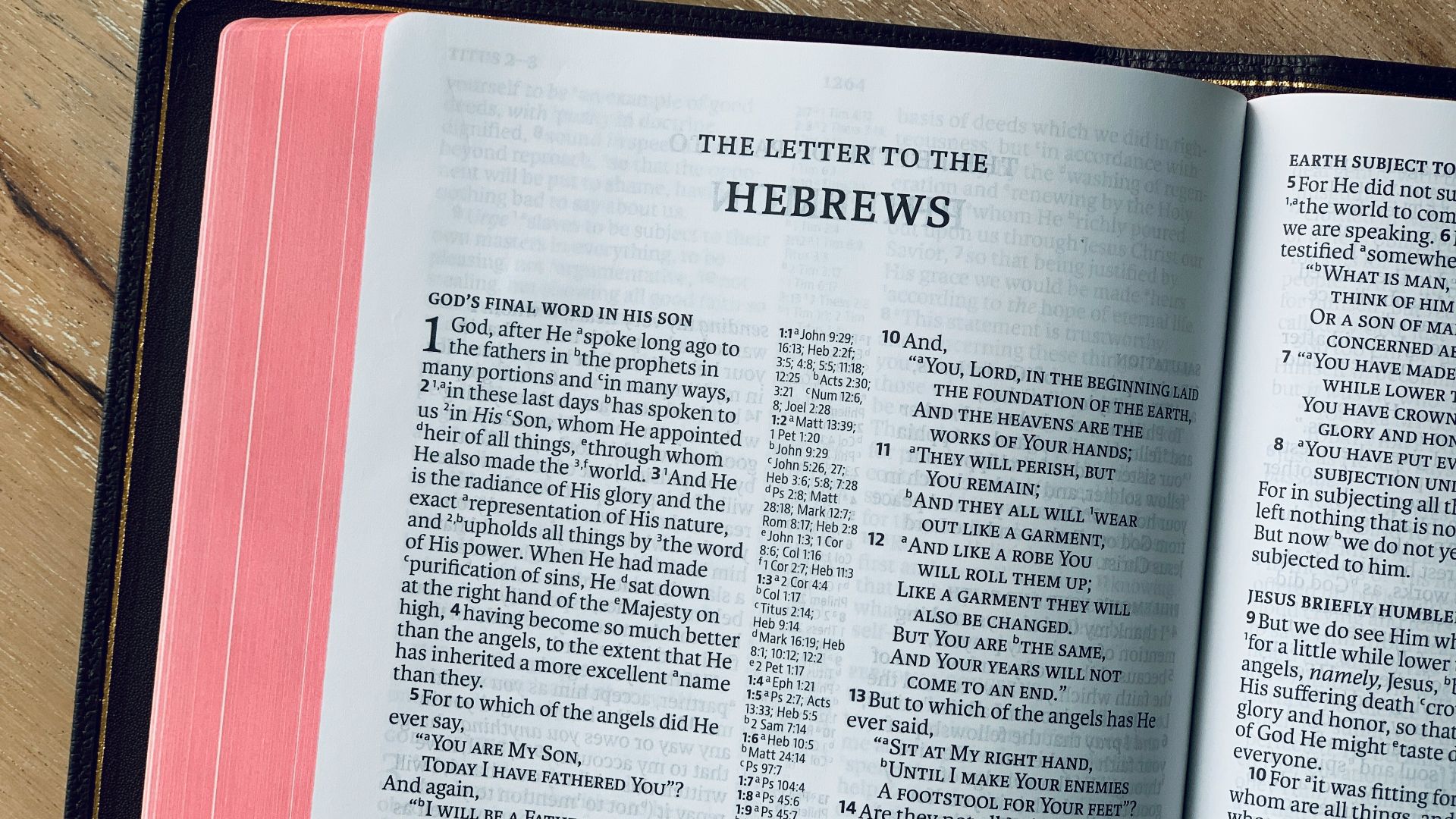
In Hebrews 4:8, the King James Version uses “Jesus” where the passage is discussing Joshua, Moses’ successor. The NIV uses “Joshua.” That doesn’t mean the versions are talking about different people. It shows how two familiar English names can stand behind the same Greek form.
Latin Changed The Spelling Again
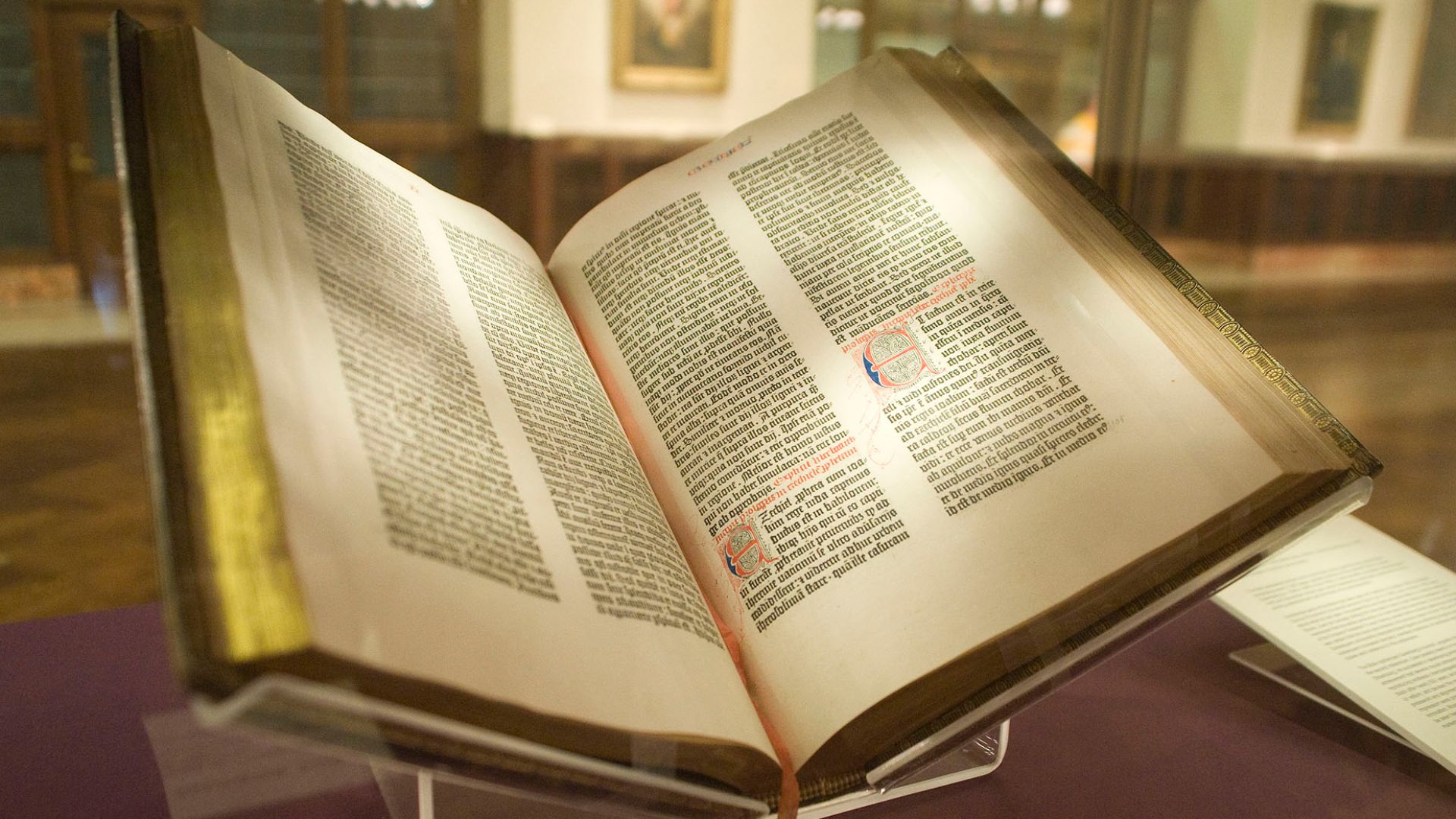
As Christian texts circulated in Latin, Greek Iēsous became Iesus. You can now see the modern spelling taking shape, although the initial letter is still an “I.” The English name would reach us through this Latin tradition, rather than directly from everyday speech in Galilee.
 NYC Wanderer (Kevin Eng), Wikimedia Commons
English Took A Longer Route
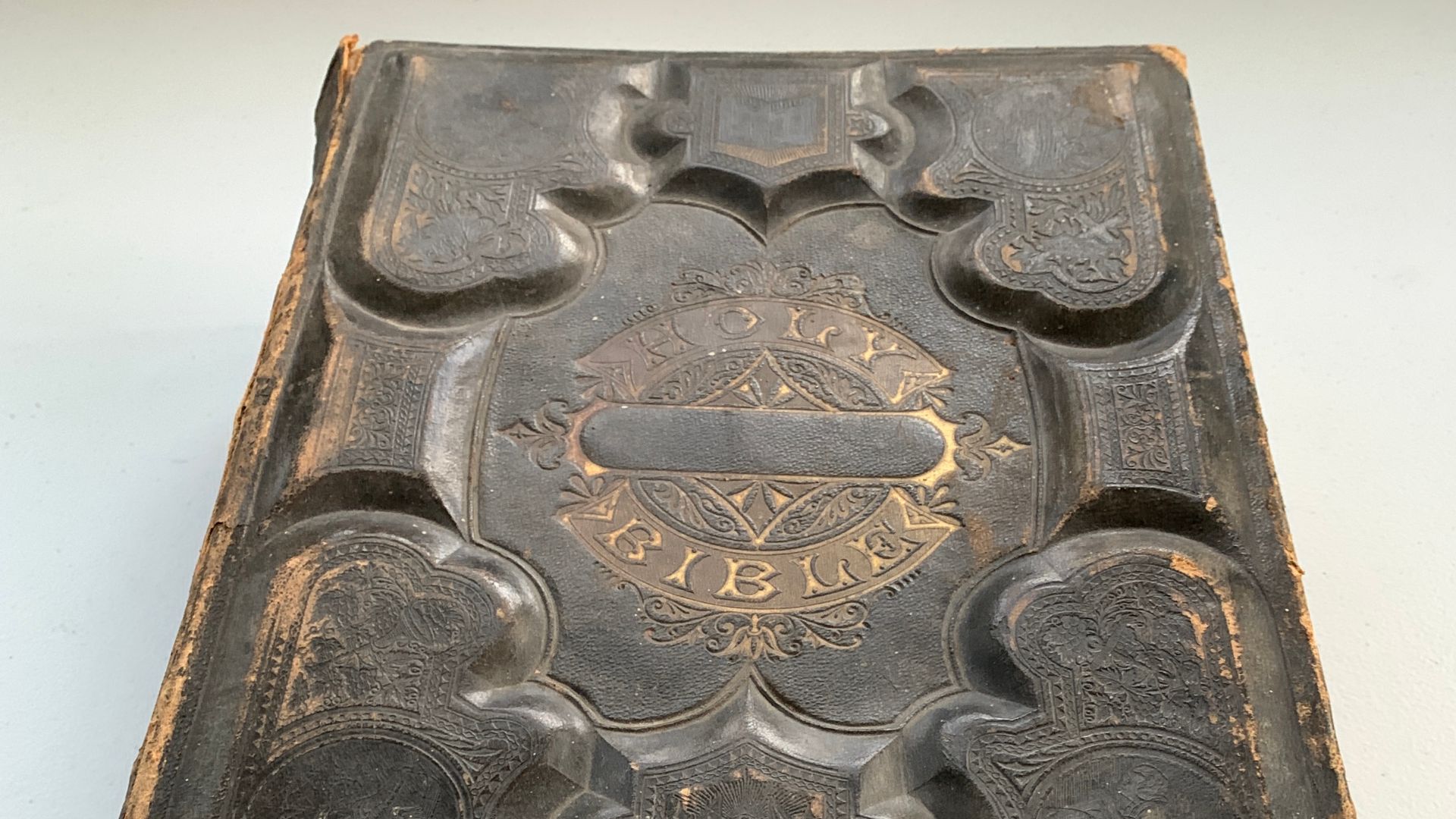
Medieval English also used forms such as Iesu and Jesu, shaped by Latin and French usage. So there wasn’t one neat moment when Yeshua became the modern English Jesus. Different spellings and grammatical forms circulated as the name moved through languages and generations.
 John P Salvatore, Wikimedia Commons
The J Was A Late Arrival
The letter “J” began as a modified way of writing “I” before developing into a separate letter. Its familiar English role came much later than Jesus’ lifetime. That little initial letter represents another chapter in the story, long after the name had entered Greek and Latin.
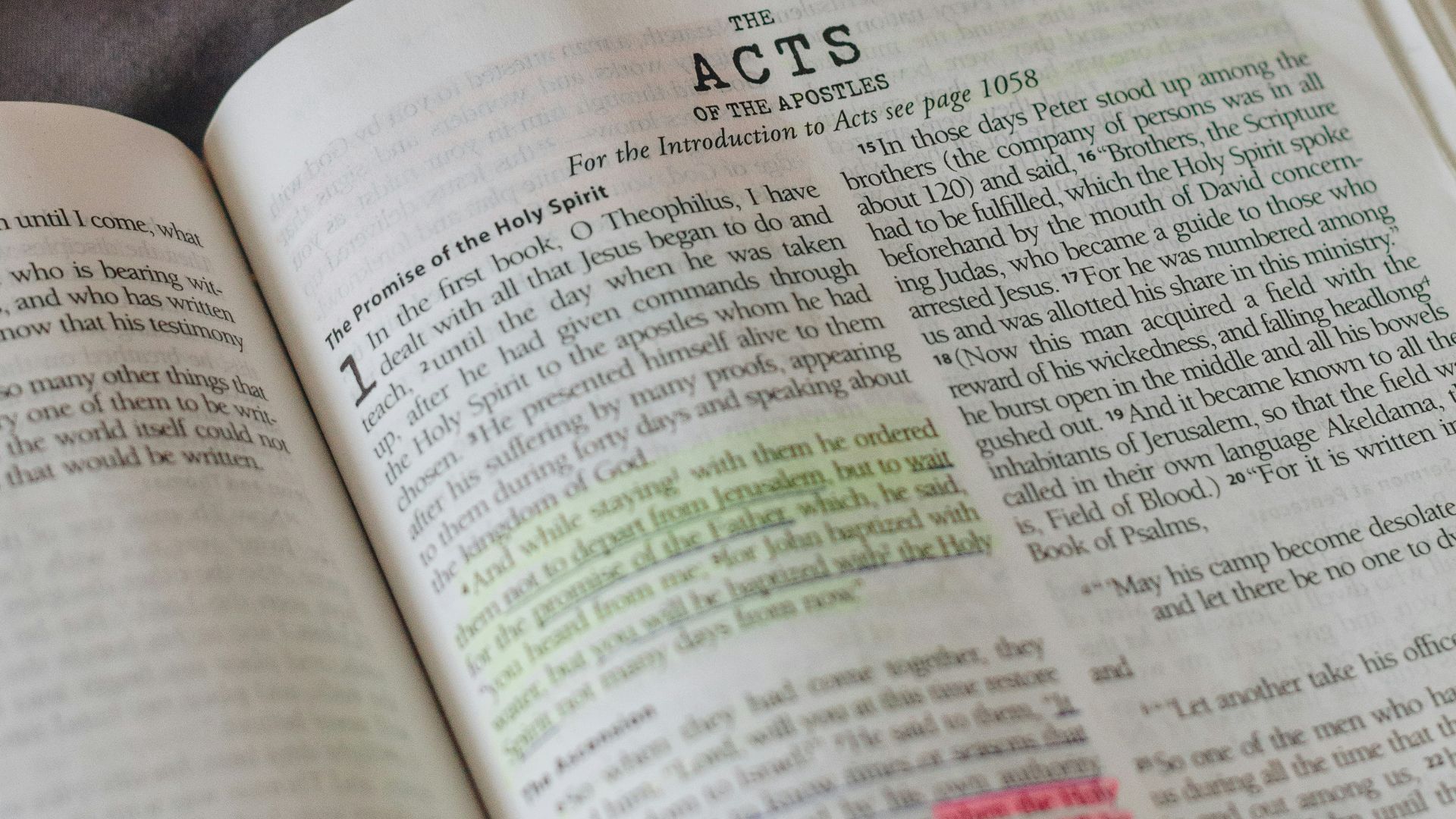
Even The King James Bible Used An I
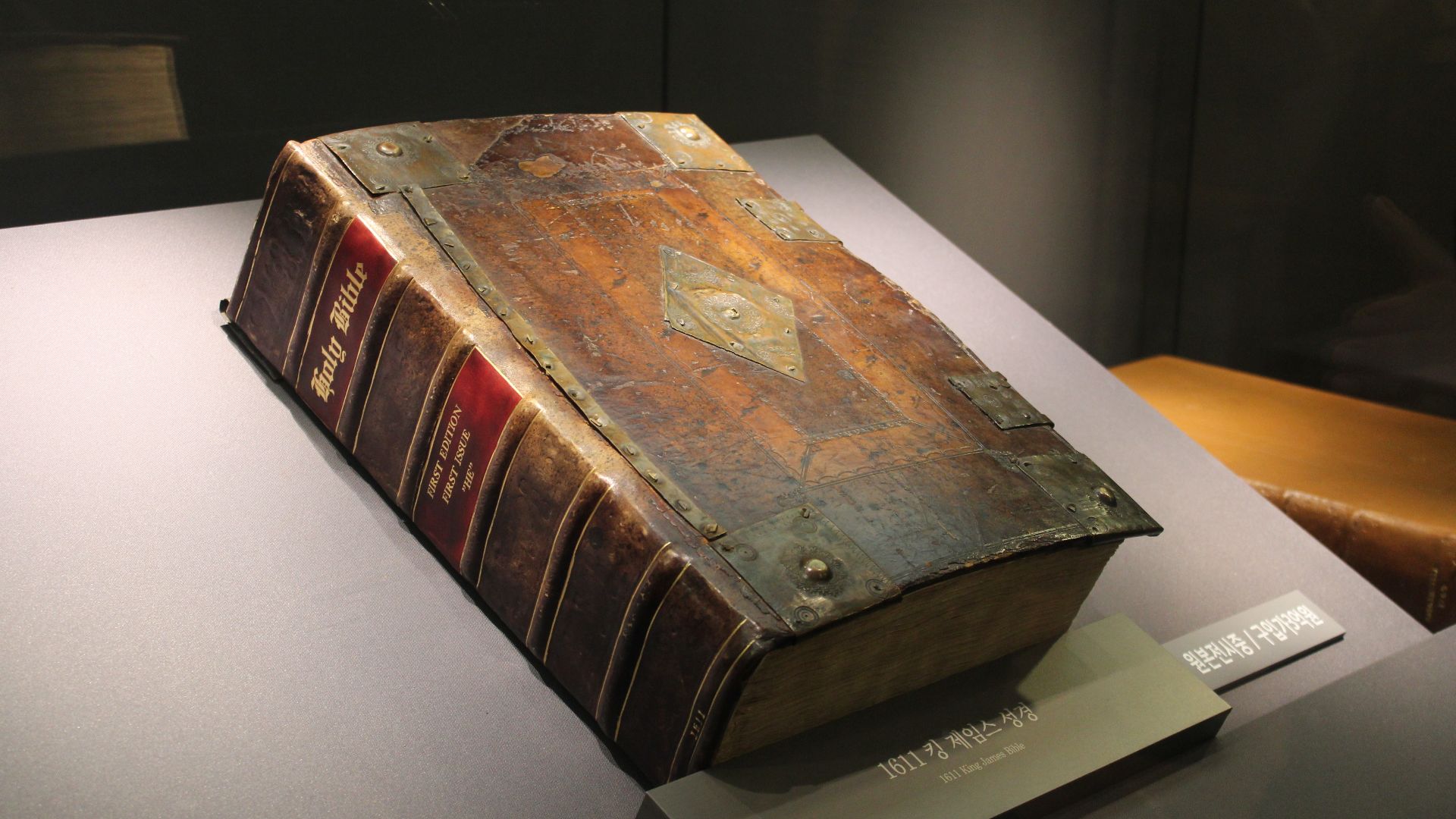
Open the original 1611 King James Bible and you’ll find the name printed with an initial “I.” In its old type, it appears as “Ieſus,” with a long “s.” One of the most famous English Bibles therefore looked different from the copies many readers know today.
History's most fascinating stories and darkest secrets, delivered to your inbox daily.
The Letter Didn’t Invent The Sound
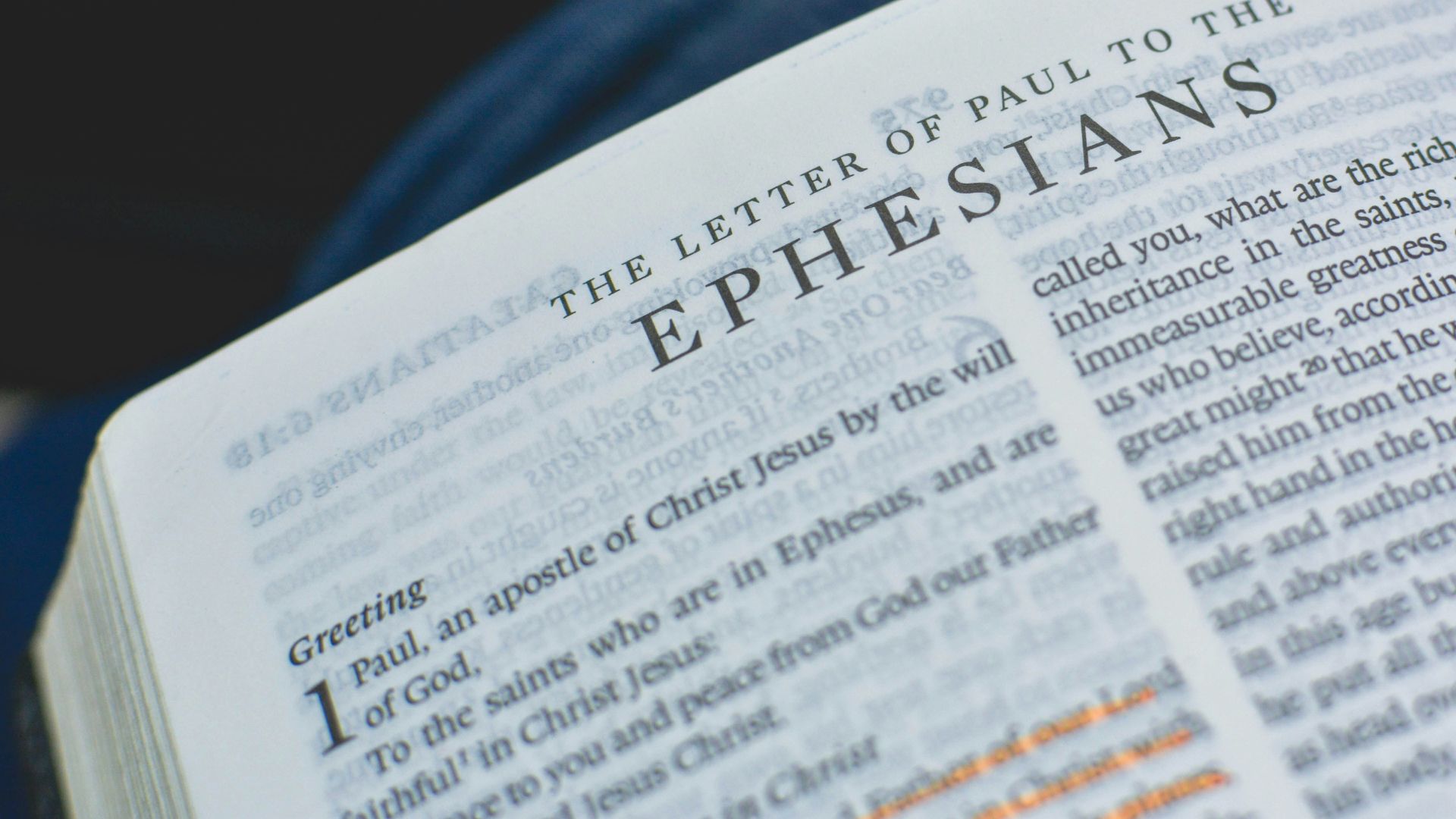
The spelling and pronunciation followed related but separate histories. English speakers didn’t suddenly acquire a new sound when printers adopted J. The letter came to represent a sound that had developed earlier. Changing what appeared on the page was only part of the story.
Other Languages Took Their Own Paths
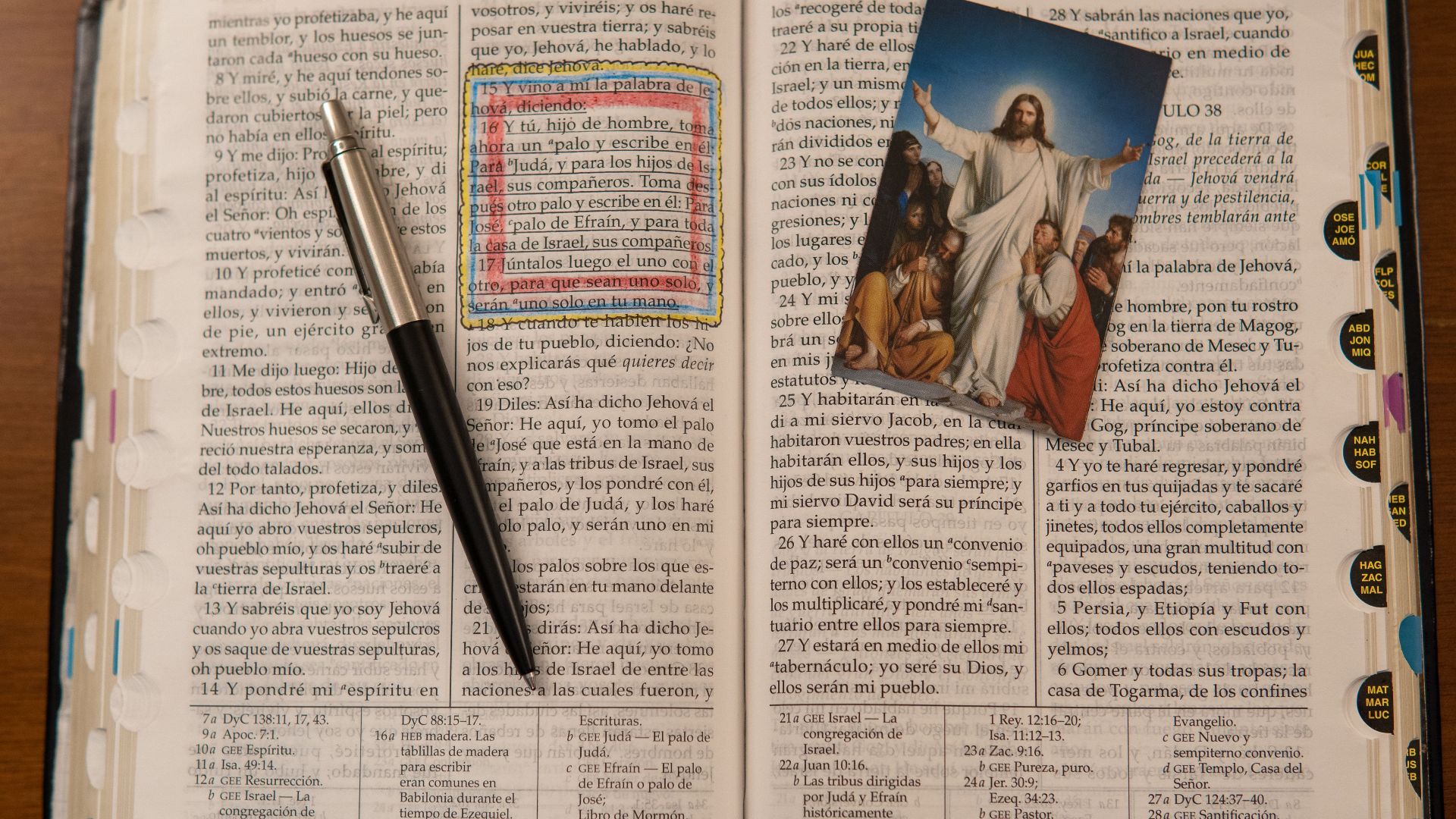
English wasn’t the final destination for everyone. Spanish has Jesús, Italian has Gesù, and French has Jésus. These forms refer to the same person while following different spelling and pronunciation traditions. The name’s journey spread into several branches, rather than one worldwide English version.
What We Can’t Recover Exactly
Yeshua is the strongest historical reconstruction, but claiming to know precisely how everyone addressed him goes further than the evidence allows. Scholar Eran Shuali notes that reliable information about Jesus’ exact pronunciation and spelling is lacking. A likely original form isn’t a recording of his voice.
 Screenshot from Son of God, 20th Century Fox (2014)
One Name, Centuries Of Changes
So yes, the English “Jesus” would have sounded different from the name used by his family in Galilee. But follow the trail through Yeshua, Iēsous, and Iesus, and the connection is clear. A name could travel remarkably far before reaching the version you grew up hearing.
 Screenshot from Son of God, 20th Century Fox (2014)
You Might Also Like:
Indestructible Facts About The Great Pyramids
The Oracle at Delphi was the ancient world’s most trusted source of wisdom.